Two Sea Slugs

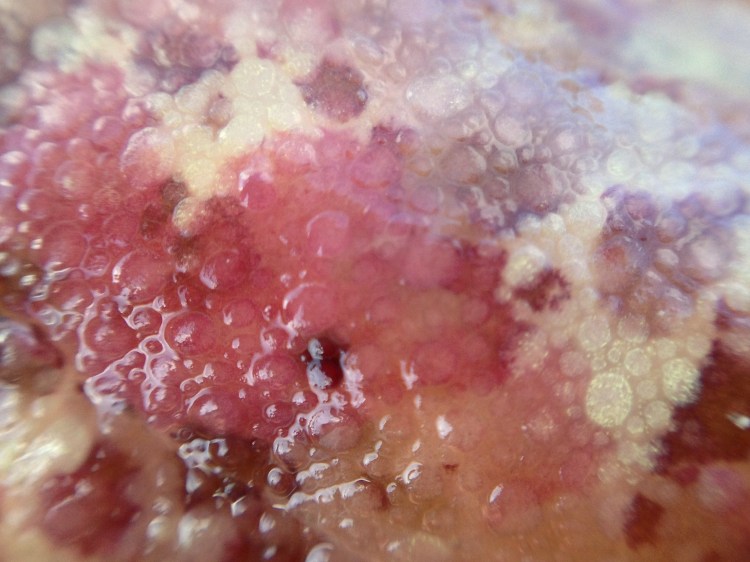
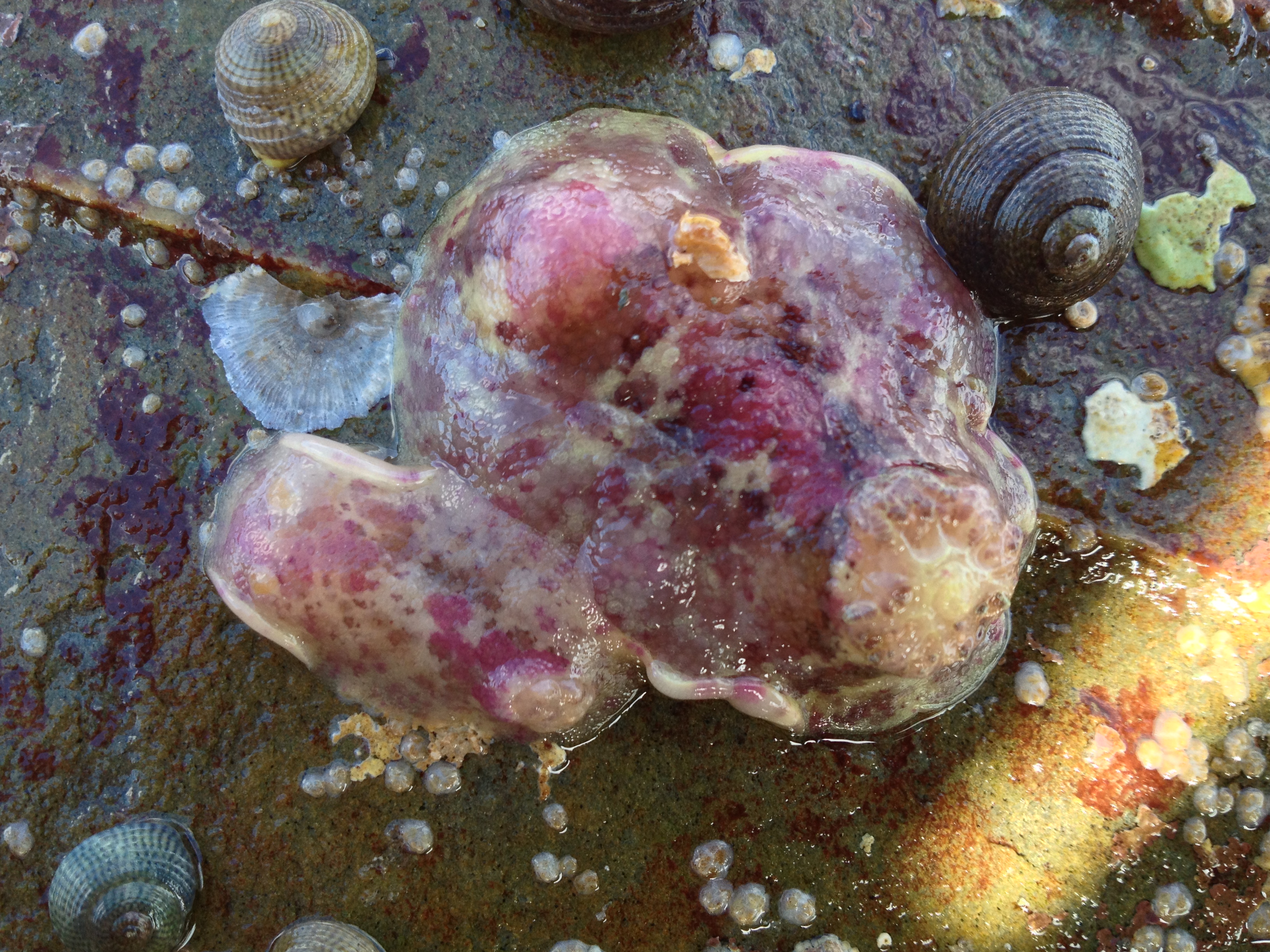
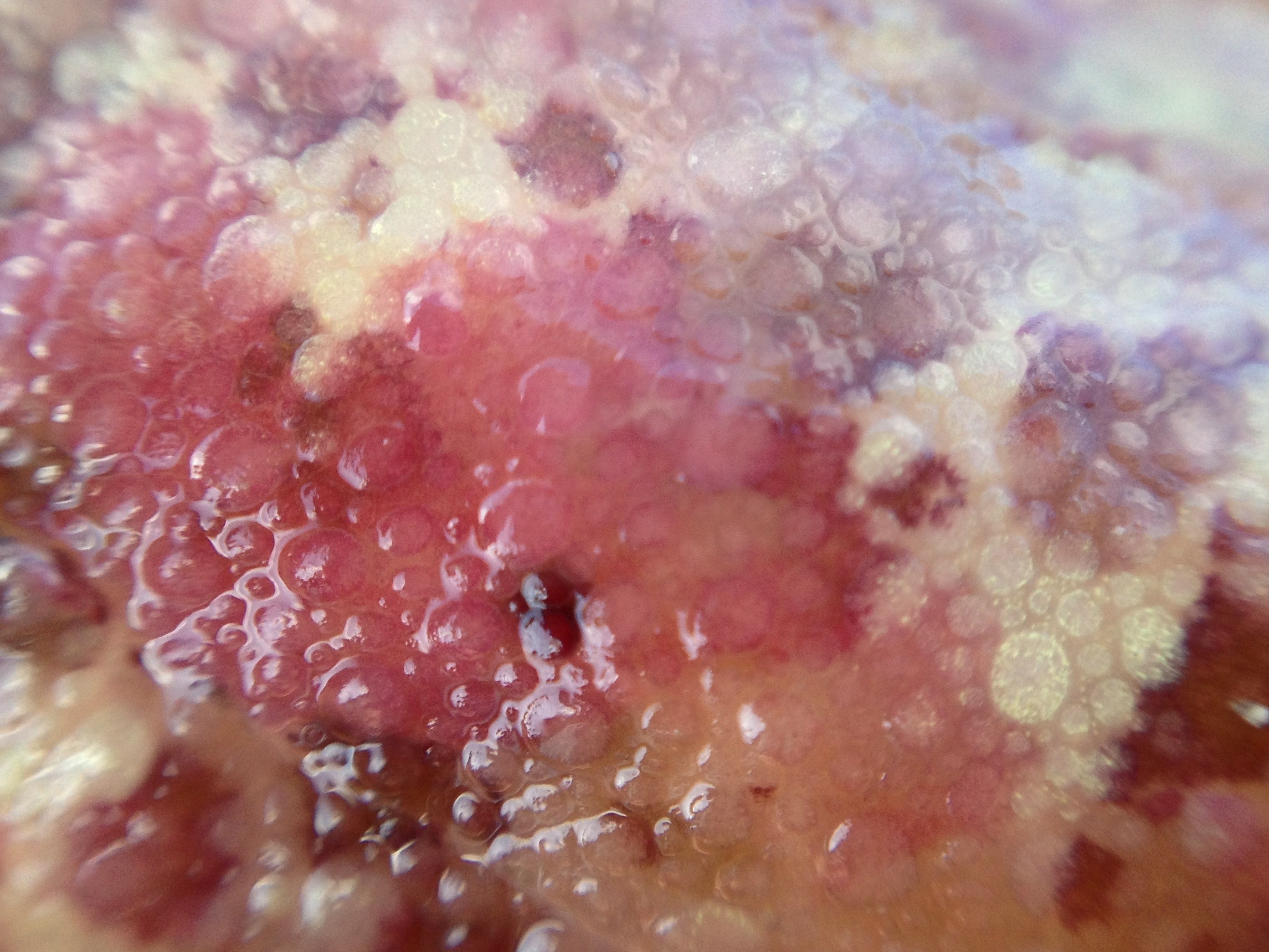
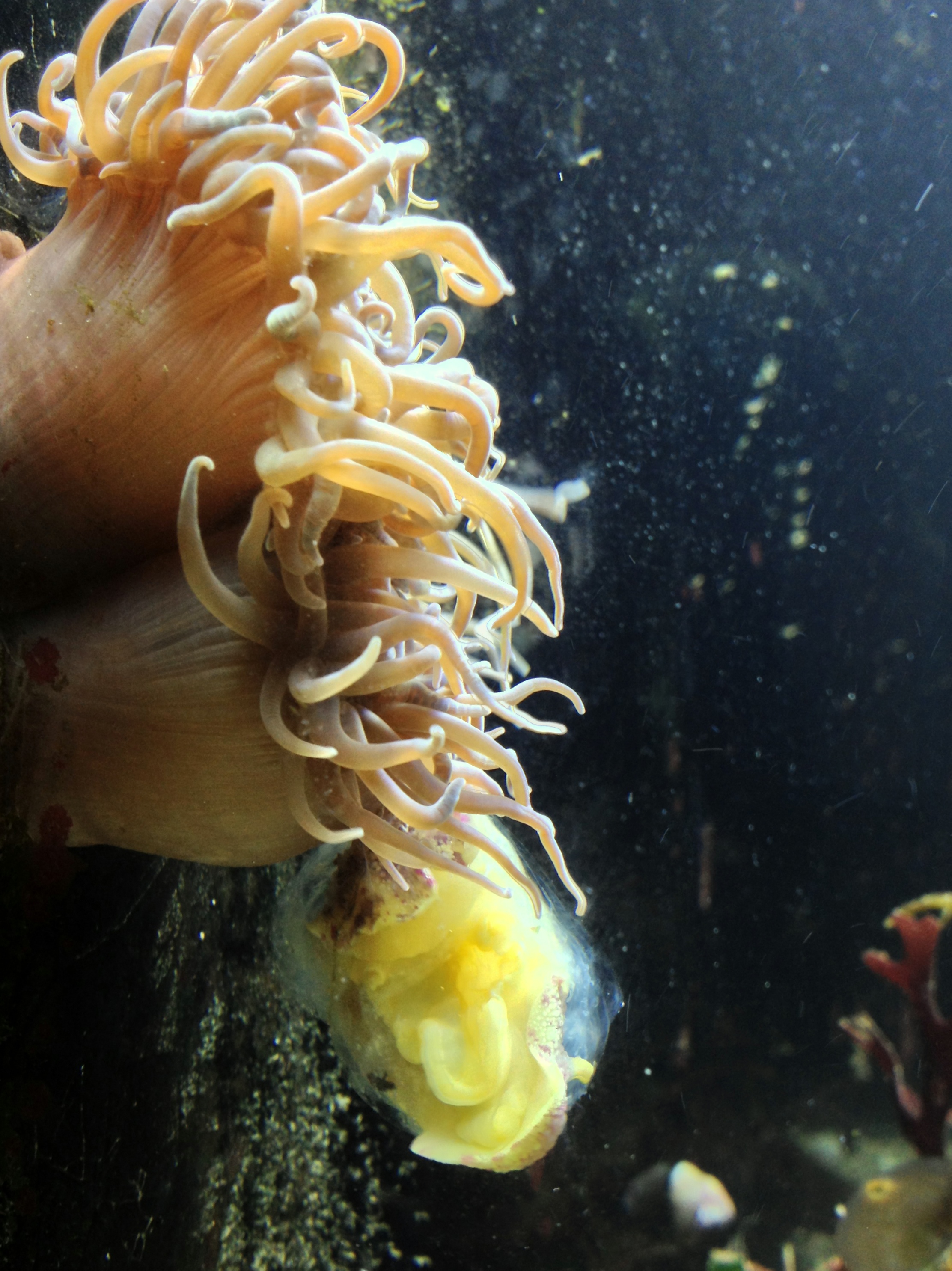
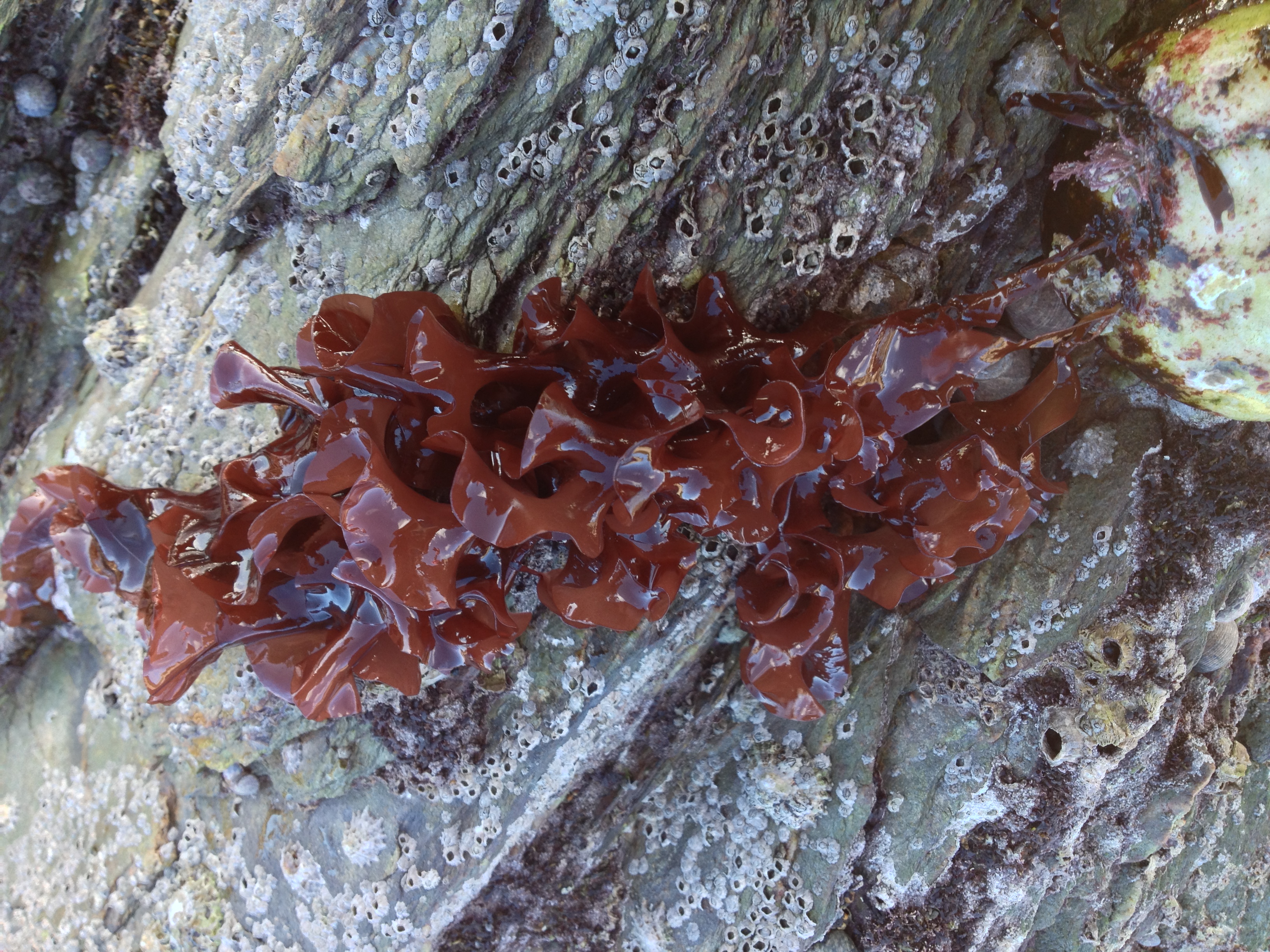
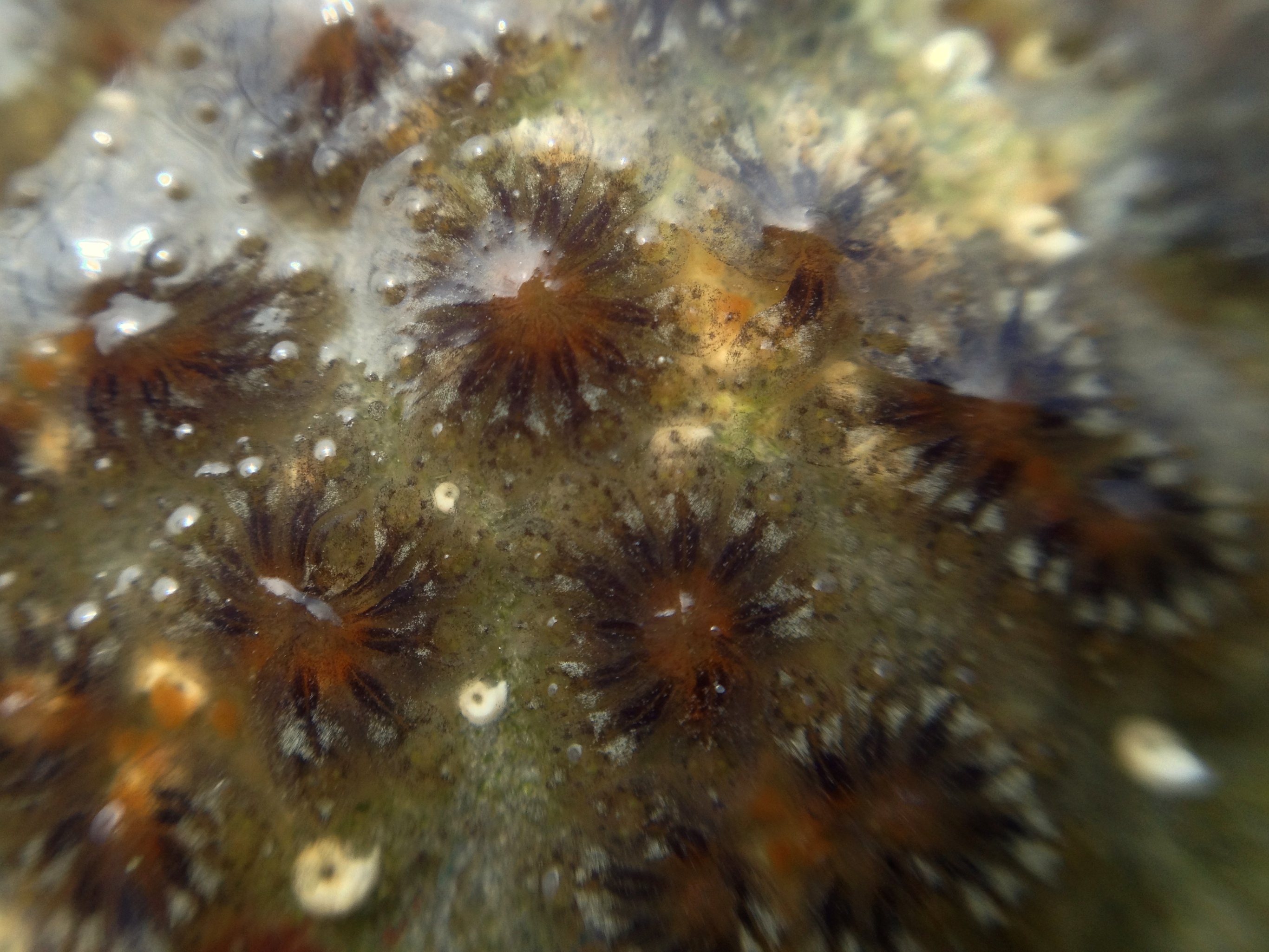
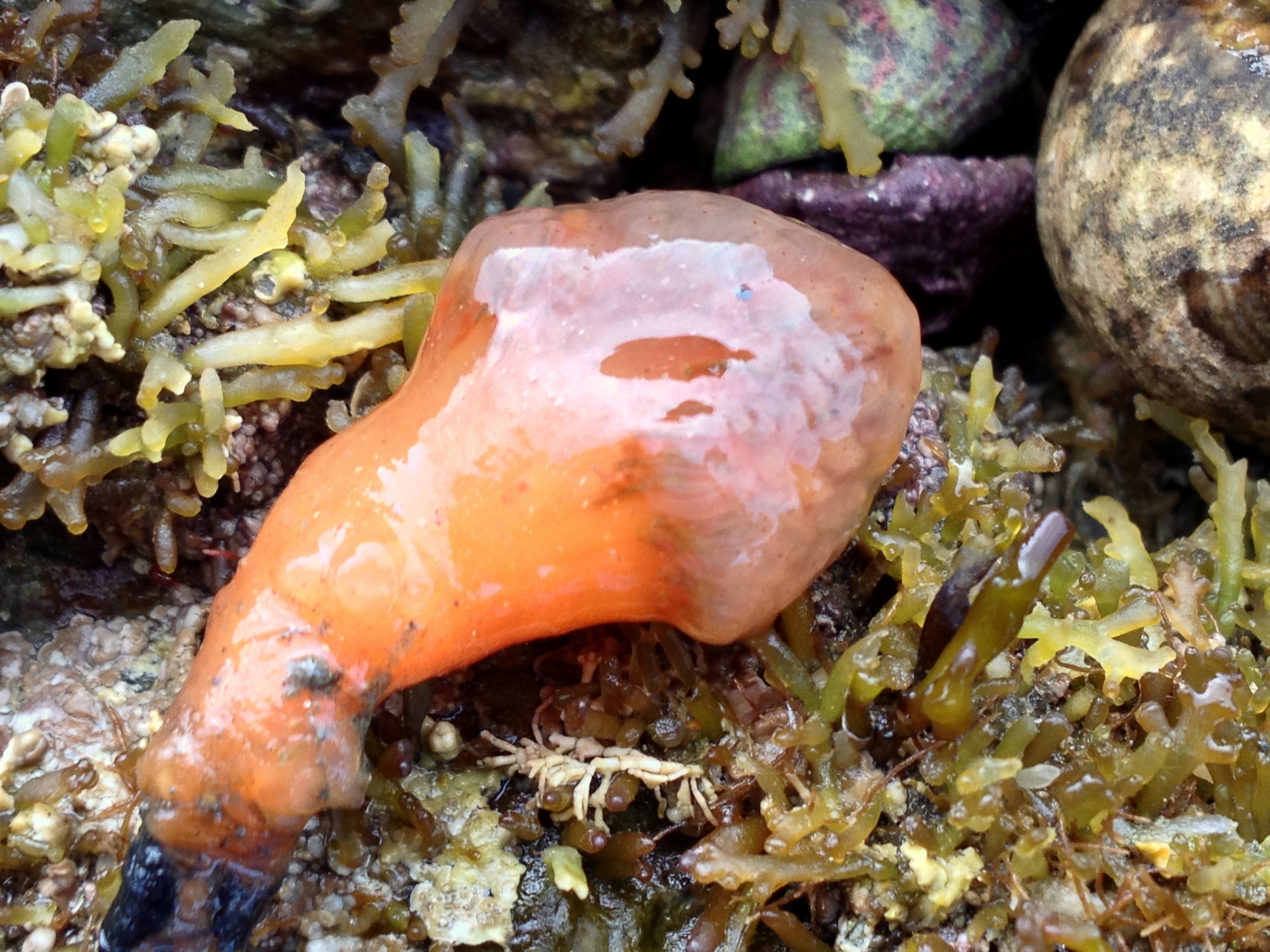
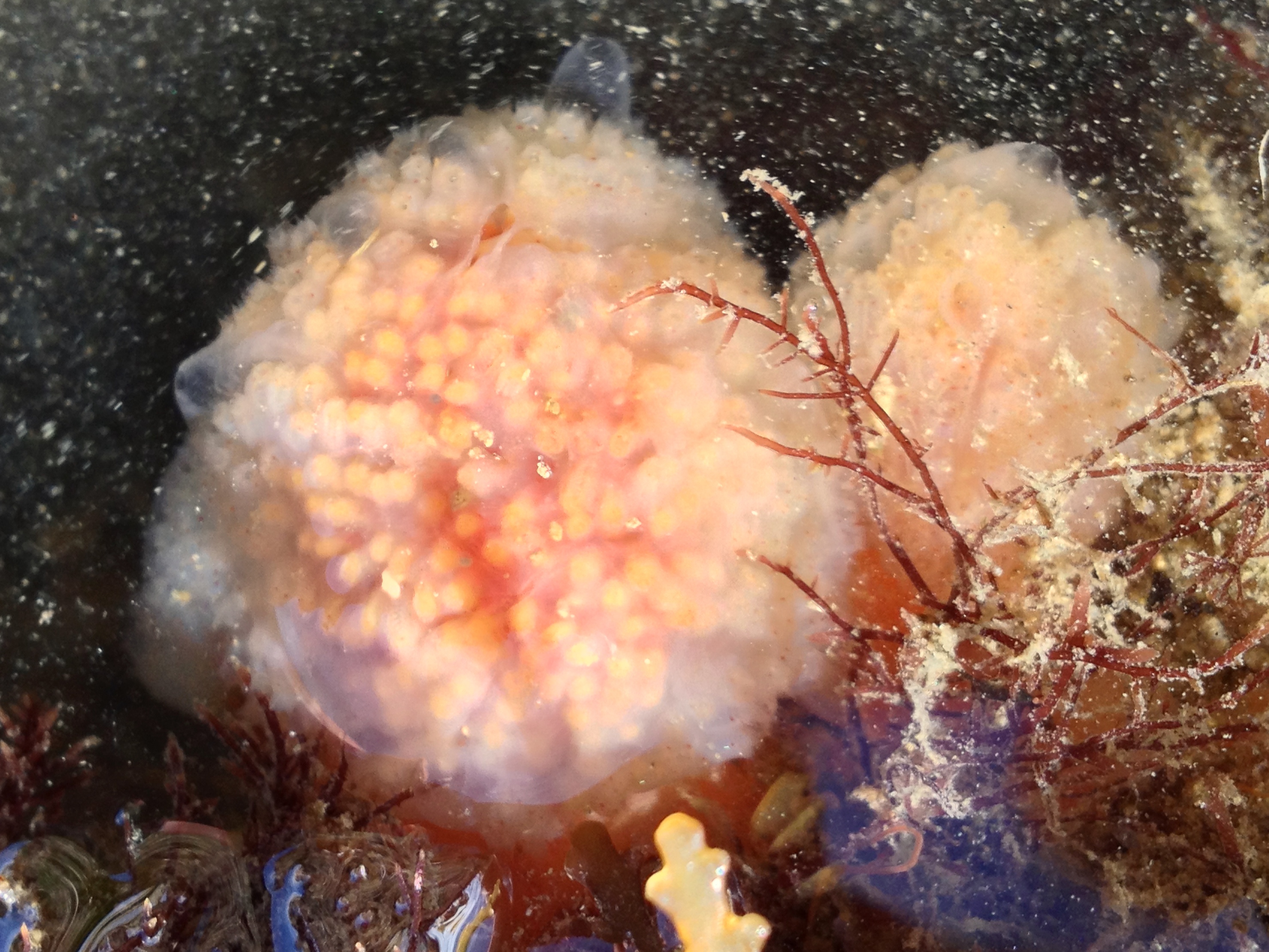
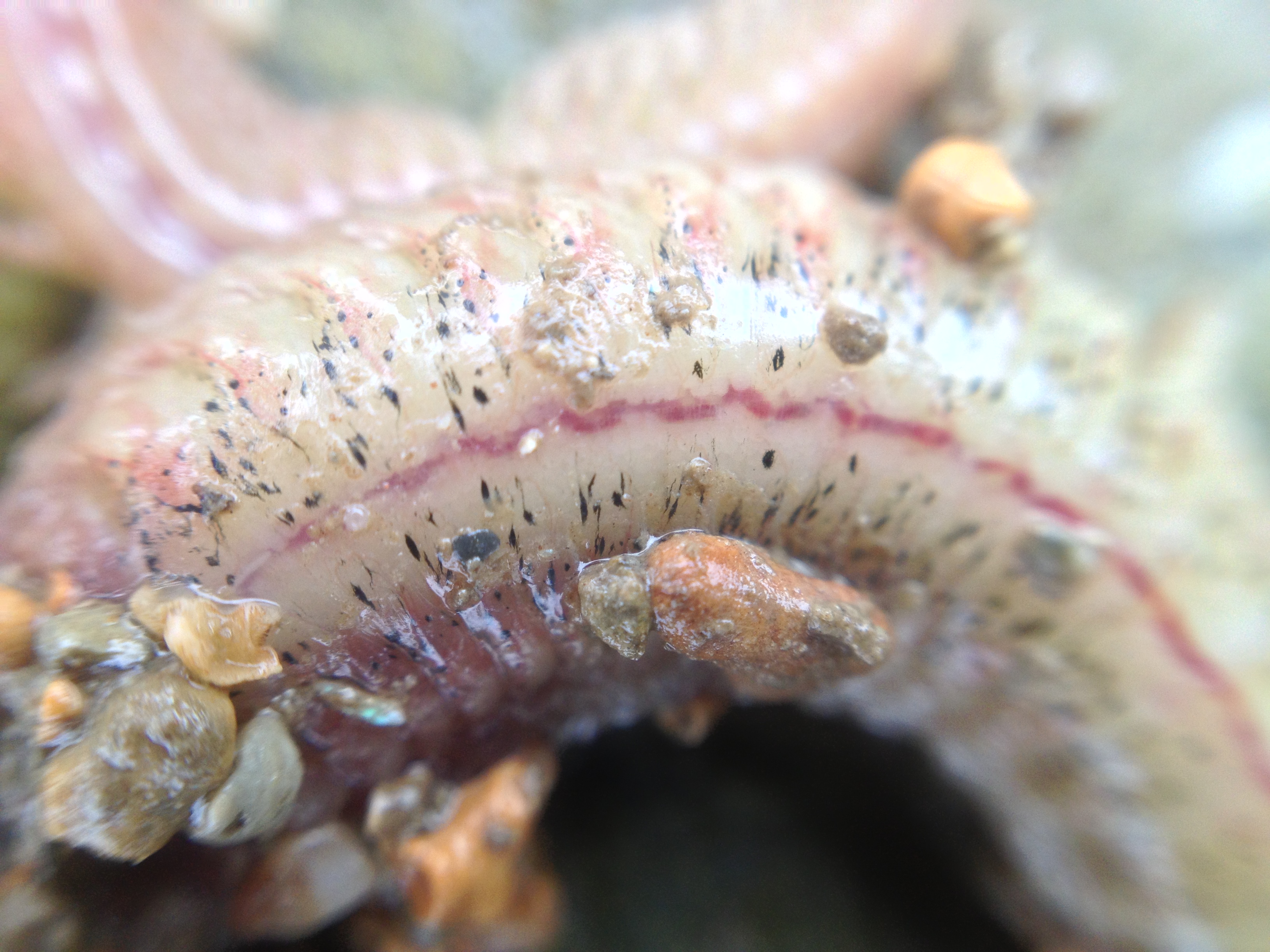
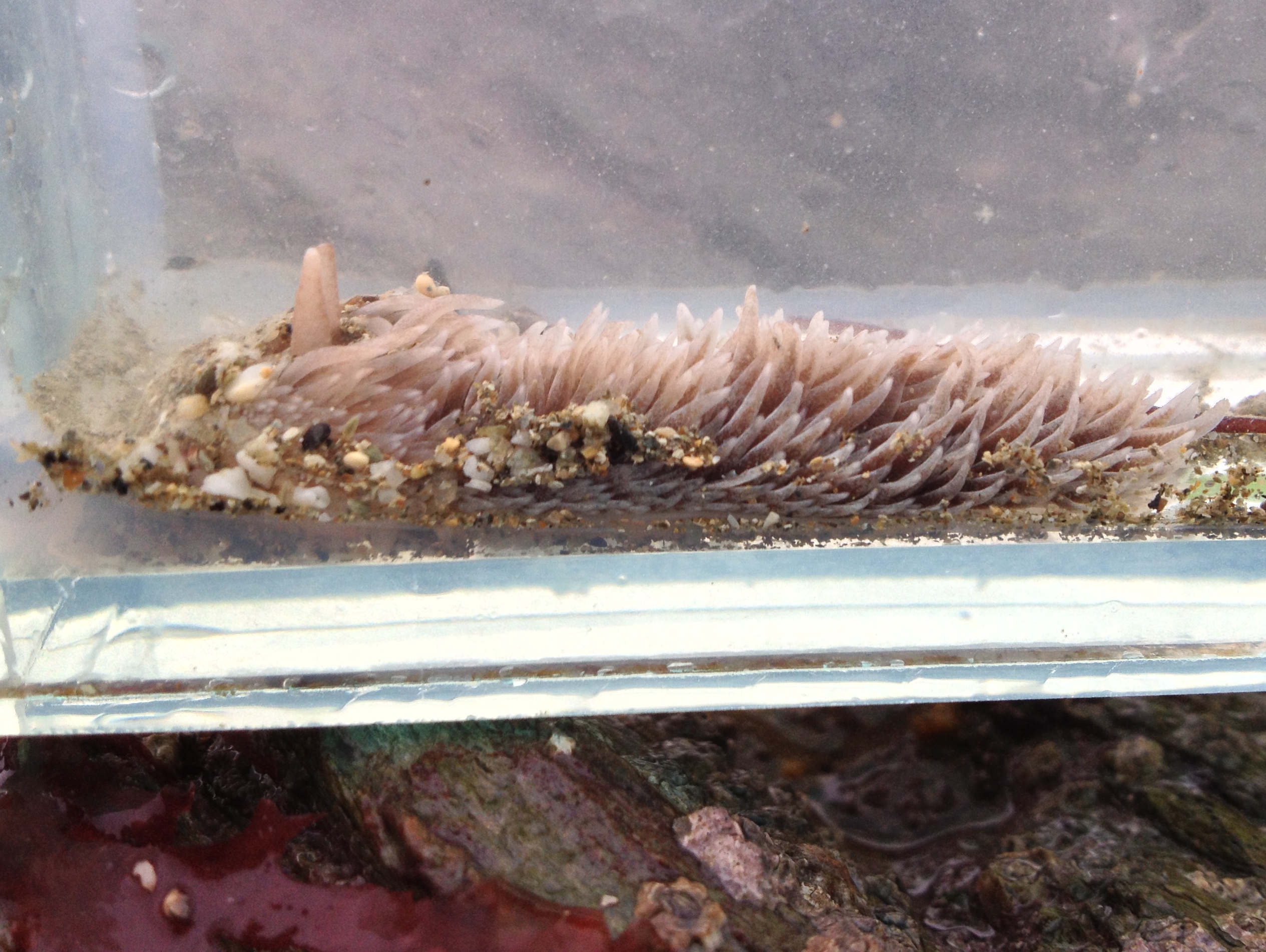
Miserable weather in Flushing this Sunday, but the local critters are not going to identify themselves so out to the shore it was! Amongst a bunch of interesting finds (the tide was quite low), a Chinaman’s hat, baby Thick-lipped dog whelks and Horseman anemones. Also two slugs I had not seen before. The beautiful Grey Sea slug Aeolidia papillosa which preys on anemones (not the best picture but it was raining and my hands were cold):

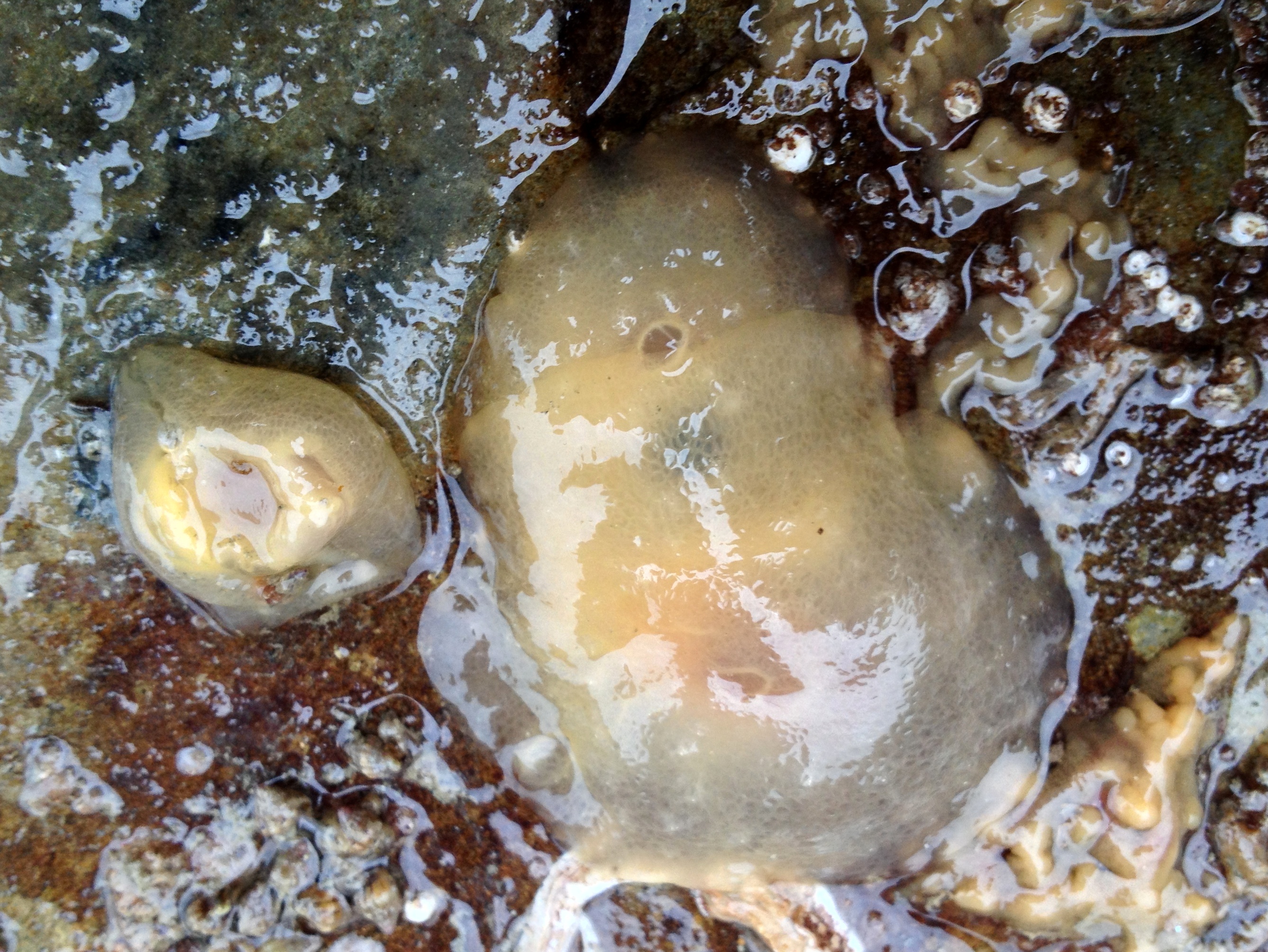
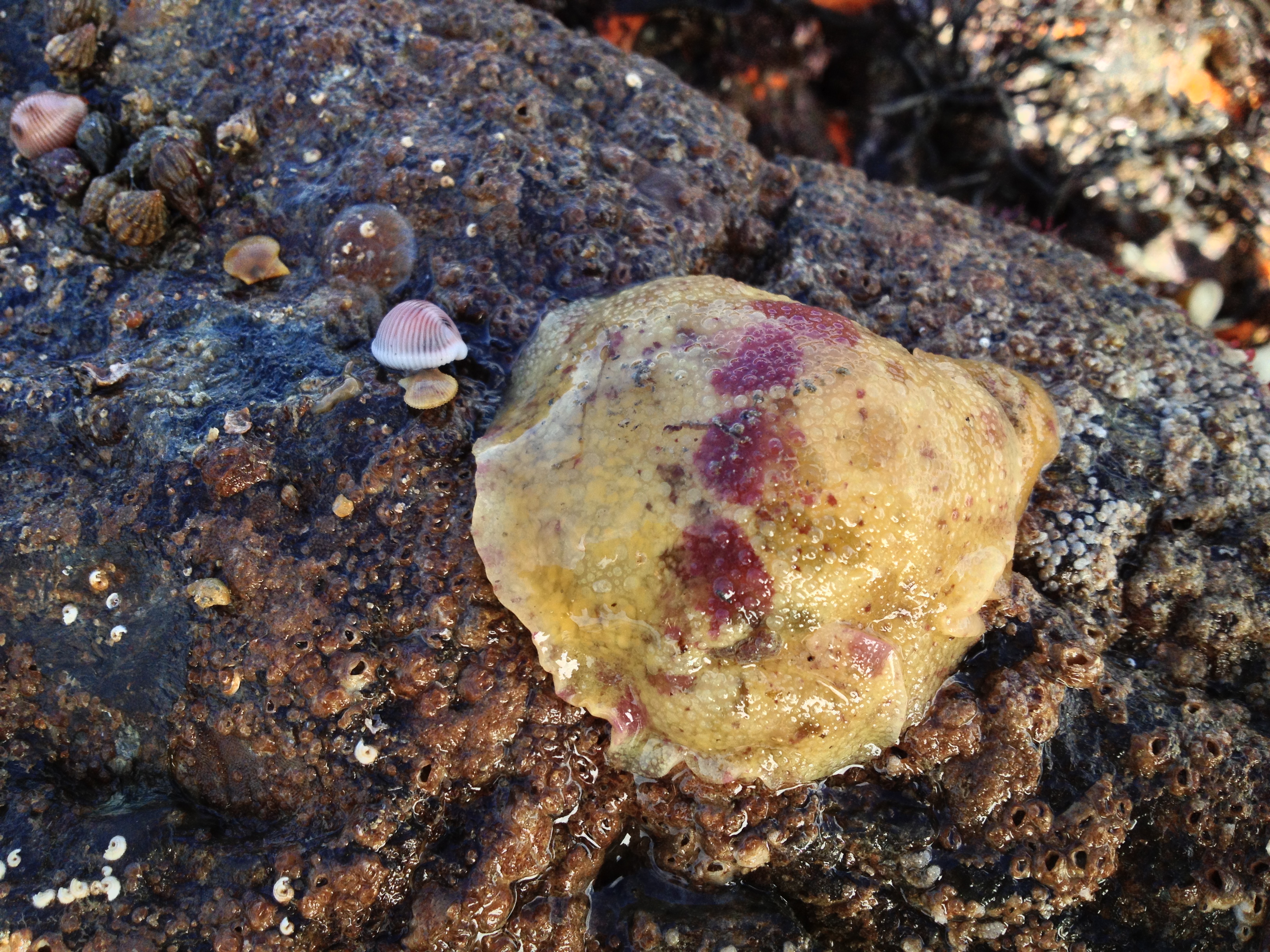
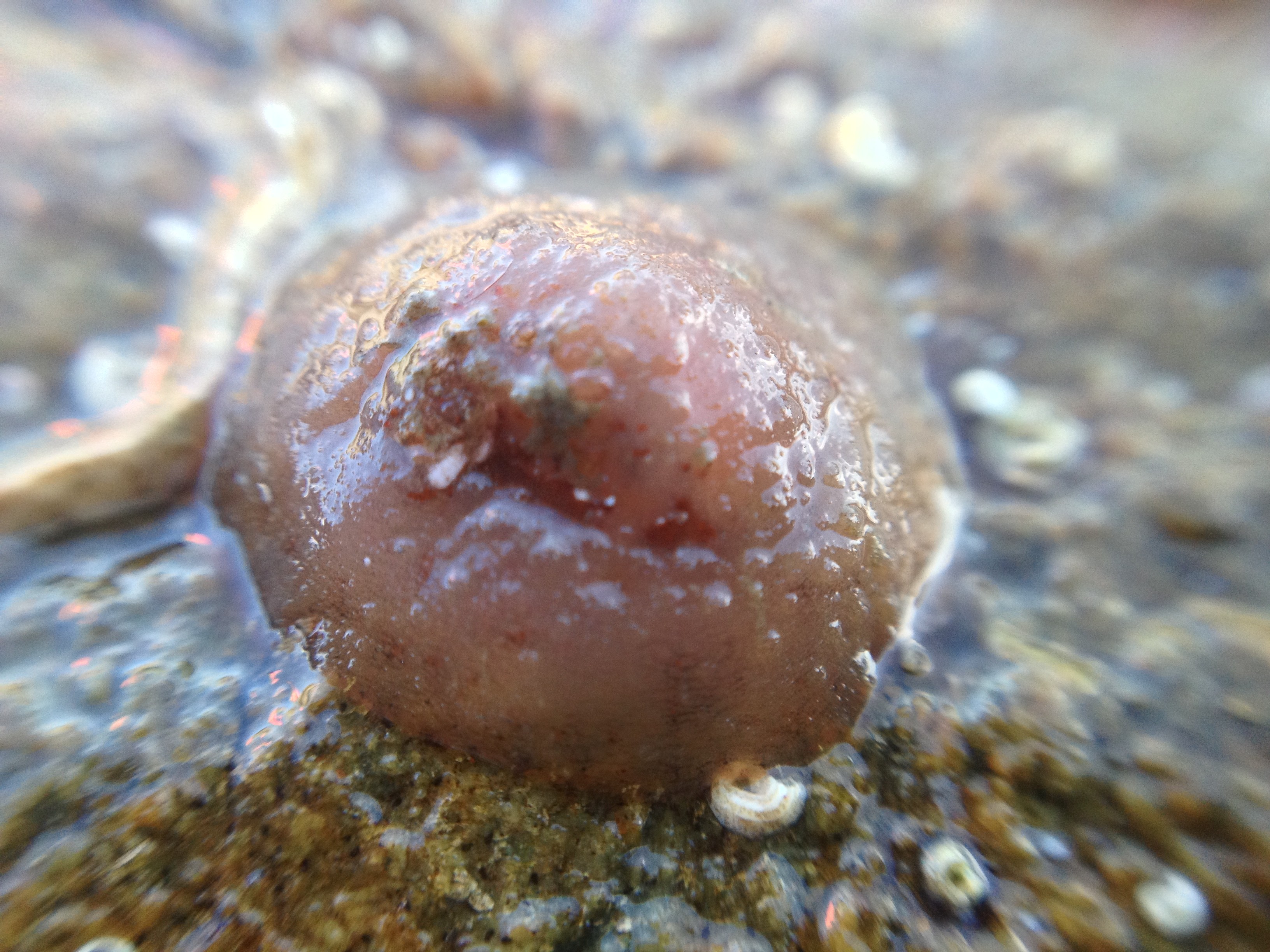
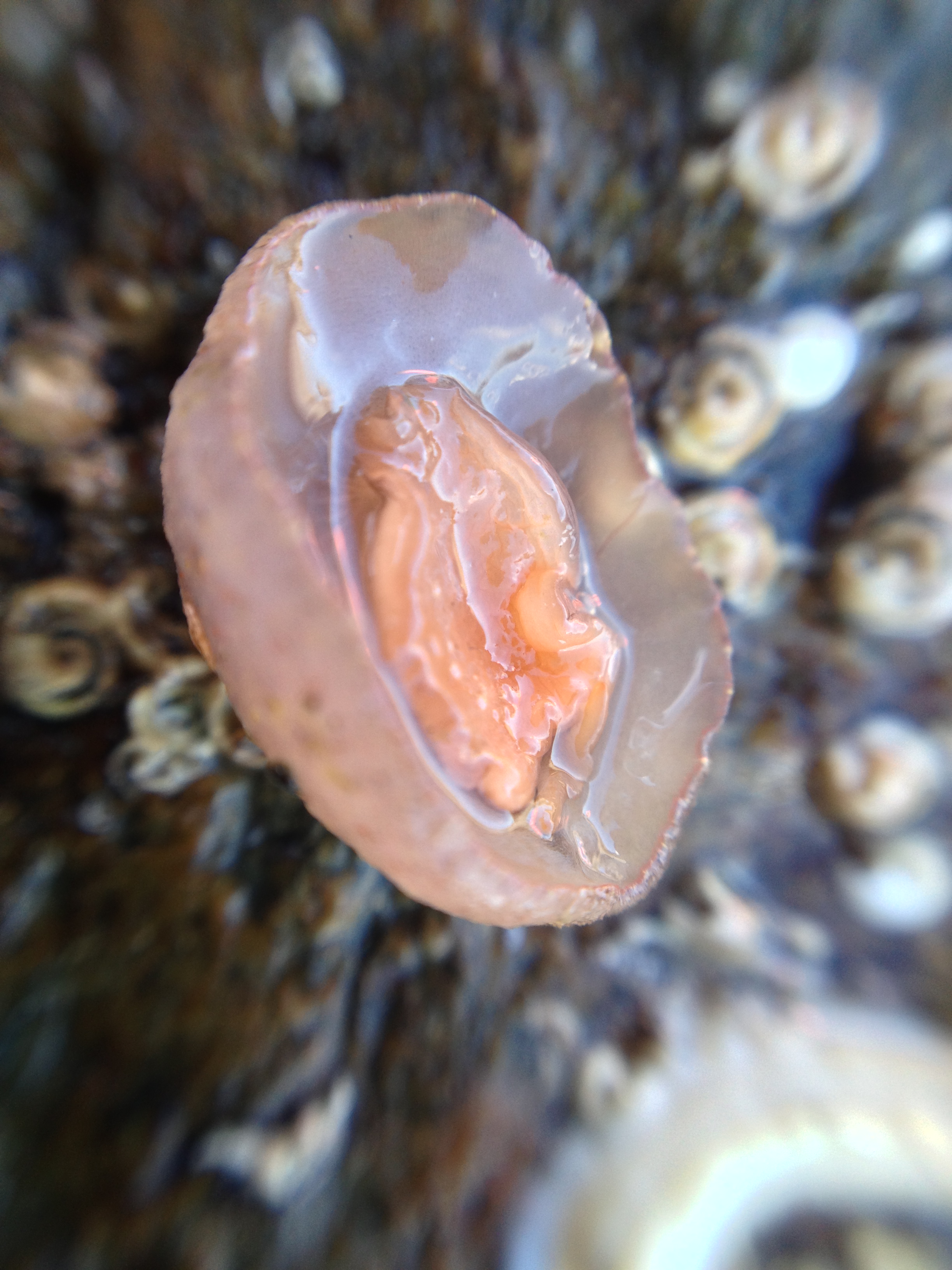
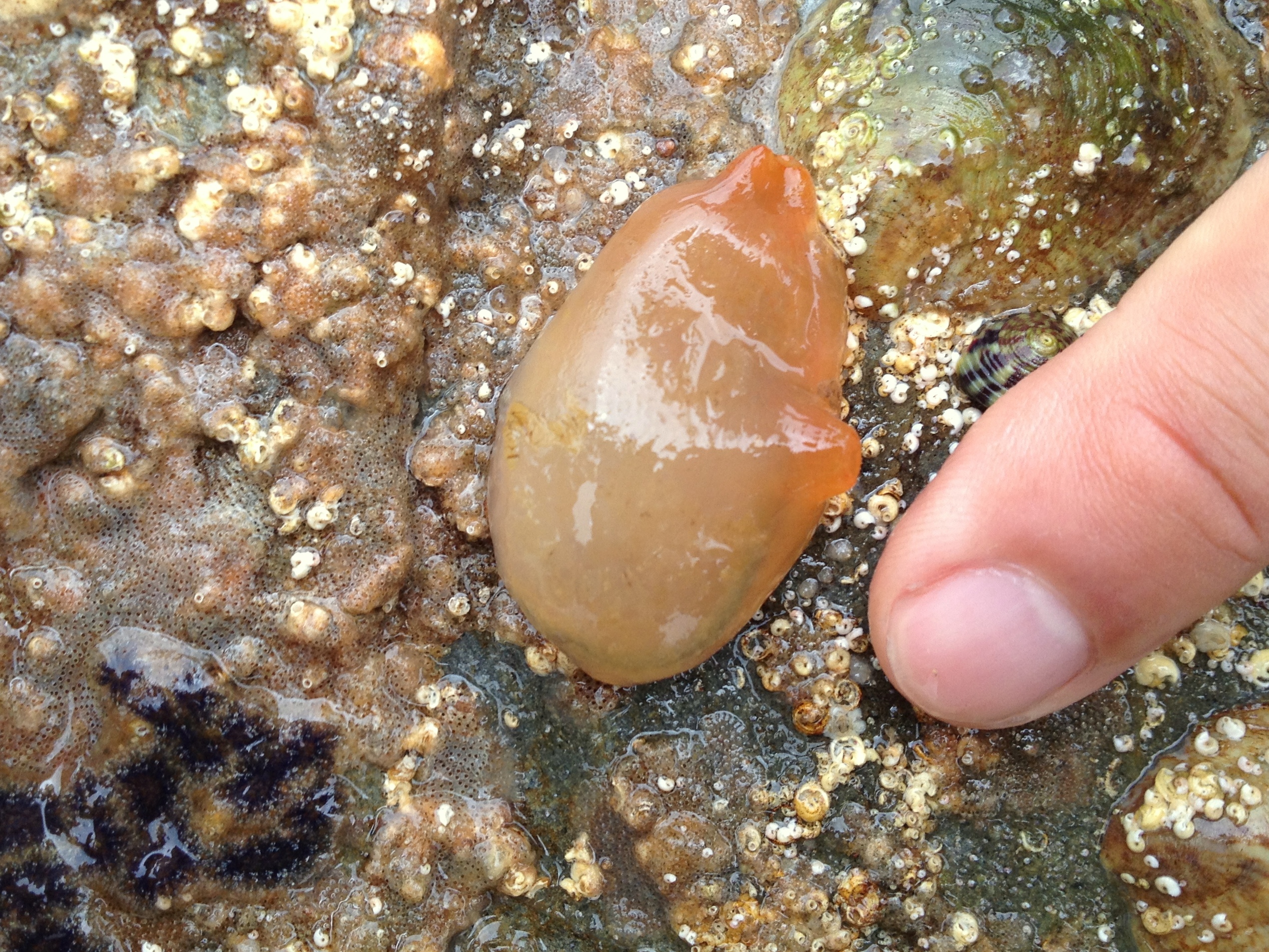
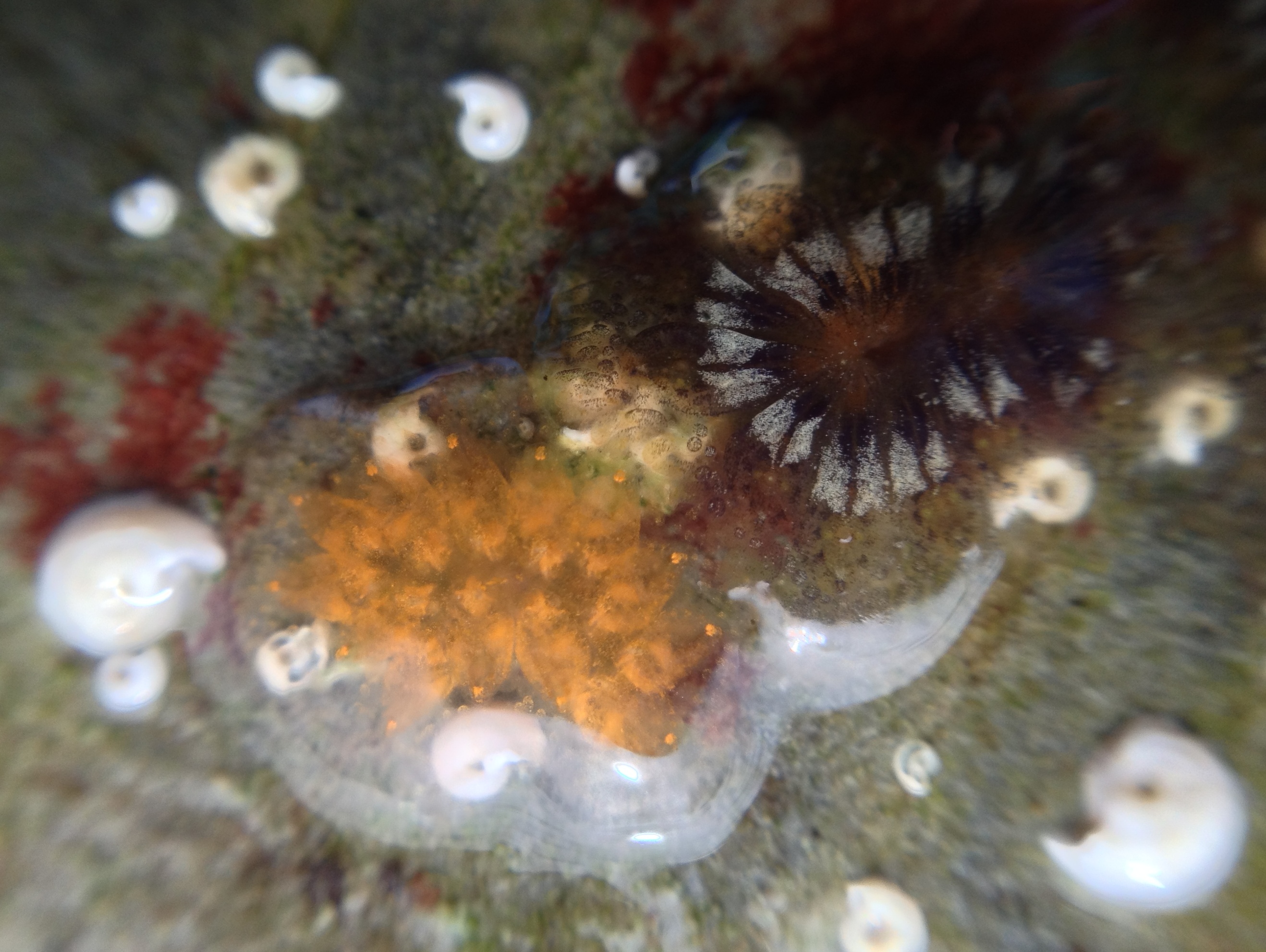
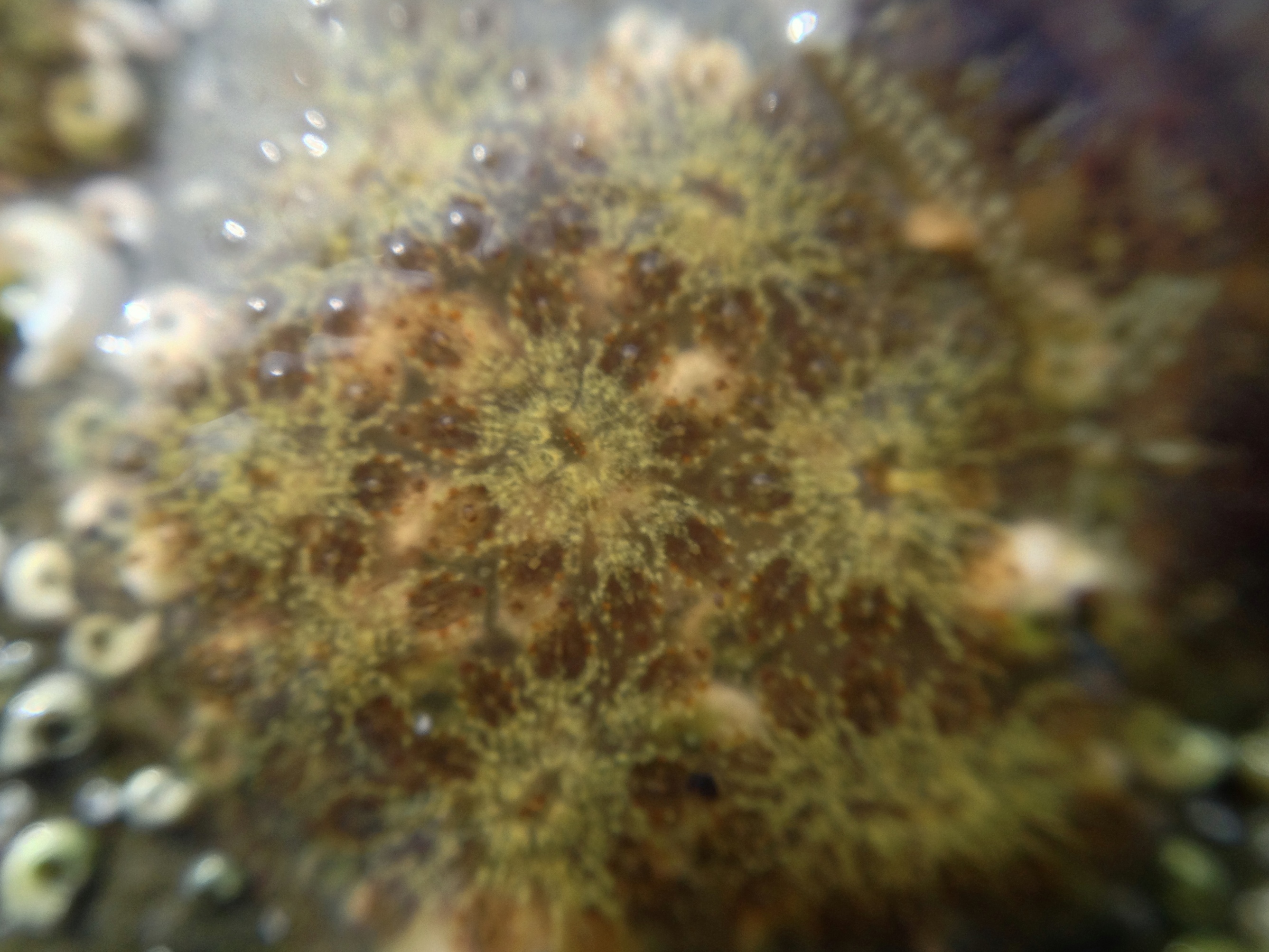
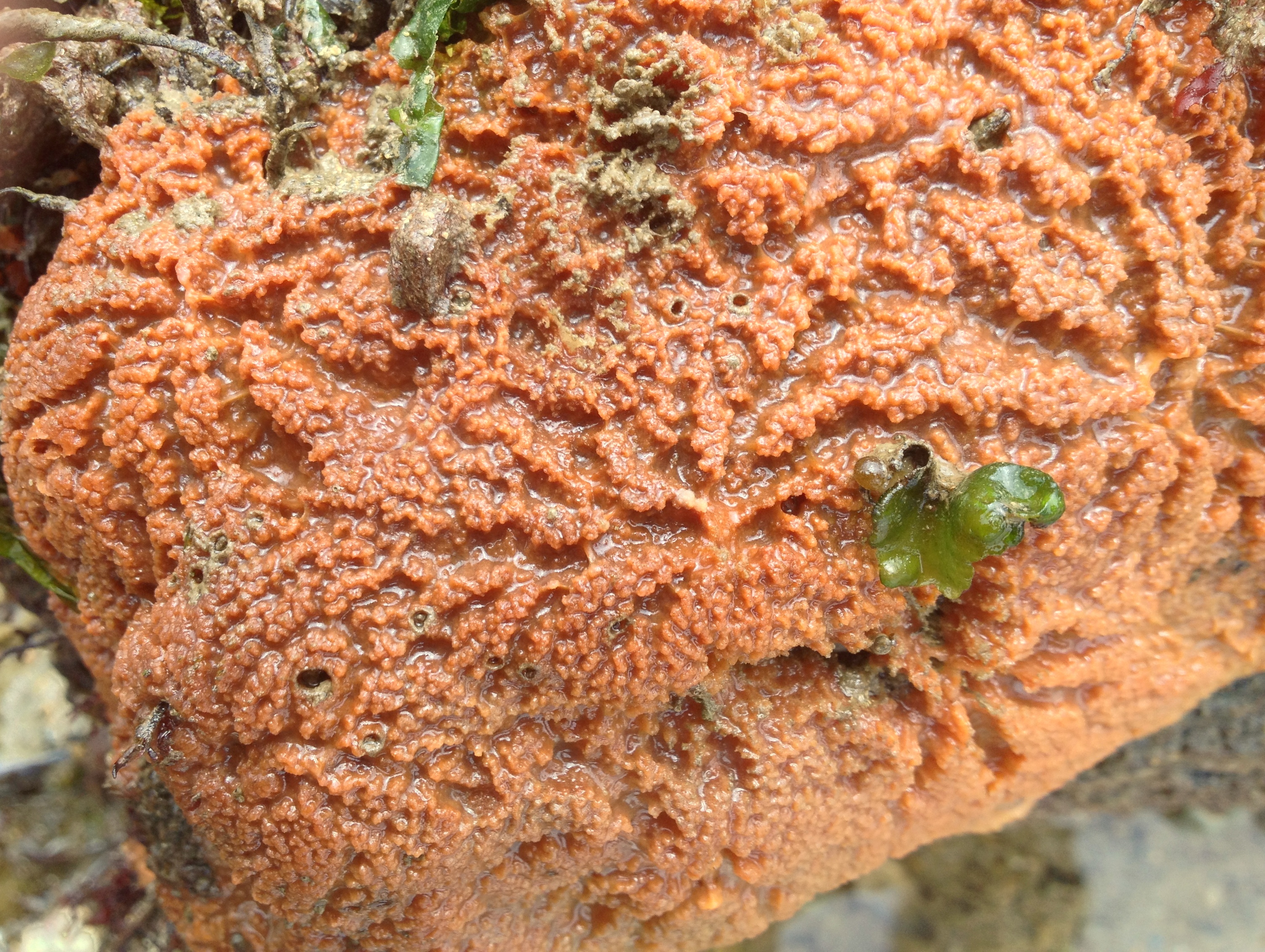
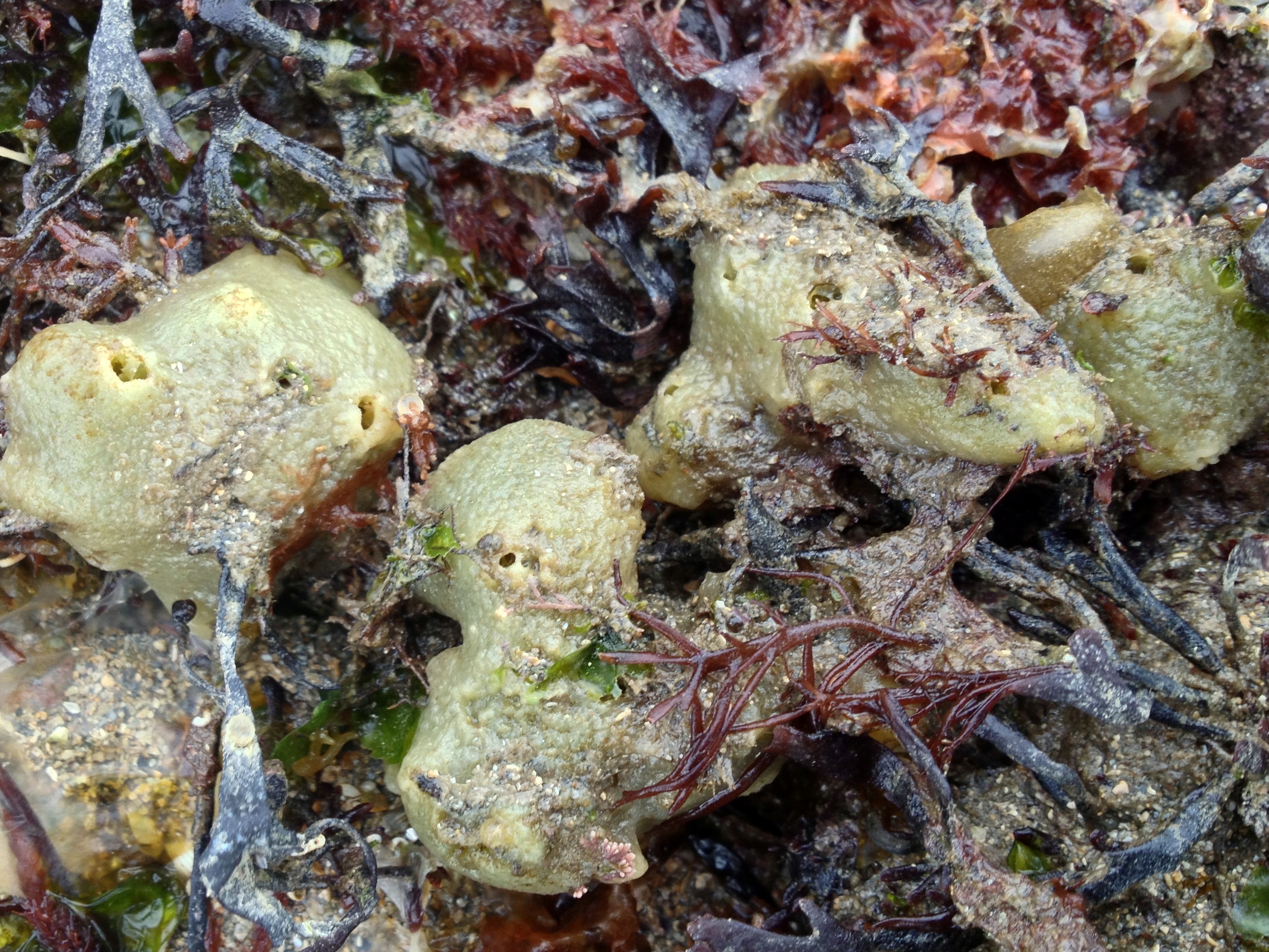
IMG_8493Pictures of the Yellow-plumed Sea slug Berthella plumula in my Collins guide show quite a beautiful animal, but it was a bit underwhelming in reality. This species has an internal shell and eats colonial tunicates. I found a bunch of them huddled together (the one on the left i turned over):IMG_8475

low tide finds at Flushing

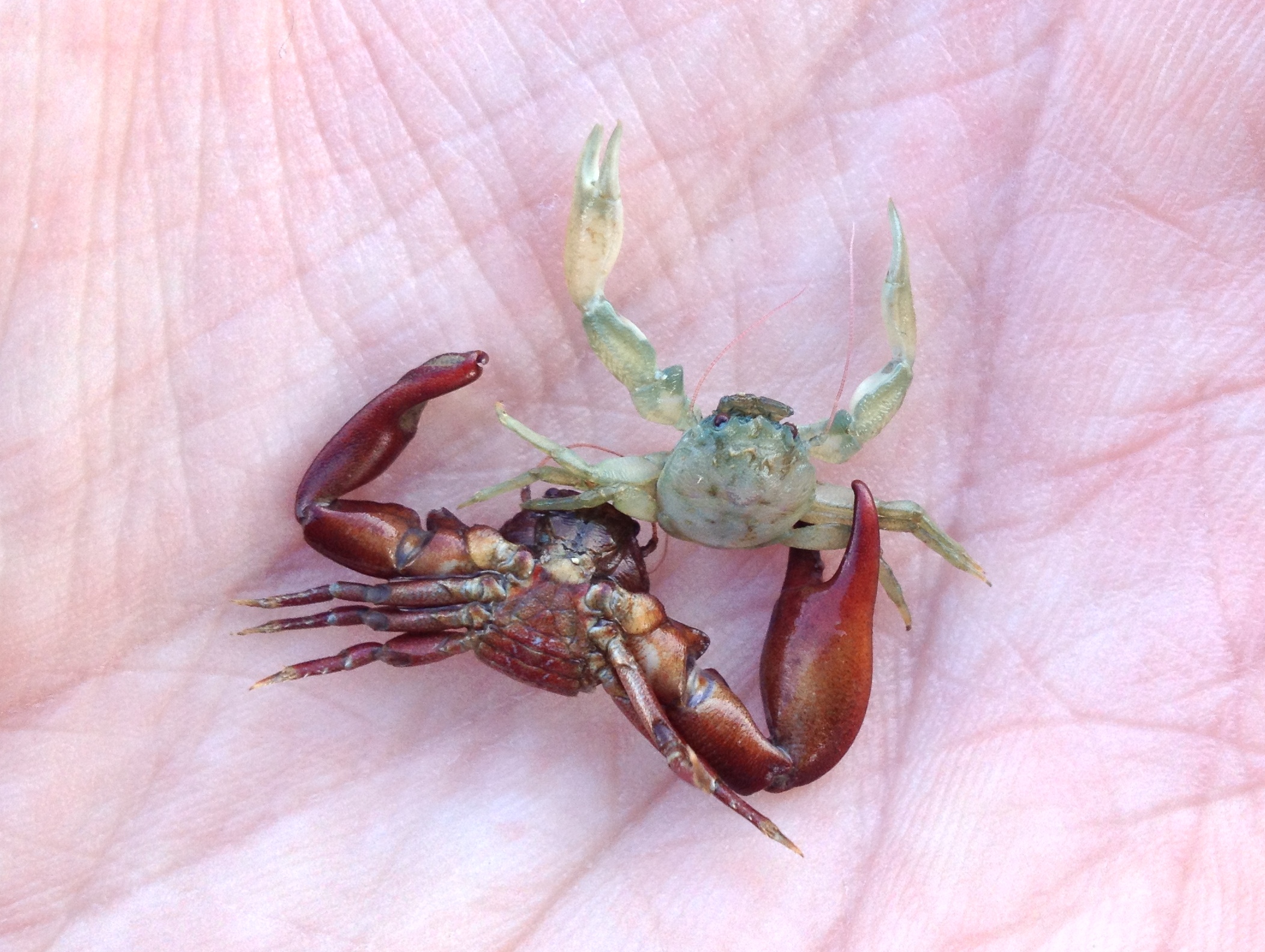
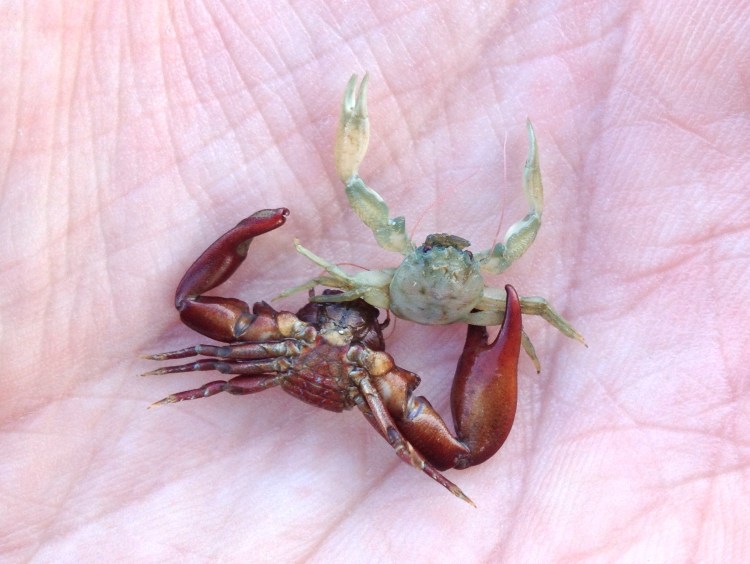
The day after the very low tide excursion in Falmouth, I had a look in Flushing as well. This site is less pretty, more silty and estuarine, and has a slightly different fauna as well, especially on the muddier areas below the rockpools. (I have written a post about ‘mud pooling’ before.) Lots of sponges, Variegated scallops, European cowries, Hooded prawns and Common squat lobsters. This time I noticed that Hairy crabs Pilumnus hirtellus are common here too. Two diffently coloured Long-clawed porcelain crabs Pisidia longicornis:
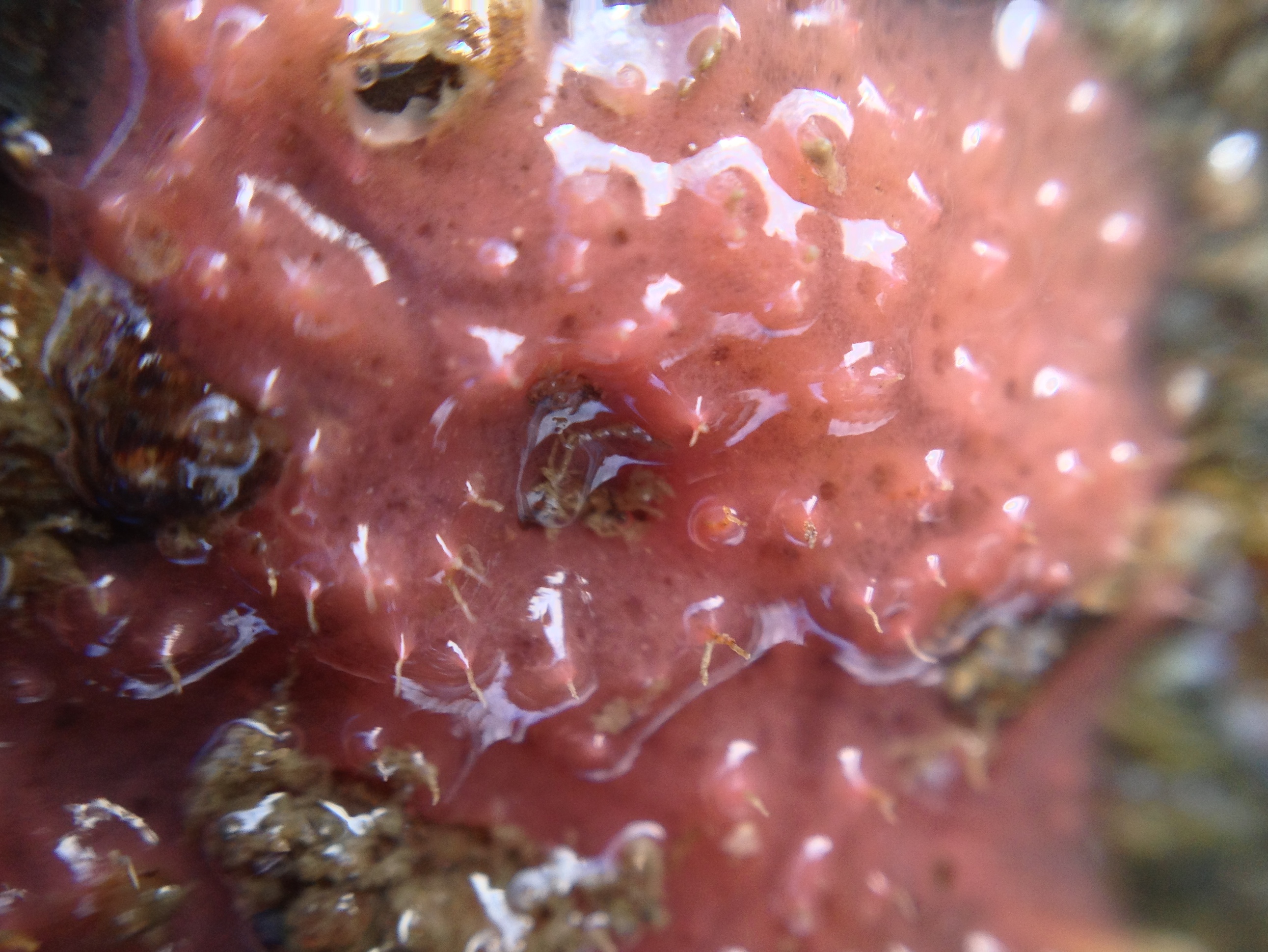
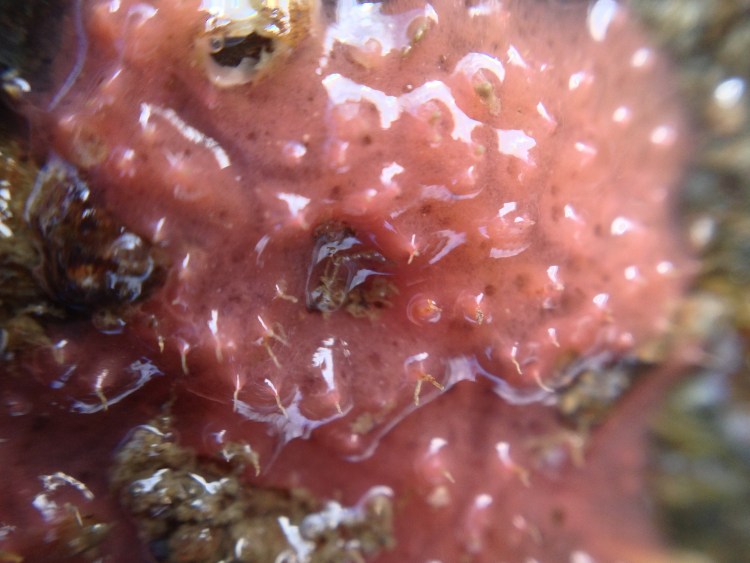
IMG_8030A pretty sponge Aplysilla rosea (determined using the Aphotomarine page as it was not featured in my otherwise excellent Collins guide):
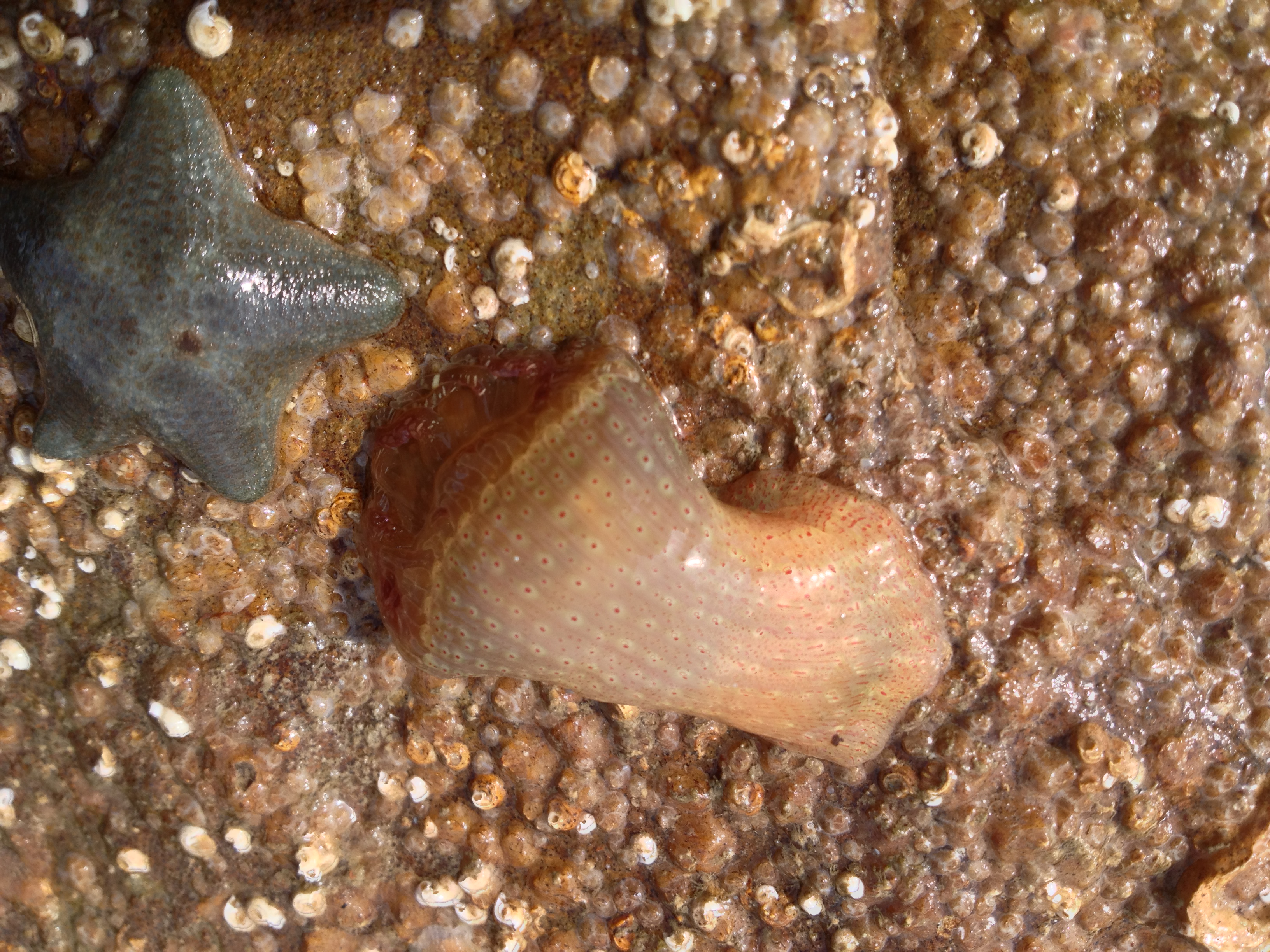
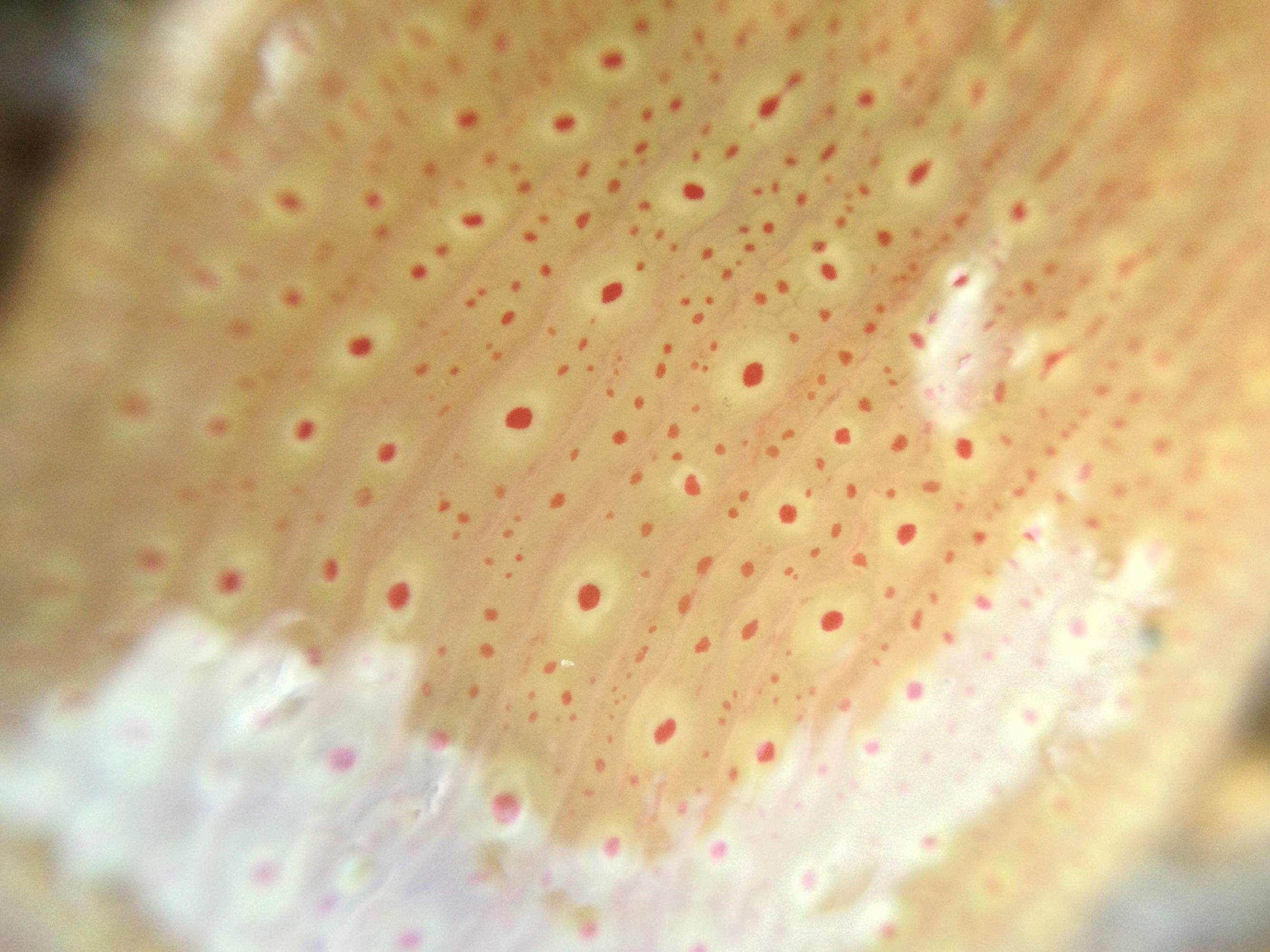
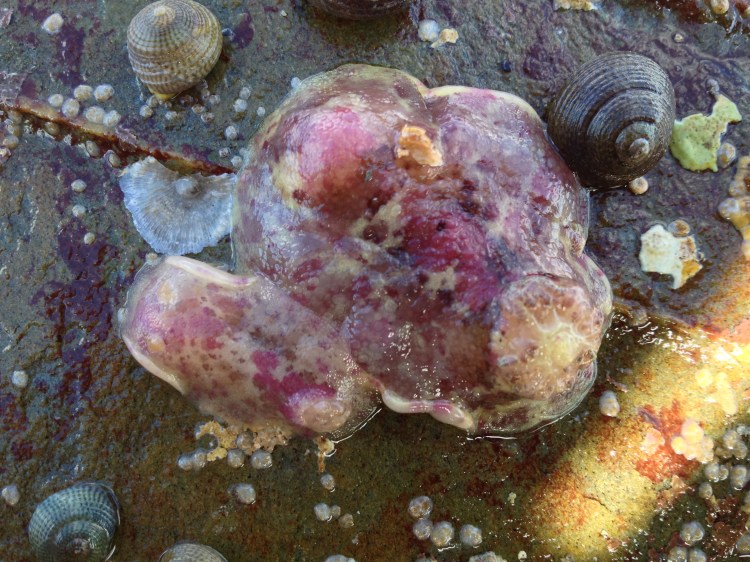
IMG_8041I had seen one before, but with this low tide I found several Sea lemons Archidorus pseudoargus, large sponge-eating nudibranchs. A large one and a small one together (on the right side of each you can see the ‘naked gills’ which are not extended above water):IMG_8098
IMG_8086

Another, bigger individual (European cowries and Thick-lipped dog whelks for scale) again with a smaller individual half under it:
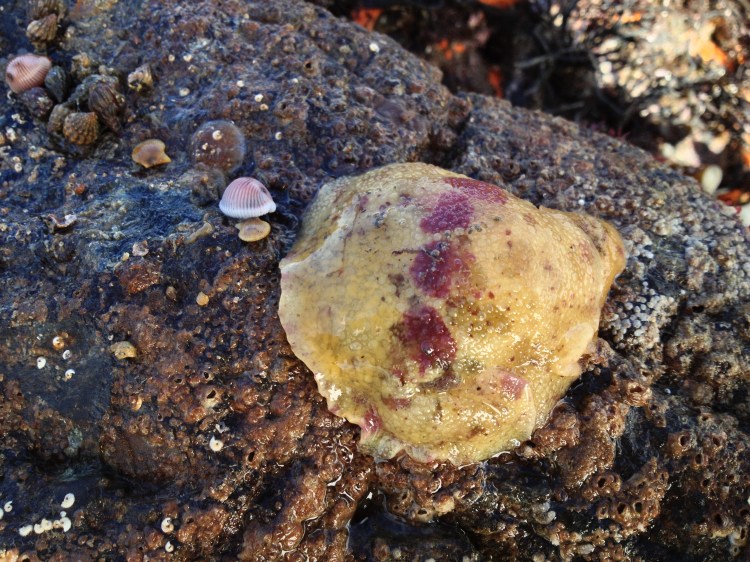
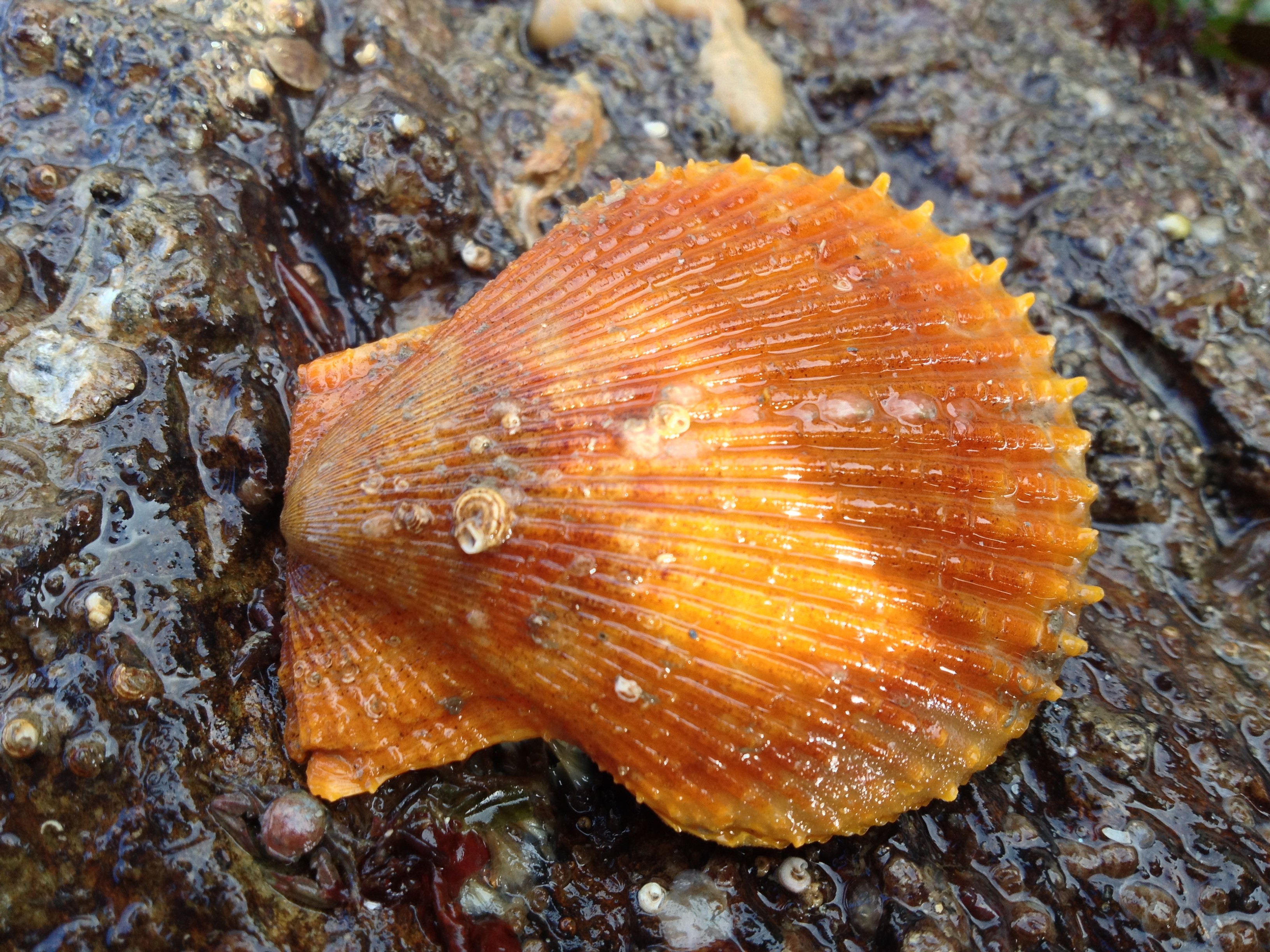
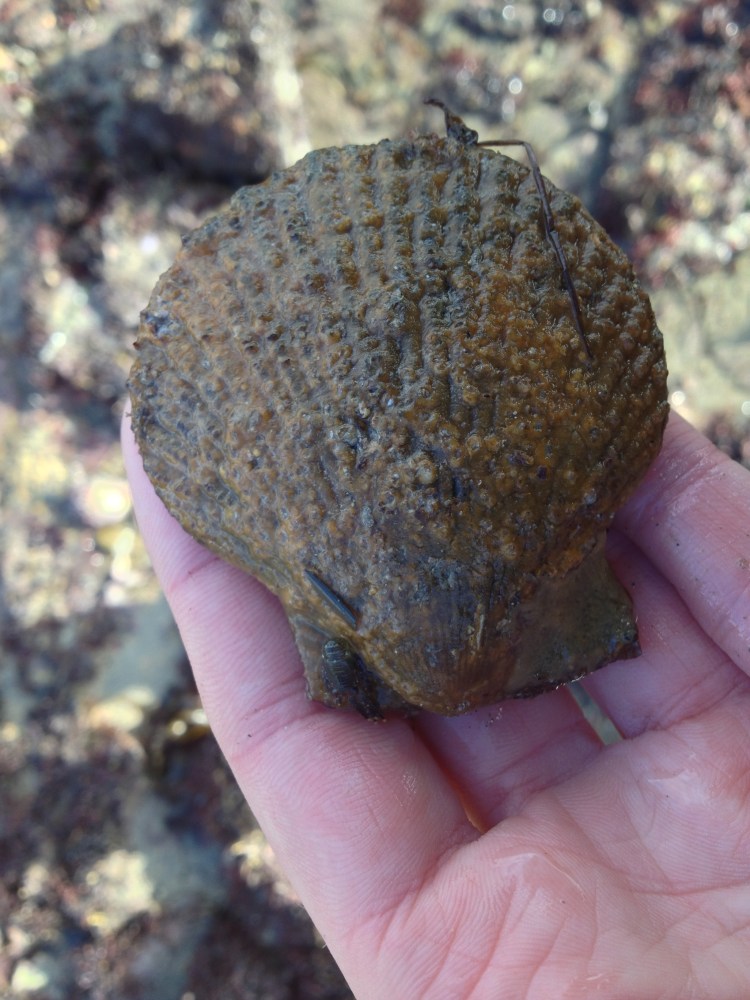
IMG_8073You can see some tiny juvenile Variegated scallops Chlamys varia too. I found my biggest one to date:
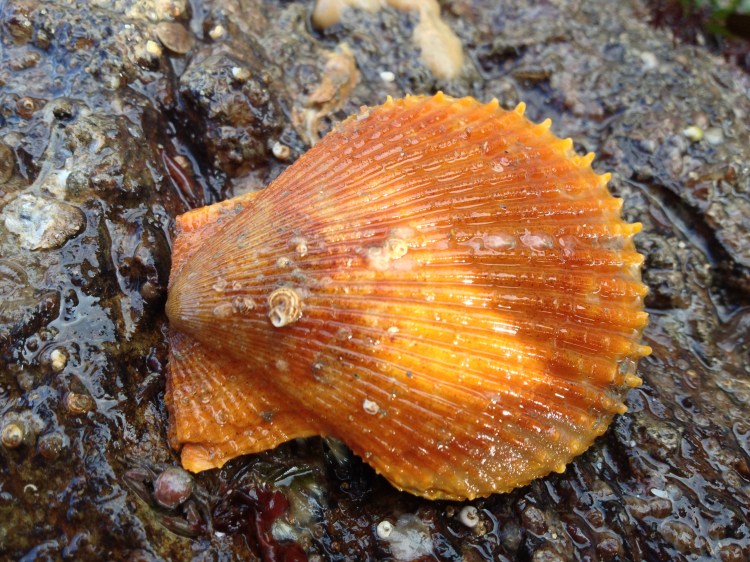
IMG_8082They can be much prettier than that though!
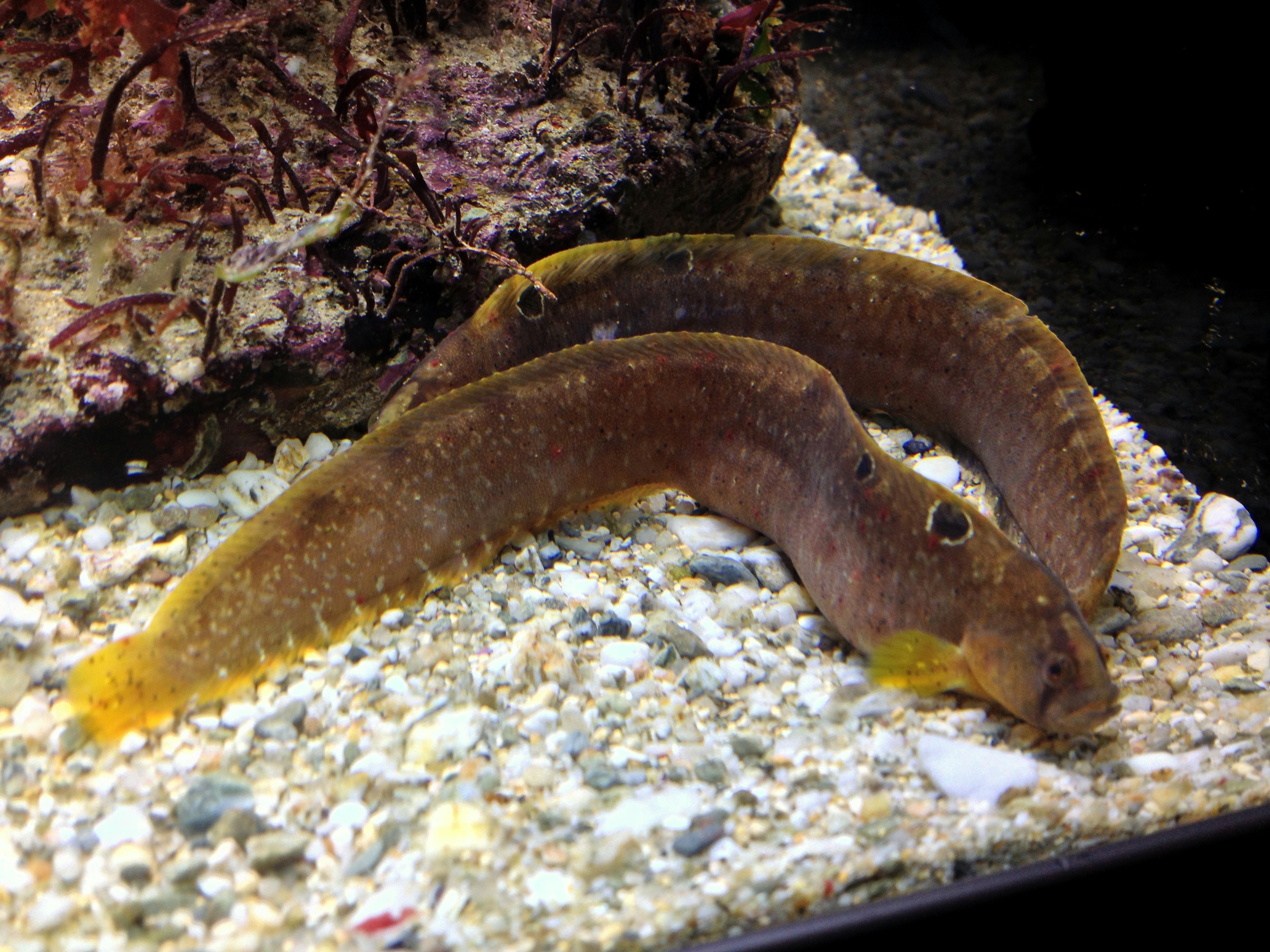
IMG_8026I could not resist taking some stuff home to my aquarium, even though I was still waiting for the chiller and new lights (they both have since arrived, that’ll be my next post). There were loads of Painted top shells Calliostoma zizyphinum, which are very pretty and moreover do not often emerge above water so they might be better behaved in the aquarium, and I took some of those home. I also took a pair of Butterfish Pholish gunnellus and some Sea lemons, mainly to observe them for a week or so and then release them again before starting fiddling with the tank. This was not a great succes unfortunately: both Butterfish died within a couple of days. I had acclimatized them to room temperature and I don’t know what the reason could have been. Clingfish, mullet, a rockling, gobies and blennies have never died in my aquarium. I felt really bad about it; definitely no more Butterfish in my tank!
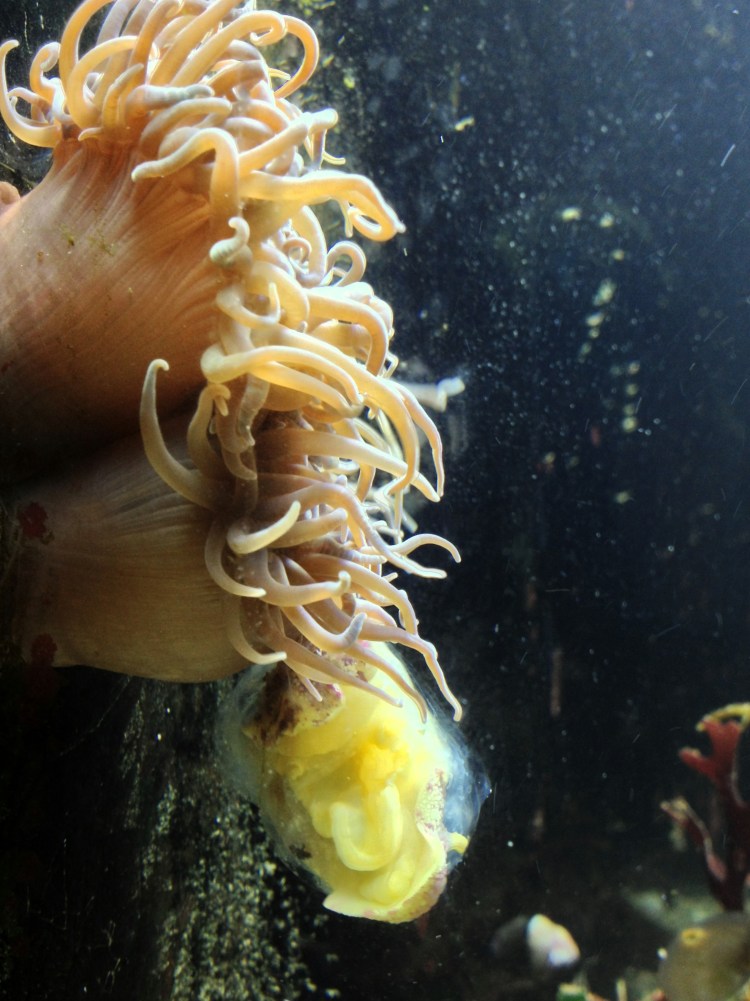
IMG_8115One of the Sea lemons managed to get caught by a Snakelocks anemone….however, it produced copious amounts of slime and it was eventually spat out!
IMG_8117

kelp on pebbles and worms in rocks

IMG_7109

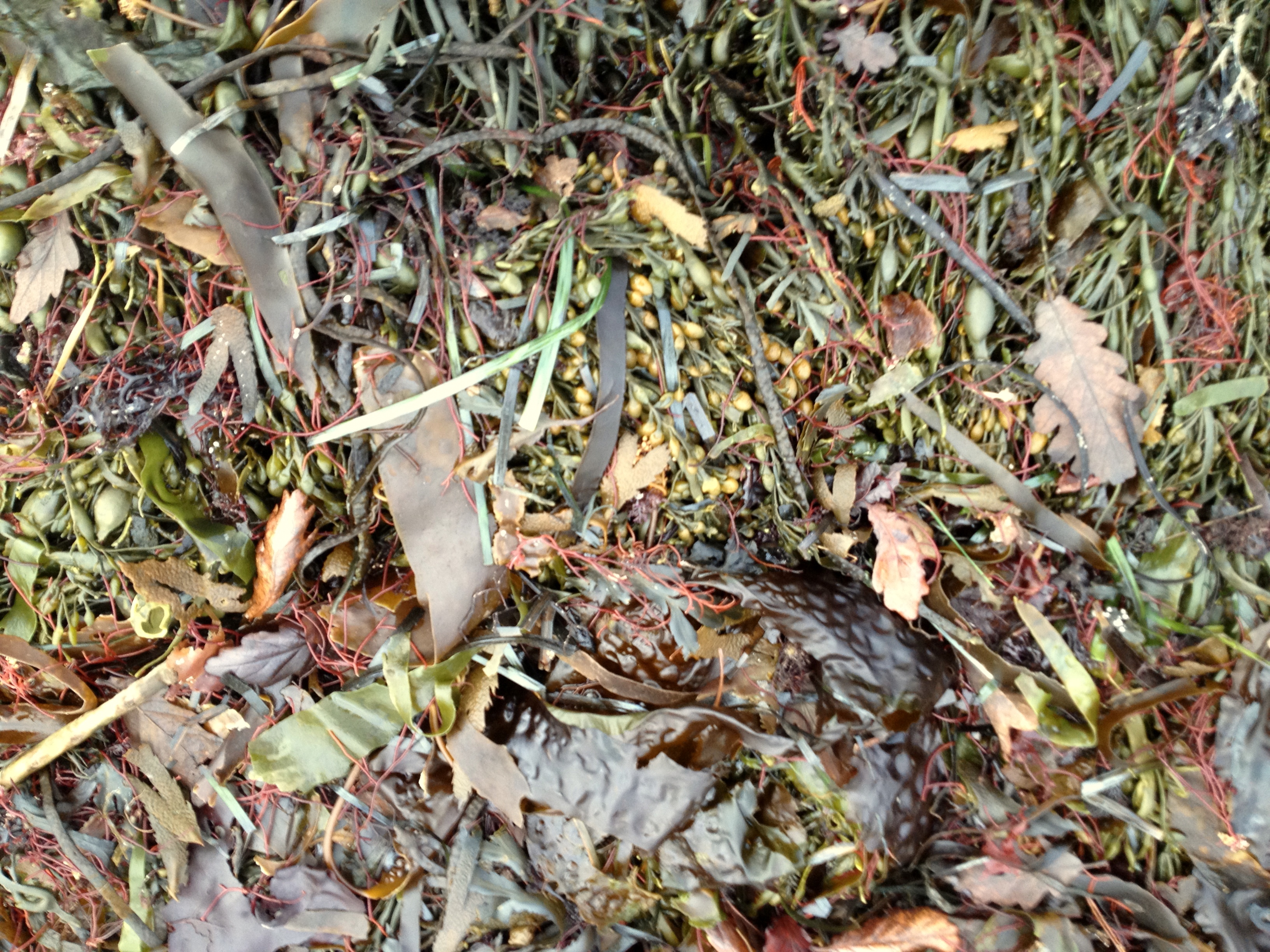
Last weekend I went to my local beach in Flushing for the last time this year. Although it was stormy and cold it was nice to have a little wander around. Loads of washed up seaweed mixed with fallen Oak leaves on the beach:

IMG_7114

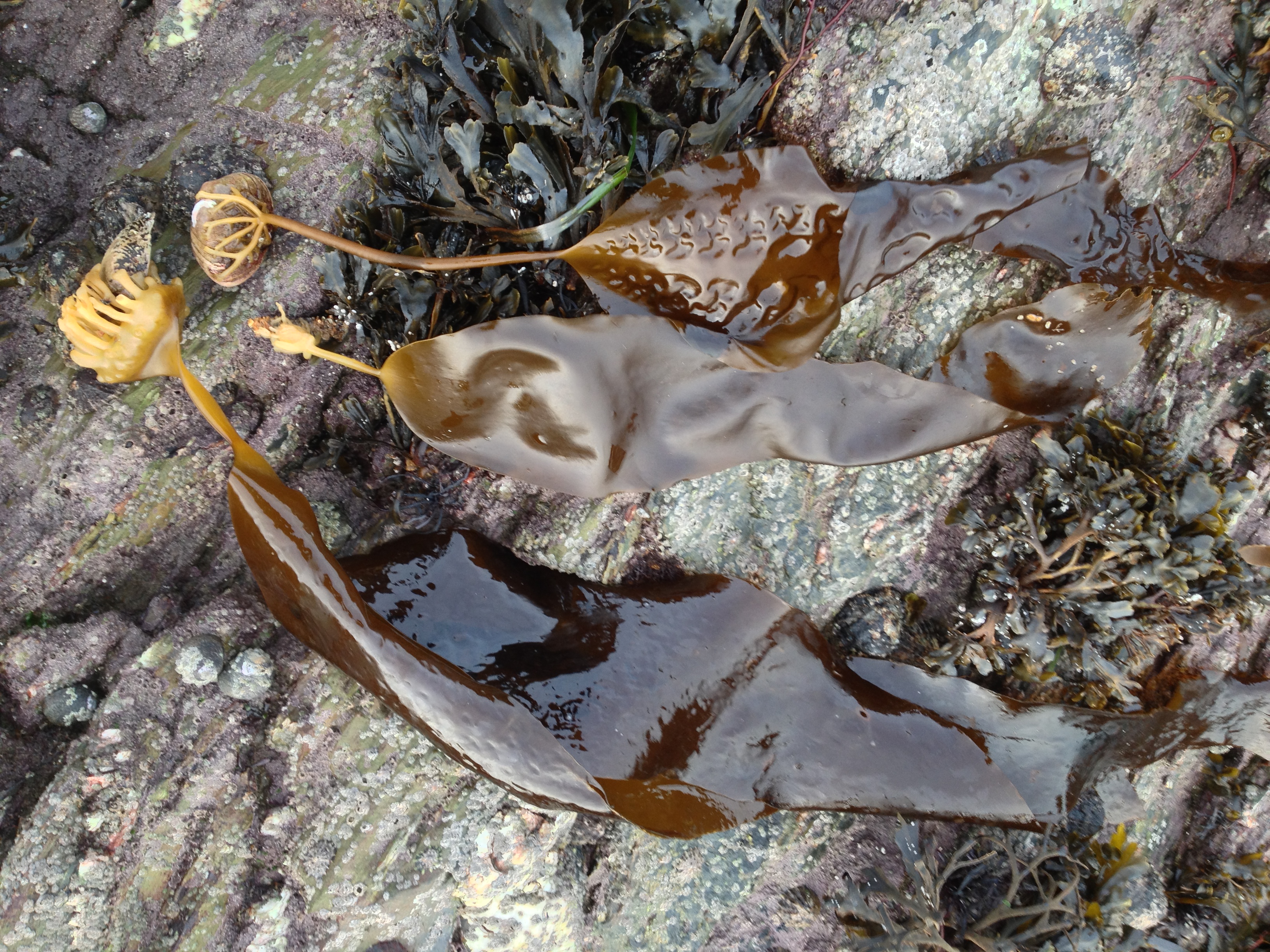
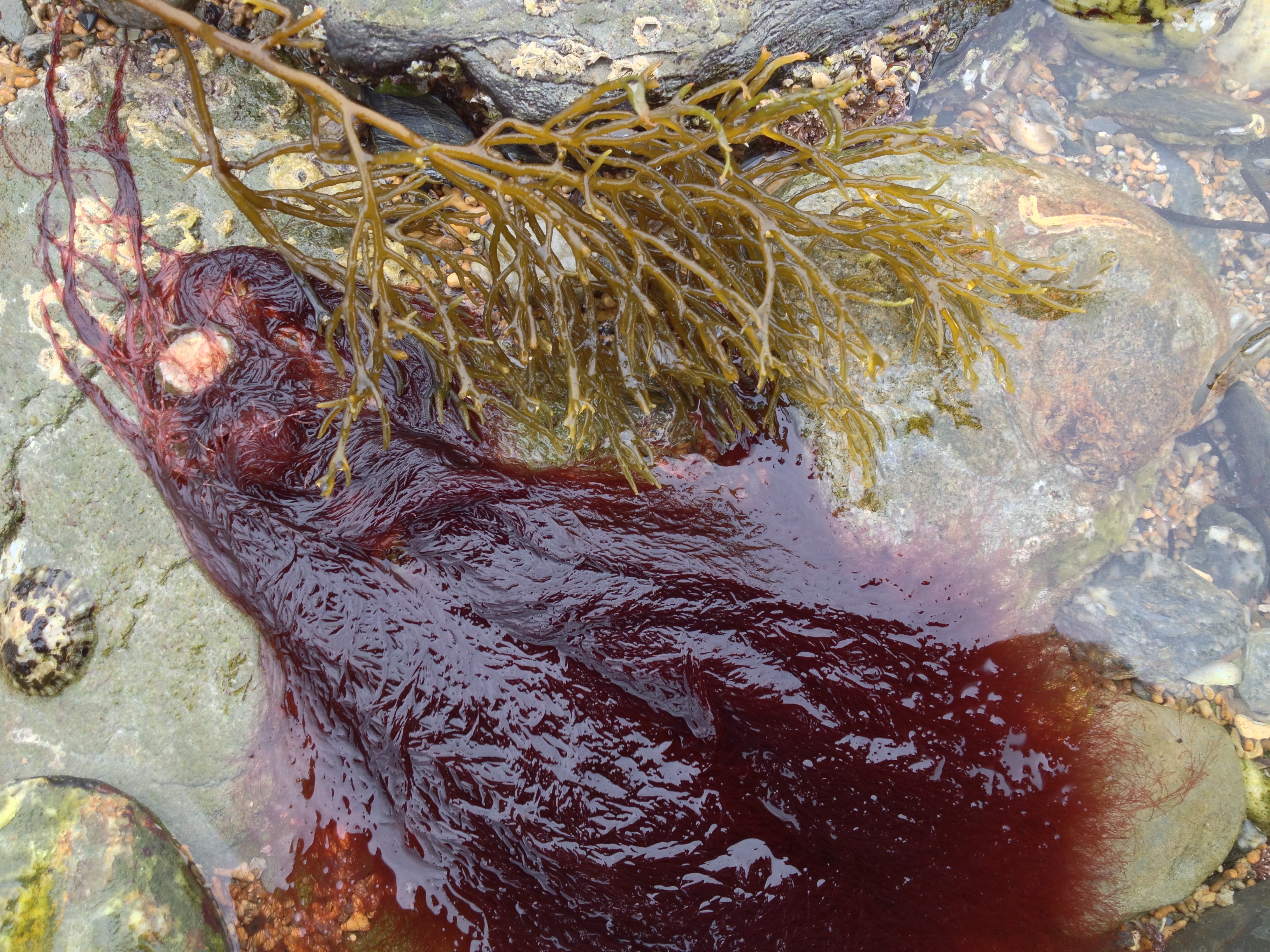
Some of the new kelp has settled on pebbles instead of on more solid rock and so were also washed ashore. Easy for ‘planting’ in the aquarium although these species grow a bit to big to fit in my tank:

IMG_7083

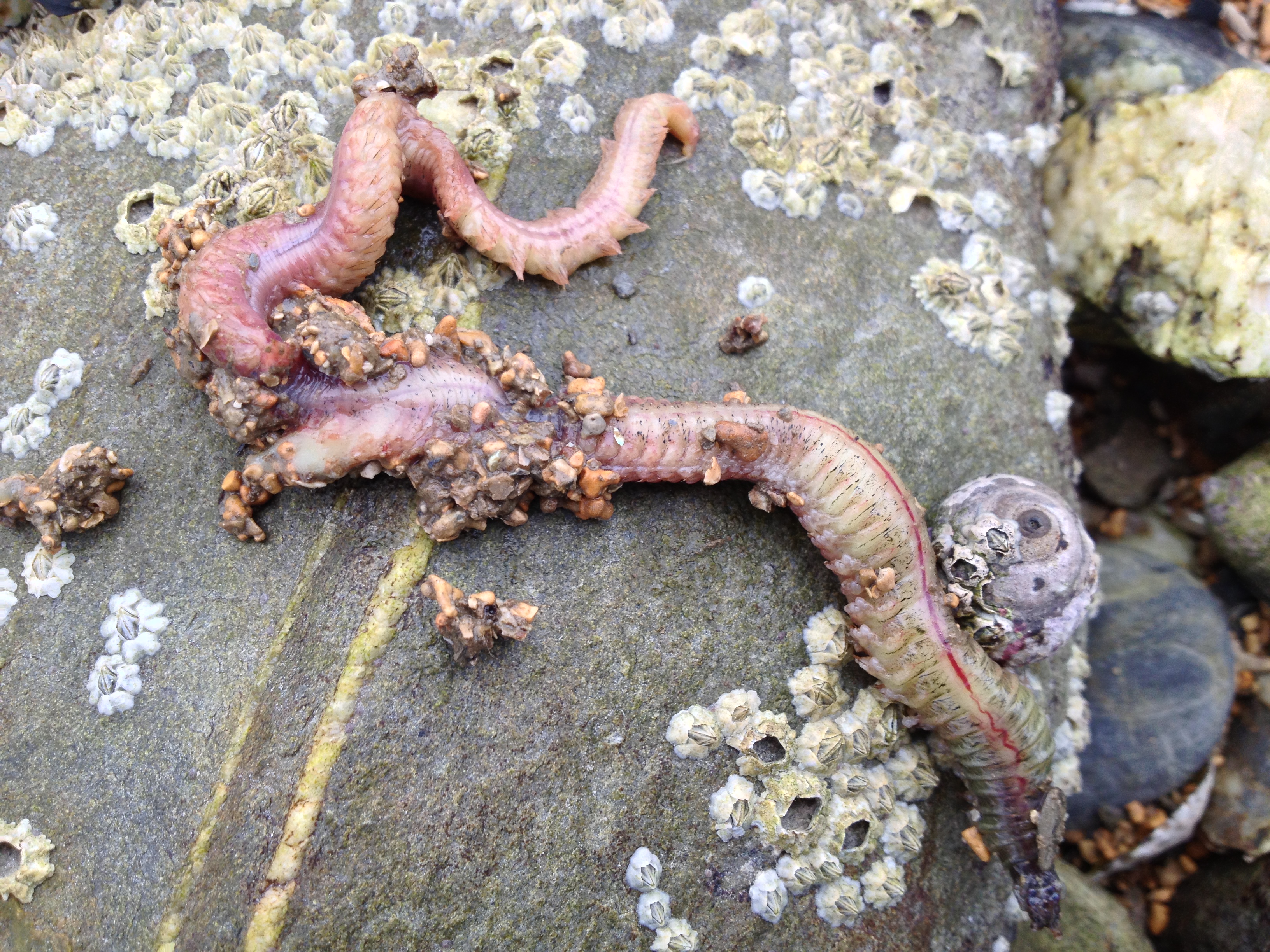
The slate around here is full of worms, some impressive burrowing!  I have no idea what type of annelid this is; definitely worth to try to take some macro photos of in the new year:

IMG_7079

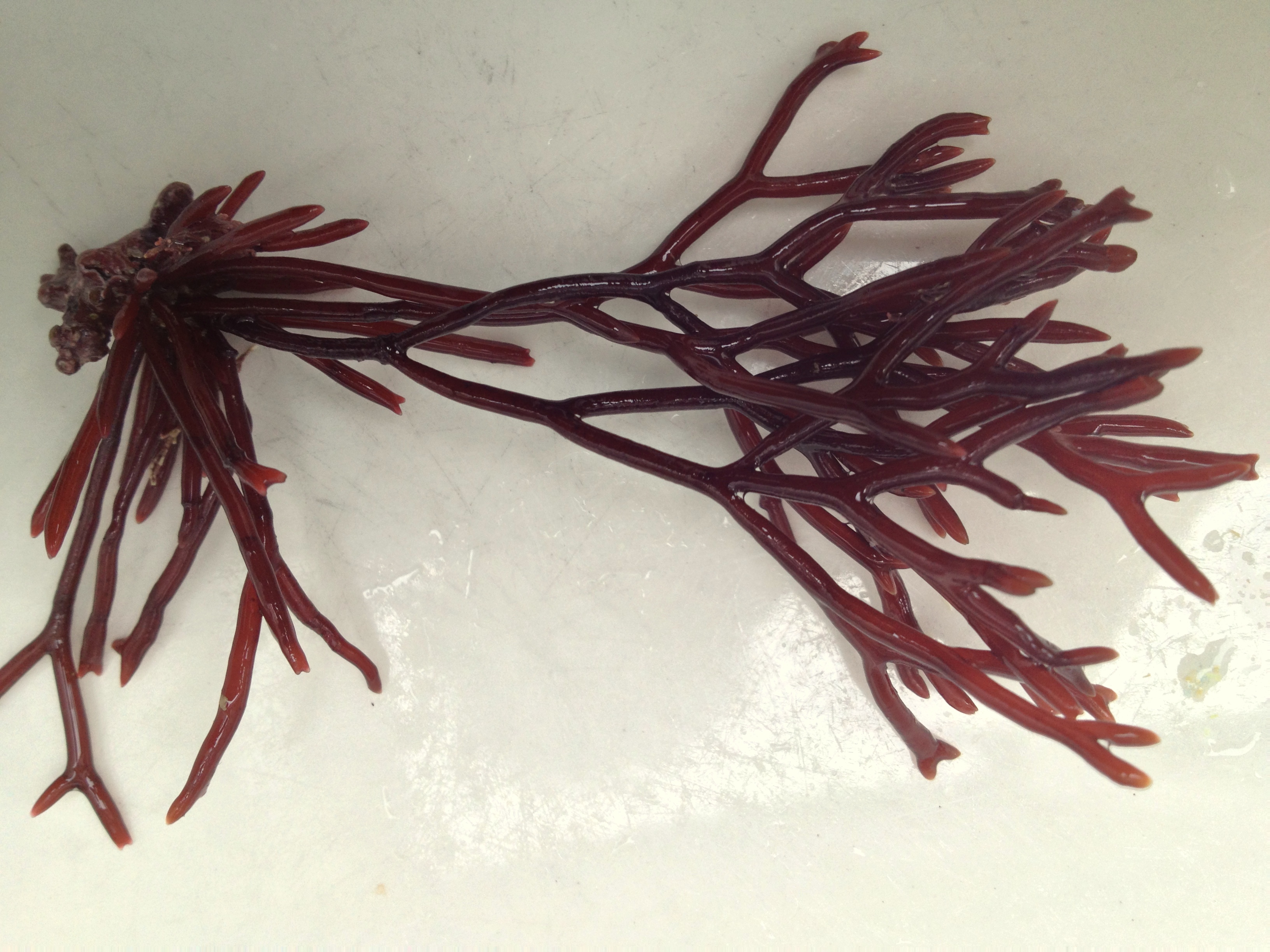
Some Red Seaweeds

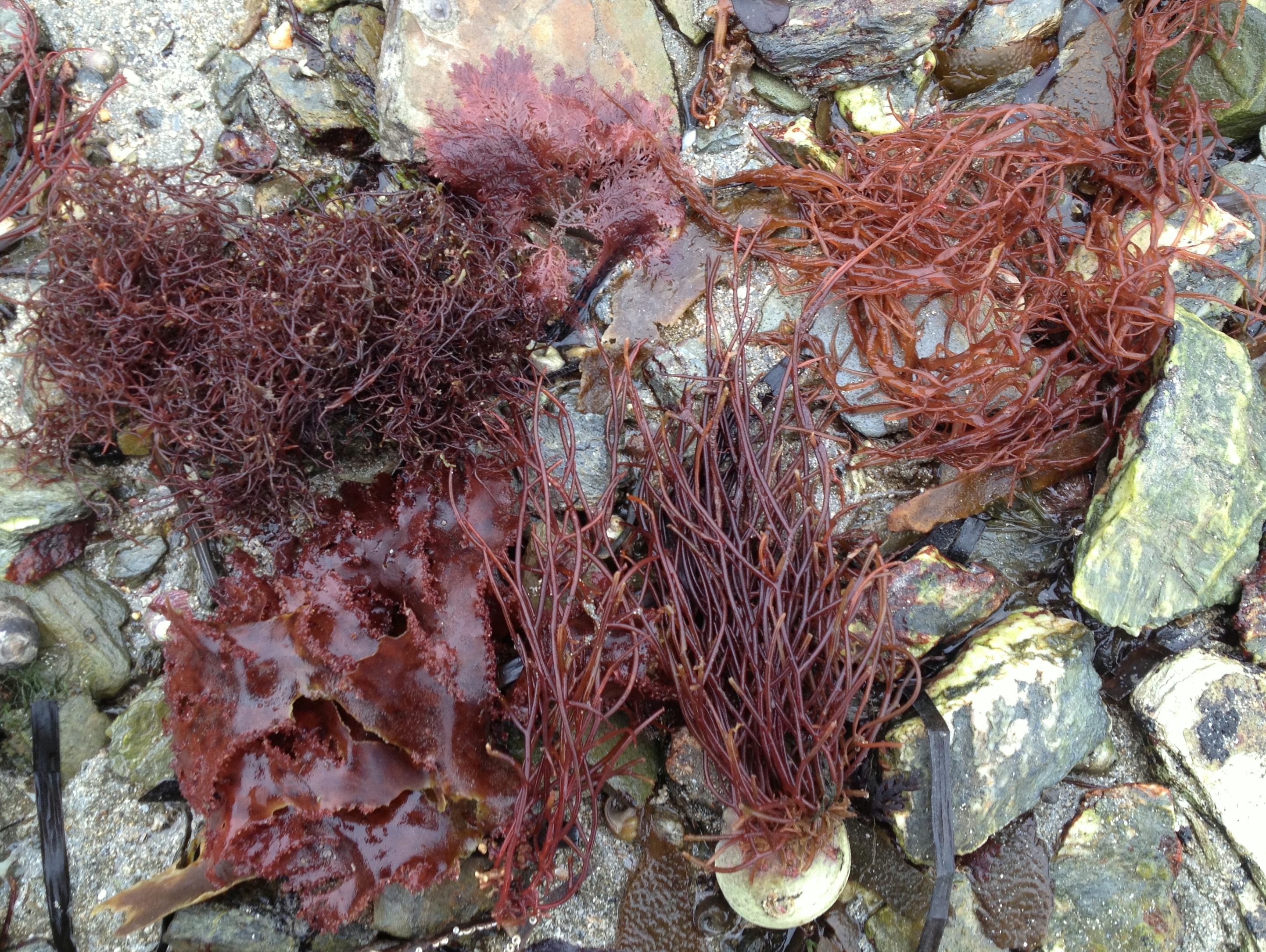
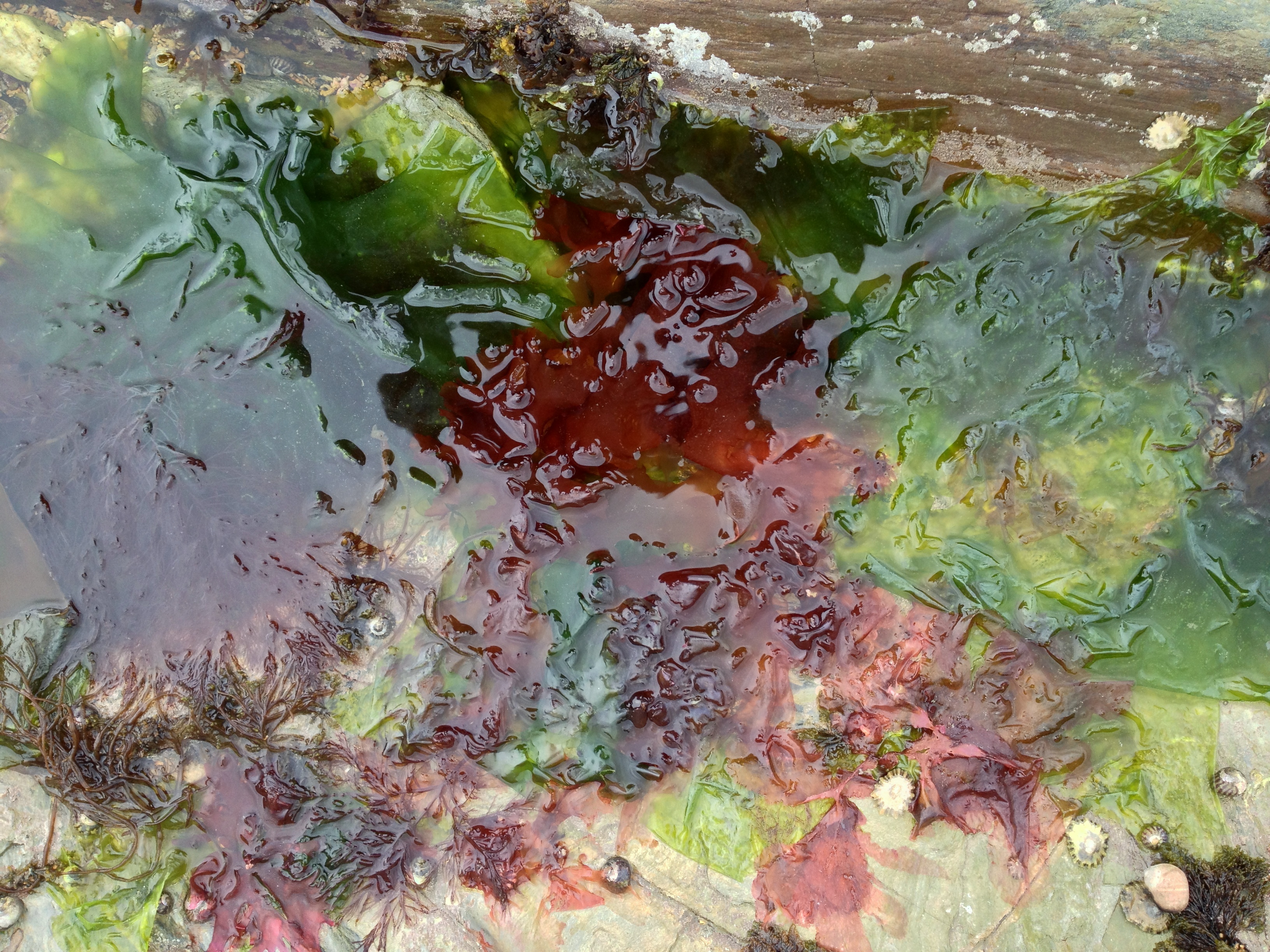
Last weekend I took a little stroll on my local beach in Flushing and had a quick look at the variety of red seaweeds washed ashore. I saw some that I did not know, some that I knew, and some that I thought I knew….
IMG_6815

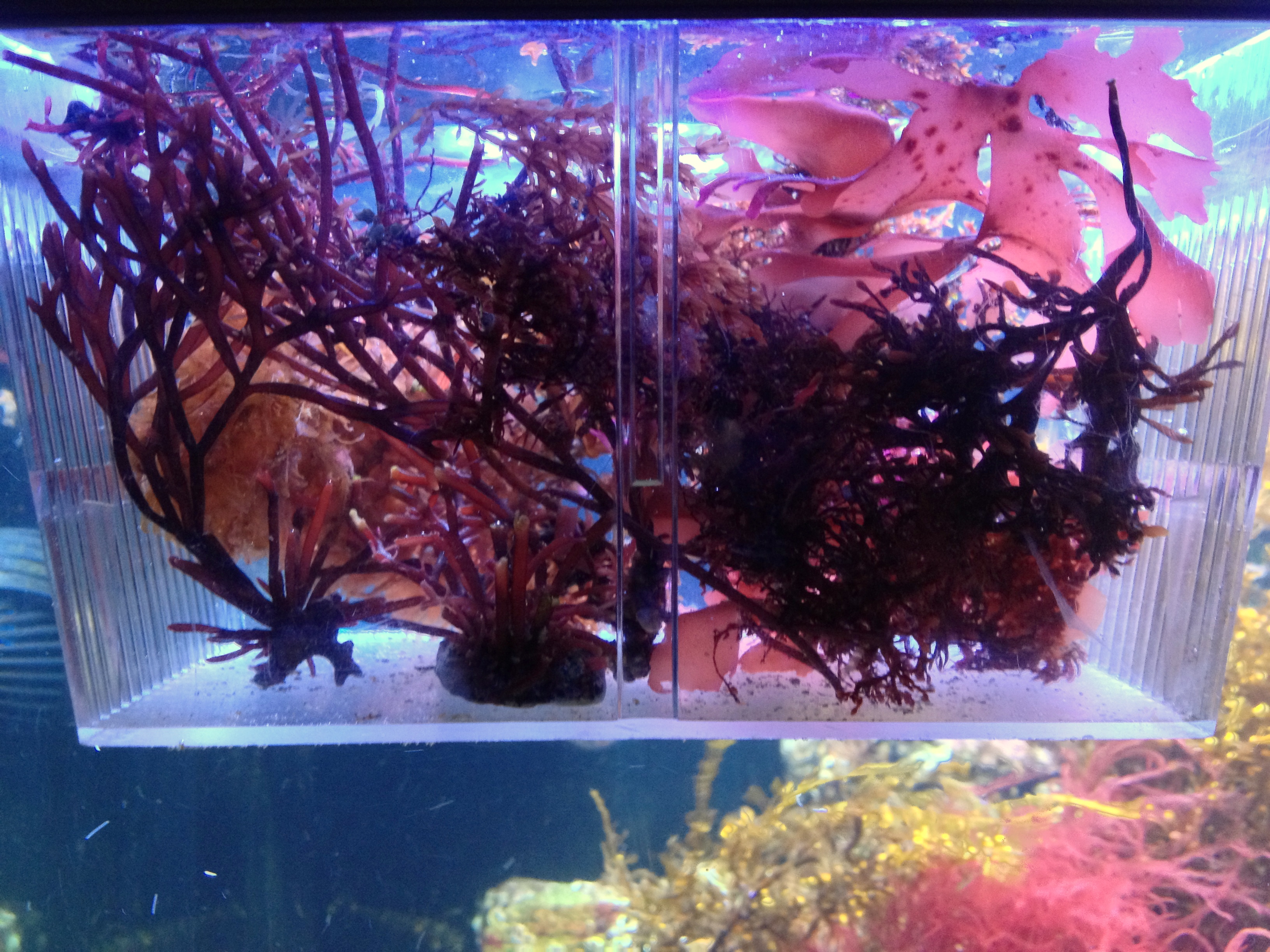
I have recently joined the facebook group ‘Seaweeds of the NE Atlantic‘ and so immediately asked the experts for some help in identification. It turned out that the only one I correctly identified was the one on the bottom right: Solier’s red string weed Soliera chordalis. This (invasive) species did well in the aquarium and so did the one on the top right, which I always thought was Dudresnay’s whorled weed Dudresnaya verticillata but it isn’t! It is actually Chrysymenia wrightii, which is also an invasive species. Moreover, my ID of the bottom left species was also wrong: not Fine-veined crinkle weed Cryptopleura ramosa but Beautiful fan weed Callophyllis laciniata (I should have known this as I have found crinkle weed in France this year…). The small flat seaweed on top is Cock’s comb Plocamium cartilagineum. The dark mop top left could not be identified based on this picture so I have to go back to take a better one. So dear reader be warned and take my identification of seaweeds in previous posts with a grain of (sea)salt!

Trefusis point

IMG_6278

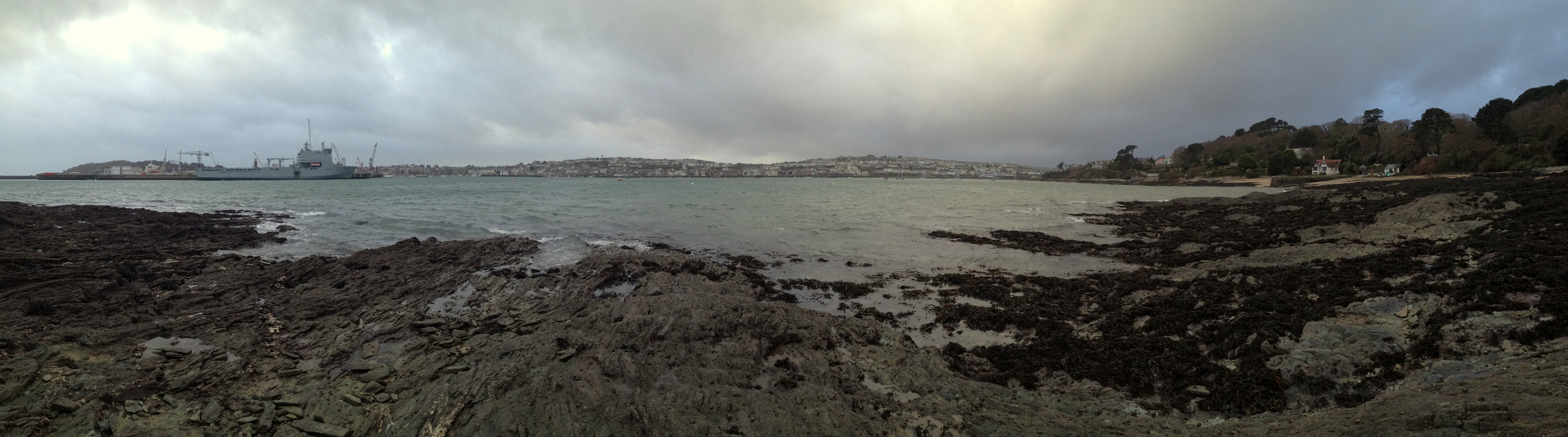
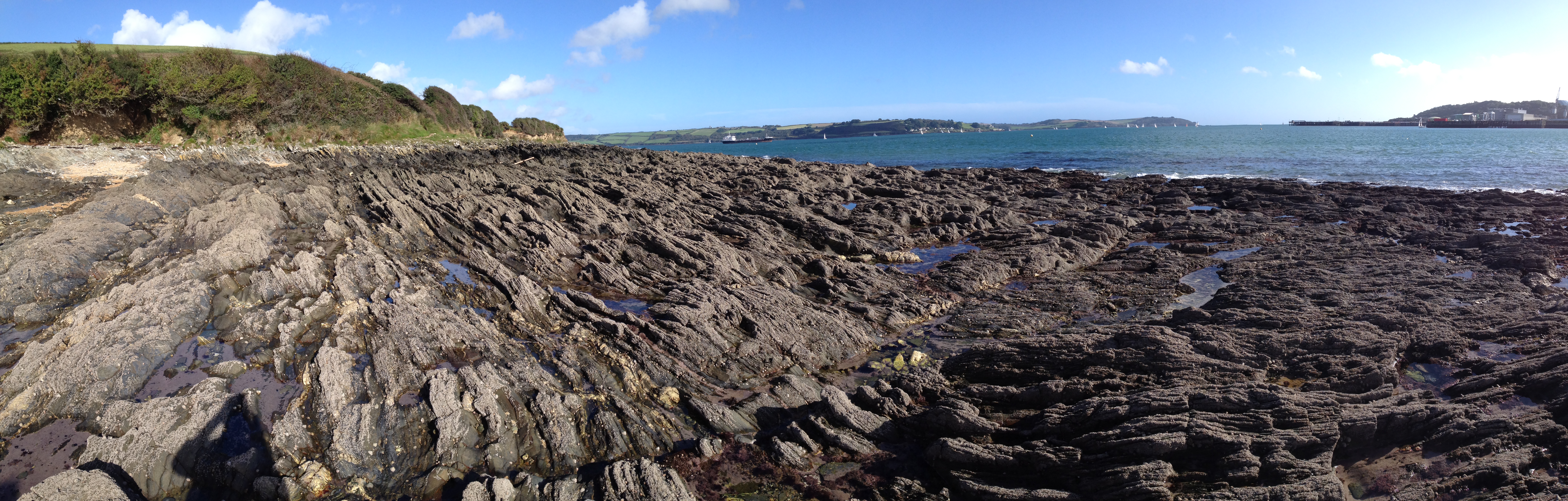
These are my local rock pools at the Trefusis headland near Flushing. On the right is Penryn River (which is not a river at all) with Falmouth on the other bank. Further to the right around Falmouth is the open sea. To the left the Fal Estuary (or Carrick Roads) going all the way to Truro, the capital of Cornwall.

The seaweed composition had again changed since I last visited. This time there was one red weed dominating the pools, I believe it is the Pacific invader Devil’s tongue weed Grateloupia turuturu (which appeared in my aquarium at some point as well):
IMG_6255

The most common sea slug (nudibranch) here is the Sea lemon Archidorus pseudoargus:
IMG_6262

IMG_6265

tunicate time

After being abroad a couple of times this summer (Slovenia, France 1 2 3 and The Netherlands), I have started rock pooling in Falmouth and Flushing again. Things have noticeably changed since the spring, most prominent being the recent abundance of all kinds of sea squirts (tunicates). They are everywhere, and some of them I have not seen before. The solitary sea squirt Corella eumyota is very common, with smaller individuals a translucent white and larger individuals more orange:

IMG_4986

My personal favourites the colonial Botryllus (in the above picture bottom left among the bryozoans) and Botrylloides are also very abundant at the moment. I should measure the width of a population on a recognizable, large rock and go back to check how fast they grow actually. Below a picture of both species growing side by side:

IMG_5243

Some more Botryllus schlosseri pictures demonstrating the variability in colour (the Botrylloides leachi here look all the same):

IMG_5253

IMG_5257

A species that I had not noticed before and is growing in every rock pool in Flushing at the moment is the orange Morchellium argum, which grows as a colony as does Botryllus or Botrylloides but in a rather different way. A colony consists of a stalked club with individual zooids protruding from the ‘head’:

IMG_5236

IMG_5271

collecting sand

The weather was terrible last weekend so I only went for a brief trip to Flushing beach. It was noticeable that the Dumont’s tubular weed Dumontia contorta, abundant during the last months, is disappearing and flat red and green seaweeds are on the increase:

IMG_3066

I found some Bushy Berry Wrack Cystoseira baccata (I think) and a very fine red seaweed that I could not identify using my Seasearch Guide to Seaweeds of Britain and Ireland:

IMG_3060

An Estuary ragworm Hediste diversicolor:

IMG_3063

IMG_3062

My main aim was to get some finer sand to replace the coarse, white gravel collected from Maenporth beach that I have in my aquarium now. This sand is formed for a large part by remnants of Maerl, species of coralline algae. Beds of Maerl nodules are a threatened and important habitat for many animals and also other seaweeds.

IMG_3073

Mud pooling

When it was very low tide last week, I decided to skip the ‘rock pools proper’ on my local beach in Flushing and to check out the zone just below where the rocks and the sandy bottom of Penryn River (an arm of the Fall Estuary) meet. All common rock pool inhabitants – winkles, top shells, edible crabs, worm pipefish and shannies – still live here, but some other organisms are more abundant here than in the rock pools.IMG_2881

Sponges are very common in this silty environment, especially the Estuary sponge Hymeniacidon perleve:IMG_2877

The Breadcrumb sponge Halichondria panicea:IMG_2882

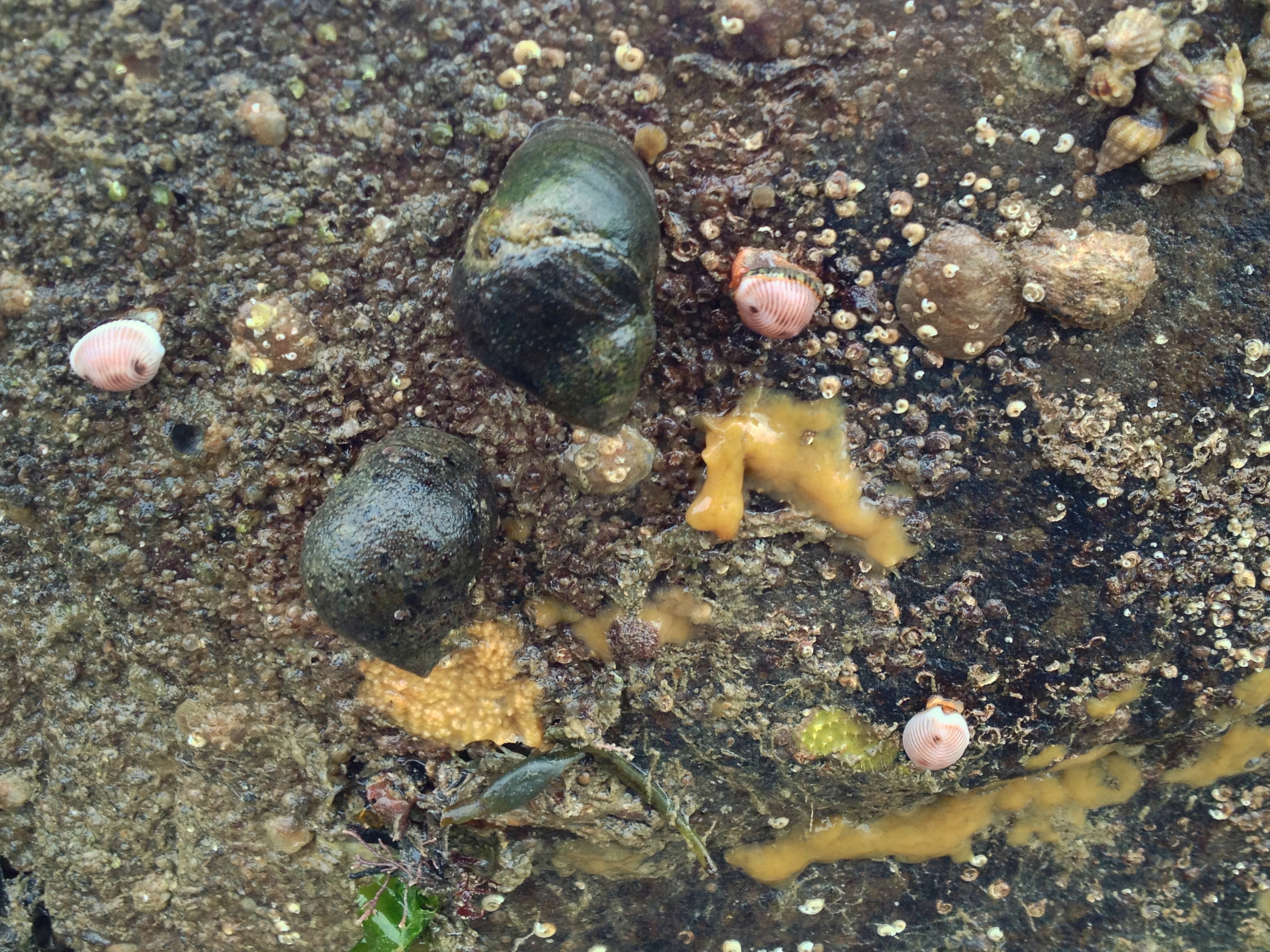
In addition to sponges, I noticed quite a lot of the colony-forming ascidian Botrylloides leachi (see previous post). That explains why I could also find a couple of European cowries Trivia monacha, their predator. Also very common here are the Variegated scallop Chlamys varia and the Thicklipped dog whelk Hinia incrassata (top right picture). I am not sure what the slimy beige stuff is!IMG_2920

I spotted a couple of new things as well, the Red speckled anemone Anthopleura ballii:IMG_2901

IMG_2905

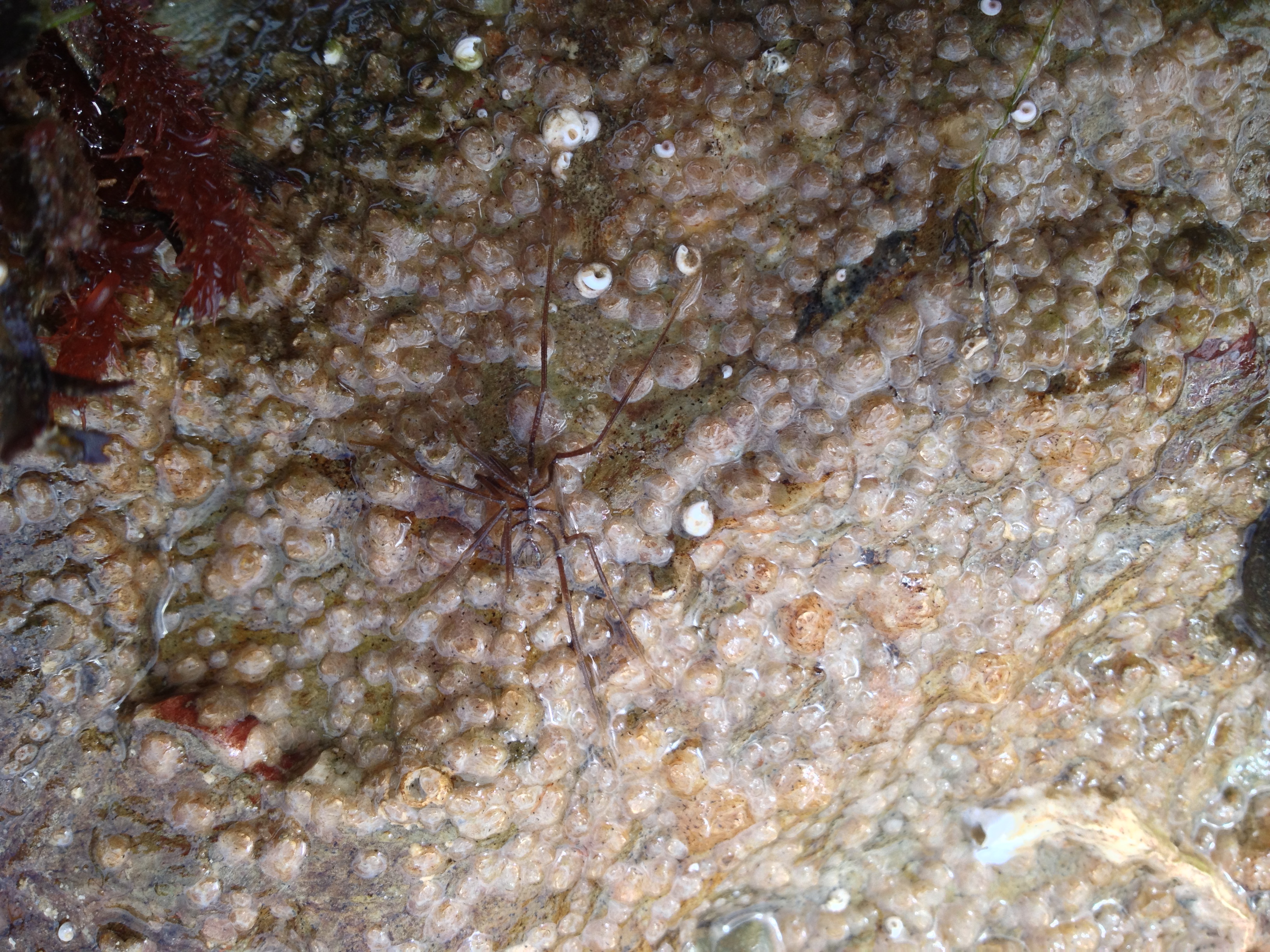
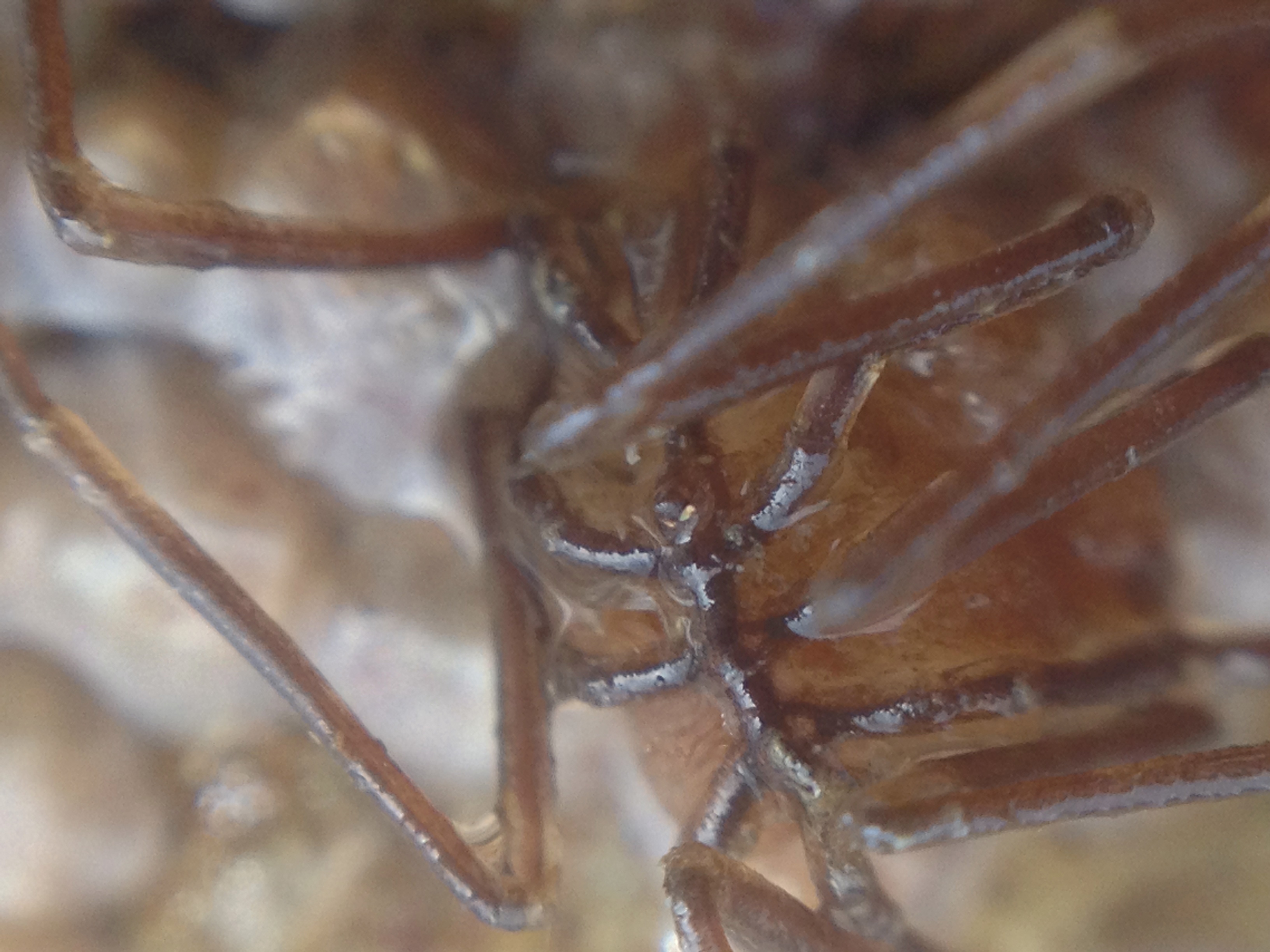
Also a first, a Sea spider Nymphon (gracile?):IMG_2886

IMG_2892

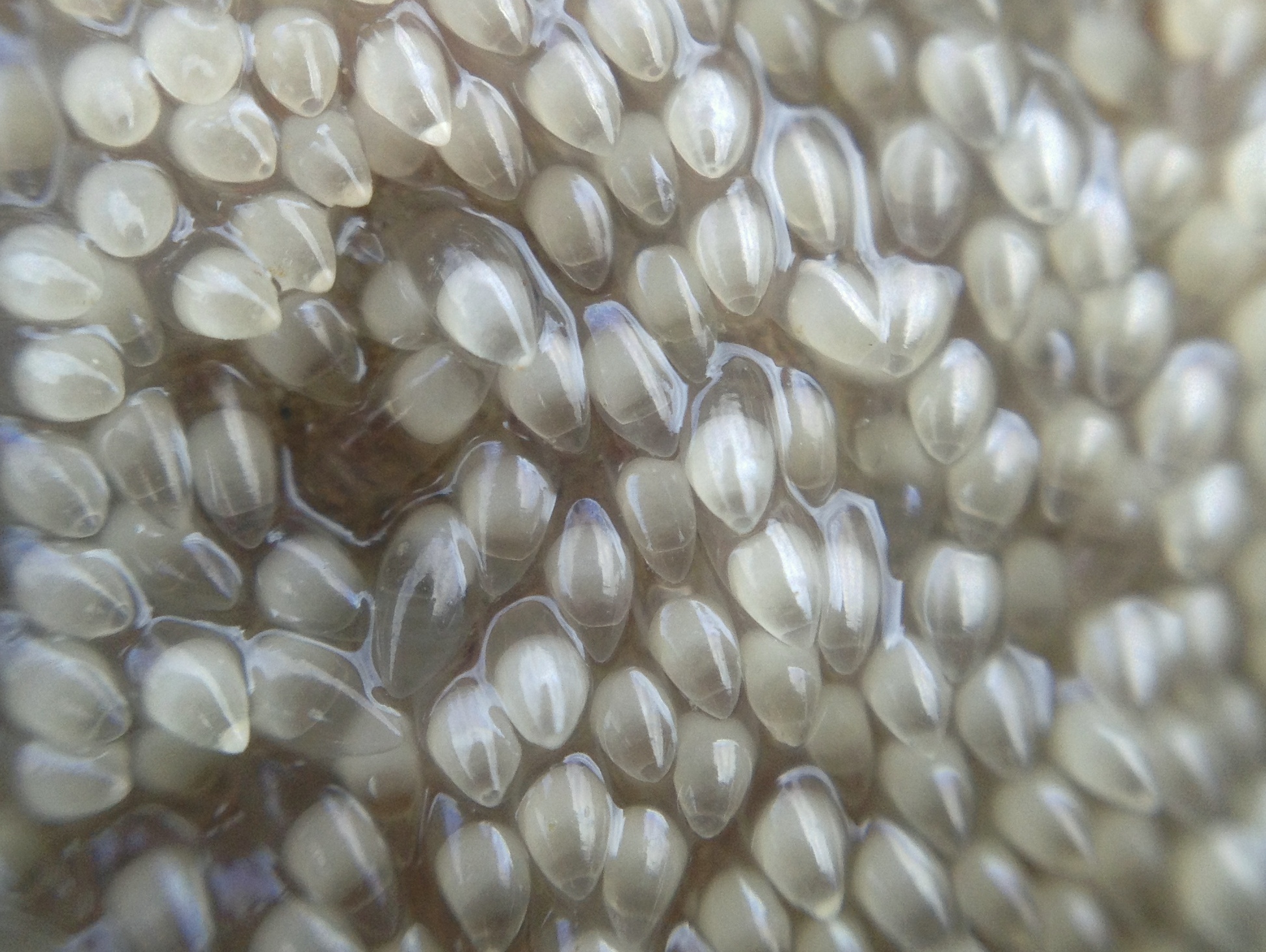
I found a large patch of these beautiful eggs:IMG_2931

and someone guarding them, a rock goby Gobius paganellus:IMG_2935

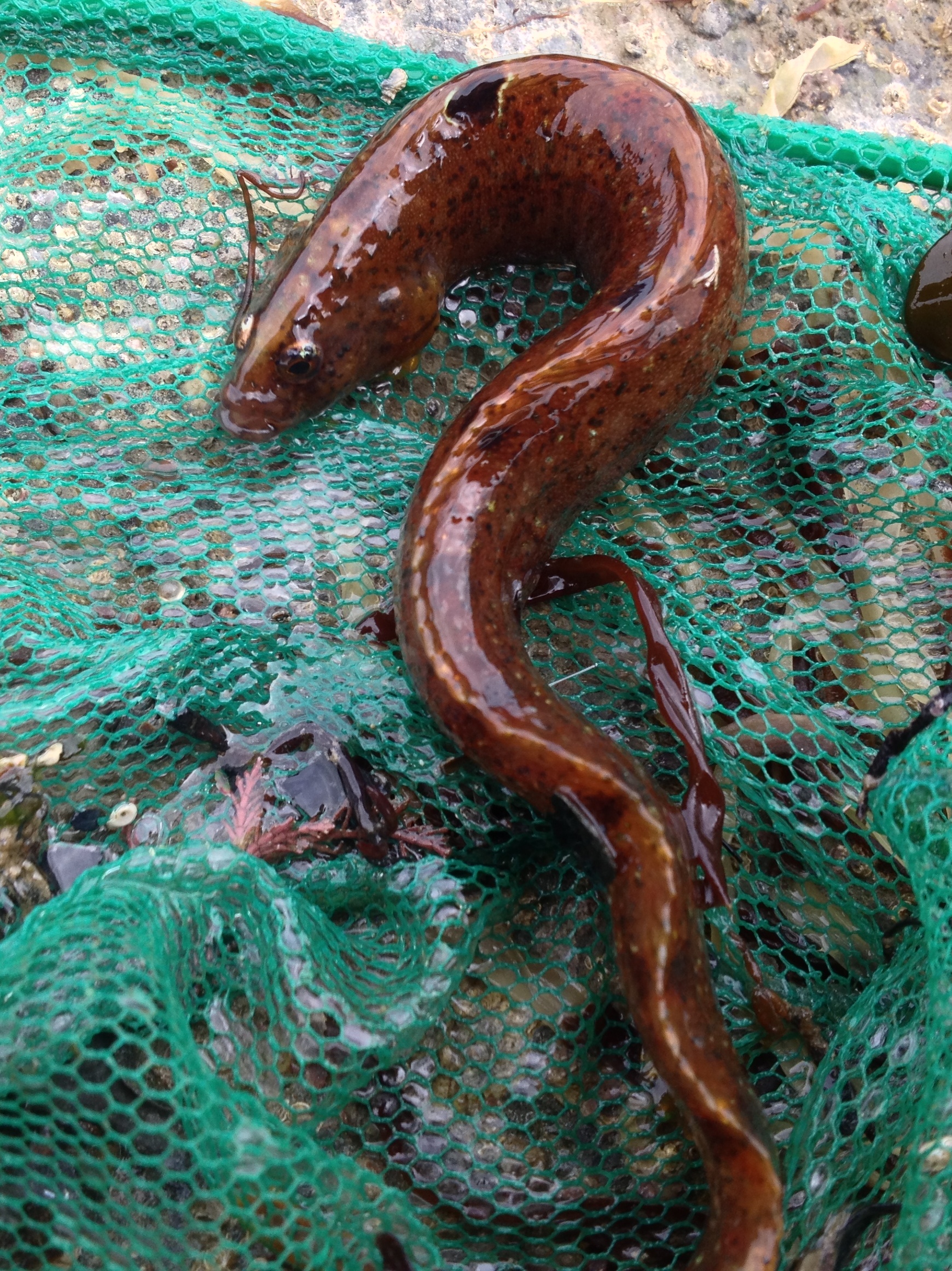
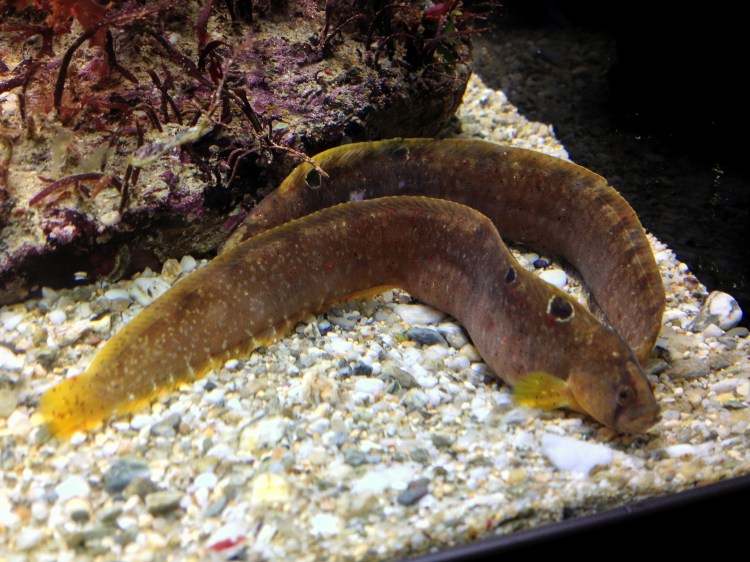
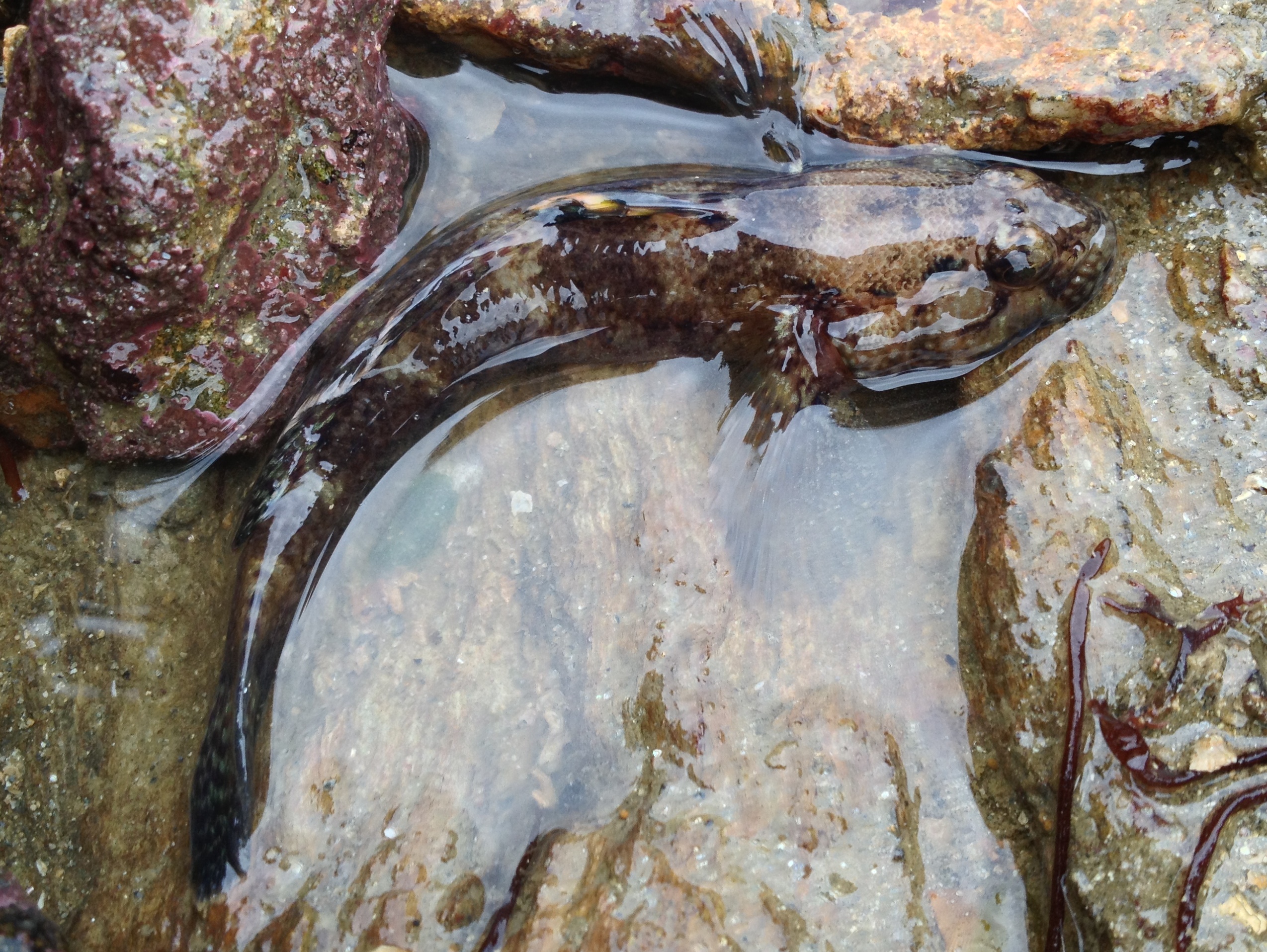
A Butterfish Pholis gunnellus:IMG_2947

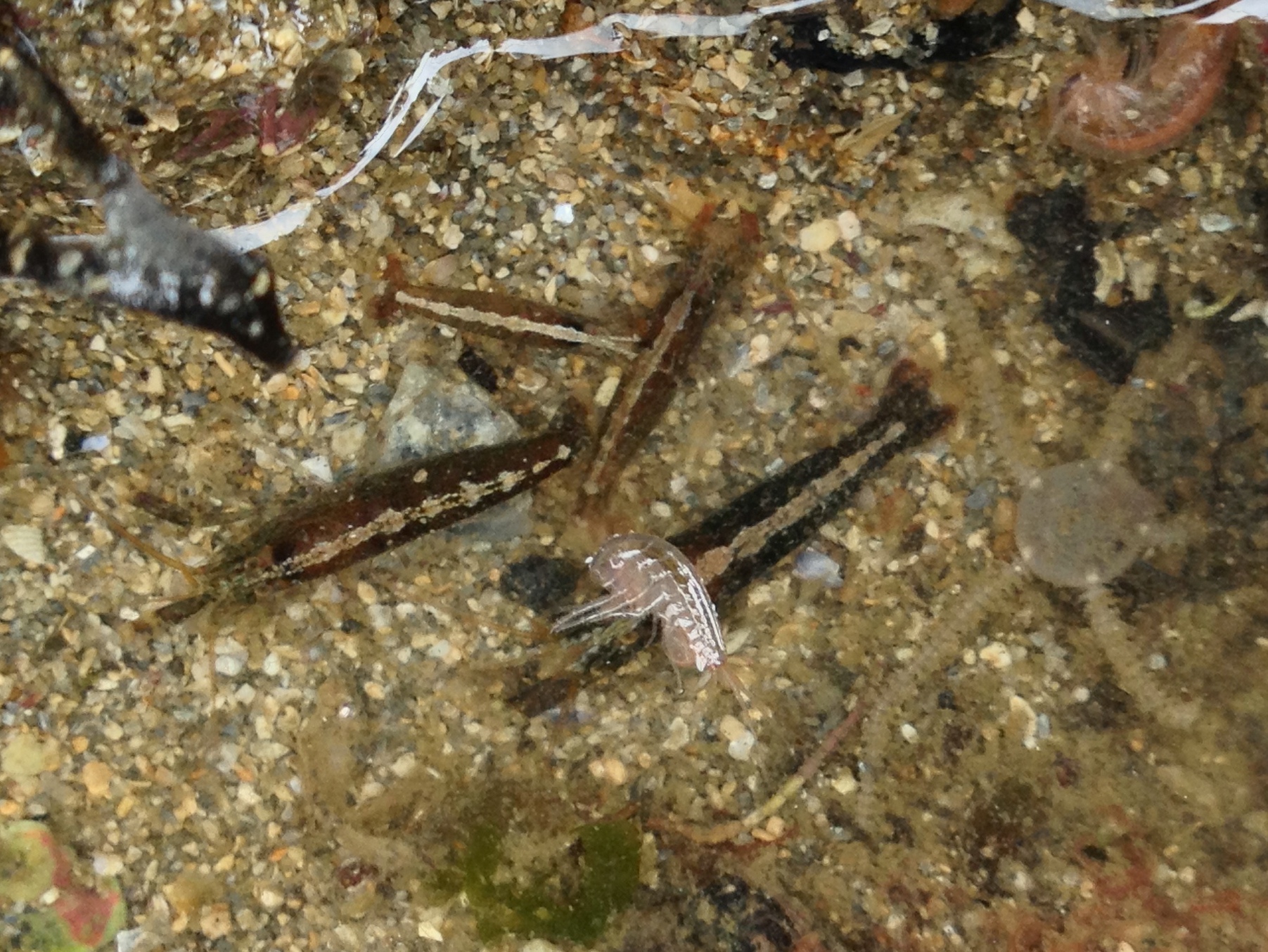
Very common were little Squat lobsters Galathea squamifera (no picture), rapidly swimming backwards to escape. Even more abundant were these little Hooded prawns Athanas nitescens:IMG_2924

more seaweeds

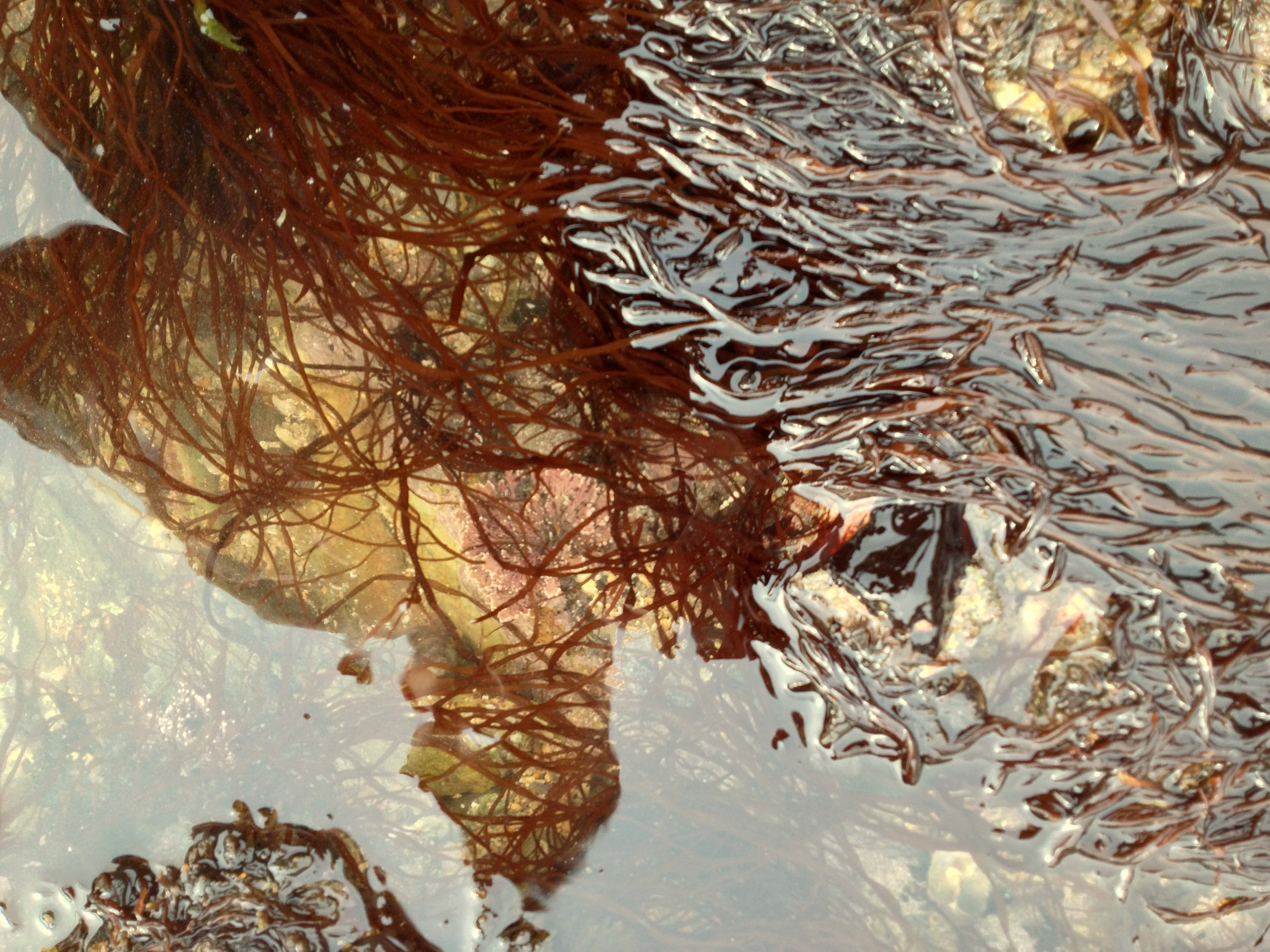
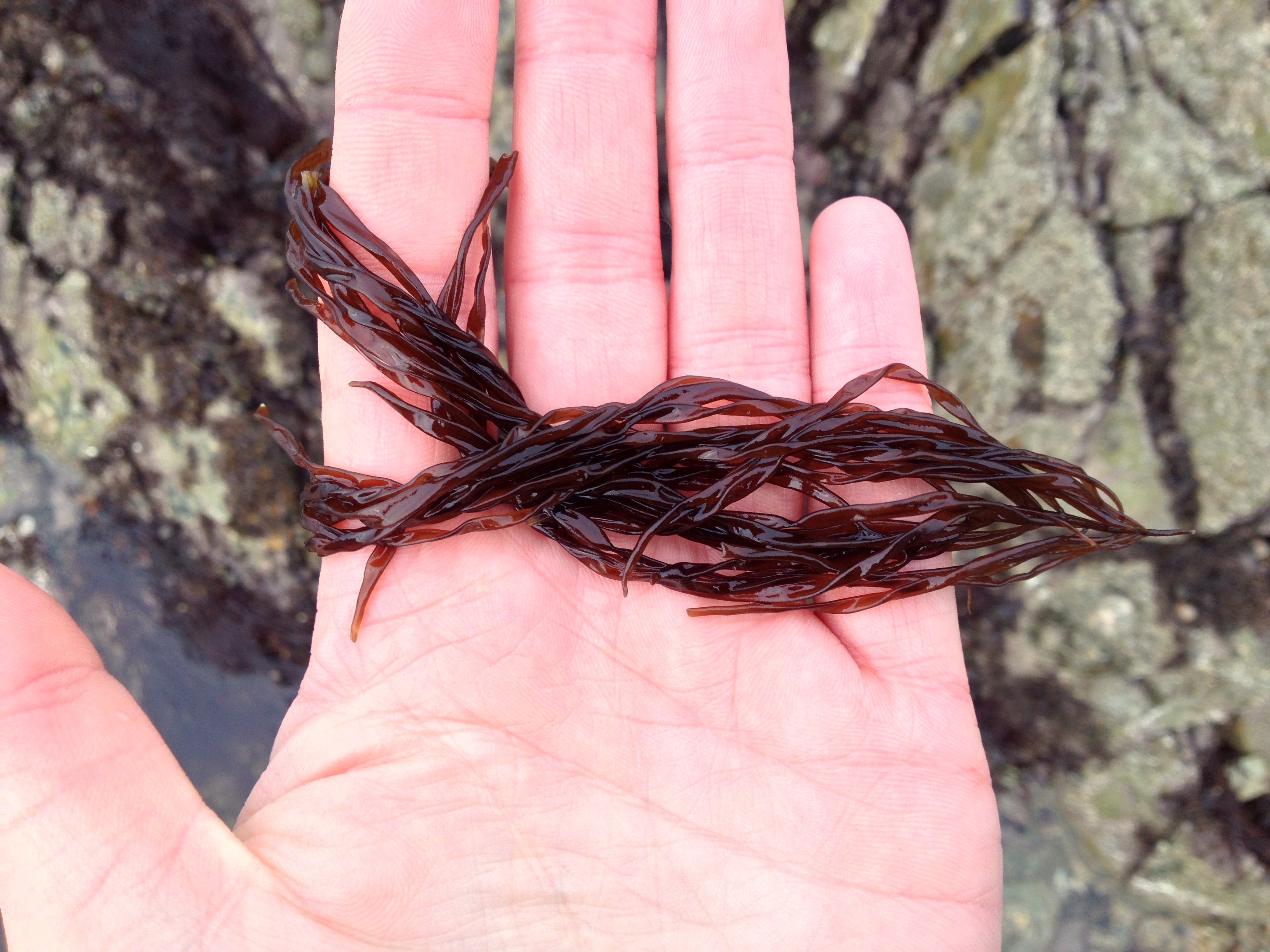
I had to remove the False eyelash weed from the aquarium; some bits were looking fine but in general a substantial amount of the branches had died off. Perhaps this is what normally happens in nature, only in rock pools any dead material is quickly washed away and so it goes unnoticed. I had to make some water changes to get rid of the debris which required some healthy exercise bringing buckets of waters down from the quay. Although it was windy and cold, I could not resist the urge to have a look at my local beach in Flushing last Saturday, hunting for some more seaweeds. It was noticeable that one particular seaweed had started to grow everywhere: Dumont’s tubular weed Dumontia contorta:

IMG_2459

 IMG_2460

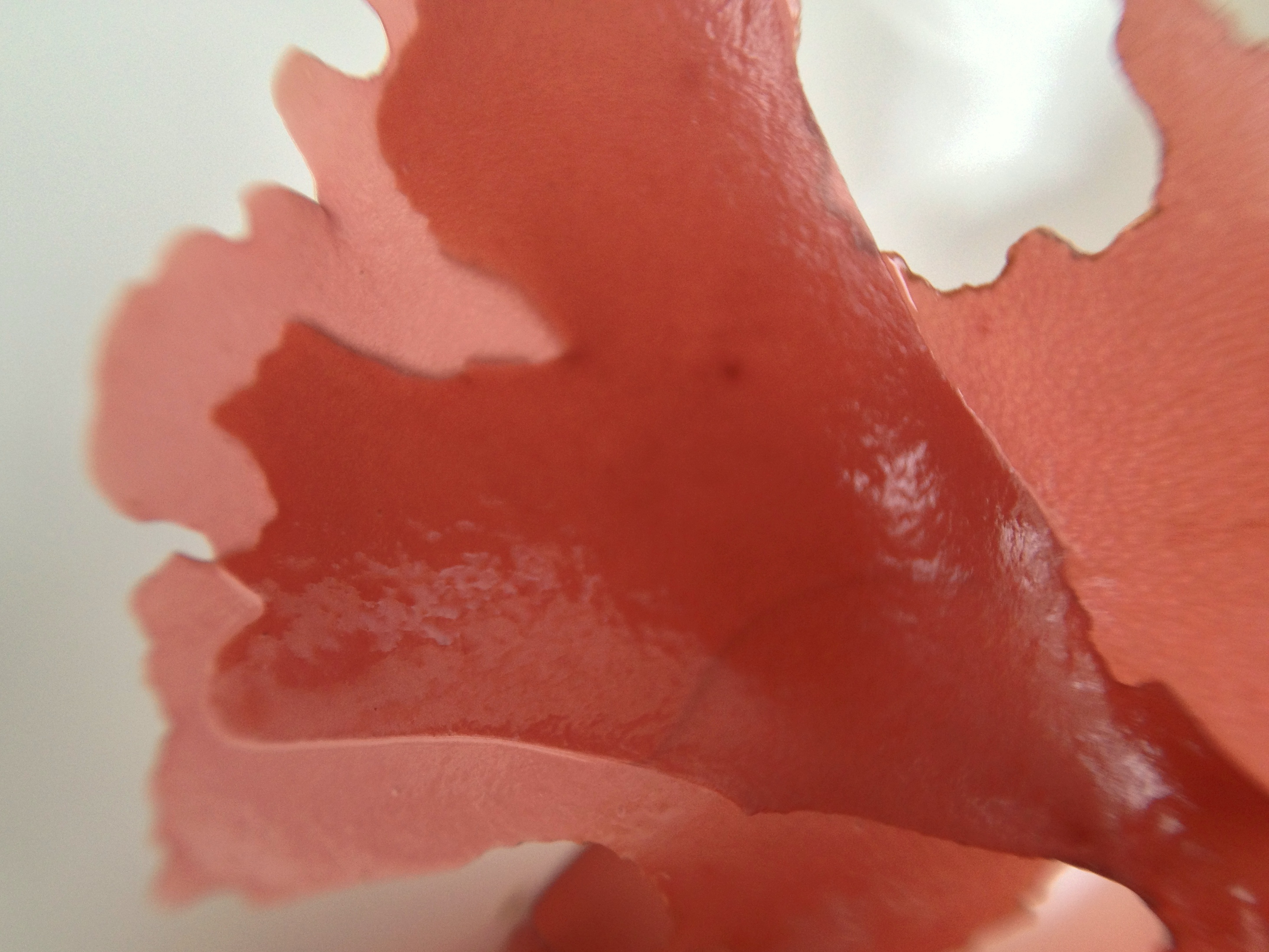
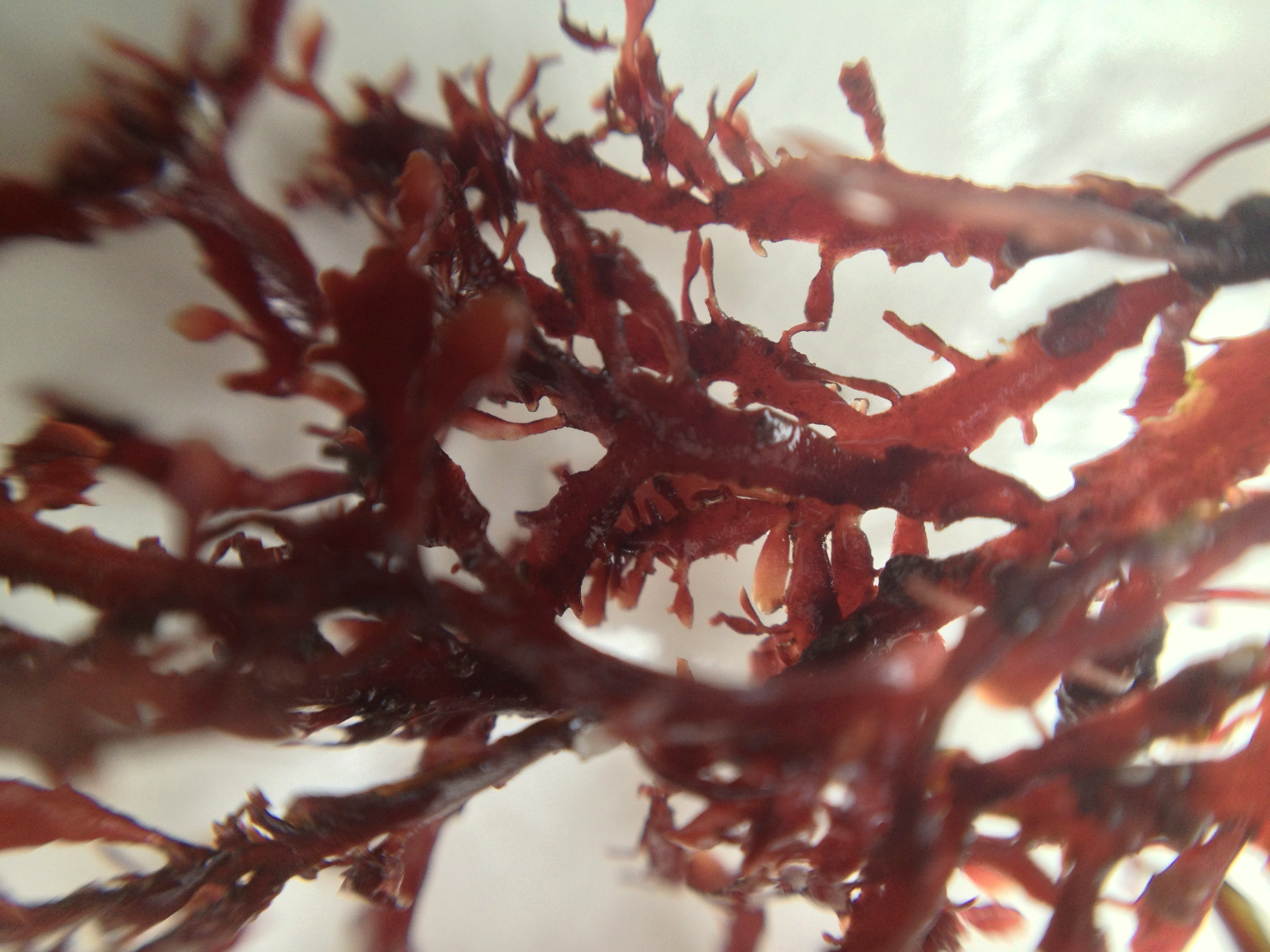
Slightly slimy and impossible to remove from the rock without ending up with a hand of loose strands. I therefore have placed a large pebble with one small plant in the aquarium just to see how it goes. I found small plants of Solier’s red string weed Soliera chordalis again that did well in the aquarium last year, as well as a whole bunch of other red seaweeds that I have trouble to identify (not the first one, that is Bunny ears Lomentaria articulata):

   IMG_2528IMG_2527 IMG_2518 IMG_2513IMG_2512

To test whether they are able to grow in the aquarium, I have placed them in an old floating fish fry box I had lying around:

IMG_2532