low tide

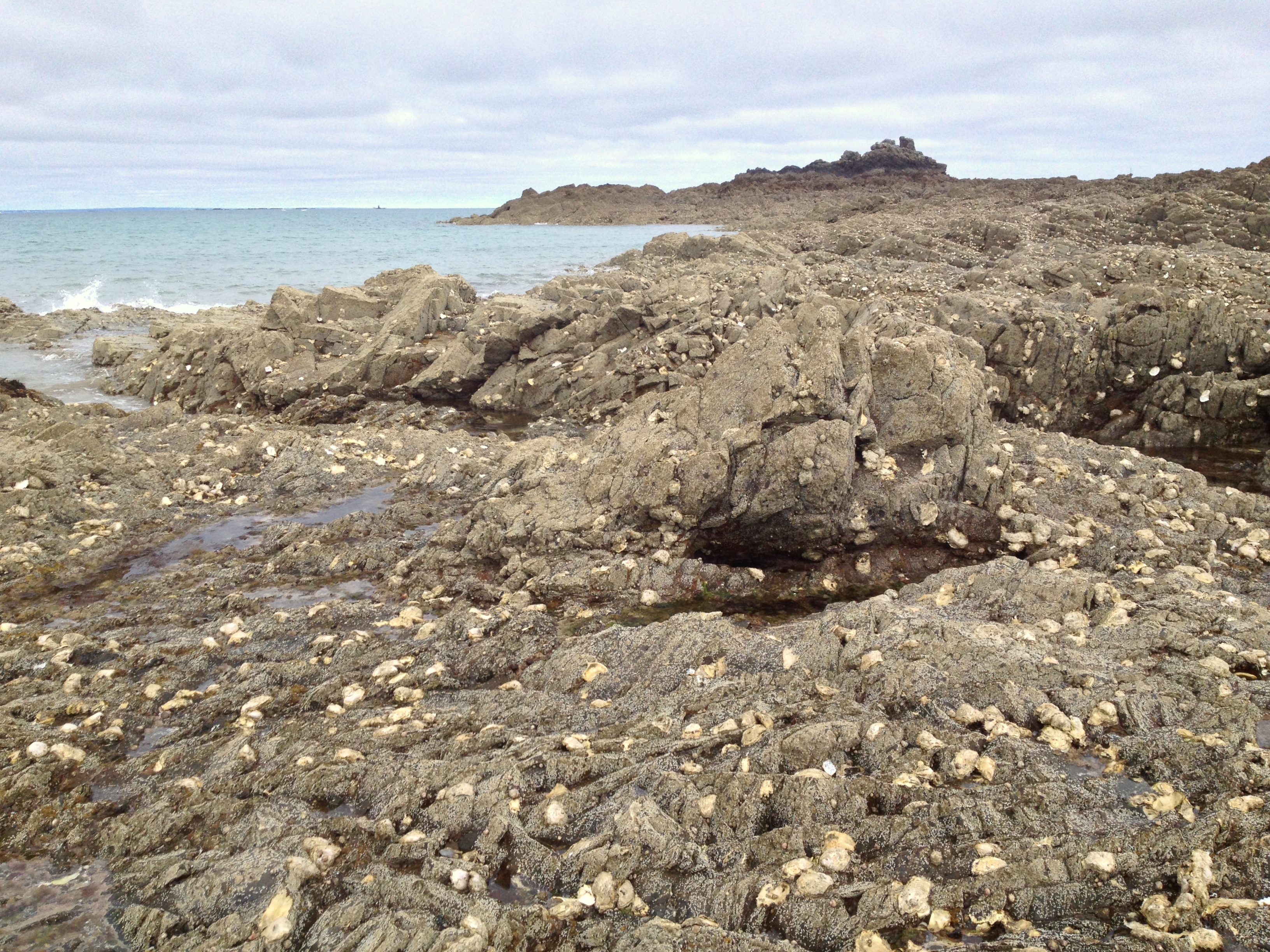
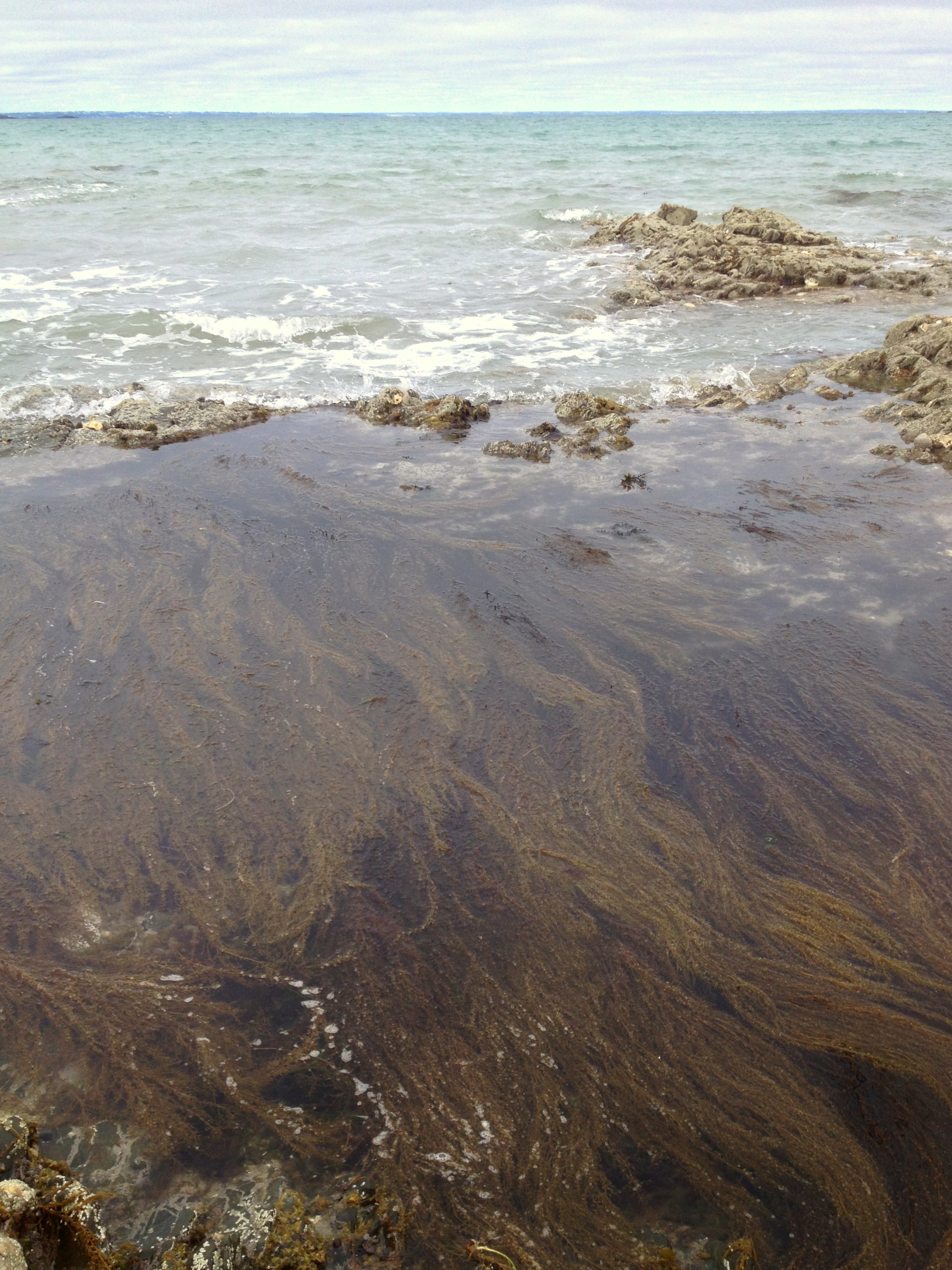
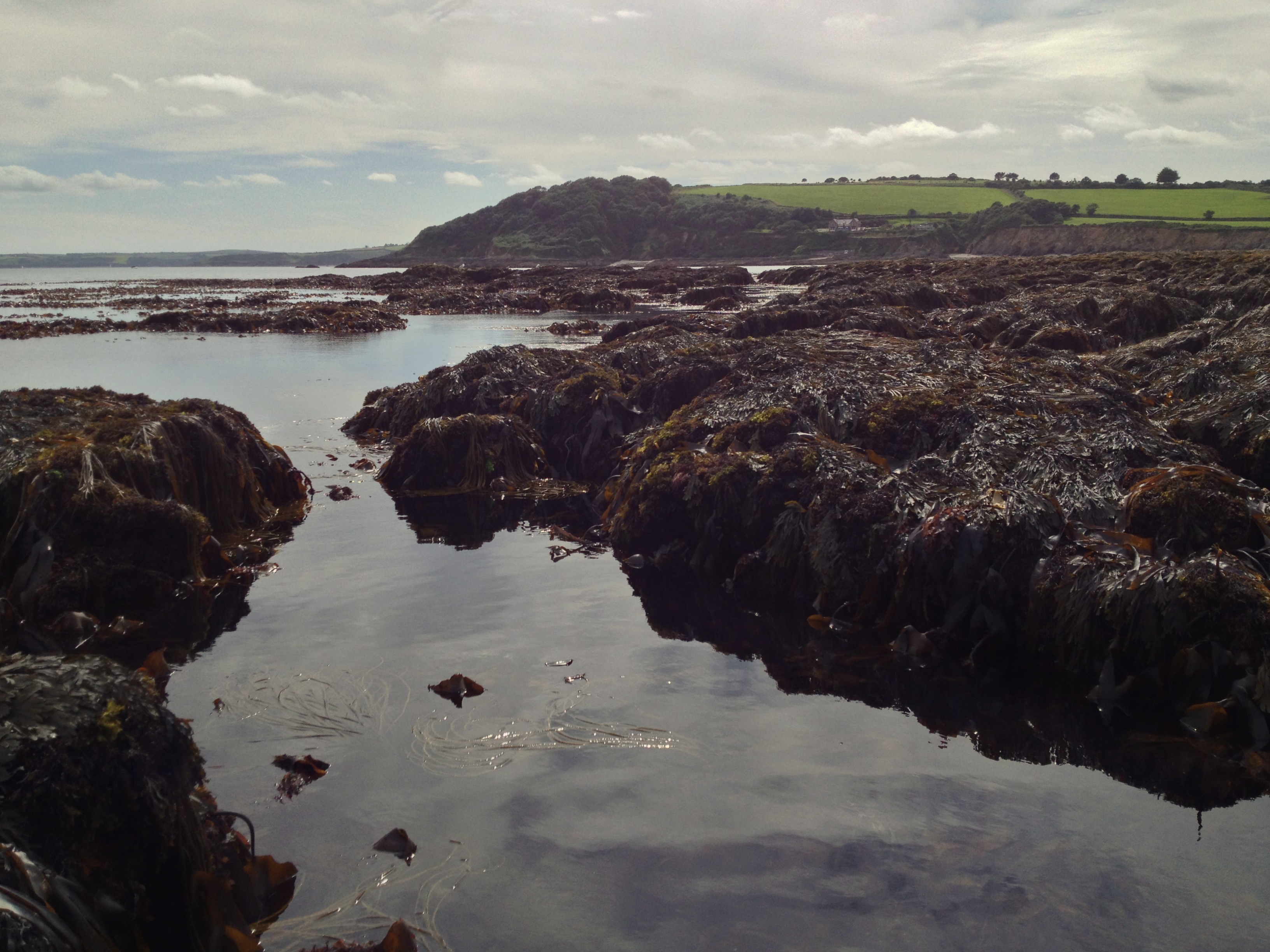
The tides were good this weekend and so we went out to Gylly (Gyllyngvase) Beach in Falmouth, specifically the rocks to the west of the beach (I normally go to Castle Beach to the east):

IMG_5423

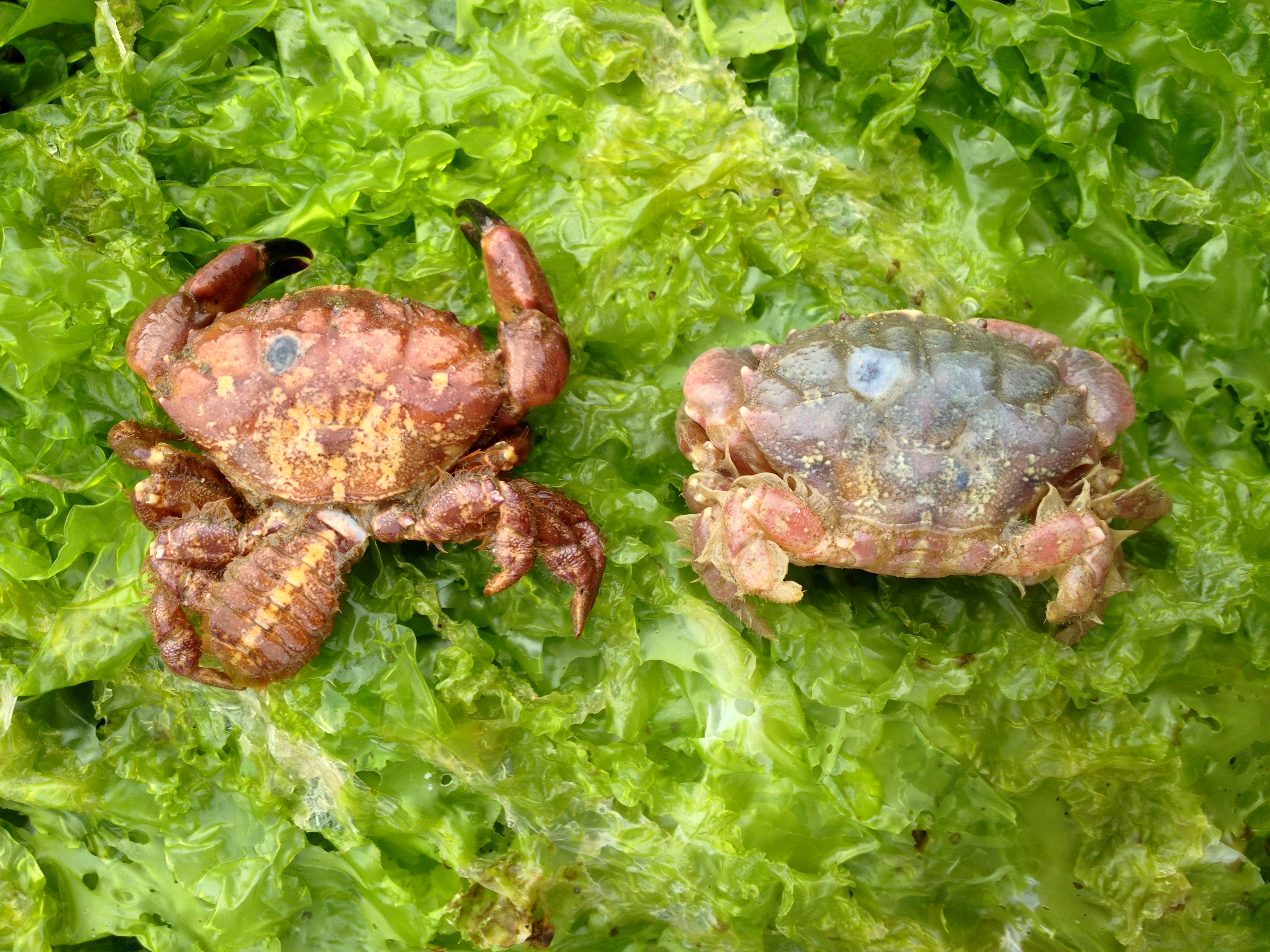
Although the tide was quite low, no special sublittoral species were encountered, but everything time you go out you still see something new. For instance, a newly moulted Furrowed crab, Xantho incisus pink and soft next to its old brown carapace: IMG_5469

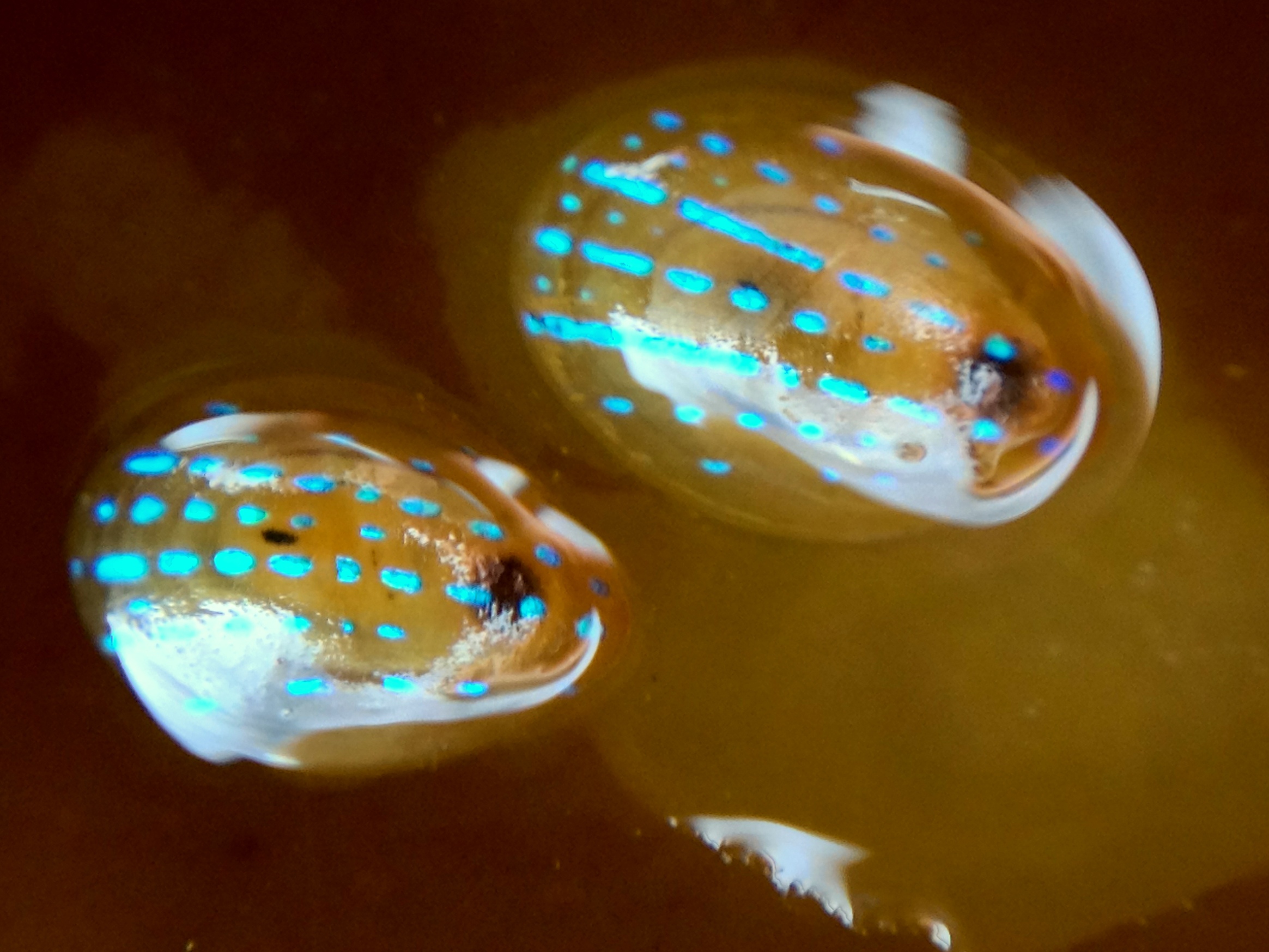
There were very many small Blue-rayed limpets Helcion pellucidum (see also here) on the kelp:IMG_5412

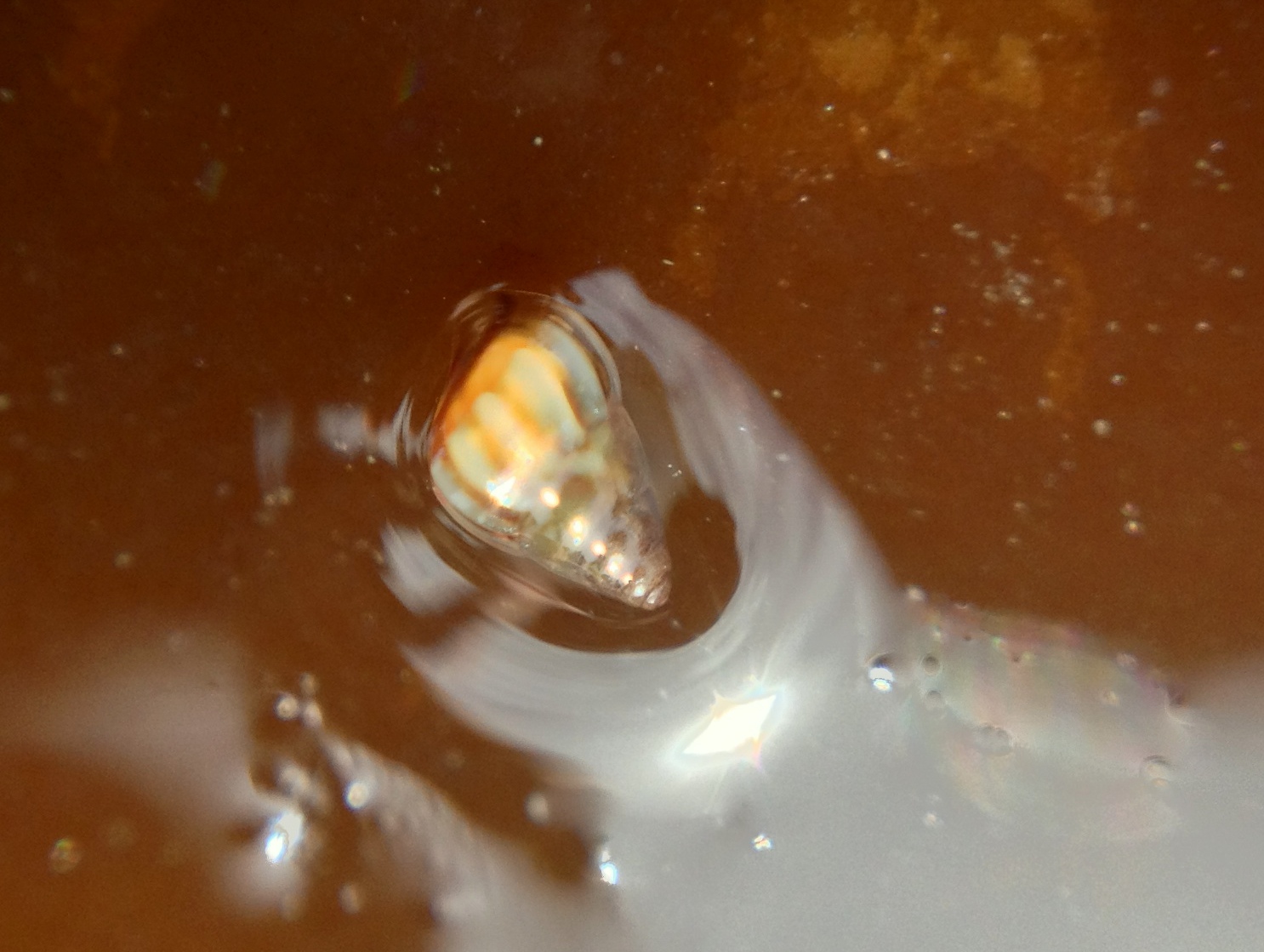
A tiny Rissoa parva snail:IMG_5409

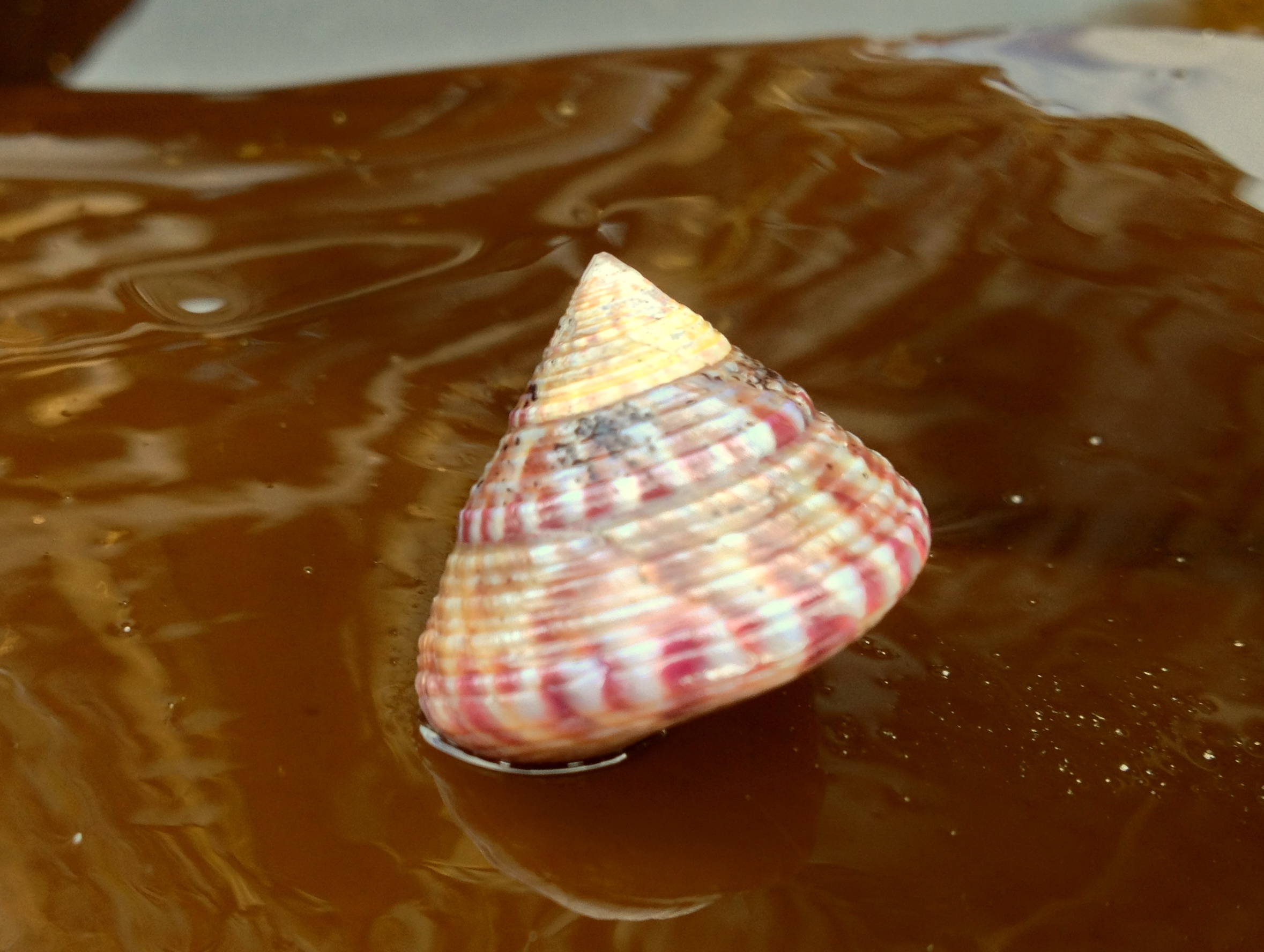
and a Painted top shell Calliostoma zizyphinum:IMG_5457

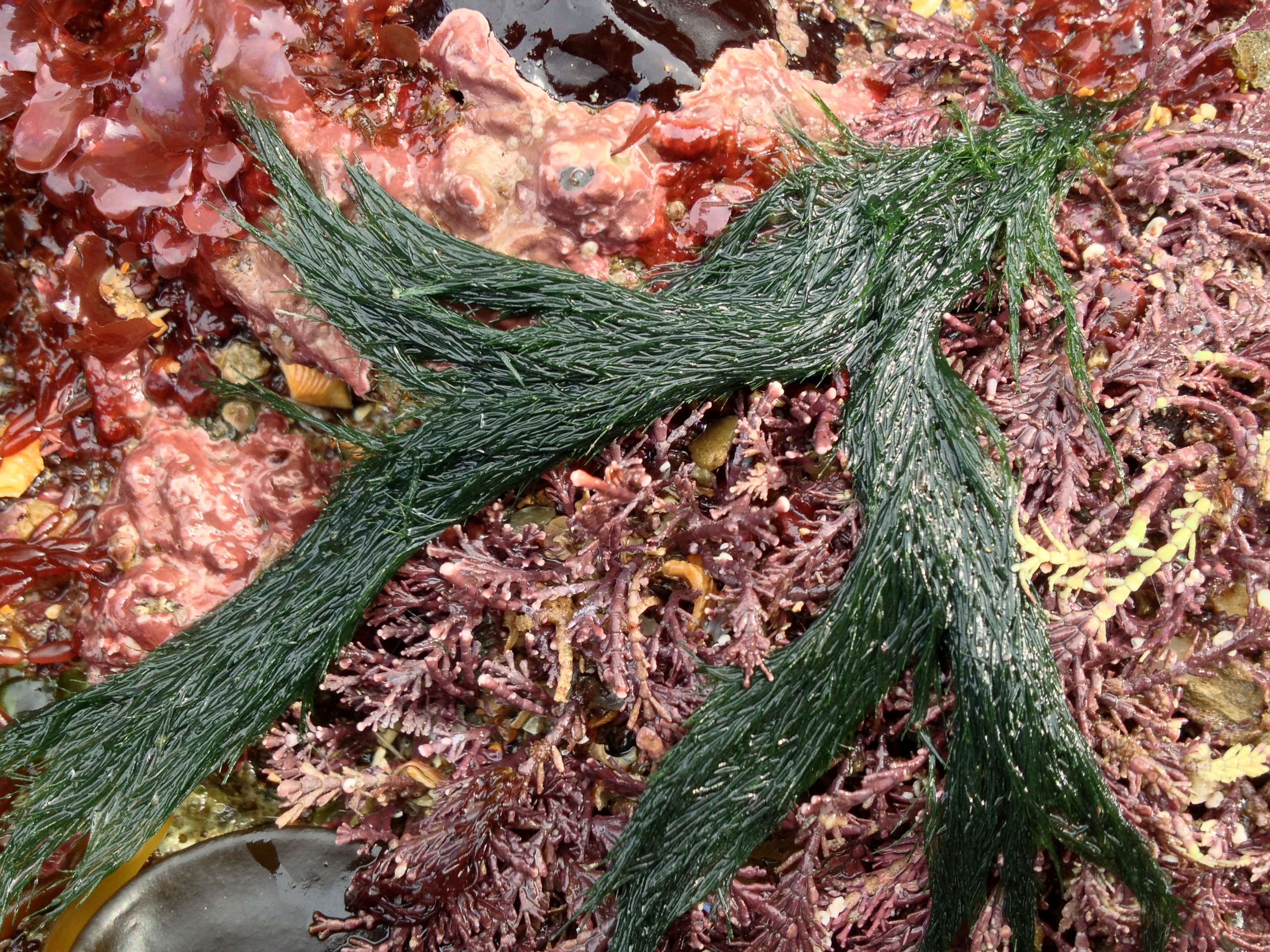
Some dark green Cladophora rupestris:IMG_5437

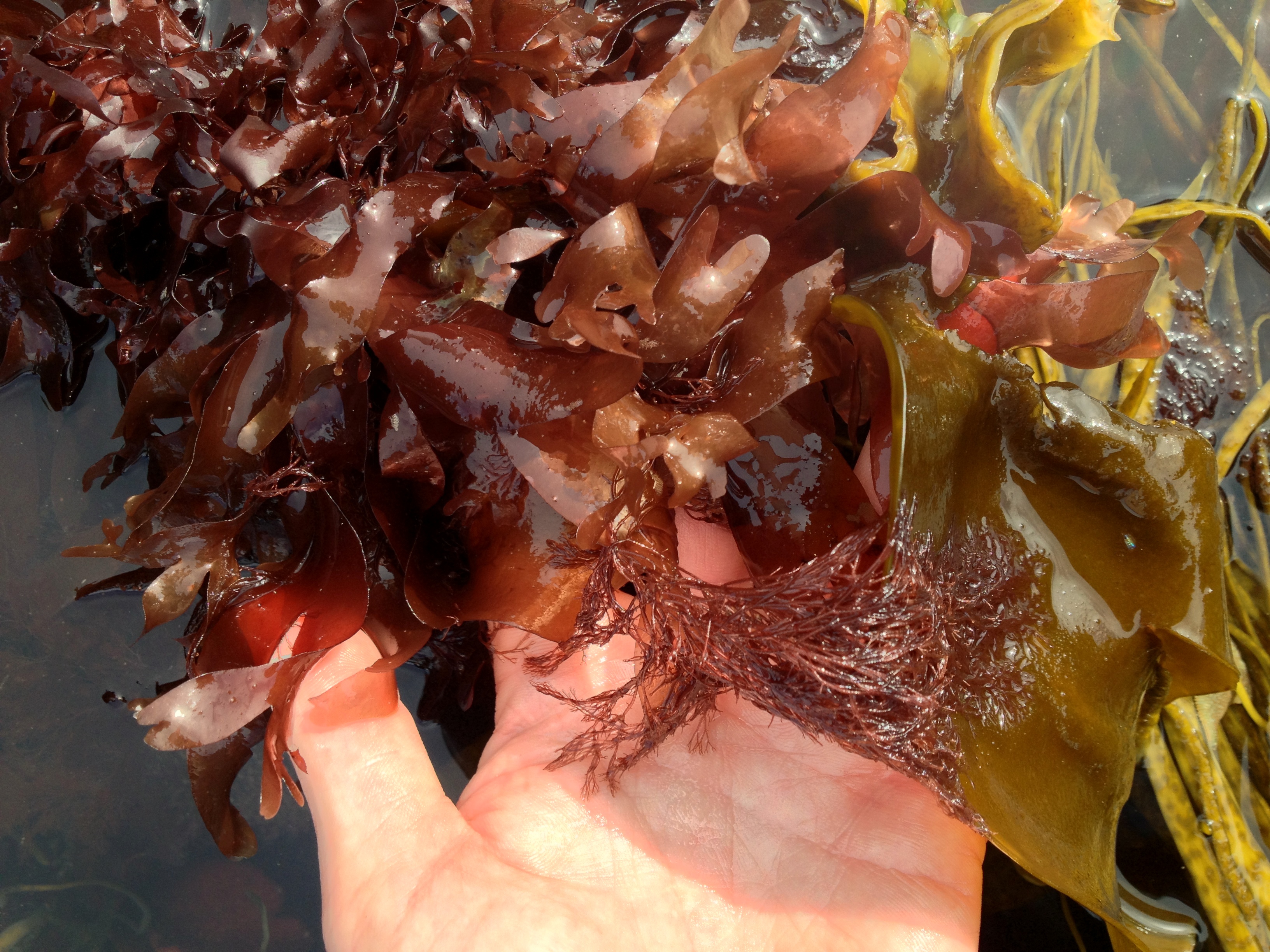
A fine red seaweed (I do not know which one) growing on top of Dulse Palmaria palmata growing in turn on top of kelp: IMG_5455

tunicate time

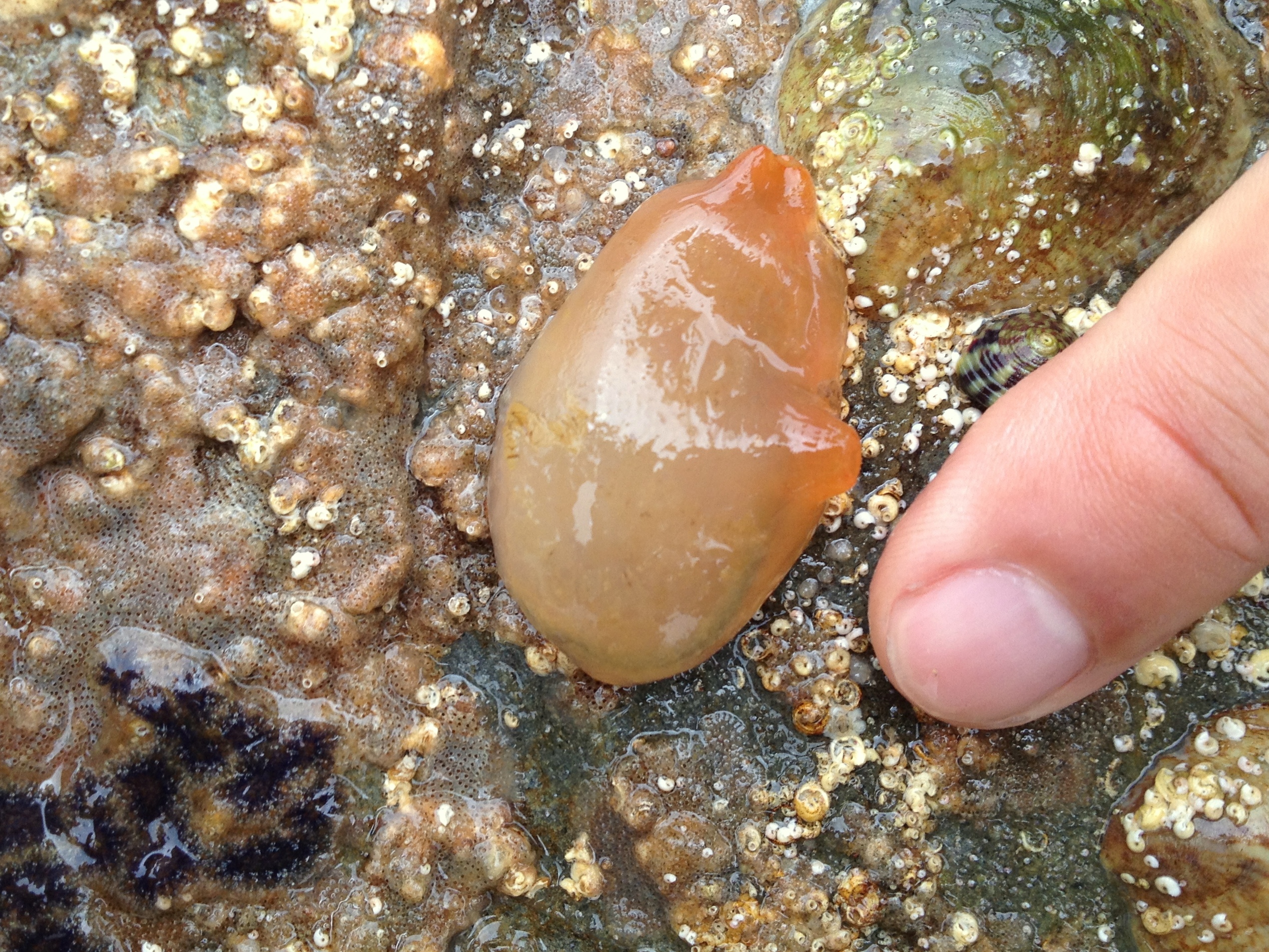
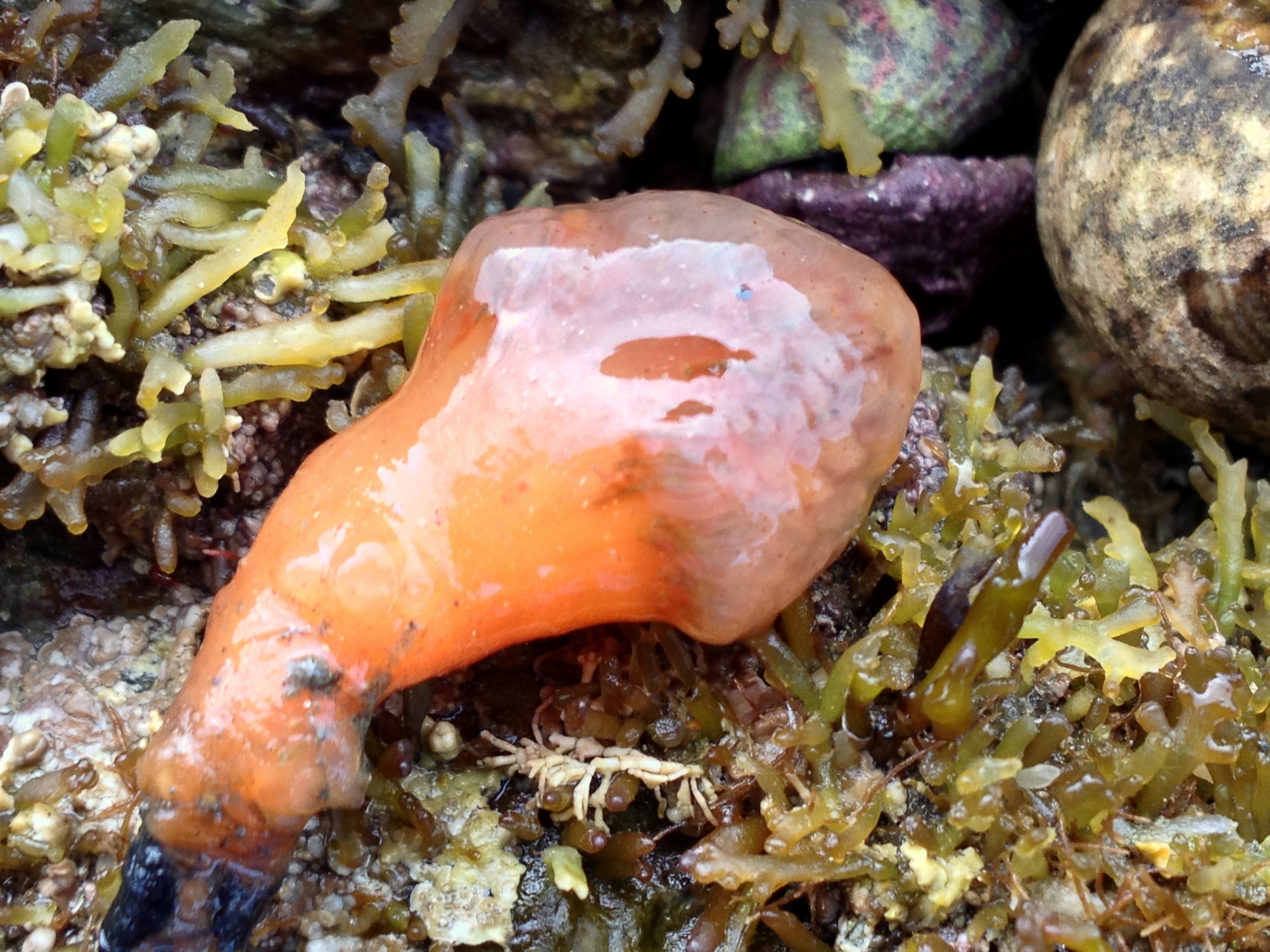
After being abroad a couple of times this summer (Slovenia, France 1 2 3 and The Netherlands), I have started rock pooling in Falmouth and Flushing again. Things have noticeably changed since the spring, most prominent being the recent abundance of all kinds of sea squirts (tunicates). They are everywhere, and some of them I have not seen before. The solitary sea squirt Corella eumyota is very common, with smaller individuals a translucent white and larger individuals more orange:

IMG_4986

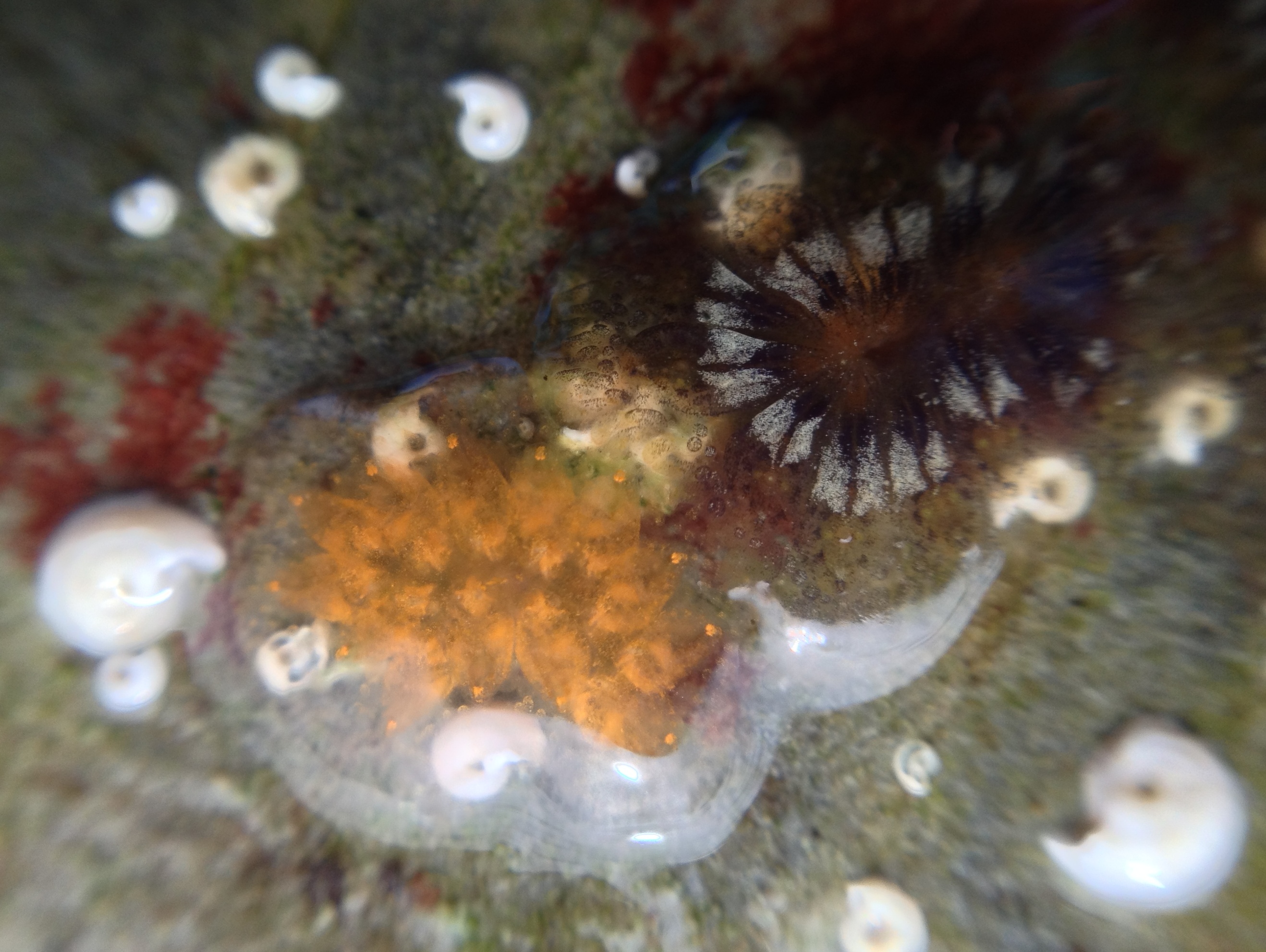
My personal favourites the colonial Botryllus (in the above picture bottom left among the bryozoans) and Botrylloides are also very abundant at the moment. I should measure the width of a population on a recognizable, large rock and go back to check how fast they grow actually. Below a picture of both species growing side by side:

IMG_5243

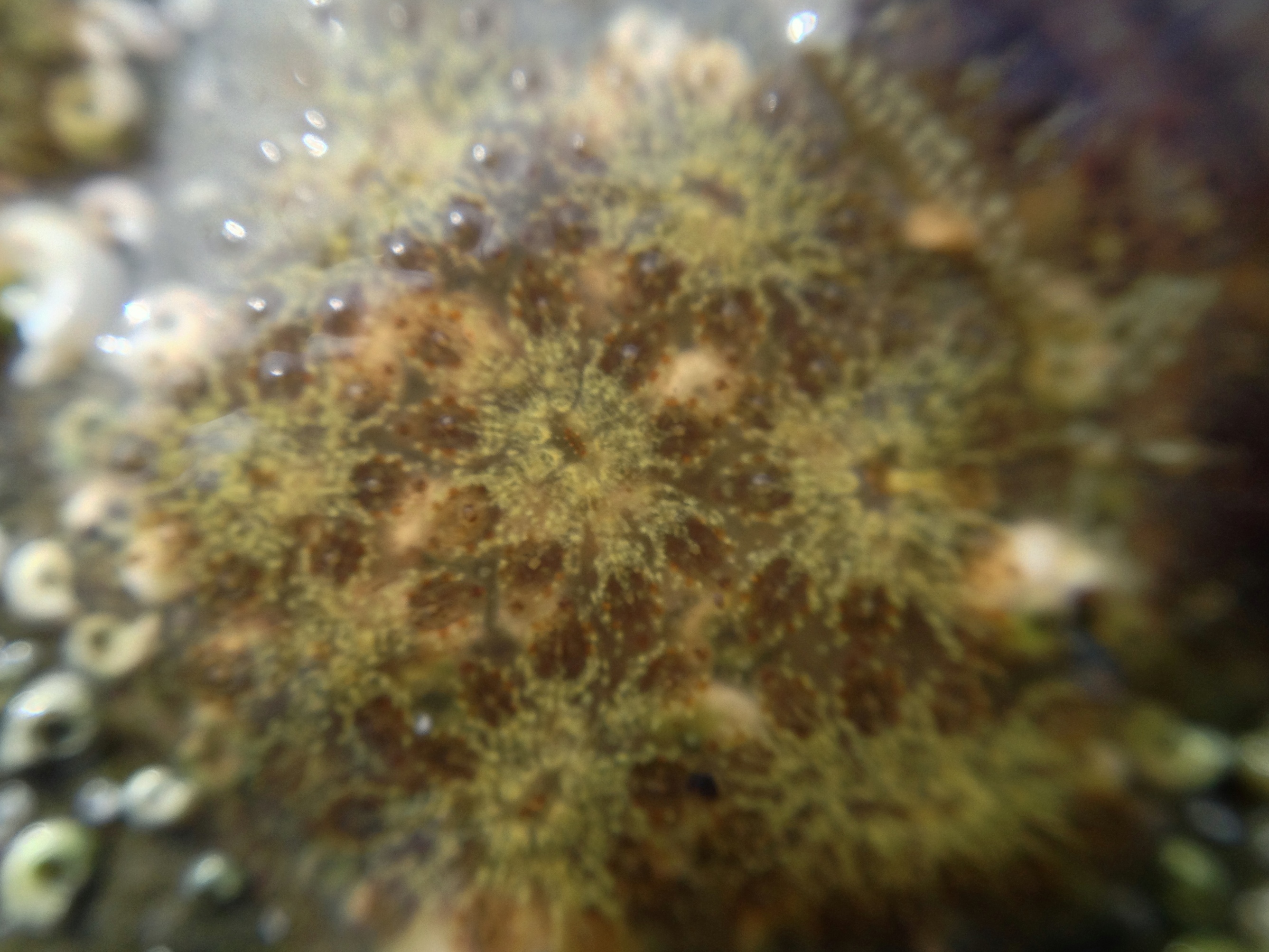
Some more Botryllus schlosseri pictures demonstrating the variability in colour (the Botrylloides leachi here look all the same):

IMG_5253

IMG_5257

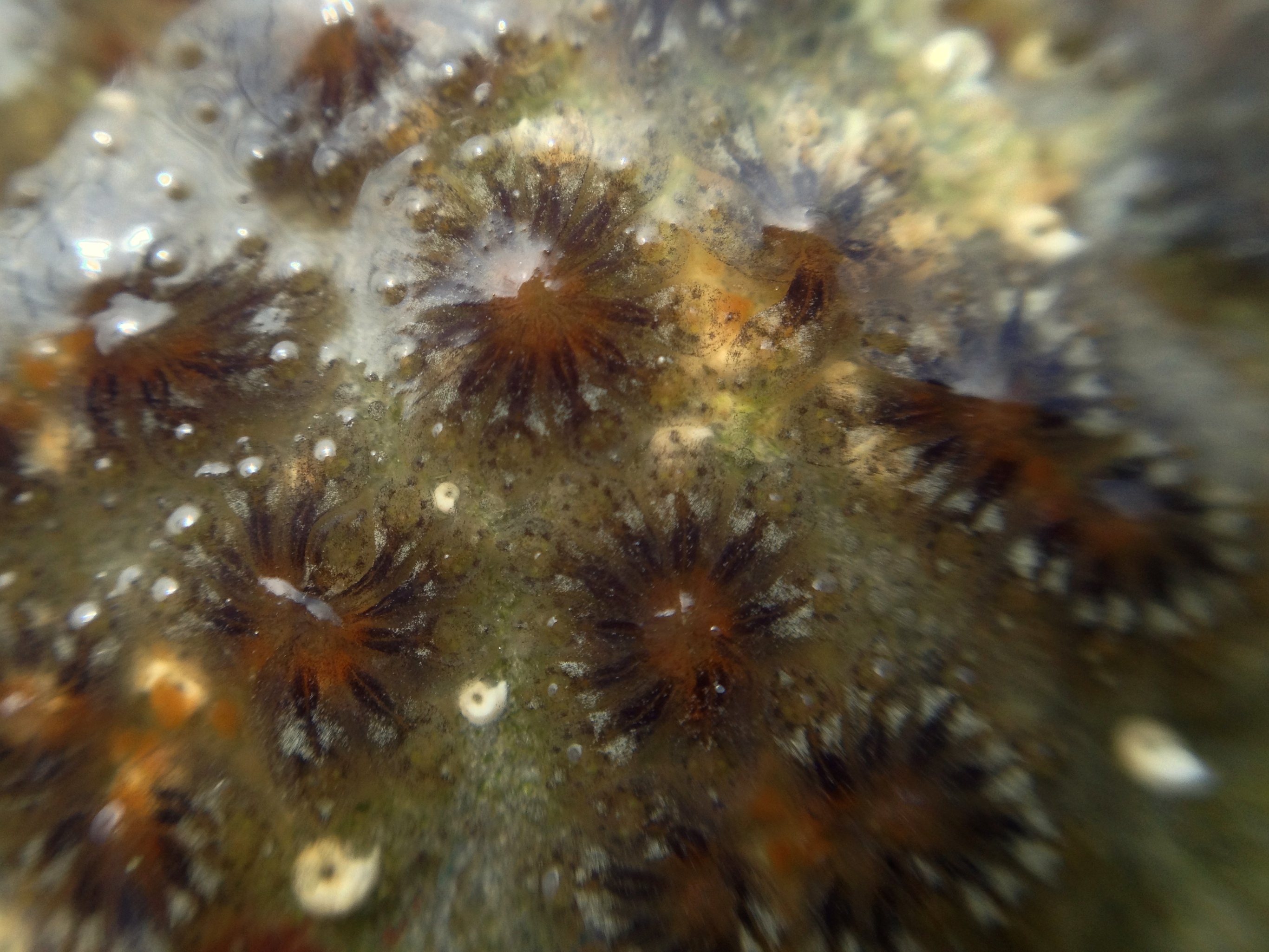
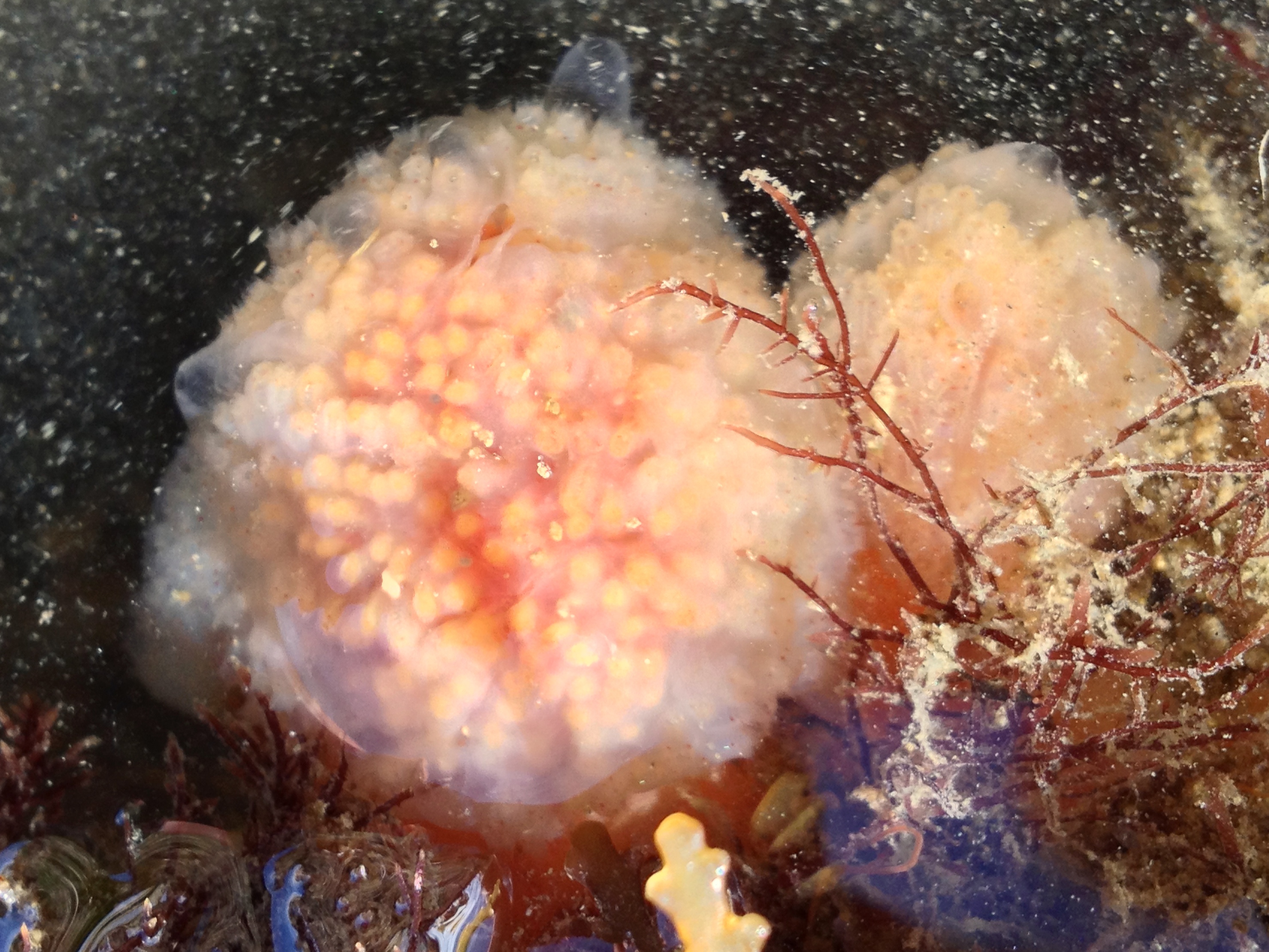
A species that I had not noticed before and is growing in every rock pool in Flushing at the moment is the orange Morchellium argum, which grows as a colony as does Botryllus or Botrylloides but in a rather different way. A colony consists of a stalked club with individual zooids protruding from the ‘head’:

IMG_5236

IMG_5271

Bretagne: Pleneuf-Val-Andre – part 1

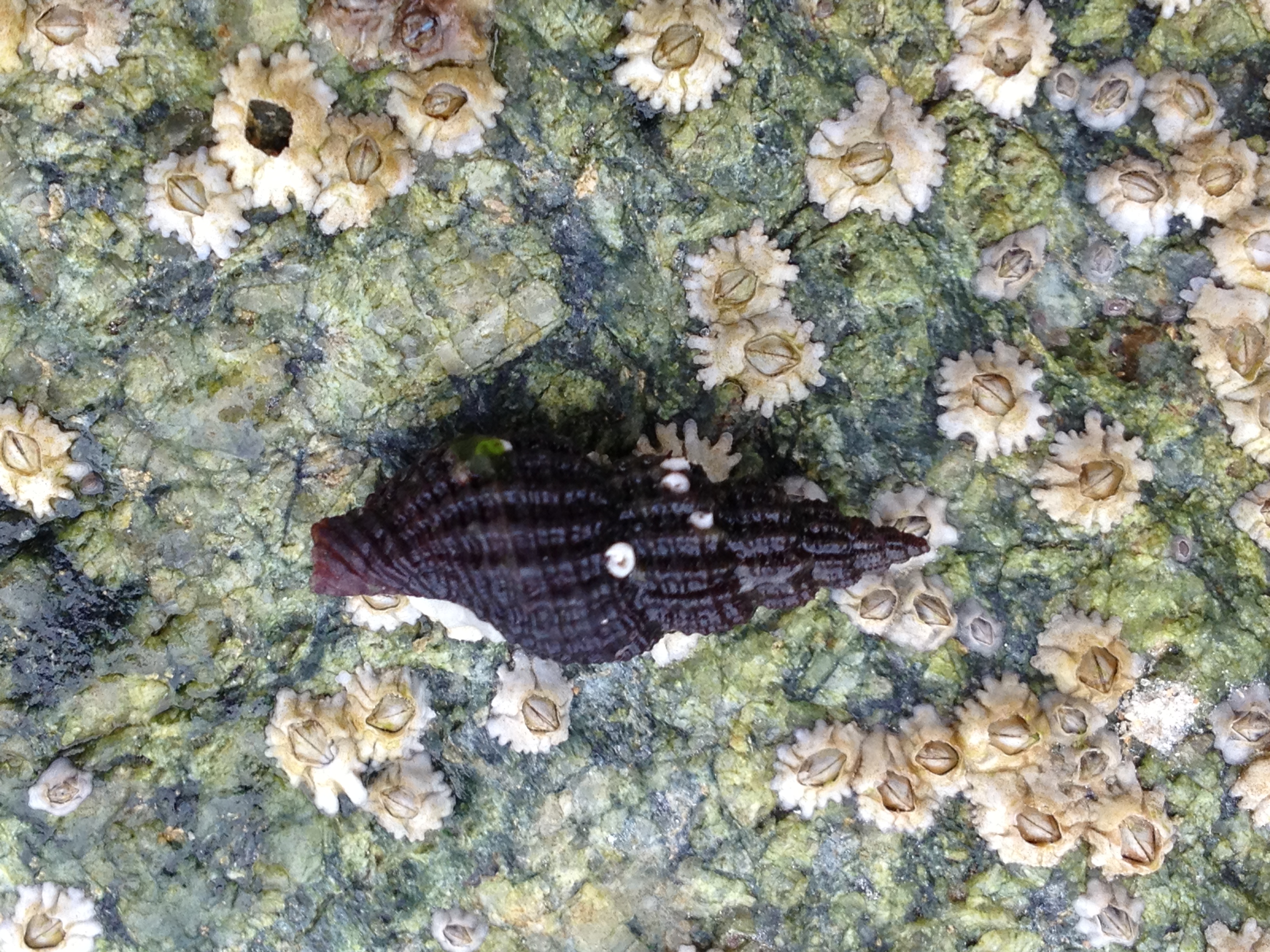
The second good rock pooling session in Bretagne was in the little port of Pleneuf-Val-Andre. The rock pools themselves were very similar to those in Erquy. The only interesting find there was a pretty gastropod I had not seen before (a white snail with a dark brown/black shell about 1,5 cm in length). It looks like a Trophon muricatus, although I am not 100% sure Raphitoma purpurea:
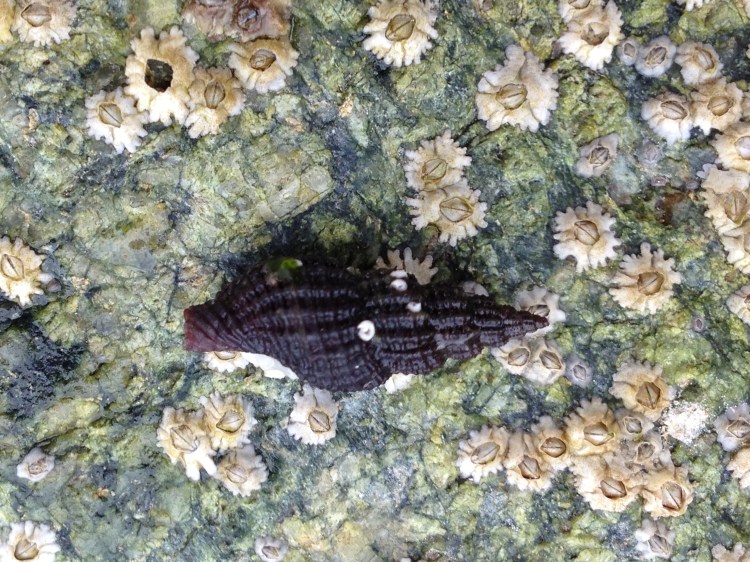
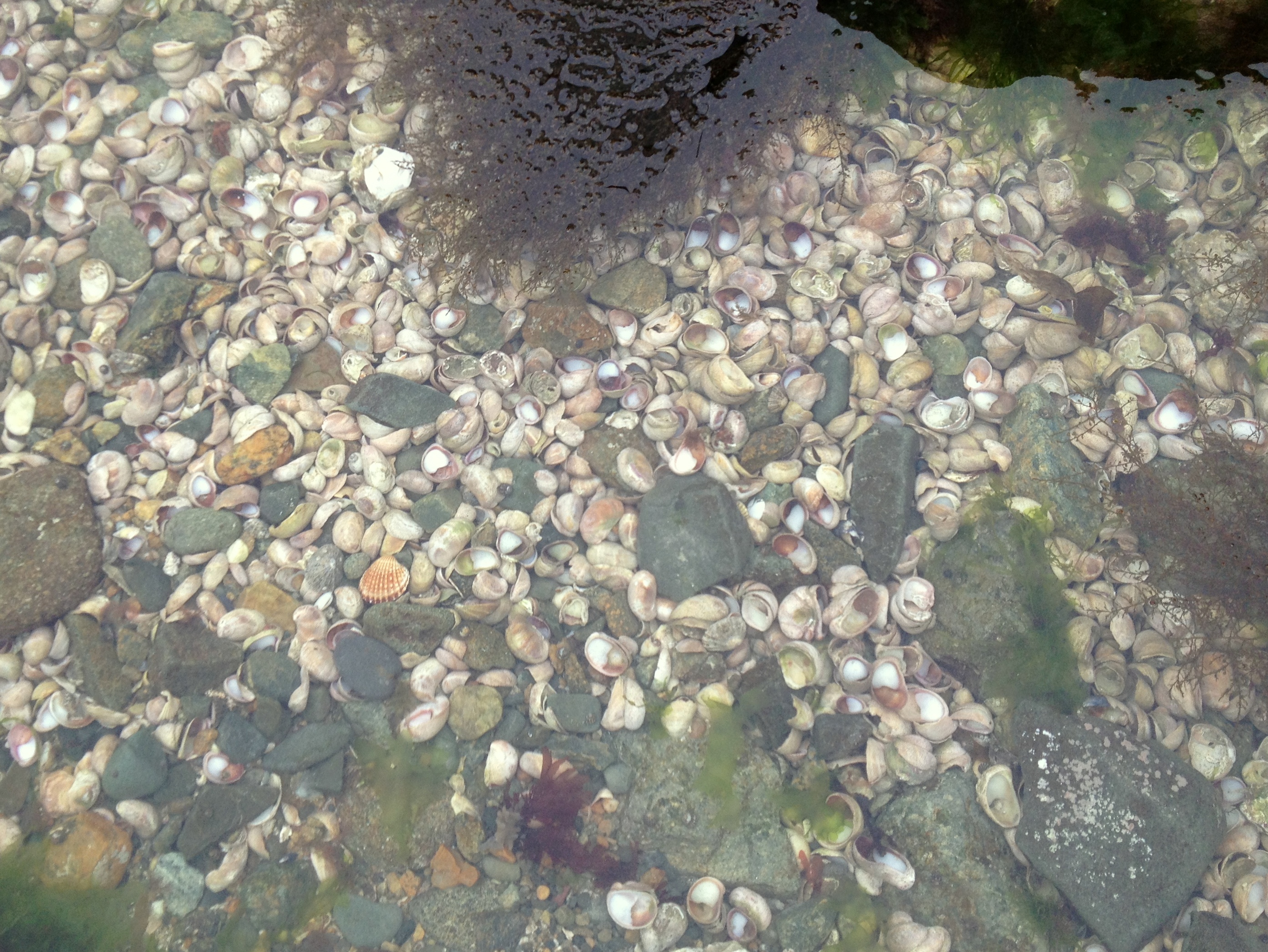
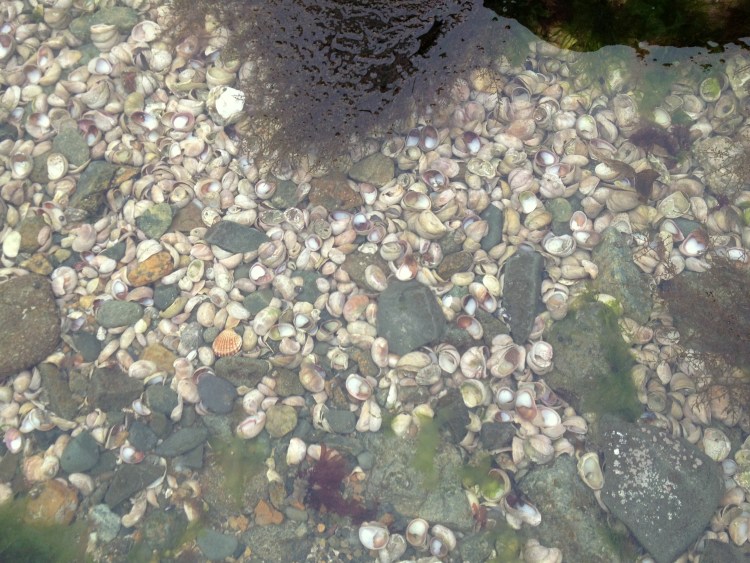
IMG_4640 The number of Slipper limpet Crepidula fornicata (live and dead) was quite amazing, there were whole banks of them:
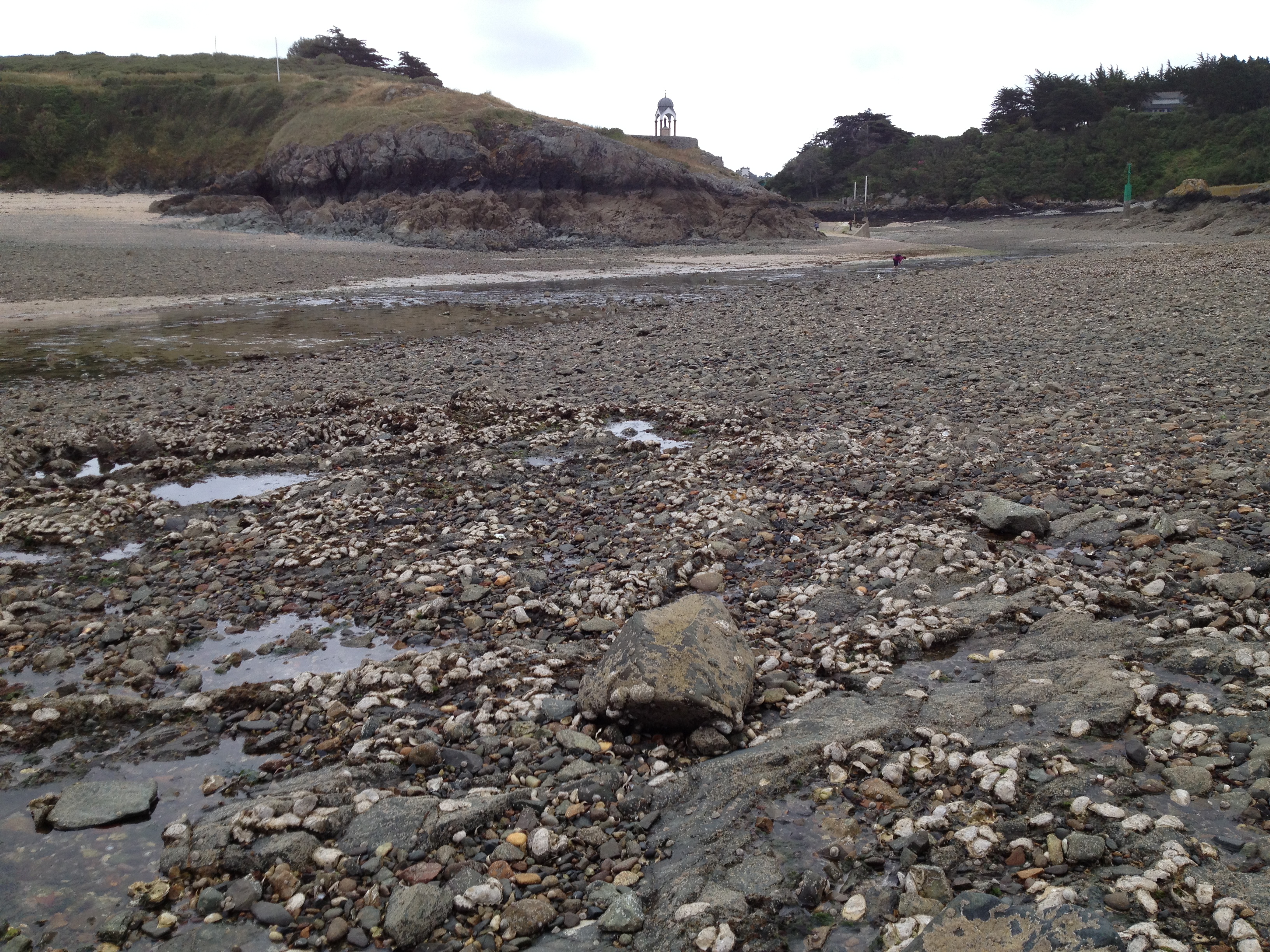
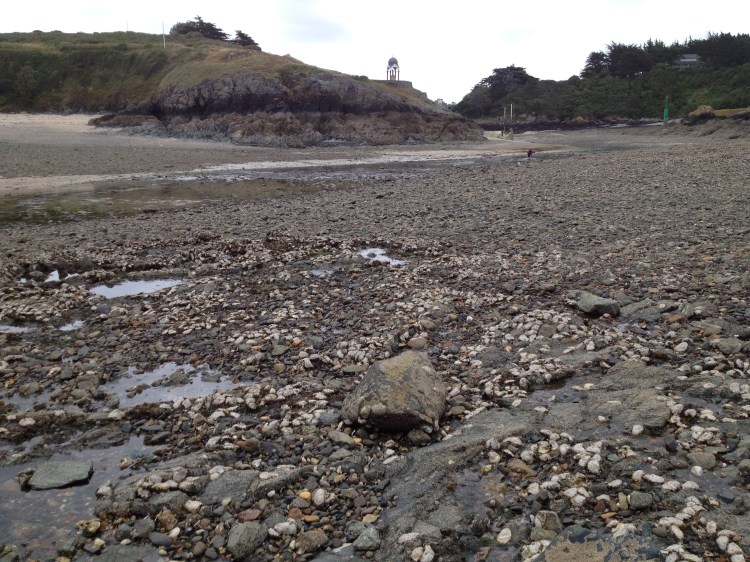
IMG_4625The little channel from the port to the sea, a mix of sand and rocks, was more interesting than the actual rock pools:
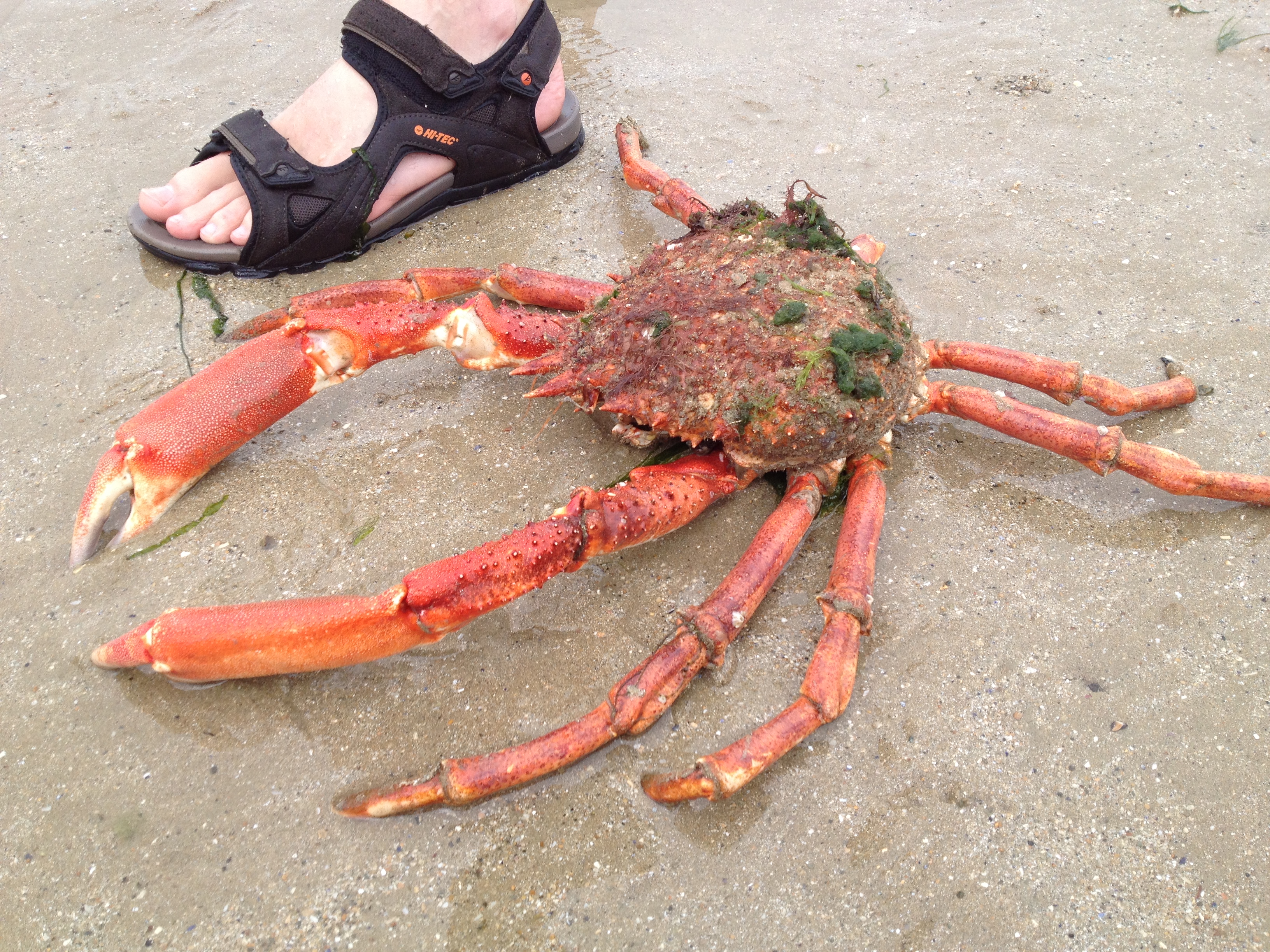
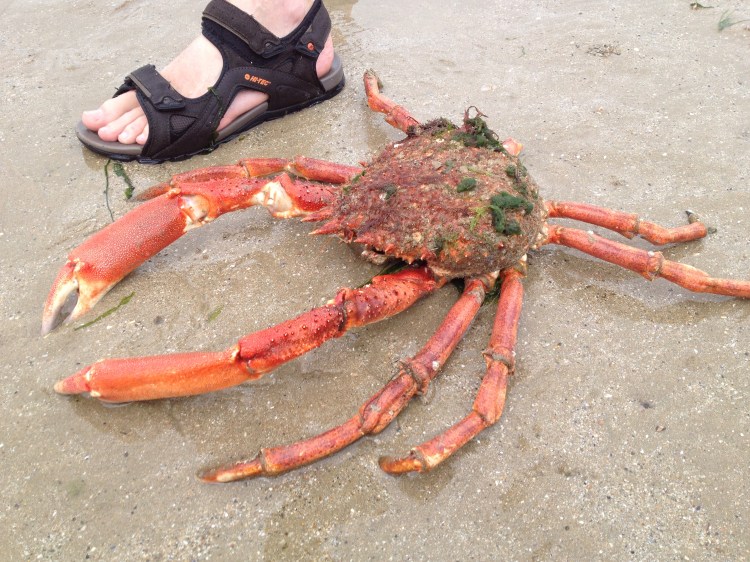
IMG_4655with a variety of organisms washing up, for instance this large (dead) Common spider crab Maja squinado (European shoe size 45 in the background…):
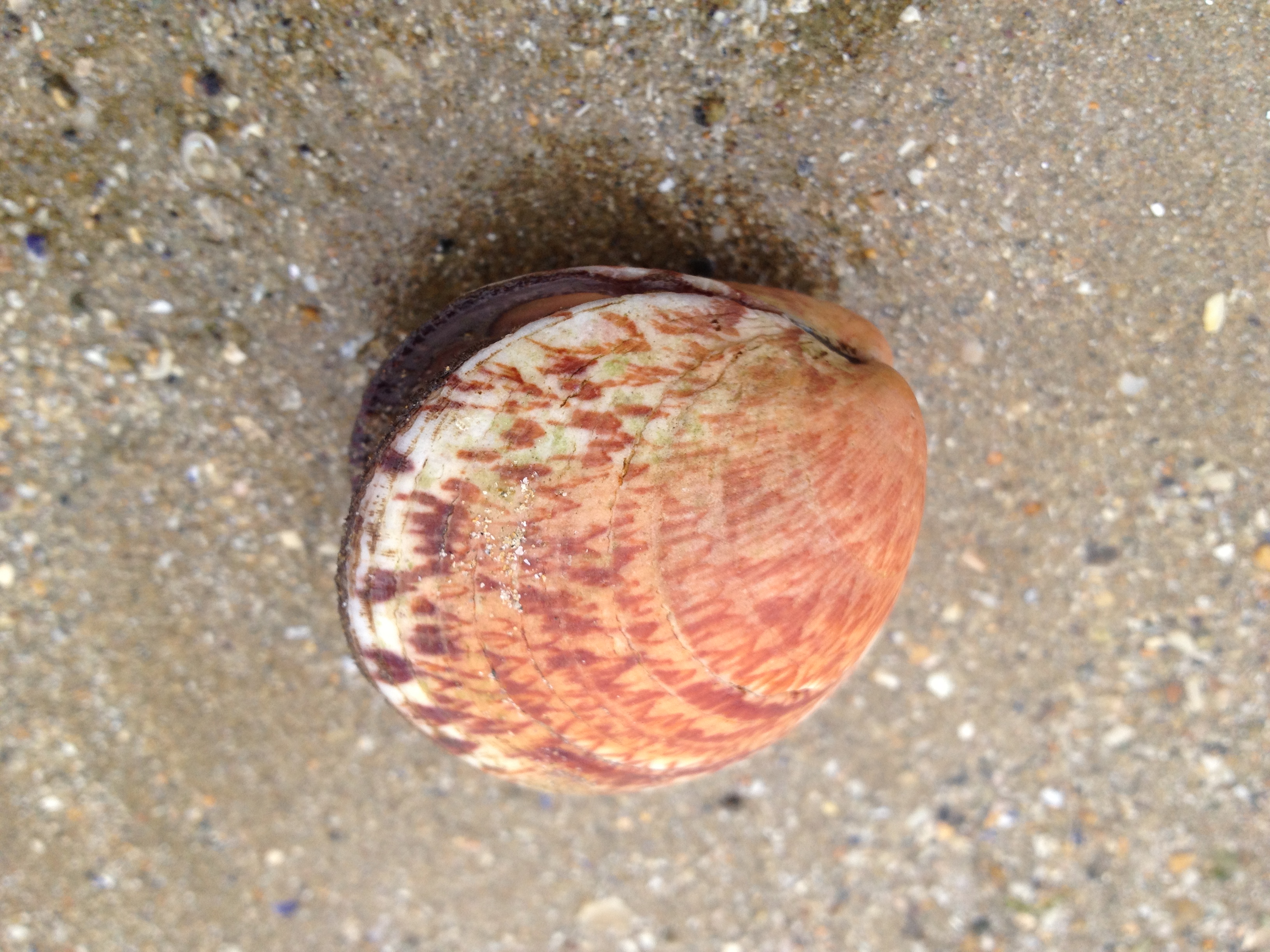
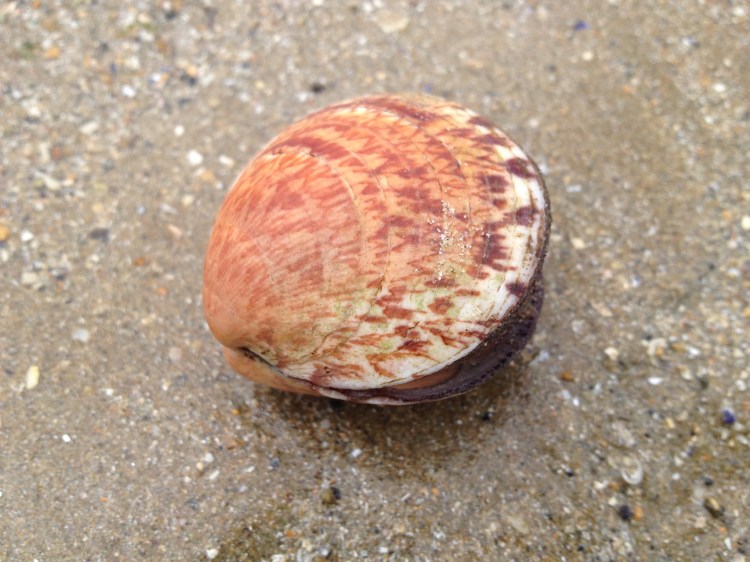
IMG_4604A Dog cockle Glycymeris glycymeris shell:
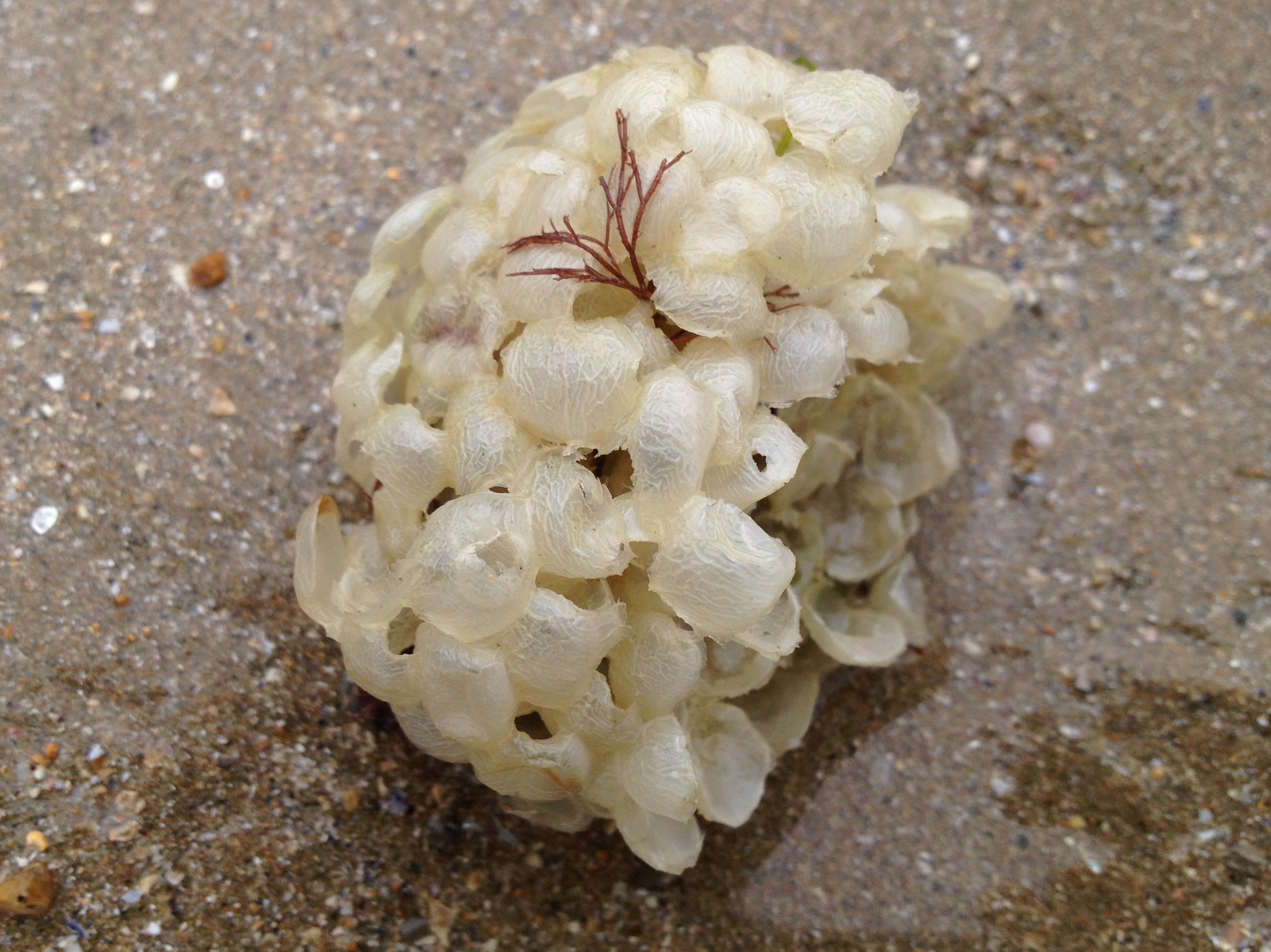
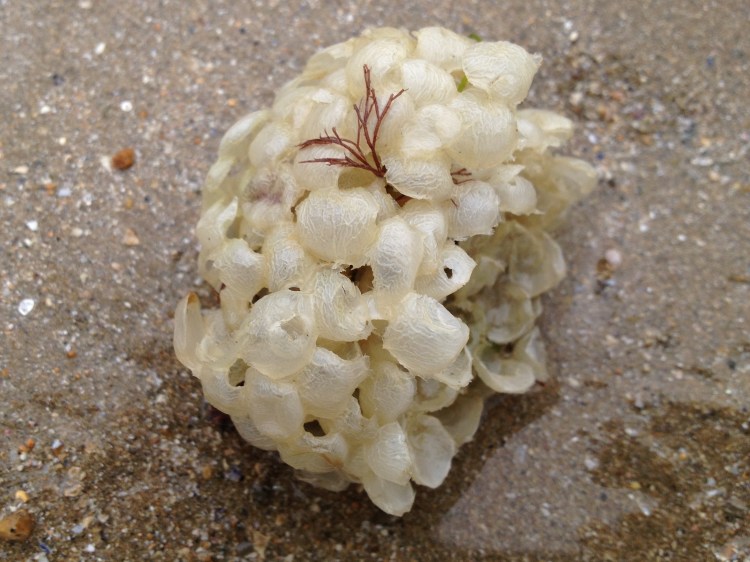
IMG_4605Egg cases (‘a sea wash ball’) of the edible Common whelk Buccinum undatum:
IMG_4607

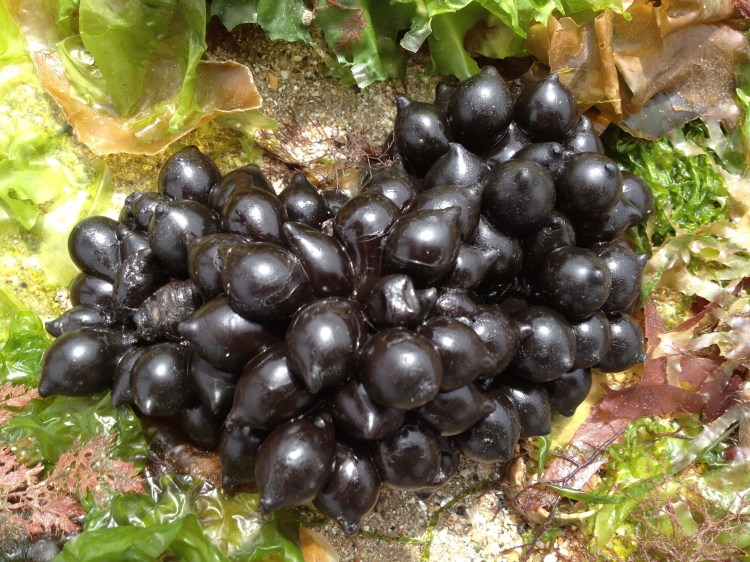
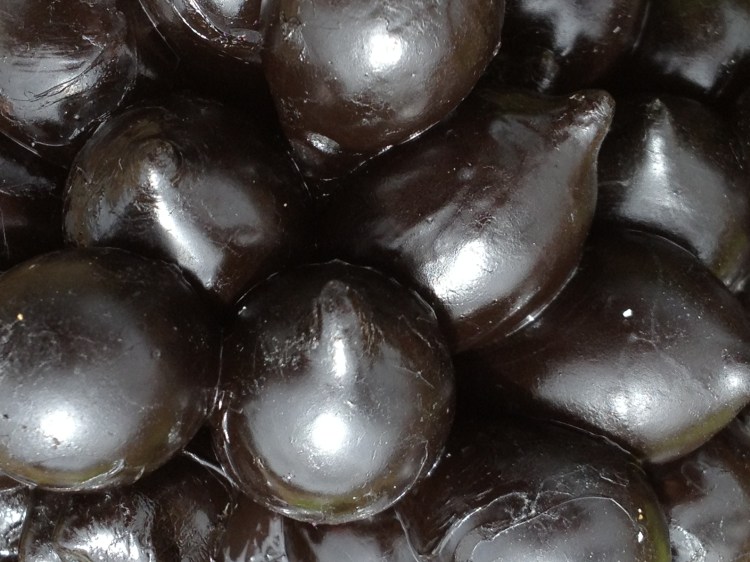
Cuttlebones were scattered everywhere along the shore and we even found a clump of Common cuttlefish Sepia officinalis eggs:
IMG_4666

IMG_4670The eggs were quite big and had a weird texture. I don’t know if these egg clumps can survive hours on the beach at low tide, probably not. It would have been cool to take them to an aquarium to see if they would hatch. It is extremely difficult to keep cuttlefish though, they need live food and large aquariums which usually are still too small still to prevent ‘butt burn’ when they jet backwards into the tank wall and their cuttlebone gets exposed right through the mantle. In the next post I will get to the washed up seaweeds.
Bretagne: Erquy

Last week we crossed the channel to attend a friend’s wedding in Bretagne (Brittany). This of course also called for some rock pooling action, first at the village of Erquy. It was interesting to compare the shores of Bretagne to Cornwall (or at least Falmouth and this small stretch of coast in northern Bretagne). Immediately noticeable was the large amount of oysters on the rocks (with some locals busy collecting them, quelle surprise); these are pretty much absent in Falmouth:

IMG_4470

Similar to the Cornish coast, wireweed Sargassum muticum was abundant. This Pacific invader surely must have a large effect on the native flora and fauna:

IMG_4473

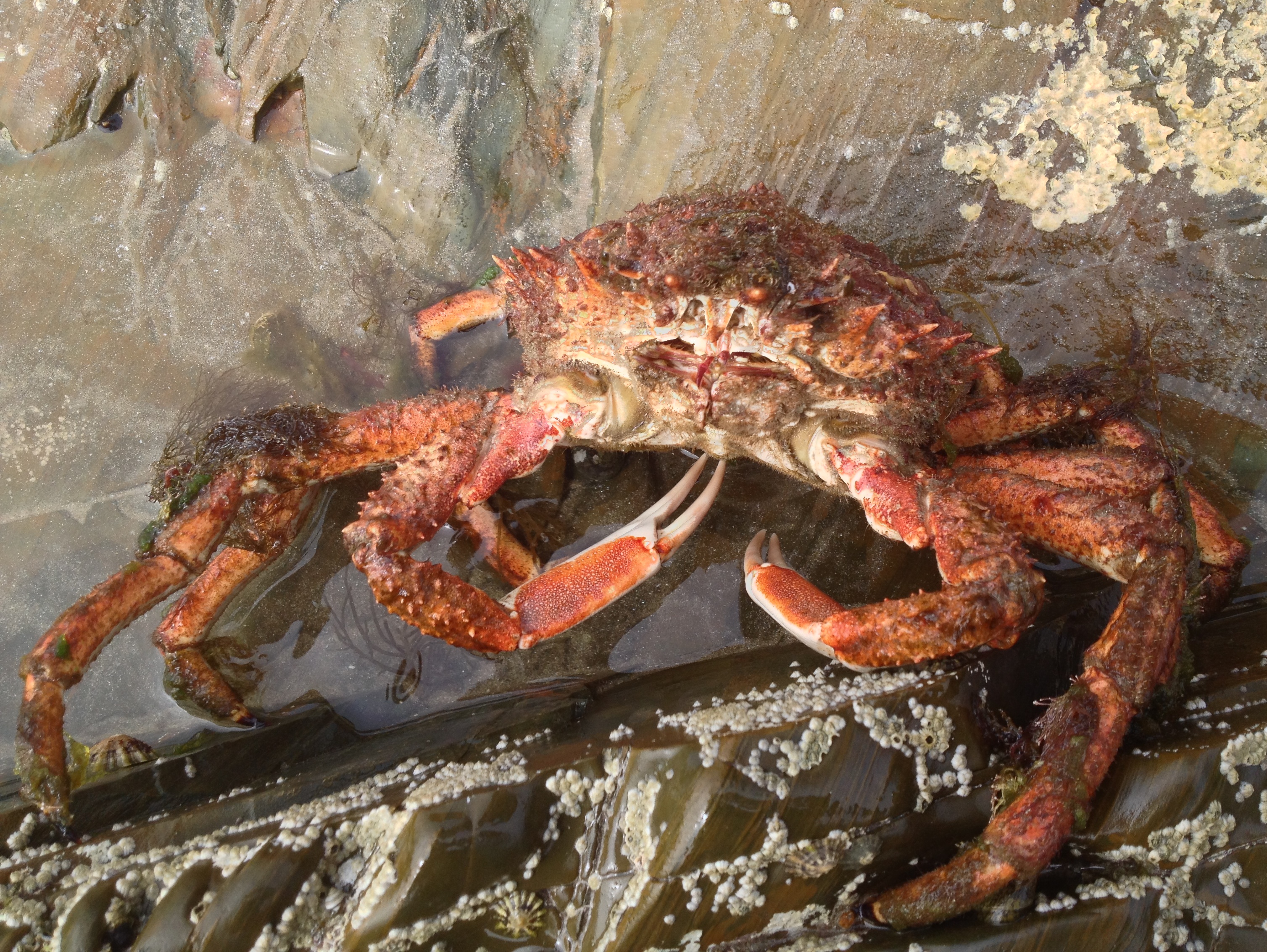
Invertebrate diversity was strikingly low compared to my local rock pools. For example,  the only fish to be found were Shannies (and not a lot of them), there were no Cushion stars and no large crustaceans except for the shore crab. However, we did find a Common spider crab Maja squinado:

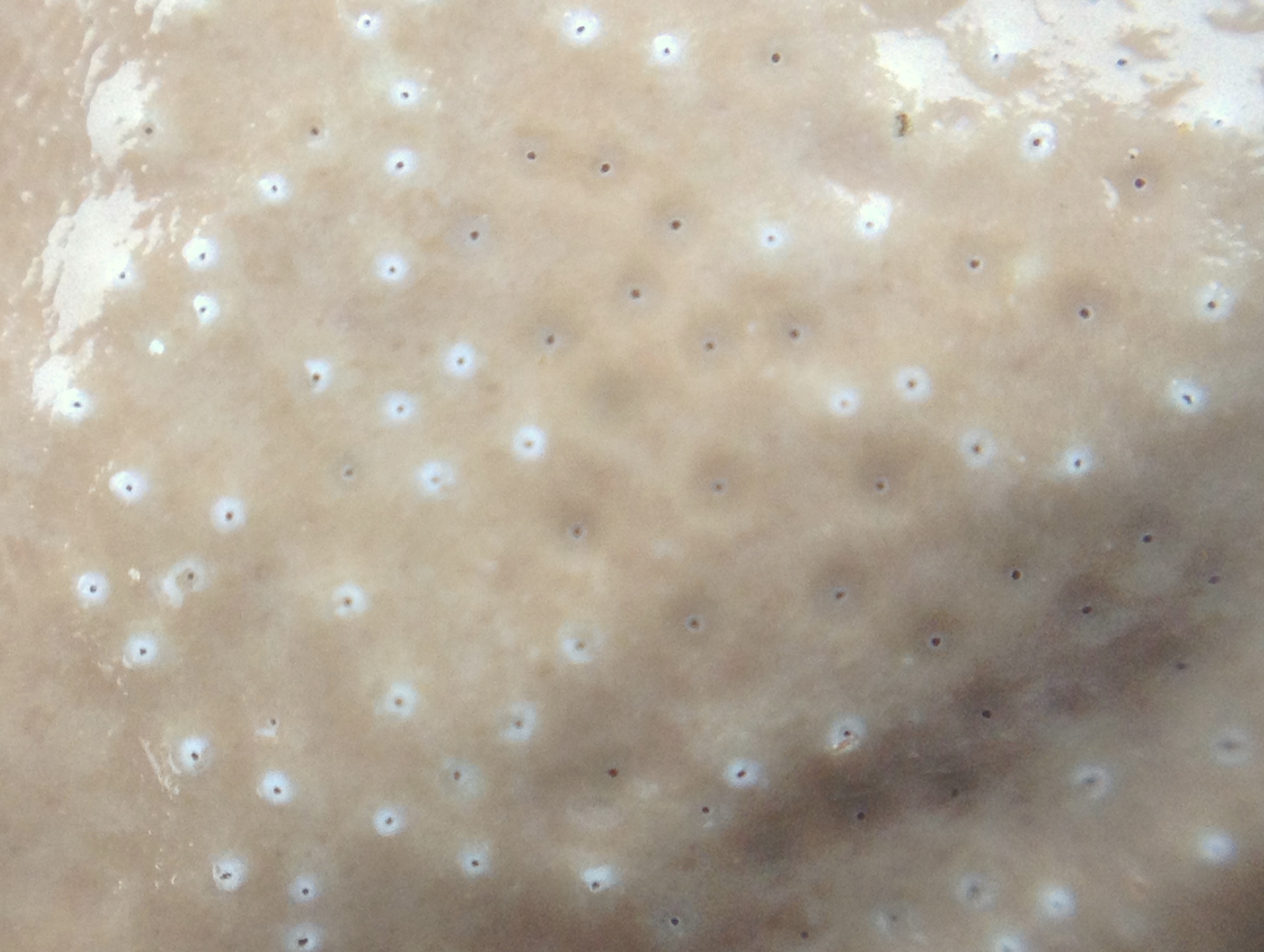
IMG_4495As there was not that much to see, I turned my attention to some of the less spectacular life forms, such as Pink paint weeds, red algae forming a calcified crust. The particular species pictured below forms a patchwork of individuals, crinkling up at the edges where they meet. This could be Litophyllum incrustans, but species are hard to identify by non-specialists such as myself. The little spots on the surface are the openings of reproductive structures called conceptacles.

IMG_4476

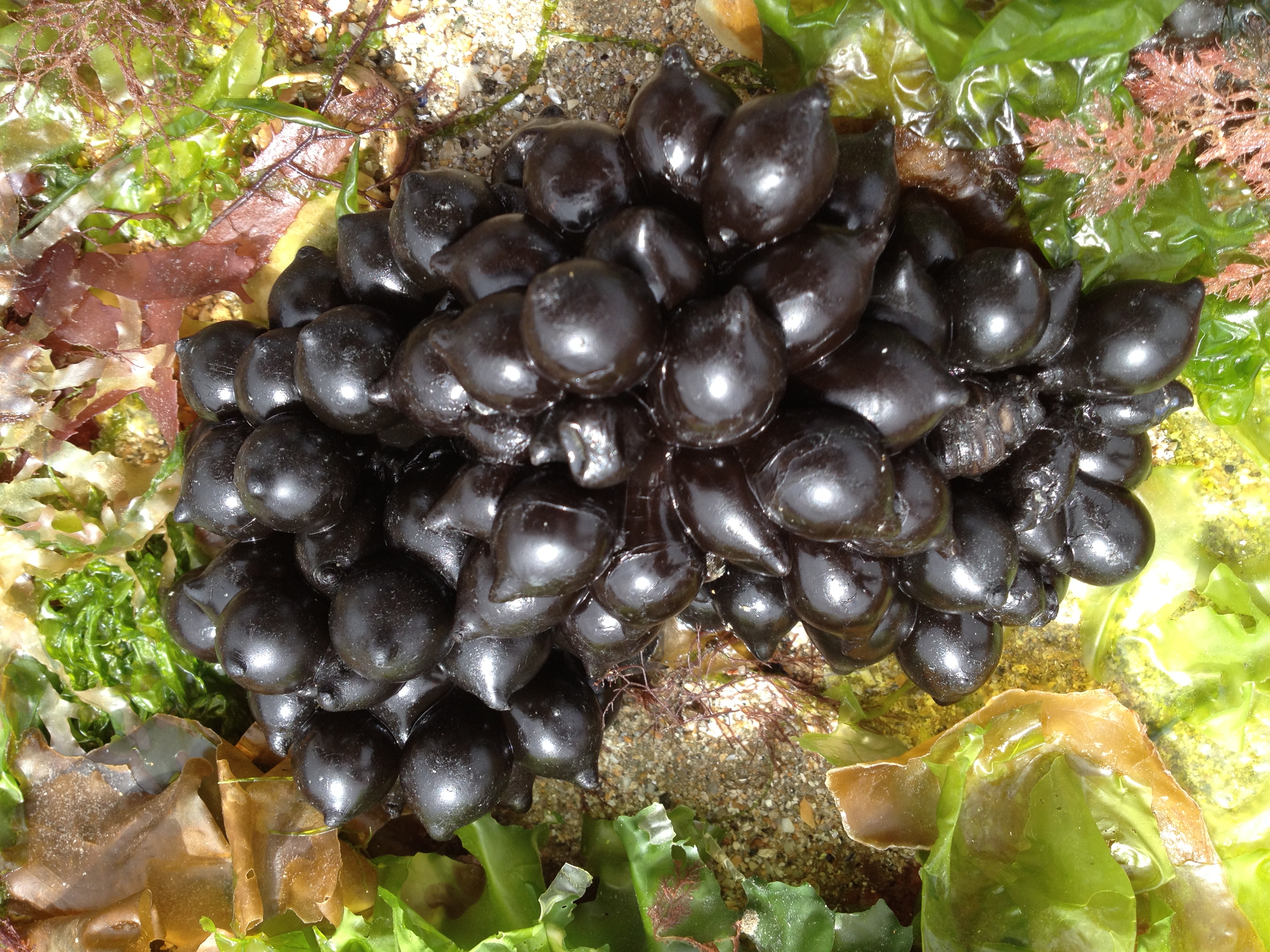
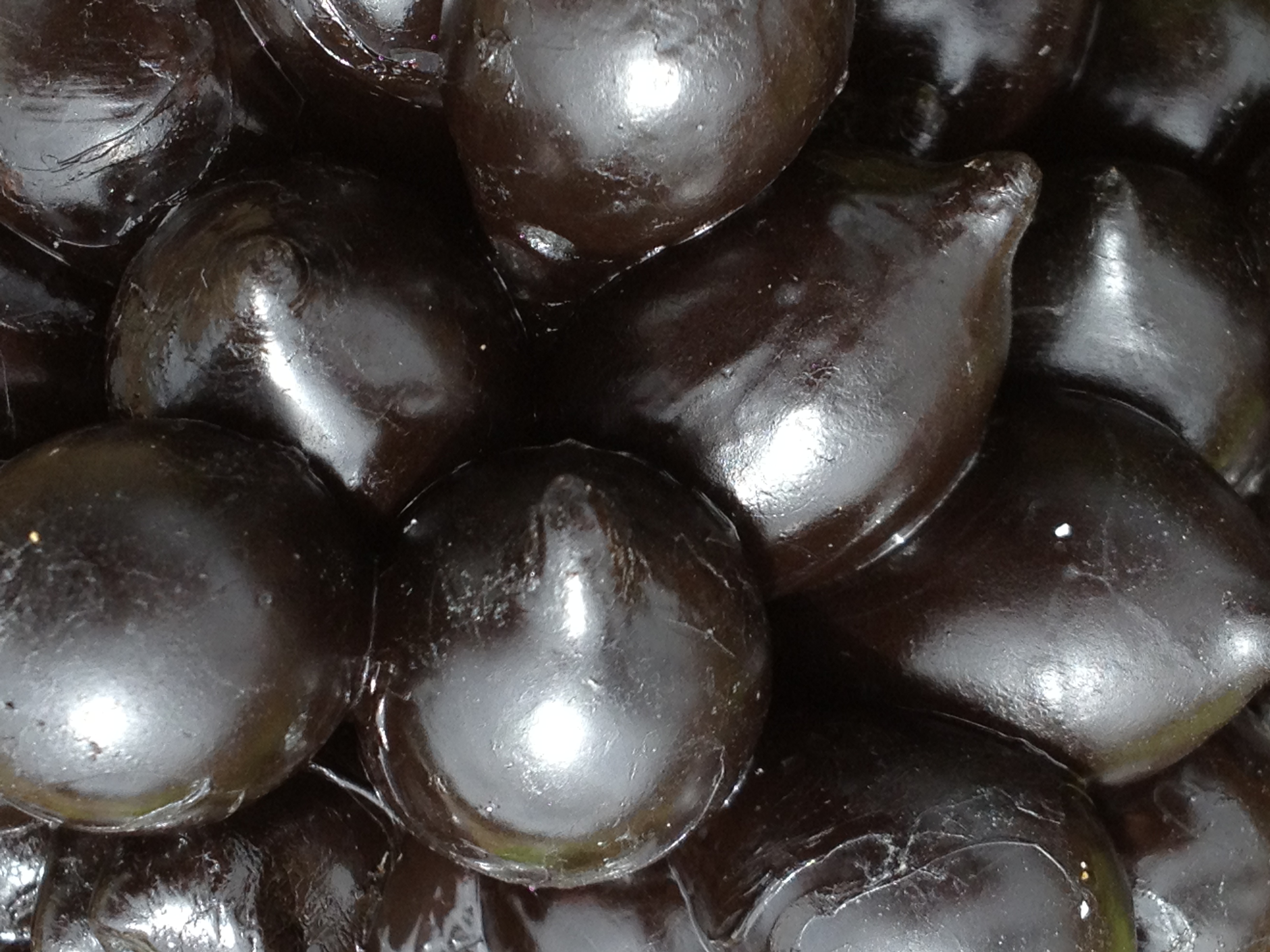
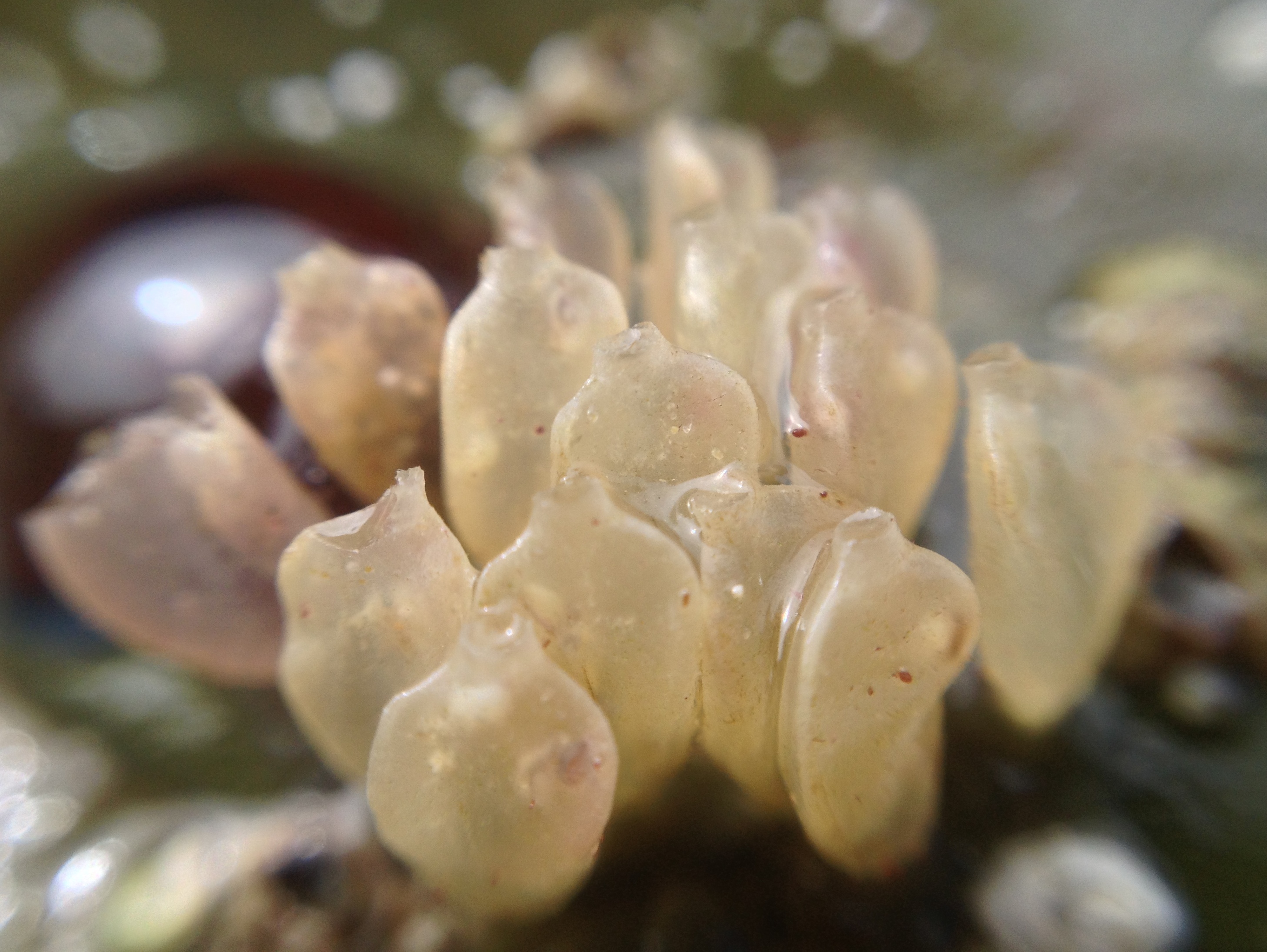
IMG_4486The European sting winkle Ocenebra erinacea was quite abundant and distinctive vase-shaped egg cases could also be found:

IMG_4520

IMG_4511