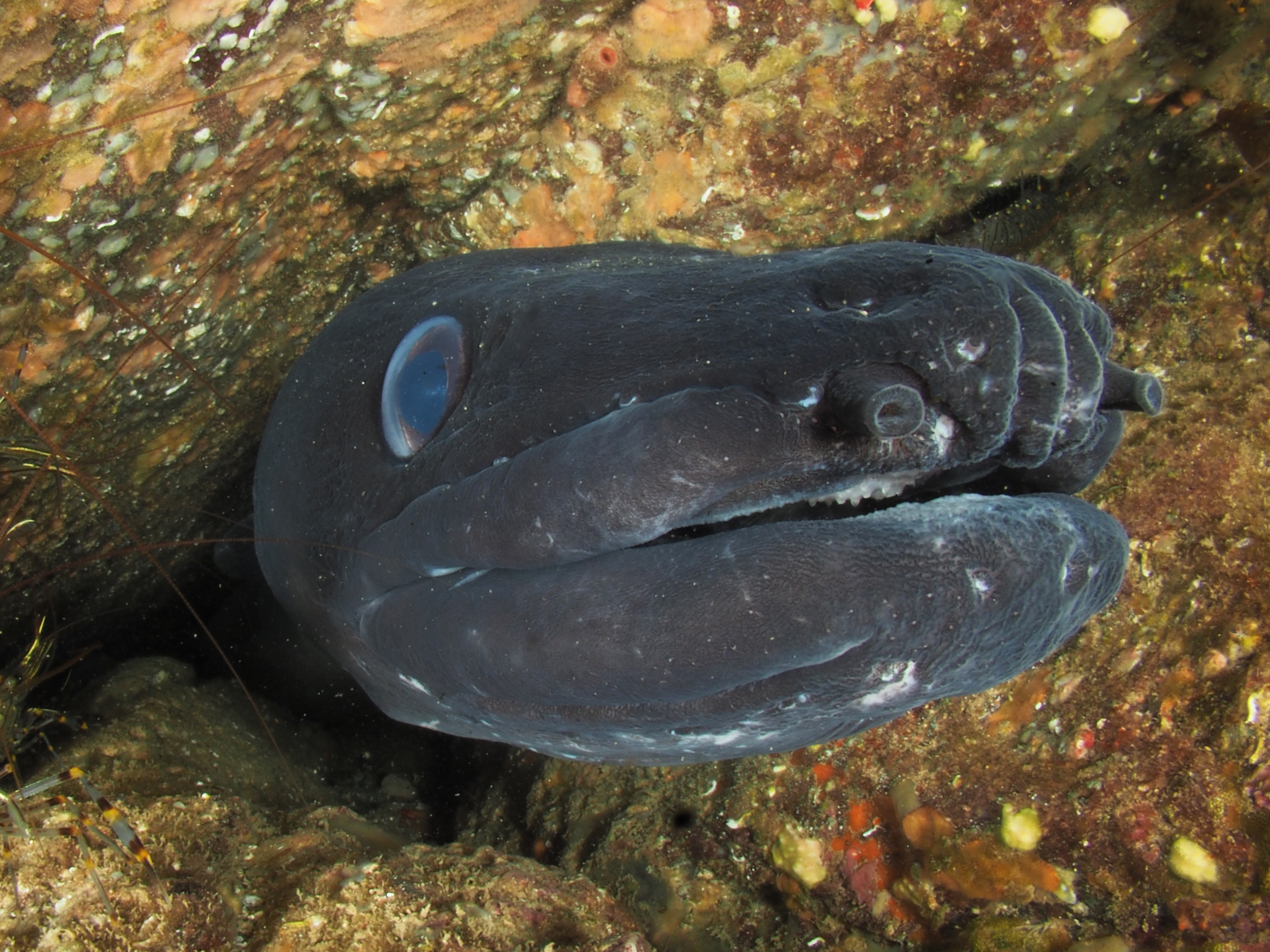
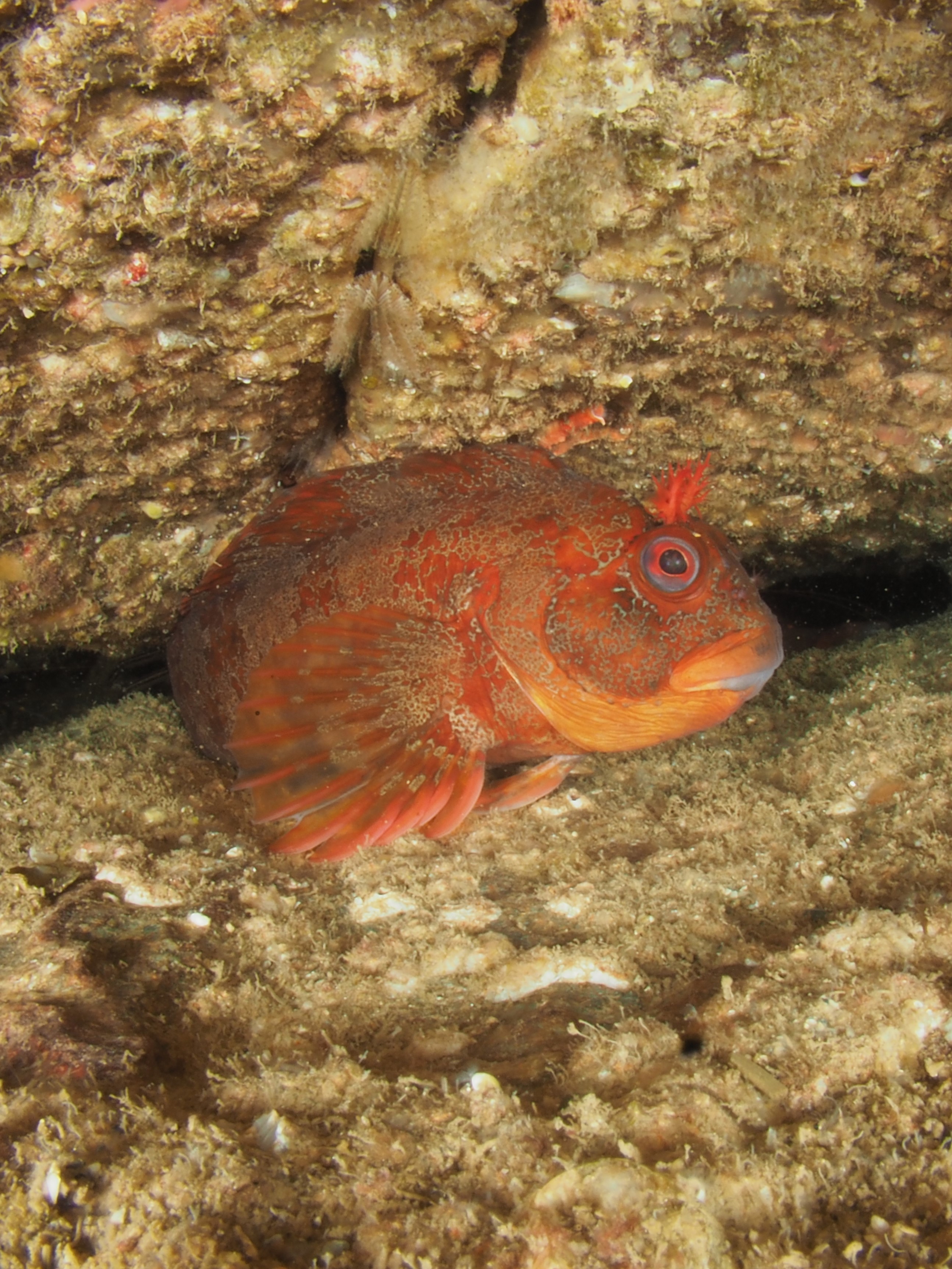
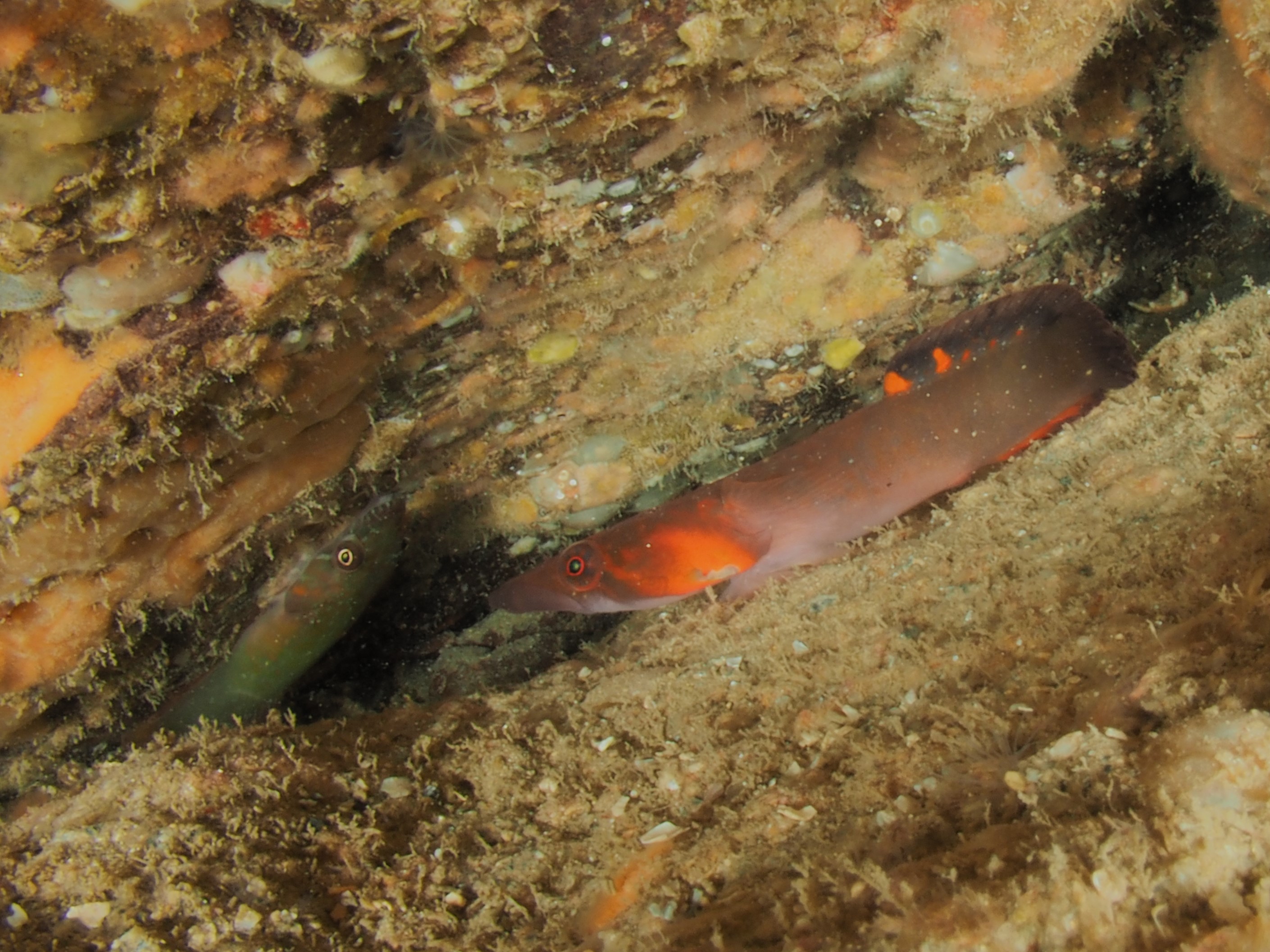
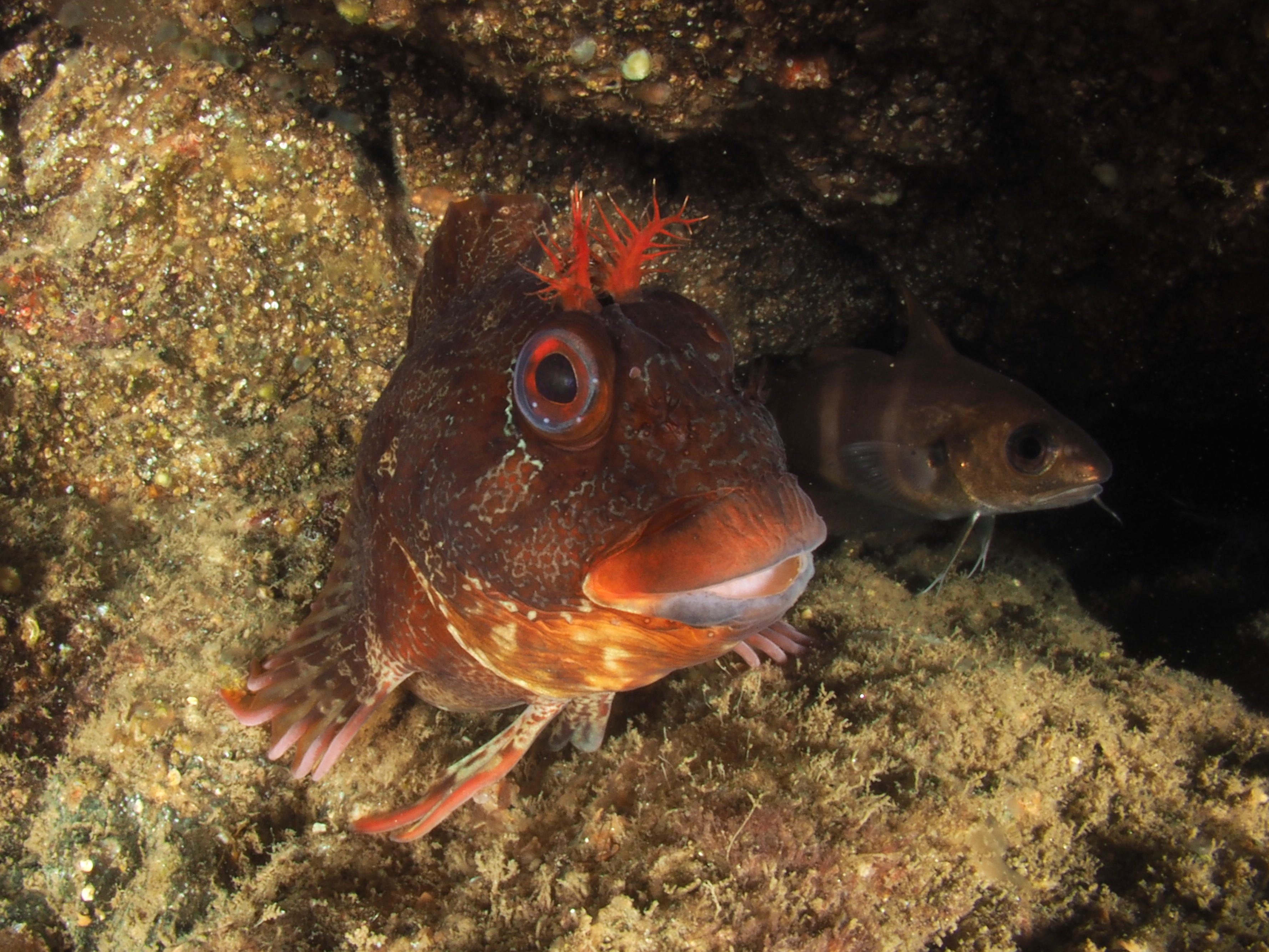
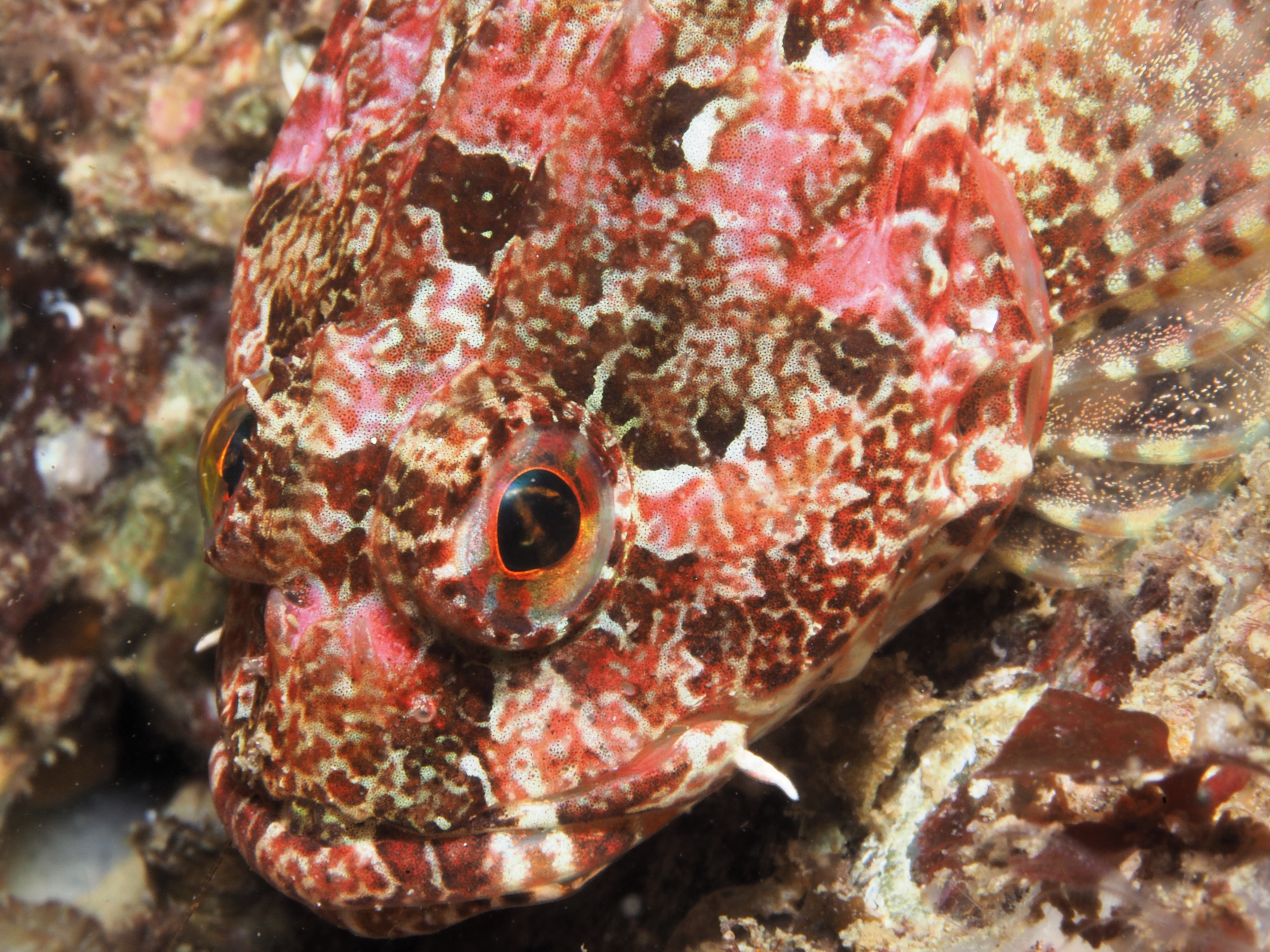
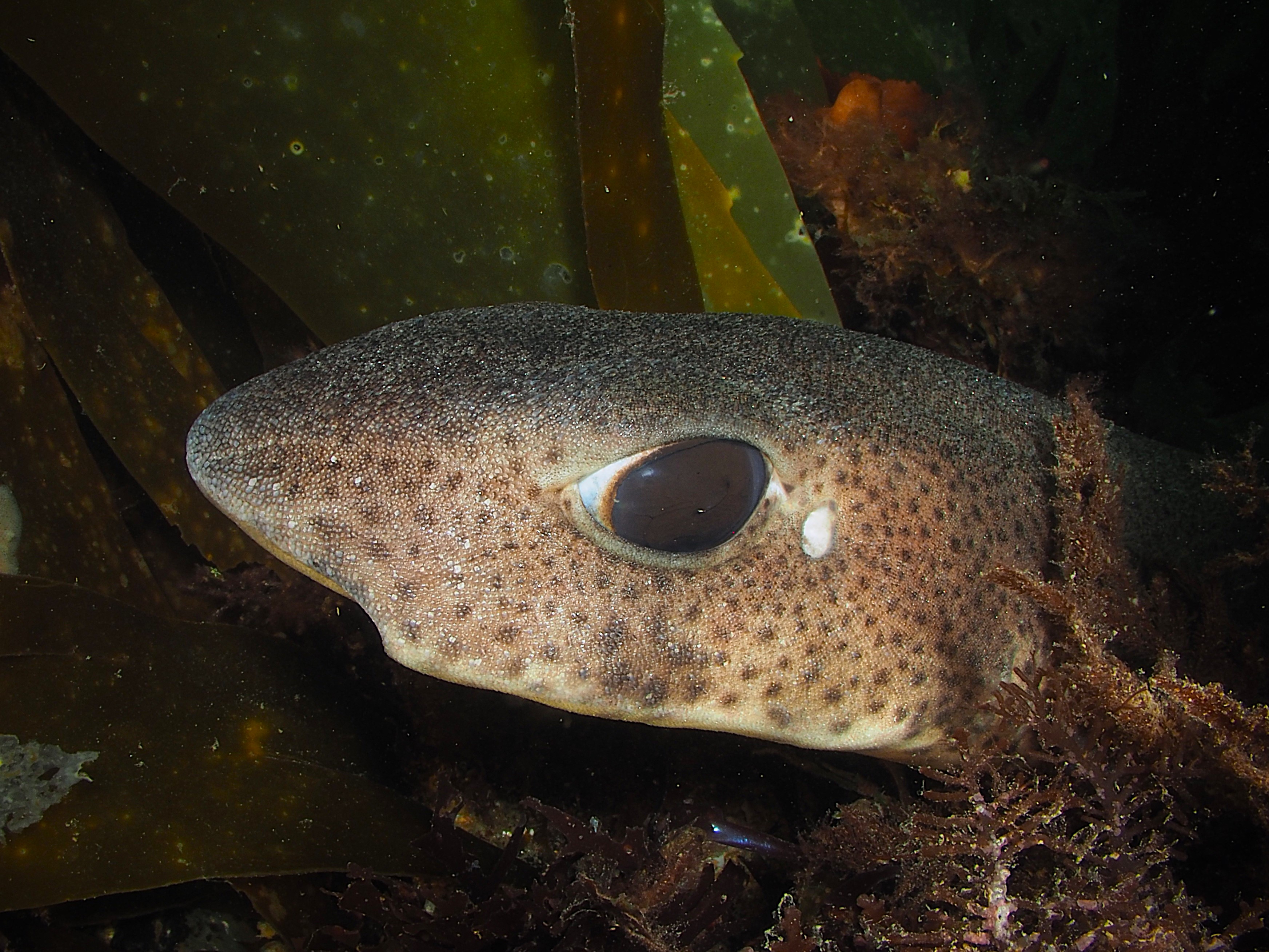
Below photos of various smaller fish hiding in the rock cracks (click for names on the pictures).
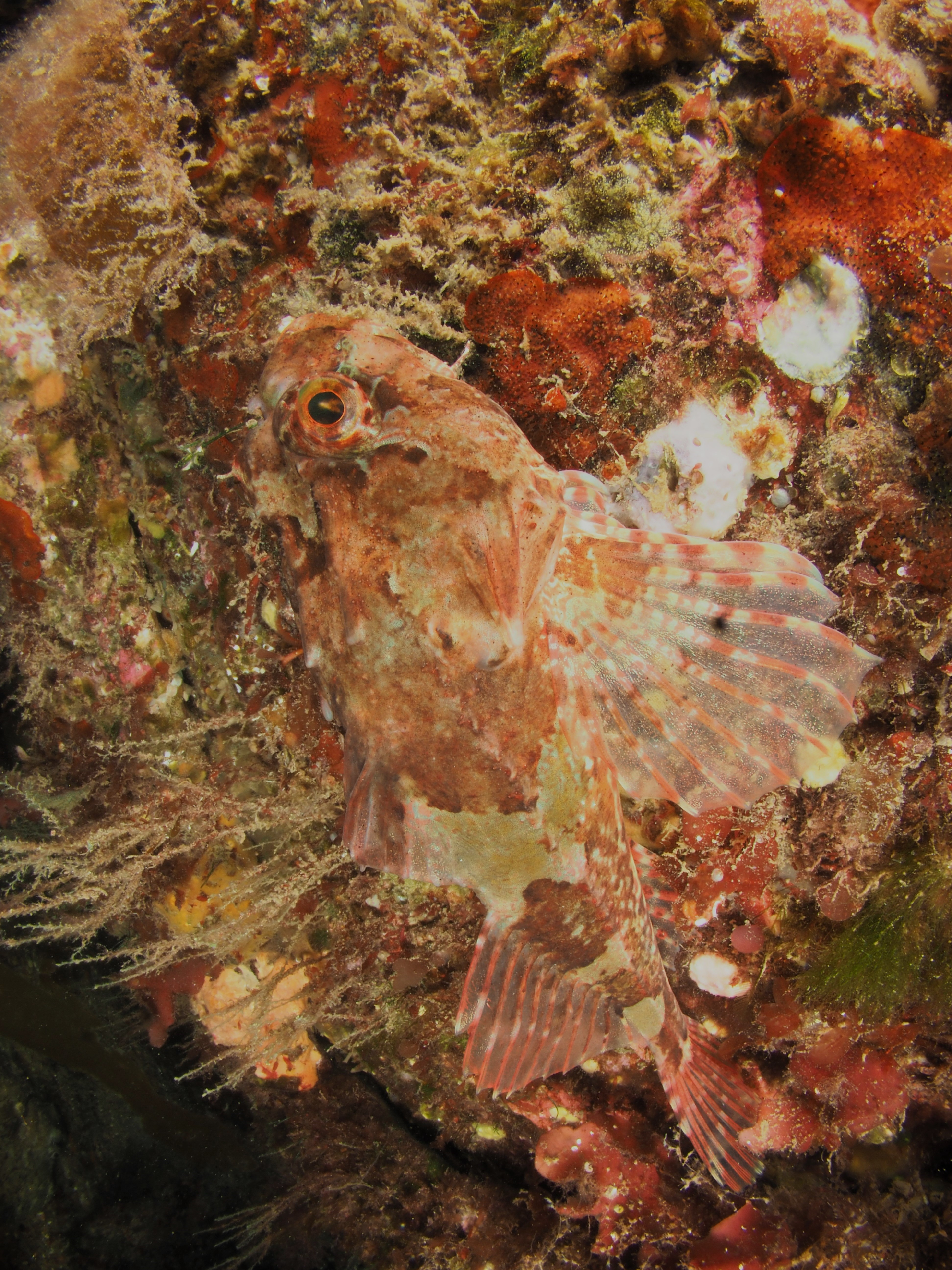
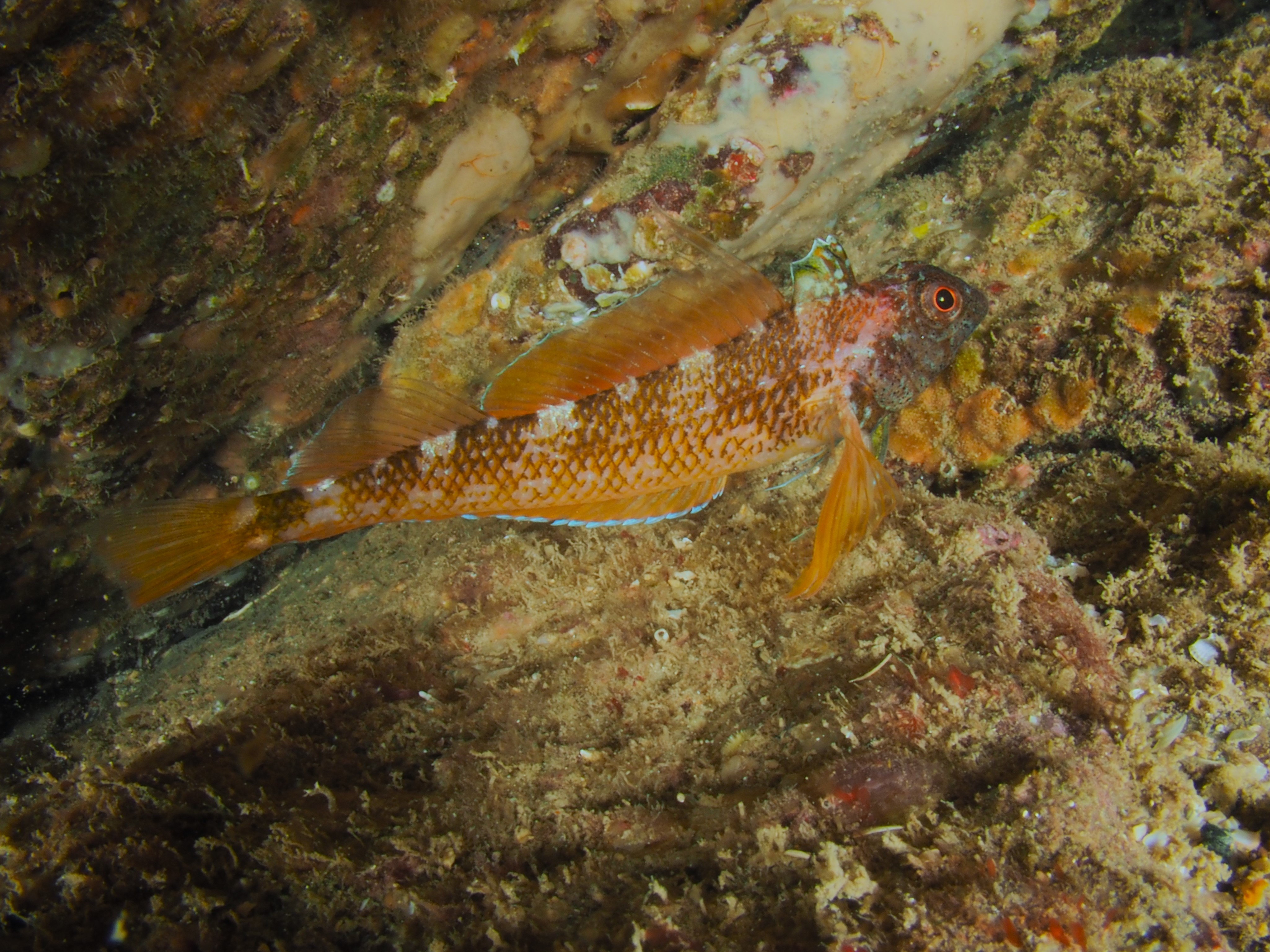
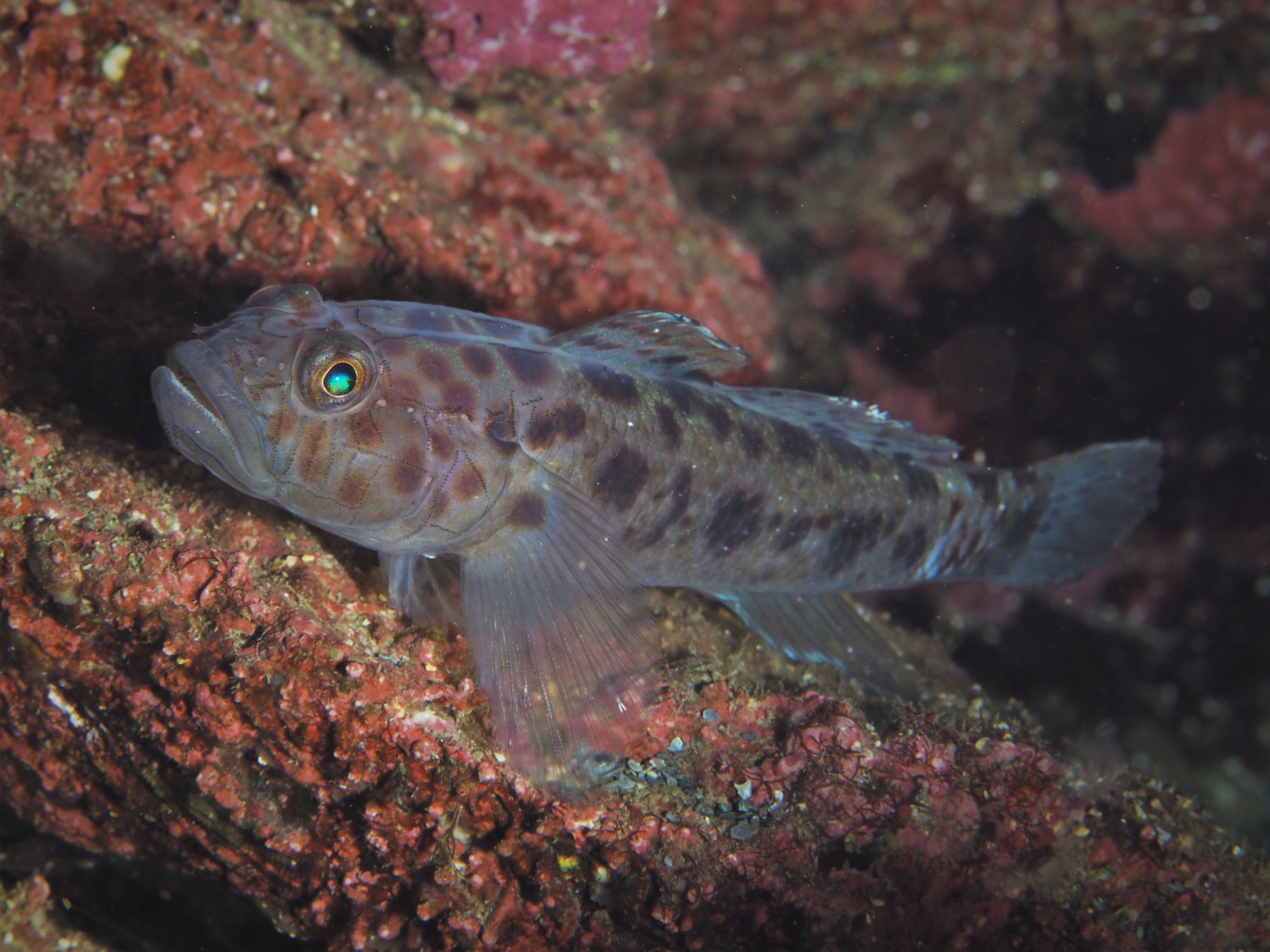
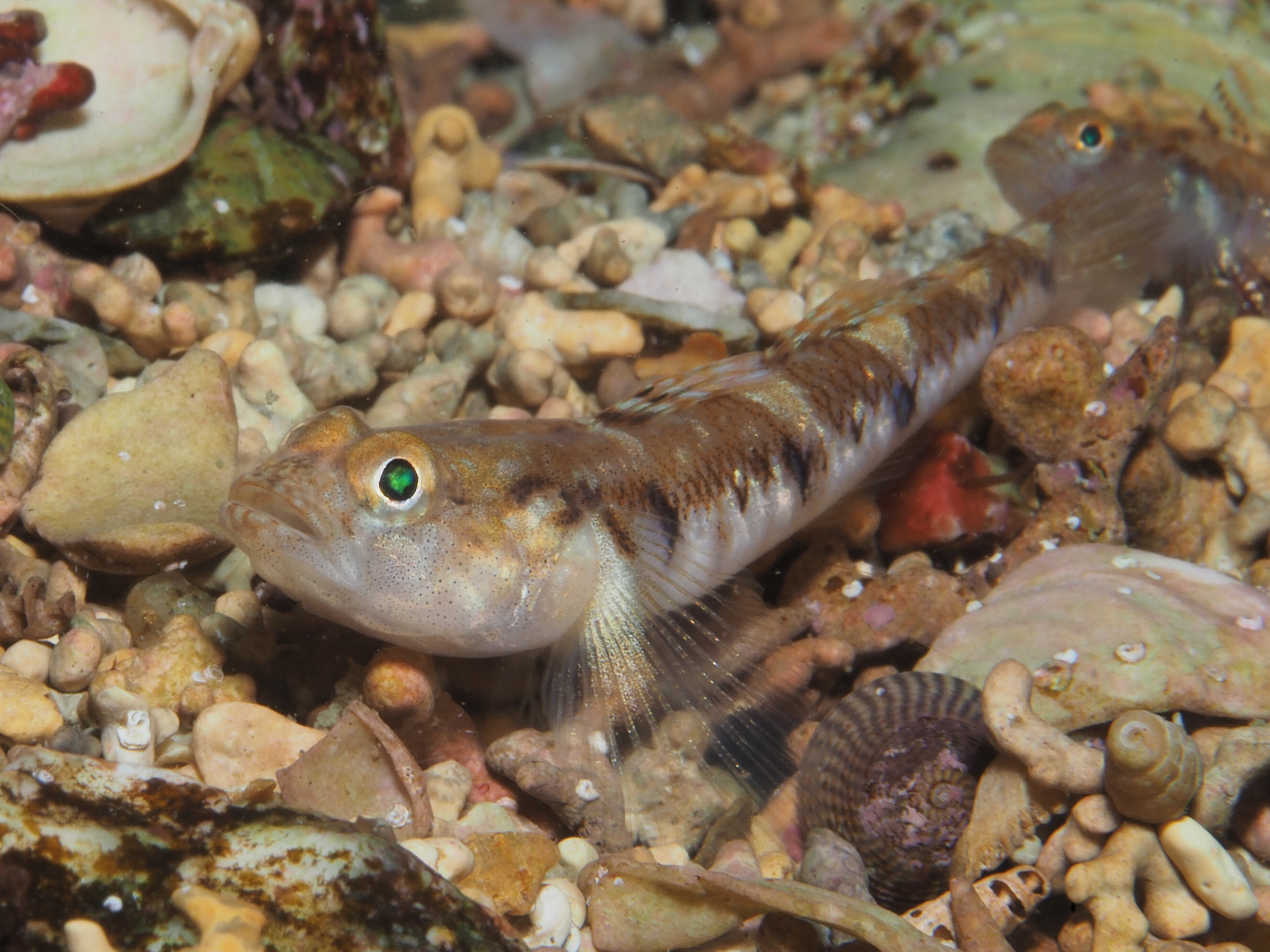
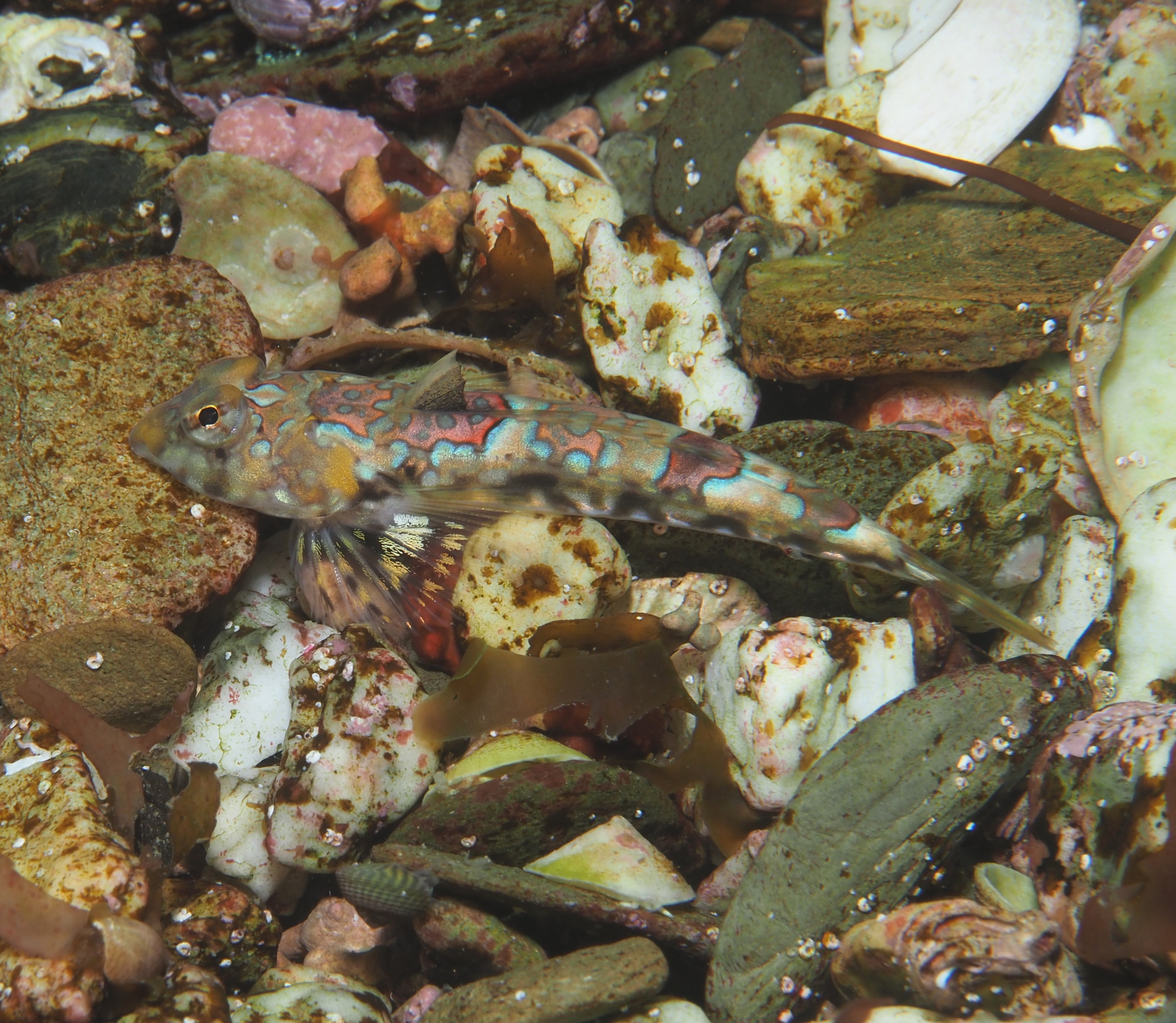
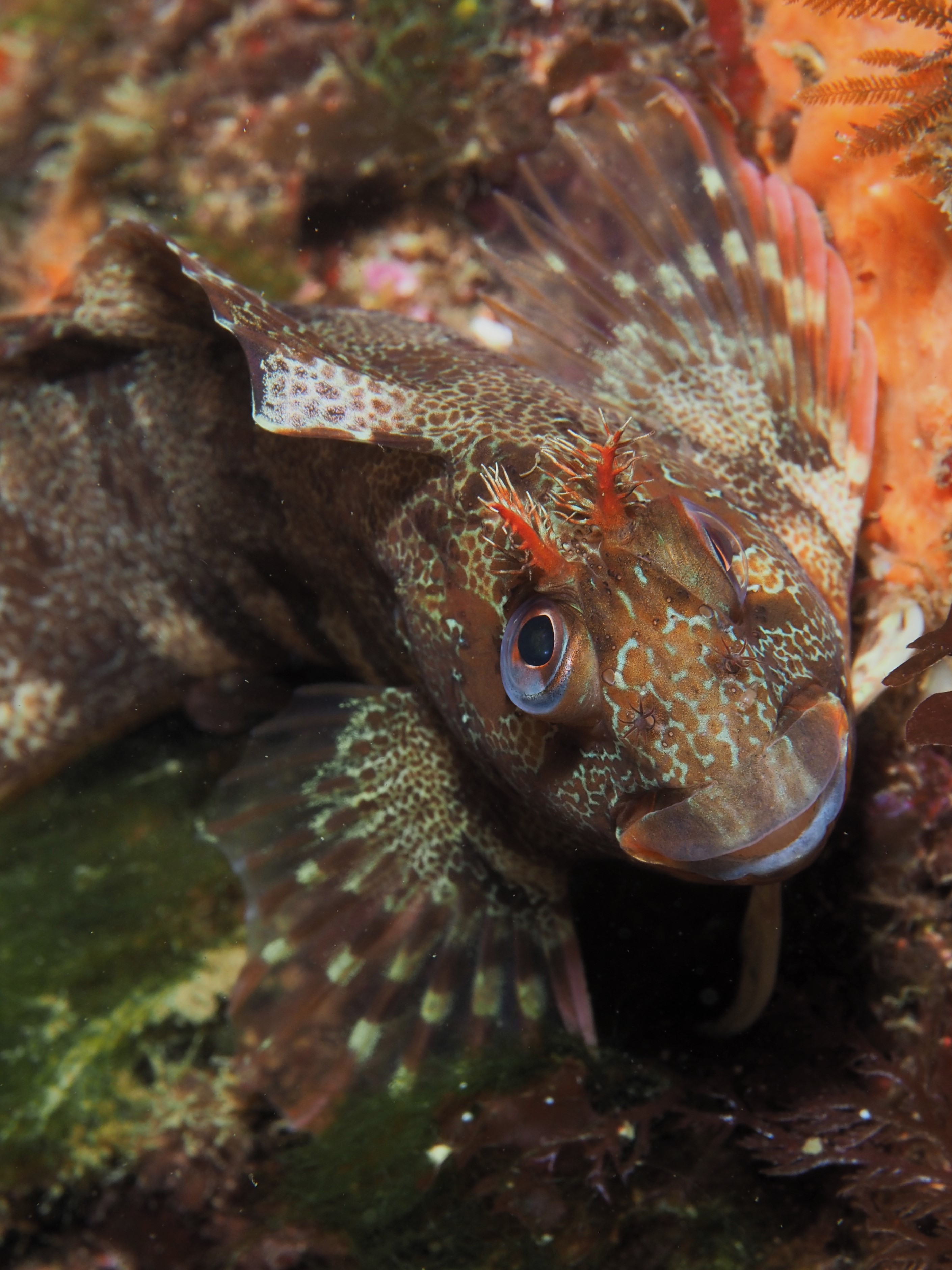
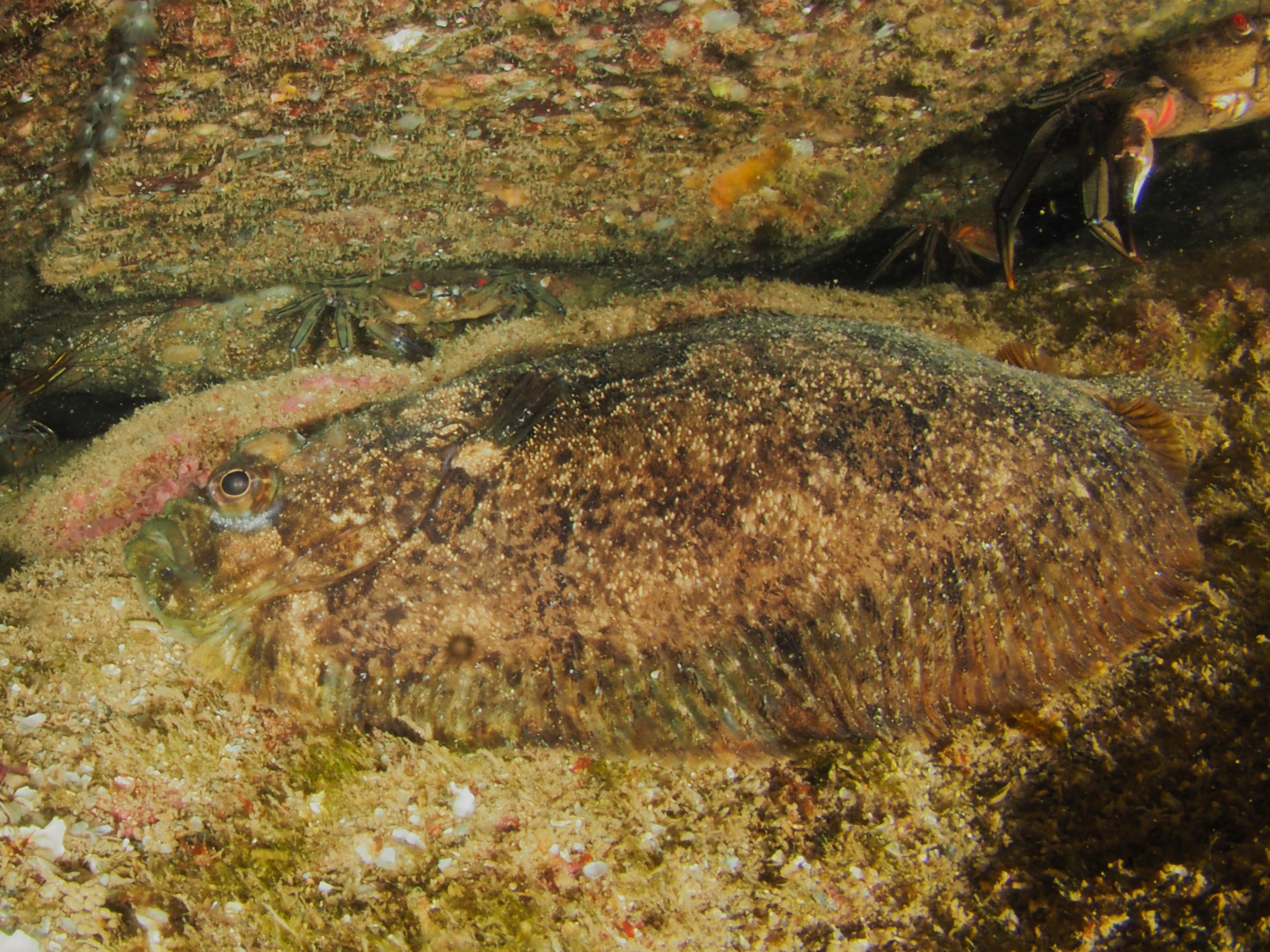
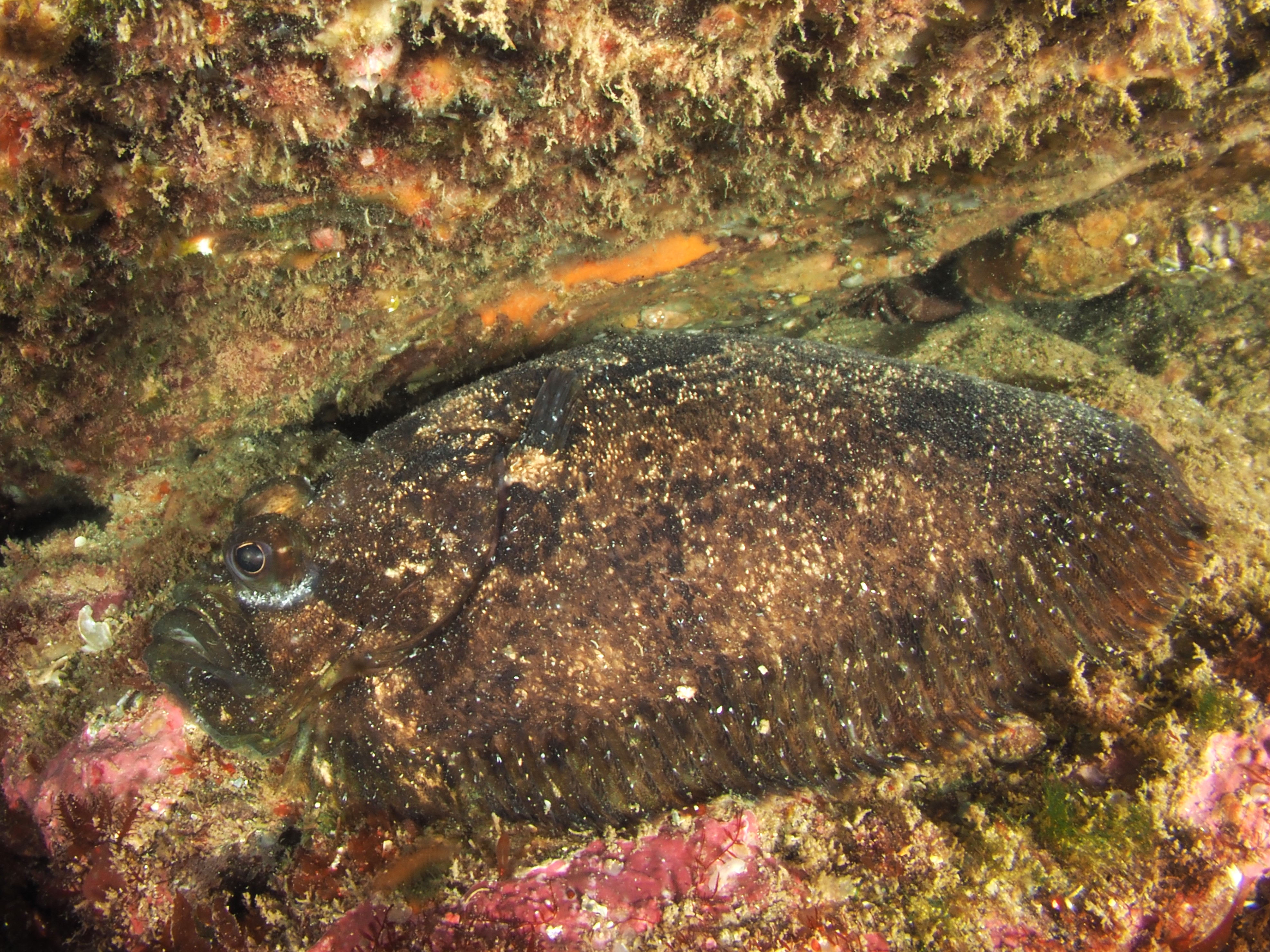
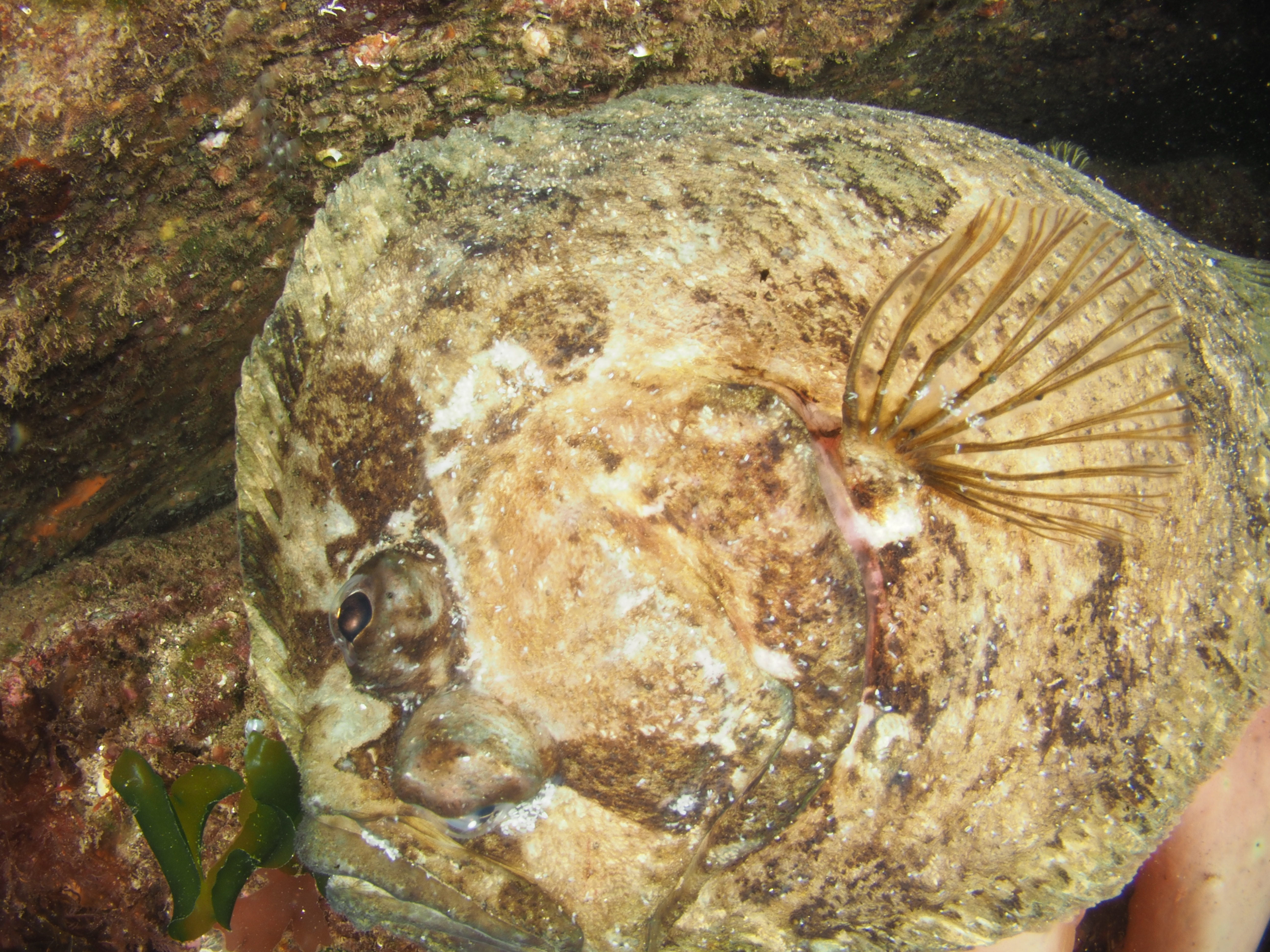
Finally a favourite of mine: the Topknot (Zeugopterus punctatus). Not quite nailed the shot yet – maybe this year!
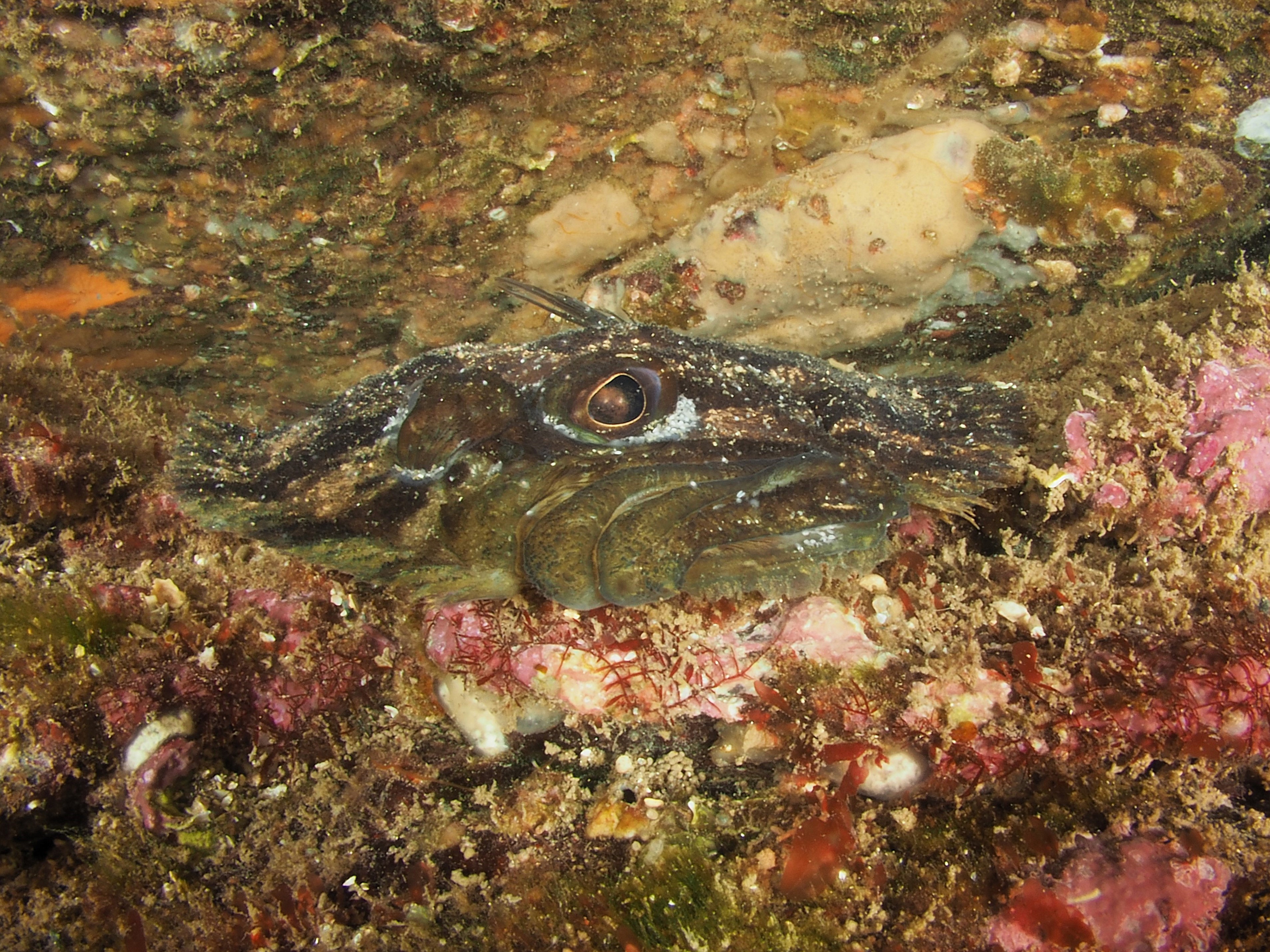
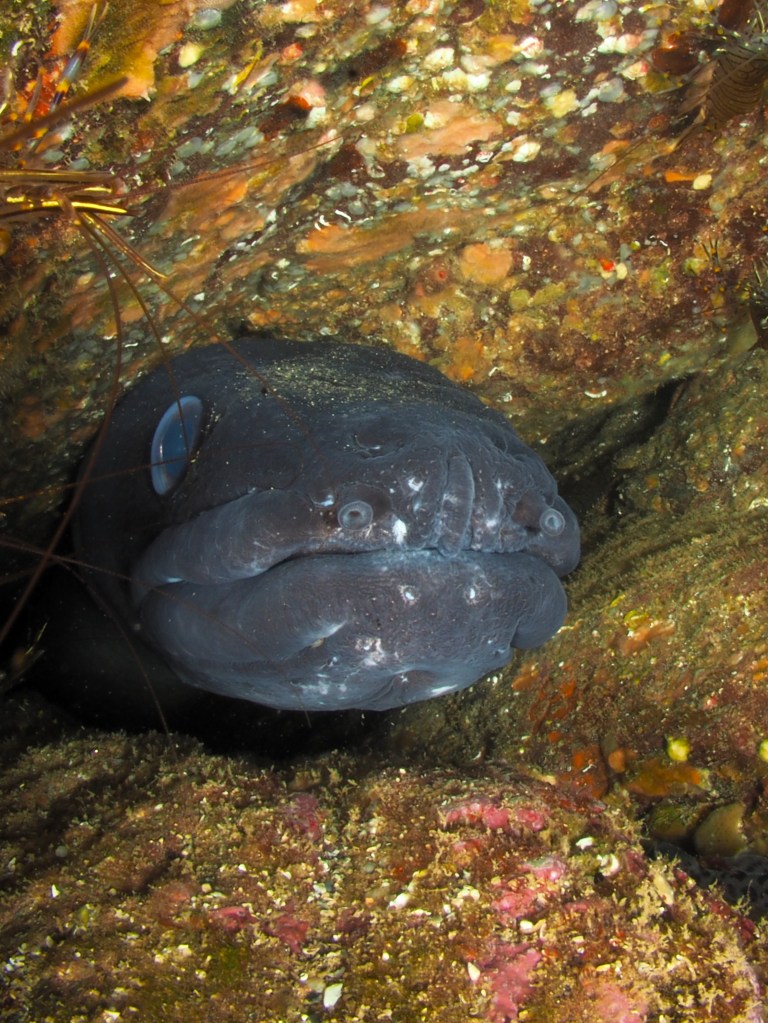
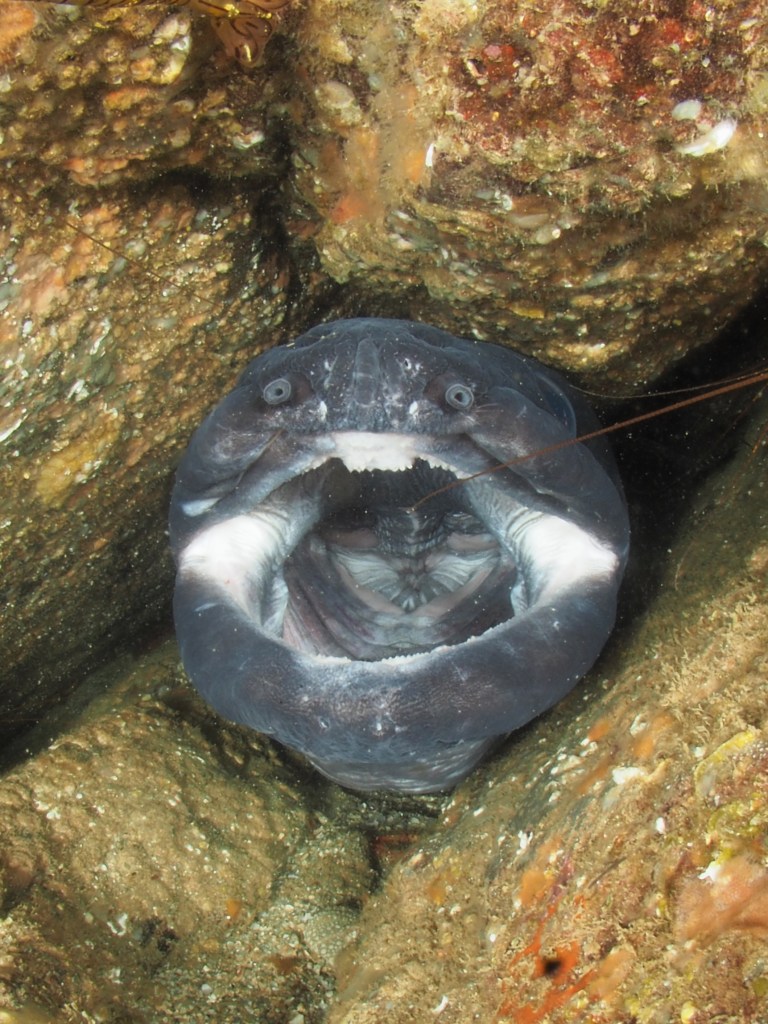
Below photos of various smaller fish hiding in the rock cracks (click for names on the pictures).
Finally a favourite of mine: the Topknot (Zeugopterus punctatus). Not quite nailed the shot yet – maybe this year!
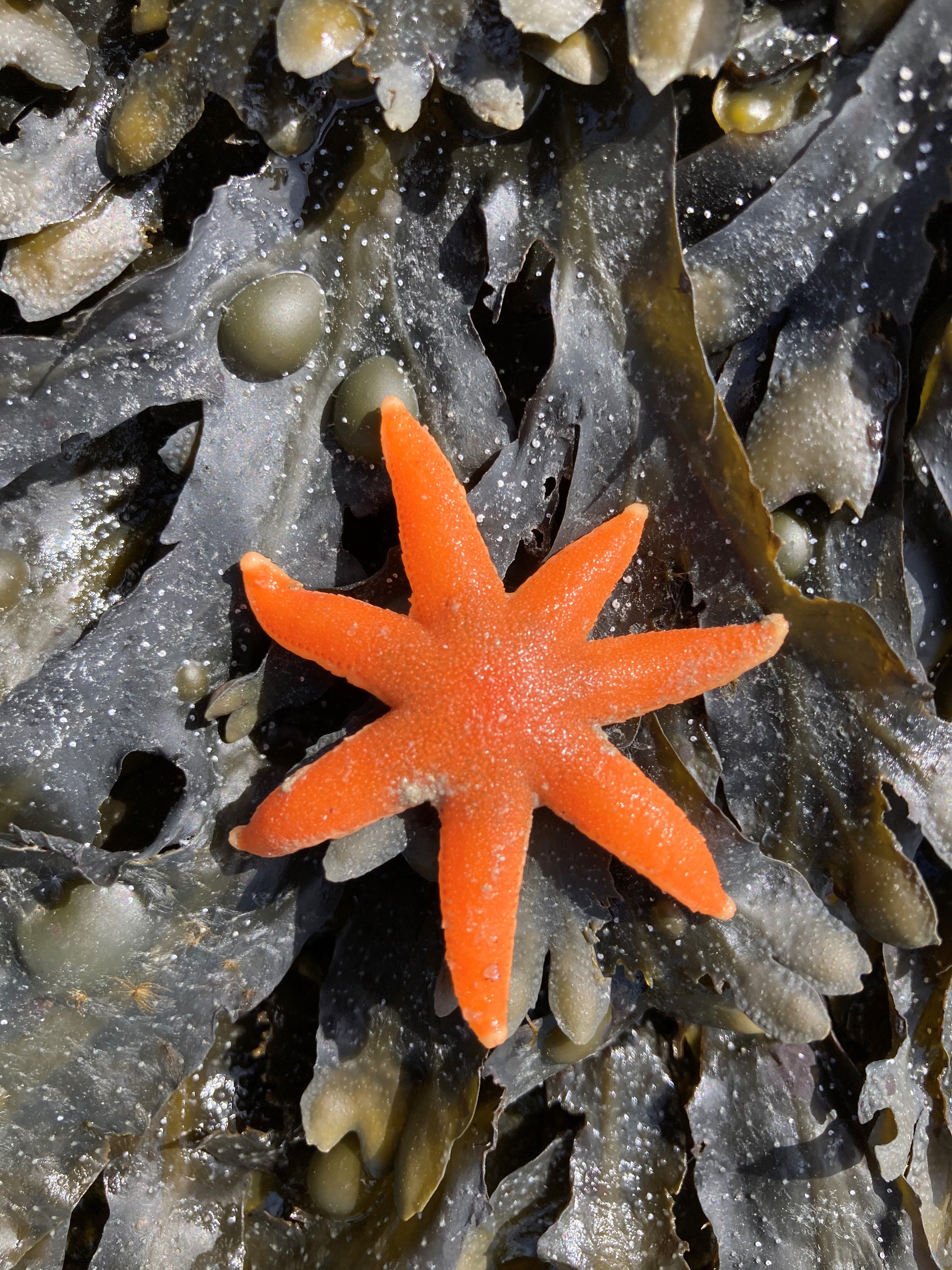
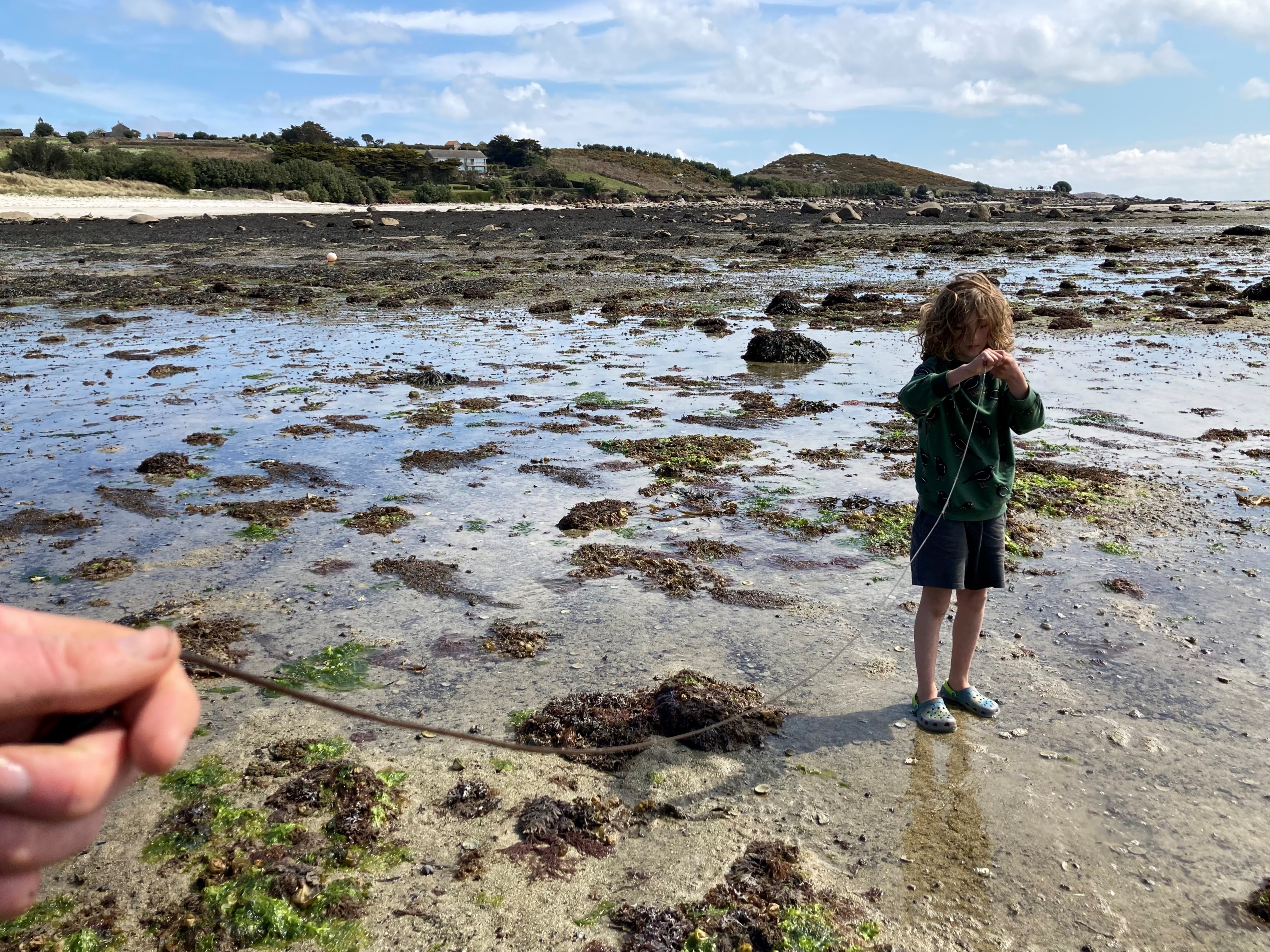
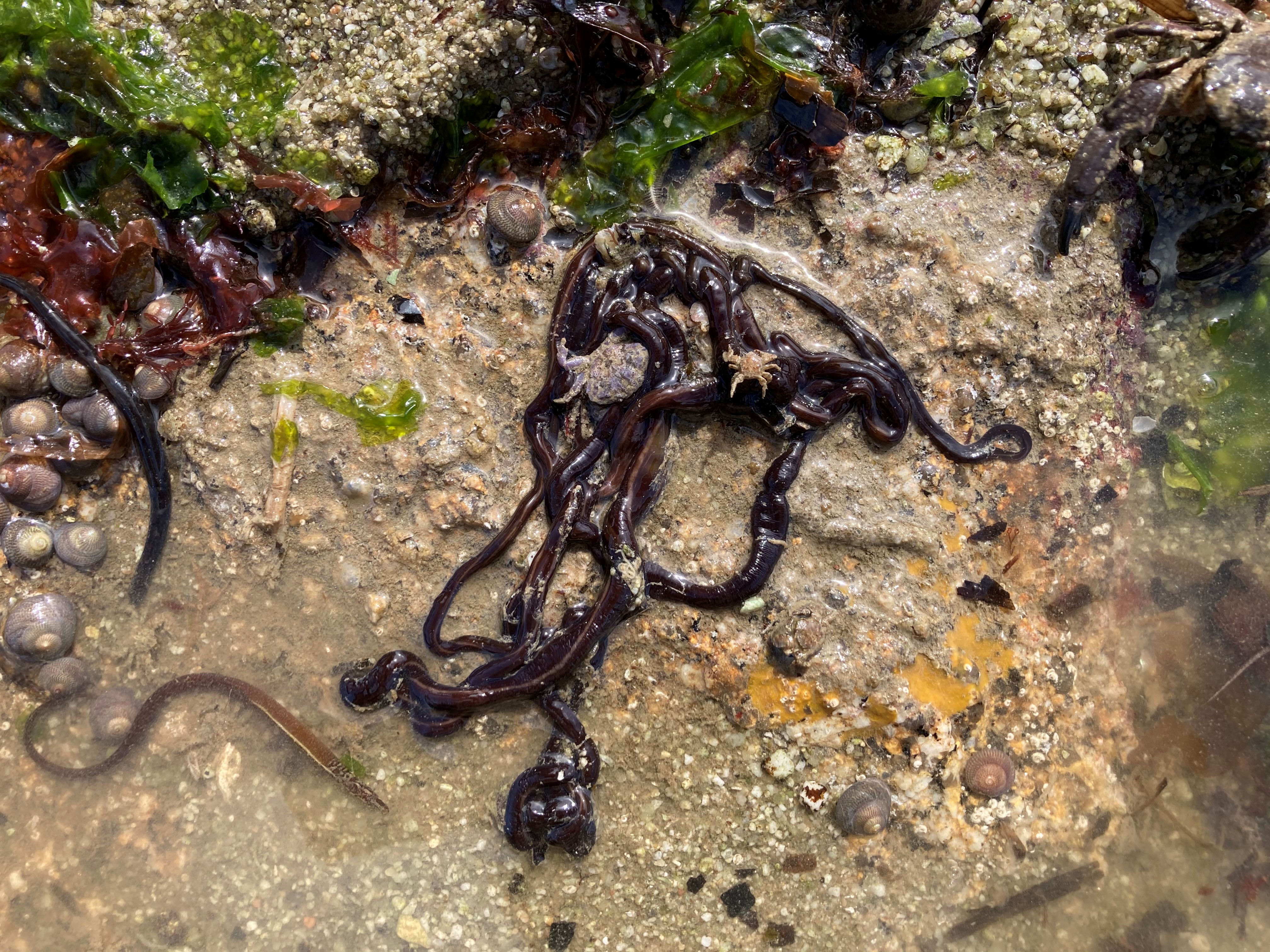
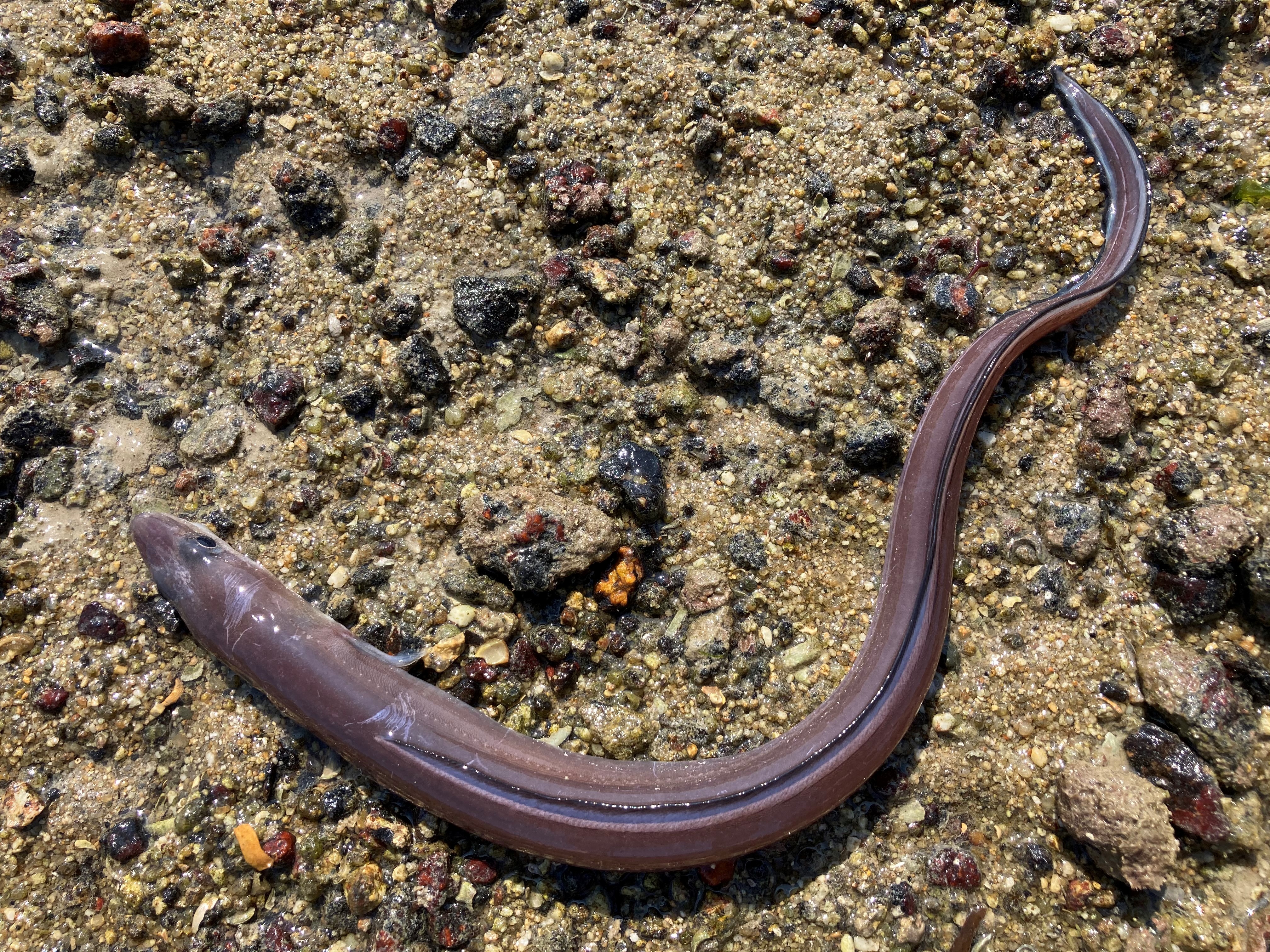
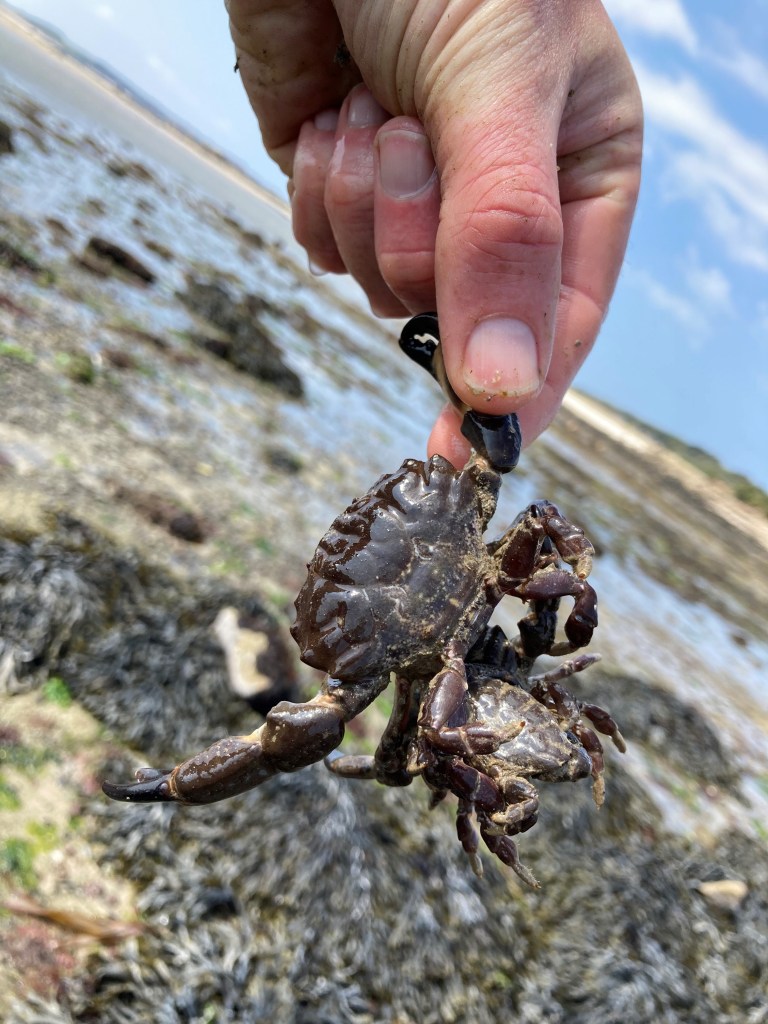
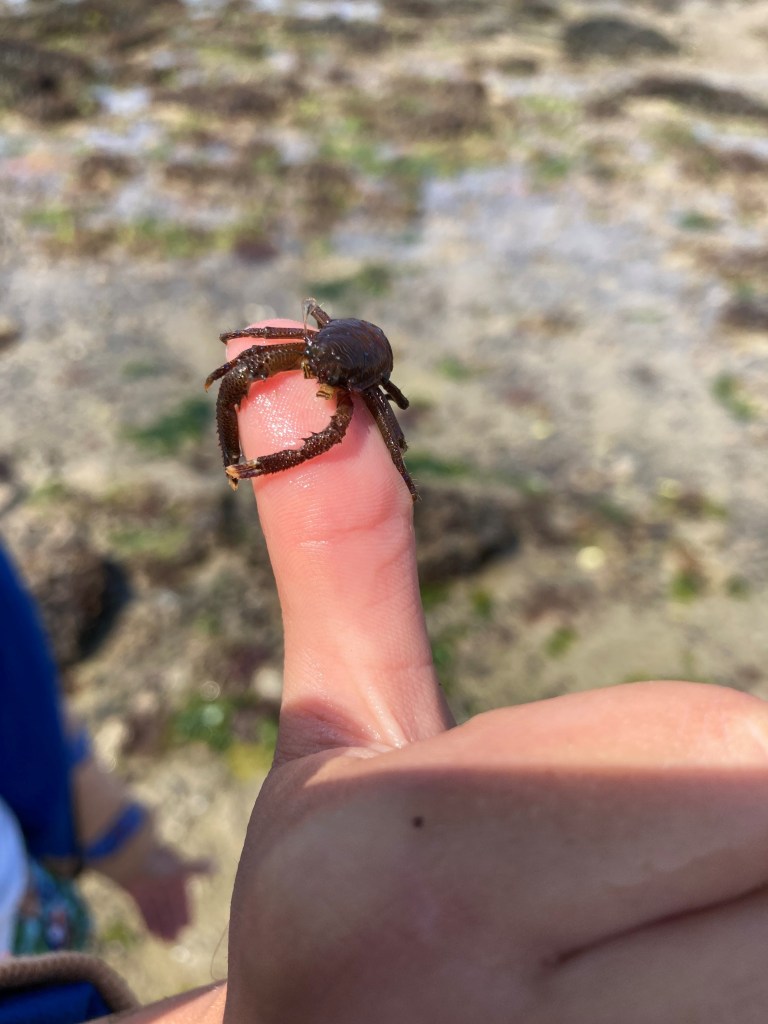
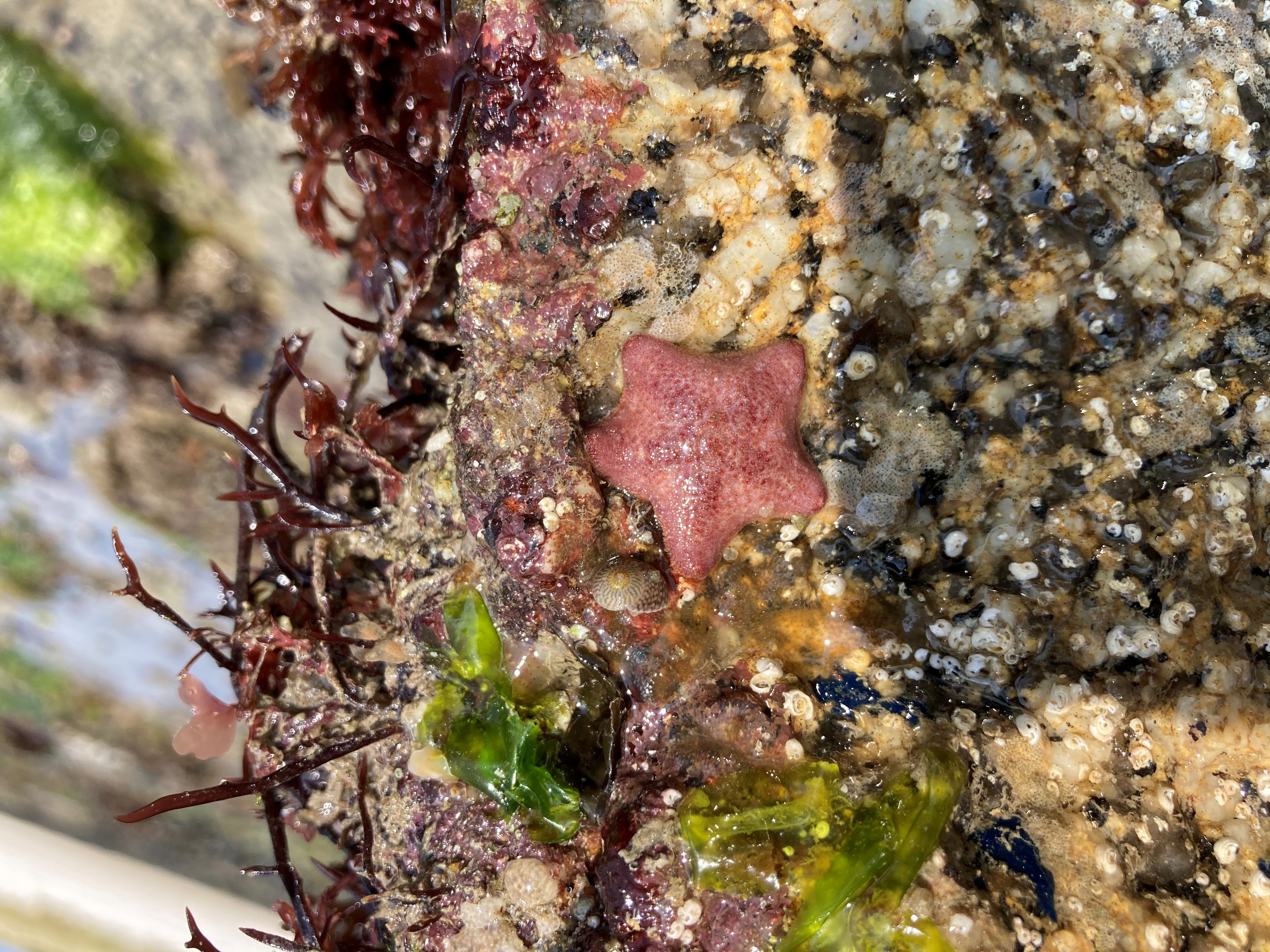
Although St. Martins does not seem to have any rockpools, the beach that was nearest to us (called ‘Lawrences’) has a stretch of rocks lying on the sand that can be turned over at low tide, and so we did! A nice find was a small Sevenarmed Starfish Luidia ciliaris (these can grow up to half a meter across, although you will not find them that size in rockpools). We also found a Bootlace Worm Lineus longissimus, which is (probably) the longest animal on the planet. These nermertean worms secrete a powerful toxin in their mucus, but luckily for us it affects arthropods and not mammals. They are not very rare btw, I see them here in Flushing and Falmouth too. It was about 5 meters long (without stretching it), but they can grow ten times the size of this! In the second photo you can see it in its natural habitat, under a rock, with some photobombing crabs and worm pipefish. Another cool find was a juvenile Conger Eel Conger conger. Otherwise we found the usual suspects, lots of crabs and a bunch of fish, see for a small selection below.


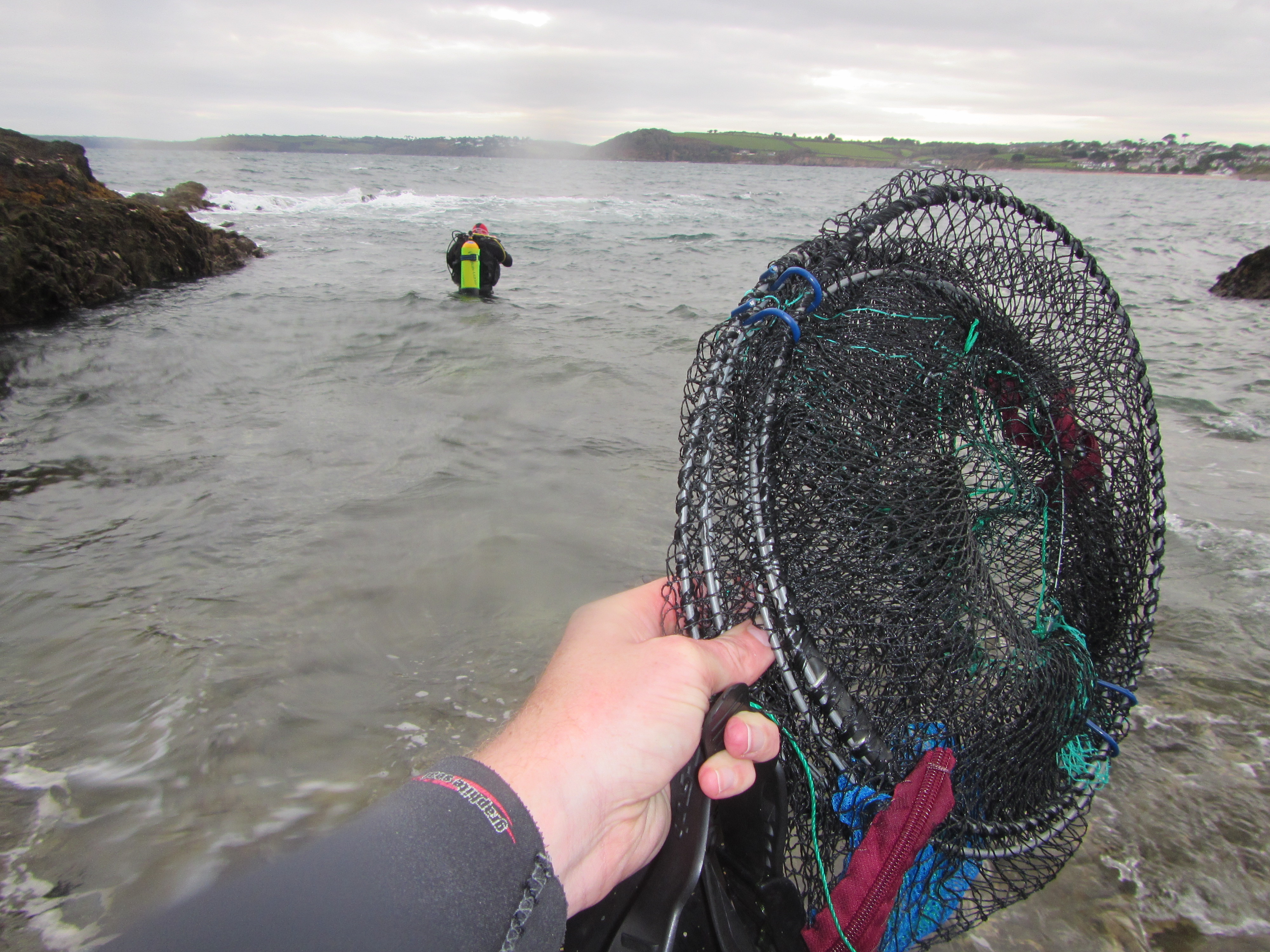 Summer is really over and the water temperatures are down from around 17°C to 13°C. We have not made it to any of the wrecks or rocks off The Lizard and the last set of dives was just of the good old Silver Steps in Falmouth. We had set ourselves some goals though: Chris needed Snakelocks anemones for his student projects and I wanted to catch myself some Leopard-spotted gobies for the aquarium. The Snakelocks were collected quite easily as they are so abundant. For the fish, I had bought a cheap foldable trap. The idea was to set it up in a little overhang housing the gobies, weighing it down with some rocks and come back the next day to take it back out. For bait, I had brought a chickenbone leftover from someones lunch at work. Below, a crappy pick of the trap wedged between rocks and below that a snap of some of the catch the next day (I had a two-piece websuit and in combination with an almost empty tank I was getting too buoyant to take decent photos):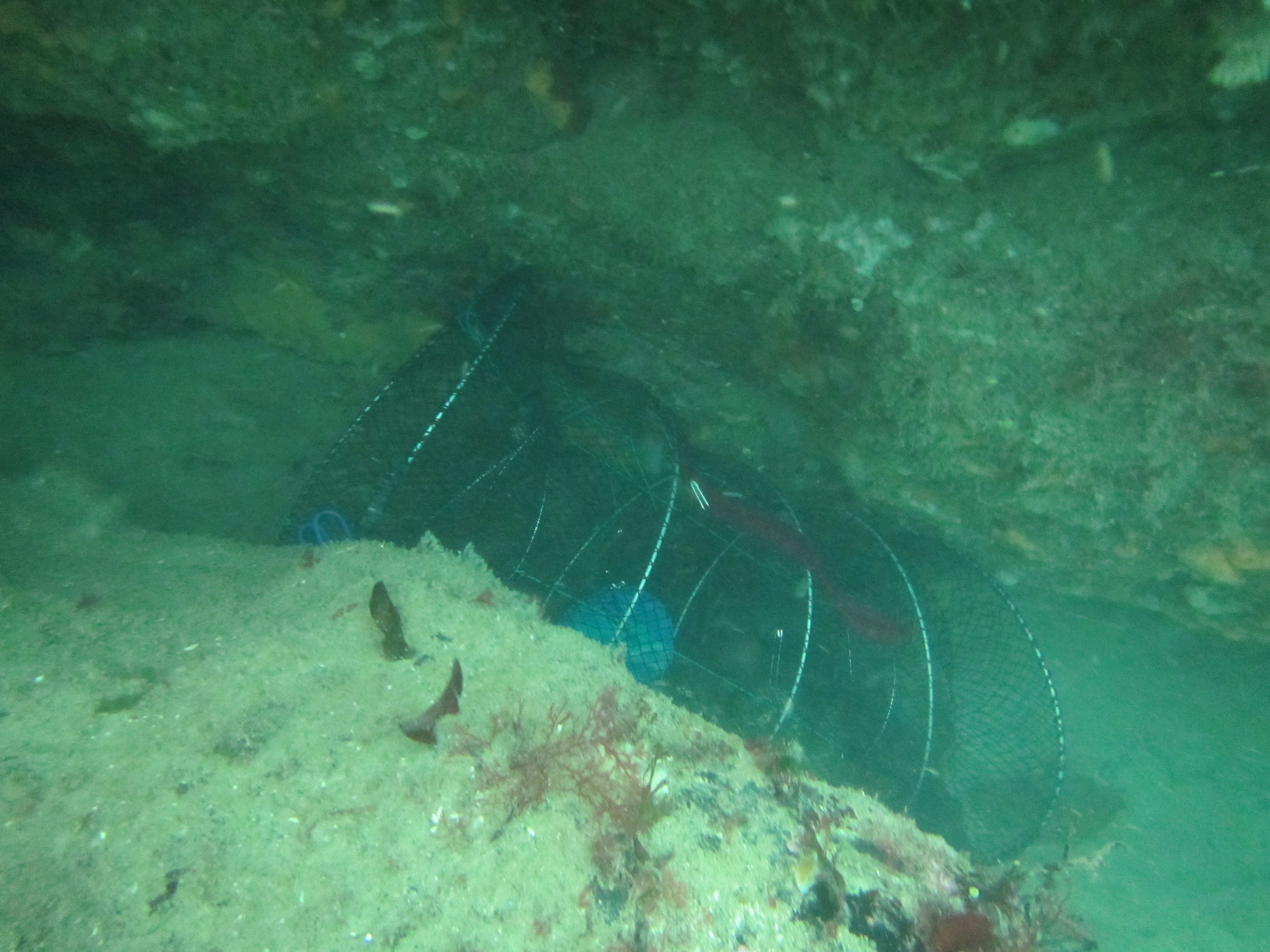
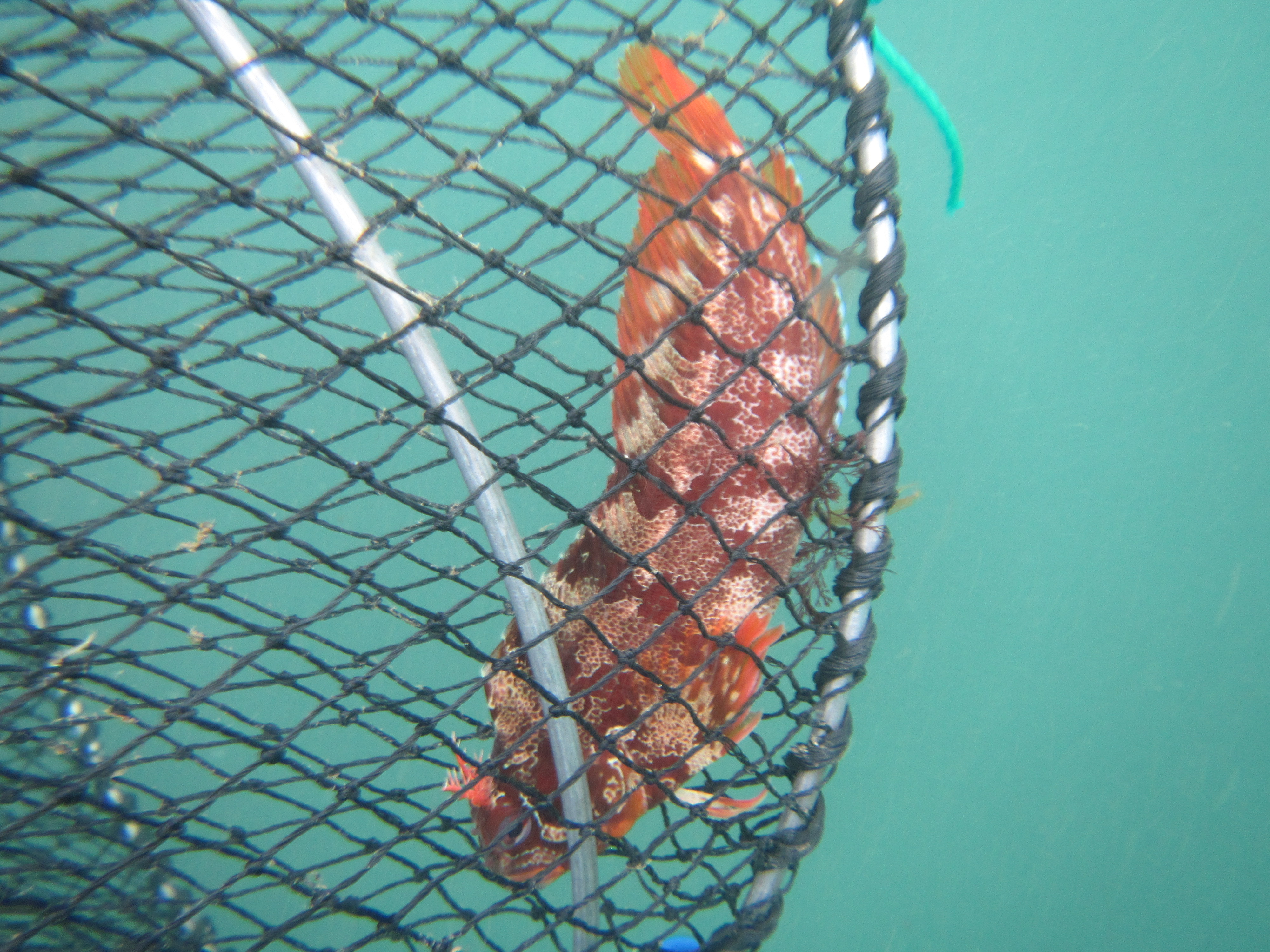 Three nosy Tompot blennies and also a small Conger eel; no Leopard-spotted gobies. So at least I know that in principle next year I can try trapping fish, but it might be hard for the gobies as they are very reclusive and do not barge into nets as Tompots do. The first dive, the visibility was OK(ish) and we saw a Cuttlefish Sepia officinalis. Although I have seen them before, you never get tired of them!
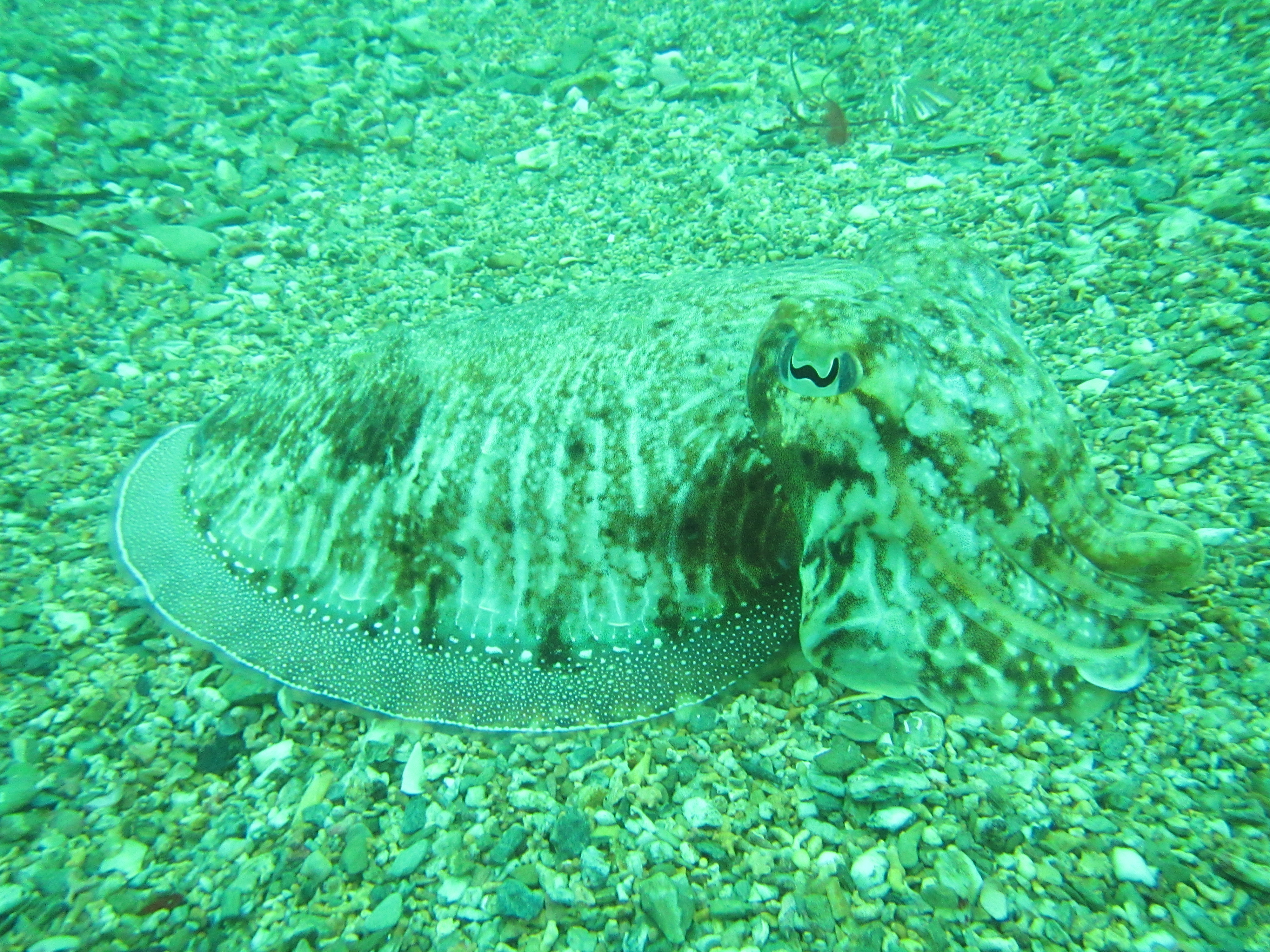
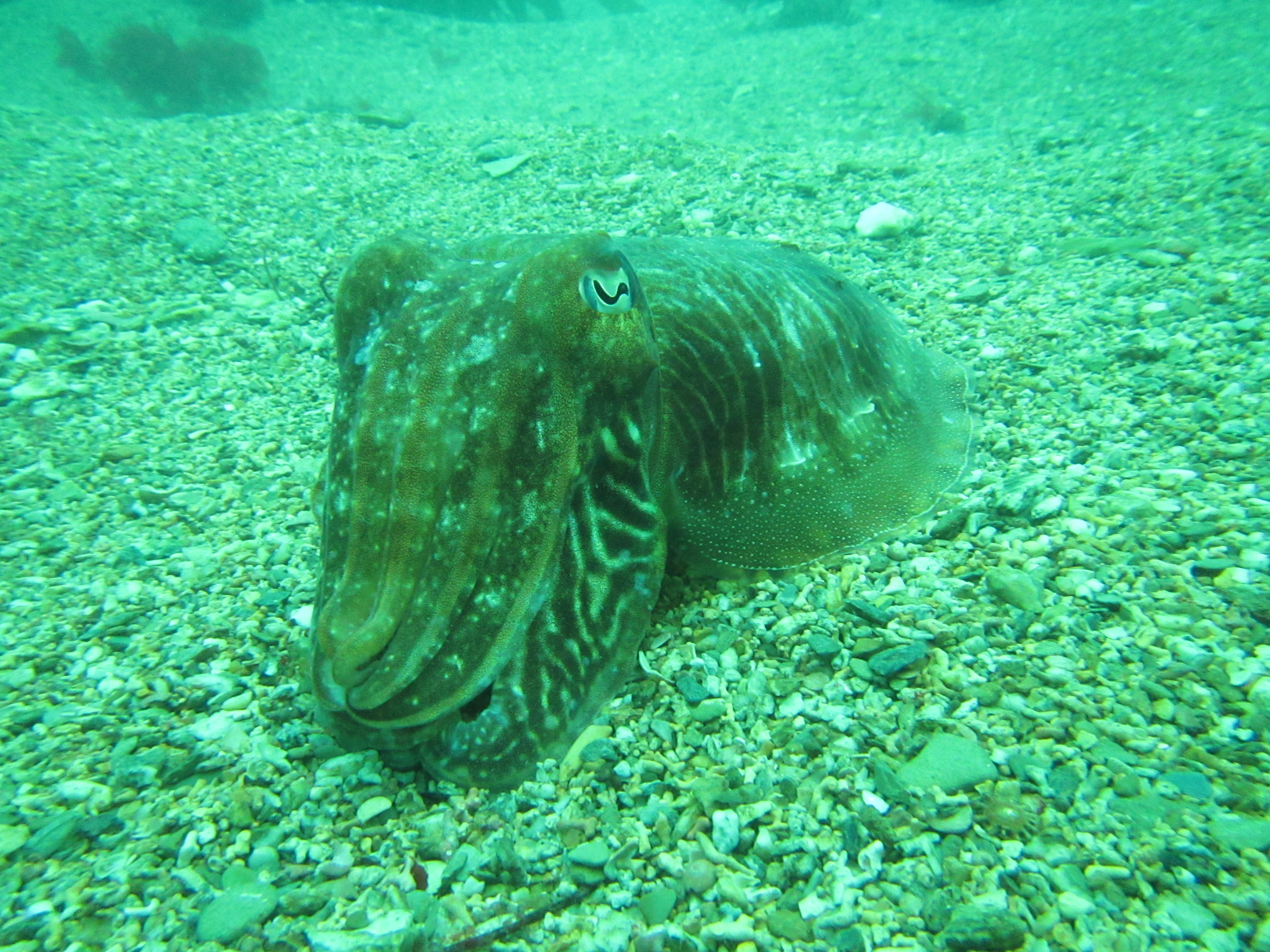 No other special finds. The place was absolutely swarming with Spiny starfish and most Snakelocks seemed to have multiple Leach’s spider crabs underneath them. I saw another Blackfaced blenny. Next year it is high time to dive further and deeper and also to finally get some gobies into the aquarium!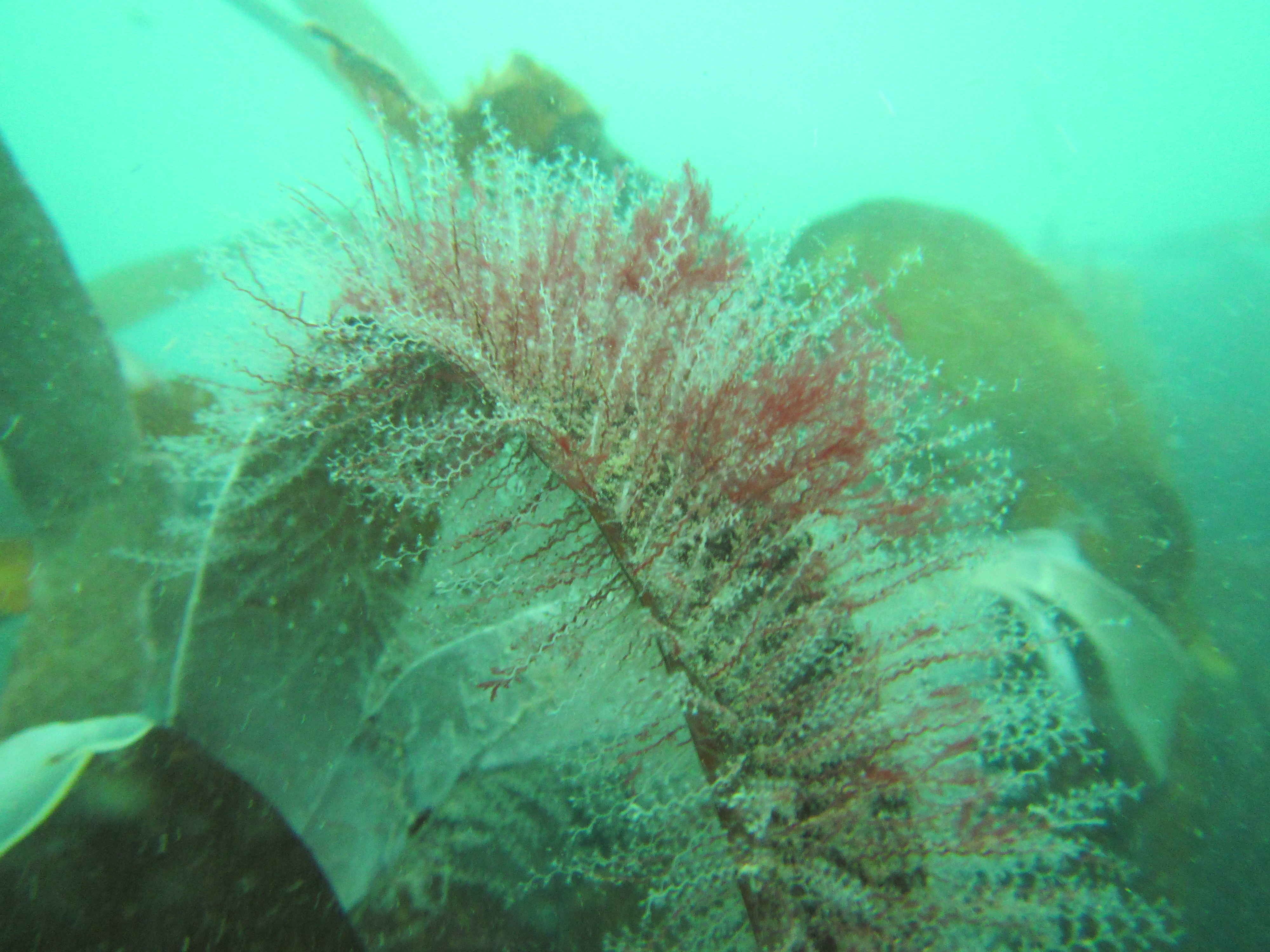
A new location for the second dive: Helford Passage between Falmouth and the Lizard Peninsula. This is a shallow, sheltered creek with a sandy bottom and eelgrass beds and can only be dived (well) at high tide. A good site to spot Thornback rays Raja clavata we heard and we were indeed lucky to find several of them. We entered the water at Grebe Beach next to Durgan: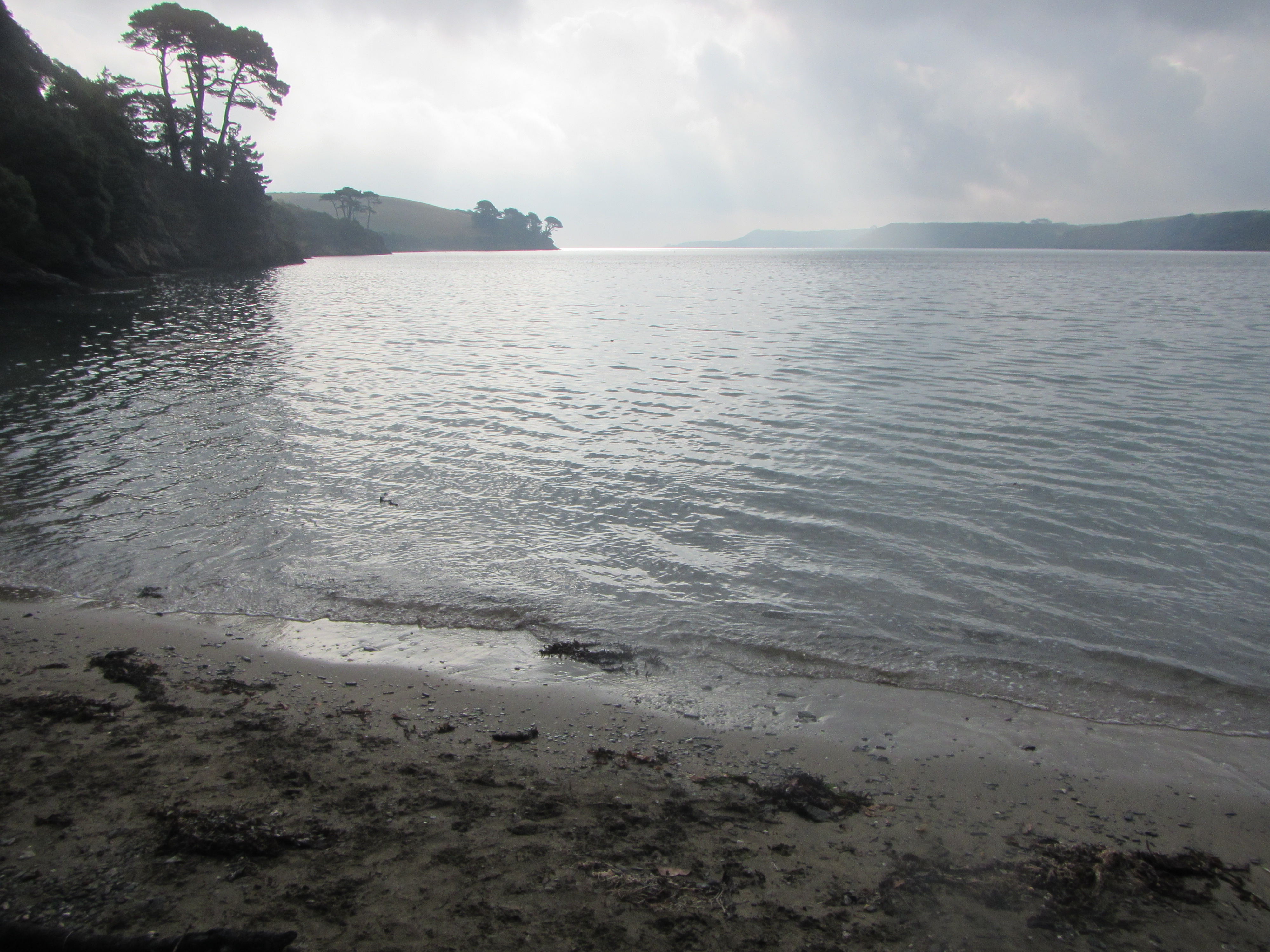
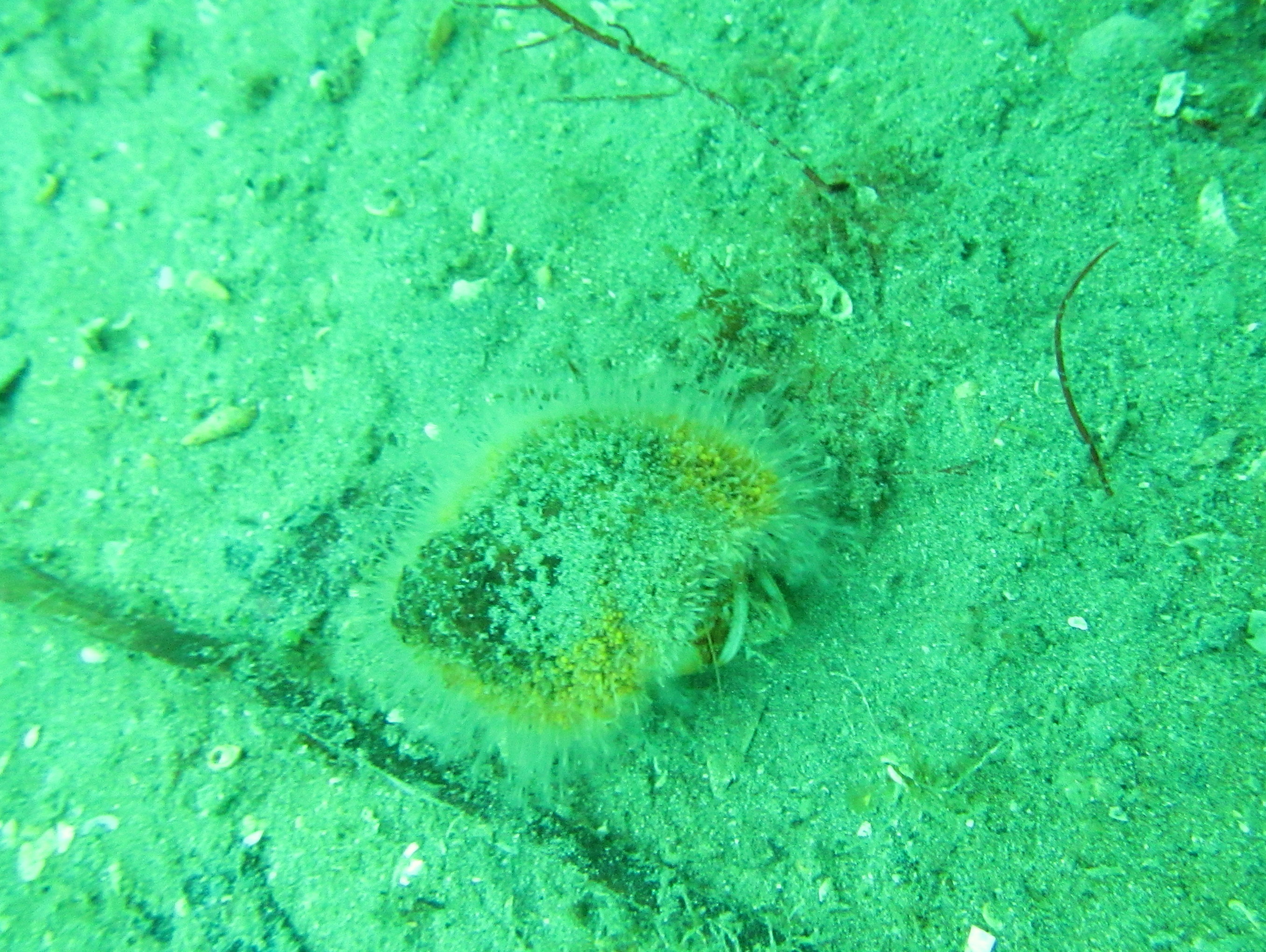
Again, we spotted some cuttlefish, which are not very shy at all. What was very cool were Great scallops Pecten maximus lying around and swimming away for a bit by opening and closing the shell, I will try to film that next time. Many Turban top shells and some large heremit crabs with one or more Parasitic anemones Calliactic parasitica on top. The shells of smaller hermit crabs were covered in the hydroid Hydractinia echinata: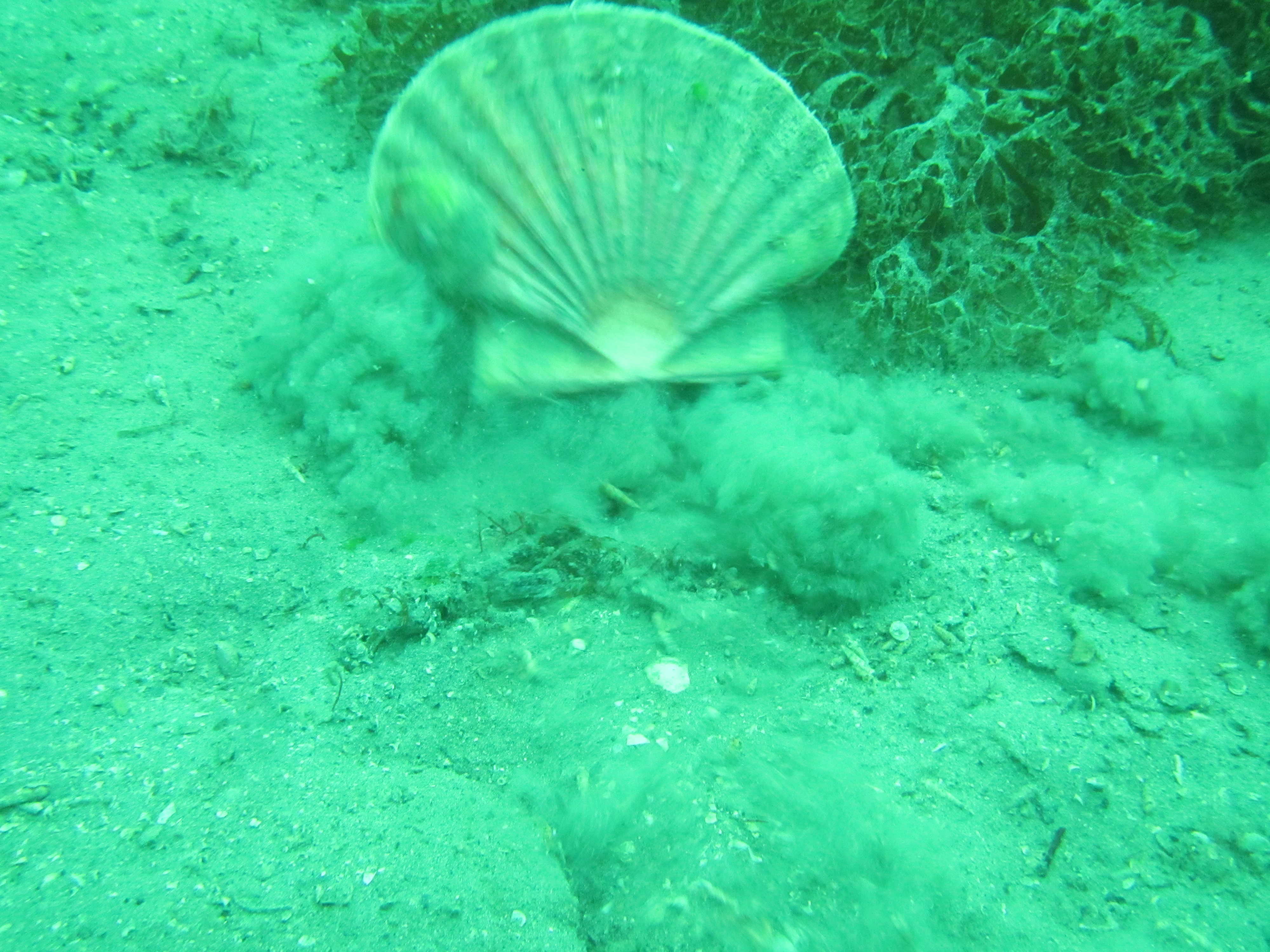
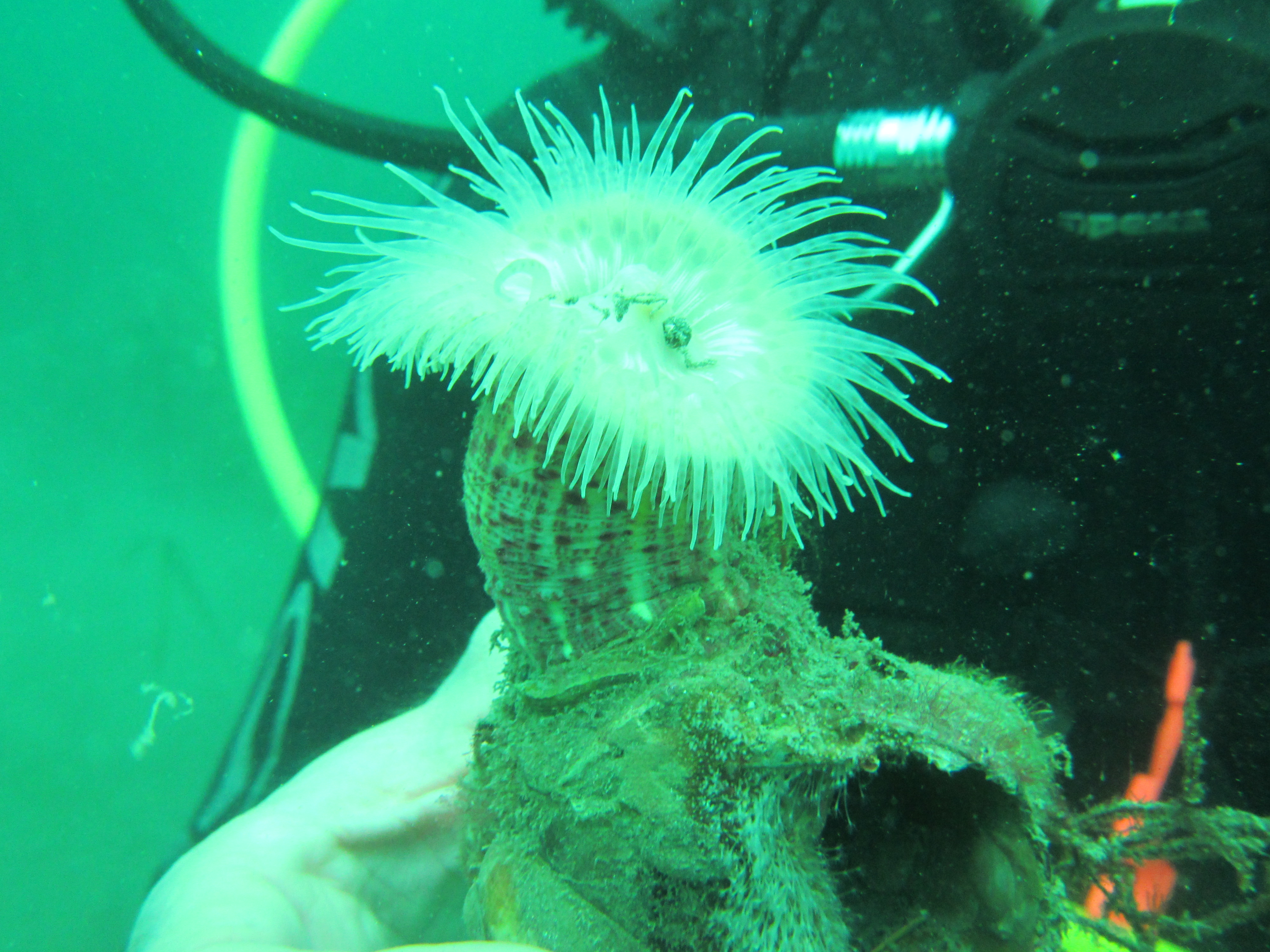
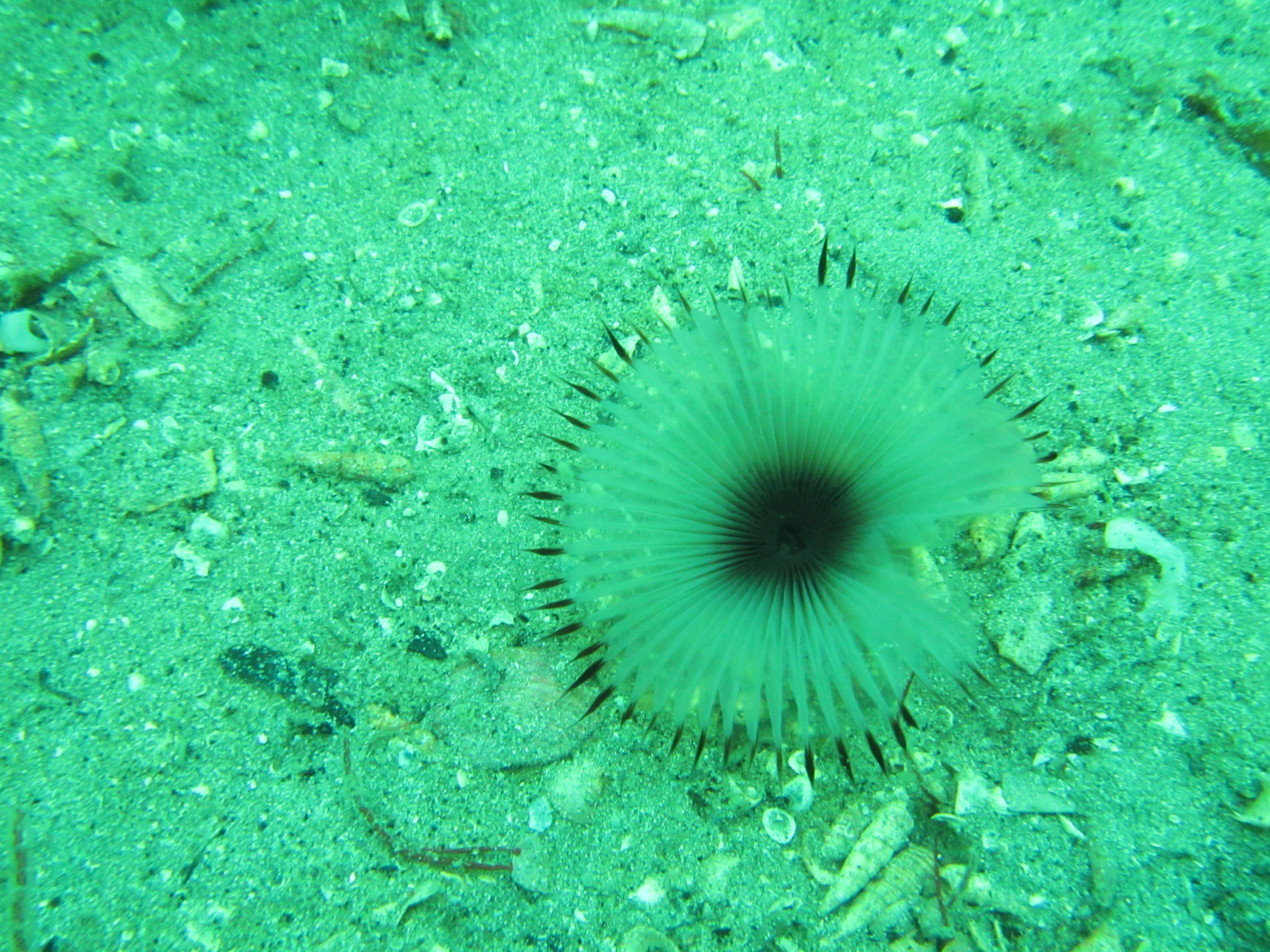
 We got to about nine meters depth (near the buoy) and found a large concrete block. Scattered among it lay the remains of crabs and in a hole dug underneath the snout of a Conger eel poked out. As I had to get close for a better look, I stirred up too much sediment and so I do not have a good picture but I will definitely like to go back and have a better look! Interesting was an old crab pot covered in sea squirts (mainly Morchellium) which was swarming with Leach’s spider crabs Inachus phalangium. Normally they sit under a Snakelocks anemone but there were none attached to the pot, strange. Very common were large Peacock Worms Sabella pavonina and Fan worms Myxicola infundibulum: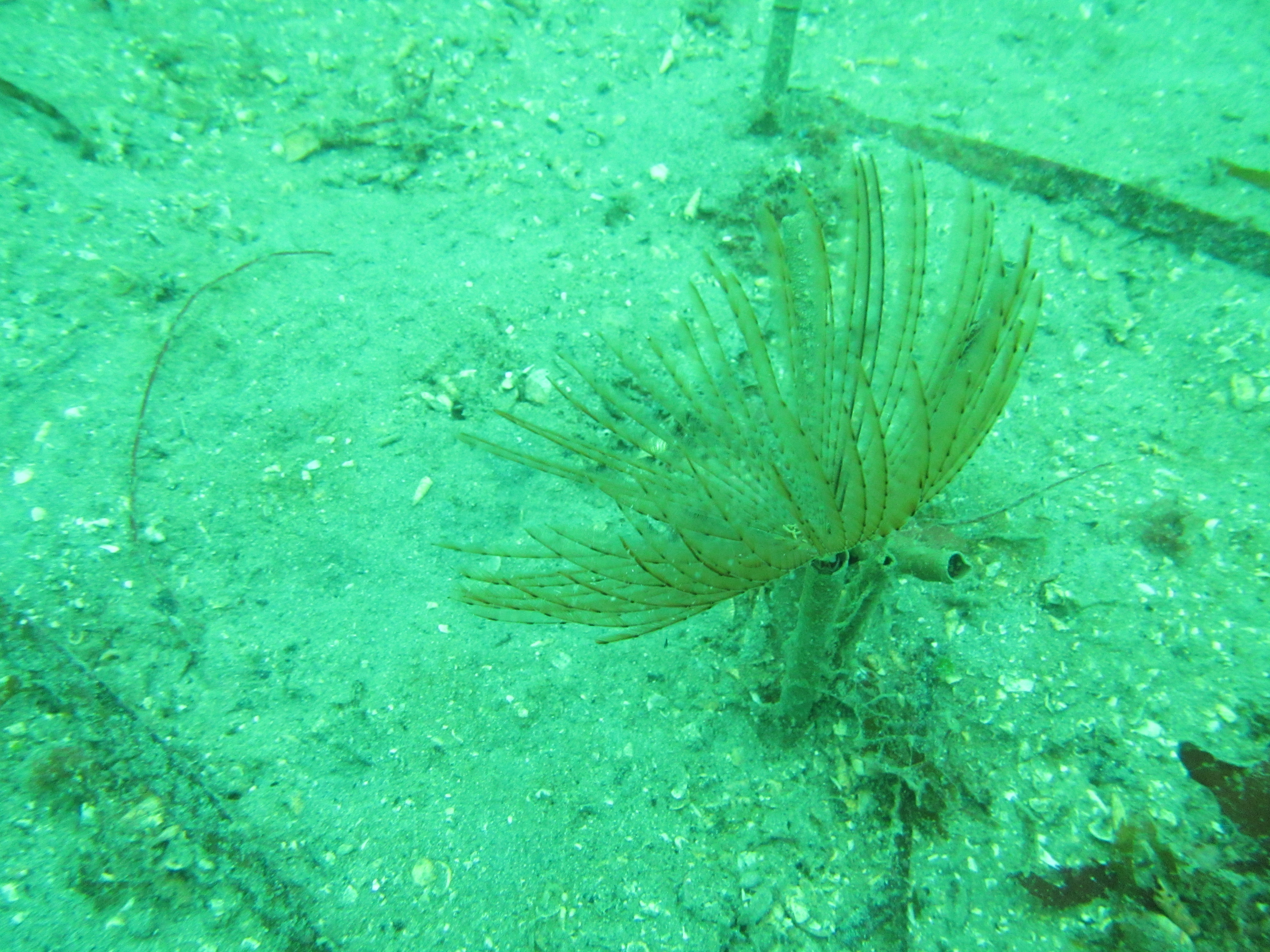
 An Bollenessor