Macro

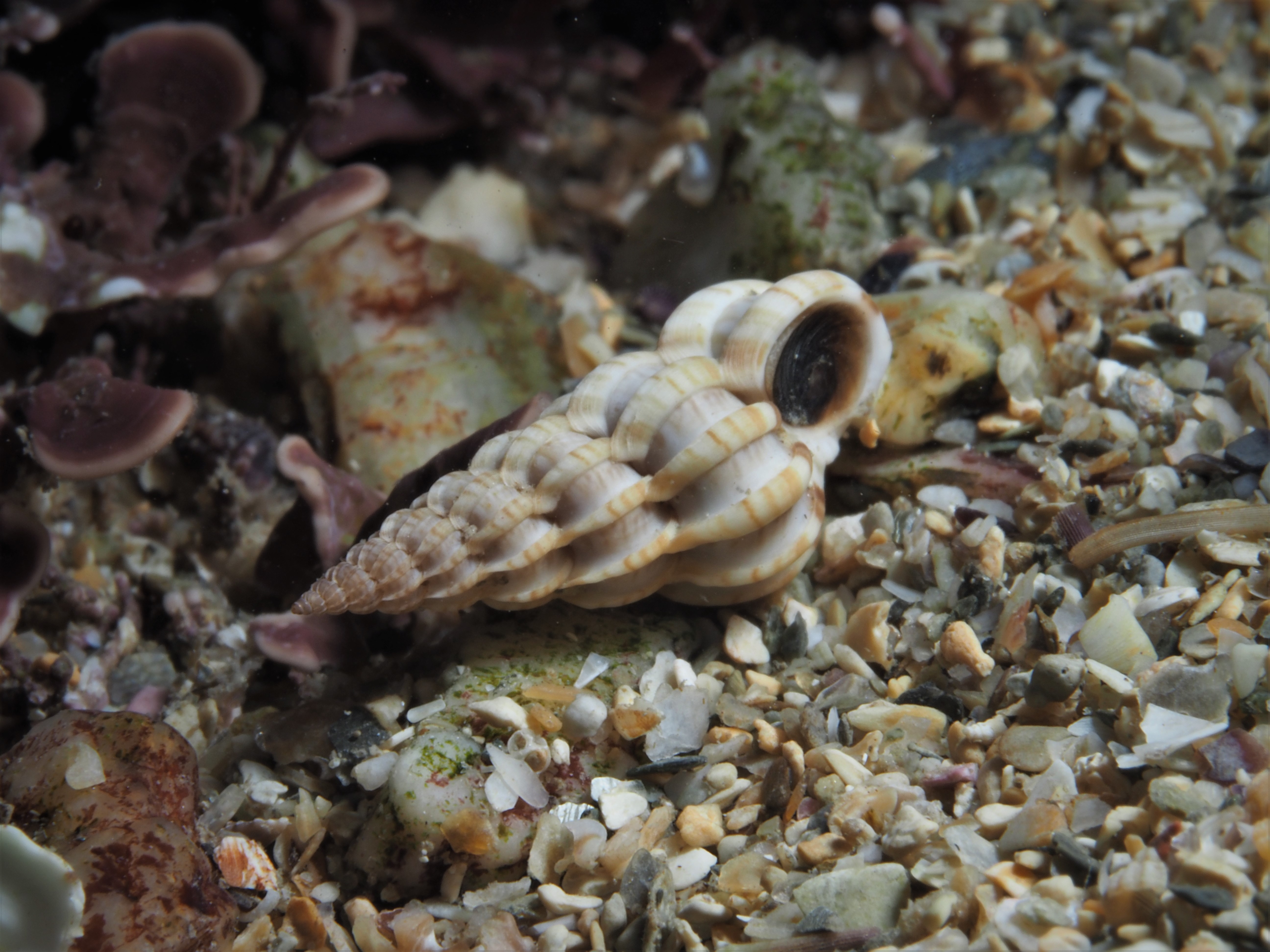
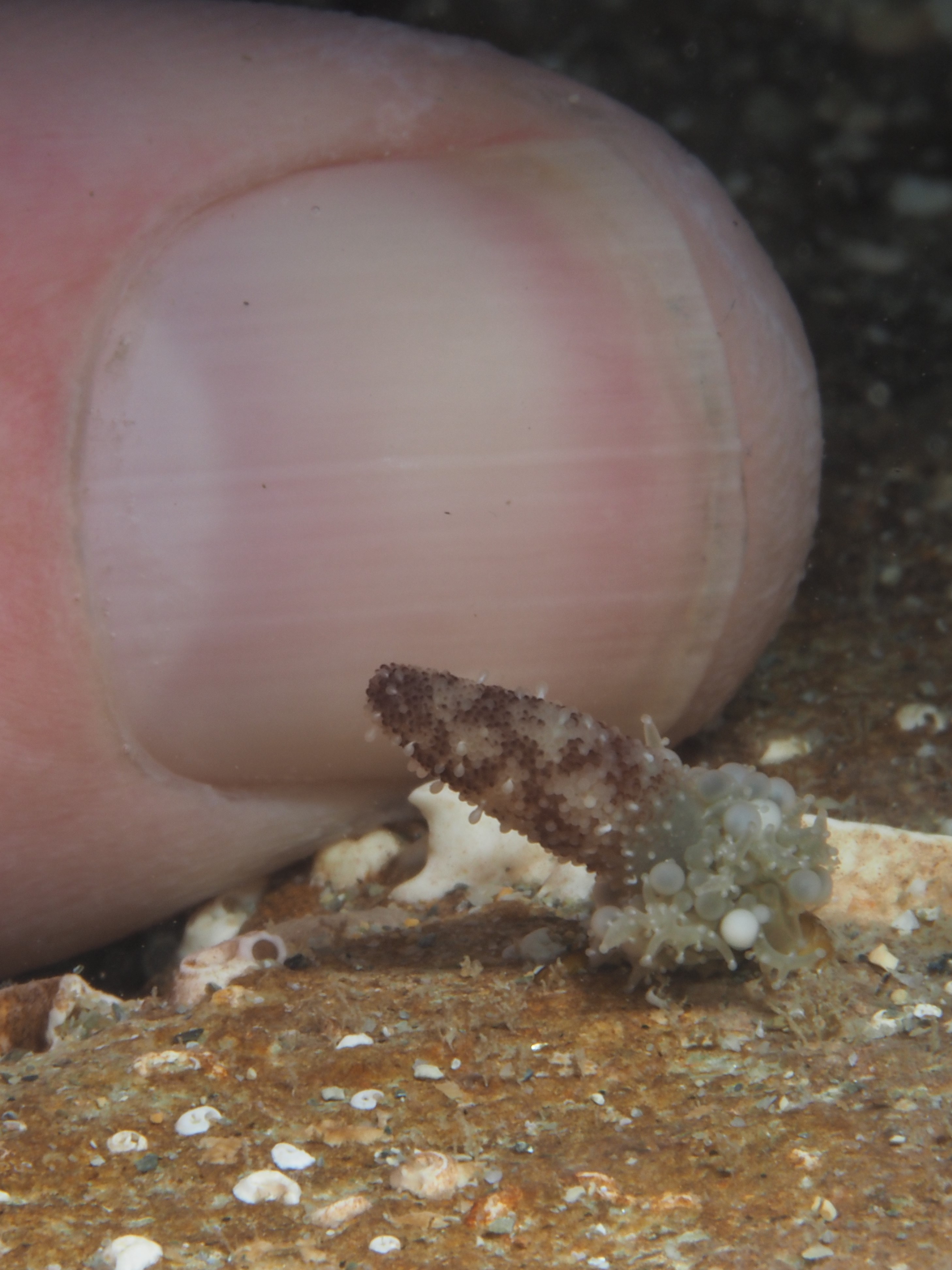
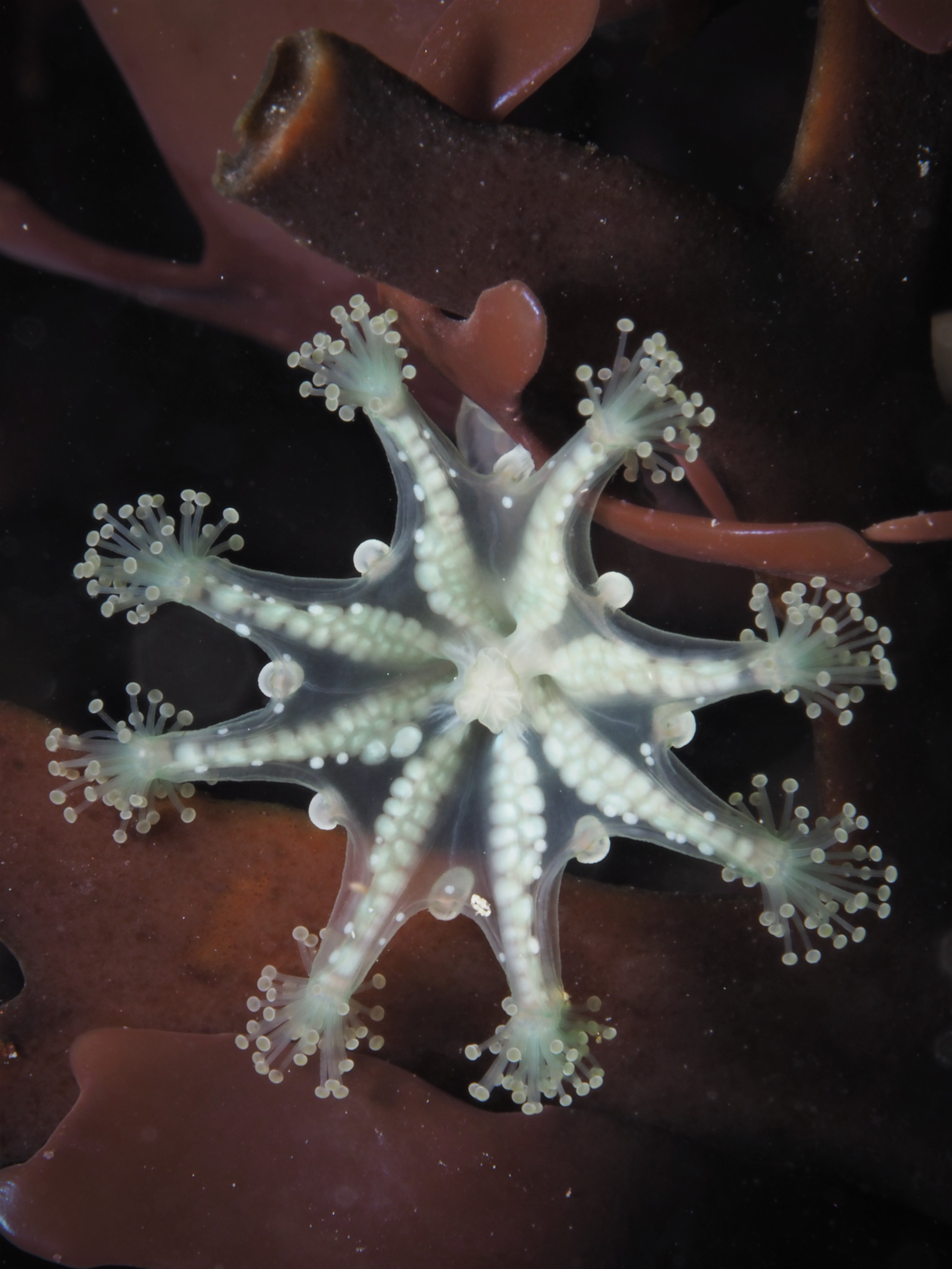
The weather has been horrible lately, with three storms coming in straight after each other. On the upside this means that there is good potential for beachcombing, but alas, the one beach on the North Coast we checked was as clean as a whistle, just sand! So here are some photos from a few weeks back when the weather was good better. On top a Spotted Kaleidoscope Jellyfish (Haliclystus octoradiatus), about 15 mm across, on some Irish Moss seaweed. Please see this site for more information on these beauties; there are several species in our rockpools, but you have to develop a bit of an eye for them! Some other pics below: Blue-rayed Limpets (Patella pellucida) on kelp and a Thicklipped Dogwhelk (Tritia incrassata (when I was young Nassarius incrassatus…). Still need a lot of practice with the strobe, these shots I was very happy with, but most were way off the mark somehow. Looking forward to spring!

Candelabrum cocksii

It was a nice day and a good low tide last Wednesday and so I decided to go for a snorkel; I was glad I did! Last year, I had been trying to take photos of this weird little animal, Candelabrum cocksii, but failed miserably, this time it worked. It is a hydrozoan that was first described in Victorian times on the exact beach I always go snorkelling here in Falmouth. It is tiny (see last pic) and lives underneath rocks, so it goes mostly unnoticed (and therefore does not have a common name). To take this photo, I had to do some ‘underwater rockpooling’, turning over a rock to find them. I am not sure what the deal is with these guys; I know the white bulbous structures at the bottom are reproductive structures, and the reddish bit at the top is for feeding (this bit can be stretched out quite a lot). It is colonial just like the Portuguese Man O’War. Please correct me if I am wrong hydrozoan experts! Shout out to David Fenwick and his ID site aphotomarine.com, which I highly recommend.

Other notable finds were stalked jellyfish Calvadosia cruxmelitensis and my very first Wentletrap (which is a Dutch word: wenteltrap=spiral staircase) Epitonium clathrus. As I had my macrolens on the camera I could not shoot any general impressions but the pools started to look beautiful again. The big Wireweed and Thong weed plants were all gone (new ones emerging) and the red seaweeds (Sphaerococcus, Plocamium, Chylocladia) were already quite big.

It was great to be back in the water today and it is my New Year’s resolution to spend a lot more time underwater than I did in 2021! Who knows I will even learn how to use strobes. A happy 2022 to all blog readers!

Muddy Adventures

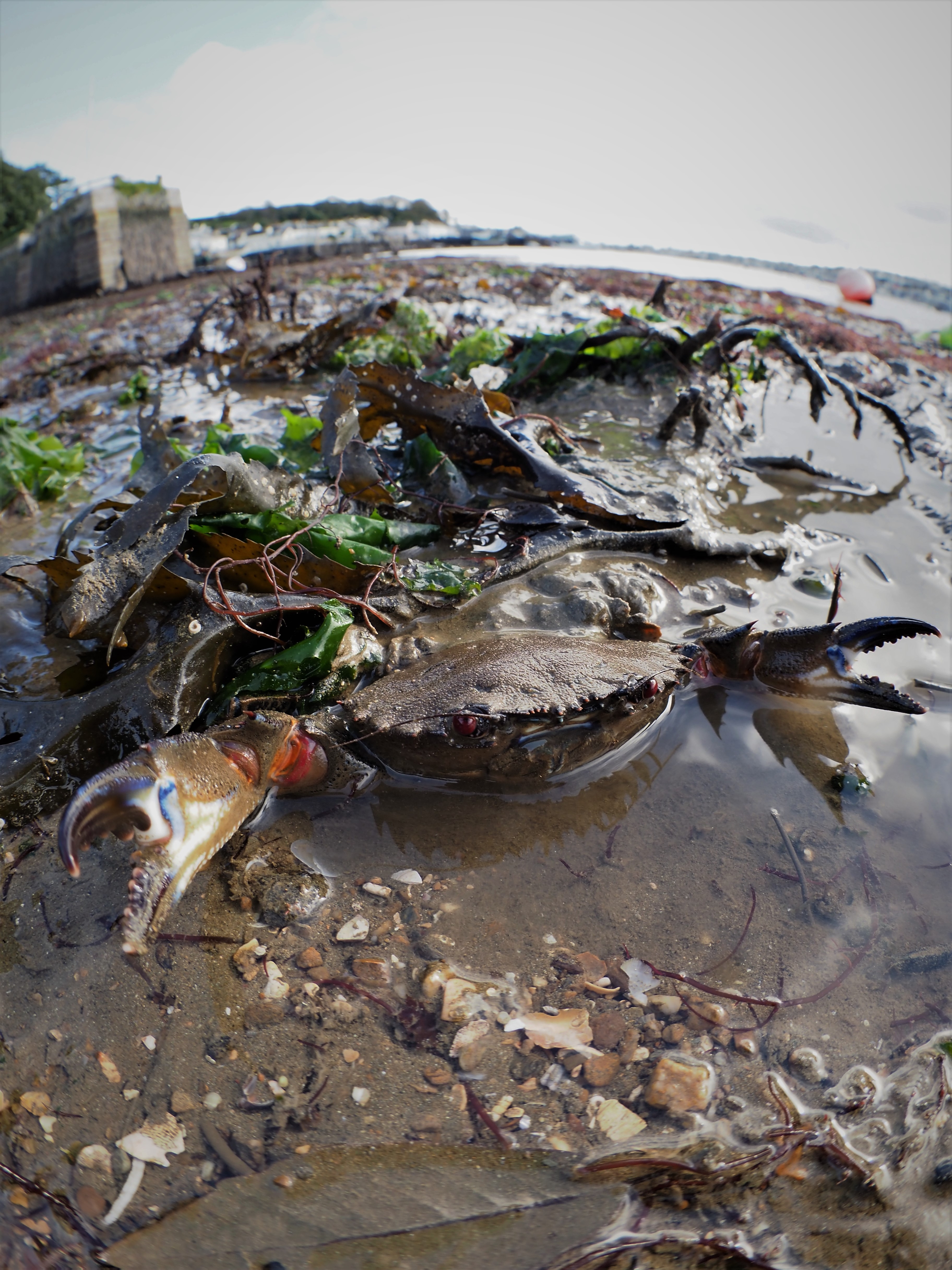
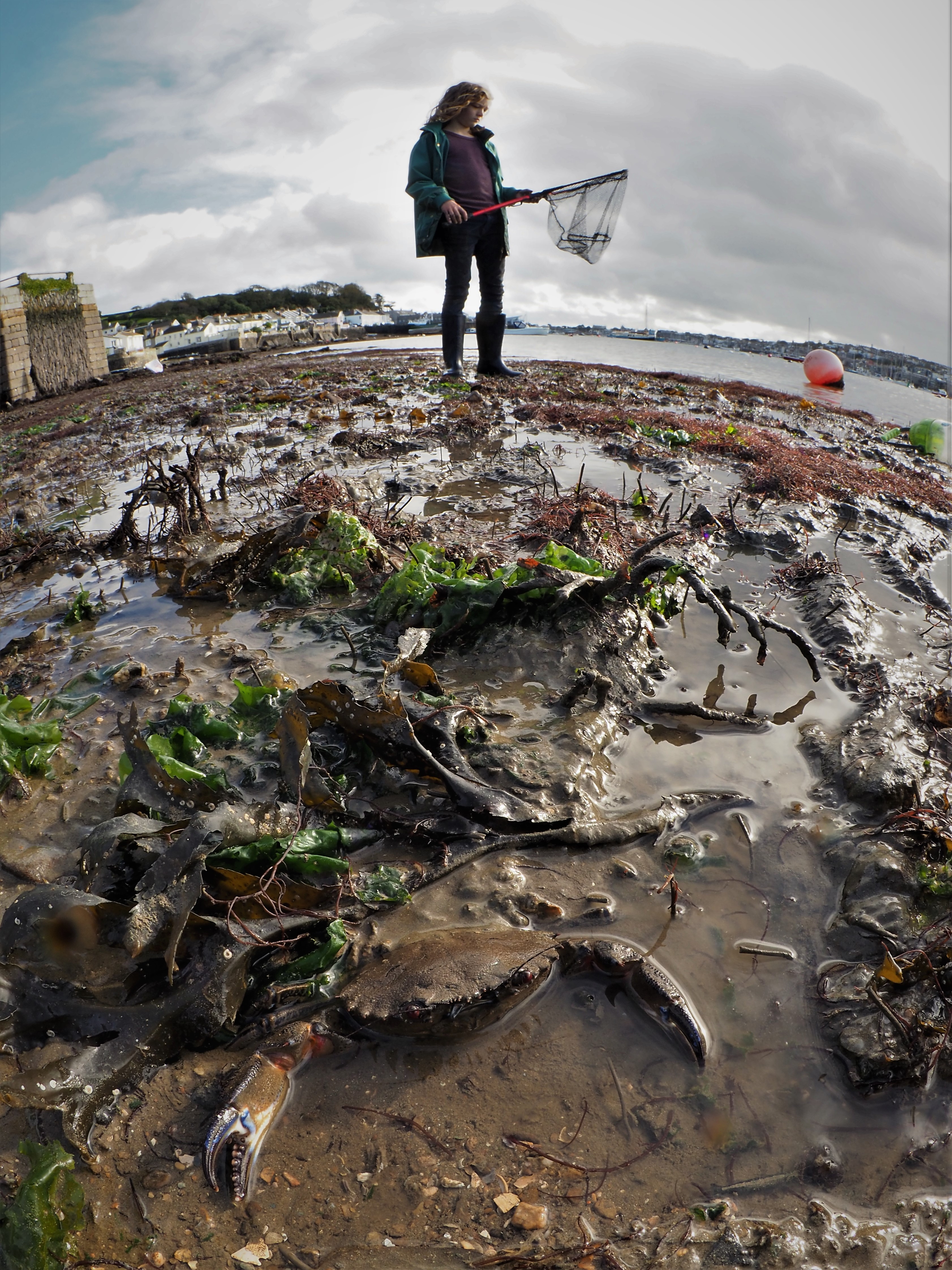
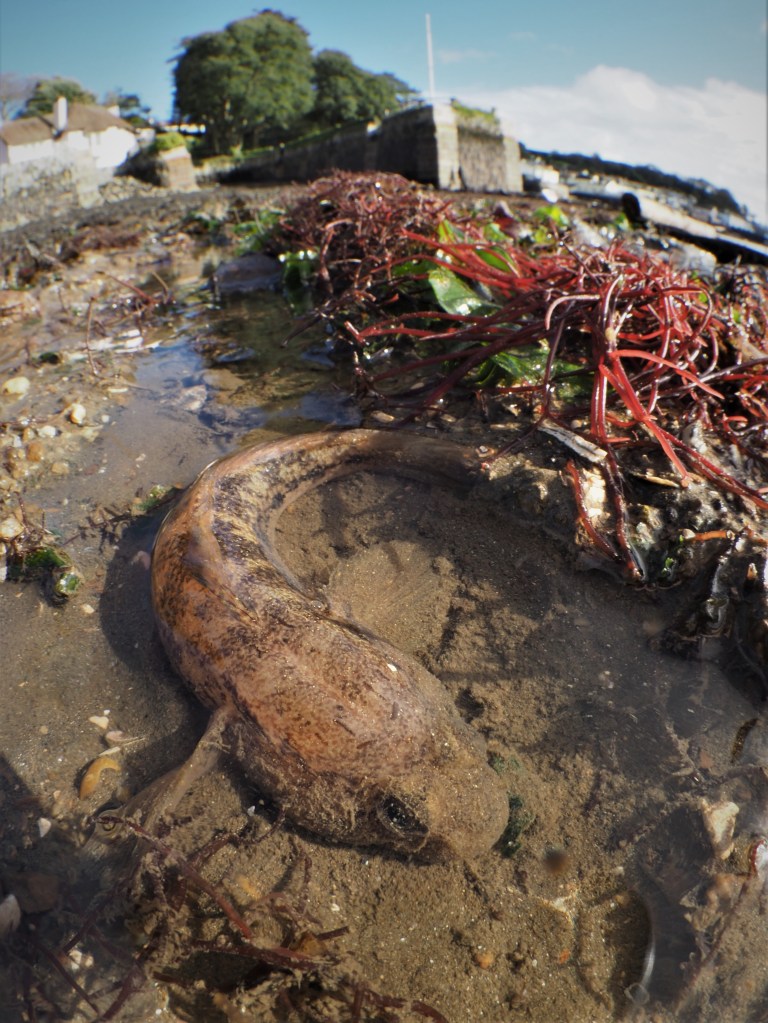
I went to the foreshore of our village with my son (9y) a week ago as he is always keen on some bare-handed eel catching. No pretty rock pools in this estuarine site, just mud, rubble, worms, oysters and sponges. Also Velvet Swimming Crabs (Necora puber) (named Devil Crabs locally as they are quite pinchy) and Rock Gobies (Gobius paganellus). I tried my hand at some TSCFWANF (Top Side Close Focus Wide Angle No Flash). This obviously resulted in a blown out sky. Next time I will try to use a home-made (milk container) softbox for a strobe to light up the foreground. Have not been in the water much, so long time no post. Hope to do some snorkelling or diving soon, weather permitting…

Summer Seaweeds

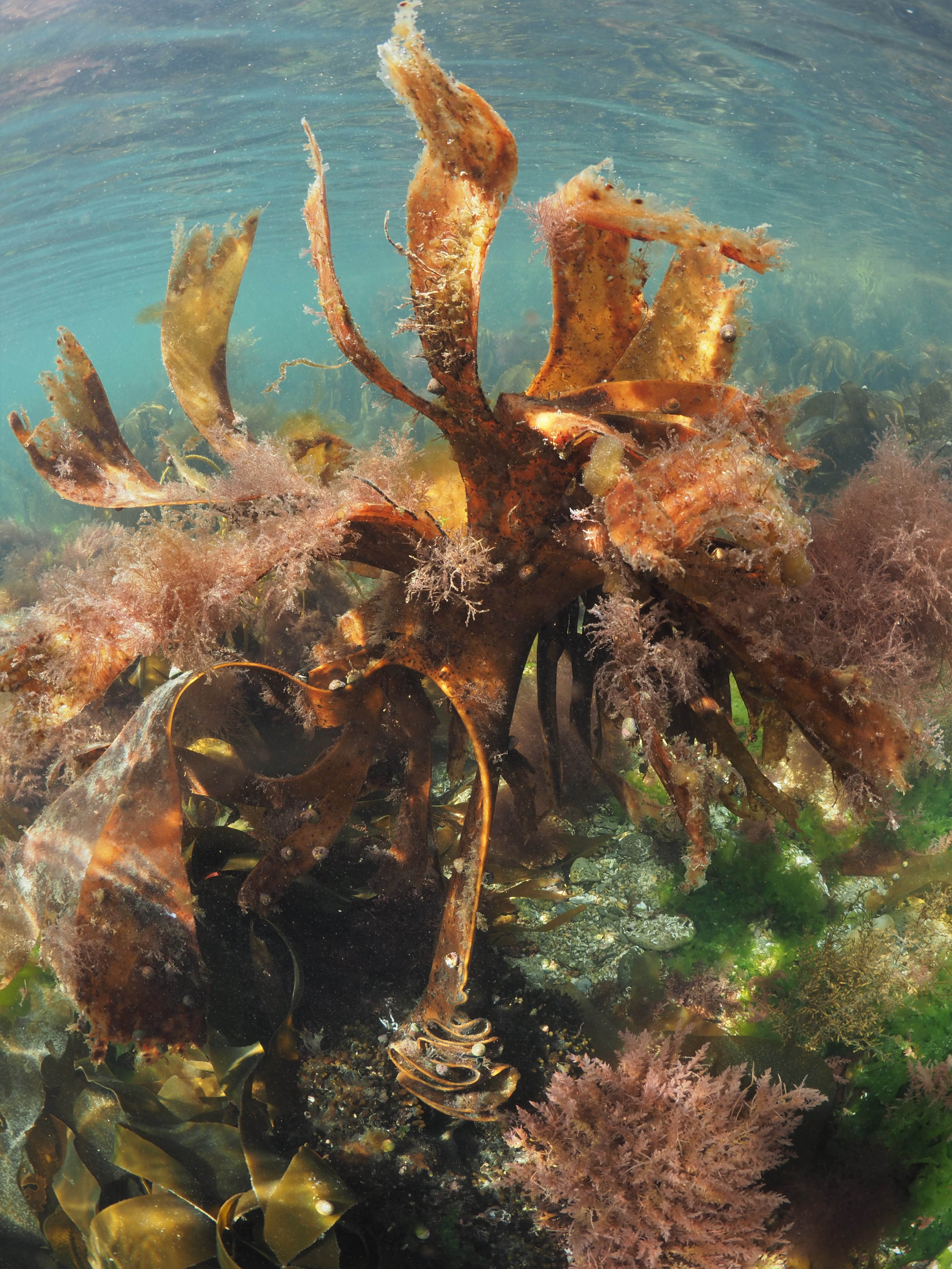
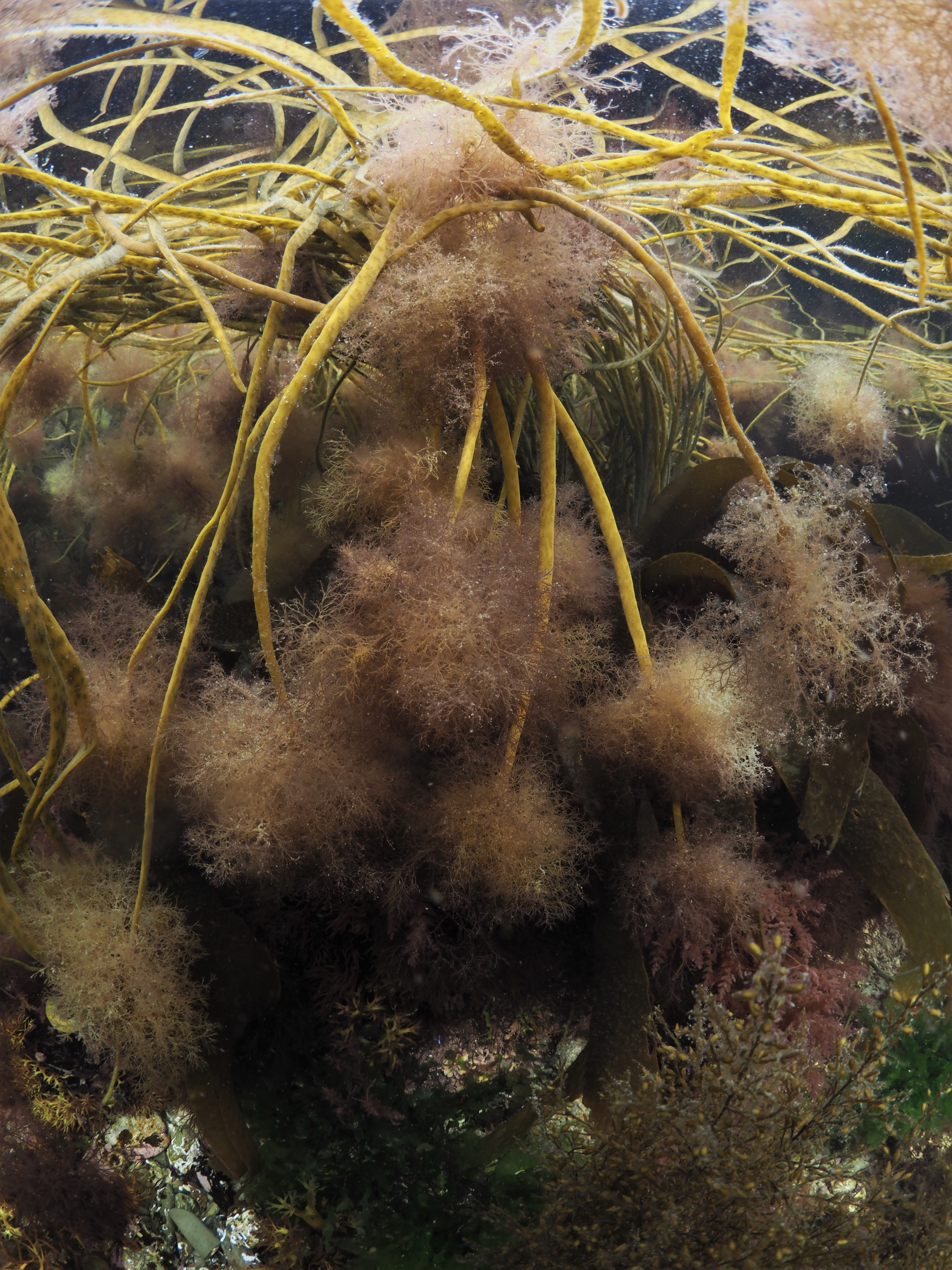
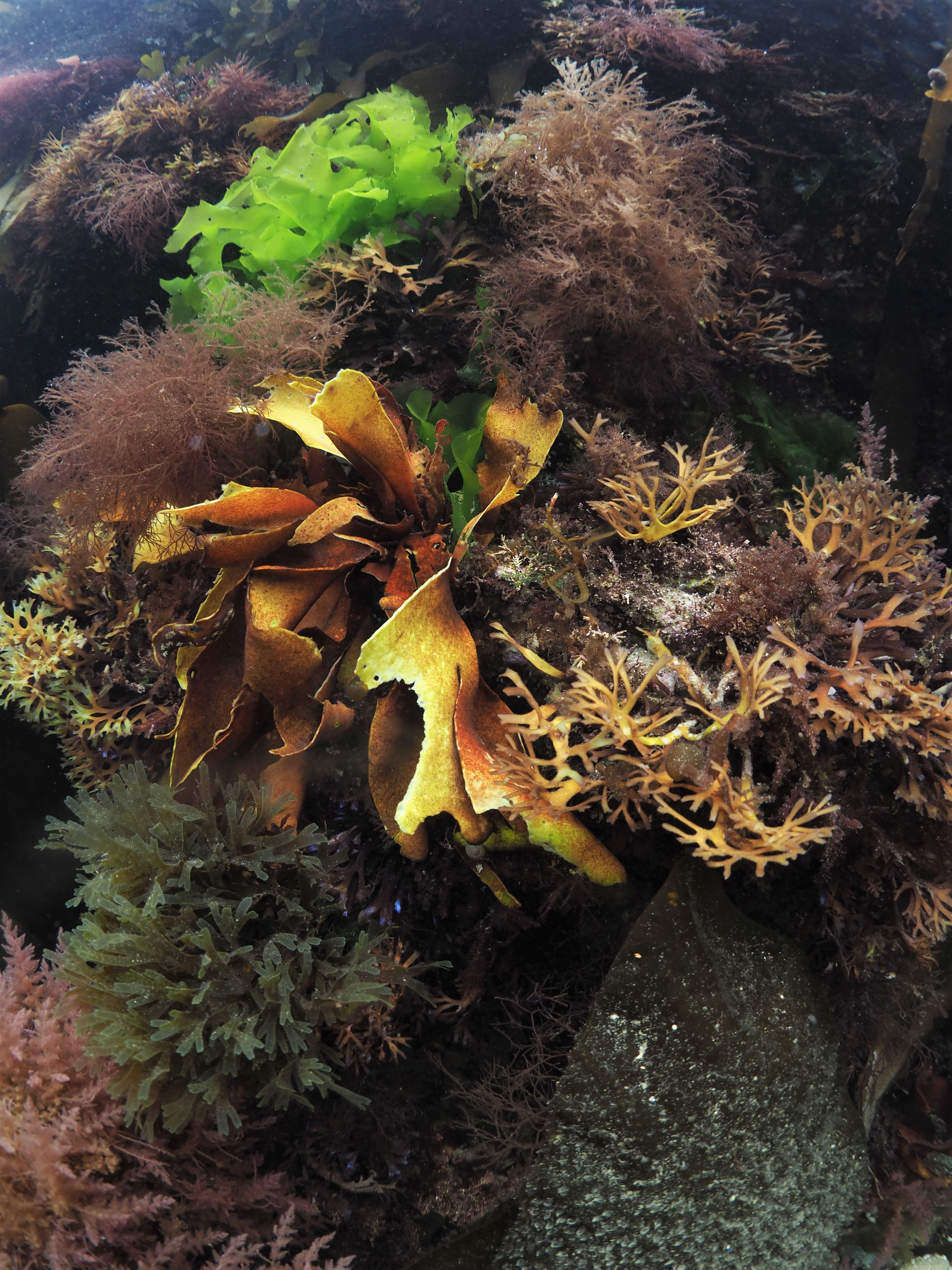
Snorkeling in summer is nice because it is sunny and warm, but the seaweeds are turning a bit manky. That has its charms too though!

Above: Furbelows Saccorhiza polyschides. Middle: Thong Weed Himanthalia elongata covered in epiphytes (Ceramium?). Bottom: seaweed assemblage with Red Rags Dilsea carnosa, Irish Moss Chondrus crispus, Forkweed Dictyota dichotoma, Harpoon Weed Asparagopsis armata, Sea Lettuce Ulva lactuca and other species.

Darwin’s Brain Coral

A brain coral. On land. In Cornwall.

Half hidden under the subtropical shrubs in the Penjerrick ‘jungle garden’, this moss-covered coral is believed to have been a gift from Robert FitzRoy, captain of HMS Beagle, the ship that sailed Charles Darwin around the world for almost five years.

The Beagle landed here in Falmouth the 2nd of October 1836, but Darwin did not bother to stay around and immediately caught the Royal Mail coach back to Shrewsbury.

P.S. A rare occasion I could put my fisheye lens to use on land!

Compass Jellies

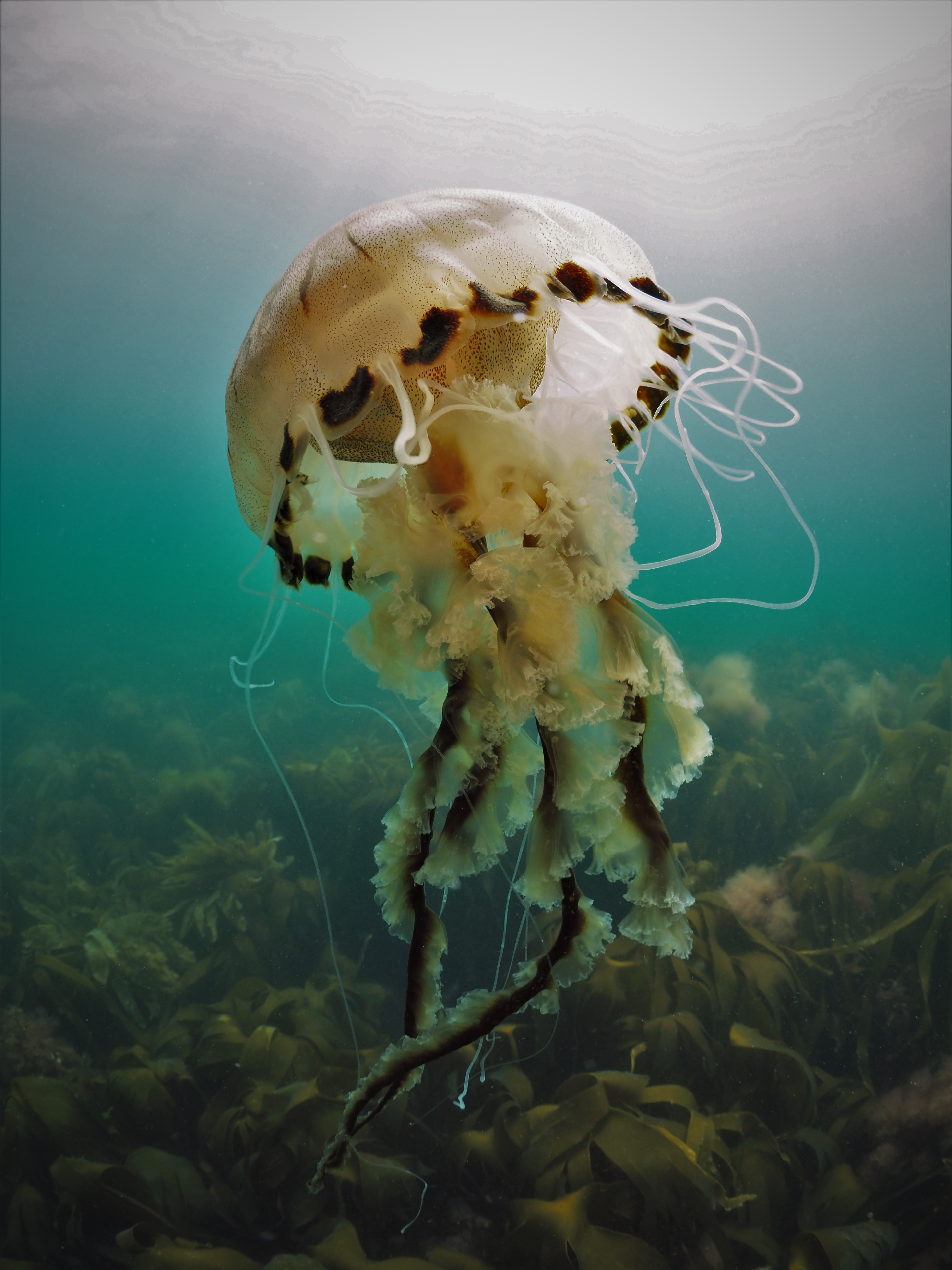
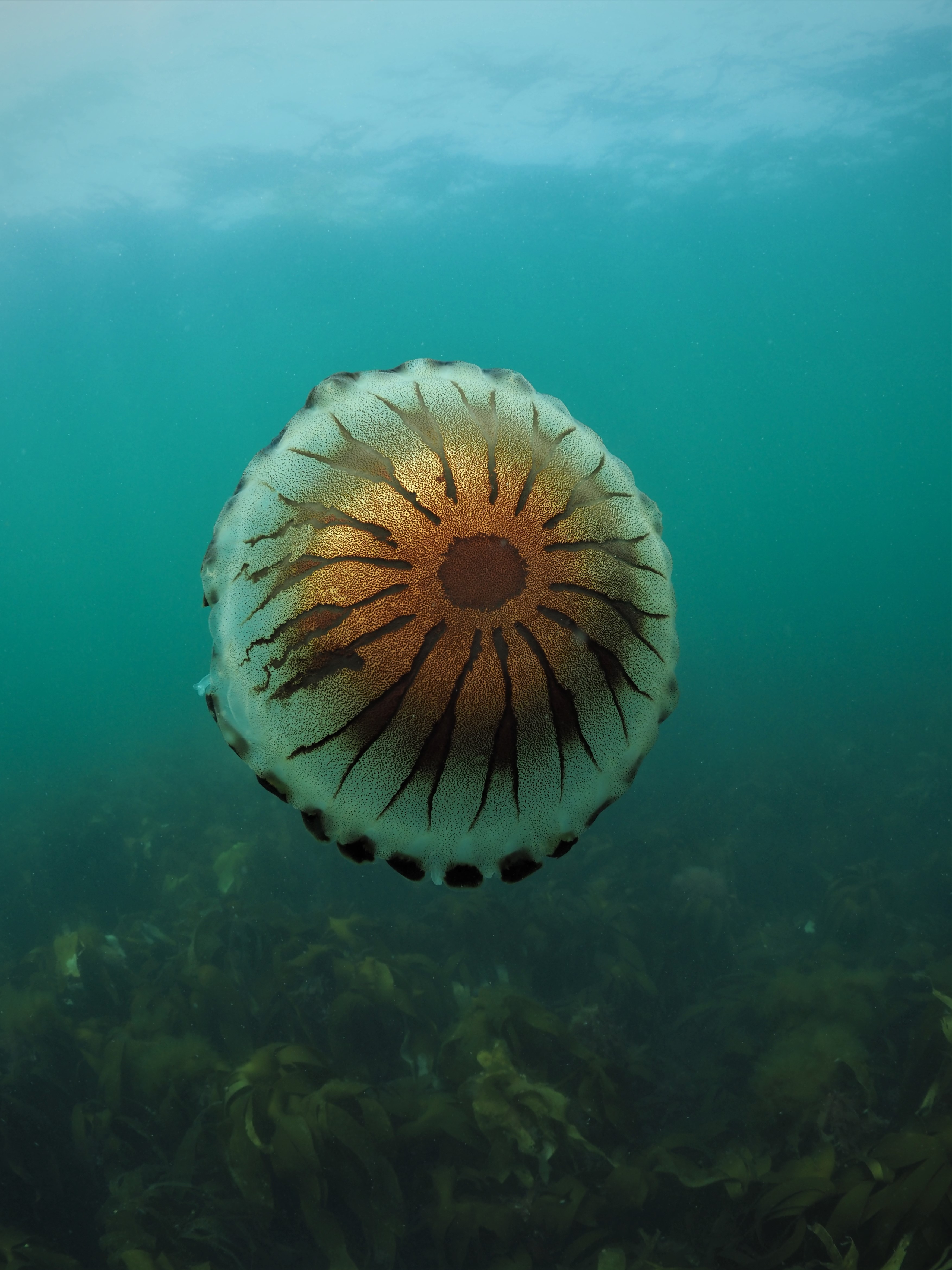
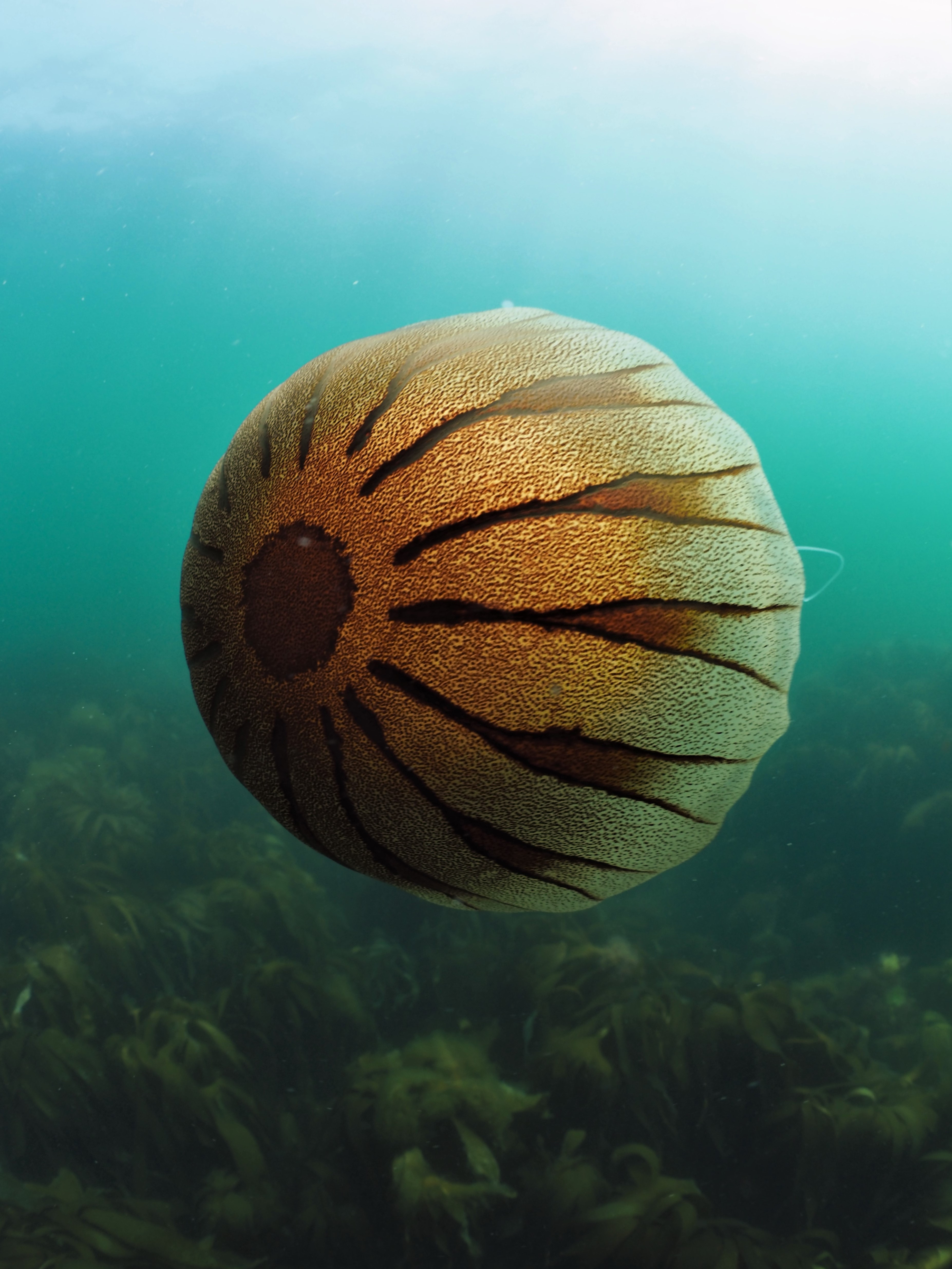
Some more jellies, this time the Compass Jellyfish Chrysaora hysoscella. These are currently the most common jellyfish here in Falmouth, with blue jellies and moon jellies also spotted (the Crystal Jellies, see below, seem to have disappeared). These photos were made without a strobe (my struggle with them continues…) which would have made them much better. As it stands, I have relied heavily on the standard Windows Photo editor to reduce the green hue and get rid of some of the highlights. I might give the old strobes a go next time I go in!

Crystal Jellies

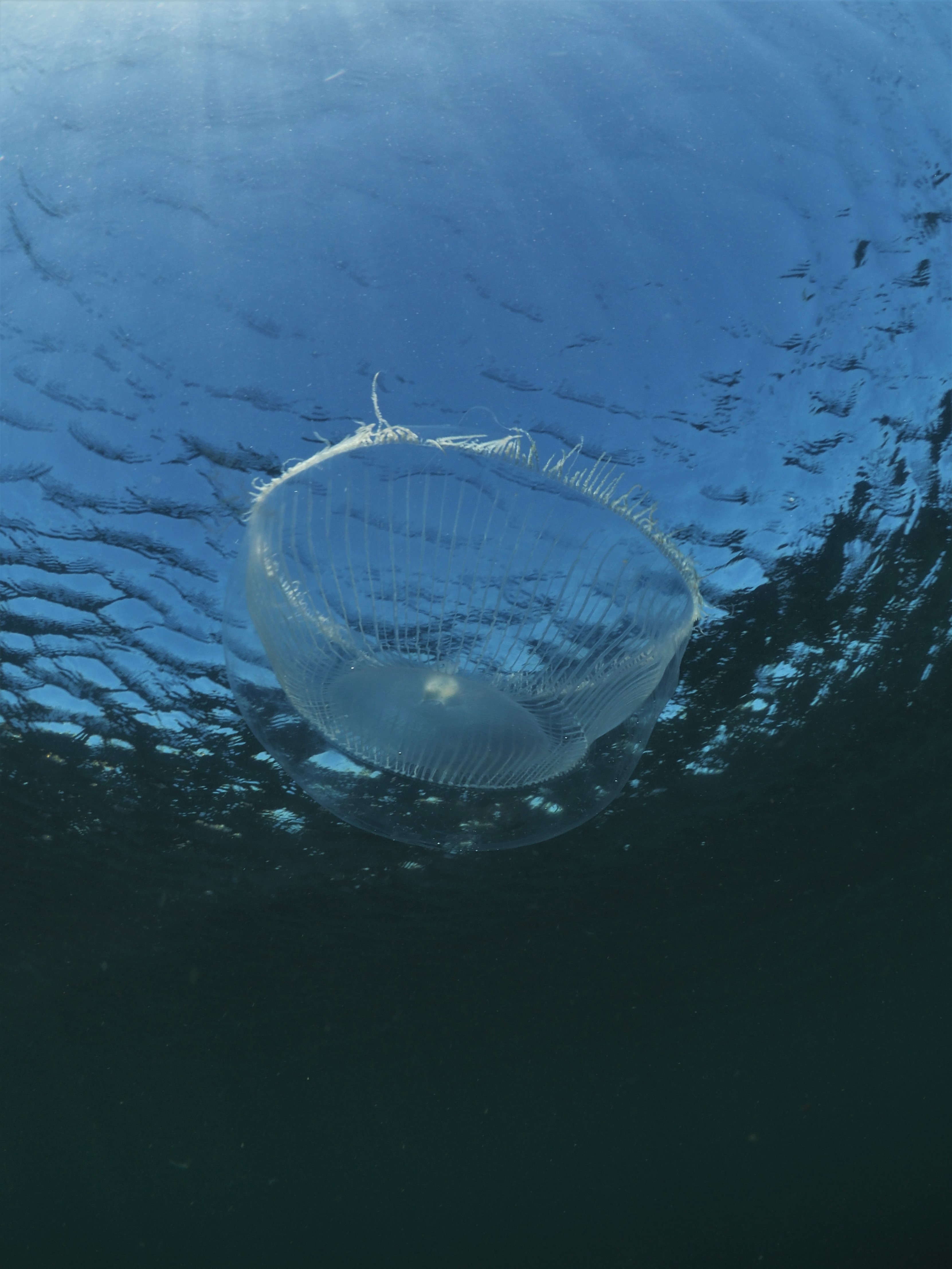
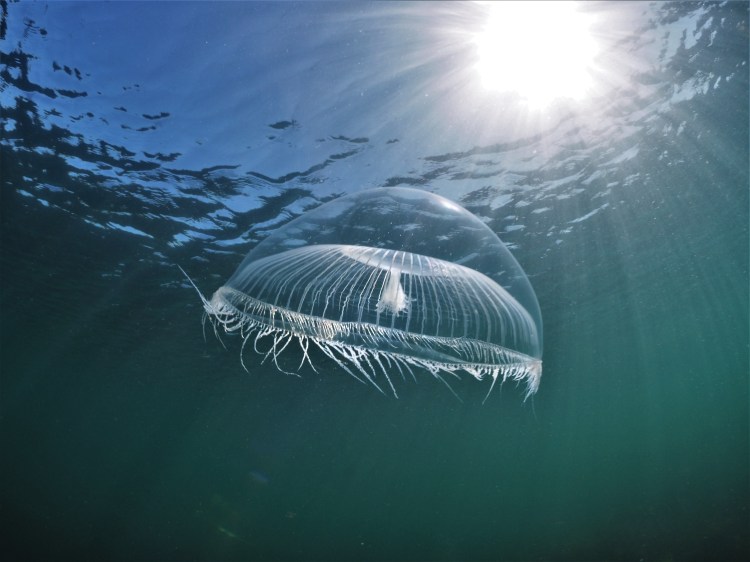
Photography during my last snorkel was a bit frustrating as I could not get my strobes to work. Luckily I was saved by a subject that did not require any extra light: beautiful translucent crystal jellies slowly pulsating near the surface. Crystal jellyfish are not true jellyfish (these belong in the Class Scyphozoa), but hydromedusae (Class Hydrozoa) which have a polyp stage in their lifecycle that bud of these sexual medusae. They are difficult to identify to species level so I keep it to Aequorea sp. I saw a few, around 10 cm in diameter, and had fun diving under them and get them in front of the afternoon sun.

Snorkeling with Blue Sharks

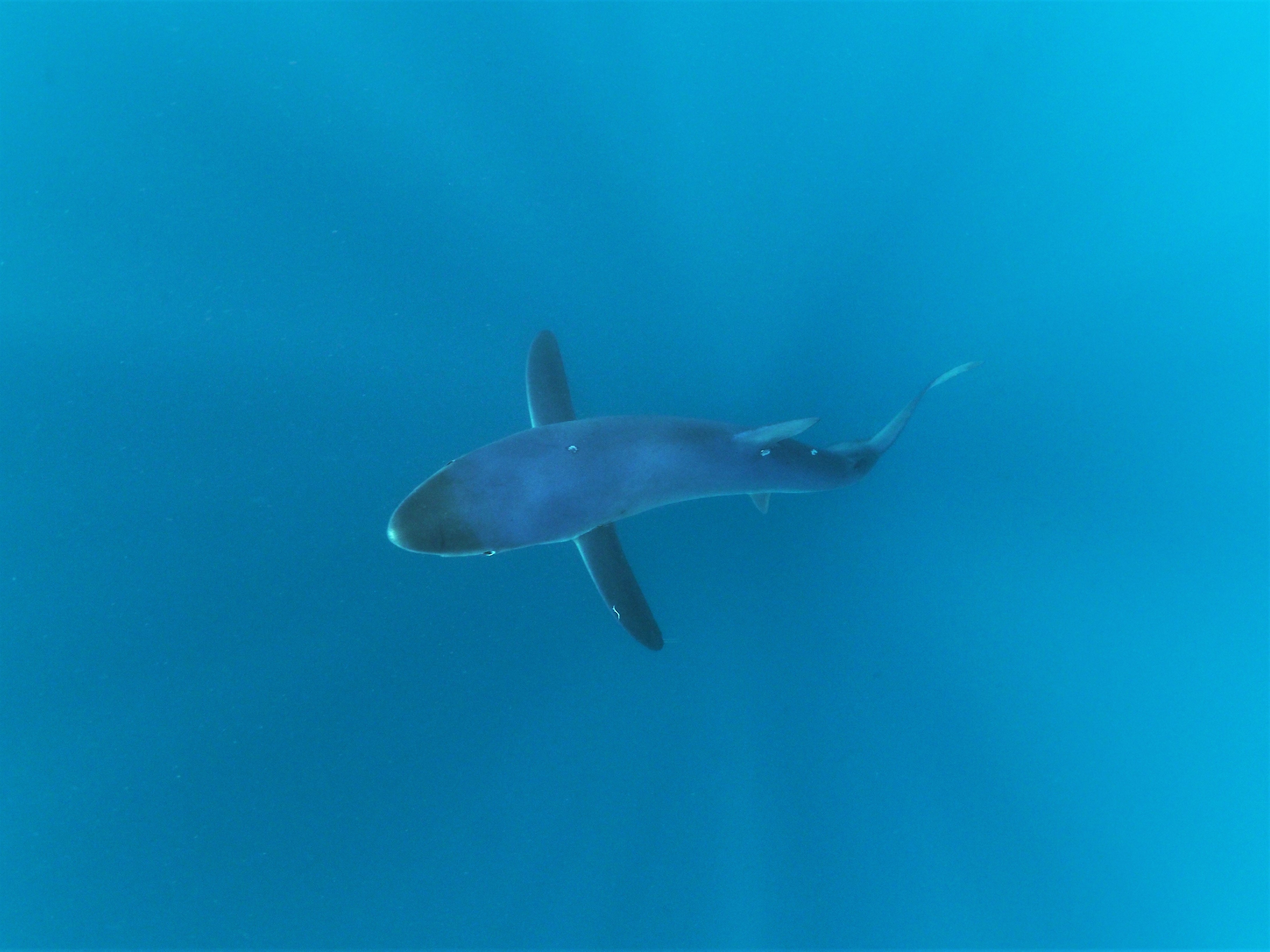
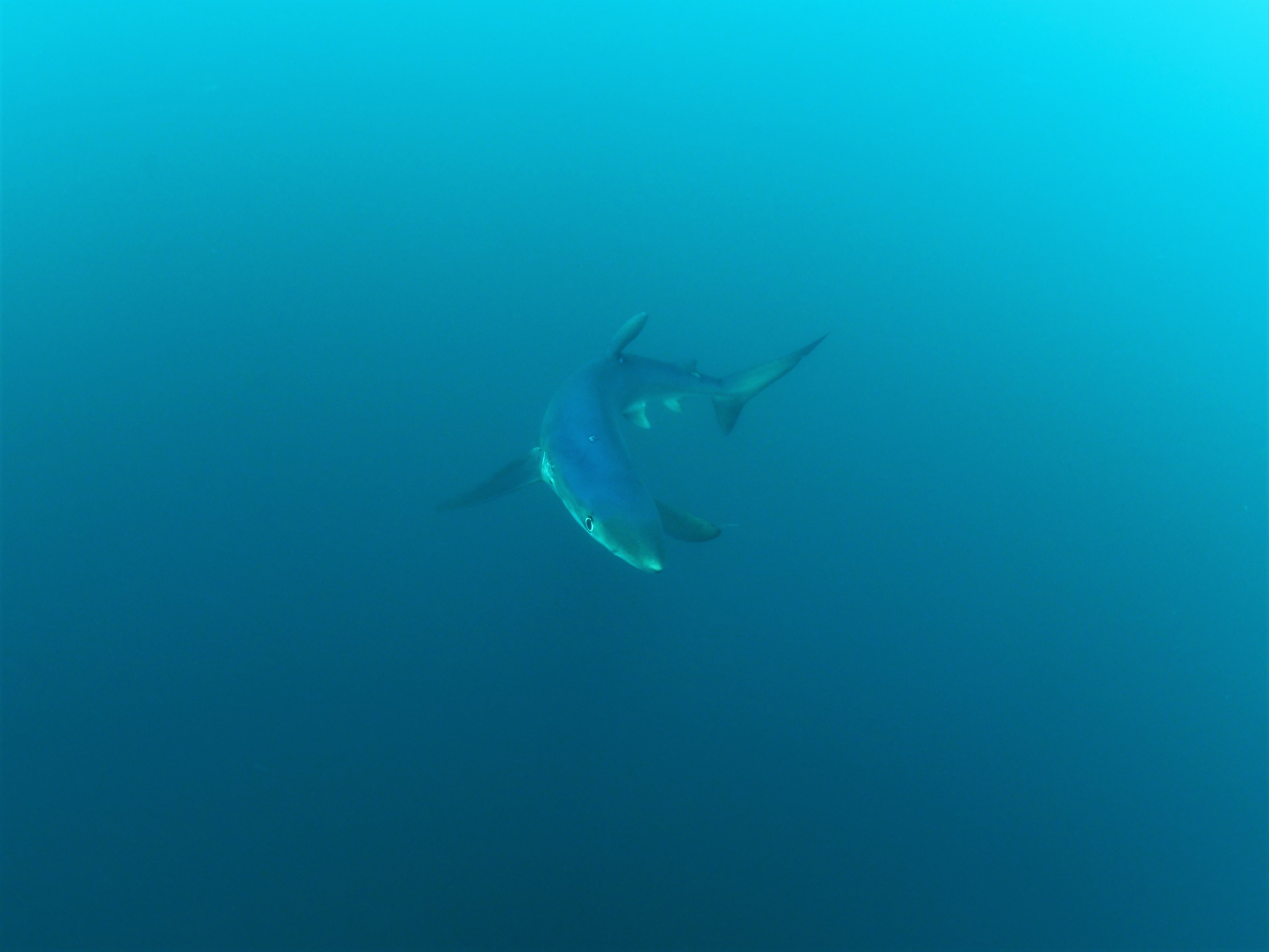
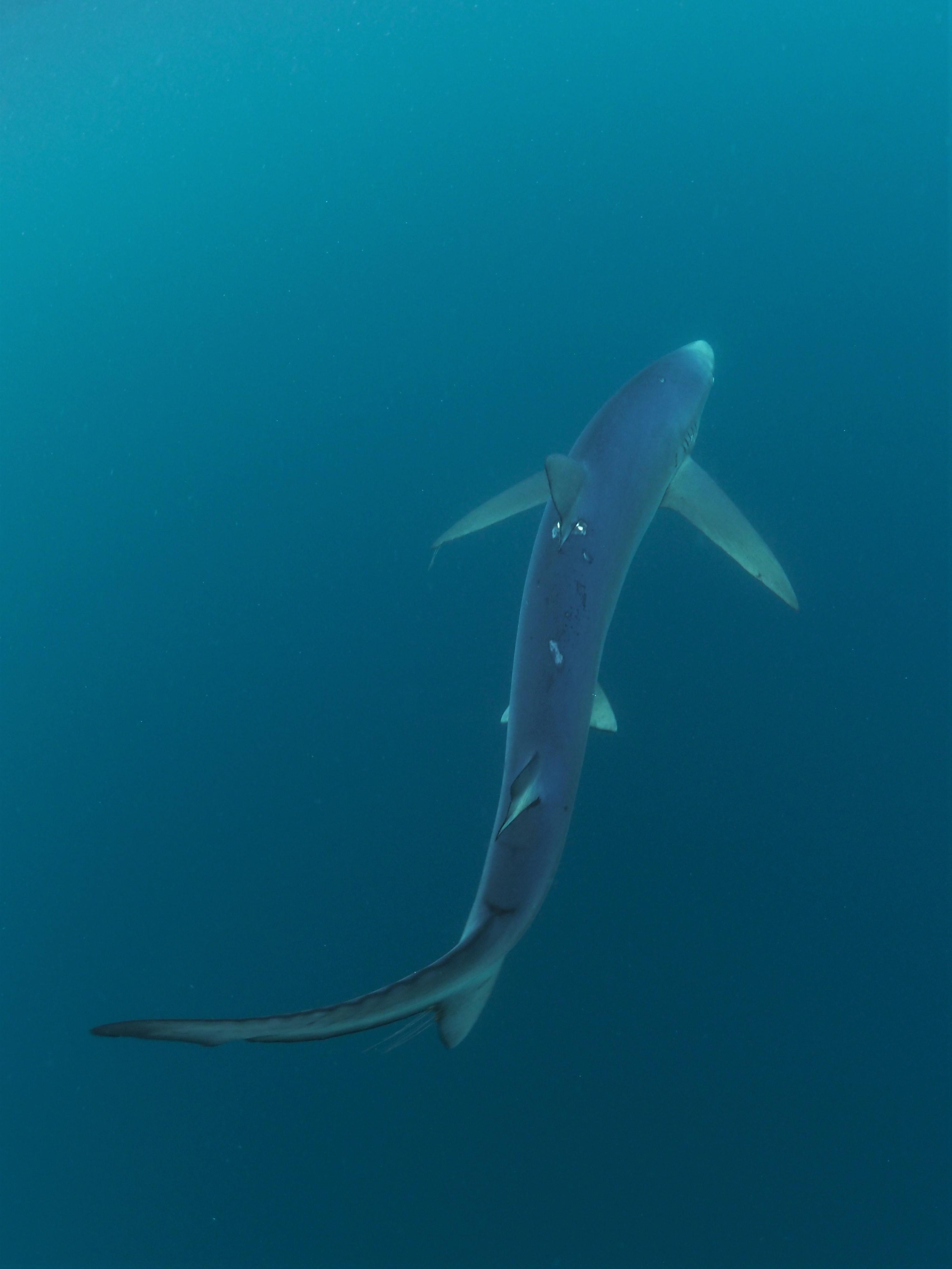
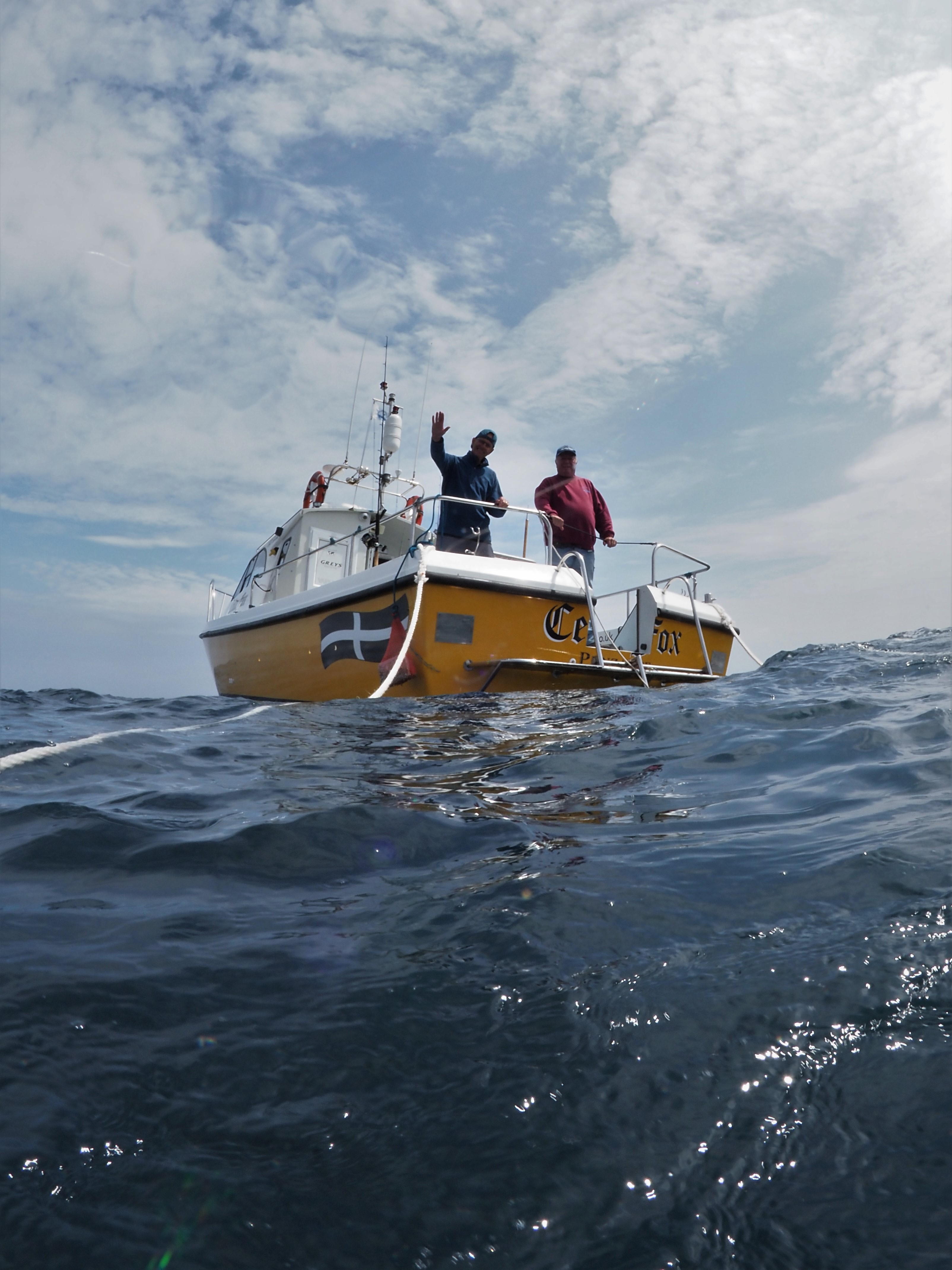
Last Tuesday I went on a boat trip with BlueSharkSnorkel departing from Penzance. The Celtic Fox took us an hour out from the coast. On the way we were greated by Common Dolphins and a small Sunfish sped past as well. (Being in the water with a big Sunfish would be an amazing experience!) After some chumming and mackerel fishing it was time to wait for the sharks. There was quite a bit of swell and I felt a bit seasick! Finally, the plastic bottle tied to a hookless line with mackerel bait started to bob up and down, announcing the presence of the first Blue Shark (Prionace glauca). After giving the shark(s) some time to get settled around the boat we slid in. Two sharks around my size appeared and disappeared. I did not pay attention to their sex, but at least one had small wounds on its back which could suggest it is a female (the males bite when mating). They had some parasites too. The sharks came up to about a metre from us but remained relatively wary, so I did not get any close up shots unfortunately. The pic above came out OK, it gives a nice impression of the blueness of the shark and their pelagic habitat. This was my second Blue Shark experience (see this old post) and hope to go look for them again some time!

Practical Fishkeeping Feature

When it rains it pours: another feature in print! A while back, I was contacted by Chris Sergeant who had a plan to write a piece for Practical Fishkeeping Magazine on rockpool inhabitants, to be accompanied by a short interview with me about my native tank. As coldwater marine tanks represent less than 1% of all aquaria this would be a nice ‘niche’ article that could introduce this part of the hobby to other aquarists. The issue arrived at my doorstep today, and as the blog name is mentioned, I thought I’d better write a quick aquarium post!

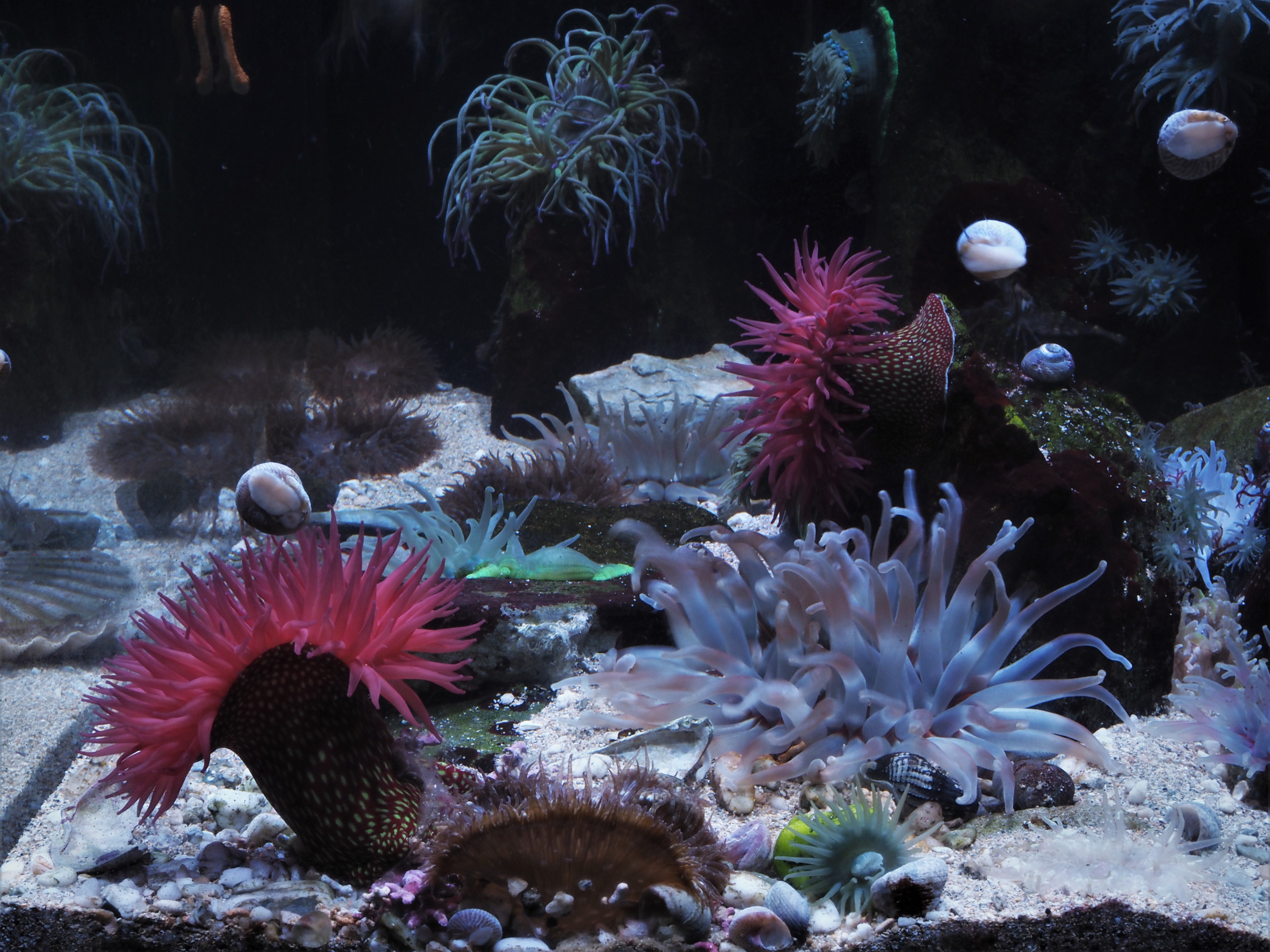
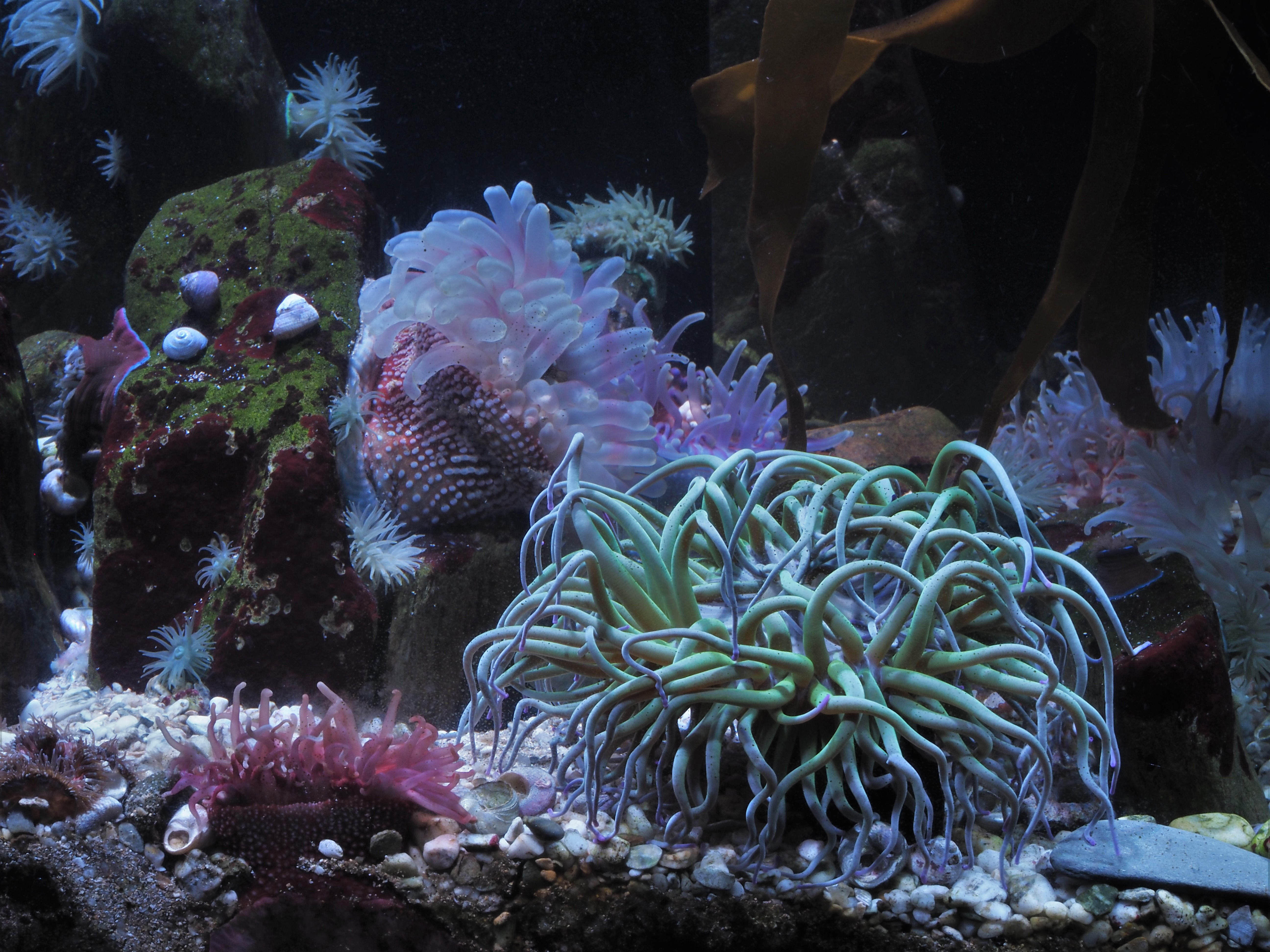
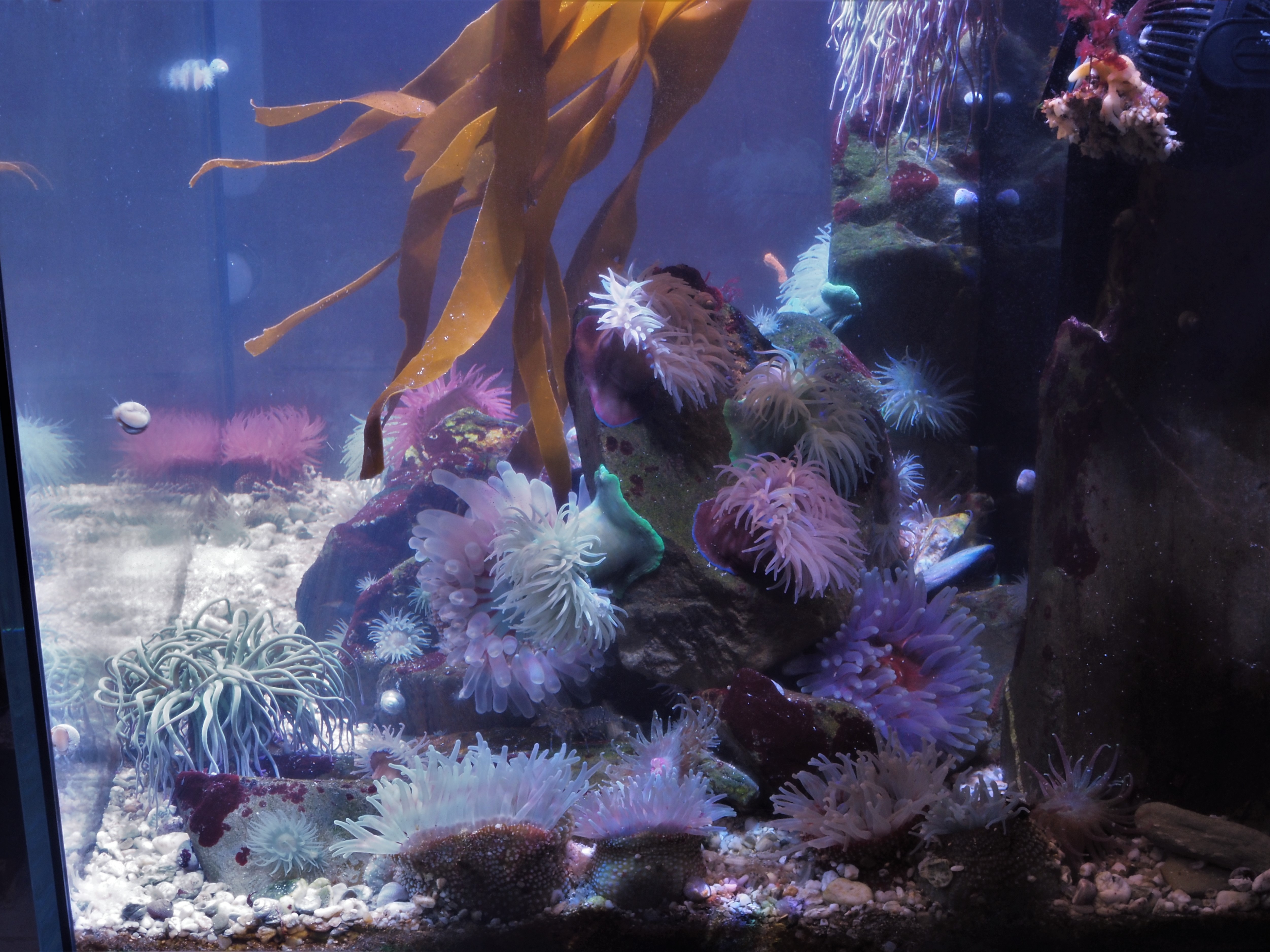
I have not been posting much about my aquarium lately (click on the ‘aquarium update‘ tag at the bottom of the page to see relevant older posts). This is in part because the aquarium on the whole has been ticking along nicely and in part because covid meant I have not been diving or visiting different beaches much this last year and so have not introduced many new inhabitants. There are a few changes though: in the photo above you can see a mermaid’s purse of a bull huss (or nursehound) shark that my son found washed ashore, tendrils tied to a suction cup. The gestation period is up to 11 months, so let’s see what happens! I have also reintroduced prawns, as they are active and really pretty when you look up close. I have also added a scallop, but need to relase it sometime soon as it is not able to filterfeed properly. The bit of kelp tied to the pump has been surviving (it would go too far to say thriving) for quite some months now. Although the beadlet anemones have spawned quite a few offspring, I am going through a phase where many are wasting away. I have no idea if this might be a disease or if this batch of anemones has just reached the end of their natural lifespan.

I have posted a bunch of tank pics below. For more info on my tank please have a look at the July issue of Practical Fishkeeping (which also features reminiscences on rockpooling by editor Nathan Hill). I promise to post more regularly about the tank here on the blog though, and also on instagram. Please also see the Links page for other relevant blogs and websites. Anyway, I am very honoured to appear in ‘PFK’; a true institution when it comes to the aquarium hobby in the UK!
Bloom Magazine Feature

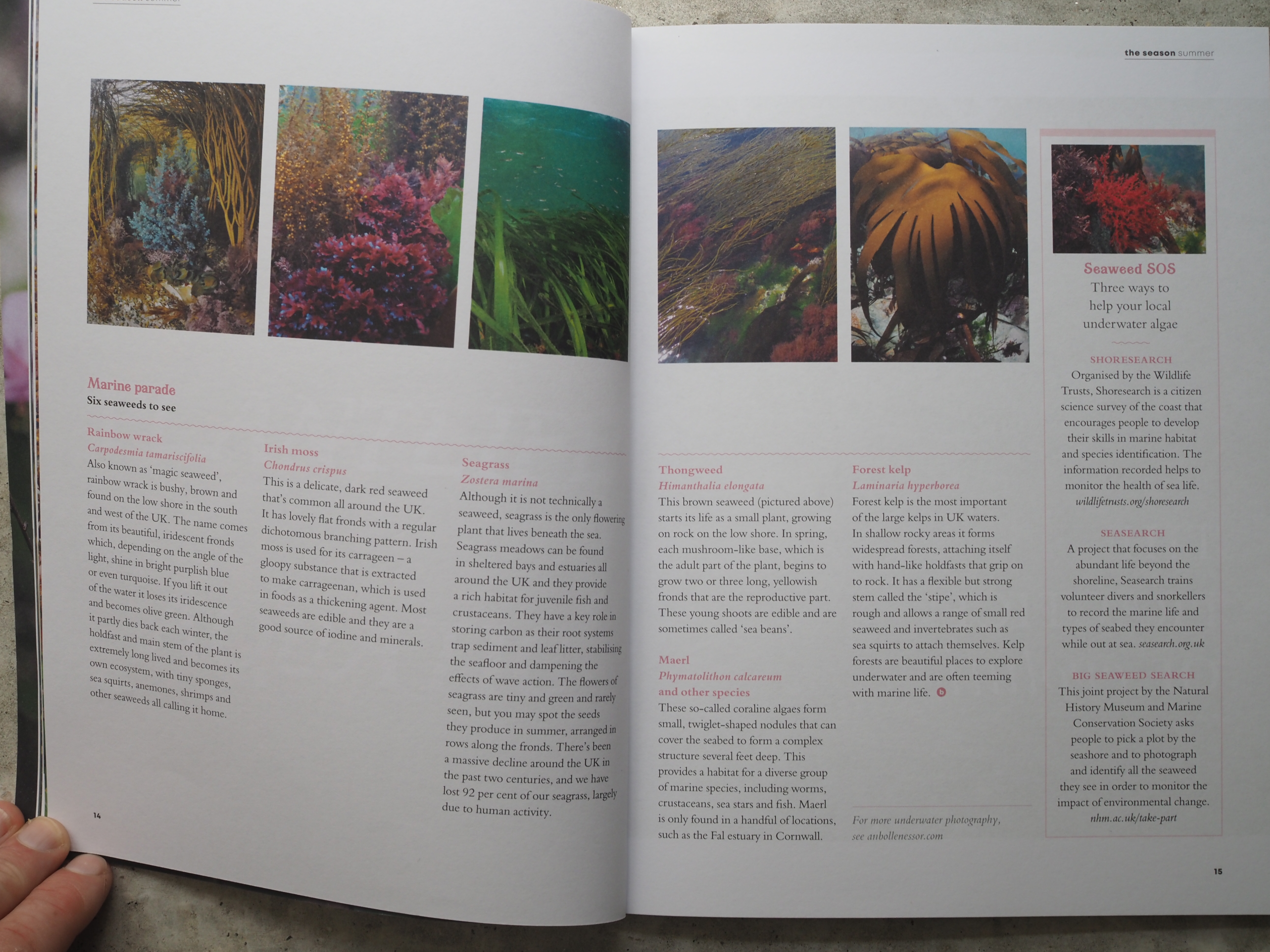
Matt Slater of the Cornwall Wildlife Trust wrote a very nice piece on seaweeds for the magazine ‘bloom‘ and I supplied some photos. I had not read the magazine before, but I was impressed, lots of interesting articles for anyone interested in plants.