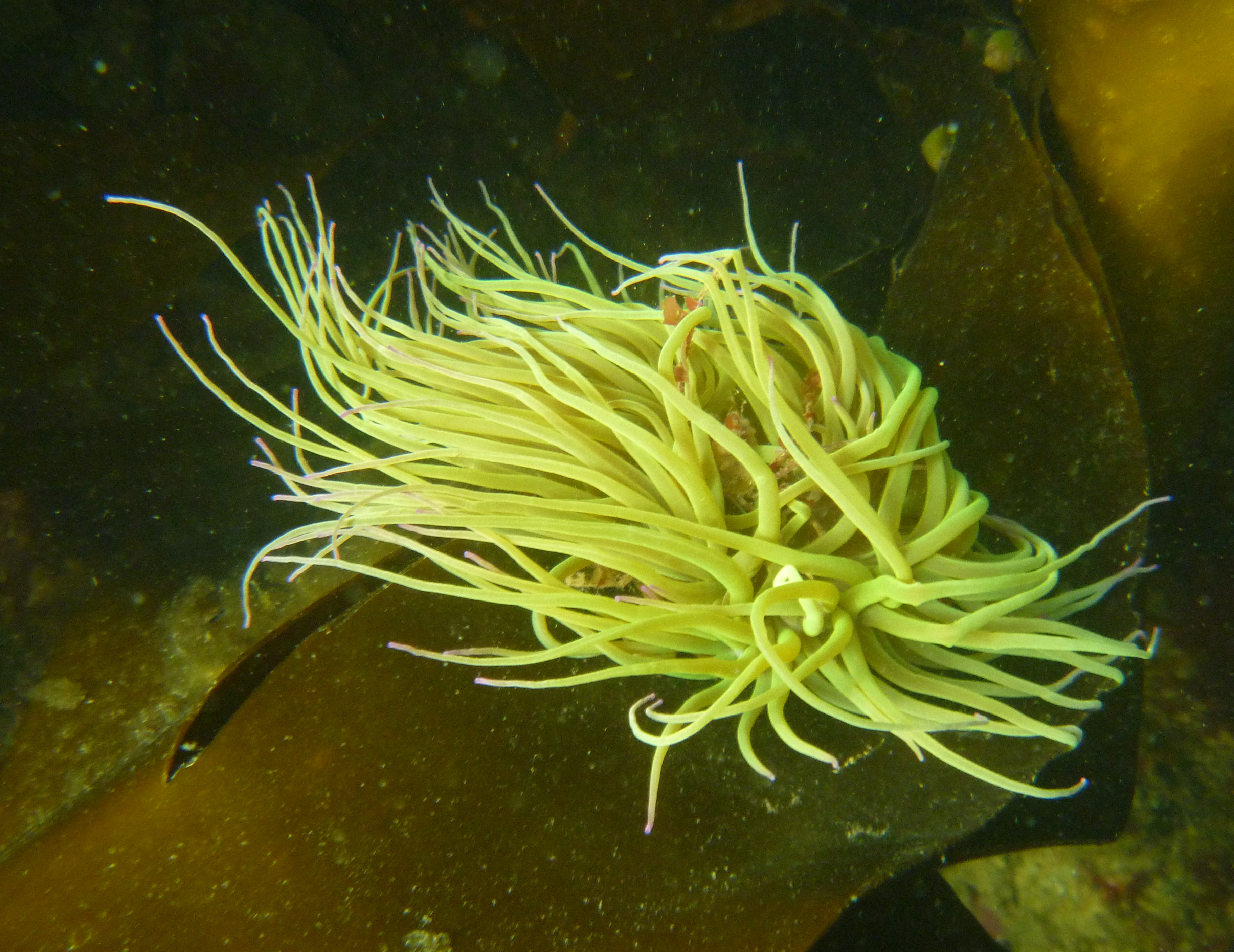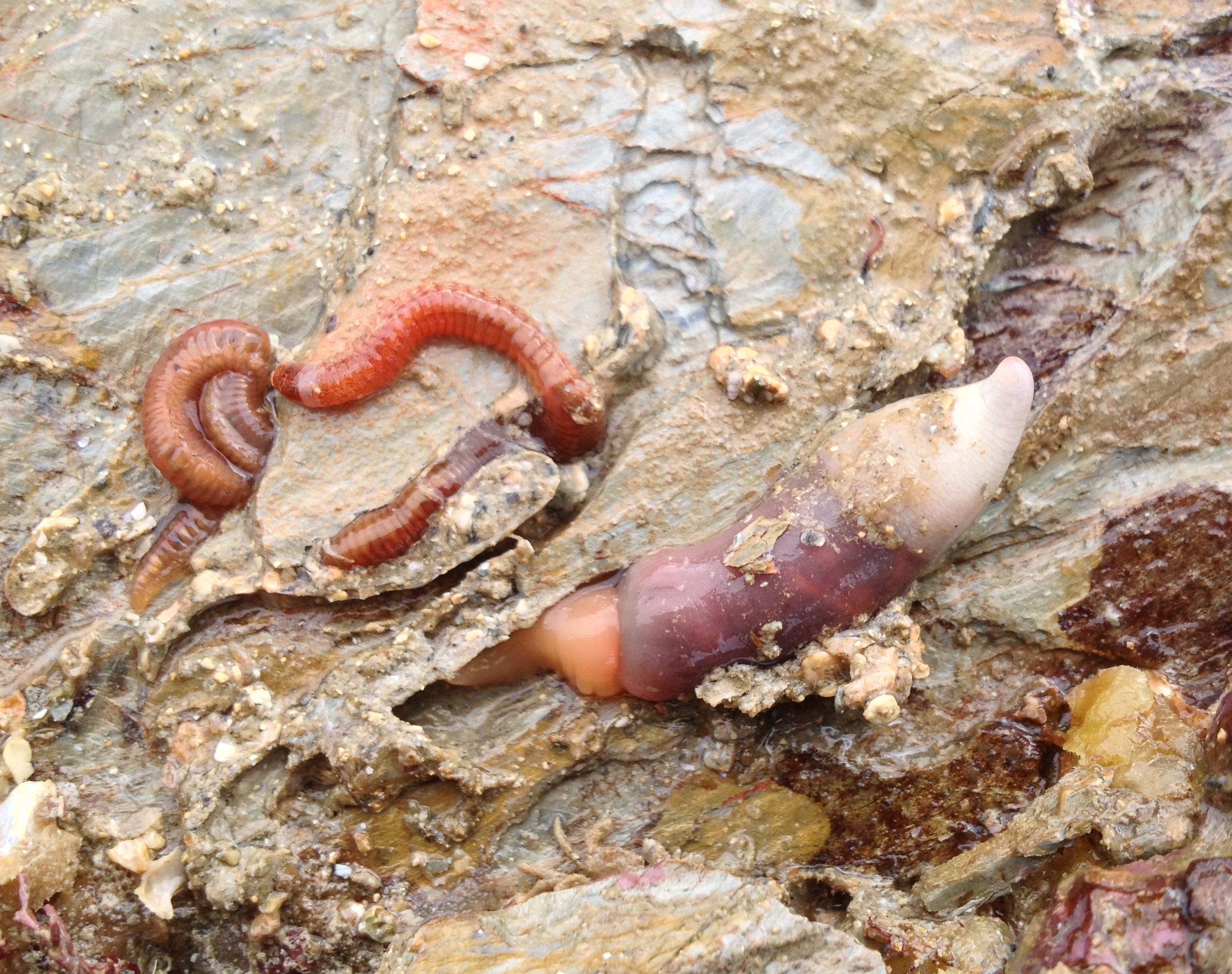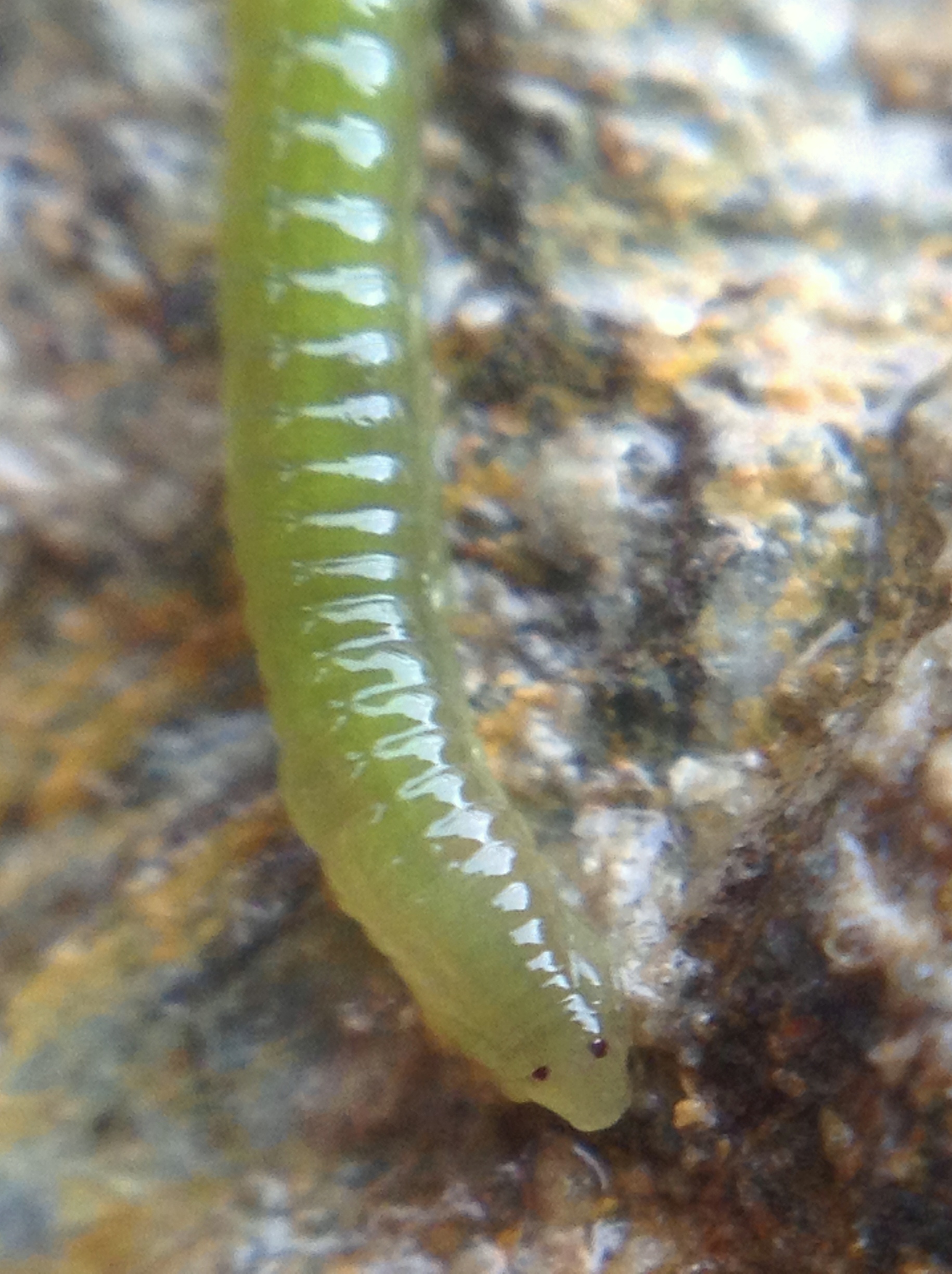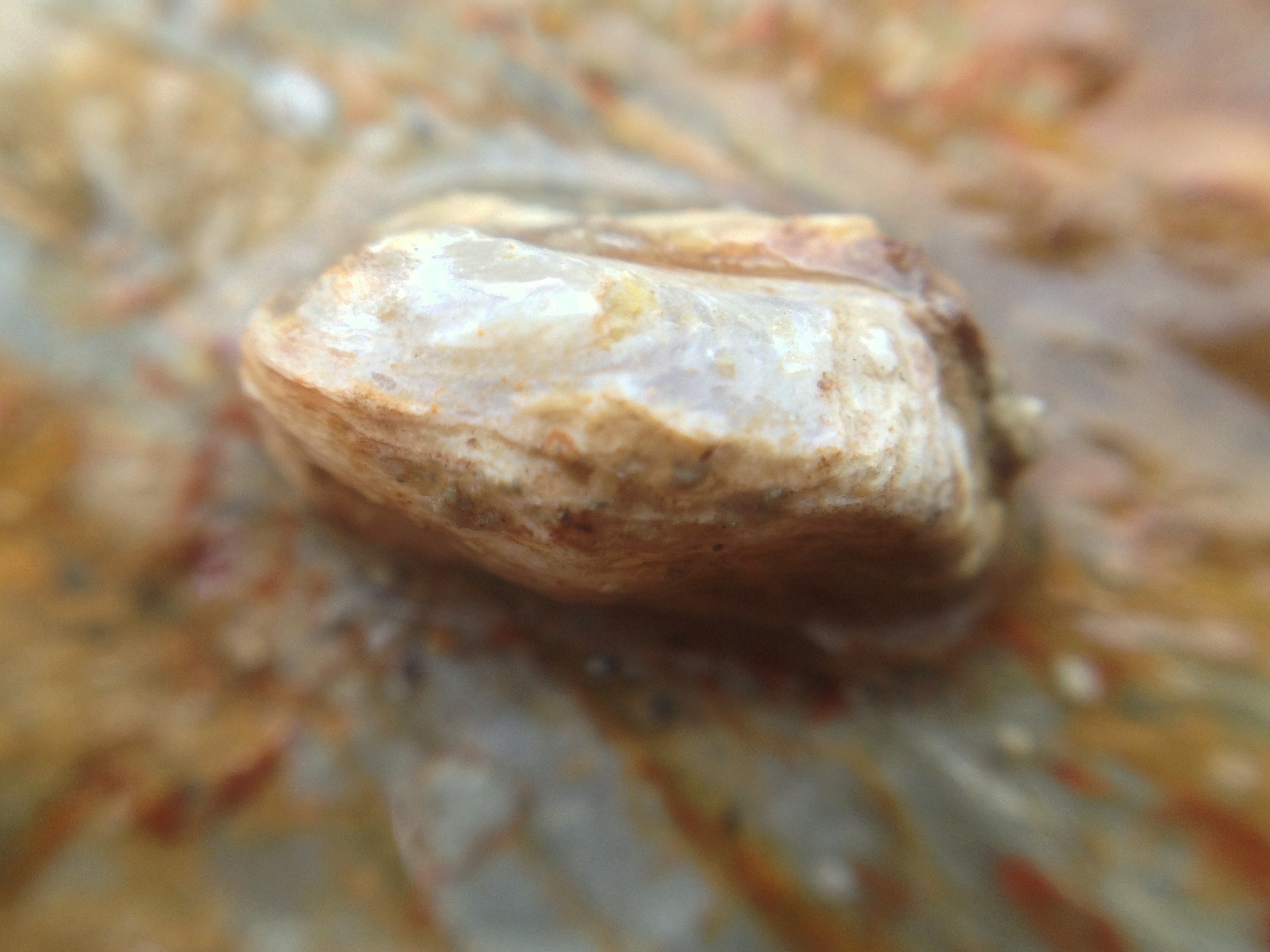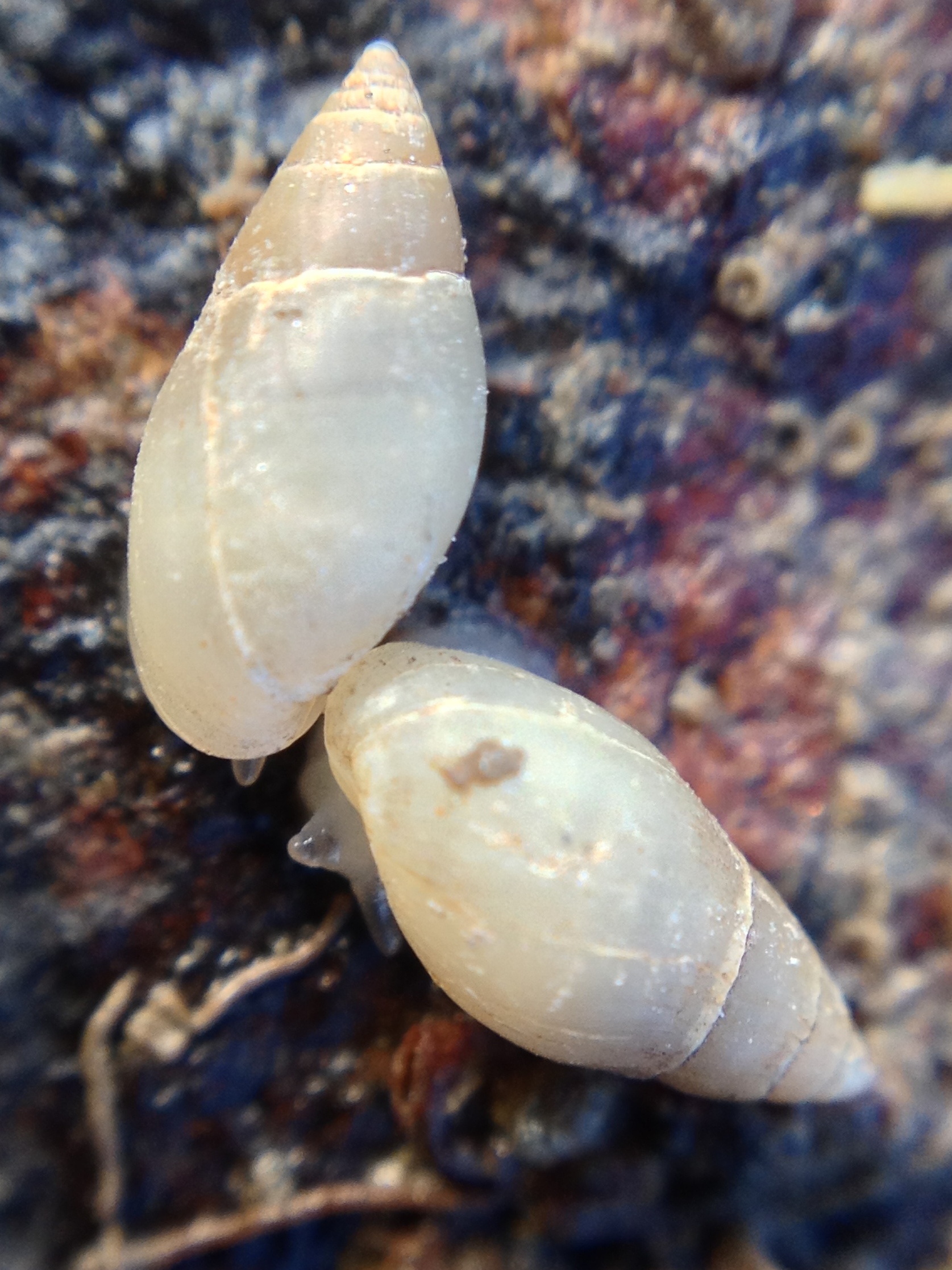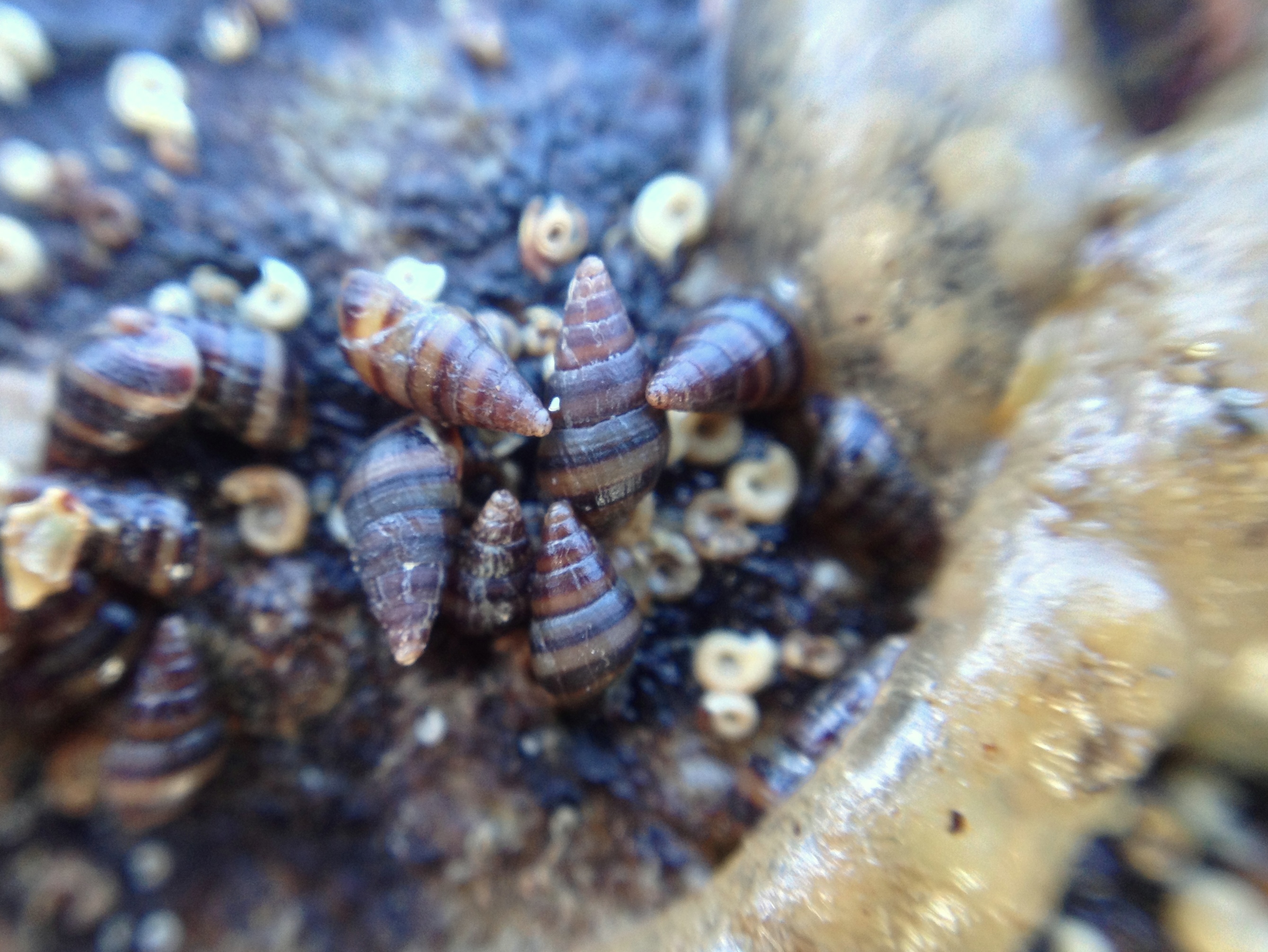
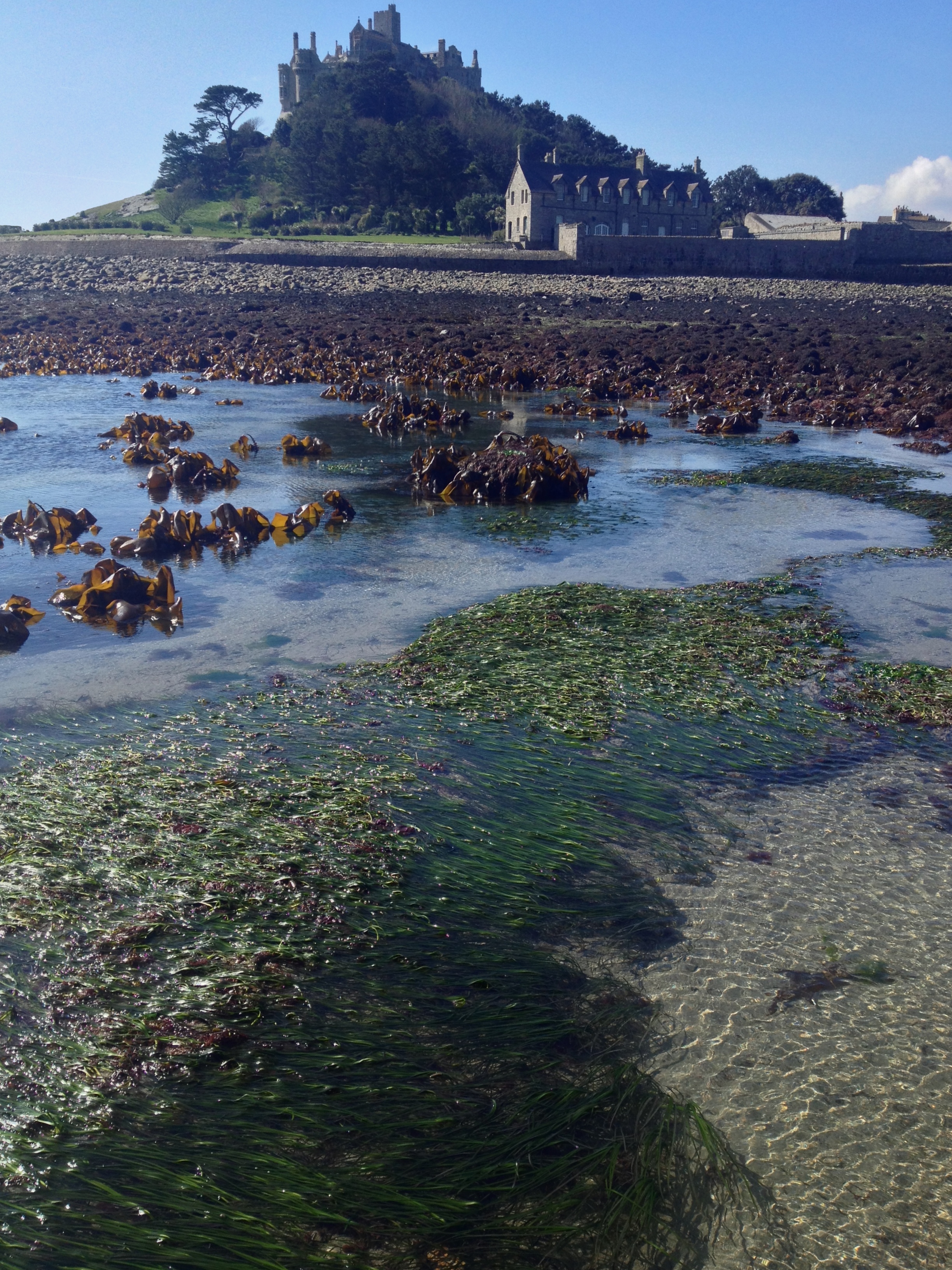
A superlow tide at St. Michael’s Mount

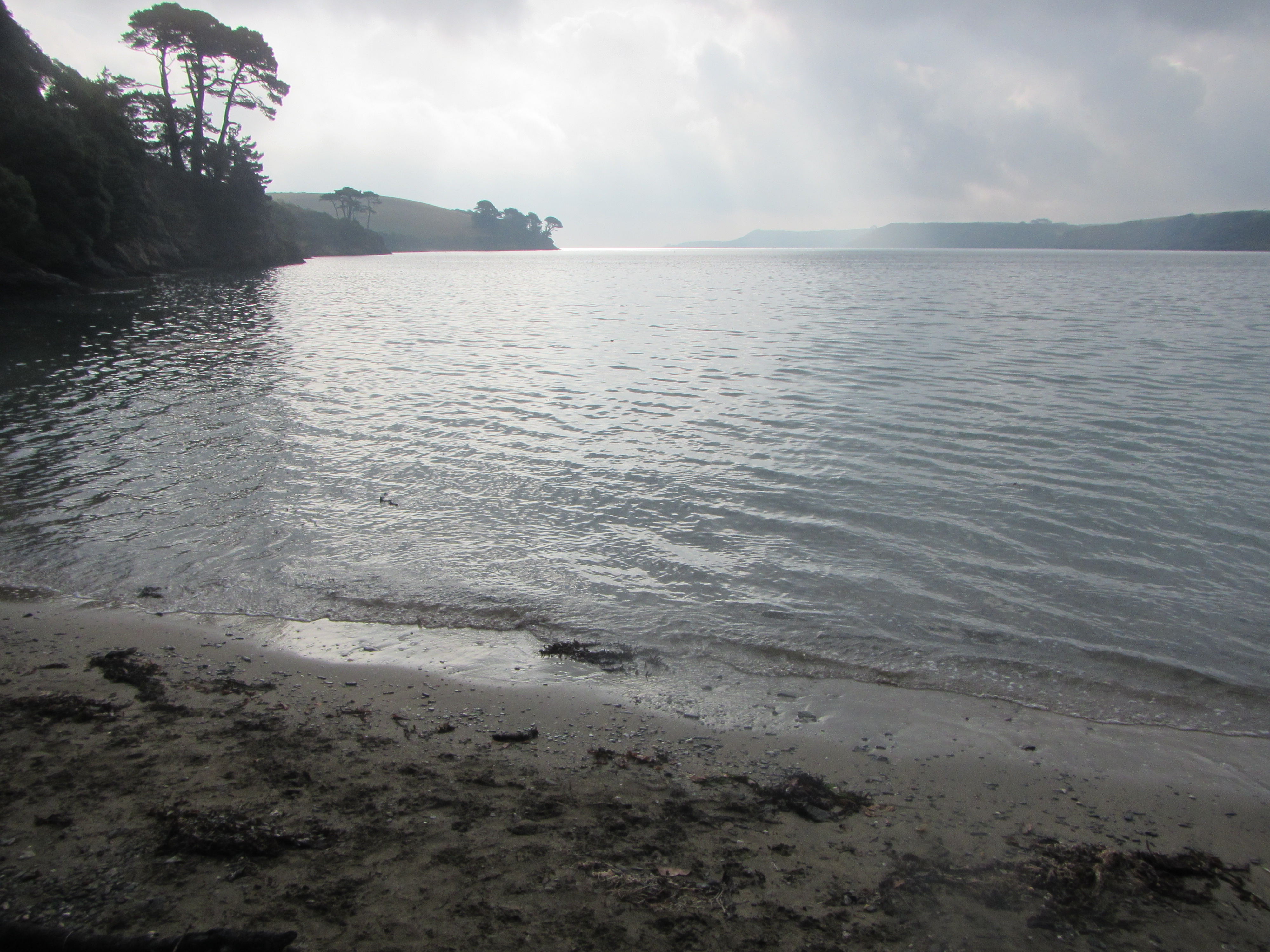
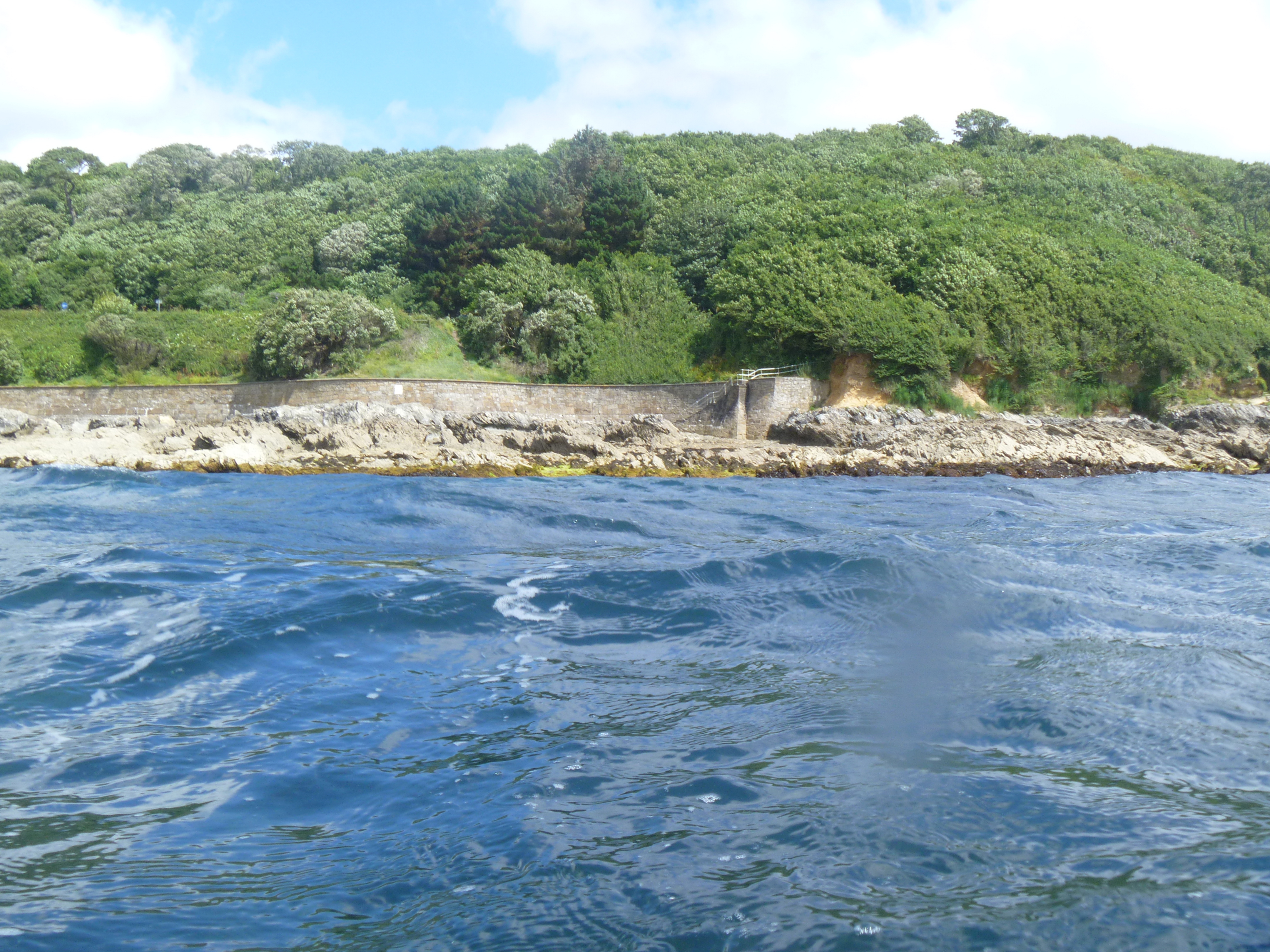
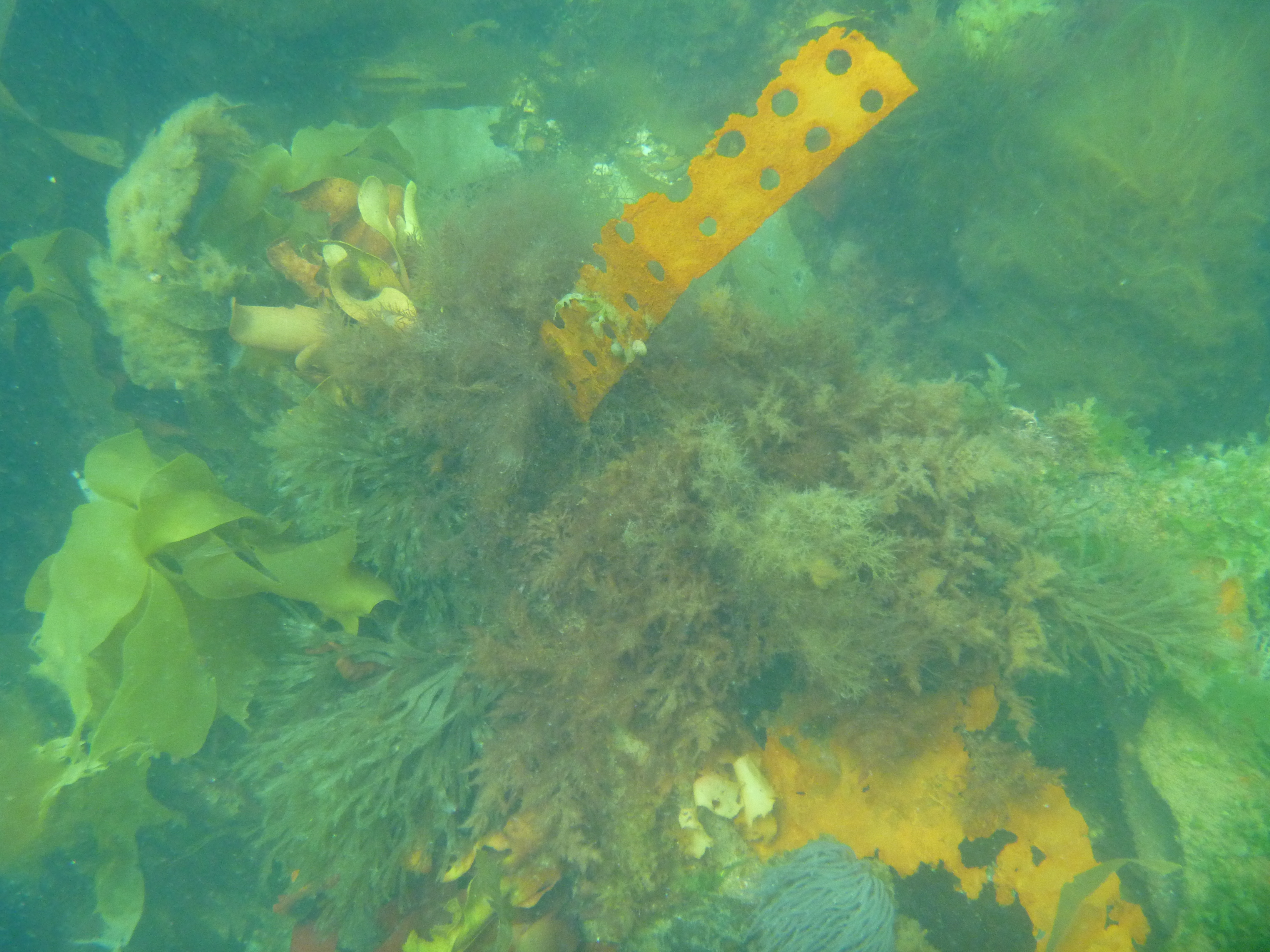
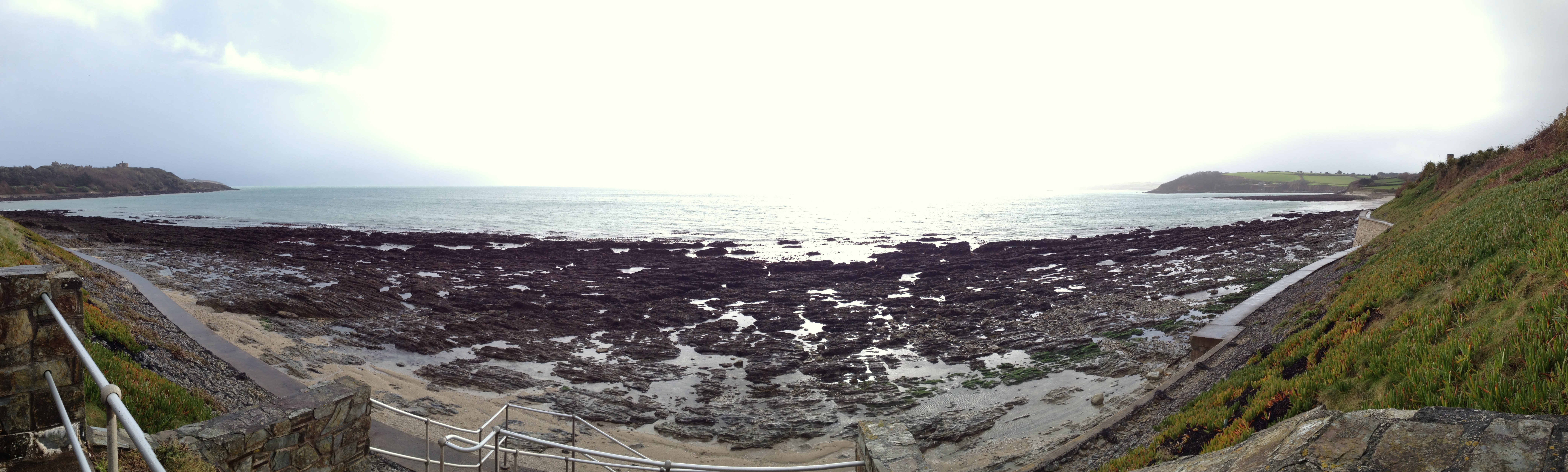
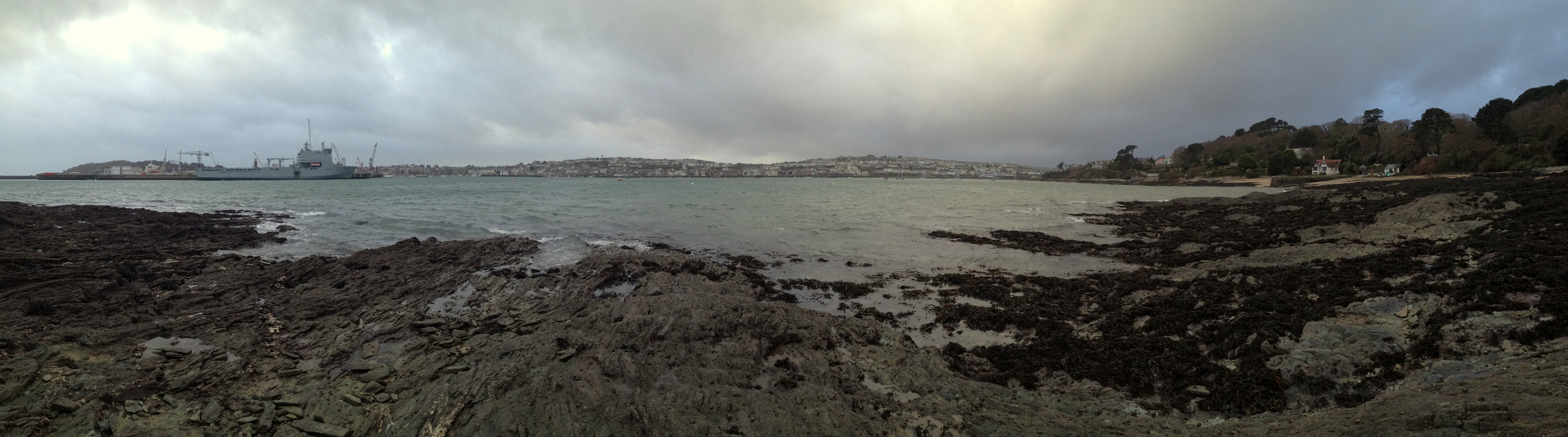
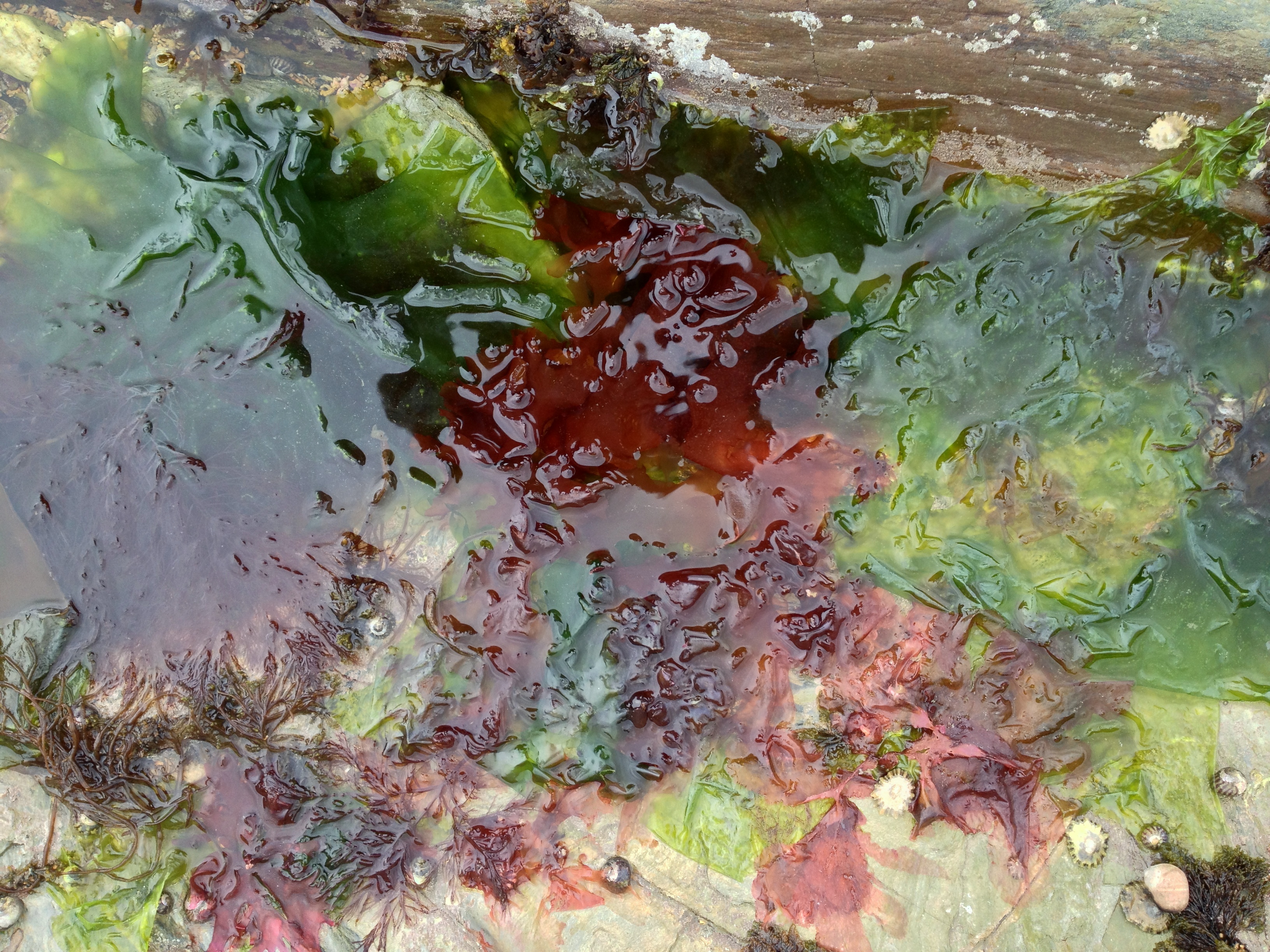
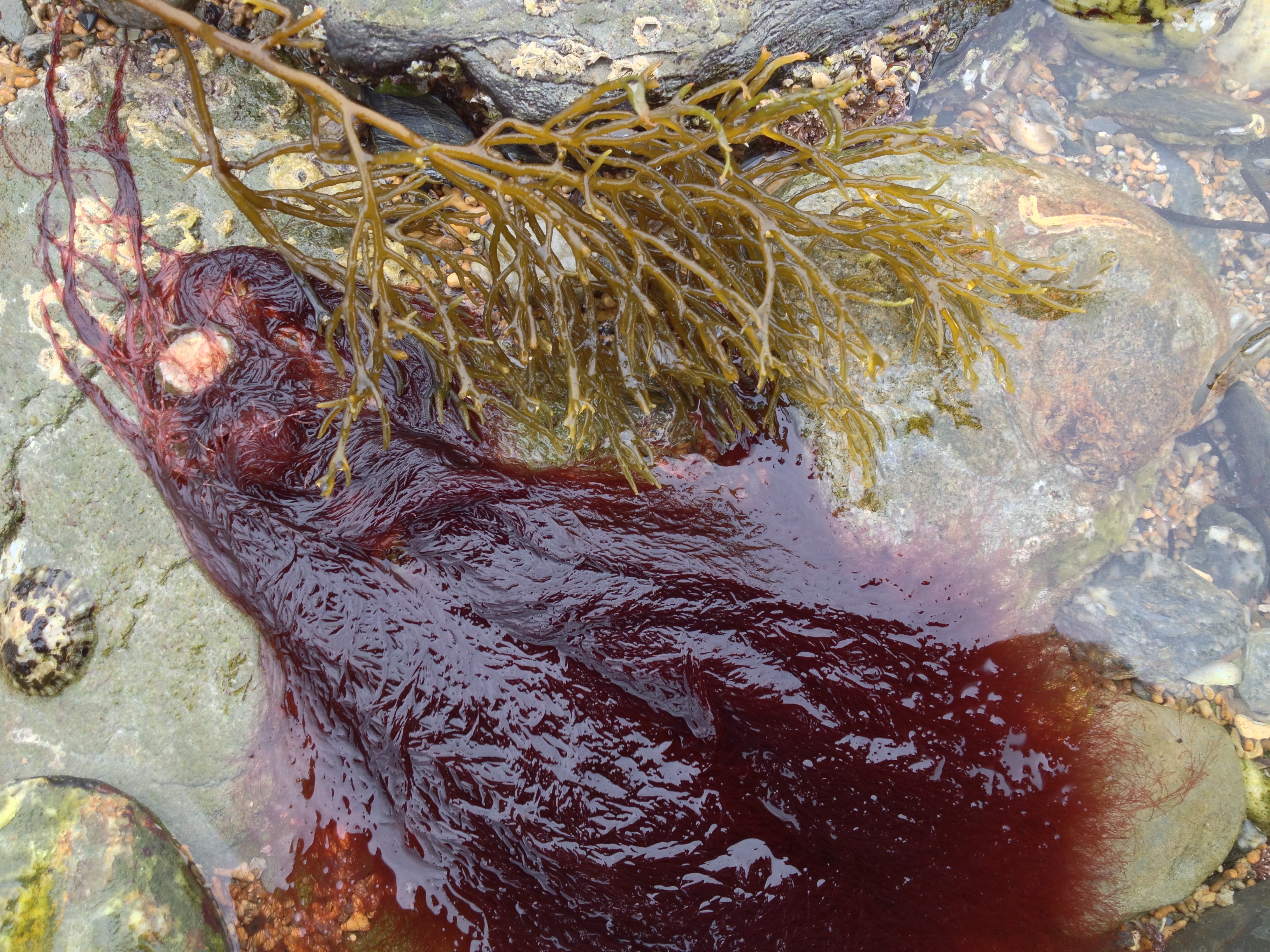
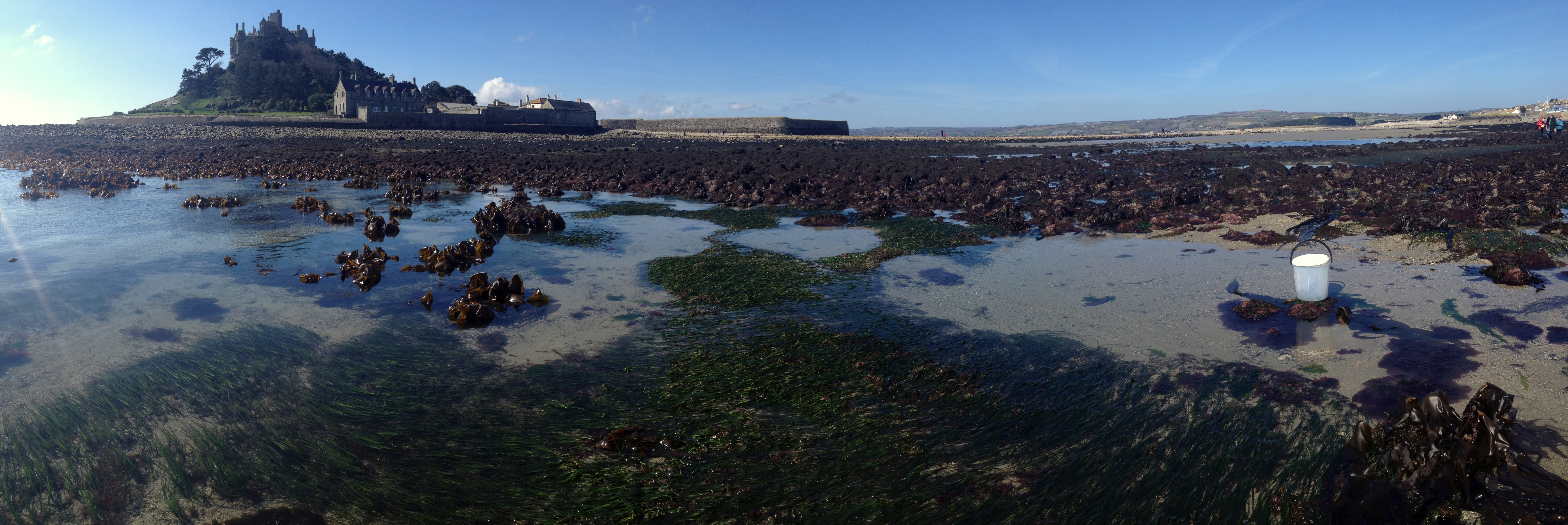
IMG_6745The lowest tide of the century so far, on a Saturday, with beautiful weather and on a stunning location: what could go wrong? Very little! St. Michael’s Mount, Marazion, Mount’s Bay is one of the most beautiful spots in Cornwall and an excellent site for rock pooling with a mixture of eelgrass beds, rocks and sandy expanses. I felt like a kid in a candy shop: wanting to turn every stone, photograph every seaweed and inspect every gully before the tide would come back in. I needed to collect some more Clawed fork weed Furcellaria lumbricalis for a cool student project. That was abundant so easy to sort. Chock full of Pheasant shells Tricolia pullus. One other amazing thing was that the place was littered with Bull huss Scyliorhinus stellaris (a.k.a. Nursehound, a.k.a. Large-spotted dogfish) mermaids purses. Mount’s bay is an important breeding ground for these sharks. The yolk was easy to spot, but the embryo’s still to small to be seen. There were loads of pretty seaweeds gently waving among the eelgrass in the crystal clear water. I saw a bright green Chameleon prawn swimming about, but the picture I took was a bit underwhelming. IMG_6720

IMG_6774I had met up with David Fenwick, so could get all species identified on the spot. Very striking was a great amount of small, fuzzy pink seaweed balls: Falkenbergia, the tetrasporophyte stage of the Harpoon weed Asparagopsis armata (it looks so different from the gametophyte stage, see some old posts, that it was long considered a separate species). Also, a picture of Bushy rainbow wrack Cystoseira tamariscifolia, simply because one cannot post too many pictures of Bushy rainbow wrack….IMG_6778
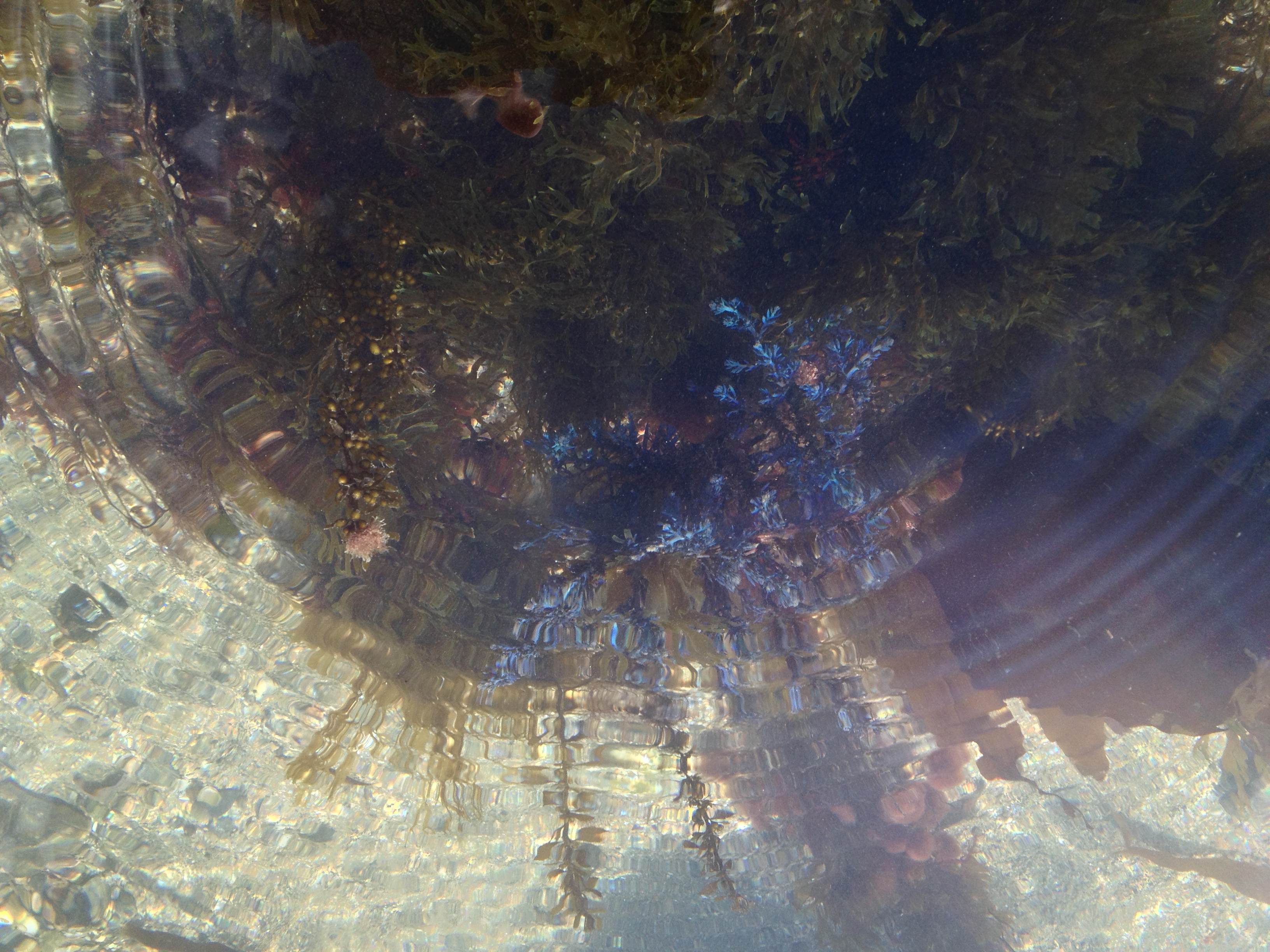
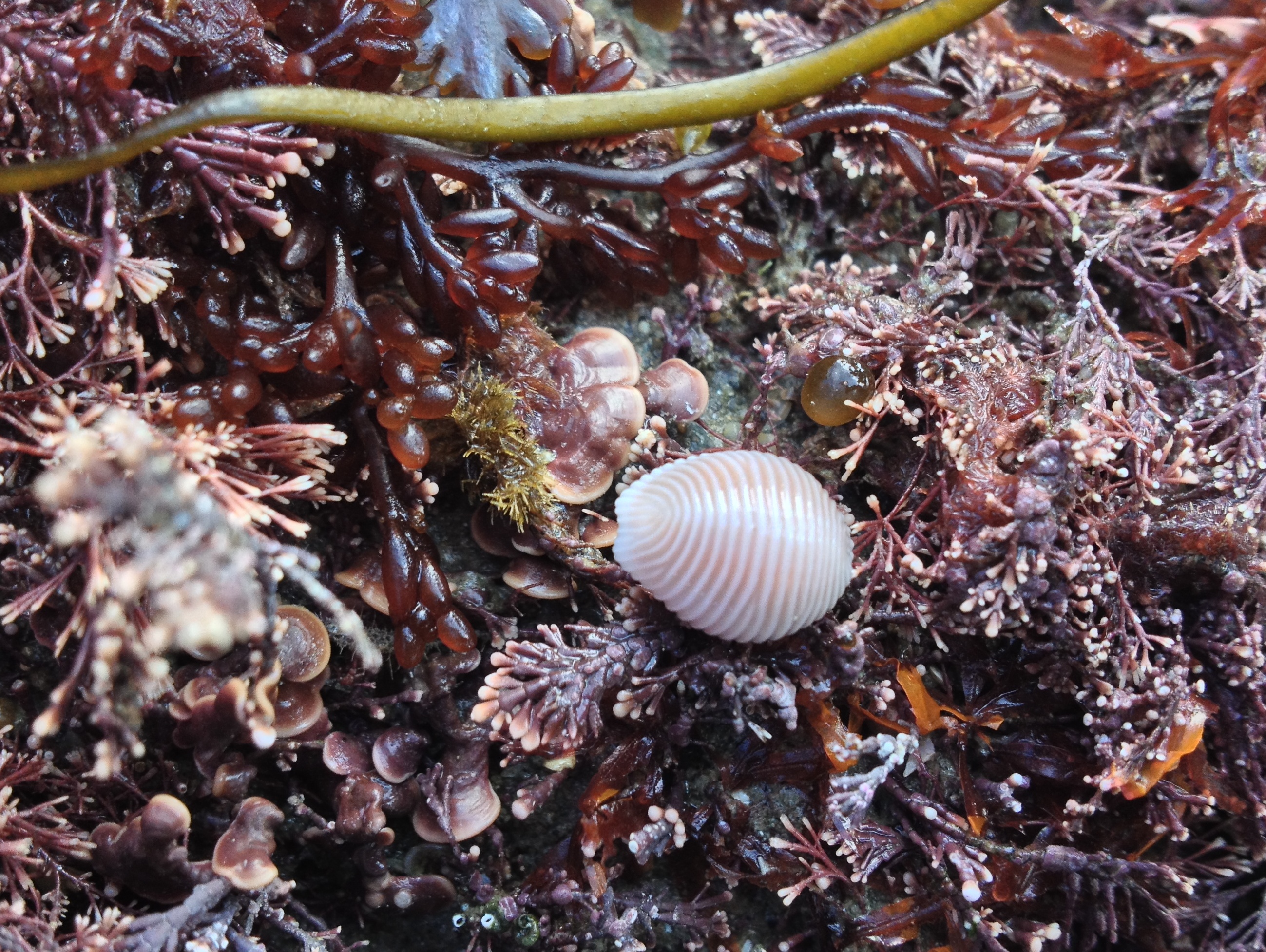
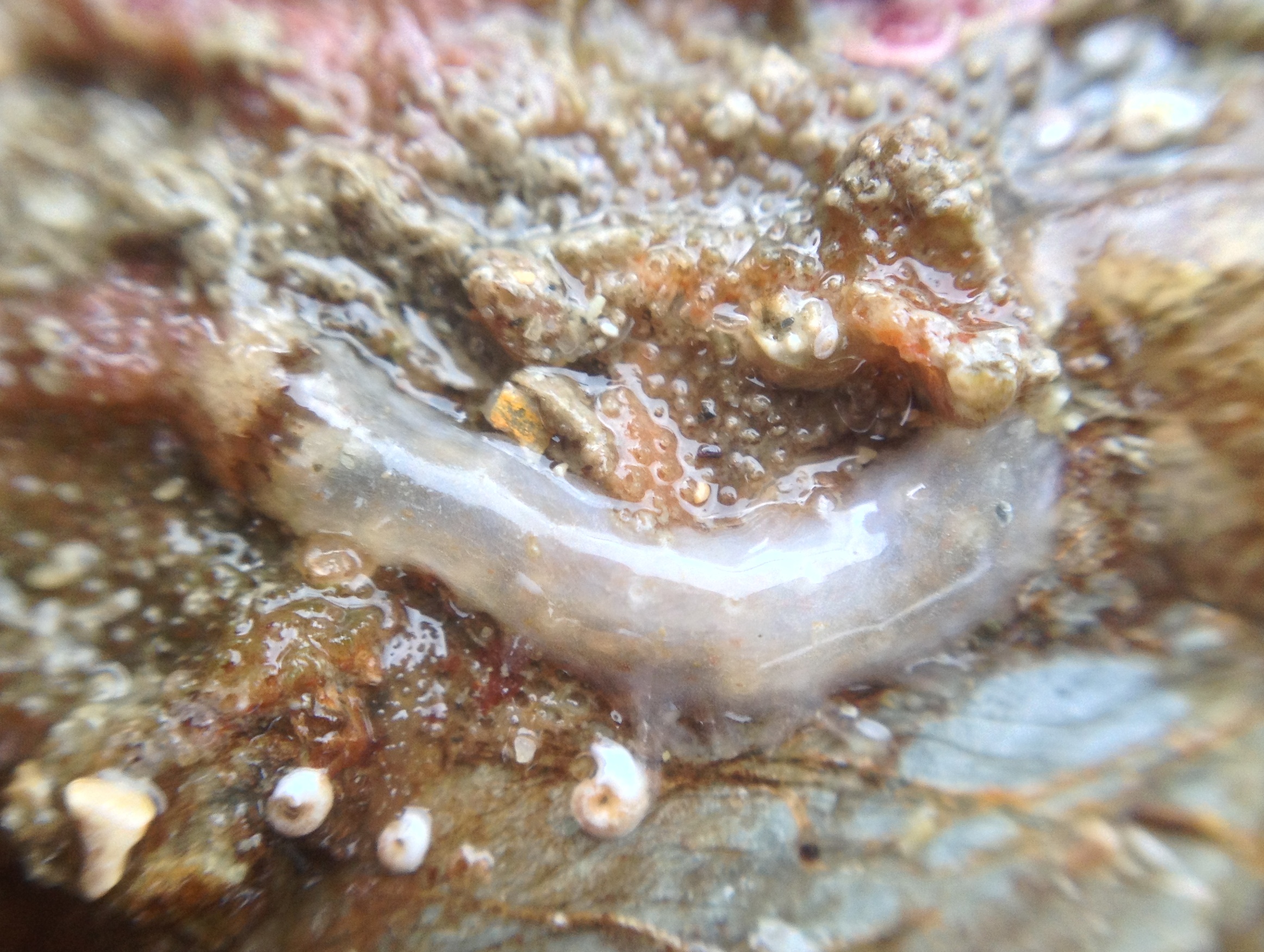
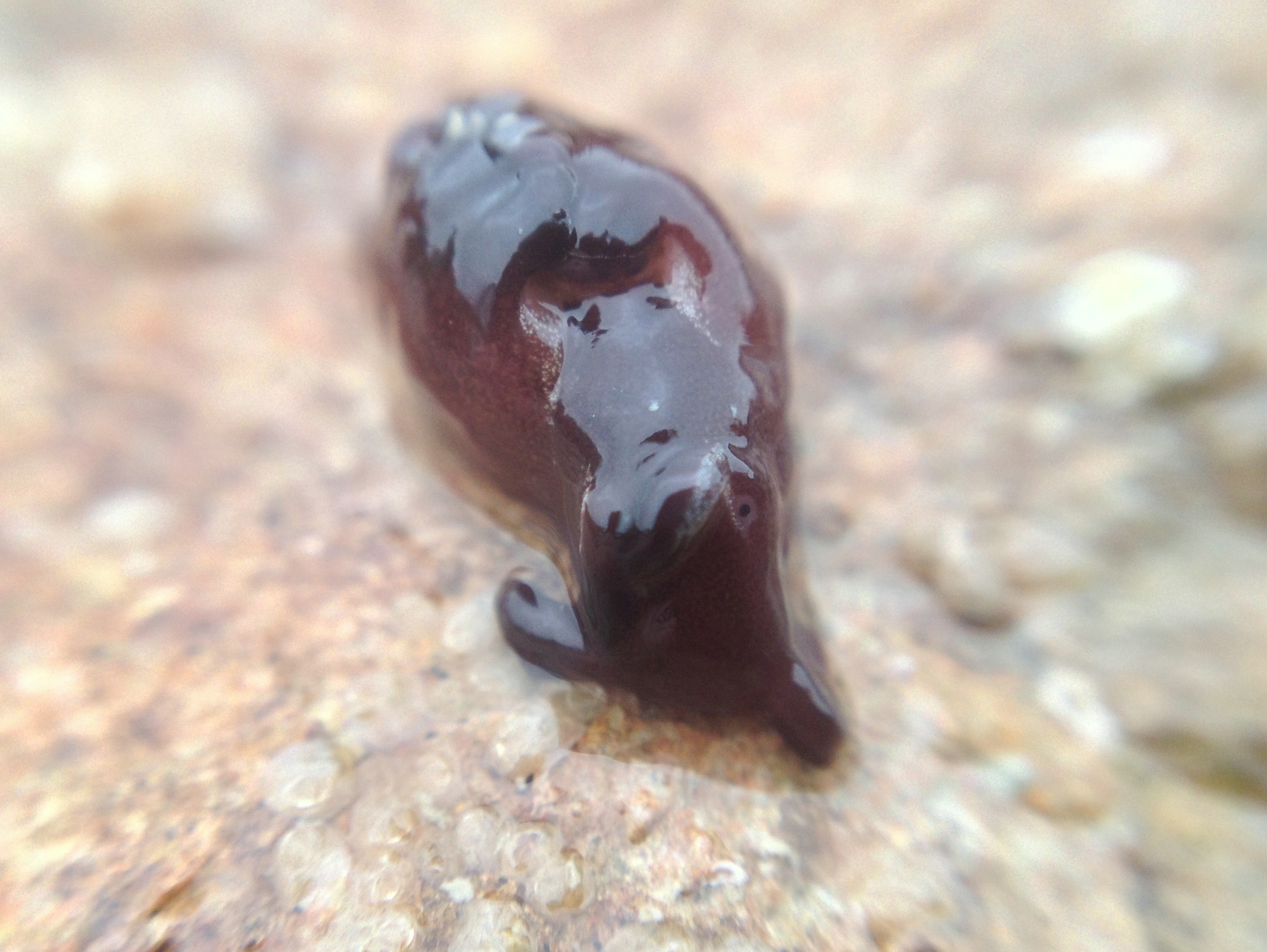
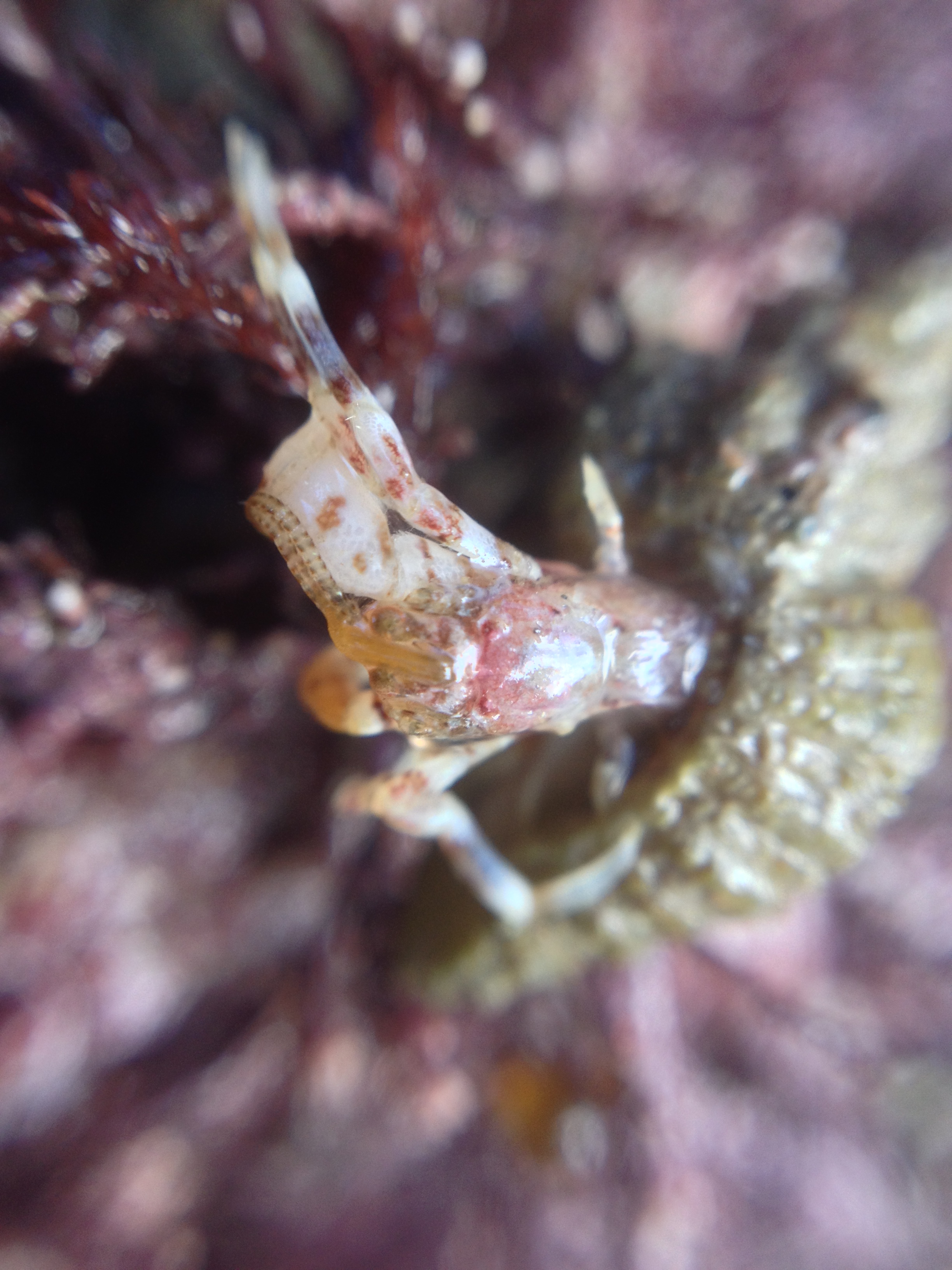
IMG_6760Some invertebrates: the large scale worm Alentia gelatinosa, a Strawberry worm Eupolymnia nebulosa larger still, a tiny hermit crab Anapagurus hyndmanni and the Arctic cowrie Trivia arctica:IMG_6782
IMG_6754

IMG_6800

IMG_6793The find of the day (the month probably) was a Little cuttlefish Sepiola atlantica. This picture is crap, but David has made some stunning photos back in his lab and they will appear sometime soon on his aphotomarine site I am sure.IMG_6786
IMG_6739


Pontooning

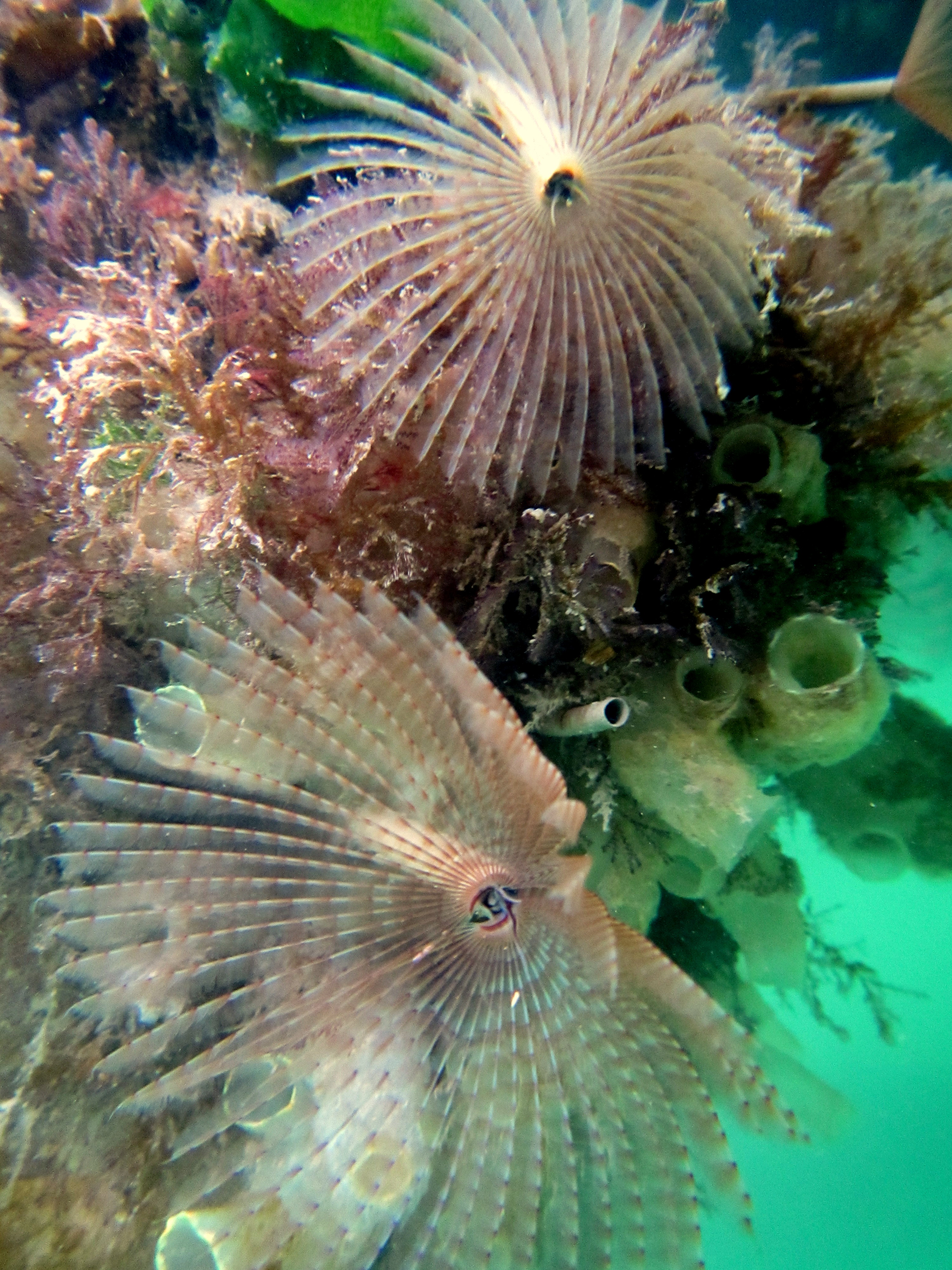
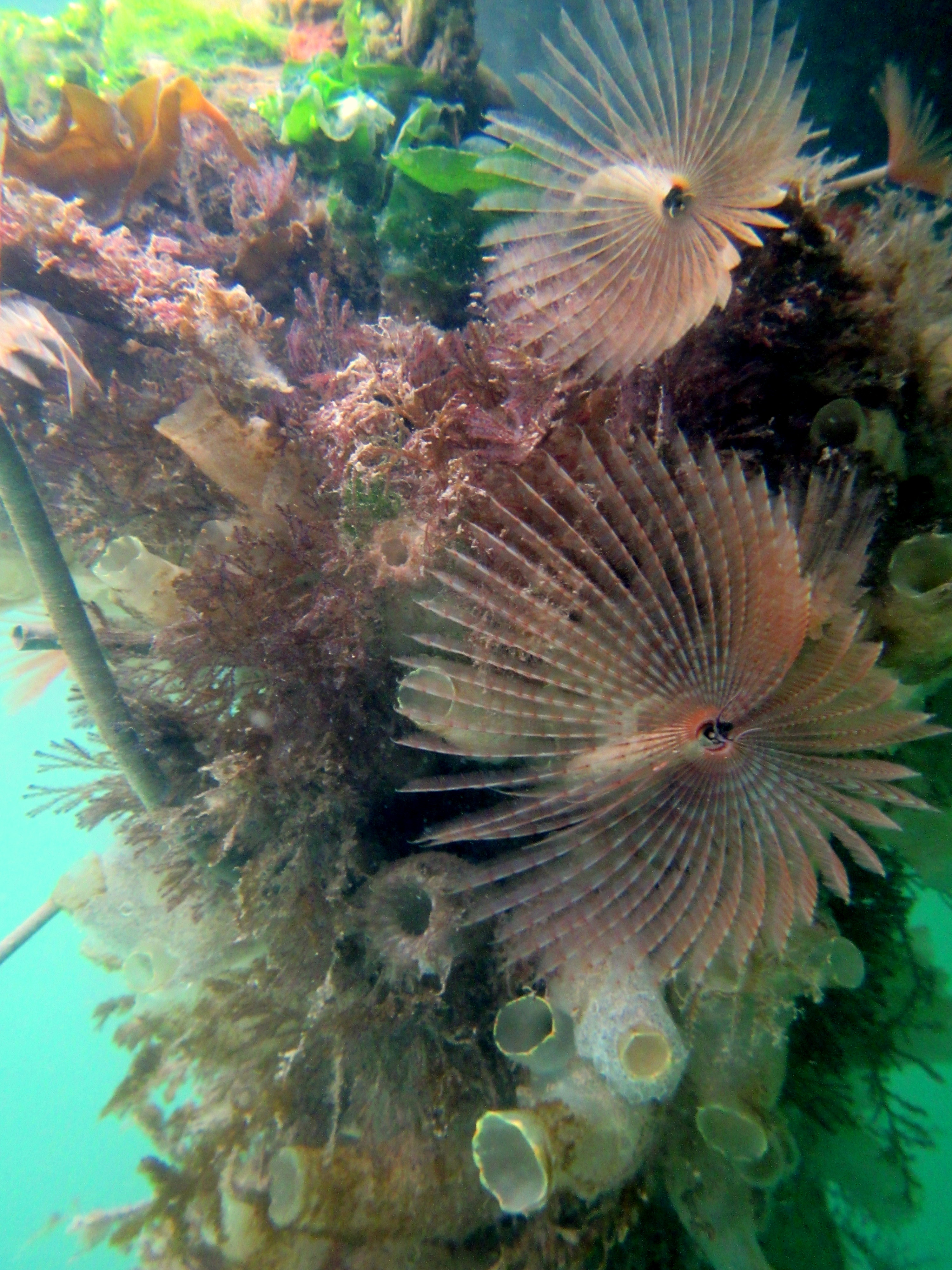
Unfortunately, the weather turned before I had another opportunity to go diving (or snorkeling). The wind and rain have reduced visibility too much and so I’ll have to wait half a year or so before conditions improve….too bad! I missed the low tides recently as well. However, today there was time for a bit of ‘pontooning’, i.e. lying flat on a pontoon and staring at the creatures attached to it. It is quite convenient as it is not dependent on tides and the communities are very different from that of rock pools. There is a very large marina at nearby Mylor Bridge that I had visited before in summer. There was a bit more life then (schools of mysid shrimp, more seaweeds, more tunicates) but it is still looking nice now. I used my iPhone to take pictures before, but holding it above the water was tricky and did not produce good results so I brought my new Canon Powershot instead (still not easy to take pictures as at the same time I had to prevent my two-year old son falling in the water). The bulk of the biomass hanging from the pontoons consists of tunicates (mainly Ciona intestinalis). Small Plumose anemones Metridium senile are common (more about those in the next aquarium update), as well as the sponge Sycon ciliatum. I even found a small Elegant anemone Sagartia elegans (var. venusta). The invasive Bryozoan Bugula neritina is very common; it looks a bit like seaweed even though it is an animal (see here for a description). Finally, the Peacock worm Sabella pavonina is common (and very striking). Just two pictures below as the rest was subpar; I have to go back on my own sometime soon maybe.IMG_0402IMG_0405

diving in the Helford Passage

A new location for the second dive: Helford Passage between Falmouth and the Lizard Peninsula. This is a shallow, sheltered creek with a sandy bottom and eelgrass beds and can only be dived (well) at high tide. A good site to spot Thornback rays Raja clavata we heard and we were indeed lucky to find several of them. We entered the water at Grebe Beach next to Durgan:IMG_0333

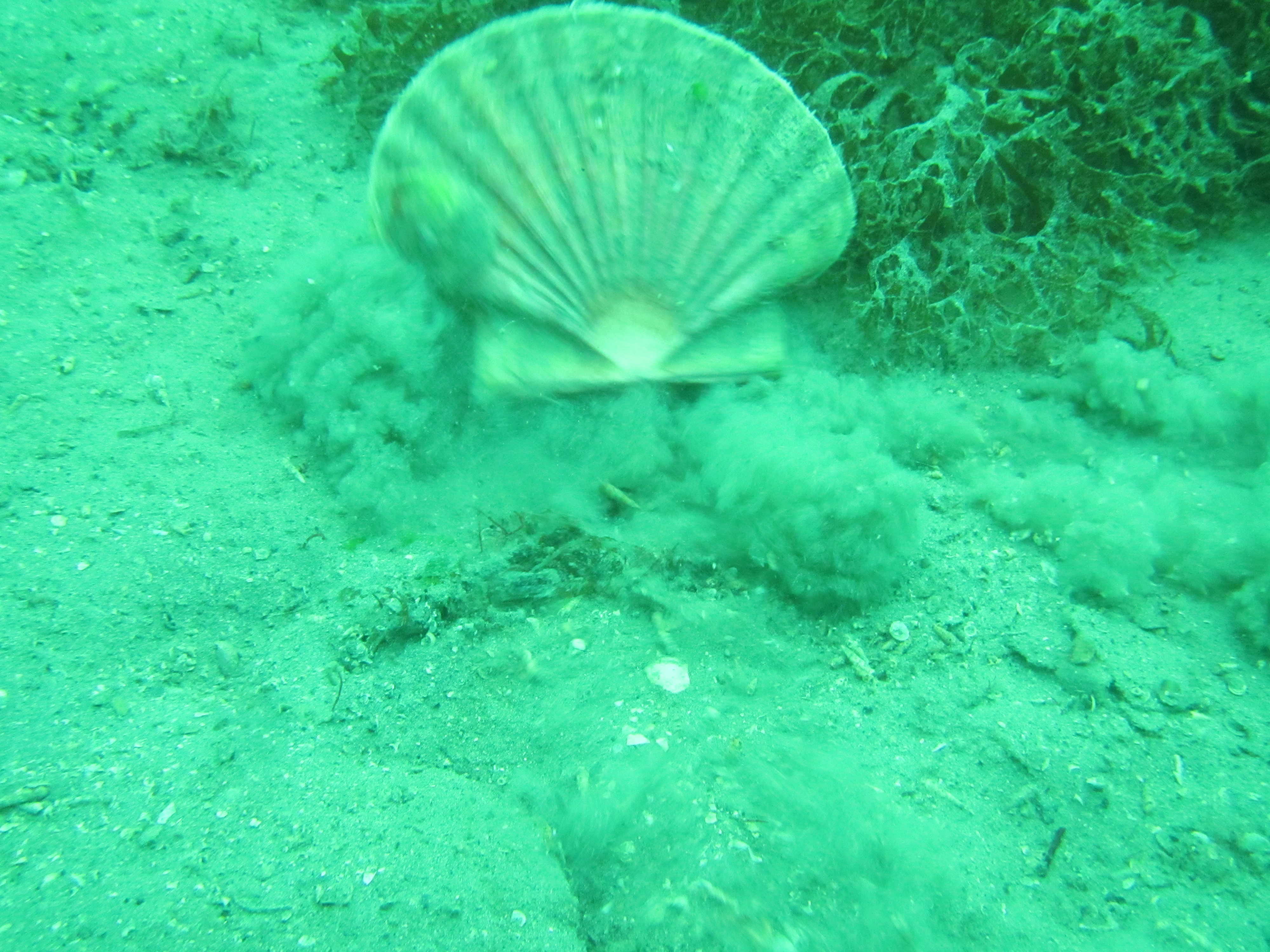
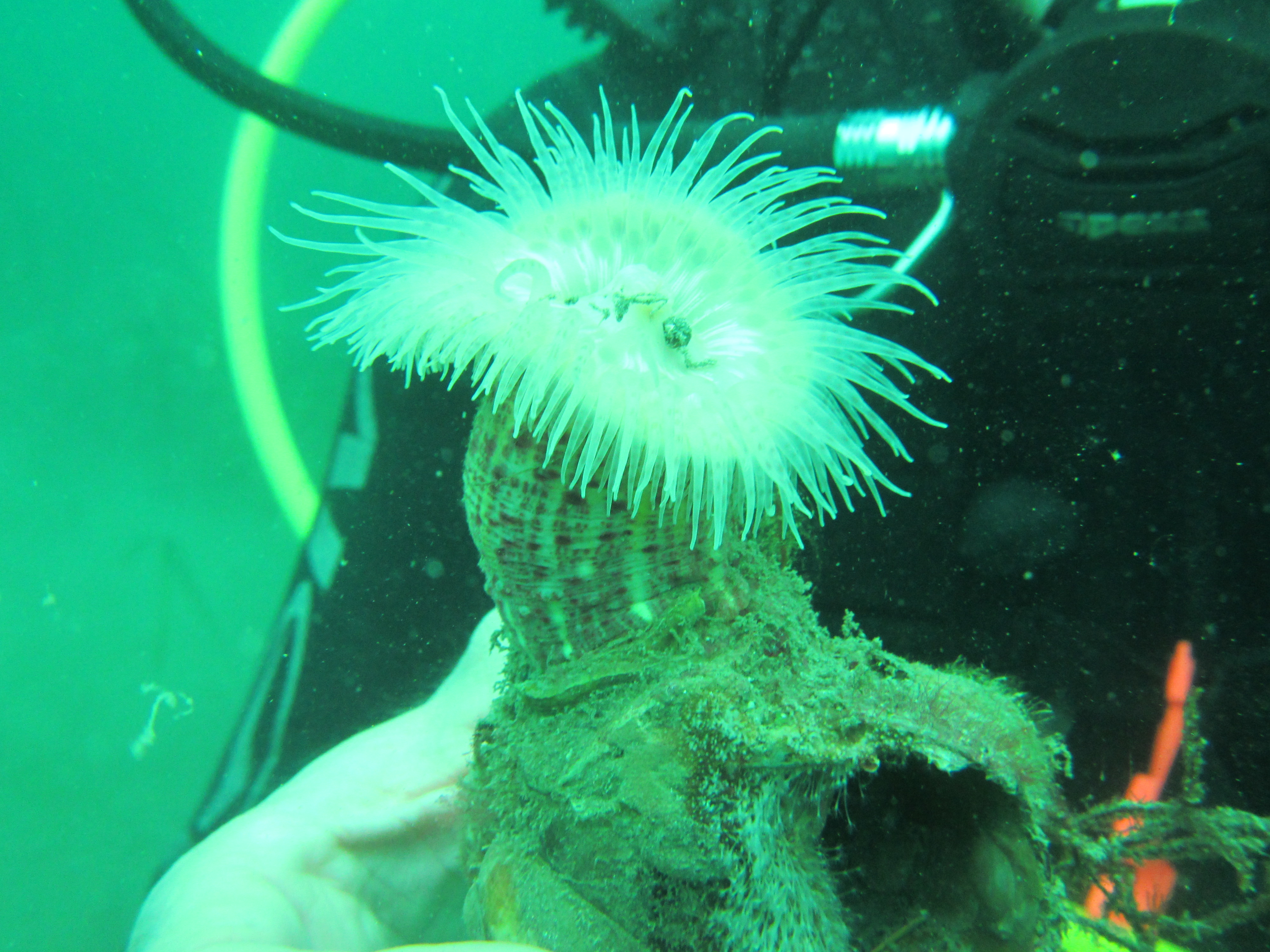
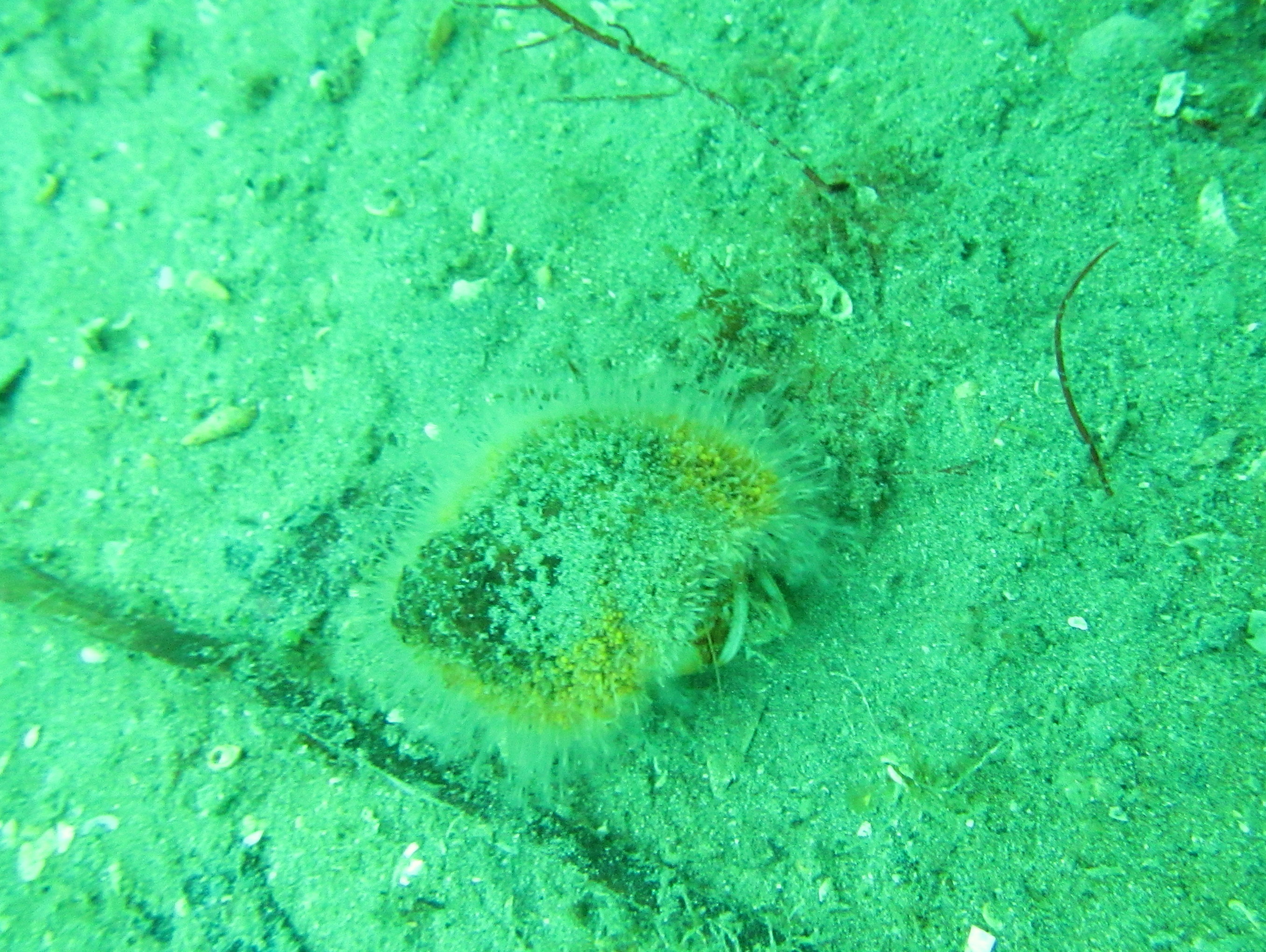
Again, we spotted some cuttlefish, which are not very shy at all. What was very cool were Great scallops Pecten maximus lying around and swimming away for a bit by opening and closing the shell, I will try to film that next time. Many Turban top shells and some large heremit crabs with one or more Parasitic anemones Calliactic parasitica on top. The shells of smaller hermit crabs were covered in the hydroid Hydractinia echinata:IMG_0343

IMG_0341

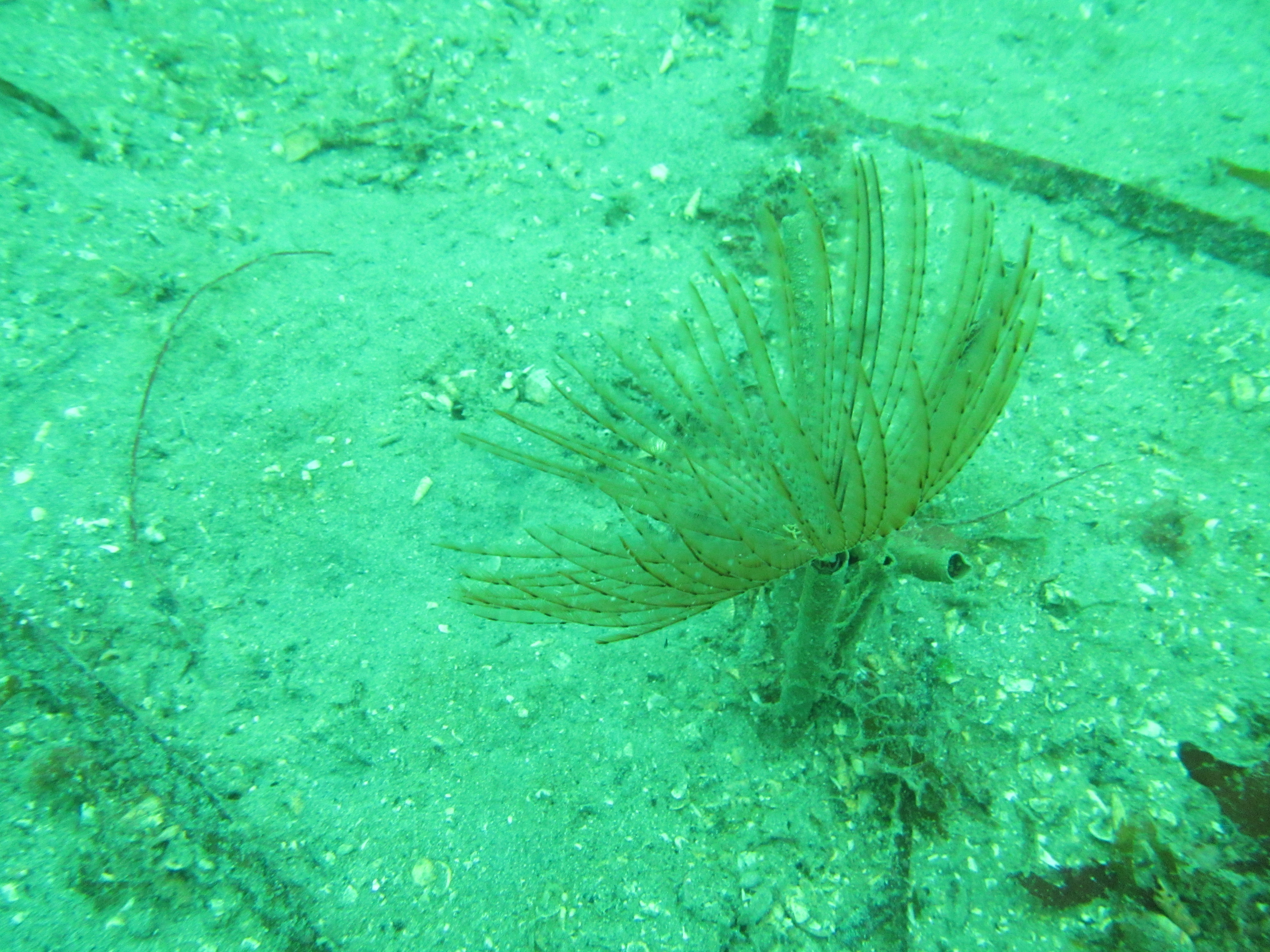
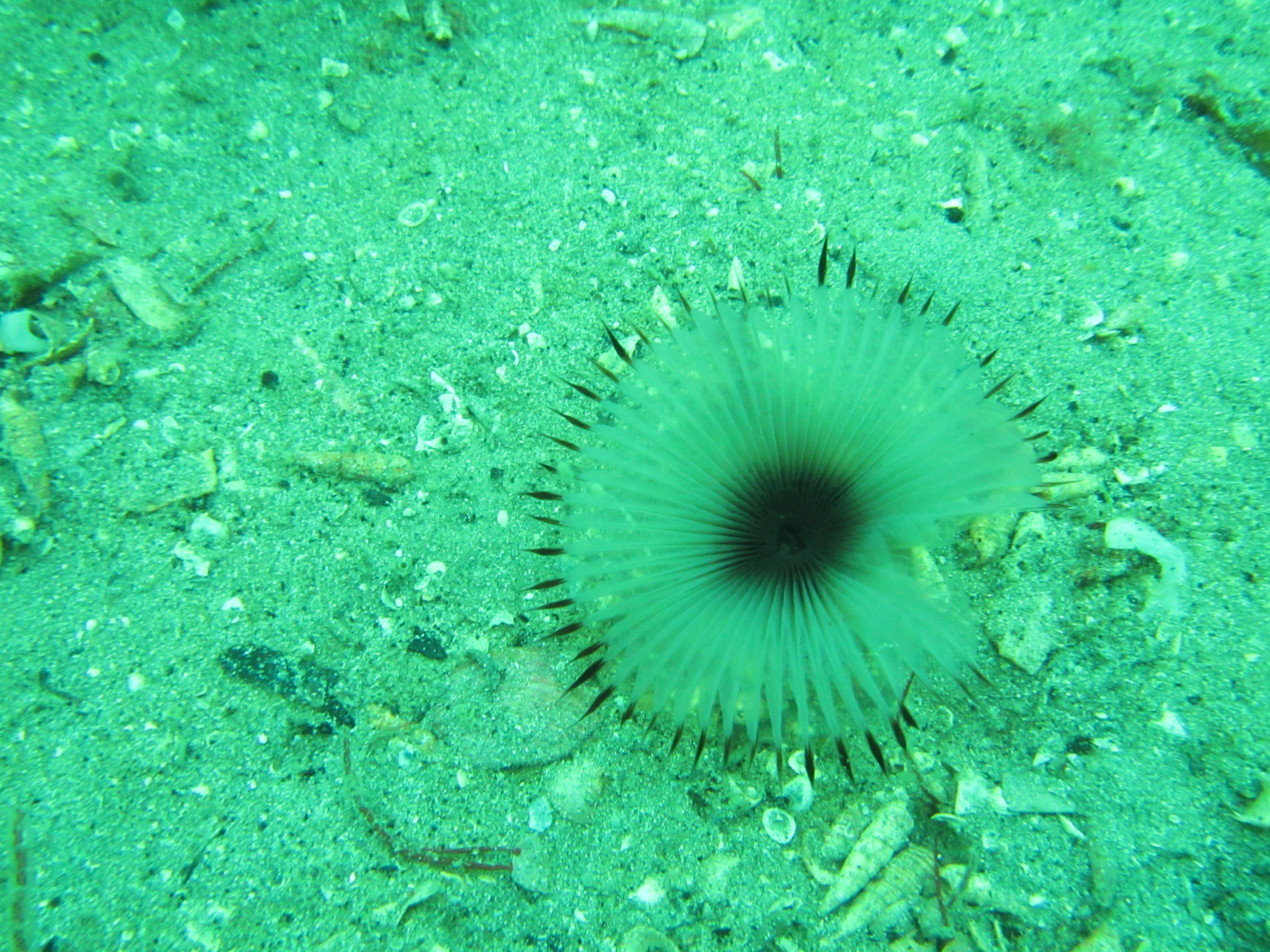
IMG_0376We got to about nine meters depth (near the buoy) and found a large concrete block. Scattered among it lay the remains of crabs and in a hole dug underneath the snout of a Conger eel poked out. As I had to get close for a better look, I stirred up too much sediment and so I do not have a good picture but I will definitely like to go back and have a better look! Interesting was an old crab pot covered in sea squirts (mainly Morchellium) which was swarming with Leach’s spider crabs Inachus phalangium. Normally they sit under a Snakelocks anemone but there were none attached to the pot, strange. Very common were large Peacock Worms Sabella pavonina and Fan worms Myxicola infundibulum:IMG_0342

IMG_0346

diving at Silver Steps

I am really getting back into this diving thing! Last week, I made another trip to Seaways Dive Centre in Penryn to rent some gear (£25 for 24 hrs) and go out with dive buddy Chris. First a dive at the end of the day at low tide at Silver Steps in Falmouth. A great encounter a minute after we got in with a cuttlefish:

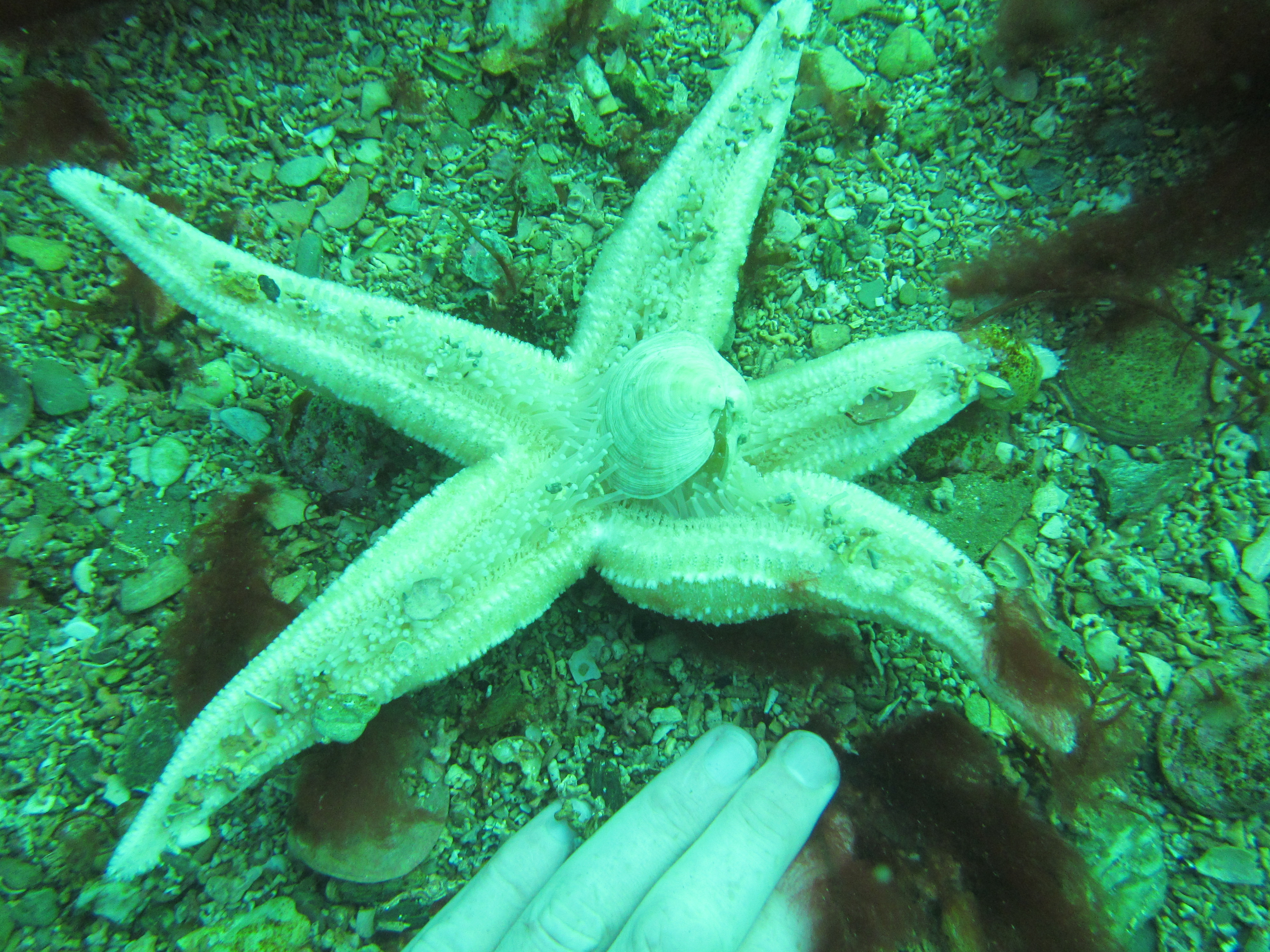
We then set out over the gravel beds towards the open sea. A pretty barren affair, with lots of decaying seaweed. Mainly Spiny and Common starfish and Pulled carpet shell Tapes corrugata, Warty venus Venus verrucosa and Rayed Artemis Dosinia exolata. A picture of the latter being eaten by a common starfish:

IMG_0309

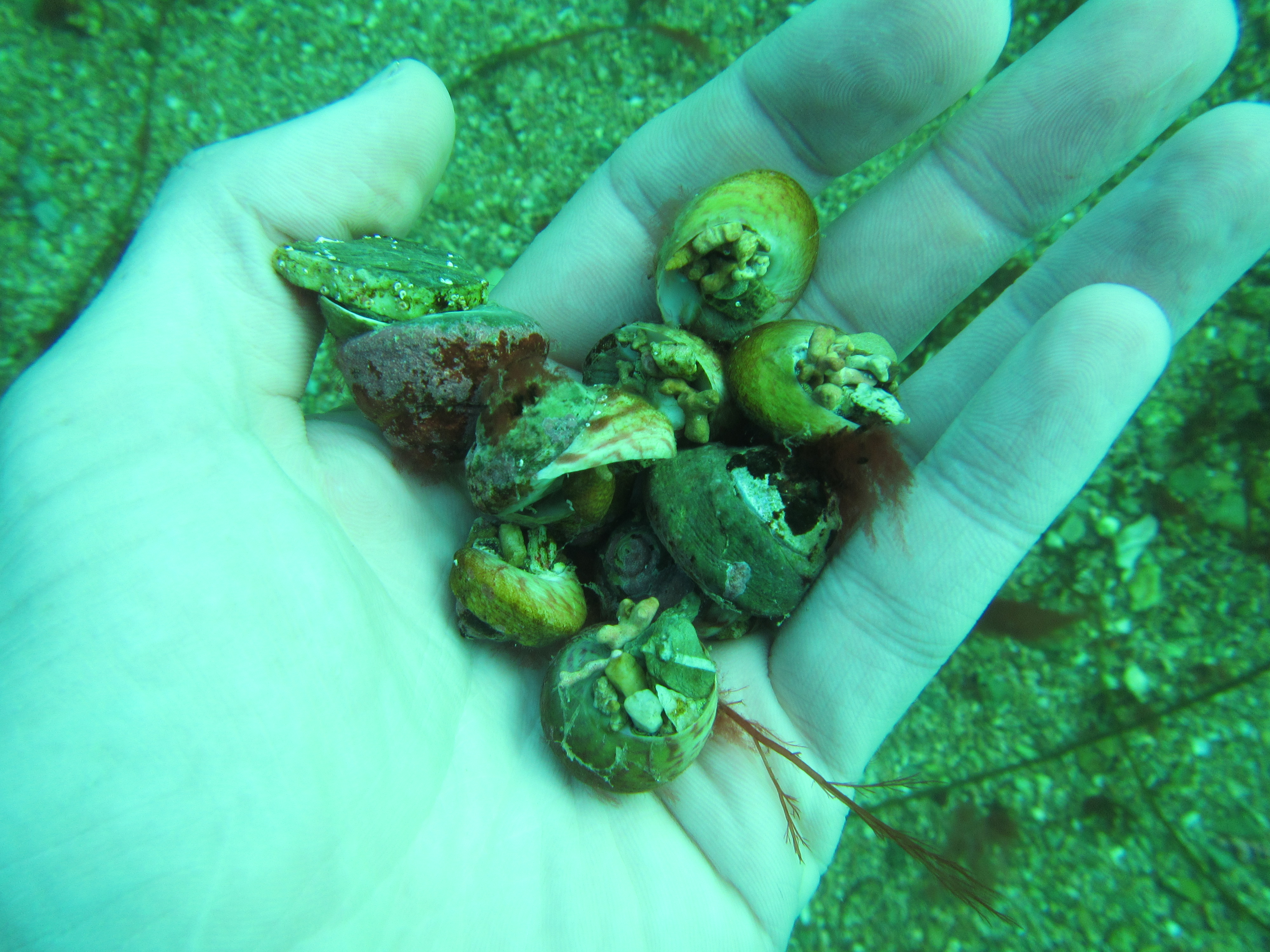
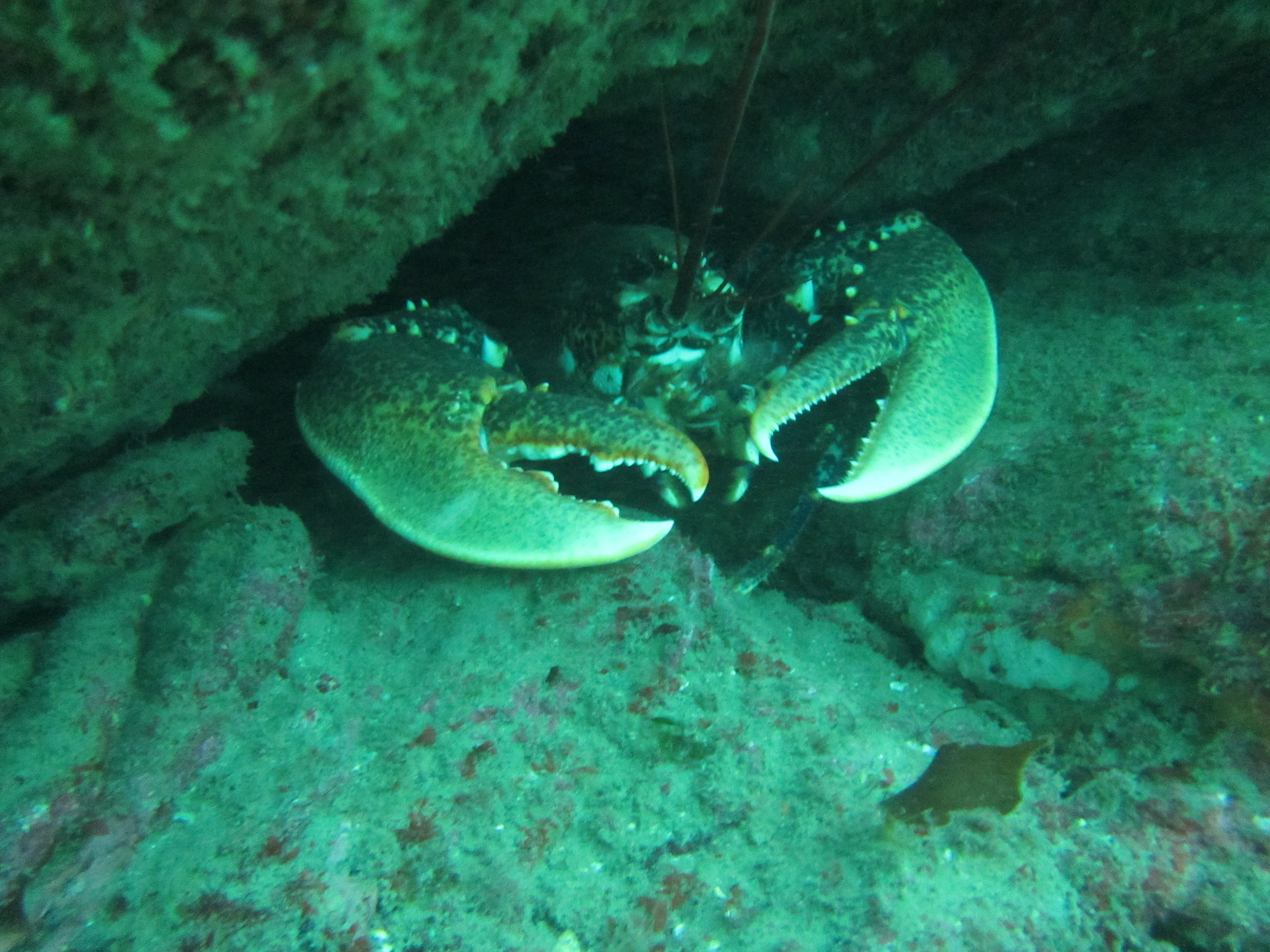
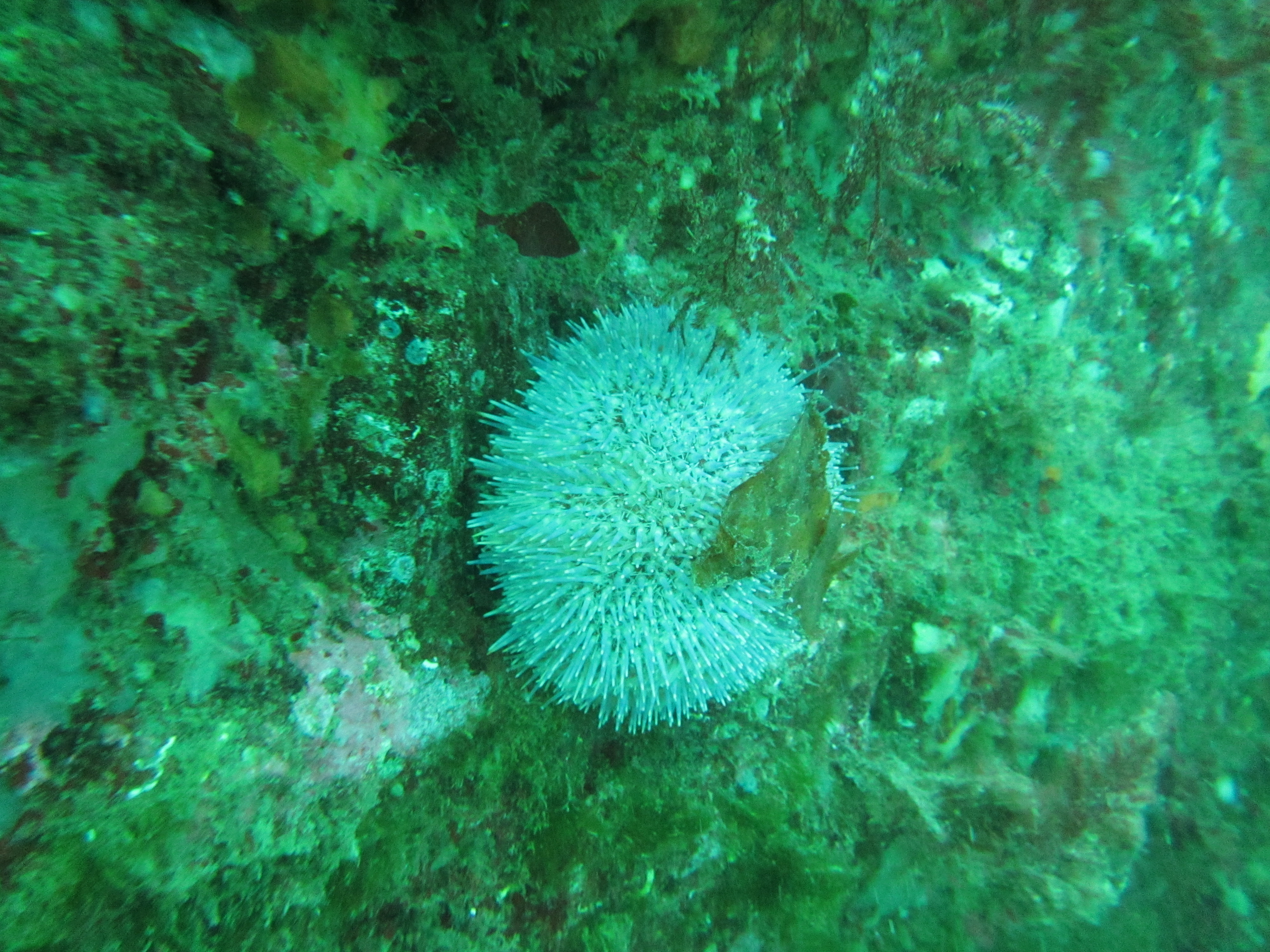
Turban top shells Gibbula magus were on my list to get for the aquarium and I noticed that this species is extremely common (several per square meter) so I took a bunch home. The shells look pretty beaten up with lots of stuff growing on ’em but I think they are pretty cool; truly subtidal so no risk of them creeping out of the tank:IMG_0292We then made it back to the rocky coast and found a nice gully with overhanging rocks with lots of interesting critters. One little cove was home to ten or so shy Leopard-spotted gobies (I plan to go back with my GoPro and leave it there filming for half an hour to pick it up later). We found a big lobster Homarus vulgaris, a beautiful Bispira volutacornis worm (I have already posted pics of these species recently and I will try to show more self-restrainst from now on and not keep posting similar photos). Also for the first time some large Edible sea urchins Echinus esculentus. Probably a really common species when you dive a little deeper but the very first time I saw it. Have to practice a bit more with the new Canon Powershot D30 as I am not completely convinced about its qualities yet (I did not bother to post-process any of the pics btw). IMG_0328

IMG_0327

IMG_0331

Snorkelling at Silver Steps Part I

High time for a snorkel, and few better places in the area than ‘Silver Steps’, between Castle Beach and Pendennis Point in Falmouth. I took my little Lumix camera (goes up to 10 meters deep, no optical zoom) with me to take some sub-standard pics (all other photos on the blog are taken with my iPhone). This site is a mix of rocks covered in kelp and gravel and even the remains of two U-Boats (they are no longer recognisable as such though, see here for more specifics on these and other wrecks off Falmouth). There is always something to see: schools of Smelt chased by Sand eels, hovering Two-spotted gobies, Corkwing and Ballan wrasse, Spiny starfish and loads of seaweeds. In fact, there was so much to see that I have divided the pictures over two posts. First a photo of the site and some of the U-Boat wreckage:P1040041

P1040031We were in for a nice surprise: a good-sized John Dory Zeus faber at around seven meters depth. I have posted a very nice picture from my first and only dive in Cornwall courtesy of Charlotte Sams, but here a short, jittery video as well:

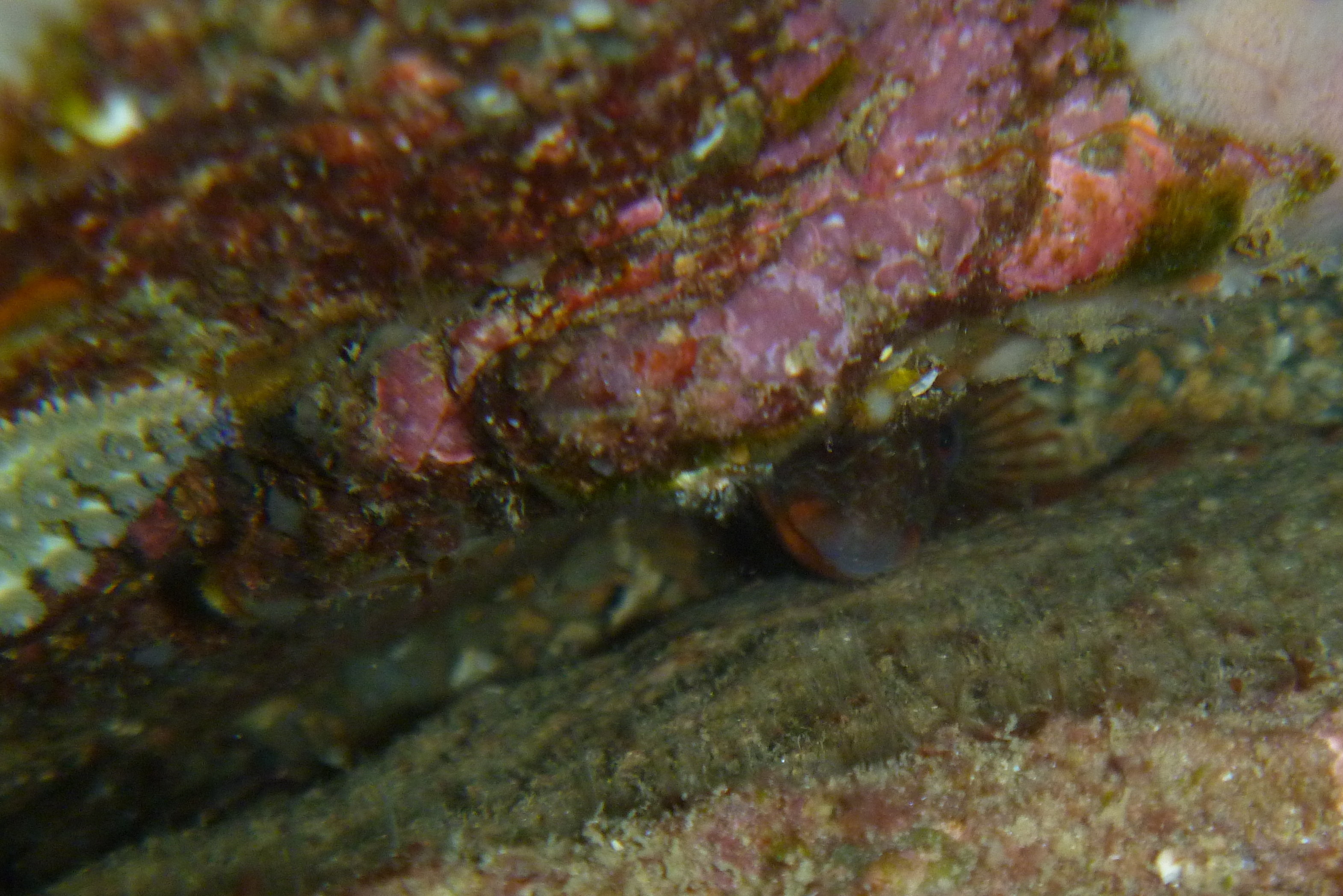
Anyway, a perhaps even nicer find were Leopard-spotted gobies Thorogobius ephippiatus. Some sources make it seem like this is a rare species only ever encountered by divers, but it is actually not uncommon and we saw them at two meters down (the tide was low though). It is a shy species that lives under ledges, burying between the rock and the gravel. The picture is crap but also proof I am not lying. The next picture is of a Tompot blenny Parablennius gattorugine peeking from a crack in the rocks. Large snakelocks anemones are everywhere on the kelp, and although a month ago I saw none, many of them again housed commensal Leach’s spider crabs Inachus phalangium. (These anemones and crabs do well in the aquarium btw, see here.) It would be interesting to know if these crabs arrive from deeper waters or just grow up really fast.

P1040024

P1040039

P1040012


a most peculiar animal

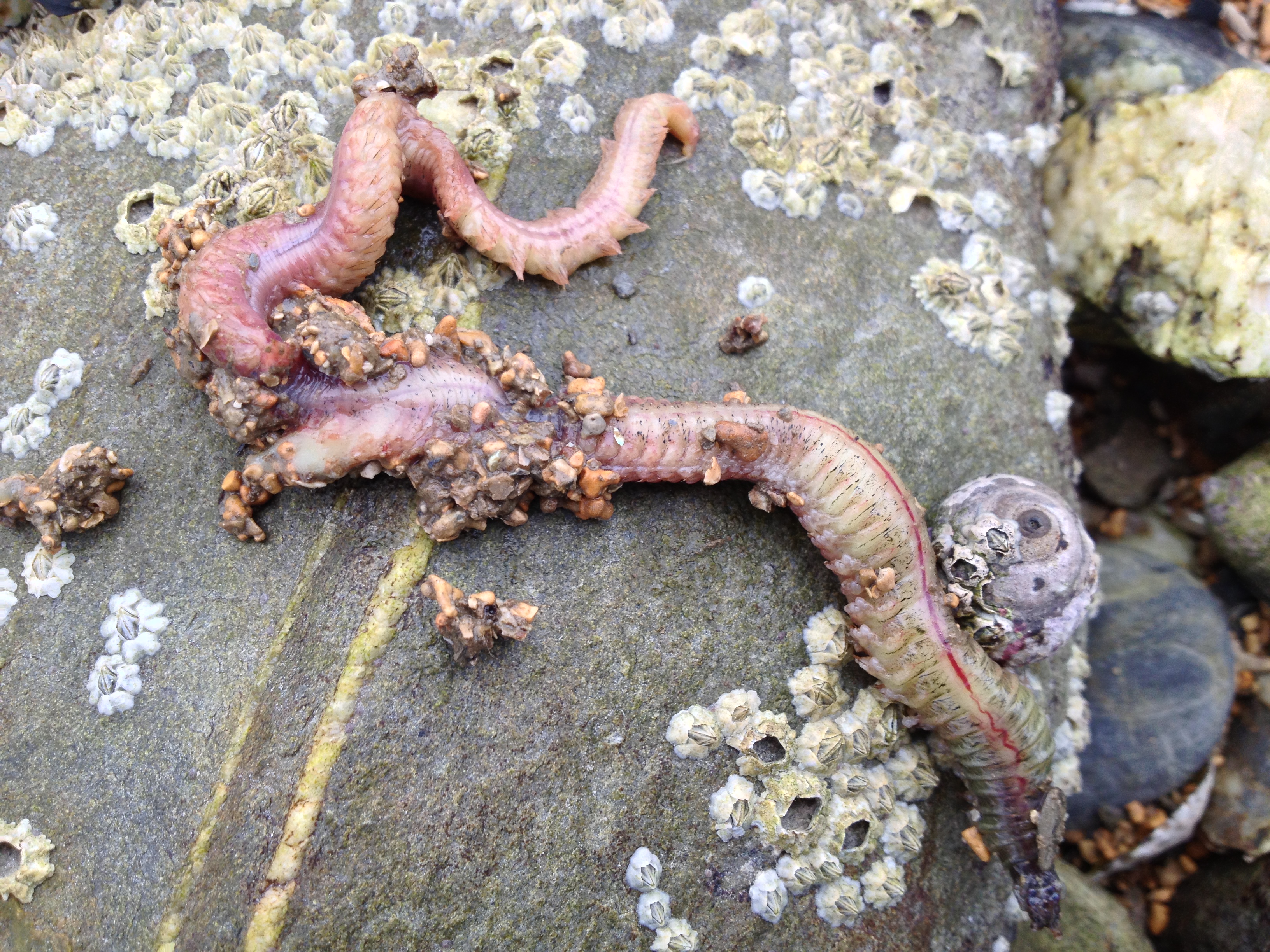
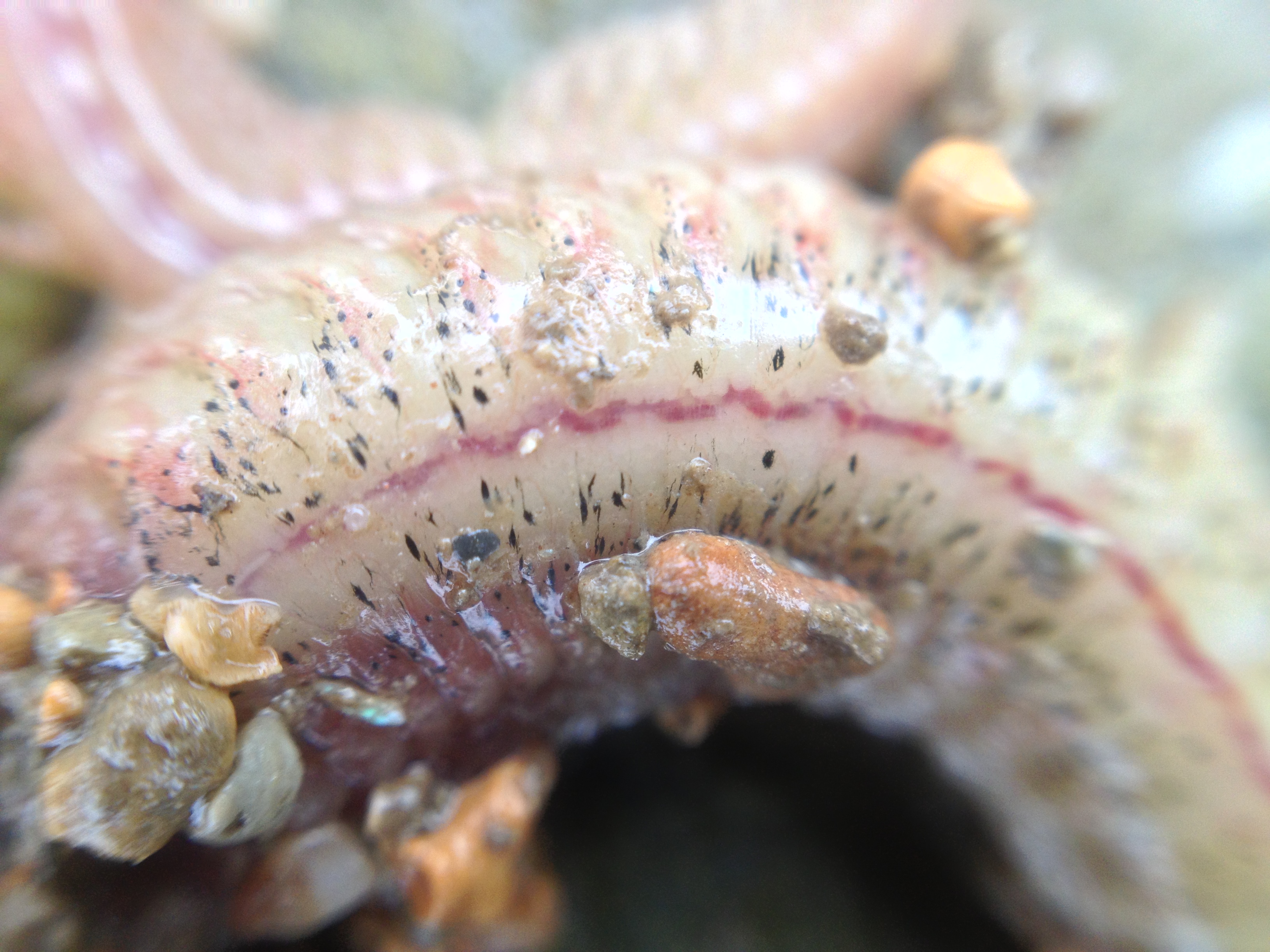
The rock around Falmouth is very soft in places, and when turning over large stones, sometimes they break and reveal interesting things (I have posted previously about the high density of worms in rocks). I recently had another rock crumbling on Castle Beach and I noticed something unusual-looking slipping away in its burrow. A Sipuncula (‘peanut worms’) or Echiura (‘spoon worms’) I thought, something not featured in any old guide anyway, so I browsed David Fenwick’s aphotomarine site where I quickly found the suspect: the Spoon worm Thalassema neptuni. The Echiura are recognised as a separate Phylum in most books, but recent research has revealed that they are not as special as they look: they are actually ‘ordinary’ Annelid worms (see this Open Access paper):

IMG_8621 The diversity of life within rocks is actually quite surprising. I have not taken a good look at all the types of worms yet, but this one stands out: a tiny Green leaf worm Eulalia viridis (looks like a sock puppet):

IMG_8643The boring bivalve Wrinkled rock borer Hiatella arctica (a juvenile):

IMG_8626And even a small Sea cucumber:

IMG_8636 Perhaps I should make a list of all the species living in the rock. Finally, on the rock surface, I sighted a small Sea hare Aplysia punctata for the first time in Cornwall:

IMG_8667

two tiny snail species

On my way back from rock pooling yesterday in Flushing I turned one last rock on the upper shore and found two species of tiny snails that I had not noticed before. First, a couple of Two-toothed white snails Leucophytia bidentata, one of the few terrestrial, airbreathing snails that have returned to a marine habitat:IMG_8230More numerous was the smaller species Cingula trifasciata. Below a group next to a large wormshaped eggmass that my Seasearch Identifications friends quickly pointed out belonged to the Ribbon Worm Lineus ruber:IMG_8246
a very low tide at Castle beach

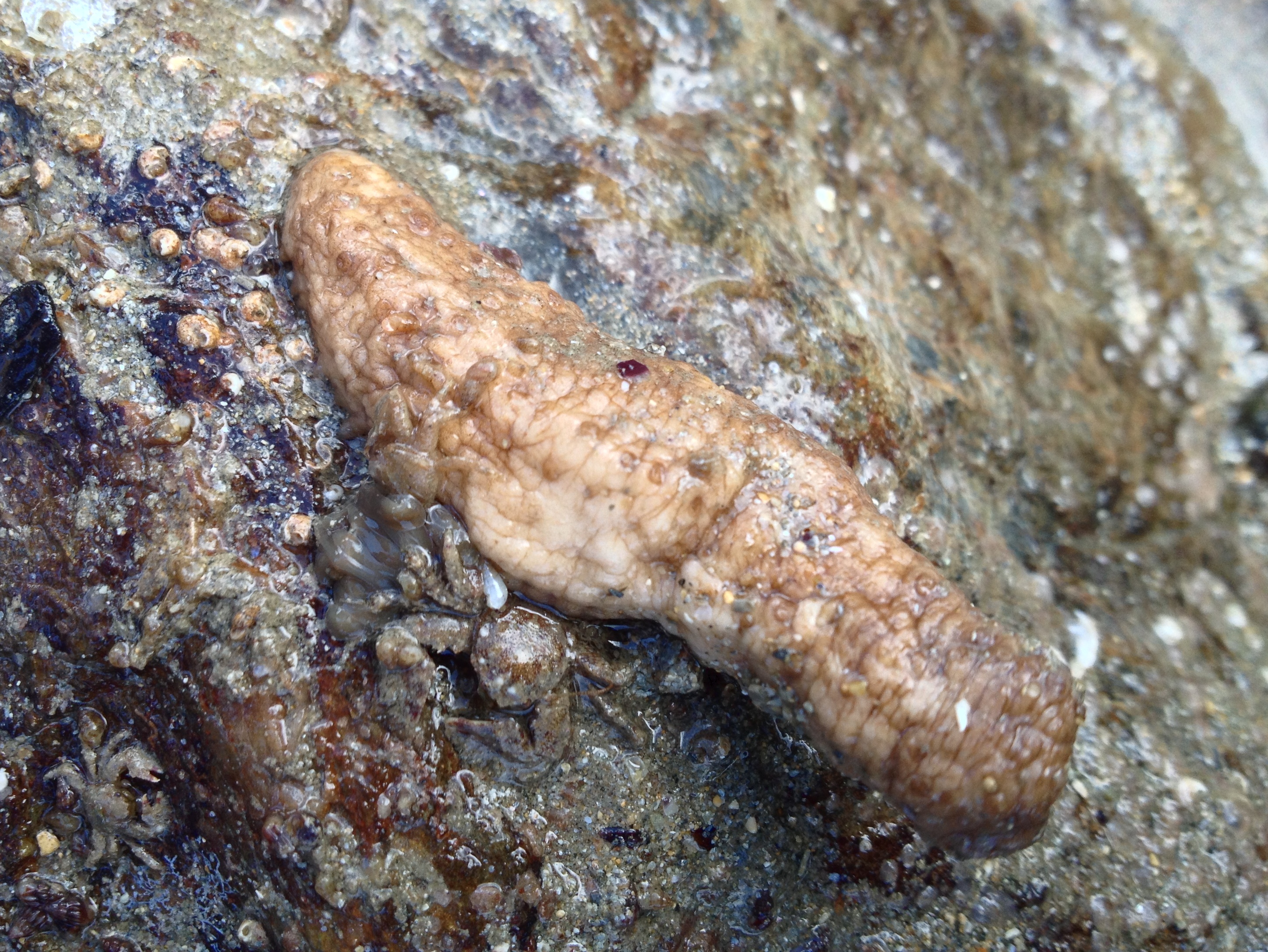
IMG_7884There were exceptionally low tides this weekend so I was quite stoked to get out and find some new species in what is normally the subtidal. It was raining and even hailing quite a bit but we were on a mission! Fortunately, the sun came out later and my jeans could dry up. Sea urchins are not common in the rock pools that are usually accessible at low tide, but they are quite common a little deeper. The same goes for Sea cucumbers. These are hardly ever pretty but the following species is ugly even in holothurian terms. According to David Fenwick it is a Pawsonia saxicola (I have seen a prettier incarnation before):

IMG_7900I noticed a little gastropod which looked vaguely familiar on a Pawsonia when checking my pictures. I could identify it as a Eulimida species in my old Poppe and Goto ‘European Seashells’ book, which also mentioned that many species in this family parasitize echinoderms so that fitted. David Fenwick’s excellent site Aphotomarine has great pictures of pretty much all species occurring here in the Southwest, including a much better one of this Vitreolina philippi Melanella sp (identified through David’s correspondence with Jakov Prkic). David has also just launched a website dedicated to Stalked jellyfish: stauromedusa which looks amazing.

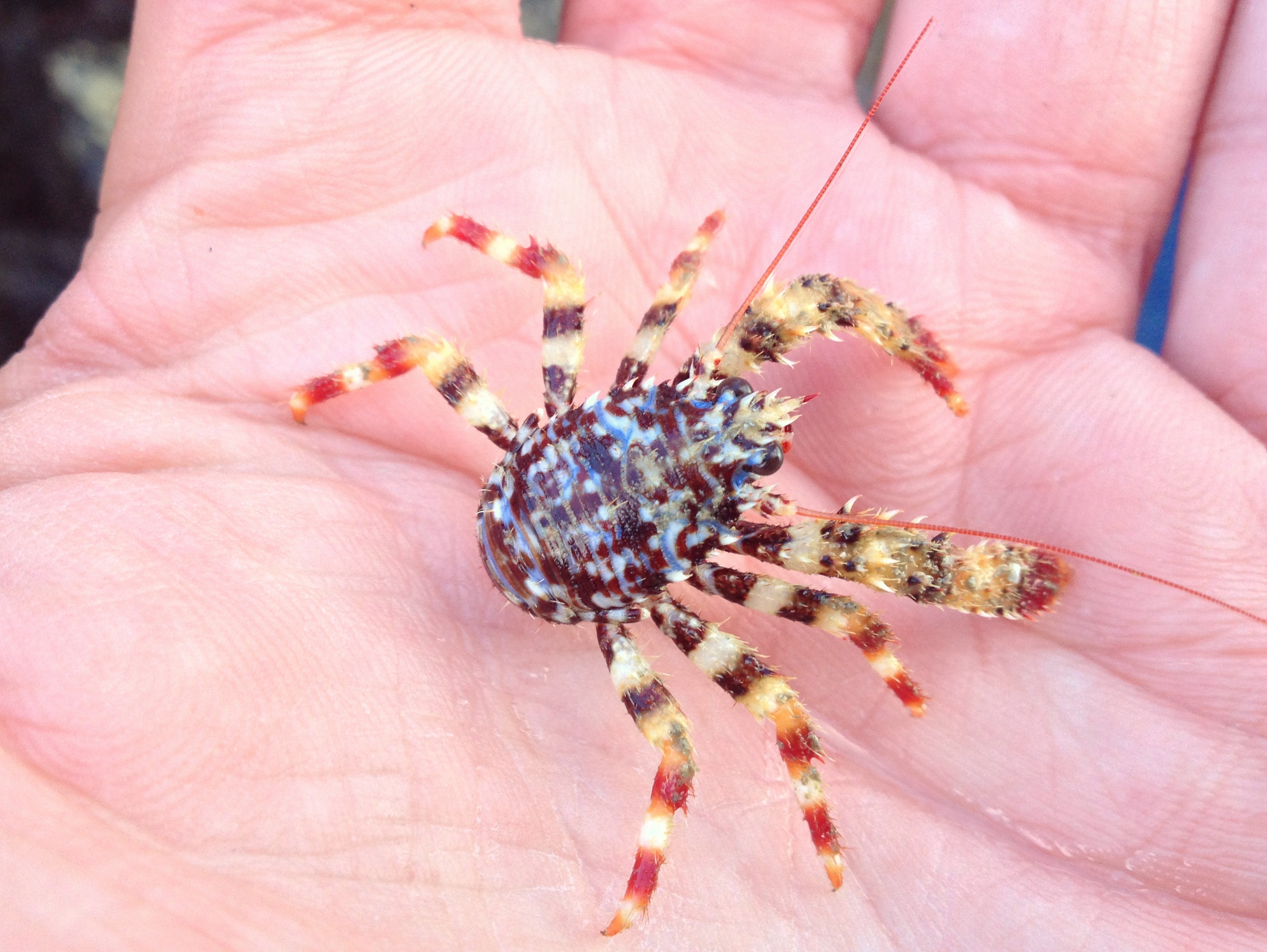
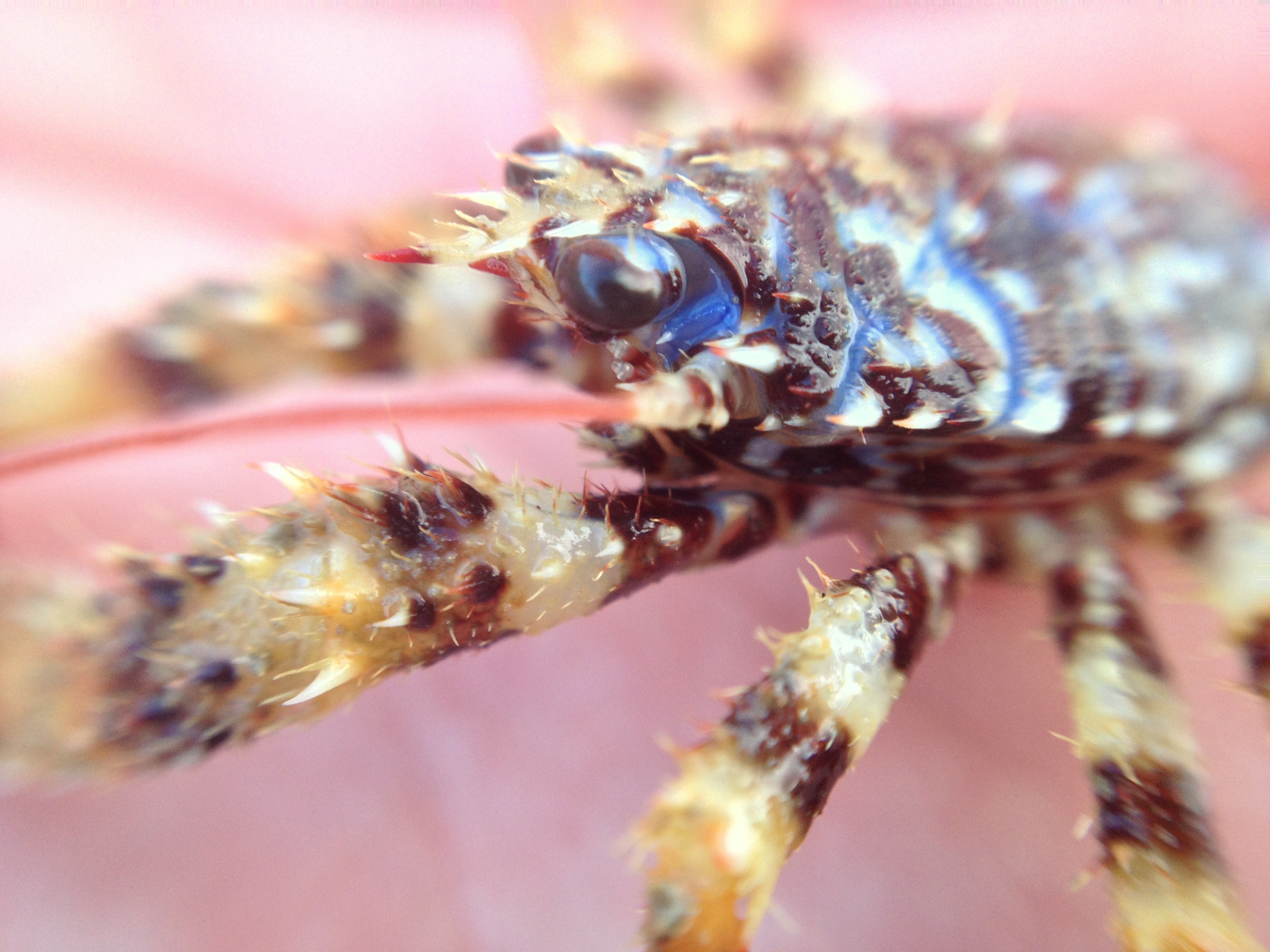
IMG_7891 - CopyAt the end of the ‘session’ I glanced something red, white and blue; a colour combination that I had seen only on photographs before. It was a single, juvenile Spiny squat lobster Galathea strigosa:
IMG_7998

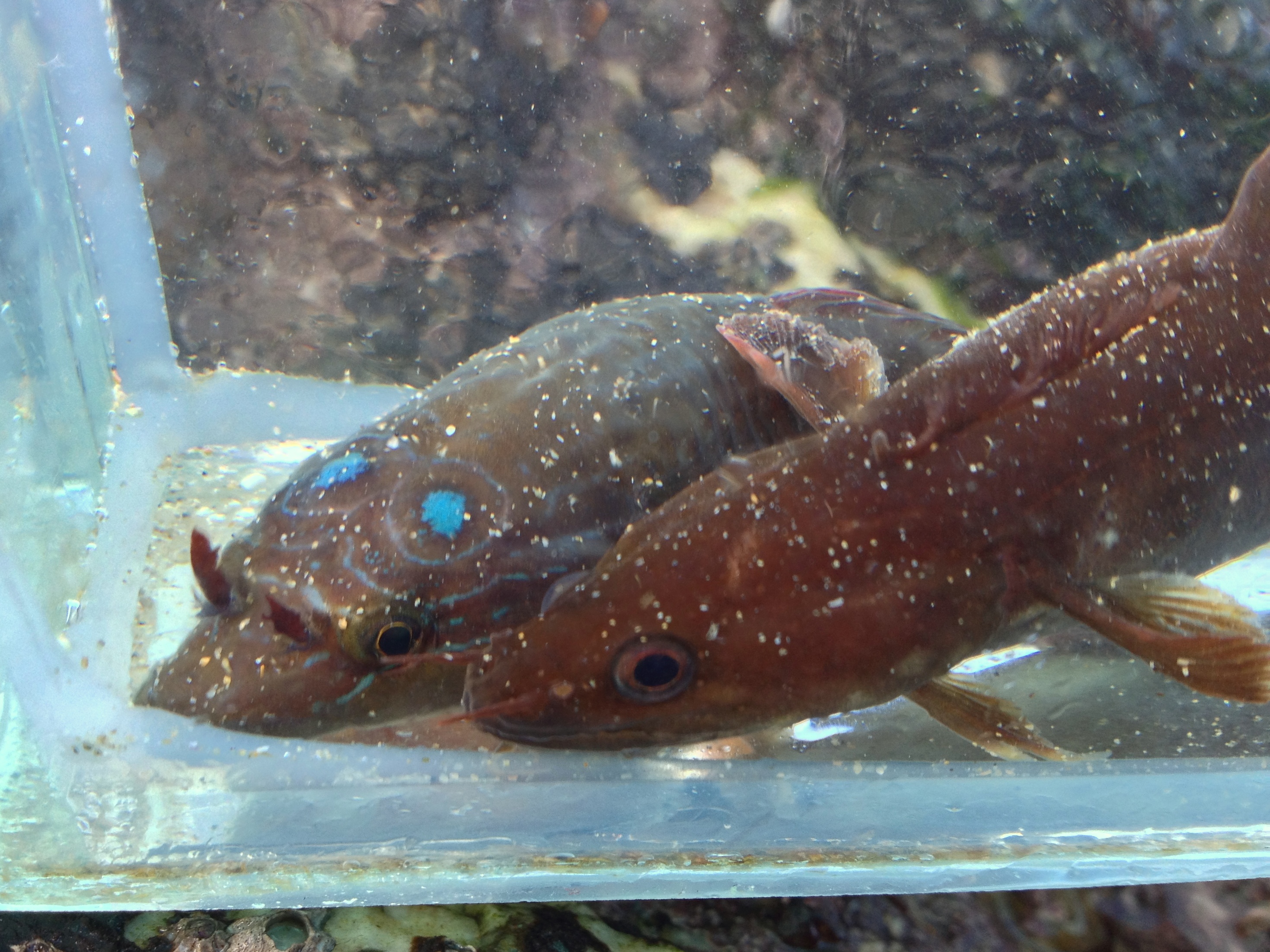
IMG_8010A lot of usual suspects were found as well of course, here a Cornish sucker Lepadogaster lepadogaster and a Shore rockling Gaidropsarus mediterraneus:

IMG_7925The rockling has a groove in front of its dorsal fin filled with hairlike fin rays that are continuously beating. Finally, not a very good picture but I’ve posted it because this is the longest animal in Britain: the Bootlace worm Lineus longissimus can grow up to 10 meters!
IMG_7901

kelp on pebbles and worms in rocks

IMG_7109

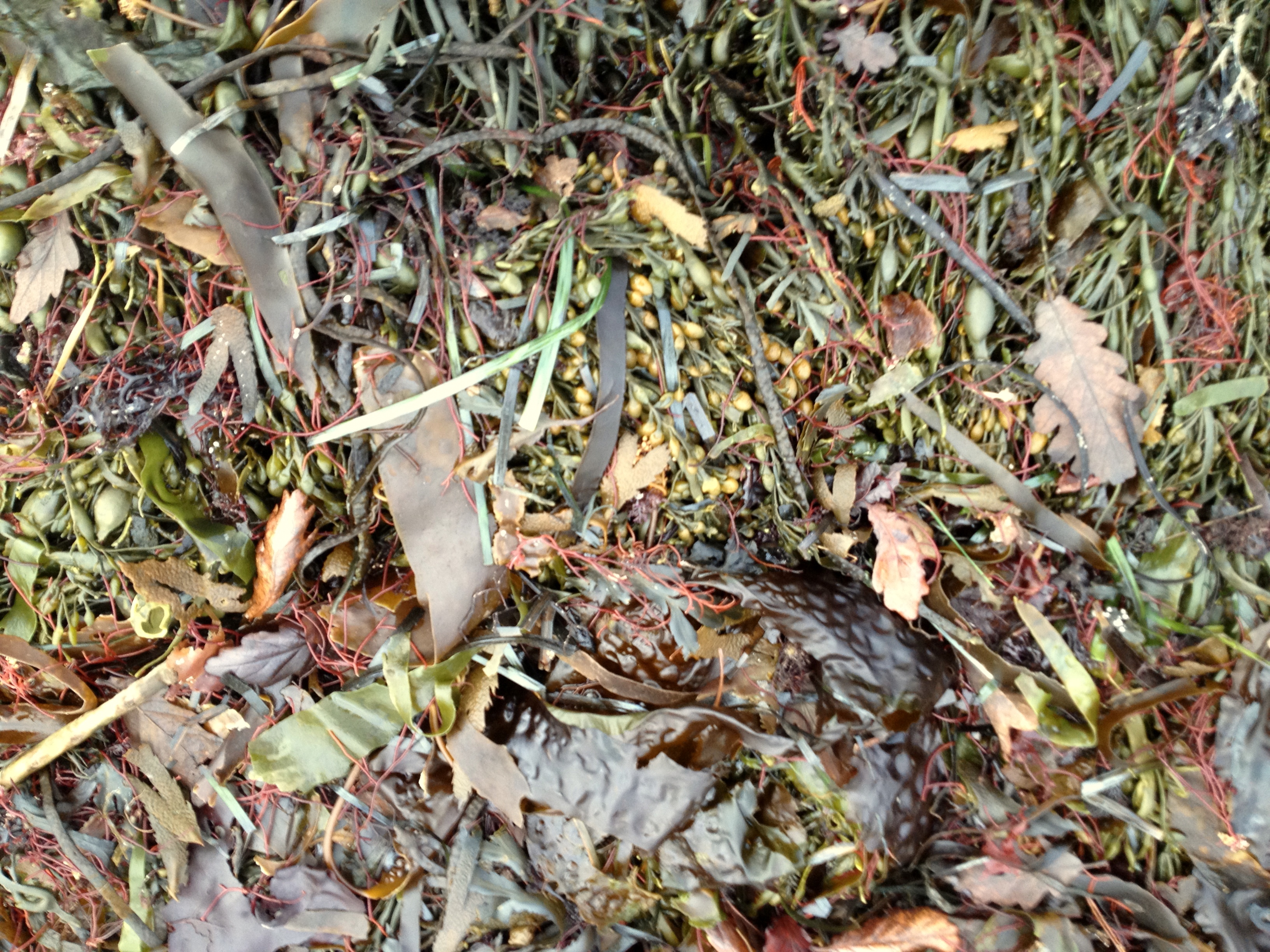
Last weekend I went to my local beach in Flushing for the last time this year. Although it was stormy and cold it was nice to have a little wander around. Loads of washed up seaweed mixed with fallen Oak leaves on the beach:

IMG_7114

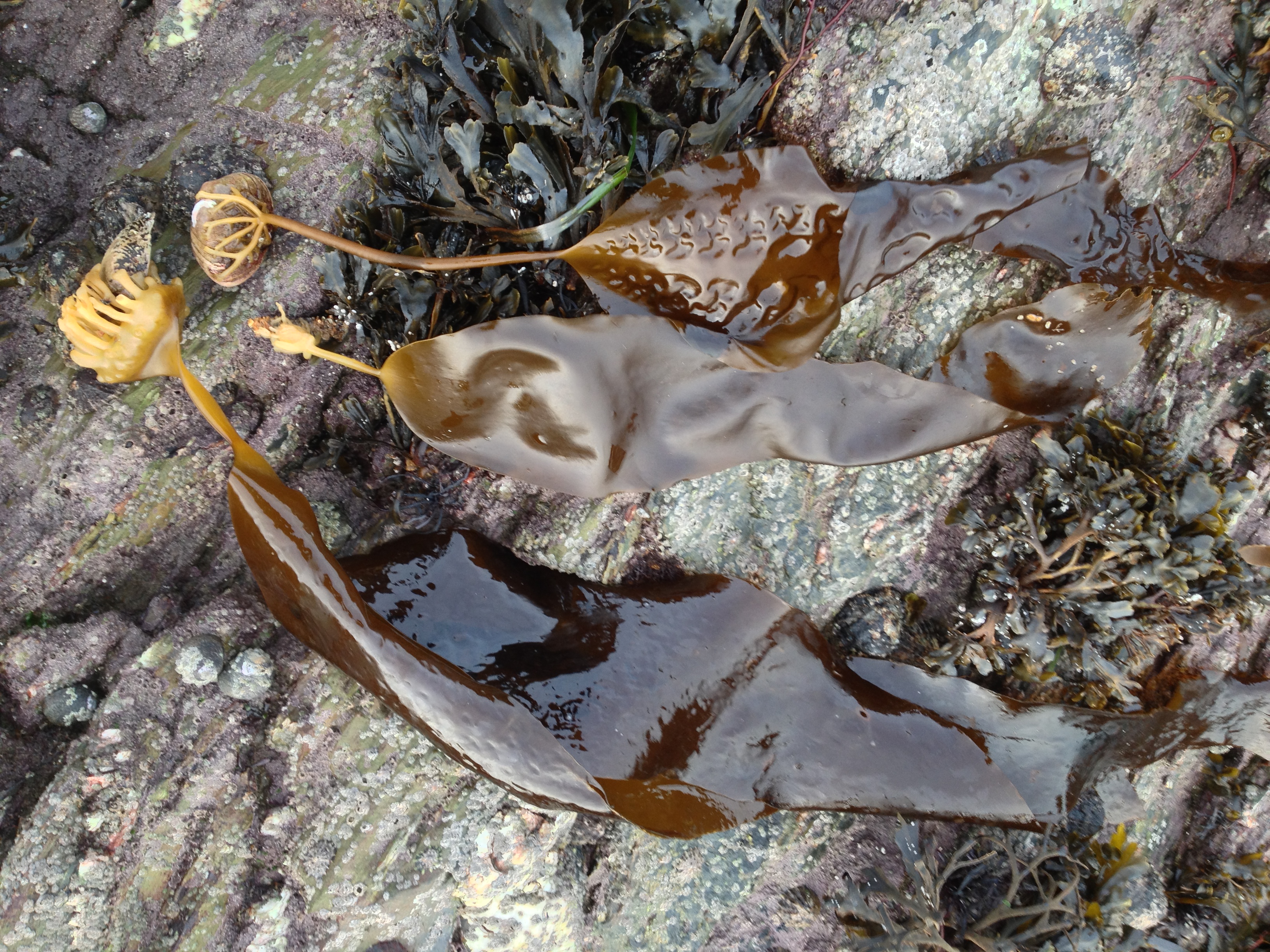
Some of the new kelp has settled on pebbles instead of on more solid rock and so were also washed ashore. Easy for ‘planting’ in the aquarium although these species grow a bit to big to fit in my tank:

IMG_7083

The slate around here is full of worms, some impressive burrowing!  I have no idea what type of annelid this is; definitely worth to try to take some macro photos of in the new year:

IMG_7079

collecting sand

The weather was terrible last weekend so I only went for a brief trip to Flushing beach. It was noticeable that the Dumont’s tubular weed Dumontia contorta, abundant during the last months, is disappearing and flat red and green seaweeds are on the increase:

IMG_3066

I found some Bushy Berry Wrack Cystoseira baccata (I think) and a very fine red seaweed that I could not identify using my Seasearch Guide to Seaweeds of Britain and Ireland:

IMG_3060

An Estuary ragworm Hediste diversicolor:

IMG_3063

IMG_3062

My main aim was to get some finer sand to replace the coarse, white gravel collected from Maenporth beach that I have in my aquarium now. This sand is formed for a large part by remnants of Maerl, species of coralline algae. Beds of Maerl nodules are a threatened and important habitat for many animals and also other seaweeds.

IMG_3073