

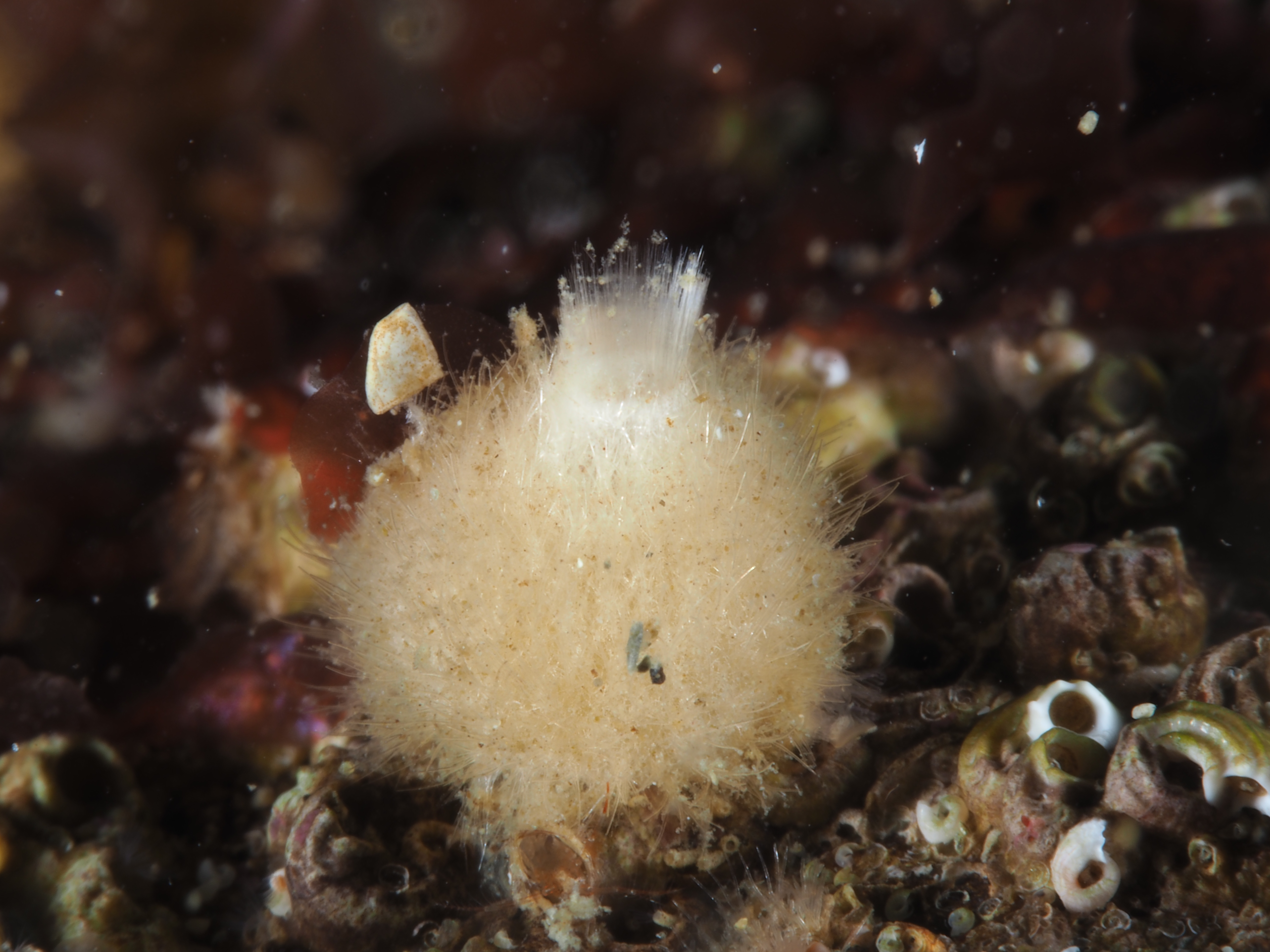
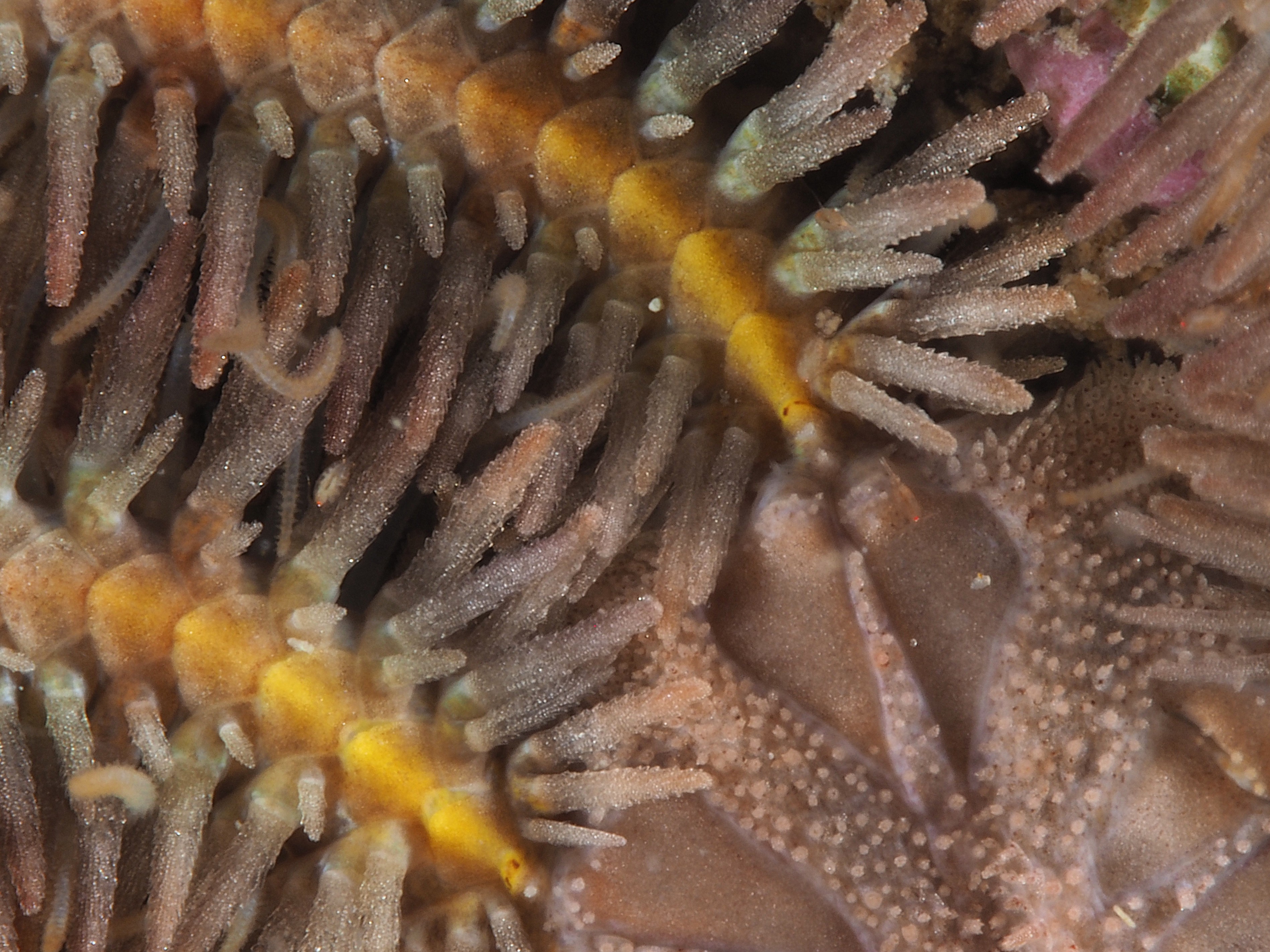
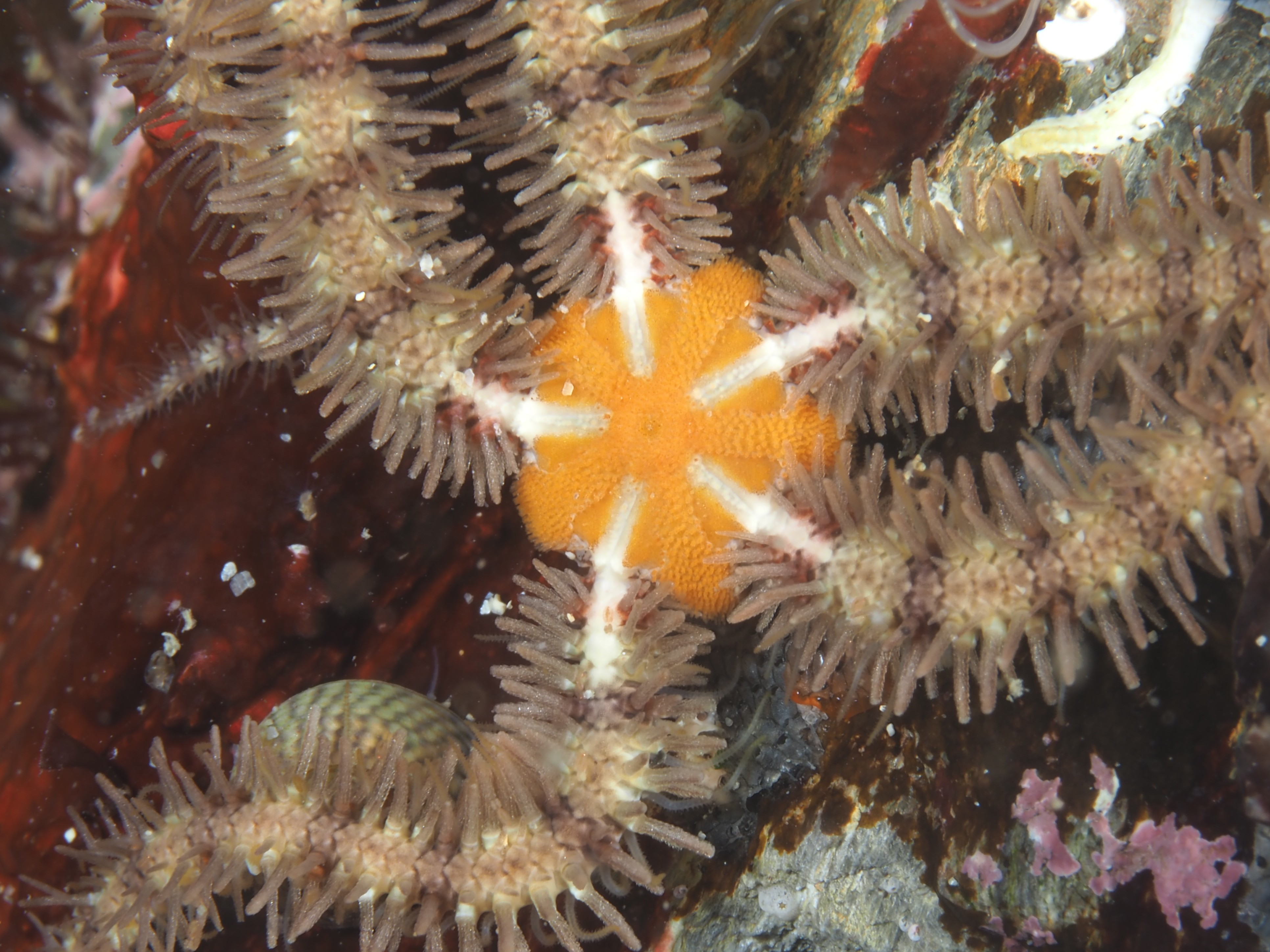
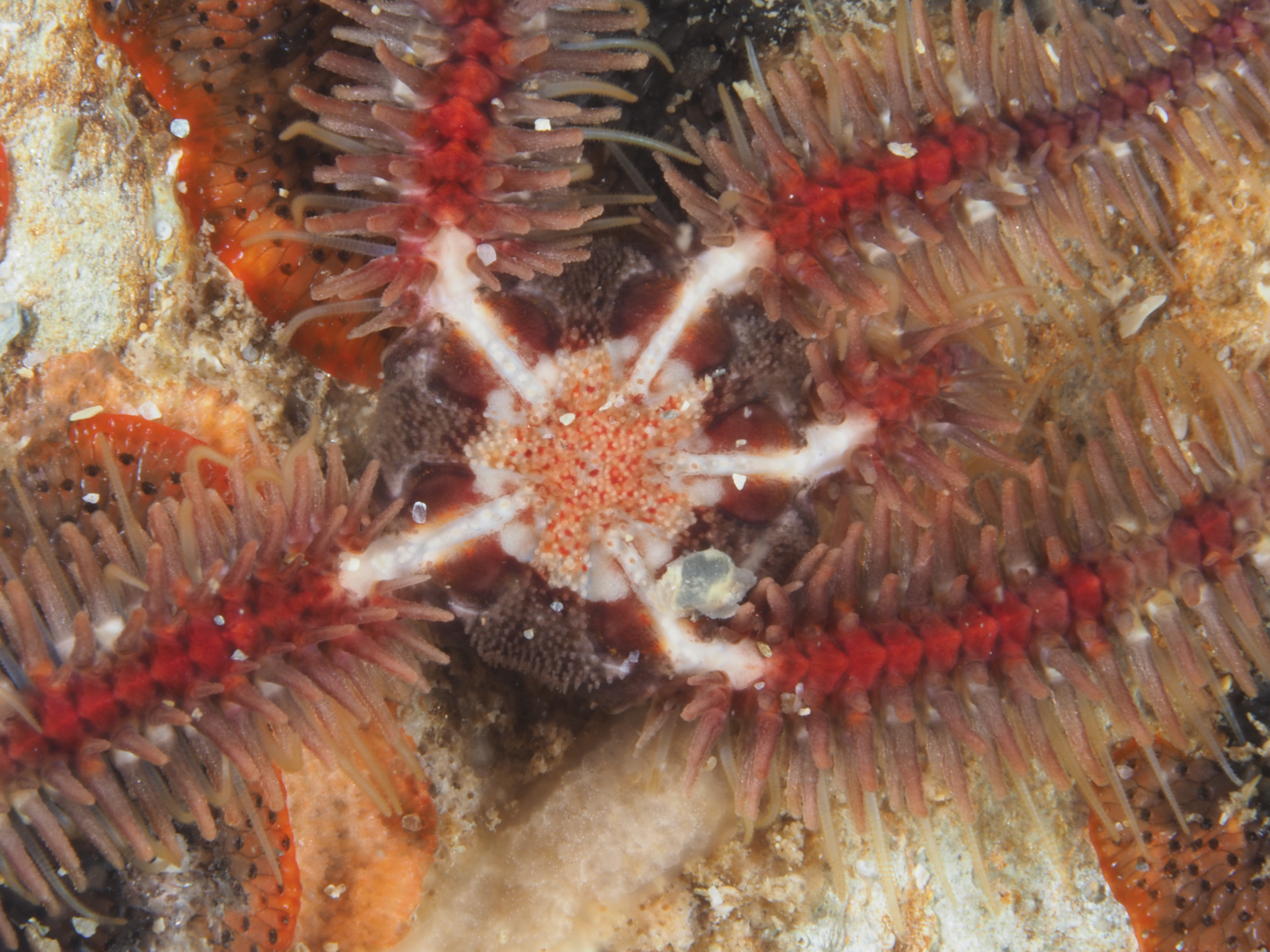


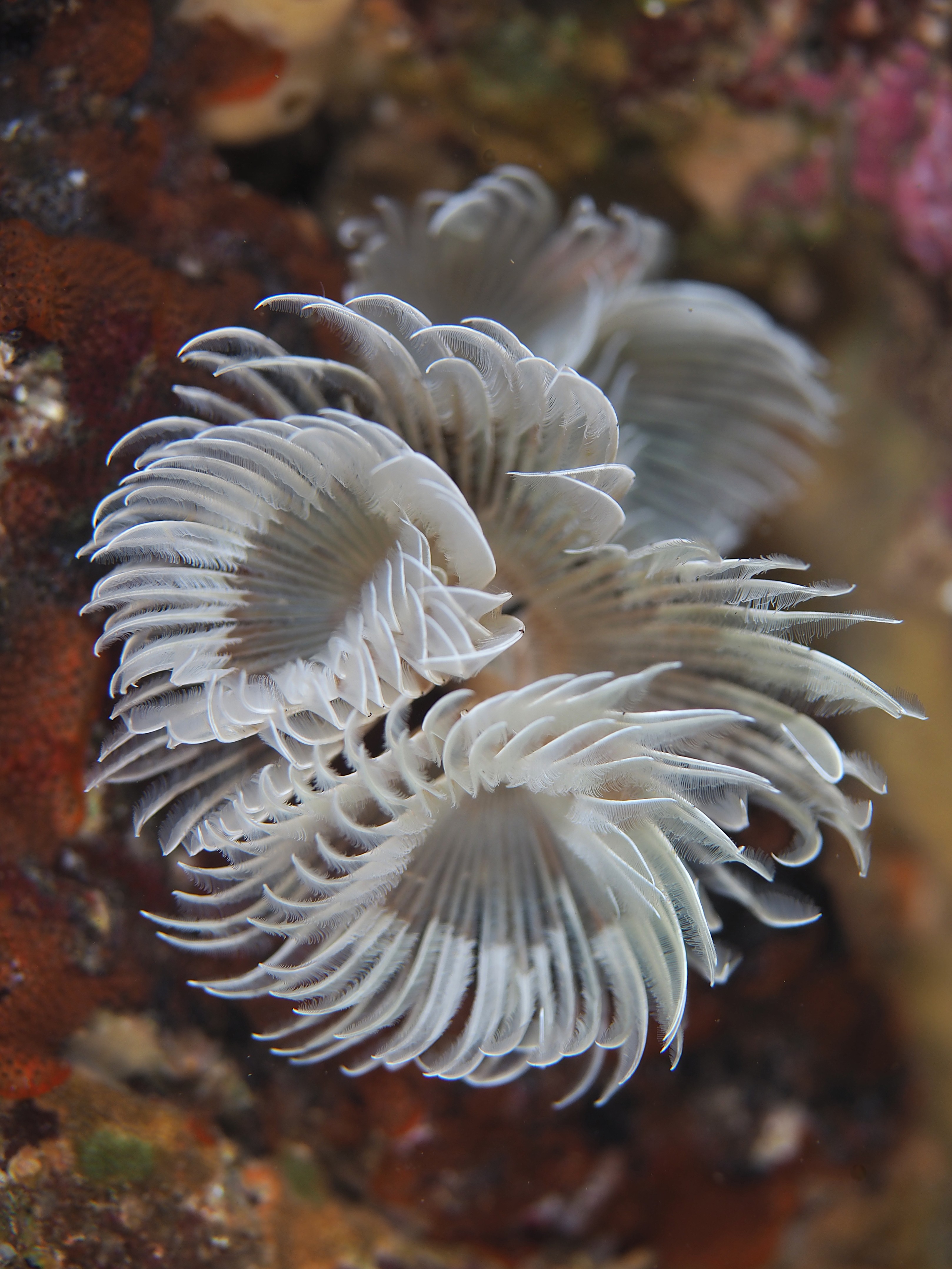
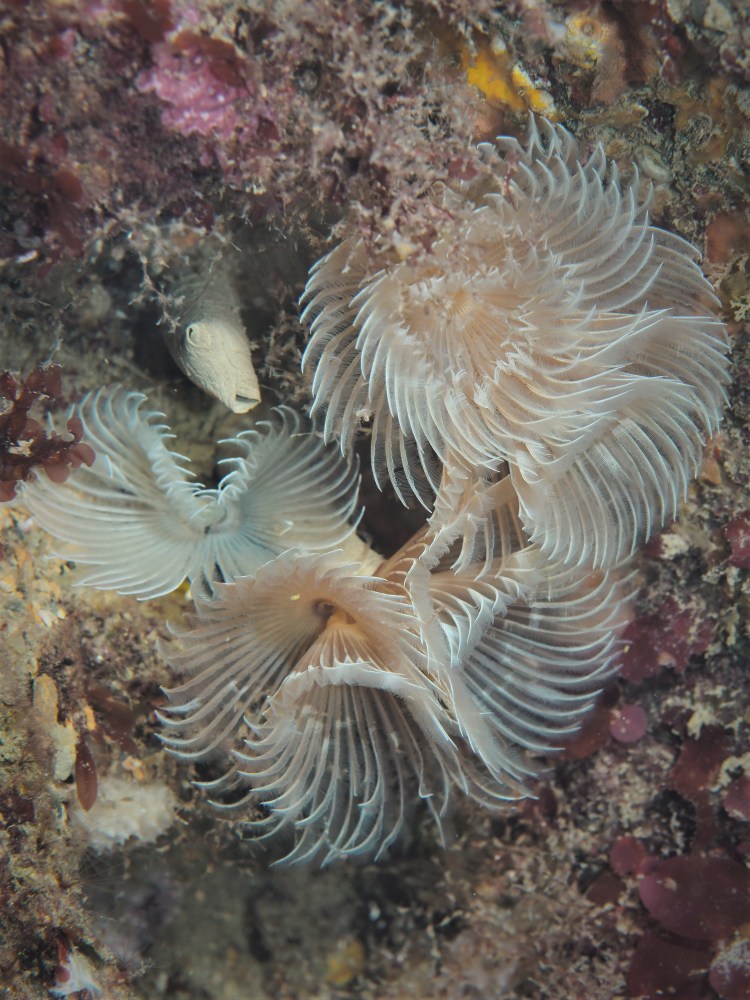
With the camera housing back, I have been in the water again lately, taking quite a few photos. I am lagging behind with posting quite a bit (this will allow me to post when I cannot get in the water later in the year) but should occasionally maintain the blog over summer, so here is! My local haunt Silver Steps provided during two dives with the macro lens. Above a Twin Fan Worm (Bispira volutacornis). These are quite shy (i.e. they retract into their parchment-like tube when their composite eyes detect a curious diver) but also are attached to cluttered rock walls. To blur this unappealing background, I used a very shallow depth of field (f 2.8); this also has the advantage of letting a lot of light in so ISO can be decreased to 100 – sorry non-photographers!). Below a collage of other ‘usual suspects’ (names under the photos) but ALSO I SPOTTED AN OCTOPUS! Crouched in a crevice and with only a macro lens I could not do it justice but it was still a very nice encounter.
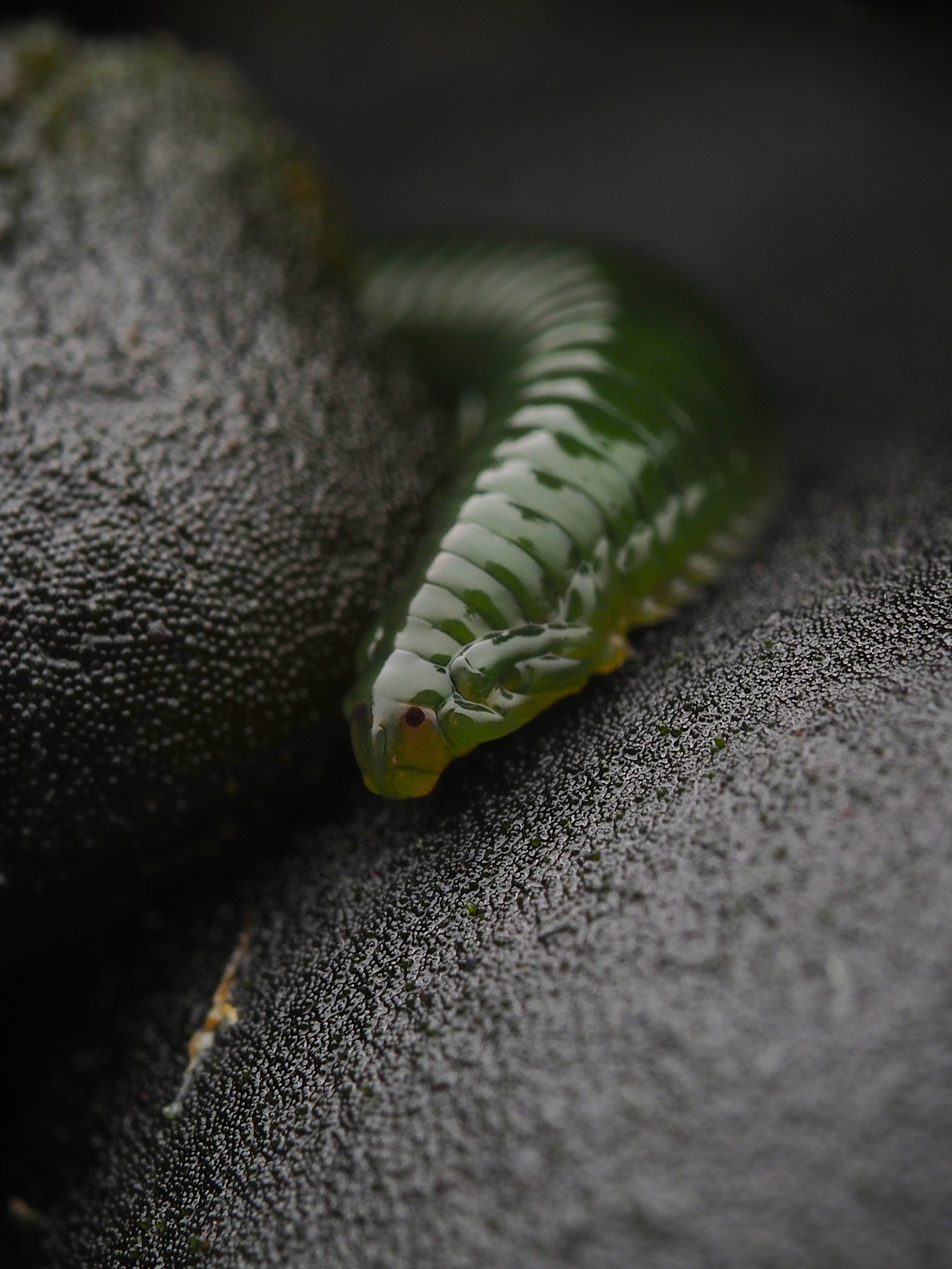
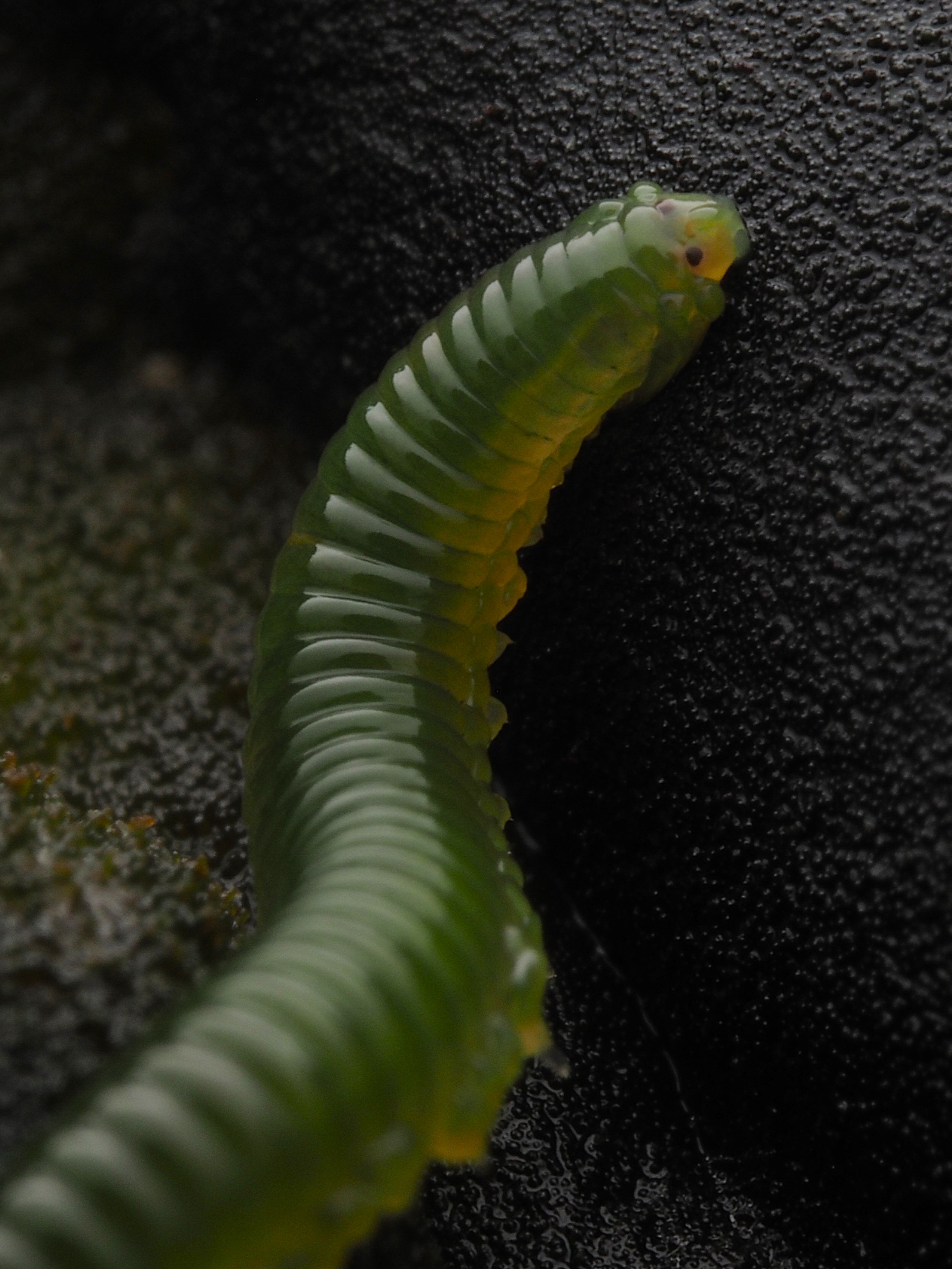
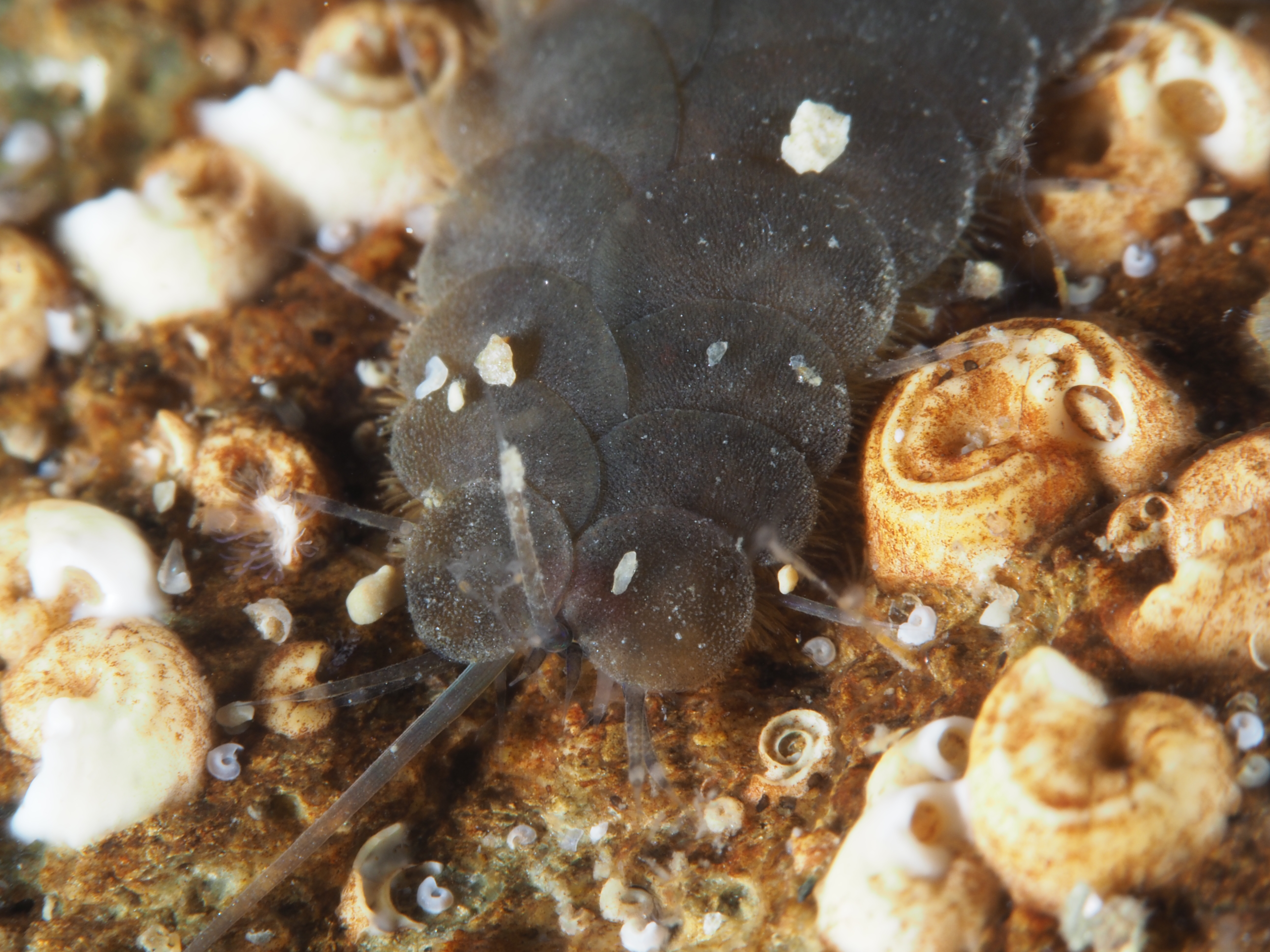
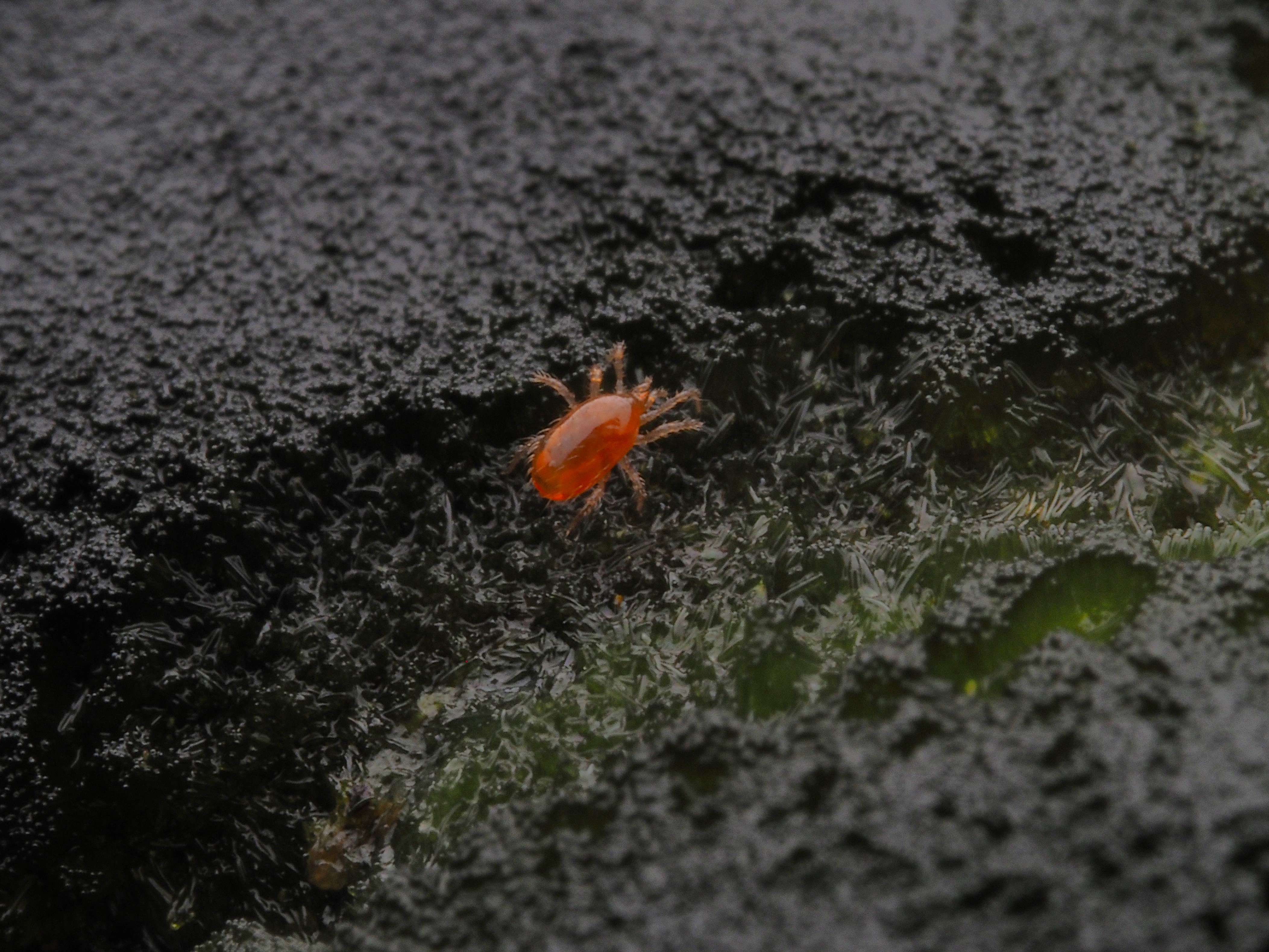
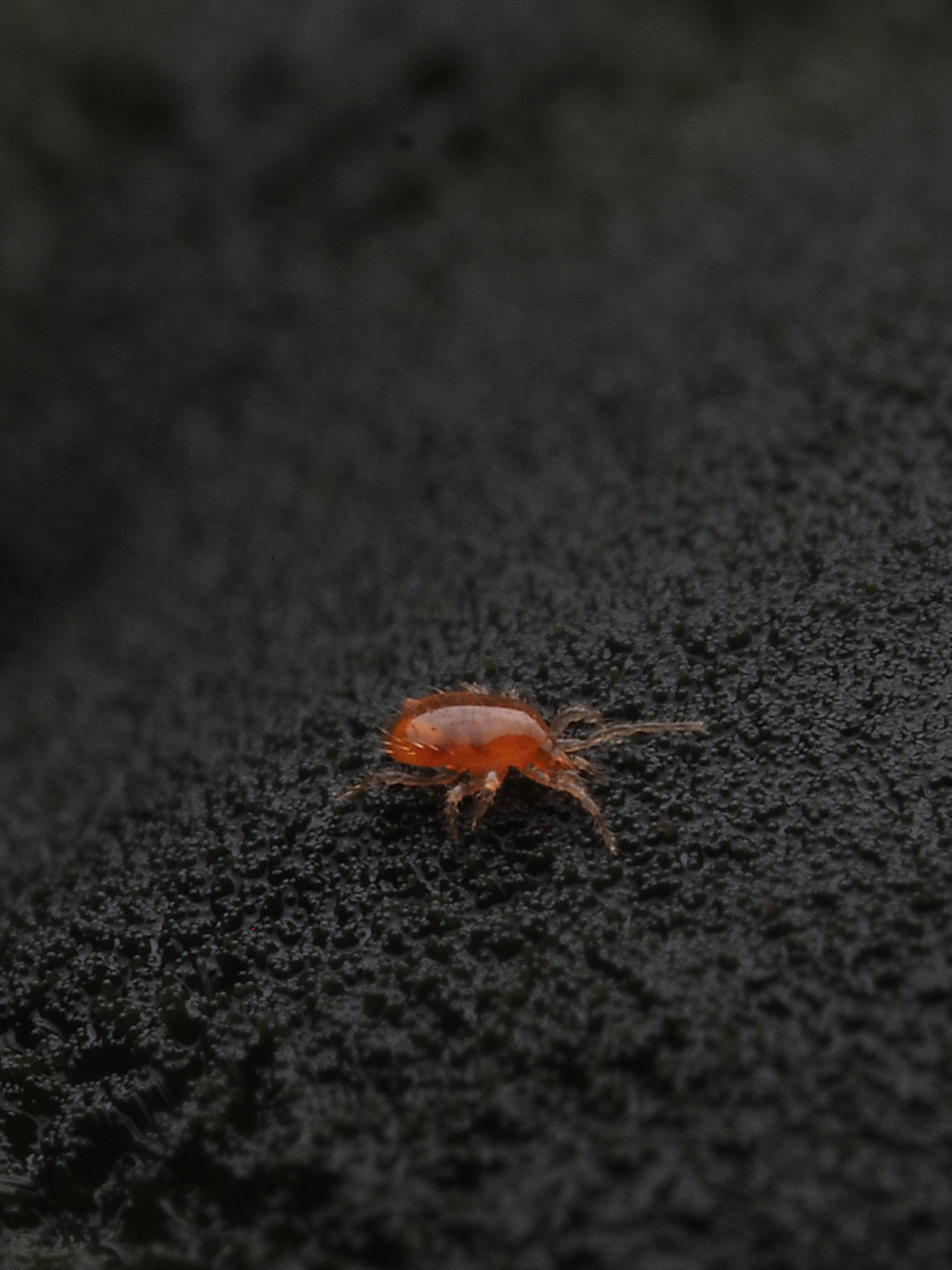
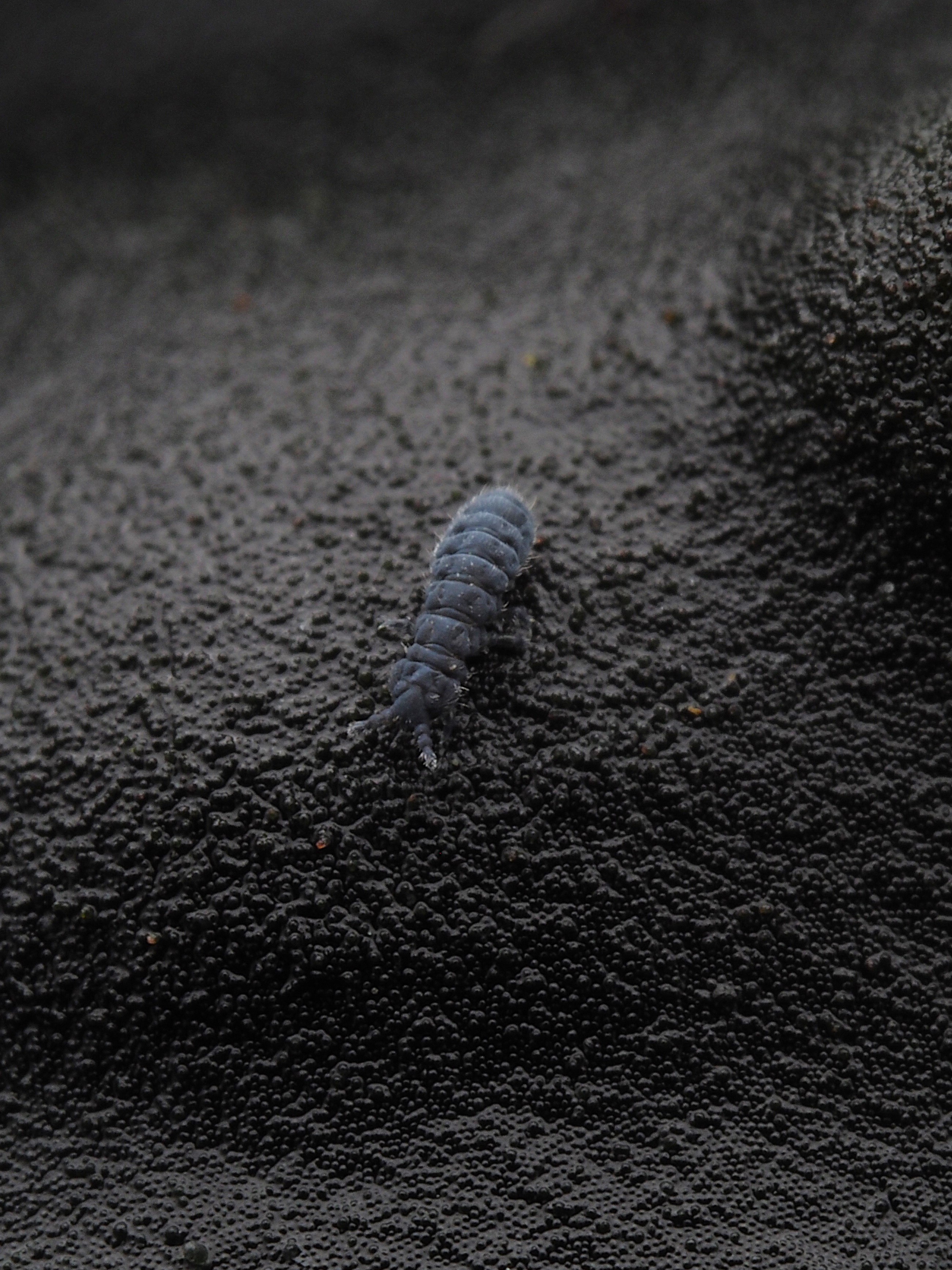
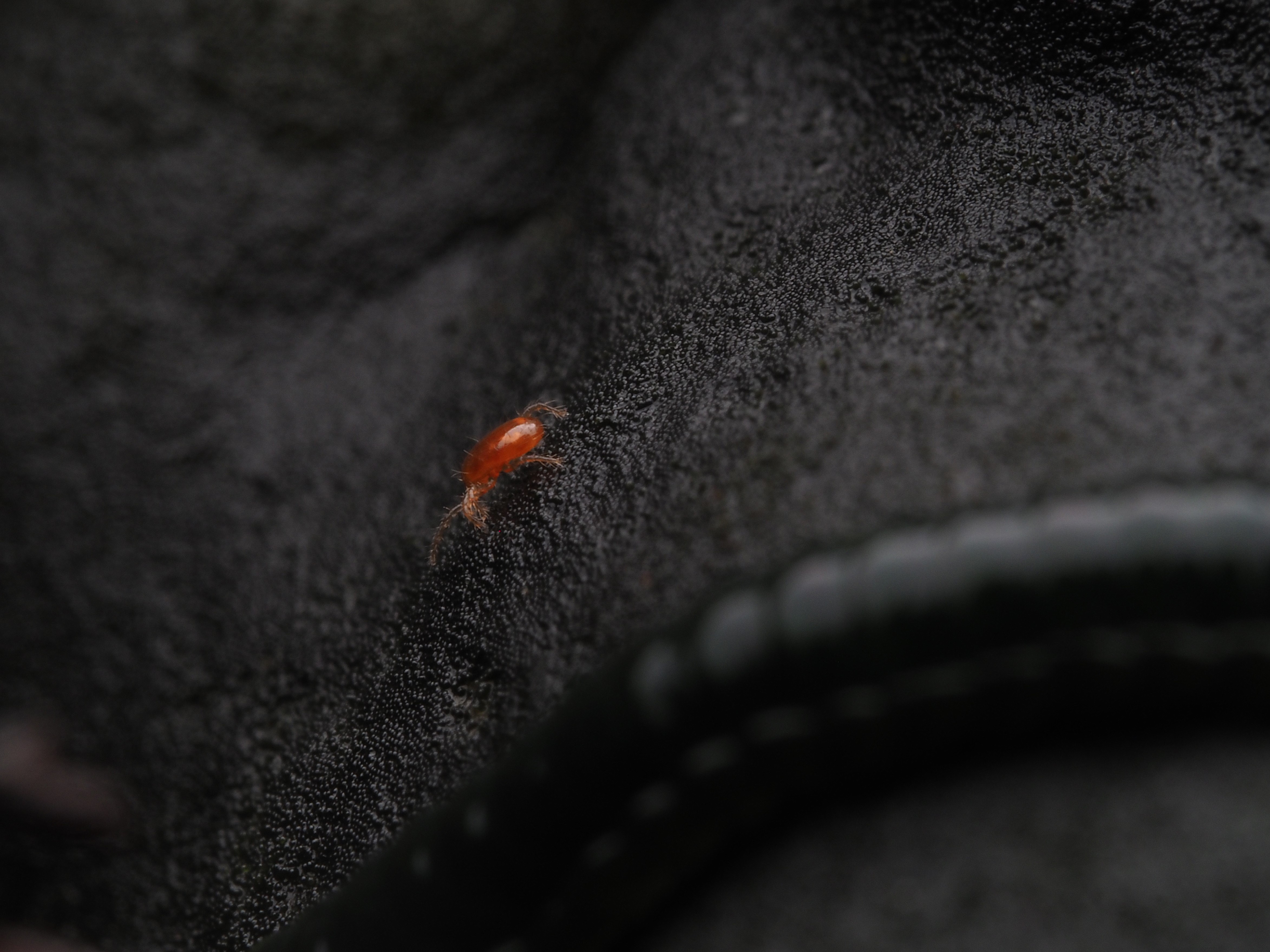
The Emerald Green Paddle Worm (or Green Leaf Worm) Eulalia clavigera ranges from a few to 10 centimetres and is common in rockpools in Britain (although most are probably more familiar with their egg masses, see here). During a recent scramble over the Trefusis Headland I noticed some out of the water on Codium adhaerens seaweed. Using my cygnustech diffuser and a bit of extra magnification courtesy of a Raynox clip-on macrolens I got to work! Taking photos of these worms is difficult as they are continuously on the move. It is also hard to get close to them with the diffuser bumping into the rocks and obscuring the light. However, they are very rewarding subjects; worms are usually overlooked but they are very beautiful! The Codium seaweed proved a perfect background, absorbing all light, a bit like black velvet. When you spend enough time on your knees peering down, you also always notice other things, some tiny springtails Anura maritima as well as some even tinier red mites (see also this old post). One of my new year’s resolutions is to photograph more worms – and the good thing is that there are many other species available, including paddle worm species, one of which is in the process of being described new to science by my friend David Fenwick).
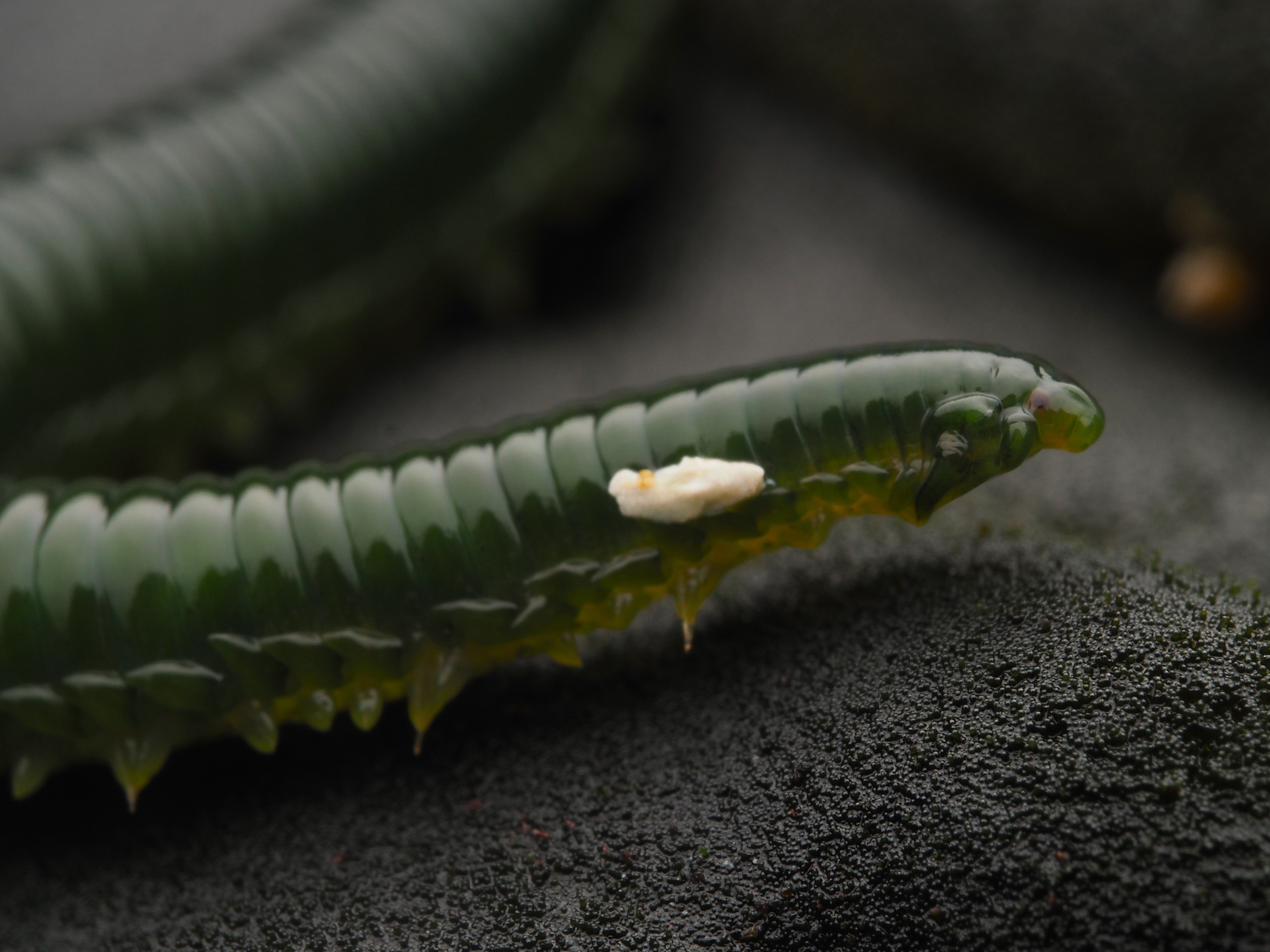
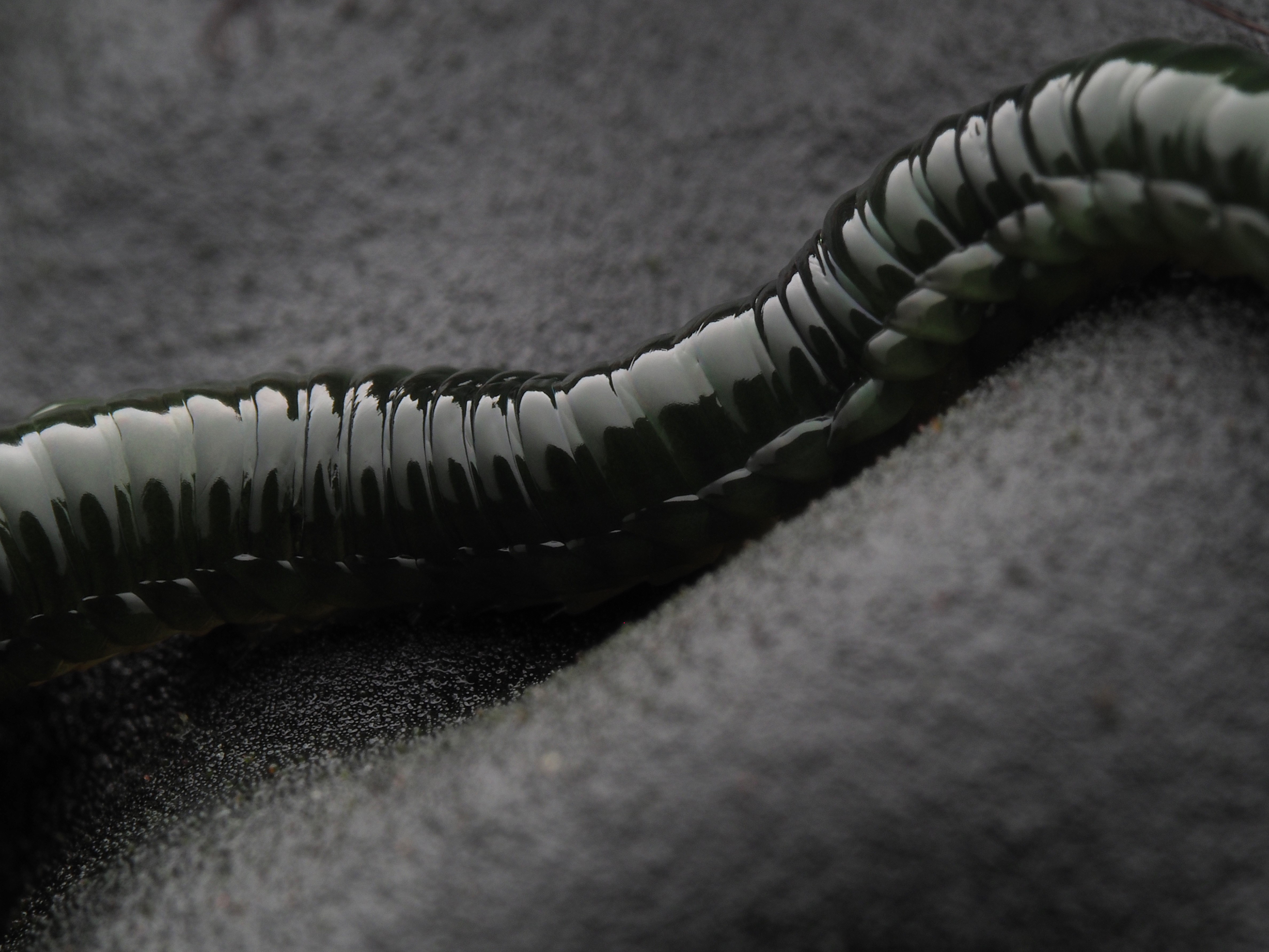
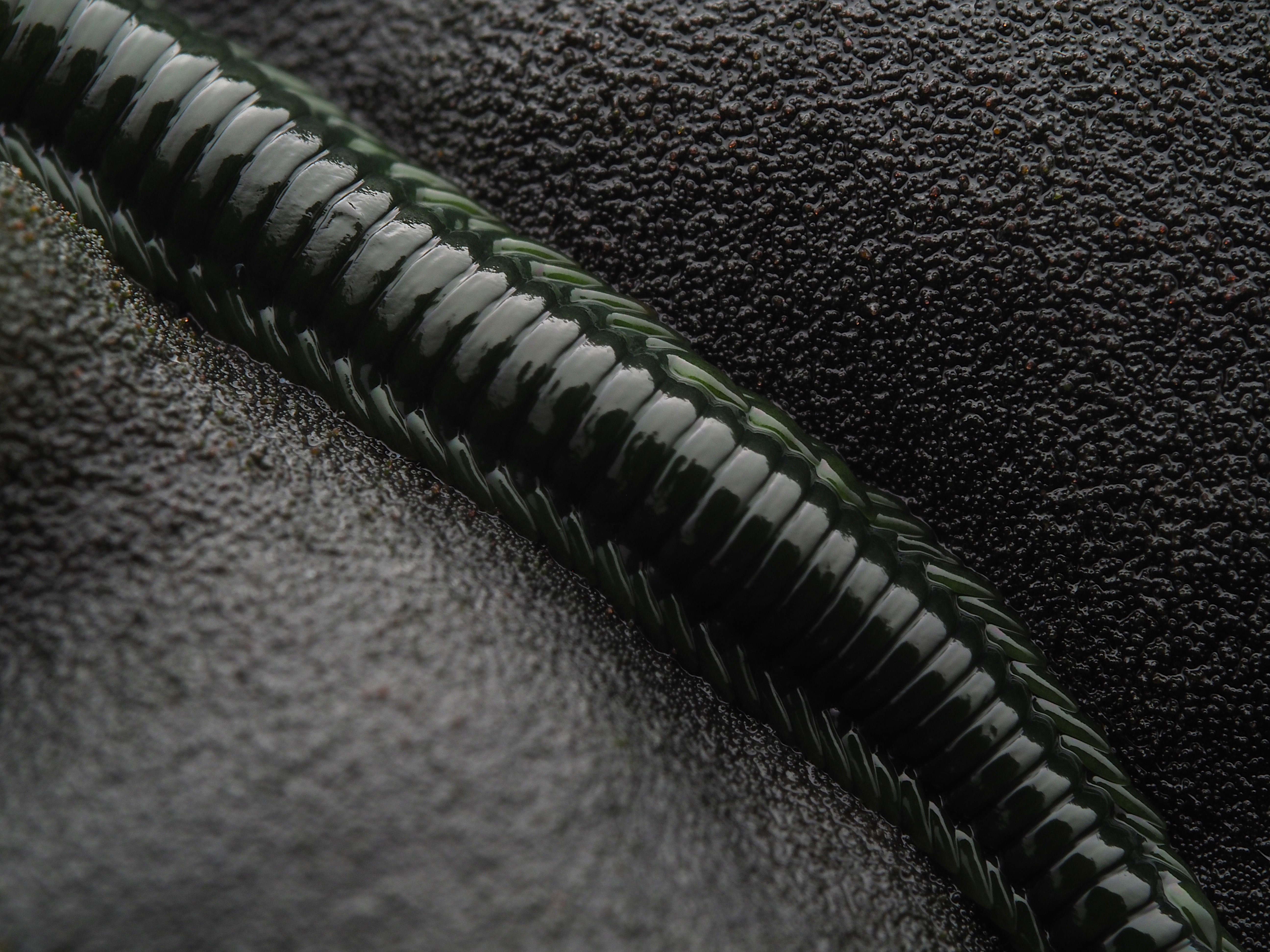
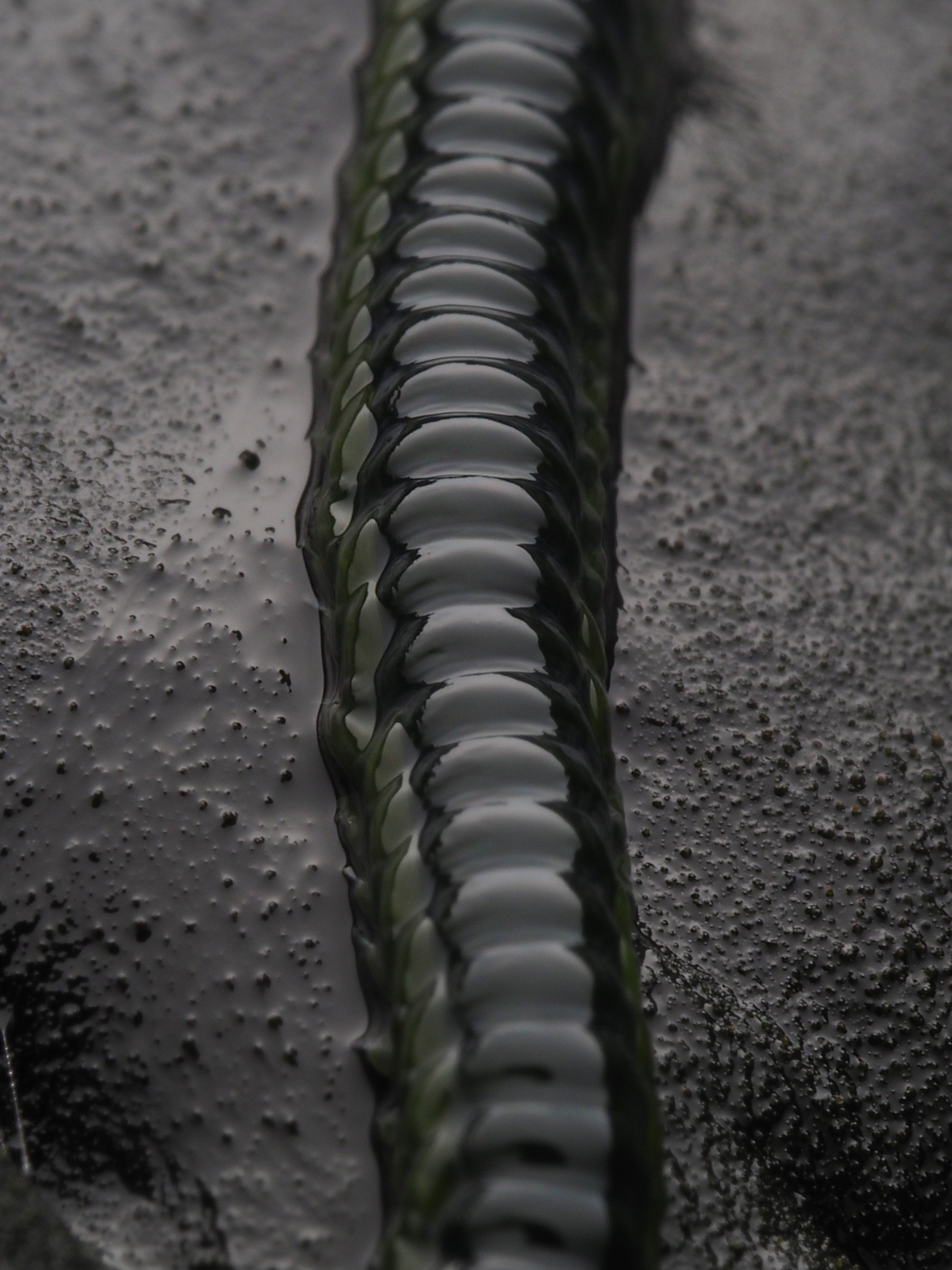
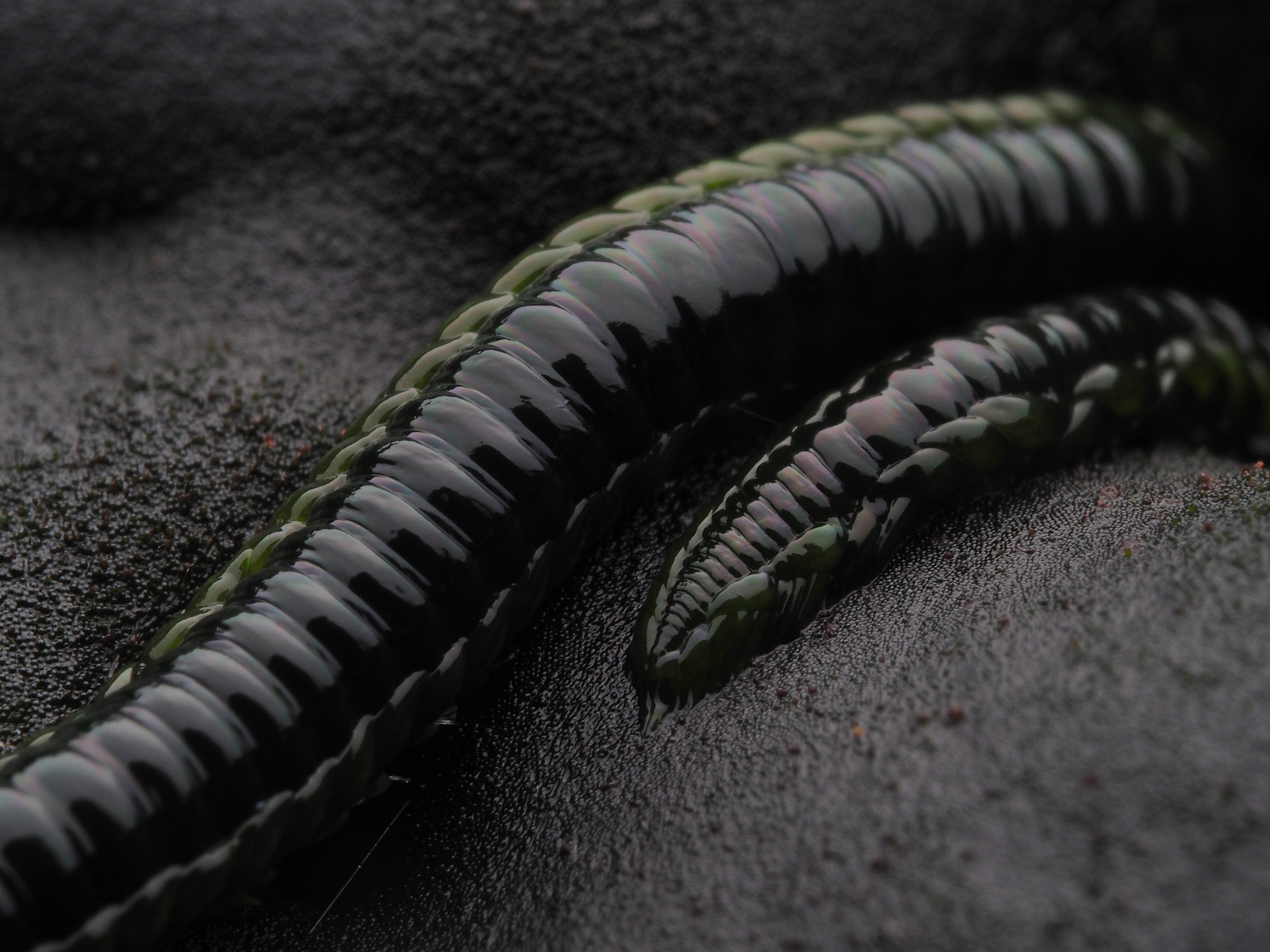
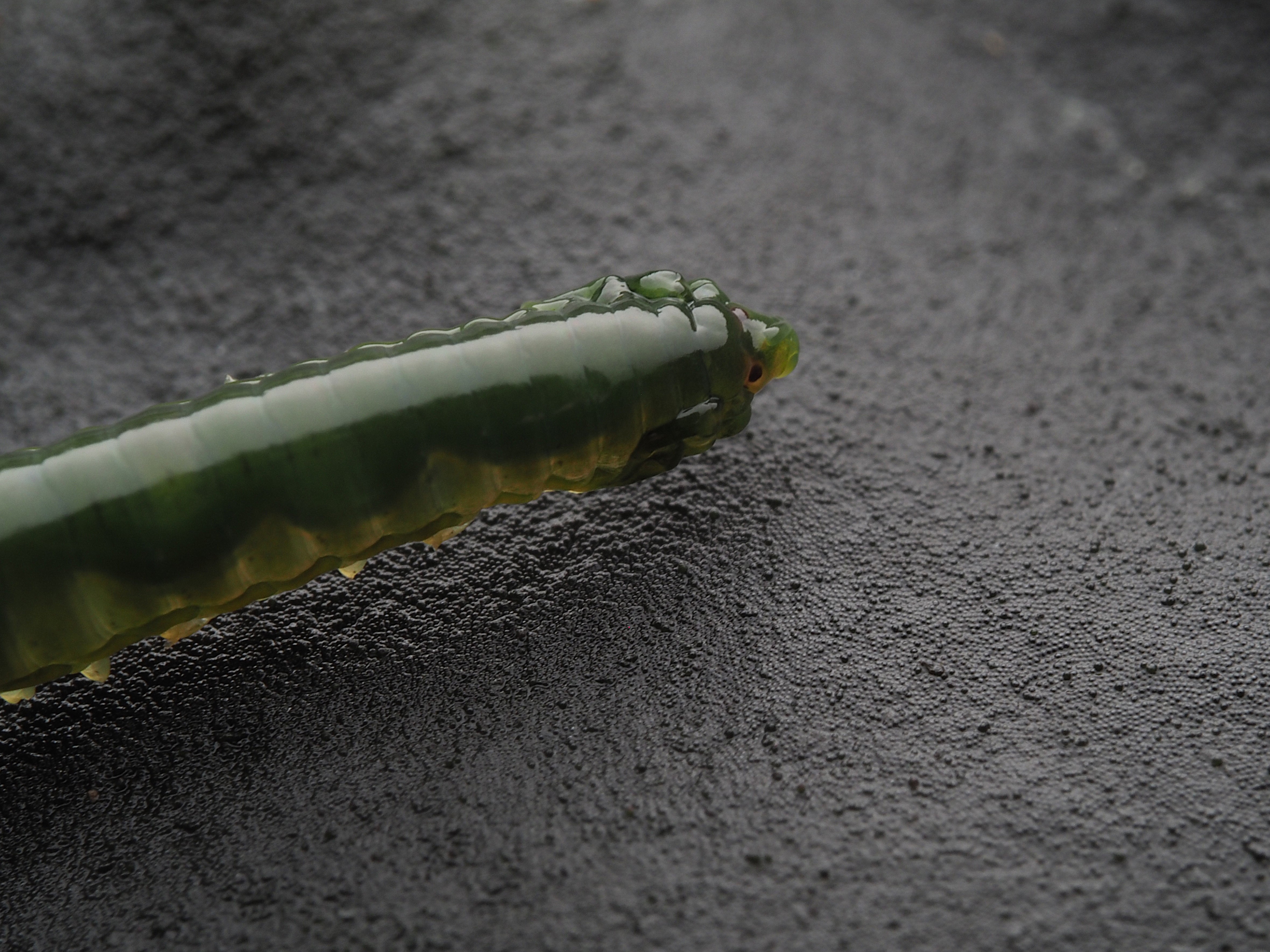
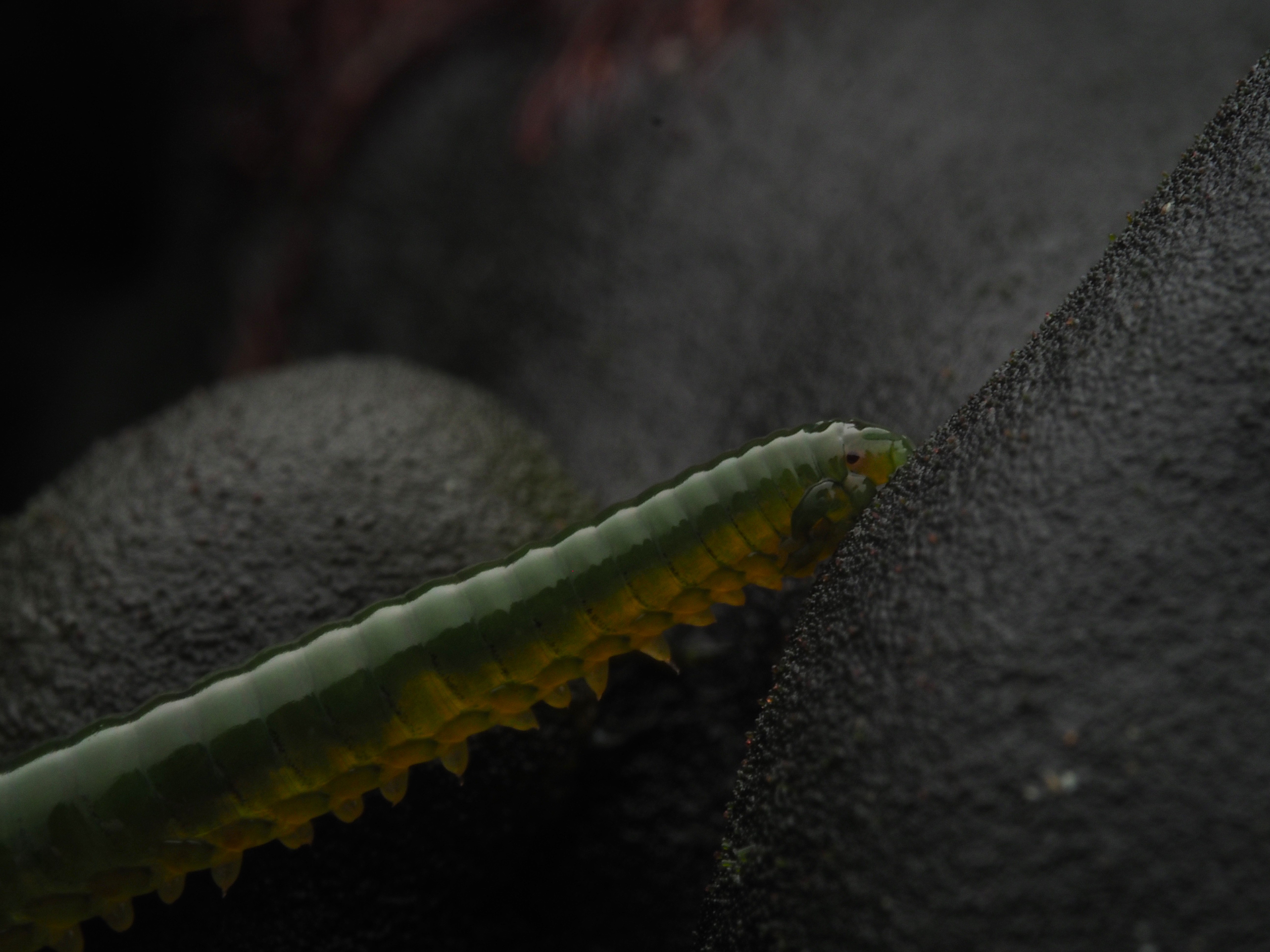
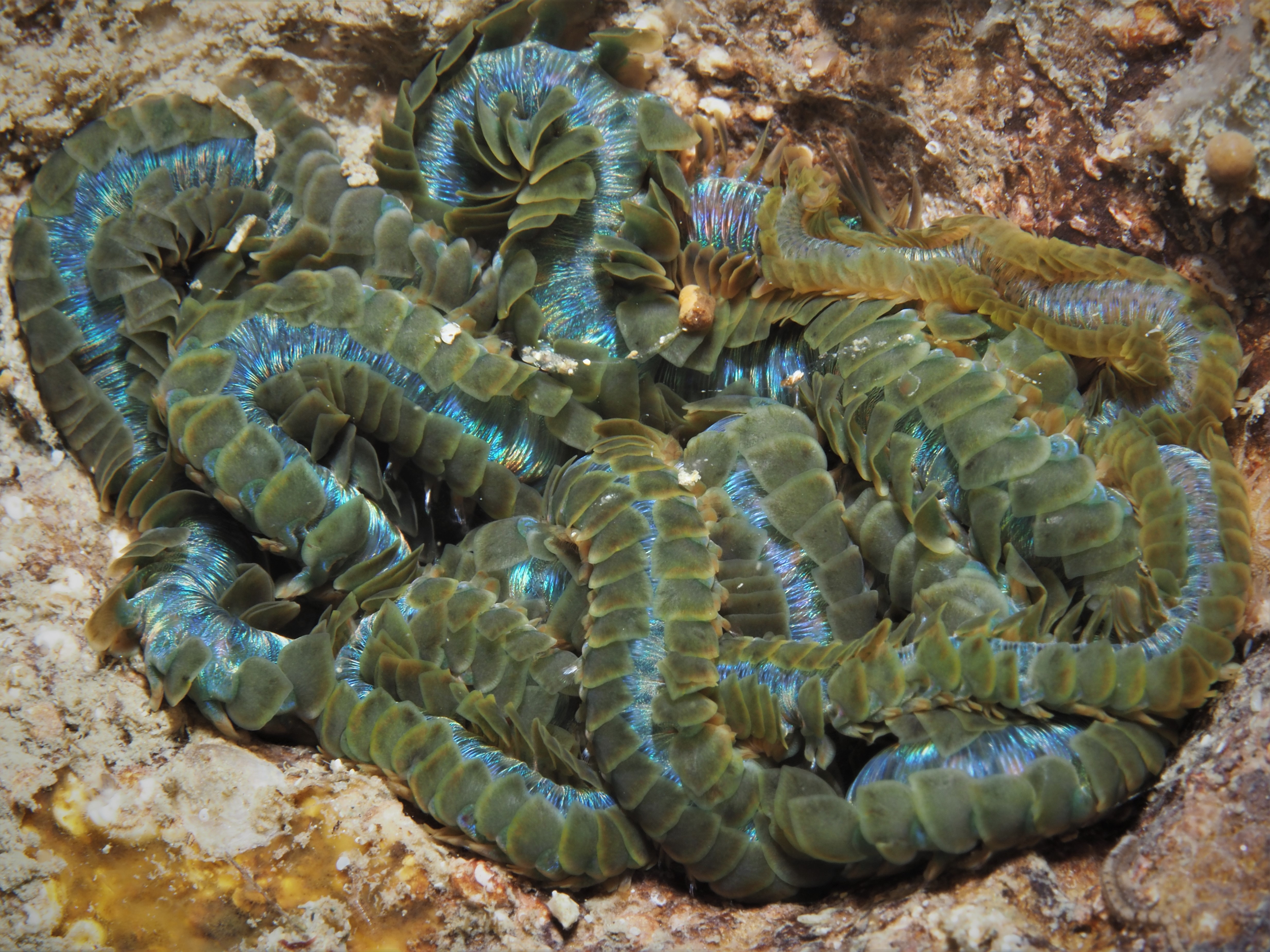
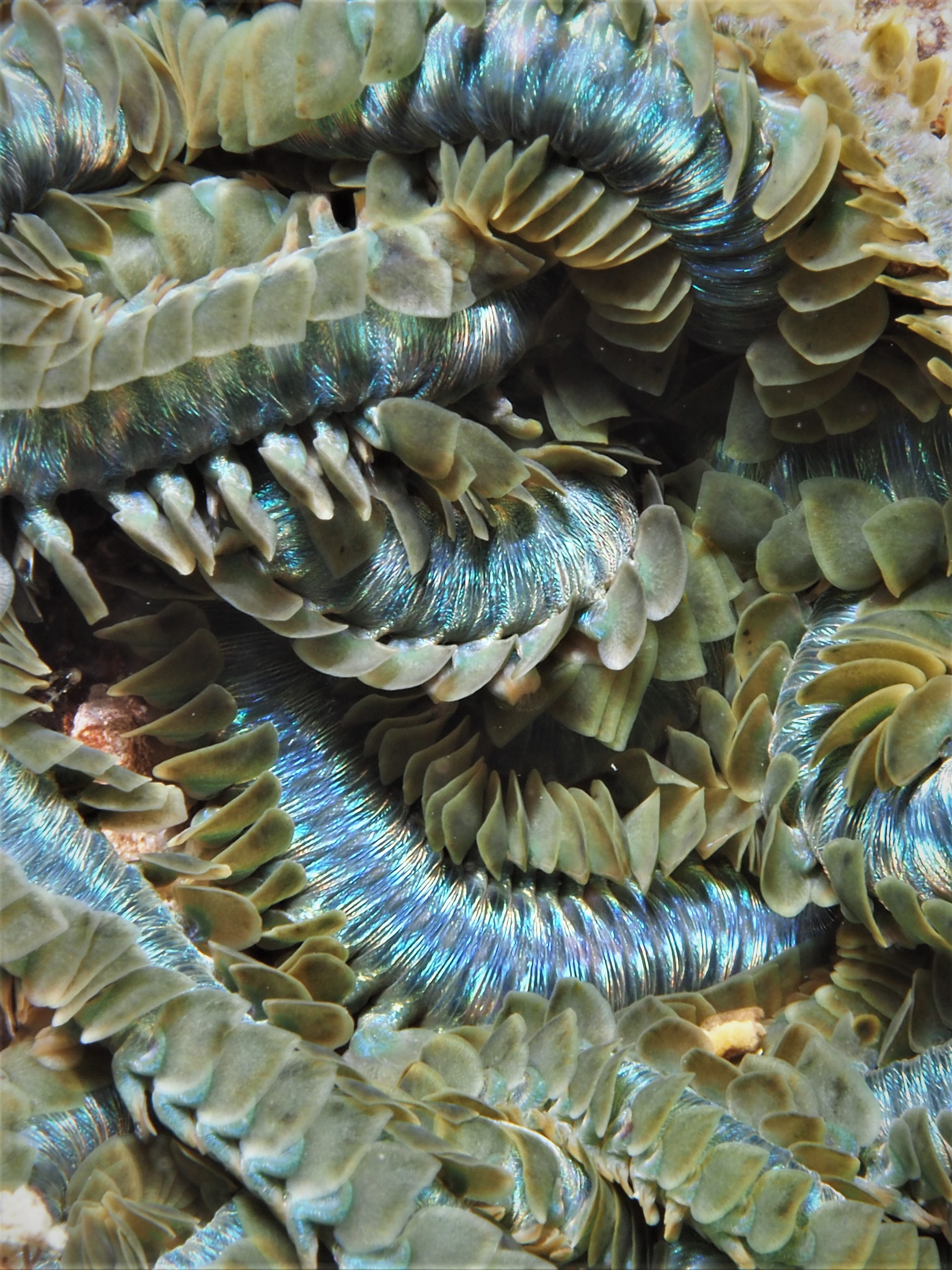
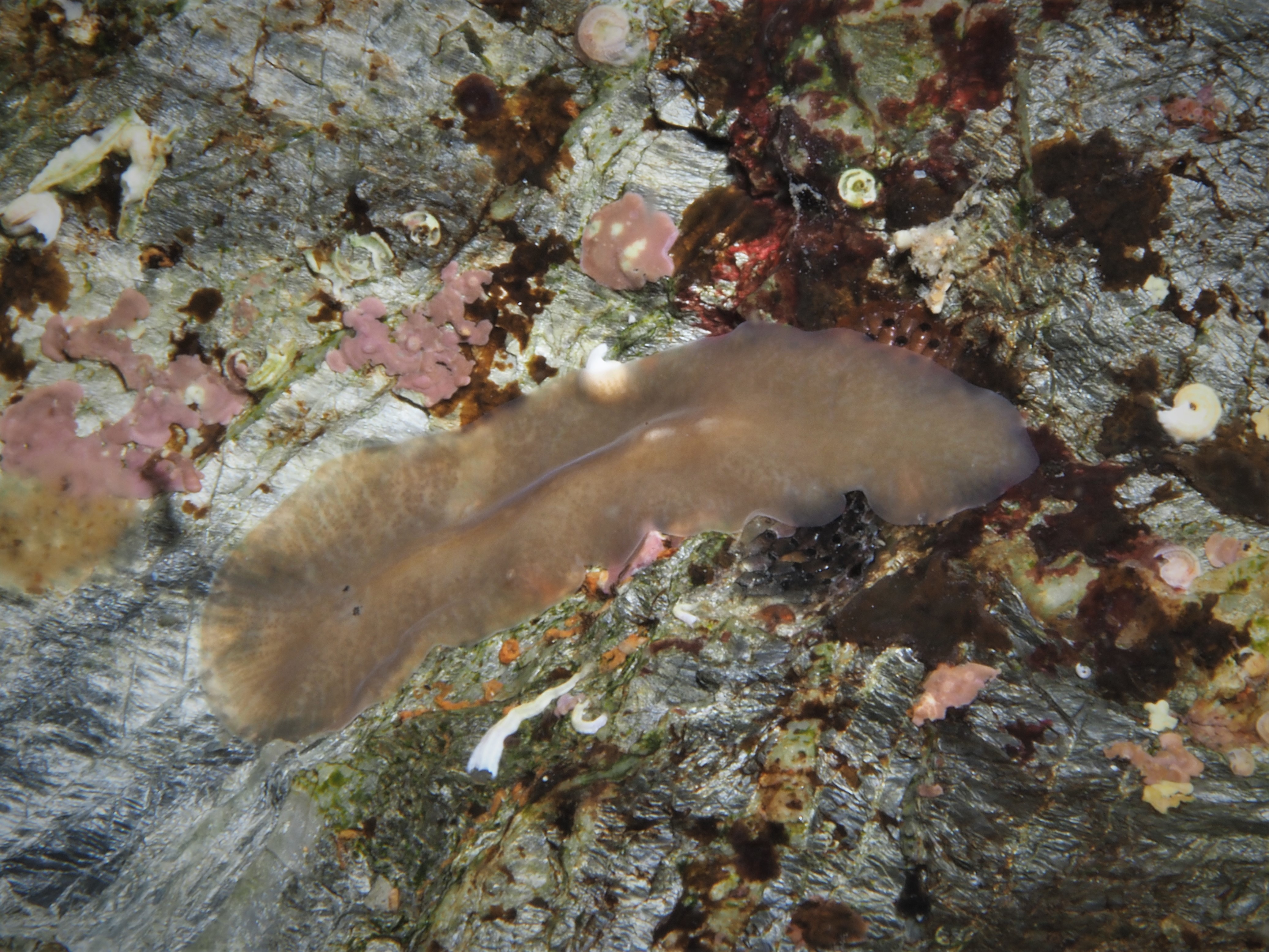
Had a nice snorkel yesterday; the weather was good and with the seaweeds growing I was tempted to go for the wide angle lens but in the end I was cautious and went for macro (where the visibility is not as important). Lots of stalked jellyfish and some nice chameleon prawns but I had trouble aiming the strobe right somehow. I turned over some rocks and found a large ‘worm ball’ wriggling frantically. It was hard to estimate its size but might have been 10-20 cm. It is a Phyllodocid worm, possibly this one. I also managed a closeup which really shows off the lovely green and blue colours.
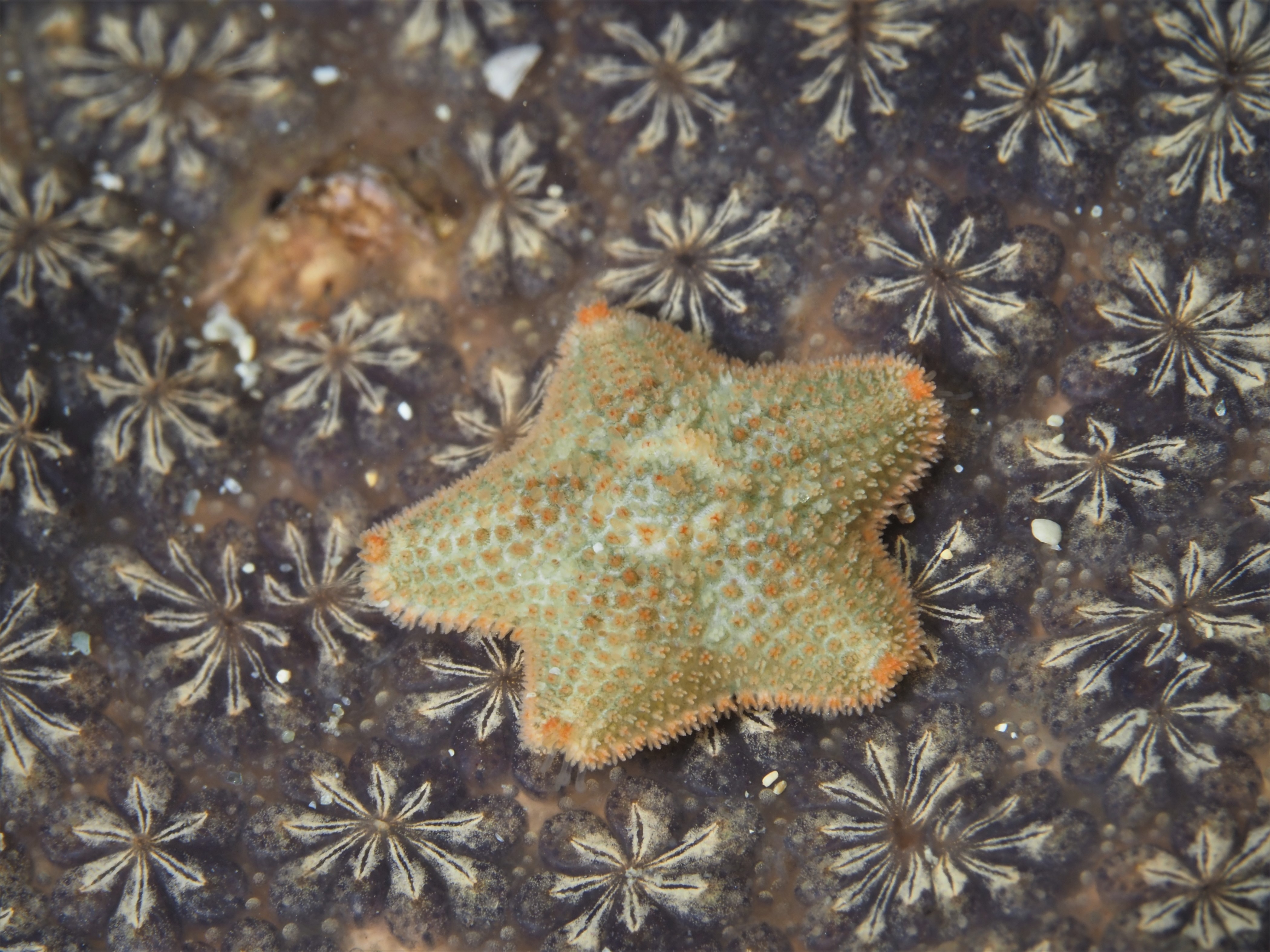
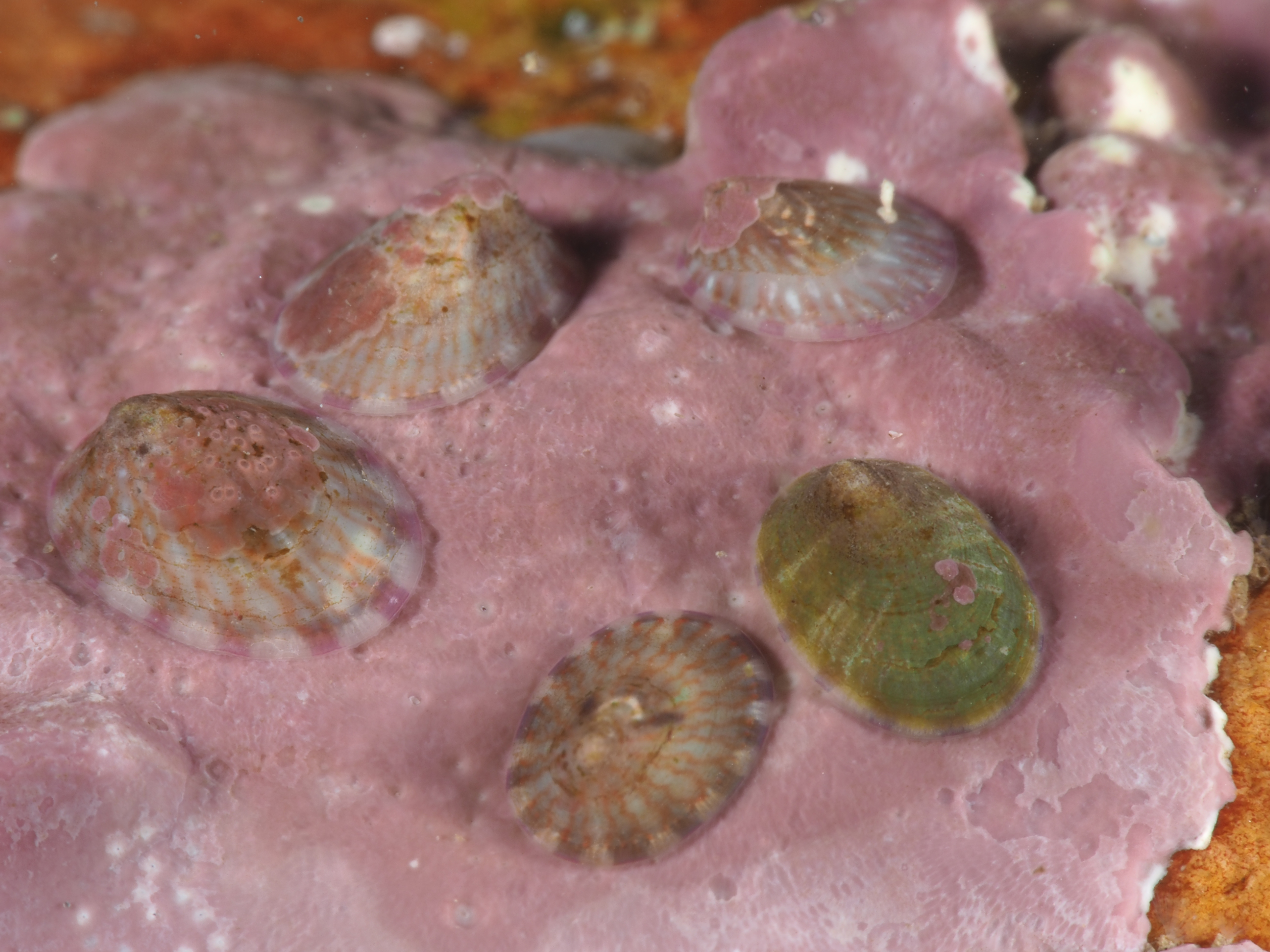
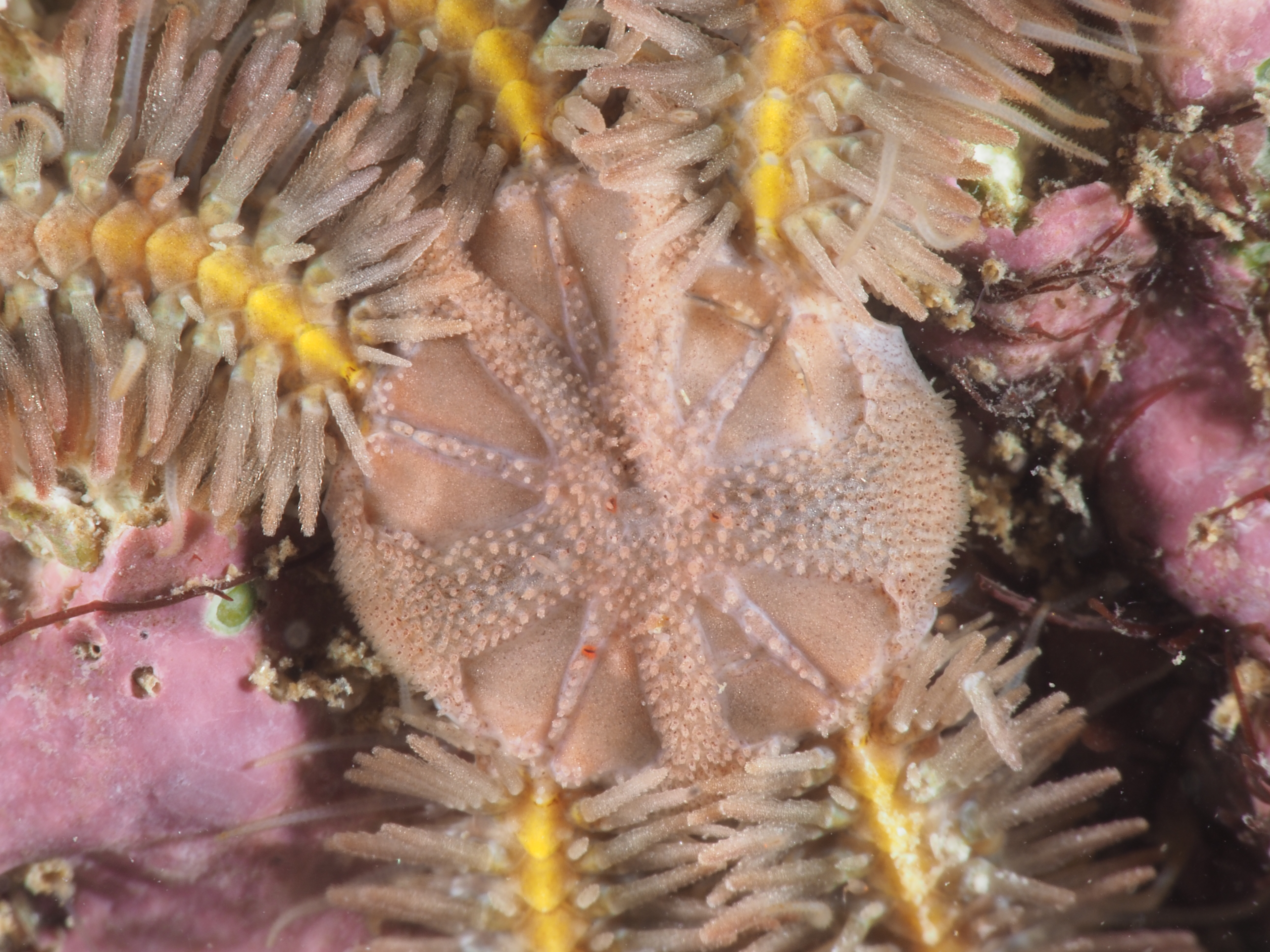
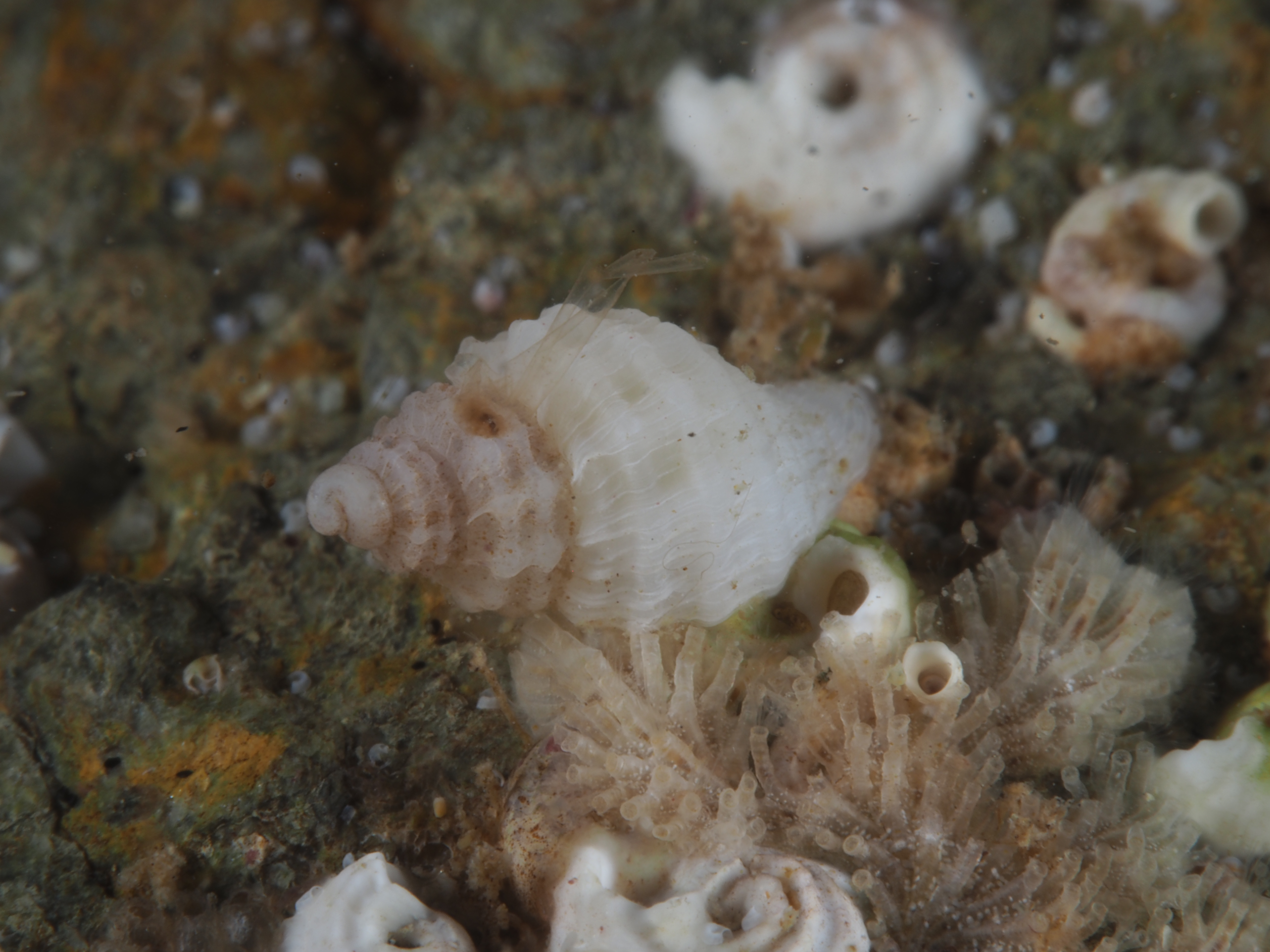
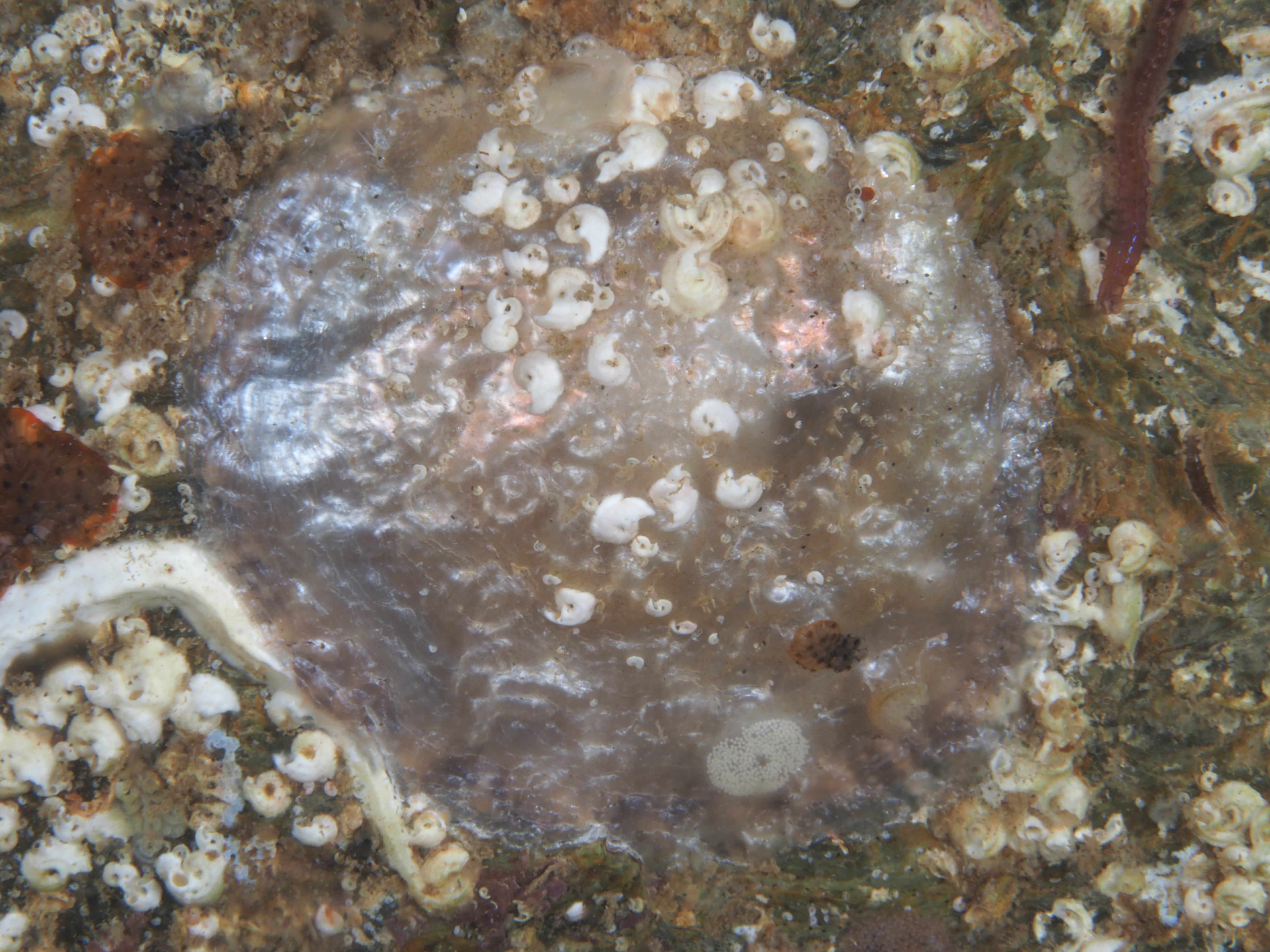
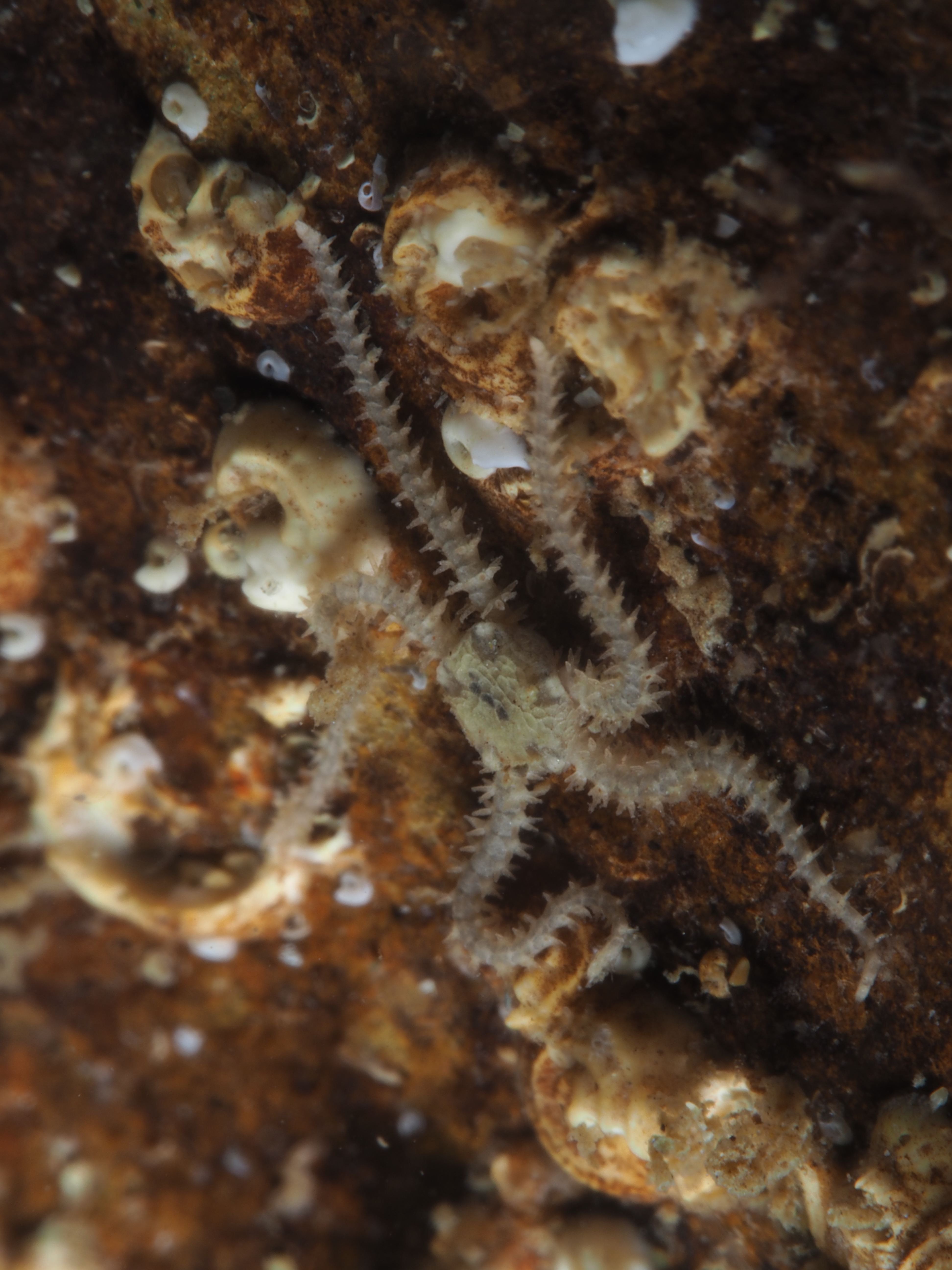
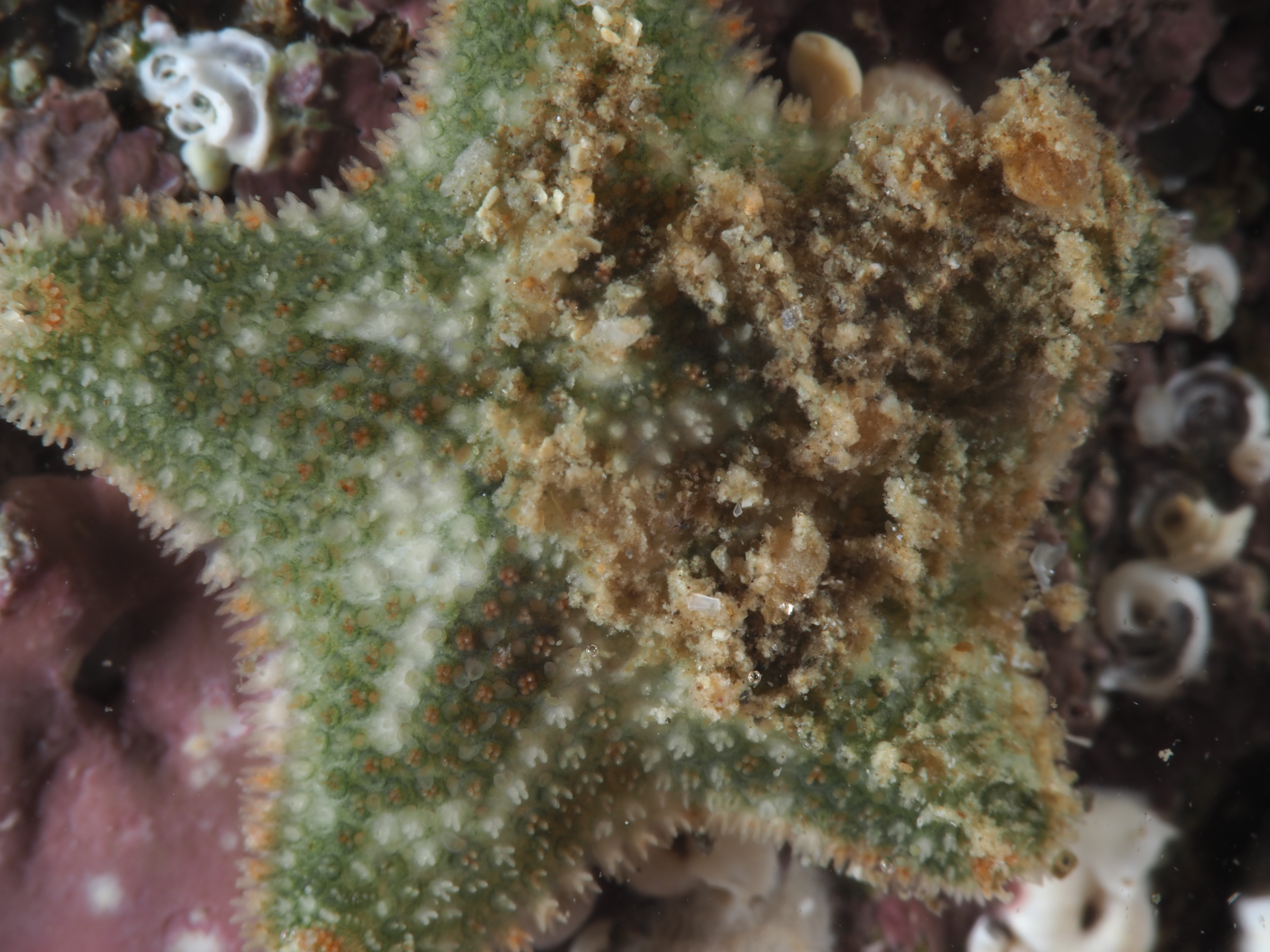
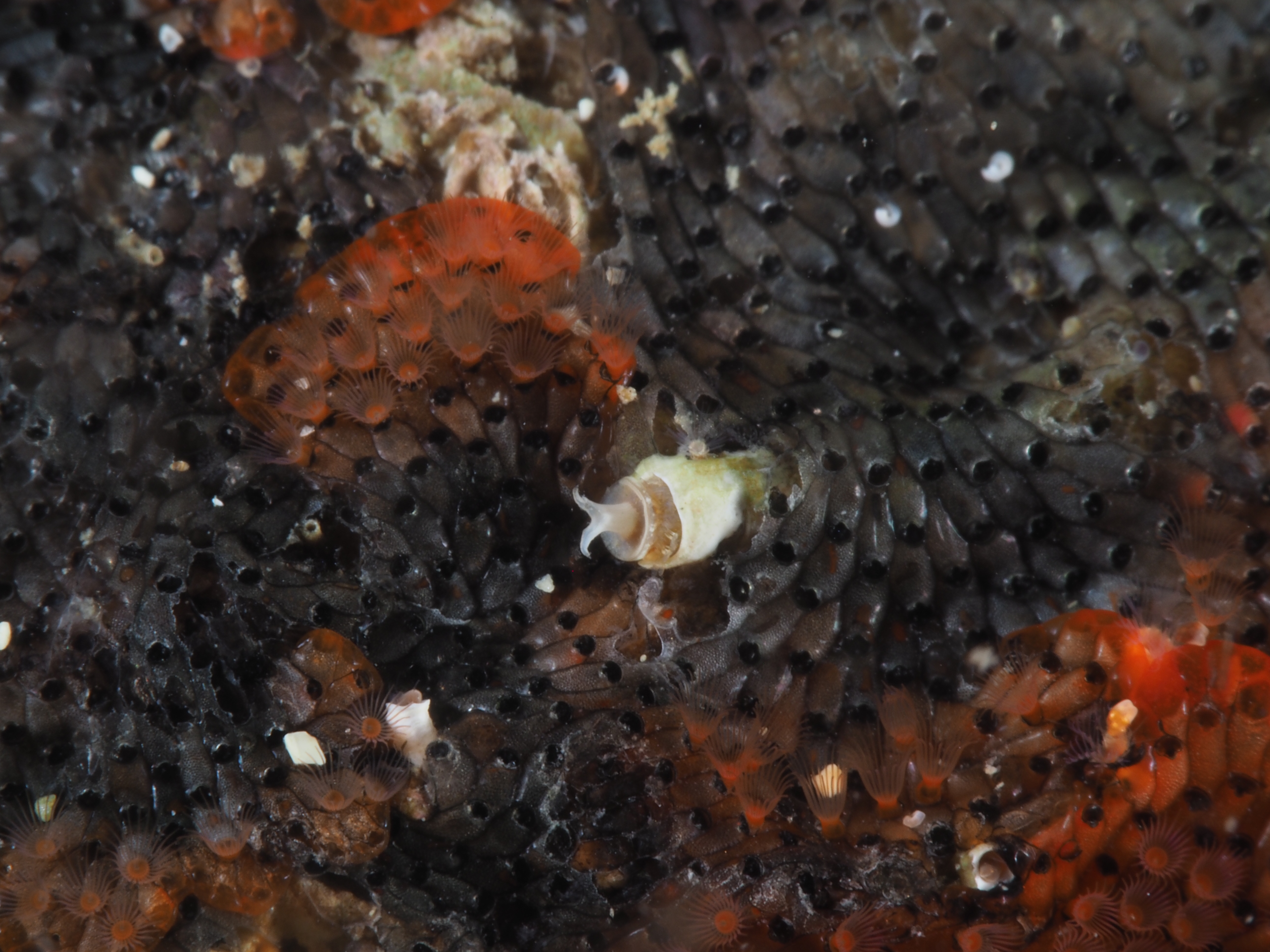
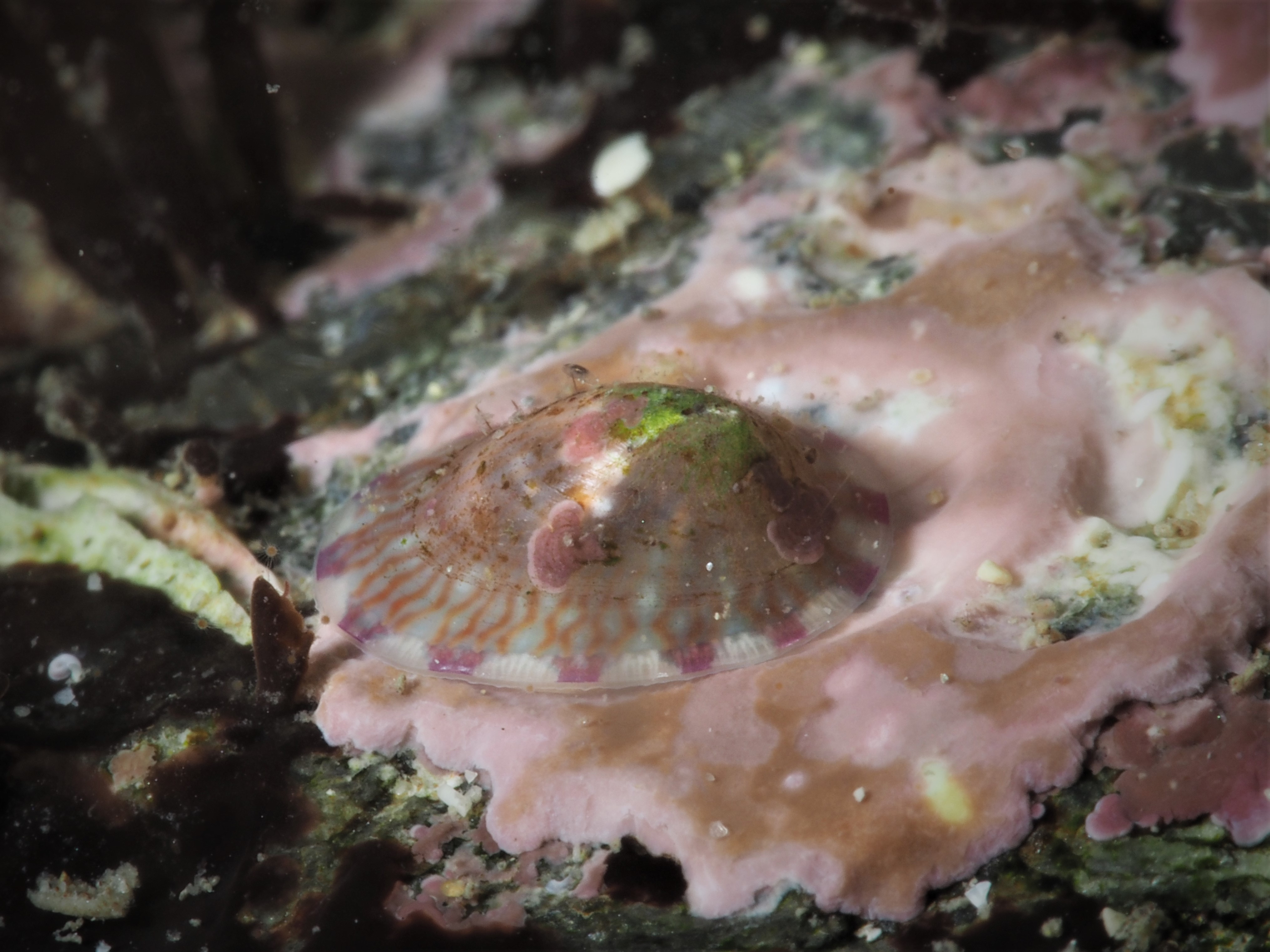
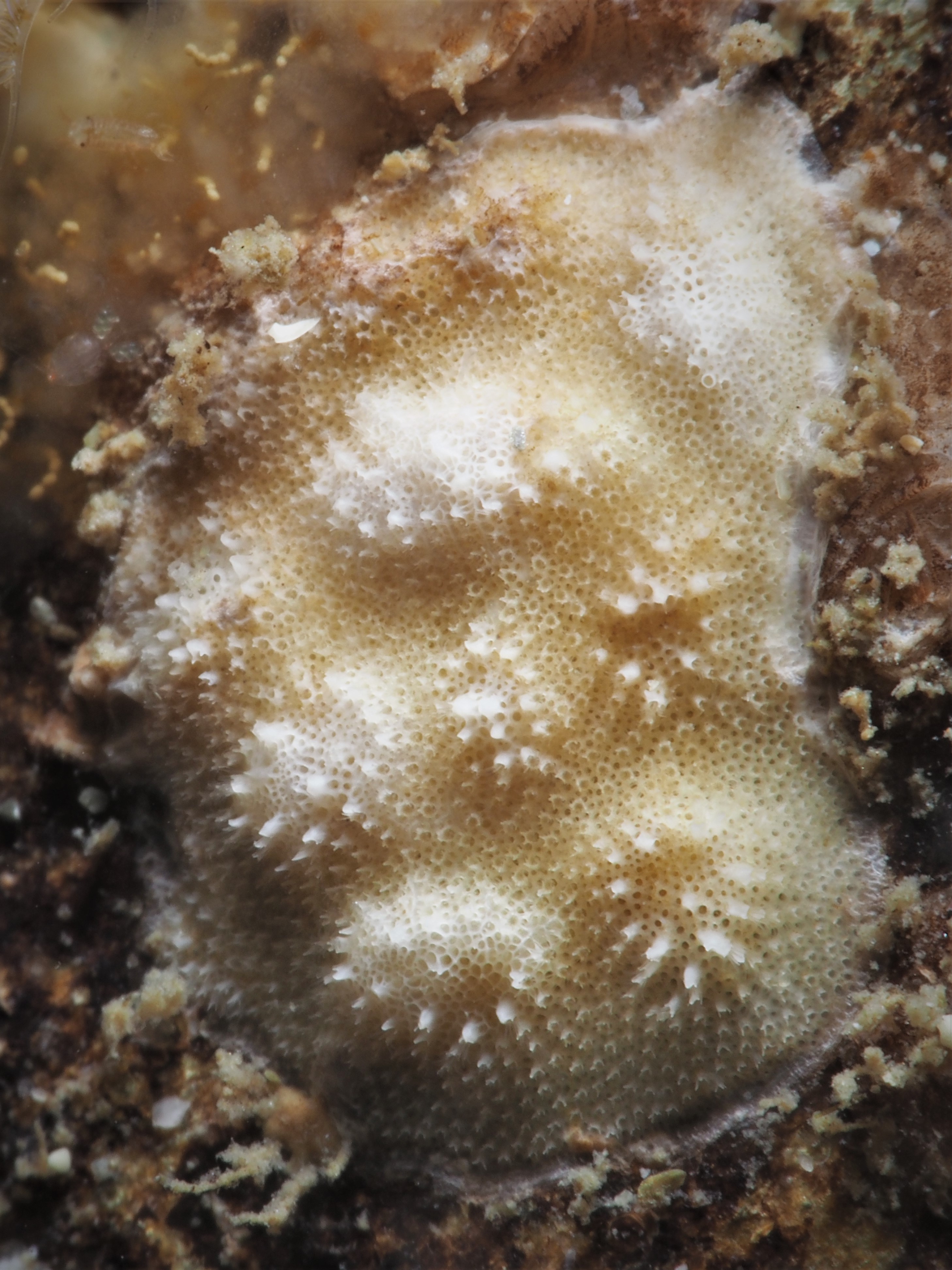
I have not posted a lot this year; in part just because I have not been out as much as I hoped I would, and in part because I had some technical difficulties (I had to sent back a malfunctioning strobe and am also having snoot troubles). As a result I have not gone scuba diving and did not see much of the rock pools either. I managed to take some macro shots over summer though that are worth a quick post. Above a Cushion Star Asterina gibbosa on a colony of the star ascidian Botryllus schlosseri. Below one of my favourite little molluscs, the beautifully patterned White tortoiseshell limpet Tectura virginea. Another tiny mollusc, is the Needle Whelk Bittium reticulatum. The Variegated Scallop Chlamys varia is also common (under rocks) and can be nicely patterned when they are small. Finally some other tiny critters: the Flatworm Leptoplana tremellaris (I like their beady little eyes) and the Bryozoan Disporella hispida.


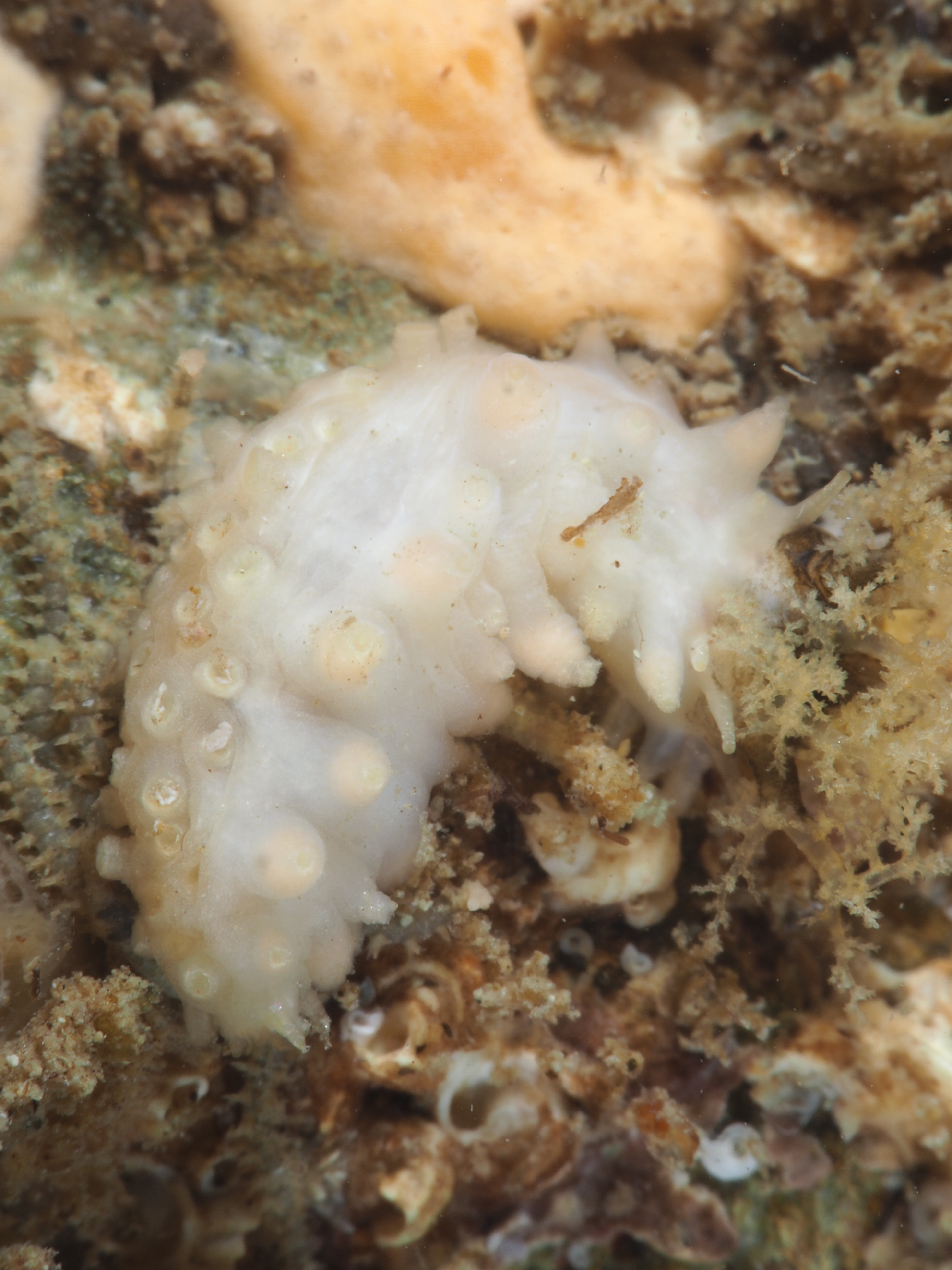
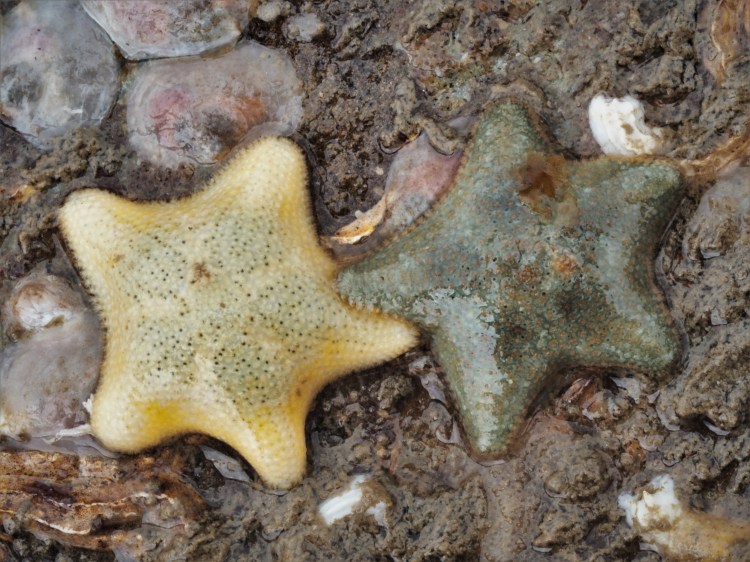 I have not been in the water recently but went good oldfashioned rockpooling instead a week ago. No ‘lifers’ but there is always something interesting to see. For instance, my first albino cushion star (Asterina gibbosa). This small species (these individuals are only a little over a centimetre) is incredibly common here. Btw, I must confess this shot was staged, I placed these seastars together. Below, a Candy-striped flatworm (Prostheceraeus vittatus), also about a centimetre. Next, the Yellow-plumed or Side-gilled seaslug (Berthella plumula). Another common species but it is difficult to get a decent photo of this blob! This mollusc has an internal shell and, interestingly, glands that secrete sulphuric acid when it is attacked. You can see a little slug right beside it, maybe a juvenile Sea Lemon.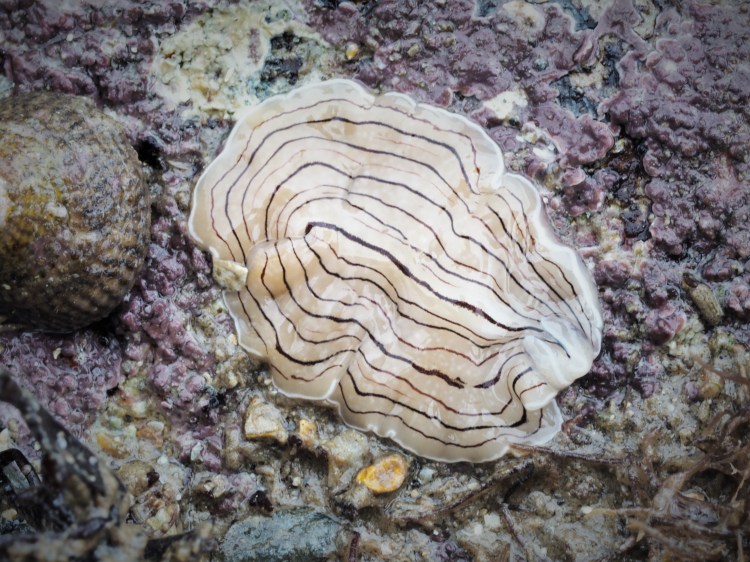
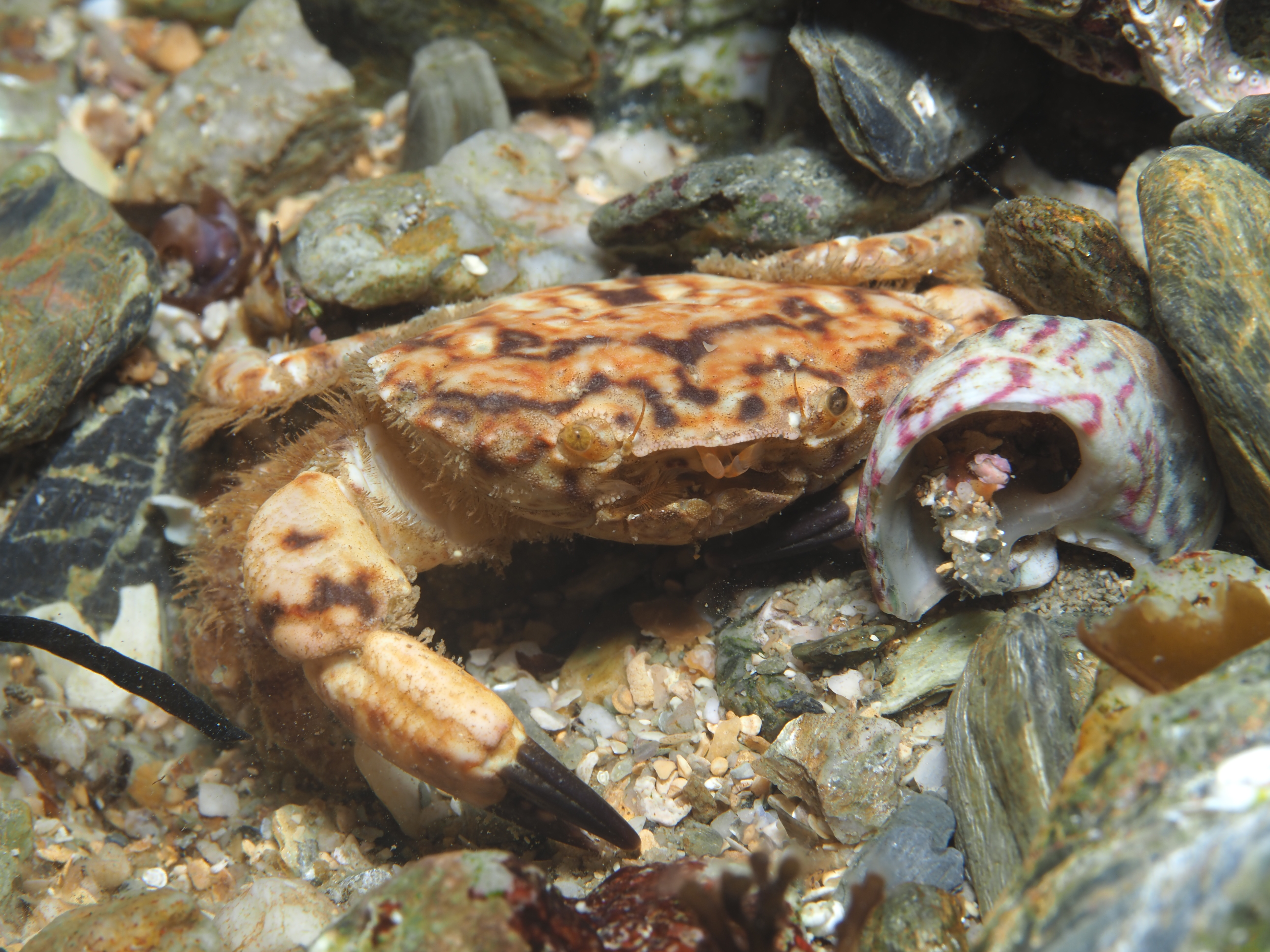
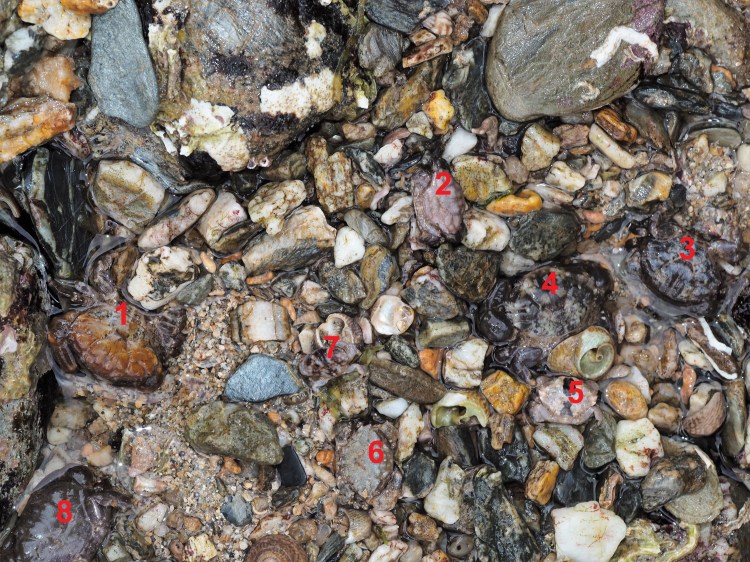
 Finally a photo that I had wanted to take for a while: can you spot the crabs? One of the most common invertebrates here is the Furrowed Crab or Montagu’s Crab Xantho incisus. Xantho species are known as Pebble Crabs which is the name I prefer; although highly variable in colouration they are very good at blending in amongst the pebbles! How many can you spot? There might be a stray Risso’s Crab Xantho pilipes in there as well, as they are quite similar (except for a fringe of hairs on the legs and carapace) and also common here. High time to have a look again underwater as well.

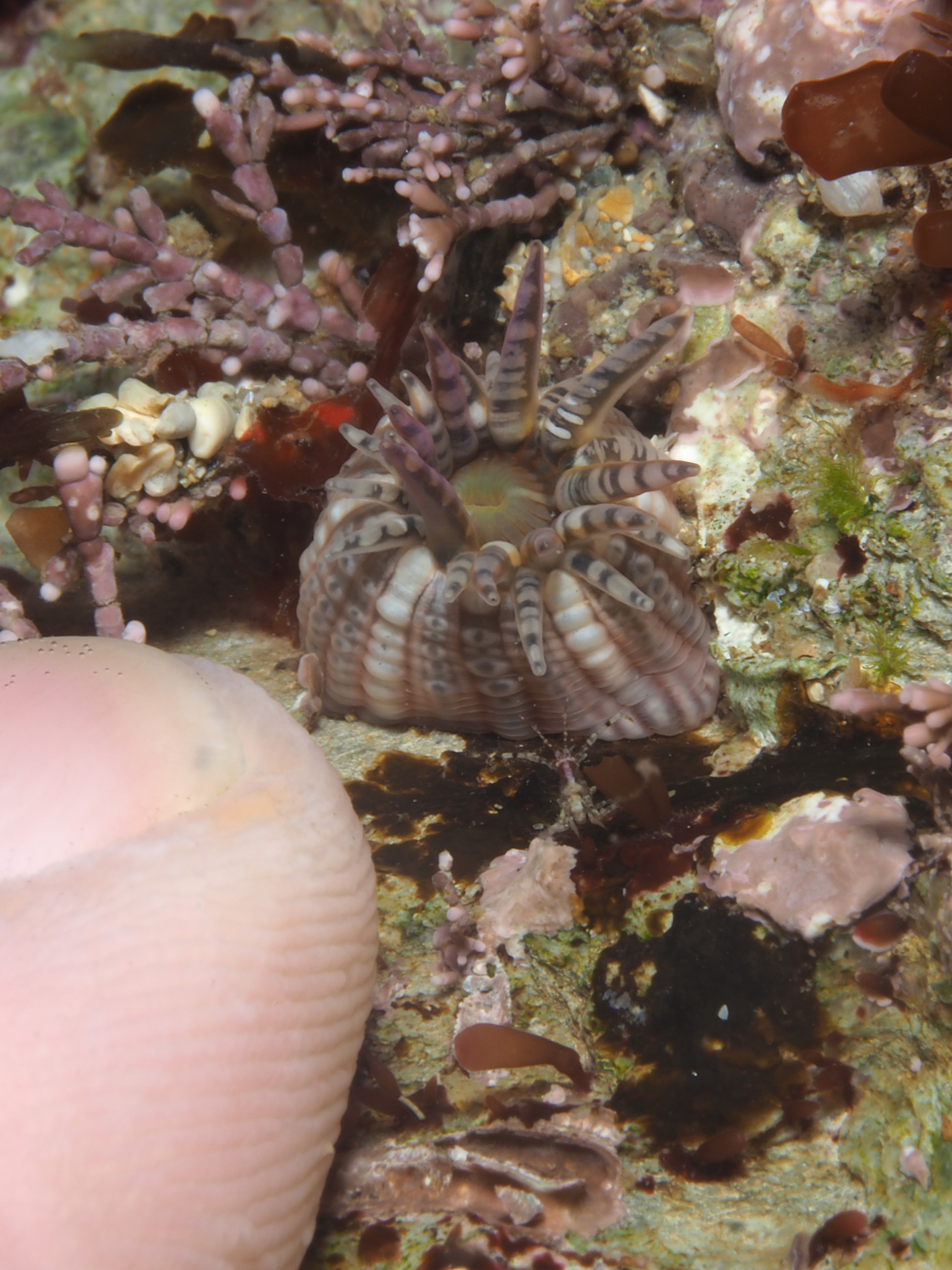
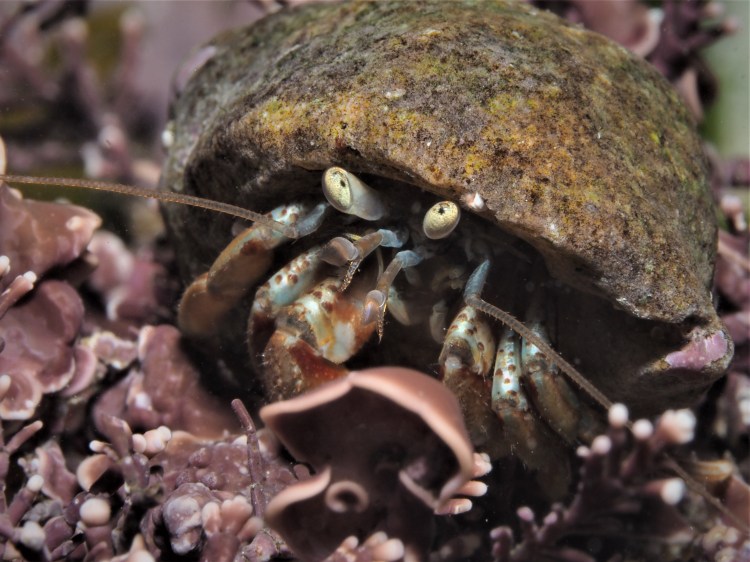
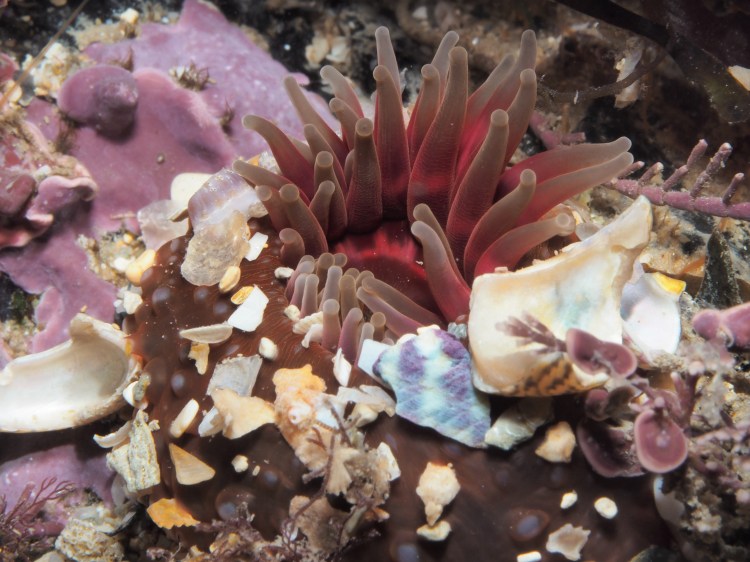
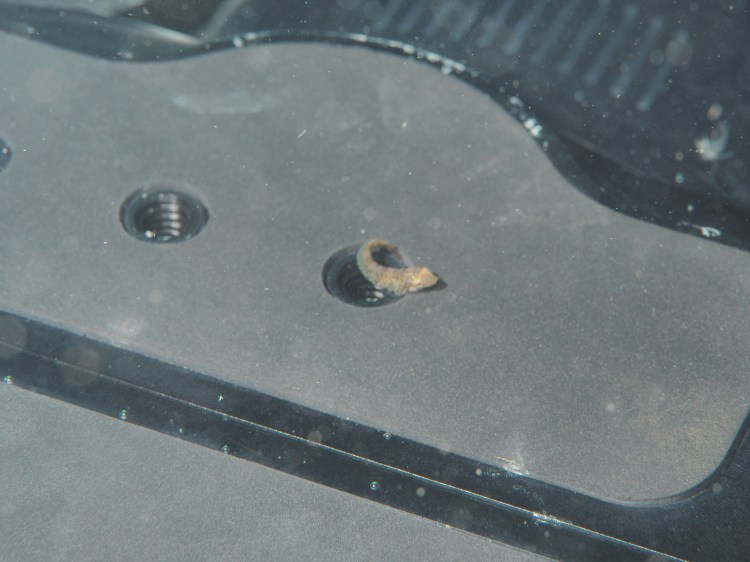
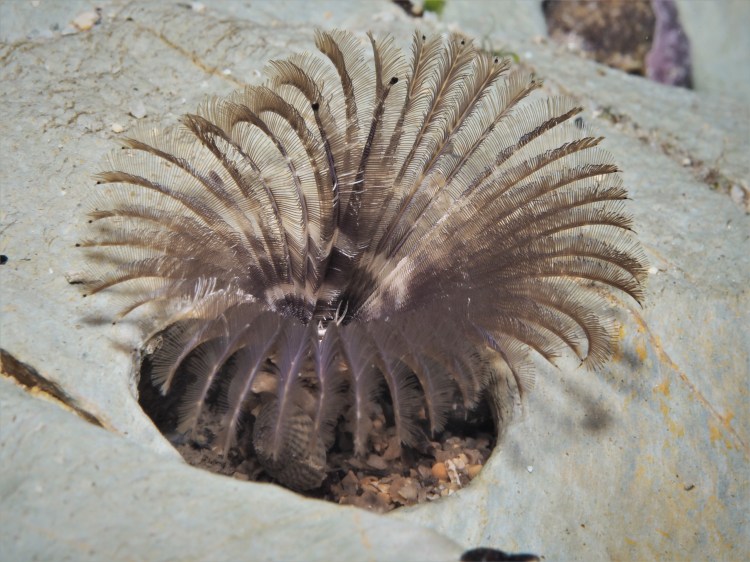 The tide was bad (i.e. low and too early to catch it on time), the water was cold and it was very windy but it was good to go for a dip this morning. I now have a different strobe arm which makes it easier to position my strobe, which has often been tricky. Time for some macro practice. The photos are not that special but I hope interesting enough for you blog readers! Above a Peacock worm Sabella pavonina sticking out of an abandoned piddock hole. Below a common Hermit crab Pagurus bernhardus, a Grey chiton Lepidochitona cinerea, a very small Dahlia anemone Urticina felina (note the warty, adhesive column) and some Daisy anemones Cereus pedunculatus.


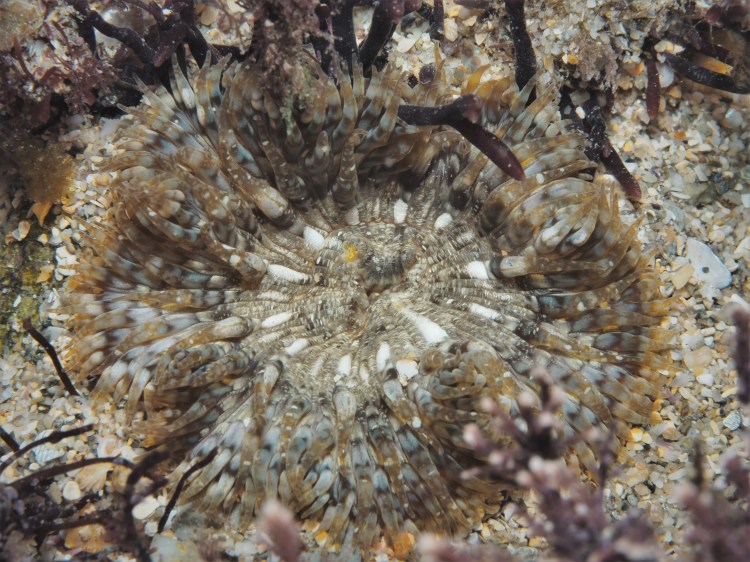
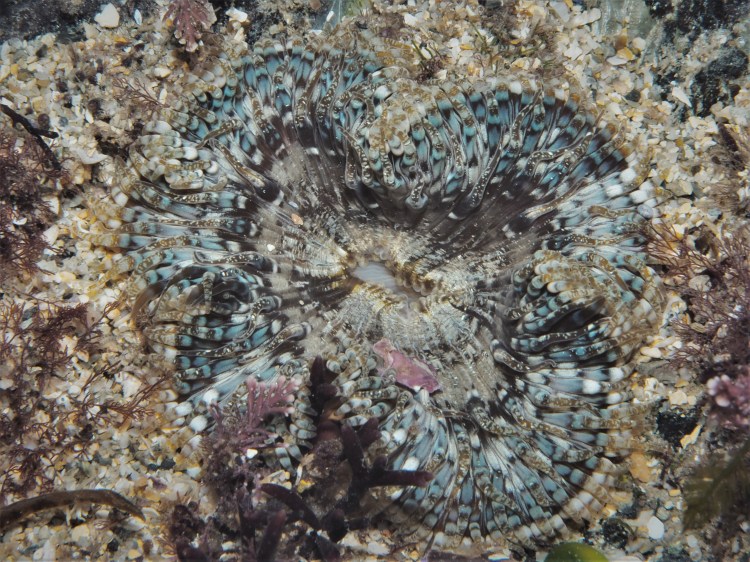
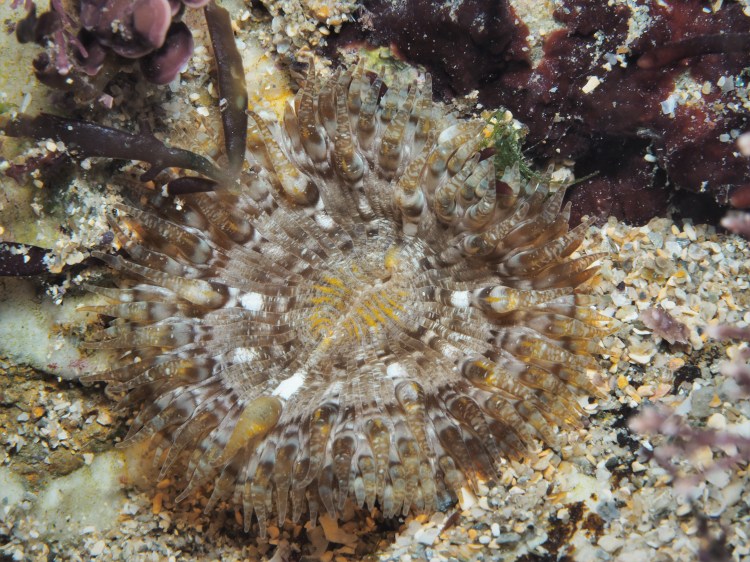
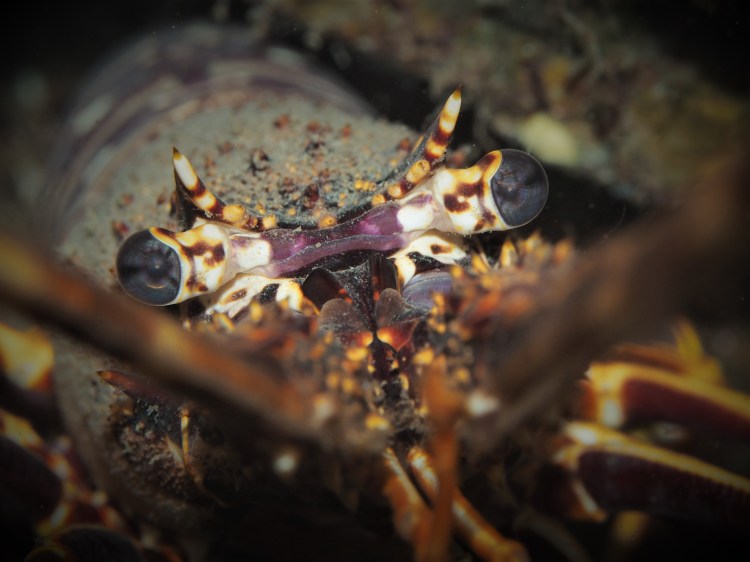
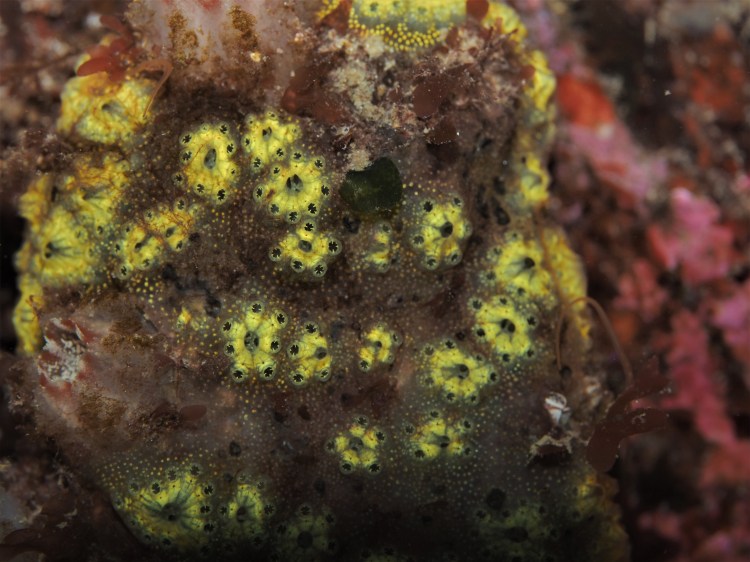 Yet another solo dive (I know, I know, not ideal) this Thursday morning before the easterlies are kicking in. Actually, the water was already choppier than I expected, but for macro photography the viz is not as important. I did not get ‘the’ shot but it was a nice dive all around. I discovered a little swim-under and saw lobster, rock lobster (craw fish) and a huuuuge conger eel. I was focusing on a little tunicate when I looked up and saw it looking back at me from not very far away at all. Its head was as big as mine. I slowly swam backwards, thinking of this encounter…..overall they do seem to be aggressive towards people though, and with my fisheye lens this could have been a really good shot. This later happened again, this time a smaller individual but still sizable. I did not stick my macro lens up its nose but grabbed a halfhearted shot with a passing by Twospot goby almost in focus to give an idea: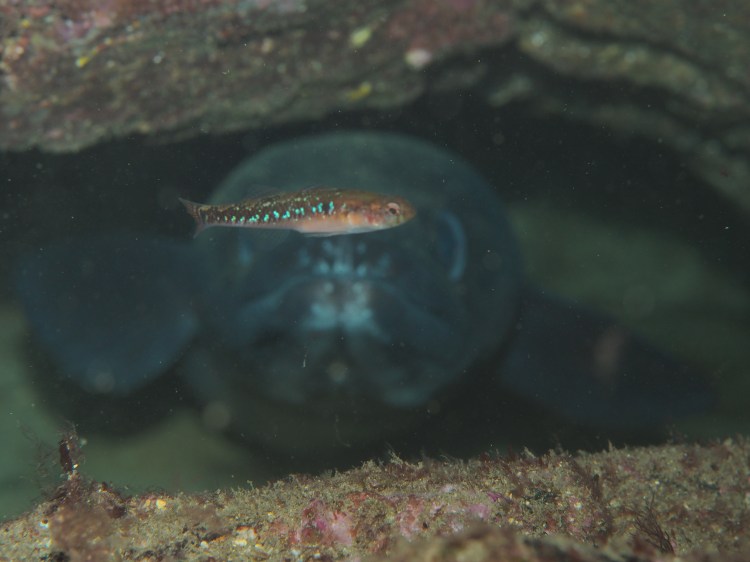
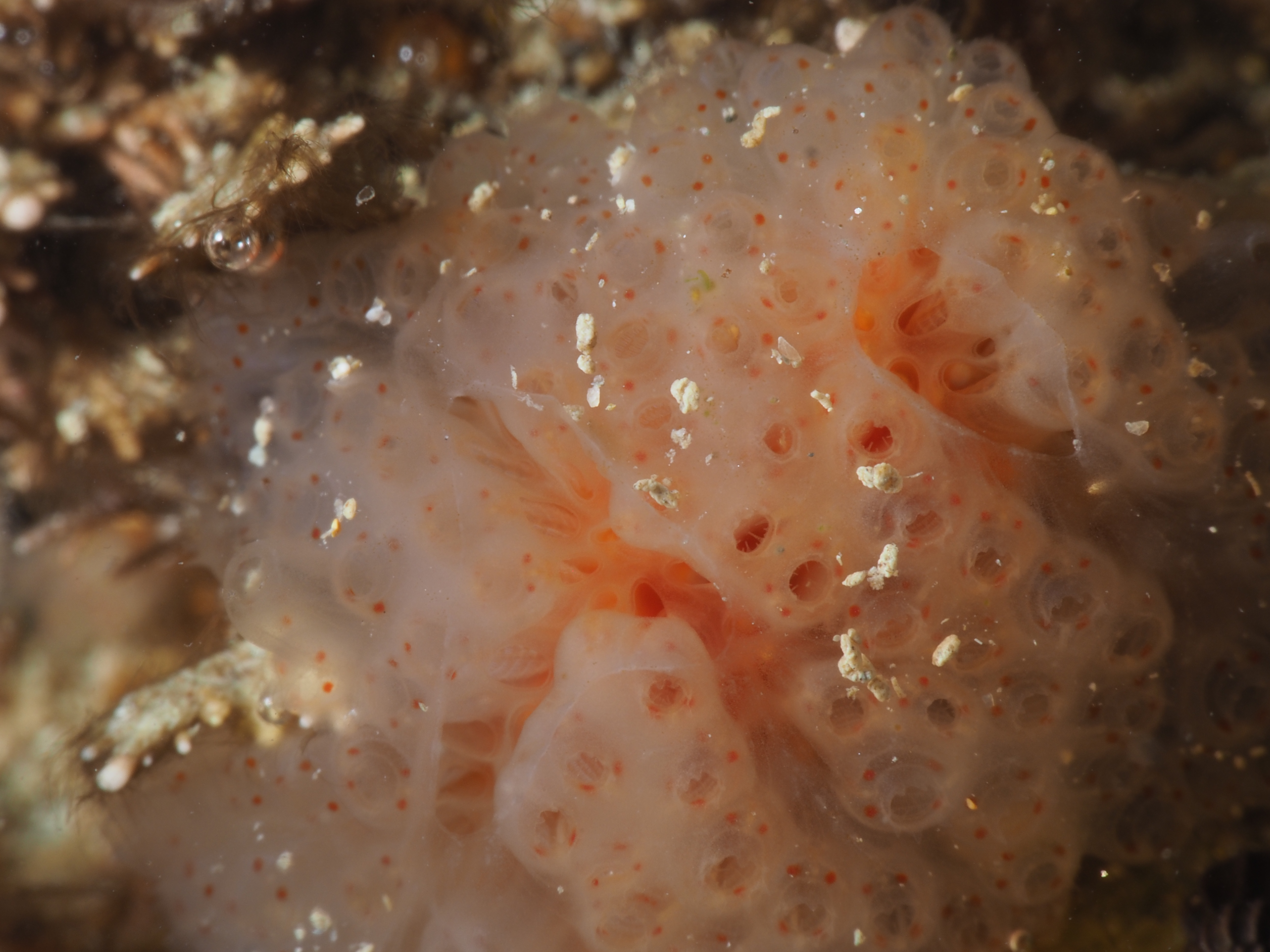
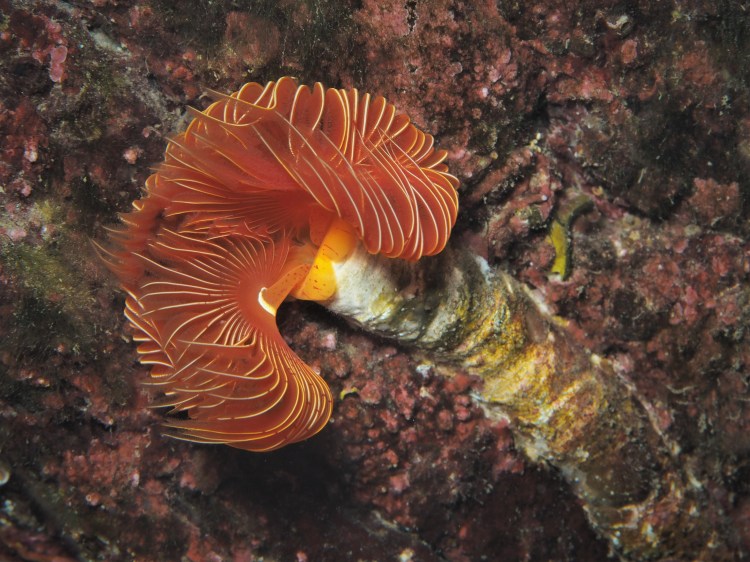
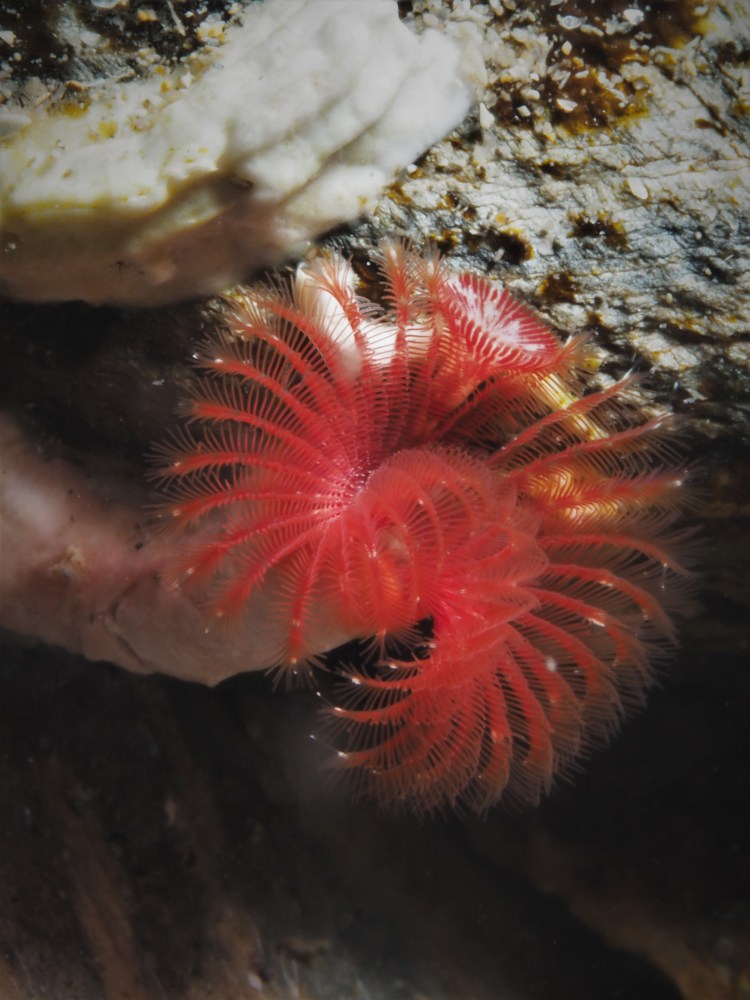
 Some macro shots: again a Twin fan worm Bispira volutacornis and a new one for me, a big bright red Protula tubularia. It would be nice to get some abstract close-ups but these are excellent living motion-detectors so it is difficult. There are some amazing colours under the rock overhangs and I would like to try some more abstract photos such as this Spiny starfish or this Didemnun colonial seasquirt and other encrusting animals (and plants). No diving/snorkelling this weekend because of the wind, but glad I could put a couple of dives in these past weeks, and I will make an effort to go a lot more weather permitting!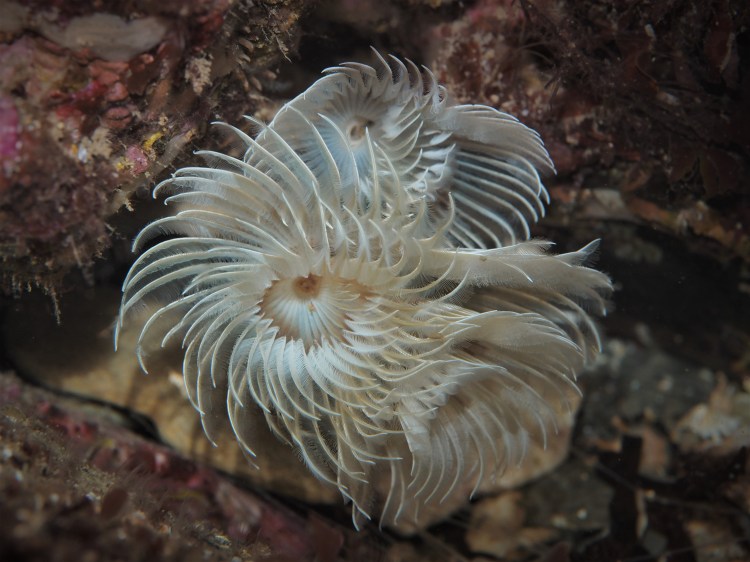
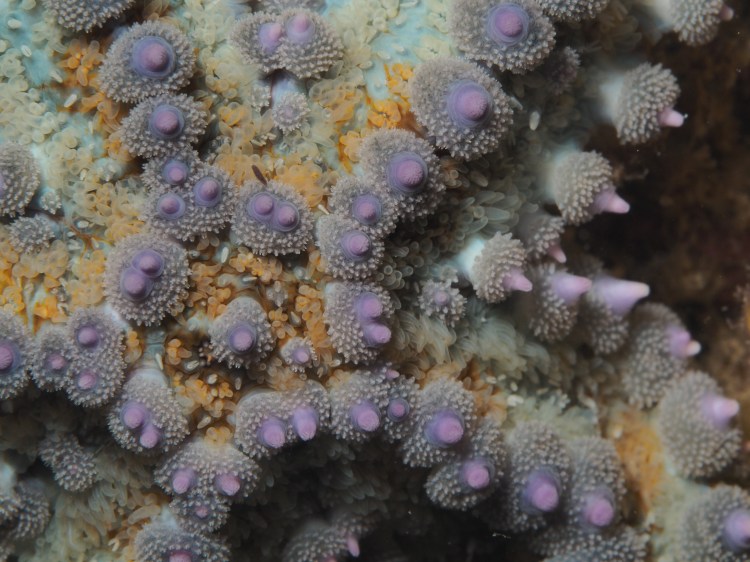
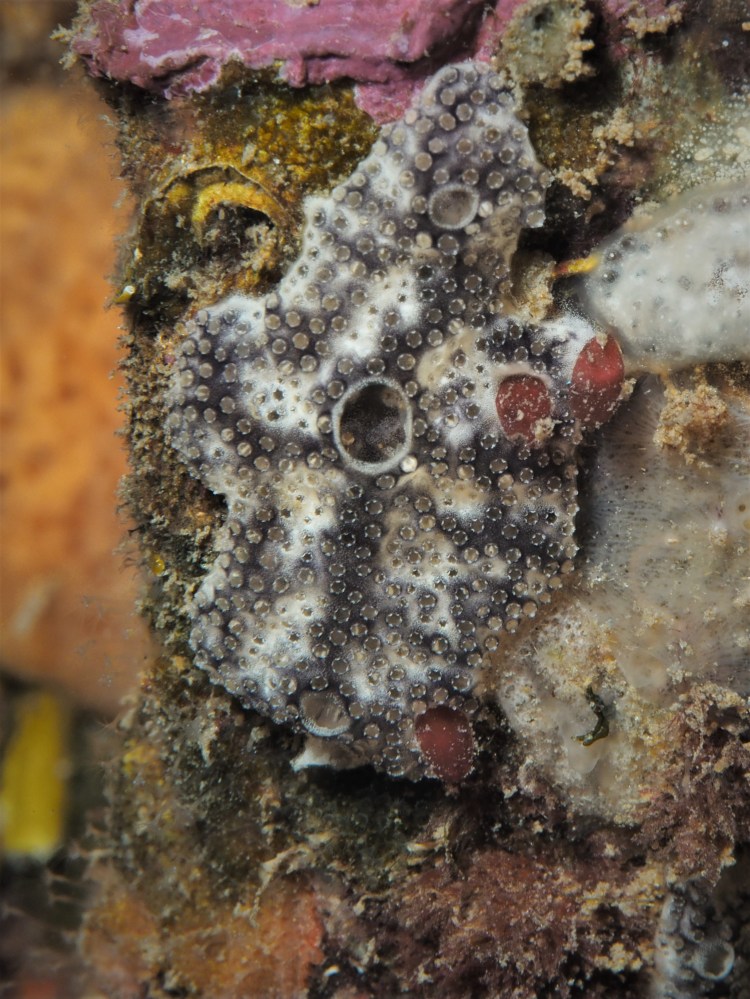
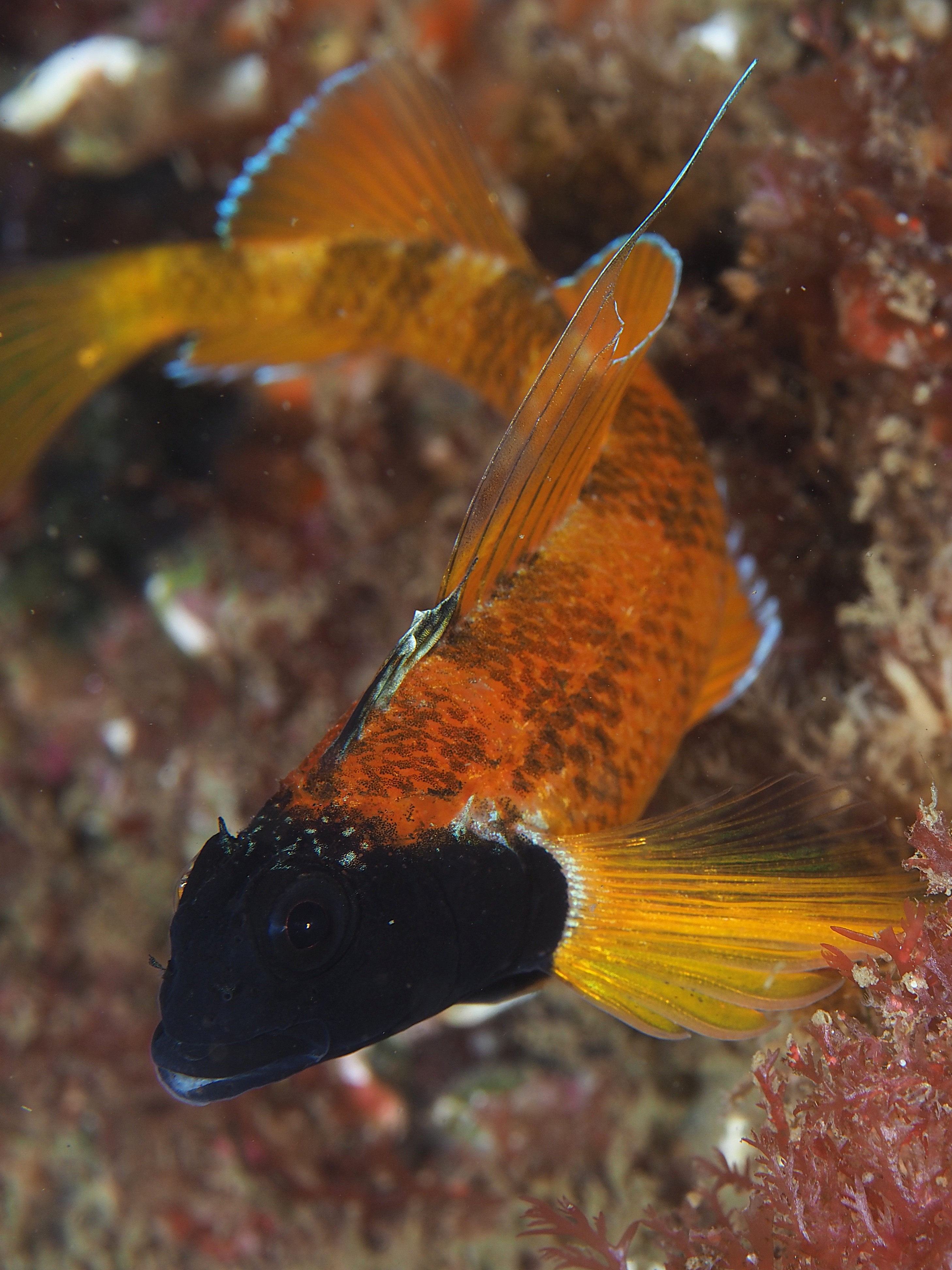
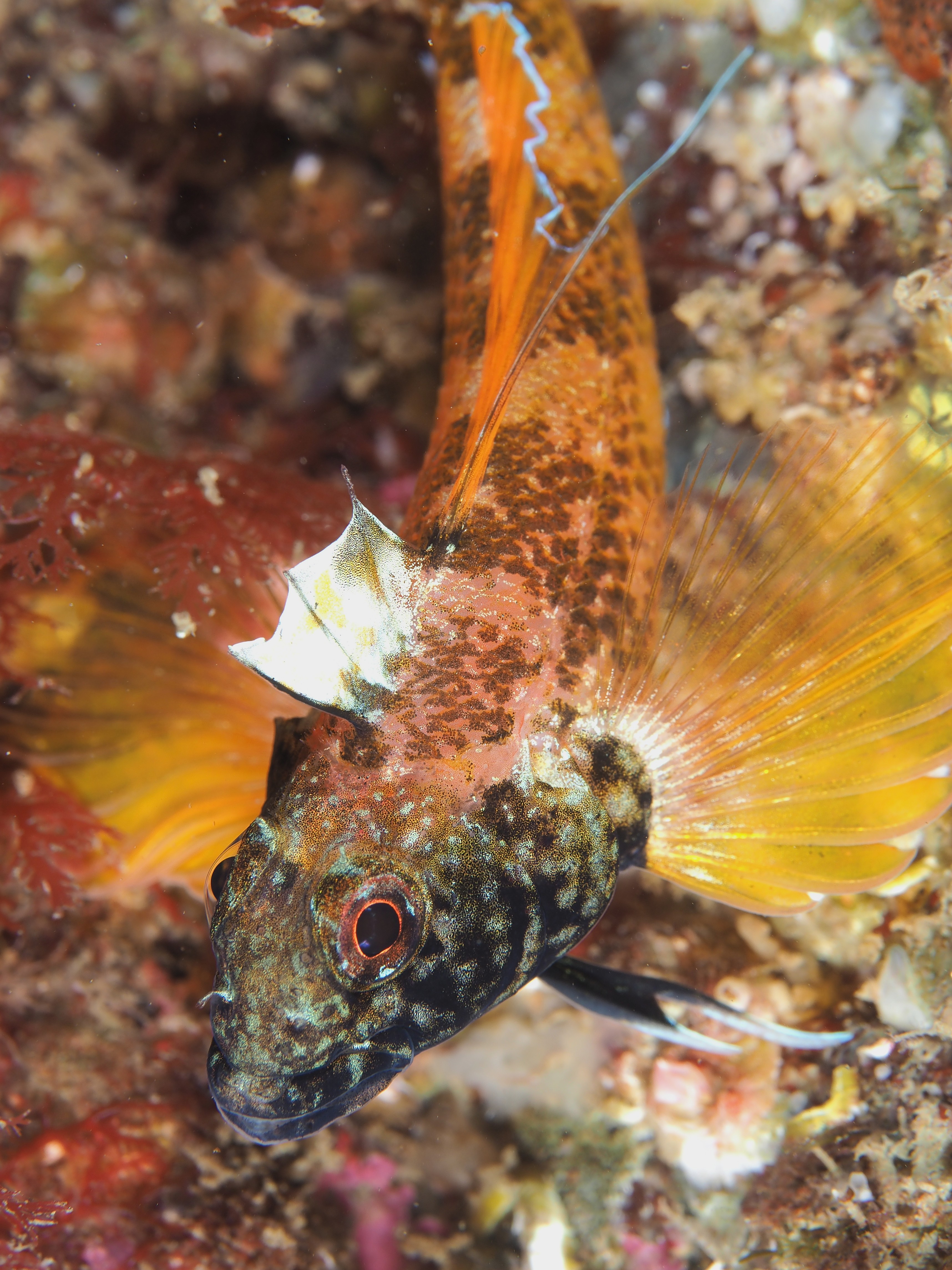
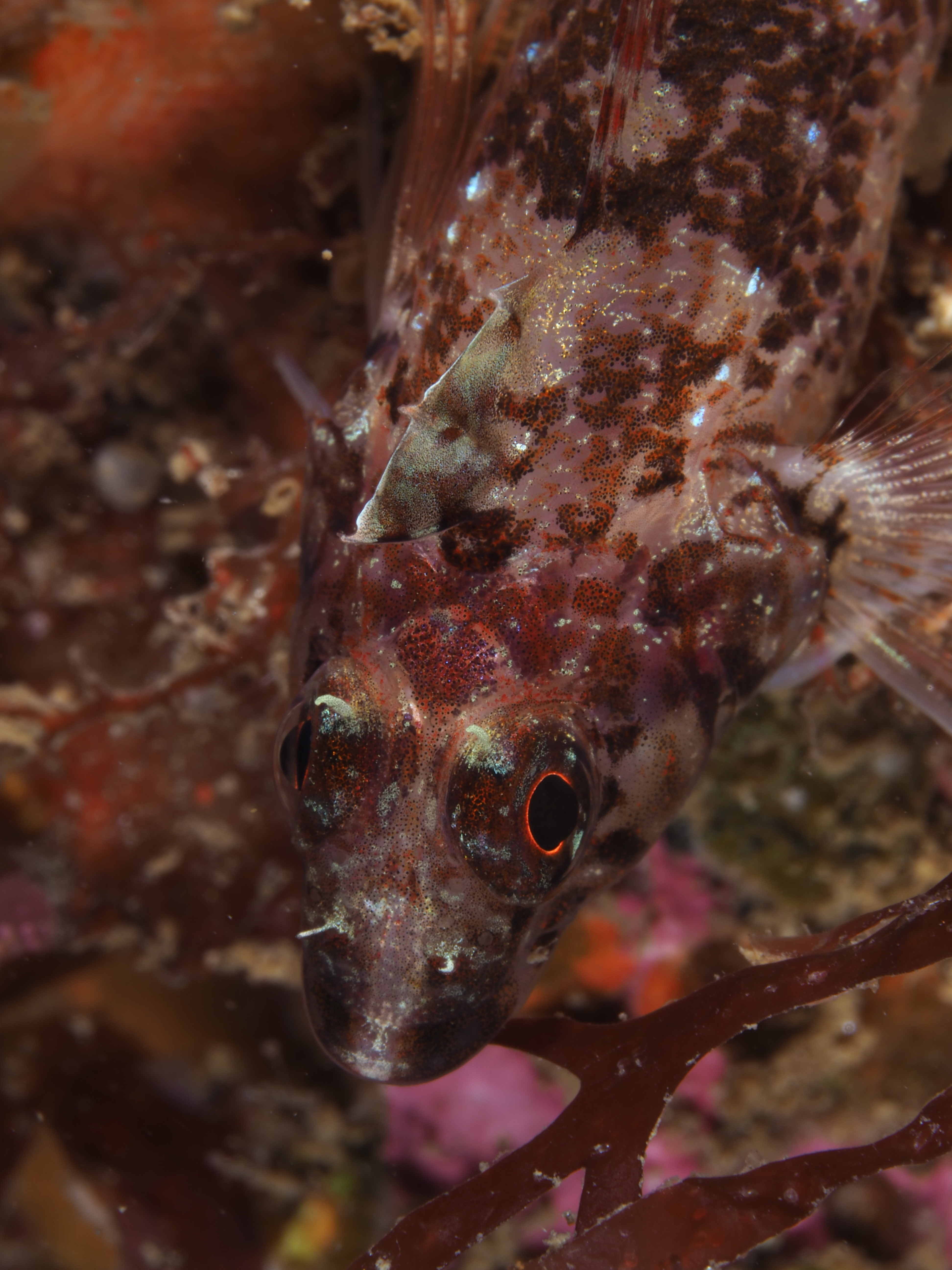
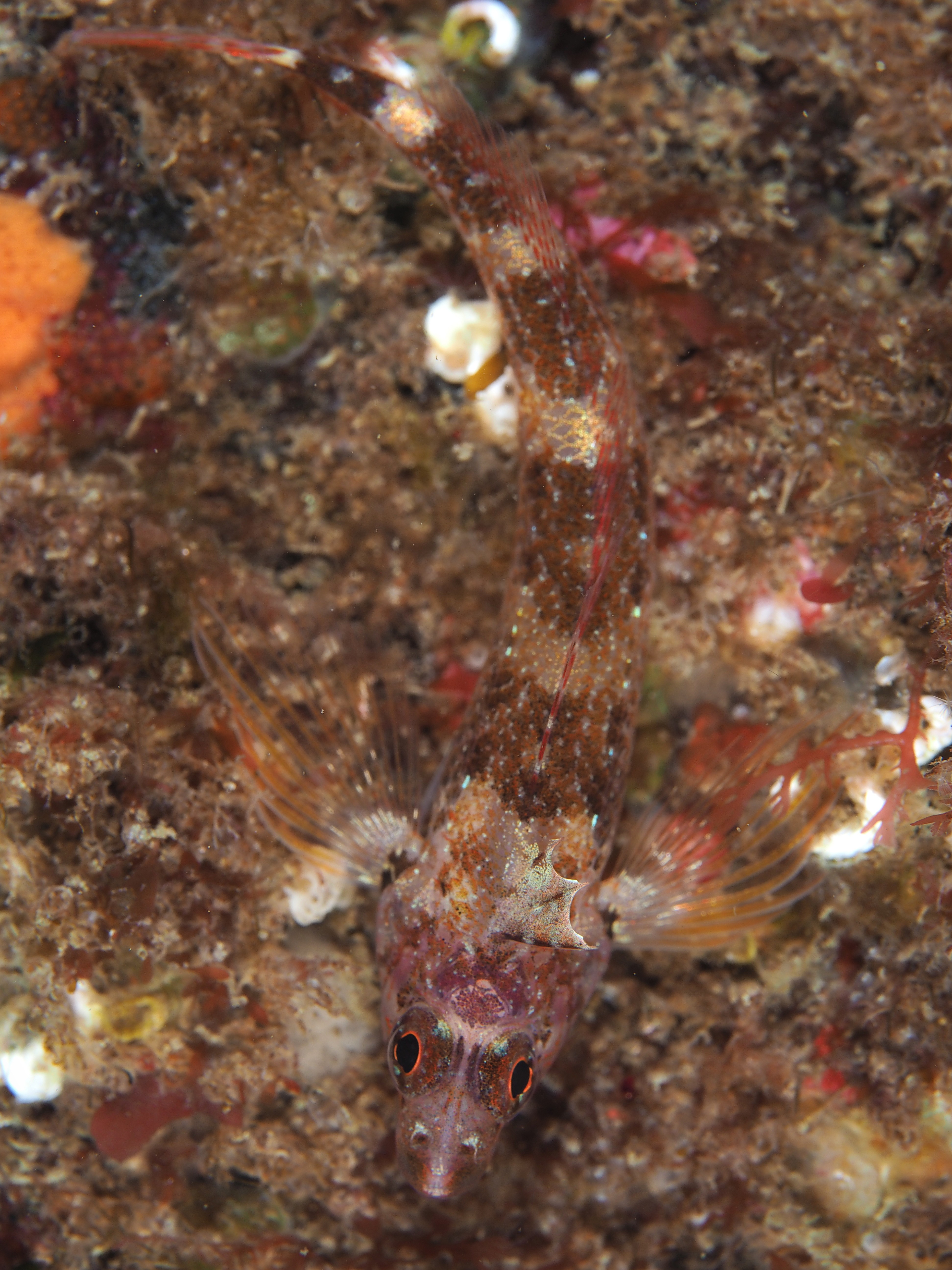
 Finally a shore dive yesterday evening, it has been a long time. I partnered up with buddy Shannon via instagram (@shannonmoranphoto). Instagram has been a really nice way to learn about photography from likeminded folks (such as @danboltphoto and @malcolmnnimmo). We dived (dove?) Silver Steps in Falmouth, about which you can find a bunch of old snorkelling and diving posts on the blog if you are interested. Shannon was the ideal buddy: relaxed and really into photography, so we kept the same tempo. It was a very shallow dive (maybe 5 meters), so we were only limited by getting cold, which was after an hour. I chose to use my 60mm lens, but not to use the 1:1 macro setting, but the 0.19-040 focal range to try my hand at slightly larger objects such as fish. I was thus lucky in a sense that I did not encounter any beautiful nudibranchs of which I would not be able to to take a good shot. (Edit: actually, I since learned that 1:1 is still possible using this focal range). It was however unfortunate that I could not get a good shot of a cuttlefish that hovered about two meters away, rapidly changing colour and catching a wrasse! Next time I will perhaps change settings again to try my hand at (cuttle)fish swimming a bit further away. However, I was very happy with sticking to Leopard-spotted gobies Thorogobius ephippiatus. They do not stick their little faces out of nooks as do most blennies, but usually lie on and under ledges. The trick was to approach very slowly, shooting until they swam off. For some reason, I managed to position my strobe right and did not have backscatter issues. I used Windows Photos to postprocess. See below for a before and after example: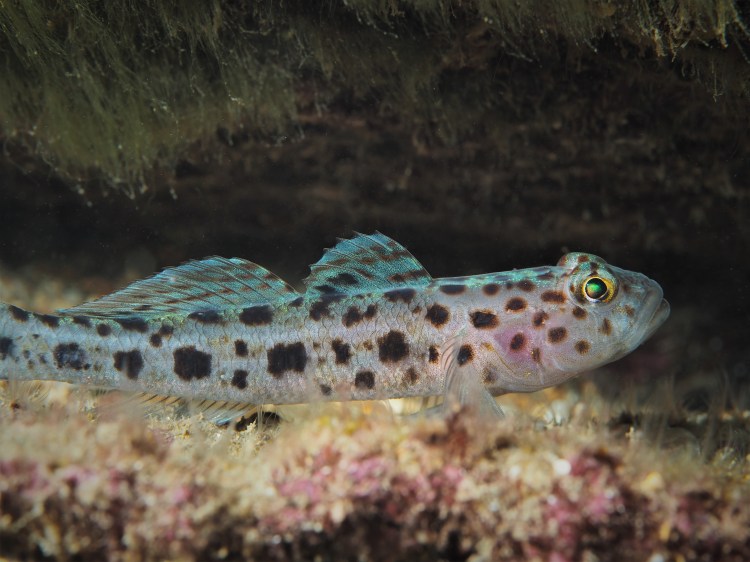
 Two other common organisms below: a Squat lobster Galathea rugosa and a Twin fan worm Bispira volutacornis. And finally an out of focus, but fun photo of a tiny tiny clingfish very aptly clinging to Shannon’s housing. This was one of the most fun dives in ages and I hope to repeat it sometime soon!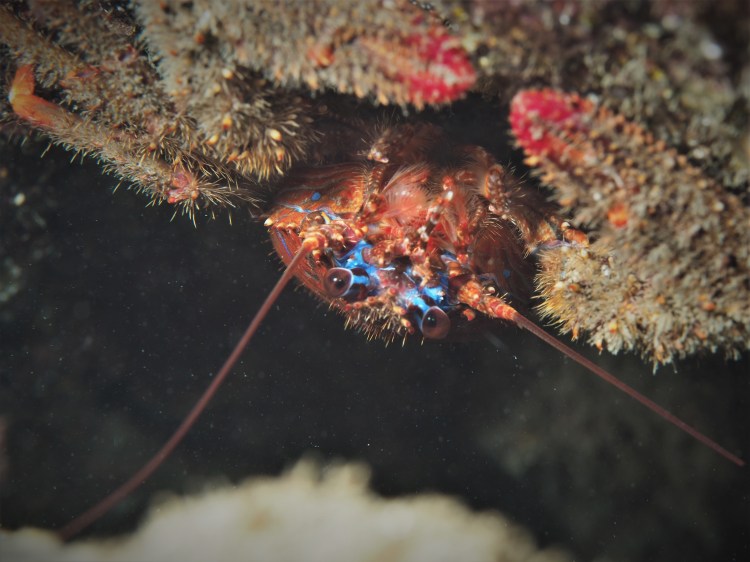
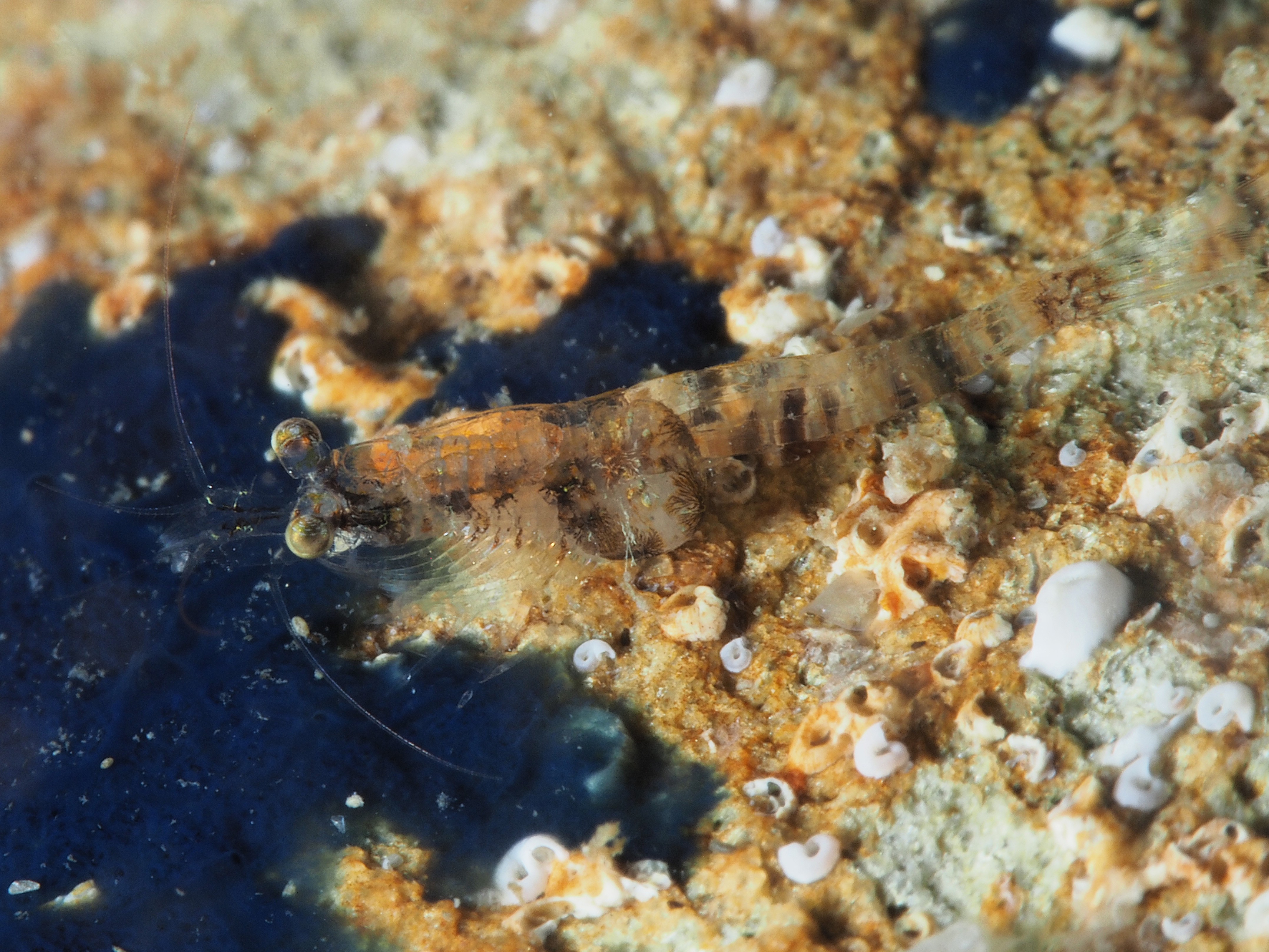
 Viz at the south coast was bad last week, so I stuck to macro (=less water between the subject and the lens). In a particularly shallow pool, I noticed a couple of ‘subjects’; some tiny Mysis shrimp for example. I had a lucky shot of these with my old camera (see here), but could not get it right this time. Same for a tiny Polycera quadrilineata nudibranch. Then I noticed something bright red in the corner of my eye: a worm sticking out of its tube. It was so shallow that I had to remove my strobe from the tray and hold it in one hand. I believe this is a Serpula vermicularis (right next to it in the second photo is another species with a keeled tube). The red and white disc sticking out between the tentacles is the operculum used to close off the tube when the animal retracts (for instance, when you move your camera too close). Even the least exciting looking things on the shore become interesting and beautiful when you take a look up close!
 An Bollenessor