Oregon

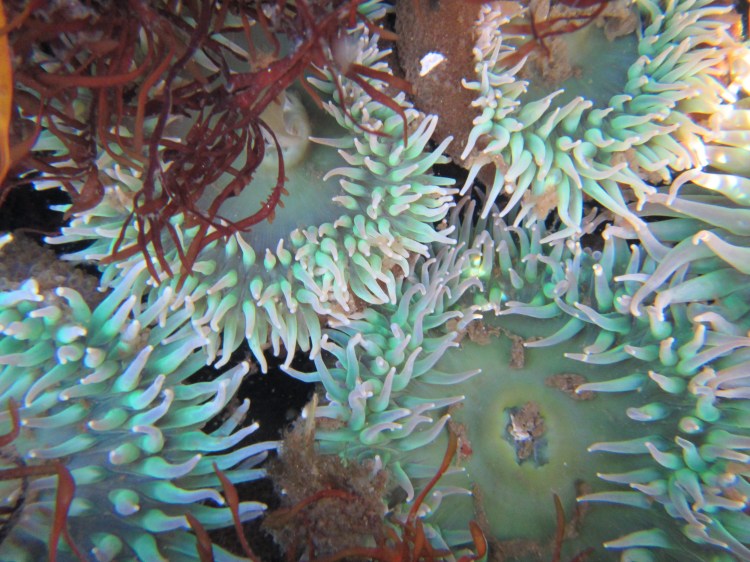
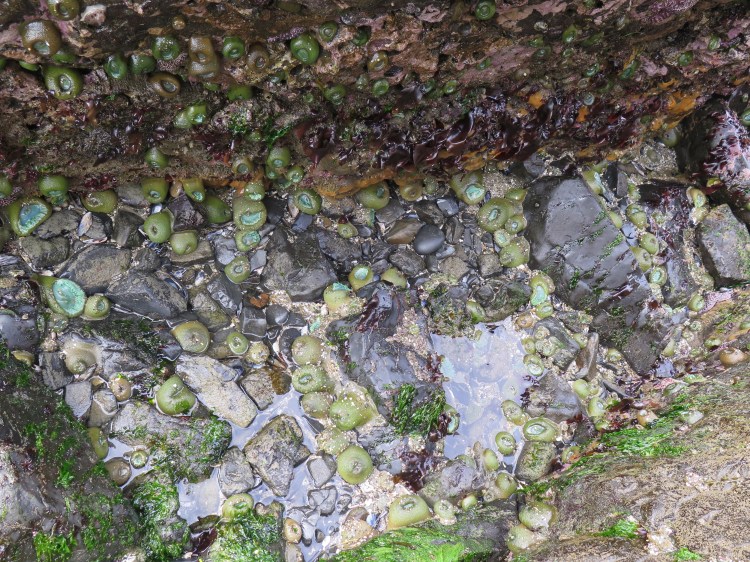
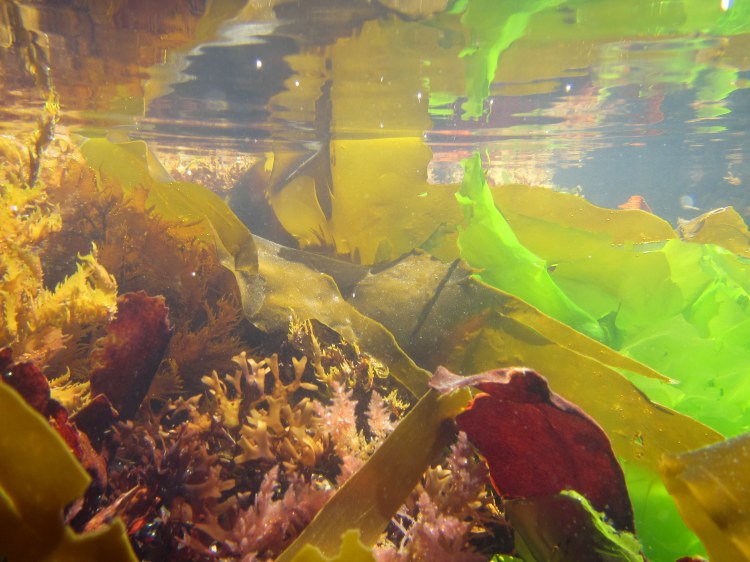
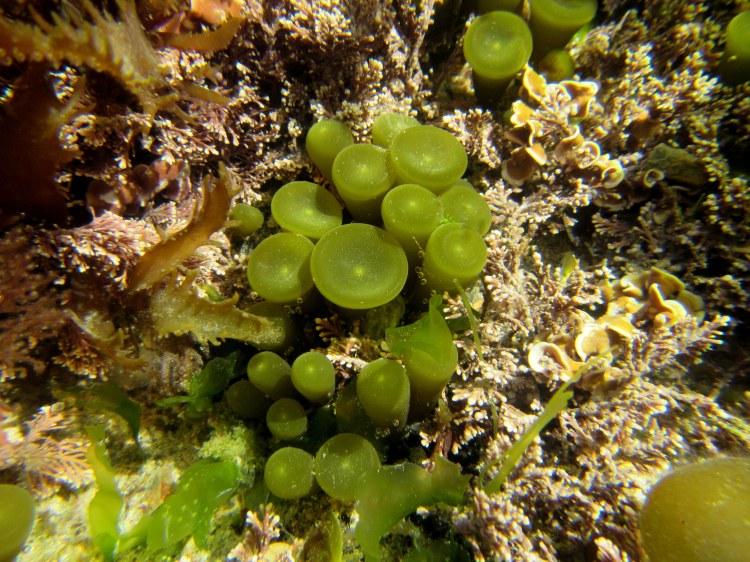
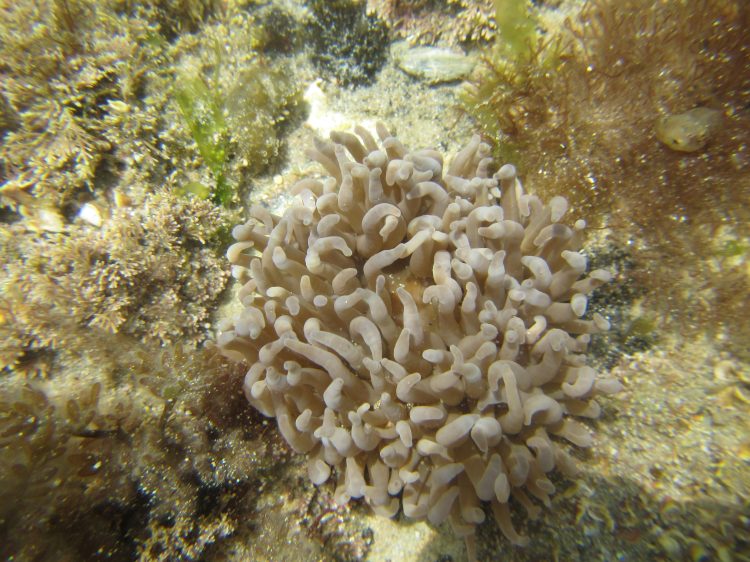
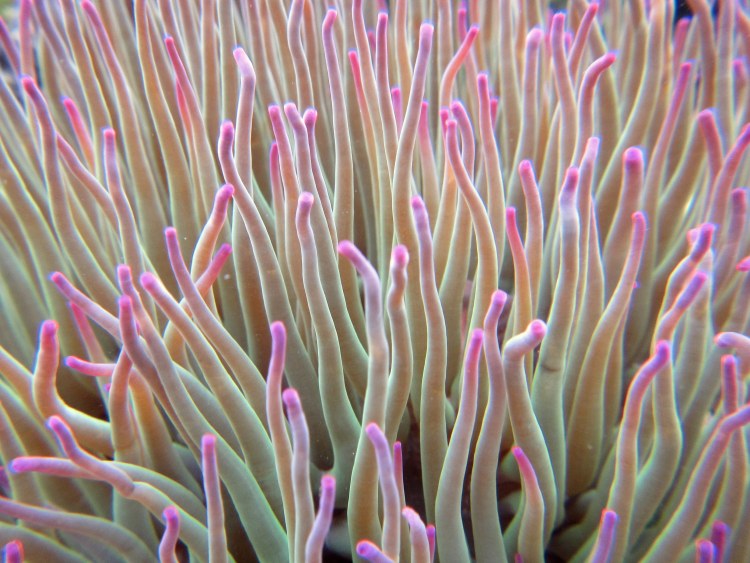
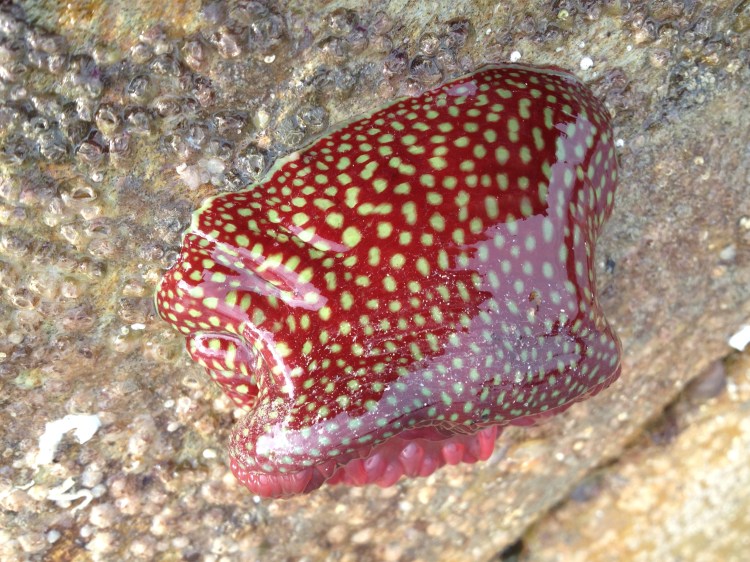
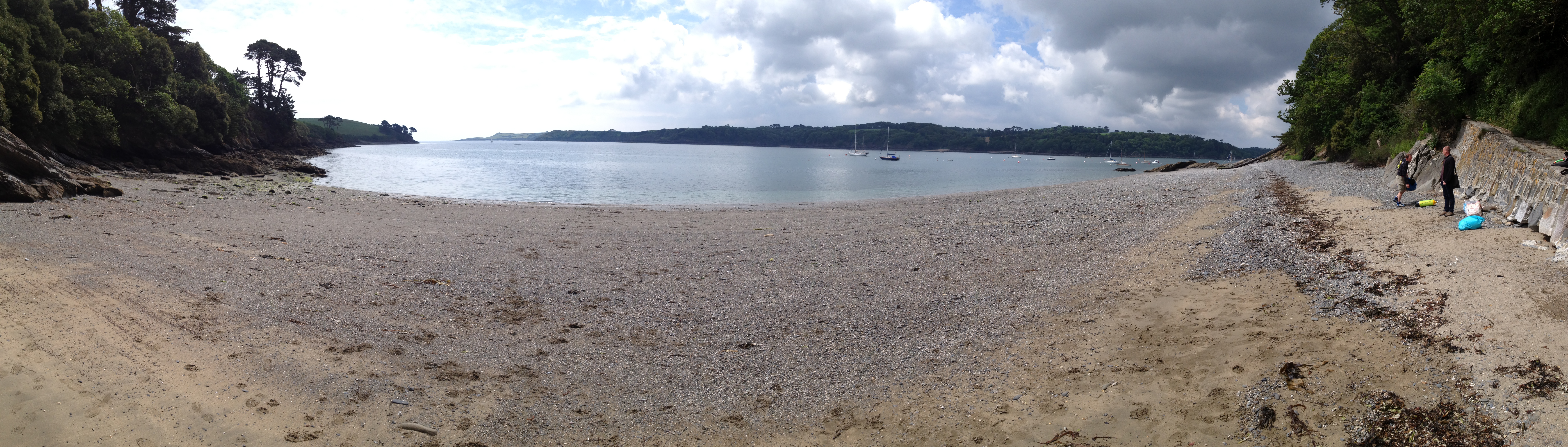
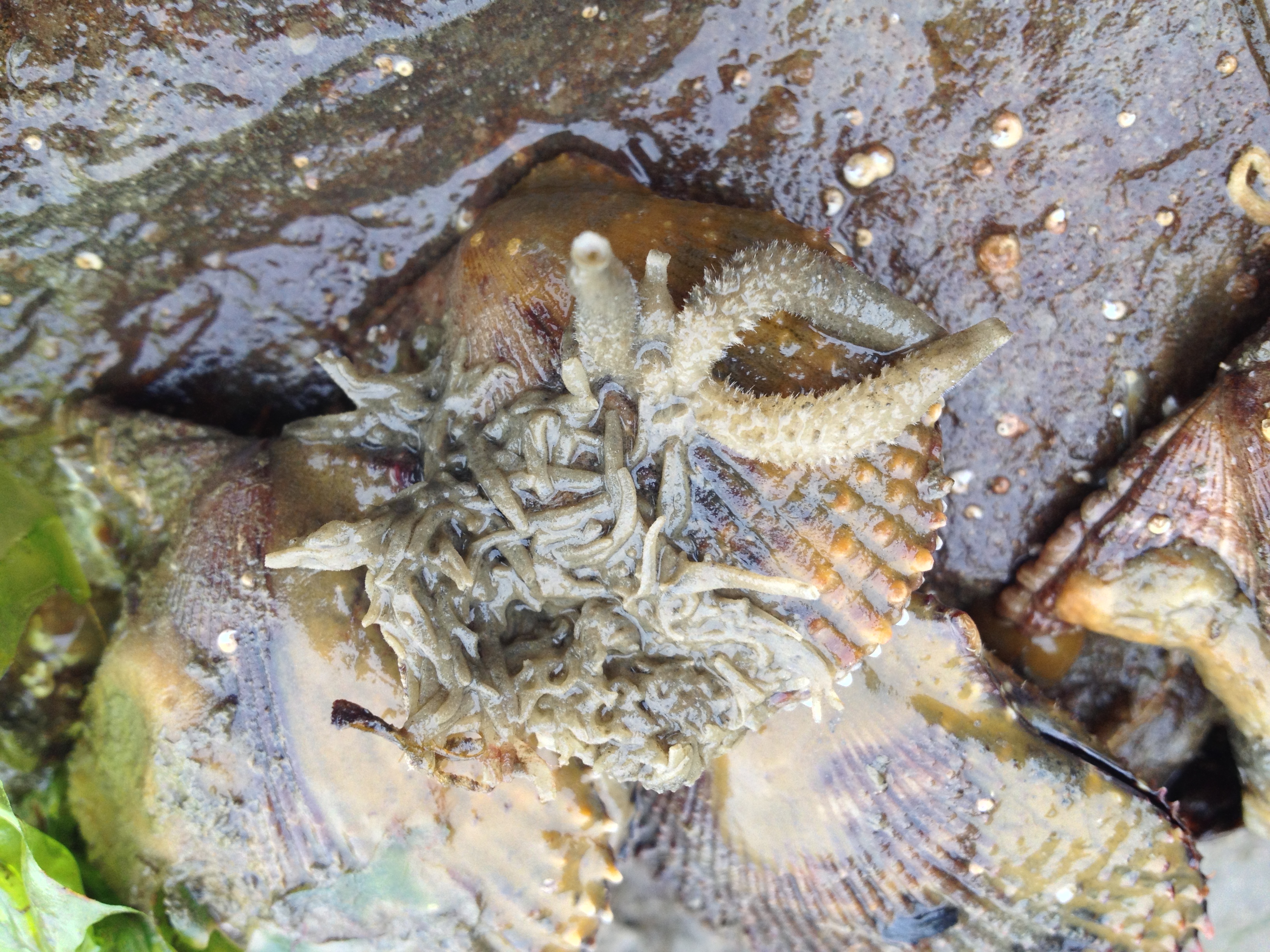
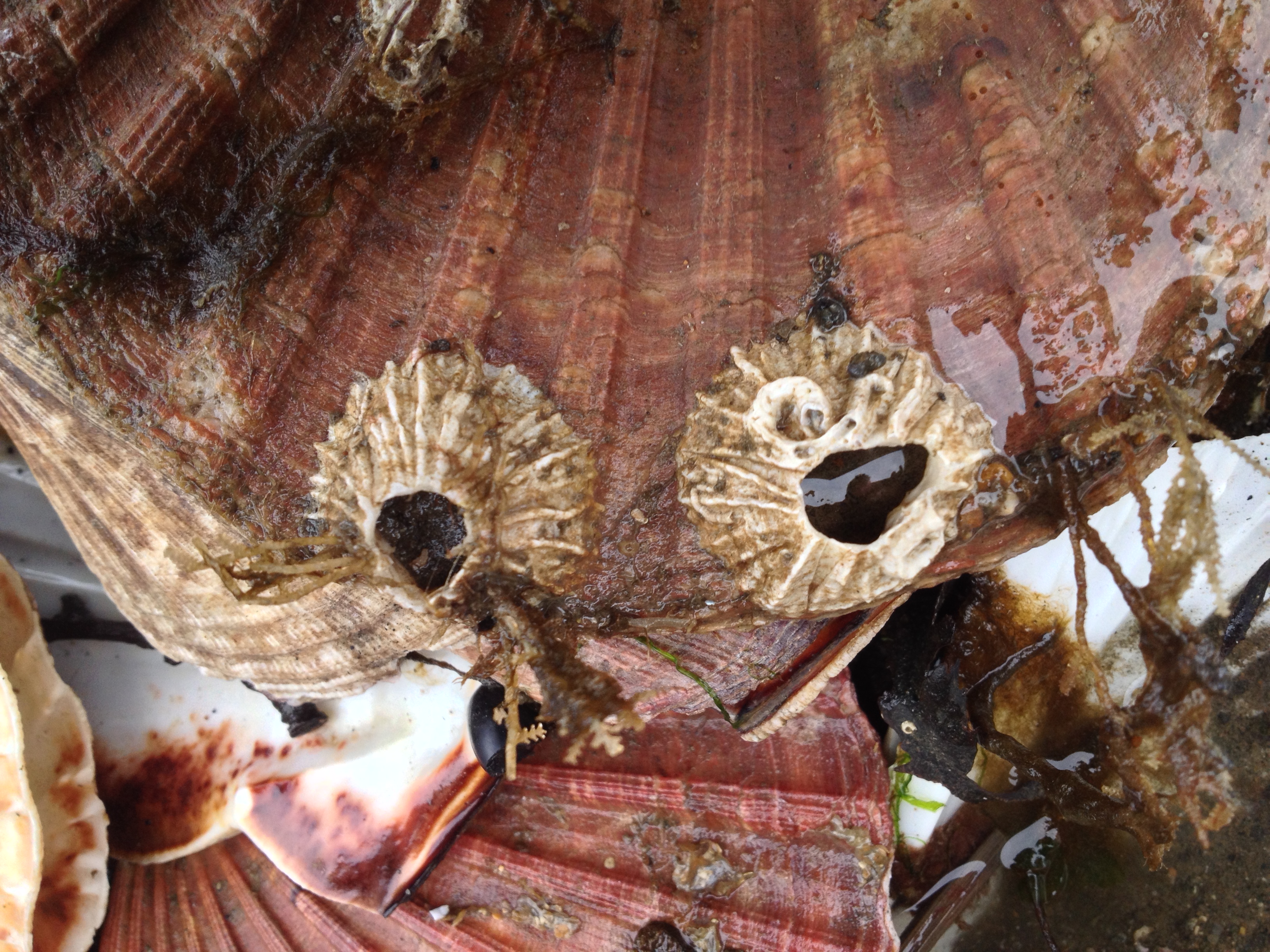
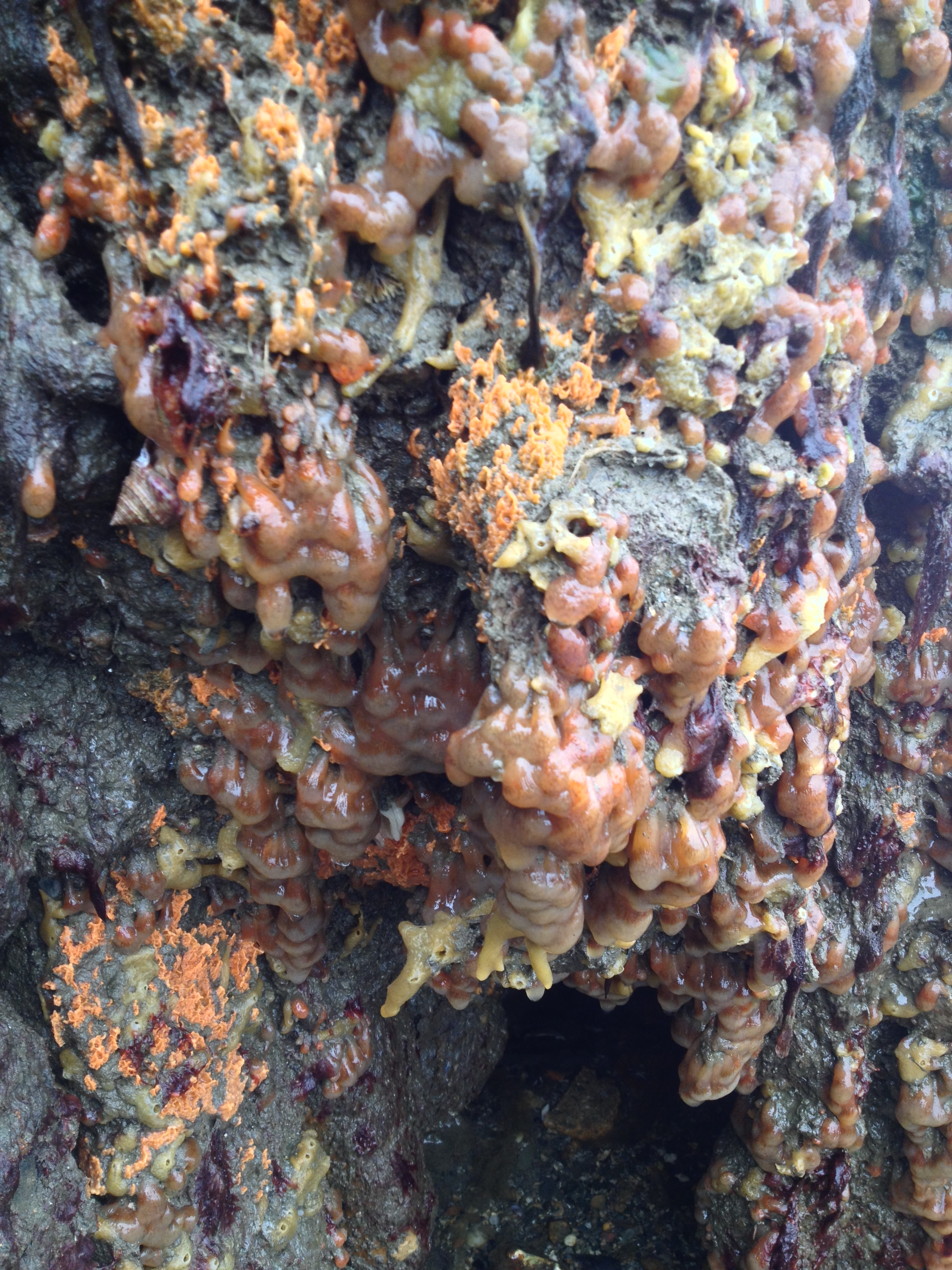
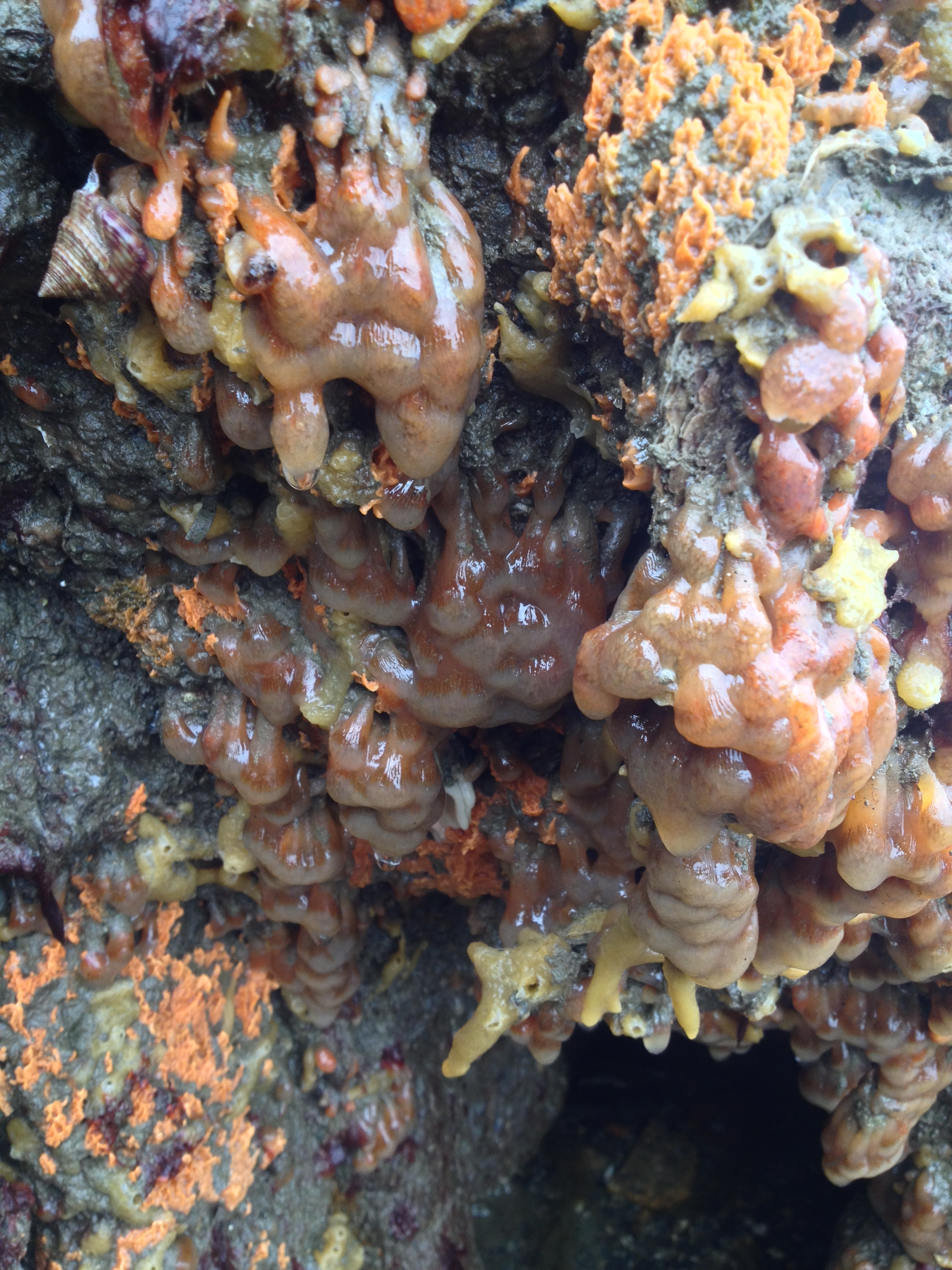
Bobs creek wayside.tifLast month we had a great holiday travelling from San Francisco to Seattle. Nature here is awe-inspiring for the average European; we saw snowcapped volcanoes, giant redwoods, dunes, beaches, mighty rivers and temperate rainforest. This is not the place for a travelogue, however, rock pools were of course checked and that is prime blog material! We had a bit of a happy-go-lucky approach to travelling and I had not checked tide times beforehand. Turns out that the tides on the Pacific West coast work very differently than those in Western Europe: instead of two almost equally low tides a day, there is a proper low tide and a not so low tide, how inconvenient! (This page has a good overview of tide types, including another type with only one low- and one high tide a day.) In the end I had two early mornings on the Oregon coast for rock pooling: Bob’s Creek Wayside south of Yachats (pic above) and Seal Rock north of Waldport (see map). (I actually prefer the more appropiate American term ‘tide pooling’ as of course there are also (freshwater) rock pools that do not experience tides.) The coast in most of Europe is so much more densely populated it is almost strange to see that vast stretches of pristine coastline with hardly any people around, brilliant. Also, the vast amounts of driftwood and logs is almost unseen in Europe, as thewhole  continent is pretty much deforested (especially in the UK, my guess is only places like Norway could be comparable in that respect).IMG_4780IMG_4852IMG_4441Being at the Pacific Northwest tide pools made me feel like a kid in a sweetshop: I could not decide to stick with a beautiful find or try to move on to the next exciting thing. It seemed a bit useless to just start documenting all the different species in the short amount of time I had. Instead I mainly enjoyed just looking around, especially admiring the Green surf anemones Anthopleura xanthogrammica (above). I know this species mainly from the Coldwater Marine Aquarium Owner group on facebook which has many North American members. Although the diversity of animals and seaweeds in the South West of the UK is amazing, I must admit I am always a bit jealous of the critters in Pacific Northwest tanks! The Green surf anemones are not only strikingly coloured and large, but also incredibly common, along with the Aggregating anemone Anthopleura elegantissima forming dense carpets on the rocks, inhabiting gulleys low on the shore to tide pools quite high on the shore.

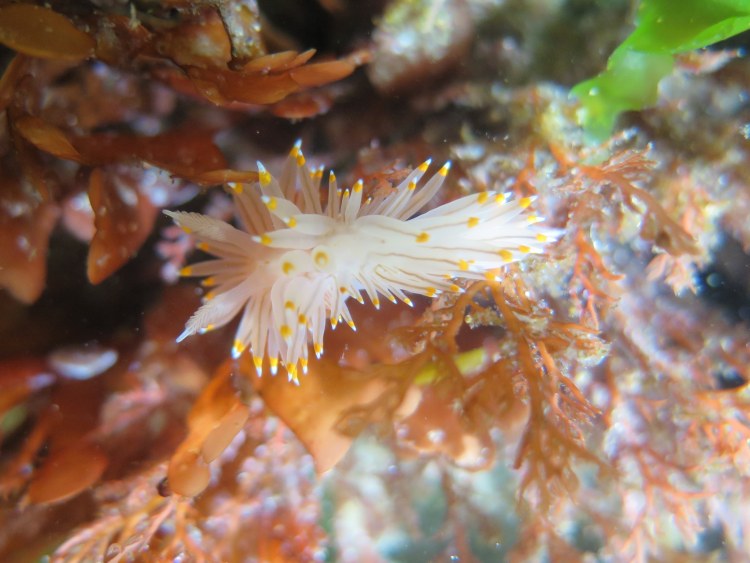
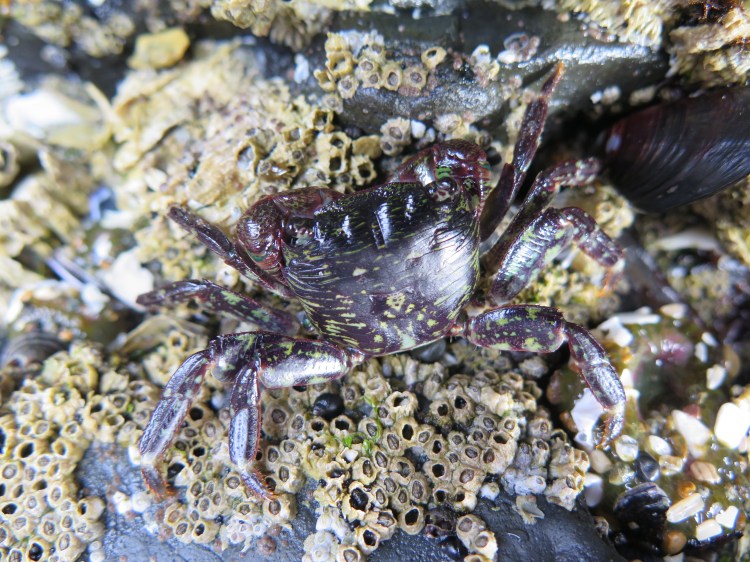
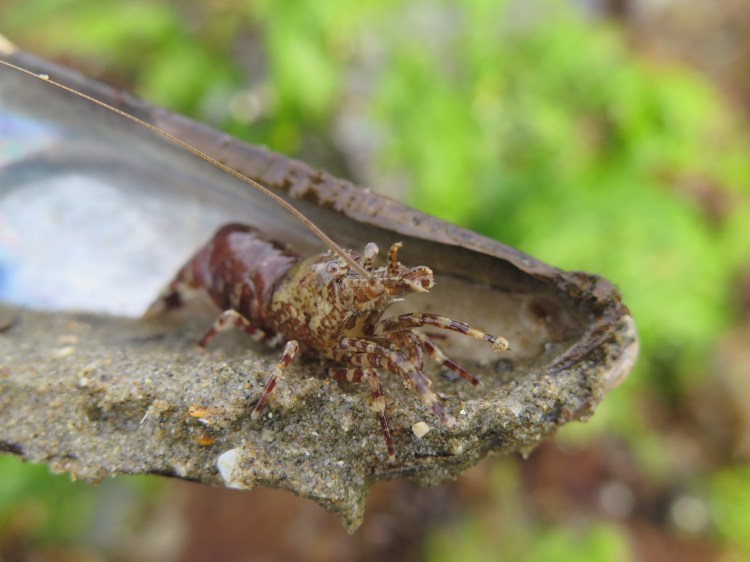
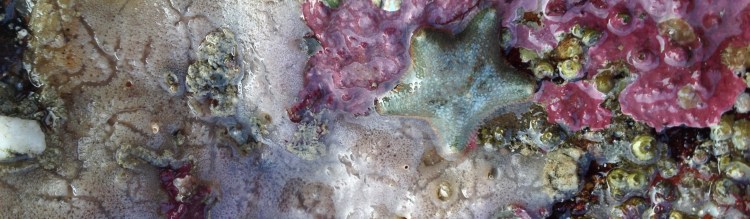
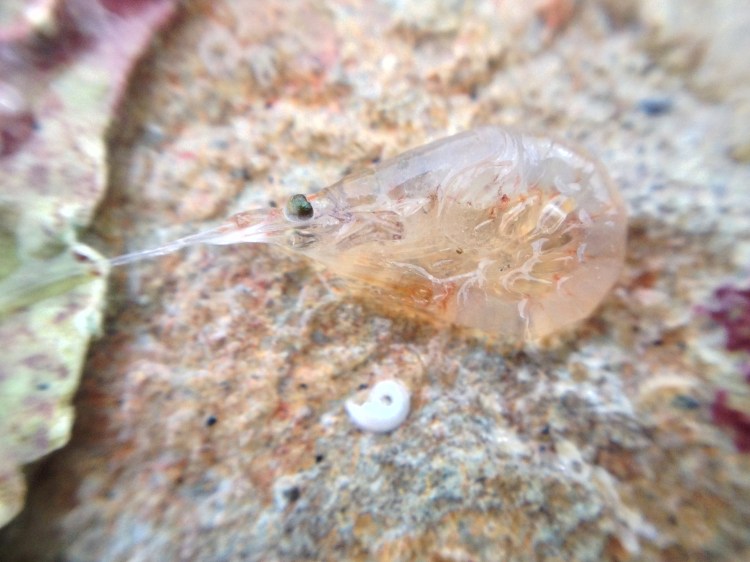
I had taken the plunge and ordered a new camera for this holiday, a Canon G16 with a Fantasea underwater housing (see this post). However, I did feel comfortable with it in its bulky housing yet and so reverted to the more basic Canon powershot D30 and my iPhone for these sessions instead. I saw a couple of the large nudibranchs Hermissenda crassicornis as well as a Janolus fuscus, very pretty. Also below a Lined (or striped) shore crab Pachygrapsus crassipes and an unidentified prawn. Otherwise, most of the photo’s turned out to be not that great; I was just too hasty!IMG_4638IMG_4621IMG_4467IMG_4428Although all species were different (except for the Plumose anemones Metridium senile I saw on some pontoons), it was interesting to see the parallels with Cornish rock pools. For instance, all seaweed colours, shapes and textures I knew from home were present here, just in different combinations in each species. There were noticeable differences too. For one, many of the American organisms (chitons, isopods, anemones) are much bigger. The rocks were almost completely covered in barnacles and mussels (again both huge). Seagrass (Phyllospadix) was growing from the rocks!

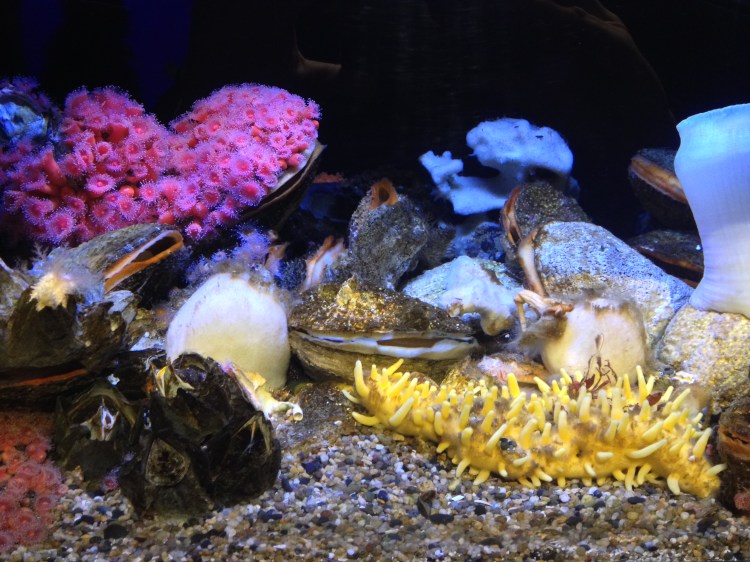
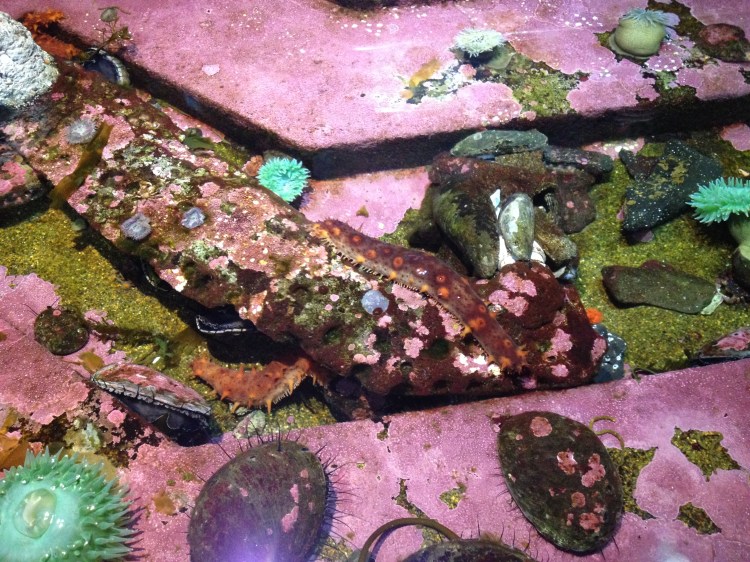
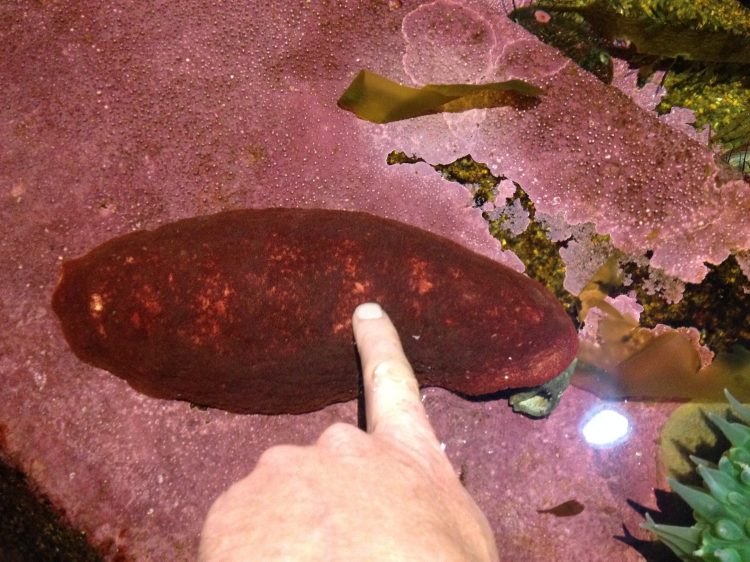
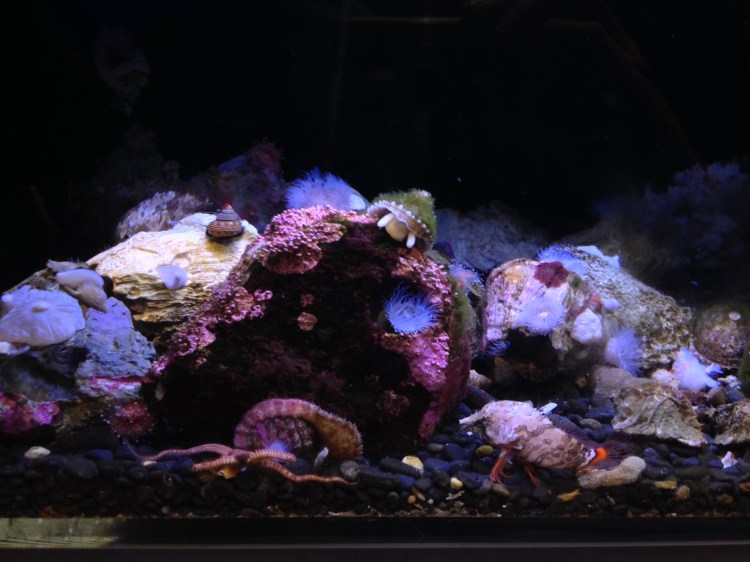
Two mornings of rock pooling in a three week holiday was not enough, but all that was manageable unfortunately. We however also visited the Oregon Coast Aquarium in Newport on the single rainy day we had and that was pretty good. I am not a big fan of  the generic aquarium displays (sharktunnels, ‘nemo’s’, scary Moray eels etc) so it was nice to see mainly coldwater aquaria, especially the nanoaquariums that housed a jumble of sponges, anemones, barnacles, chitons and strange fish, such as one of my favourites, the Grunt sculpin Rhamphocottus richardsonii which camouflages as a giant barnacle (first photo, see also here). A touch pool contained sea cucumbers, huge abalones and the largest chiton species in the world, the Giant Pacific (or Gumboot) chiton Cryptochiton stelleri, humongous! I hope one day to be back in this beautiful part of the world.IMG_4024 IMG_4021IMG_4043IMG_4041
photographing seaweeds with a Canon Powershot part V

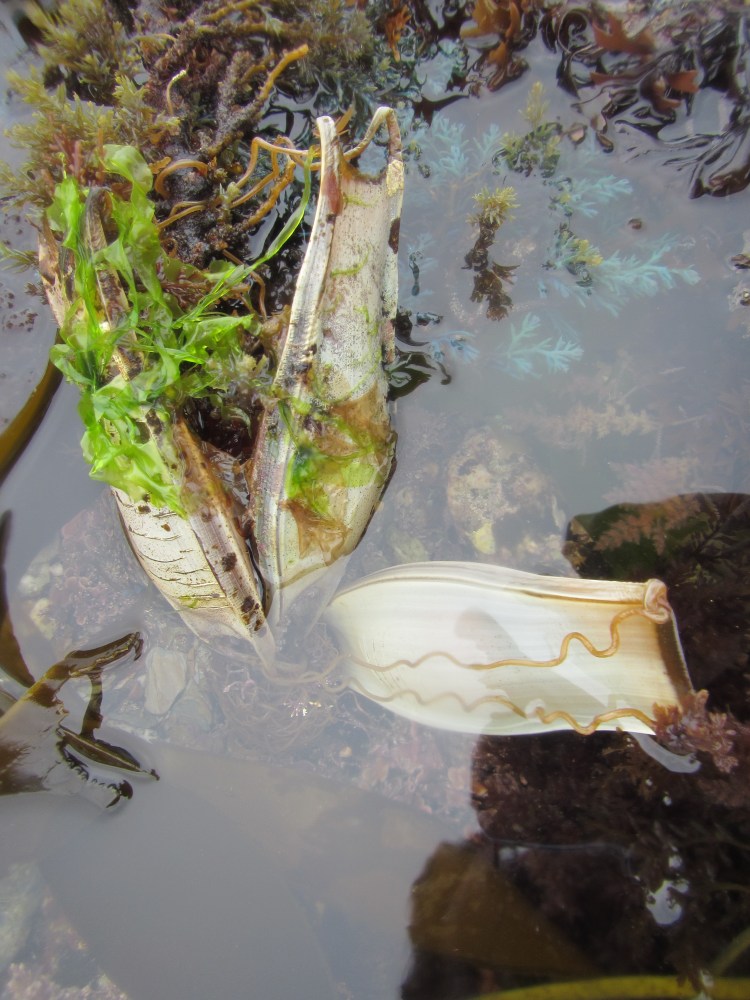
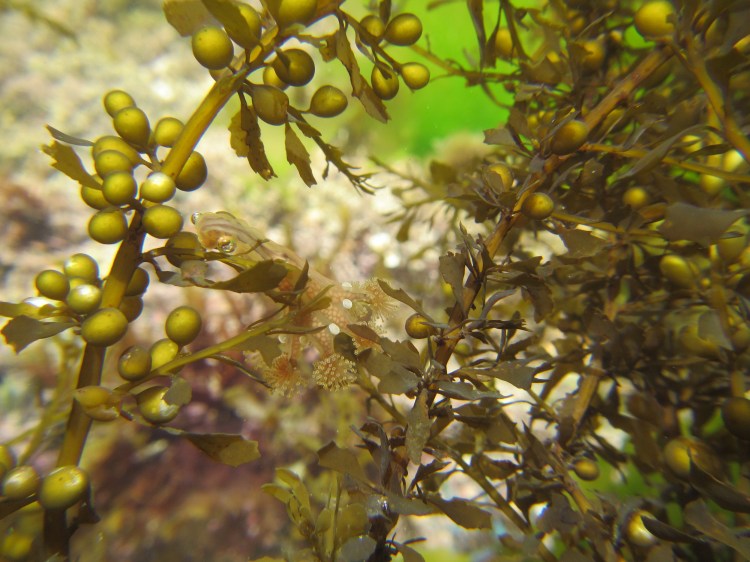
I have been a bit busy and so the photos below are some weeks old. The seaweeds are in decline already it seems. Actually, that is not true, there are plenty of seaweeds growing, but some of the prettier ones are dying off and some of the uglier ones are taking over. The window to take the nicest rock pool shots is quite short, pretty much early spring only. The ubiquitous False eyelash weed Calliblepharis jubata is yellowing, the green Sea lettuce Ulva lactuca is starting to cover everything and the Red grape weed is getting ‘fluffy’. Not the best session photo quality-wise and probably the last of the year. The Bushy rainbow wrack Cystoseira tamariscifolia is abundant and looking good (on the photo with Discoid forkweed Polyides rotundus) and I managed I nice shot of young Thong (or Spaghetti) weed Himanthalia elongata. I have done some more research into ‘proper’ underwater cameras and was tipped of about the Canon G16 (thanks Thomas from HydroMotion Media), maybe something for next year….IMG_3655IMG_3777IMG_3840IMG_3810IMG_3643The past couple of times when focusing on the seaweeds I also encountered some animals (it is hard not to). Many Snakelocks anemones Anemonia viridis, with some having very short tentacles. Next, a Decorator crab Macropodia rostrata covered in Banded pincer weed Ceramium. Mermaid’s purses (egg cases) of the Bull huss/Greater-spotted Dogfish/Large-spotted Catshark/Nursehound Scyliorhinus stellaris seem to be exclusively attached to Bushy rainbow wrack. Finally, a Stalked jellyfish Haliclystus octoradiatus on Wireweed Sargassum muticum.IMG_3818IMG_3091 - CopyIMG_3103IMG_3922IMG_3938IMG_3878IMG_3895 - Copy
random rock pool pics

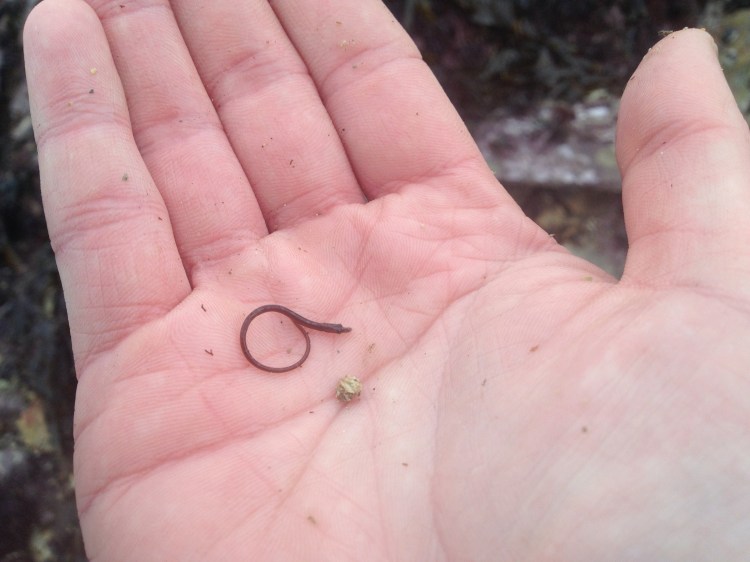
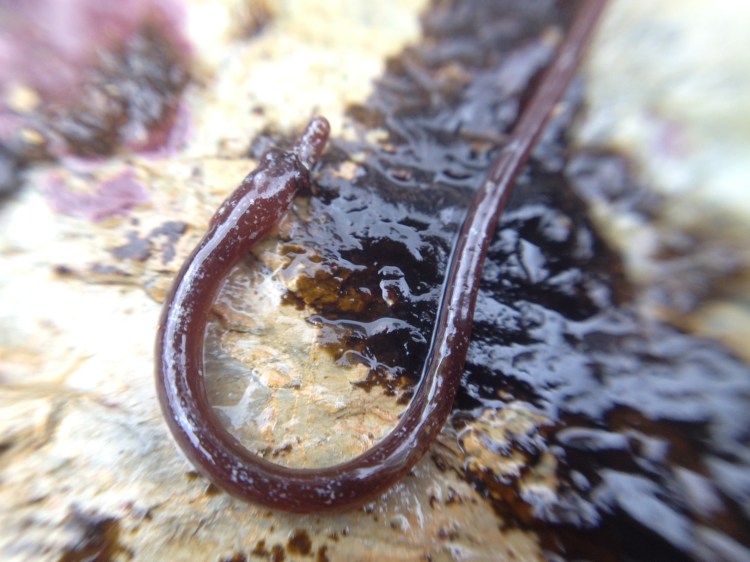
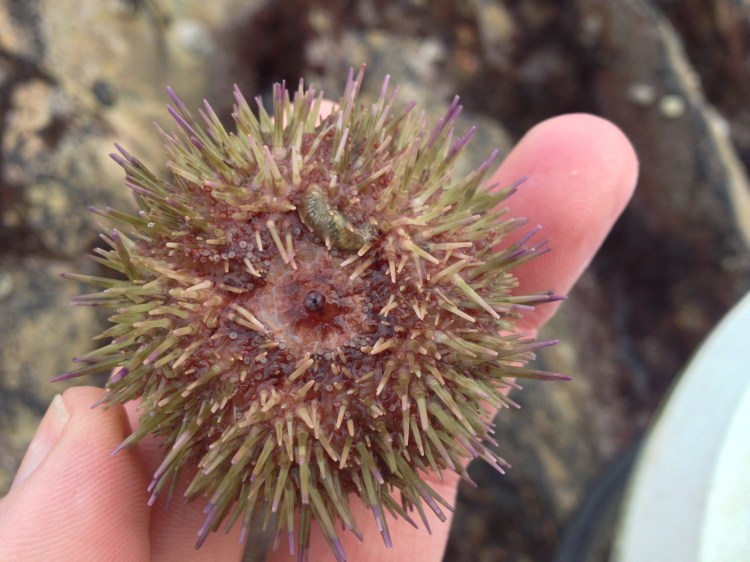
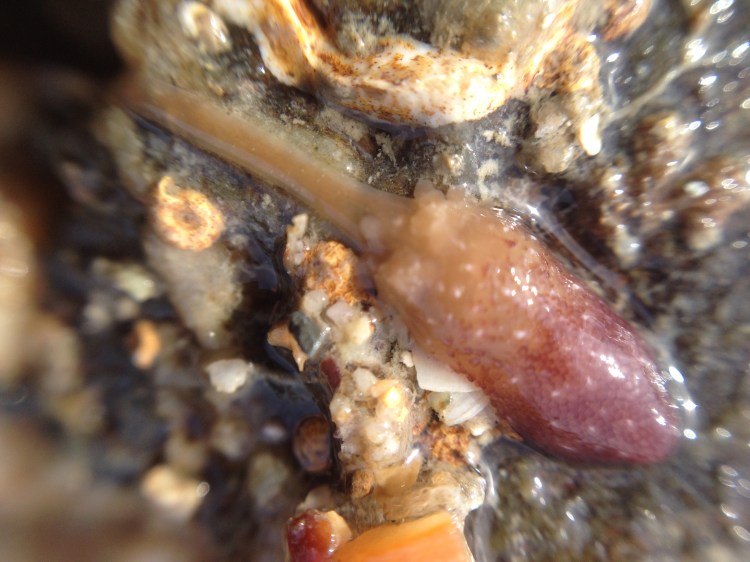
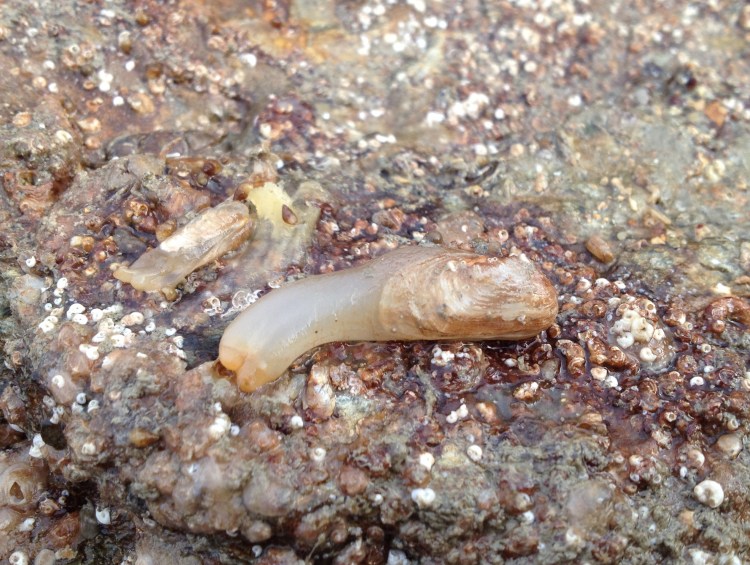
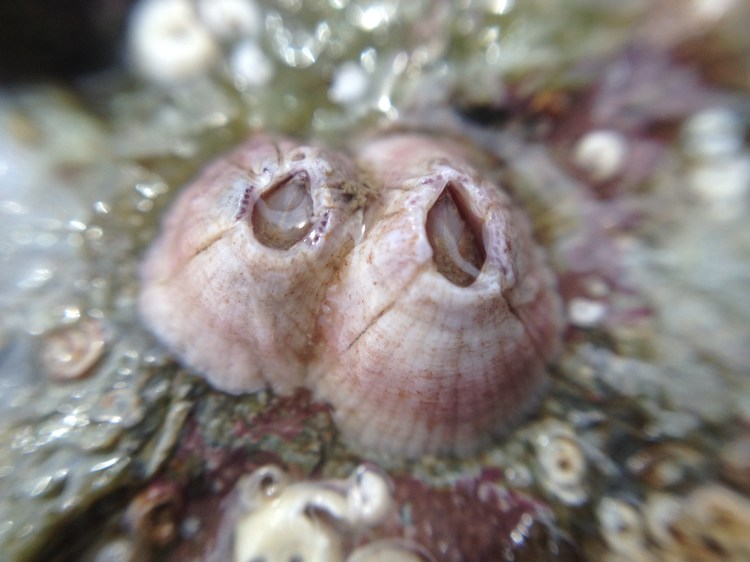
The weather has been generally awful so far this year and so I have not been out much. However it is March already so at least a small blog post is in order! There are loads of Worm pipefish Nerophis lumbriciformis around, some of the males carrying eggs (see also the blog header and the ‘about’ section). I found my smallest one yet. Next up a Sea urchin Psammechinus miliaris with what is probably the parasitic (or commensal?) polychaete worm Flabelligera affinis (thanks David Fenwick). After that, a slighlty out of focus shot of the hydroid Candelabrum cocksii. A few of these small individuals were sat under the first rock I turned over; I reckoned they were some type of spoon worm but they are something very different, thanks again David Fenwick, see for his much better photographs of this weird little thing here. Next the Wrinkled rock borer Hiatella arctica with siphon extended and the pretty acorn barnacle Balanus perforatus. Finally a picture of the Strawberry anemone Actinia fragacea, quite common and pretty, but I do not think I have ever posted a picture of it on the blog before. (All pics taken at Castle Beach in Falmouth btw.) I have three in my tank and it is high time for an aquarium update as well. I hope to go out tomorrow and the weekend as the tides are very low so watch this space!IMG_2057IMG_2058IMG_1694IMG_2234IMG_2040IMG_2032IMG_2051

tiny critters

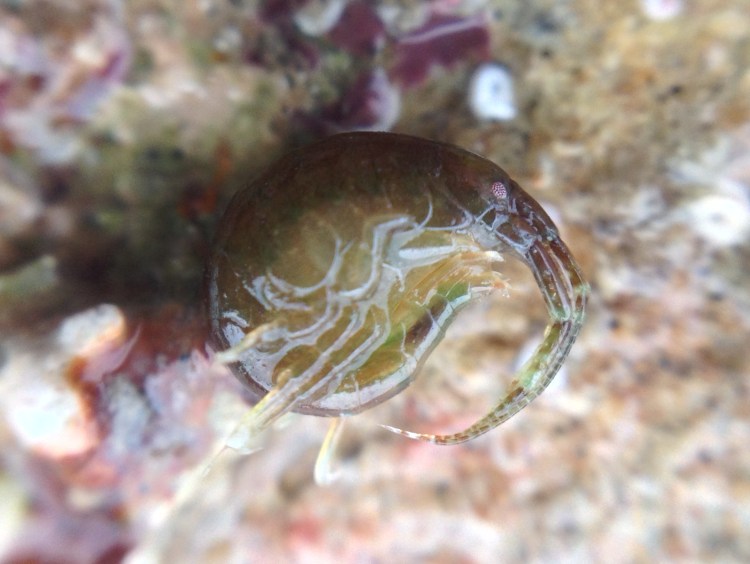
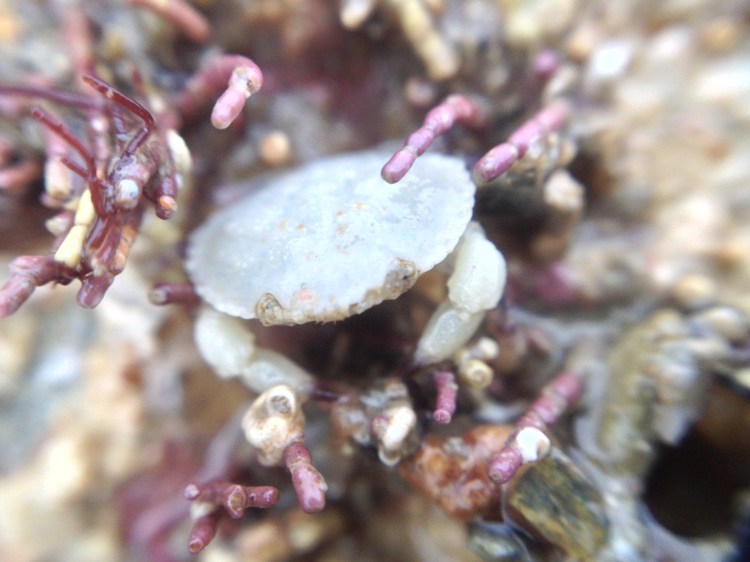
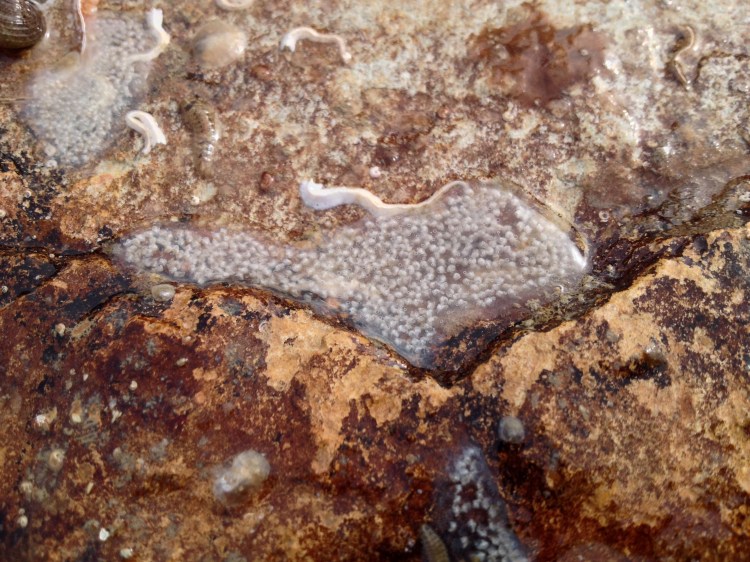
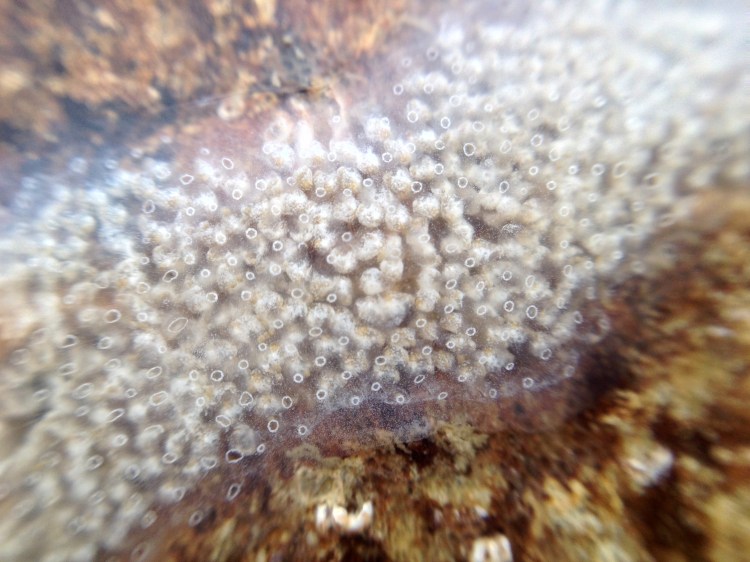
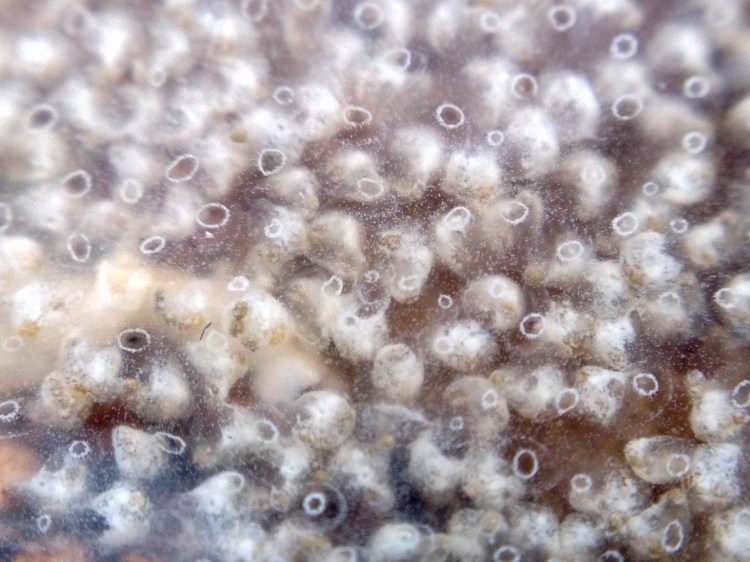
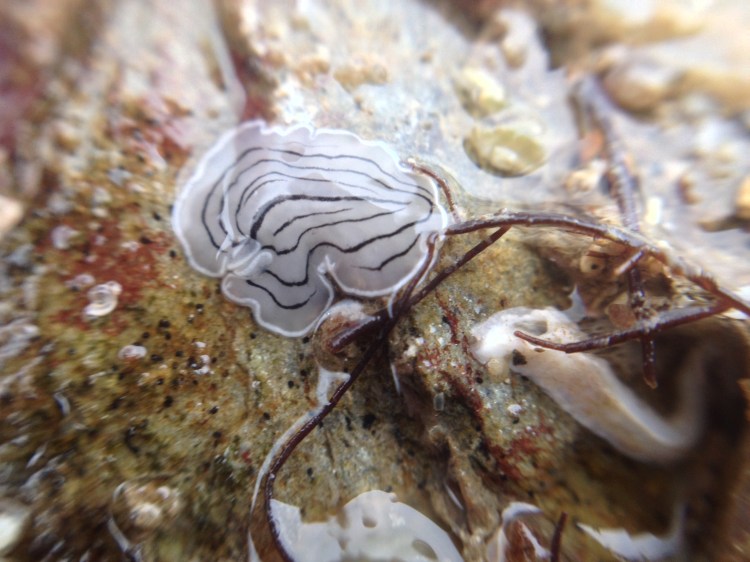
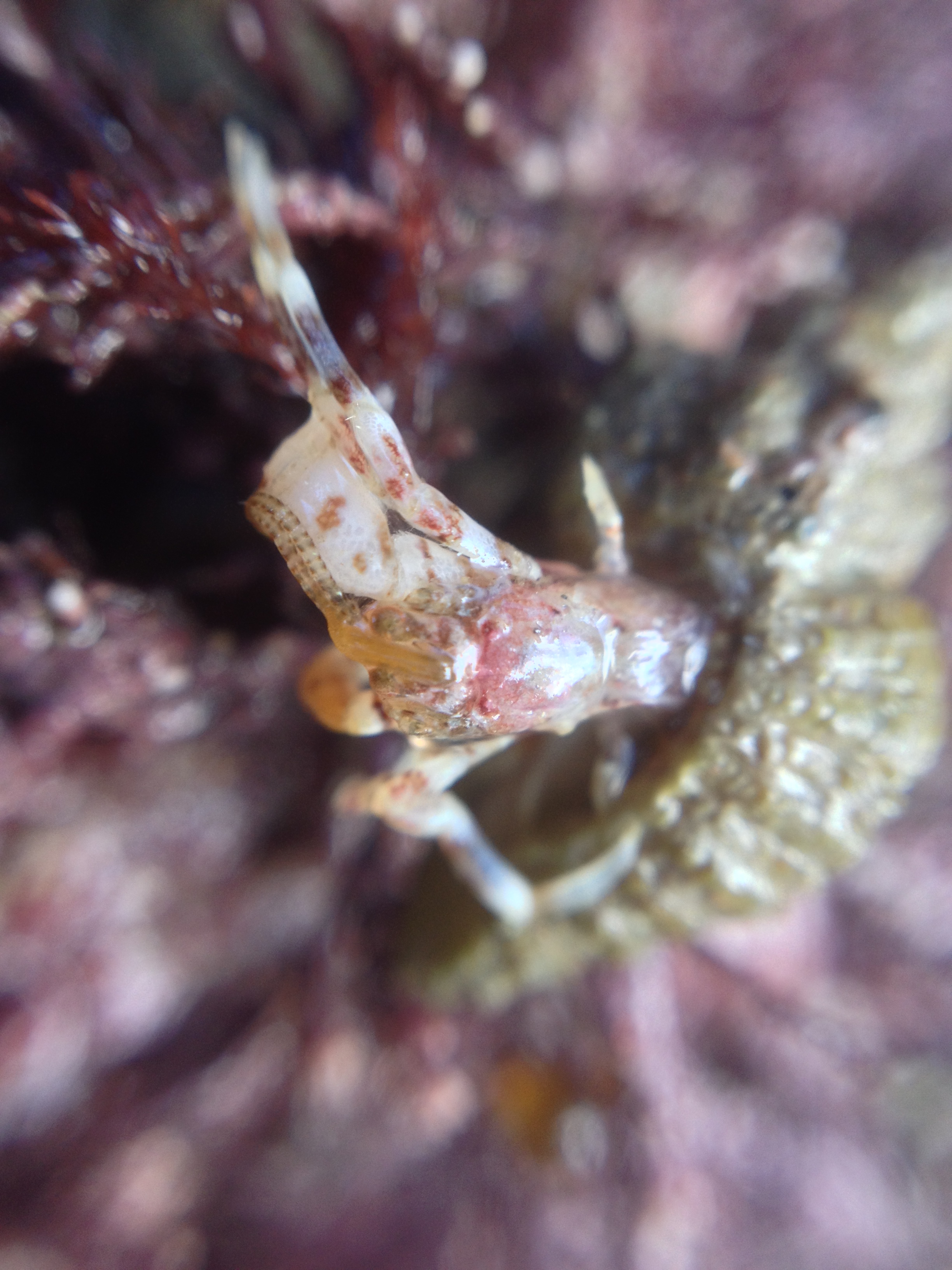
IMG_1646A nice low tide at Falmouth’s Castle Beach today. The weather was not great but at least it was not raining (I still managed to get quite soaked, including my wallet…). Quite a lot of brittlestars, urchins, worm pipefish and porcelain crabs around. I did some collecting for the aquarium: beadlet and strawberry anemones, snails and urchins. Otherwise I focused on the smaller stuff and took pictures with the olloclip macrolens on my iPhone. First two tiny crustaceans that I have not attempted to identify and what I think is a tiny Edible crab Cancer pagurus. The nicest find was a white colonial tunicate that at very first sight looked like an eggmass. I could not readily identify it using the usual websites, so hope that the NE Atlantic Tunicates facebook page members can help me out (Note: they did, it could be a ‘regressed’ Diplosoma spongiforme). On Sunday I had a quick look in Flushing and for the first time found some juvenile Candy-striped flatworms Prostheceraeus vittatus (see here for adults), very pretty!IMG_1680 IMG_1687IMG_1672IMG_1697IMG_1712IMG_1706IMG_1743

The Essential Guide to Beachcombing and the Strandline

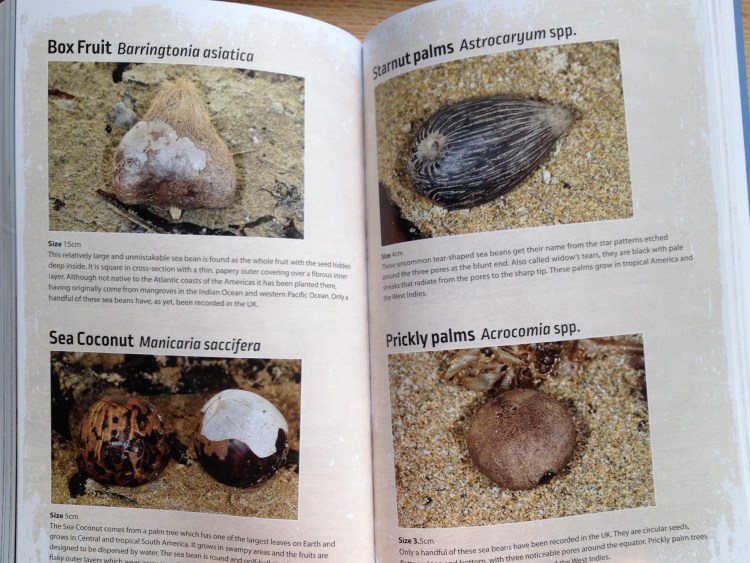
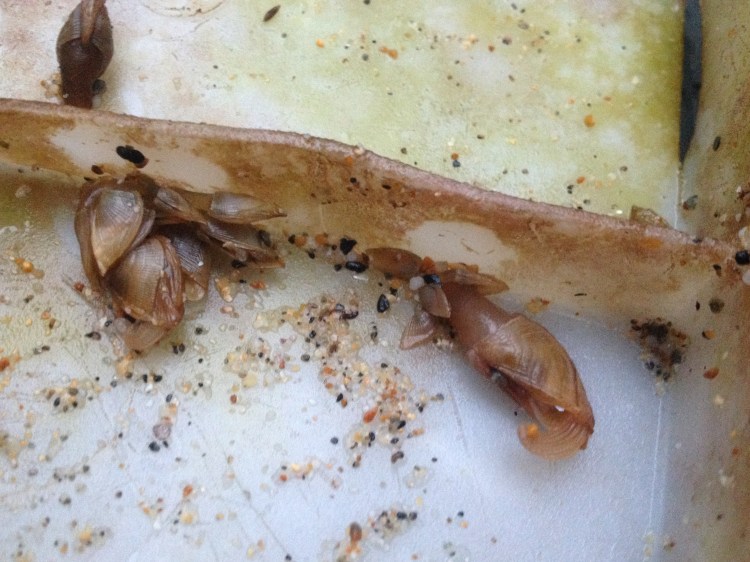
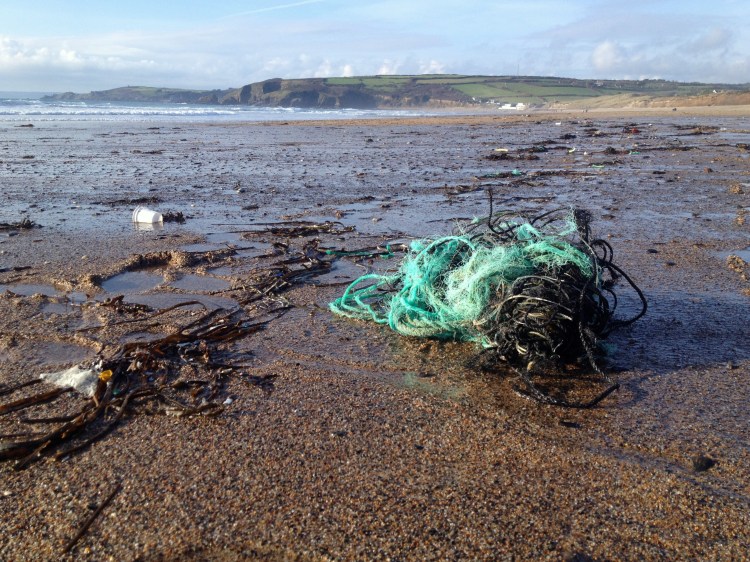
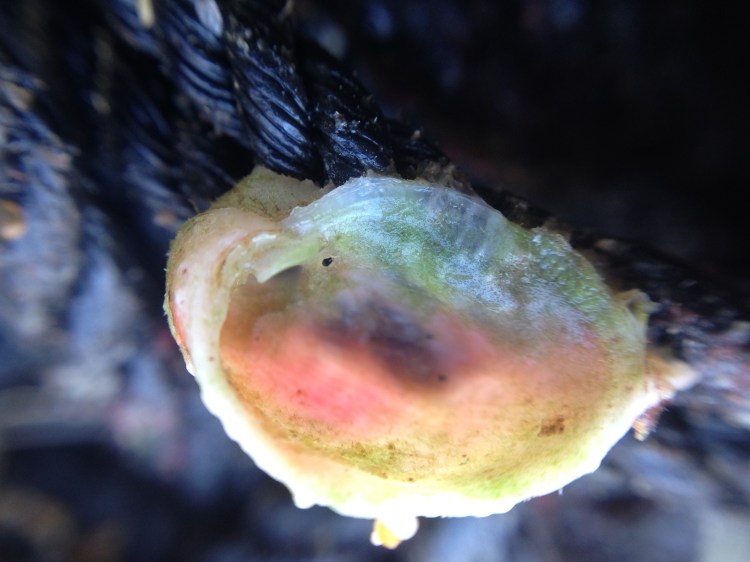
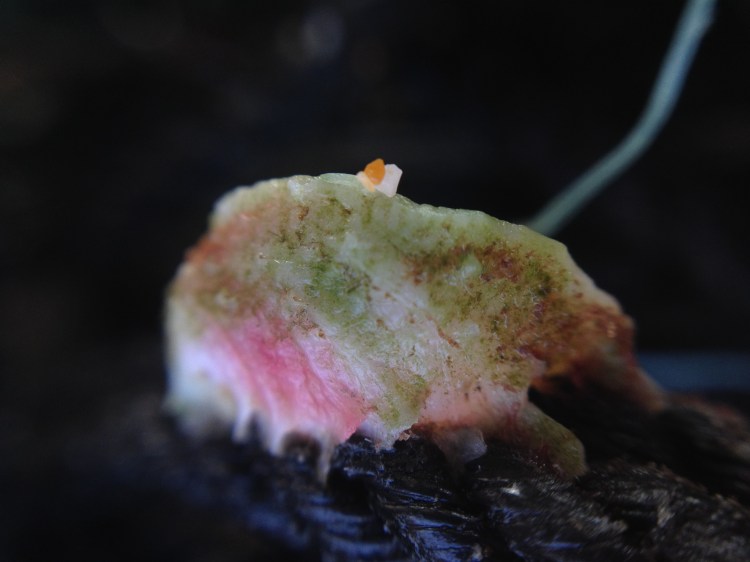
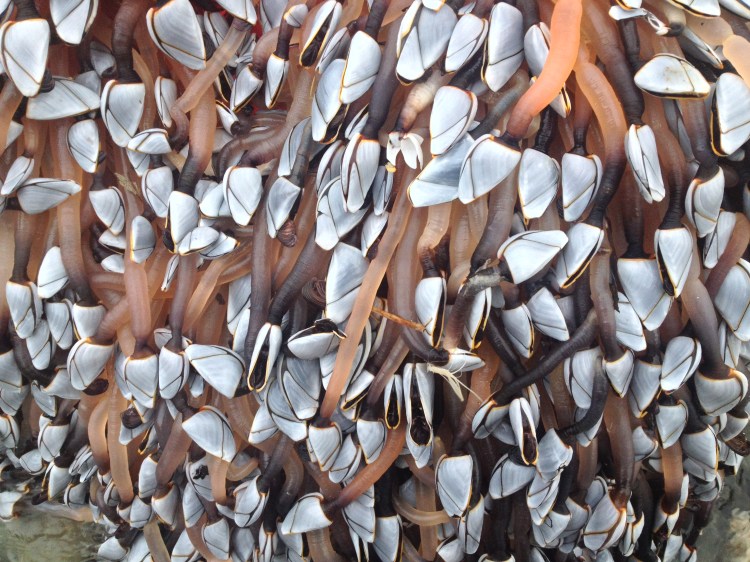
IMG_1325The winter season is the time for beachcombing and so I was very happy that Santa gave me The Essential Guide to Beachcombing and the Strandline; a fantastic guide to objects washed on British (and NW European) shores by Steve Trewhella and Julie Hatcher. One of the things that sets it apart from other guides is that it not only covers biological ‘objects’ (shells, fish, mermaid’s purses, sea beans etc) but also strandline debris of human origin (e.g. buoys and nurdles). After a walk at Praa Sands beach, it helped me to identify the Goose barnacle Lepas pectinata. A must-have book for anyone who likes to spend time on the beach! At Praa Sands I also found several Chama bivalves attached to a tangle of rope. David Fenwick has recently described three Chama species, all from (around) Florida (there are no native species), see here for much more detail. Unfortunately it is very difficult to tell what species it is from only the lower valve of the ‘Jewel Box’. It is interesting to see that even commonly encountered bits of rope and net can be from as far as the other side of the ocean. Hopefully there will be some westerly January storms to wash up more interesting species!IMG_1450IMG_1344IMG_1332IMG_1334IMG_1336

Bi-Coastal Beachcombing

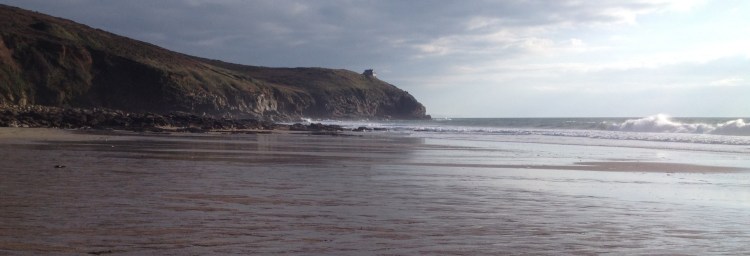
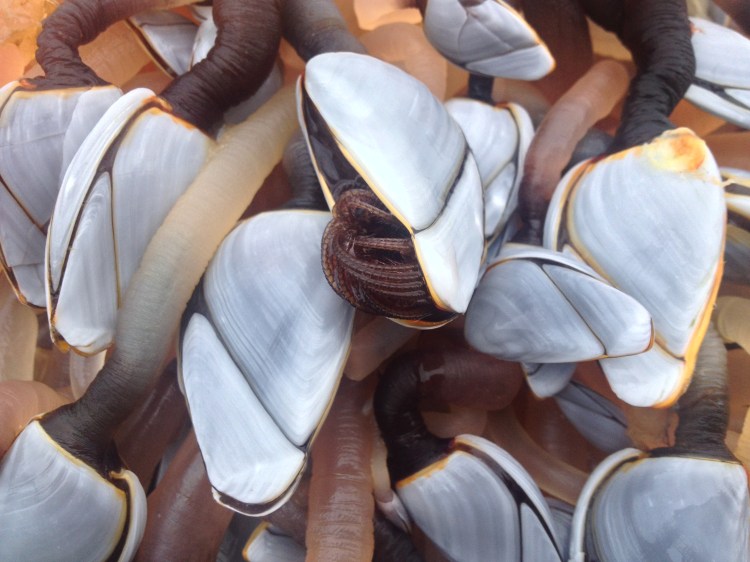
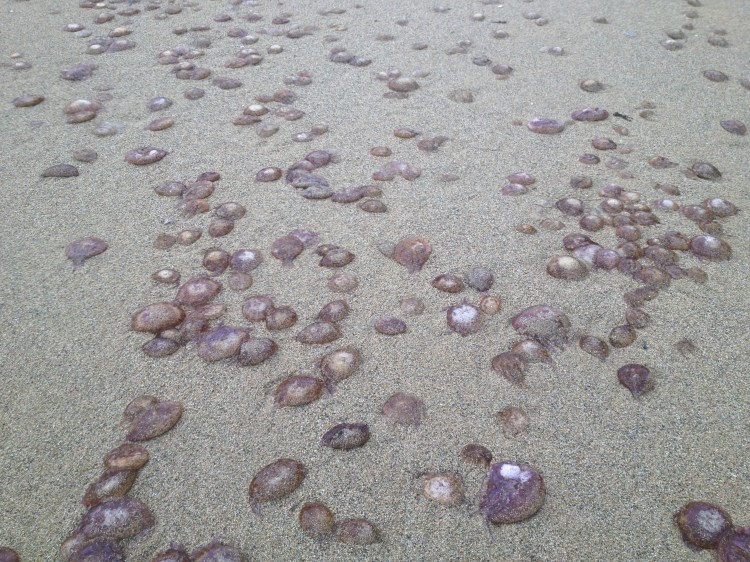
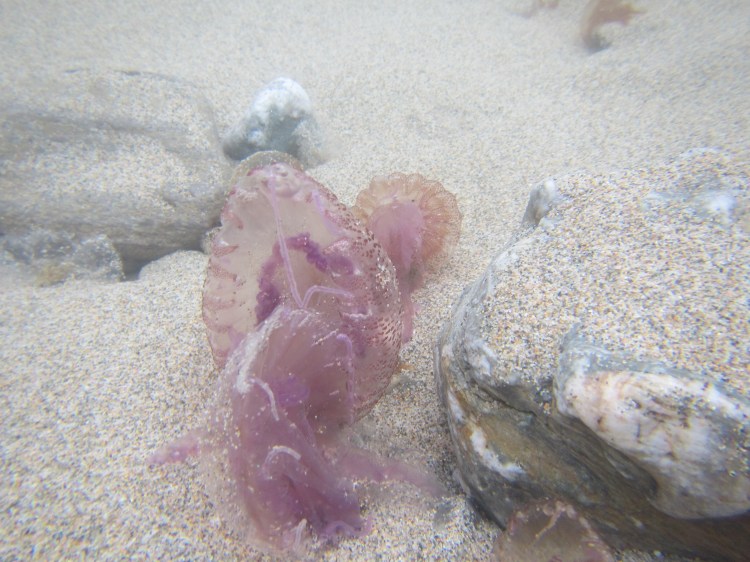
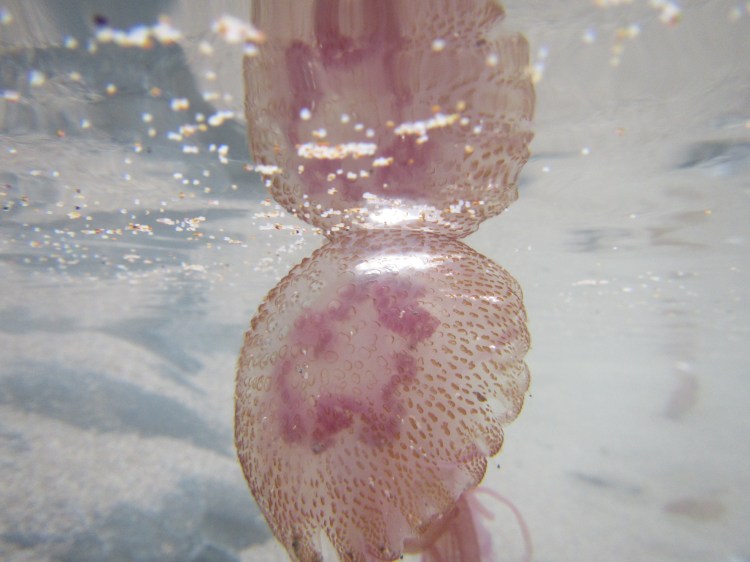
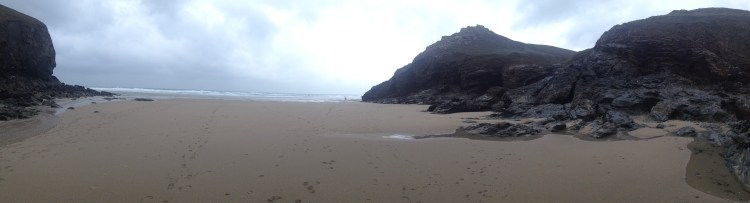
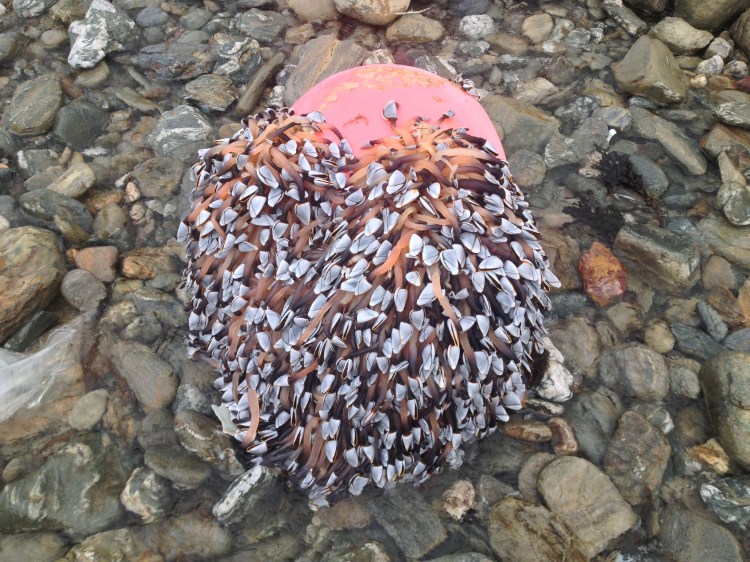
IMG_1167The weather has been awful lately (October in the UK, no surprise there) with lots of wind. A good time for some beach combing! I have not done much of that actually (here one old post) but hope to head out more over the winter. Last week a large piece of a space rocket washed up at the Isles off Scilly, but I am willing to settle for something less exciting… We headed for Chapel Porth Beach west of St. Agnes on the North Coast, a very rugged bit of coast. Because of the rain and the sand blasting, it was not very suitable for the kids so we stayed only for a very short while. Plastic debris high on the shore, some pieces of dead bird and a big buoy covered in Goose barnacles Lepas anatifera and potentially Lepas hilli (thanks David Fenwick); I find it difficult to distinguish between the two.IMG_1152IMG_1153IMG_1160A very large number of small Mauve stinger Pelagia noctiluca jellyfish had also washed up. I tried a couple of quick underwater photos but I should have taken a little more time to get them right. We then took the decision to head from the North coast to the South coast (which are only 25 miles apart), specifically Marazion at St. Michaels Mount. The weather can vary quite a bit locally and we figured it could only be better on the other side. The tide was still low and here the wind was onshore as well, however, not a single object seemed to have washed up. It kept raining and so we cut the beach combing short. Better luck next time!IMG_1170IMG_2229 IMG_2235
a shallow Maerl dive

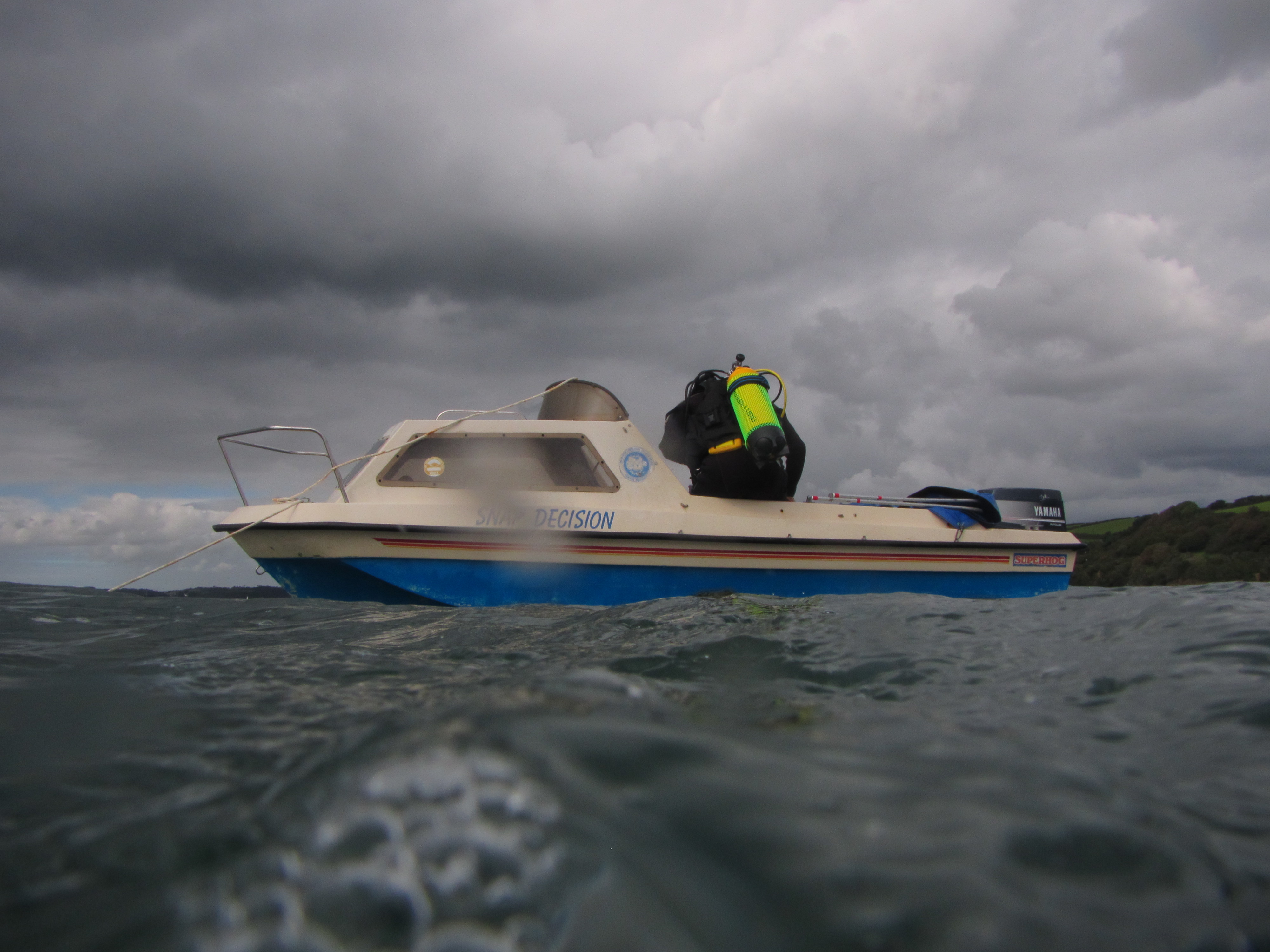
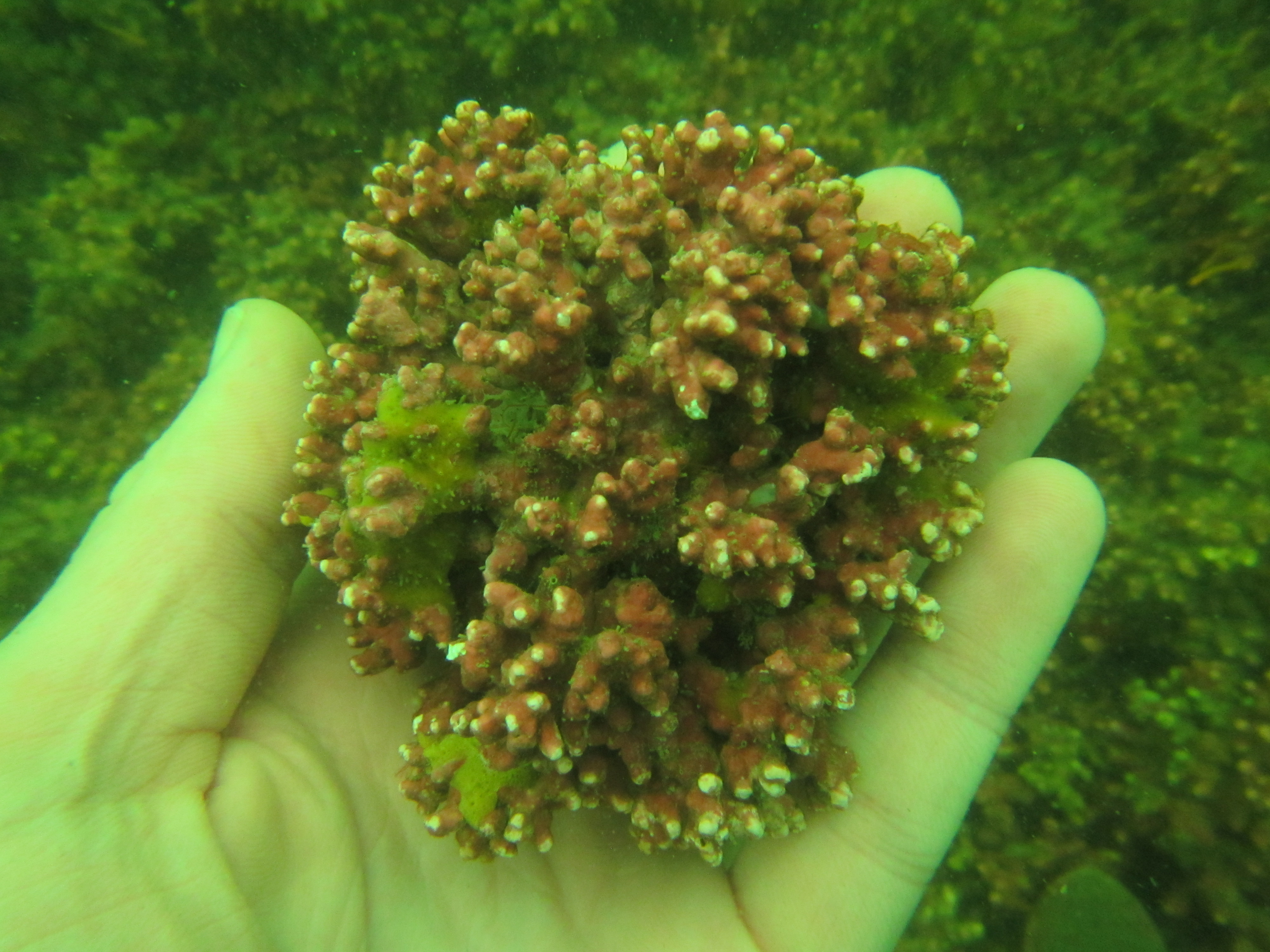
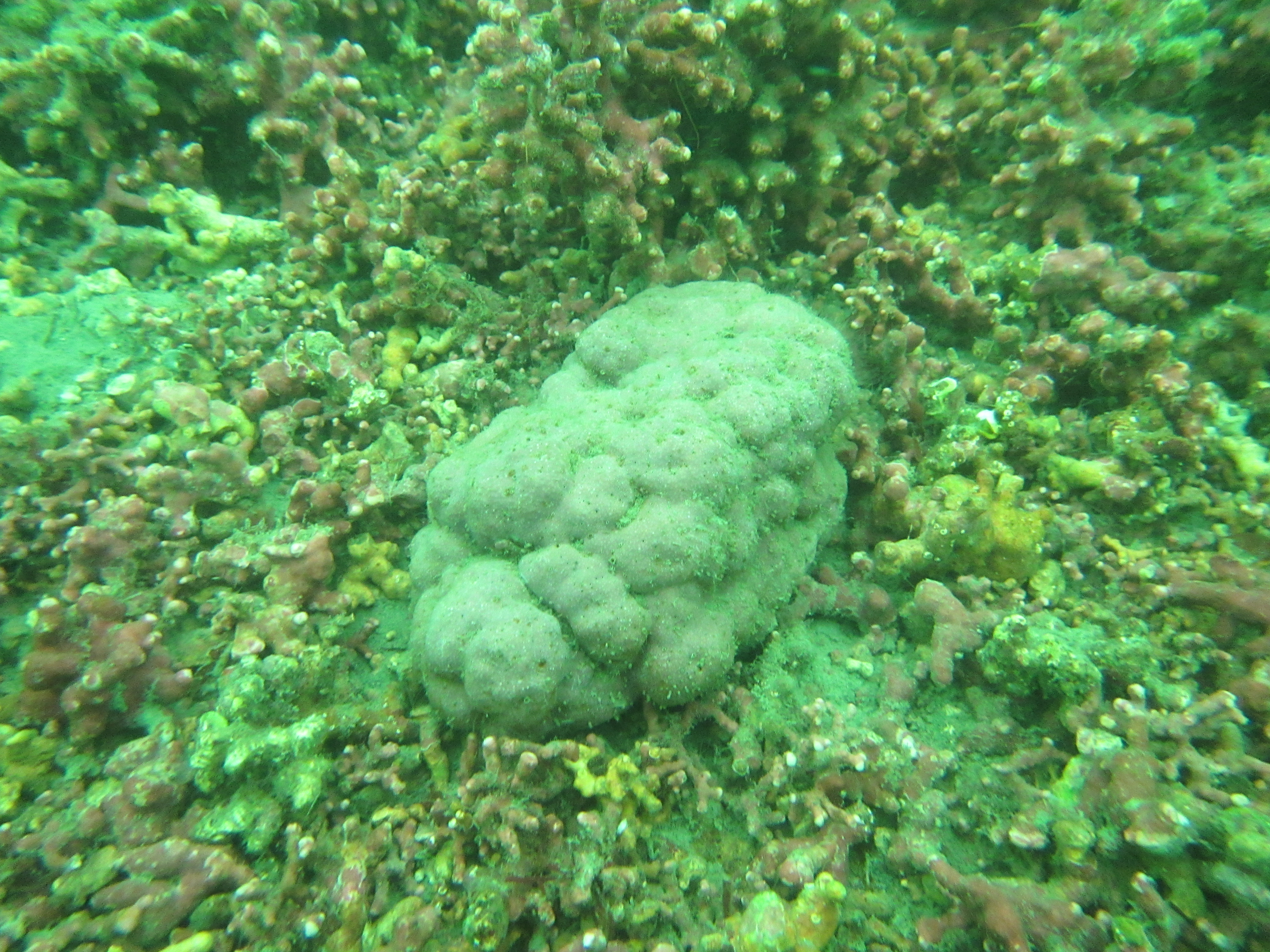
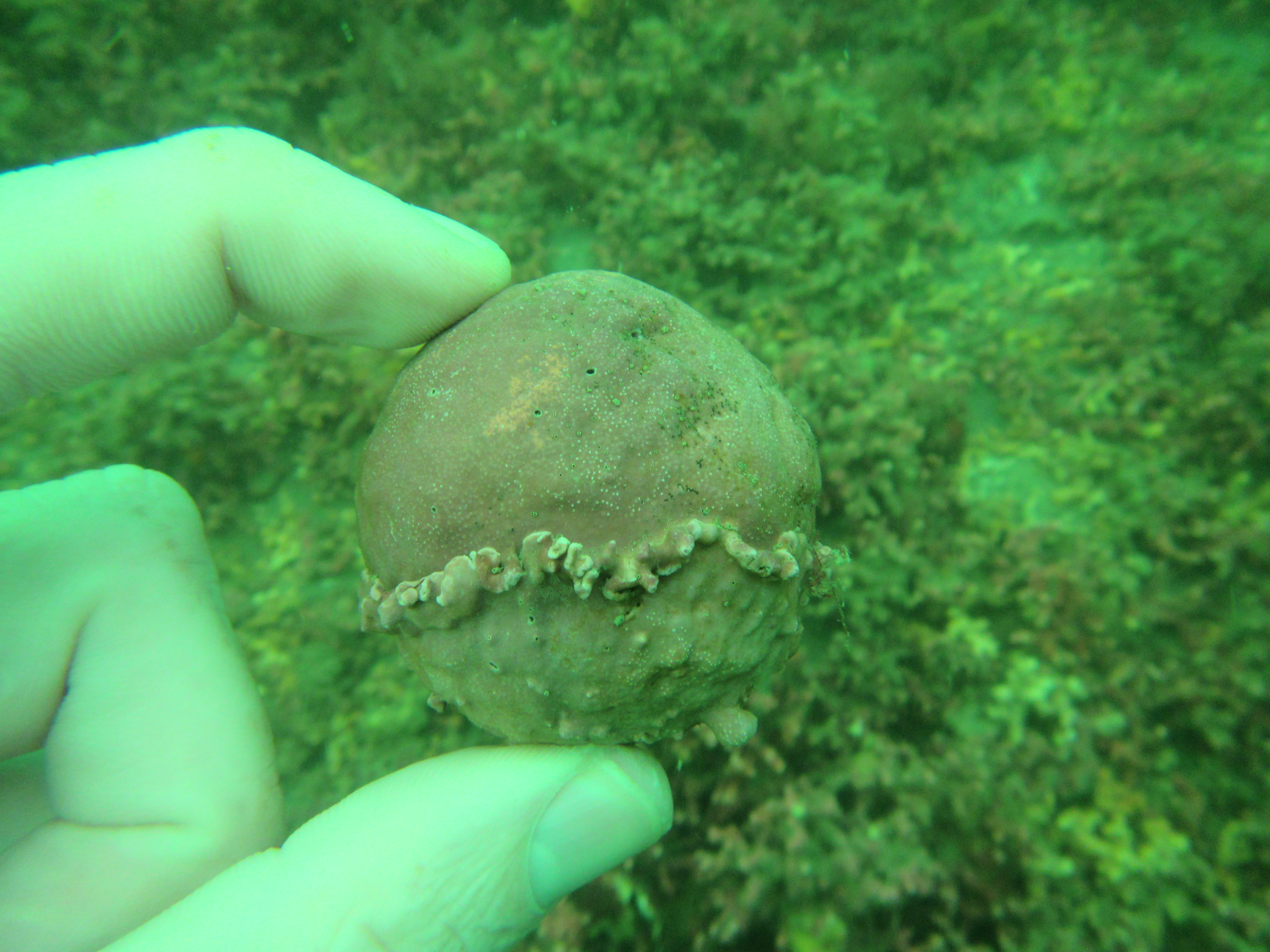
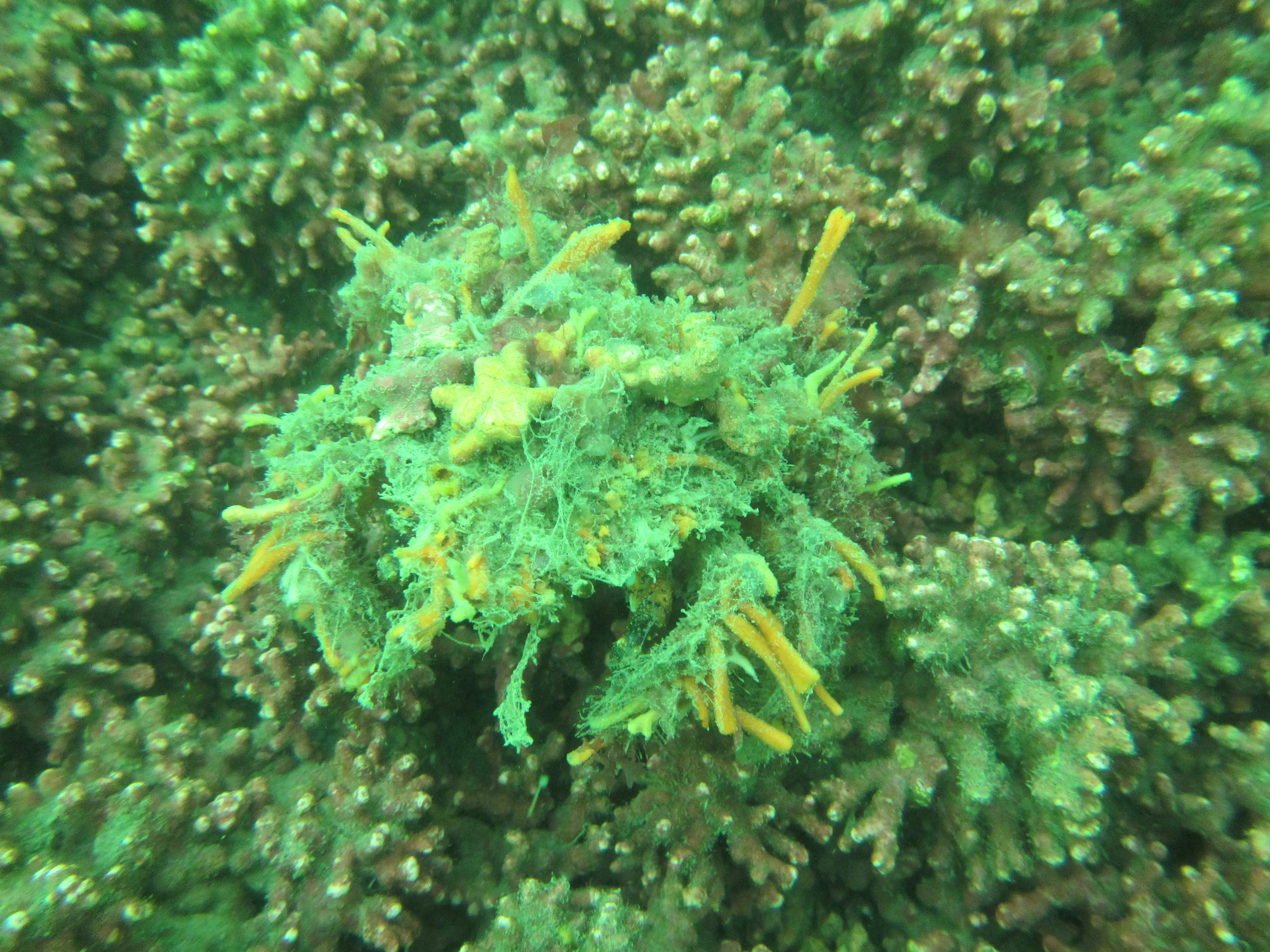
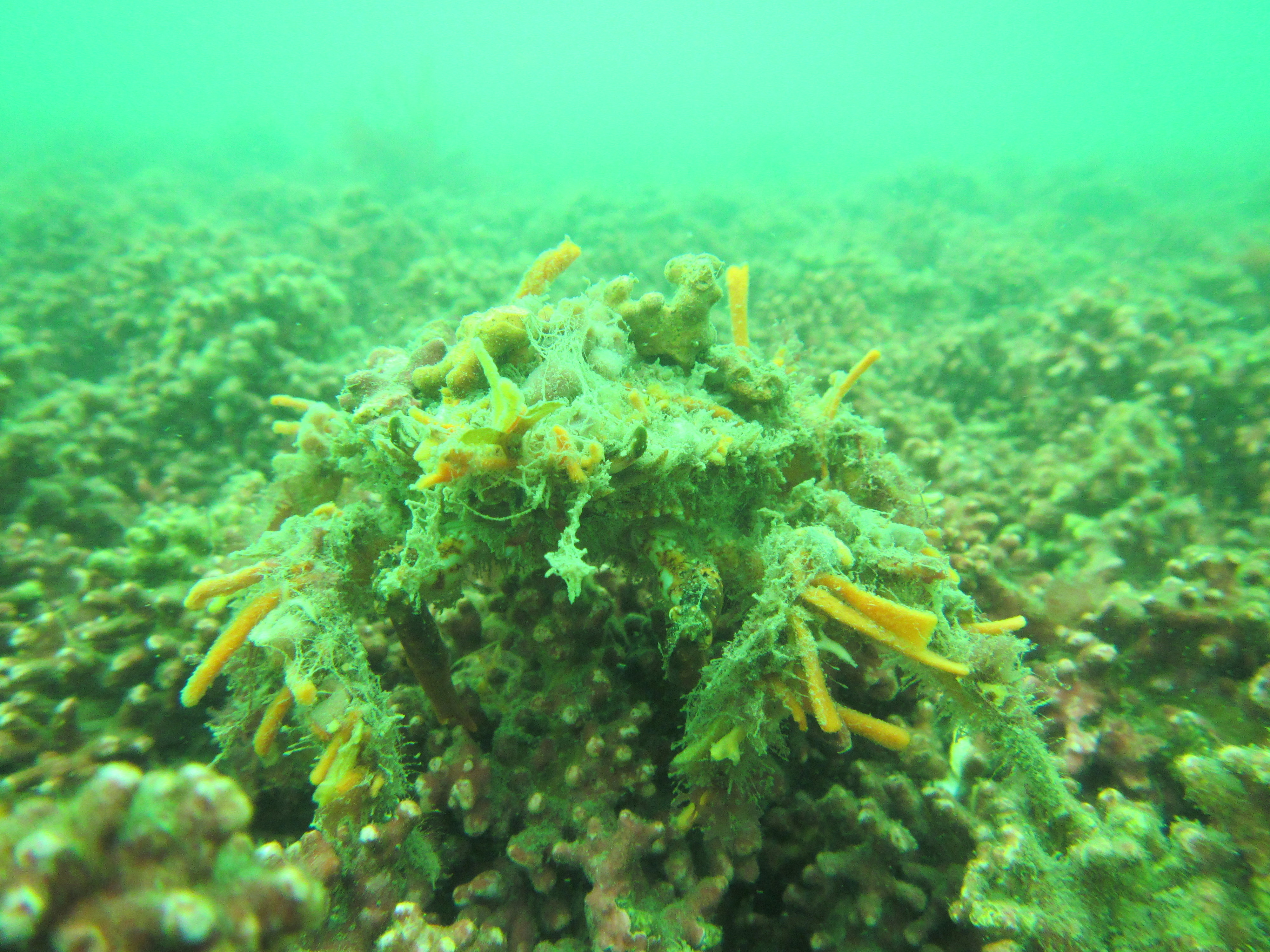
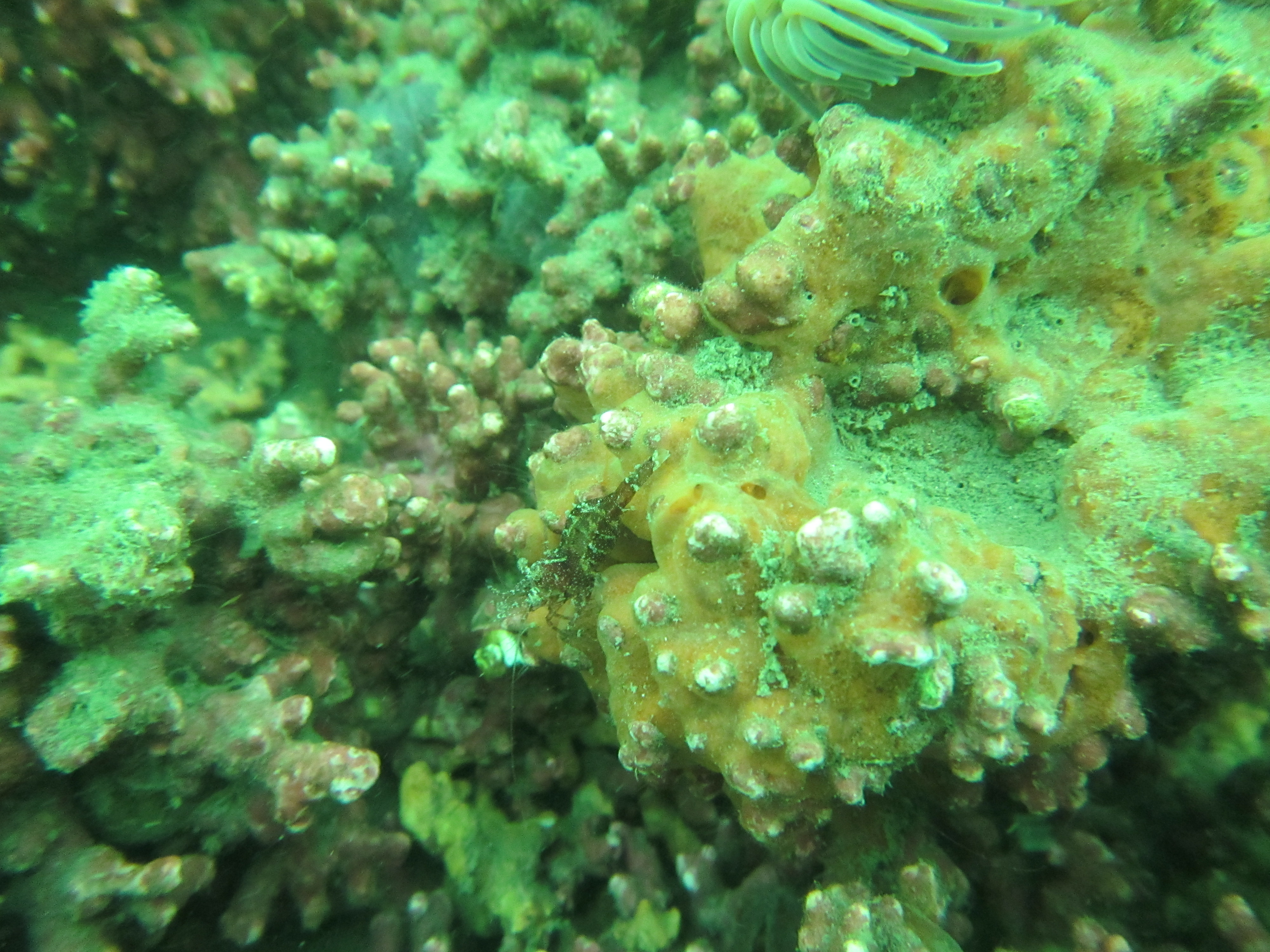
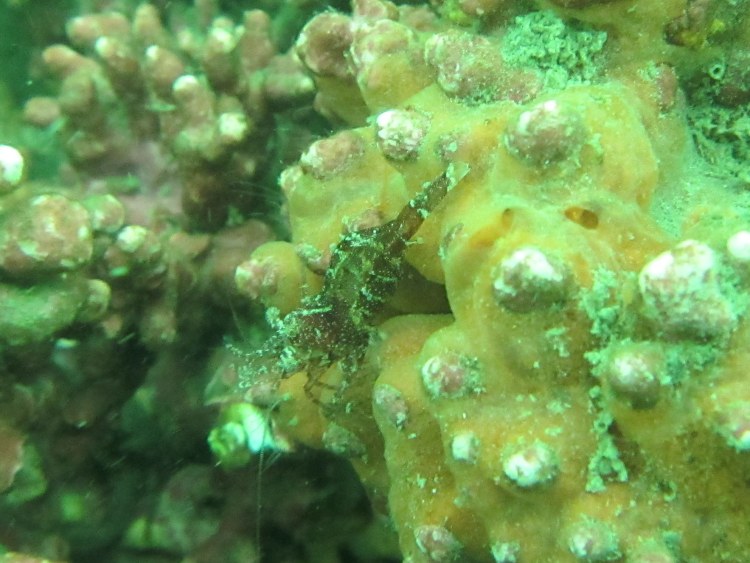
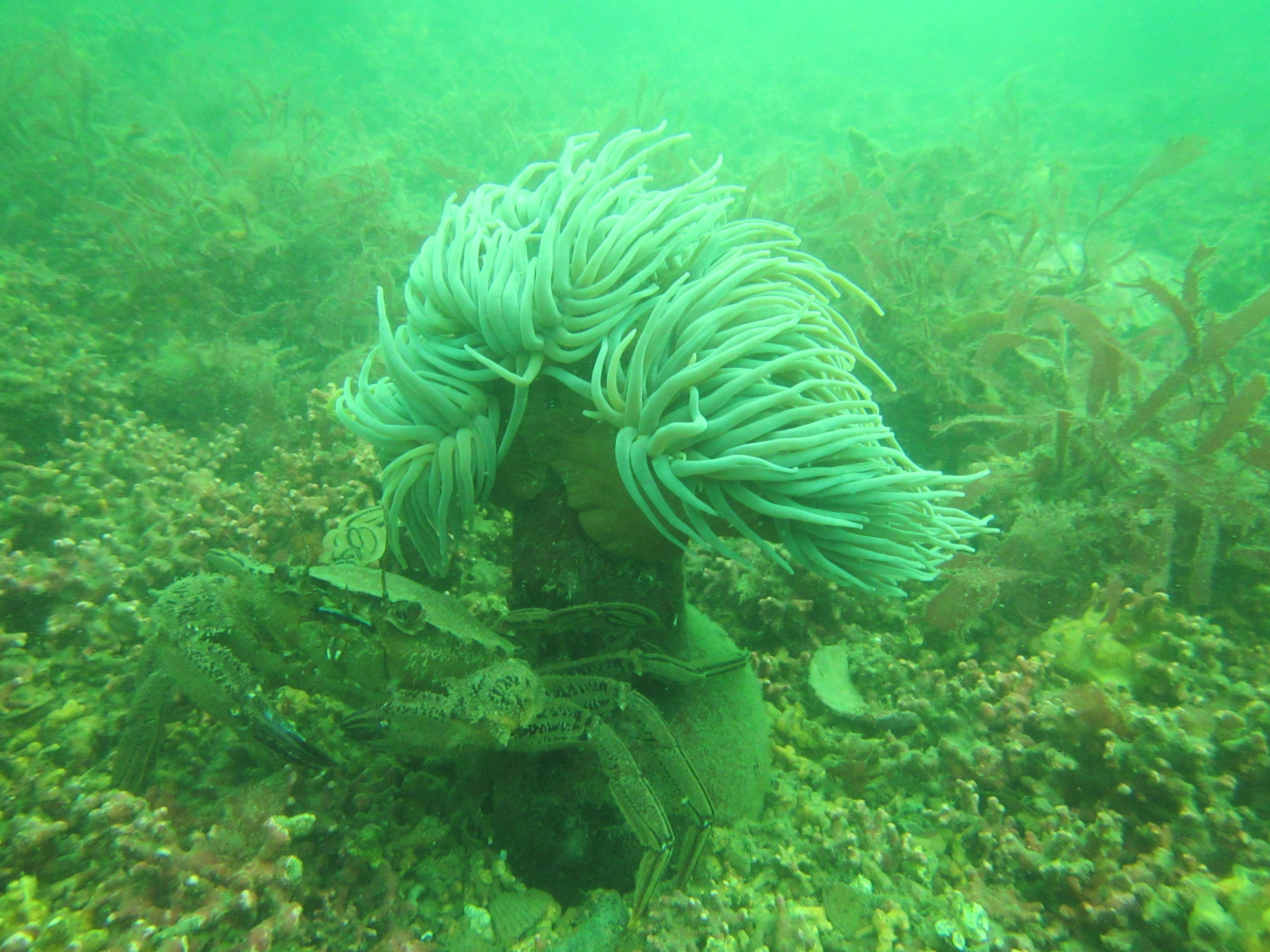
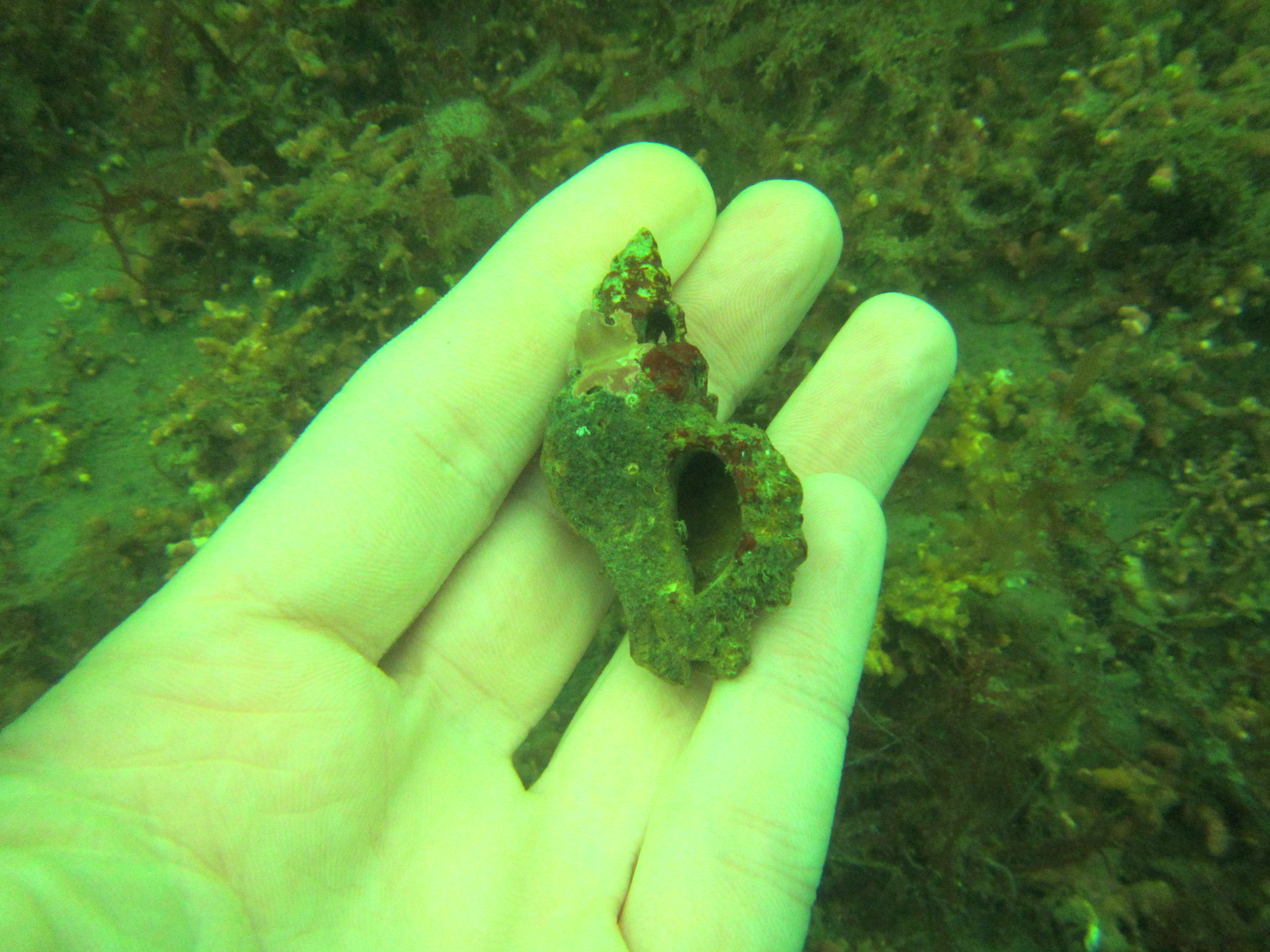
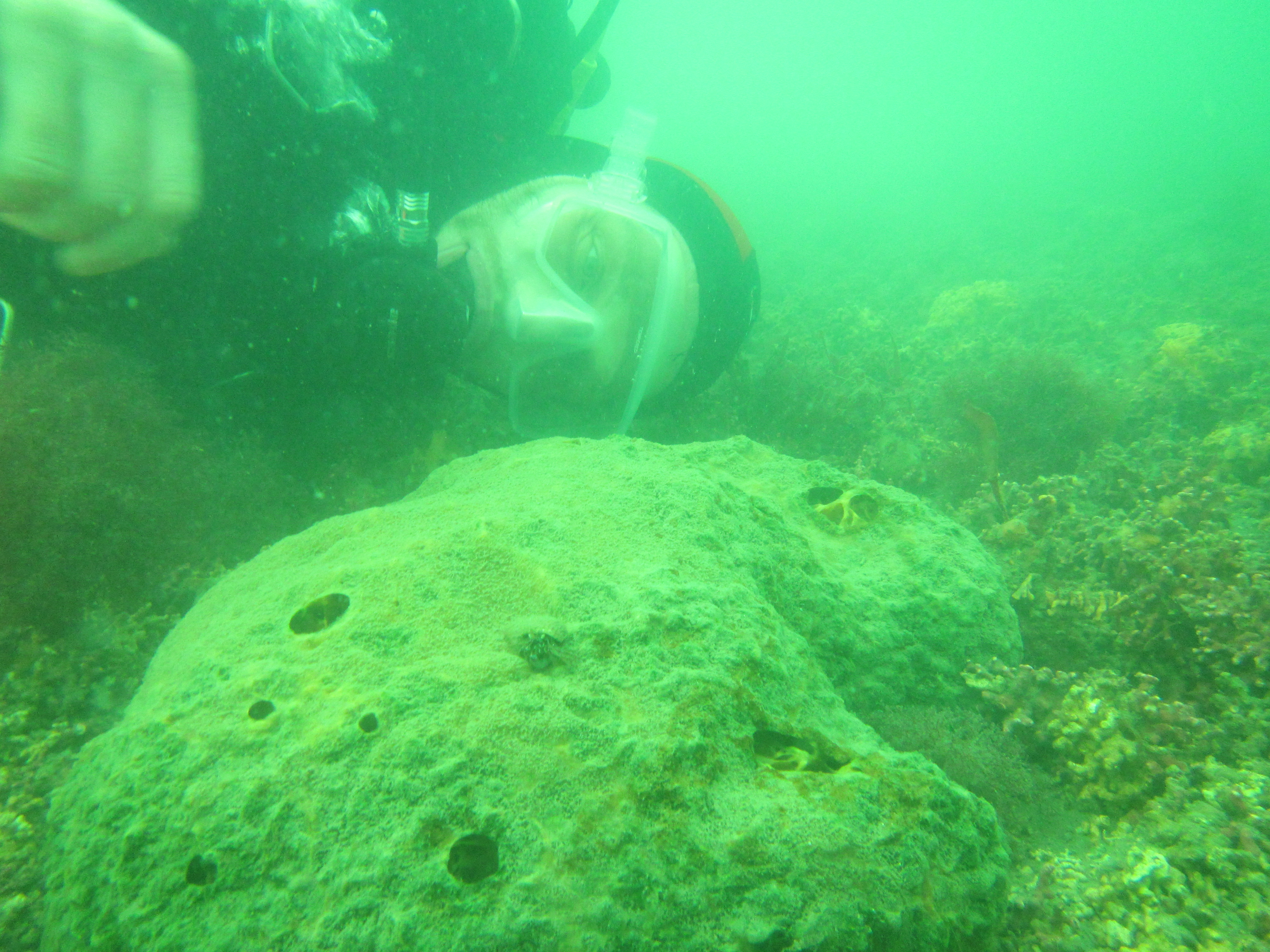
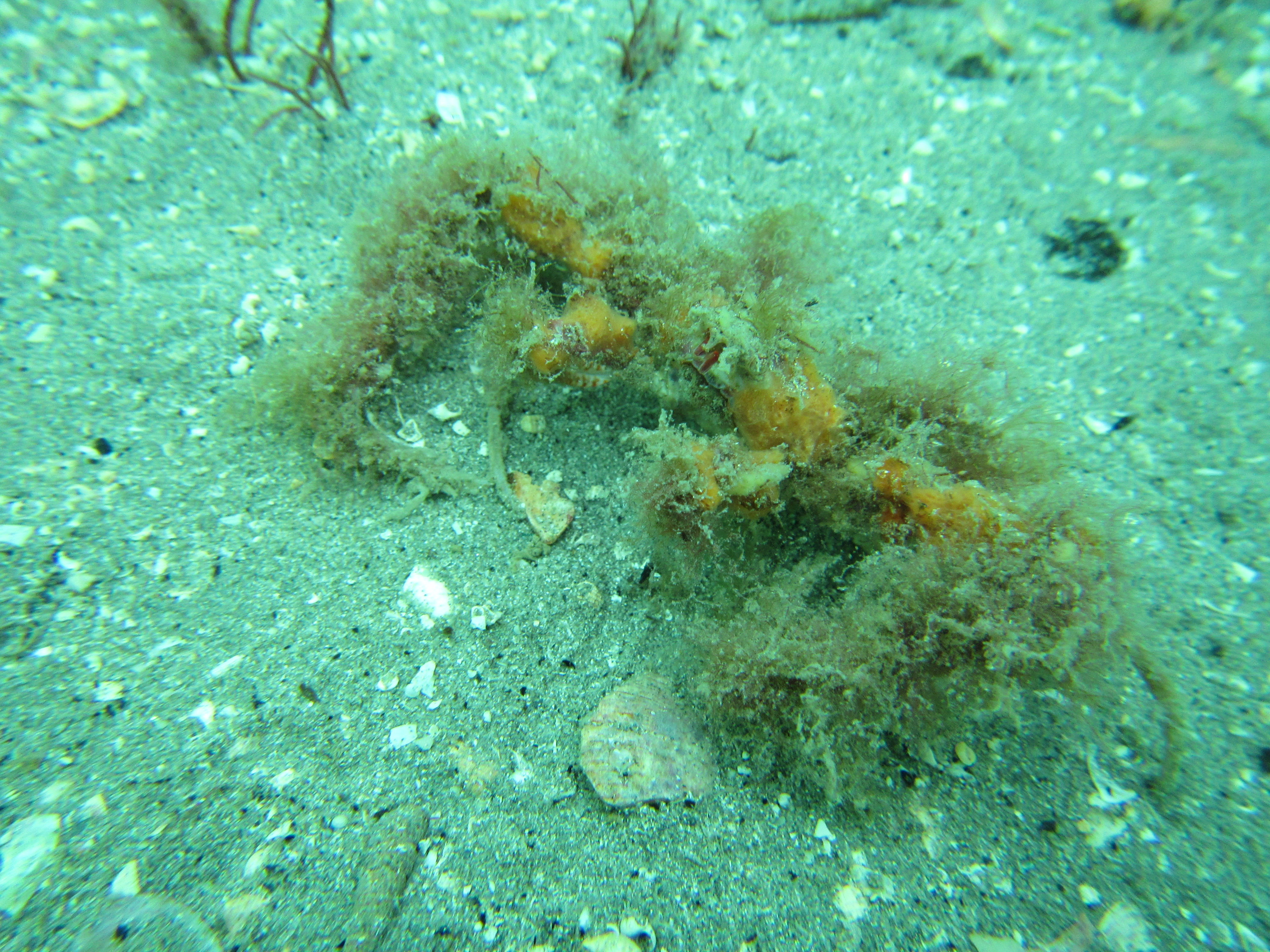
The weather was not great last weekend and we were too late at the diveshop on Saturday to be back in time to get the tanks refilled for a dive on Sunday but the one dive was (as always) worth the effort! We took dive buddy Chris’s boat from Loe Beach in Feock over to the other side of the Fal Estuary (between St. Just and St. Mawes) to explore the Maerl beds. See an earlier post on a snorkel trip to see this bed of ‘Cornish coral’ for some more background information. After the usual faffing about with equipment on board we plunged in the water. I took a single photo of the boat which turned out quite dramatic:IMG_1869Although we were diving 1-2 hours before high water (the best time, as clear seawater is pushed in the estuary), the visibility was quite bad. After going just a couple of meters down, fields of maerl loomed into view (the dive was really shallow, 5.9 meters max I think!). There were quite a lot of Thornback ray Raya clavata egg cases (foreground first picture) but we did not see the rays themselves. There are two main Maerl genera around here, Phymatolithon and Lithothamnion but their growth forms are varied and there are other encrusting Pink paint weeds that could look similar. We saw a number of golf balls that were completely covered in coralline algae, quite cool.IMG_1946IMG_1871IMG_1945IMG_1989We saw a couple of *very well* camouflaged crabs sitting about. They were completely covered by sponges, coralline algae and seaweeds. There are a number of crab species shaped like this but most of them seem too small. Best guess is the Toad crab Hyas coarctatus the Europan spidercrab Maja squinado in a particular extravagant mood. There are lots of little things hiding in the Maerl; gobies (rock gobies I think), squat lobsters, swimming crabs, hooded prawns and things that hide faster than I can identify them. I noticed a dainty little prawn sitting about which is probably Thoralus cranchii, although it could also be Eualus occultus (second picture is cropped).IMG_1969IMG_1971 IMG_1887IMG_1957 IMG_1957 - CopySwimming crabs were common and probably mostly were the Harbour crab Liocarcinus depurator. The first picture was the only one with flash and shows the Maerl colours a bit better. The second photo shows a Velvet swimming crab Necora puber under a snakelocks anemone sitting on top of a bottle. This species can be very commonly seen rockpooling. Lastly an empty shell of the largest European sting winkle Ocenebra erinaceus I have seen so far and probably the largest sponge I have seen so far too (with a human head for scale).IMG_1927 IMG_1982 IMG_1898 IMG_1995
Diving the Helford

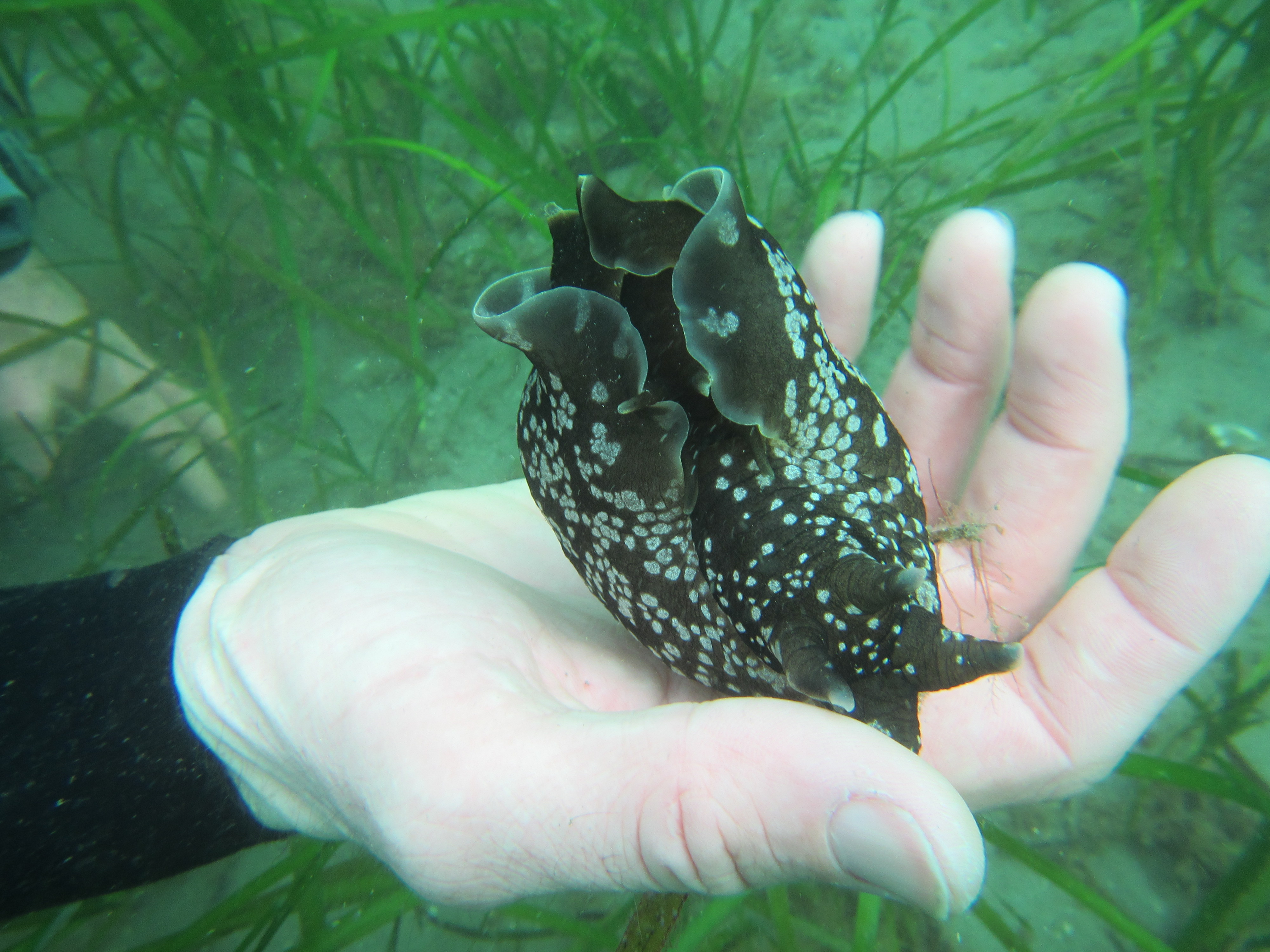
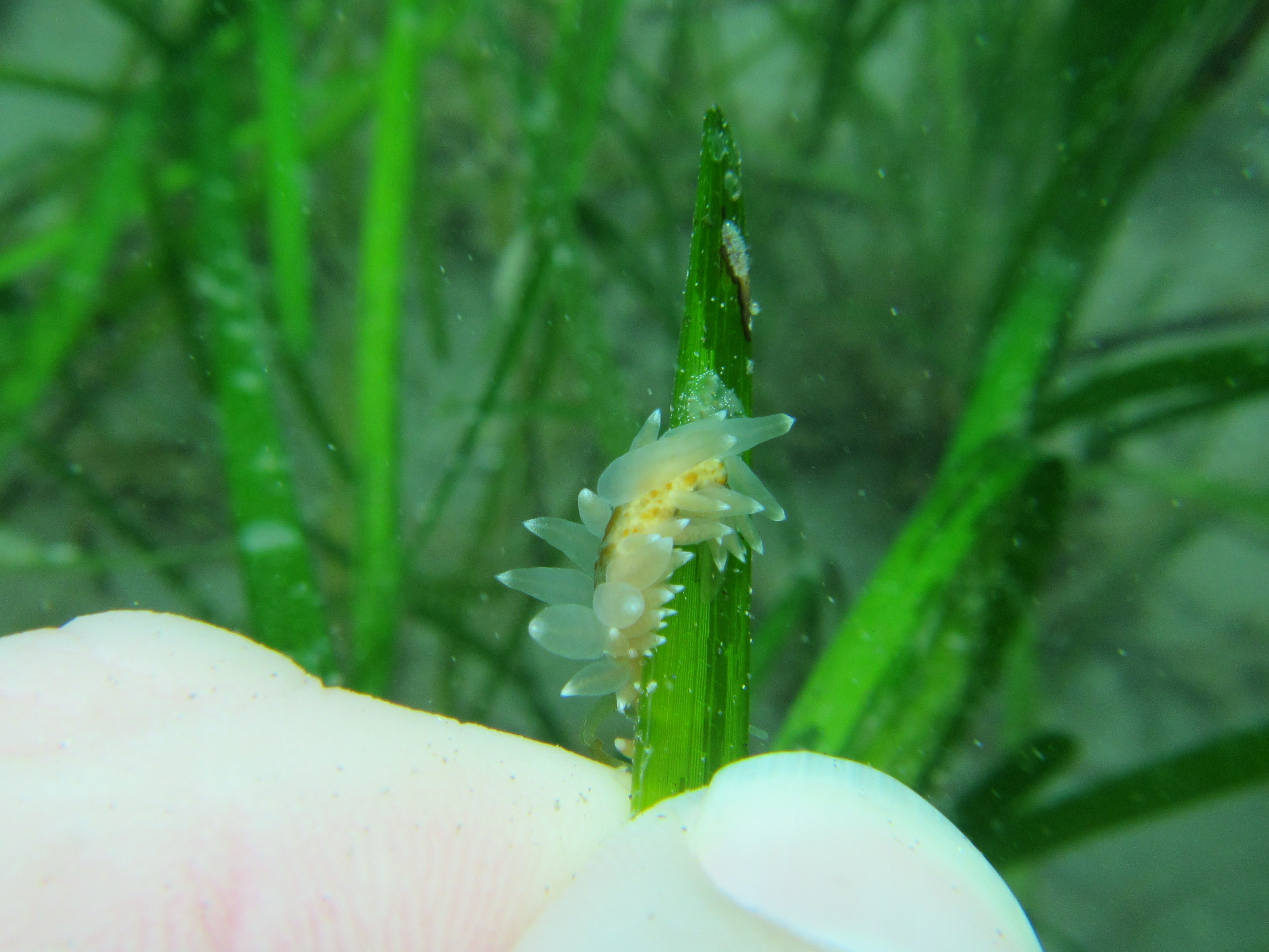
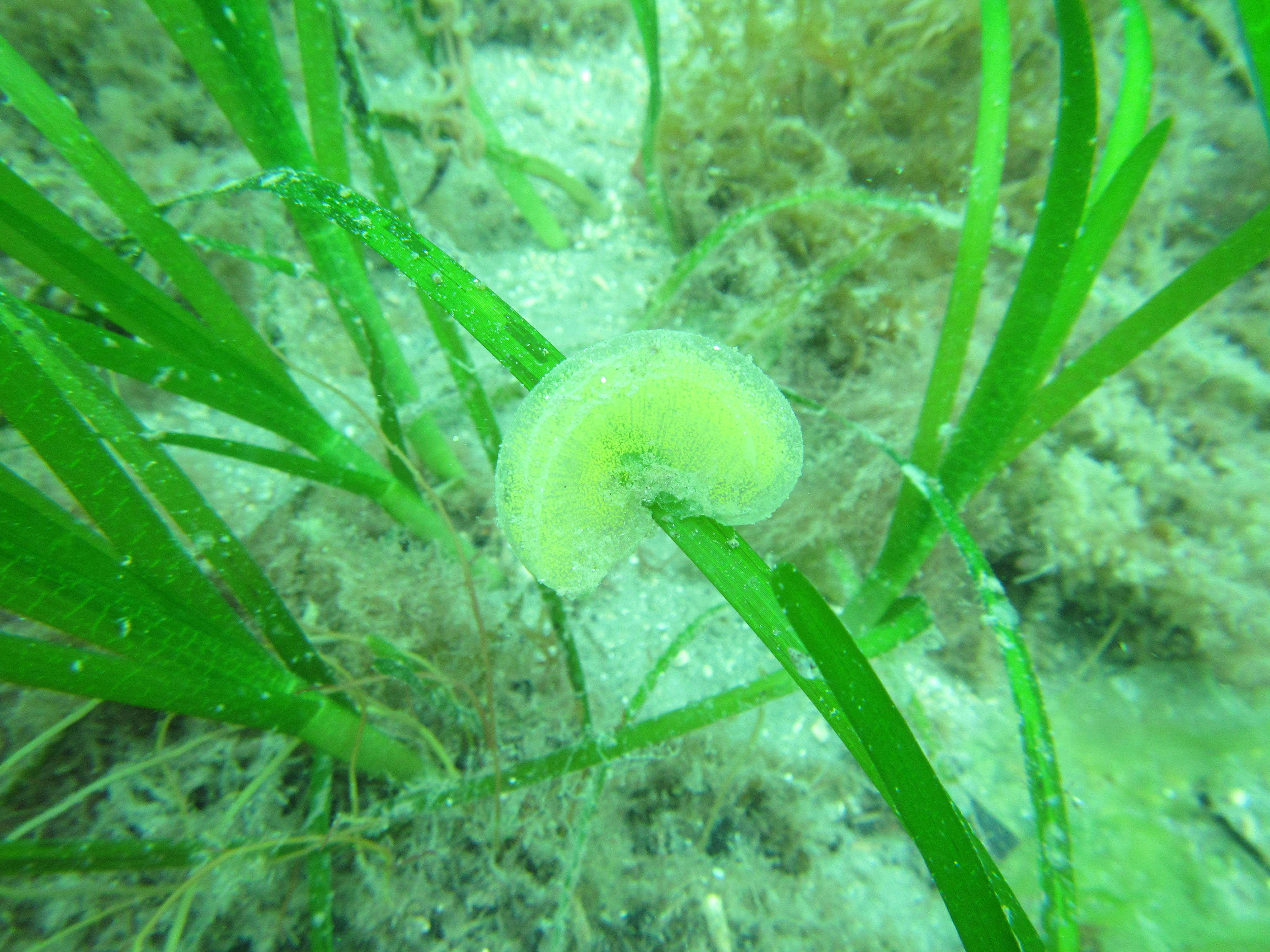
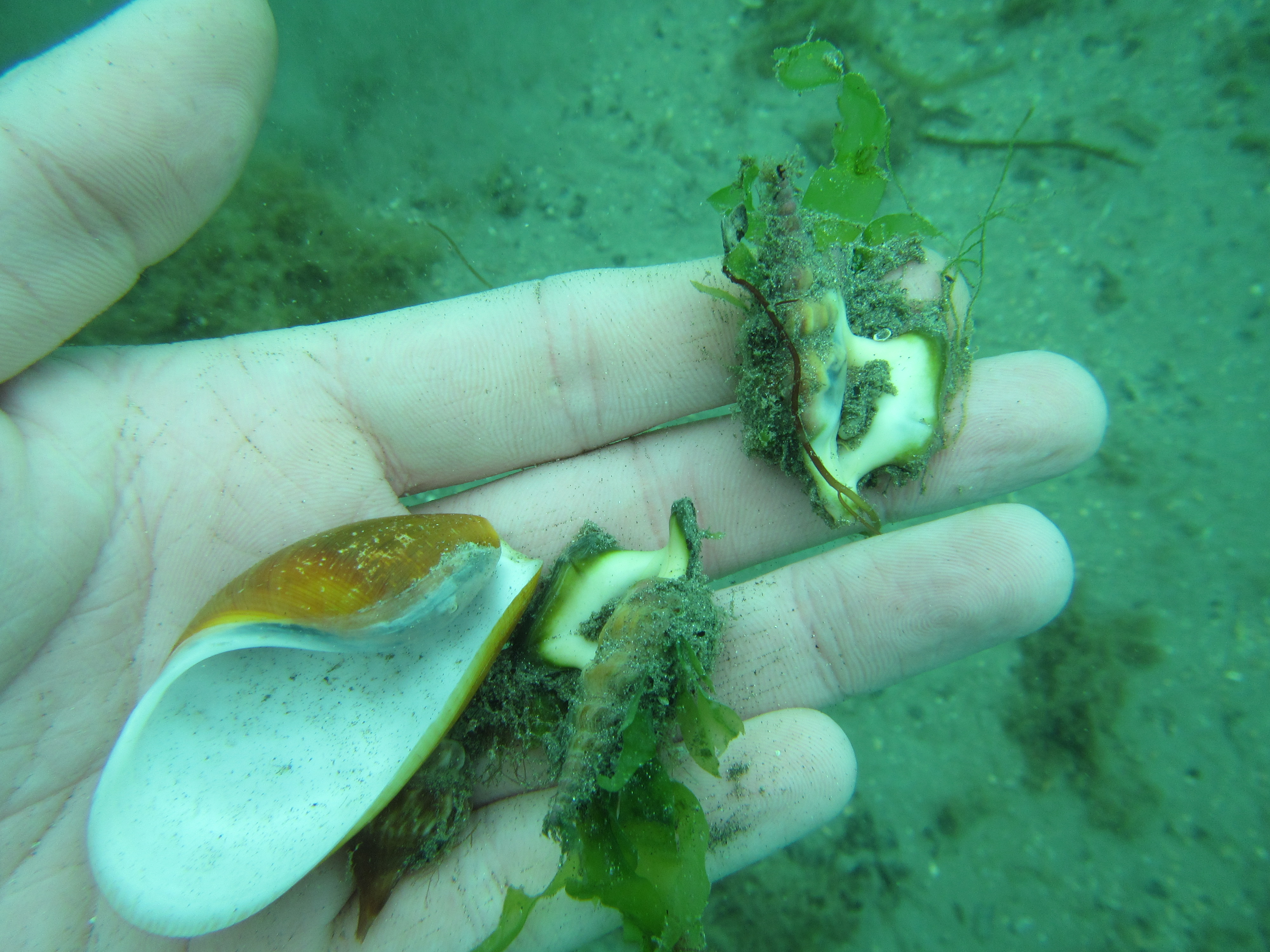
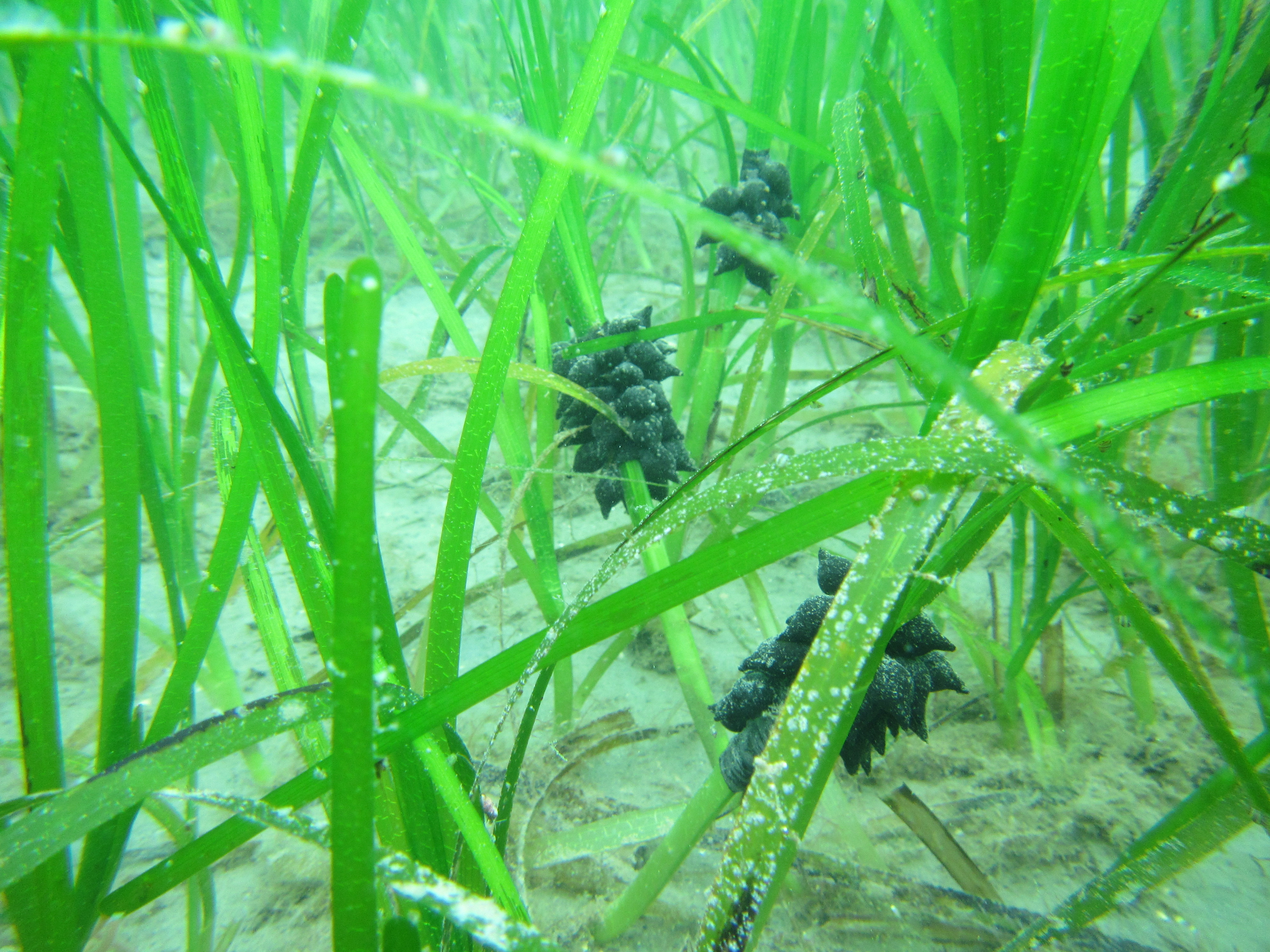
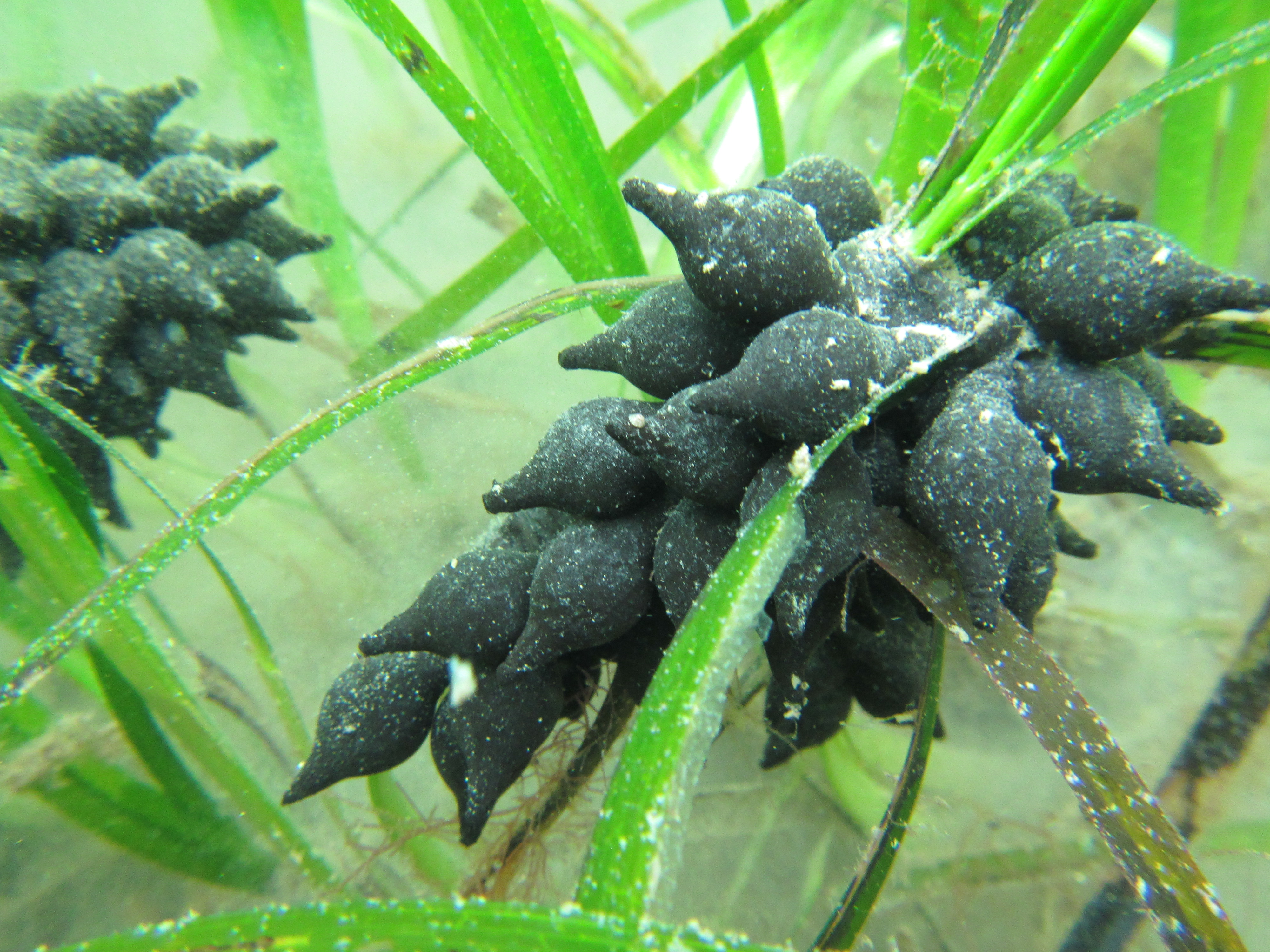
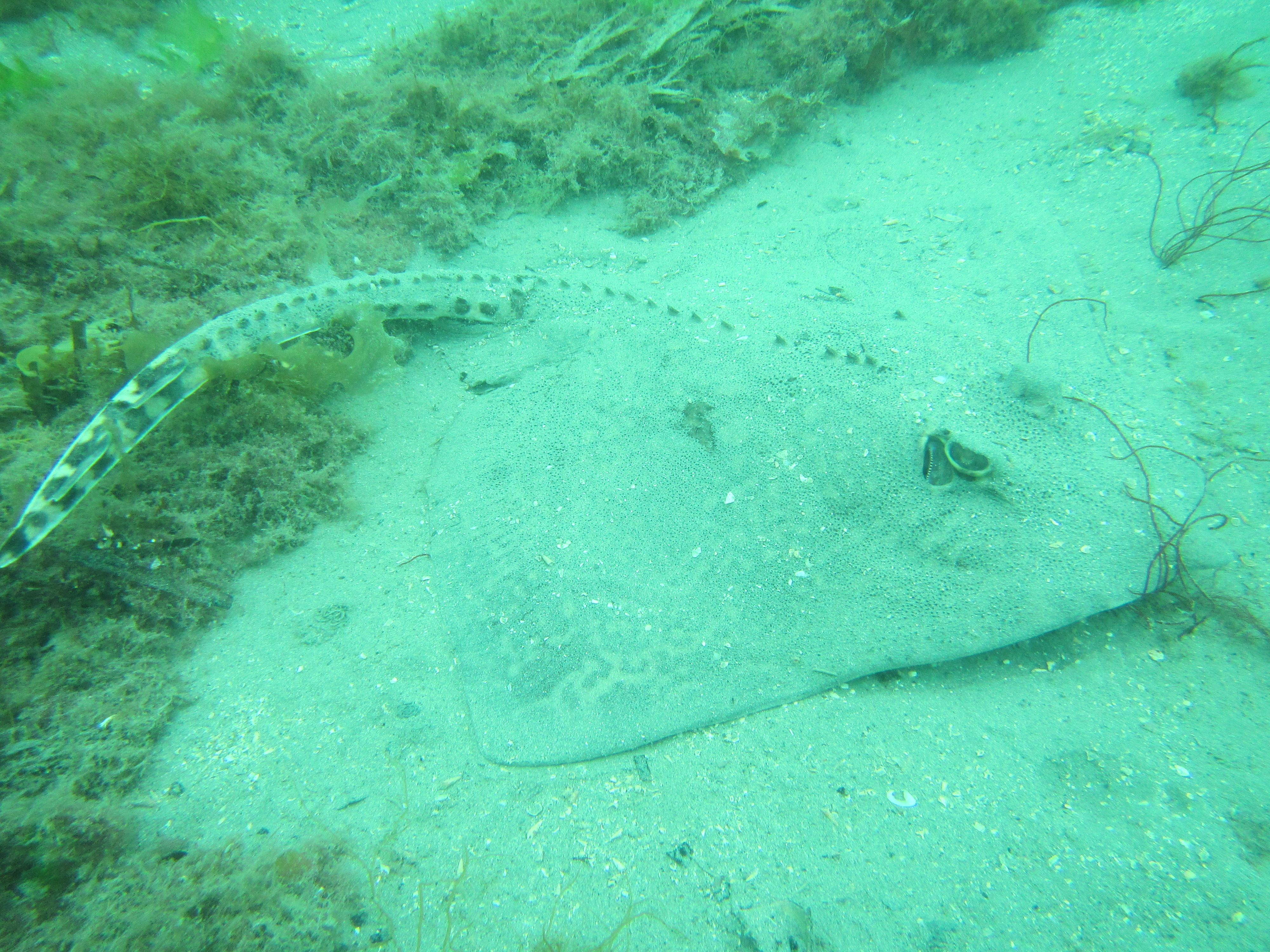
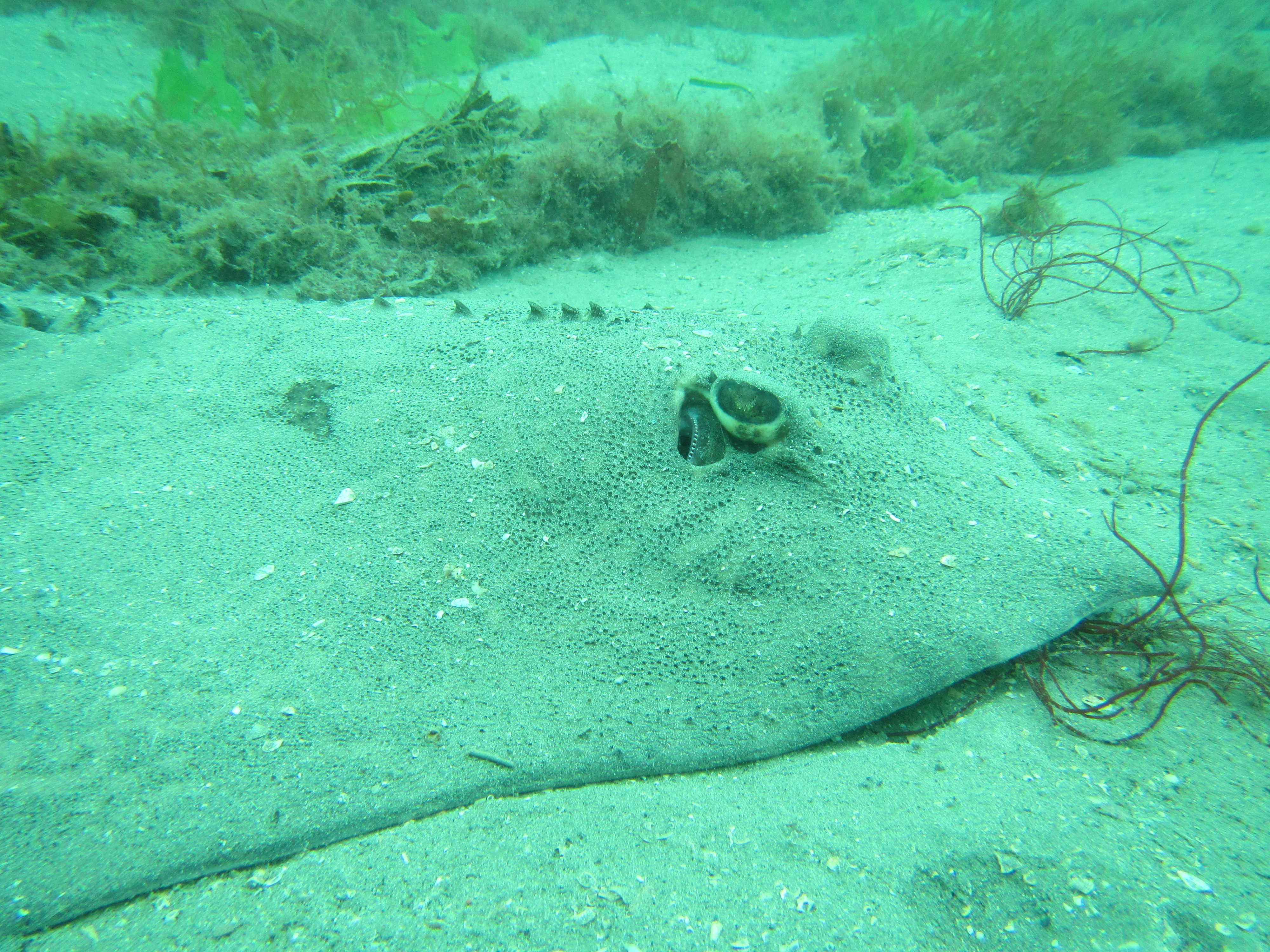
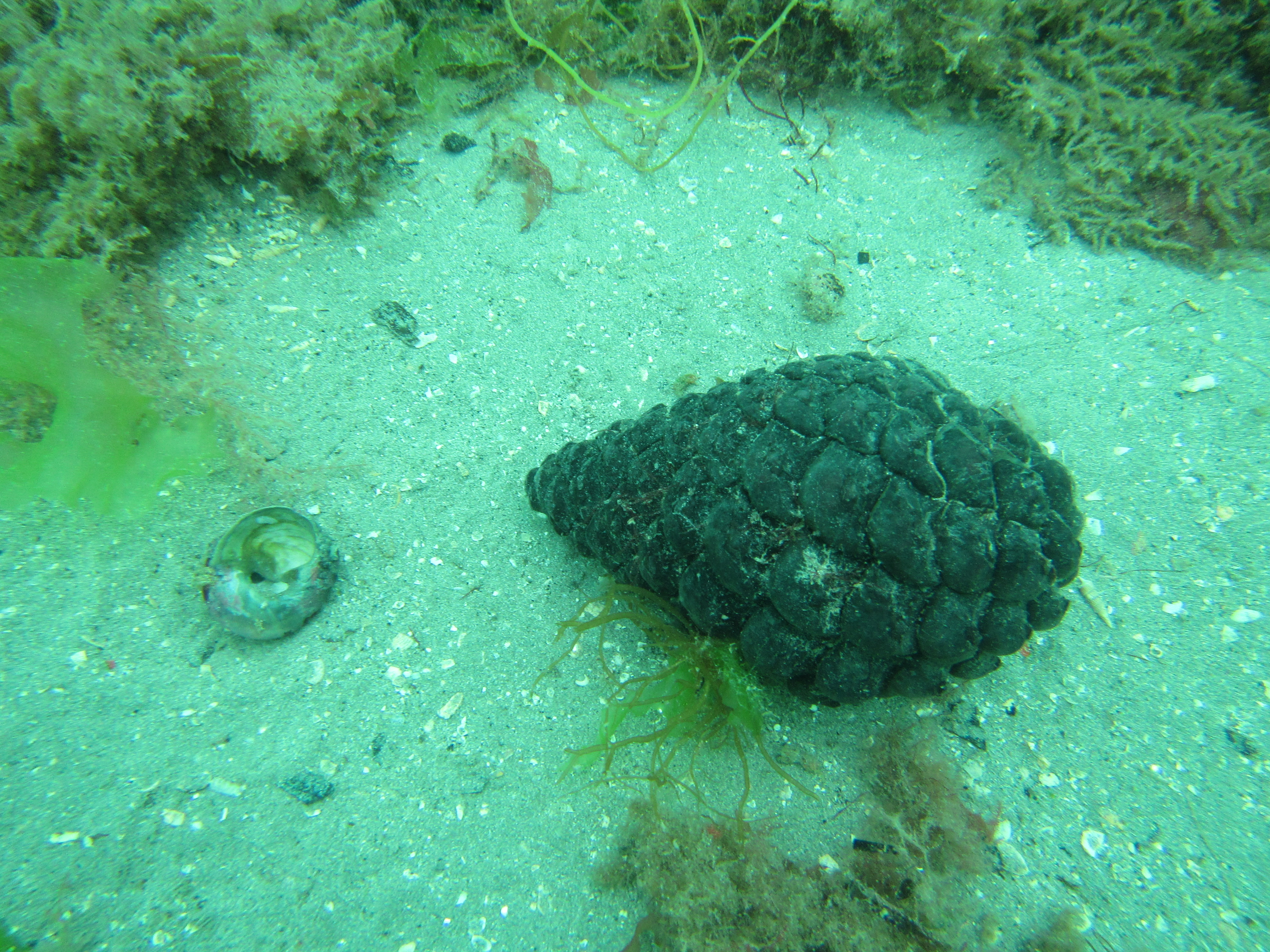
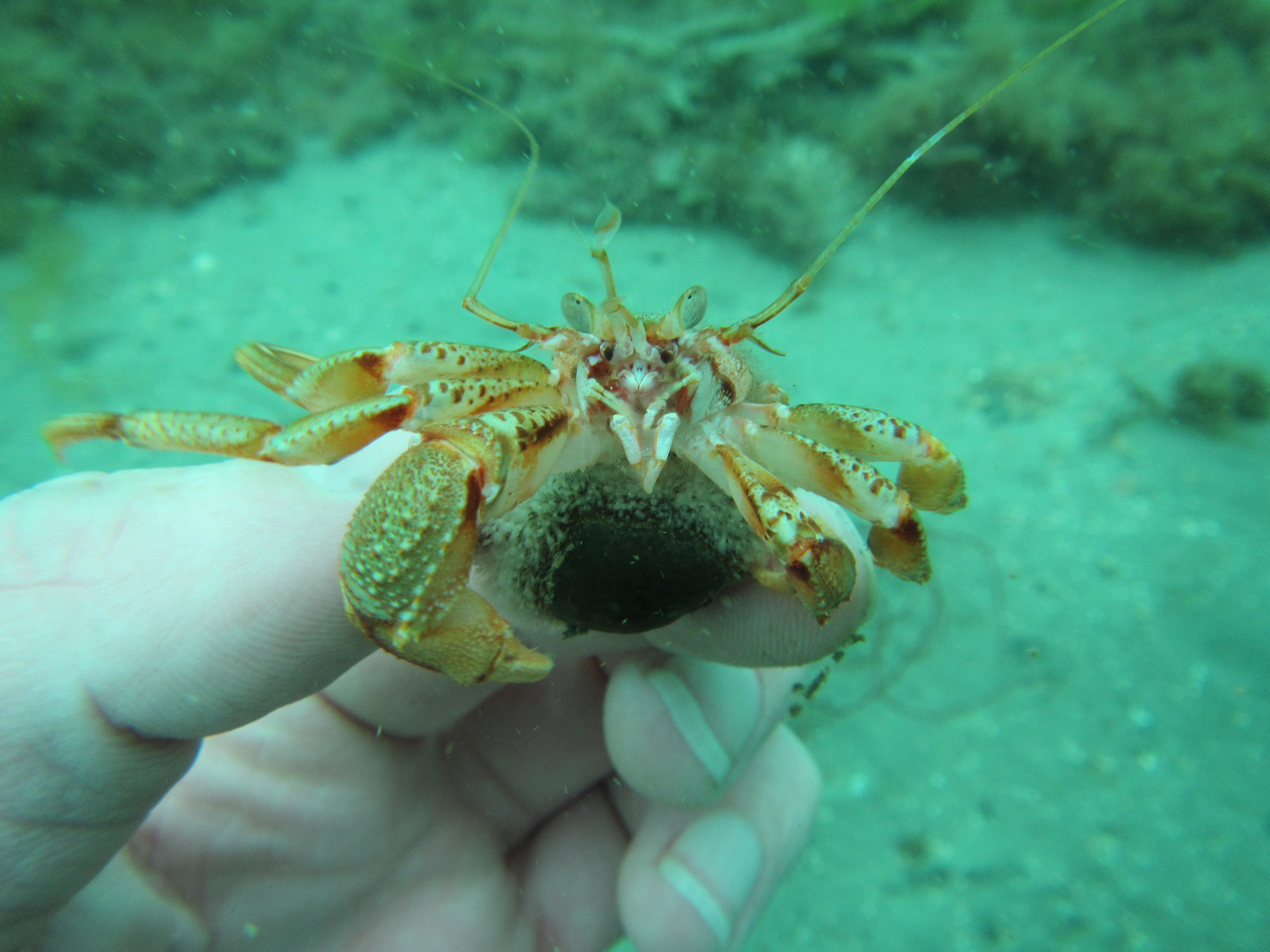
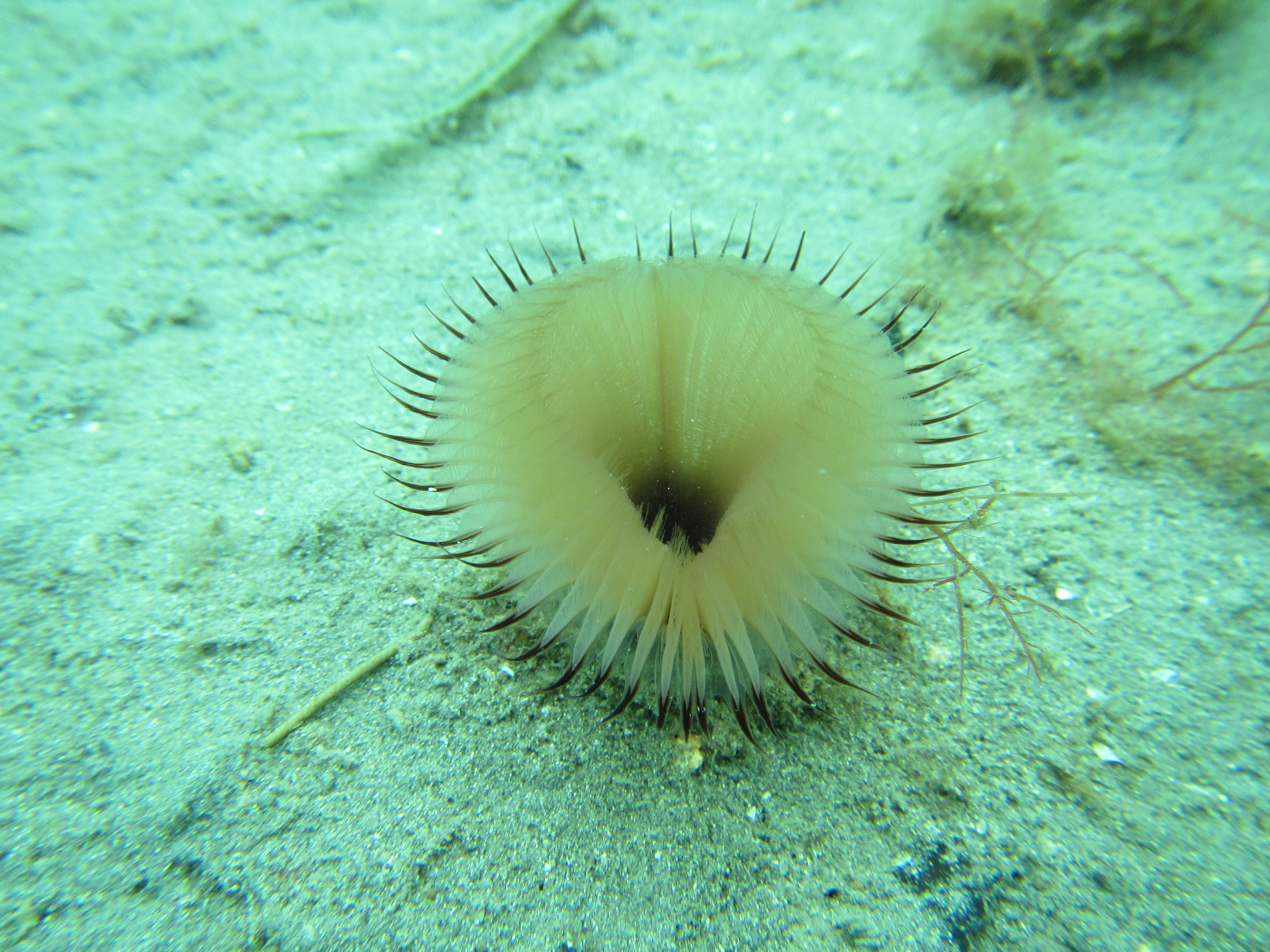
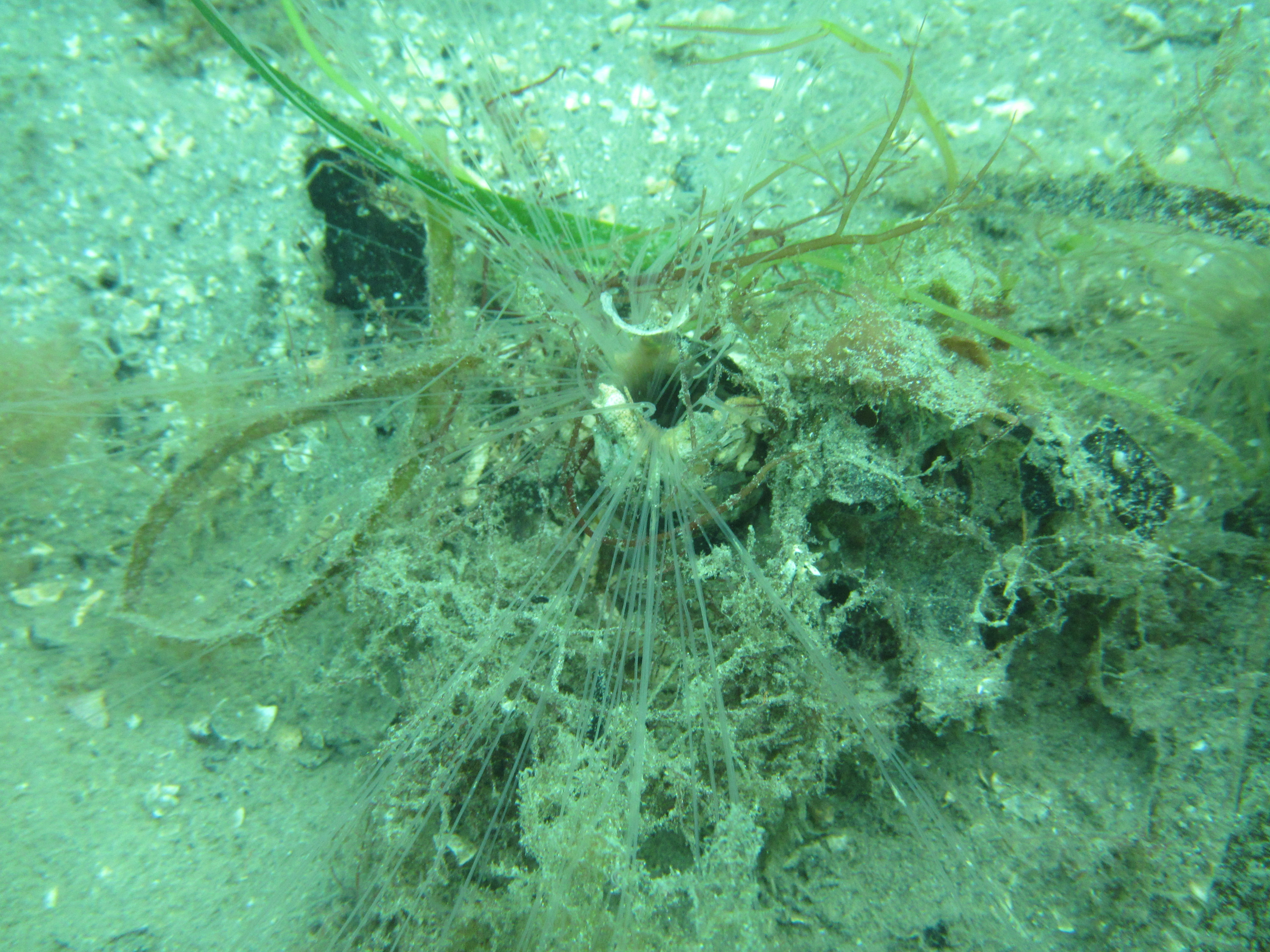
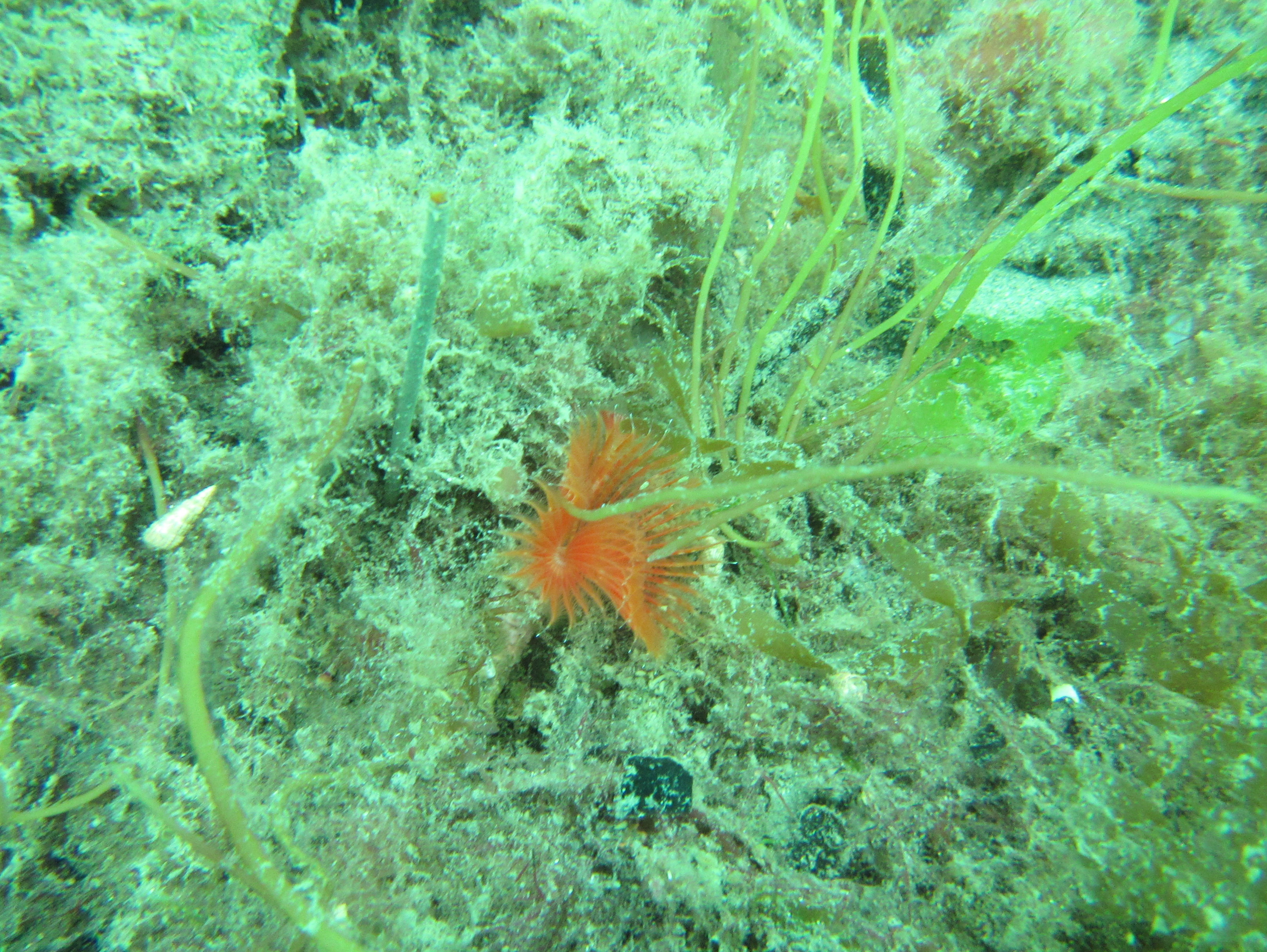
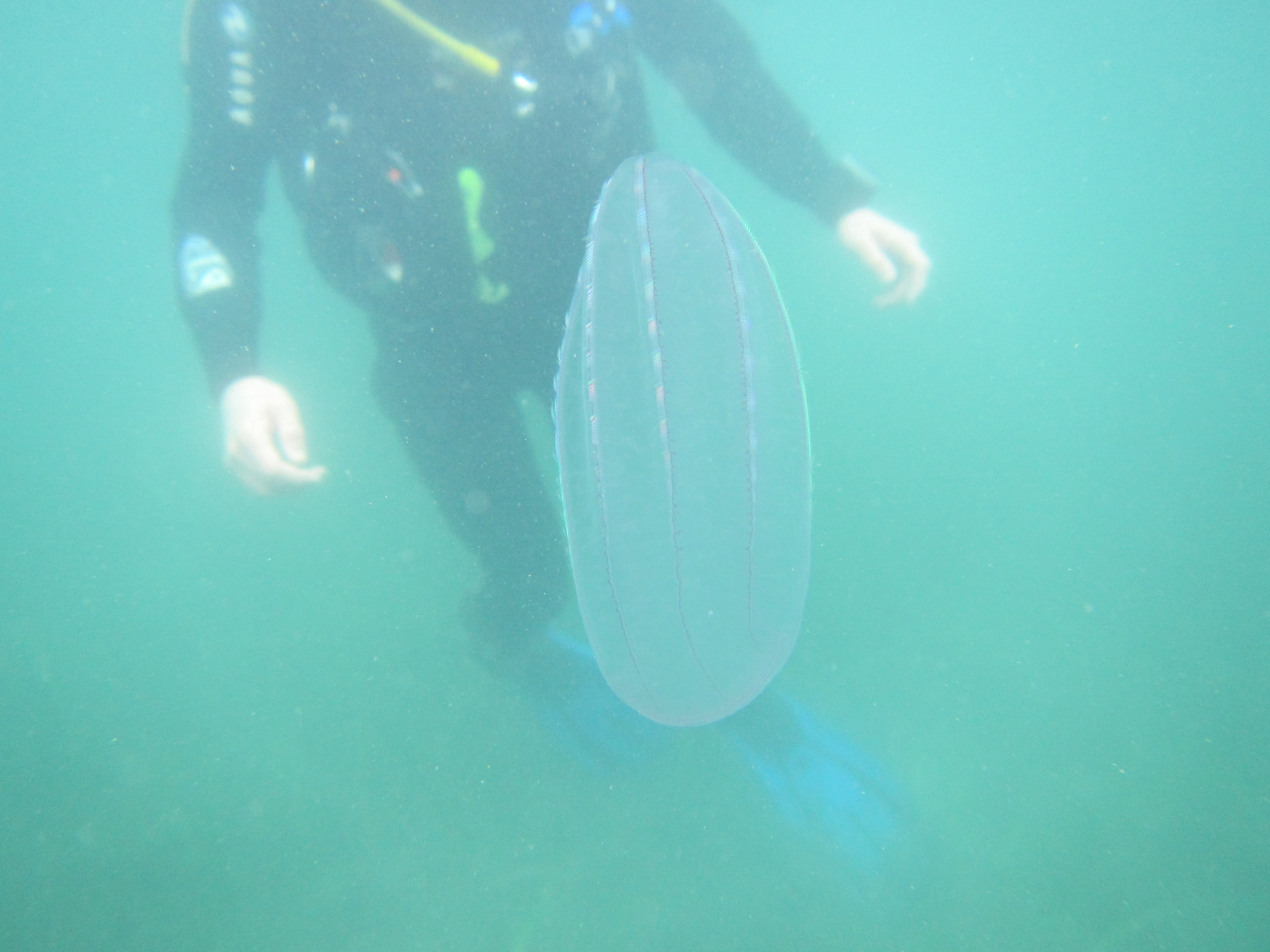
IMG_8454After the success of last weeks snorkelling session, it was high time for a proper dive! Again the Helford did not disappoint. In the end, my Sea hare stroking proved a bit inconclusive; also, my estimate of 30 cm long individuals might have been a slight exaggeration, 20-25 cm is more likely for the larger individuals. My guess is that it might be Aplysia punctata after all, and perhaps this is just a very good year where they reach their maximum size. (Note that three individuals can be seen in the first photo and two in the second photo.)IMG_1081IMG_1014This was not the only Ophistobranch activity going on, as I spotted a small nudibranch sitting on the eelgrass. Probably Eubranchus farrani, although it could well be something that is deserving of a new name, there is a lot of (cryptic) species discovery and taxonomic revision ongoing in nudibranch biology. I also spotted several largish egg masses on the eelgrass that are likely to be from a larger, shelled Ophistobranch; I am waiting for suggestions from various facebook groups *could be Haminoea navicula*. I found a beautiful Wooden canoe bubble shell Scaphander lignarius, these animals live buried in the sand so are not commonly spotted. Next time I’ll bring a small garden rake to see what is hidden below the sand (I am serious!), lots of echinoderms and molluscs to be sure. Pelican’s foot shells Aporrhais pespelecani live in sand, but I found some on top of the sand too, so full of muck that they were barely recognizable. I have found empty shells of this species washed up on holidays before, but it was cool to see them alive for the first time.IMG_1012IMG_1065IMG_1058No cuttlefish in sight this time, but loads of eggs so it is likely that this is an important breeding ground for this species. We encountered one Thornback ray Raya clavata, which, like cuttlefish, are not very shy. These species occur in very shallow waters (we probably did not dive deeper than 7 meter) and the influence of the surrounding woodland is clear, with decaying oak leaves and pine cones amidst the seaweeds and eelgrass.IMG_1083IMG_1085IMG_1032IMG_1031IMG_1039One very well-camouflaged species is the Scorpion spider crab Inachus dorsettensis. Medium-sized Common hermit crabs Pagurus bernhardus are common, running around in Turban top shells covered with hydroids. Although present in the last post, another pic of a Mud sagartia Sagartia troglodytes anemone Red speckled anemone Anthopleuris ballii. Filterfeeding worms are abundant too, including the beautiful  Fan worm Myxicola infundibulum as well as a large tube-dwelling worm and worms in white calcareous tubes with bright red bristles that I could not identify. As we got out of the water, we saw a Comb jelly Beroe cucumis, very pretty but hard to photograph. The next dive will have to wait two weeks or so, but then I hope to finally play around with my GoPro.IMG_1041IMG_1035IMG_1019IMG_1026IMG_1072IMG_1048IMG_1090

Mud pooling off the Quay

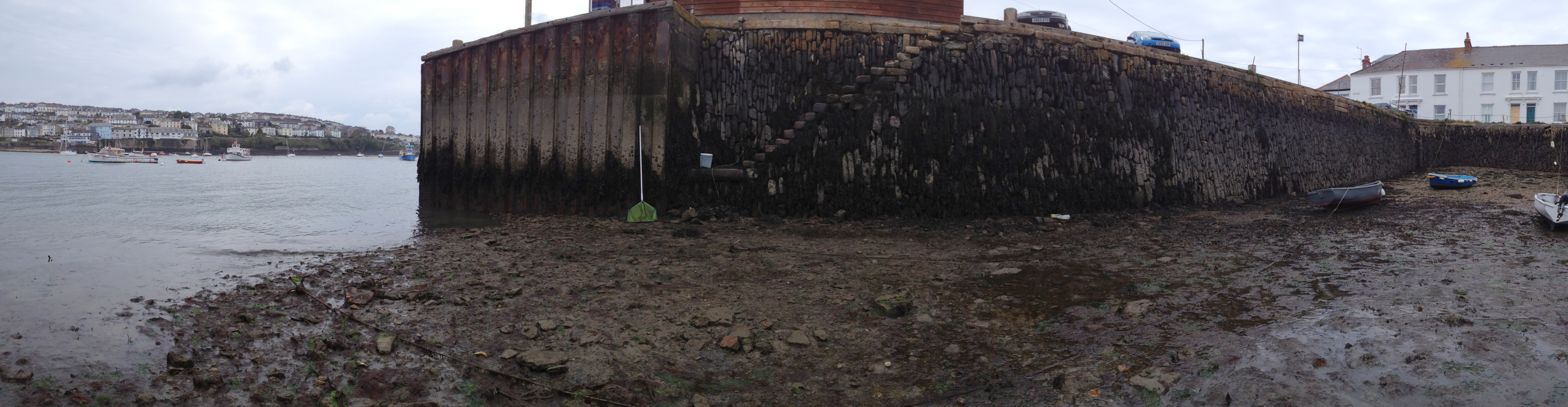
IMG_7252I have previously posted about exploring the more muddy sites in Flushing’s Penryn River and also about catching fish with a net from the quay (here and here). This weekend had a good tide and I decided to combine the two by climbing down from the quay with my net. No blue water and clear, colourful rock pools but black mud, waste from fishing boats and in general a lot of crap, not a pretty sight/site! Mussels and (native) oysters, rock gobies, fan worms and estuary sponge are common here. Lifting one piece of waste, i found a juvenile Eel Anguilla anguilla, which was impossible to grab and place into my cuvette for a proper photograph. One cool find were bundles of squid eggs (no idea about the species). I also found tangles of the sponge Sycon ciliatum, which before I had only seen as individuals hanging from seaweeds (see here). Also visible are some Leucosolenia botryoides sponges.IMG_7265IMG_7258IMG_7276There was a heap of discarded scallop shells; I noticed they were covered by large Balanus balanus barnacles as well as the soft coral Dead man’s fingers Alcyonium digitatum (I had never seen this before but this could only be one thing!). The lower parts of the quaysides were covered in estuary and breadcrumb sponges and especially in droopy Morchellium (or Aplidium?) sea squirts. Although generally an ‘ugly’ habitat with lots of waste to boot, still plenty of interesting finds.IMG_7279IMG_7284IMG_7282IMG_7287

A superlow tide at St. Michael’s Mount

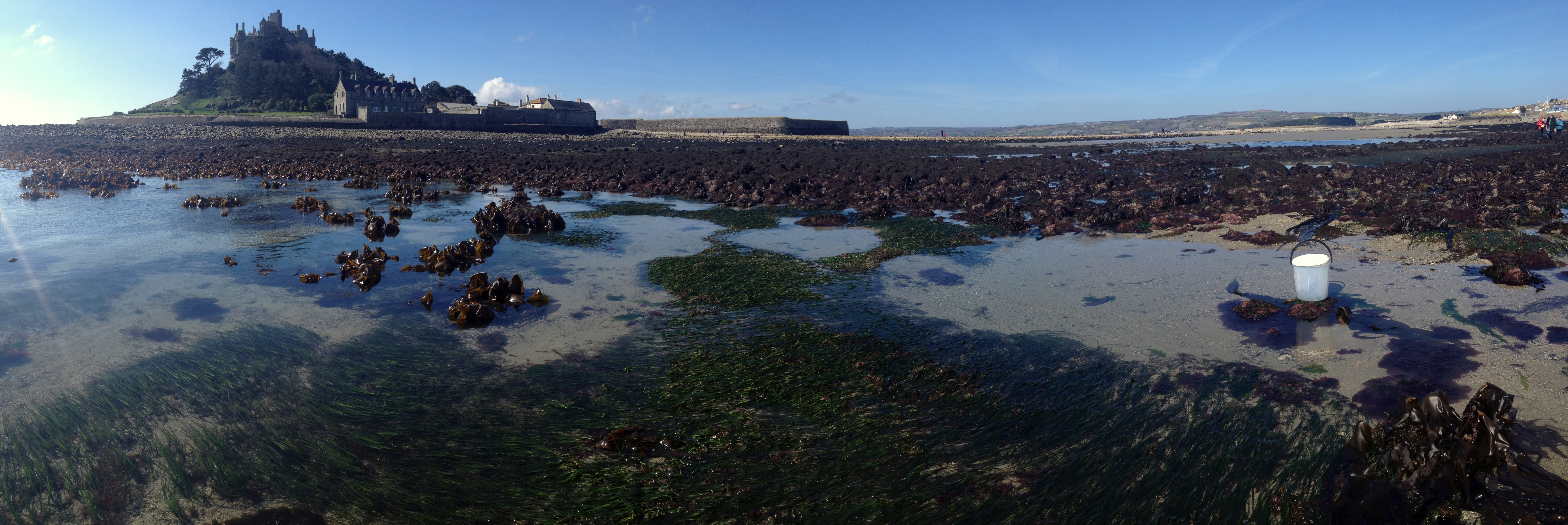
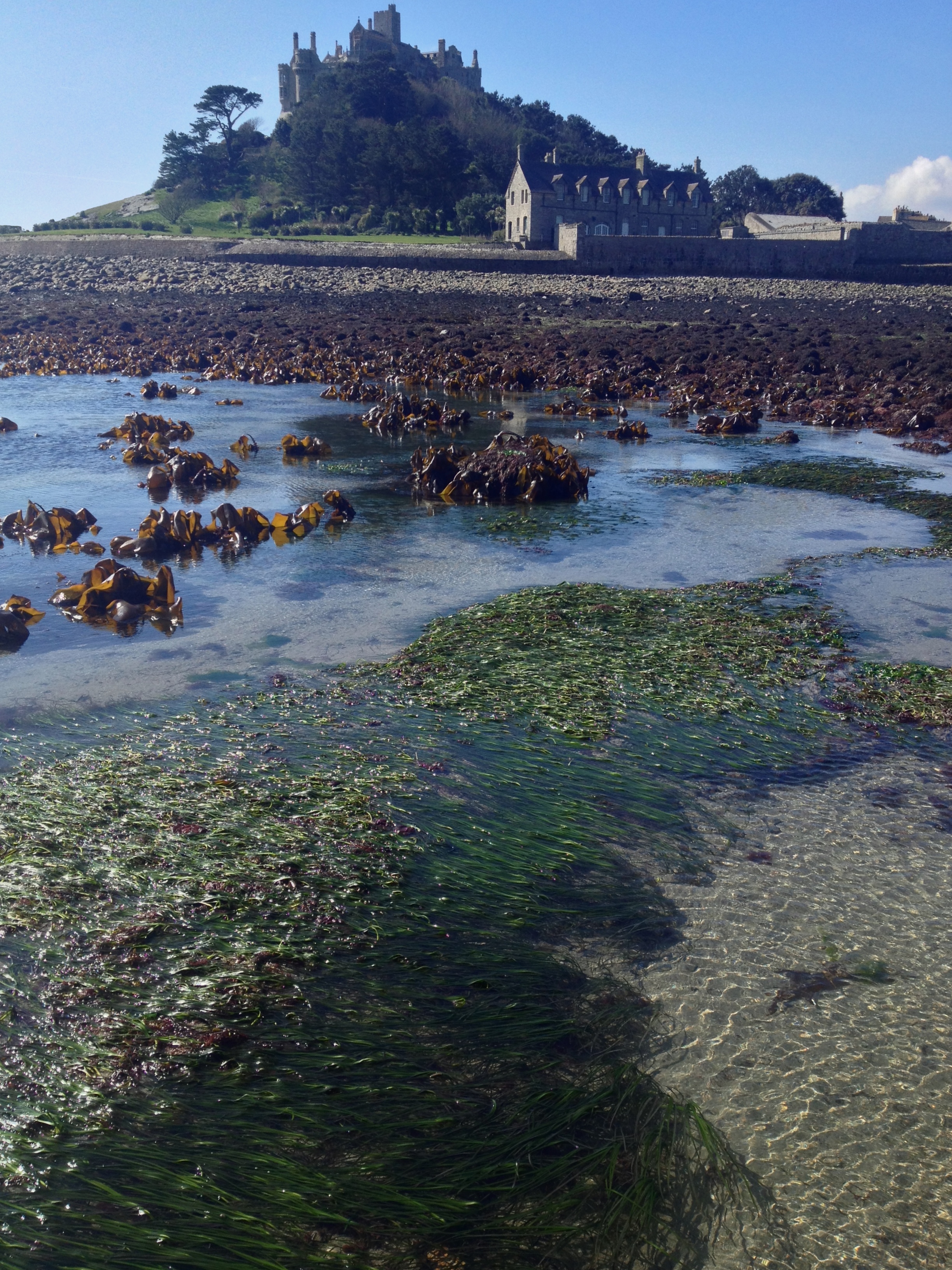
IMG_6745The lowest tide of the century so far, on a Saturday, with beautiful weather and on a stunning location: what could go wrong? Very little! St. Michael’s Mount, Marazion, Mount’s Bay is one of the most beautiful spots in Cornwall and an excellent site for rock pooling with a mixture of eelgrass beds, rocks and sandy expanses. I felt like a kid in a candy shop: wanting to turn every stone, photograph every seaweed and inspect every gully before the tide would come back in. I needed to collect some more Clawed fork weed Furcellaria lumbricalis for a cool student project. That was abundant so easy to sort. Chock full of Pheasant shells Tricolia pullus. One other amazing thing was that the place was littered with Bull huss Scyliorhinus stellaris (a.k.a. Nursehound, a.k.a. Large-spotted dogfish) mermaids purses. Mount’s bay is an important breeding ground for these sharks. The yolk was easy to spot, but the embryo’s still to small to be seen. There were loads of pretty seaweeds gently waving among the eelgrass in the crystal clear water. I saw a bright green Chameleon prawn swimming about, but the picture I took was a bit underwhelming. IMG_6720

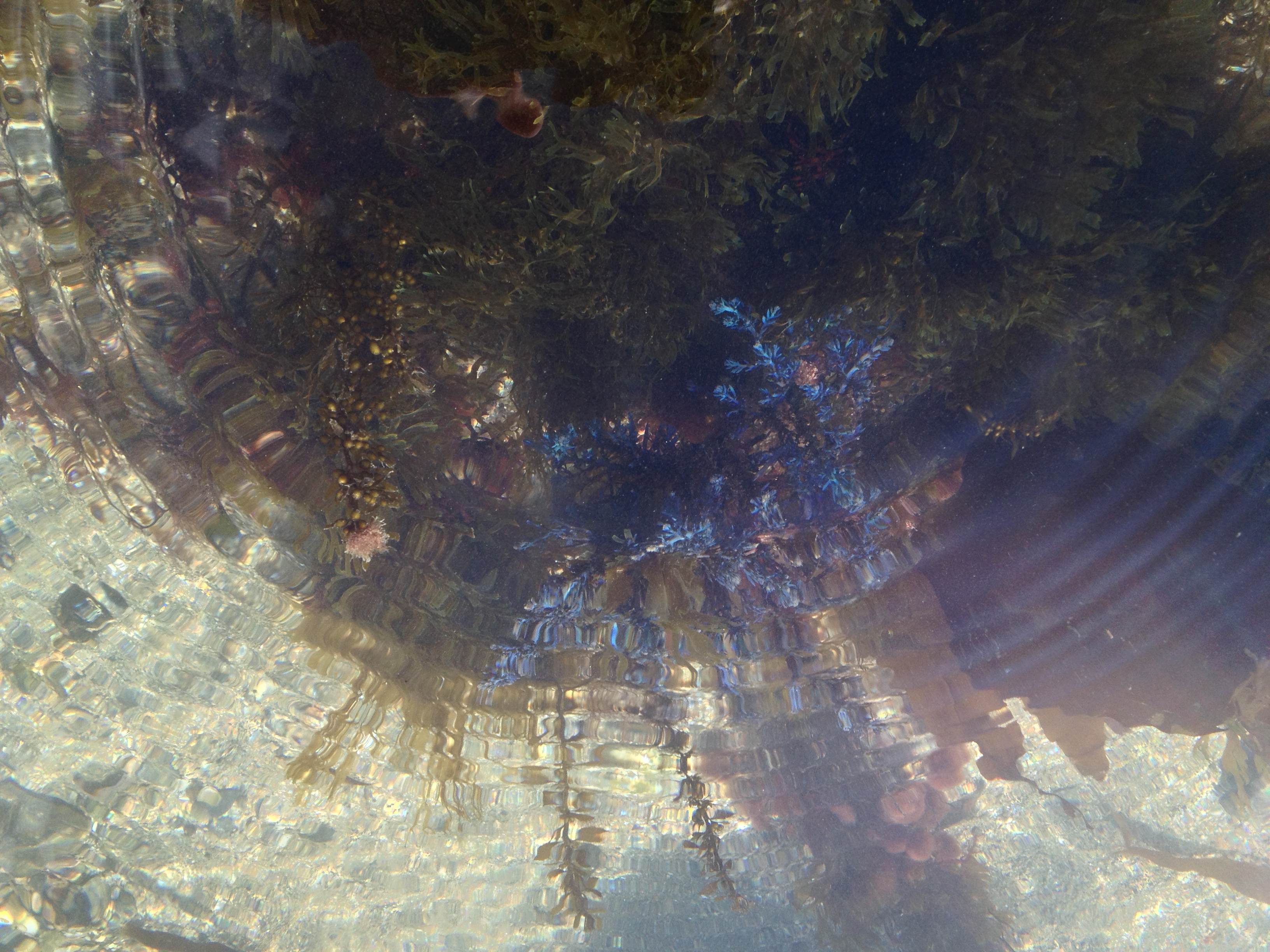
IMG_6774I had met up with David Fenwick, so could get all species identified on the spot. Very striking was a great amount of small, fuzzy pink seaweed balls: Falkenbergia, the tetrasporophyte stage of the Harpoon weed Asparagopsis armata (it looks so different from the gametophyte stage, see some old posts, that it was long considered a separate species). Also, a picture of Bushy rainbow wrack Cystoseira tamariscifolia, simply because one cannot post too many pictures of Bushy rainbow wrack….IMG_6778

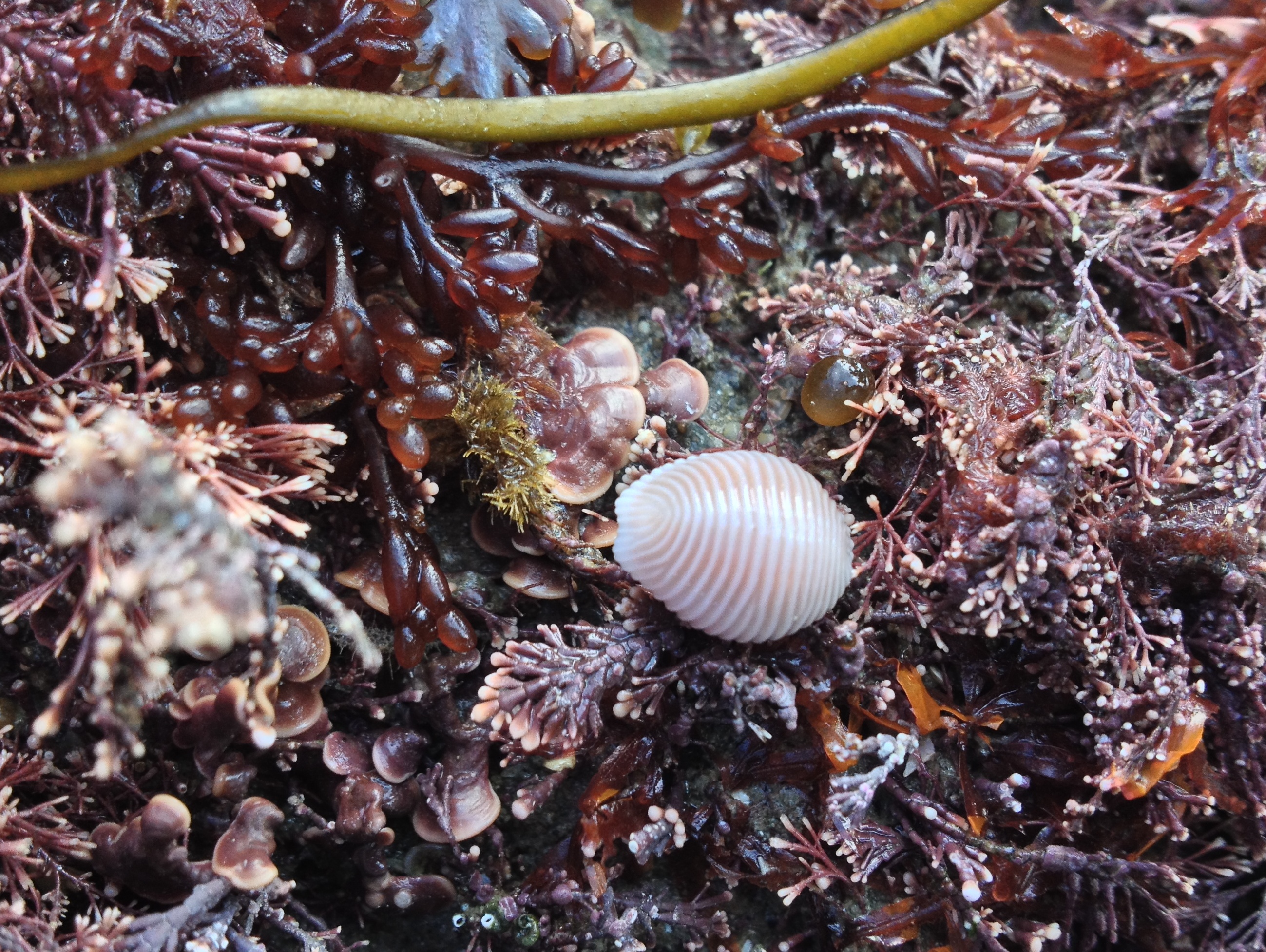
IMG_6760Some invertebrates: the large scale worm Alentia gelatinosa, a Strawberry worm Eupolymnia nebulosa larger still, a tiny hermit crab Anapagurus hyndmanni and the Arctic cowrie Trivia arctica:IMG_6782

IMG_6754

IMG_6800

IMG_6793The find of the day (the month probably) was a Little cuttlefish Sepiola atlantica. This picture is crap, but David has made some stunning photos back in his lab and they will appear sometime soon on his aphotomarine site I am sure.IMG_6786

IMG_6739