new lens: Panasonic Leica 9mm

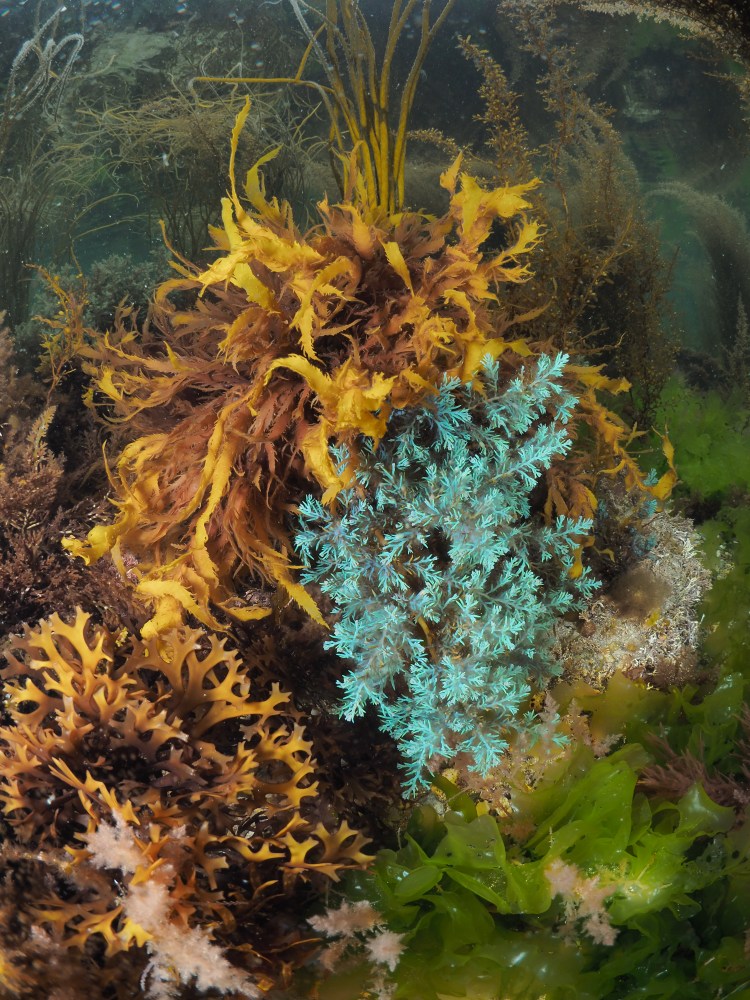
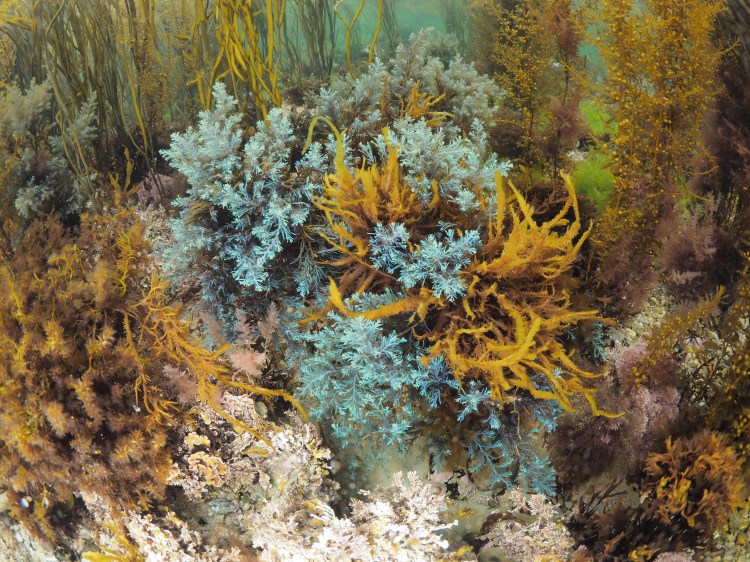
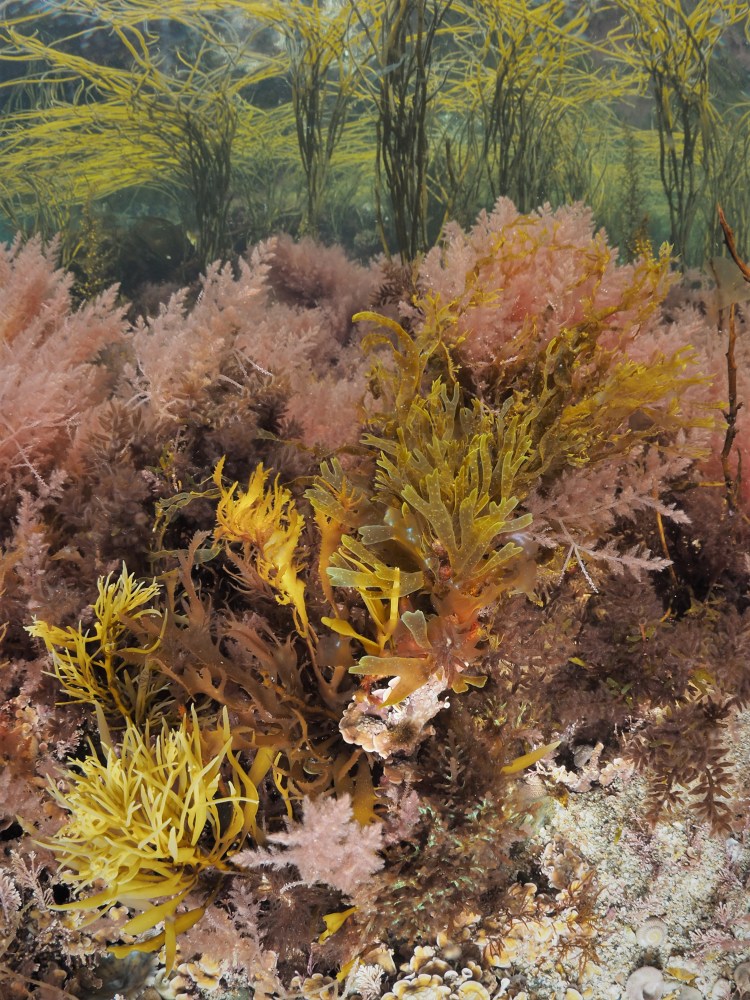
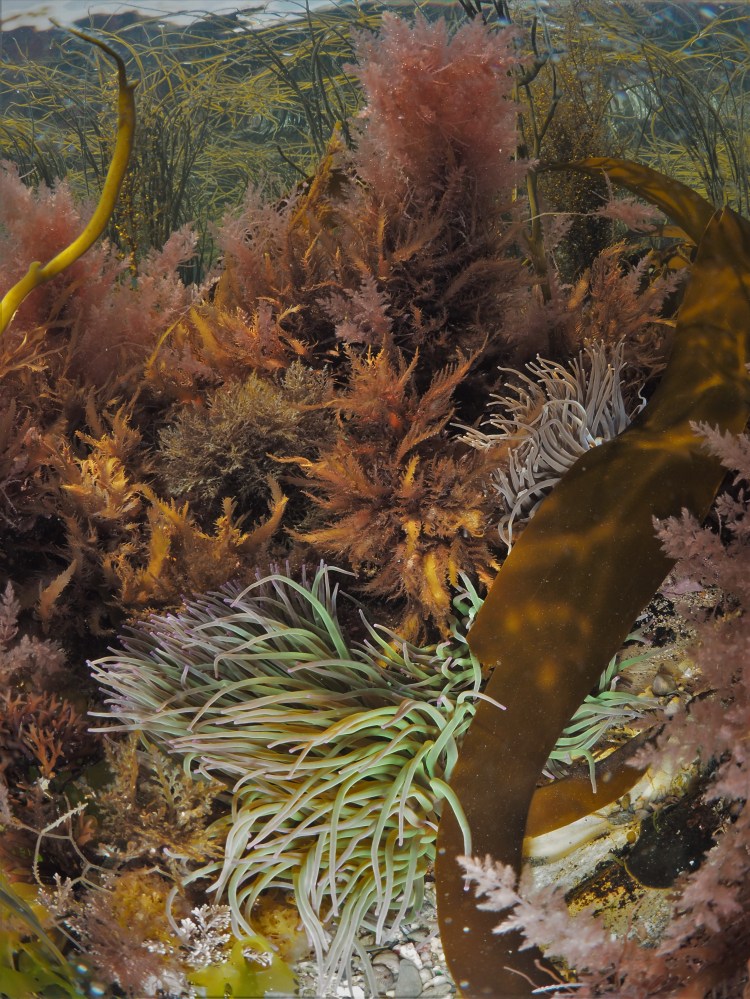
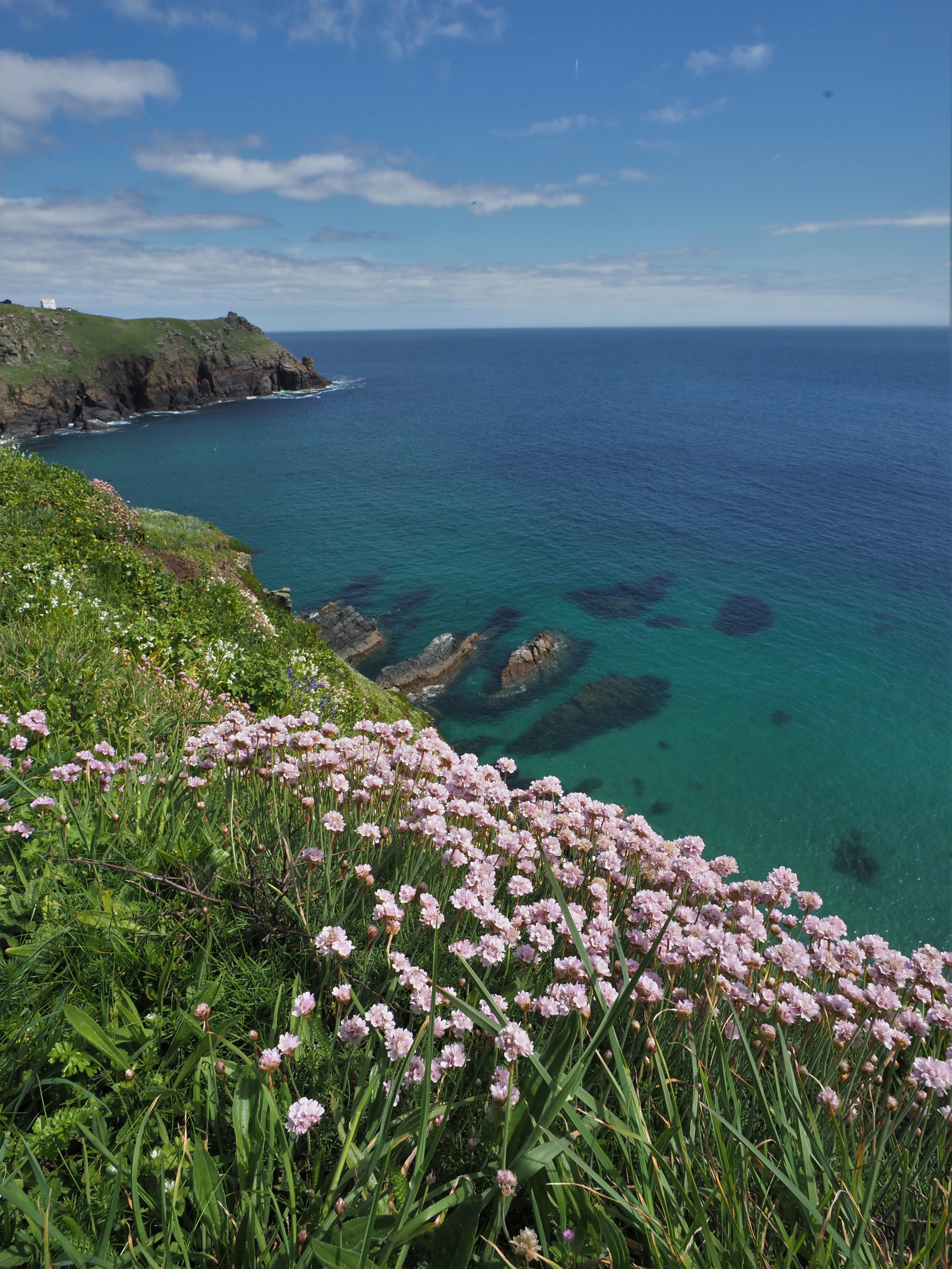
Sorry for you non-photography geeks, this is a short post about a lens, the “Panasonic H-X09E Lumix LEICA DG SUMMILUX 9mm F1.7 Lens” to be precise… During the spell of bad weather I was practically forced to browse, and yes, spend money on photo gear. I had long wanted a lens suitable both for landscape and street photography, but especially one that allowed me to focus on say a reptile or amphibian and still have the habitat in the background. A fisheye lens can do this a bit (see the previous post), but on land it results in distortions that just look unnatural. This is a lens that can do the job, as it has a minimum focusing distance of about 10 cm – resulting not in real macro shots but being able to come pretty close, combined with a wide angle background. After having it taken out this weekend for the first time I must say I am really happy with it.
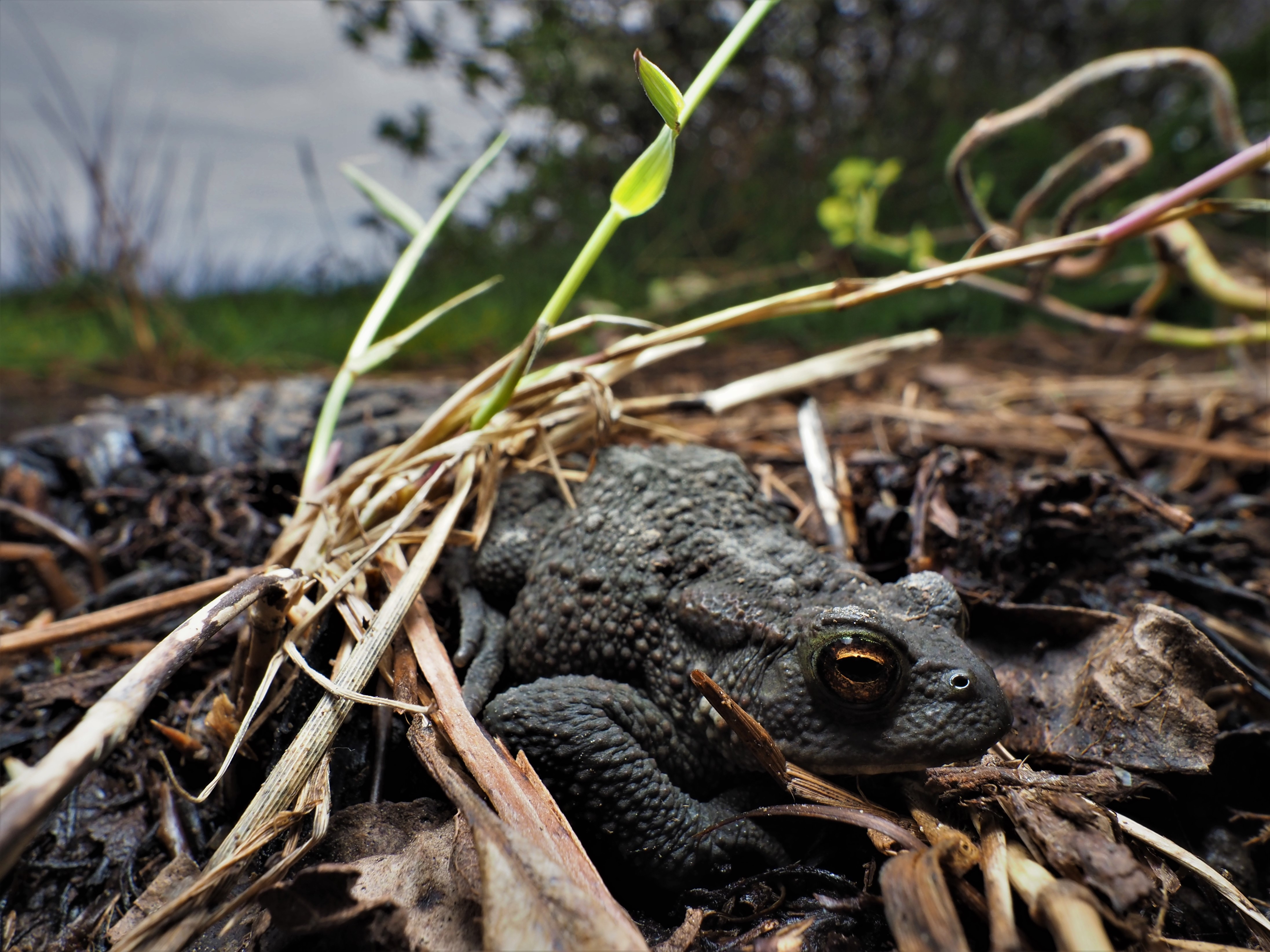
The bank holiday Monday warranted a morning visit to one of our favourite haunts Windmill Farm to do some ‘herping’. Adders and slow worms were found after lifting up corrugated iron sheets, but they slithered off before I could take any good shots. However, there was a toad that sat nice and still so I was able to take multiple shots, camera in one hand, diffuser in the other. For a first try, I was pretty happy with the result. Next, we took a walk from nearby Lizard Point to Housel Bay. The weather was absolutely glorious, with many wild flowers on the cliffs and fulmars, choughs and pipits flying around. The water was blue and crystal clear – you could see the seals swimming underwater! A small part of me was cursing that I was not in the water myself to take photos, but it was a fantastic day on land too.

P.S. annoyed that the Windows photo software straightening tool is not very precise – the horizon is not straight!
Buoy Biodiversity

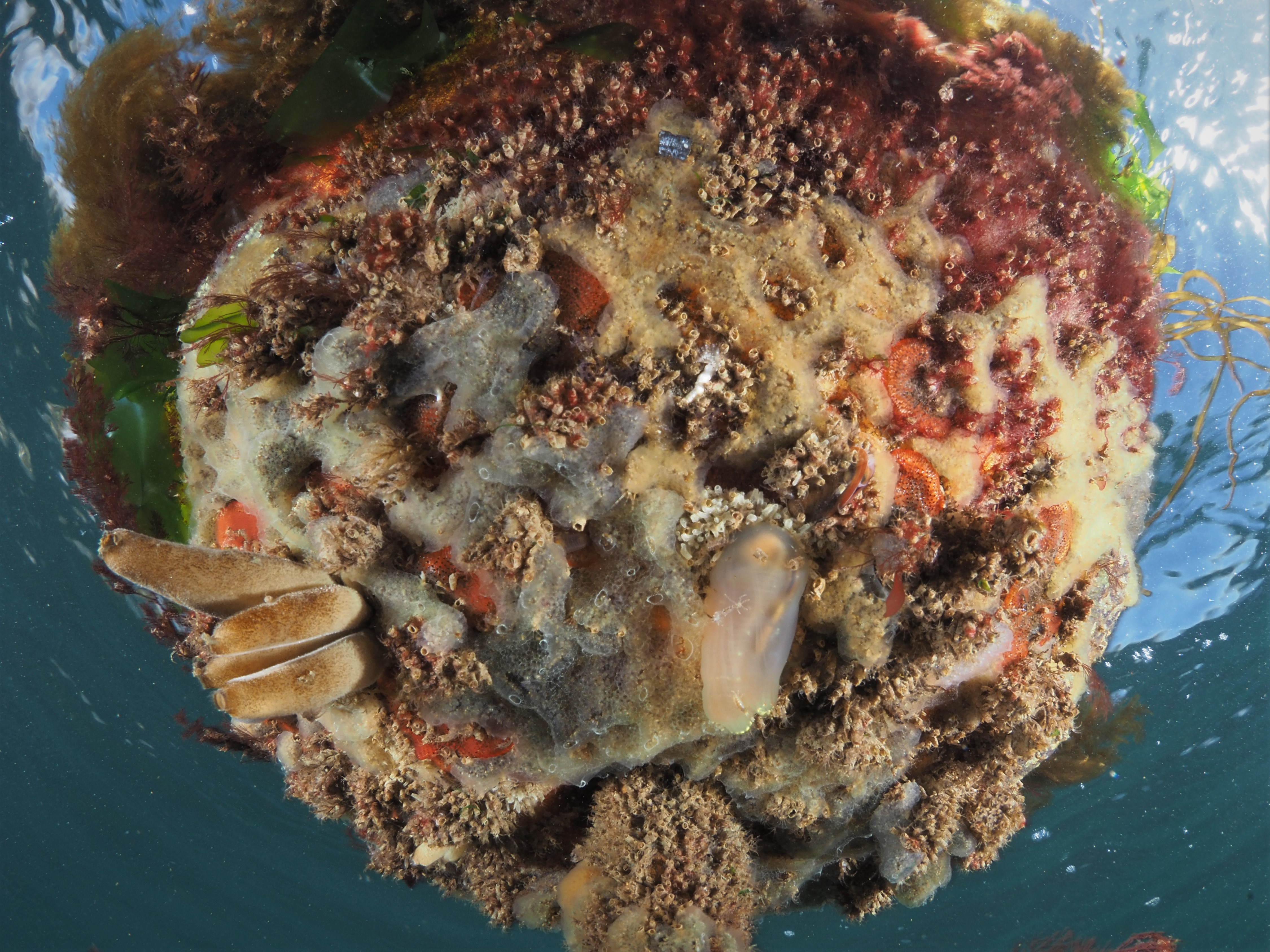
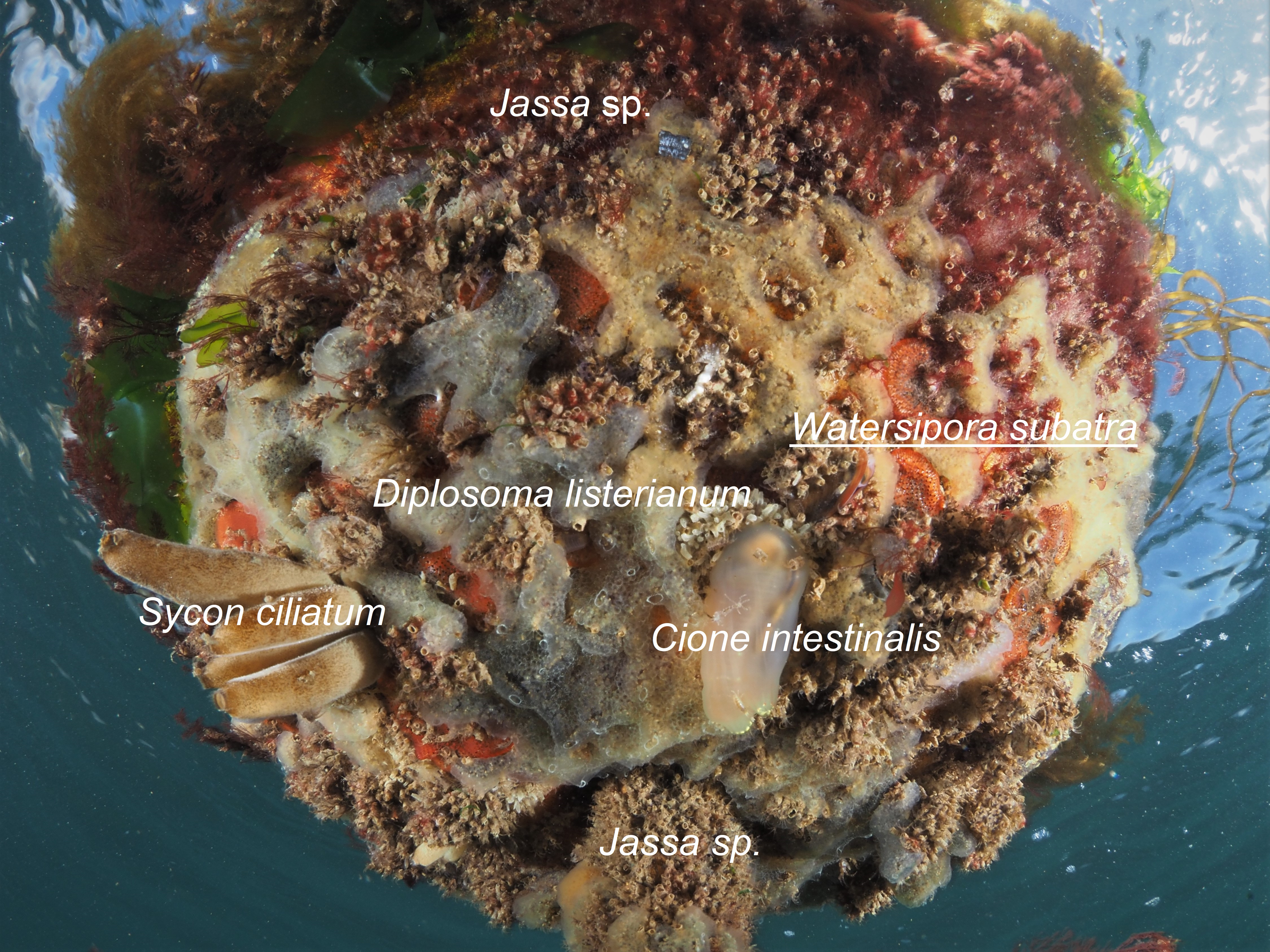
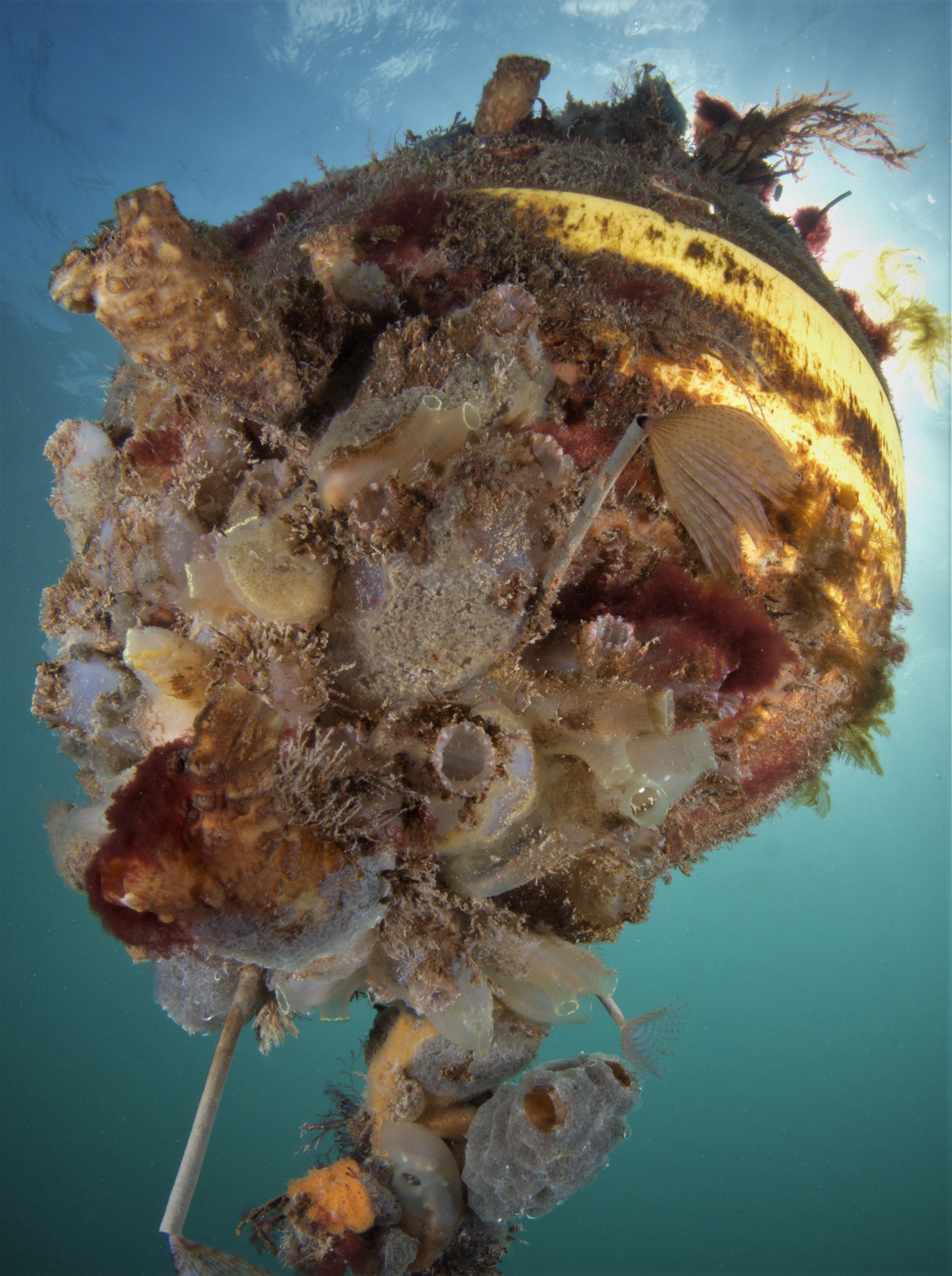
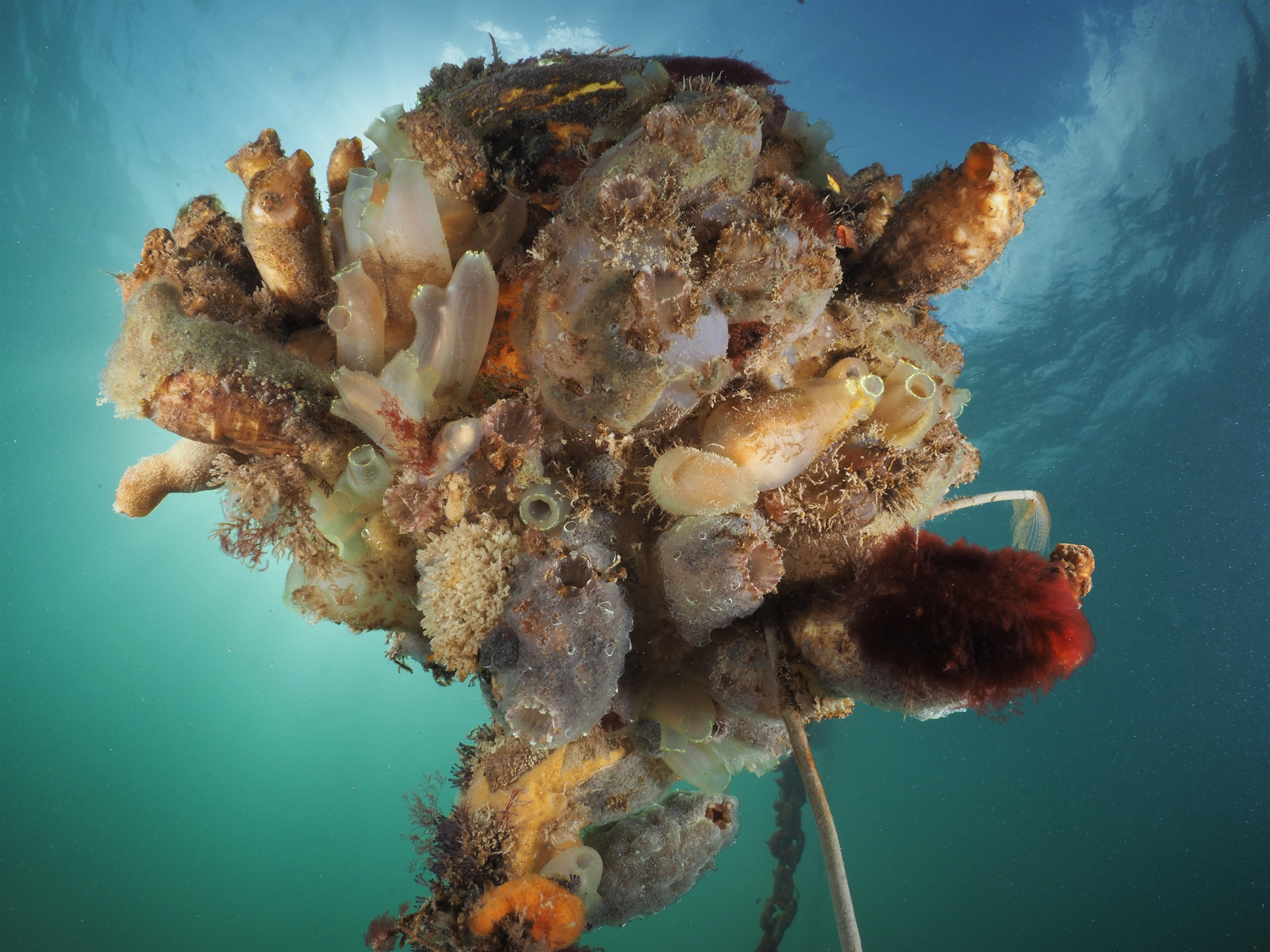
A while ago I played around with taking pics of the underside of a buoy, which was fun, and so i wanted to practice this some more. My mistake the first time (see here) was to use a fast shutterspeed (the buoy was bobbing about after all) which made the water look unnaturally dark. I tried again this weekend and it went a bit better, although I already know I can improve things. This time I thought it would be nice to put some names to the amazing fouling biodiversity (I did this before for some seaweed images, see here). Crustaceans (tube-dwelling Jassa), Sponges, Bryozoans, Seaweeds but especially a lot of Tunicates (seasquirts; both solitary and colonial species). David Fenwick (of AphotoMarine fame) had a quick look to help with some IDs; there is a more there but this was not meant to be exhaustive. I have underlined species that are invasive. Anyway, I am sure I will post more of these types of images: the buoys are always there and these organisms do not swim off when you try to take a photo!

Flash Photography

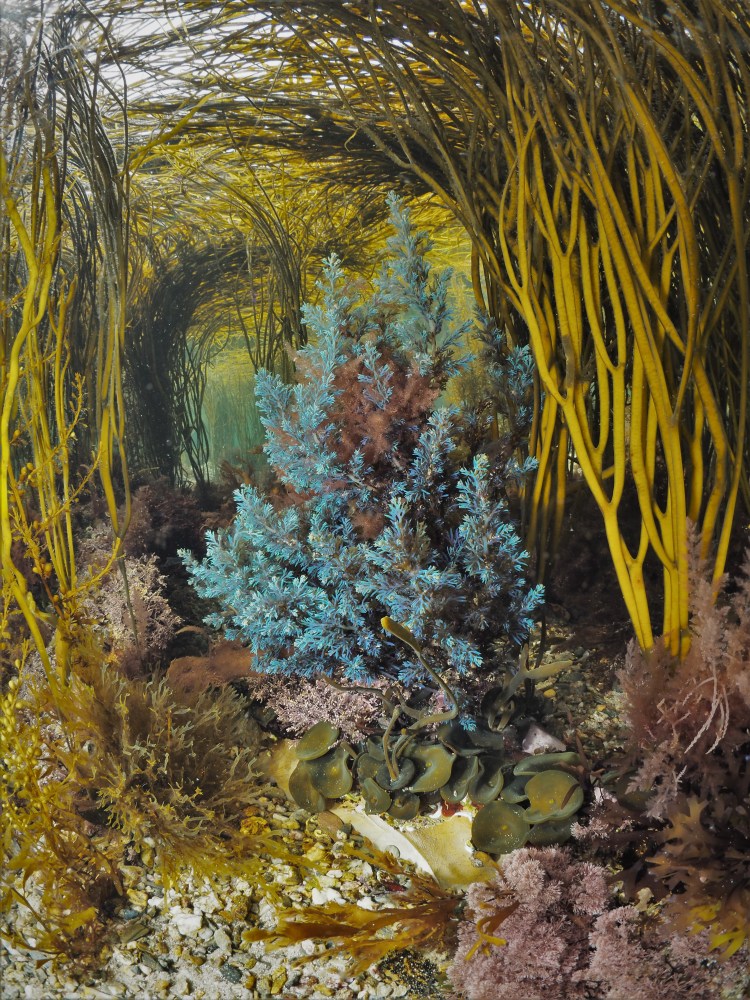
A while back I thought it might be an idea to experiment with flash photography. Using one flashgun (strobe) I set out in my usual spot. I should have tried this a lot earlier! Although supershallow water has enough light to do without flash, a main problem (for me at least) is to balance harsh white sunlight (from above and from reflections from the white sand below) with the darker subject. By illuminating the subject, this effect evens out. I took probably almost a hundred photos of the Bushy Rainbow Wrack above and this one came out alright! Apart from the Thong Weed framing it, I like the row of Thong Weed ‘buttons’ in the foreground. I held the strobe in my hand for this one, and I used my older strobe, as my newerand more expensive manual one just not fires reliably for some reason (still trying to find out what is going wrong). Below some more strobe experiments. I really hope diving will be allowed soon so I can play around more with the wide angle lens and two strobes.