life on a chain

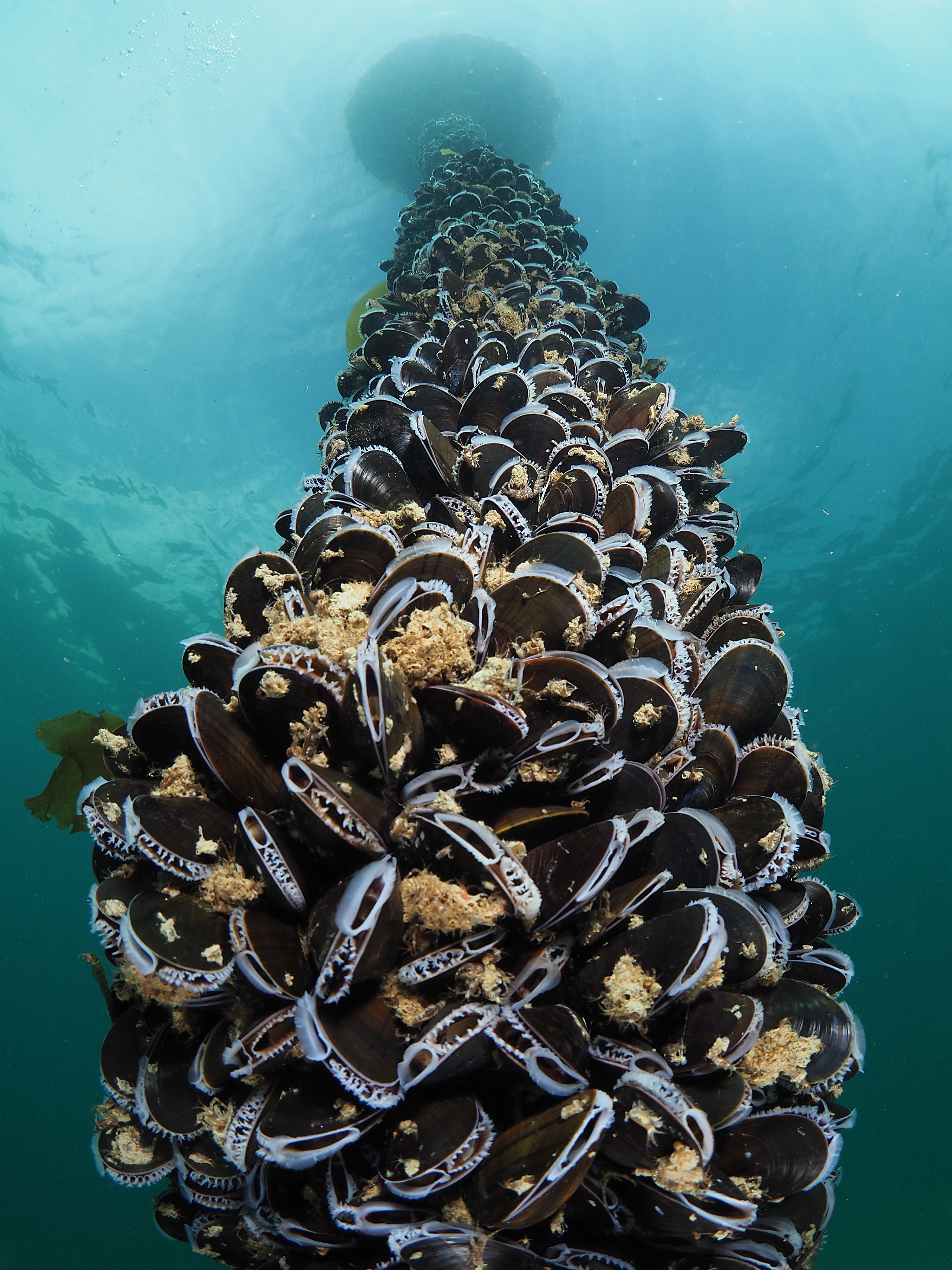
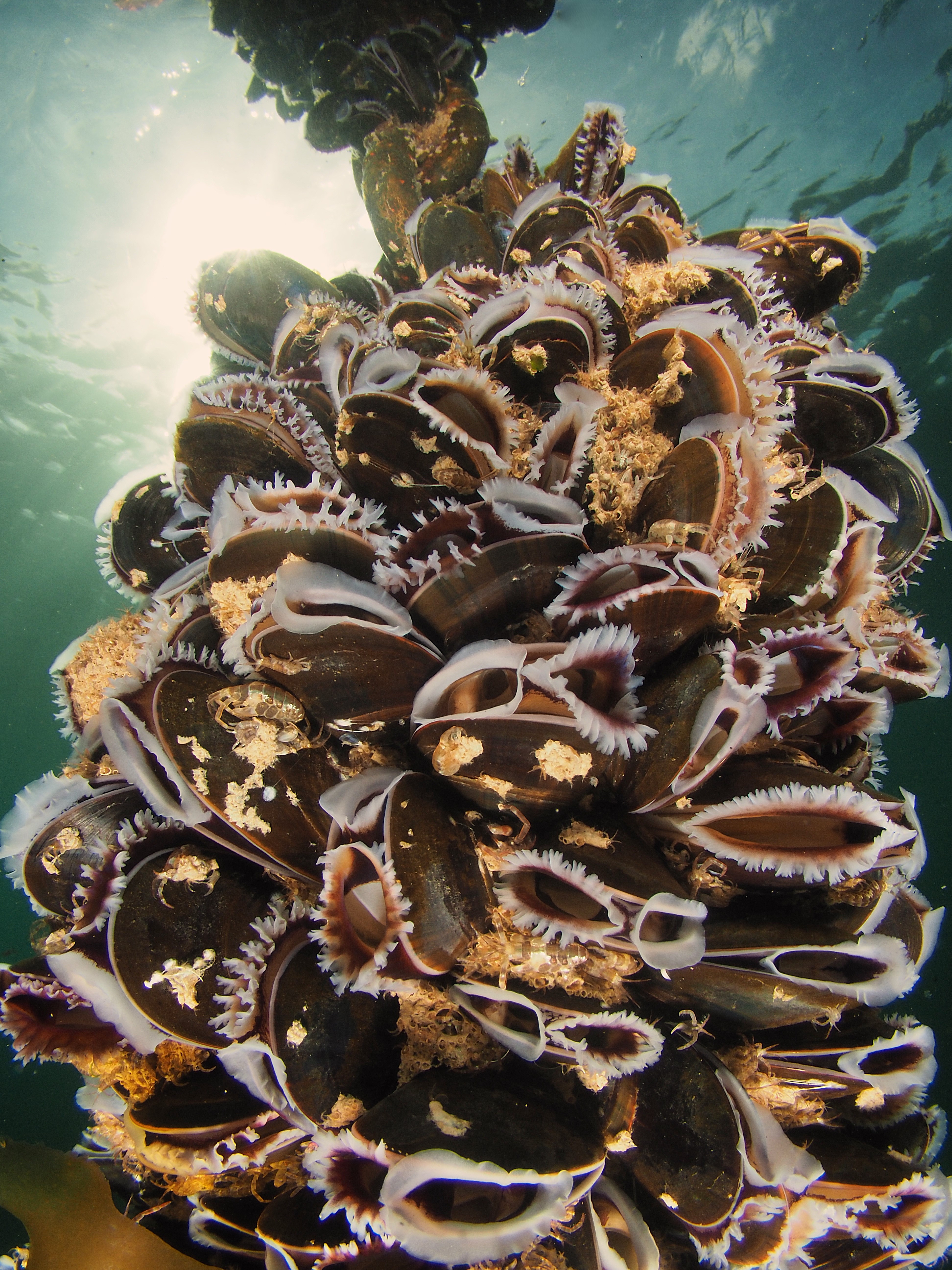
The rain has been hammering down and I am in accute underwater withdrawal… Just a bit of the ole bloggin then! These are some pictures from April, when the phytoplankton had not kicked in and the water was still quite blue. Out of curiousity I swam out to the marker buoys off Castle Beach in Falmouth to see if there was anything interesting growing on them. There was! Lots of mussels, including on the chain going down to the bottom (10ish meters deep). I took my fisheye lens and after much adjusting of strobes (holding the housing sideways for portrait mode, and also up, meaning that the lower strobe needed to be pulled back) I got the nice shot above. Mussels are not a favourite of underwaterphotographers (this is an understatement!) but they are beautiful upclose, the white mantle contrasting with the blueish black shell.

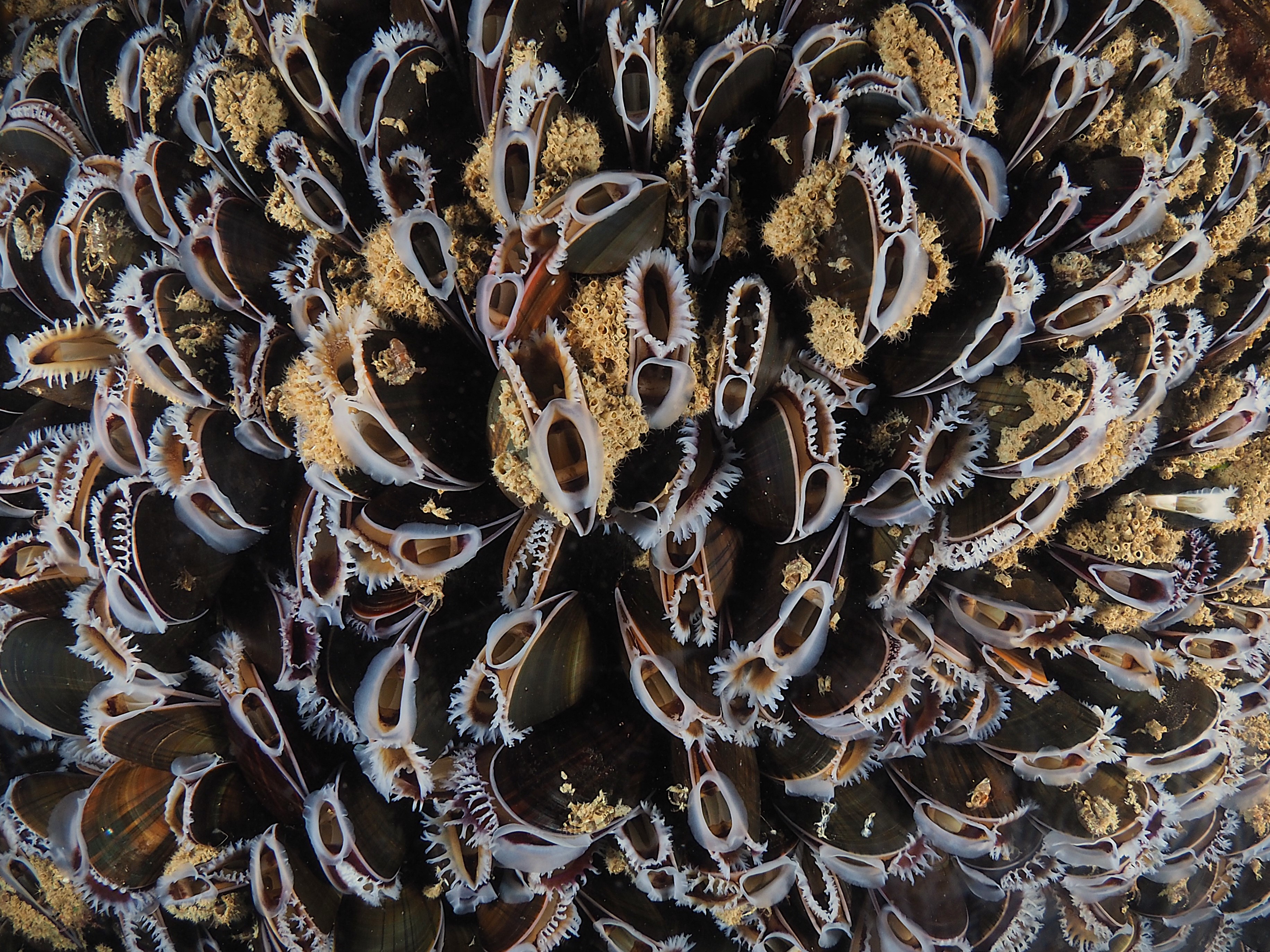
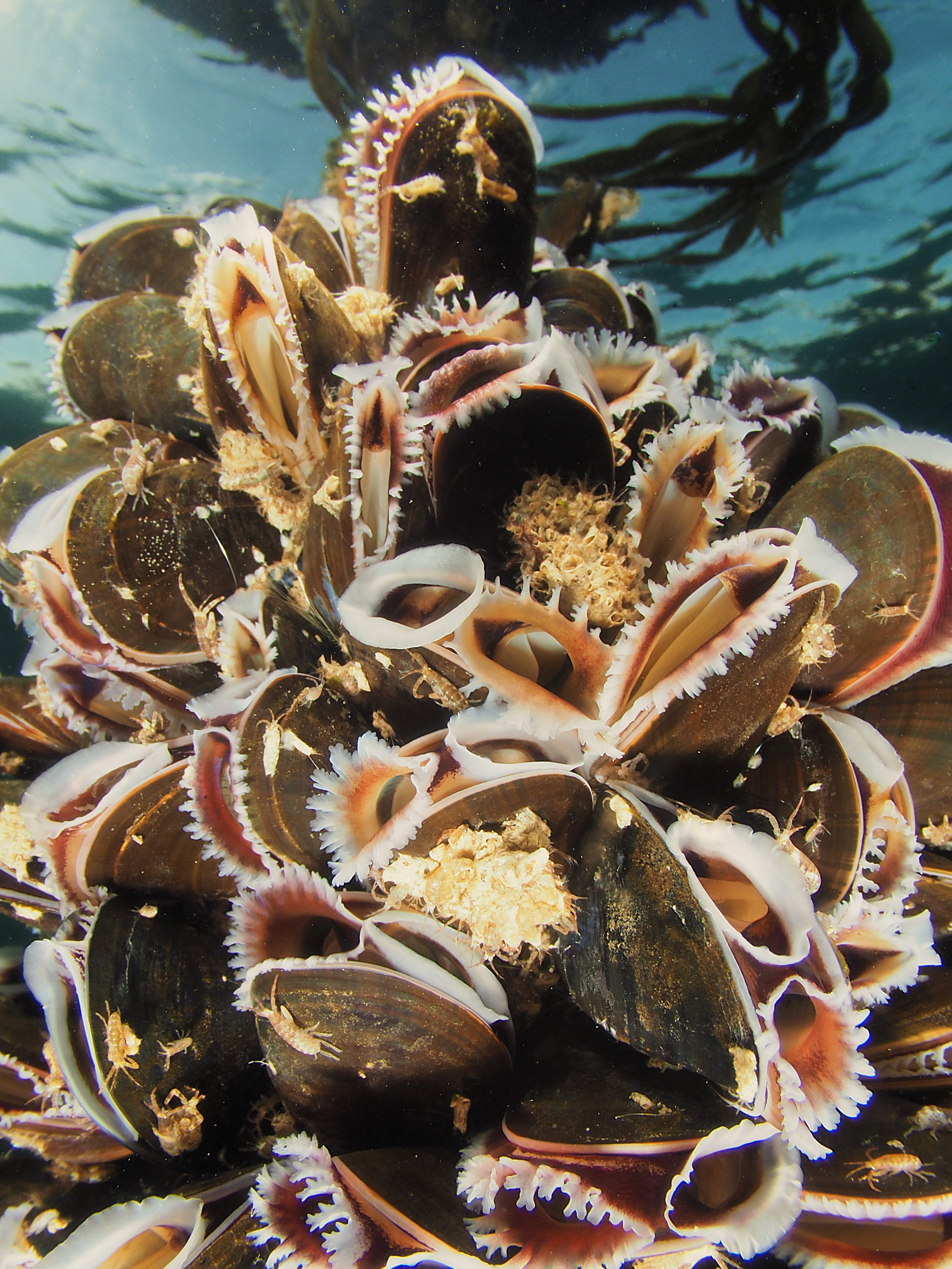
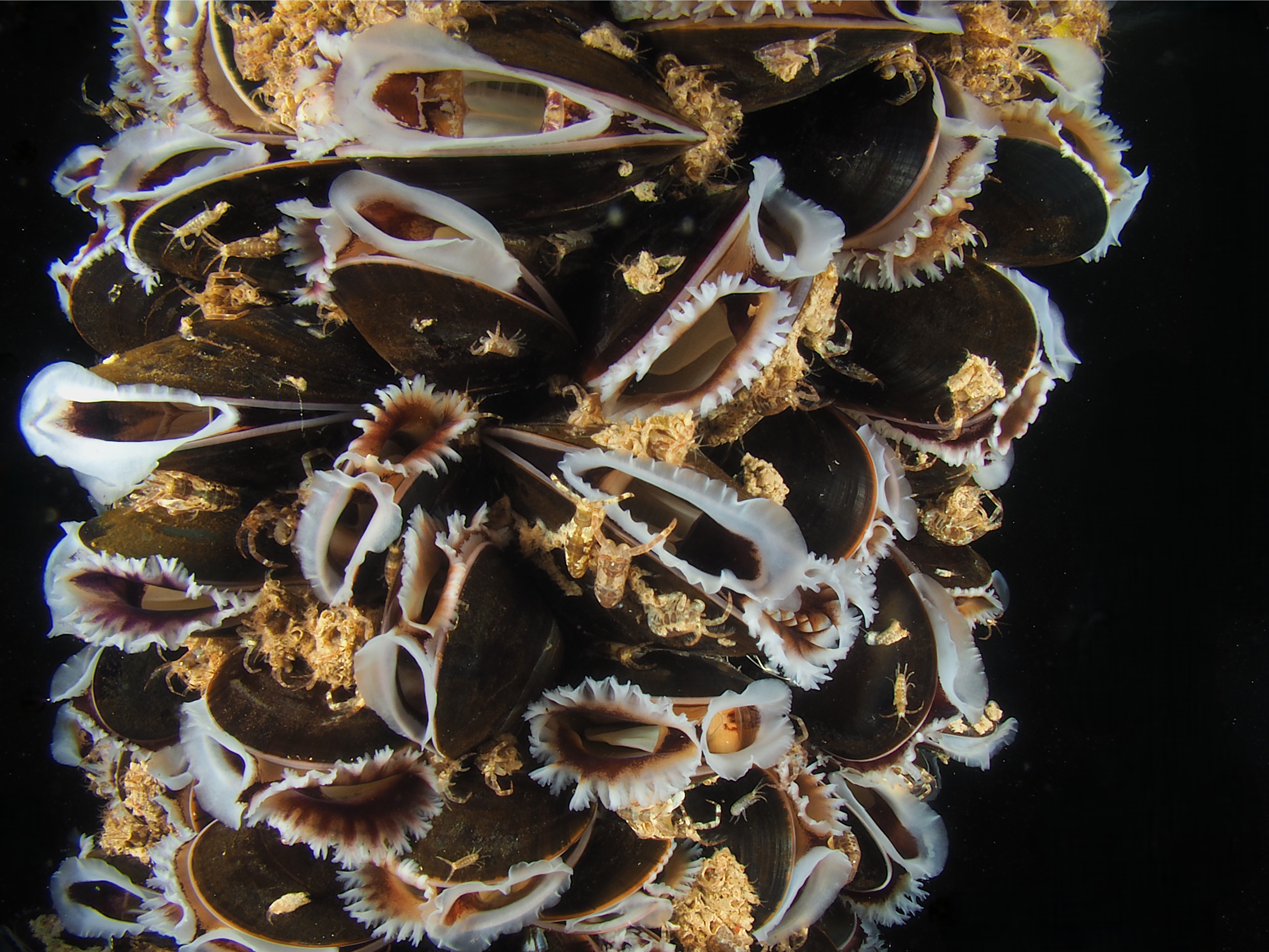
A few days later I returned with my probe lens, as i thought this would offer an original perspective. It was a tricky thing to do as this lens lets in very little light. The difference between foreground and background seems slightly off as well! These photos show that the mussels were crawling with the tubedwelling amphipod Jassa marmorata, a prominent fouling species. I planned to return to try again a few days later, but the chains had been replaced by ‘fresh’ ones, bad luck! I will go back to have a look at them as soon as the weather allows it.

P.S. there are two older posts tagged with ‘buoys‘.

Blennies

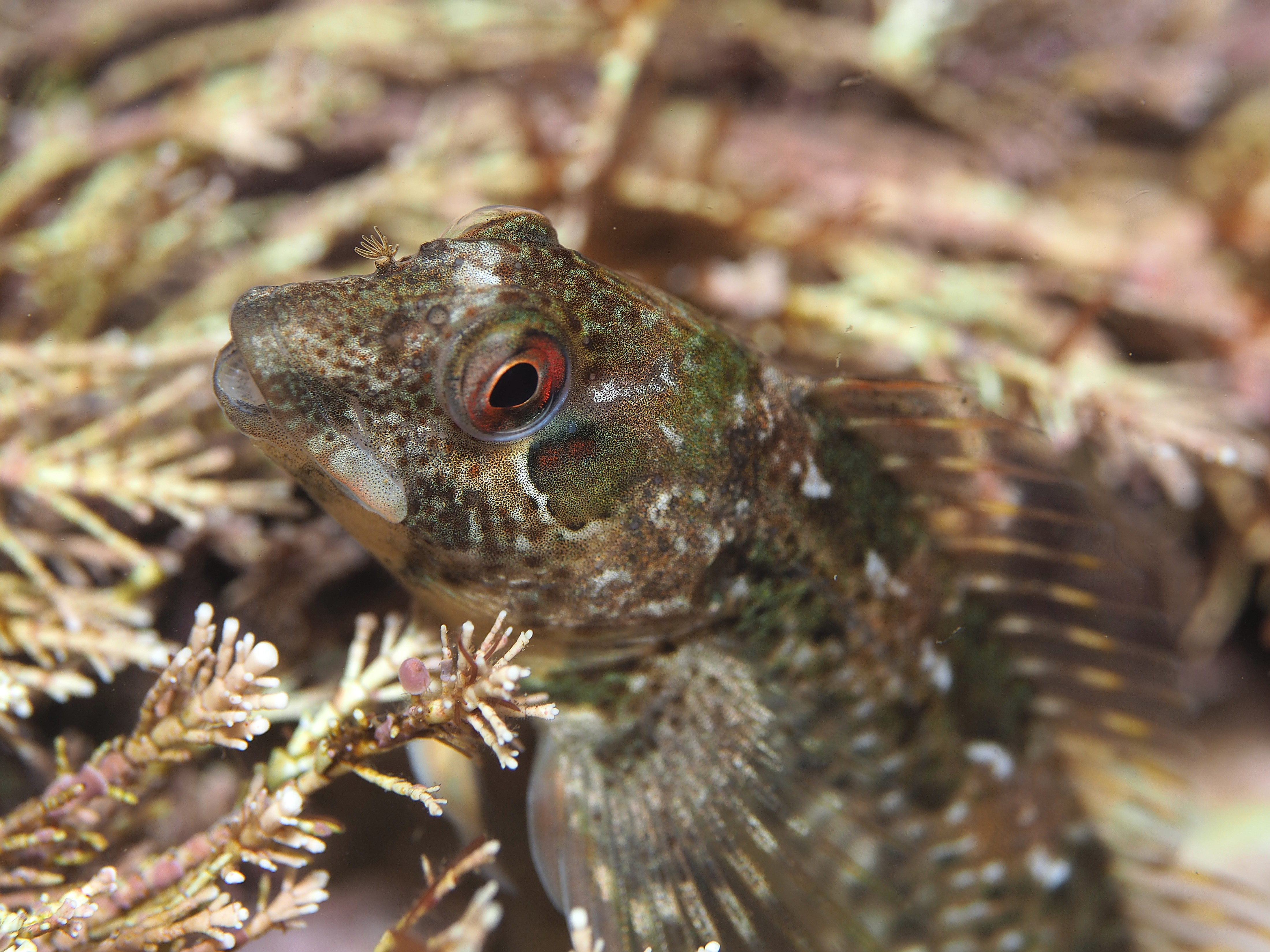
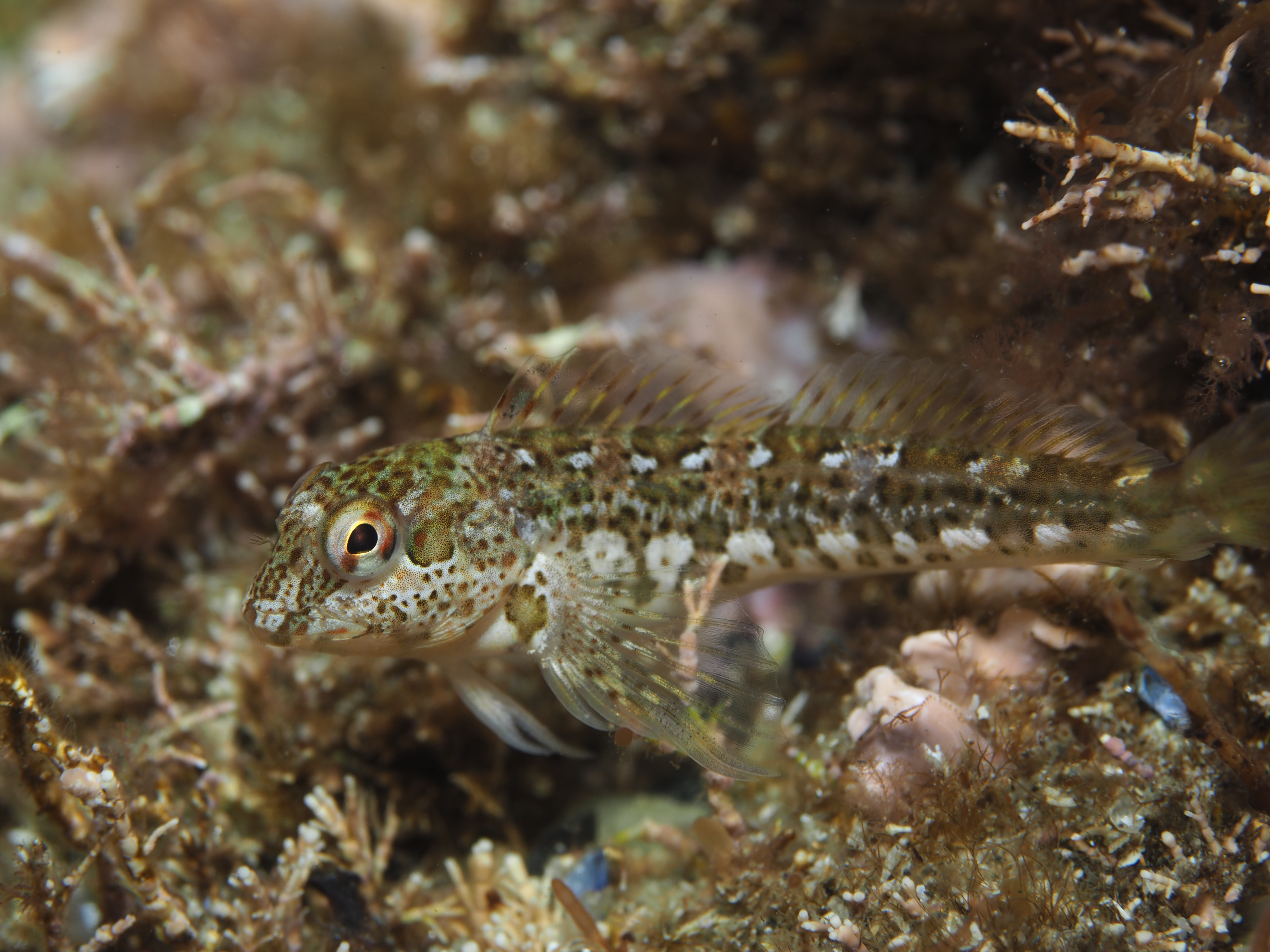
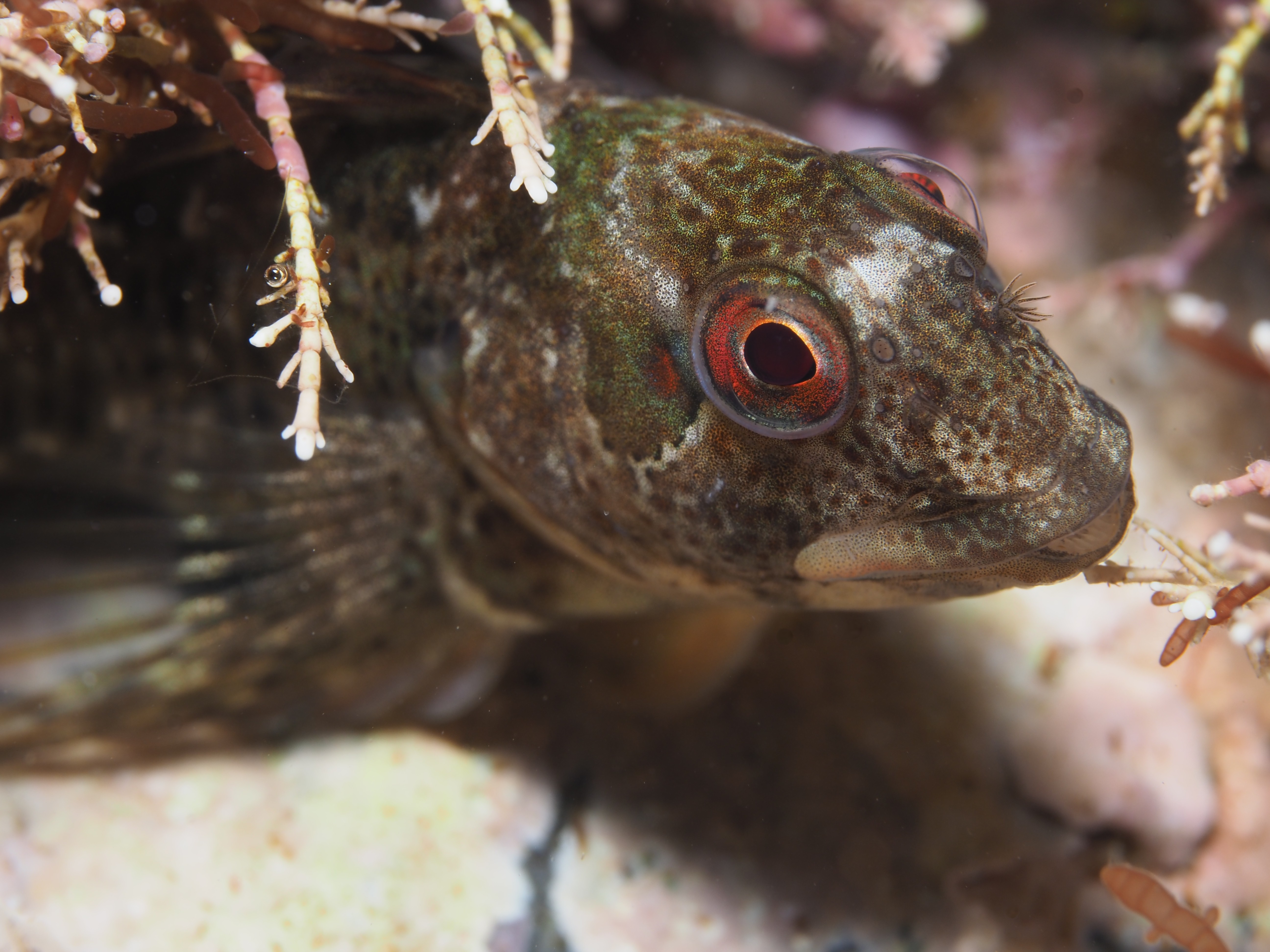
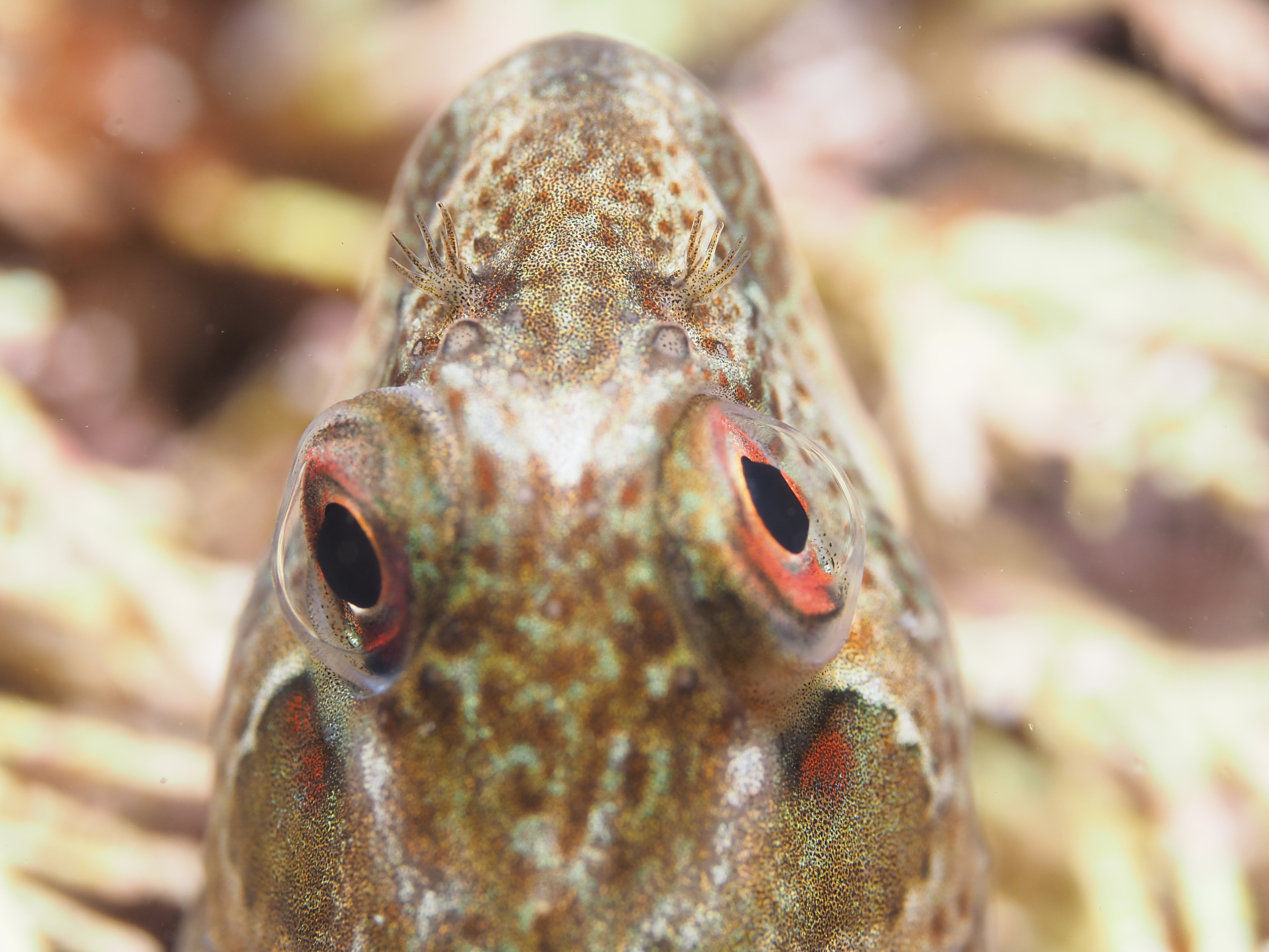
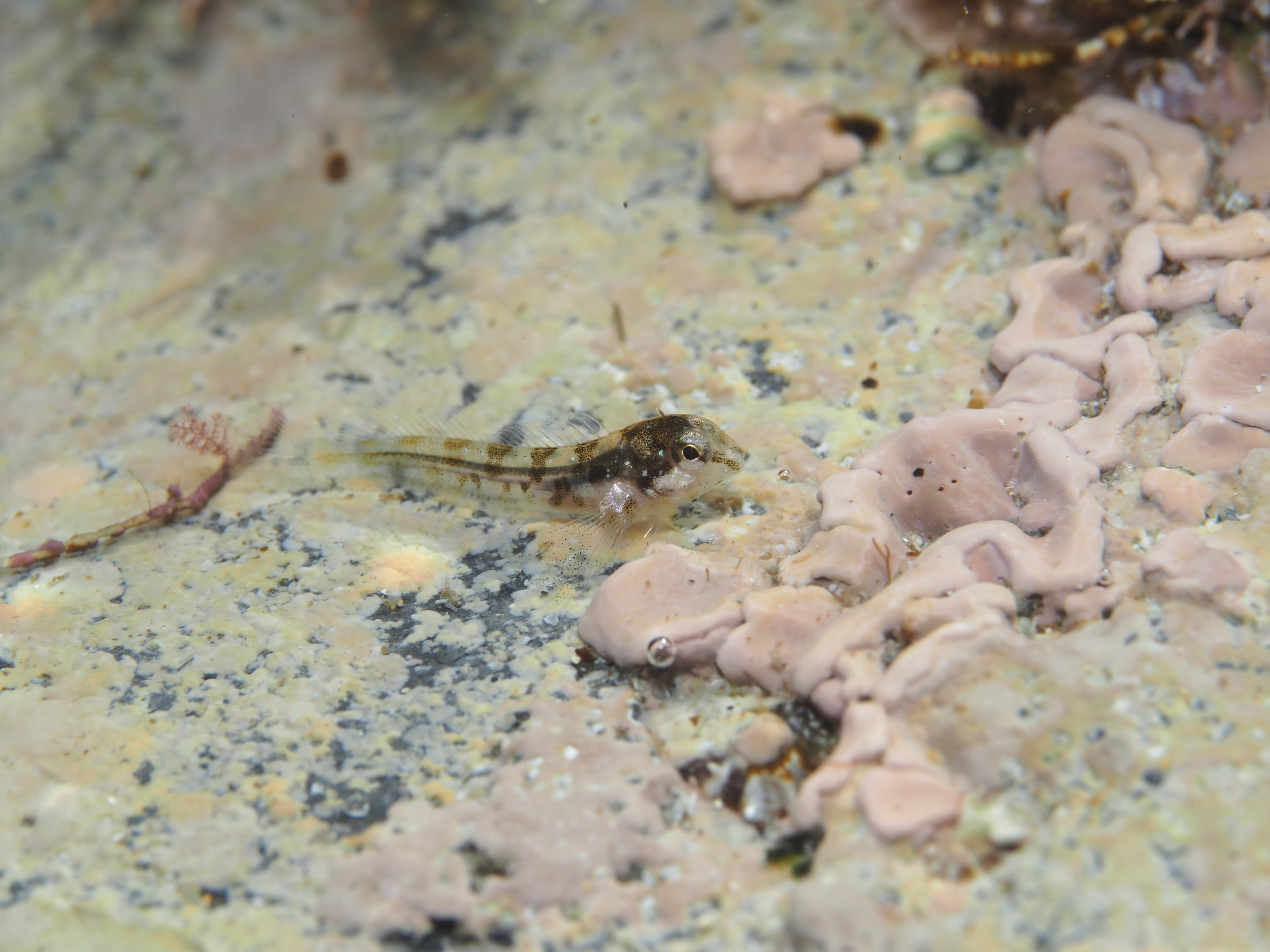
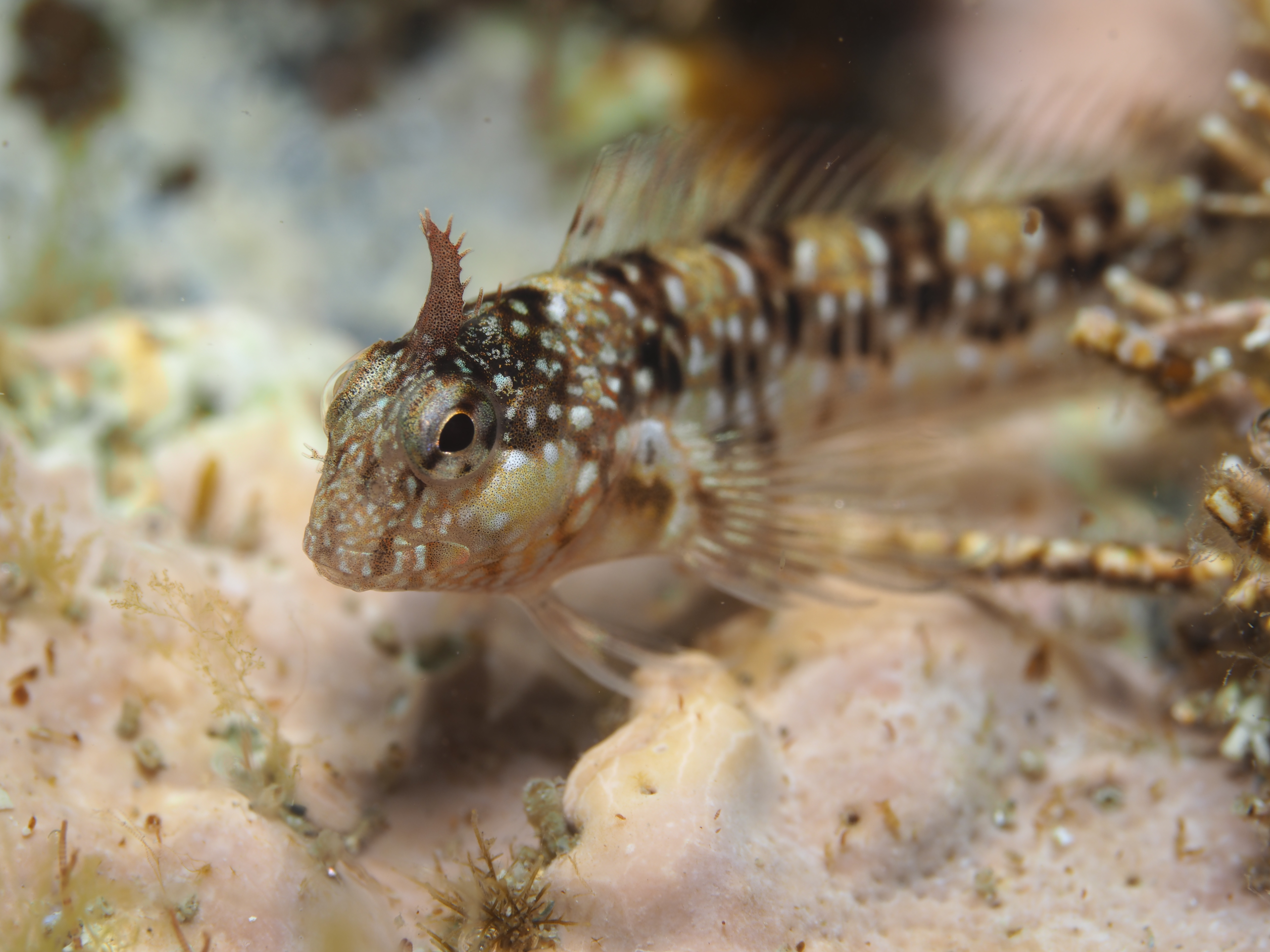
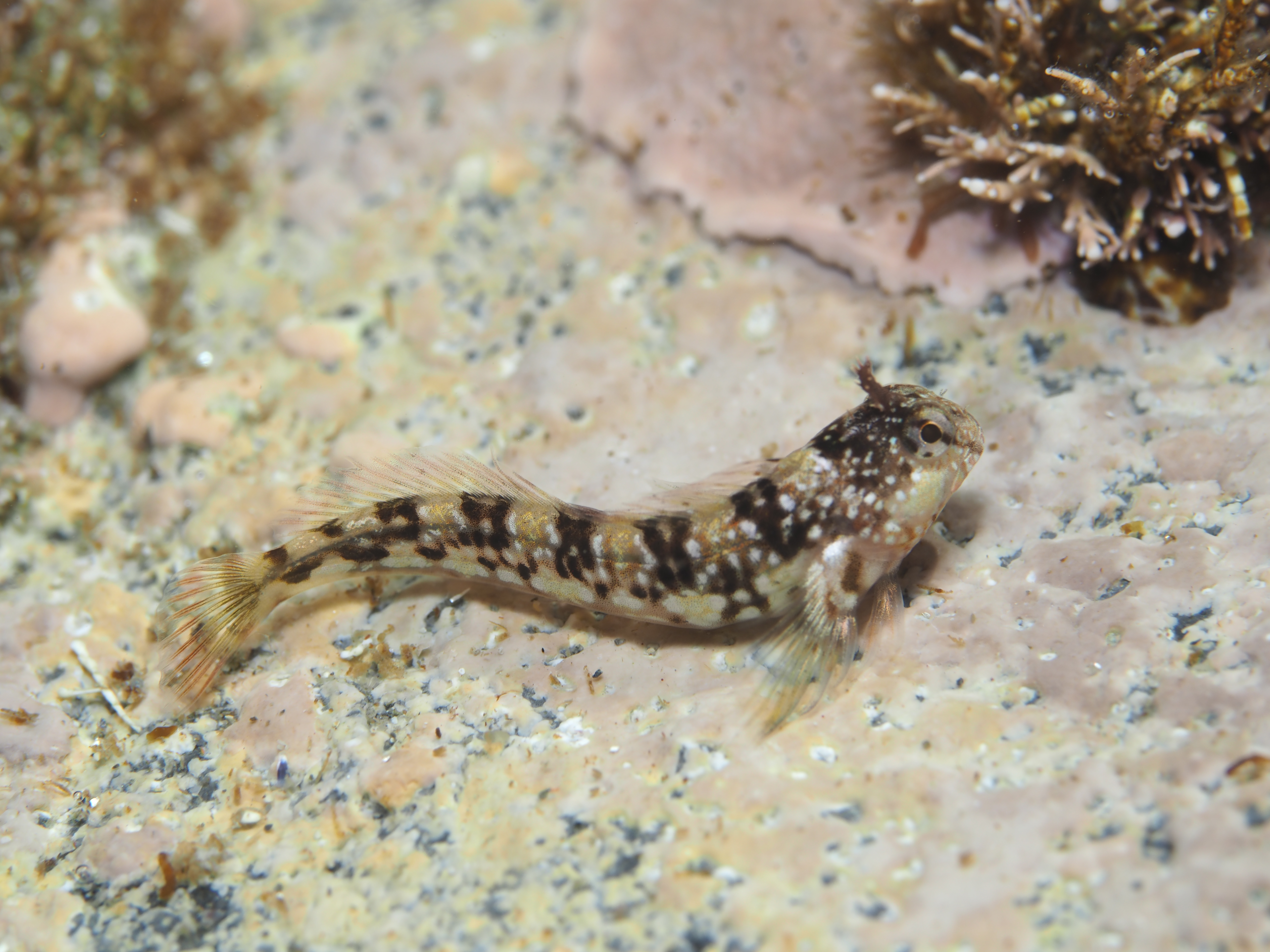
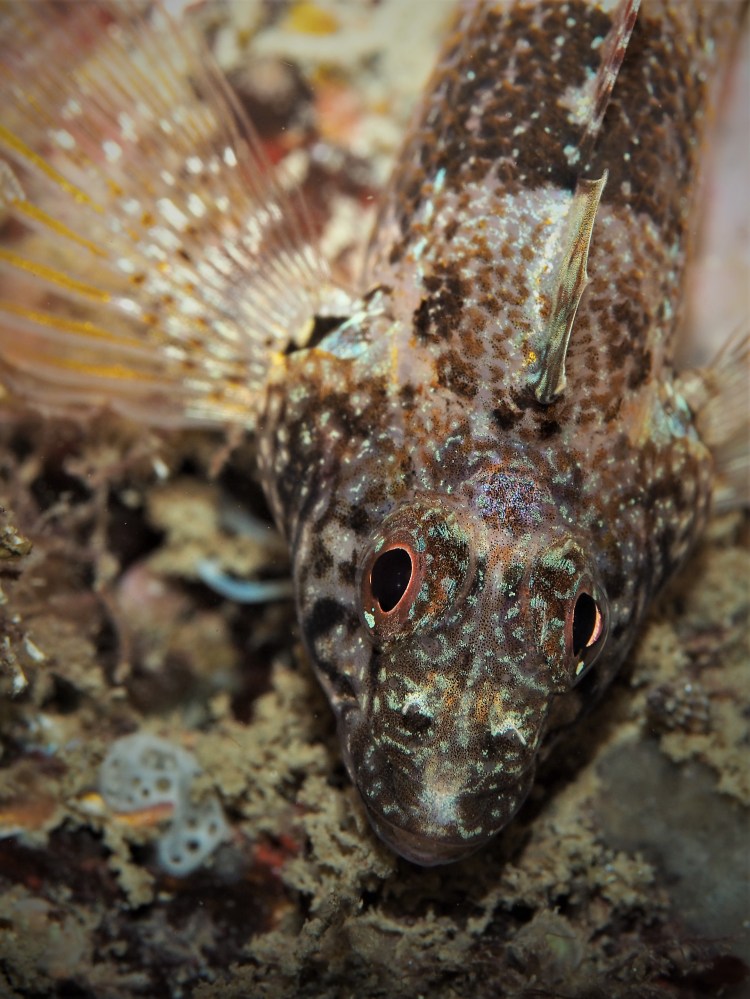
A trip to one of my favourite spots on the North Coast, Booby’s Bay, two weekends back led to a fun rockpool photography sesh. The pools here are quite different than in Falmouth: deeper, more exposed and with fewer seaweeds (see here for impressions). Shannies (Common Blennies) and Montagu’s Blennies are abundant here and I chose not to seach for things ‘more special’ but take pics of these characterful fish. Shannies are greyish and common, but actually very beautiful as you can see above. Their mottled, slimy (scale-less) skin also makes them very well-camouflaged as is clear from the photo below.
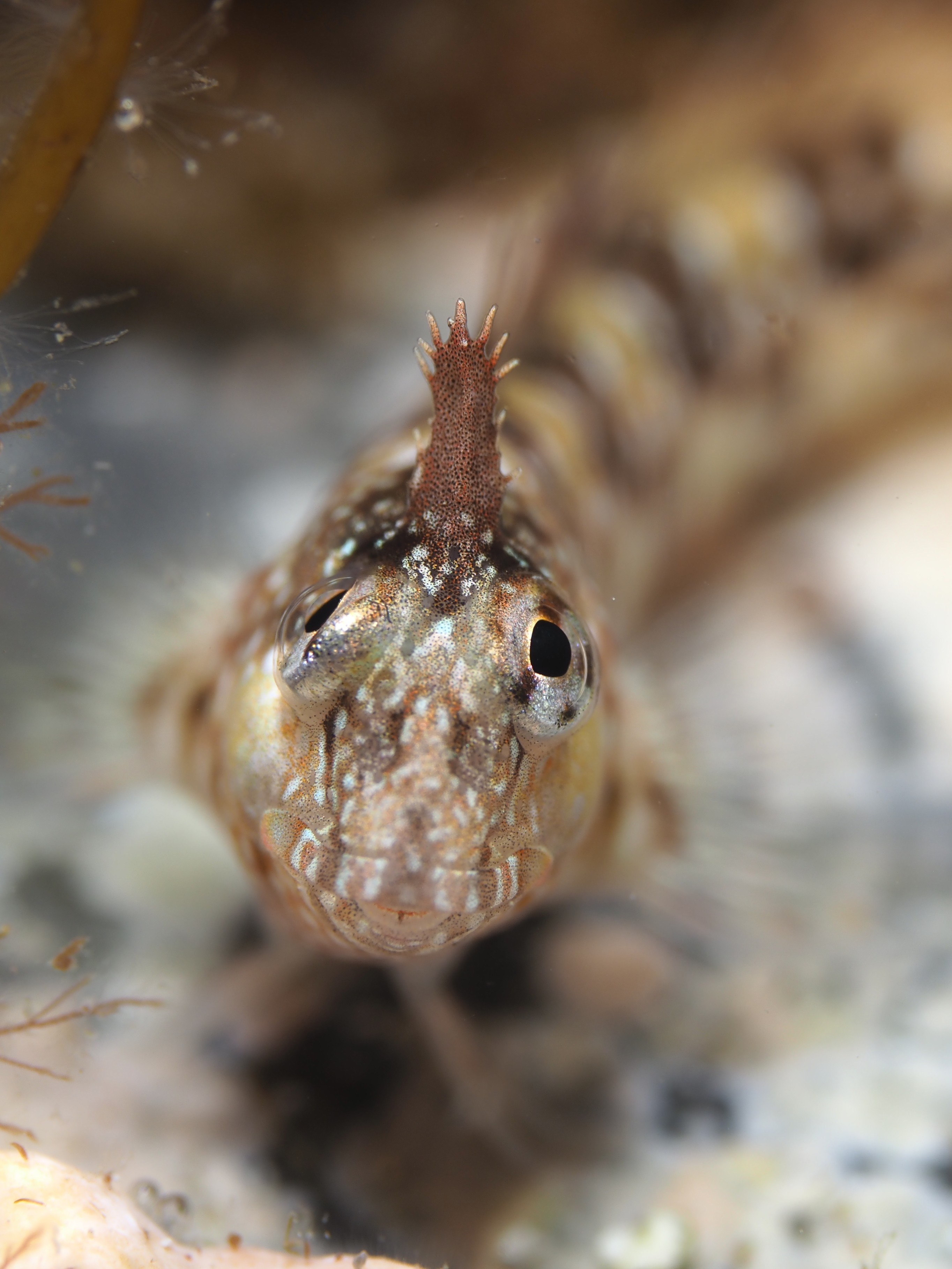
Below a few more pics, including of Montagu’s Blennies, which have a ‘quiff’. Some of these fish have hatched not too long ago and are tiny (<1 cm)! When I took these pics the weather was great (and I ditched the wetsuit) but as I am writing this post it is raining and blowing outside. My snorkel outings will be less frequent from now on unfortunately, but on the plus side my blogging will pick up….

Moods

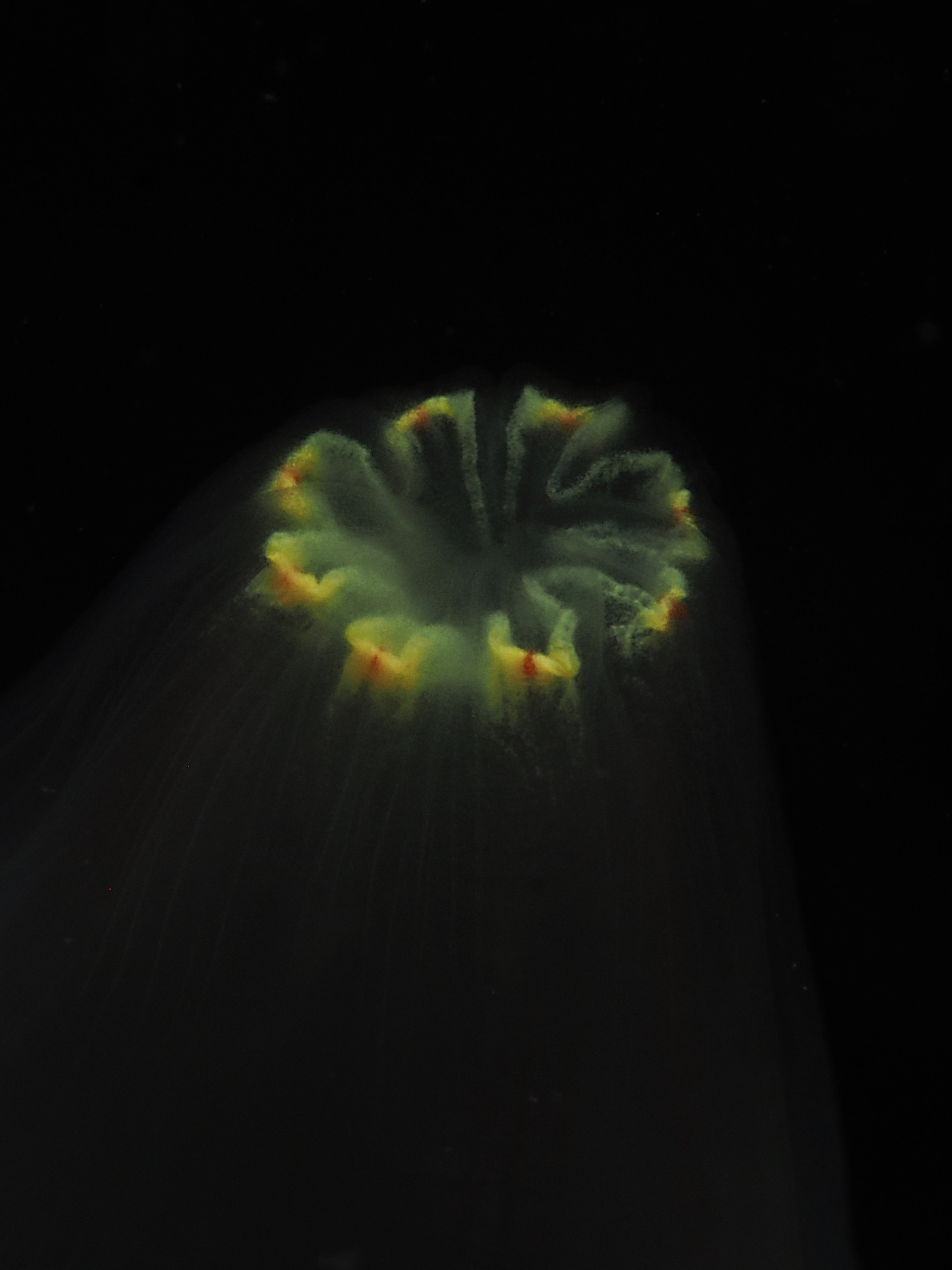
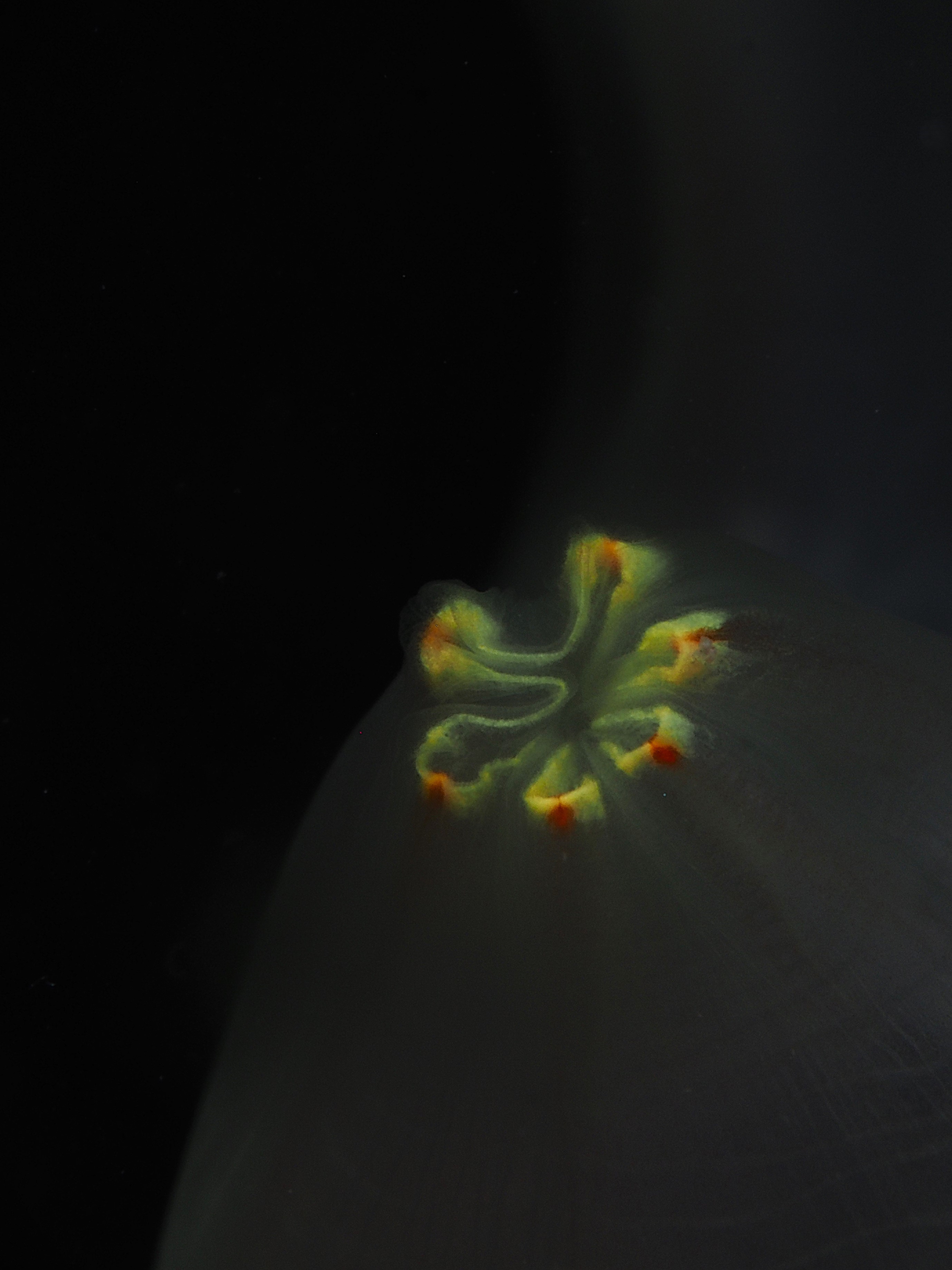
The inhalant (left pic, 8 lobes) and exhalant (right pic, 6 lobes) siphon of the Sea Vase seasquirt (Ciona intestinalis). The pigments are thought to function as photoreceptors. This is a common species, especially in habitats disturbed by humans, and not too pretty (the latin name means ‘pillar of intestines’…) but if you zoom in everything reveals beautiful features! Quite moody shots, to which I have gravitated this year. I like the black backgrounds, which is achieved by letting very little light into the camera, with the strobes only lighting up the subject in the foreground – unable to illuminate anything in the open water (‘negative space’) behind. (A similar effect can be achieved using a ‘snoot’, but I have never managed to get that to work…) I have also tried to get closer and closer up with my macro wetlens, ideally I’d have some sort of microscope underwater! If you are on instagram, check out @an_bollenessor for more pics as ‘posts’ and as ‘stories’.

2024 so far…

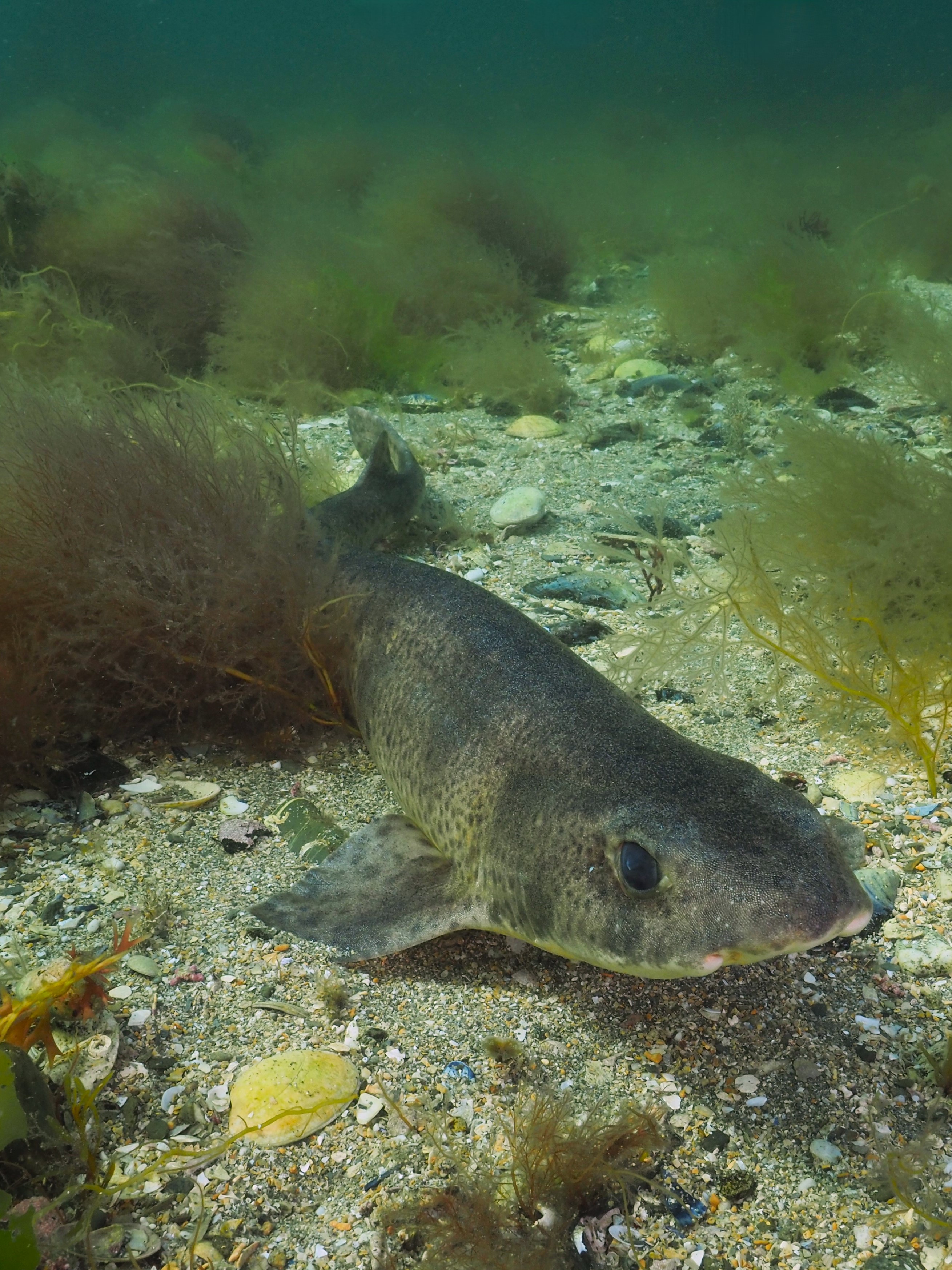
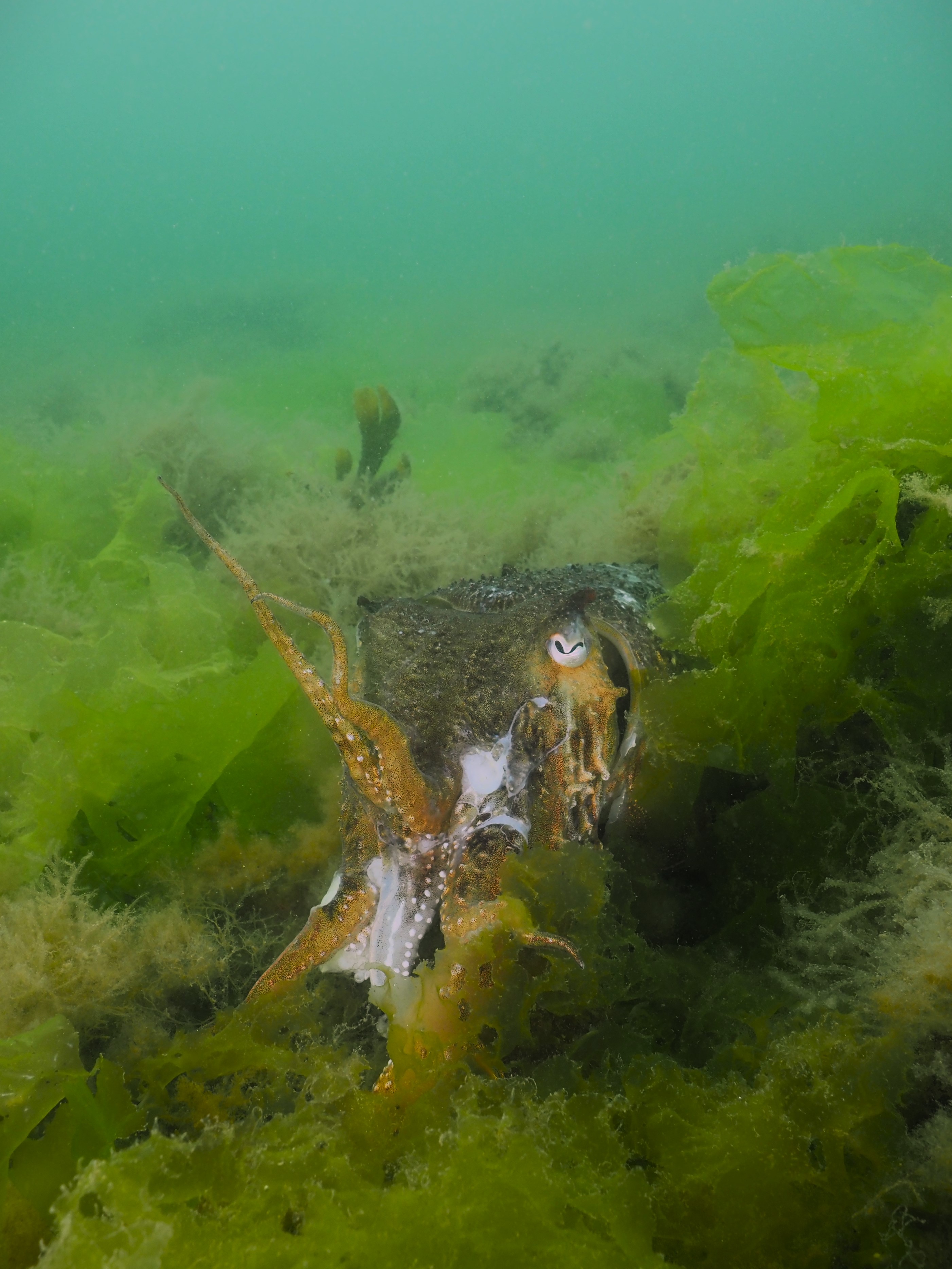
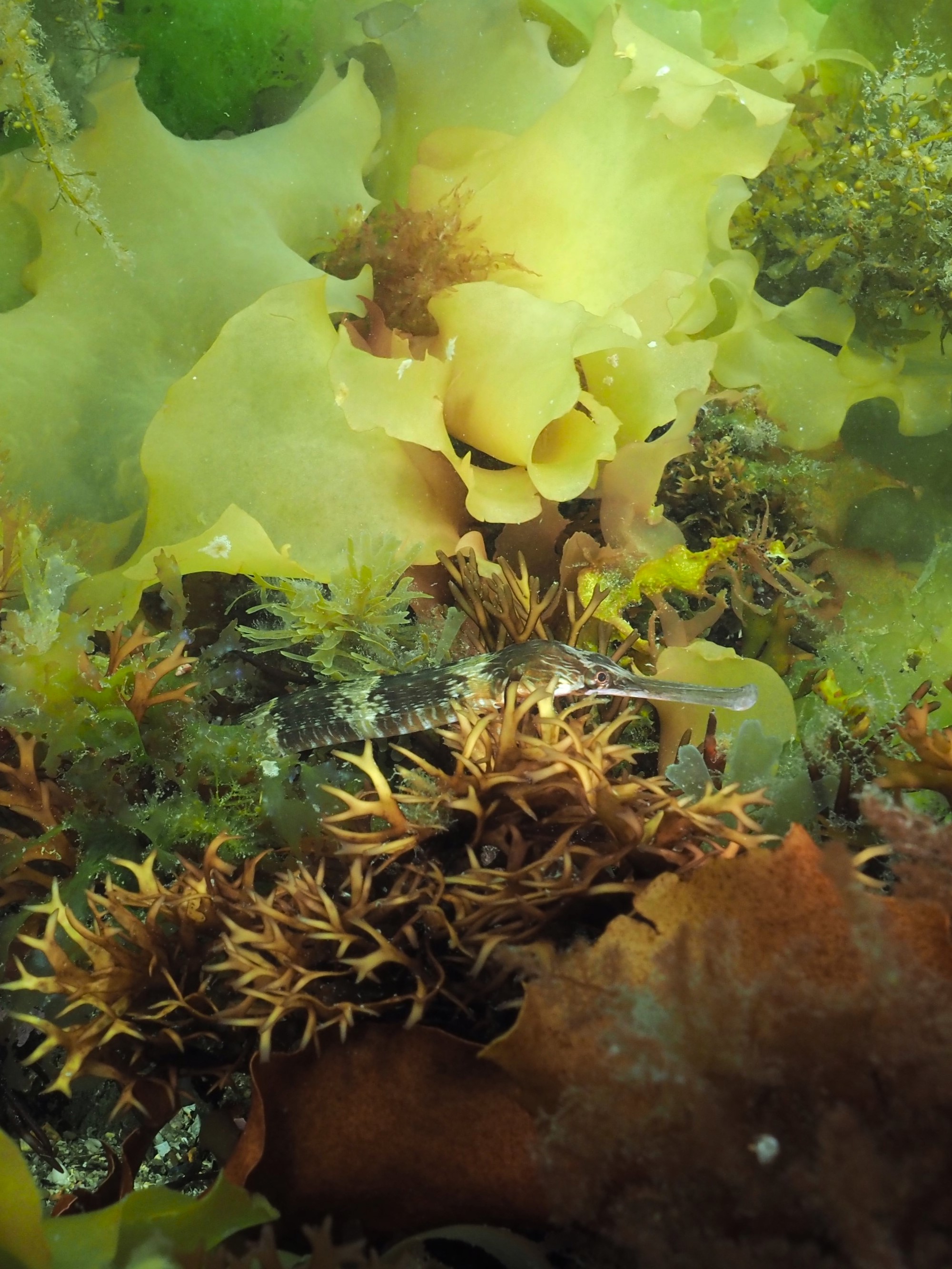
Above some pics of a recent, impromptu snorkel in the Helford; a catshark, a cuttlefish and a greater pipefish which I could snap with the fisheye lens while battling a raging tidal current. I have dived a lot recently, did my PADI advanced open water (to make it easier to participate in some deeper diving in the future ), finally dived Porthkerris, bought a fancy new wetlens and stepped up my iNaturalist game. I took some good photos as well, but for many of these I reckon I could replace them with an even better version. For this reason, and also because there will be plenty of rainy days at the end of the year to blog instead of dive, I will probably remain a bit quiet here for now, add to the collection of photos, and update the blog a lot more later! (P.S. I do post from time to time on instagram: @an_bollenessor.)

Compass Jellies

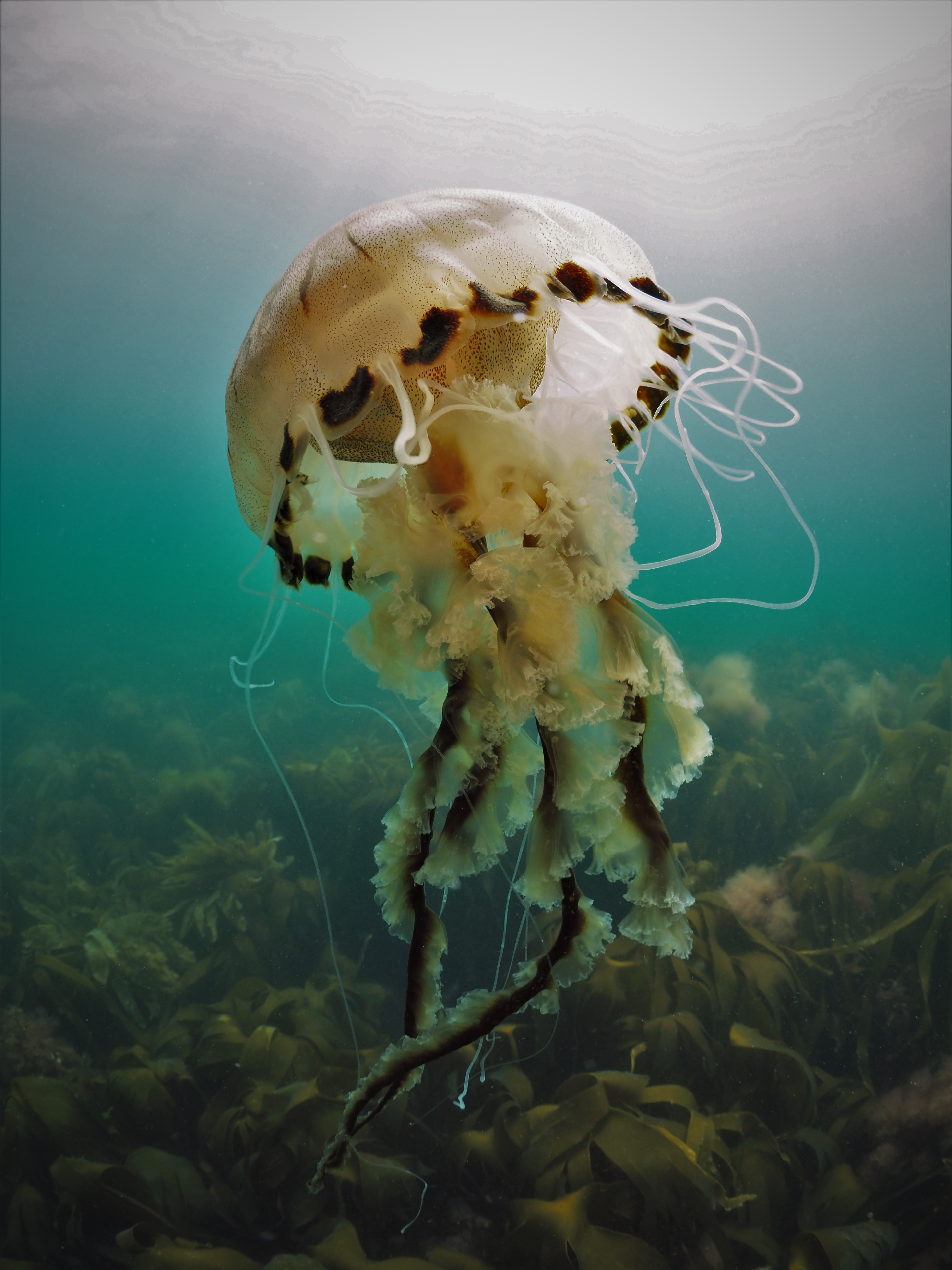
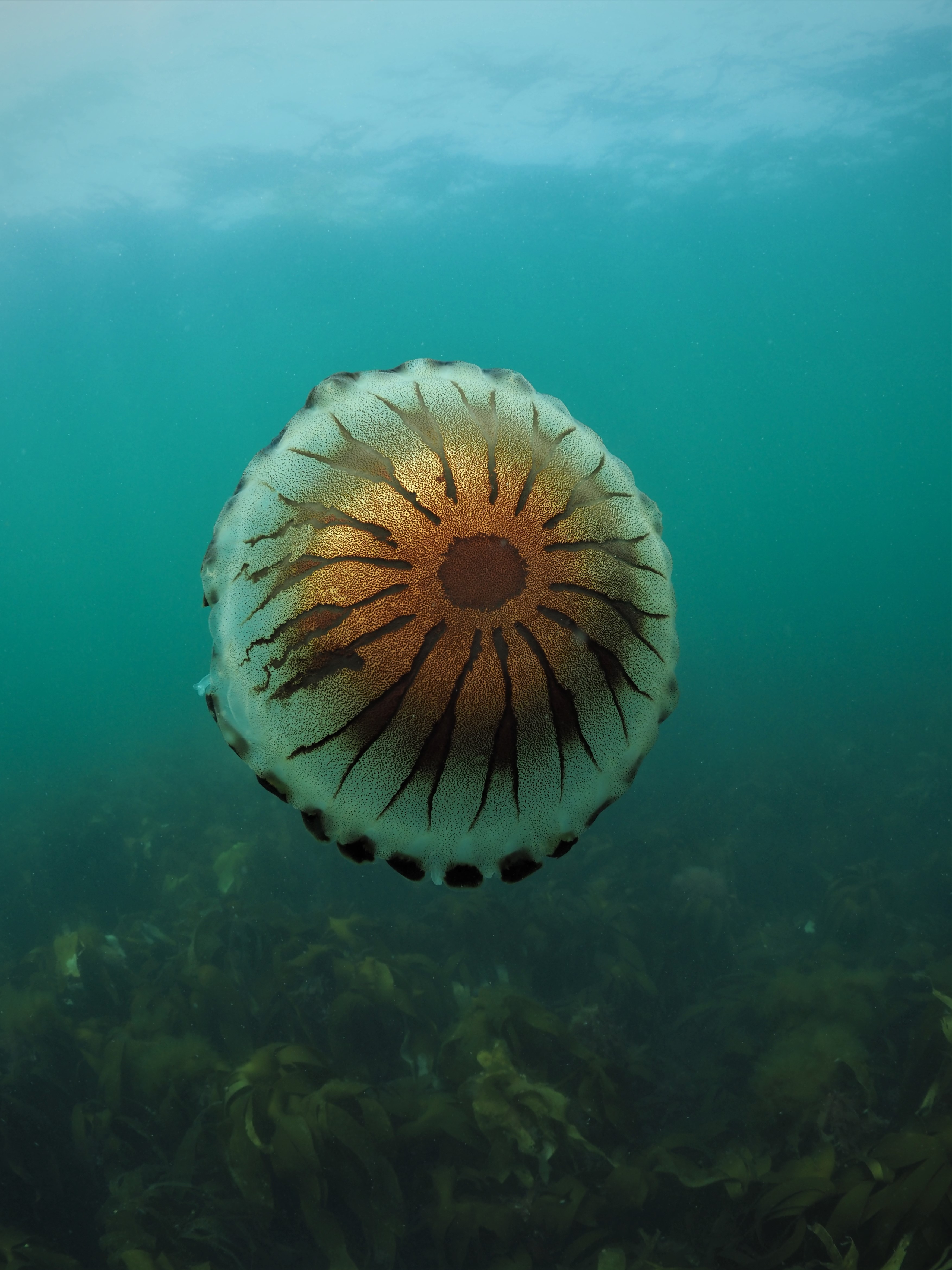
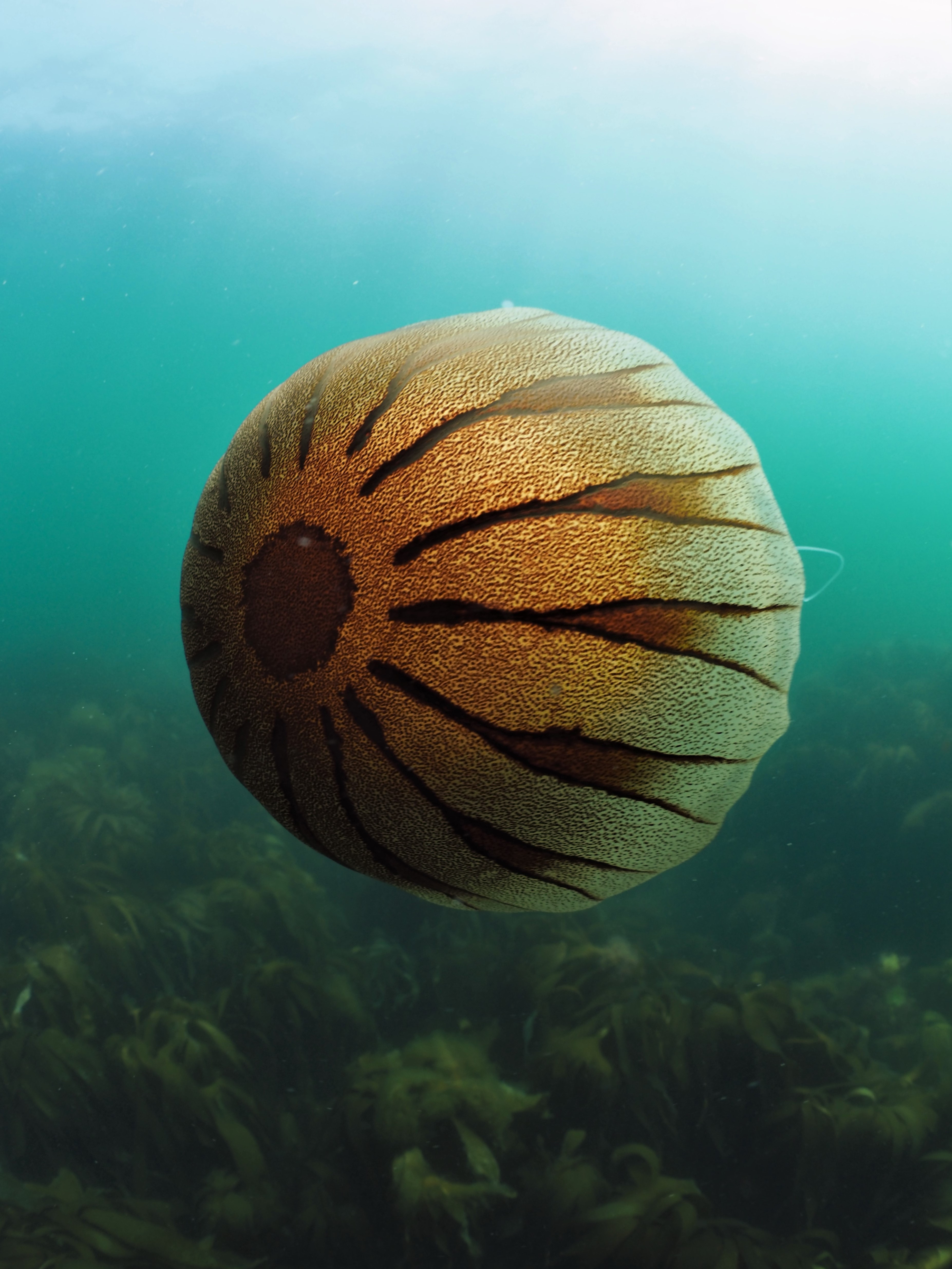
Some more jellies, this time the Compass Jellyfish Chrysaora hysoscella. These are currently the most common jellyfish here in Falmouth, with blue jellies and moon jellies also spotted (the Crystal Jellies, see below, seem to have disappeared). These photos were made without a strobe (my struggle with them continues…) which would have made them much better. As it stands, I have relied heavily on the standard Windows Photo editor to reduce the green hue and get rid of some of the highlights. I might give the old strobes a go next time I go in!

Olympus Photos 2019

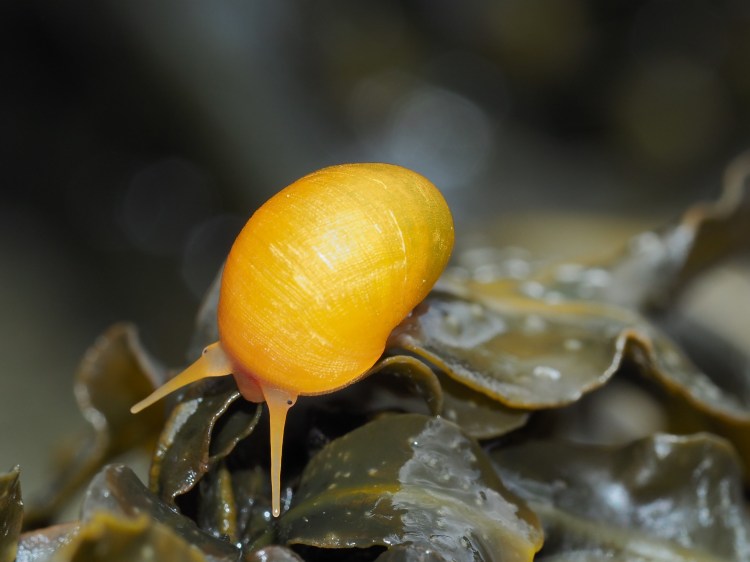
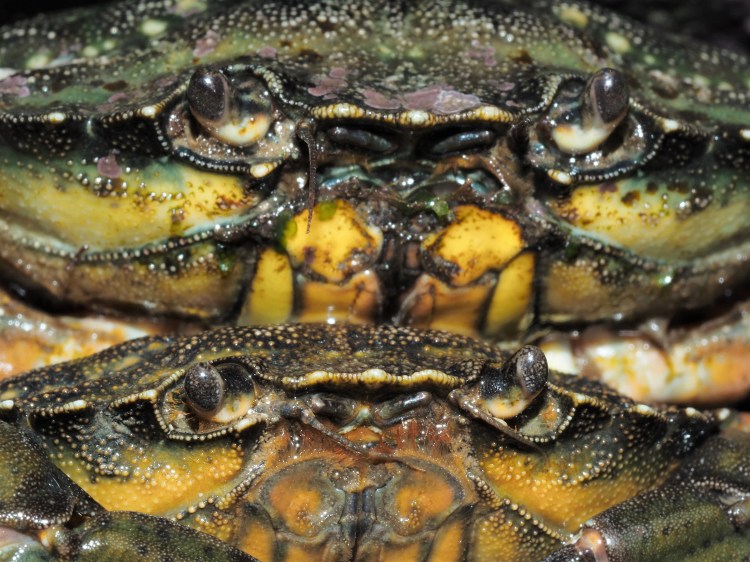
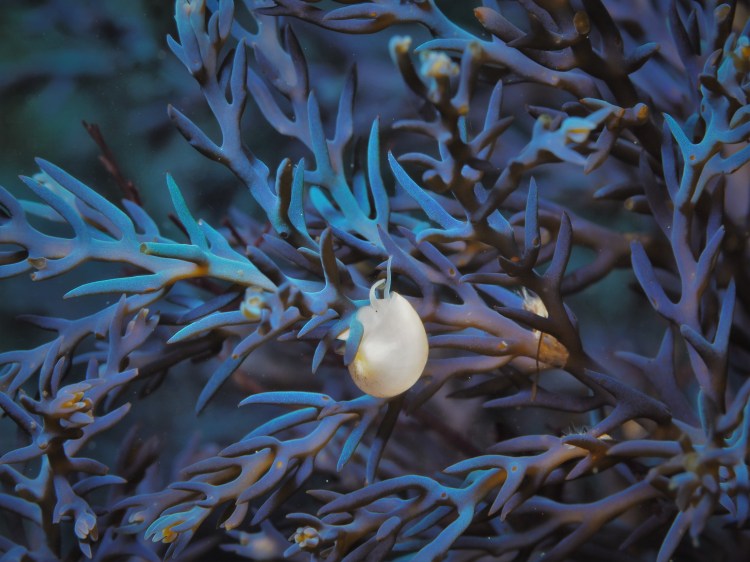
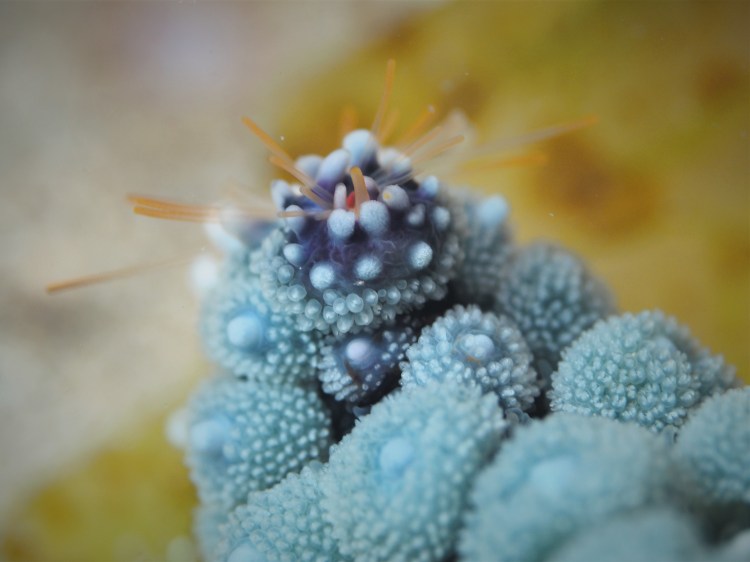
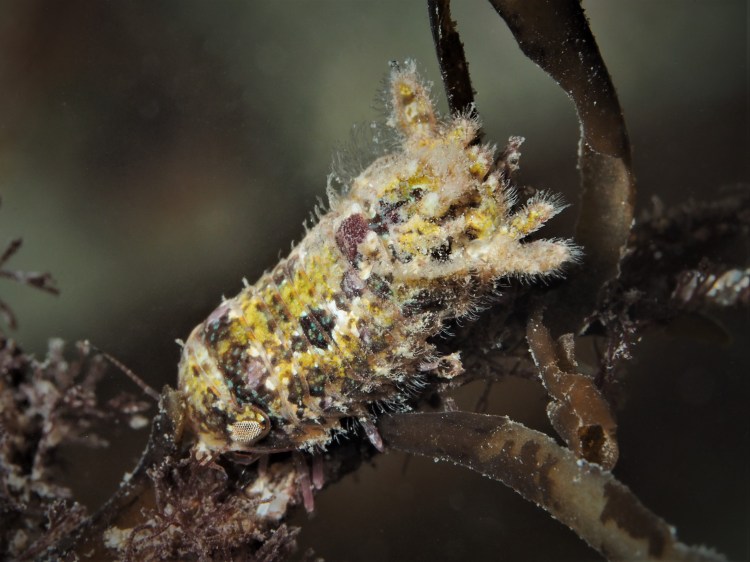
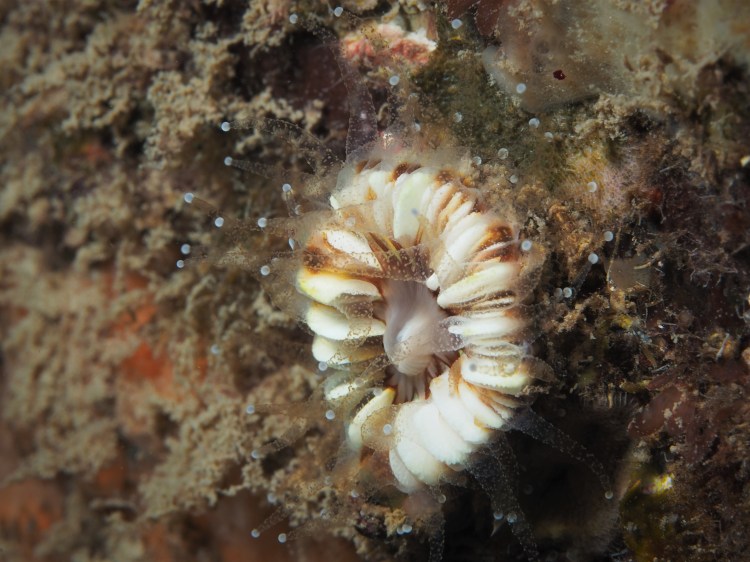
This was the year I switched from my trusted Canon G16 compact camera (with wetlenses) to a mirrorless Olympus OM-D E-M5 II (with ‘actual’ lenses). Throwing money at things is not necessarily a guarantee for improvement, but it definitely helps! The shot above (from this post) was commended at the 2019 Falmouth Underwater Film Festival. This was made using the few times I went out with the mzuiko fisheye lens and is shot using natural light. (For some more natural light wide angle shots taken snorkelling on the north coast see this post.) I mostly used the mzuiko 60mm macrolens in combination with my strobe. The weather at the start of the year was so foul I initially used it  abovewater during rockpooling. The shot below of a Flat periwinkle is quite simple but one of my favourites ‘topside’, together with the shot of the two Shore crabs: Below are some favourite underwater macro shots (the best pics I also post on instagram). Macrophotography I find easier, as the camera settings remain quite invariable (small aperture with a short shutterspeed because of the flash) and the composition is often (but definitely not always!) simpler compared to shots of say an entire rockpool. First some taken snorkeling in rockpools. The first is a Chink shell on Bushy rainbow wrack. The iridescent nature of the seaweeds means it is bright blue or purple viewed from one direction, but a dull brown from the other. If you get it right, it makes a very striking background and it is definitely a subject I want to explore more. After that, detail of the tip of a Spiny starfish, a European cowrie and a pill isopod. Below some macroshots taken while (shore)diving off Silver Steps in Falmouth. A Blackfaced blenny, a Leopardspotted goby and a Devonshire cupcoral. Many more photos of course if you scroll down. I have now also invested in a new strobe and new strobe arms. Having two strobes will allow me to take wide angle photos without depending on (dim) natural light, for instance whilst diving. My second strobe is manual so I can ramp up the strobe power if needed for macro too. I still struggle with positioning even a single strobe, so having two will be frustrating in the beginning I am sure. I am hopeful this new investment will pay off though. As for the blog, I have updated the links page. It is high time I post an update on the tank. I have not been diving much but hopefully next year I can collect some new species of anemones for it (and of course take photos, although the two activities are pretty much mutually exclusive). My new years resolution will be to get in the water more. I wish all blog readers a happy and healthy 2020!

Slender-beaded Coral Weed Jania rubens

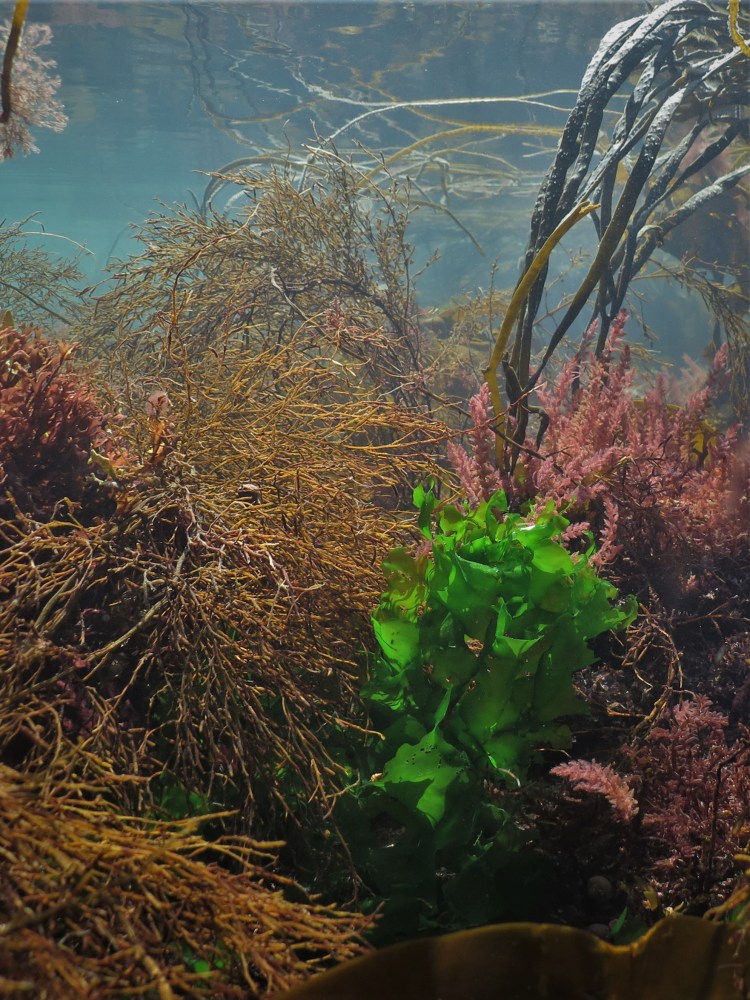
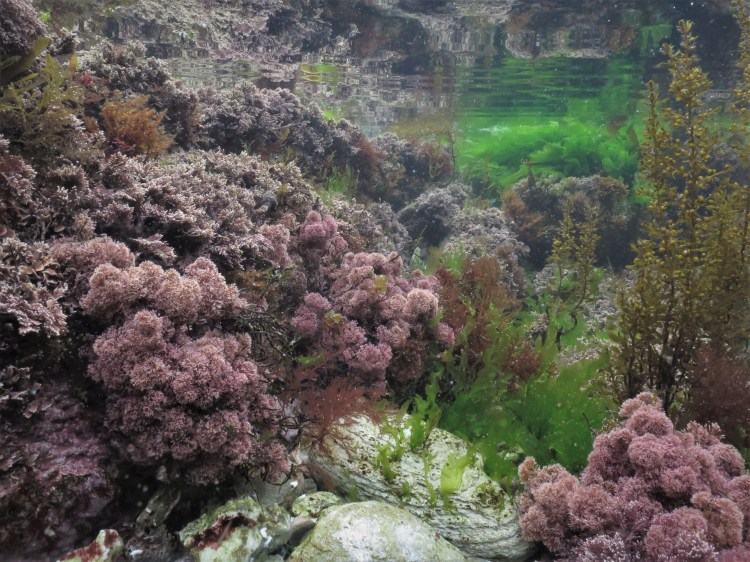
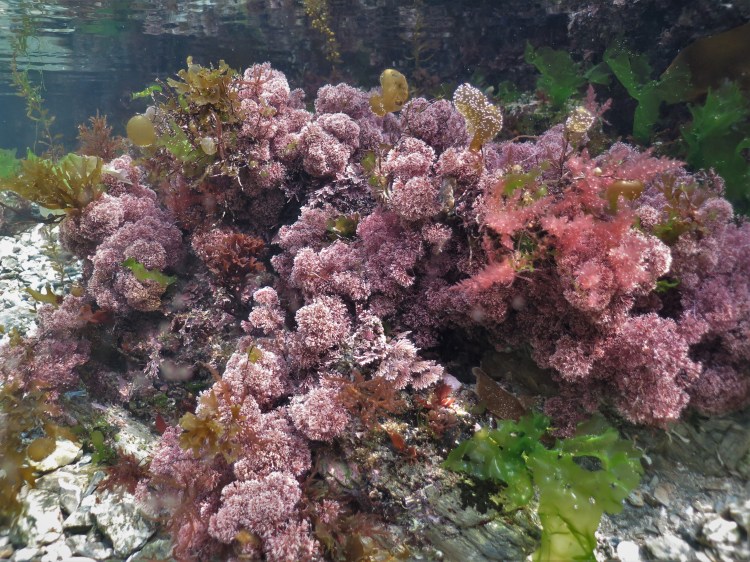
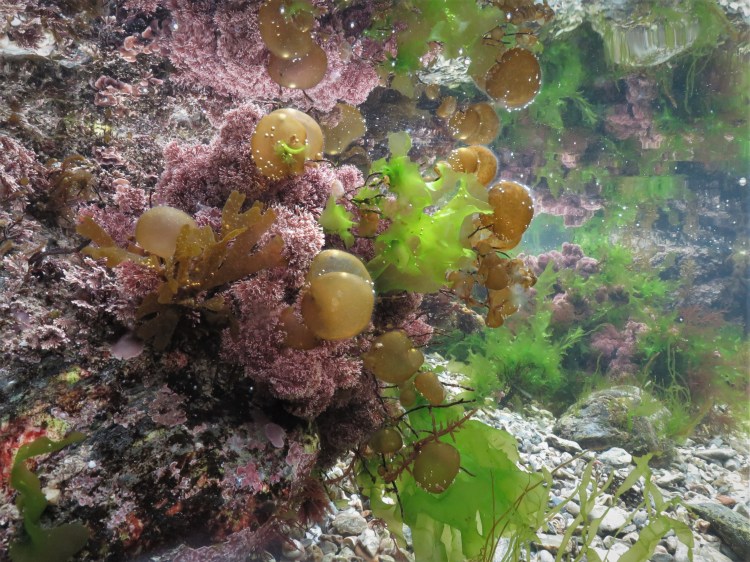
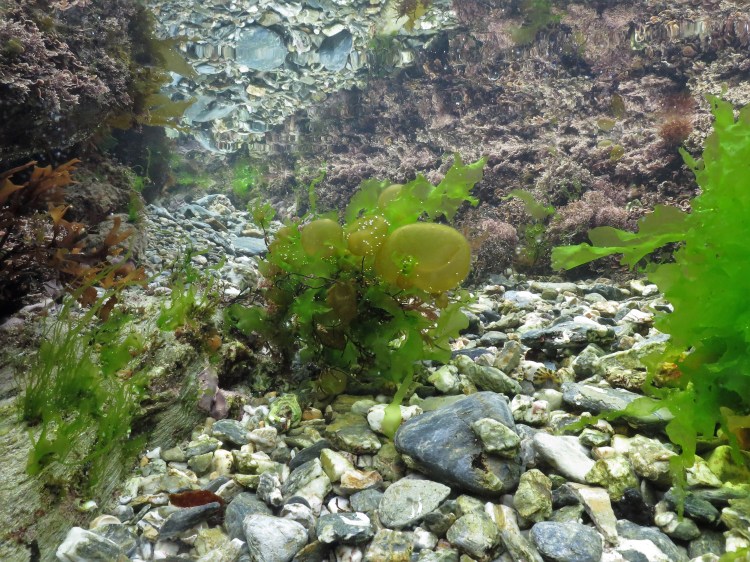
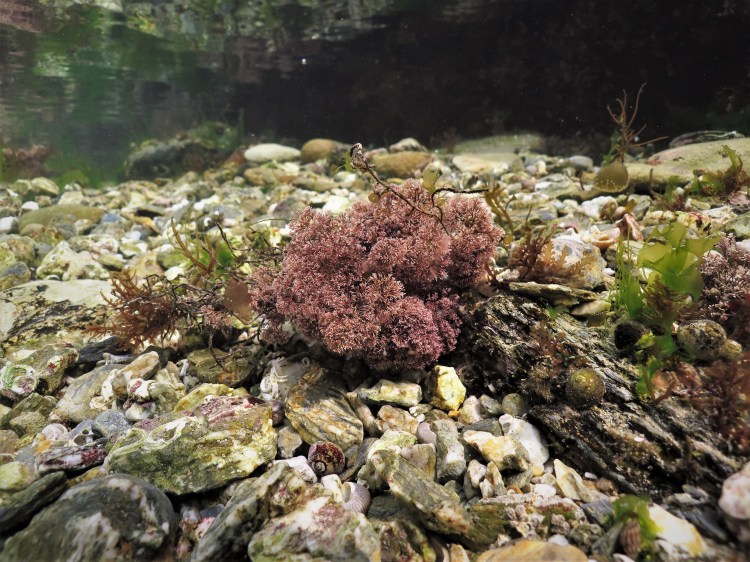
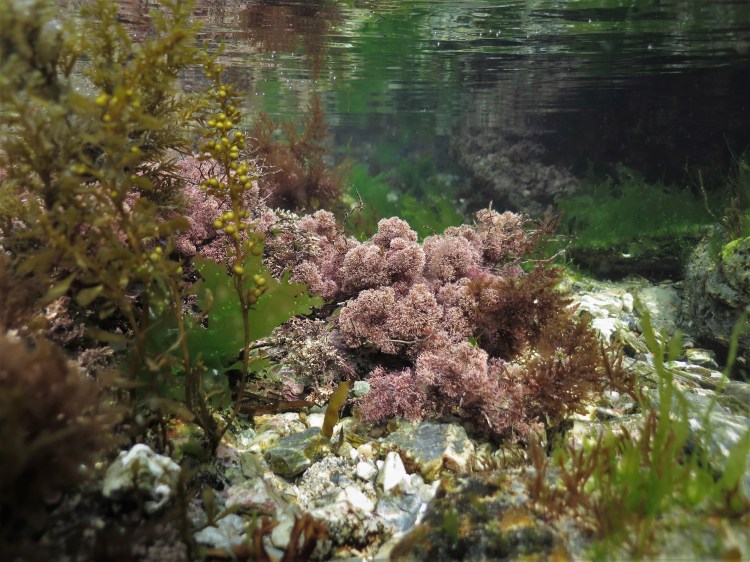
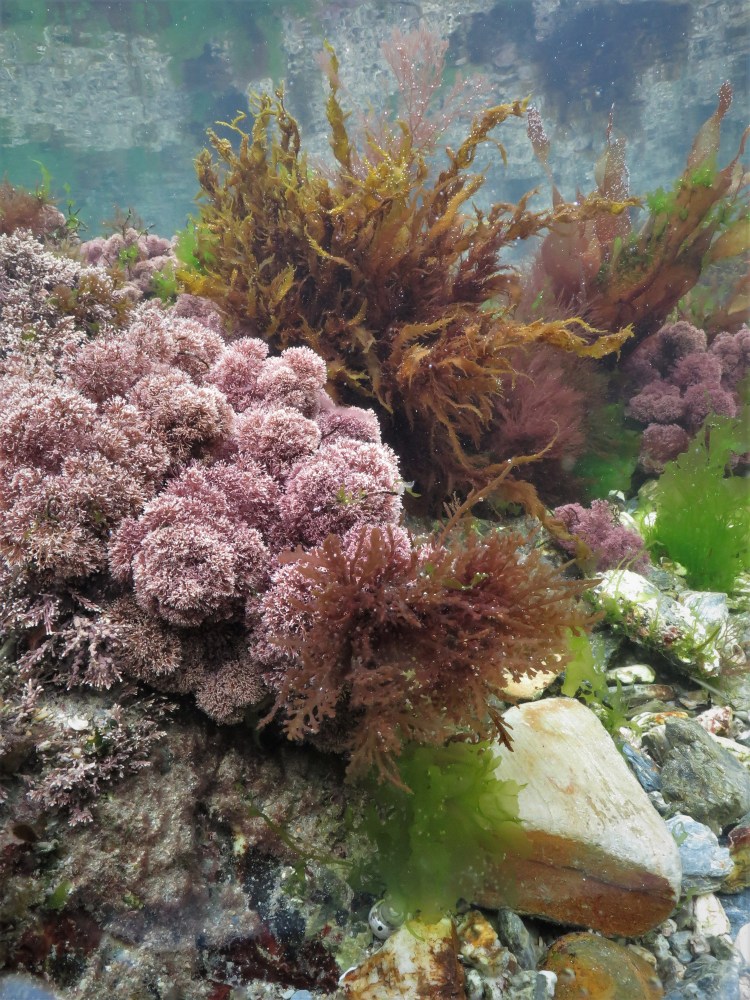
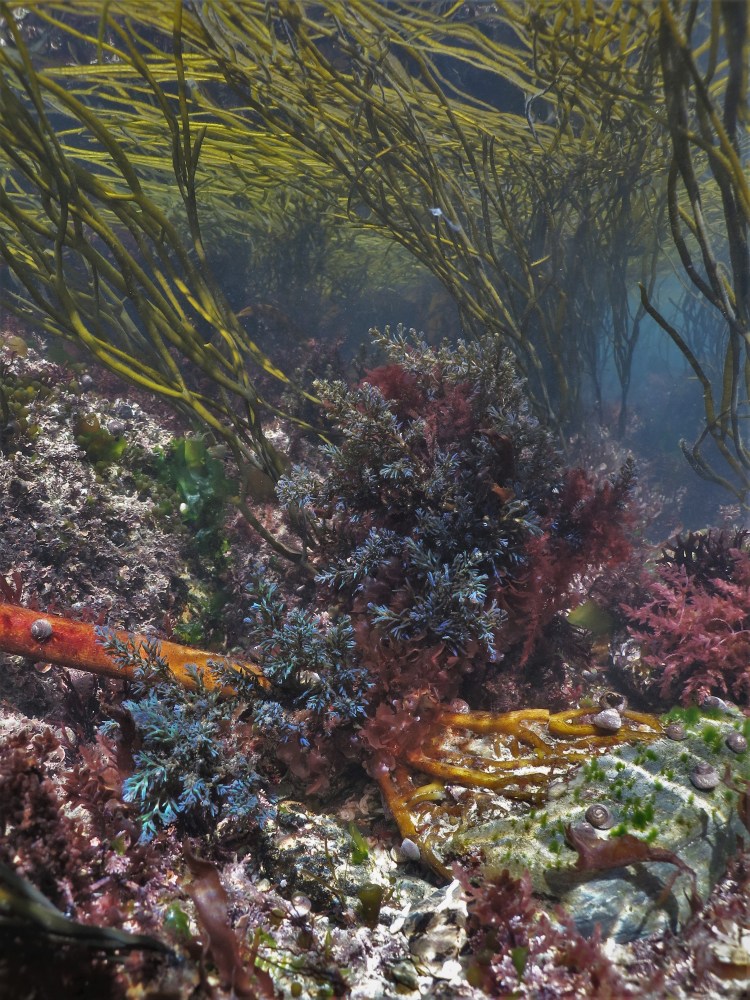
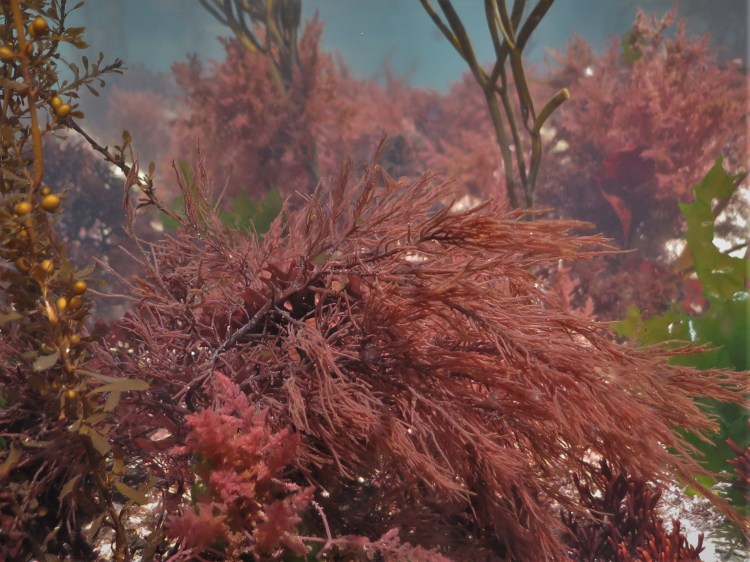
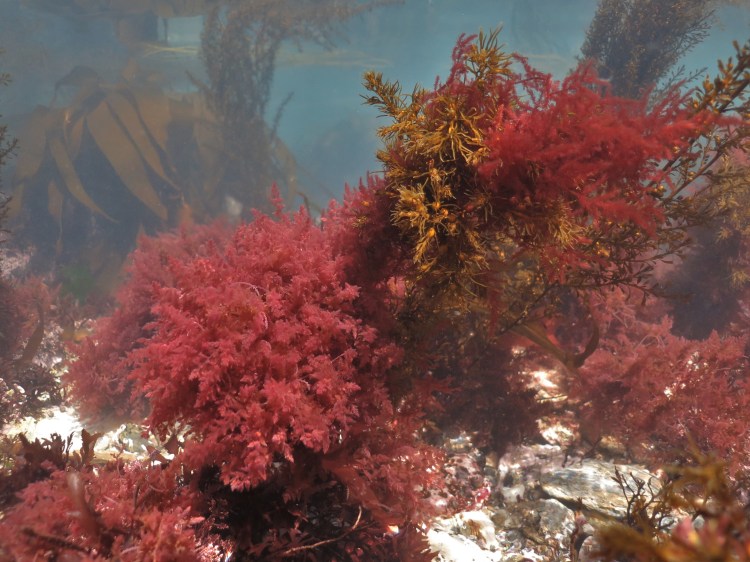
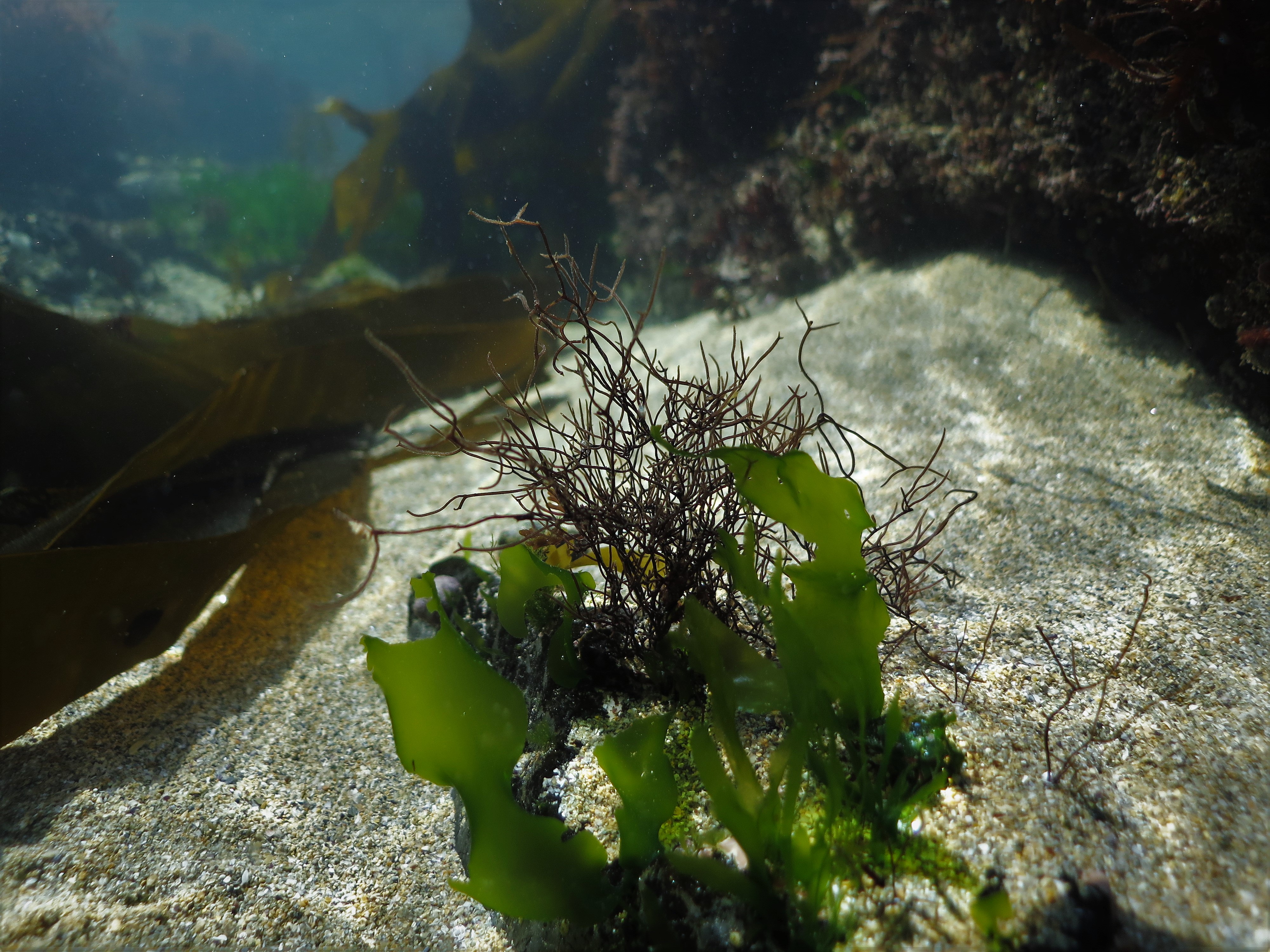
Quick post about an hour worth of snorkelling on Wednesday. Very frustratingly, I had a housing mishap on Saturday, meaning my brandnew Olympus camera and lens got wet. $%&^”! as the saying goes…..I have sent both back for repair and hope all can be fixed relatively fast and cheap. A minor disaster but what can you do? Go out with my old Canon Powershot and wetlens instead I guess! The viz was not the greatest but I can only blame myself for a disappointing haul of photos. I took around 200 (as usual), whittled them down to 75 or so on my camera afterwards and then to 30 or so on my computer. Did some tweaking in ‘Photos’ afterwards but they were 5’s, 6’s and 7’s at most. The midshore pools were looking pretty. Lots of one of my favourite seaweed species Slender-beaded Coral Weed Jania rubens growing on top of (mostly) Hairy sandweed (and possibly Black scour weed). Lots of other epiphytic species grow on top of this assemblage, including Sea lettuce Ulva, Brown fan weed Dictyota dichotoma, Gelidium spp, Ceramium spp, Colpomenia OR Leathisia (I still am not sure of the difference..) and many others.

rockpool photography

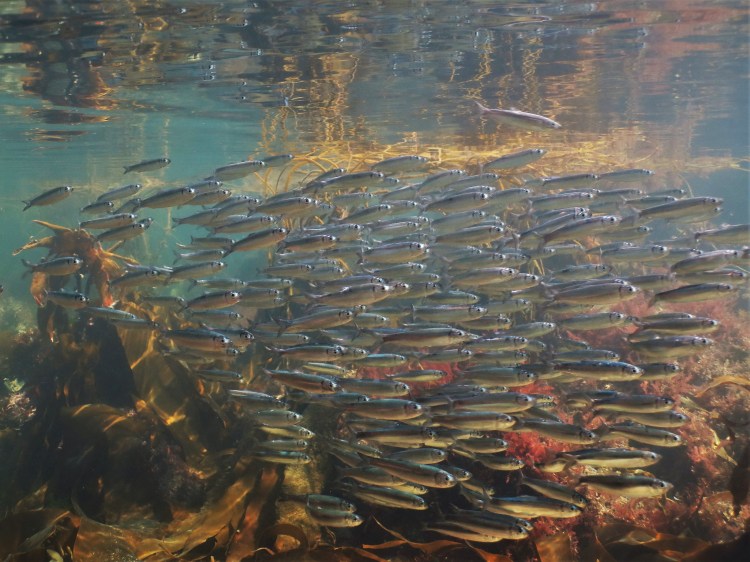
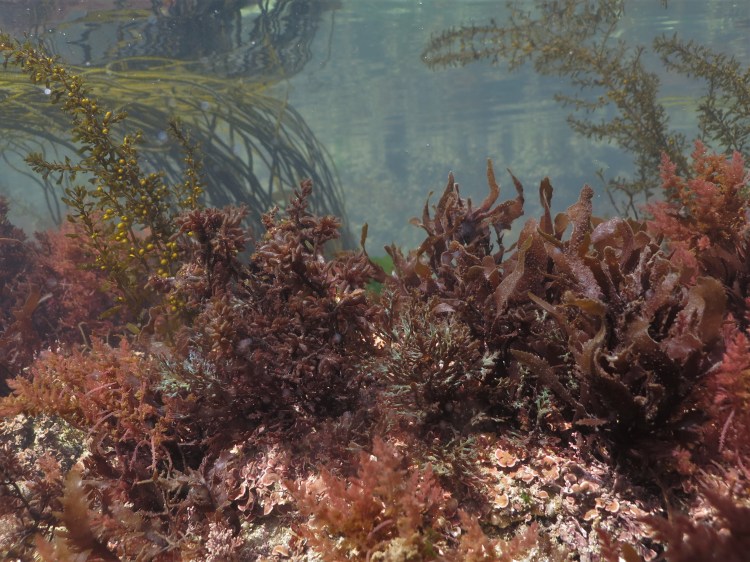
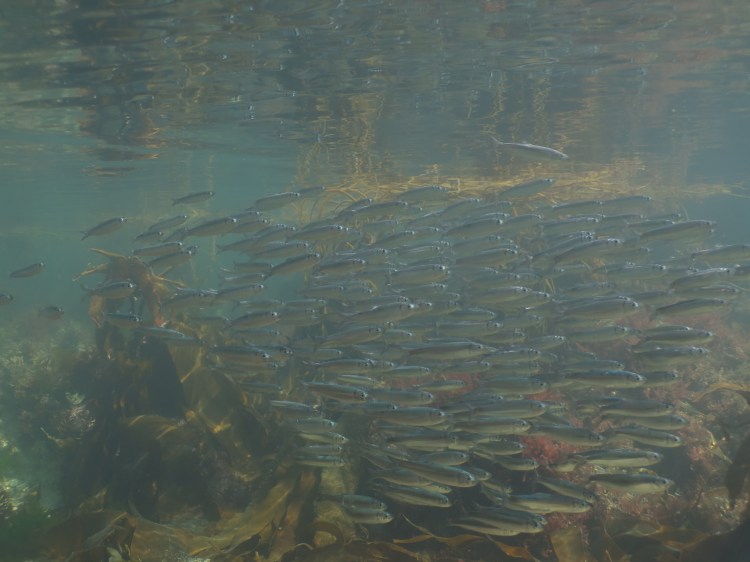
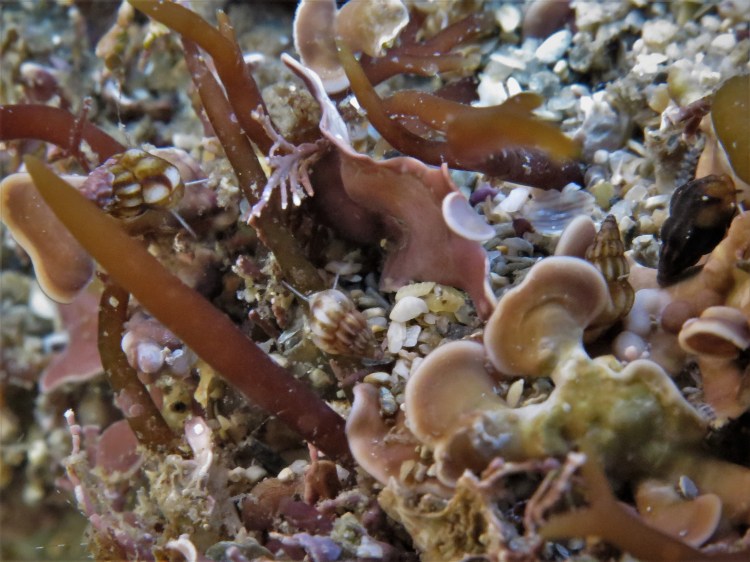
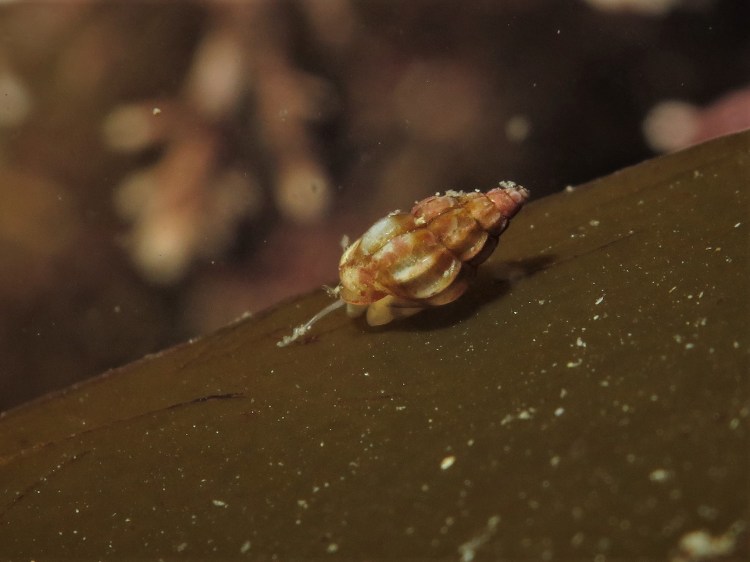
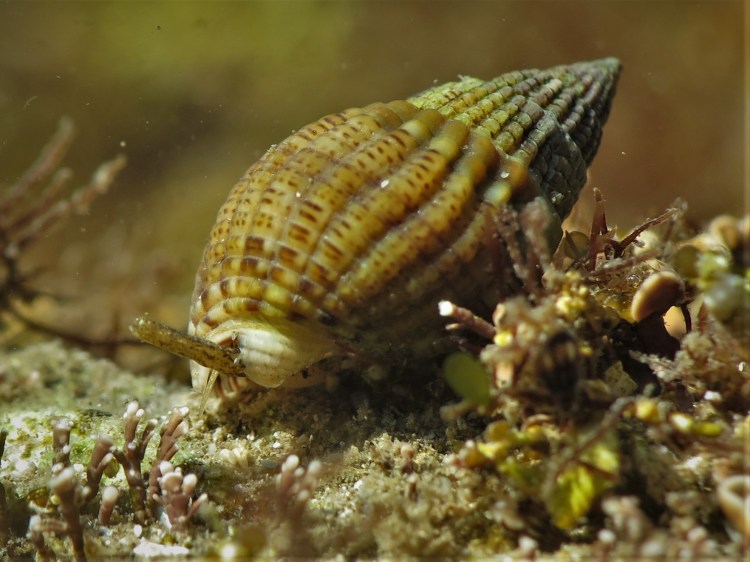
I have been out twice this week with the Canon G16 with the hope of snapping a few good photos (out of the hundreds I take). It was trickier than usual, in part because the viz was not great but also because I am making a bit less progress I feel. Investing in an expensive DSLR + housing will get me further but I do not know if it will be worth the money. However, I still have a lot to do when when it comes to mastering the principles of photography, especially getting to grips with manual settings. In this post I will highlight some of the ‘issues’ am facing; who knows I will be lucky and get some feedback via the blog (and instagram), sharing is caring! As usual, I focussed on the seaweed diversity, although at this time of year it is not the best looking. The photo above is nothing special (the seaweed looks a bit straggly) but I like the blue background. It is interesting the wide diversity of seaweed species on the Red rags in the photo below and I like the contrast of the green sea lettice versus the brown Bushy berry wreck in the second photo but both pics are a bit meh. A main difficulty is that many times the sand (orthe bleached coral weed) contrast with the subject of the photo resulting in excess highlights. I try to counteract this by reducing F-stops (resulting in an overall darker picture) and reduce highlights during post-processing. @chris_exploring recommended to choose overcast rather than sunny days which is probably the best approach (and I will have plenty of opportunities to test this the coming months!) The first pic below of a Two-spotted goby is OK but I could not get quite close enough. The second photo is of course out of focus but I included it anyway to show that some of these photos have great potential. It inspired my own photography rule (the ‘Vos Index’): the beauty of the subject (on a 1-10 scale) times the difficulty of a shot (on a 1-10 scale). We are all trying to score a 100: a perfect capture of a beautiful organism. I am stuck with mediocre captures of beautiful things. Sometimes I get a very good capture but then mostly it is of something not-so beautiful. I shoot JPEG + RAW, which is a bit of a pain as I do not want to clog my hard drive and reviewing and deleting JPEGs and then having to filter for names to delete the associated RAW files is annoying. I actually keep few RAW files because very few photos are worthy of any advanced Photoshop editing, and also the standard Windows photo editing software is not half bad. For example see the photo below of whitebait (impossible to tell if it is herring, sprat or pilchard). It is very low contrast and bluish; by reducing highlights, increasing ‘clarity’ and a bit of cropping the image is completely transformed (although still relatively unusable as the resolution is quite bad).   Finally macro. I just cannot seem to get my strobe to work which is annoying so the pics below are all ambient light. I need to up my game with this as there are so many cool subjects around to shoot if you take time to look. Below some tiny (3-4 mm) snails Rissoa parva. I wanted to zoom in more but was unable to unfortunately. Next a much bigger (2 cm) Netted dog whelk Tritia reticulata (sigh, I knew this as Nassarius reticulatus, and Hinia reticulata but the name has changed again). Next, a baby (3 cm) Tompot blenny Parablennius gattorugine which are one of the easiest fish I know to photograph, not very shy! Finally another challenge to photograph, a mermaids purse (egg case) of a Nursehound Scyliorhinus stellaris shark with a tiny (2-3 cm) embryo visible. I had a little light with me that I used to illuminate it from the back but this could be improved upon as well!
First proper snorkel session of the year

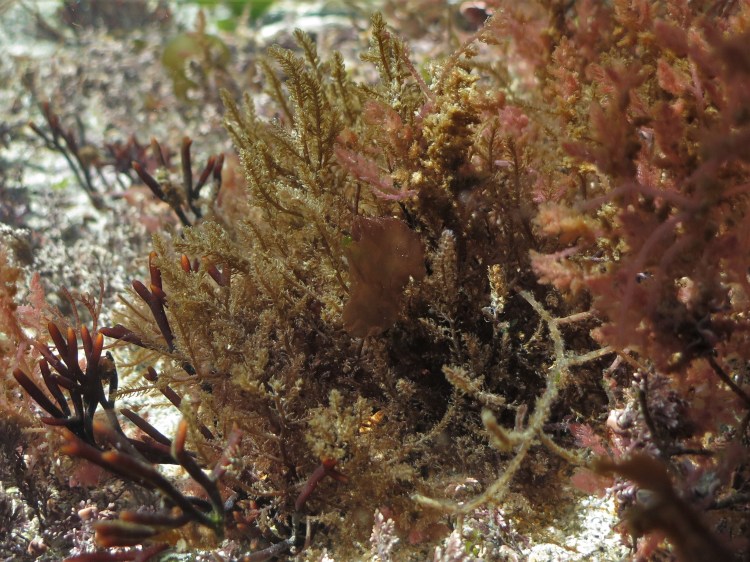
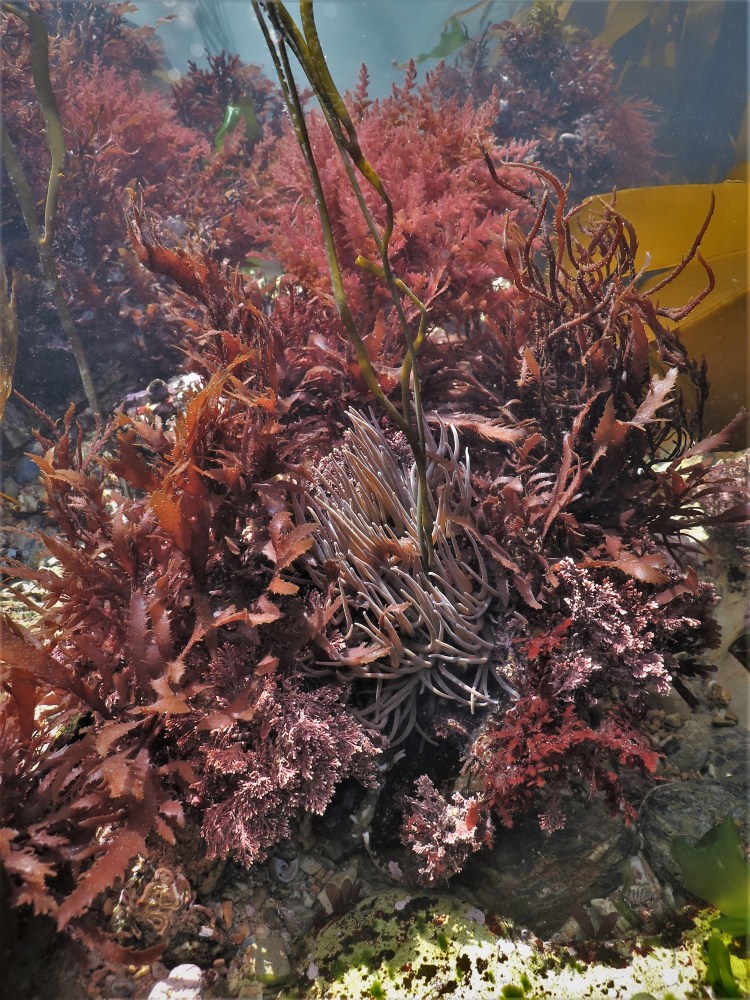
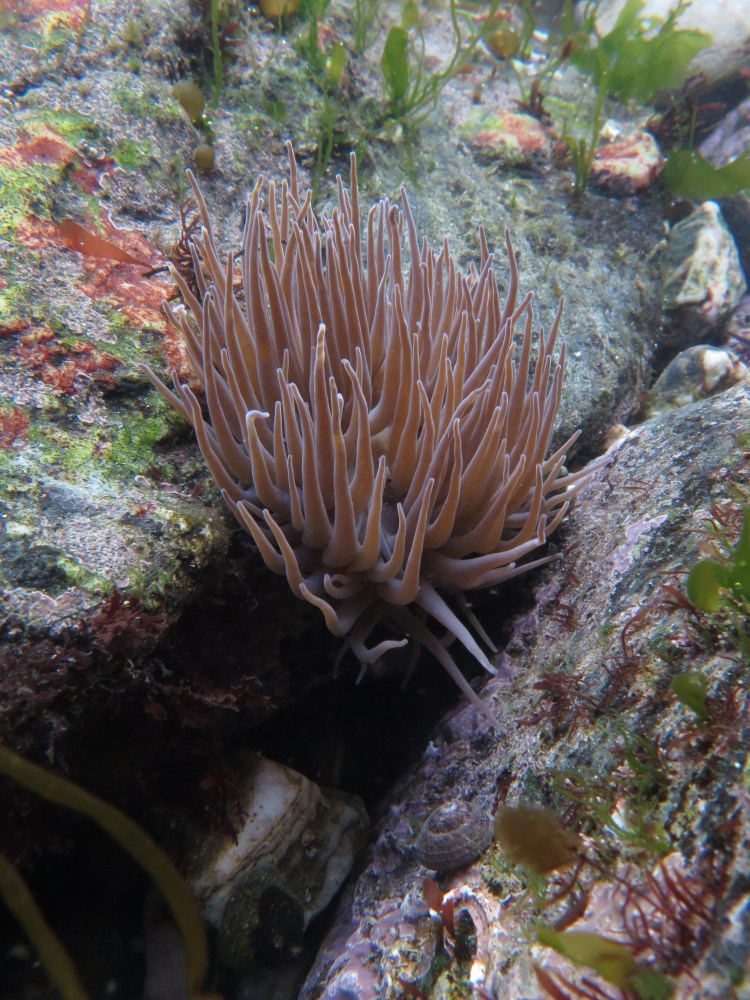
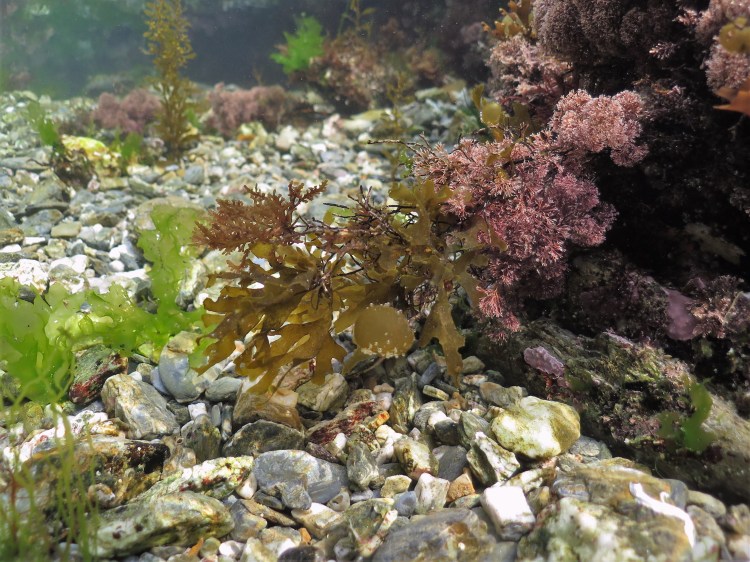
GyllingvaseThis Thursday was only sunny, but also not windy, with a good low tide in the early afternoon, which meant I reserved a few hours to go to Tunnel/Castle/Gylly beach for some snorkelling. The photo above shows Gylly Beach, with the start of Swanpool lagoon behind it and the Lizard in the far distance. (I took this with my iPhone using a Hipstamatic filter; for more iPhone pics of Cornwall see cornwall_hipsta on instagram…). The water temperature was OK (9C?) but the viz was not as good as I hoped. The seaweeds are at their peak now and the pools looked very pretty. Not many fish, but I saw a small brown thing floating around which I first thought was Sea hare, but turned out to be a small (perhaps a Connemara) clingfish lazing about until it noticed me and bolted into the seaweeds. I carefully snorkelled in about half a meter of water, admiring the views and trying to take photos close-up (as the viz was not too good) with my wide angle wetlens. Below an above-water shot of some iridescent Bushy rainbow wrack Cystoseira tamariscifolia and the invasive red Bonnemaisonia hamifera (on the left). I need to go back studying photography basics. A main challenge is contrast. The pools have beautiful white sand, which result in hugely overexposed photos (or completely darkened subjects). I have come up with my own law, the Photography Frustration Index (PFI): the beauty of the subject (B) x the difficulty of capturing it (D). The PFI is very high in the case of seaweeds! Next: Bushy rainbow wrack under Thong weed, Purple claw weed Cystoclonium purpureum, Bushy berry wrack Cystoseira nodulosum covered with the epiphytes Asparagopsis (left) and Bonnemaisonia (right), Hairy sand weed Cladostephus spongiosus, Black scour weed Ahnfeltia plicata (you can see they grow in the sand and must be used to scouring) a ‘bouquet’ of different species (with a snakelocks anemone) and a last photo of a variety of species, including the common False eyelash weed Calliblepharis jubata. The tides and weather conditions are unfavourable the coming days but I hope to go snorkeling again end of the week!IMG_9393
over-unders

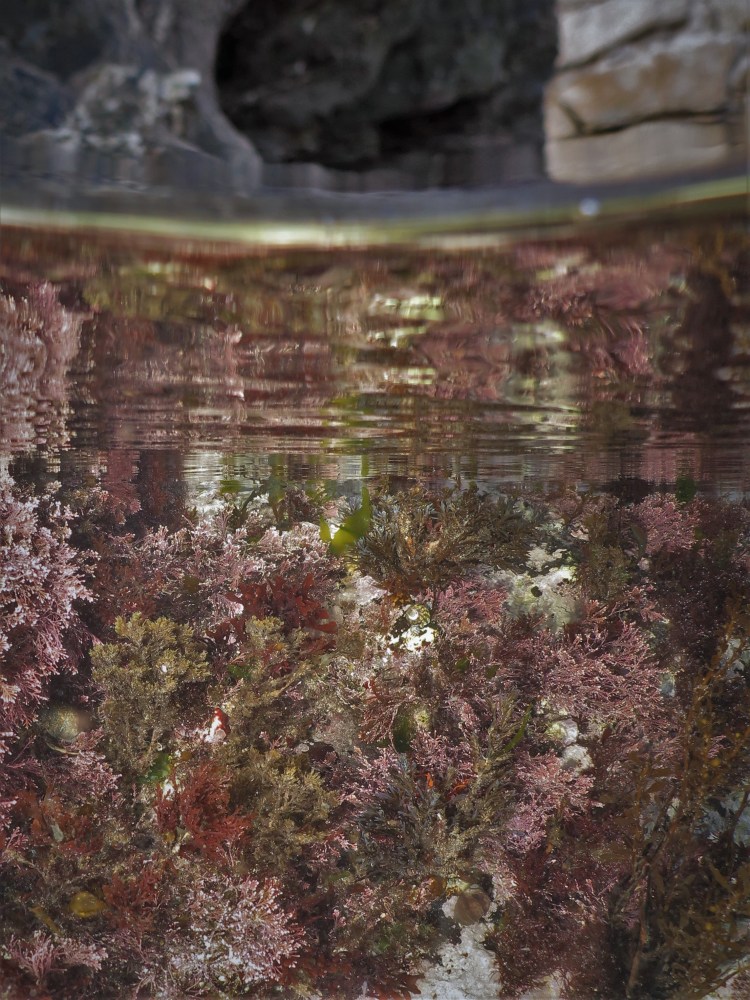
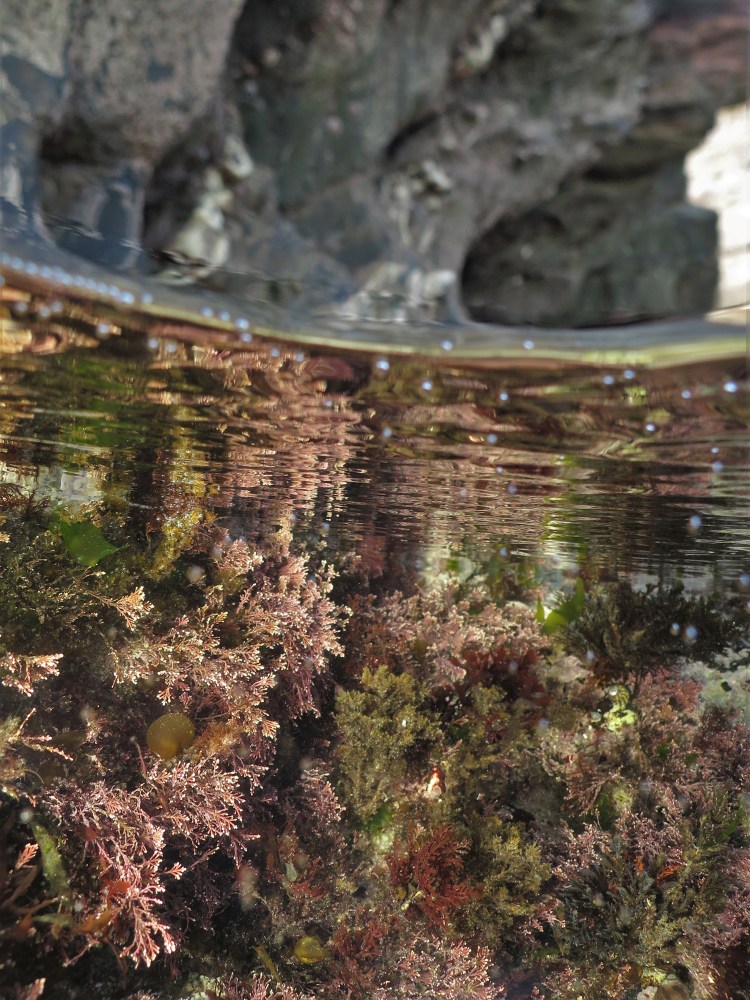
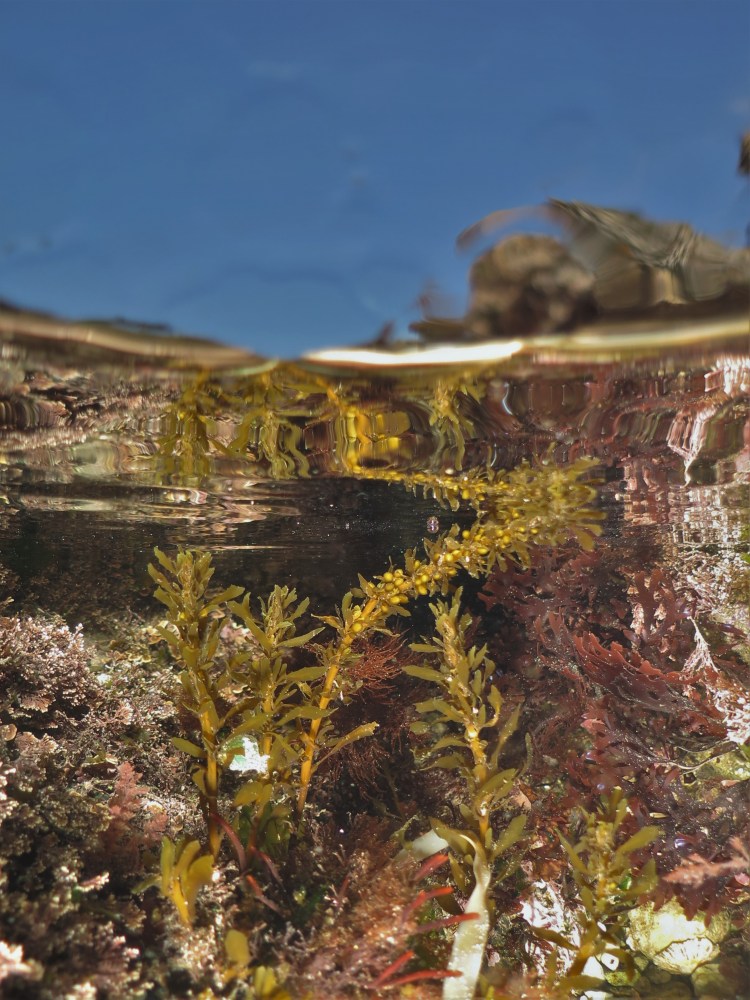
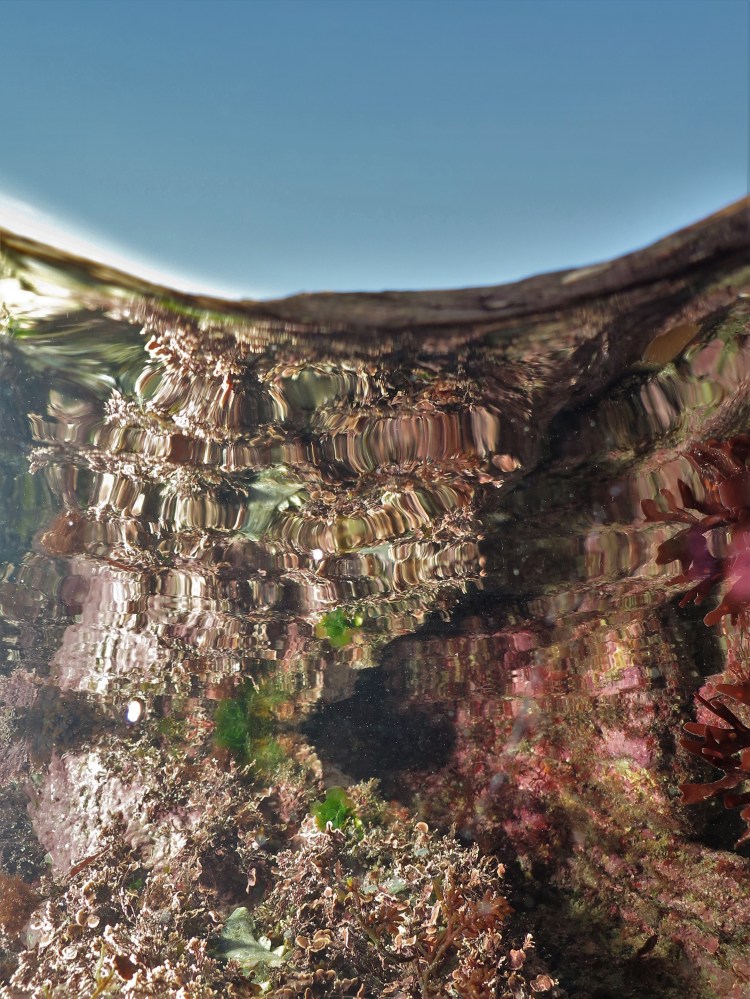
It was cold last Thursday, but I had a window to go to the shore at low tide so I did. Optimistically, I went in full snorkel gear, but when I arrived I could not muster the courage to stick my head underwater! (5 degrees, water probably 9 degrees). So I waded in kneedeep and held my camera underwater to try some ‘over-under’ or split-shots’, with both the underwater- and above-water world in view. This is tricky using a wetlens, as there is water between the housing and the lens, which slowly leaks out when lifting the housing out of the water, resulting in a meniscus. The only way to do it is to be quick and frequently resubmerge the housing and get the lens off and back on. I brought my strobe as well (not attached to a tray but holding it in my other hand). This is crucial, as the above water part gets really over-exposed. I compensated 2 or 3 f-stops to prevent this; the strobe then lights up the even darker below-water part. At least, that was the idea, the strobe often made it too bright underwater (I have a simple ‘TTL’ strobe and not one where the strobe output can be manually adjusted) so I had to fiddle increasing the distance I held it from the camera. Post-processing bringing down the highlights was definitely necessary. Anyway, it was good fun to play around, and some of the shots are half-decent considering the circumstances. I definitely will try this more when it is a bit warmer and I can snorkel and look through the viewfinder. (At the end a conventional shot of a small snakelocks anemone just because it was pretty.)