Pheasant Shells

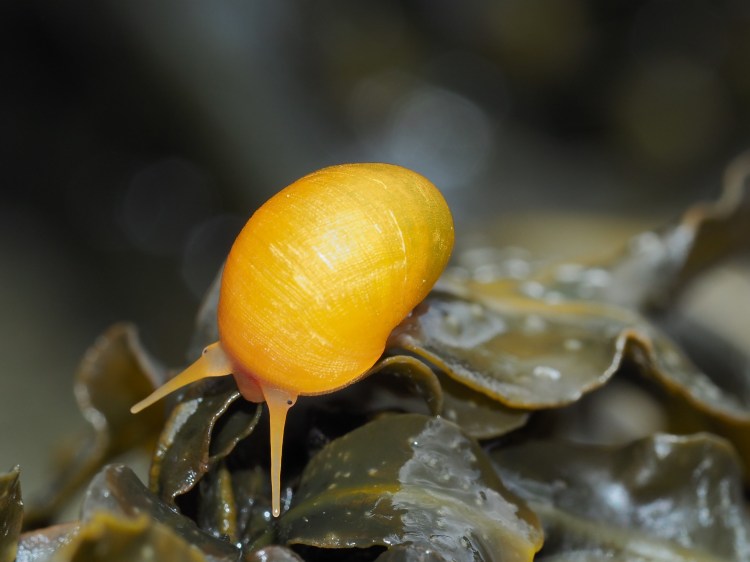
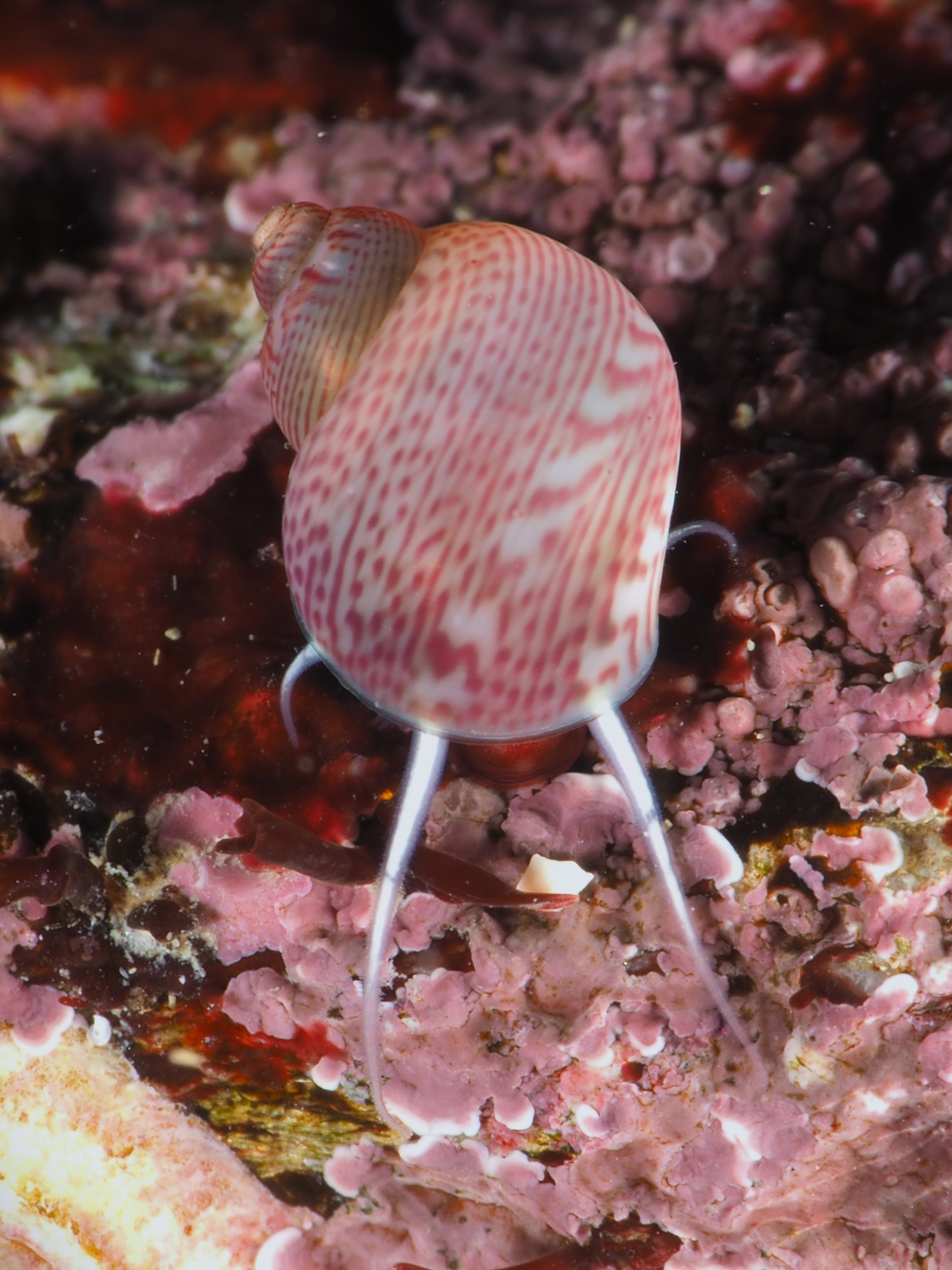
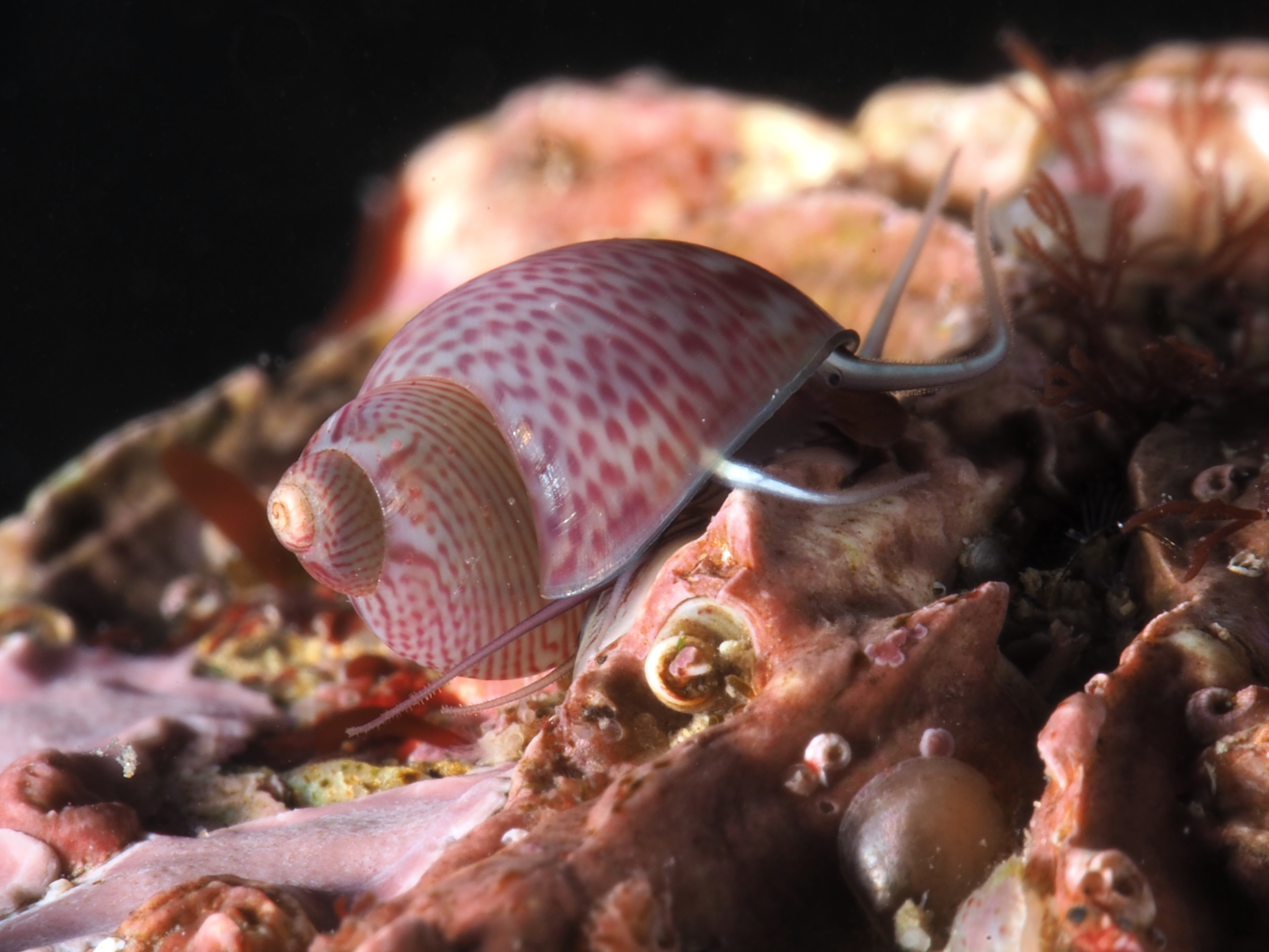
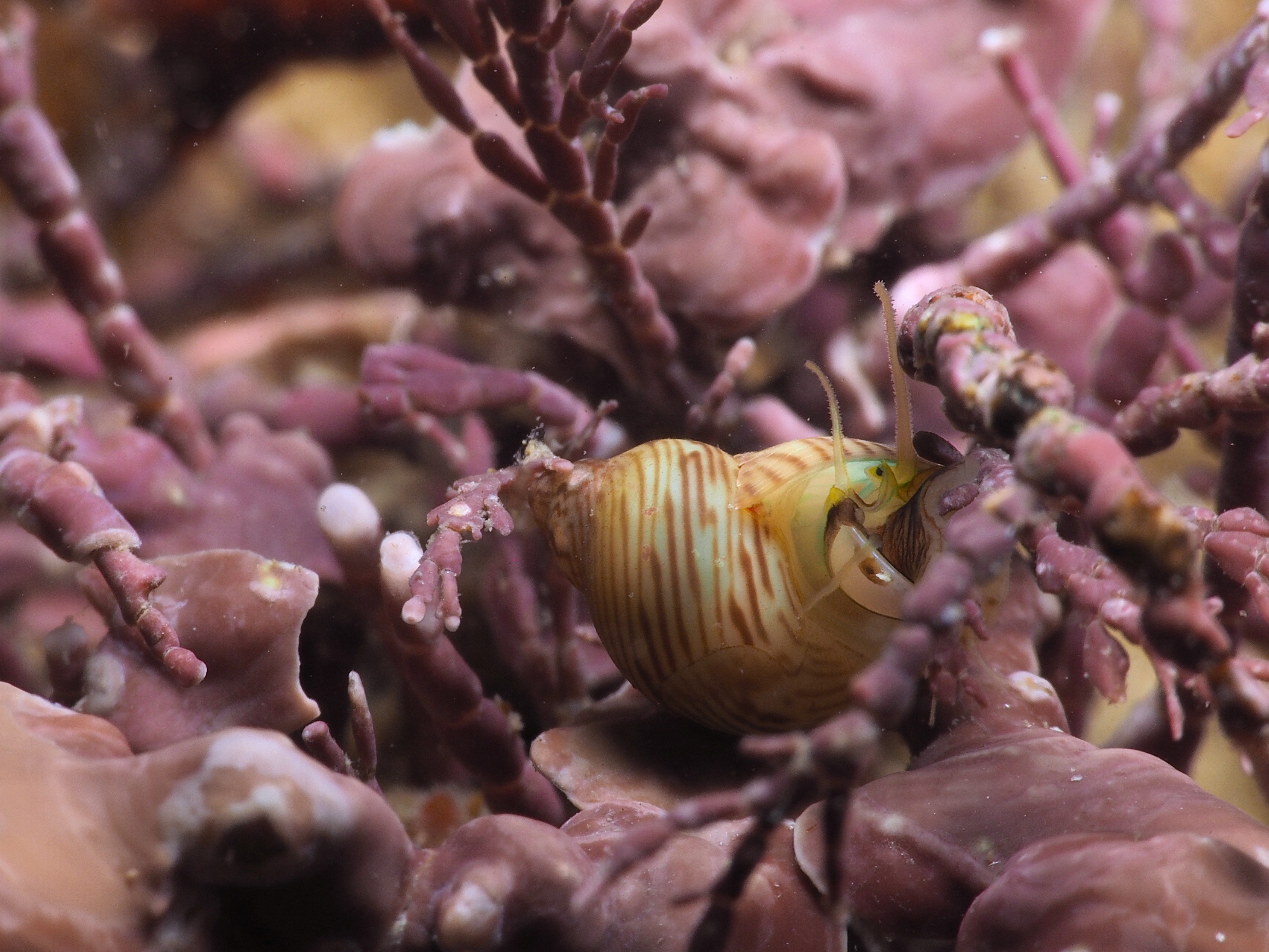
The Pheasant Shell is one of my favourite little critters in the rockpools in Falmouth. It is a bit weird to refer to these organisms as ‘shells’ actually, as they are living things and the nonliving shell is ofcourse only a part of them. The confusion extends to its scientific name: this species was previously known as Tricolia pullus, but has recently been split into a Southern European T. pullus species and a Northern European T. picta species. Perhaps the dust needs to still settle on that one.
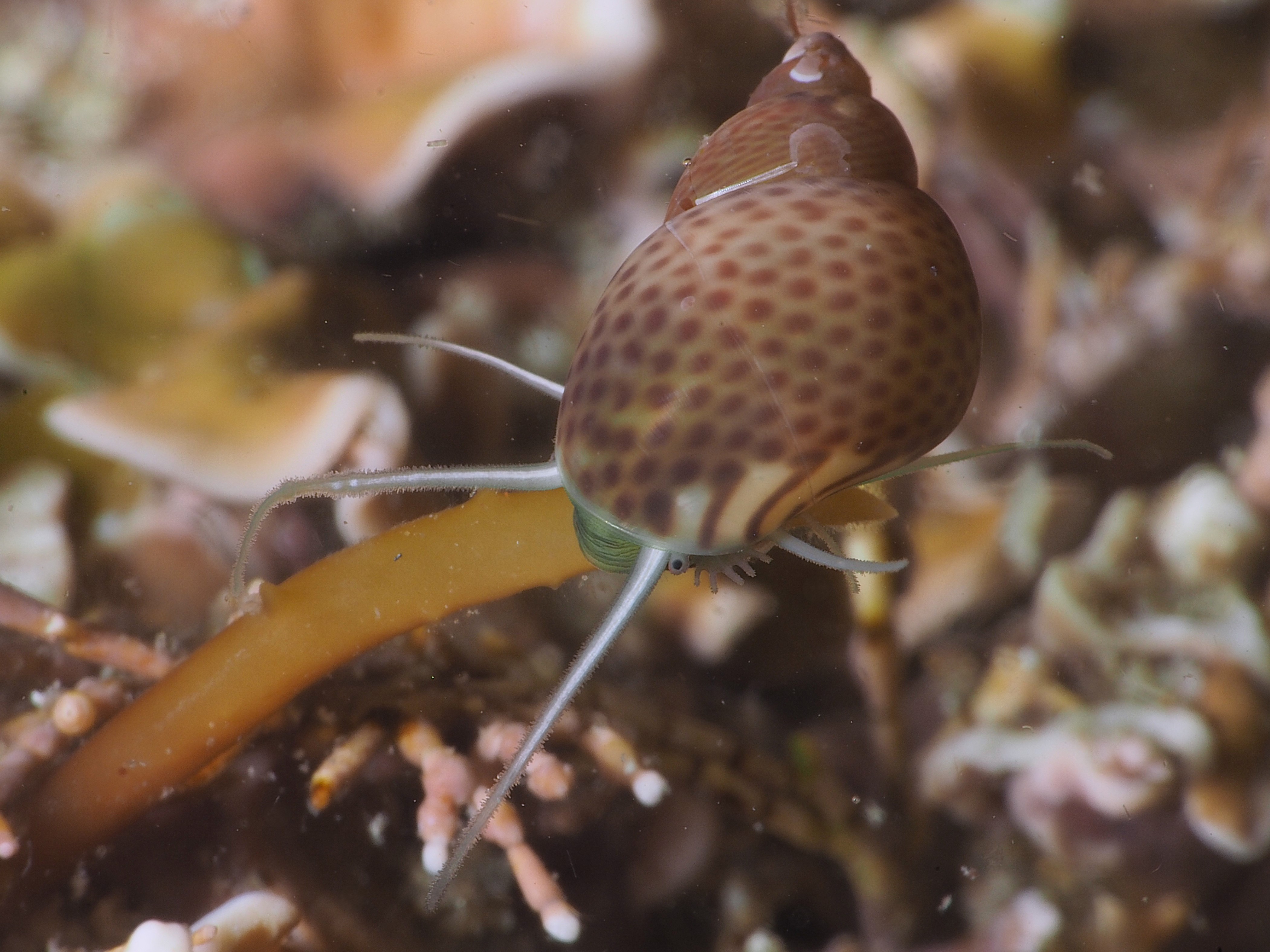
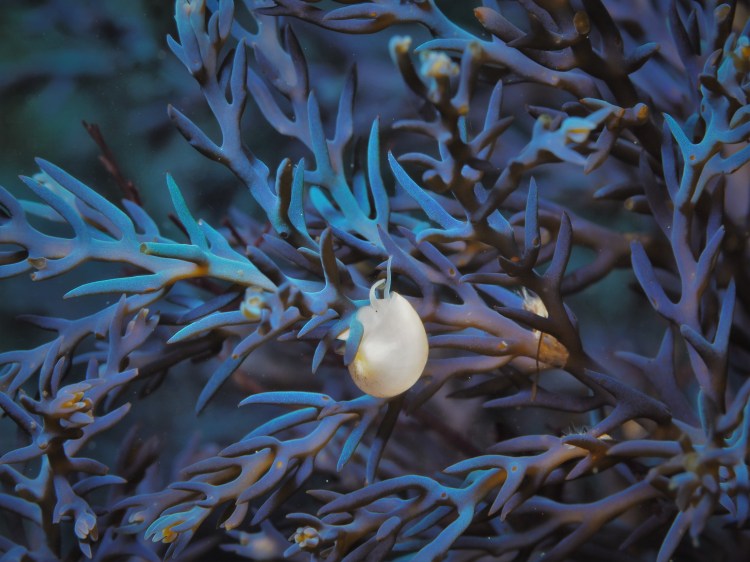
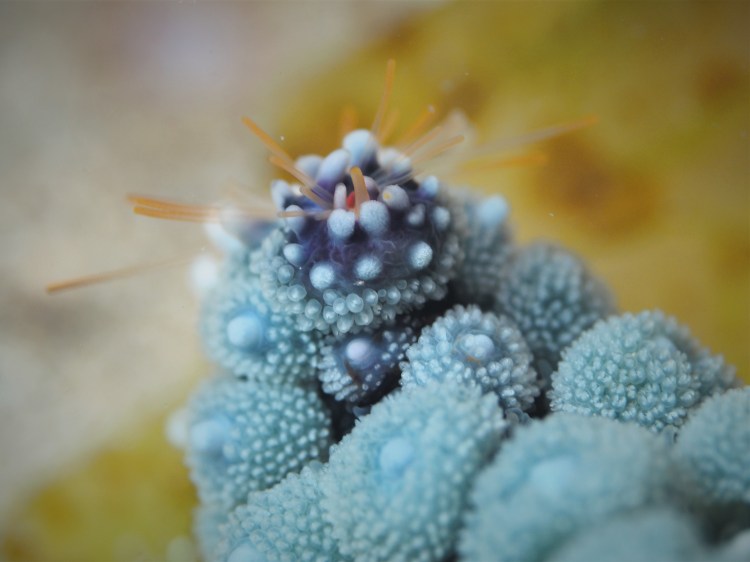
I have taken these photos, on different occasions, with the mzuiko 60mm macrolens and the nauticam cmc-1 wetlens. The extra magnification the latter lens (screwed onto the housing) offers is great; although somehow I always want to get even CLOSER! I have not nailed the Pheasant Shell shot either. Reflecting on these pics I think I need to use a shallower depth of field to get rid of cluttered backgrounds. Next time.
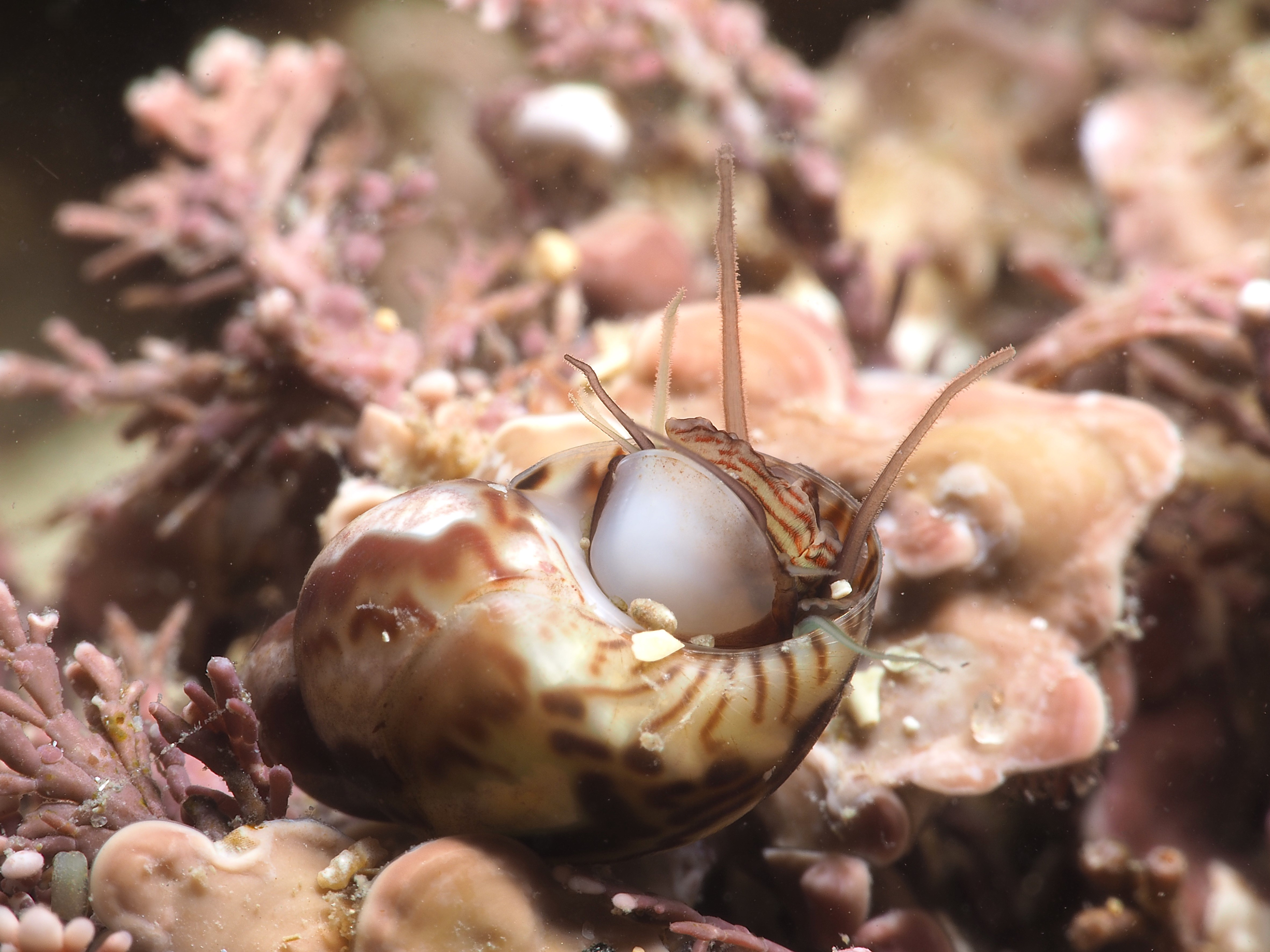
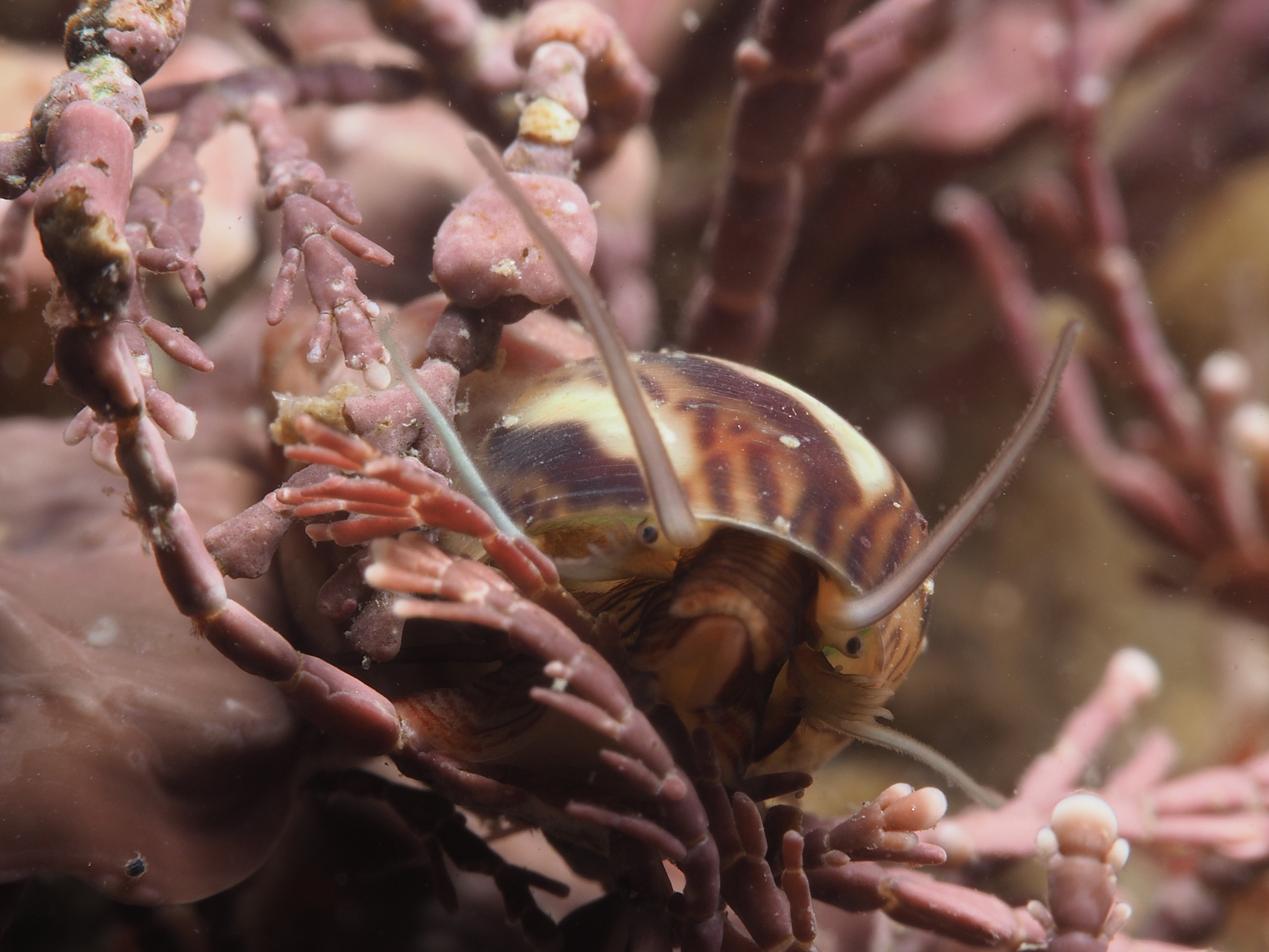
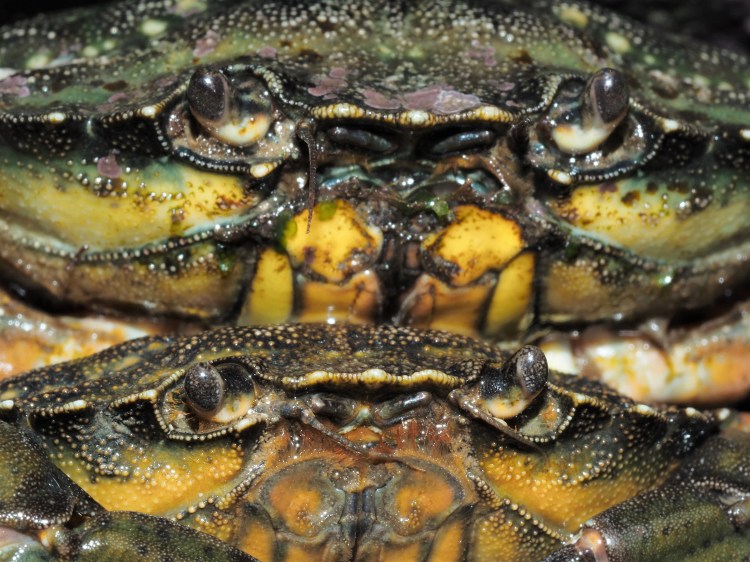
The calcified operculum (the little door to close the shell) is clearly visible in the first photo above, as are the tentacles. On the second photo above you can even see that the left ‘neck lobe’ is more deeply digitated (fingerlike) than the right one. For more detailed (studio)shots of this and other molluscs please see Morddyn’s flickr account. I will post more macroshots of other mollusc species soon!
Olympus Photos 2019

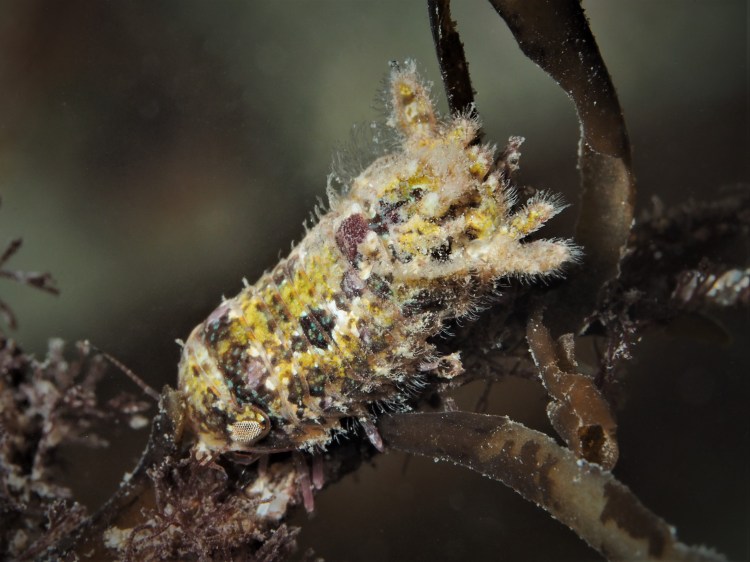
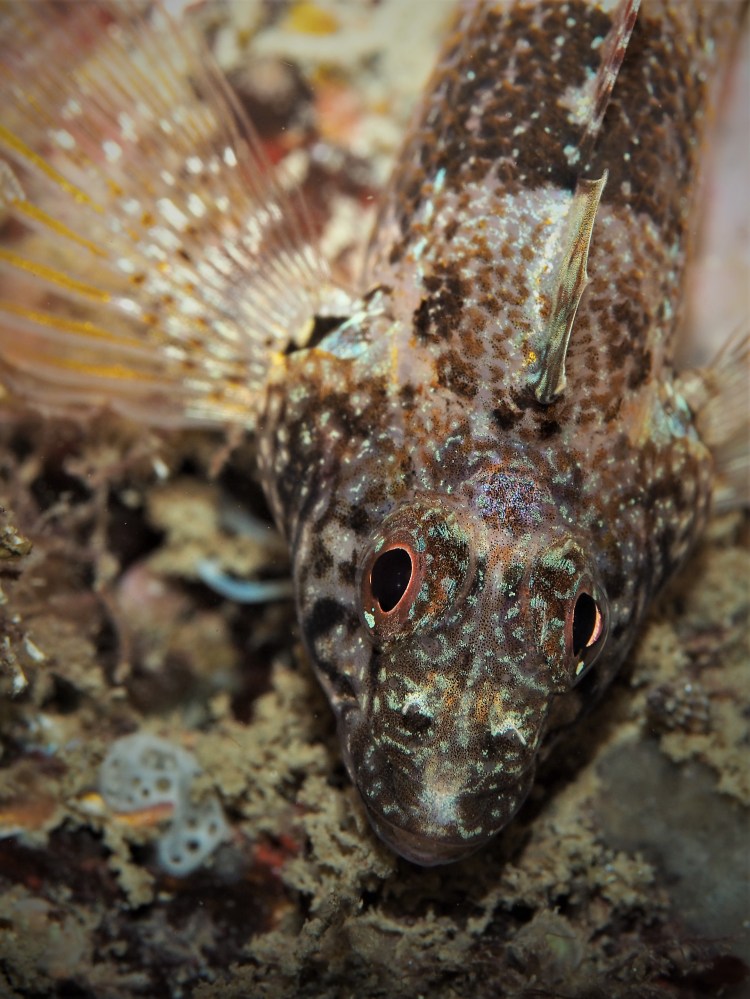
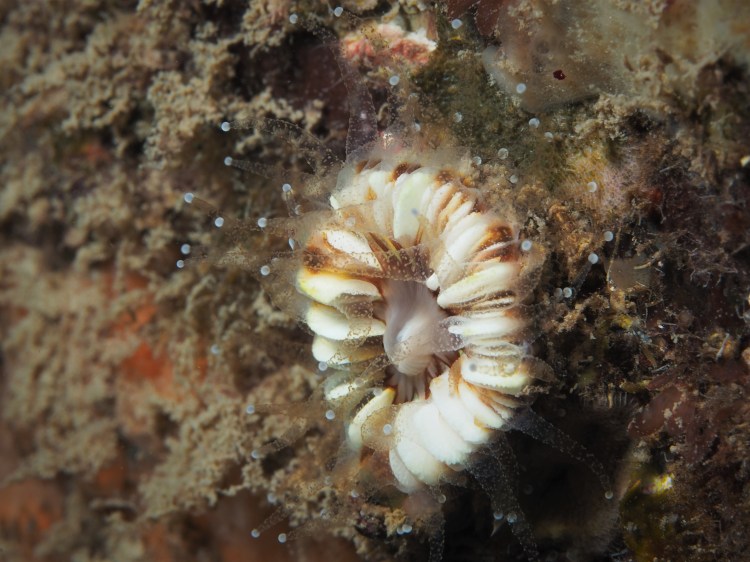
This was the year I switched from my trusted Canon G16 compact camera (with wetlenses) to a mirrorless Olympus OM-D E-M5 II (with ‘actual’ lenses). Throwing money at things is not necessarily a guarantee for improvement, but it definitely helps! The shot above (from this post) was commended at the 2019 Falmouth Underwater Film Festival. This was made using the few times I went out with the mzuiko fisheye lens and is shot using natural light. (For some more natural light wide angle shots taken snorkelling on the north coast see this post.) I mostly used the mzuiko 60mm macrolens in combination with my strobe. The weather at the start of the year was so foul I initially used it  abovewater during rockpooling. The shot below of a Flat periwinkle is quite simple but one of my favourites ‘topside’, together with the shot of the two Shore crabs: Below are some favourite underwater macro shots (the best pics I also post on instagram). Macrophotography I find easier, as the camera settings remain quite invariable (small aperture with a short shutterspeed because of the flash) and the composition is often (but definitely not always!) simpler compared to shots of say an entire rockpool. First some taken snorkeling in rockpools. The first is a Chink shell on Bushy rainbow wrack. The iridescent nature of the seaweeds means it is bright blue or purple viewed from one direction, but a dull brown from the other. If you get it right, it makes a very striking background and it is definitely a subject I want to explore more. After that, detail of the tip of a Spiny starfish, a European cowrie and a pill isopod. Below some macroshots taken while (shore)diving off Silver Steps in Falmouth. A Blackfaced blenny, a Leopardspotted goby and a Devonshire cupcoral. Many more photos of course if you scroll down. I have now also invested in a new strobe and new strobe arms. Having two strobes will allow me to take wide angle photos without depending on (dim) natural light, for instance whilst diving. My second strobe is manual so I can ramp up the strobe power if needed for macro too. I still struggle with positioning even a single strobe, so having two will be frustrating in the beginning I am sure. I am hopeful this new investment will pay off though. As for the blog, I have updated the links page. It is high time I post an update on the tank. I have not been diving much but hopefully next year I can collect some new species of anemones for it (and of course take photos, although the two activities are pretty much mutually exclusive). My new years resolution will be to get in the water more. I wish all blog readers a happy and healthy 2020!

Macro Practice VI

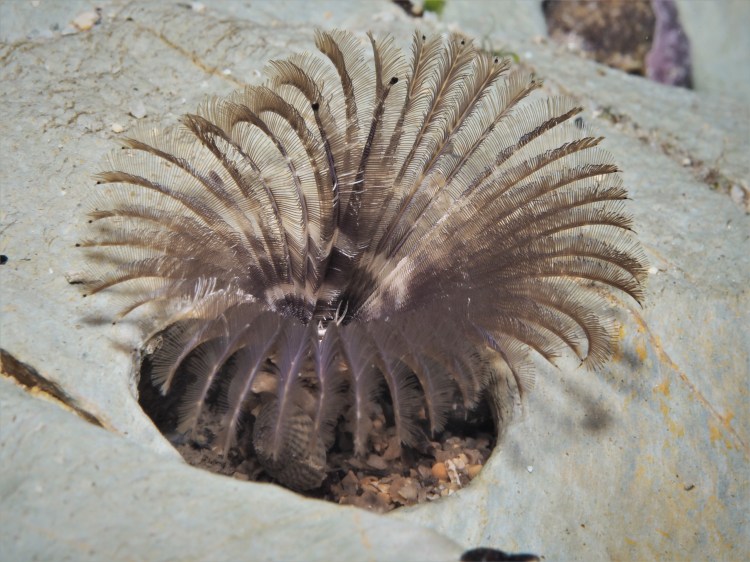
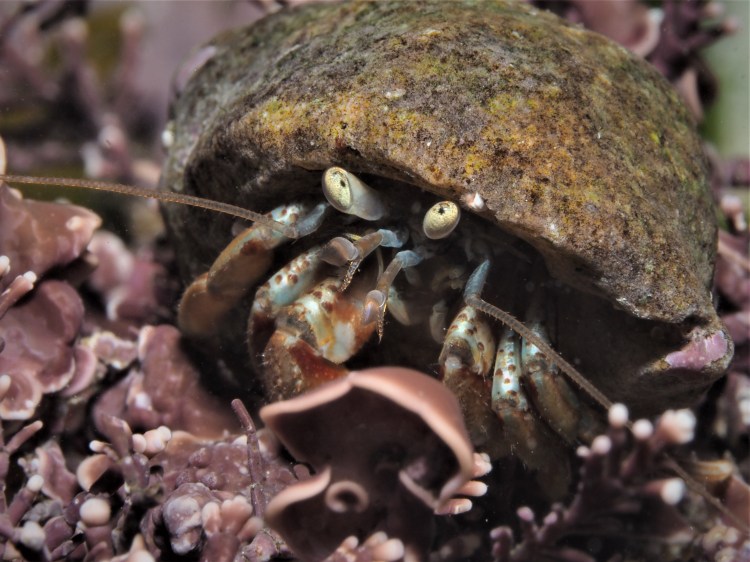
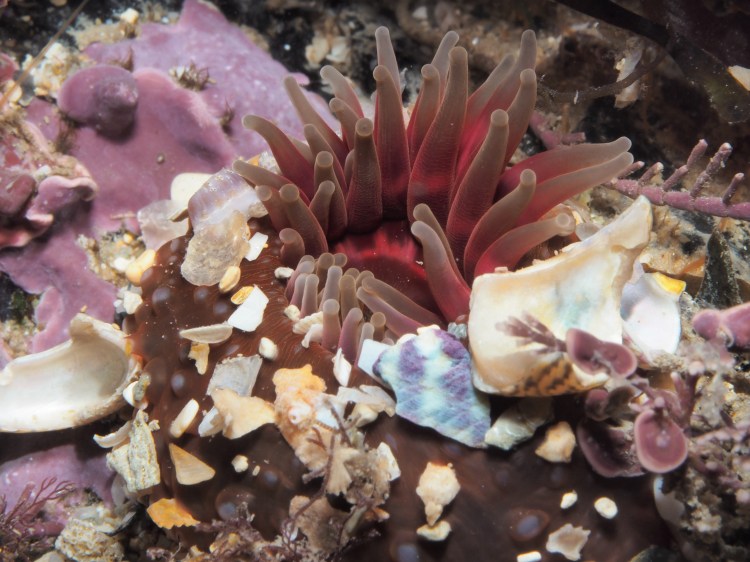
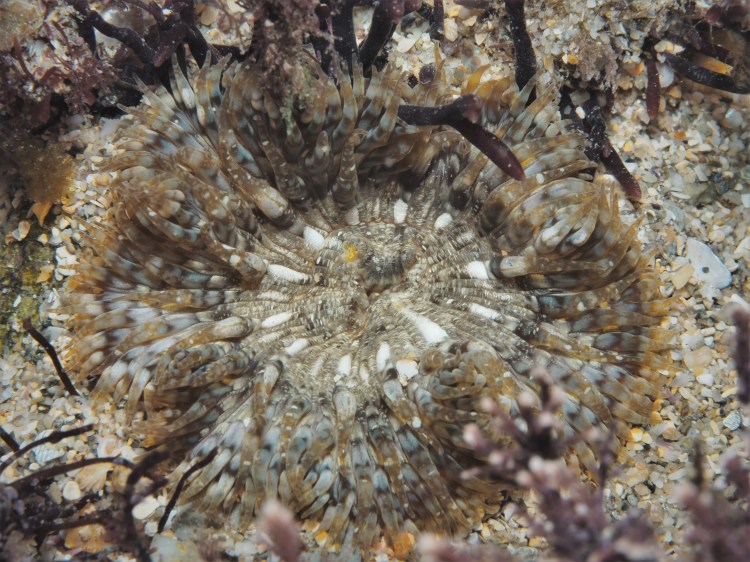
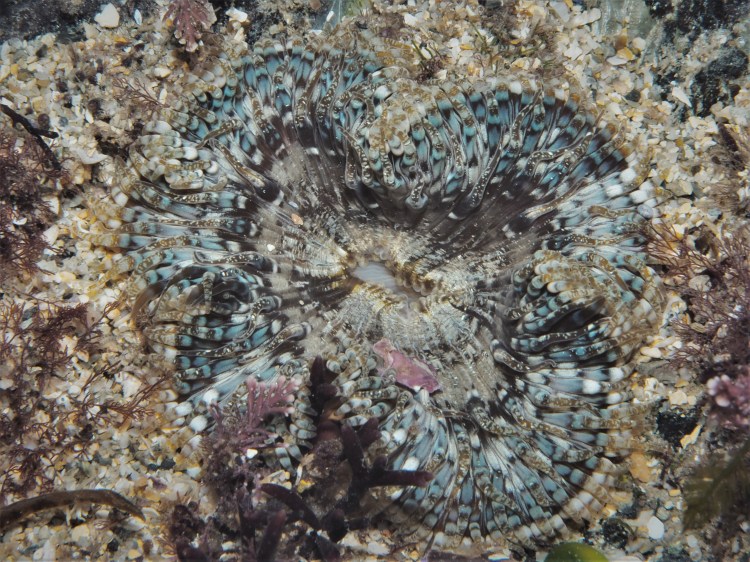
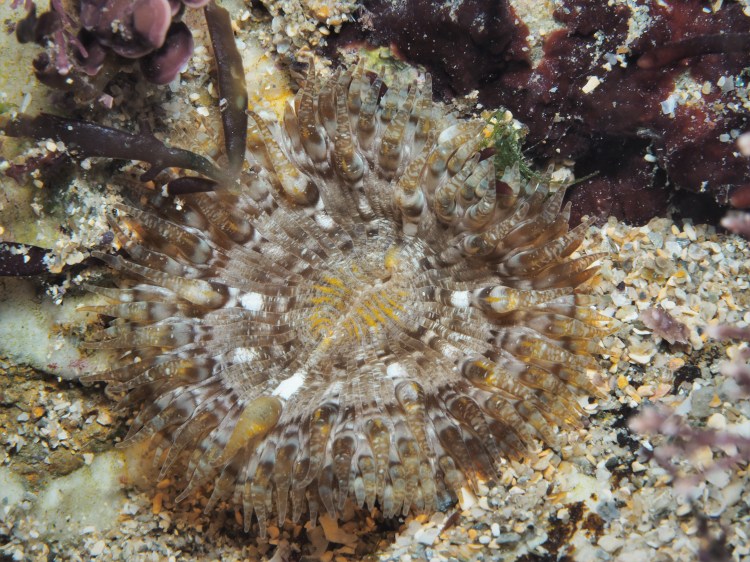
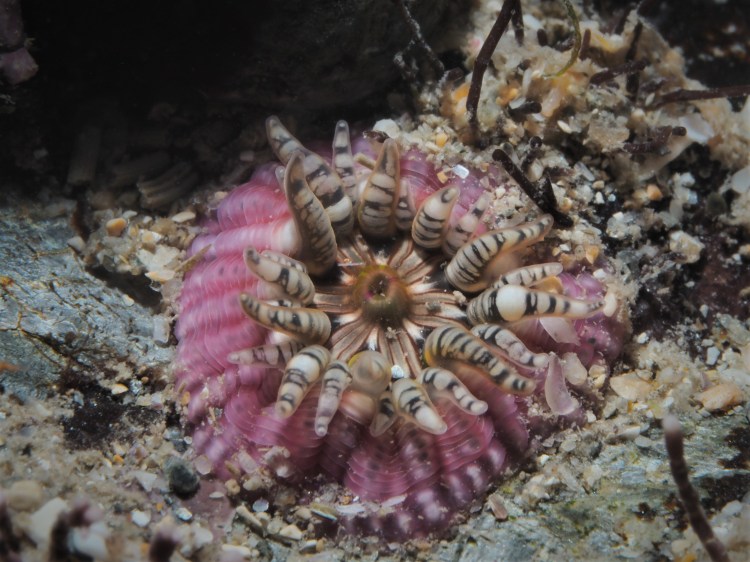
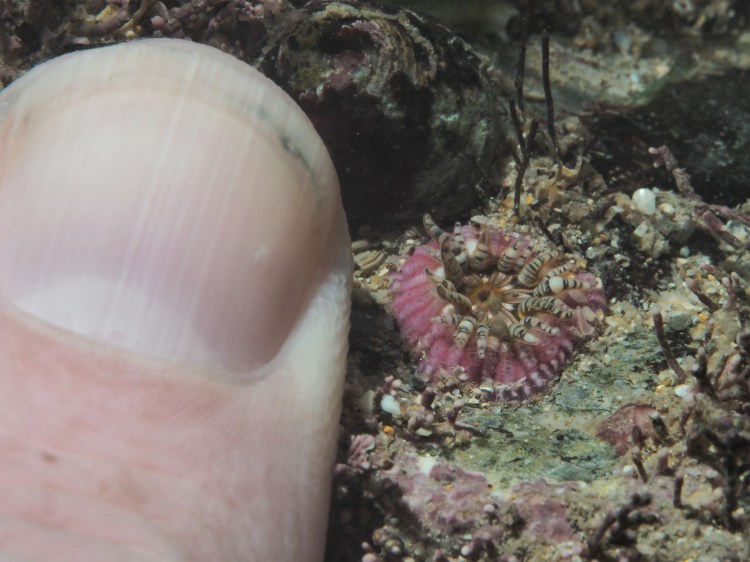
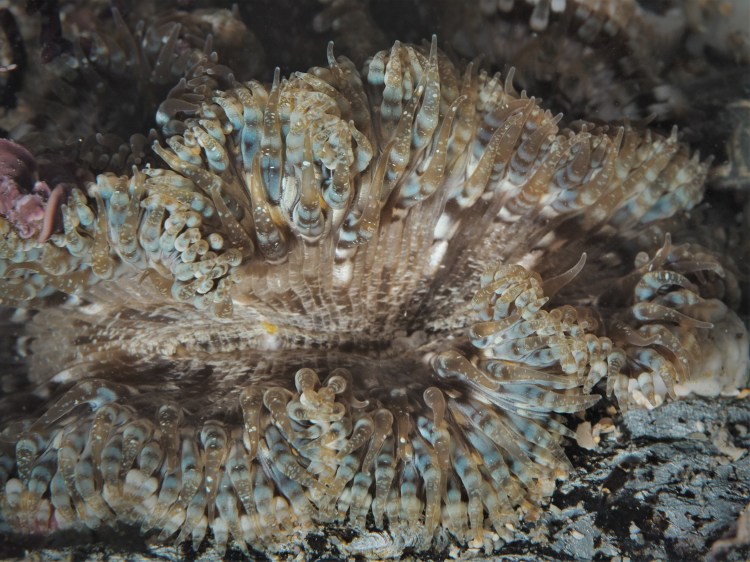
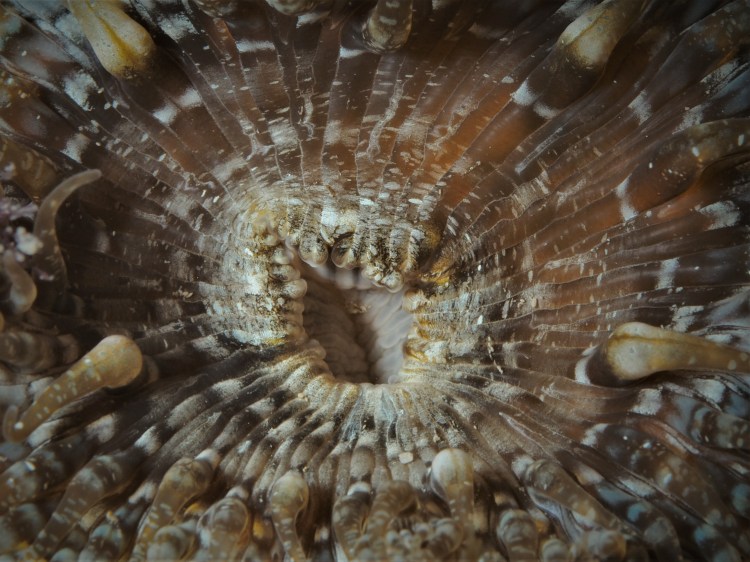
The tide was bad (i.e. low and too early to catch it on time), the water was cold and it was very windy but it was good to go for a dip this morning. I now have a different strobe arm which makes it easier to position my strobe, which has often been tricky. Time for some macro practice. The photos are not that special but I hope interesting enough for you blog readers! Above a Peacock worm Sabella pavonina sticking out of an abandoned piddock hole. Below a common Hermit crab Pagurus bernhardus, a Grey chiton Lepidochitona cinerea, a very small Dahlia anemone Urticina felina (note the warty, adhesive column) and some Daisy anemones Cereus pedunculatus.

Dahlia anemoneDaisy anemone Daisy anemone

Macro Practice V

It has been a while since exploring the rockpools, as the weather has been pretty horrific. However, I had a good go last week and this weekend. Although quite bleak, there was no wind and no rain. The water is getting down to 11 degrees probably (I have not measured it), so pretty chilly. There are quite some solarpowered seaslugs Elysia viridis on the Codium seaweed but I did not manage to get any good photos. In fact, I am still struggling a lot just getting the strobe to properly light up what I am aiming to photograph. A bit frustrating but that is why I keep practicing. Above a pill isopod, probably Cymodoce truncata (with the fringing hair on the rear uropods indicating it is a male). Below, a tiny Gem anemone Aulactinia verrucosa. There are a lot of small Daisy anemones Cereus pedunculatus amidst the Coral weed, they look brownish but when you zoom in there is some blue as well. Finally, a Netted dogwhelk Tritia reticulata, which are very common and active in the rockpools. Cold but always nice to be in the water. Luckily I emerged right on time when I saw my Sainsbury’s bag with glasses, car keys and phone drifting away due to the incoming tide!