Went on a good dive at Silver Steps in Falmouth yesterday.The visibility wasn’t that great, but for the most part we were rummaging under overhangs in gulleys just off the coast. Sweeping aside the kelp reveals many fine red seaweeds, sponges, bryozoans and small Devonshire cupcorals. We saw the ubiquitous Tompot blenny Parablennius gattorugine as well as a Bib (or Pout) Trisopterus luscus. Overhead there were many Sandeels as well as some relatively large Pollock Pollachius pollachius hunting them: However, there was a much more remarkable fish we spotted, namely the Black-faced blenny Tripterygion delaisi. We first saw a male, bright yellow with a black head and beautifully skyblue-lined fins. Only after a while we noticed the inconspicuously coloured female. The male is coured this way only in the breeding season. (We later saw another larger male, no female, although that was probably closeby.) My fish guides tell me that this Mediterranean species was first spotted in the UK in the 70s and that it is currently present in only two or three locations on the South West coast. Some browsing on the web has told me that in recent years they have been recorded in more locations but they still must be relatively rare (and I therefore won’t be attempting to catch them). Global warming will likely extend the range of this species more firmly northwards; one of the very few positive effects of our addicition to carbon… Lastly, I now managed to get a shot of the Candy striped flatworm Prostheceraeus vittatus:

Tag Archives: Tompot blenny
aquarium update 11
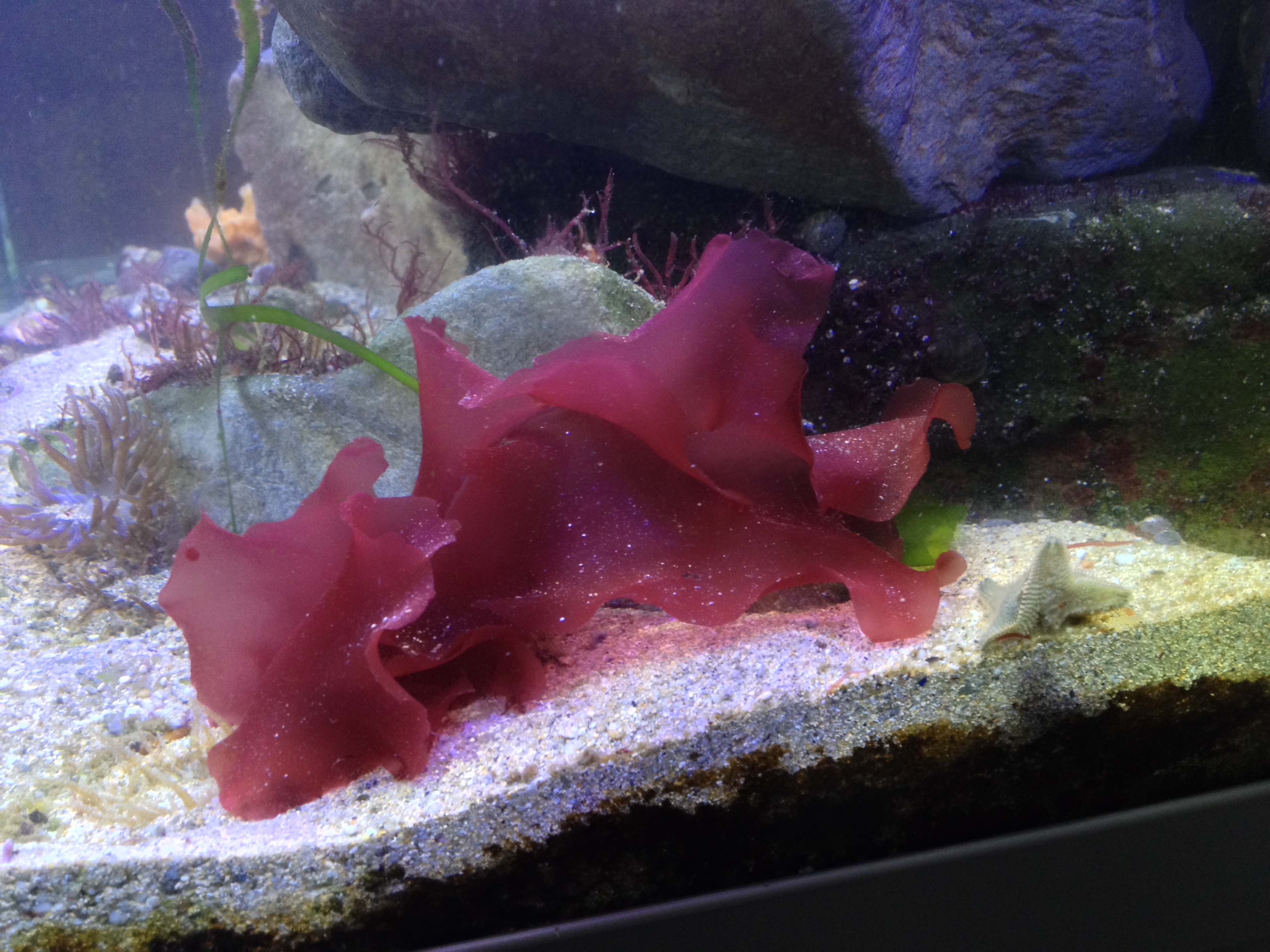
The aquarium was in desperate need of a make-over (again…). I hauled a ton of rocks over from the beach and stacked them up. (I thought at first that I would need something to stick the rocks together (epoxy, superglue or waterfall foam) but that wasn’t really necessary). I also removed most of the gravel and replaced it with sand. So quite a big change but it really looks a lot better. However, my nice burrowing Red-speckled anemones suffered a bit when putting the sand in, and even after siphoning it off again I could not really find them anymore….hopefully they turn up again!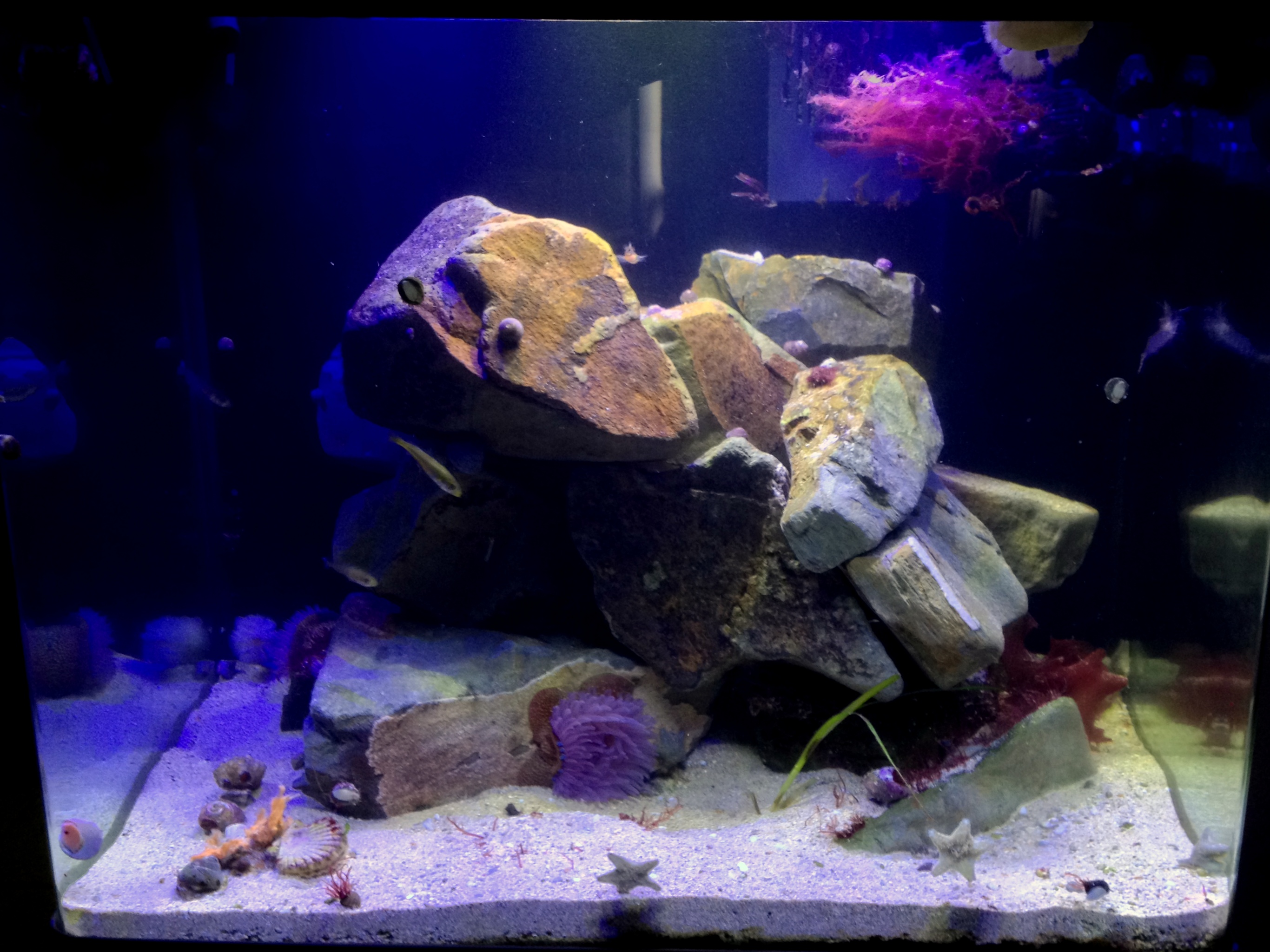 The aquarium is still a bit bare and I have to go out and collect things that will live on the rocks, such as anemones and seaweeds. However, there is some progress on the seaweed front. There is a bit of Irish moss Chondrus crispus growing spontaneosly from the back wall. There are also some patches of pink corraline algae; which must be Coral weed Corralina officinalis judging from one outgrowing patch. Having this species grow would be great, but they do not seem like fast growers. Chrysymenia wrighti is still thriving on the circulation pump; I remove a bit every now and then, so it acts as an ‘algae scrubber’, removing nutrients from the water. I have placed a couple of other seaweeds in the aquarium, a bit risky as they can die off and start trouble, but I can’t help it. The red Soliera chordalis below has done well before but unfortunately has started to die off a little already (first pic). I have a big piece of a flat red species that has started to grow from nowhere as well (second pic).
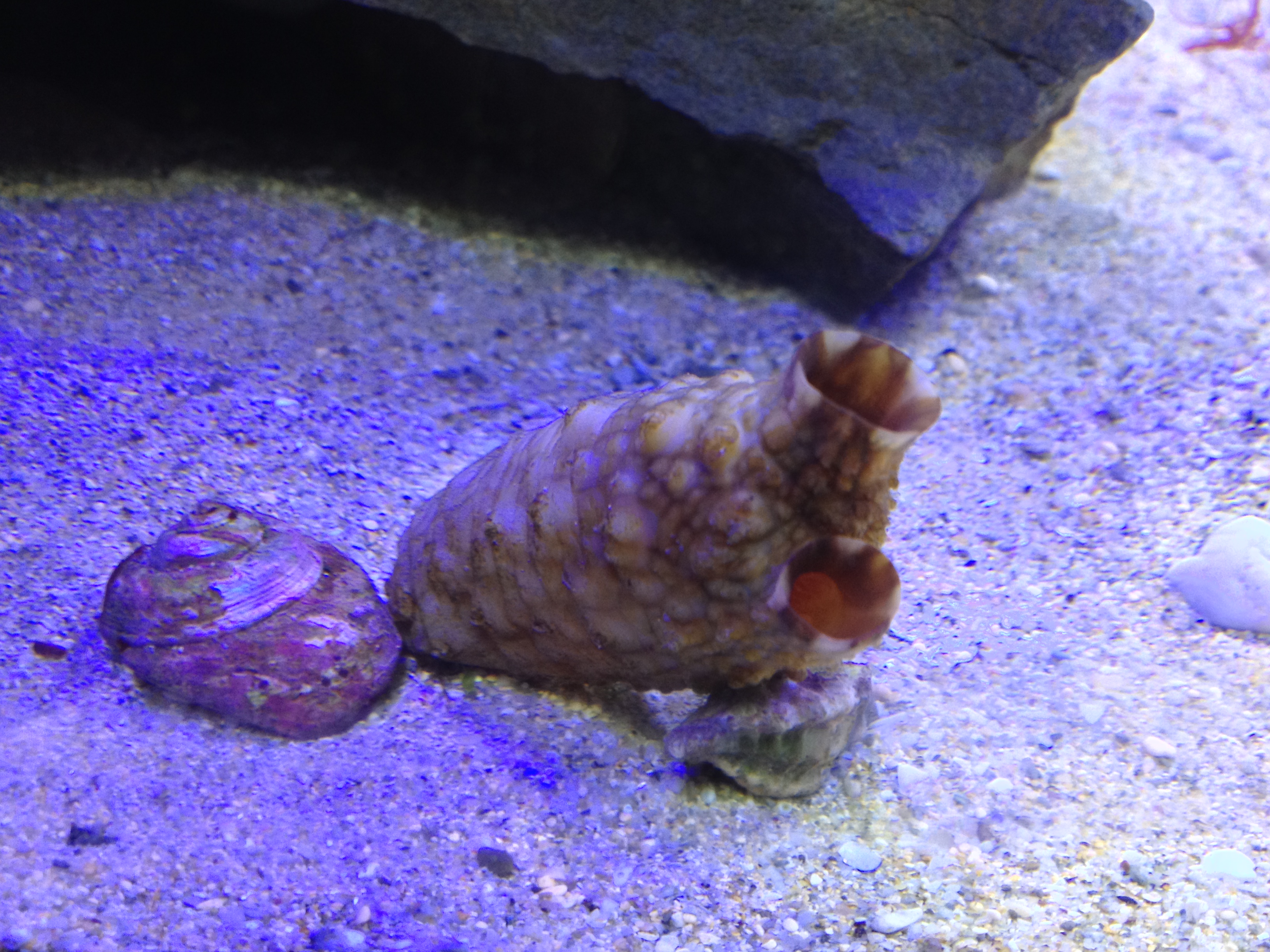
 One day, the aquarium was full of strings of Painted topshell eggs. I noticed when feeding a day later that the water was not very cold: I had forgotten to switch the pump/chiller back on two days previously! So the trick to breed this species is to increase the temperature, although I am not expecting much to happen with the eggs. Either the Thick-lipped or Netted dogwhelks are also occasionally sticking their egg masses to the glass. I placed a chunk of orange Estuarine sponge in the aquarium; this was devoured by Painted topshells and Cushion stars, so it is a good bit of live food to add. I had planted a little washed-up eelgrass plant to see if it would survive and indeed it has grown more roots. (If you want to try this yourself, please always use washed up plants and don’t dig out any, as eelgrass beds are vulnerable habitats.) It would be great to have a second tank dedicated to eelgrass….The little scallop is still happy (see close-up). I have added another filter feeder: a Leathery sea squirt Styela clavata. Butt-ugly, but that is actually fun too. I am trying it out as they are an invasive species and so probably pretty hardy. A Sting winkle seems to like it (but not eat it). I have never seen my two Sting winkles eat anything actually. They move about very slowly, but they have grown.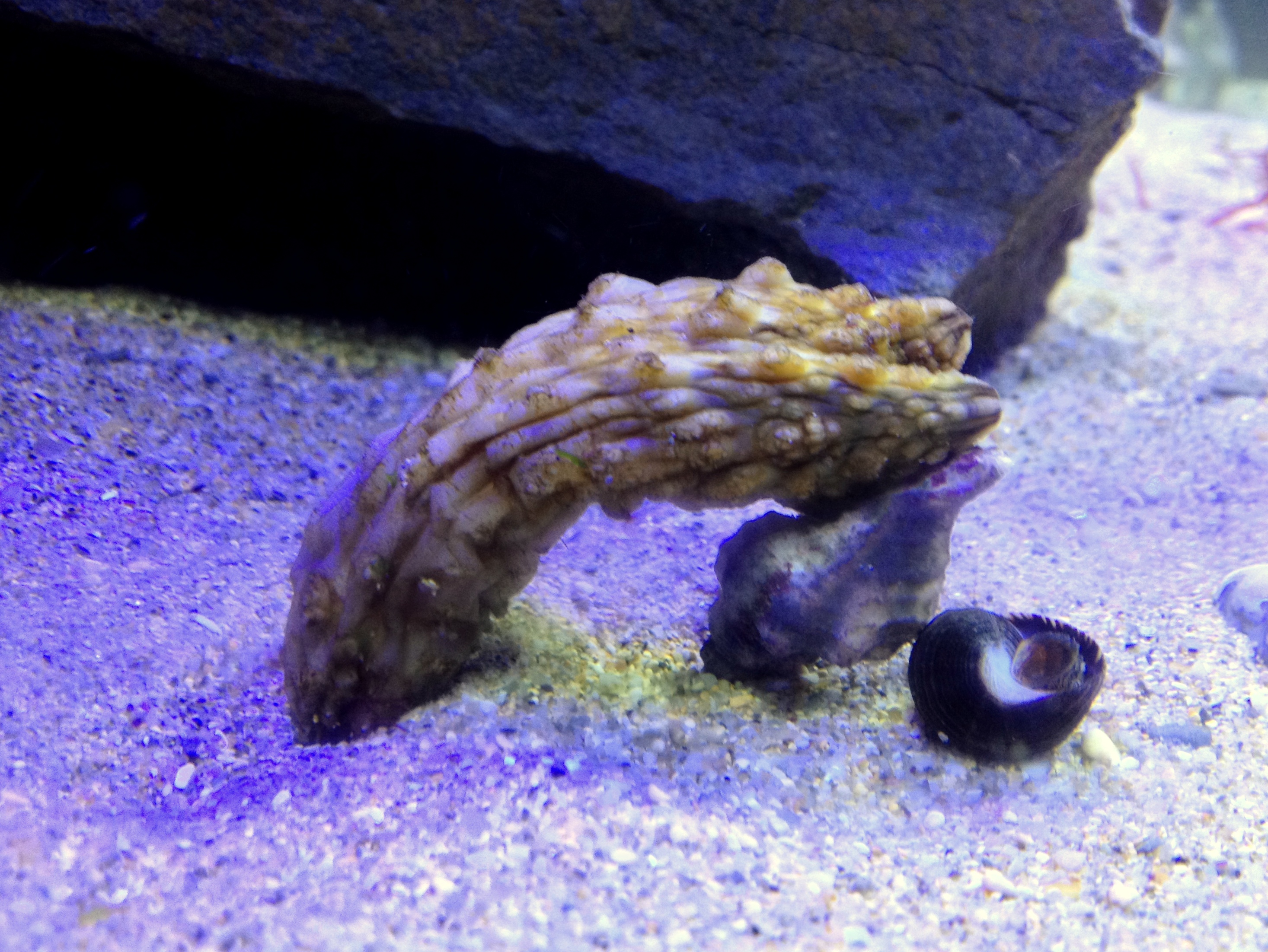
 Now the snakelocks anemones are gone, I have added some more fish. I have caught some juvenile Pollack Pollachius pollachius with my net. At first I caught ones that were less than an inch, but they did not survive. Of the six two-inch or so ones I caught, three dissappeared after one day, but the remaining three are going strong. Very nice looking fish! I also caught a little Tompot blenny Parablennius gattorugine (by hand at low tide). It is quite shy, but is increasingly showing itself. A beautiful little fish! I have one remaining Two-spotted goby. The Common goby is doing very well and eats from my hand. I think I’ll go for another little tompot, more Pollack and Two-spotted gobies. Ideally I would catch some Leopard-spotted gobies with a trap when diving, let’s see….The other fish I would like to have again is the Goldsinny wrasse: very pretty and not as nervous as Corkwing wrasse.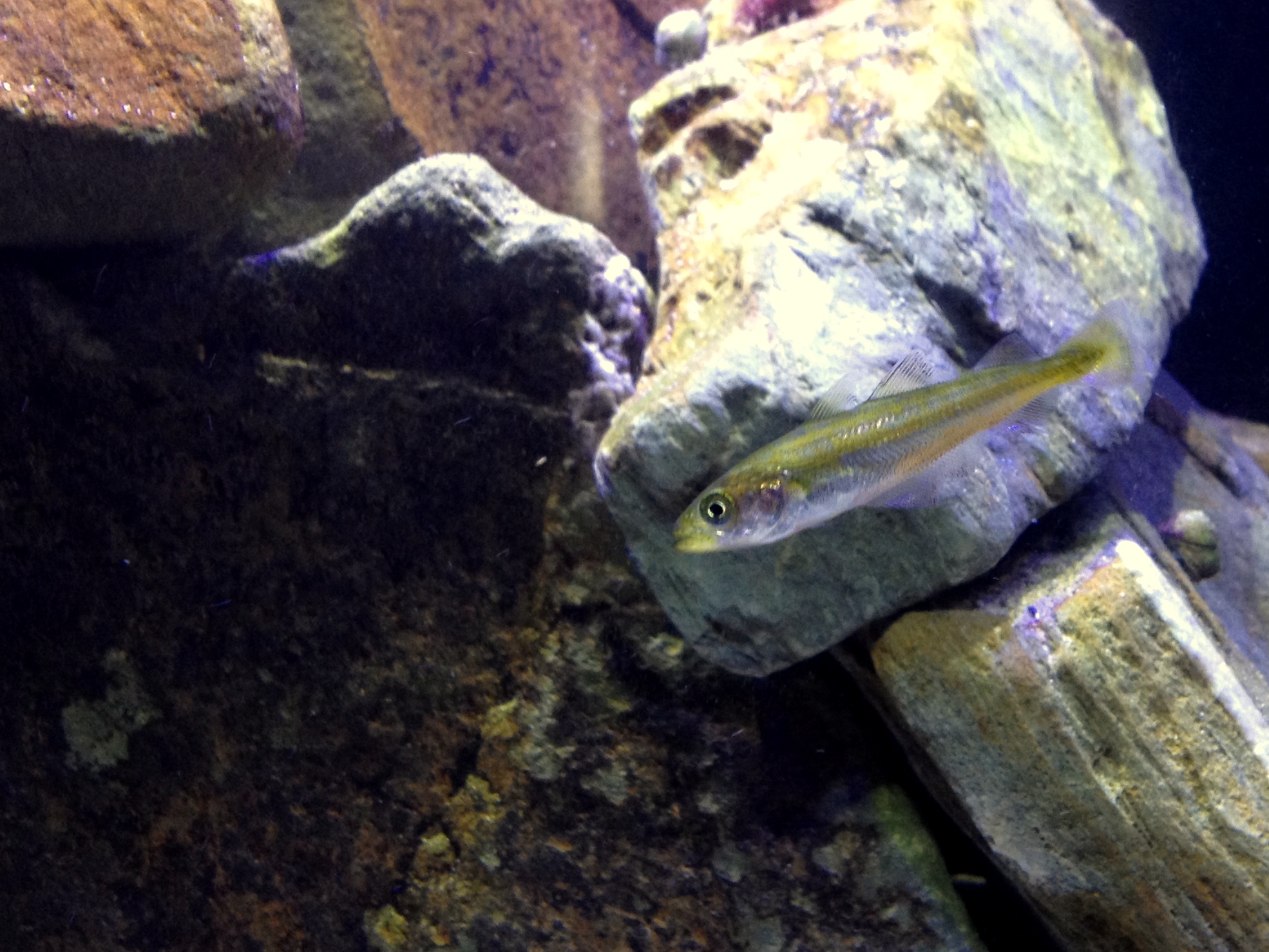

a very low tide at Flushing
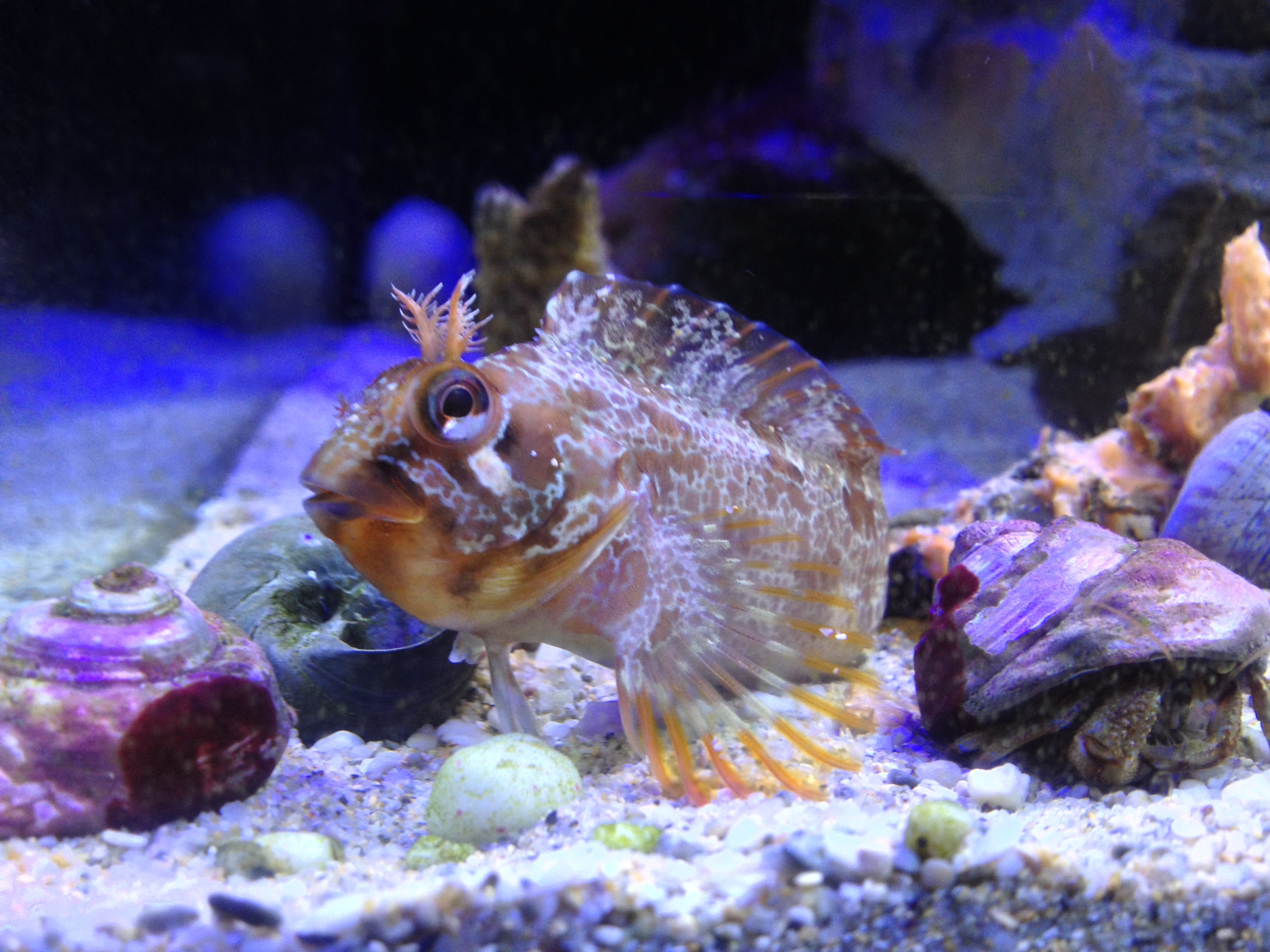
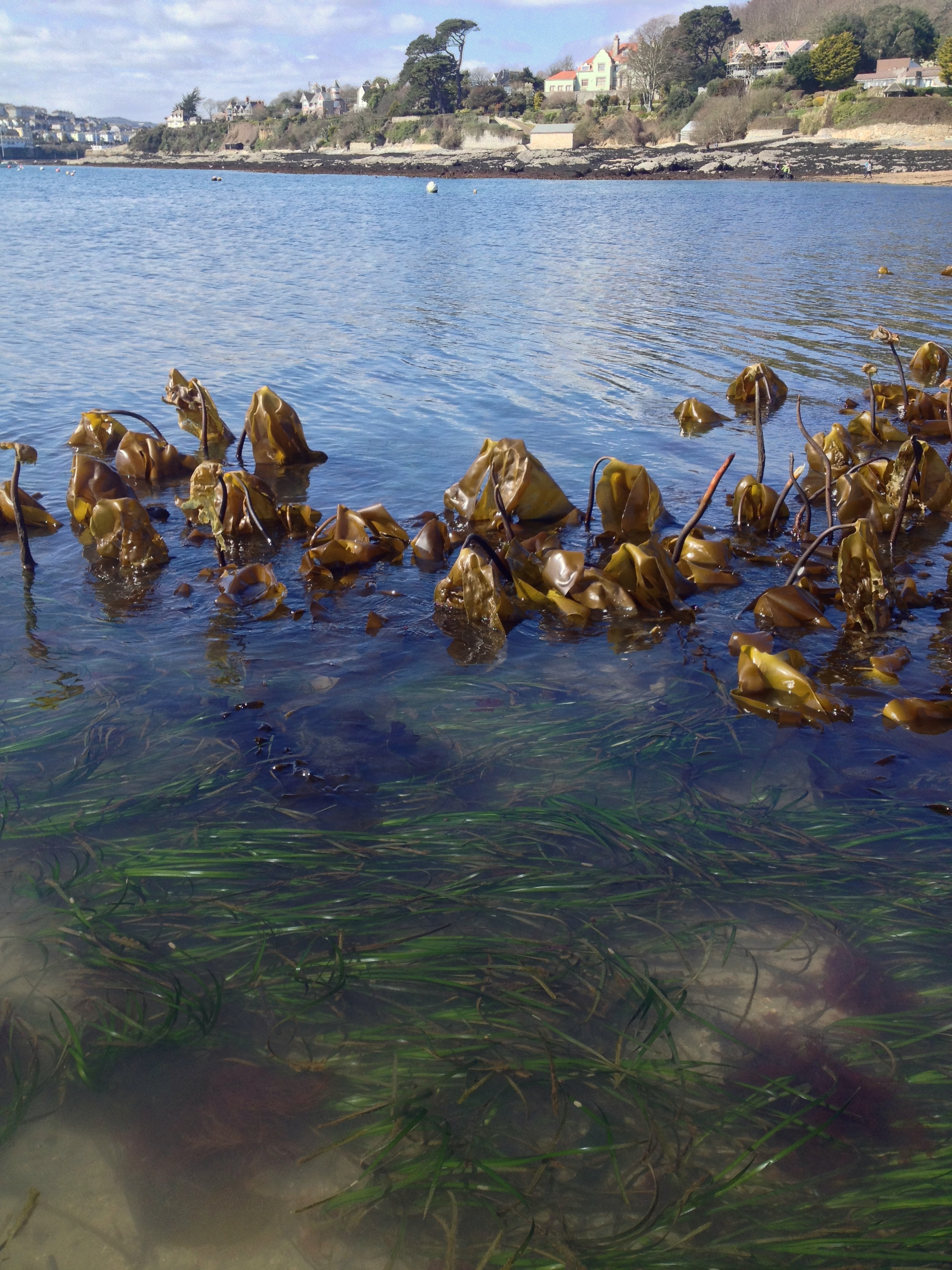
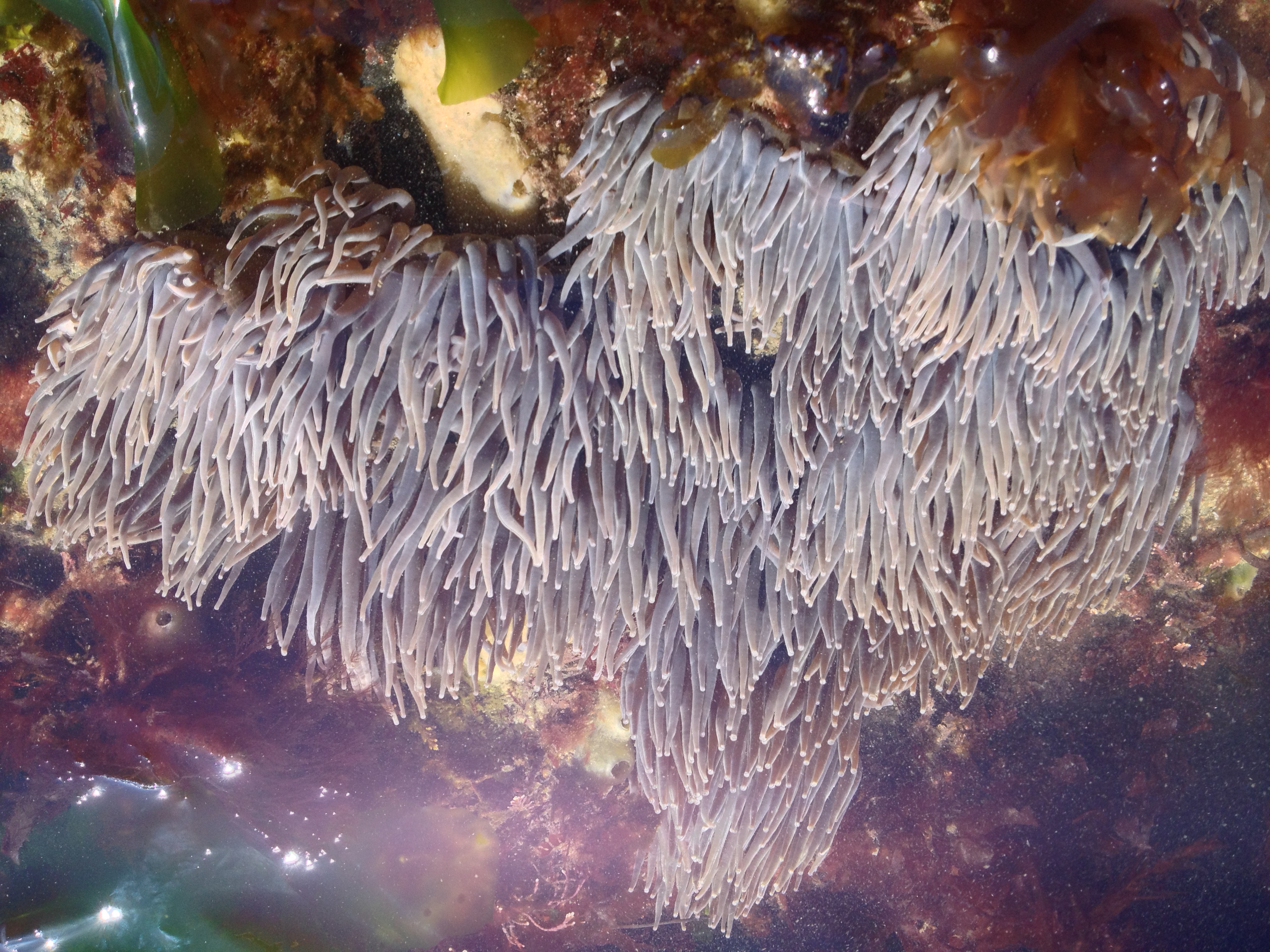
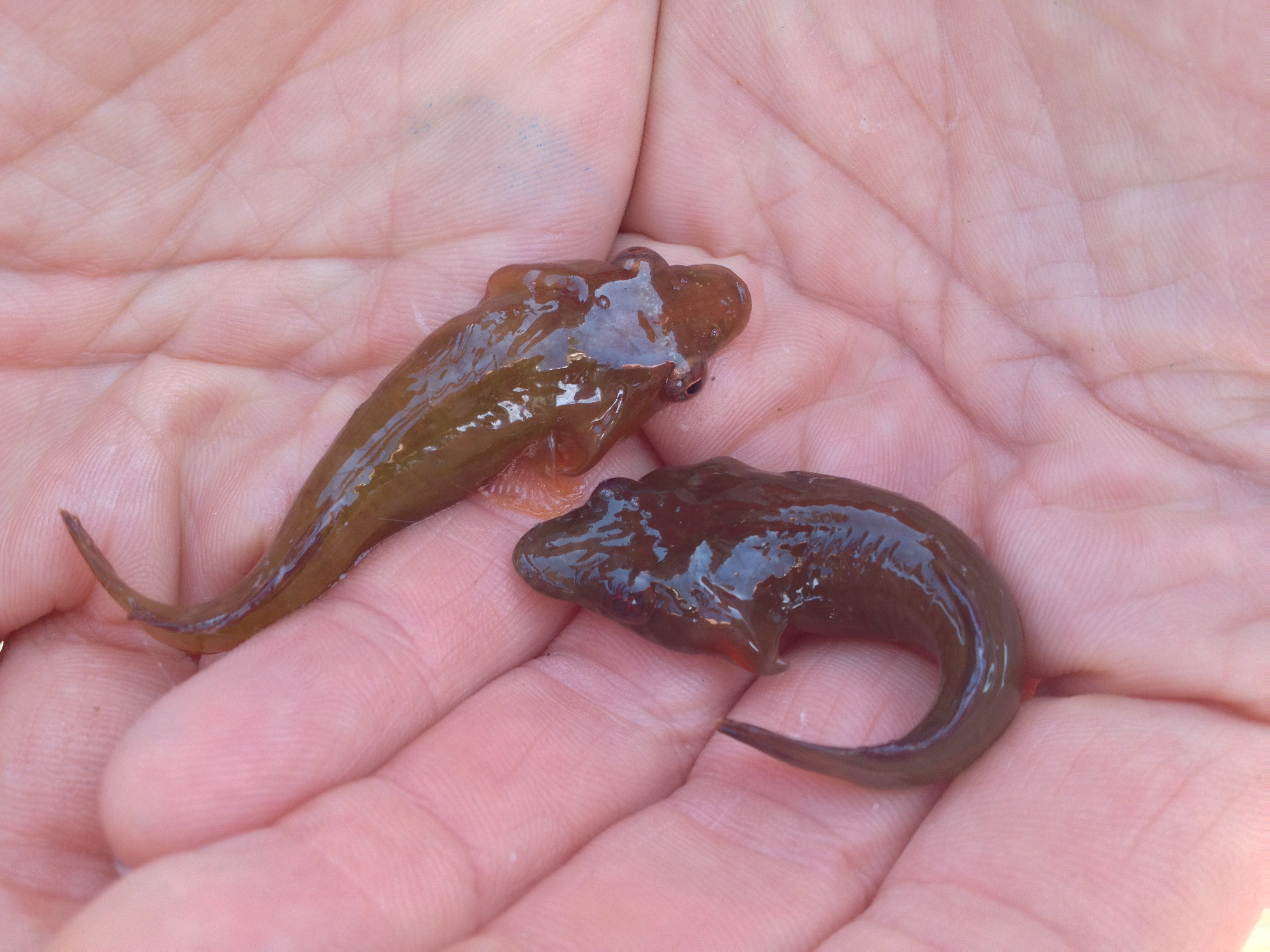
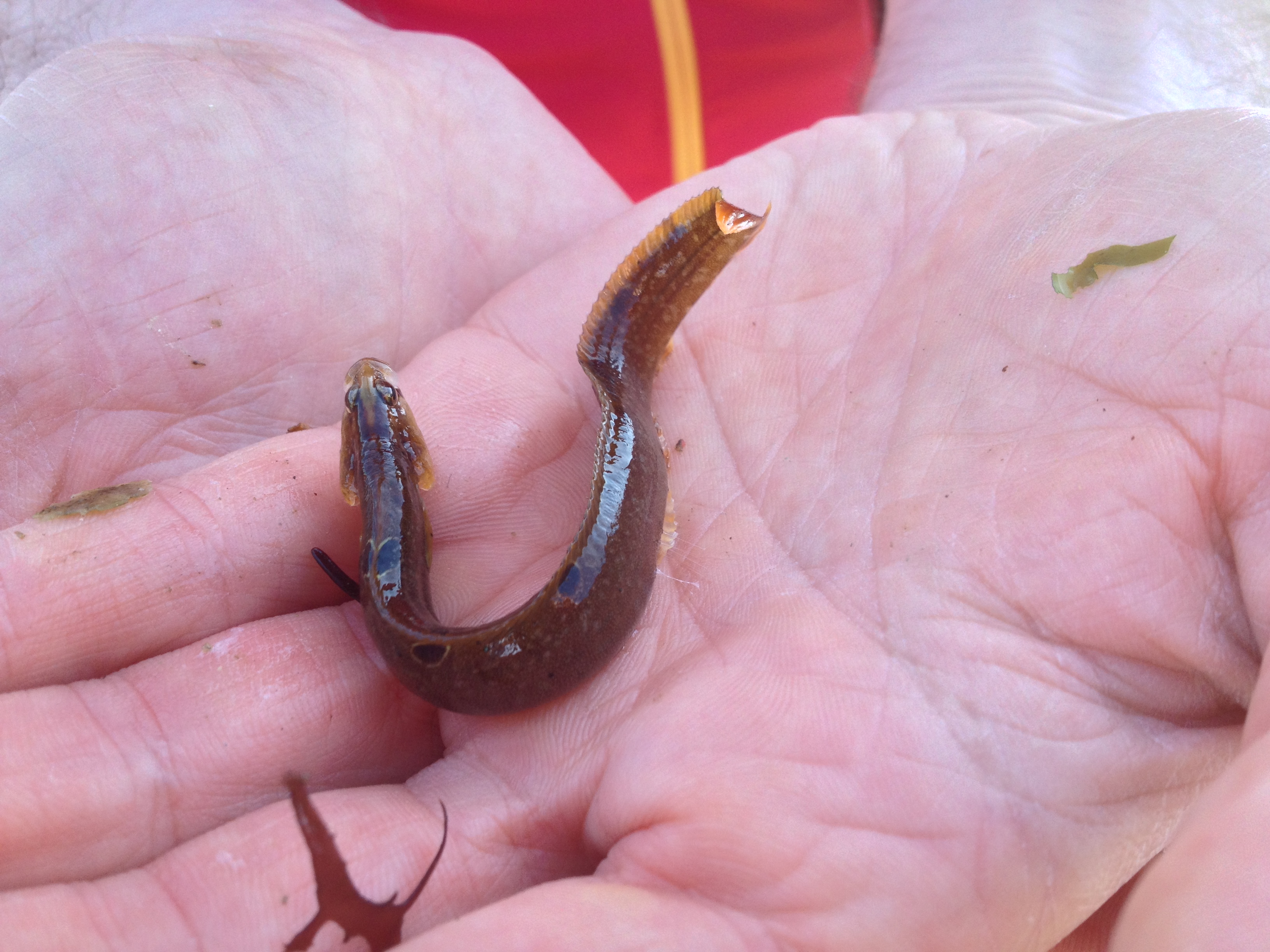
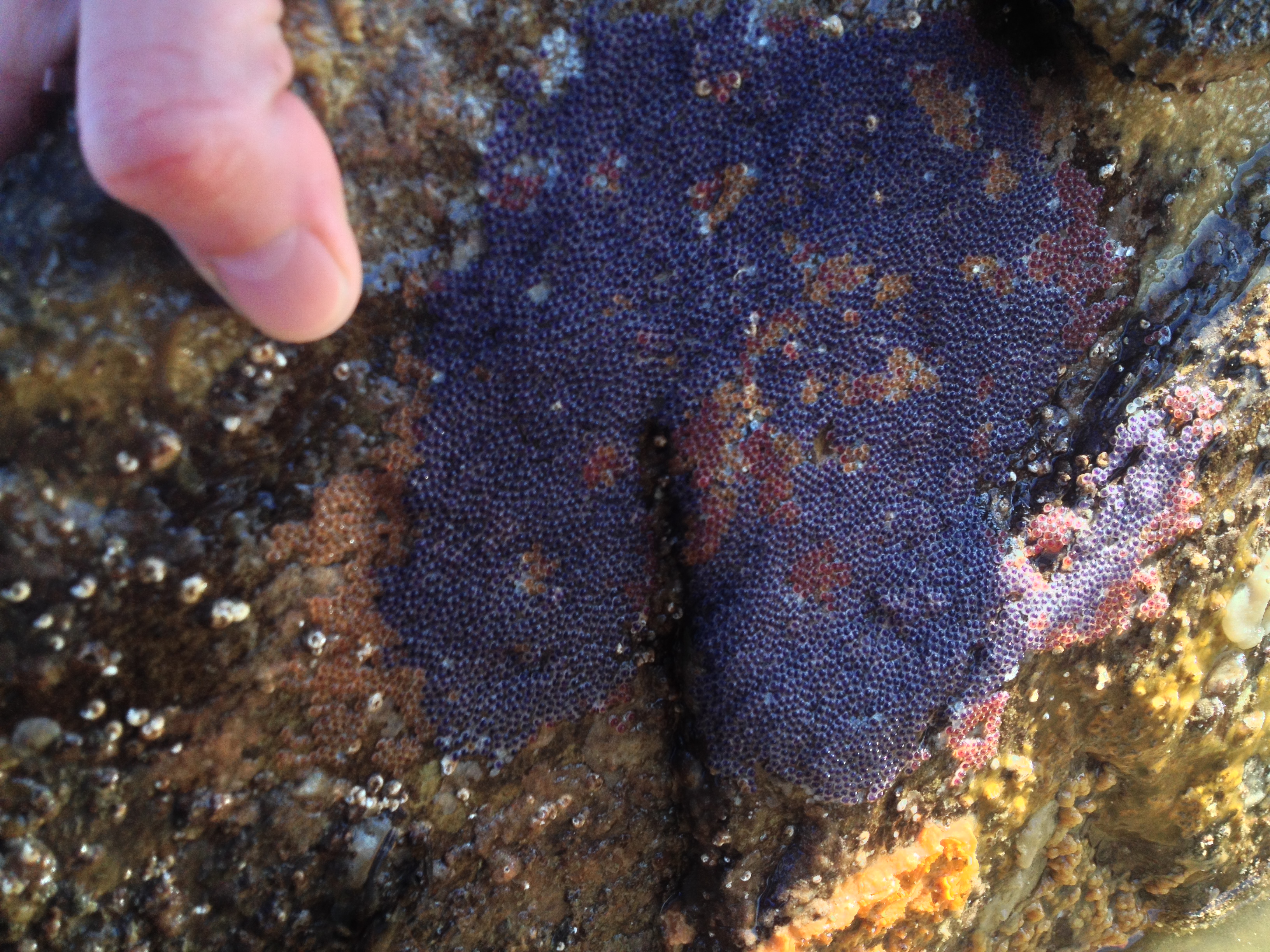
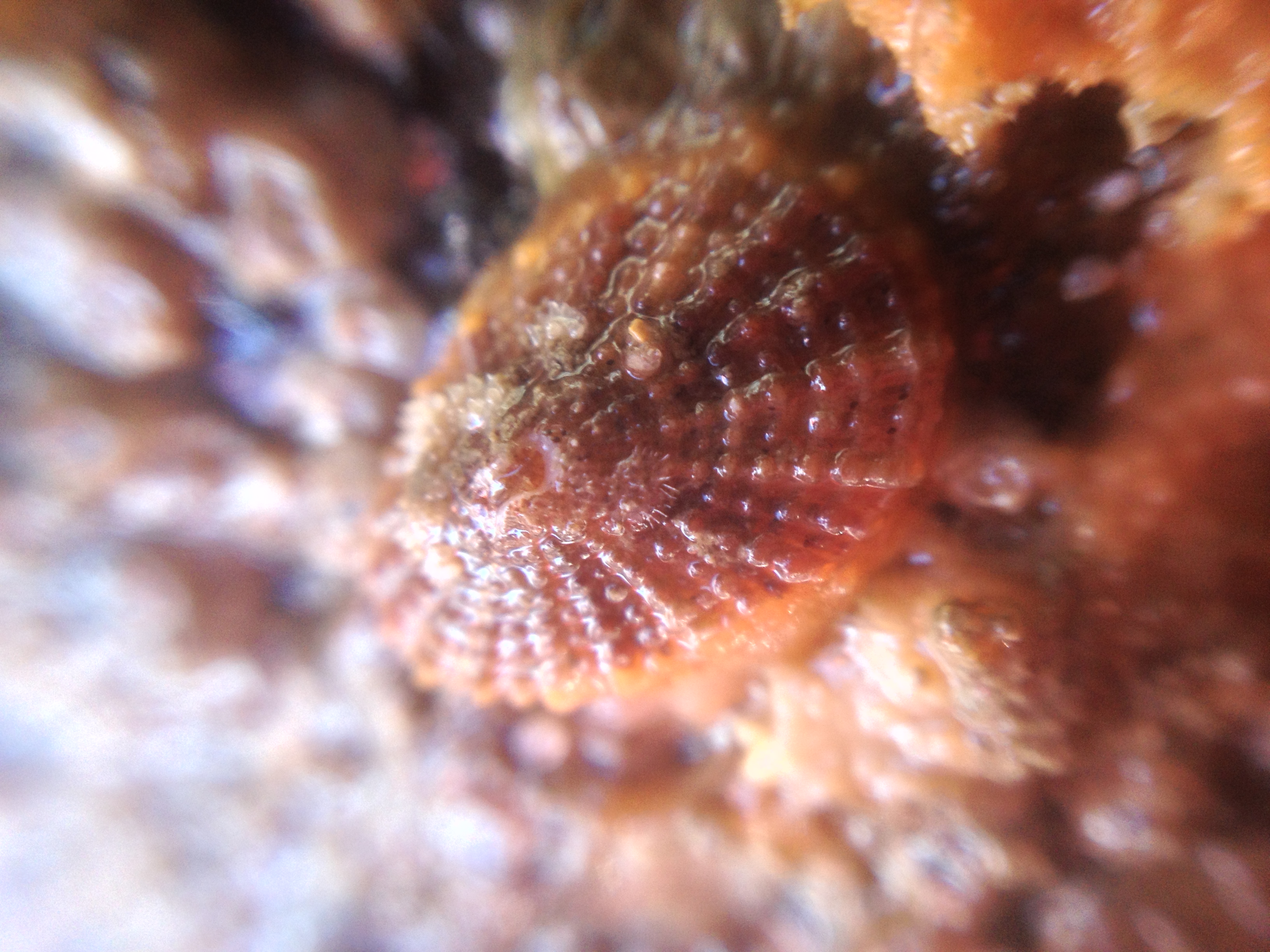
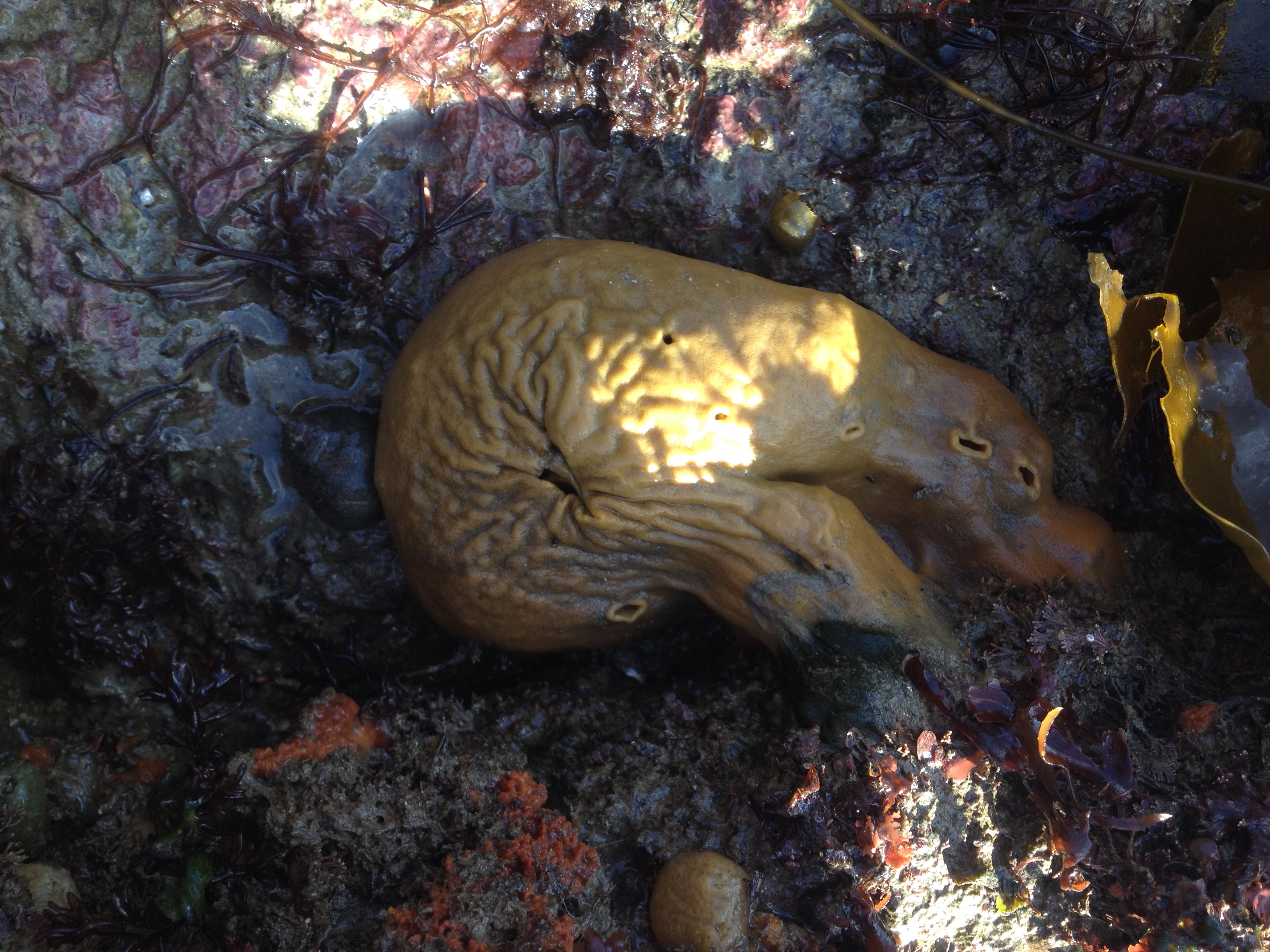
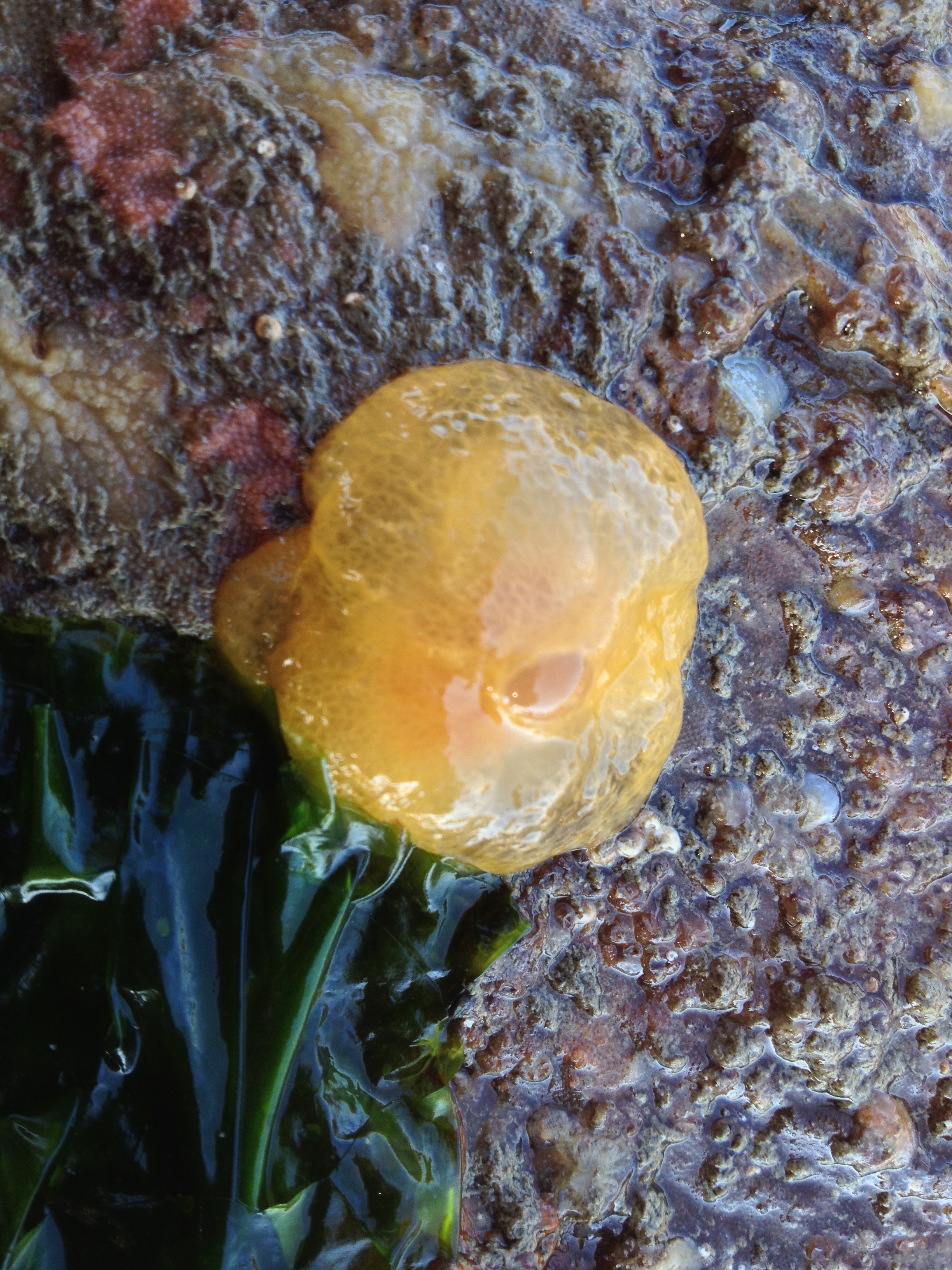
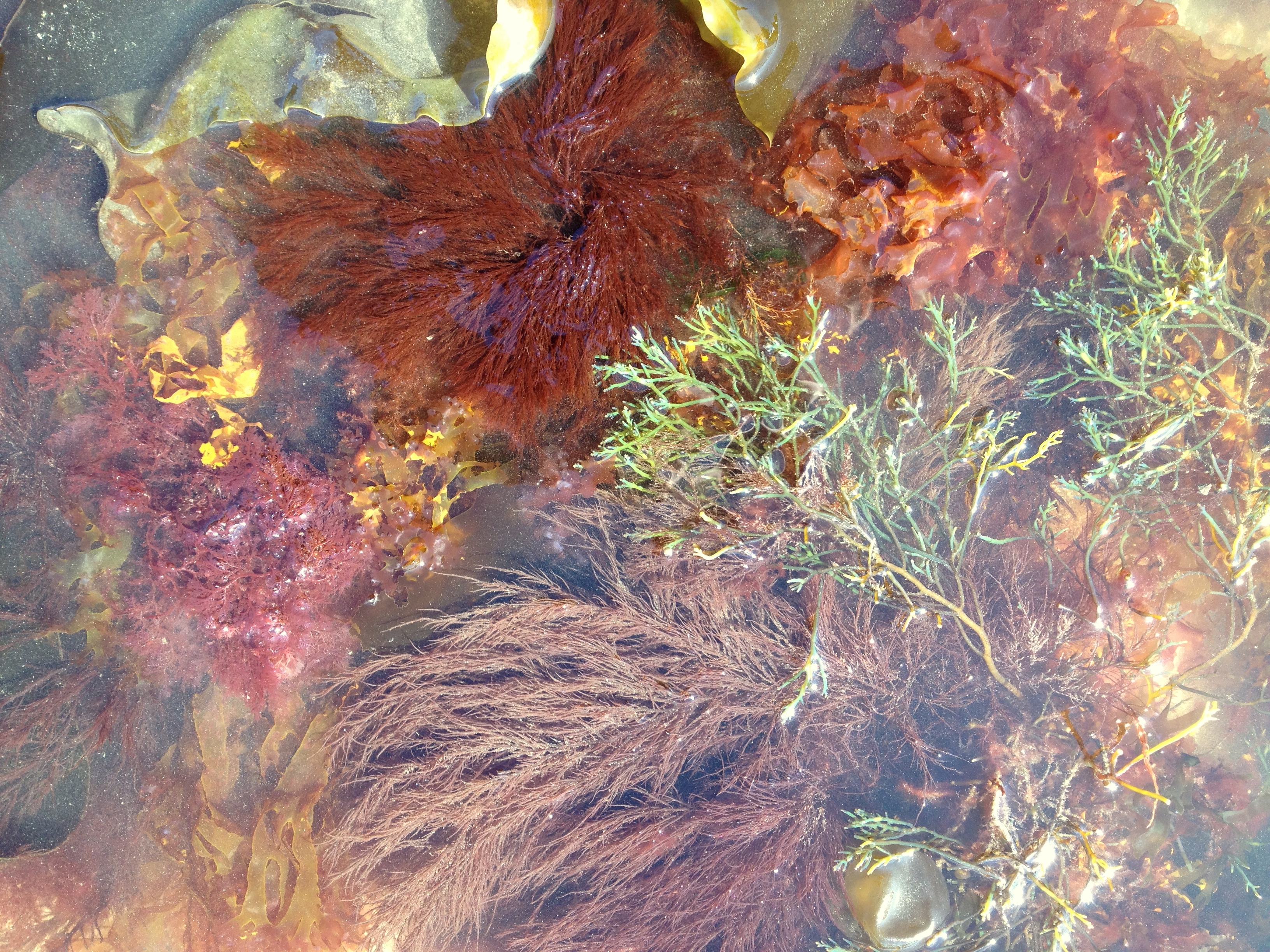
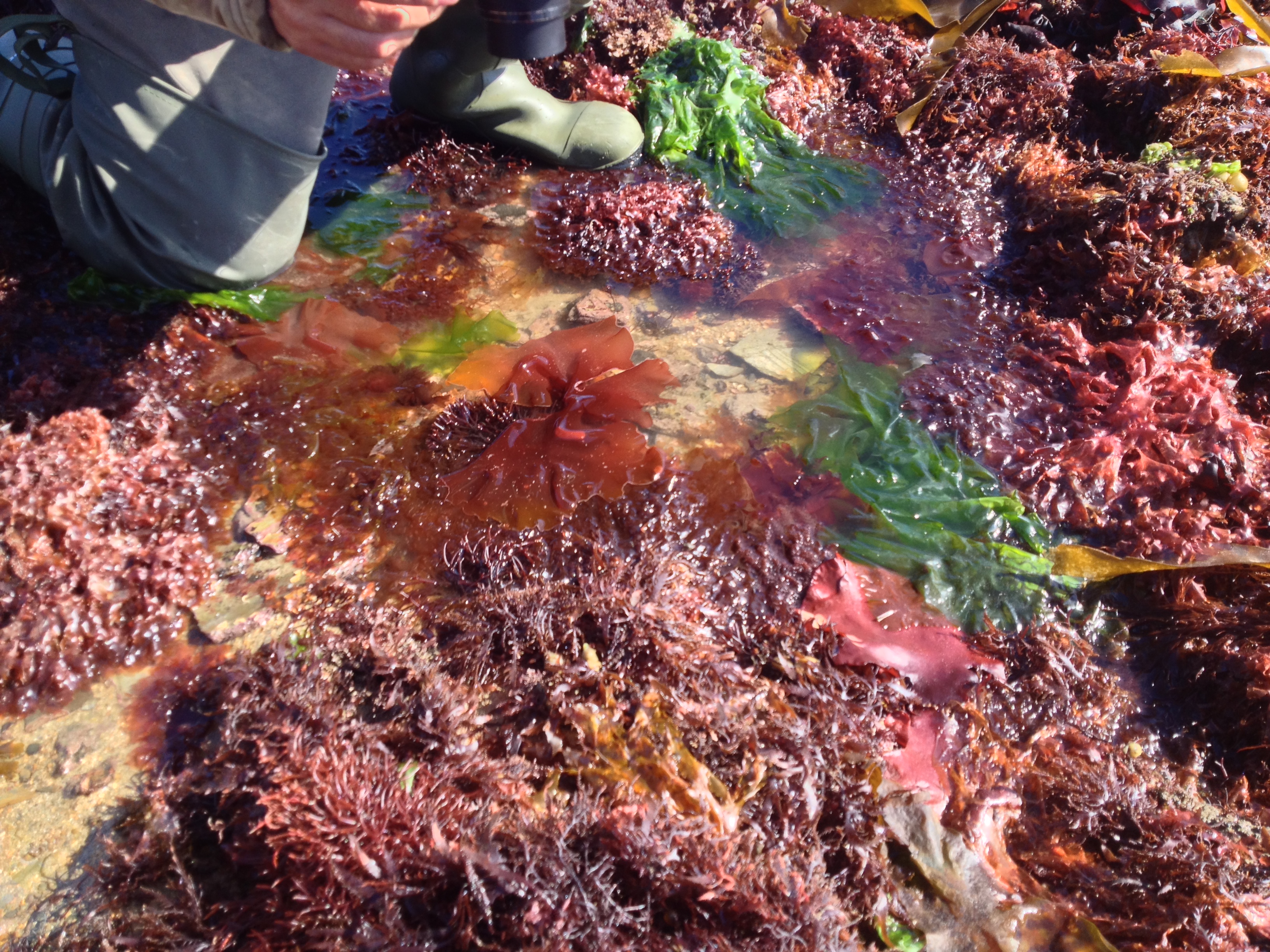
I made some pics last weekend when low tide wasn’t very low, but since this weekend the tides hit record lows I will first post about these finds. First up, the sheltered estuarine conditions in Penryn river in Flushing, opposite Falmouth’s port. The conditions are silty, with lots of sponges, tunicates, variegated scallops, sea lemons, European cowries and enormous amounts of Squat lobsters (see also this old post). With the tide this low, we were able to see some other stuff as well. The water went as low as the Eelgrass: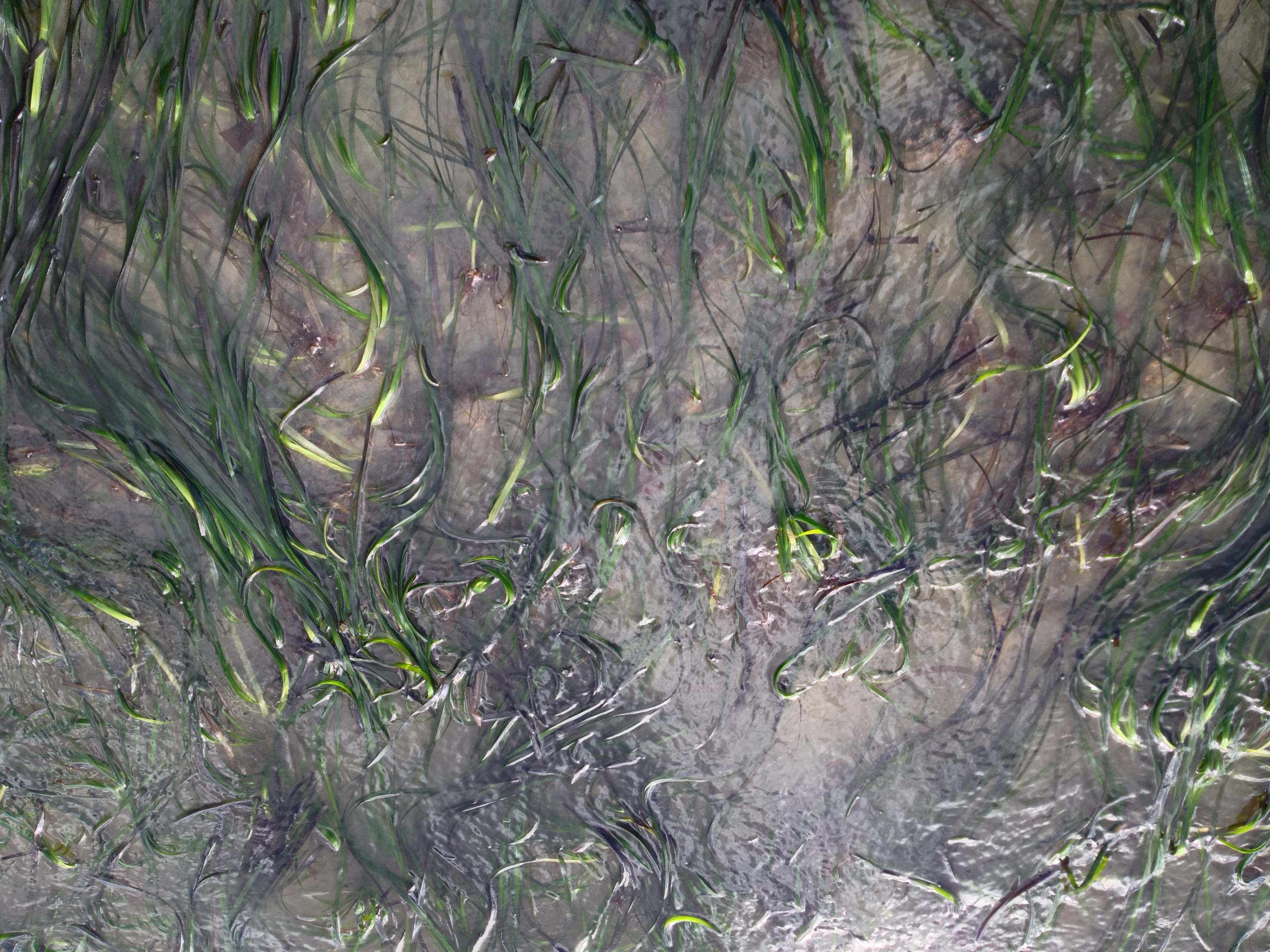 Shannys, Rock gobies, Rockling, Worm pipefish and (to a lesser extent) Butterfish are easy to find in Flushing. Today we saw for the first time two Connemara clingfish Lepadogaster candollei (first pic). Next a Rock goby Gobius paganellus. We also saw many large Tompot blennies Parablennius gattorugine which live subtidally and only now could be seen:
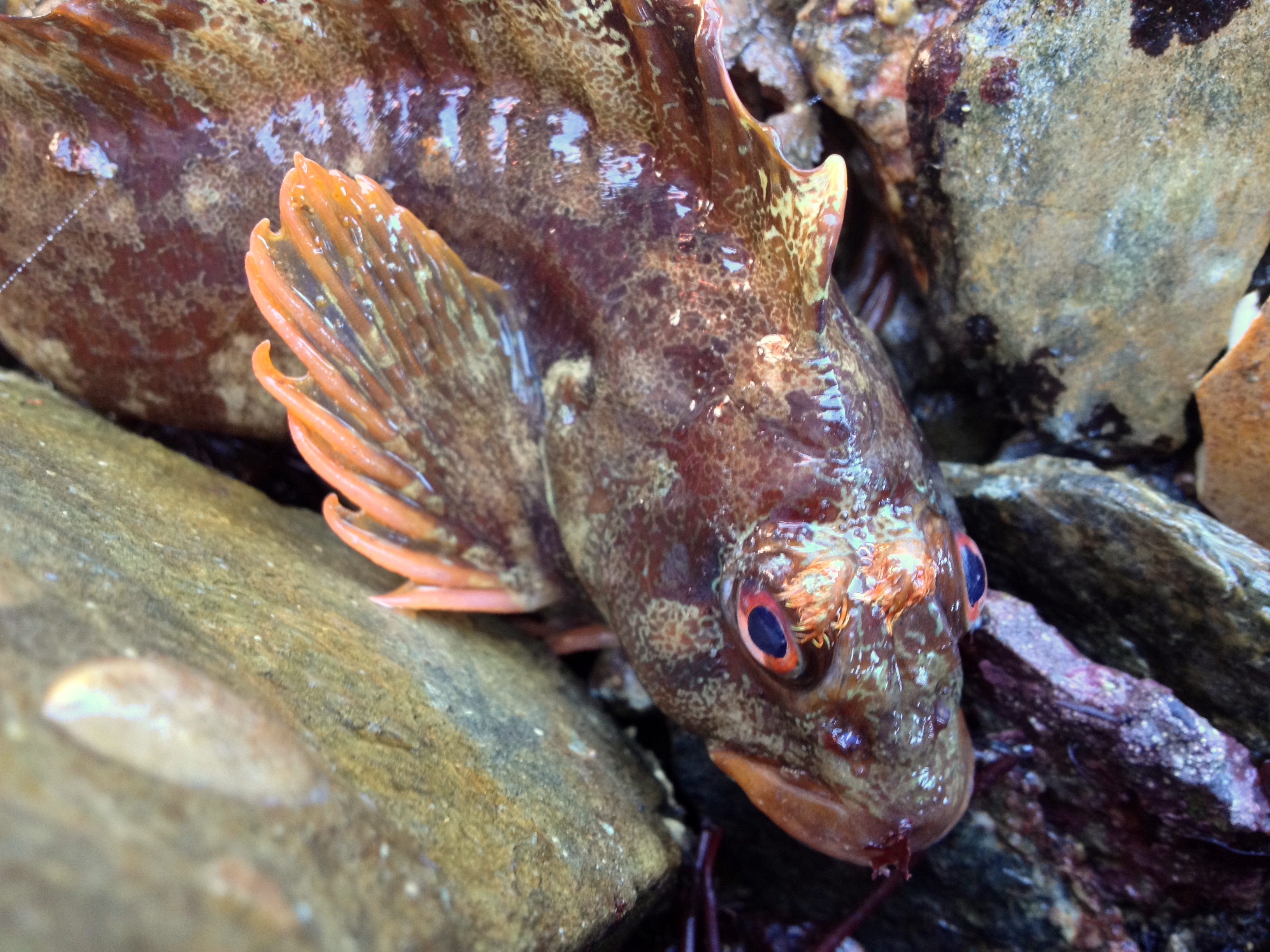
The real surprise of the afternoon was a juvenile Common lobster Homarus vulgaris. All in all a very succesful trip!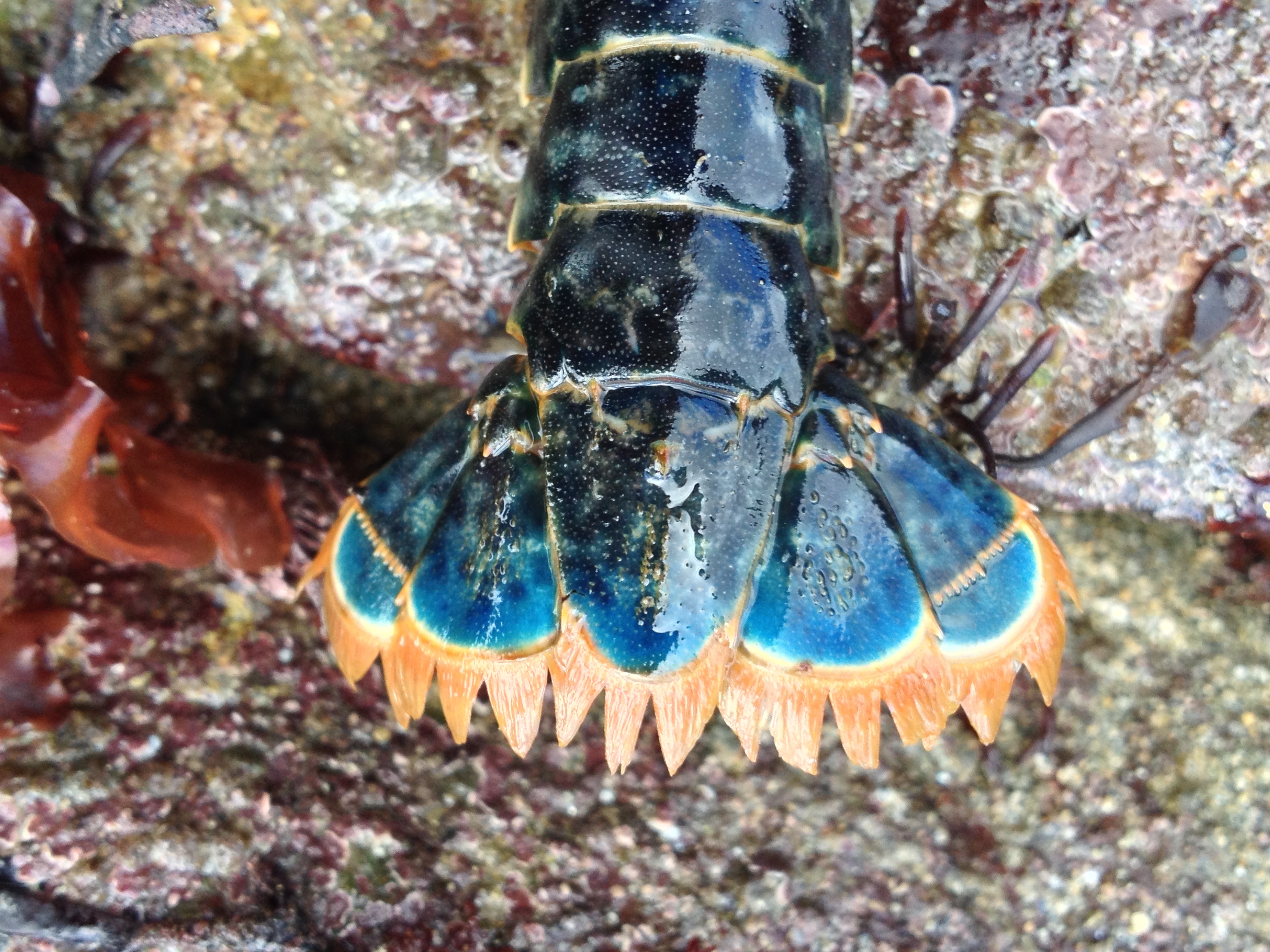
Snorkelling at Silver Steps Part I
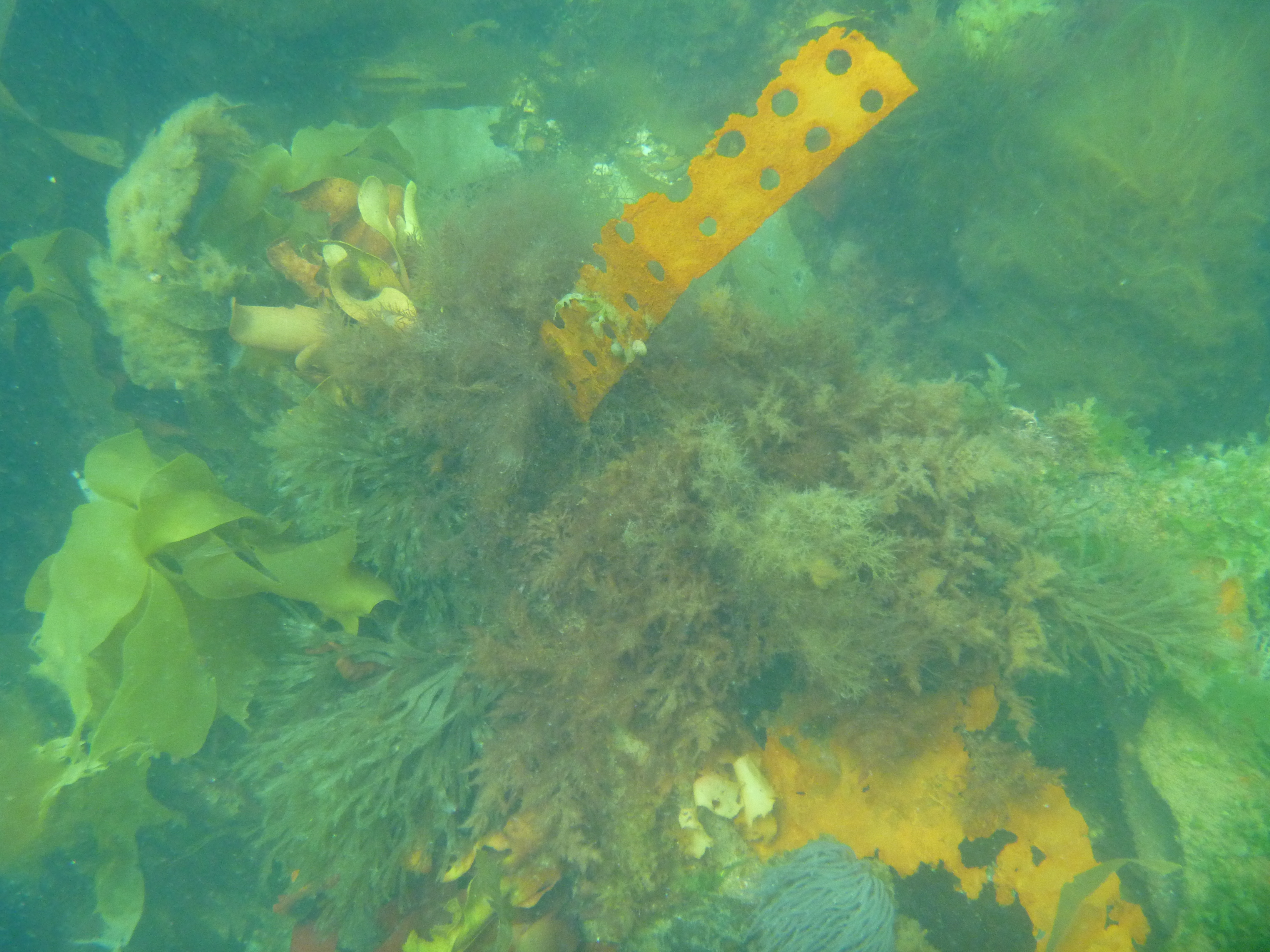
High time for a snorkel, and few better places in the area than ‘Silver Steps’, between Castle Beach and Pendennis Point in Falmouth. I took my little Lumix camera (goes up to 10 meters deep, no optical zoom) with me to take some sub-standard pics (all other photos on the blog are taken with my iPhone). This site is a mix of rocks covered in kelp and gravel and even the remains of two U-Boats (they are no longer recognisable as such though, see here for more specifics on these and other wrecks off Falmouth). There is always something to see: schools of Smelt chased by Sand eels, hovering Two-spotted gobies, Corkwing and Ballan wrasse, Spiny starfish and loads of seaweeds. In fact, there was so much to see that I have divided the pictures over two posts. First a photo of the site and some of the U-Boat wreckage: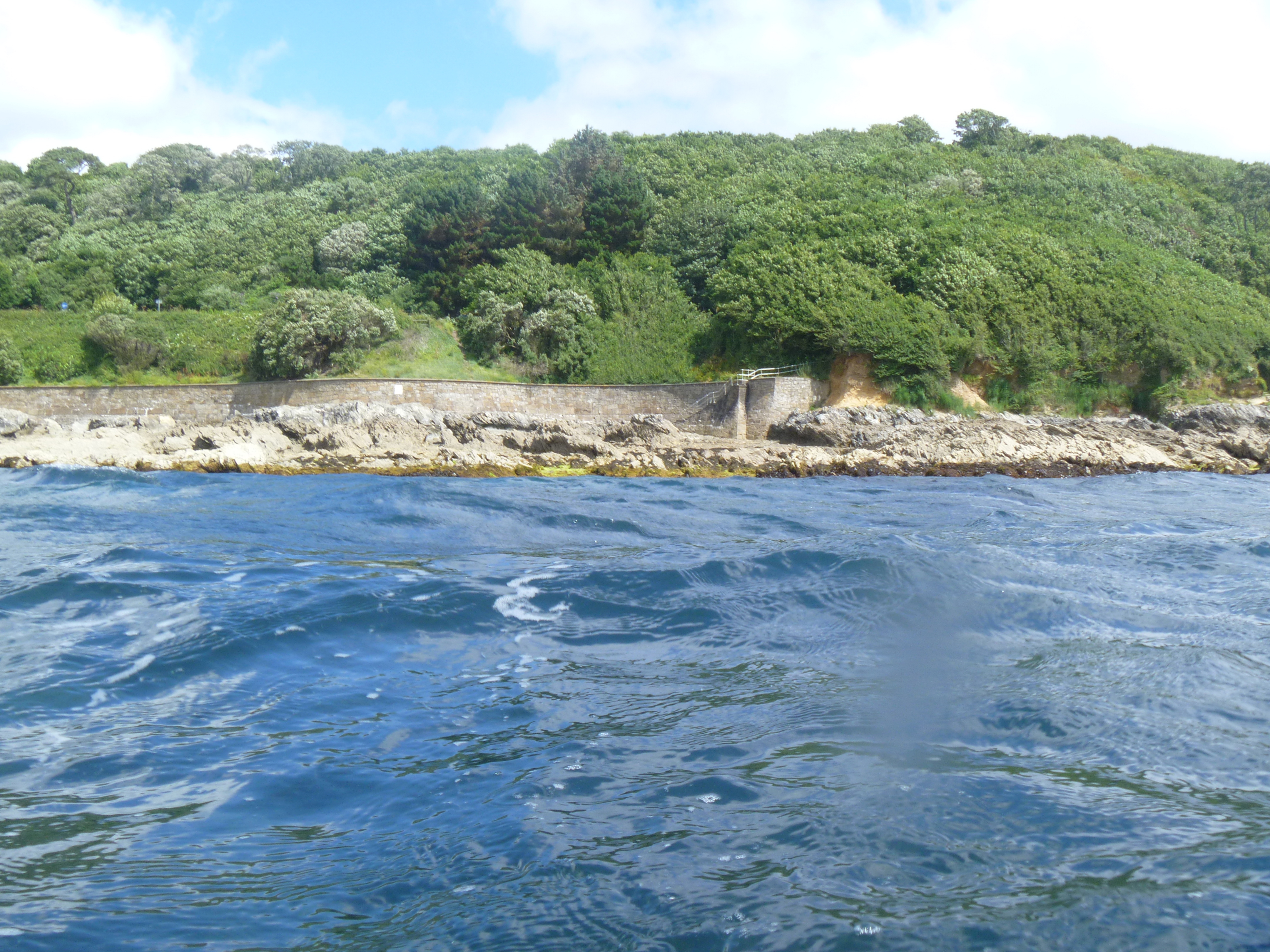
 We were in for a nice surprise: a good-sized John Dory Zeus faber at around seven meters depth. I have posted a very nice picture from my first and only dive in Cornwall courtesy of Charlotte Sams, but here a short, jittery video as well:
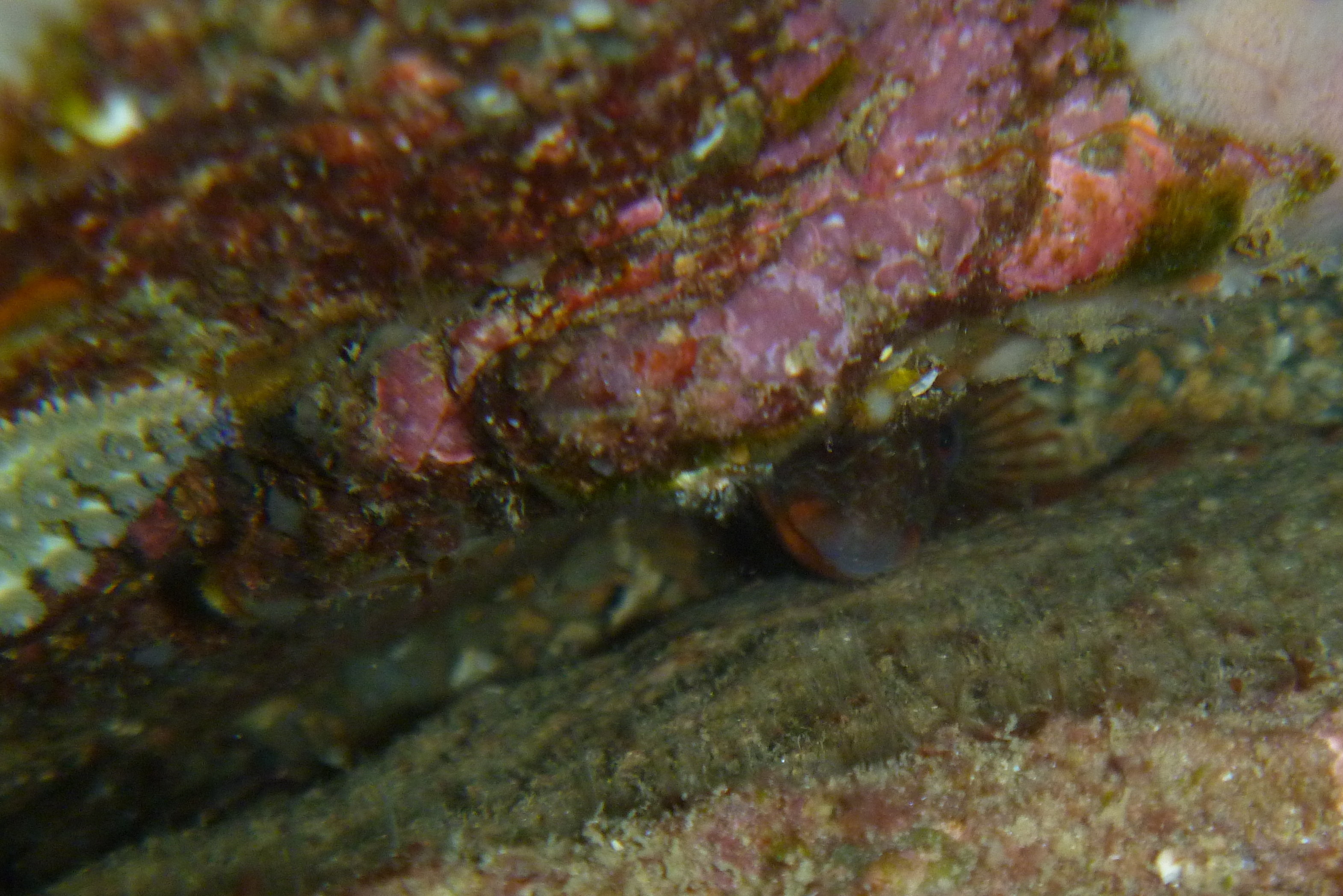
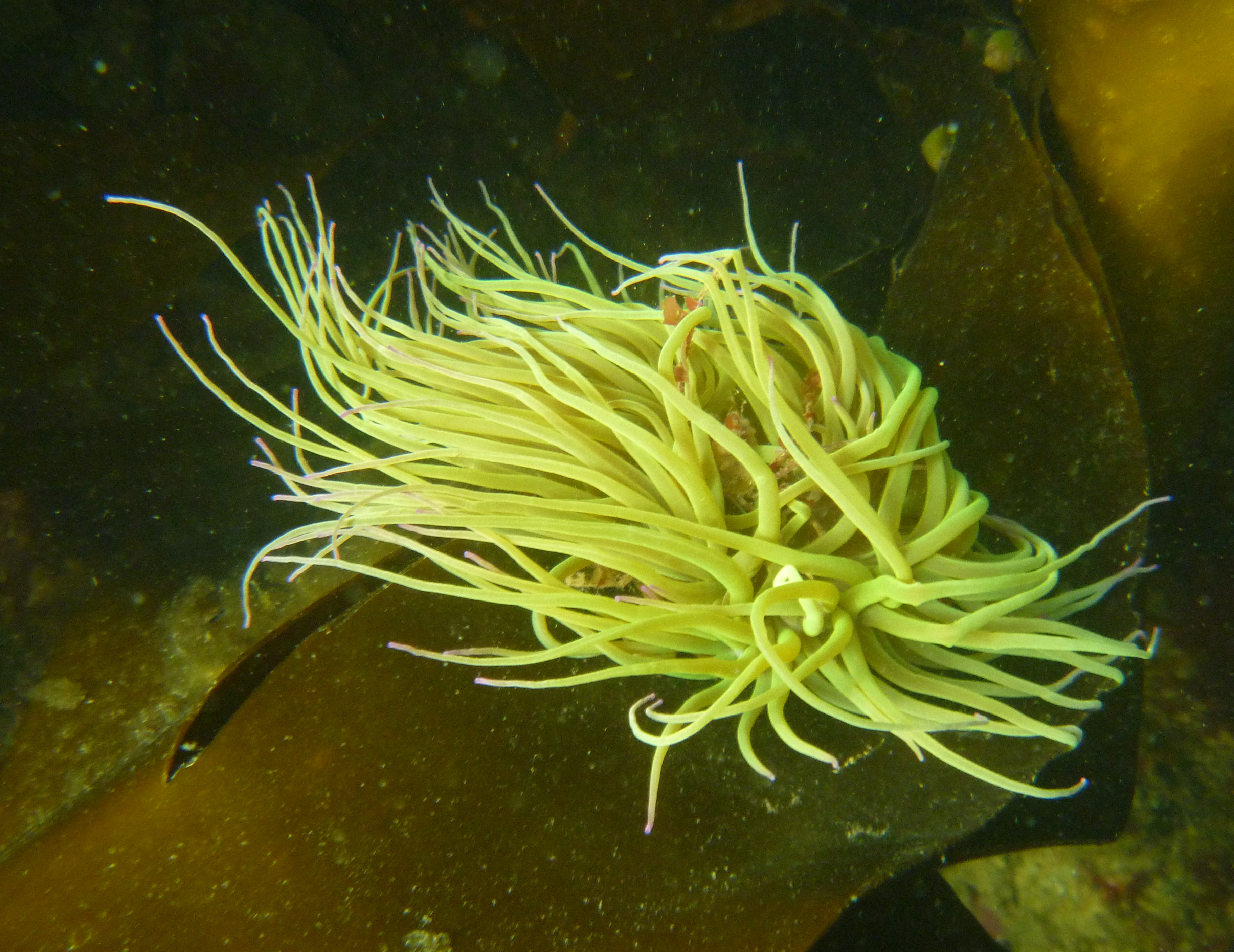
Anyway, a perhaps even nicer find were Leopard-spotted gobies Thorogobius ephippiatus. Some sources make it seem like this is a rare species only ever encountered by divers, but it is actually not uncommon and we saw them at two meters down (the tide was low though). It is a shy species that lives under ledges, burying between the rock and the gravel. The picture is crap but also proof I am not lying. The next picture is of a Tompot blenny Parablennius gattorugine peeking from a crack in the rocks. Large snakelocks anemones are everywhere on the kelp, and although a month ago I saw none, many of them again housed commensal Leach’s spider crabs Inachus phalangium. (These anemones and crabs do well in the aquarium btw, see here.) It would be interesting to know if these crabs arrive from deeper waters or just grow up really fast.
first dive in Cornwall
A couple of weeks ago I went for a bit of a spur of the moment after-work dive with colleague Andrew (like me a quite unexperienced diver) and his friend Charlotte Sams. Charlie is an experienced diver and natural history photographer, who has her own blog: Charlottesamsphotography, which you should check out. We dove in Falmouth off Pendennis point. The water was not very clear (maybe 5-6 meters visibility) but the temperature was quite nice. We saw (amongst others) Sand eels (do not know which of the two species), Pollack Pollachius pollachius, Dragonets Callionymus lyra, Two-spotted gobies Gobiusculus flavescens, a Tompot blenny Parablennius pararugine, very large Ballan wrasse Labrus bergylta and a beautiful little John dory Zeus faber:

We also saw some very large Common starfish Asteria rubens and also a nice Spiny starfish Marthasteria glacialis. We dove only to about 5-7 meters, which meant we could stay in quite long, over an hour. At seven meters, the bottom was a sandy expanse, interspersed with mounts of Laminaria Kelp covered in hydroids. In-between the kelp were other seaweeds, such as Red rags Dilsea carnosa but I was more focused on the animals during the dive. In shallower water were enormous bundles of Wireweed Sargassum muticum (also known as japweed but that is not very pc…) and the very long slimy Mermaid’s tresses or Bootlace weed Chorda filum. Snakelocks anemones were very common, and we managed to also see Leach’s spider crab Inachus phalangium, which lives associated with these anemones. All in all a fantastic experience, and I hope to find the time to go diving very soon again!
Piran aquarium
I have a love/hate relationship with public aquariums: love because I am a bit aquarium-mad, and hate because quite a lot of them really are disappointing. Of course, I know all too well that it is not easy to create (and maintain) good-looking aquariums. Also, the paying public needs to be pleased and it wants to see ‘nemo’s’ and sharks which often results in the same sets of standard tanks. Although I do understand the need to educate the public, I am quite allergic to all kinds of video installations and boring props taking up space that could have been filled with tanks. I am not even talking about walkways decorated with fake polyurethane caverns or ornamental treasure chests in tanks…
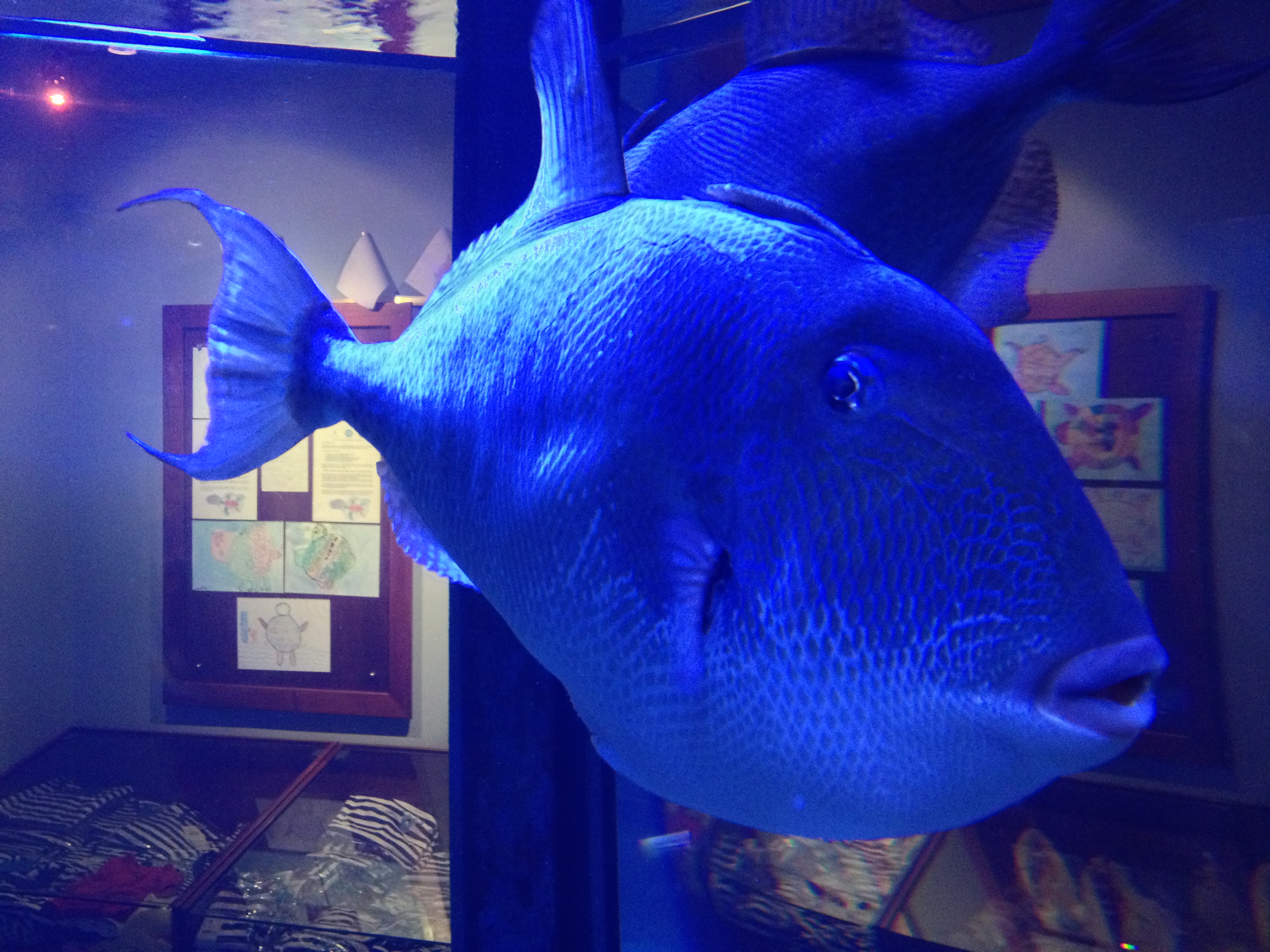
I try to visit public aquariums whenever possible and from now on will review them on this blog, specifically highlighting the smaller, temperate saltwater tanks that could serve as inspiration. Last week I was in Slovenia for work and a short holiday and passed by the lovely town of Piran which has a small (about 10 large and 10 small tanks) public aquarium, all with local animals. Here is one funky looking tank housing some writhing moray eels and Grey triggerfish Balistus capriscus, the latter also present in Cornish seas:

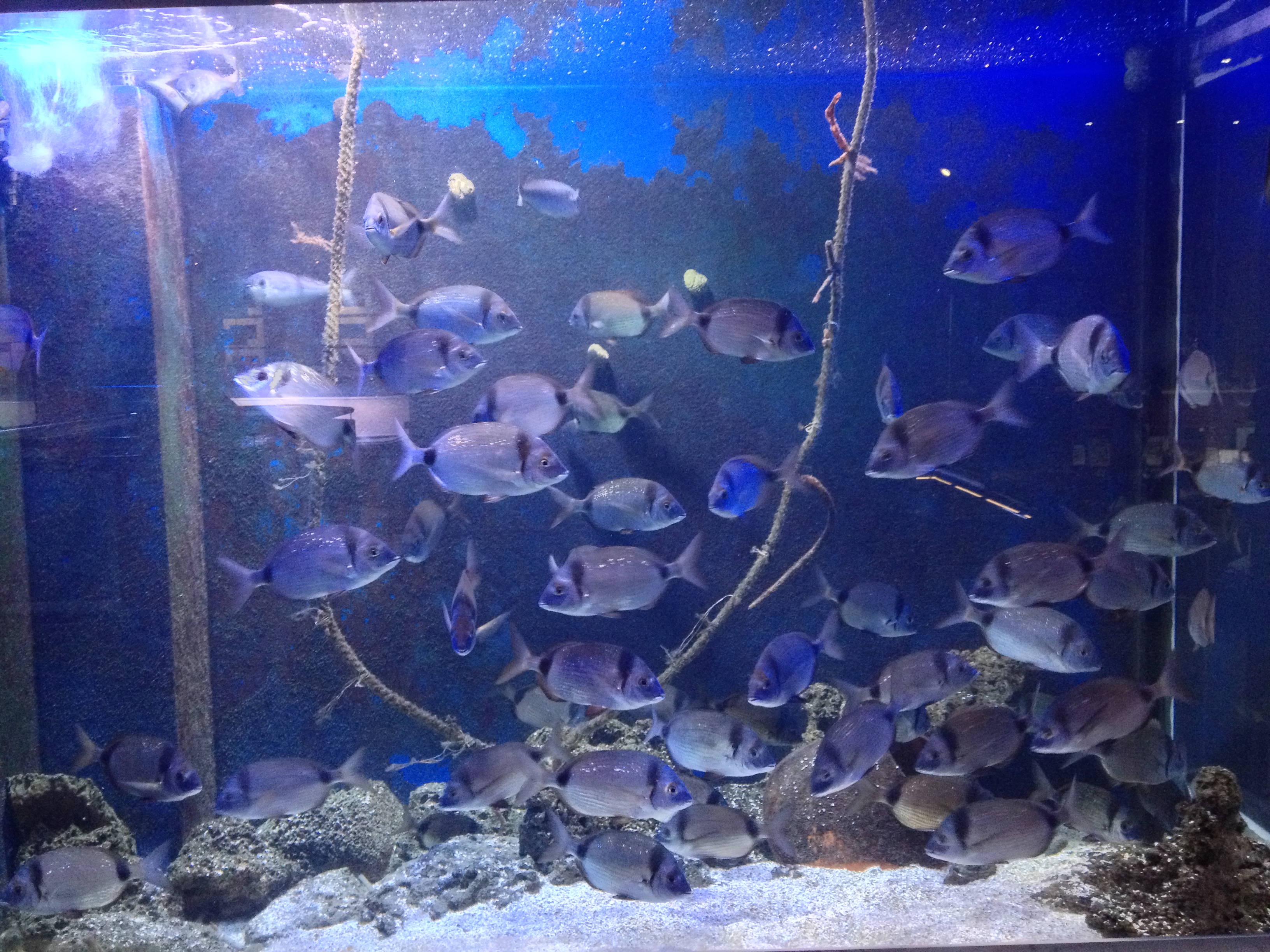
I am not so sure about larger-sized Mediterranean Sea aquariums, as there is not a lot of potential to make them visually appealing: some rocks and the odd human implement as decoration and the fish are often not overly spectacular (see the Two-banded bream Diplodus vulgaris below). If I were to go for a large, non-planted rock tank, I would try my hand at an African Great Lake aquarium instead, with the fish being more diverse, more interesting and more beautifully colored.
One of the largest fish on display was the Leerfish Lichia Amia. It was a shame to see such a large pelagic fish in a tank with its head completely deformed due to it bumping against the glass:

I was most interested in the smaller aquariums. These housed some species that can also be found in Cornwall, such as the Tompot blenny Parablennius gattorugine and the fantastic John Dory Zeus faber (which occurs around the globe):


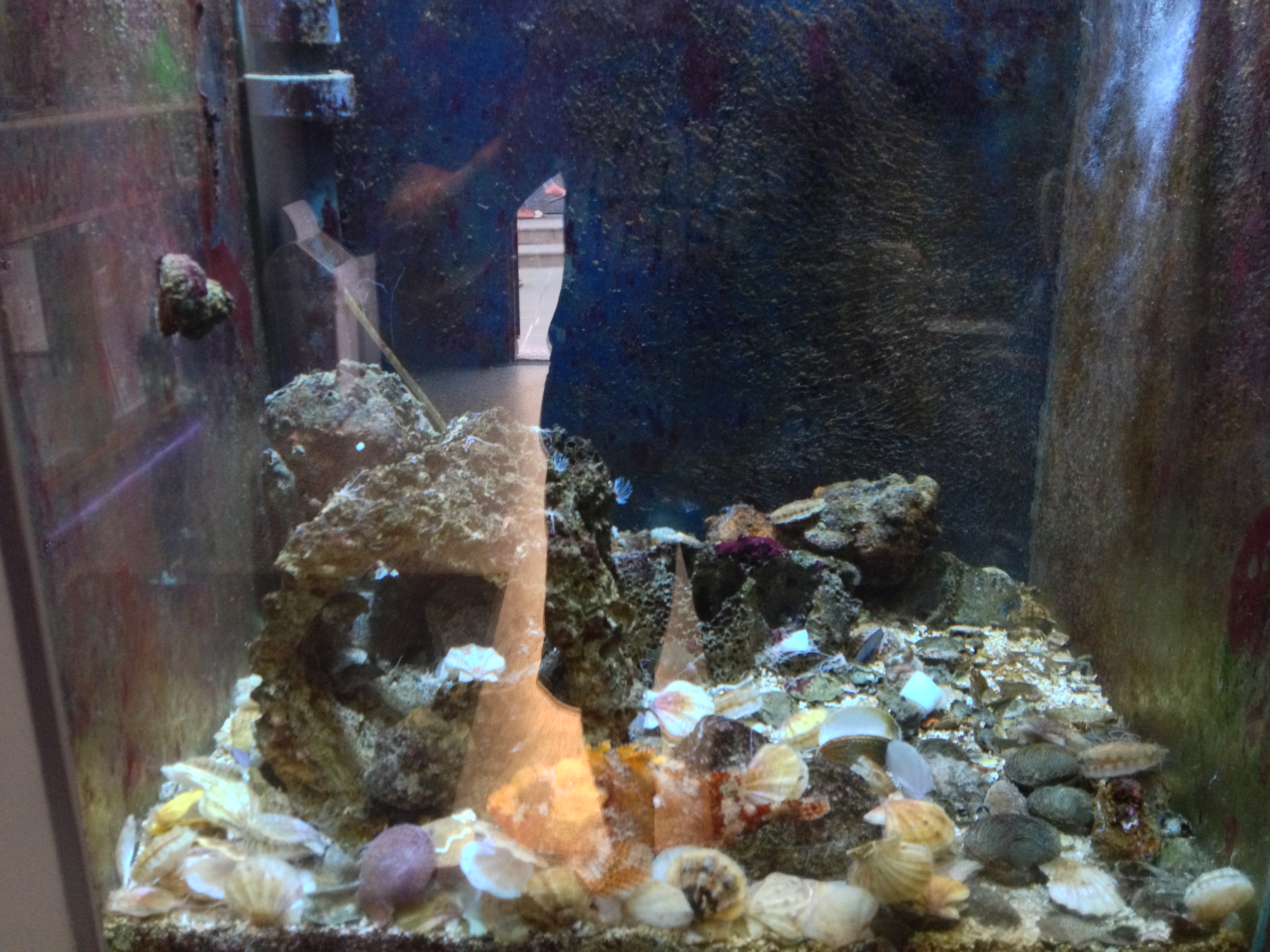
Some of the small aquariums were quite sweet. No seaweeds to speak of (although I saw some Ball algae Codium bursa) but lots of nice invertebrates such as sea cucumbers, clams, whelks, sponges, anemones as well as a variety of fish:
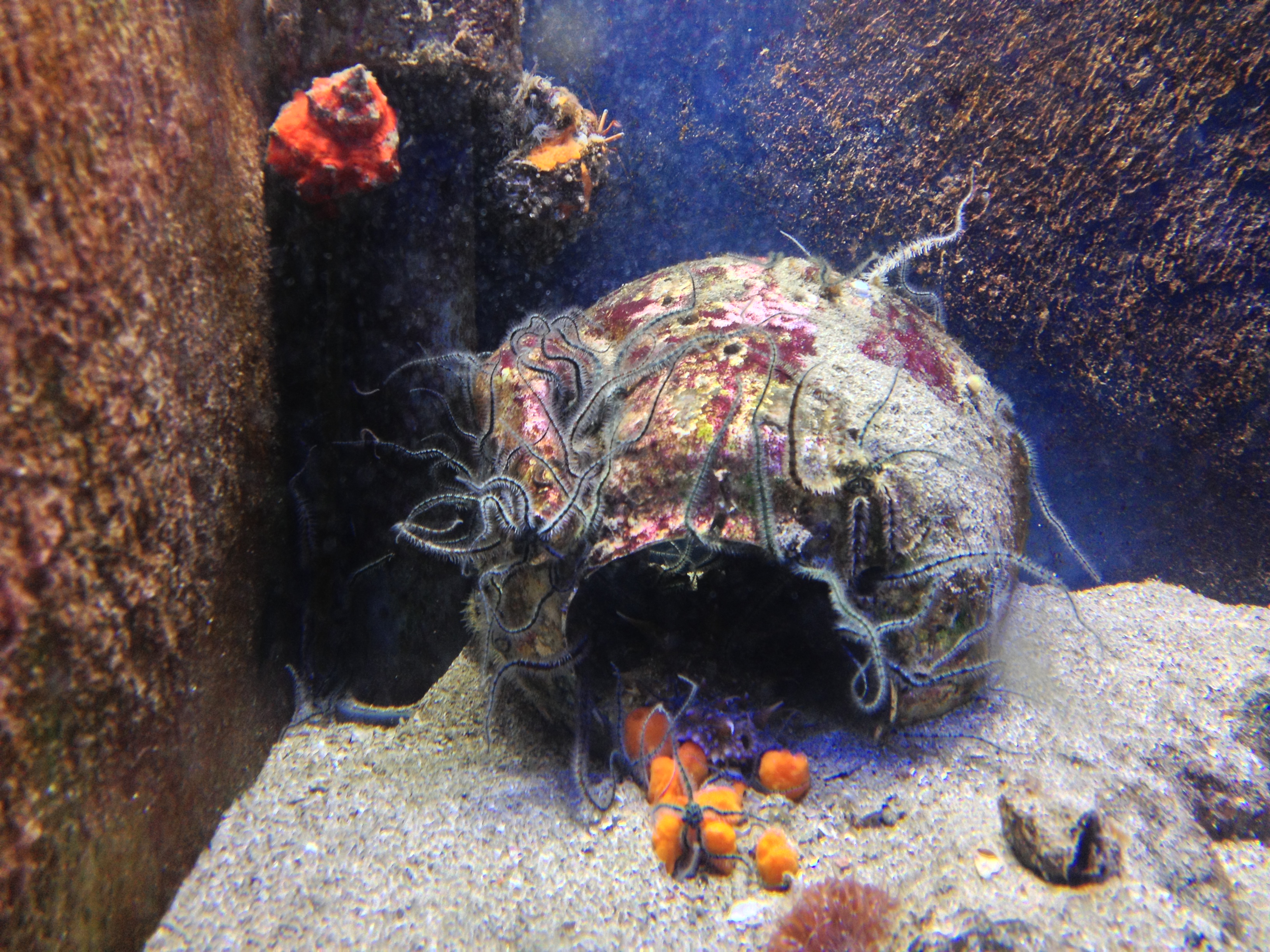
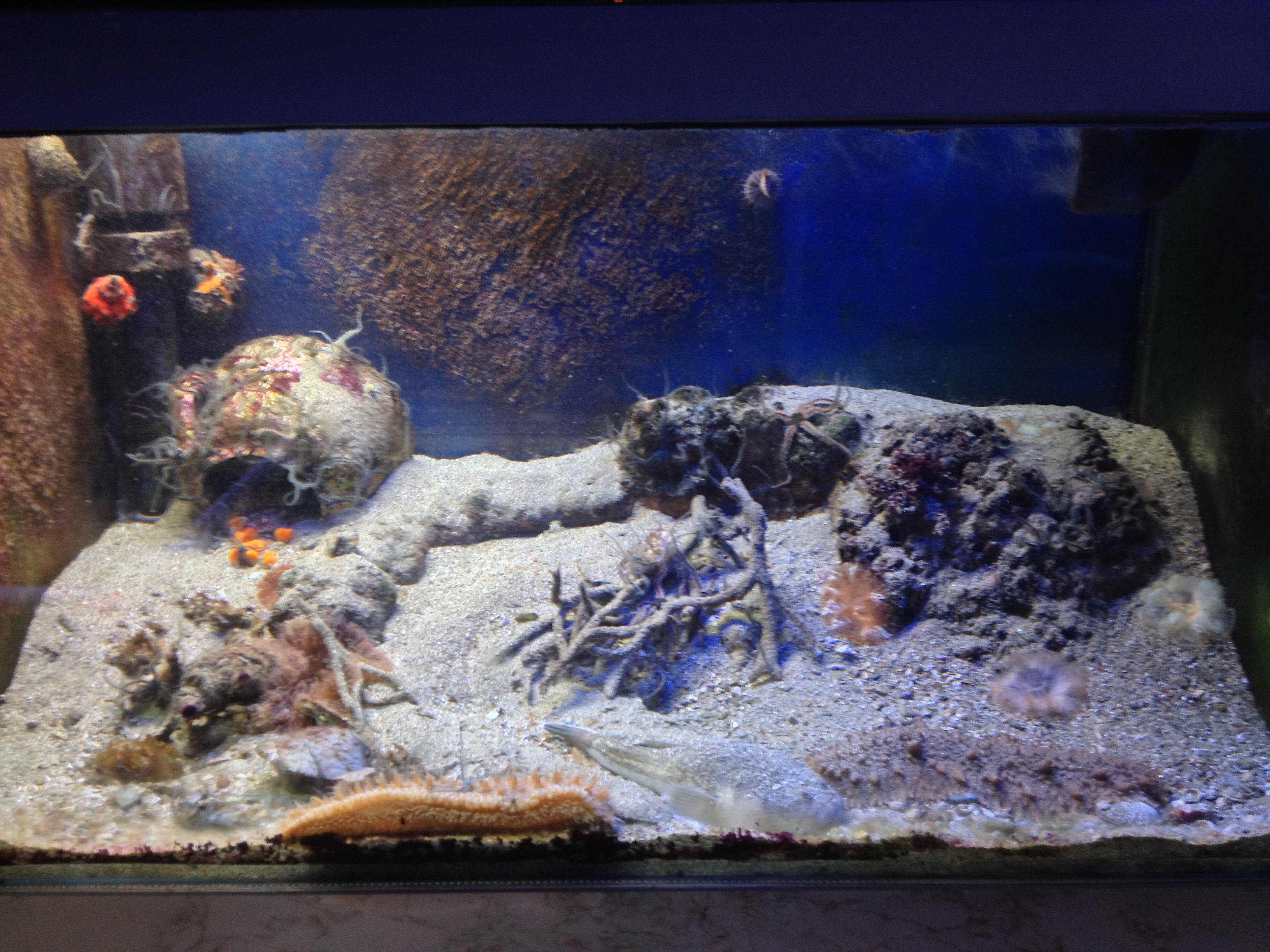
Especially amazing was the stony coral Astroides calycularis:

A Small rockfish Scorpaena notata:
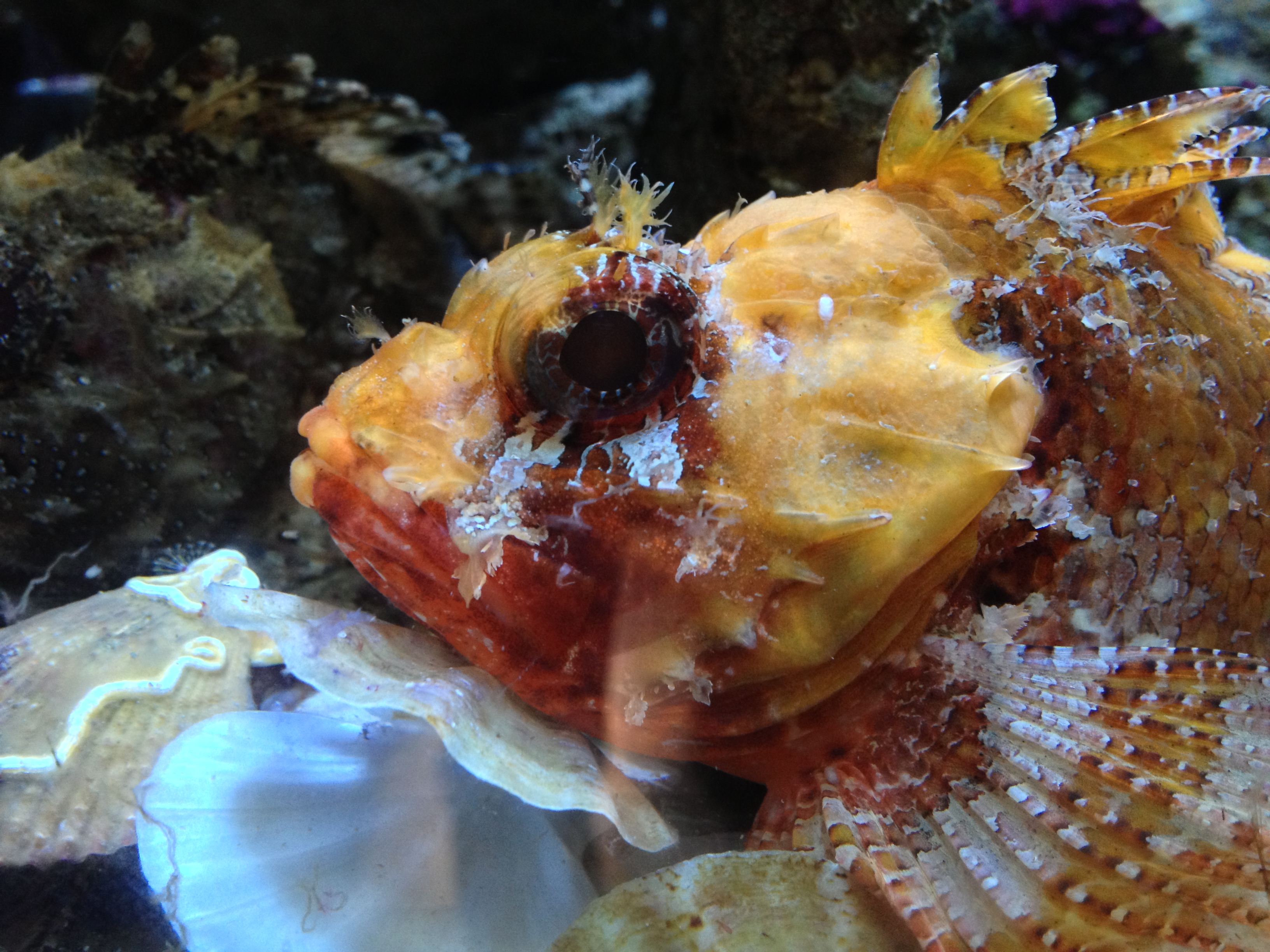
All in all an interesting little visit (I had to rush a bit taking pics as the rest of the family is not as keen on ‘the mysteries of the deep’ as I am…). Lots of types of invertebrates that I would like to try to keep such as sea cucumbers, but for the moment I will focus on seaweeds. I had no time to have a proper look at the rocks outside (the Mediterranean has very small tide differences anyway) and I had not even brought my snorkel. From the glances I got, the Adriatic coast did not have much on the Cornish coast though!
 An Bollenessor