new lens: Panasonic Leica 9mm

Sorry for you non-photography geeks, this is a short post about a lens, the “Panasonic H-X09E Lumix LEICA DG SUMMILUX 9mm F1.7 Lens” to be precise… During the spell of bad weather I was practically forced to browse, and yes, spend money on photo gear. I had long wanted a lens suitable both for landscape and street photography, but especially one that allowed me to focus on say a reptile or amphibian and still have the habitat in the background. A fisheye lens can do this a bit (see the previous post), but on land it results in distortions that just look unnatural. This is a lens that can do the job, as it has a minimum focusing distance of about 10 cm – resulting not in real macro shots but being able to come pretty close, combined with a wide angle background. After having it taken out this weekend for the first time I must say I am really happy with it.
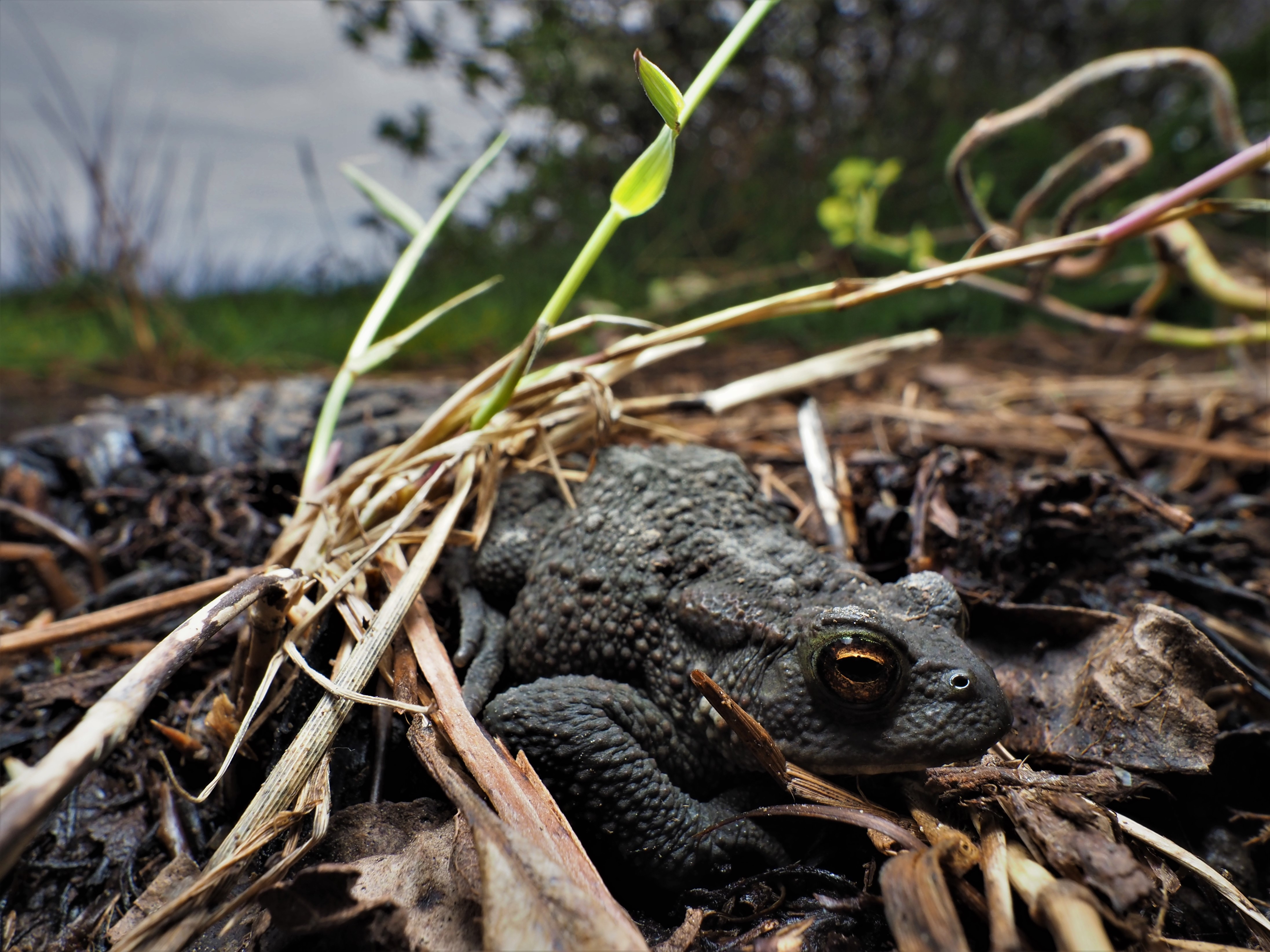
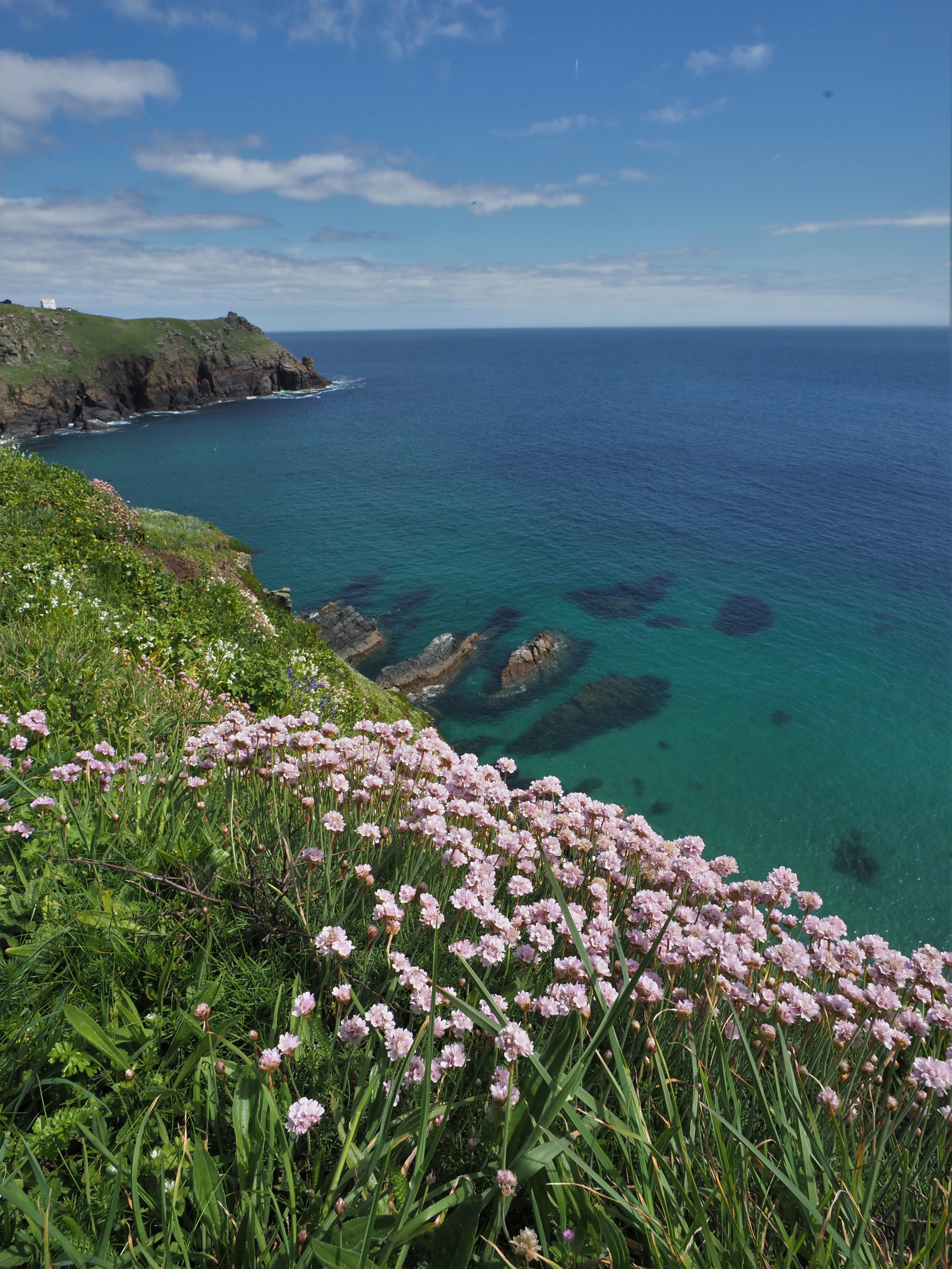
The bank holiday Monday warranted a morning visit to one of our favourite haunts Windmill Farm to do some ‘herping’. Adders and slow worms were found after lifting up corrugated iron sheets, but they slithered off before I could take any good shots. However, there was a toad that sat nice and still so I was able to take multiple shots, camera in one hand, diffuser in the other. For a first try, I was pretty happy with the result. Next, we took a walk from nearby Lizard Point to Housel Bay. The weather was absolutely glorious, with many wild flowers on the cliffs and fulmars, choughs and pipits flying around. The water was blue and crystal clear – you could see the seals swimming underwater! A small part of me was cursing that I was not in the water myself to take photos, but it was a fantastic day on land too.

P.S. annoyed that the Windows photo software straightening tool is not very precise – the horizon is not straight!
Pentire

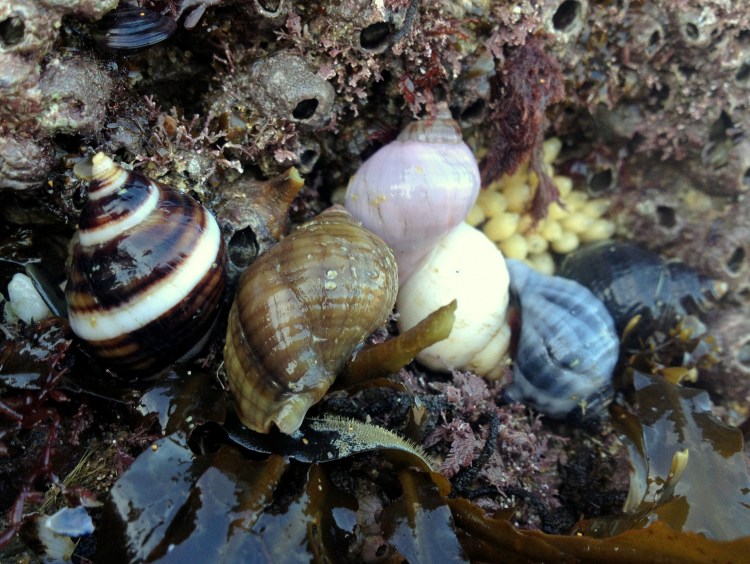
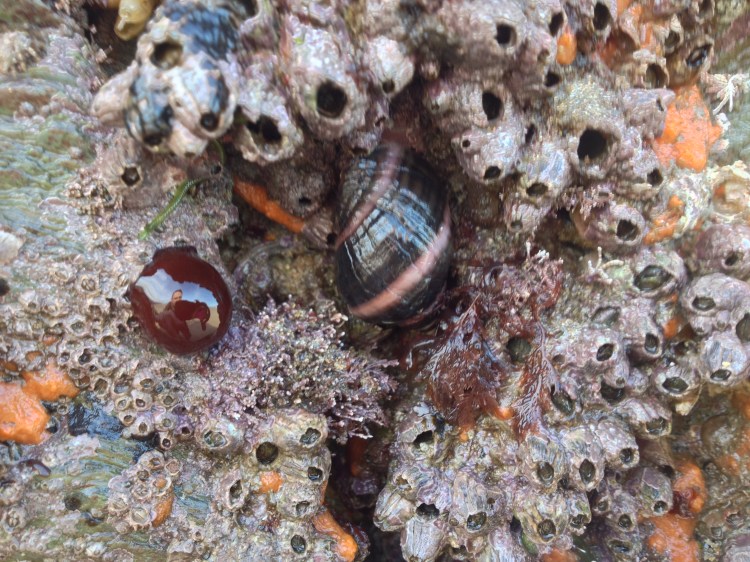
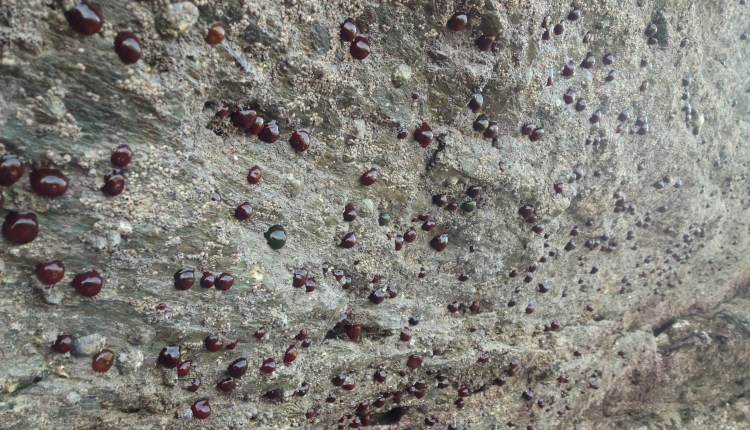
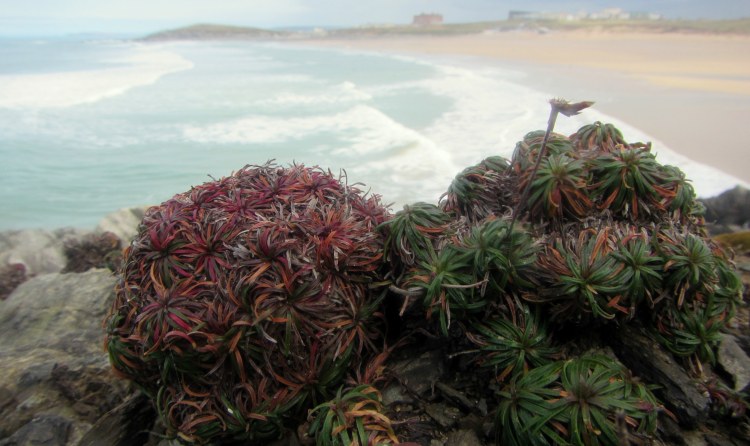
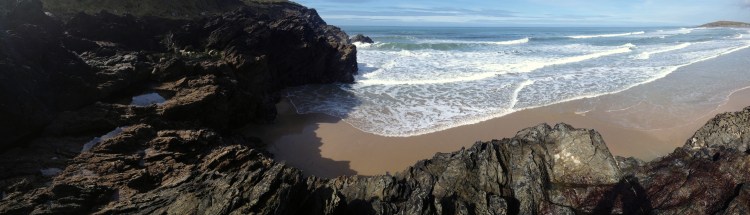
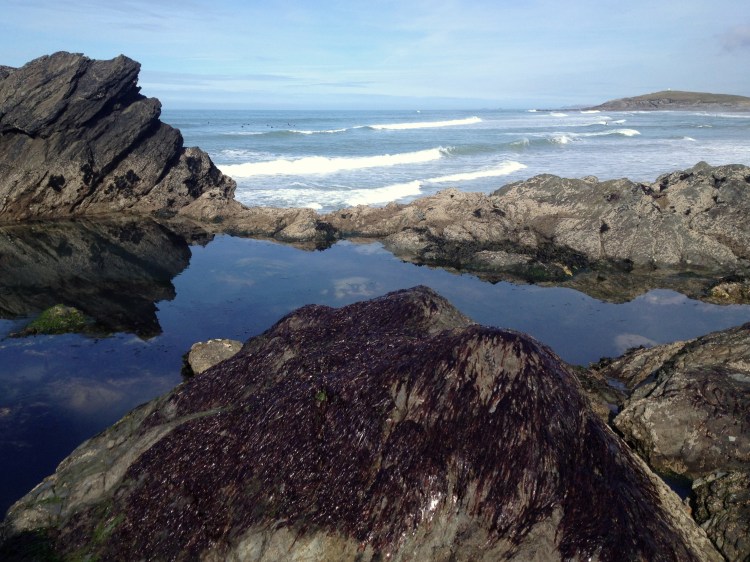
IMG_2288Three weeks back I had to pick someone up from Newquay airport and decided that it would be a good idea to combine that with some rock pooling action on the North Coast. I was told that the Pentire end of Fistral Beach was a good spot for Dahlia anemones and so the decision was made. Unfortunately I did not find any anemones, but it was a beautiful day nonetheless. The relatively few North coast sites I have explored all seem a bit barren in comparison to the South coast: more exposed, with sand meeting scoured rocks, leaving only hardy seaweeds, mussels and beadlet anemones to cling on. I need to spend some more time to find the right spots that’s for sure. The top of the cliff contained some rock pools, but they were quite milky due to the recent weather. They were full of the beautiful Brown tuning fork weed Bifurcata bifurcata (as I was on an anemone hunt, I was hasty and most photos did not come out especially nice, so see this old post for a nice photo of this species). The rocks were very slippery due to the (edible) Laver seaweed Porphyra (front of the next picture).IMG_2291At the base of the cliffs were some gullies, the largest of which is locally known by the rather grandiose name ‘Cave of Dreams’. No major finds here, but it was nice to see the many colour varieties of the Dog whelk Nucella lapillus (egg clusters in the background). The second photo is an especially pretty specimen; I only later noticed the green worm (probably Eulalia viridis) and the reflection in the beadlet anemone of me holding my iPhone! Beadlets are super common here. It is interesting that this species has two main colour varieties (red and green), just like the Snakelocks anemone (green and purplish) and the Plumose anemone (white and orange). This might be a coincidence but I find it intriguing. Lastly, some Sea pink or Thrift Armeria maritima.IMG_2315IMG_2308IMG_2283IMG_2723 - Copy