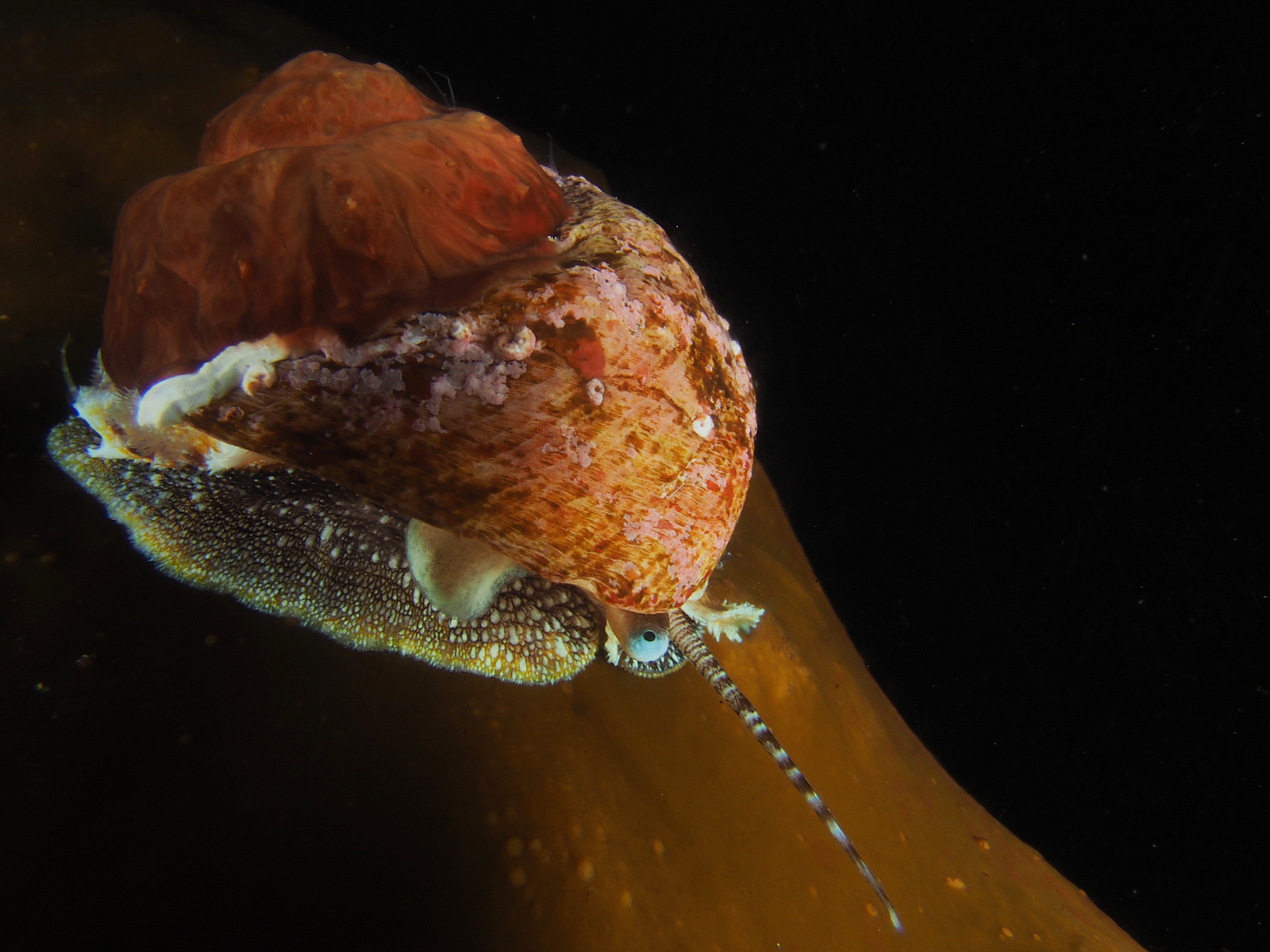
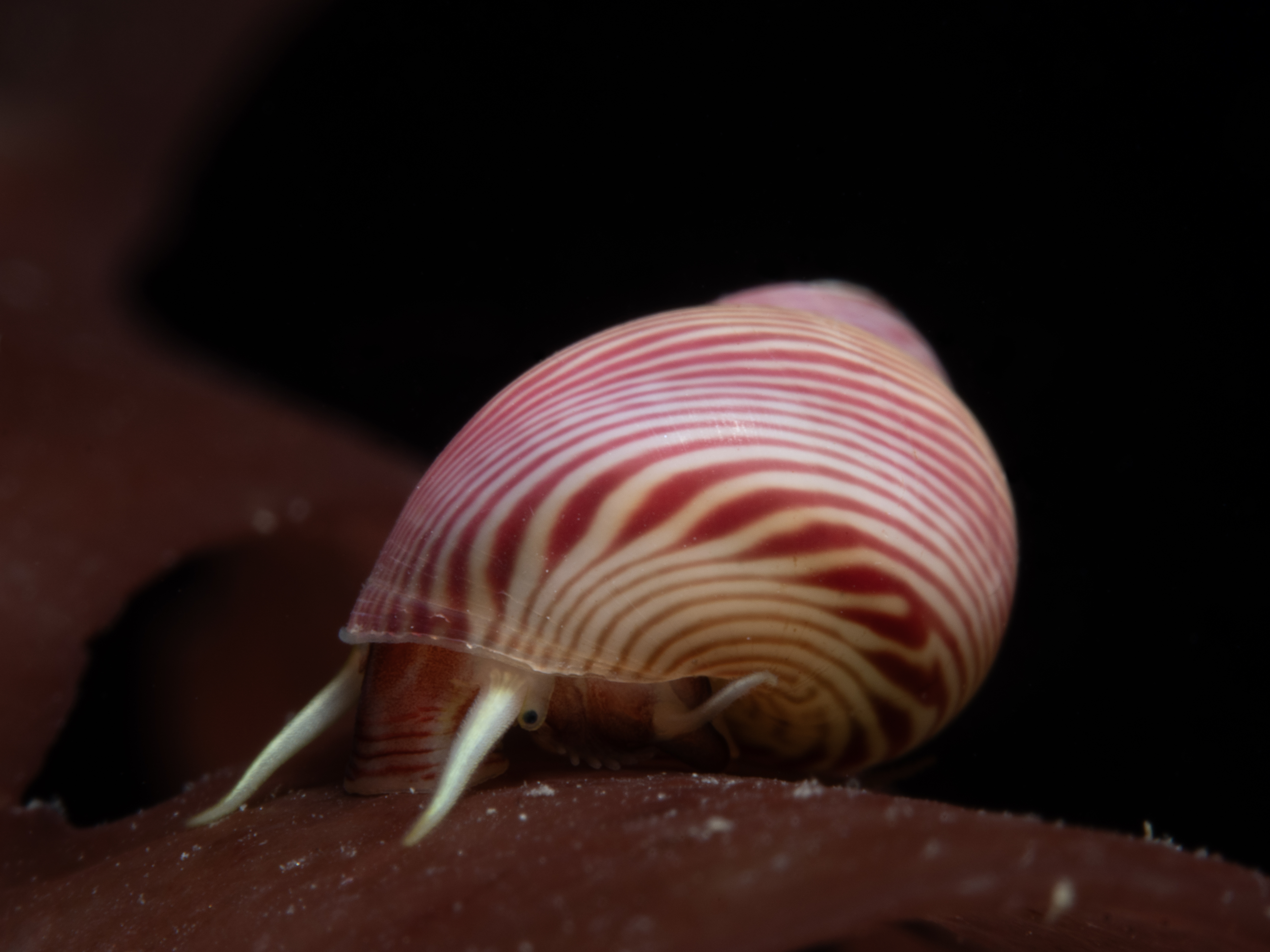
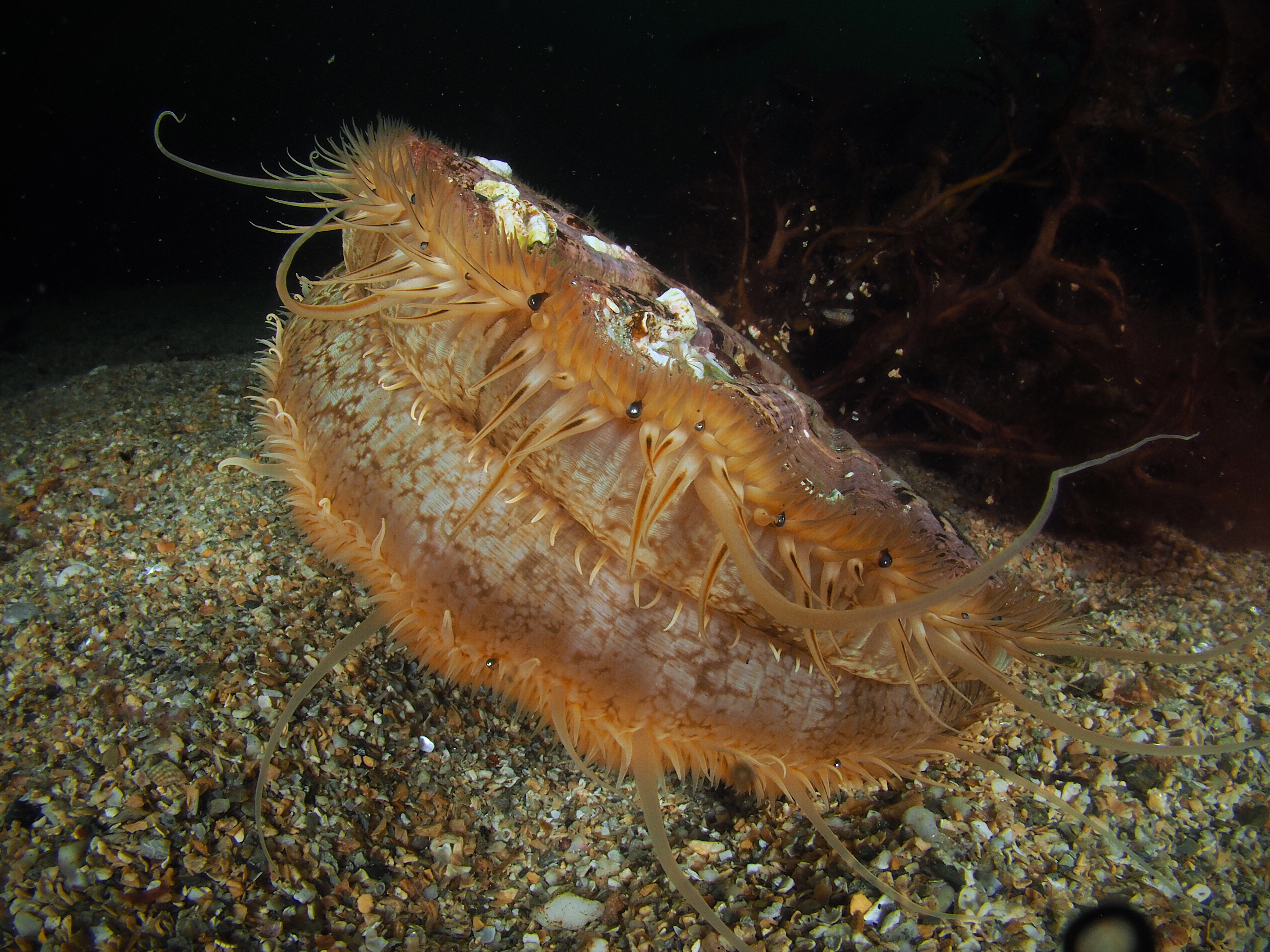
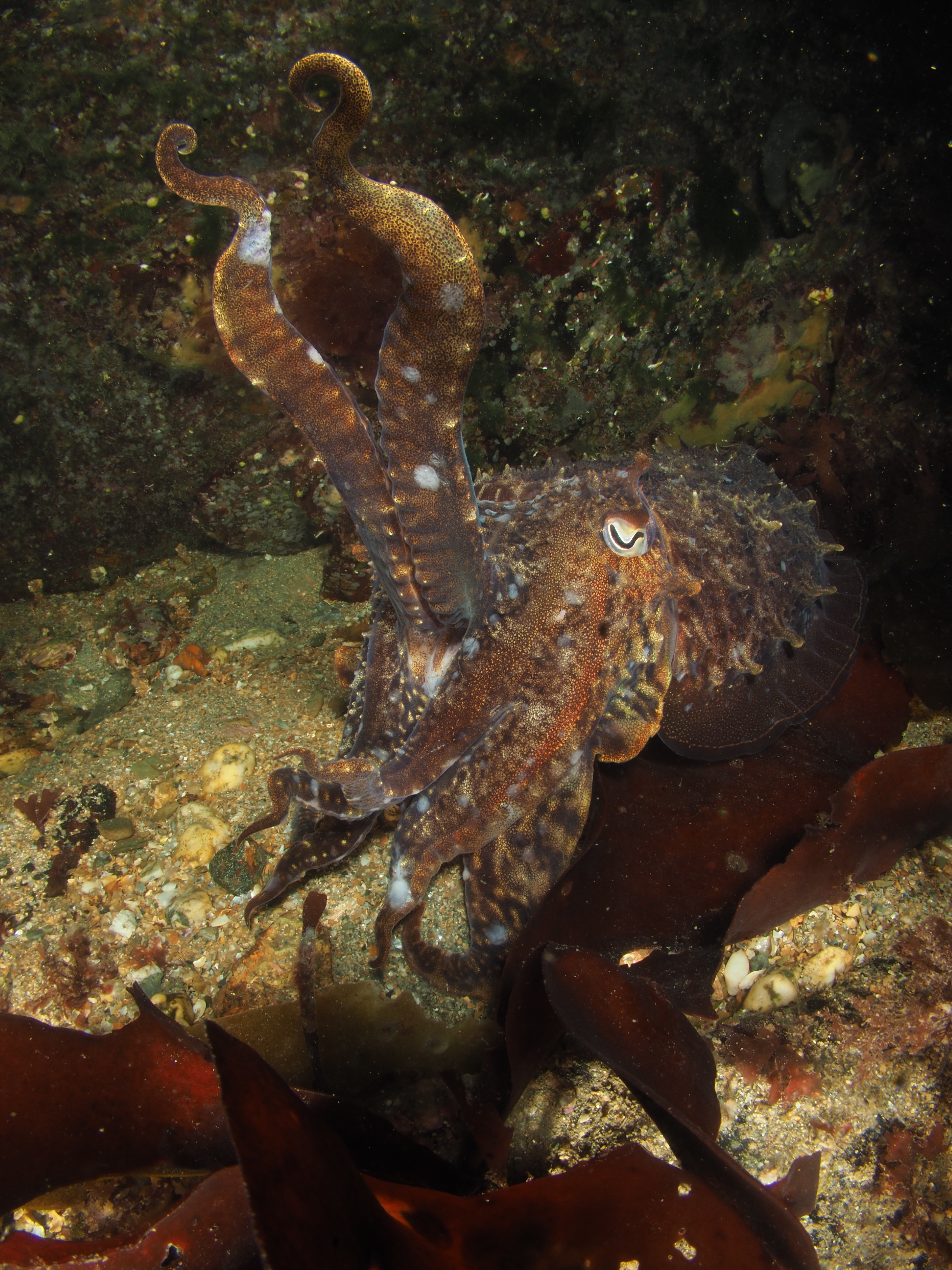
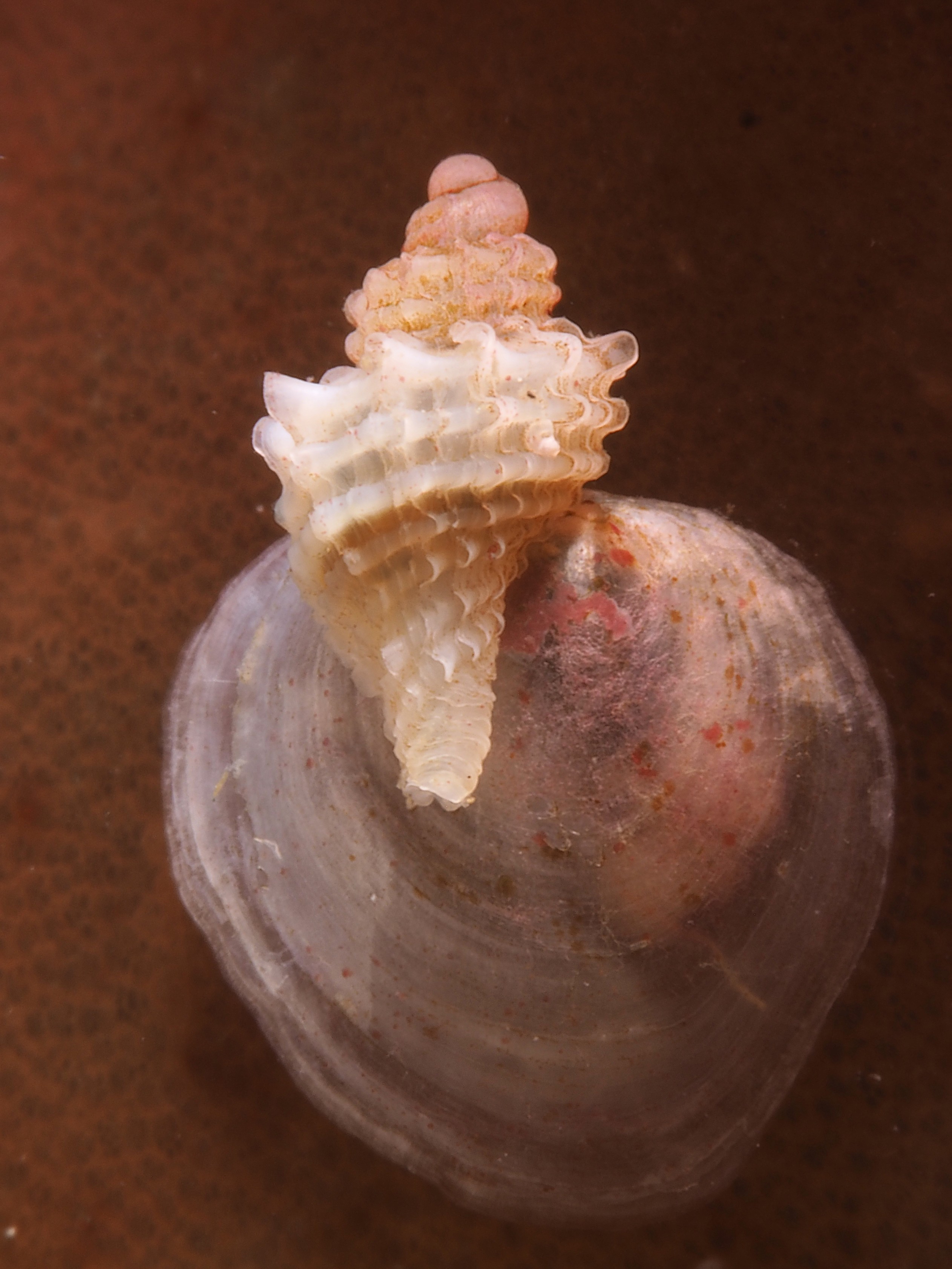
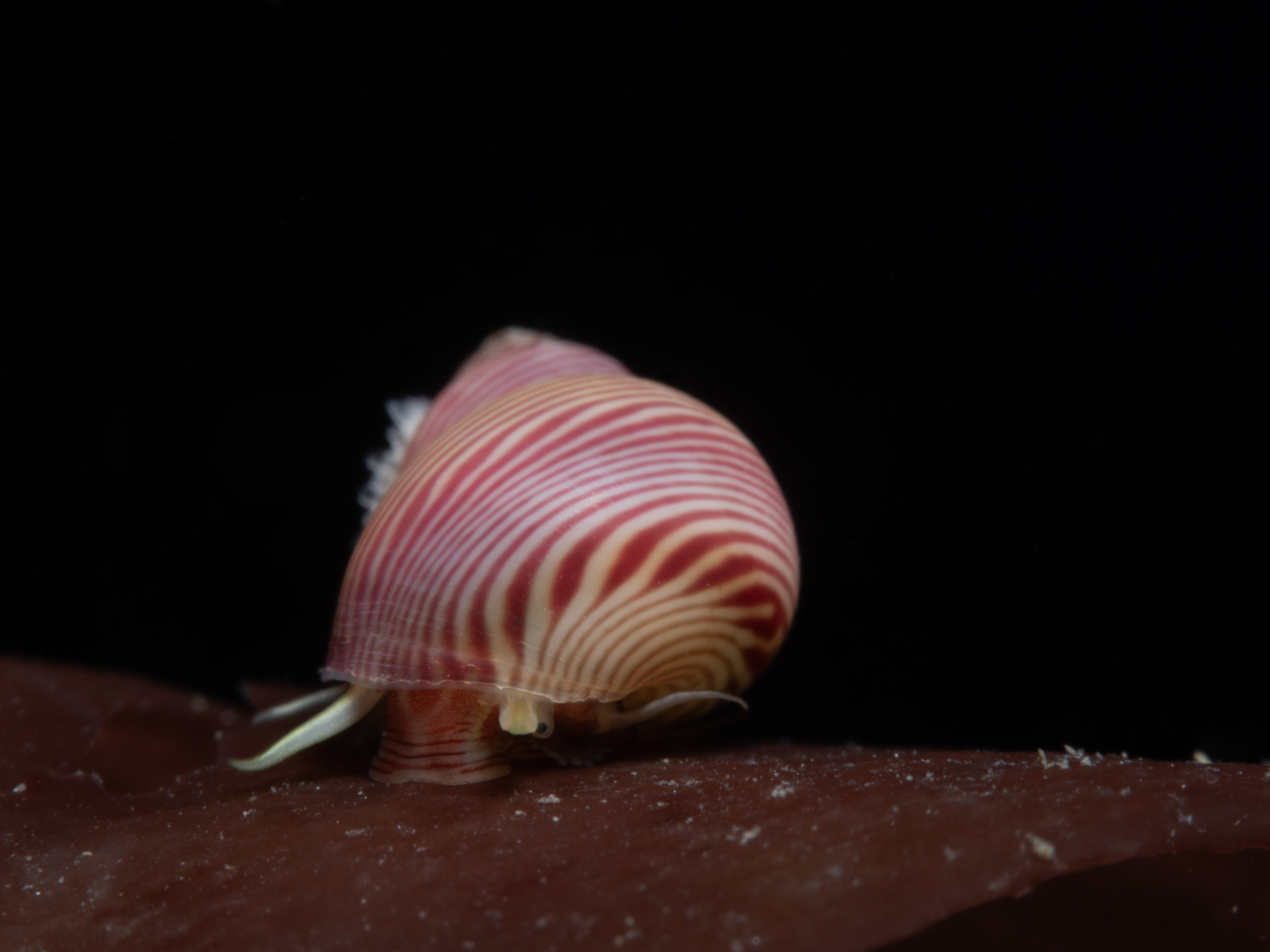
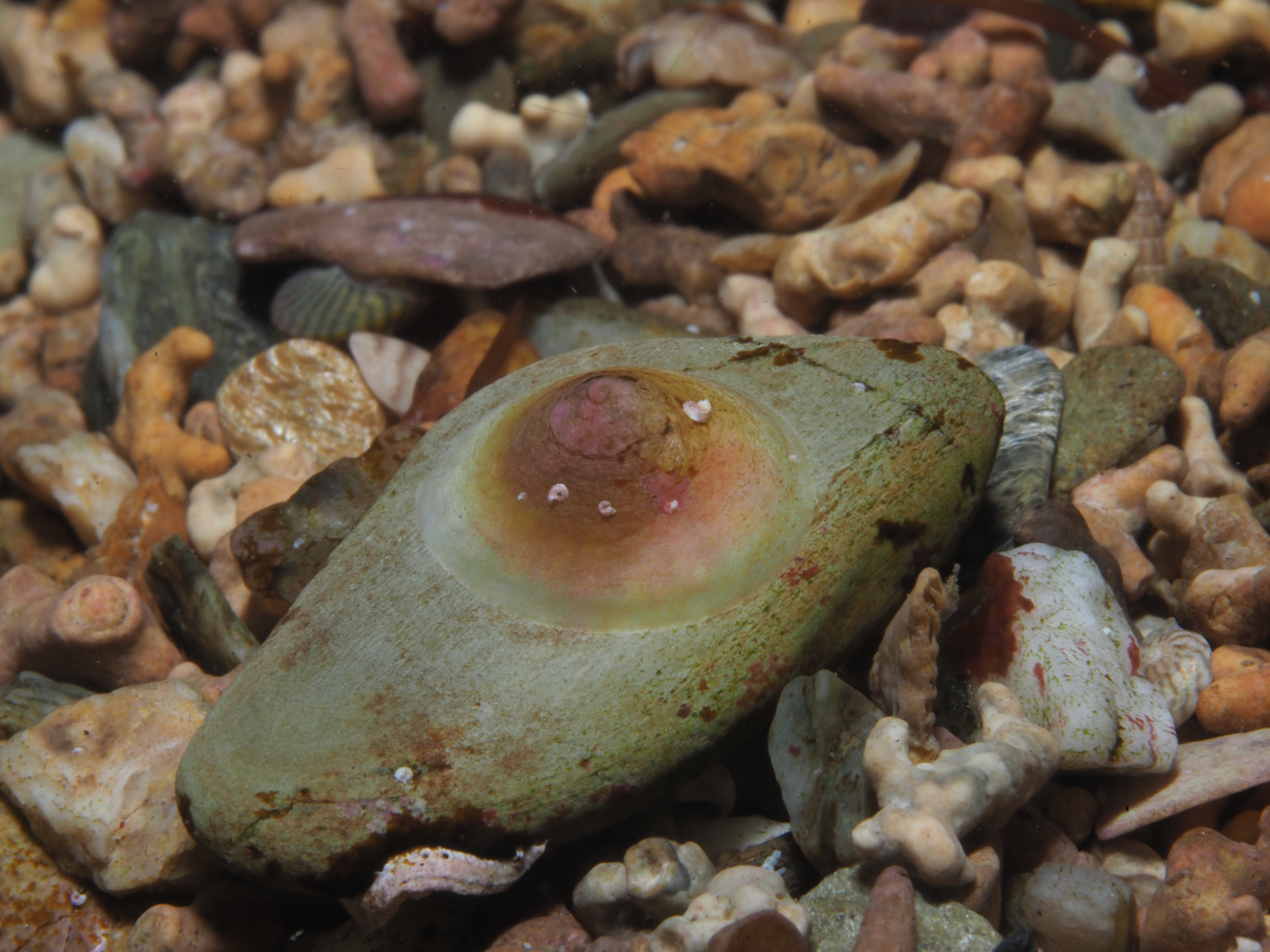
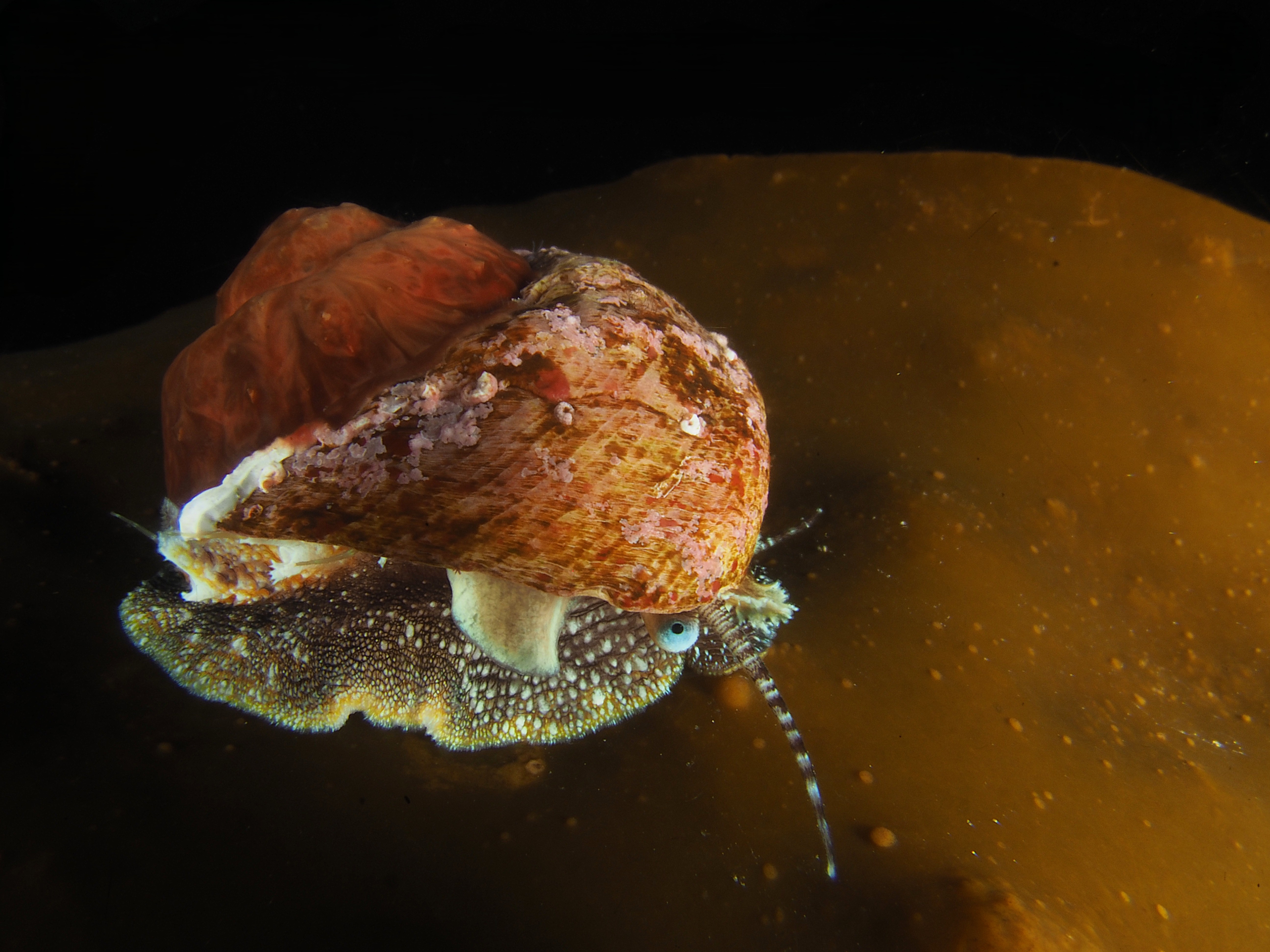
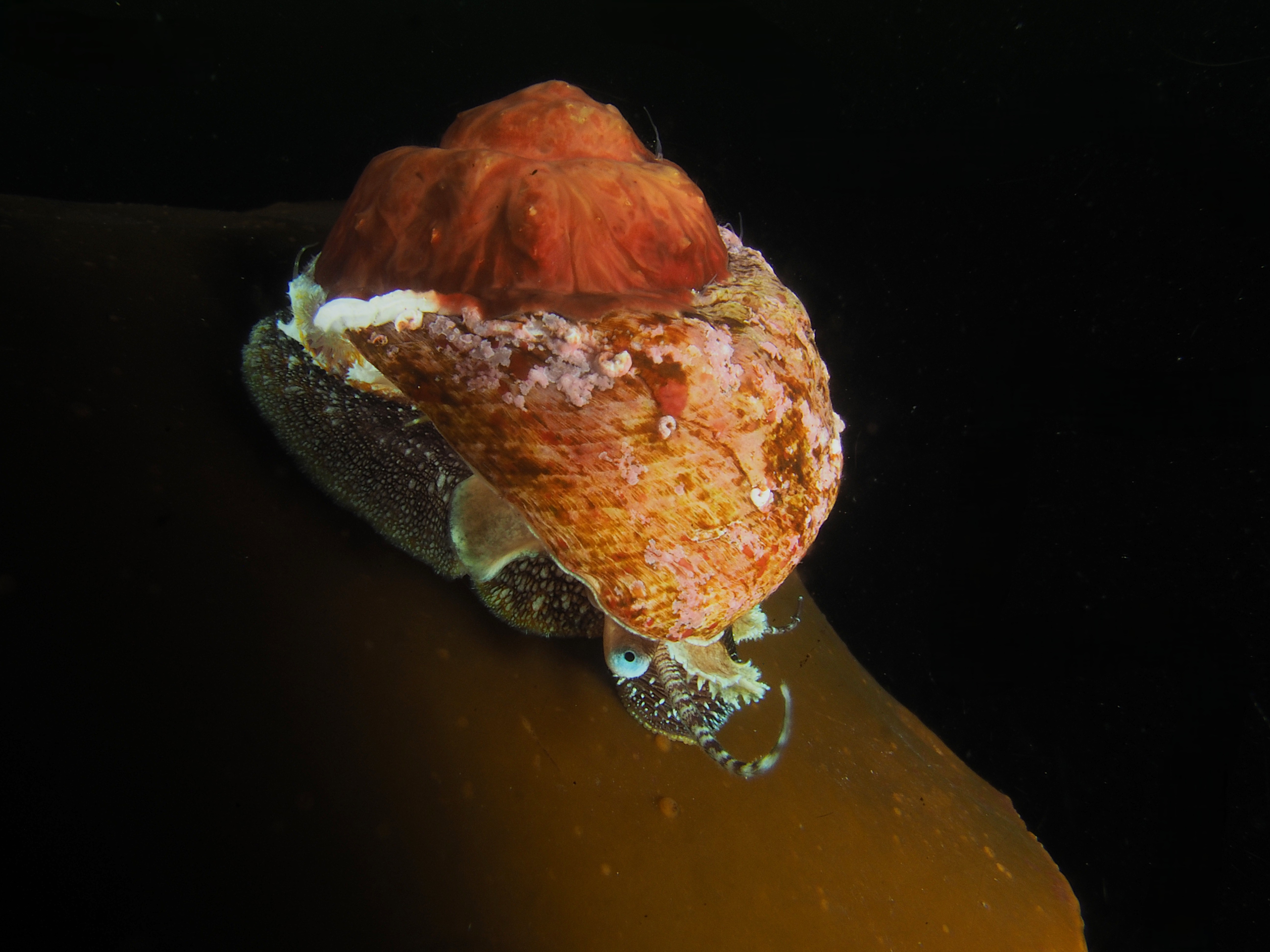
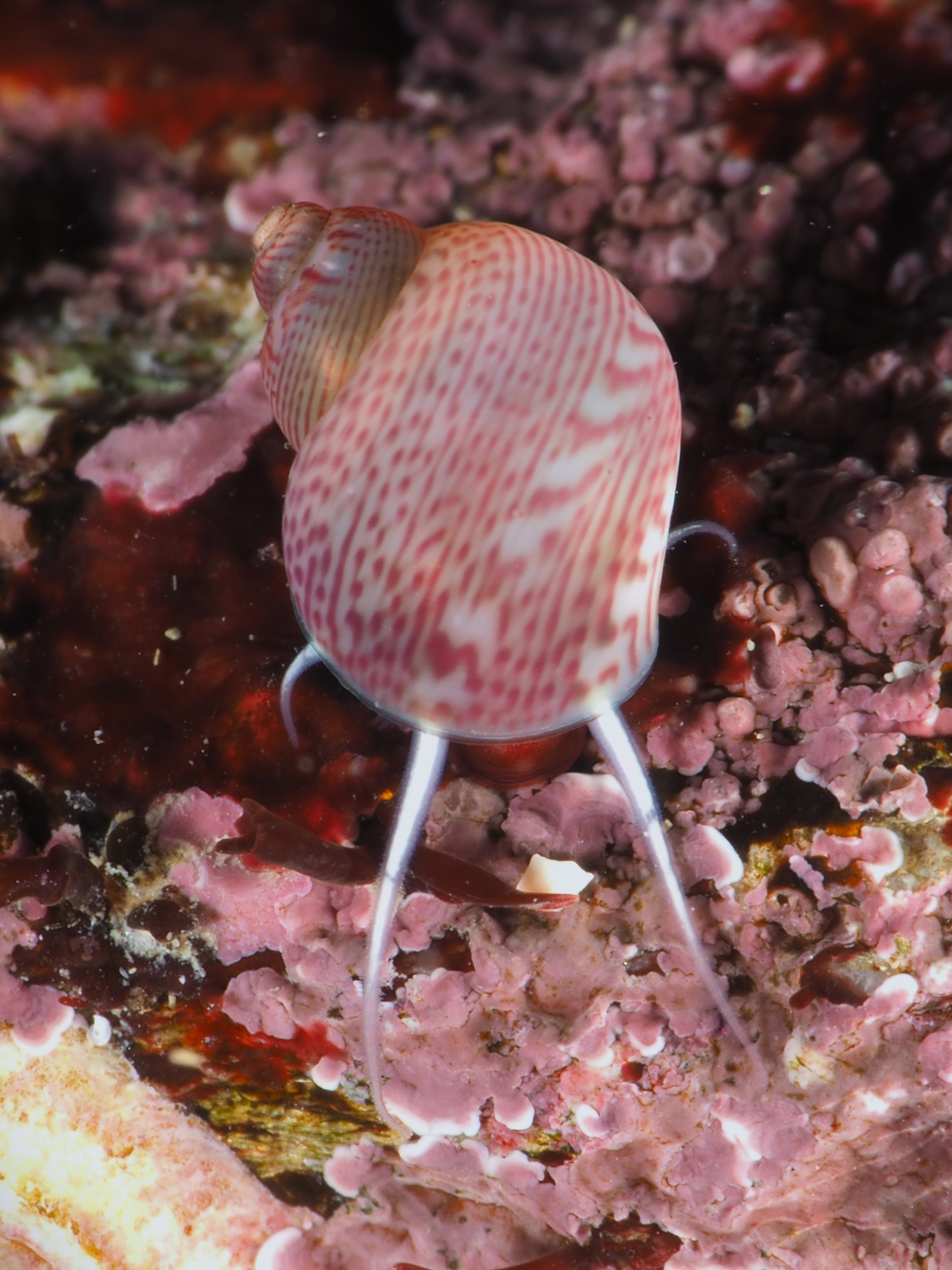
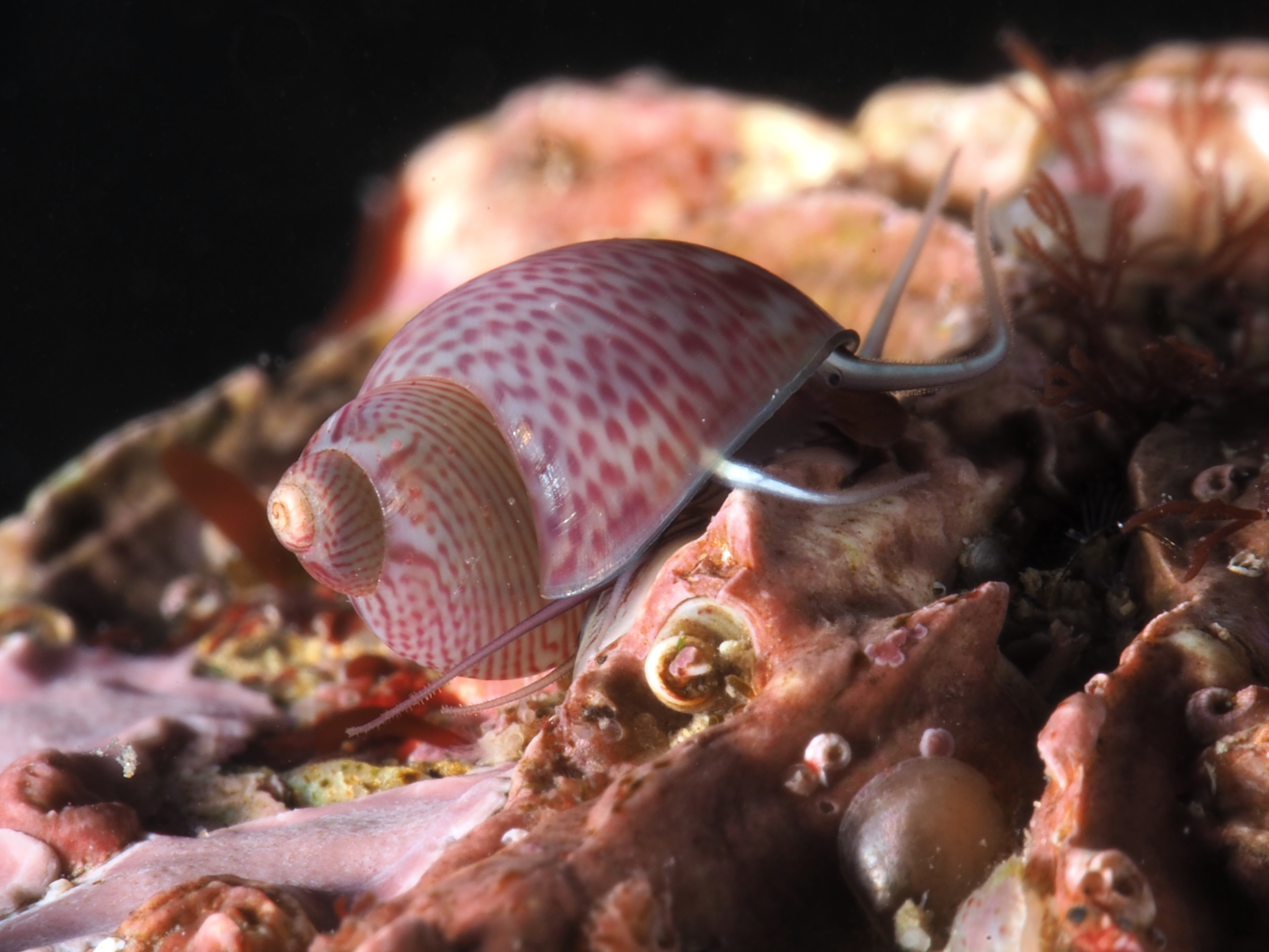
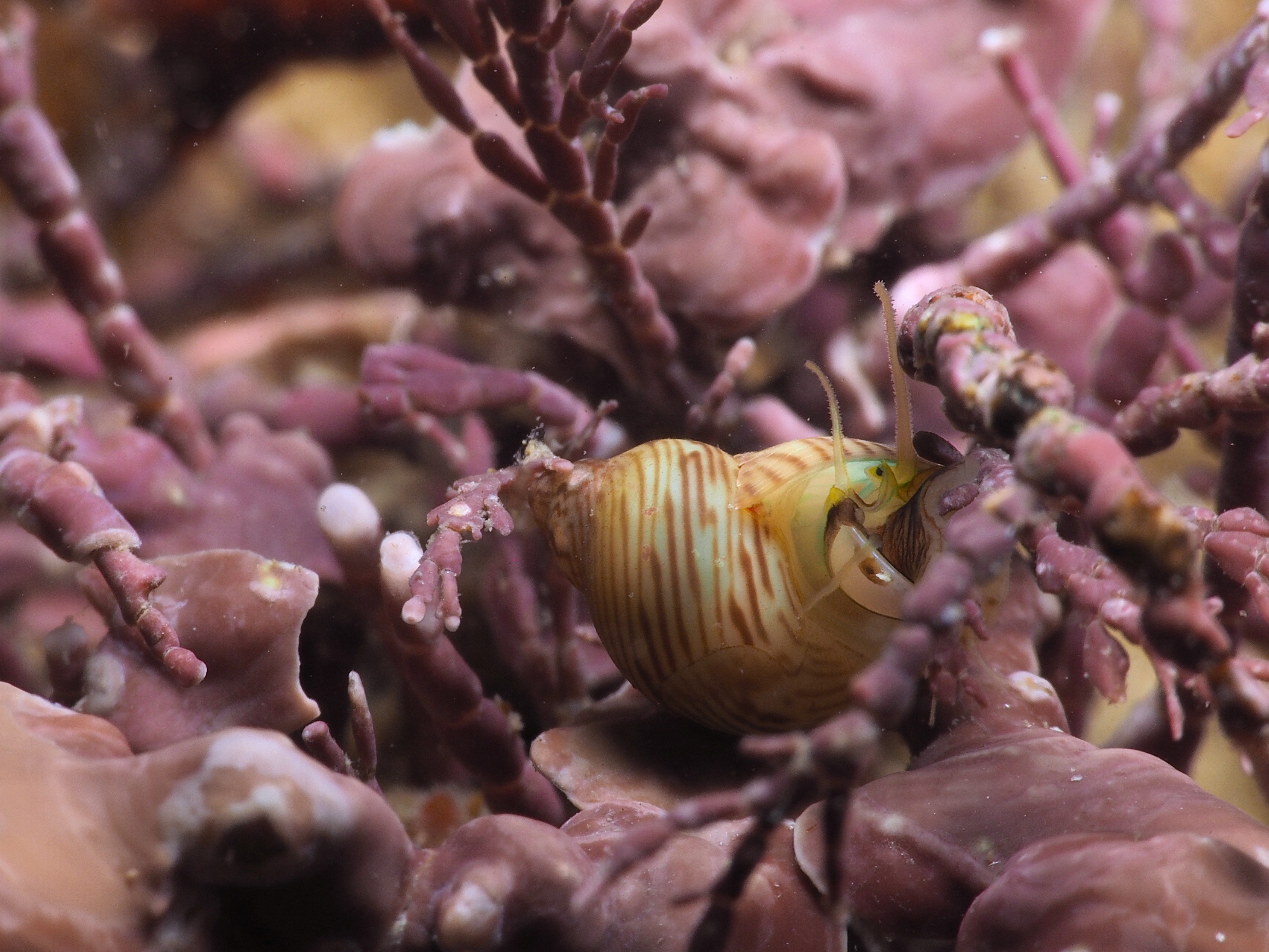
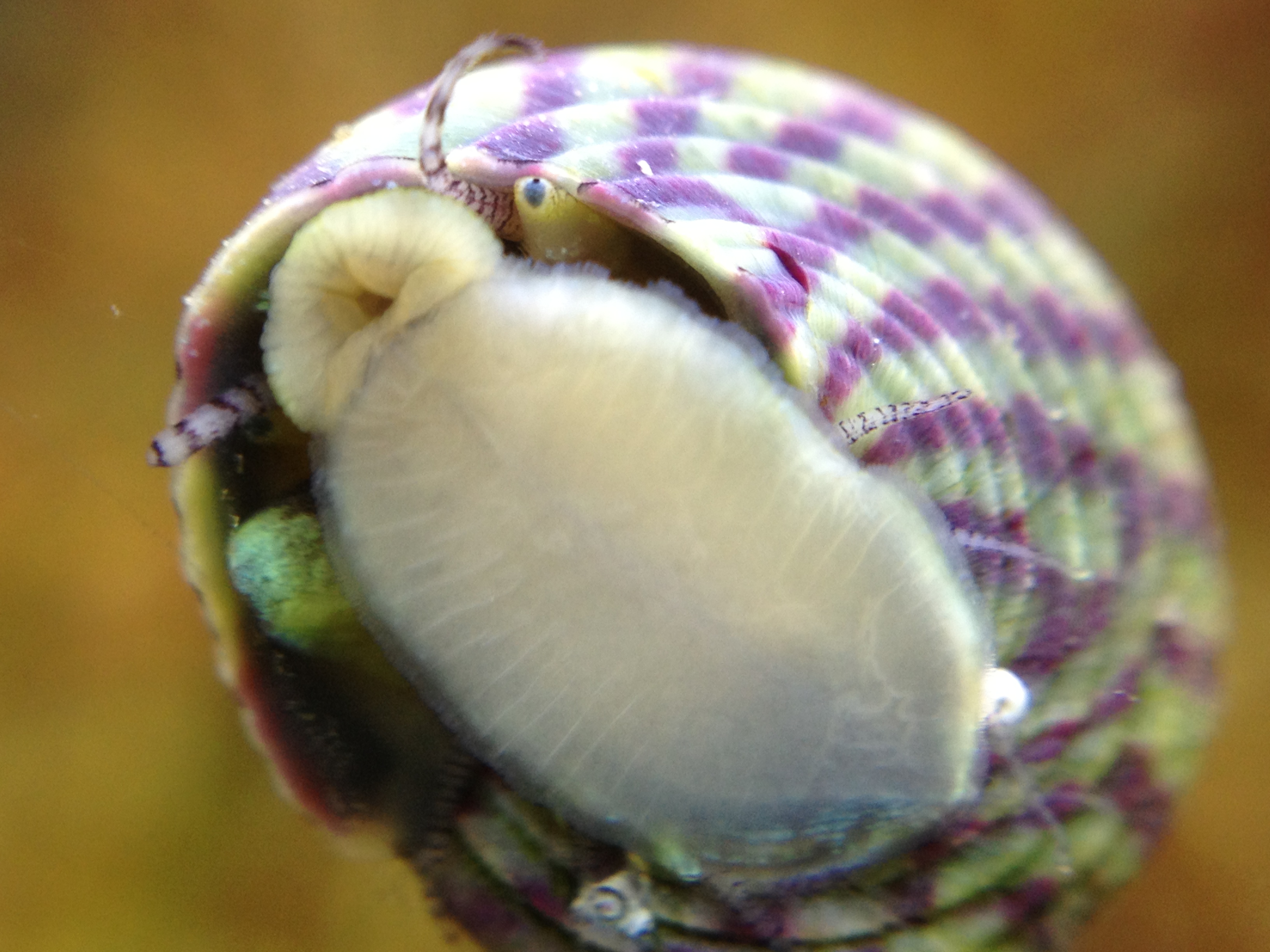
The Pheasant Shell is one of my favourite little critters in the rockpools in Falmouth. It is a bit weird to refer to these organisms as ‘shells’ actually, as they are living things and the nonliving shell is ofcourse only a part of them. The confusion extends to its scientific name: this species was previously known as Tricolia pullus, but has recently been split into a Southern European T. pullus species and a Northern European T. picta species. Perhaps the dust needs to still settle on that one.
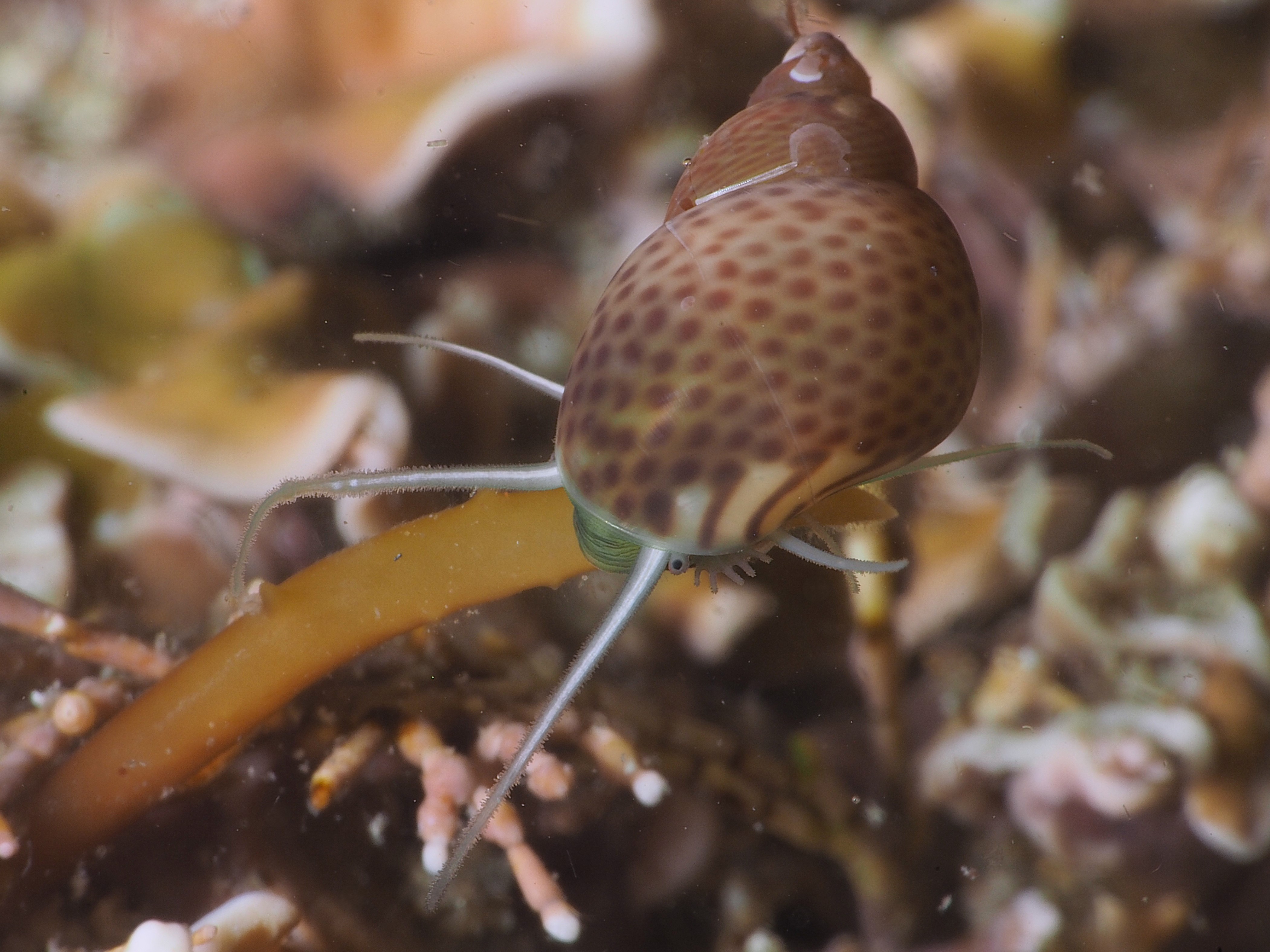
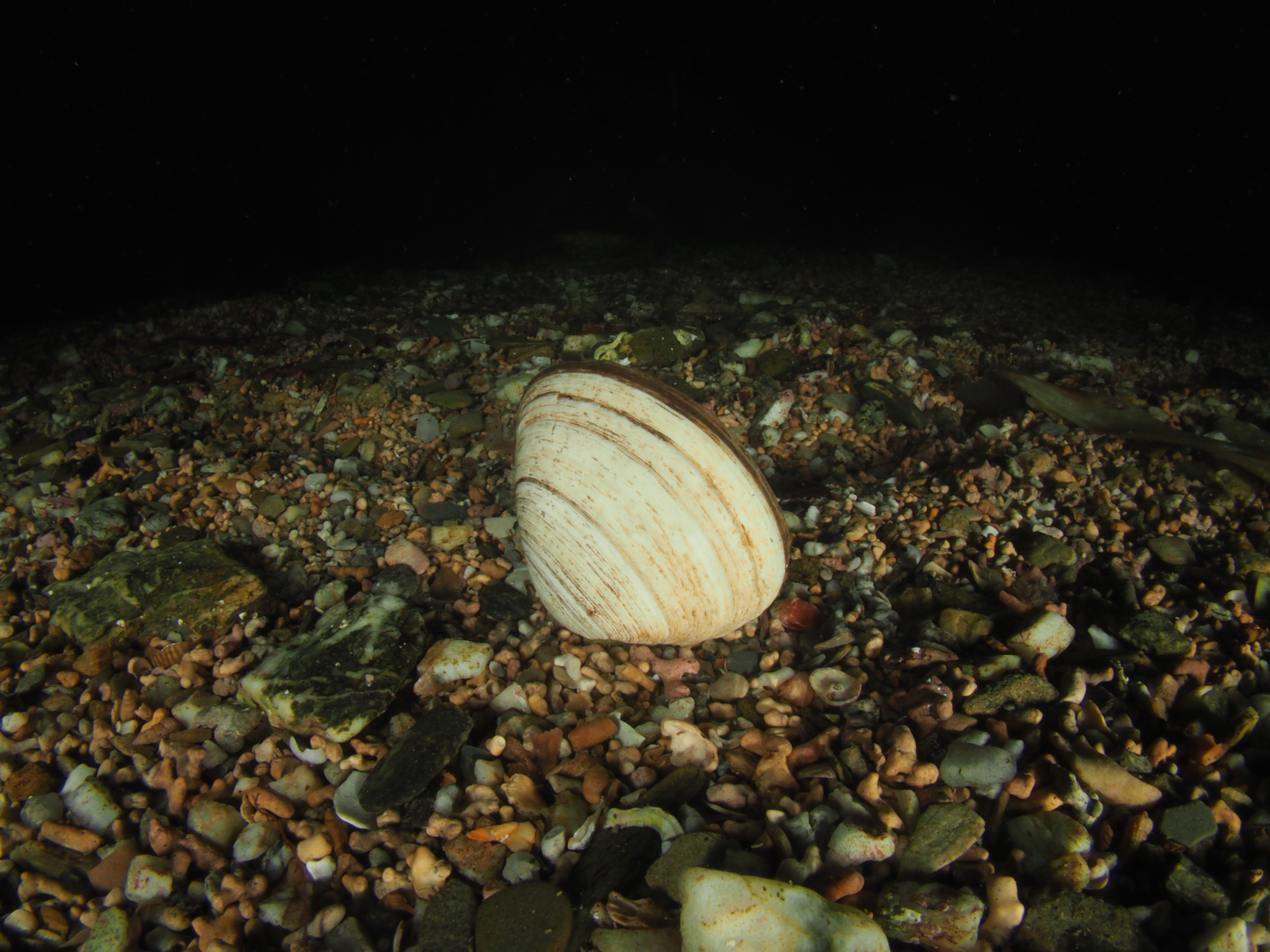
I have taken these photos, on different occasions, with the mzuiko 60mm macrolens and the nauticam cmc-1 wetlens. The extra magnification the latter lens (screwed onto the housing) offers is great; although somehow I always want to get even CLOSER! I have not nailed the Pheasant Shell shot either. Reflecting on these pics I think I need to use a shallower depth of field to get rid of cluttered backgrounds. Next time.
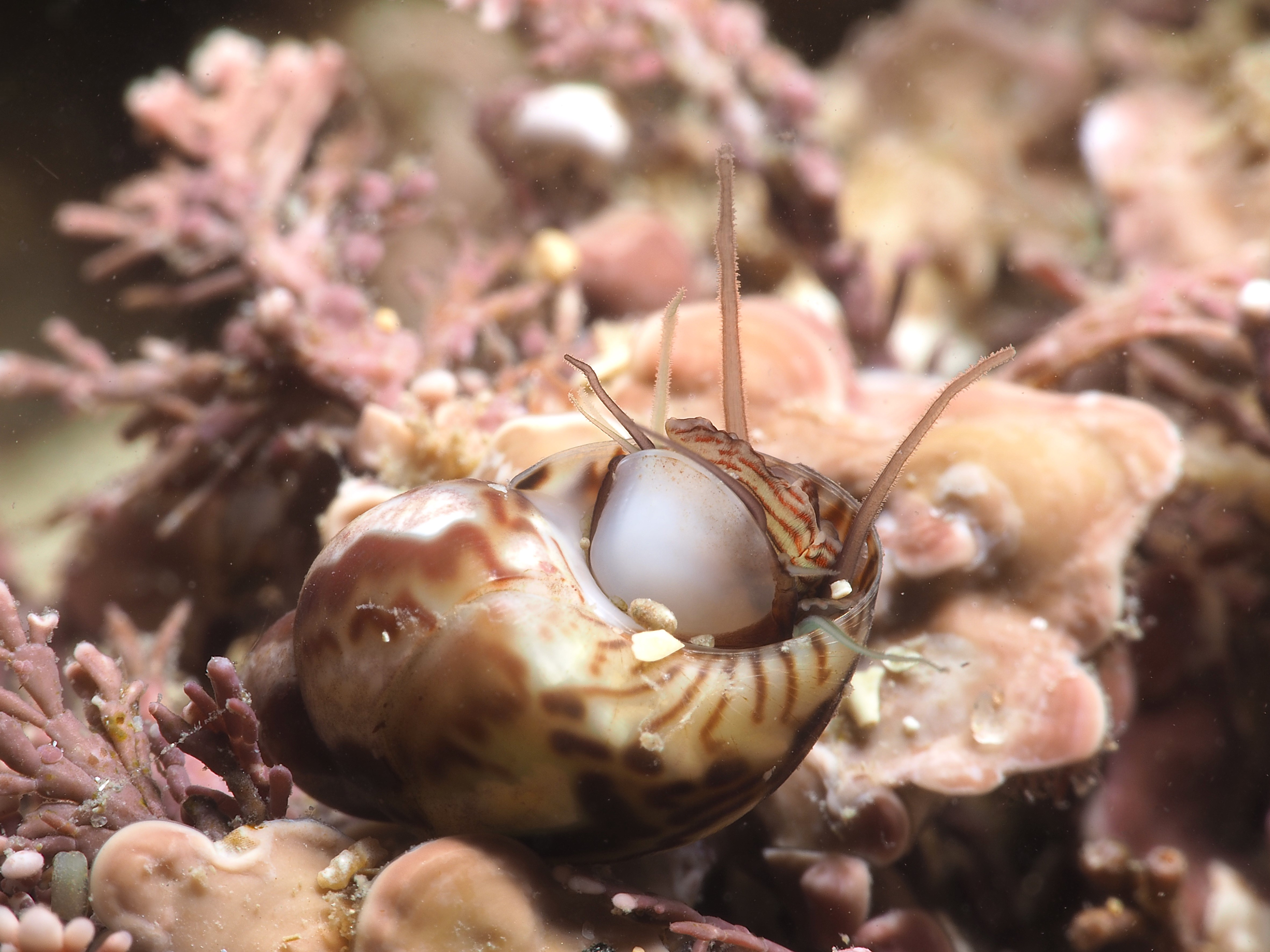
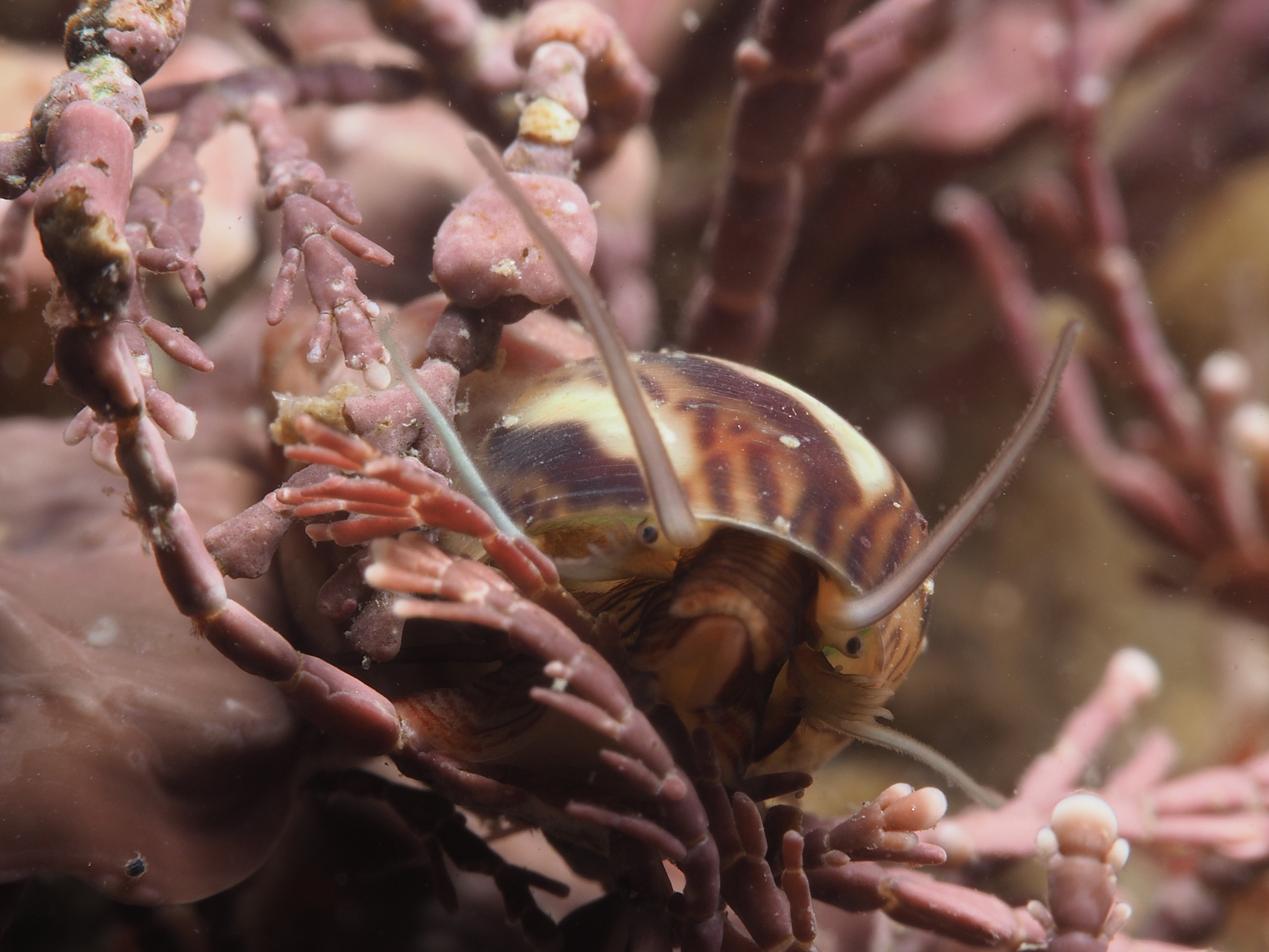
The calcified operculum (the little door to close the shell) is clearly visible in the first photo above, as are the tentacles. On the second photo above you can even see that the left ‘neck lobe’ is more deeply digitated (fingerlike) than the right one. For more detailed (studio)shots of this and other molluscs please see Morddyn’s flickr account. I will post more macroshots of other mollusc species soon!
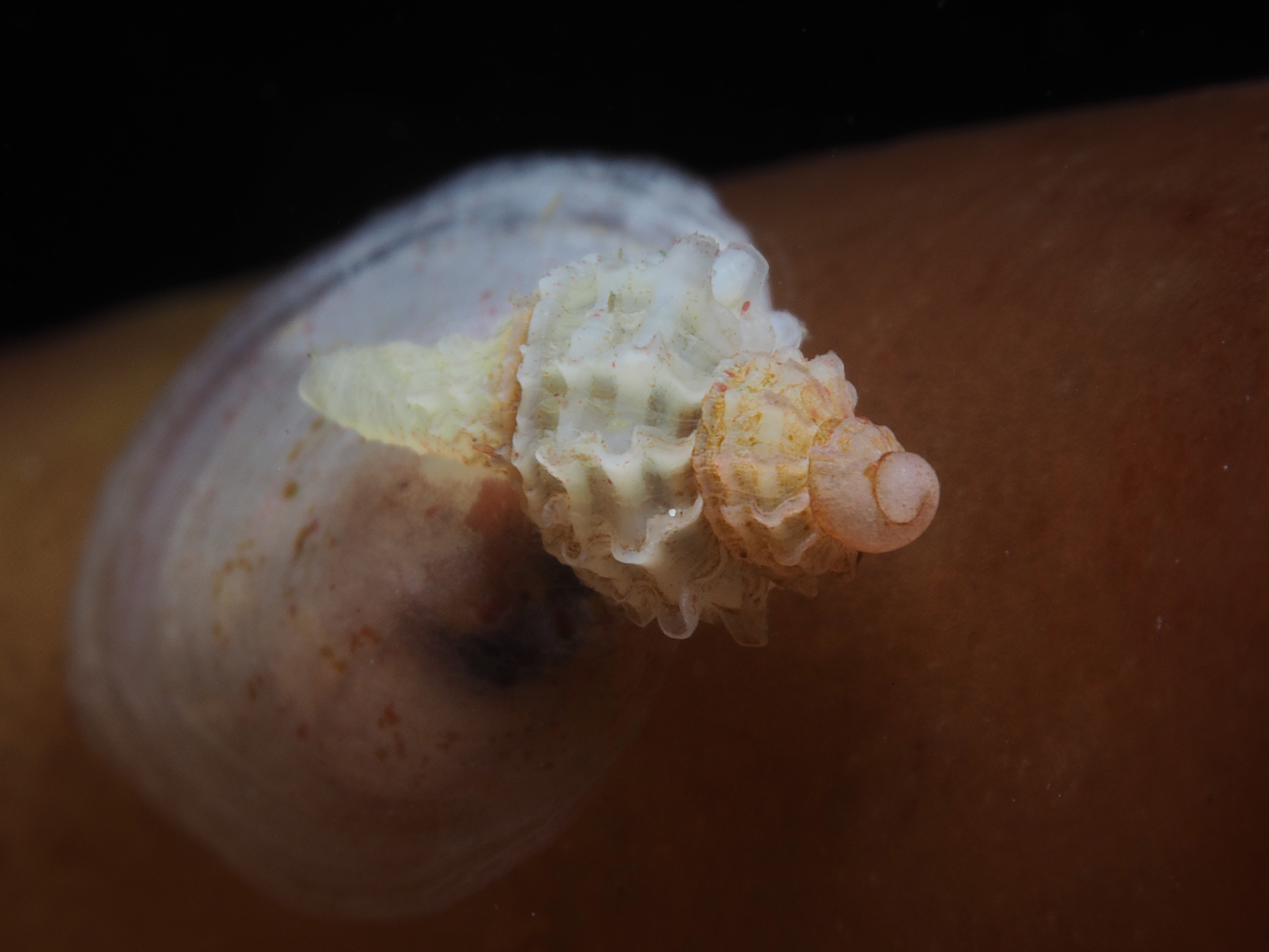
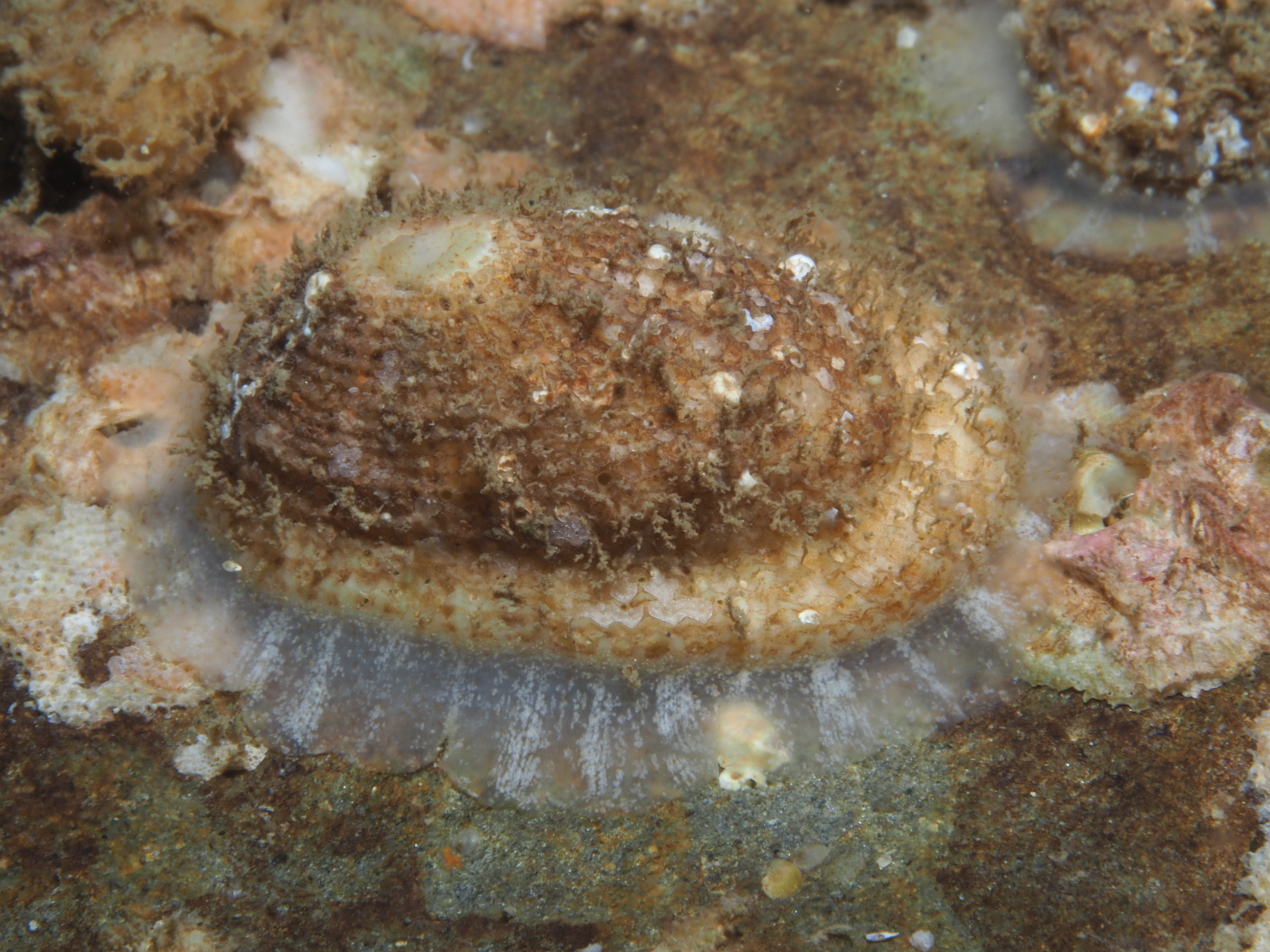
On my way back from rock pooling yesterday in Flushing I turned one last rock on the upper shore and found two species of tiny snails that I had not noticed before. First, a couple of Two-toothed white snails Leucophytia bidentata, one of the few terrestrial, airbreathing snails that have returned to a marine habitat: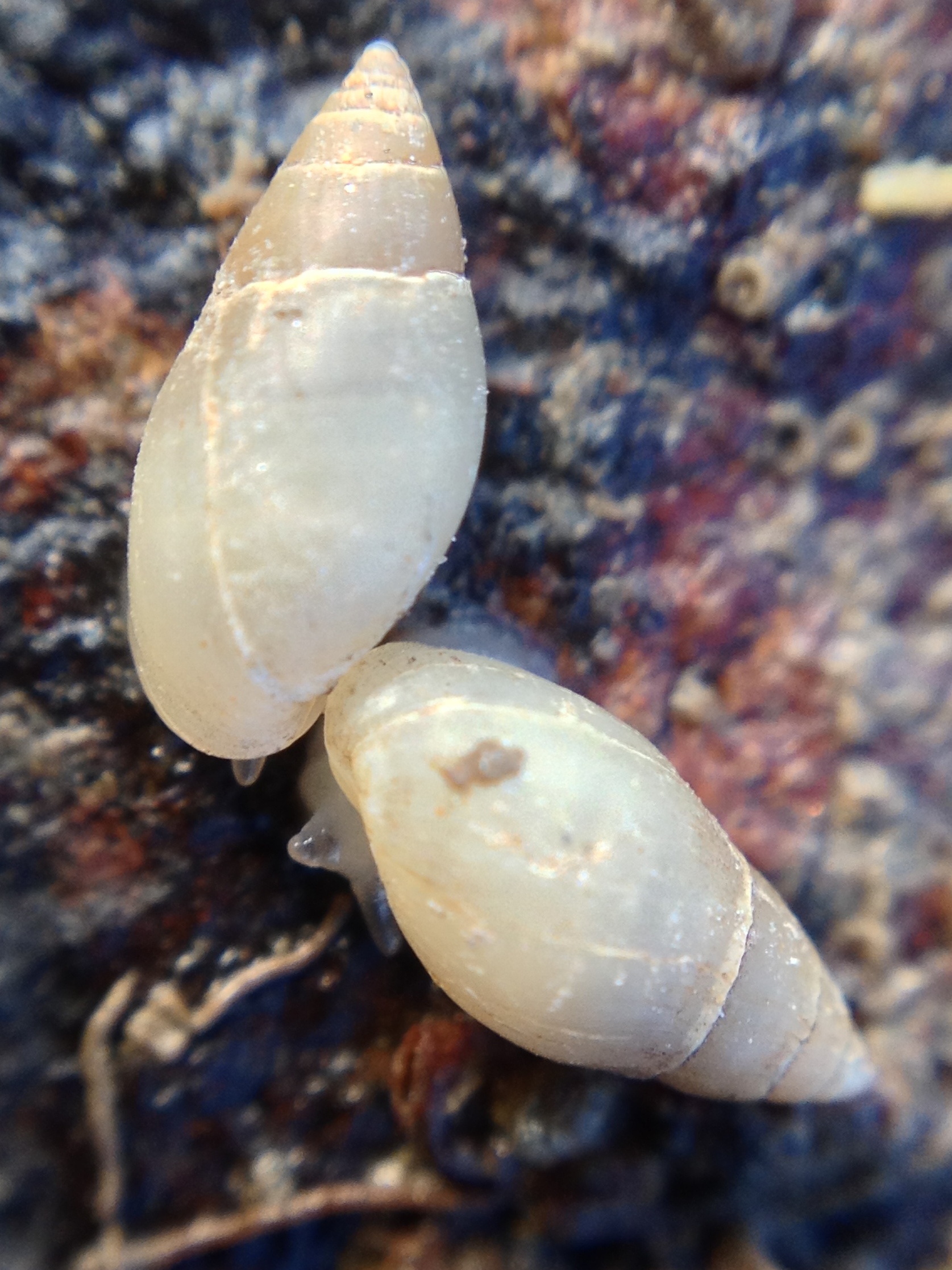 More numerous was the smaller species Cingula trifasciata. Below a group next to a large wormshaped eggmass that my Seasearch Identifications friends quickly pointed out belonged to the Ribbon Worm Lineus ruber: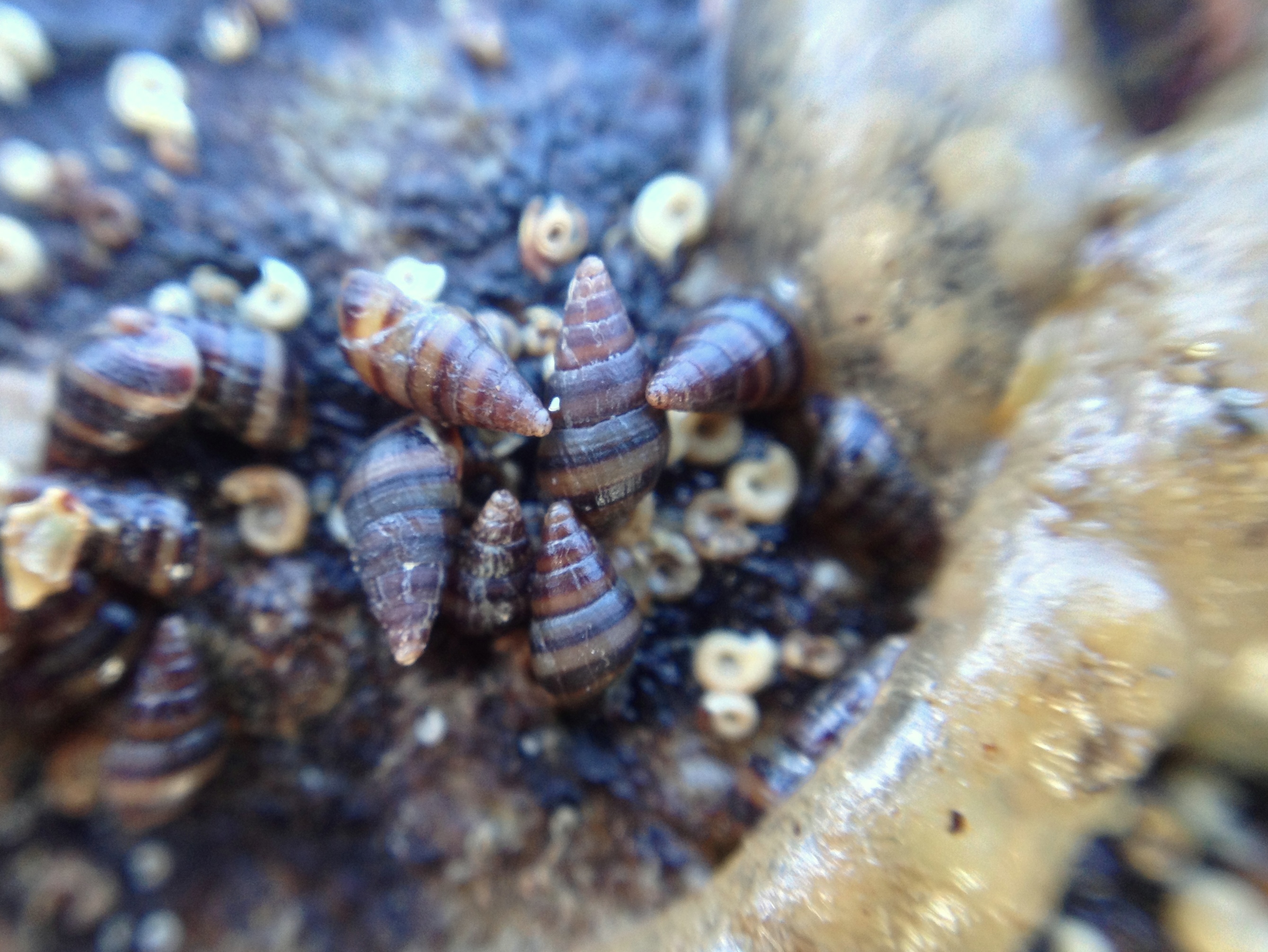
Time for an update. The five Snakelocks anemones have settled and are doing very well (I have fed them some defrosted shrimps which they quickly devour). The Leach’s spider crab was sitting happily under one of the anemones until it decided to move behind a piece of slate and now does not show itself much anymore. Perhaps this has to do with a prawn I introduced, although I have not seen any scuffles. I have to see what I’ll do about this. If it is really shy then I perhaps have to choose between keeping it or introducing fish. In any case I have seen it munching on some algae and a dead Cushion star and it seems to do OK.
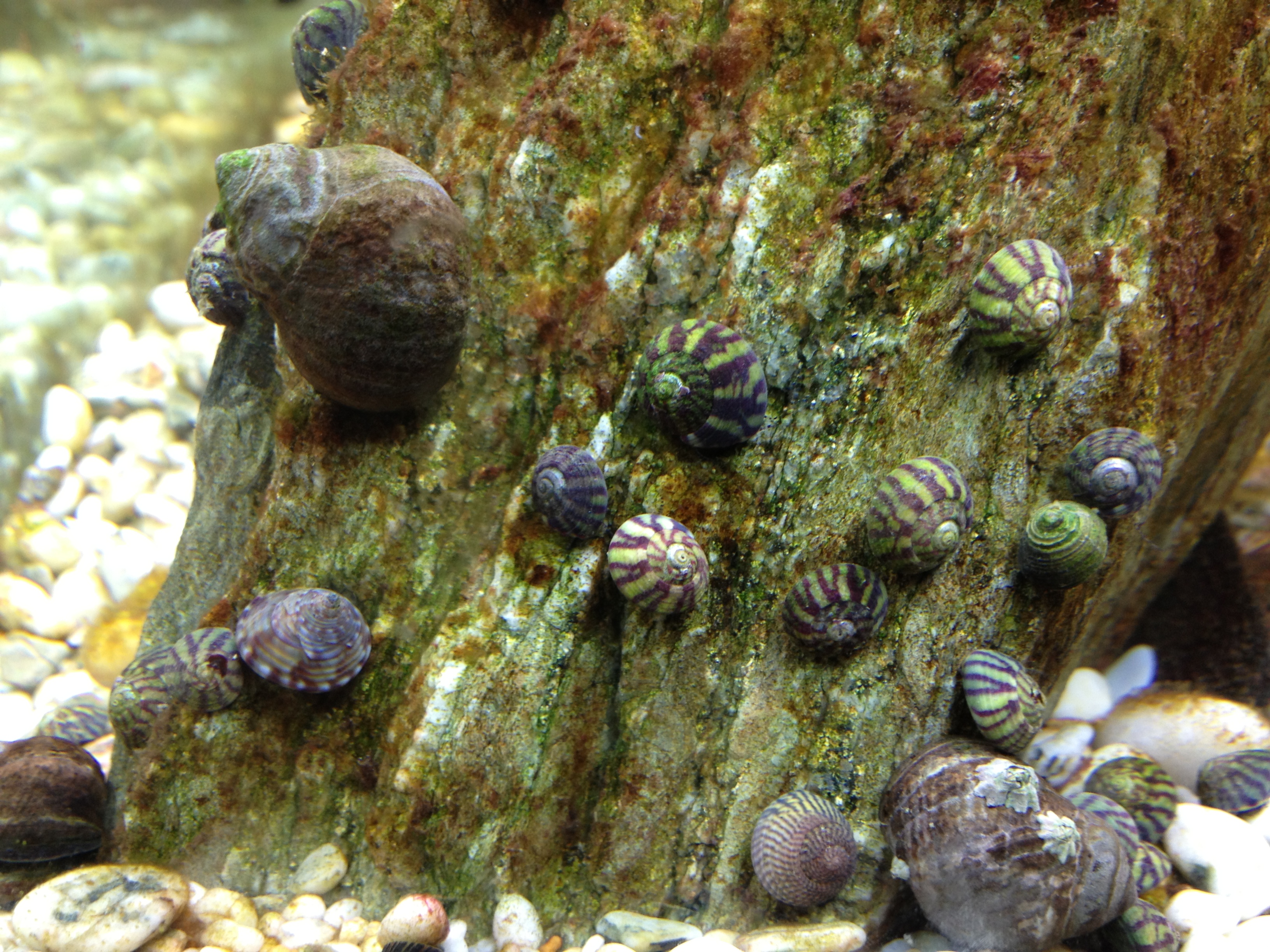
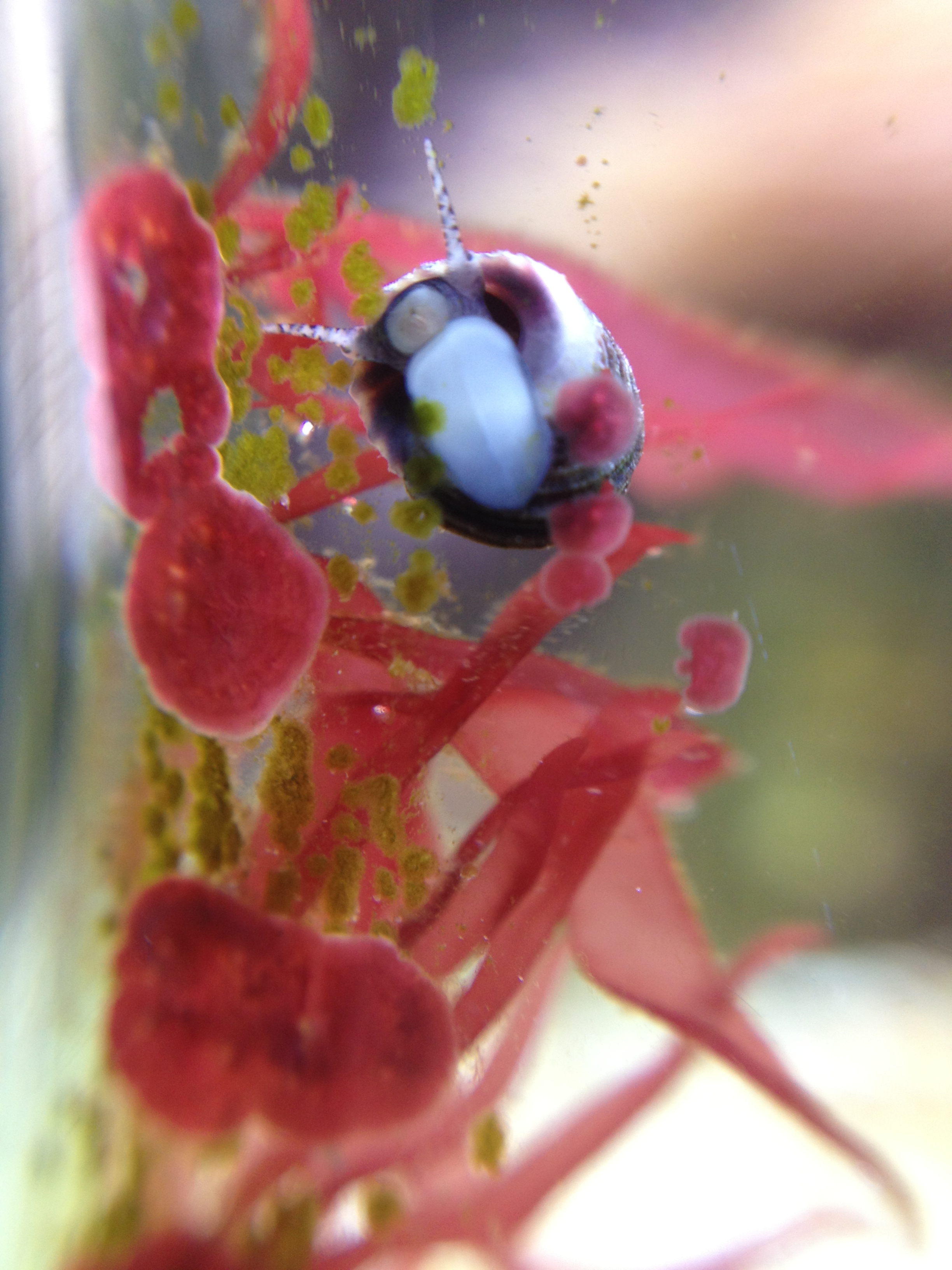
The main problem I have is the dreaded return of algae…There is quite a diversity of them: fuzzy green ones, darker green blotches, slimy purple ones, brown diatoms and more. All interesting organisms surely but I do not want them to take over the tank! I have used food sparingly and used the skimmer most nights, but now have also removed my daylight lamp, to leave a single actinic lamp (see this post about lighting). I still have to get used to this new look, but less light must surely help. Most interestingly, I have enlisted the help of 80 or so grazing snails. Mainly the Common periwinkle Littorina littorea and the Flat top shell Gibbula umbilicalis but also some other species, including two very small Painted top shells Calliostoma zizyphimum. I never had many snails in my aquarium, as they were always eaten by Shannies, but hopefully they will survive this time. I will dunk in a lot more snails, and keep an eye out which species does best. A Flat top shell (picture taken using my olloclip macrolens for the iPhone):
One returning encrusting red algae is actually a seaweed, with new ‘leaves’ growing from the round crusts. I suspect it is Devil’s tongue weed Grateloupia turuturu. I have been scraping it off the glass, except from the corners where the scraper is of no use, but will let the rest sit and see how it grows:
I also noticed that Sea lettuce Ulva has started to grow from the slate. The aquarium does not look that nice yet, but with the new animals there is plenty to watch in any case!
 An Bollenessor