A Late October Snorkel

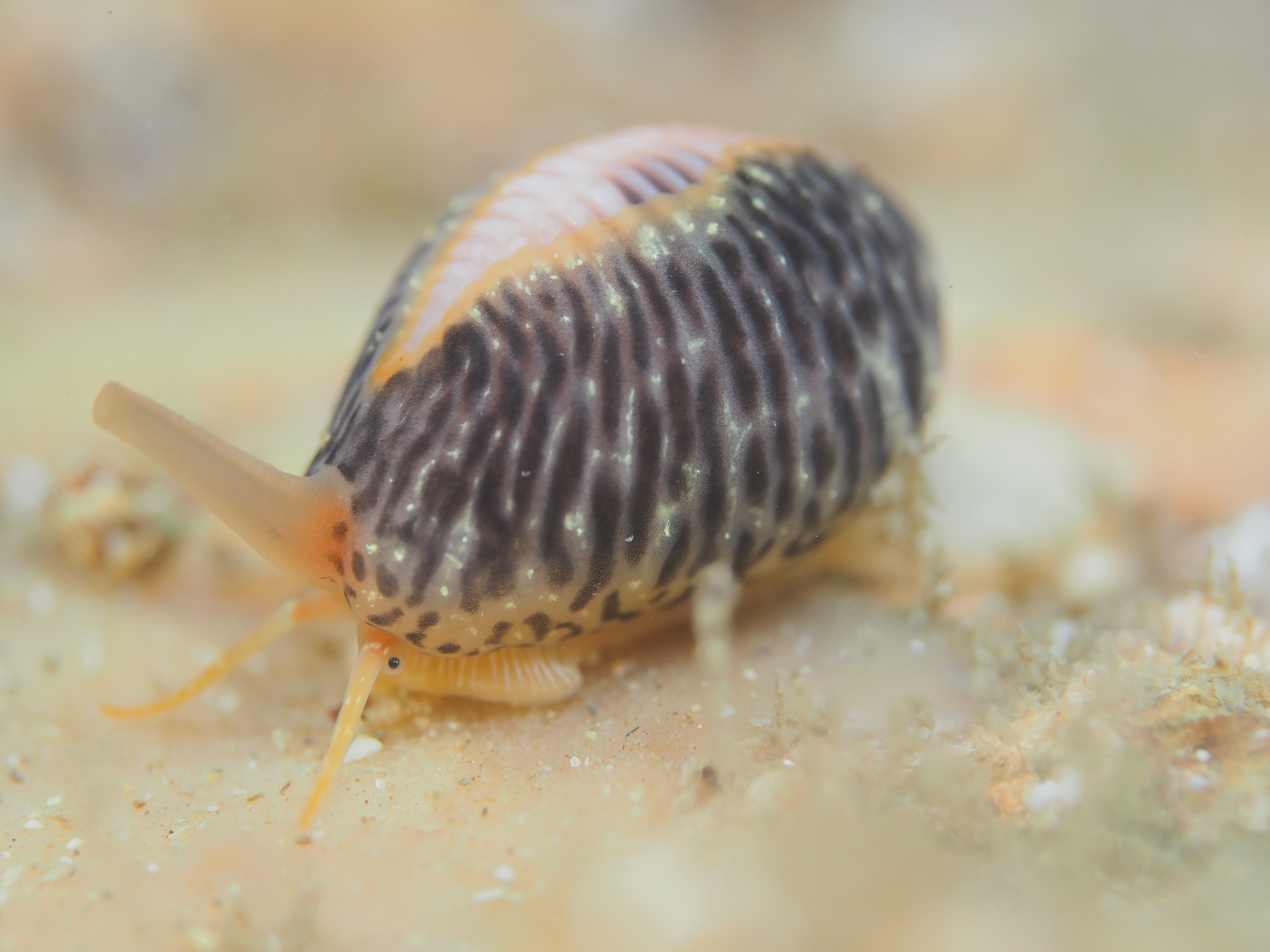
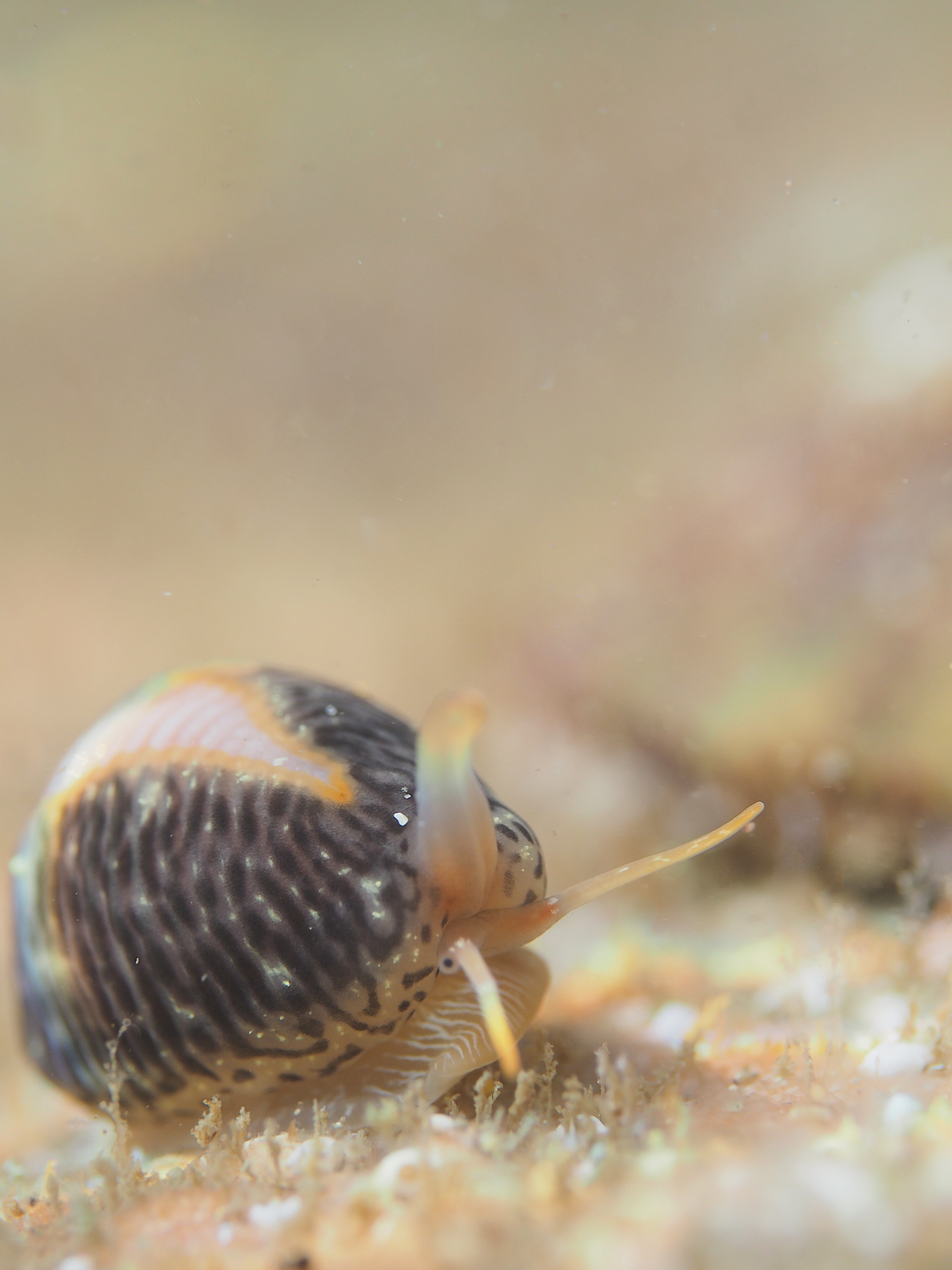
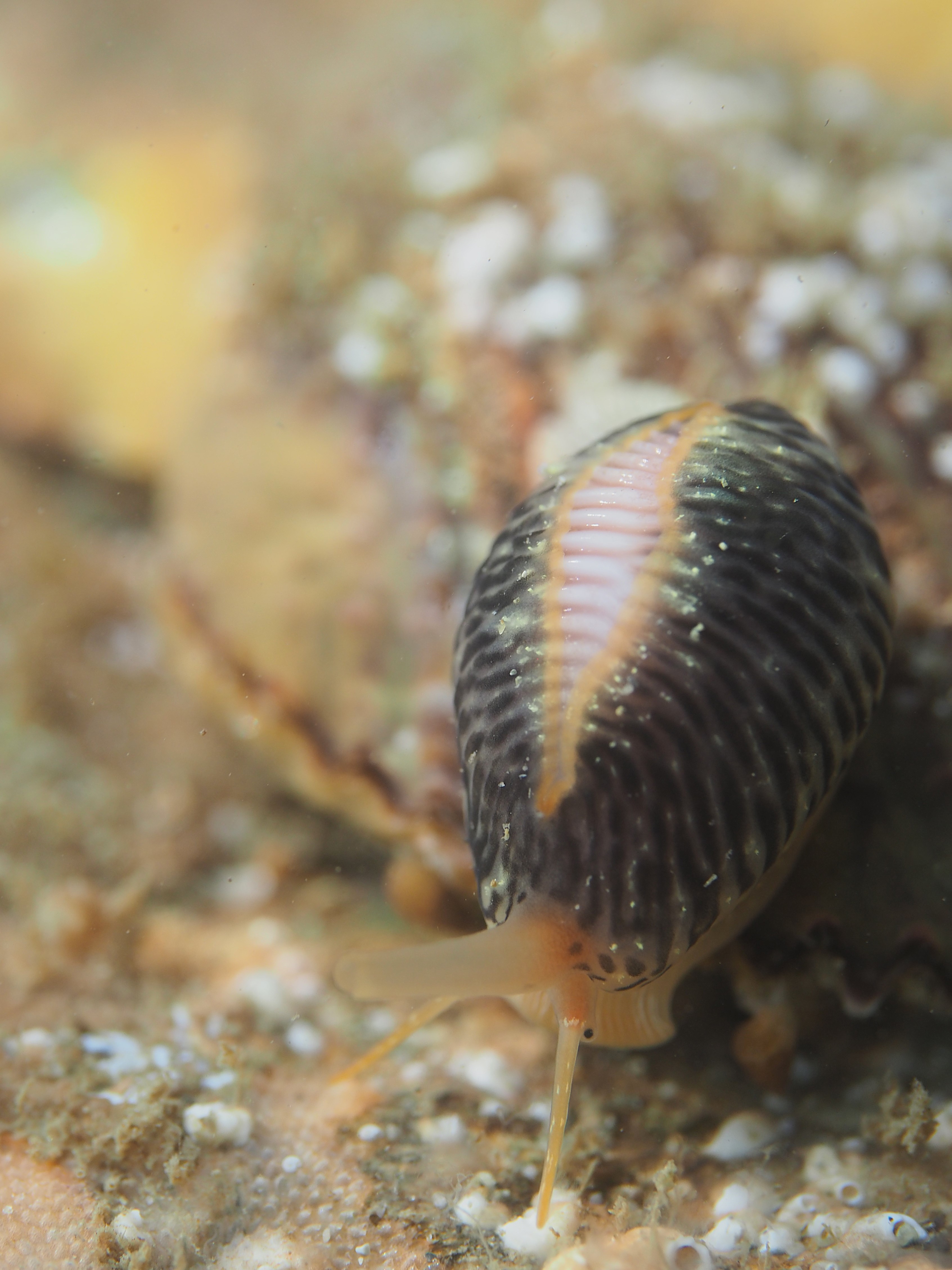
I have a lot more pics from this year to put on the blog but those have to wait, as I want to post some photos from last Saturday first, when there was little wind, a low tide and some sun! The viz was not great as expected, so I brought the macrolens and went in search for some small critters. No special finds, but I was very happy with my shots of a common little mollusc the European Cowrie (Trivia monacha). Most people will be familiar with this species as beach finds of empty shells, but not know how it looks like when it is alive, when its mantle covers most of the shell, it shows its striped tail at the back and a siphon and cute little eyes at the front. I used a shallow depth of field (f/4) to get rid of the ugly cluttered background, which worked well if I may say so myself (I need to try this technique more often!).

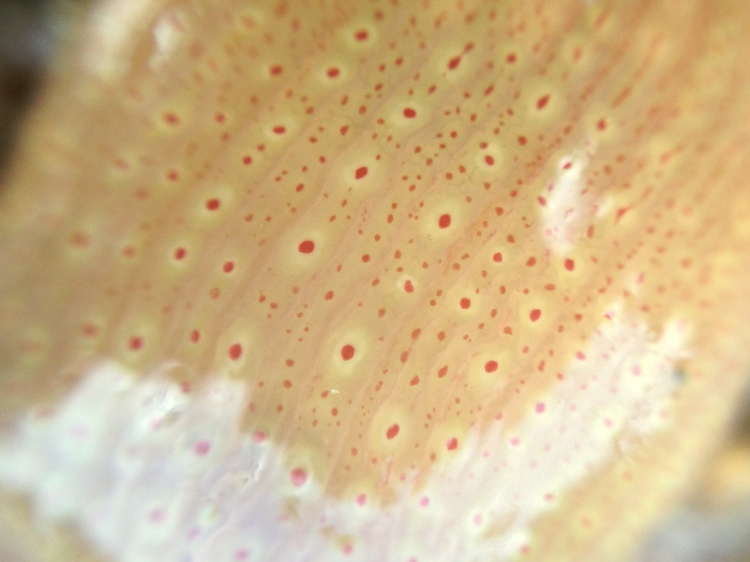
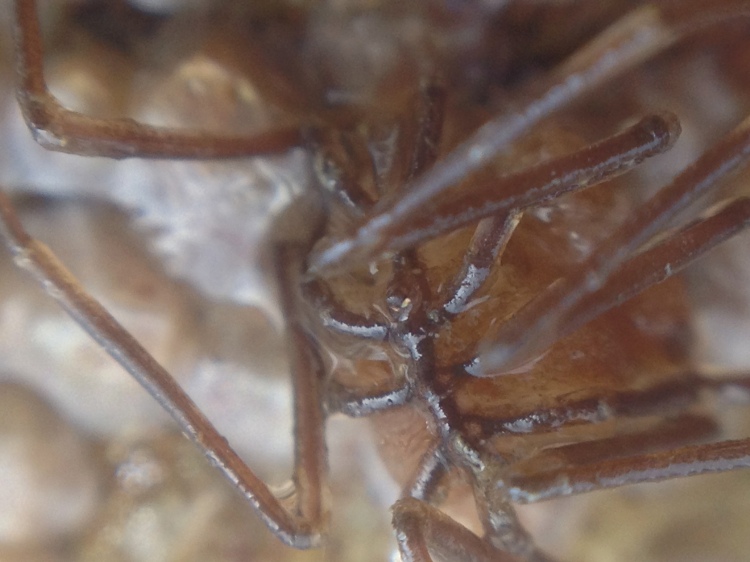
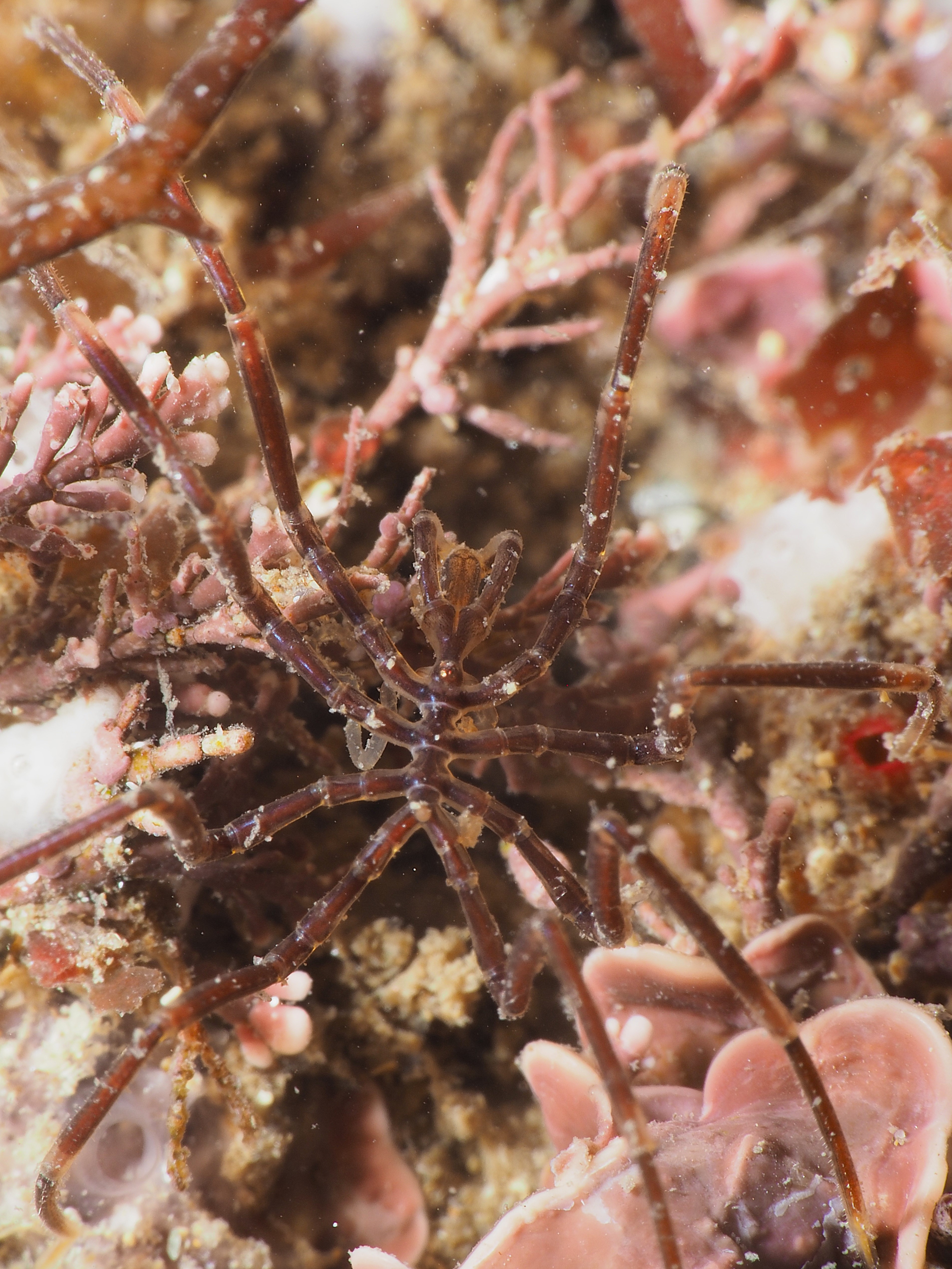
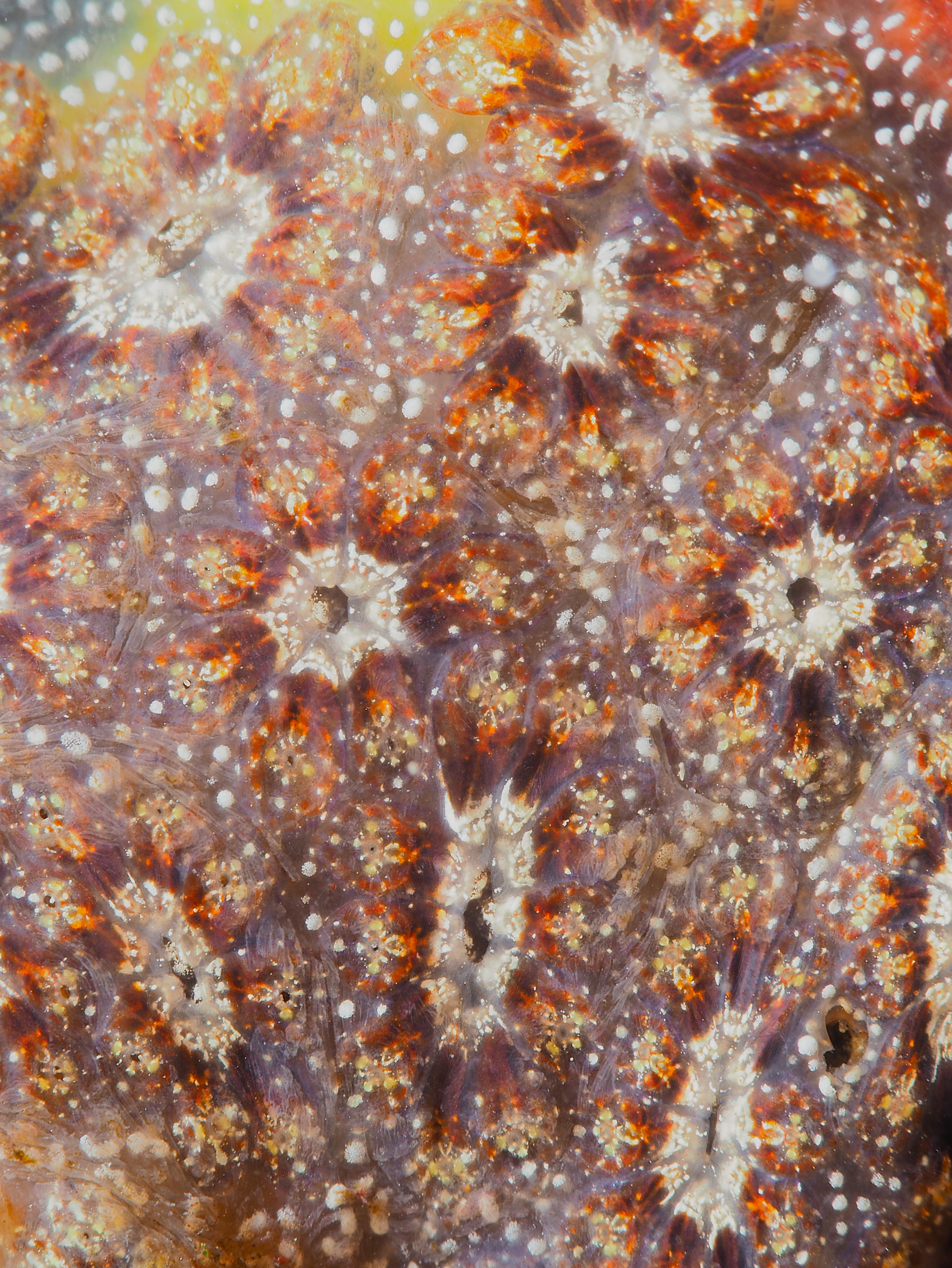
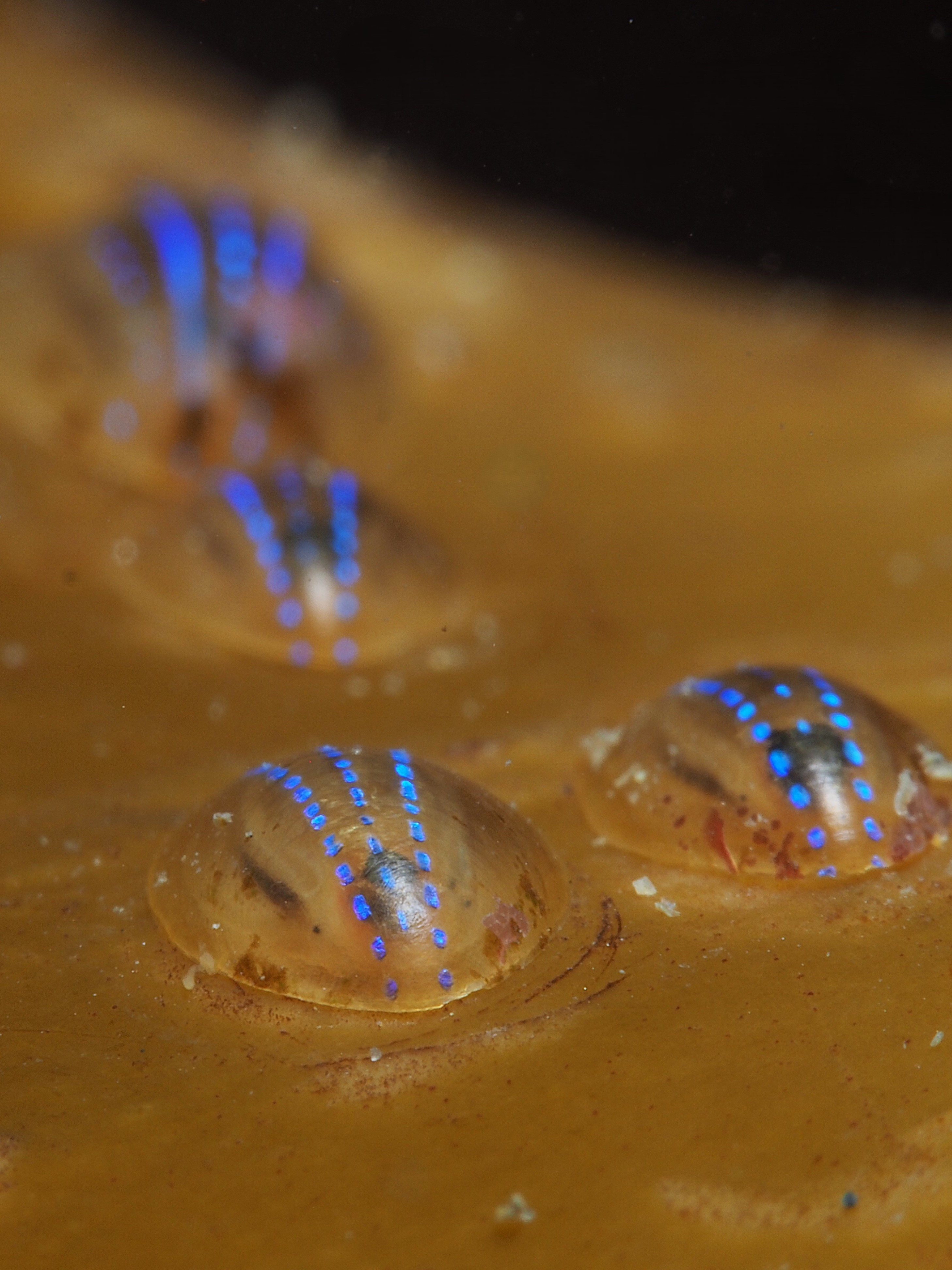
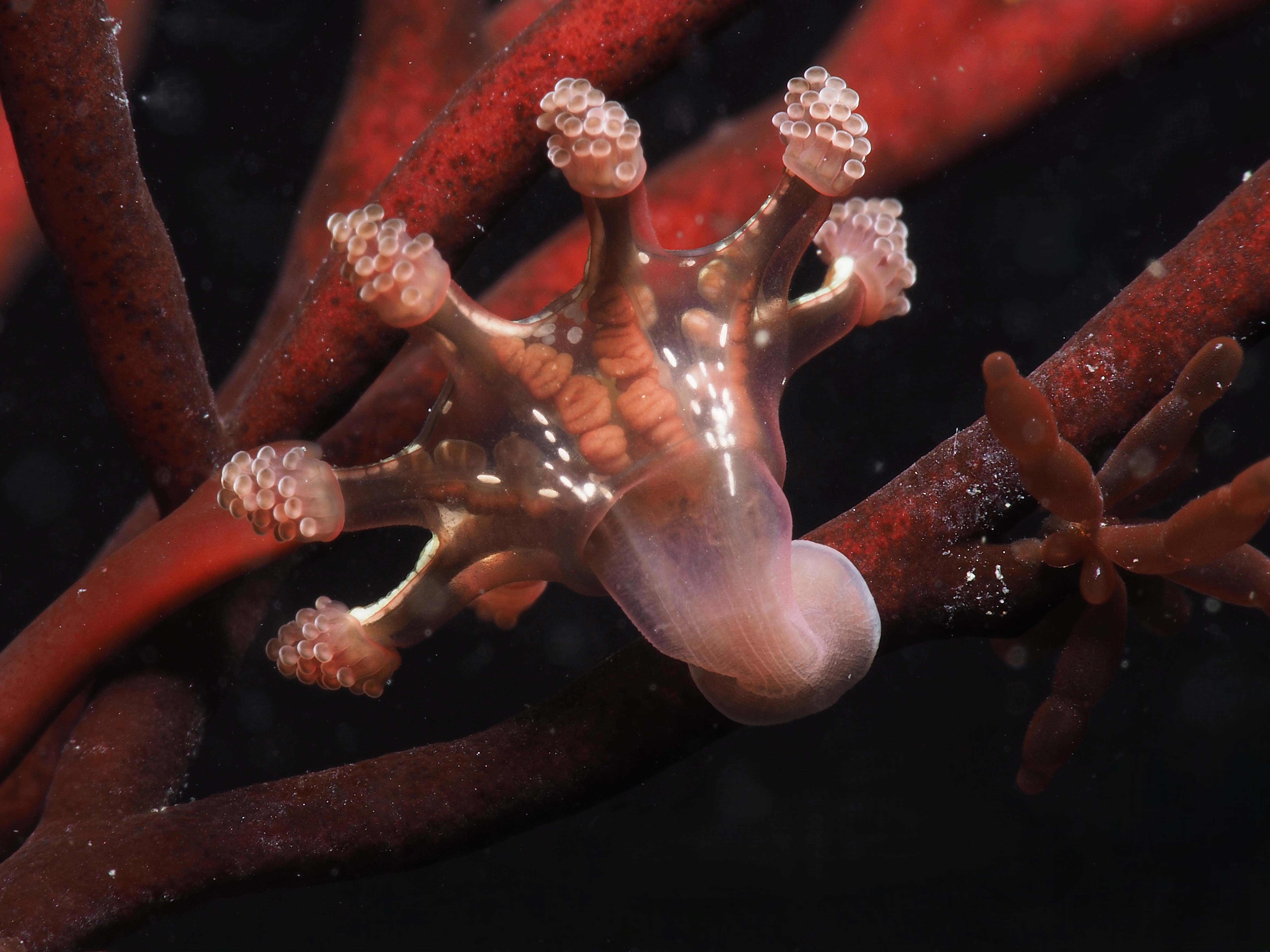
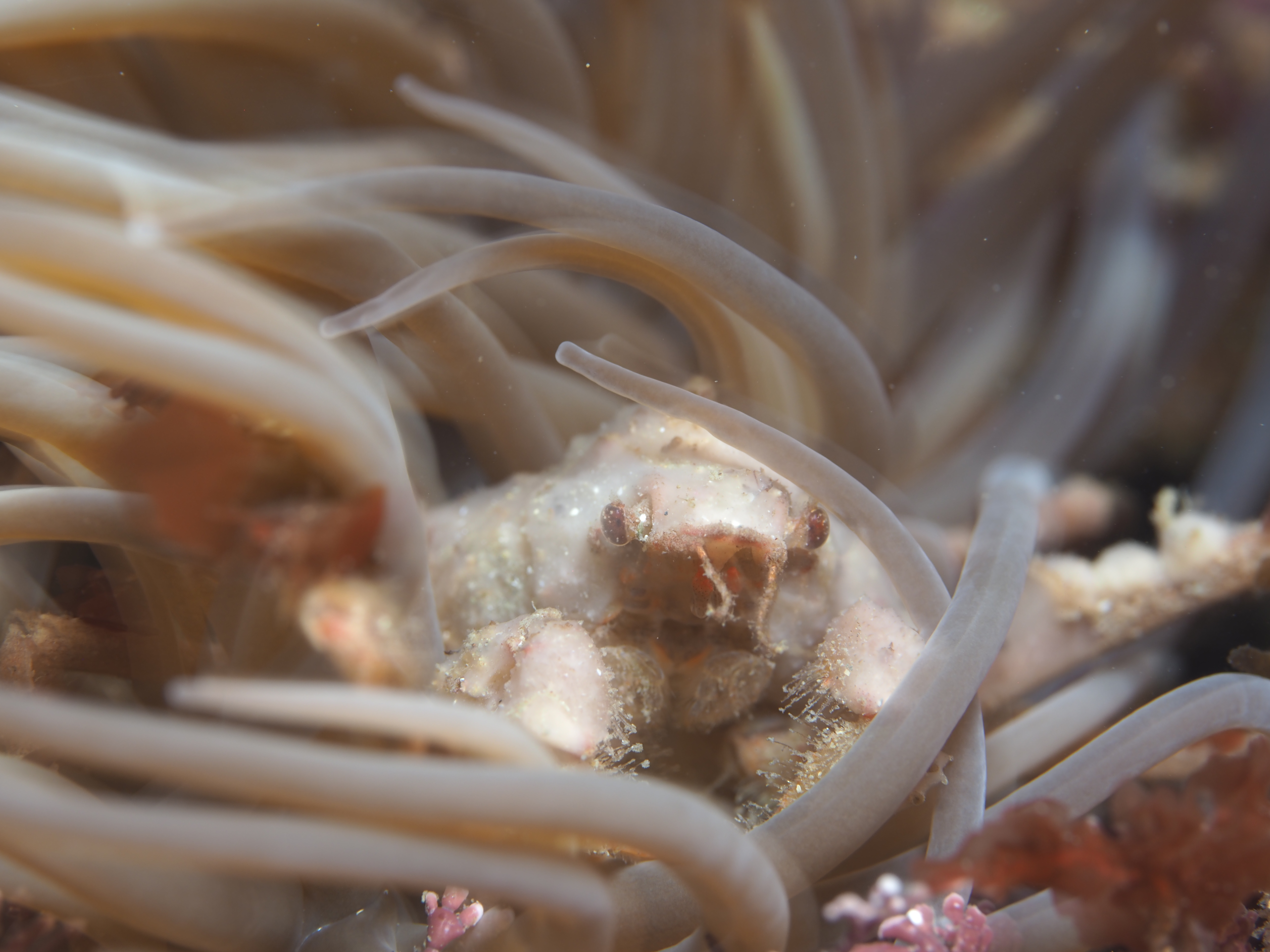
Many other critters were found too and I took shots of a selection. First, a Sea Spider, all legs and crawling away. A tiny mat of colonial tunicate that looked like a persian rug on drugs. A quick shot of the ubiquitous (if you know where to look – on kelp fronds) blue-rayed Limpets and a stalked jellyfish. Finally, I spent a lot of time taking shallow-depth-of-field AND slow shutter-speed photos of a scorpion spider crab in a snakelocks anemone to get some sort of ‘artistic’ shot. It did not really work, but it was fun nonetheless and I will have a go at it again. After almost 2,5 hours in the water I stumbled back to the car to get changed – an afternoon well-spent!

Mud pooling

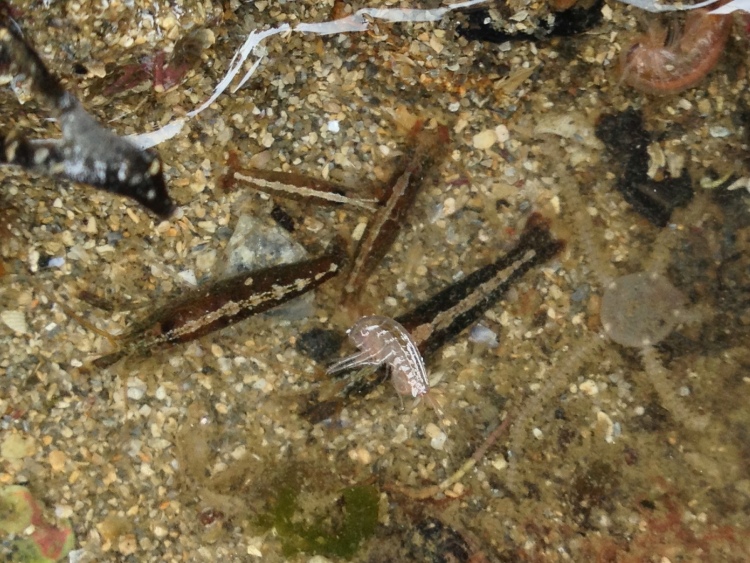
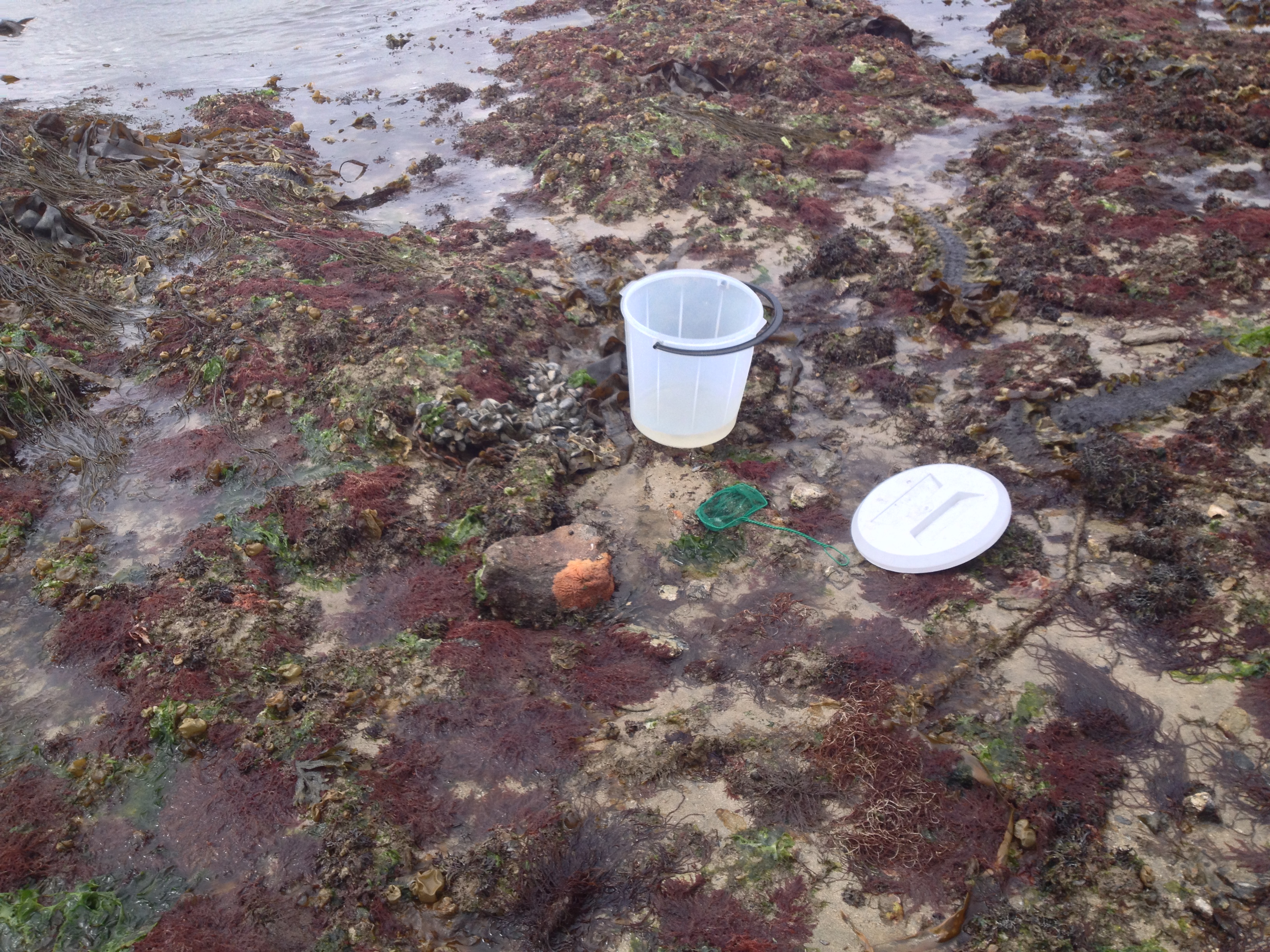
When it was very low tide last week, I decided to skip the ‘rock pools proper’ on my local beach in Flushing and to check out the zone just below where the rocks and the sandy bottom of Penryn River (an arm of the Fall Estuary) meet. All common rock pool inhabitants – winkles, top shells, edible crabs, worm pipefish and shannies – still live here, but some other organisms are more abundant here than in the rock pools.IMG_2881
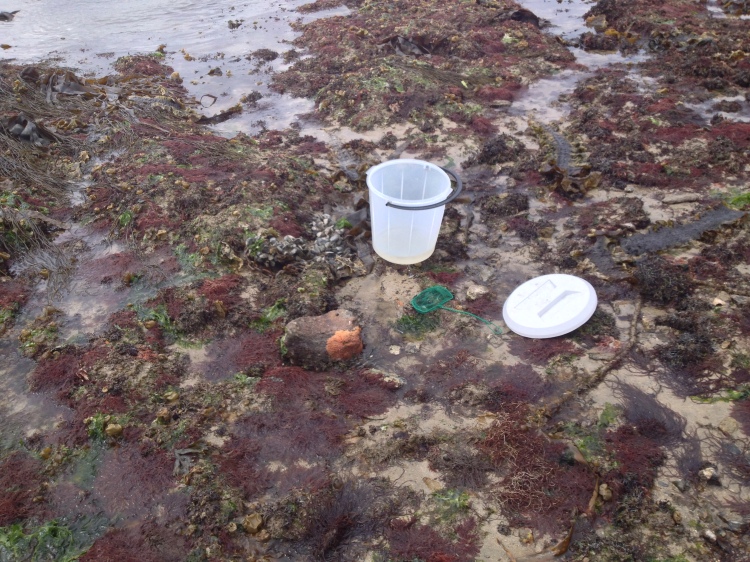
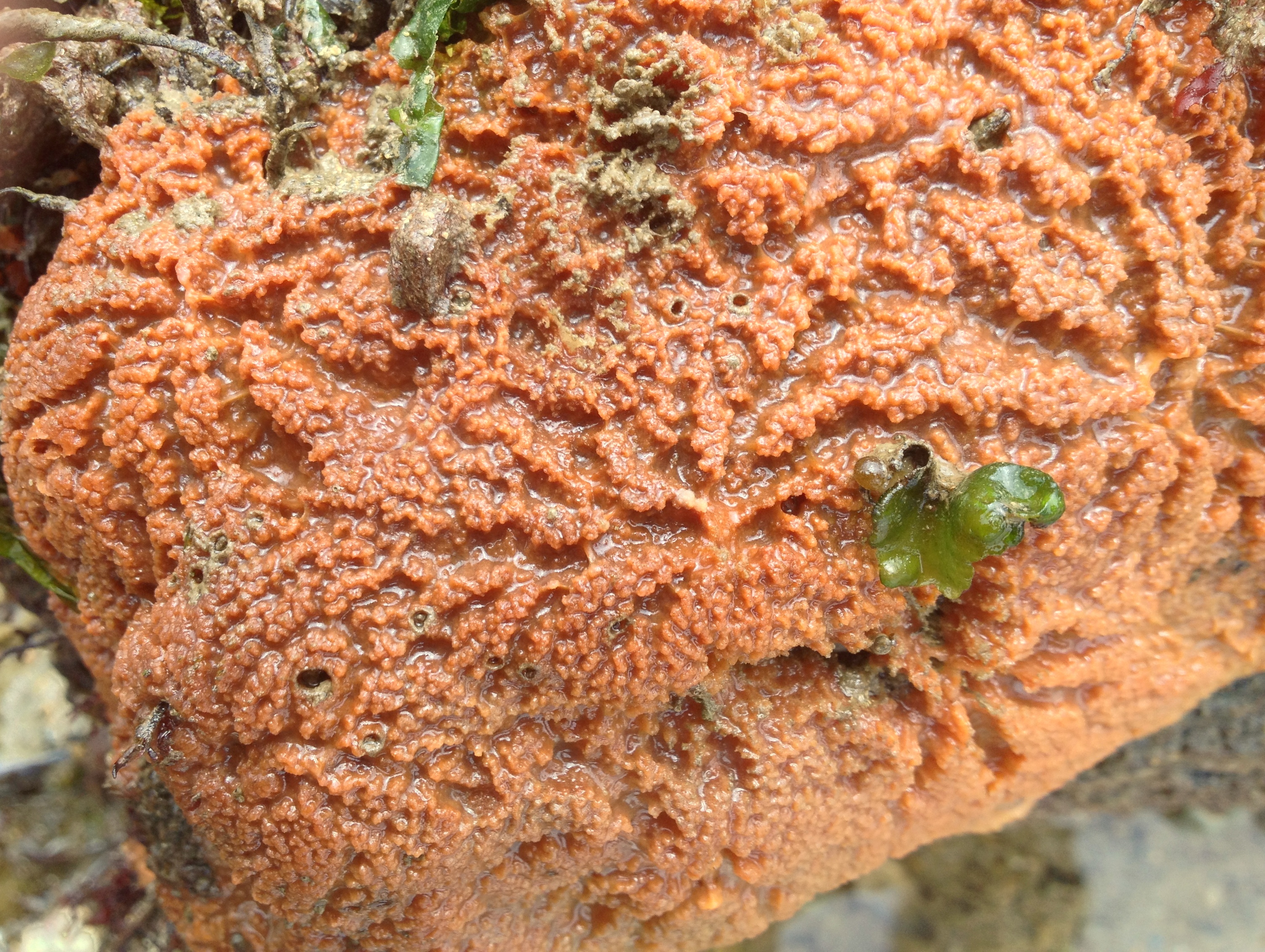
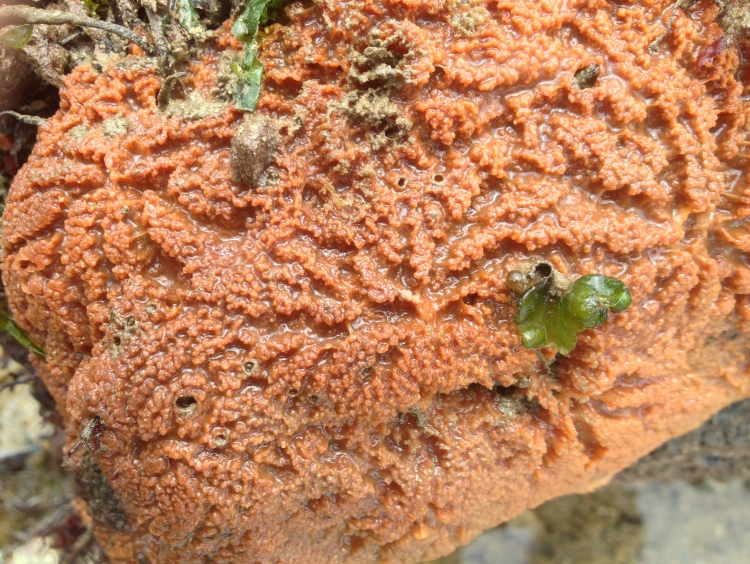
Sponges are very common in this silty environment, especially the Estuary sponge Hymeniacidon perleve:IMG_2877
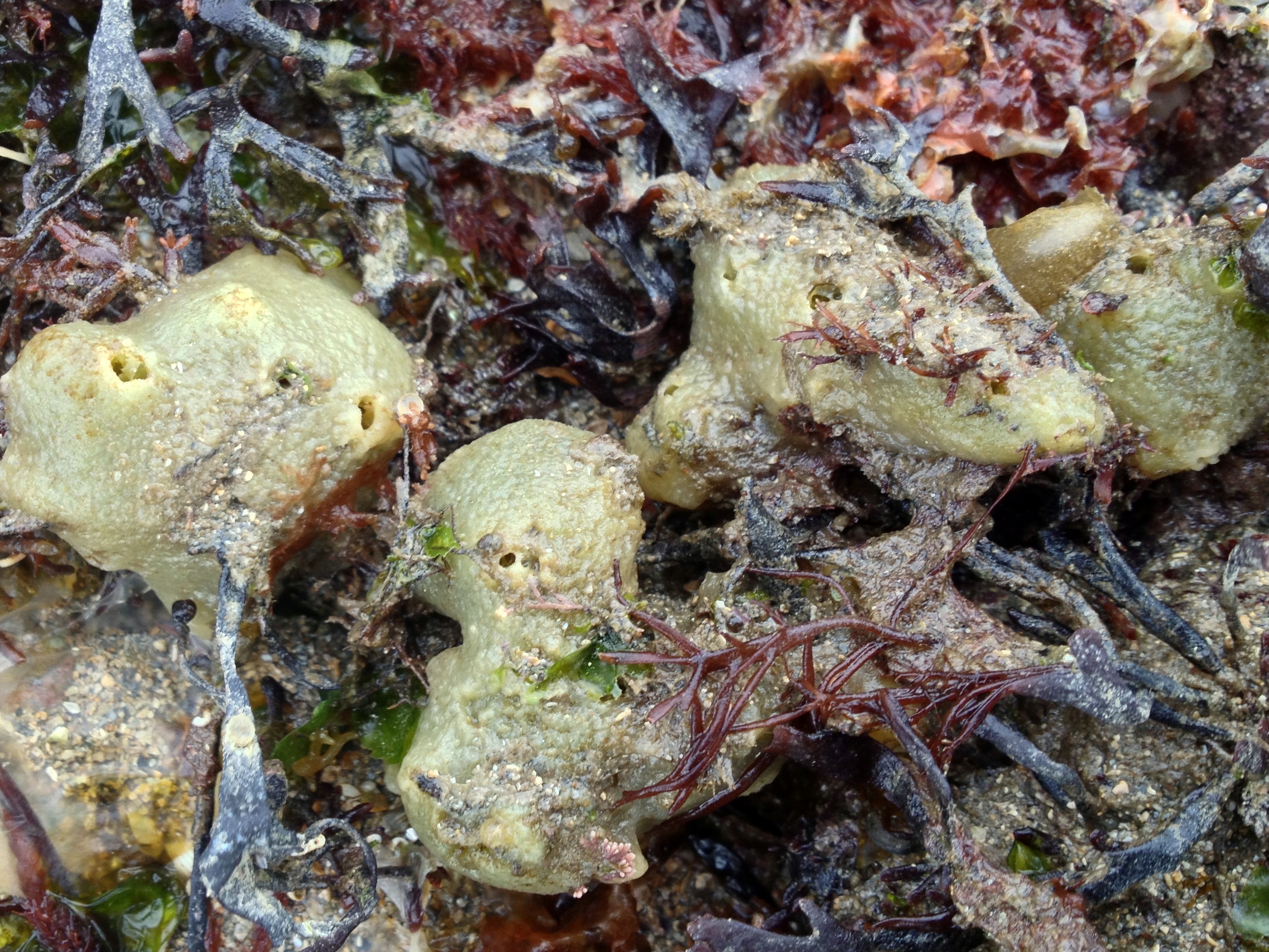
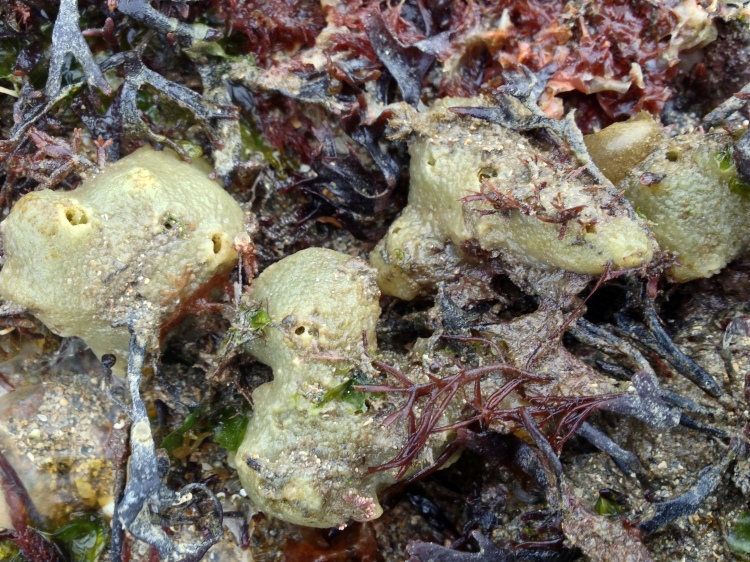
The Breadcrumb sponge Halichondria panicea:IMG_2882
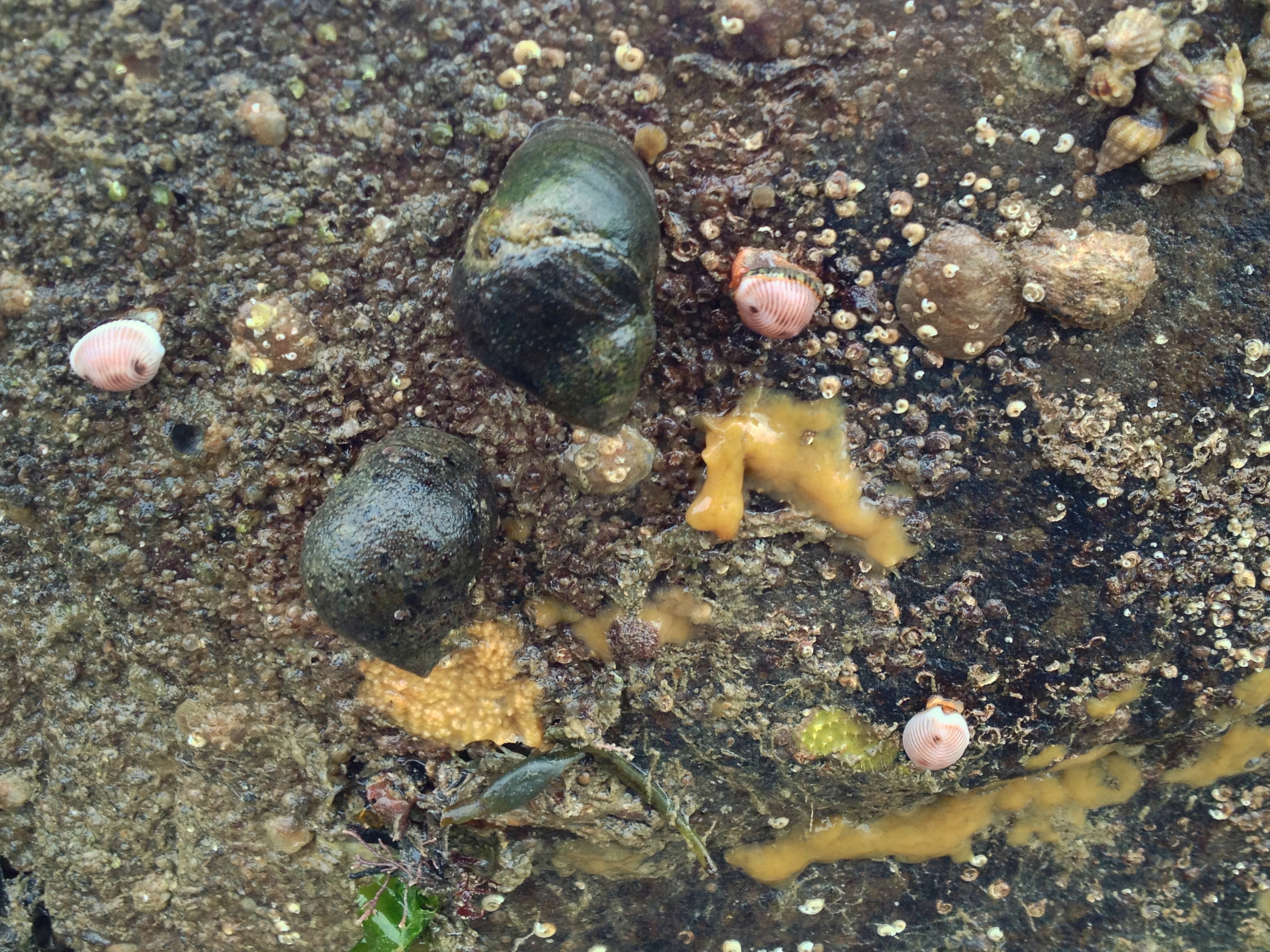
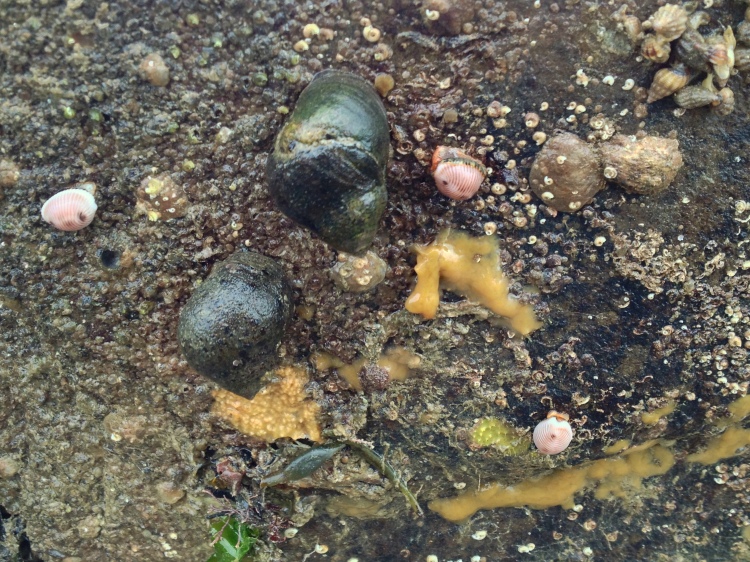
In addition to sponges, I noticed quite a lot of the colony-forming ascidian Botrylloides leachi (see previous post). That explains why I could also find a couple of European cowries Trivia monacha, their predator. Also very common here are the Variegated scallop Chlamys varia and the Thicklipped dog whelk Hinia incrassata (top right picture). I am not sure what the slimy beige stuff is!IMG_2920
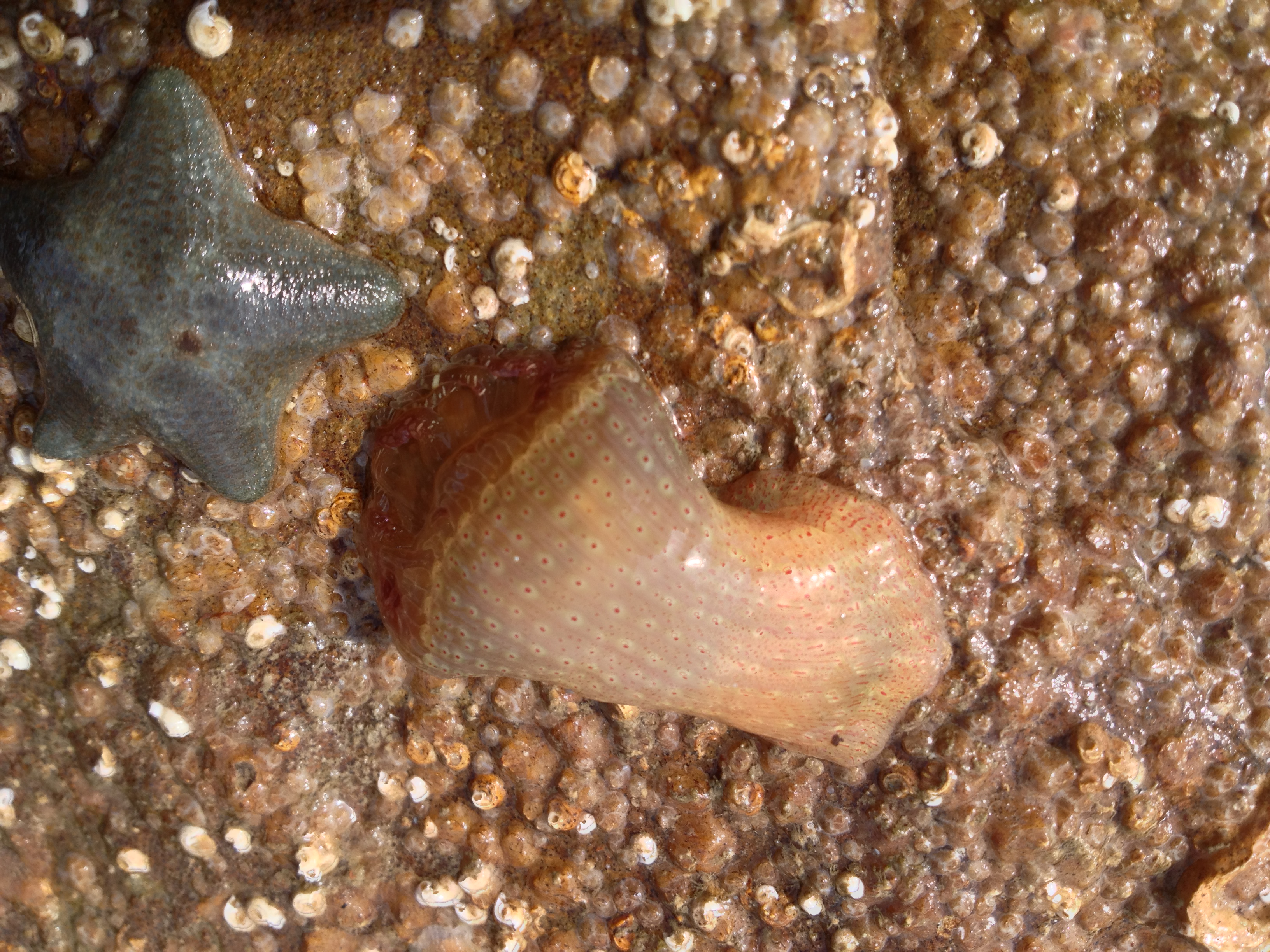
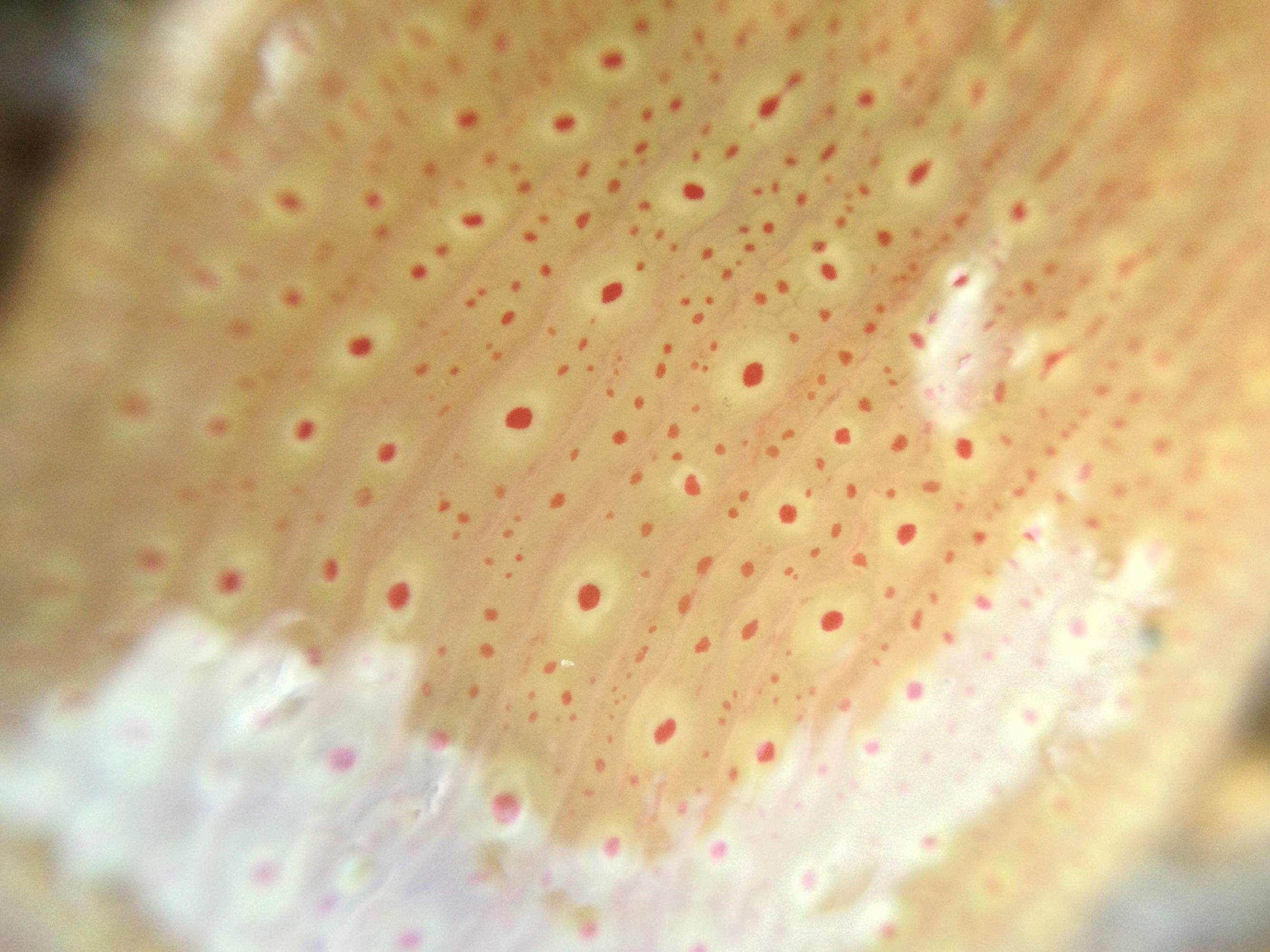
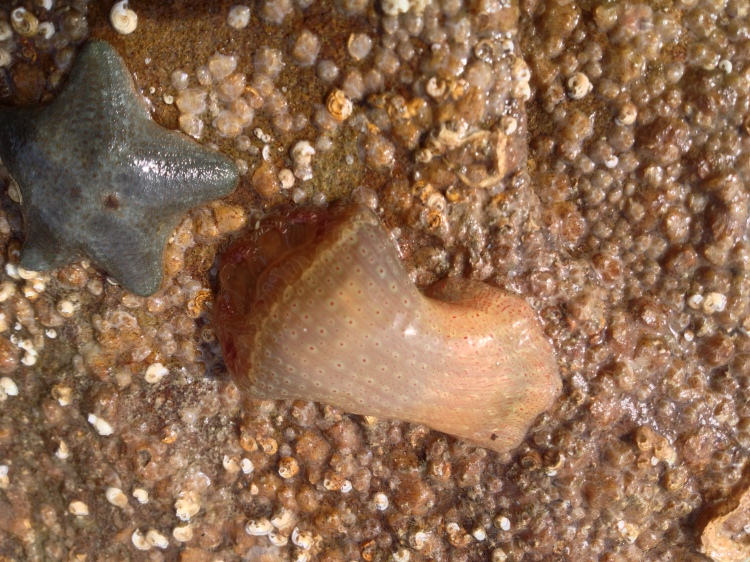
I spotted a couple of new things as well, the Red speckled anemone Anthopleura ballii:IMG_2901
IMG_2905

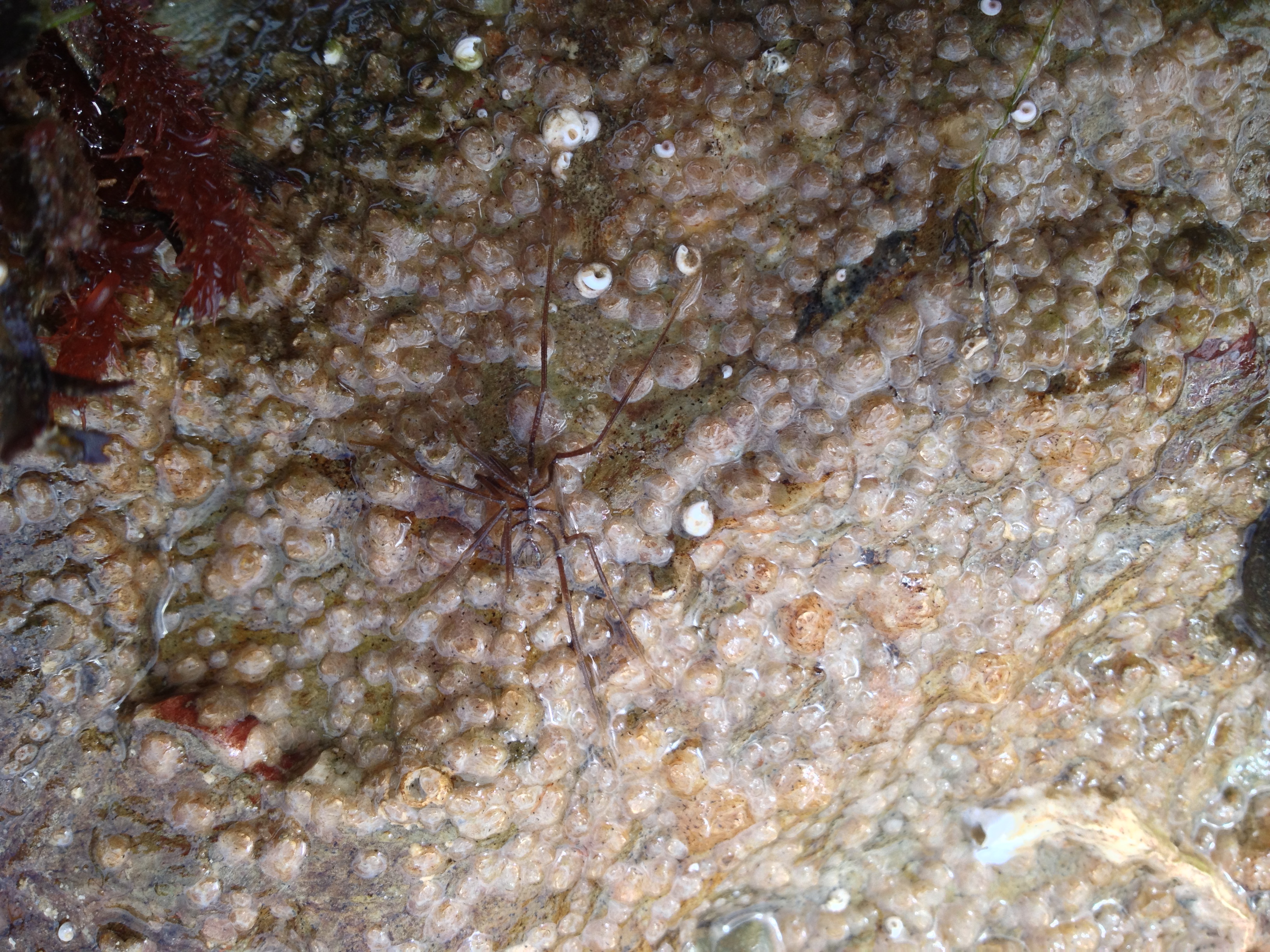
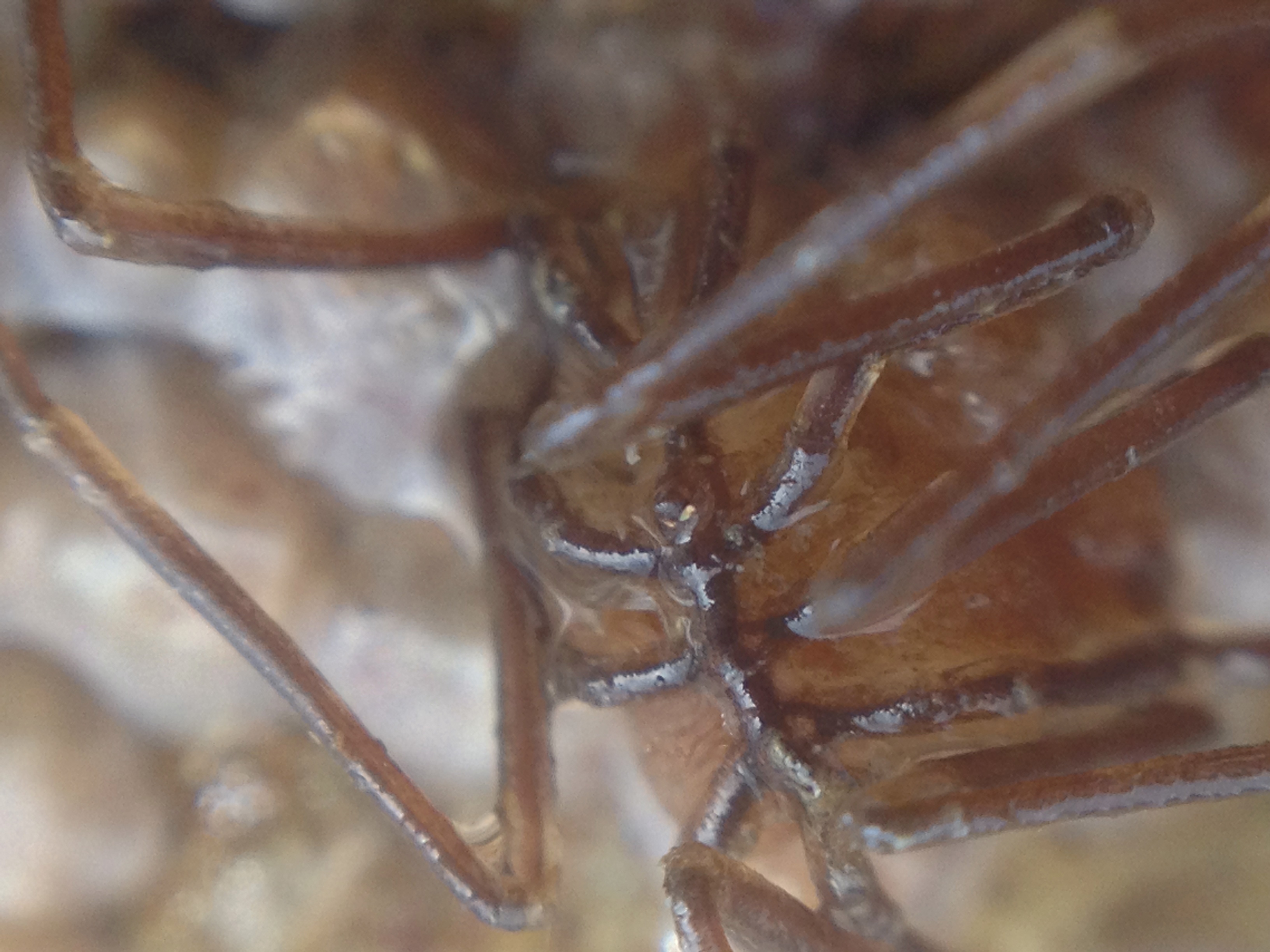
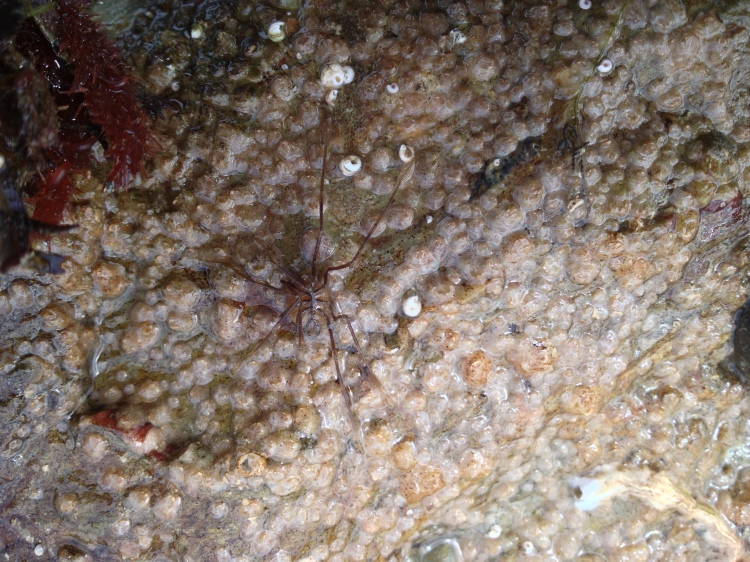
Also a first, a Sea spider Nymphon (gracile?):IMG_2886
IMG_2892

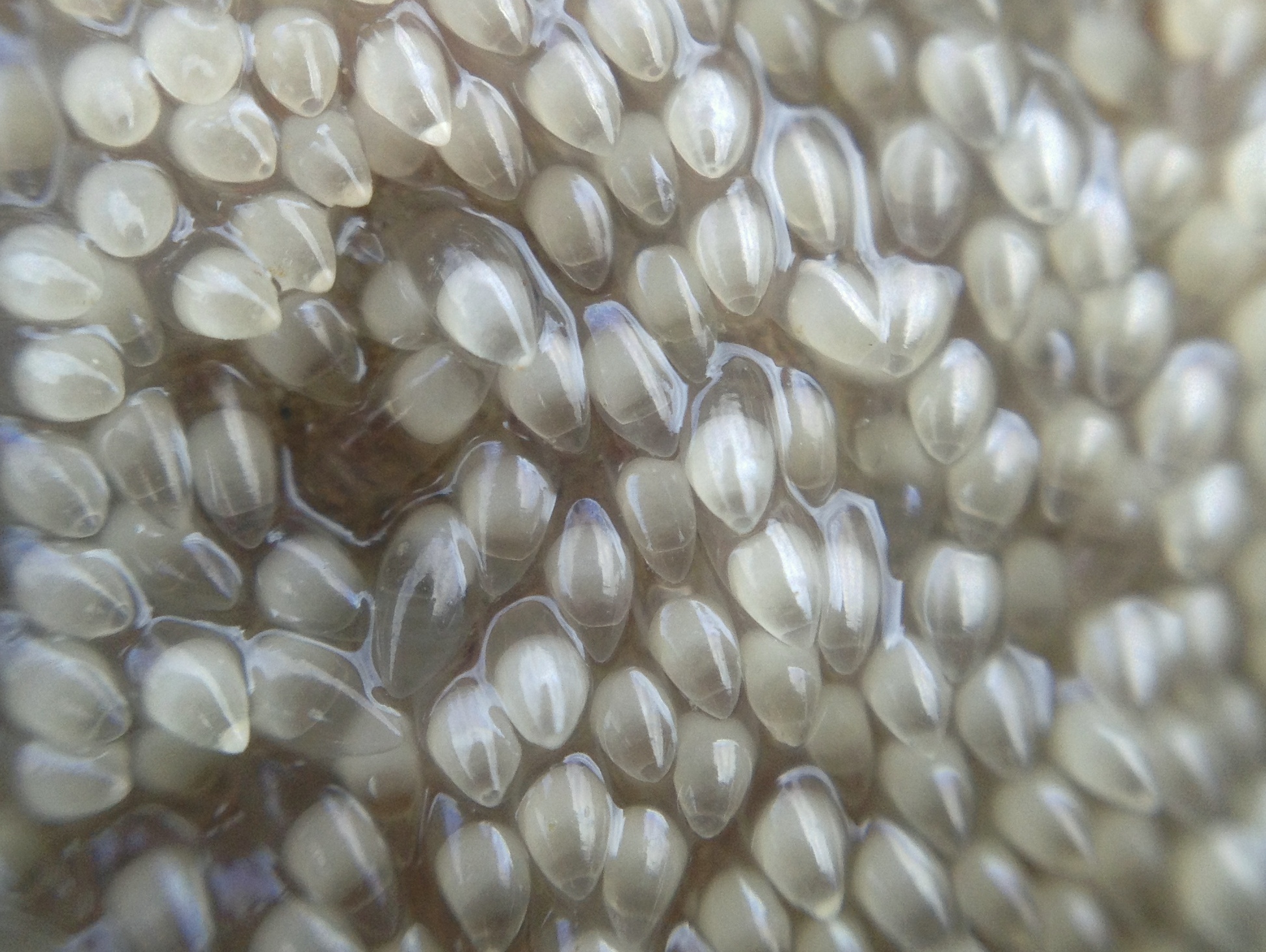
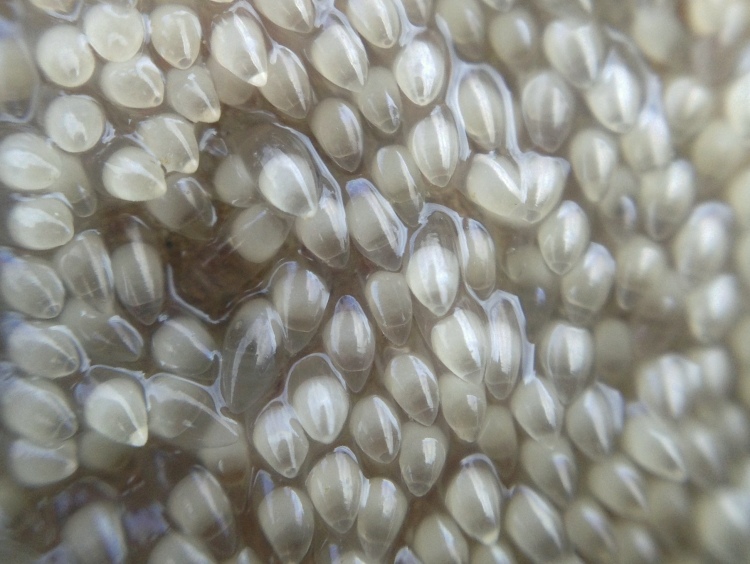
I found a large patch of these beautiful eggs:IMG_2931
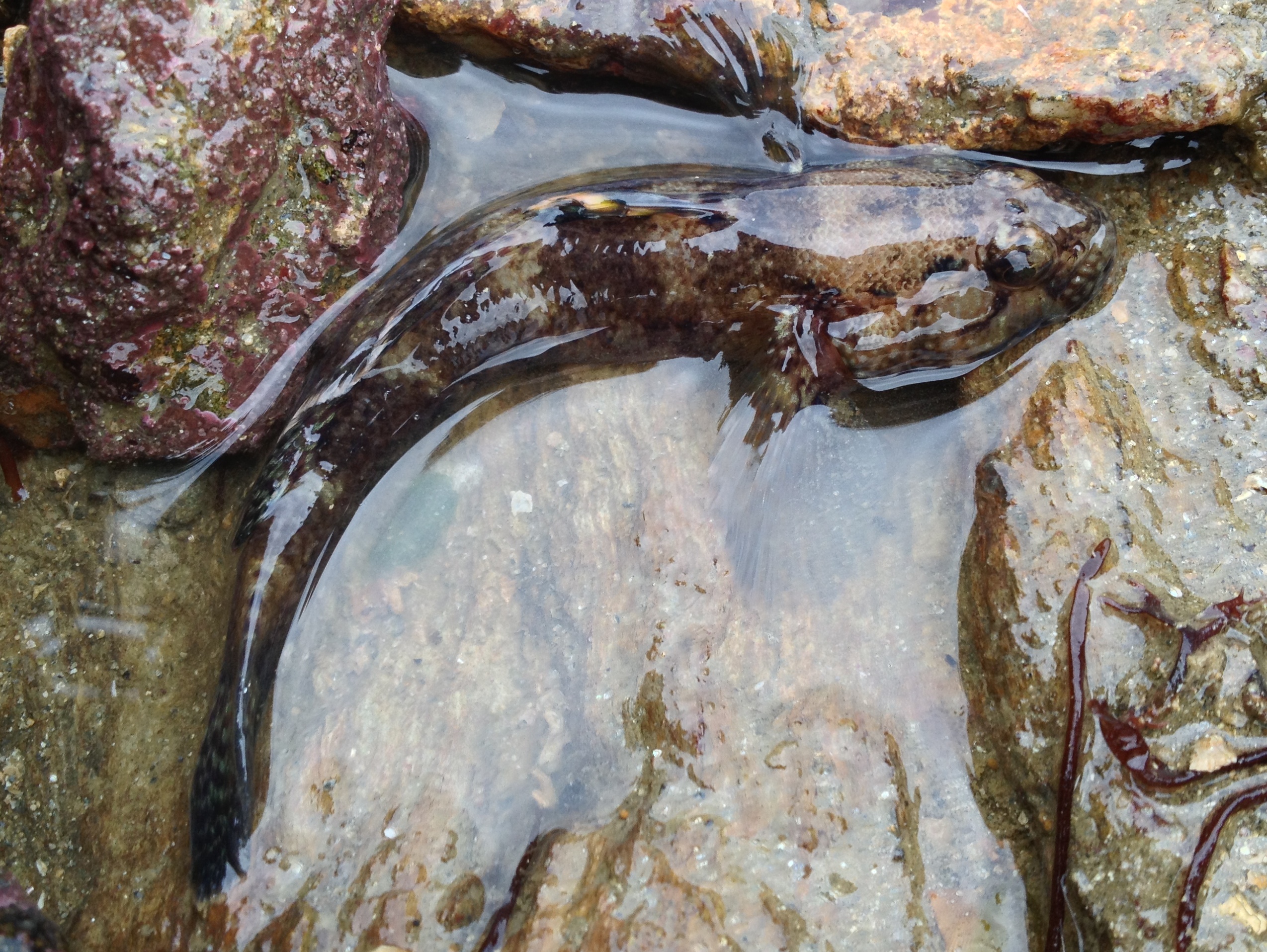
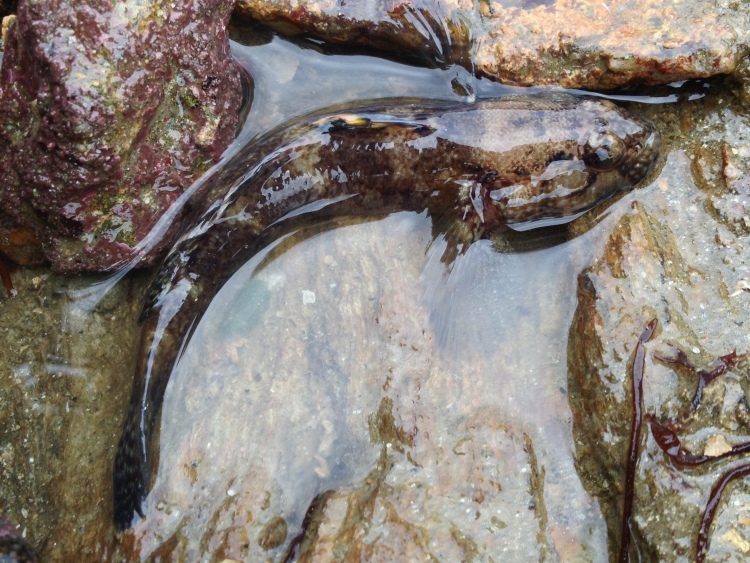
and someone guarding them, a rock goby Gobius paganellus:IMG_2935
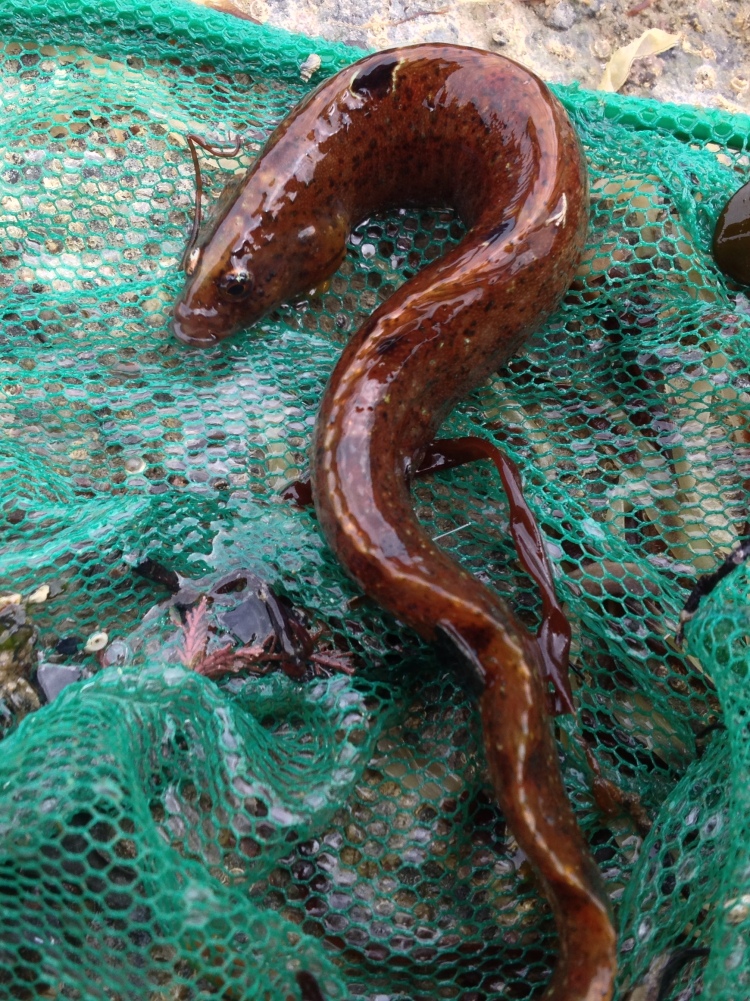
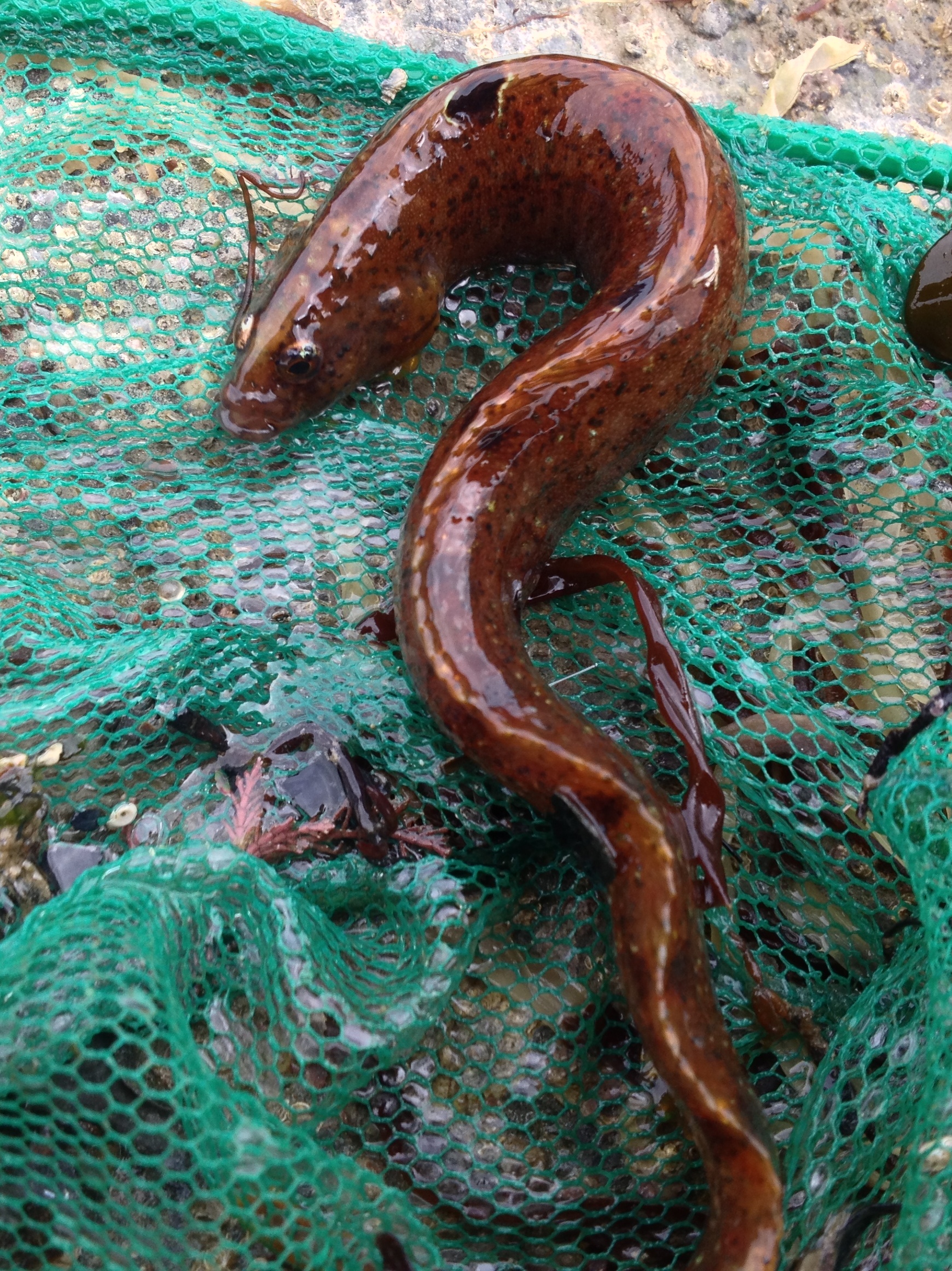
A Butterfish Pholis gunnellus:IMG_2947

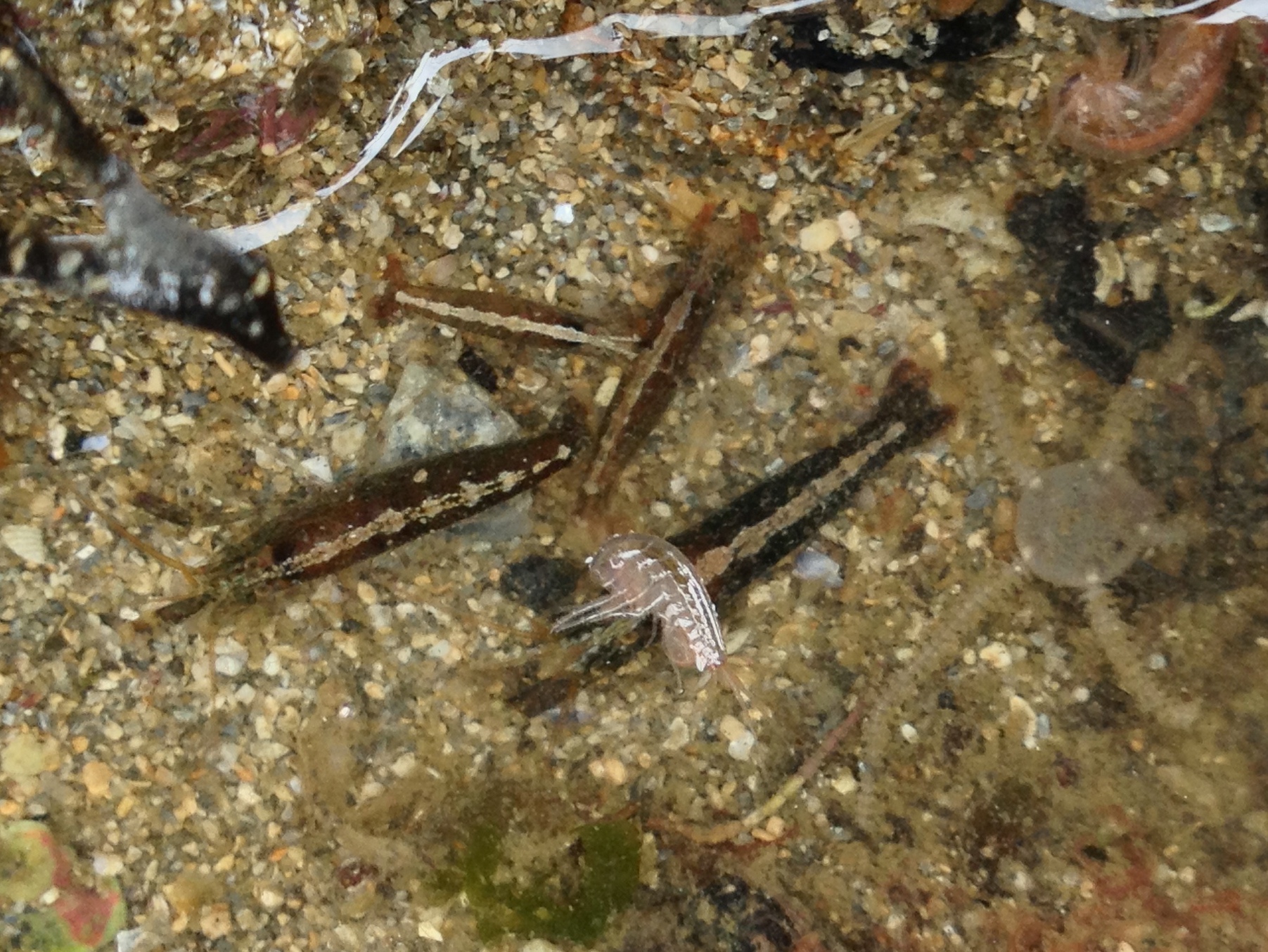
Very common were little Squat lobsters Galathea squamifera (no picture), rapidly swimming backwards to escape. Even more abundant were these little Hooded prawns Athanas nitescens:IMG_2924