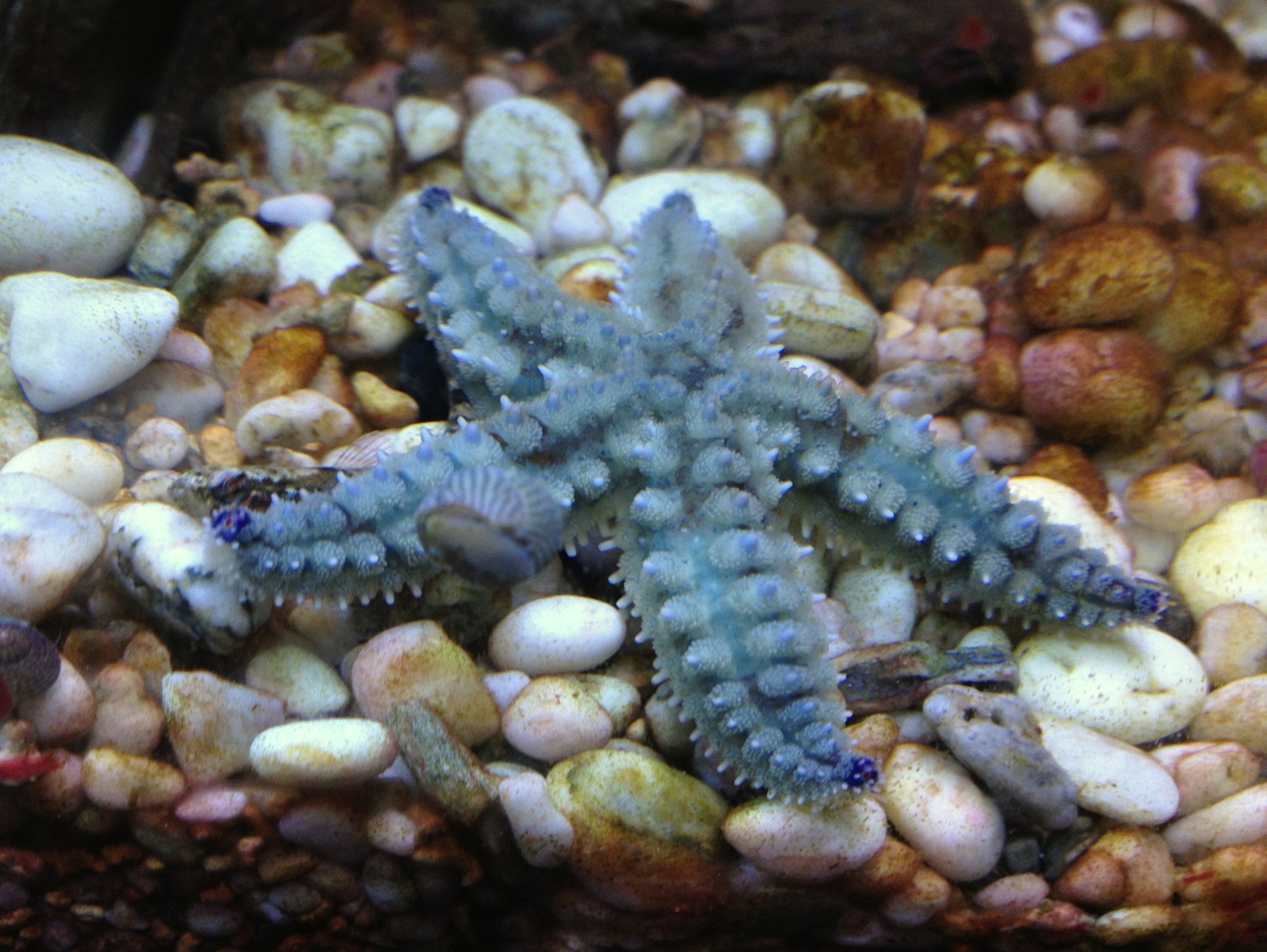
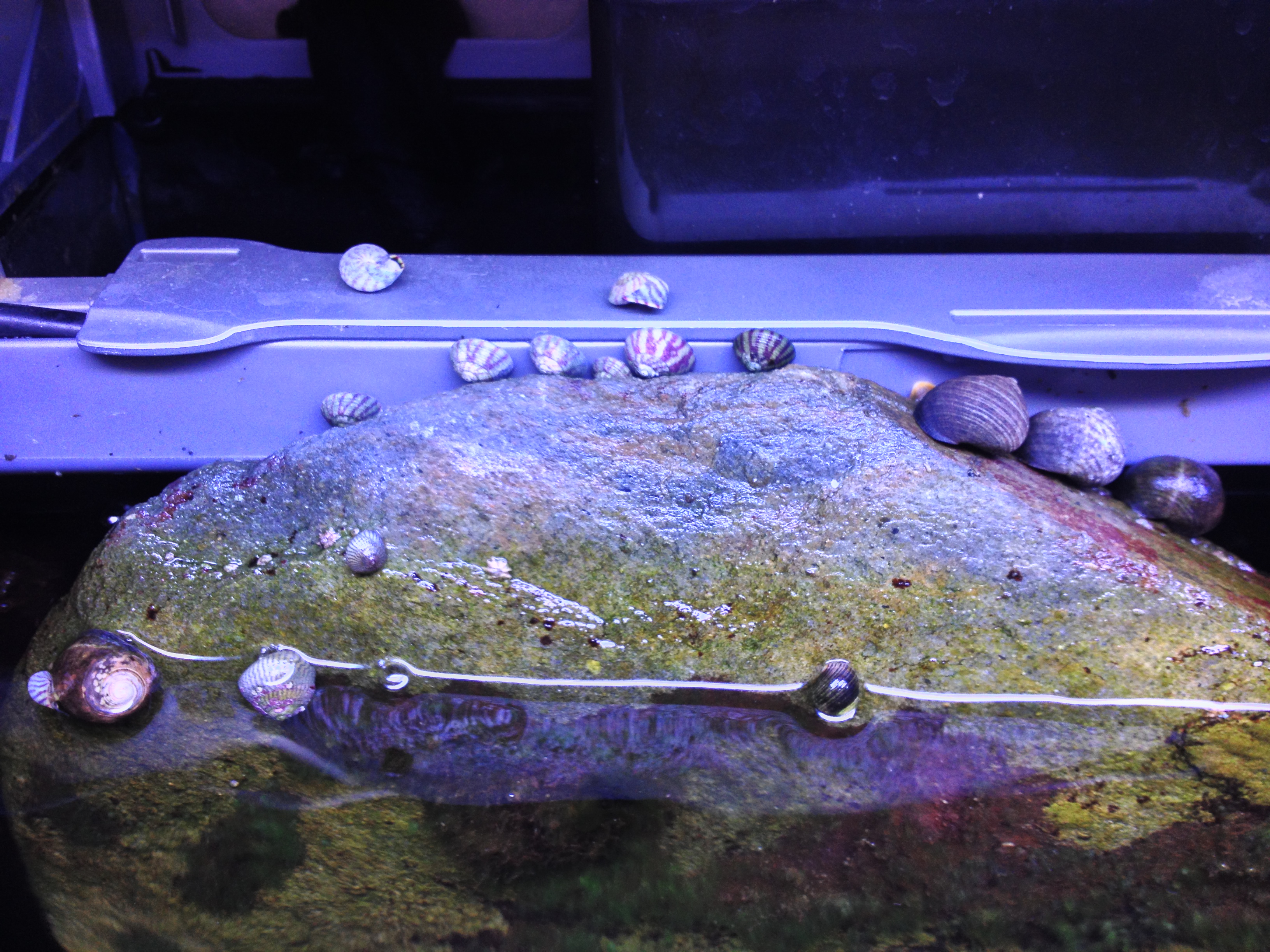
It has been a while since I last posted about the aquarium, mainly because I had a problem with algae and did not like the look of the tank in general. Combined with being away for two weeks over the holiday season, I decided to remove the rocks and most animals from the tank. Only left are some snails, Cushion stars and a Spiny starfish (who seems to do fine except for being less brightly coloured than when I caught it). The snails made a good start and cleaned up a lot of algae but it was too little too late. Also, (non Spiny starfish-related) mortality was quite high. Of all snails, the periwinkles fared least well (as I had noticed on earlier occasions); the Grey top shells seemed to do best. A main problem is that the snails move out of the water and often die there. Grey top shells can be found in the intertidal but are also common in the subtidal and so might be more suitable for the aquarium.
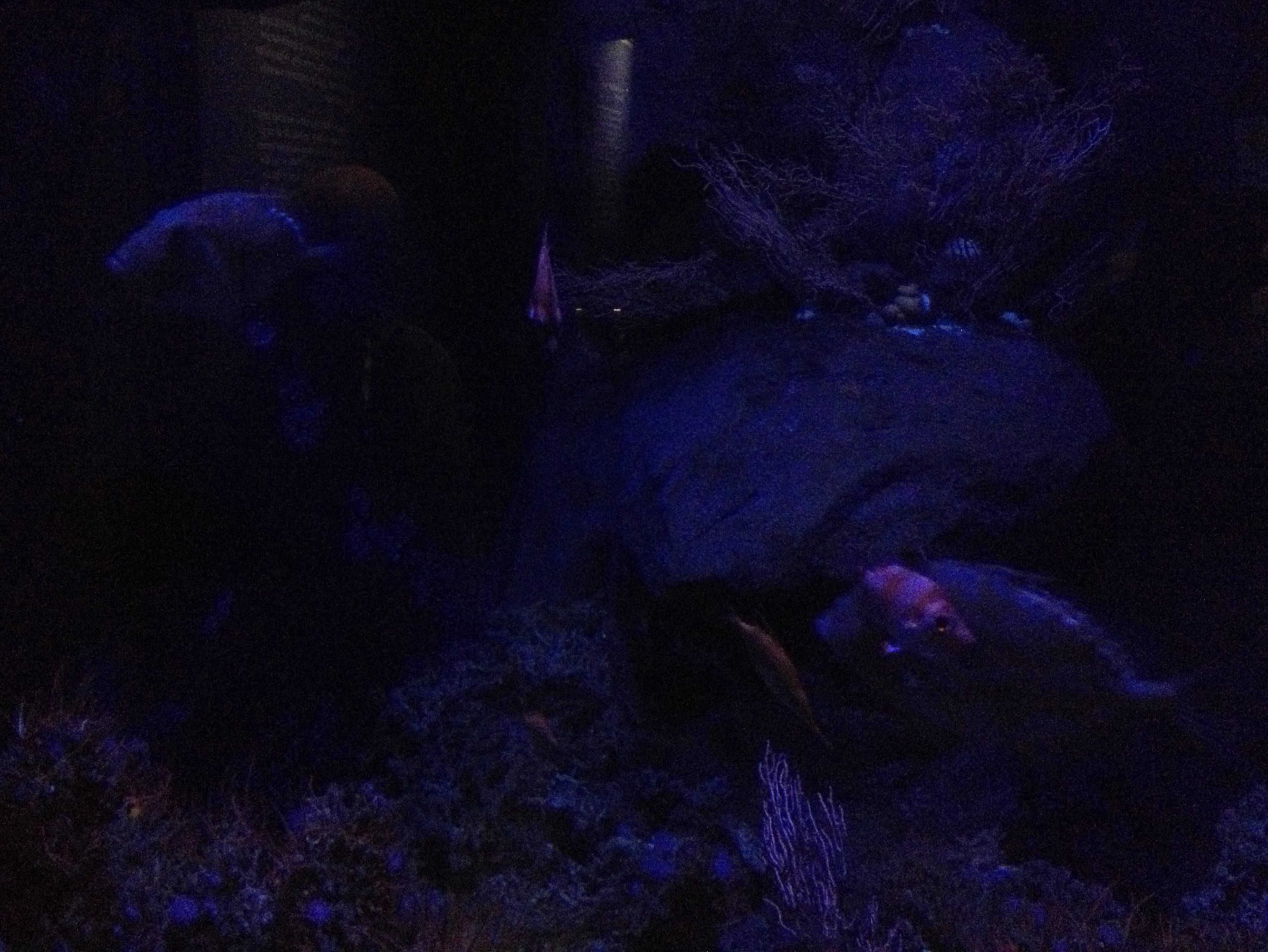
Anyway, time for a fresh start in the new year. I have decided to buy a chiller (and pump), mainly so I can switch off the noisy hood fans, but also because a more natural temperature regime might help keeping some of the more difficult species (see eg here and here). I have trawled the internet to find recommendations for the least noisy chiller but to no avail. I will stick with a more expensive brand and hope for the best. I will also invest in LED lighting. LED lights give a nice shimmer effect, generate less heat, use less electricity, need less replacement and are more easily dimmable. I’ve found this interesting Red Sea Max 130D retrofit kit: I will need to buy a separate dimmer and probably will have to ask my local sparky for help fitting it in the hood but it seems like a good investment. I’d like to supplement white LEDs appropiate for shallow water with some blue ones so I’ll be able to get a deeper water feel as well. This week I saw an inspirational aquarium back in Blijdorp Zoo in Rotterdam: a deep water reef with gorgonians, many brittle stars, Boar fish (or Zulu fish) Capros aper, Snipe fish Macrorhamphosus scolopax and John Dory Zeus faber. A crap photo:
However, I will go for a more brightly lit seaweed aquarium first. I will switch to finer gravel and reduce the amount of rocks to improve water flow. This time I will also focus more on fish. Marius has a great picture of a Two-spotted goby Gobiusculus flavescens in his Irish rock pool aquarium here and I definitely want to have a couple of these (I had a tiny one recently but it was eaten by one of the Snakelocks…). The other fish I definitely want to have is a bright green juvenile Ballan wrasse Labrus bergylta (although the other species are pretty too):
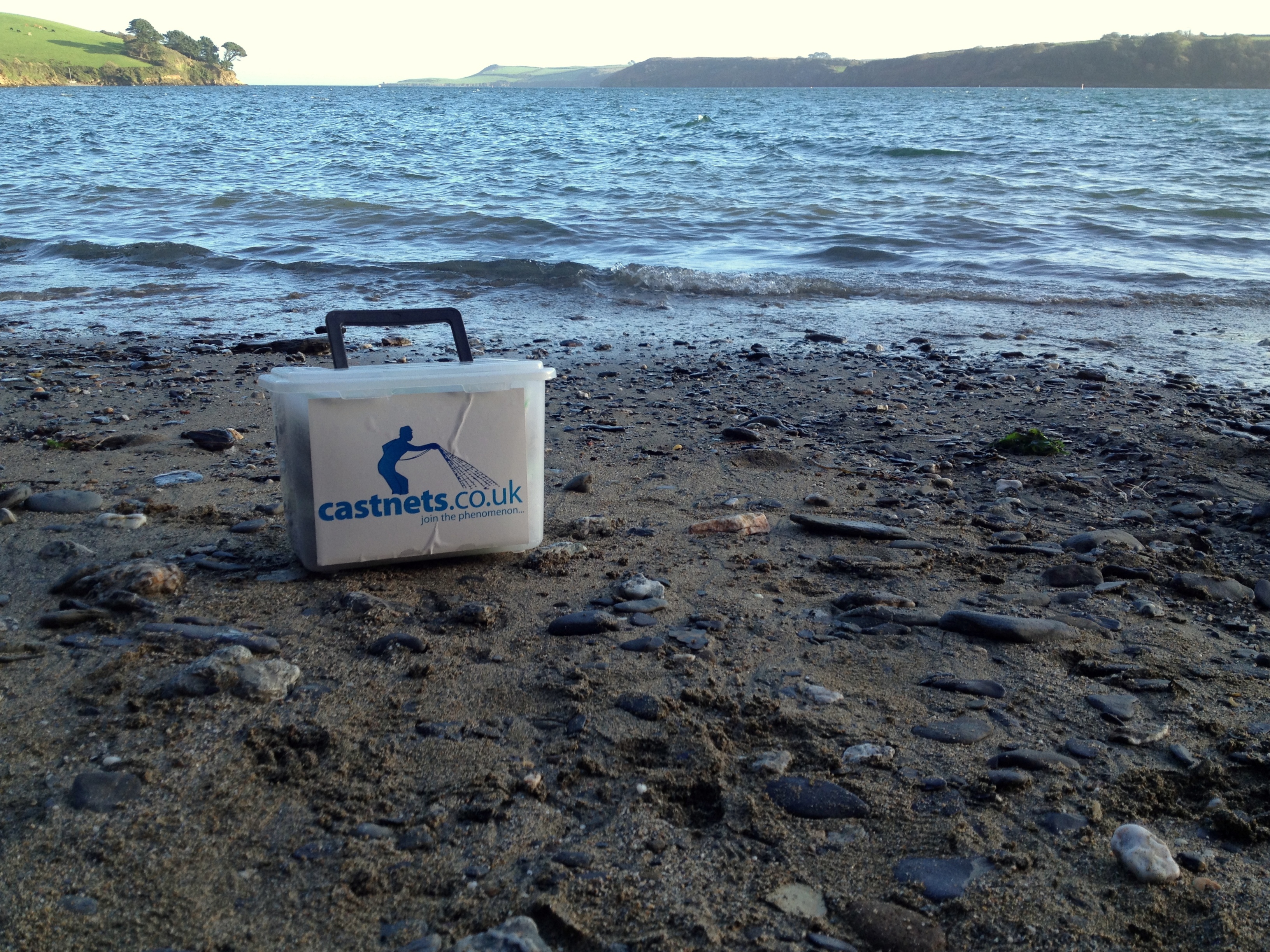
 Small wrasse can be caught using a hand net but I reckoned it would be easier using a cast net. After my first trial run with such a net in the Helford river a while back I am not so sure though: loads of leaves and twigs but no fish. Youtube has hundreds and hundreds of ‘how to throw a cast net’ videos but these all use slightly different techniques which sometimes involve a throw whilst holding the led line between the teeth… Anyway, I’ll have to practice!


 An Bollenessor