Green Paddleworms

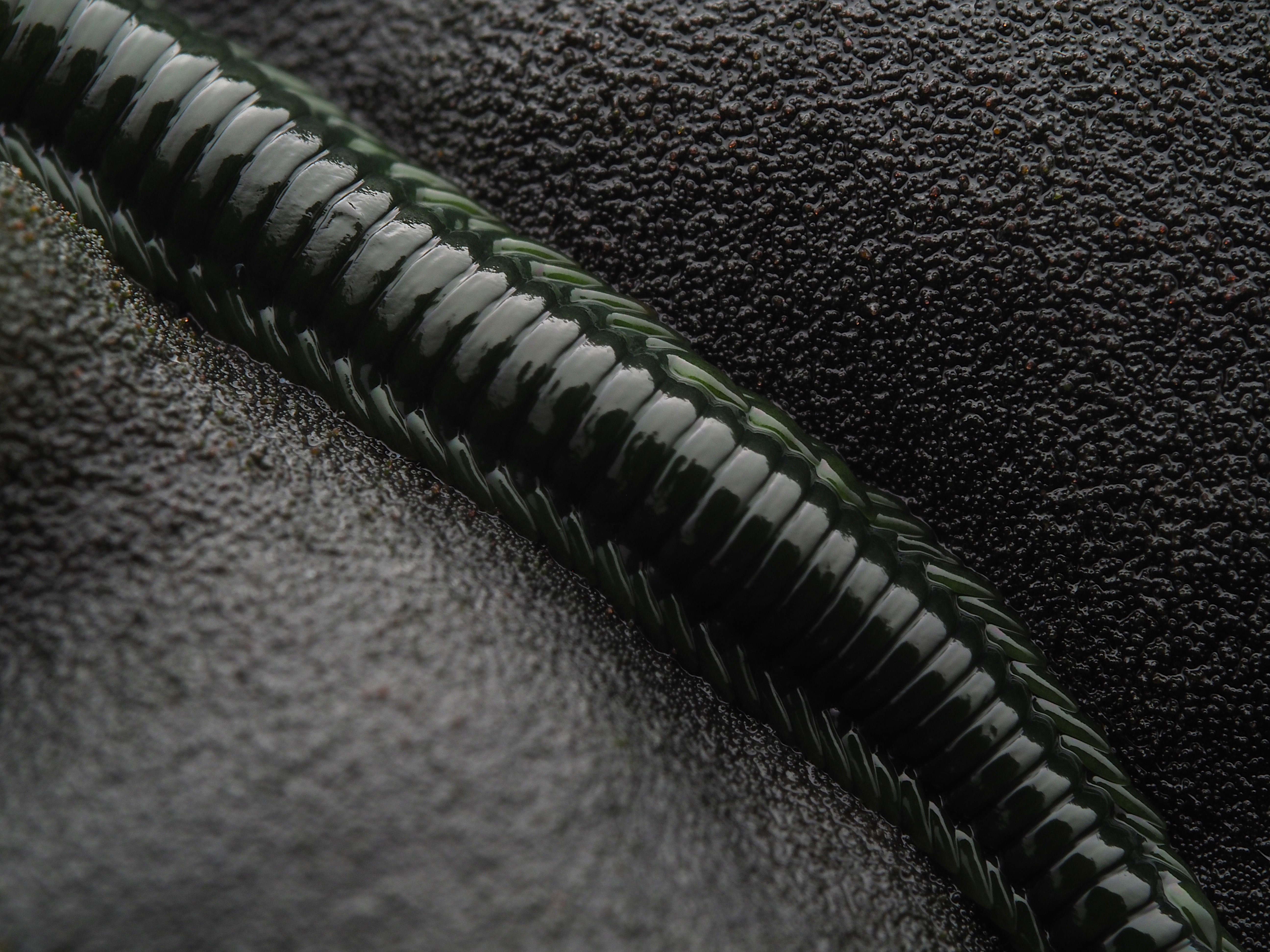
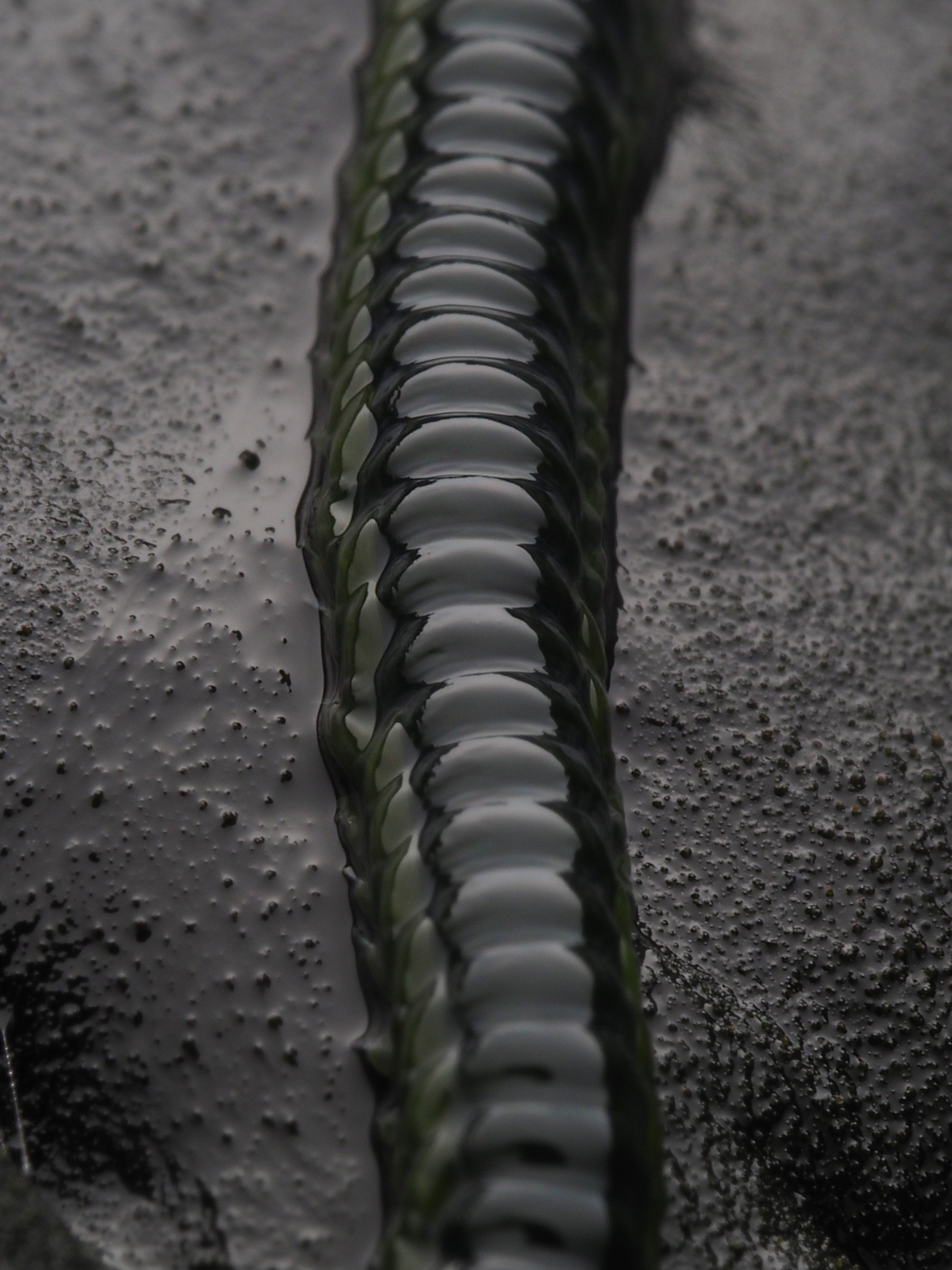
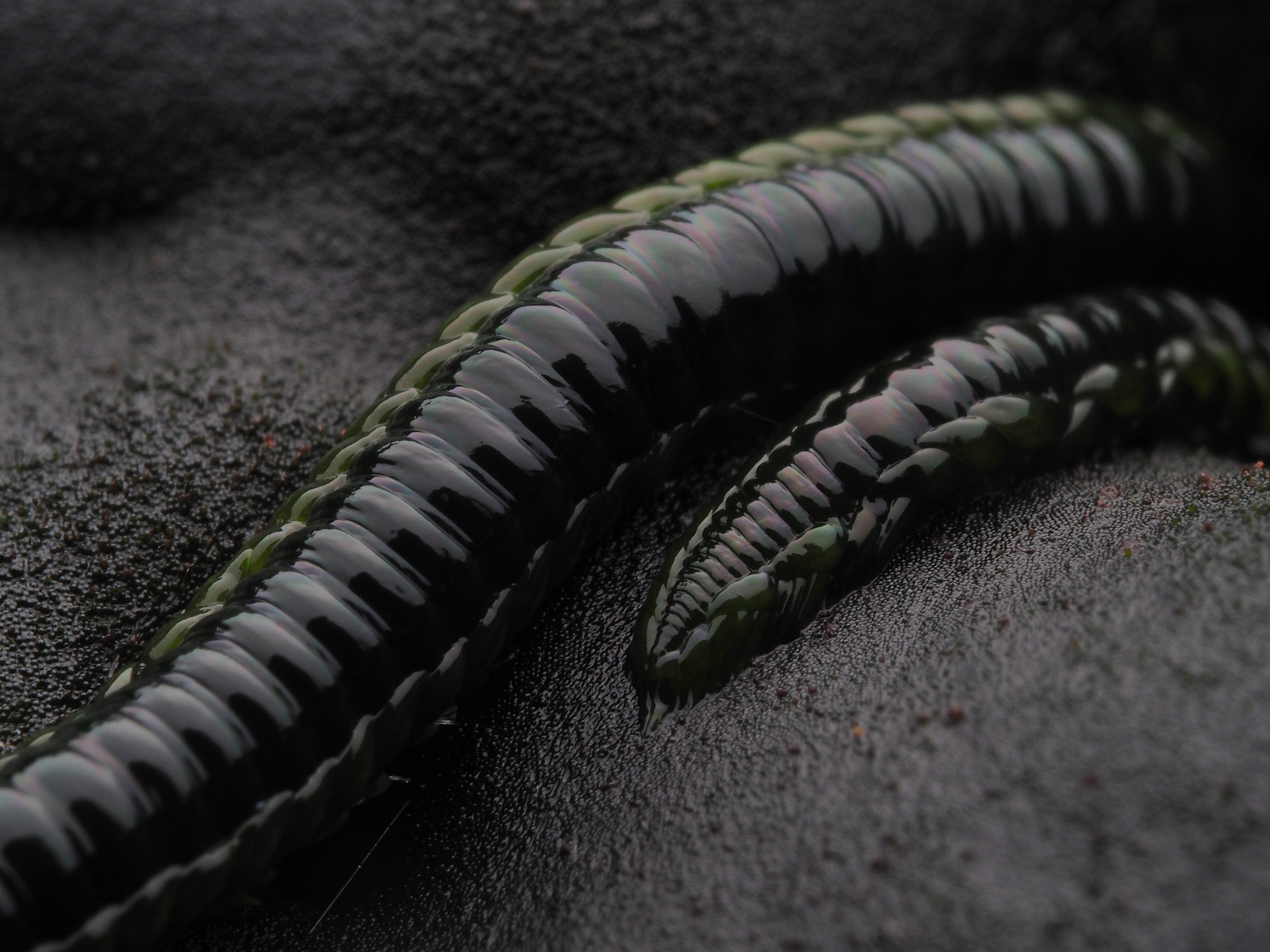
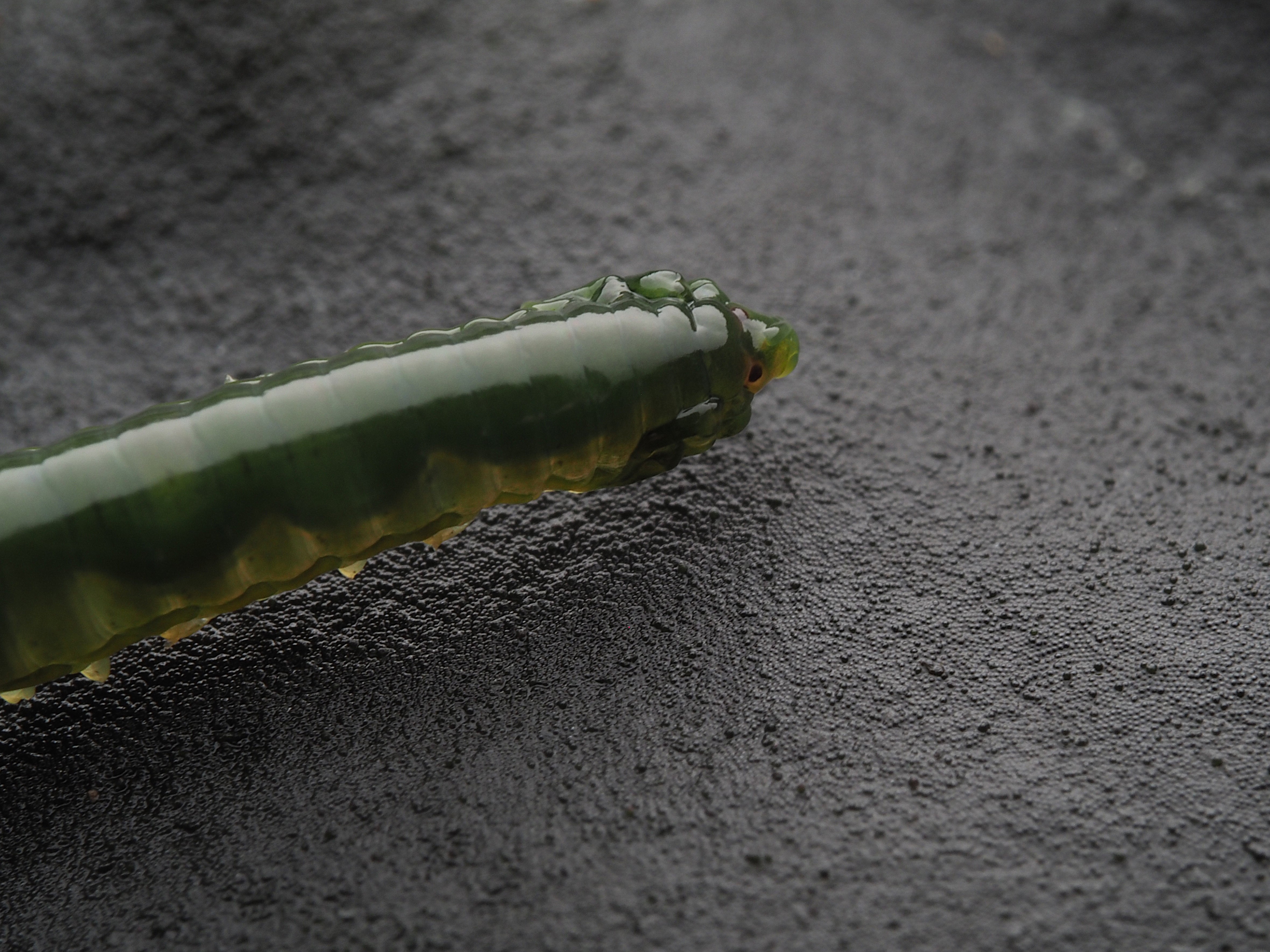
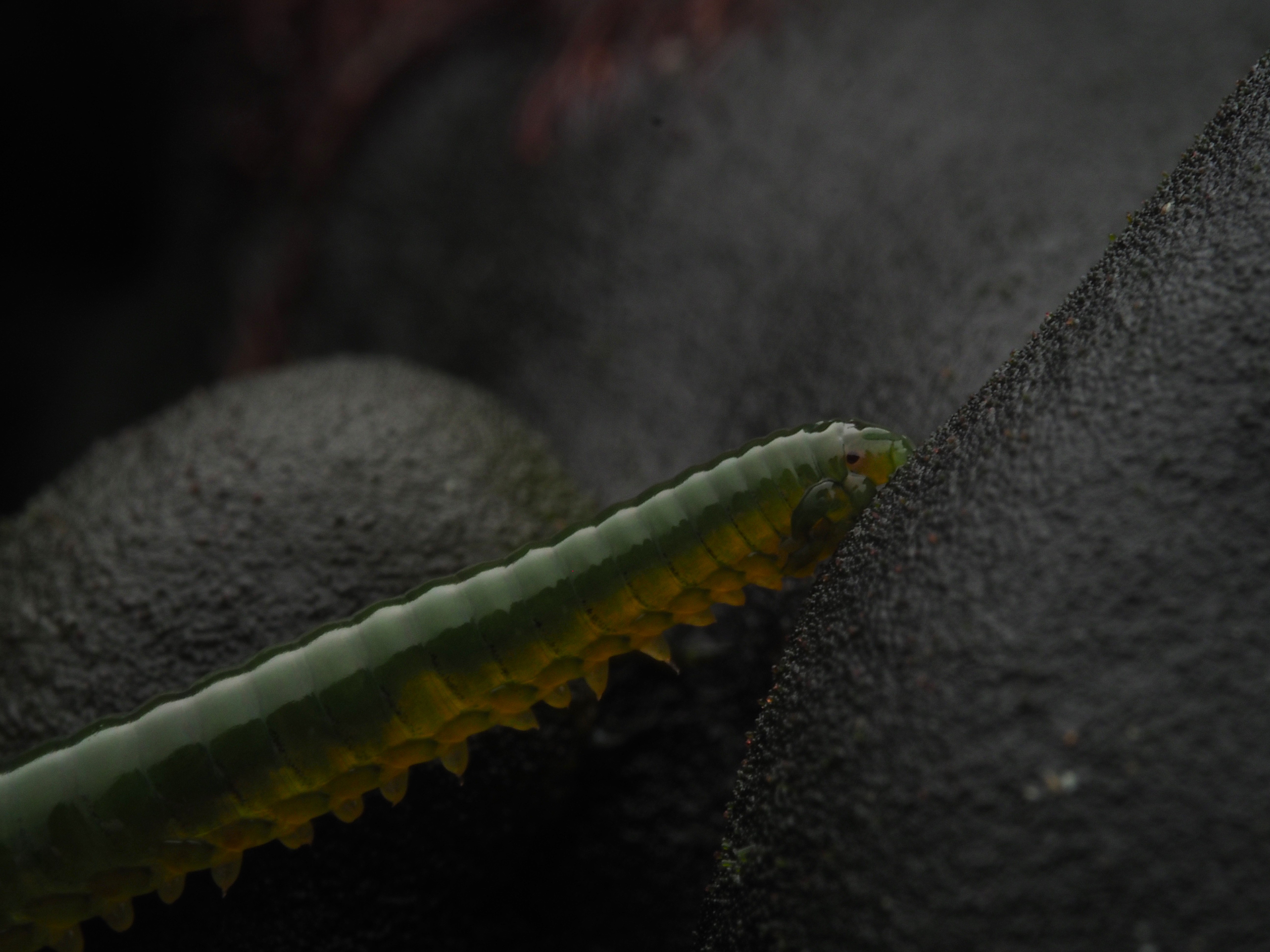
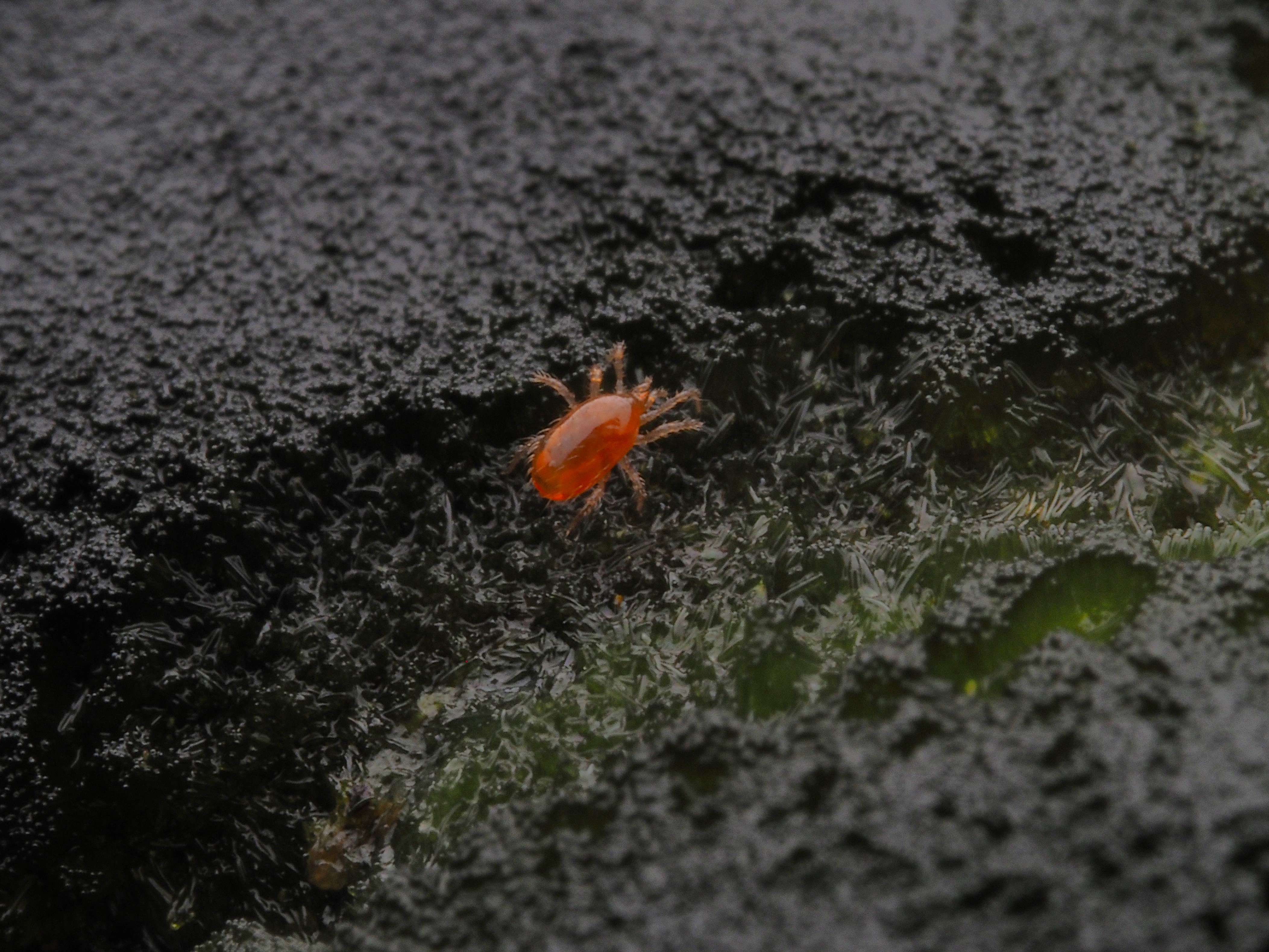
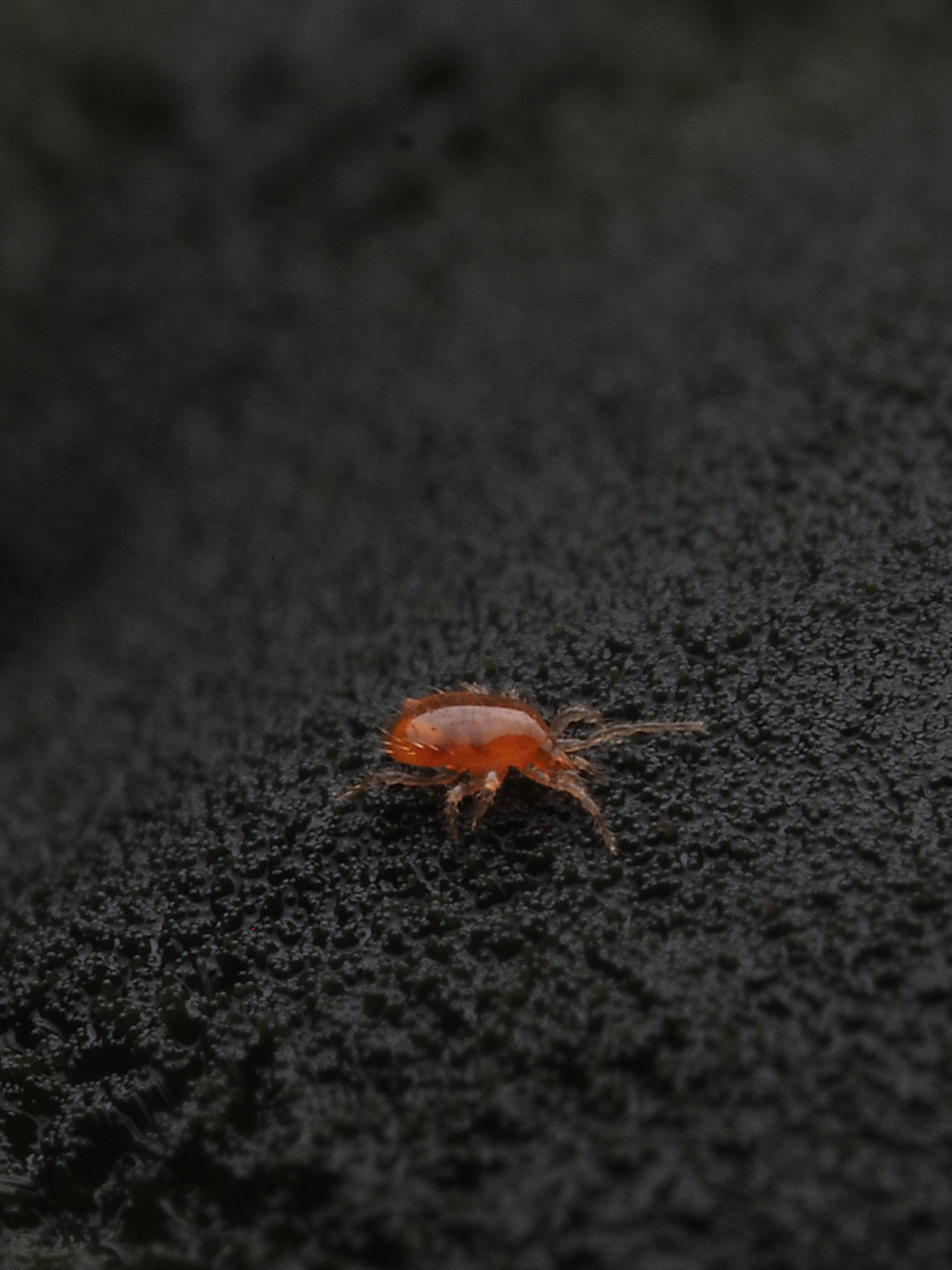
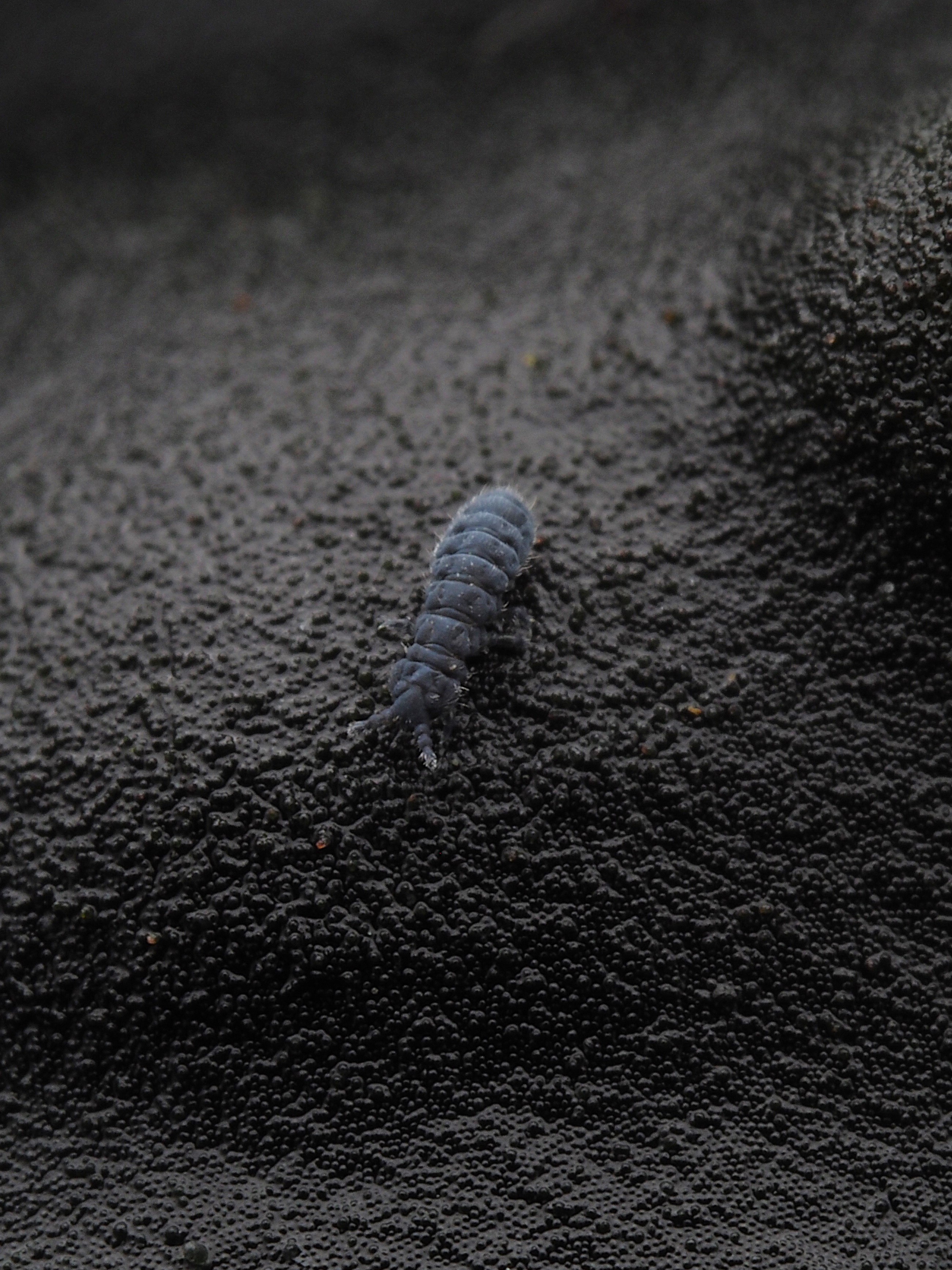
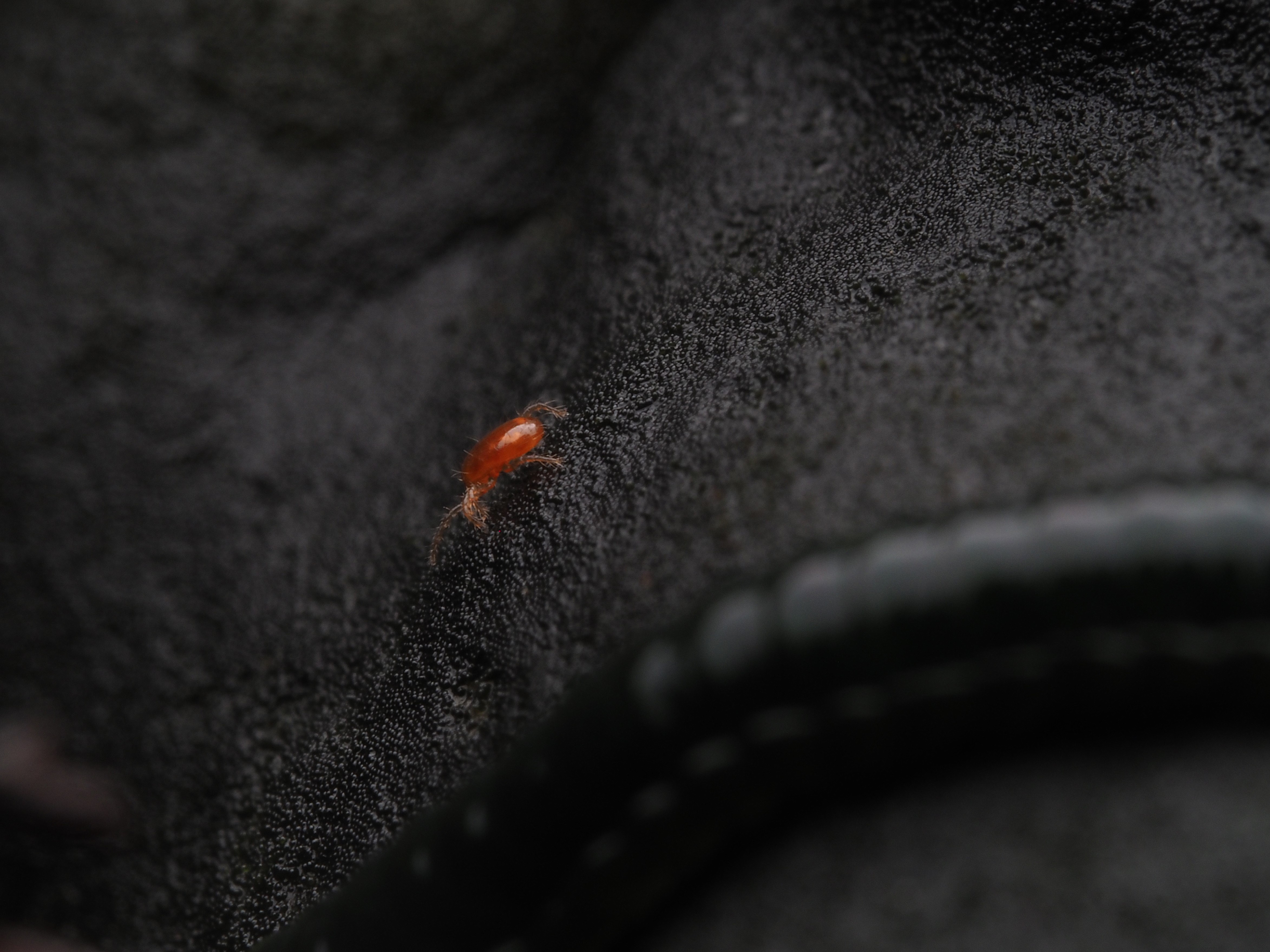
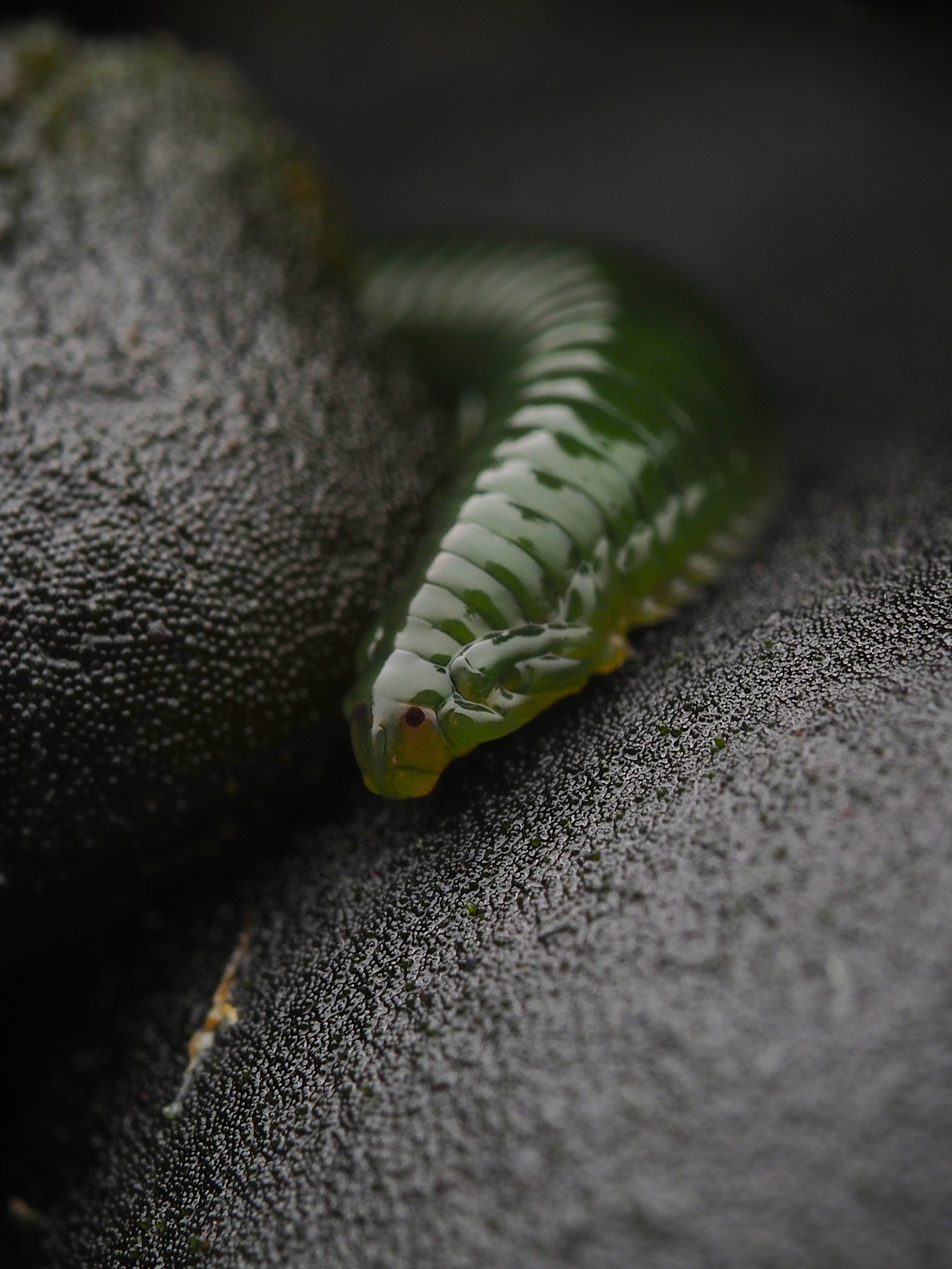
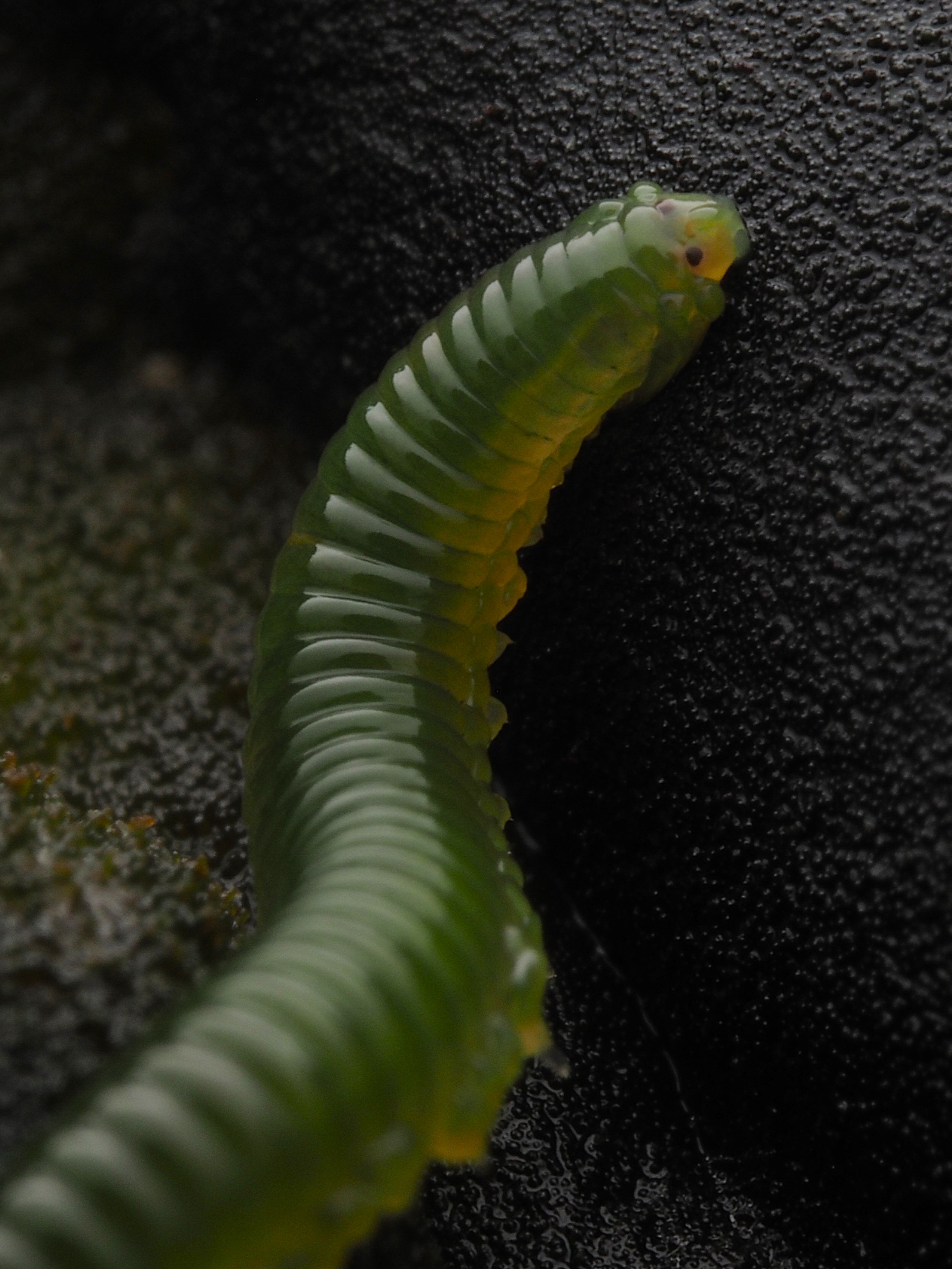
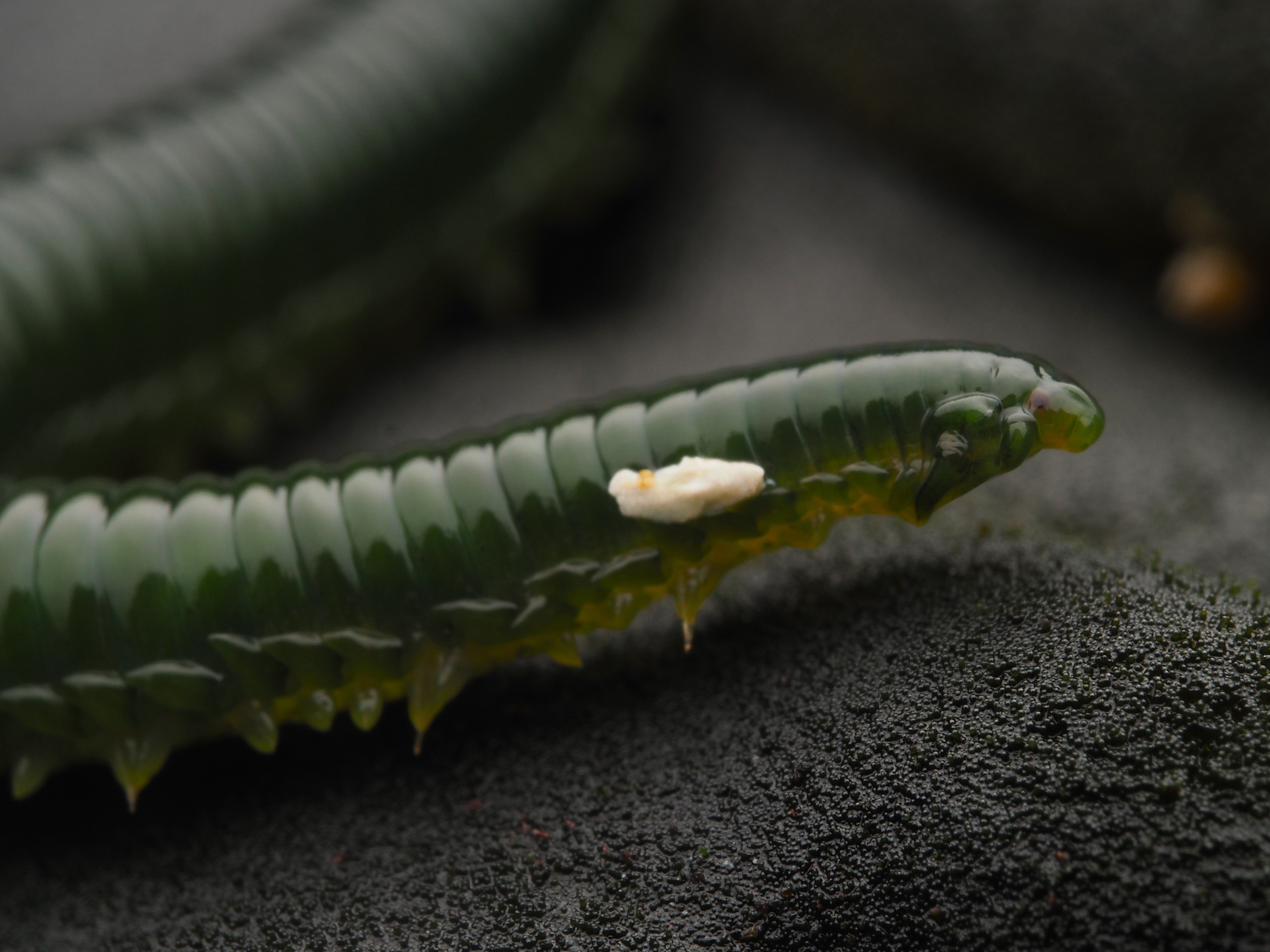
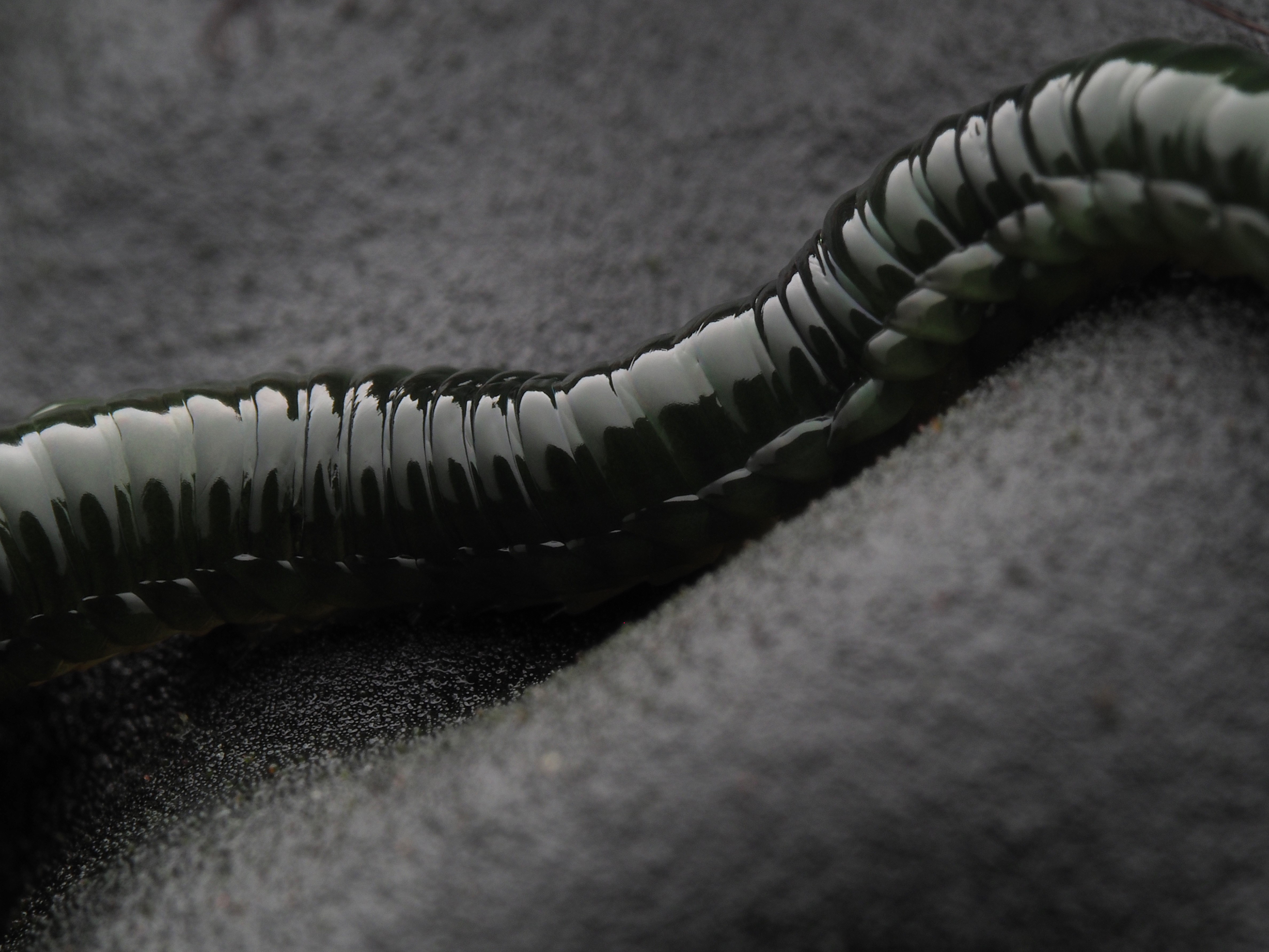
The Emerald Green Paddle Worm (or Green Leaf Worm) Eulalia clavigera ranges from a few to 10 centimetres and is common in rockpools in Britain (although most are probably more familiar with their egg masses, see here). During a recent scramble over the Trefusis Headland I noticed some out of the water on Codium adhaerens seaweed. Using my cygnustech diffuser and a bit of extra magnification courtesy of a Raynox clip-on macrolens I got to work! Taking photos of these worms is difficult as they are continuously on the move. It is also hard to get close to them with the diffuser bumping into the rocks and obscuring the light. However, they are very rewarding subjects; worms are usually overlooked but they are very beautiful! The Codium seaweed proved a perfect background, absorbing all light, a bit like black velvet. When you spend enough time on your knees peering down, you also always notice other things, some tiny springtails Anura maritima as well as some even tinier red mites (see also this old post). One of my new year’s resolutions is to photograph more worms – and the good thing is that there are many other species available, including paddle worm species, one of which is in the process of being described new to science by my friend David Fenwick).
Pheasant Shells

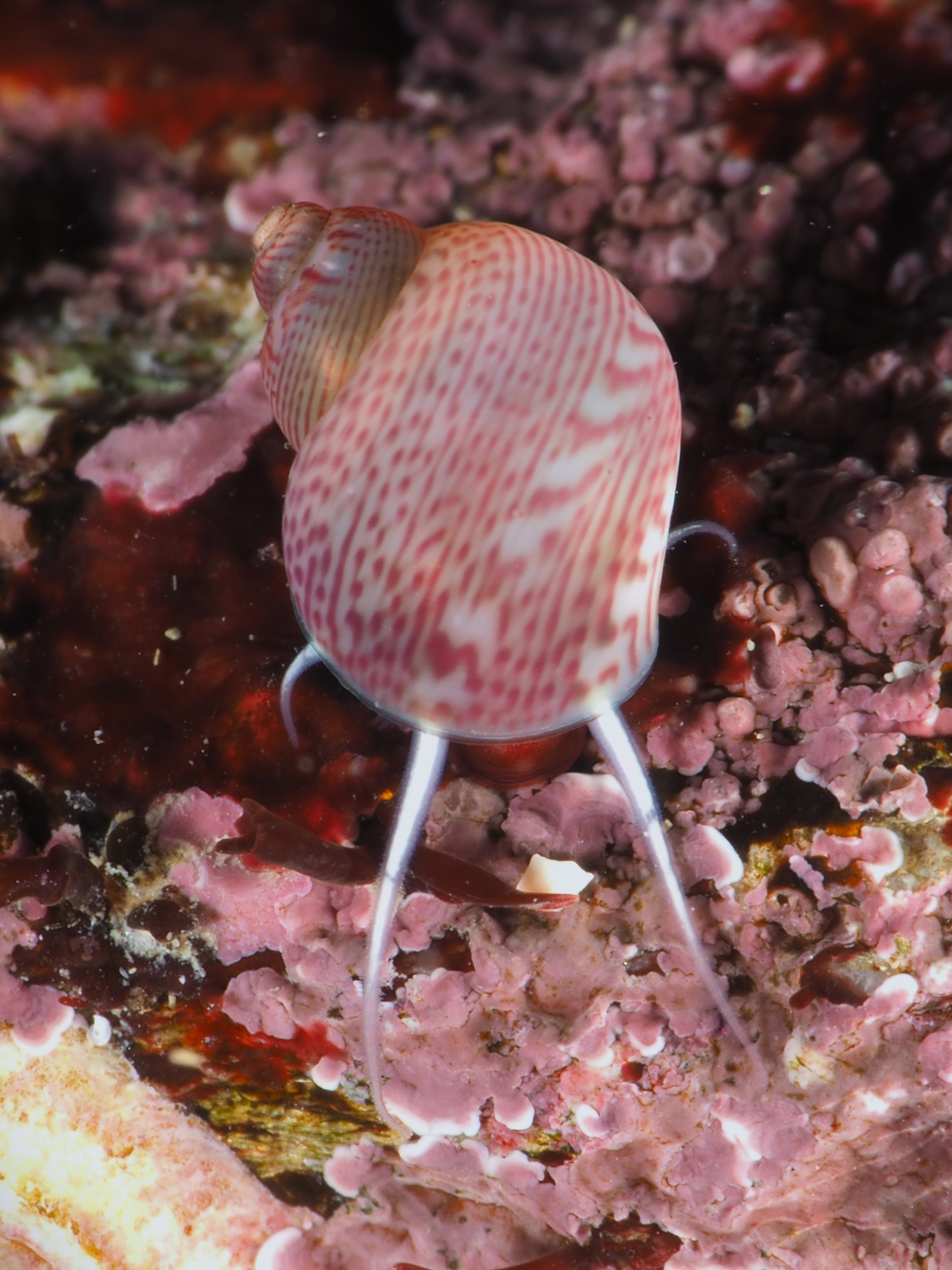
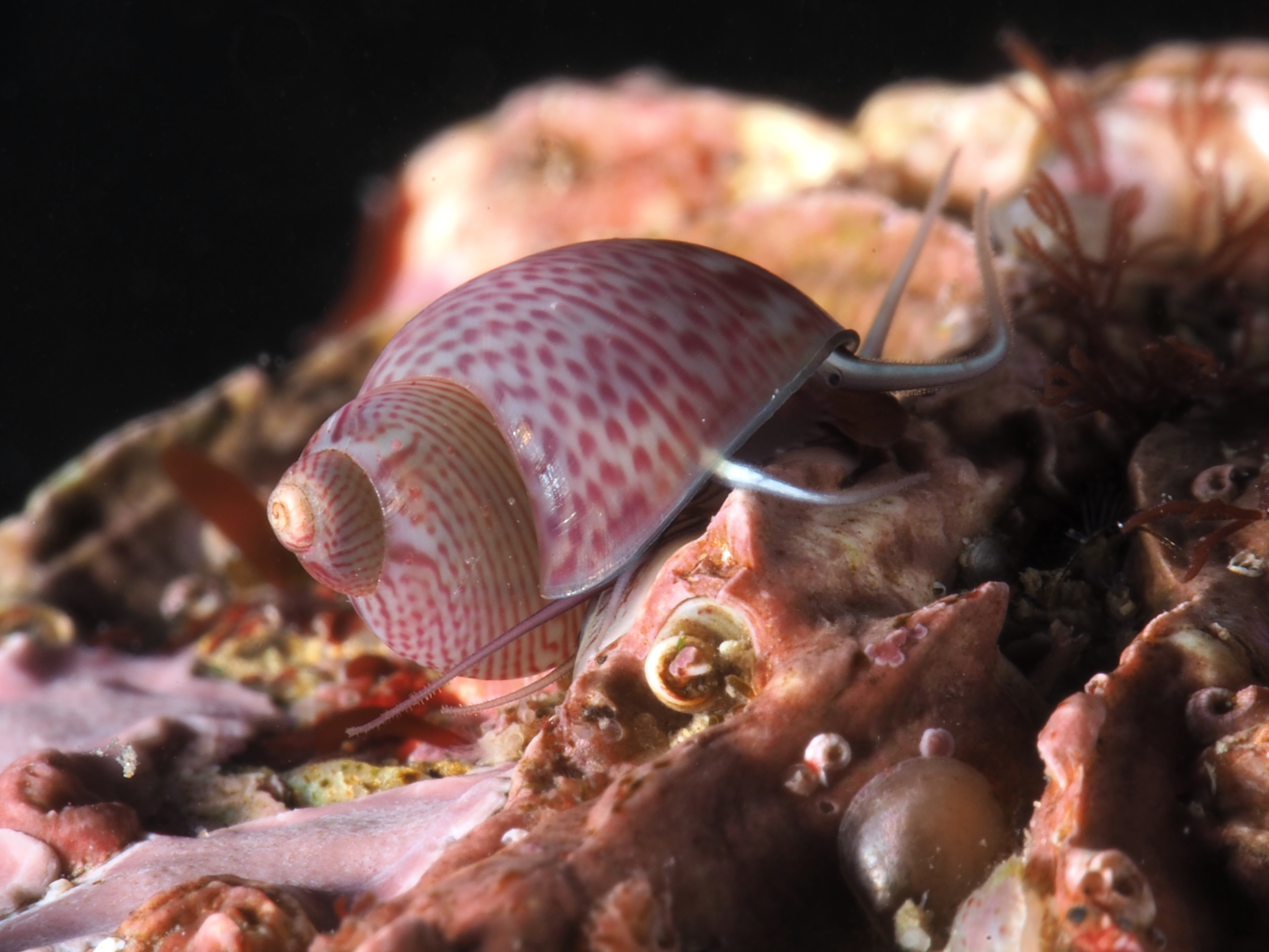
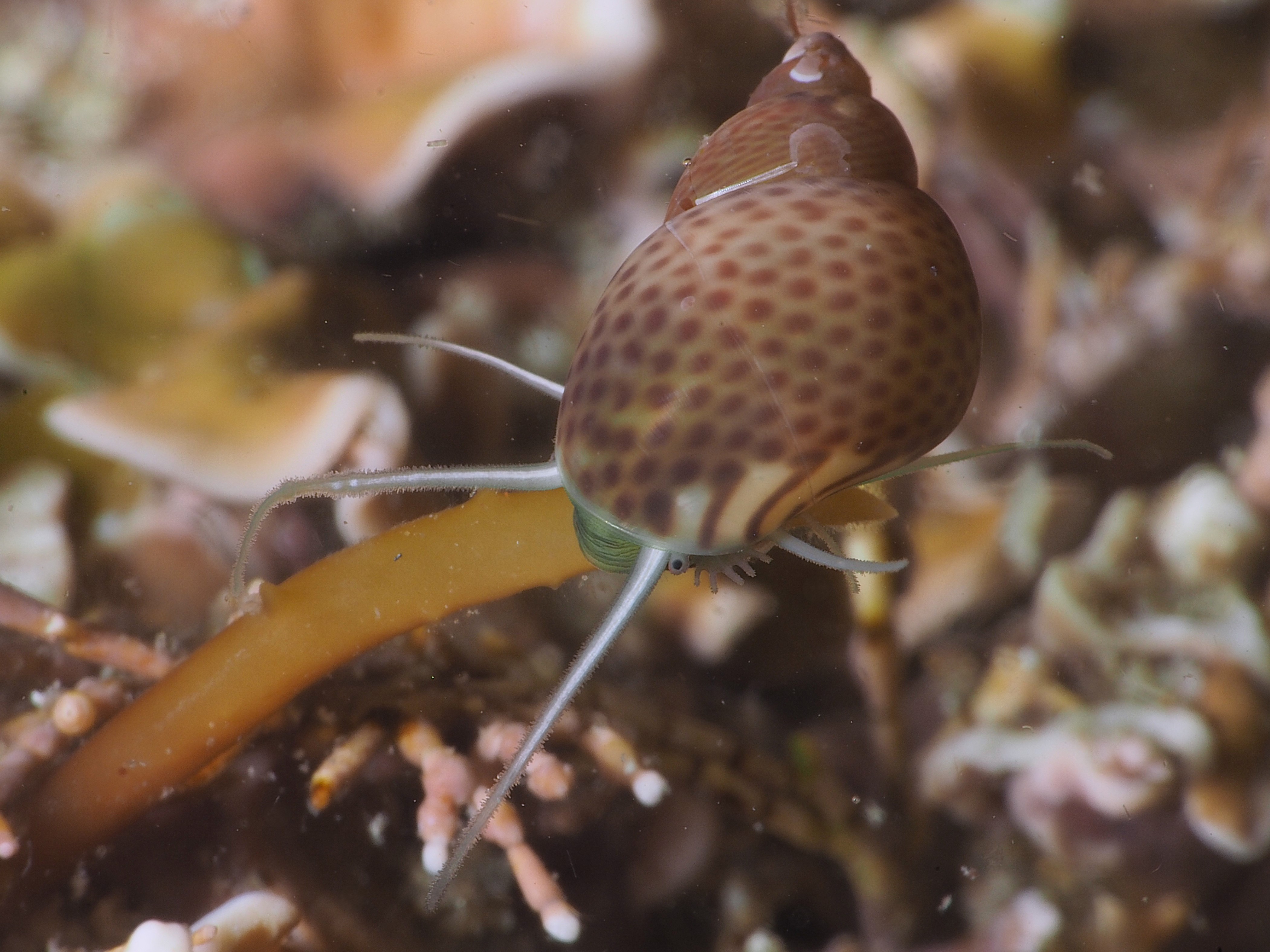
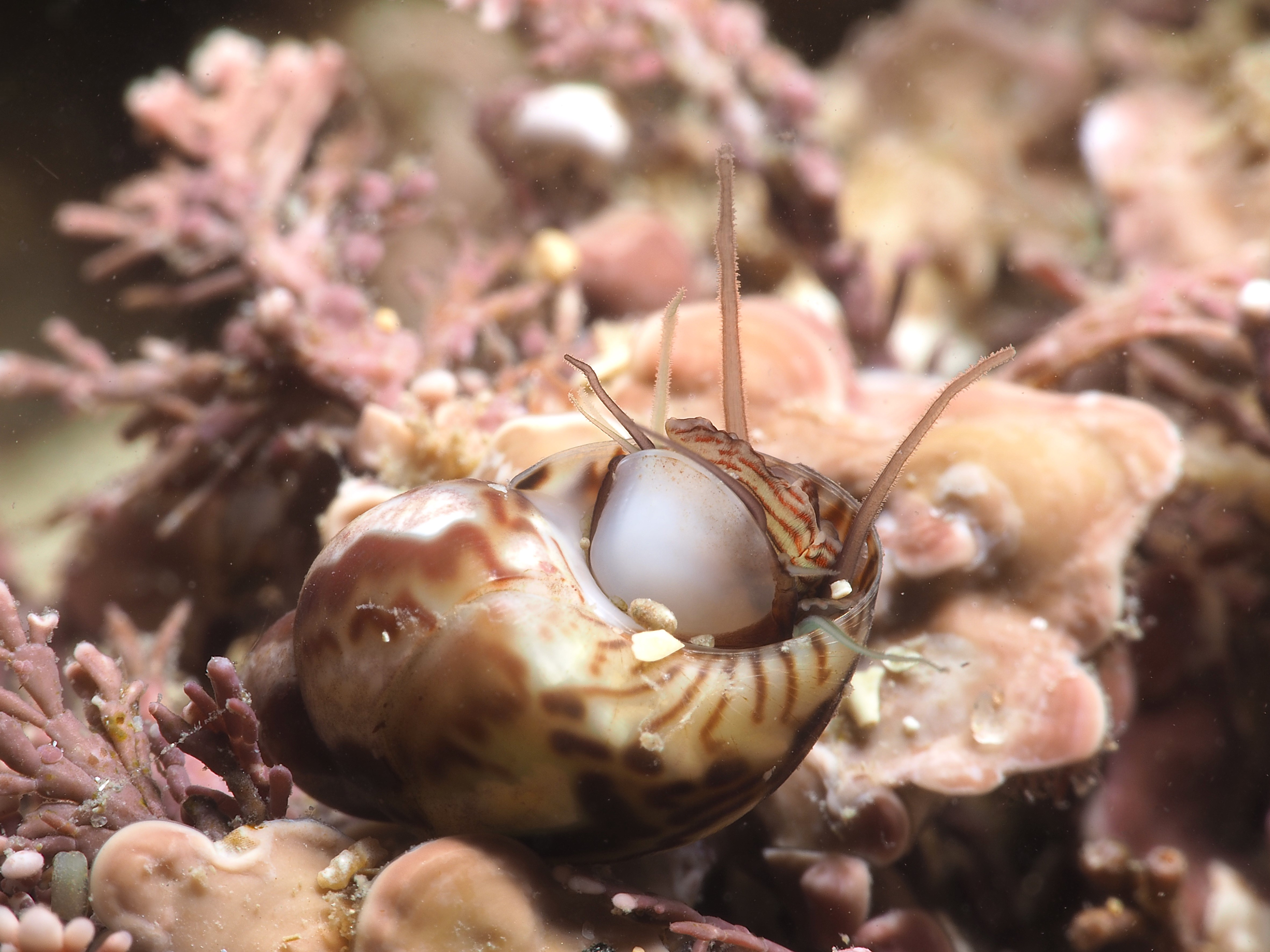
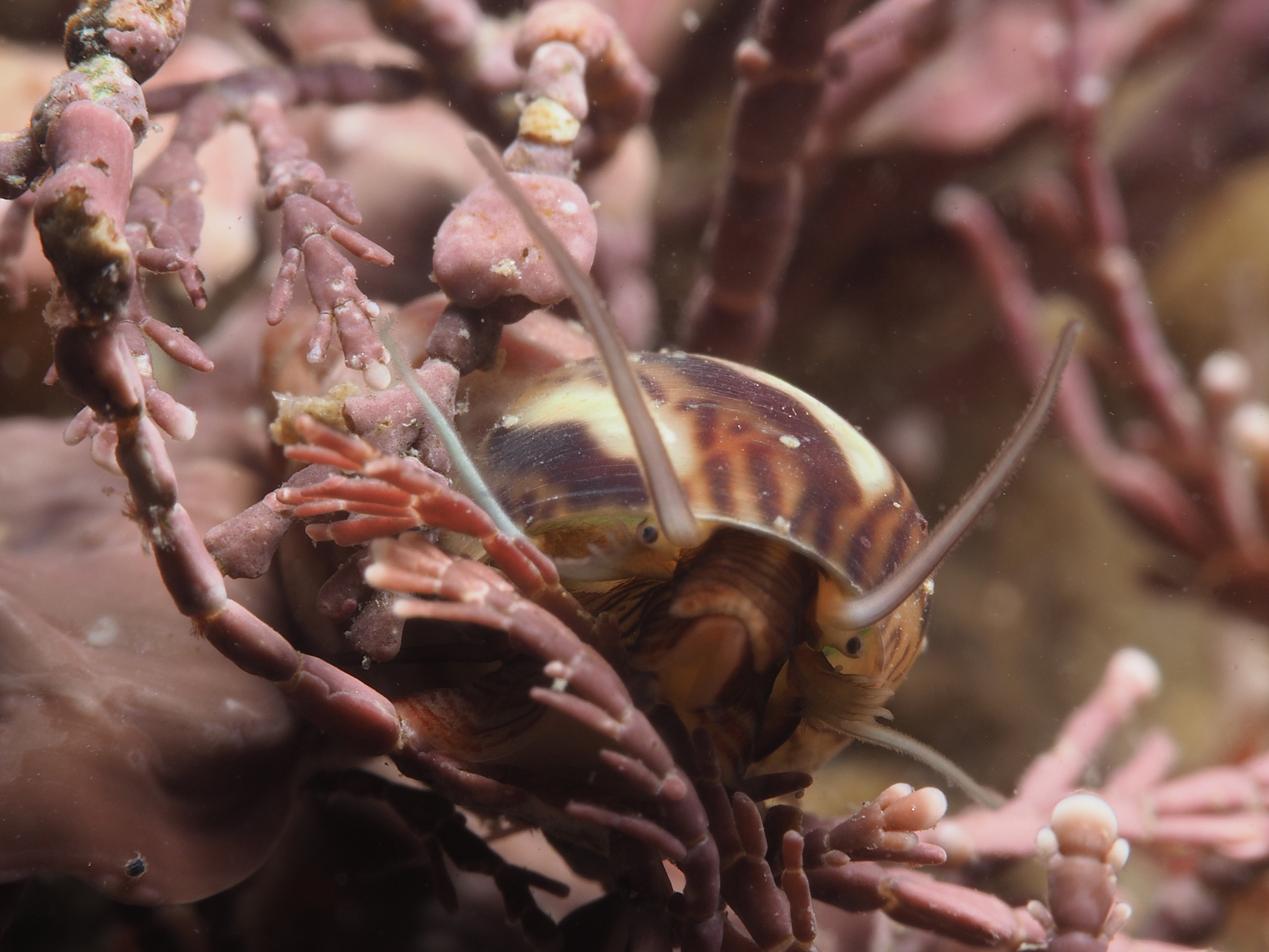
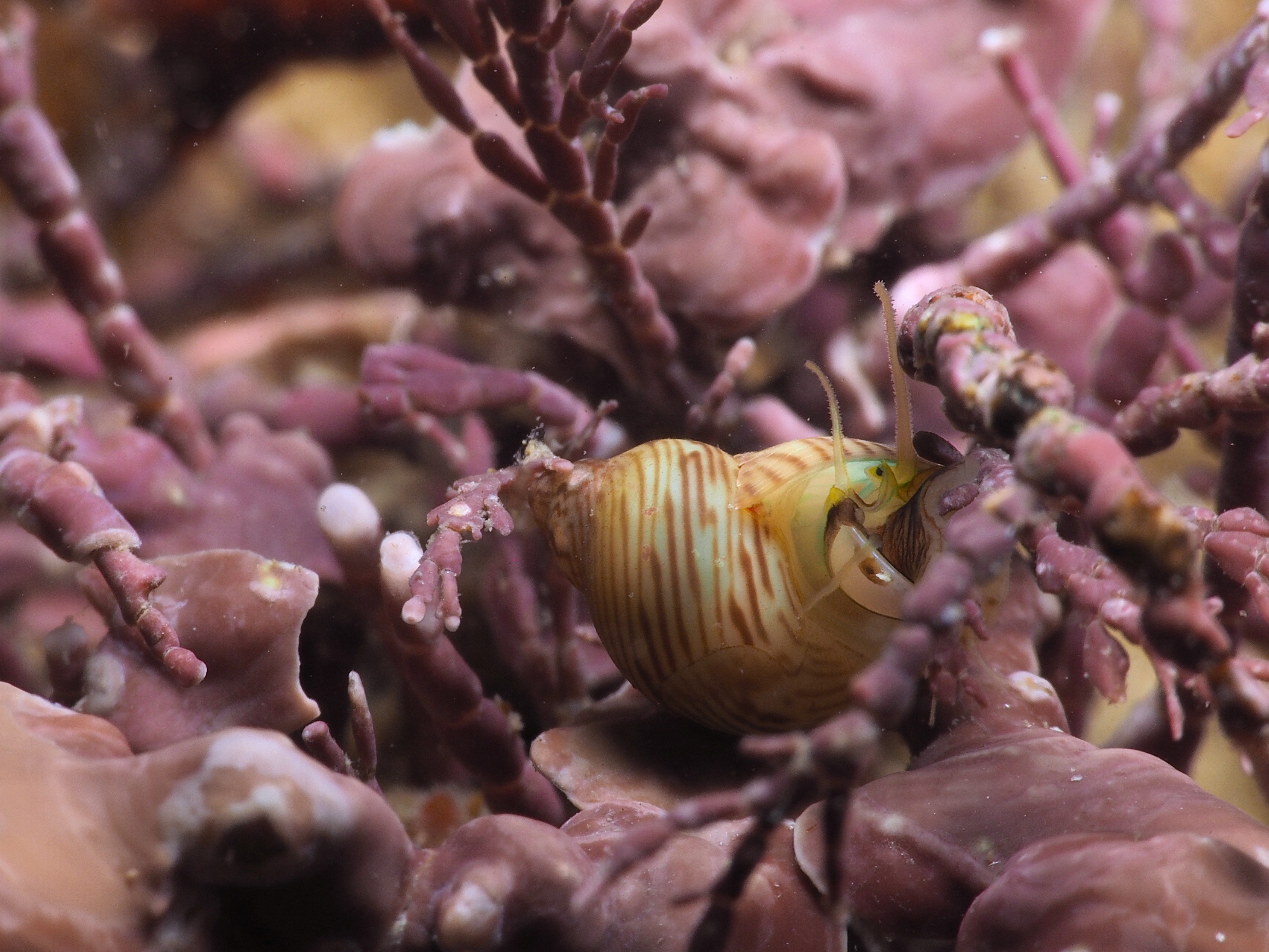
The Pheasant Shell is one of my favourite little critters in the rockpools in Falmouth. It is a bit weird to refer to these organisms as ‘shells’ actually, as they are living things and the nonliving shell is ofcourse only a part of them. The confusion extends to its scientific name: this species was previously known as Tricolia pullus, but has recently been split into a Southern European T. pullus species and a Northern European T. picta species. Perhaps the dust needs to still settle on that one.

I have taken these photos, on different occasions, with the mzuiko 60mm macrolens and the nauticam cmc-1 wetlens. The extra magnification the latter lens (screwed onto the housing) offers is great; although somehow I always want to get even CLOSER! I have not nailed the Pheasant Shell shot either. Reflecting on these pics I think I need to use a shallower depth of field to get rid of cluttered backgrounds. Next time.

The calcified operculum (the little door to close the shell) is clearly visible in the first photo above, as are the tentacles. On the second photo above you can even see that the left ‘neck lobe’ is more deeply digitated (fingerlike) than the right one. For more detailed (studio)shots of this and other molluscs please see Morddyn’s flickr account. I will post more macroshots of other mollusc species soon!

over-unders

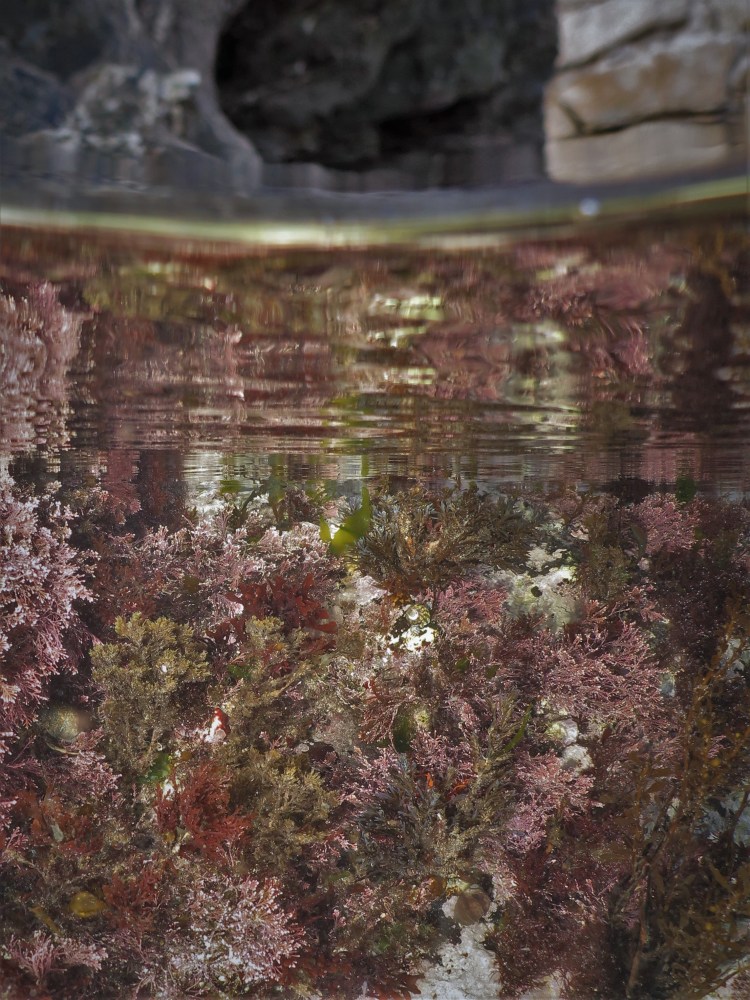
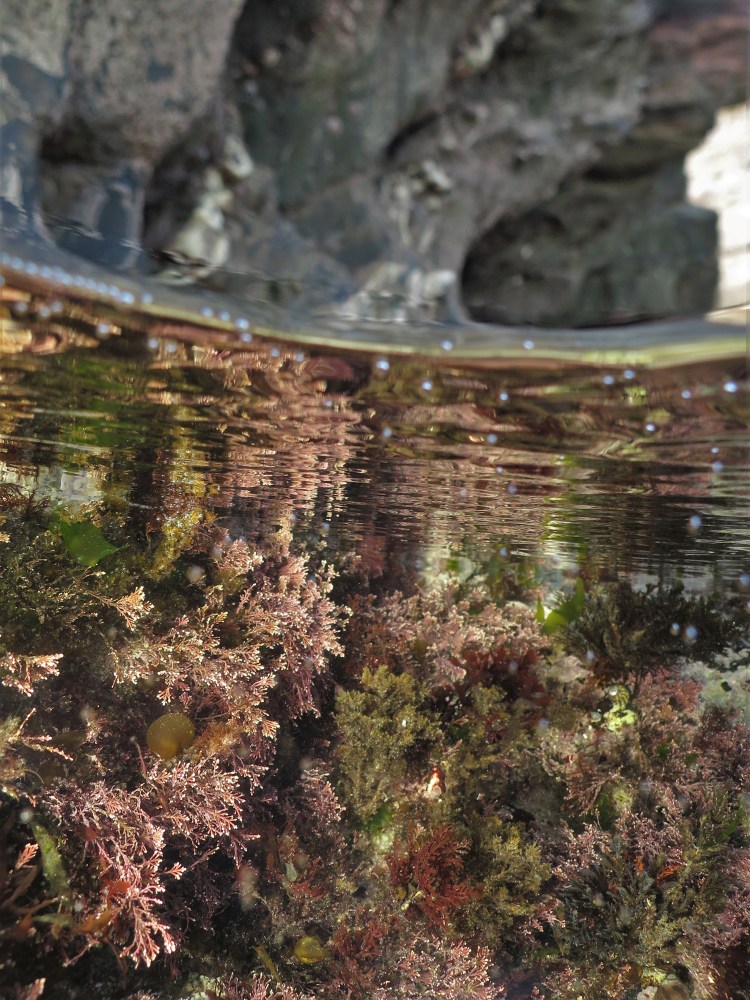
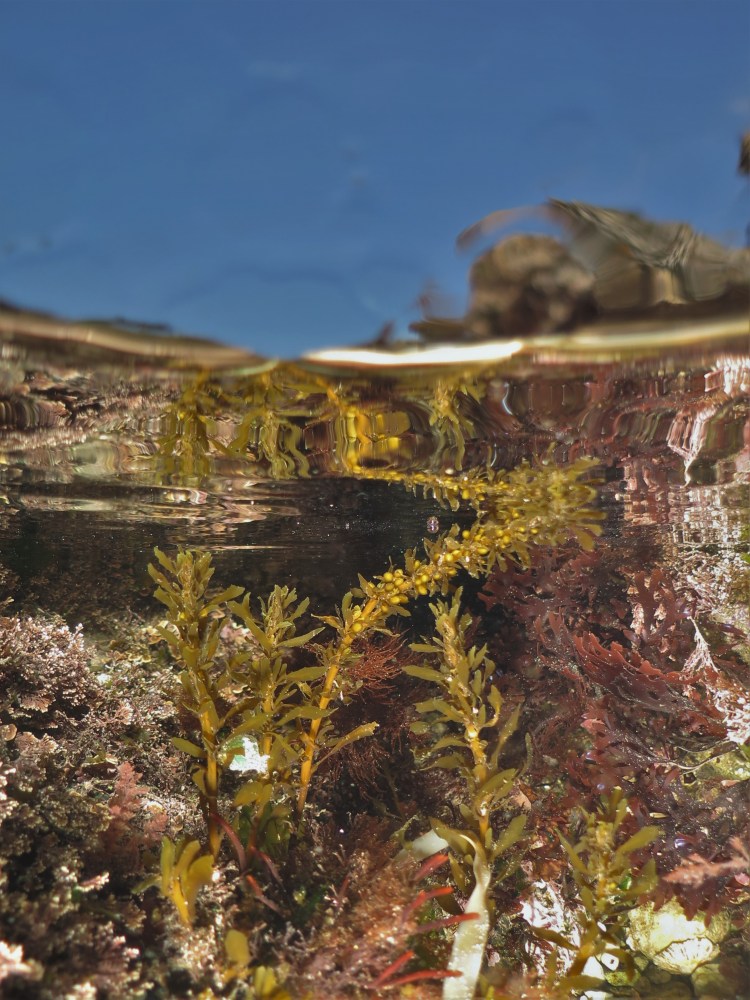
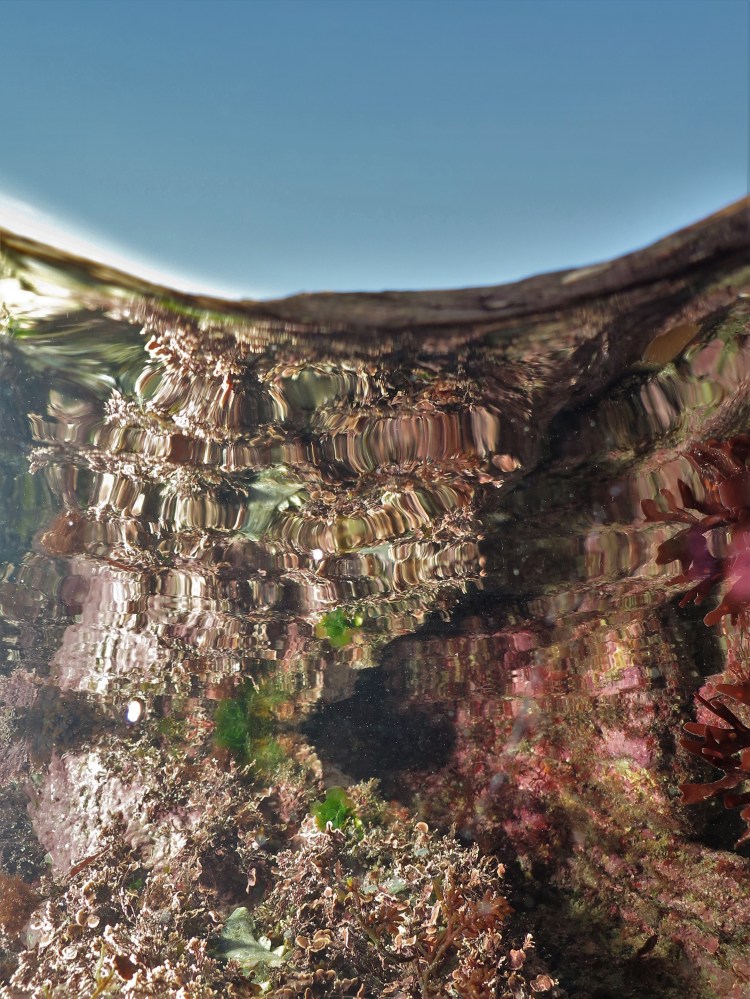
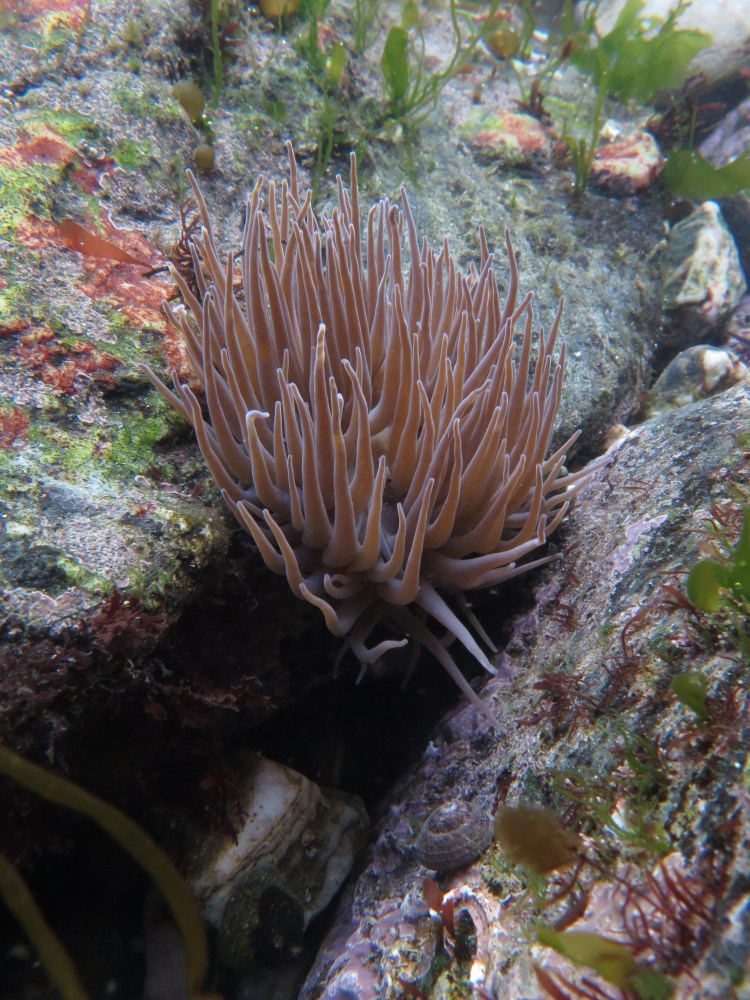
It was cold last Thursday, but I had a window to go to the shore at low tide so I did. Optimistically, I went in full snorkel gear, but when I arrived I could not muster the courage to stick my head underwater! (5 degrees, water probably 9 degrees). So I waded in kneedeep and held my camera underwater to try some ‘over-under’ or split-shots’, with both the underwater- and above-water world in view. This is tricky using a wetlens, as there is water between the housing and the lens, which slowly leaks out when lifting the housing out of the water, resulting in a meniscus. The only way to do it is to be quick and frequently resubmerge the housing and get the lens off and back on. I brought my strobe as well (not attached to a tray but holding it in my other hand). This is crucial, as the above water part gets really over-exposed. I compensated 2 or 3 f-stops to prevent this; the strobe then lights up the even darker below-water part. At least, that was the idea, the strobe often made it too bright underwater (I have a simple ‘TTL’ strobe and not one where the strobe output can be manually adjusted) so I had to fiddle increasing the distance I held it from the camera. Post-processing bringing down the highlights was definitely necessary. Anyway, it was good fun to play around, and some of the shots are half-decent considering the circumstances. I definitely will try this more when it is a bit warmer and I can snorkel and look through the viewfinder. (At the end a conventional shot of a small snakelocks anemone just because it was pretty.)