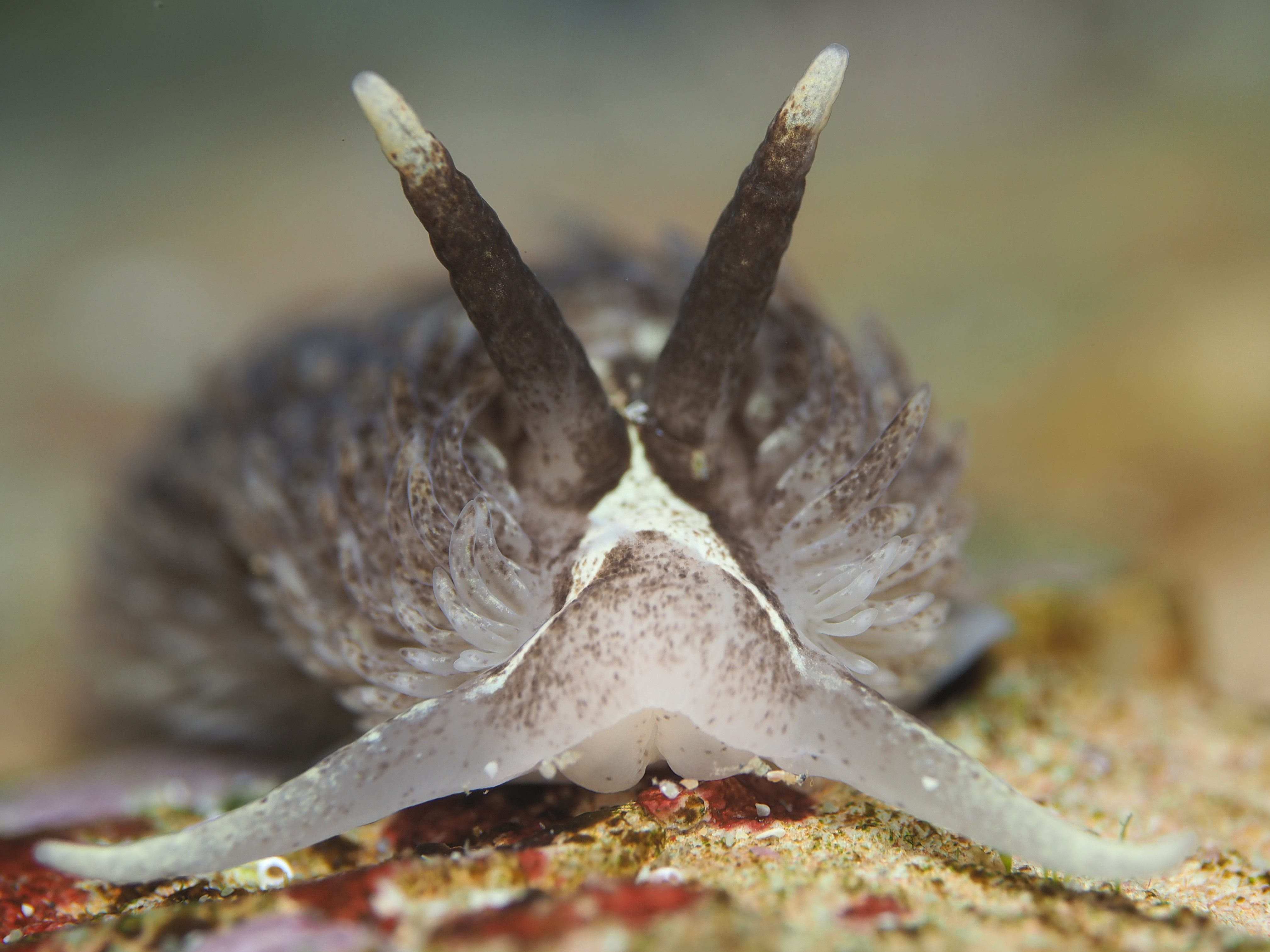
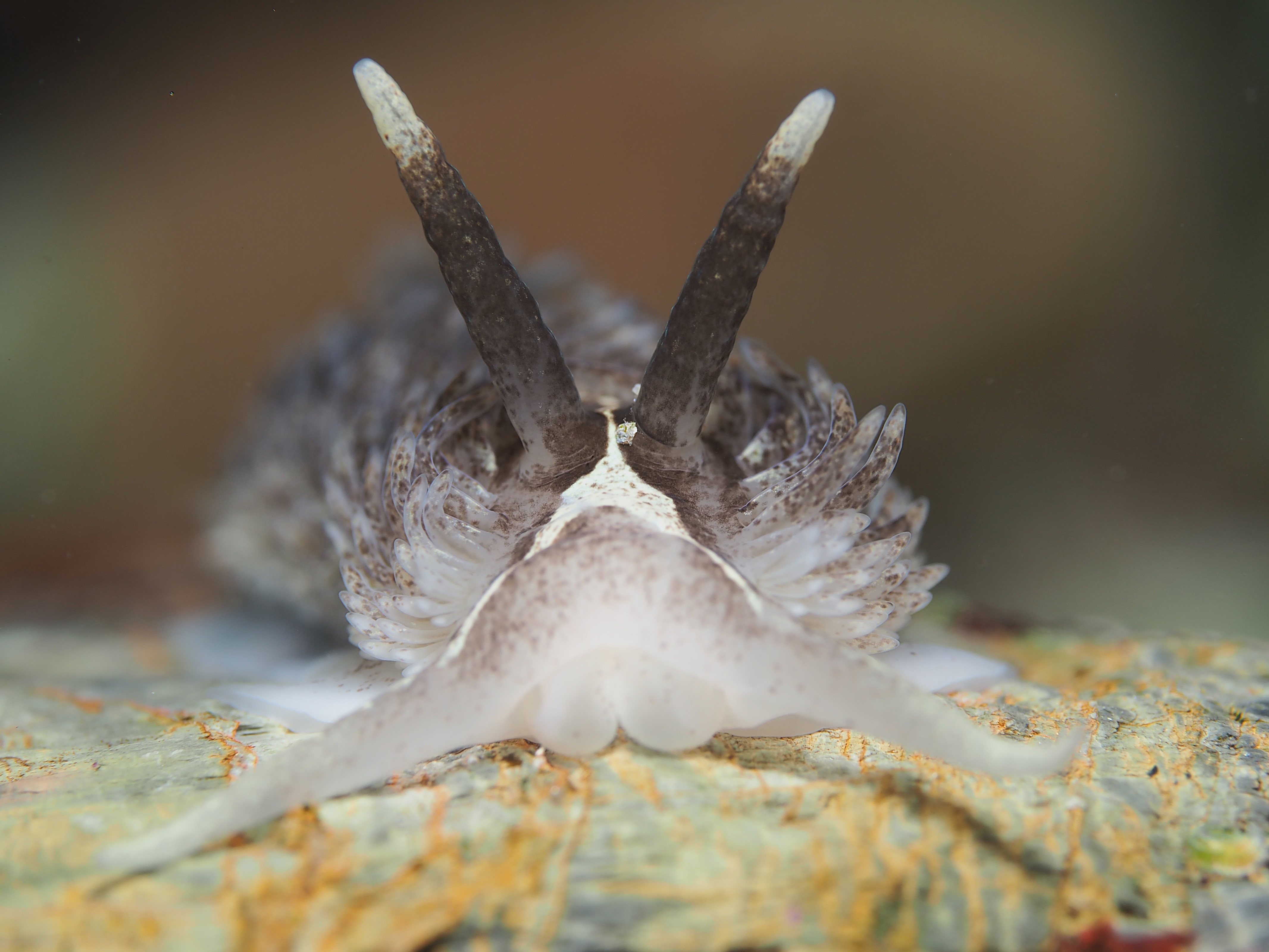
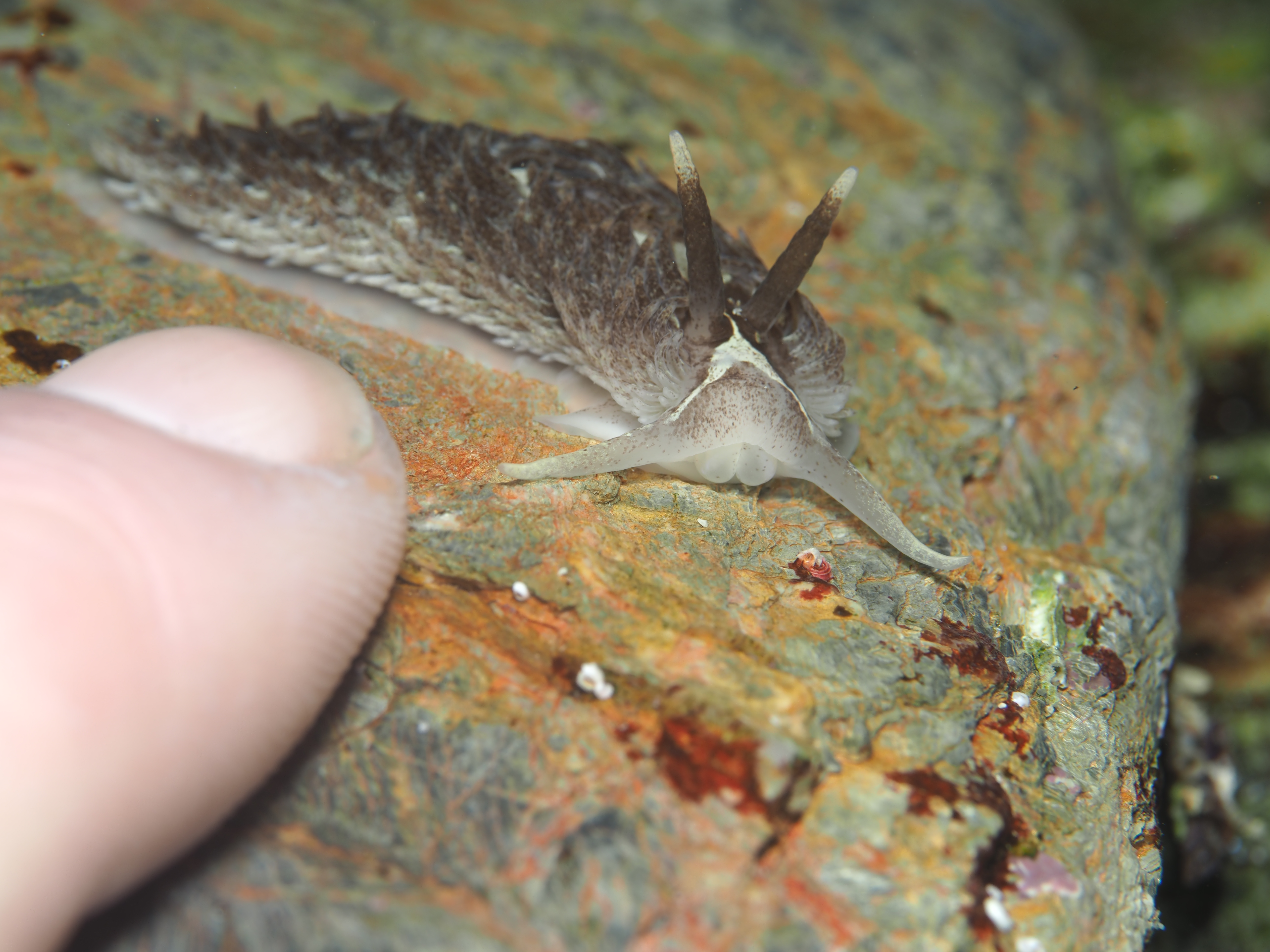
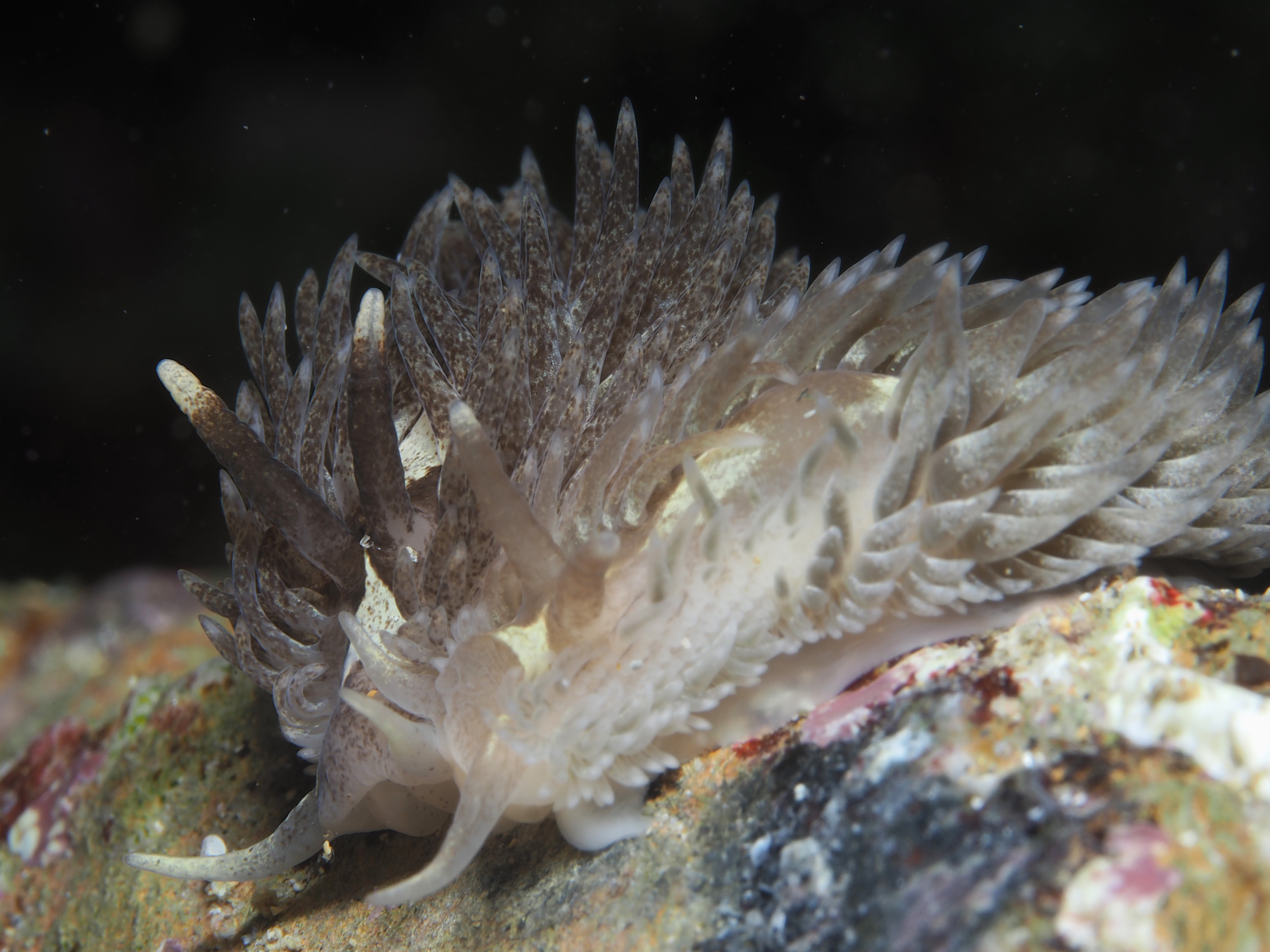
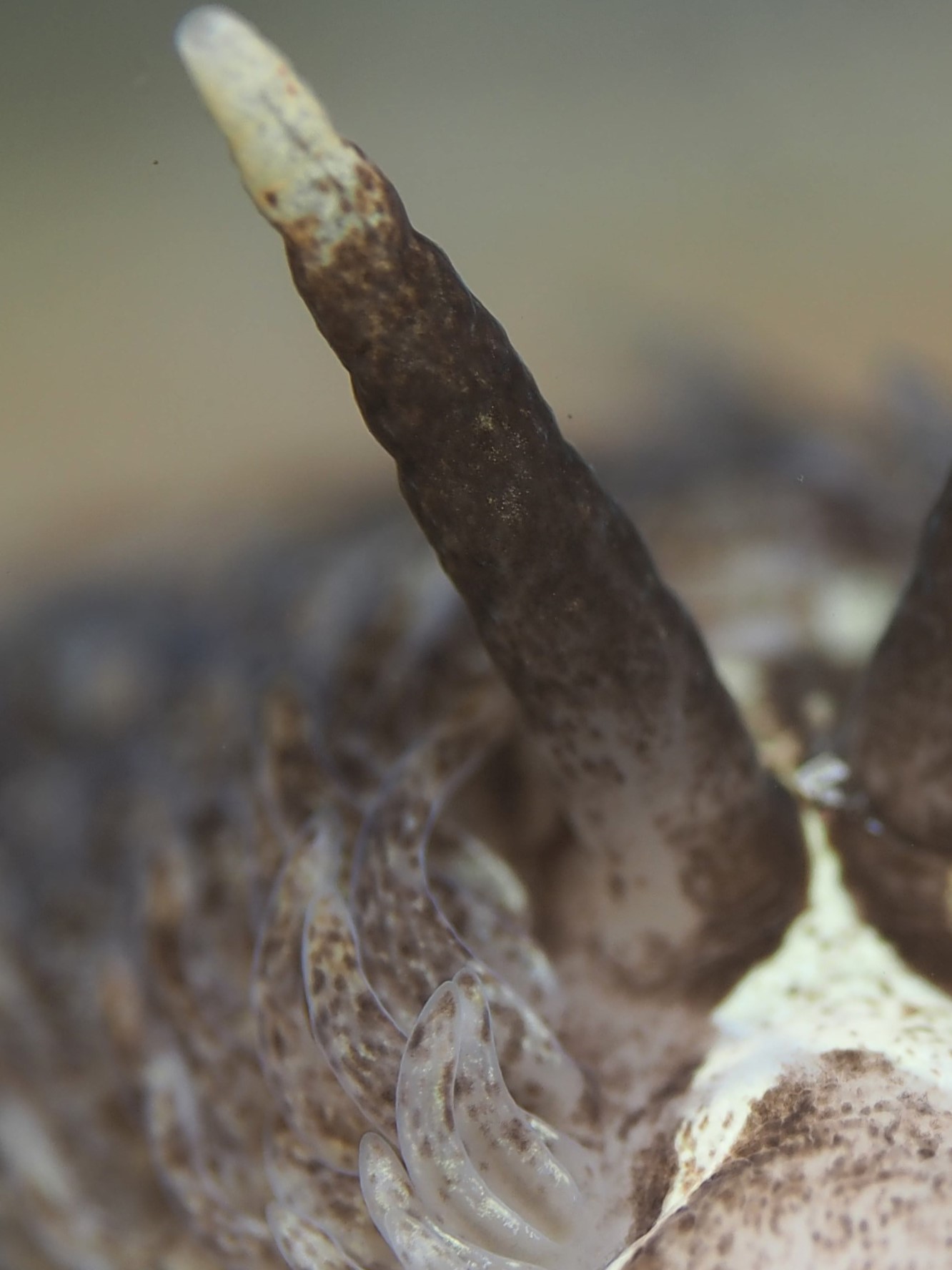
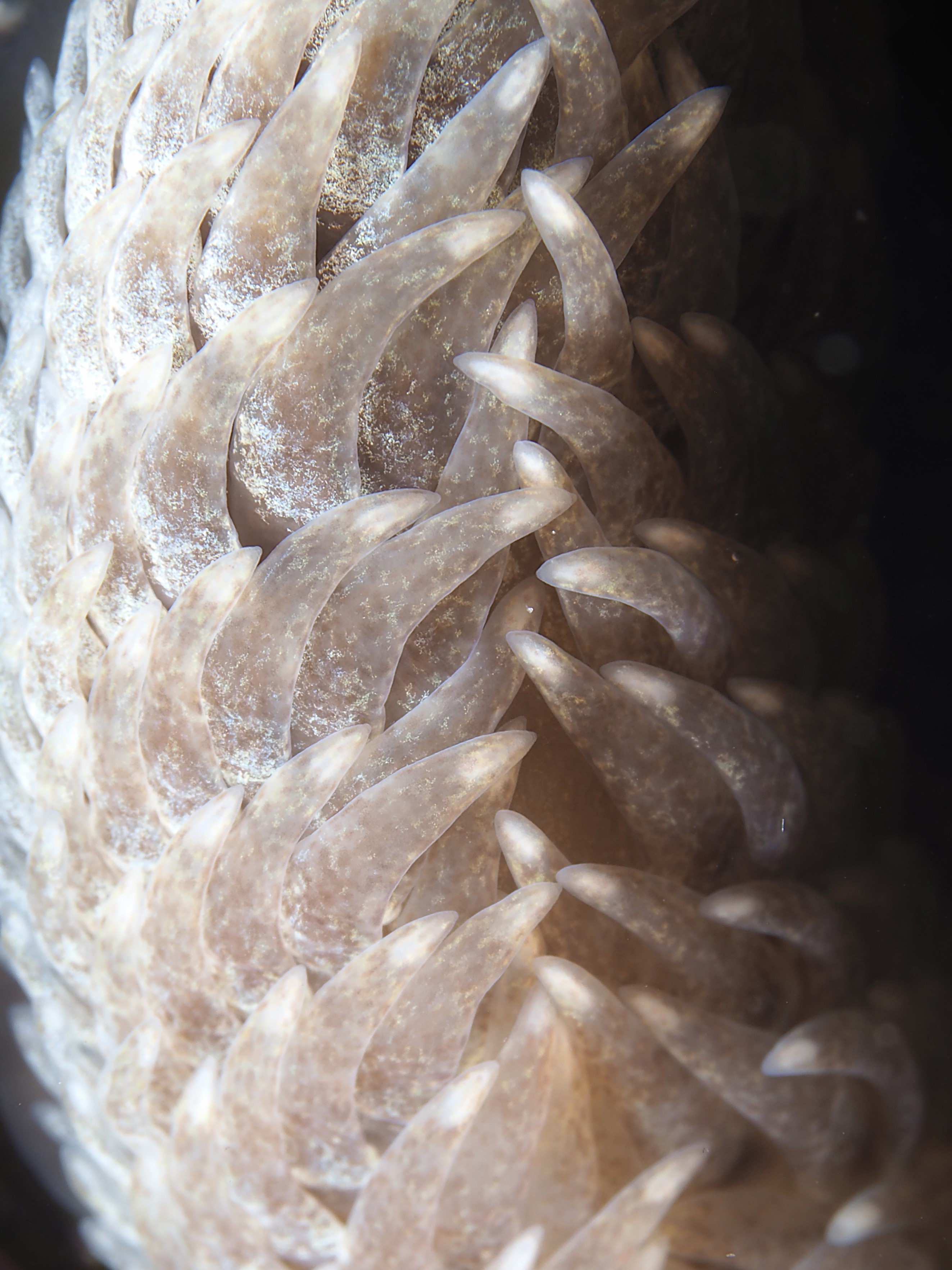
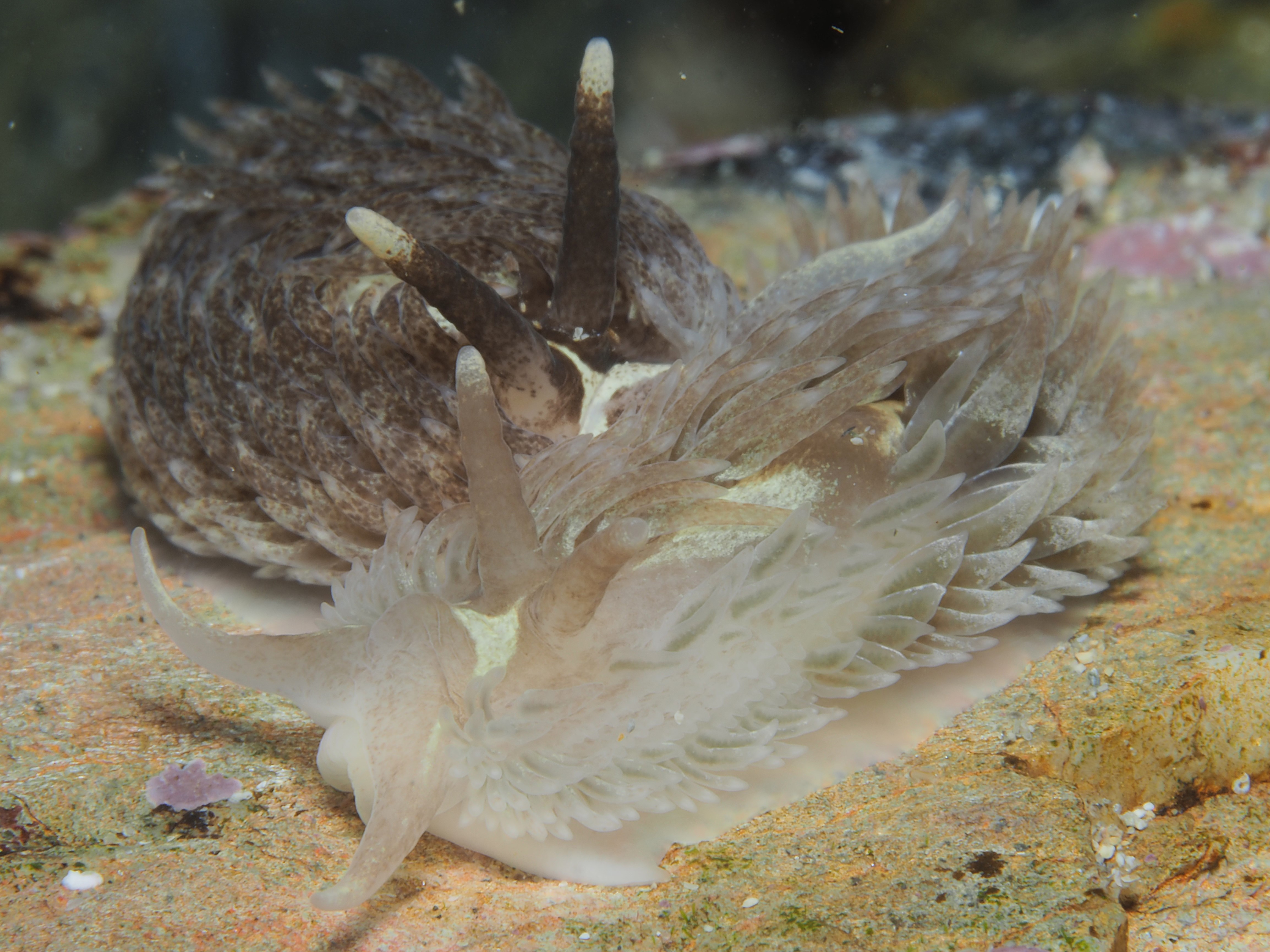
There have been a few finds lately at my local spot in Falmouth (and in other places in Cornwall) of the fantastically coloured Rainbow Slug Babakina anadoni. I have tried in vain so far to find it, but I did manage to find another species of Seaslug last Friday: Aeolidia filomenae. It is the opposite of the Rainbow Slug; large, not small, drab, not extravagant, and common instead of rare. More of an understated beauty I guess, and still a nice find! This species feeds on anemones (mainly Beadlet Anemones but also Snakelocks Anemones) rather than the Candelabrum hydroids the Rainbow Slug prefers. I am not very good at spottting nudibranchs so the plan is to keep looking this spring and find more species!
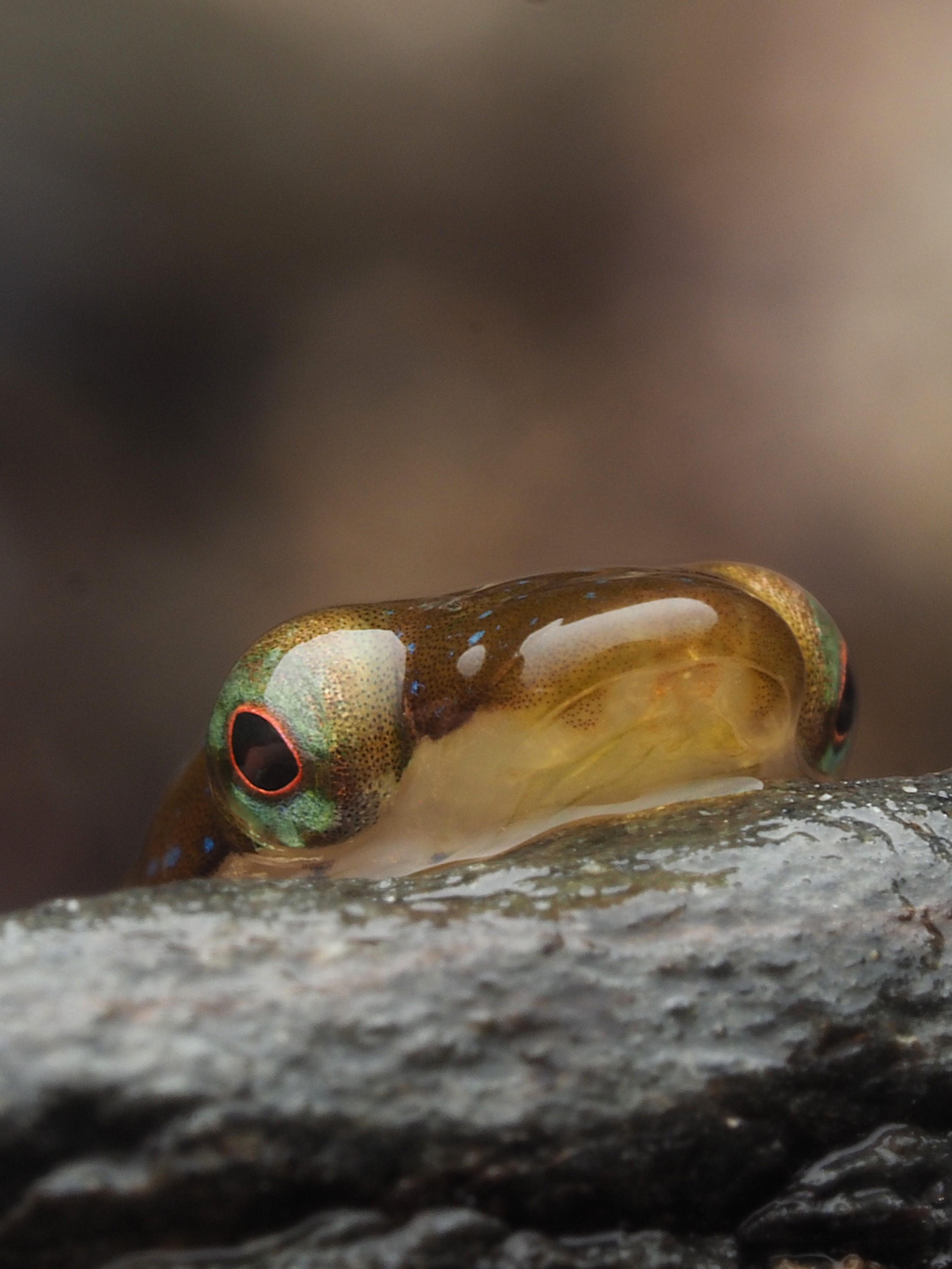
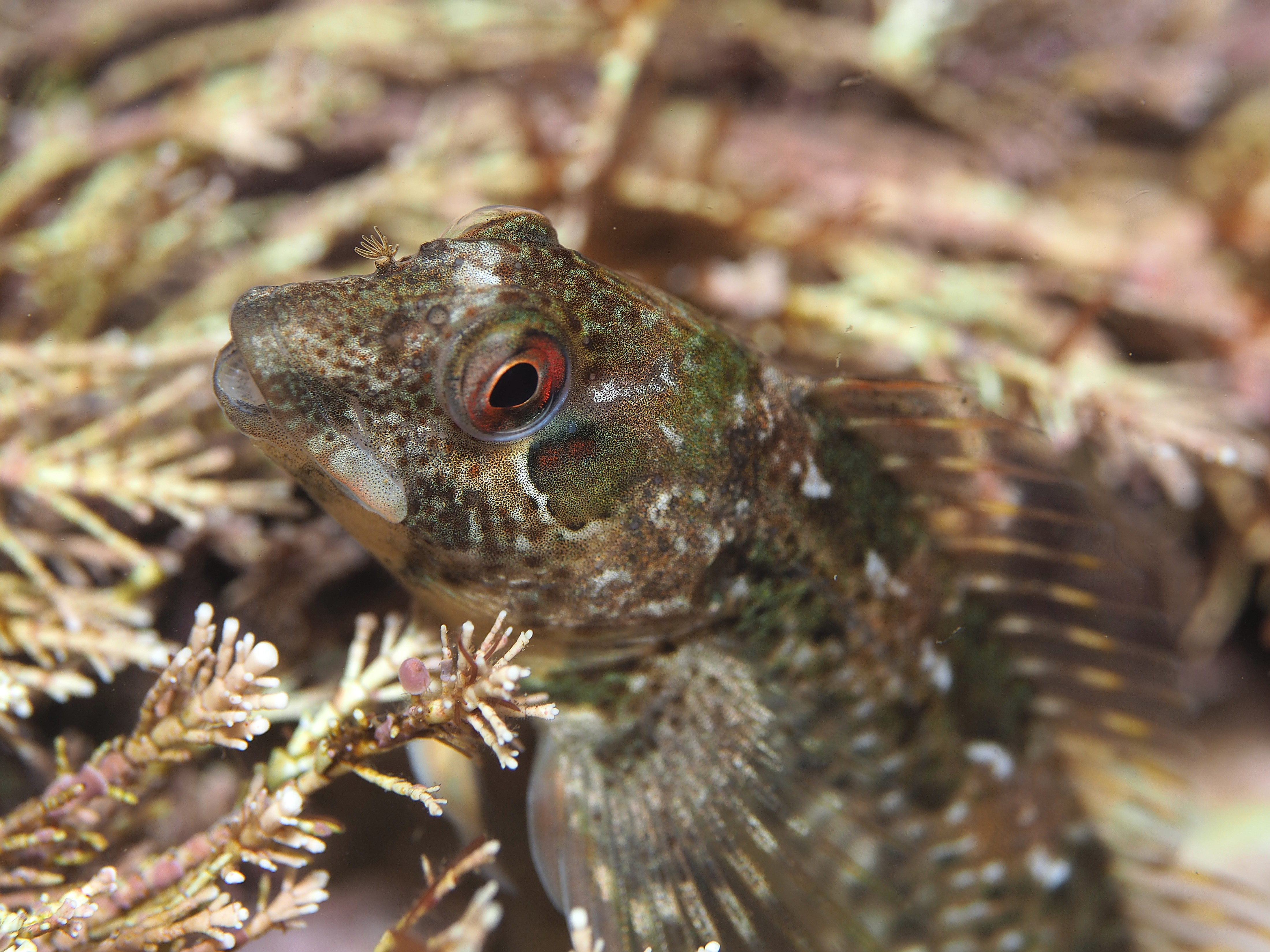
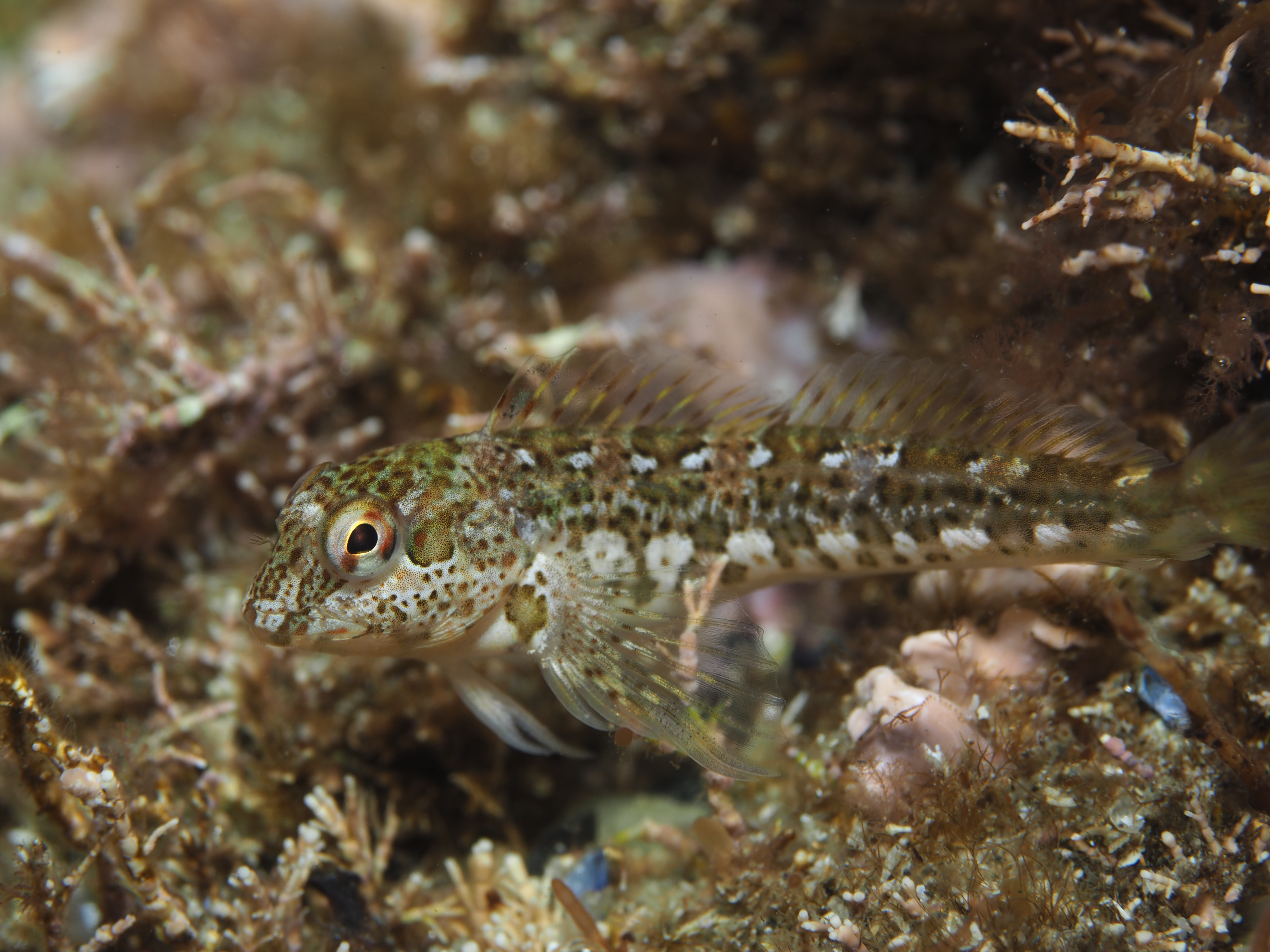
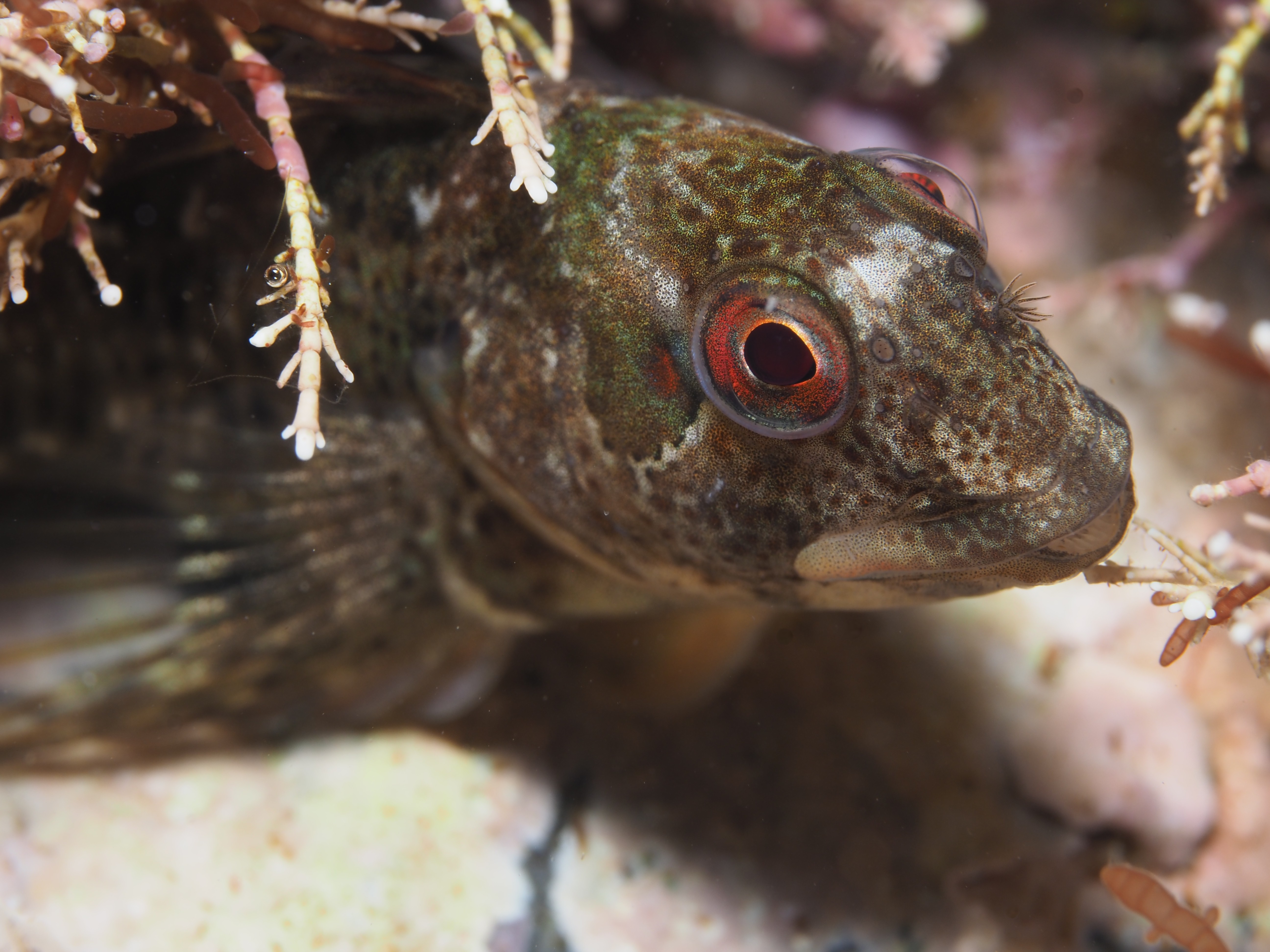
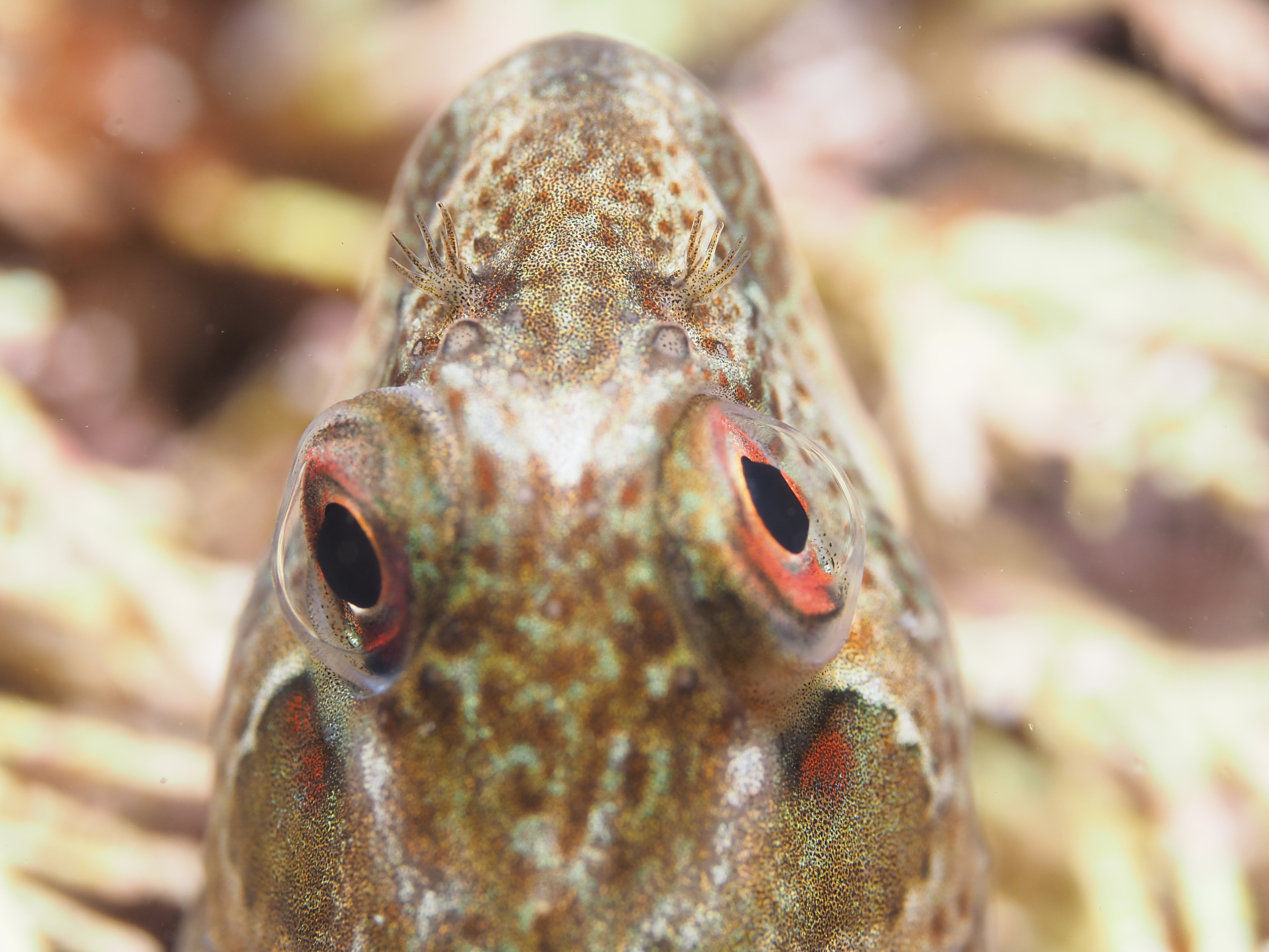
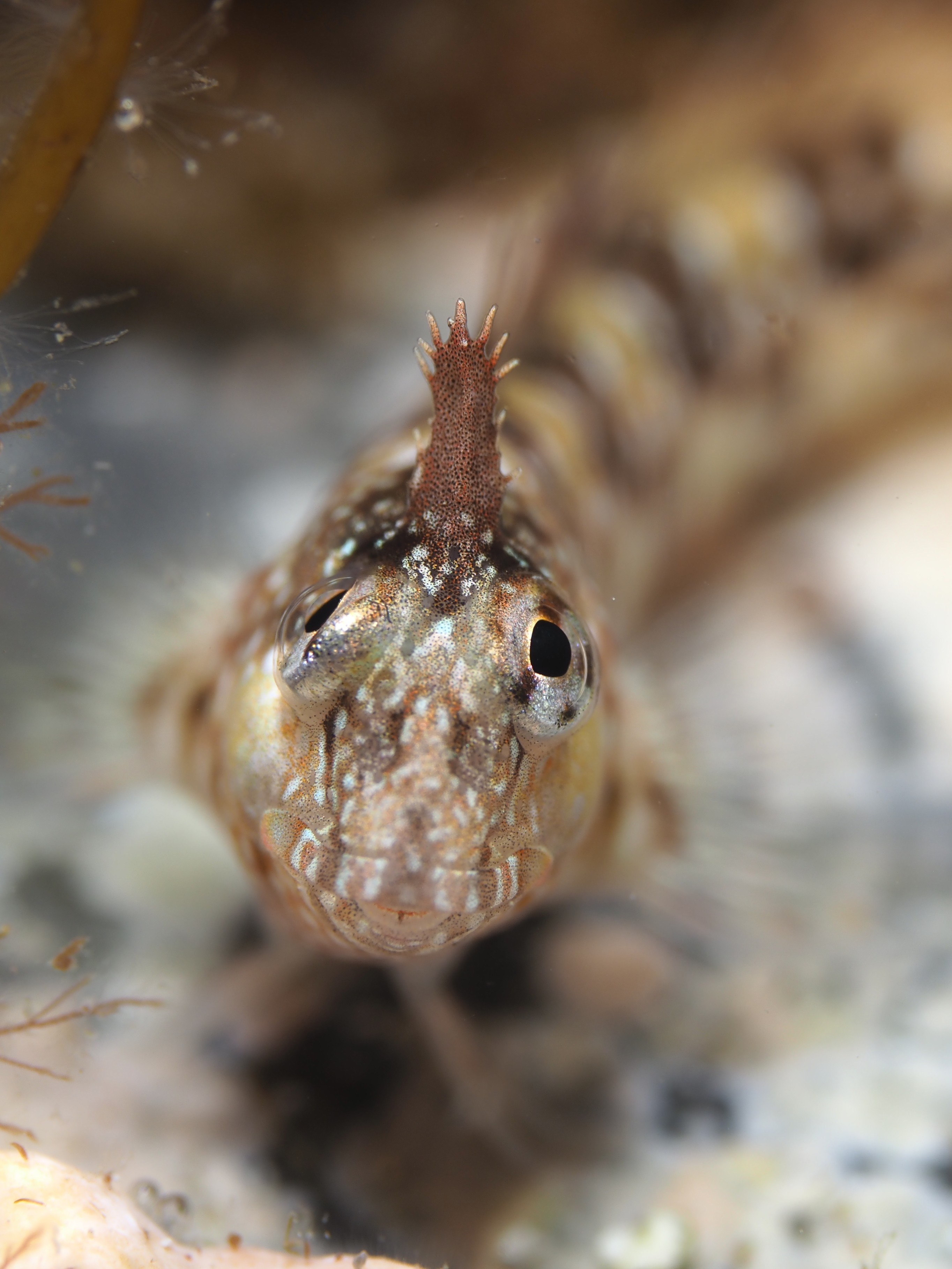
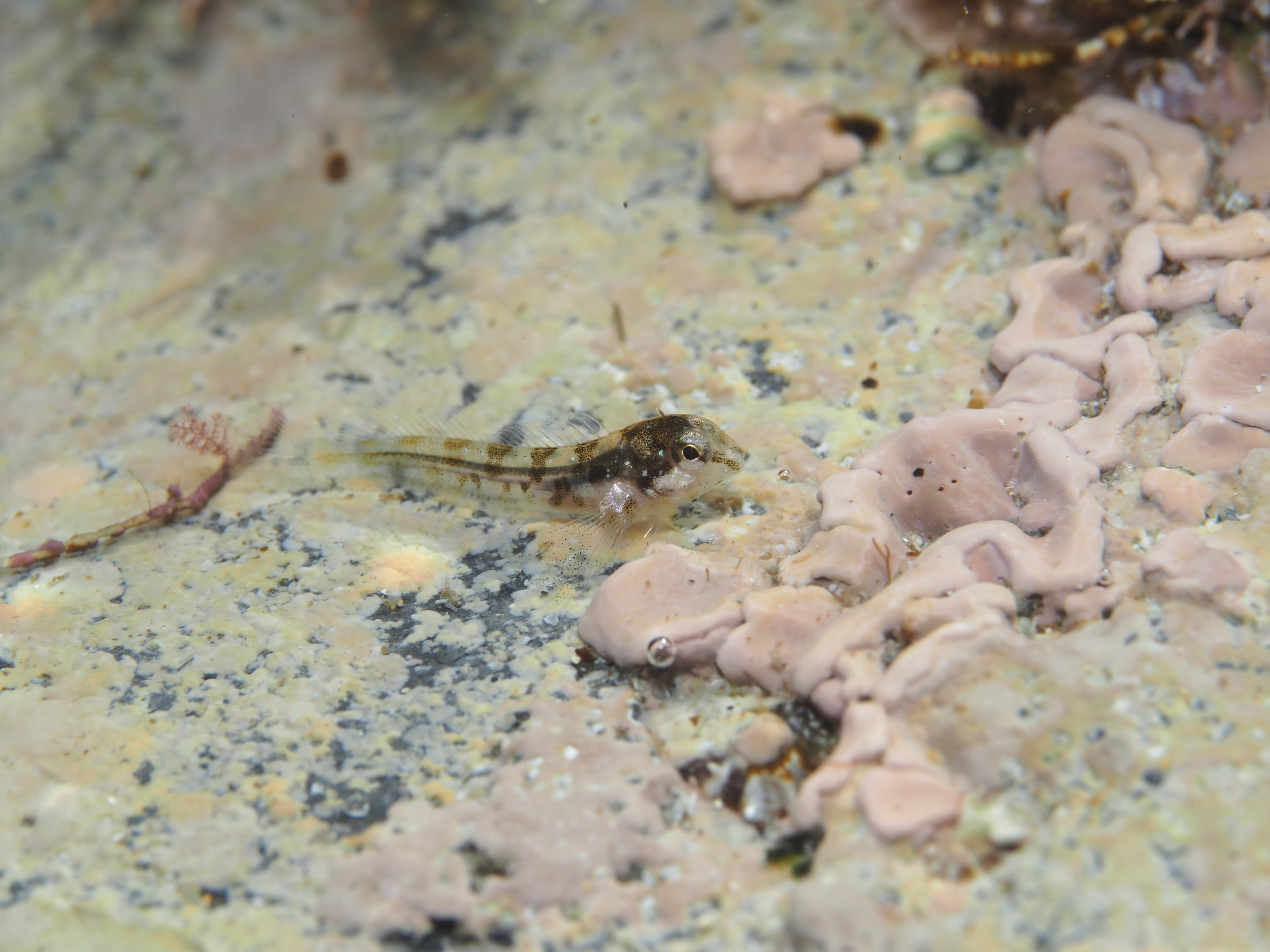
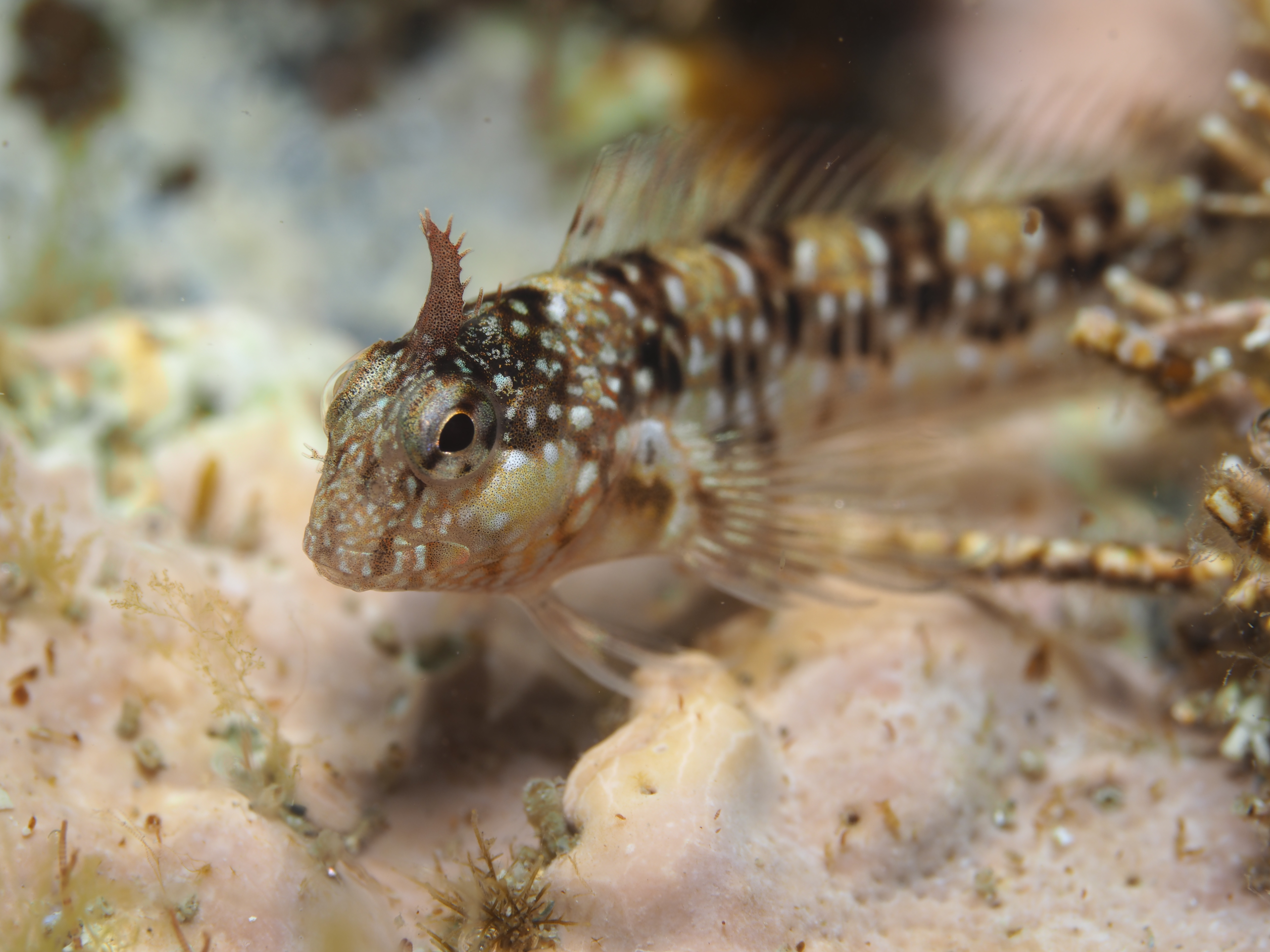
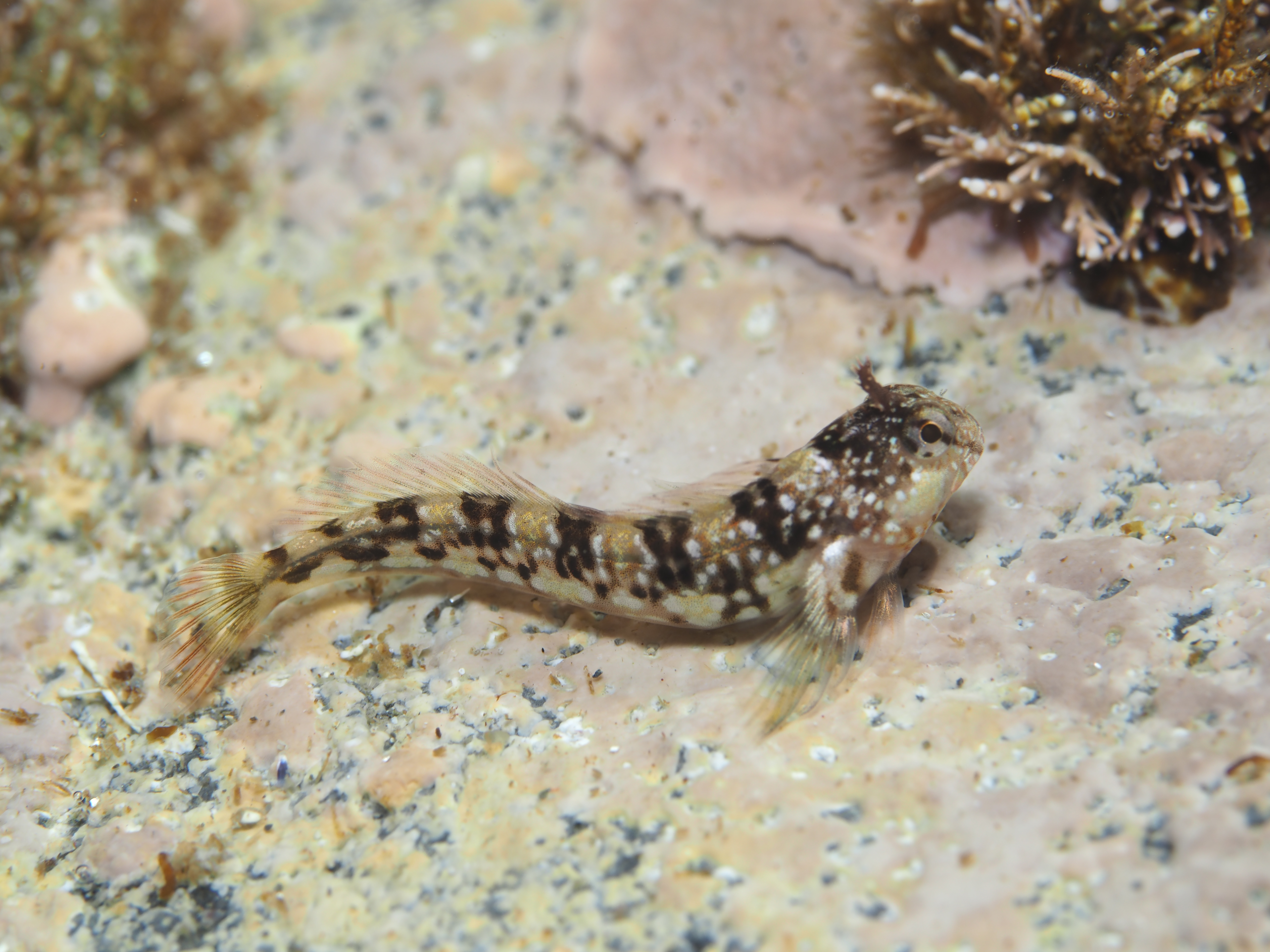
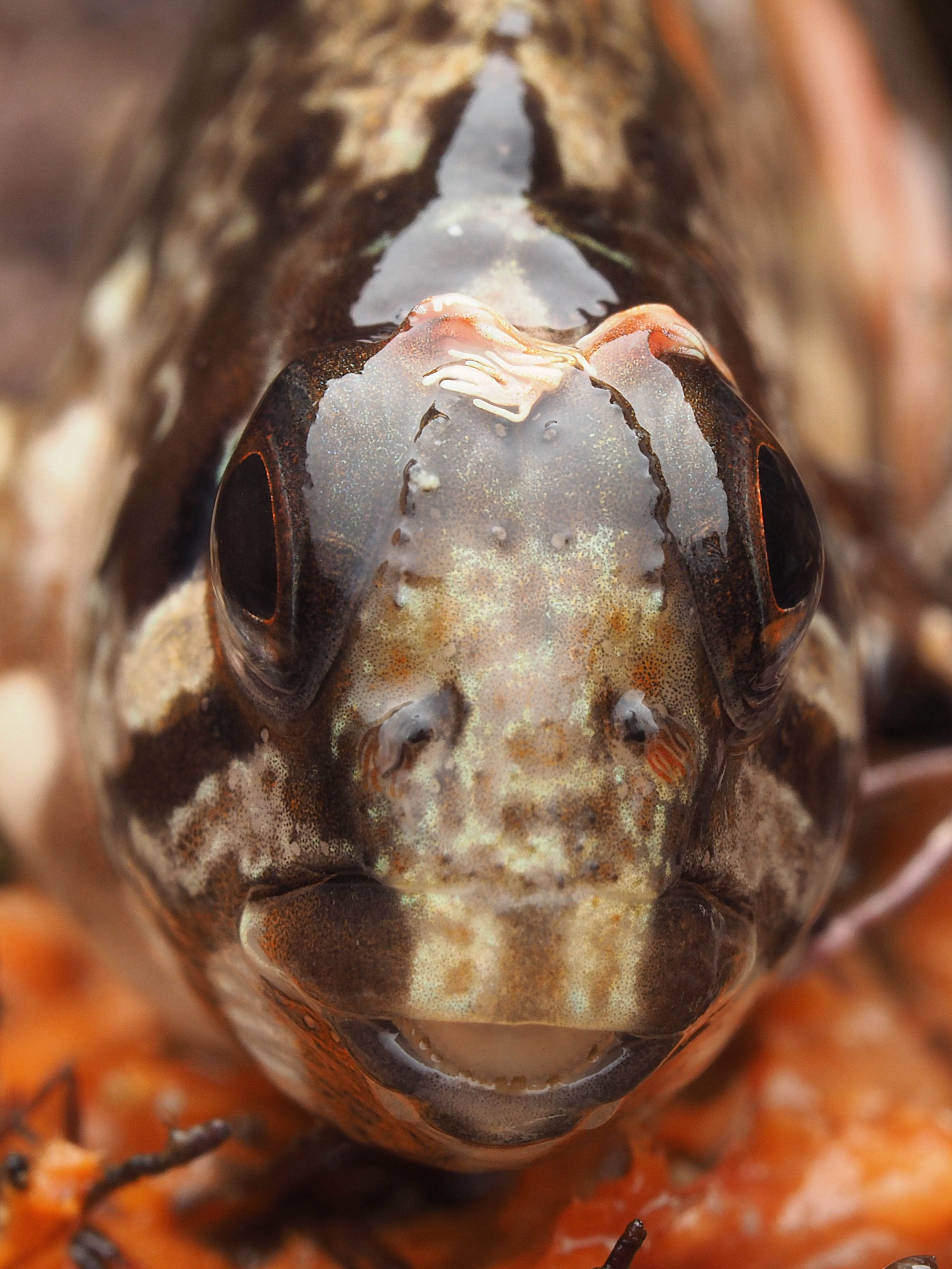
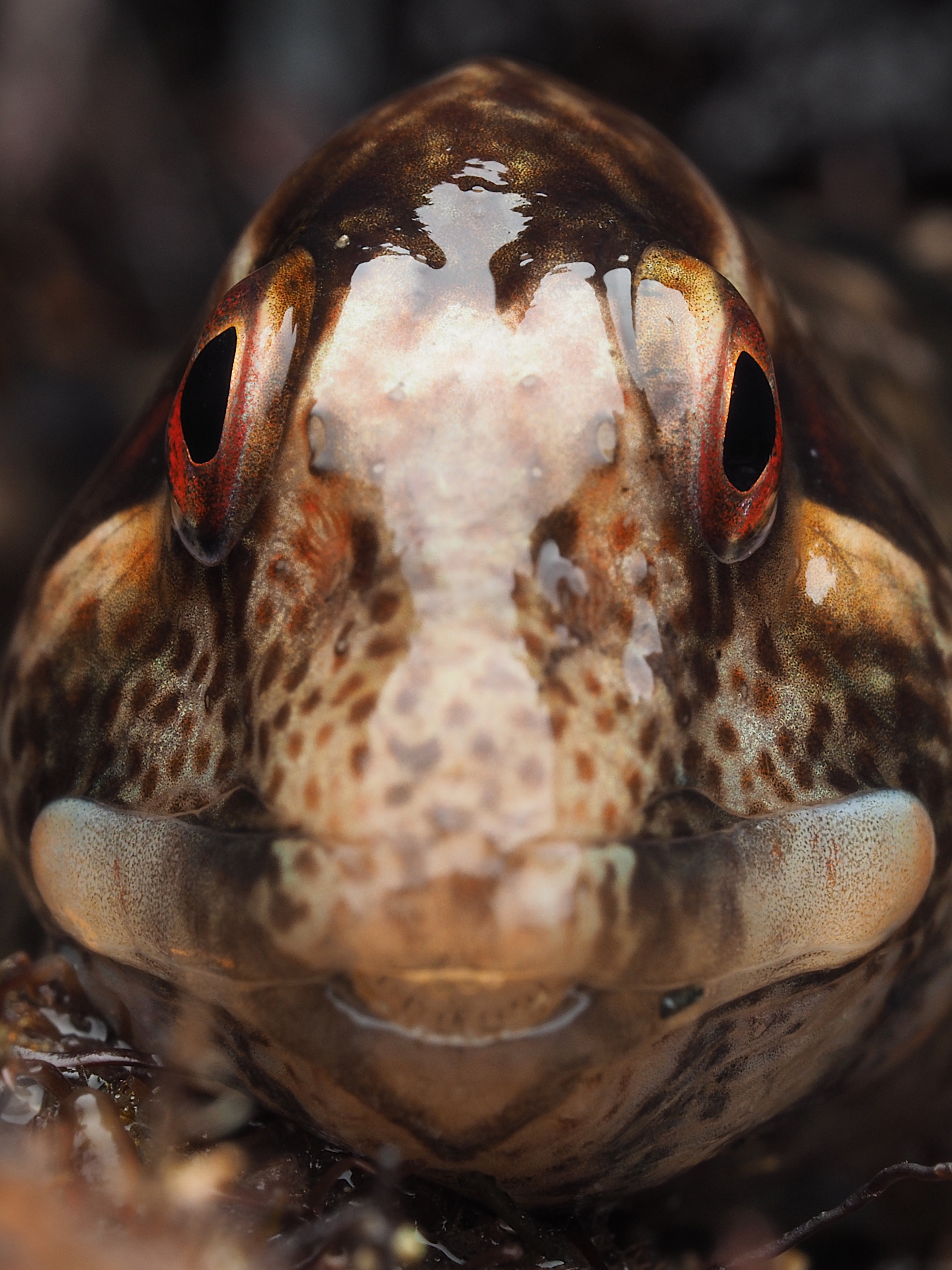
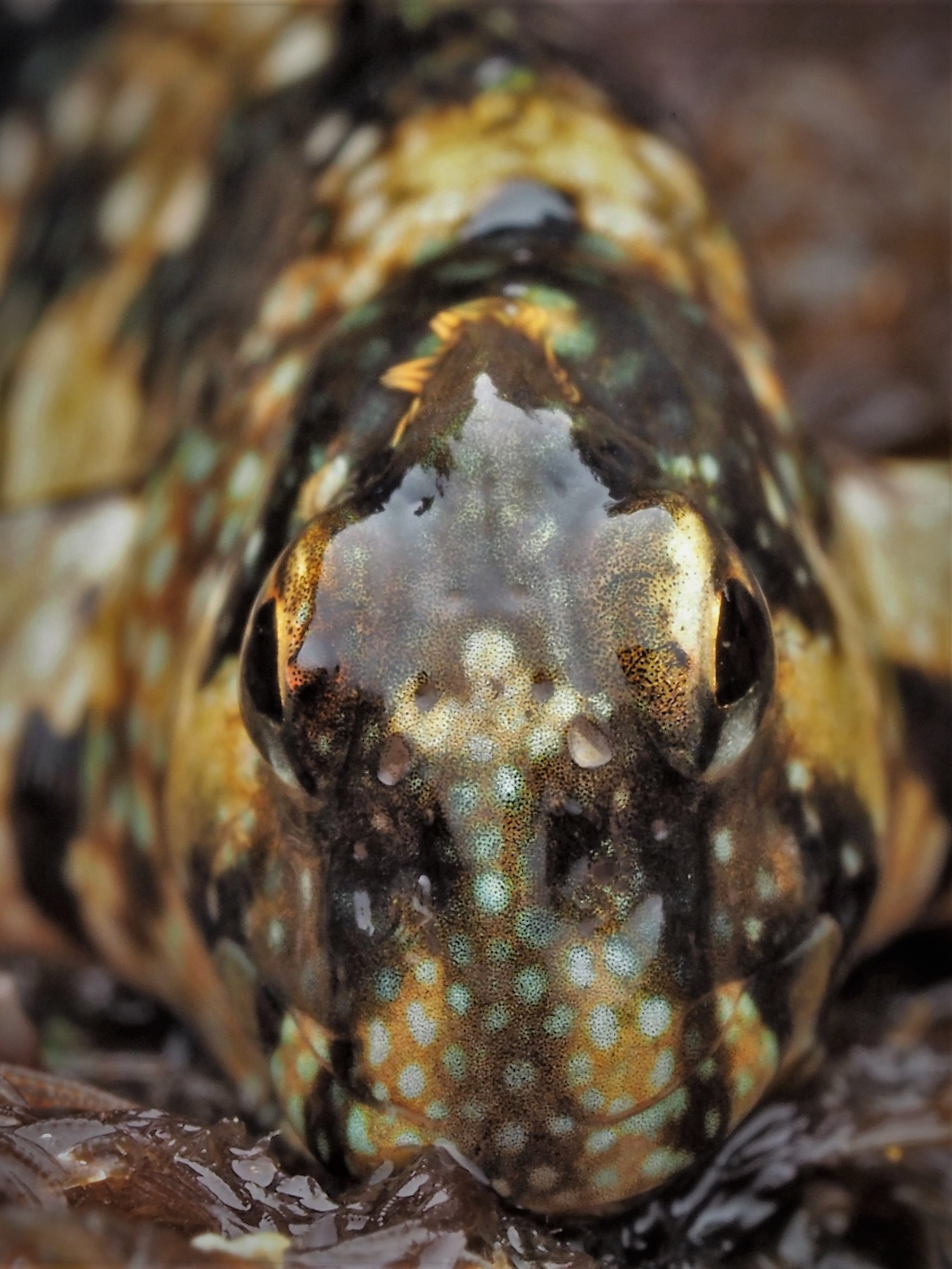
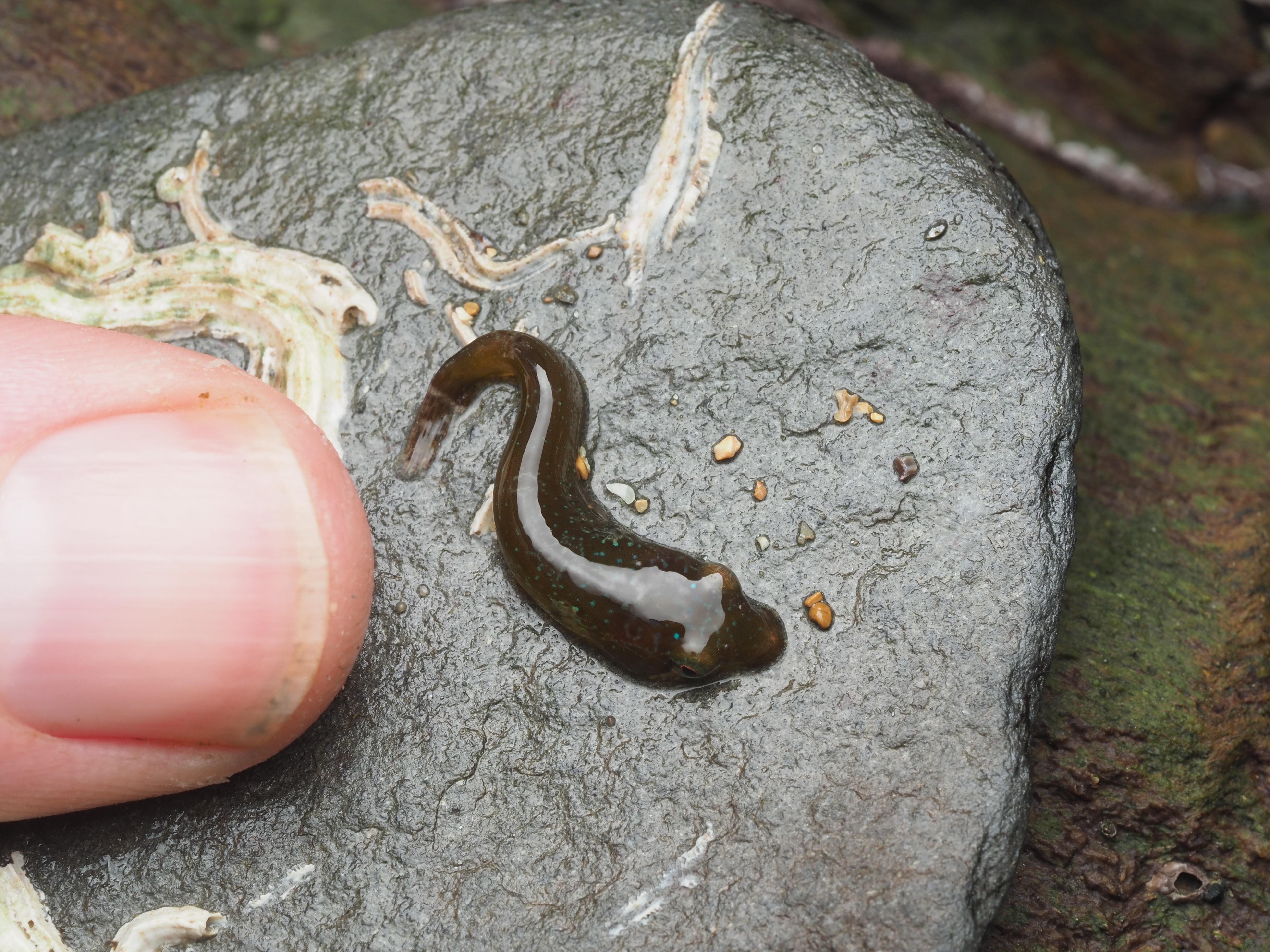
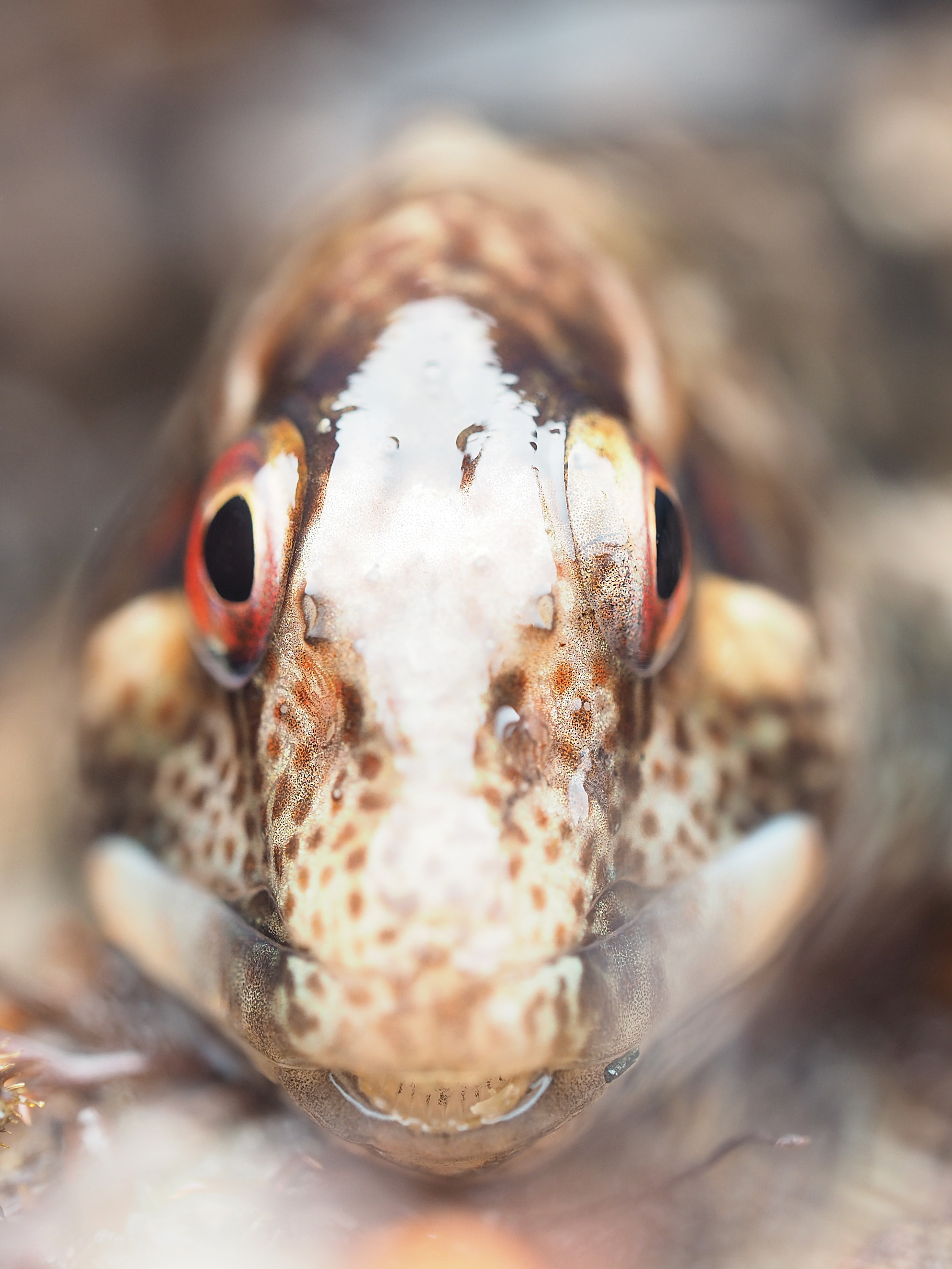
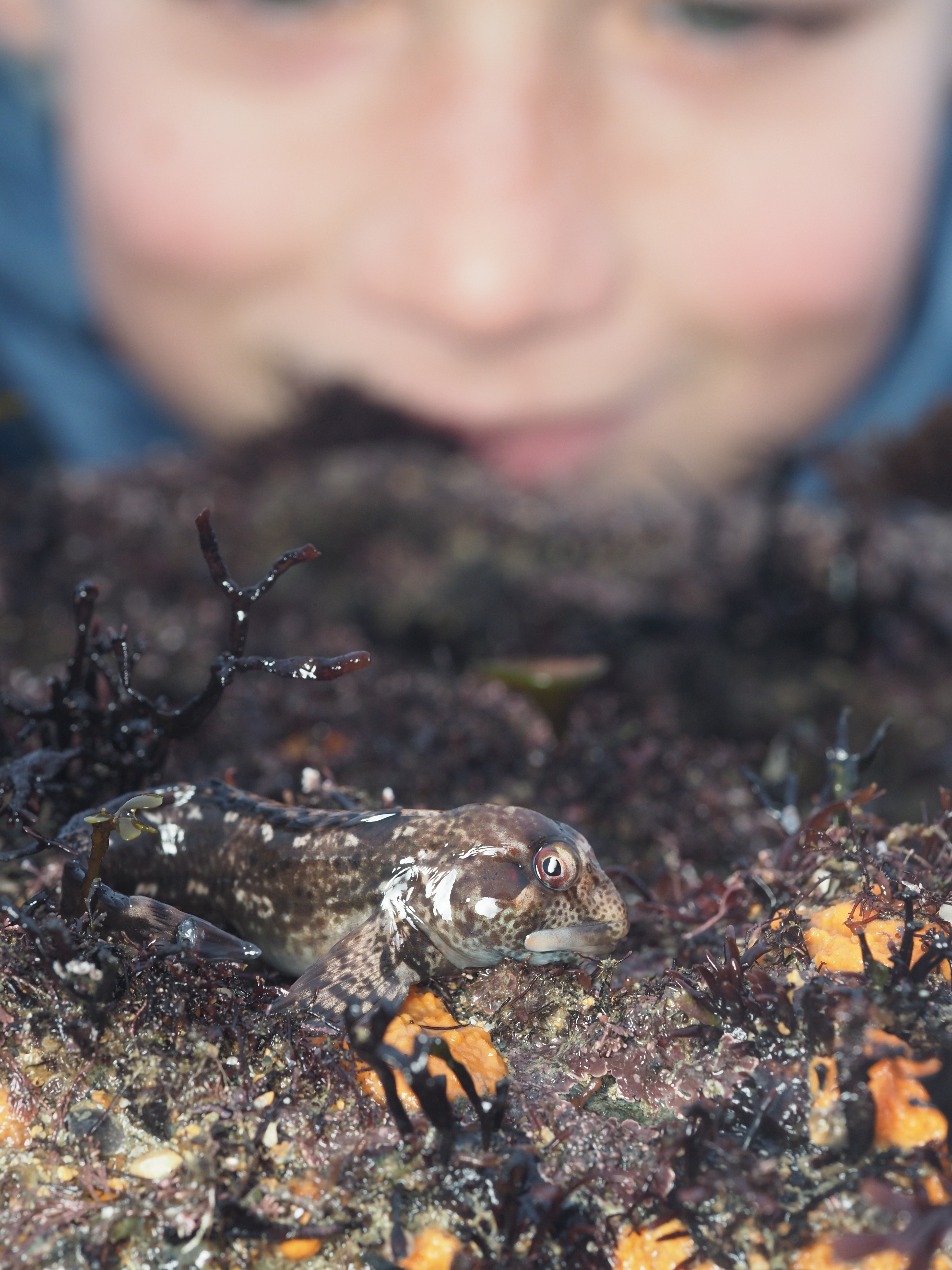
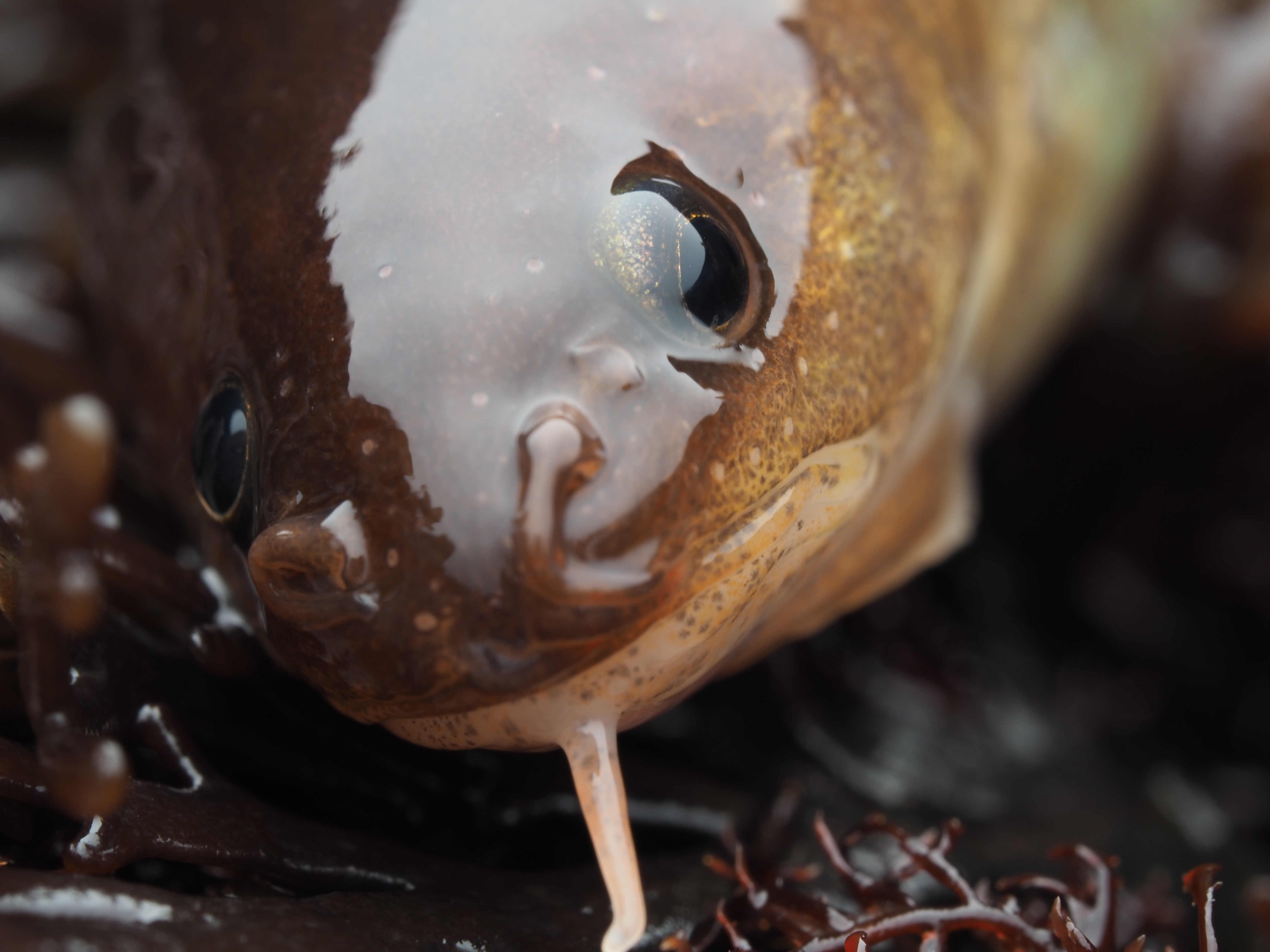
Last weekend the weather was rubbish but the tide was low, and so we went over to our local beach in Flushing for some rock pooling. I did not bring the underwater housing, but just the macro lens and my cygnustech diffuser. Above a little clingfish – this could either be a Two-spotted or a Small-headed Clingfish; they are very hard to tell apart if they are not breeding males (see pic below for scale, I had to use the extra magnification of the Raynox clip-on lens for this one). Below three other fish species: a Tompot Blenny, a Common Blenny (or Shanny) and a Montagu’s Blenny (which is from an earlier post, but I wanted to complete the set here).
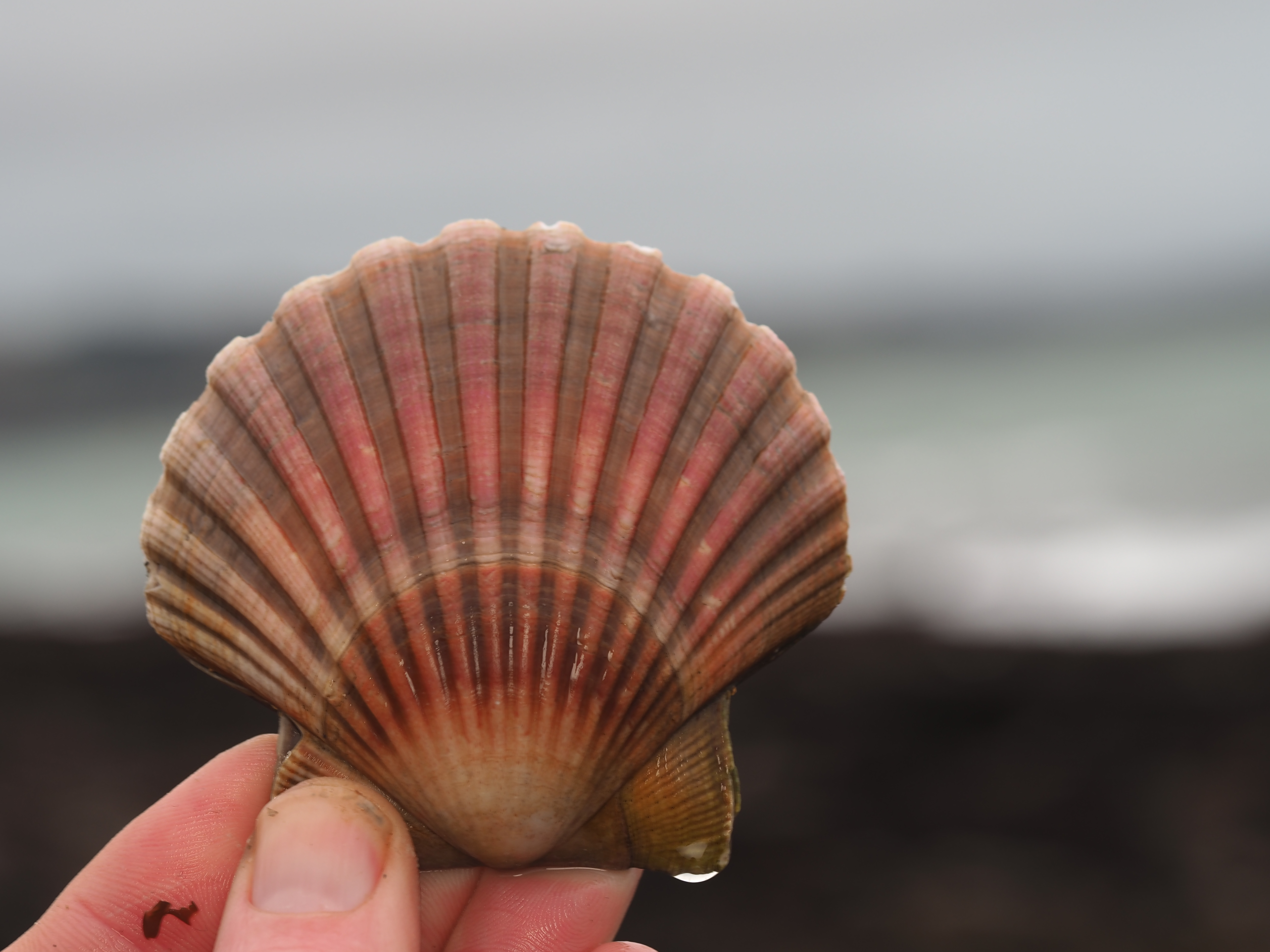
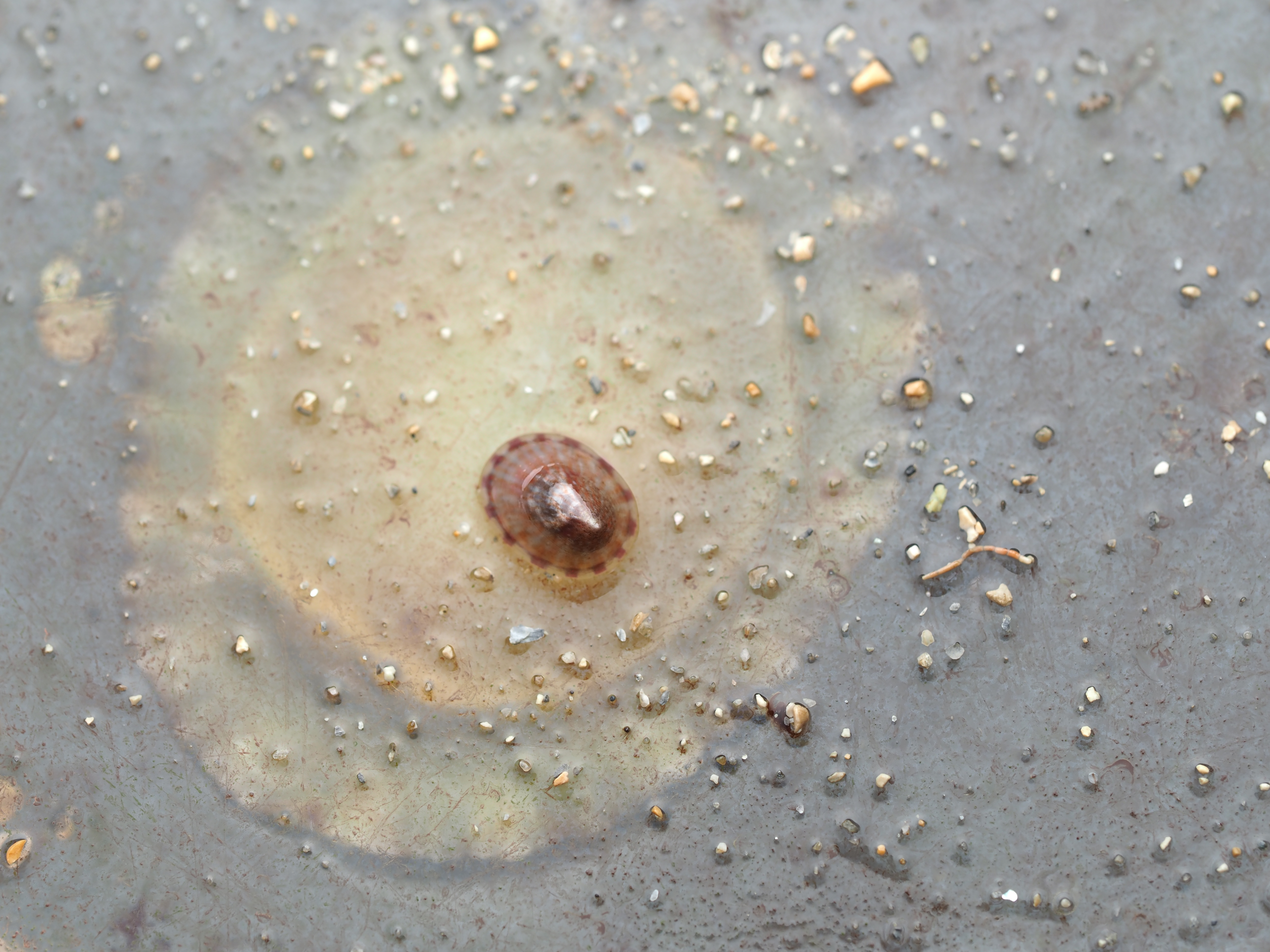
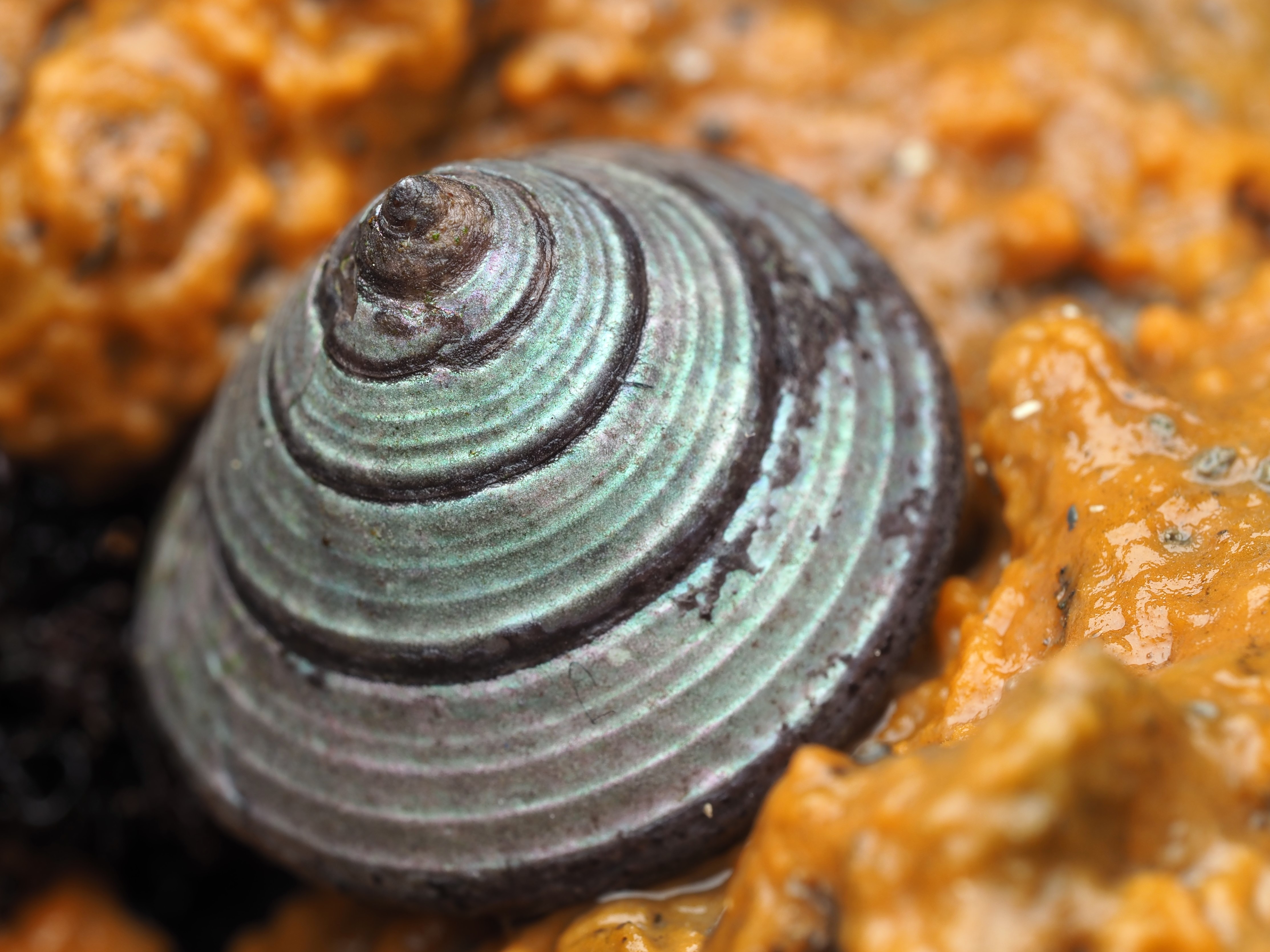
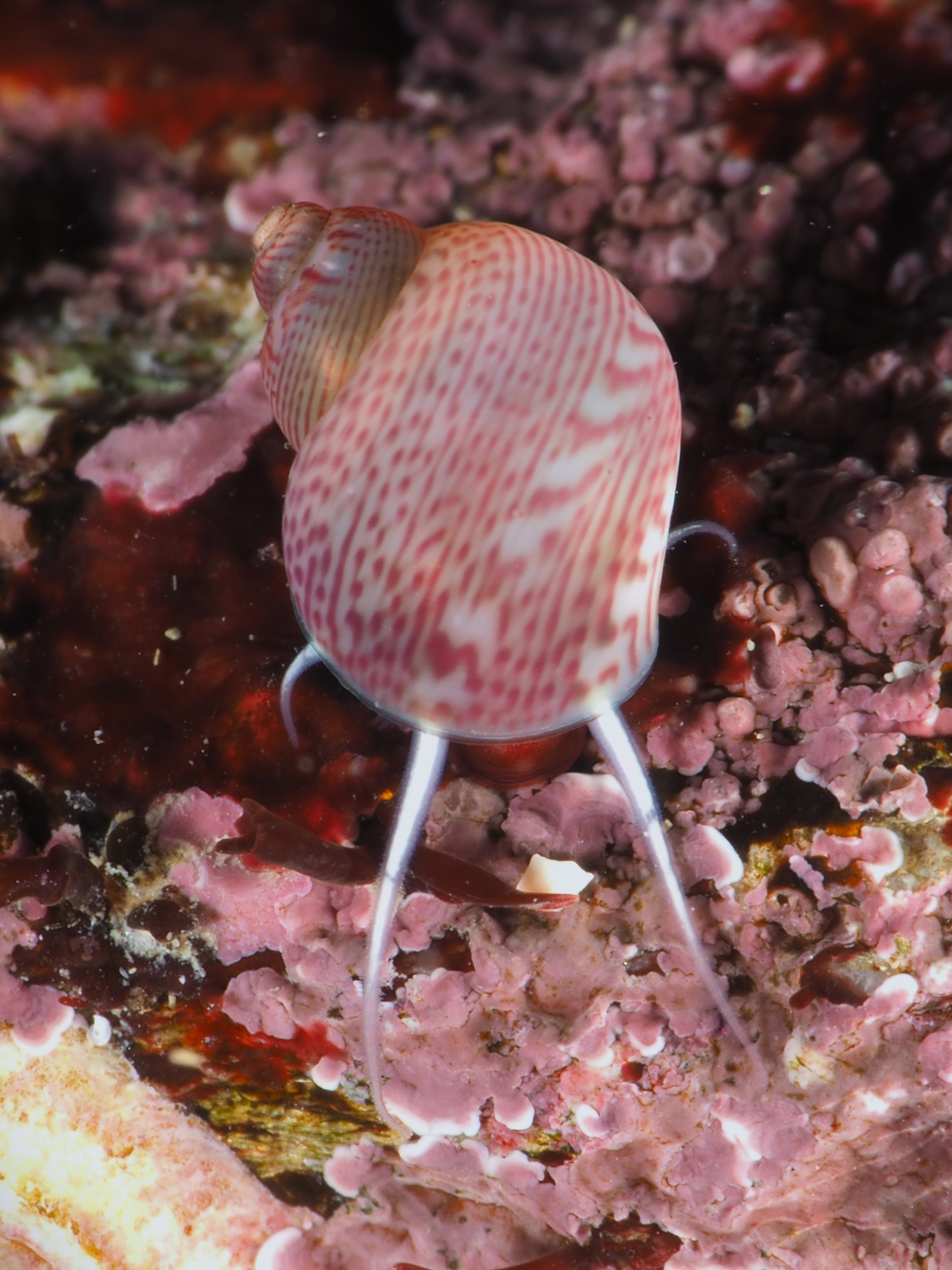
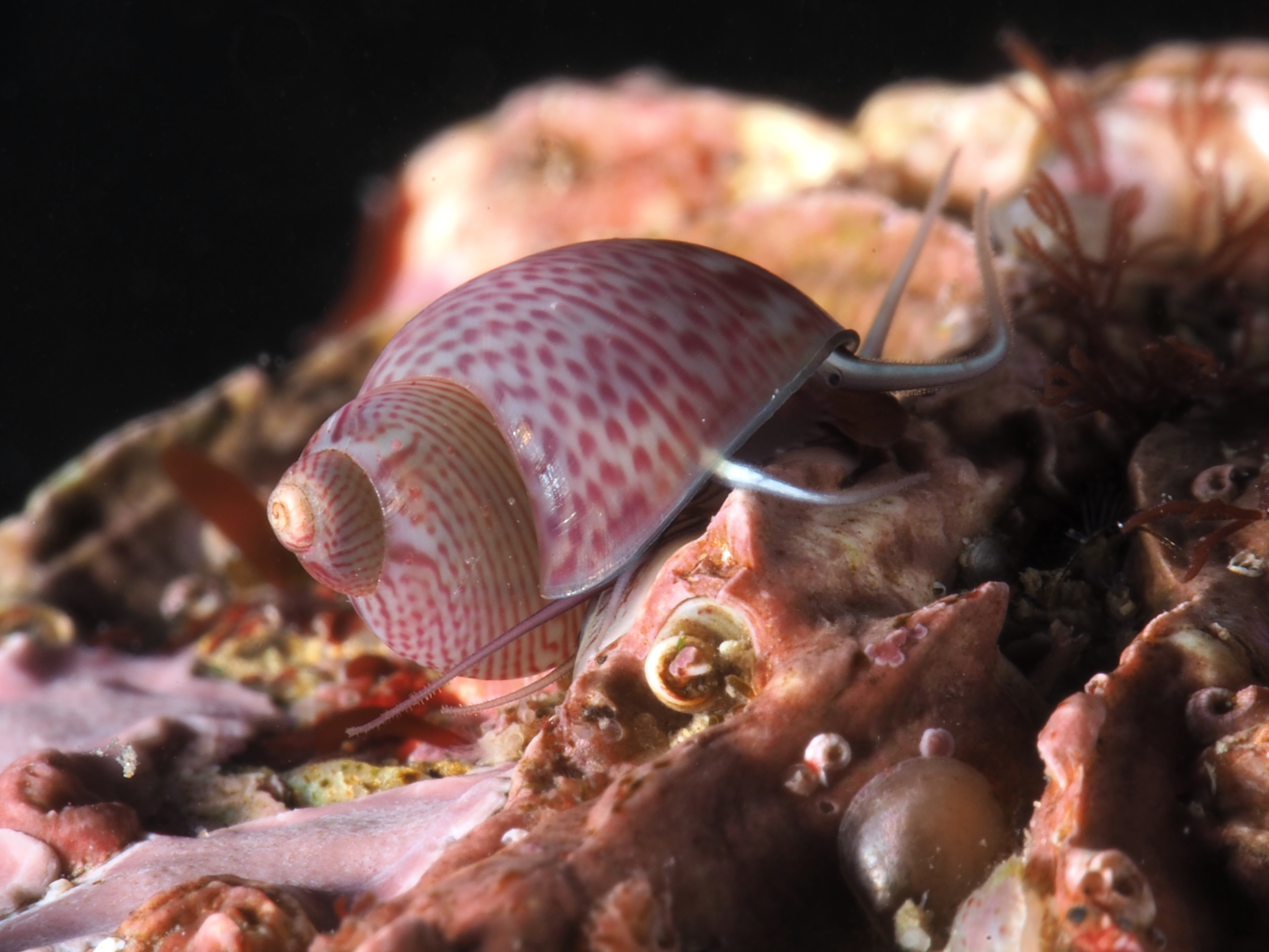
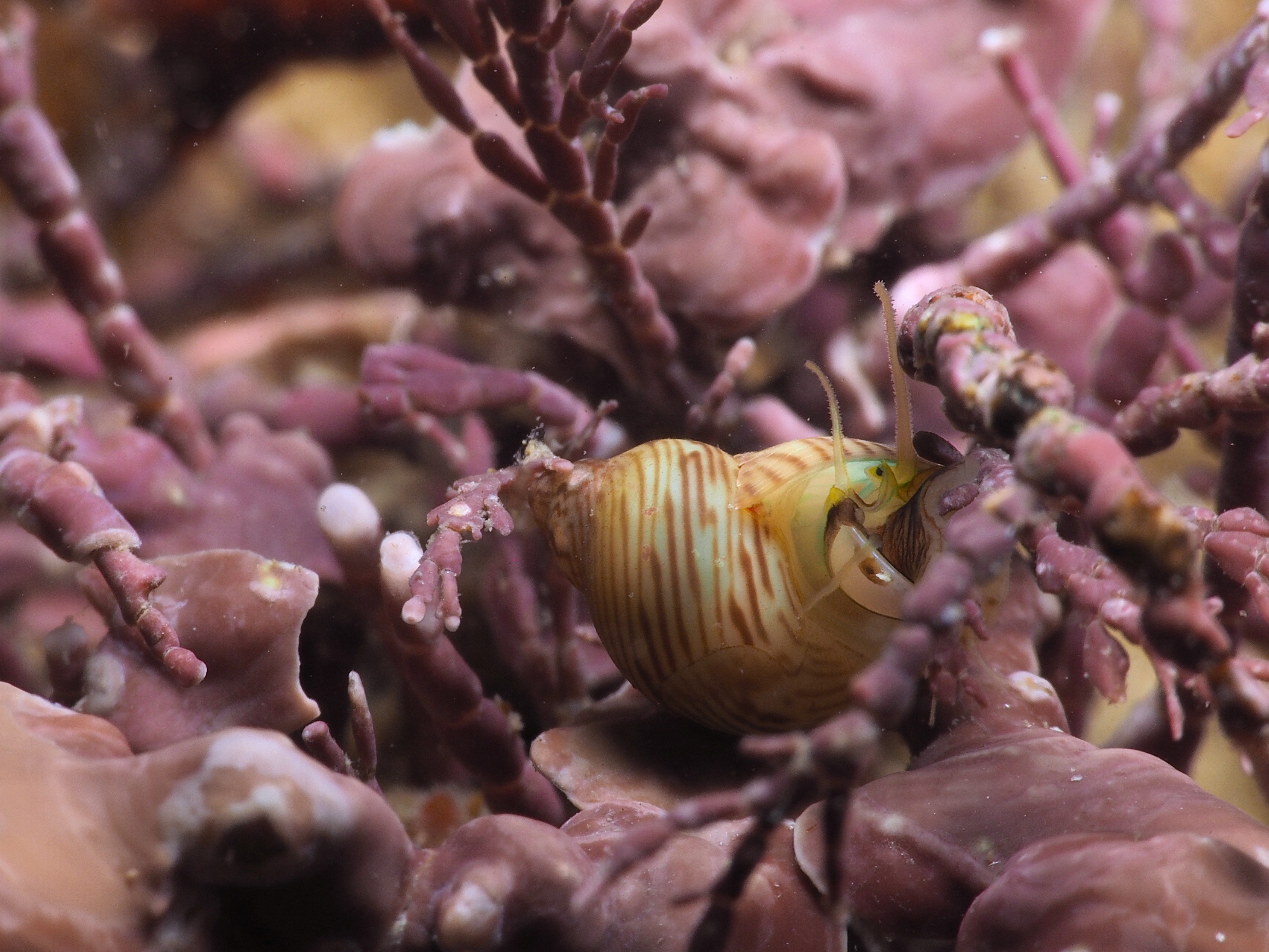
The Pheasant Shell is one of my favourite little critters in the rockpools in Falmouth. It is a bit weird to refer to these organisms as ‘shells’ actually, as they are living things and the nonliving shell is ofcourse only a part of them. The confusion extends to its scientific name: this species was previously known as Tricolia pullus, but has recently been split into a Southern European T. pullus species and a Northern European T. picta species. Perhaps the dust needs to still settle on that one.
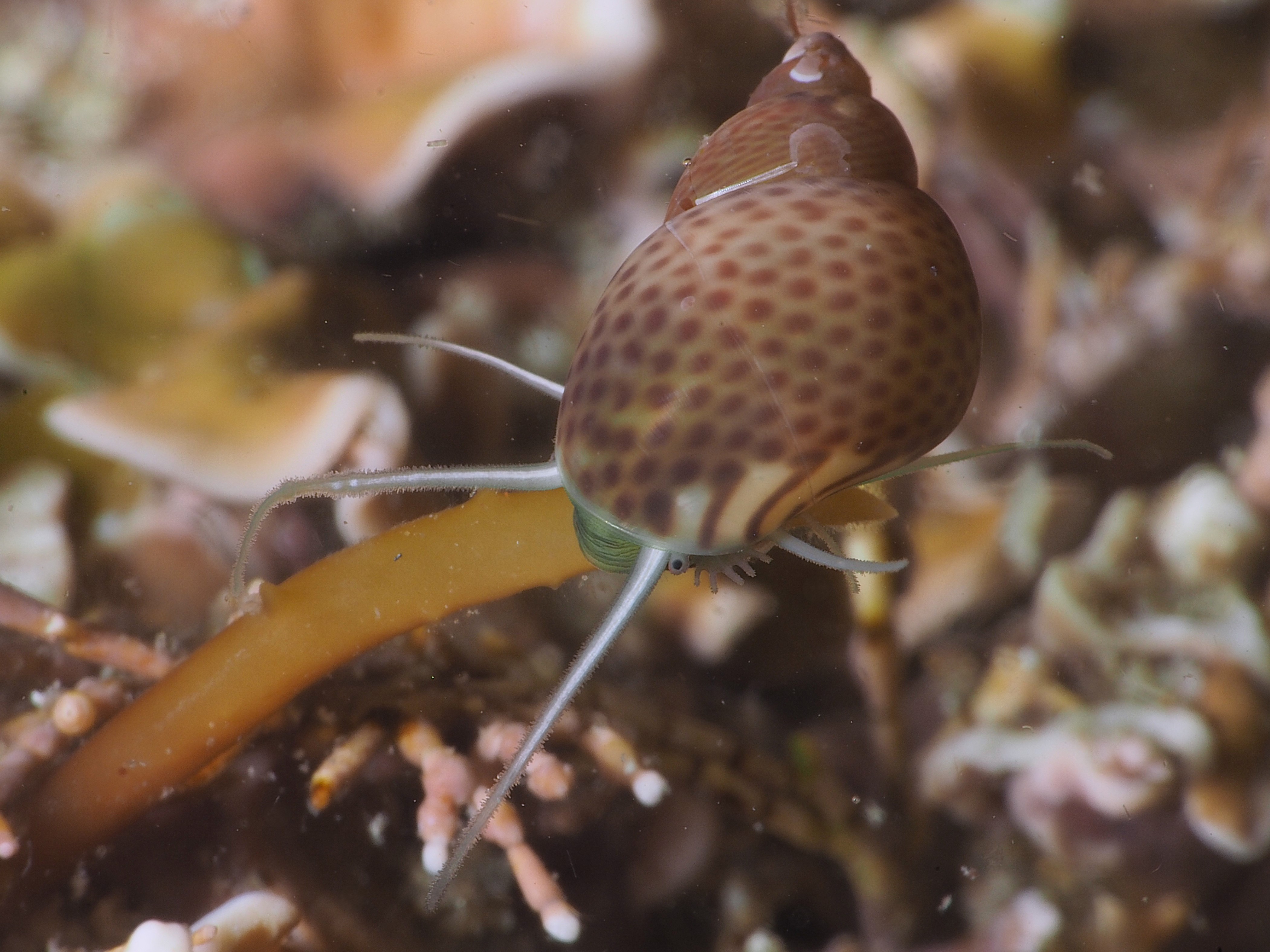
I have taken these photos, on different occasions, with the mzuiko 60mm macrolens and the nauticam cmc-1 wetlens. The extra magnification the latter lens (screwed onto the housing) offers is great; although somehow I always want to get even CLOSER! I have not nailed the Pheasant Shell shot either. Reflecting on these pics I think I need to use a shallower depth of field to get rid of cluttered backgrounds. Next time.
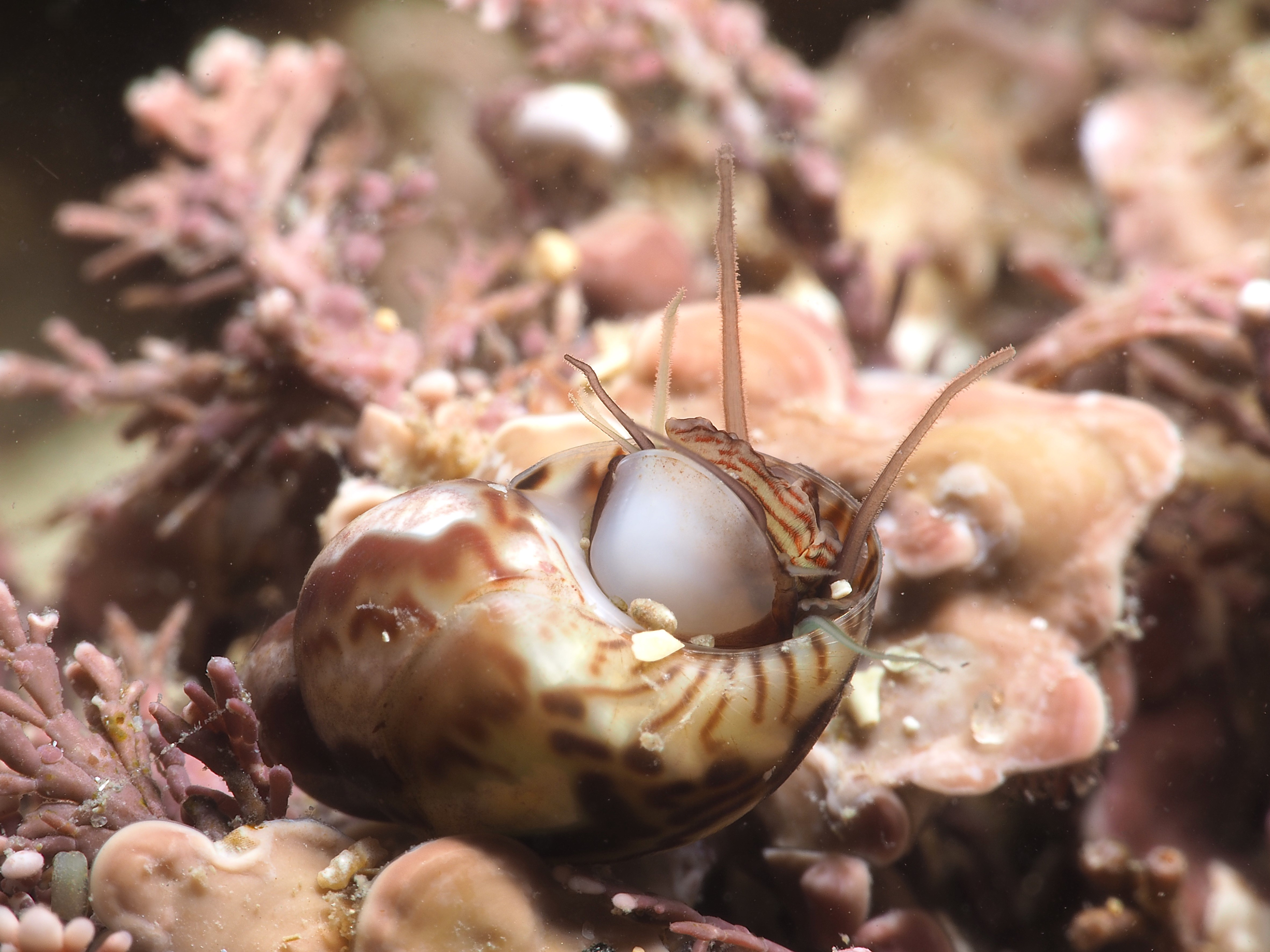
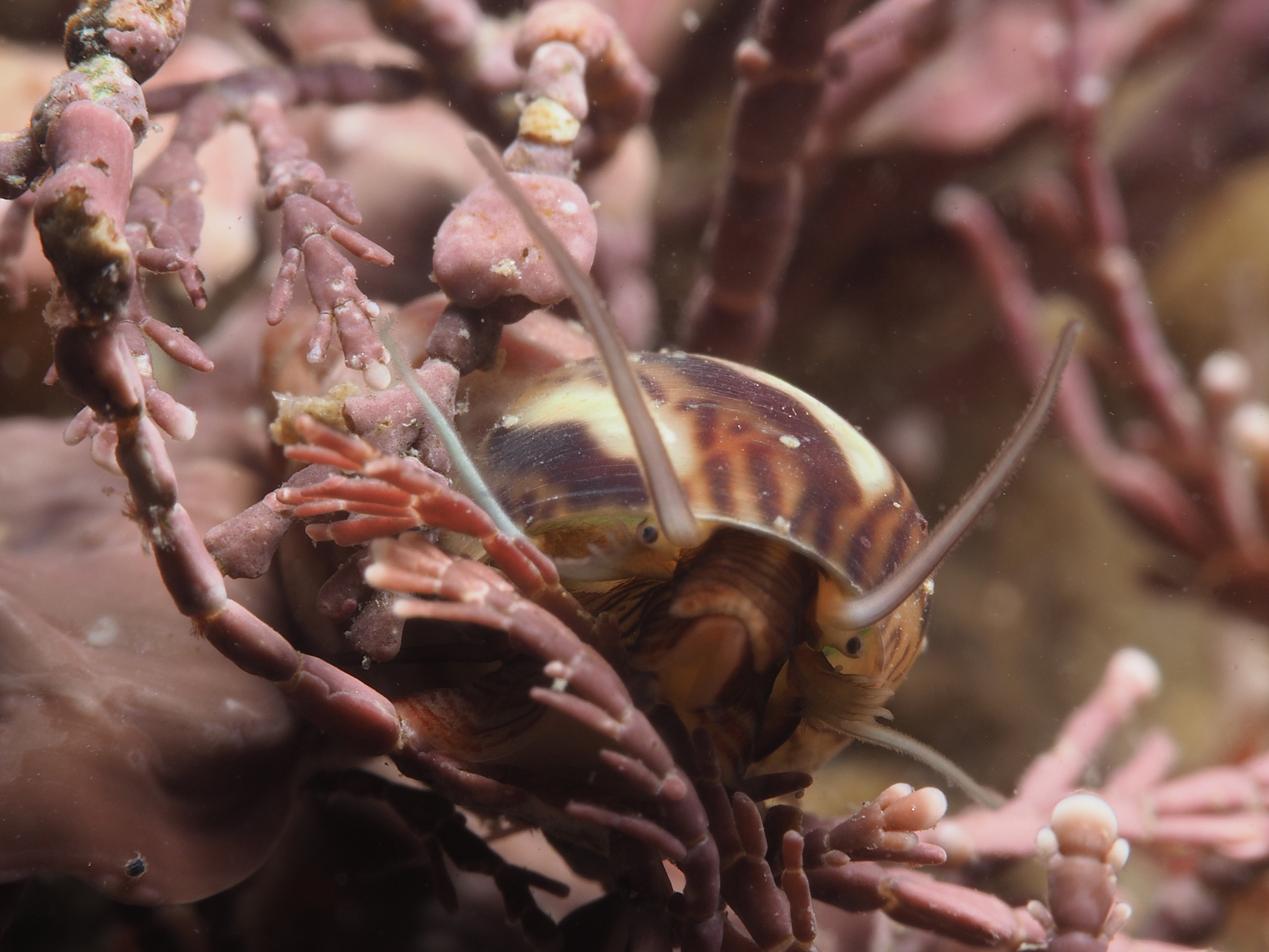
The calcified operculum (the little door to close the shell) is clearly visible in the first photo above, as are the tentacles. On the second photo above you can even see that the left ‘neck lobe’ is more deeply digitated (fingerlike) than the right one. For more detailed (studio)shots of this and other molluscs please see Morddyn’s flickr account. I will post more macroshots of other mollusc species soon!
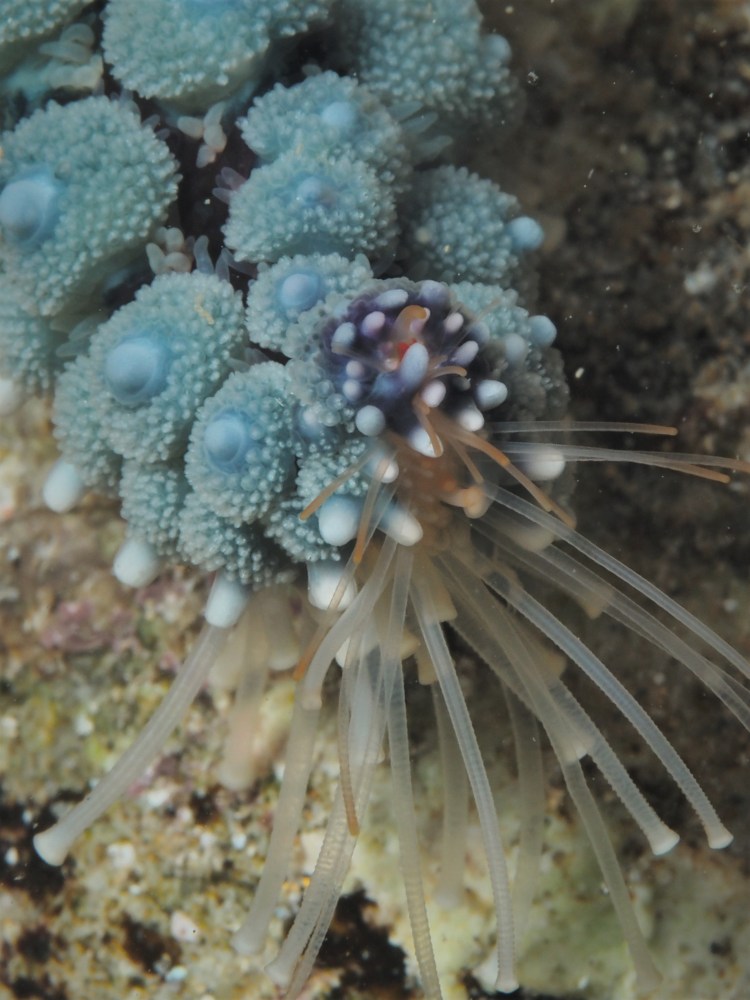
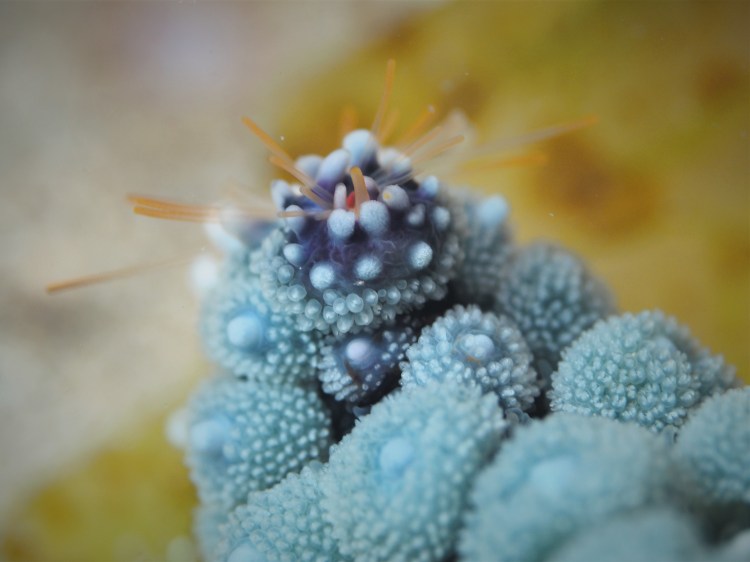 What friends predicted happened last Sunday morning: someone scrambled down the rocks to check if this figure lying motionless in a shallow pool was dead or alive. Luckily, I was feeling very alive indeed, watching a sizable Spiny starfish Marthasterias glacialis moving over the rocks using its hydraulic tube feet. A beautiful blue-grey colour, the surface of these animals are very richly textured. I am not sure exactly what is going on at the tips of the arms: the very end shows a red organ, potentially light sensing. It is surrounded by nodules, which might be the precursors of the centres of new plates covering its body, or something else. The tube feet at the tips are smaller and orange-tinged and I am again not sure whether they are just newly developing or having special sensory functions. I noticed the madreporite at the top of the animal: this sieve plate is involved in pumping the water in the body for hydraulic locomotion. It resembles a stony coral ‘madrepore’ colony, hence its name. In general, the seastar surface resembles a coral I think. The photos are nice, but I know I could do a lot better: next time!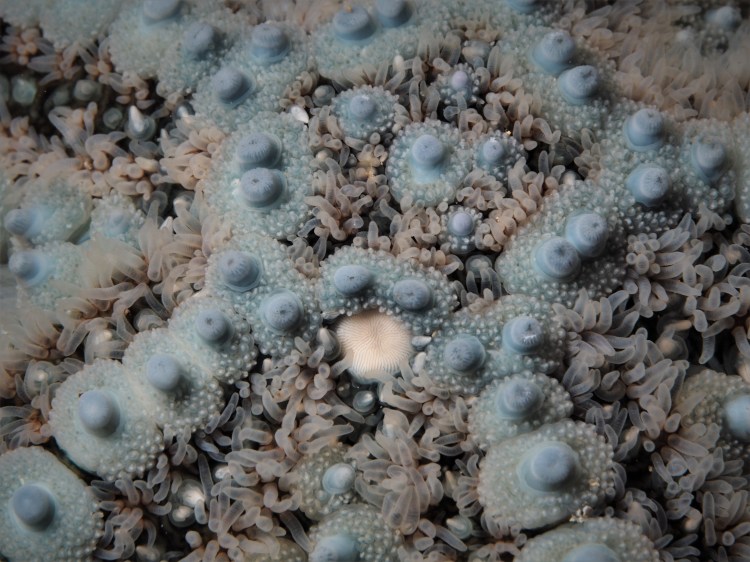
 An Bollenessor