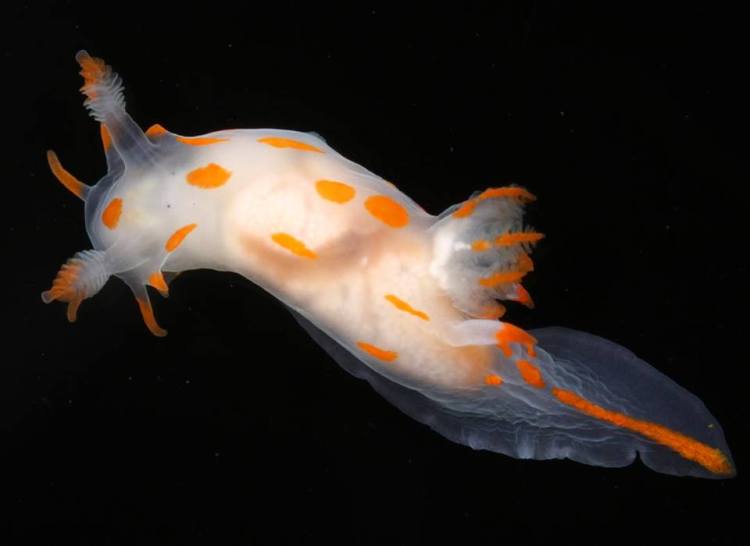
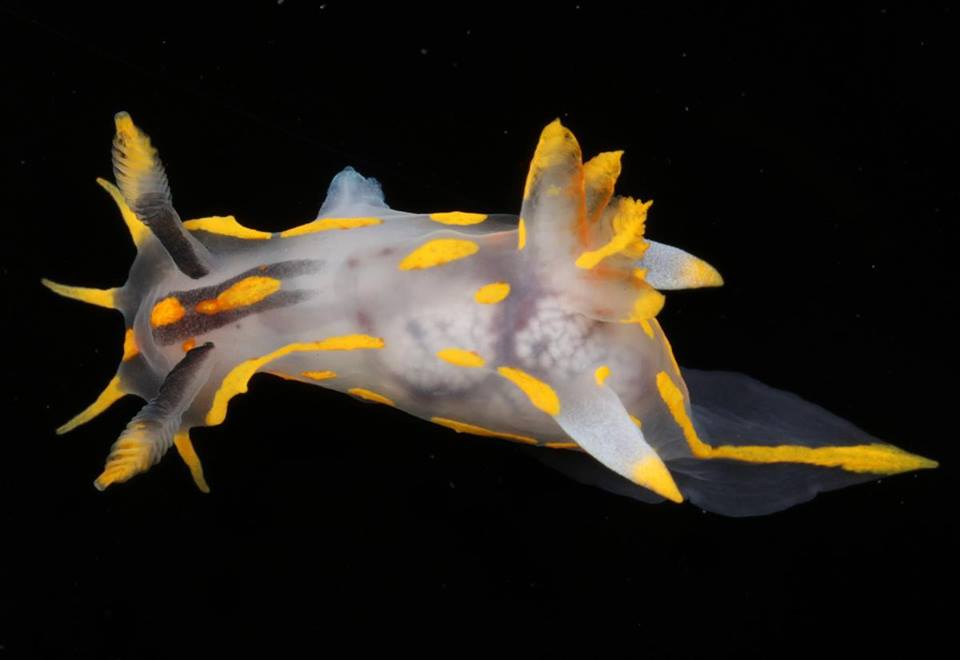
 This Saturday I was at the marina in Newlyn, where local natural history expert David Fenwick was kindly showing me how he obtains the samples he finds so many creatures in (worms, copepods, tunicates, forams and many other things). Todays focus was on nudibranchs, arguably the most beautiful group of little critters. David has recorded an amazing 46 nudibranch species from these pontoons alone! As this is the most Southwesterly pontoon in the country, it is a bit of a ‘sentinel site’ for southern species with northward-shifting ranges. Indeed David has found a species new to the UK that has also been discovered in the south of Spain and possibly off the coast of Morocco. He often sends samples away to (inter)national labs for sequencing and further investigation and frequently shares his finds on facebook (see the links page for relevant facebook groups). For all things marine in Cornwall see his website: Aphotomarine, an edicational resource dedicated mainly to the photography and diversity of marine life that is found in the coastal waters and rockpools of south-west England. Also check out his Aphotofungi, Aphotoflora, Aphotofauna and Stauromedusae.uk. Luckily for me, I can show off some of David’s images in this post too.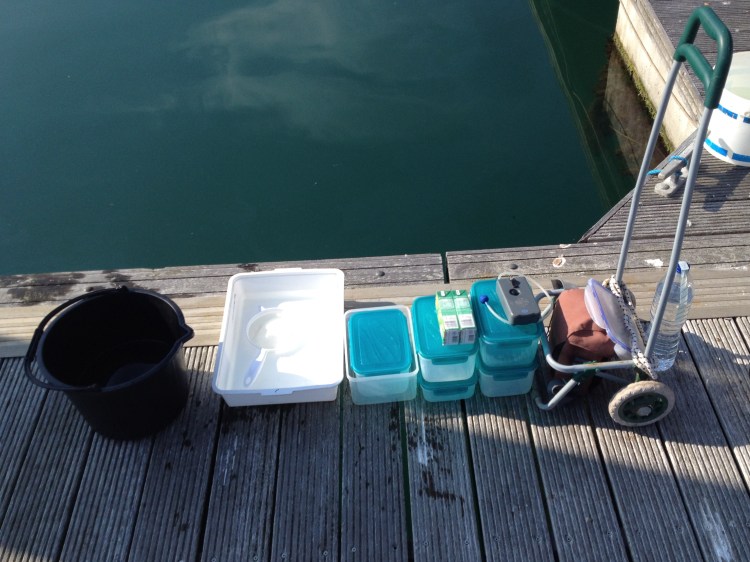
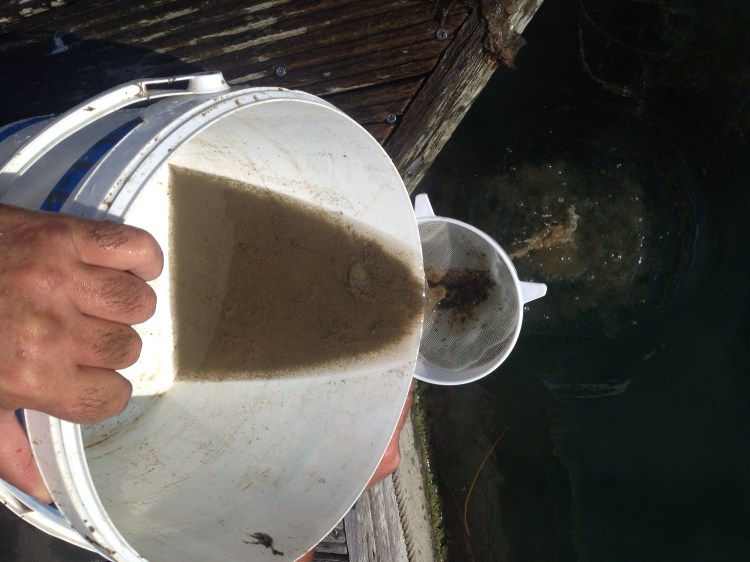
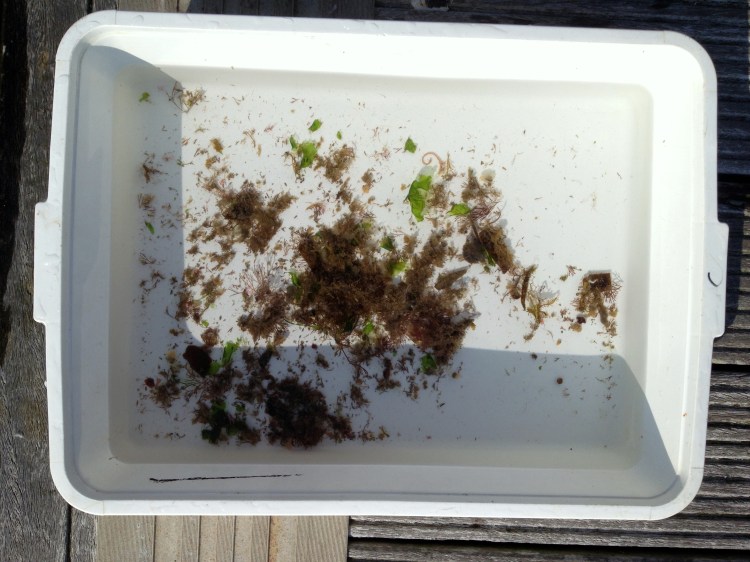
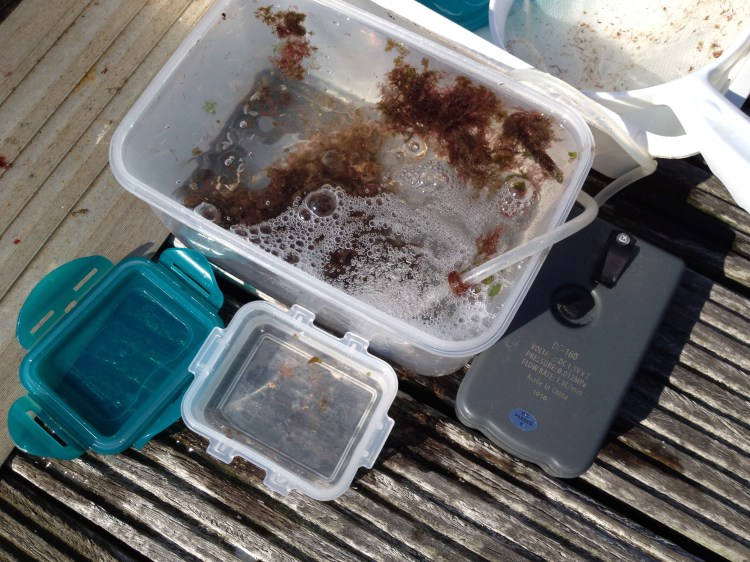
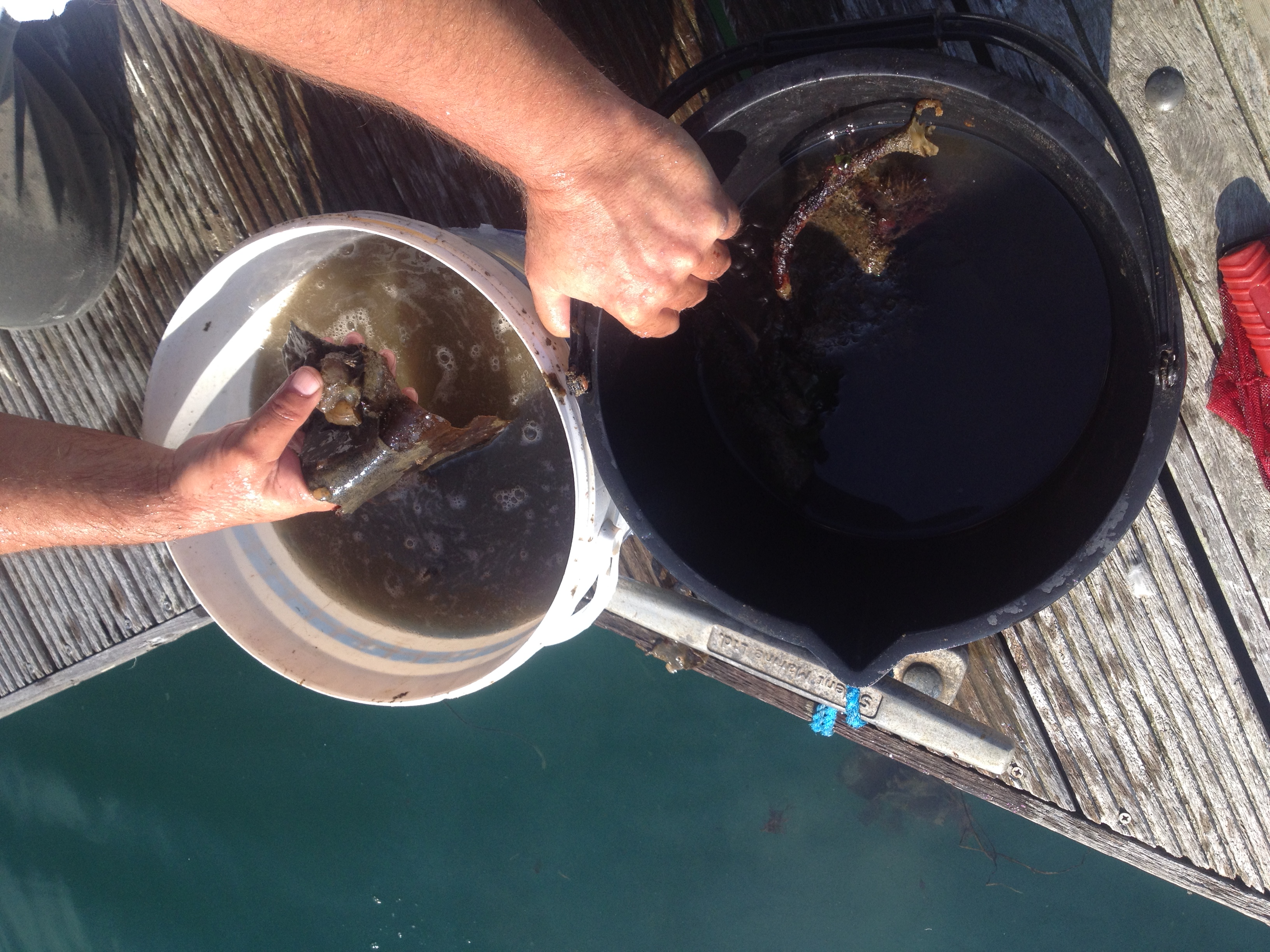
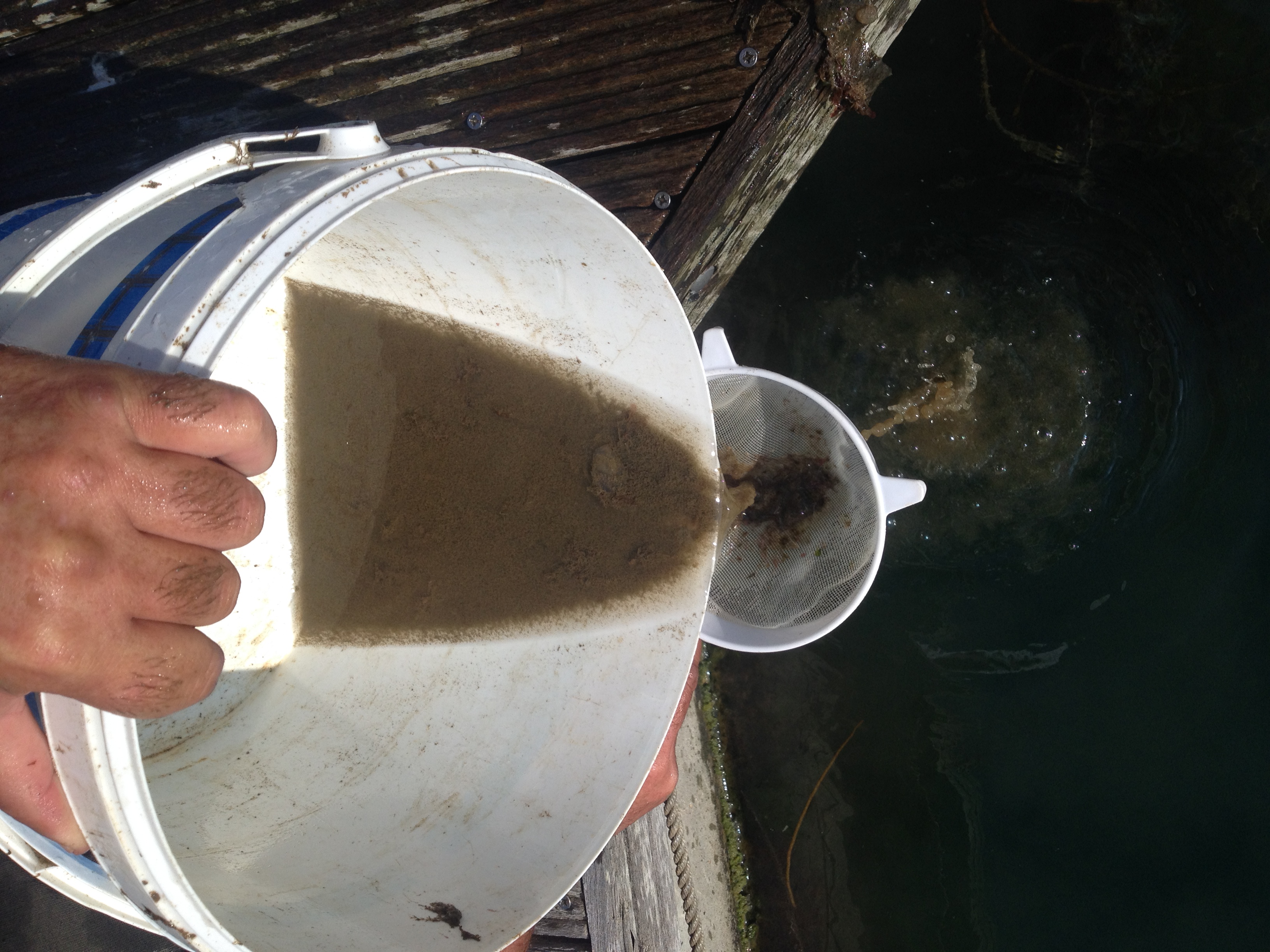
The drill: scrape off seaweeds (mainly kelps) covered in tunicates, hydroids, other seaweeds and silt (very mucky business, especially when collected lying on a pontoon covered in seagull-excrement). Next, vigorously wash the seaweeds in a bucket. Sieve the resulting silty water, pick out larger objects (sea squirts etc) from the sieve and gently wash the silt away in a fresh bucket. Then transfer the material to a white tray for preliminary inspection. Some nudibranchs can be observed this way, but the bulk of the animals only show themselves after the sample has been brough home. In warm weather, samples can get deoxygenated, so a battery-powered airpump is a good thing to have. To avoid sloshing, plastic vessels are filled to the brim by opening the lid slightly when held underwater.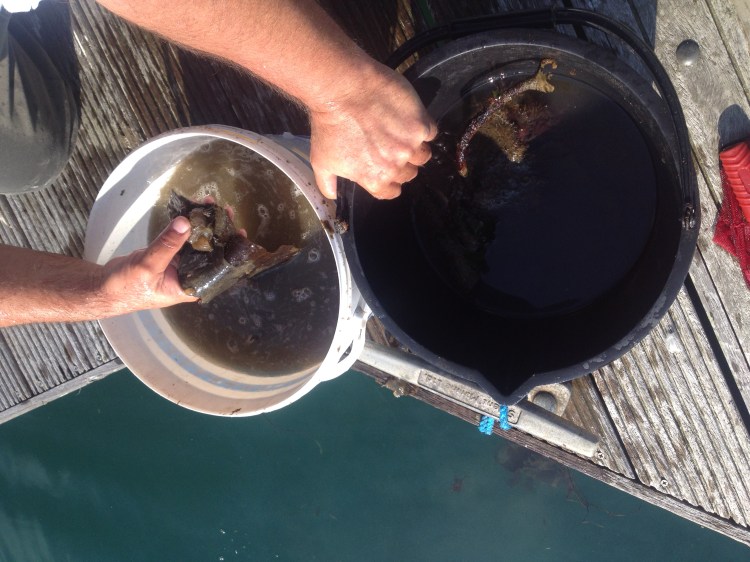
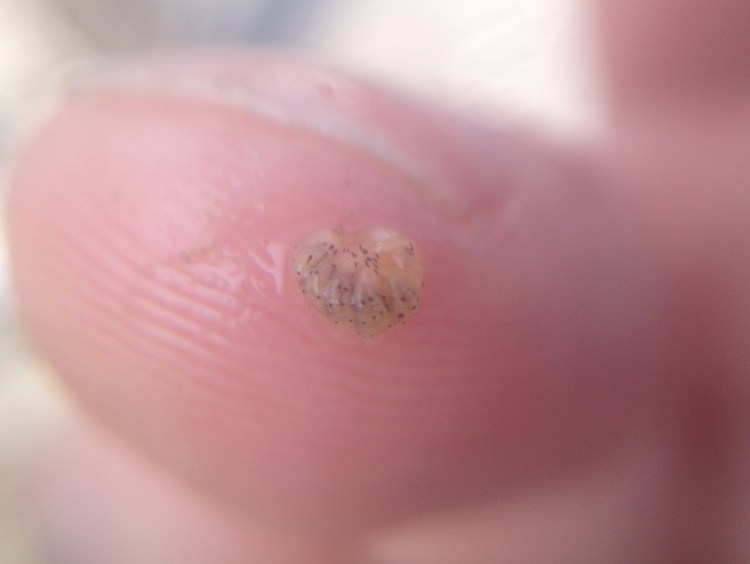
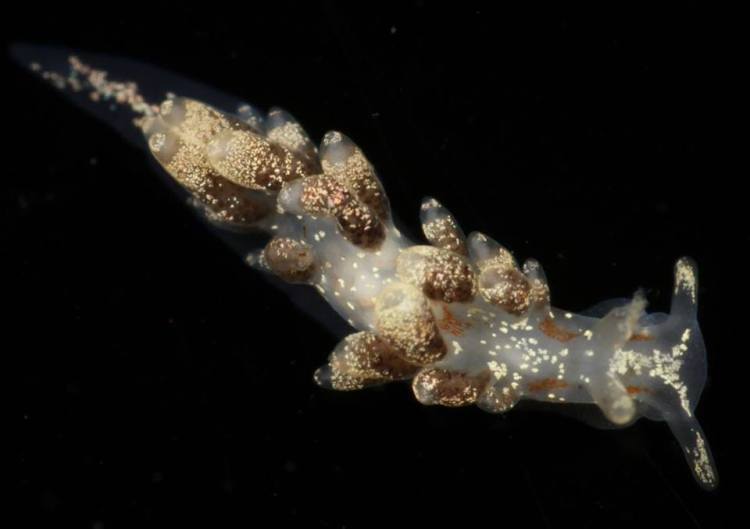
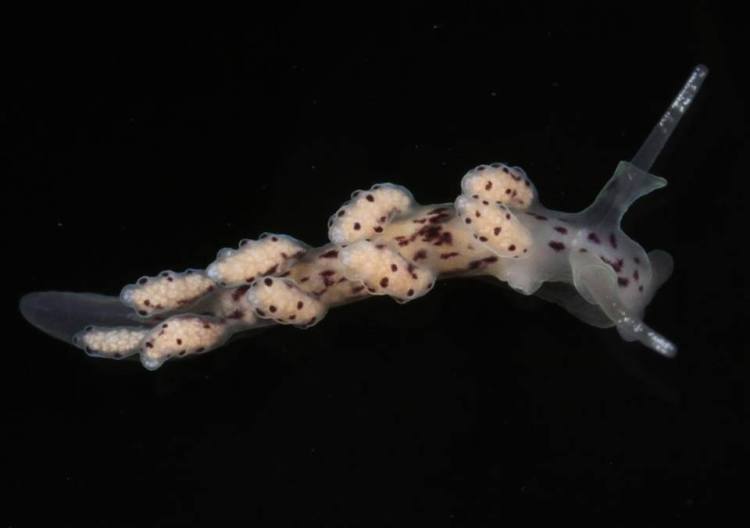
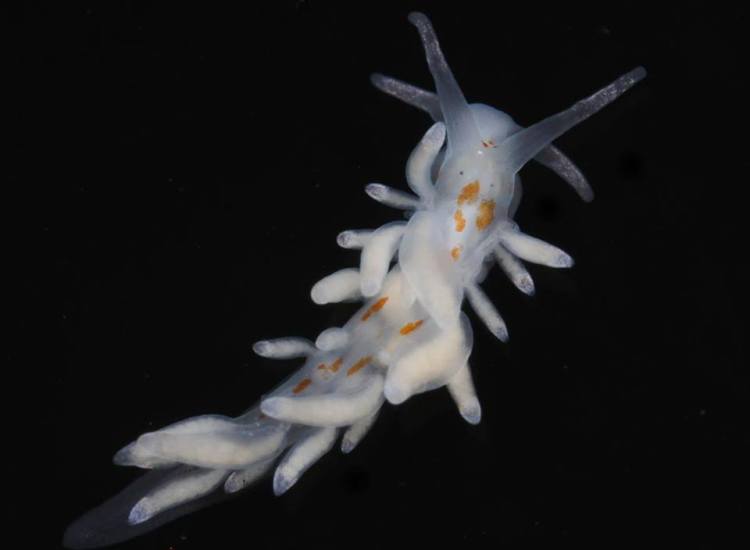
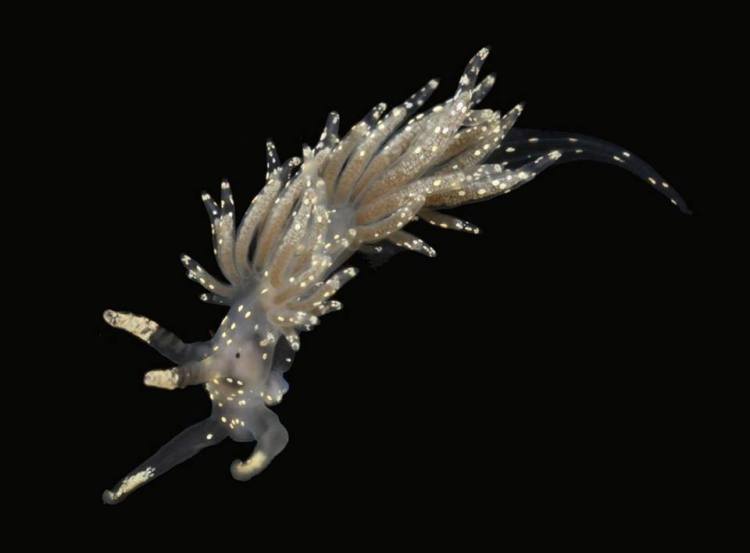
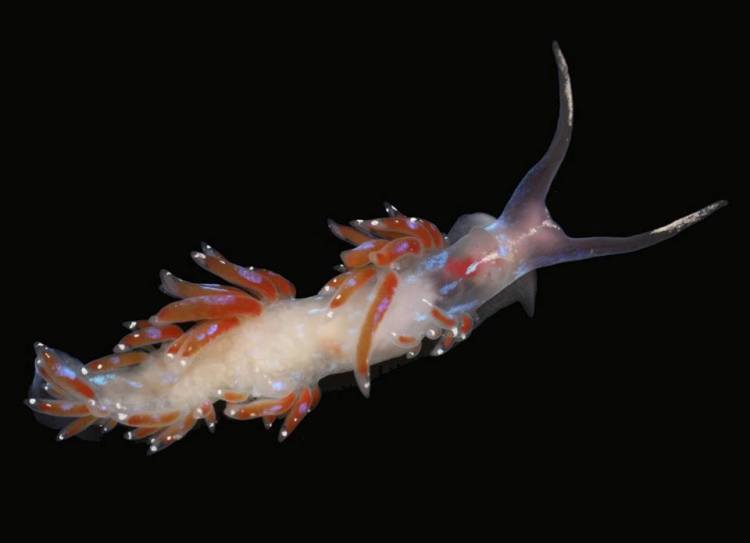
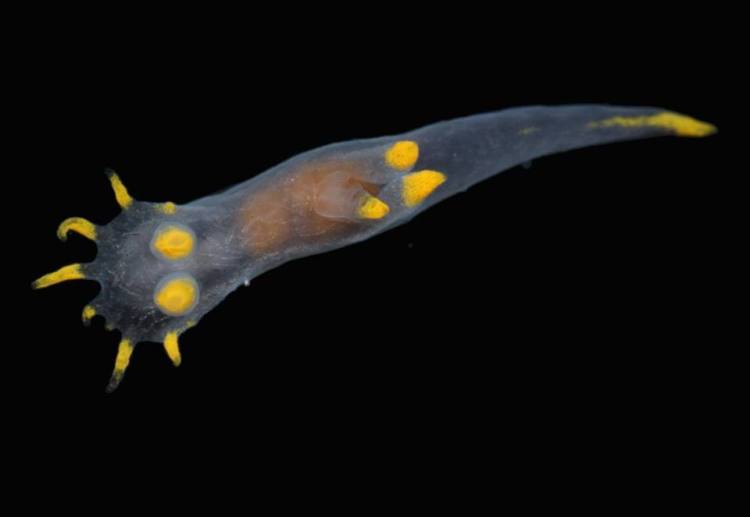
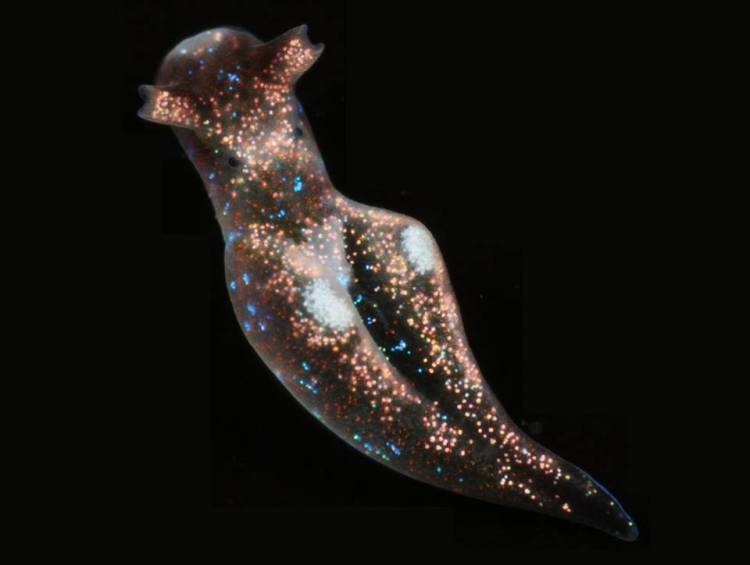
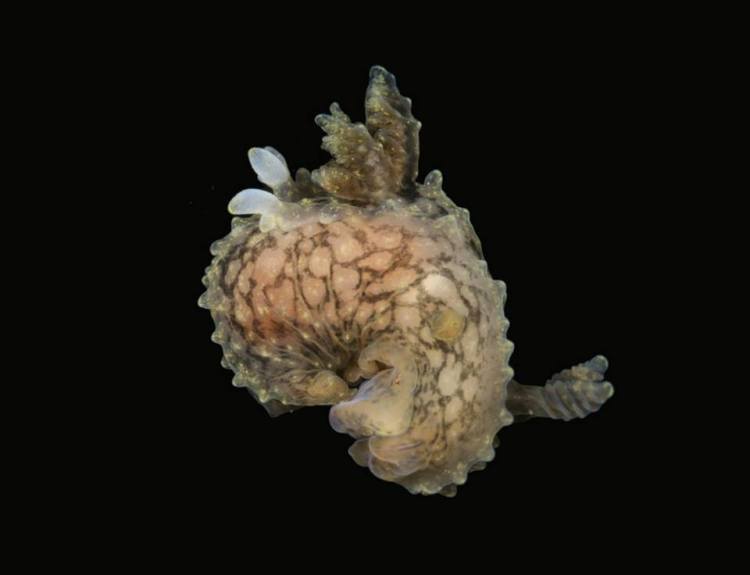
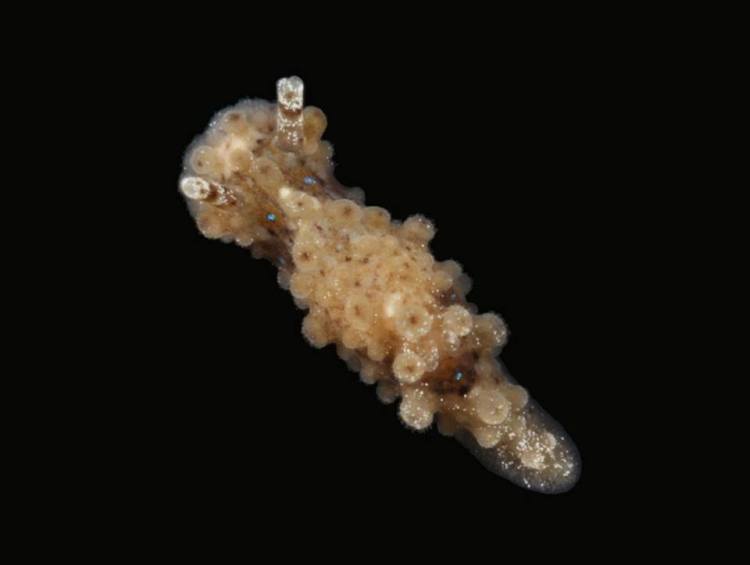
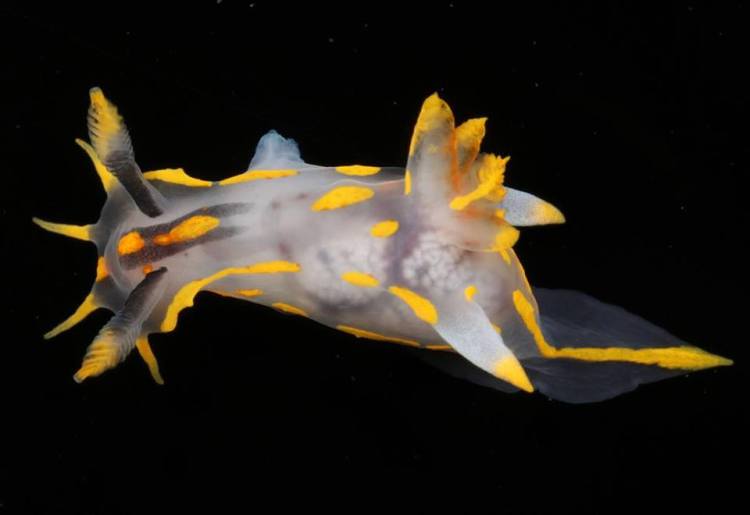
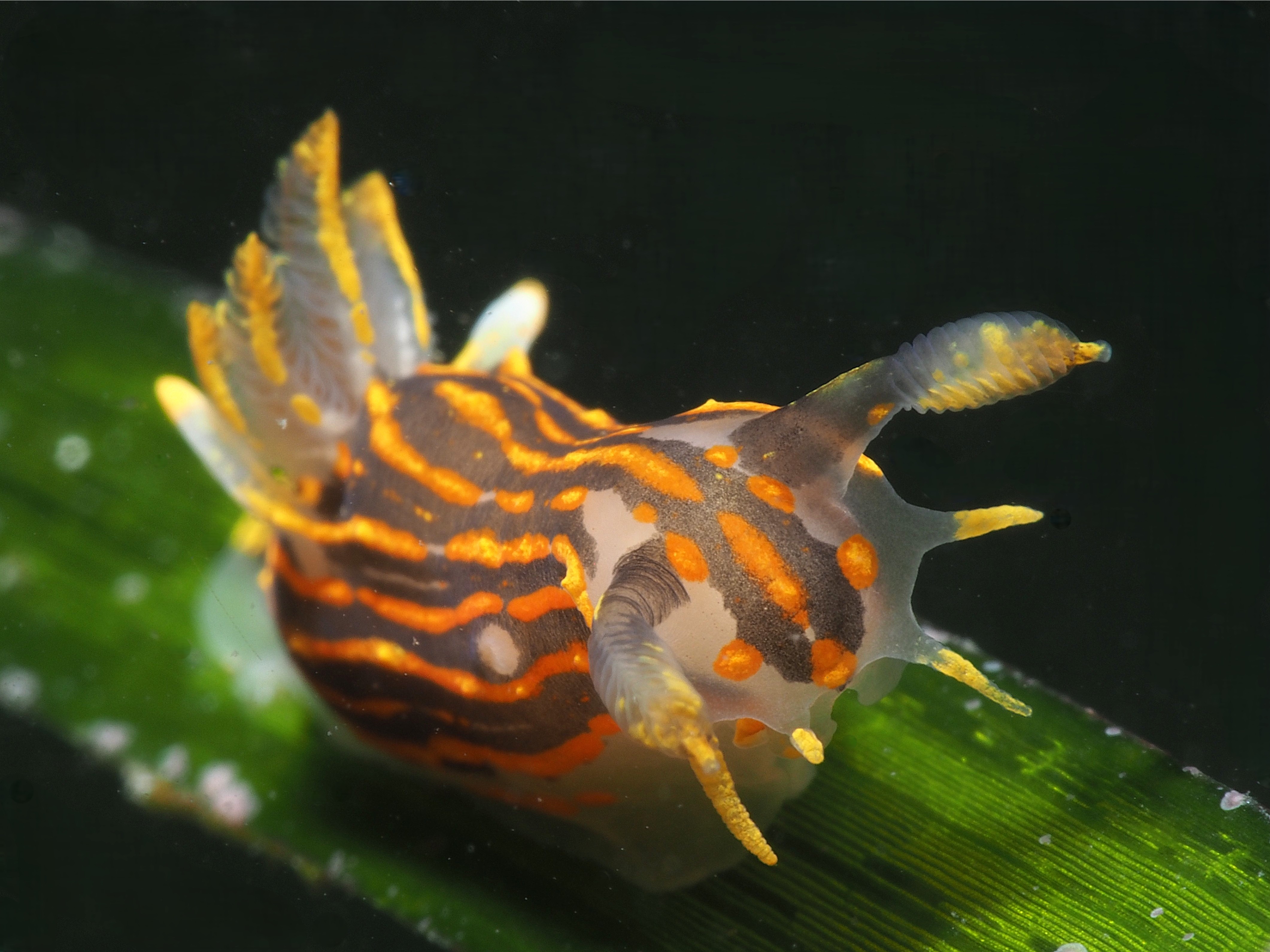
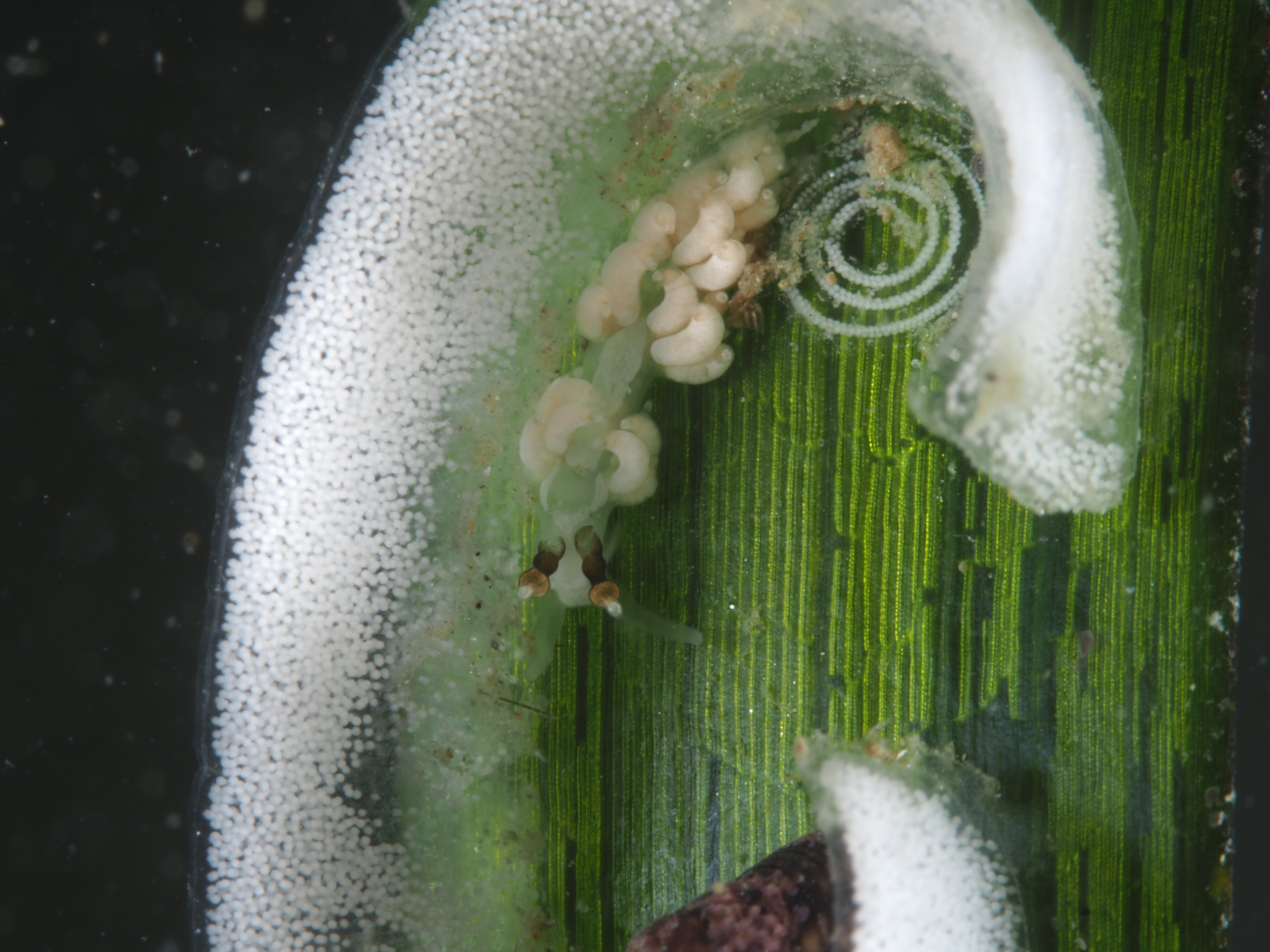
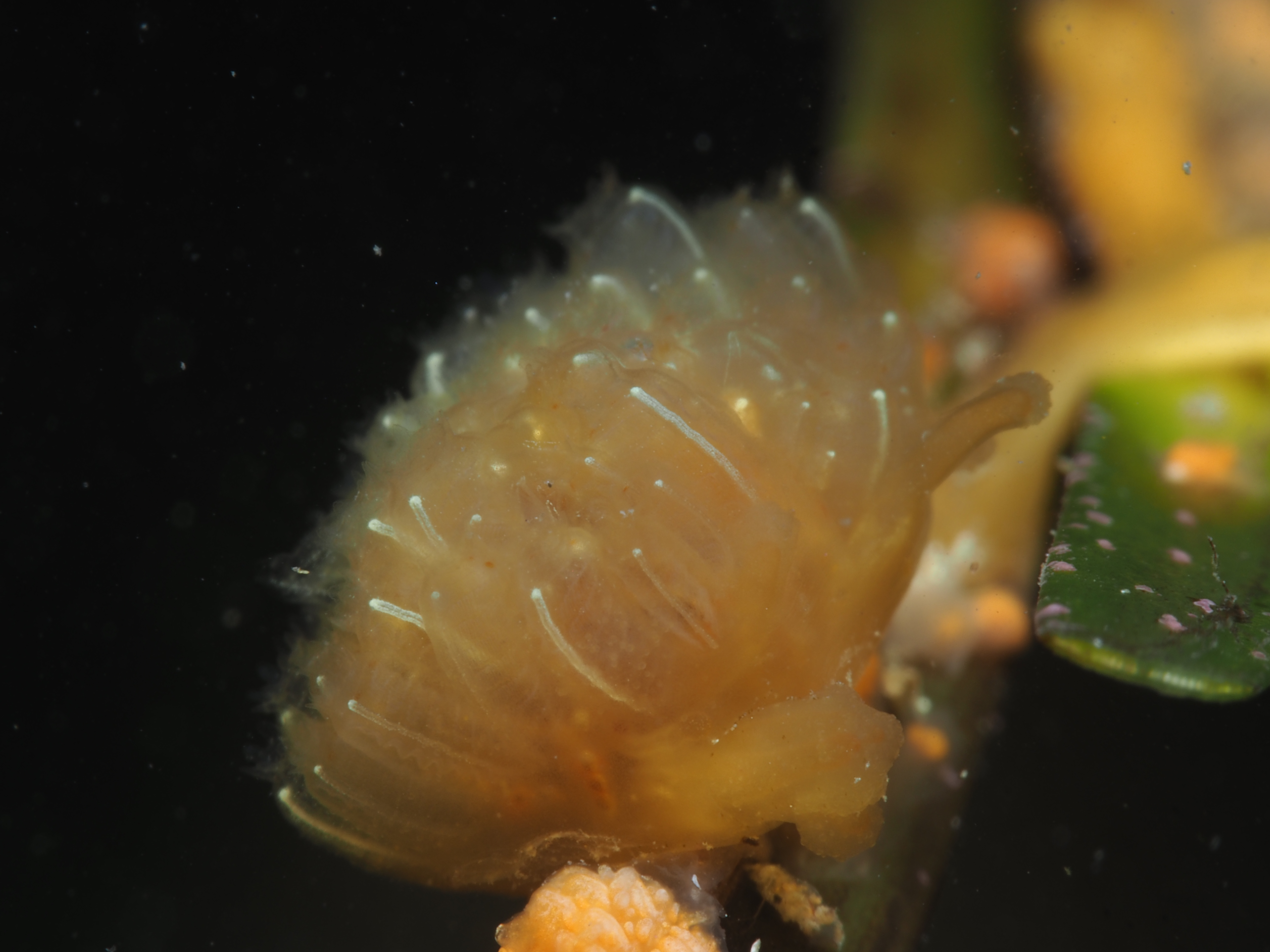
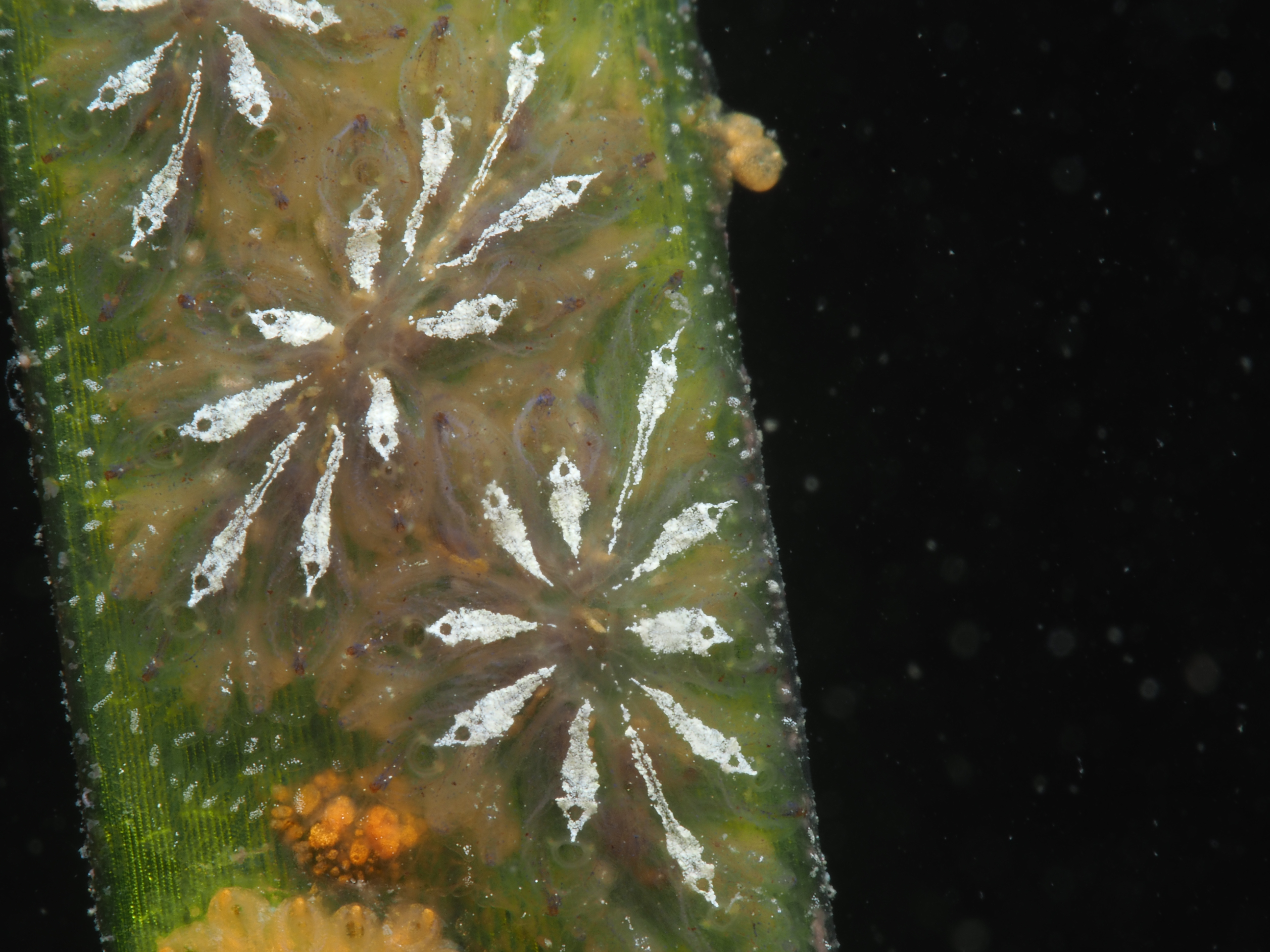
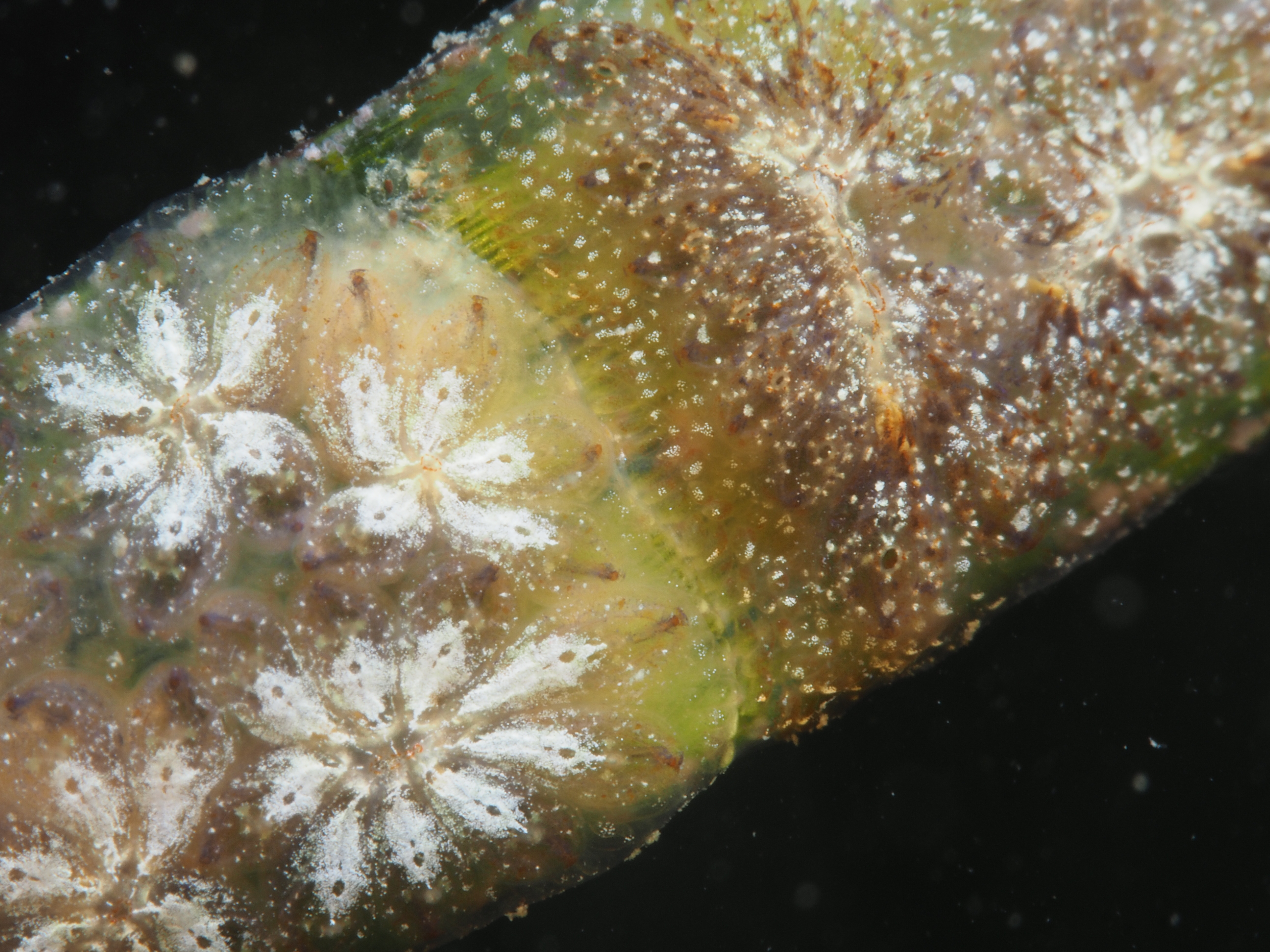
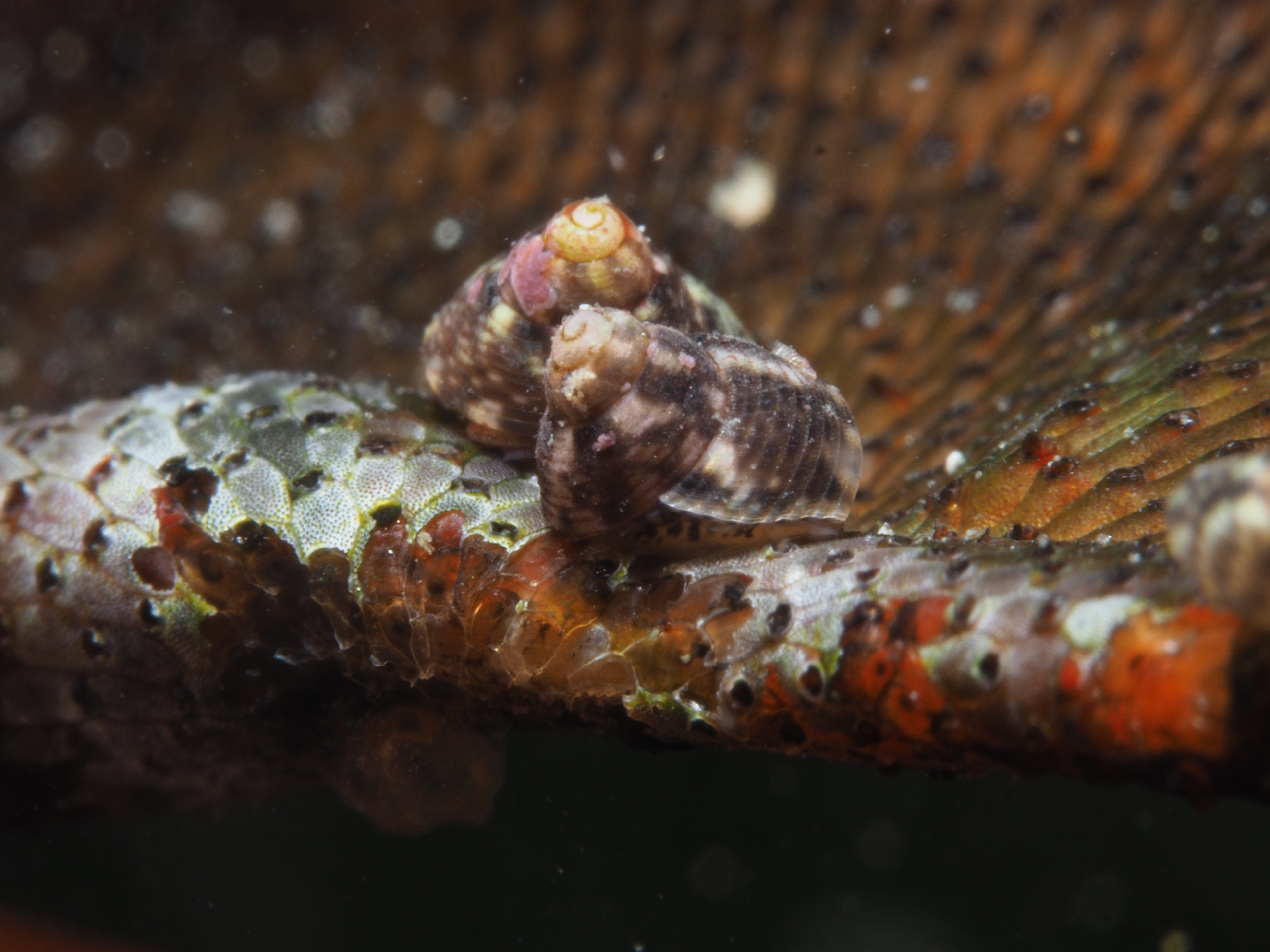
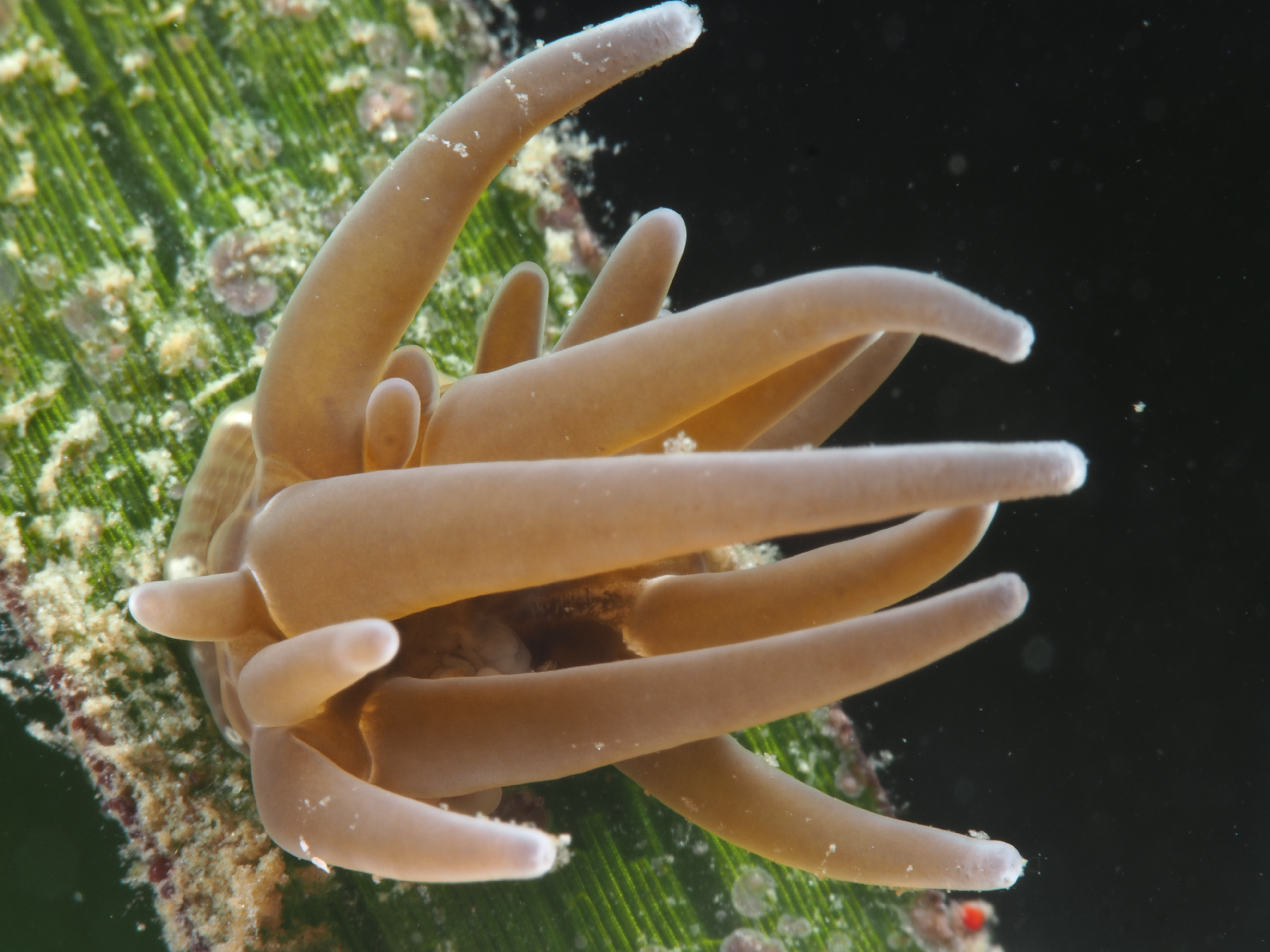
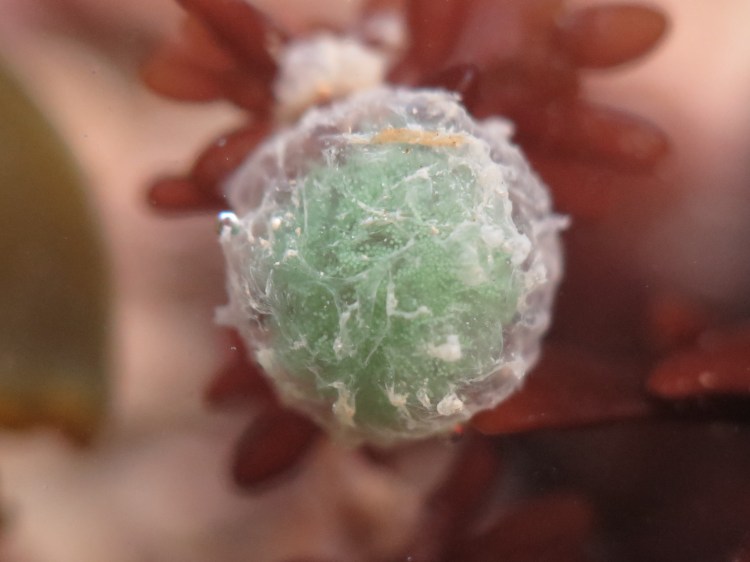
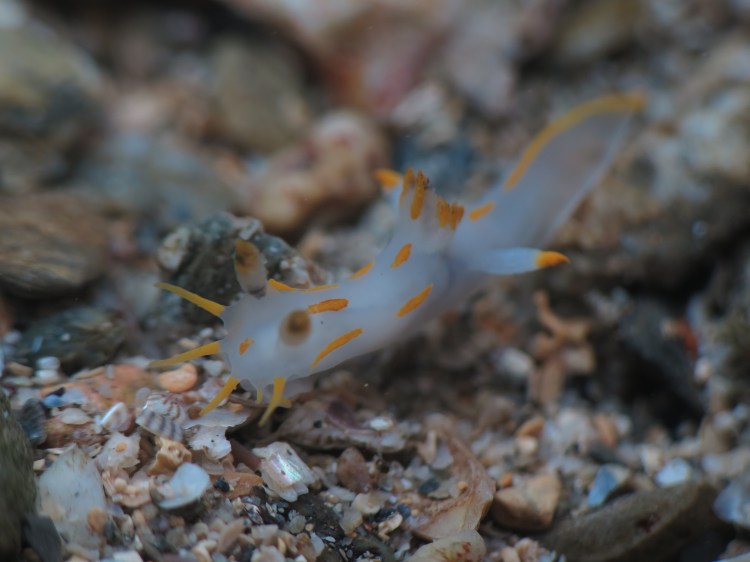
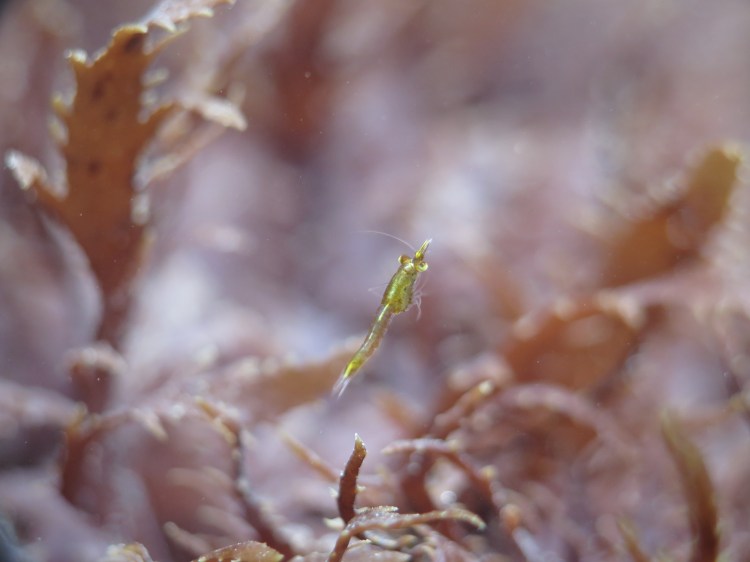
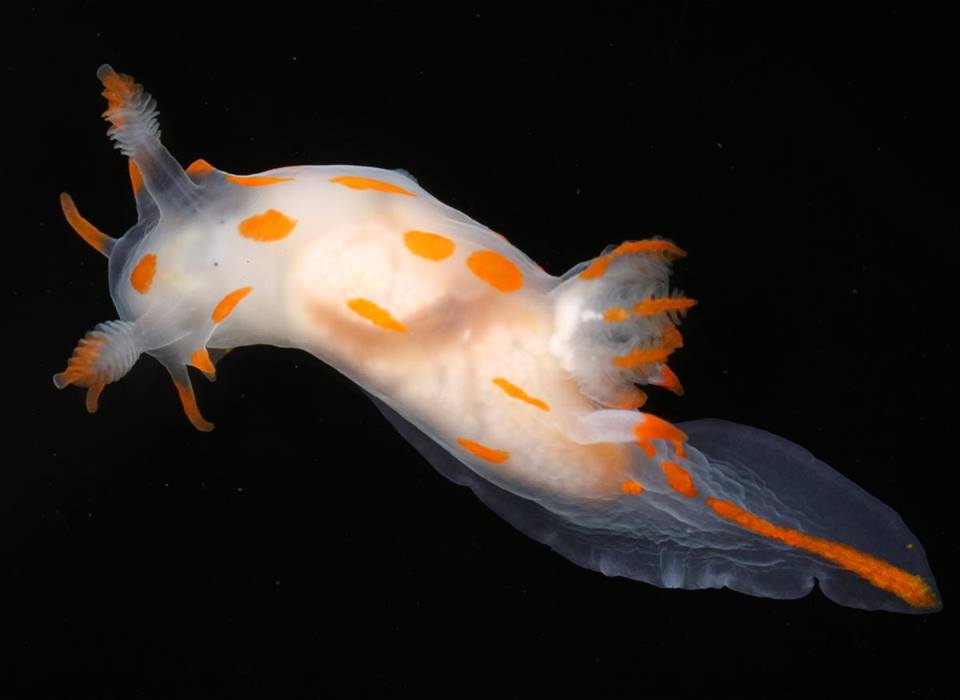
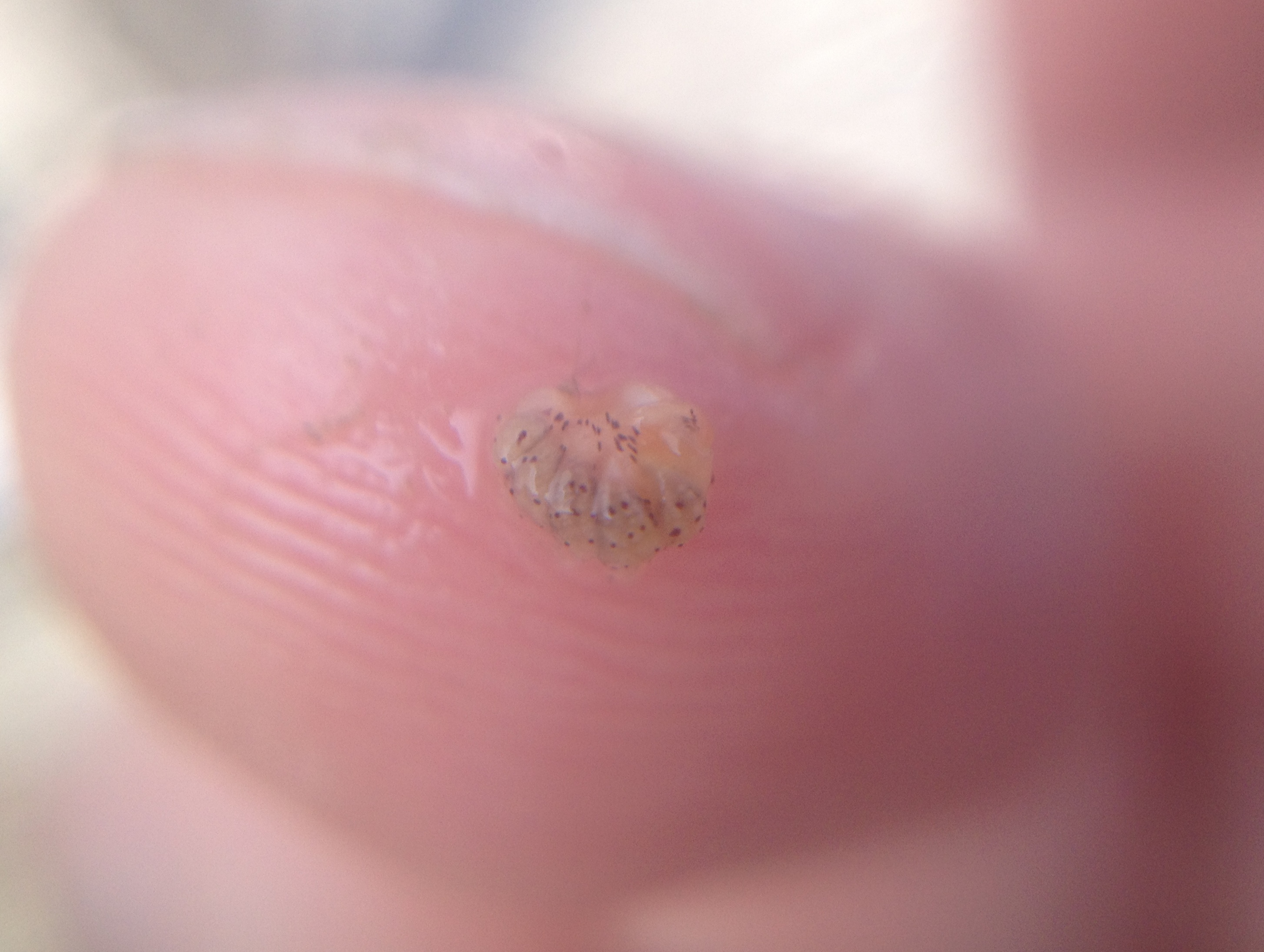
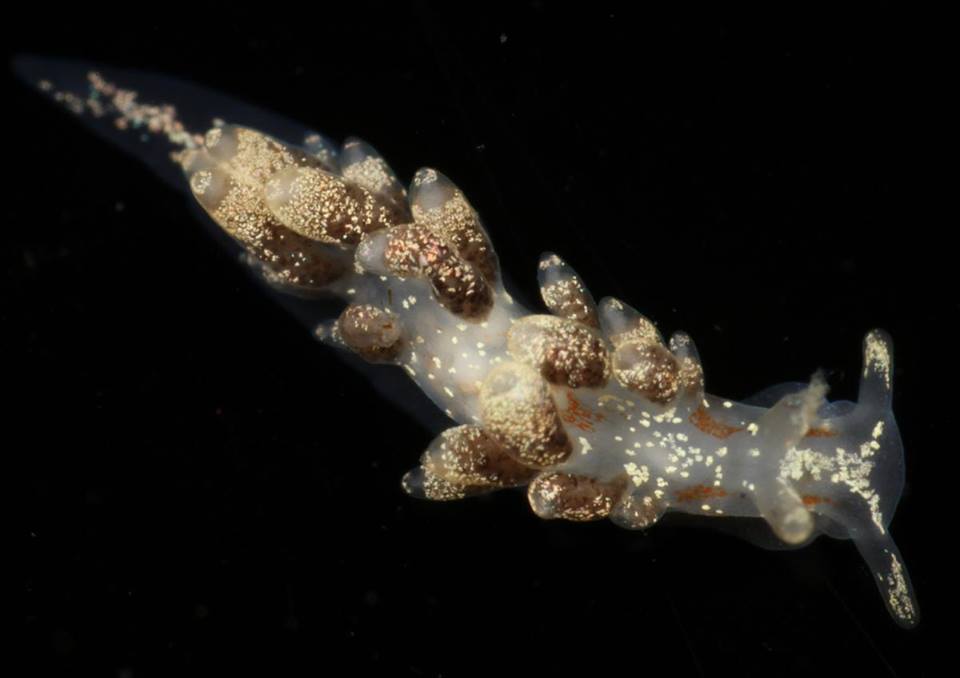
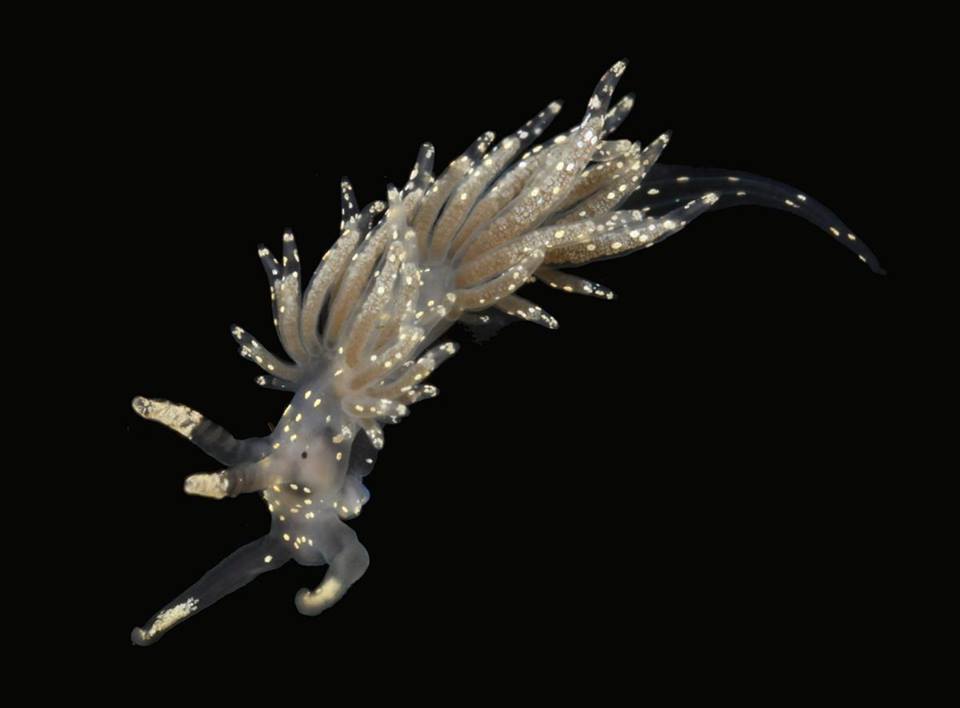
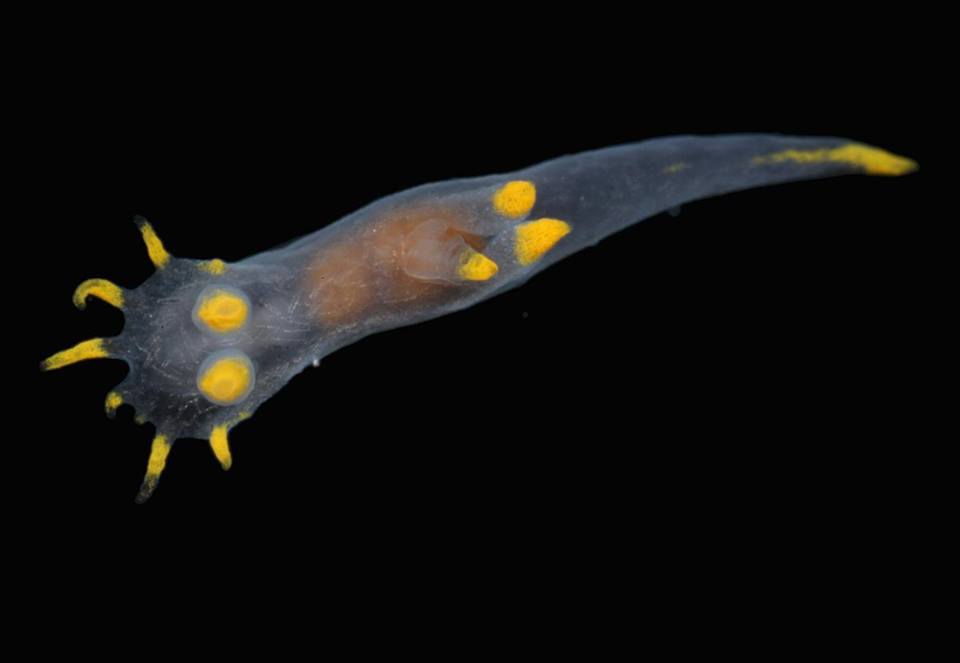
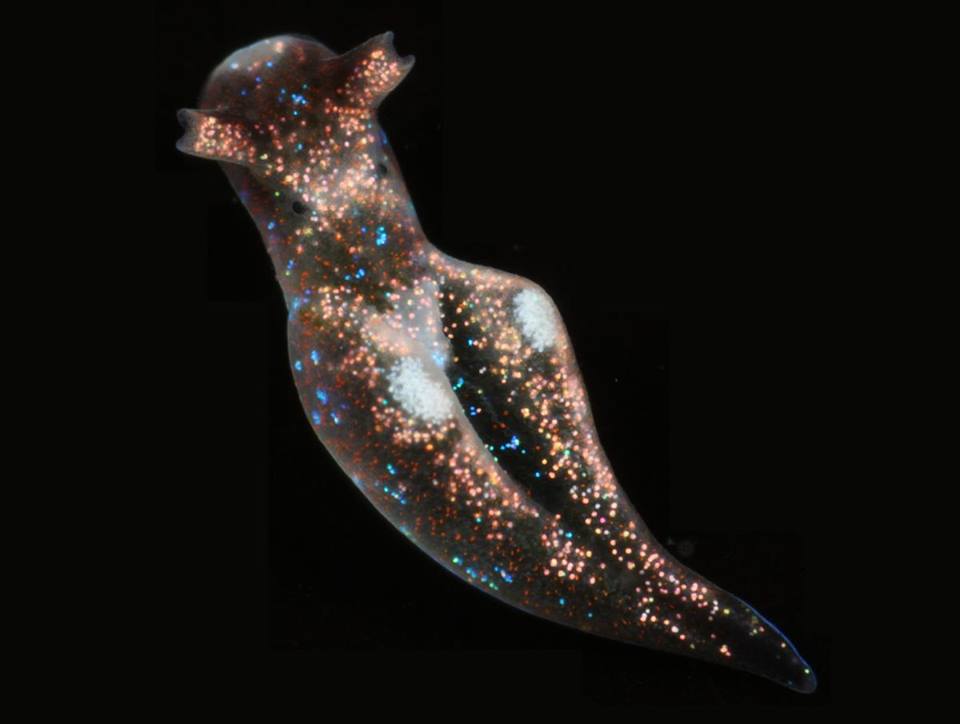
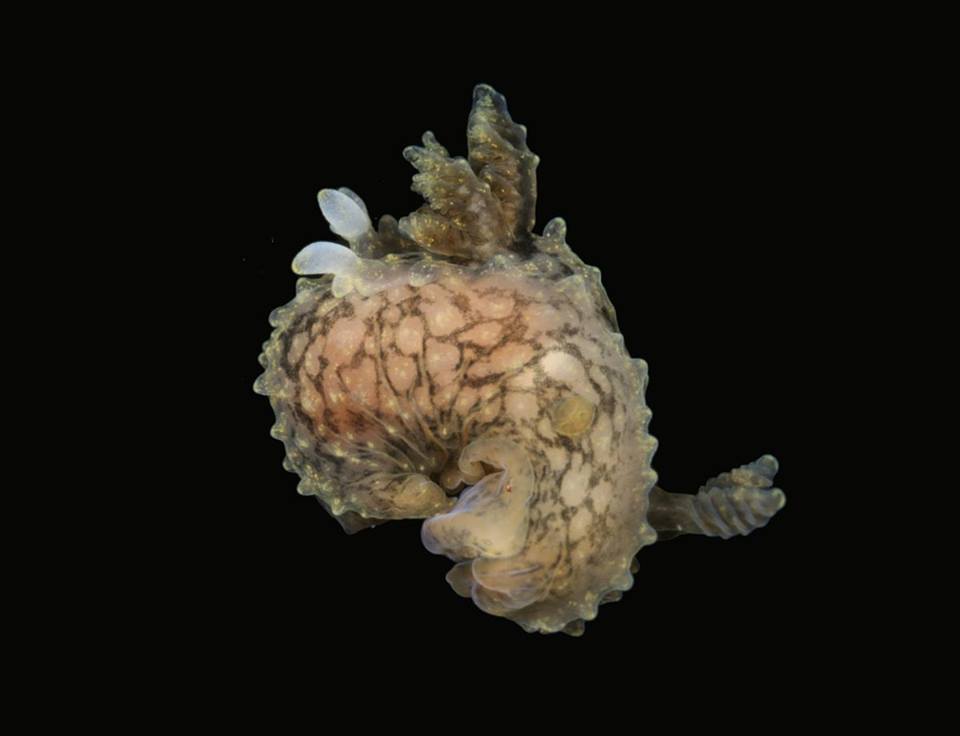
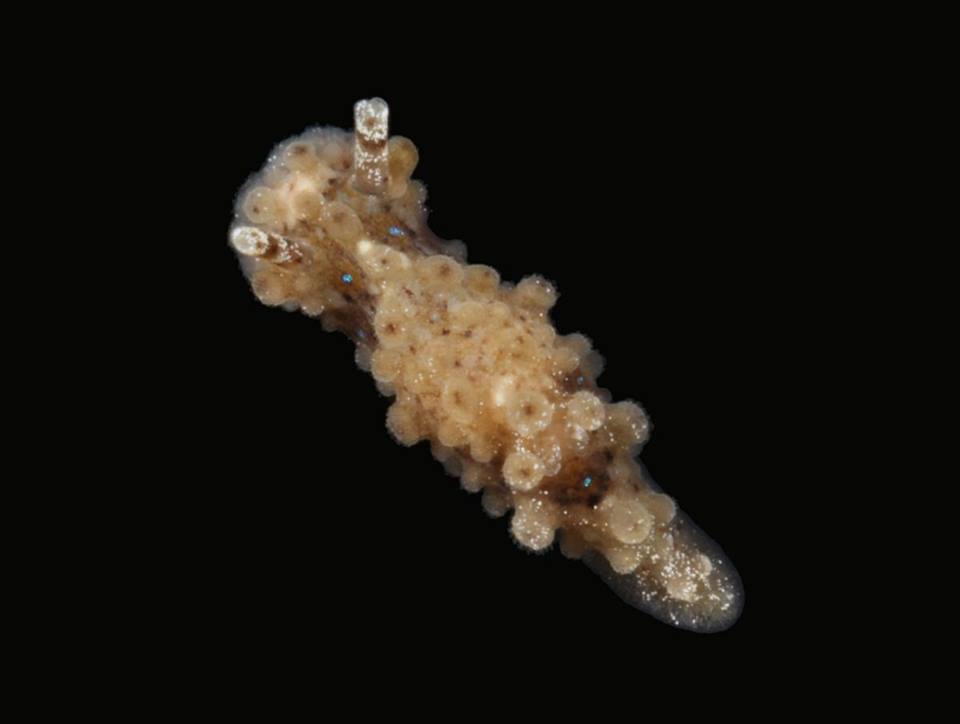
 Back home, samples are placed in the fridge and subsamples are periodically checked under the stereomicroscope. Most animals are a bit more active in the cooled water but some are not. Some come out in the dark, others in the light, so changing the conditions is necessary to see everything that is hidden in the debris. David processed the samples that same afternoon and indeed a lot more came crawling out! From top to bottom: Cuthona amoena, C. foliata, Doto sp., Eubranchus farrani, Facelina annulicornis, F. auriculata, Polycera faeroensis, Elysia viridis (juvenile), Palio nothus, Aegirus punctilucens (juvenile) and Polycera quadrilineata (same species at the top of the post). For more beautiful nudibranch photos see the relevant Aphotomarine section. A very cool activity indeed, although at this point in my life I have not enough time at my disposal to do it justice…However, there definitely will be some smaller olloclip-iPhone sessions at Mylor marina soon!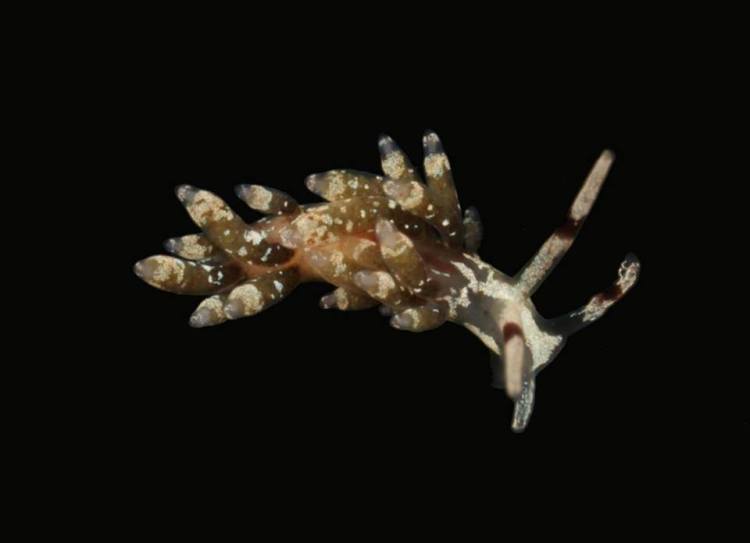




 An Bollenessor