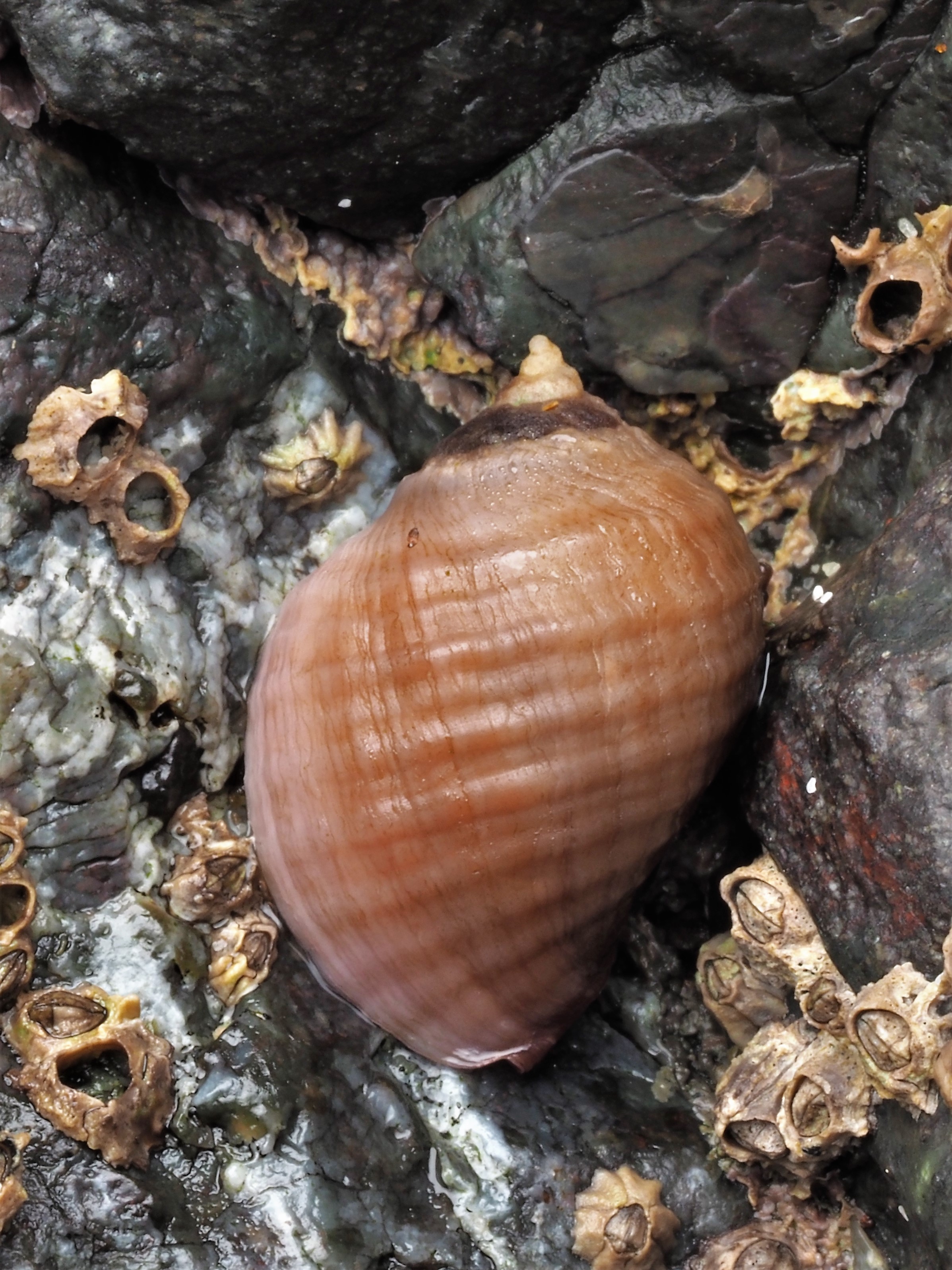


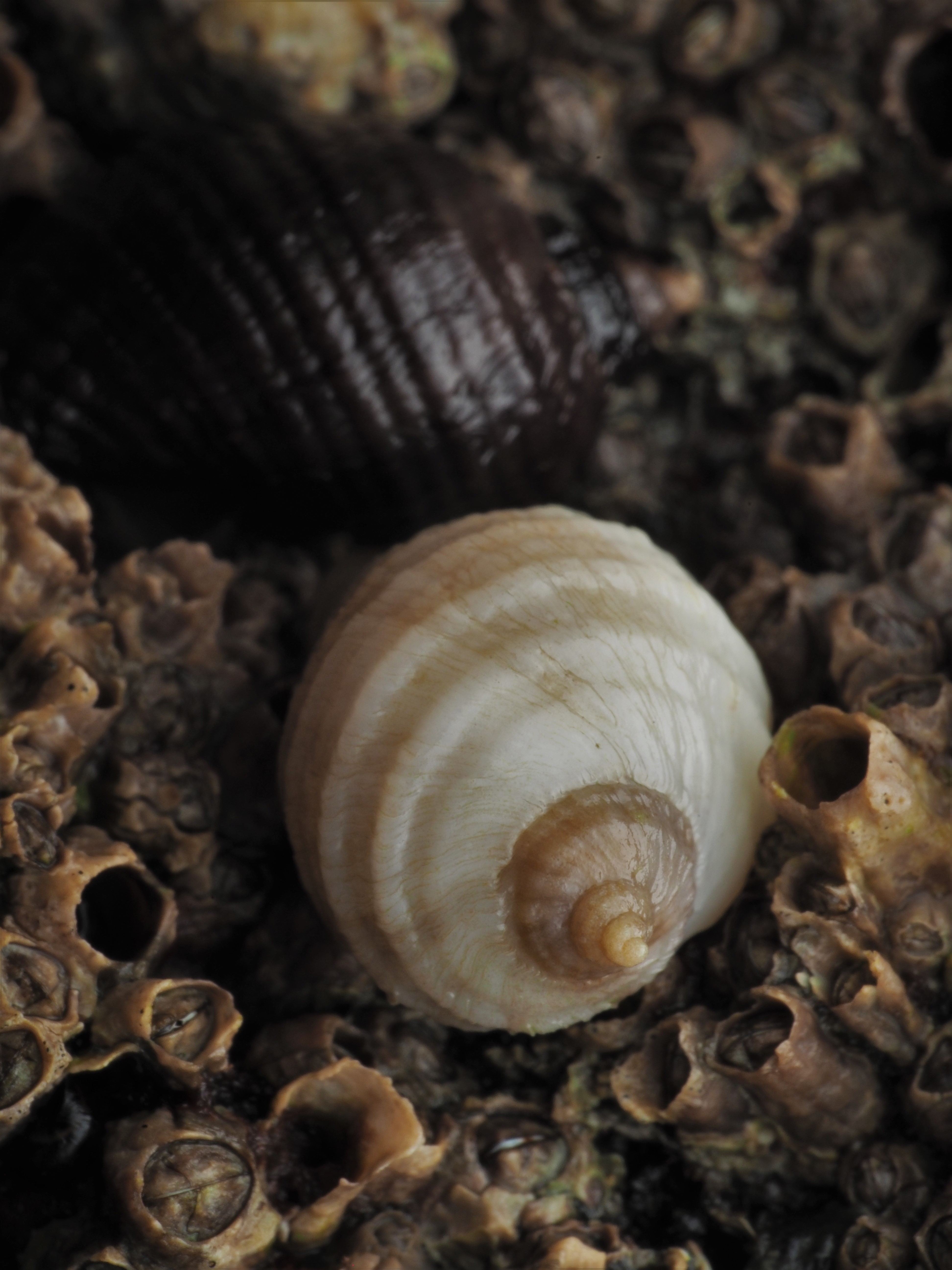


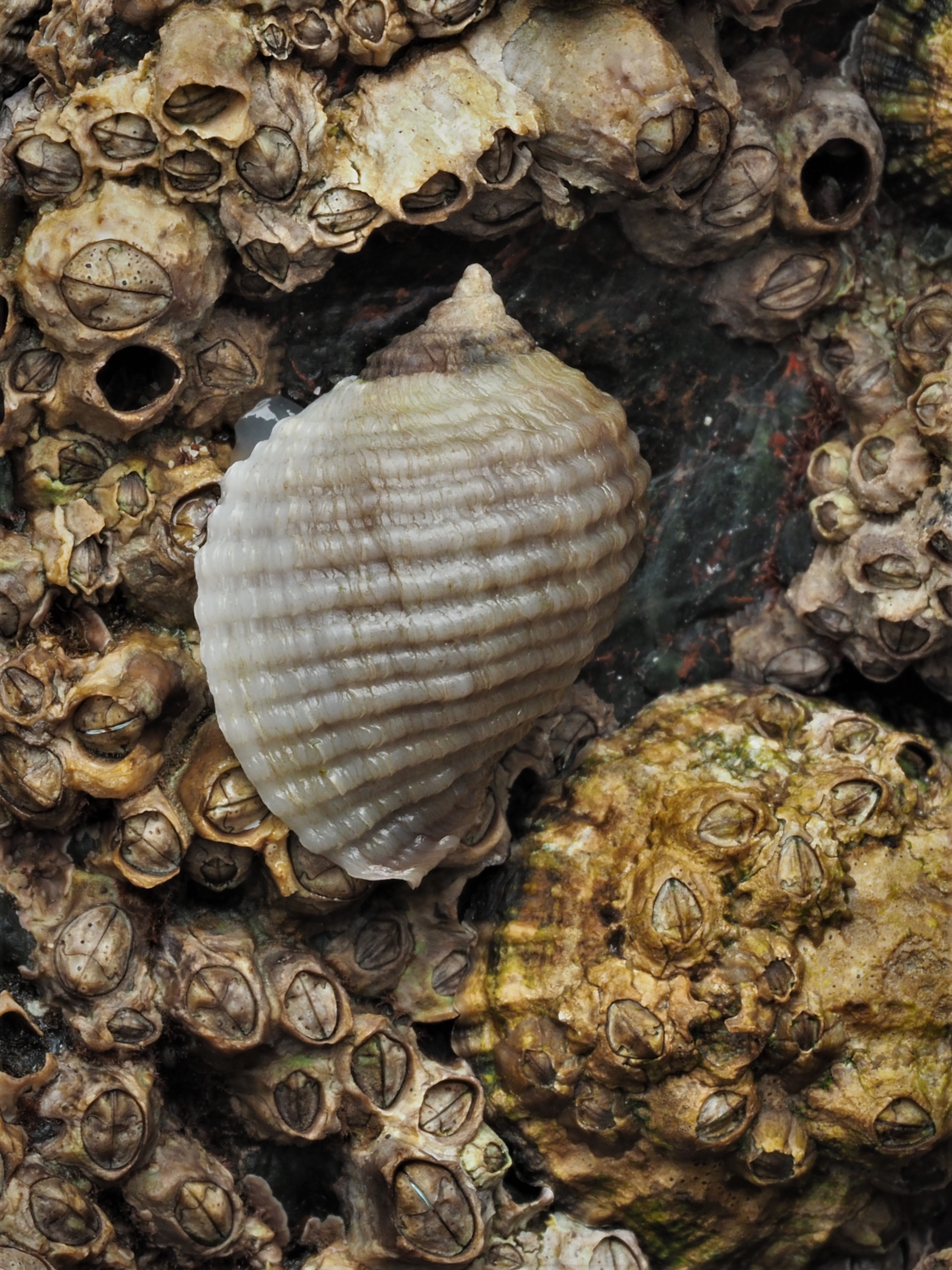
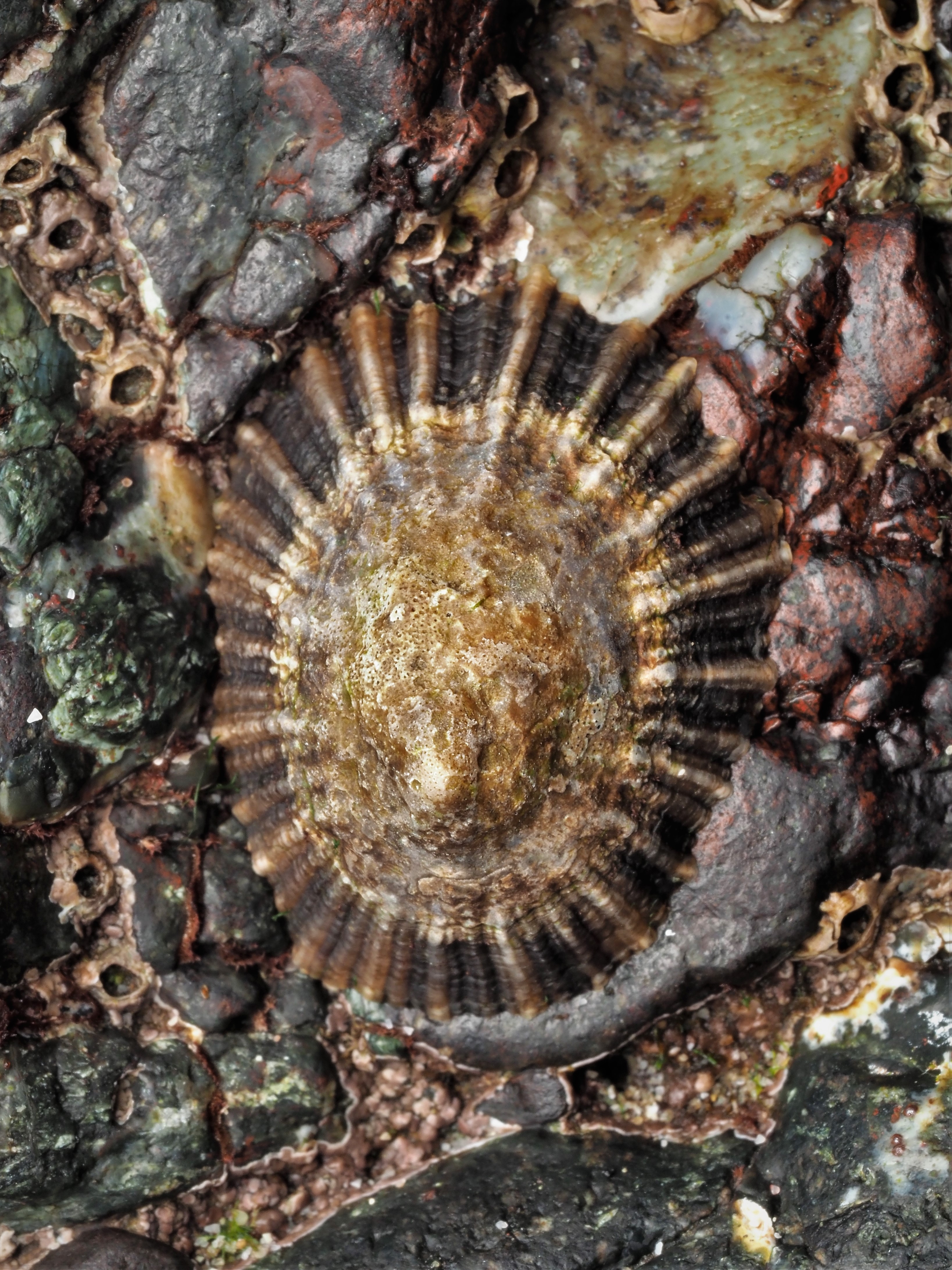
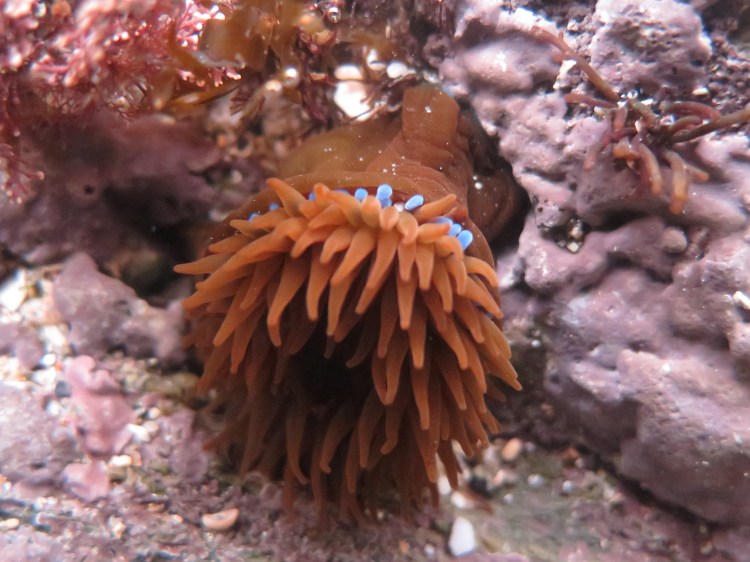
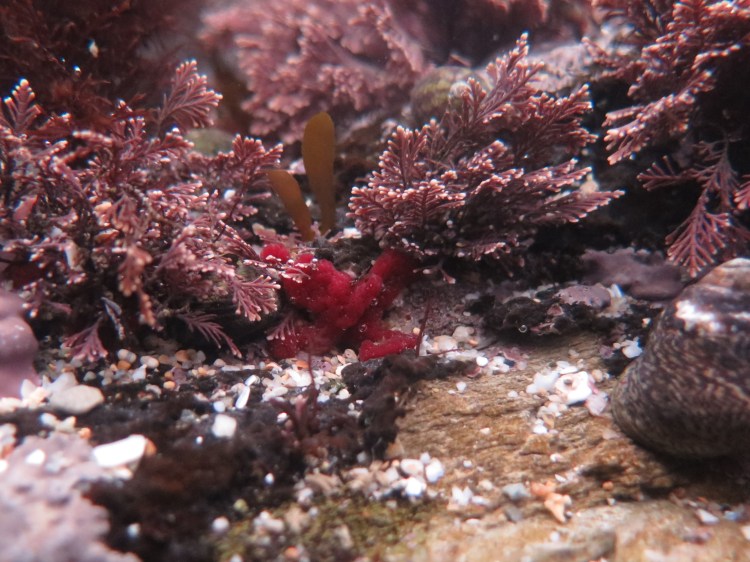
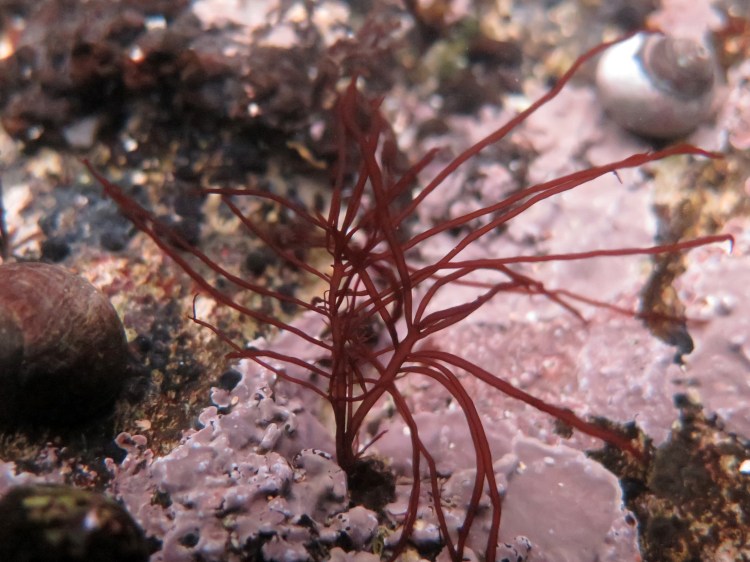
A trip to one of our favourite places today: Kynance Cove on the Lizard Peninsula. The weather was such that snorkeling was a big no, but after some wind and rain, luckily the sun came out for a bit (which it should, it is July!). I took some macro shots of the rocks at low tide using my new Cygnustech diffuser. This contraption makes the flash light much less harsh, and is pretty much essential when taking (non-natural light) macro shots. This is one of the best diffusers out there and I can highly recommended it (are plenty of reviews are available online). Some of the shots were taken with the Raynox DCR-250 macro attachment in front of the macro lens for a little bit of extra magnification.
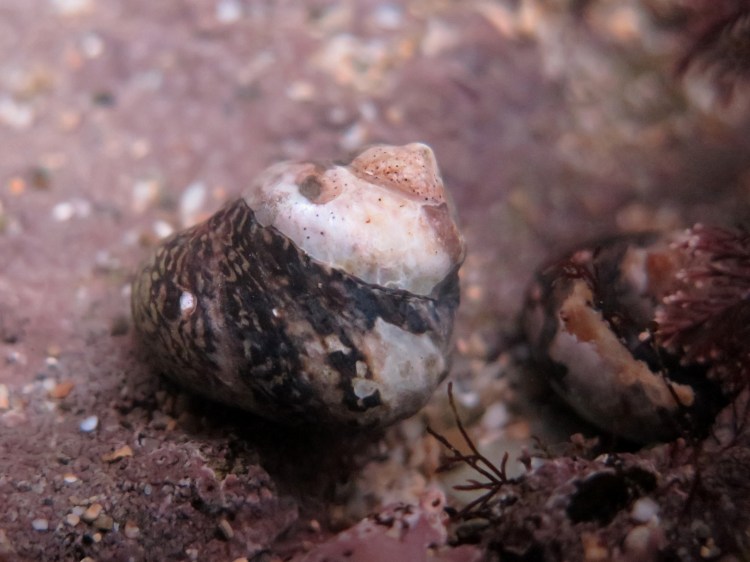
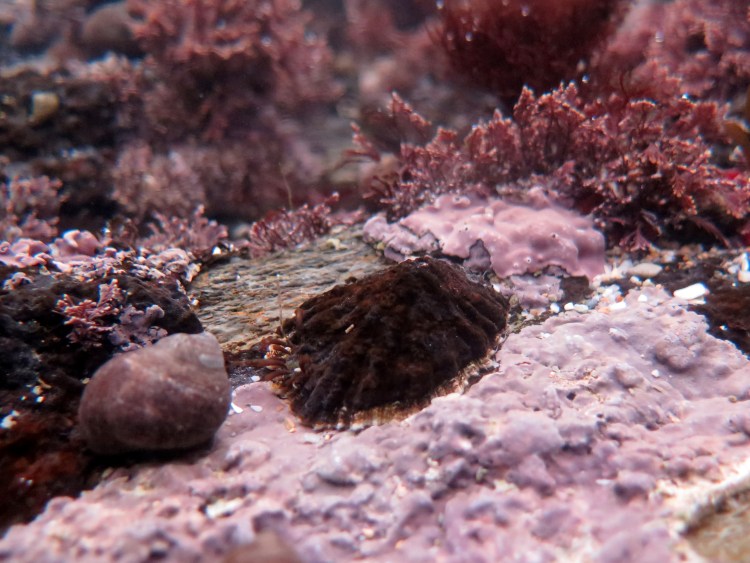
Anyway, there is not a lot of animal diversity on this battered coast of green and red serpentine rock: barnacles, dog whelks, mussels and limpets mainly. Above a selection of photos highlighting some small Dog Whelks (Nucella lapillus). This predatory species can come in many more colour varieties than we found today (see here for example). The limpets are either the Common Limpet (Patella vulgata) or the Blackfooted Limpet (P. depressa); you need to be able to see the animal to be sure. The barnacles are Montagu’s Stellate Barnacles (Chthamalus montagui) (I might have this wrong; I must confess I never really gave barnacles the attention they deserve). Not too spectacular but you gotta try something when you cannot take photos underwater!



 An Bollenessor