Green Paddleworms

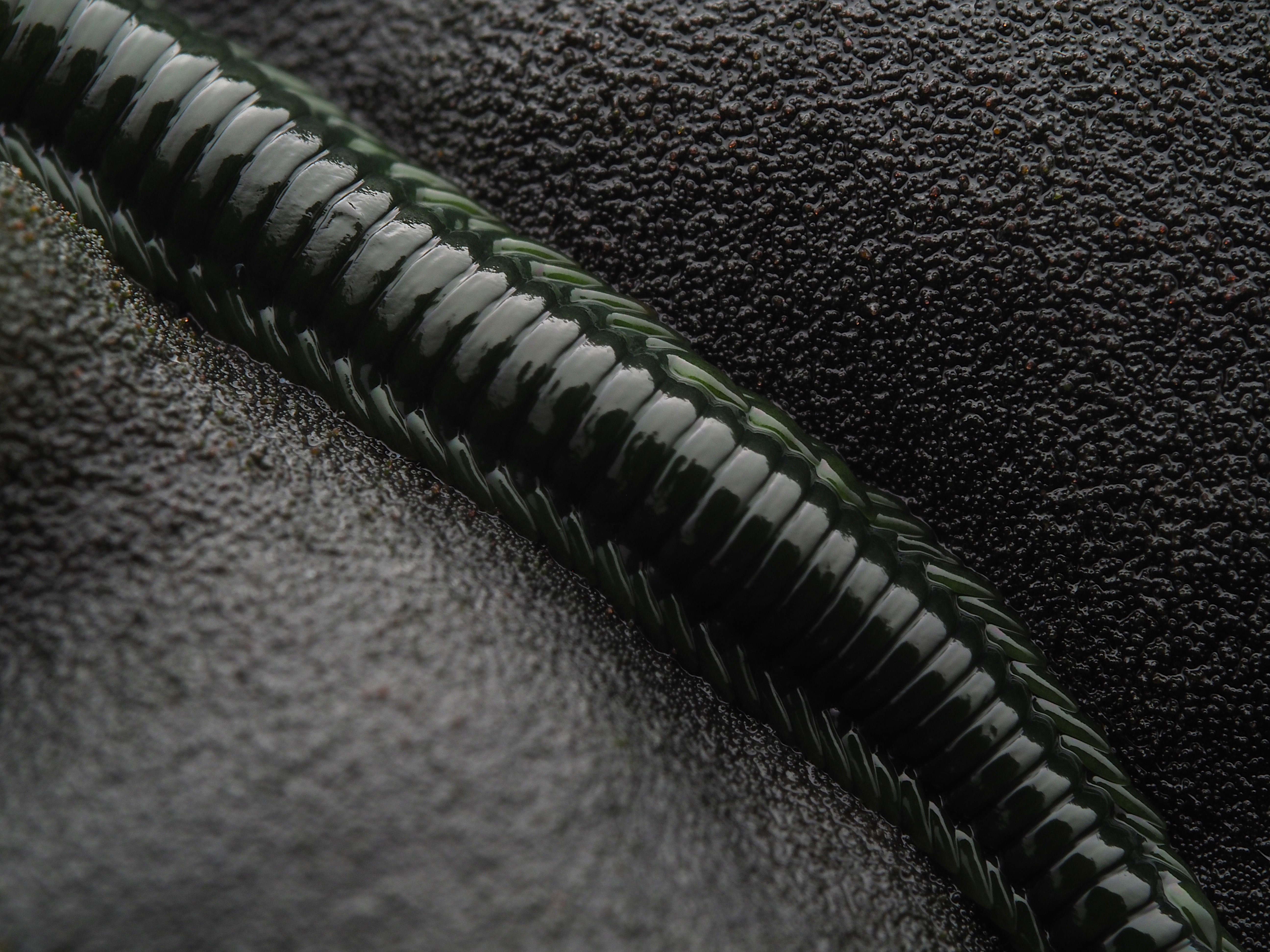
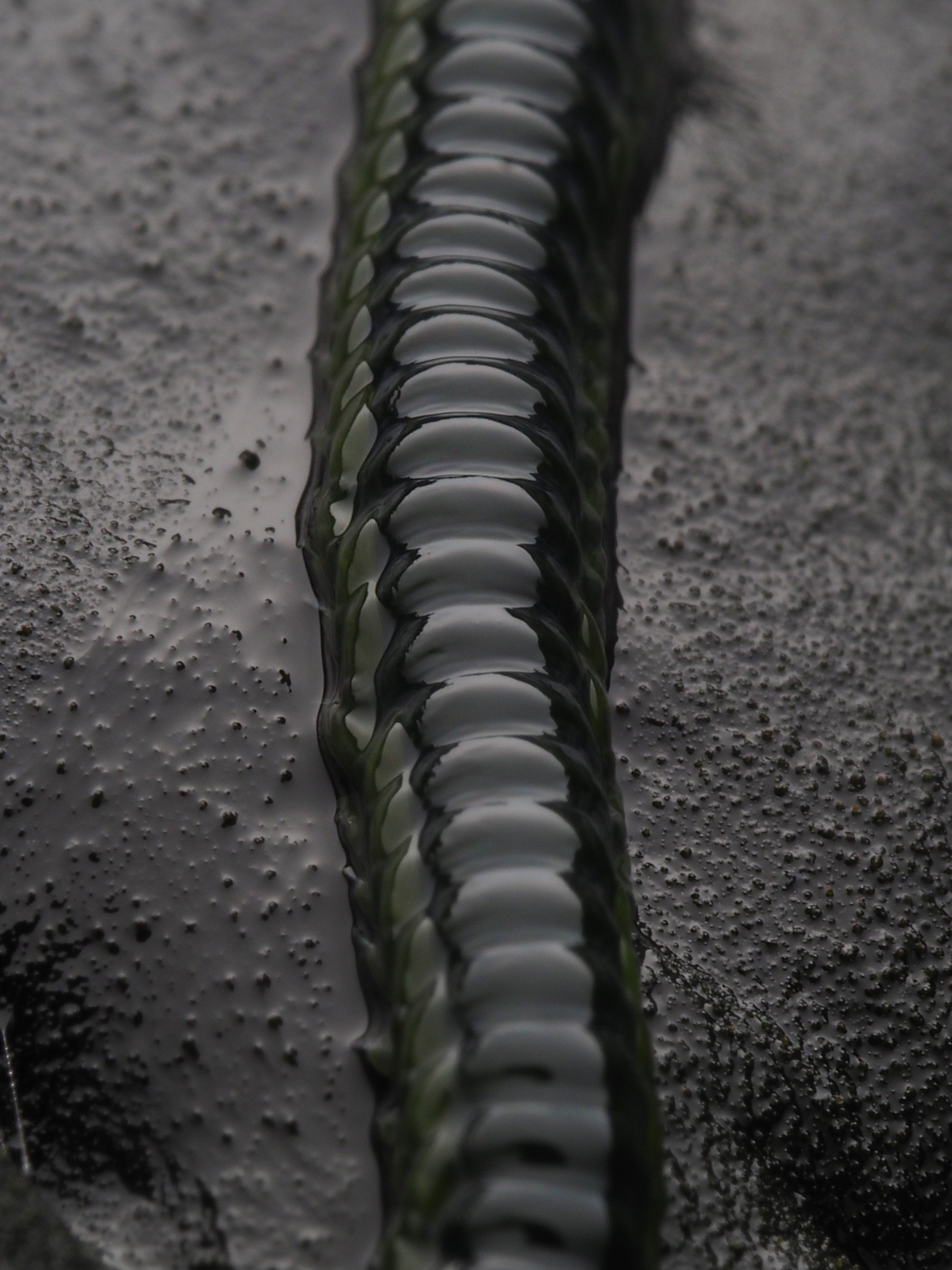
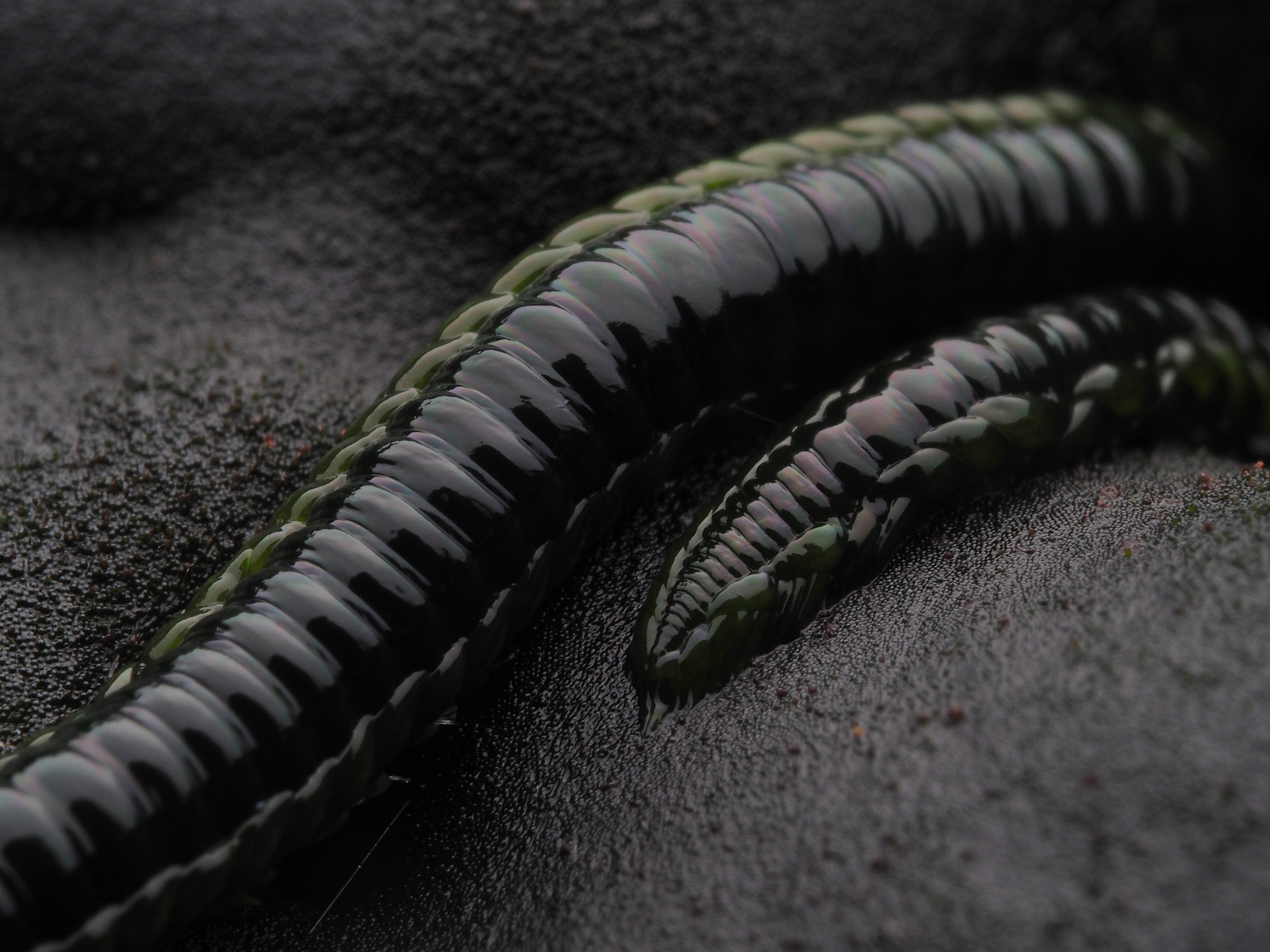
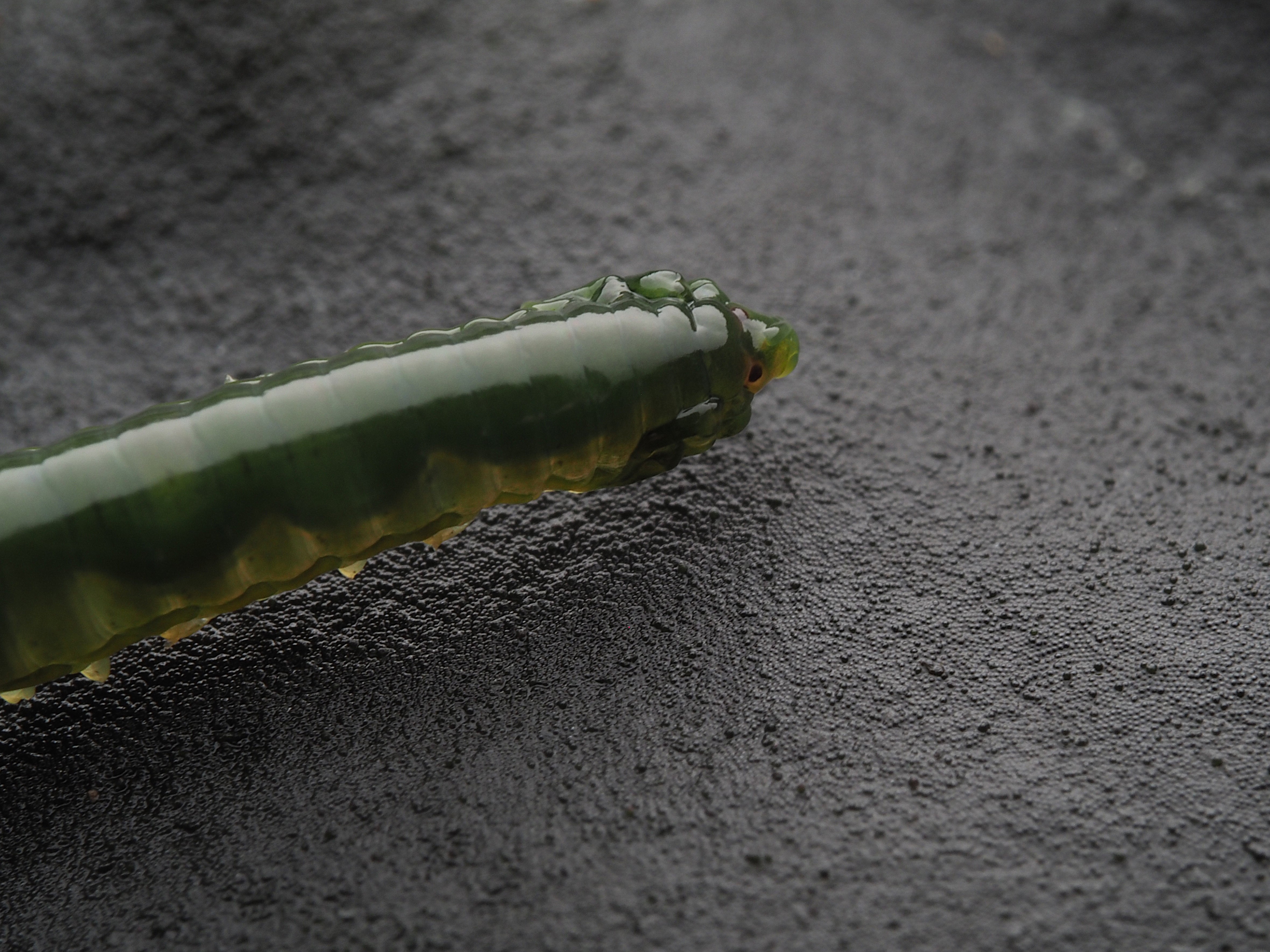
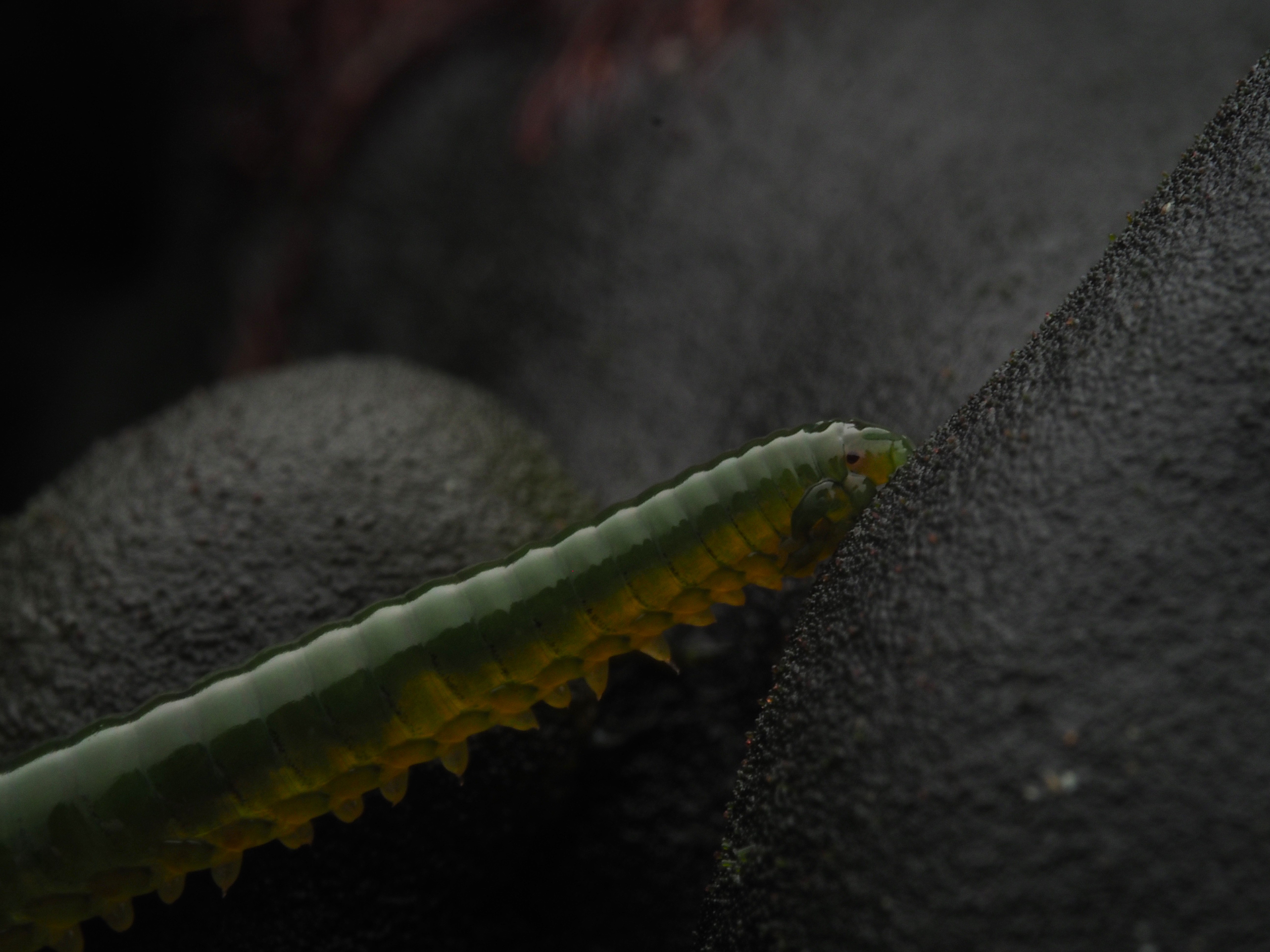
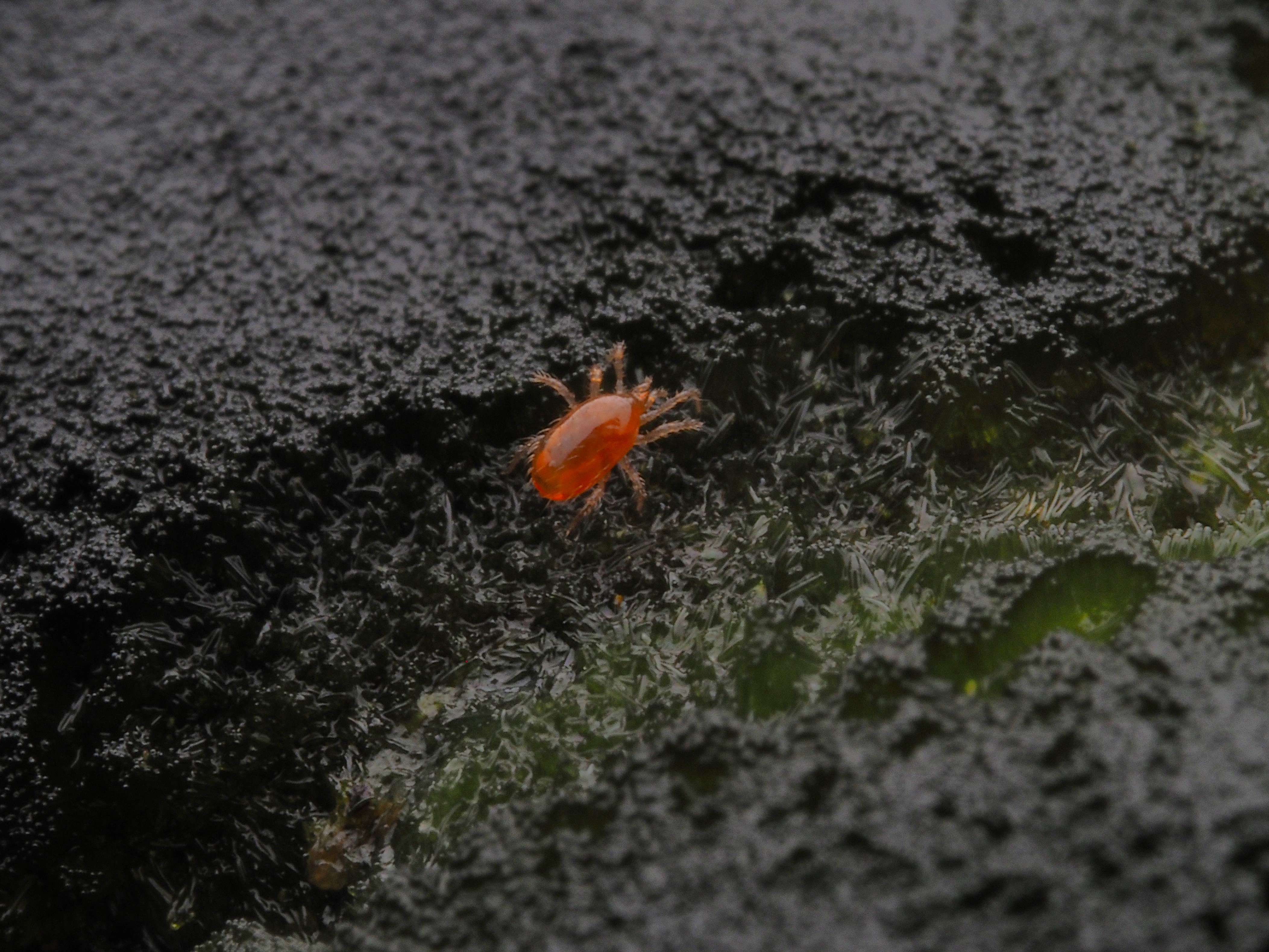
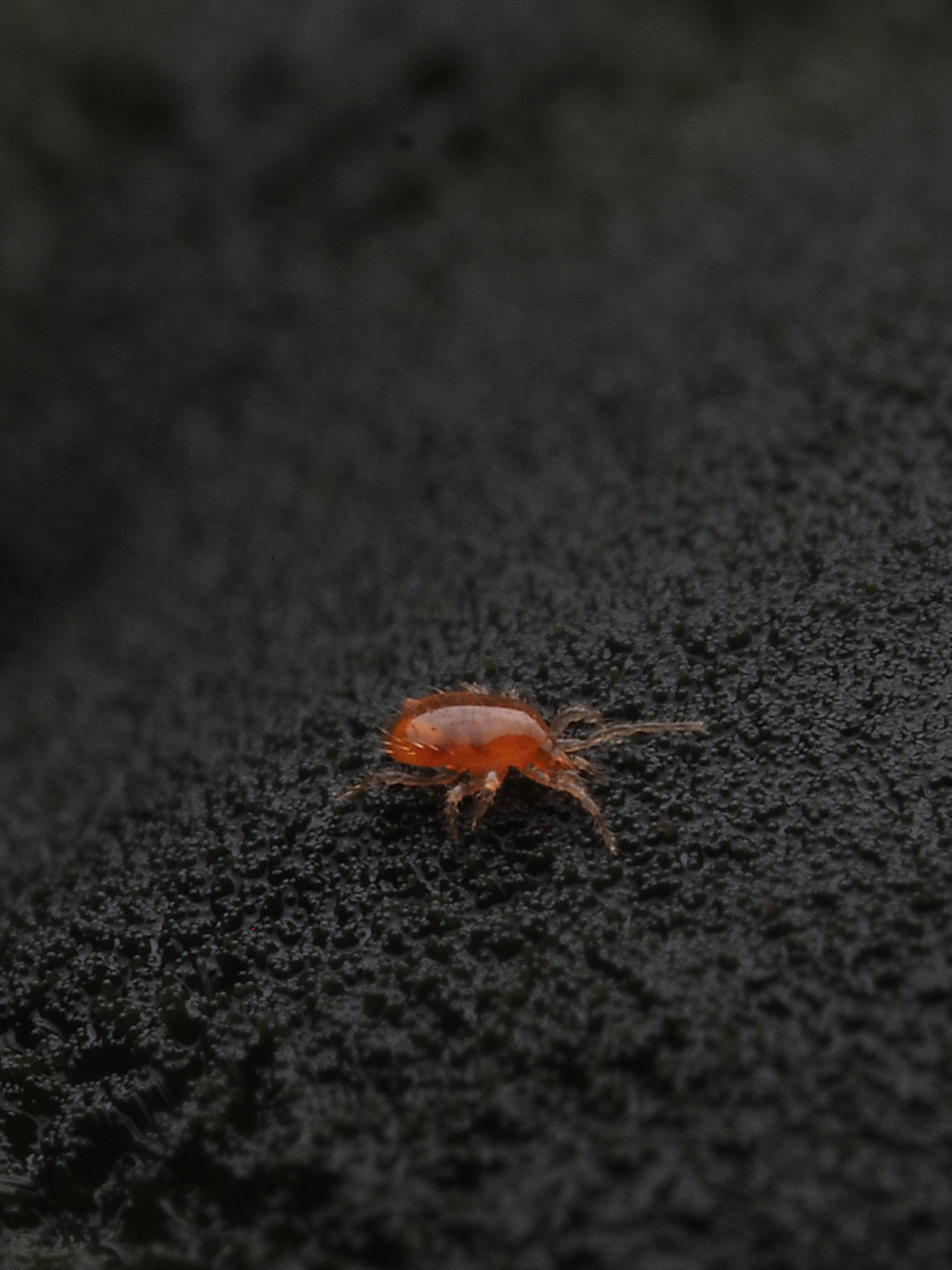
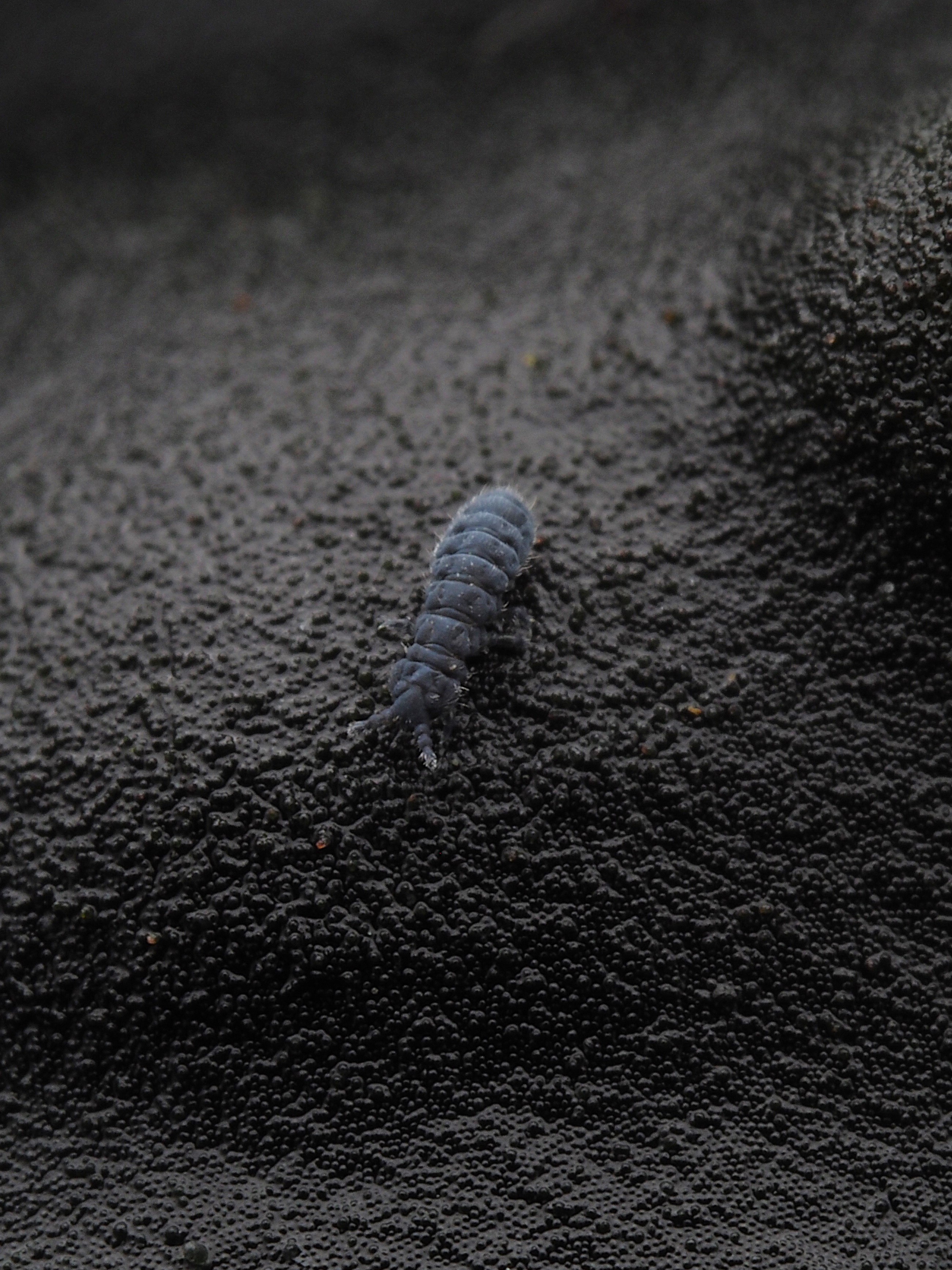
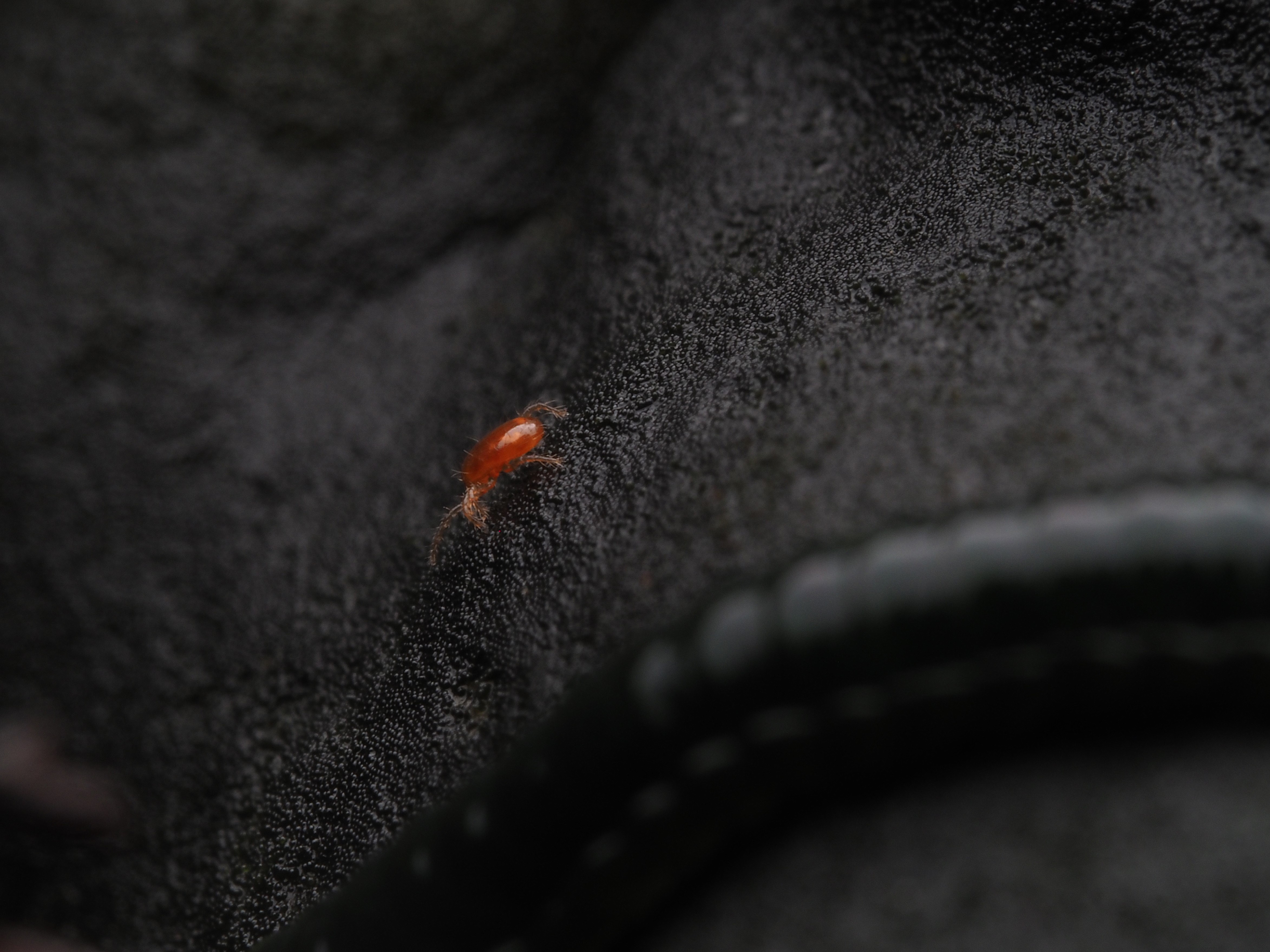
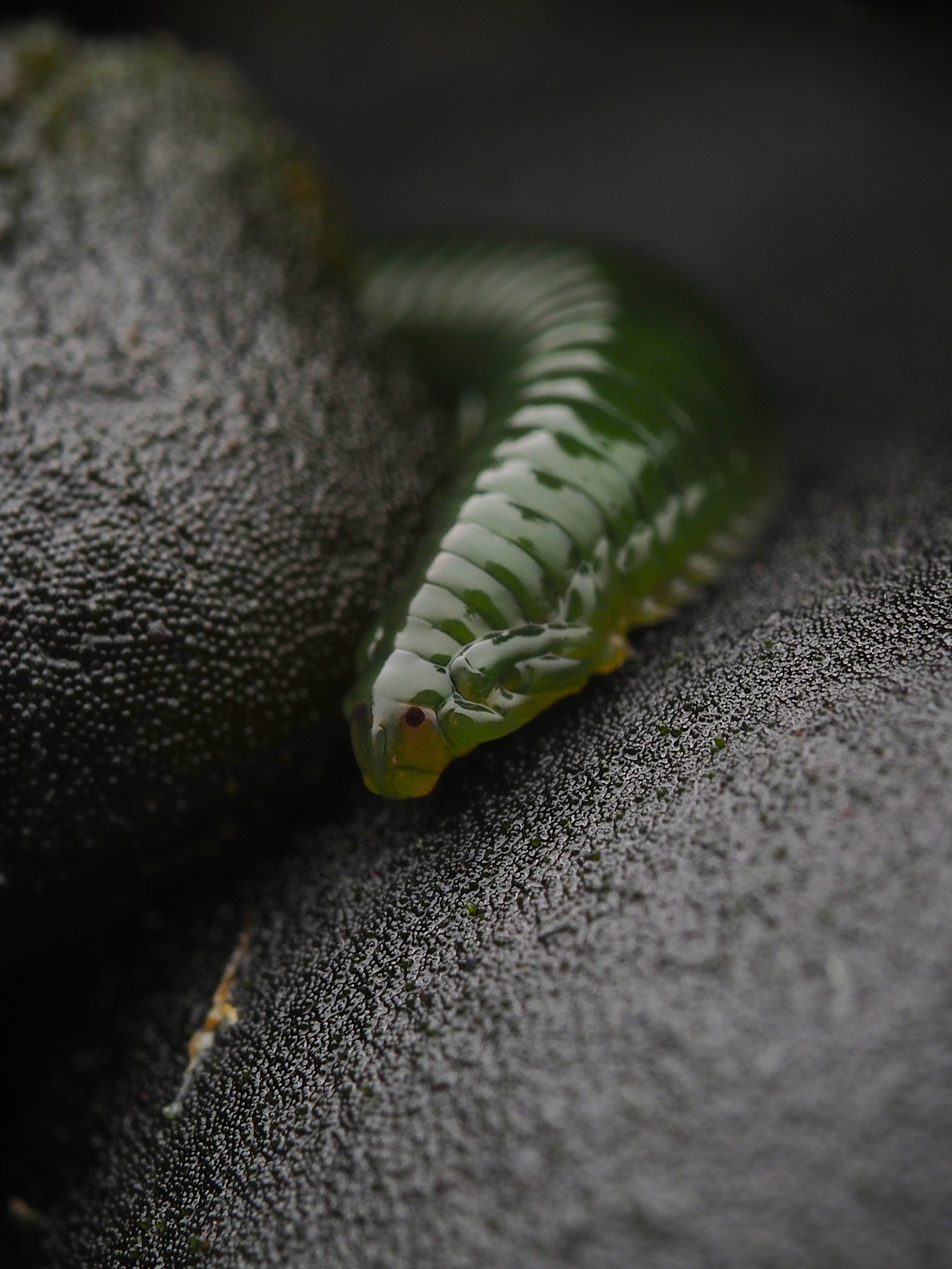
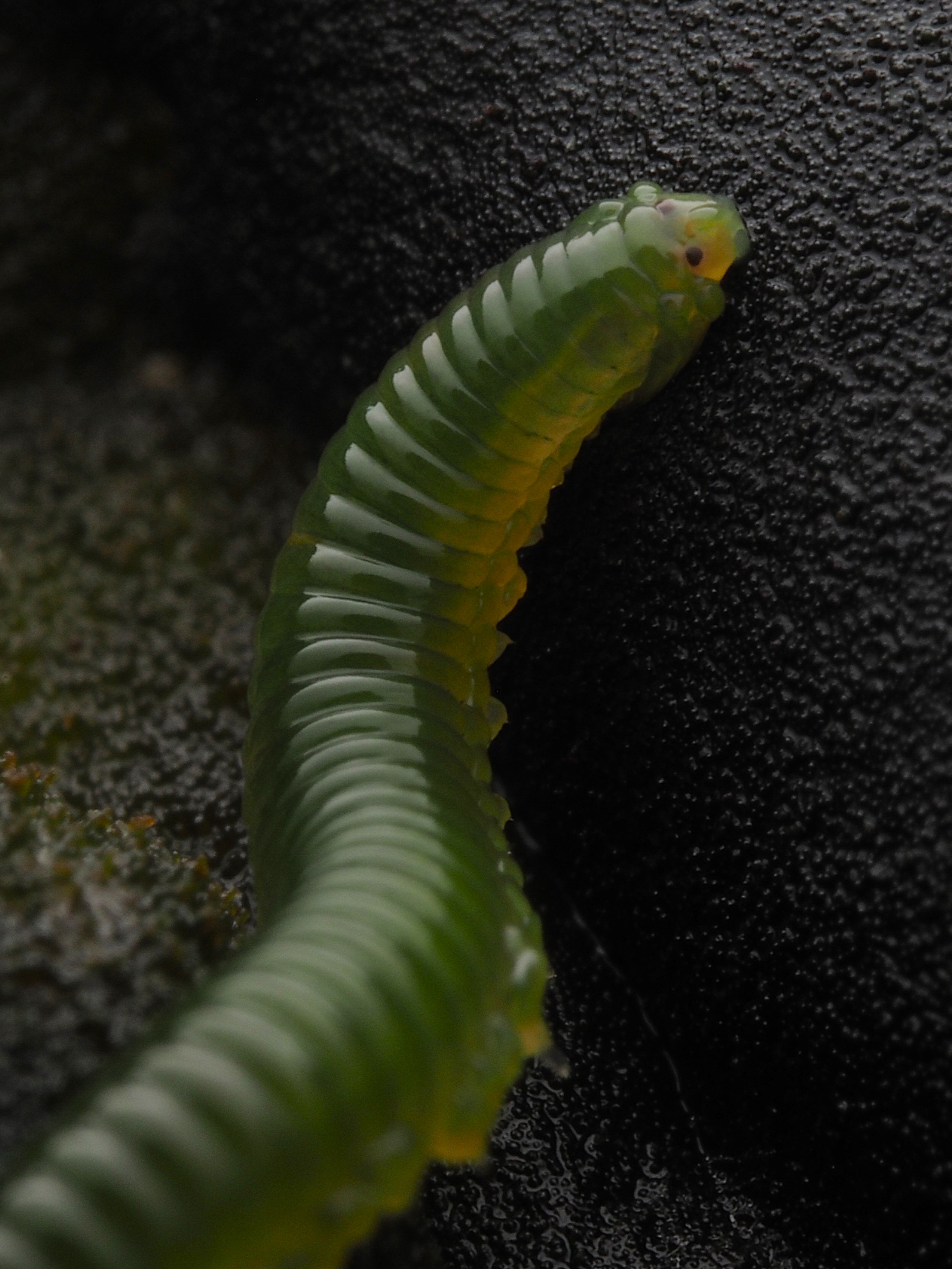
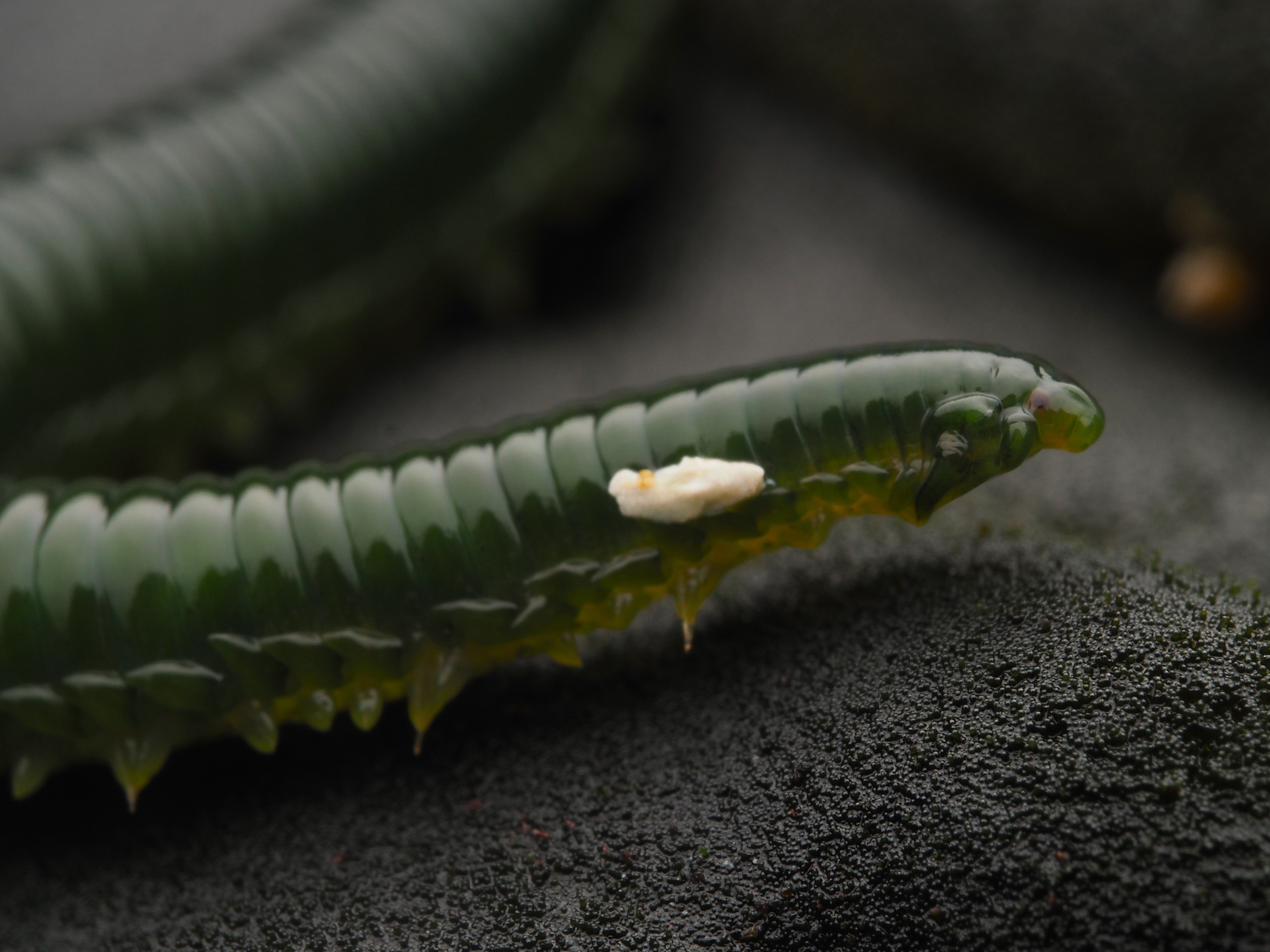
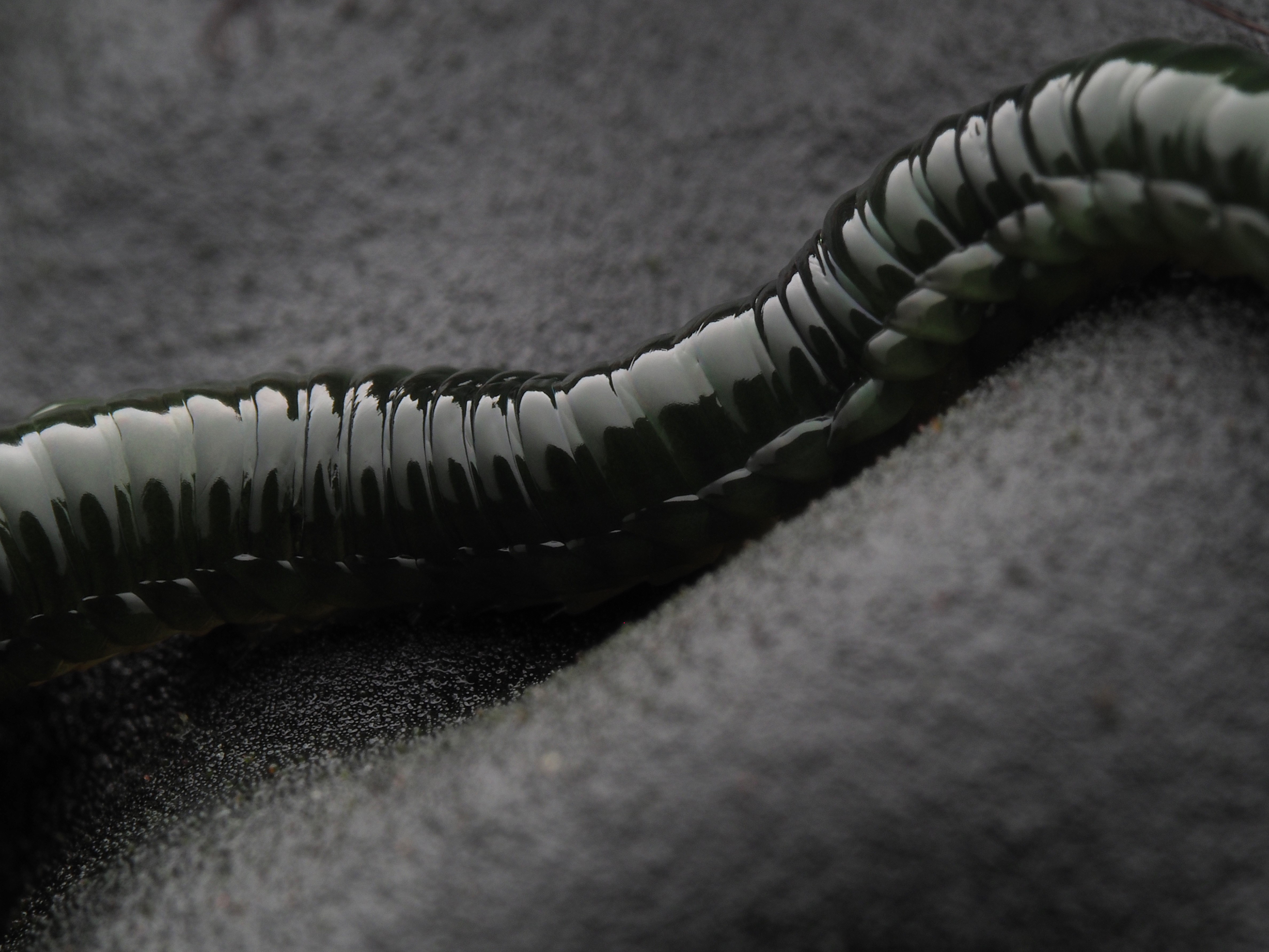
The Emerald Green Paddle Worm (or Green Leaf Worm) Eulalia clavigera ranges from a few to 10 centimetres and is common in rockpools in Britain (although most are probably more familiar with their egg masses, see here). During a recent scramble over the Trefusis Headland I noticed some out of the water on Codium adhaerens seaweed. Using my cygnustech diffuser and a bit of extra magnification courtesy of a Raynox clip-on macrolens I got to work! Taking photos of these worms is difficult as they are continuously on the move. It is also hard to get close to them with the diffuser bumping into the rocks and obscuring the light. However, they are very rewarding subjects; worms are usually overlooked but they are very beautiful! The Codium seaweed proved a perfect background, absorbing all light, a bit like black velvet. When you spend enough time on your knees peering down, you also always notice other things, some tiny springtails Anura maritima as well as some even tinier red mites (see also this old post). One of my new year’s resolutions is to photograph more worms – and the good thing is that there are many other species available, including paddle worm species, one of which is in the process of being described new to science by my friend David Fenwick).
First attempts at macro photography

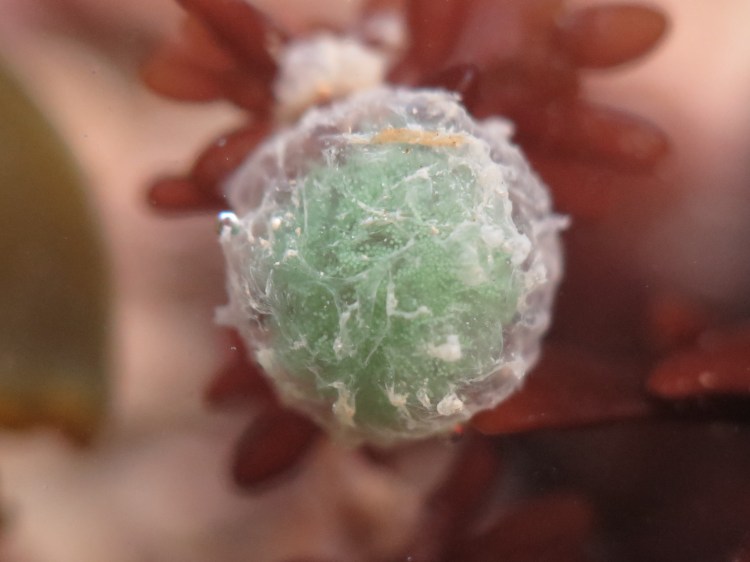
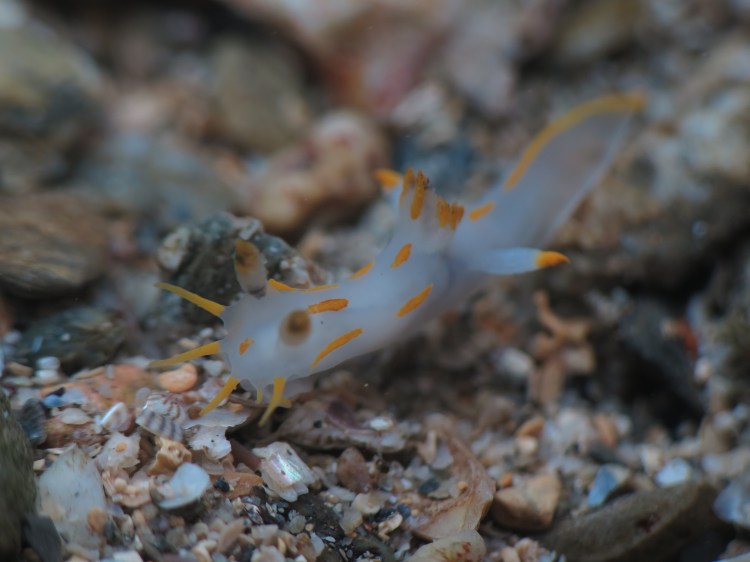
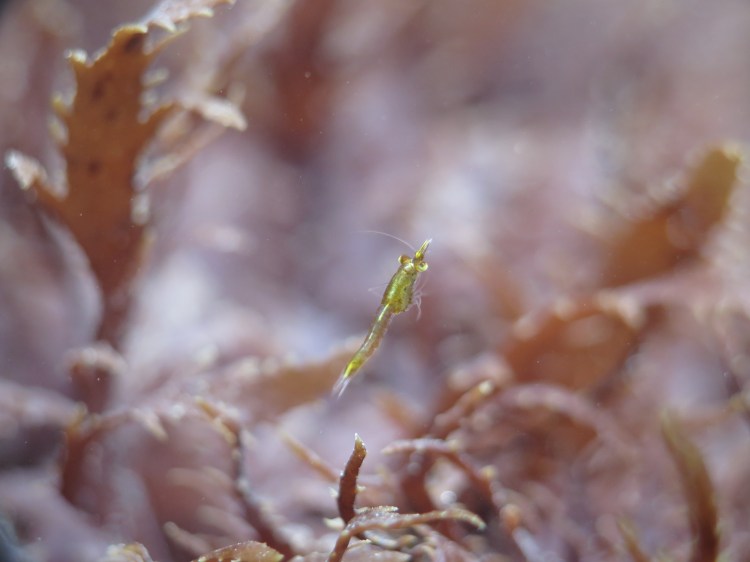
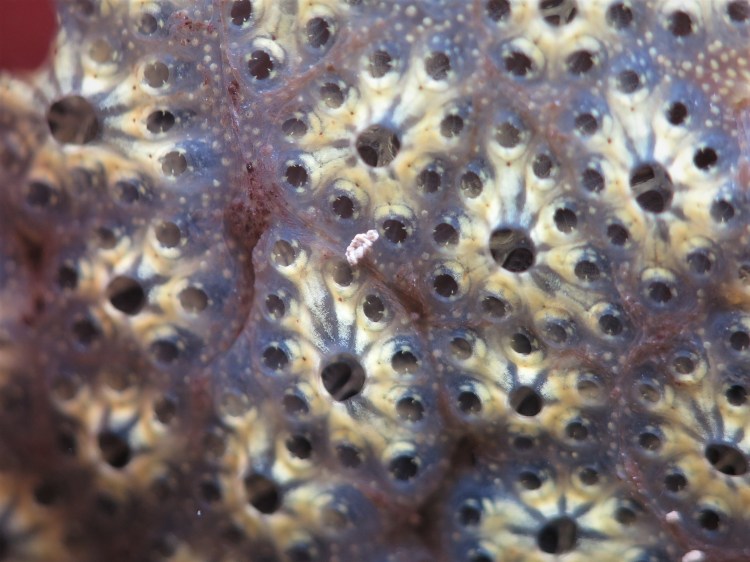
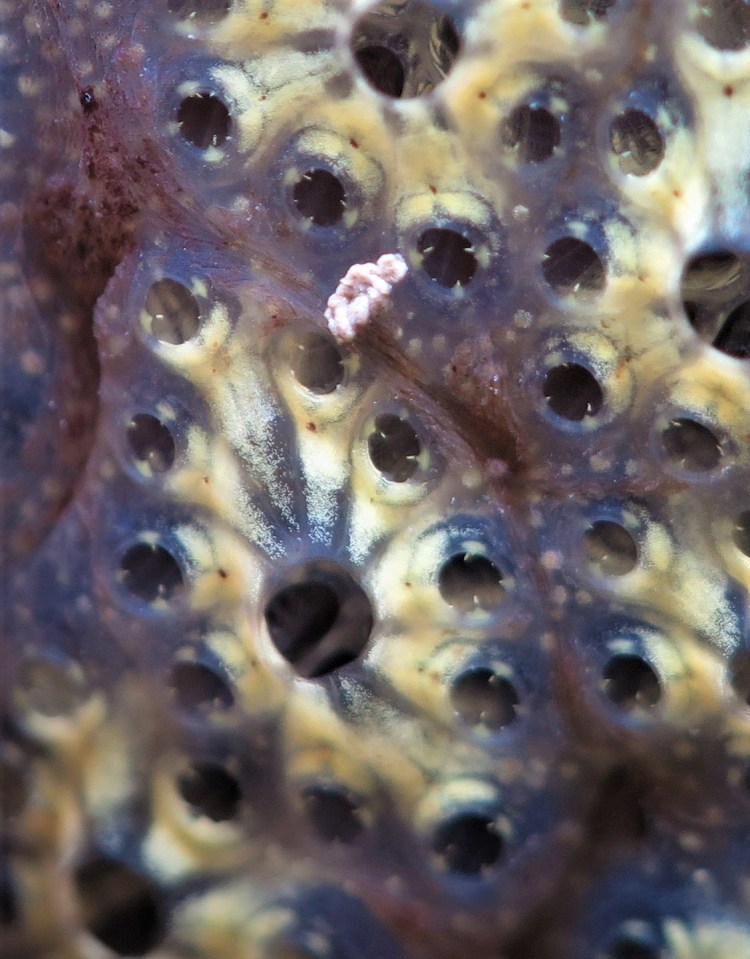
I recently posted my first photos taken with the nauticam CMC macro wetlens using stalked jellyfish as a subject. I since lost my lens, which I in large part blame on the bad fit of the adapter with which it is attached to the housing. The best thing in these cases is not to agonize over it too much, order a new one straight away and keep going, so that is what I did (also I am now a bit more careful of course). Here some more photos of macro subjects. Above a very easy subject as it is very common this time of year and also it does not move….Paddle worm egg capsules (probably Eulalia viridis clavigera). The individual eggs can be just made out in the gelatinous blob. Below, one of the more common nudibranch species Polycera quadrilineata. Nudibranchs come in all kinds of stunning colour variations and are very species rich and so are a favourite of macro photographers (see this old post hunting for them with David Fenwick in Newlyn, and check out the NE Atlantic Nudibranch facebook page for lots of eye candy). Tricky with the narrow depth of field to get the whole animal in focus. Mysid shrimp are quite common and beautiful little animals hovering about in small groups. They need dissection to determine which species it is, but this might be Leptomysis lingvura (around 10 mm). Finally, the colonial star Ascidian Botryllus schlosseri; these form colonies (‘systems’) where zooids have individual inhalant openings and a shared exhalant opening. They are common, sessile, flat, and come in a range of colours so they make ideal subjects for a beginning macro photographer.  Not only that, apart from fish they are our closest relatives in rock pools, which is most obvious in the tadpole-like larvae which have a dorsal notochord (a cartilage rod functioning as a backbone). I hope to devote a post to them later in the year.