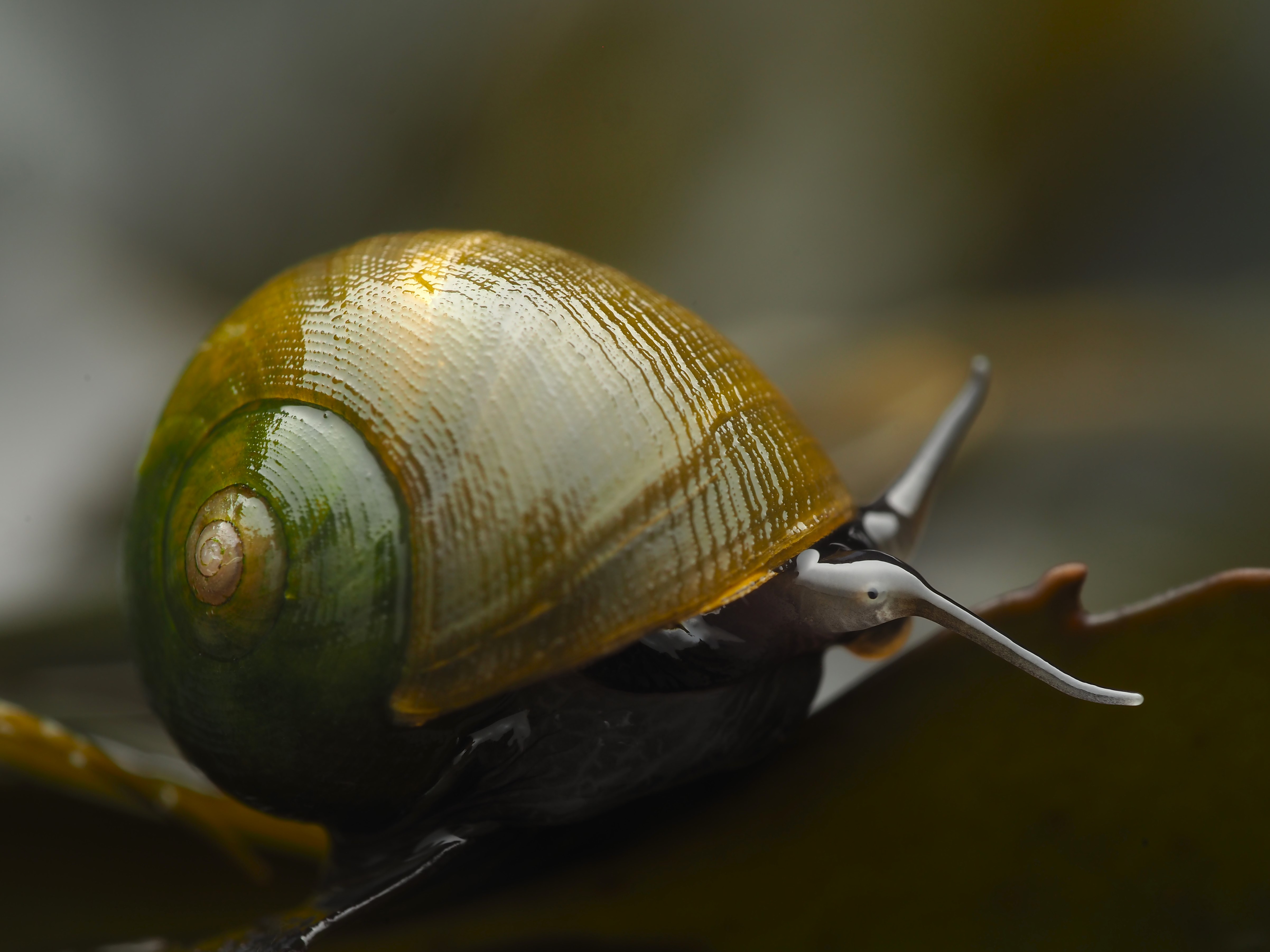
Periwinkles

Long time no post – the idea was to spend time taking photos during spring and summer and enjoy the underwater world vicariously by blogging in autumn and winter. However, something terrible happened on my only dive of 2025: my underwater housing sprung a leak! The housing was not flooded to an extent that it damaged my camera but it needed to be repaired before I could get back underwater. Unfortunately there is only one place that can do that, backscatter all the way in California, and even more unfortunately, U.S. customs decided to keep my package on a shelf for over a month. I have never seen an octopus in my decade of diving but of course people reported eight or so per dive last month so I was feeling very sorry for myself!* Anyway, I have been confined to the shoreline so far. To cope with that, I bought a weird chinese macro-wide angle lens to play with which I will post about later. I also used my ‘normal’ 60mm macro lens (sometimes with a Raynox lens attached to the front for extra magnification) and took some time to focus on periwinkles.

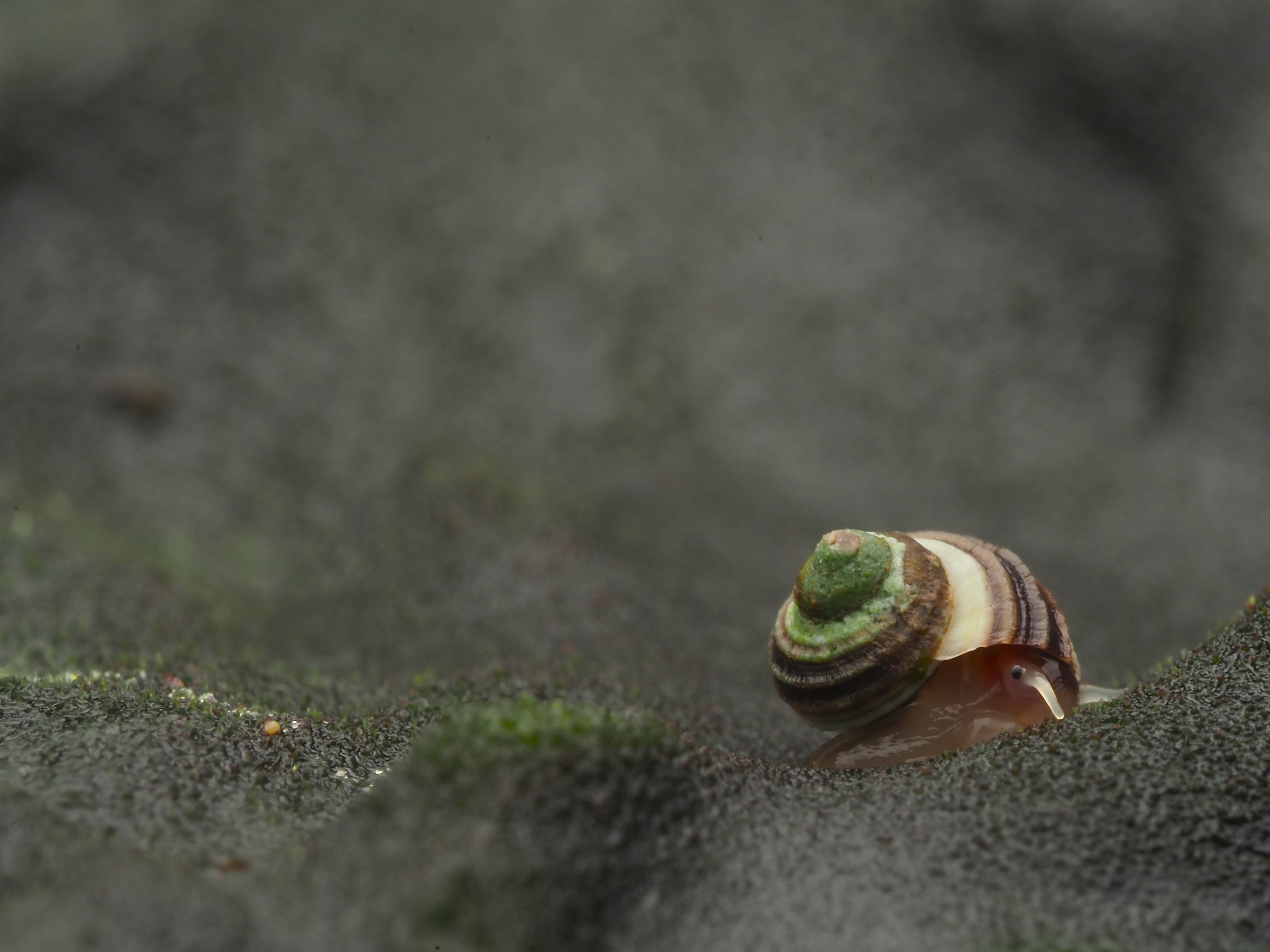
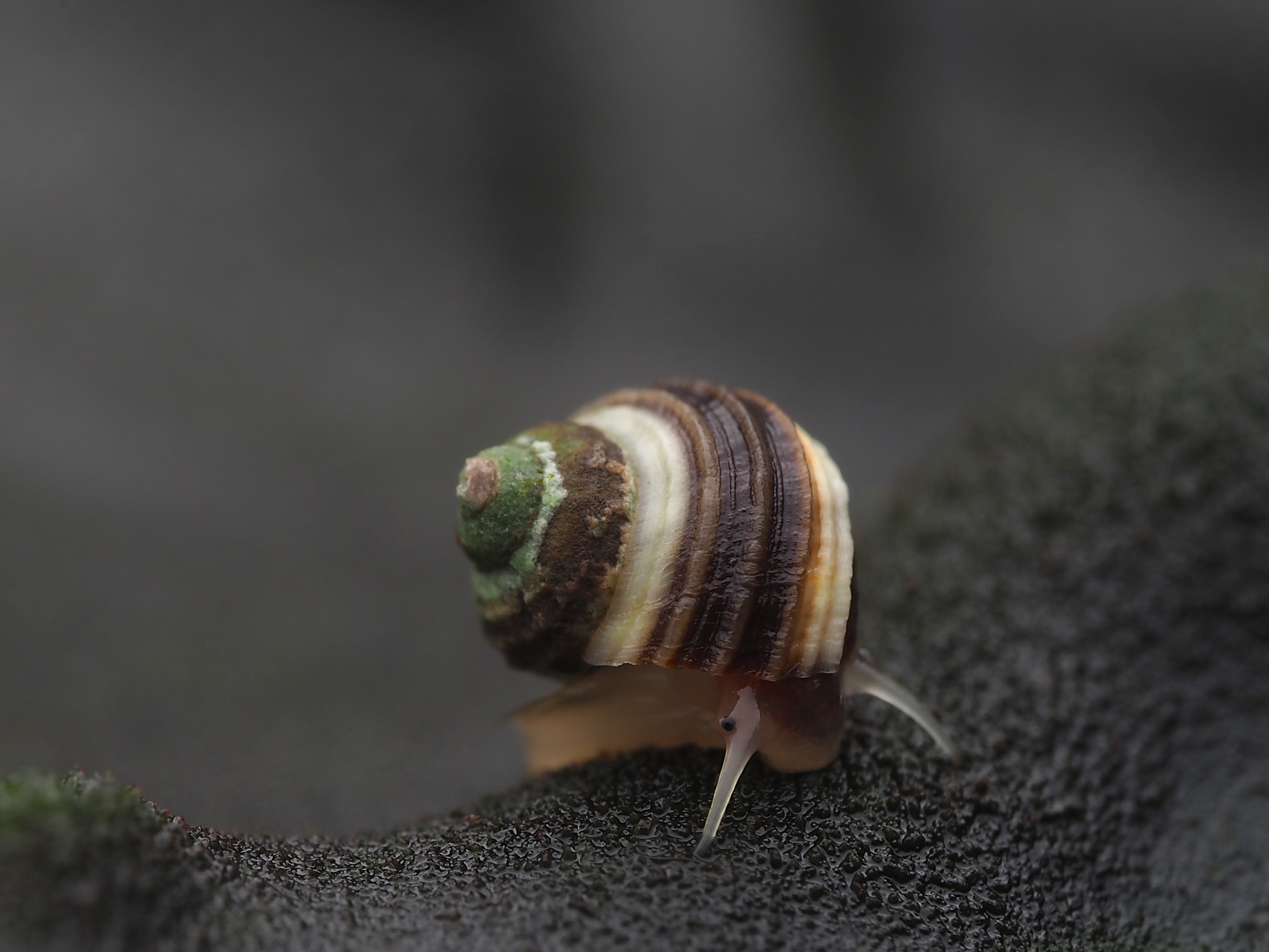
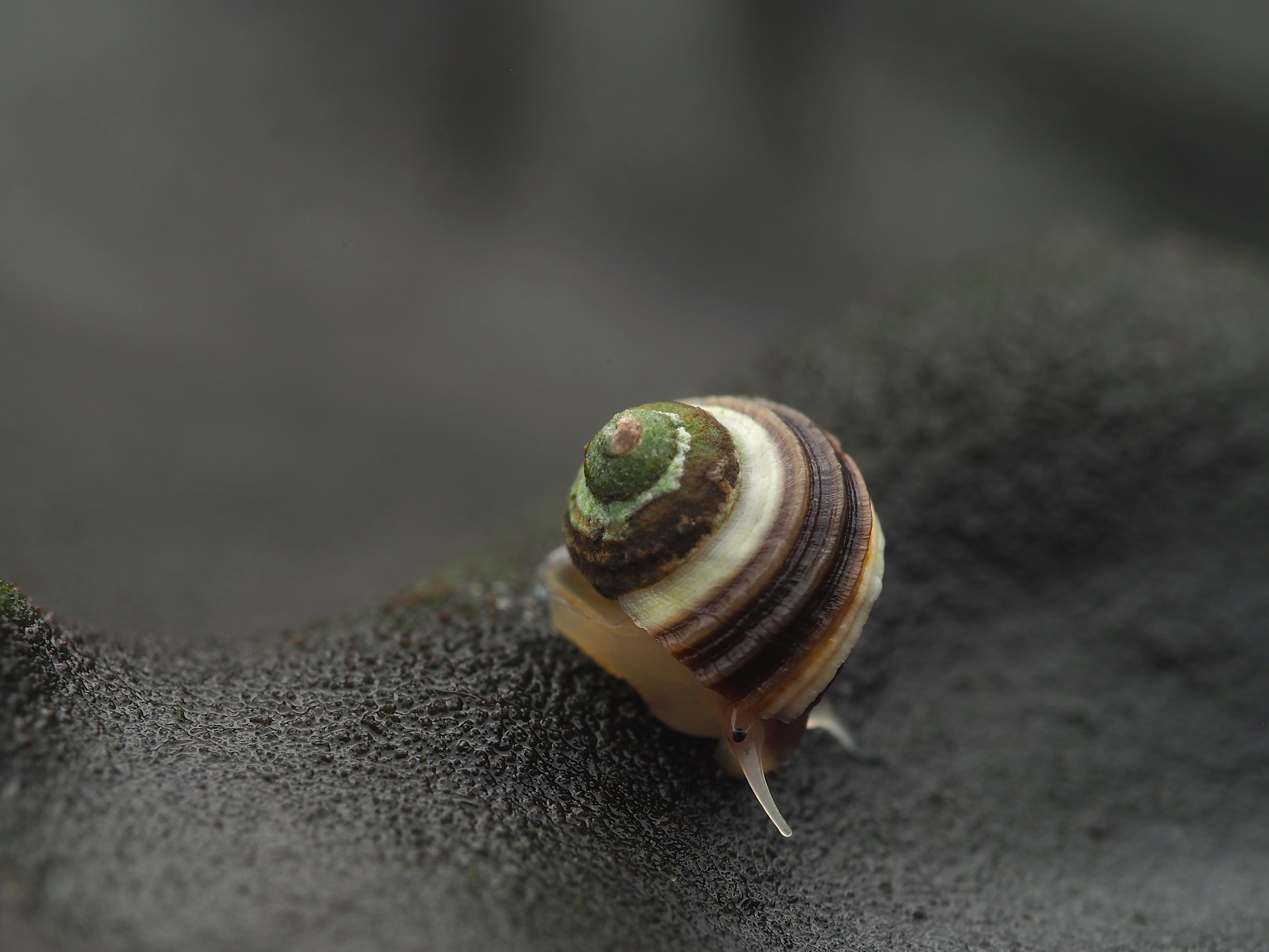
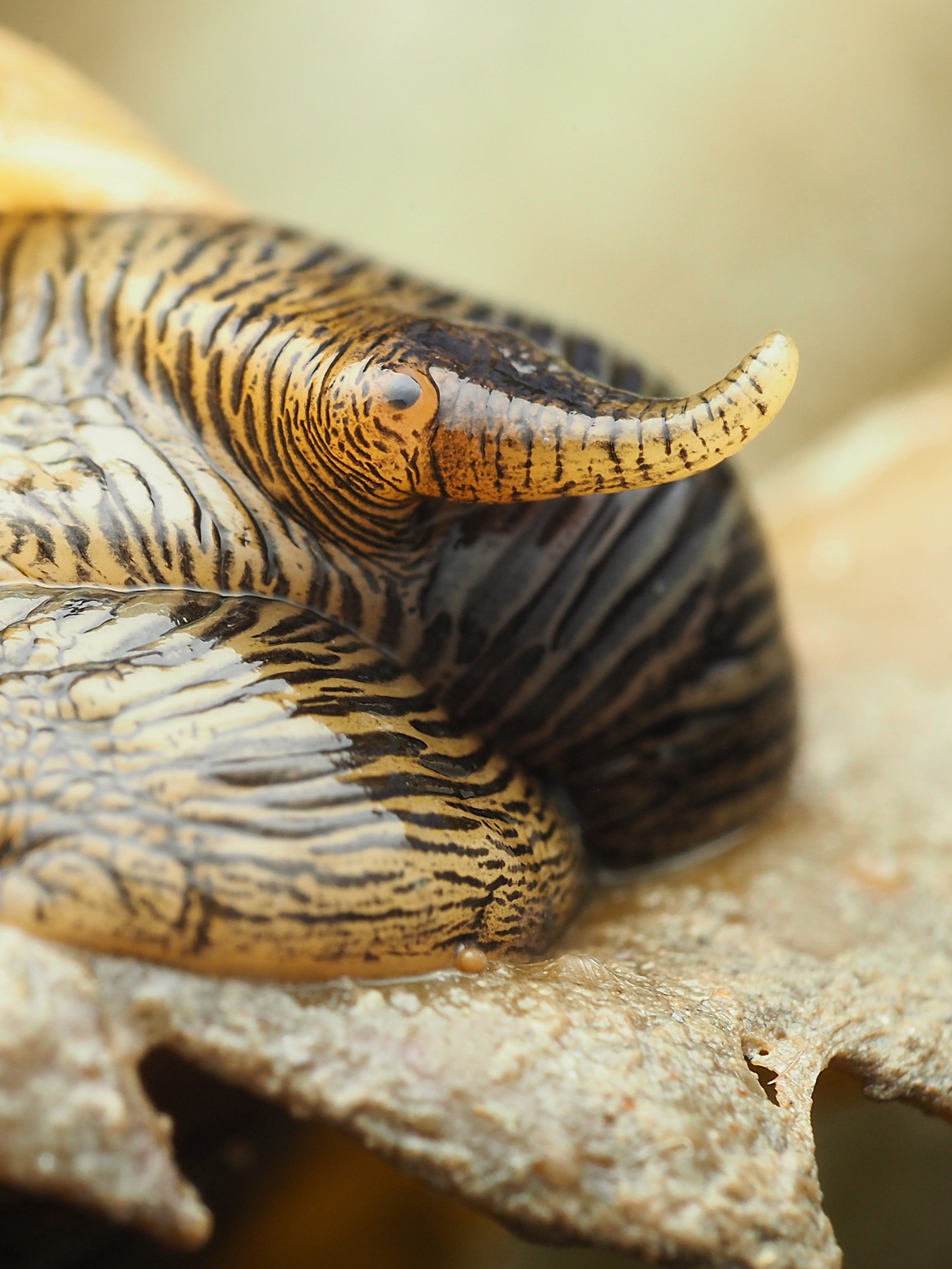
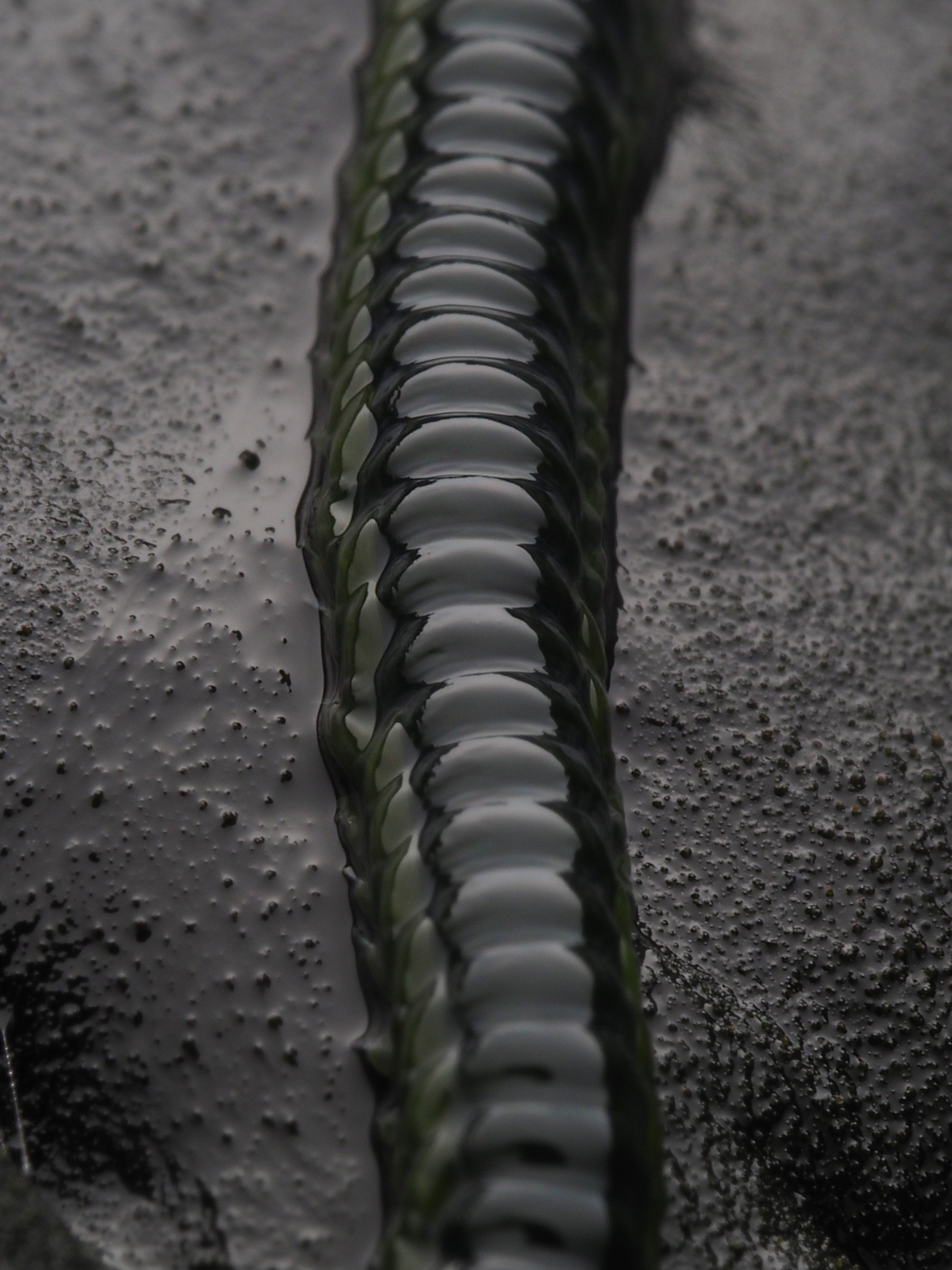
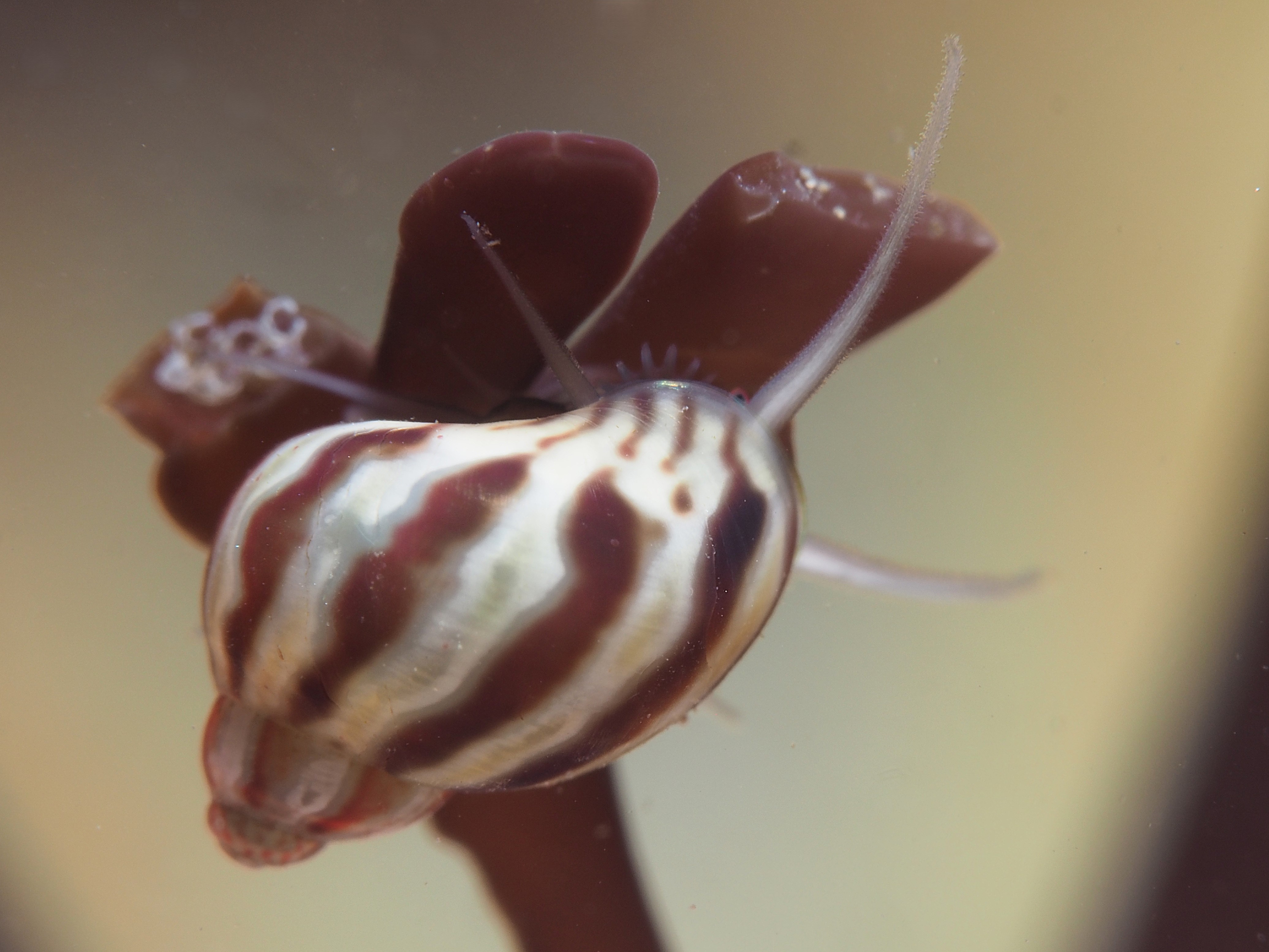
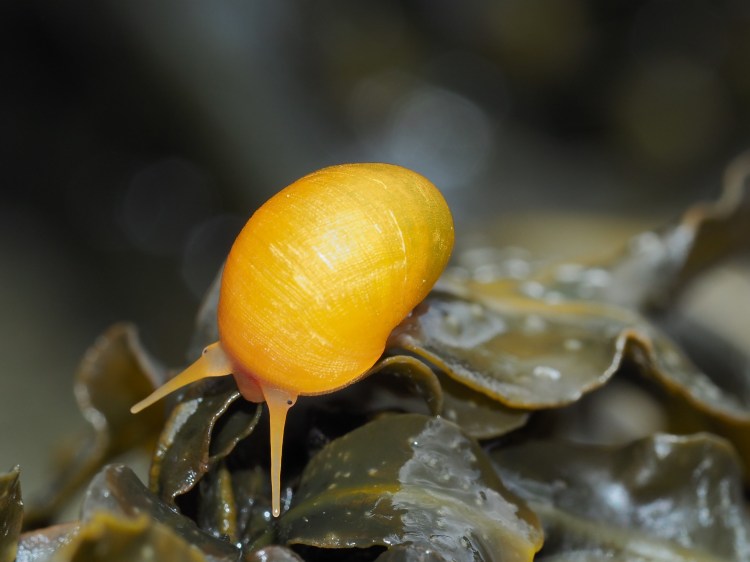
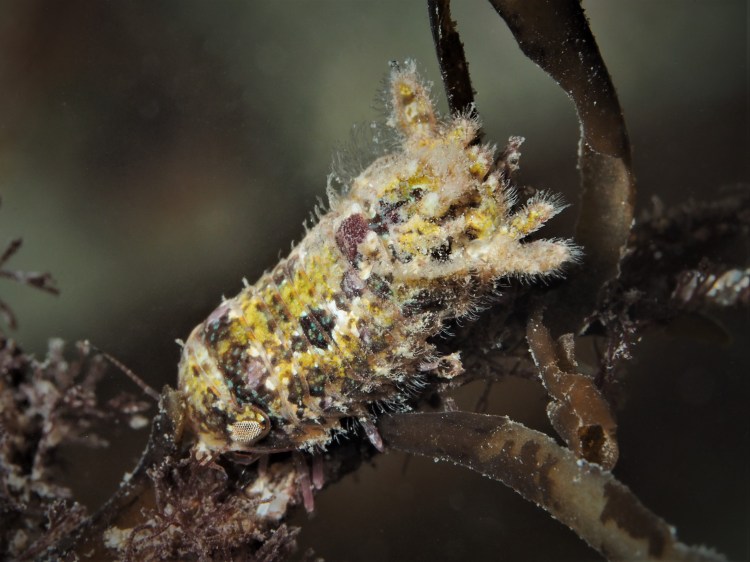
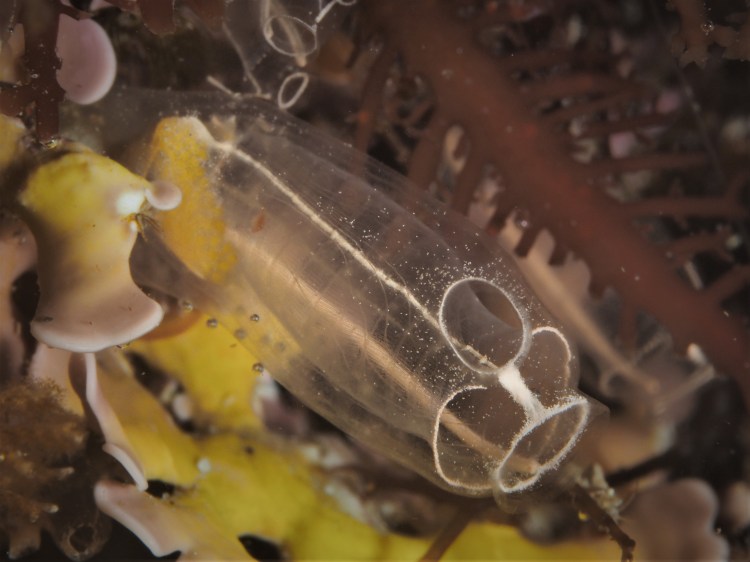
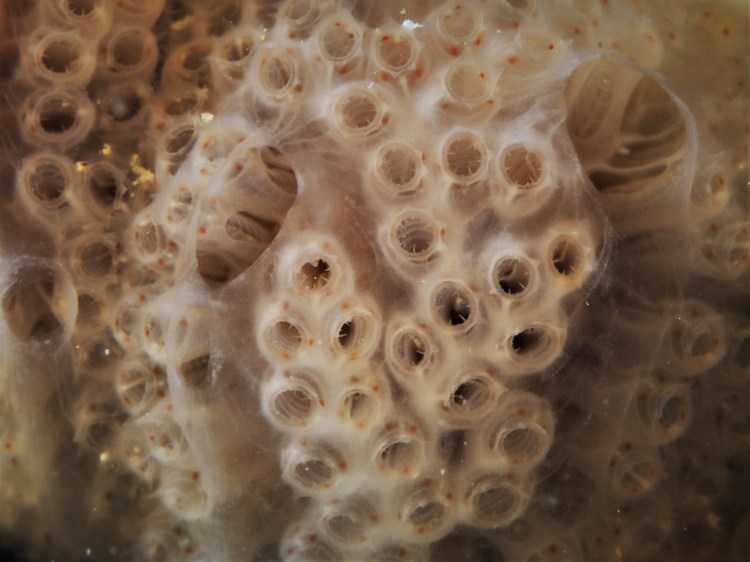
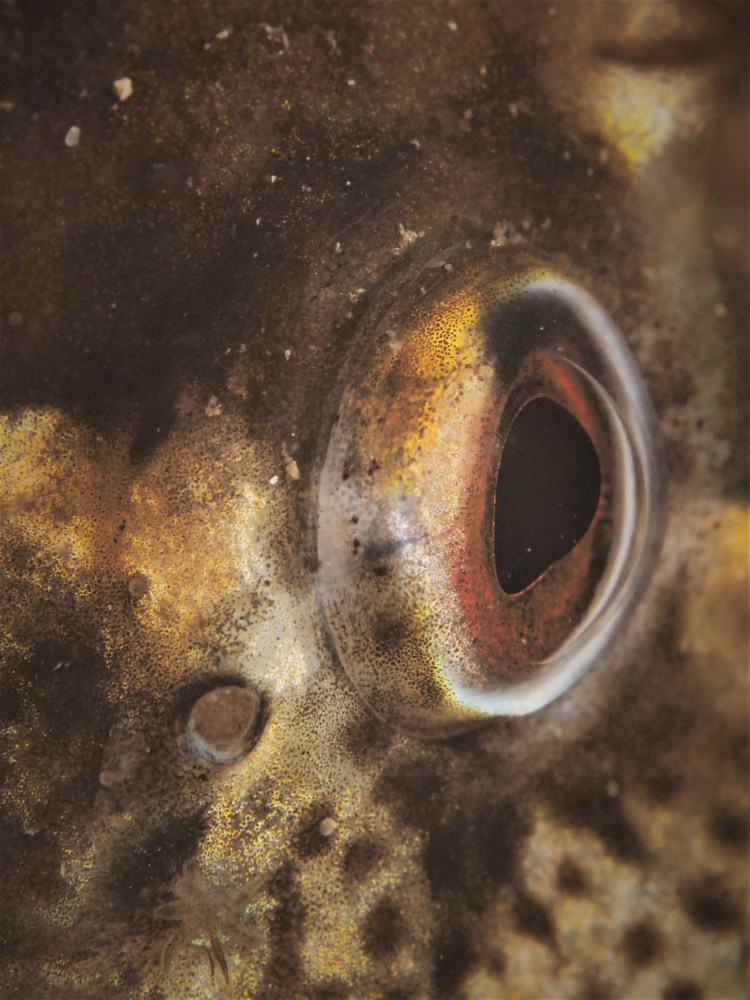
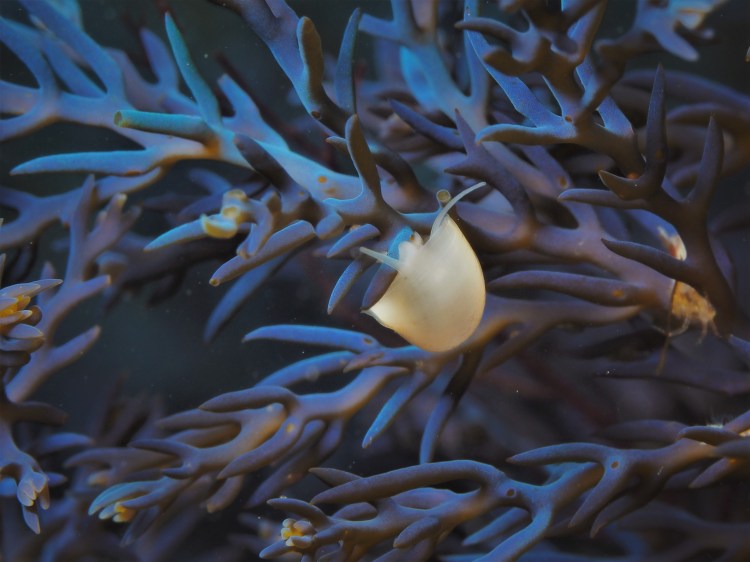
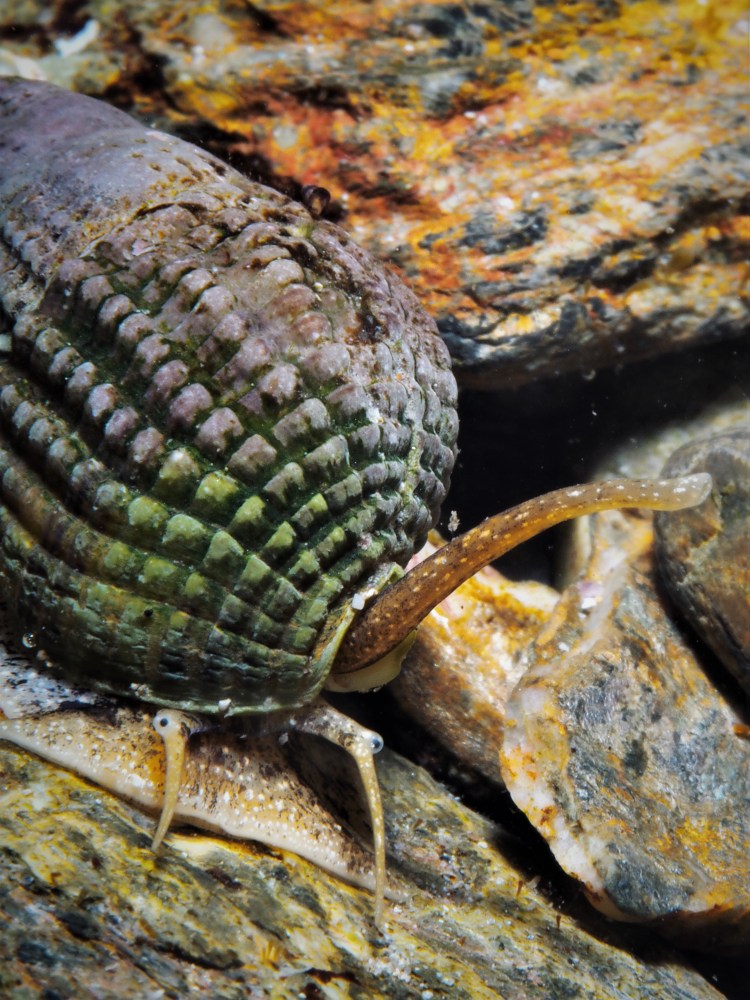
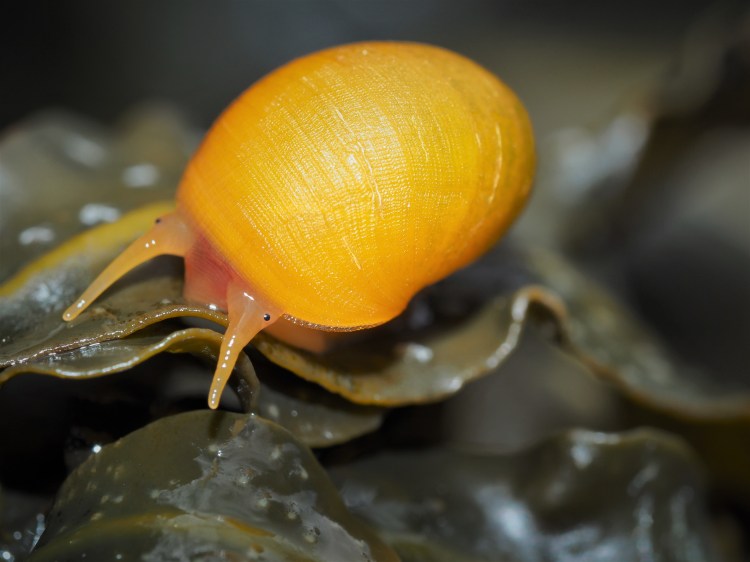
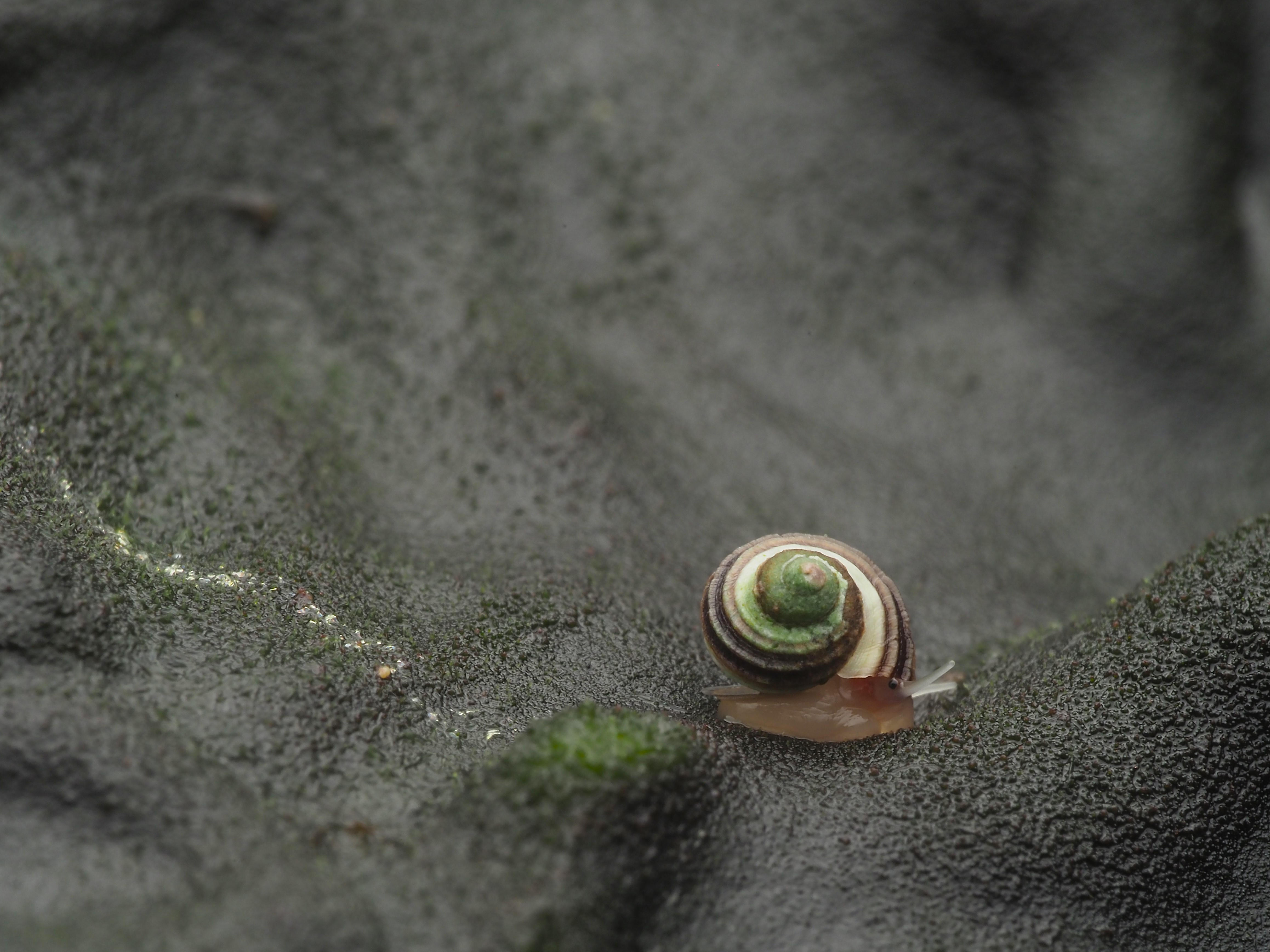
At the top and below a Flat Periwinkle (Littorina obtusata or maybe L. fabialis – distinguishing is very hard as it requires investigating differences in penis shape!). As you can see the locations are not always glamorous, but if you zoom in you can still find beauty!
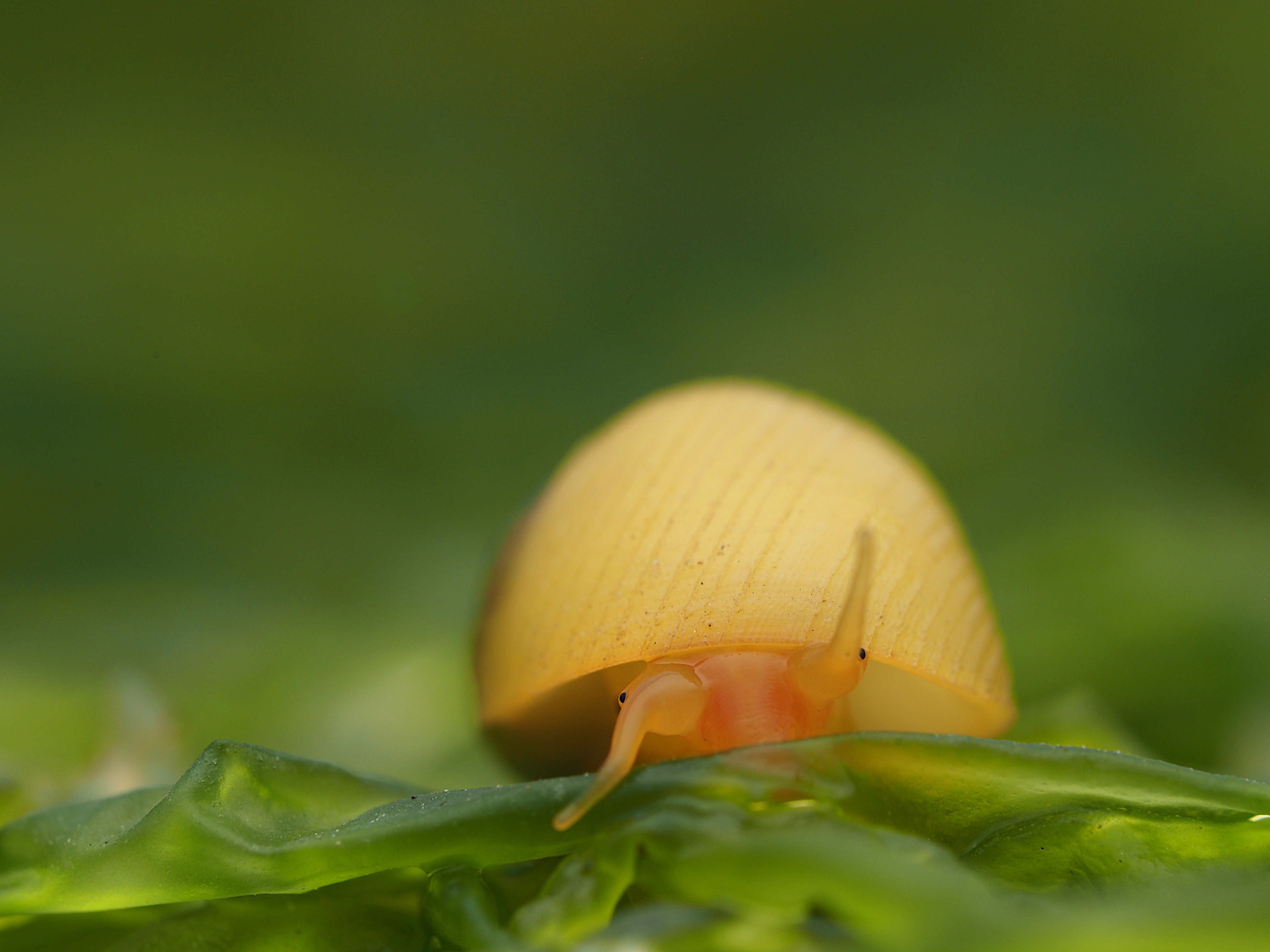
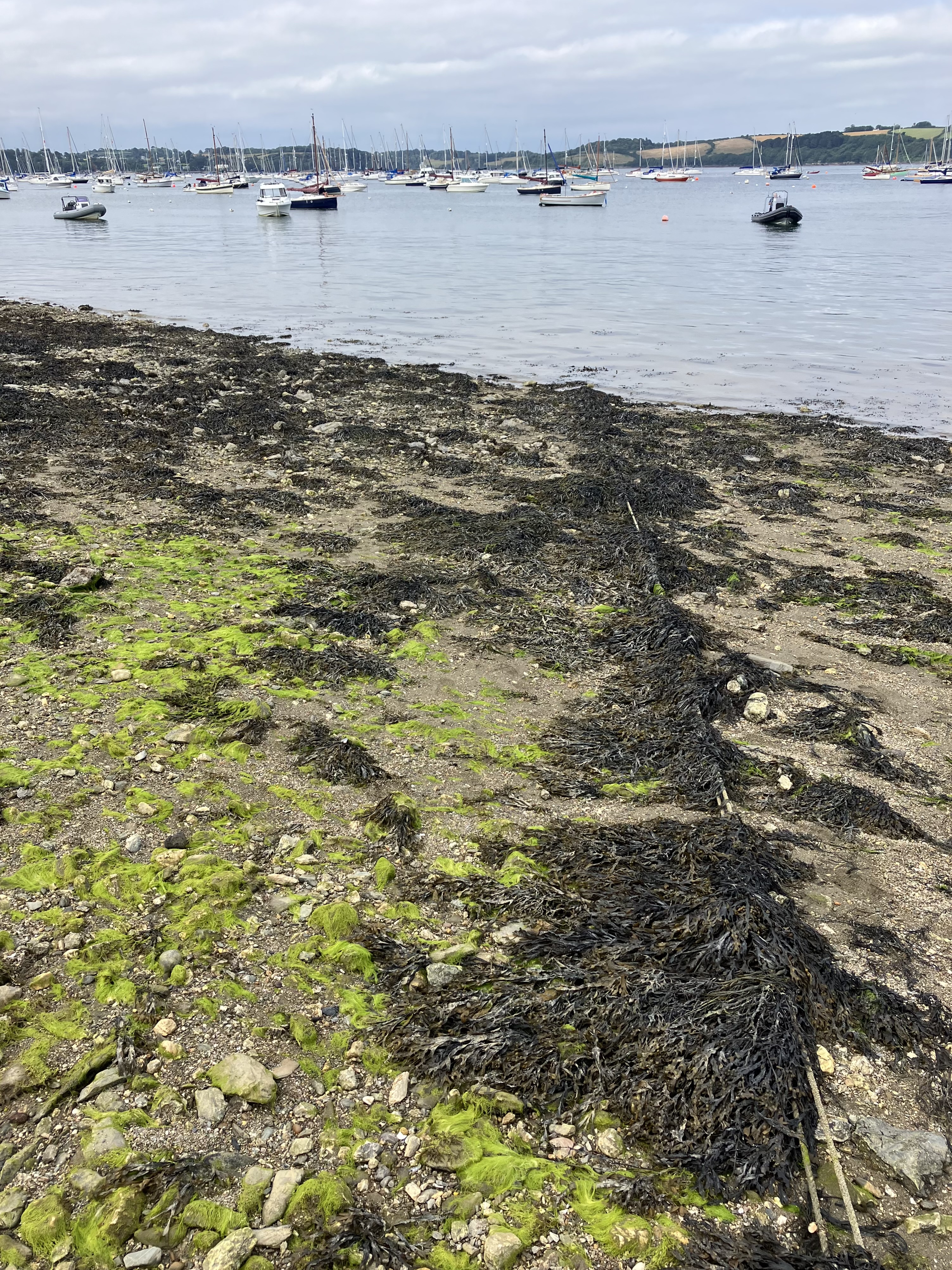
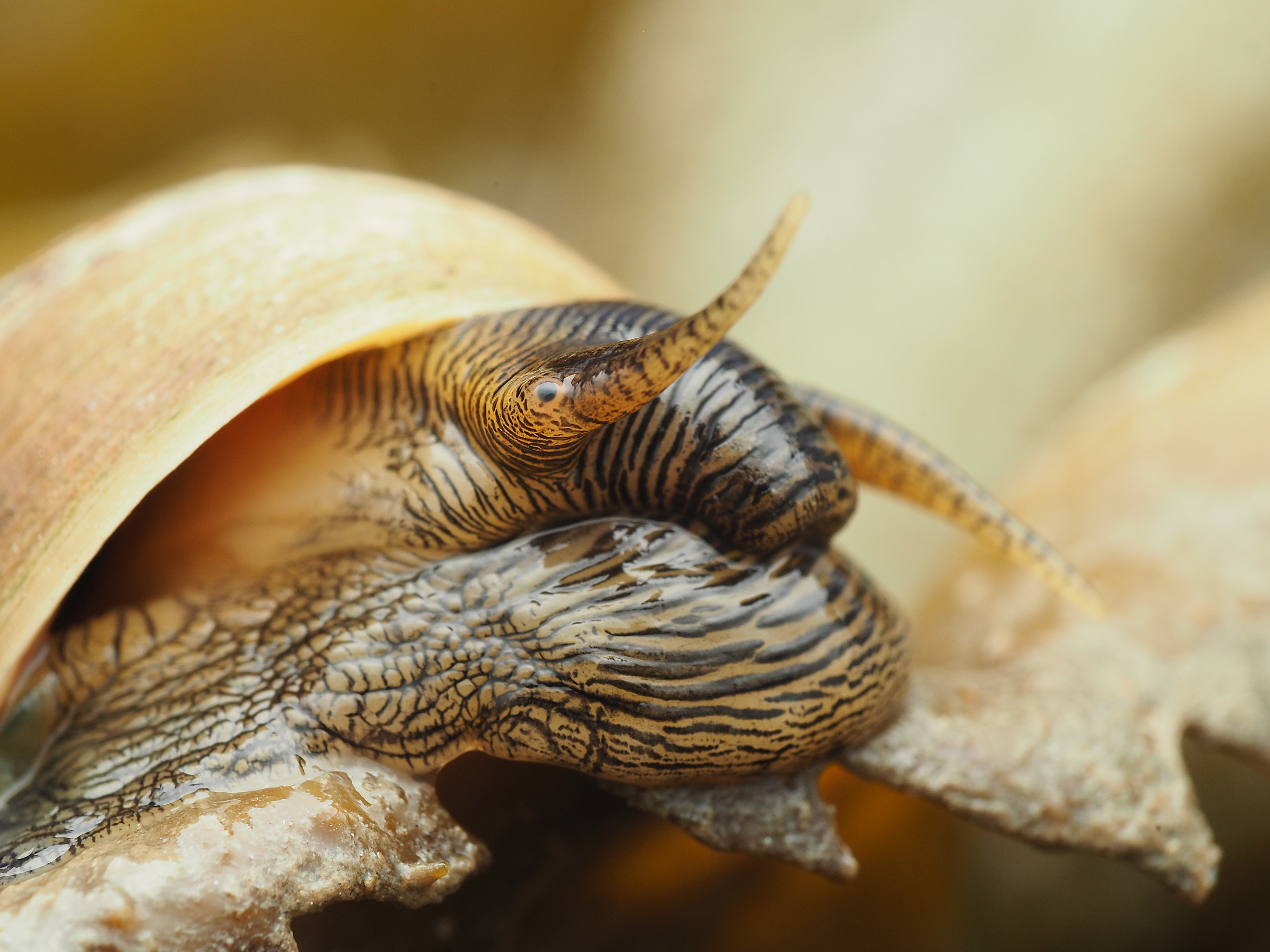
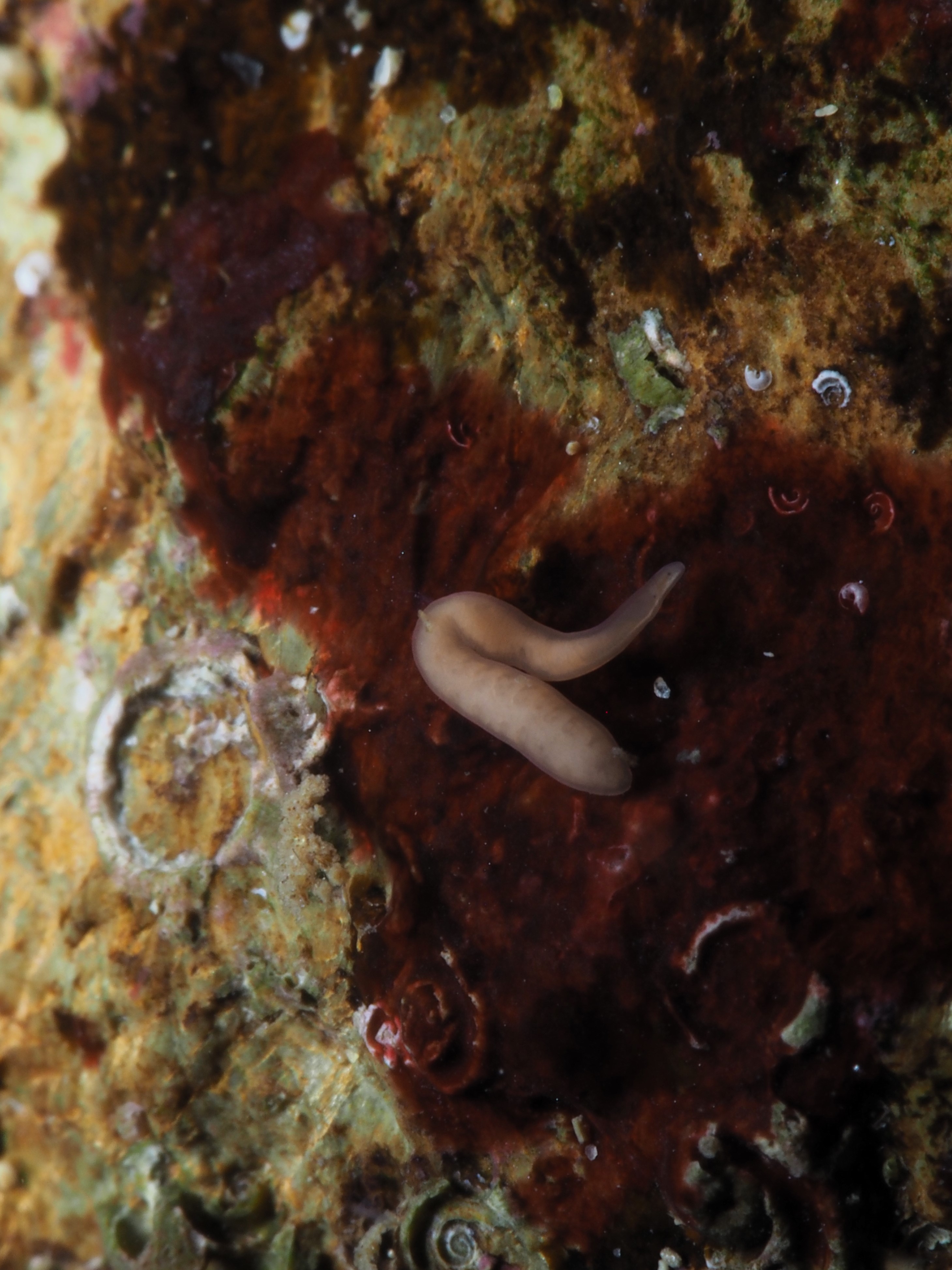
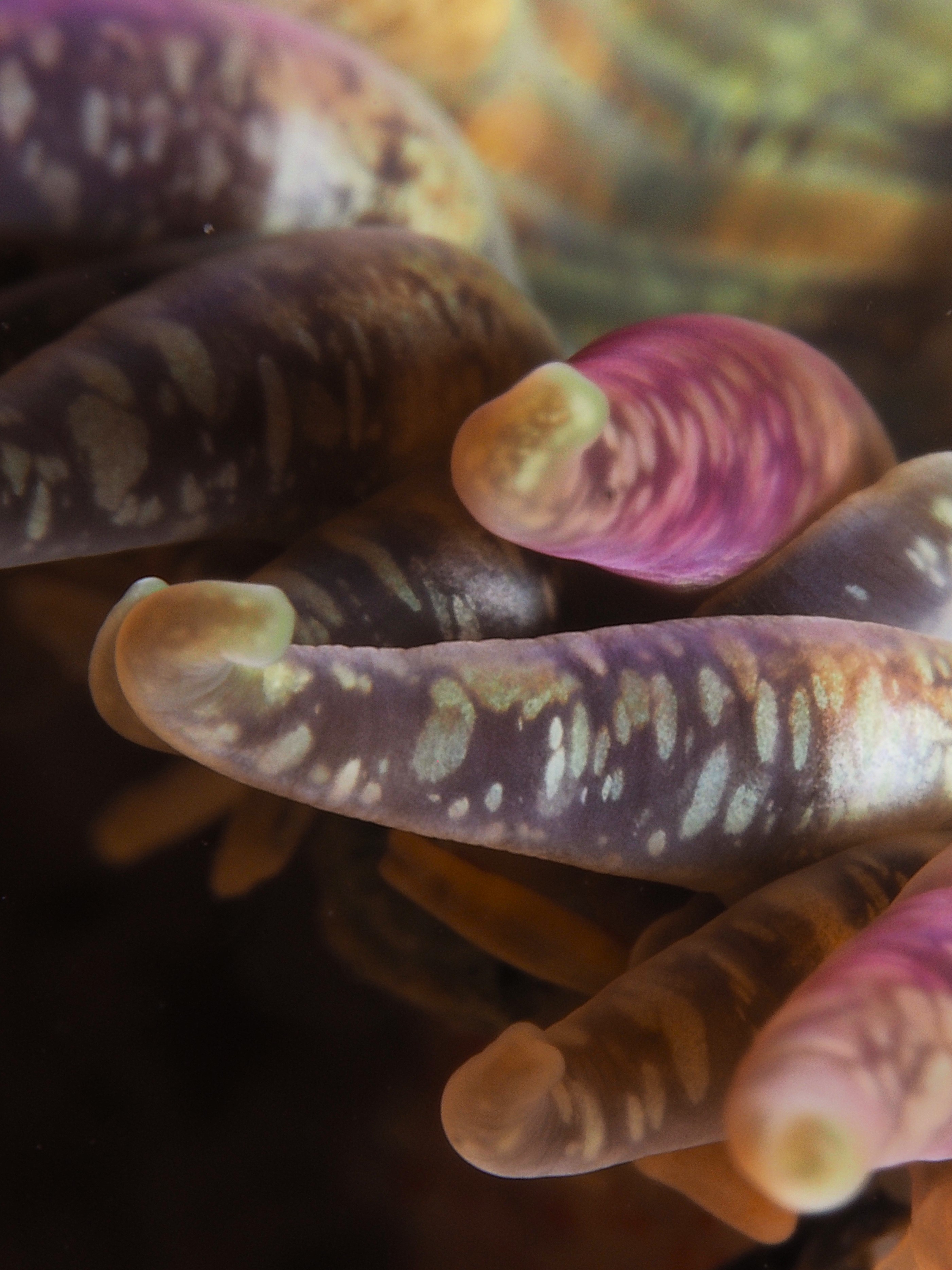
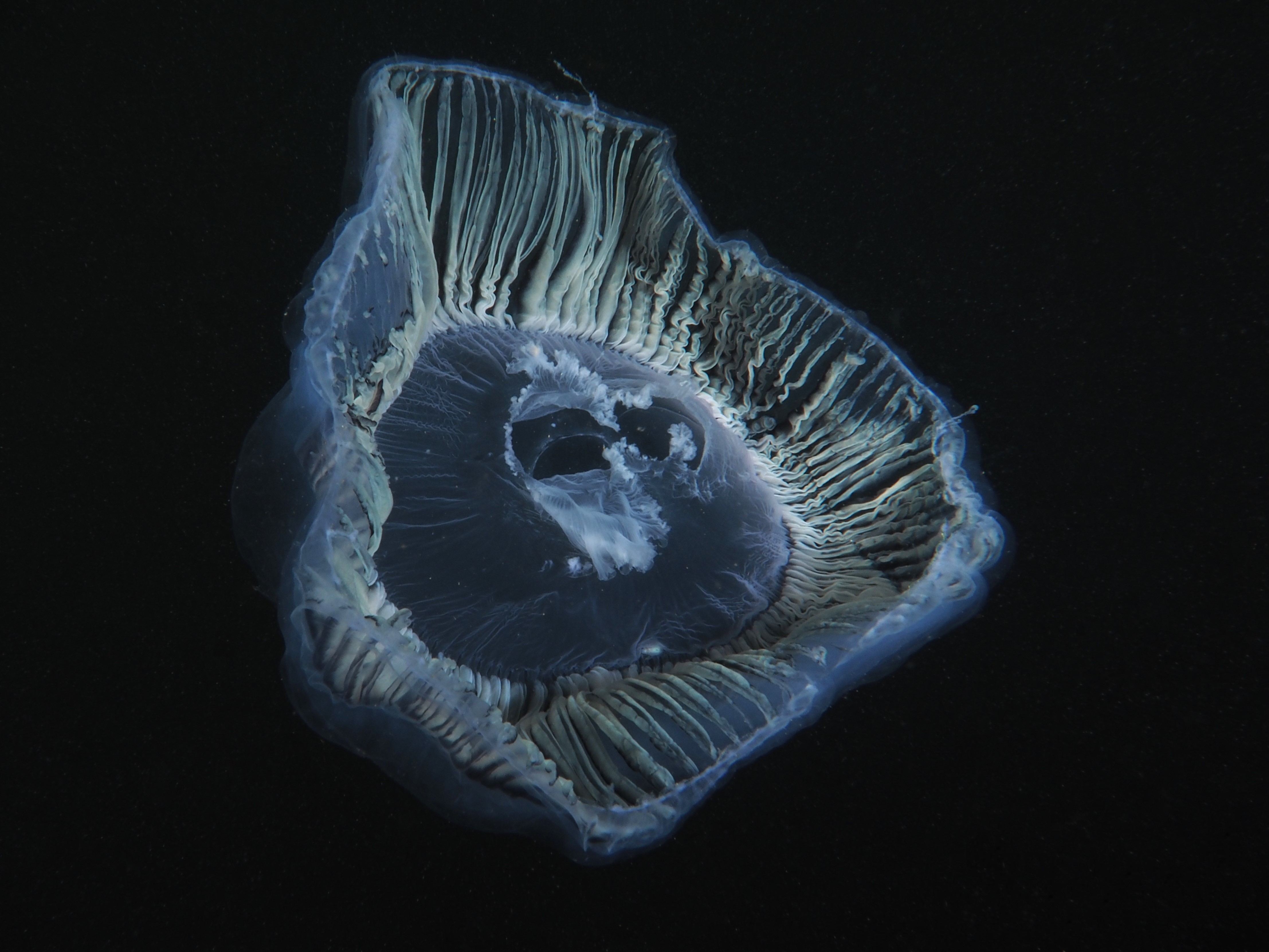
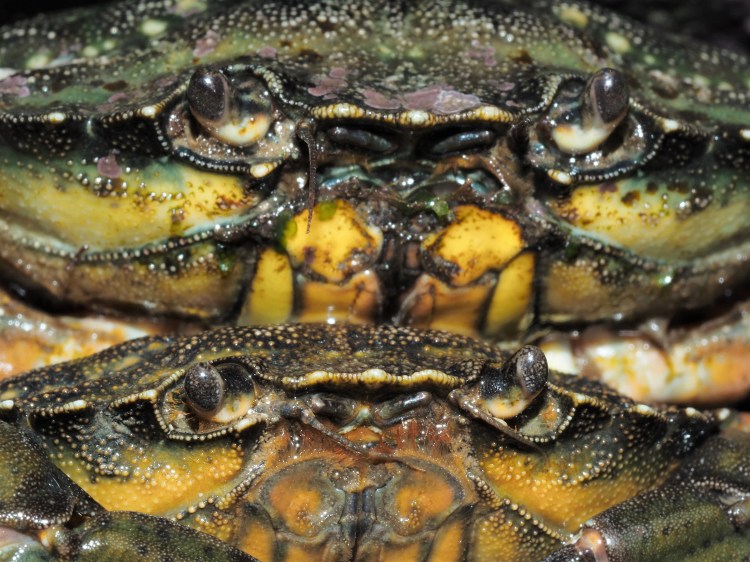
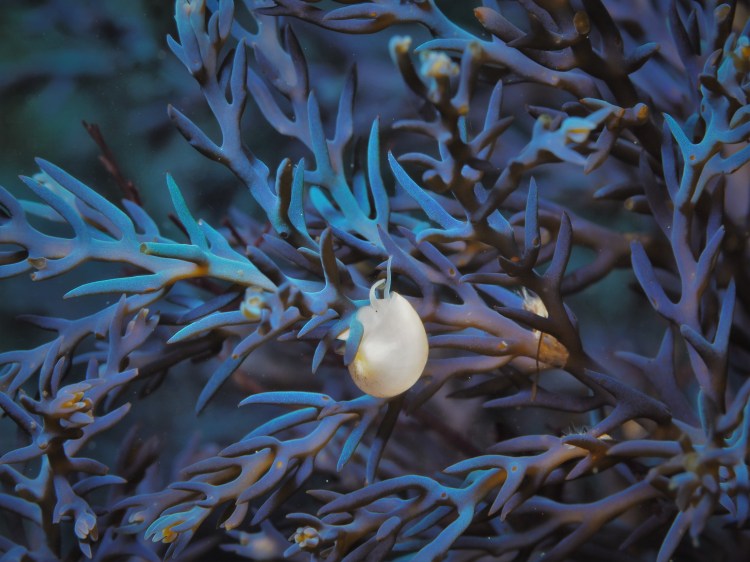
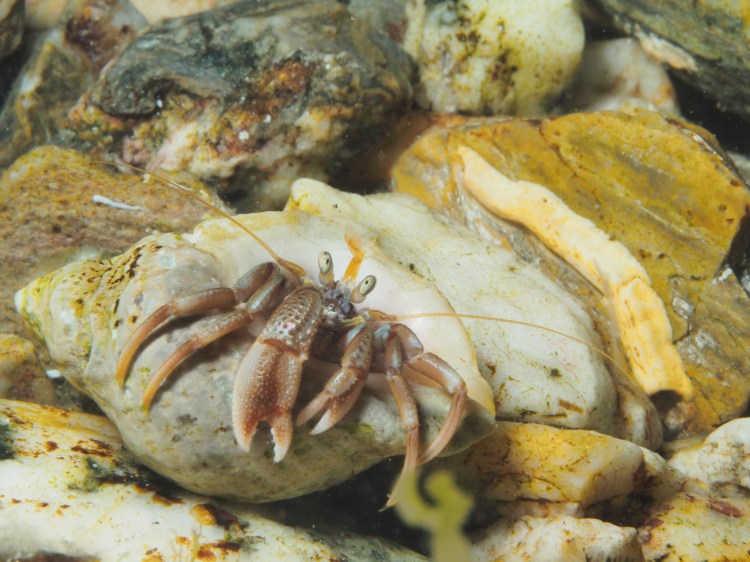
Flat periwinkles tend to be most active above-water, followed by the smaller Rough Periwinkle (Littorina saxatilis – below) with the Common Periwinkle (Littorina littorea – below that) only occasionally moving about.
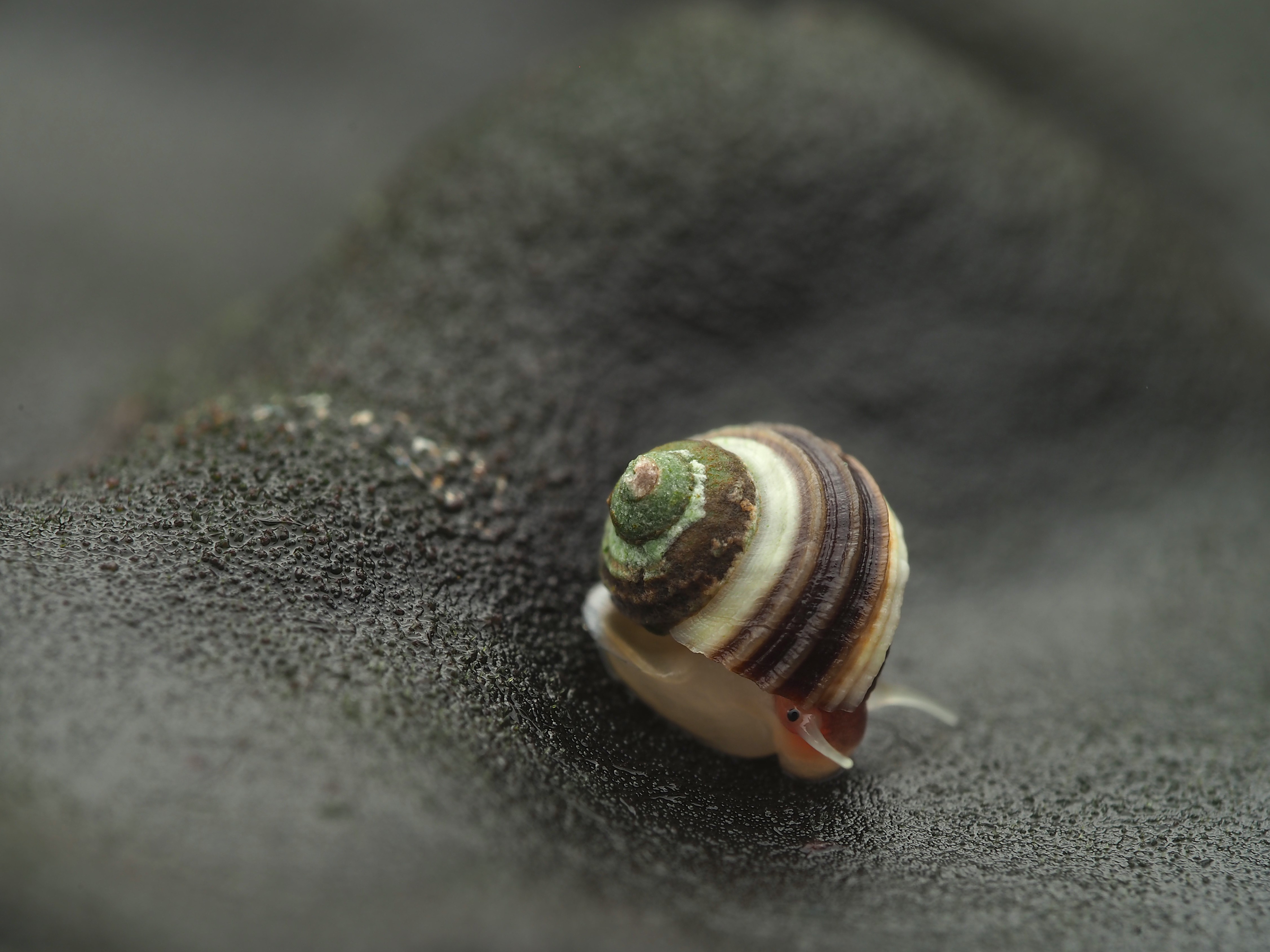
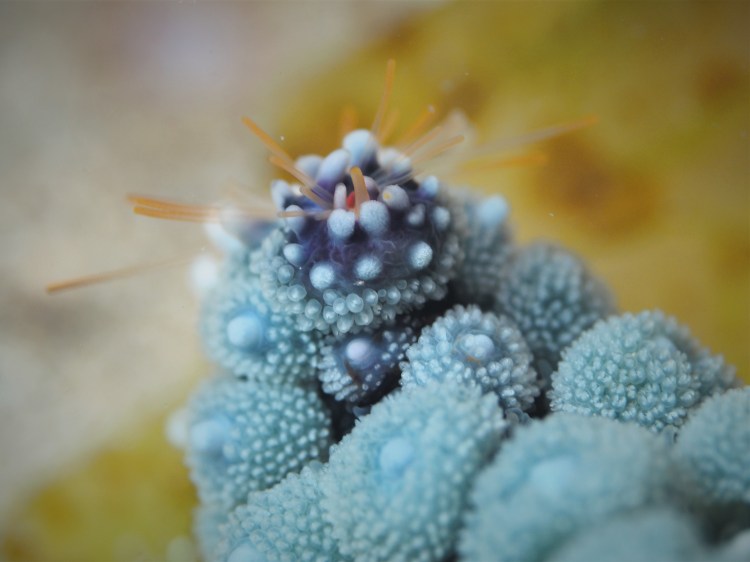
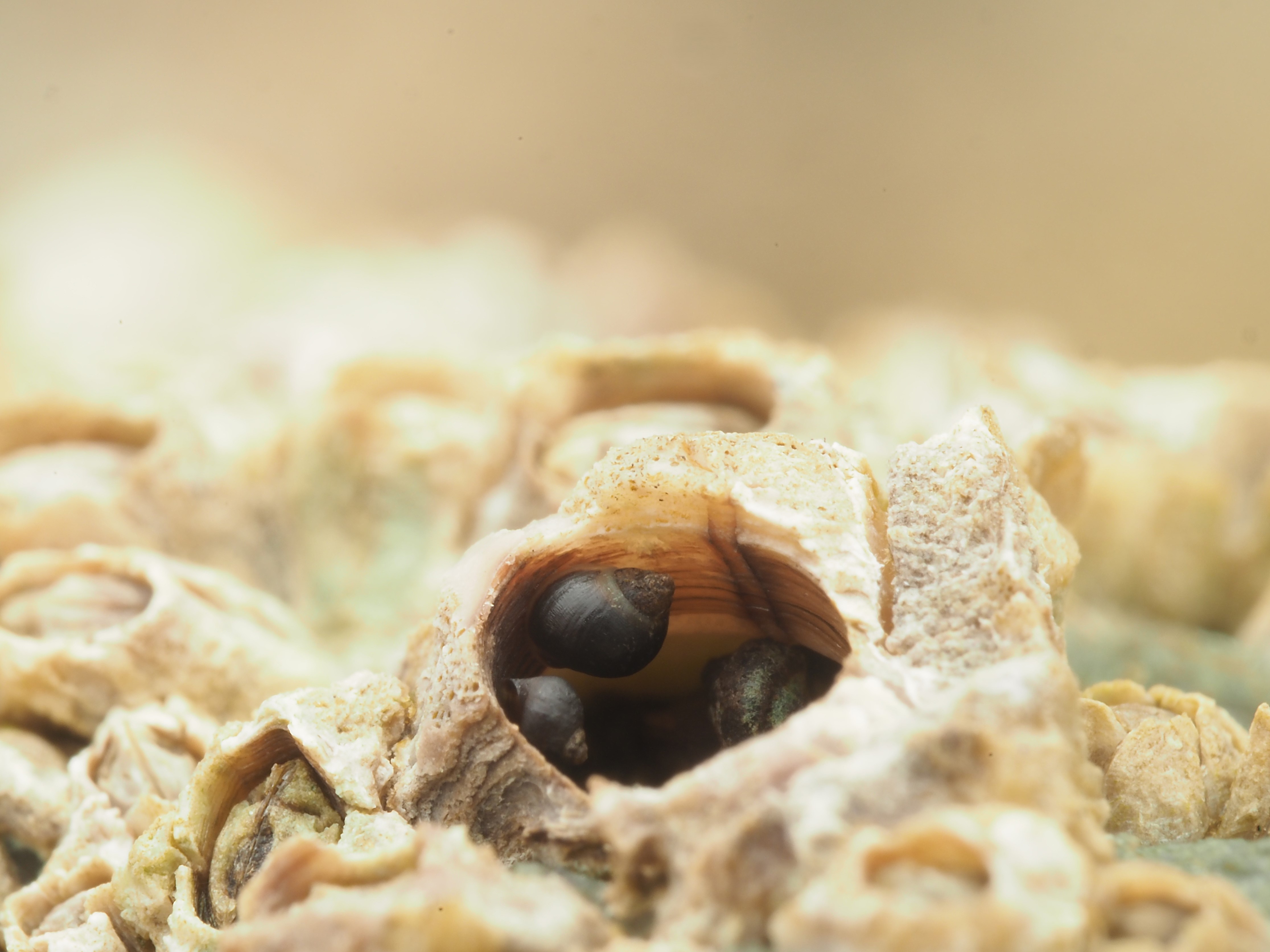
Finally, a tiny species the Small Periwinkle (Littorina Melharaphe neritoides). Probably overlooked by most, as it is tiny (up to 8mm, usually smaller) and hidden between barnacles (or even nestled in empty barnacle cases) high on the shore.
* and no, I could not bring myself to go diving without a camera…
Green Paddleworms

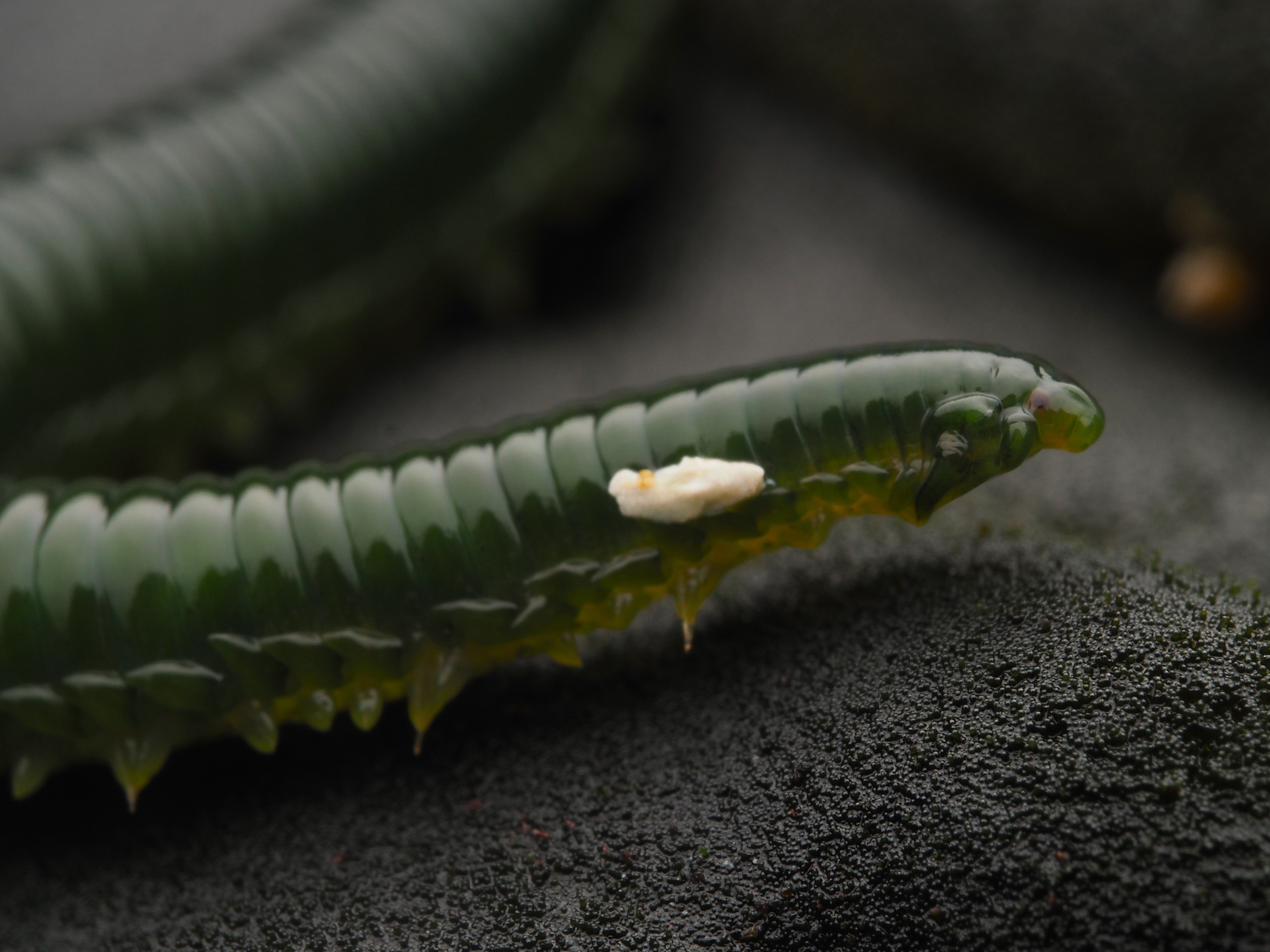
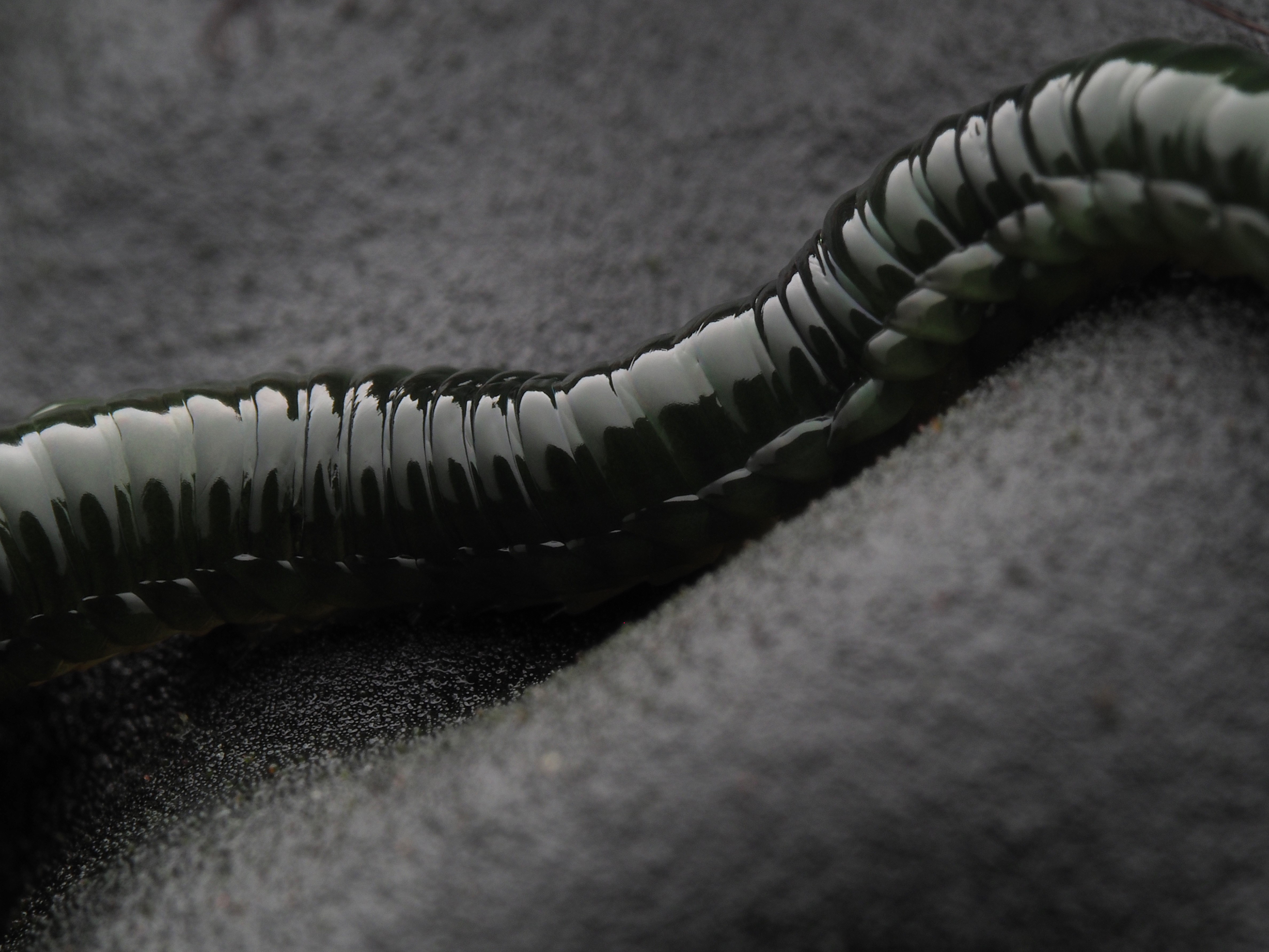
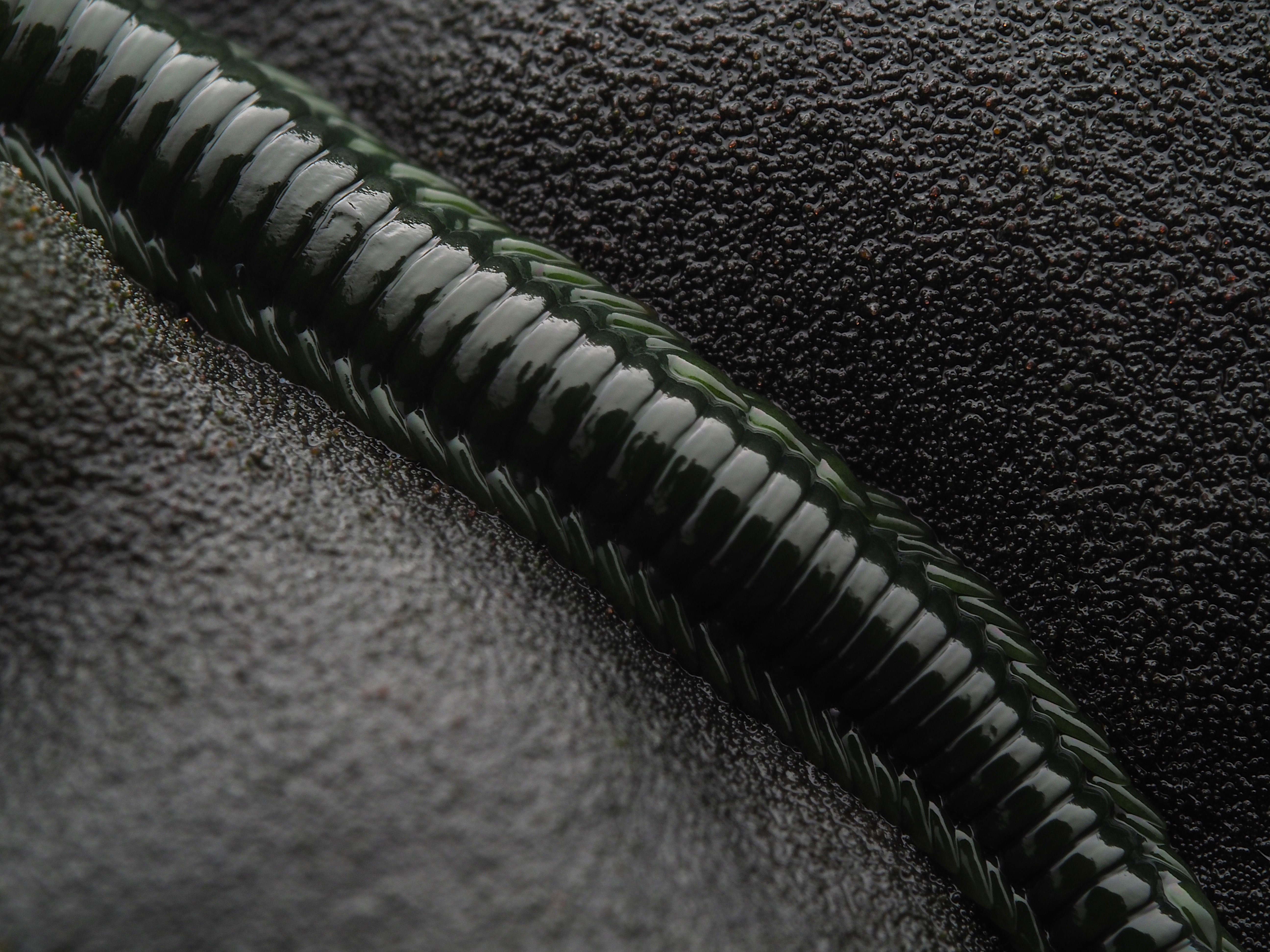
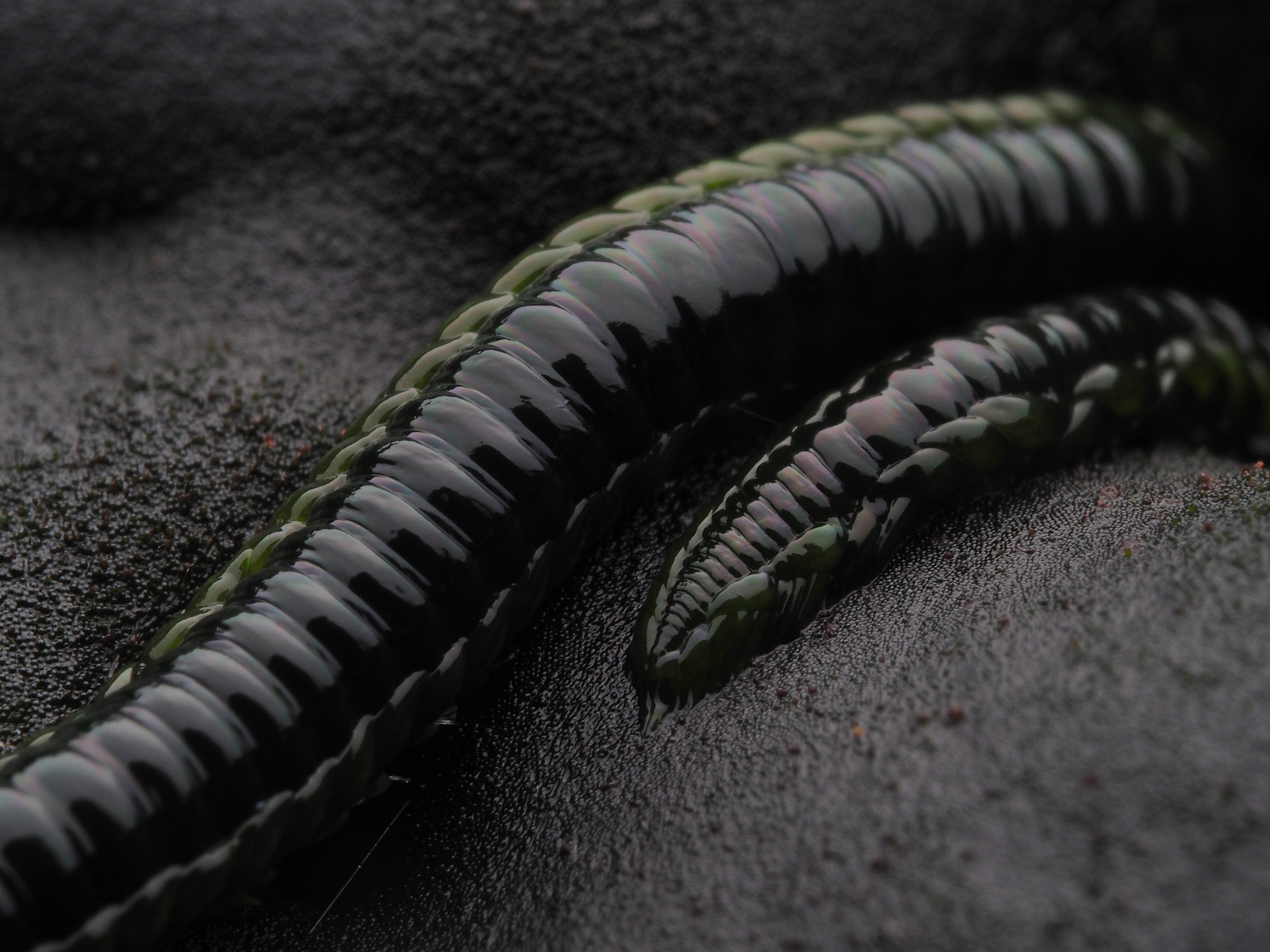
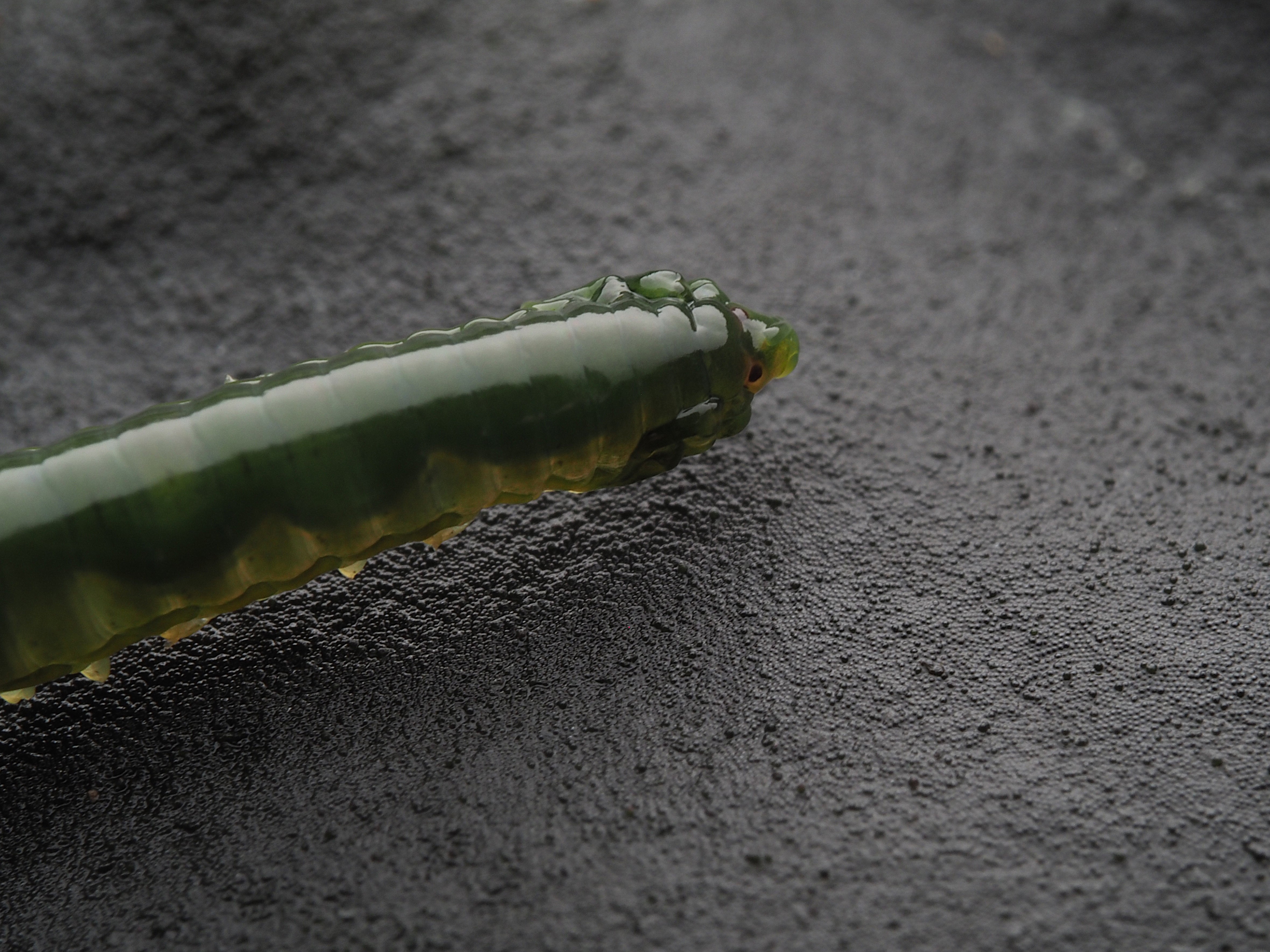
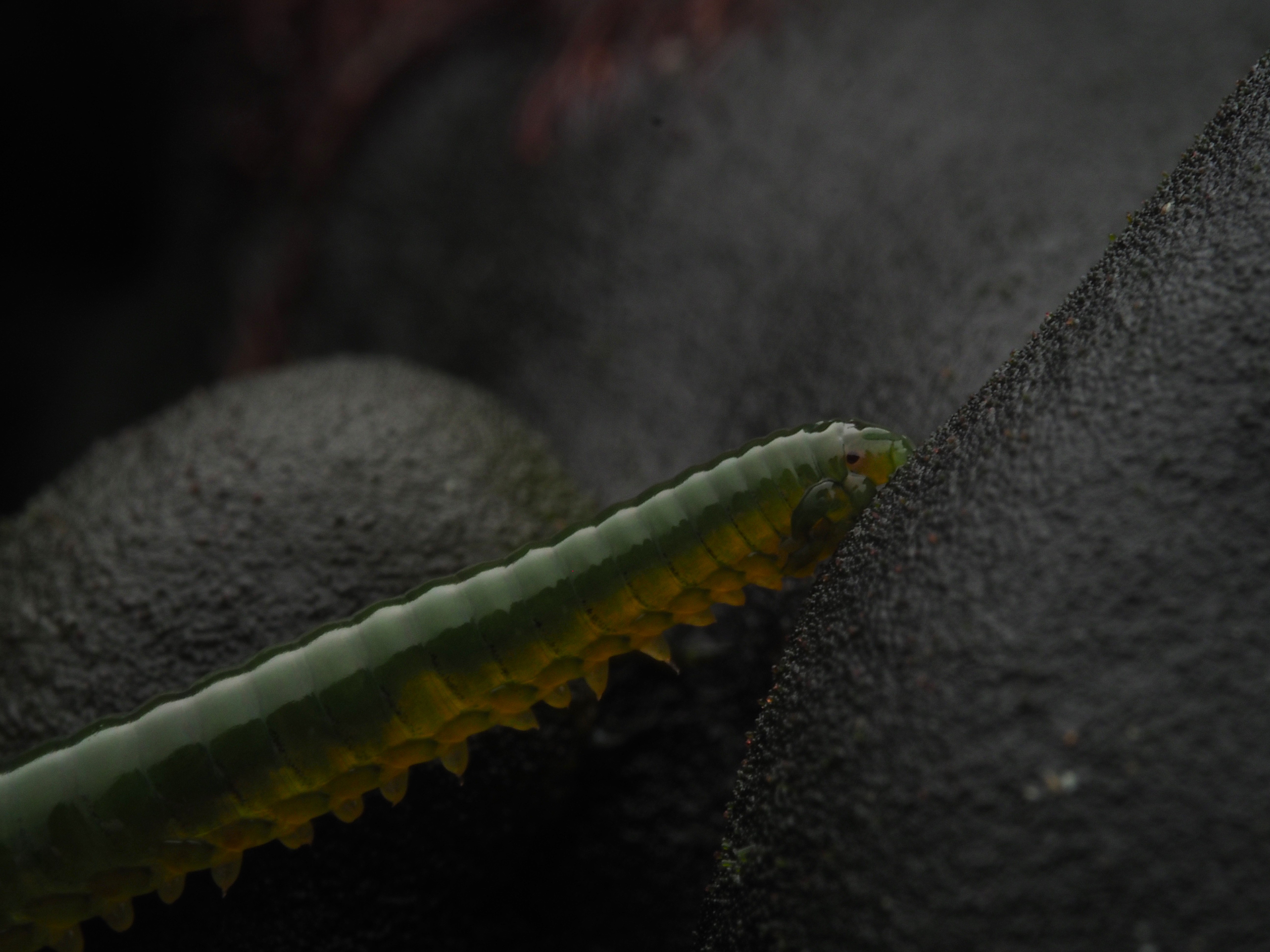
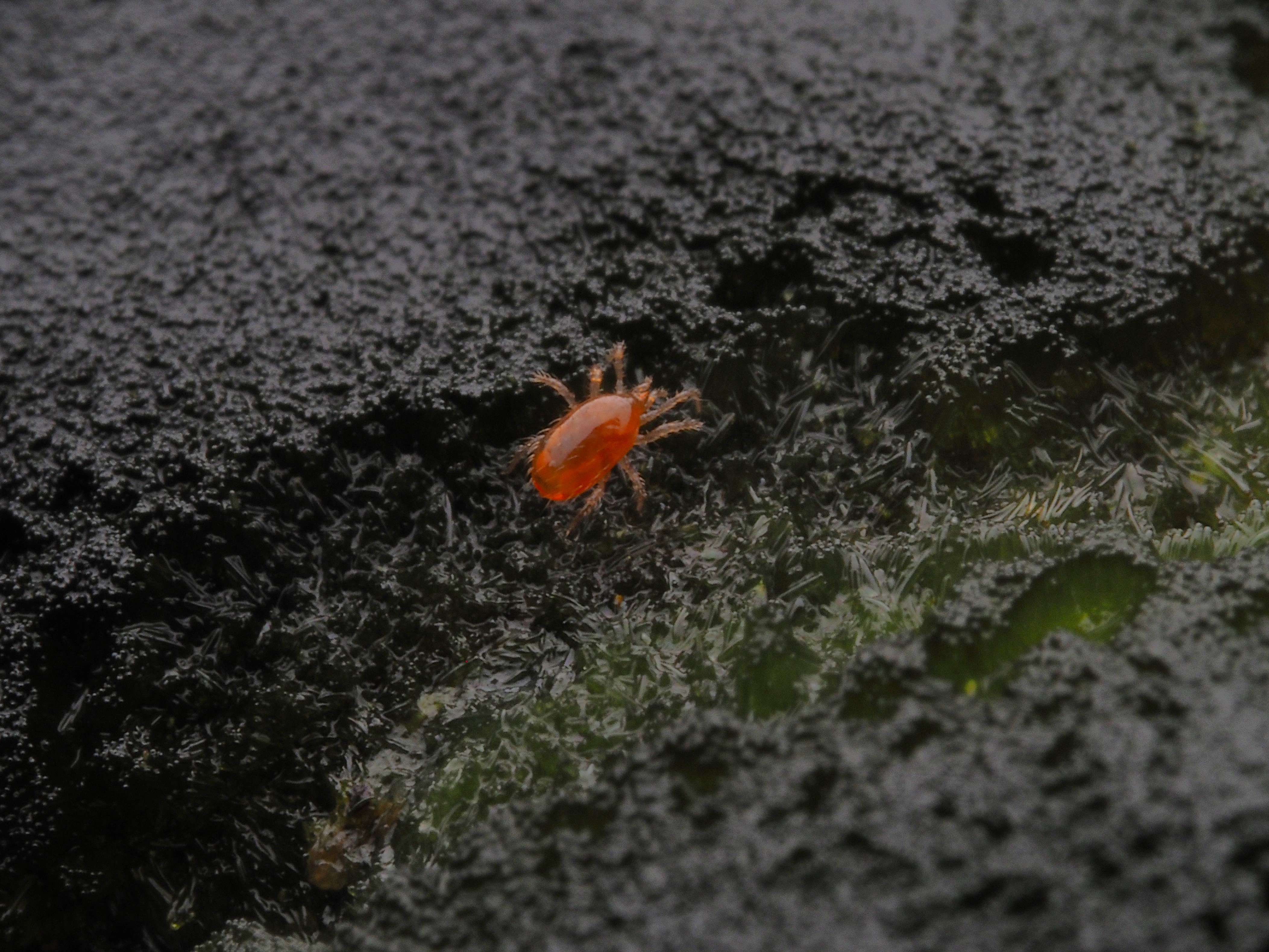
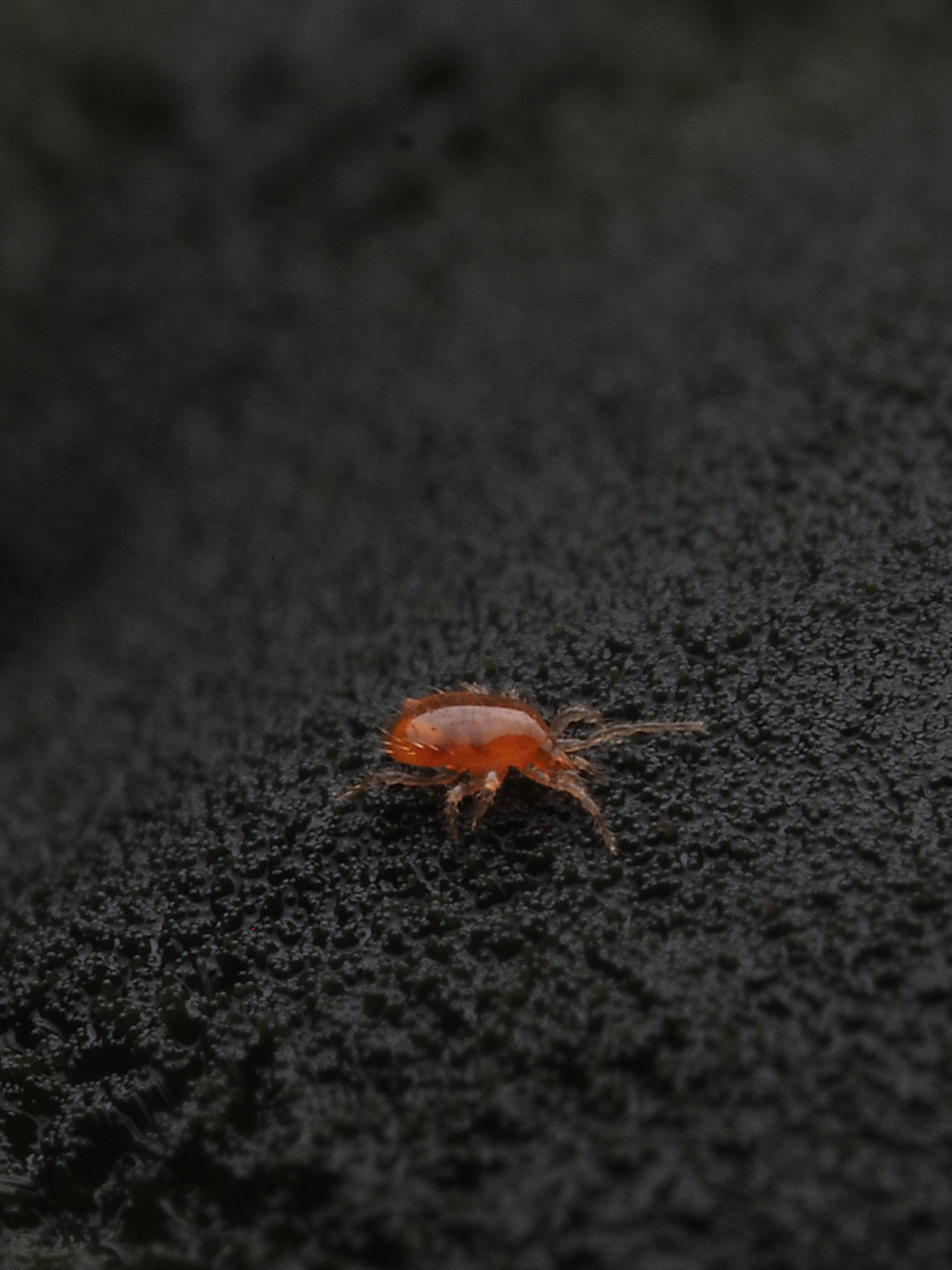
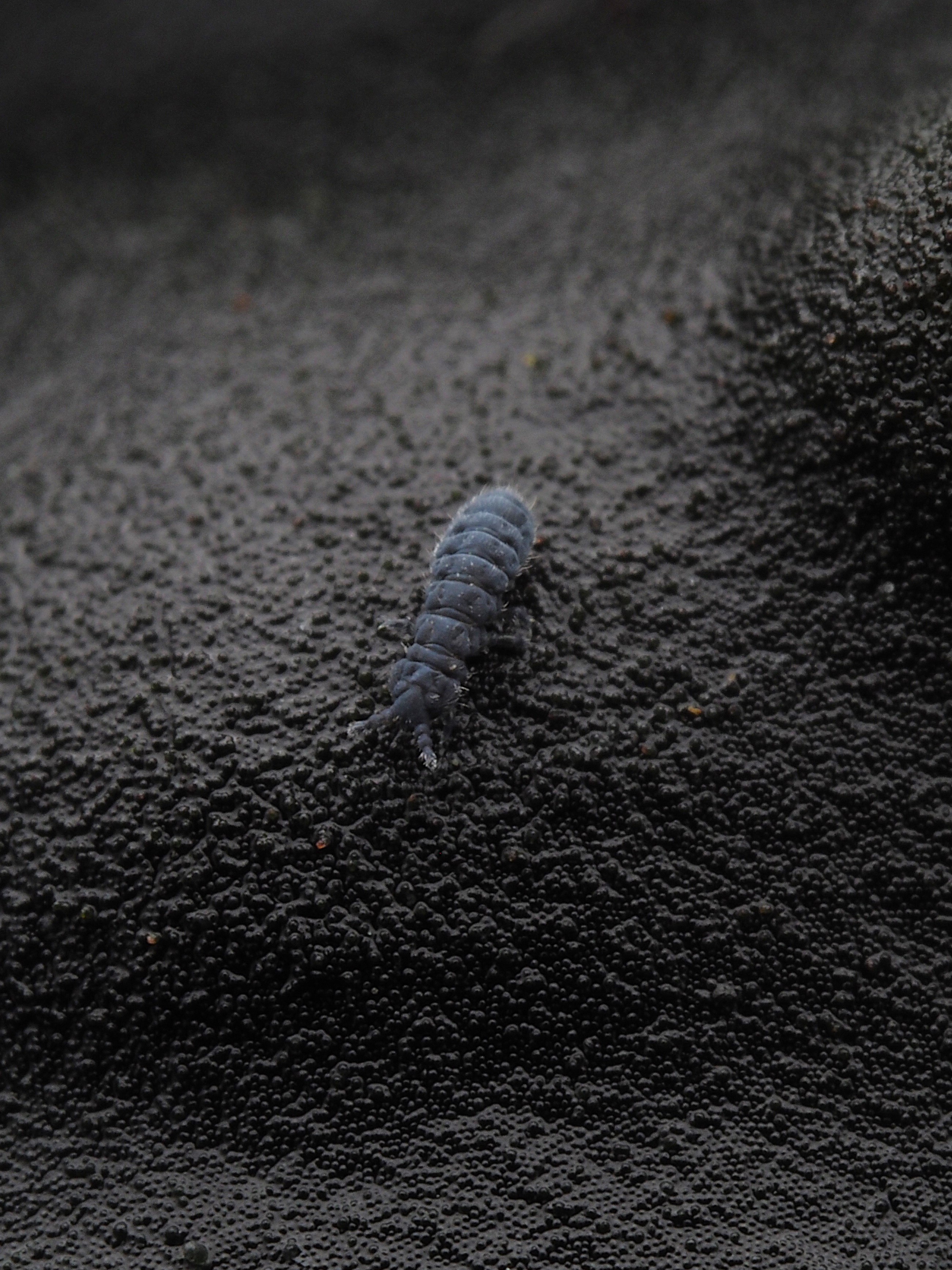
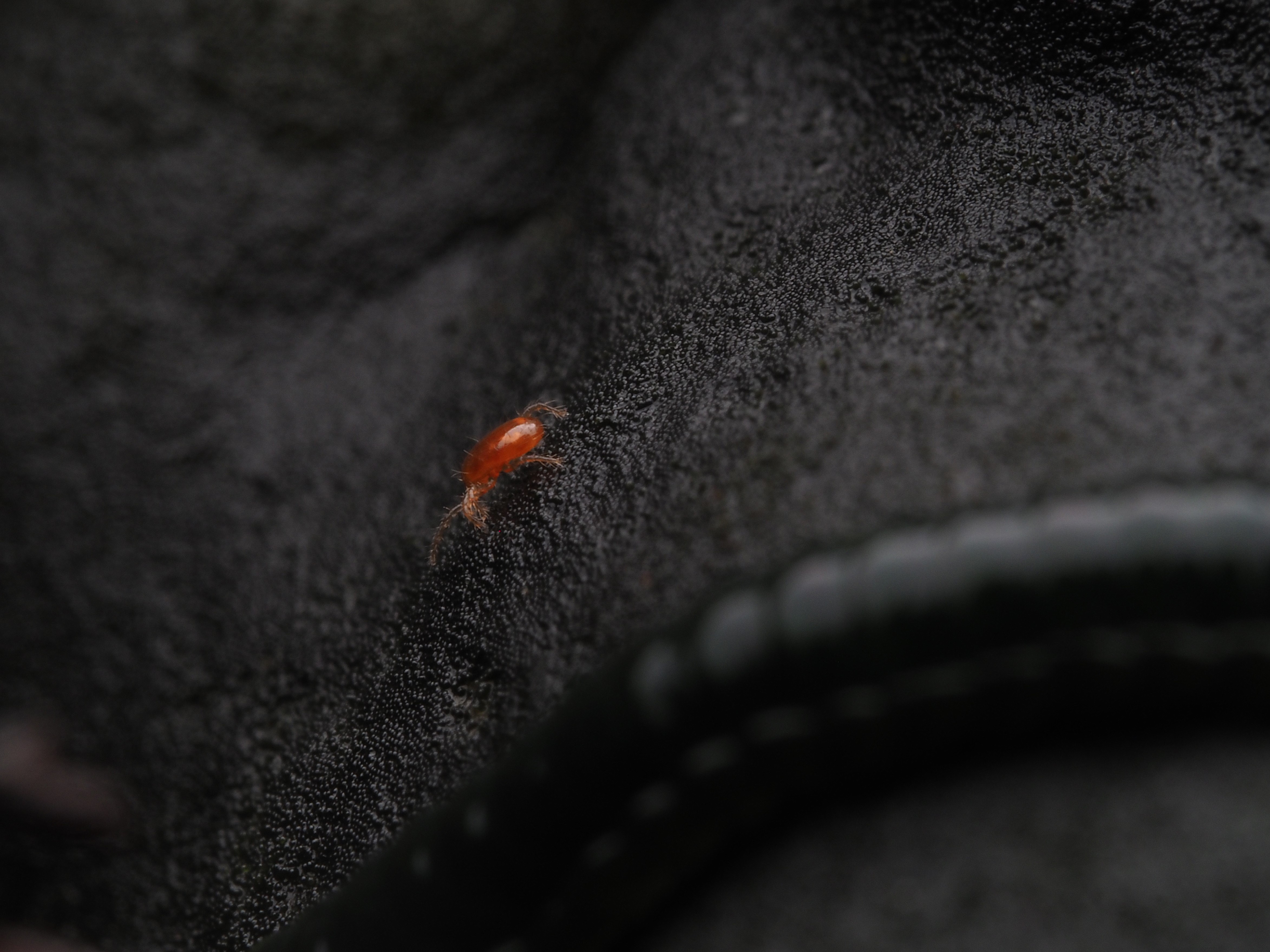
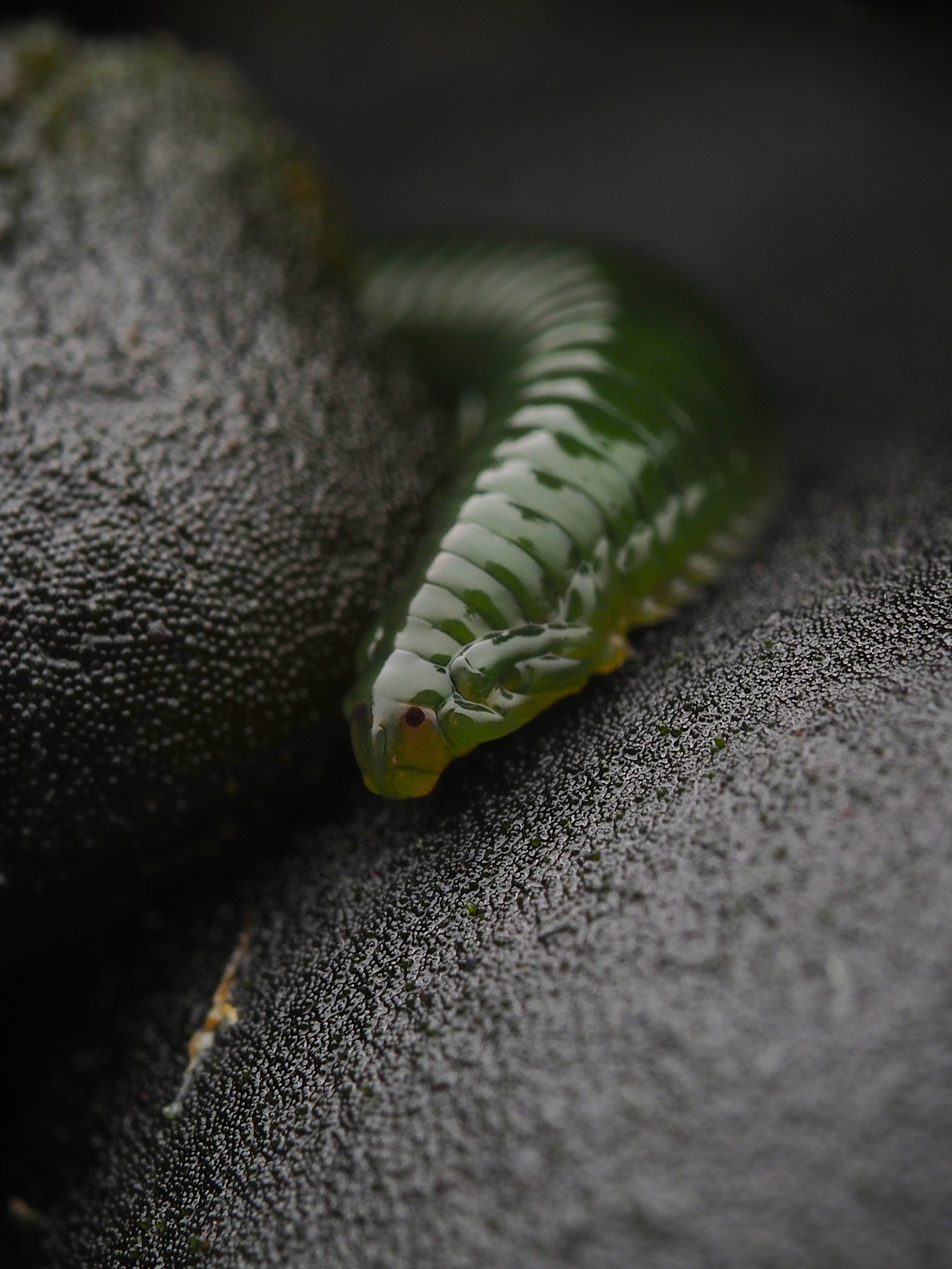
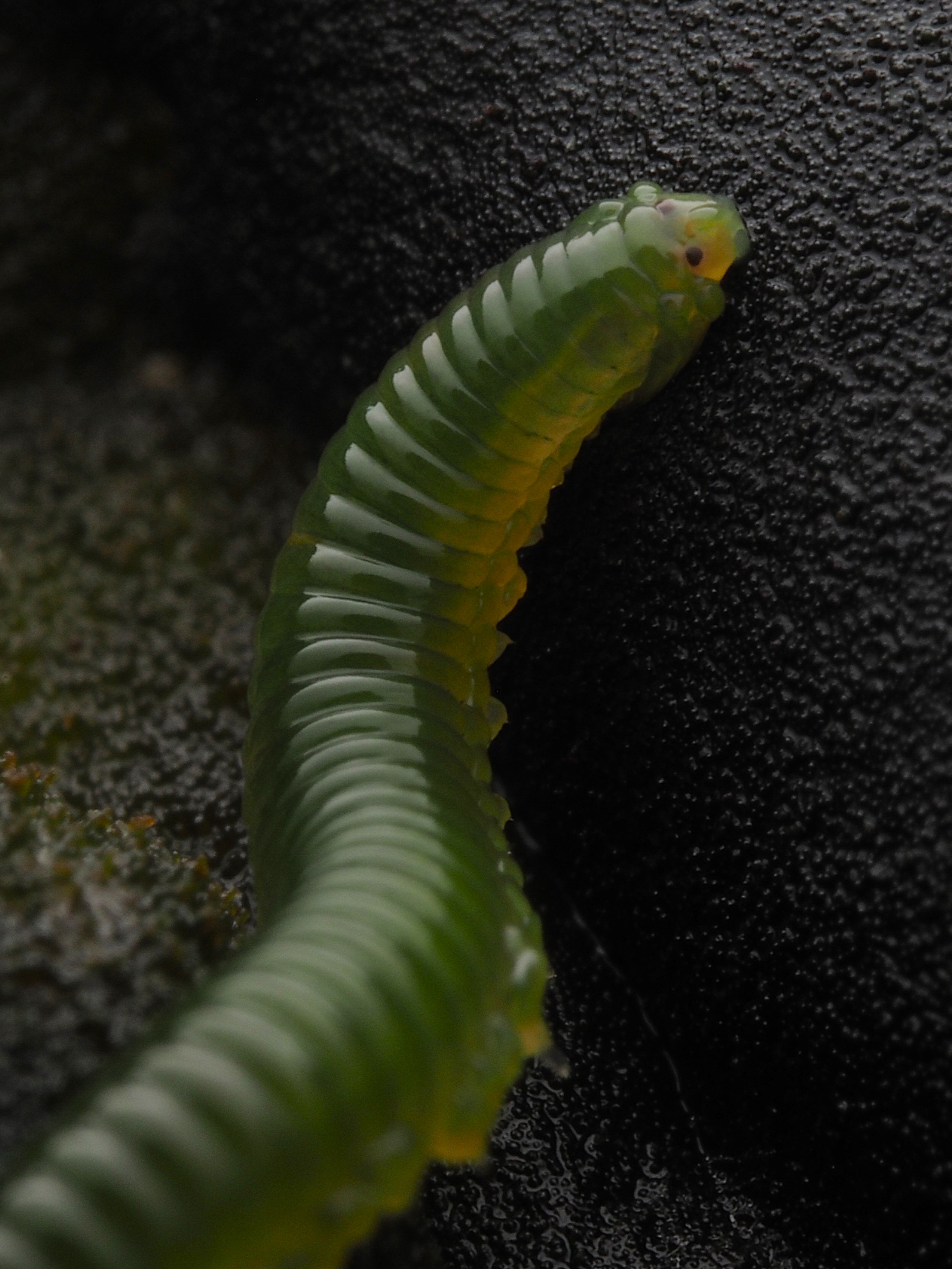
The Emerald Green Paddle Worm (or Green Leaf Worm) Eulalia clavigera ranges from a few to 10 centimetres and is common in rockpools in Britain (although most are probably more familiar with their egg masses, see here). During a recent scramble over the Trefusis Headland I noticed some out of the water on Codium adhaerens seaweed. Using my cygnustech diffuser and a bit of extra magnification courtesy of a Raynox clip-on macrolens I got to work! Taking photos of these worms is difficult as they are continuously on the move. It is also hard to get close to them with the diffuser bumping into the rocks and obscuring the light. However, they are very rewarding subjects; worms are usually overlooked but they are very beautiful! The Codium seaweed proved a perfect background, absorbing all light, a bit like black velvet. When you spend enough time on your knees peering down, you also always notice other things, some tiny springtails Anura maritima as well as some even tinier red mites (see also this old post). One of my new year’s resolutions is to photograph more worms – and the good thing is that there are many other species available, including paddle worm species, one of which is in the process of being described new to science by my friend David Fenwick).

Rockpool Macro

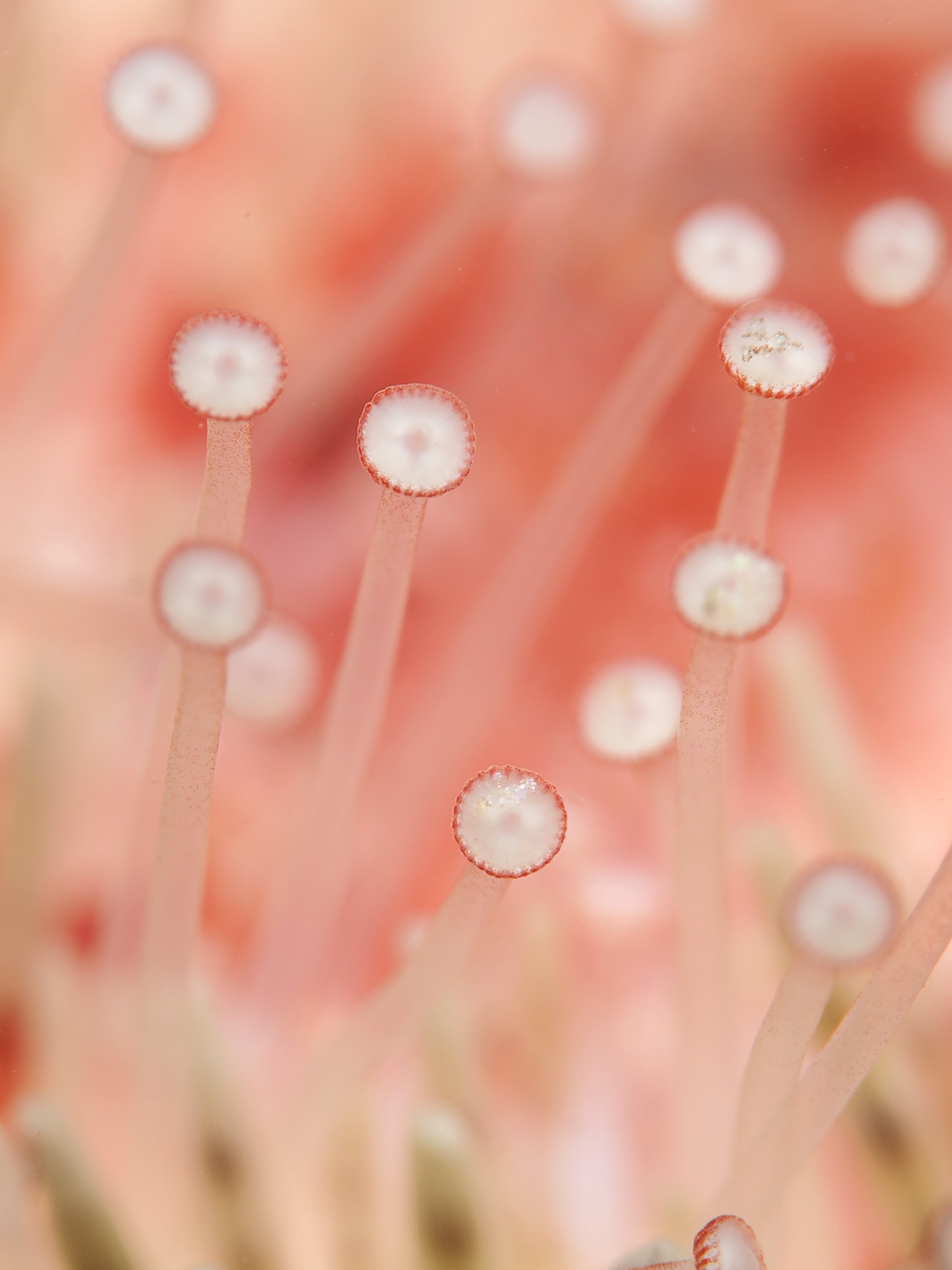
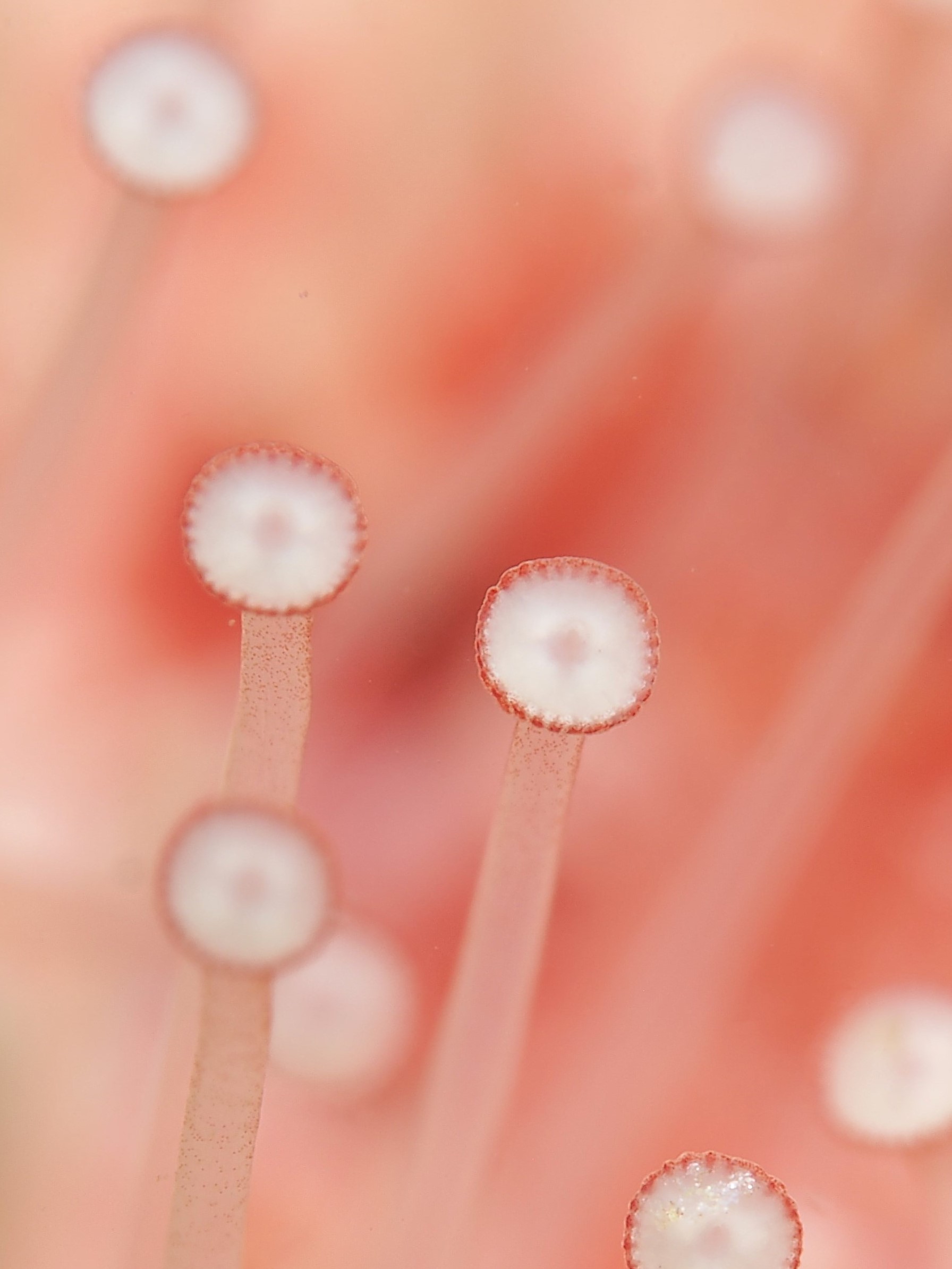
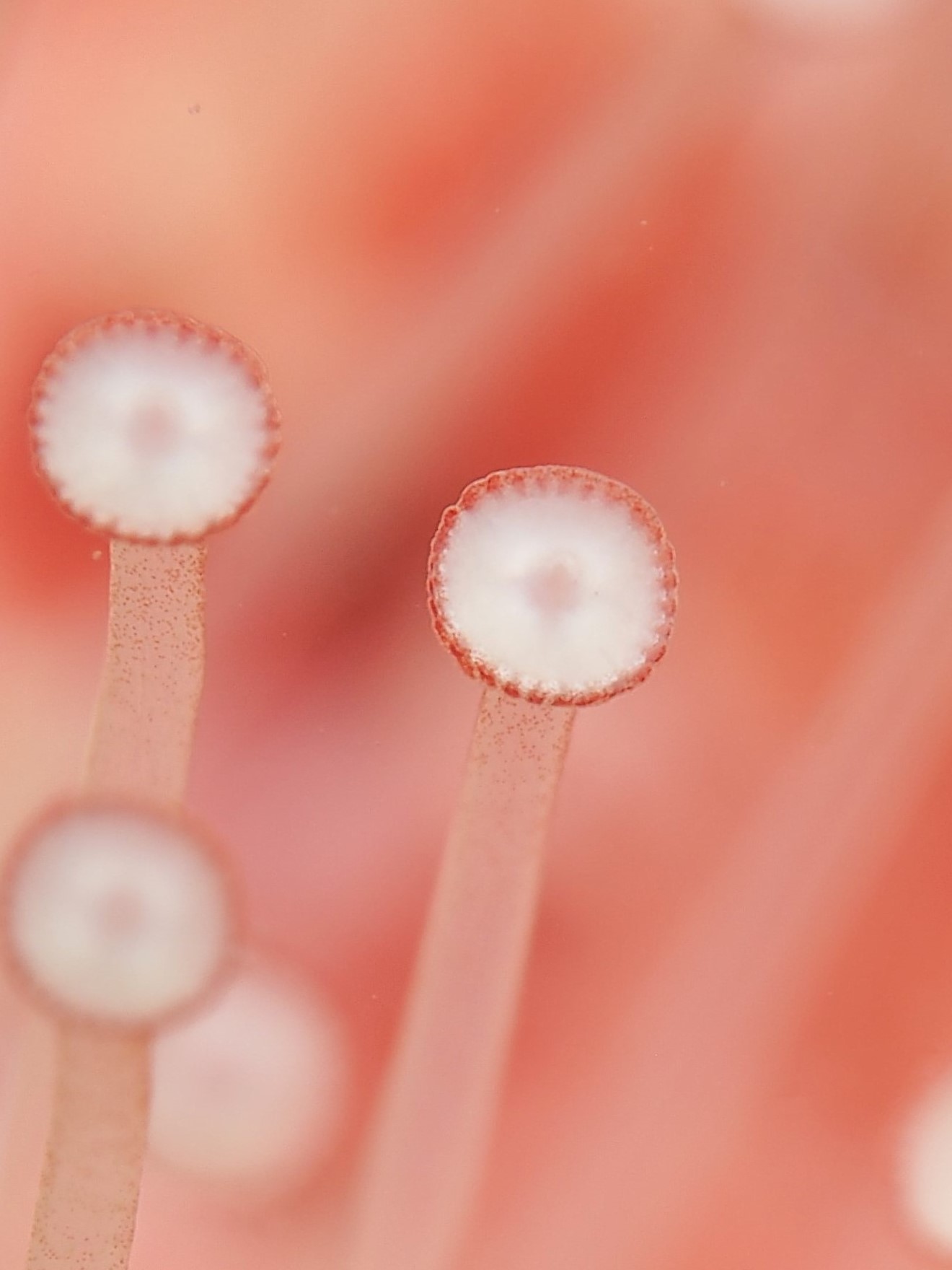
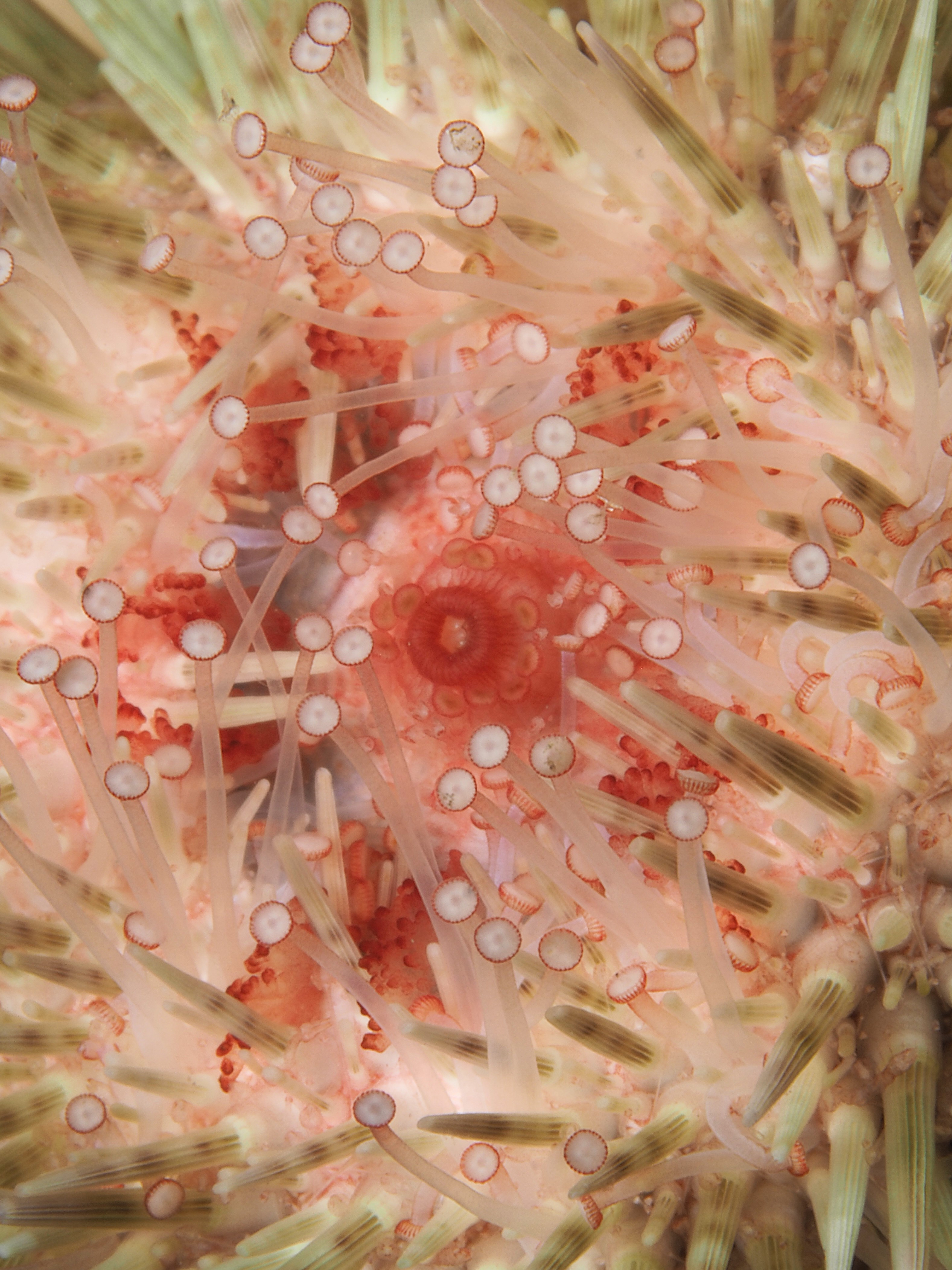
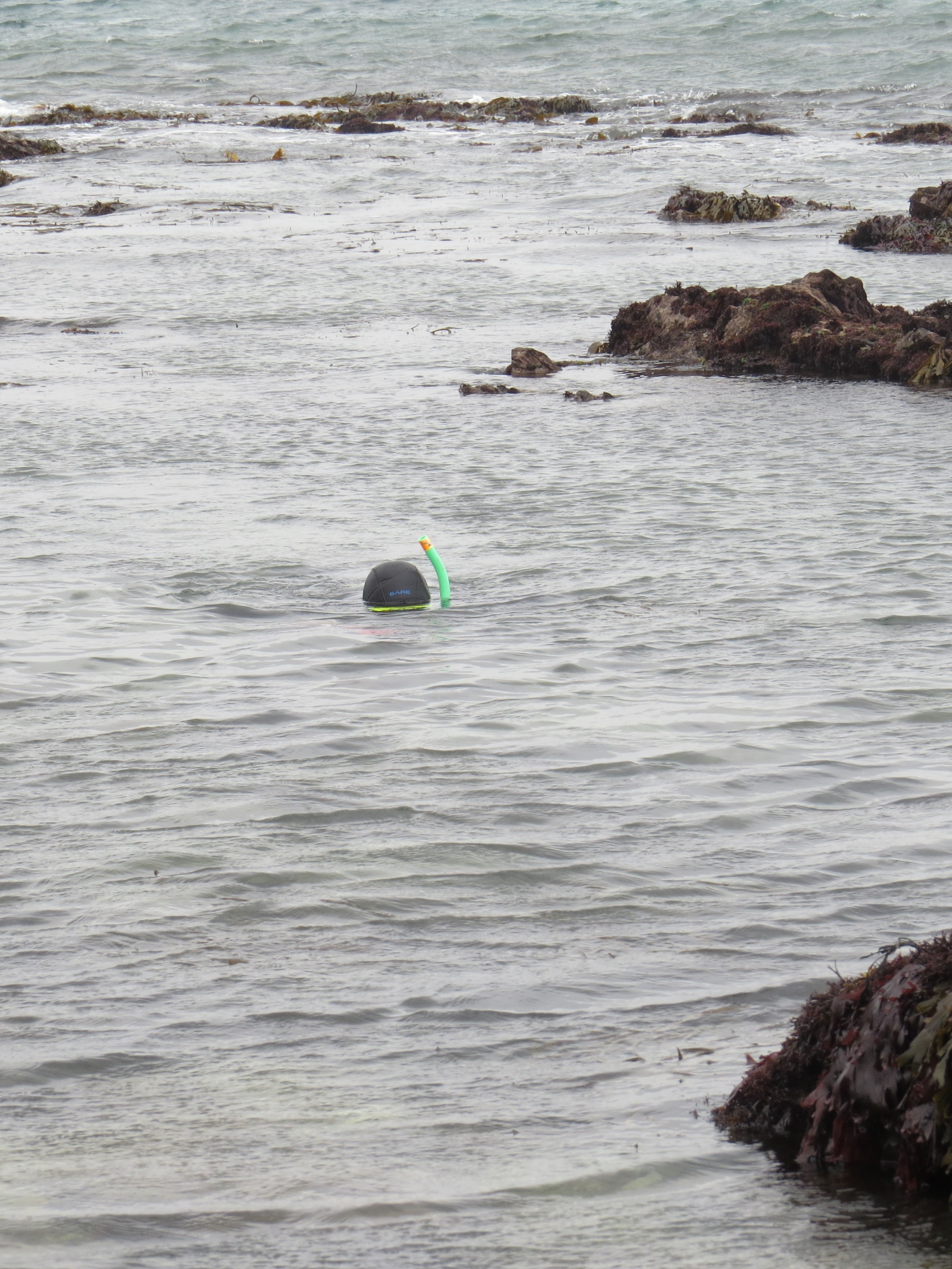
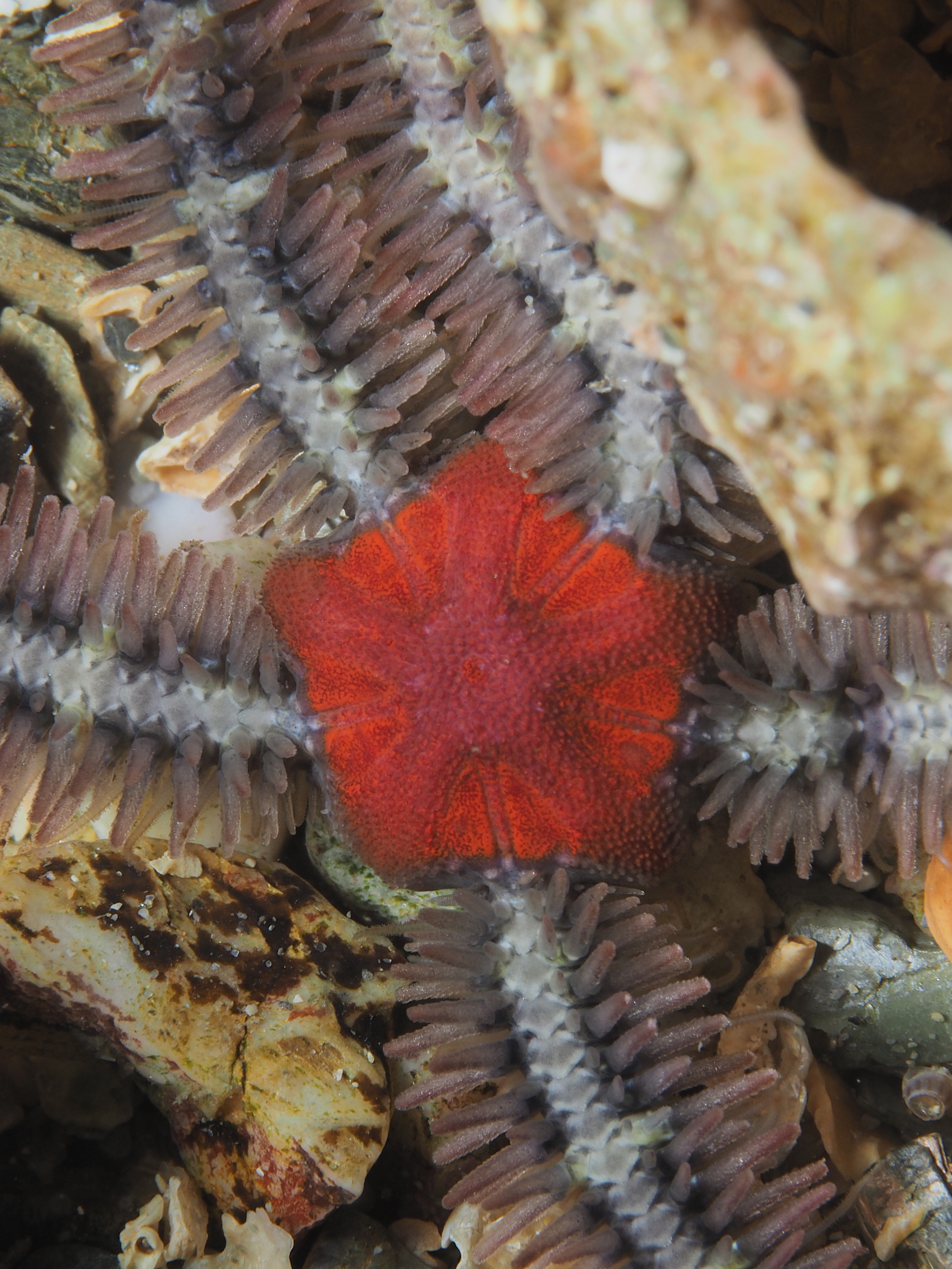
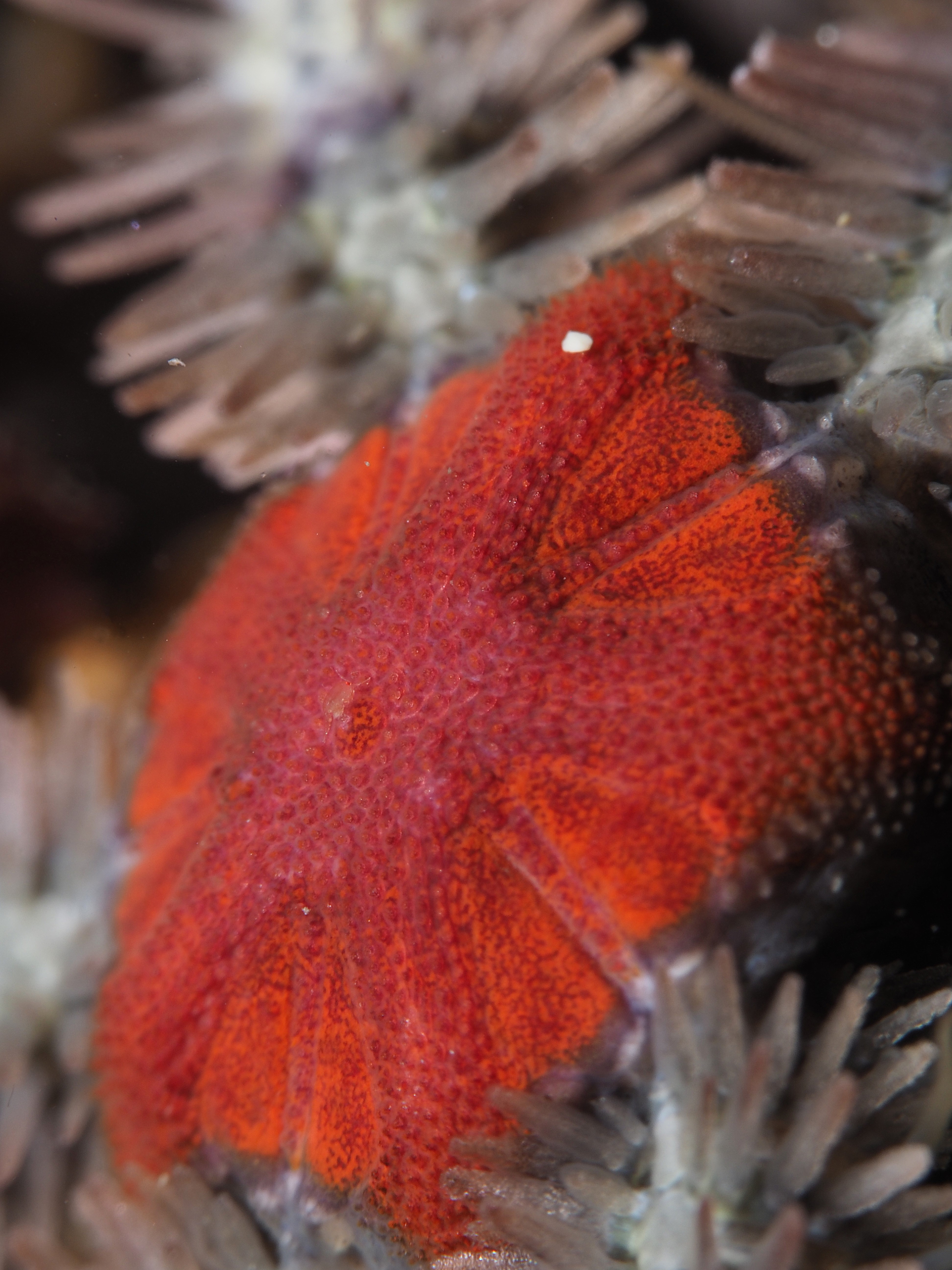
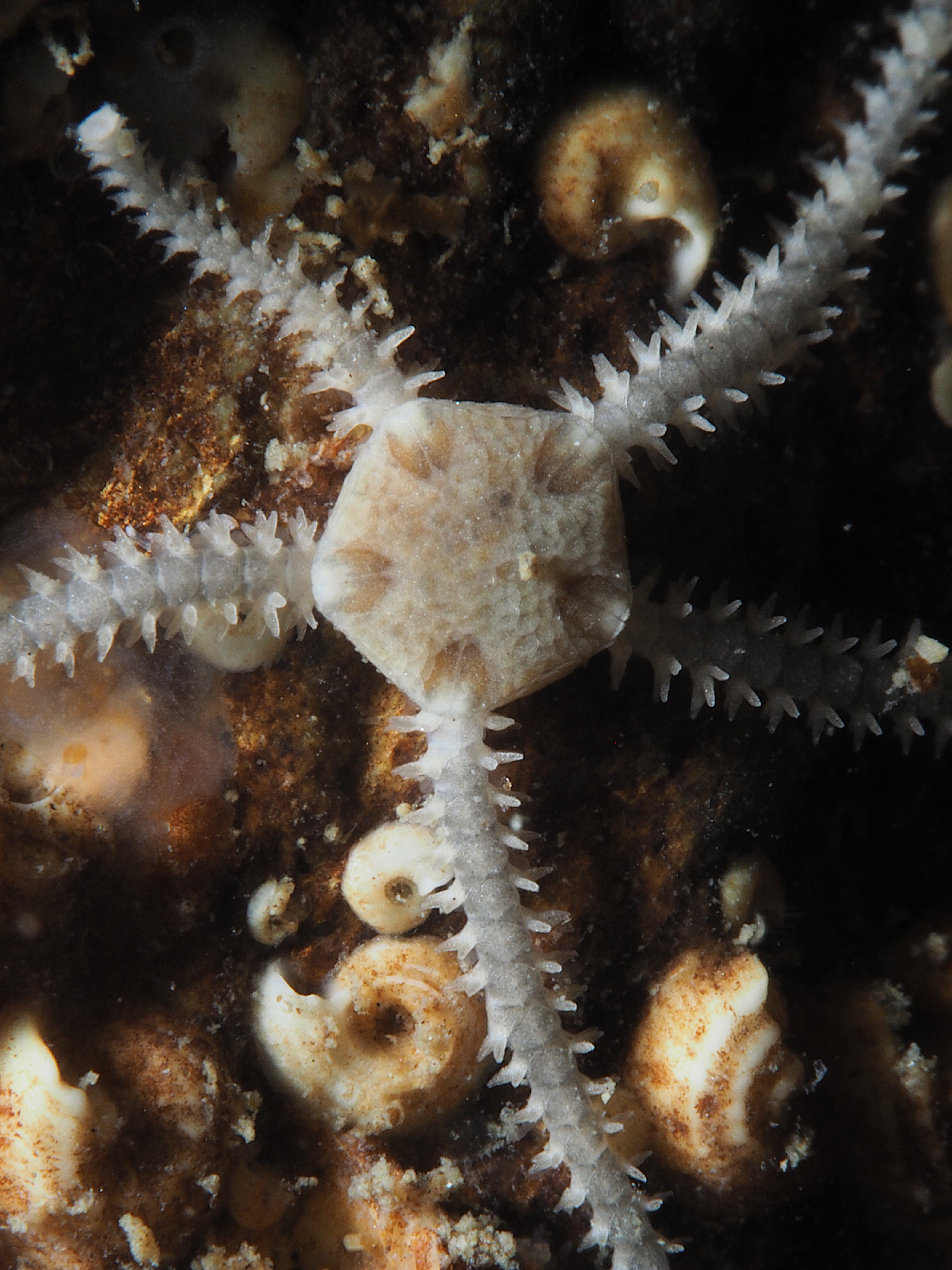
Easterlies (bad viz) and low tides meant some macro photography in the rockpools this Saturday. The water is getting chillier but staying in for two hours is still possible. I returned to a subject I tried my hand at before: the tube feet of a Green Sea Urchin (Psammechinus miliaris). The 60mm macro + cmc-1 wetlens plus some cheeky cropping gets me close, although I always want to get even closer! I was happier with the results than the previous times, so I posted it on instagram (@an_bollenessor). Below a more zoomed out view of the underside of the urchin, yours truly in the water, a common brittlestar, a small brittlestar, a pheasant shell, a tiny nermertean worm which might be this (thanks David Fenwick!) and a detail of a redspeckled anemone.

Happy 2024!

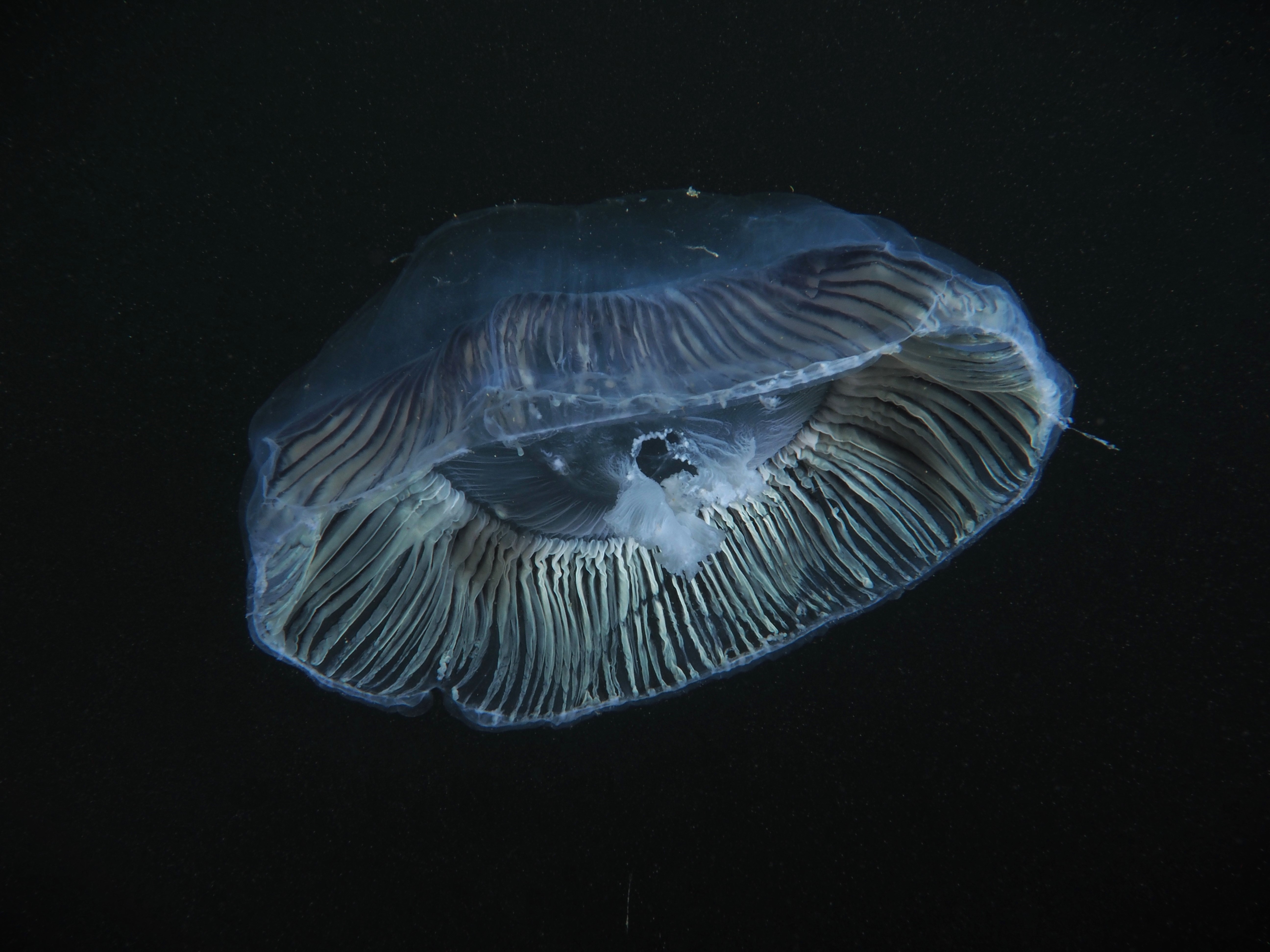
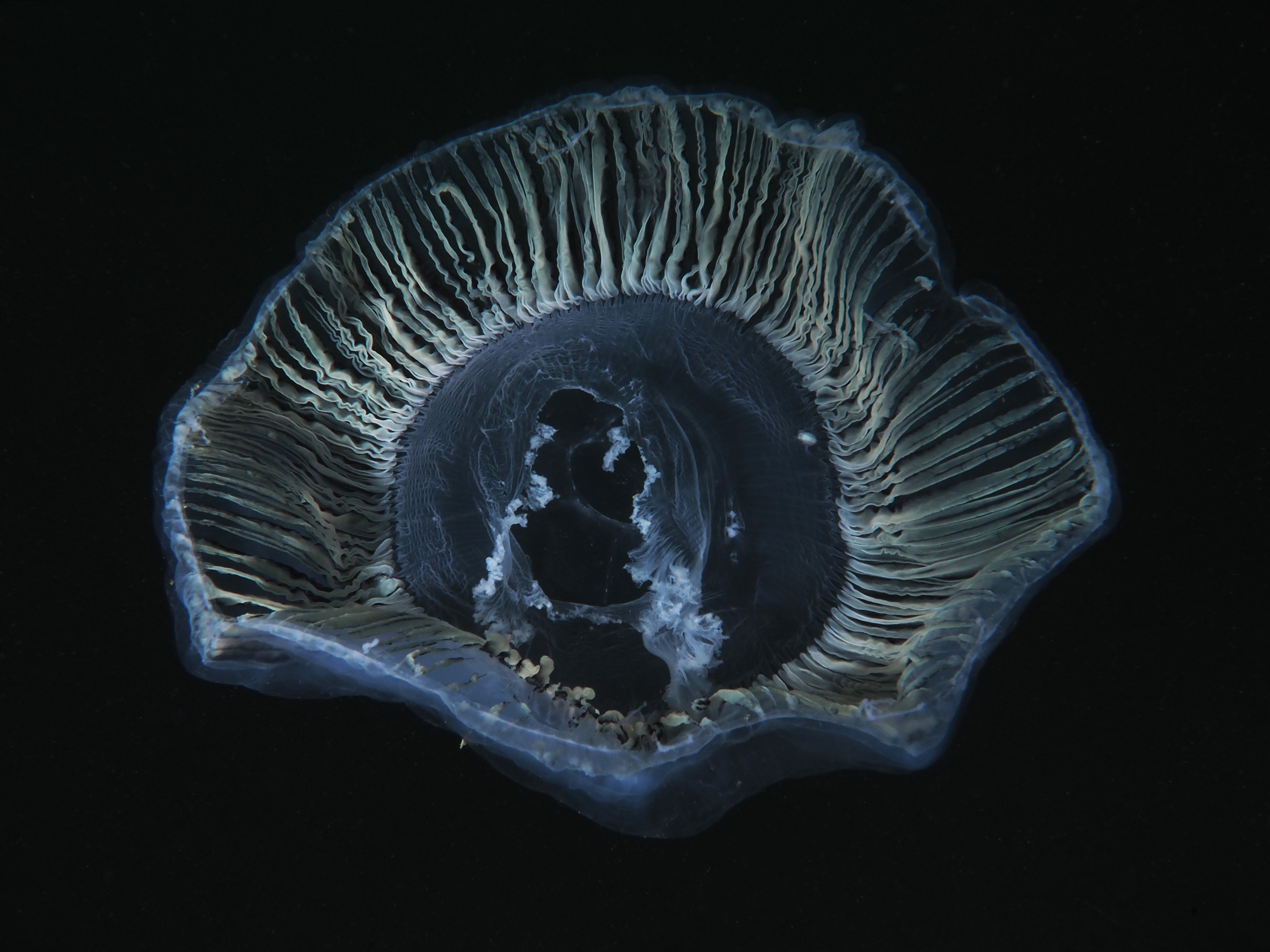
A happy 2024 to all followers and readers, may you enjoy the Ocean the coming year in one form or another! This is just a quick post as I have neglected this blog a bit (I have posted these photos on instagram last year though). It is a completely battered Aequorea forskalia at the end of a bloom in September. The images look a bit like oil paintings to me!

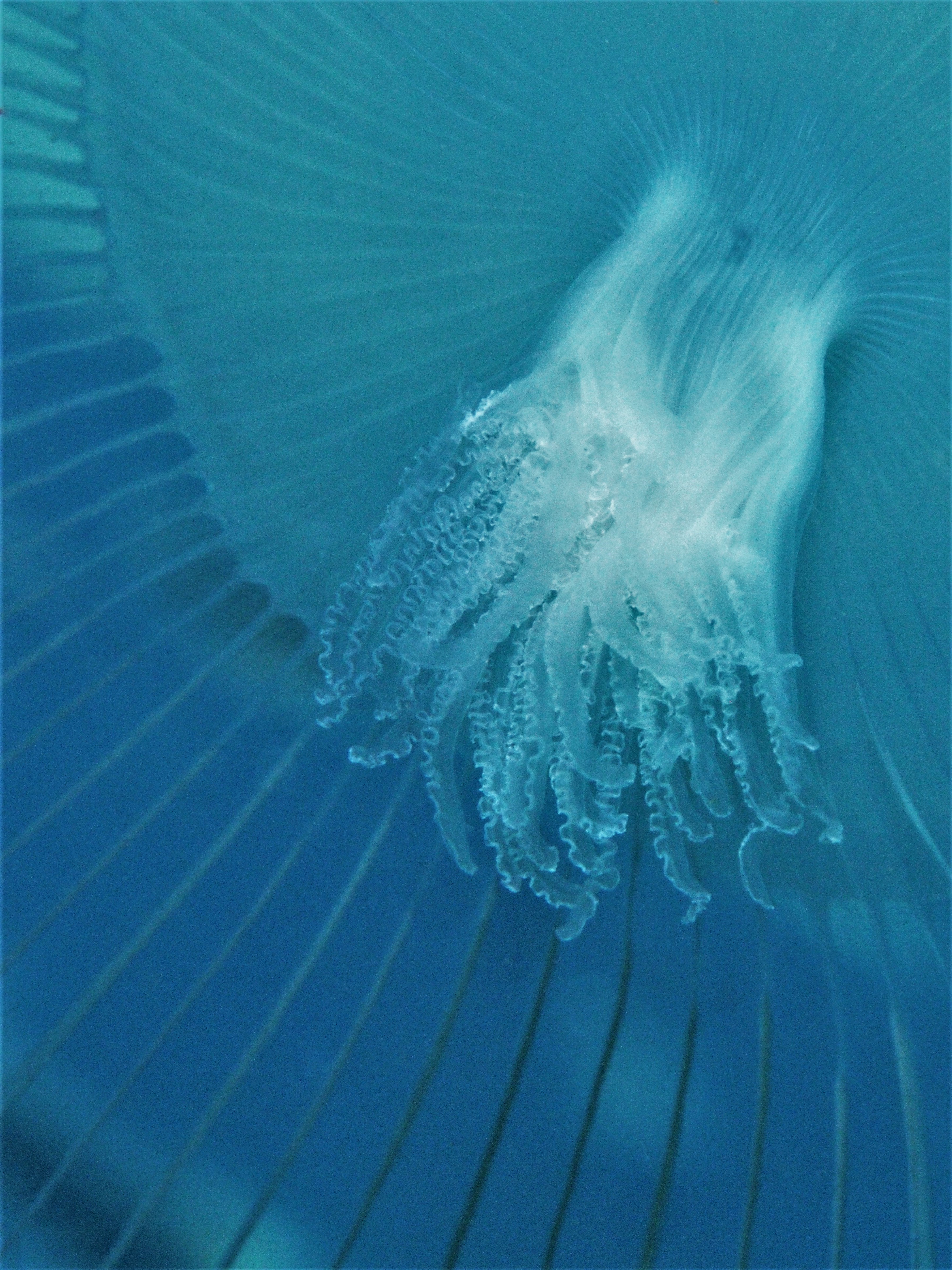
Earlier last year I also took some macro shots of another Aequorea species (perhaps A. victoria but these animals are not easy to identify in the field), below two shots showing the mouth (‘manubrium’).

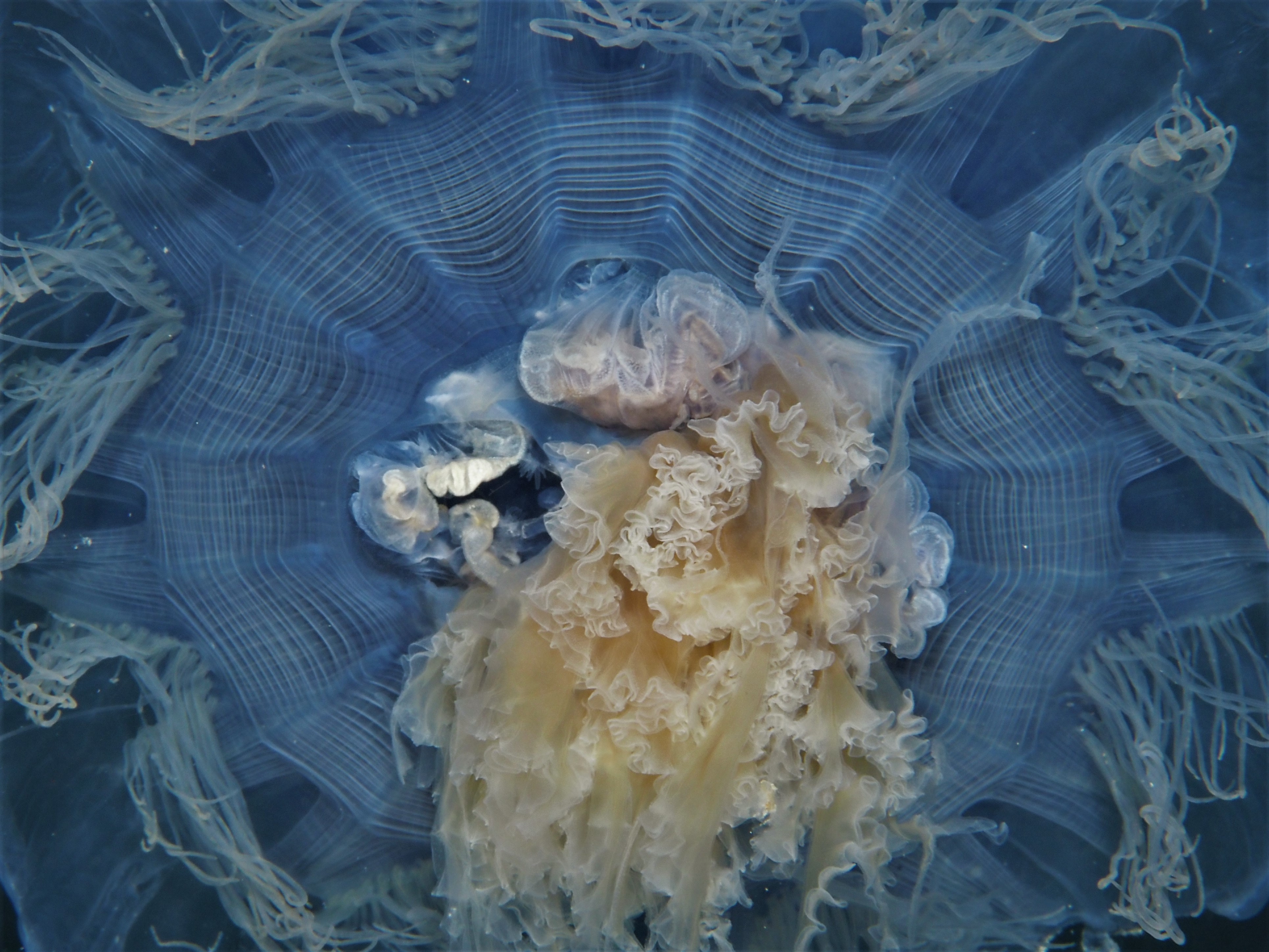
On the same snorkel I also pointed my macrolens at blue jellyfish Cyanea lamarckii; it was fun to capture more detail, although ideally I’d like to capture detail AND the whole animal…. Maybe more luck with a new (or rather secondhand) wide angle lens this year – I cannot wait for the weather to improve and to go back into the water! More posts to follow soon I hope.

Olympus Photos 2019

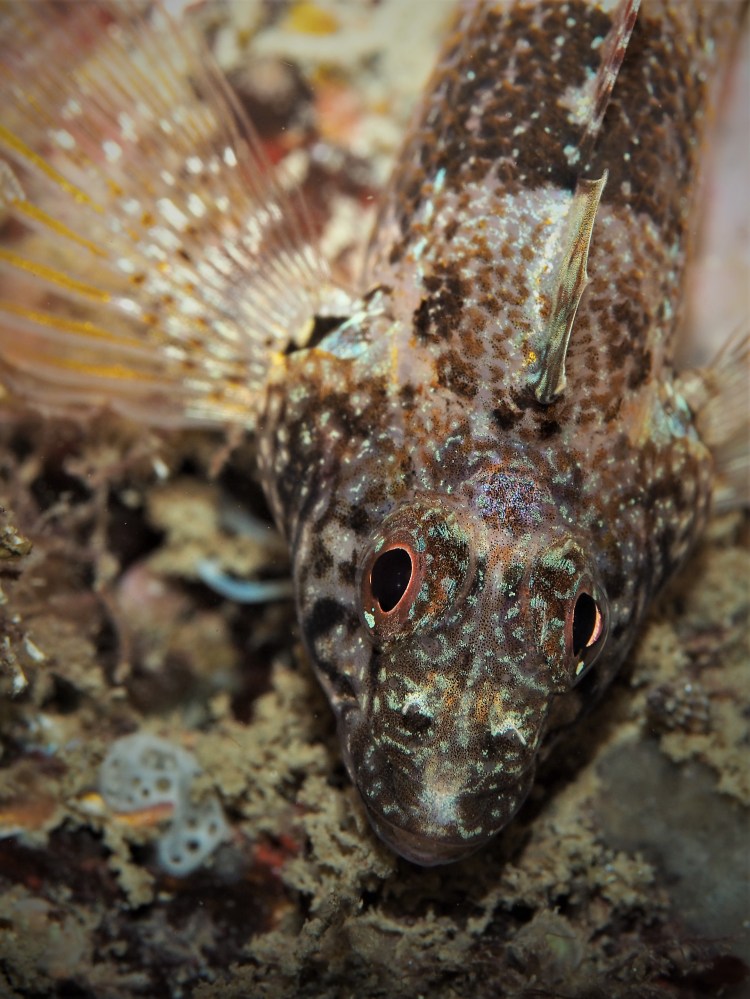
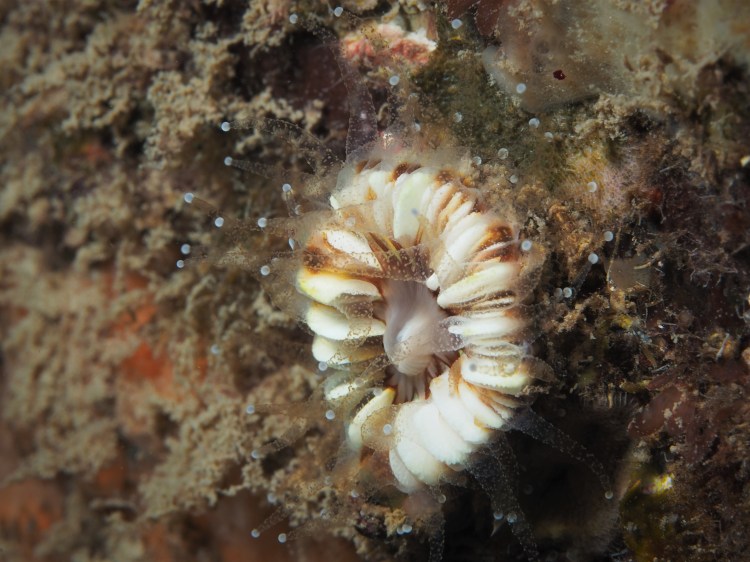
This was the year I switched from my trusted Canon G16 compact camera (with wetlenses) to a mirrorless Olympus OM-D E-M5 II (with ‘actual’ lenses). Throwing money at things is not necessarily a guarantee for improvement, but it definitely helps! The shot above (from this post) was commended at the 2019 Falmouth Underwater Film Festival. This was made using the few times I went out with the mzuiko fisheye lens and is shot using natural light. (For some more natural light wide angle shots taken snorkelling on the north coast see this post.) I mostly used the mzuiko 60mm macrolens in combination with my strobe. The weather at the start of the year was so foul I initially used it  abovewater during rockpooling. The shot below of a Flat periwinkle is quite simple but one of my favourites ‘topside’, together with the shot of the two Shore crabs: Below are some favourite underwater macro shots (the best pics I also post on instagram). Macrophotography I find easier, as the camera settings remain quite invariable (small aperture with a short shutterspeed because of the flash) and the composition is often (but definitely not always!) simpler compared to shots of say an entire rockpool. First some taken snorkeling in rockpools. The first is a Chink shell on Bushy rainbow wrack. The iridescent nature of the seaweeds means it is bright blue or purple viewed from one direction, but a dull brown from the other. If you get it right, it makes a very striking background and it is definitely a subject I want to explore more. After that, detail of the tip of a Spiny starfish, a European cowrie and a pill isopod. Below some macroshots taken while (shore)diving off Silver Steps in Falmouth. A Blackfaced blenny, a Leopardspotted goby and a Devonshire cupcoral. Many more photos of course if you scroll down. I have now also invested in a new strobe and new strobe arms. Having two strobes will allow me to take wide angle photos without depending on (dim) natural light, for instance whilst diving. My second strobe is manual so I can ramp up the strobe power if needed for macro too. I still struggle with positioning even a single strobe, so having two will be frustrating in the beginning I am sure. I am hopeful this new investment will pay off though. As for the blog, I have updated the links page. It is high time I post an update on the tank. I have not been diving much but hopefully next year I can collect some new species of anemones for it (and of course take photos, although the two activities are pretty much mutually exclusive). My new years resolution will be to get in the water more. I wish all blog readers a happy and healthy 2020!

Macro Practice IV

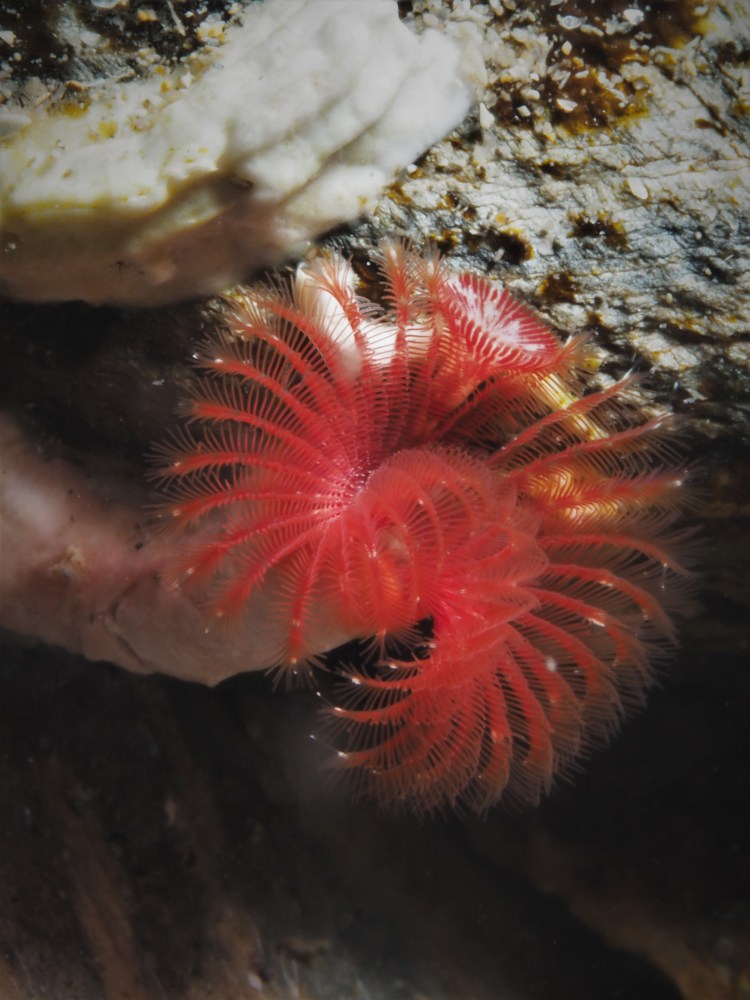
Viz at the south coast was bad last week, so I stuck to macro (=less water between the subject and the lens). In a particularly shallow pool, I noticed a couple of ‘subjects’; some tiny Mysis shrimp for example. I had a lucky shot of these with my old camera (see here), but could not get it right this time. Same for a tiny Polycera quadrilineata nudibranch. Then I noticed something bright red in the corner of my eye: a worm sticking out of its tube. It was so shallow that I had to remove my strobe from the tray and hold it in one hand. I believe this is a Serpula vermicularis (right next to it in the second photo is another species with a keeled tube). The red and white disc sticking out between the tentacles is the operculum used to close off the tube when the animal retracts (for instance, when you move your camera too close). Even the least exciting looking things on the shore become interesting and beautiful when you take a look up close!

Macro Practice II

I am running out of original blog post titles; these are just some more macrophotos practicing with the mzuiko 60mm lens. Friday afternoon was a gorgeous sunny, windstill day here in Falmouth. Although I somehow did not manage to find a stalked jellyfish, there were plenty of other things to see floating around in the shallow pools. I tried my hand again at the European cowrie Trivia monacha (see last post) with better results. It is hard to get the strobe position right, so I now hold it in my hand (rather than attached to the ‘tray’ that also holds the camera) to try to take as many different shots as possible. Below, a small Light bulb seaquirt Clavelina lepadiformis and the colonial seasquirt Morchellium argus. Finally, I noticed a shanny Lipophrys pholis hiding in a crevice. It was too large to capture its whole face with the macrolens so I tried to get one eye at least. It will be fun to try to get some fish portraits next time. Btw, catch me on instagram: @an_bollenessor.

Macro Shenanigans

I had my first two outings trying the the mzuiko 66mm macrolens with strobe this week. I managed to make some OK pics more due to luck than wisdom! It is actually not that difficult to find interesting subjects, but getting finding them back in the zoom finder is quite tricky (I usually point at a subject with my finger and then try to find a big white blob back when looking at my camera, then hoping to encounter the animal somehwre nearby). I managed to find a Least chink shell Lacuna parva spent on a Rainbow wrack Cystoseira tamariscifolia plant and spent 30 minutes looking at it.  Although there is not much definition on this tiny (5mm) all-white organism, the blue background looks great. I will definitely go back to specifically look for (slightly bigger) things on Rainbow wrack! (The iridescence of this seaweed means that if the (strobe)light hits it at a different angle it is a dull brown rather than a deep blue or purple.) To give an idea of how tiny some things are see the photo above of the shell-less mollusc Runcina coronata (this is an ophistobranch, it does not have gills on its back as do nudibranchs), it was really, really tiny! This photo is nice for ID purposes but I do not expect I can take good photos of species this small (you reallly need an additional macro wetlens for that). I only later noticed the even smaller mollusc Flat skenea Skeneopsis planorbis next to it. (I identified this species using the excellent new Essential Guide to Rockpooling by Julie Hatcher and Steve Trewhella by the way, highly recommended!). I also noticed I need to clean my finger nails! (More tiny molluscs were present, including Eatonina fulgida.) Next, the mollusc Tritia reticulata (which I knew under the names Nassarius reticulatus or Hinia reticulata….) or Netted dog whelk in common parlance. These are very active and fun animals. The macrolens really brings out how battered and overgrown the shell is and the beady little eyes also stand out. A little hermit crab posed nicely as well. Another difficulty is working the strobe. Unlike the ‘normal’ ambient light photography I am used to, the image after clicking is different from that seen through the viewfinder so it is trial by error. Often the subject is not properly exposed. Also, floating particles cause backscatter. Perhaps I should try a snoot to minimise this effect, which can ruin an otherwise decent (in focus) photo, like this one of a Stalked jellyfish Haliclystus octoradiatus which are common at the moment. (Notice the tiny molluscs on the seaweed in the background.)Finally some random pics: a Light bulb seasquirt Clavelina lepadiformis, two colonial seasquirts (a Morchellium argus and a Didemnid species) and a Bryozoan (it is late and I have not looked up the species). A whole new world opens up if you look at the tiniest denizens of rock pools, all complex, colourful and fascinating!

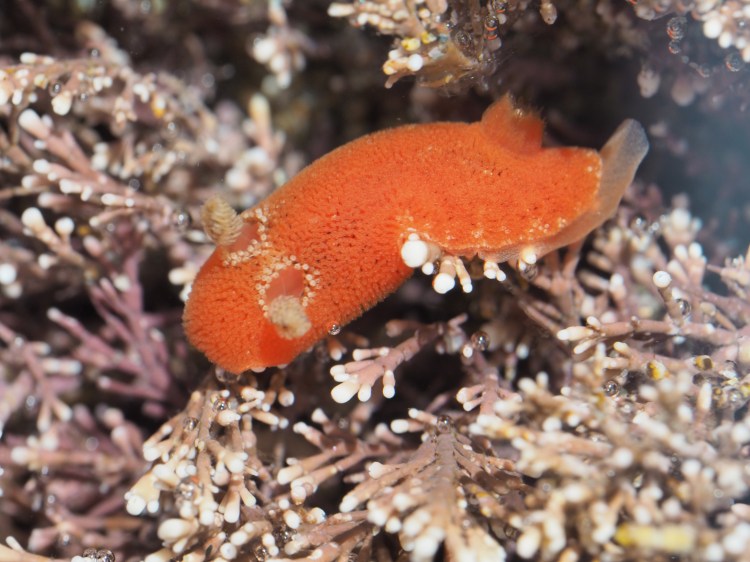
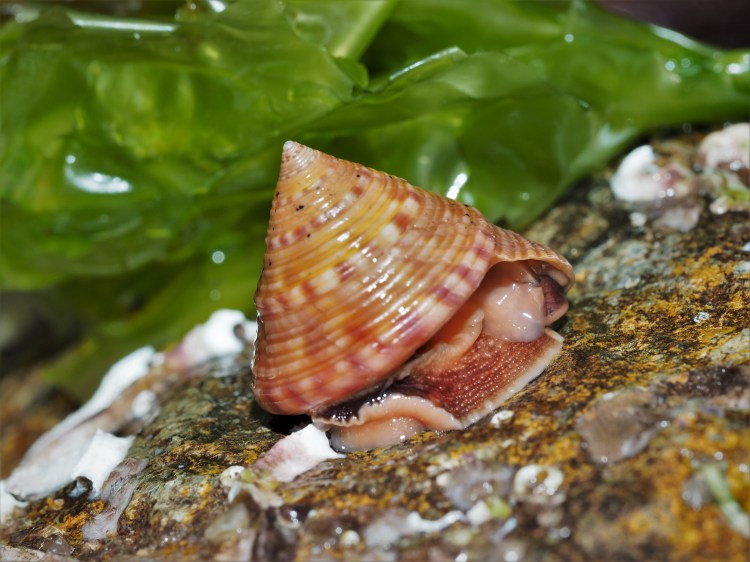
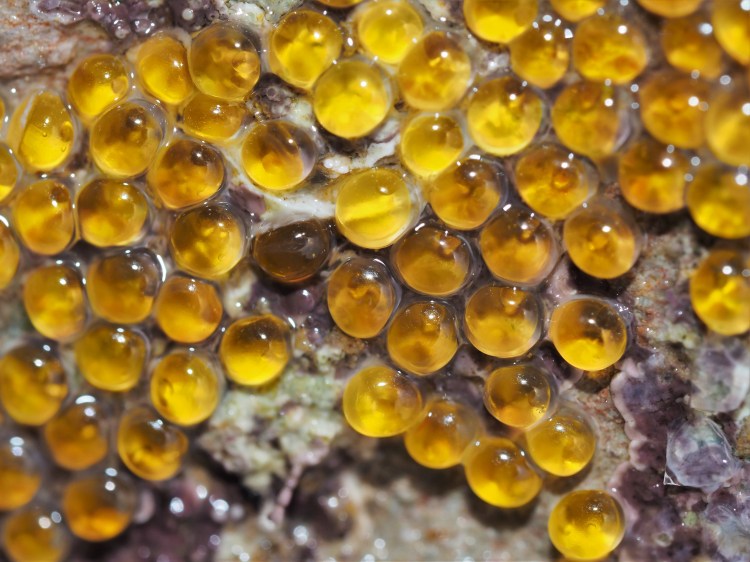
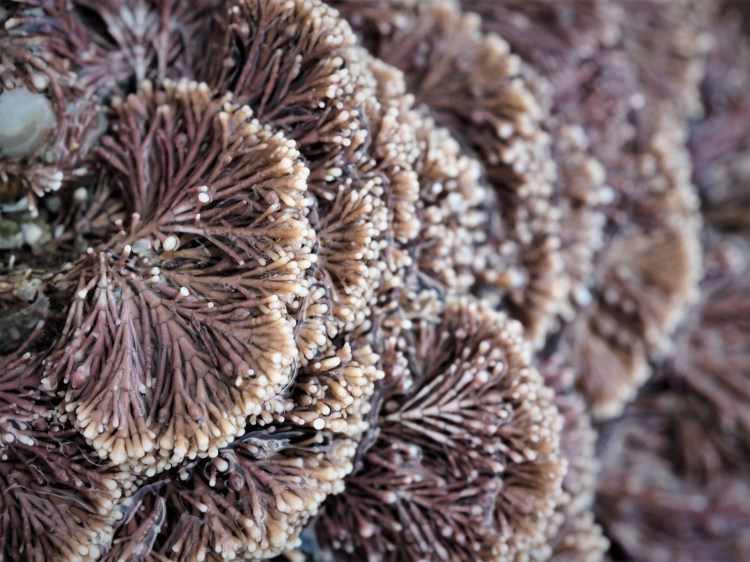
Because of the plankton bloom (see the last post), I decided to try my hand again at some above-water macrophotography. Above and below a Flat periwinkle Littorina obtusata on bladder wrack. More subjects: a Red Doris Rostanga rubra, a Painted topshell Calliostoma zizyphinum, Cornish sucker (or Shore clingfish) Lepadogaster purpurea eggs (they must not be laid long ago and so the tiny fish are not yet visible, although if you zoom in you can see an outline forming) and some layers of Coral weed.