Periwinkles

Long time no post – the idea was to spend time taking photos during spring and summer and enjoy the underwater world vicariously by blogging in autumn and winter. However, something terrible happened on my only dive of 2025: my underwater housing sprung a leak! The housing was not flooded to an extent that it damaged my camera but it needed to be repaired before I could get back underwater. Unfortunately there is only one place that can do that, backscatter all the way in California, and even more unfortunately, U.S. customs decided to keep my package on a shelf for over a month. I have never seen an octopus in my decade of diving but of course people reported eight or so per dive last month so I was feeling very sorry for myself!* Anyway, I have been confined to the shoreline so far. To cope with that, I bought a weird chinese macro-wide angle lens to play with which I will post about later. I also used my ‘normal’ 60mm macro lens (sometimes with a Raynox lens attached to the front for extra magnification) and took some time to focus on periwinkles.

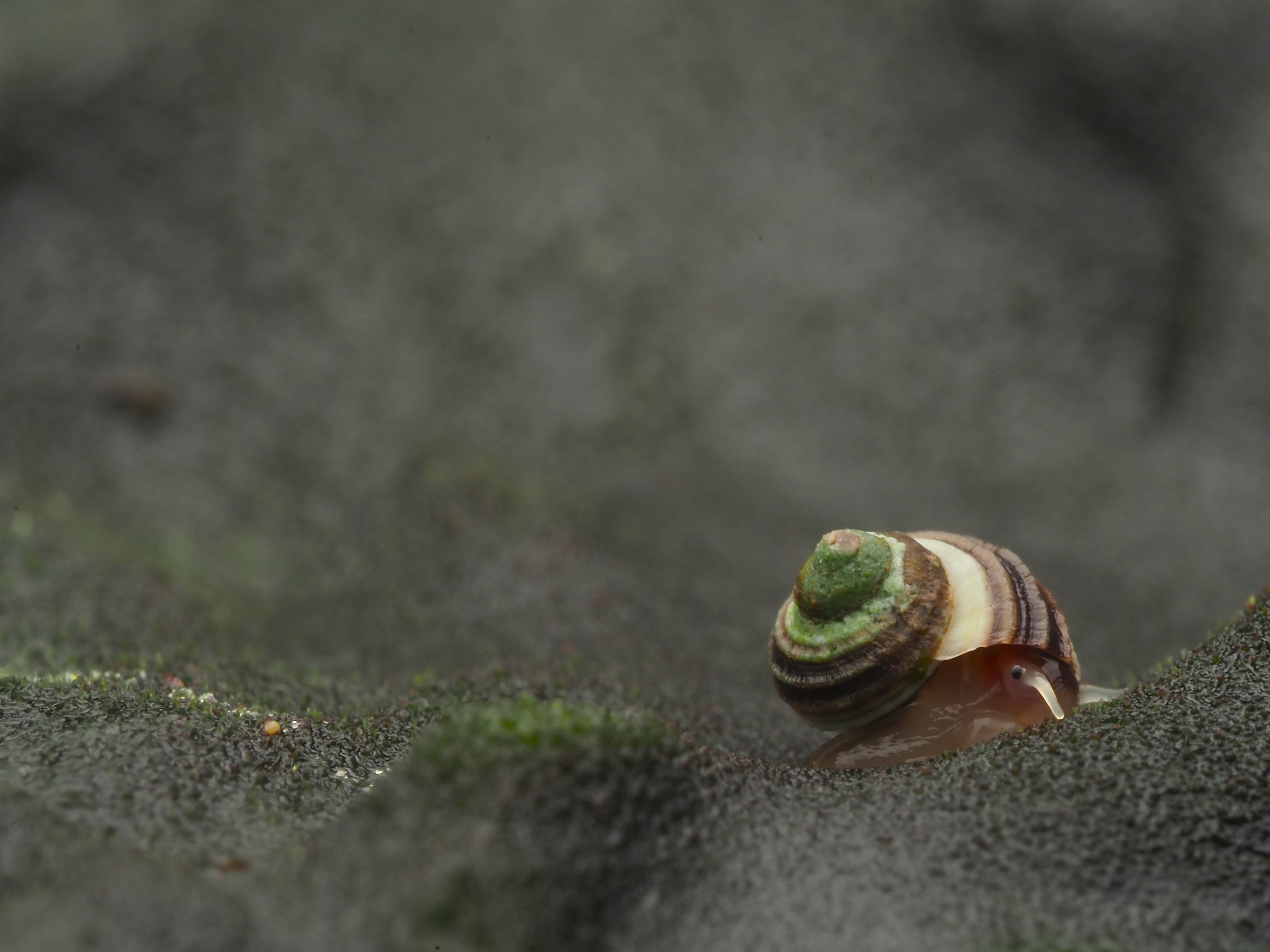
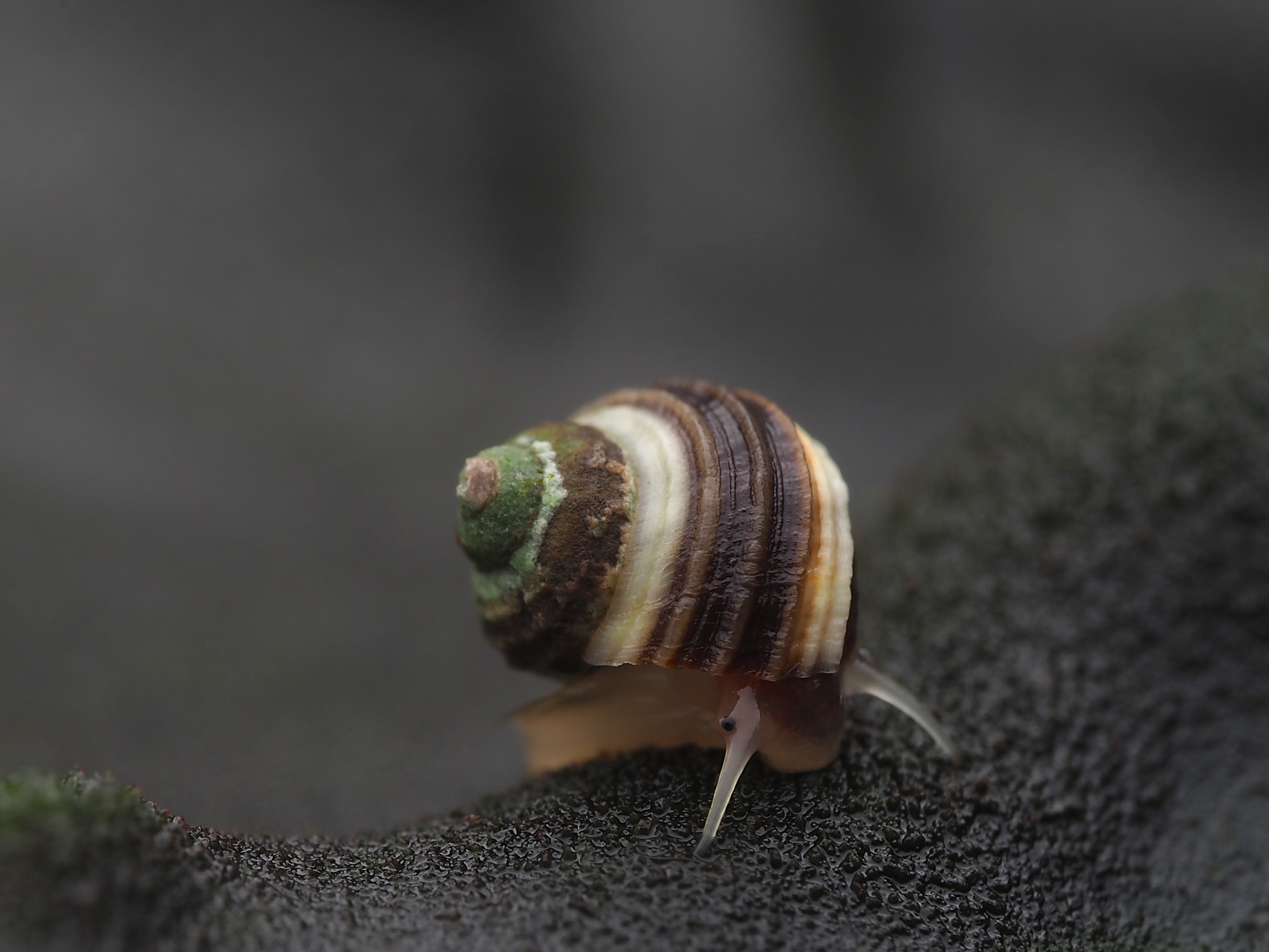
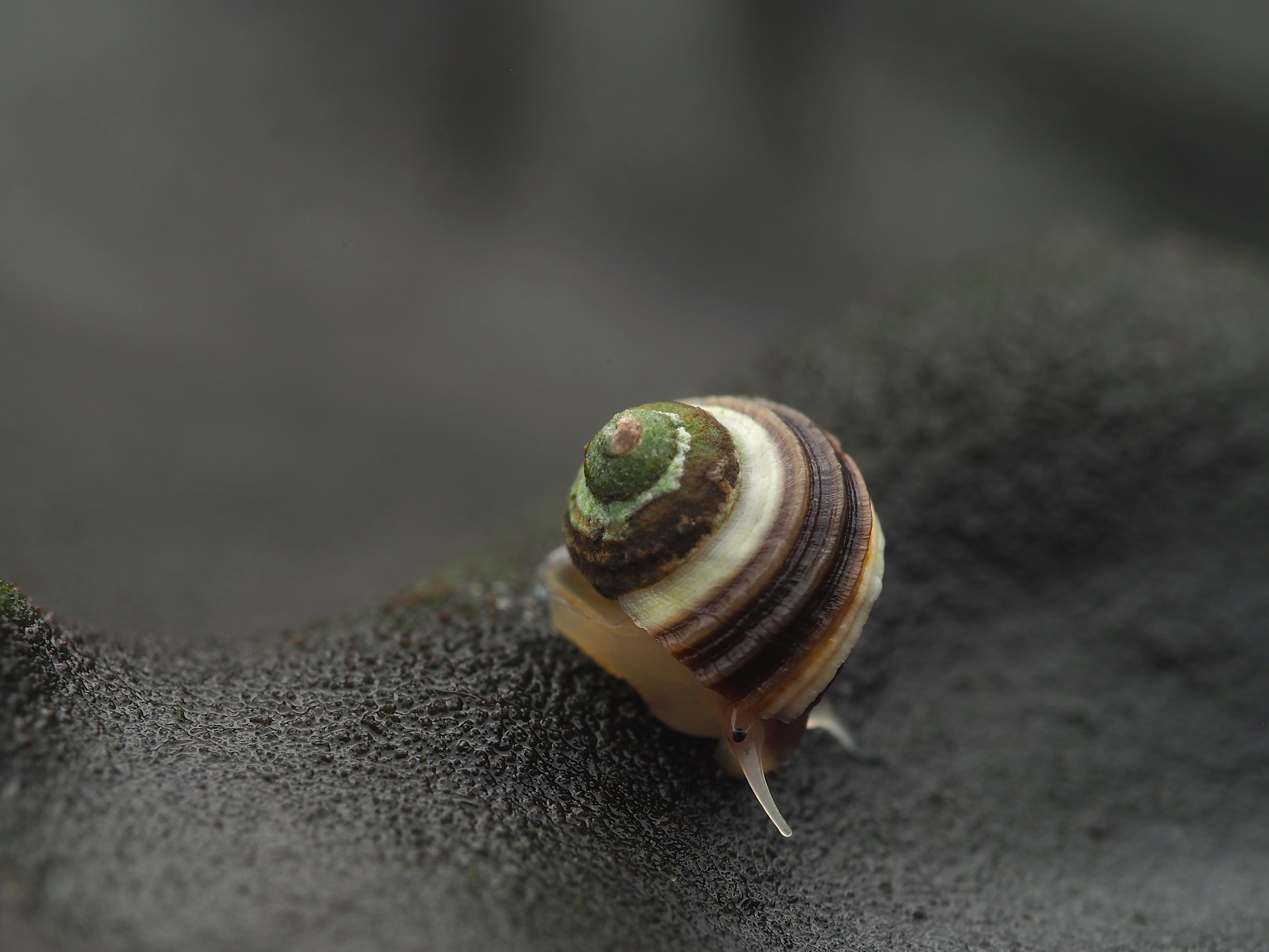
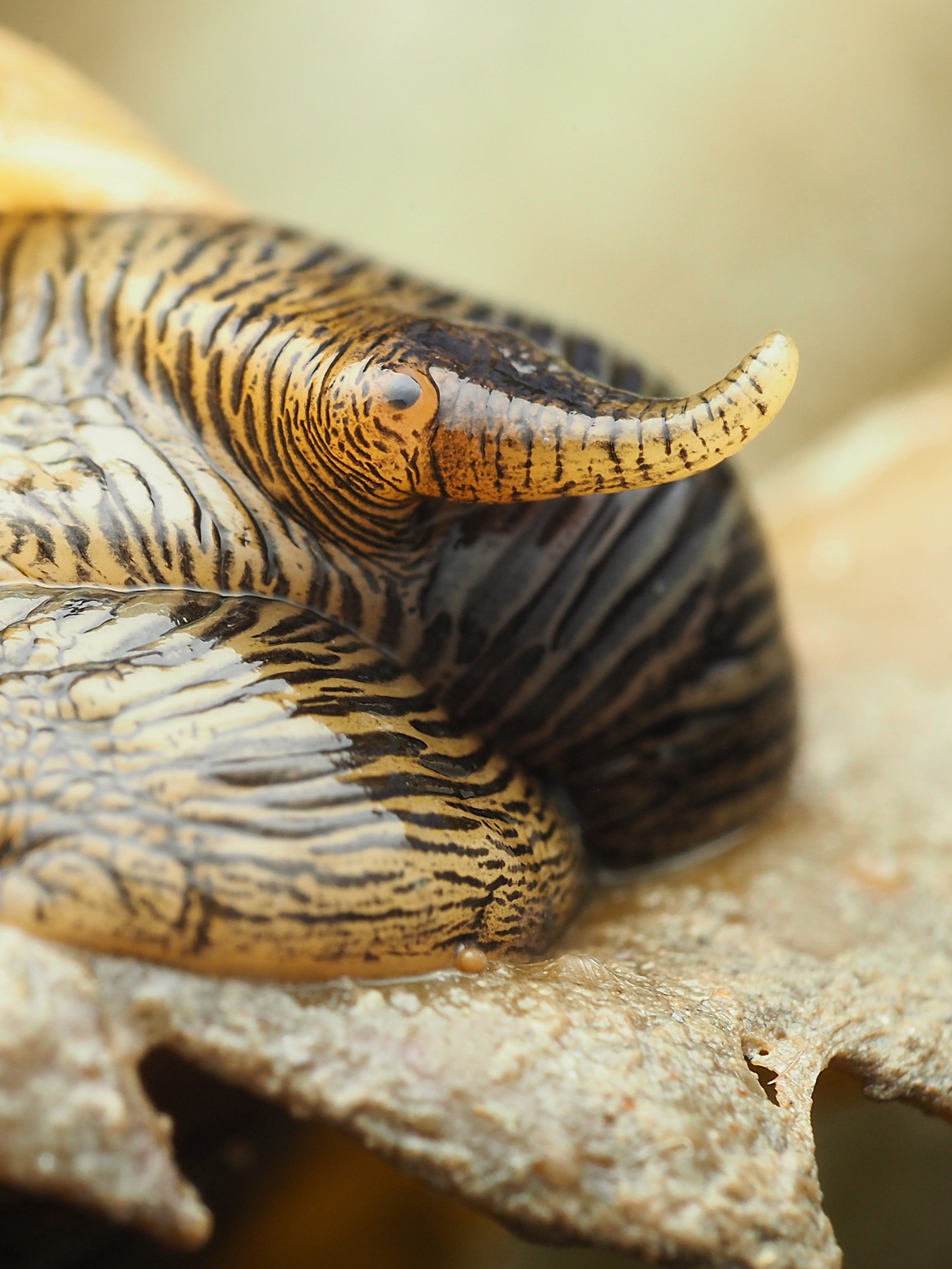
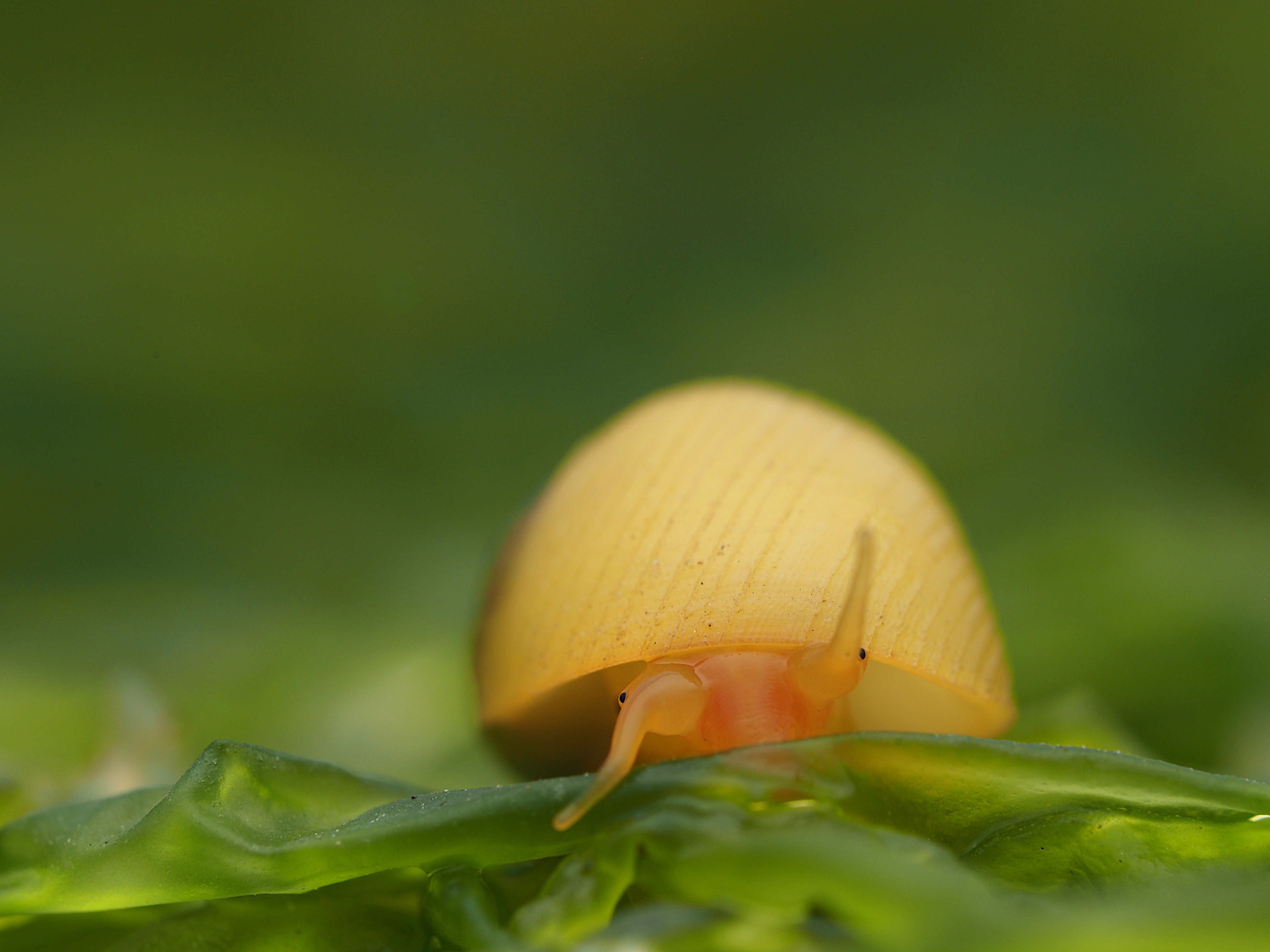
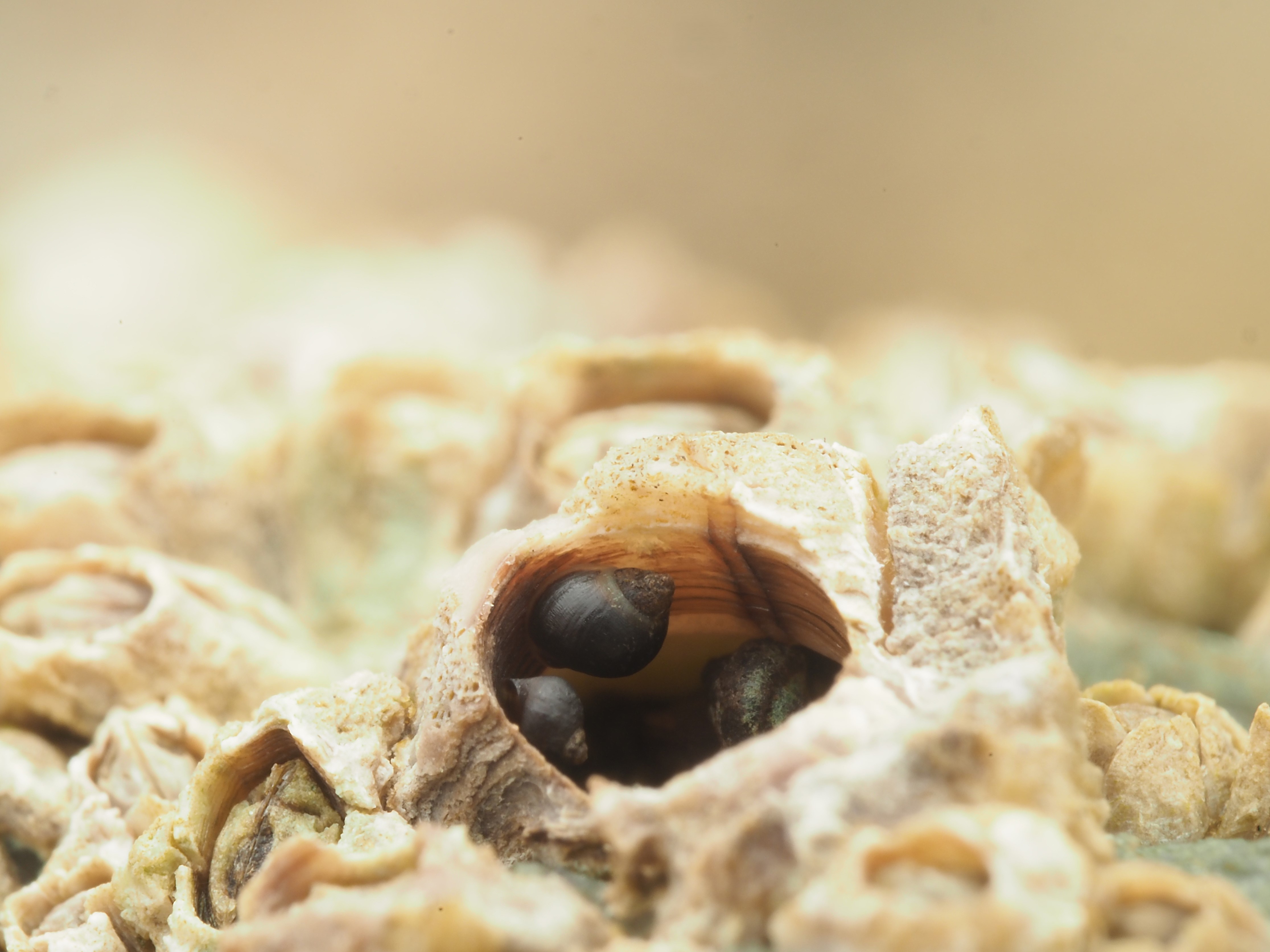
At the top and below a Flat Periwinkle (Littorina obtusata or maybe L. fabialis – distinguishing is very hard as it requires investigating differences in penis shape!). As you can see the locations are not always glamorous, but if you zoom in you can still find beauty!
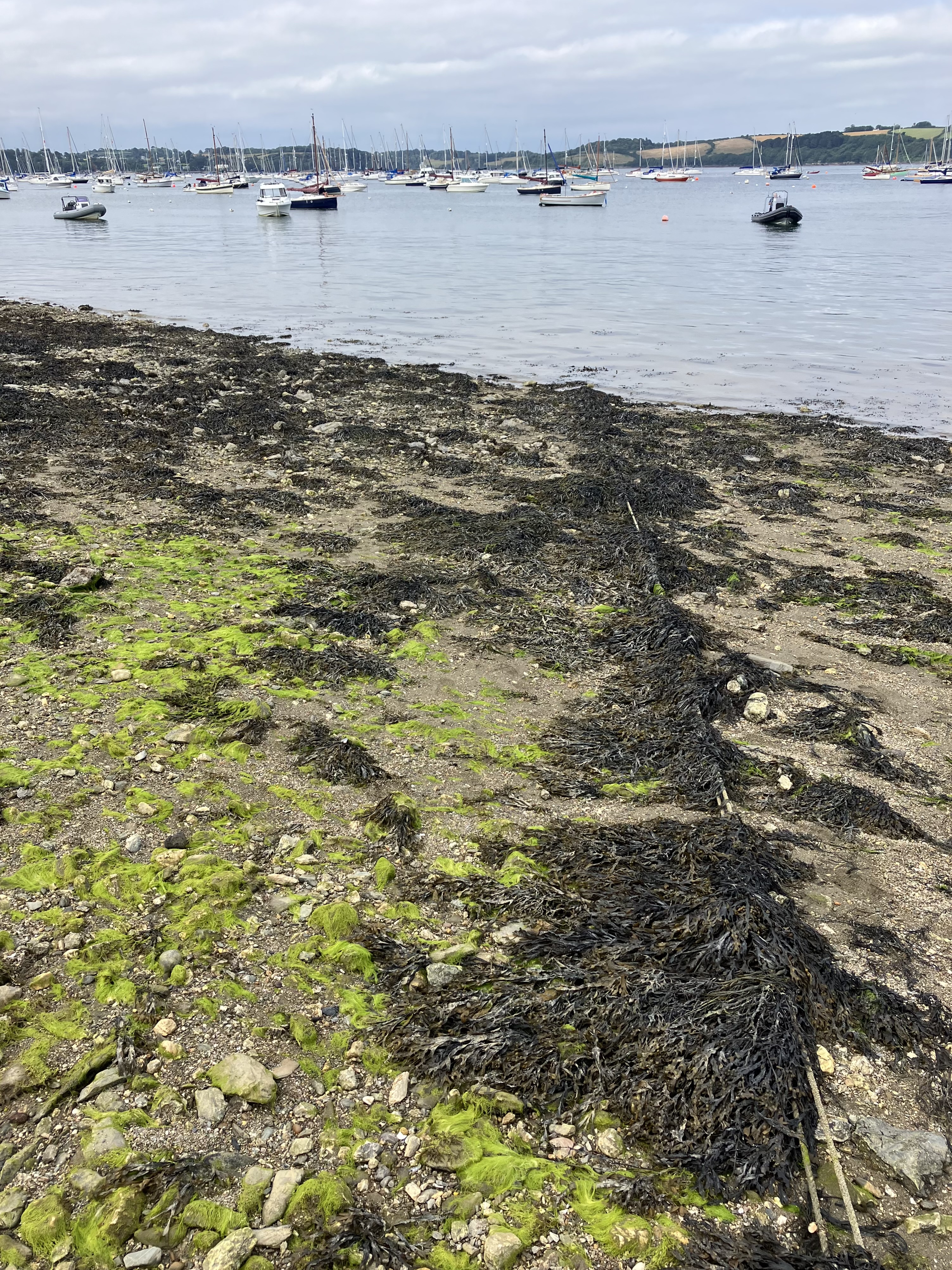
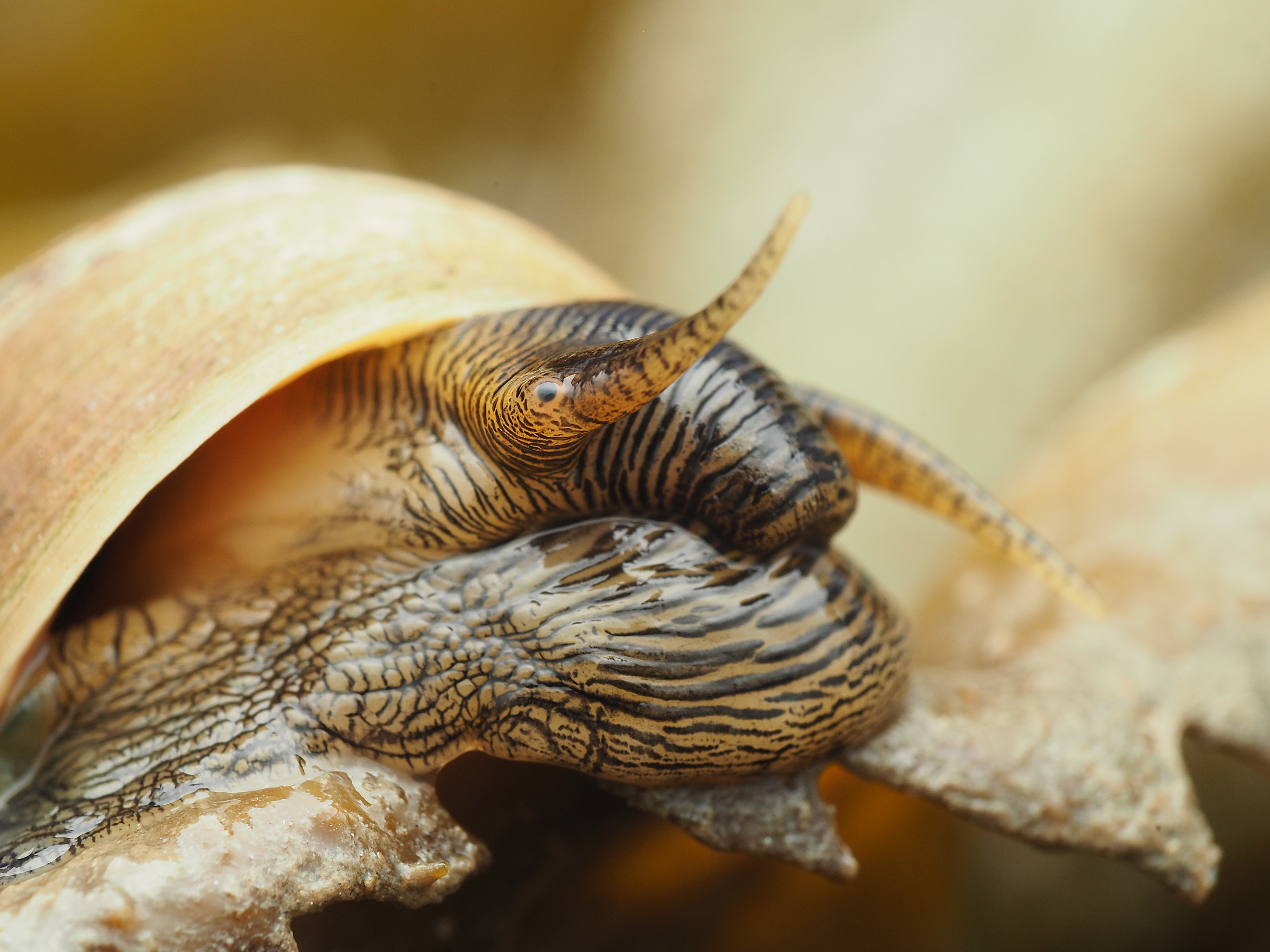
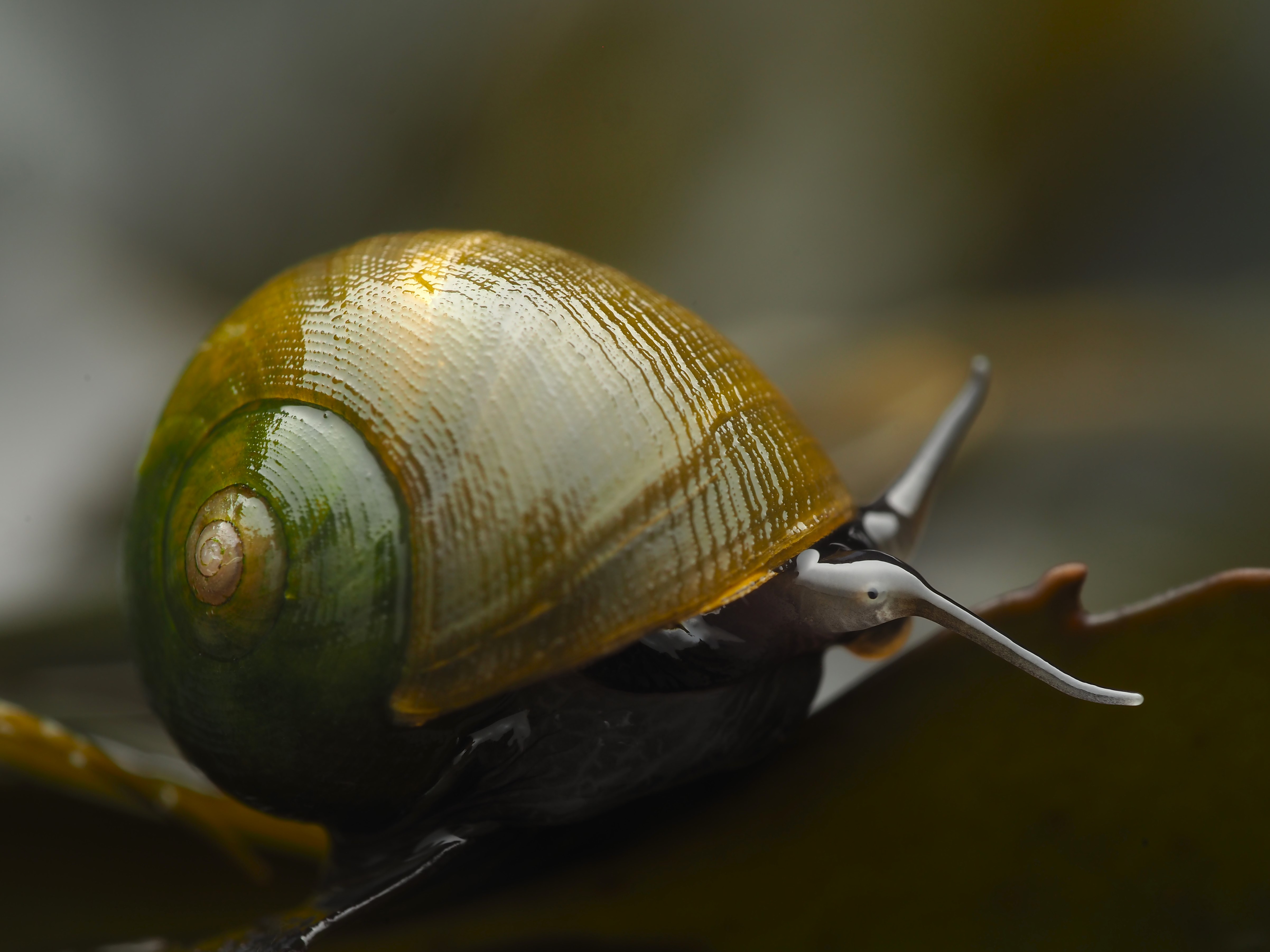
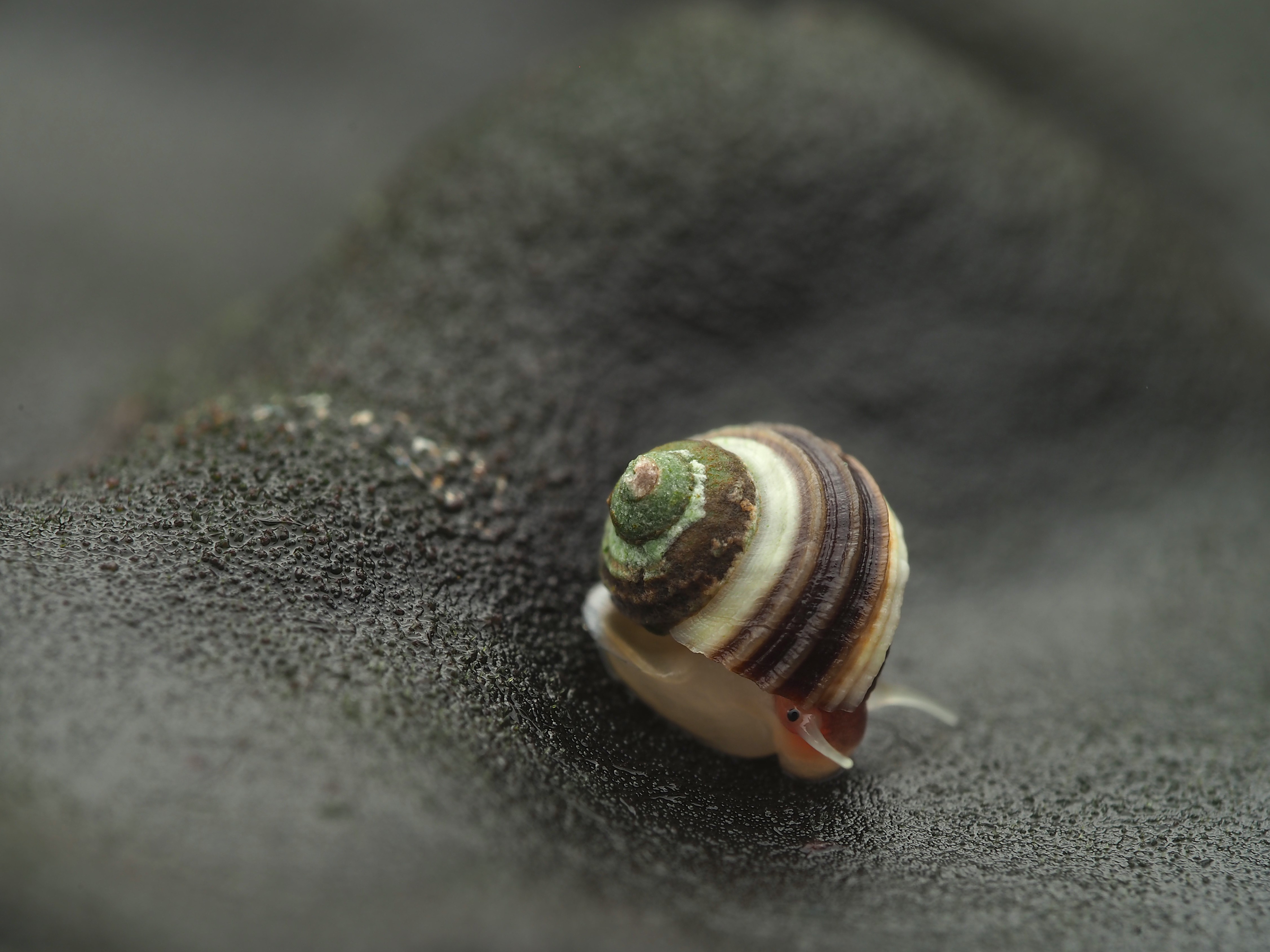
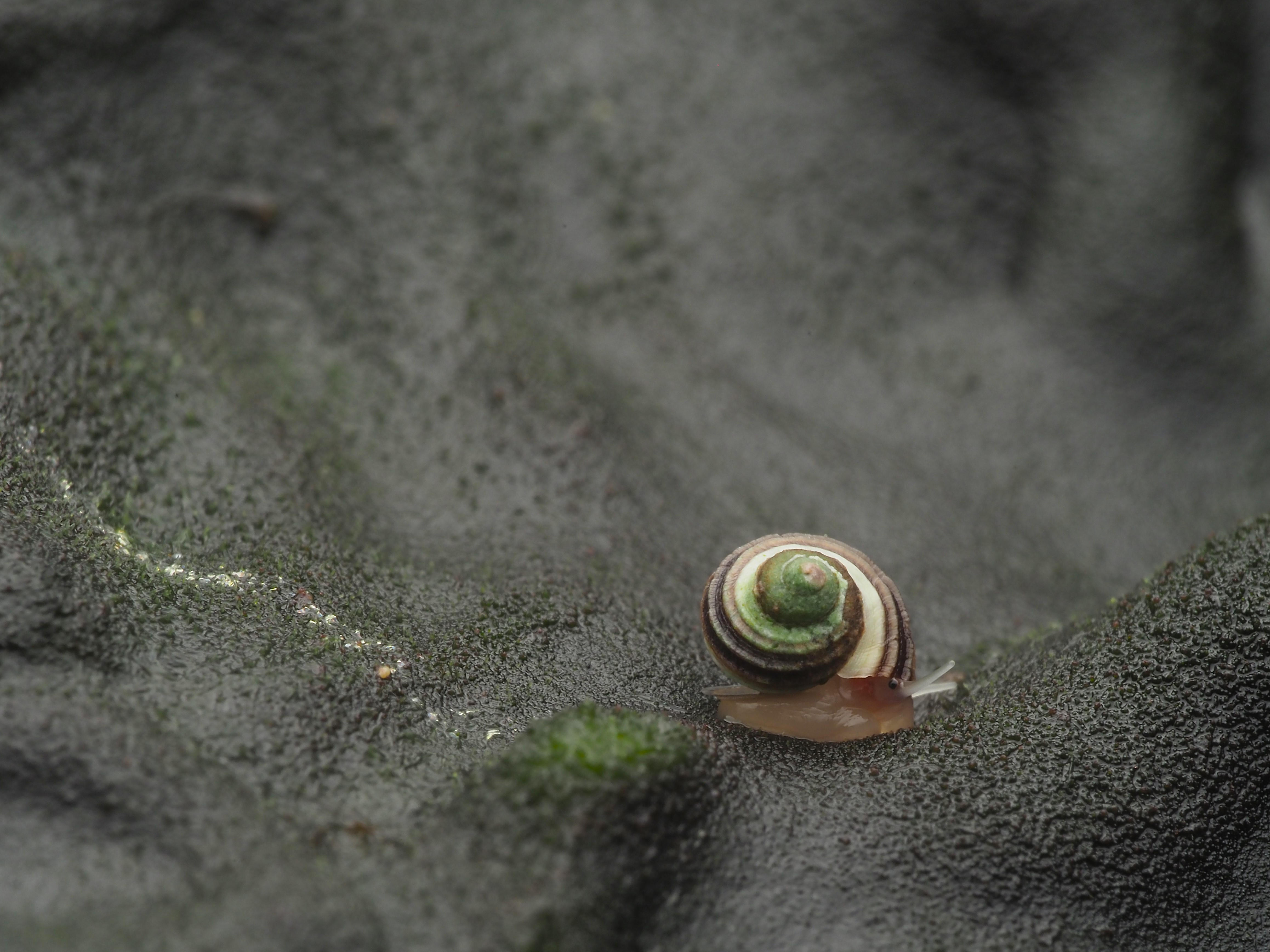
Flat periwinkles tend to be most active above-water, followed by the smaller Rough Periwinkle (Littorina saxatilis – below) with the Common Periwinkle (Littorina littorea – below that) only occasionally moving about.
Finally, a tiny species the Small Periwinkle (Littorina Melharaphe neritoides). Probably overlooked by most, as it is tiny (up to 8mm, usually smaller) and hidden between barnacles (or even nestled in empty barnacle cases) high on the shore.
* and no, I could not bring myself to go diving without a camera…
First dive of 2018: the N.G. Petersen Wreck

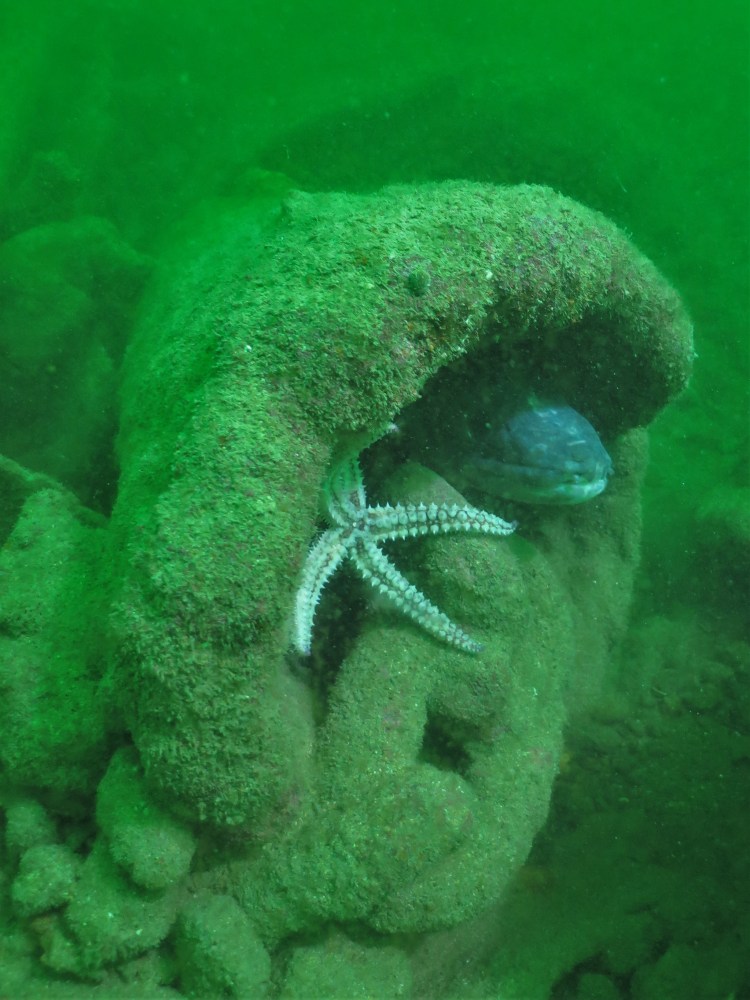
It was time this Saturday: my first dive of 2018! Leaving with Atlantic Scuba‘s Stingray rhib from Mylor Harbour, we plunged in the cold (9°C) water above what remains of the N.G. Petersen in Falmouth Bay. Frustratingly, the indicator light of my strobe kept flashing red and green, so taking decent photos was out of the question. Luckily, I am able to post a nice little clip of this dive made by fellow diver Glyn Kirby (thanks Glyn!). It gives a good impression of life on the wreck and the plankton bloom, reducing the viz quite abit. Inbetween the rubble, some urchins, edible crabs, spider crabs and lobsters. Also great to see five or so (small) Rock Lobsters and some wrasse and shoals of Bib (with some other gadids hanging about too). We saw a small freeswimming Conger Eel and a very big one sticking its head out of a tube (photographic evidence below the video, such a shame the flash did not work because the angle I got was nice). All in all a good dive together with excellent buddy Al. More diving soon I hope!

Oaten Pipes Hydroid

Another small post. I went out to the marina in Mylor Harbour to check what the pontoons looked like. It turned out OK-ish but no Peacock worms and only a few little Plumose anemones. However, the trip was worth it solely by the find of a hydroid colony, which my Seasearch guide told me was the Oaten pipes hydroid Tubularia indivisa. Very pretty! By taking 30 photos with my Canon Powershot, I ensured I had a couple in focus. Also in the frame some little Sycon ciliatum sponges (these are a lot more rounded than some of the others I have seen, see here). IMG_0889

Pontooning

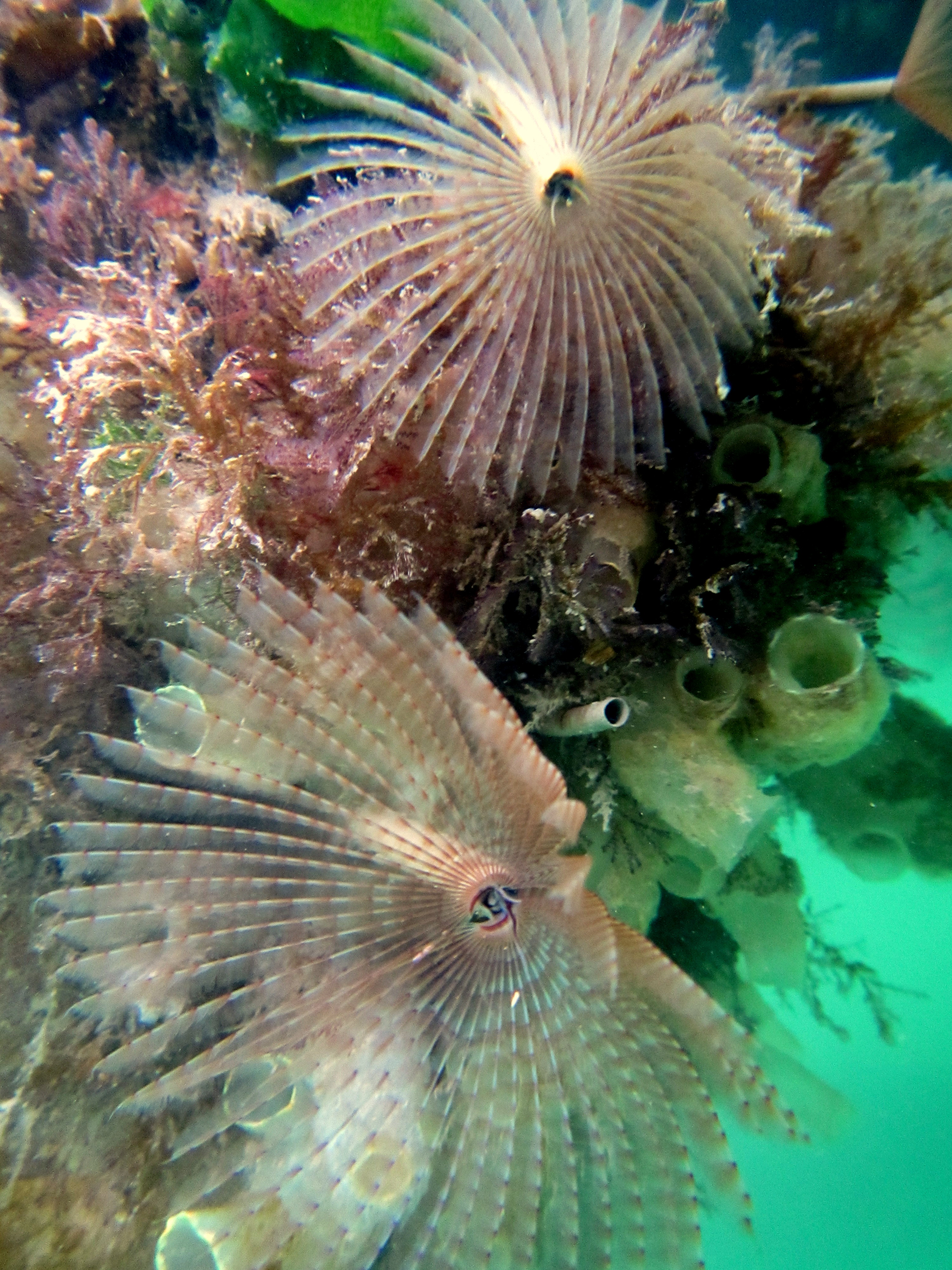
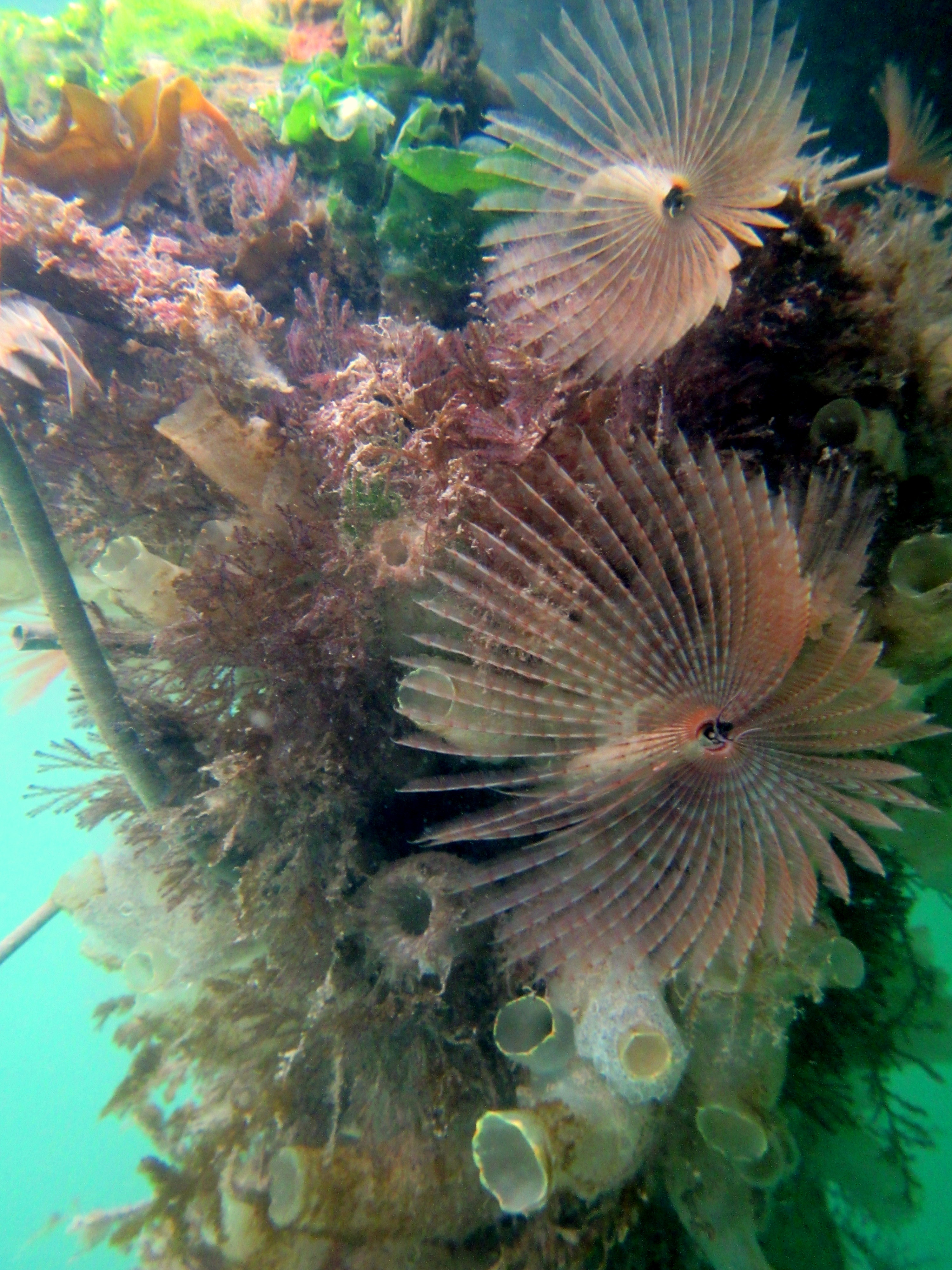
Unfortunately, the weather turned before I had another opportunity to go diving (or snorkeling). The wind and rain have reduced visibility too much and so I’ll have to wait half a year or so before conditions improve….too bad! I missed the low tides recently as well. However, today there was time for a bit of ‘pontooning’, i.e. lying flat on a pontoon and staring at the creatures attached to it. It is quite convenient as it is not dependent on tides and the communities are very different from that of rock pools. There is a very large marina at nearby Mylor Bridge that I had visited before in summer. There was a bit more life then (schools of mysid shrimp, more seaweeds, more tunicates) but it is still looking nice now. I used my iPhone to take pictures before, but holding it above the water was tricky and did not produce good results so I brought my new Canon Powershot instead (still not easy to take pictures as at the same time I had to prevent my two-year old son falling in the water). The bulk of the biomass hanging from the pontoons consists of tunicates (mainly Ciona intestinalis). Small Plumose anemones Metridium senile are common (more about those in the next aquarium update), as well as the sponge Sycon ciliatum. I even found a small Elegant anemone Sagartia elegans (var. venusta). The invasive Bryozoan Bugula neritina is very common; it looks a bit like seaweed even though it is an animal (see here for a description). Finally, the Peacock worm Sabella pavonina is common (and very striking). Just two pictures below as the rest was subpar; I have to go back on my own sometime soon maybe.IMG_0402IMG_0405