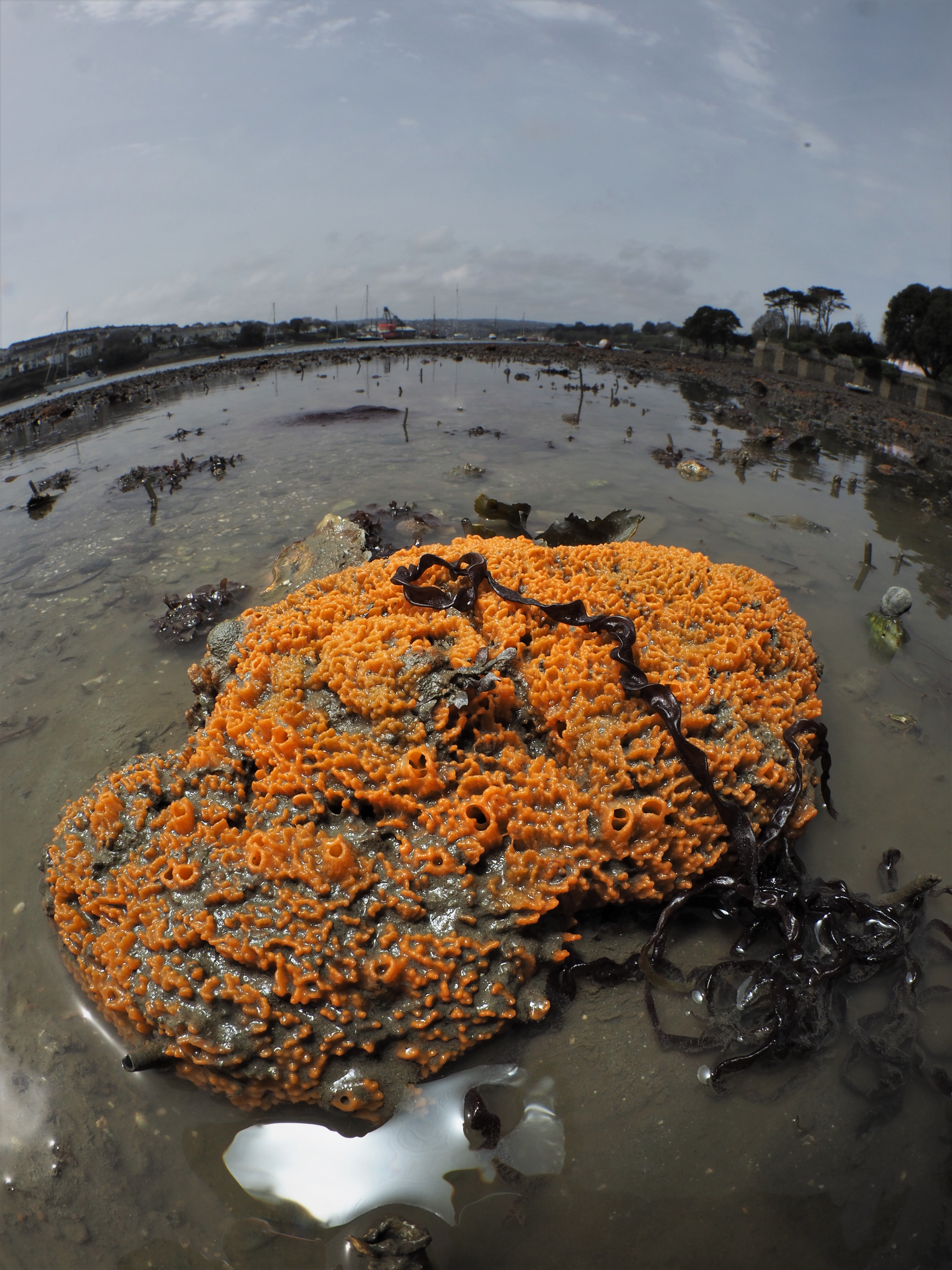
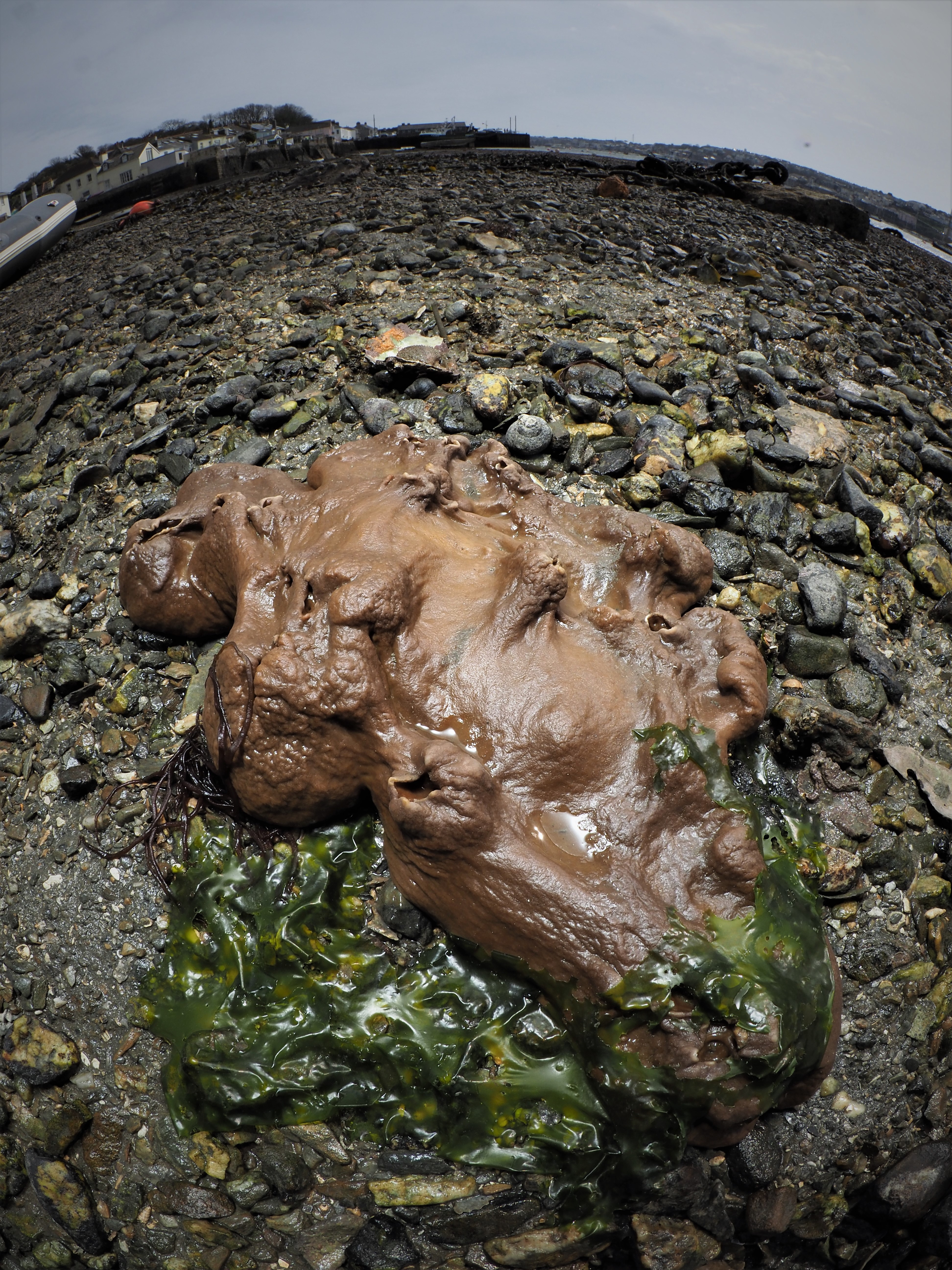
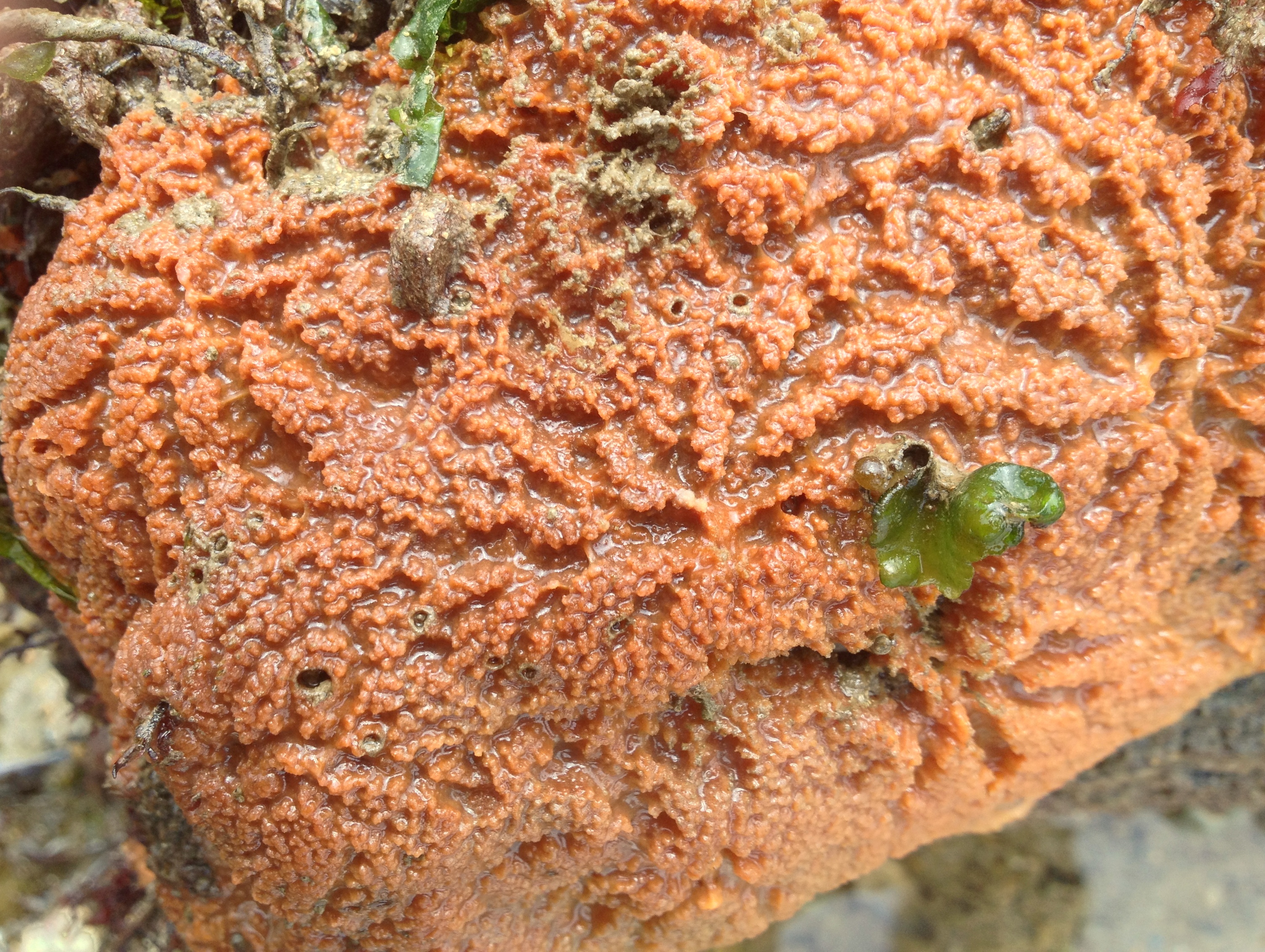
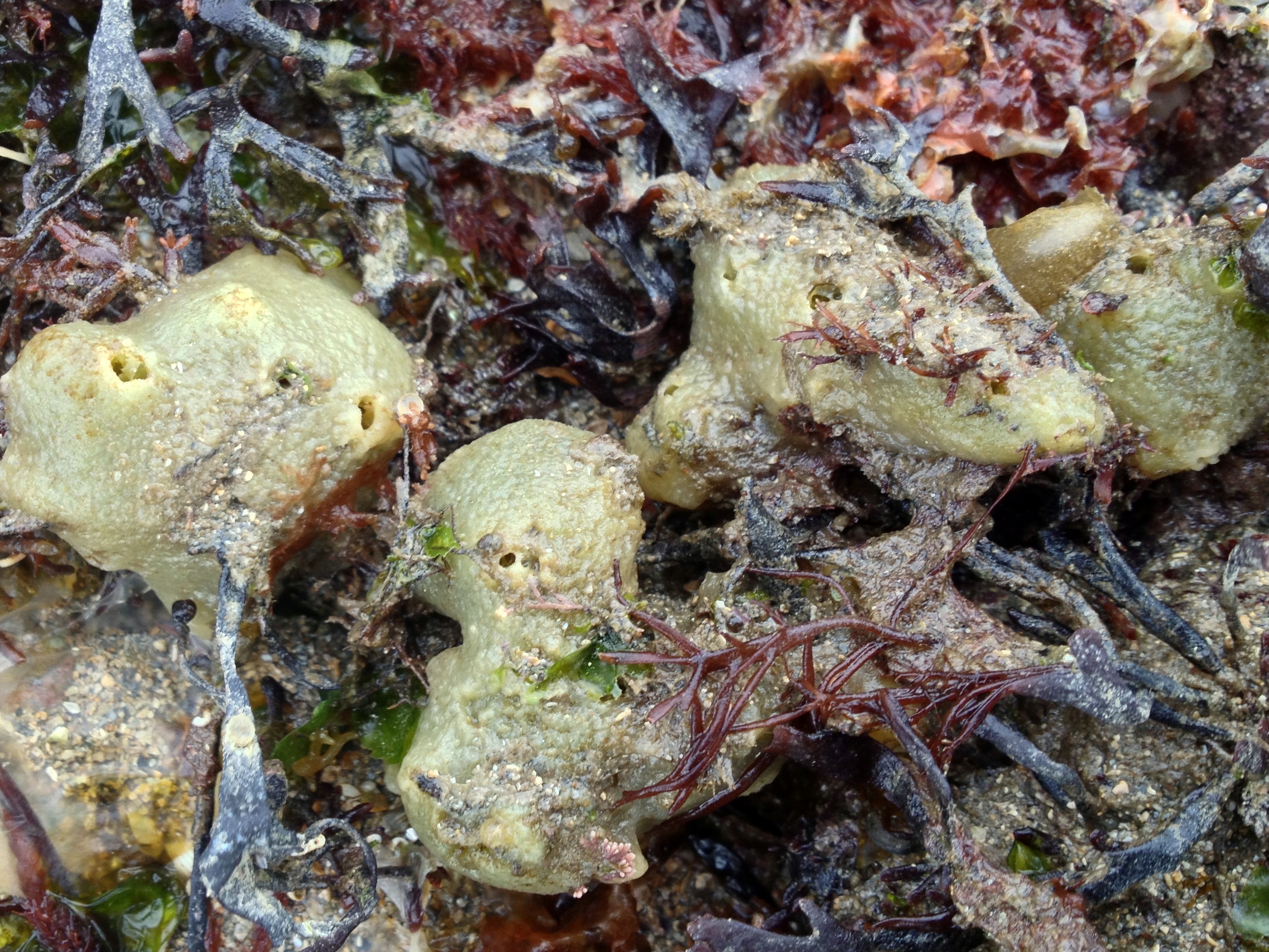
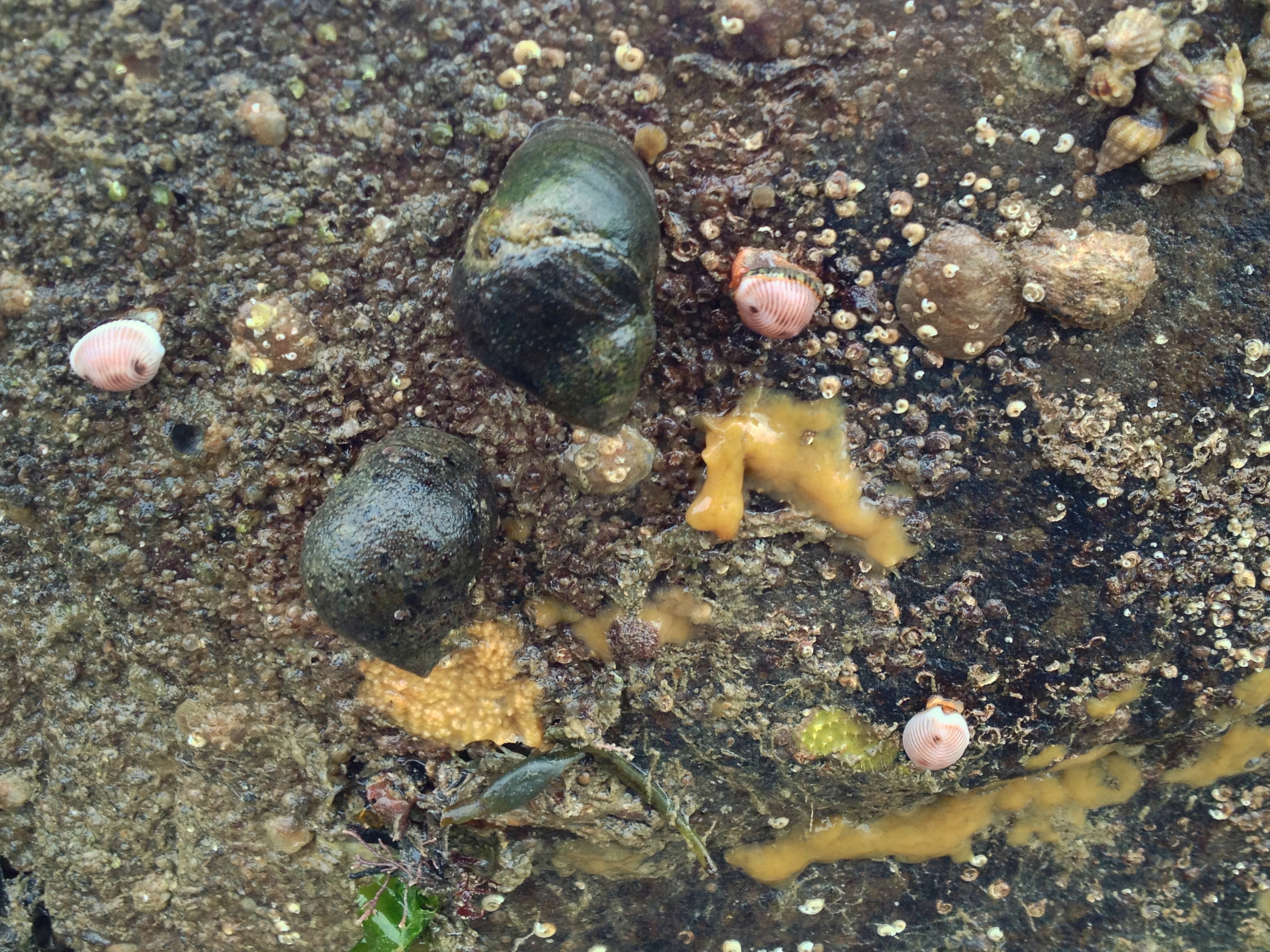
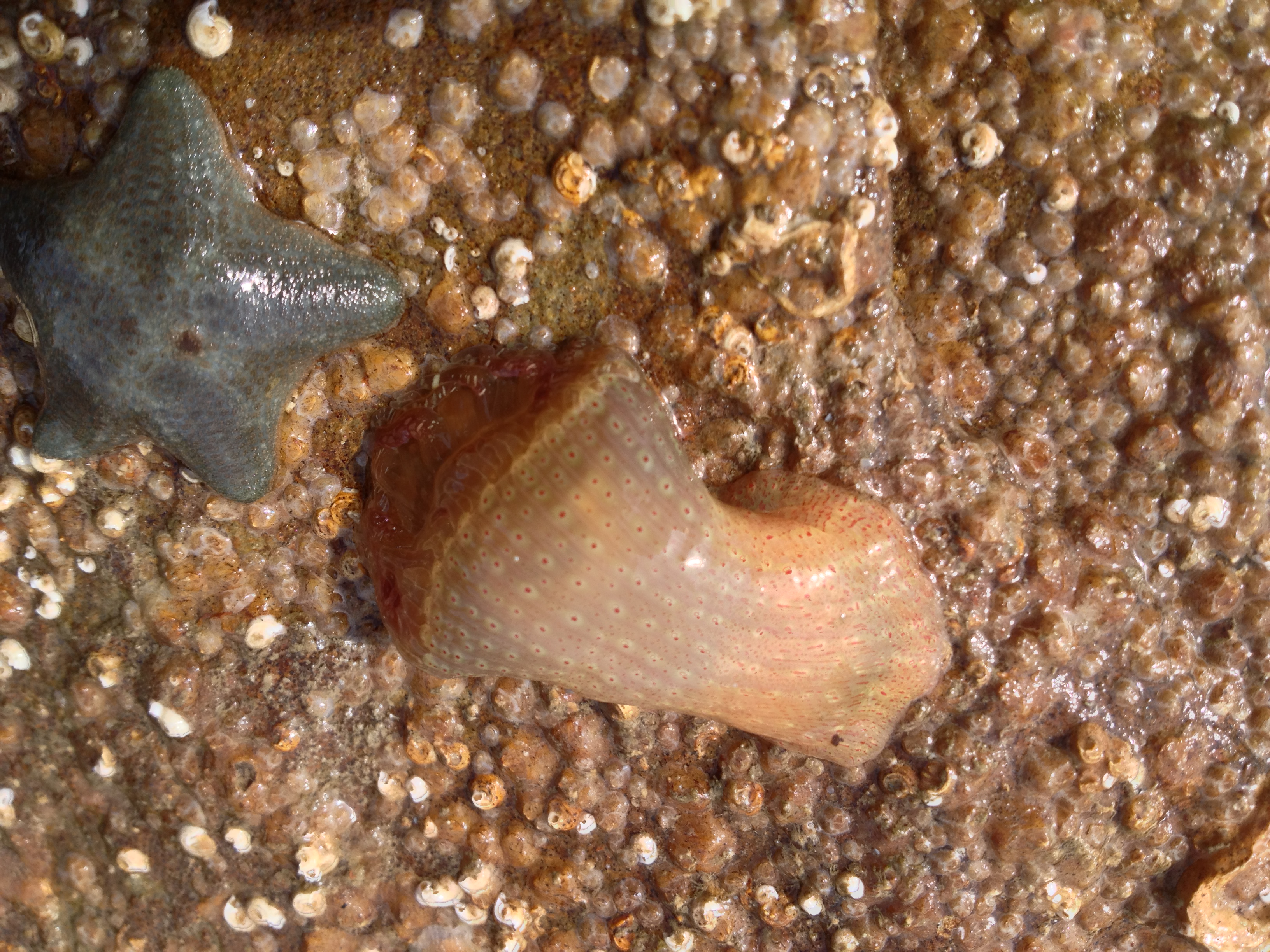
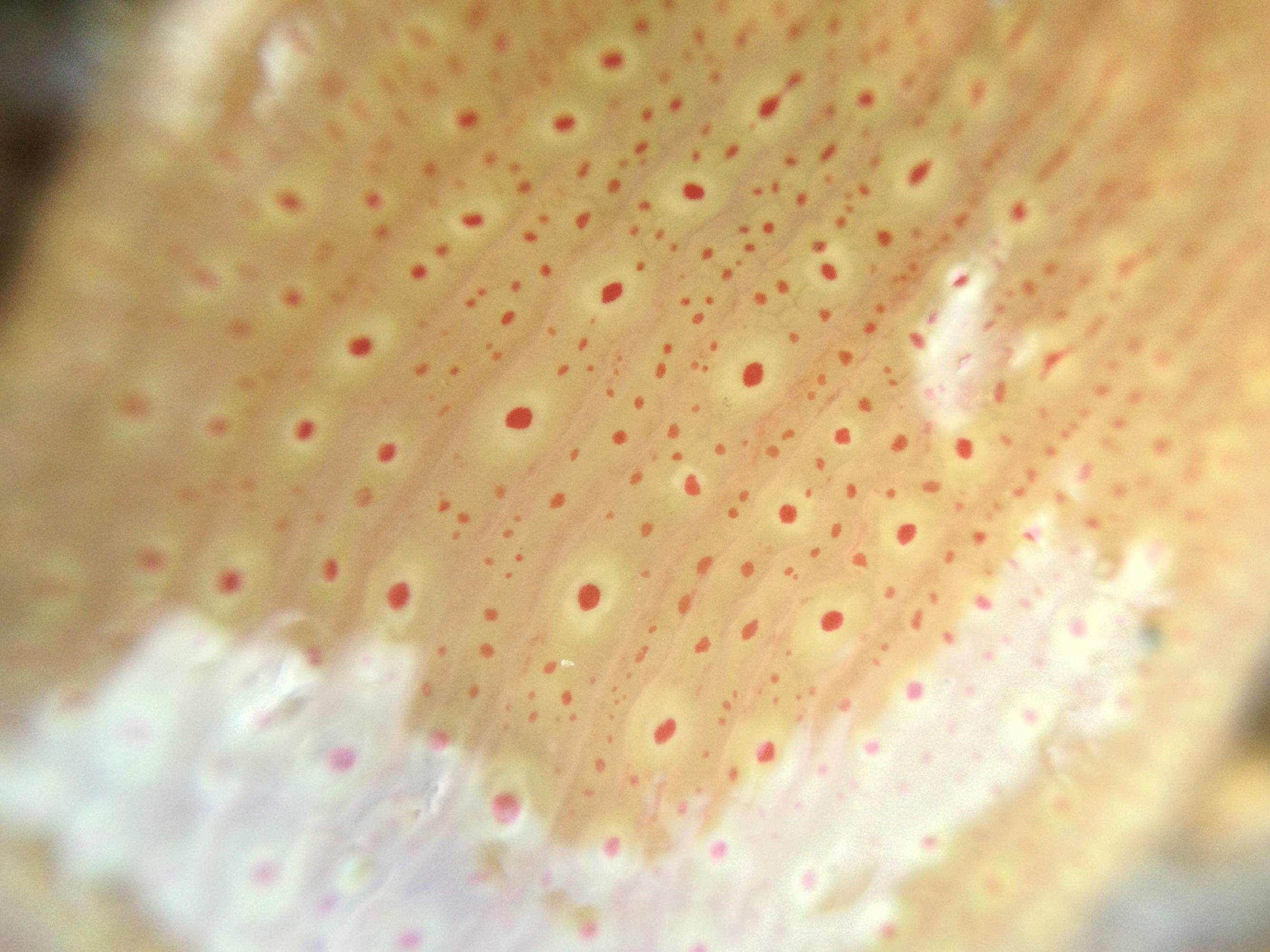
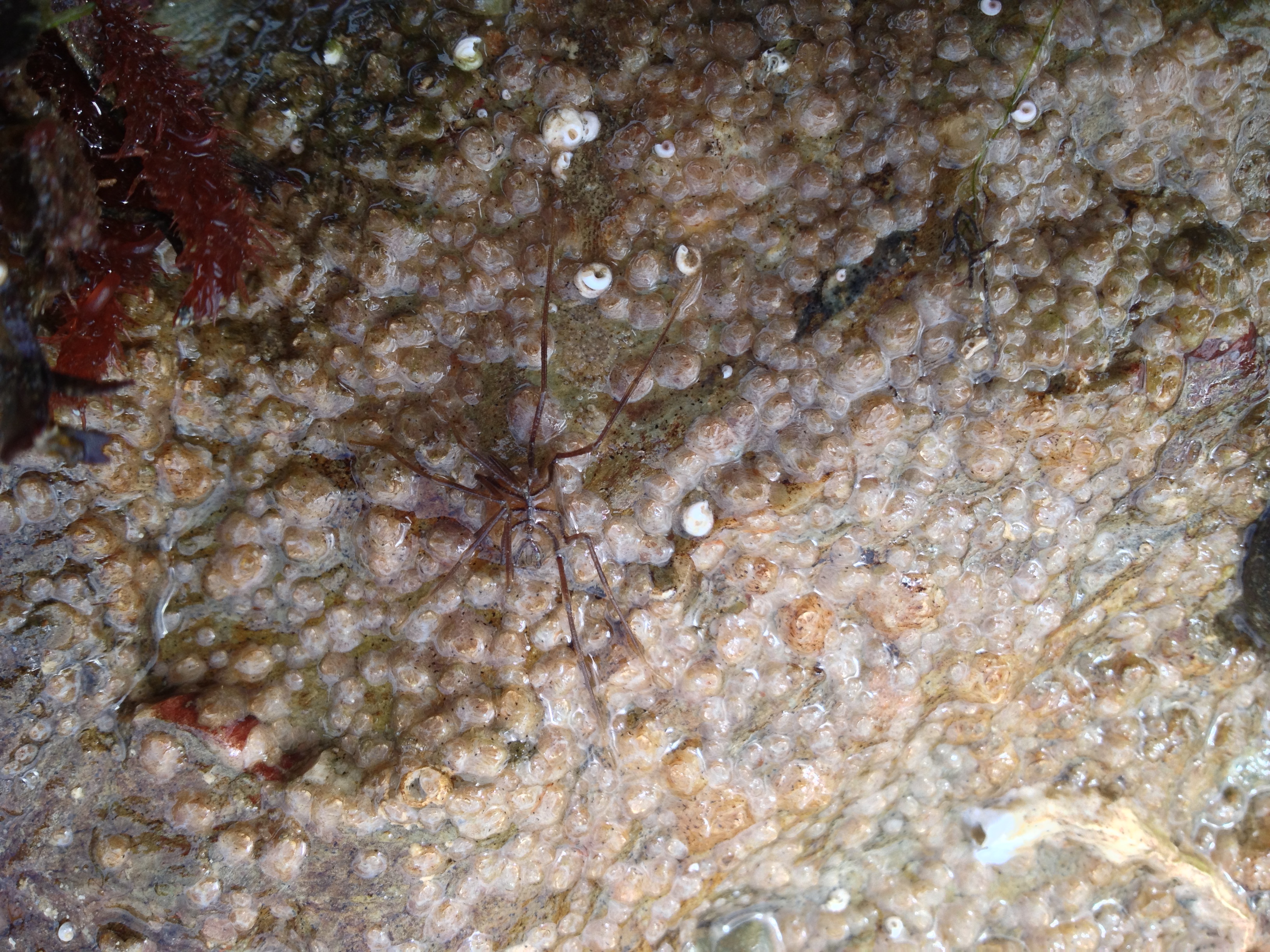
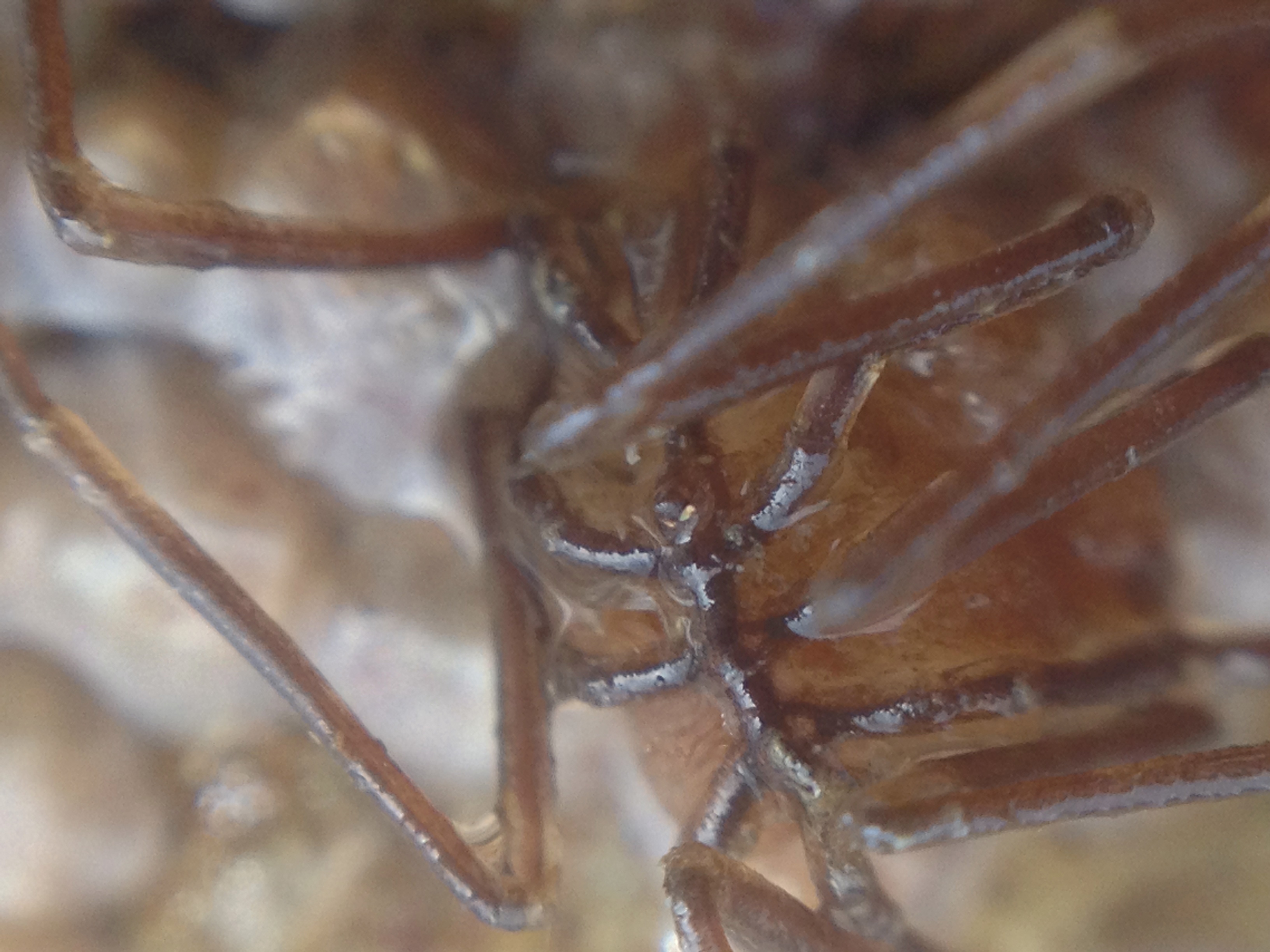
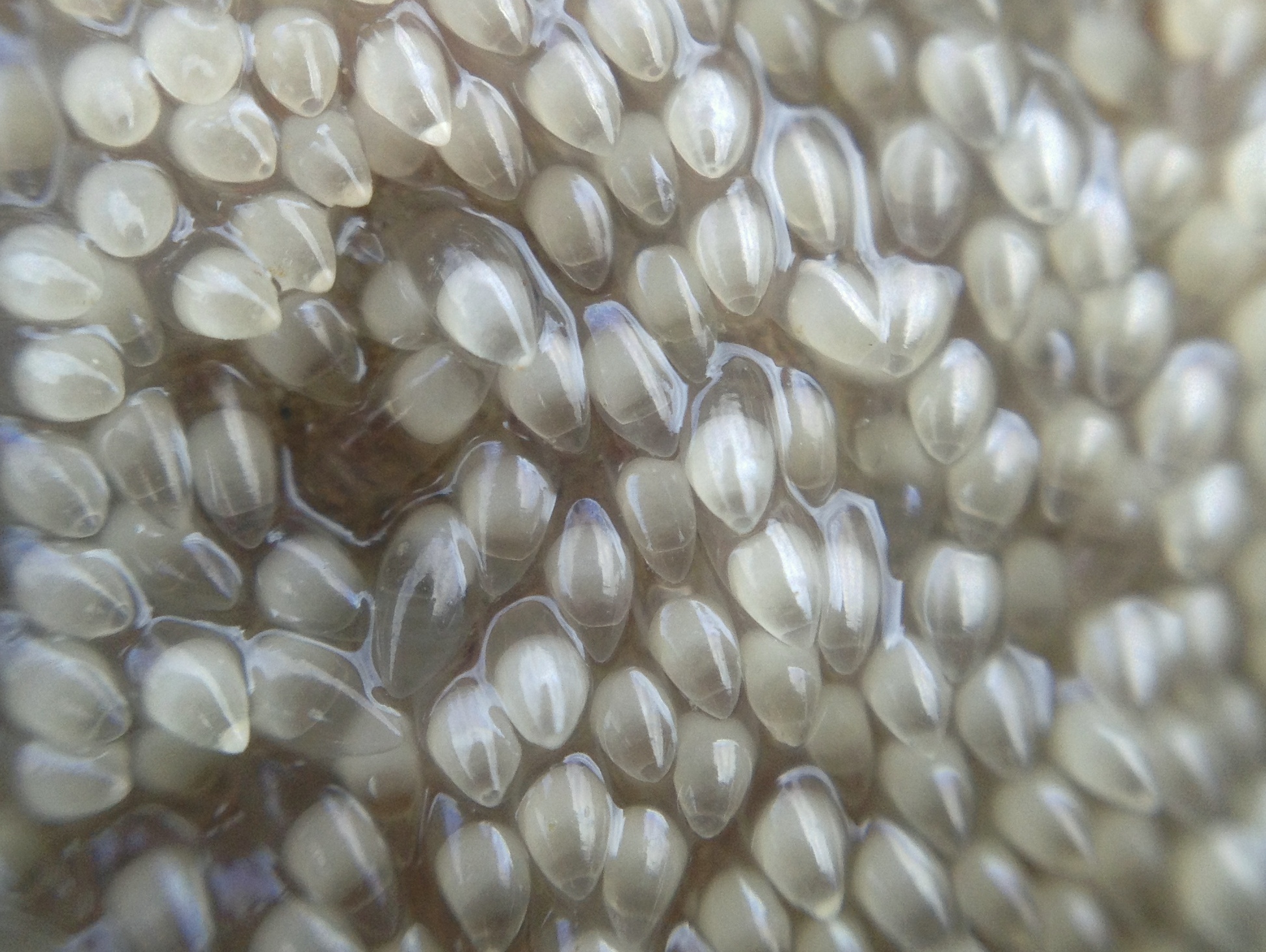
We have had some sunny spells but generally the weather has been disappointing lately, especially with regards to wind and waves. I did some snorkels with the fisheye lens to try to capture the seaweeds but the viz was such that I did not even bother to copy the images from my camera to my laptop….A crying shame as it means I have to wait a whole other year to capture the seaweeds in their full glory! (although even when most seaweed species are in decline, with good viz and some sun the pools can still look fantastic later in the season, see for example HERE or HERE). Anyhow, instead of taking my fisheye lens underwater, I tried it out on land instead, specifically on the muddy foreshore of my village Flushing. (A wide angle lens would have been better for this – no warped horizons etc – but I don’t have one.) I had a go at this a while back, before I really knew about softboxes to disperse flash light….what can I say, I am a slow learner… I recently bought a flash and a trigger so I can hold my flash in a softbox near subjects which is the way forward for these types of shots. Although not home to the most spectacular animals or backgrounds, it was fun playing around a bit. Top left: Montagu’s Breadcrumb Sponge (Hymeniacidon perlevis), top right: something that looks superficially like Elephant Hide Sponge (Pachymatisma johnstonia), although the colour and texture are off. (This specimen will be sampled by David Fenwick for a close look at the spicules (if it is a sponge and not a seasquirt!)

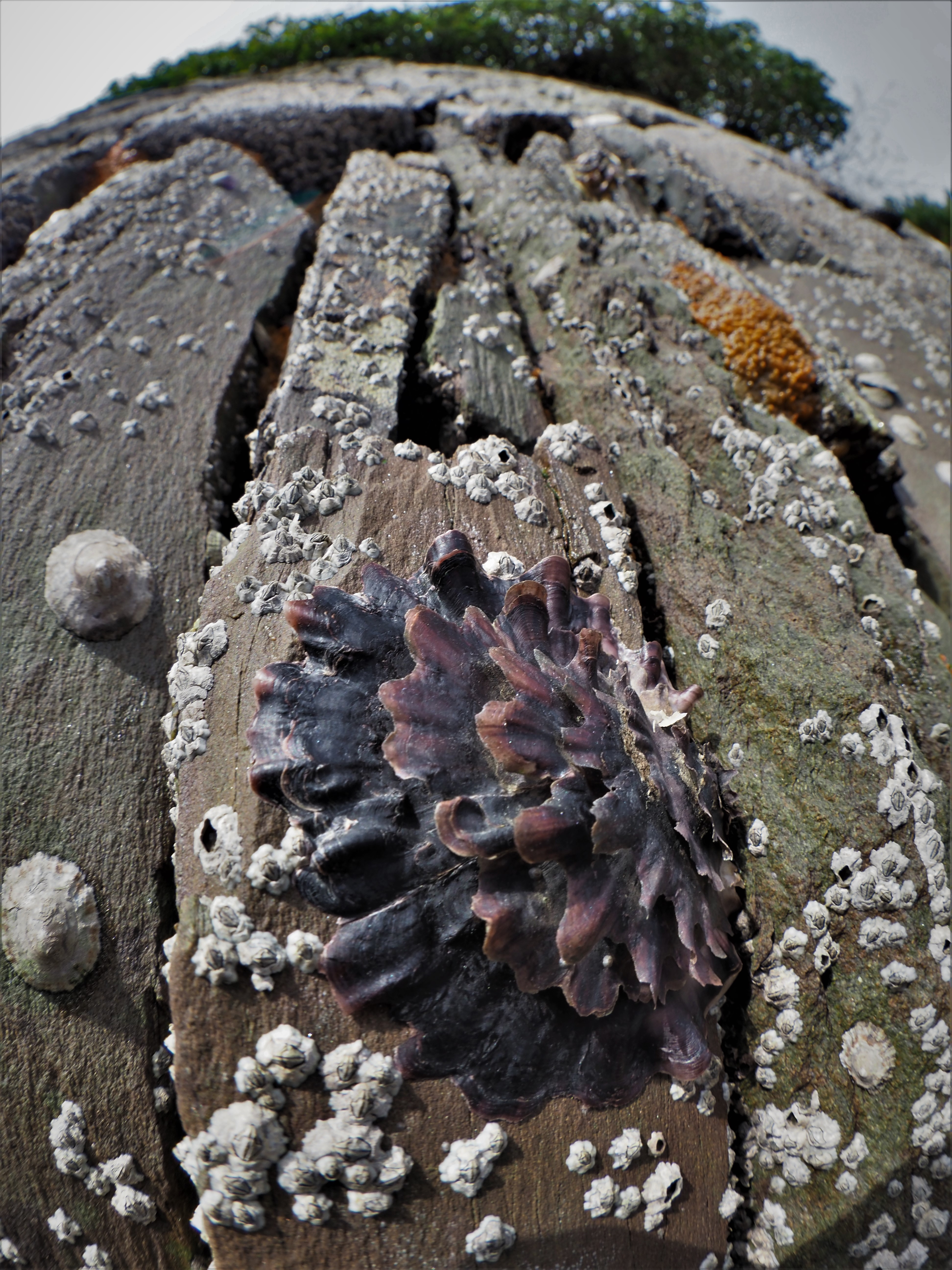
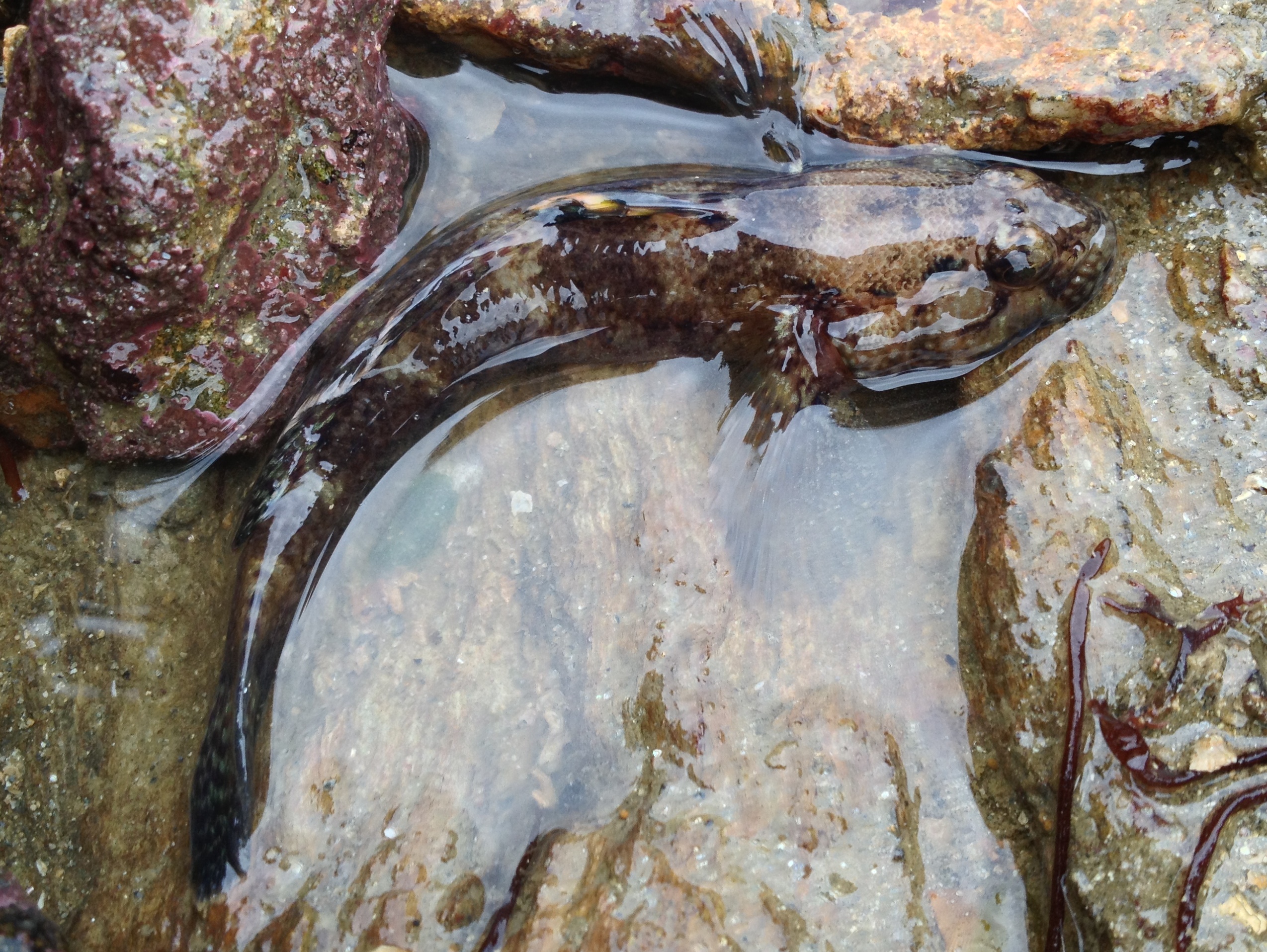
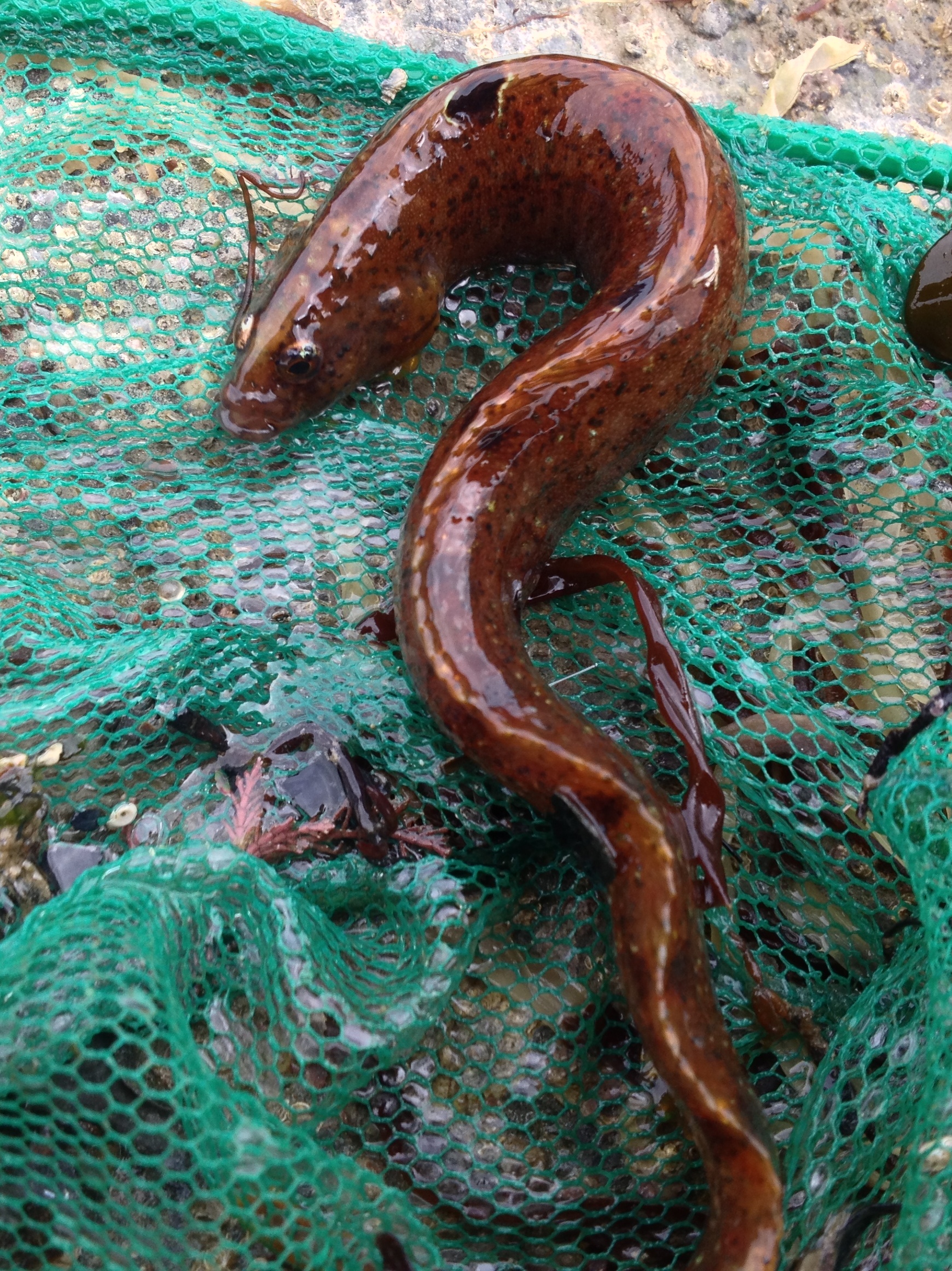
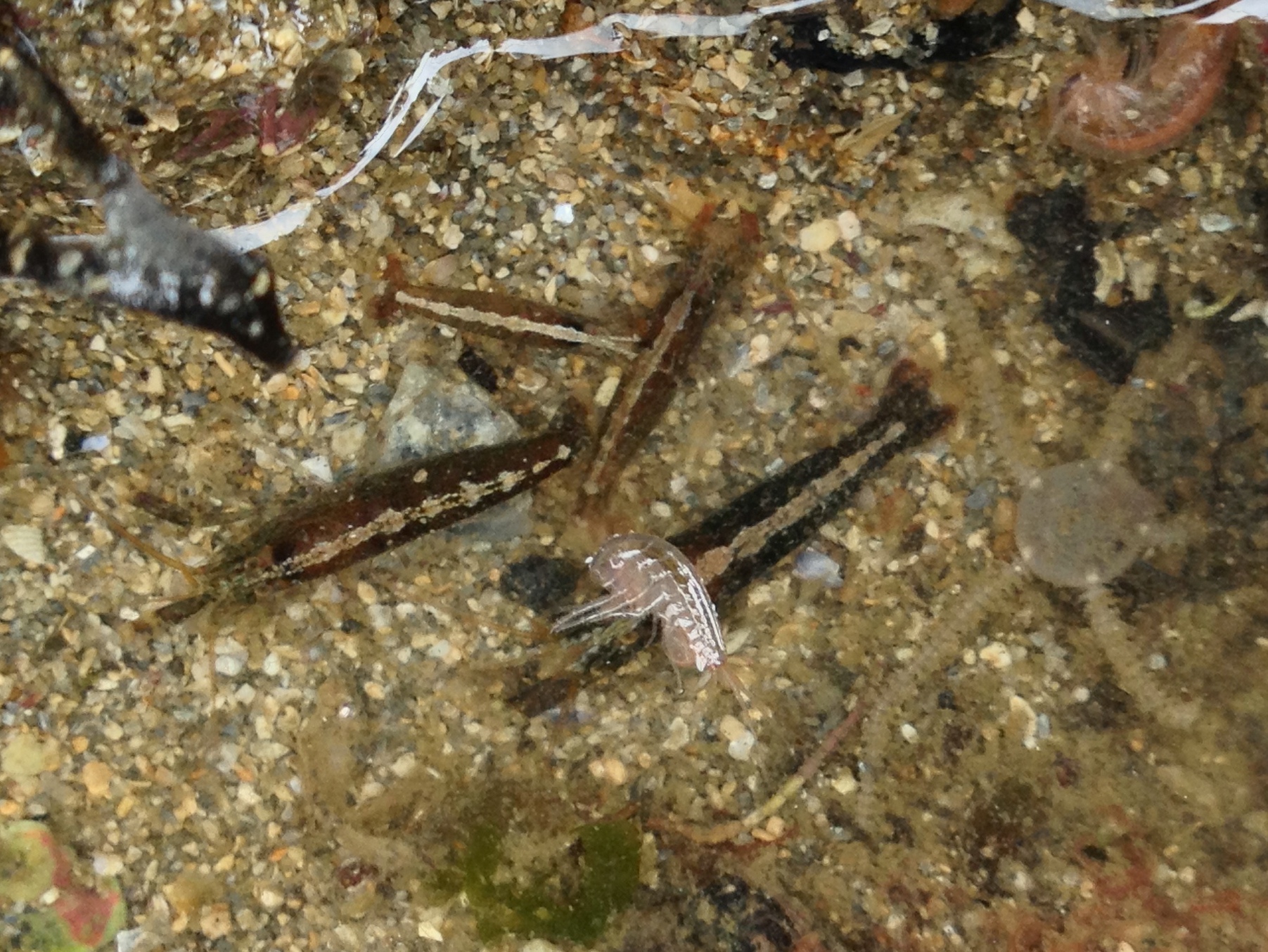
There are many oysters here too, mostly the invasive Pacific oyster (Magallana gigas) (pictured above), but also the native oyster (Ostrea edulis). I hoped to get a shot of an eel, but the ones we caught were small and a bit too active. We also found rocklings, shannies, rock gobies, a sea scorpion and interestingly a dragonet and a painted goby (I had not seen one of these before). Although there are quite a lot of interesting species to be found in the mud, I hope I’m able to go snorkeling in some clear blue water very soon!
 An Bollenessor