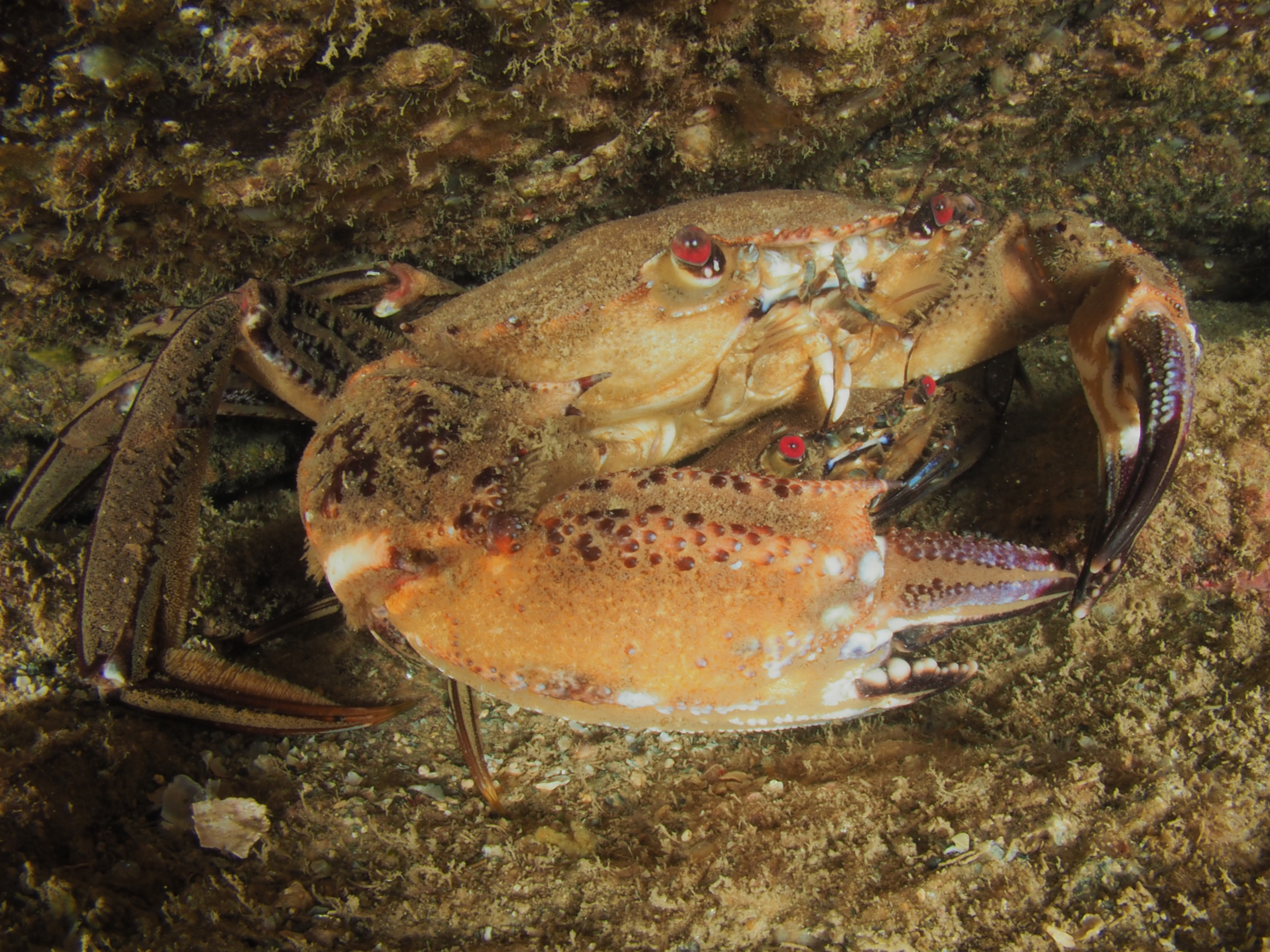
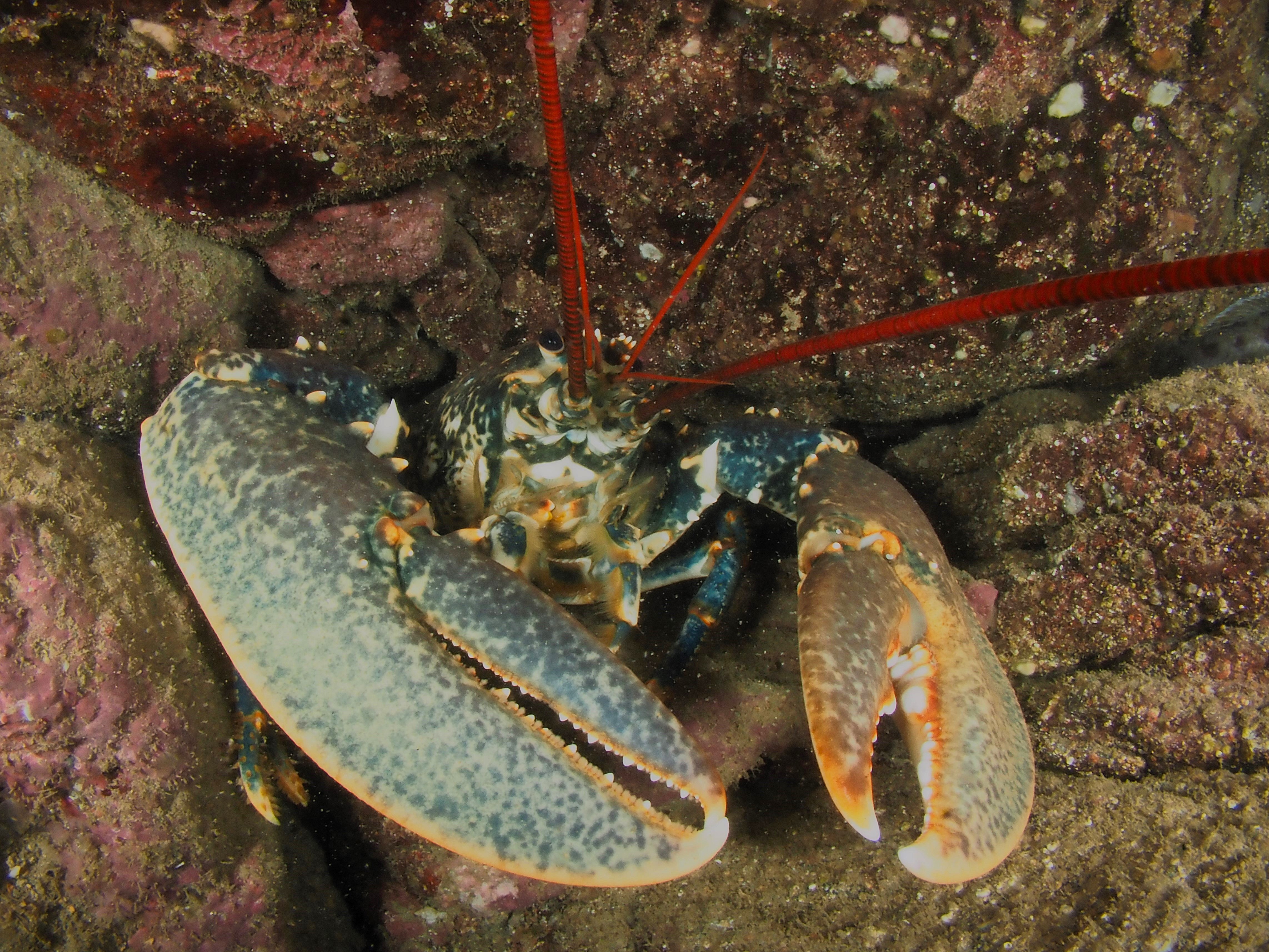
I have done a fair bit of diving at Silver Steps this year and it is high time to publish some of the photos I took there, starting with the Crustaceans that inhabit the cracks in the rocks. Most pics were taken with the macro-wide angle lens, which is not only suited because of its perspective, but also because it is long and thin and so can be poked into the crevices where these creatures lurk. Above, two Velvet Crabs Necora puber, which are abundant and feisty – I only noticed the small female in the photo afterwards! Below a European Lobster Homarus gammarus, also quite common and some of them are quite big. They usually shuffle out of their den quite menacingly only then to retreat again. Although impressive animals, it is hard to get an aesthetically pleasing shot out of them I find.
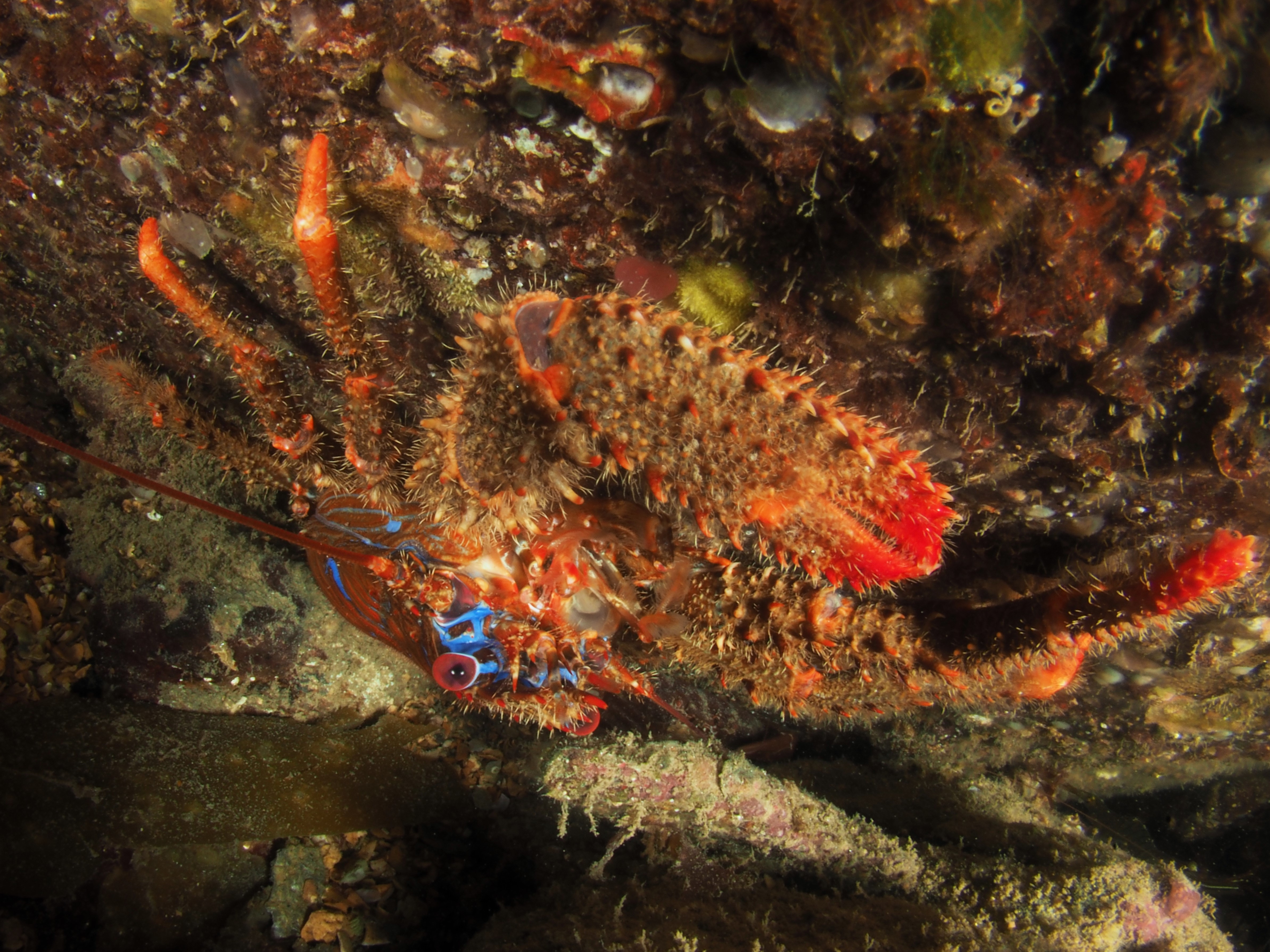
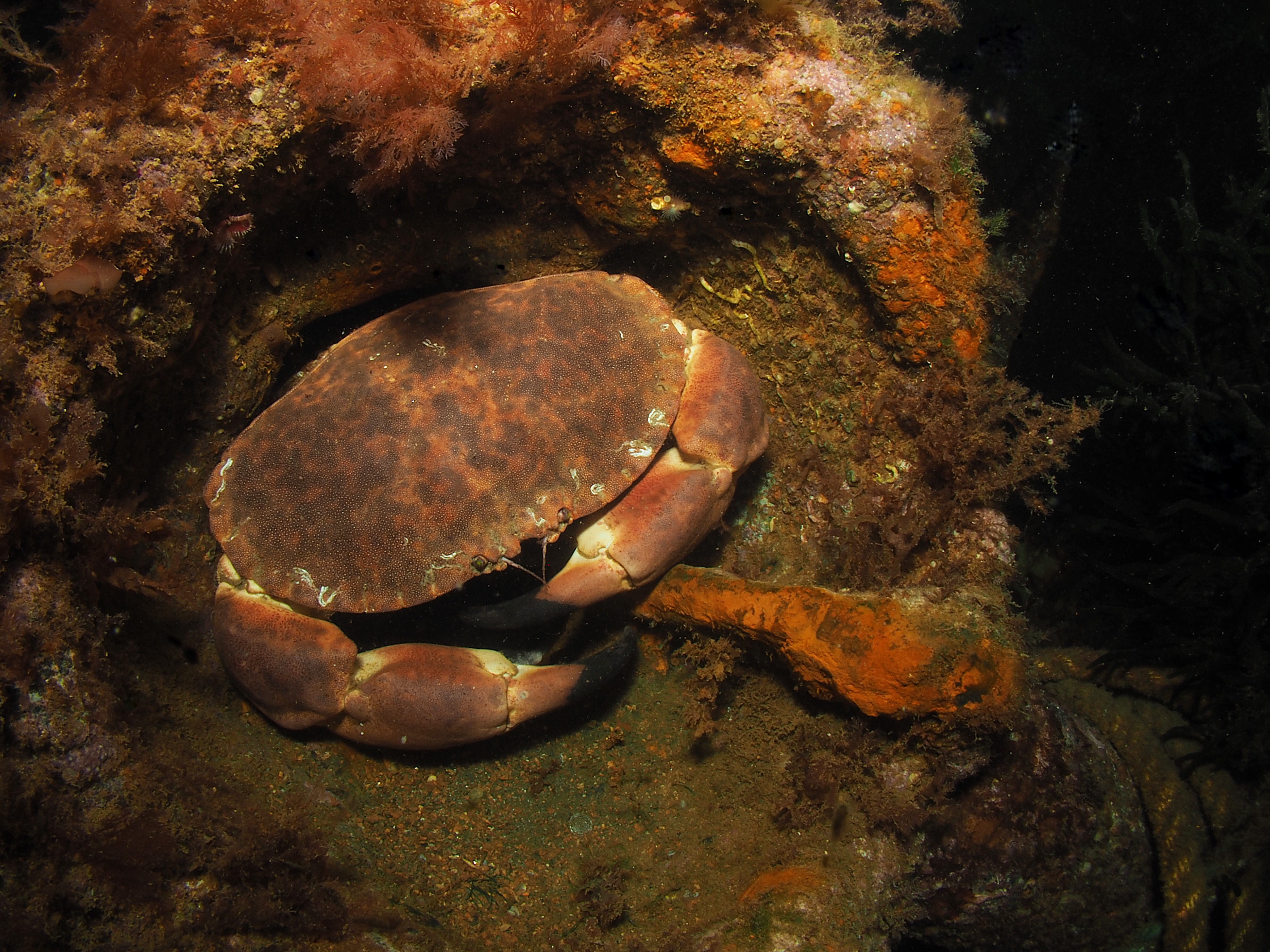
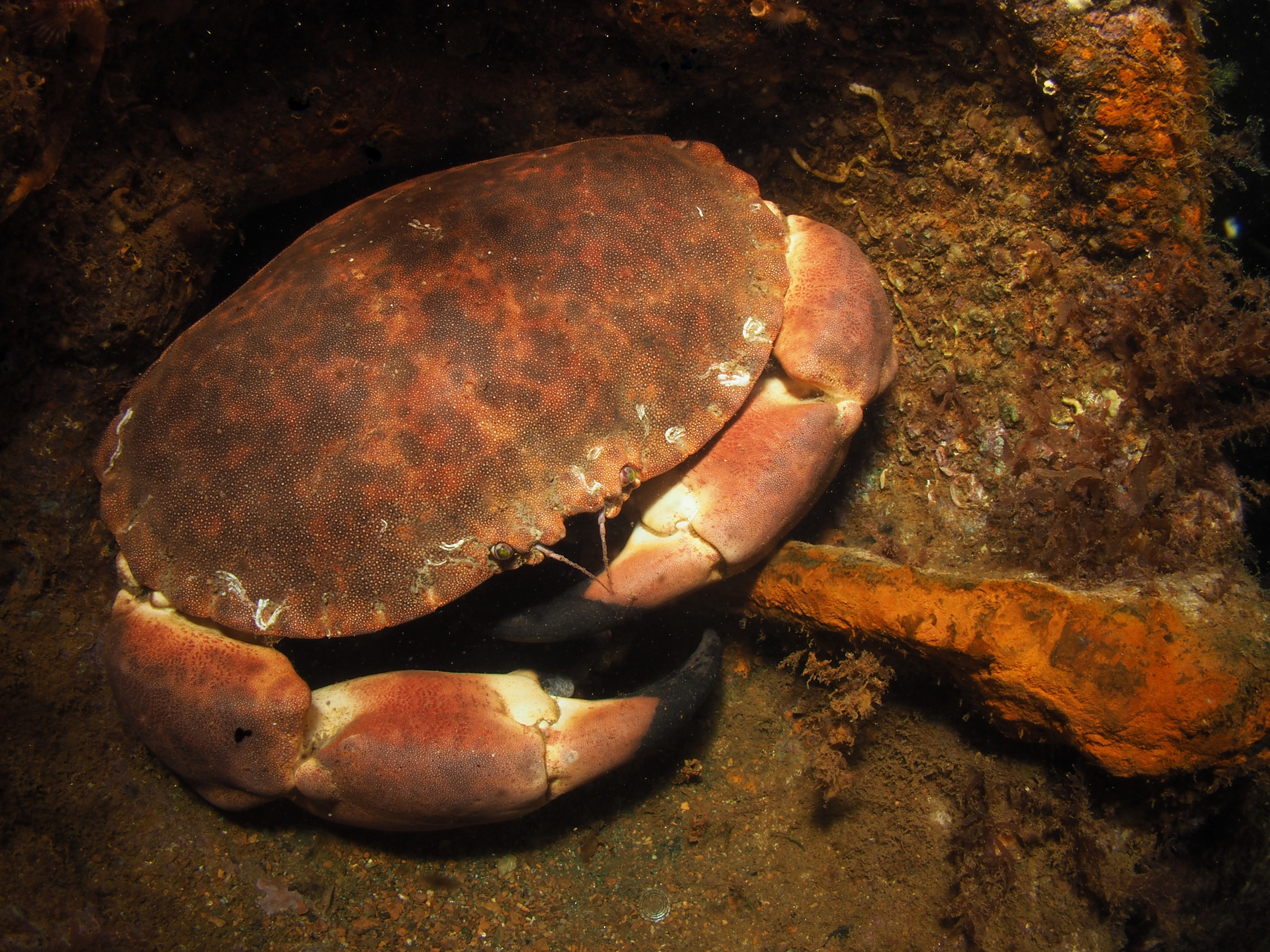
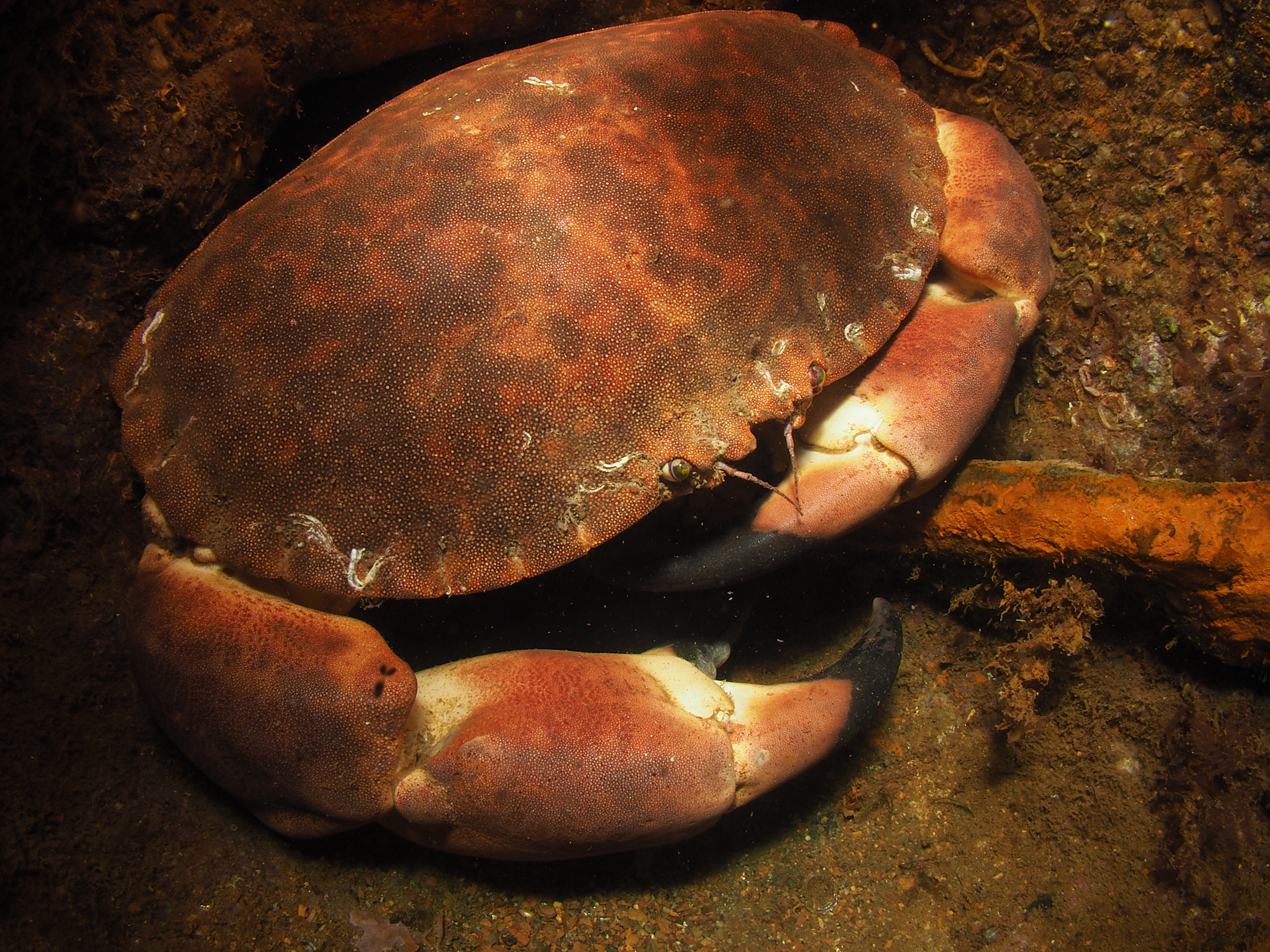
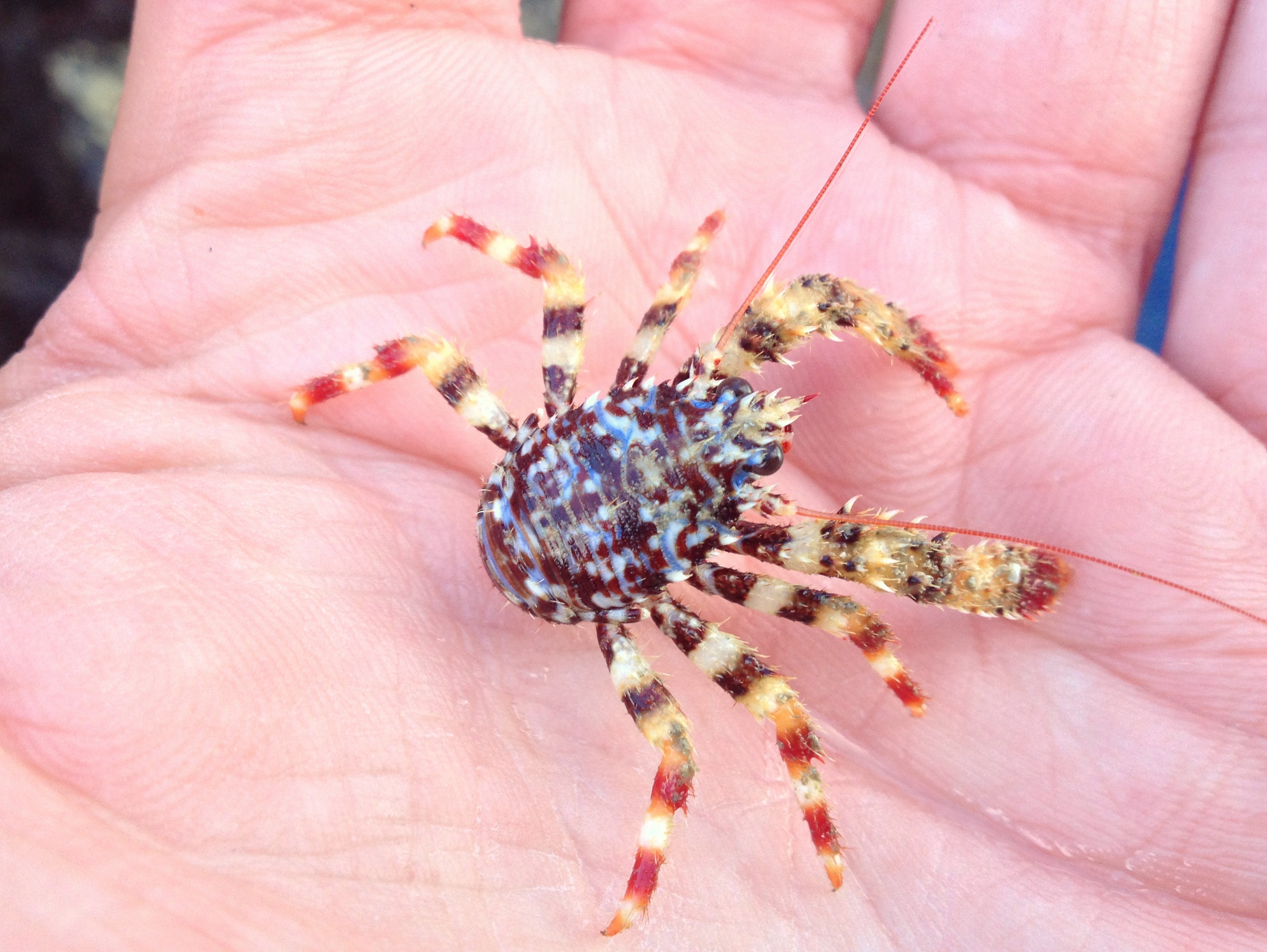
Next, the Squat Lobster Galathea strigosa, also a common, but quite shy species which is just as happy upside down as right side up. Also common are Brown (or Edible) Crabs Cancer pagurus, the individual here not in a crevice but in a piece of steel wreckage.
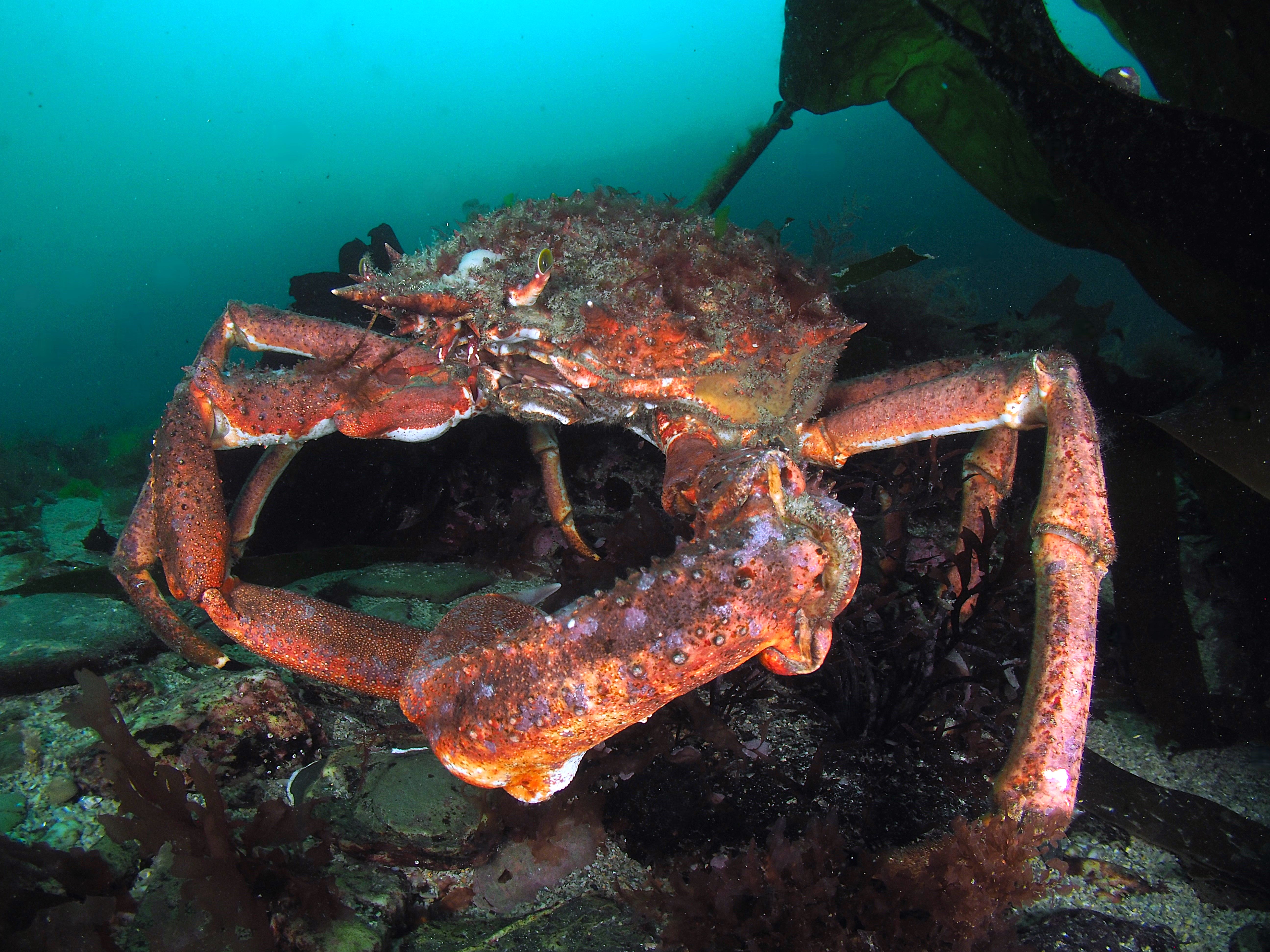
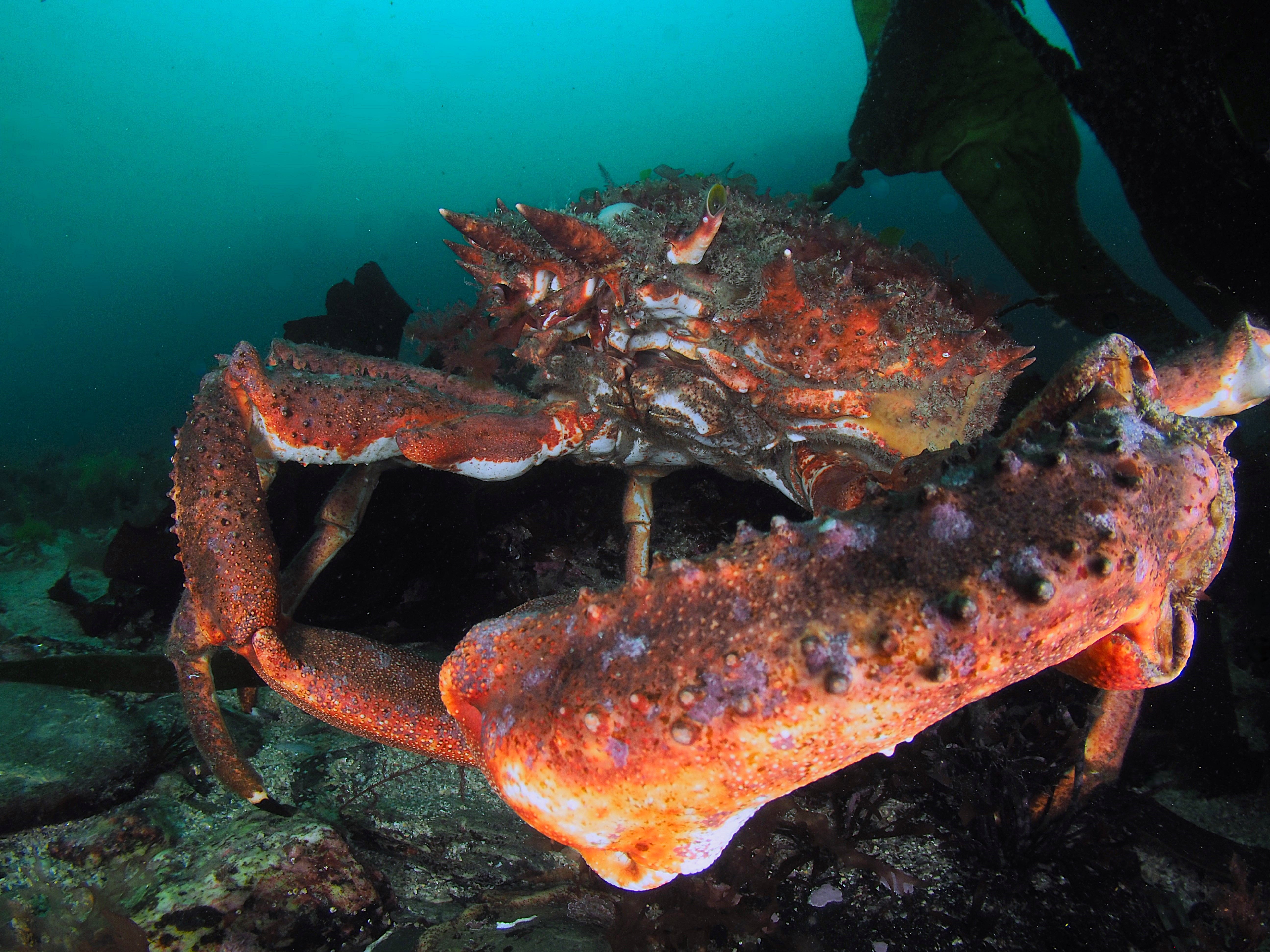
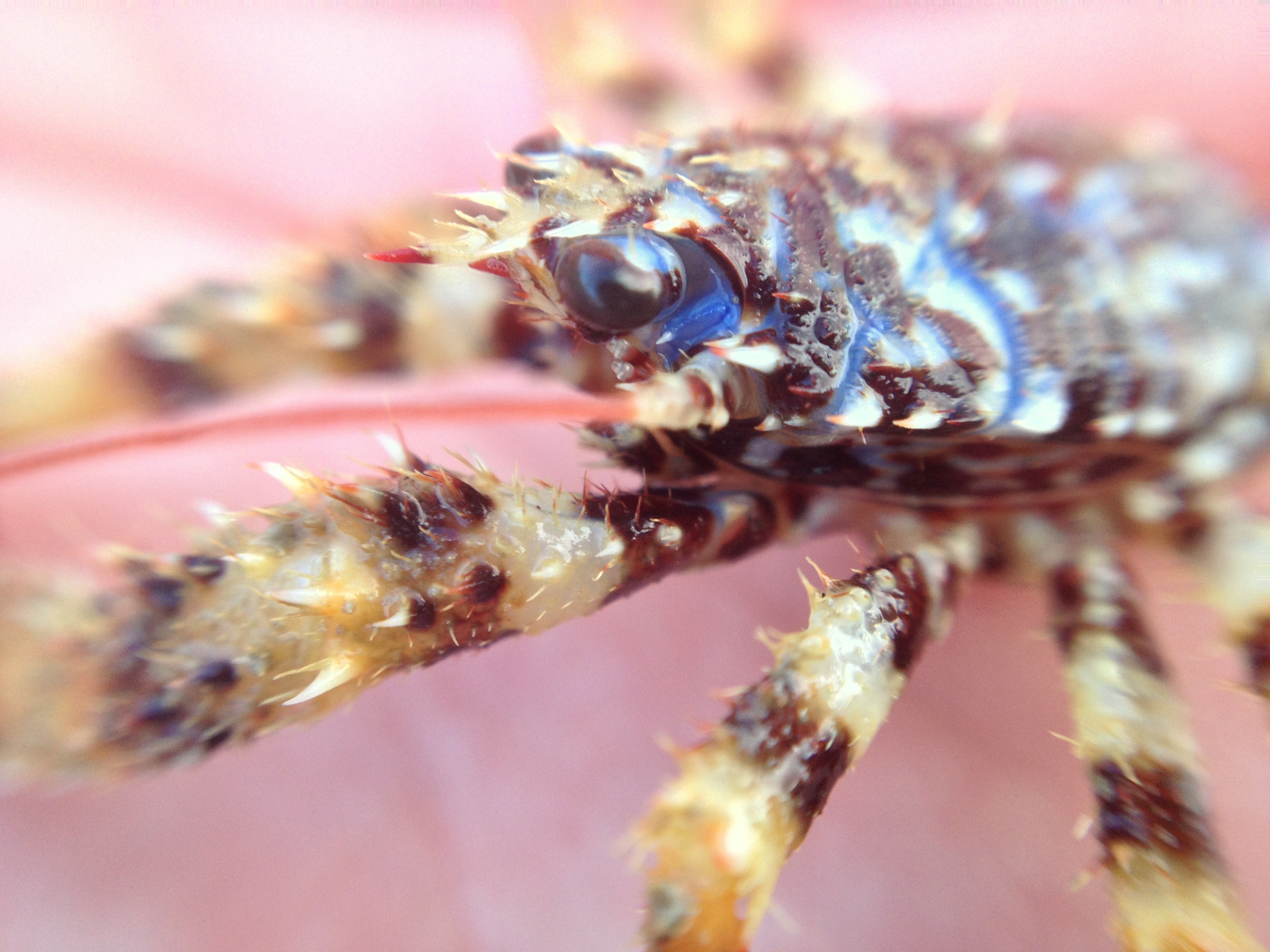
The other big, common Crustacean here occasionally perches on rock walls but usually is found roaming the seabed: the European Spider Crab (rebranded by local fishmongers as ‘Cornish King Crab’ – sounds more appetizing than something spiderlike) Maja squinado brachydactyla. Like the lobster, the behaviour of these guys is a mixture of bravado and fear. The weird lens allows me to get close, but as it lets in very little light, I am forced to use a high ISO and slow shutterspeed, making these images not the crispiest.
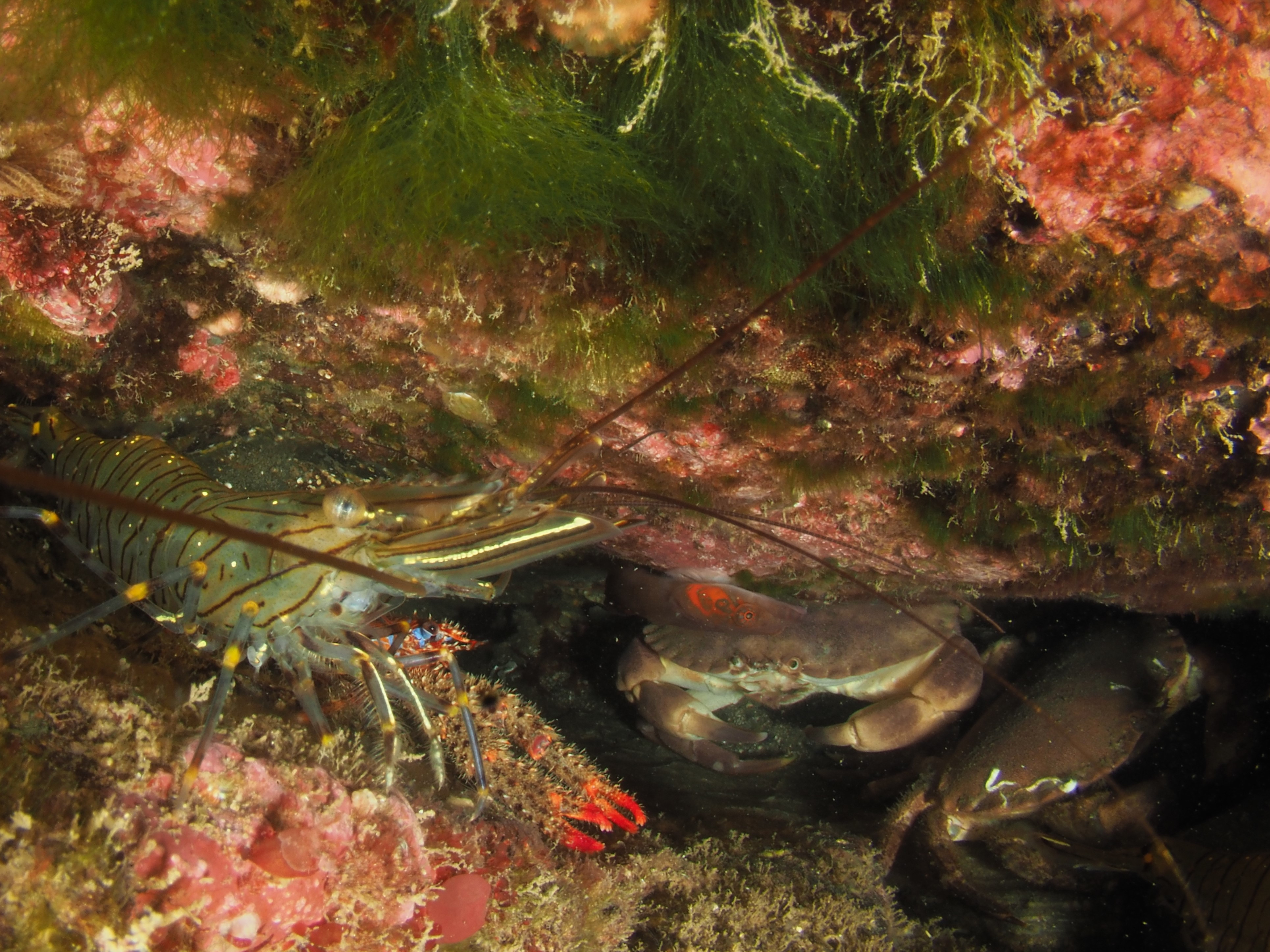
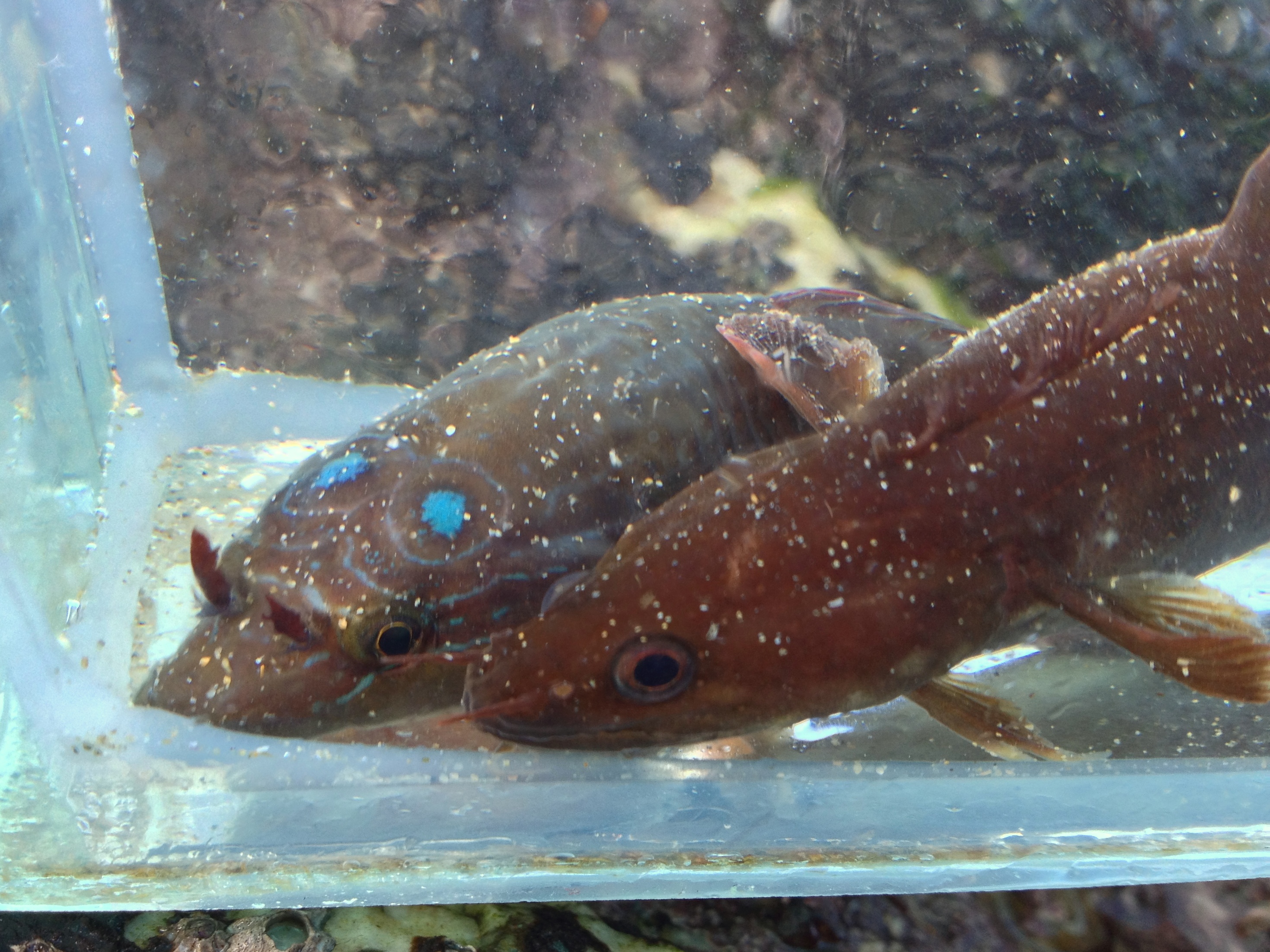
The final photo is technically not great, but I like it because it shows how a range of species apparently gets on quite well at close quarters. On the left, a Common Prawn Palaemon serratus, which can grow quite large and is actually really beautiful with its blue and yellow stripes. Right behind it is a Squat Lobster, with two Edible Crabs lurking in the background and an upside down male Connemara Clingfish Lepadogaster candolii – the next post will be about the fish of Silver Steps!


 An Bollenessor