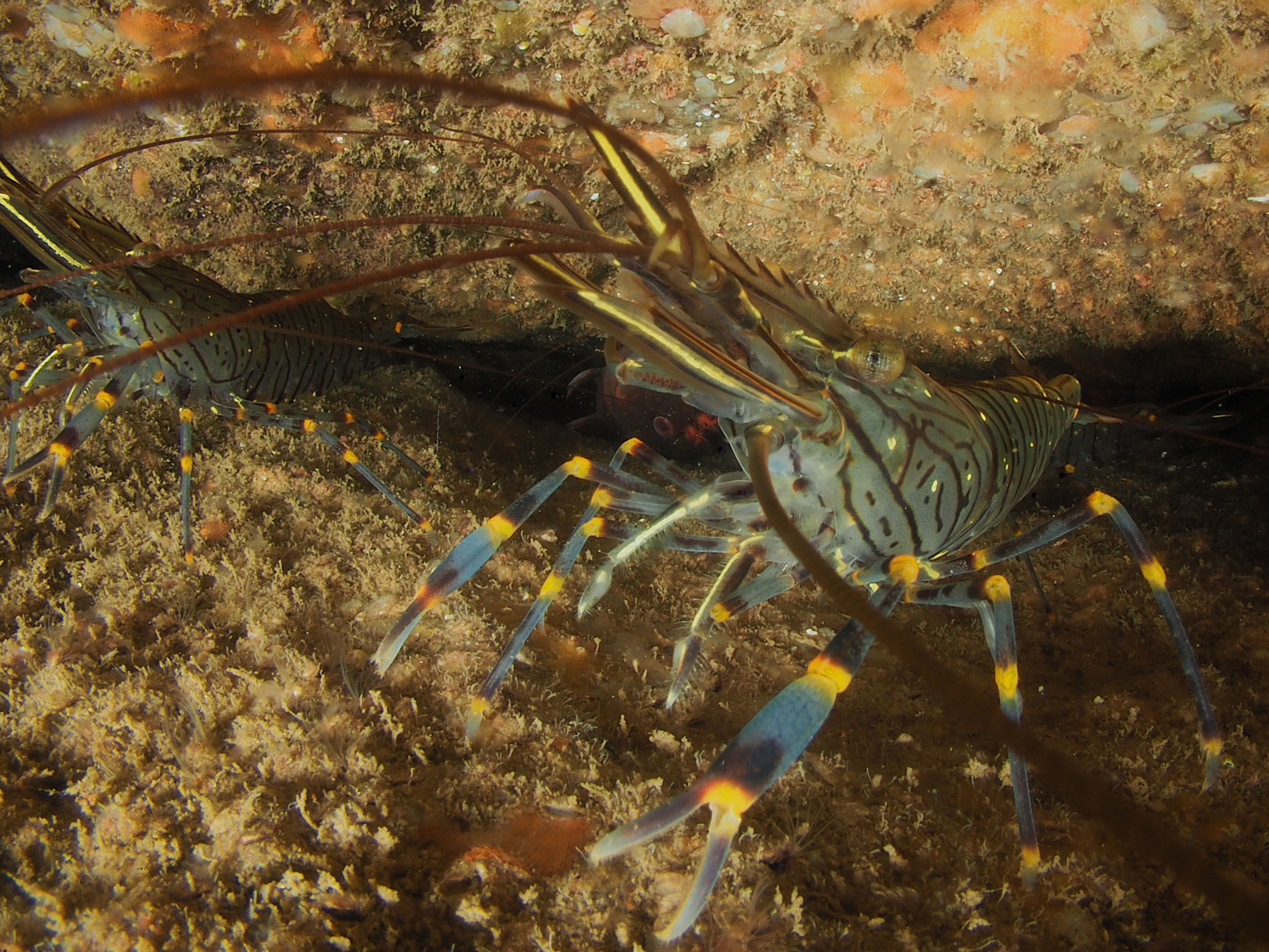
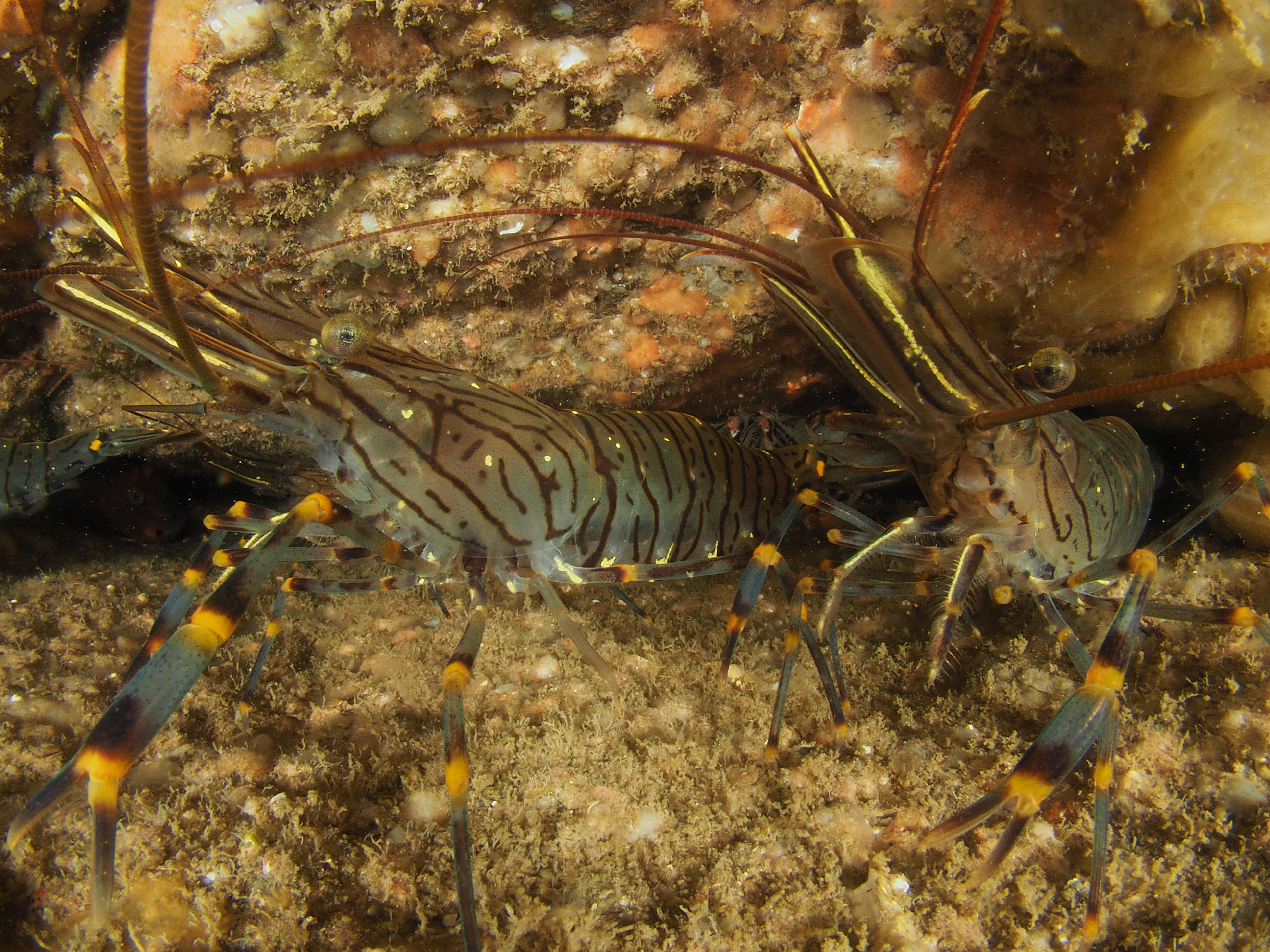
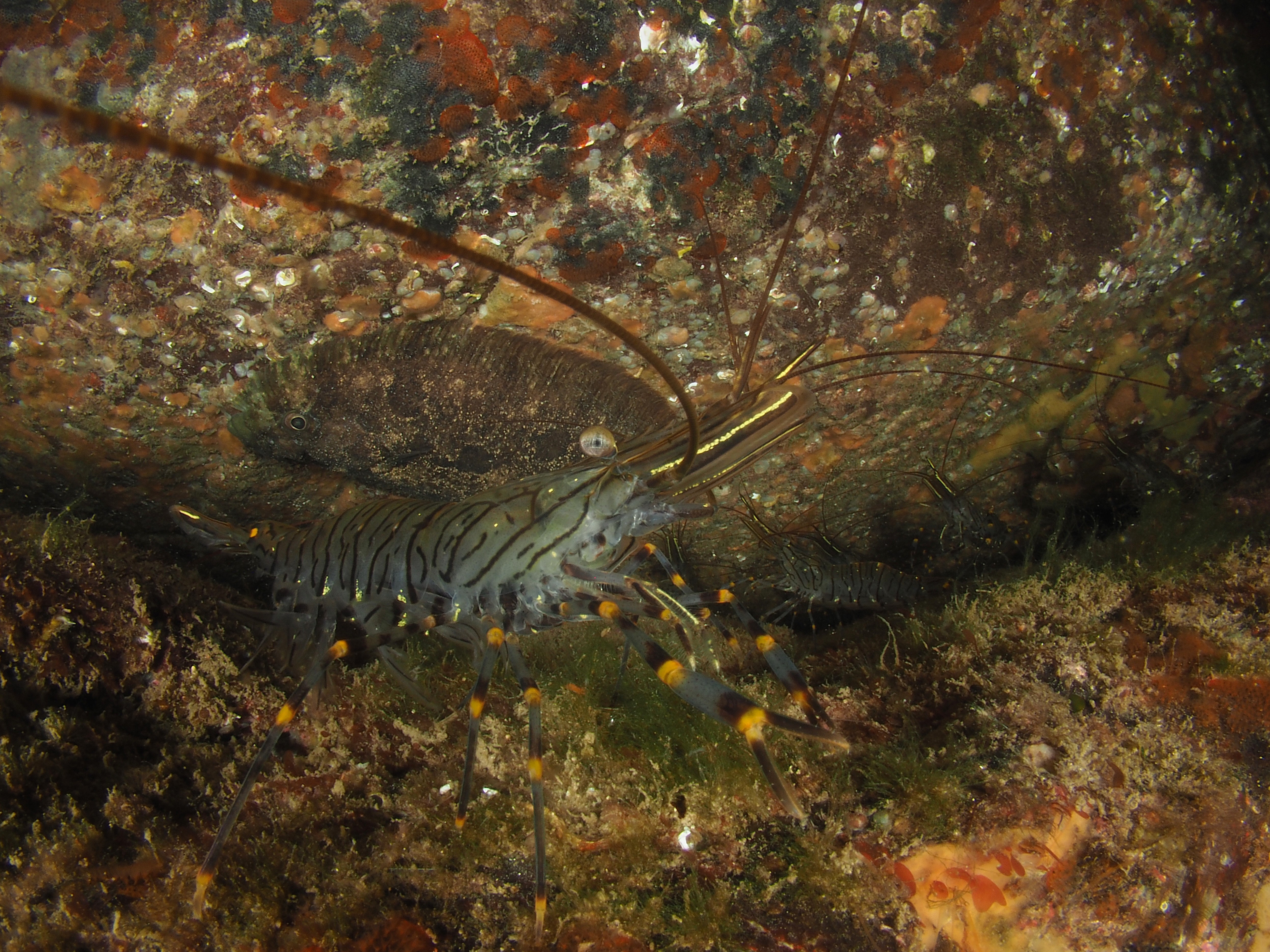
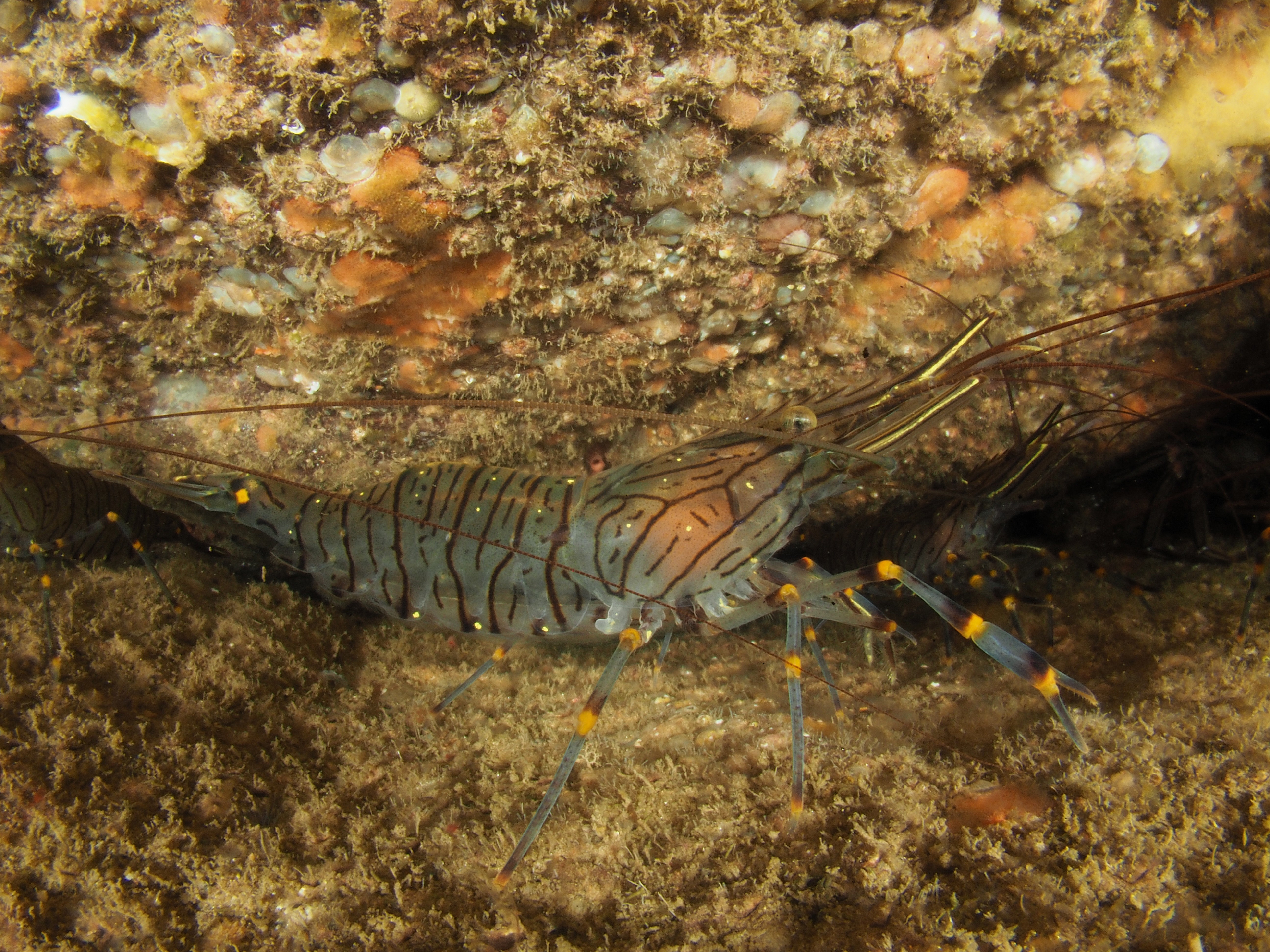
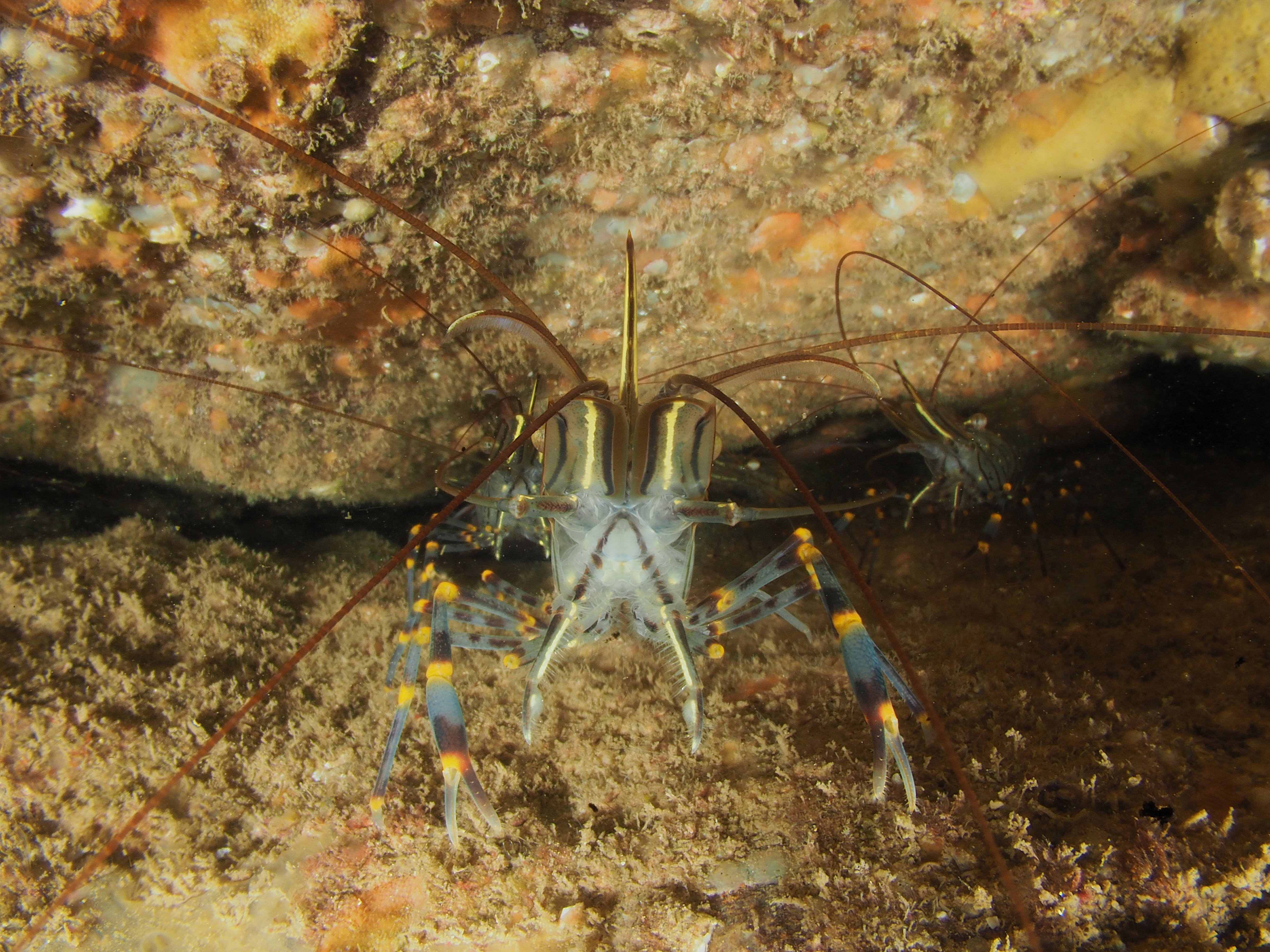
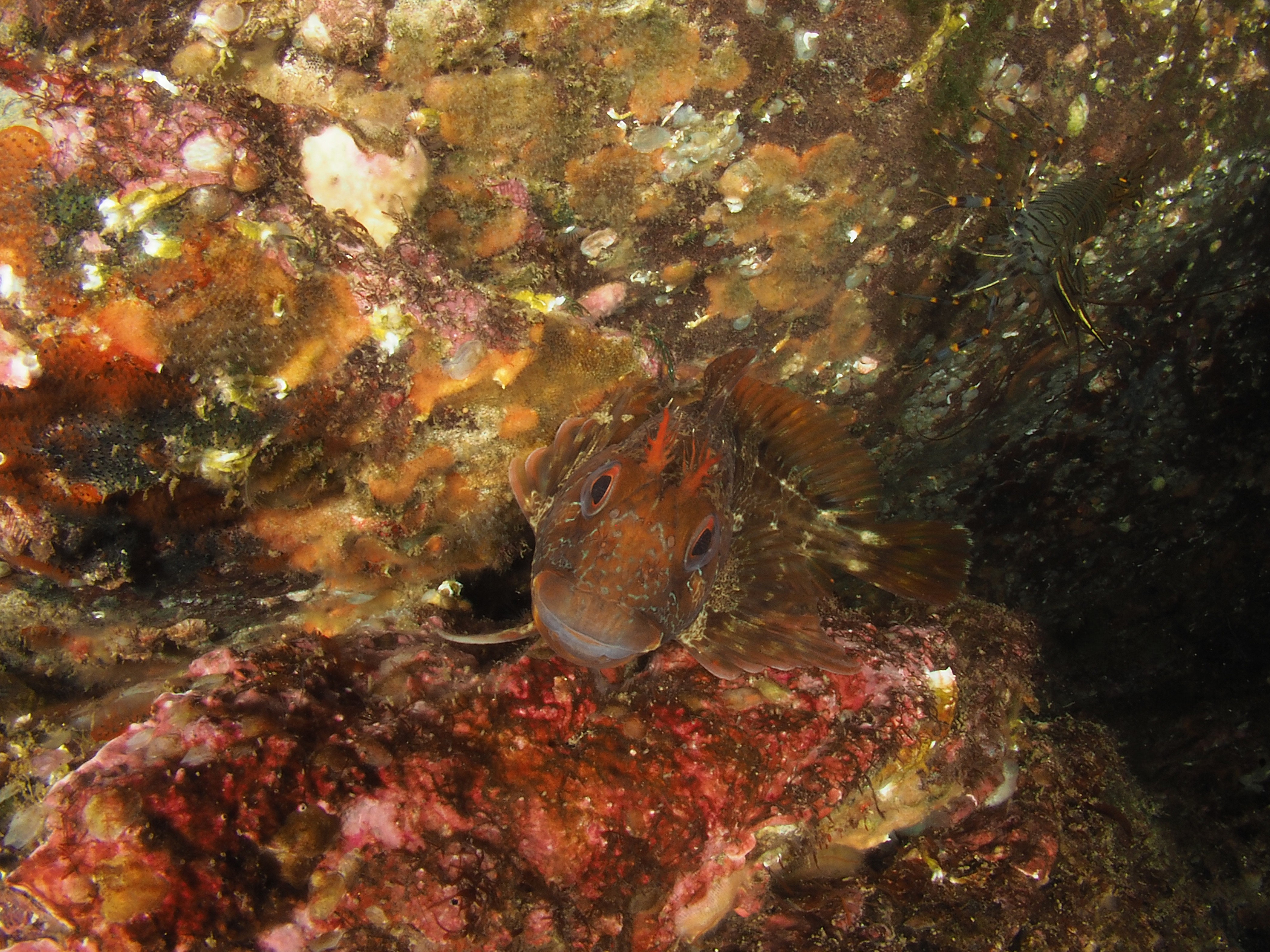
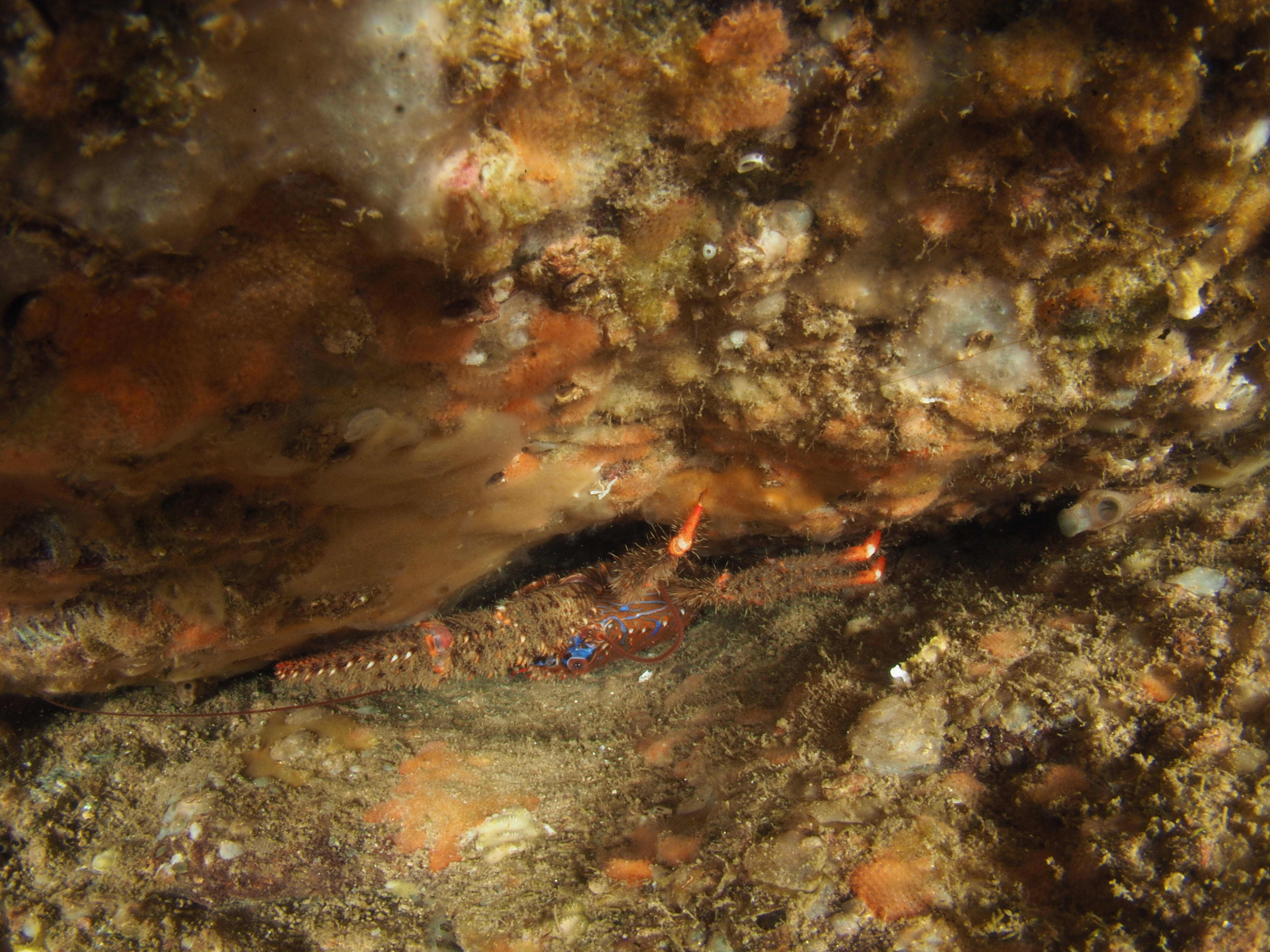
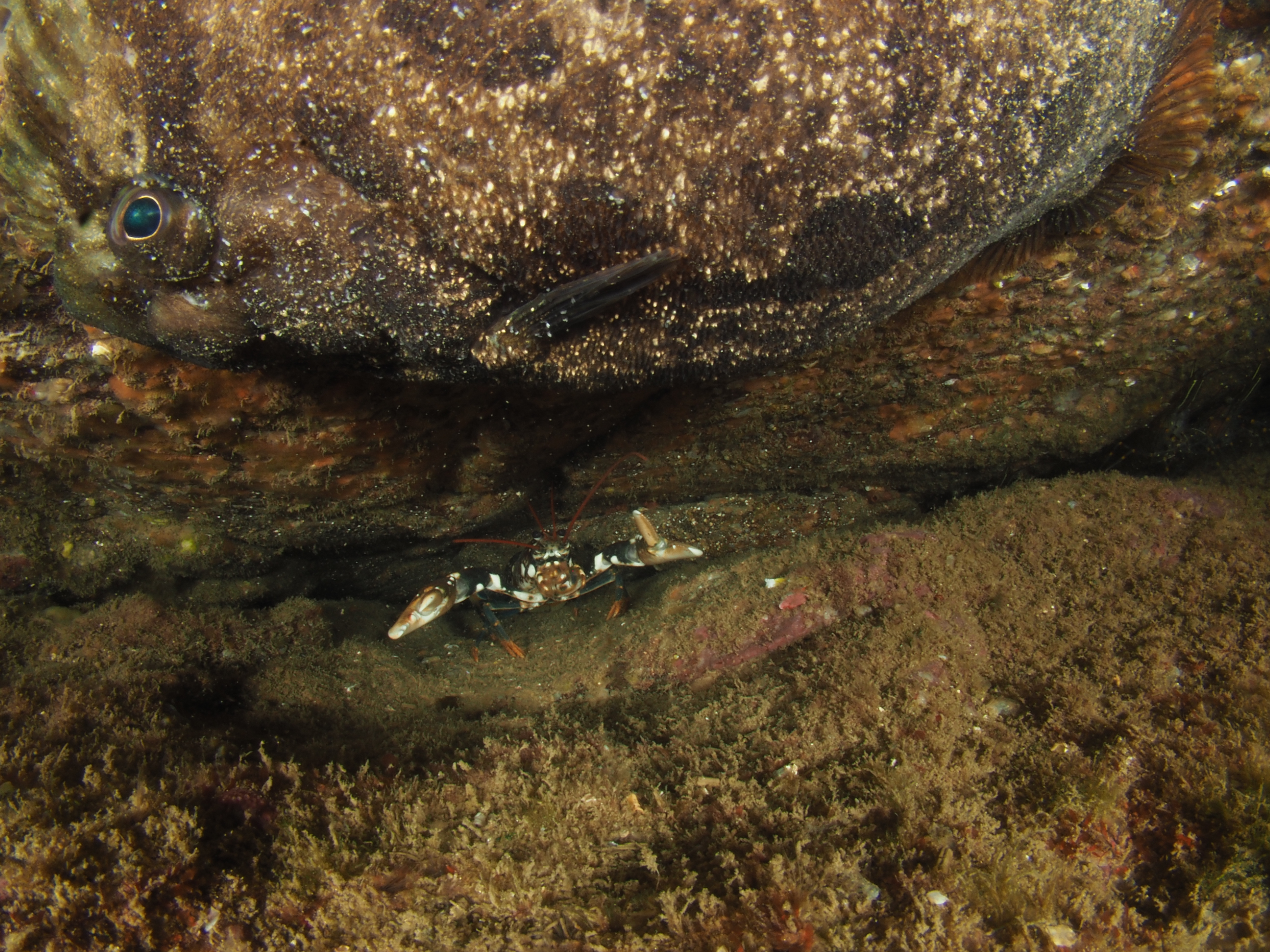
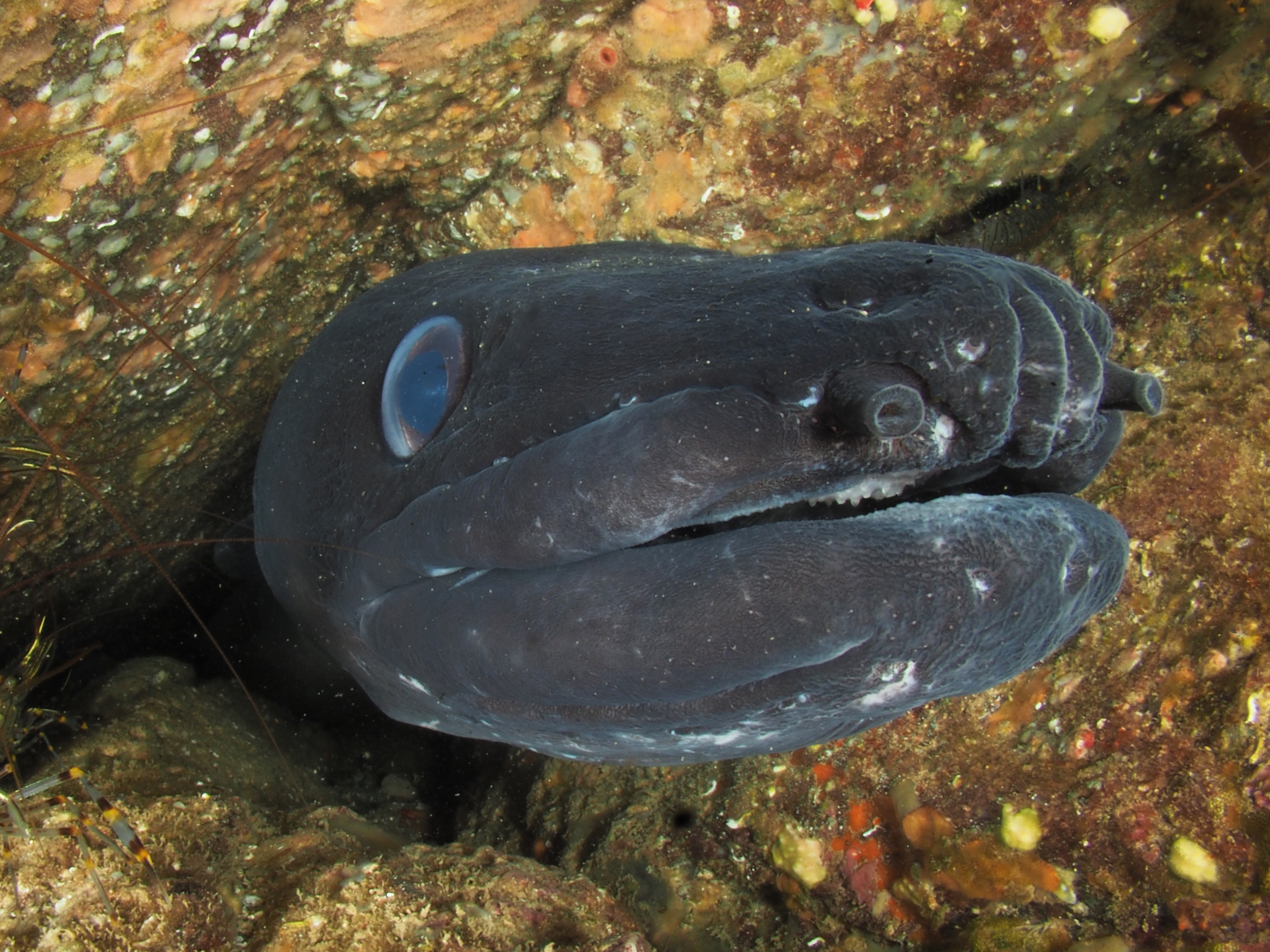
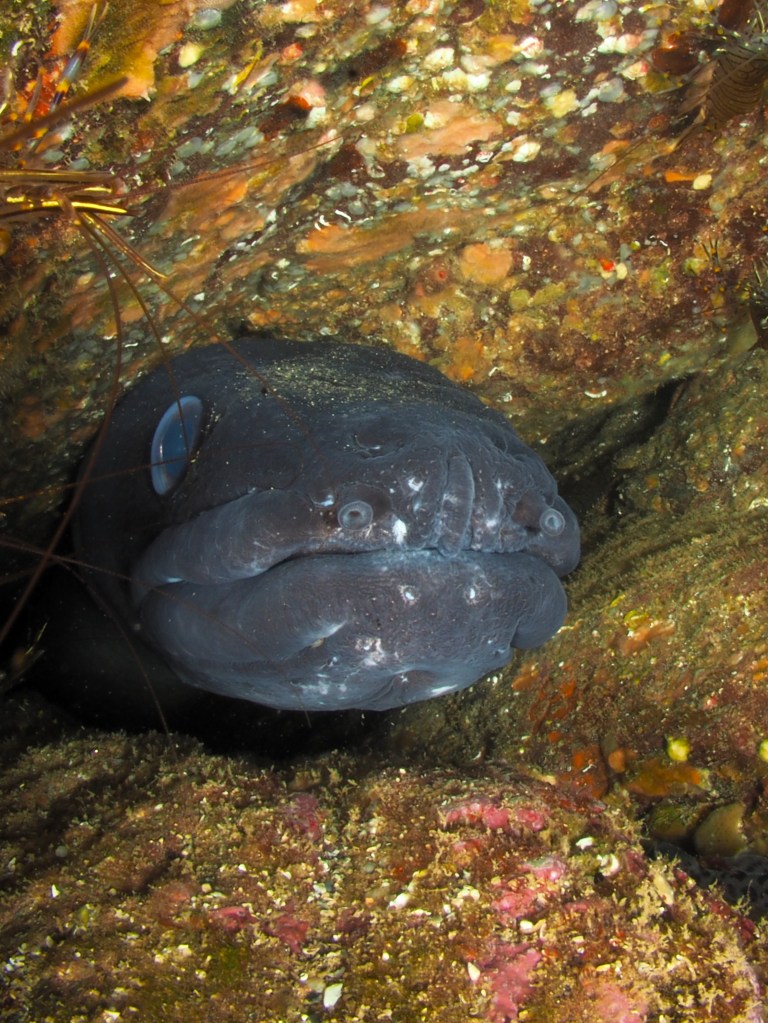
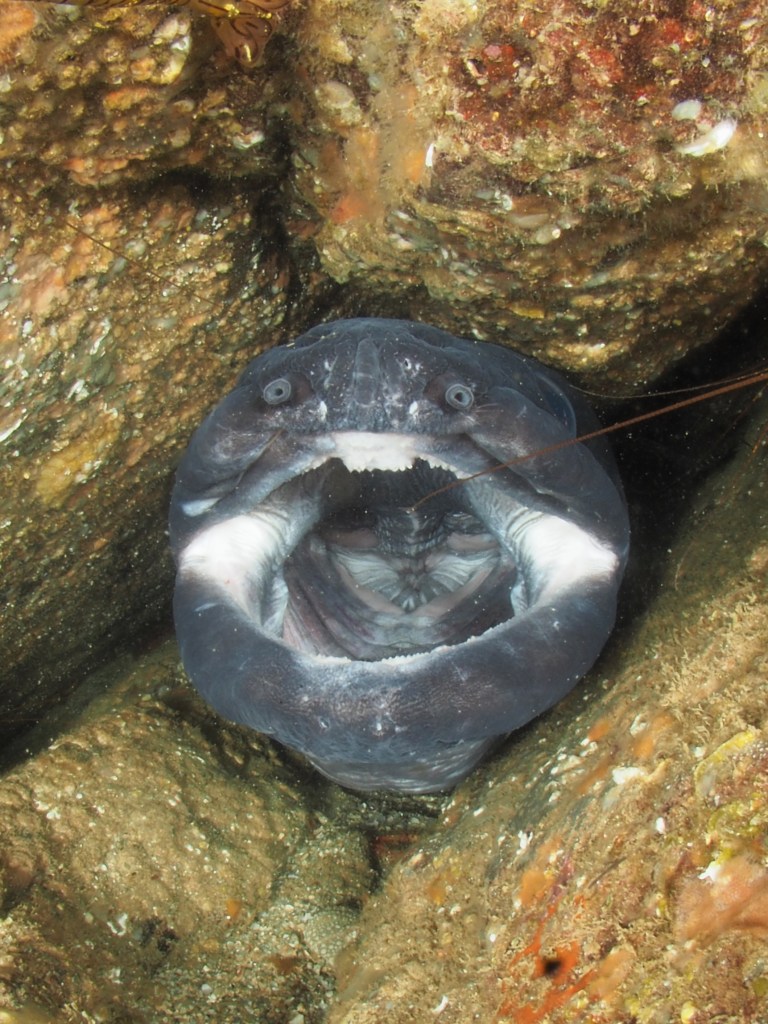
At my local shoredive site Silver Steps here in Falmouth, there is a crack in the rocks, maybe three meters long and not very deep, that is home to an array of interesting species. I have posted pics from this spot before, for instance that of a big conger eel (which has since left it’s hidey-hole, perhaps it swam off to reproduce and die in the Mid-Atlantic?). Anyway, I visited again this week and tried close-up shots with my macrowide angle probe lens. The prawns are much bigger here in the rock pools, but I am not sure if they are Paleamon serratus or P. elegans, as this requires a closer look at the serrations on the rostrum. Regardless of species name, they are stunningly beautiful animals with their blue and yellow legs and black-striped carapace.
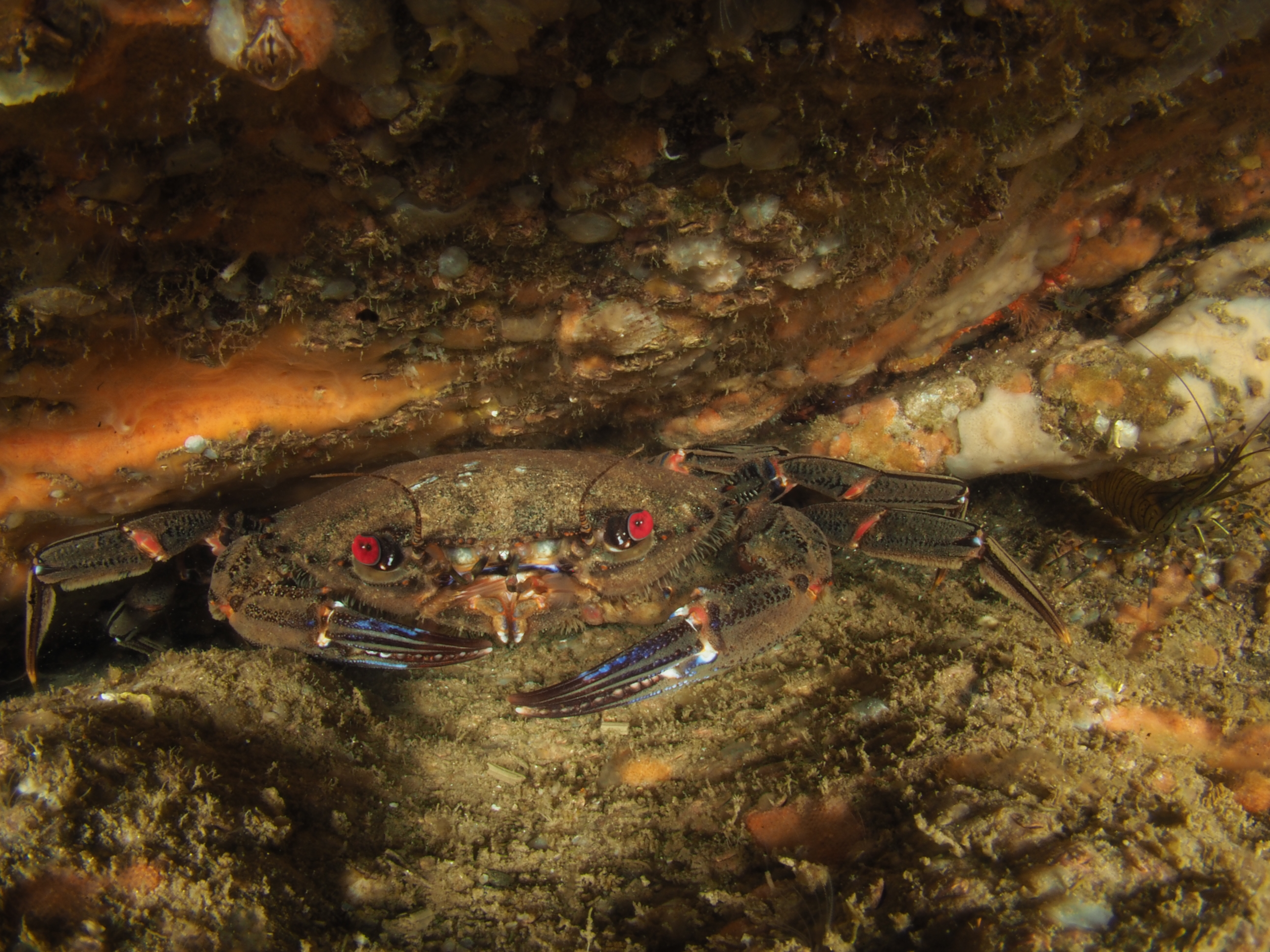
Some more pics below (notice that in some another animal is lurking in the background!). Some species are easier to photograph than others, clingfish are very shy for instance. Anyway, there are some more ideas I have, for instance trying to capture multiple species in one frame and post about them in ‘The Crack pt2.’!
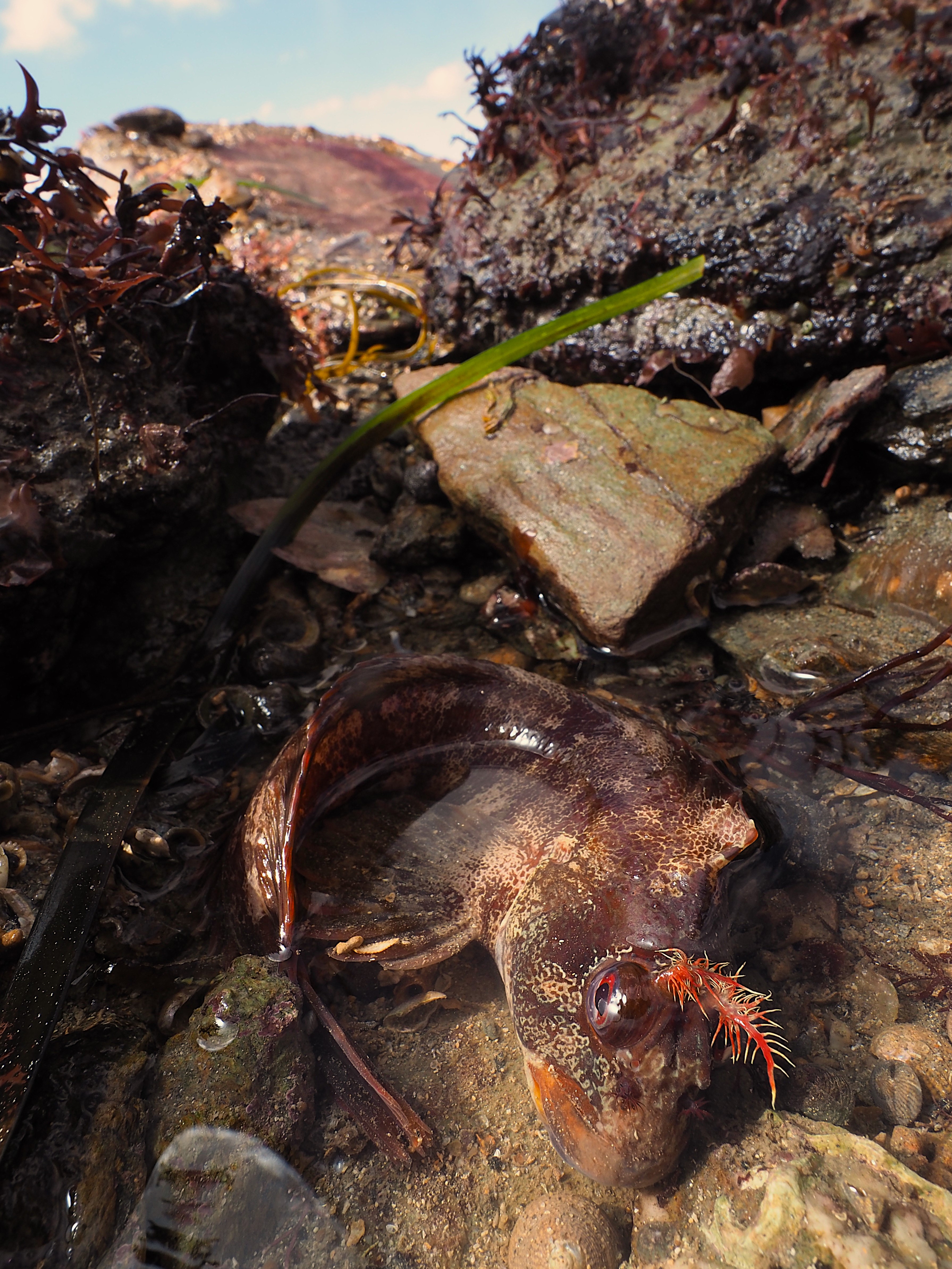
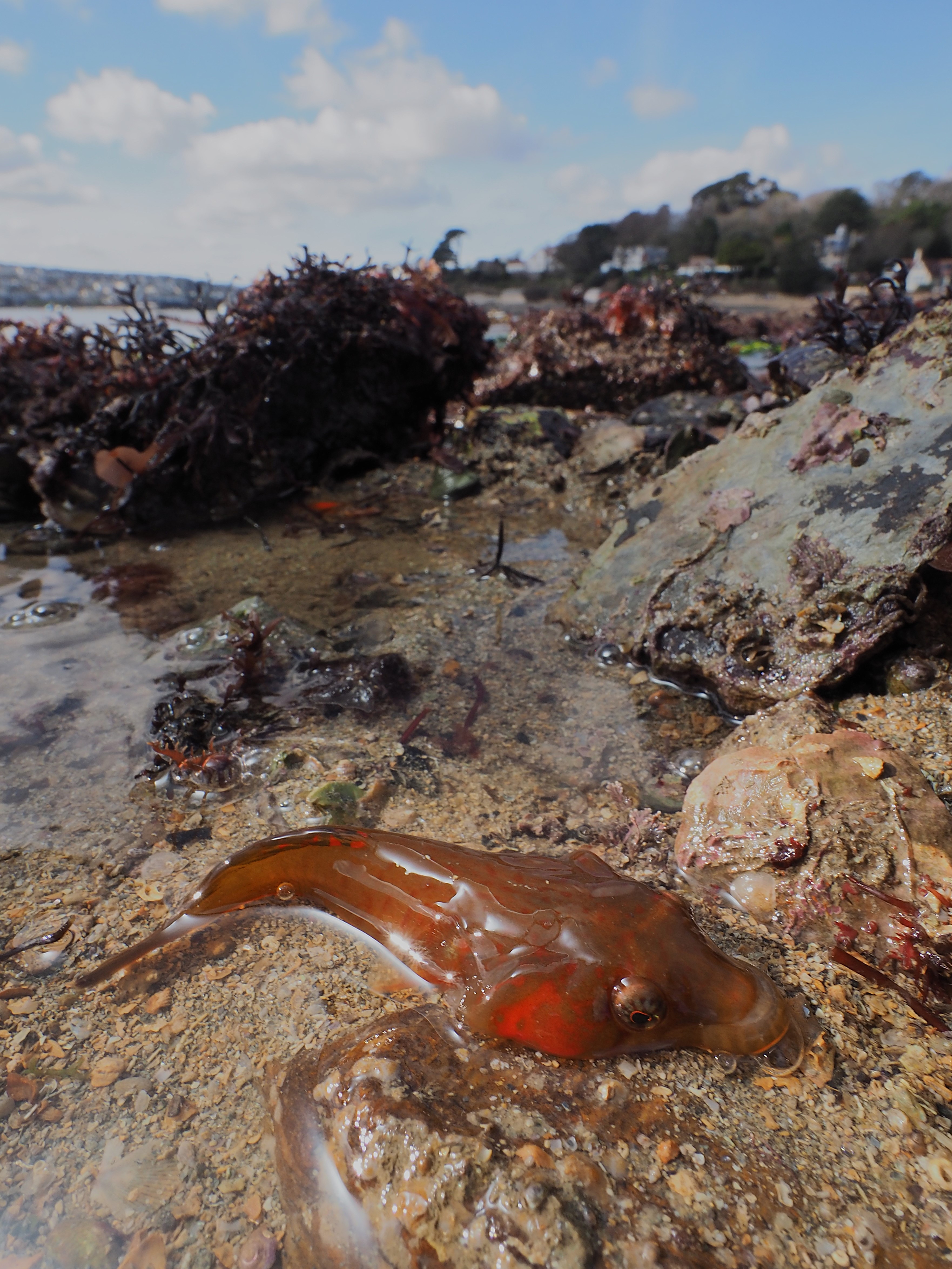
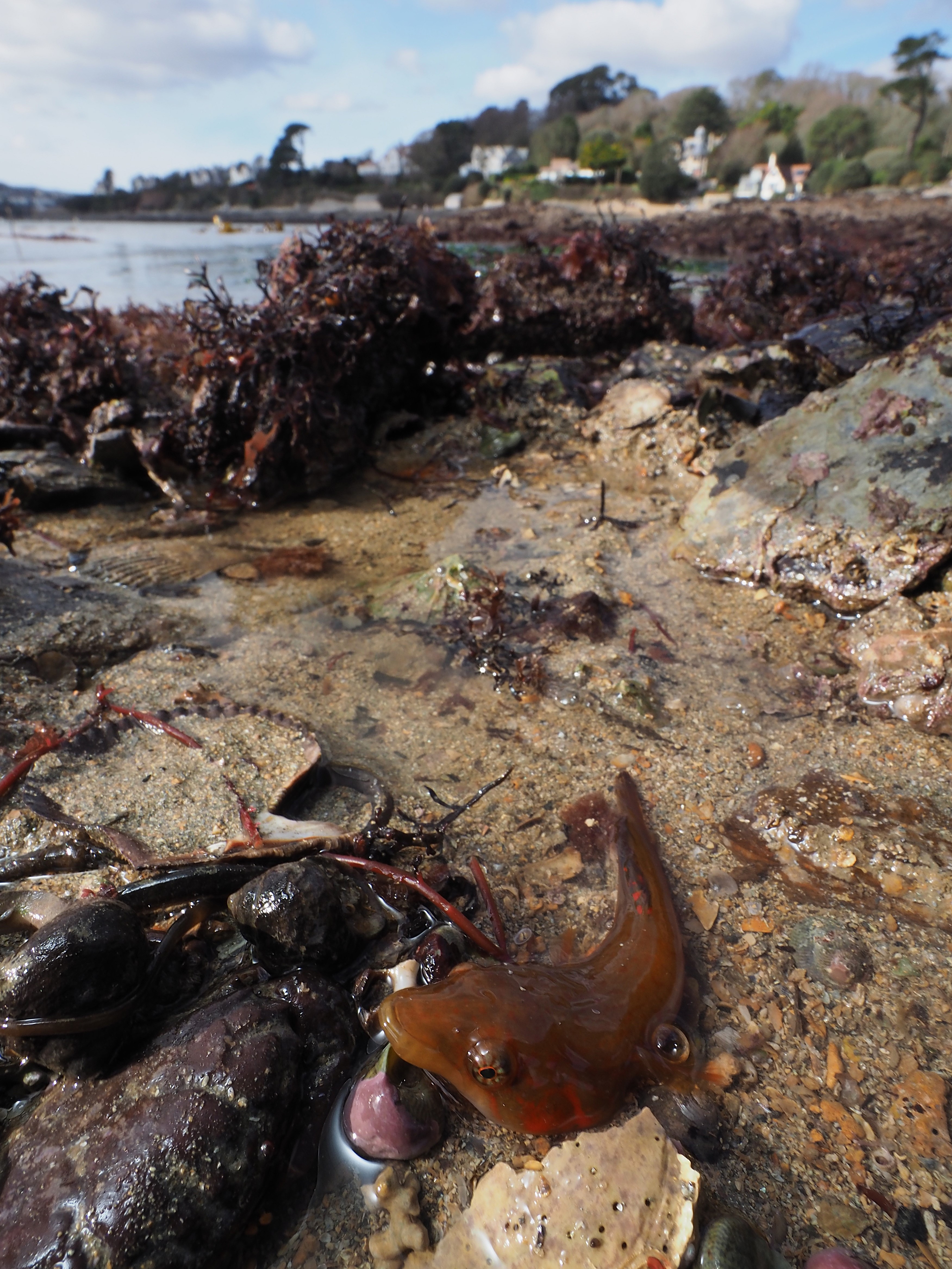
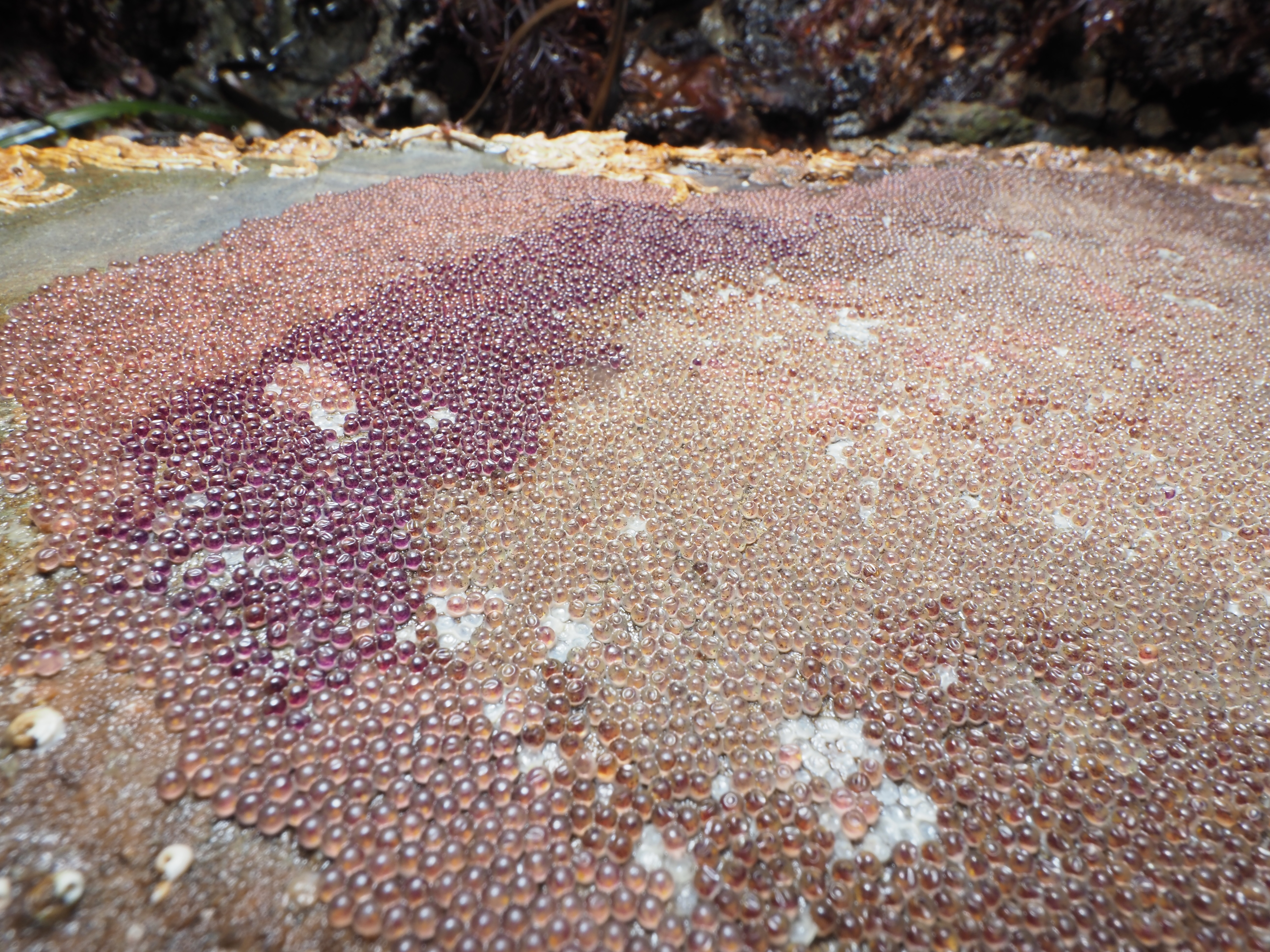
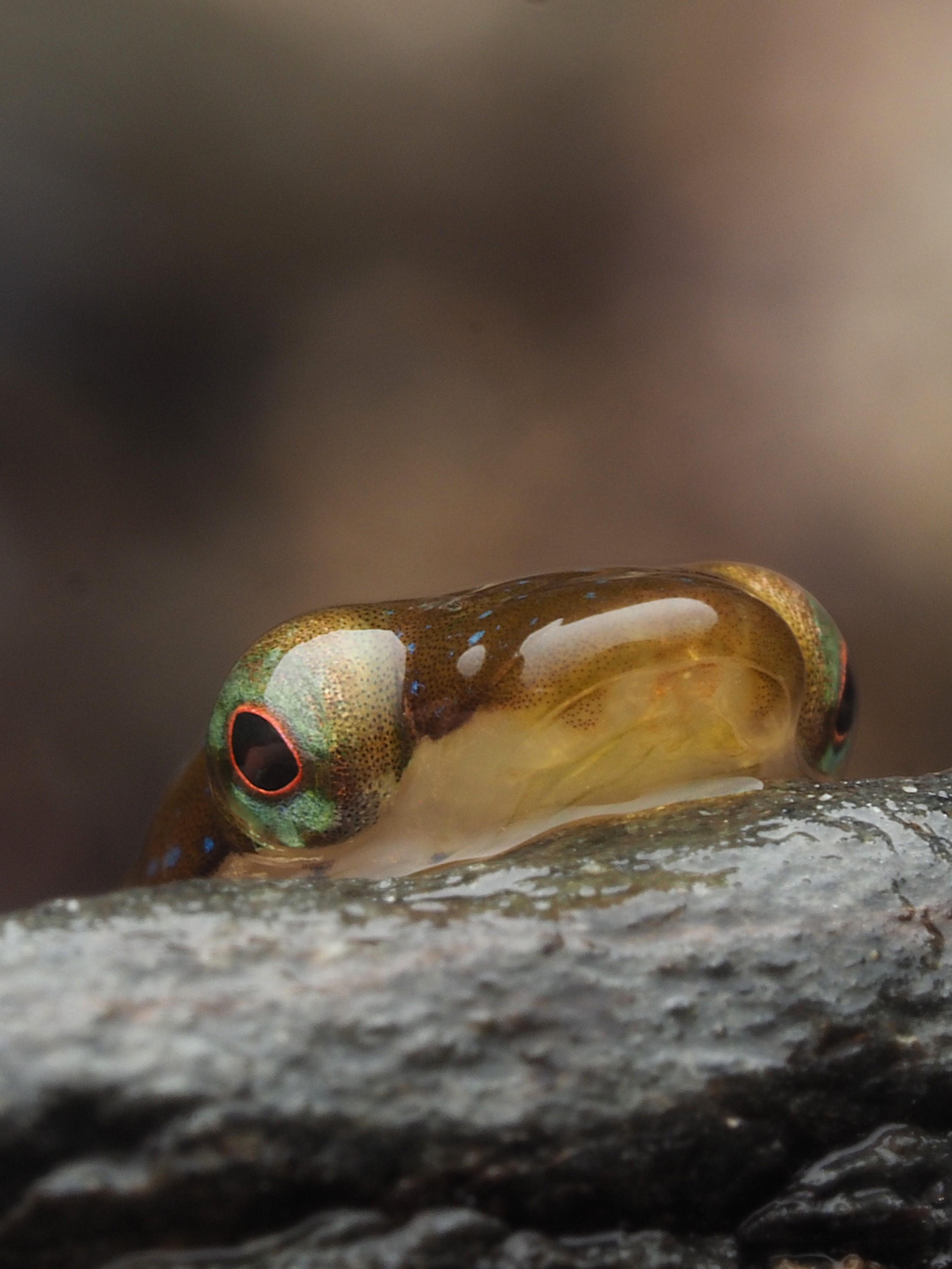
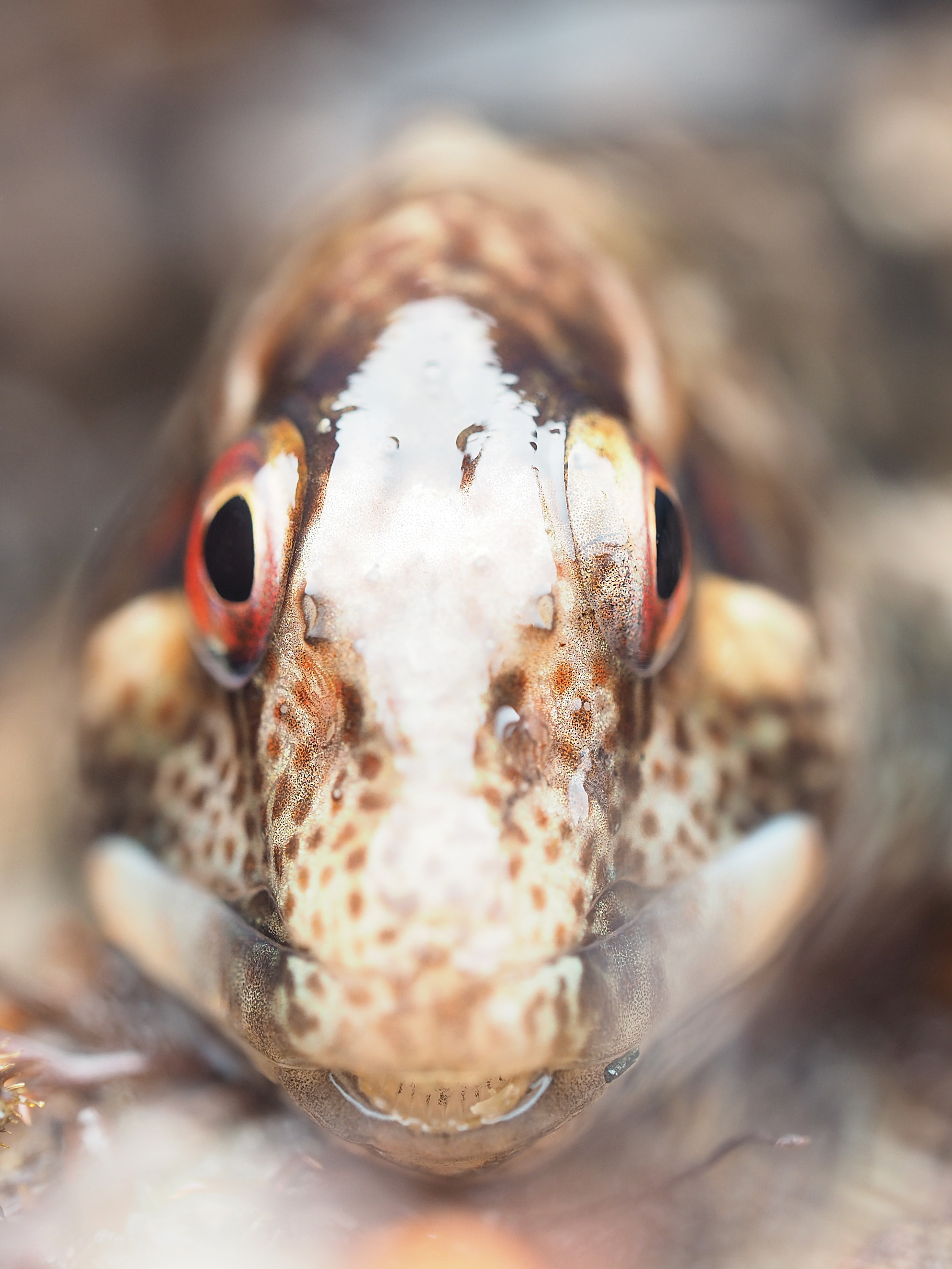
Continuing the theme from the two last posts with some ‘topside’ photos of rockpools. We had a very low tide recently which called for some rockpooling on our local shore here in Flushing. We looked (as always) for anything that we could find, but trying to get some ‘close-focus-wide-angle’ pics of fish with the Panasonic Leica 9mm lens was the main aim. Above a Male Tompot guarding eggs (see pic below) as well as a male Connemara Clingfish (no eggs spotted), recognizable by the bright red cheek markings. I have not been underwater very much, but have a bunch of macro photos of snails and stalked jellyfish that I will put on the blog next. (And remember, I post more frequently on instagram: @an_bollenessor!)
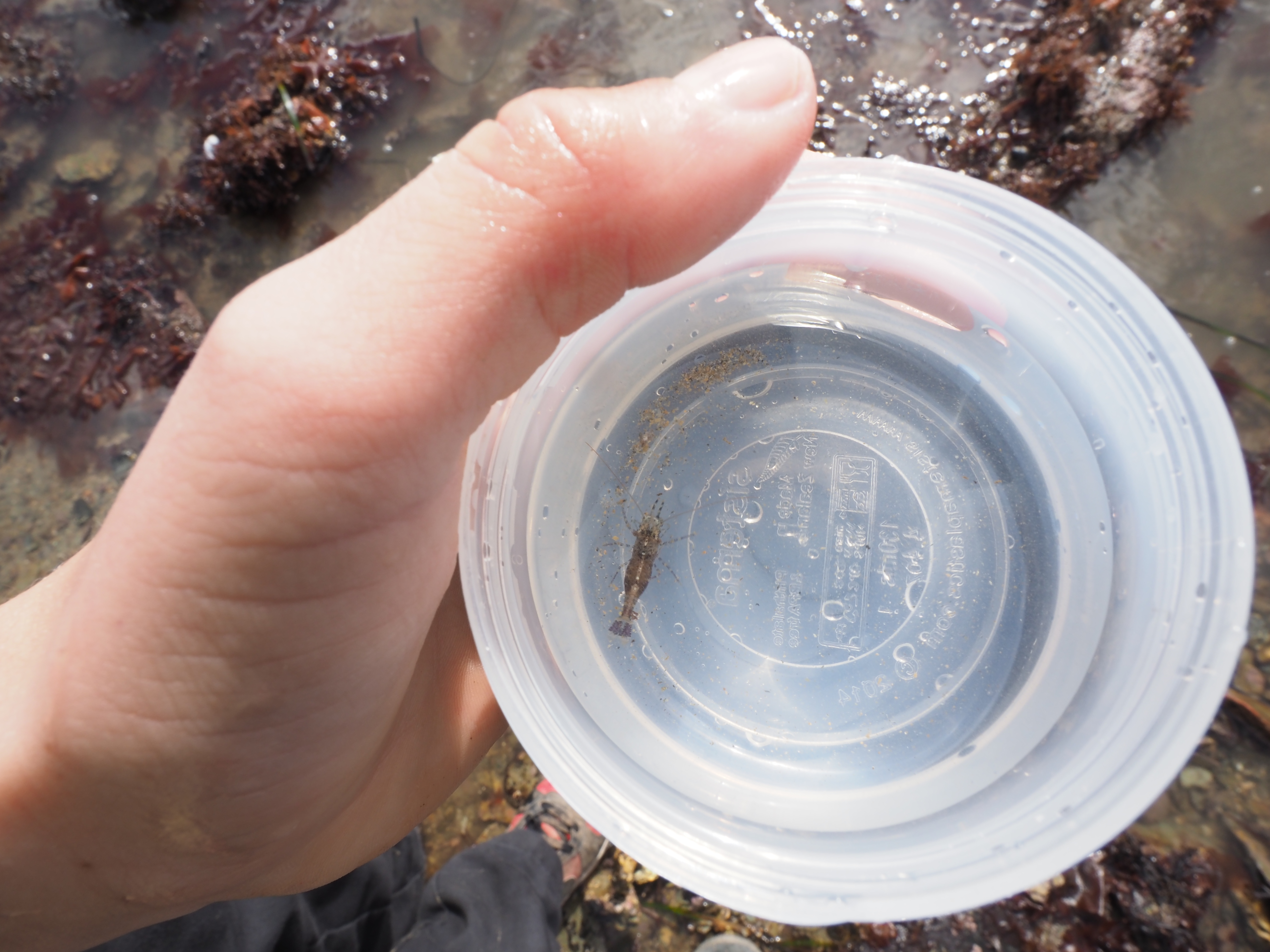
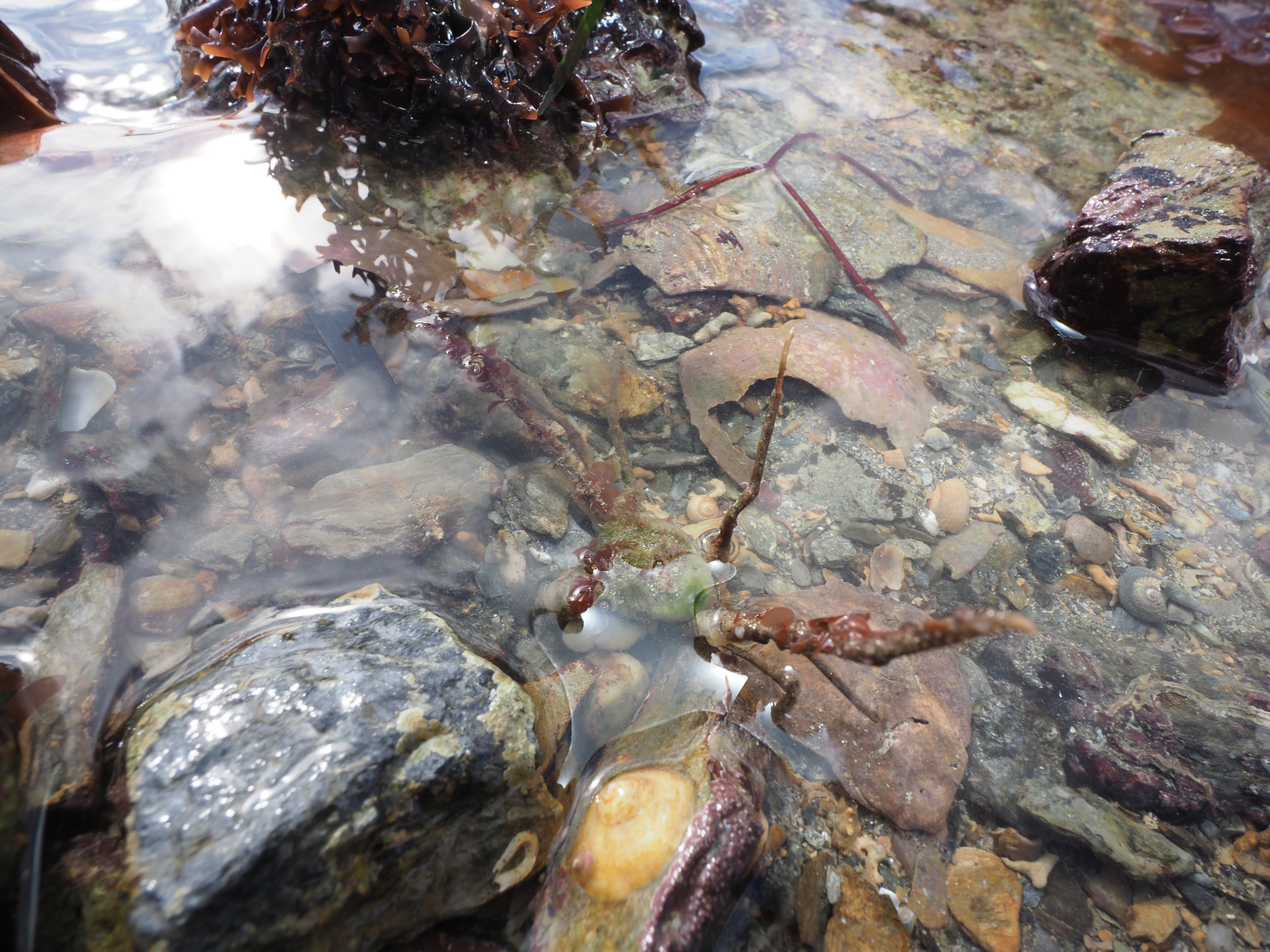
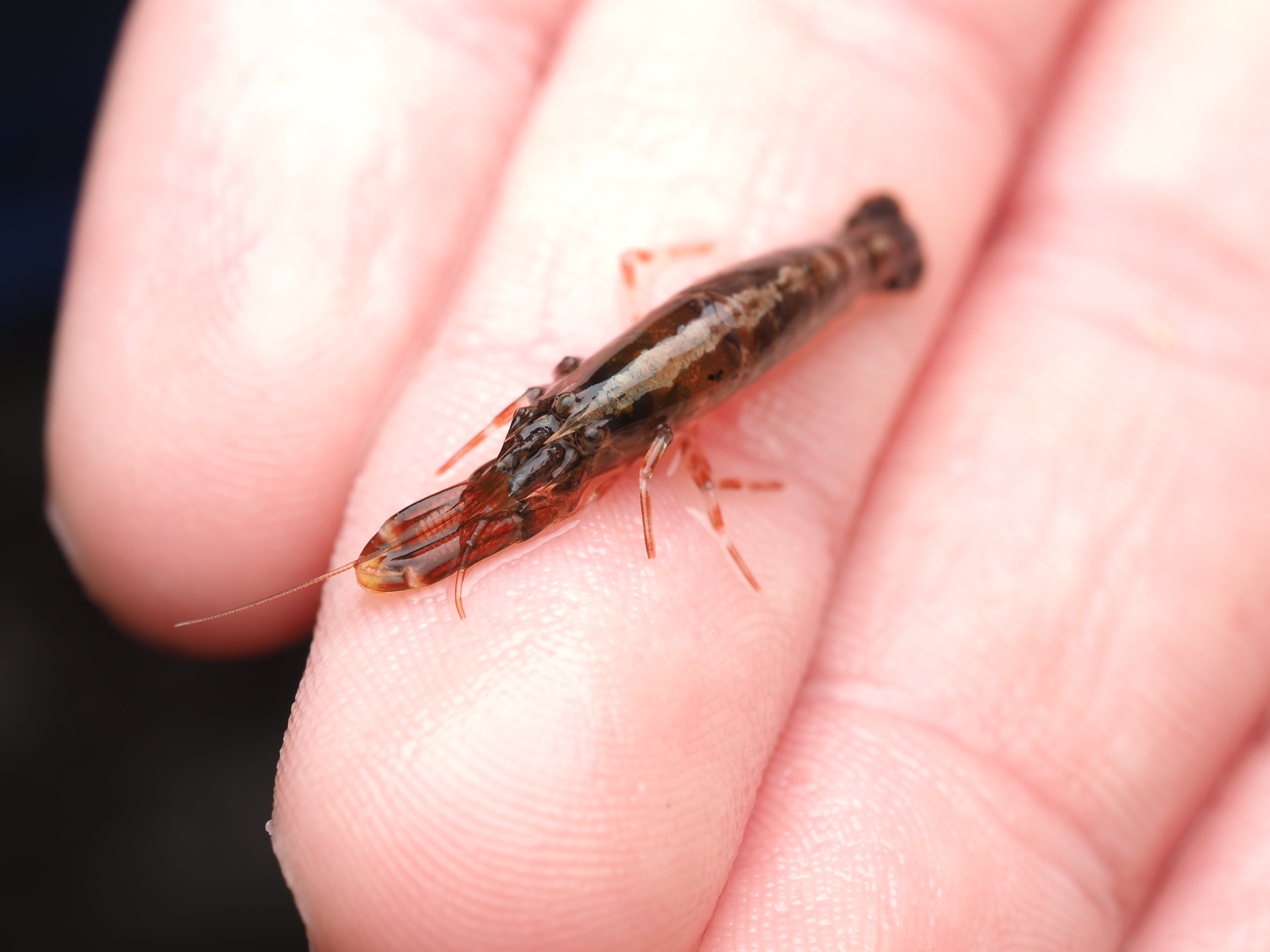
a tiny shrimp, not sure which speciesThe Connemara Clingfish againInachus spider crab in a defensive posture!Tompot Blenny eggs
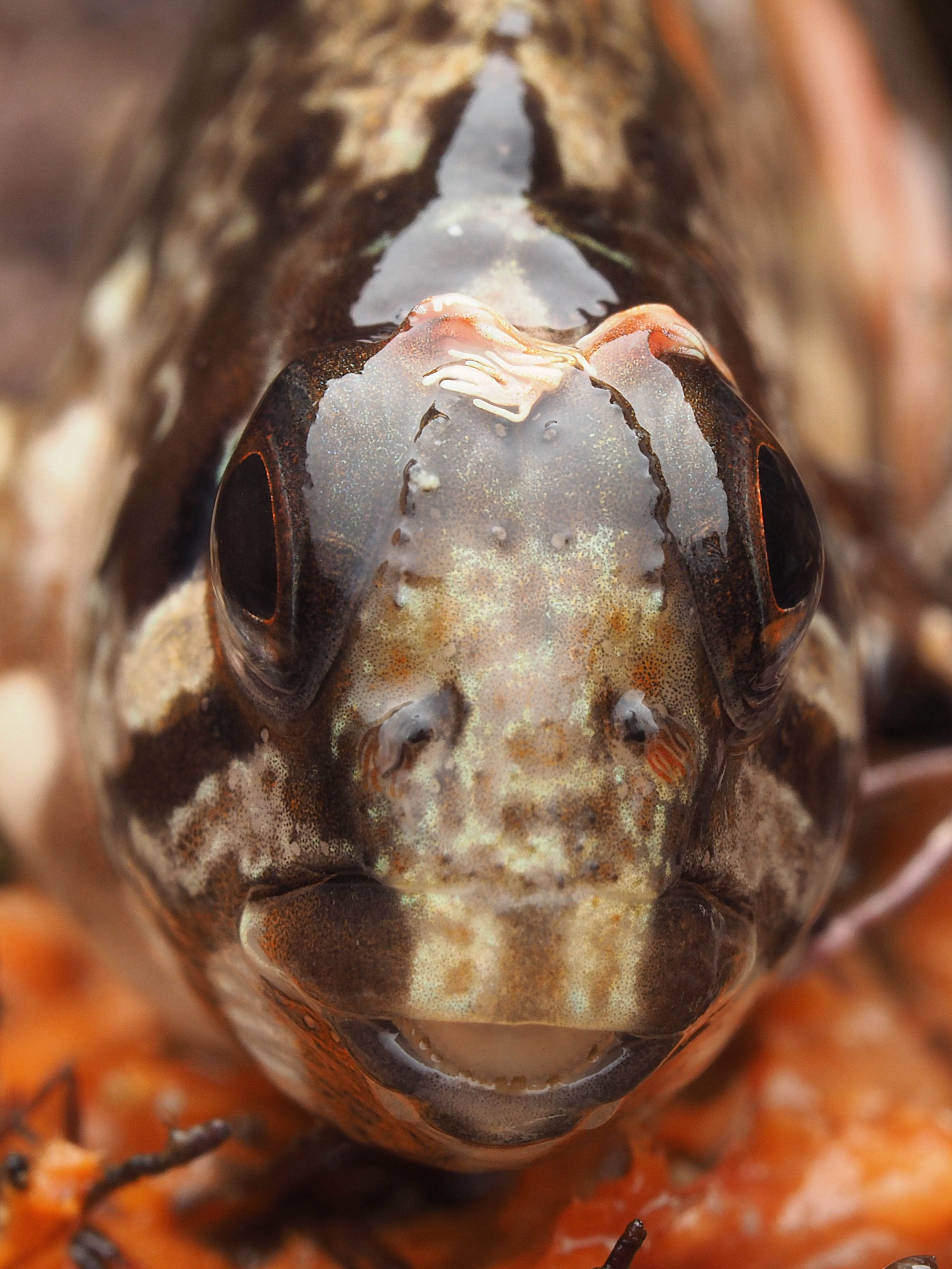
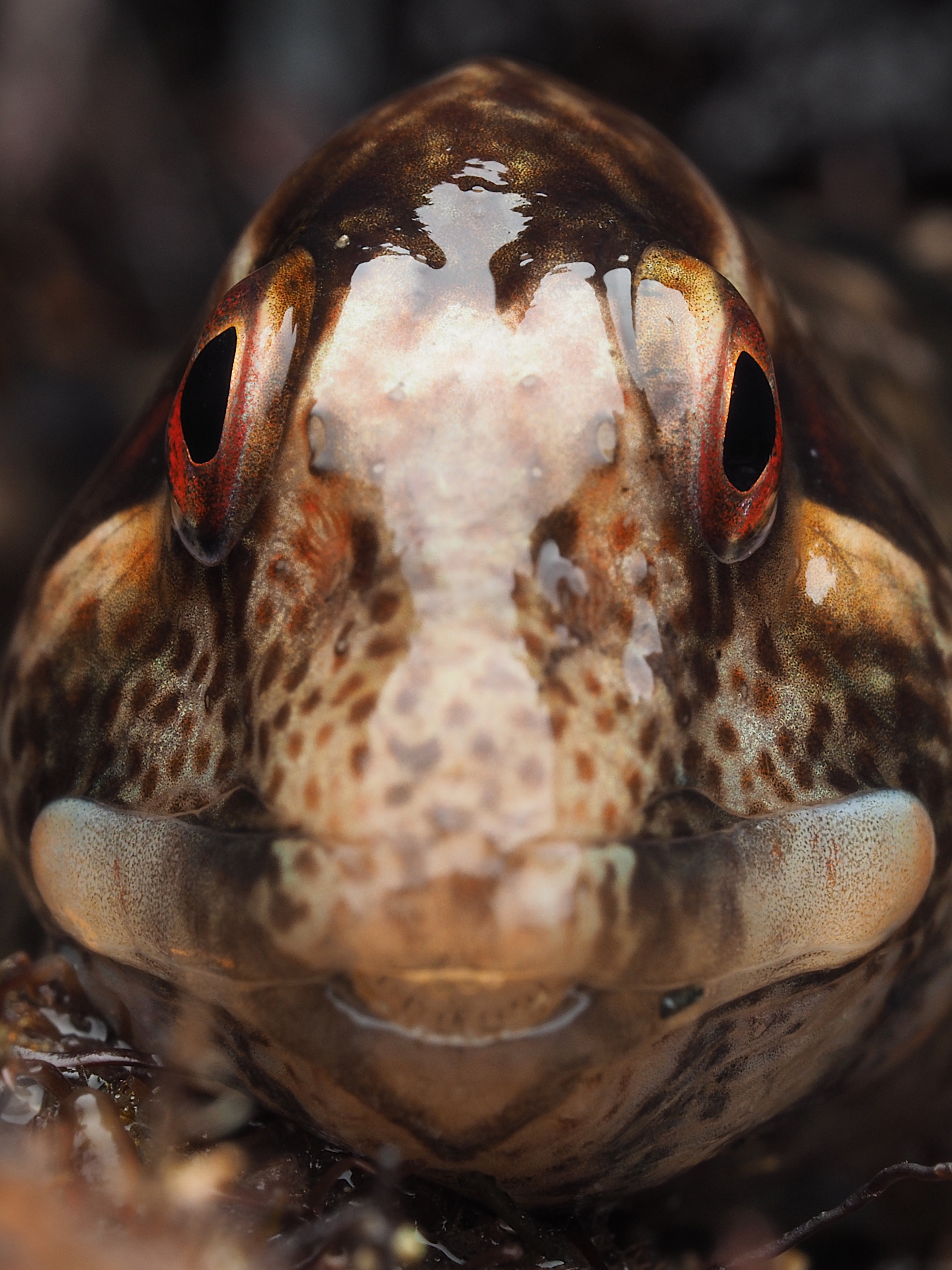
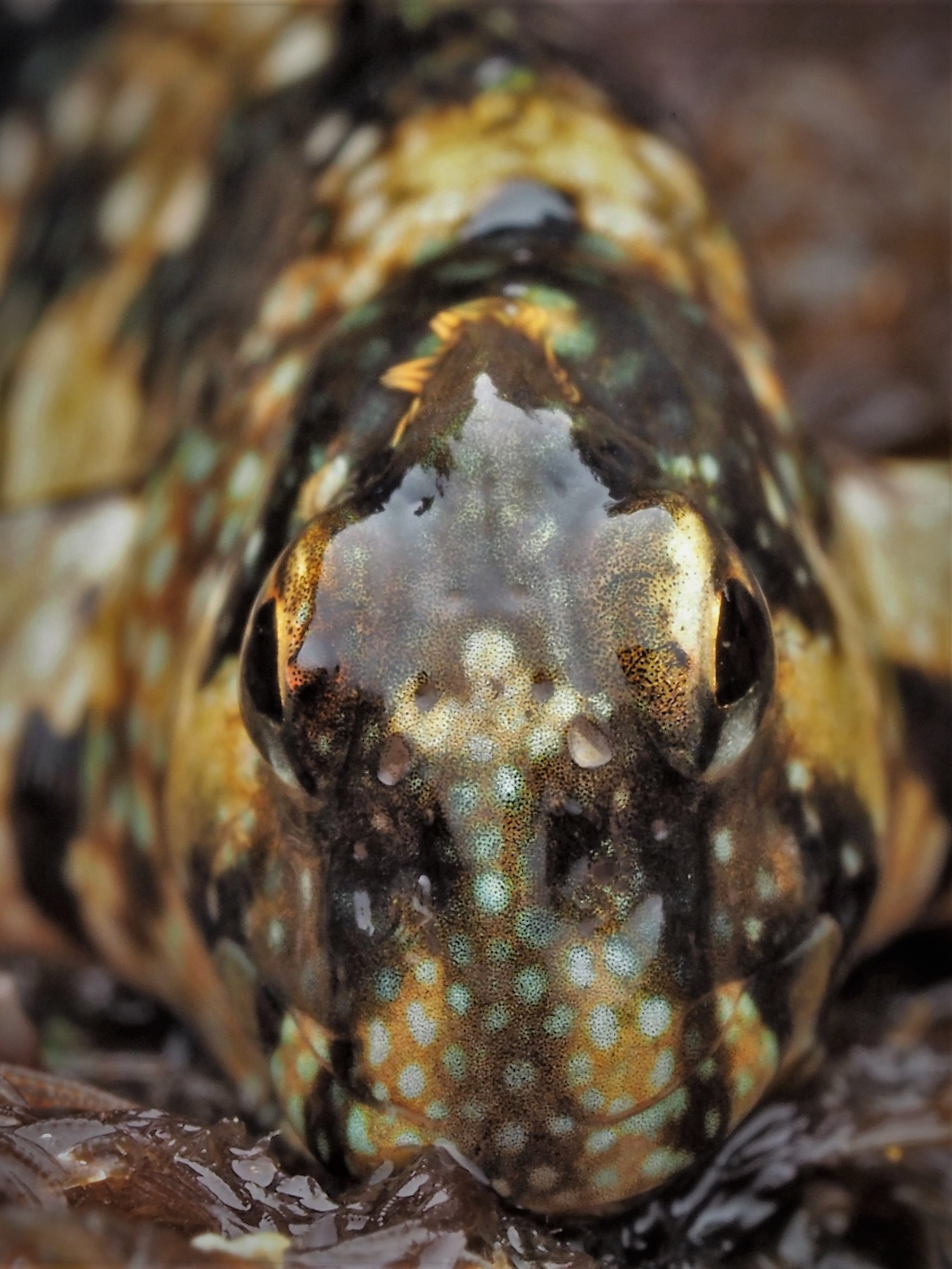
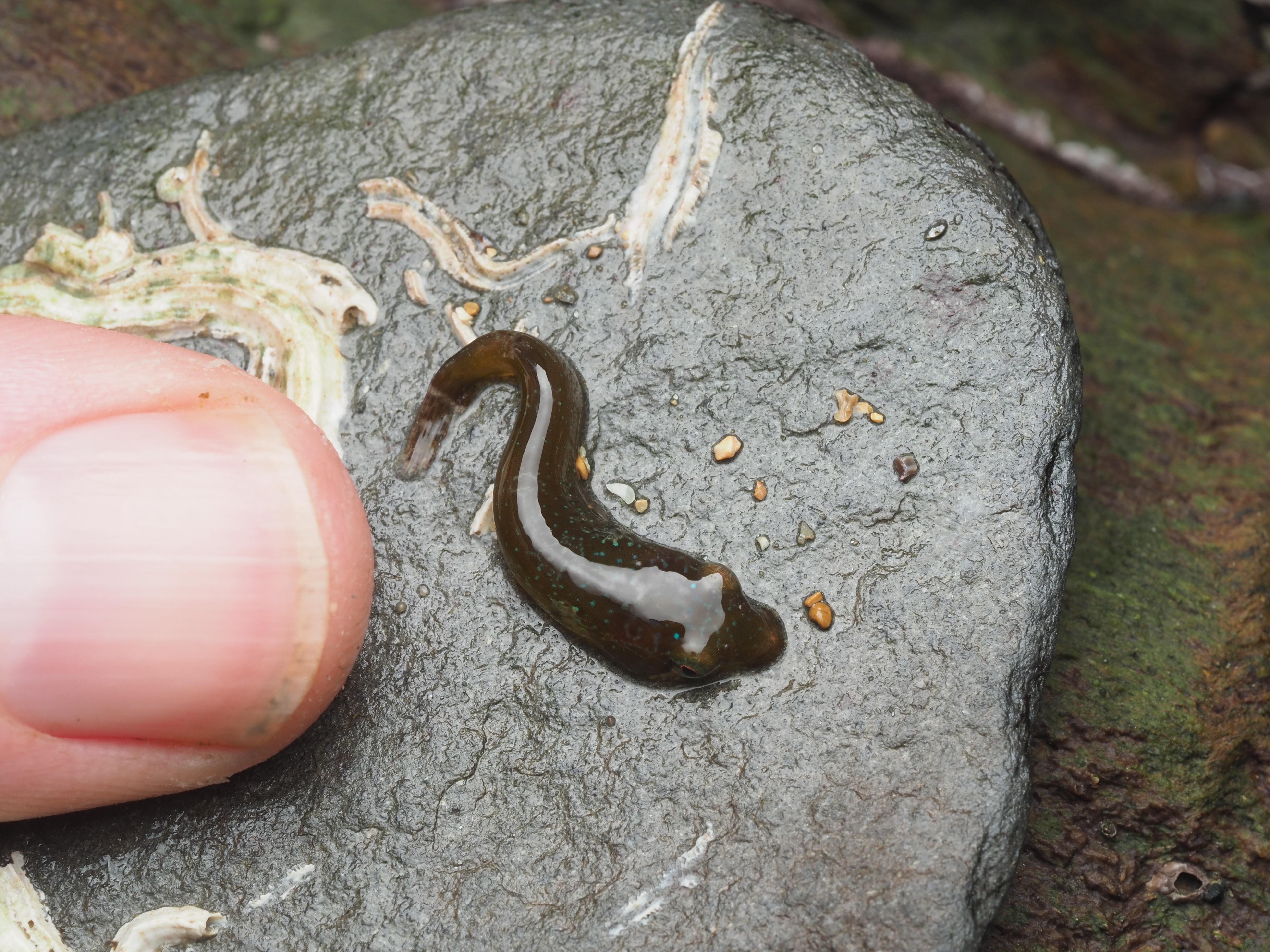
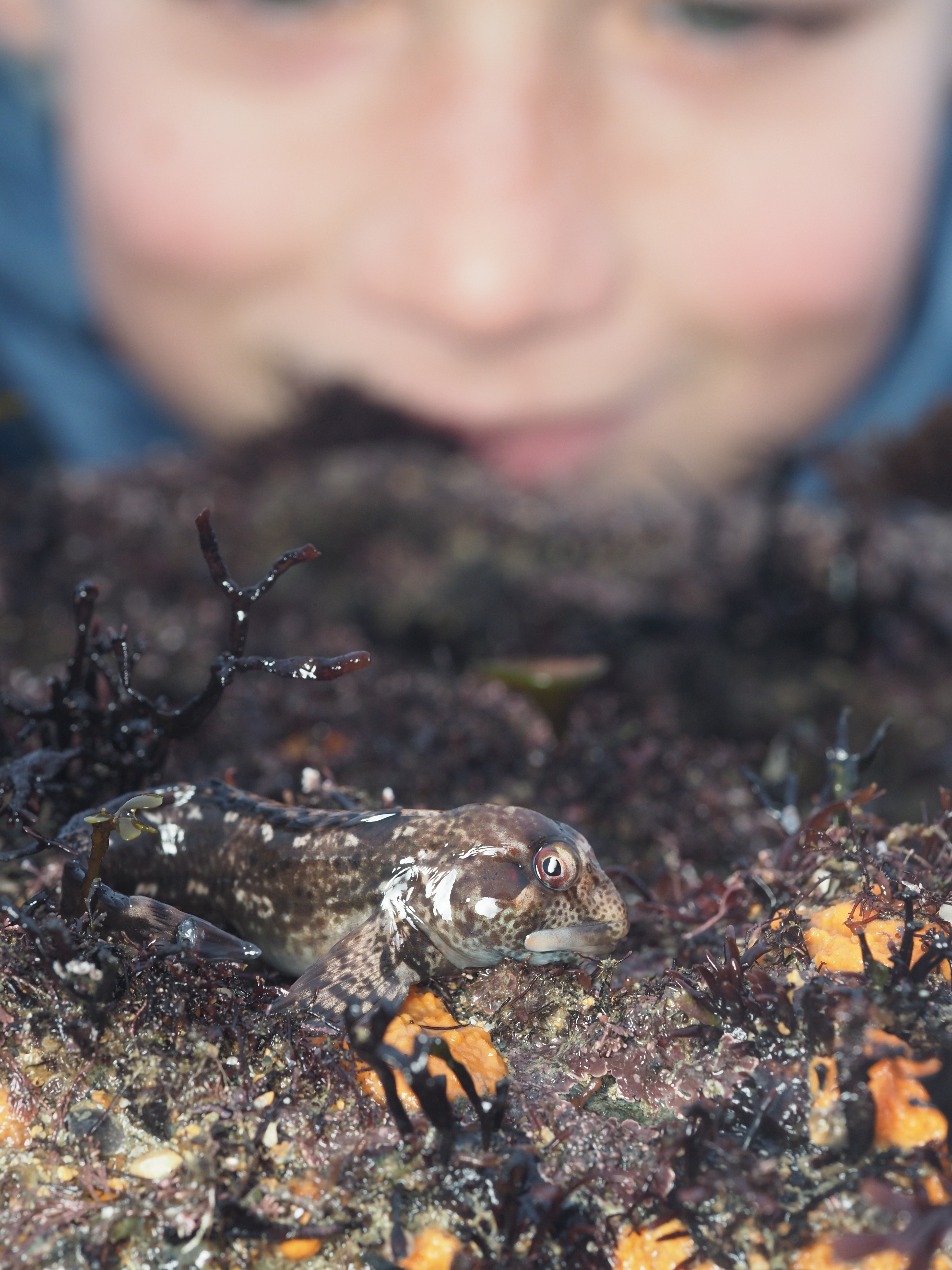
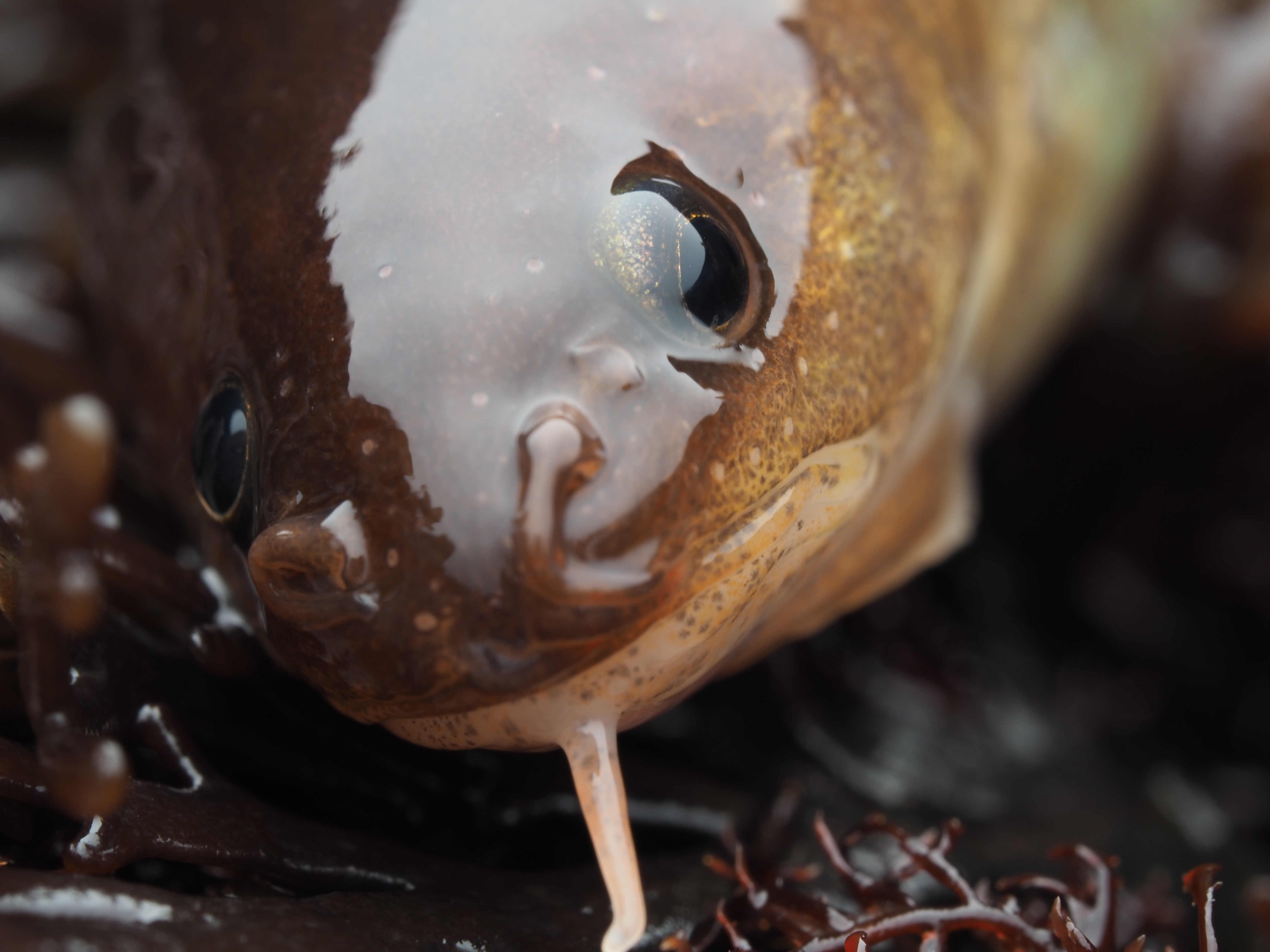
Last weekend the weather was rubbish but the tide was low, and so we went over to our local beach in Flushing for some rock pooling. I did not bring the underwater housing, but just the macro lens and my cygnustech diffuser. Above a little clingfish – this could either be a Two-spotted or a Small-headed Clingfish; they are very hard to tell apart if they are not breeding males (see pic below for scale, I had to use the extra magnification of the Raynox clip-on lens for this one). Below three other fish species: a Tompot Blenny, a Common Blenny (or Shanny) and a Montagu’s Blenny (which is from an earlier post, but I wanted to complete the set here).
It is almost February so it is high time for the first 2025 post! I have quite some photos left from last year and I thought a fish photo-dump might be a nice idea. My local shoredive site ‘Silver Steps’ has quite a diversity of fish; however, I have only ever seriously tried to photograph benthic species as the pelagic swimmers are just to difficult to capture, even just for ID purposes. A shame, as I have seen some interesting Seabream species last year (Gilthead Seabream, schools of juveniles that might be Axillary, or Red Seabream and even a Common Two-Banded Seabream) and the wrasse species are very characterful (and I have seen others take great photos of them). Anyway, first up is a Conger Eel (Conger conger) I often visit. Quite menacing, although probably not as big as it looks. I always find it in its lair, probably only coming out at night to hunt (having said that occasionally I do see free-swimming congers during the day). It is always surrounded by big prawns who do not seem to be on the menu somehow, but must be protected from other predators this way.
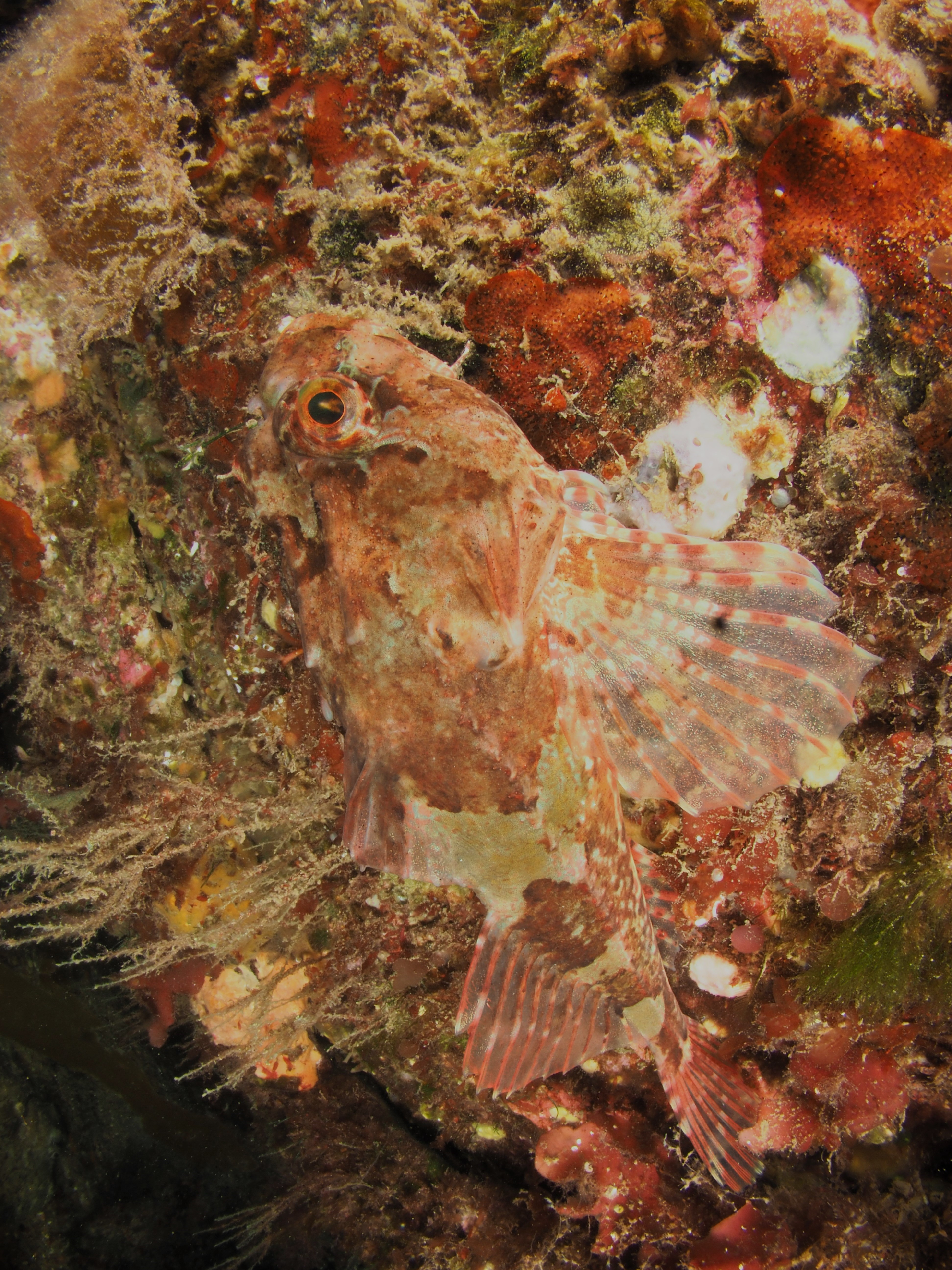
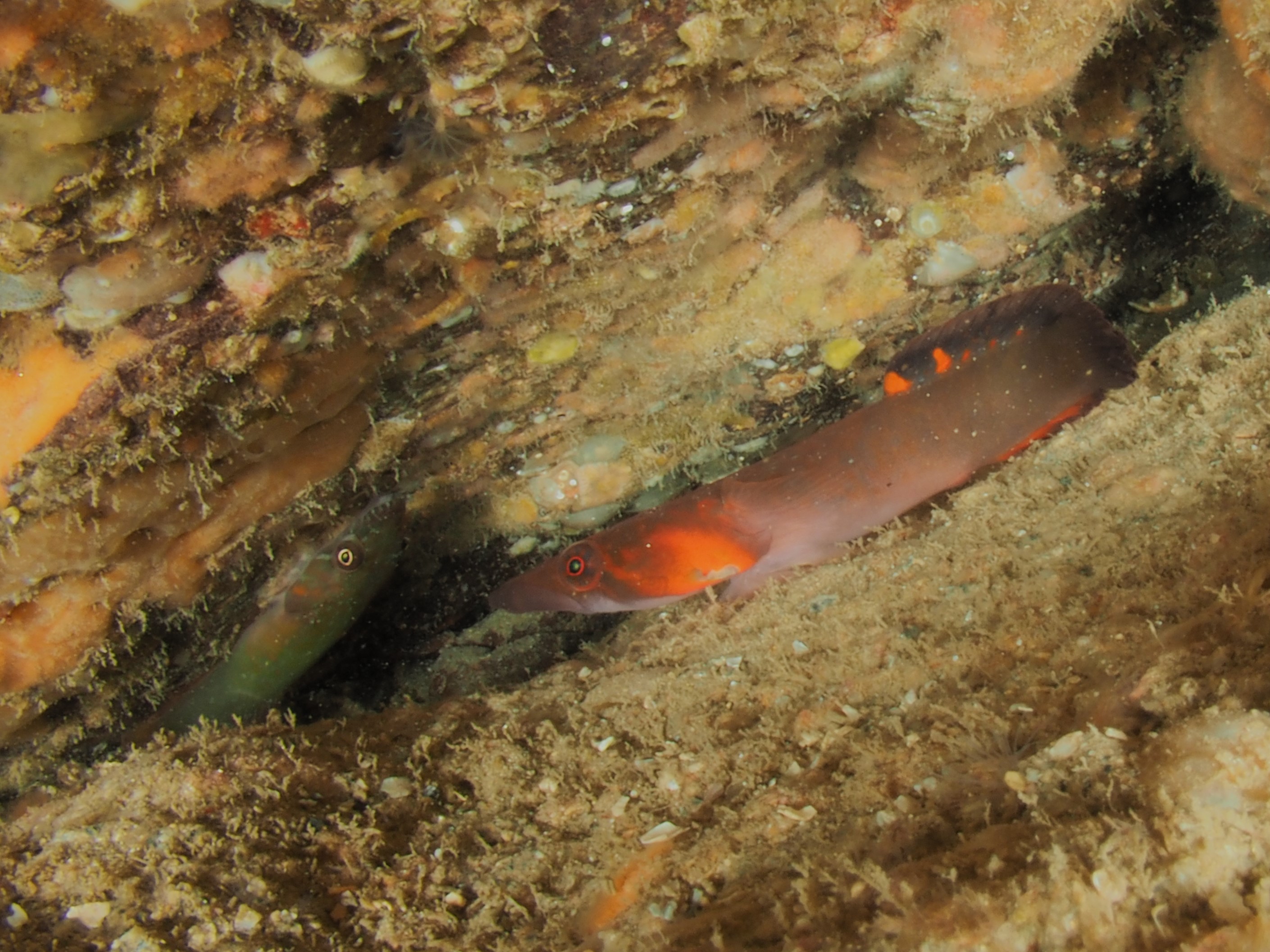
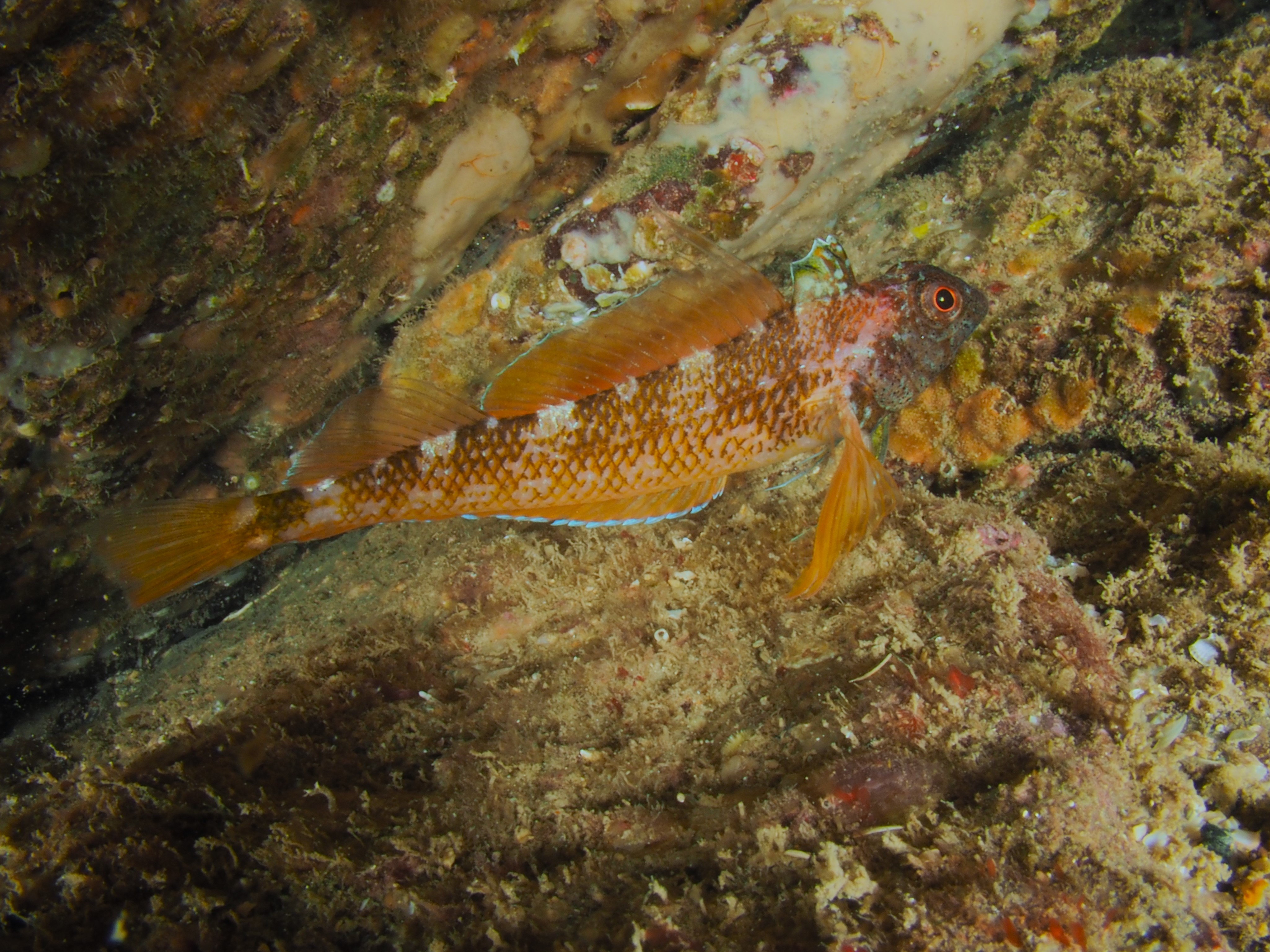
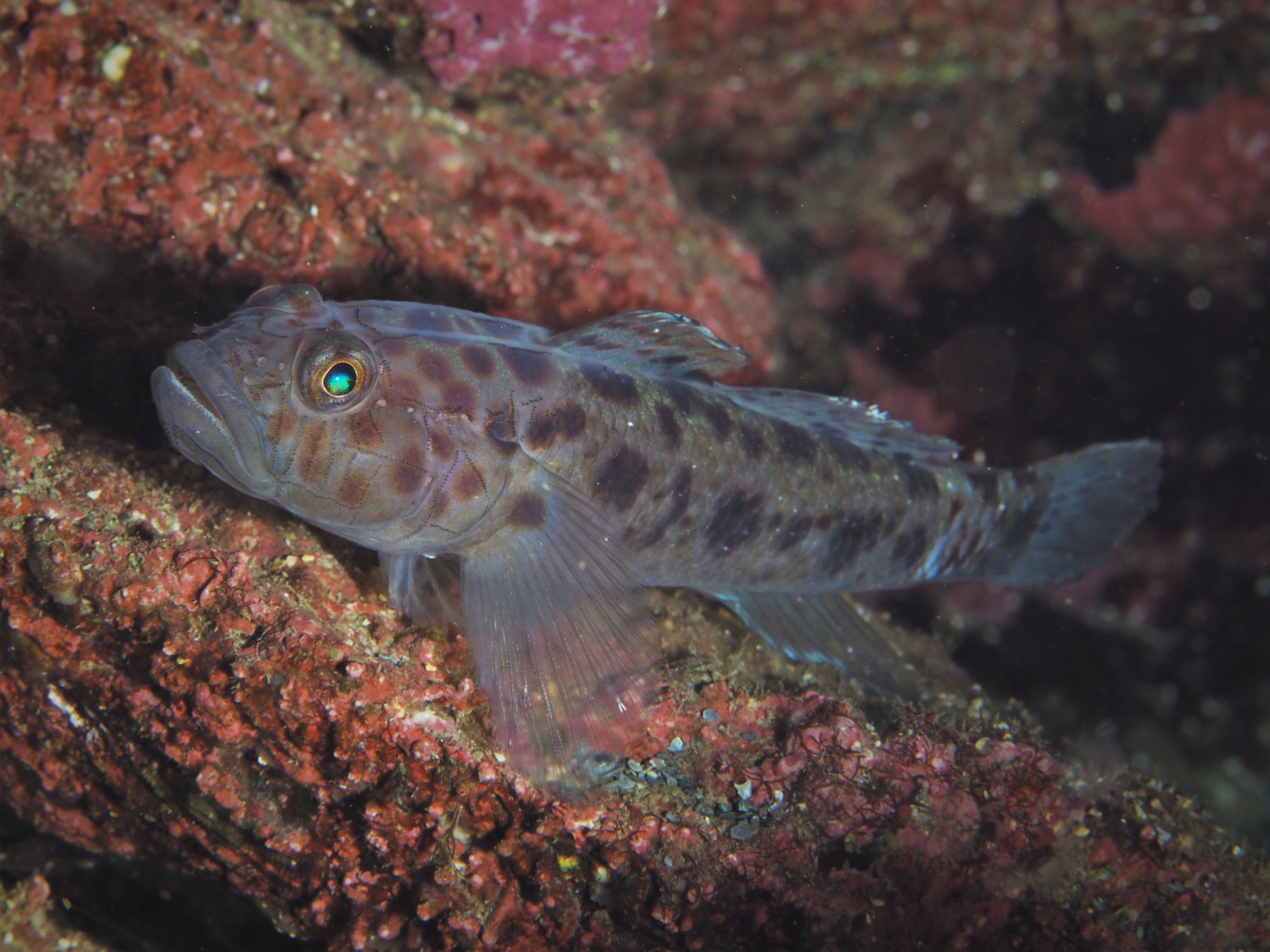
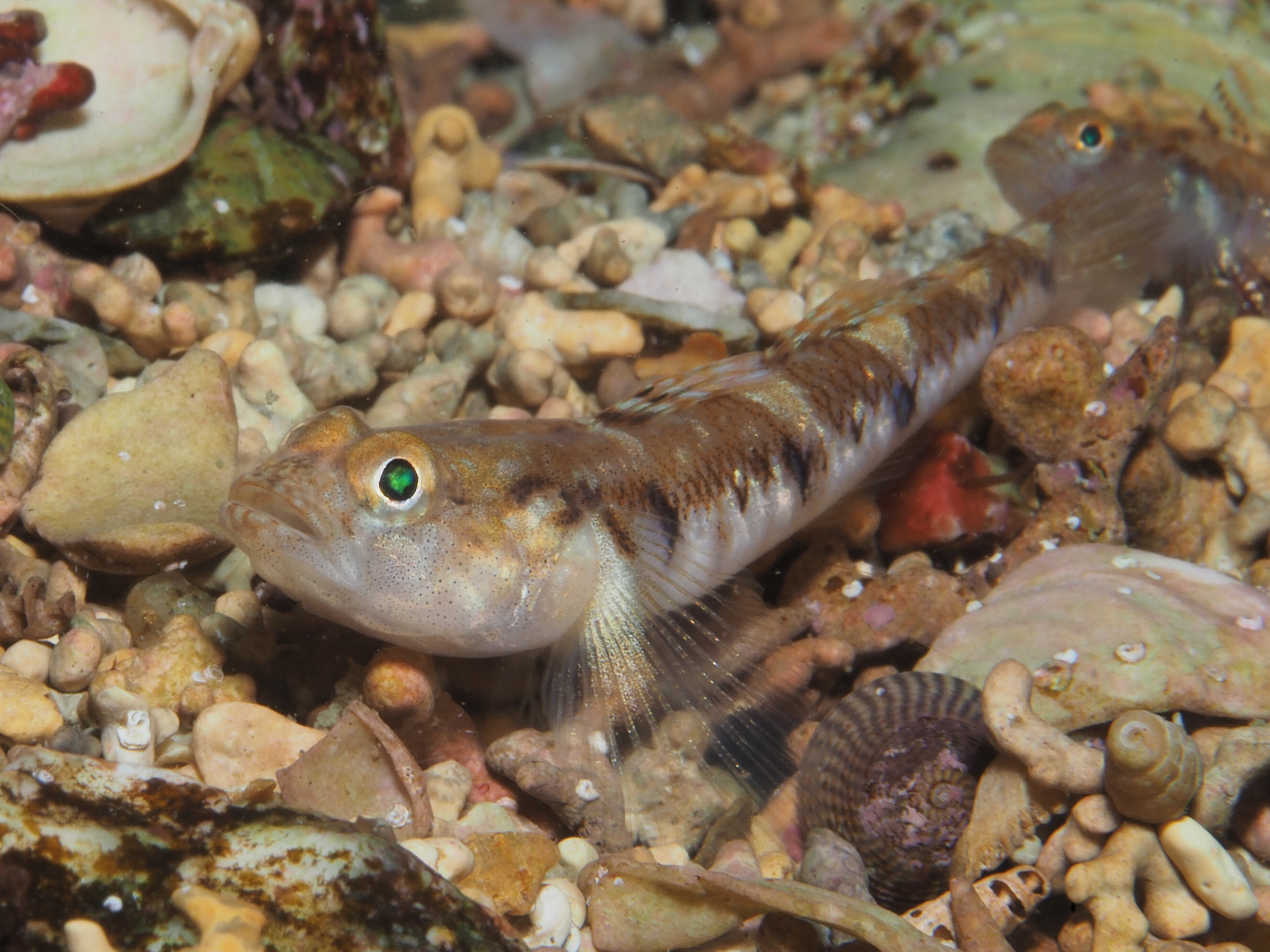
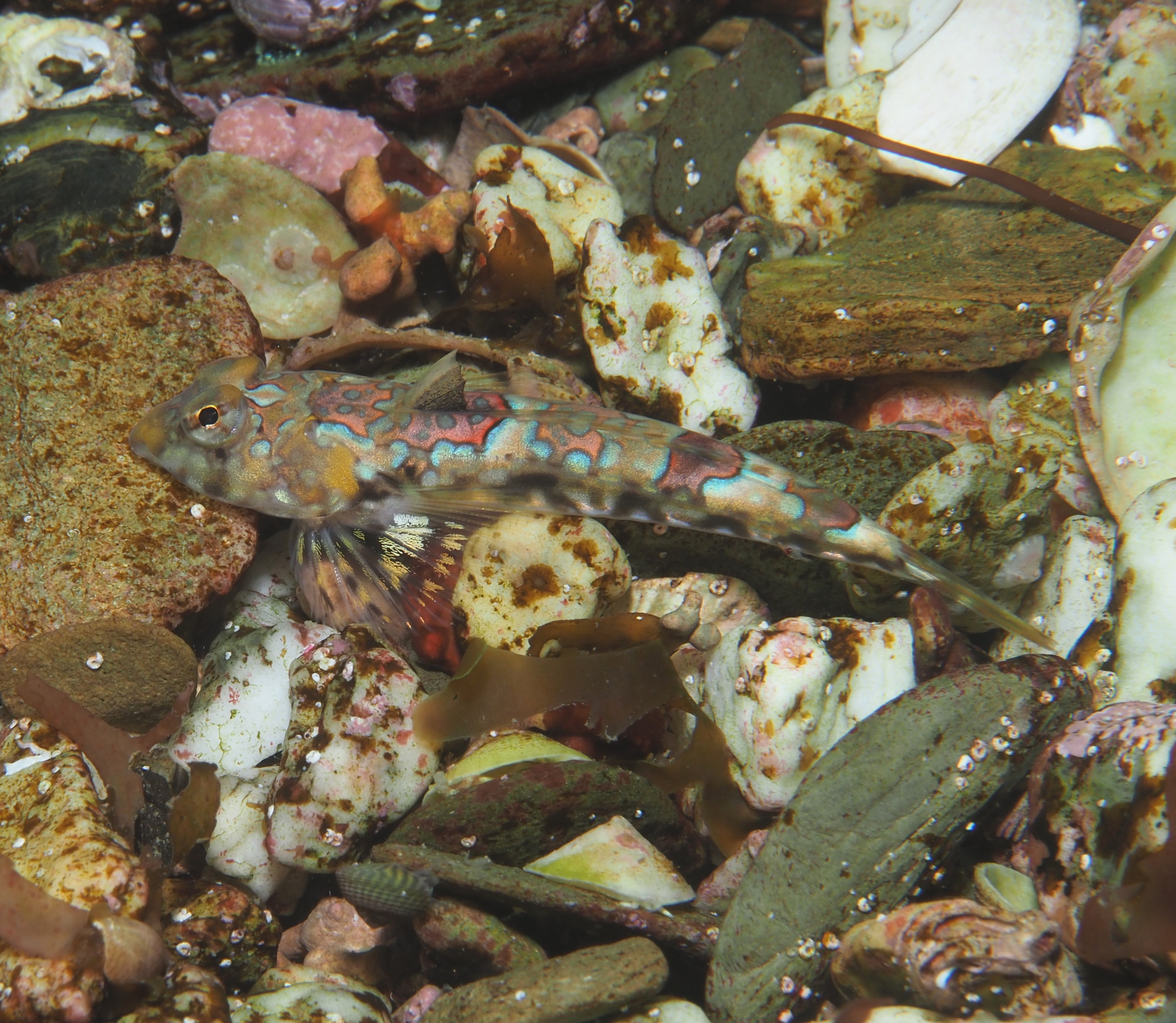
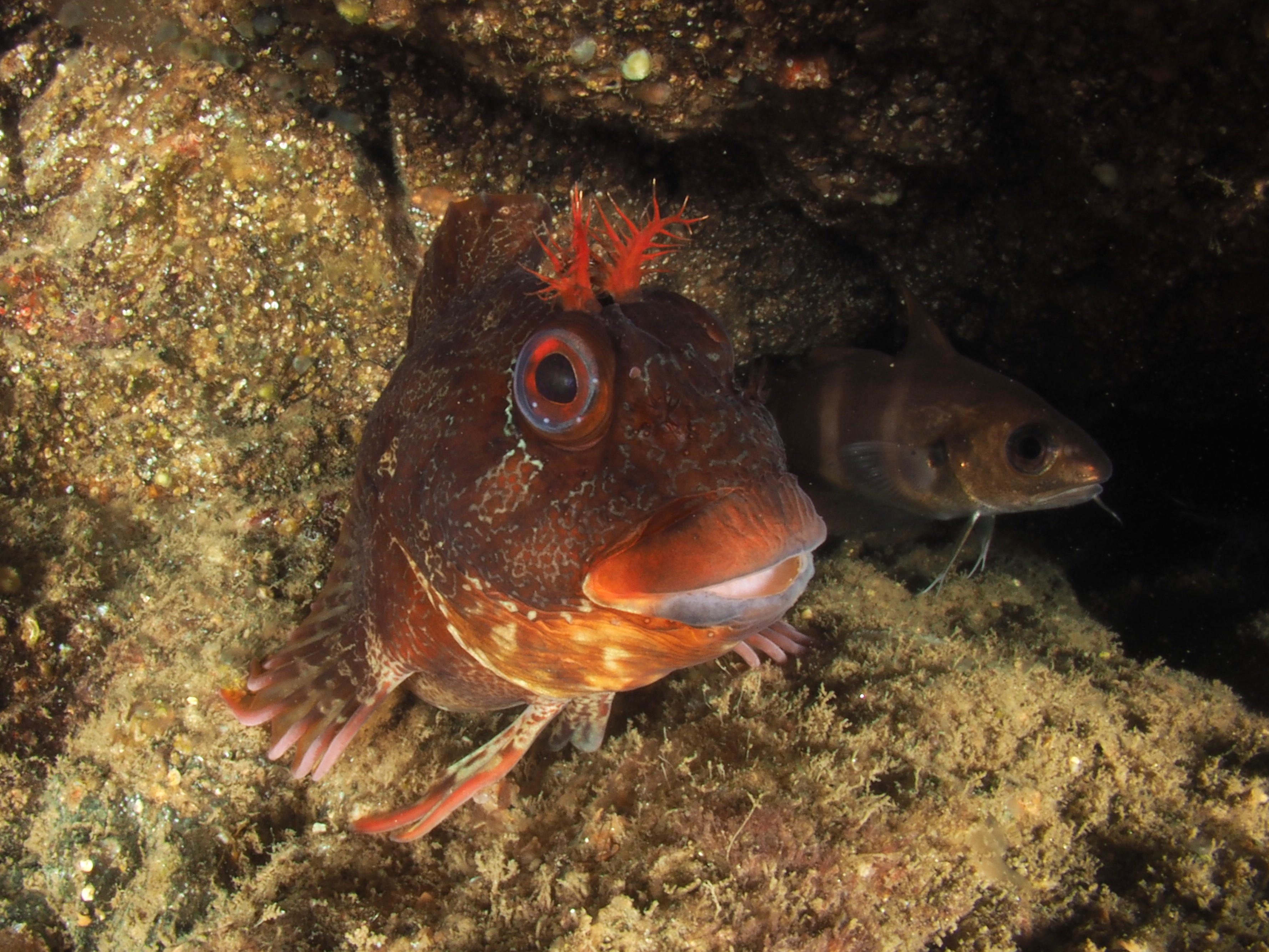
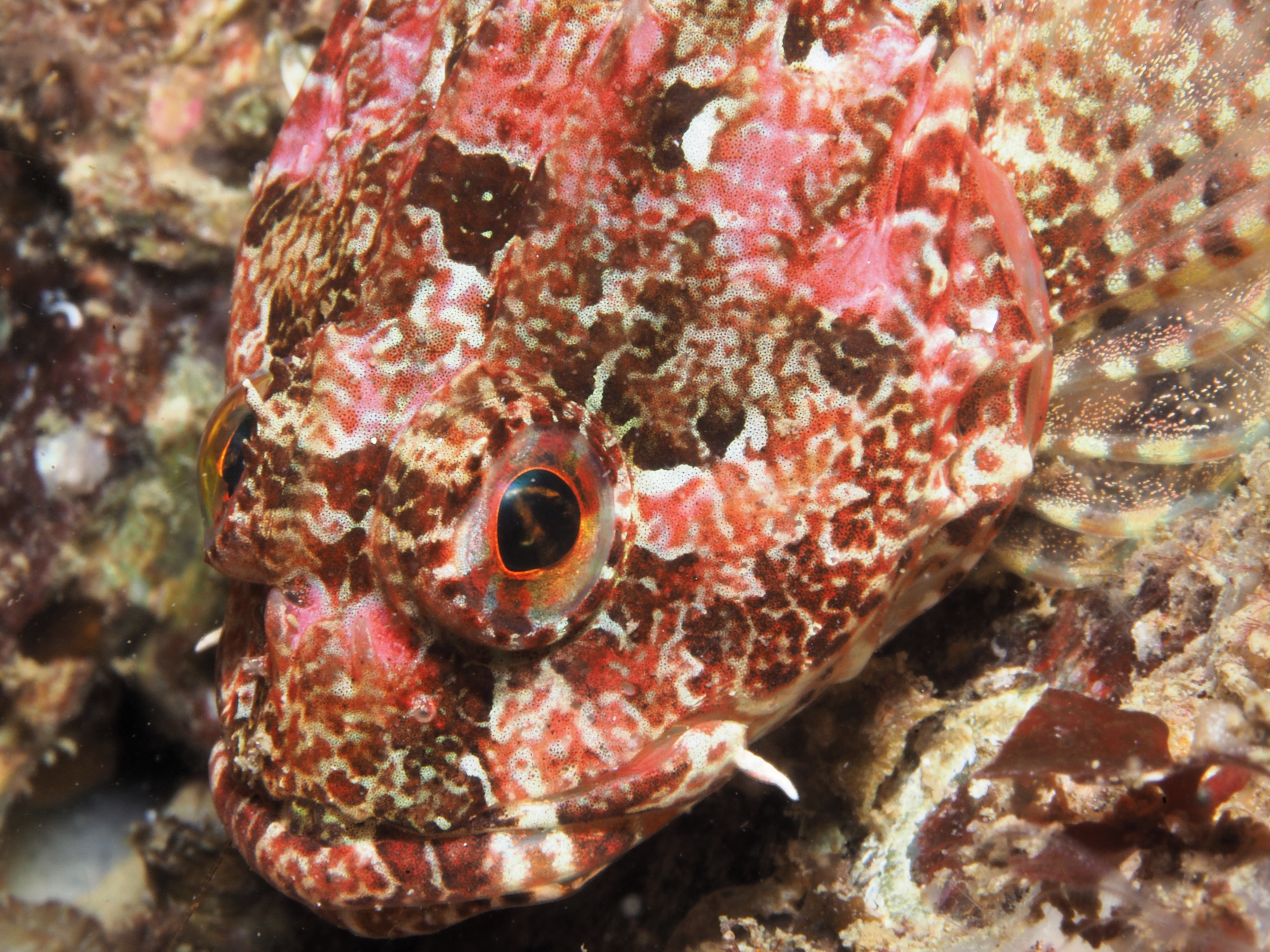
Below photos of various smaller fish hiding in the rock cracks (click for names on the pictures).
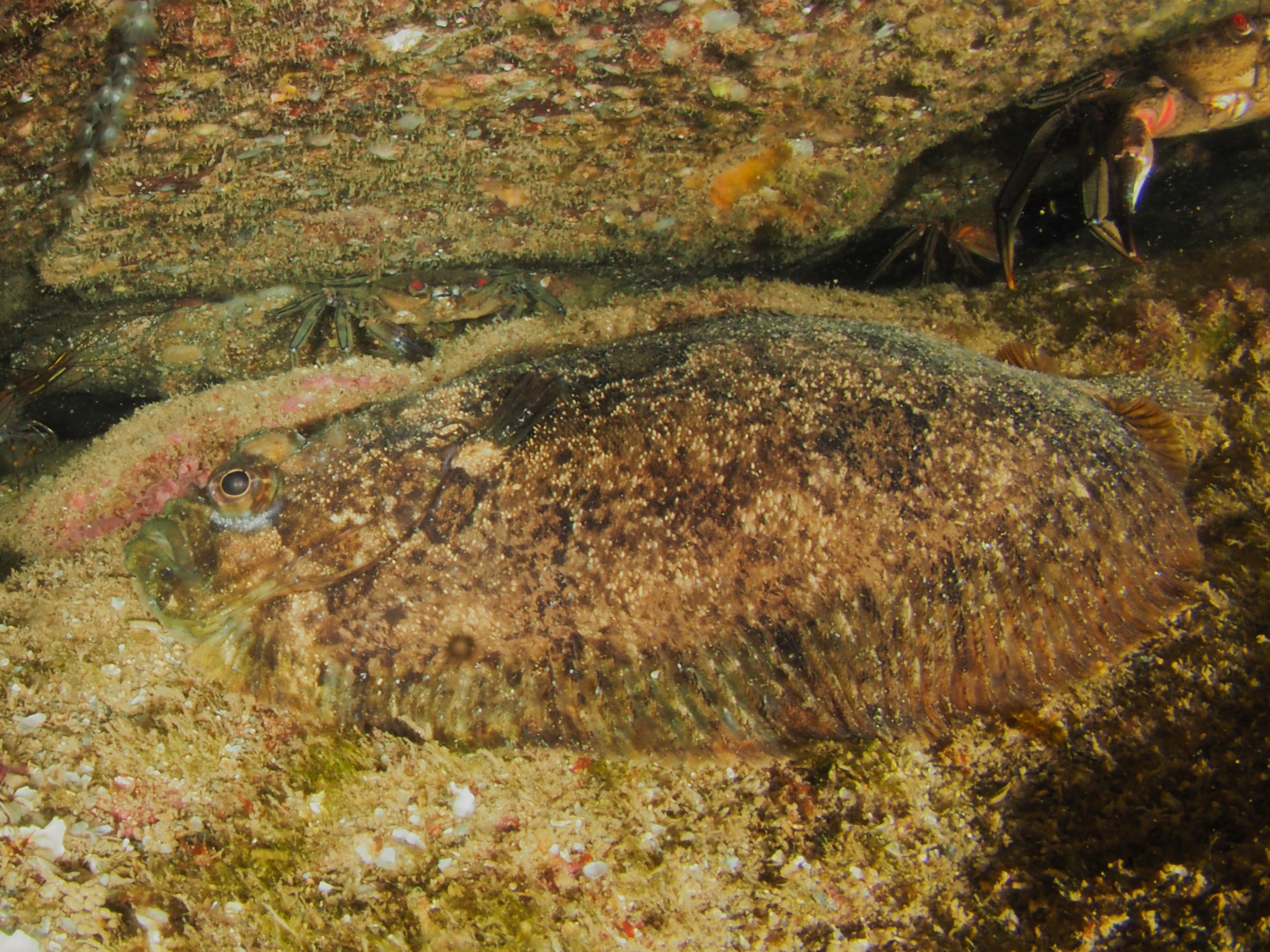
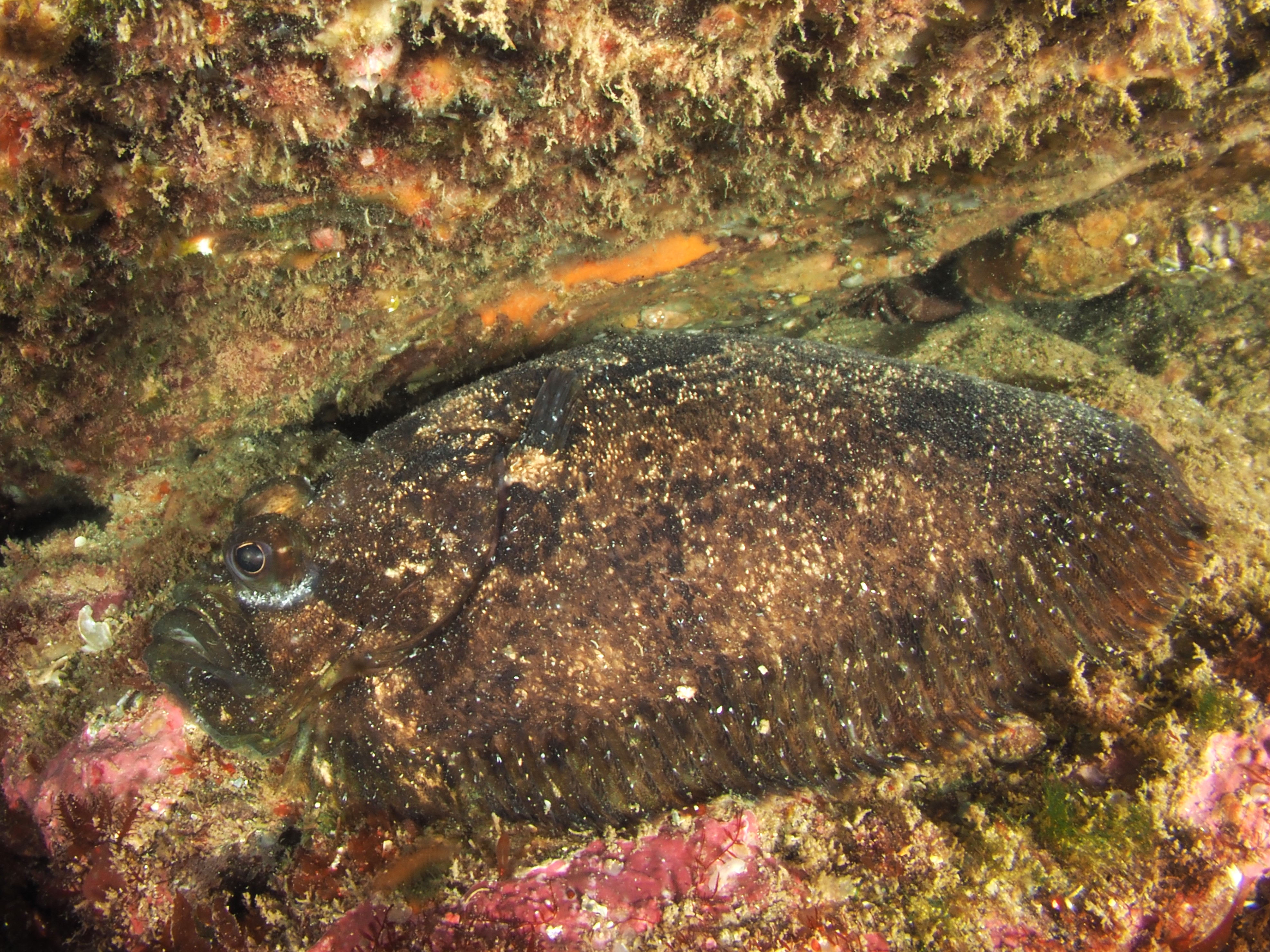
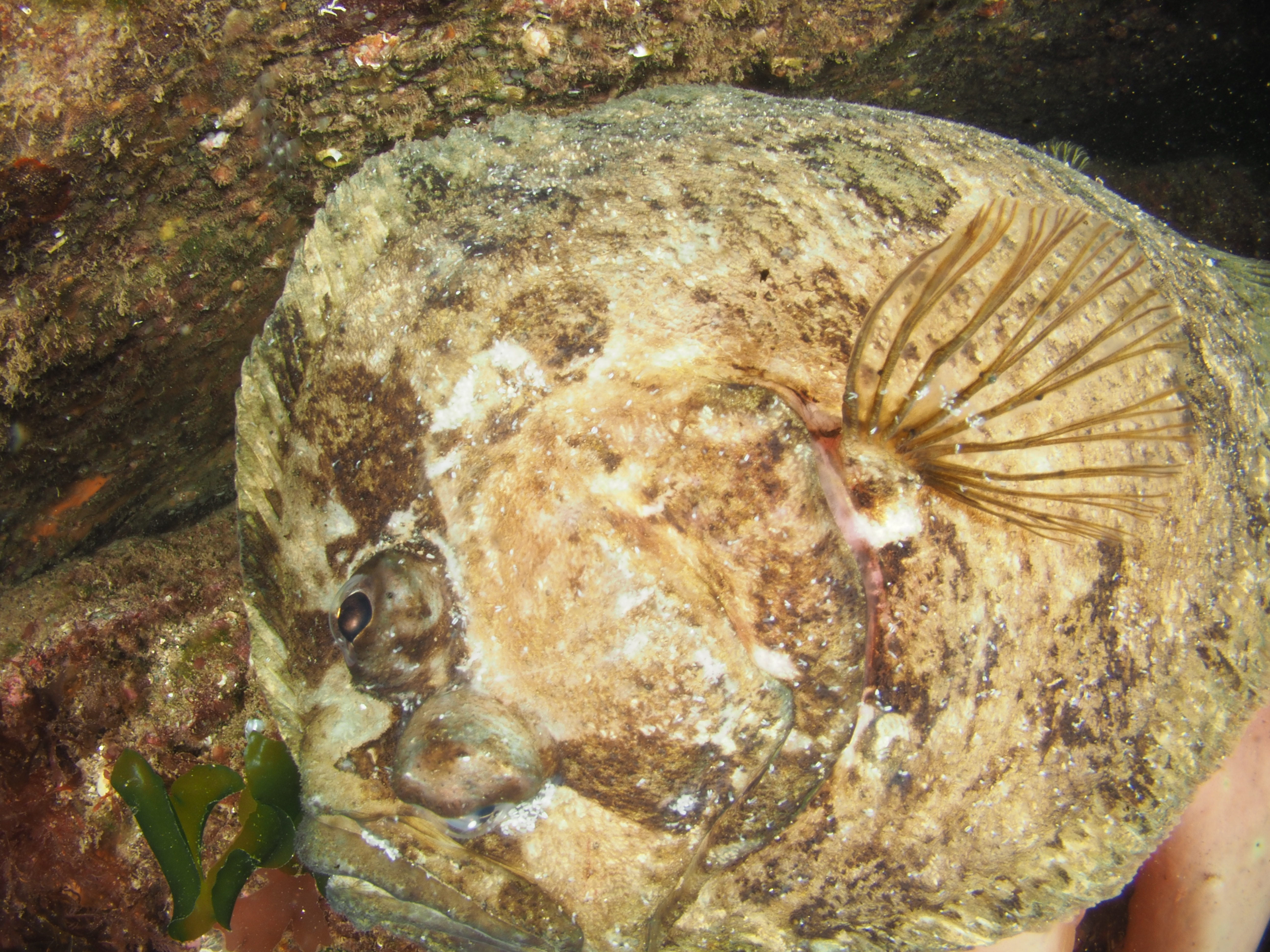
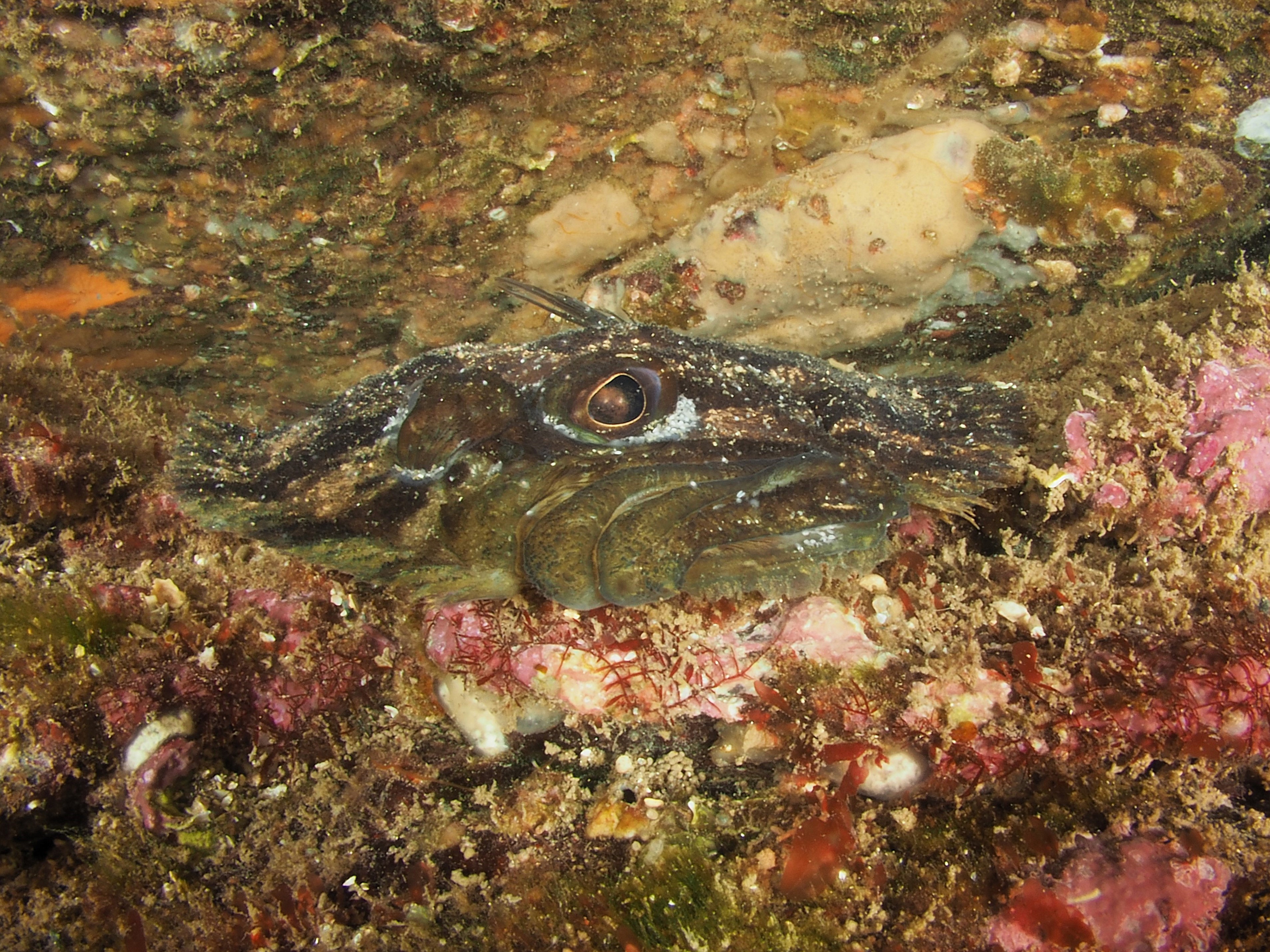
Finally a favourite of mine: the Topknot (Zeugopterus punctatus). Not quite nailed the shot yet – maybe this year!
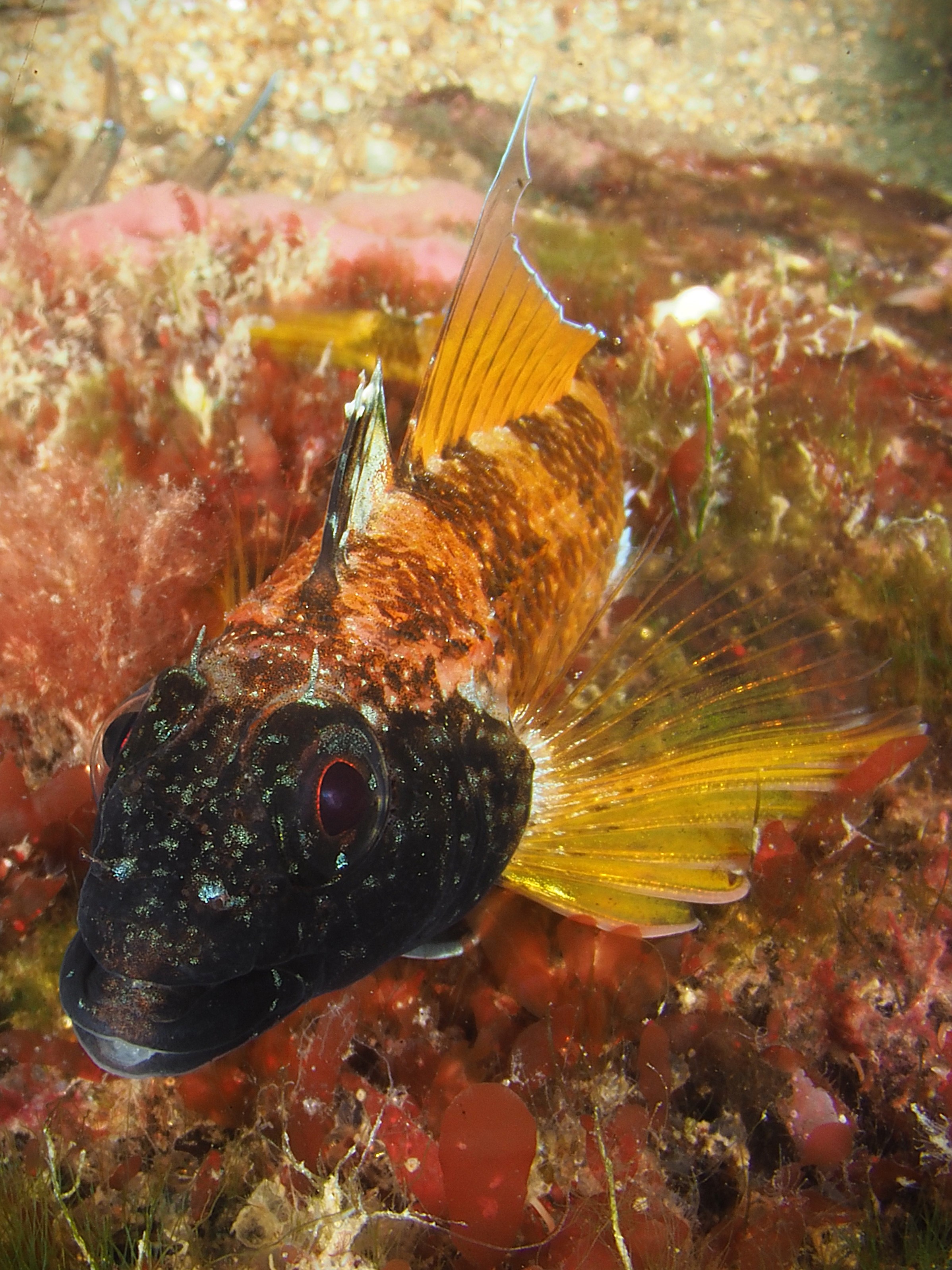
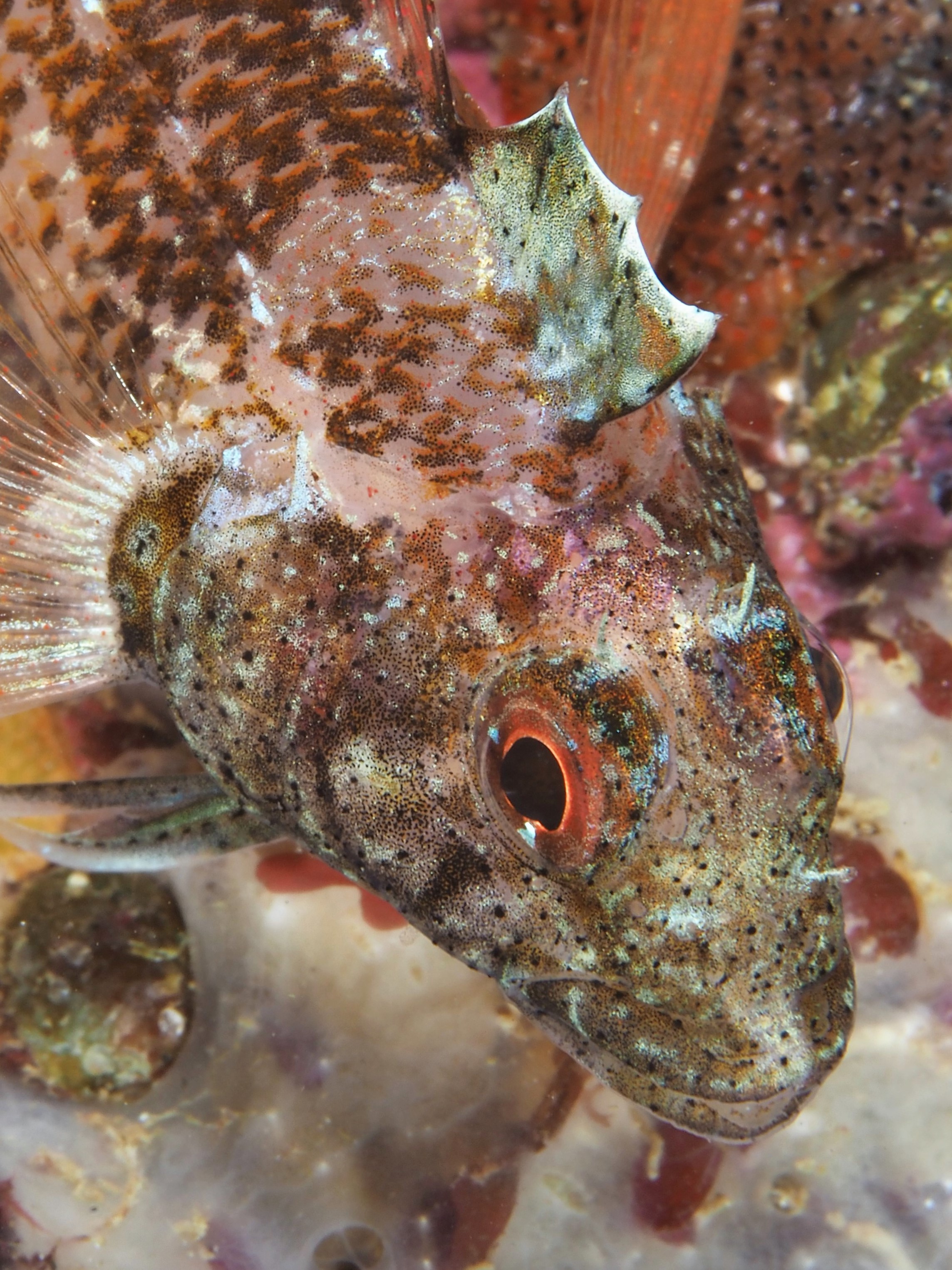
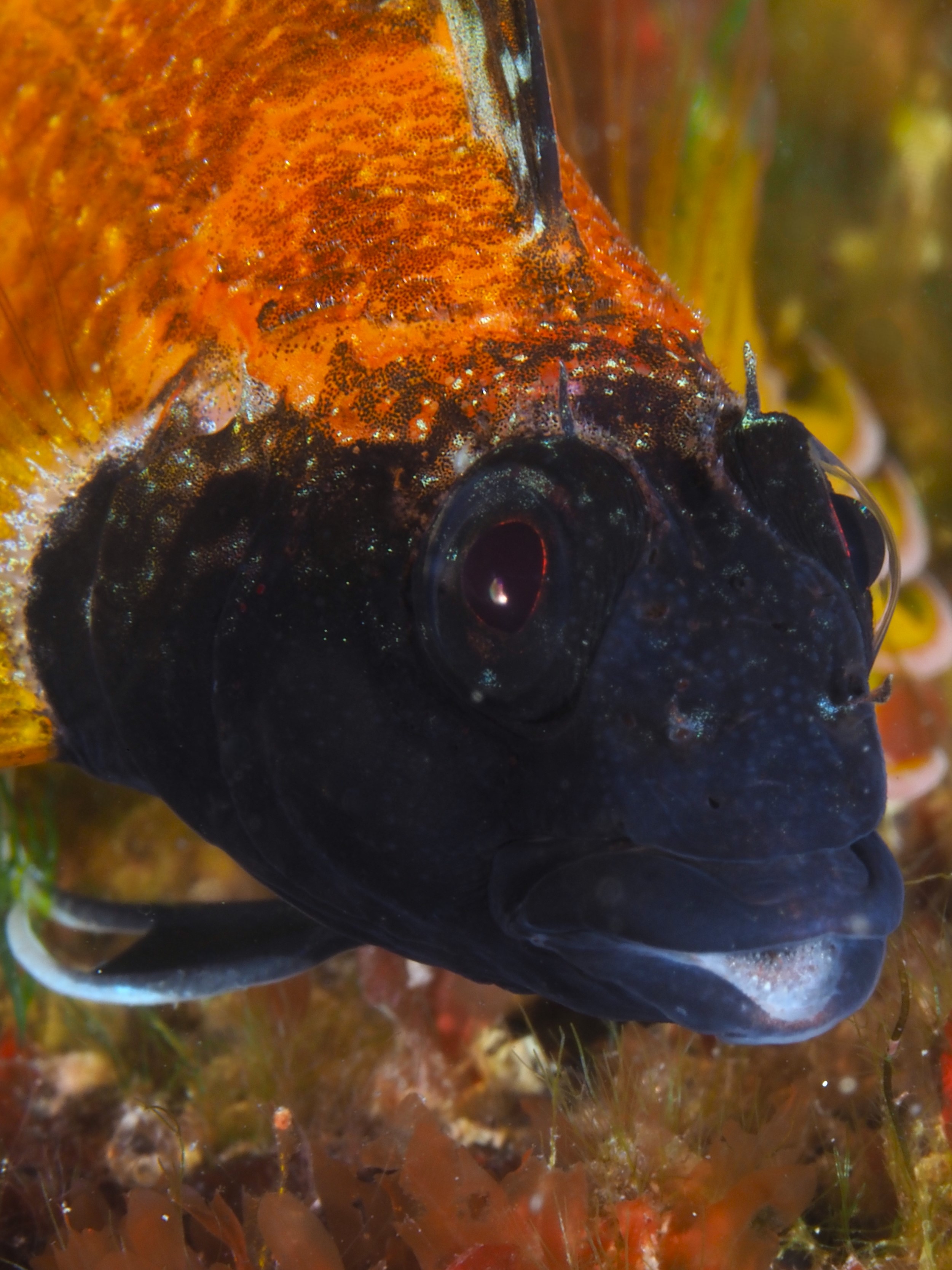
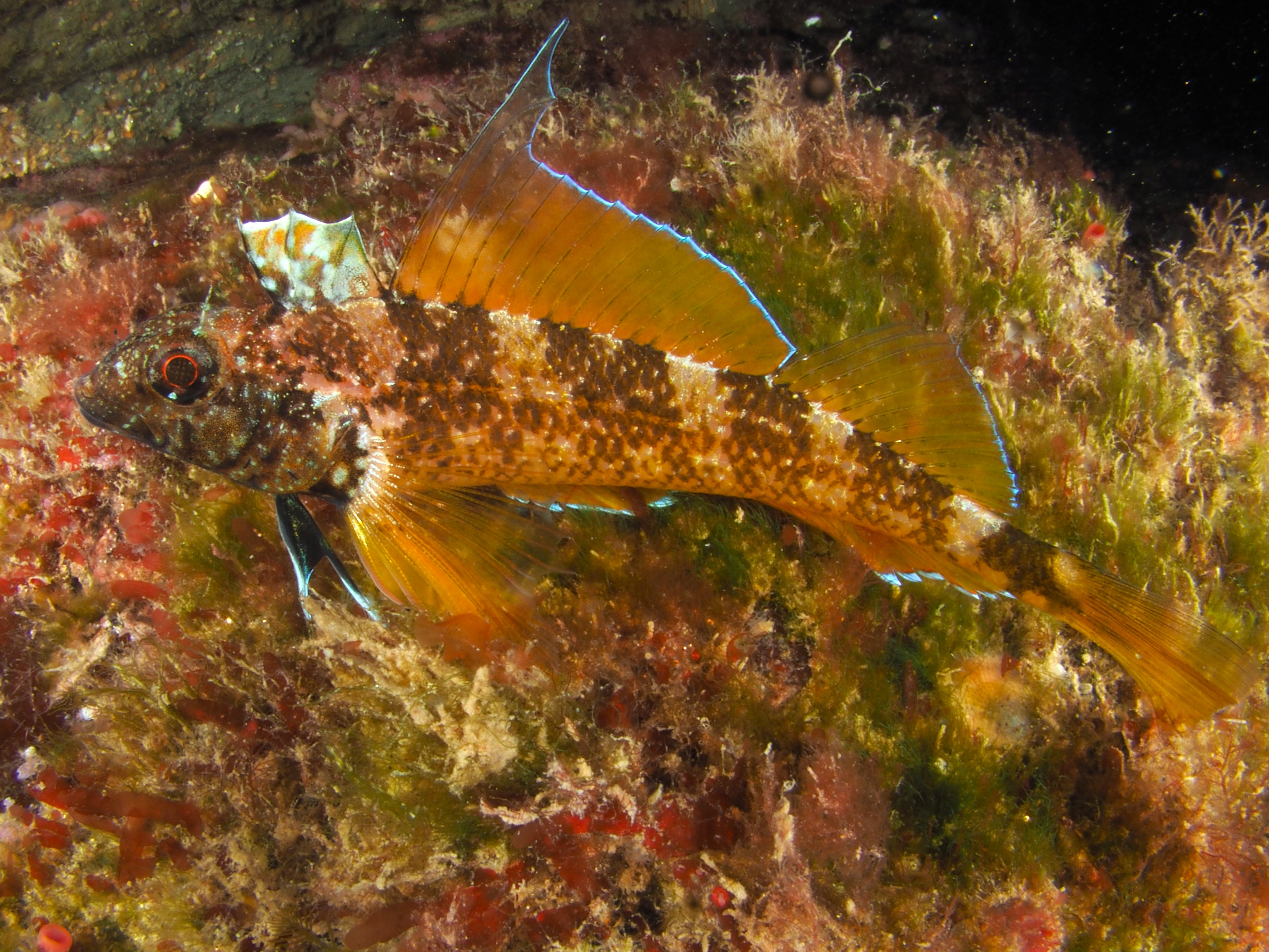
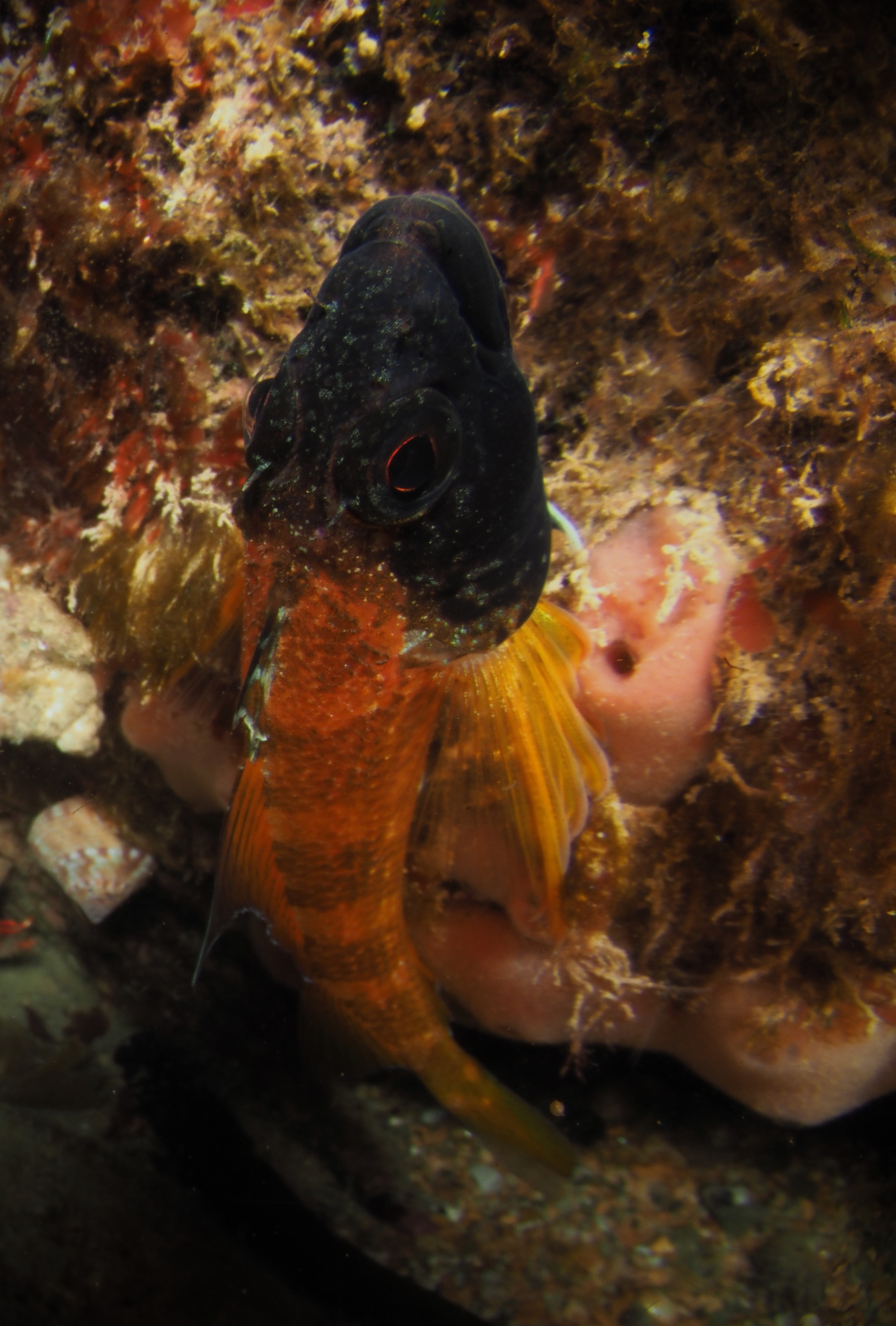
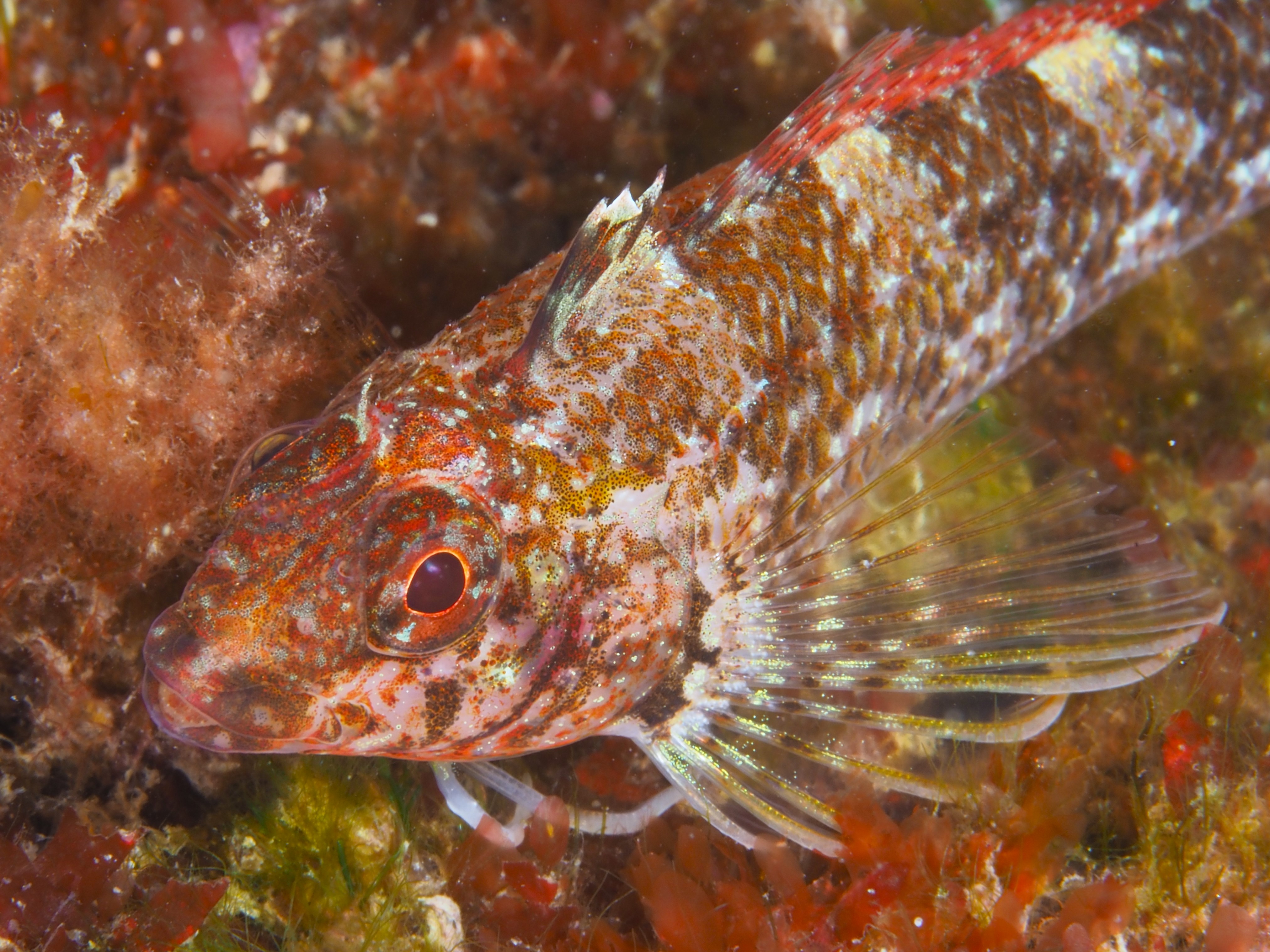
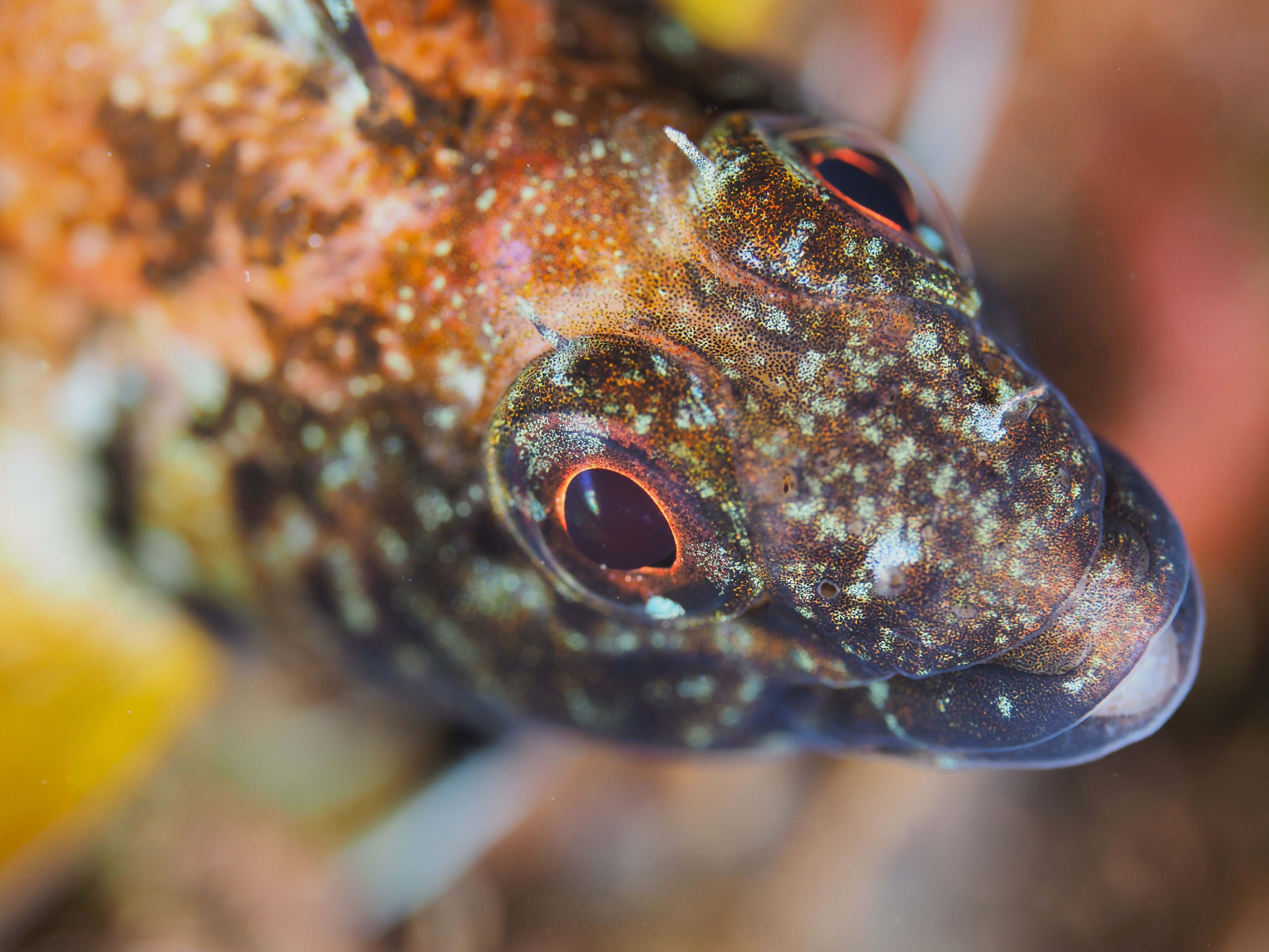
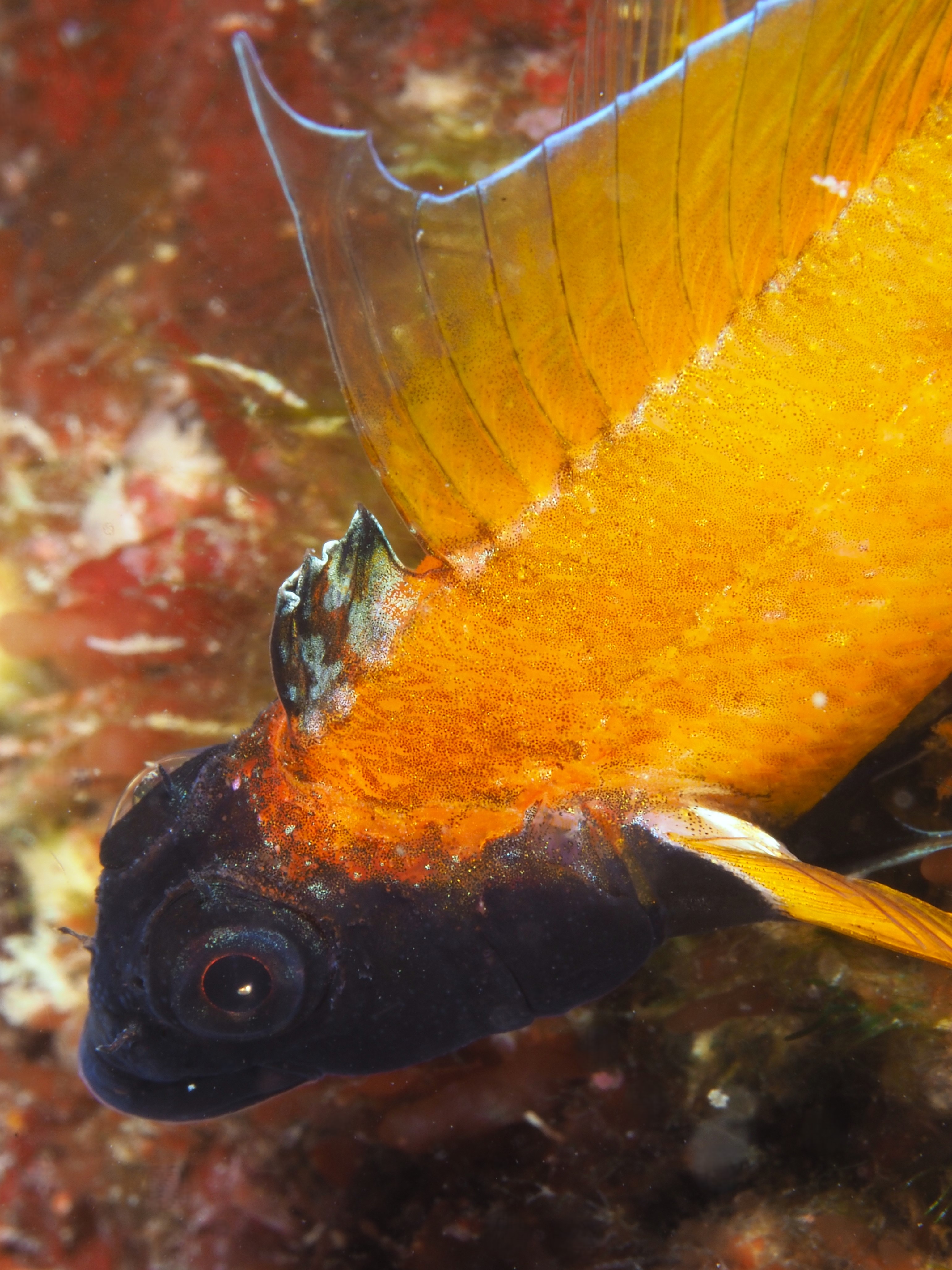
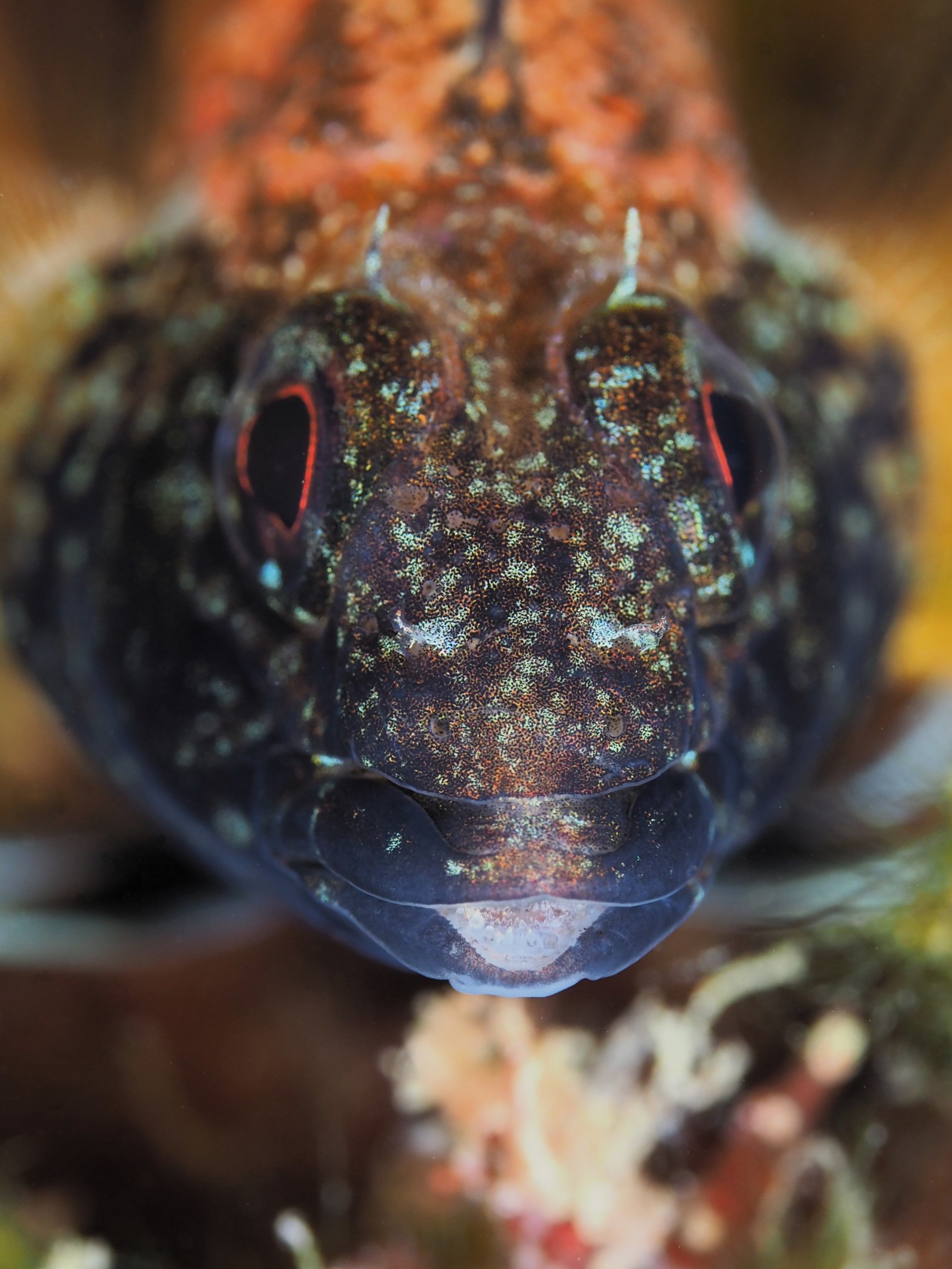
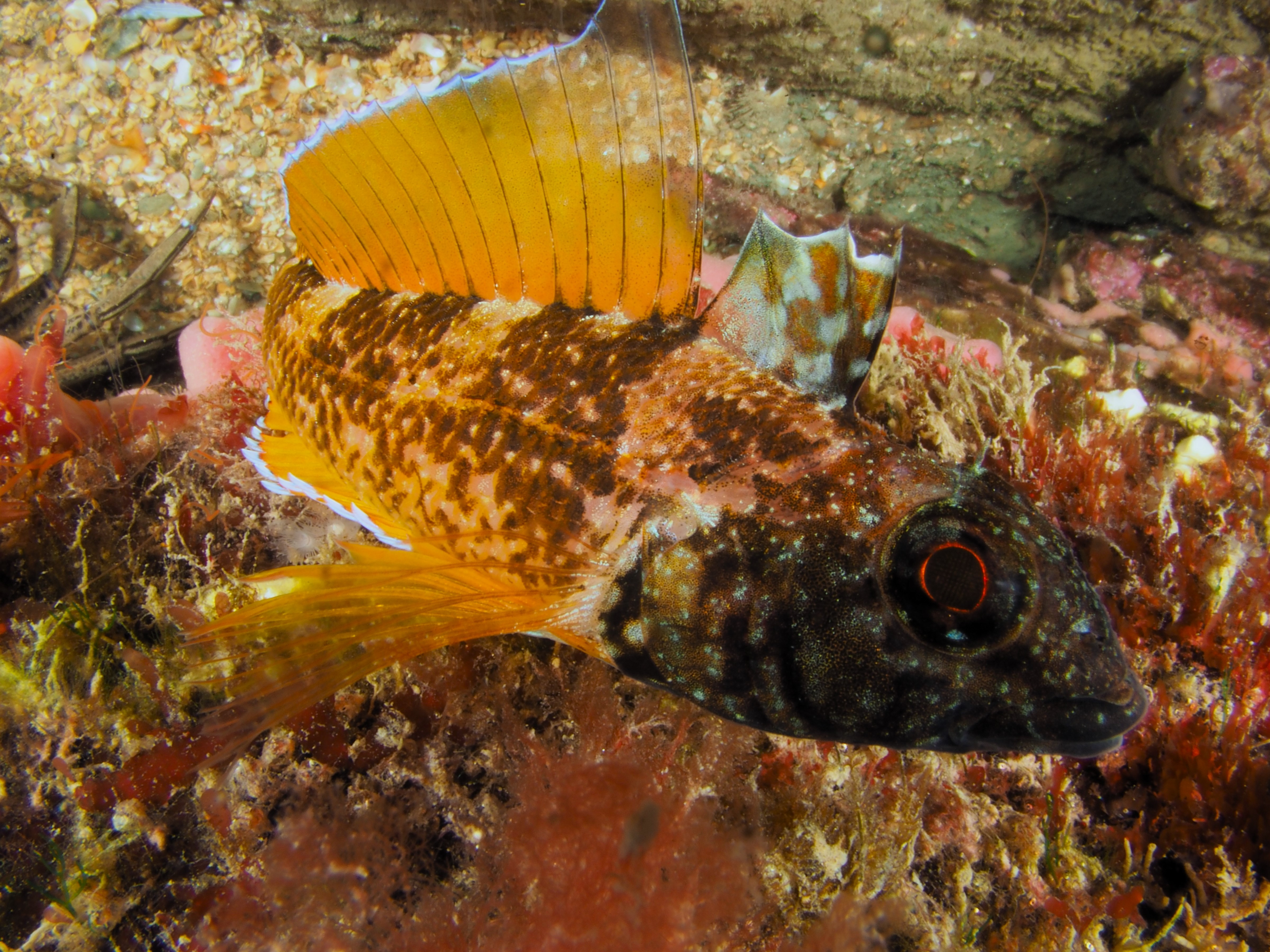
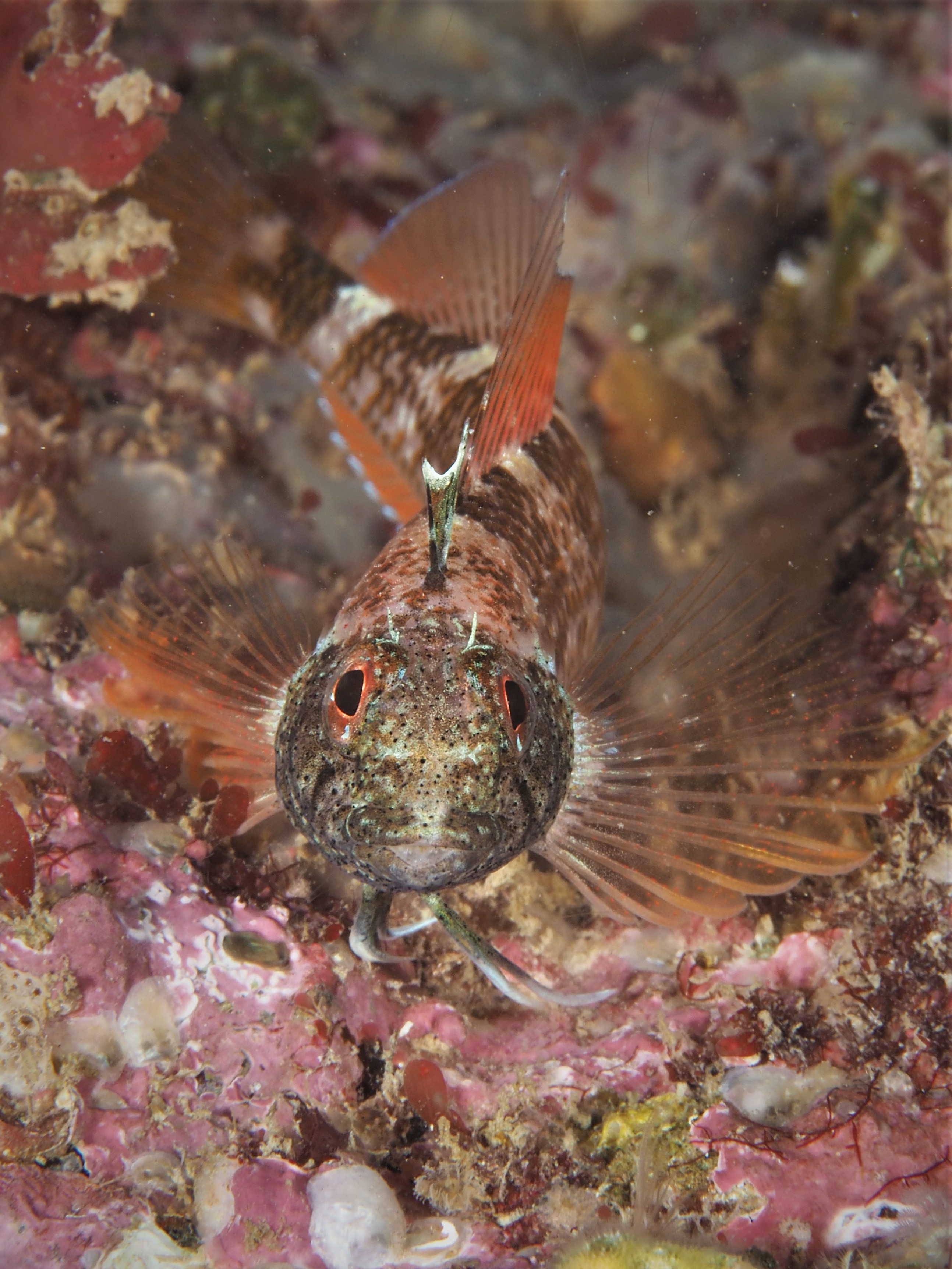
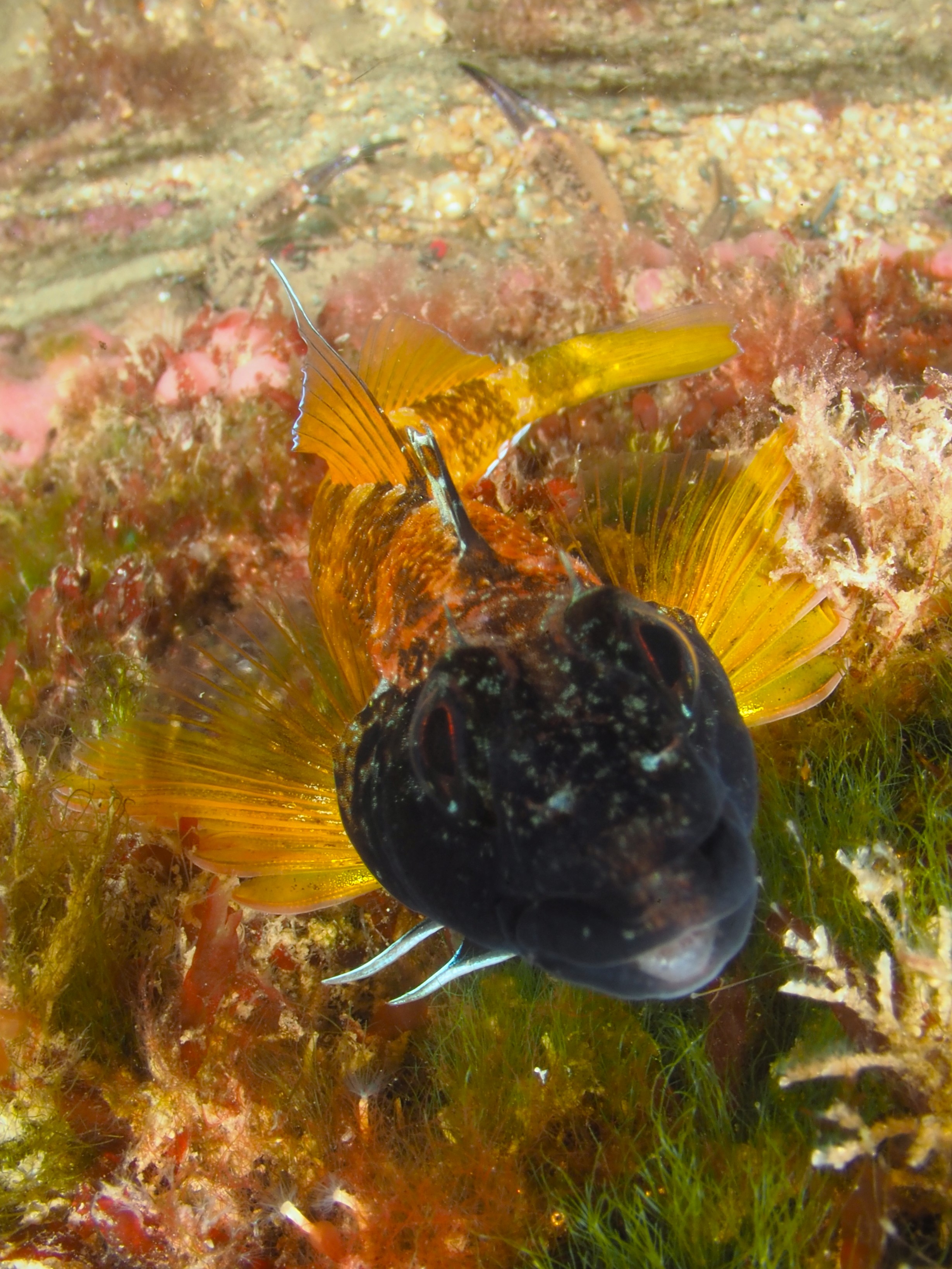
Dear reader, it has been a while! With the weather taking a turn for the worse, I thought it would be high time to start updating the blog again. I have taken more photos this year than ever before, and actually have dived my local shore site “Silver Steps” in Falmouth ‘to death’, so now have plenty of material. I’d thought I start with a post on one of my favourite fish, the Black-faced Blenny (Tripterygion delaisi). This is a beautiful little fish (a triple-fin blenny, not a ‘true’ blenny) that lives under rock overhangs, usually perched upside down. Breeding males are bright yellow with a black head and an electric blue edged dorsal fin, while females and males outside of the breeding season have a mottled brown-white coloration (which is equally beautiful testified by the pic on the top right). These fish (especially the females) are skittish and also require a bit of contortion to photograph under the overhangs but it is more than worth it! Below a photo-dump of fish shots taken with my 60mm macro lens and a combination of that lens and a superduper macro-wide-angle wetlens (details of which I am bound to bore you with in coming posts!).
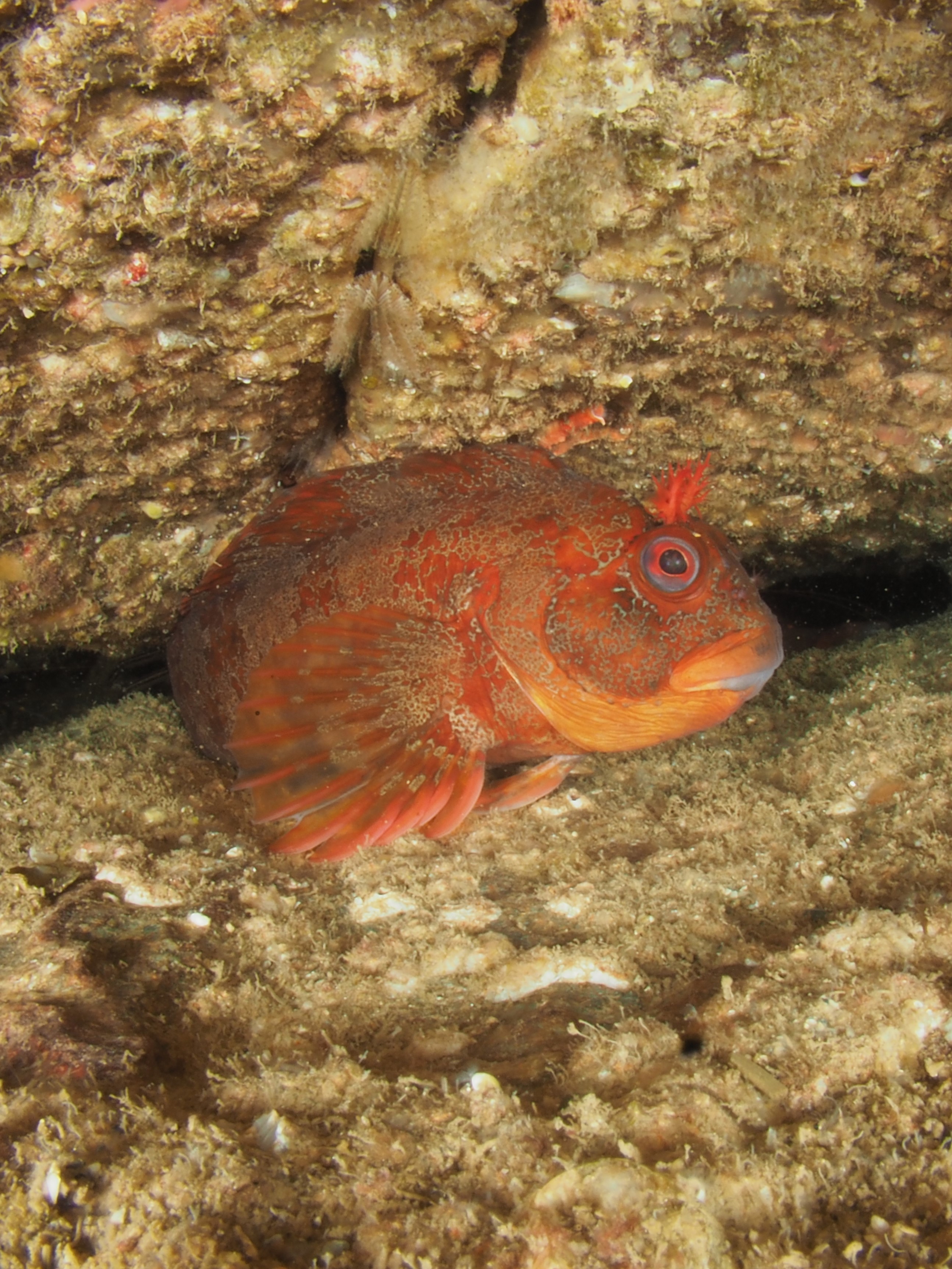
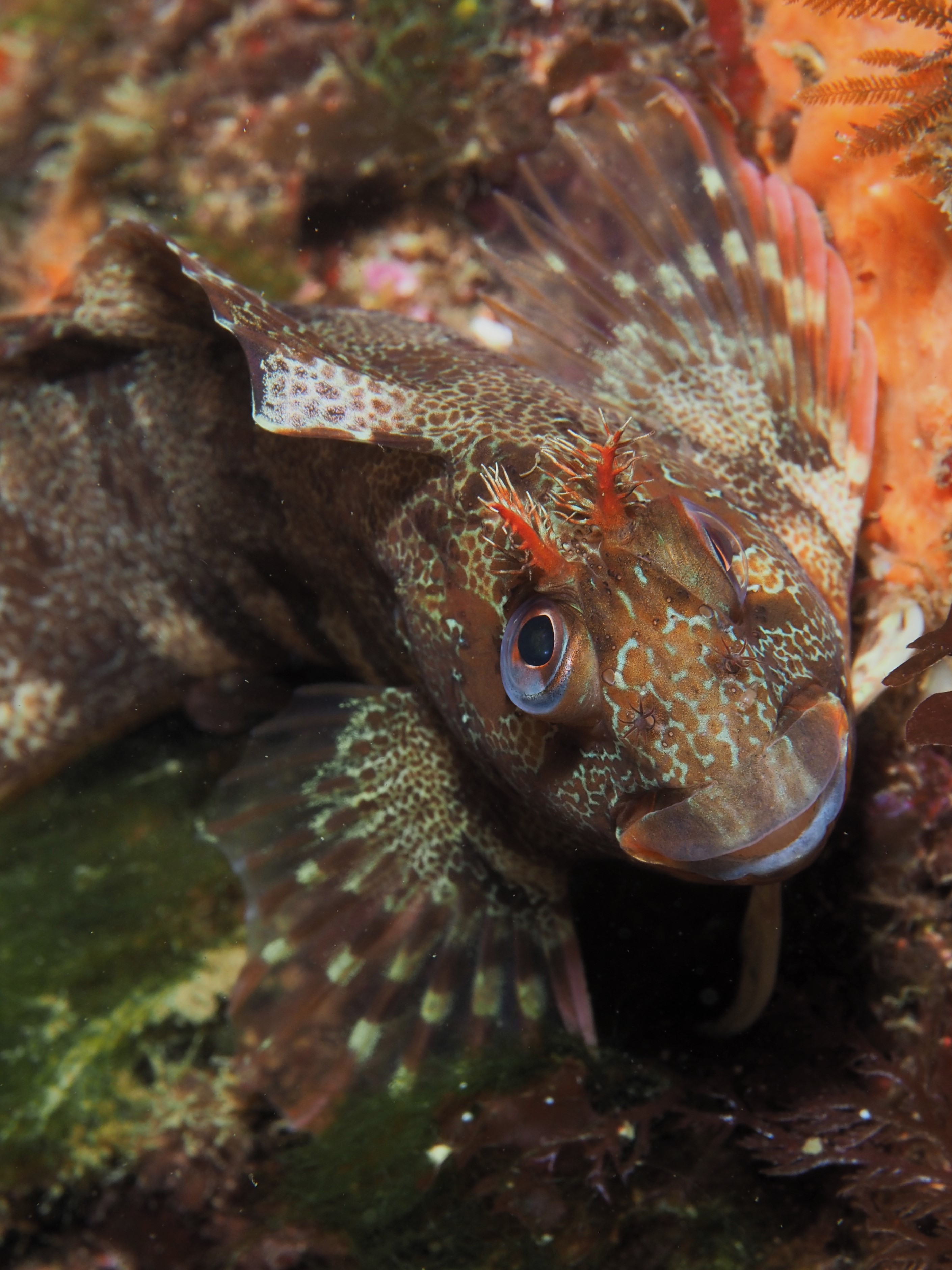
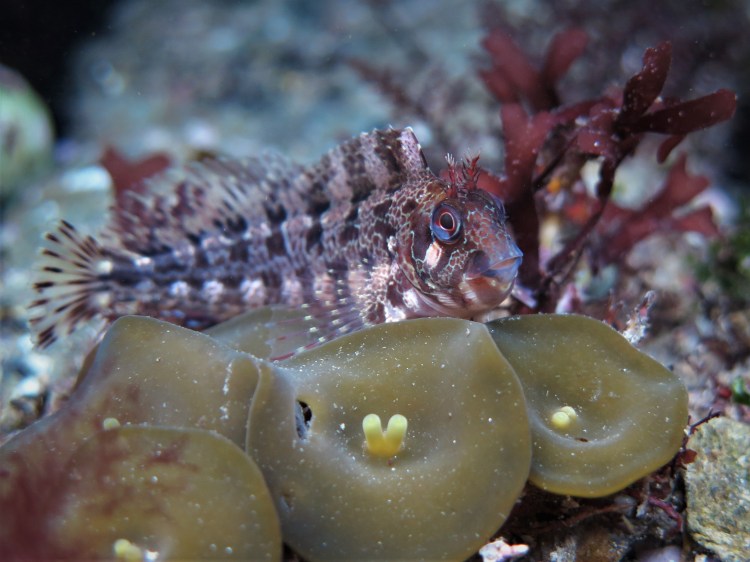
During an otherwise uneventful macro-dive at Silver Steps this week I looked under a small rock overhang around 8 meters deep and noticed an unusual little fish. At first glance it resembled a Tompot Blenny (see pic of a showboating individual below), only darker, more skittish and, upon closer inspection, with much smaller tentacles on top of the head. I knew this must be a Variable (or Ringneck) Blenny, Parablennius pilicornis, as we’d seen many of them on holiday on the Basque coast this summer. It is a southerly species that was first recorded in Britain in 2007 but is increasingly spotted. Not a first for Cornwall, but there are still few observations and so I have recorded it on iNaturalist (making it available for later inclusion on the NBN Atlas, the UK’s largest repository of publicly available biodiversity data). Another warmer water species joining our shores due to climate change…
I realized this week that I have been blogging on my marine biology adventures for a decade now! Worth a quick self-congratulatory post surely. After living in landlocked places for years (in Germany, the UK and The Netherlands), the move to Cornwall rekindled my love for the seashore. I started this ‘nerd blog’ (with a name no one ever remembers!) shortly after as a way of documenting my adventures for myself, and the occasional stranger stumbling upon it. This had led to some unexpected opportunities, such as recently contributing to the second issue of the magazine ‘Fish – A literary celebration of scale and fin’ with a little piece on snorkeling in Cornwall. I can highly recommend this once-yearly magazine to anyone who is interested in fish – a true labour of love by Nathan Hill of Practical Fish Keeping fame (ahem). The blog topics have changed somewhat over the years, with less focus on rockpooling and my coldwater marine aquarium and more photography-based posts (you can click on specific tags in the cloud at the bottom of the page). The photography has improved (I hope), from using my iPhone and point and shoot camera to a much nicer Olympus micro four thirds camera. The shot above was my favourite from this year (see here for an explanation of what you are actually looking at). Thanks go out to my sister for touching it up in lightroom since (btw, if you are looking for ocean-themed jewellery, please check out her webshop laguna treasures). I think the Links page can still be useful to fellow enthusiasts, although I need to update it (this is for instance a great resource for coldwater marine tank keepers that needs to be added). Anyway, I’ll just say I hope to do a lot more underwater photography in the new year and post it on the blog!
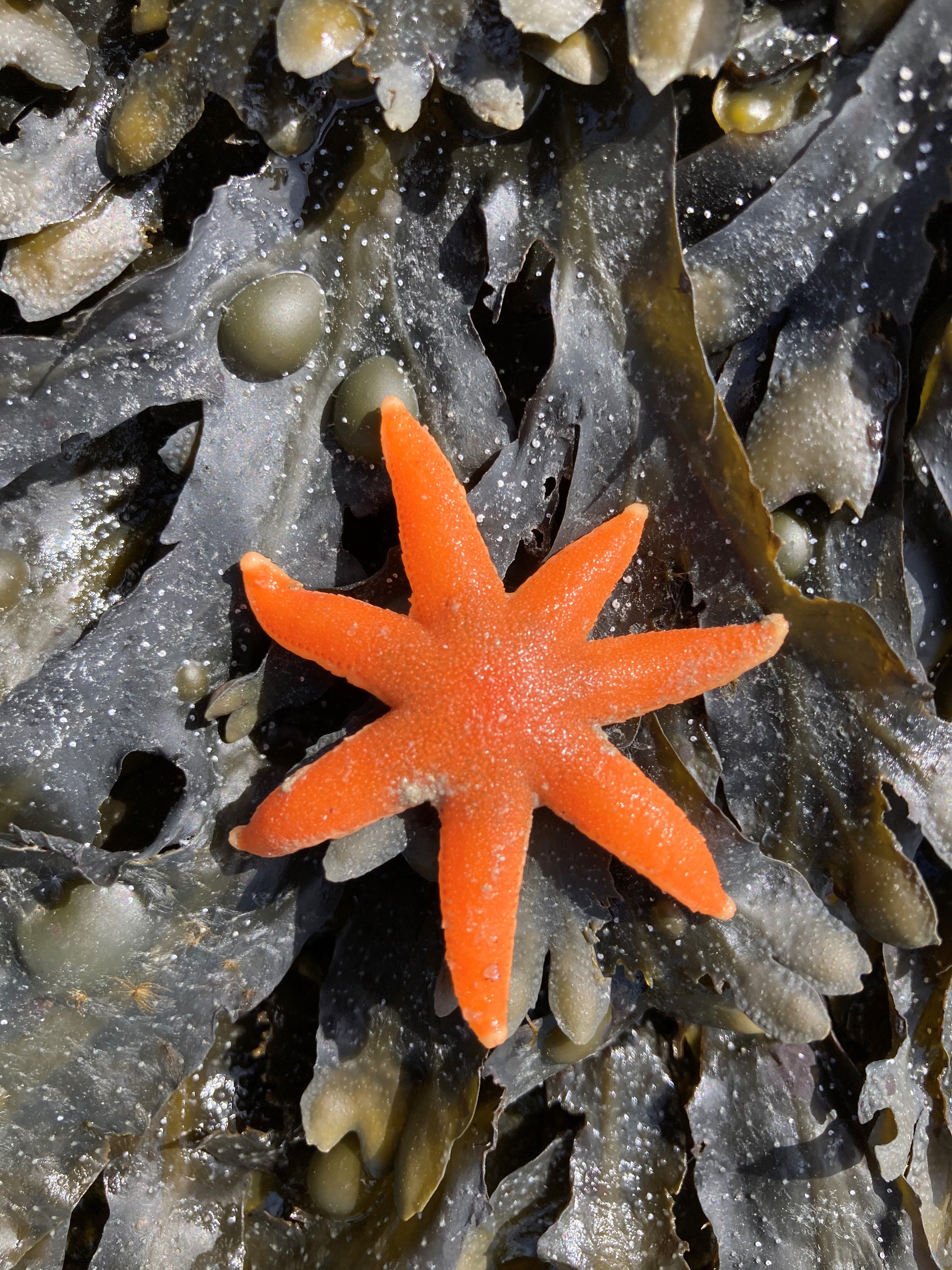
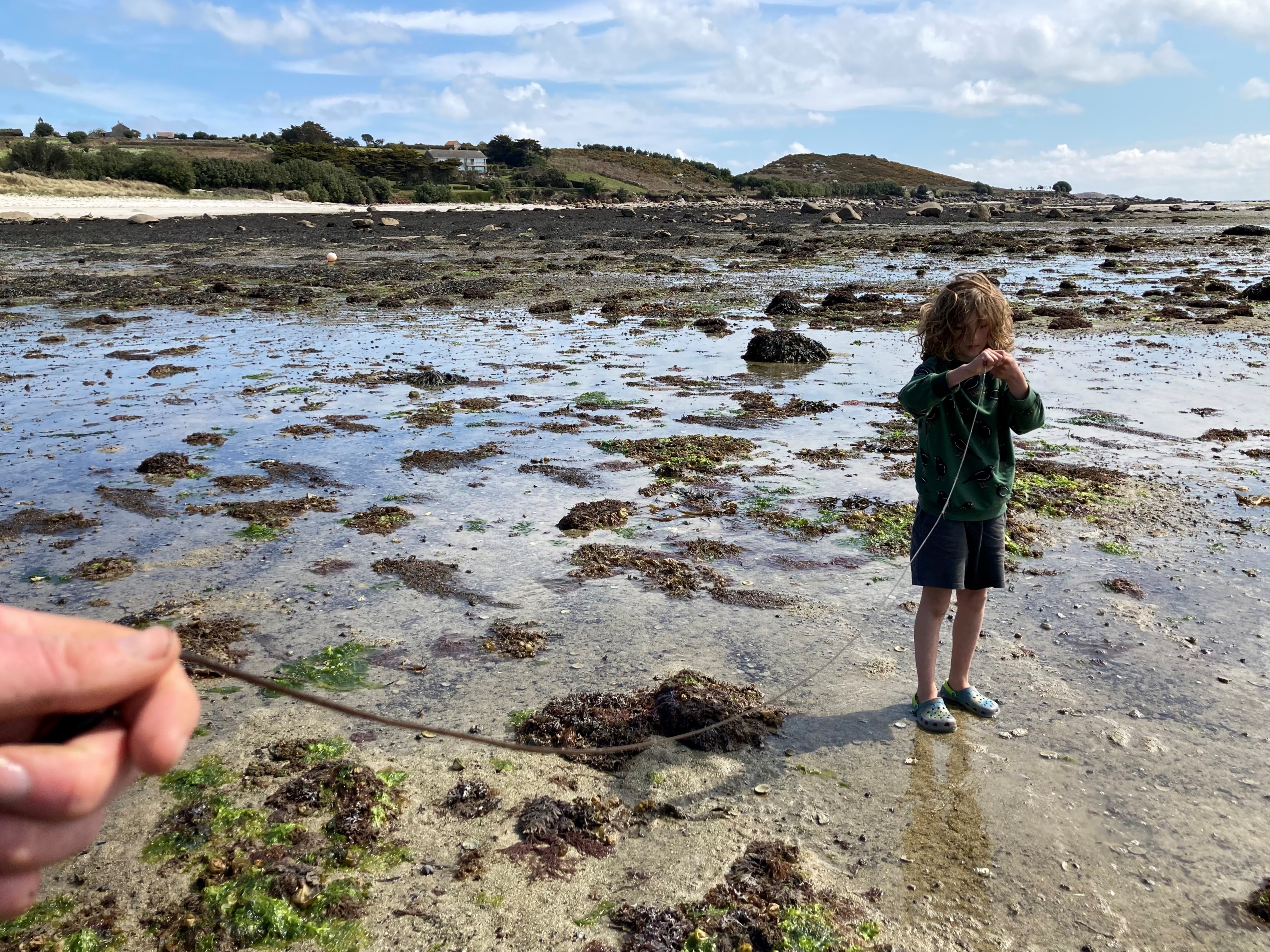
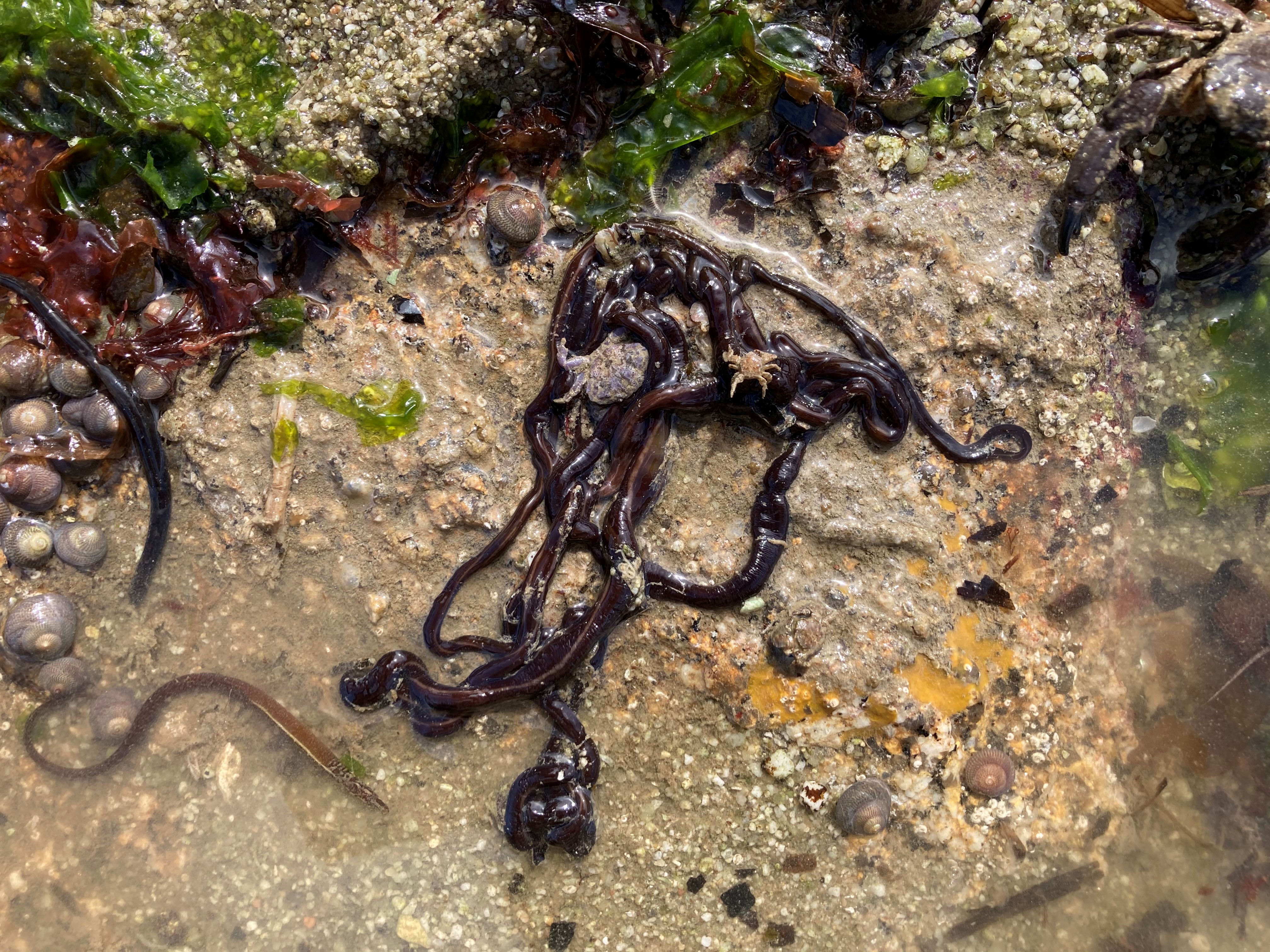
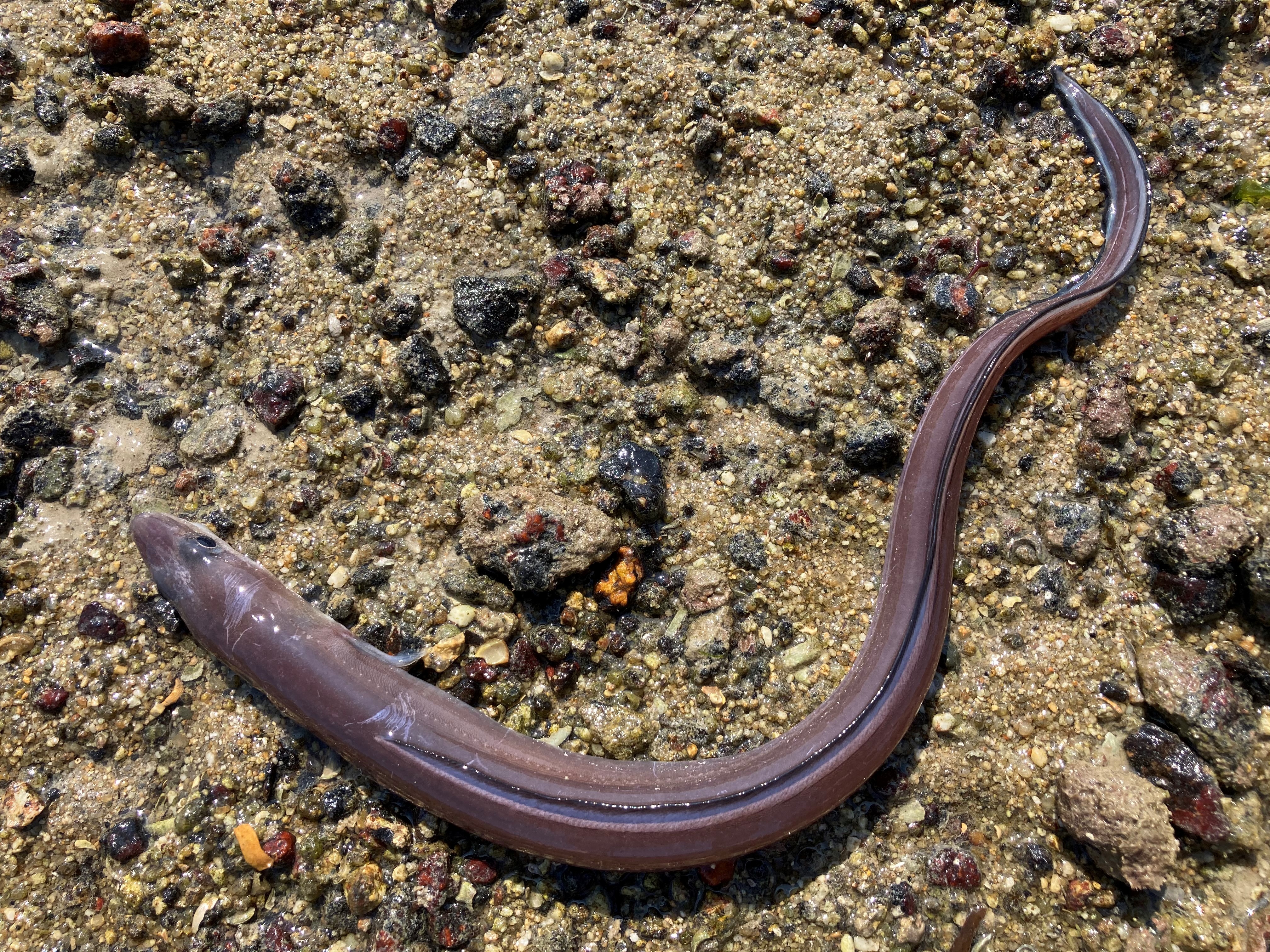
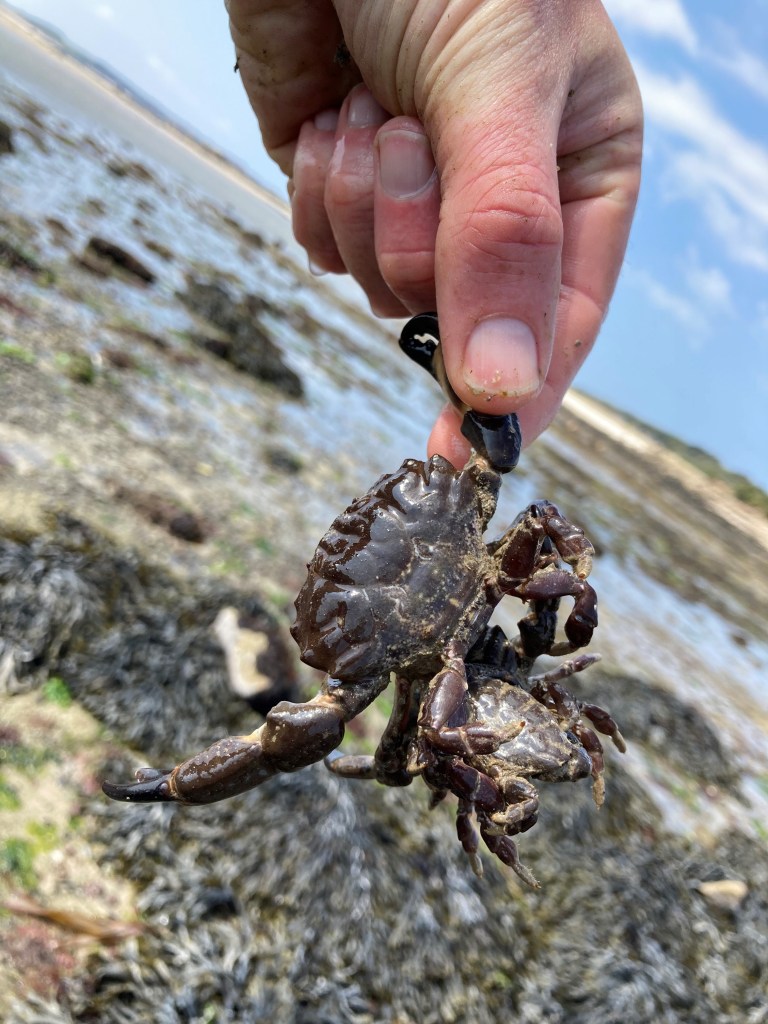
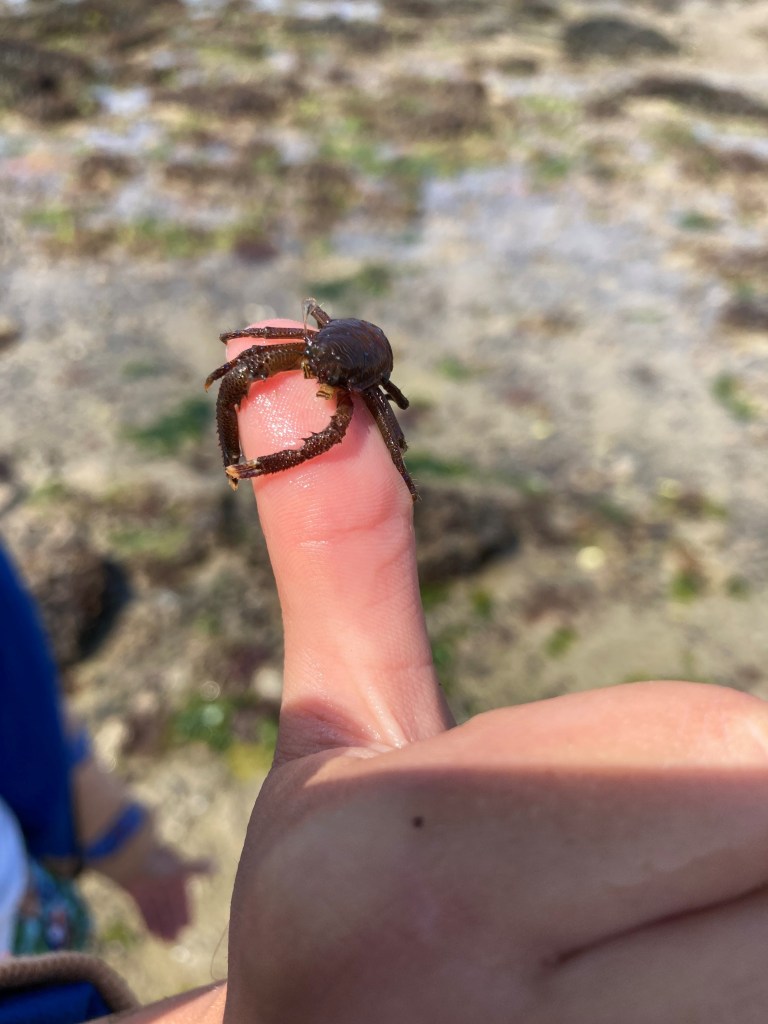
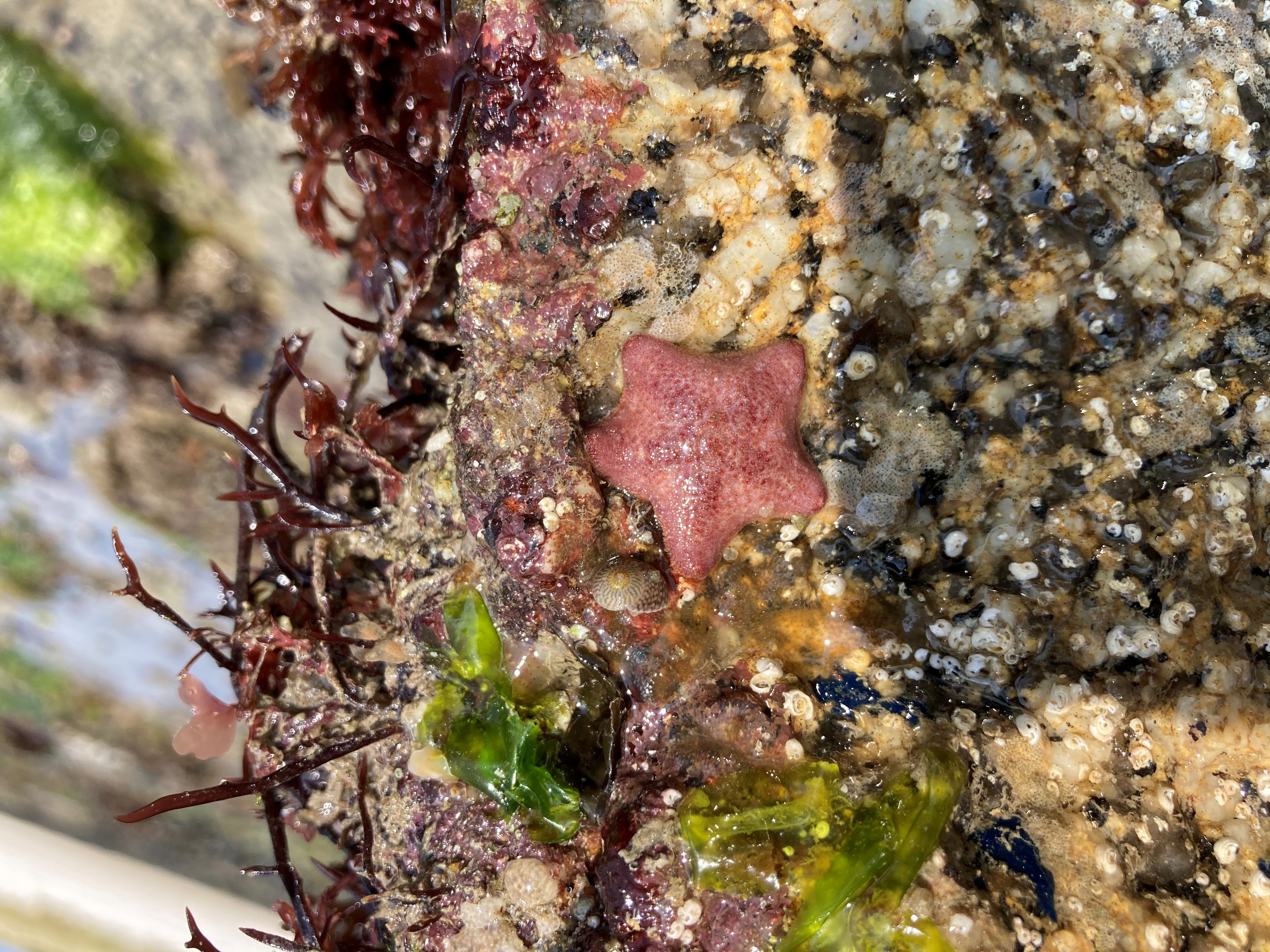
Although St. Martins does not seem to have any rockpools, the beach that was nearest to us (called ‘Lawrences’) has a stretch of rocks lying on the sand that can be turned over at low tide, and so we did! A nice find was a small Sevenarmed Starfish Luidia ciliaris (these can grow up to half a meter across, although you will not find them that size in rockpools). We also found a Bootlace Worm Lineus longissimus, which is (probably) the longest animal on the planet. These nermertean worms secrete a powerful toxin in their mucus, but luckily for us it affects arthropods and not mammals. They are not very rare btw, I see them here in Flushing and Falmouth too. It was about 5 meters long (without stretching it), but they can grow ten times the size of this! In the second photo you can see it in its natural habitat, under a rock, with some photobombing crabs and worm pipefish. Another cool find was a juvenile Conger Eel Conger conger. Otherwise we found the usual suspects, lots of crabs and a bunch of fish, see for a small selection below.
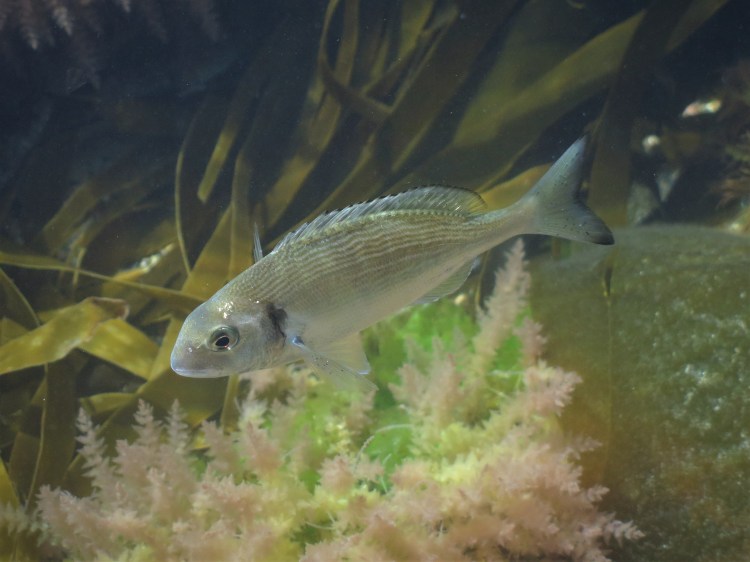
Yesterday I went for a late morning snorkel; although the water looked inviting, the viz was disappointing. I did not see anything of interest until I noticed a Seabream (15-20 cm) hanging about, not a species I had seen before! It goes to show that there is no dive or snorkel session whithout something that makes it worthwhile. The fish was not very shy, but I did not have weight or fins so I could not get down to get a proper shot from the side. I found out that this was a Gilthead Seabream (Sparus aurata). This southern species seems to have become more frequent on the South coast of the UK the last few years, probably due to warming seas. It seems to be known among anglers, but less so among underwater observers (the NBN Atlas only has two records for this species in Cornwall). Other than that the usual Ballan- and Corkwing wrasse, Two-spot gobies, Pollack and even a Blenny (very commonly found under rocks while rockpooling but I hardly ever see them when snorkeling).
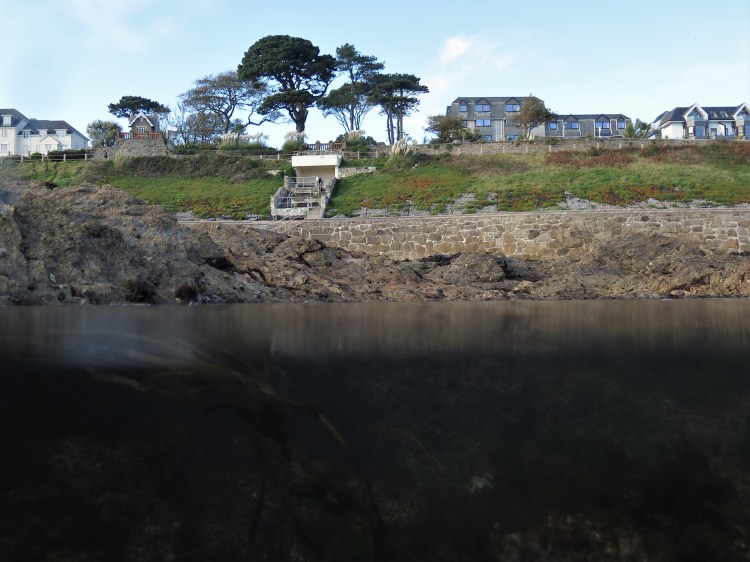
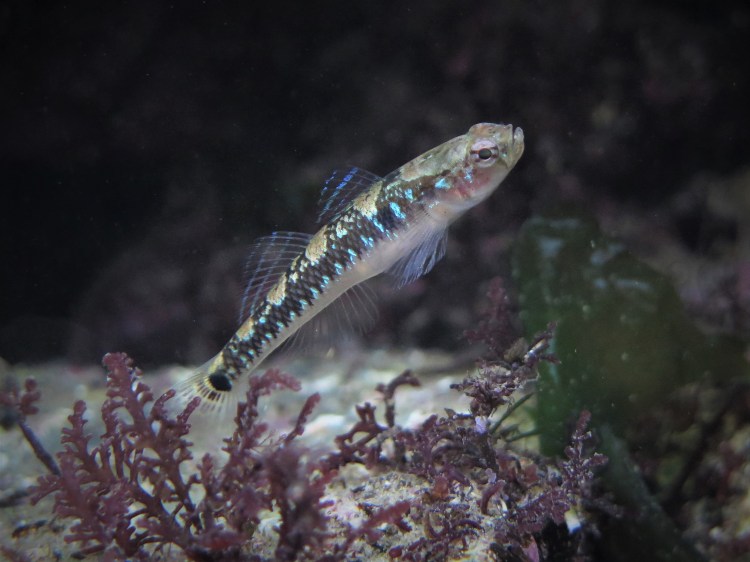
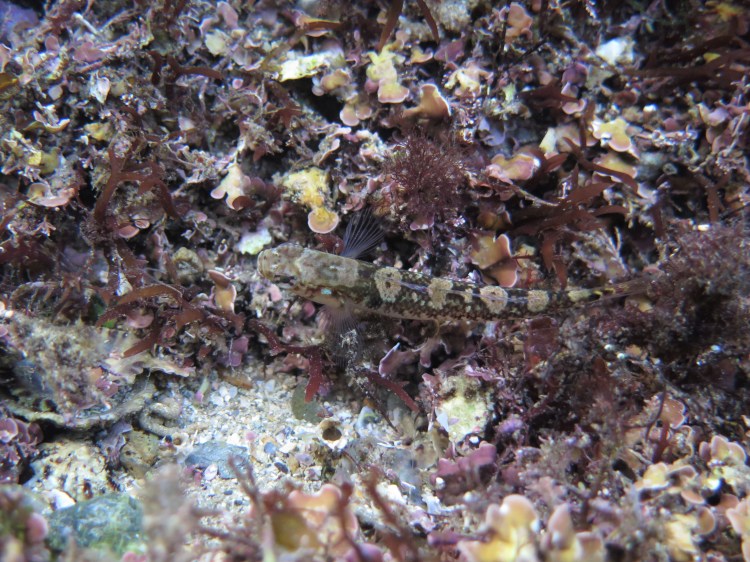
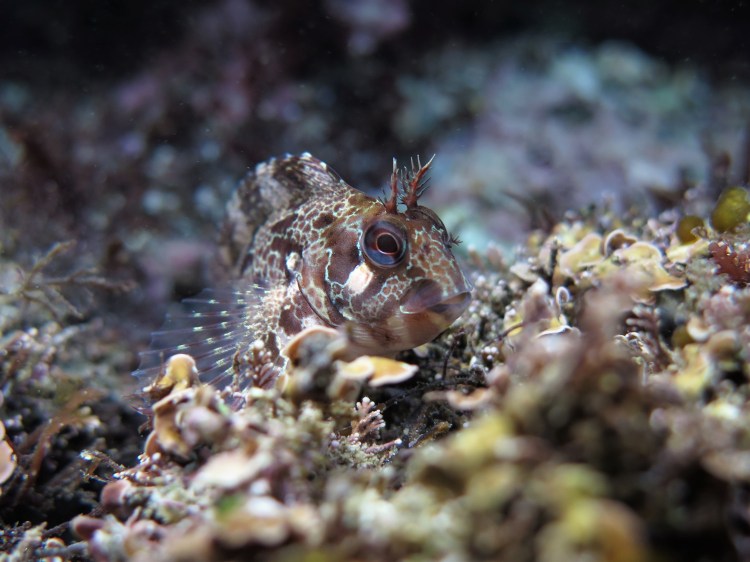
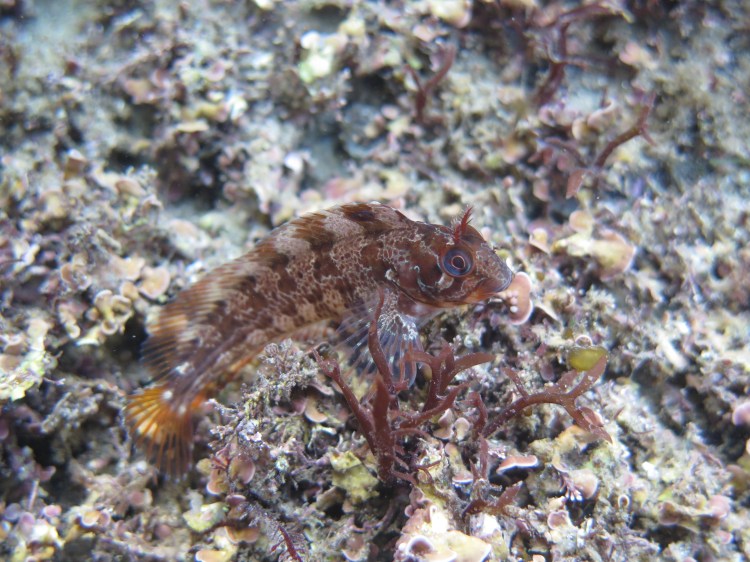
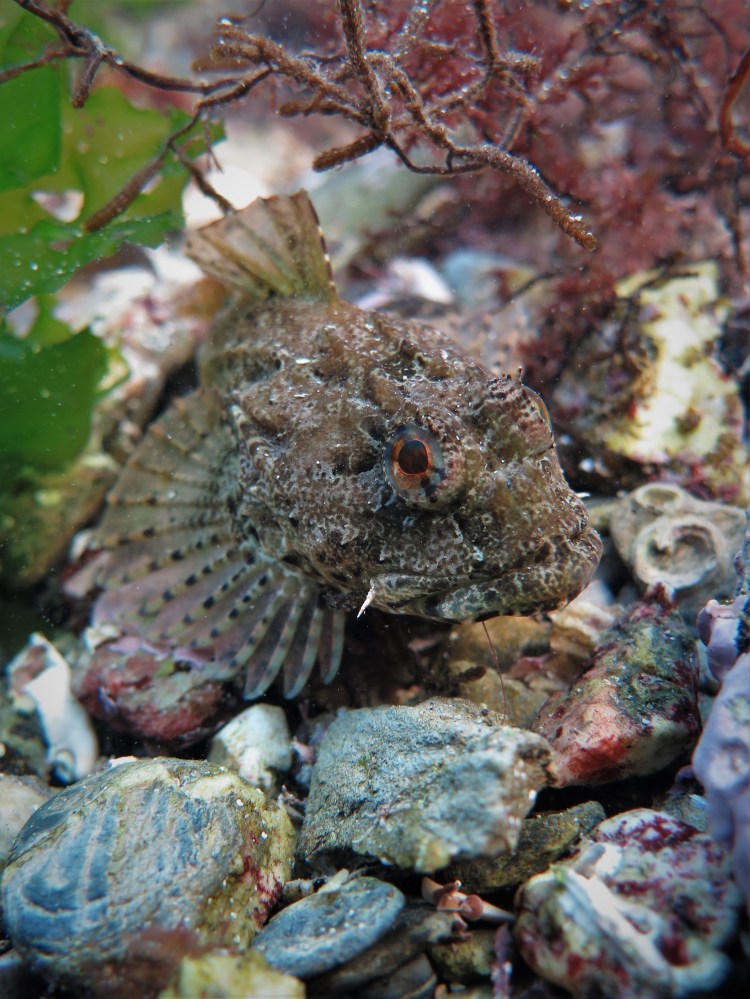
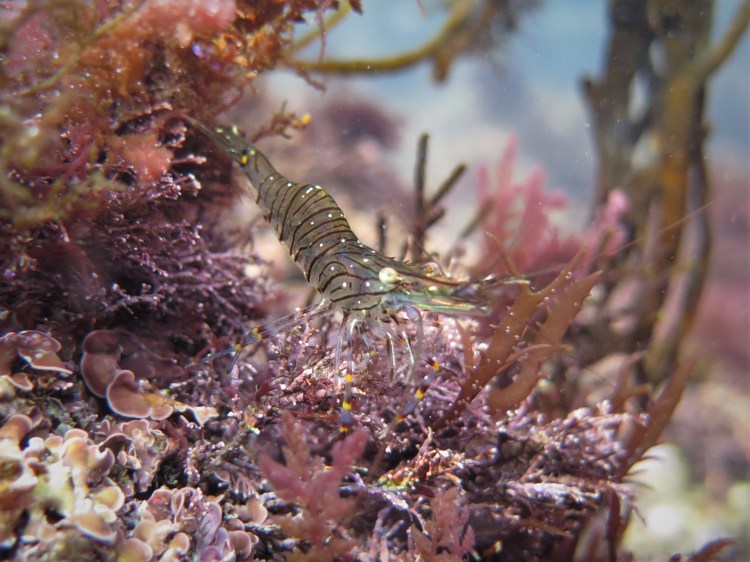
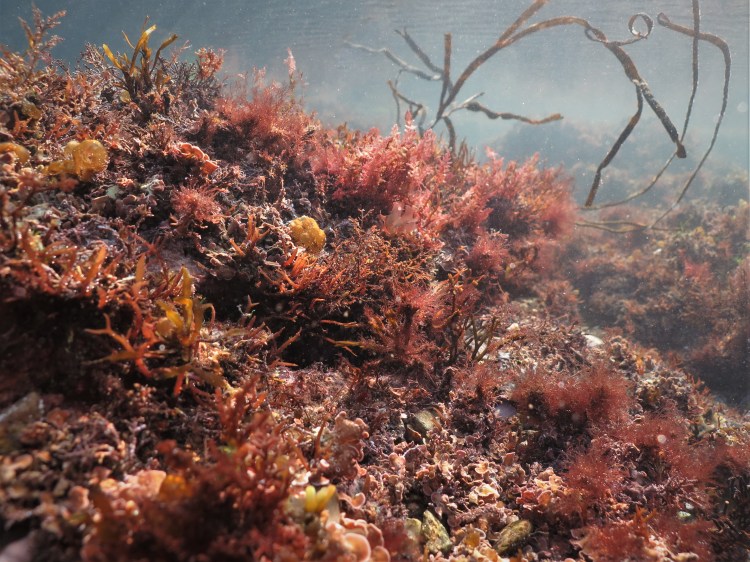
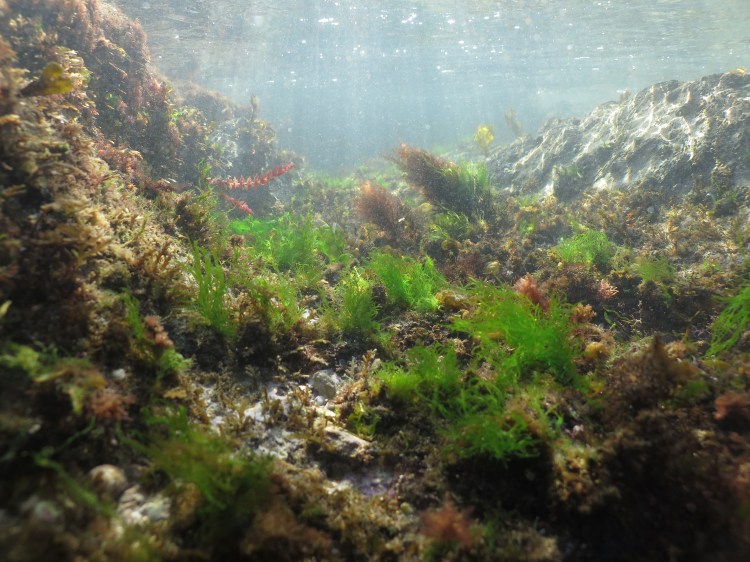
This Thursday afternoon was quite bright with low tide still in the ‘OK’ range, however it was quite gusty, resulting in bad viz. As seaweed photography was not an option, I opted to lie down in a midshore rockpool and look at things up close instead. There are a surprising amount of fish in rock pools when you stick your head in and so I chose to have a go photographing them. Most common were Corkwing wrasse, but these are very shy. A pair of Two-spotted gobies Gobiusculus flavenscens hung around a ledge and were easier to photograph. Still tricky though as my standard settings result in limited depth of field; I need to play around with the aperture next time. I will also bring my strobe and videolight to try to bring out the colours more. I tried a split-shot which half-worked but you really need a wide angle dome port for that (not a ‘wet’ wide angle lens). You can see the steps leading from the tunnel entrance to the shore.Two-spotted gobies hover above the substrate instead of lying on it as most other goby species do, but you can see they are very well camouflaged against the corraline algae. Two Tompot blennies Parablennius gattorugine swam up to me. These are the least shy of all the rock pool fish (their cousin the Shanny did not come very close) and easy to photograph as they kept checking me out, striking all kinds of different poses. I need to try to photograph these with my macrolens next time. I turned over a stone and found a Long-spined sea scorpion Taurulus bubalis, these keep very still and are also easy to photograph. Prawns were of course around and are actually really pretty with blue and yellow legs and striped body. Finally a shot of seaweeds in this pool showing fresh growth of many red species and a shot with green Cladophora showing limited visibility due to wave action. Btw, I see this is the 200th post on the blog!





 An Bollenessor