Some Silver Steps Molluscs

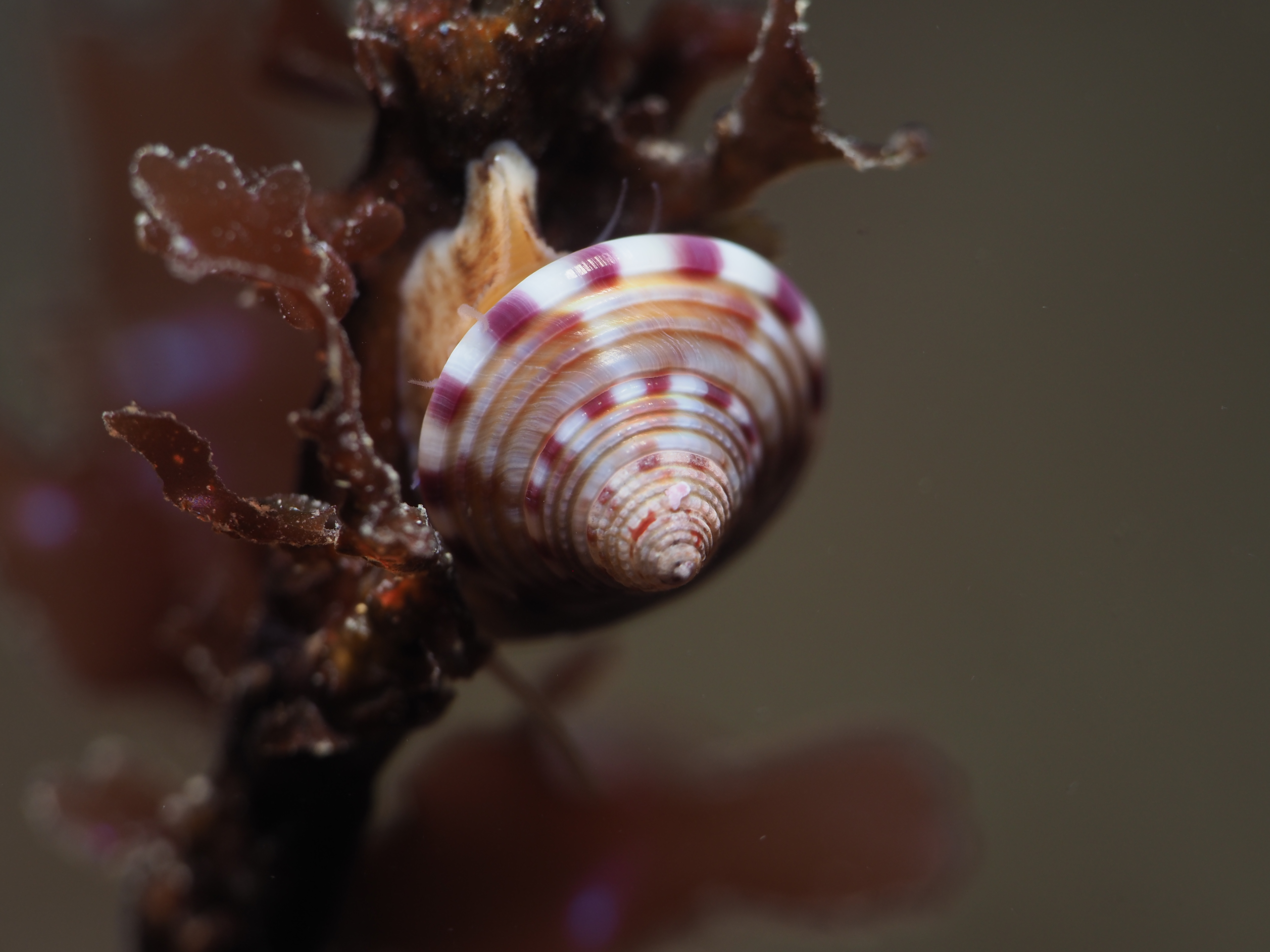
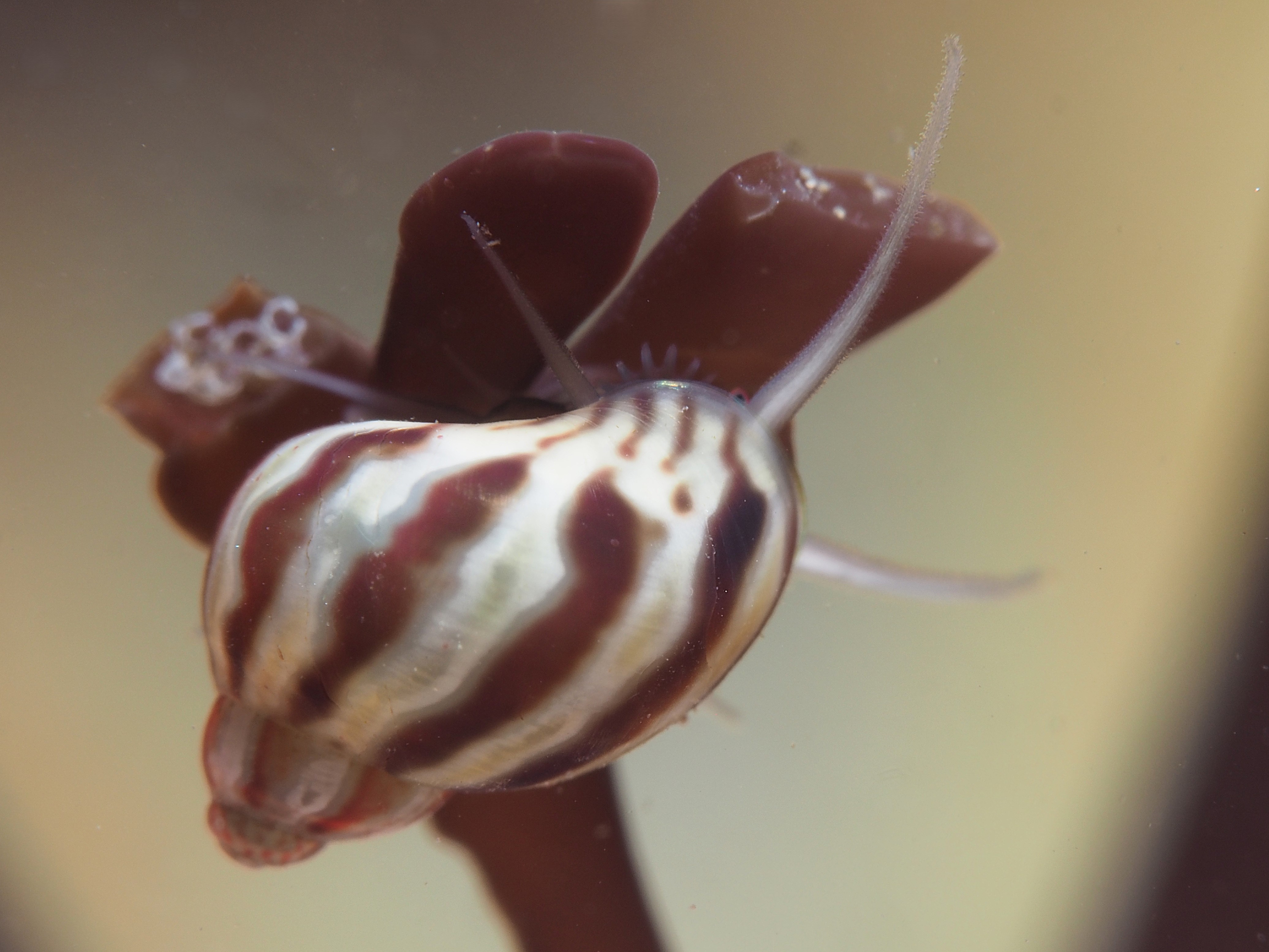
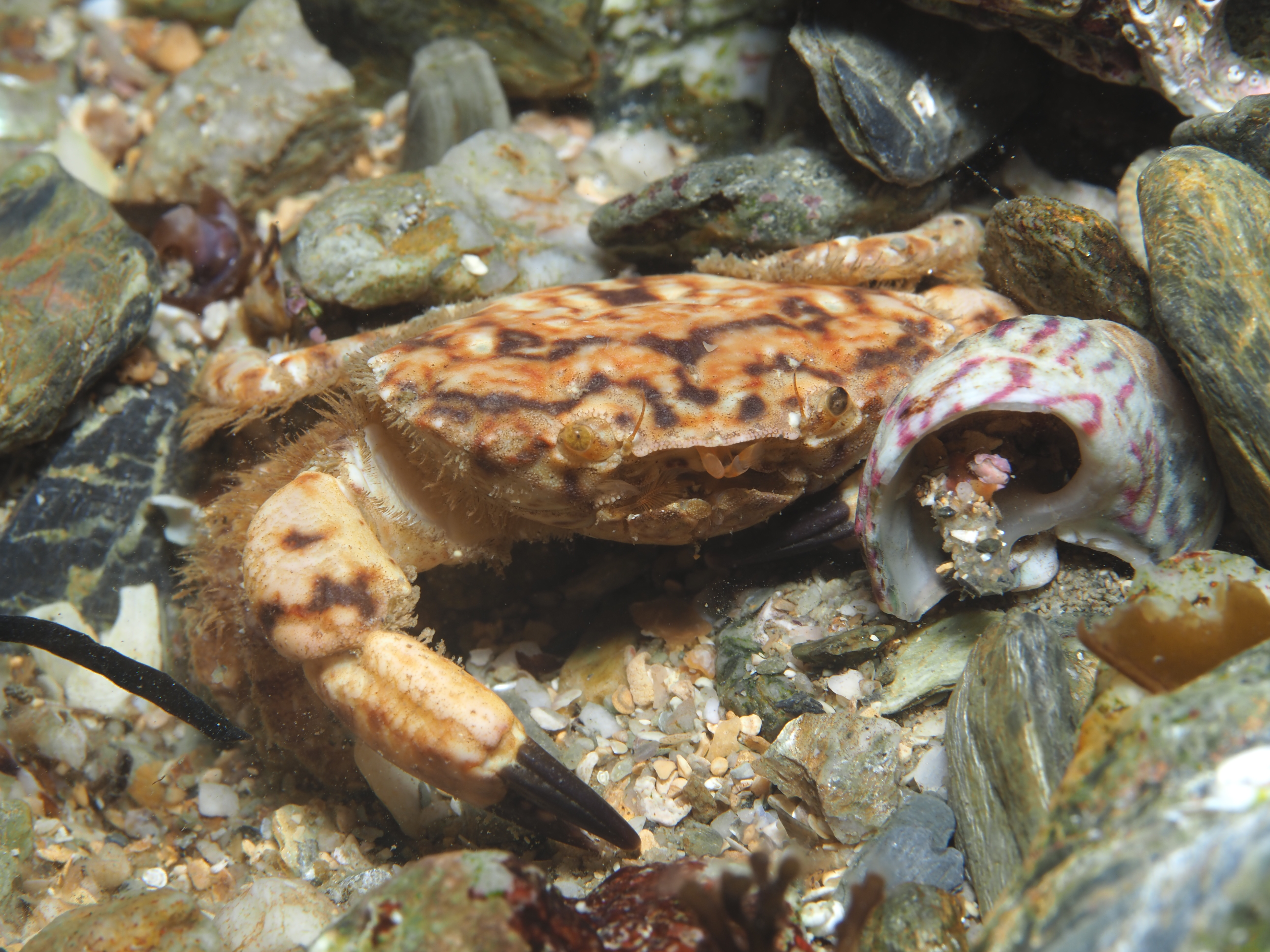
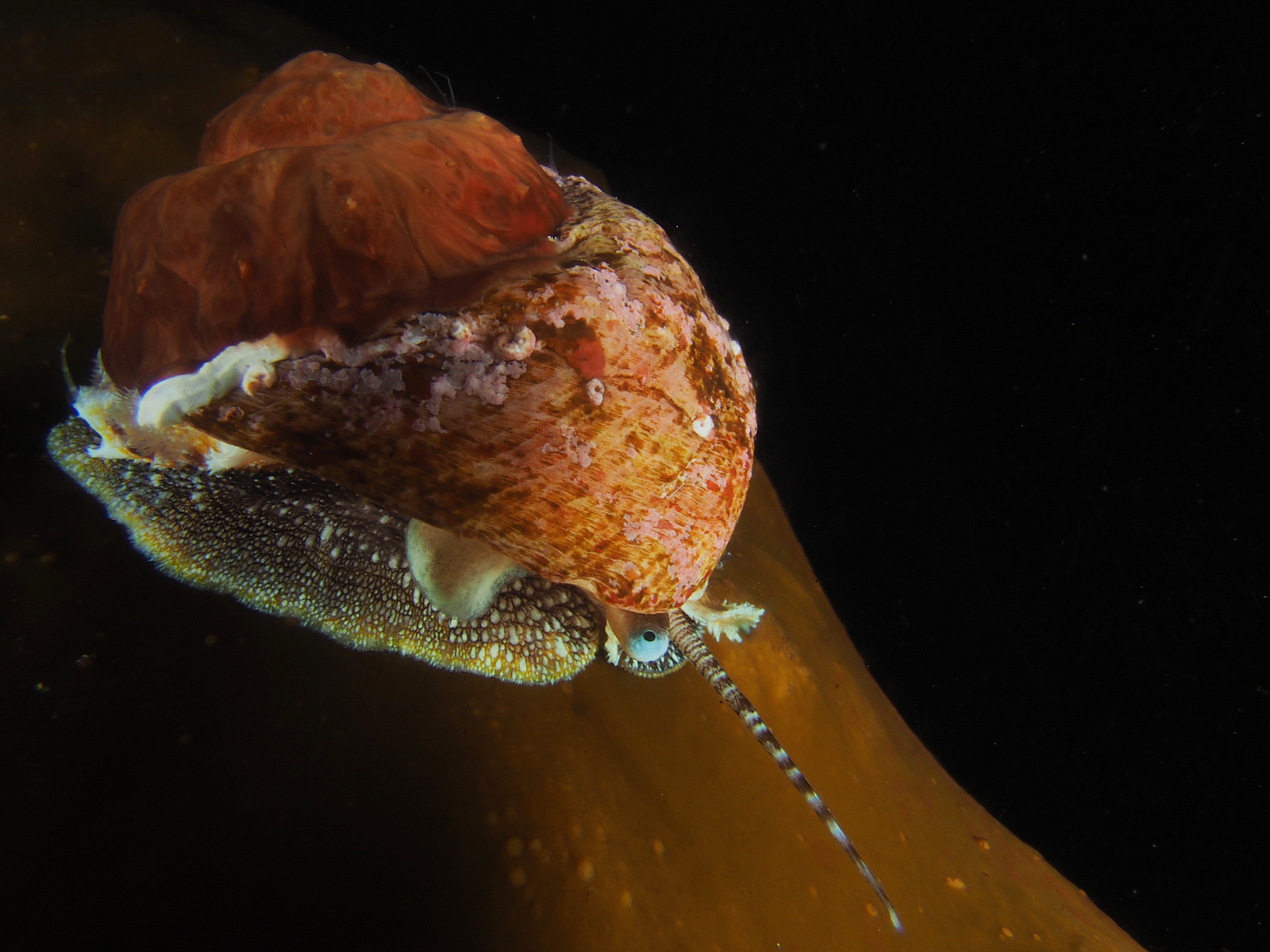
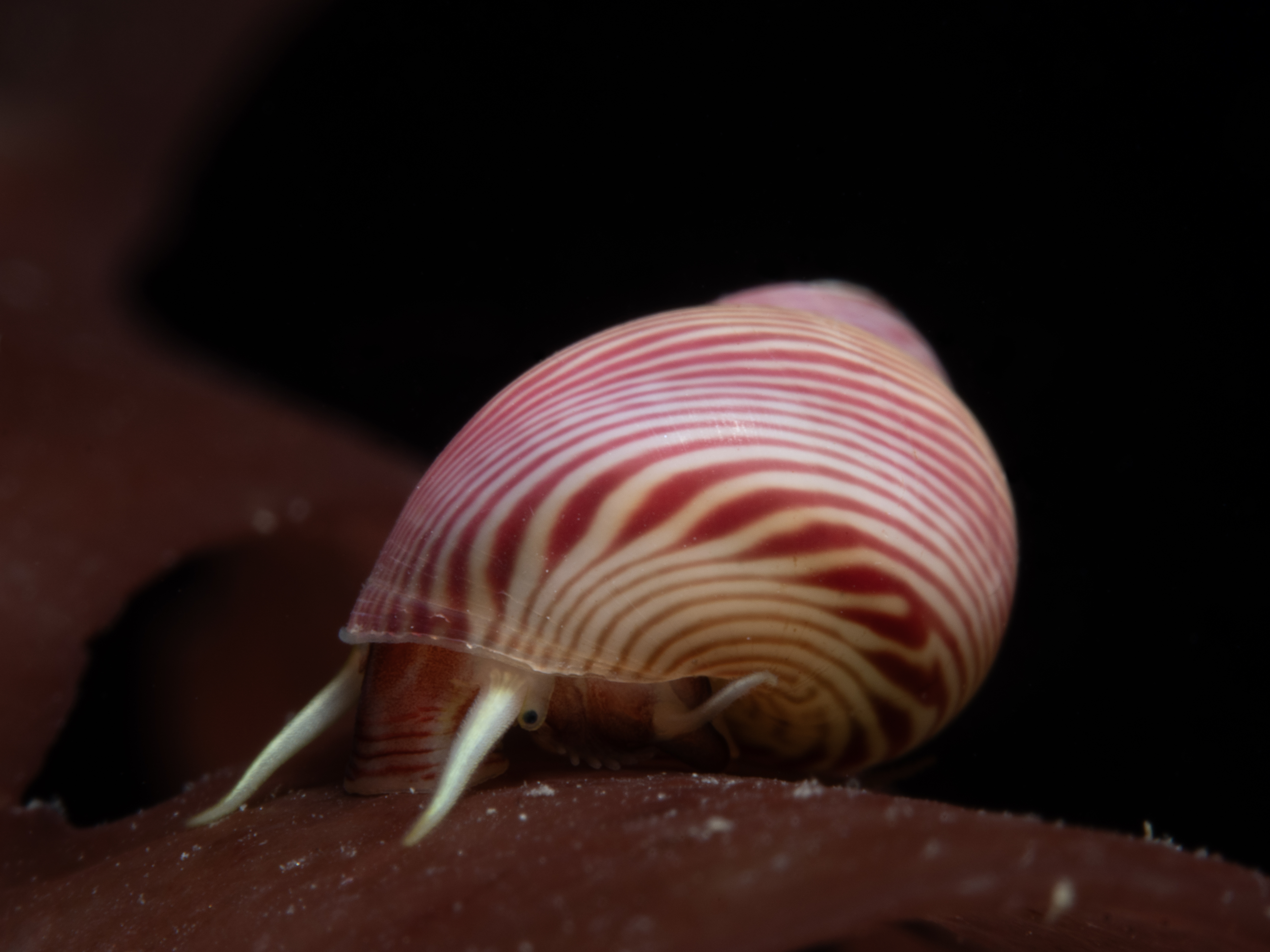
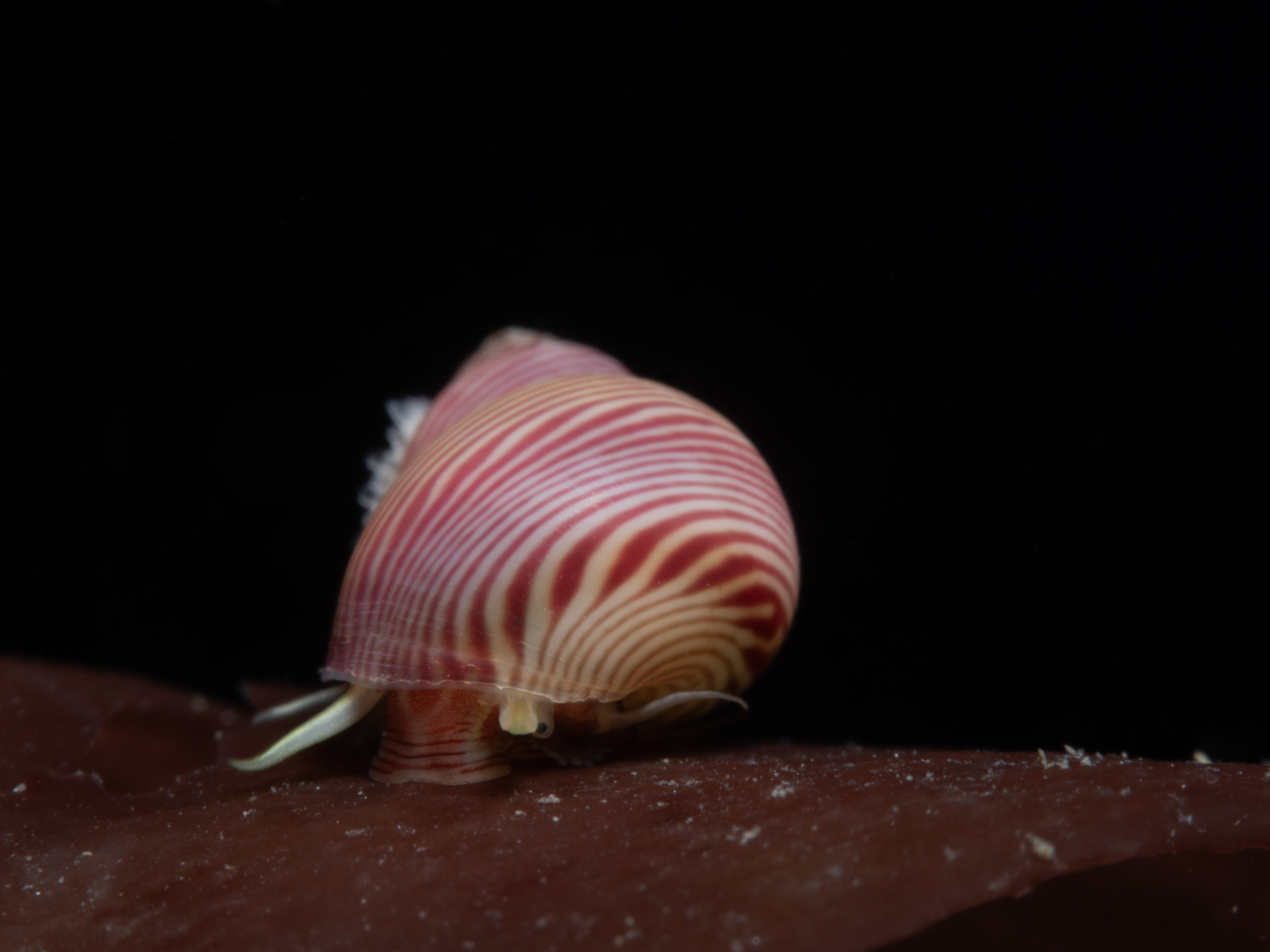
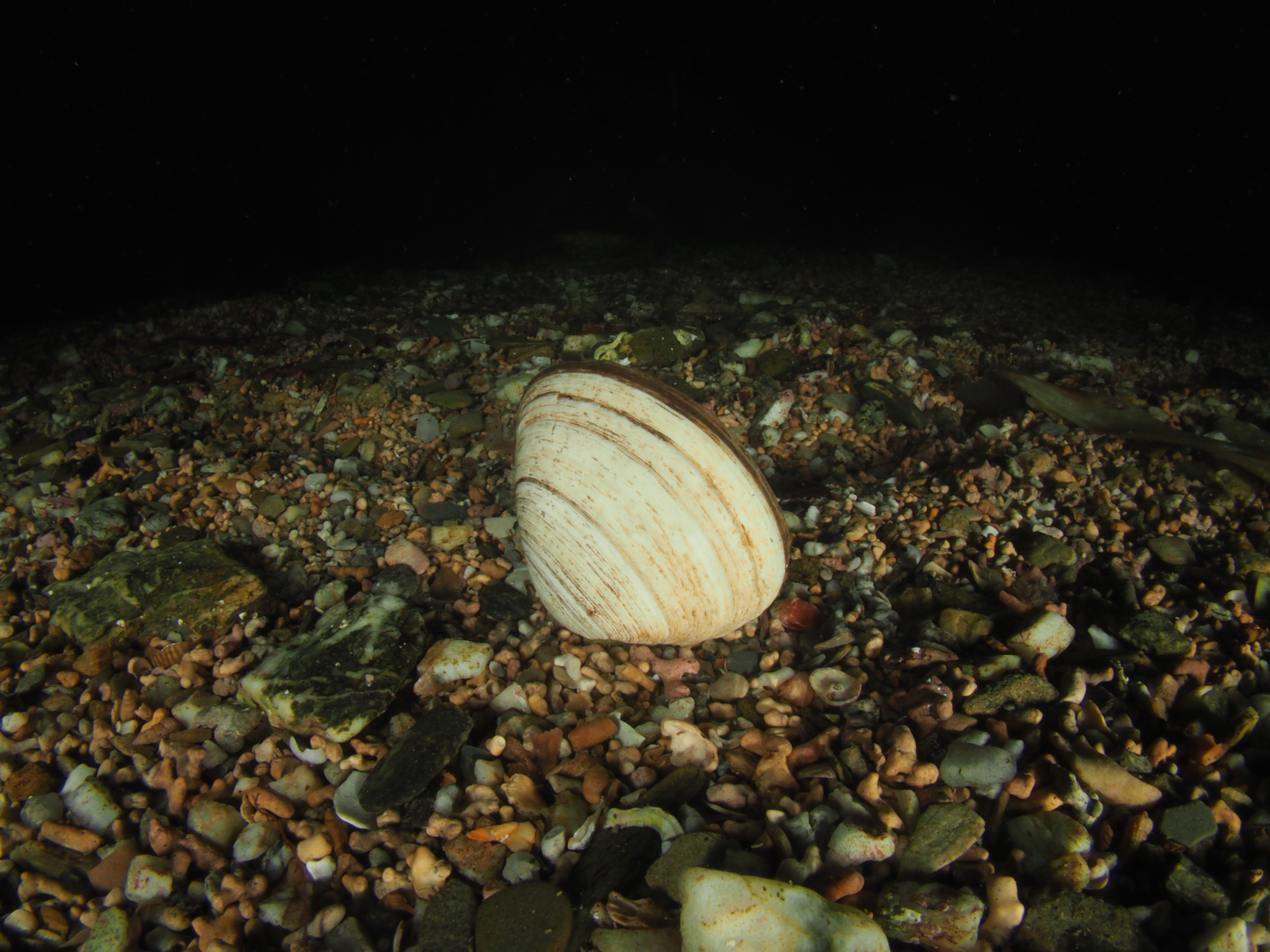
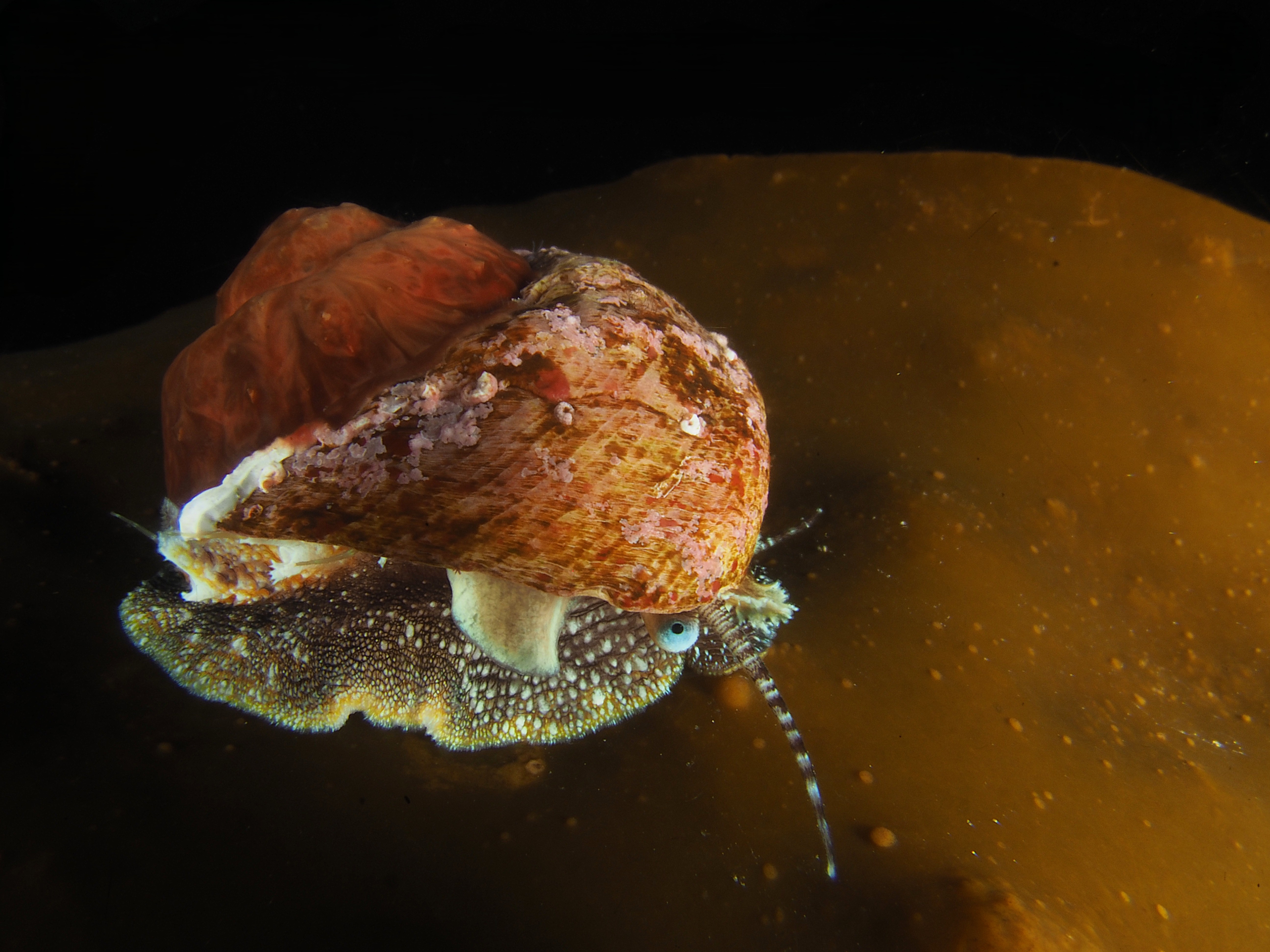
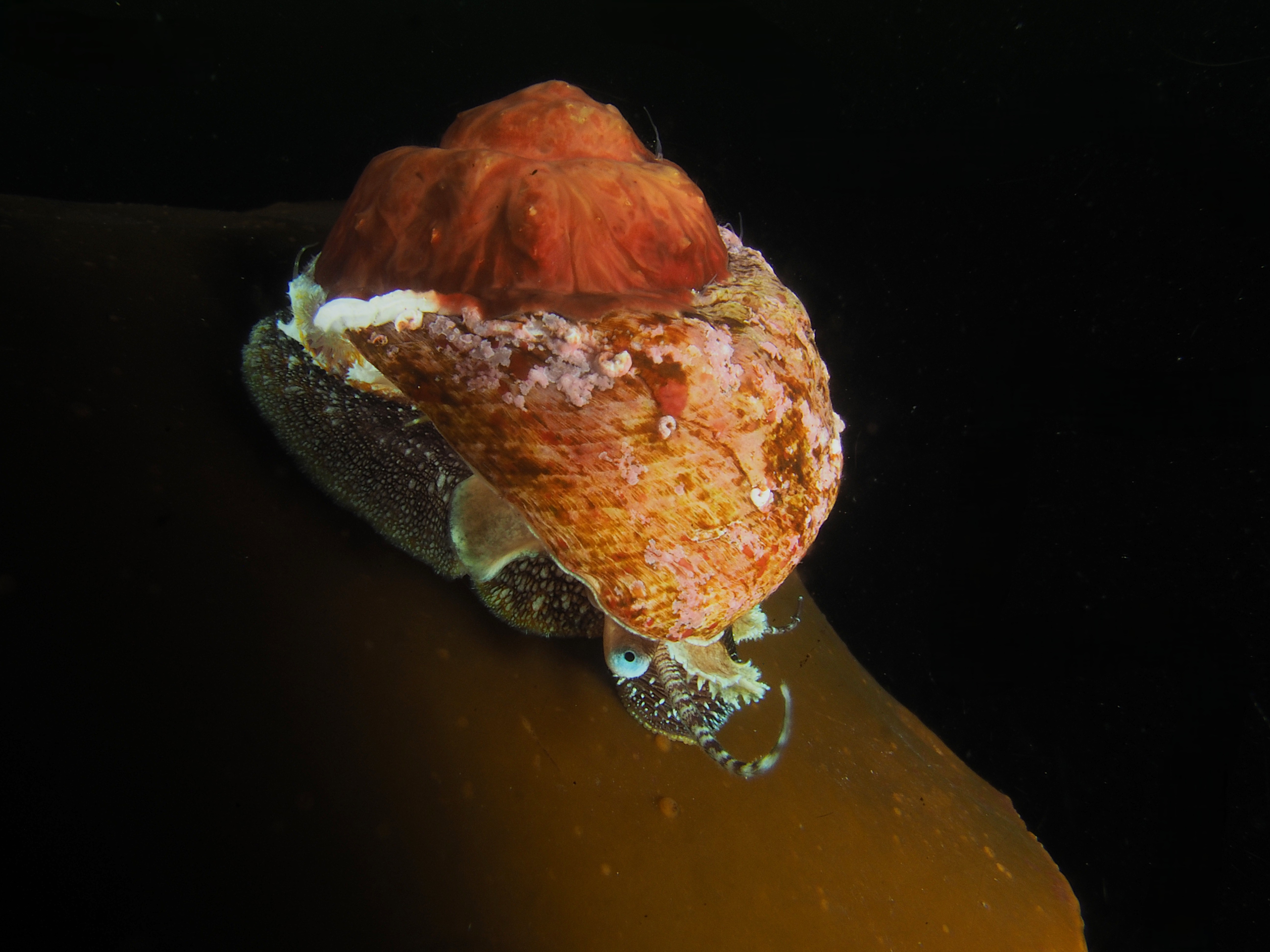
After posting about the fish and crustaceans of my local dive site Silver Steps in Falmouth, it is time to give molluscs some love! The photos in this post were all taken at 5-10 meter depth at a gravelly bottom this year. Above (and at the end) the Turban Topshell (Gibbula magus) which is common subtidally. However, this was the first time I noticed that they have pretty sky-blue eyes! It is one of my challenges to take a pic of it with both eyes in the frame next year. Below, another favourite species of mine: the Pheasant Shell (Tricolia picta, previously P. pullus). This was a large individual (close to a centimetre?) with a candy cane striped pattern that I’d never seen before.
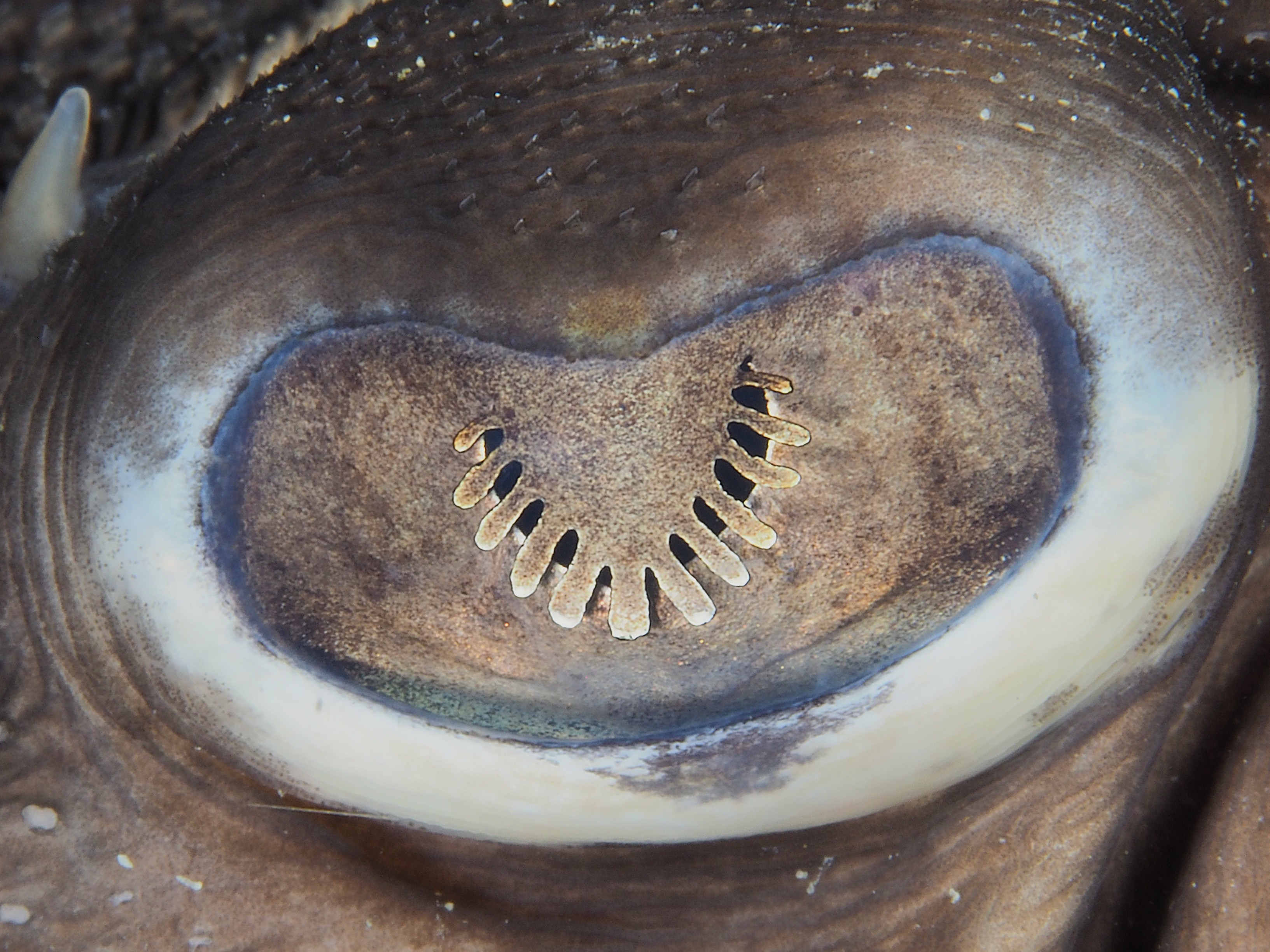
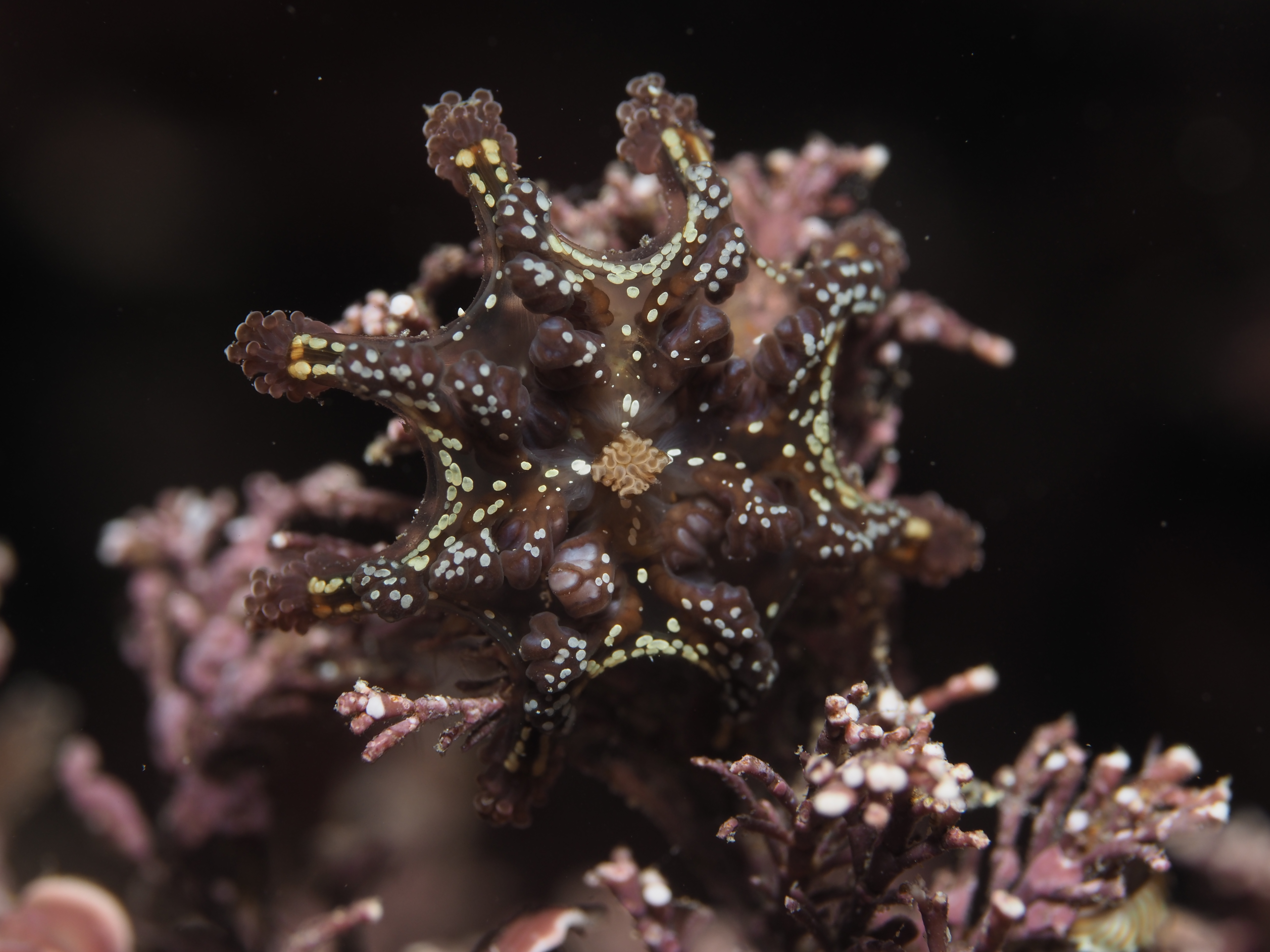
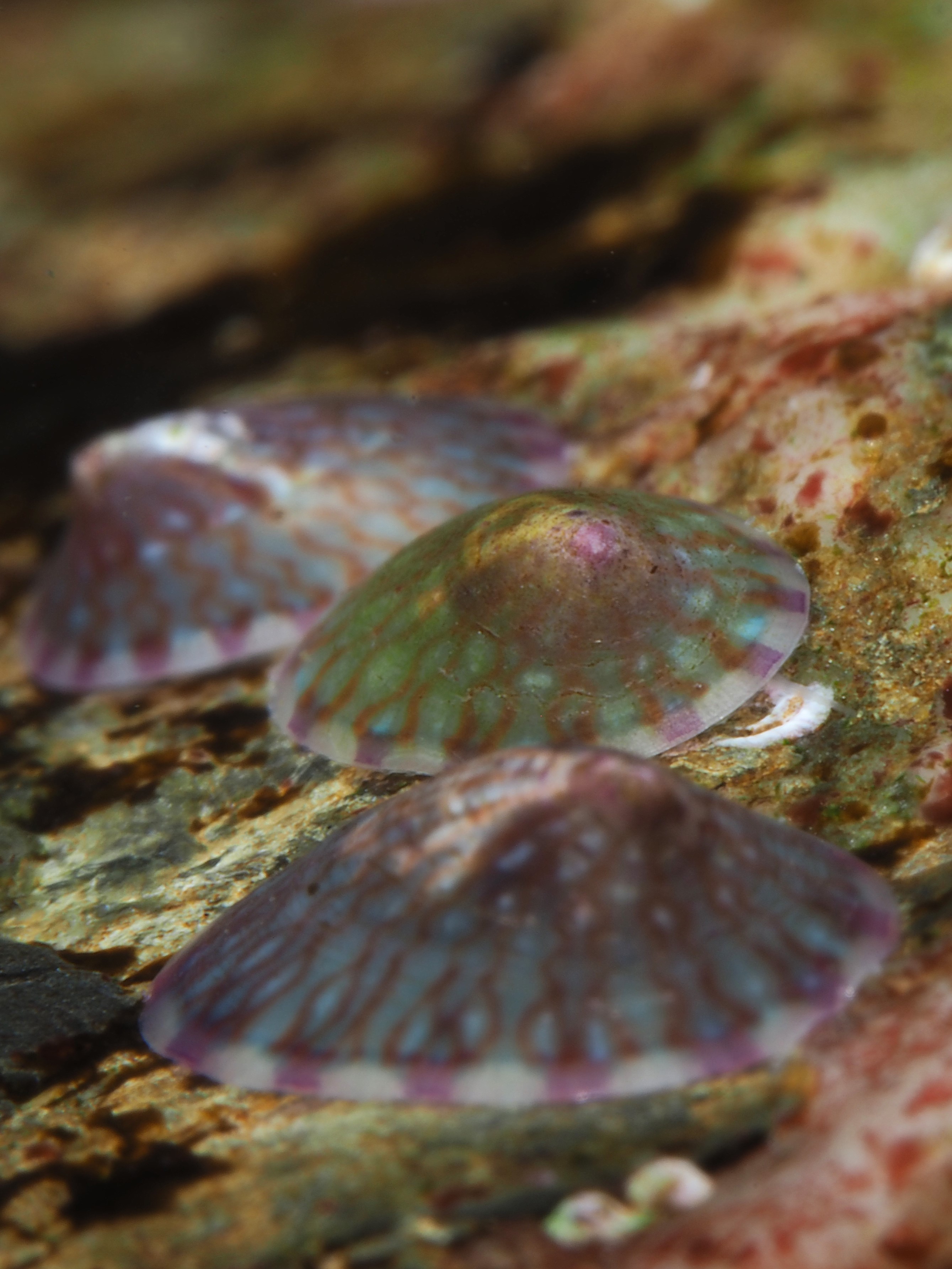
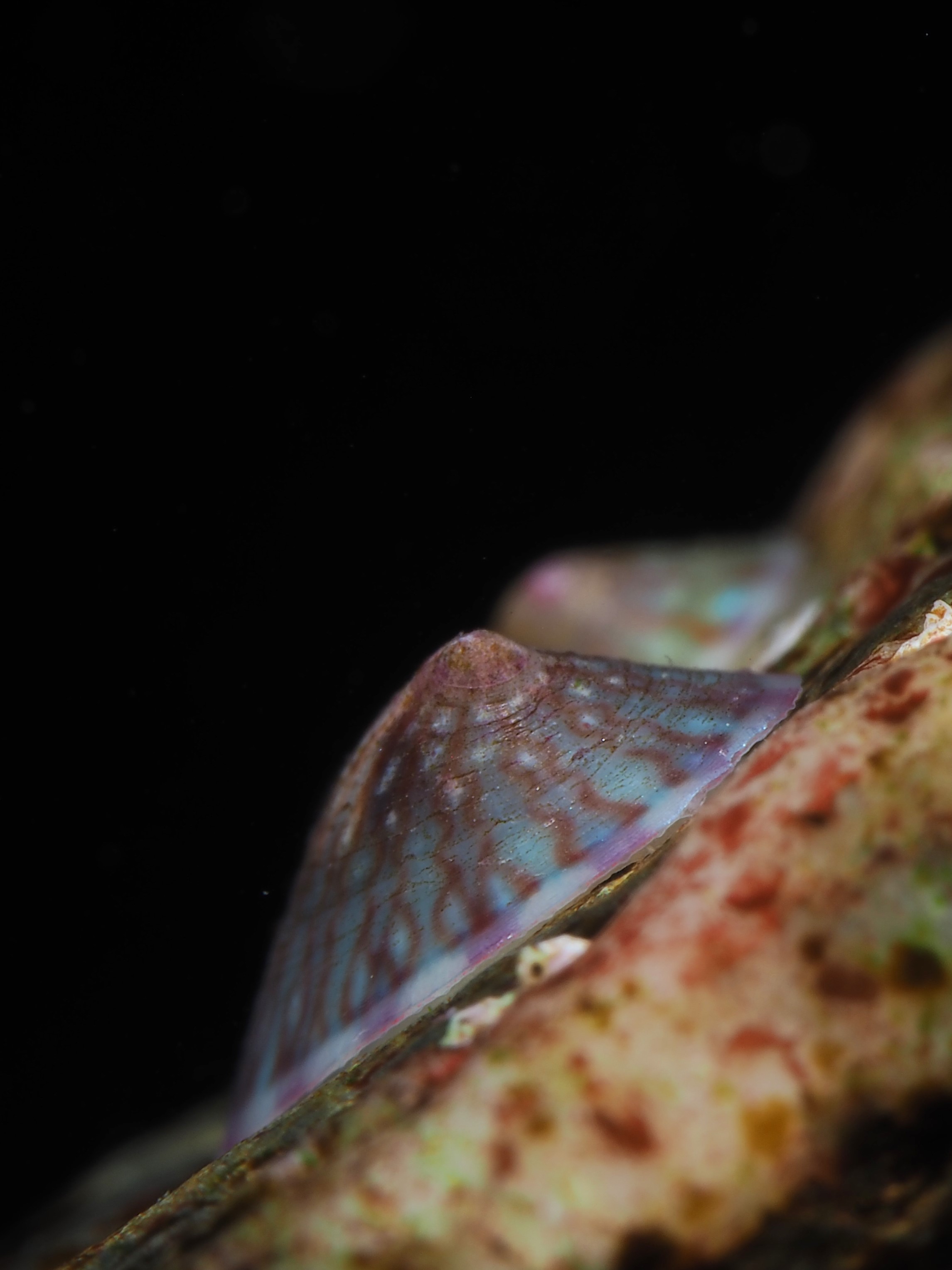
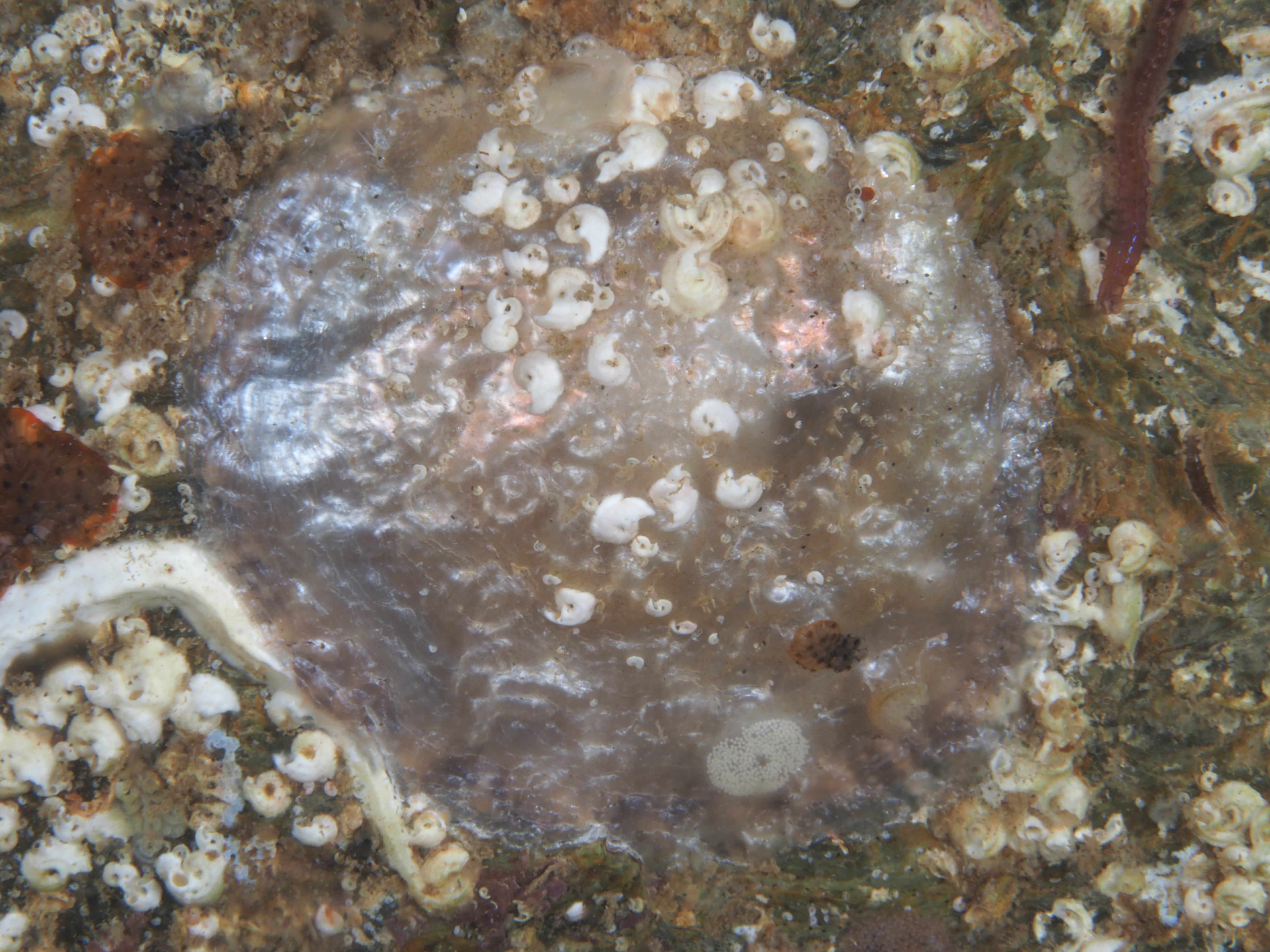
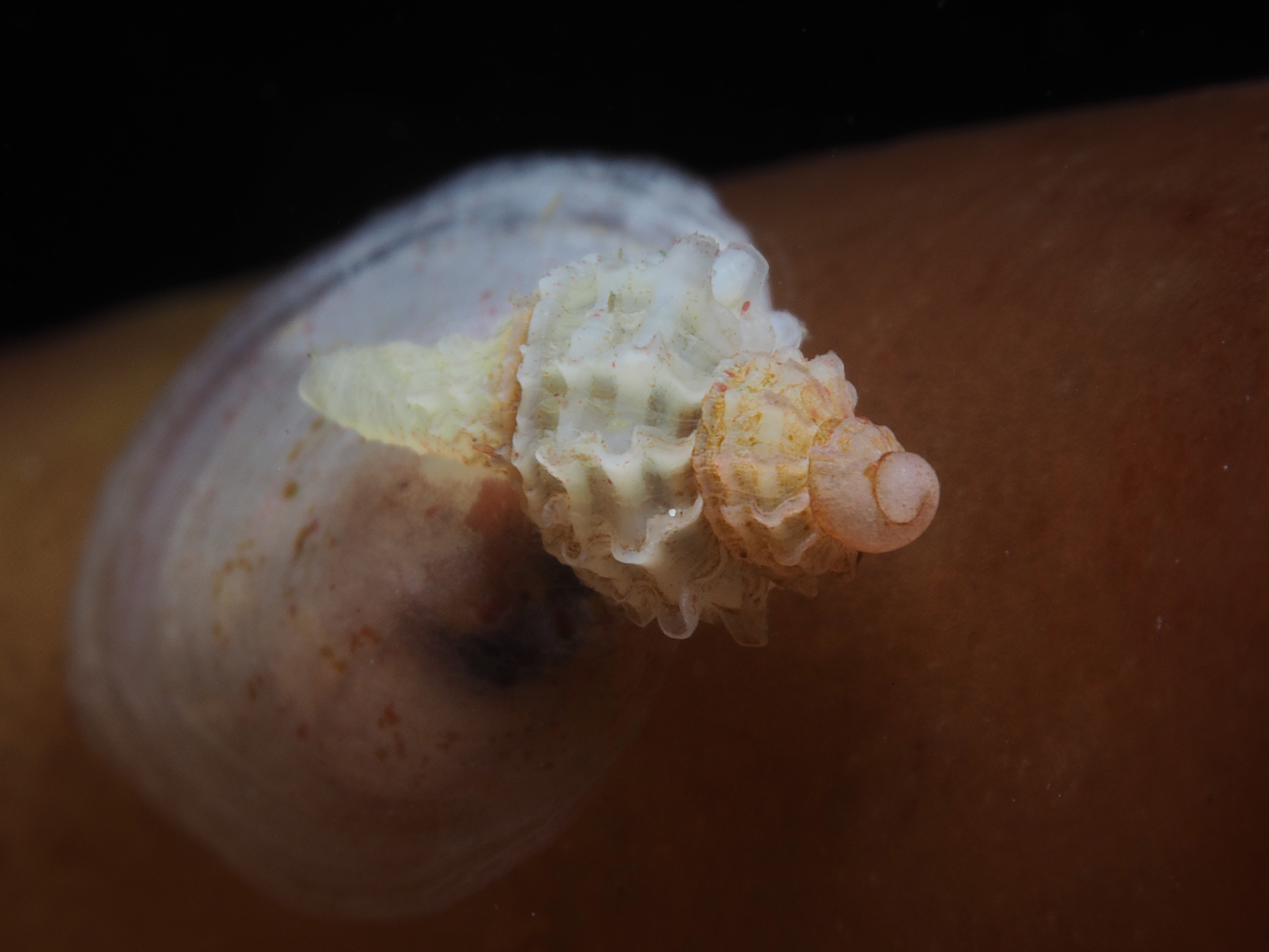
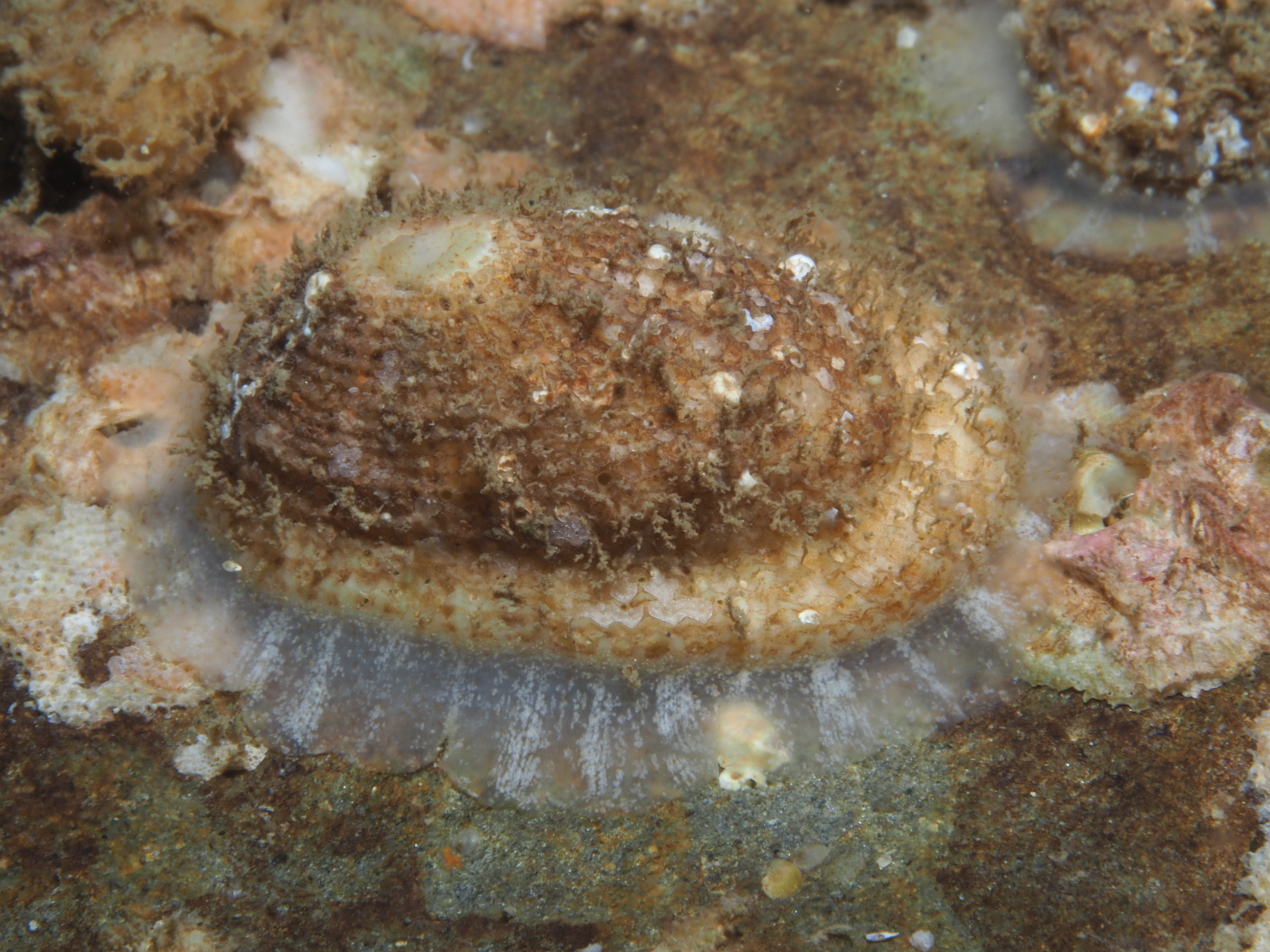
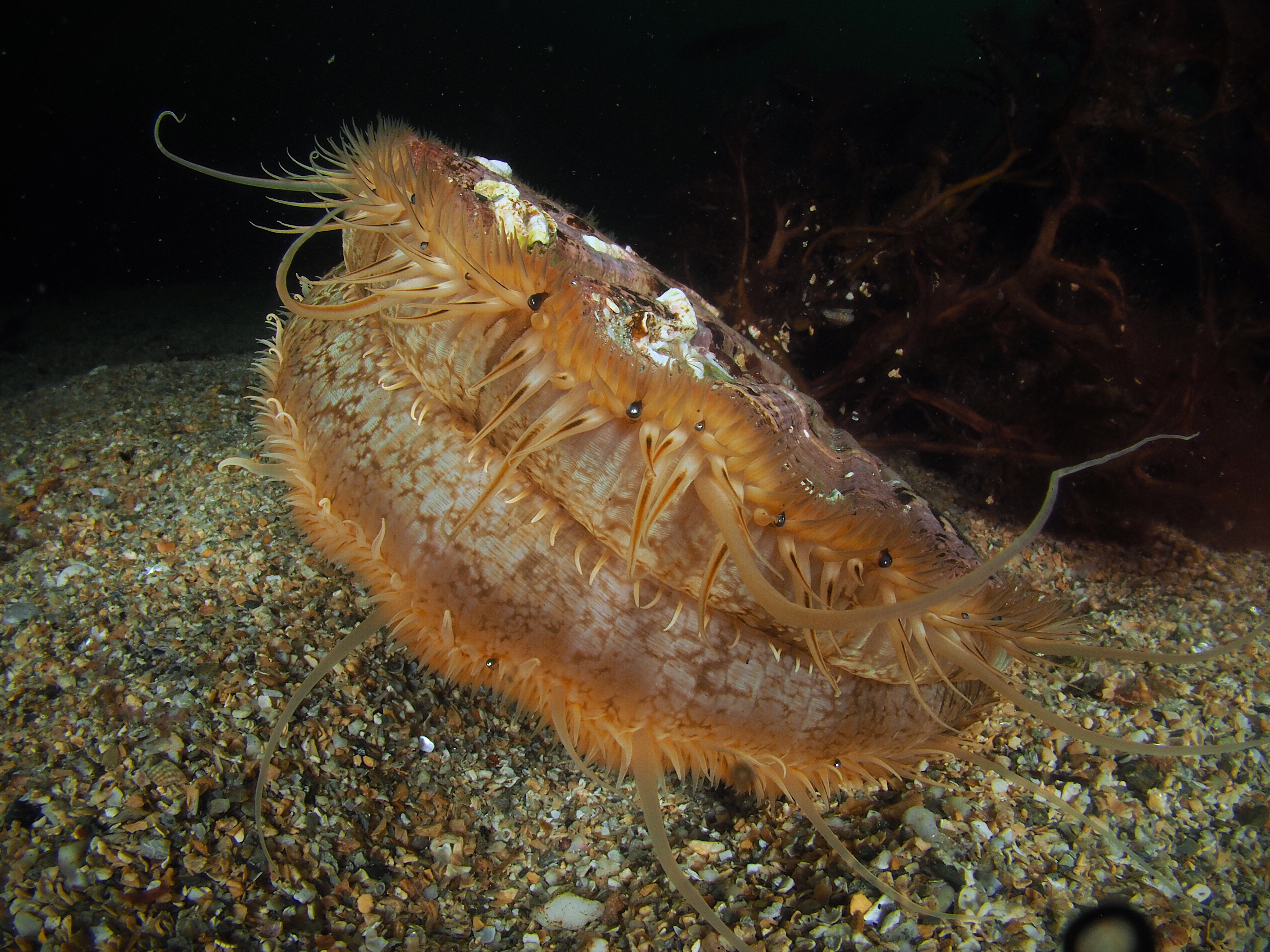
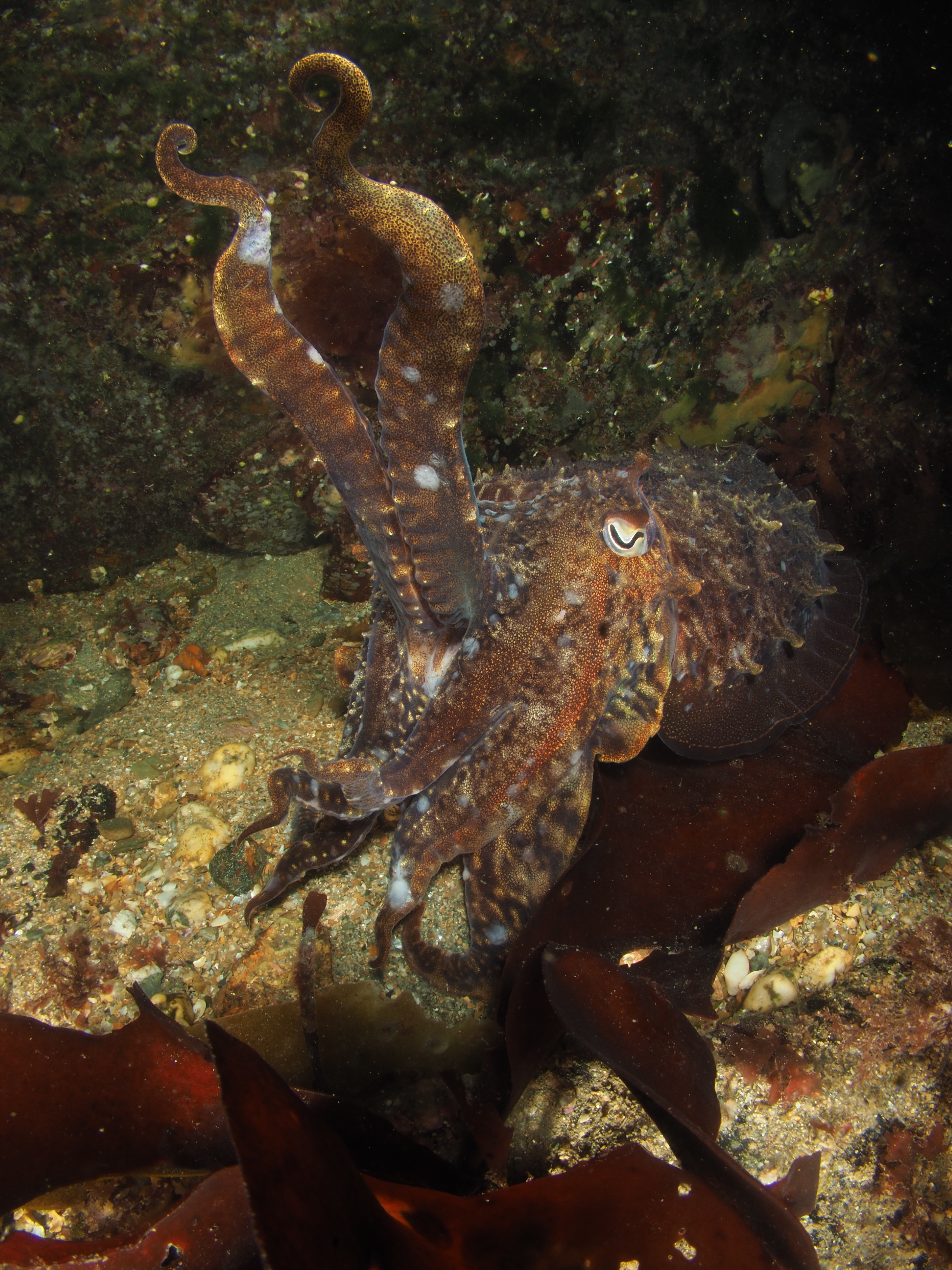
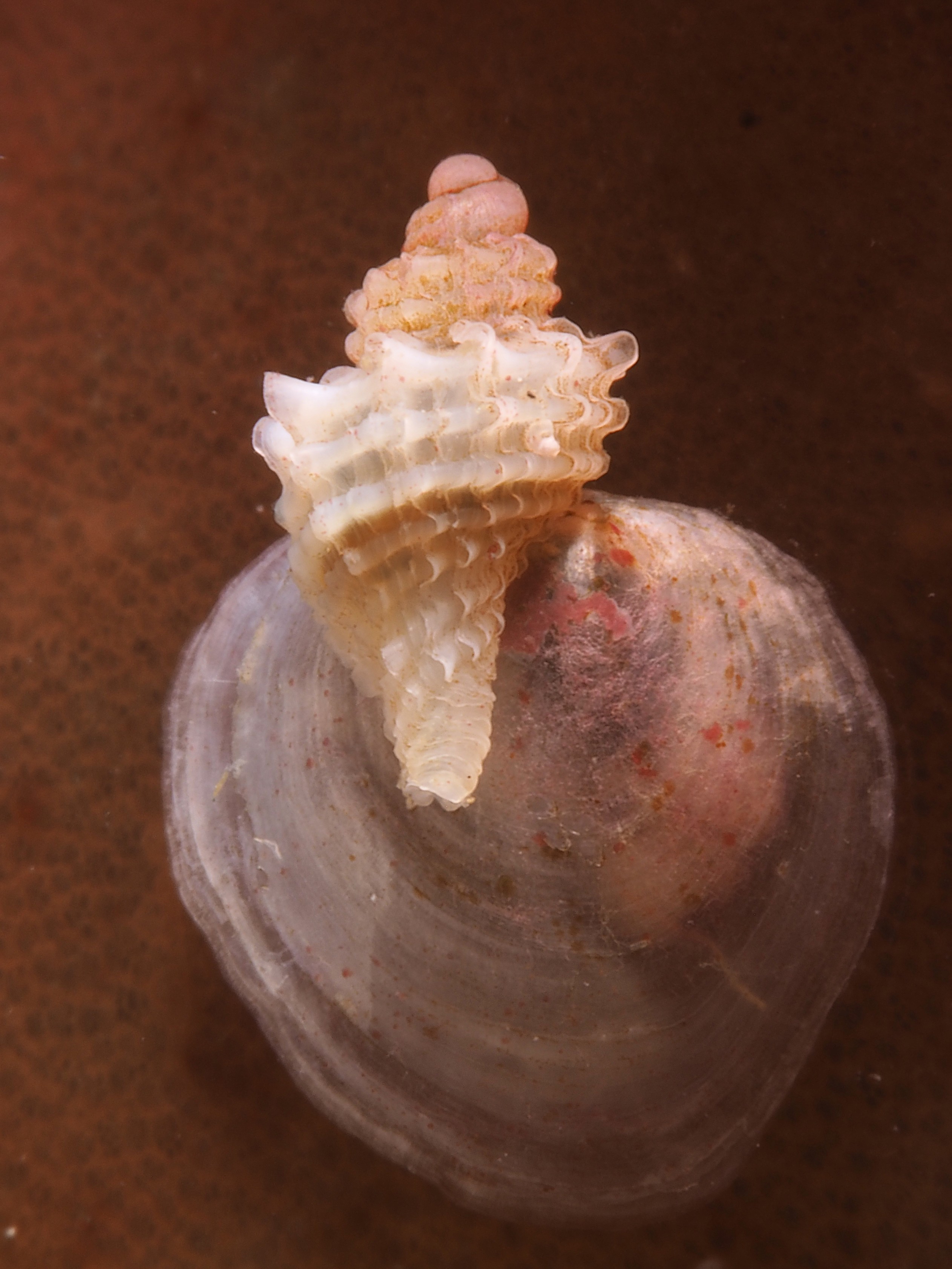
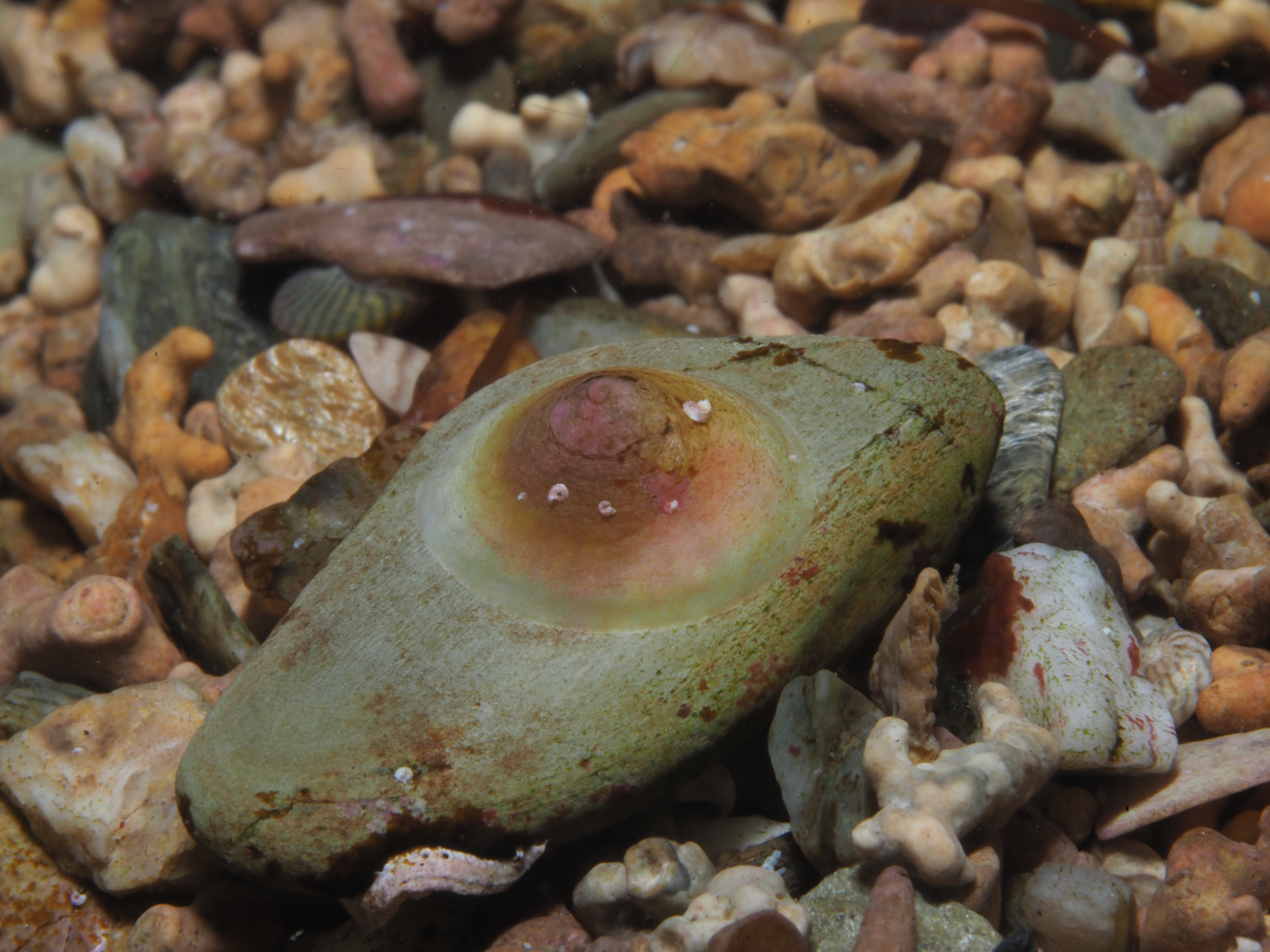
Next up a juvenile European Stingwinkle (Ocenebra erinaceus) on top of a Saddle Oyster and the Common Keyhole Limpet (Diodora graeca). The latter might be called ‘common’ but I do not see it very often. Going from the Gastropods to the Bivalves: a King Scallop (Pecten maximus) with its many eyes. Moving to yet another Mollusc Class: meet the Cephalopod Common Cuttlefish (Sepia officinalis). This was a very large individual covered in many small white lesions, probably near the end of its life. It was fine in my presence and let me take some photos. It is sometimes strange to think that these intelligent creatures are more closely related to a clam than to a fish! Some bonus photos at the end.

The Crack pt. 1

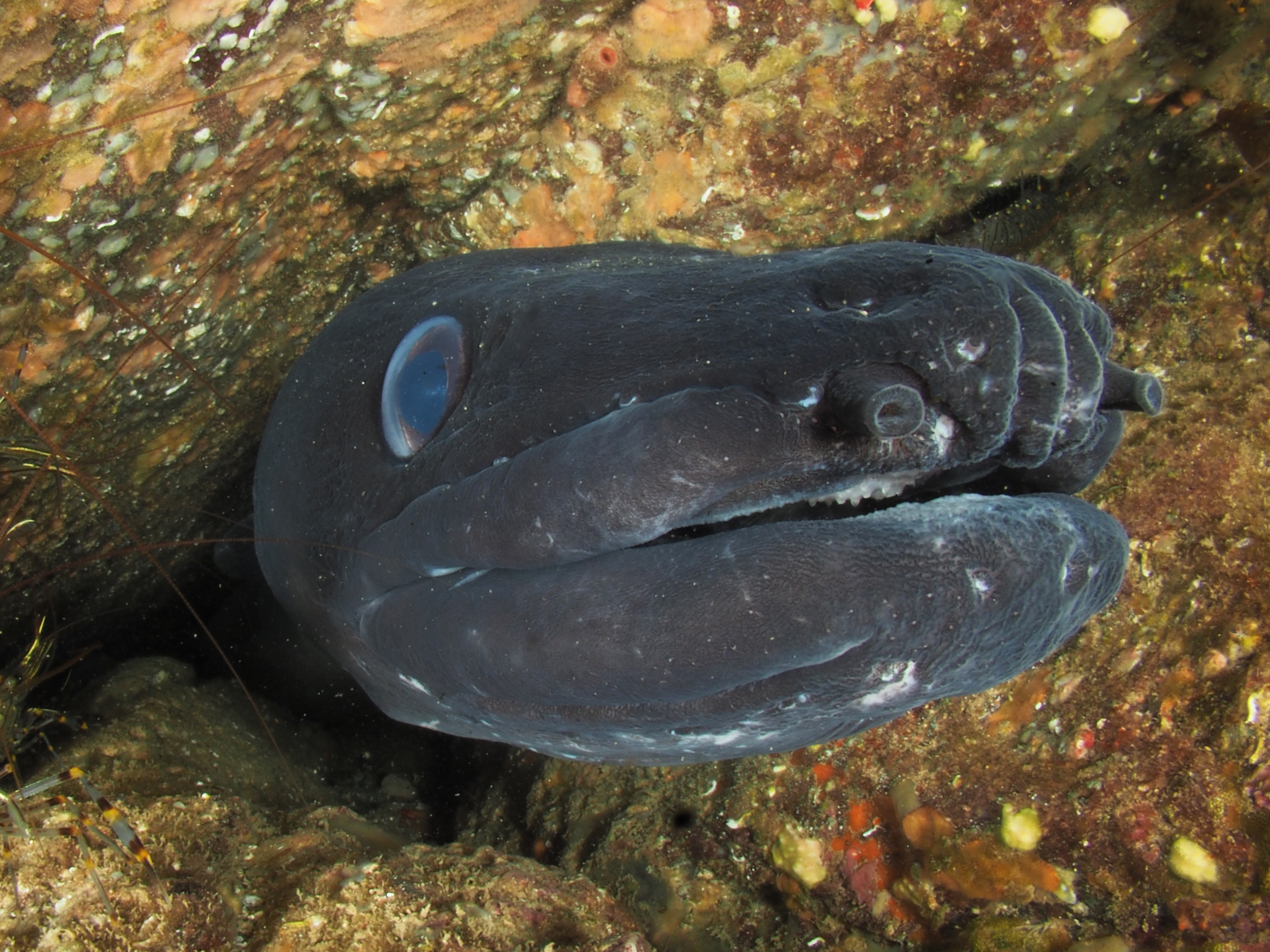
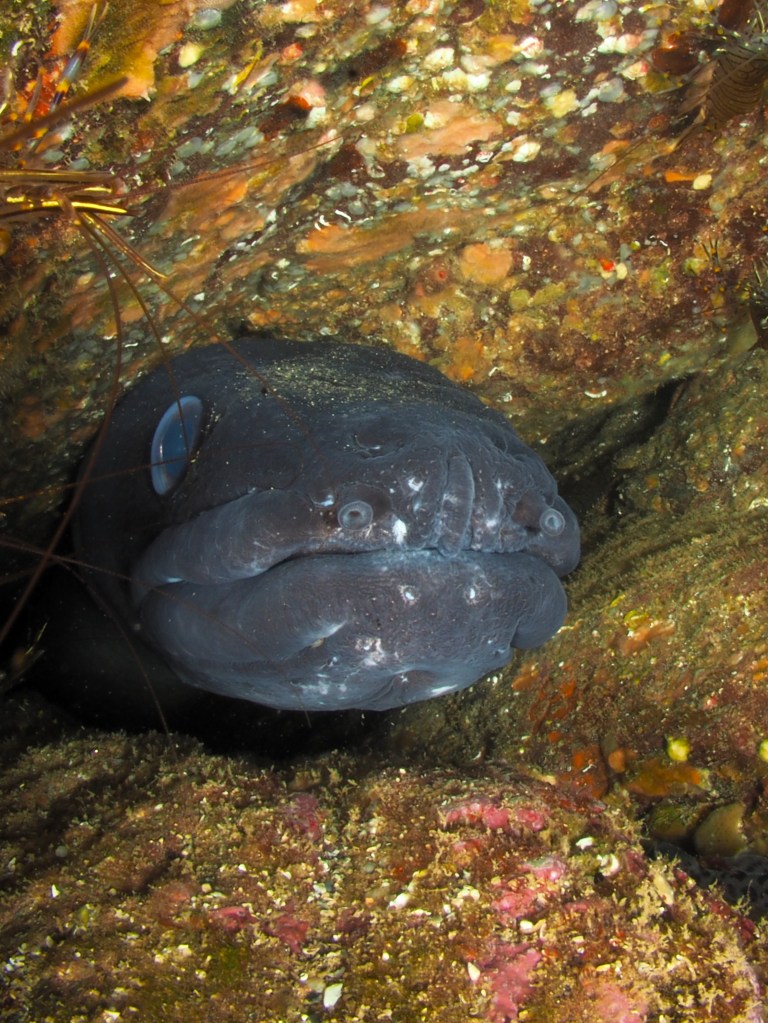
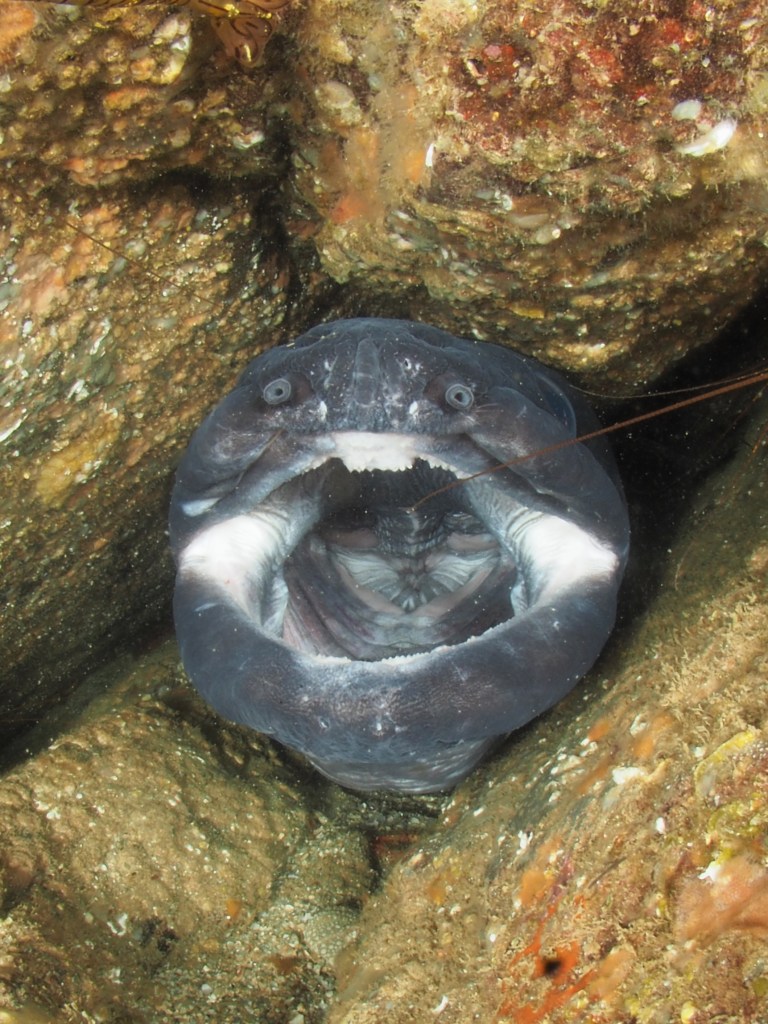
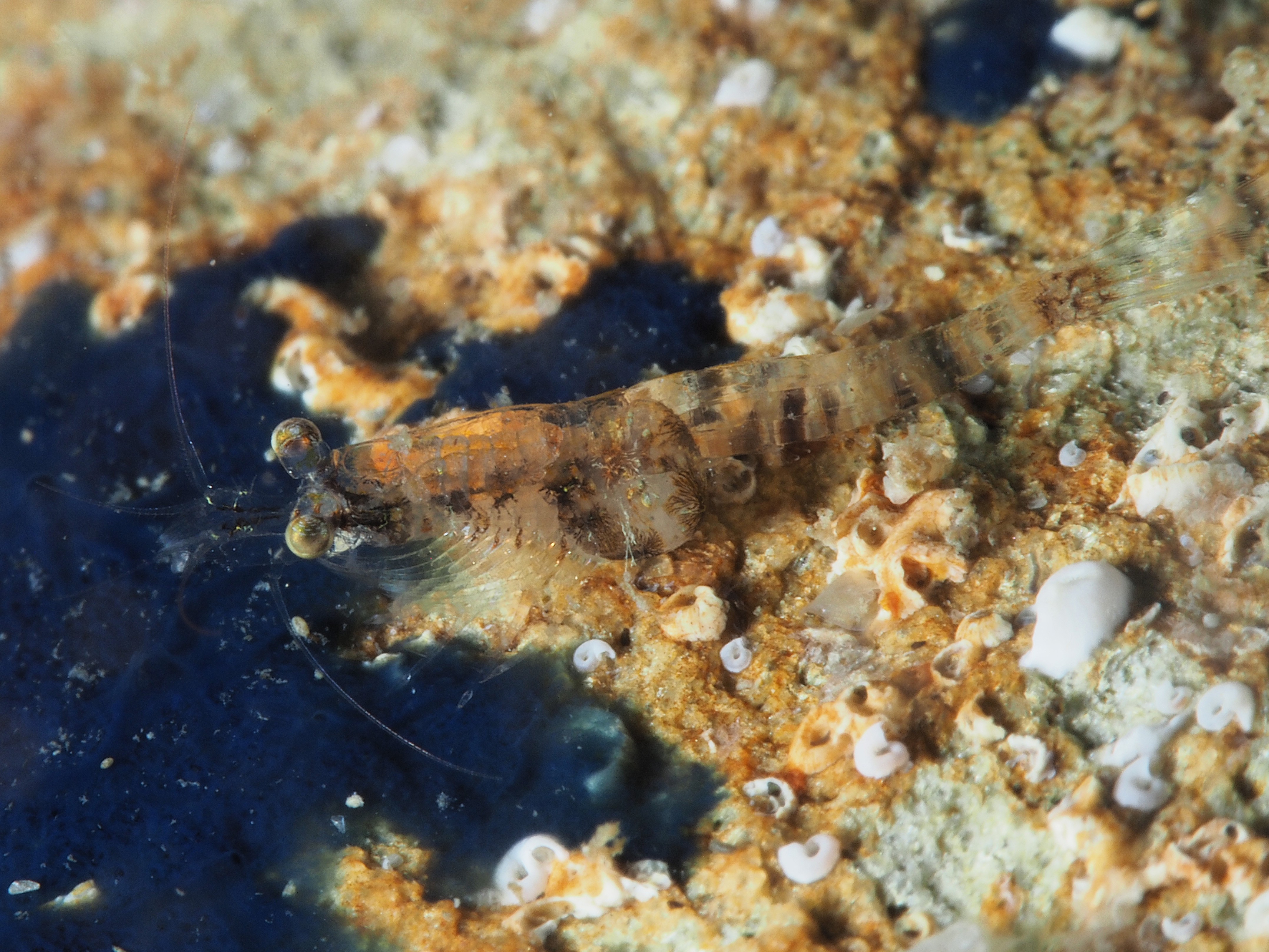
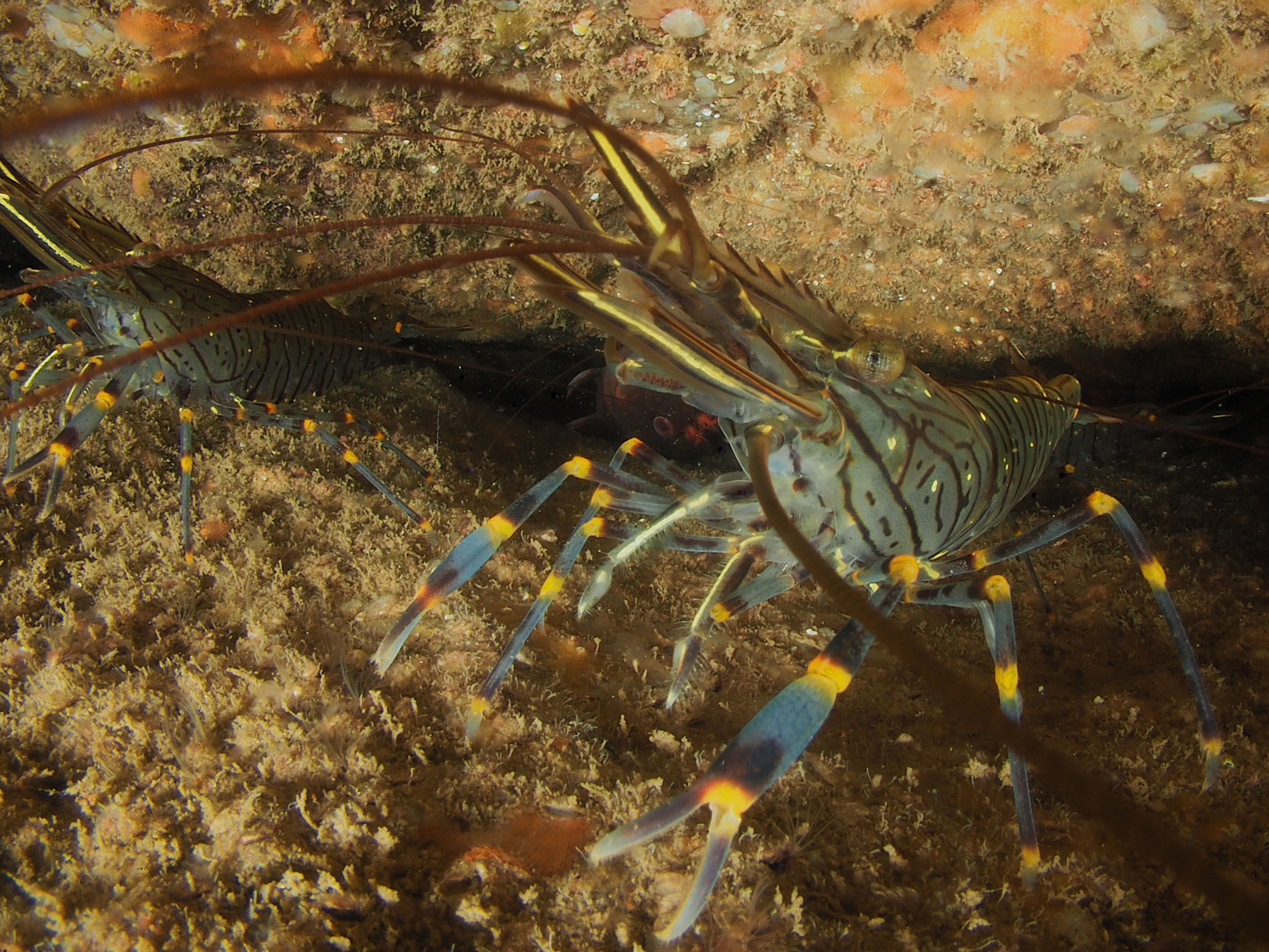
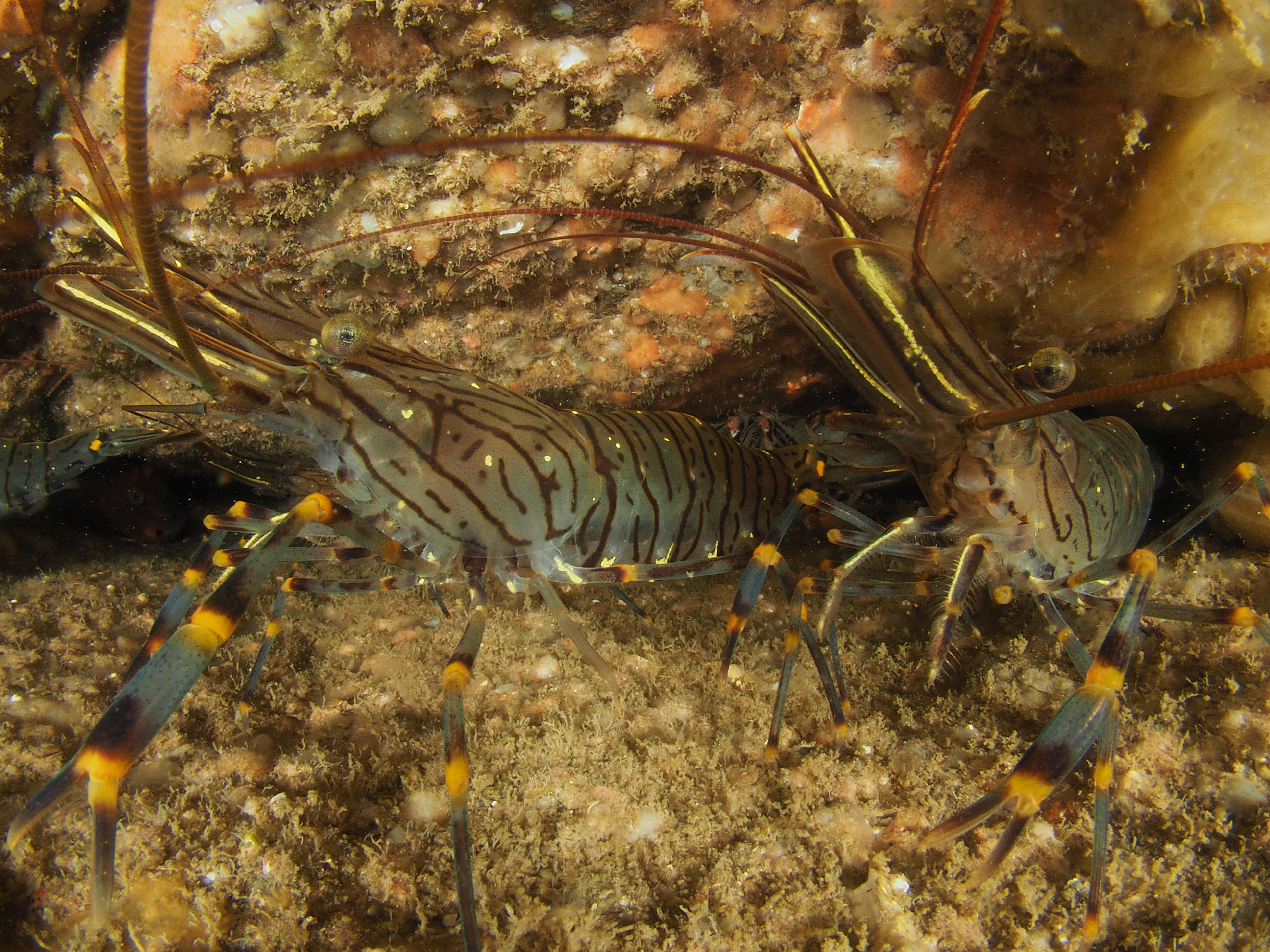
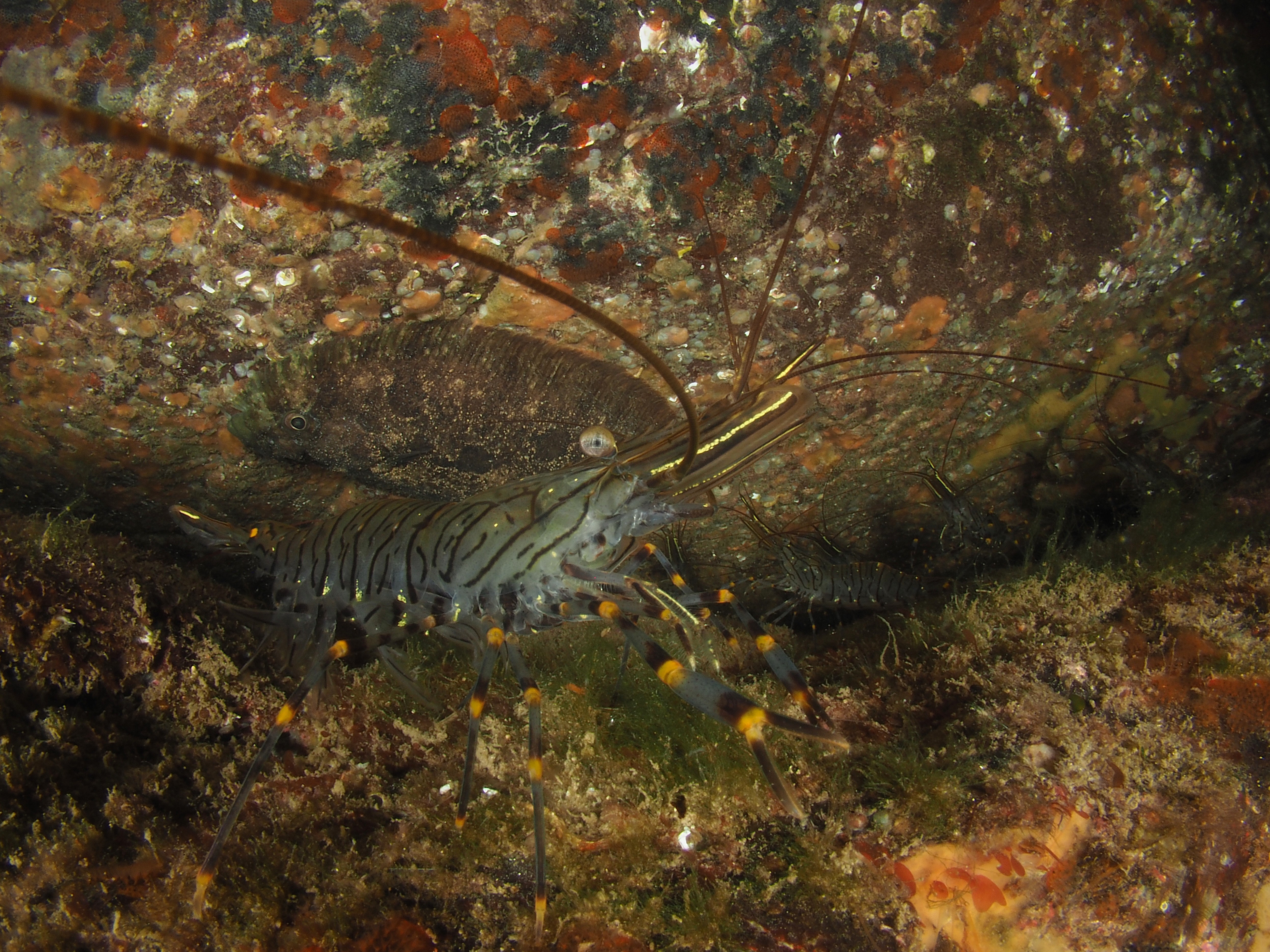
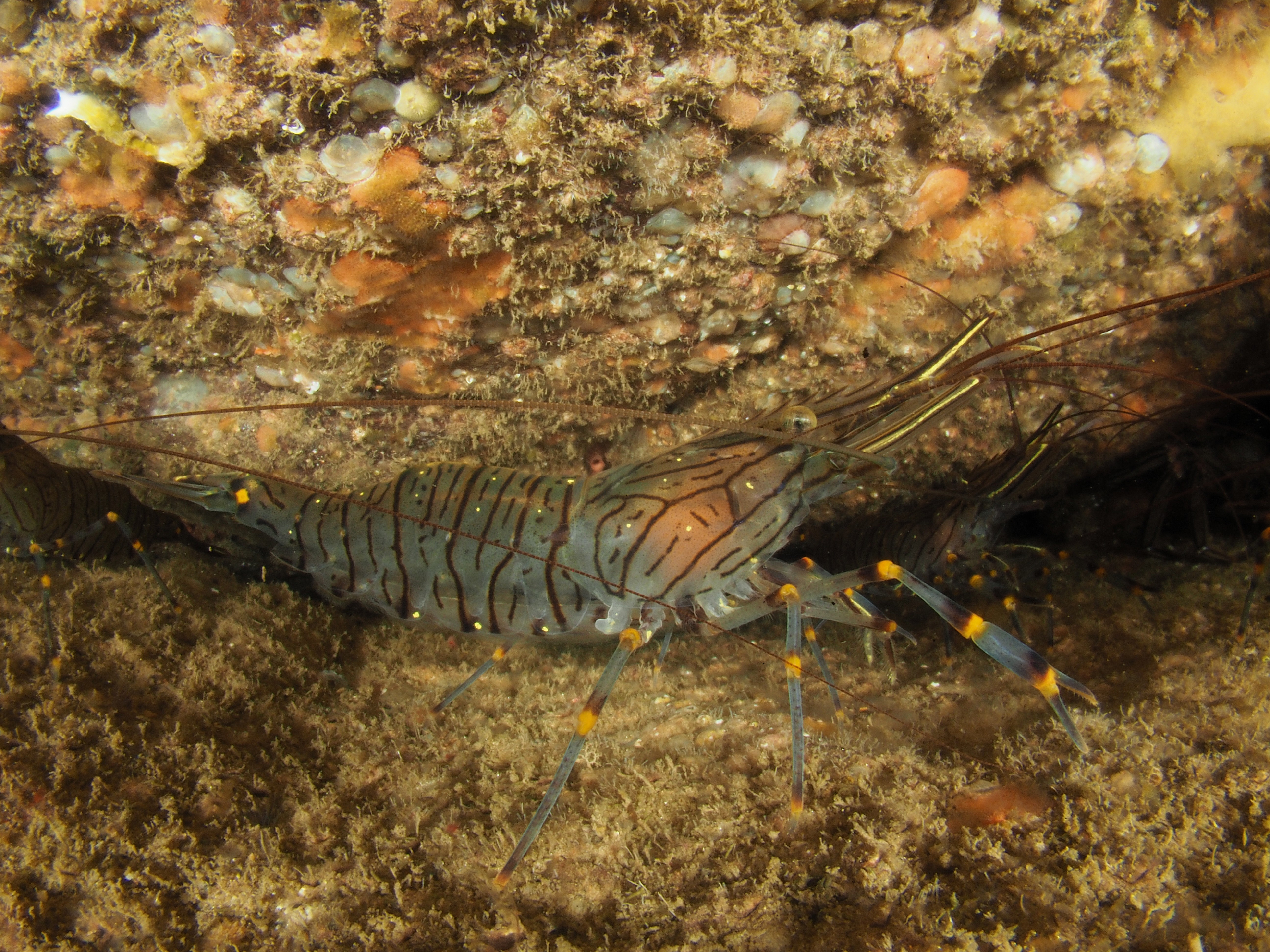
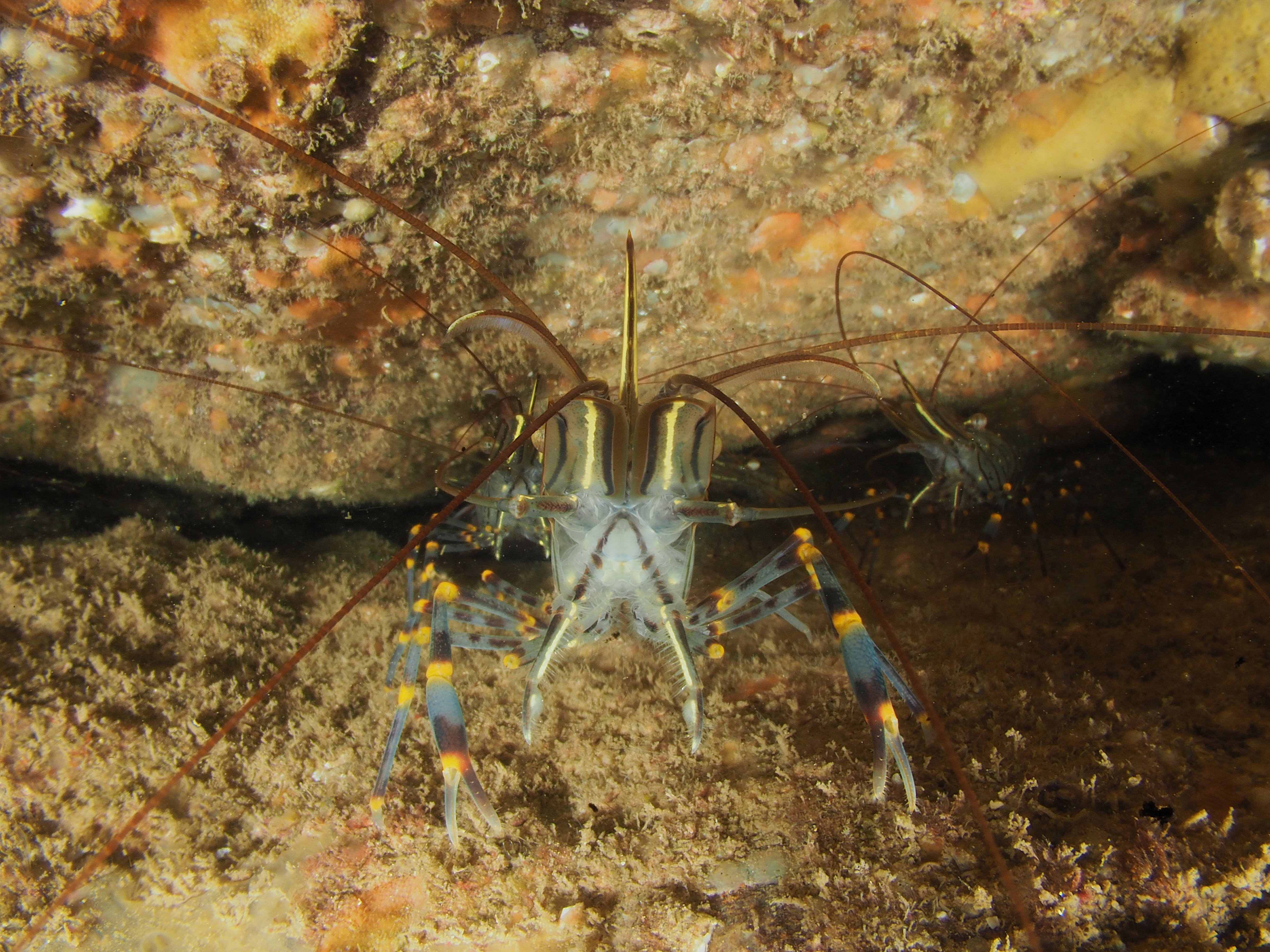
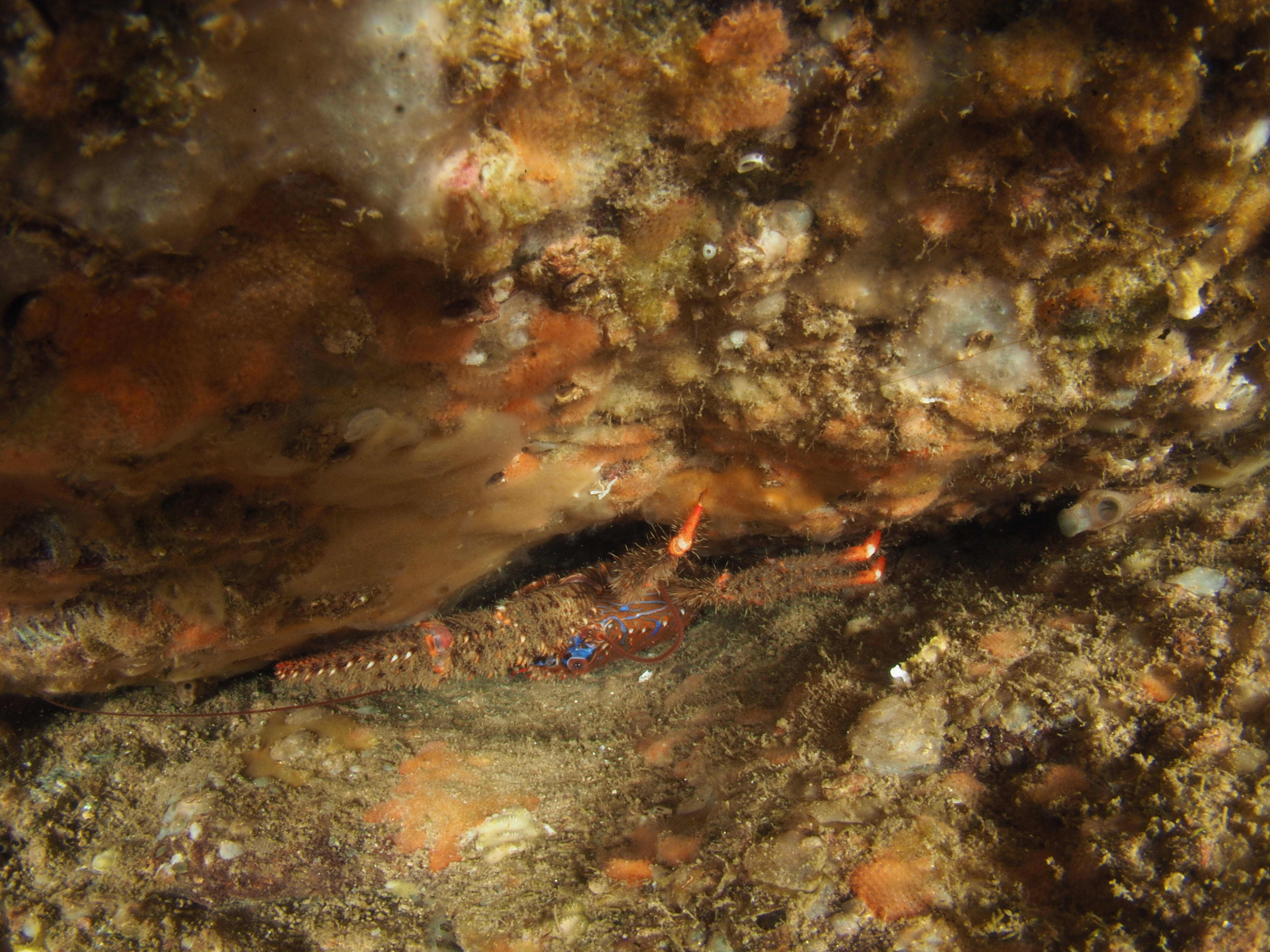
At my local shoredive site Silver Steps here in Falmouth, there is a crack in the rocks, maybe three meters long and not very deep, that is home to an array of interesting species. I have posted pics from this spot before, for instance that of a big conger eel (which has since left it’s hidey-hole, perhaps it swam off to reproduce and die in the Mid-Atlantic?). Anyway, I visited again this week and tried close-up shots with my macrowide angle probe lens. The prawns are much bigger here in the rock pools, but I am not sure if they are Paleamon serratus or P. elegans, as this requires a closer look at the serrations on the rostrum. Regardless of species name, they are stunningly beautiful animals with their blue and yellow legs and black-striped carapace.

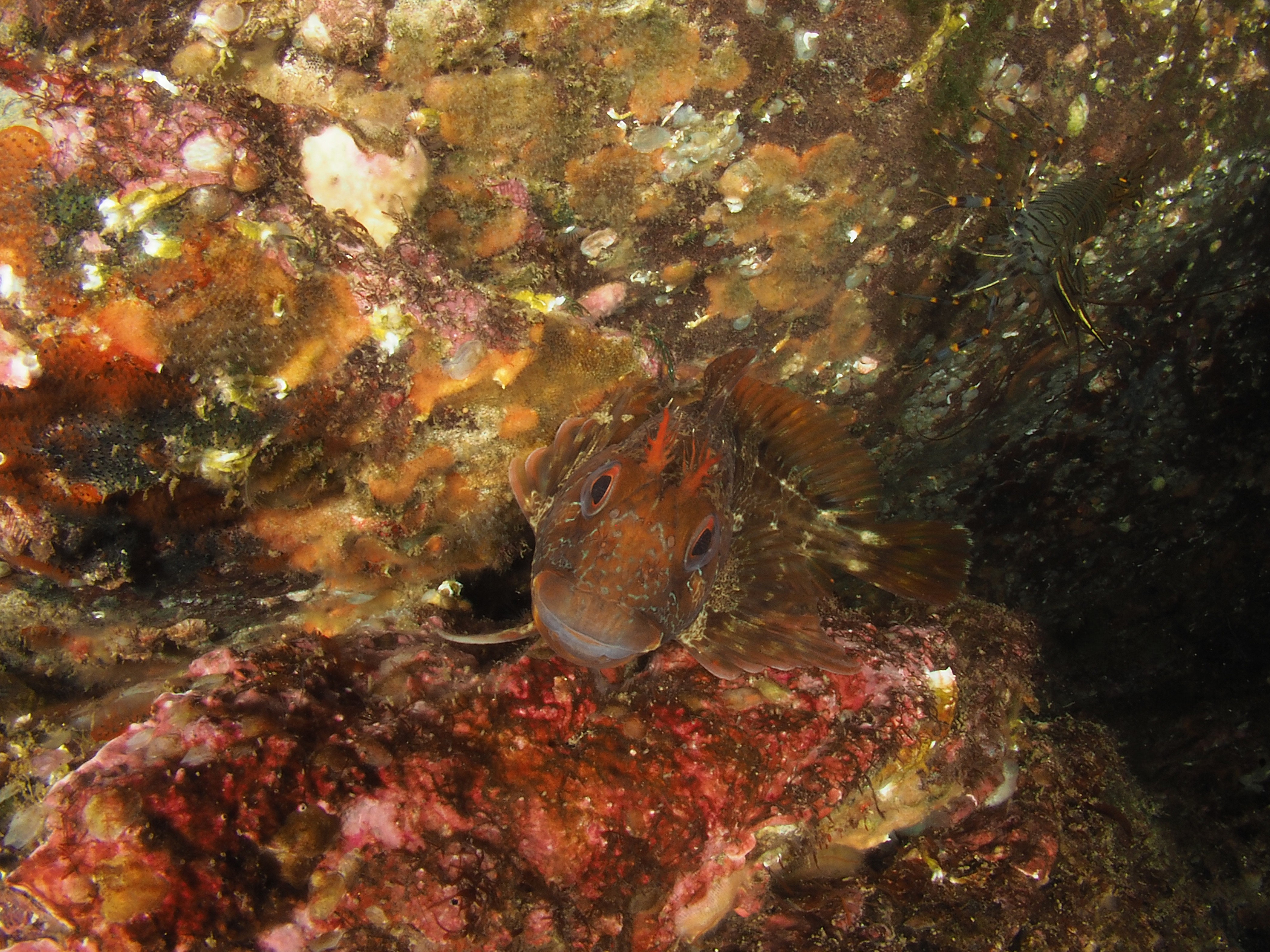
Some more pics below (notice that in some another animal is lurking in the background!). Some species are easier to photograph than others, clingfish are very shy for instance. Anyway, there are some more ideas I have, for instance trying to capture multiple species in one frame and post about them in ‘The Crack pt2.’!
life on a chain

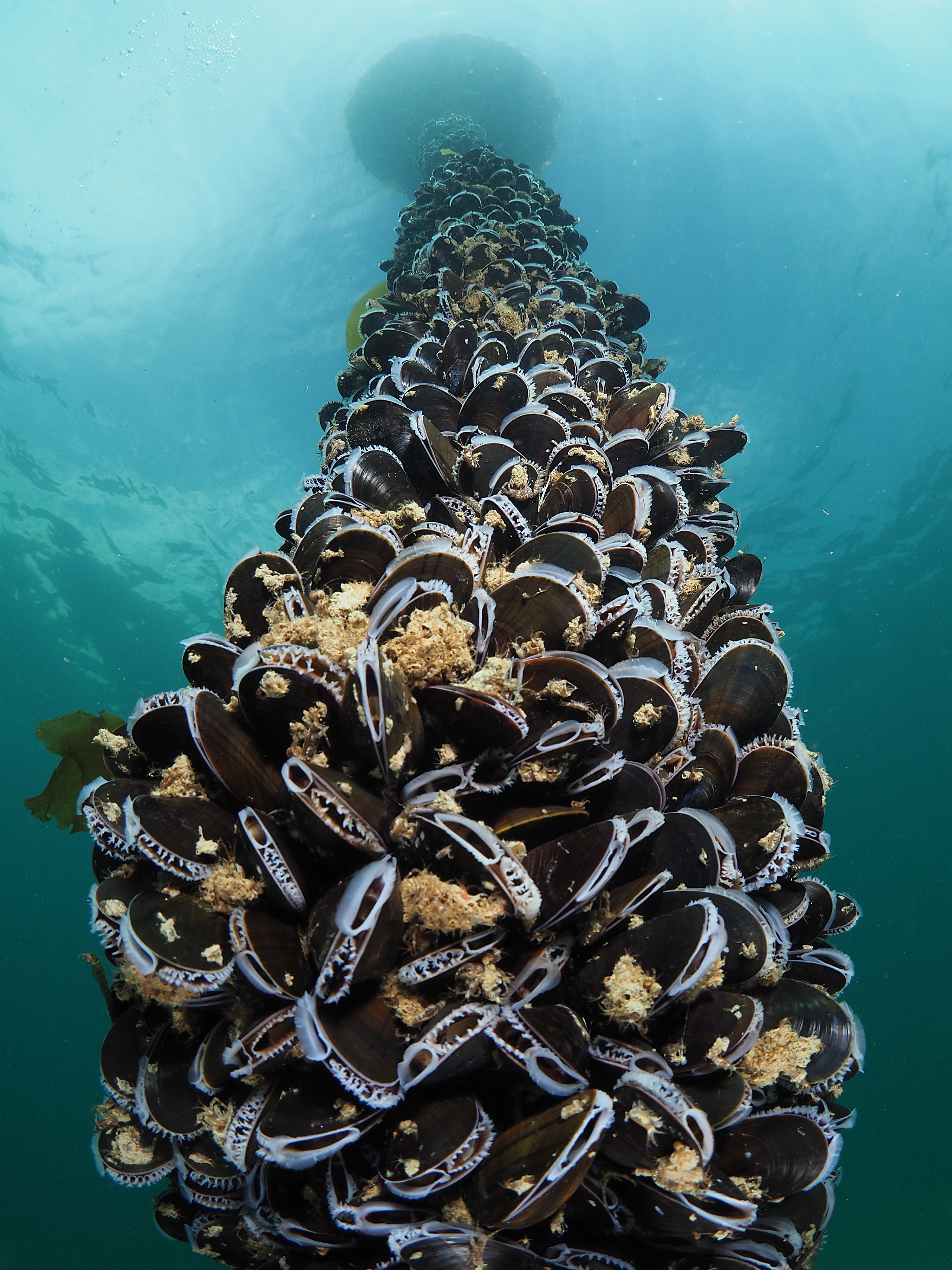
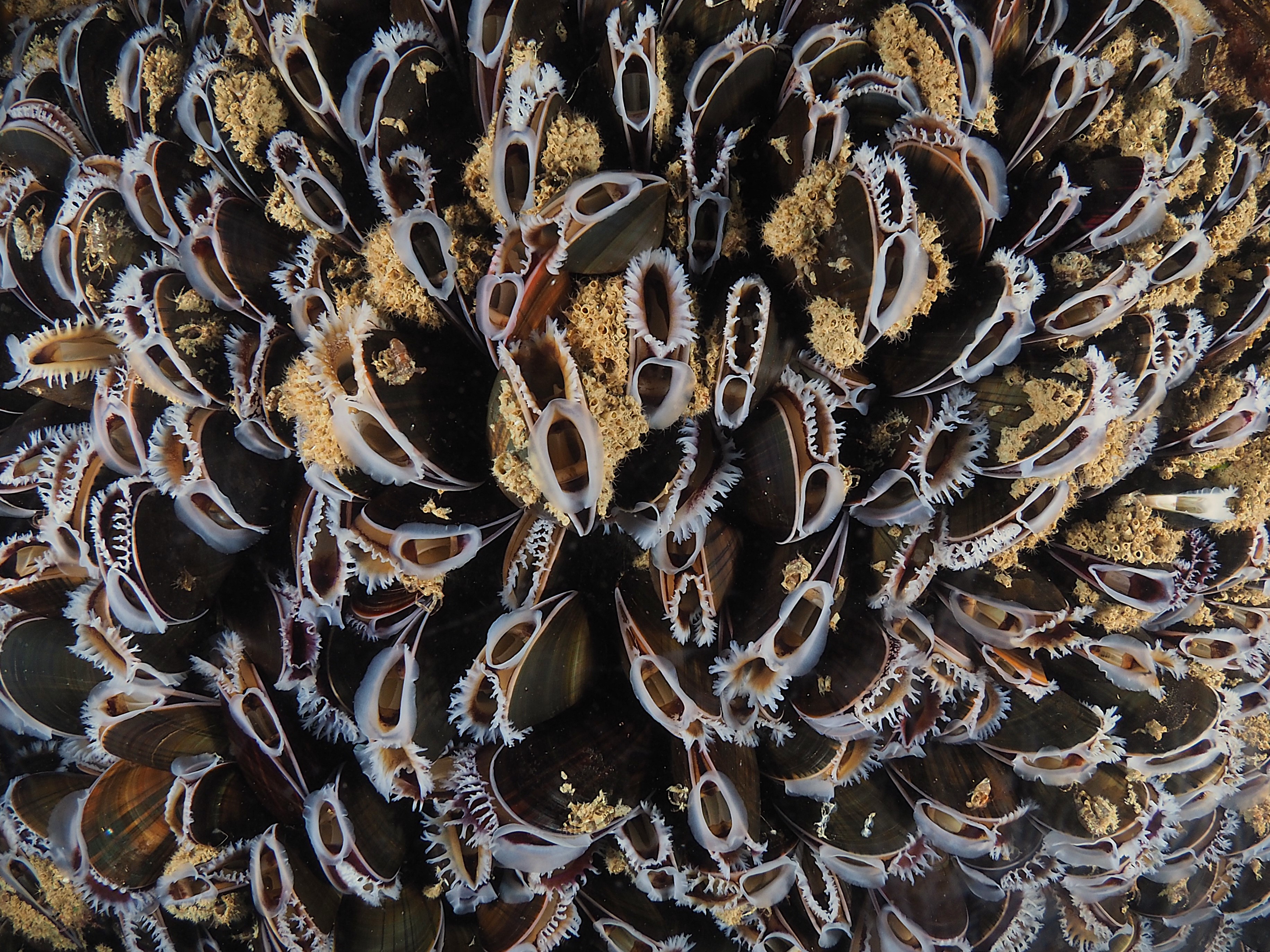
The rain has been hammering down and I am in accute underwater withdrawal… Just a bit of the ole bloggin then! These are some pictures from April, when the phytoplankton had not kicked in and the water was still quite blue. Out of curiousity I swam out to the marker buoys off Castle Beach in Falmouth to see if there was anything interesting growing on them. There was! Lots of mussels, including on the chain going down to the bottom (10ish meters deep). I took my fisheye lens and after much adjusting of strobes (holding the housing sideways for portrait mode, and also up, meaning that the lower strobe needed to be pulled back) I got the nice shot above. Mussels are not a favourite of underwaterphotographers (this is an understatement!) but they are beautiful upclose, the white mantle contrasting with the blueish black shell.
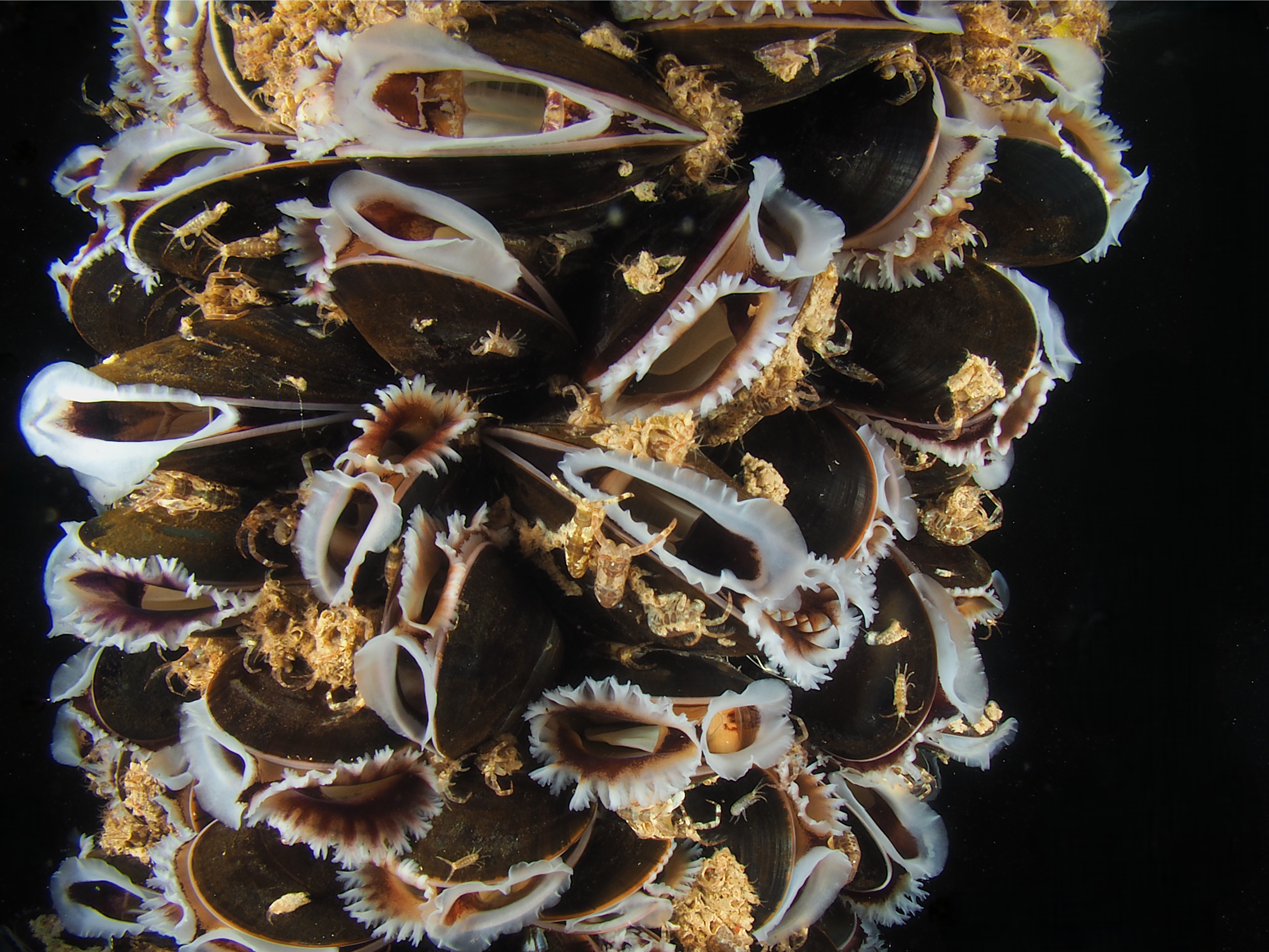
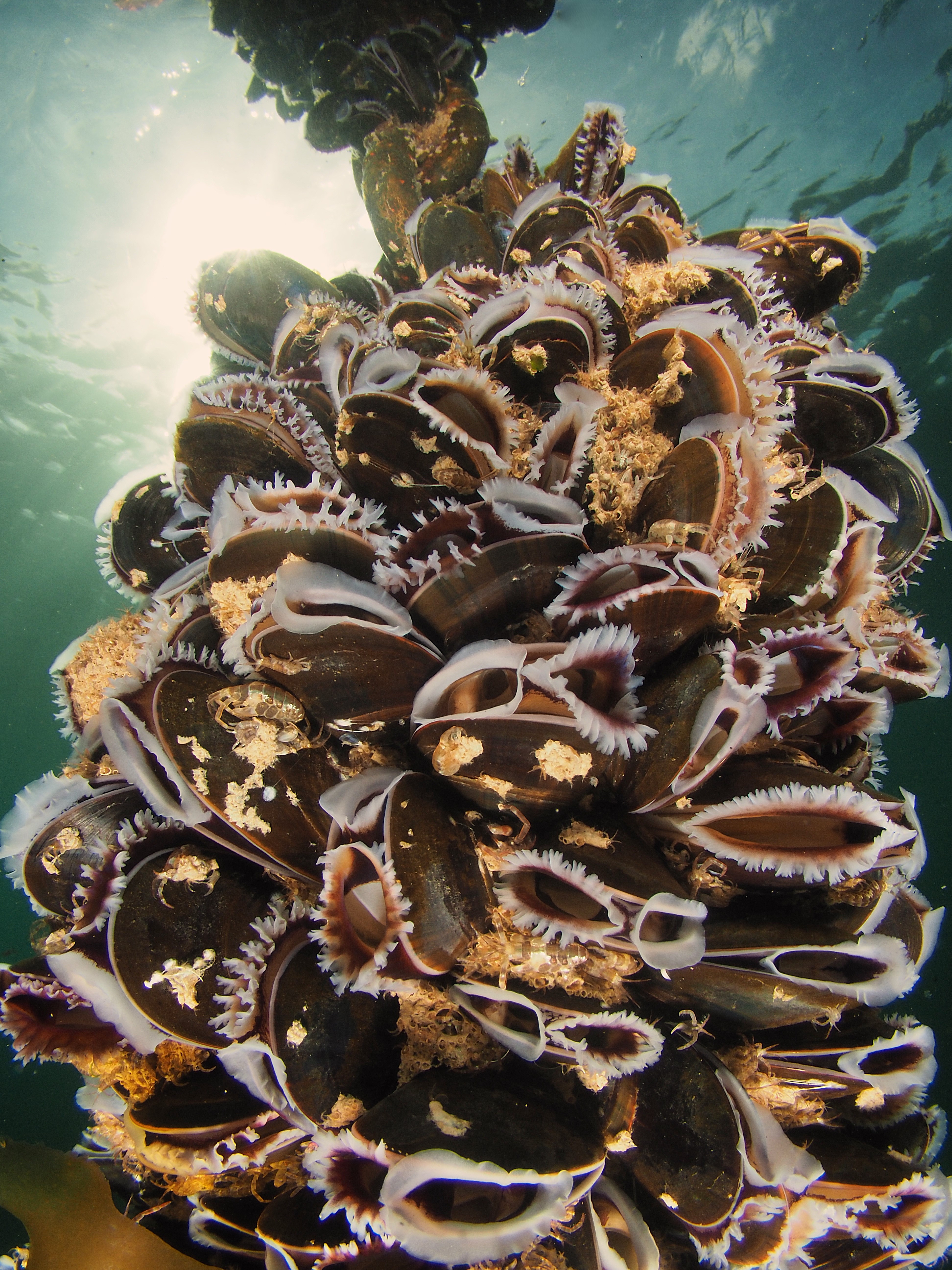
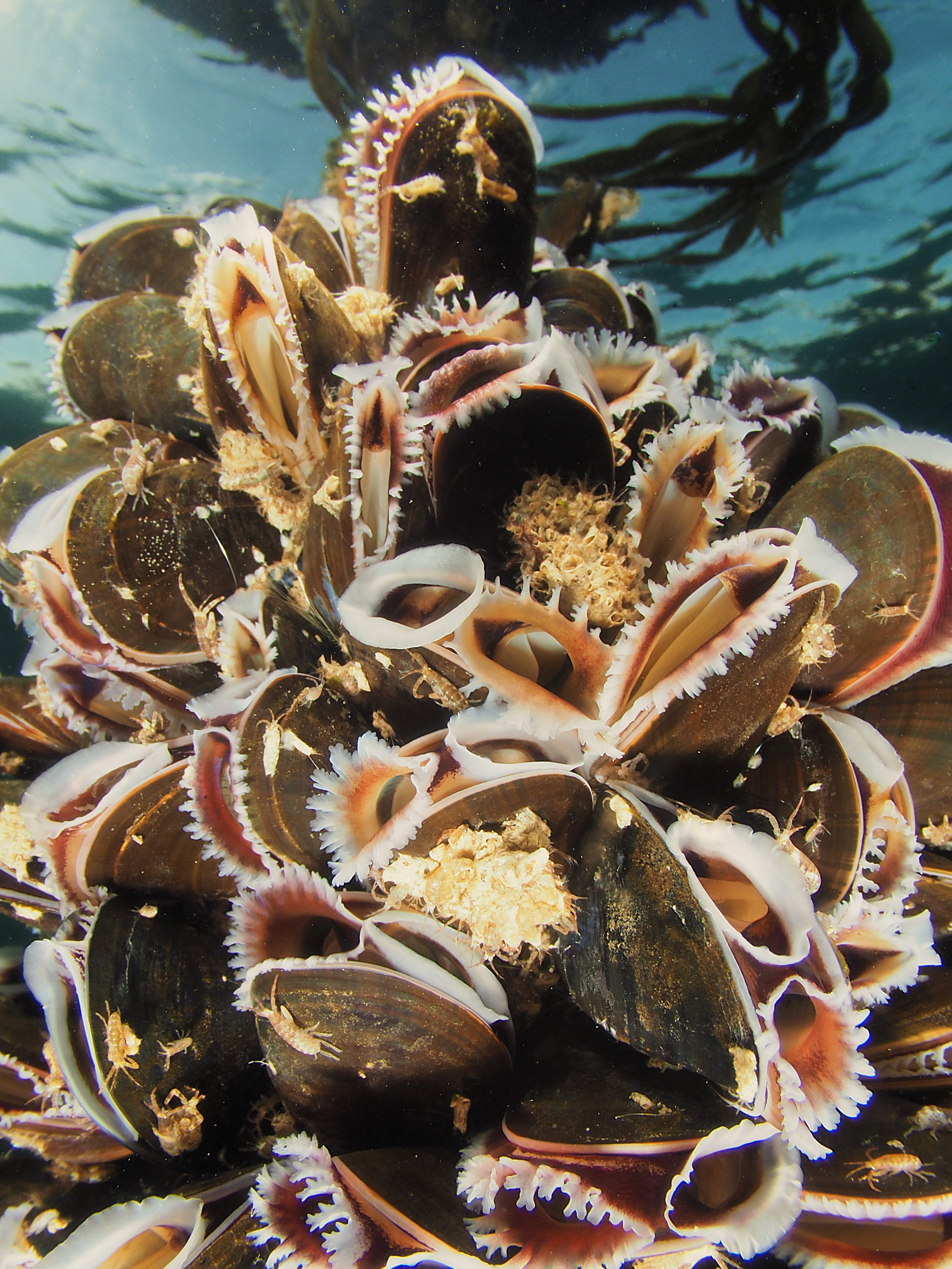
A few days later I returned with my probe lens, as i thought this would offer an original perspective. It was a tricky thing to do as this lens lets in very little light. The difference between foreground and background seems slightly off as well! These photos show that the mussels were crawling with the tubedwelling amphipod Jassa marmorata, a prominent fouling species. I planned to return to try again a few days later, but the chains had been replaced by ‘fresh’ ones, bad luck! I will go back to have a look at them as soon as the weather allows it.
P.S. there are two older posts tagged with ‘buoys‘.
Back to Silver Steps

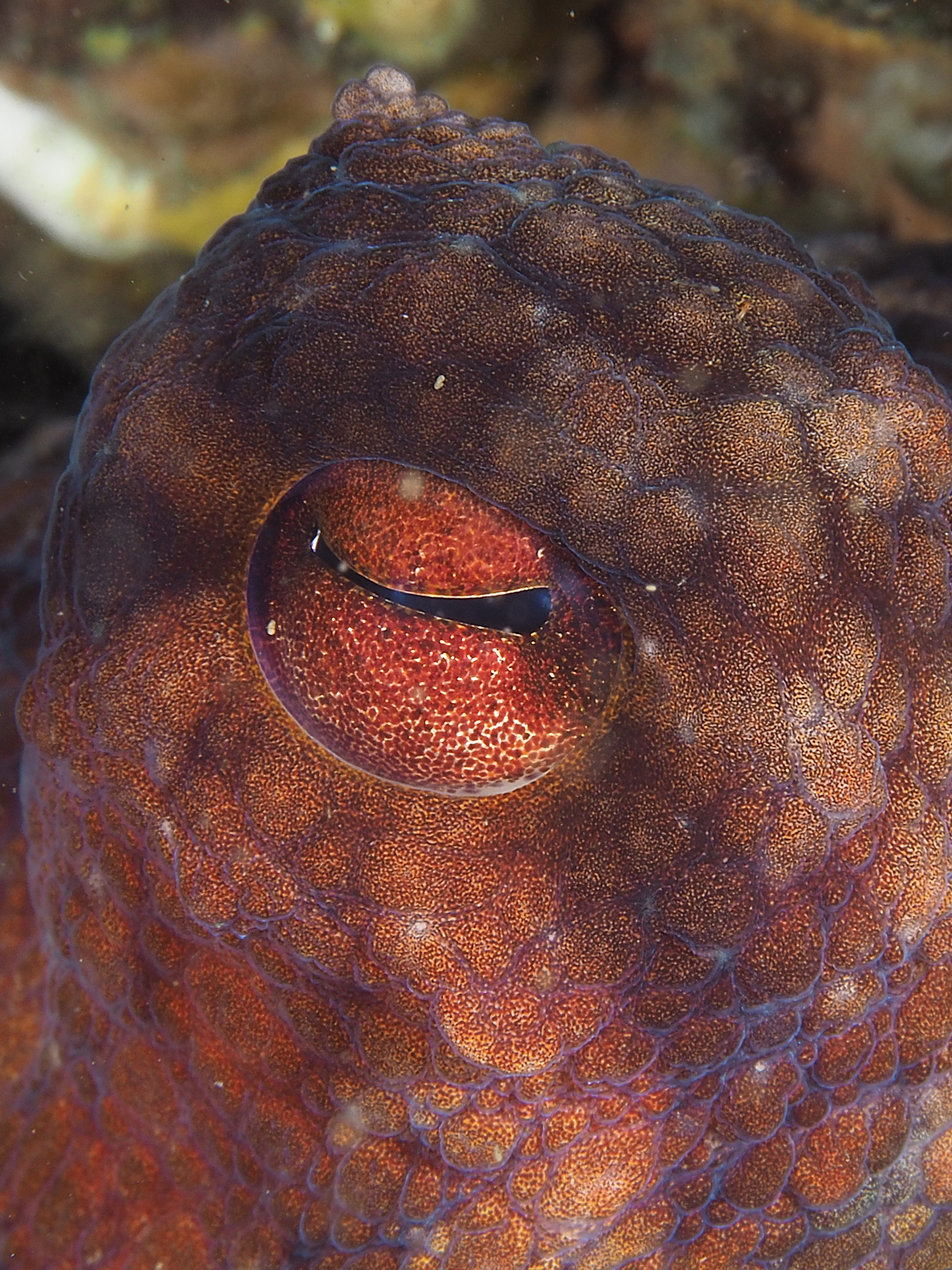
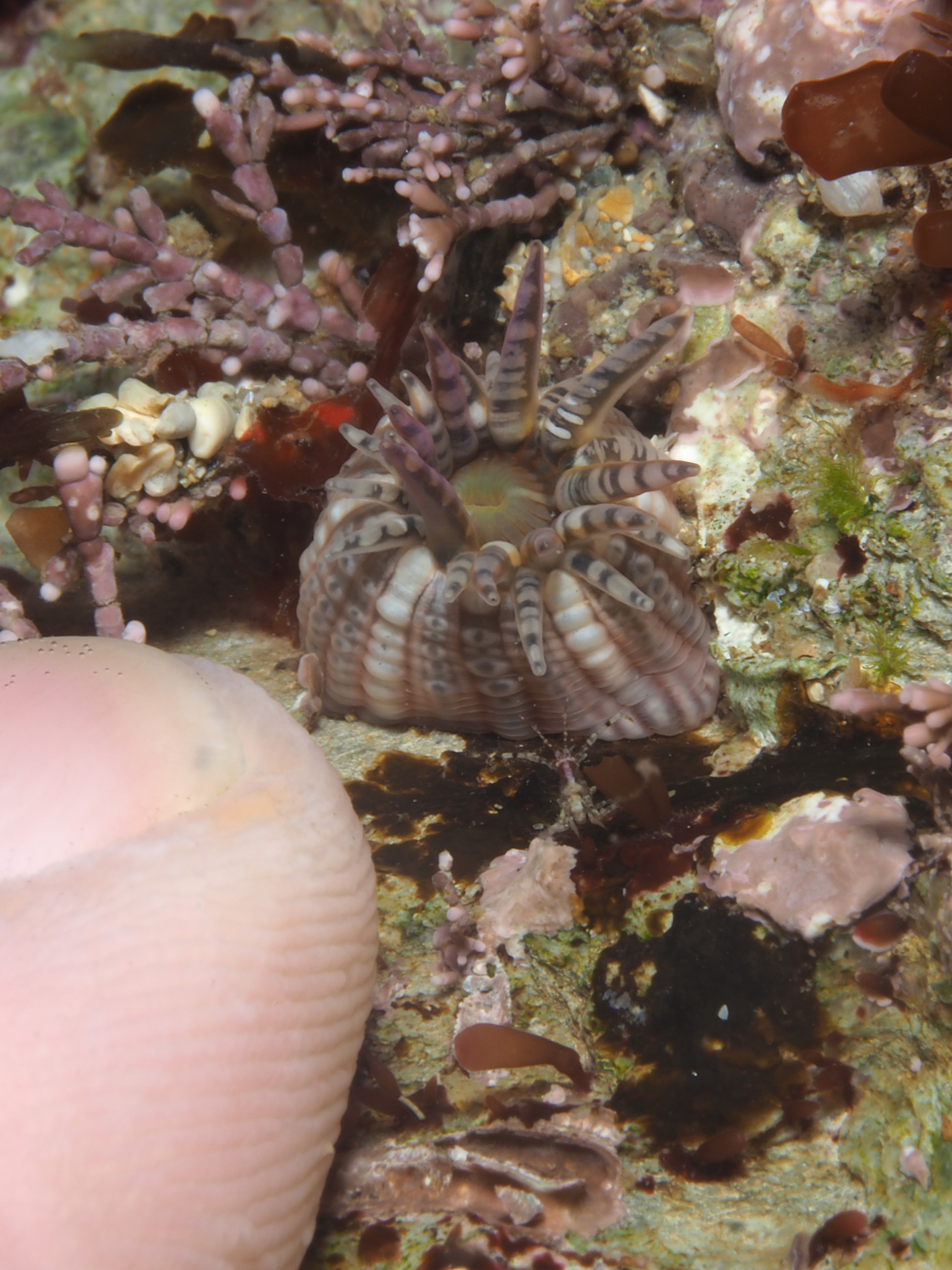
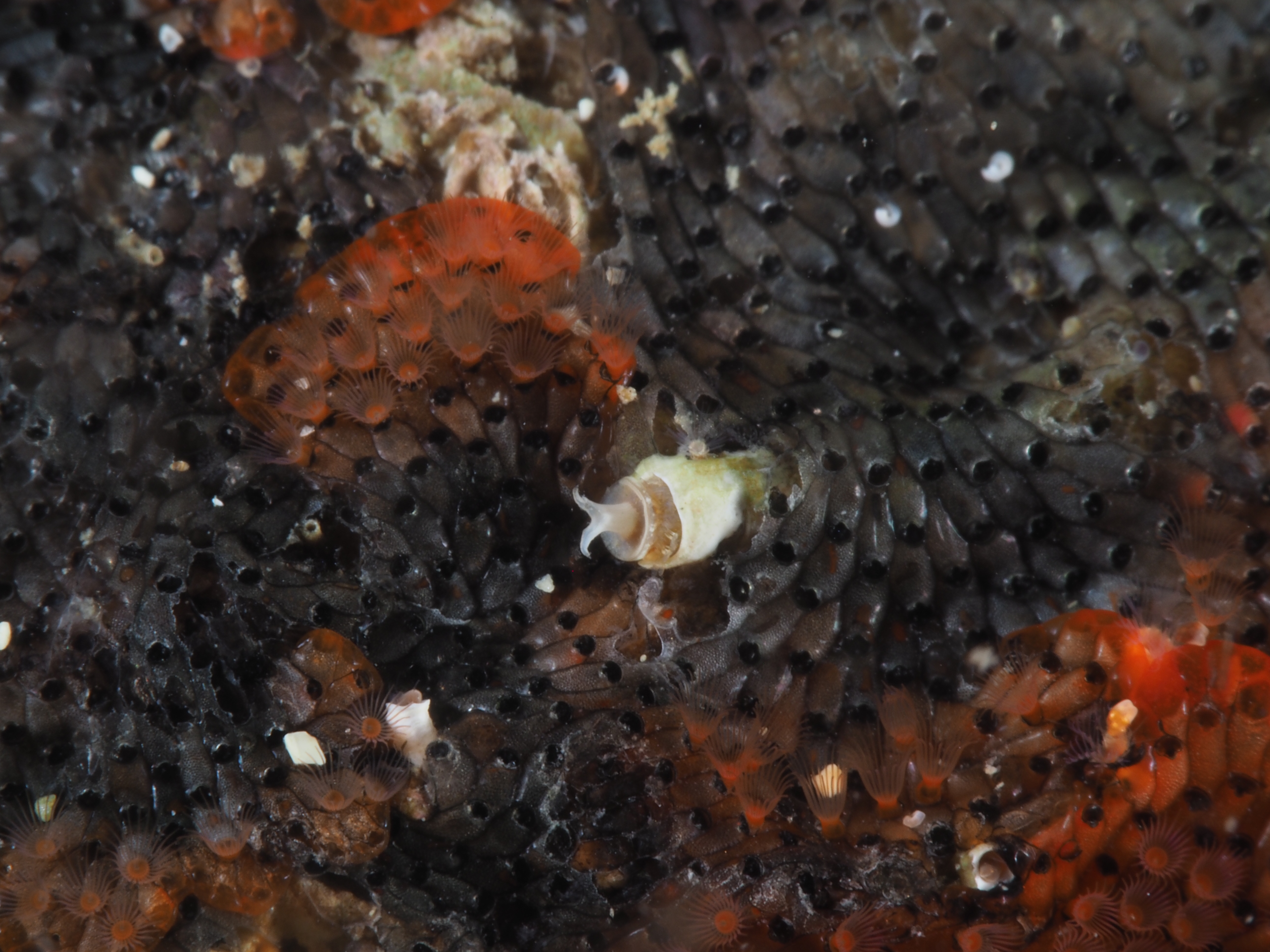
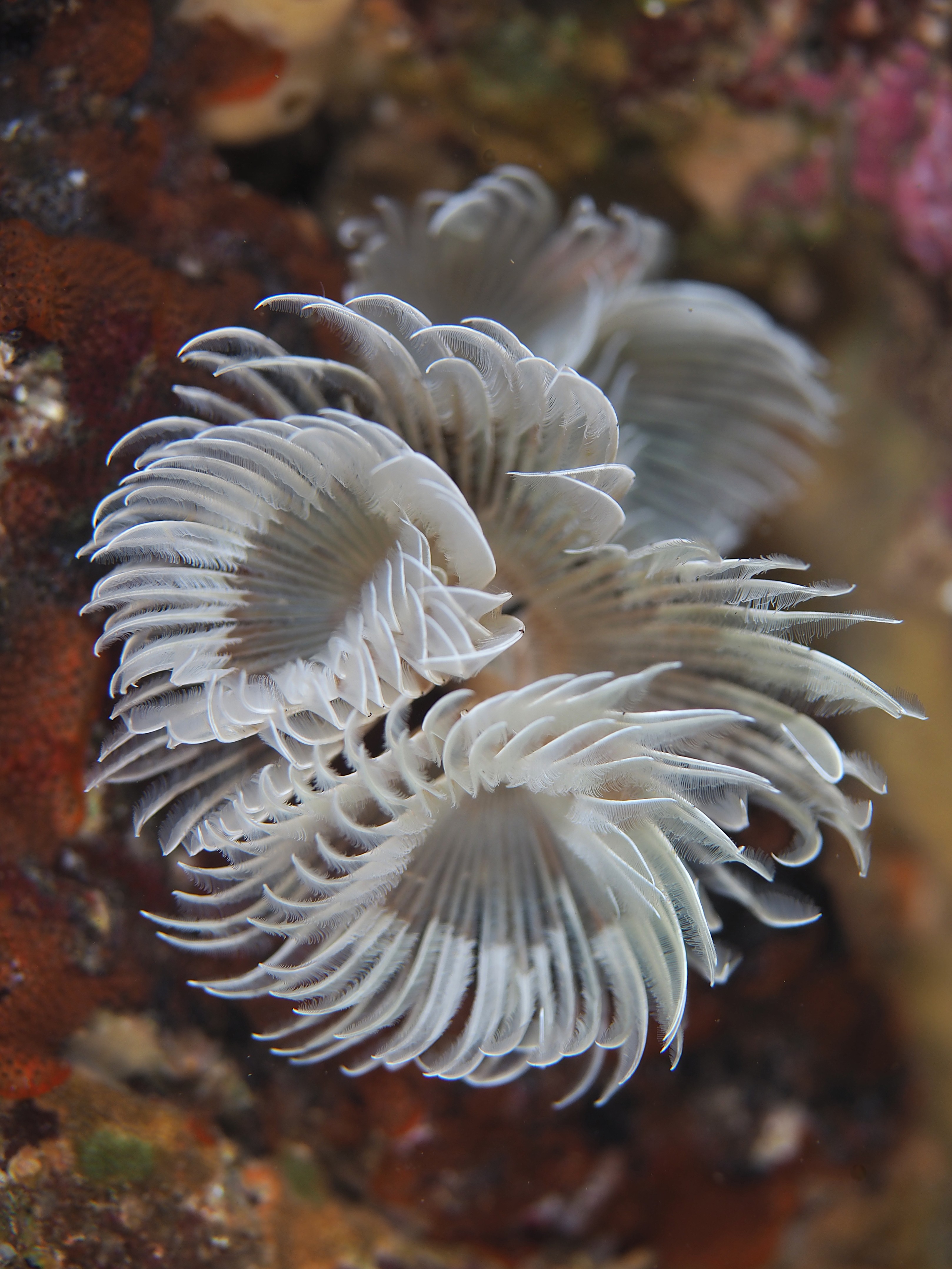
With the camera housing back, I have been in the water again lately, taking quite a few photos. I am lagging behind with posting quite a bit (this will allow me to post when I cannot get in the water later in the year) but should occasionally maintain the blog over summer, so here is! My local haunt Silver Steps provided during two dives with the macro lens. Above a Twin Fan Worm (Bispira volutacornis). These are quite shy (i.e. they retract into their parchment-like tube when their composite eyes detect a curious diver) but also are attached to cluttered rock walls. To blur this unappealing background, I used a very shallow depth of field (f 2.8); this also has the advantage of letting a lot of light in so ISO can be decreased to 100 – sorry non-photographers!). Below a collage of other ‘usual suspects’ (names under the photos) but ALSO I SPOTTED AN OCTOPUS! Crouched in a crevice and with only a macro lens I could not do it justice but it was still a very nice encounter.
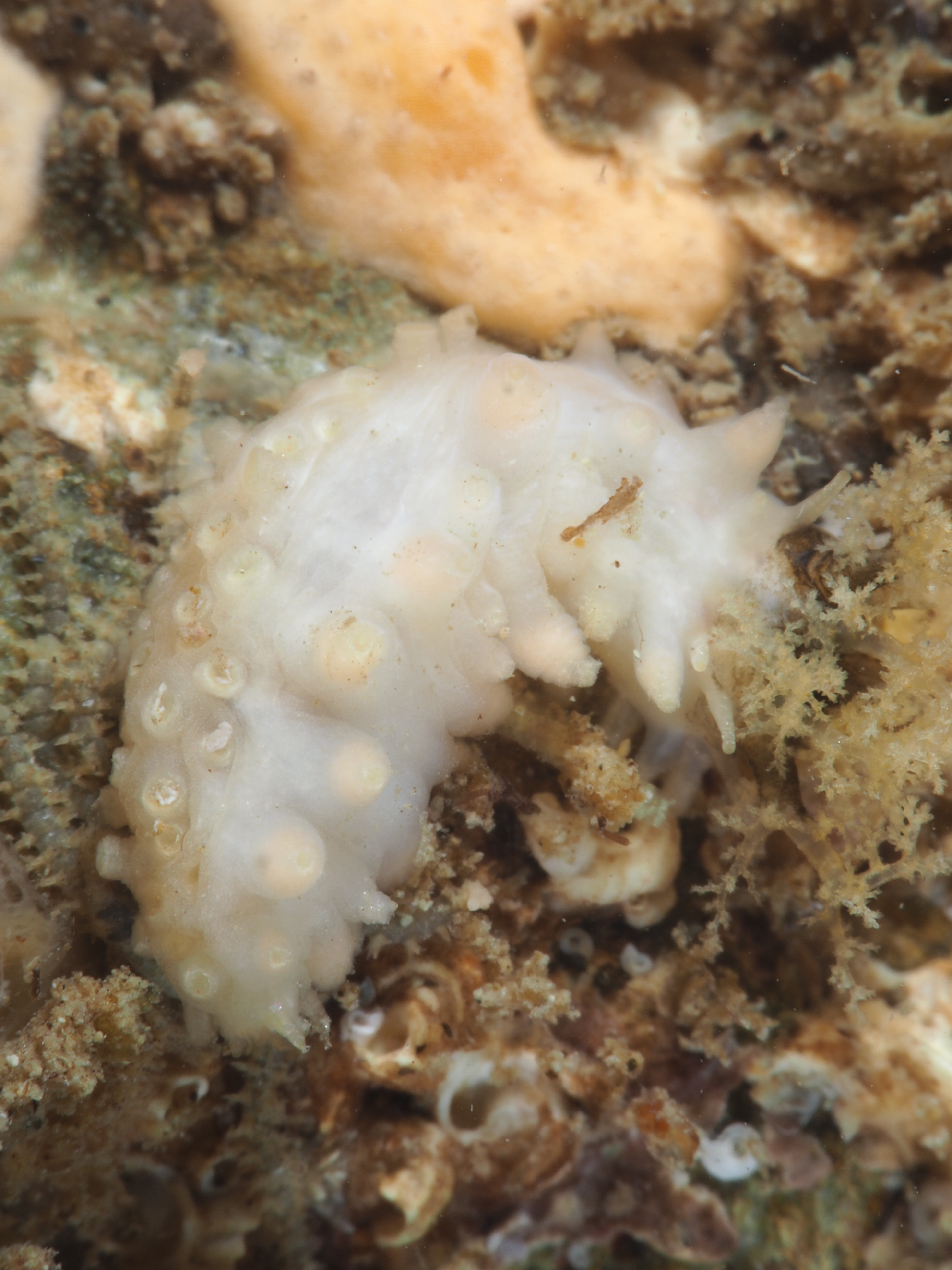
A Gray Seaslug

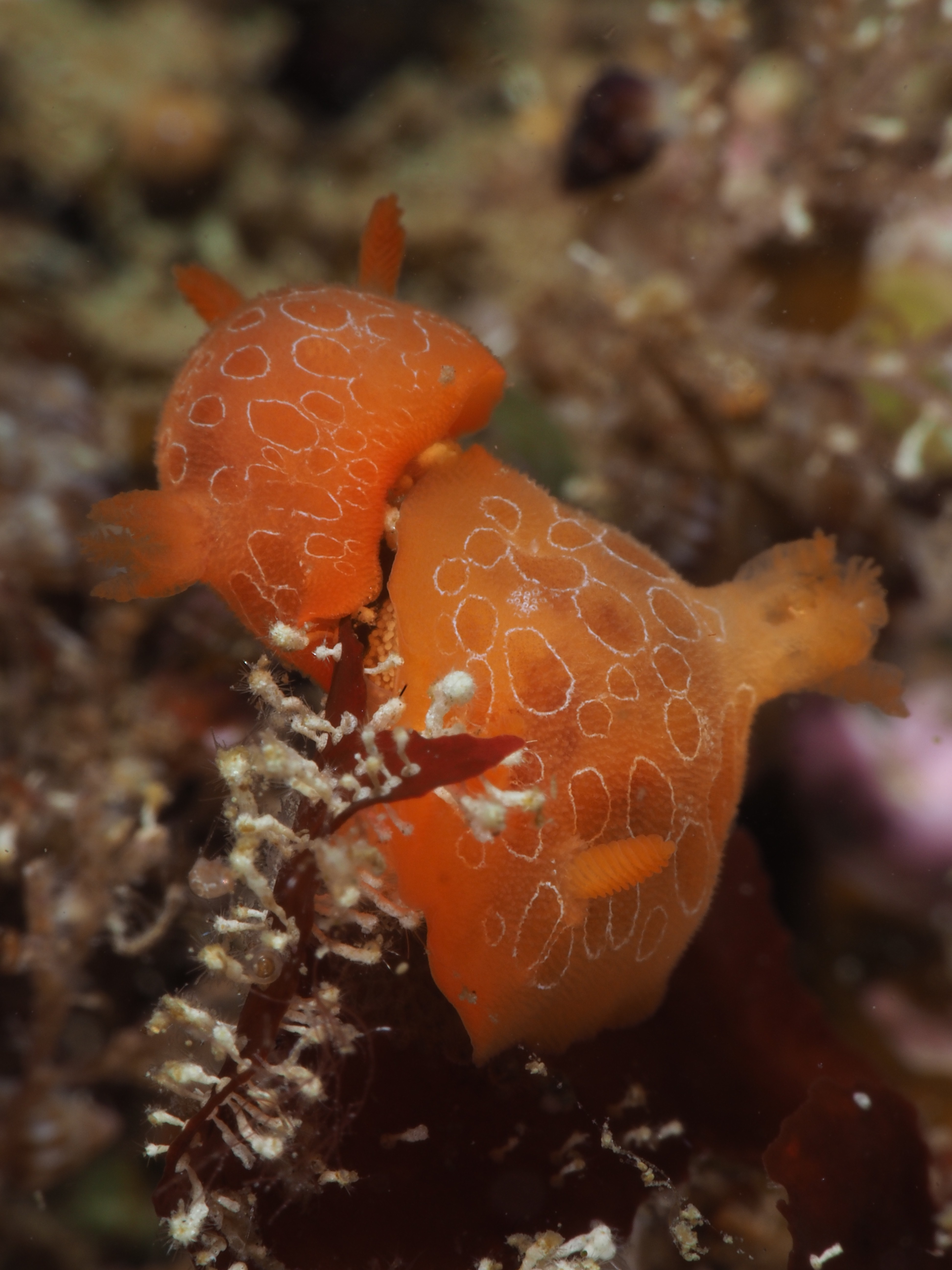
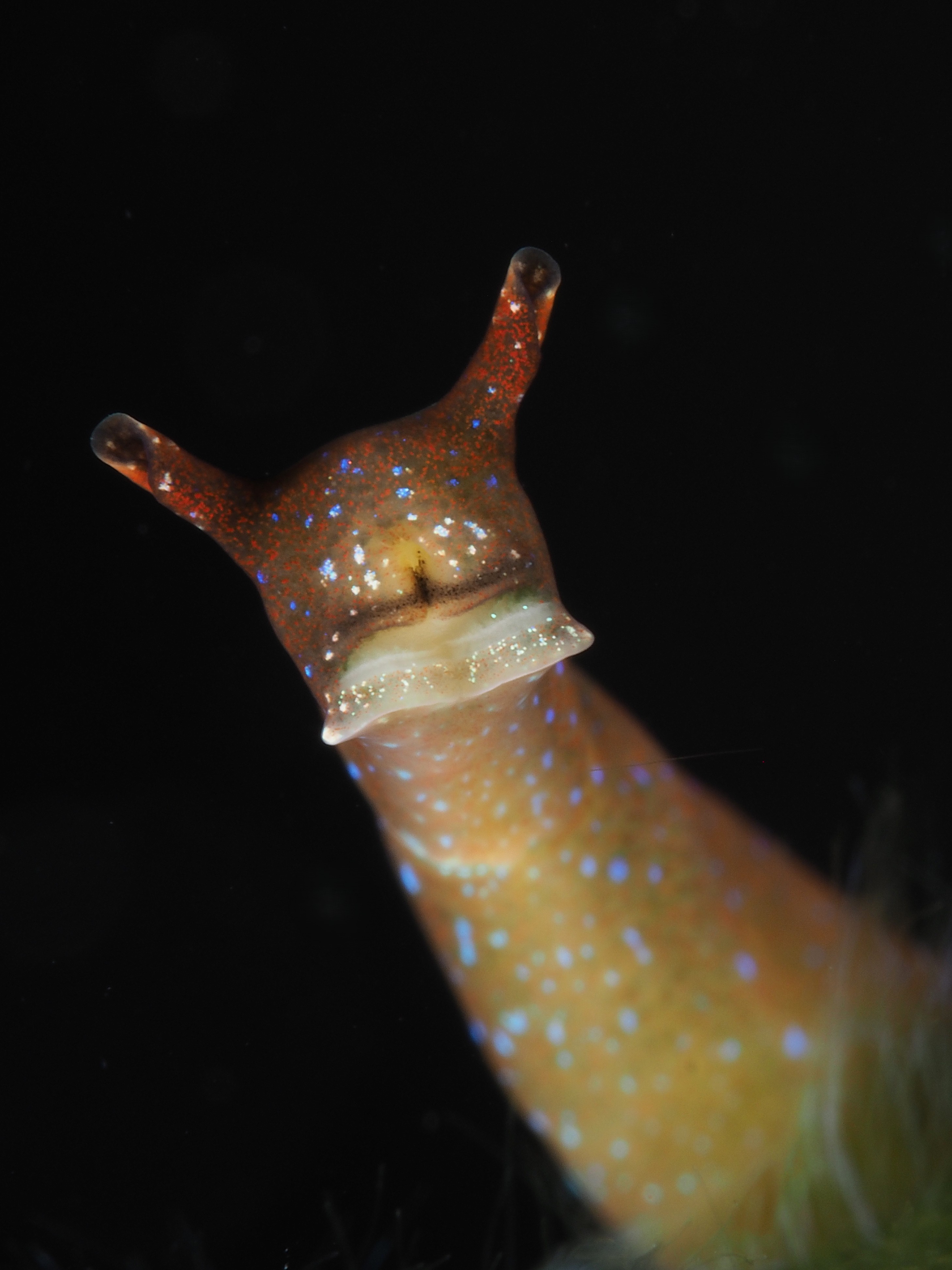
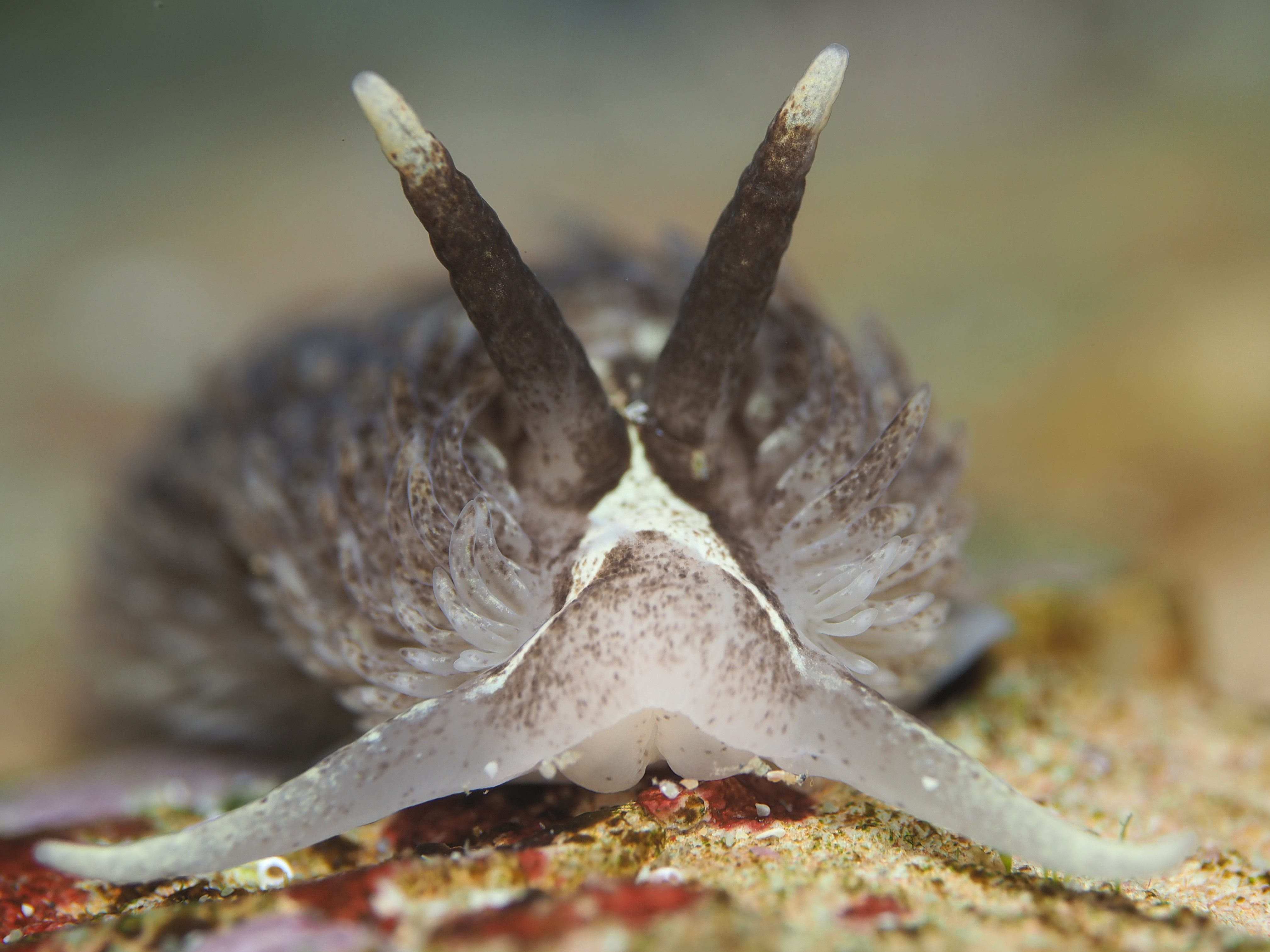
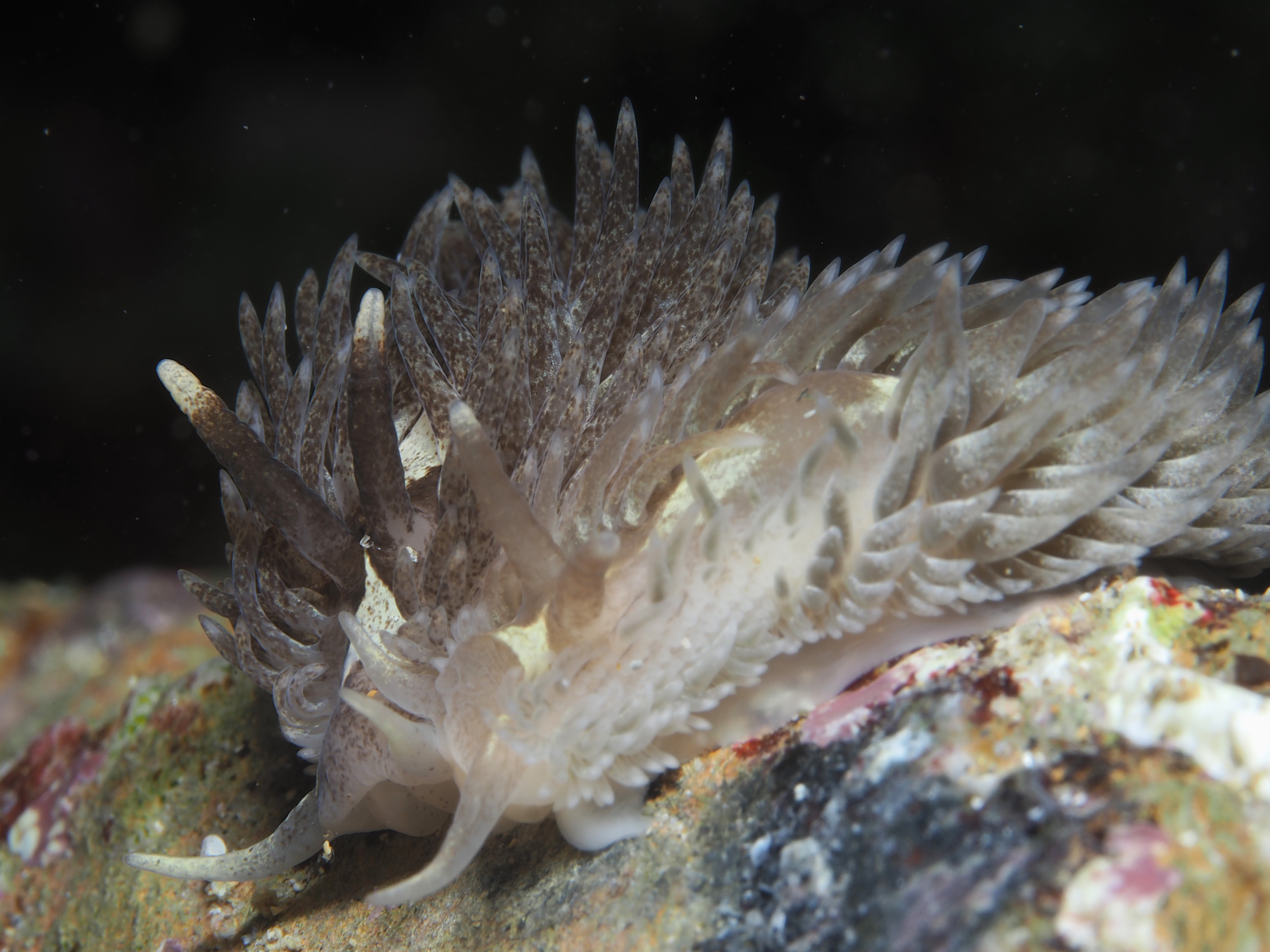
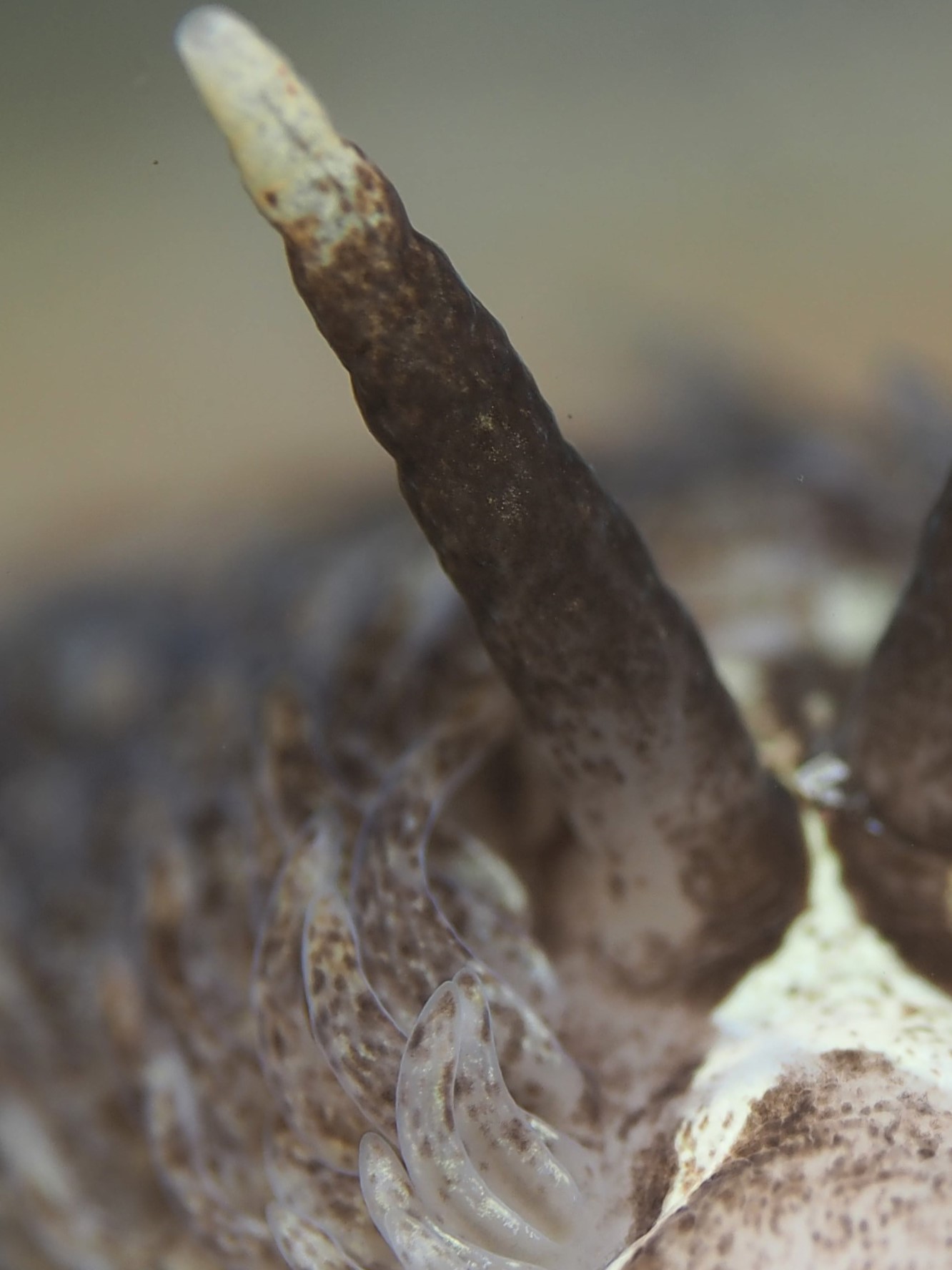
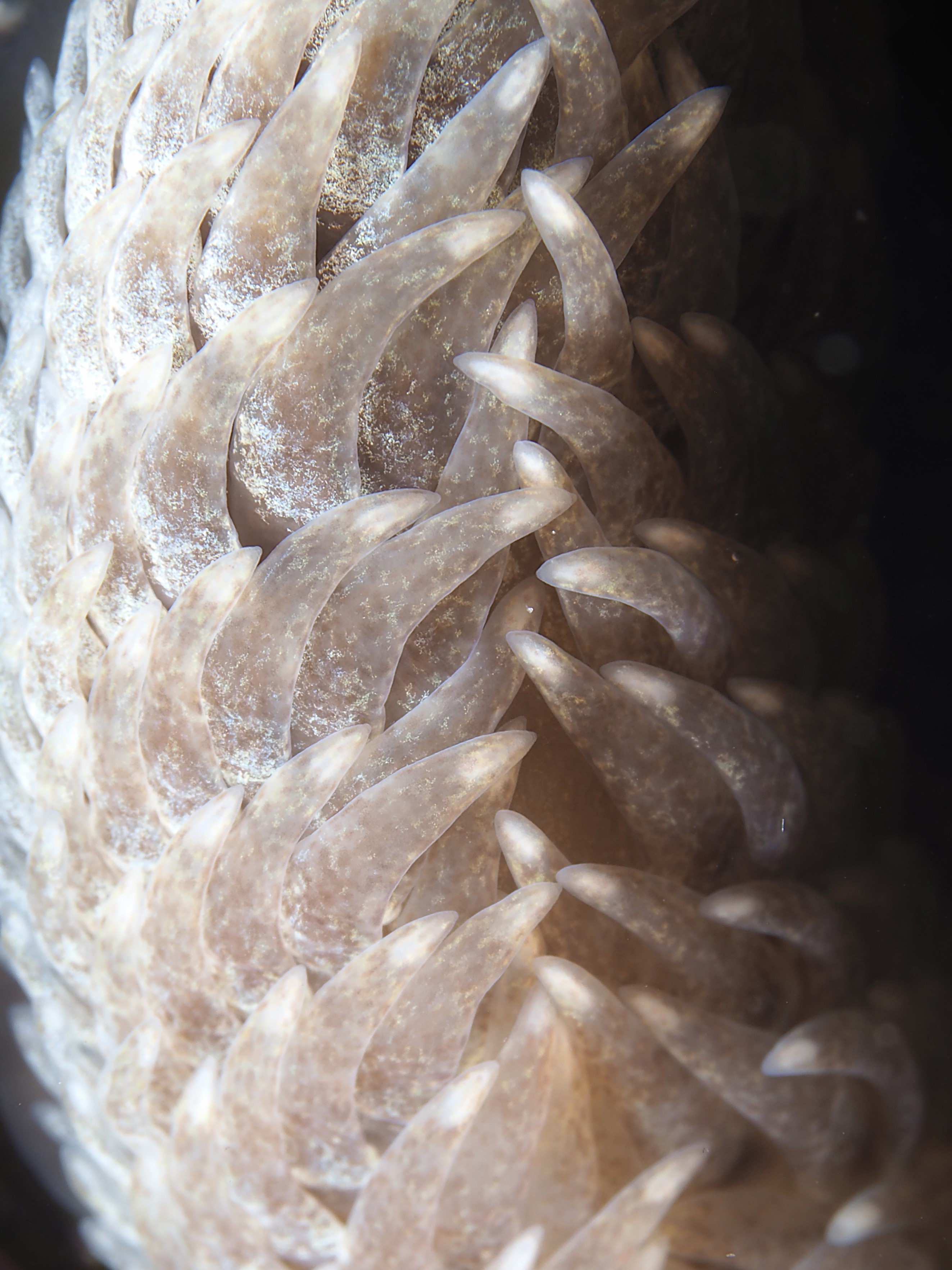
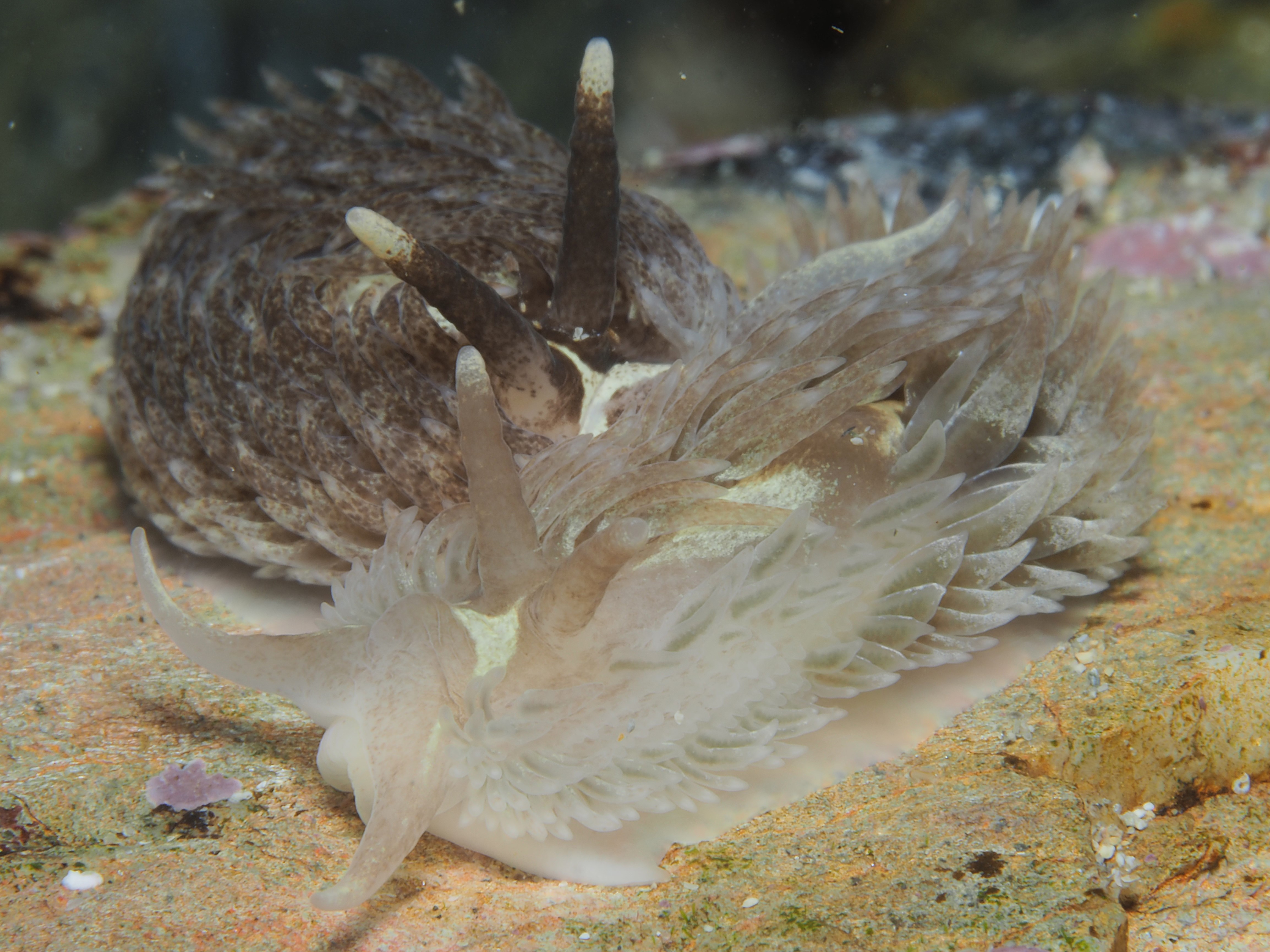
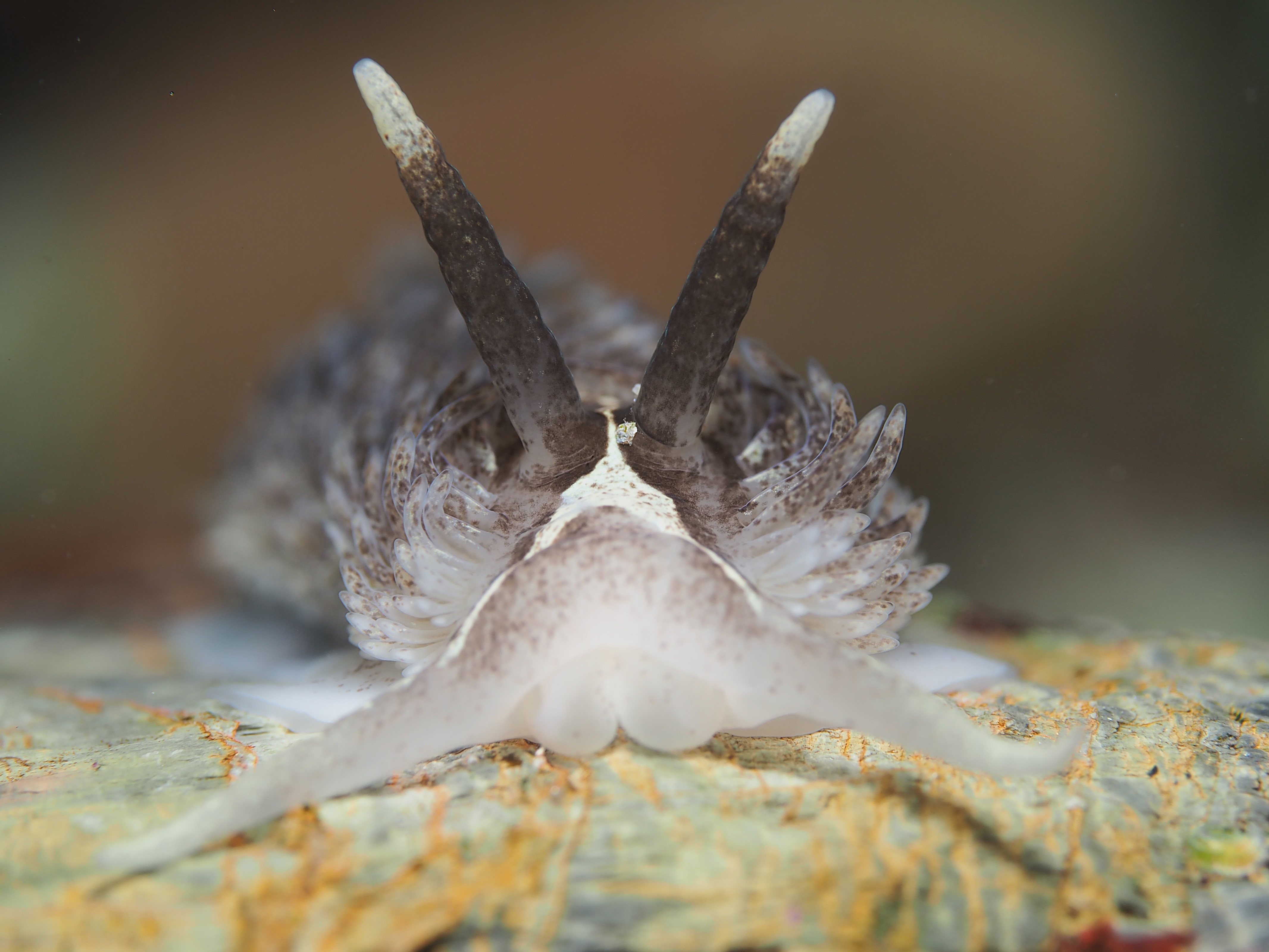
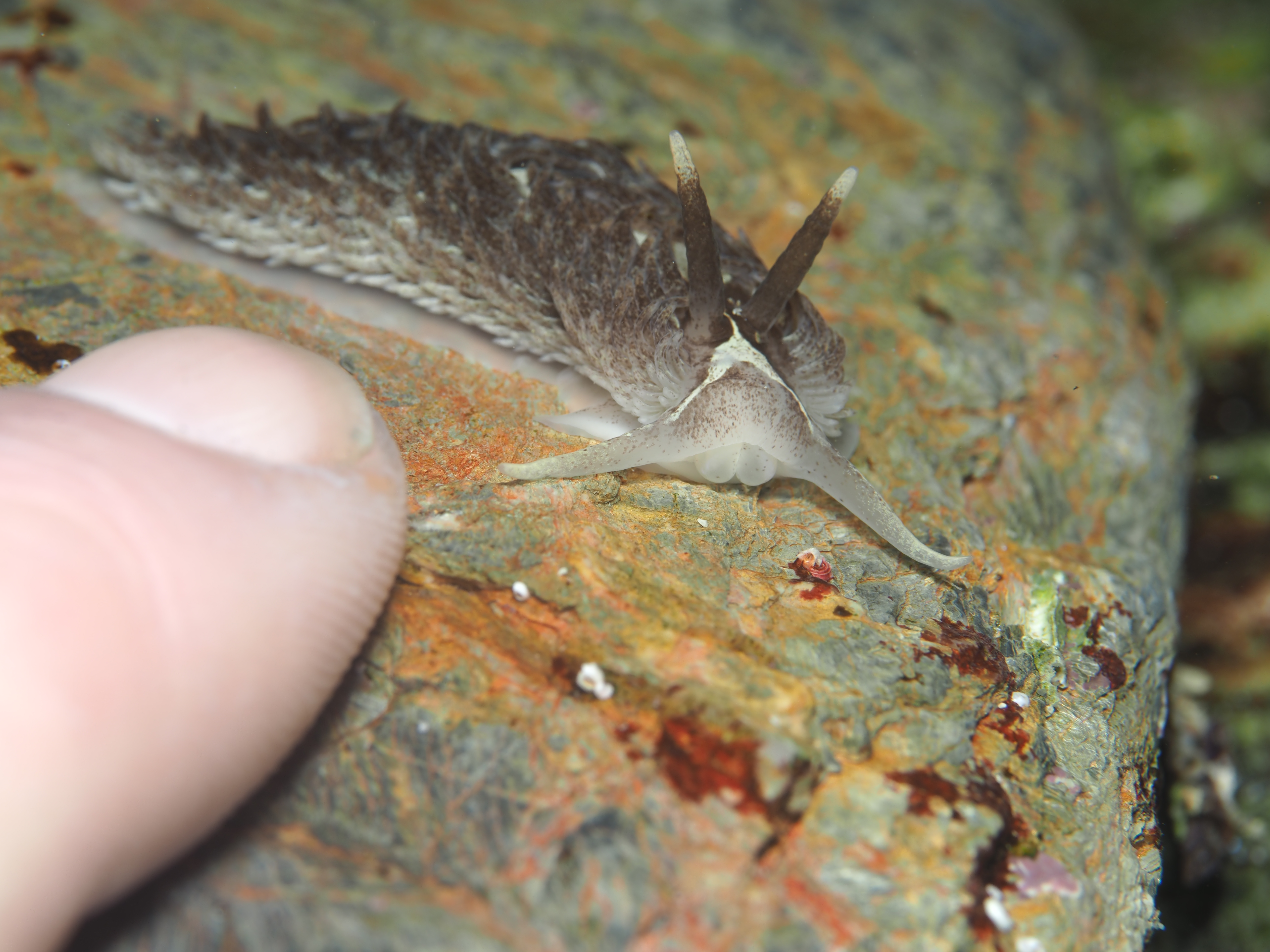
There have been a few finds lately at my local spot in Falmouth (and in other places in Cornwall) of the fantastically coloured Rainbow Slug Babakina anadoni. I have tried in vain so far to find it, but I did manage to find another species of Seaslug last Friday: Aeolidia filomenae. It is the opposite of the Rainbow Slug; large, not small, drab, not extravagant, and common instead of rare. More of an understated beauty I guess, and still a nice find! This species feeds on anemones (mainly Beadlet Anemones but also Snakelocks Anemones) rather than the Candelabrum hydroids the Rainbow Slug prefers. I am not very good at spottting nudibranchs so the plan is to keep looking this spring and find more species!
Fish of Silver Steps

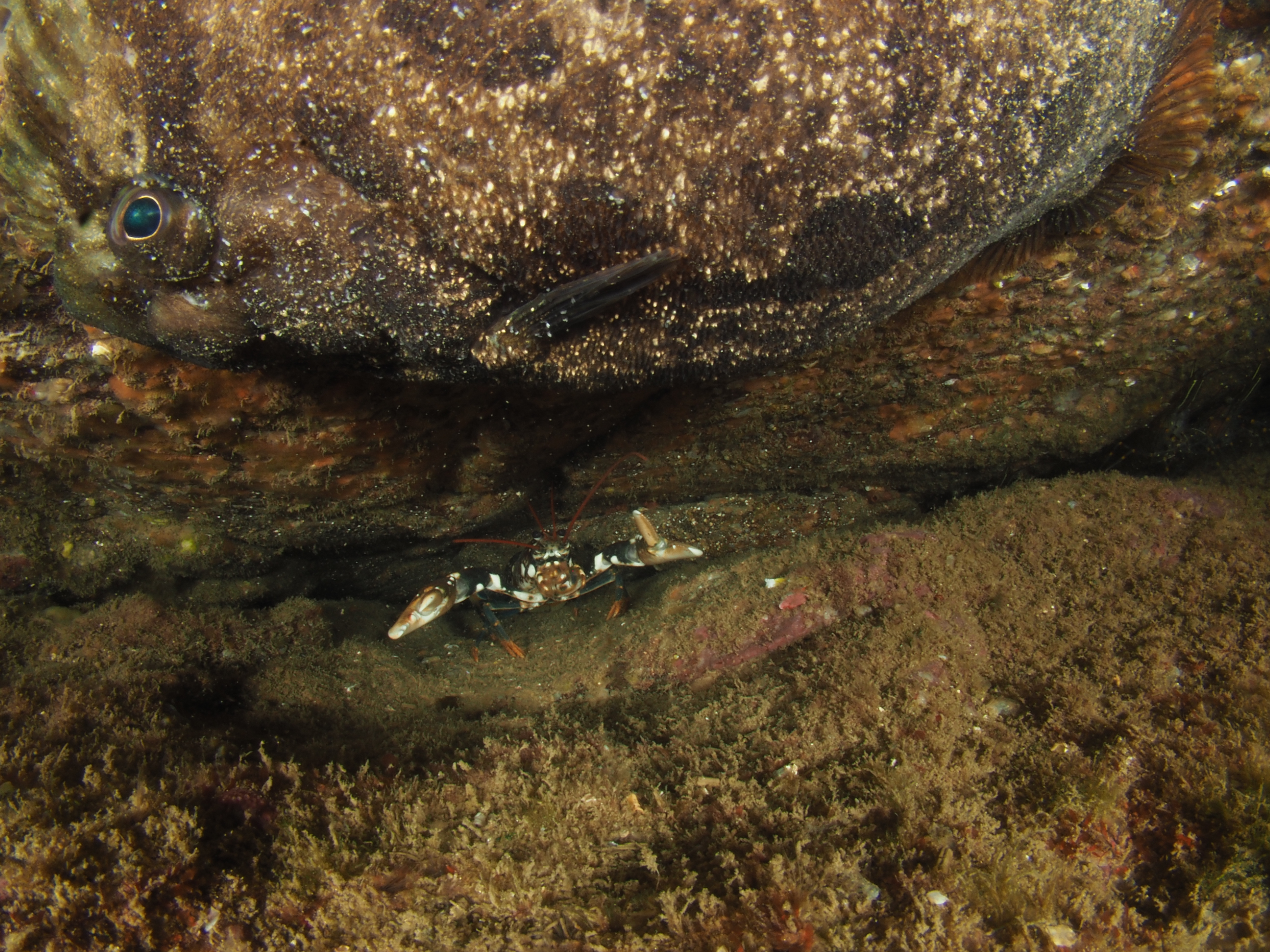
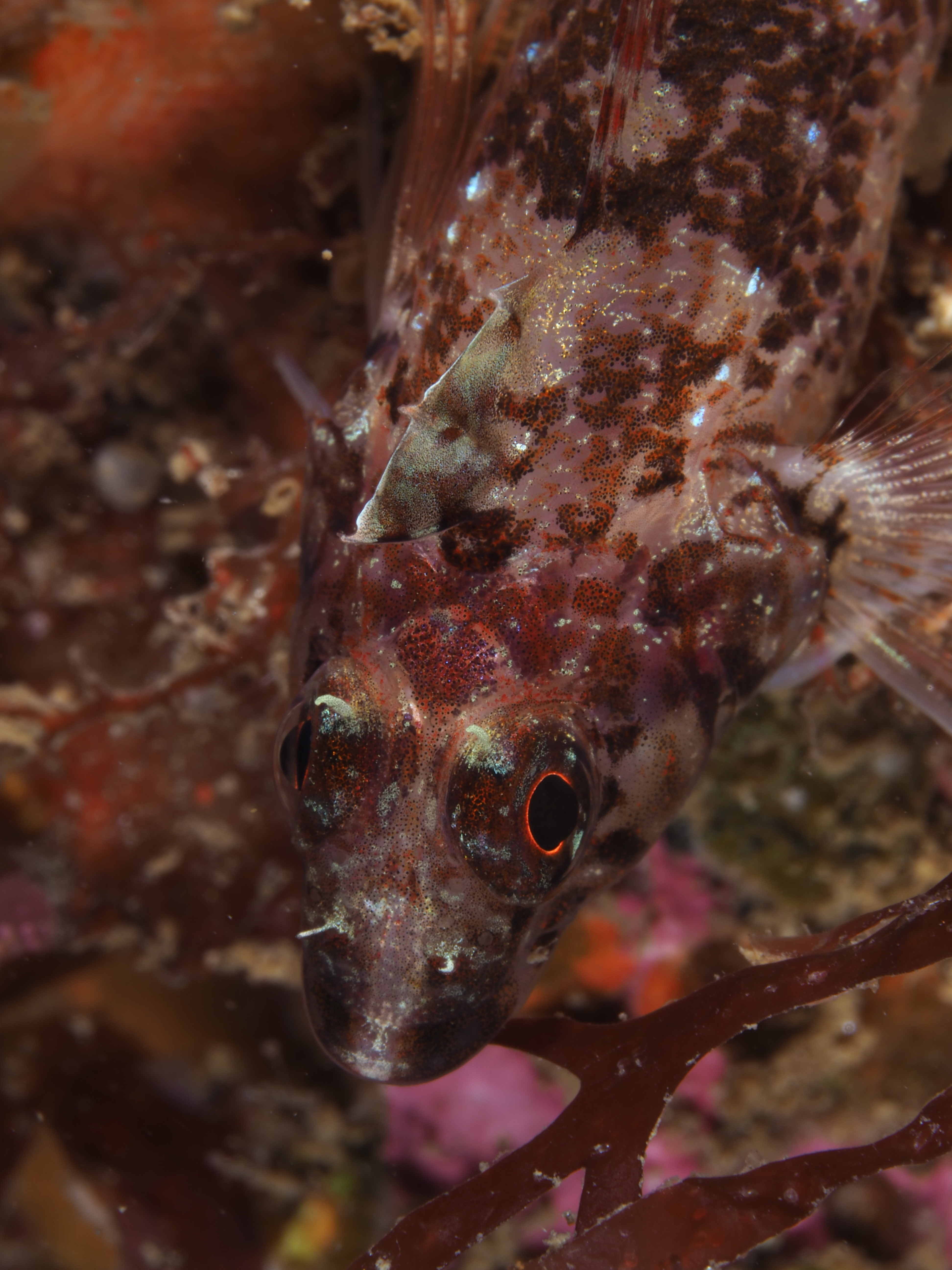
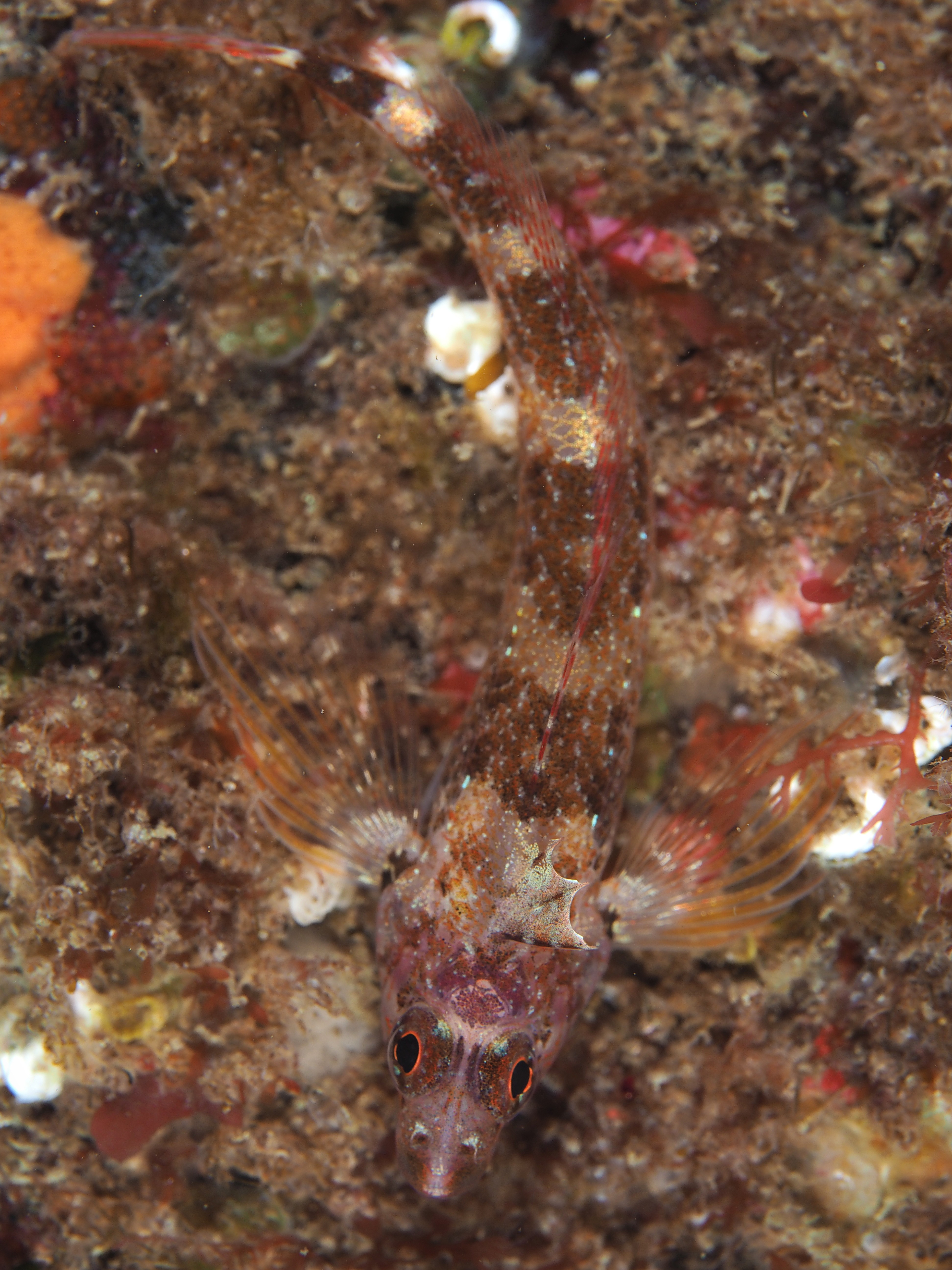
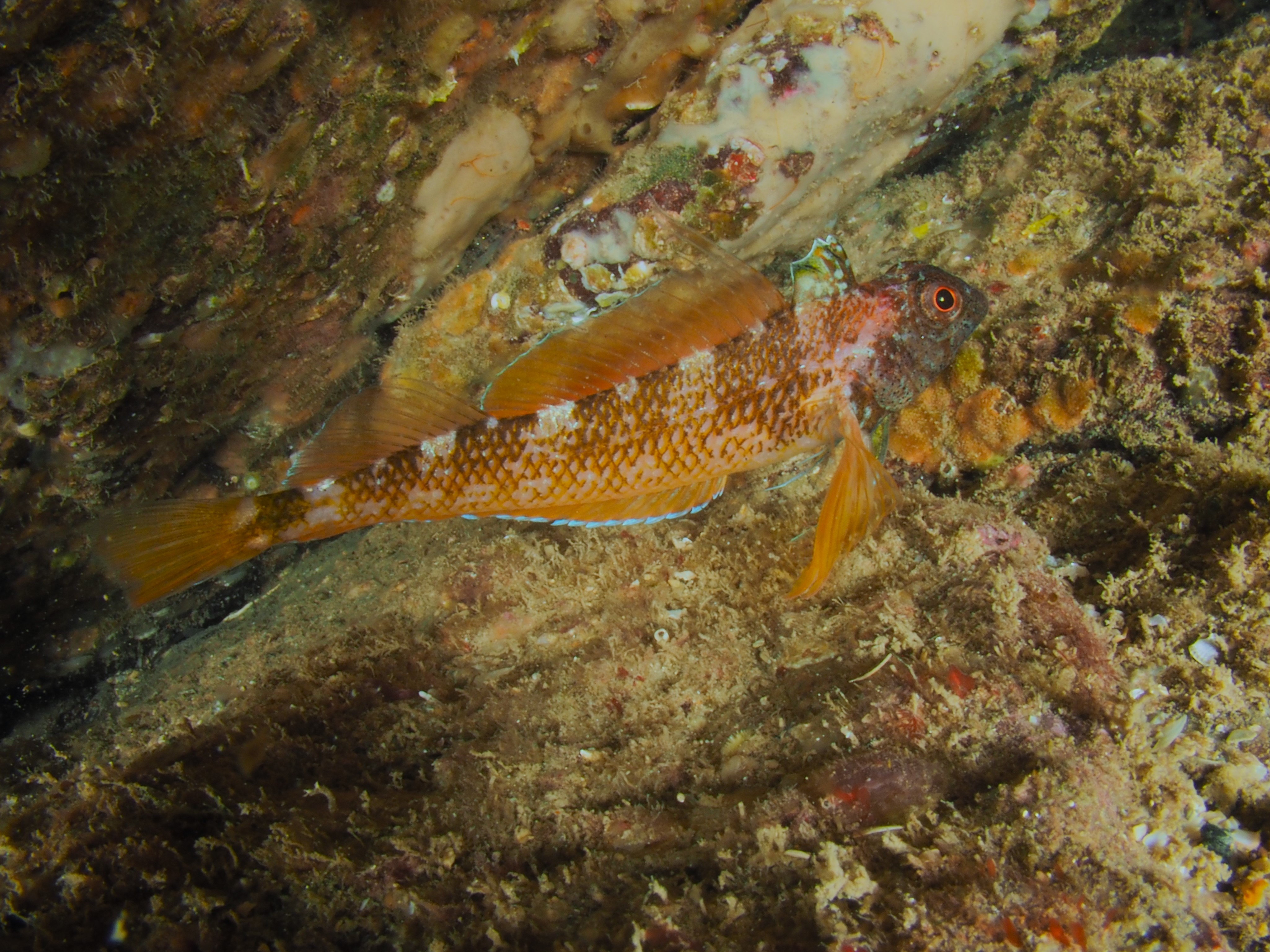
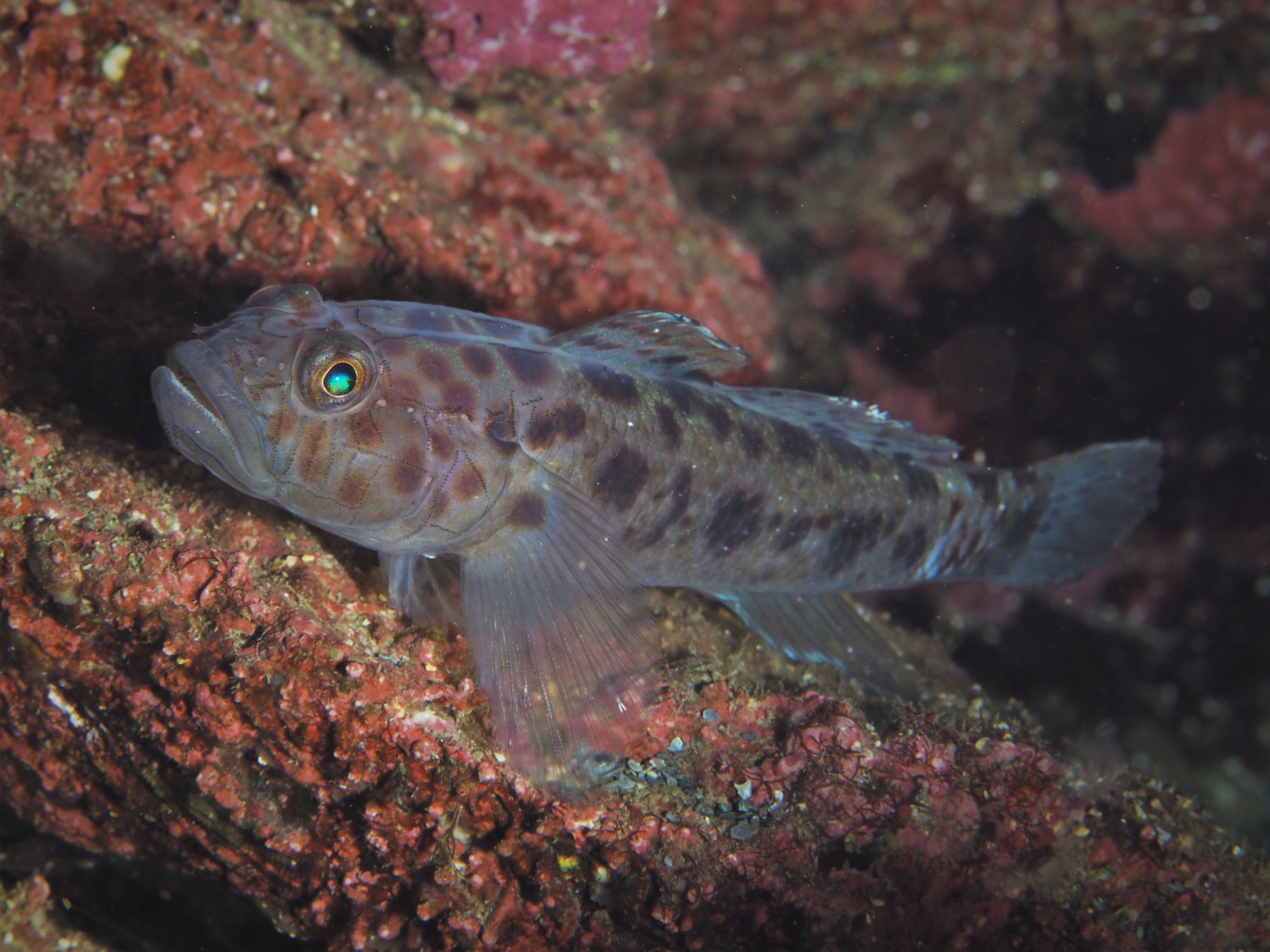
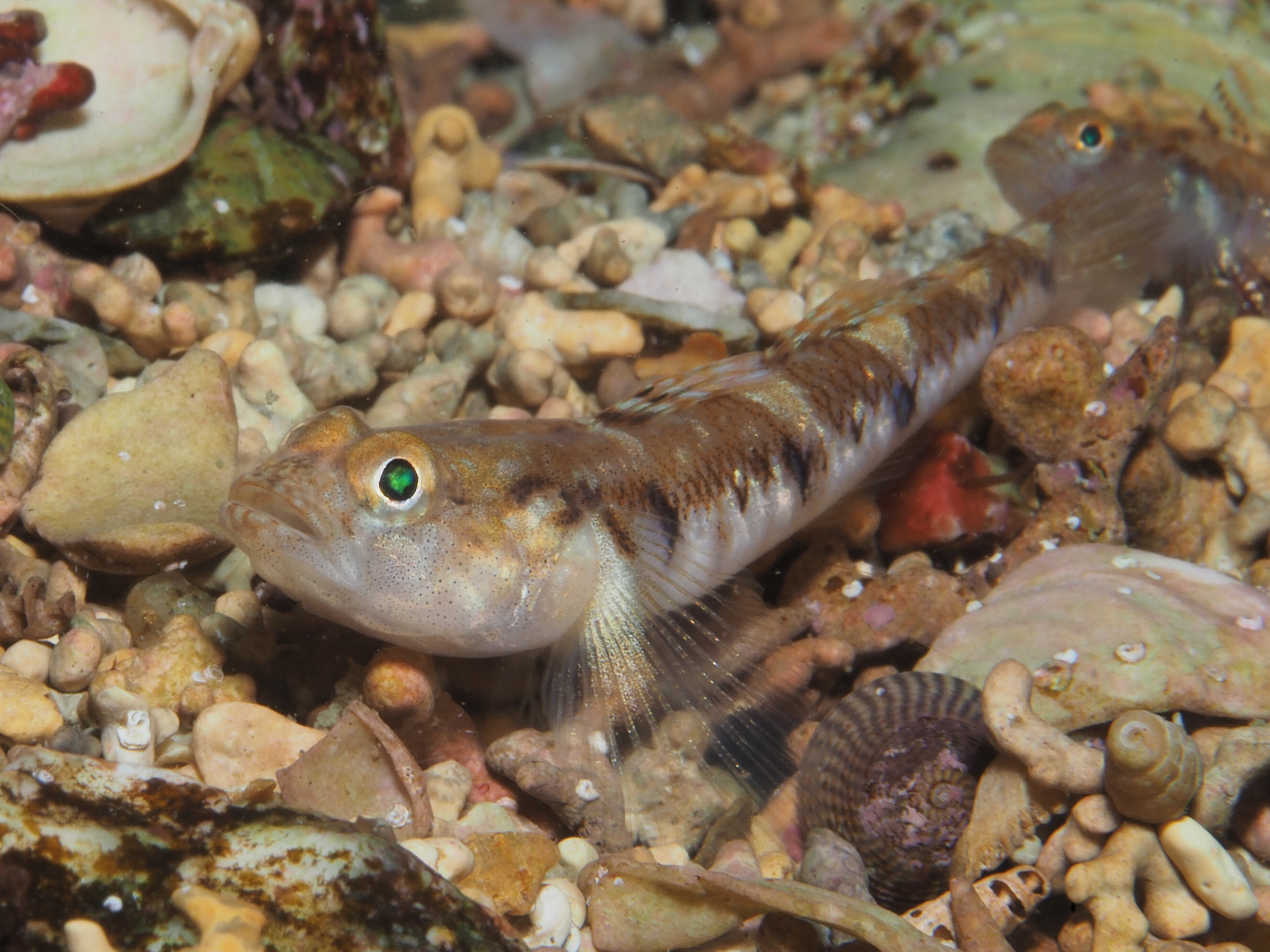
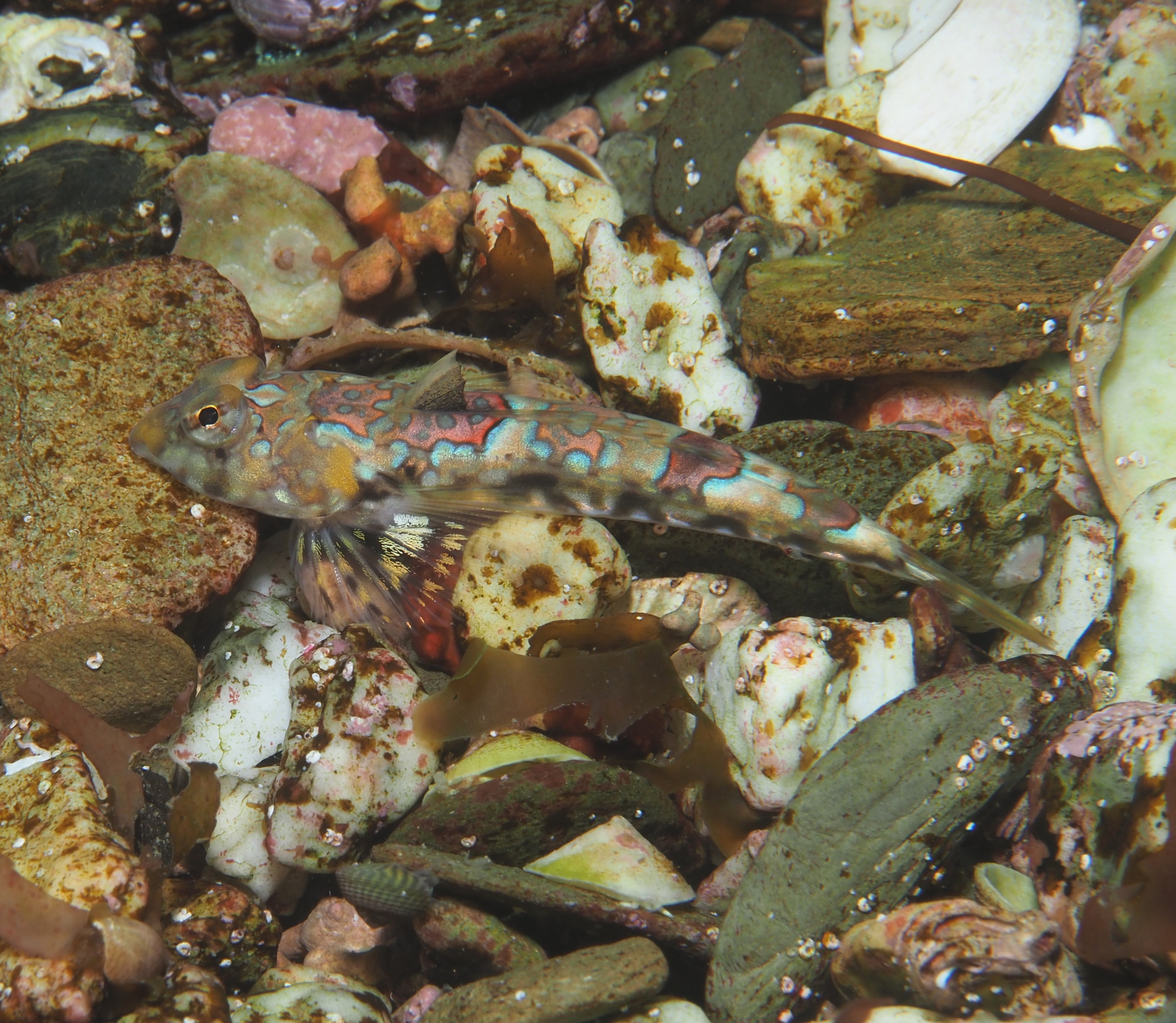
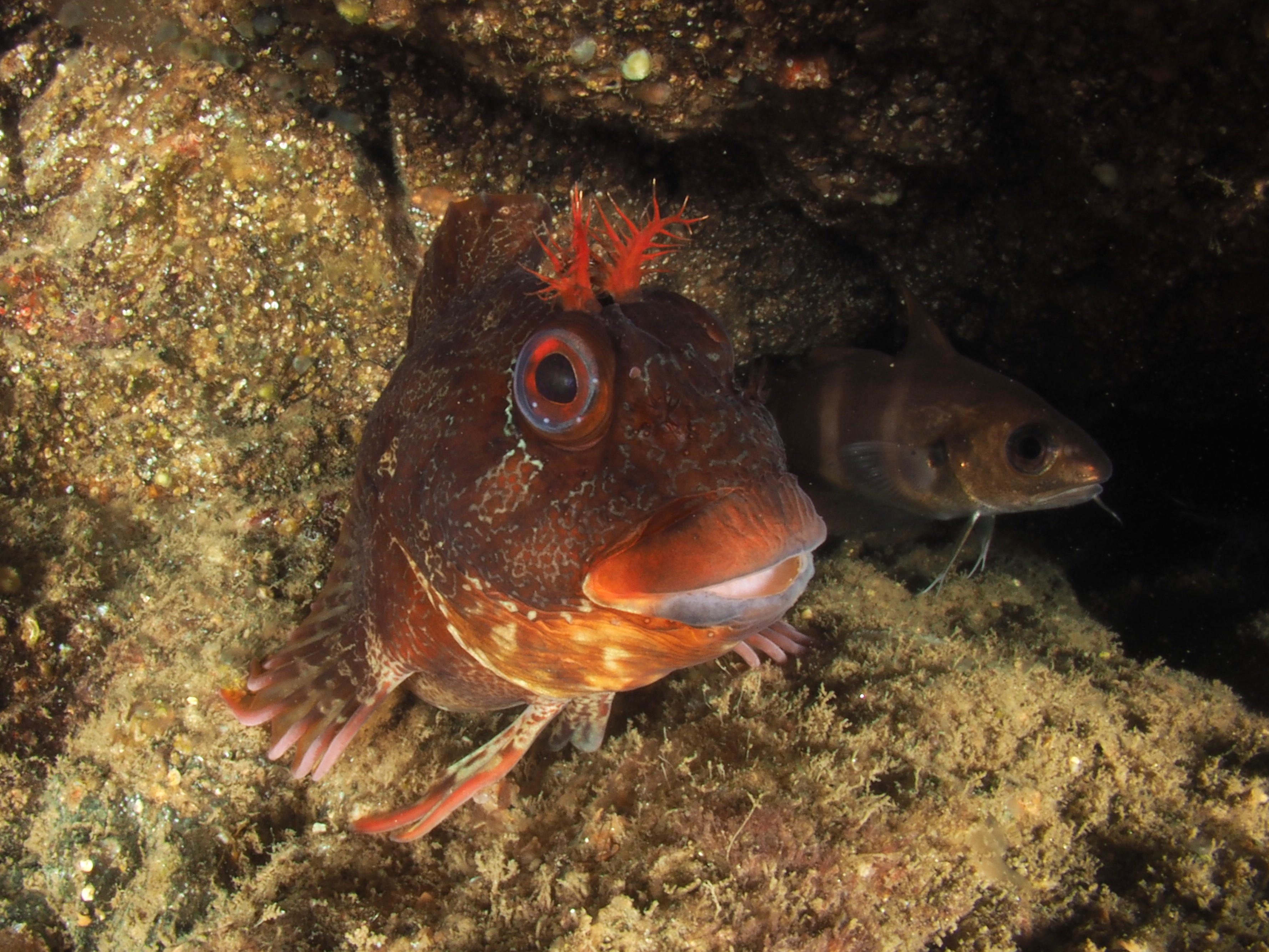
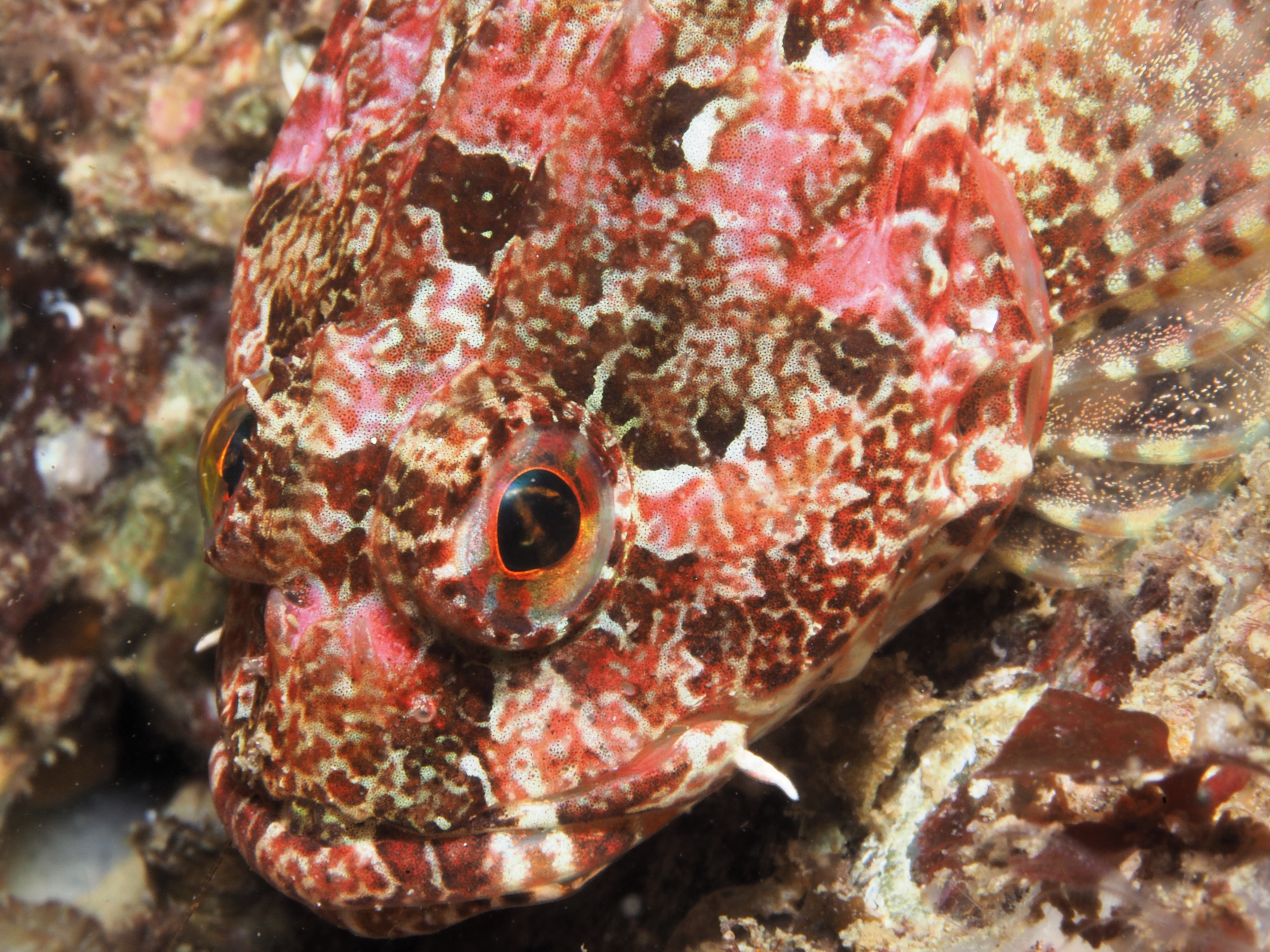
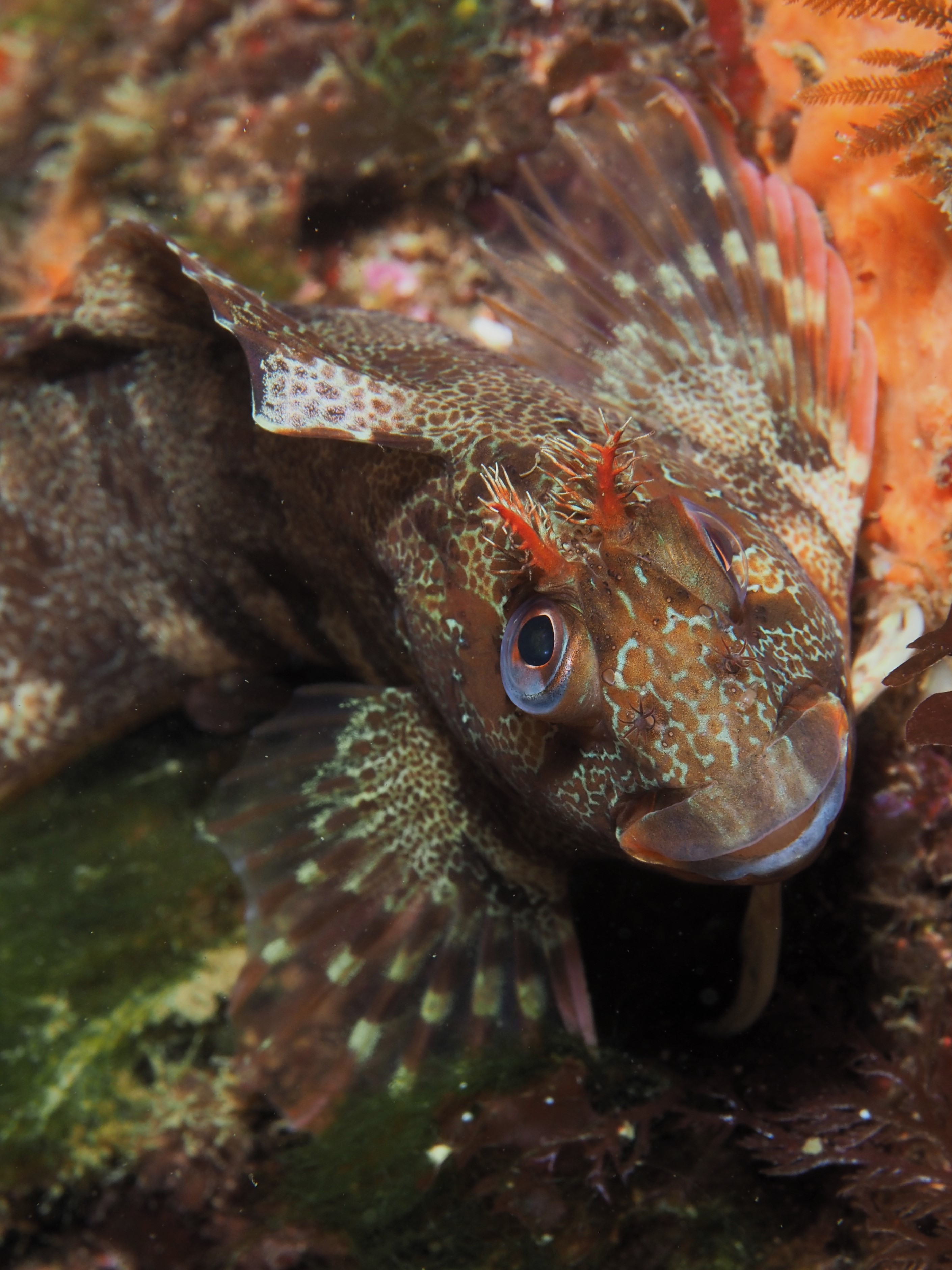
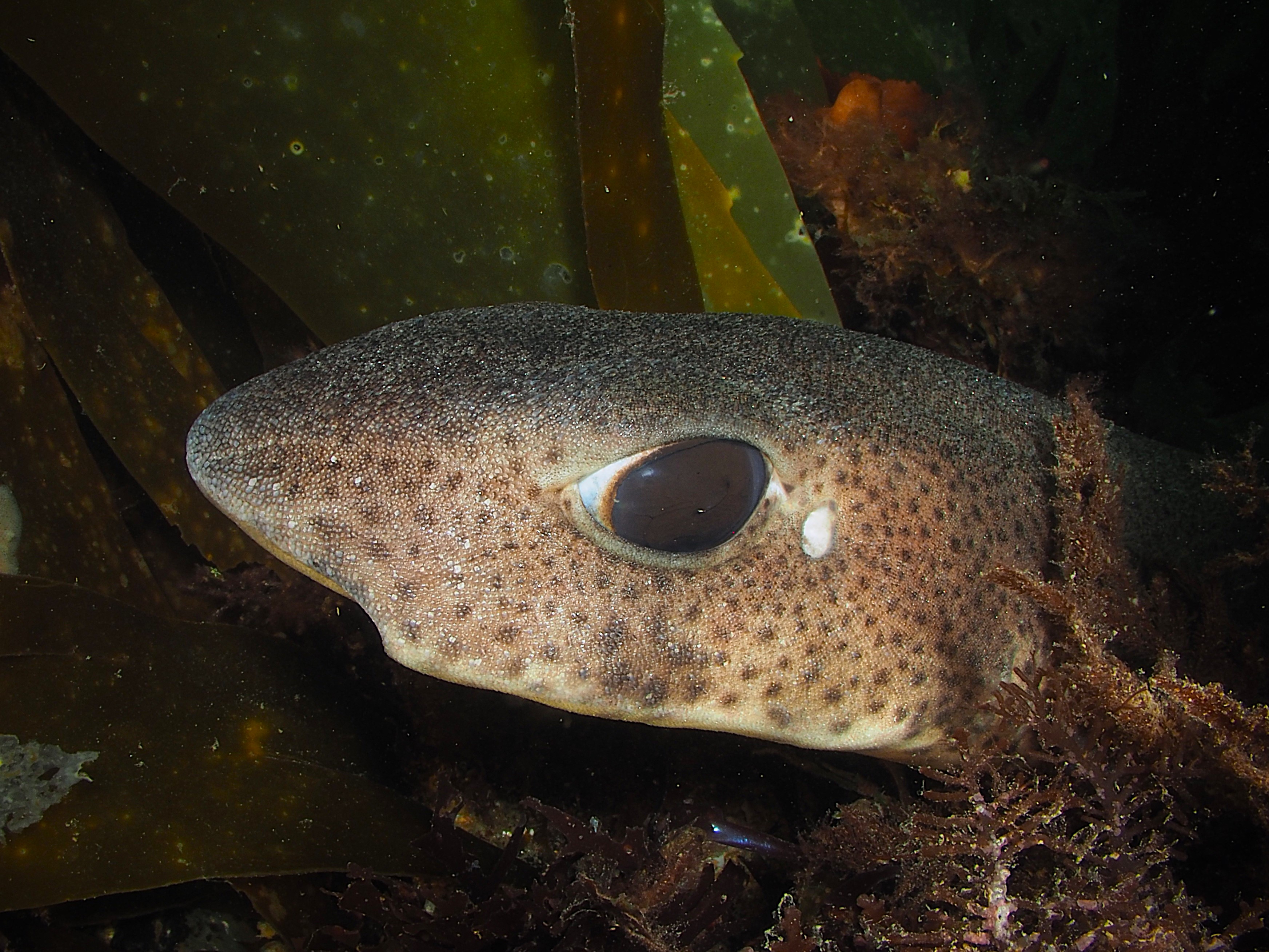
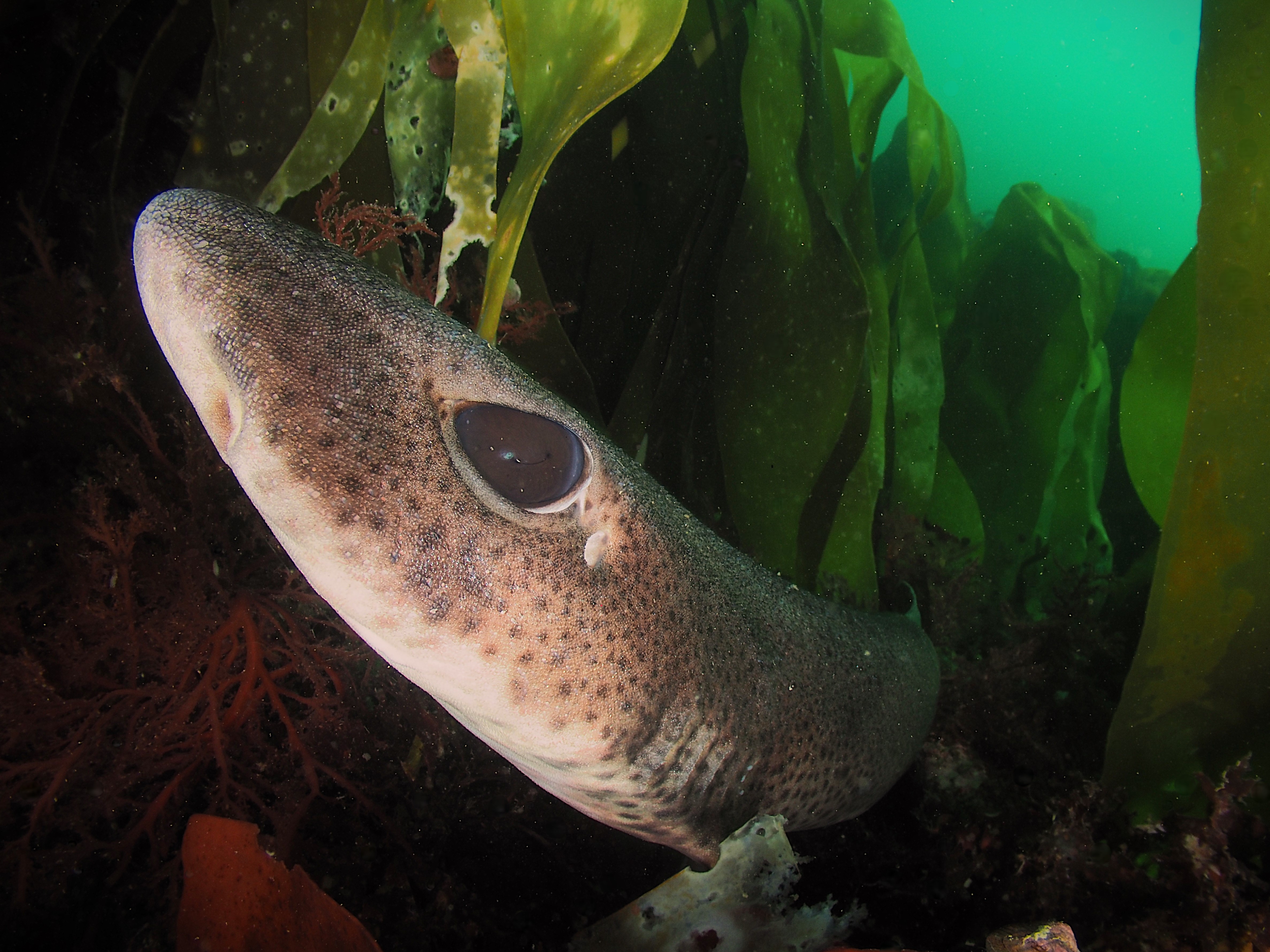
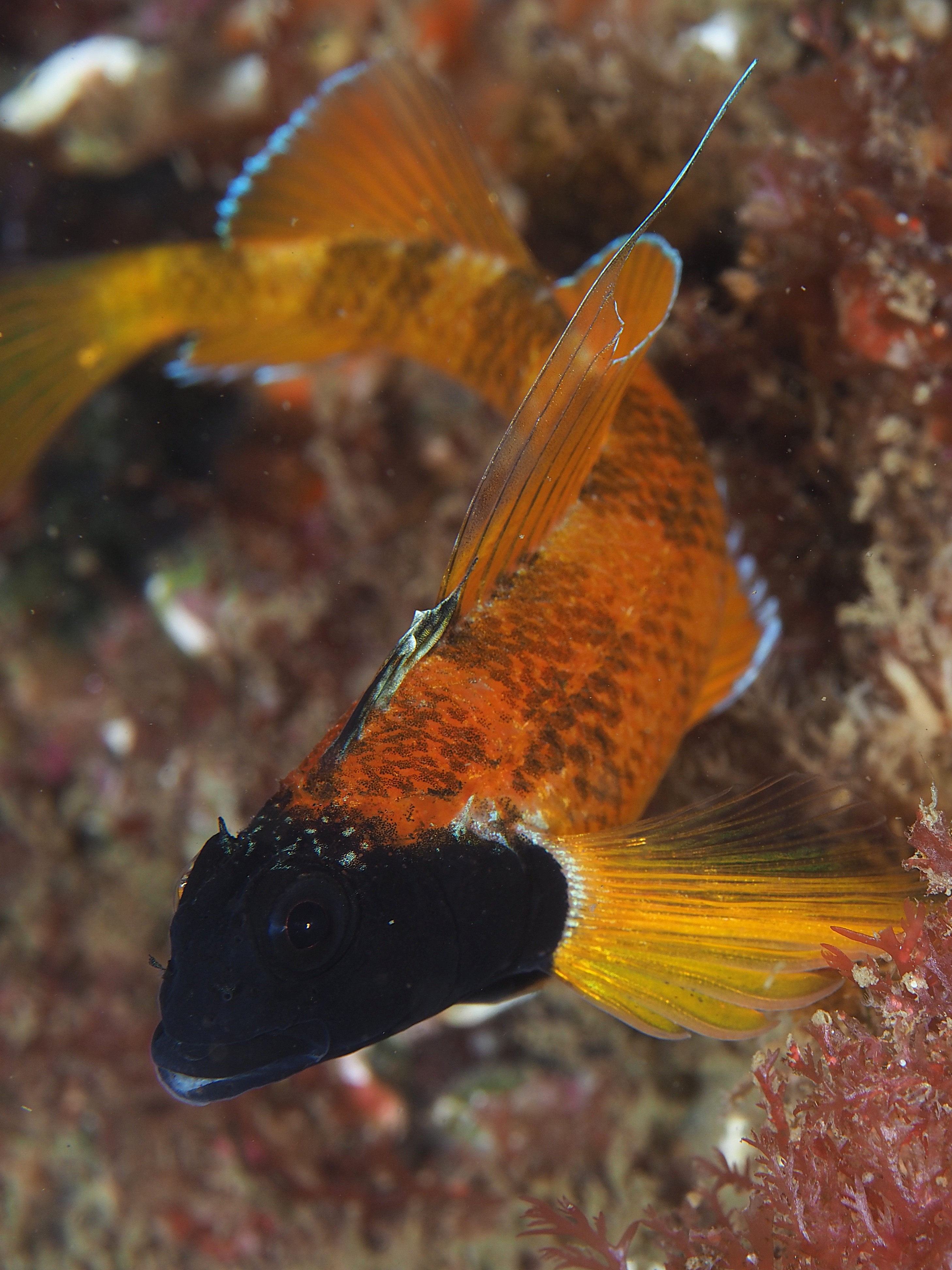
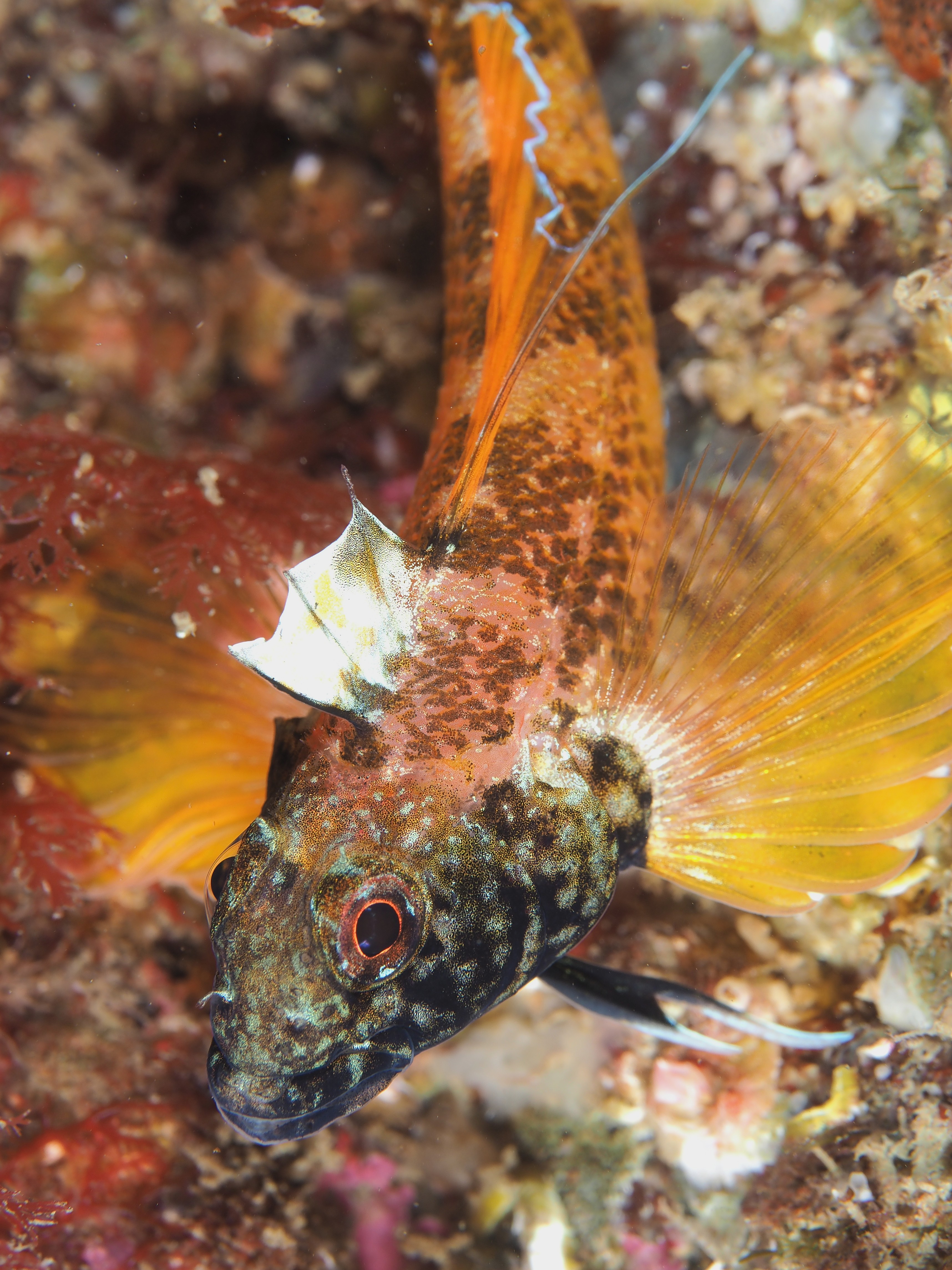
It is almost February so it is high time for the first 2025 post! I have quite some photos left from last year and I thought a fish photo-dump might be a nice idea. My local shoredive site ‘Silver Steps’ has quite a diversity of fish; however, I have only ever seriously tried to photograph benthic species as the pelagic swimmers are just to difficult to capture, even just for ID purposes. A shame, as I have seen some interesting Seabream species last year (Gilthead Seabream, schools of juveniles that might be Axillary, or Red Seabream and even a Common Two-Banded Seabream) and the wrasse species are very characterful (and I have seen others take great photos of them). Anyway, first up is a Conger Eel (Conger conger) I often visit. Quite menacing, although probably not as big as it looks. I always find it in its lair, probably only coming out at night to hunt (having said that occasionally I do see free-swimming congers during the day). It is always surrounded by big prawns who do not seem to be on the menu somehow, but must be protected from other predators this way.

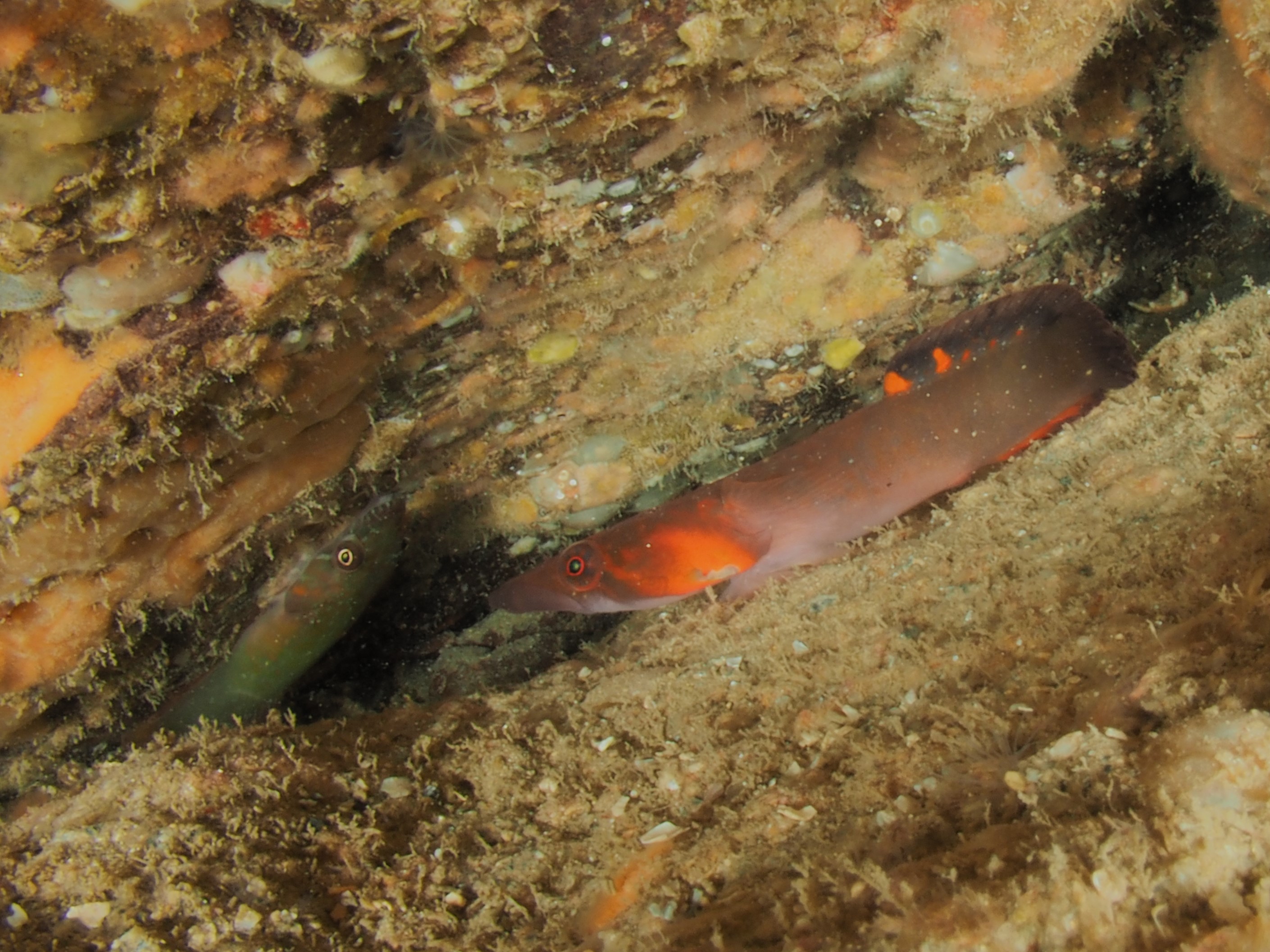
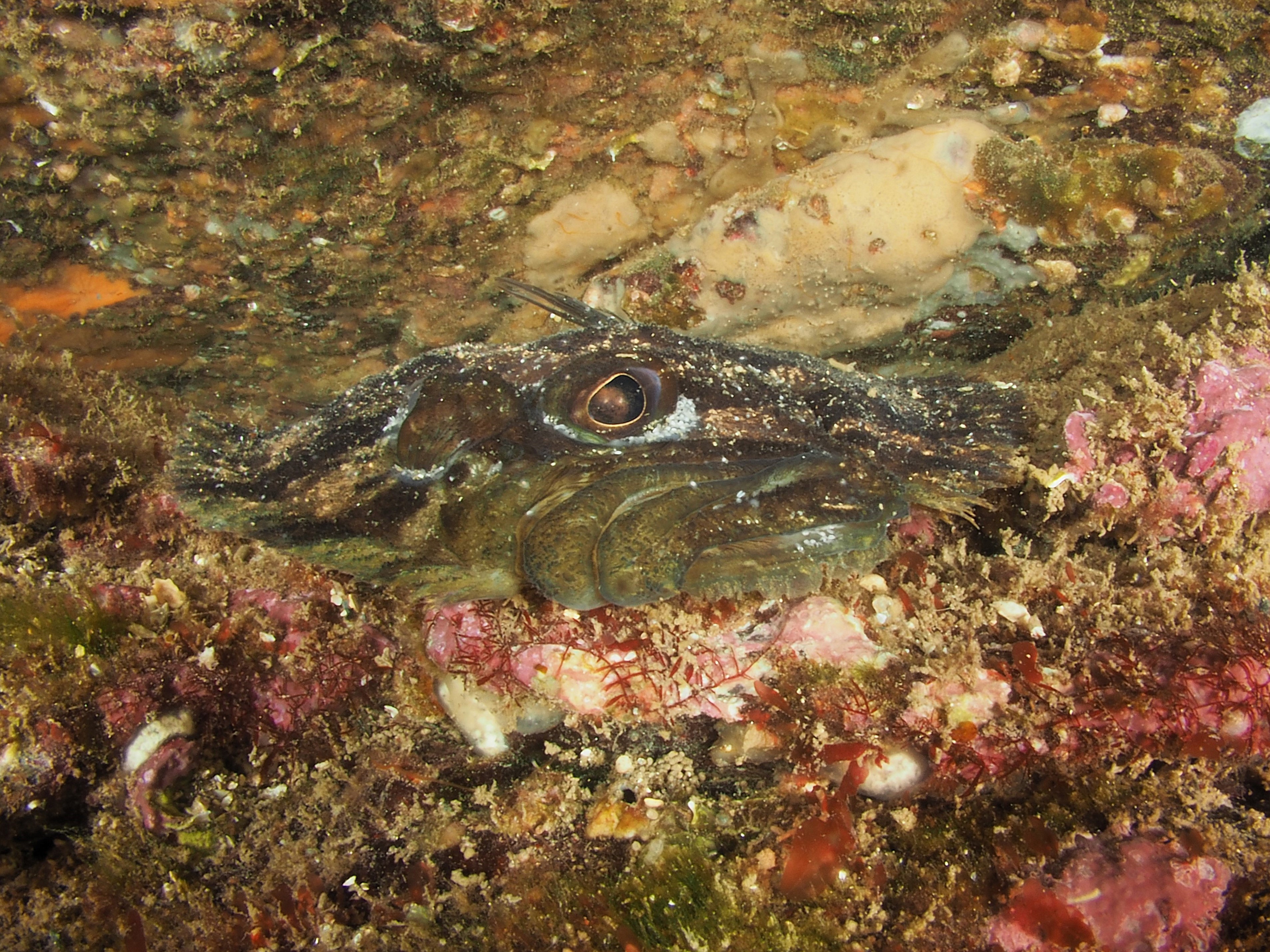
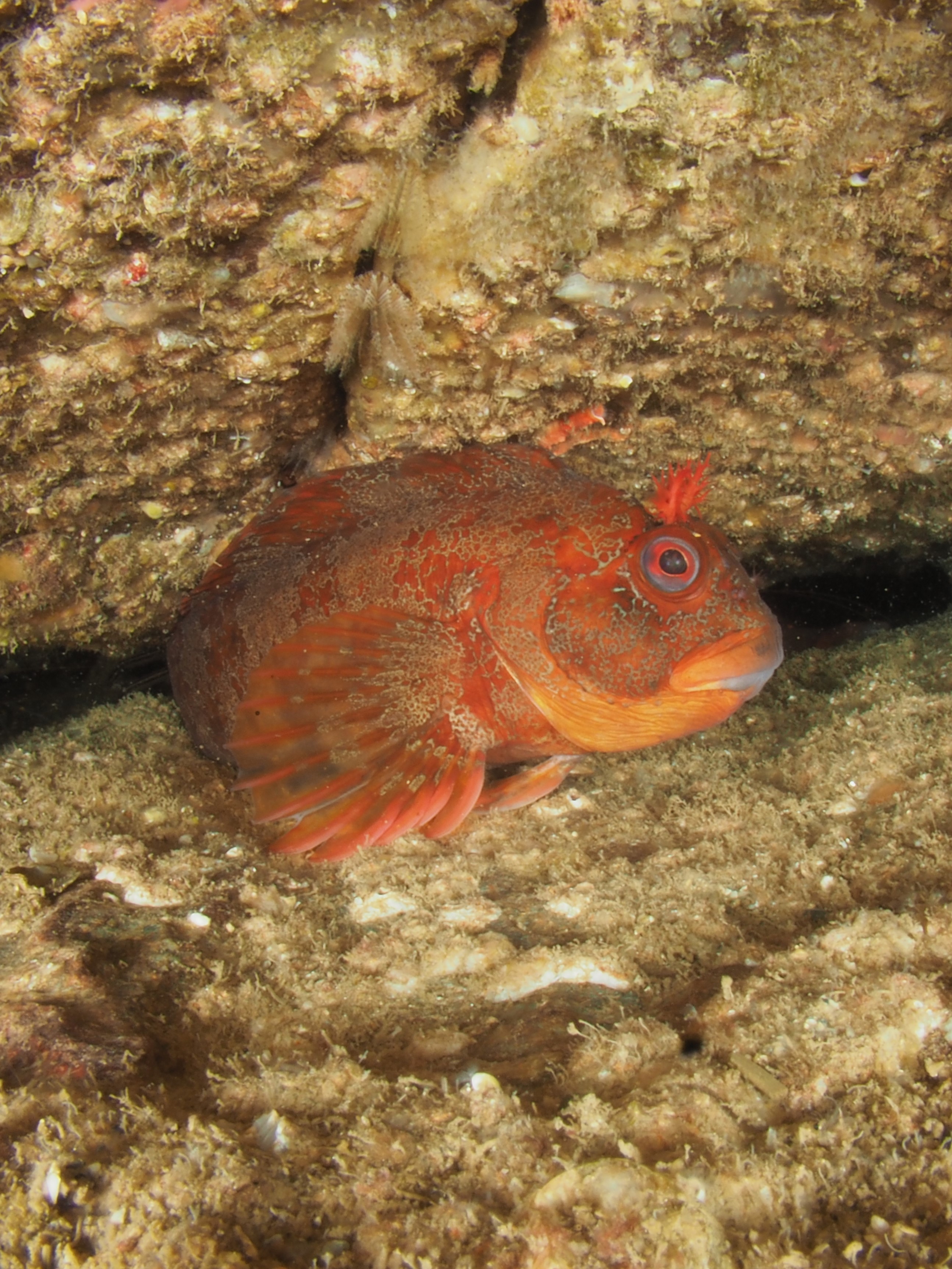
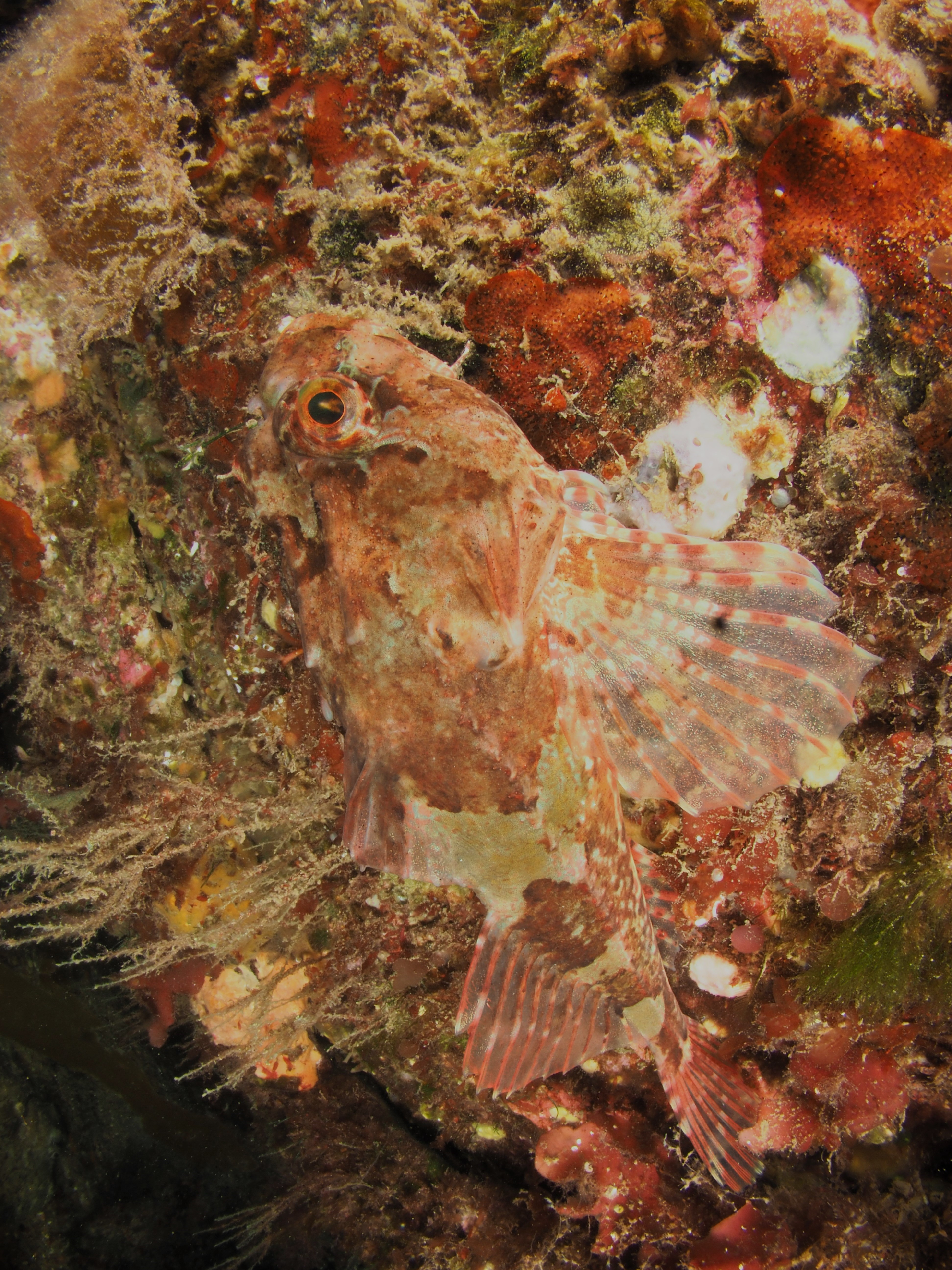
Below photos of various smaller fish hiding in the rock cracks (click for names on the pictures).
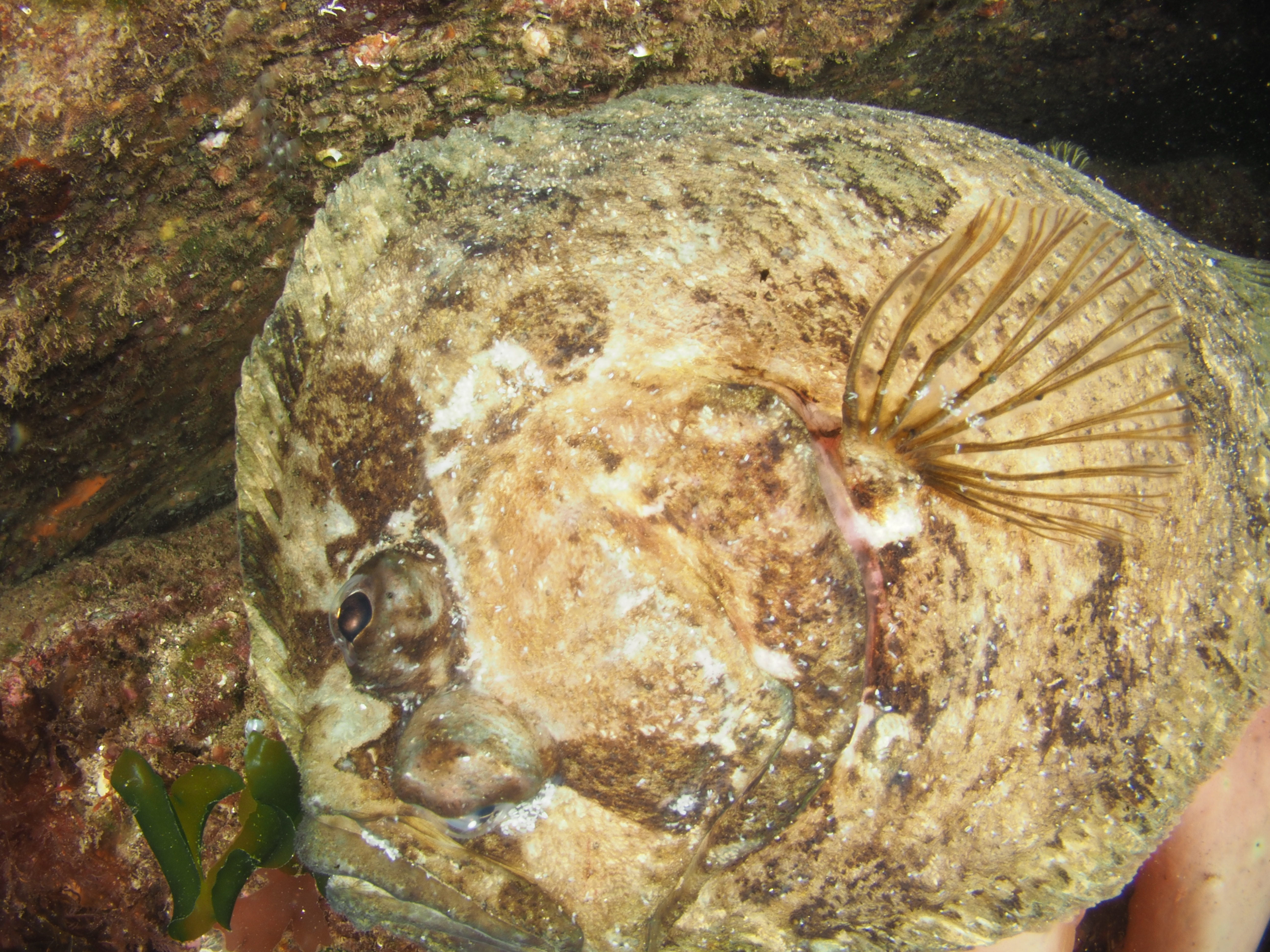
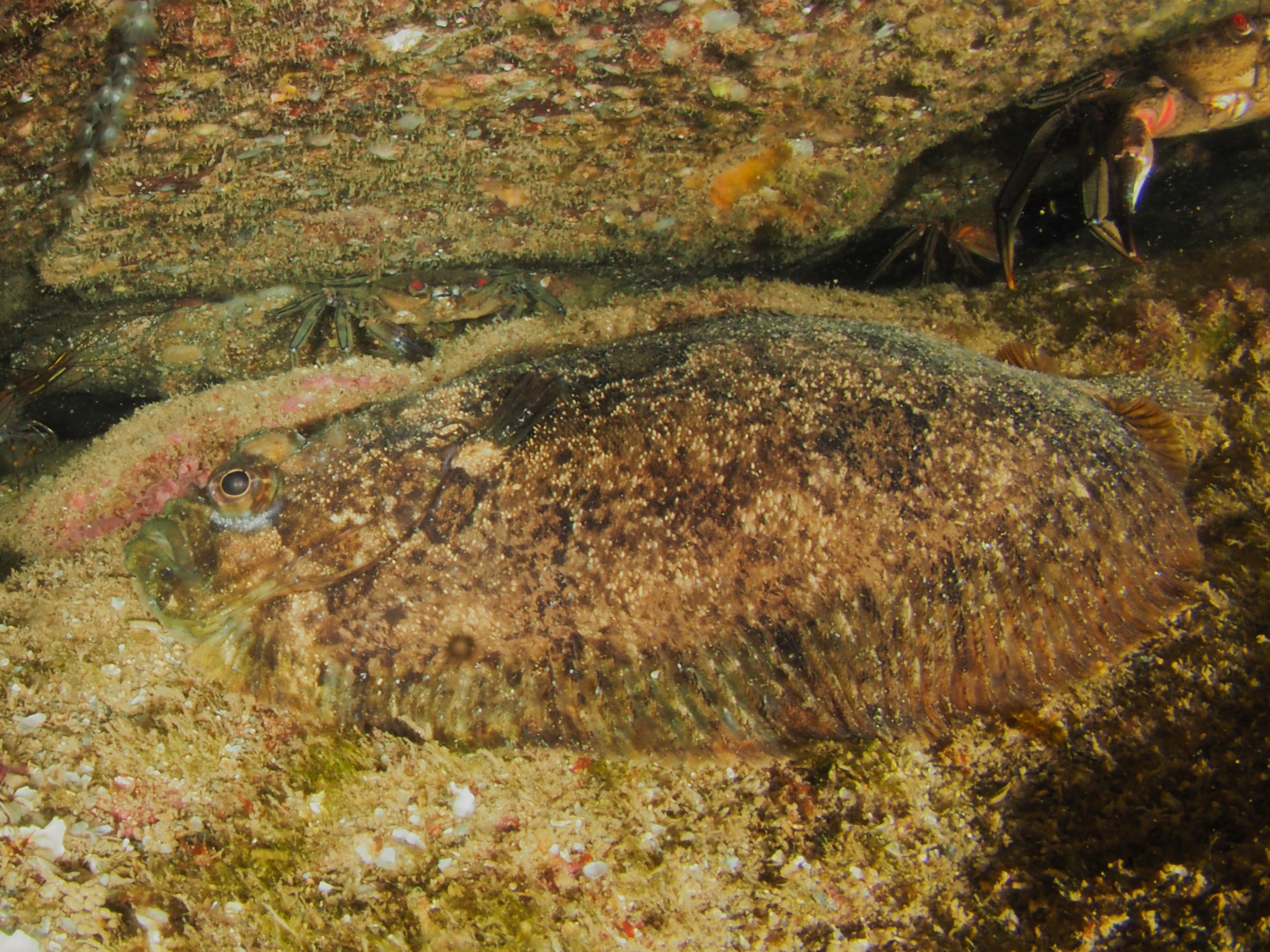
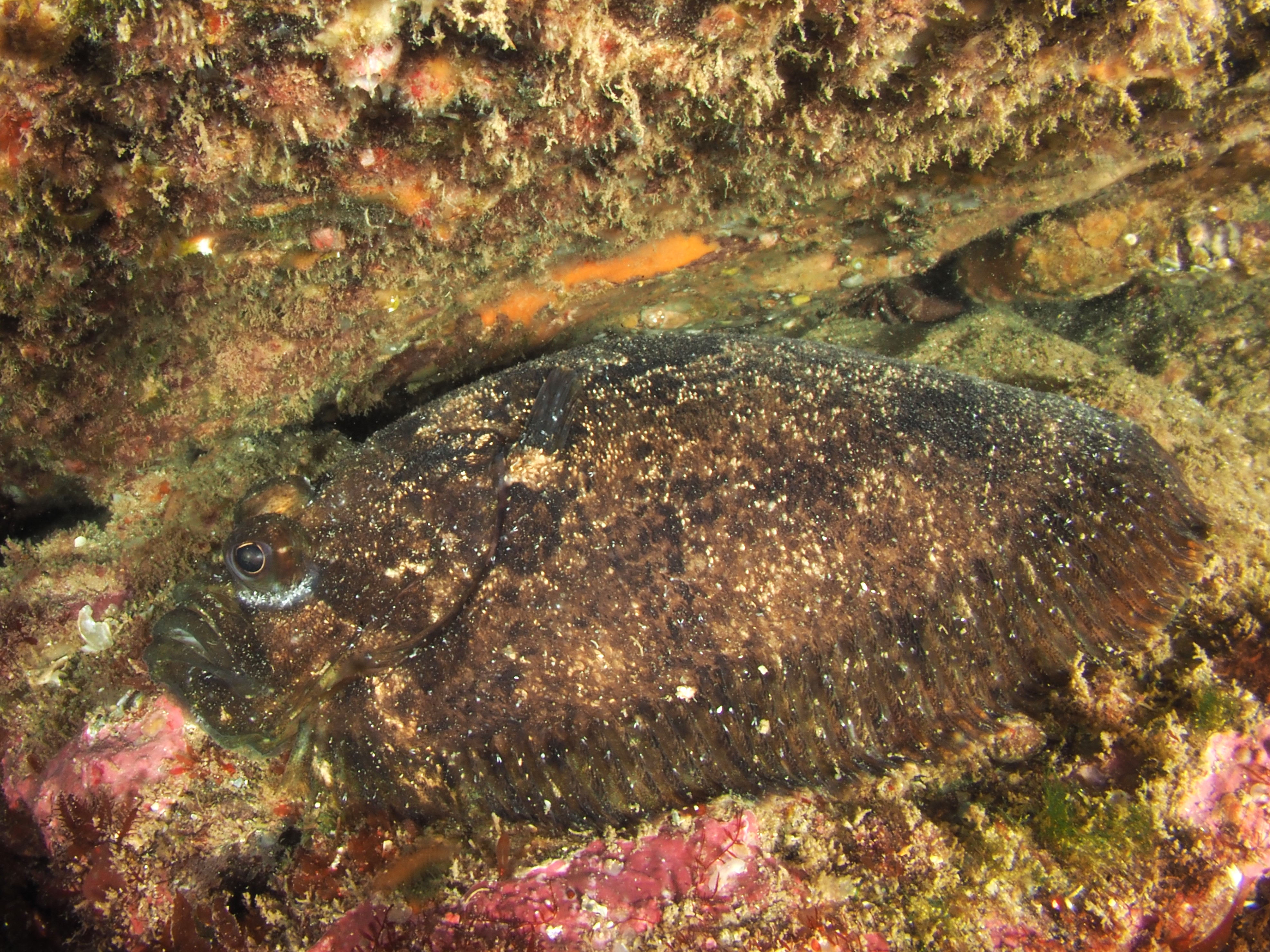
Finally a favourite of mine: the Topknot (Zeugopterus punctatus). Not quite nailed the shot yet – maybe this year!
Scorpion Spider Crabs

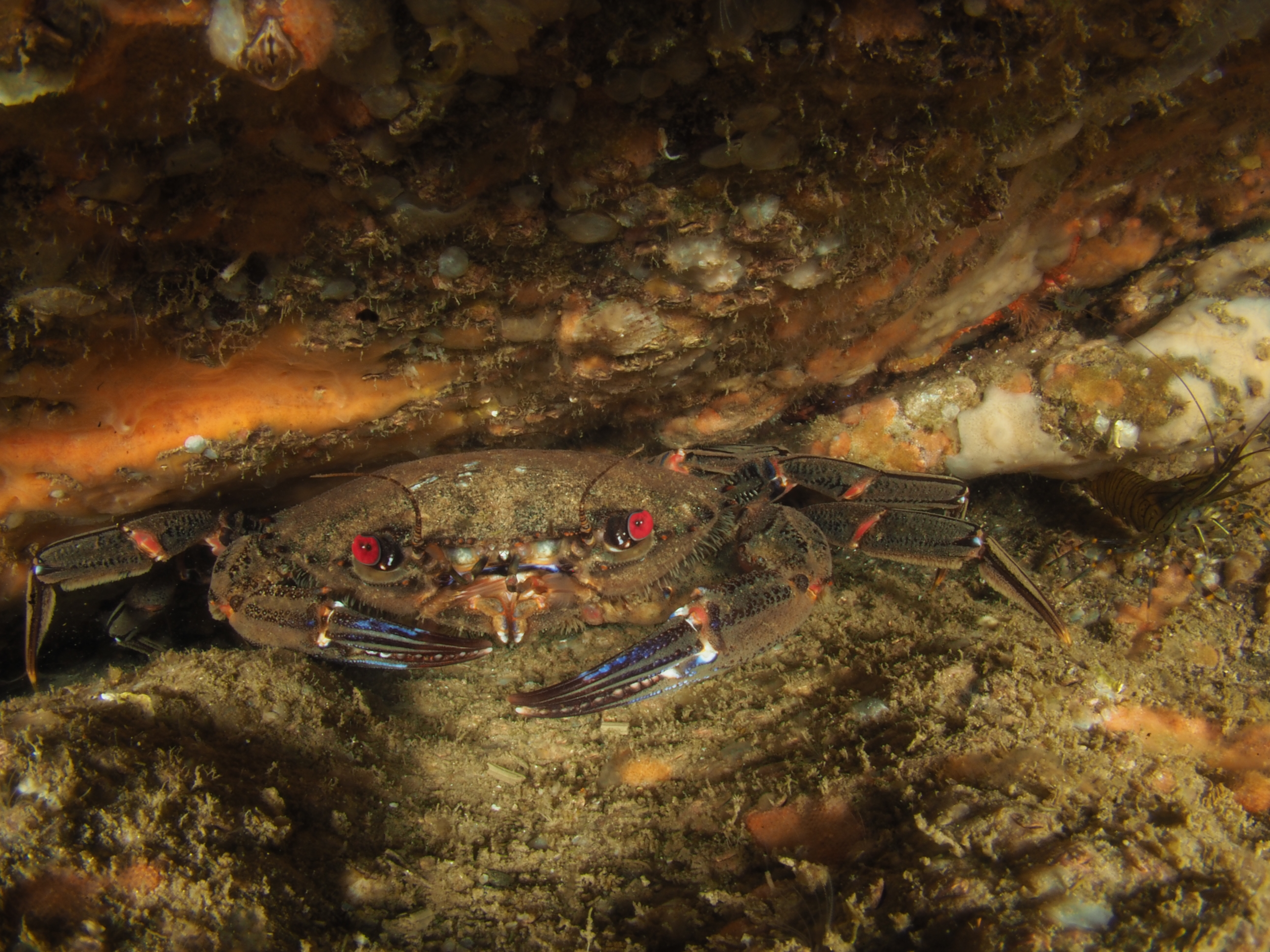
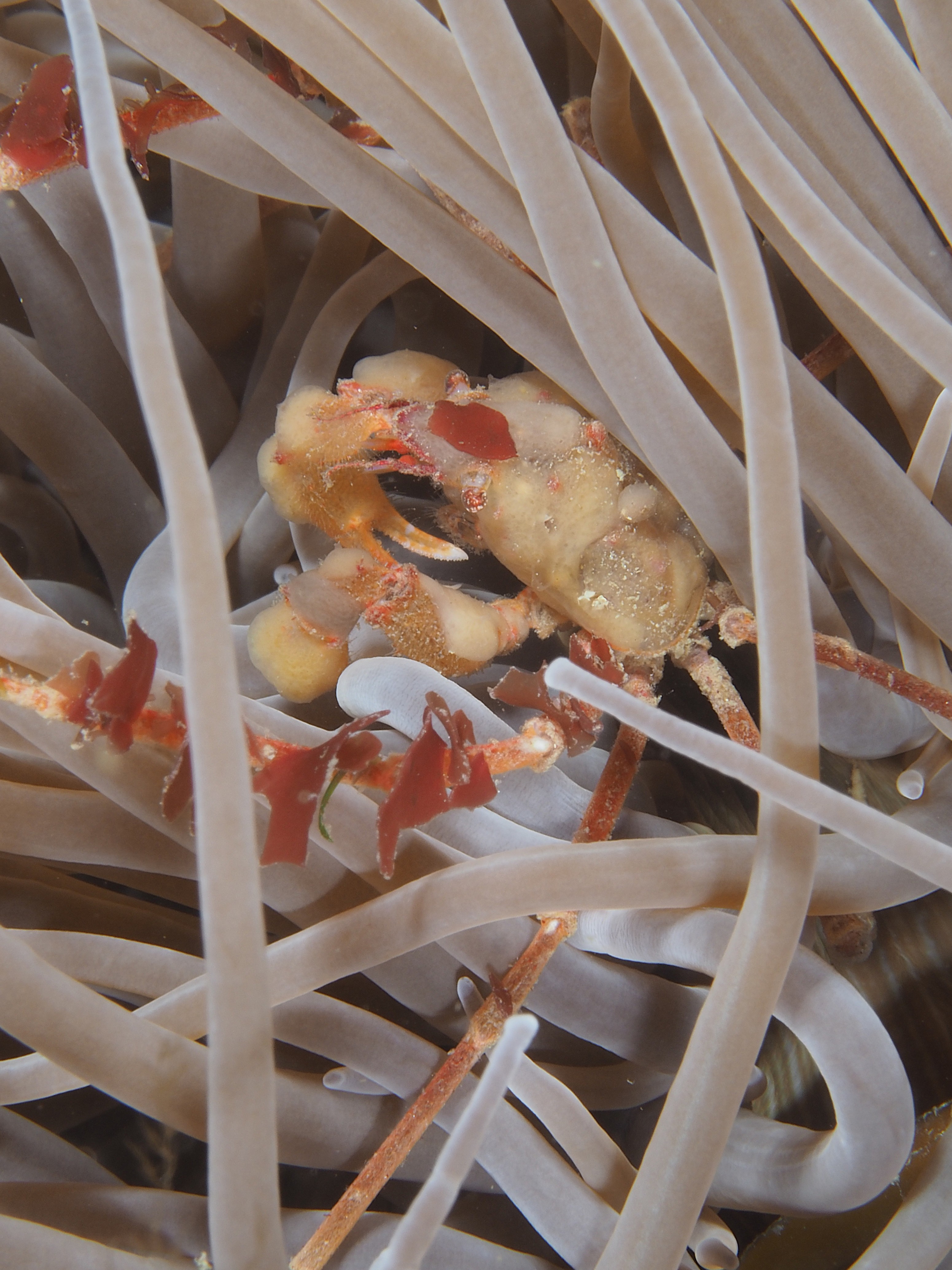
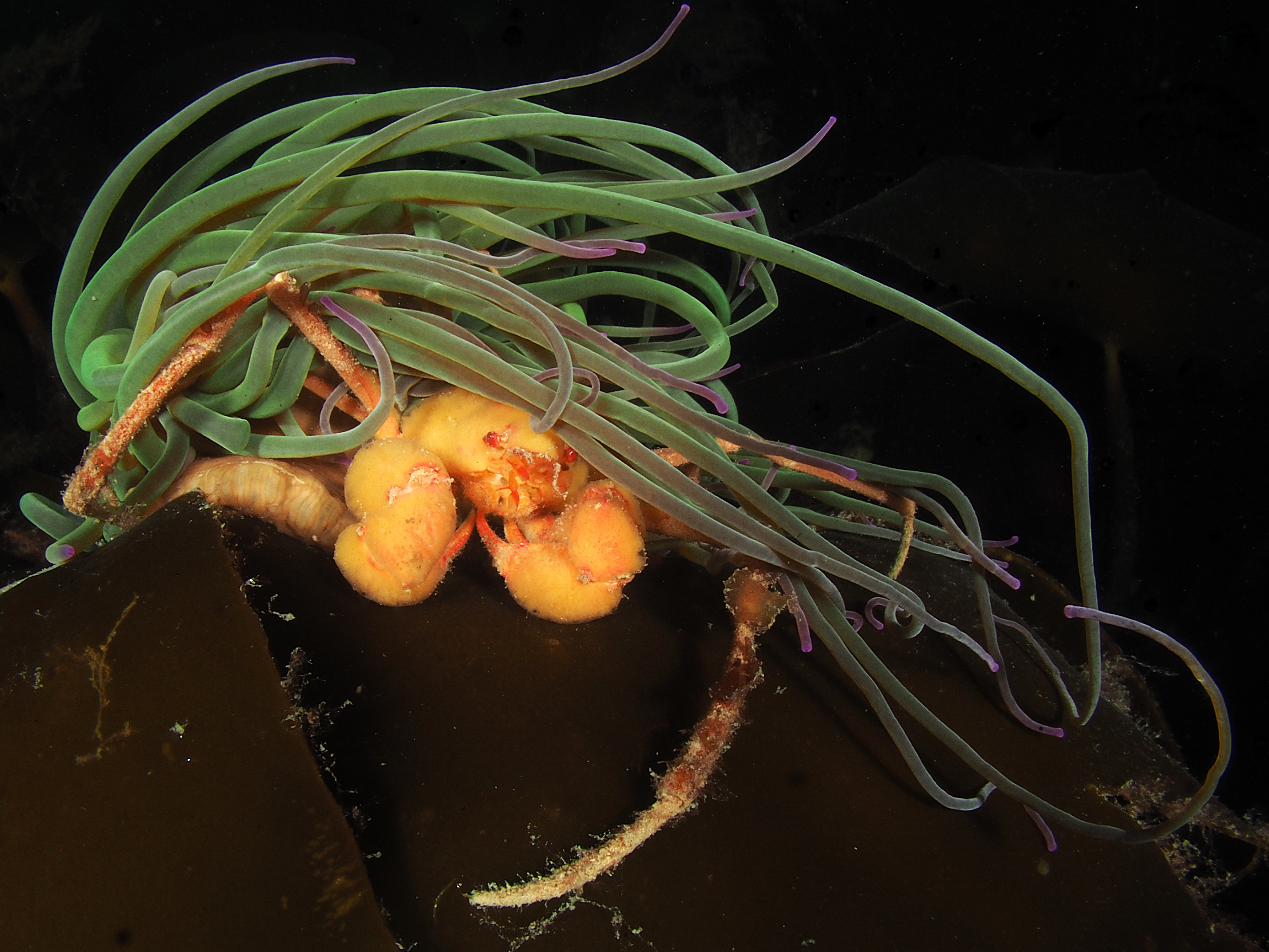
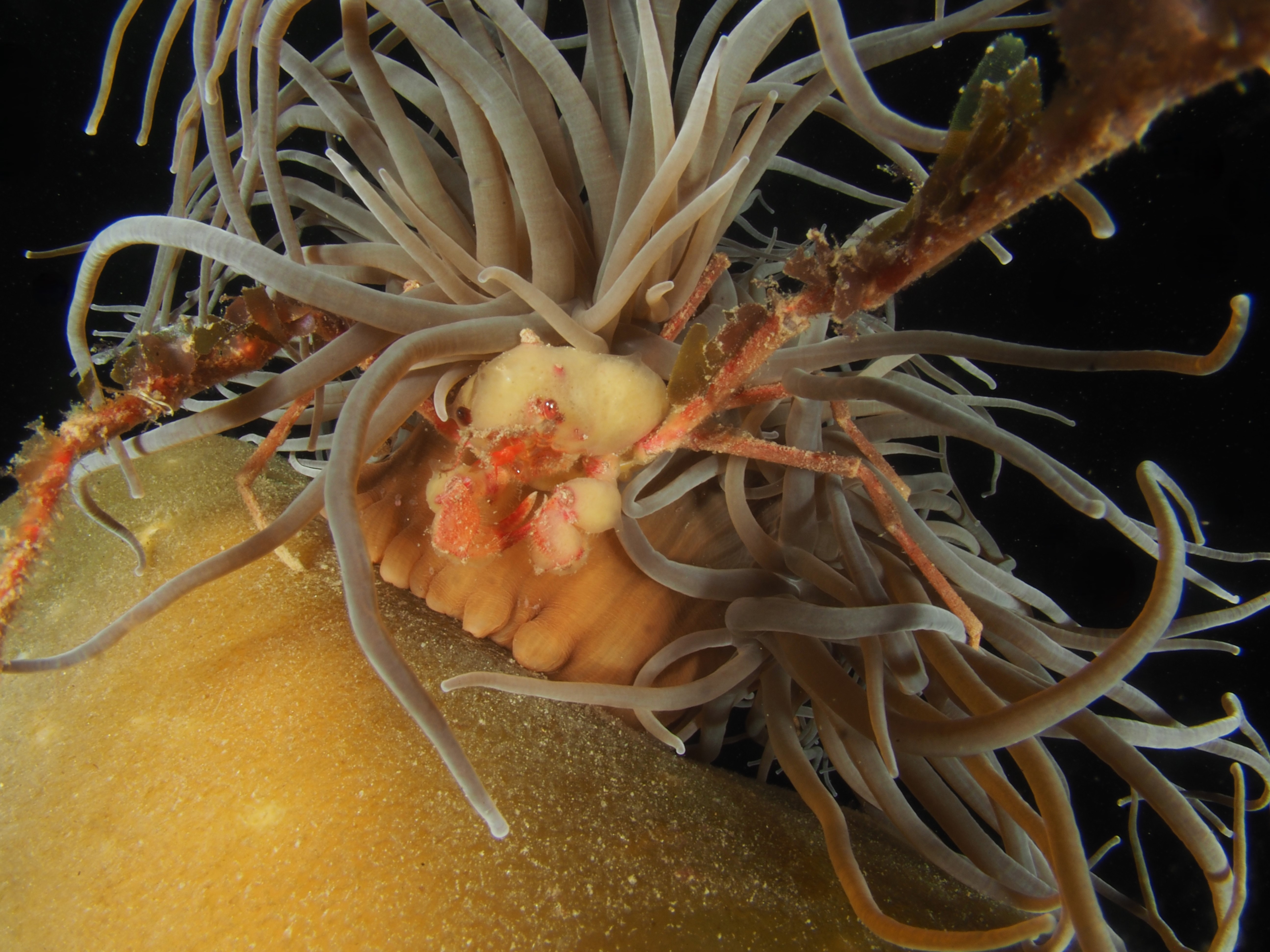
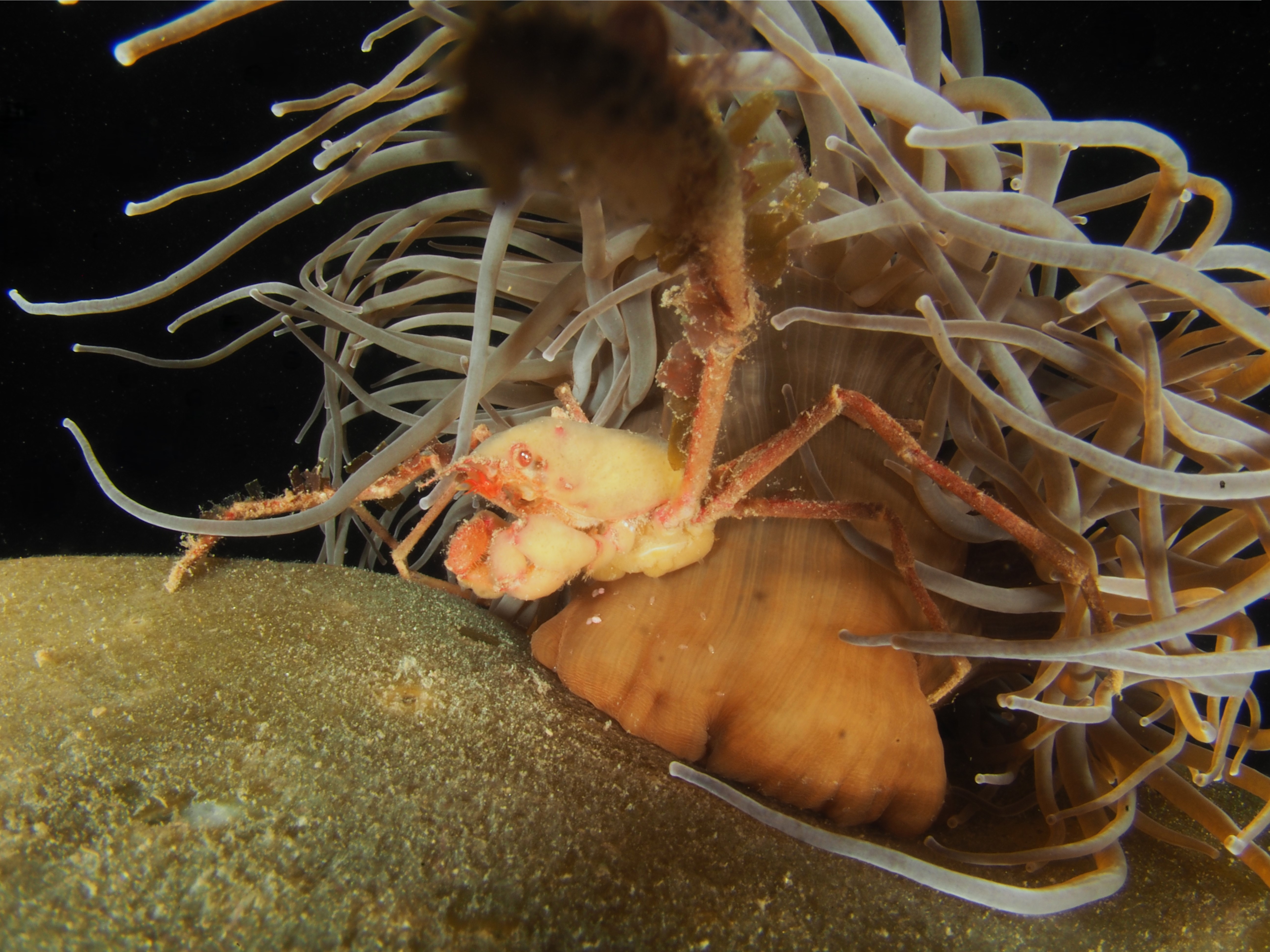
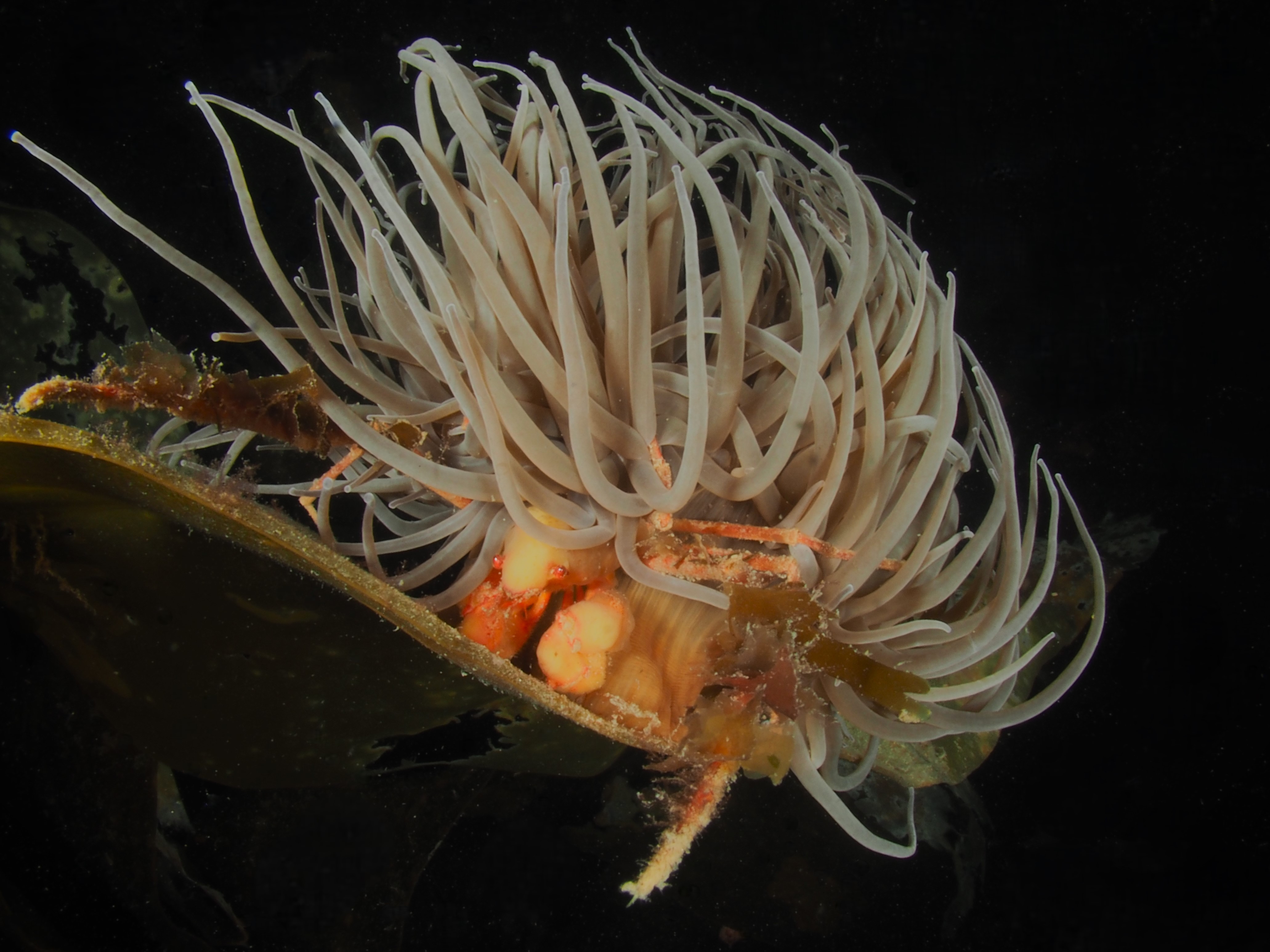
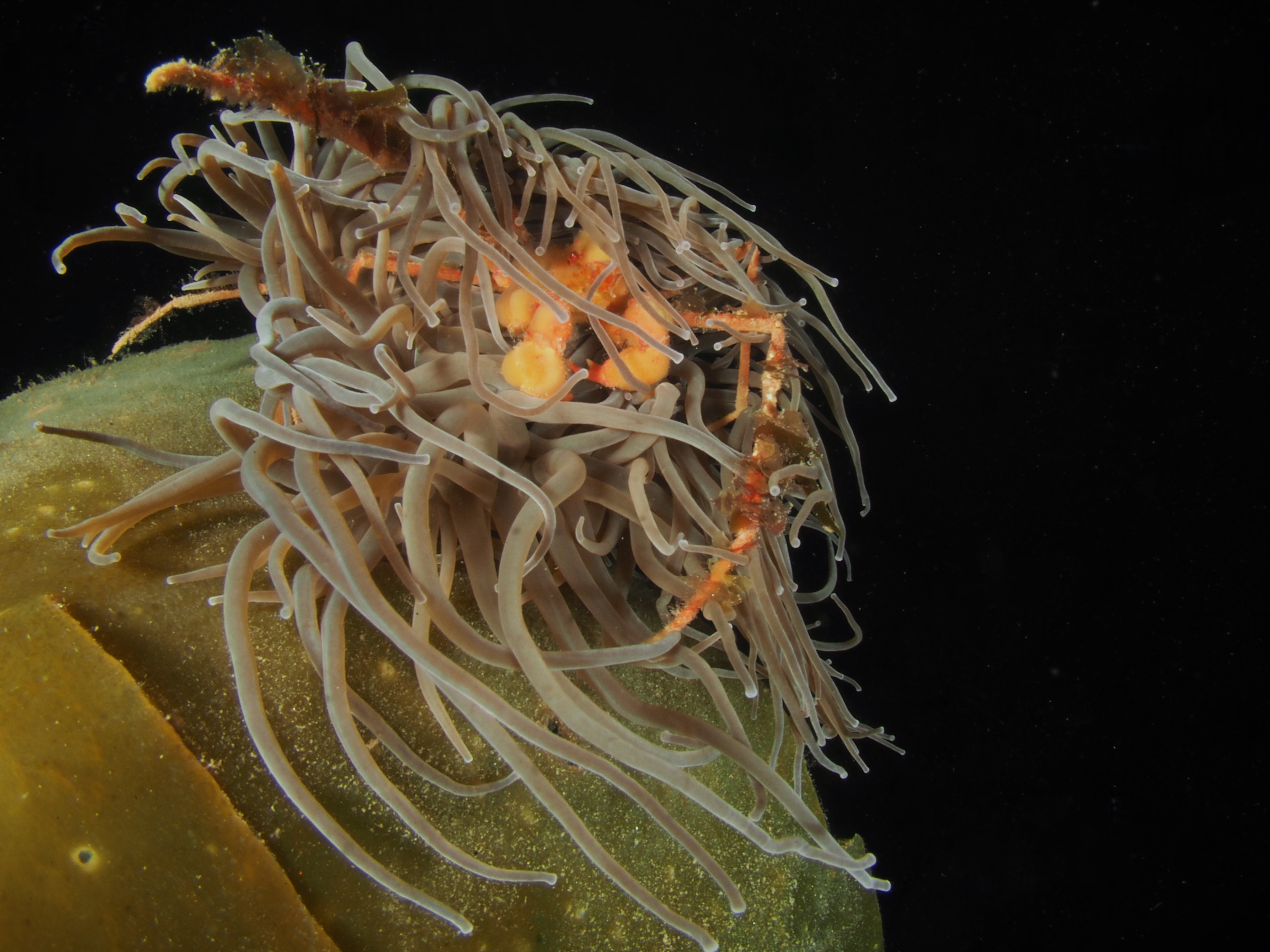
I recently posted on the Crustaceans inhabiting my local shore dive site Silver Steps (see here), but left out one species: the Scorpion Spider Crab (Inachus spp.), which deserves a post on its own. I have blogged about this crab before (see here), specifically in the context of ‘macro-wide angle’ for which this species, perched on- or under a snakelocks anemone, is ideally suited. My previous efforts were based on an affordable inon wetlens, but I have since bought a super-duper nauticam lens. Although very good at macro-wide angle, this lens lets in very little light, which basically gives you three options: 1) lie on some bright white coral sand in the Maldives and shoot upwards to the sun at midday (so actually not really an option), 2) increasingly compromise the exposure triangle to keep a blueish/greenish background (higher ISO>more noise, lower shutterspeed>more camera shake, greater aperture>smaller depth of field), or 3) keep all settings in a ‘normal’ range, resulting in a foreground lit up by strobes on maximum output, but a black background (only if you are shooting critters in rock crevices you can get both fore- and background well-exposed, as strobe light has something to bounce back from – see for some examples the Crustaceans post). I quite like the clean black background and dislike bluer, but grainier images, so have mainly tried option 3. Hopefully, next year in summer I can try going for some blue background shots. Sorry if this blog is occasionally turning into a photography borefest by the way, but I have been really getting into that stuff! ;-). Anyway, these scorpion spider crab pics have turned out quite nicely.

macro macro macro

There was little wind last Saturday and a superlow tide so time for some rockpool macro! Above, a Purple Topshell Calliostoma zizyphinum; common but and pretty. I liked the background which was achieved using a relatively shallow depth of field (f/8). I took my time exploring a small patch (core body temperature slowly decreasing) as this is the only way to find creatures that are smaller than topshells. I spotted a St. John’s Stalked Jellyfish Calvadosia cruxmelitensis and took the same shallow depth of field approach (f/5.6).
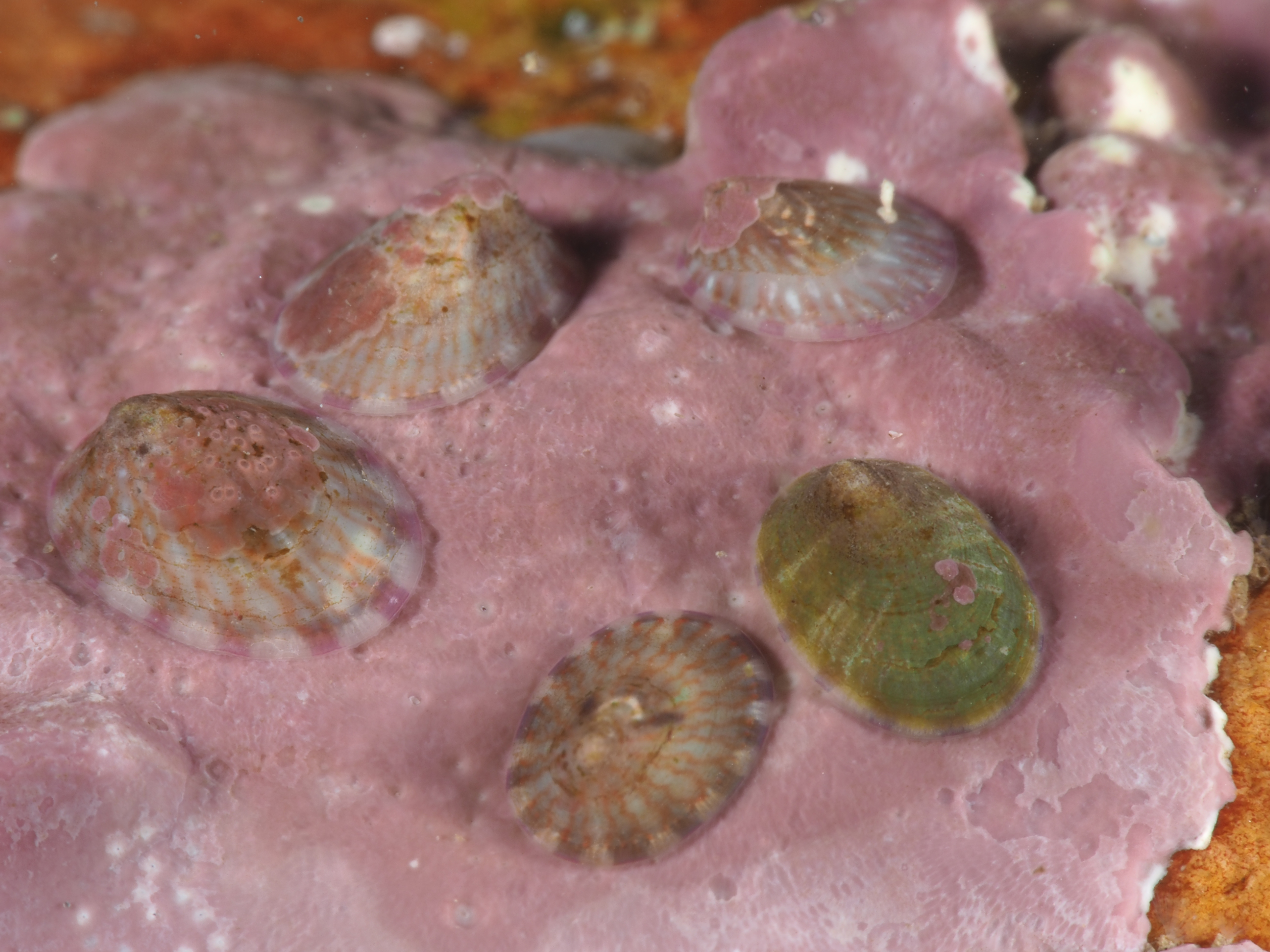
Lastly a pretty little mollusc: the White Tortoiseshell Limpet Tectura virginea. (It is only about half a centimetre long, so I had to use my CMC-1 wetlens for extra magnification.) This species is found on calcified red seaweeds on which it grazes. Their colouration is amazing (I especially like that the growing edge of the shell looks very different). Similar-sized Blue-rayed Limpets (see this recent post) are much more often photographed than this species – what can I say, Tortoiseshell Limpets are the hipster’s choice!

Rockpool Macro

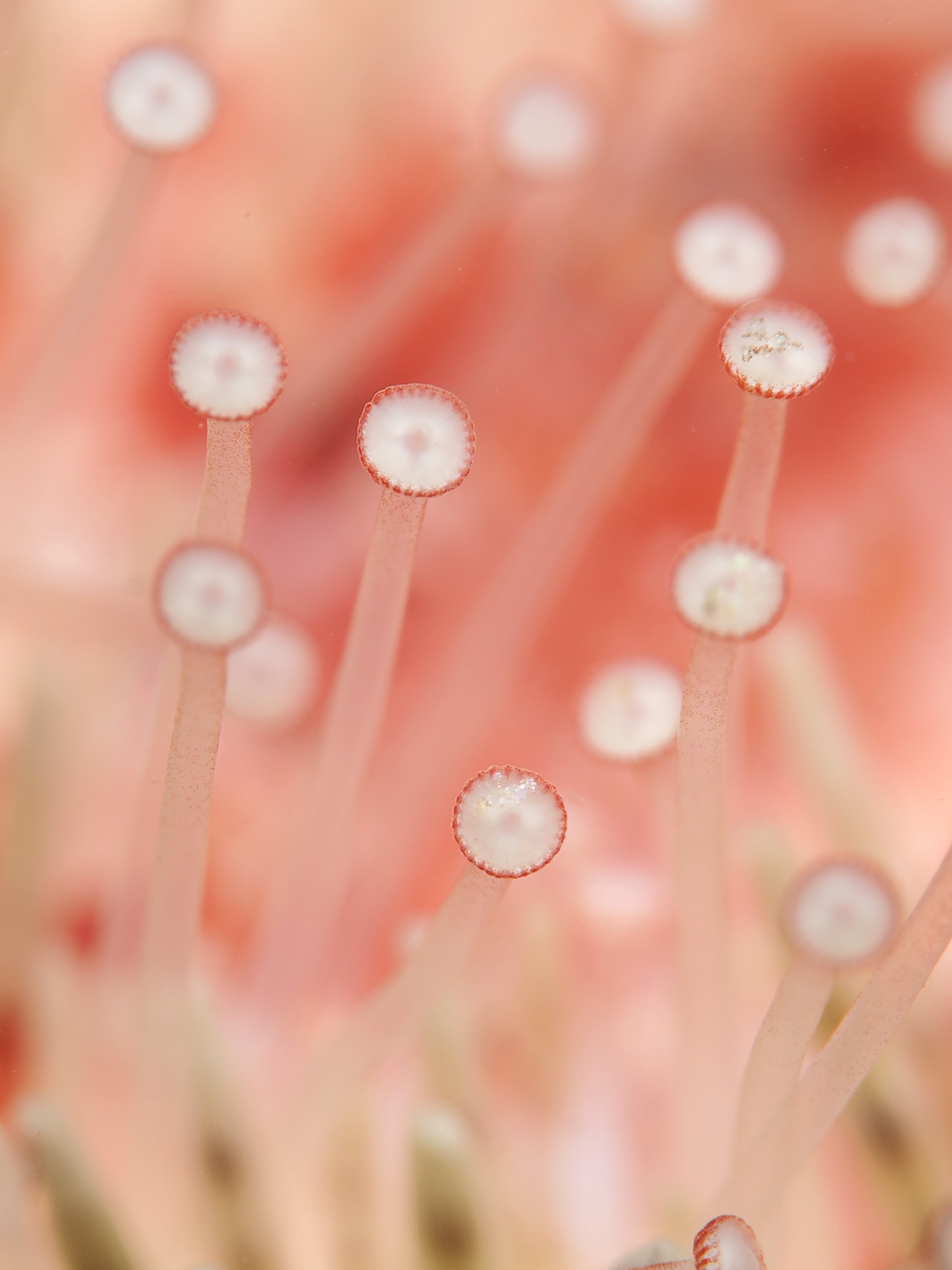
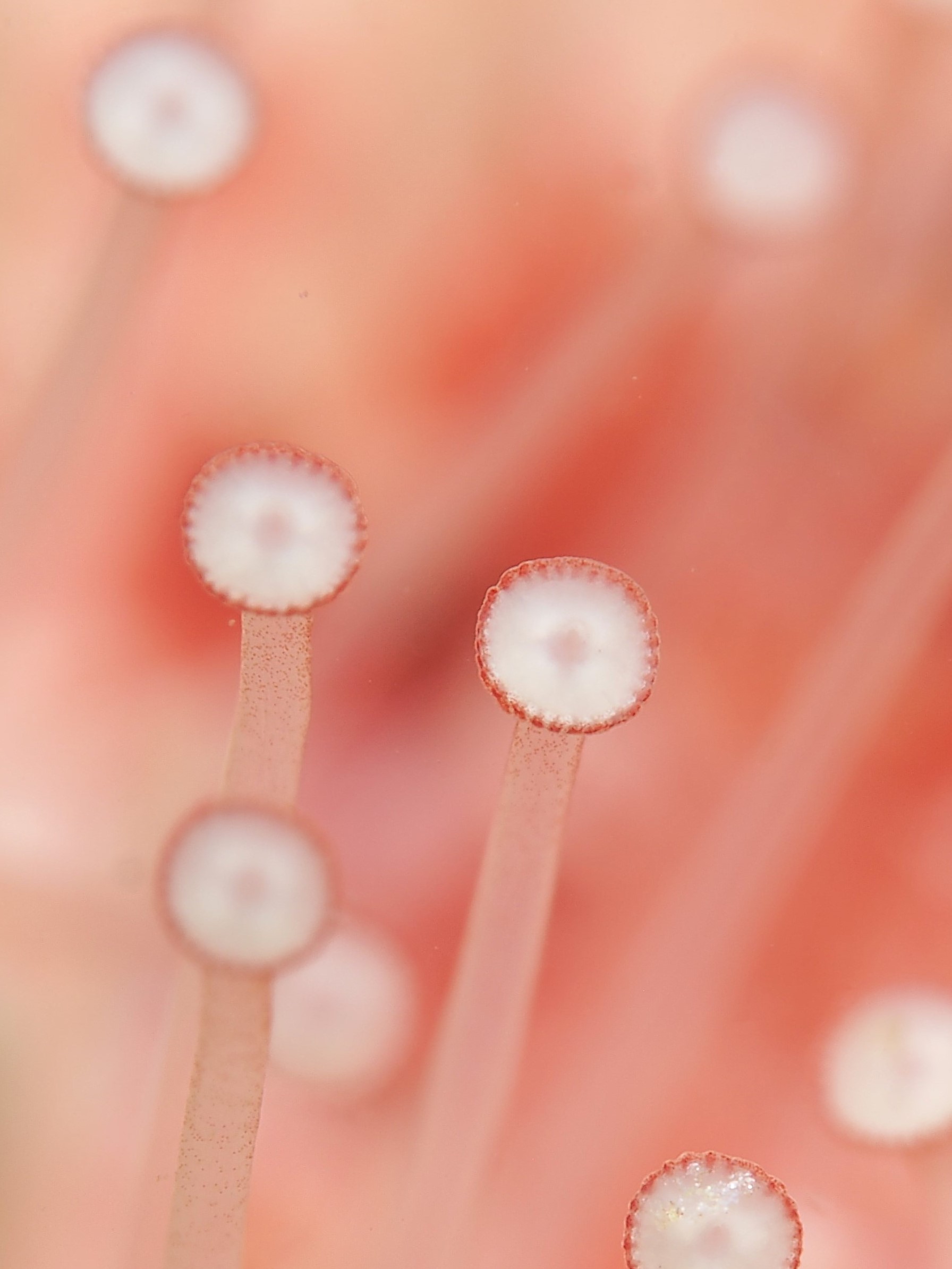
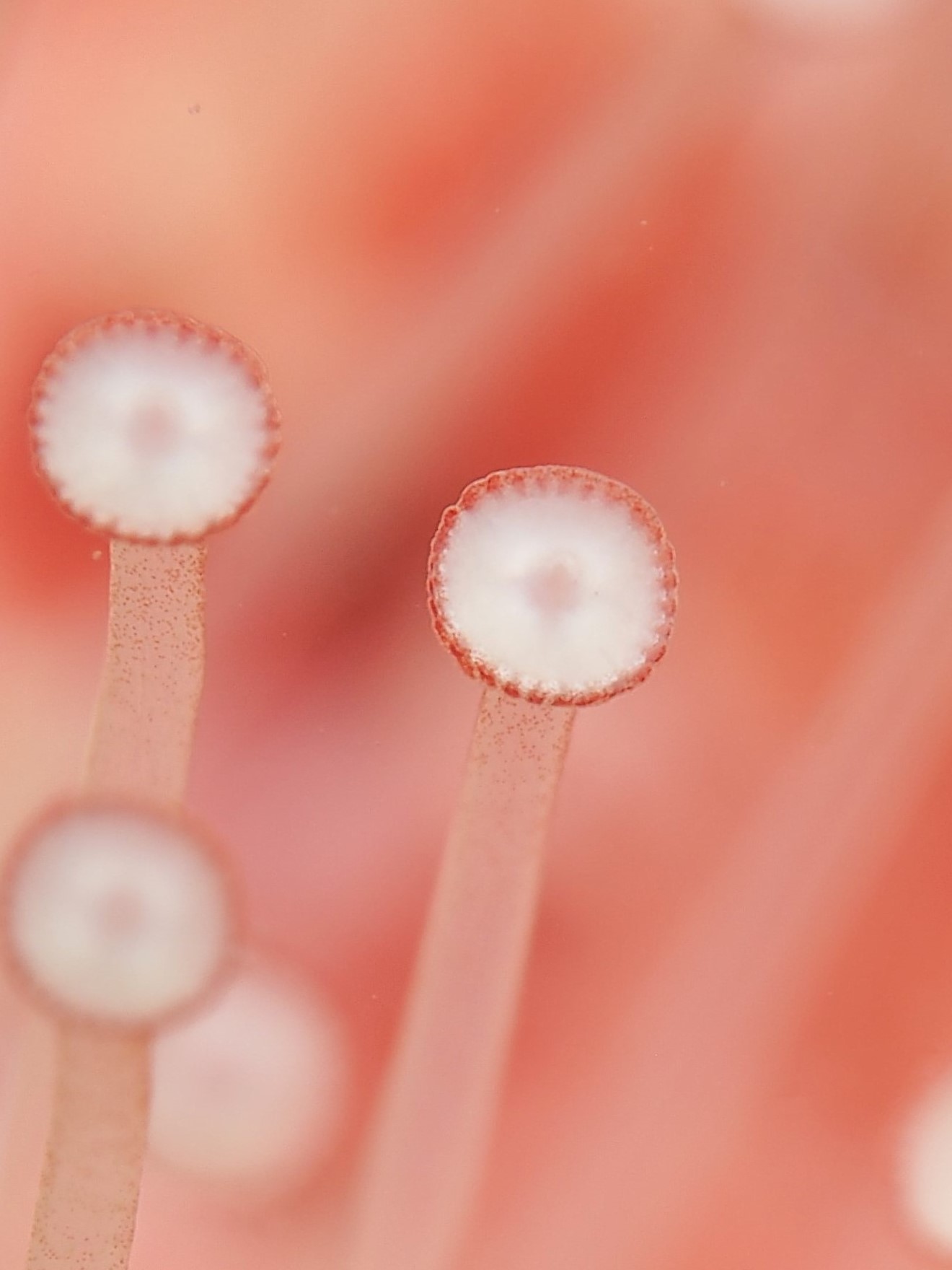
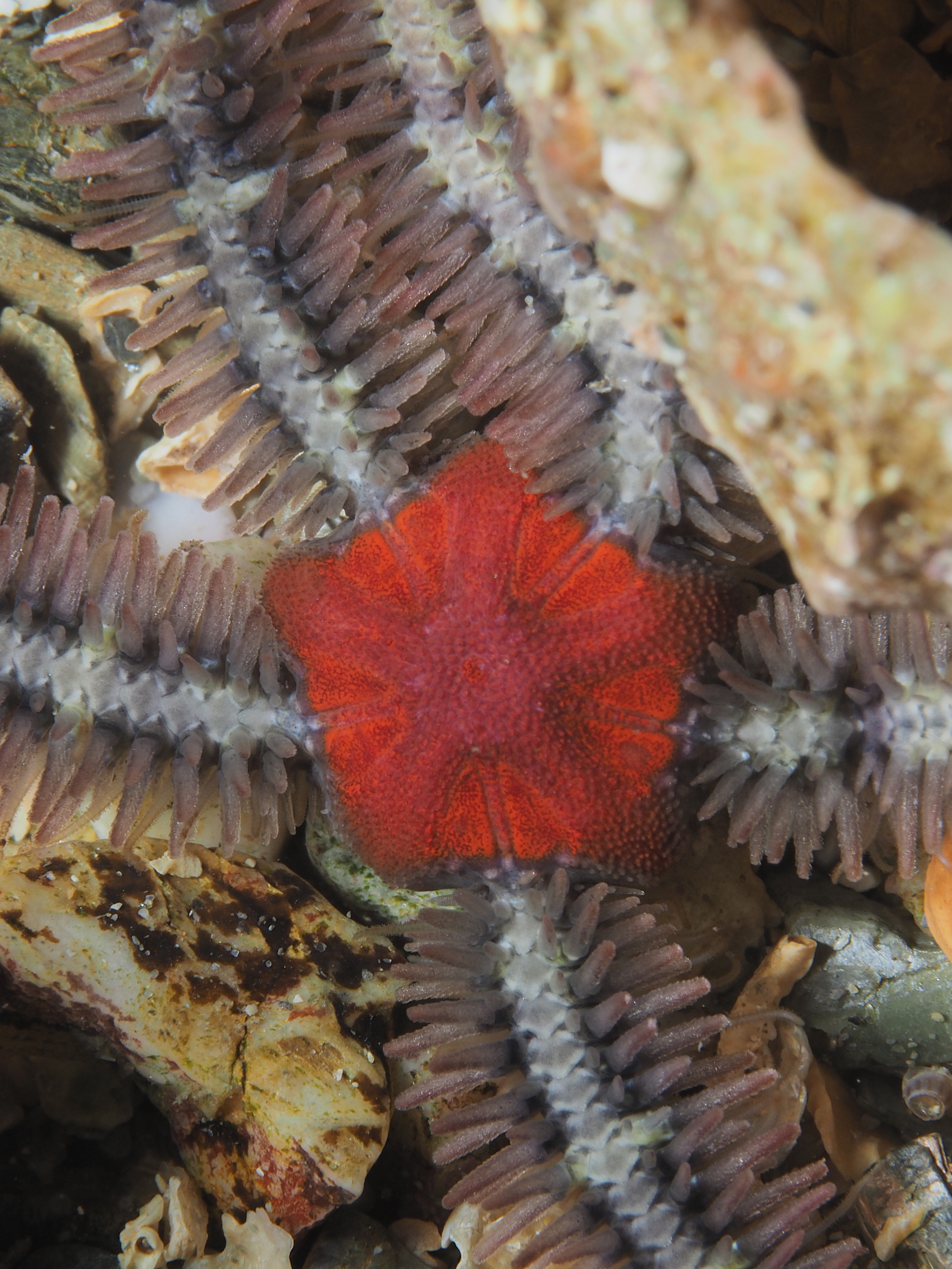
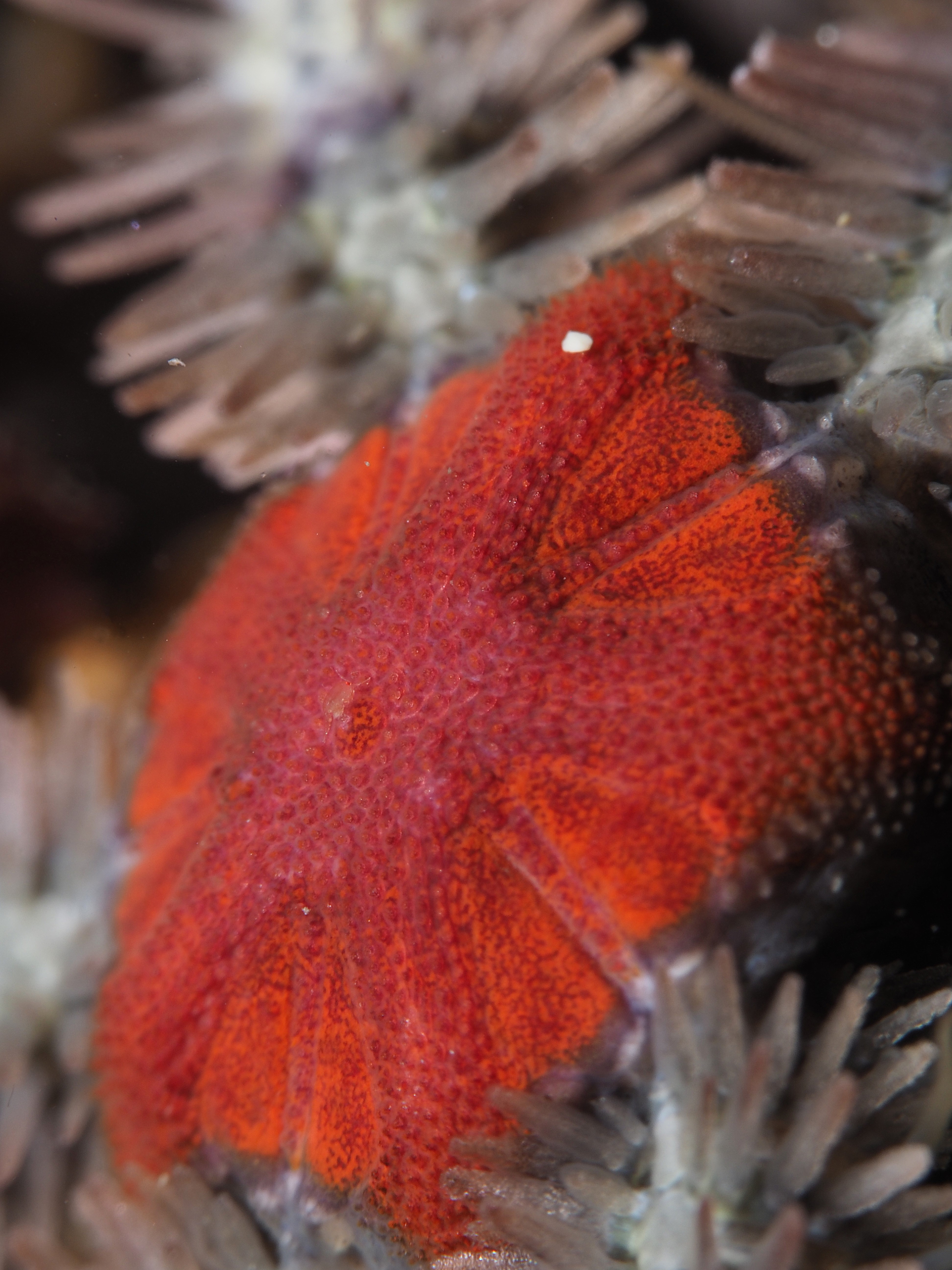
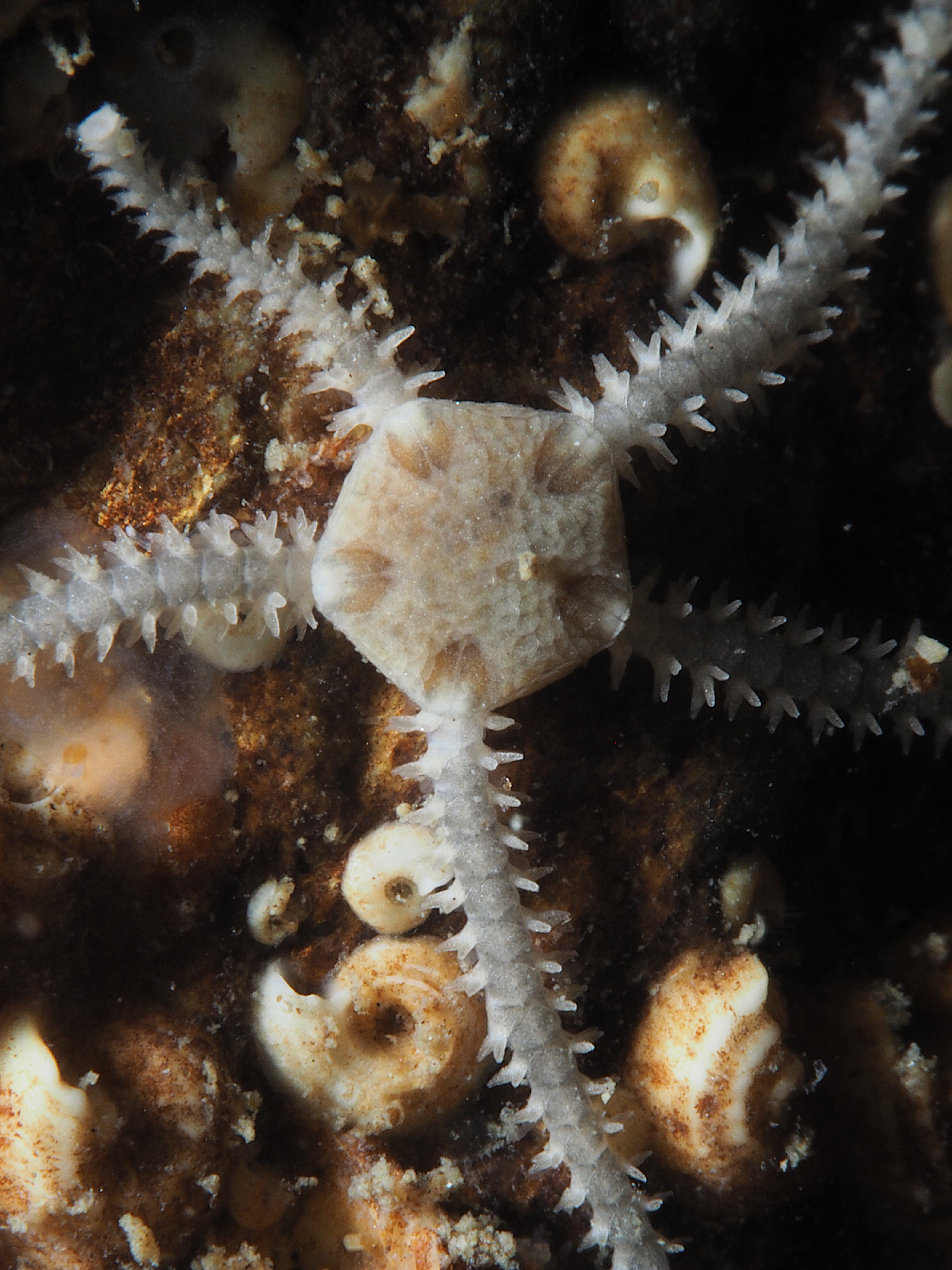
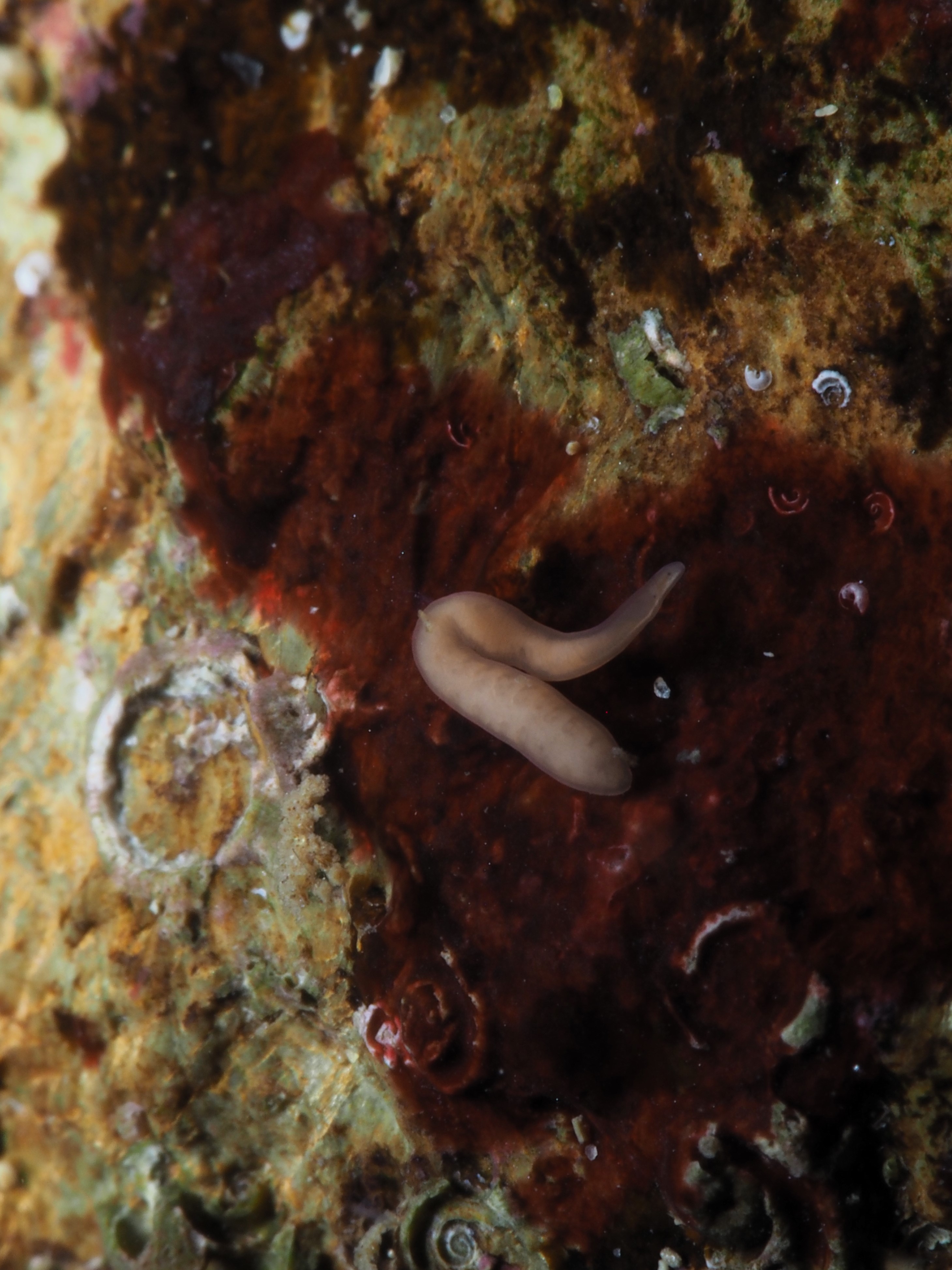
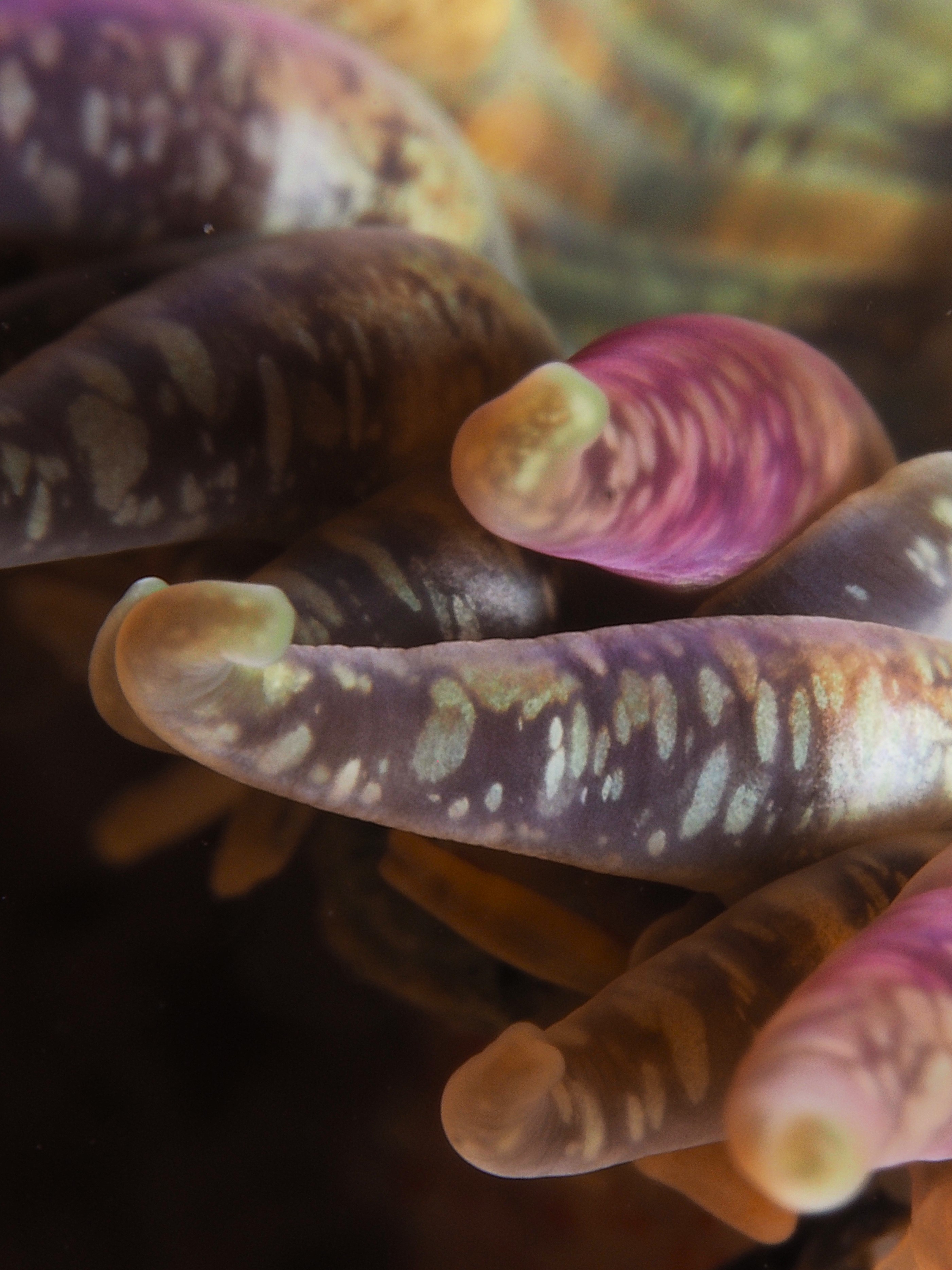
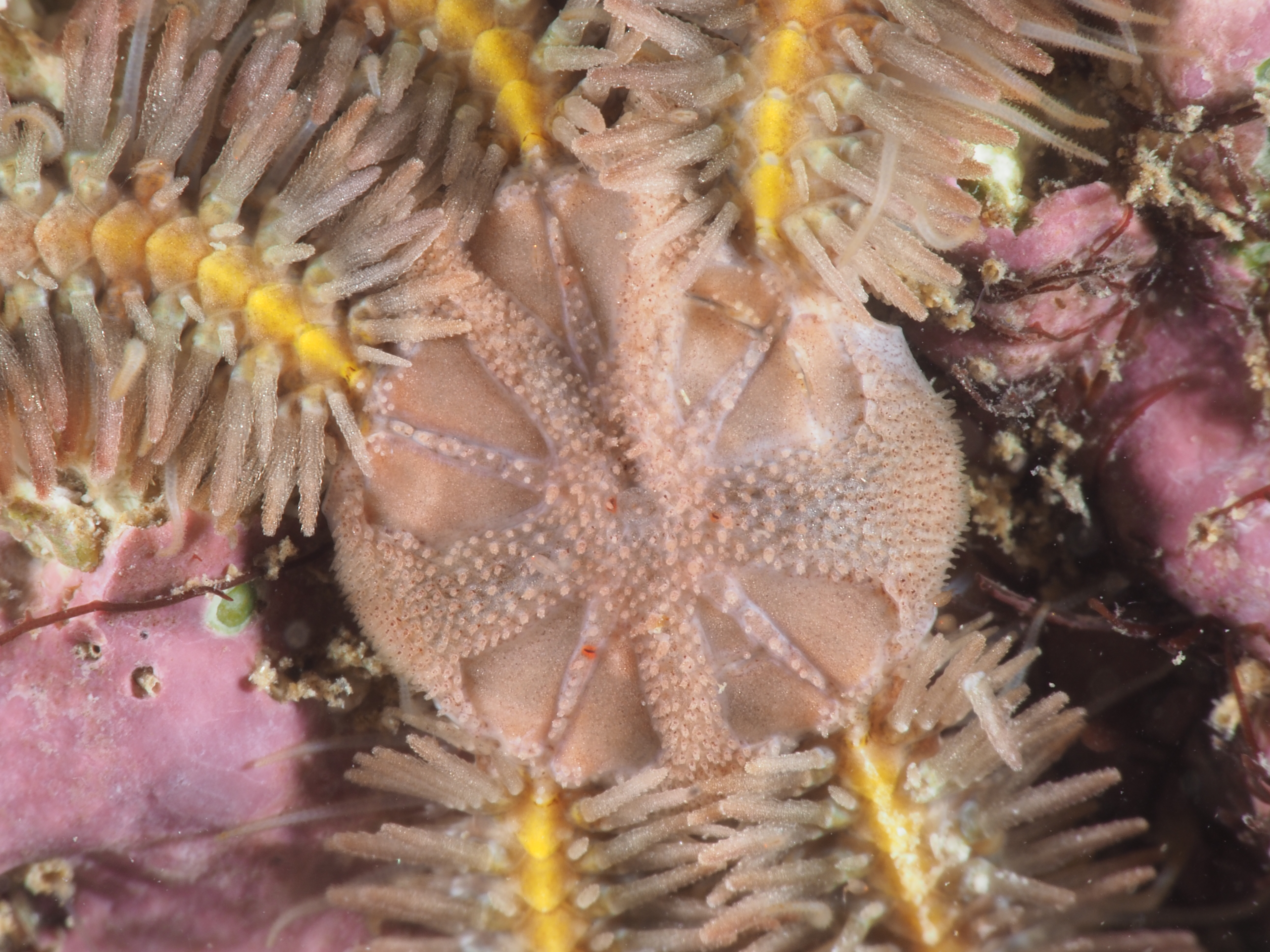
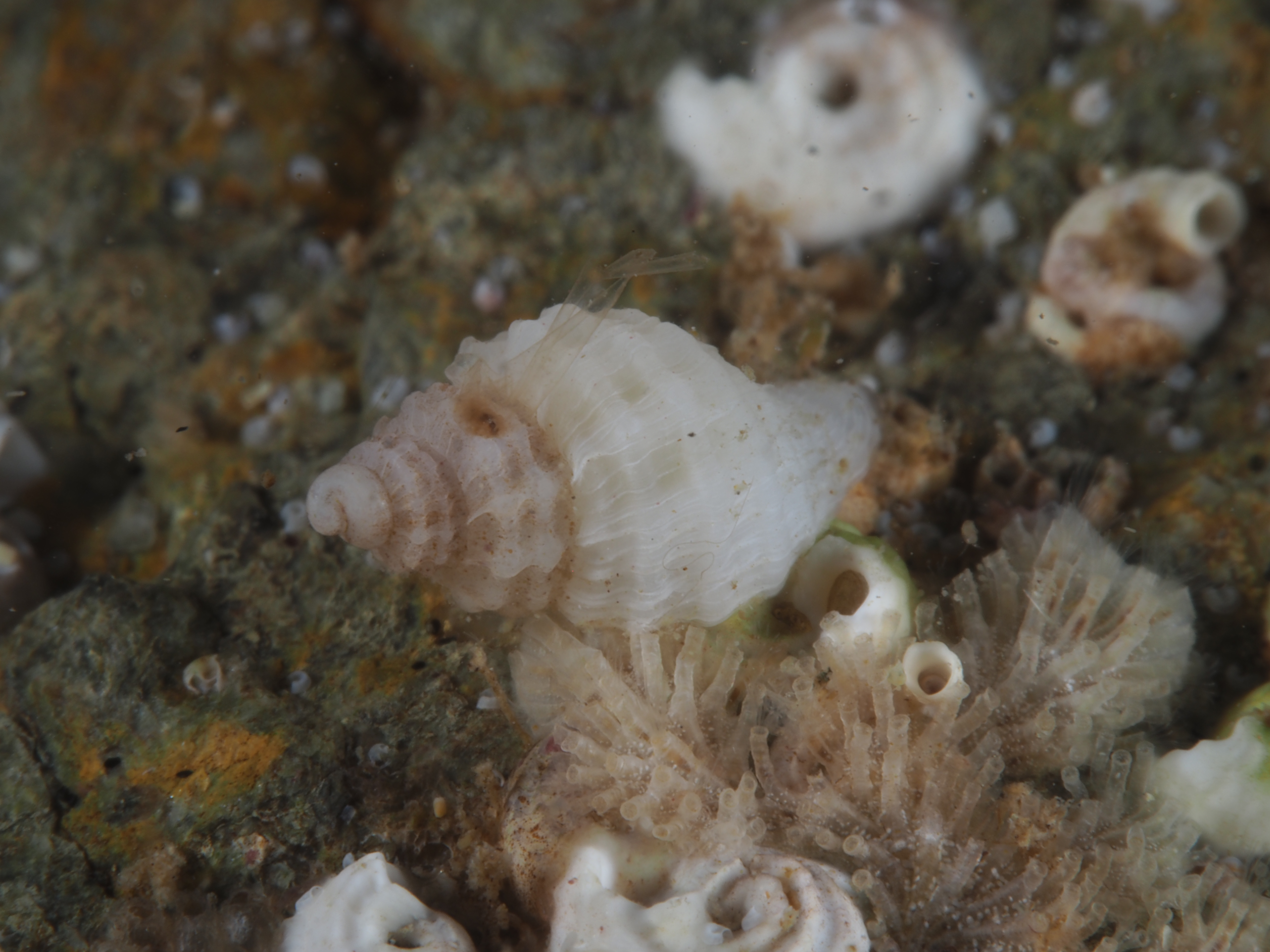
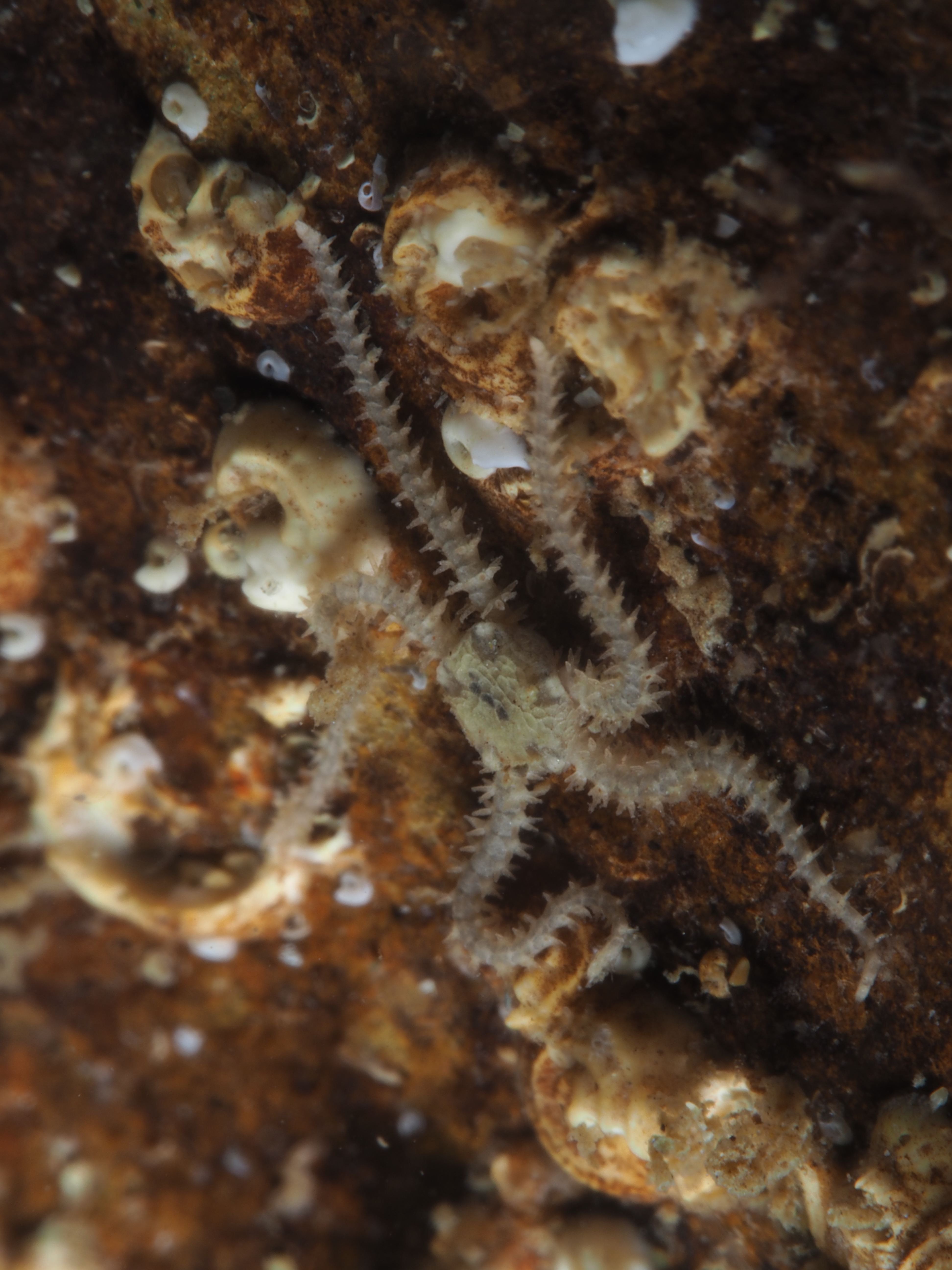
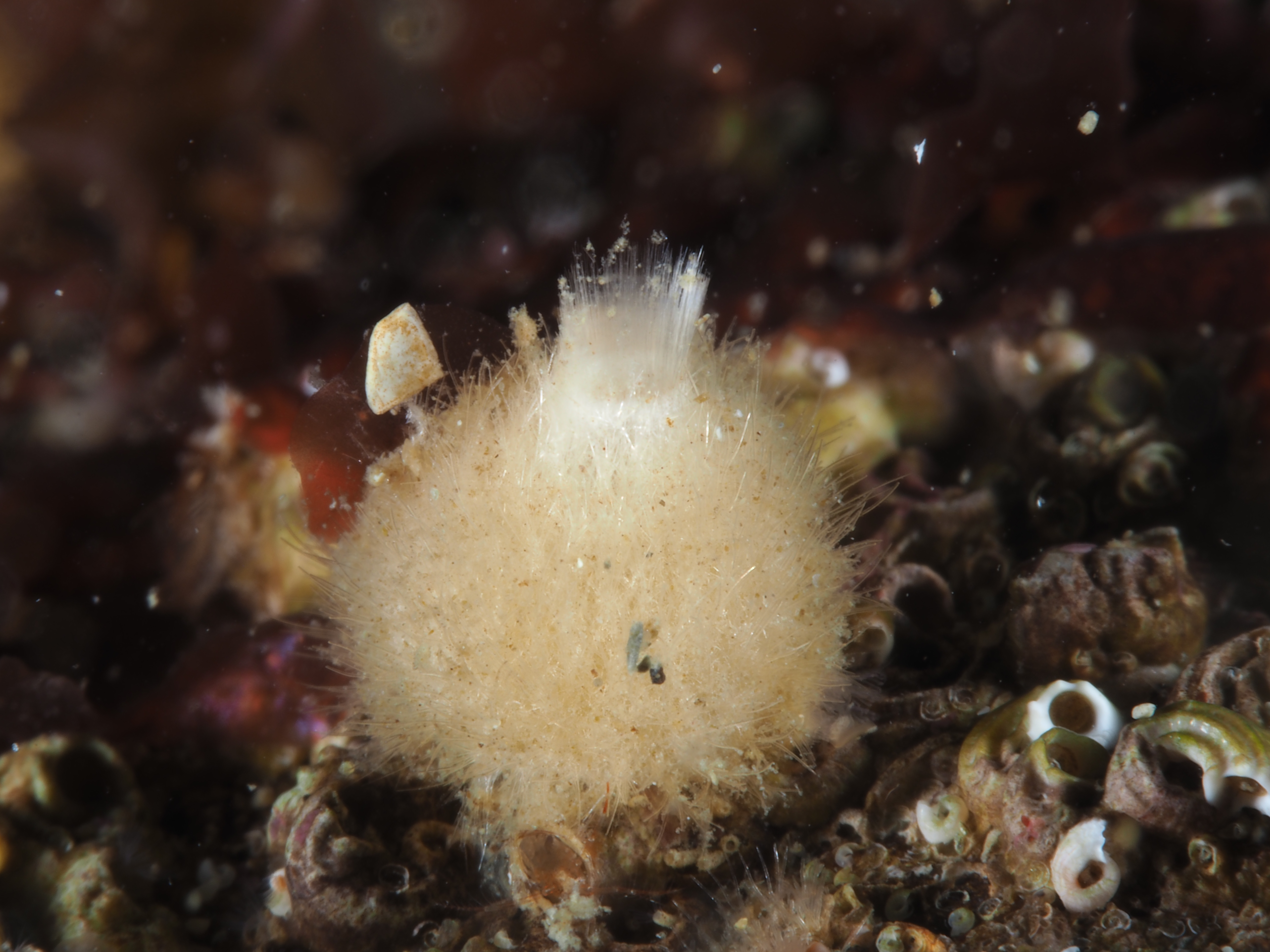
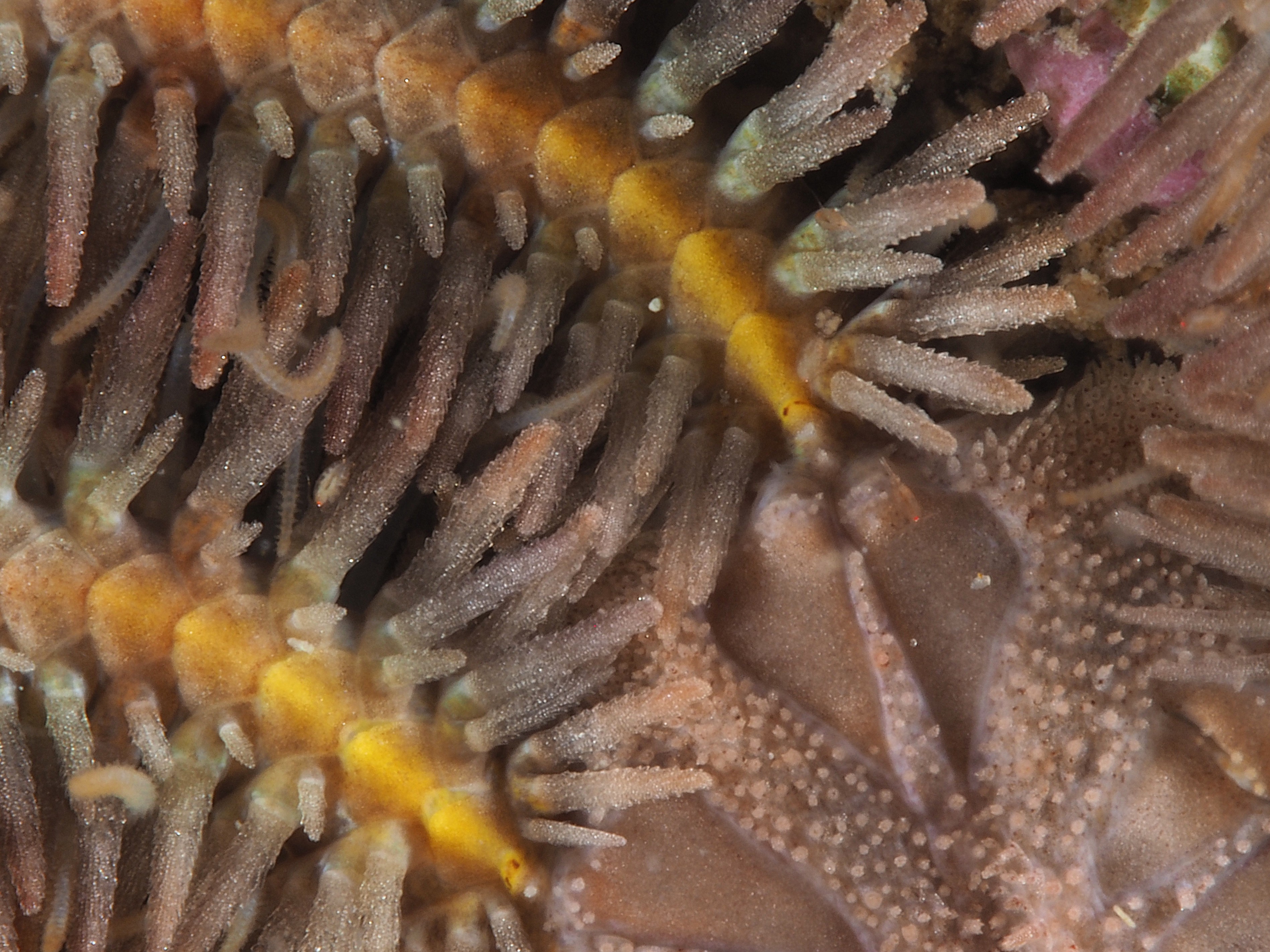
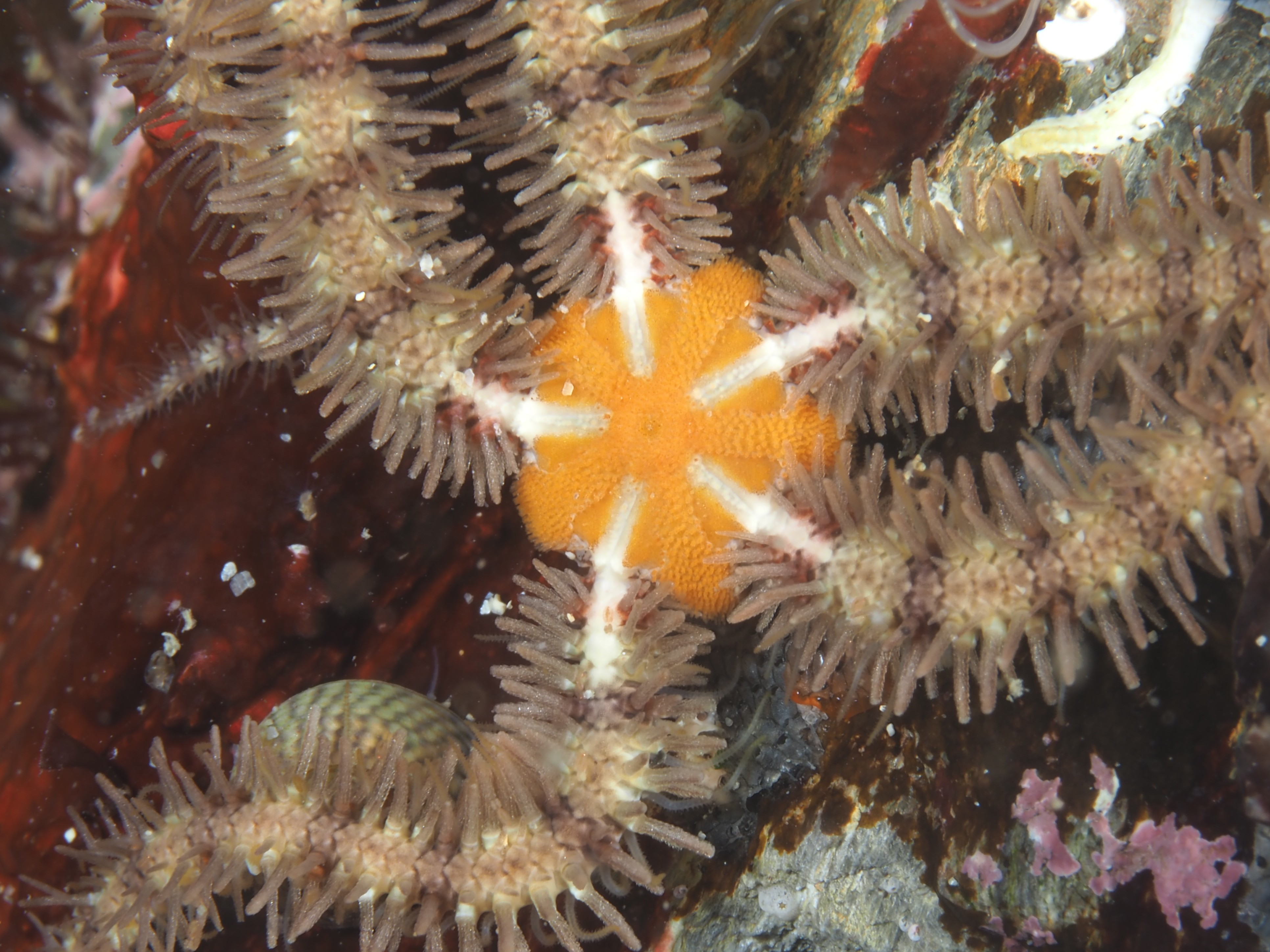
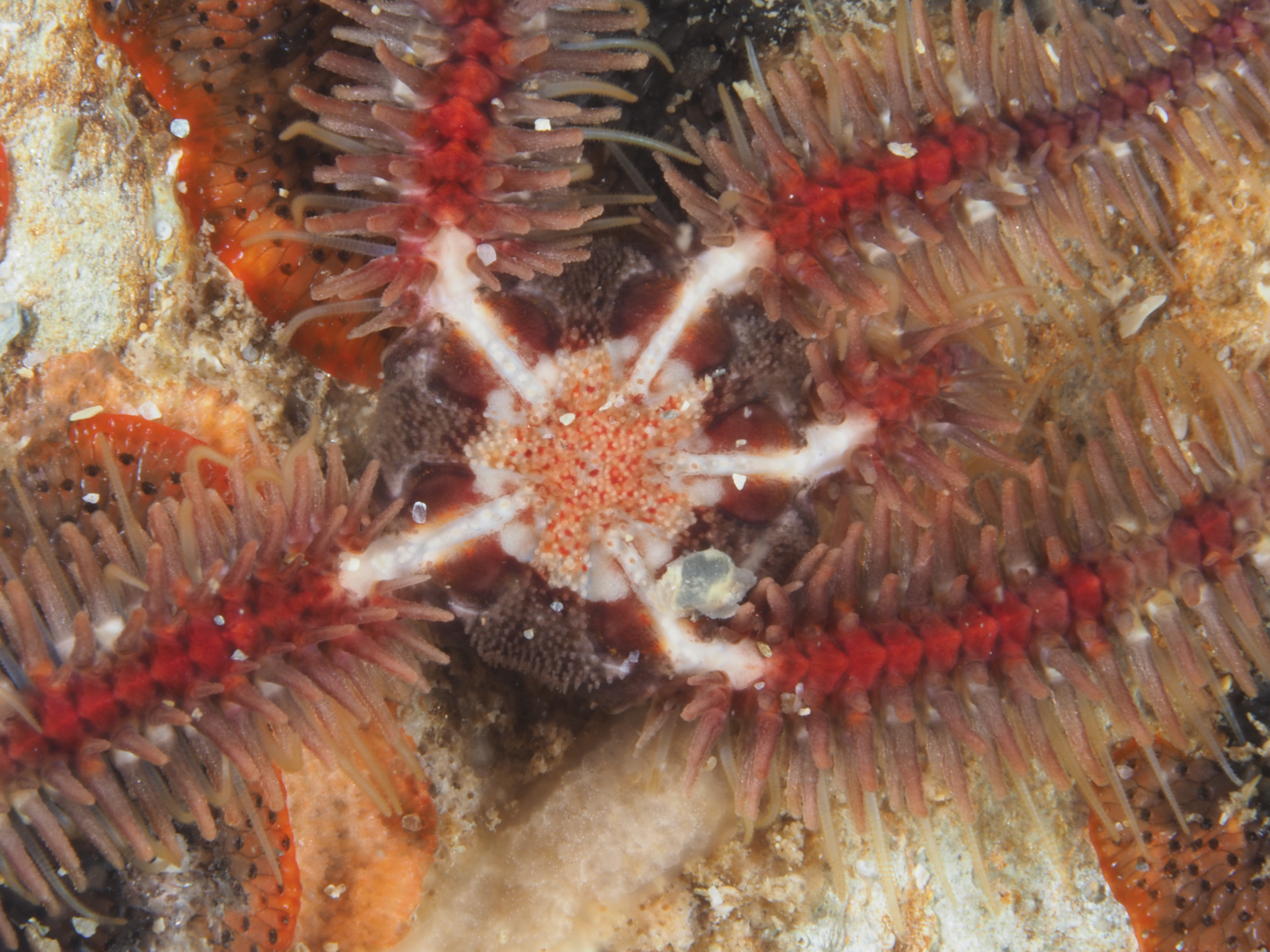
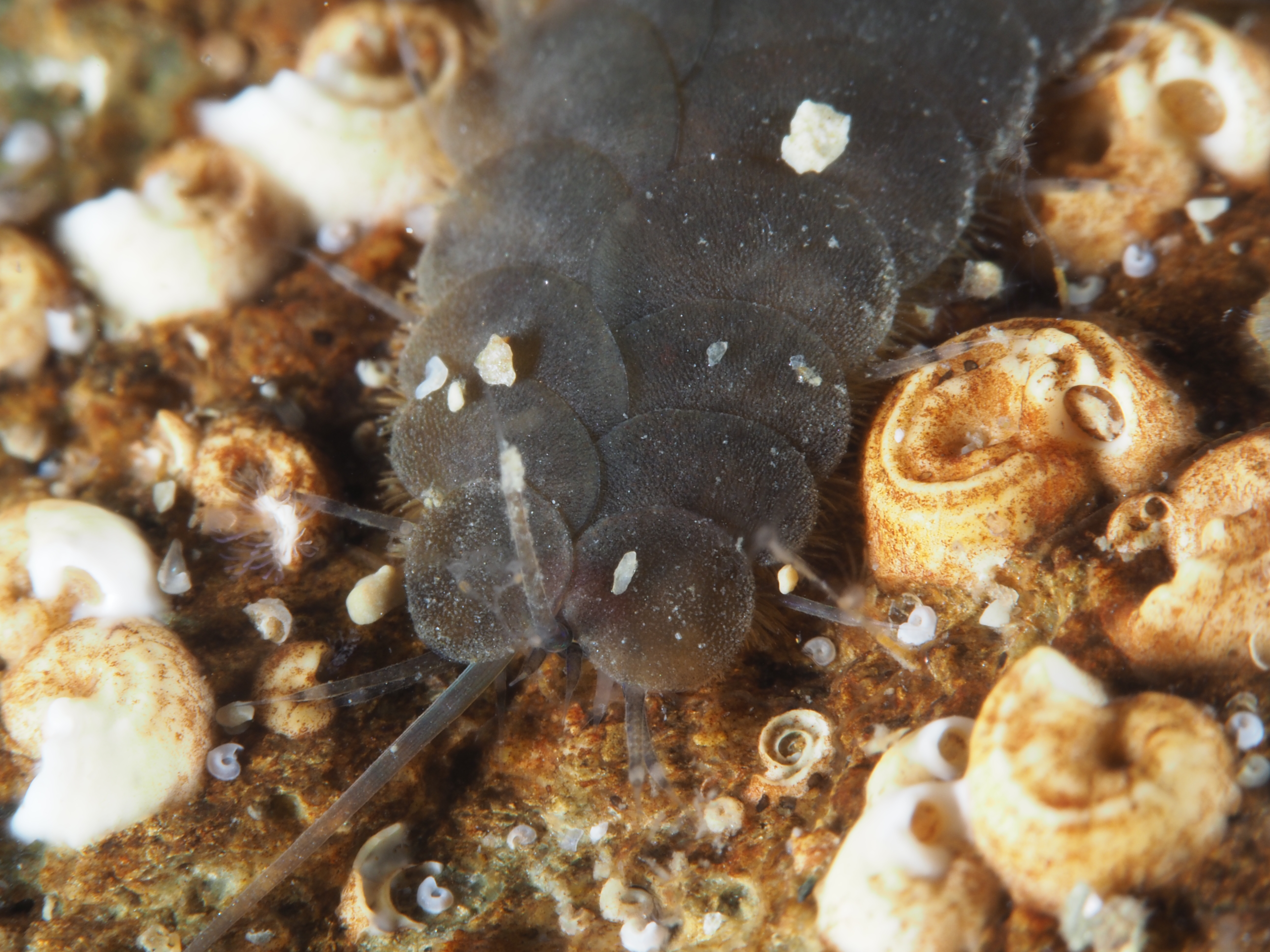
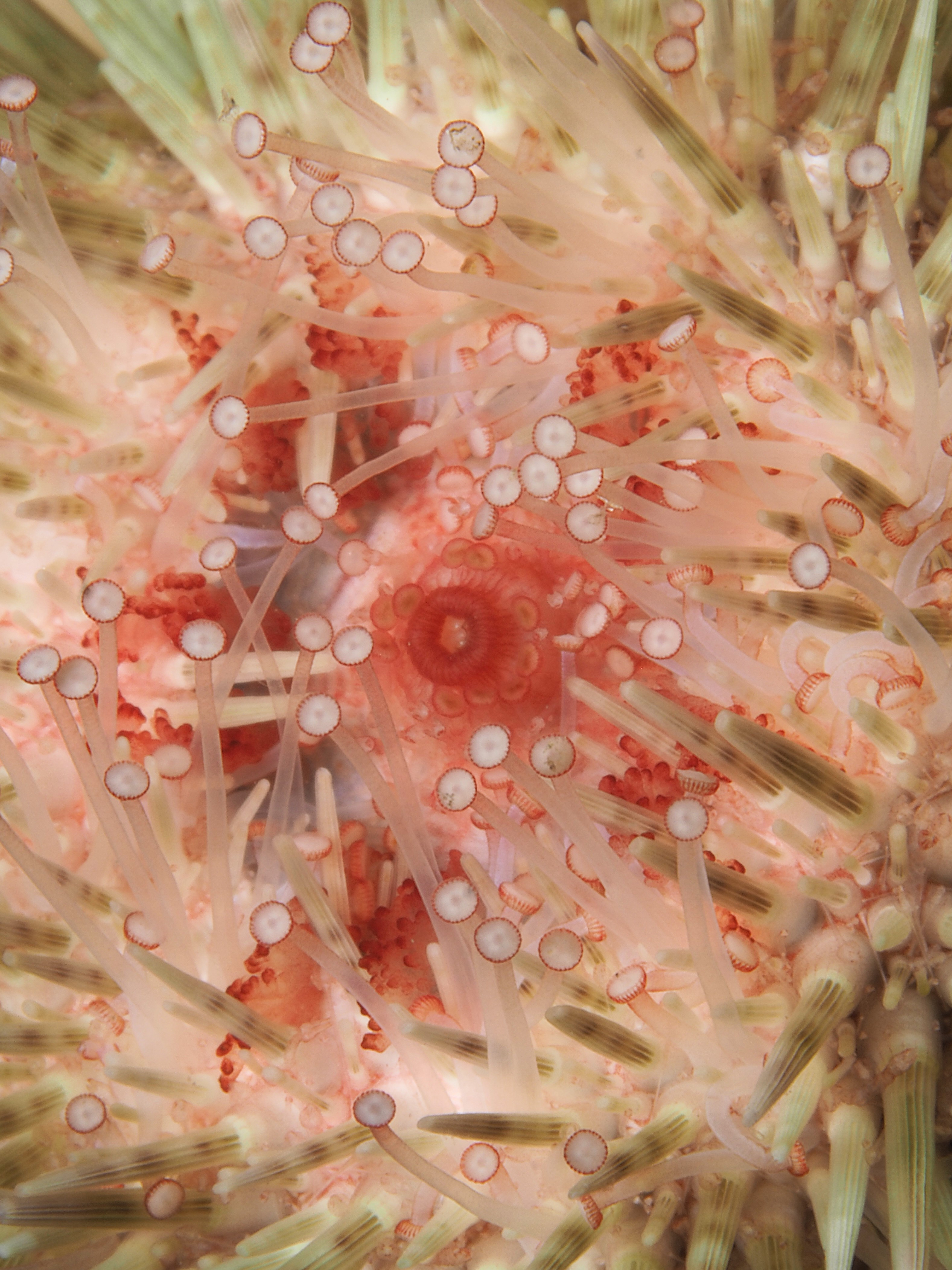
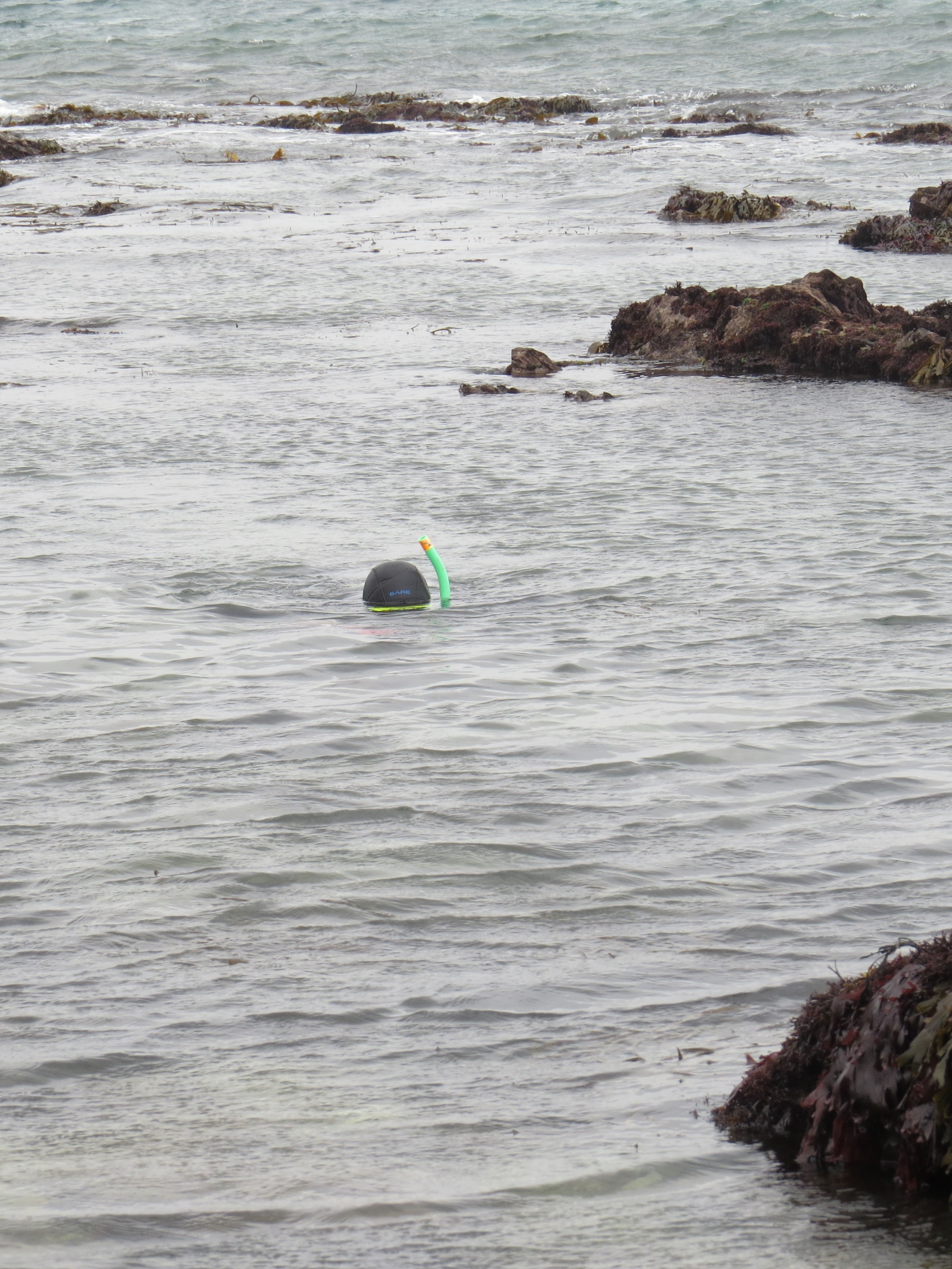
Easterlies (bad viz) and low tides meant some macro photography in the rockpools this Saturday. The water is getting chillier but staying in for two hours is still possible. I returned to a subject I tried my hand at before: the tube feet of a Green Sea Urchin (Psammechinus miliaris). The 60mm macro + cmc-1 wetlens plus some cheeky cropping gets me close, although I always want to get even closer! I was happier with the results than the previous times, so I posted it on instagram (@an_bollenessor). Below a more zoomed out view of the underside of the urchin, yours truly in the water, a common brittlestar, a small brittlestar, a pheasant shell, a tiny nermertean worm which might be this (thanks David Fenwick!) and a detail of a redspeckled anemone.
A Late October Snorkel

I have a lot more pics from this year to put on the blog but those have to wait, as I want to post some photos from last Saturday first, when there was little wind, a low tide and some sun! The viz was not great as expected, so I brought the macrolens and went in search for some small critters. No special finds, but I was very happy with my shots of a common little mollusc the European Cowrie (Trivia monacha). Most people will be familiar with this species as beach finds of empty shells, but not know how it looks like when it is alive, when its mantle covers most of the shell, it shows its striped tail at the back and a siphon and cute little eyes at the front. I used a shallow depth of field (f/4) to get rid of the ugly cluttered background, which worked well if I may say so myself (I need to try this technique more often!).

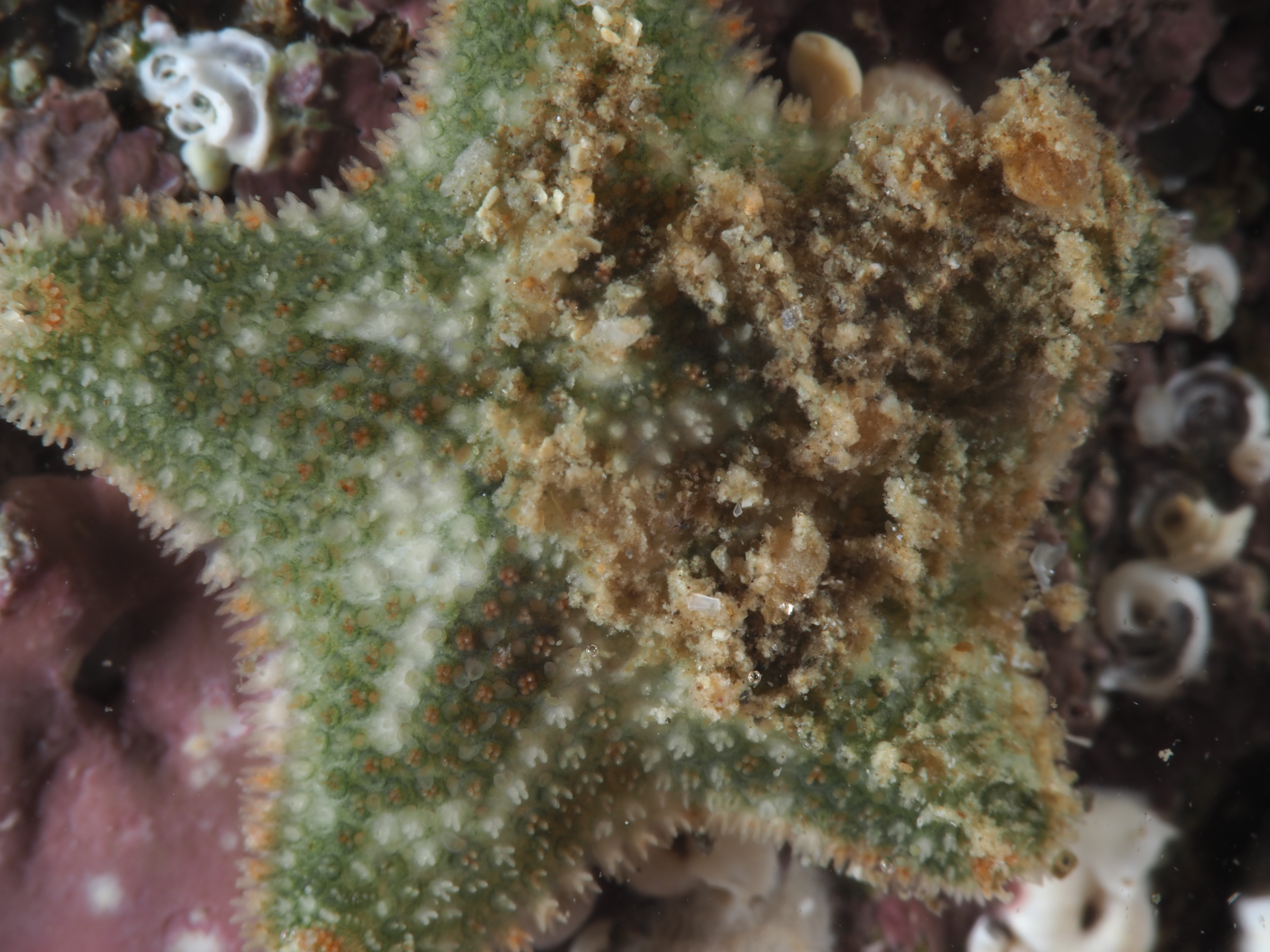
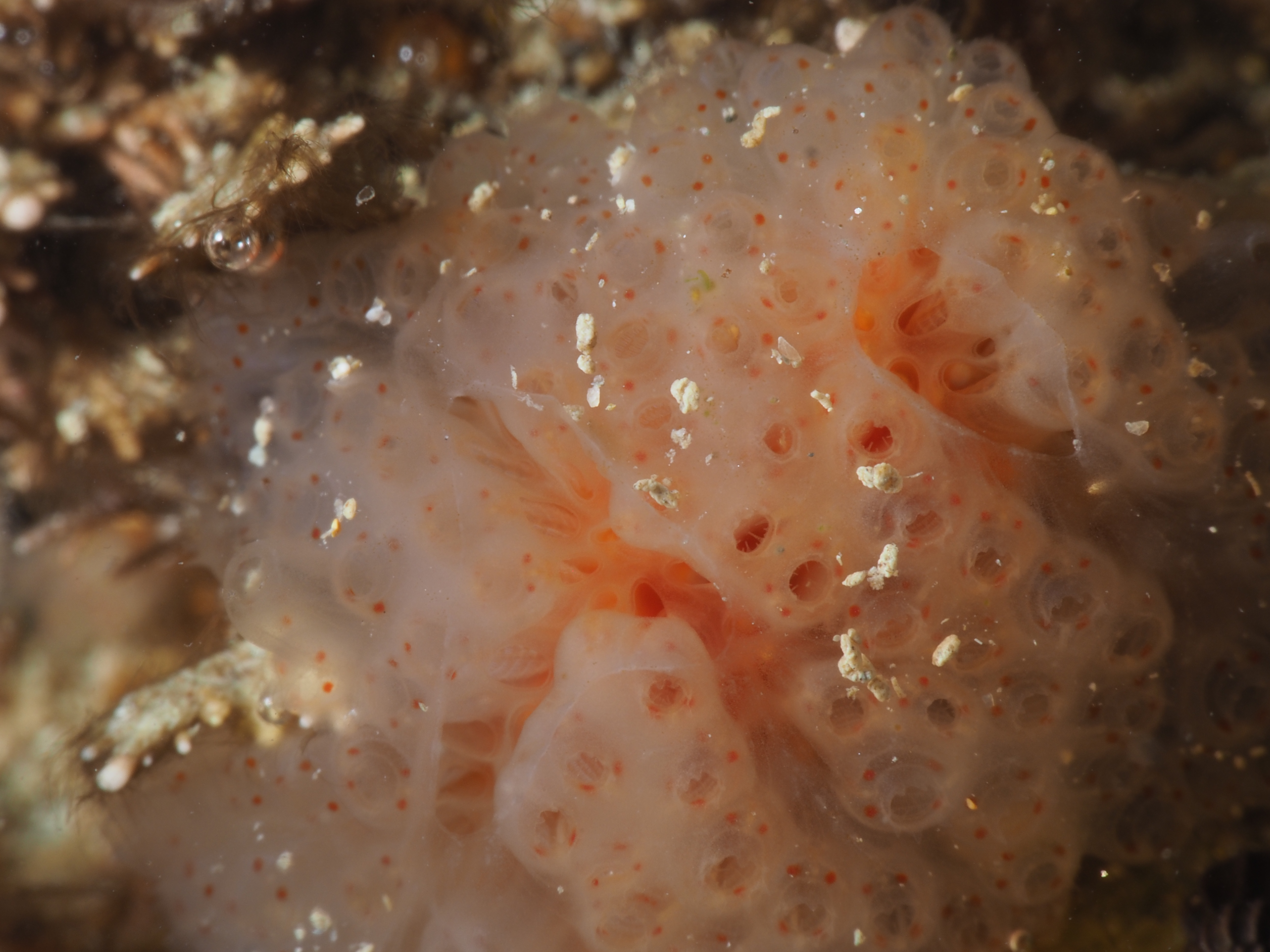
Many other critters were found too and I took shots of a selection. First, a Sea Spider, all legs and crawling away. A tiny mat of colonial tunicate that looked like a persian rug on drugs. A quick shot of the ubiquitous (if you know where to look – on kelp fronds) blue-rayed Limpets and a stalked jellyfish. Finally, I spent a lot of time taking shallow-depth-of-field AND slow shutter-speed photos of a scorpion spider crab in a snakelocks anemone to get some sort of ‘artistic’ shot. It did not really work, but it was fun nonetheless and I will have a go at it again. After almost 2,5 hours in the water I stumbled back to the car to get changed – an afternoon well-spent!