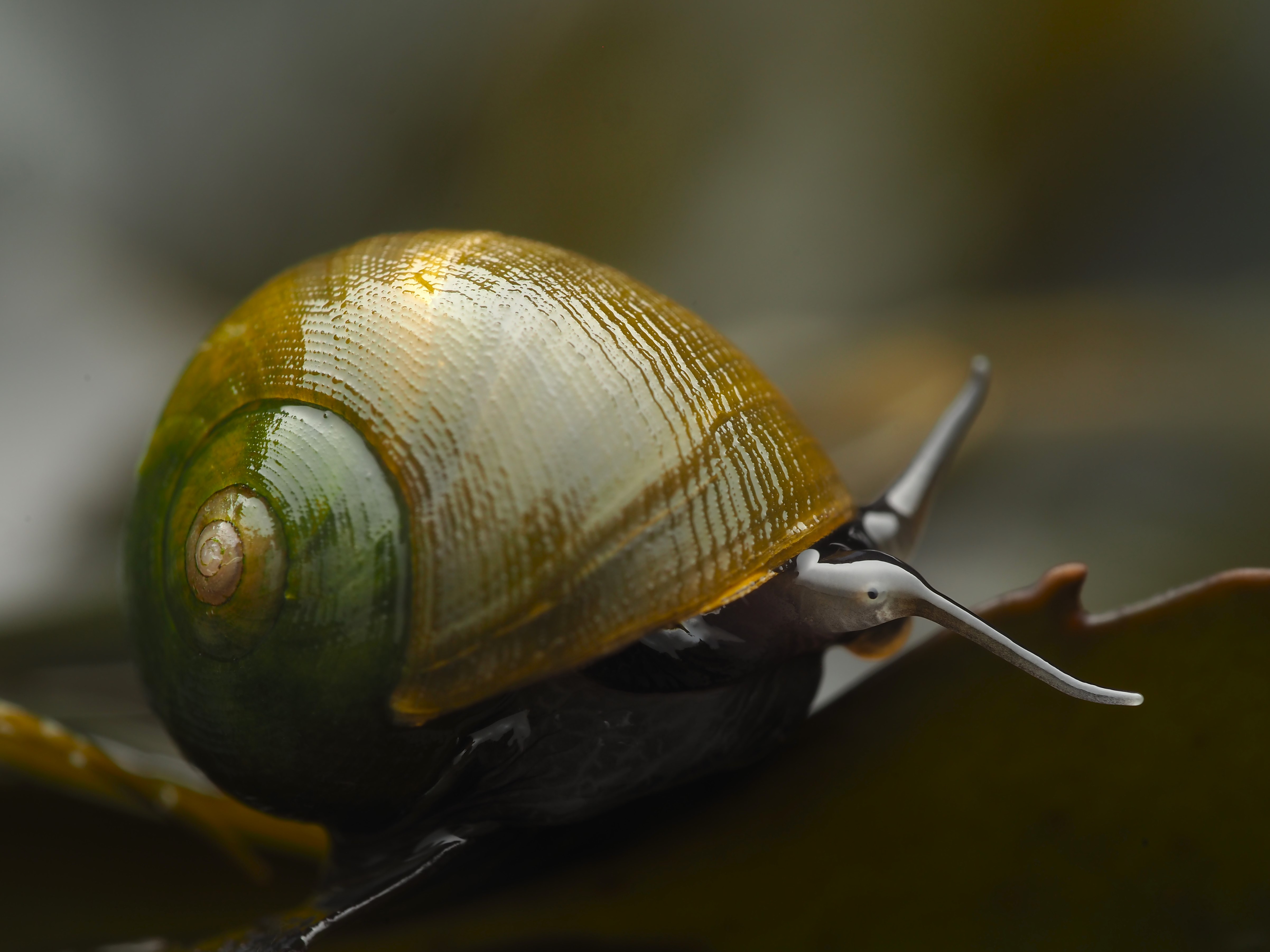
Long time no post – the idea was to spend time taking photos during spring and summer and enjoy the underwater world vicariously by blogging in autumn and winter. However, something terrible happened on my only dive of 2025: my underwater housing sprung a leak! The housing was not flooded to an extent that it damaged my camera but it needed to be repaired before I could get back underwater. Unfortunately there is only one place that can do that, backscatter all the way in California, and even more unfortunately, U.S. customs decided to keep my package on a shelf for over a month. I have never seen an octopus in my decade of diving but of course people reported eight or so per dive last month so I was feeling very sorry for myself!* Anyway, I have been confined to the shoreline so far. To cope with that, I bought a weird chinese macro-wide angle lens to play with which I will post about later. I also used my ‘normal’ 60mm macro lens (sometimes with a Raynox lens attached to the front for extra magnification) and took some time to focus on periwinkles.
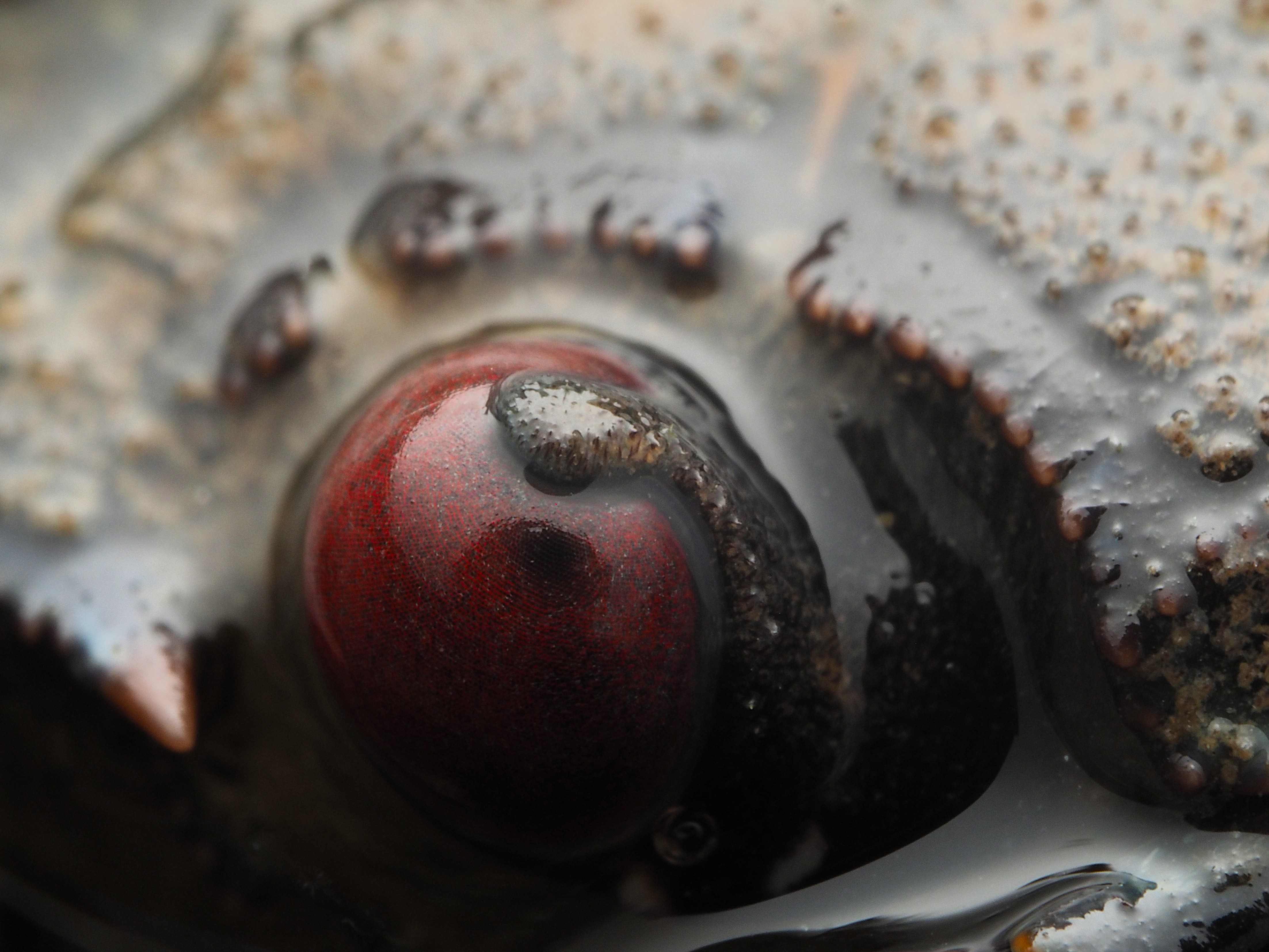
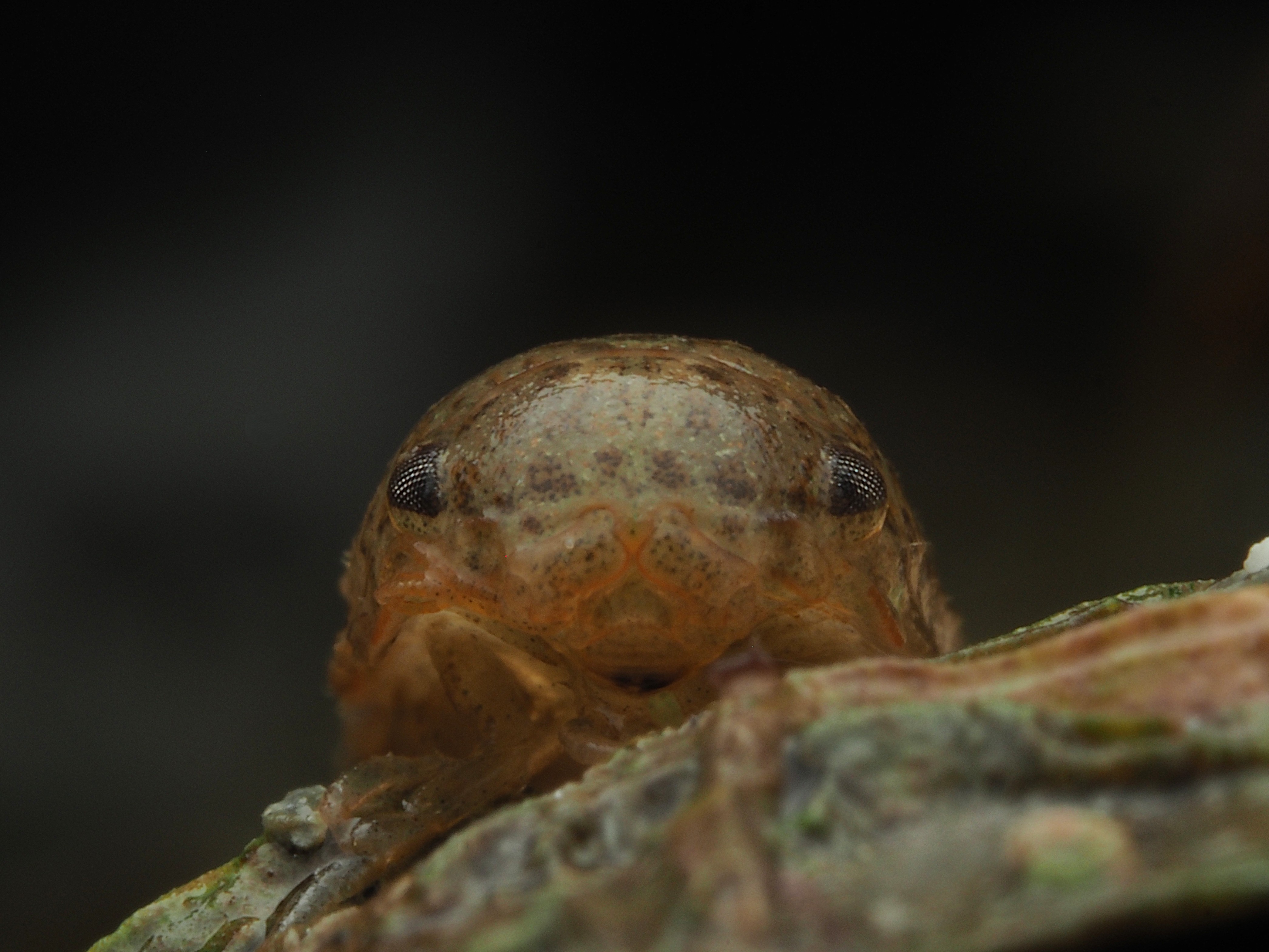
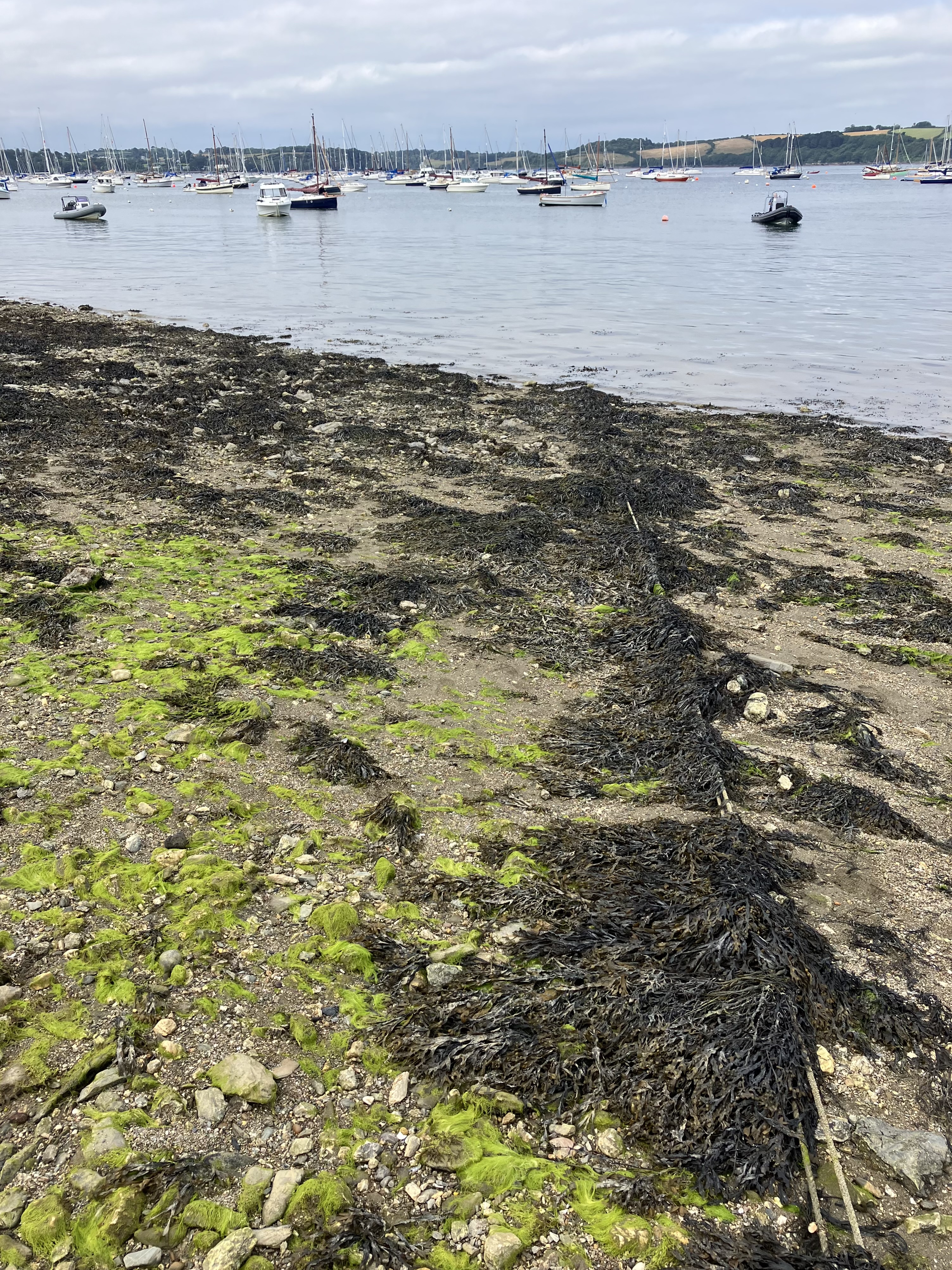
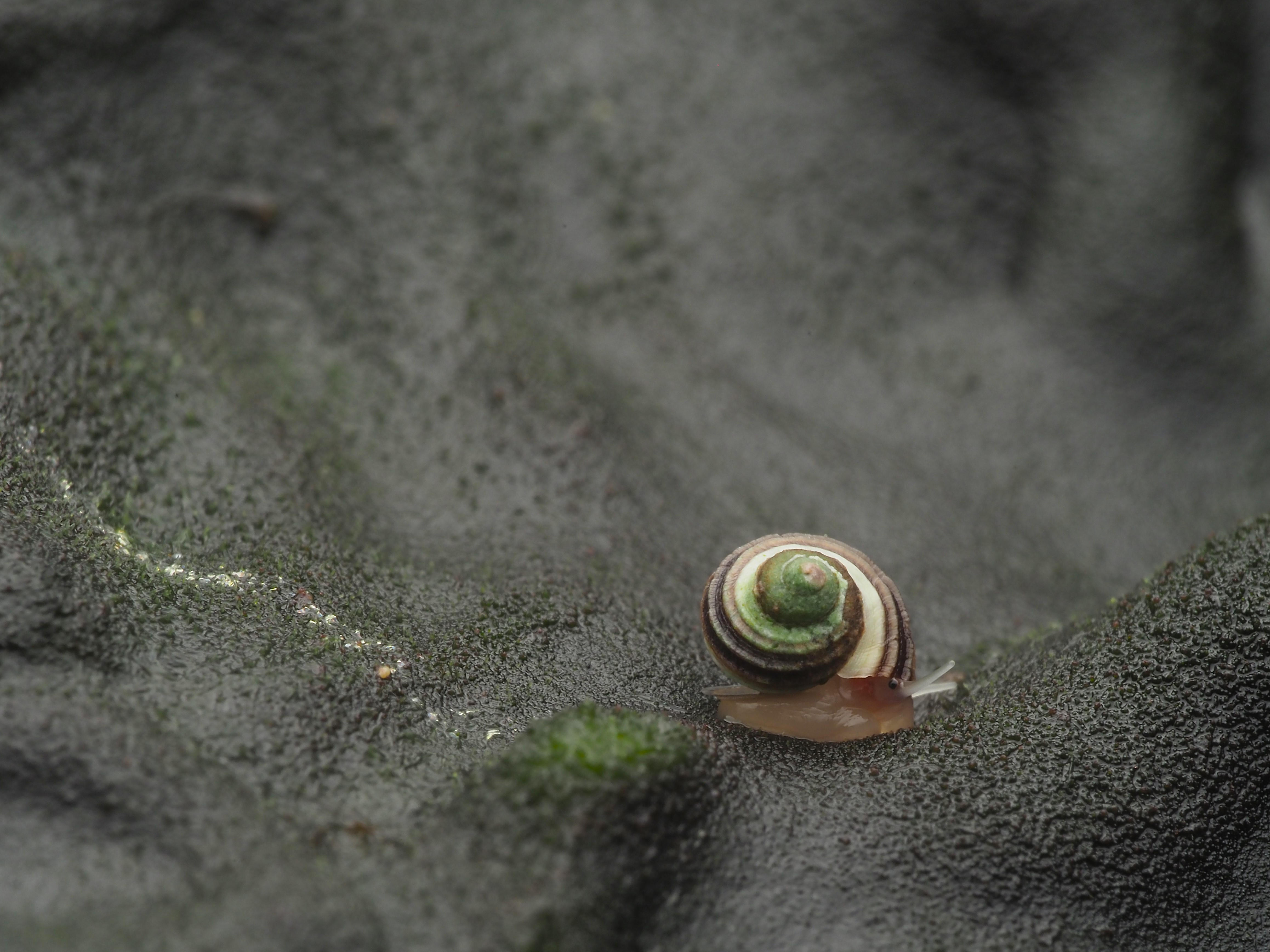
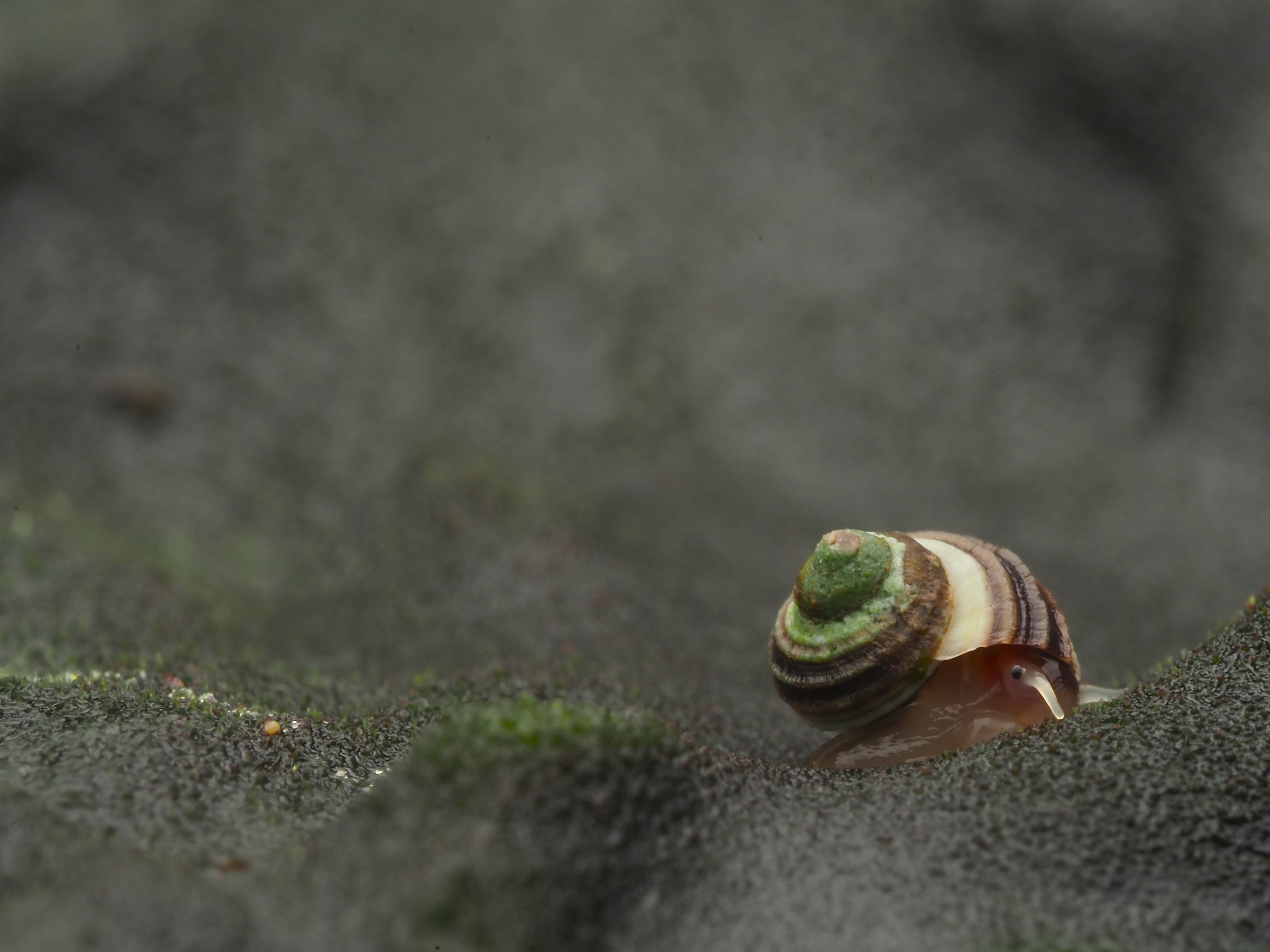
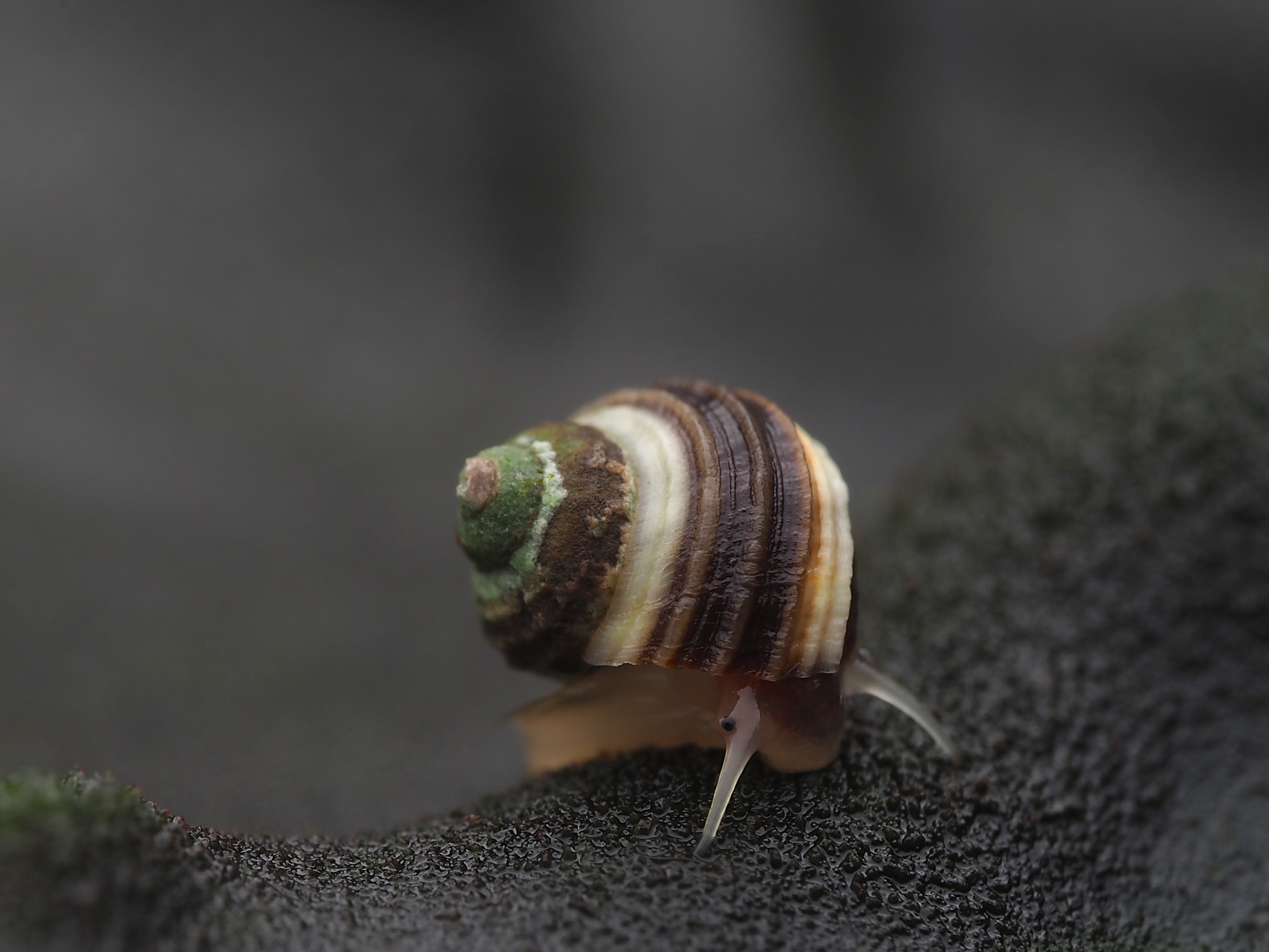
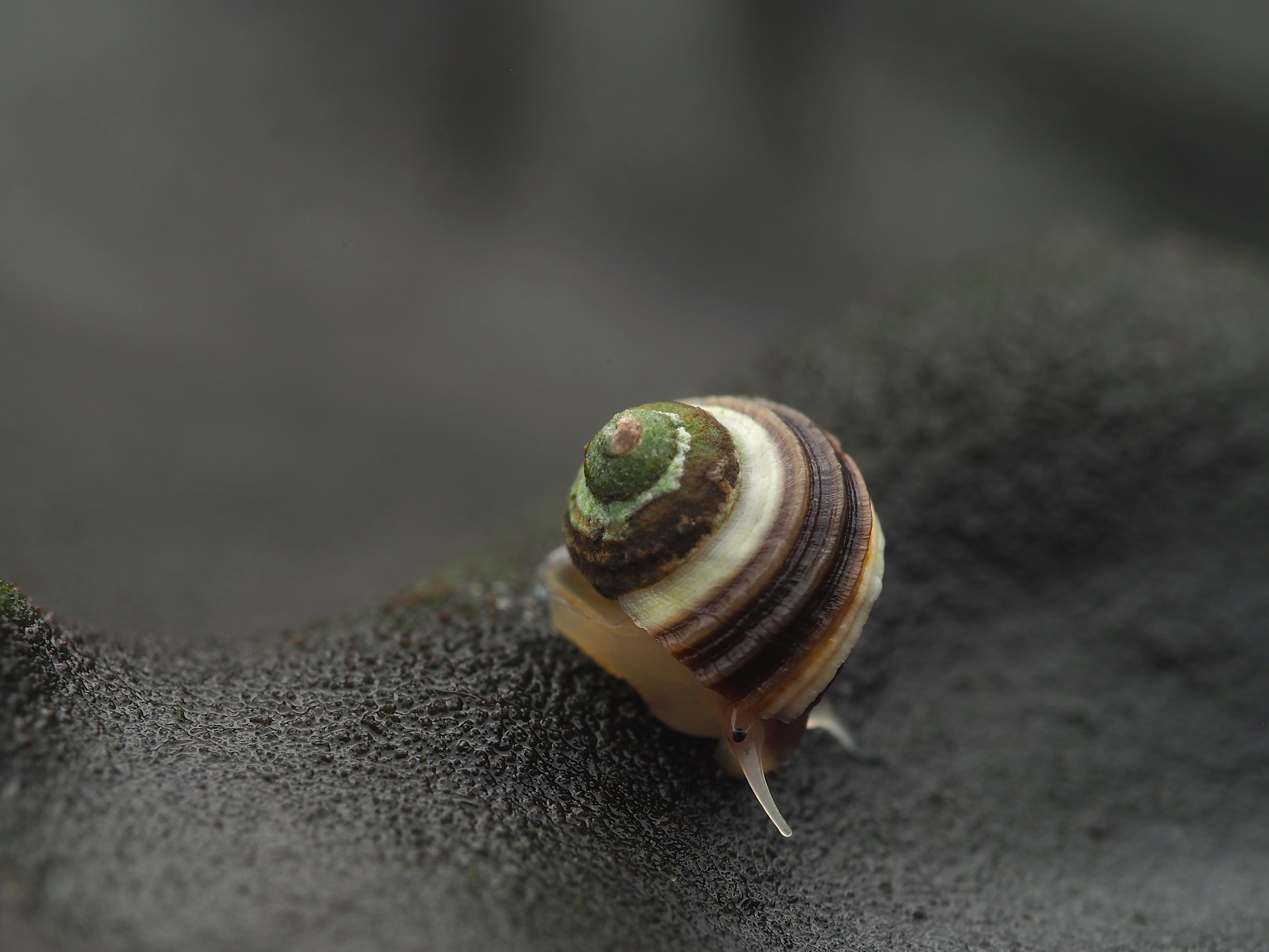
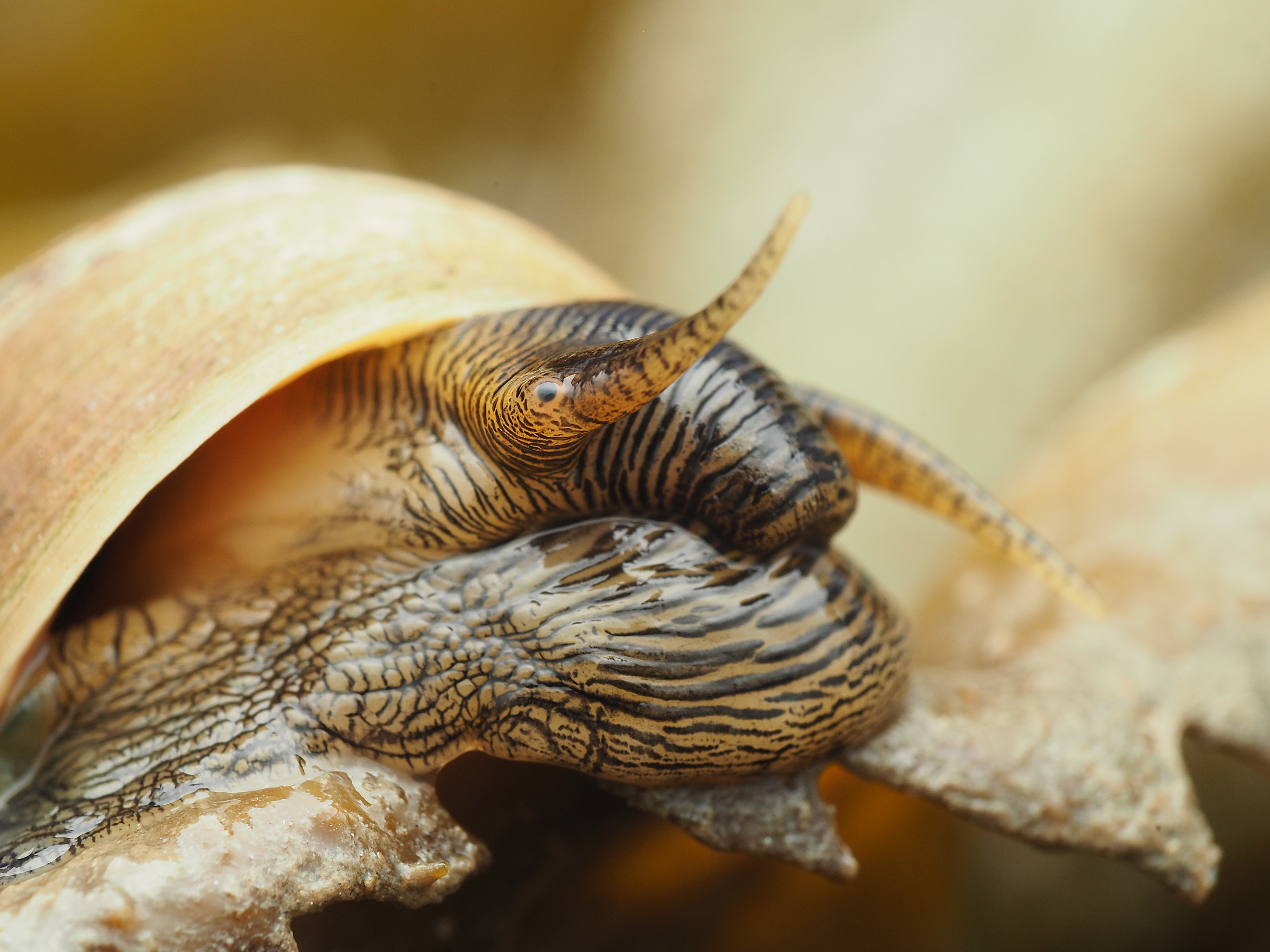
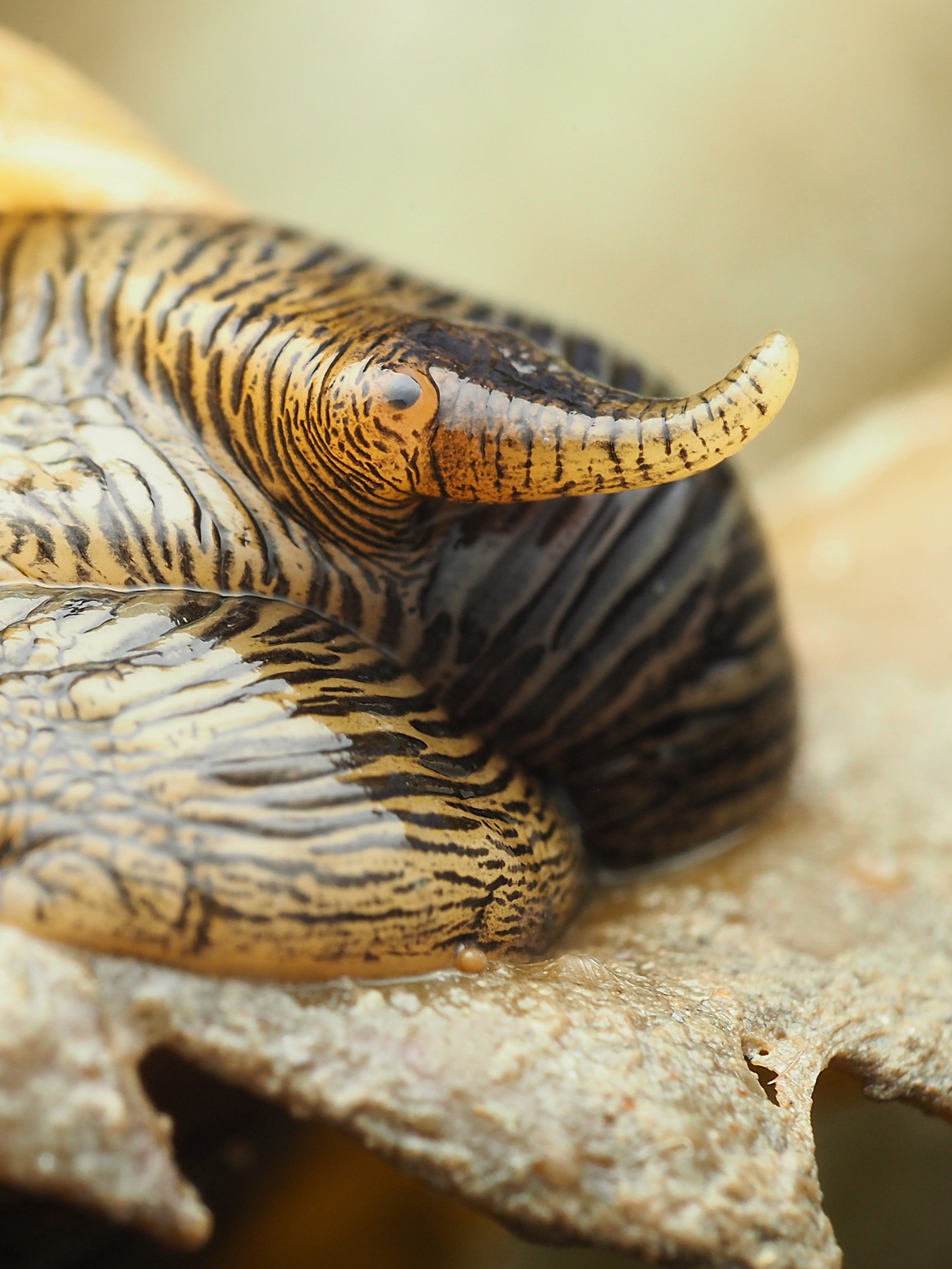
At the top and below a Flat Periwinkle (Littorina obtusata or maybe L. fabialis – distinguishing is very hard as it requires investigating differences in penis shape!). As you can see the locations are not always glamorous, but if you zoom in you can still find beauty!
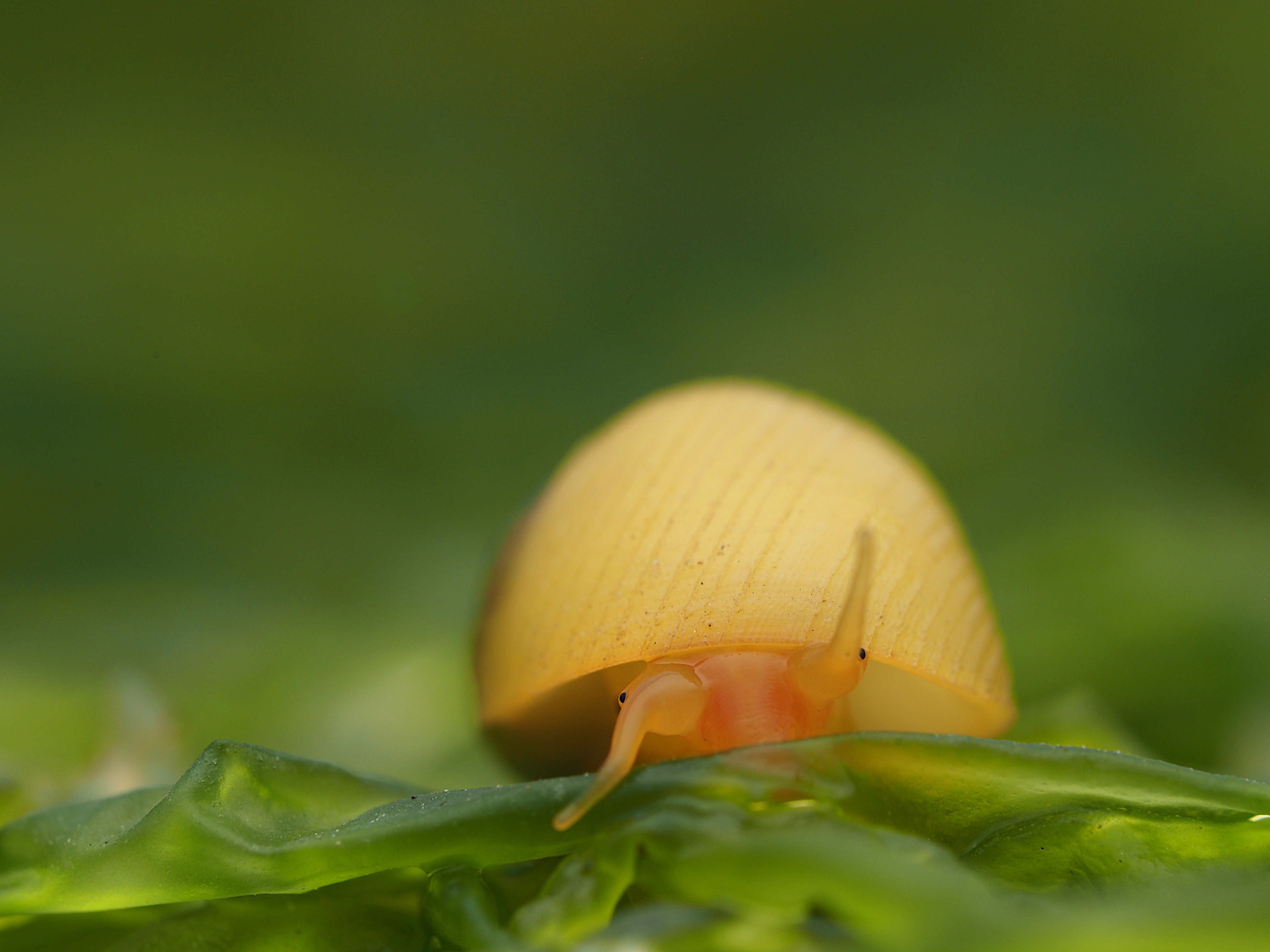
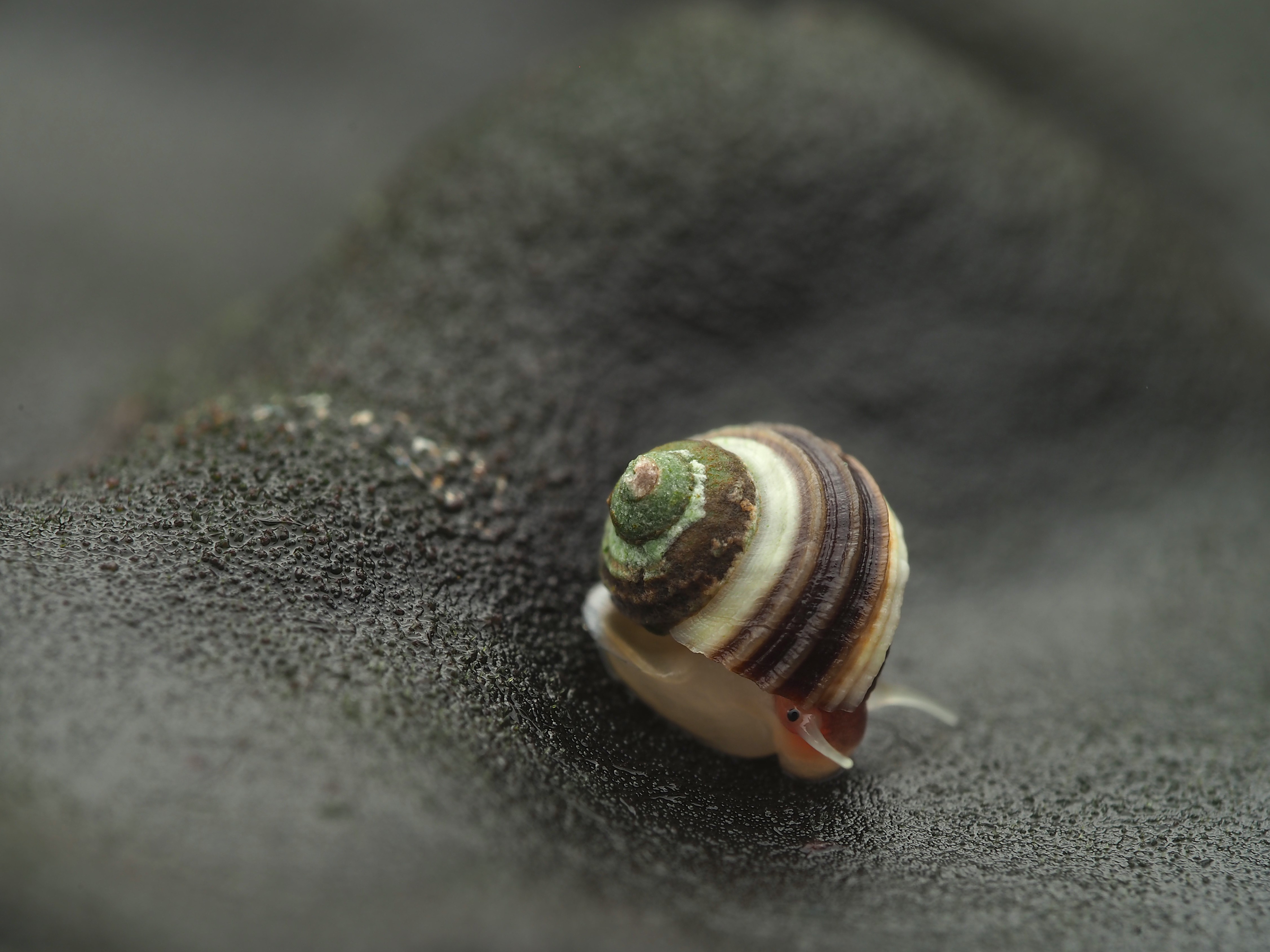
Flat periwinkles tend to be most active above-water, followed by the smaller Rough Periwinkle (Littorina saxatilis – below) with the Common Periwinkle (Littorina littorea – below that) only occasionally moving about.
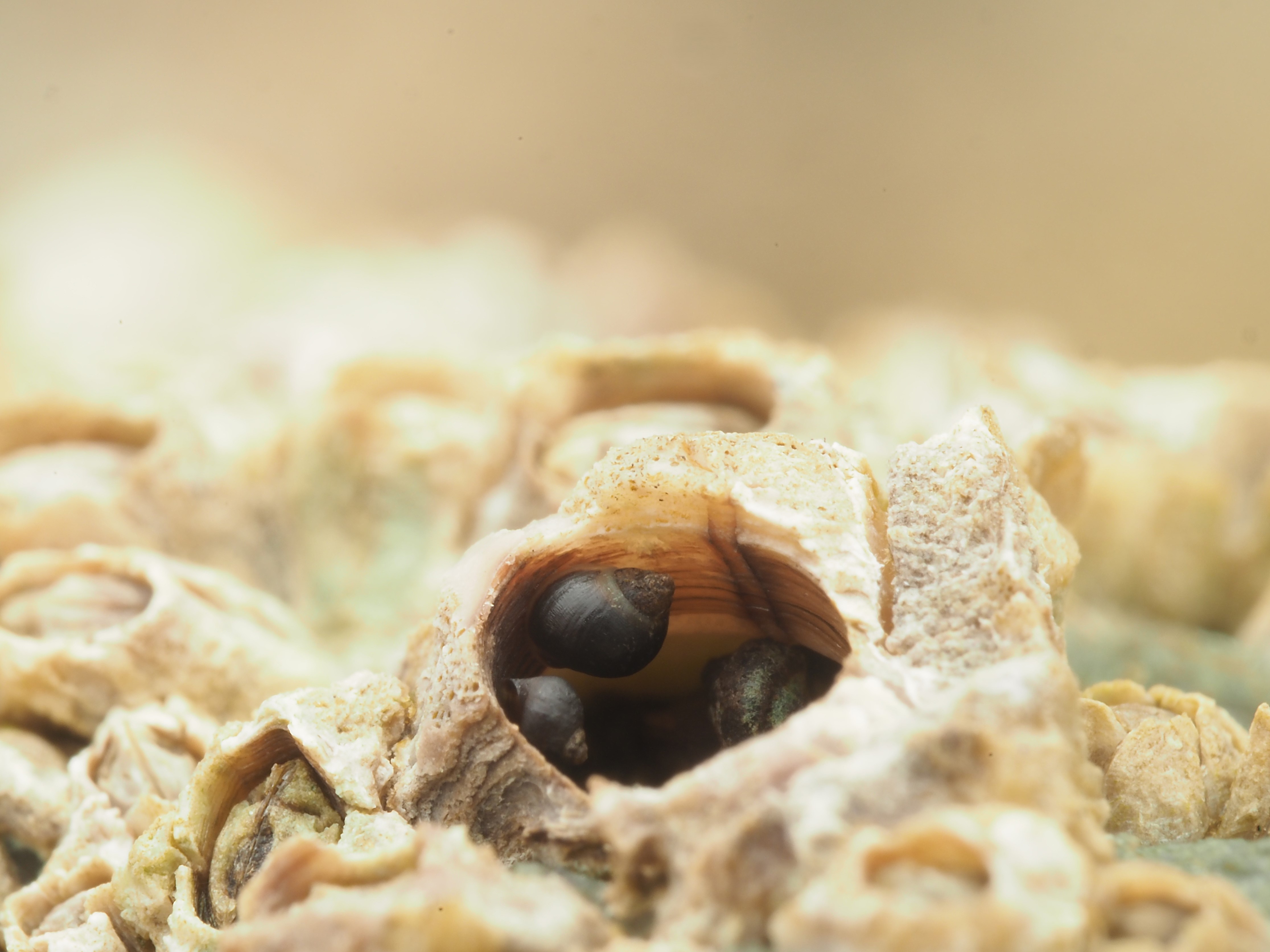
Finally, a tiny species the Small Periwinkle (Littorina Melharaphe neritoides). Probably overlooked by most, as it is tiny (up to 8mm, usually smaller) and hidden between barnacles (or even nestled in empty barnacle cases) high on the shore.
* and no, I could not bring myself to go diving without a camera…
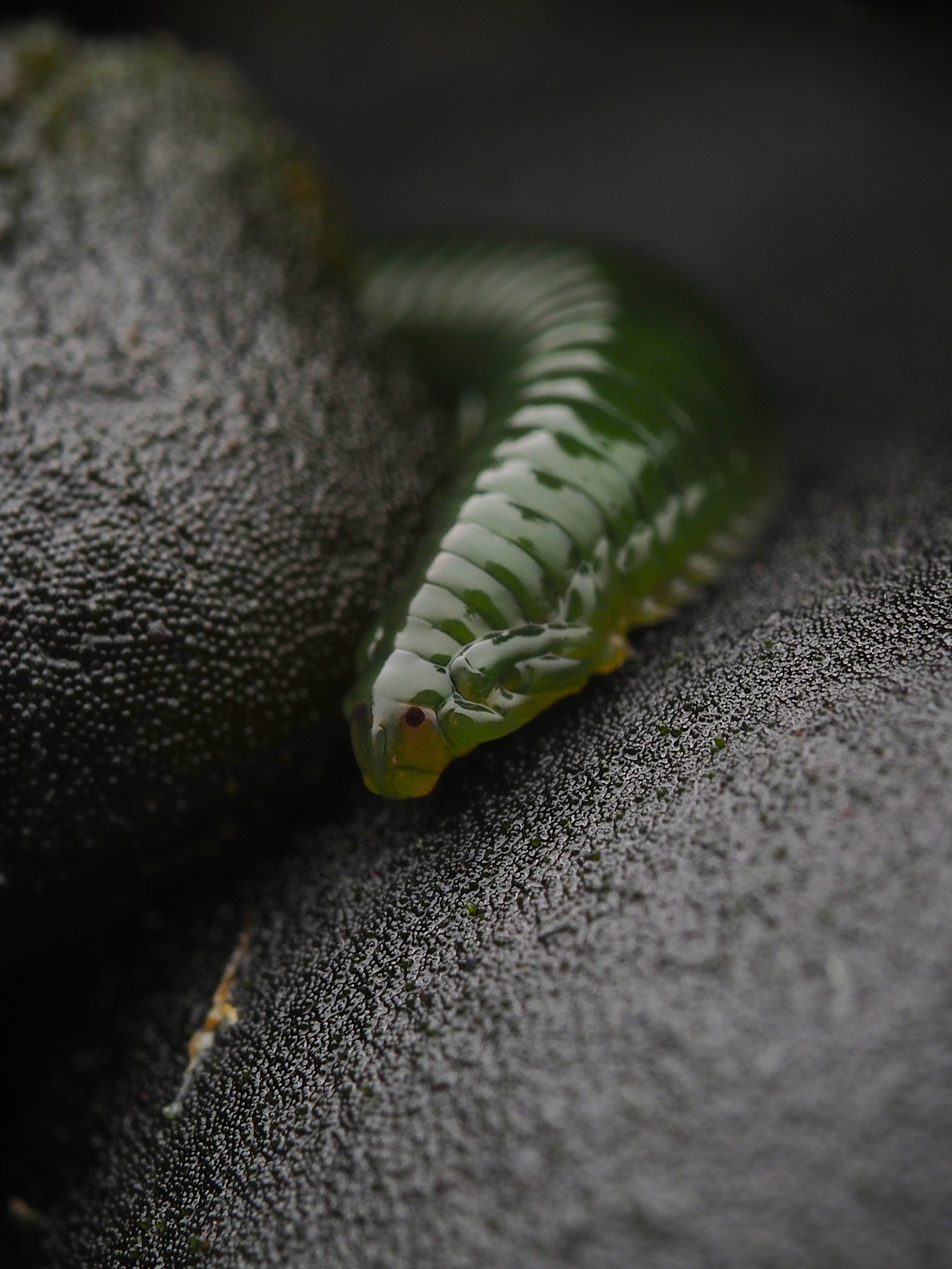
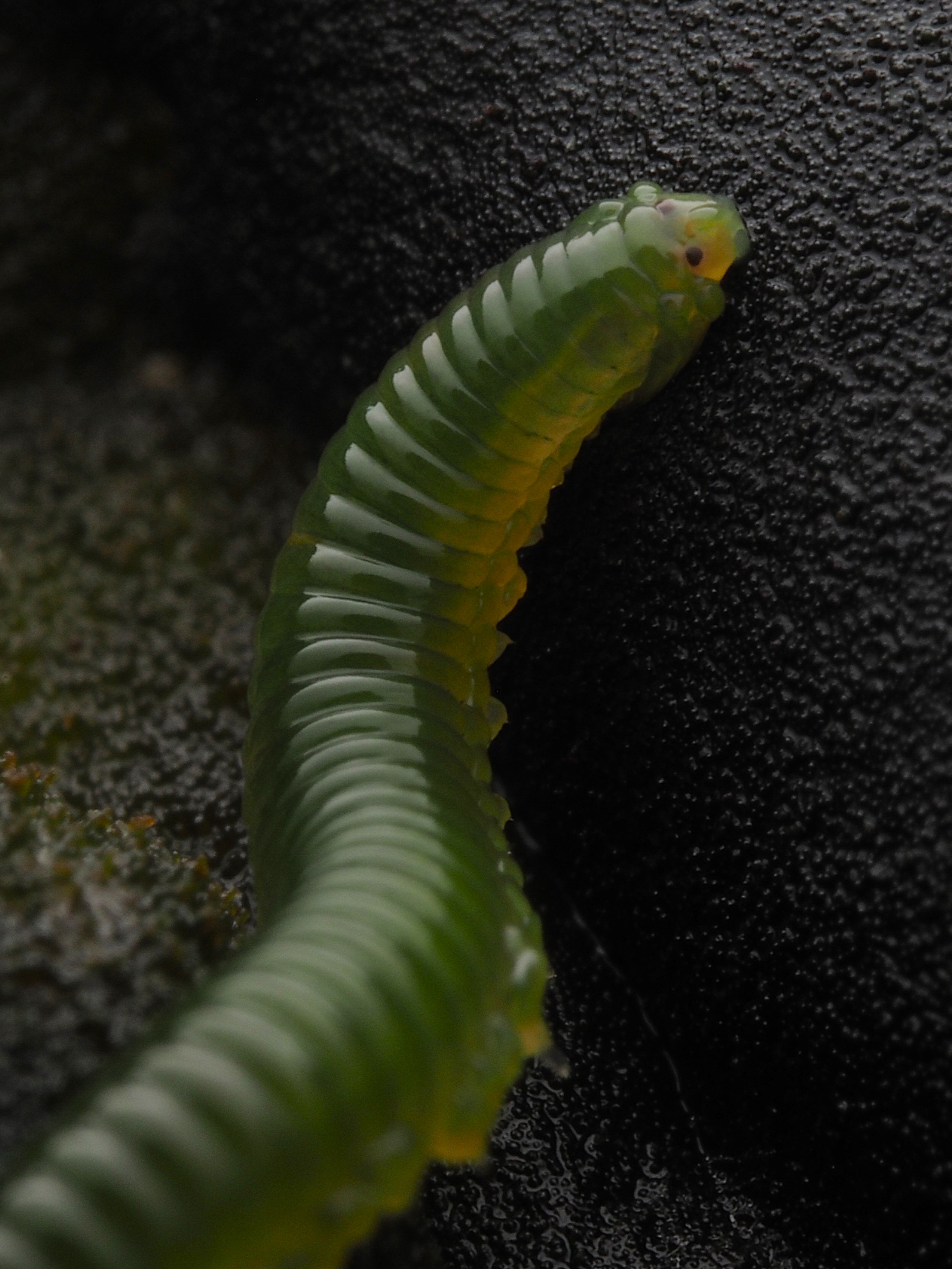
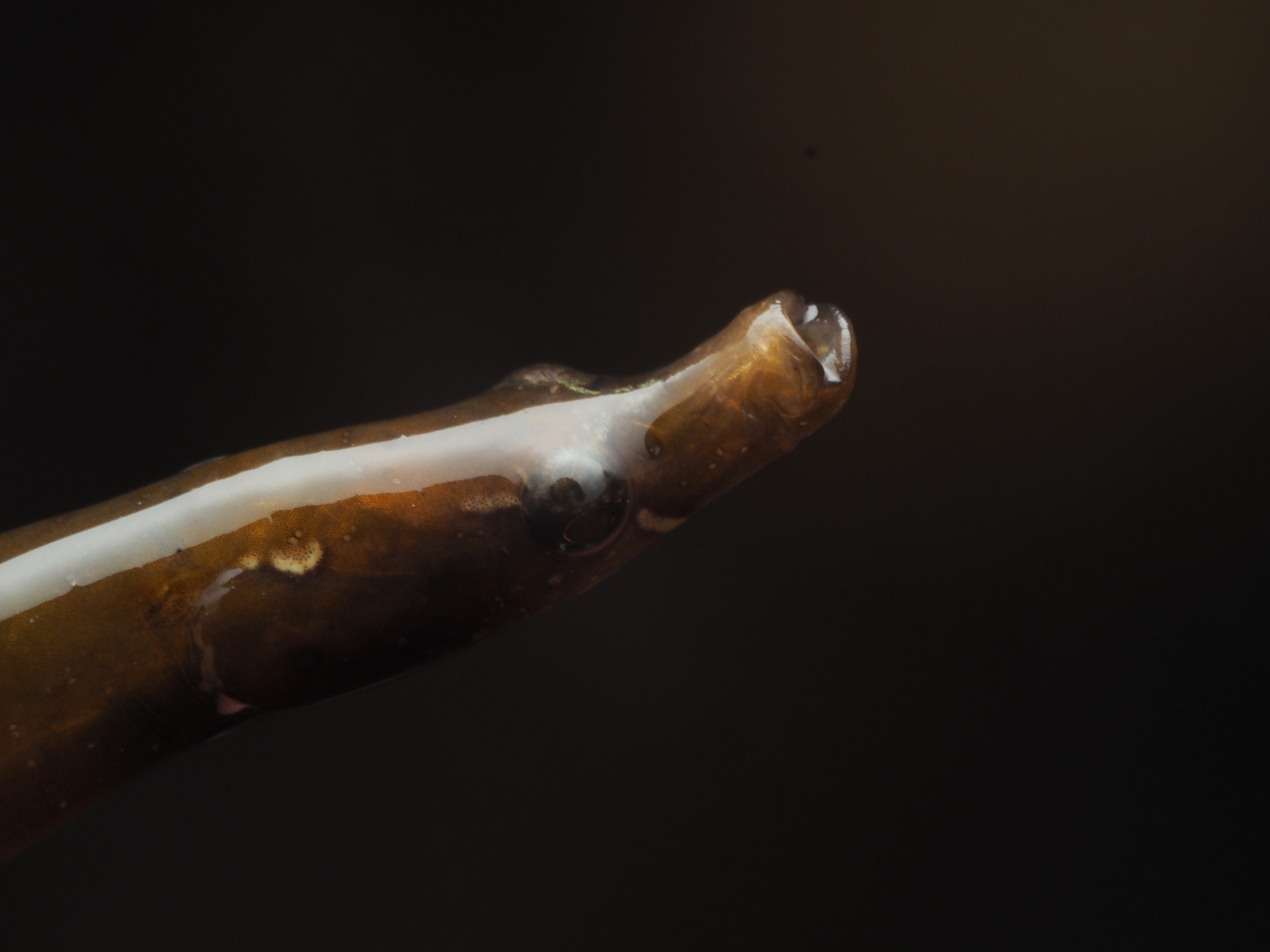
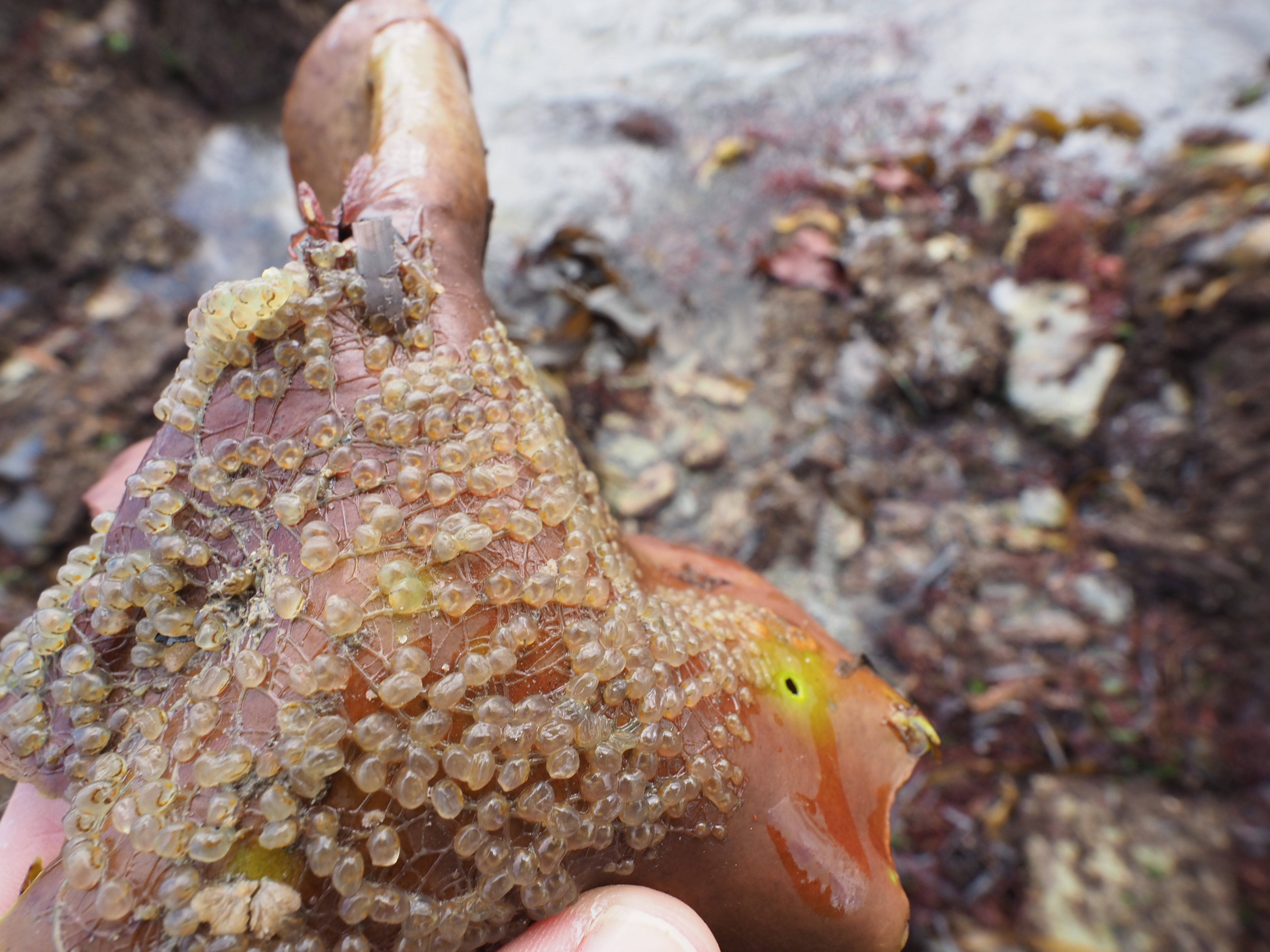
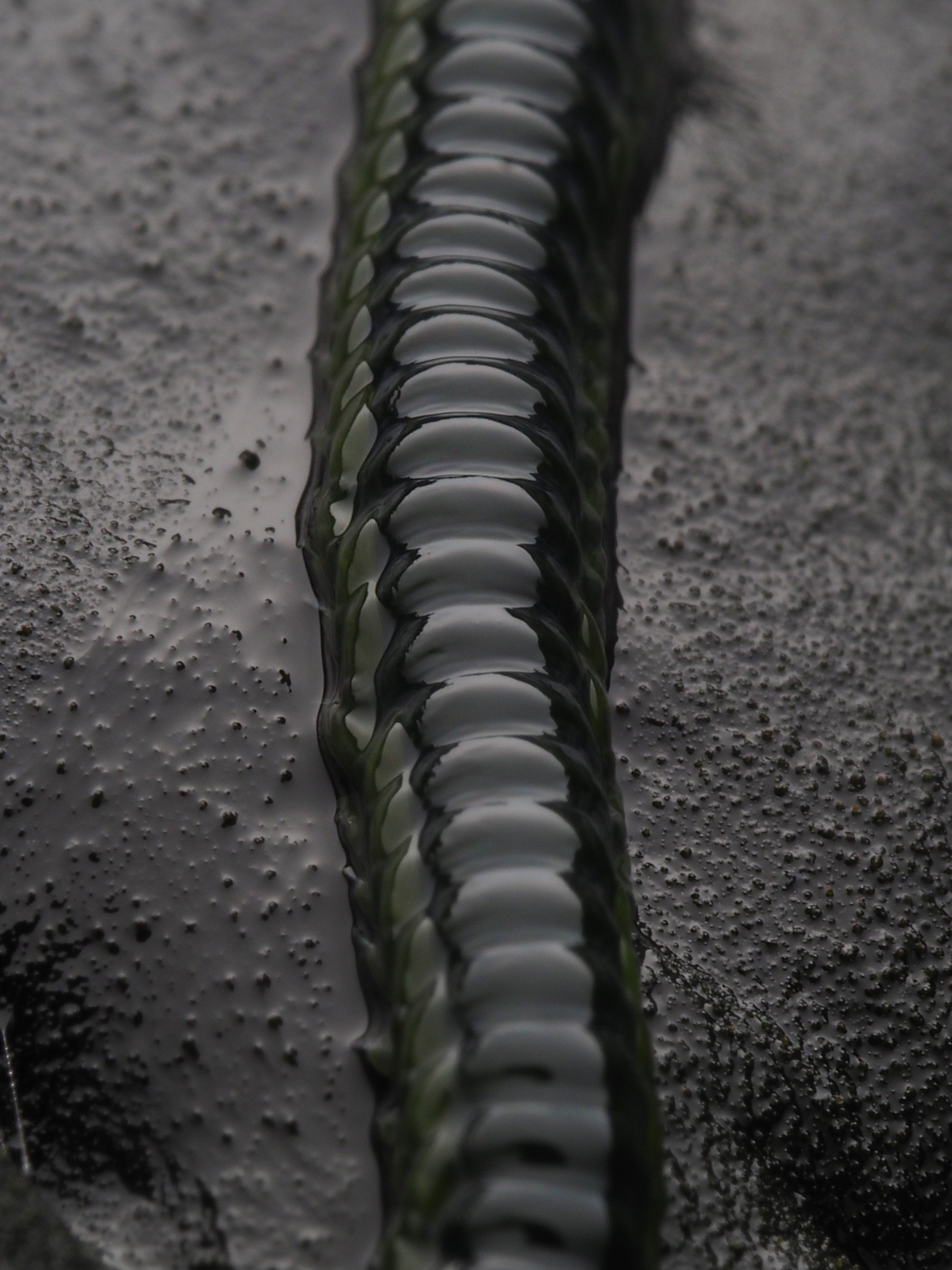
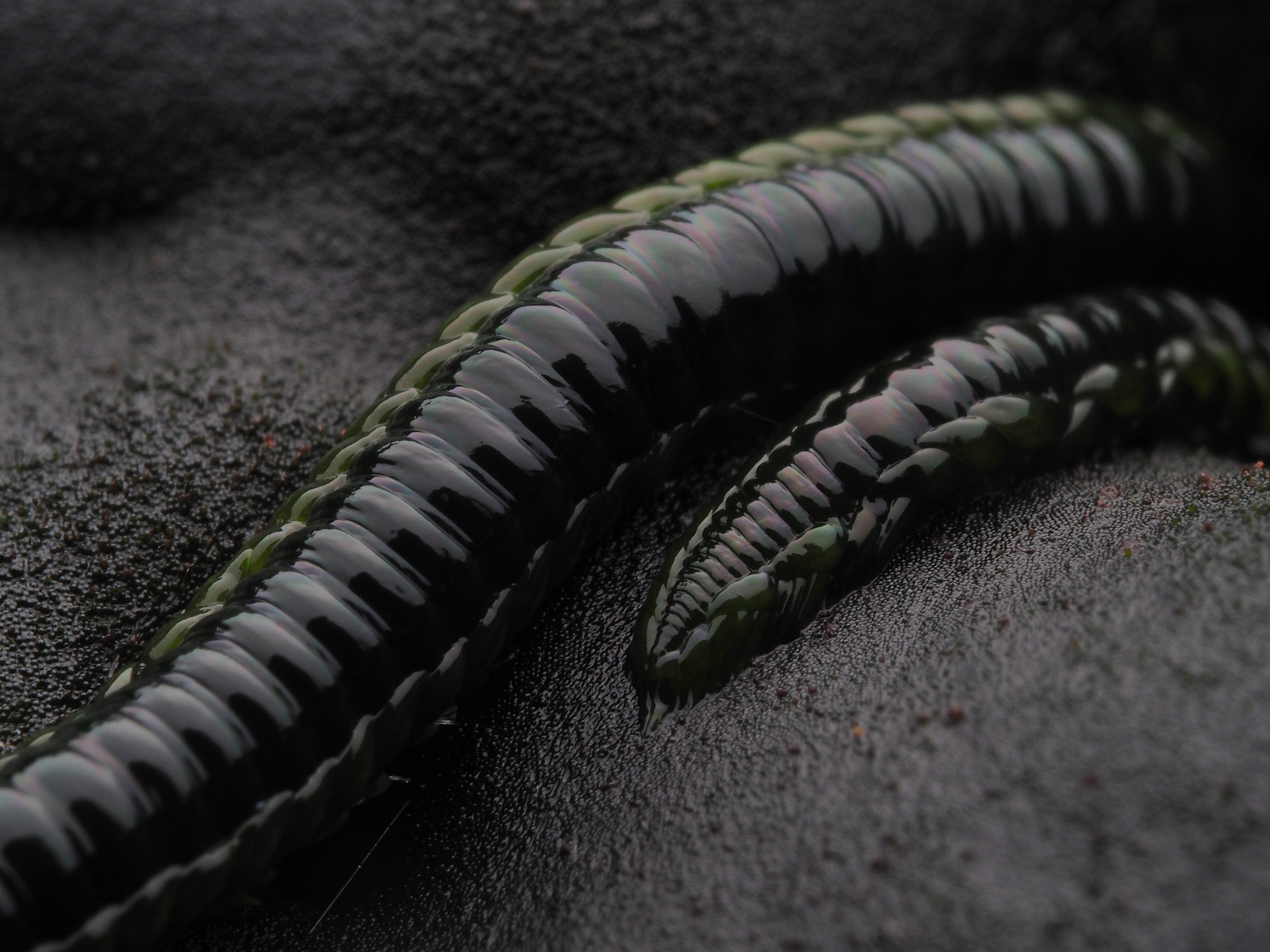
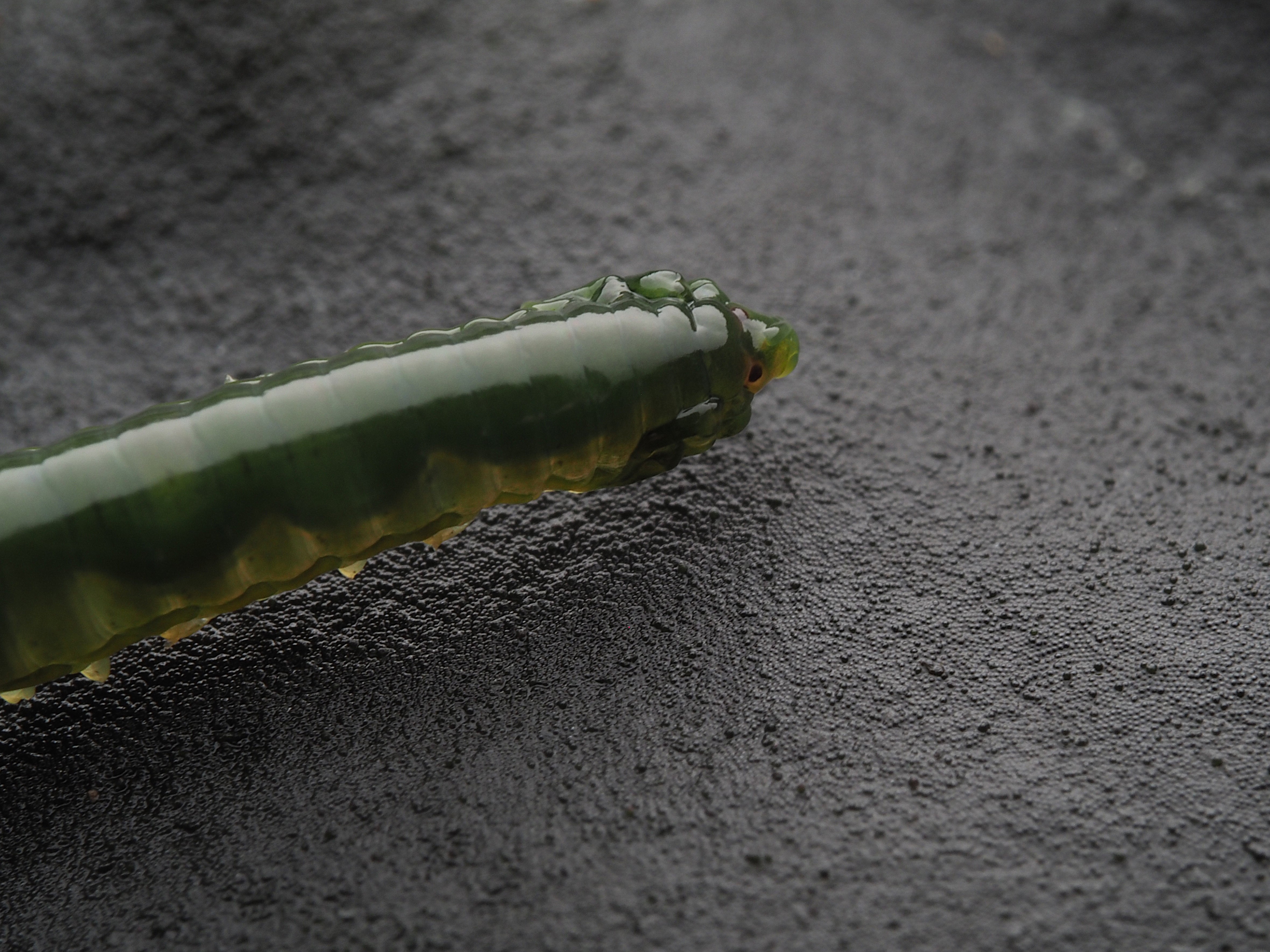
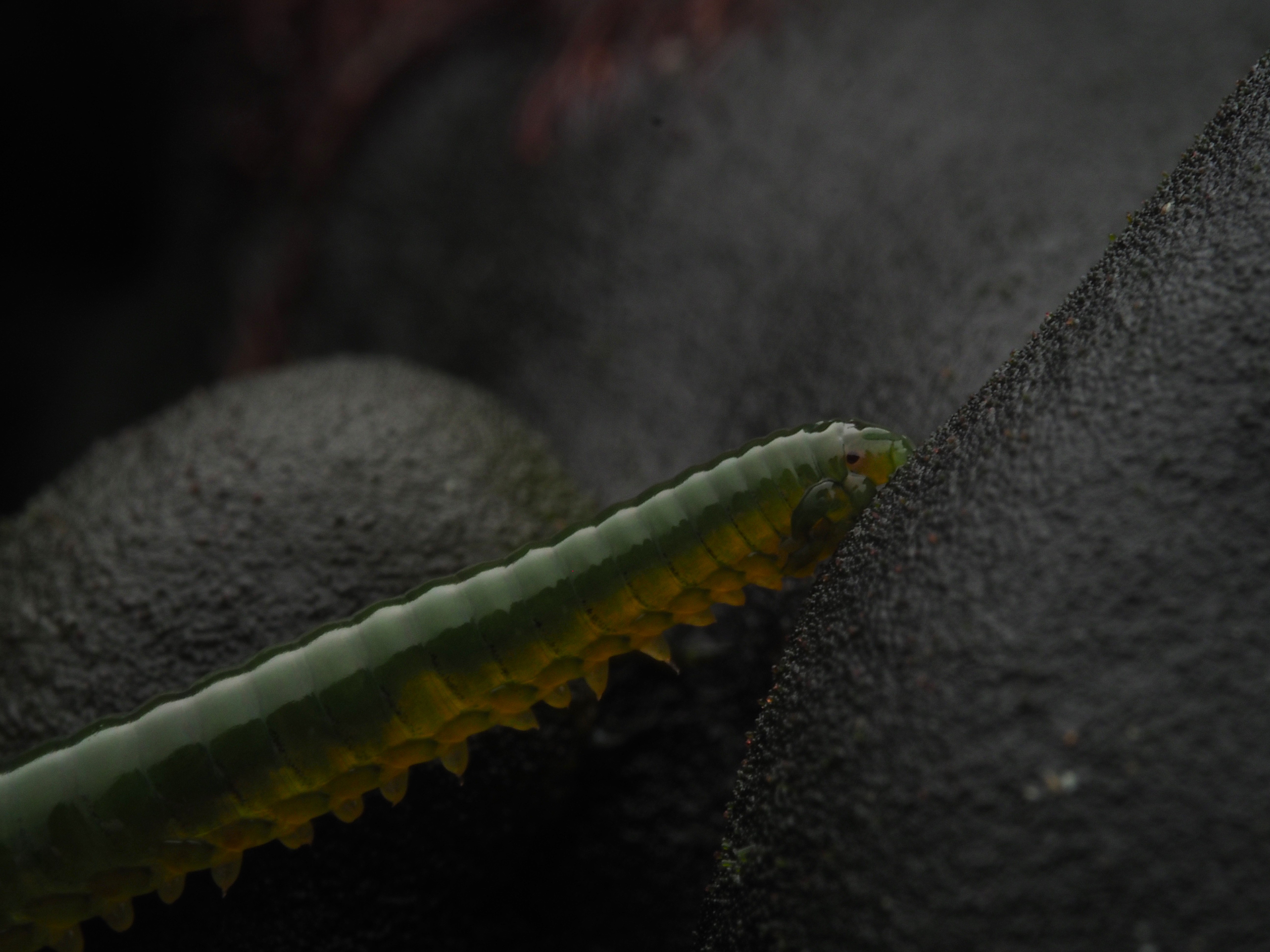
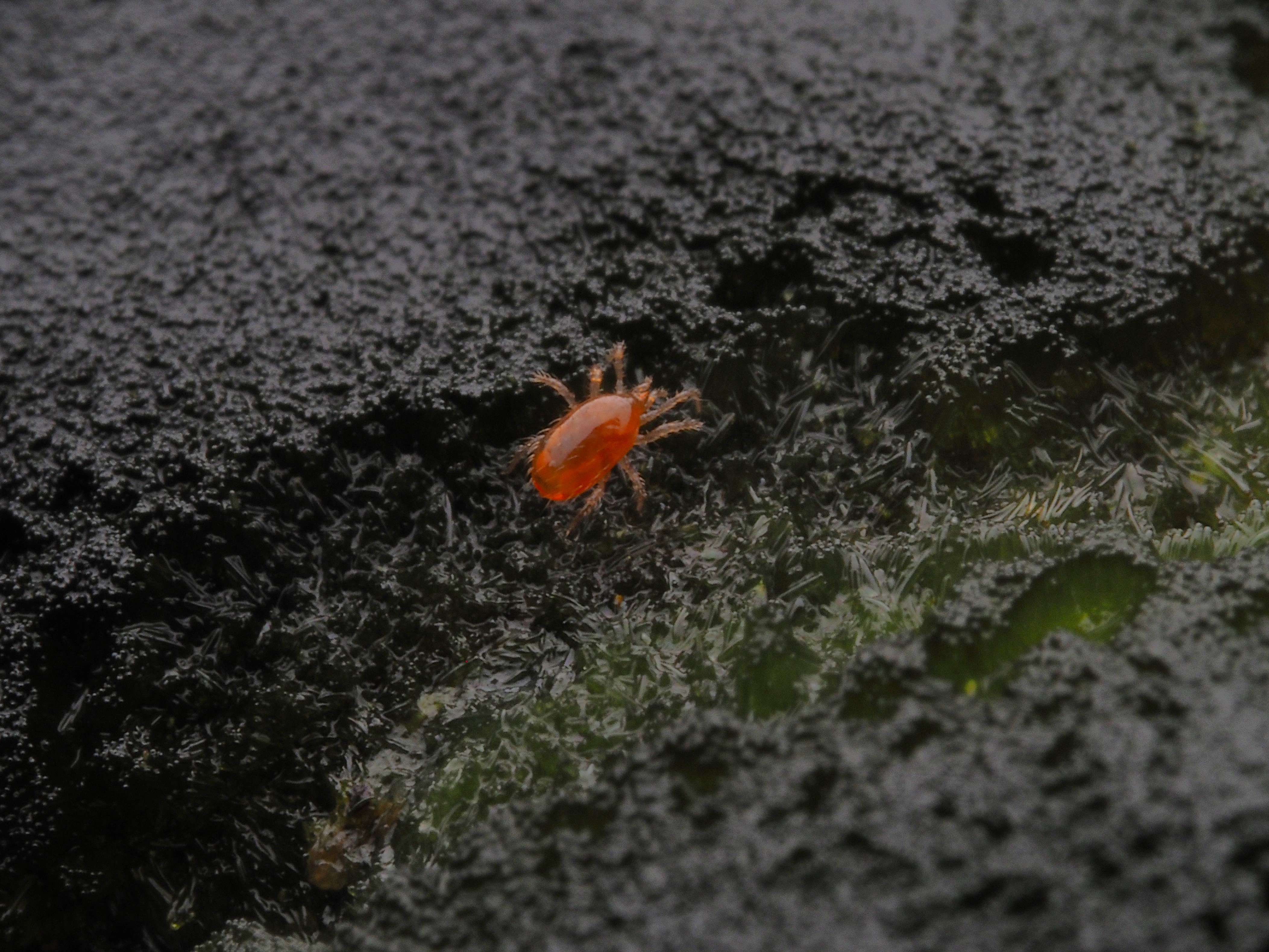
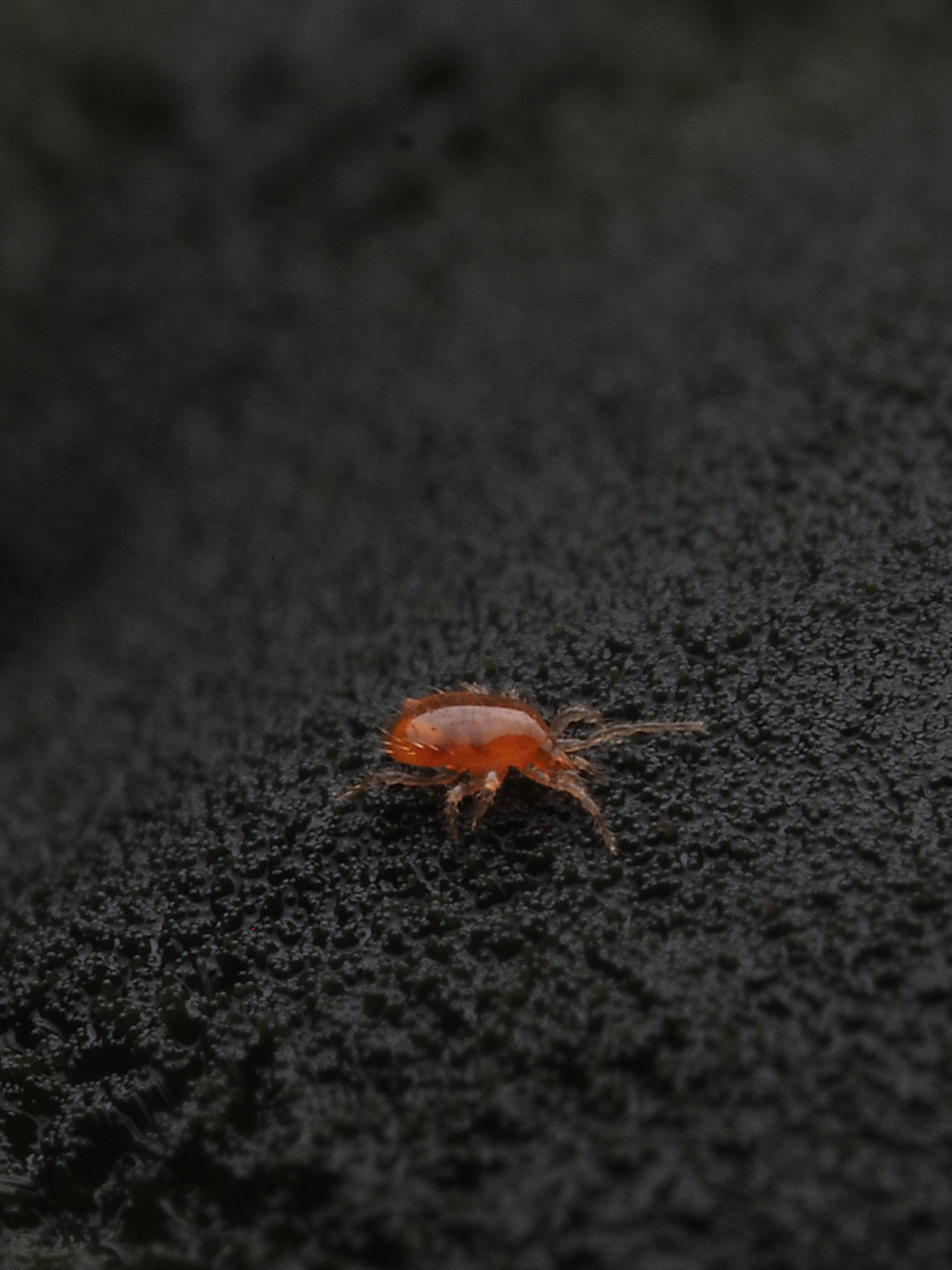
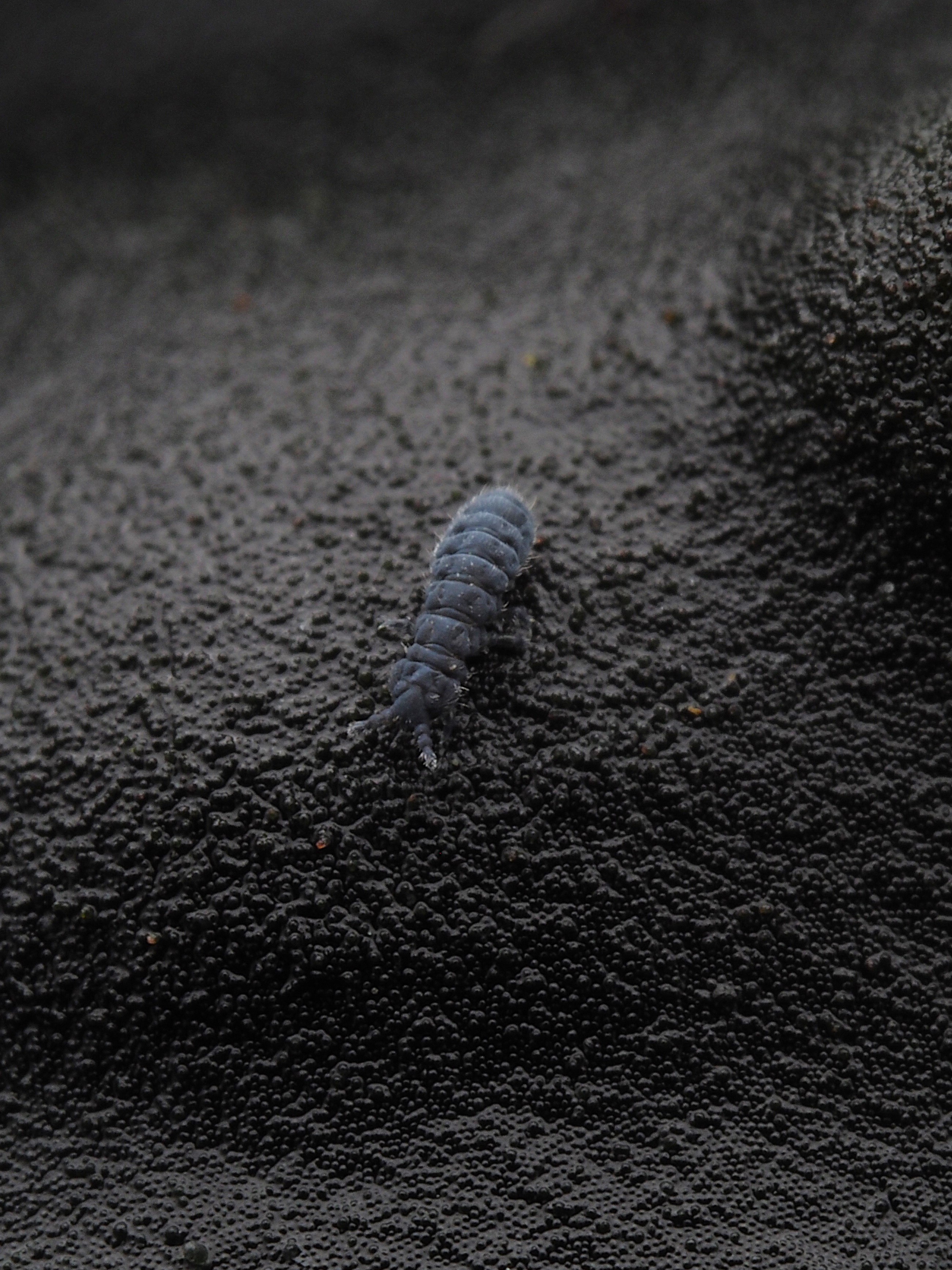
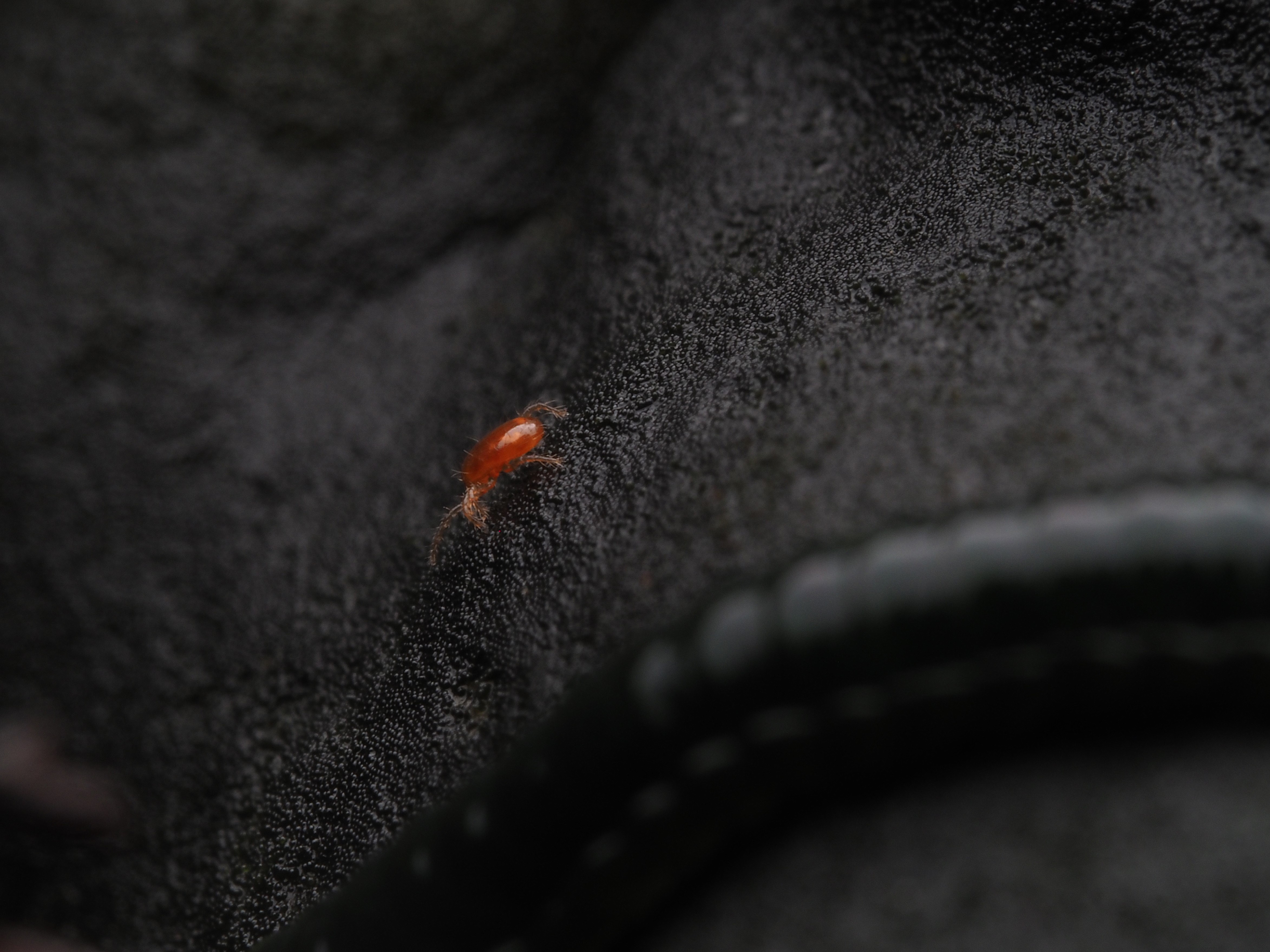
The Emerald Green Paddle Worm (or Green Leaf Worm) Eulalia clavigera ranges from a few to 10 centimetres and is common in rockpools in Britain (although most are probably more familiar with their egg masses, see here). During a recent scramble over the Trefusis Headland I noticed some out of the water on Codium adhaerens seaweed. Using my cygnustech diffuser and a bit of extra magnification courtesy of a Raynox clip-on macrolens I got to work! Taking photos of these worms is difficult as they are continuously on the move. It is also hard to get close to them with the diffuser bumping into the rocks and obscuring the light. However, they are very rewarding subjects; worms are usually overlooked but they are very beautiful! The Codium seaweed proved a perfect background, absorbing all light, a bit like black velvet. When you spend enough time on your knees peering down, you also always notice other things, some tiny springtails Anura maritima as well as some even tinier red mites (see also this old post). One of my new year’s resolutions is to photograph more worms – and the good thing is that there are many other species available, including paddle worm species, one of which is in the process of being described new to science by my friend David Fenwick).
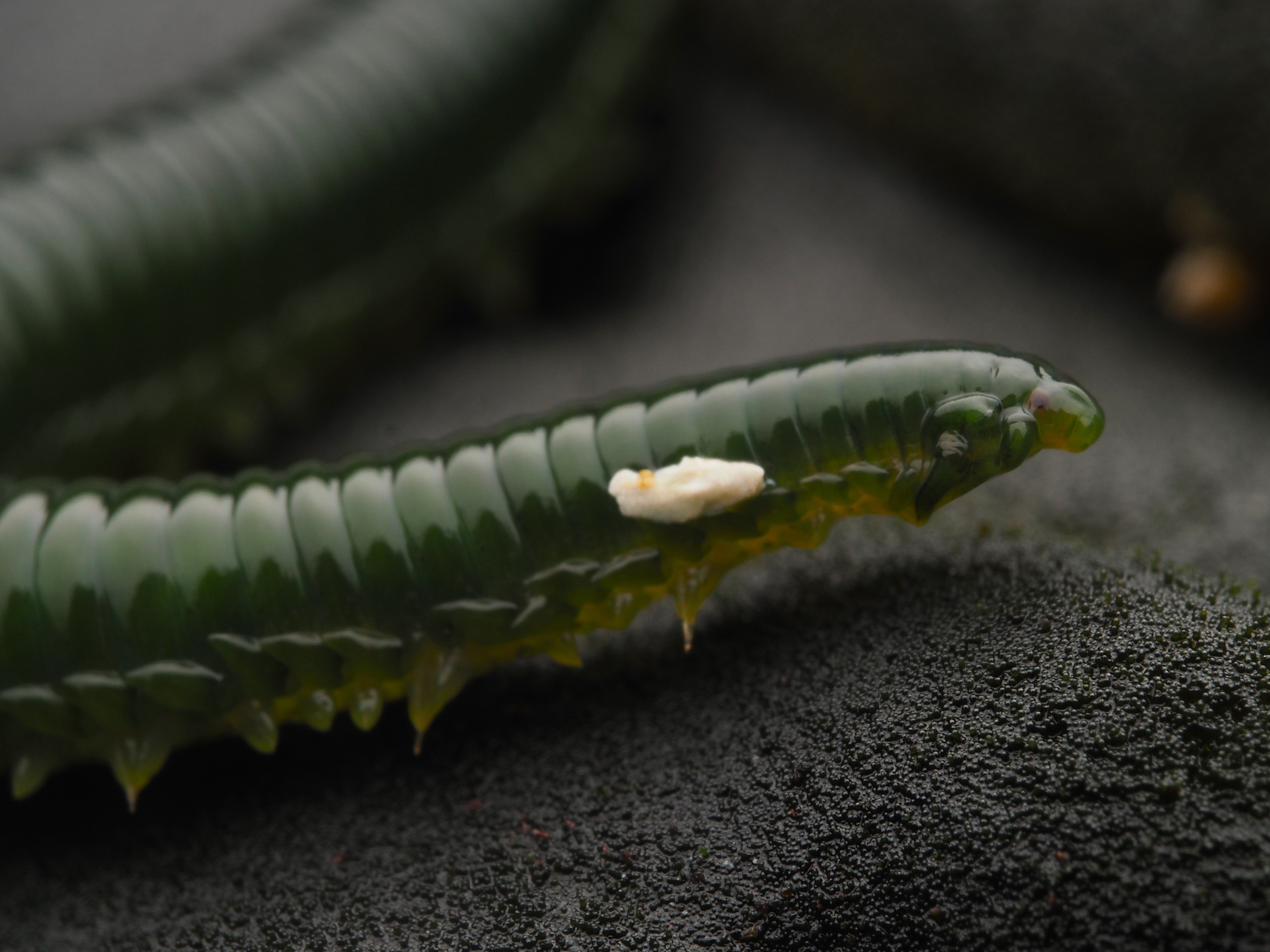
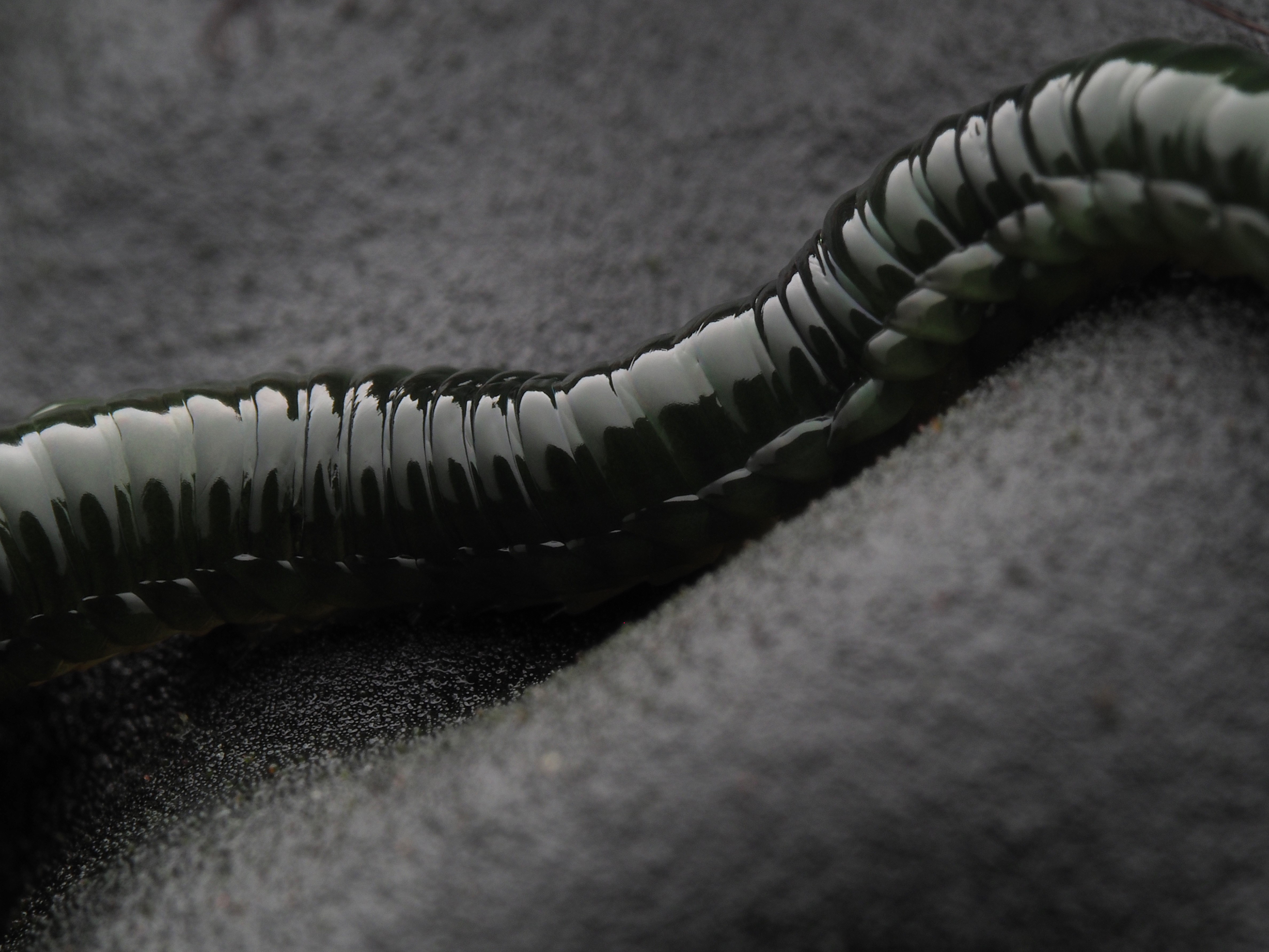
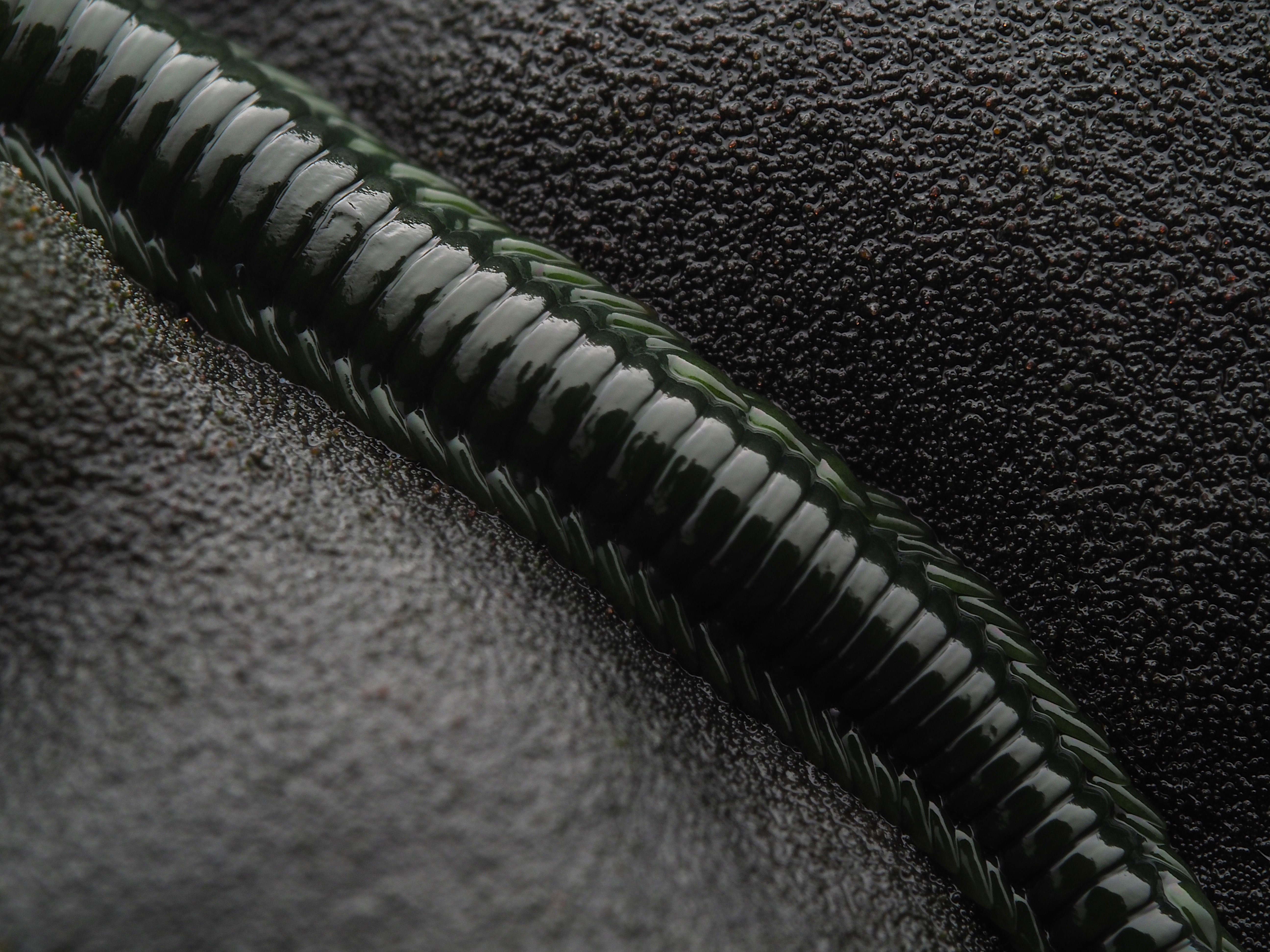

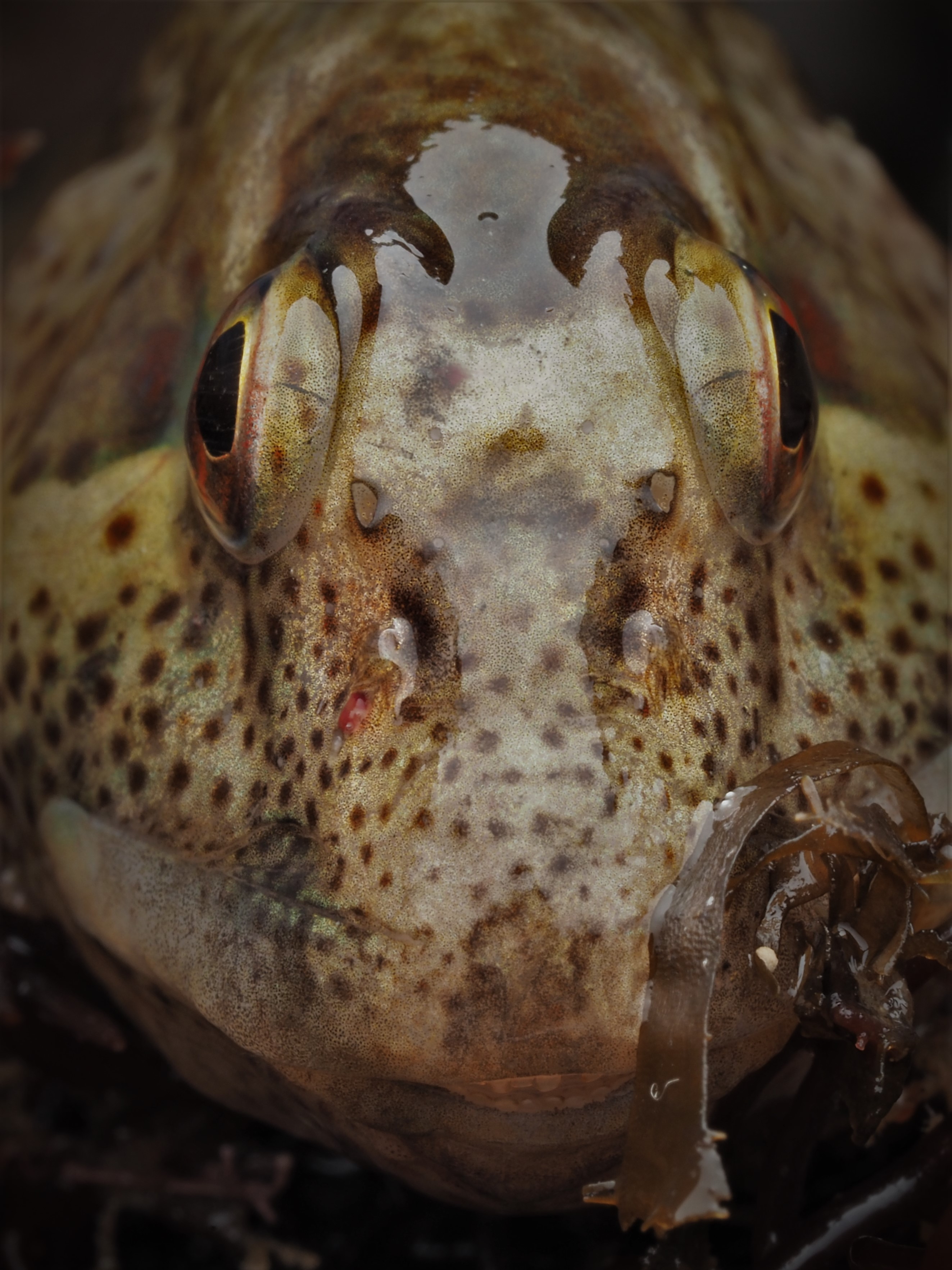
A quick post, again of macro shots on-land using the cygnustech diffuser. A Montagu’s Blenny (Coryphoblennius galerita) and a Shanny (Lipophrys pholis) (check its teeth, it is a combtooth blenny). Due to the recent storm I did not venture into the water but had a wander down the shore here in Flushing. The fish were gently placed on some wet seaweed where they lay still before hopping back in their rockpool. The diffuser really gives the photos a moody atmosphere! I hope one day I can find a Tompot blenny on a very low tide to complete the set.
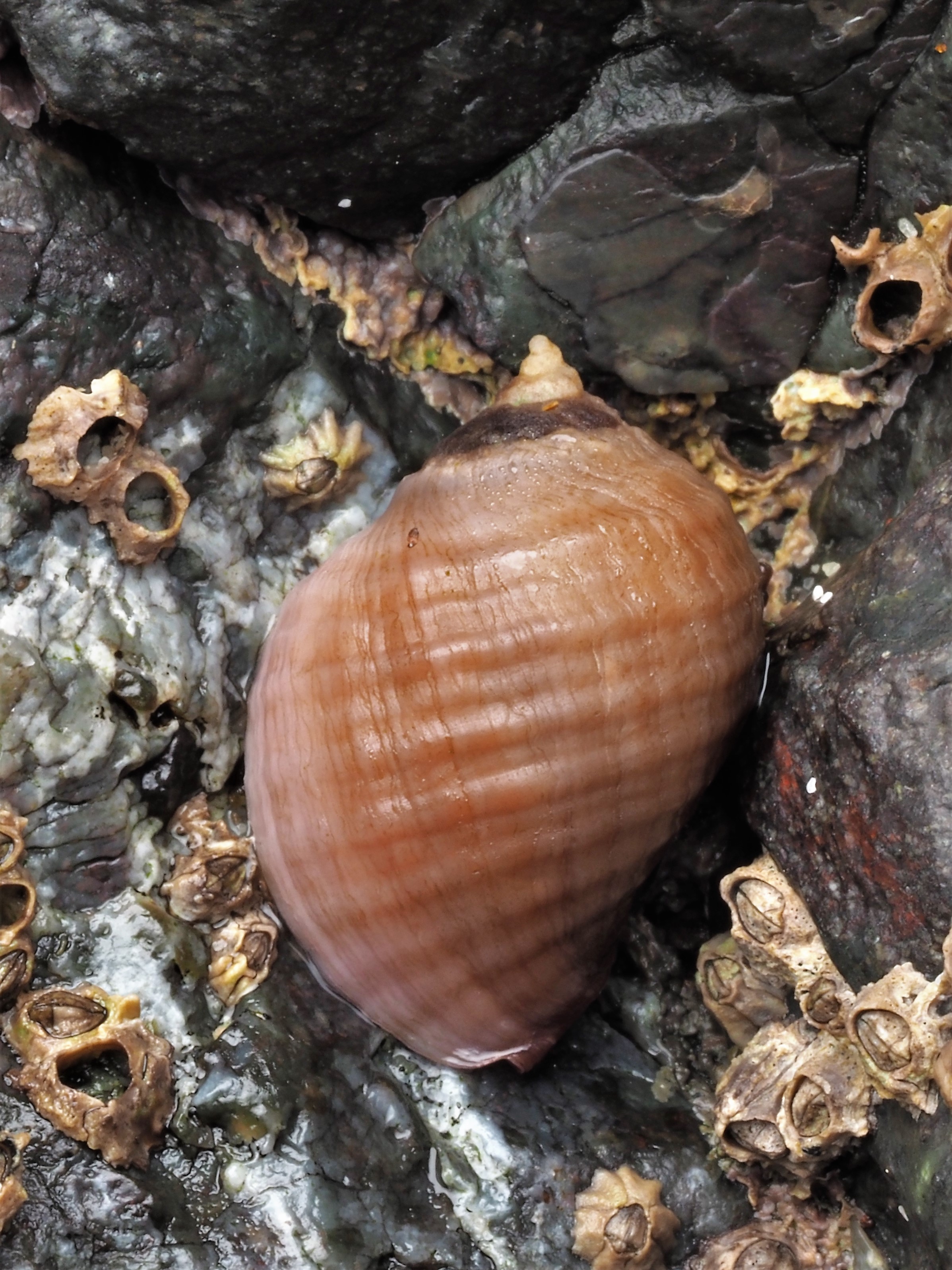


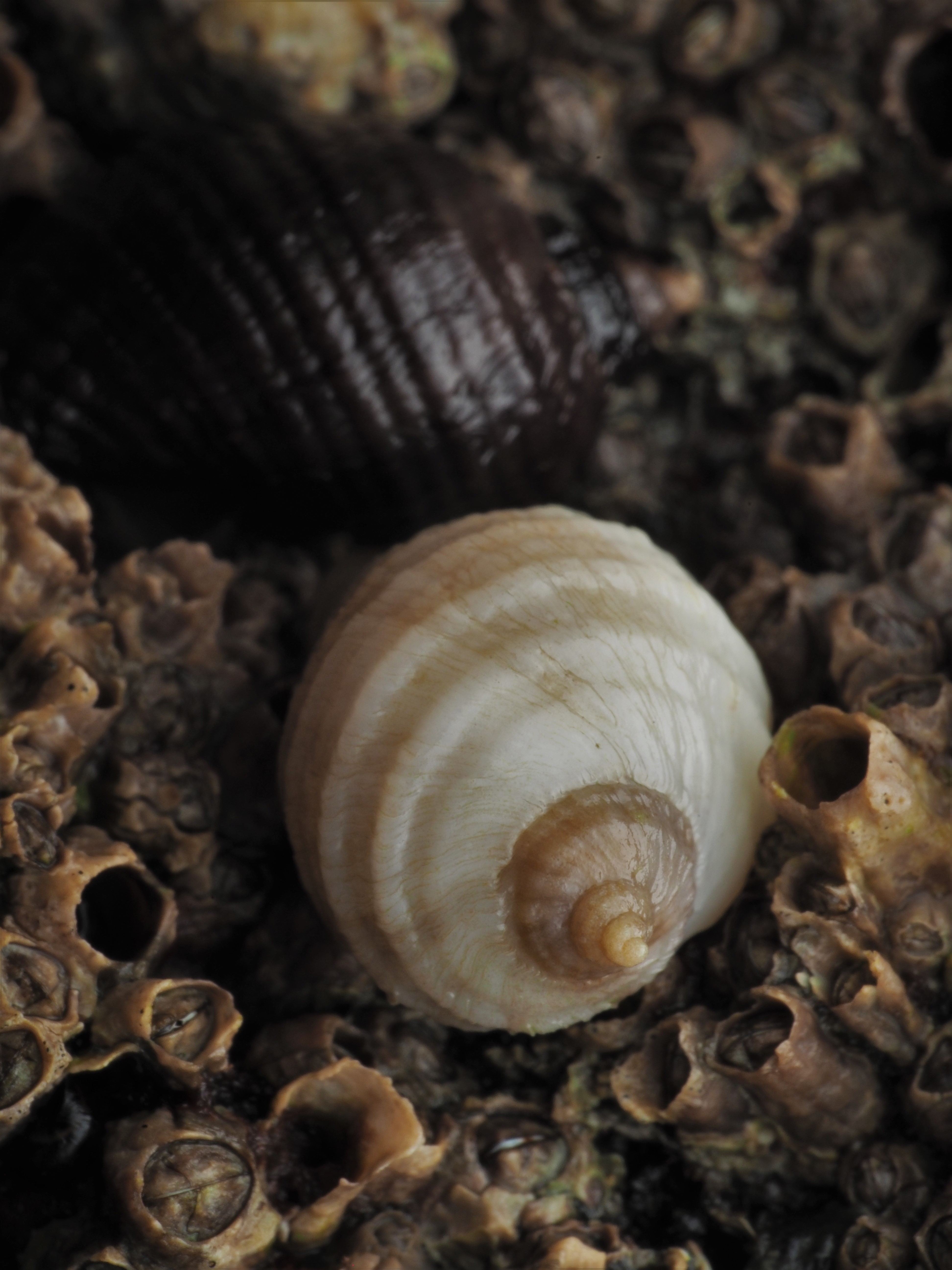


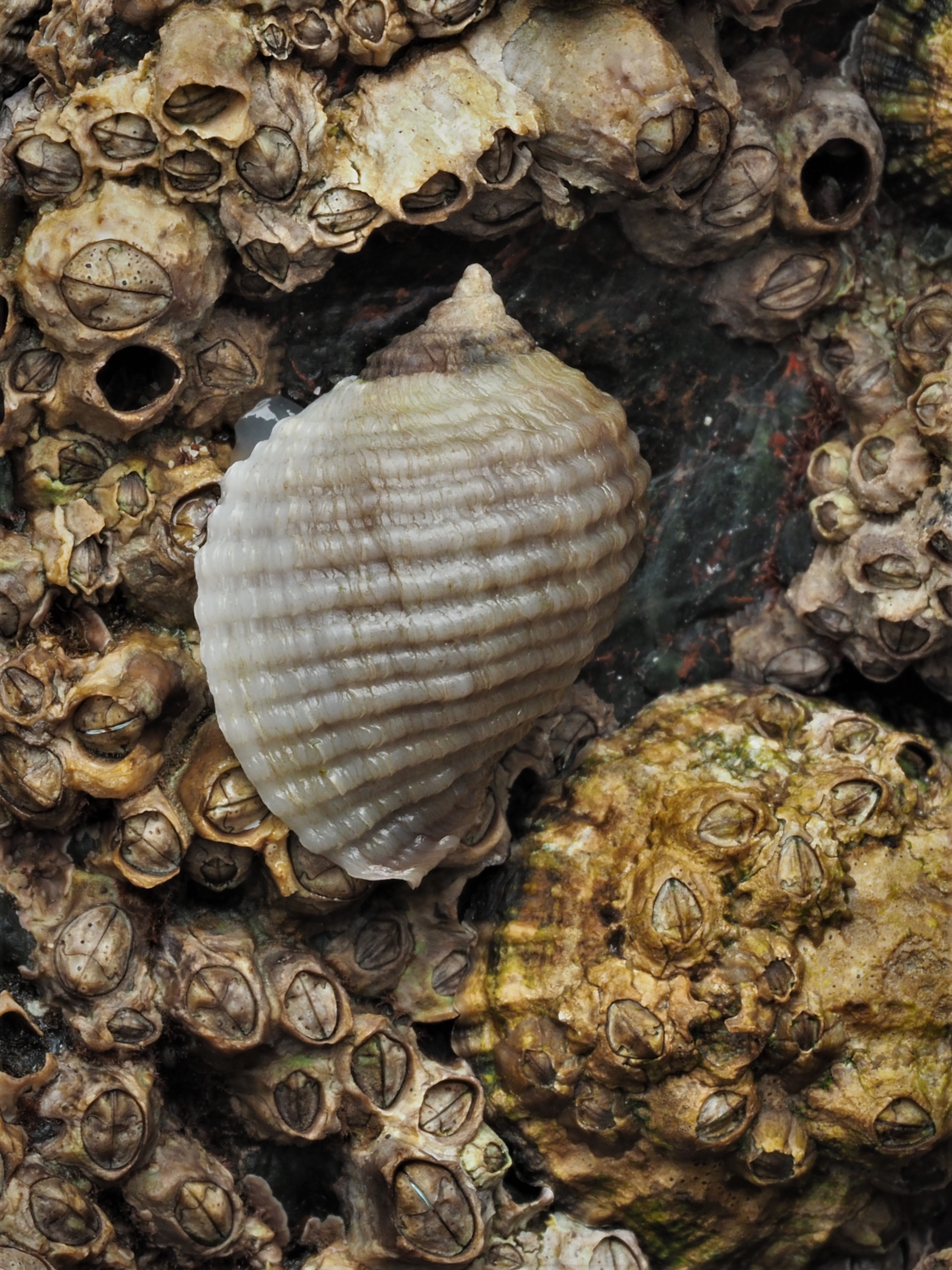
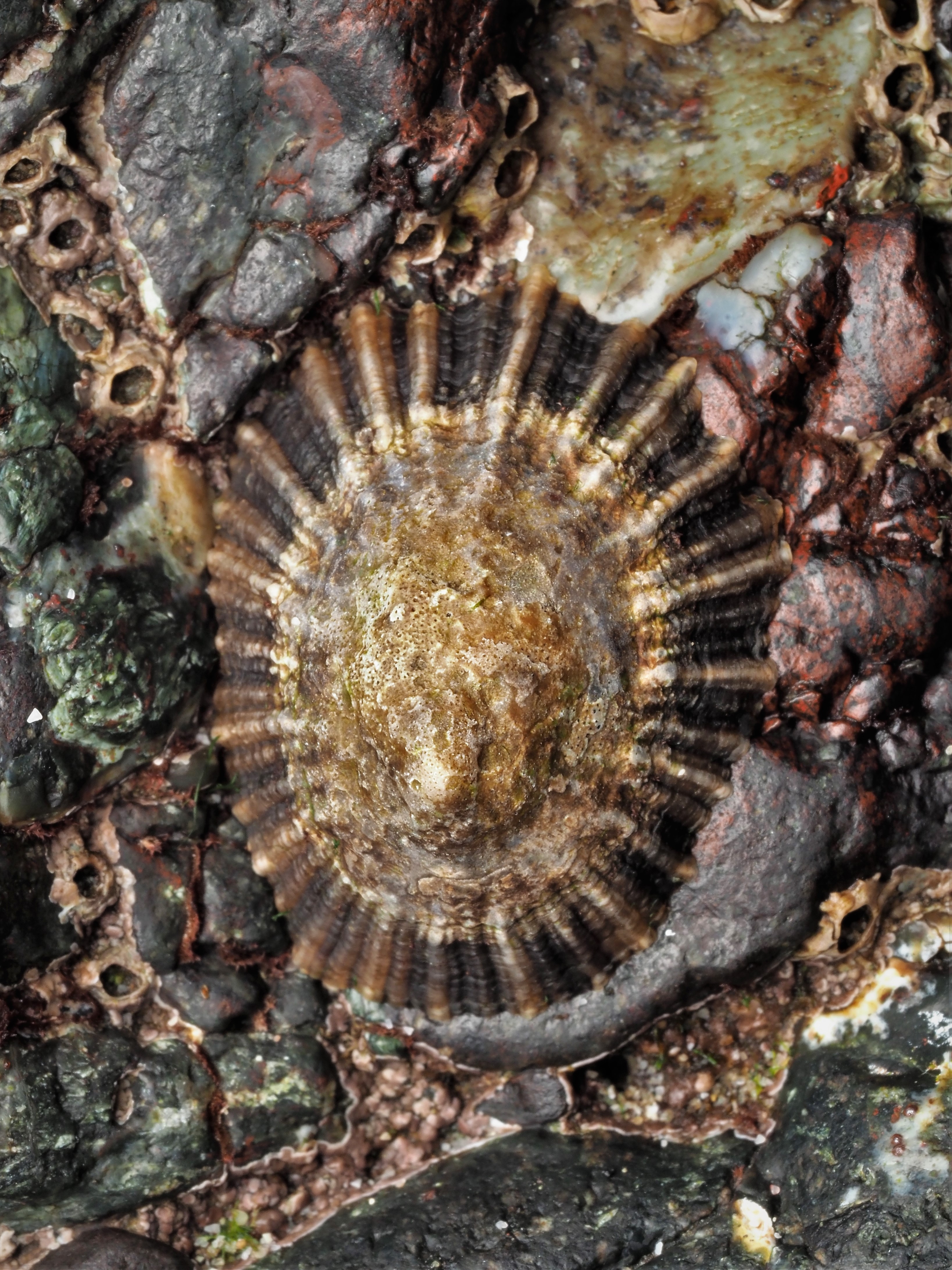
A trip to one of our favourite places today: Kynance Cove on the Lizard Peninsula. The weather was such that snorkeling was a big no, but after some wind and rain, luckily the sun came out for a bit (which it should, it is July!). I took some macro shots of the rocks at low tide using my new Cygnustech diffuser. This contraption makes the flash light much less harsh, and is pretty much essential when taking (non-natural light) macro shots. This is one of the best diffusers out there and I can highly recommended it (are plenty of reviews are available online). Some of the shots were taken with the Raynox DCR-250 macro attachment in front of the macro lens for a little bit of extra magnification.
Anyway, there is not a lot of animal diversity on this battered coast of green and red serpentine rock: barnacles, dog whelks, mussels and limpets mainly. Above a selection of photos highlighting some small Dog Whelks (Nucella lapillus). This predatory species can come in many more colour varieties than we found today (see here for example). The limpets are either the Common Limpet (Patella vulgata) or the Blackfooted Limpet (P. depressa); you need to be able to see the animal to be sure. The barnacles are Montagu’s Stellate Barnacles (Chthamalus montagui) (I might have this wrong; I must confess I never really gave barnacles the attention they deserve). Not too spectacular but you gotta try something when you cannot take photos underwater!
 An Bollenessor