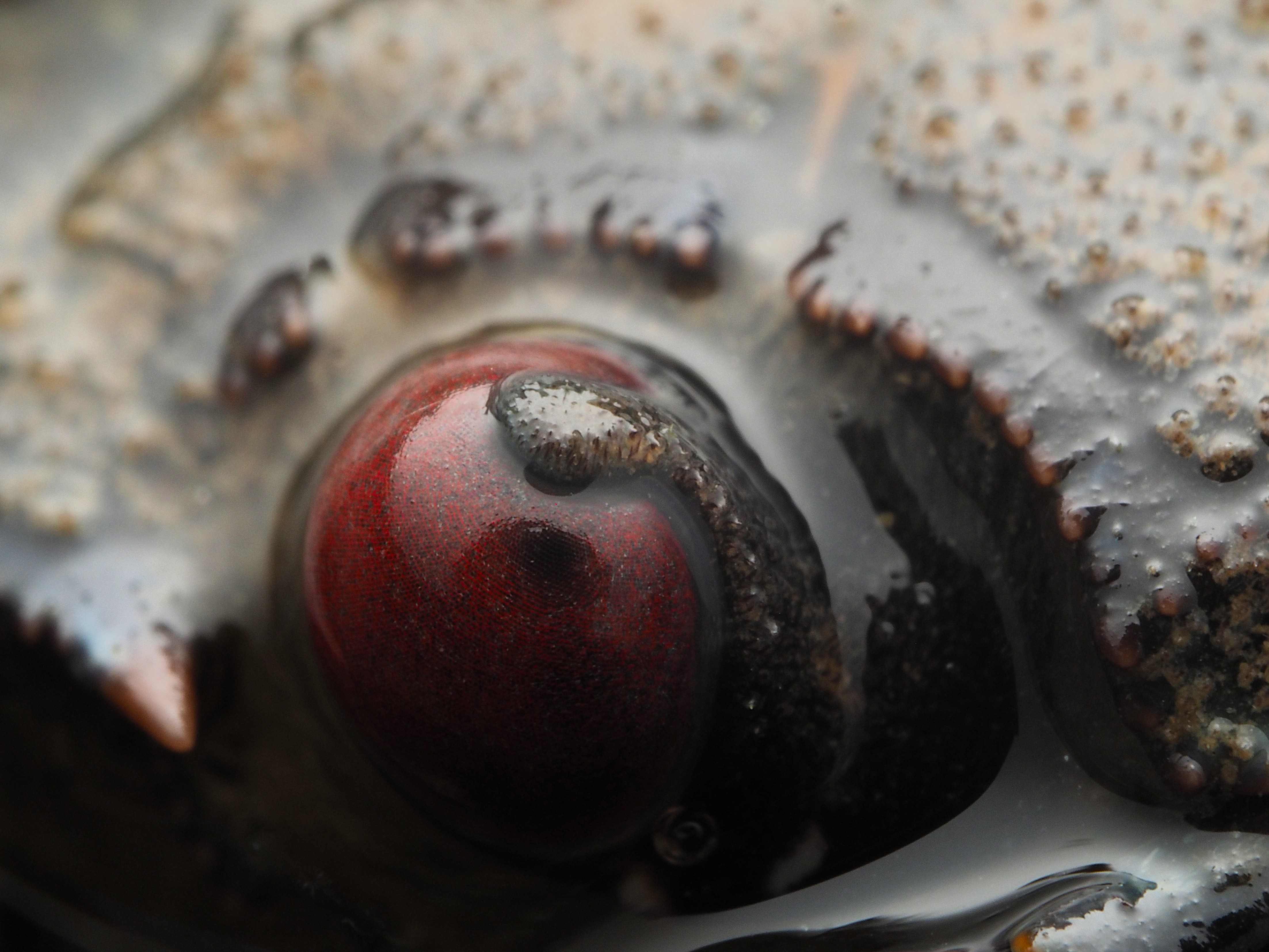
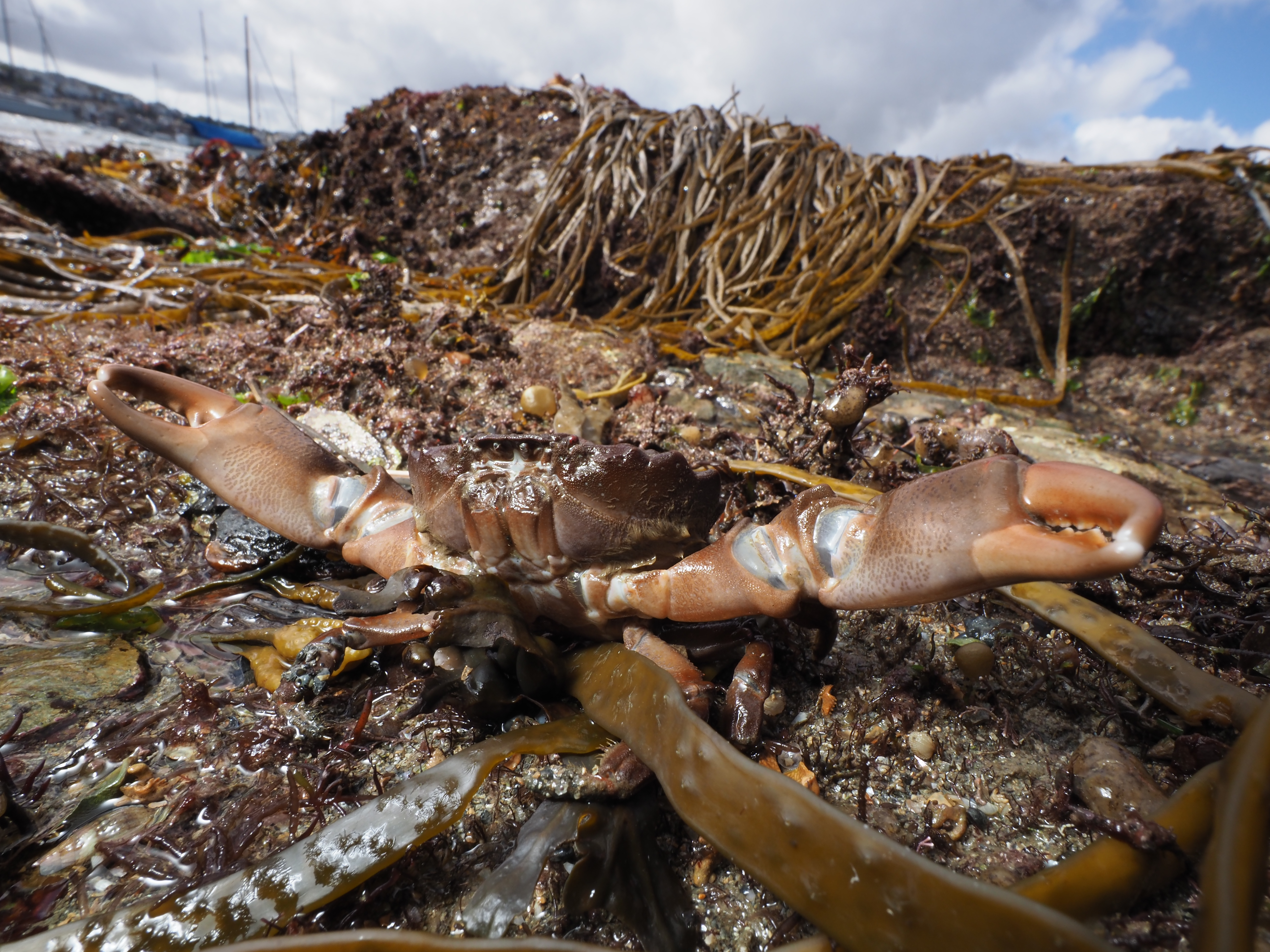
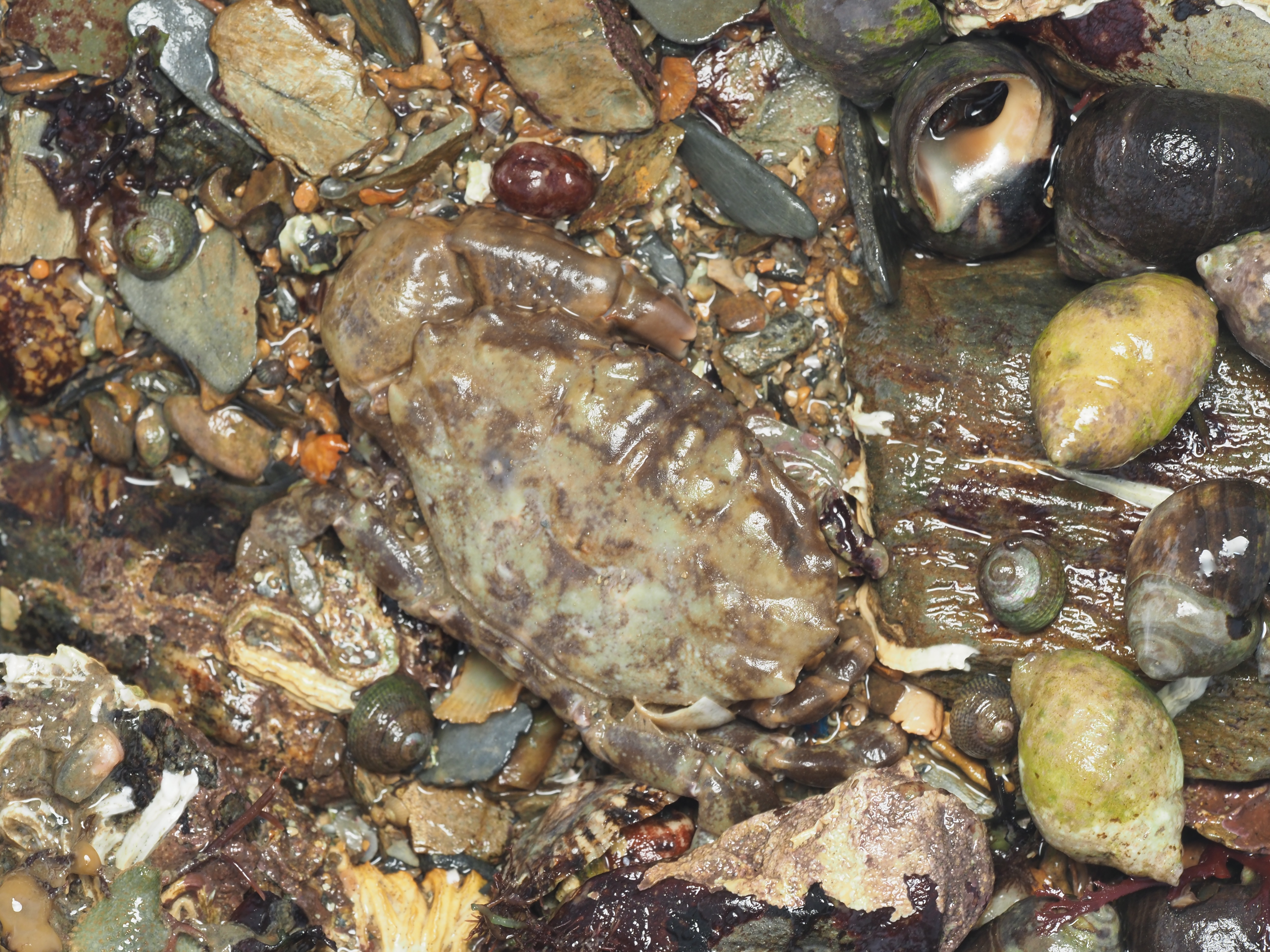
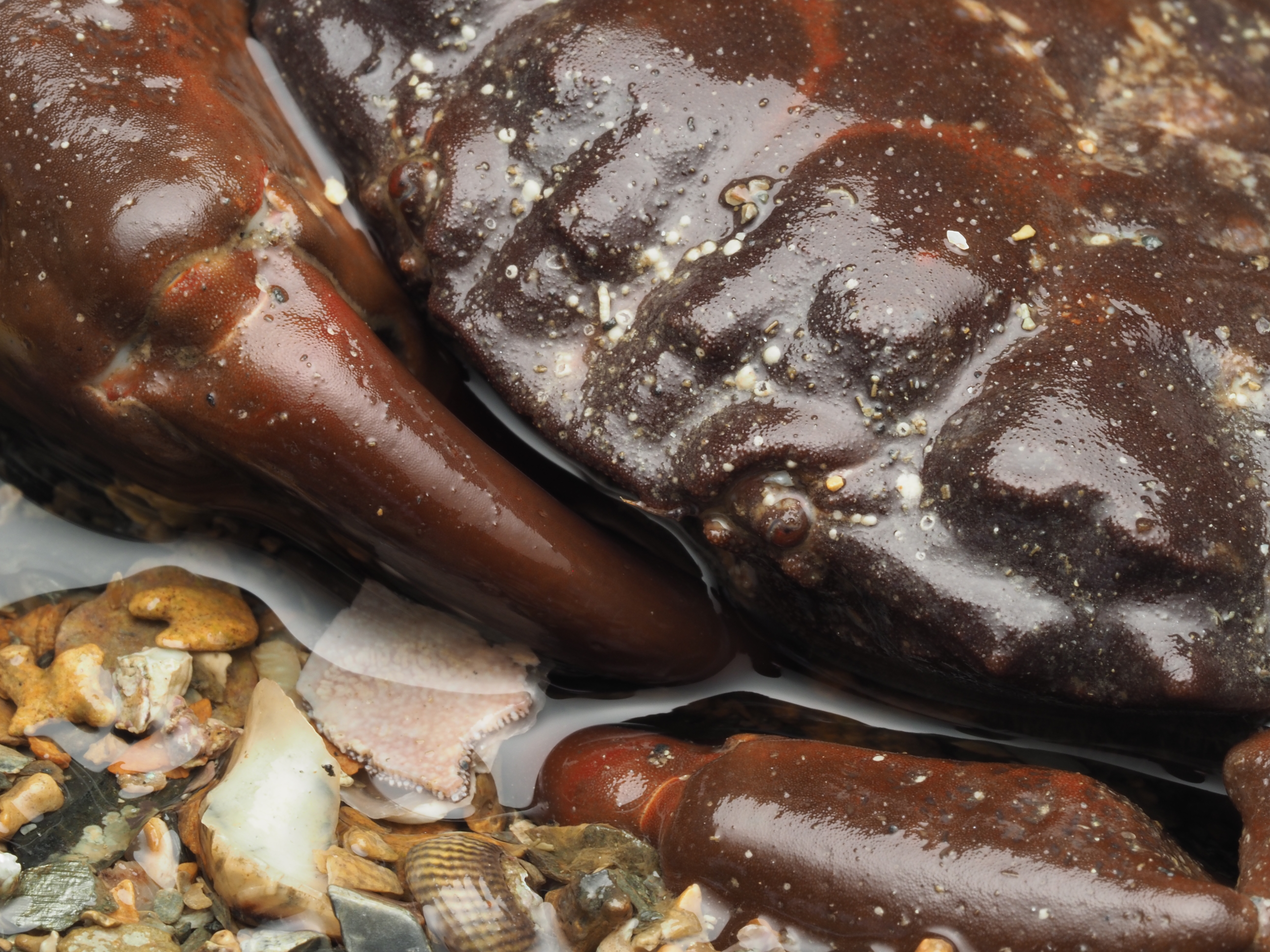
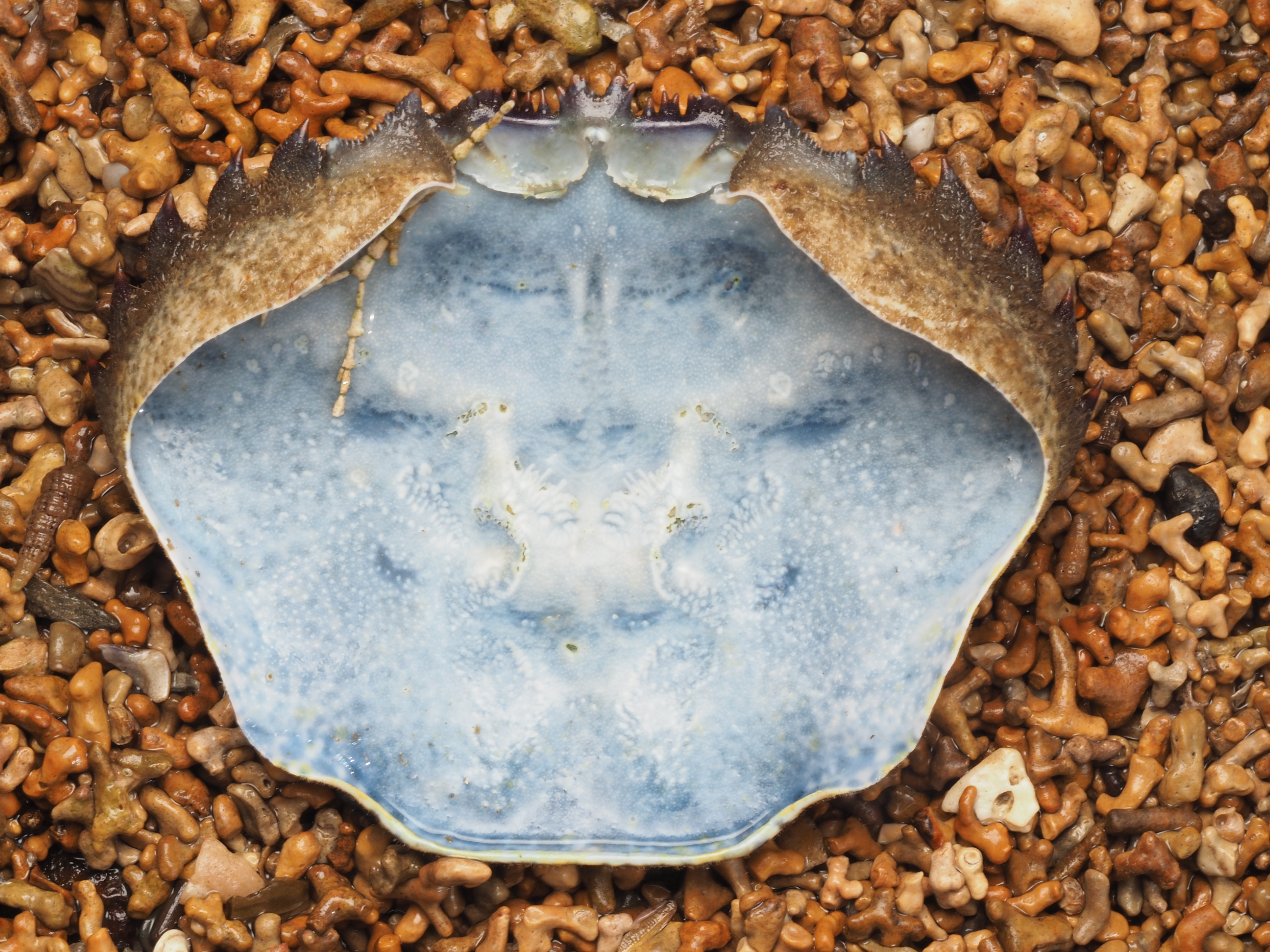
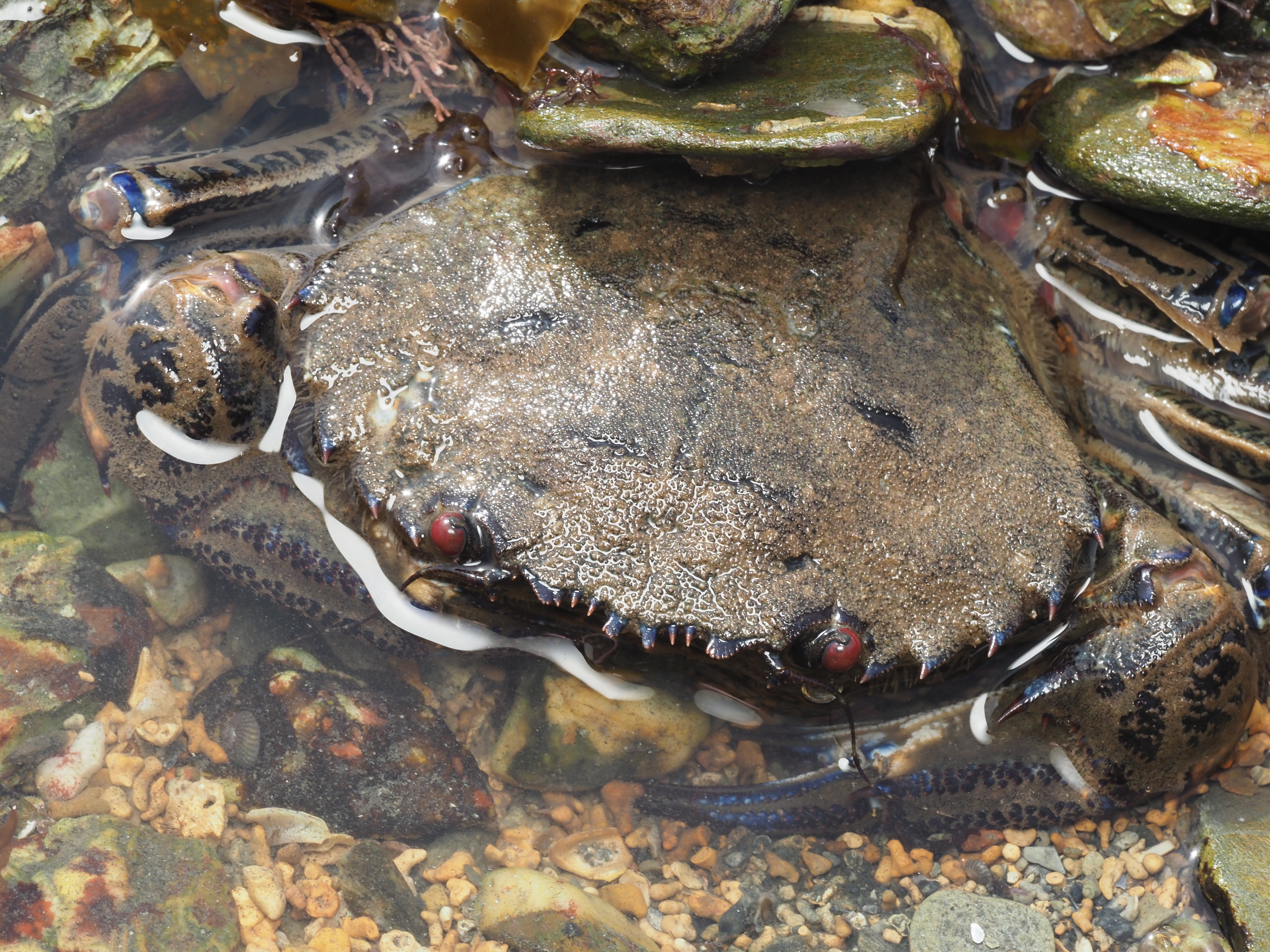
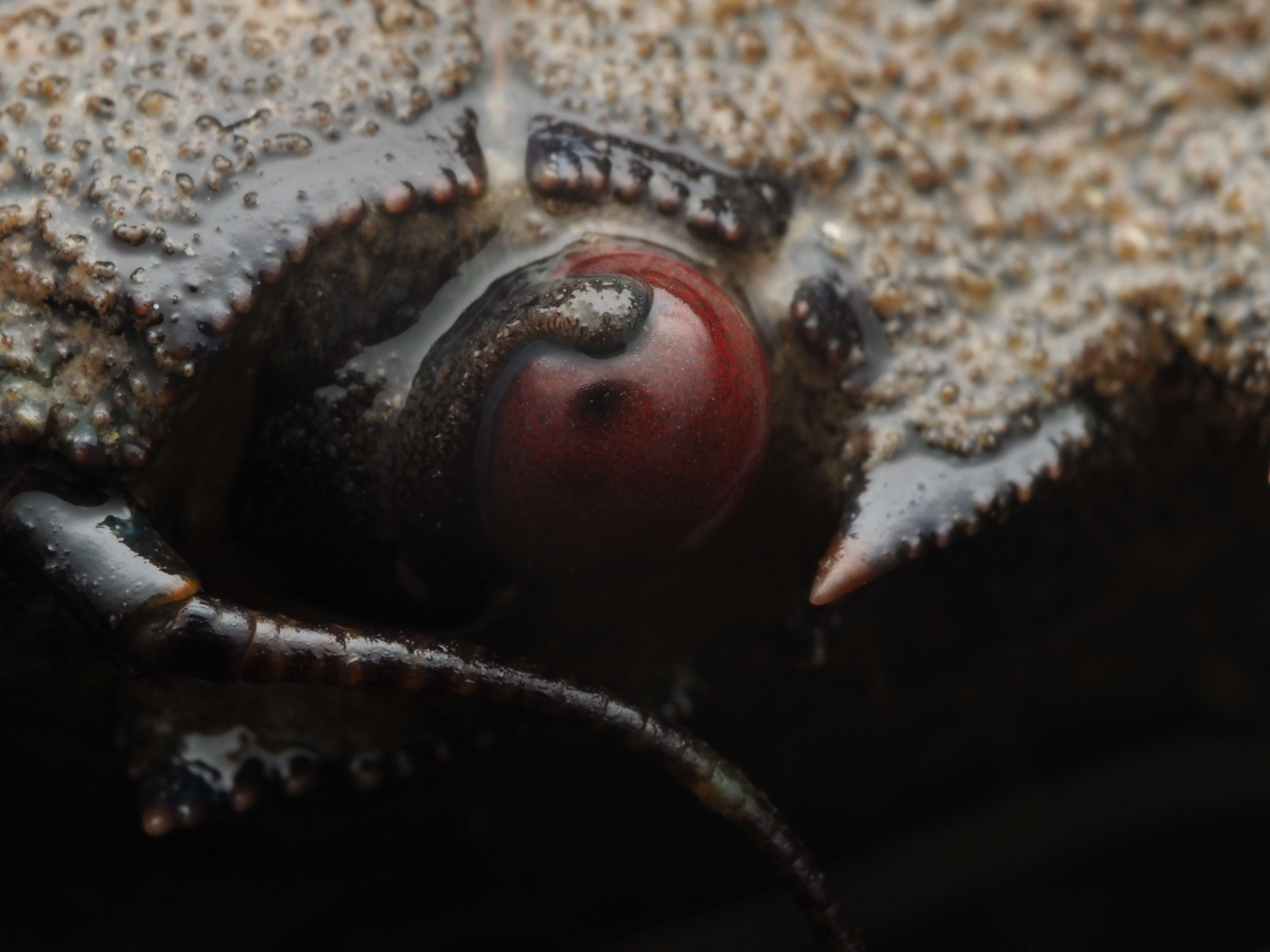
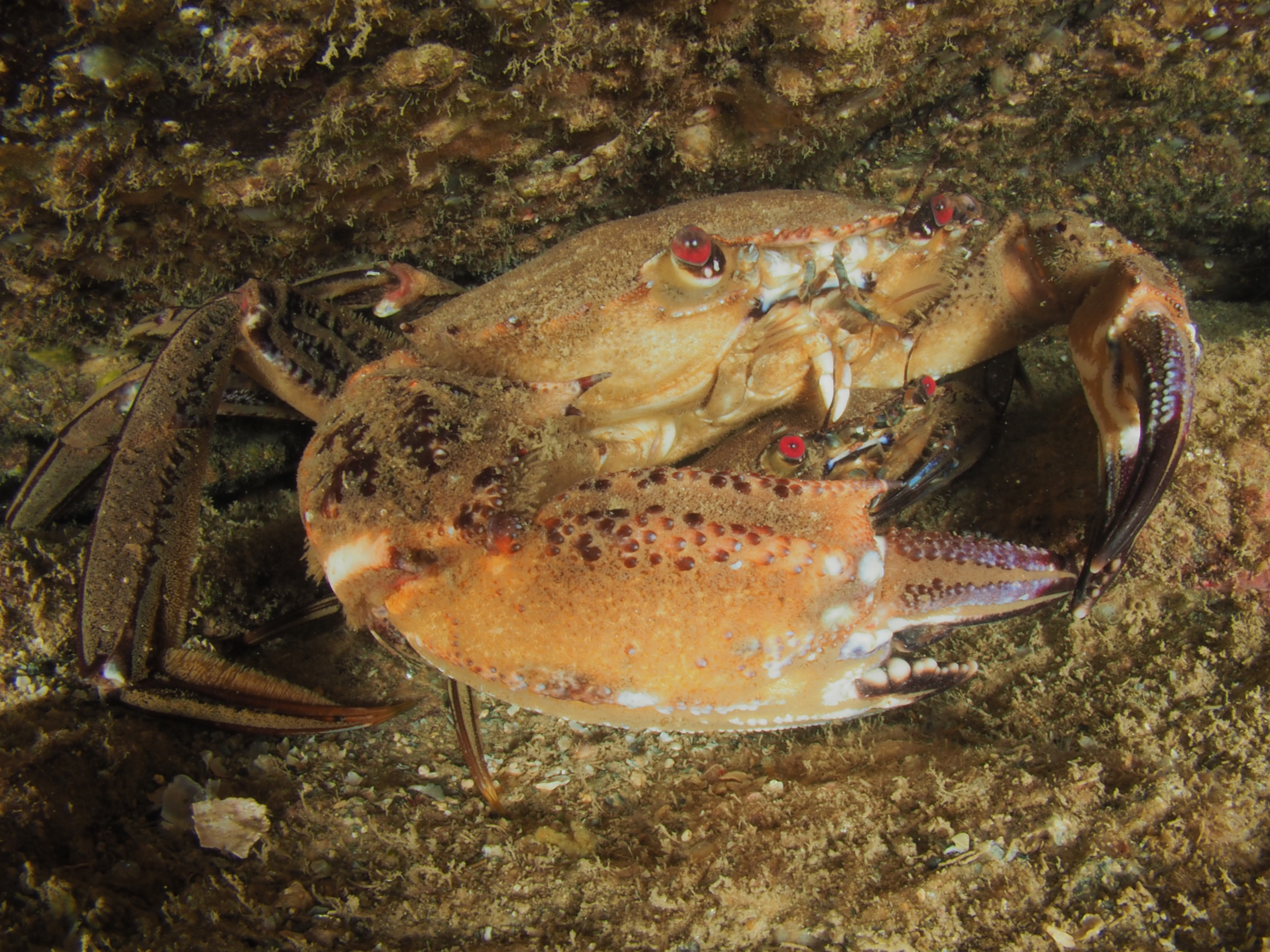
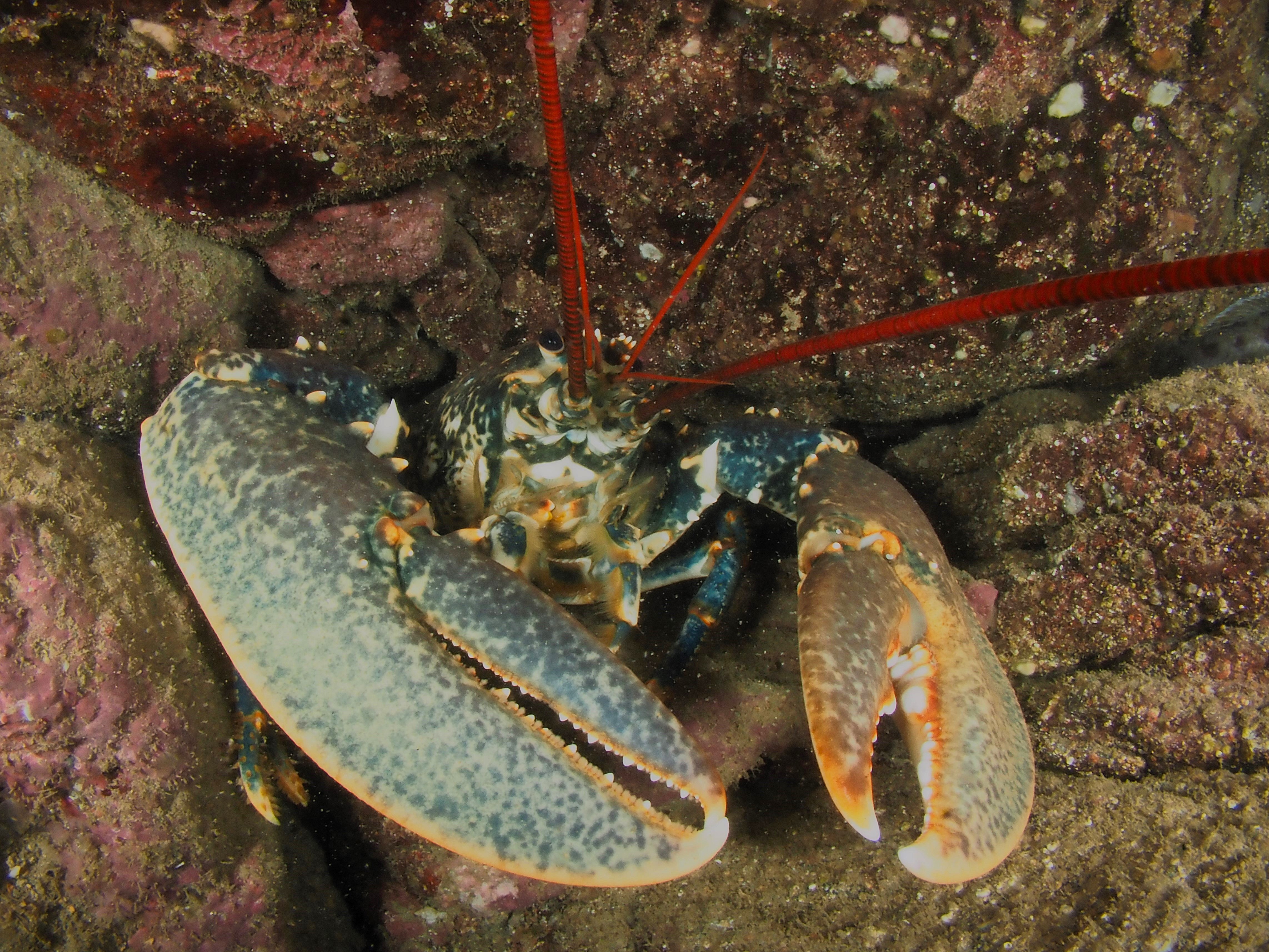
I have done a fair bit of diving at Silver Steps this year and it is high time to publish some of the photos I took there, starting with the Crustaceans that inhabit the cracks in the rocks. Most pics were taken with the macro-wide angle lens, which is not only suited because of its perspective, but also because it is long and thin and so can be poked into the crevices where these creatures lurk. Above, two Velvet Crabs Necora puber, which are abundant and feisty – I only noticed the small female in the photo afterwards! Below a European Lobster Homarus gammarus, also quite common and some of them are quite big. They usually shuffle out of their den quite menacingly only then to retreat again. Although impressive animals, it is hard to get an aesthetically pleasing shot out of them I find.
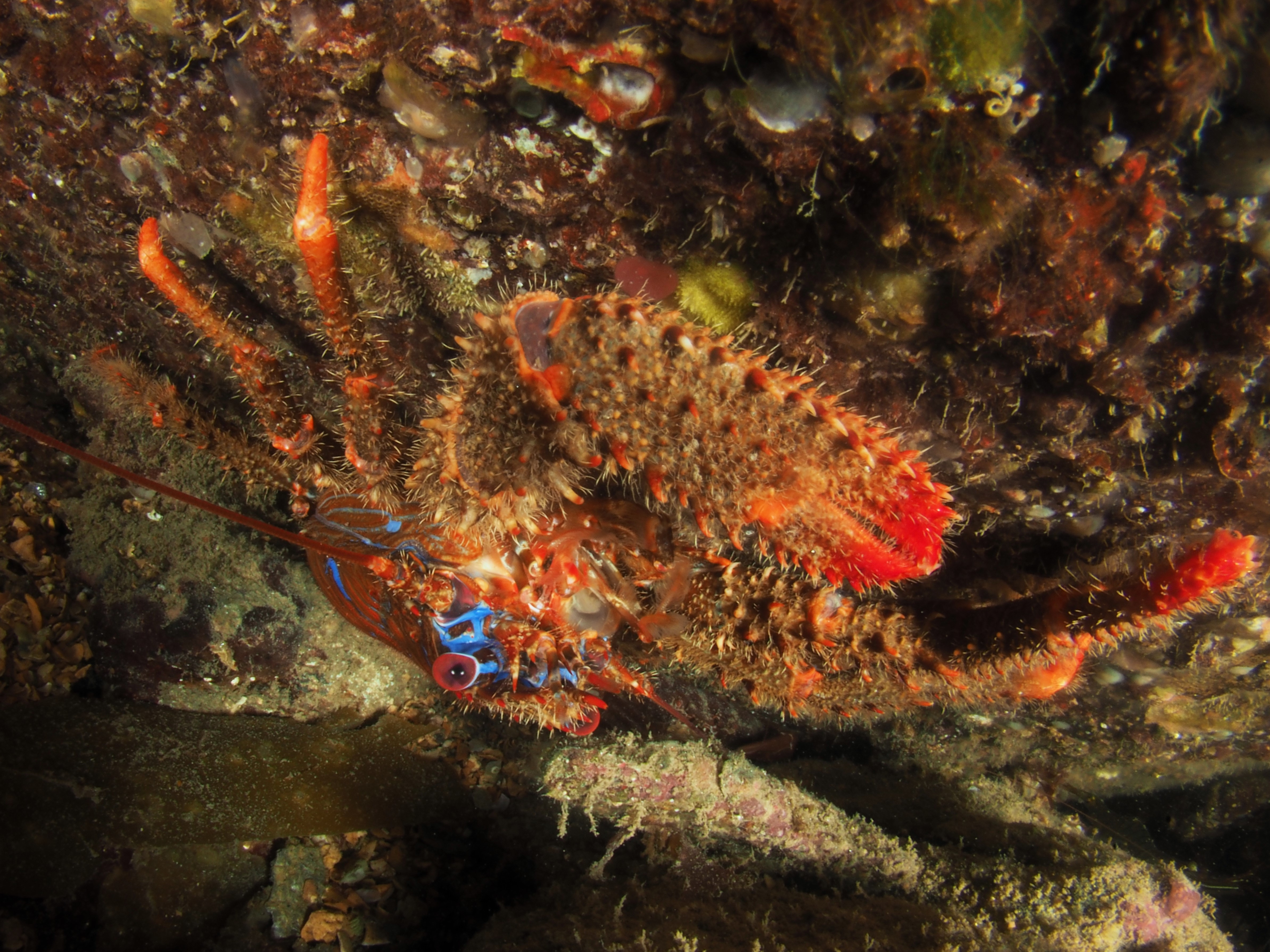
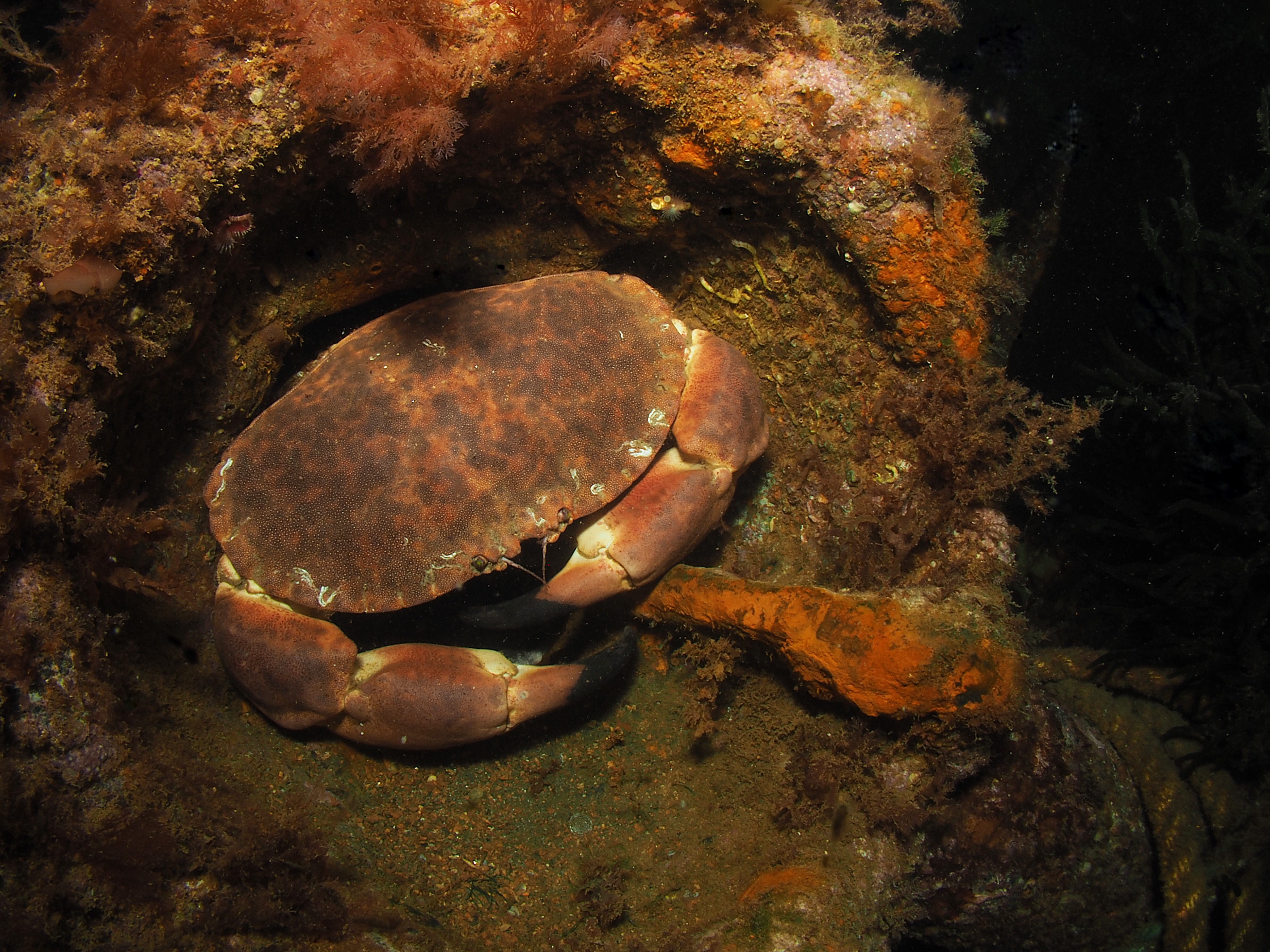
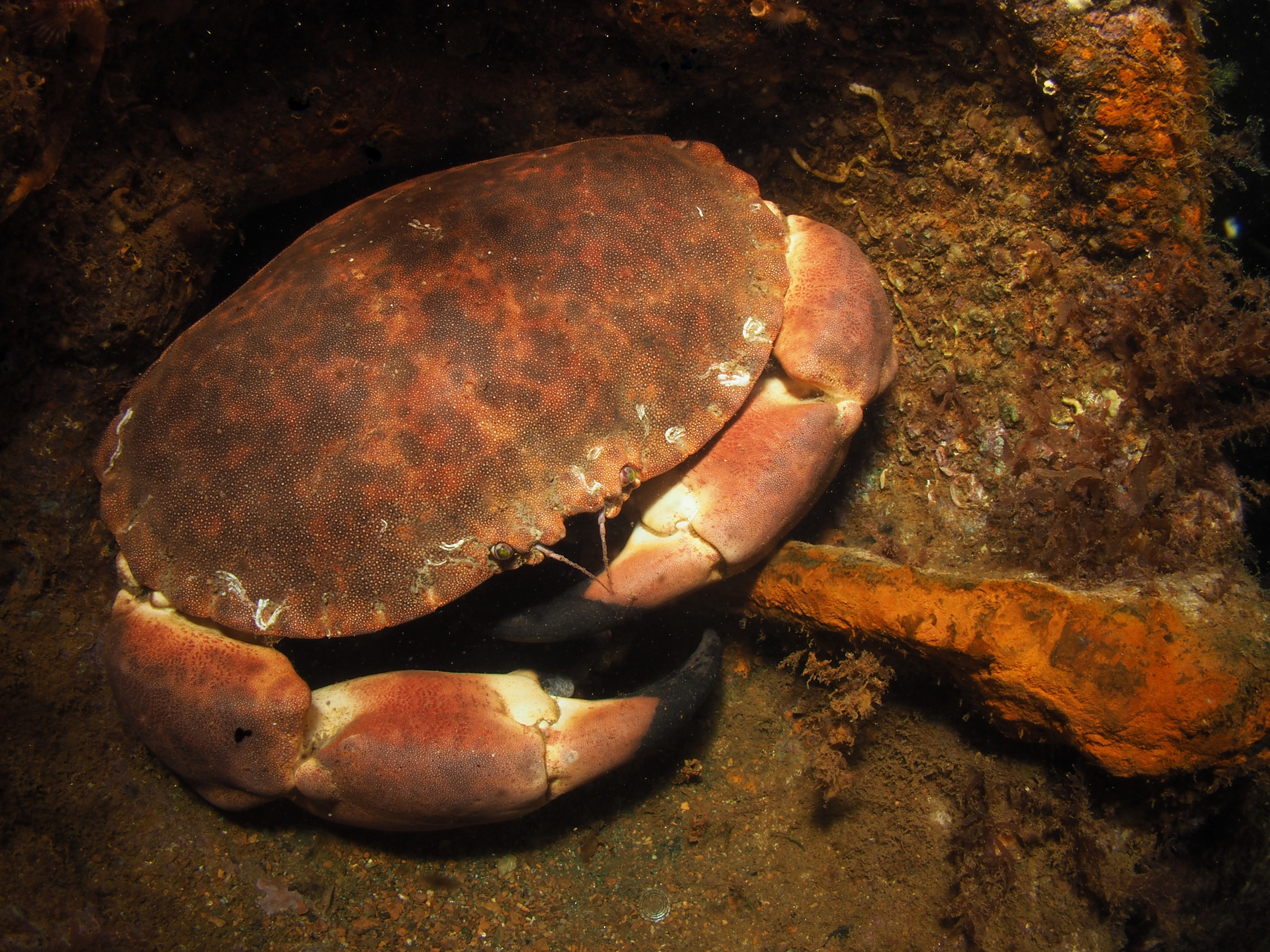
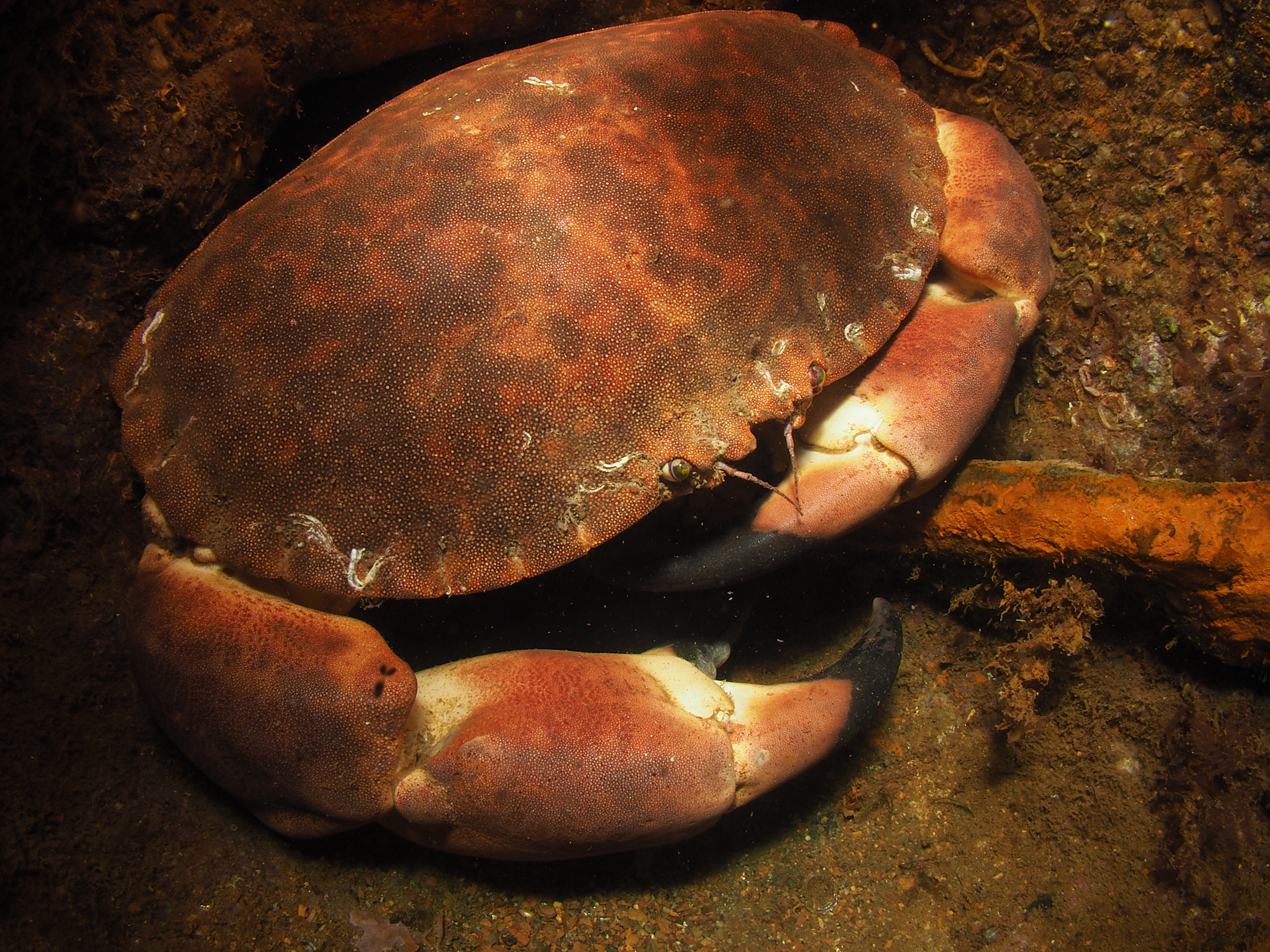
Next, the Squat Lobster Galathea strigosa, also a common, but quite shy species which is just as happy upside down as right side up. Also common are Brown (or Edible) Crabs Cancer pagurus, the individual here not in a crevice but in a piece of steel wreckage.
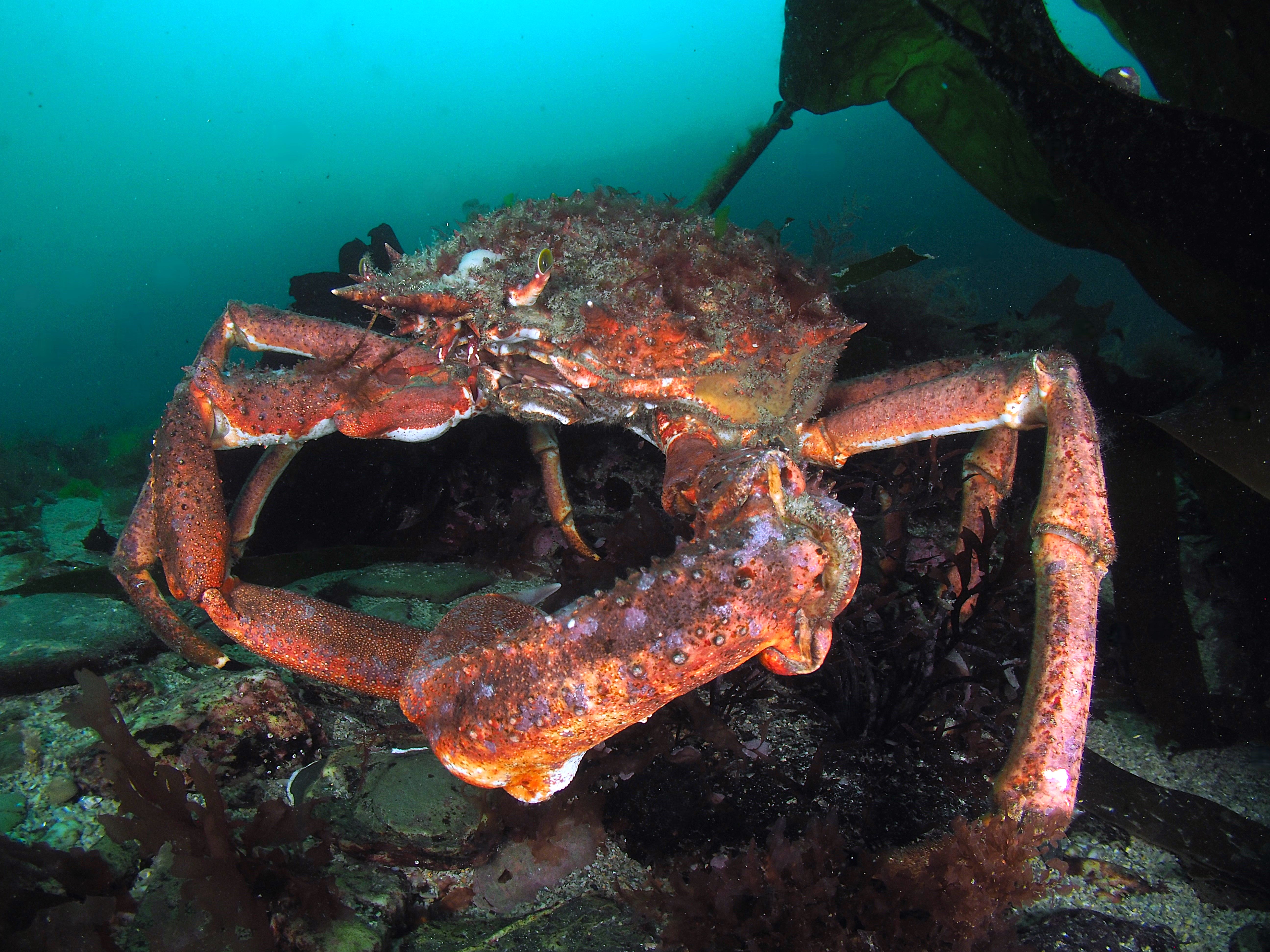
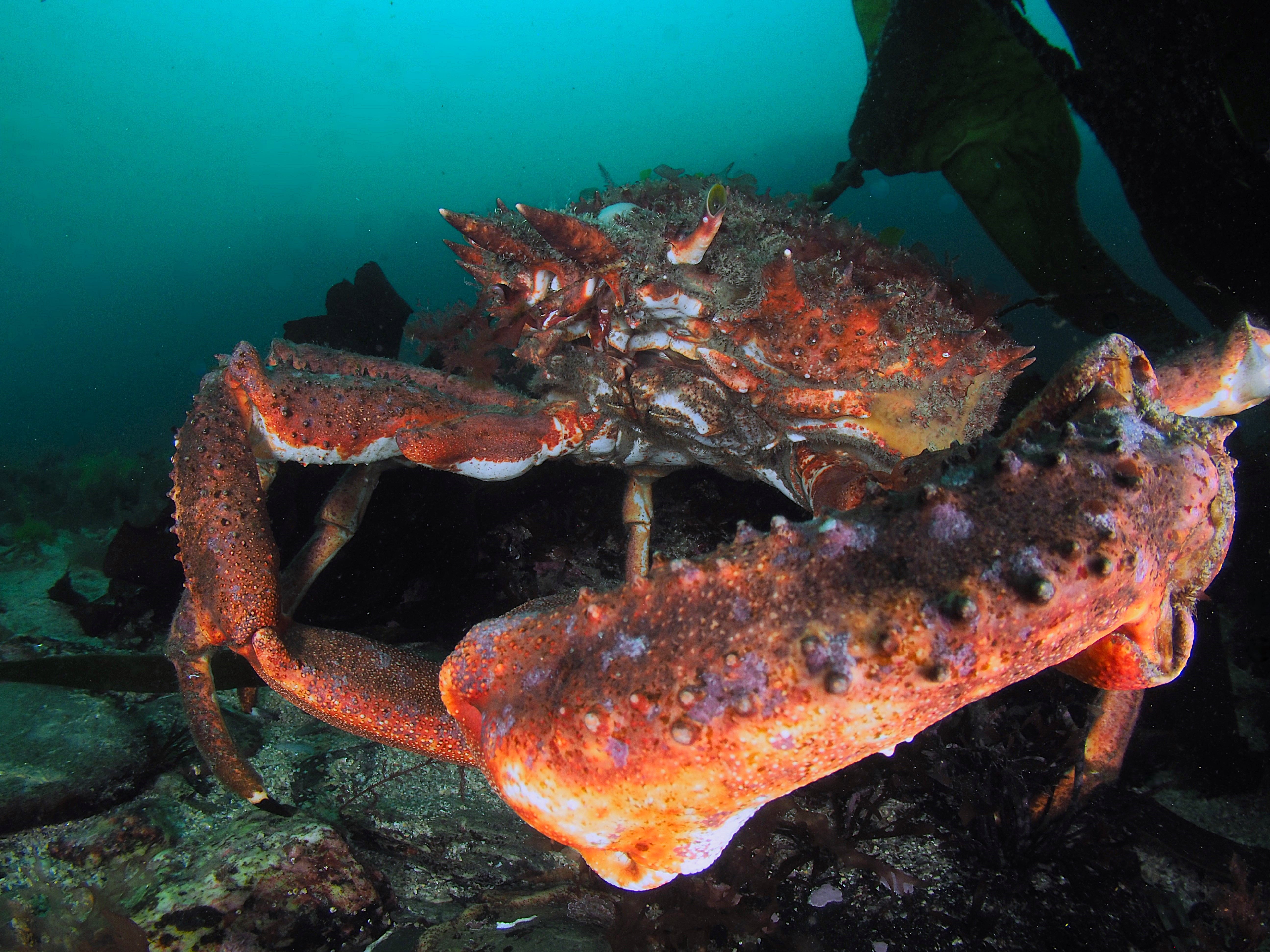
The other big, common Crustacean here occasionally perches on rock walls but usually is found roaming the seabed: the European Spider Crab (rebranded by local fishmongers as ‘Cornish King Crab’ – sounds more appetizing than something spiderlike) Maja squinado brachydactyla. Like the lobster, the behaviour of these guys is a mixture of bravado and fear. The weird lens allows me to get close, but as it lets in very little light, I am forced to use a high ISO and slow shutterspeed, making these images not the crispiest.
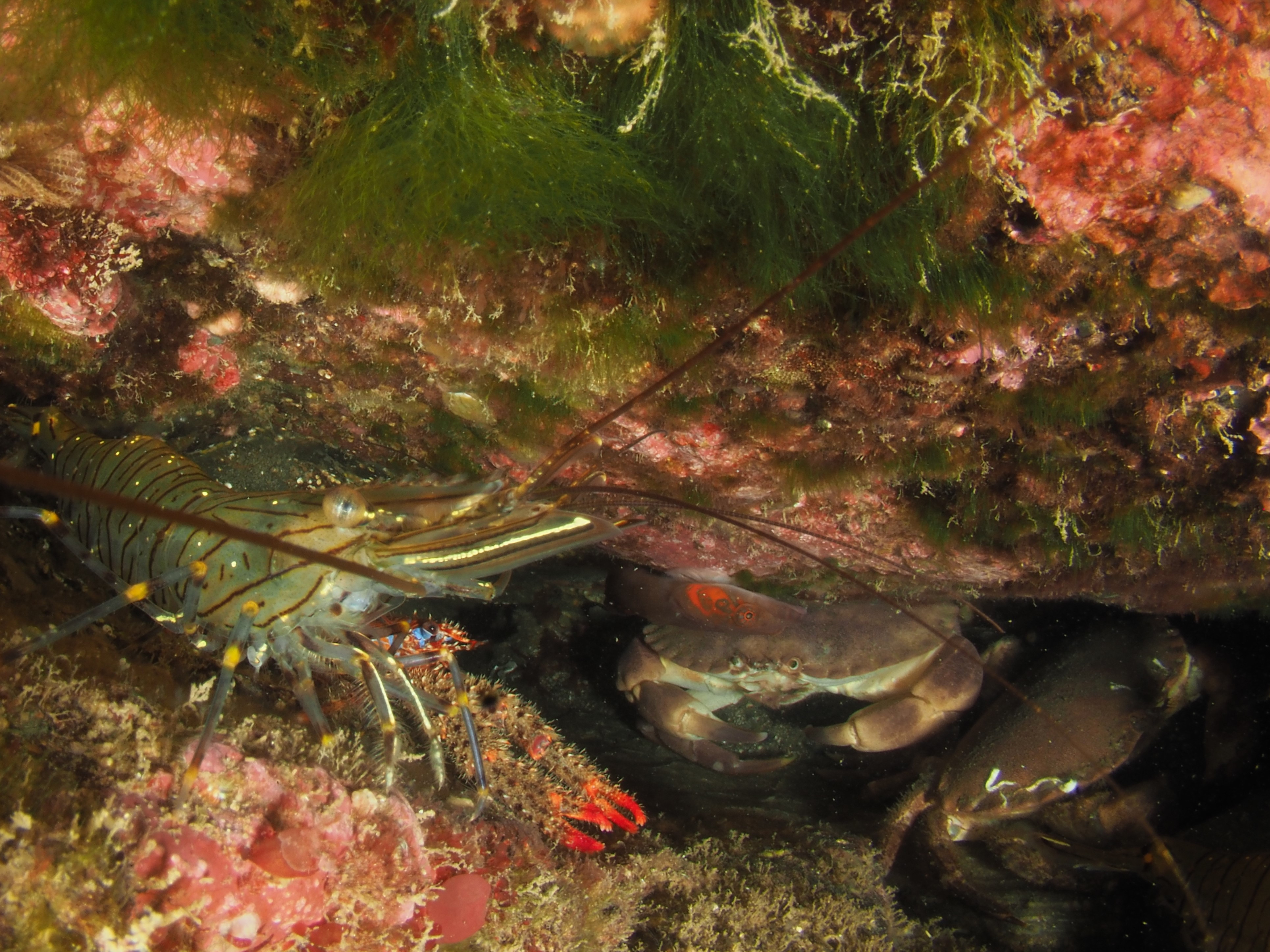
The final photo is technically not great, but I like it because it shows how a range of species apparently gets on quite well at close quarters. On the left, a Common Prawn Palaemon serratus, which can grow quite large and is actually really beautiful with its blue and yellow stripes. Right behind it is a Squat Lobster, with two Edible Crabs lurking in the background and an upside down male Connemara Clingfish Lepadogaster candolii – the next post will be about the fish of Silver Steps!
This seems like a familiar way to start a blog post but here I go again: ‘the weather has been terrible lately and I have not been in the water!’. March used to be my favourite time for snorkeling because the seaweeds look at their best, but the last three years it has been windy and wet, surely because of climate change…
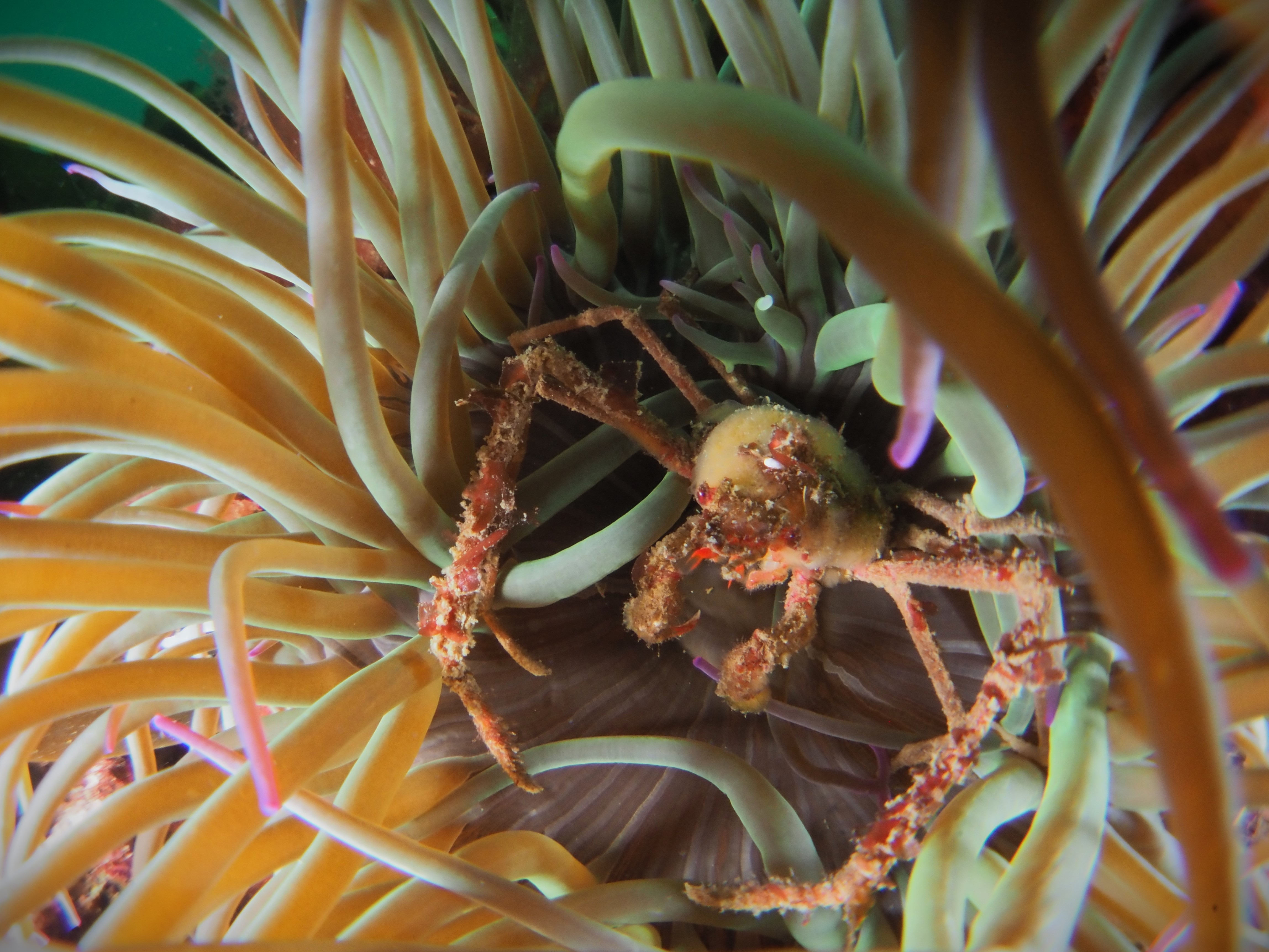
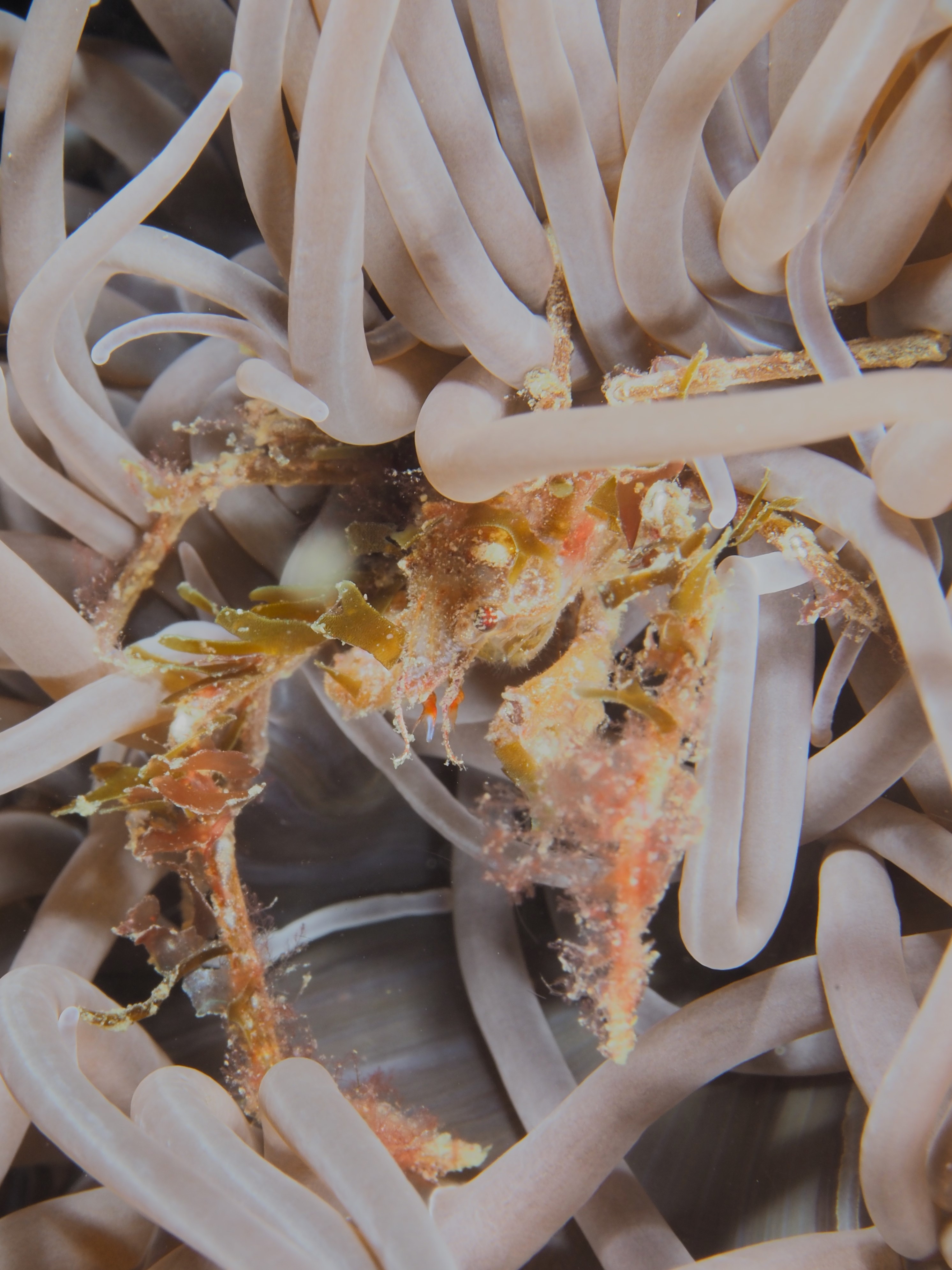
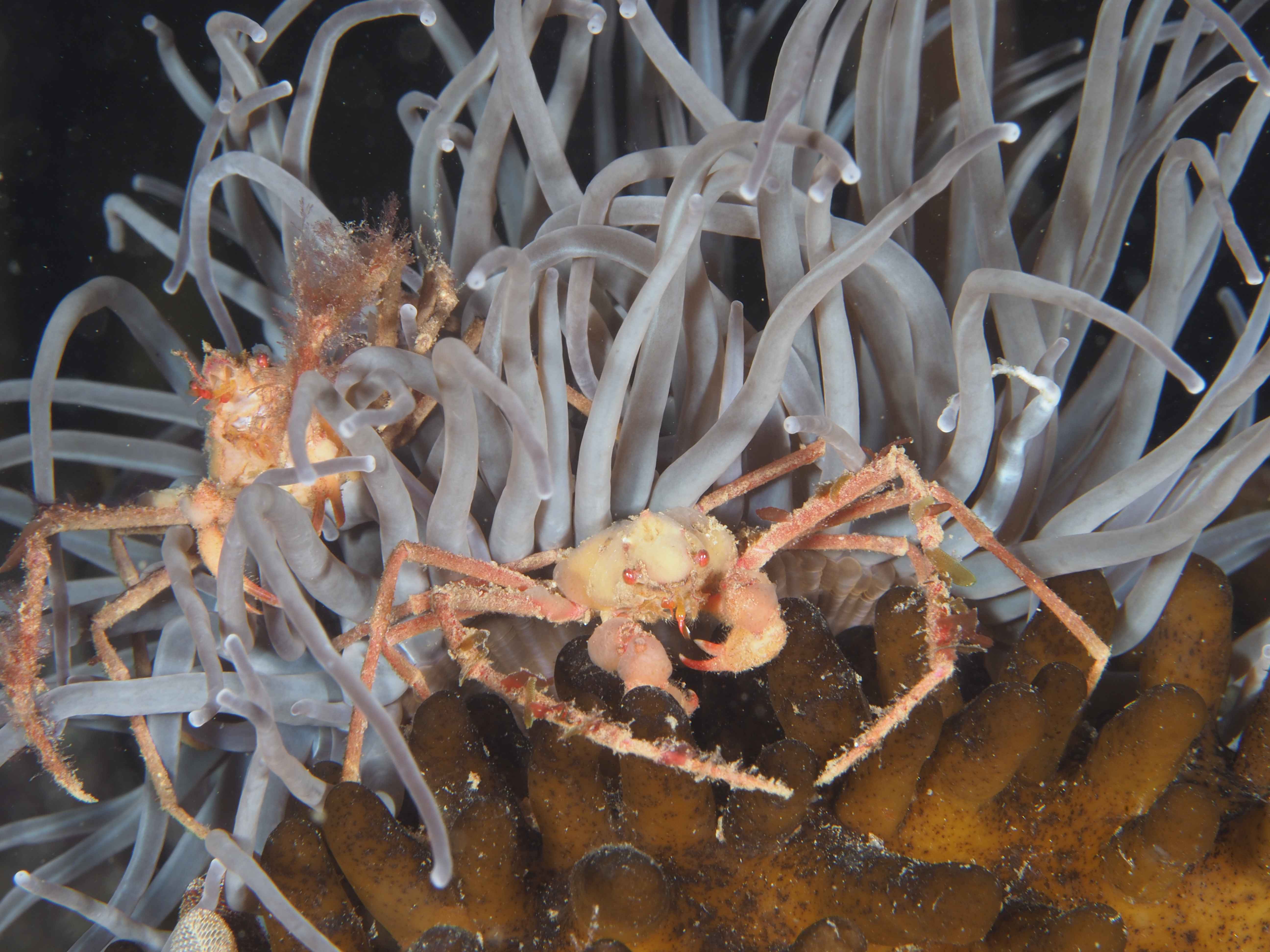
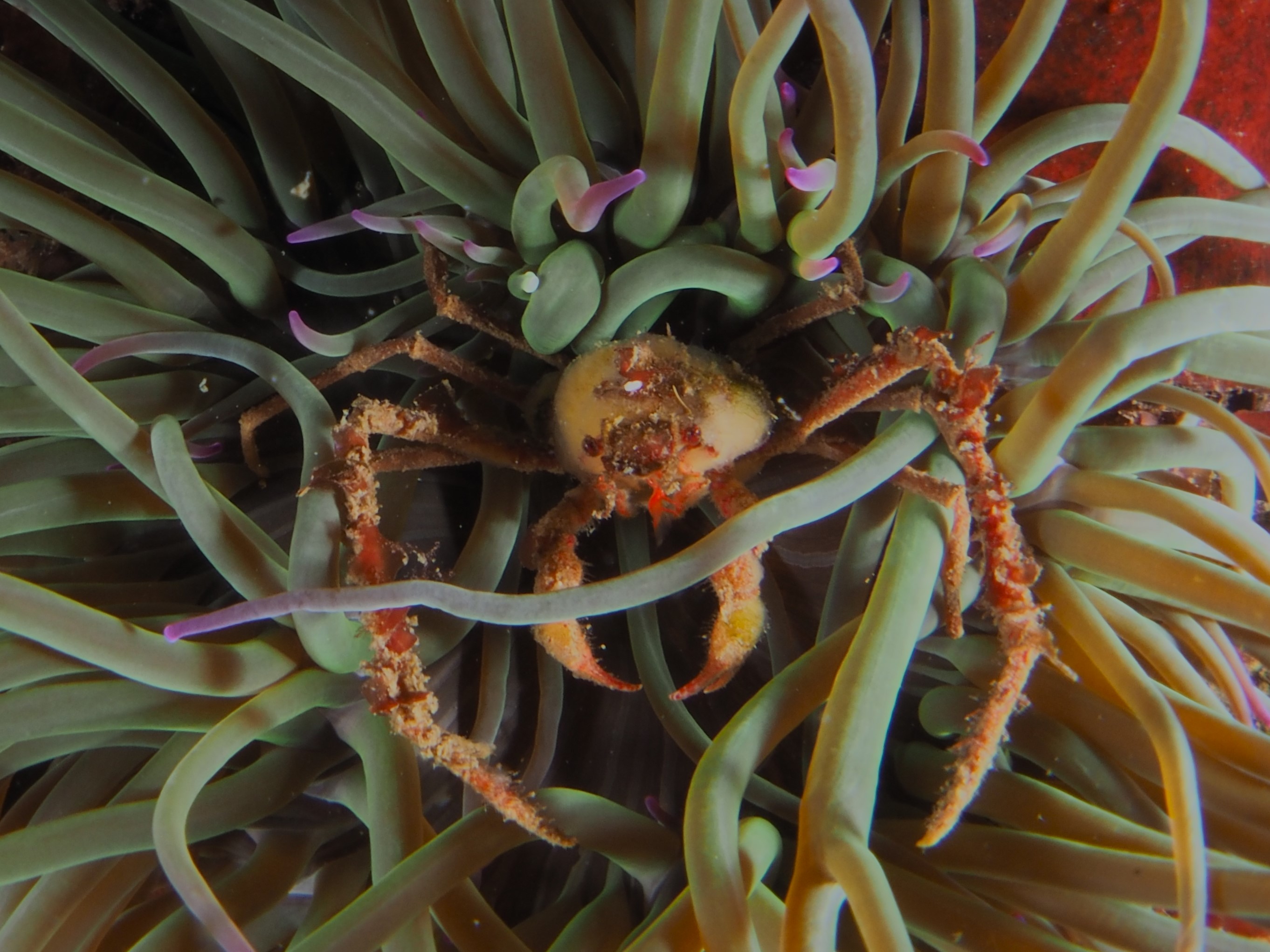
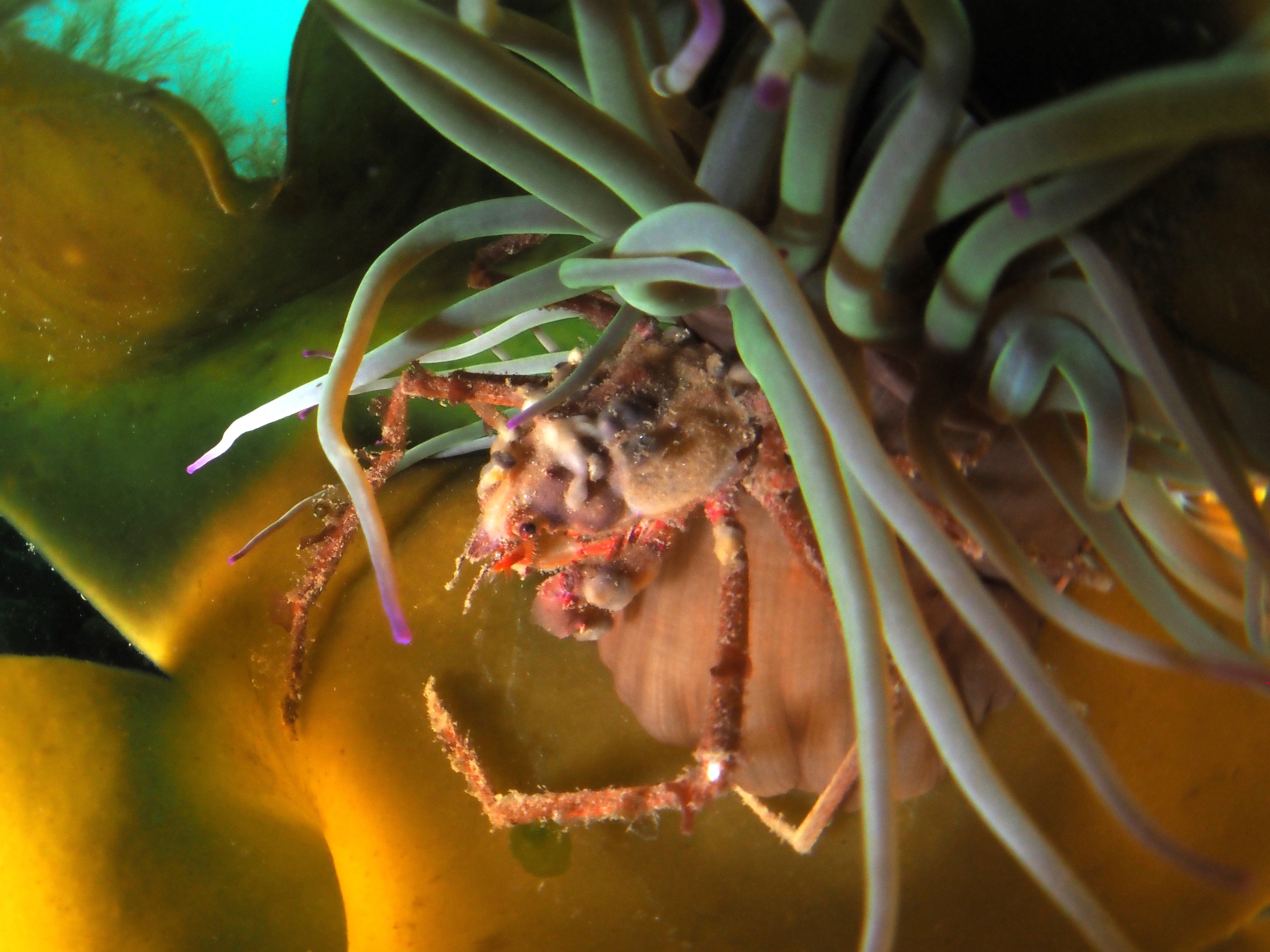
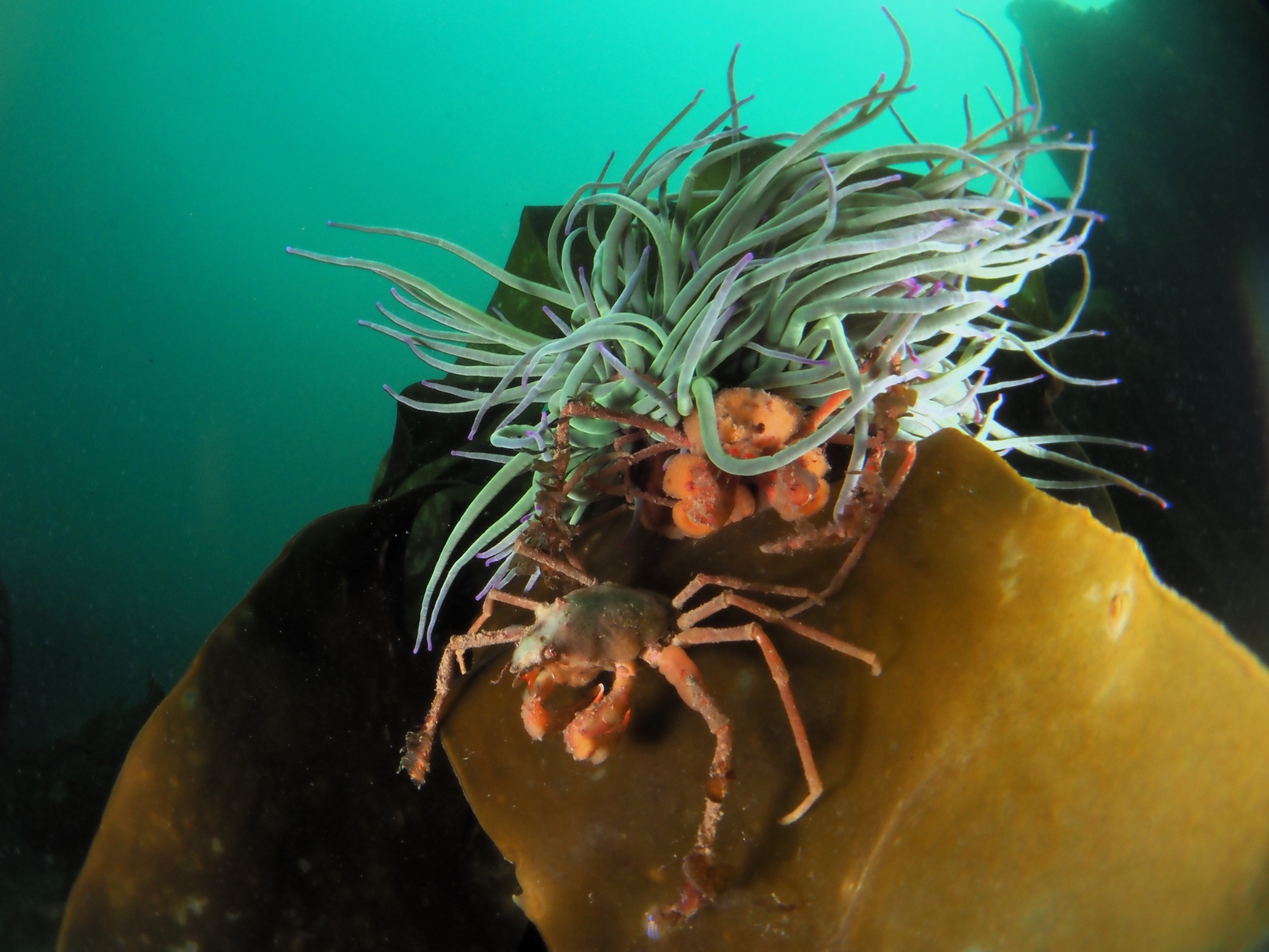
To keep the blog going (a bit), I have dug out some images from a few dives last year featuring Inachus spider crabs. There are three species, I. phalangium, I. dorsettensis and I. leptochirus, which can be told apart by the arrangement of tubercules on their carapace, but these are often obscured by epiphyte growth, and so I am keeping it to Inachus sp. All species are associated with Snakelocks Anemone (Anemonia viridis) hosts. The photo above is taken using a weird ‘wide angle macro’ wetlens (INON UFL-M150 ZM80). This perspective always fascinated me but it is difficult to achieve. This lens does the job, although it is incredibly ‘soft’, especially around the edges. The close focusing also makes it difficult to direct the strobe light on the subject. So there is a tradeoff between getting the surroundings in view and sharpness. Below first some sharper shots using my 60mm macrolens, followed by some macro wide angle shots (they happen to be each of the different Anemonia colour morph):


I will leave you with the following interesting bit on the biology of these crabs by Diesel (Ethology, 1986):
I. phalangium females are site-constant, and live in the protection of one anemone or group. Males travel frequently between anemones harbouring females due to spawn; they copulate and guard the females until spawning, after which the male leaves again. A male operates in a patrol area containing 3-8 anemone groups and up to 8 females, visiting each female in turn repeatedly just before it is due to spawn. Patrol areas of different males may overlap, with resulting competition to fertilize a female’s next brood. Large males have higher reproductive success than small ones. Females live up to 8 months after the moult of puberty and hatch up to six broods, and males live up to 7 months as adults. A male could fertilize a calculated 26,000 eggs, whilst a female’s reproductive potential is ca. 4,200 eggs. Mortality risks are higher for males than for females, probably because of increased predation while leaving the protection of anemones in order to visit females. Males learn the positions of anemones harbouring females in their patrol areas, and when these are due to spawn. This allows a male to travel with a target and arrive punctually to fertilize the next brood due in his circuit. I. phalangium is the first marine invertebrate reported to use a “schedule” of localities and times for visiting prespawning females. In this way males minimize searching time and mortality risk, and maximize the number of broods fertilized.
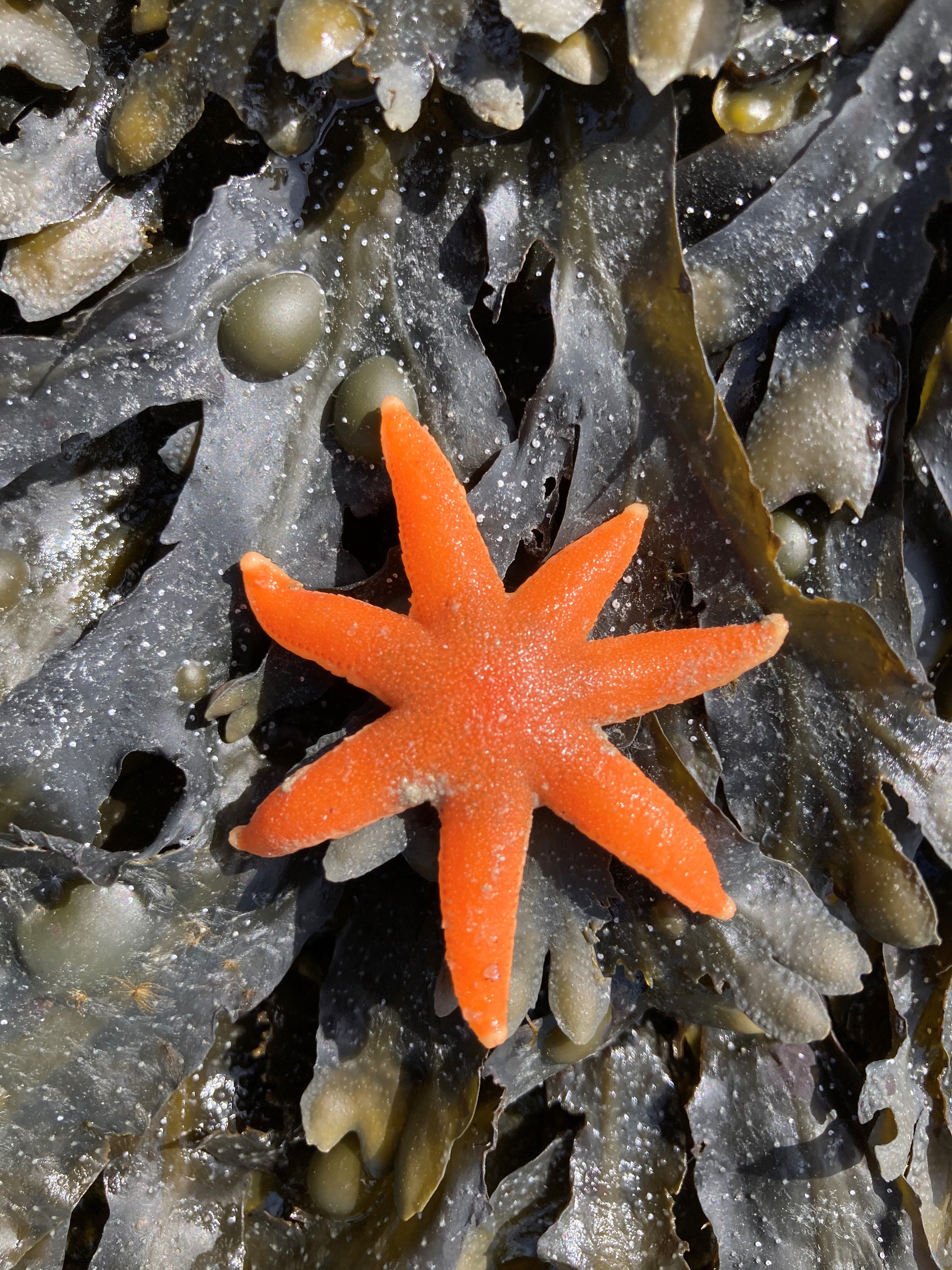
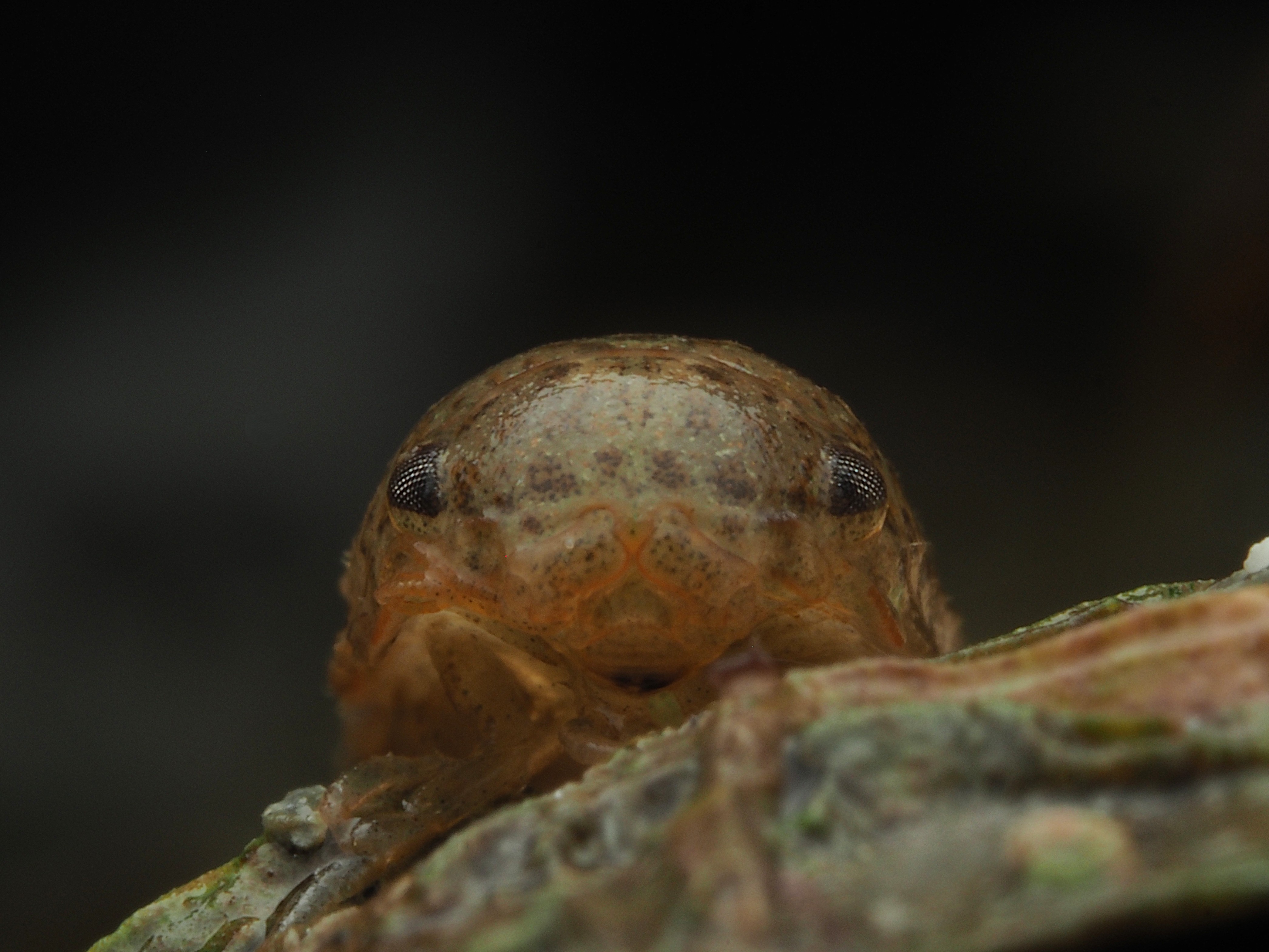
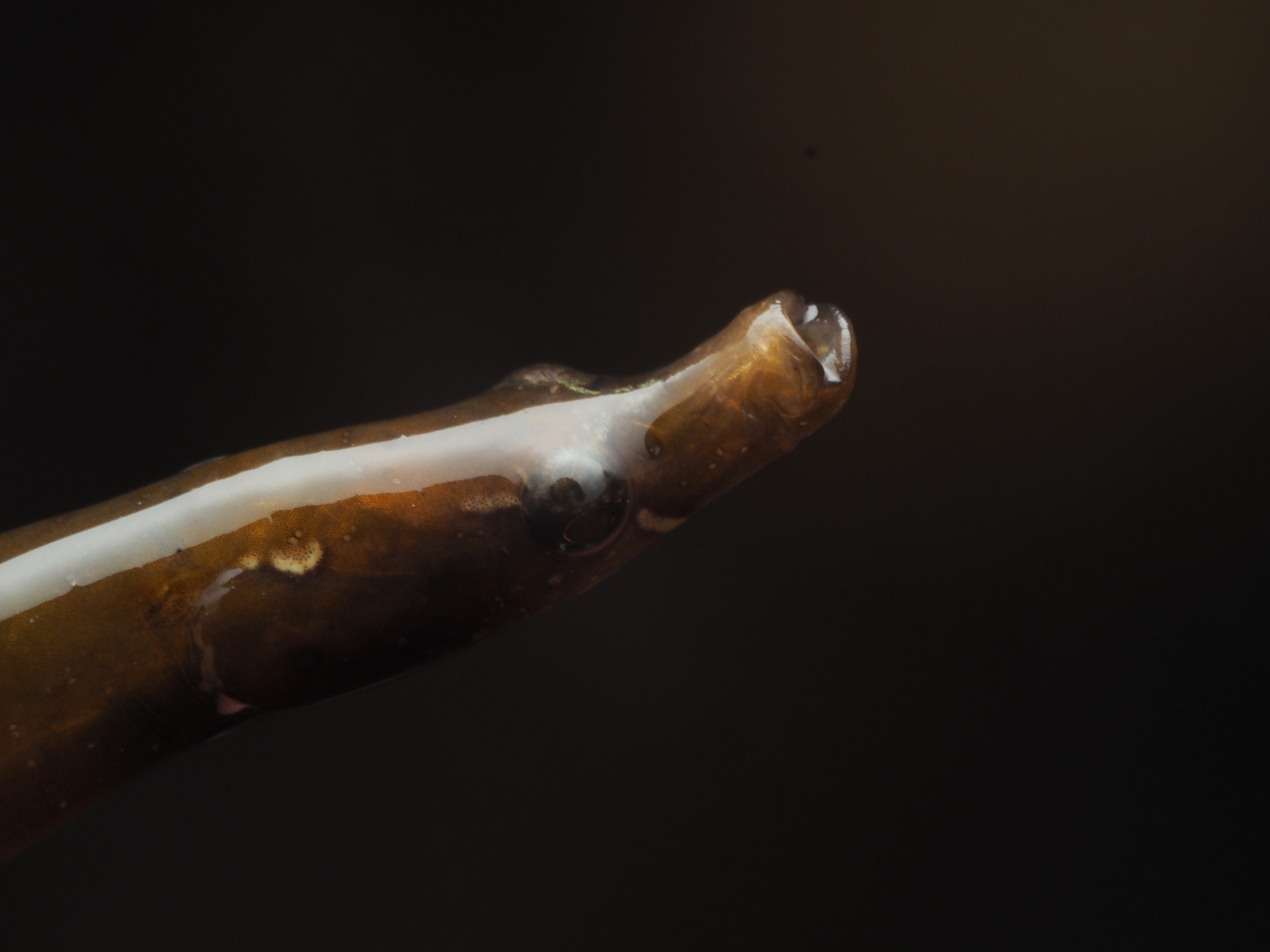
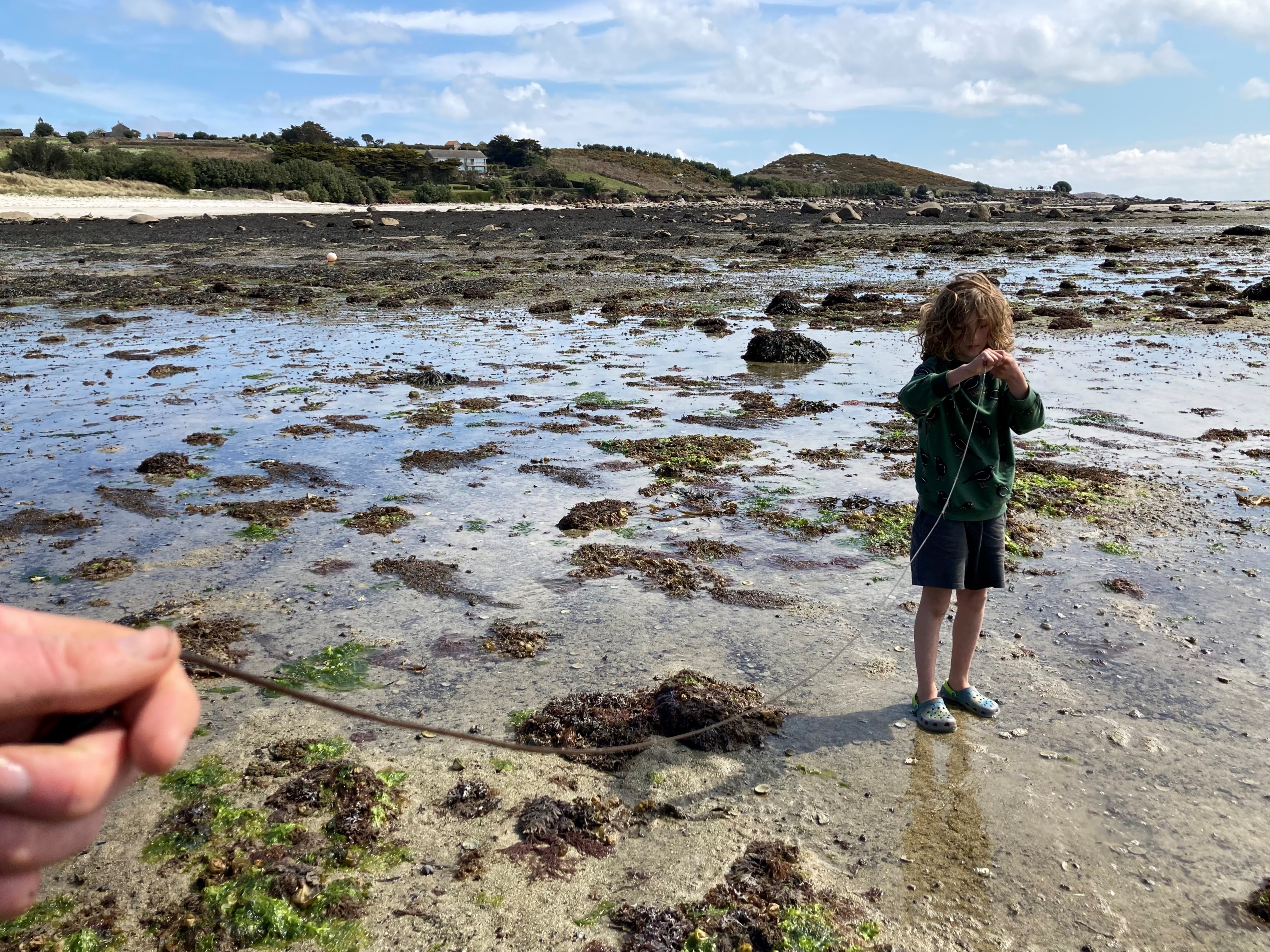
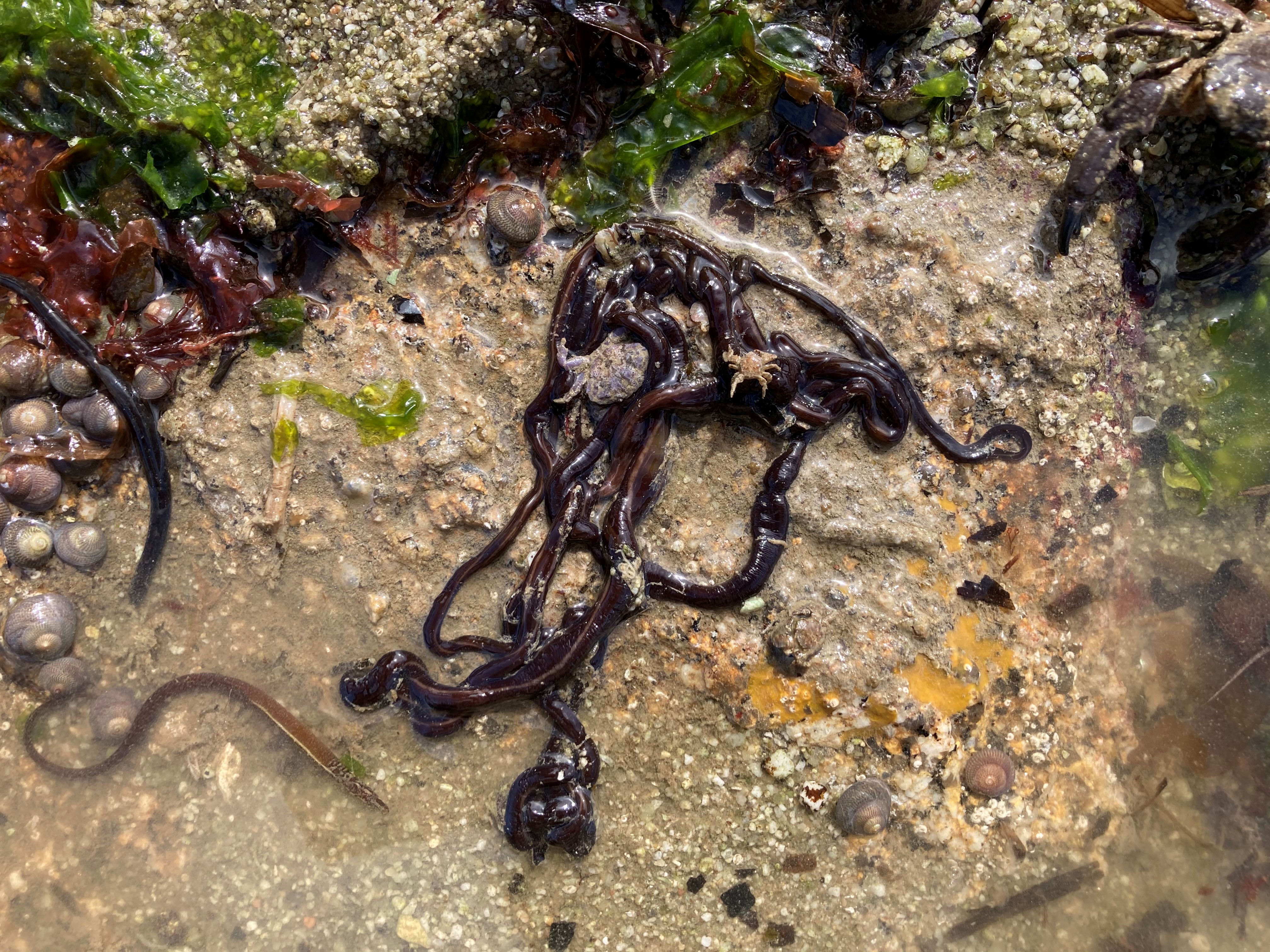
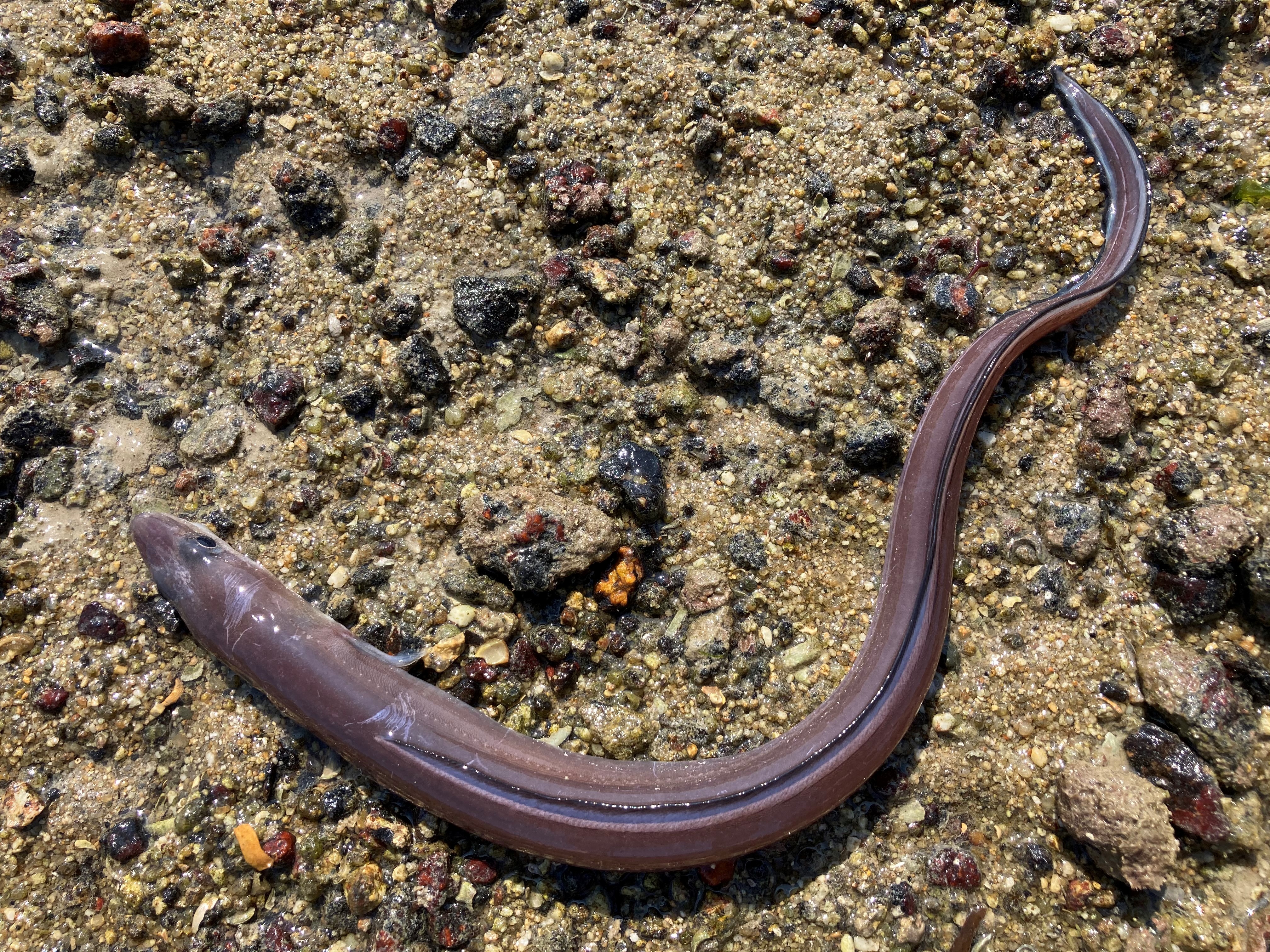
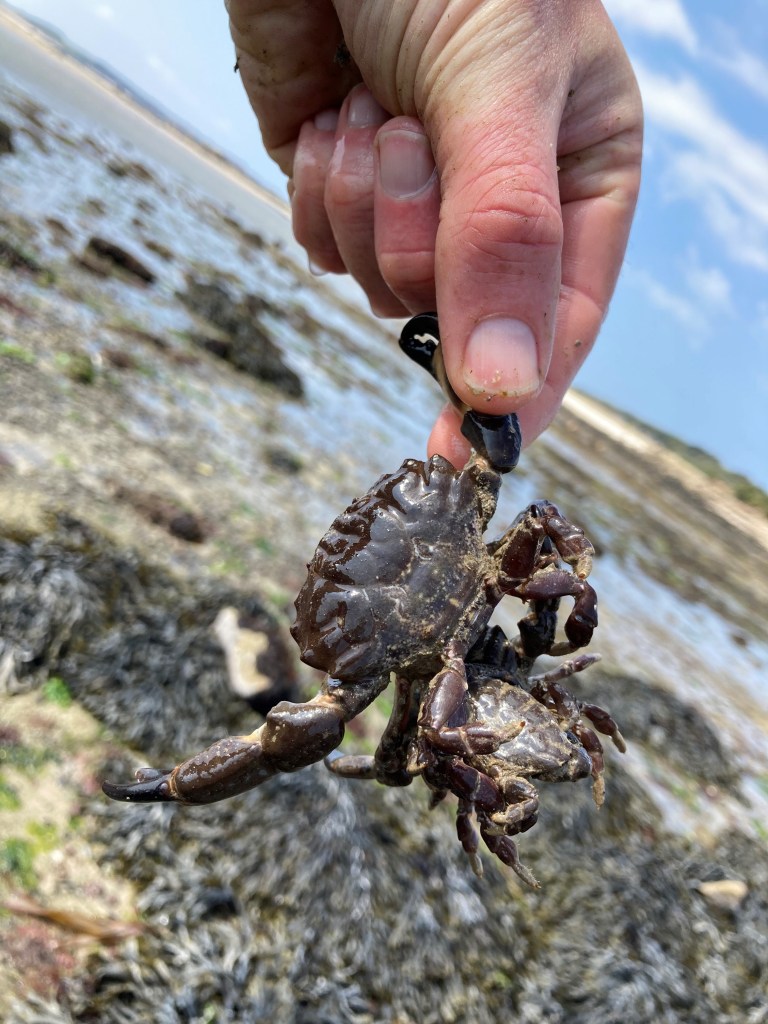
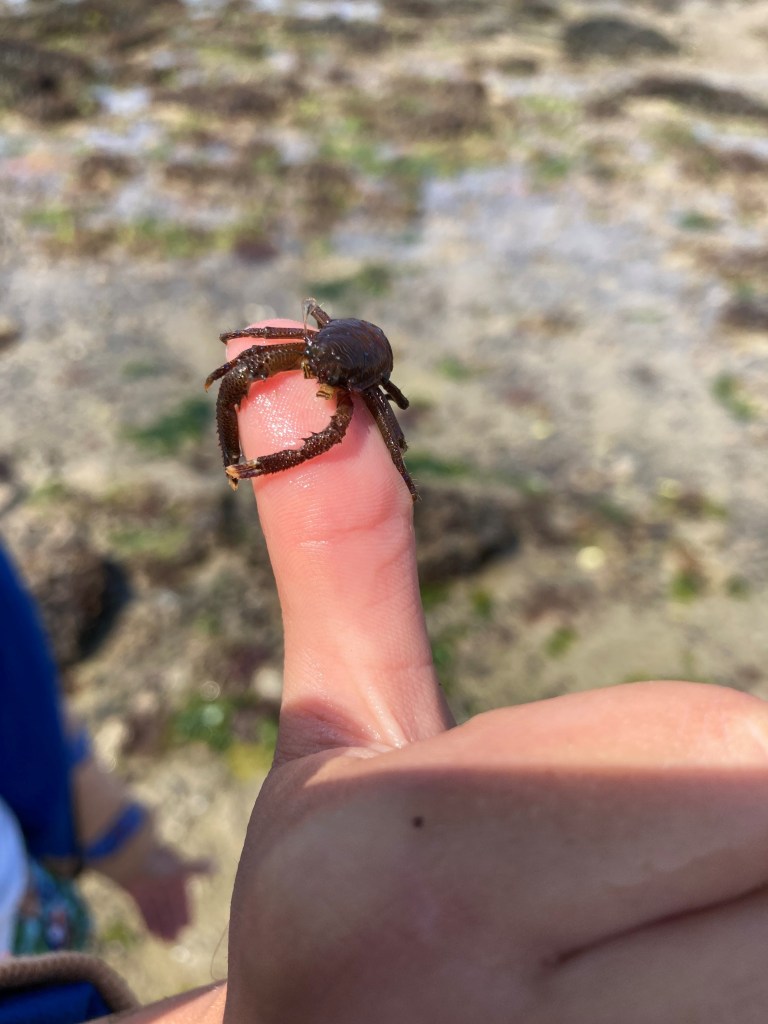
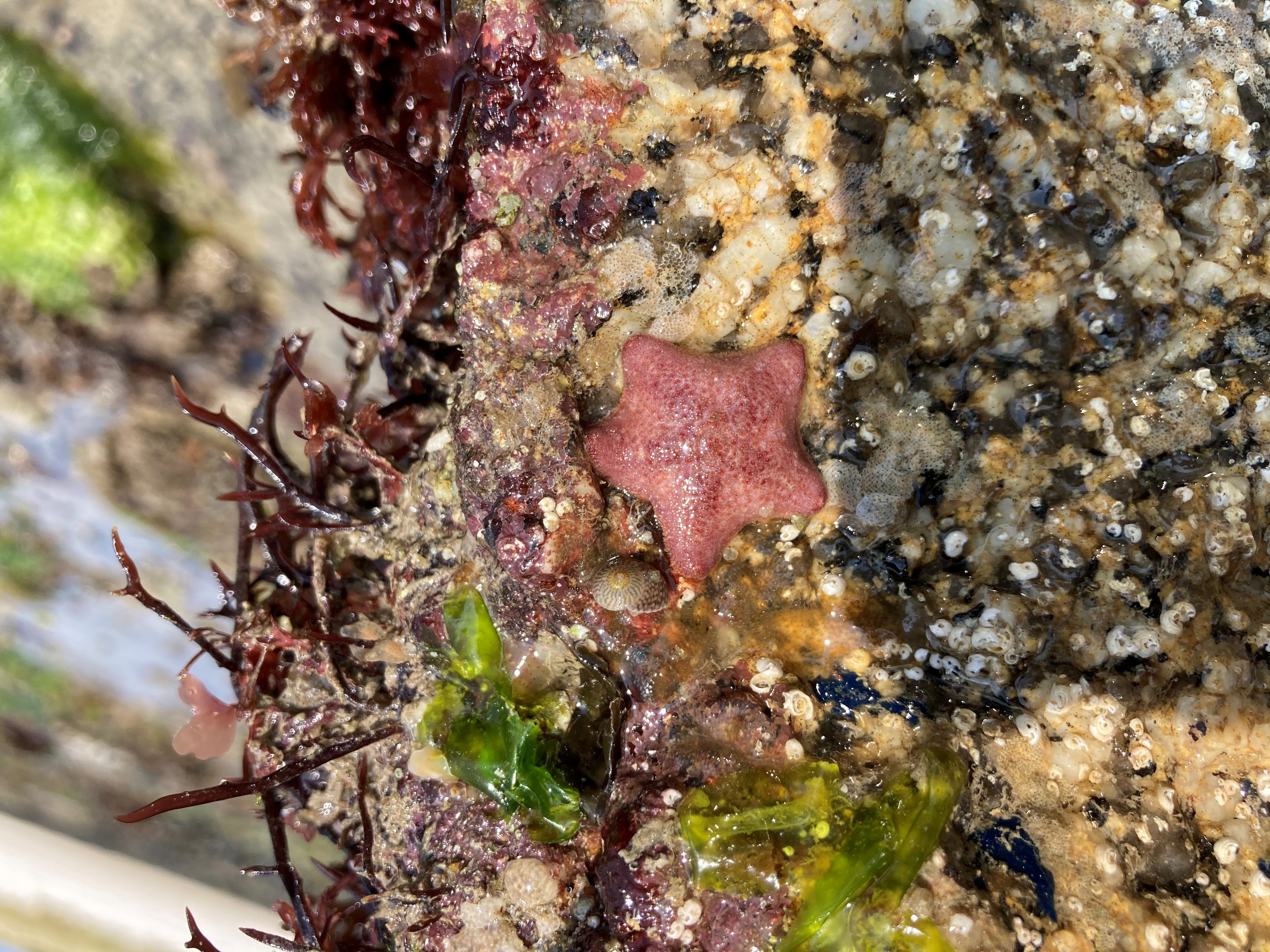
Although St. Martins does not seem to have any rockpools, the beach that was nearest to us (called ‘Lawrences’) has a stretch of rocks lying on the sand that can be turned over at low tide, and so we did! A nice find was a small Sevenarmed Starfish Luidia ciliaris (these can grow up to half a meter across, although you will not find them that size in rockpools). We also found a Bootlace Worm Lineus longissimus, which is (probably) the longest animal on the planet. These nermertean worms secrete a powerful toxin in their mucus, but luckily for us it affects arthropods and not mammals. They are not very rare btw, I see them here in Flushing and Falmouth too. It was about 5 meters long (without stretching it), but they can grow ten times the size of this! In the second photo you can see it in its natural habitat, under a rock, with some photobombing crabs and worm pipefish. Another cool find was a juvenile Conger Eel Conger conger. Otherwise we found the usual suspects, lots of crabs and a bunch of fish, see for a small selection below.


OK, part two of my list of fun and easy species to keep in an unchilled native marine aquarium (see here for numbers 10-6). I will later post about species to avoid, and of course also about easy seaweeds to keep.
5: juvenile crabs
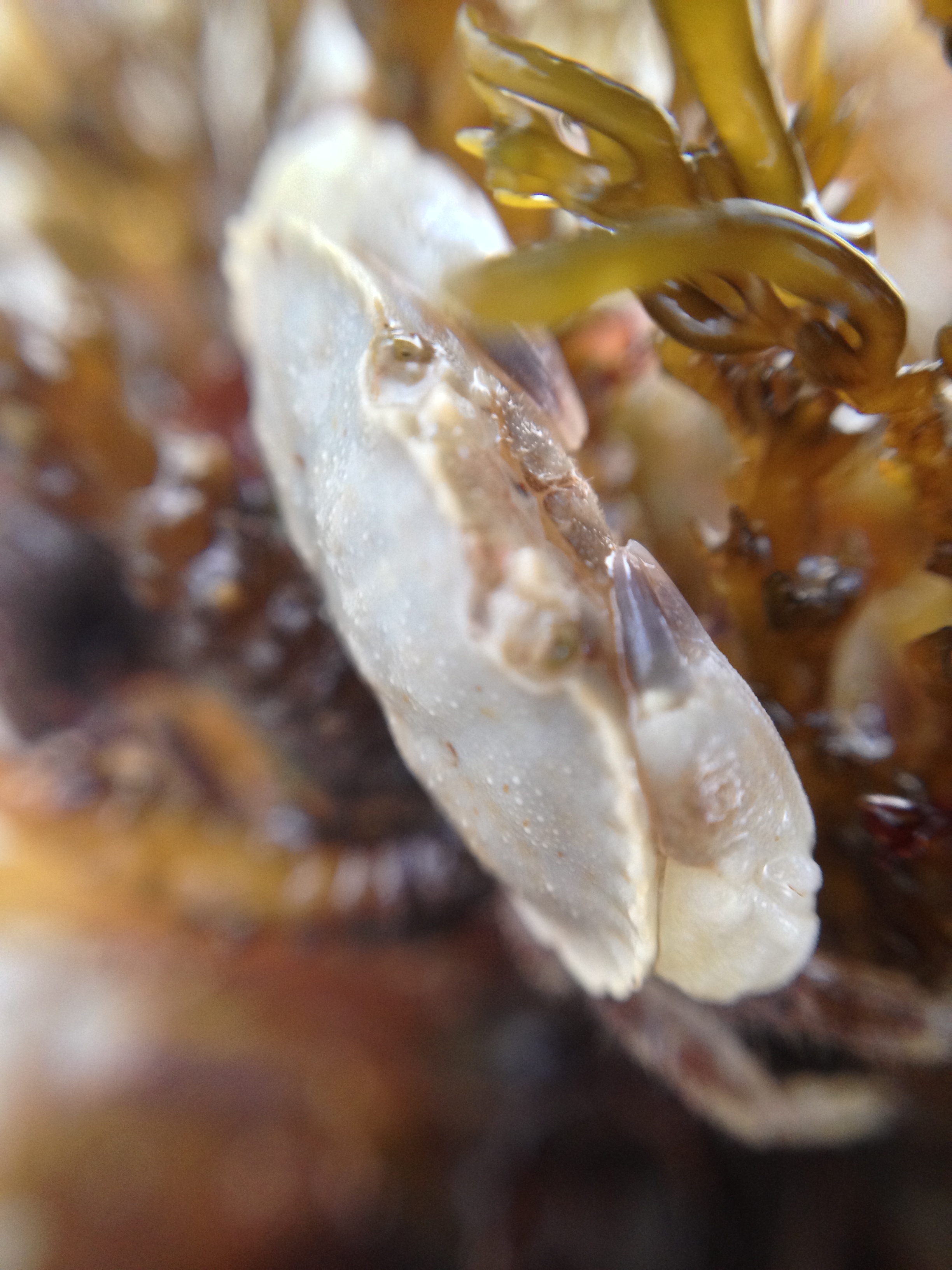
Crabs are active and interesting to watch, however, in a community tank they should not be too large as they can be quite destructive as well. Juvenile Shore crabs Carcinus maenas are an option, or a variety of crab species that stay small, such as Pirimela denticulata (I am not too sure what species the above pictured crab is, but it is still doing well four months after collecting it).
4: Squat Lobster Galathea squamifera
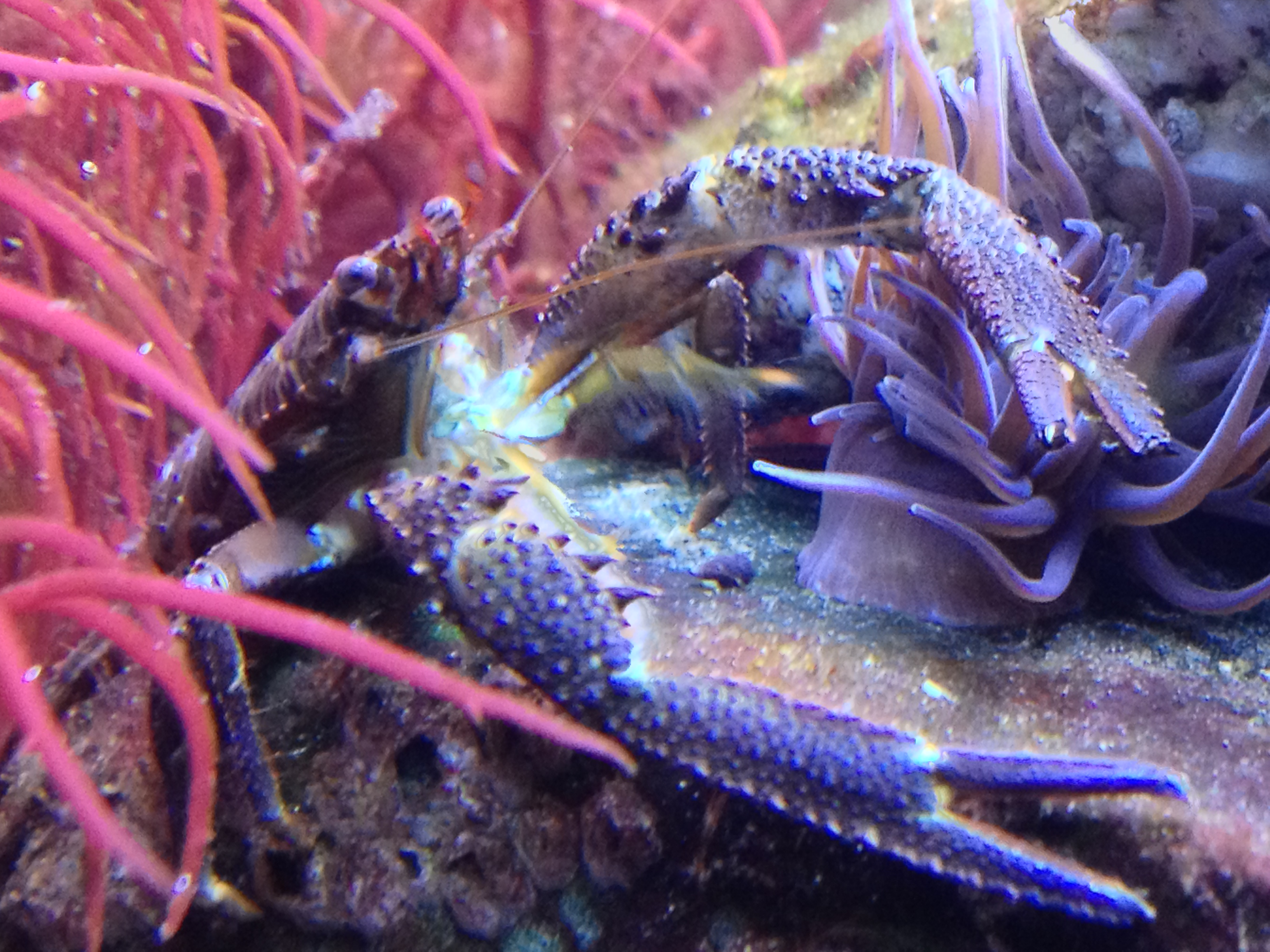
Squat lobsters Galathea squamifera can be a bit shy but are entertaining to watch as they scuttle about. Very common under rocks in silty areas.
3: Snakelocks Anemone Anemonia viridis
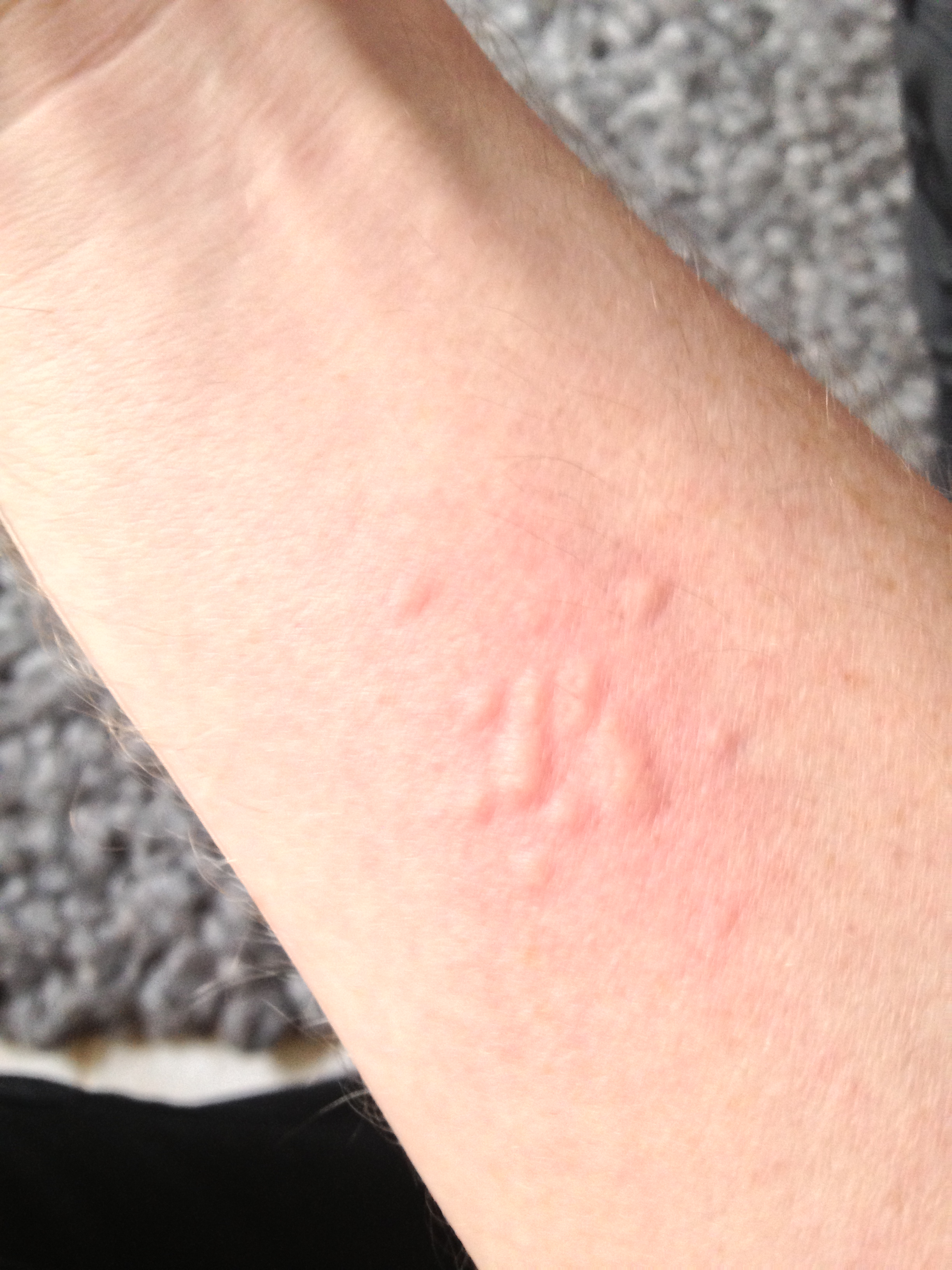
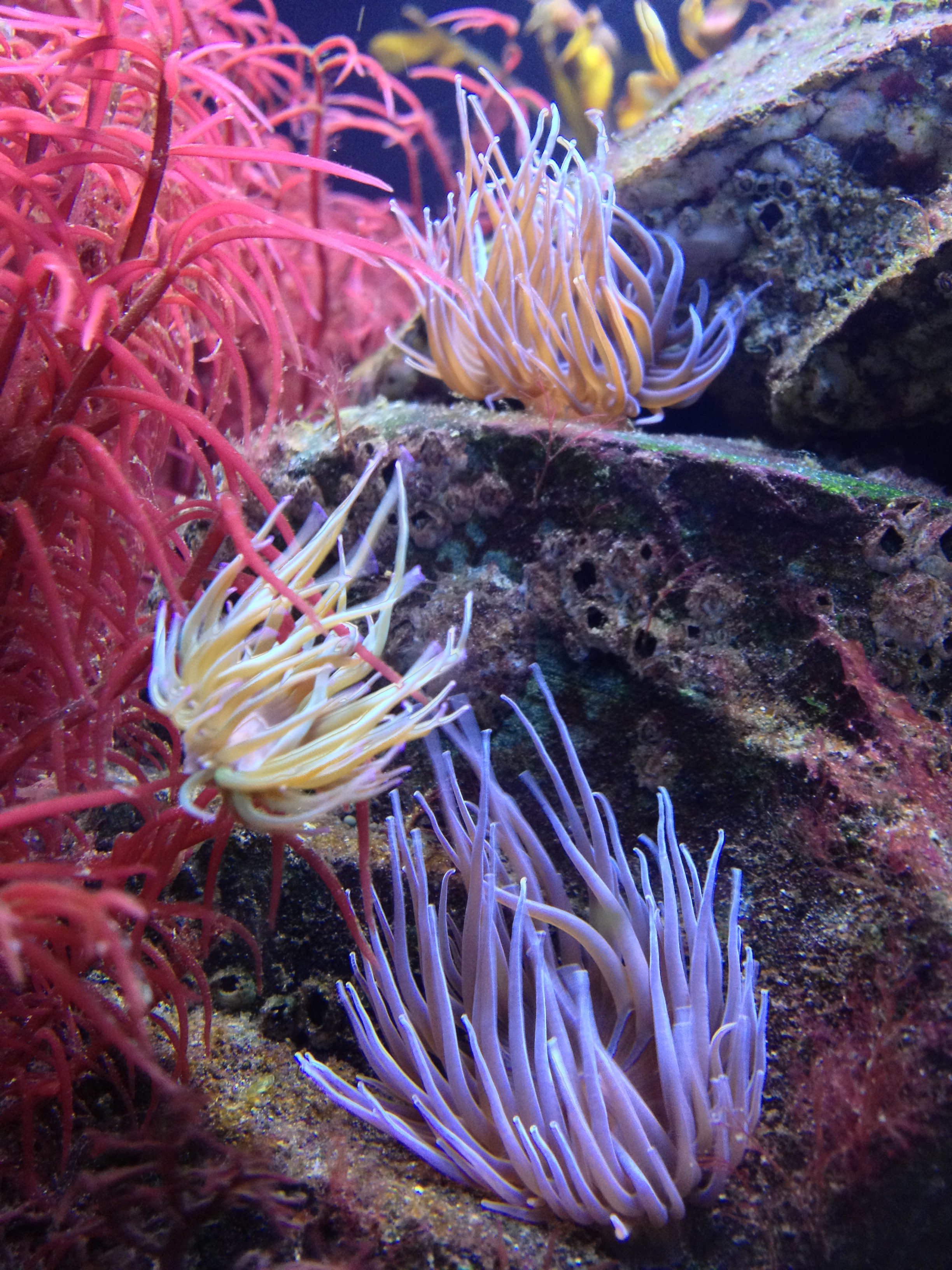 Very pretty and common anemones that are easy to keep. Beadlet anemones Actinia equina and Strawberry anemones Actinia fragacea survived in my aquarium as well but they seemed to shrink a bit over time rather than grow and these species can retract their tentacles which looks less nice. I did not specifically feed my anemones by dropping artemia or food pellets on them. The photosynthetic capabilities of Snakelocks anemones due to their algal symbionts probably makes it easier for them to thrive when food is relatively scarce. Beware for the tentacles of larger individuals though, as they can sting!
2: Common prawn Palaemon serratus
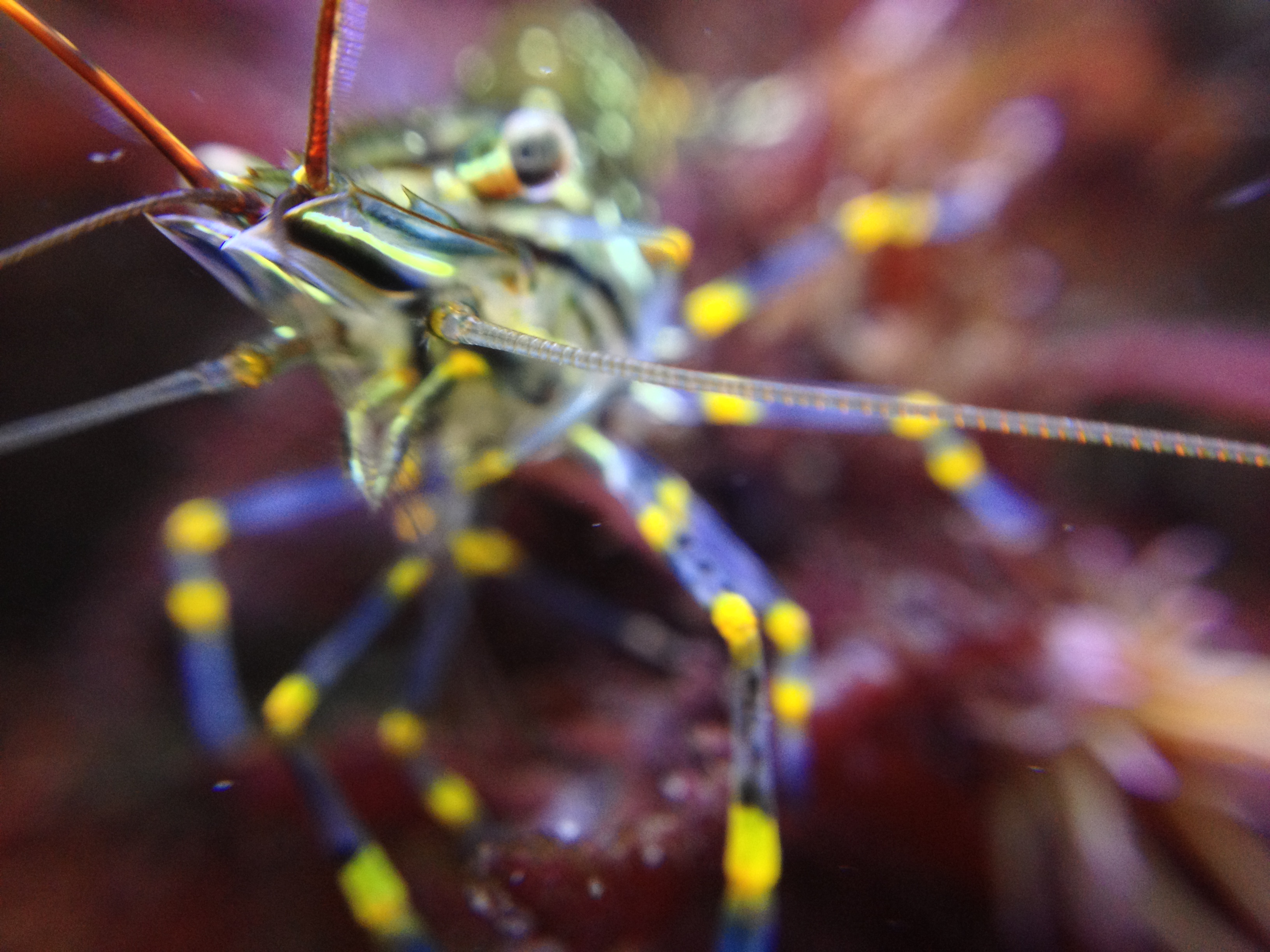
Prawns* have been a rage in tropical freshwater aquariums for years but people forget that there are very pretty ones right in our seas. I must admit I have not got round to checking rostrum (the ‘nose’) structures to differentiate between several closely related Palaemon species, but I think I have the Common prawn. They are always foraging and flock to any new object in the aquarium to check for edible bits. If the pumps are switched off they will swim and compete with the fish for food.
* or shrimp, these two names can mean different things in different English-speaking countries. In other languages ,like my native language Dutch, we only have a single word (garnaal) for these critters
1: Cushion star Asterina gibbosa
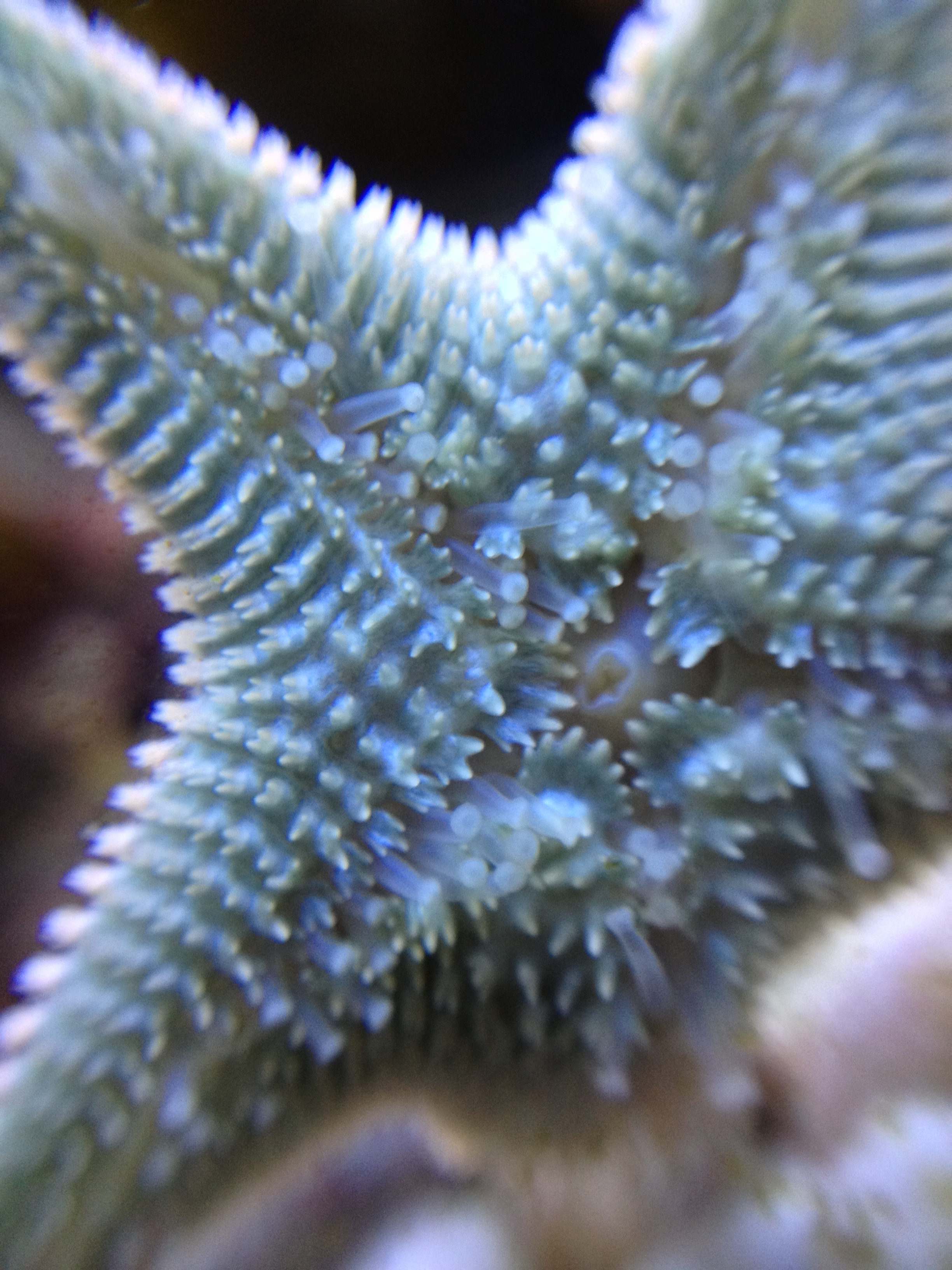 My numbers 2, 3 and 4 could have been number 1 as well, but I ended up picking the very common Cushion Star. Although grey and just an inch in size, these quintessential rock pool inhabitants are active, hardy and just plain cool!
 An Bollenessor