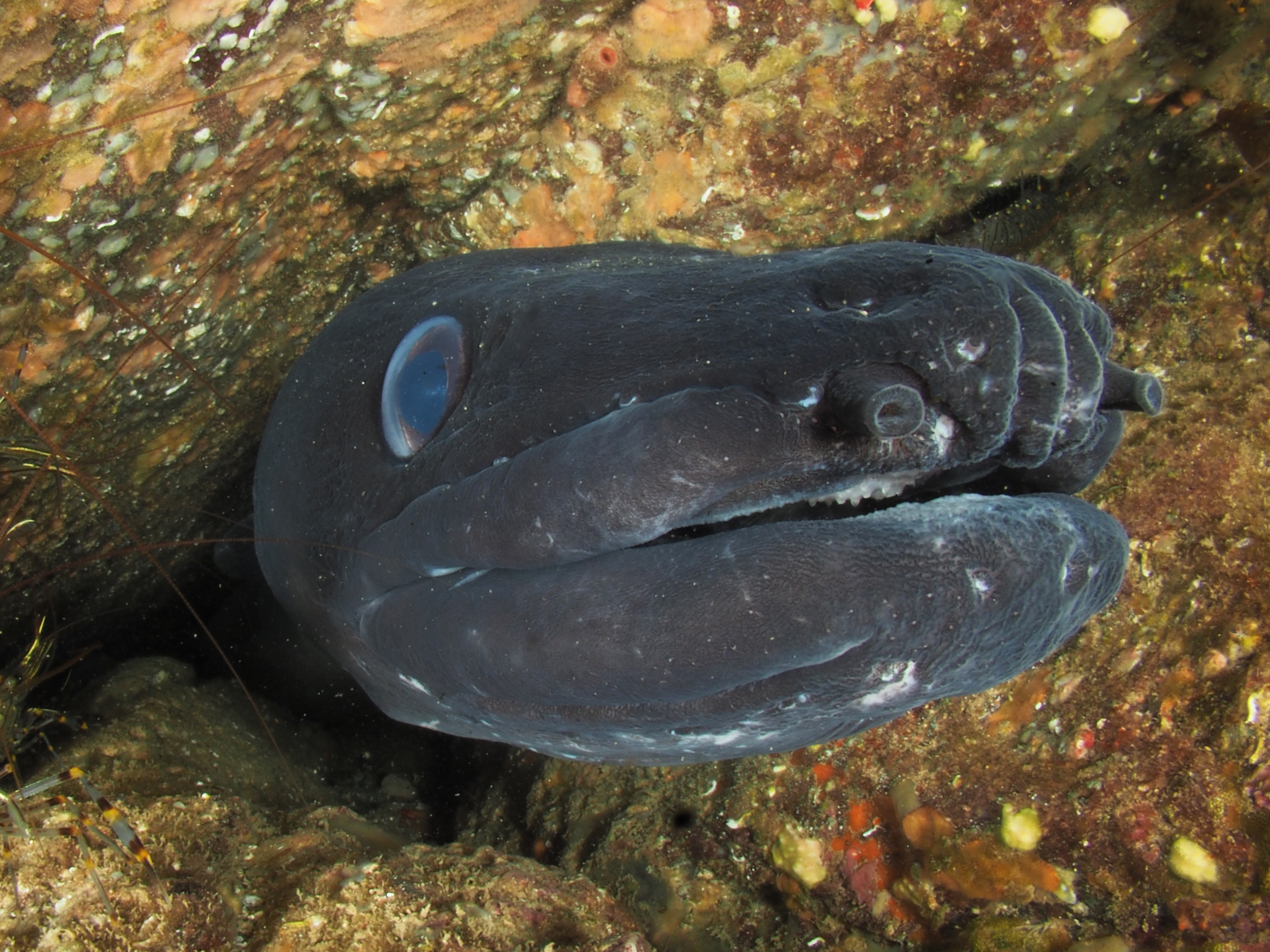
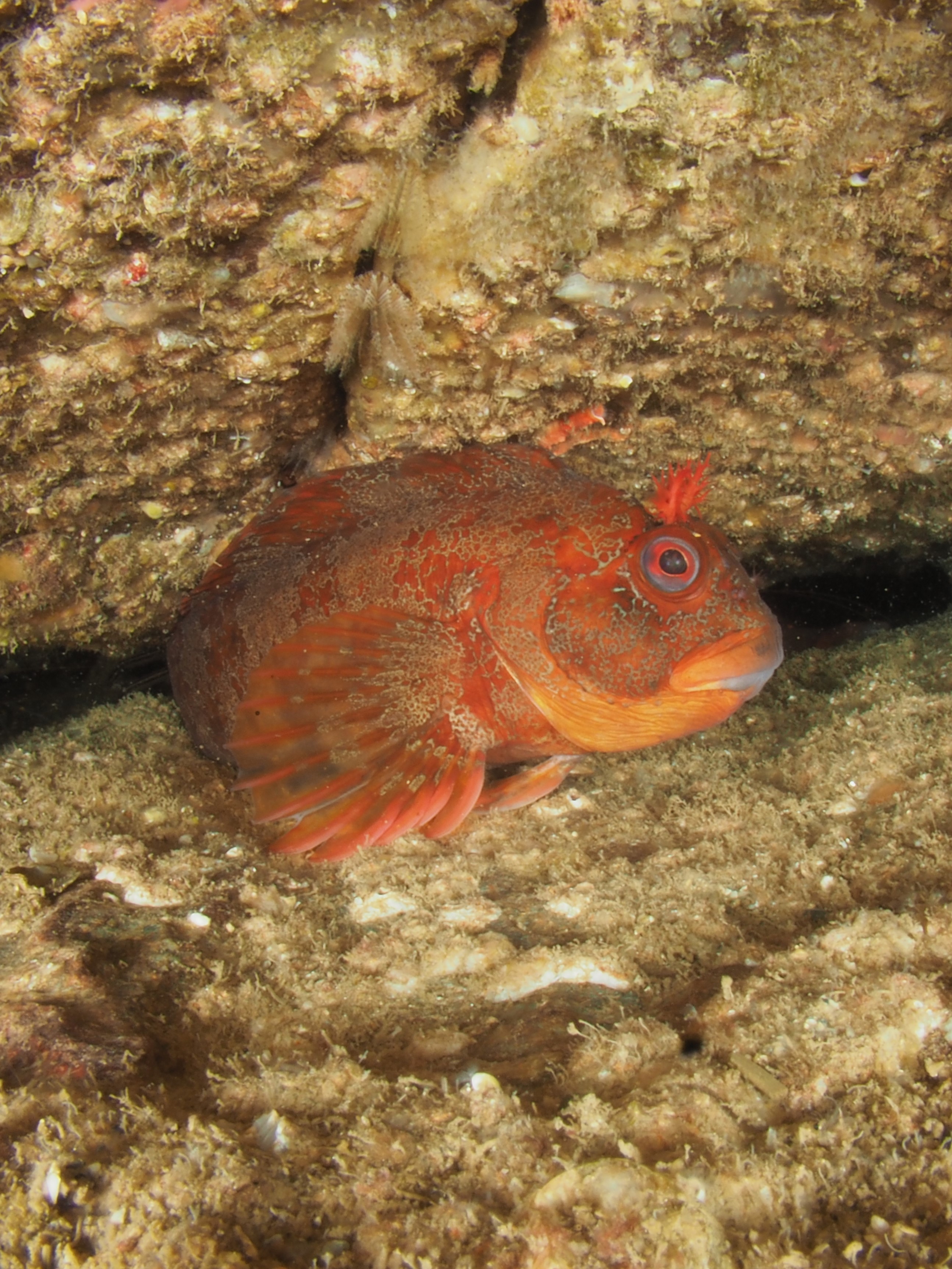
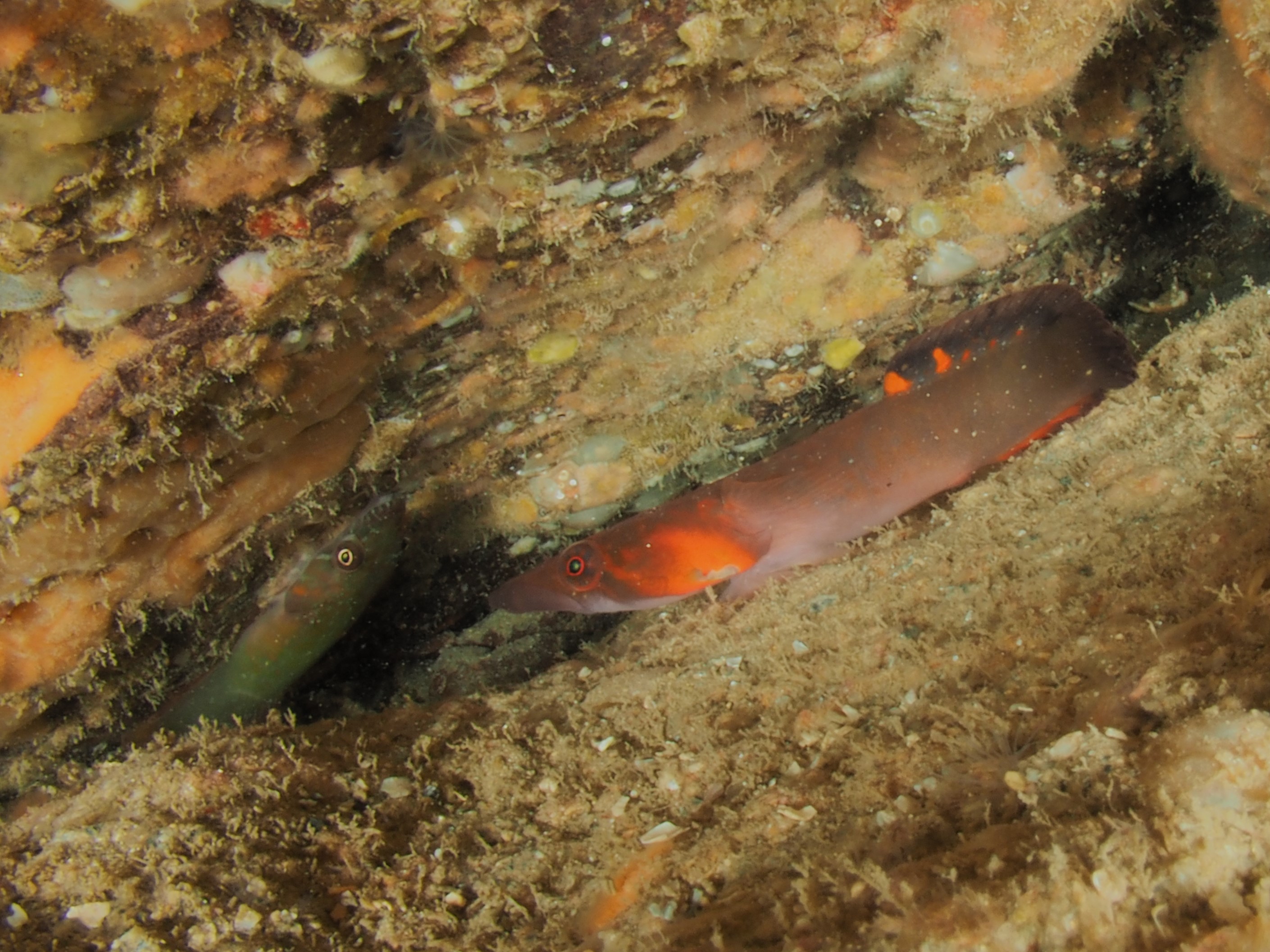
Below photos of various smaller fish hiding in the rock cracks (click for names on the pictures).
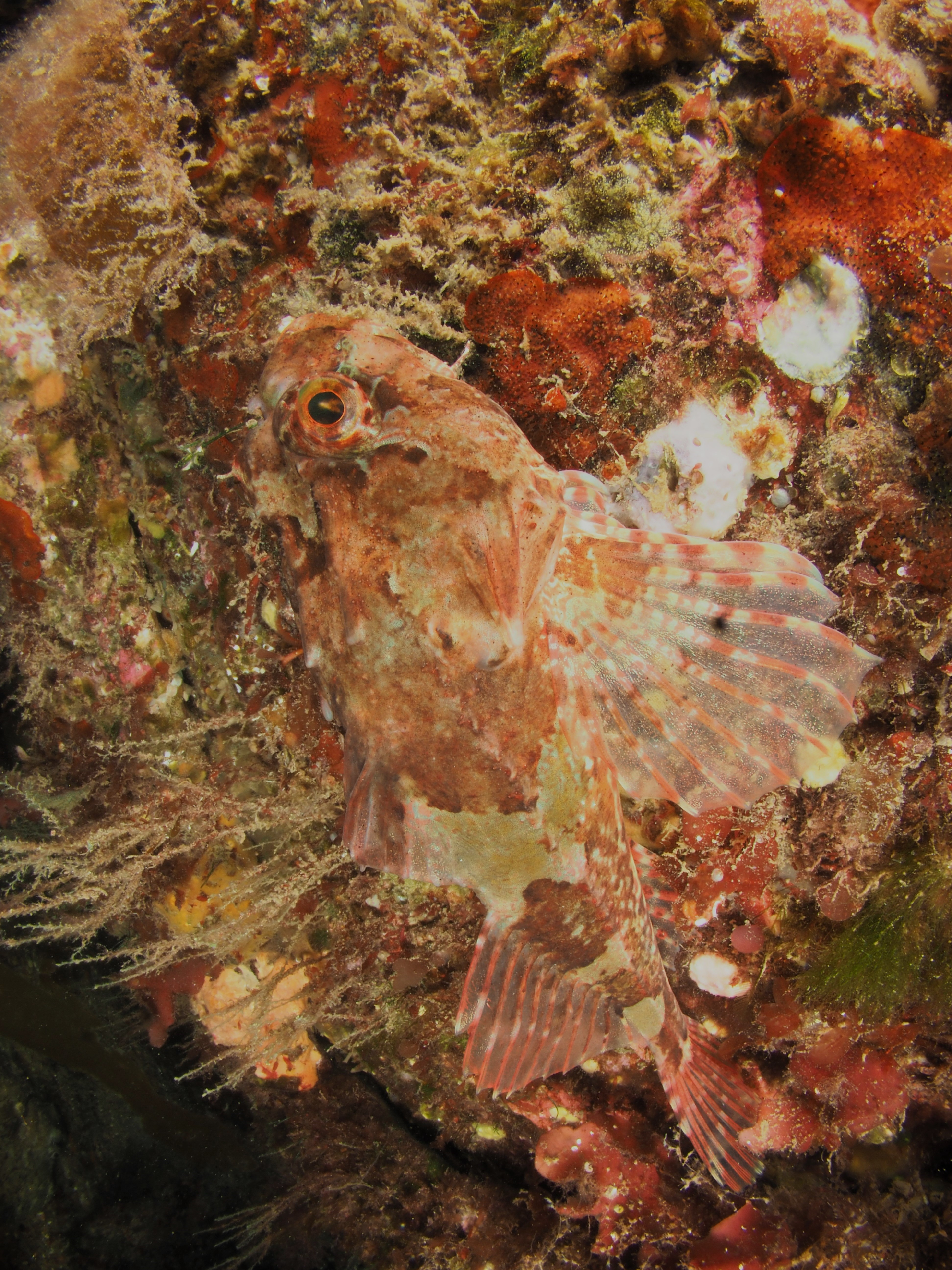
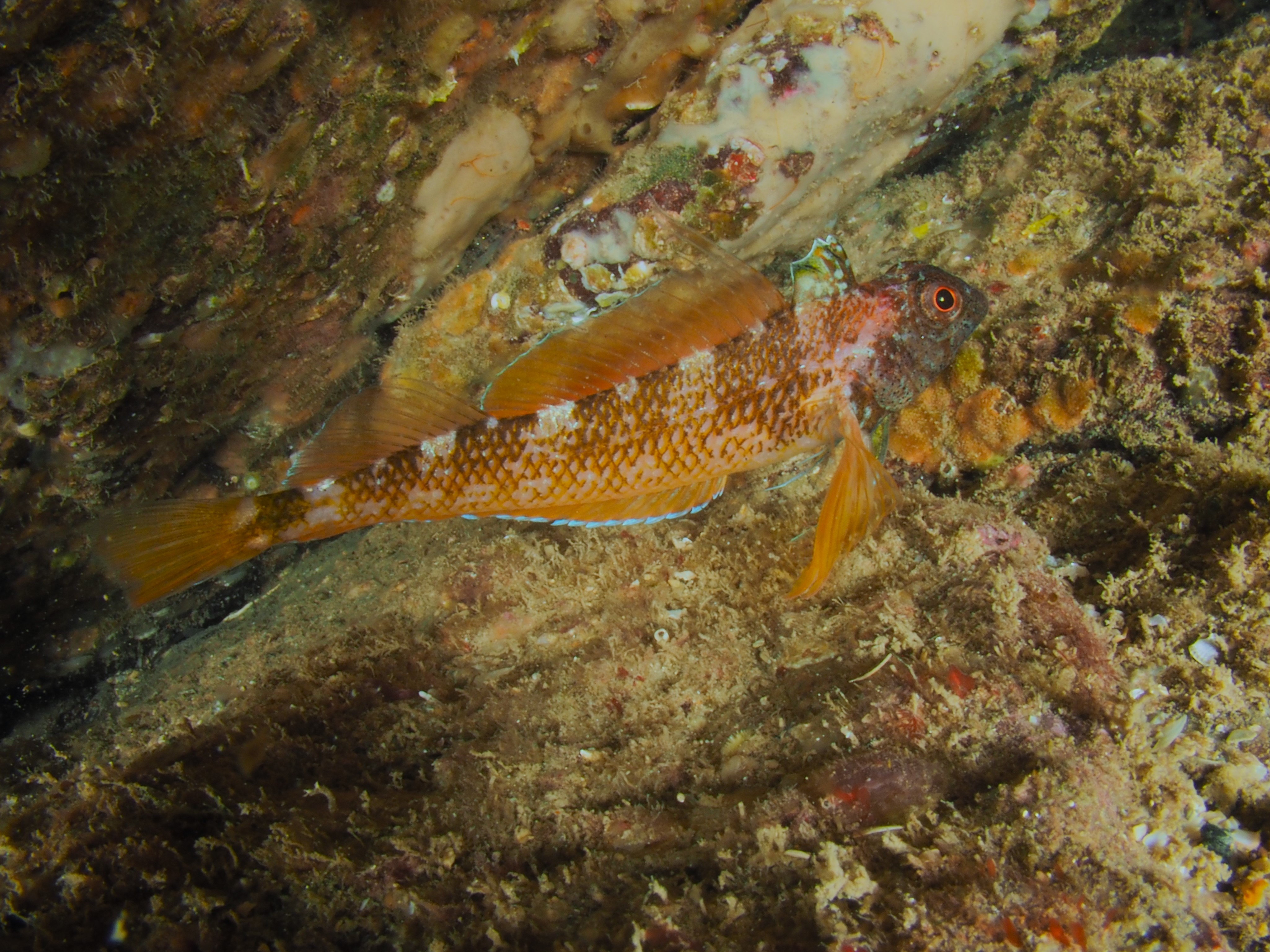
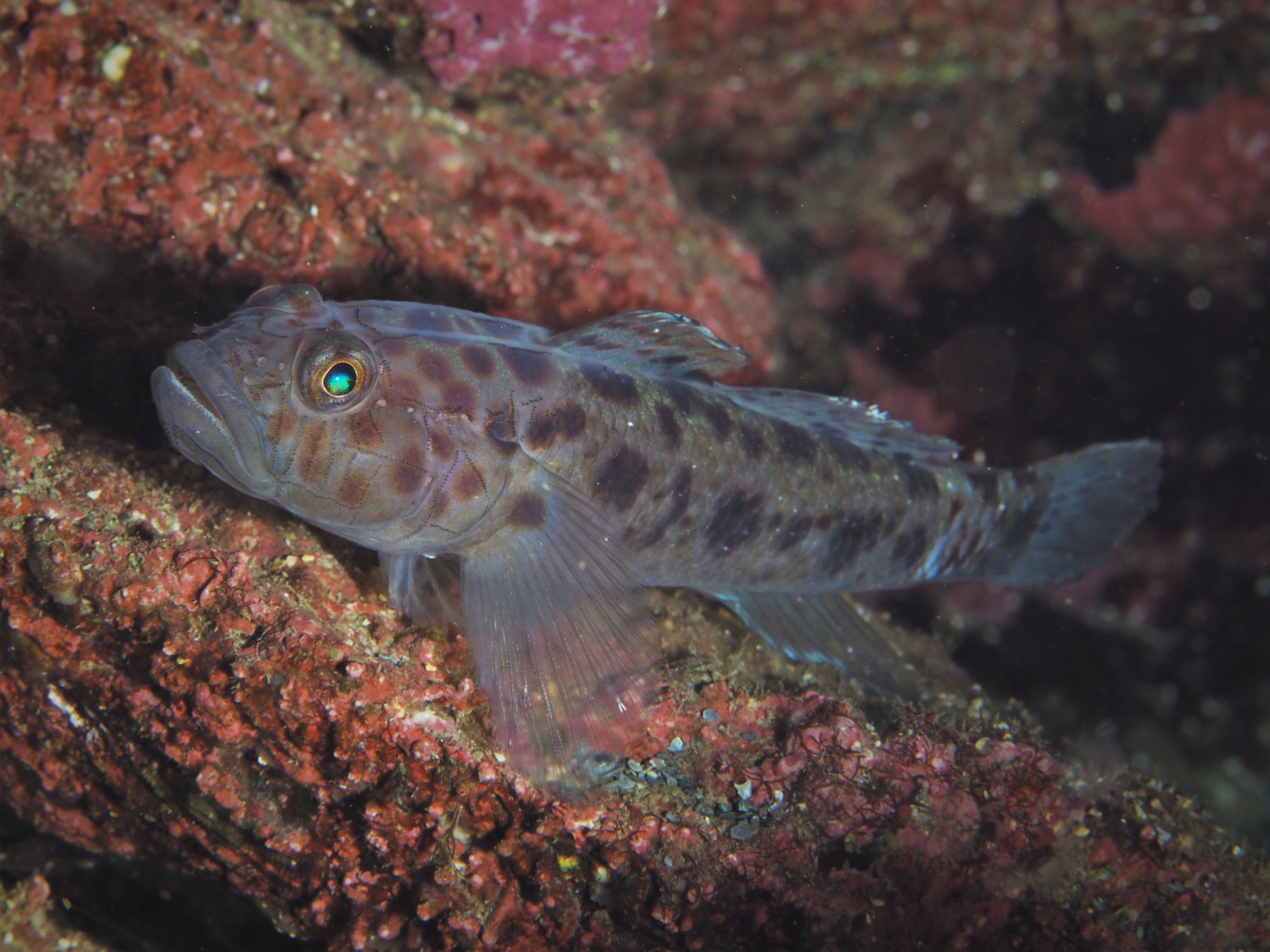
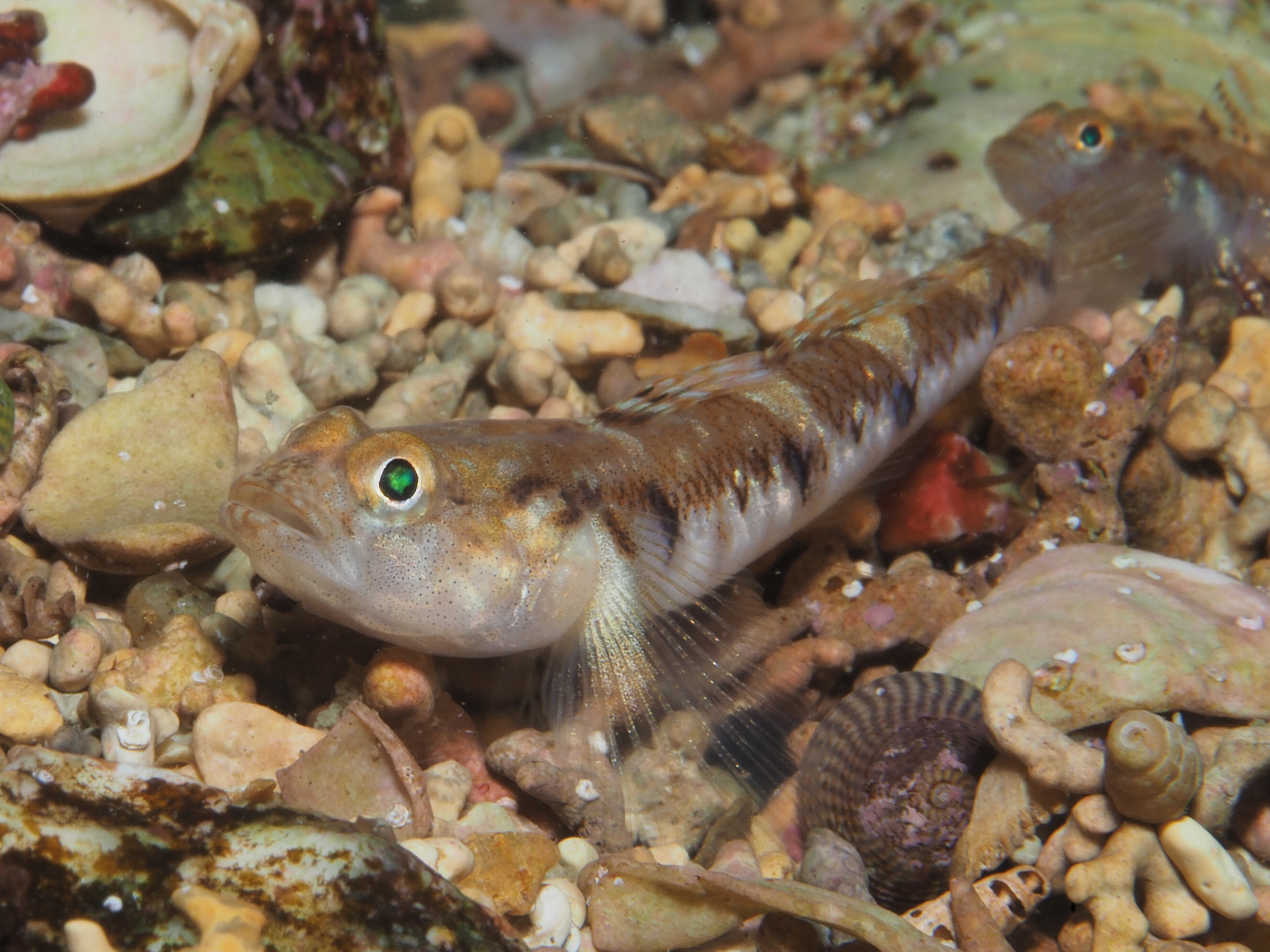
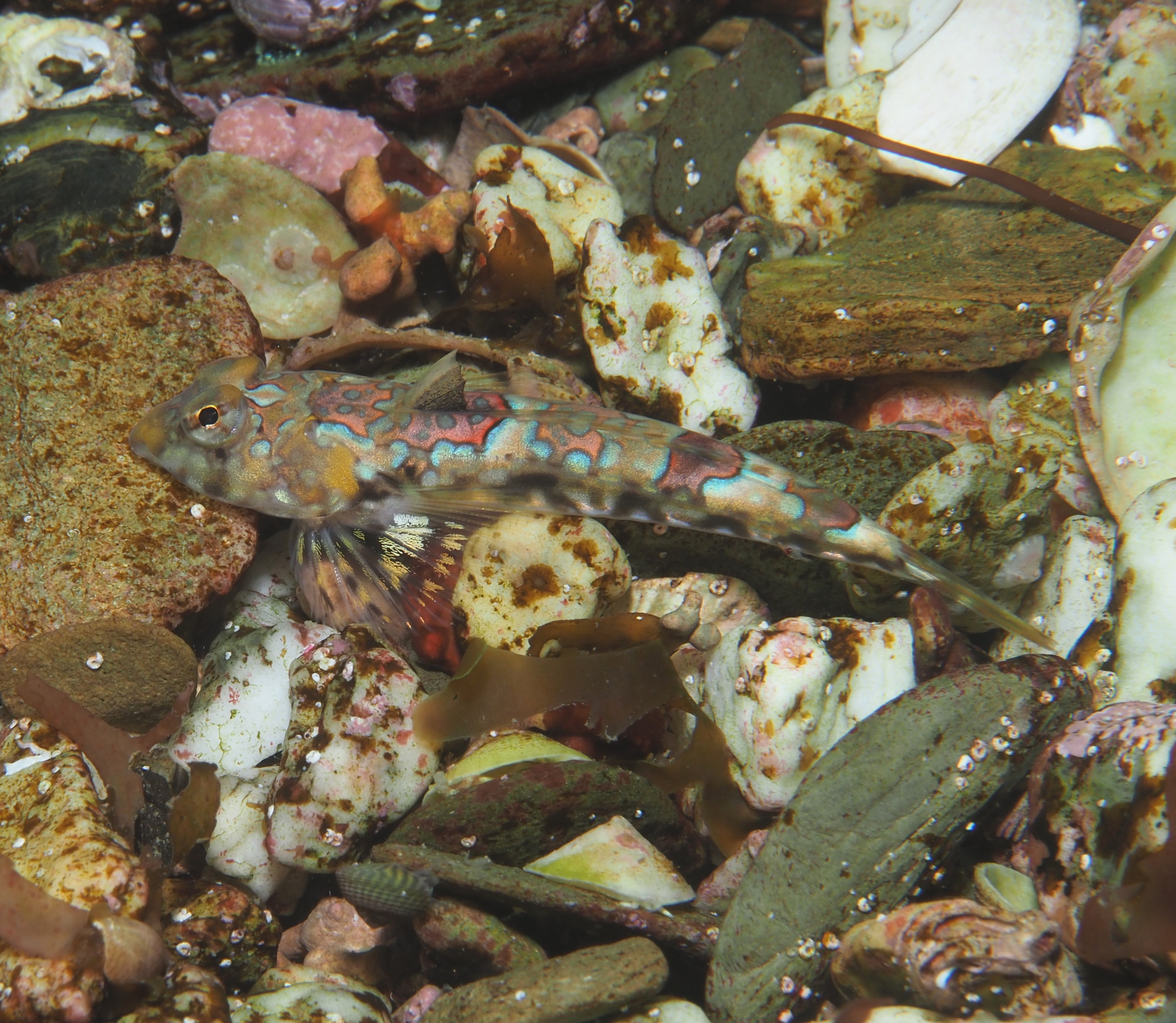
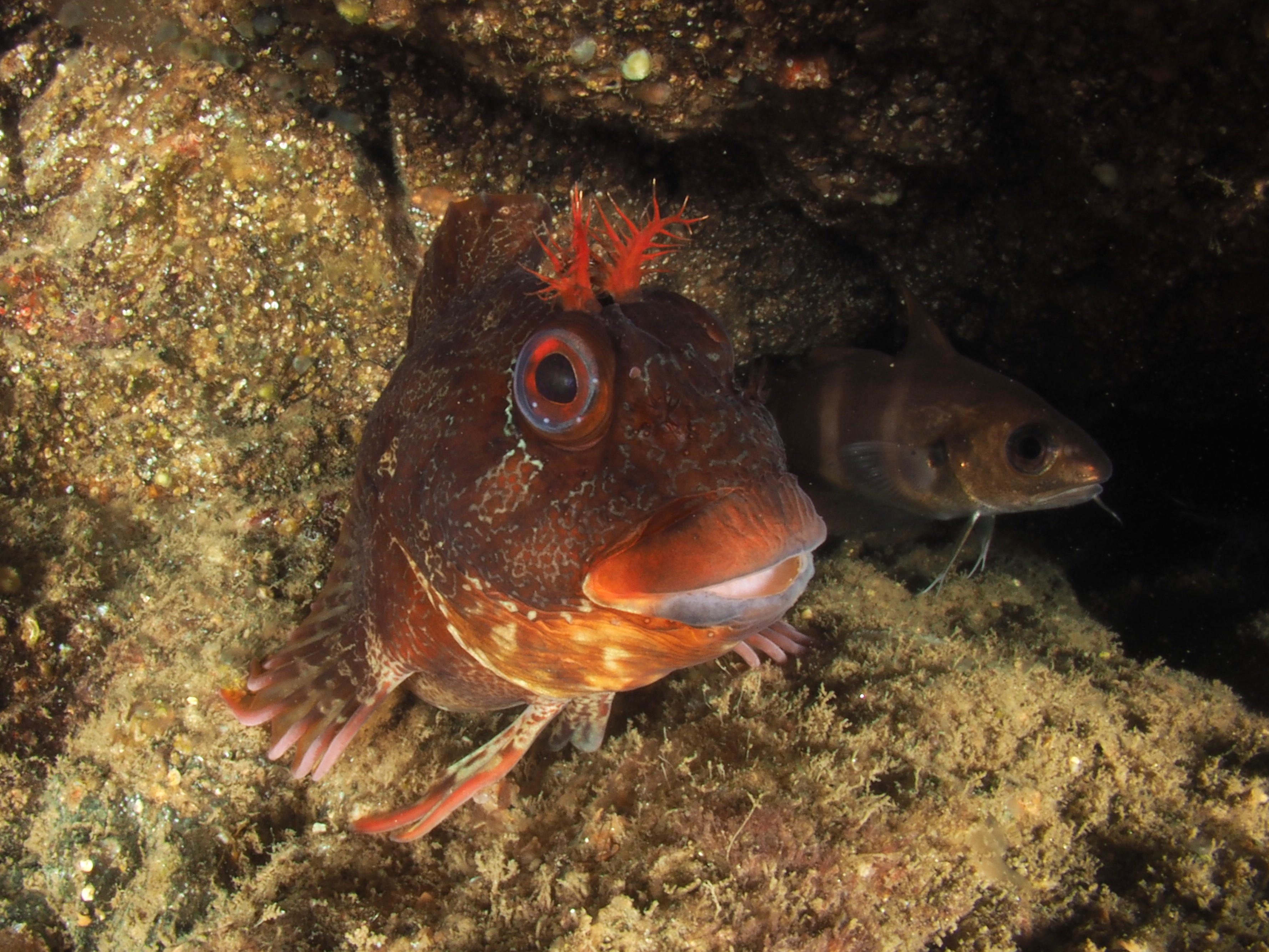
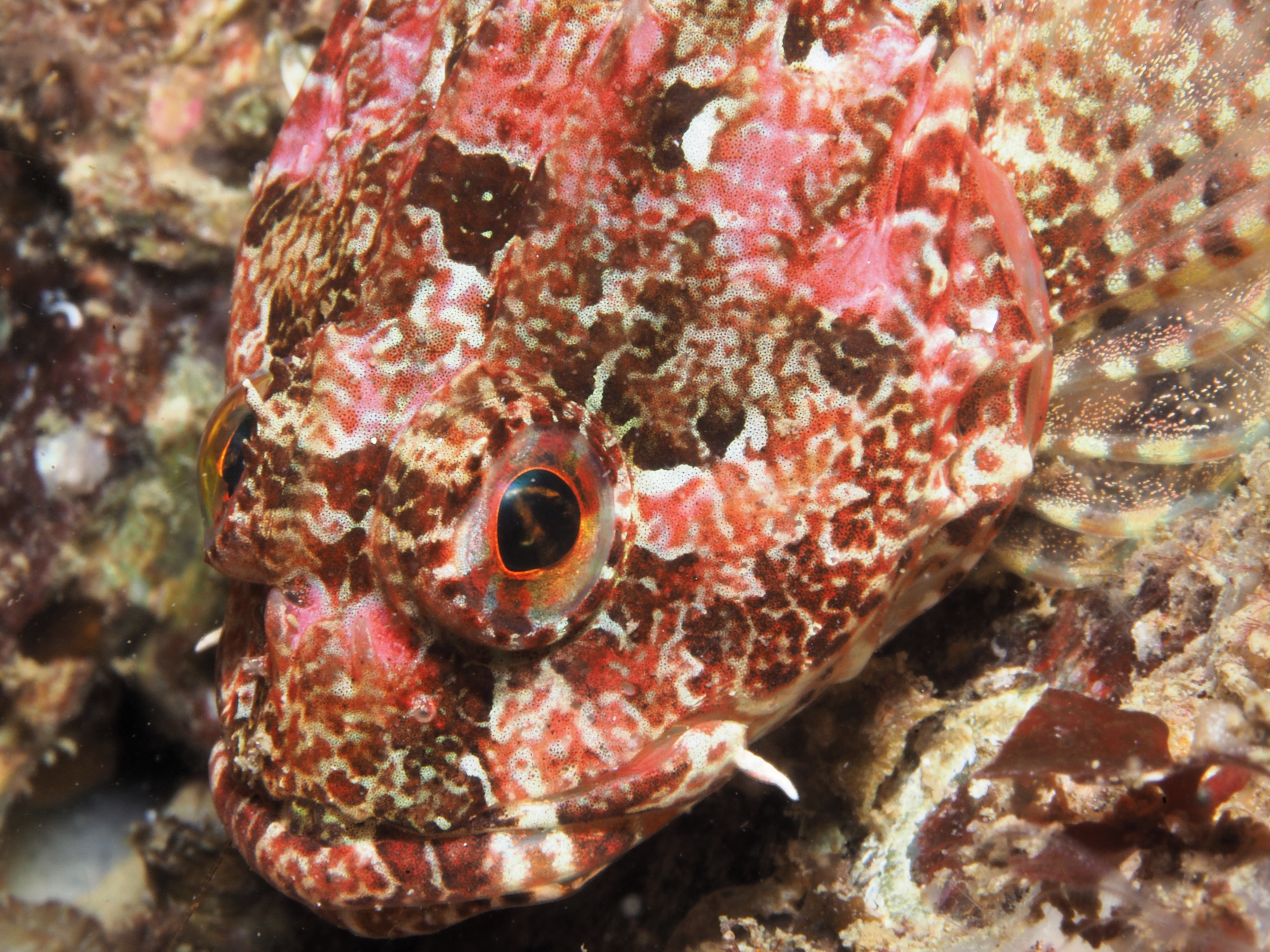
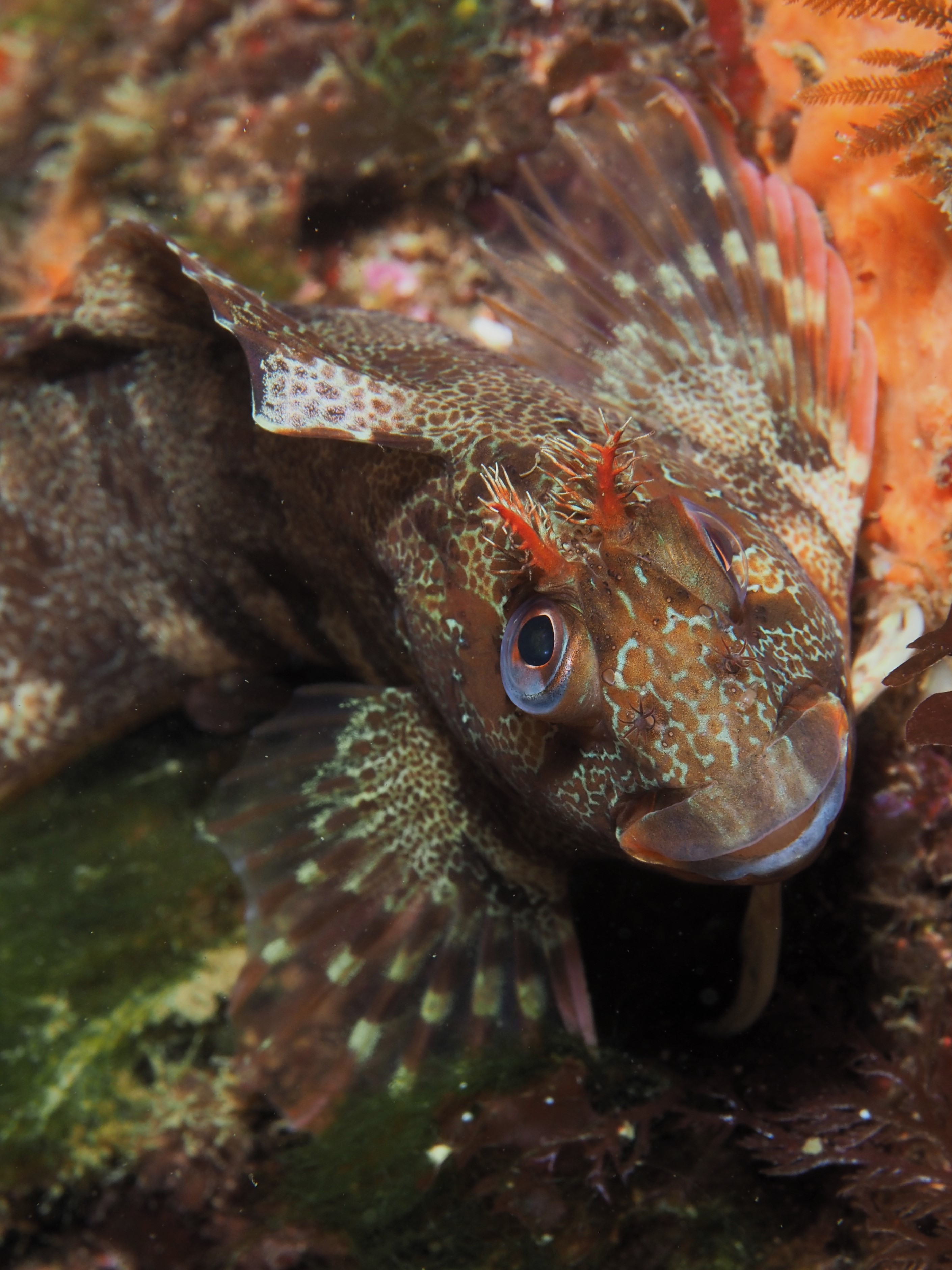
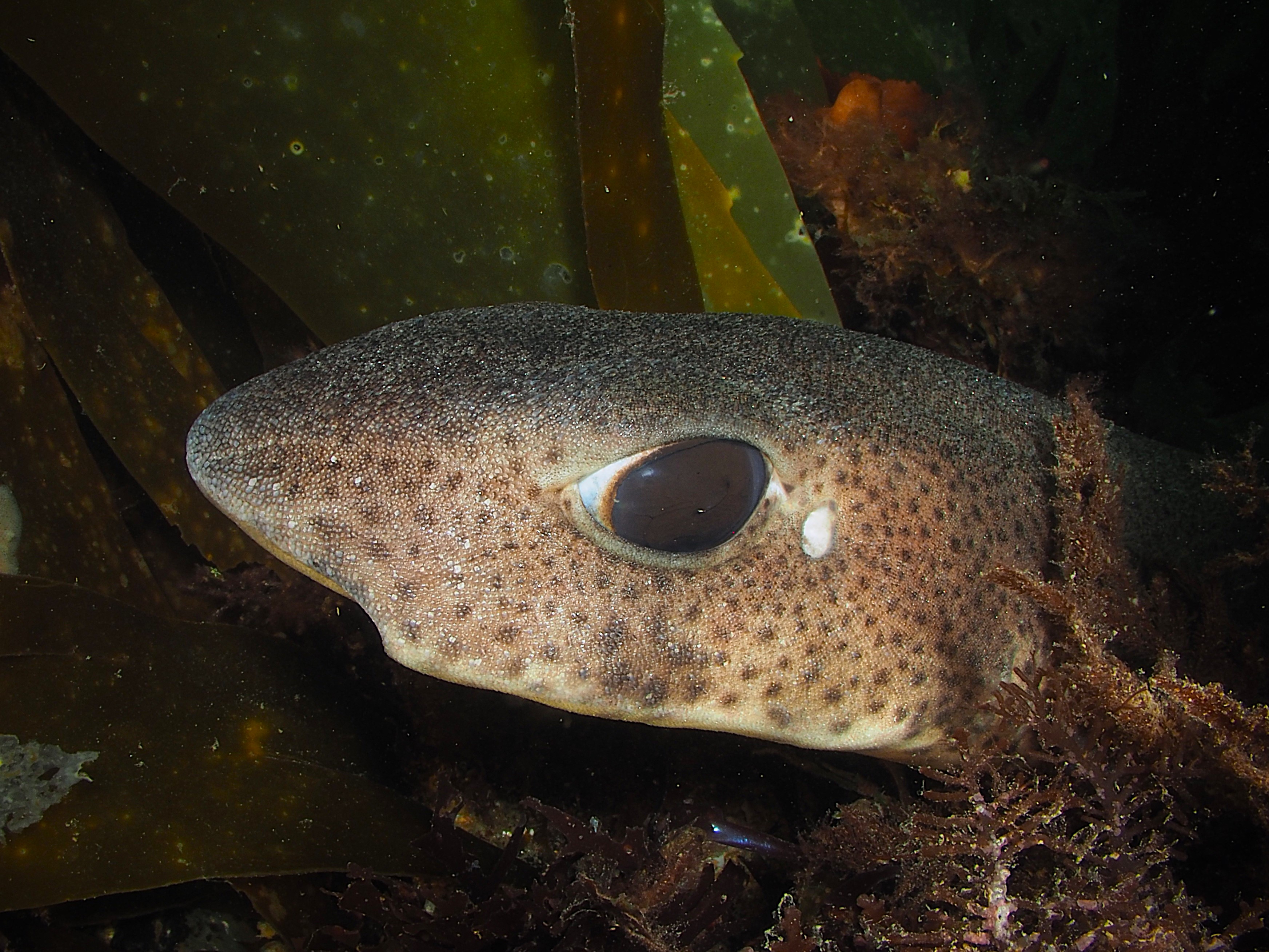
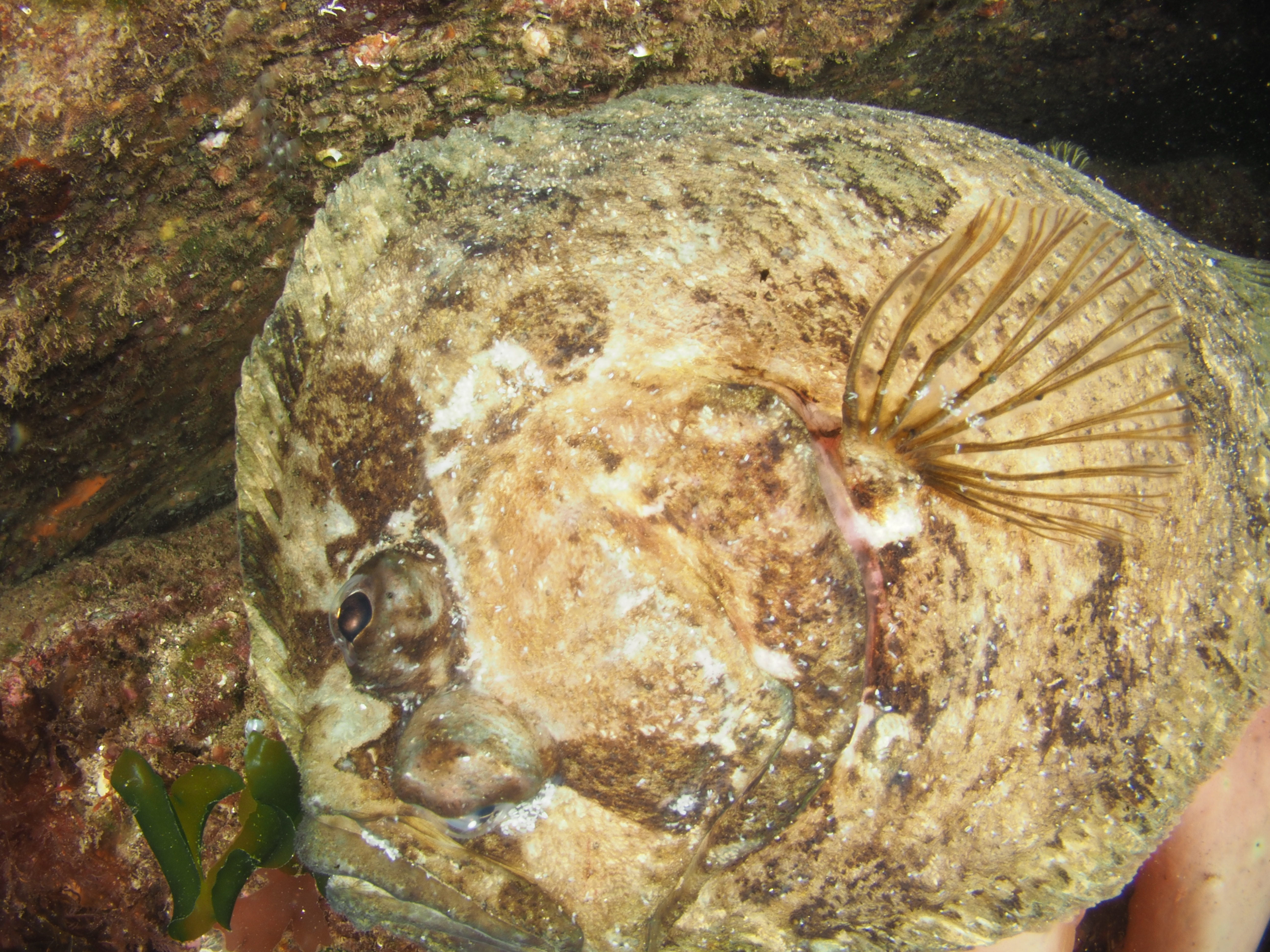
Finally a favourite of mine: the Topknot (Zeugopterus punctatus). Not quite nailed the shot yet – maybe this year!
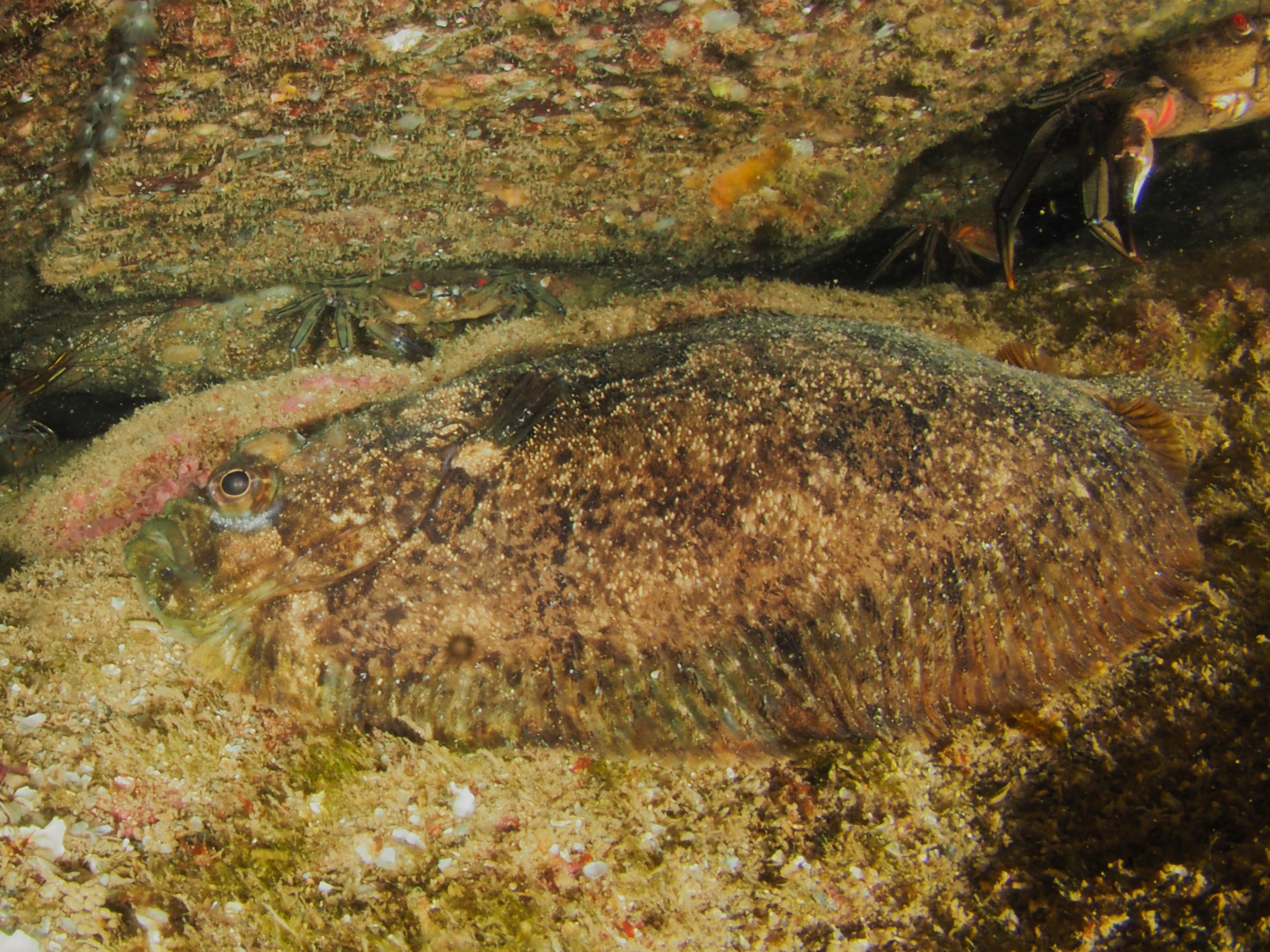
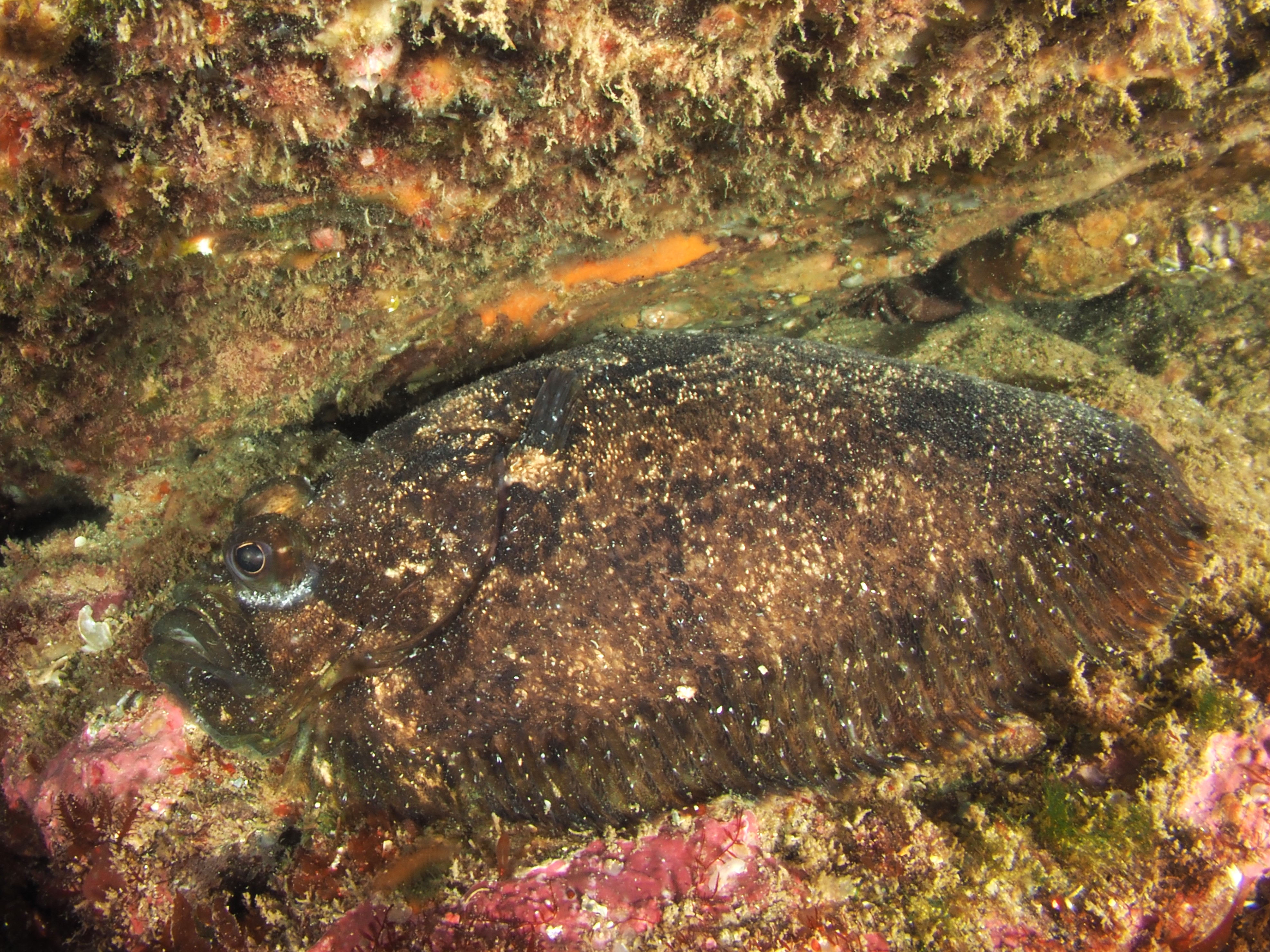
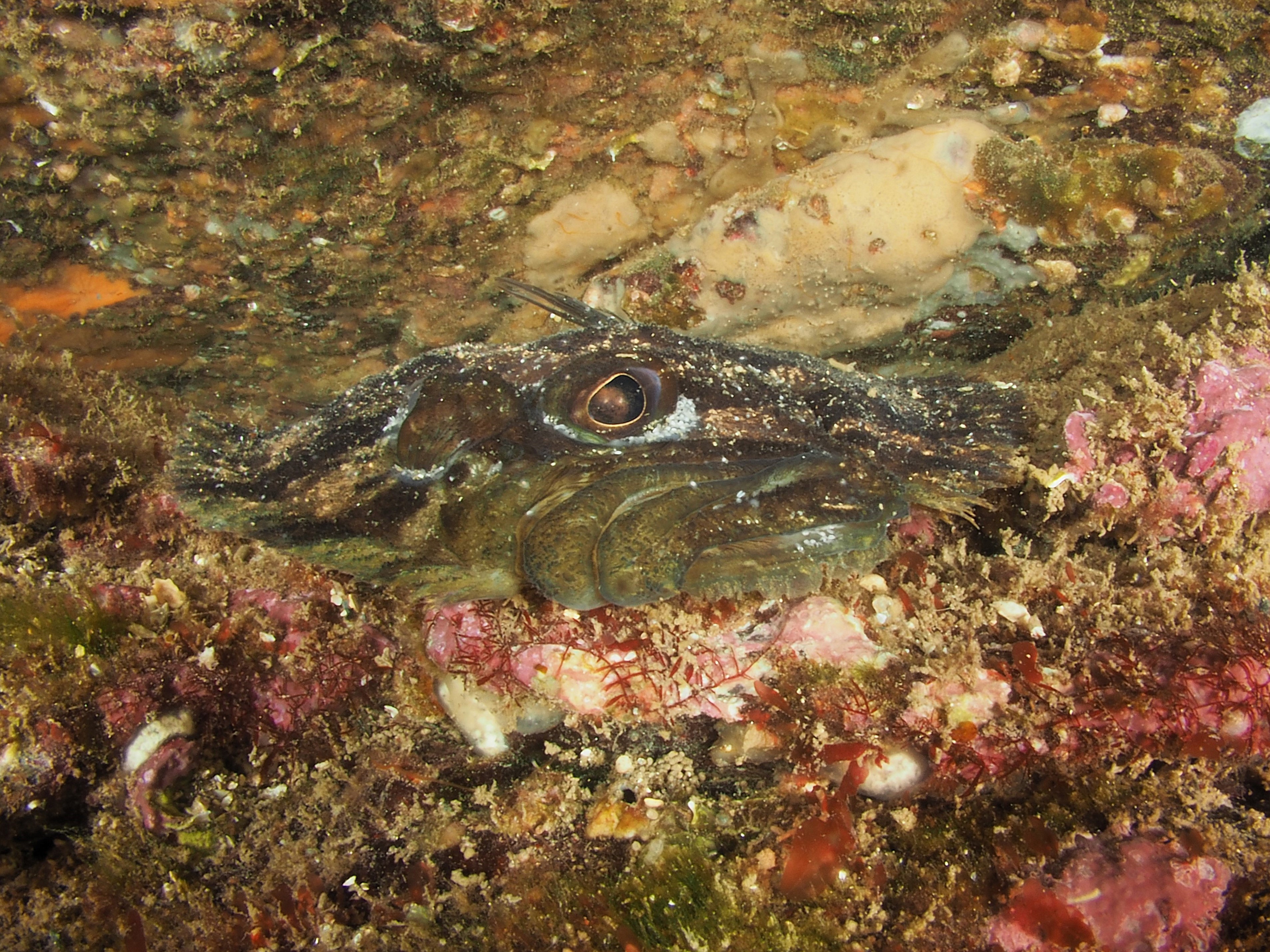
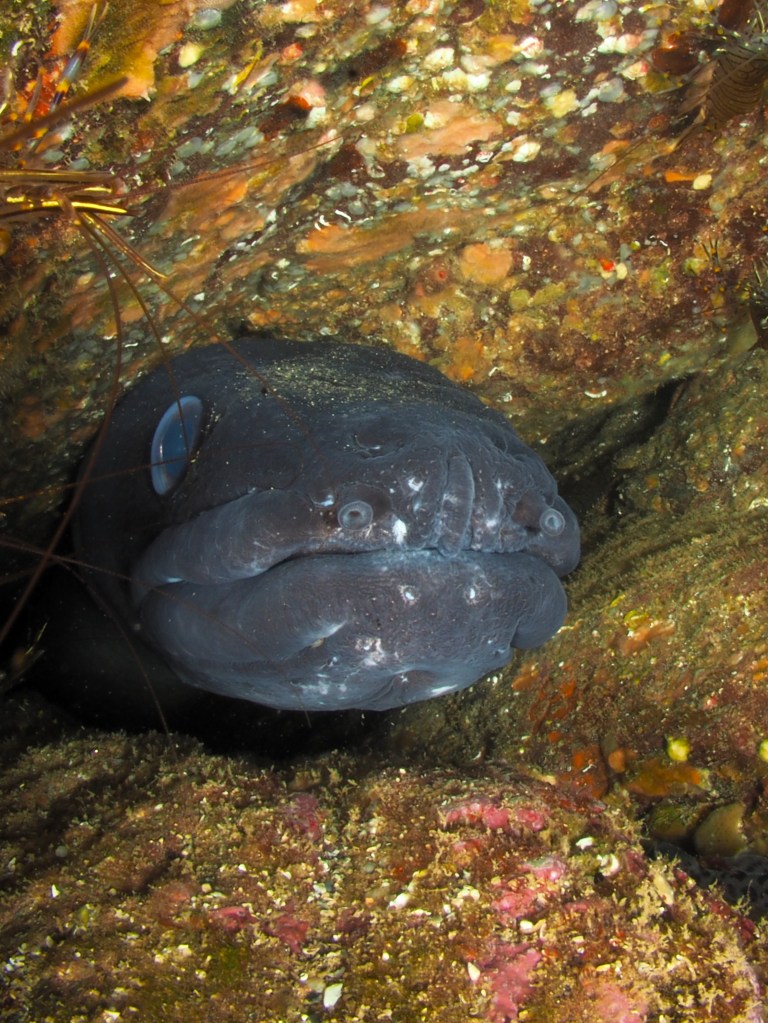
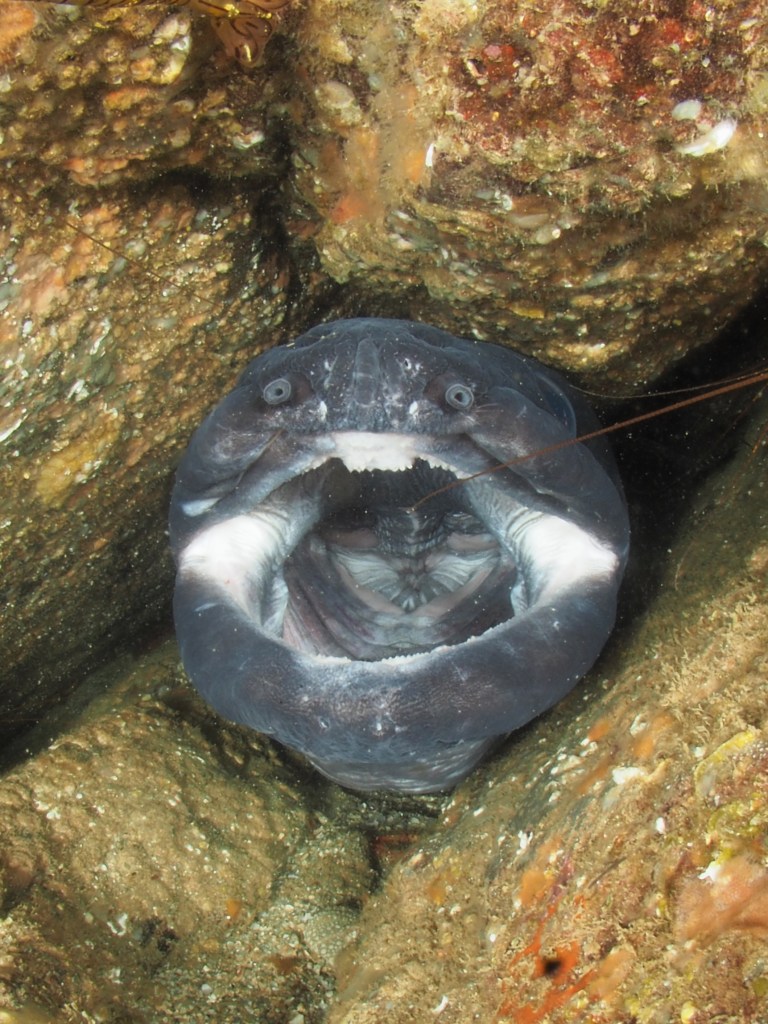
Below photos of various smaller fish hiding in the rock cracks (click for names on the pictures).
Finally a favourite of mine: the Topknot (Zeugopterus punctatus). Not quite nailed the shot yet – maybe this year!
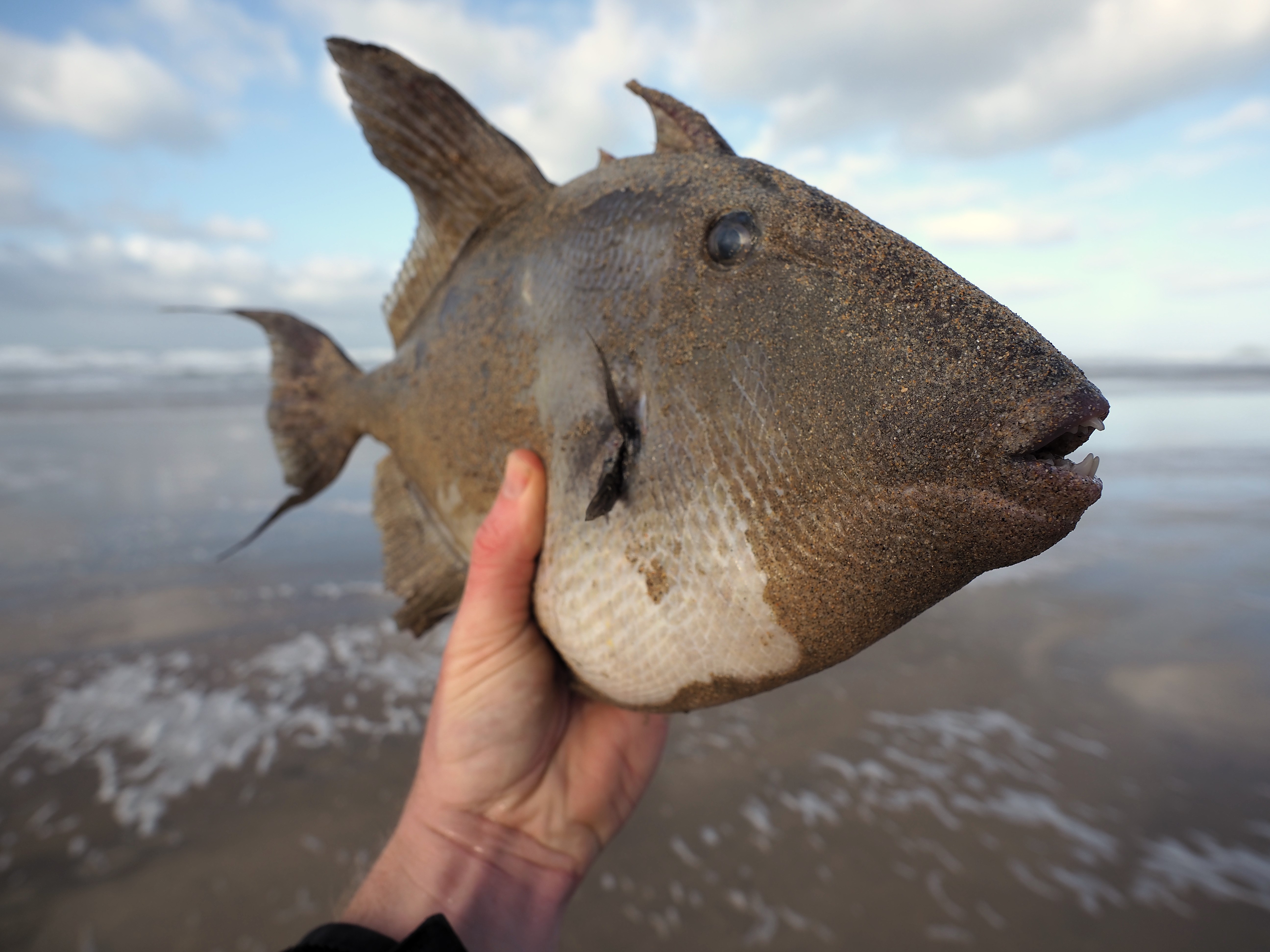
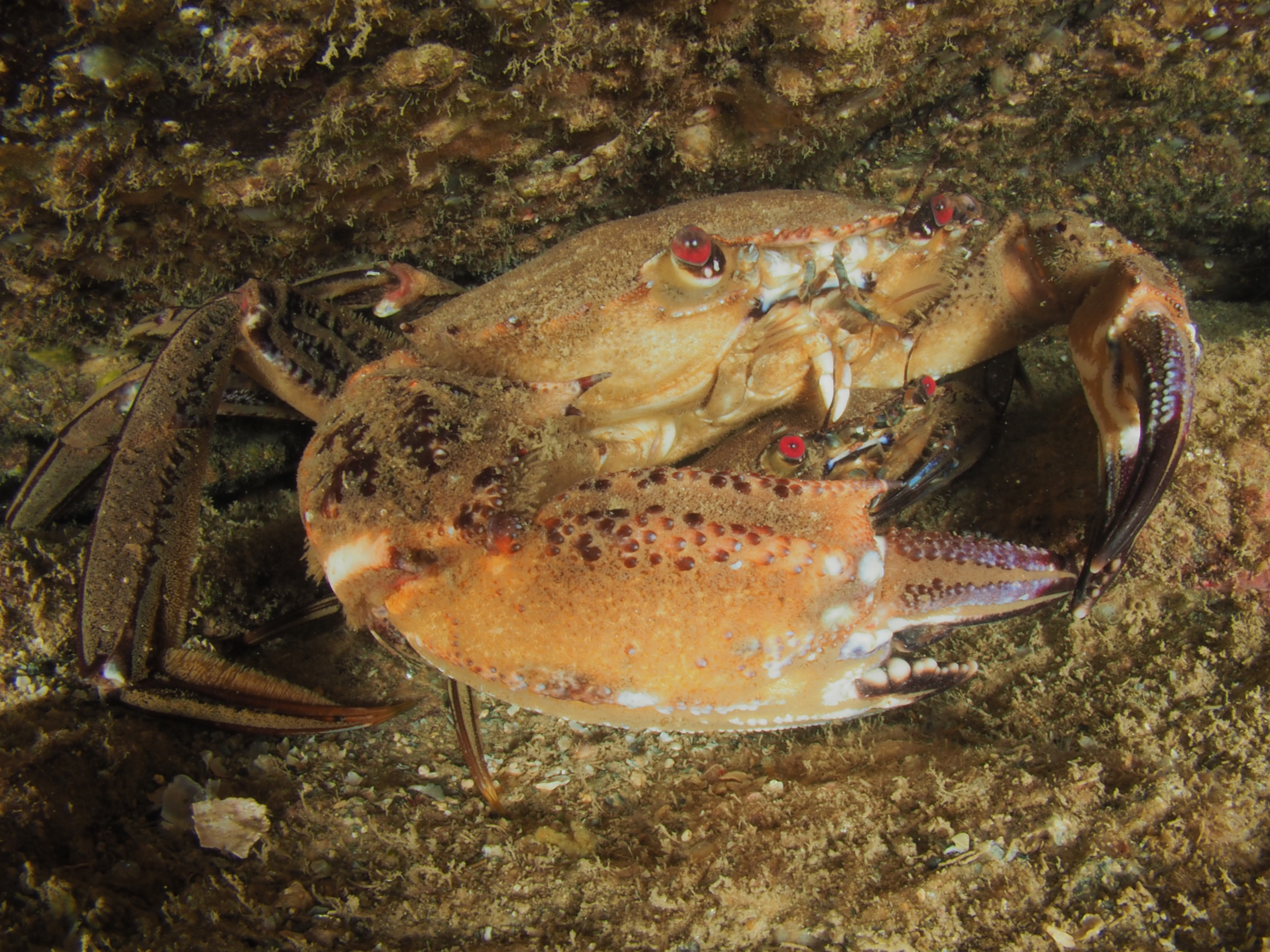
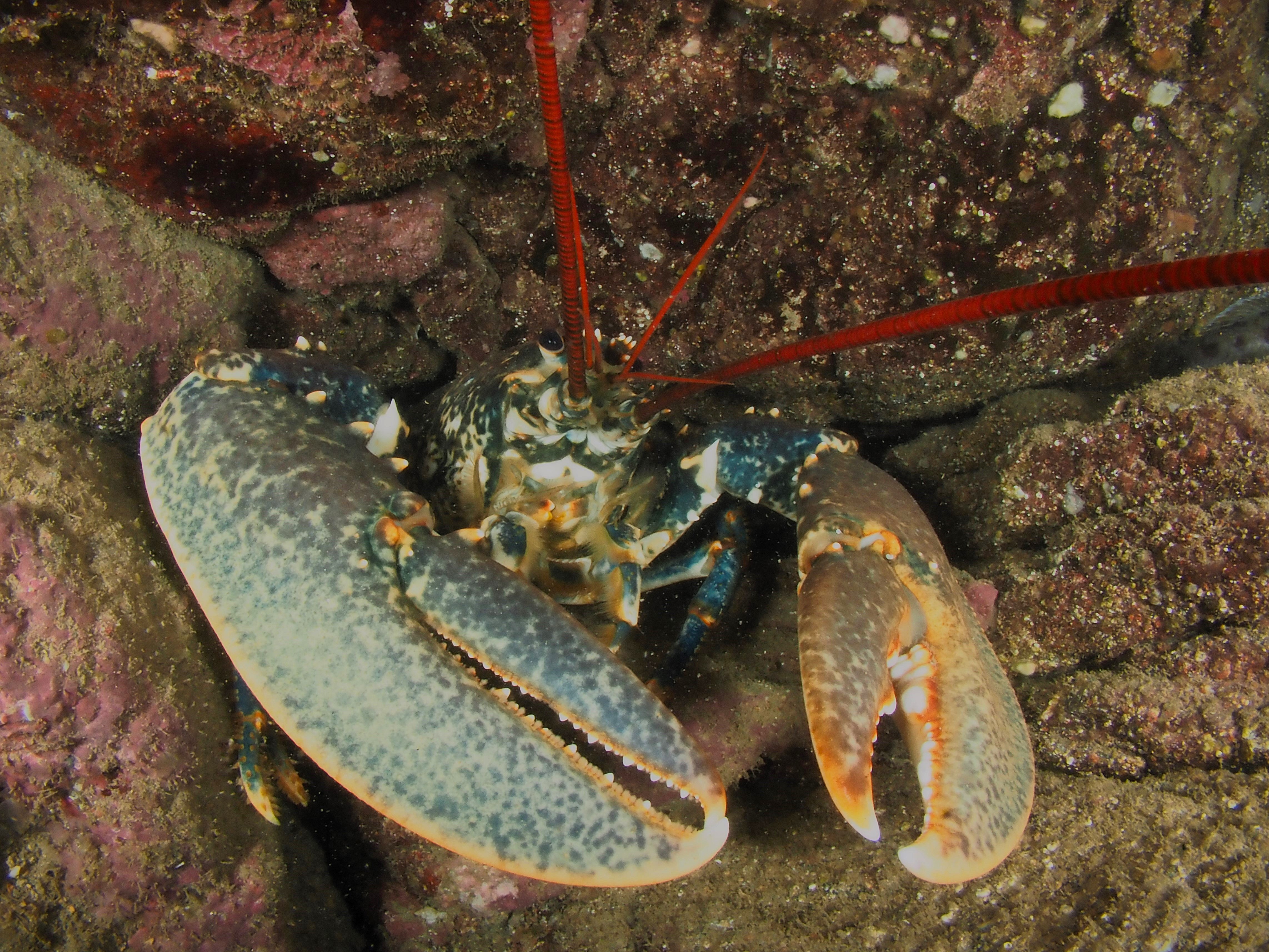
I have done a fair bit of diving at Silver Steps this year and it is high time to publish some of the photos I took there, starting with the Crustaceans that inhabit the cracks in the rocks. Most pics were taken with the macro-wide angle lens, which is not only suited because of its perspective, but also because it is long and thin and so can be poked into the crevices where these creatures lurk. Above, two Velvet Crabs Necora puber, which are abundant and feisty – I only noticed the small female in the photo afterwards! Below a European Lobster Homarus gammarus, also quite common and some of them are quite big. They usually shuffle out of their den quite menacingly only then to retreat again. Although impressive animals, it is hard to get an aesthetically pleasing shot out of them I find.
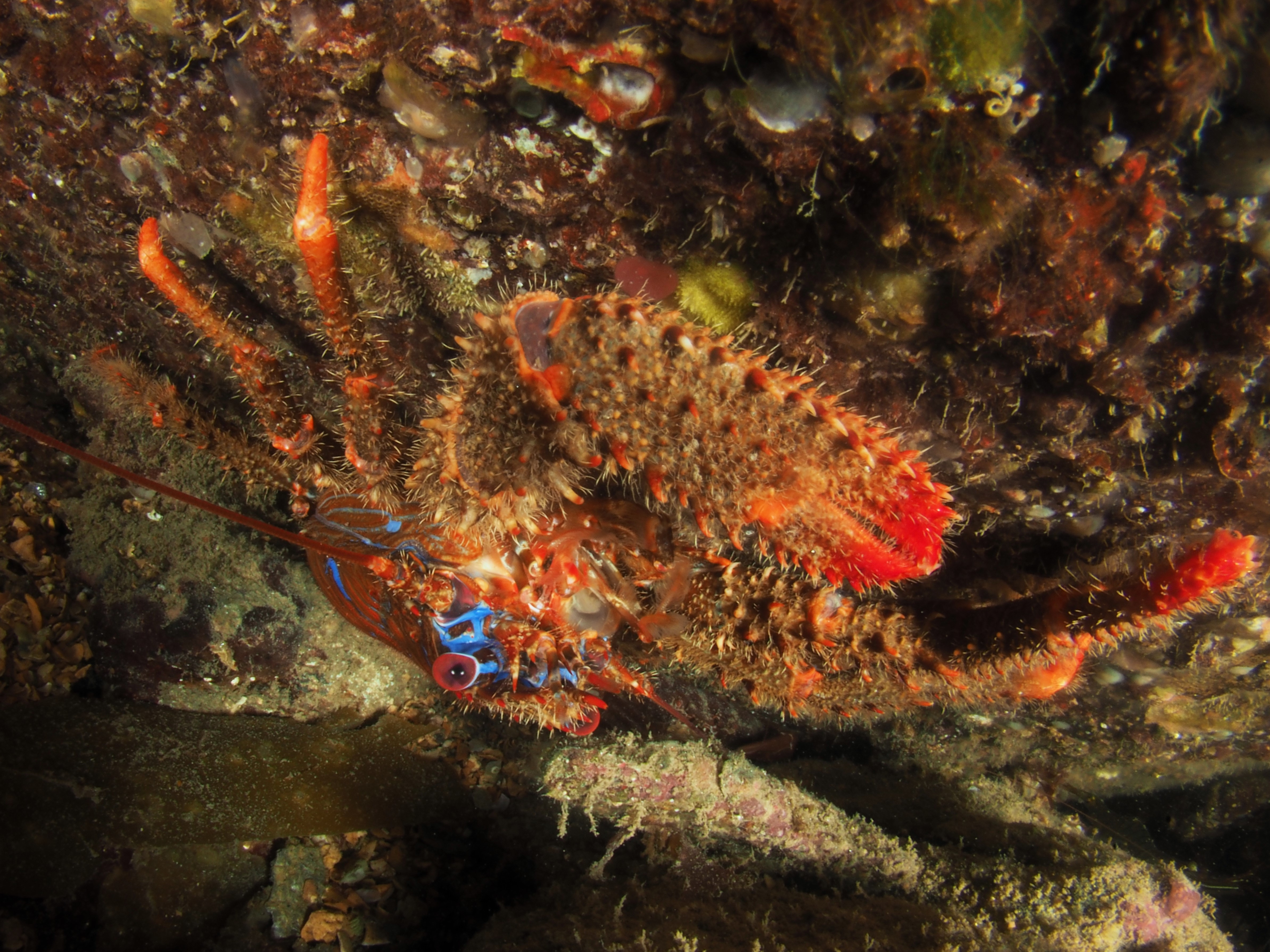
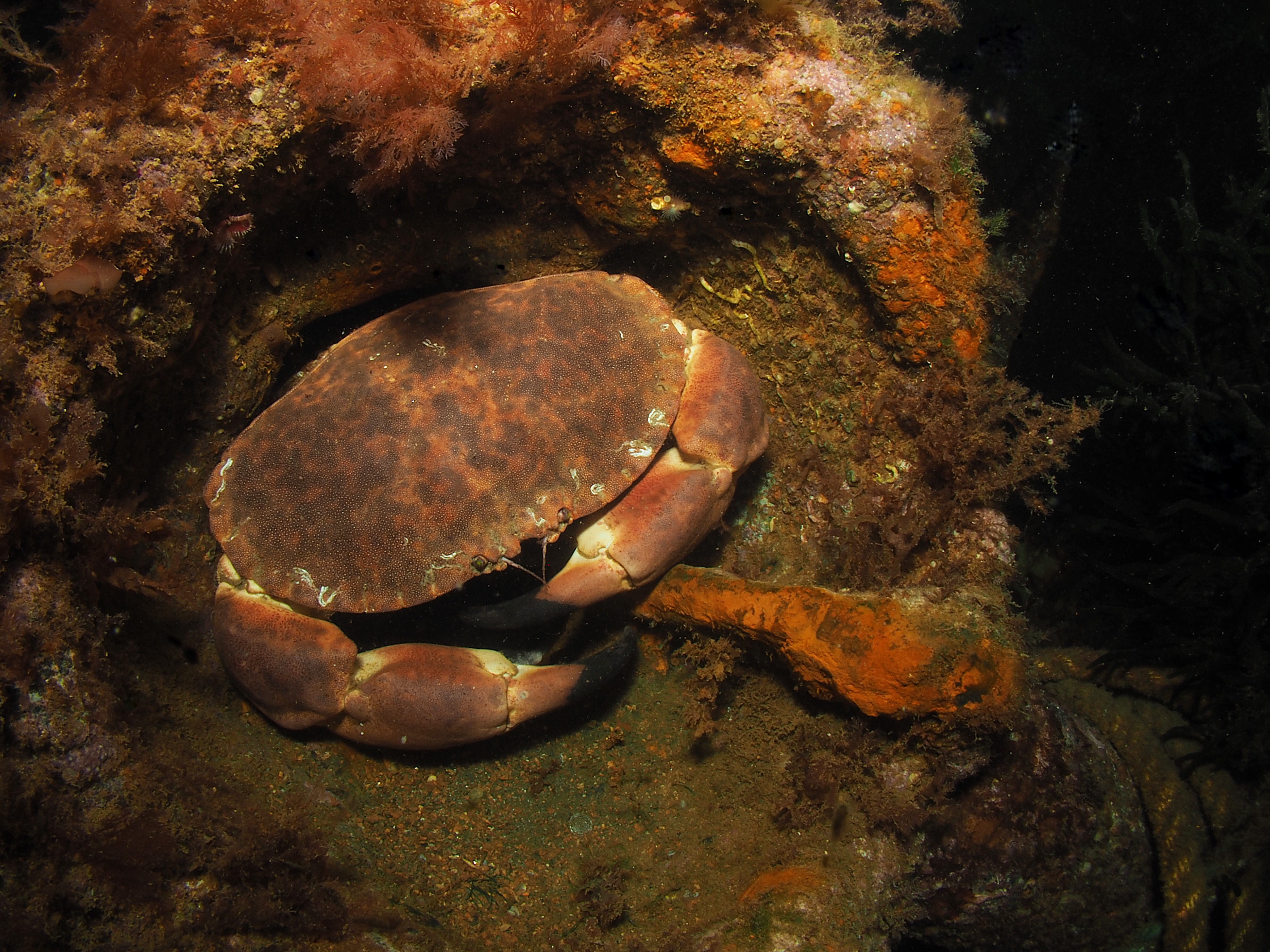
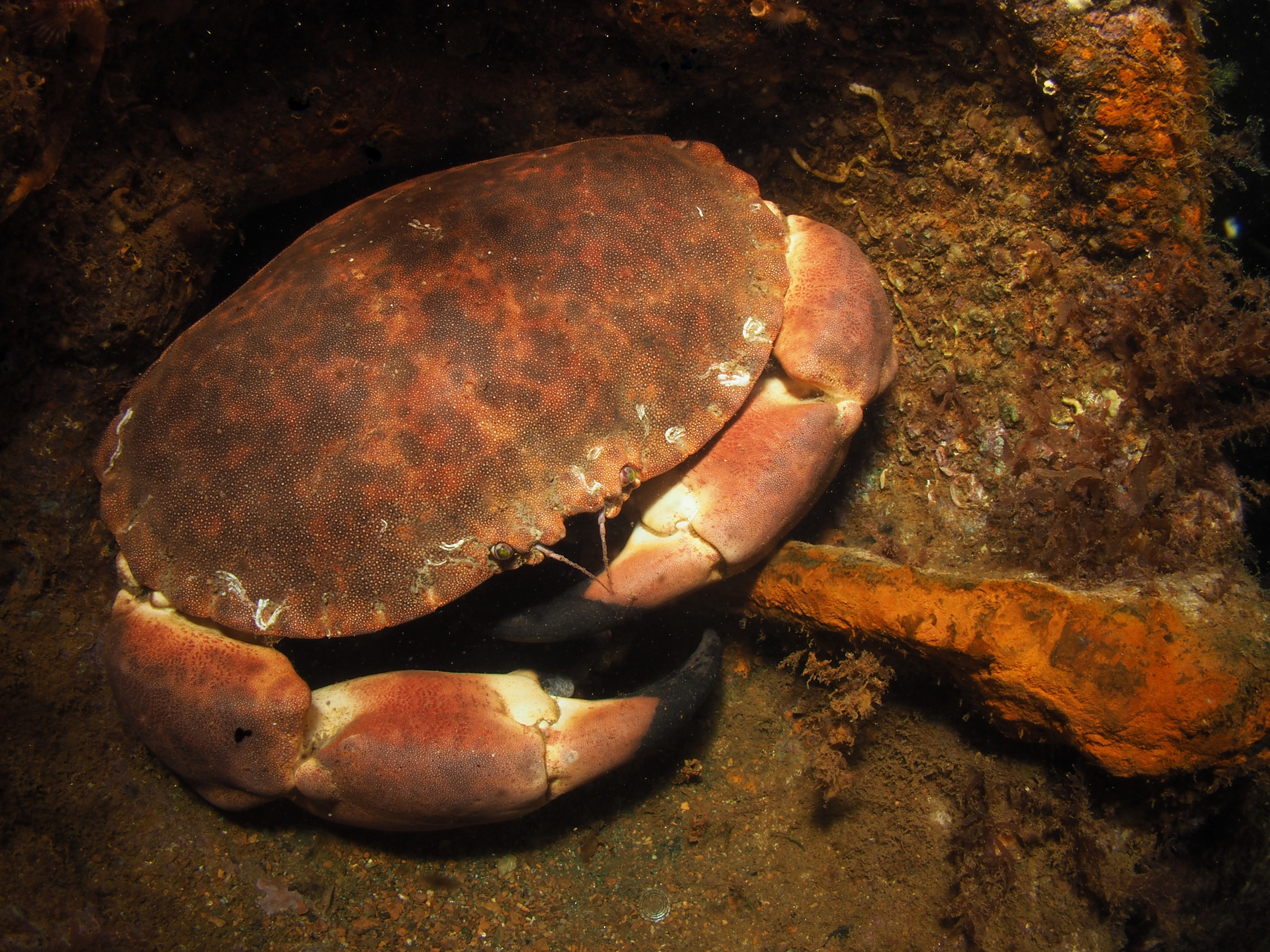
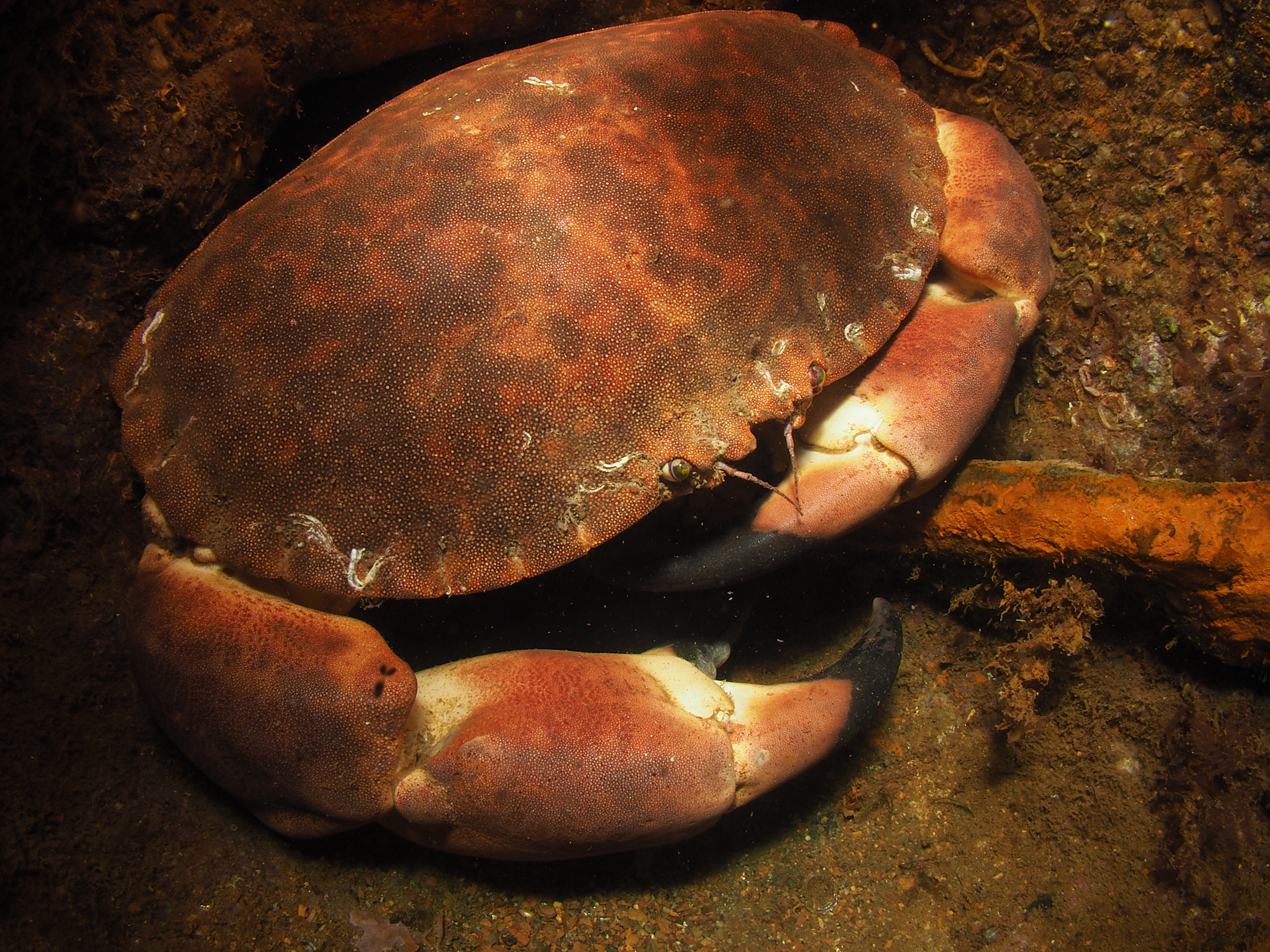
Next, the Squat Lobster Galathea strigosa, also a common, but quite shy species which is just as happy upside down as right side up. Also common are Brown (or Edible) Crabs Cancer pagurus, the individual here not in a crevice but in a piece of steel wreckage.
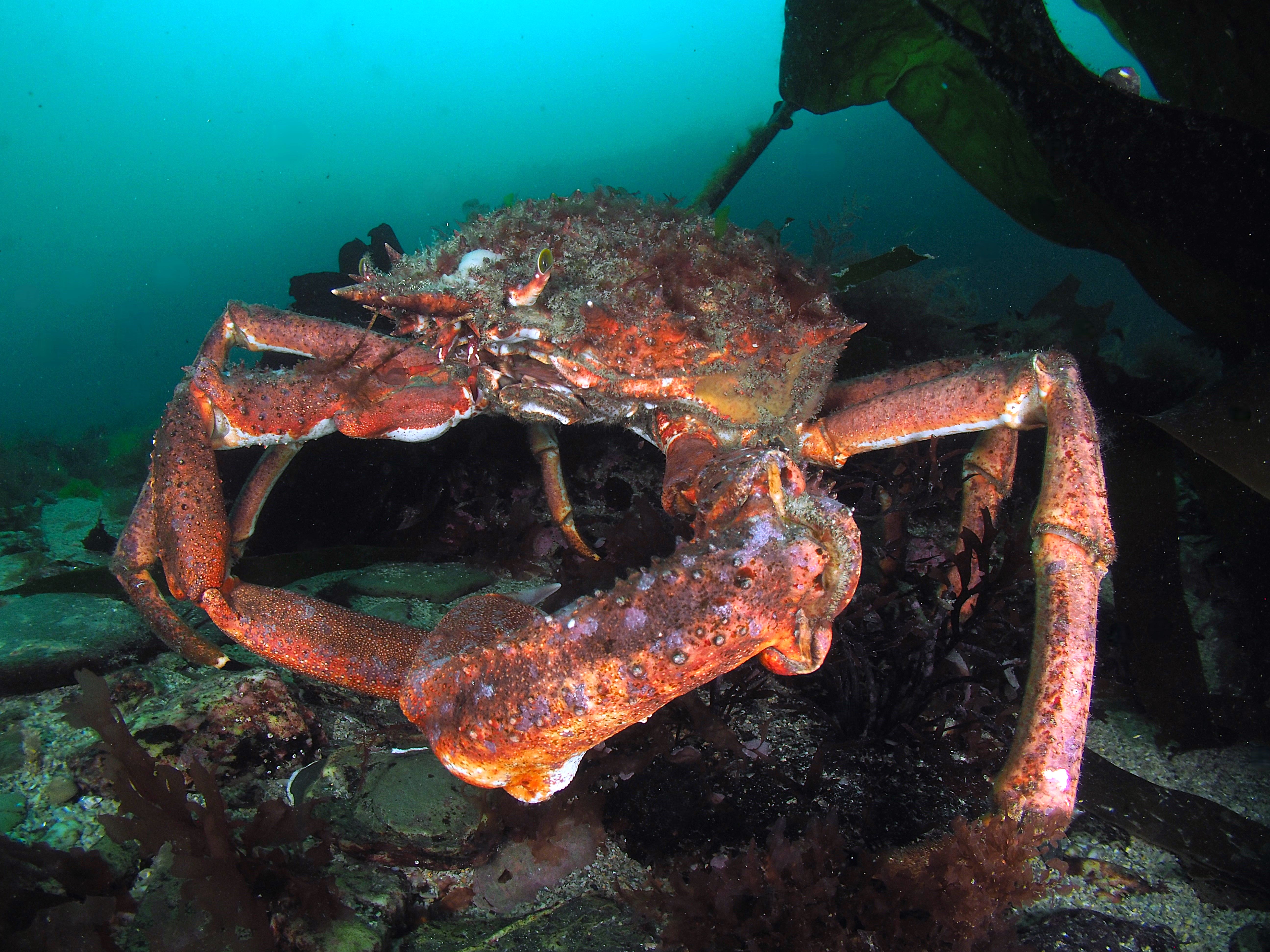
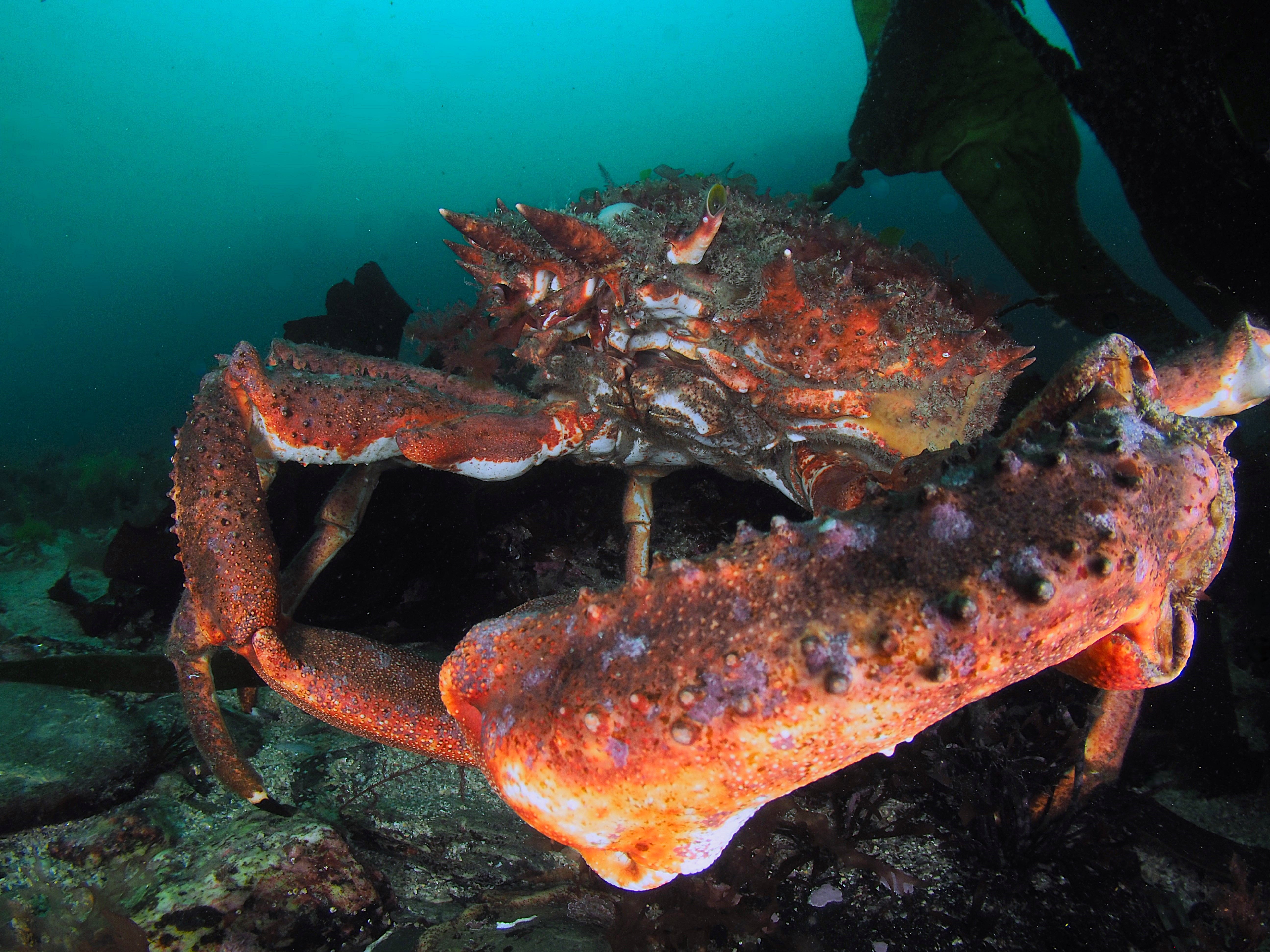
The other big, common Crustacean here occasionally perches on rock walls but usually is found roaming the seabed: the European Spider Crab (rebranded by local fishmongers as ‘Cornish King Crab’ – sounds more appetizing than something spiderlike) Maja squinado brachydactyla. Like the lobster, the behaviour of these guys is a mixture of bravado and fear. The weird lens allows me to get close, but as it lets in very little light, I am forced to use a high ISO and slow shutterspeed, making these images not the crispiest.
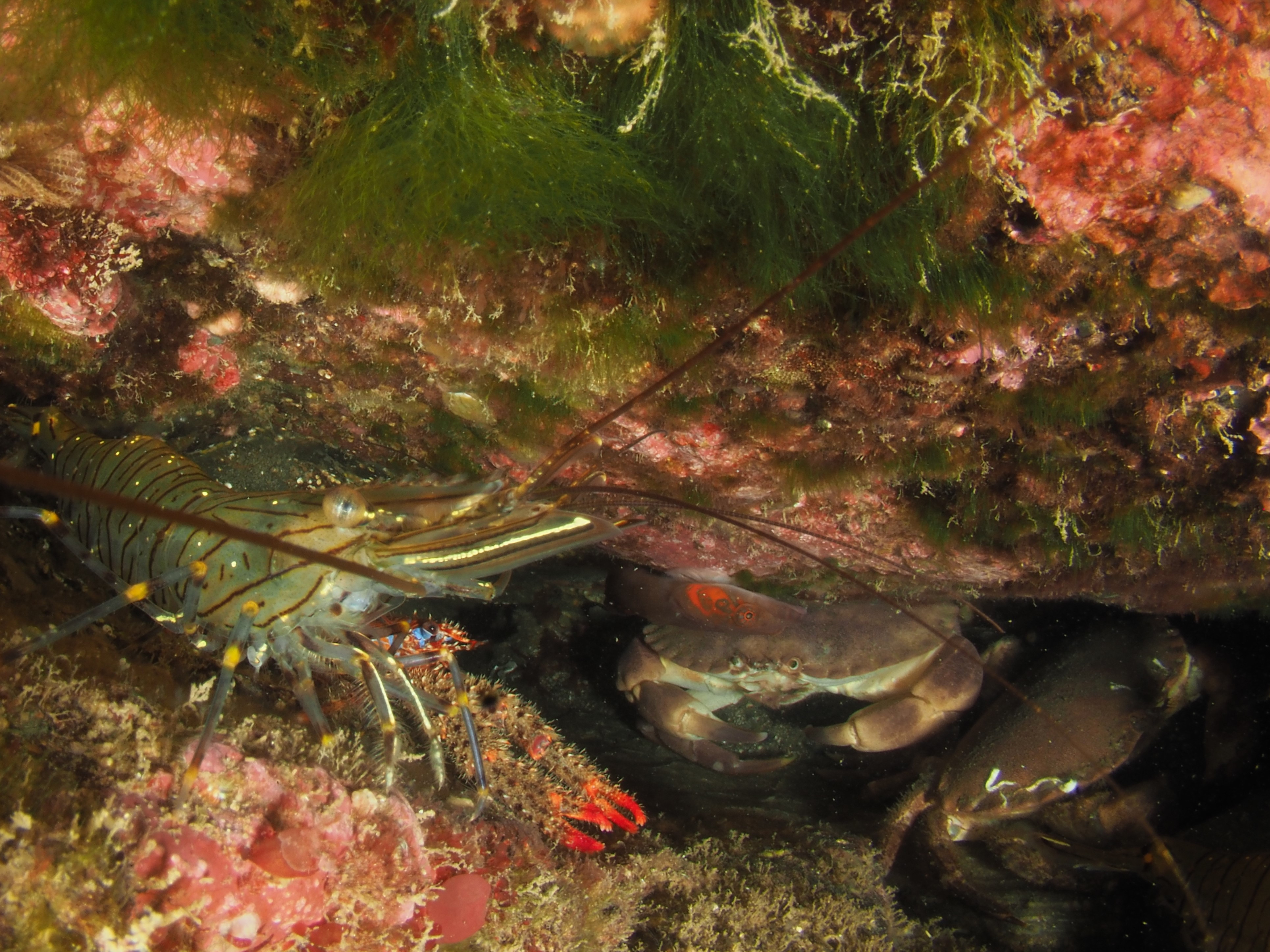
The final photo is technically not great, but I like it because it shows how a range of species apparently gets on quite well at close quarters. On the left, a Common Prawn Palaemon serratus, which can grow quite large and is actually really beautiful with its blue and yellow stripes. Right behind it is a Squat Lobster, with two Edible Crabs lurking in the background and an upside down male Connemara Clingfish Lepadogaster candolii – the next post will be about the fish of Silver Steps!
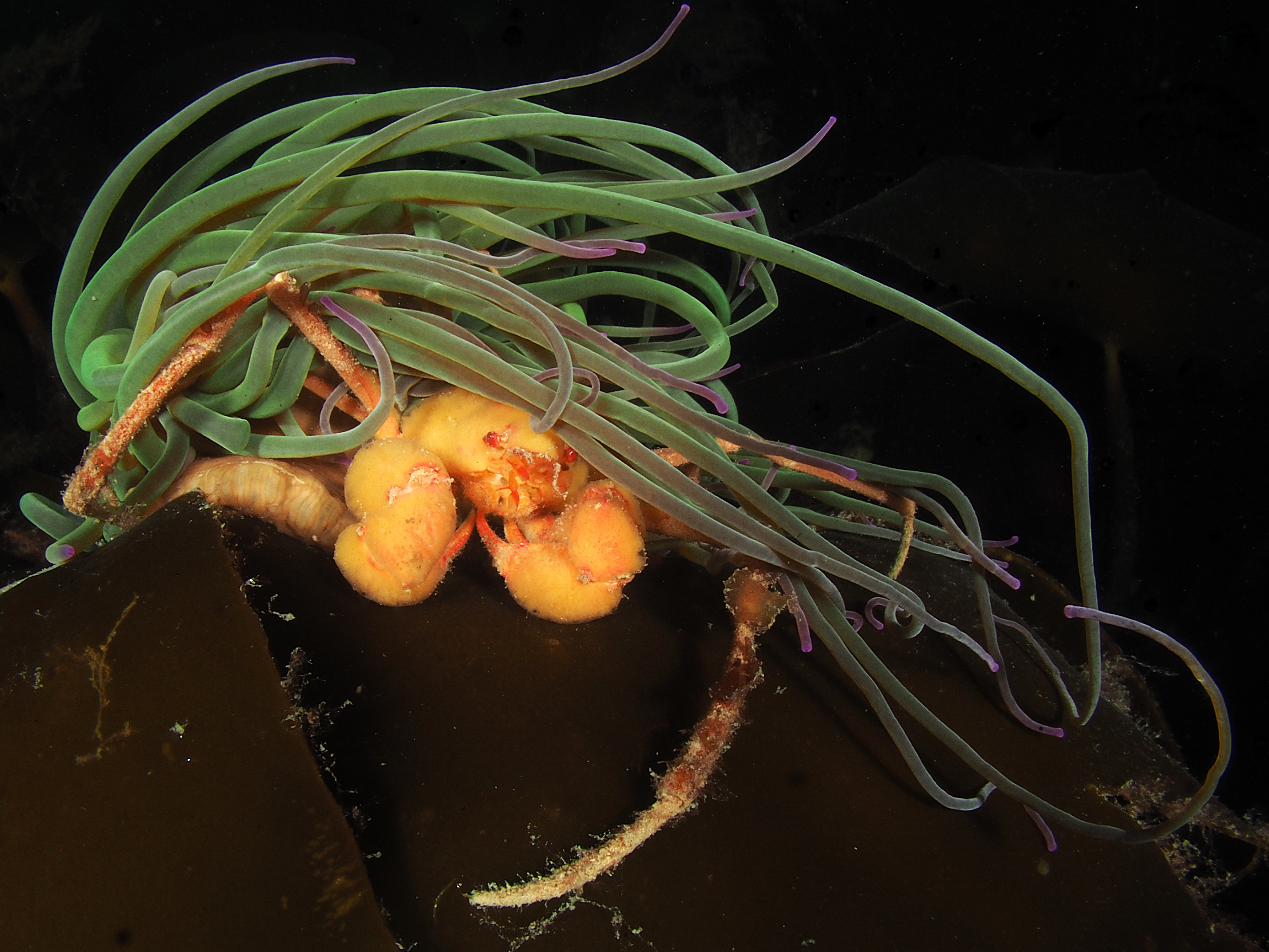
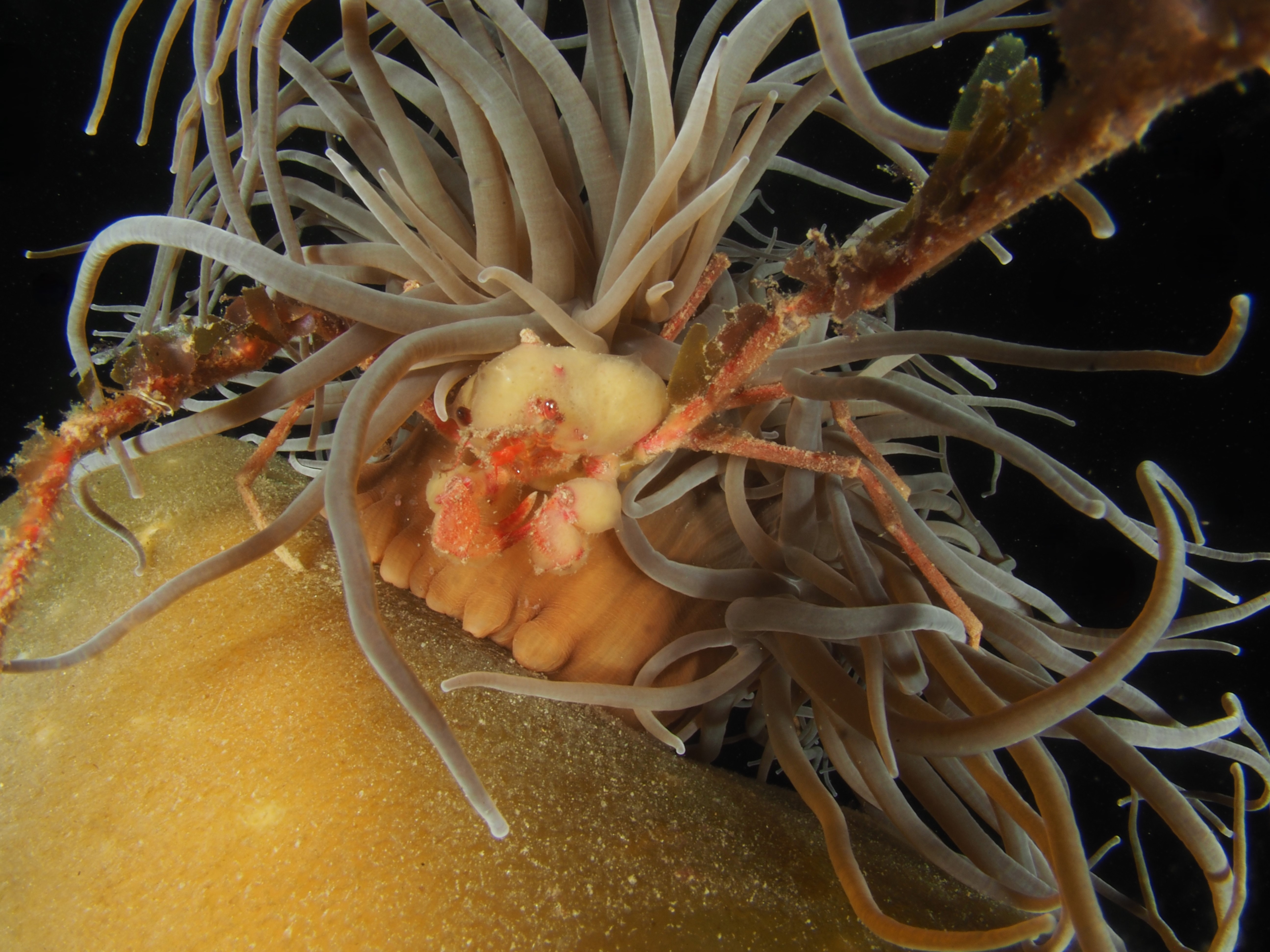
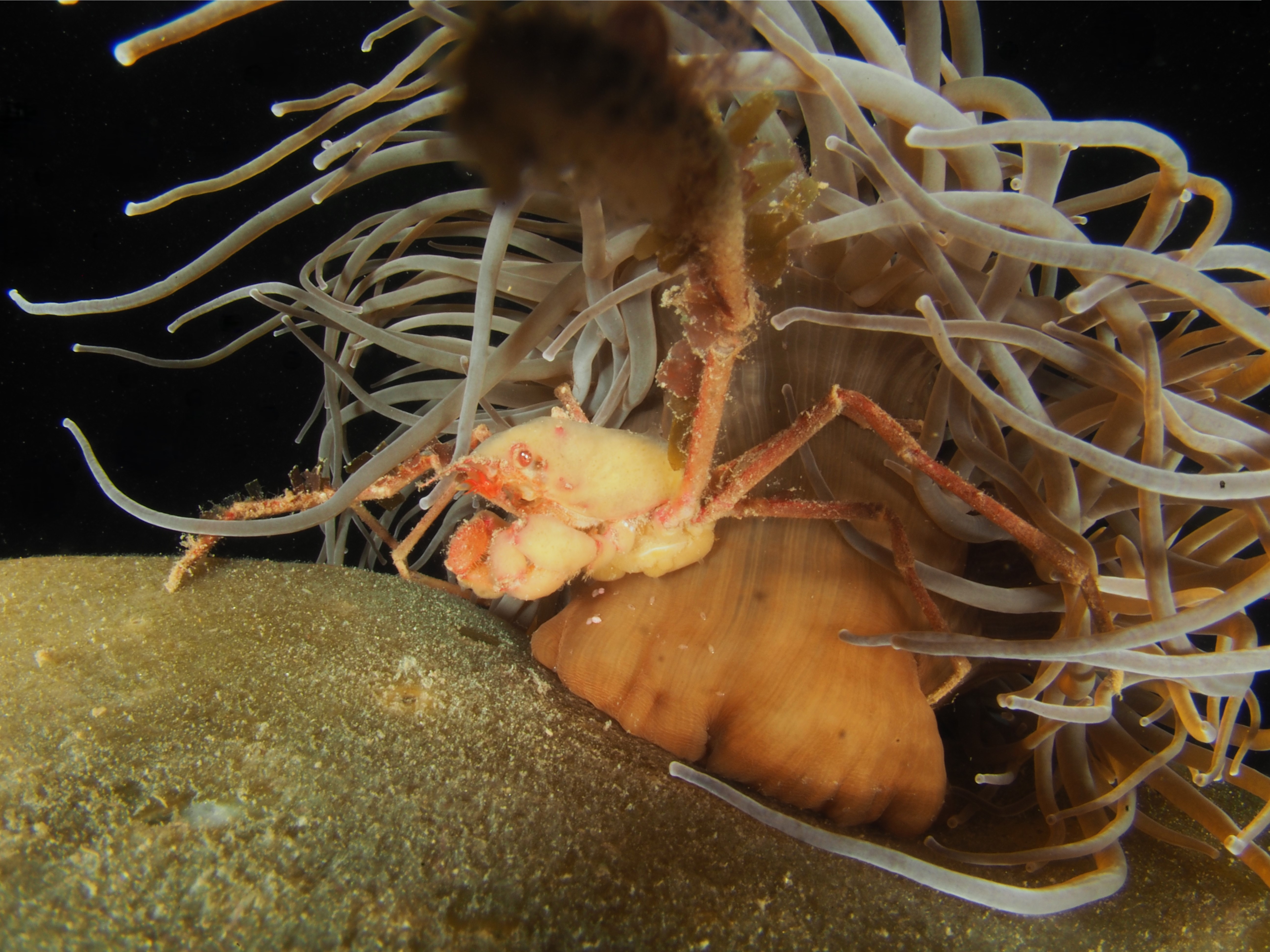
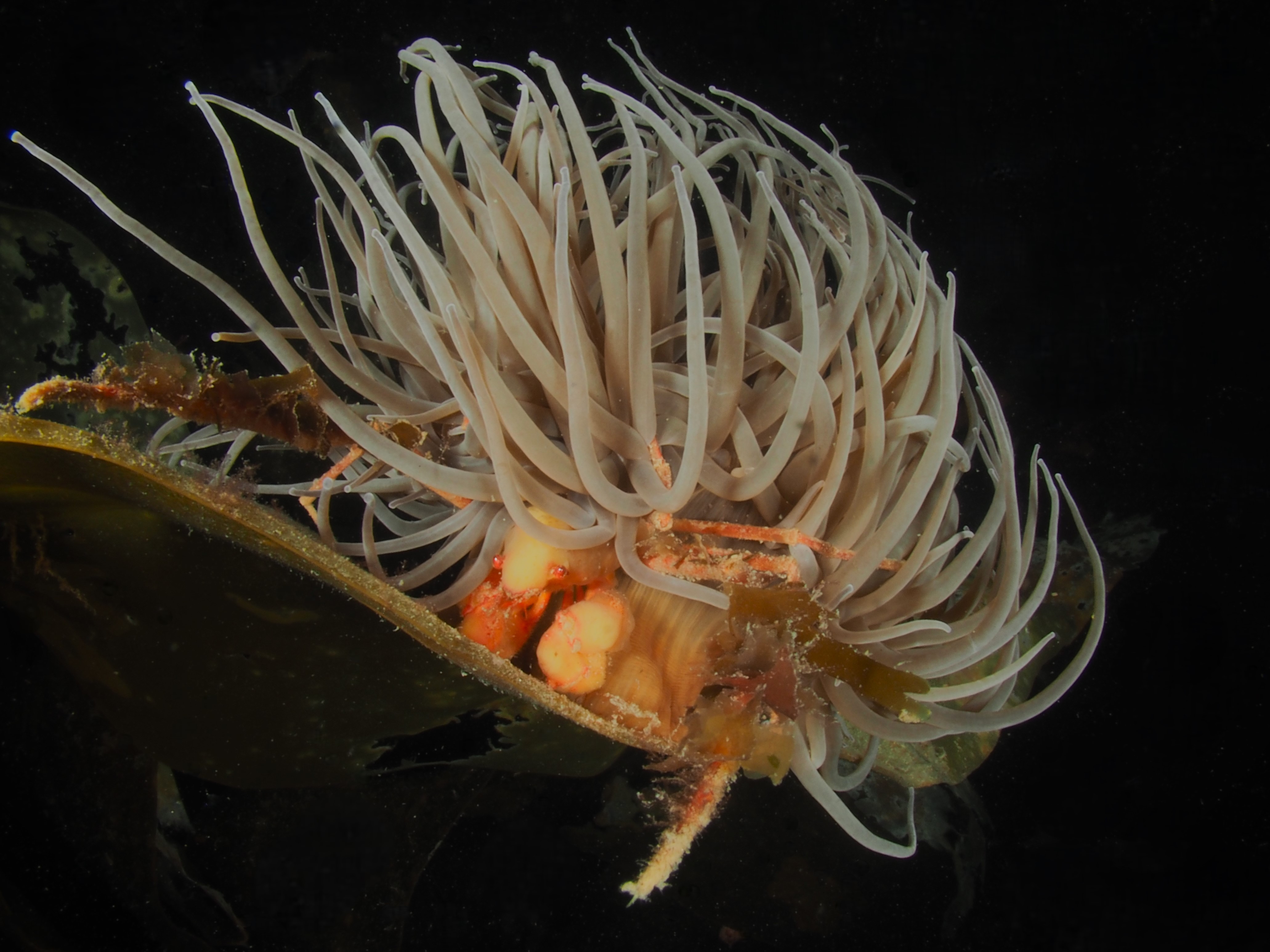
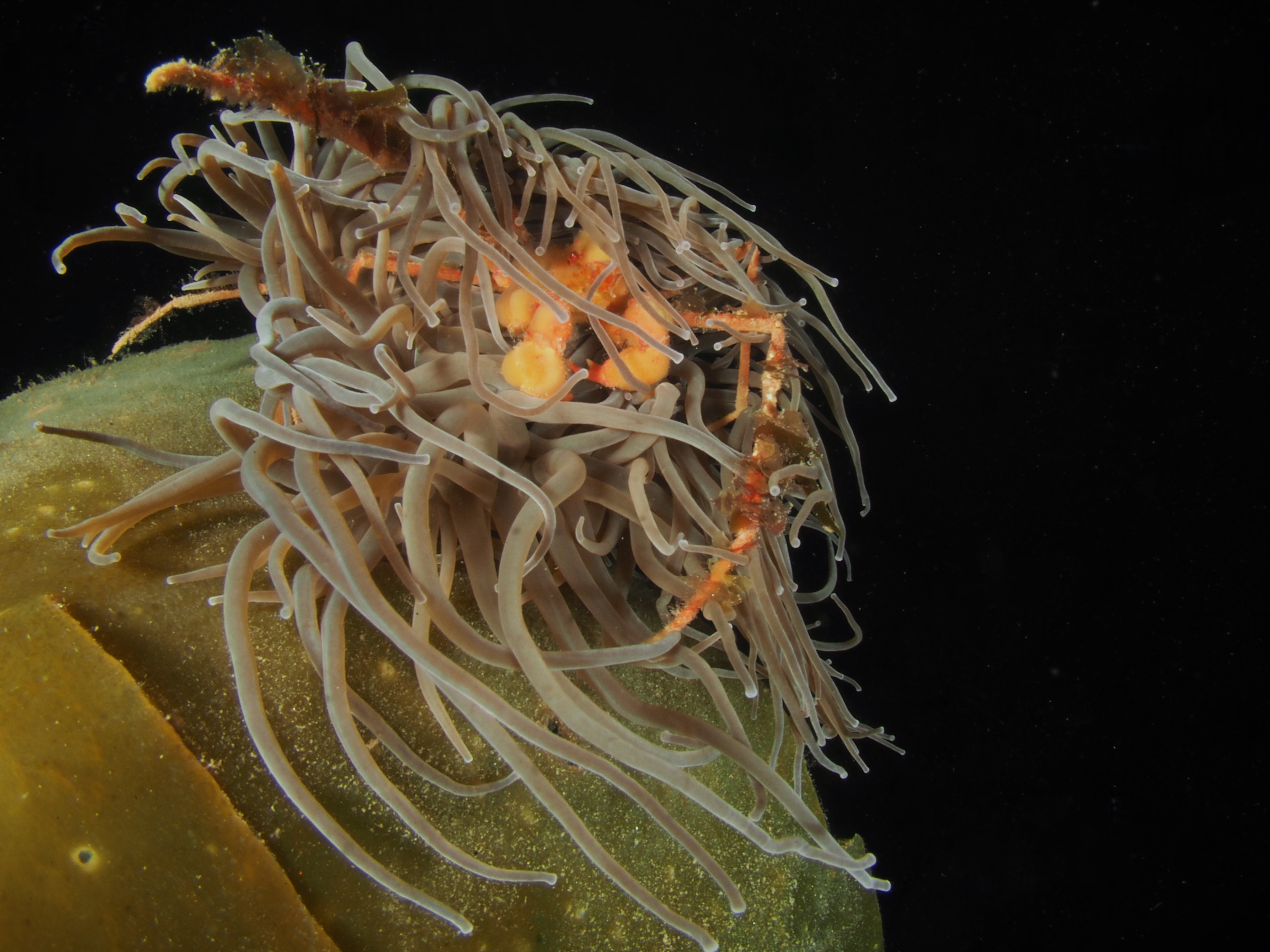
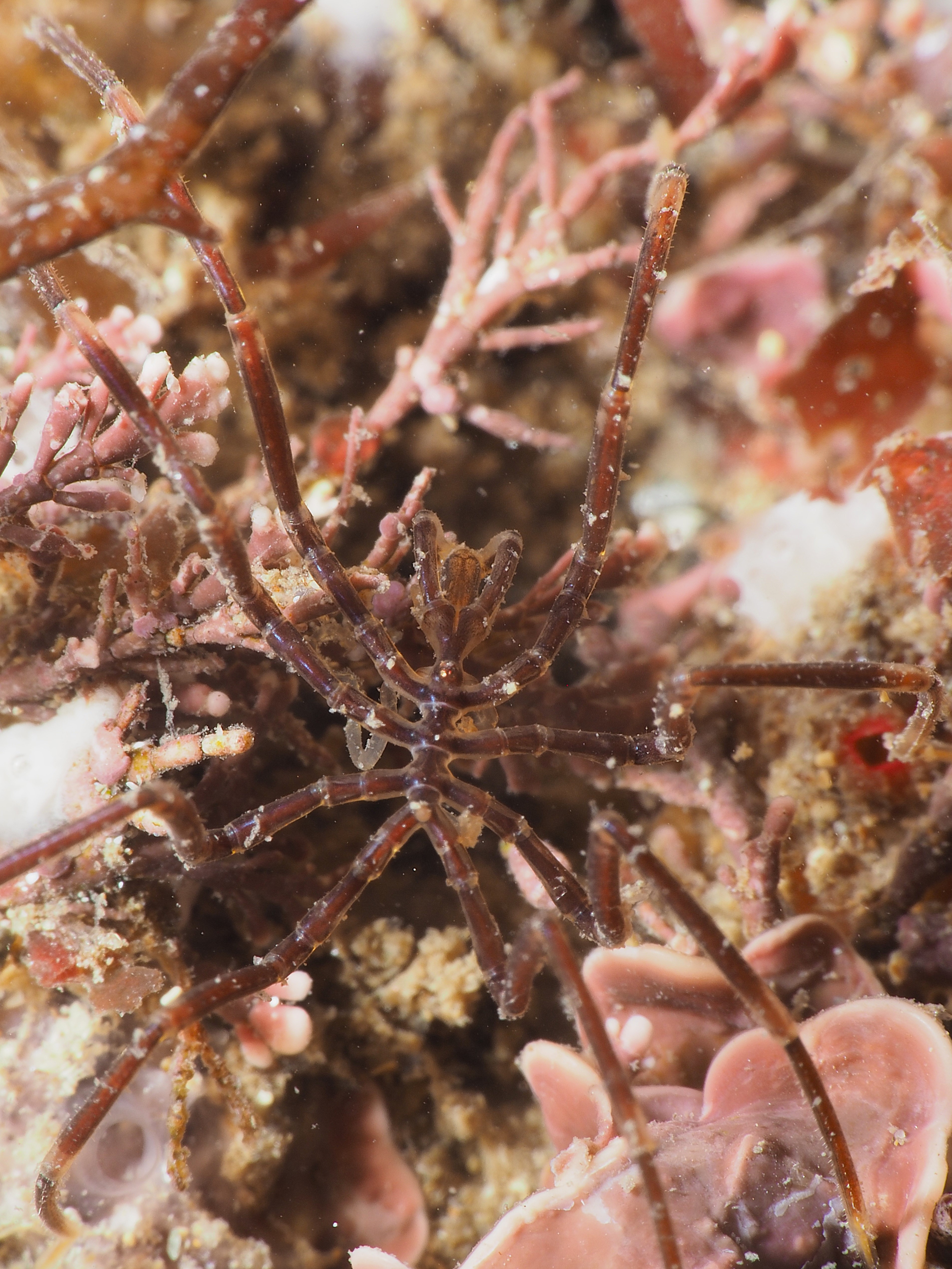
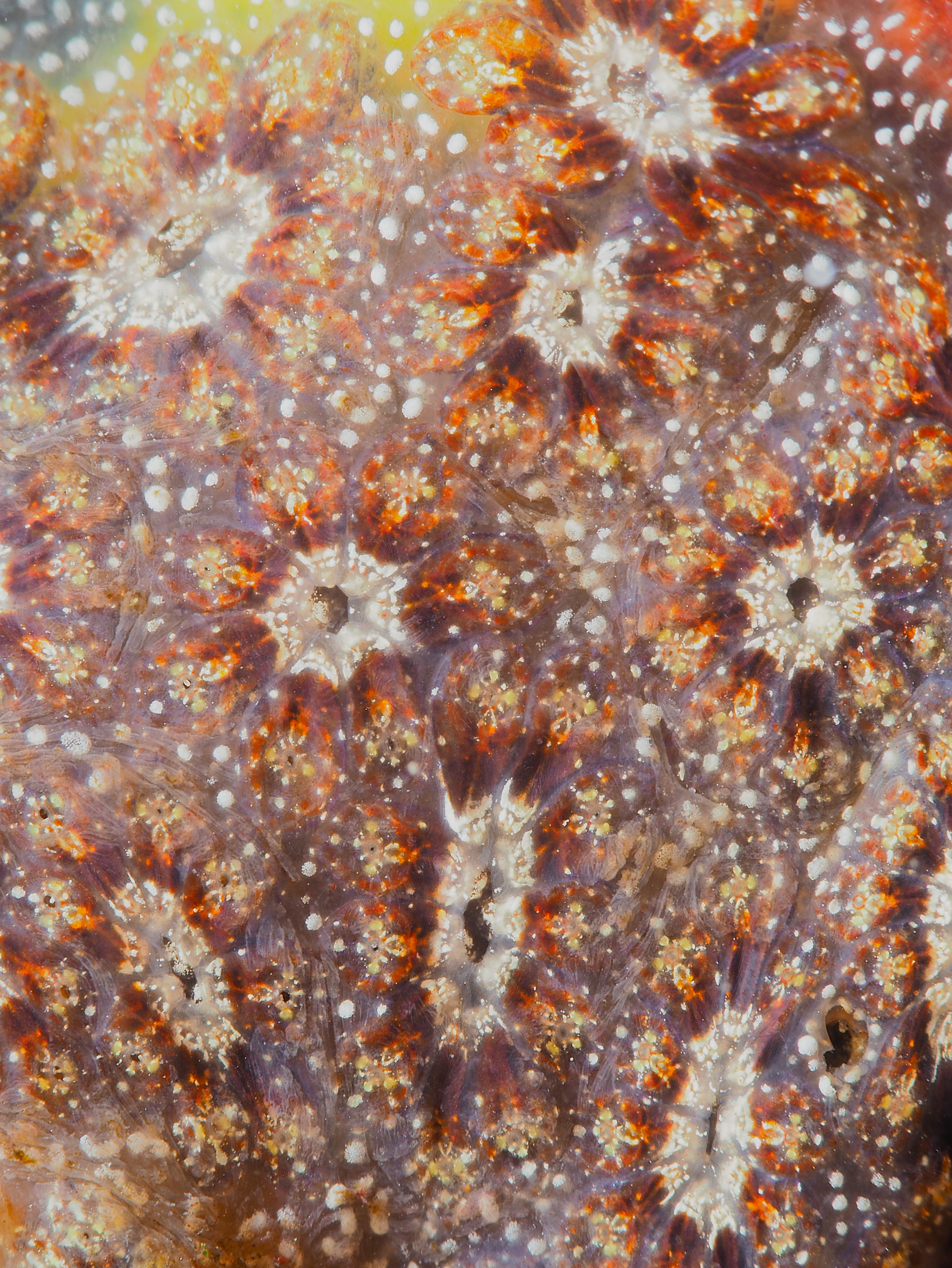
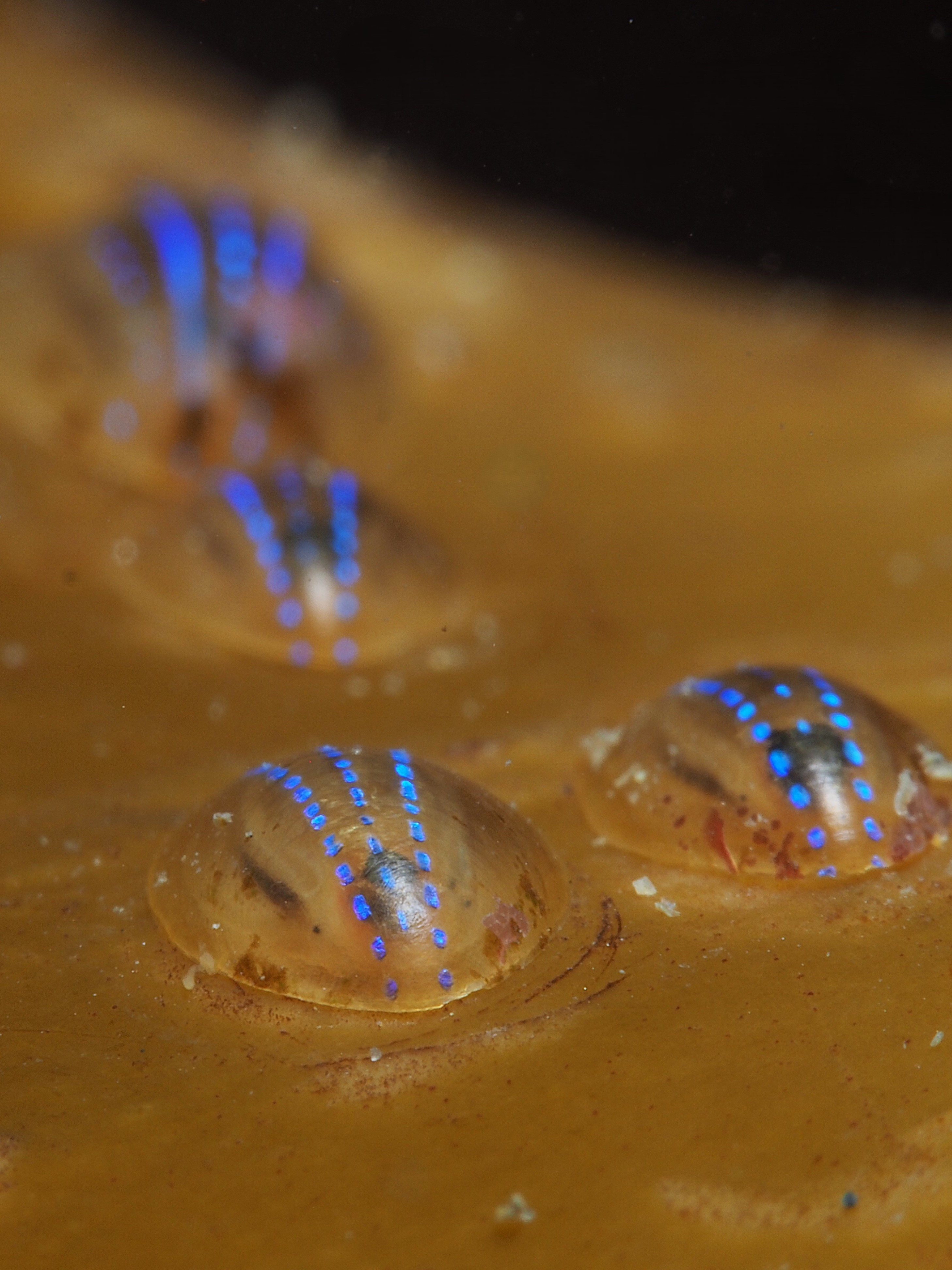
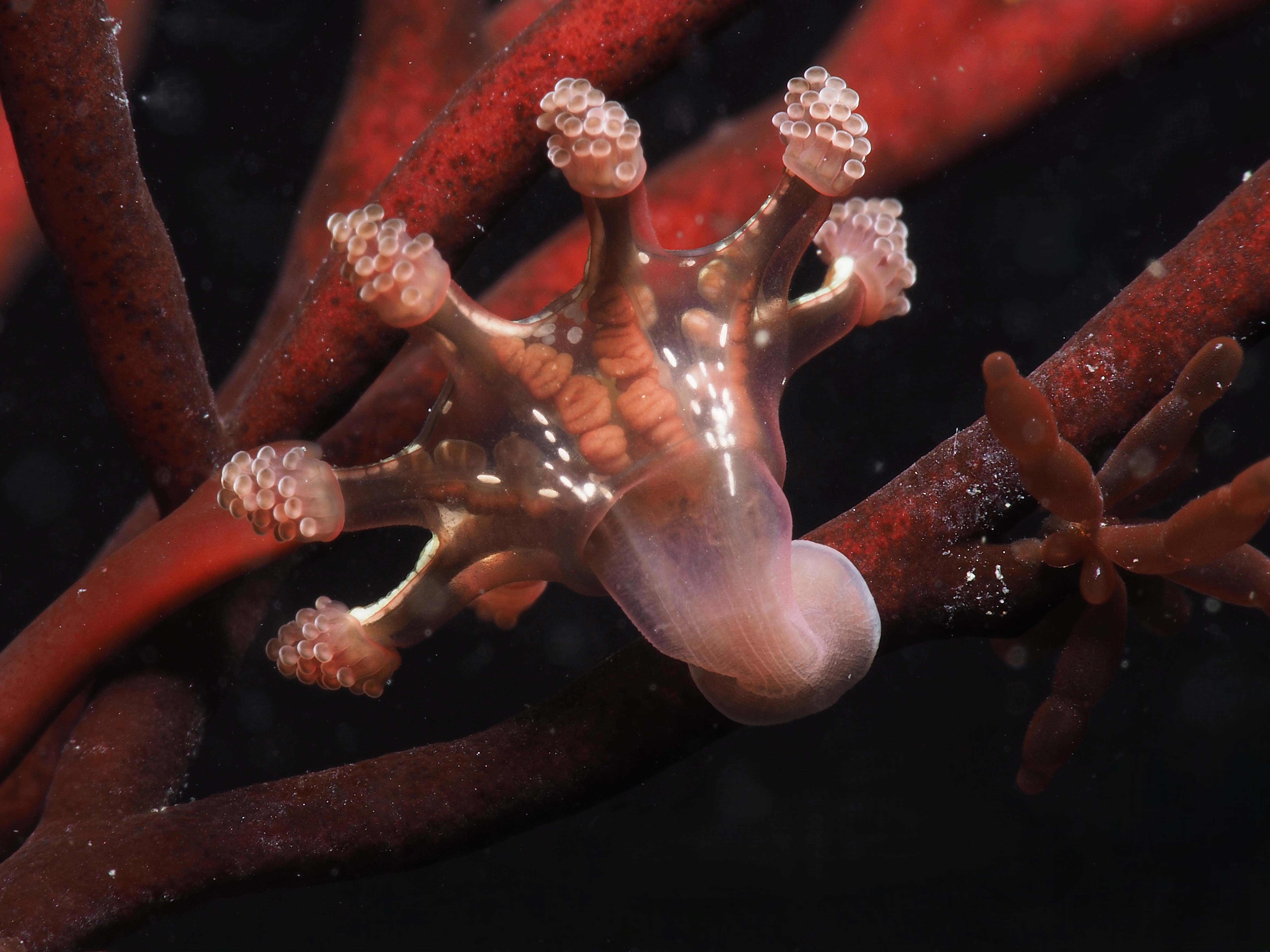
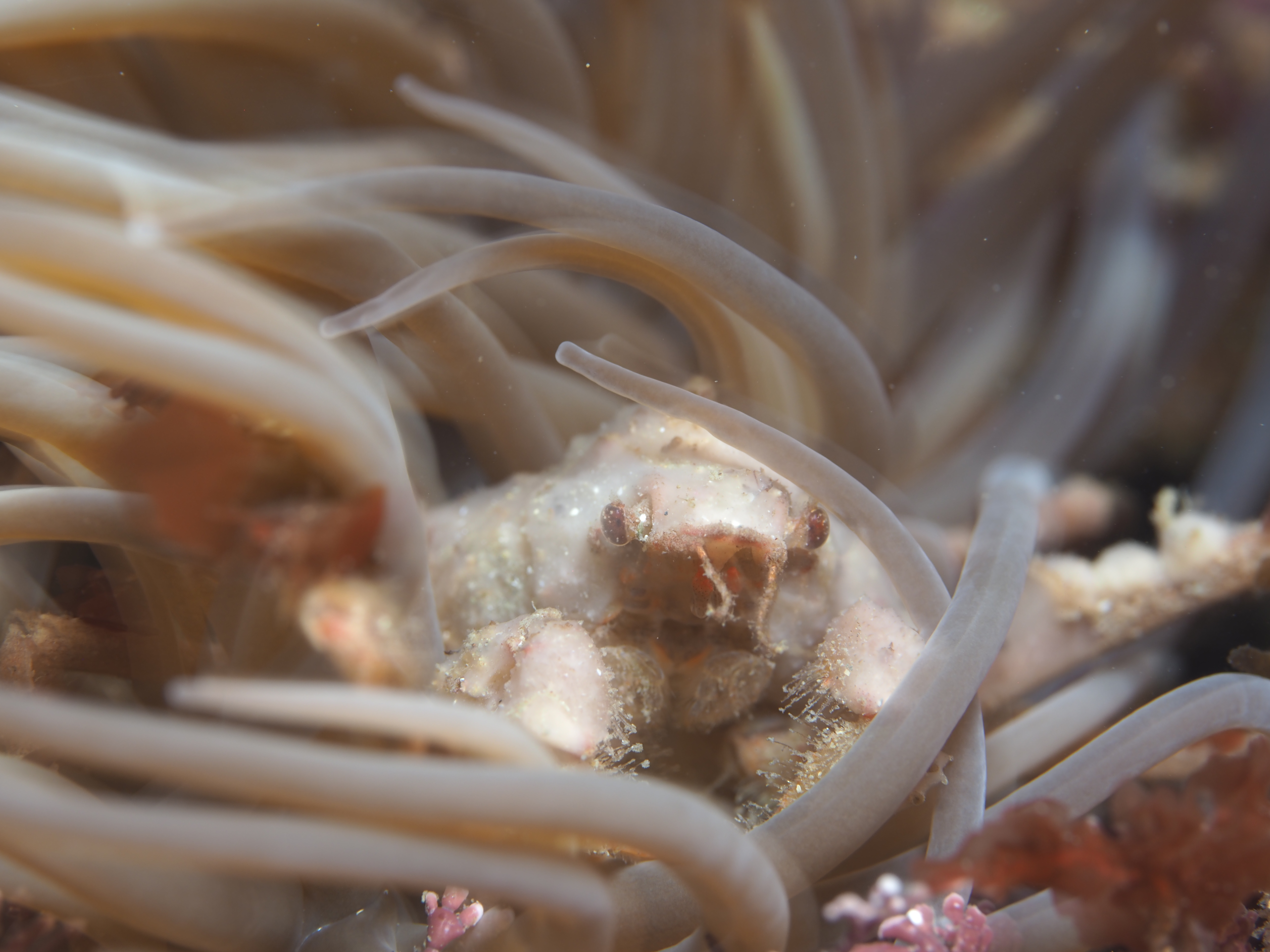
Many other critters were found too and I took shots of a selection. First, a Sea Spider, all legs and crawling away. A tiny mat of colonial tunicate that looked like a persian rug on drugs. A quick shot of the ubiquitous (if you know where to look – on kelp fronds) blue-rayed Limpets and a stalked jellyfish. Finally, I spent a lot of time taking shallow-depth-of-field AND slow shutter-speed photos of a scorpion spider crab in a snakelocks anemone to get some sort of ‘artistic’ shot. It did not really work, but it was fun nonetheless and I will have a go at it again. After almost 2,5 hours in the water I stumbled back to the car to get changed – an afternoon well-spent!
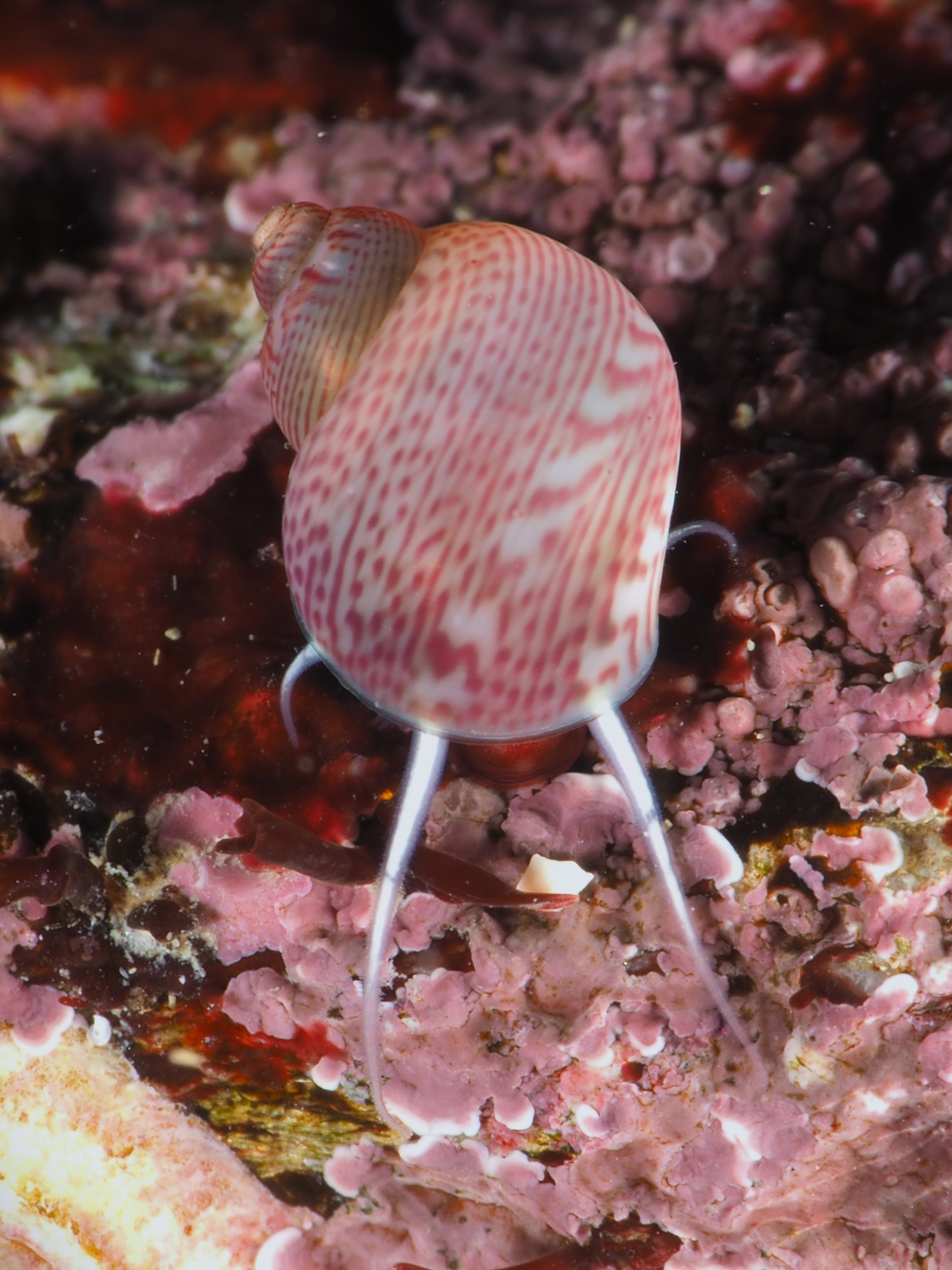
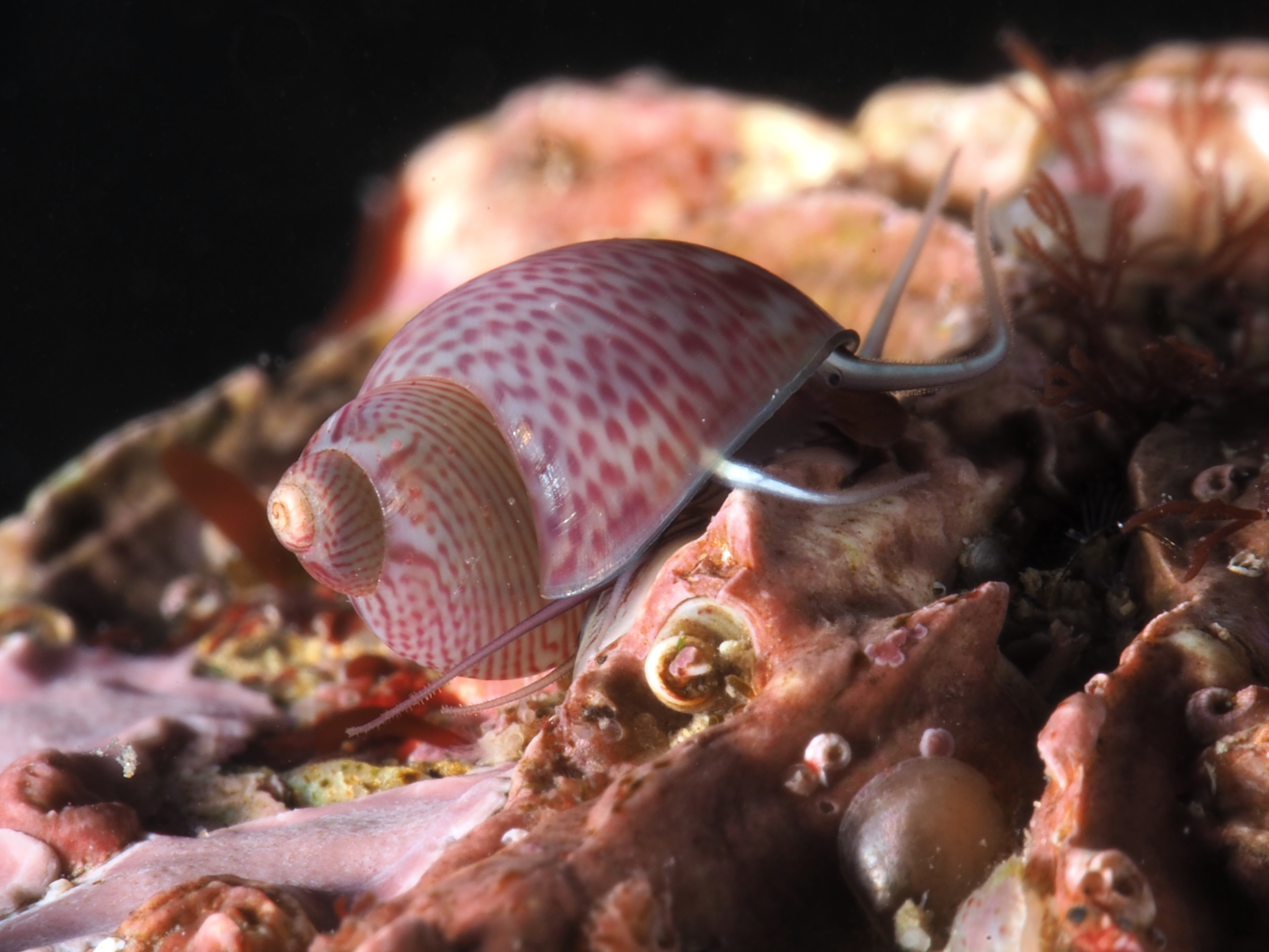
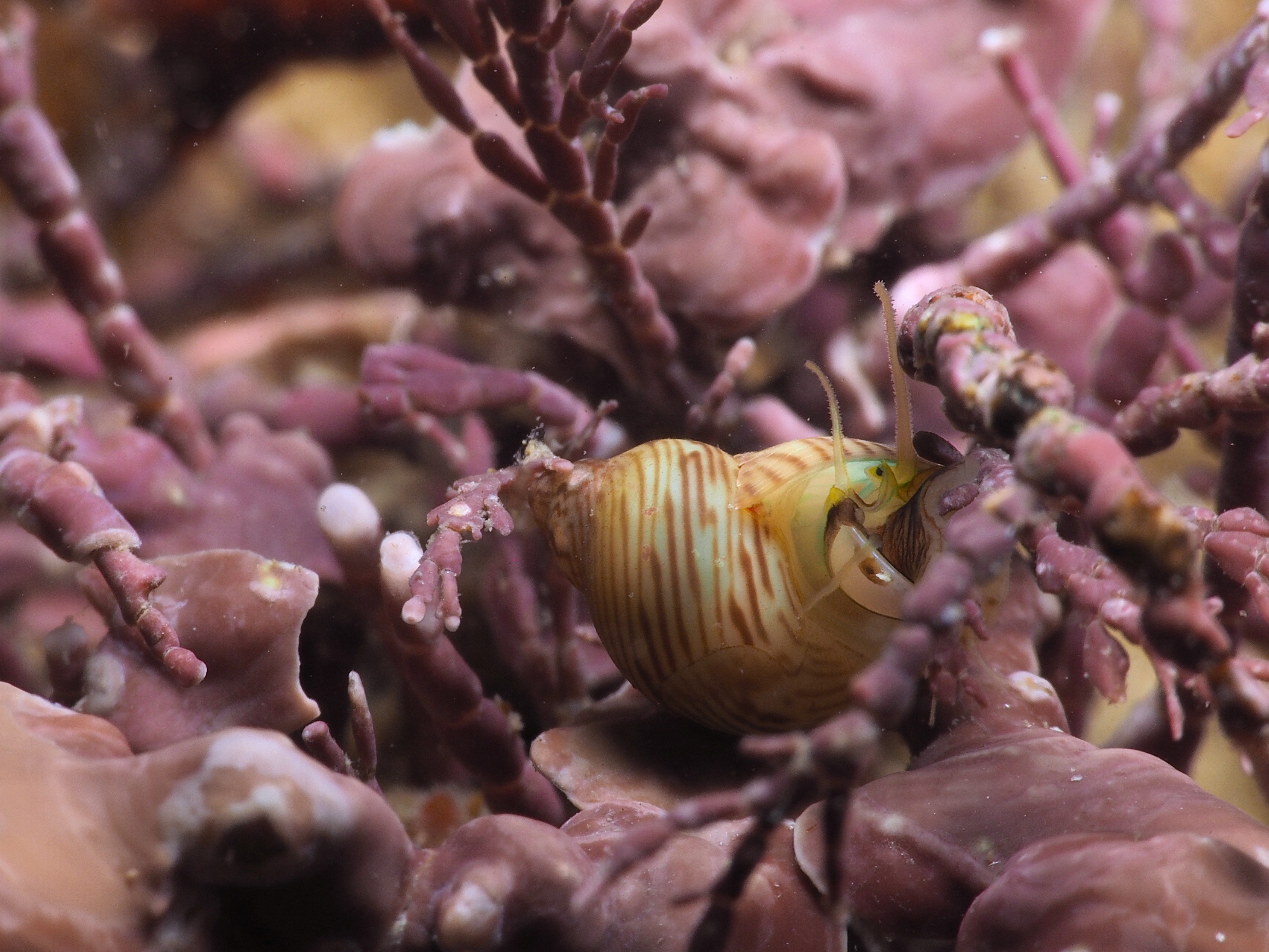
The Pheasant Shell is one of my favourite little critters in the rockpools in Falmouth. It is a bit weird to refer to these organisms as ‘shells’ actually, as they are living things and the nonliving shell is ofcourse only a part of them. The confusion extends to its scientific name: this species was previously known as Tricolia pullus, but has recently been split into a Southern European T. pullus species and a Northern European T. picta species. Perhaps the dust needs to still settle on that one.
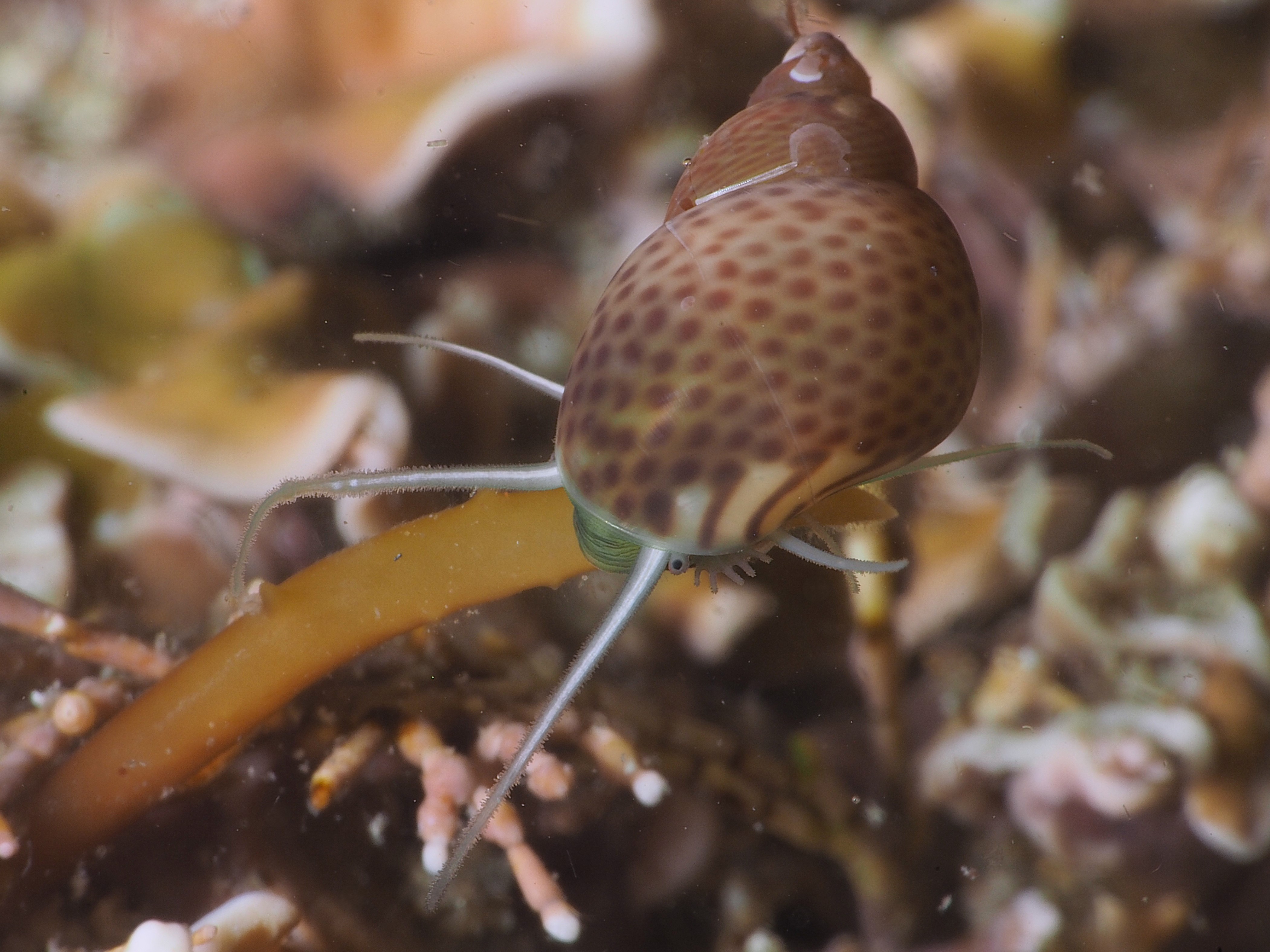
I have taken these photos, on different occasions, with the mzuiko 60mm macrolens and the nauticam cmc-1 wetlens. The extra magnification the latter lens (screwed onto the housing) offers is great; although somehow I always want to get even CLOSER! I have not nailed the Pheasant Shell shot either. Reflecting on these pics I think I need to use a shallower depth of field to get rid of cluttered backgrounds. Next time.
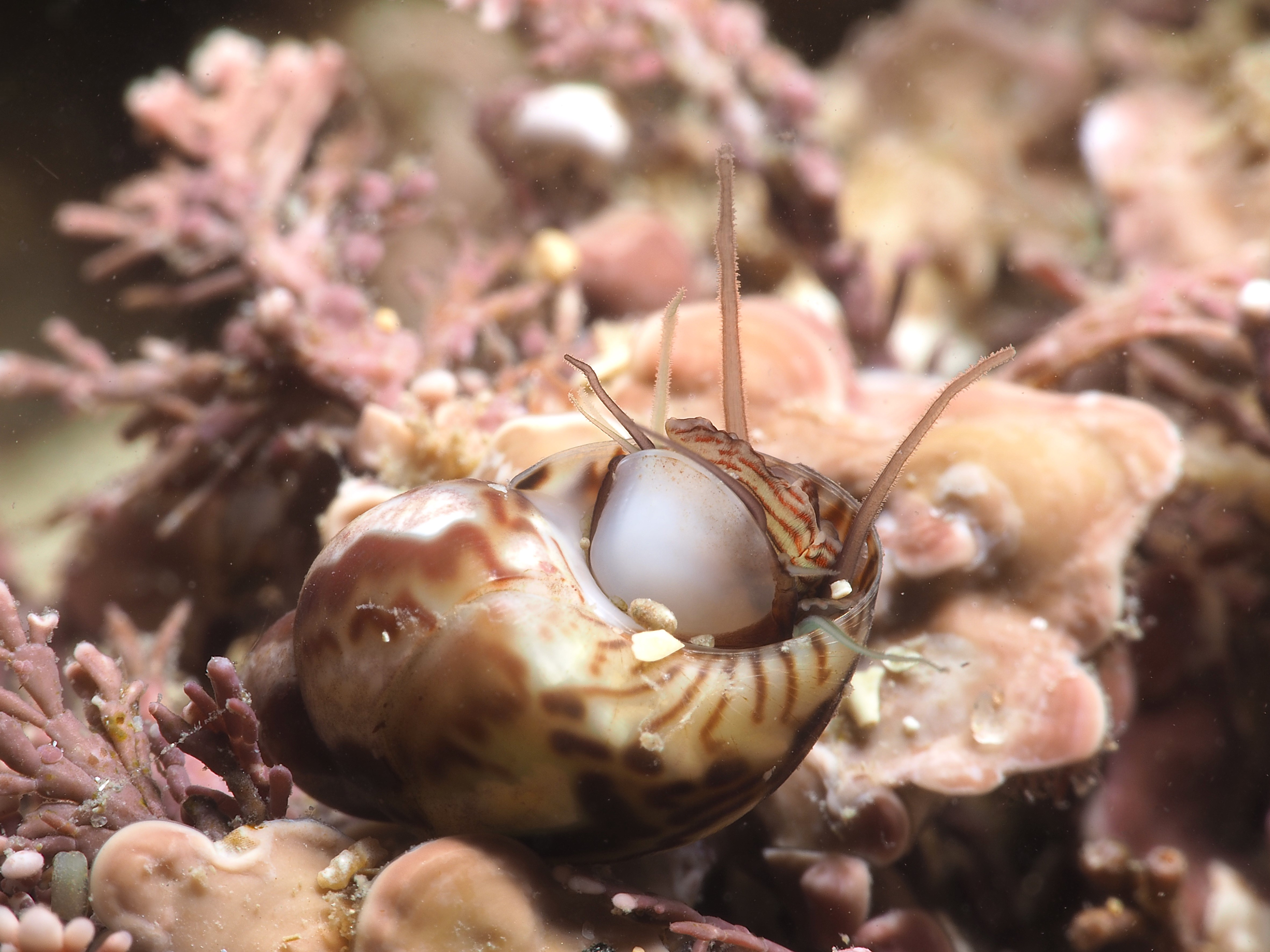
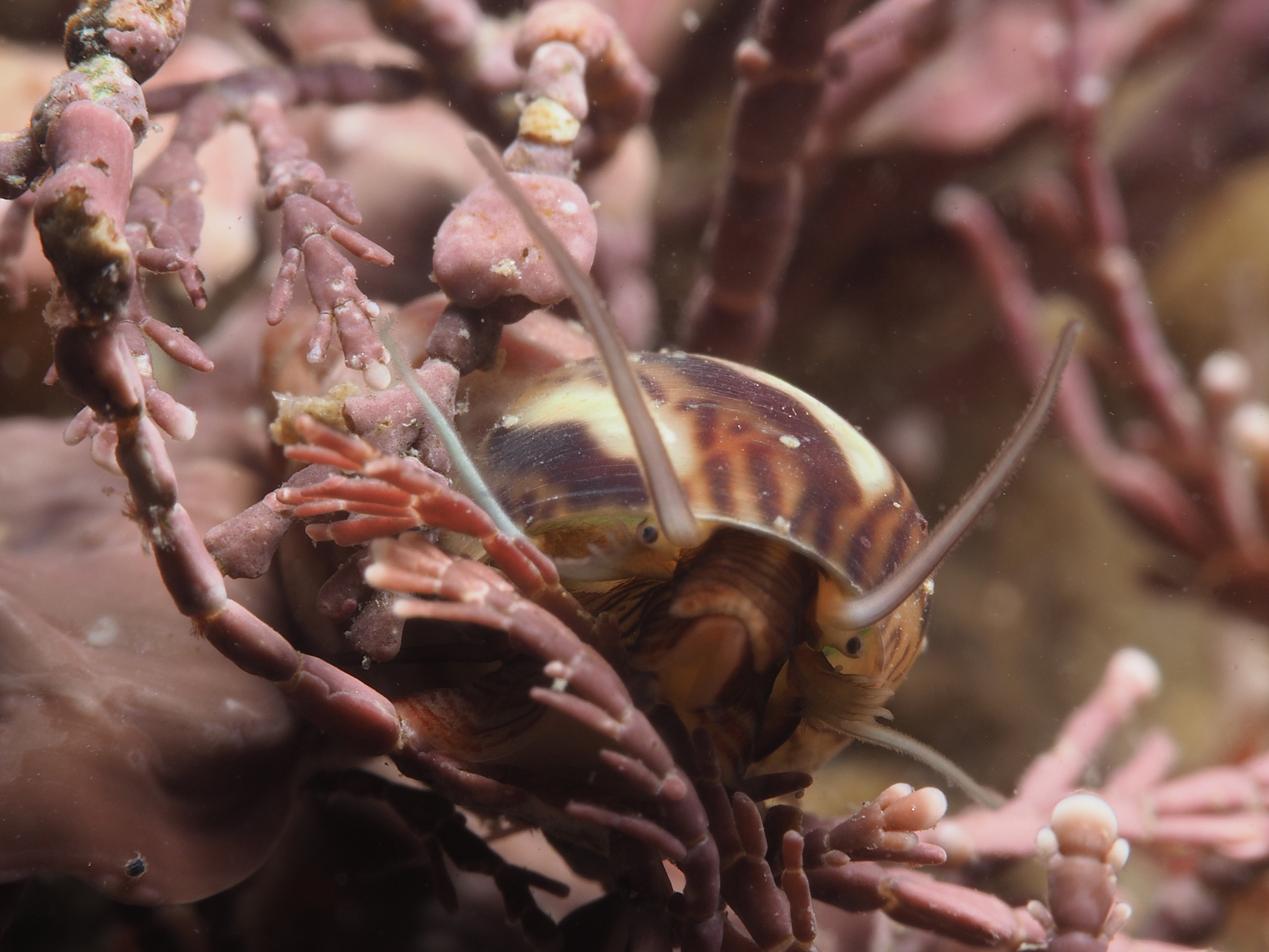
The calcified operculum (the little door to close the shell) is clearly visible in the first photo above, as are the tentacles. On the second photo above you can even see that the left ‘neck lobe’ is more deeply digitated (fingerlike) than the right one. For more detailed (studio)shots of this and other molluscs please see Morddyn’s flickr account. I will post more macroshots of other mollusc species soon!
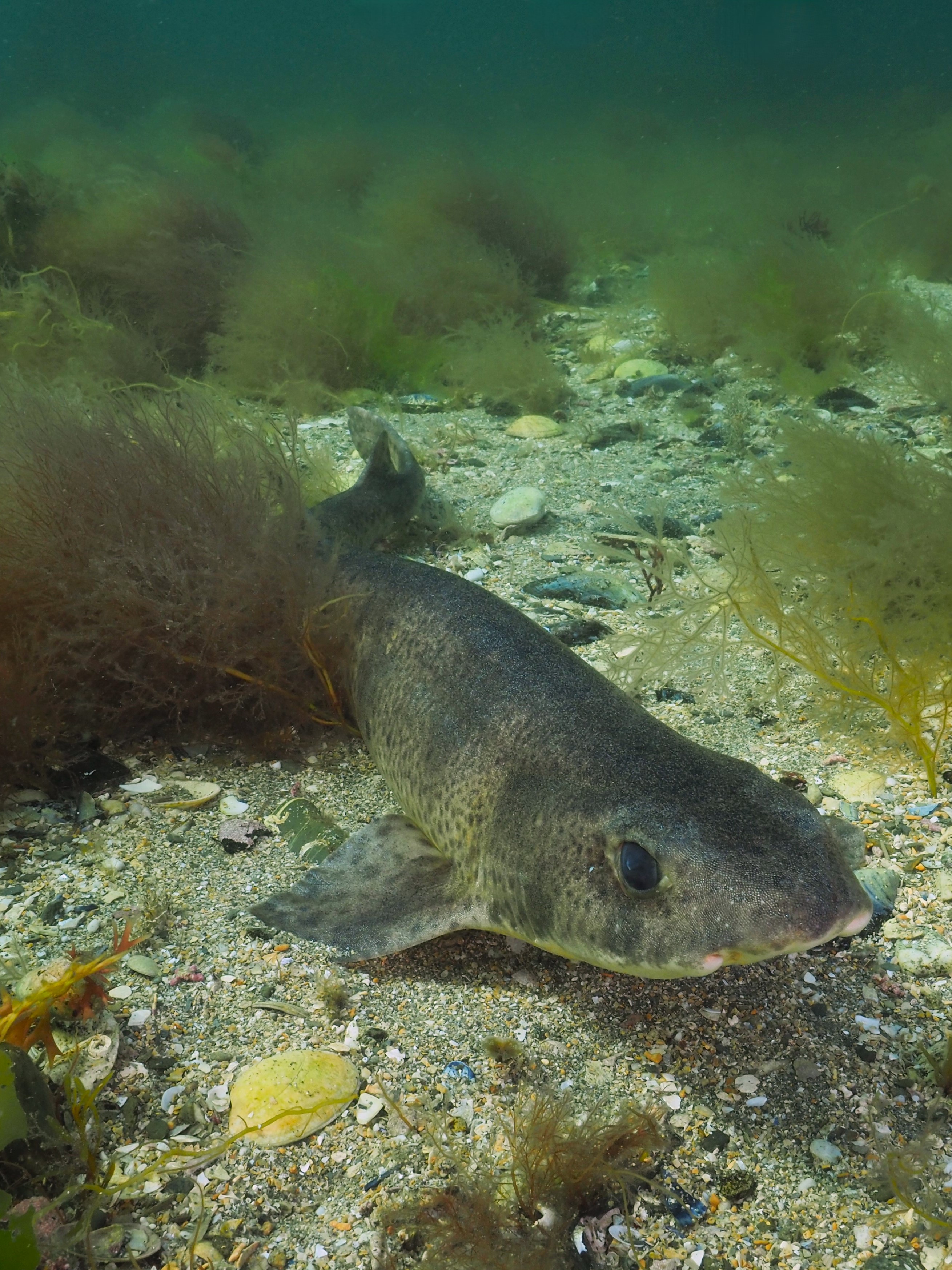
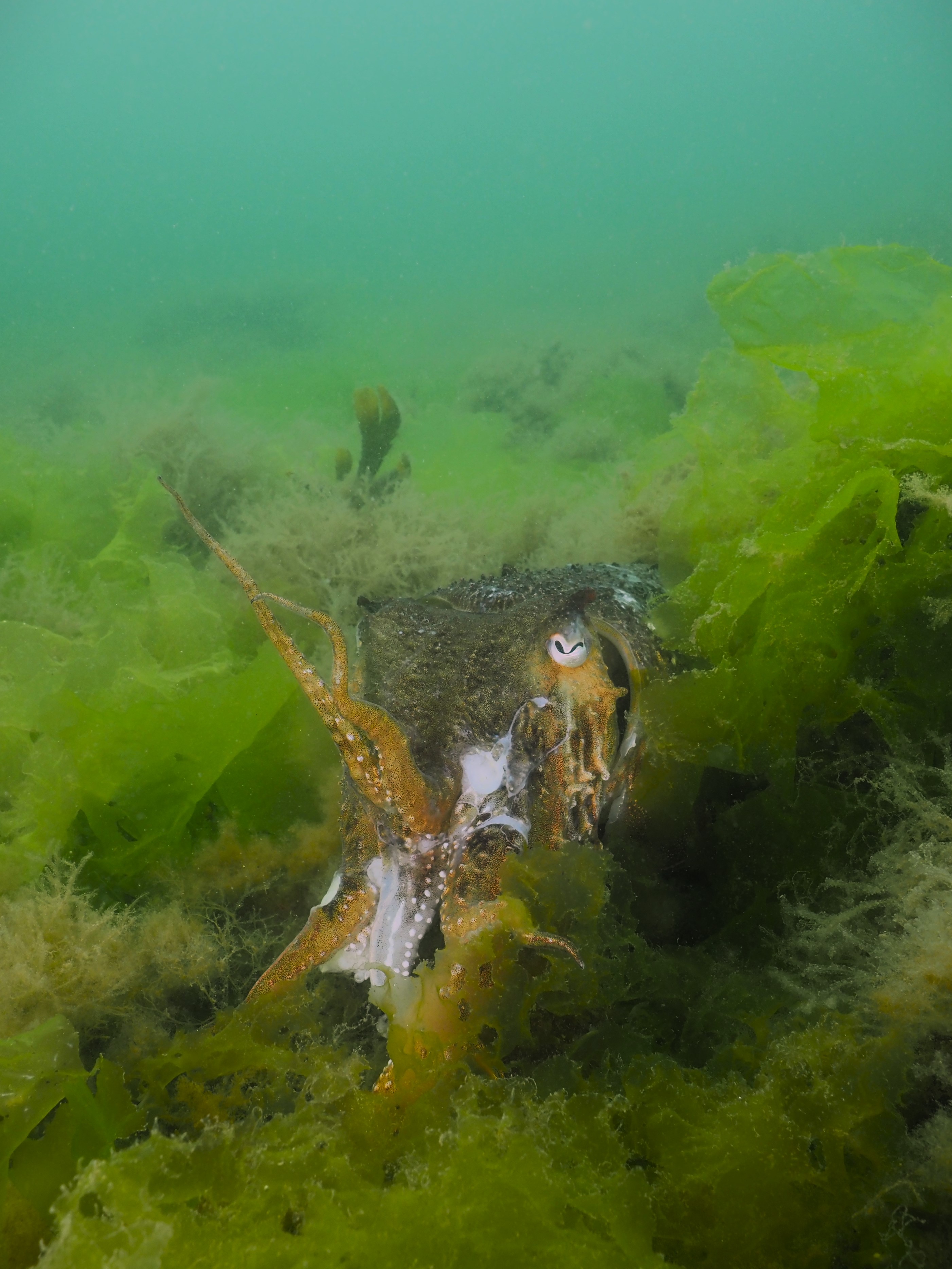
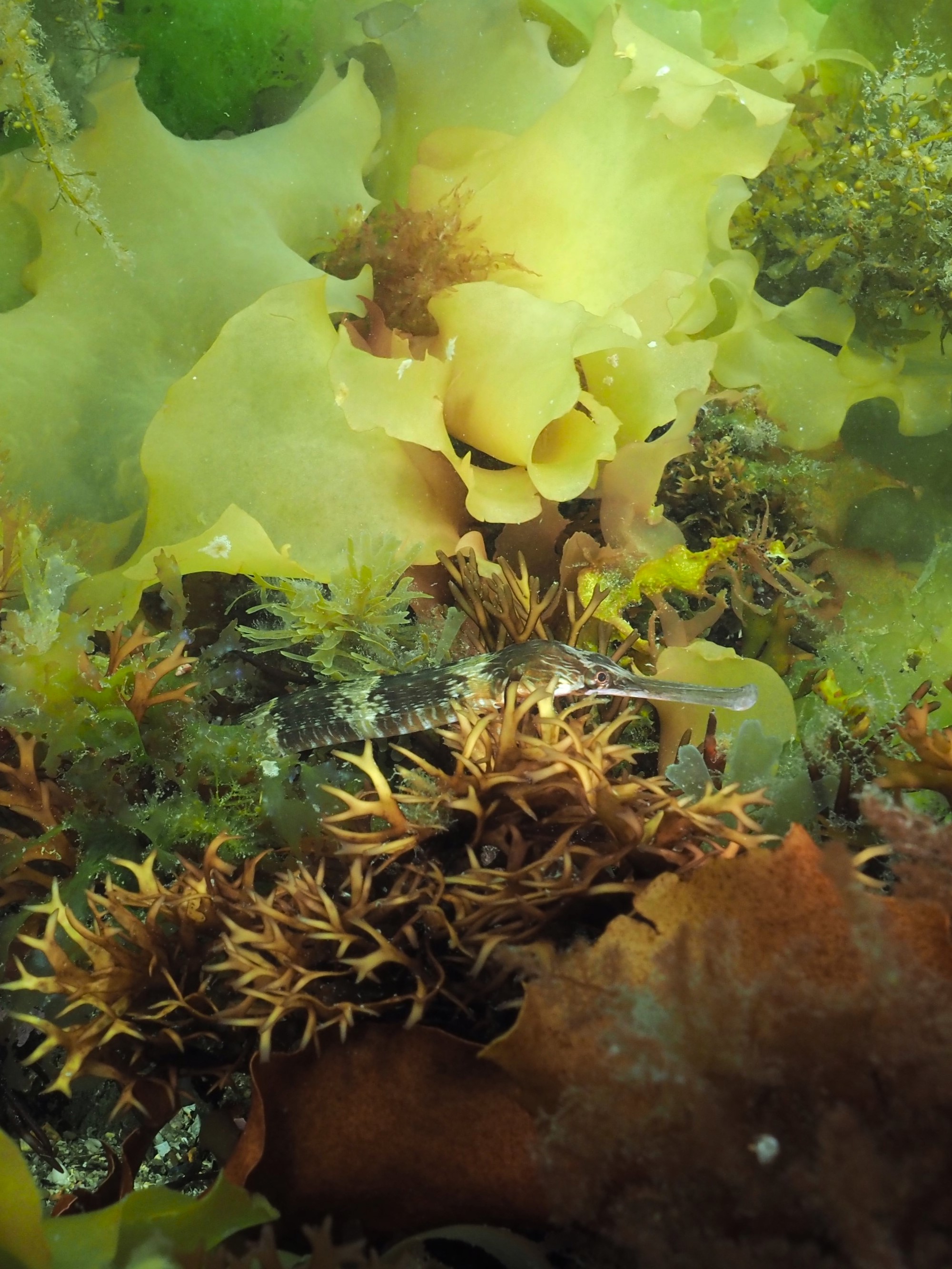
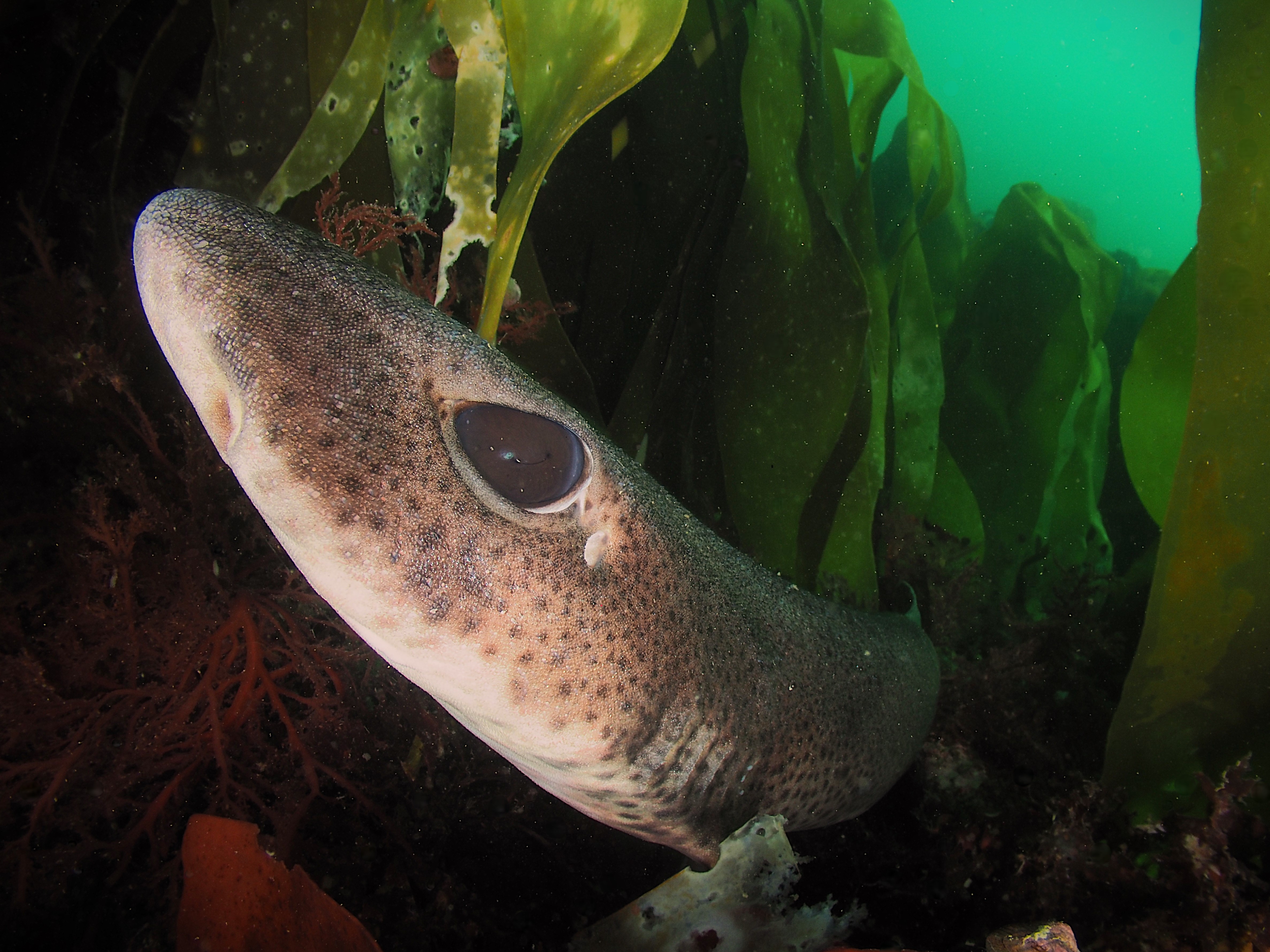
Above some pics of a recent, impromptu snorkel in the Helford; a catshark, a cuttlefish and a greater pipefish which I could snap with the fisheye lens while battling a raging tidal current. I have dived a lot recently, did my PADI advanced open water (to make it easier to participate in some deeper diving in the future ), finally dived Porthkerris, bought a fancy new wetlens and stepped up my iNaturalist game. I took some good photos as well, but for many of these I reckon I could replace them with an even better version. For this reason, and also because there will be plenty of rainy days at the end of the year to blog instead of dive, I will probably remain a bit quiet here for now, add to the collection of photos, and update the blog a lot more later! (P.S. I do post from time to time on instagram: @an_bollenessor.)
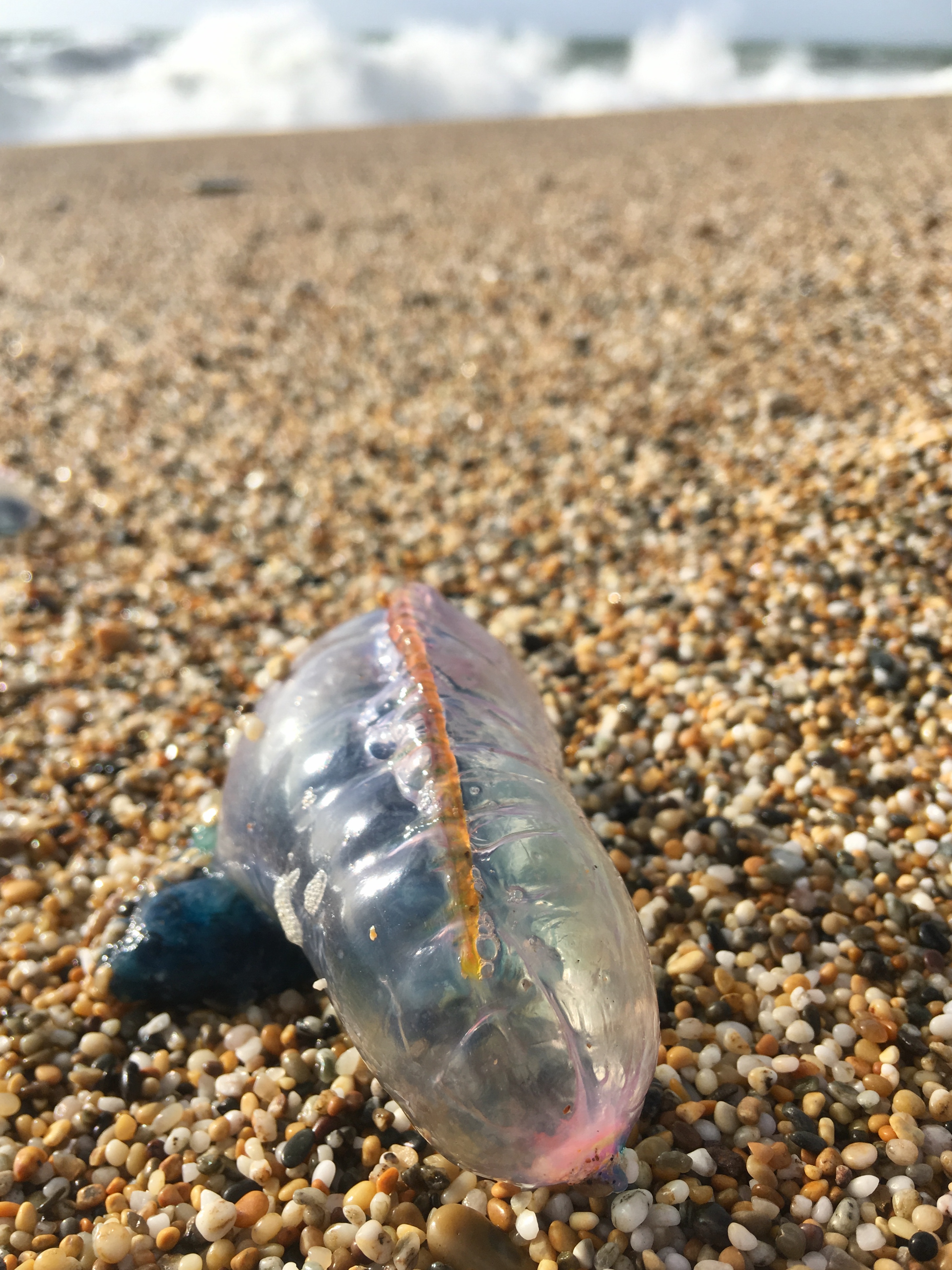
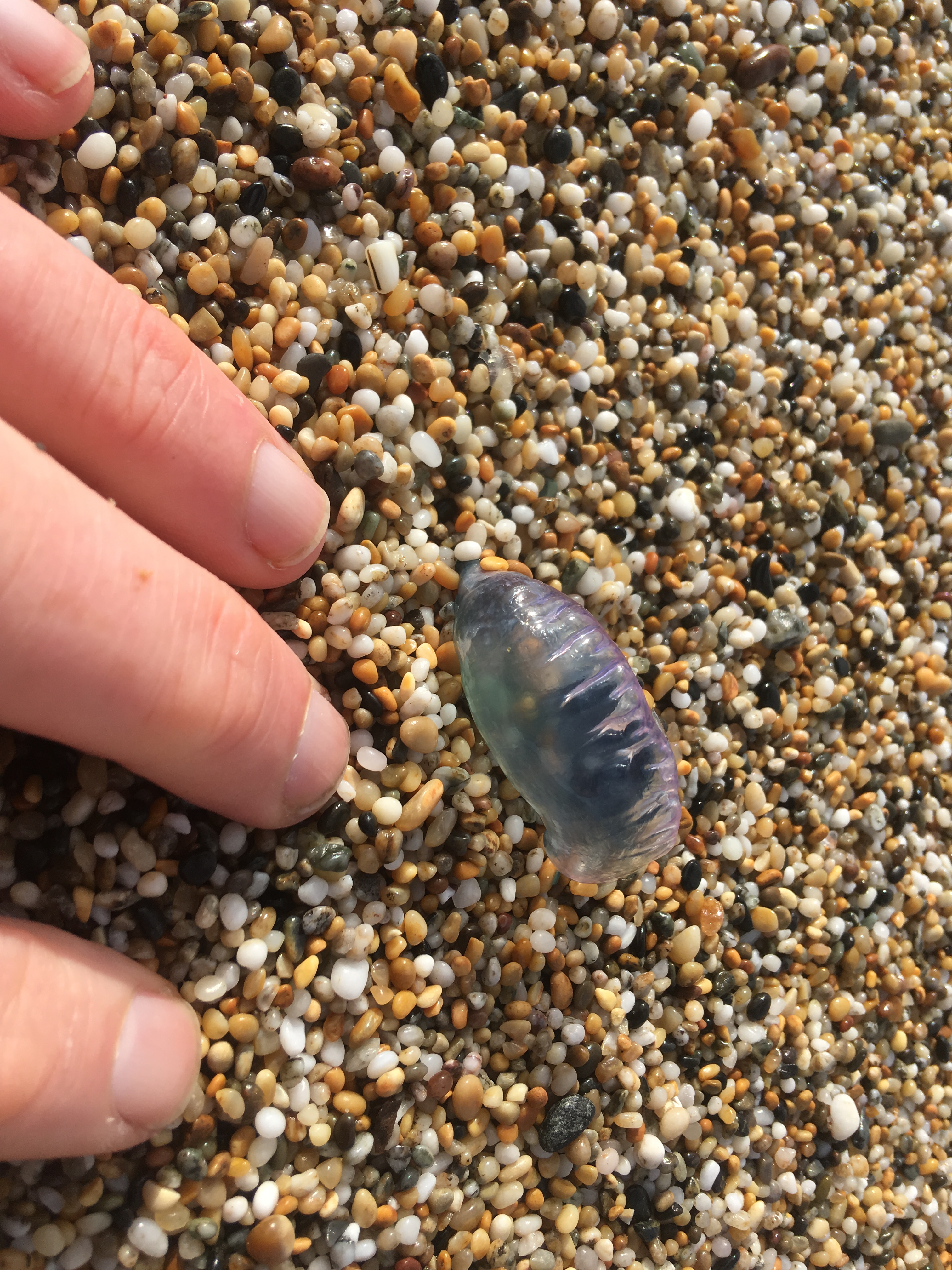
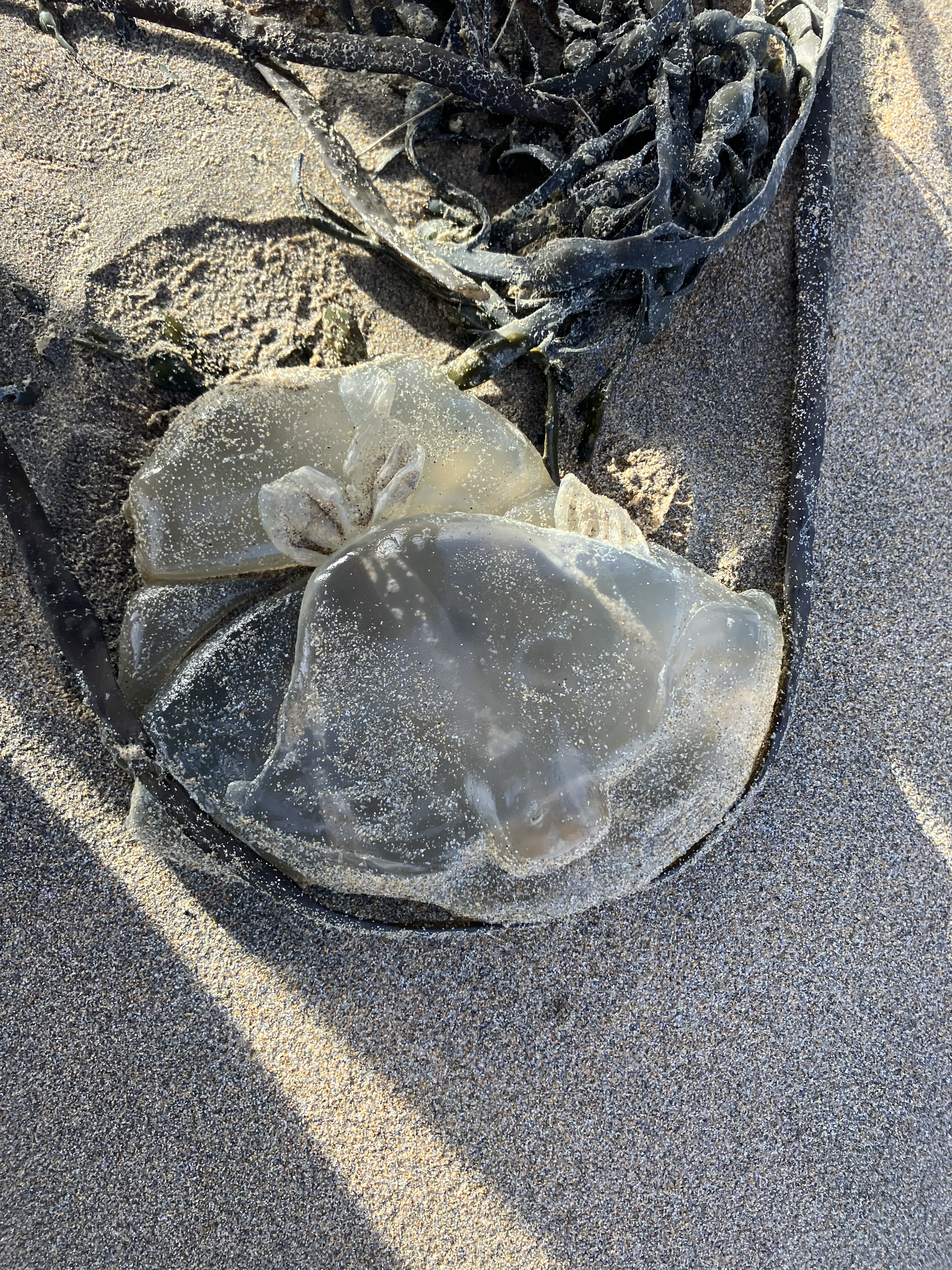
It is that time of the year again: gales, rain and darkness. The only good thing about late autumn/winter to me is that the wind blows interesting things on the beach. Portuguese Men o’ War (Physalia physalis) have been a common sight the last few years (see this post from 2017), perhaps more so than it used to be, but not sure this has been properly investigated. Yesterday we saw several dozen at Loe Bar near Helston, including the smallest specimen I have seen so far. No By-the-Wind-Sailors Vellella and no Violet Snails Janthina, and definitely no Porpita or Glaucus; maybe someday!
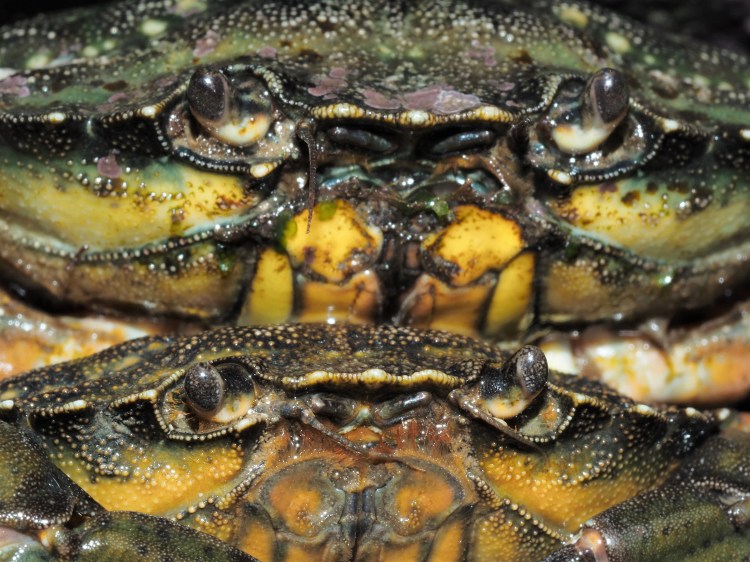
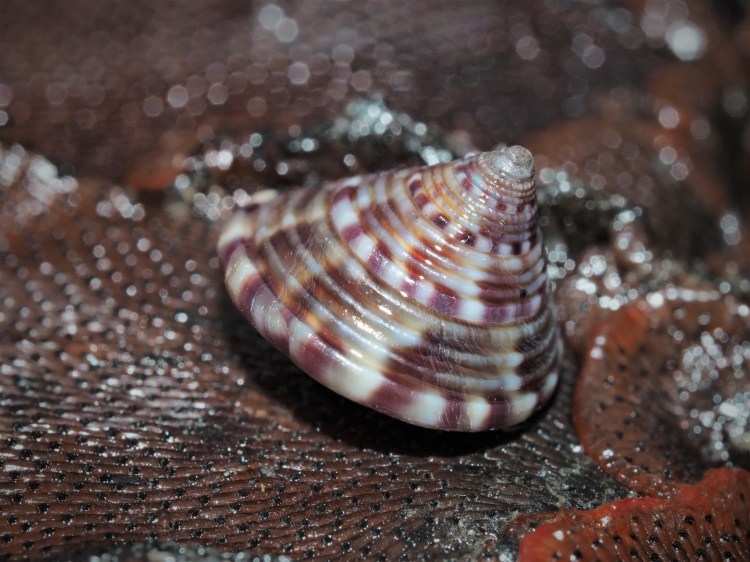
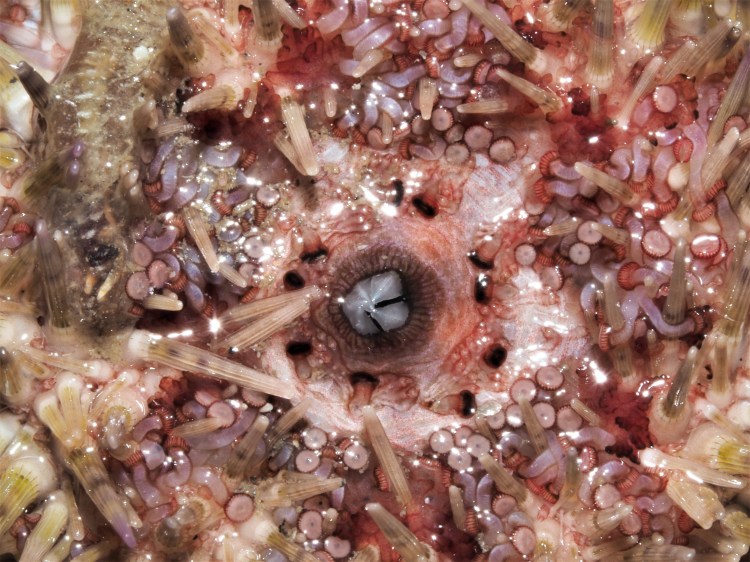
 Some pics from today at Flushing Beach. Above, a pair of Green shore crabs Carcinus maenas, below two Furrowed crabs Xantho hydrophilus. (I probably should have gone for a whole crab series, as I saw several other common species…) Instead I took loads of random photos, of things that were 150 mm to things that were only 5 mm, with varying success. For instance of a Painted Topshell Calliostoma zizyphinum on the invasive Bryozoan Watersipora subatra. Also the underside of the urchin Psammechinus miliaris, showing its mouth (Aristotle’s Lantern). Photobombing top left is the commensal worm Flabelligera affinis (which I noticed as well the last time I took a version of this picture). Bit random but it was fun practicing. It actually is more difficult to take photos abovewater compared to underwater due to the glistening and the awkward position kneeling on wet gravel/rocks. Next time I might try a tripod (ideally remote flash would be used but I do not think I am going to invest in that). Btw, if you are on instagram, I also post pics as @an_bollenessor.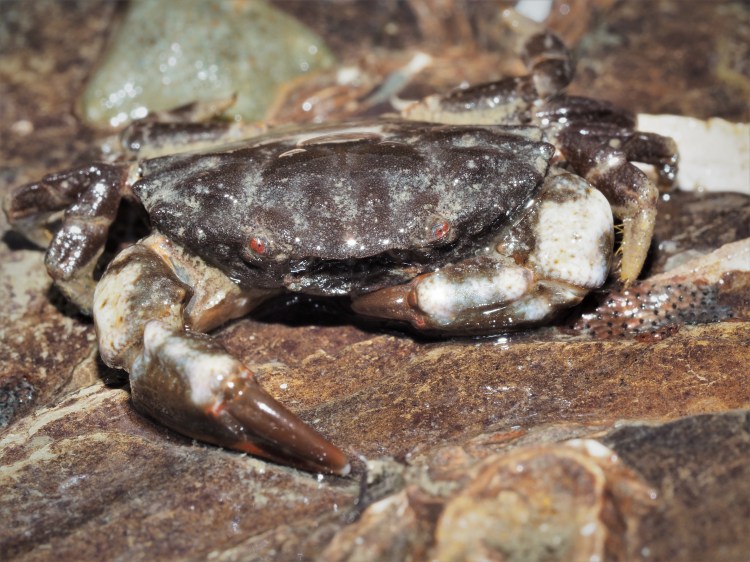



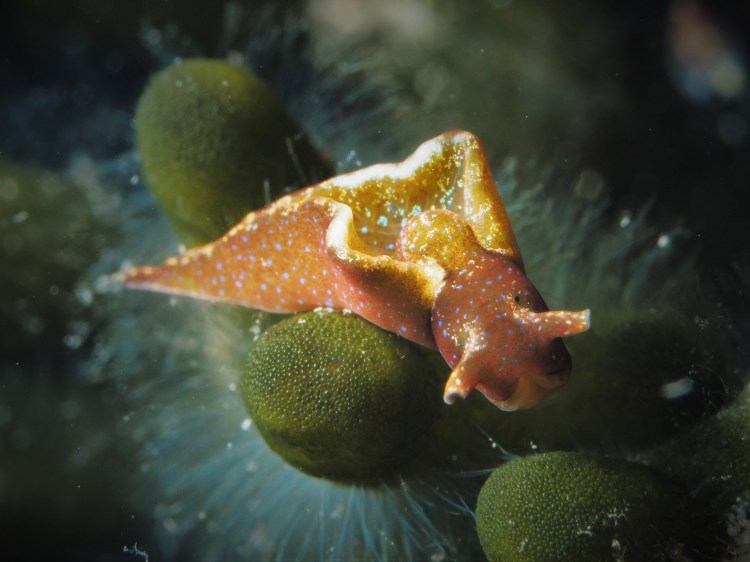 I managed to squeezed two snorkel sessions in this week to practice with the macrolens. Today it was sunny and still, finally after weeks of bad weather. I returned to the same Rainbow wrack as pictured in the last post and found some other mollusc species but none of the shots worked. (Also, very annoyingly, I had not put the lens on the 1:1 macro setting meaning I had to get out of the water, walk back to the car to dry my hands, remove the camera from the housing, set the lens and then come back…) Because I always (and often) snorkel at the same spot, I know where certain individual seaweeds are. I returned to a Codium plant on which I had seen the solar-powered seaslug Elysia viridis before and found one, 1-cm long individual. I spent most of my time trying to get a decent shot of this slow, cooperative individual. I am getting the hang of it, and played around minimising depth of field to get more light in and to remove distracting background. The backscatter is still a problem. I think having a snoot could work wonders, but I probably should try to practice some more and not fall into the trap of buying new toys. I was too lazy to meticulously tweak photos on Photoshop but used Windows Photos to spice them up, see below for a before and after:

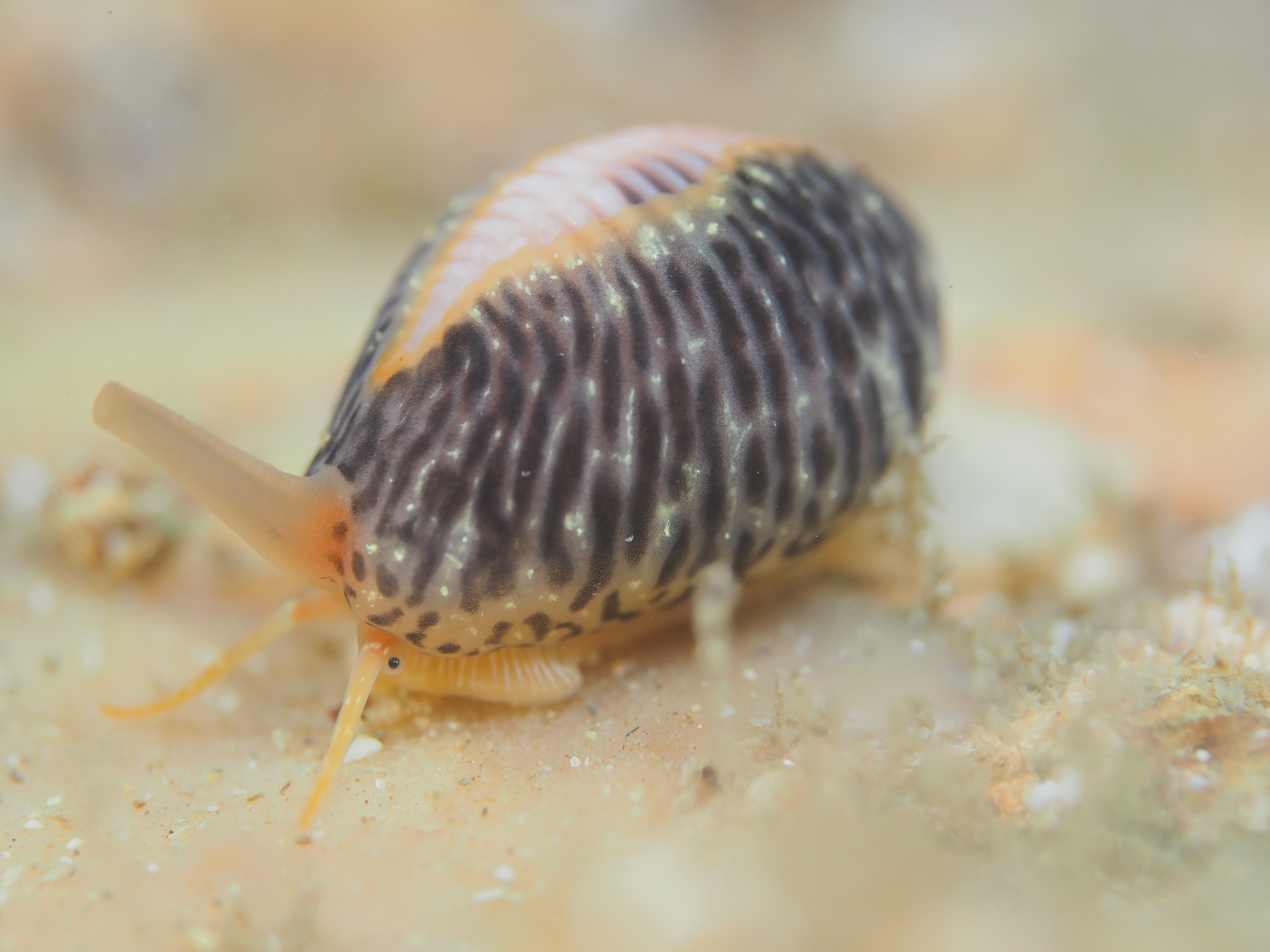
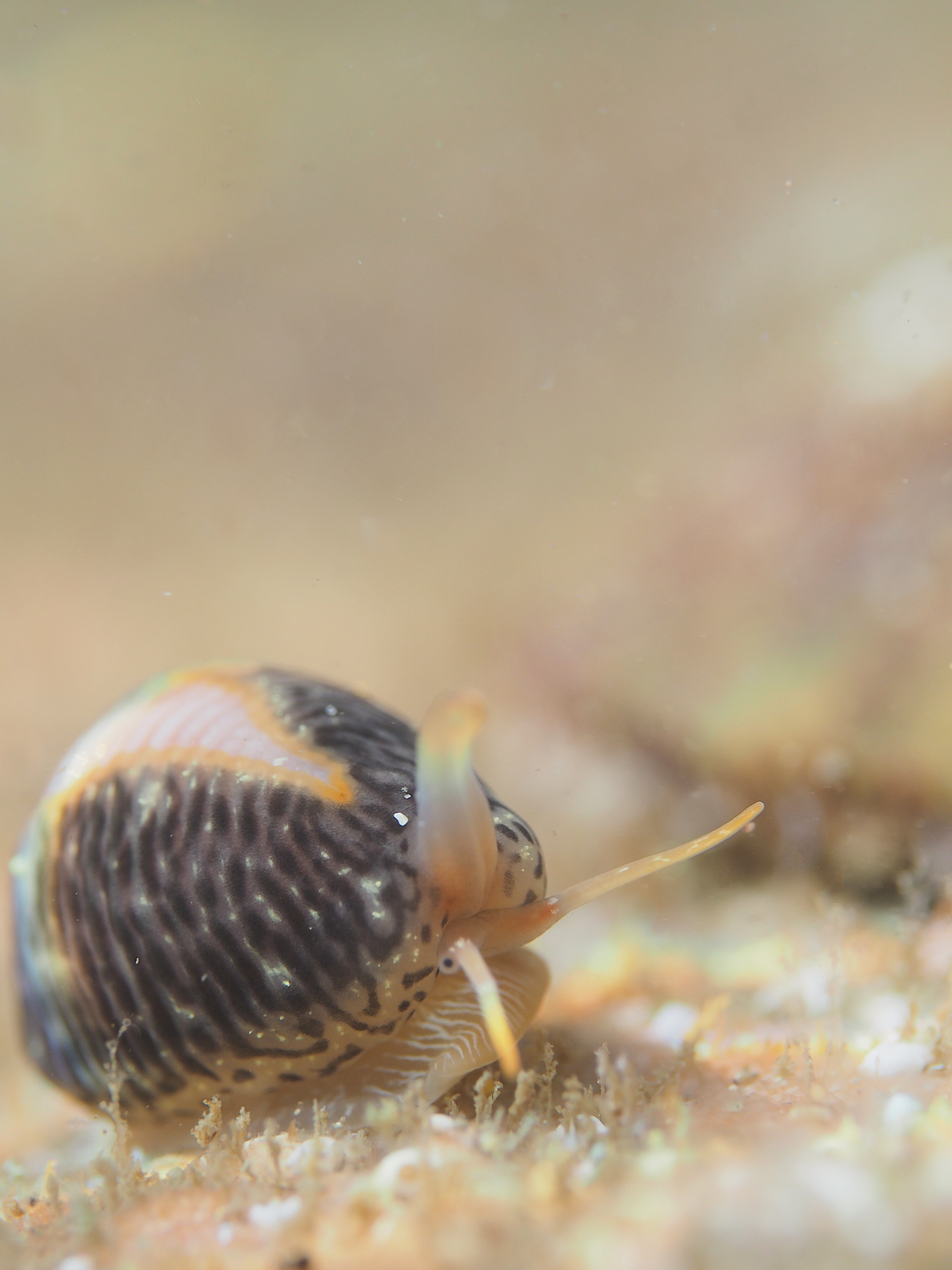
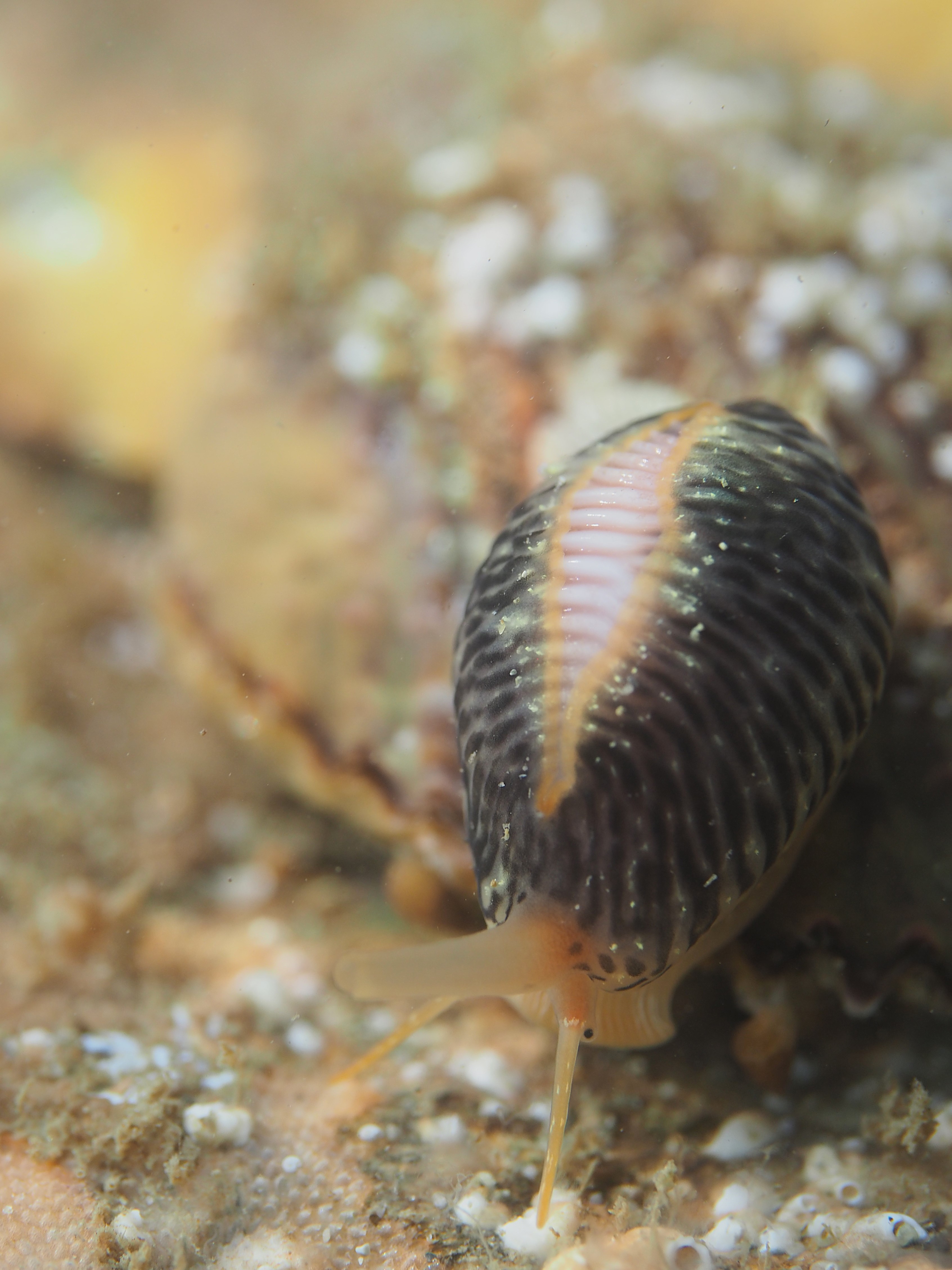
 Last Sunday the weather was less good. Instead of lying motionless in front of a sacoglossan , I lay motionless in front of a European cowrie Trivia monacha. I could not position my strobe well, at least, that is my excuse. What is always interesting to see when looking at photos on the computer later are the other, even tinier, organisms photobombing such as this amphipod on the right side of the shell:
 An Bollenessor