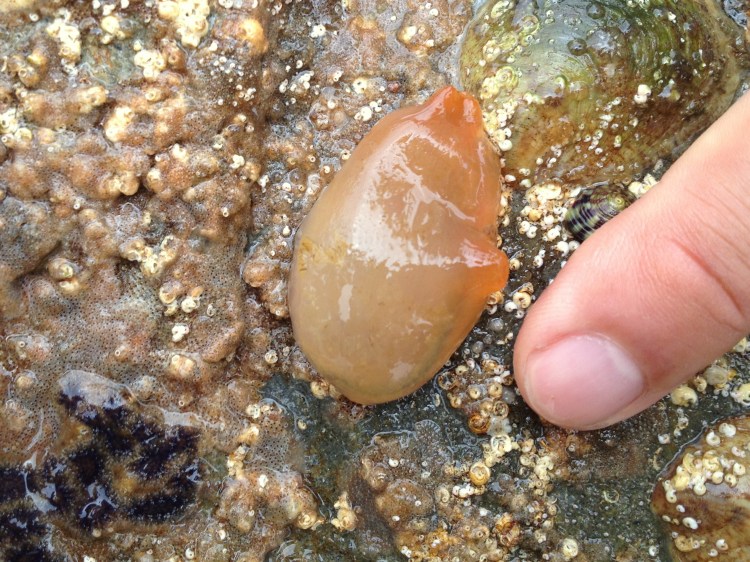
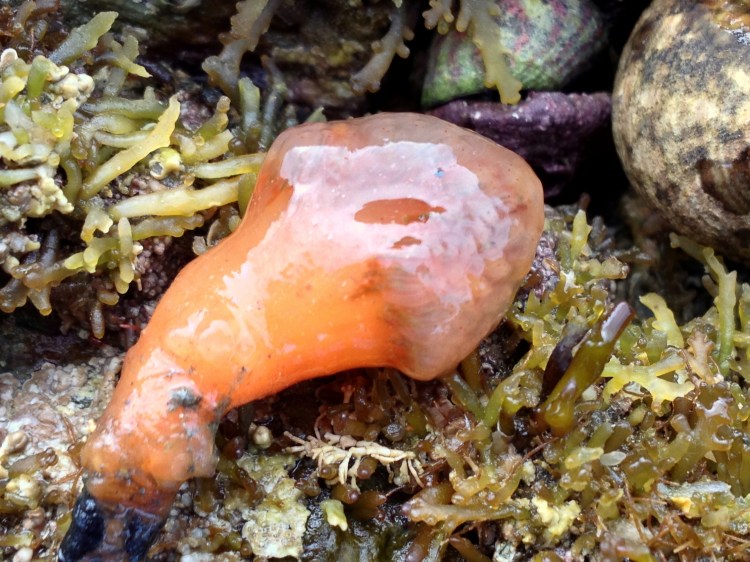
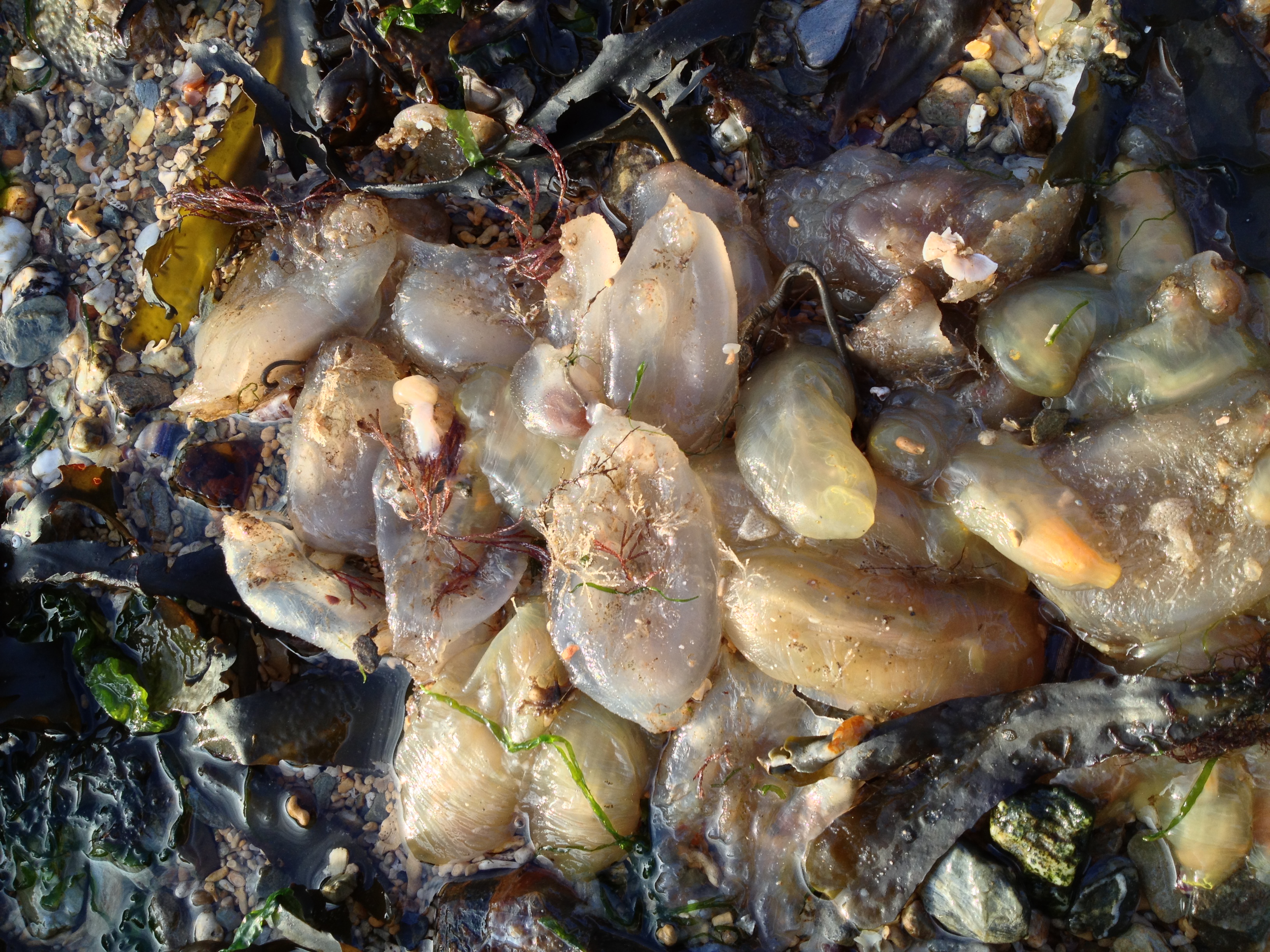
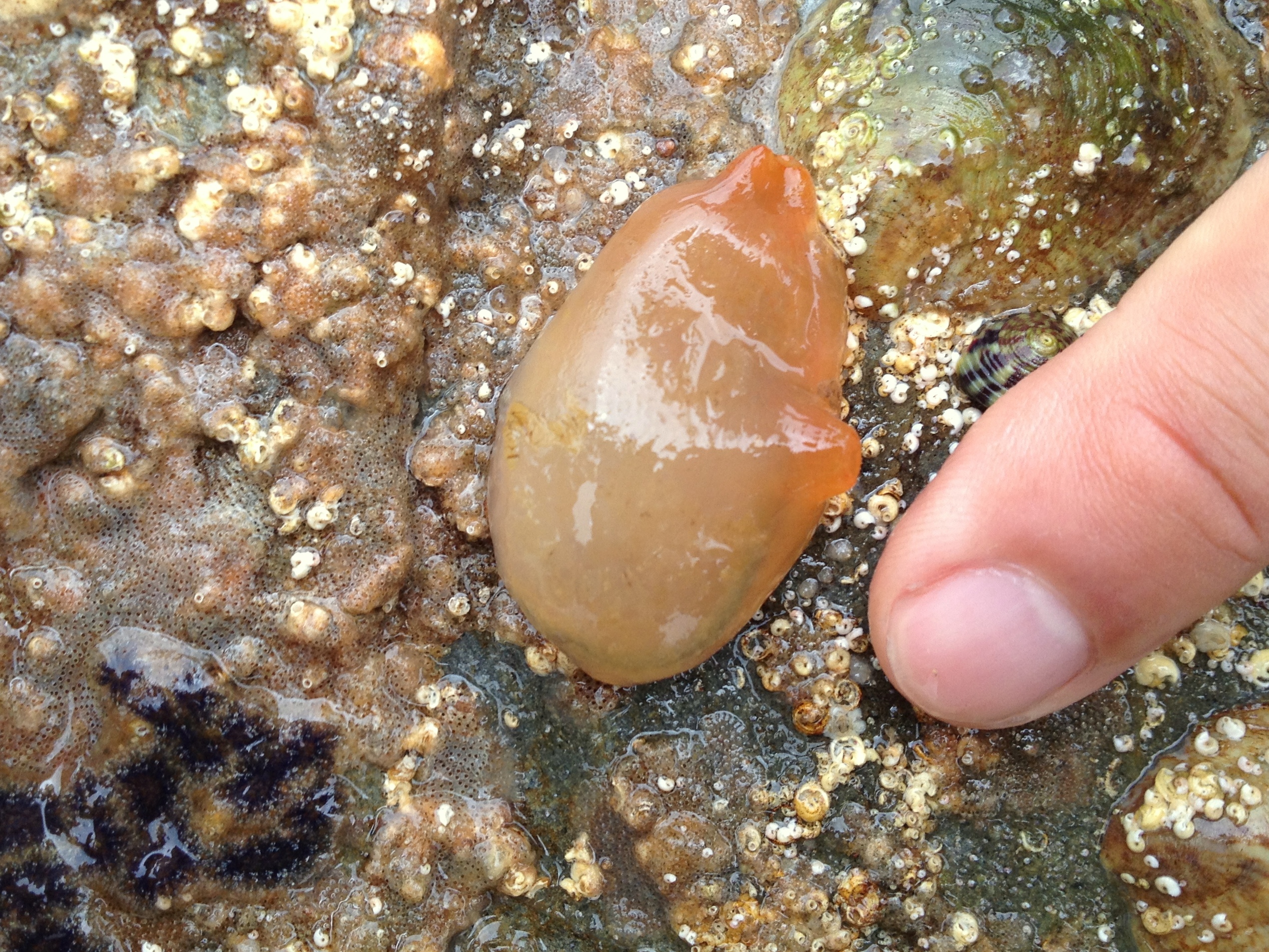
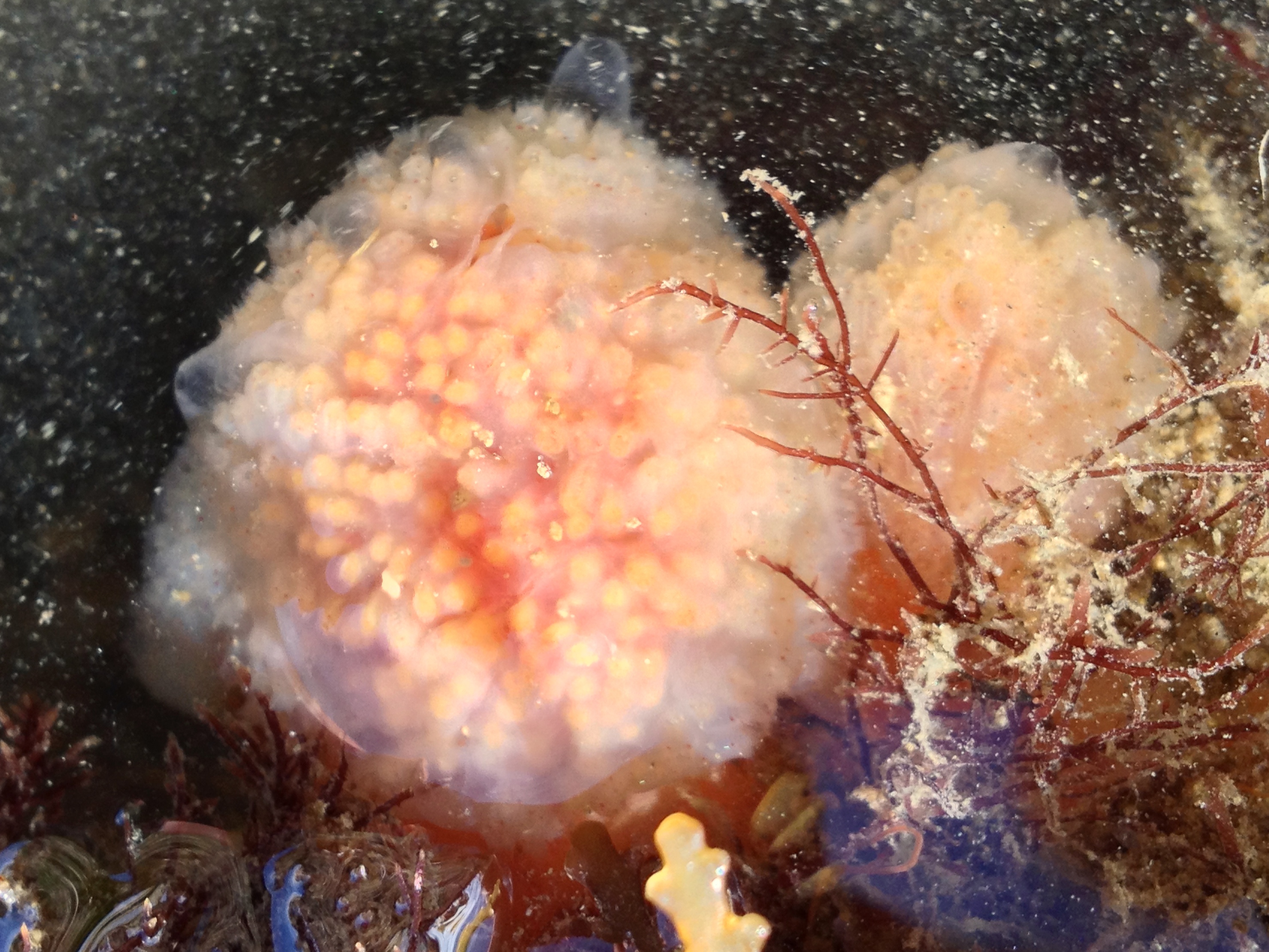
After being abroad a couple of times this summer (Slovenia, France 1 2 3 and The Netherlands), I have started rock pooling in Falmouth and Flushing again. Things have noticeably changed since the spring, most prominent being the recent abundance of all kinds of sea squirts (tunicates). They are everywhere, and some of them I have not seen before. The solitary sea squirt Corella eumyota is very common, with smaller individuals a translucent white and larger individuals more orange:
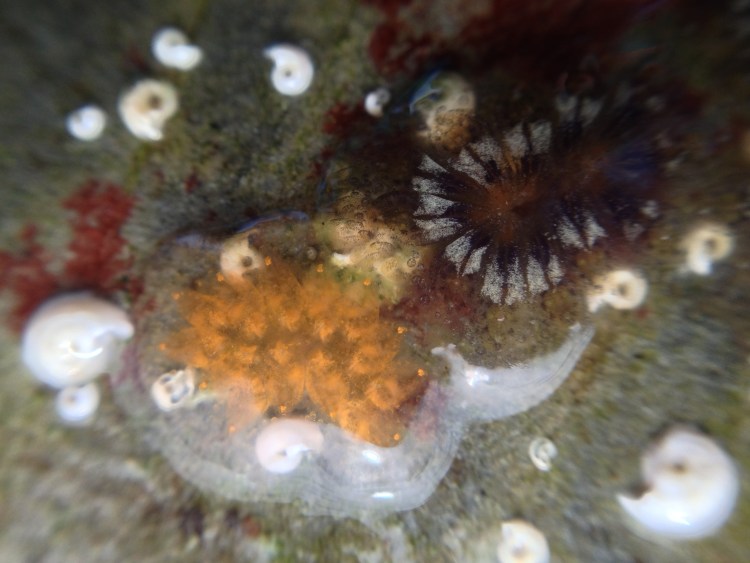
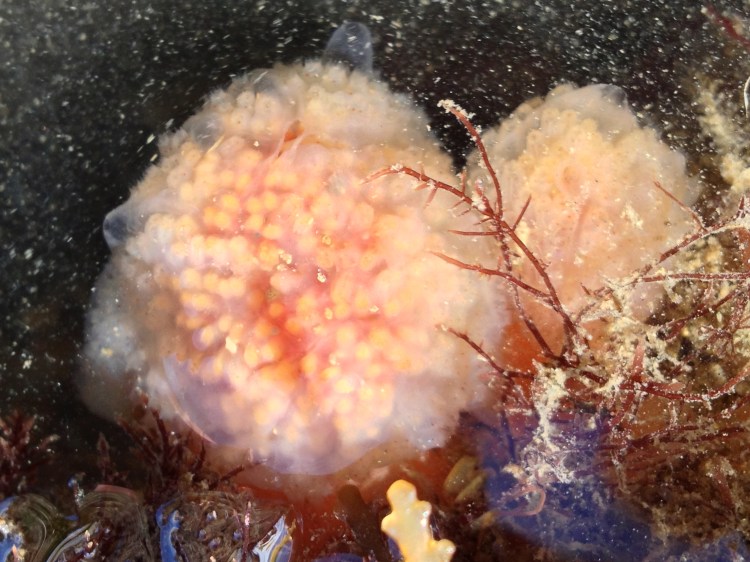
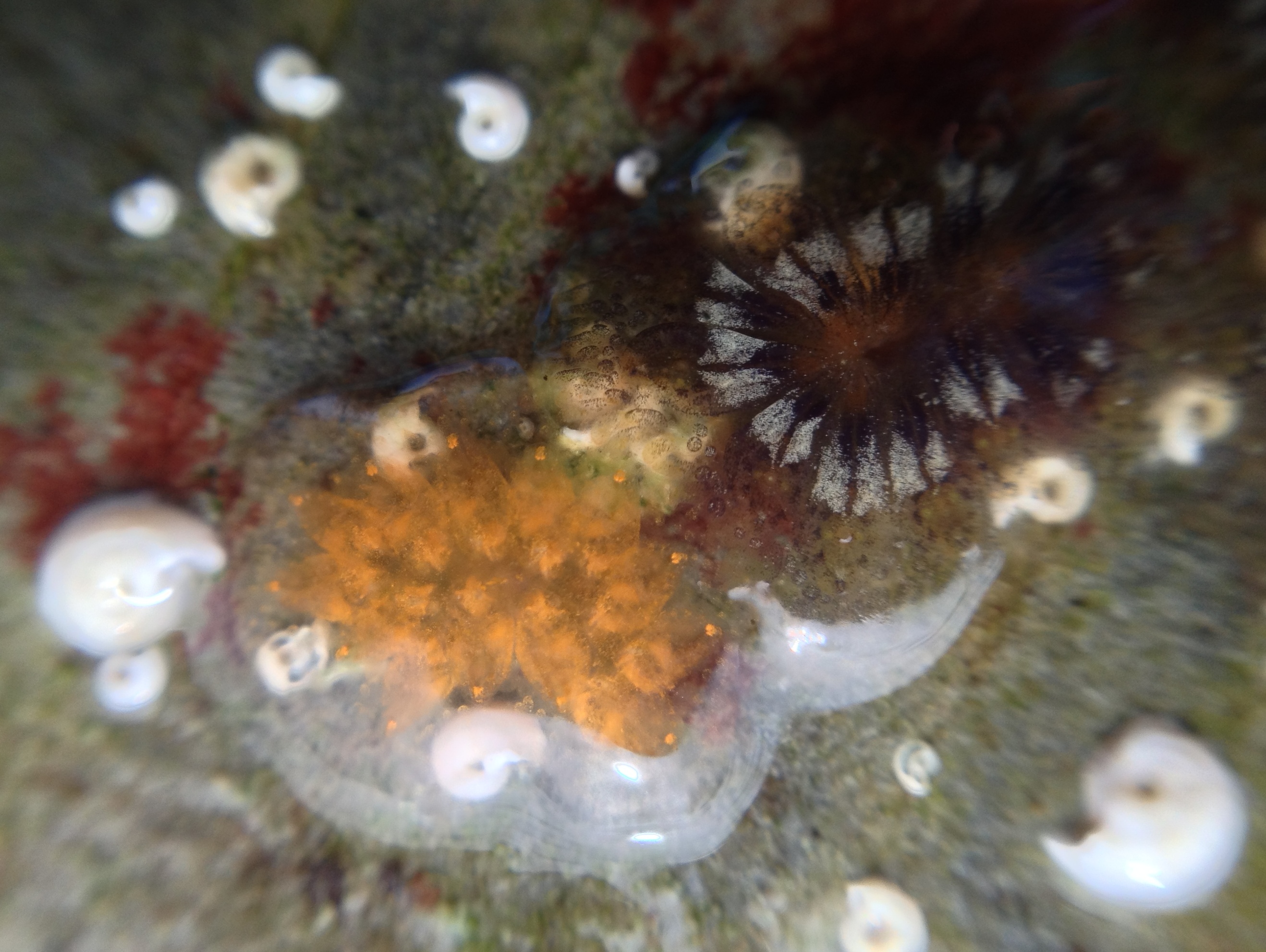
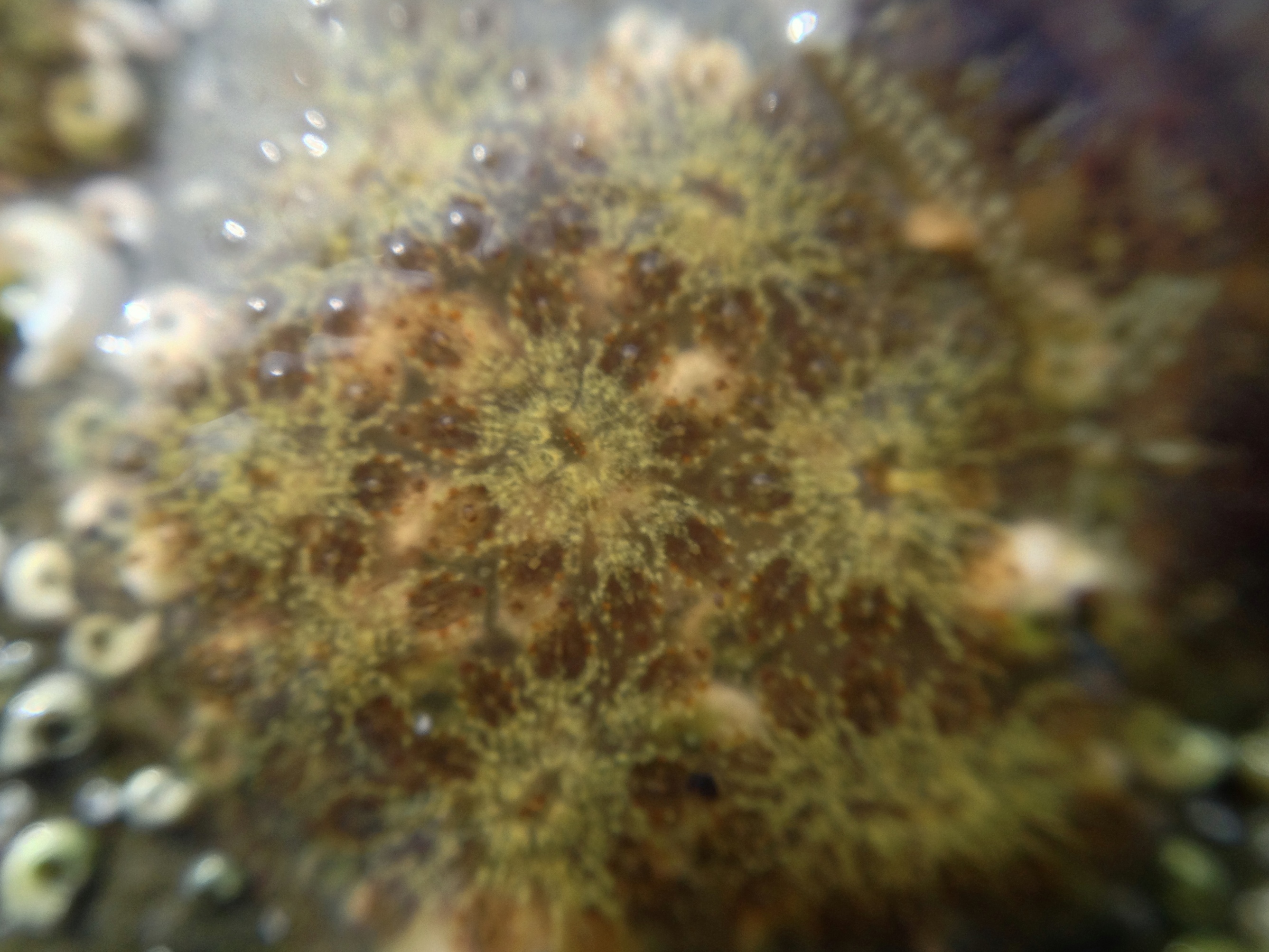
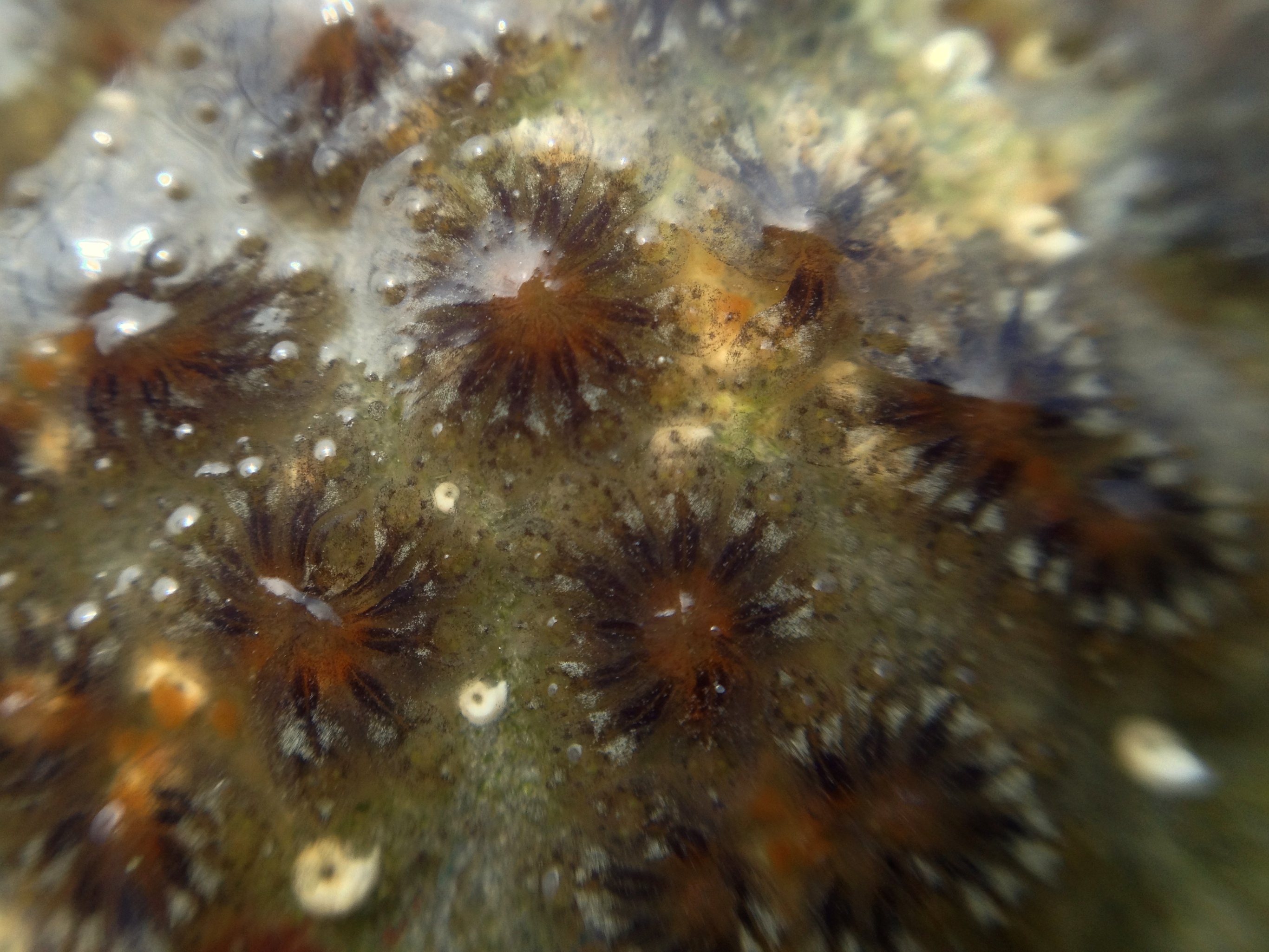
My personal favourites the colonial Botryllus (in the above picture bottom left among the bryozoans) and Botrylloides are also very abundant at the moment. I should measure the width of a population on a recognizable, large rock and go back to check how fast they grow actually. Below a picture of both species growing side by side:
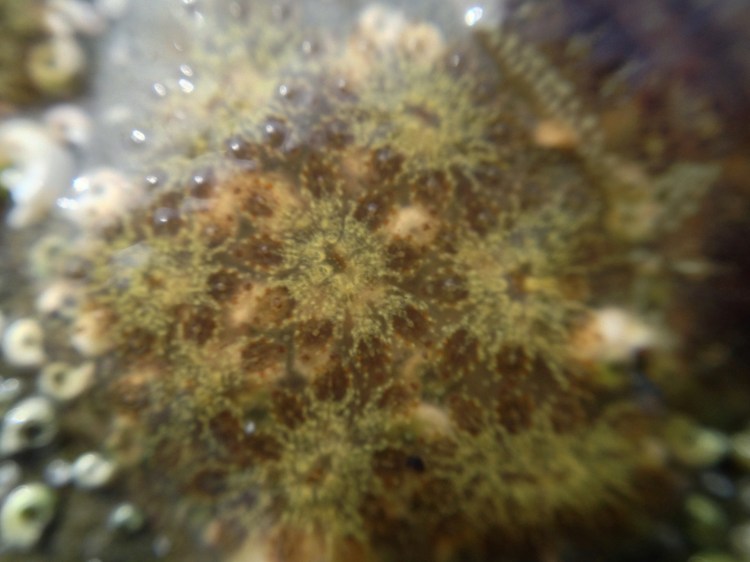
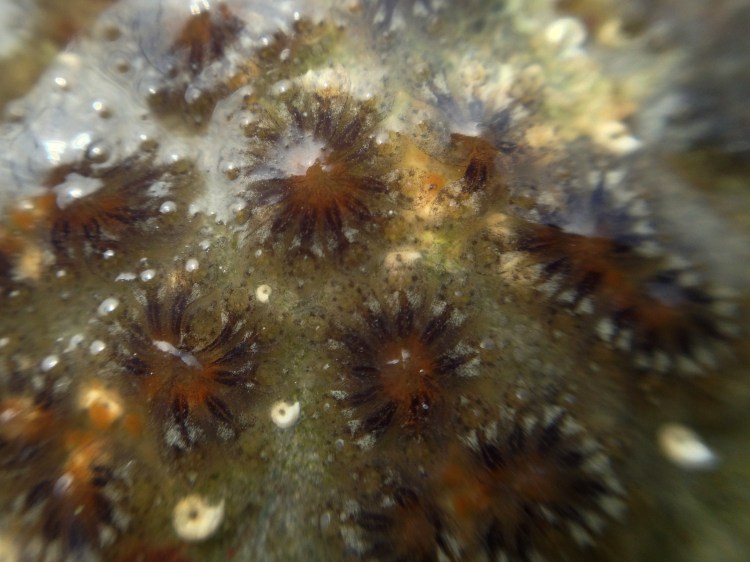
Some more Botryllus schlosseri pictures demonstrating the variability in colour (the Botrylloides leachi here look all the same):
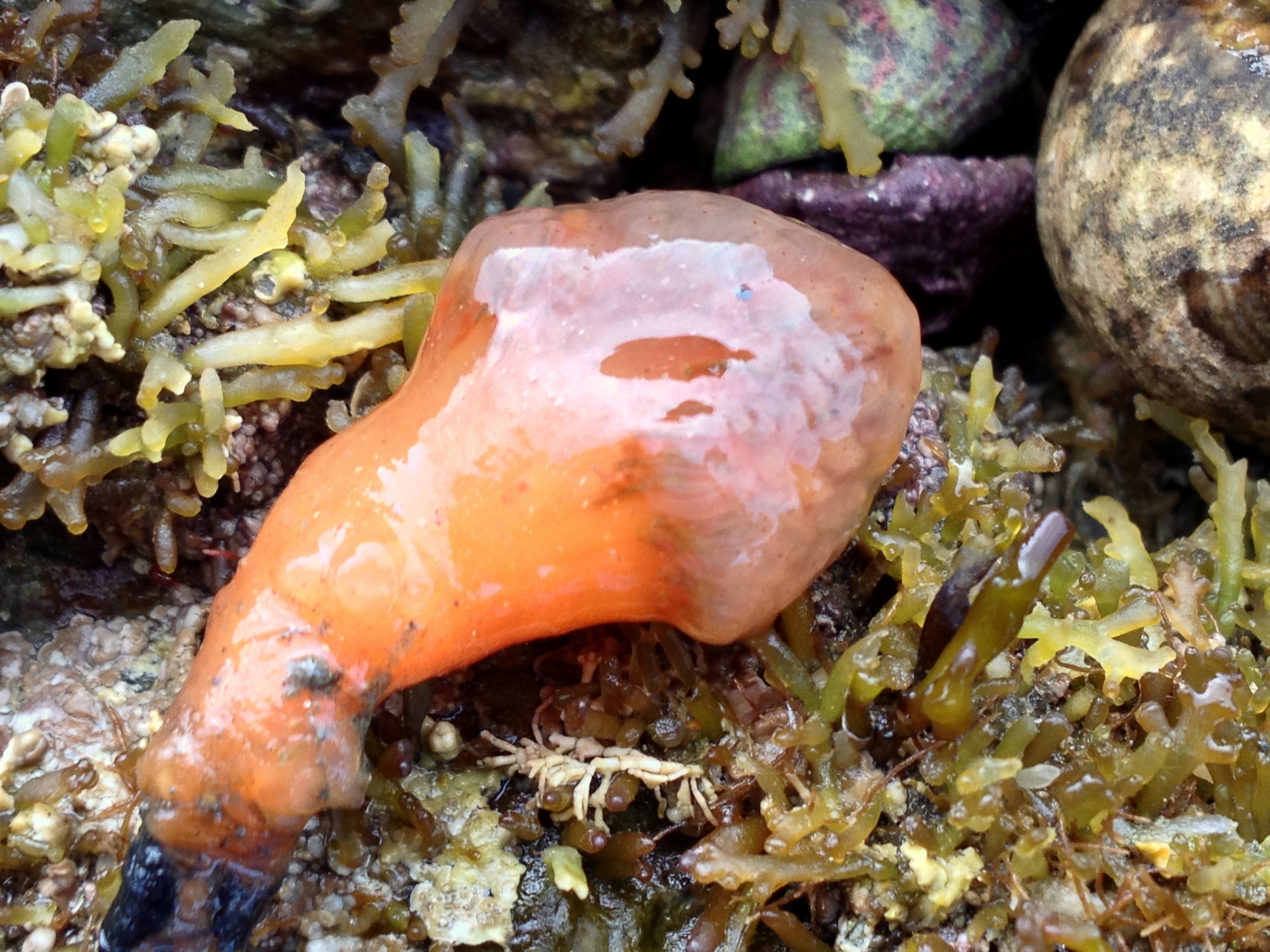
A species that I had not noticed before and is growing in every rock pool in Flushing at the moment is the orange Morchellium argum, which grows as a colony as does Botryllus or Botrylloides but in a rather different way. A colony consists of a stalked club with individual zooids protruding from the ‘head’:
 An Bollenessor