Happy 2024!

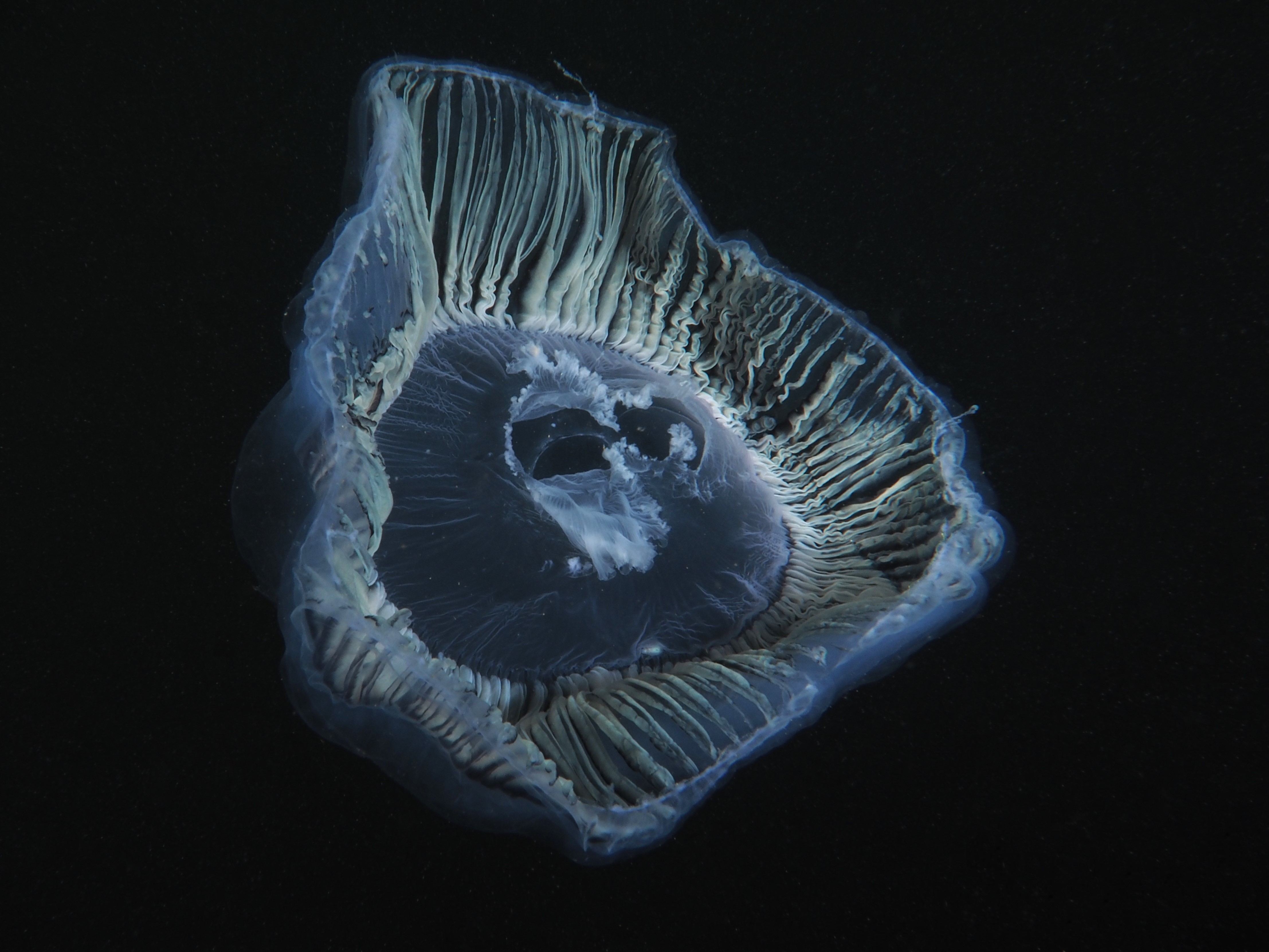
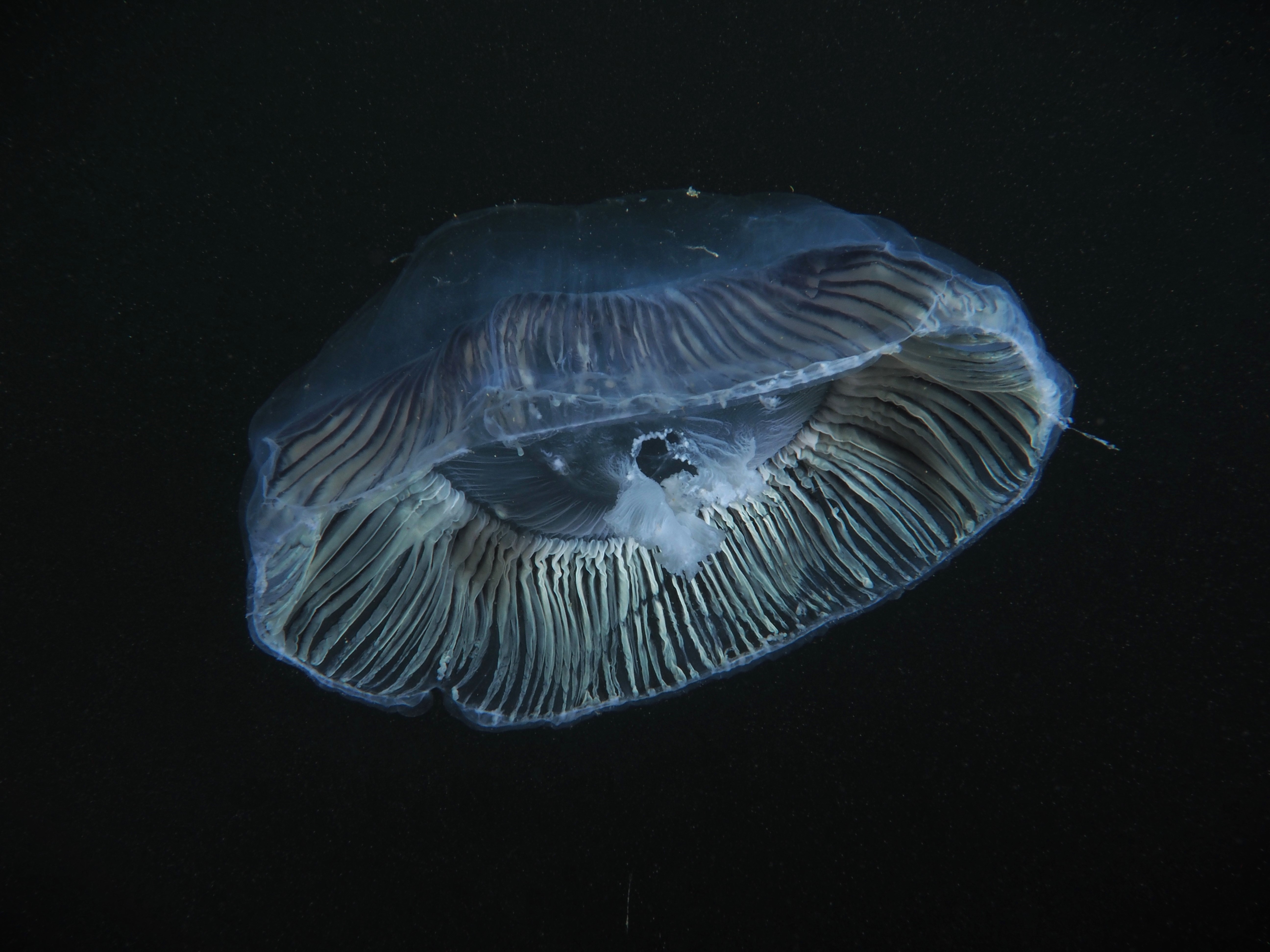
A happy 2024 to all followers and readers, may you enjoy the Ocean the coming year in one form or another! This is just a quick post as I have neglected this blog a bit (I have posted these photos on instagram last year though). It is a completely battered Aequorea forskalia at the end of a bloom in September. The images look a bit like oil paintings to me!
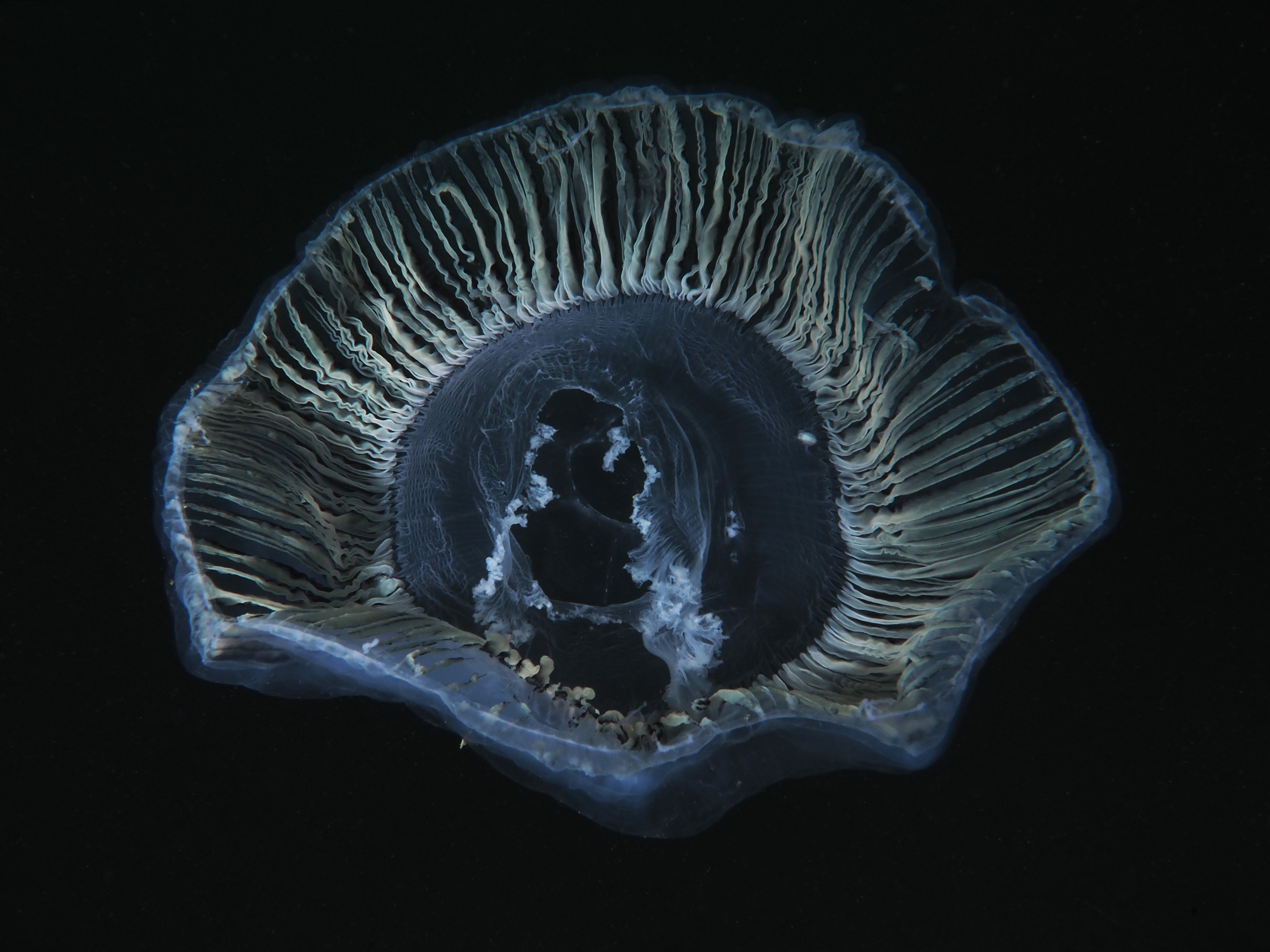
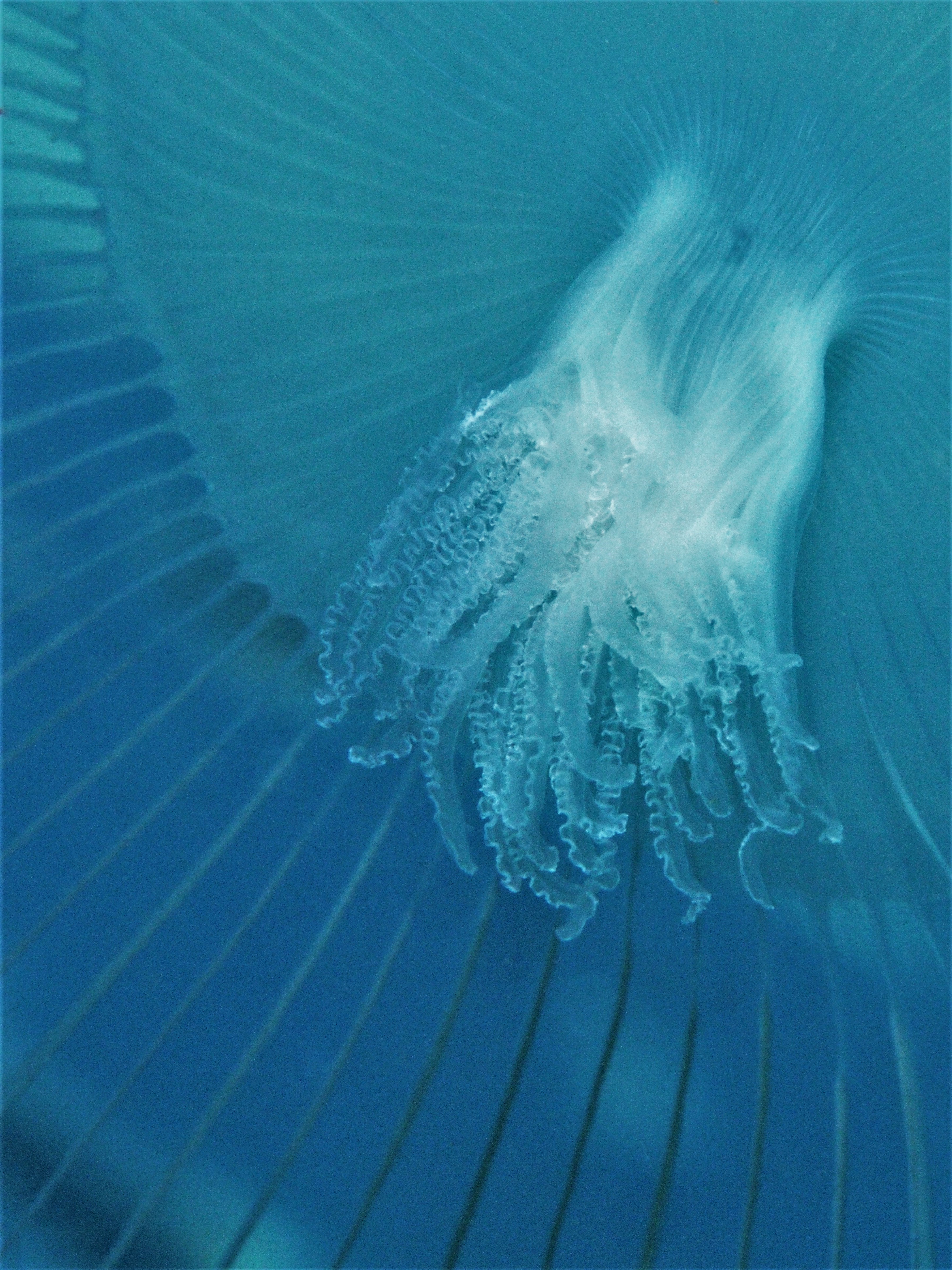
Earlier last year I also took some macro shots of another Aequorea species (perhaps A. victoria but these animals are not easy to identify in the field), below two shots showing the mouth (‘manubrium’).
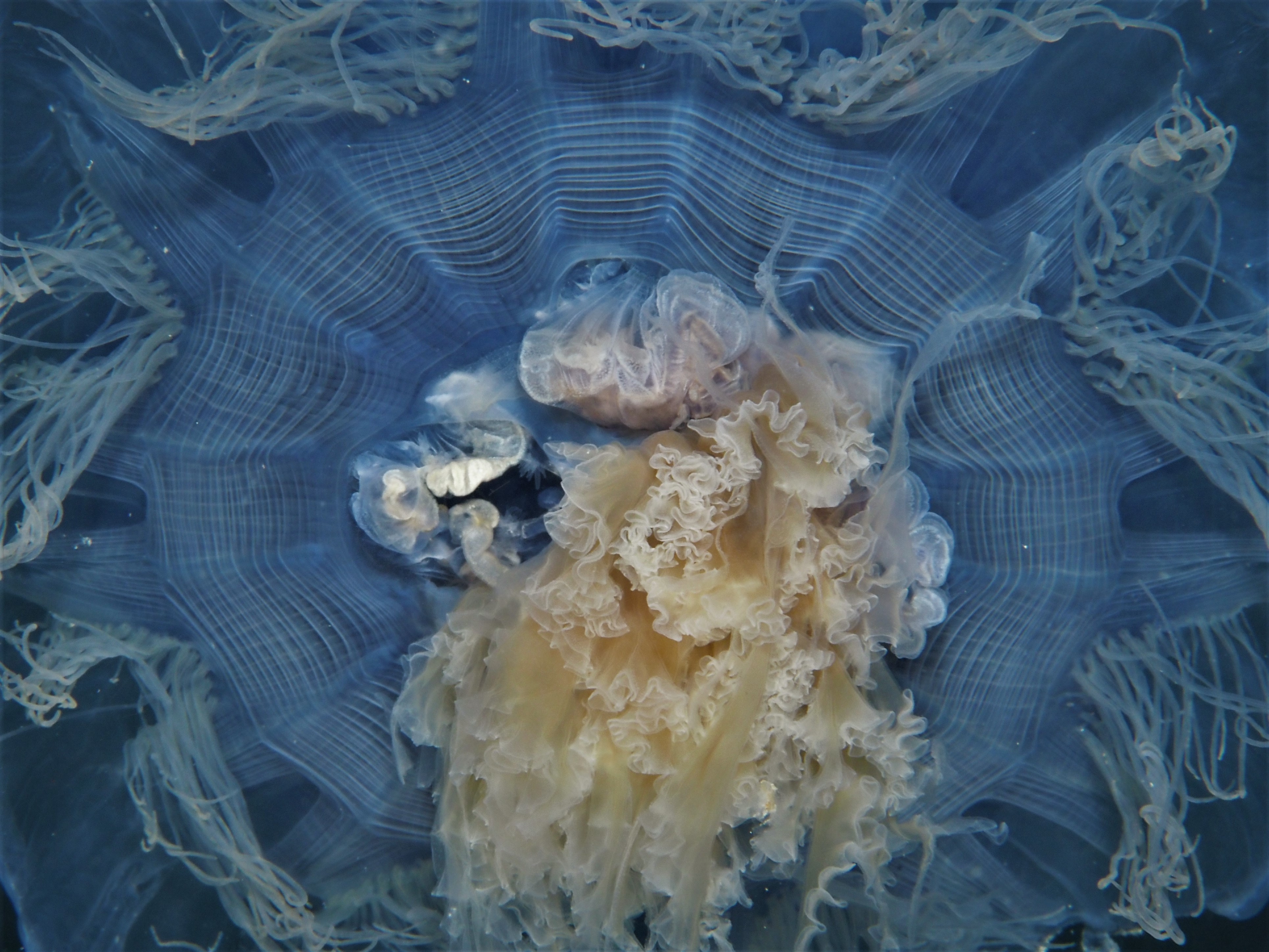
On the same snorkel I also pointed my macrolens at blue jellyfish Cyanea lamarckii; it was fun to capture more detail, although ideally I’d like to capture detail AND the whole animal…. Maybe more luck with a new (or rather secondhand) wide angle lens this year – I cannot wait for the weather to improve and to go back into the water! More posts to follow soon I hope.
More Jellies

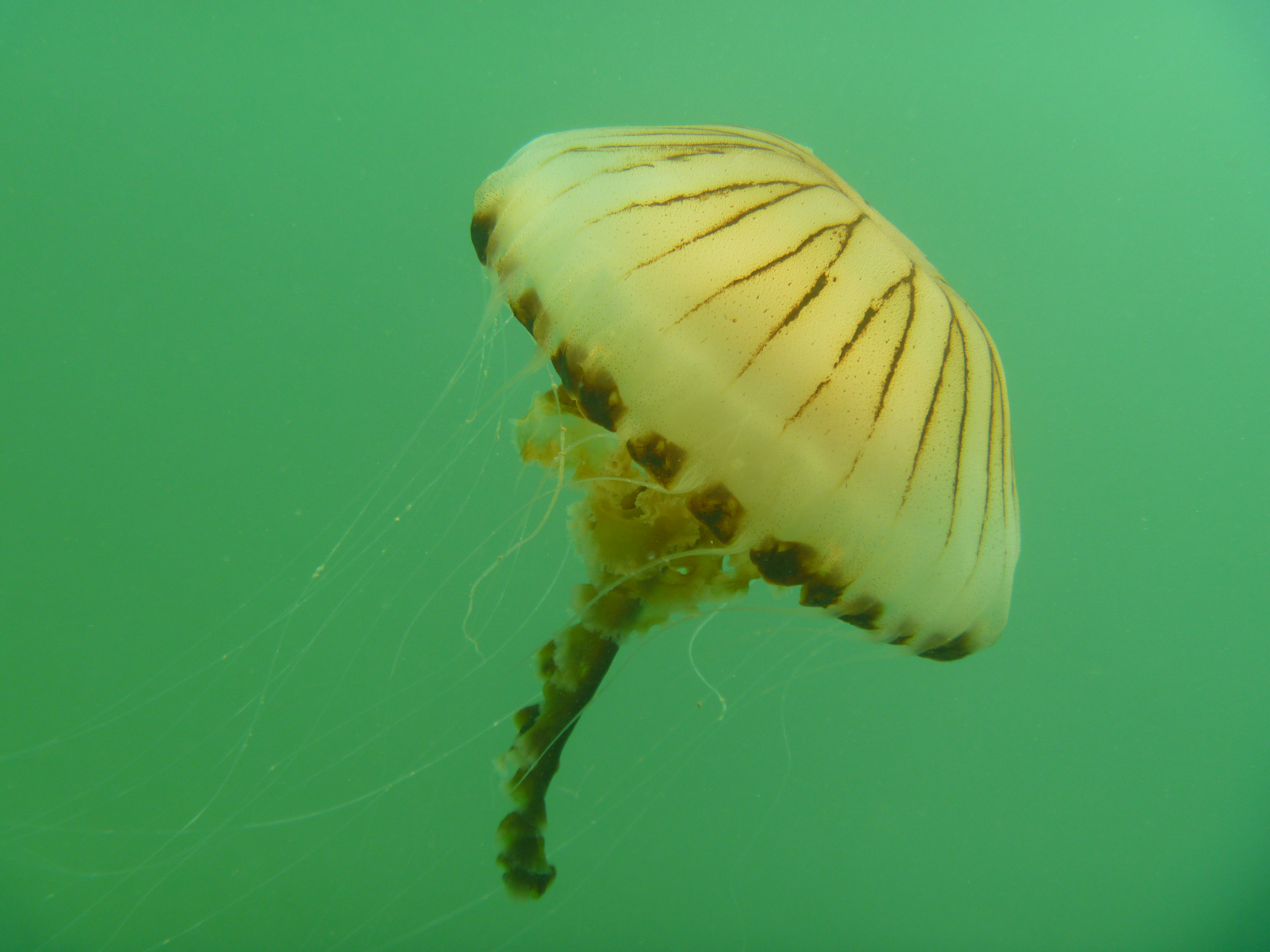
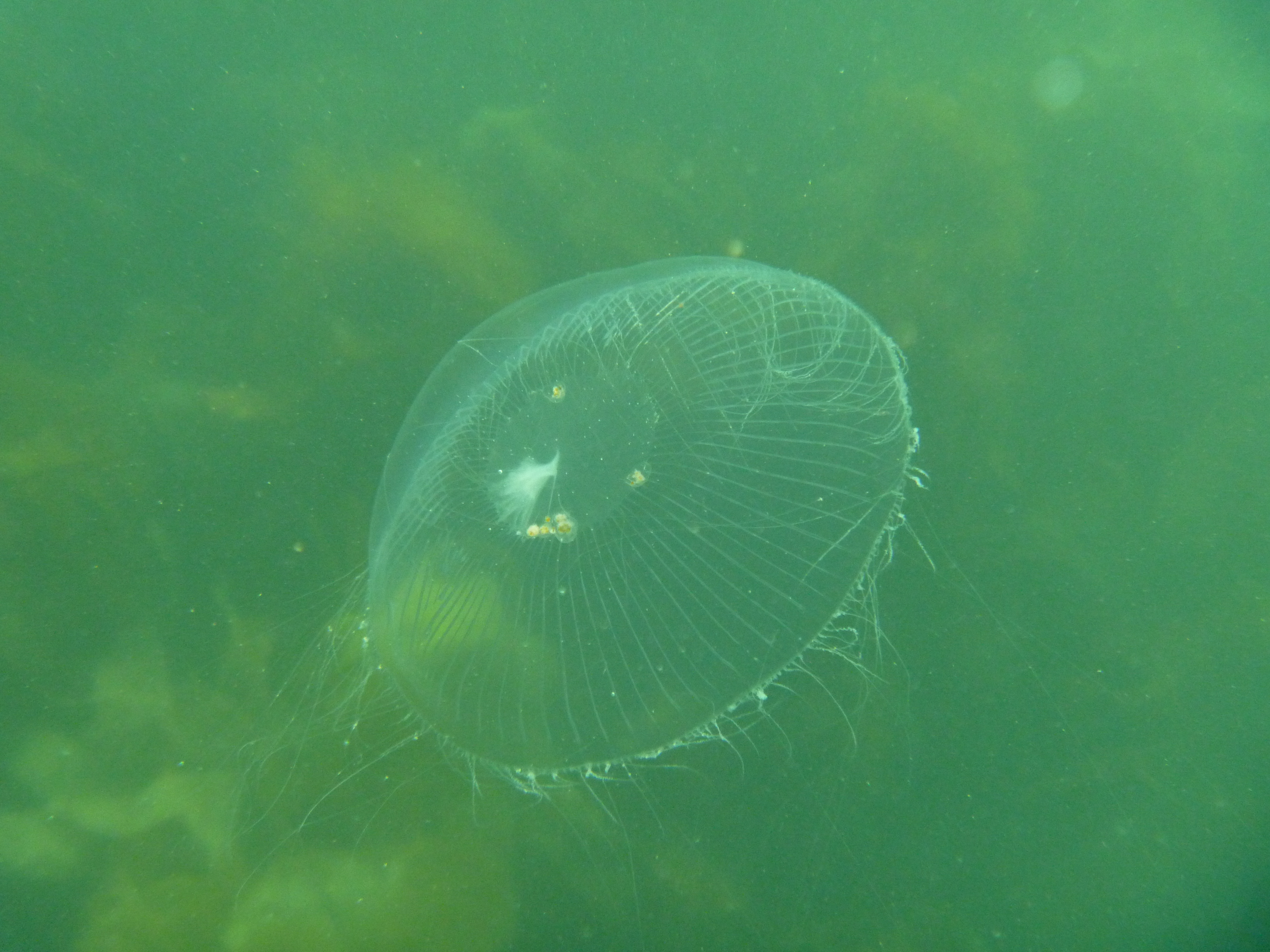
A second, long snorkel session at Gylly Beach yesterday. Loads of Sand eels, no cuttlefish but there were a couple of beautiful Compass jellyfish Chrysaora hysoscella around, with tentacles up to a meter long (first pic). Smaller and less visible was Aequorea forskalea or A. vitrina (second pic)*. A close relative of this species gave molecular biology ‘green fluorescent protein‘ (gfp). P1040132

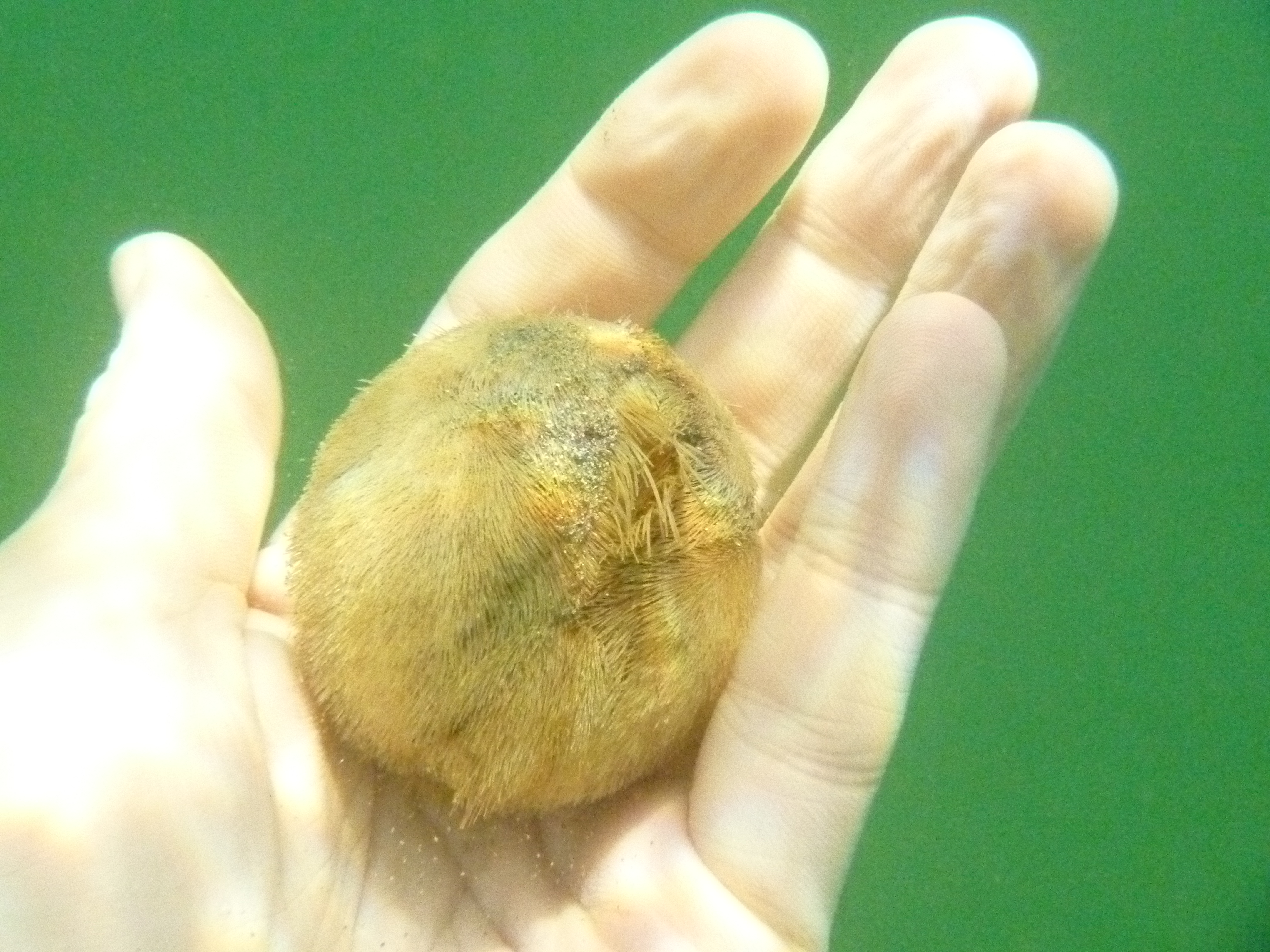
P1040123This time we swam out a bit further, over the sandy bottom which seems quite lifeless compared to the rocky kelp forest. However, the fauna is very different here so it was definitely worth it. I found my first Sea potato Echinocardium cordatum (about to be eaten by a Spider crab). Near the buoys, at around nine meters depth or so there was (sparse) seagrass. Back on the beach I noticed that my lumix camera was flooded. I was somehow convinced that it could go up to ten meters deep but actually the sticker on it quite clearly stated that it was waterproof only up until three meters….Ah well, I will have to switch back to my Canon Powershot with waterproof case then.P1040136*= From the facebook group NE Atlantic Cnidaria: A. forskalea : up to ca 120 marginal tentacles, usually fewer than the radial canals but ranging from half to twice as many; radial canals 60-80; max diameter ca 175mm” and for A. vitrina: “60-100 marginal tentacles, three or more times the number of radial canals; radial canals 60-100; max diameter ca 100-170mm”.