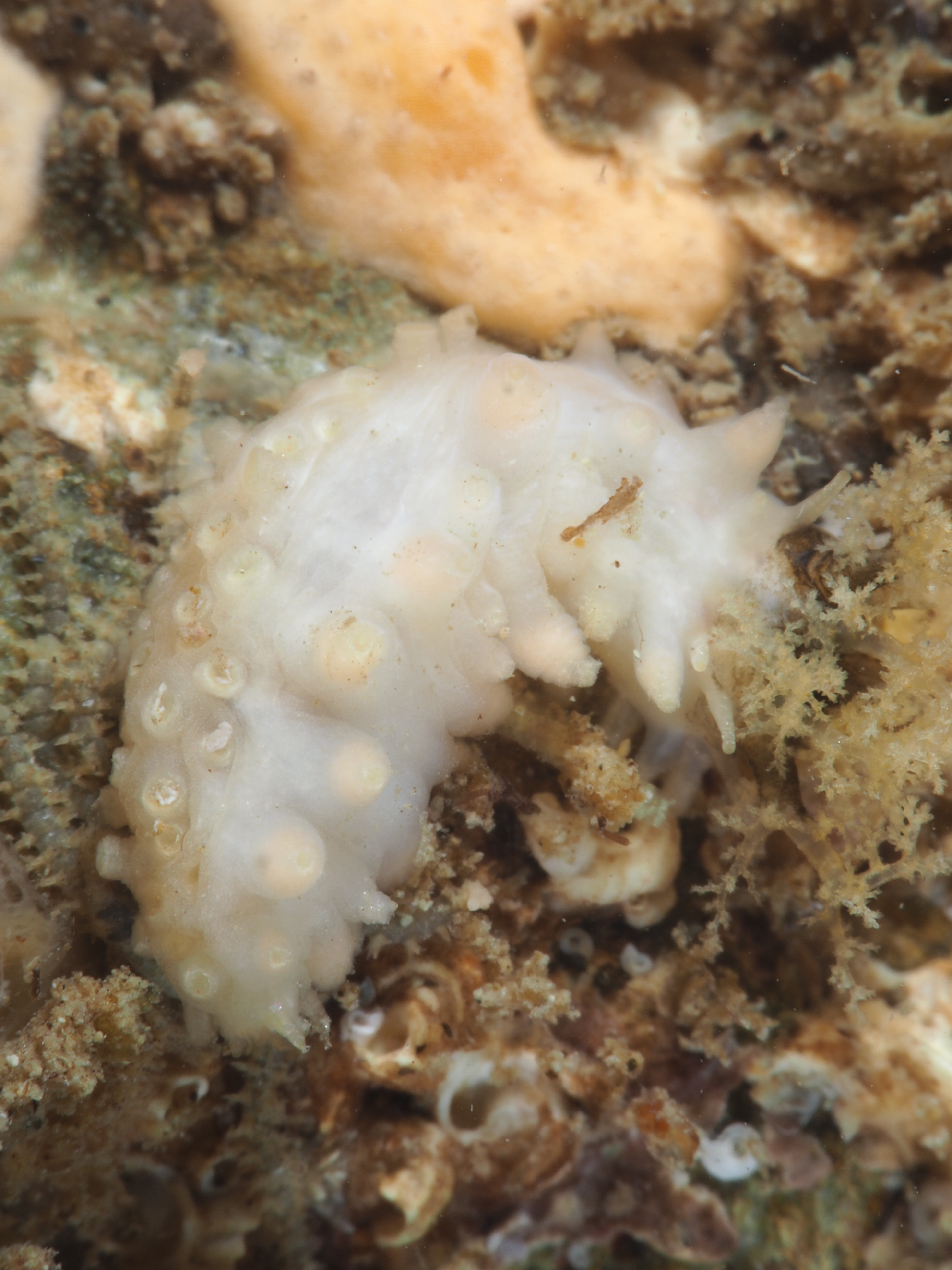



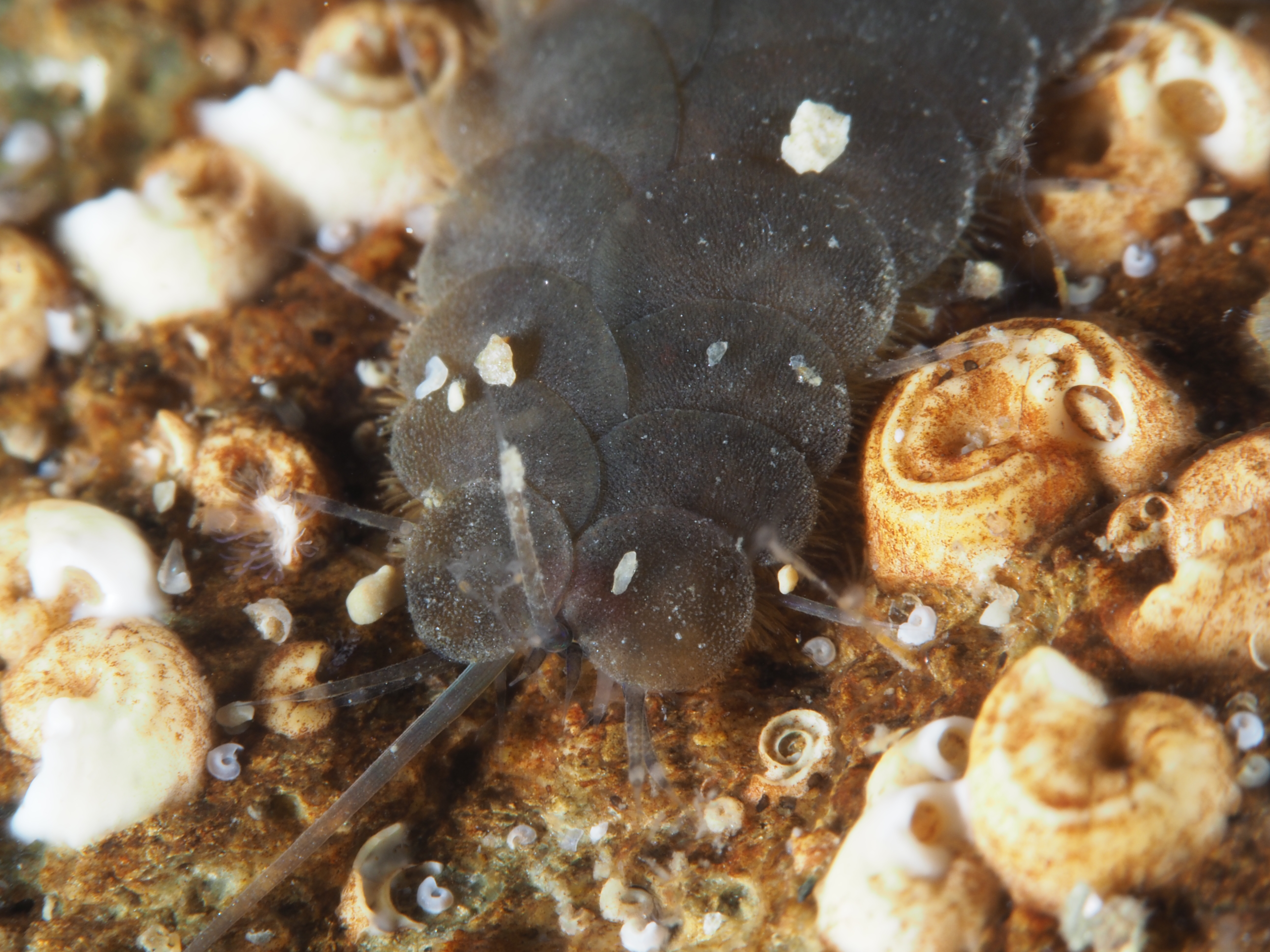

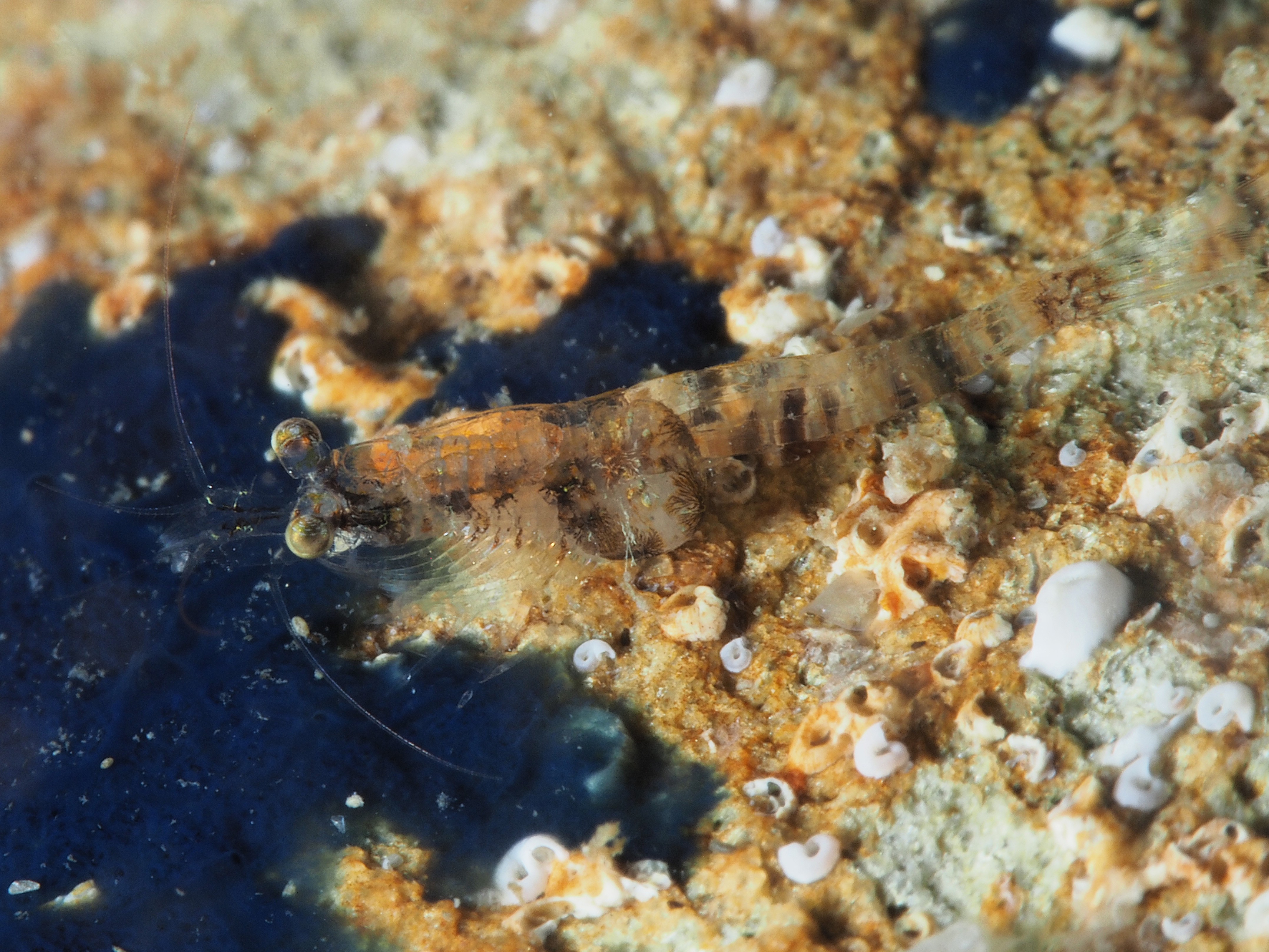
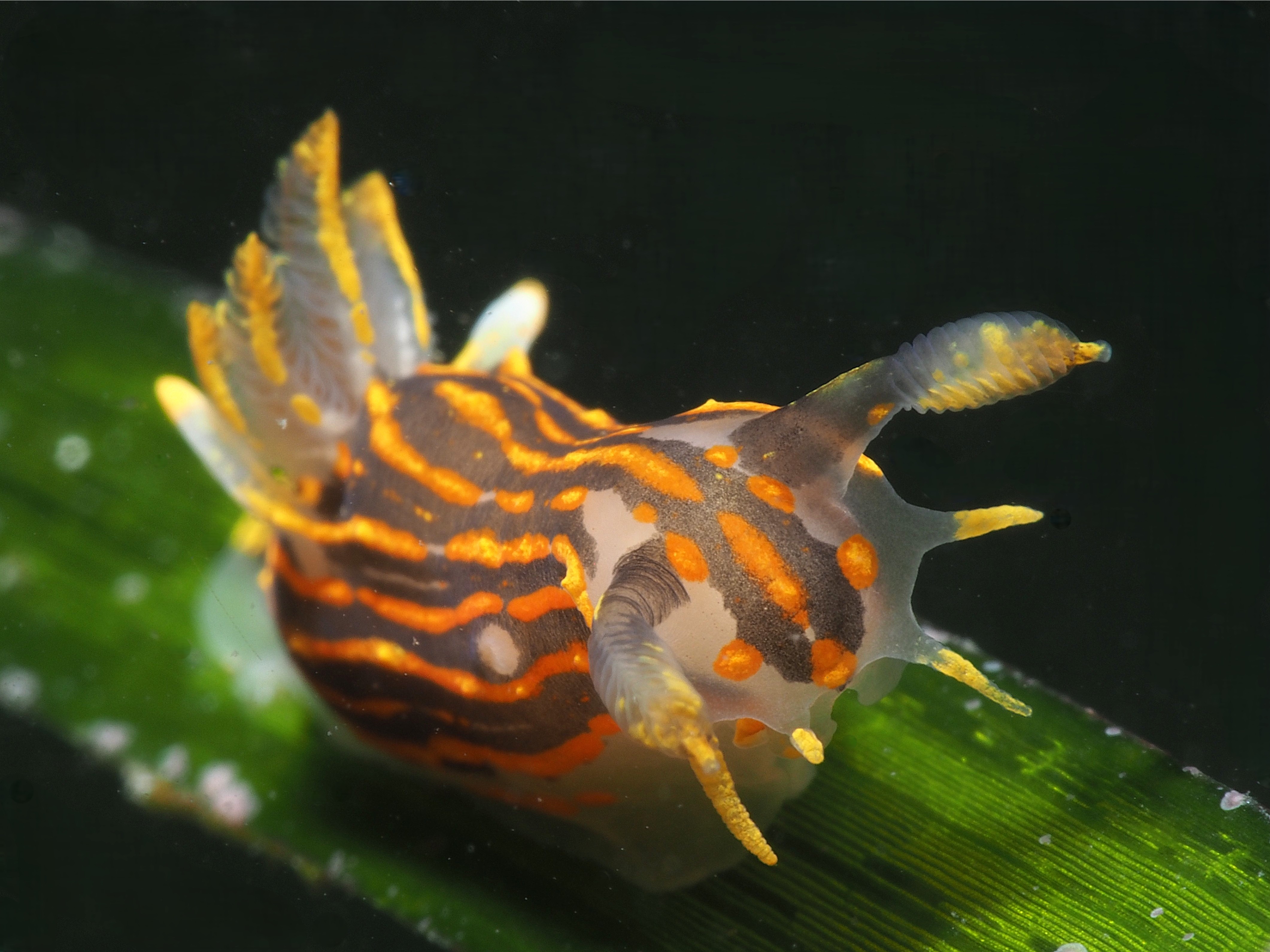
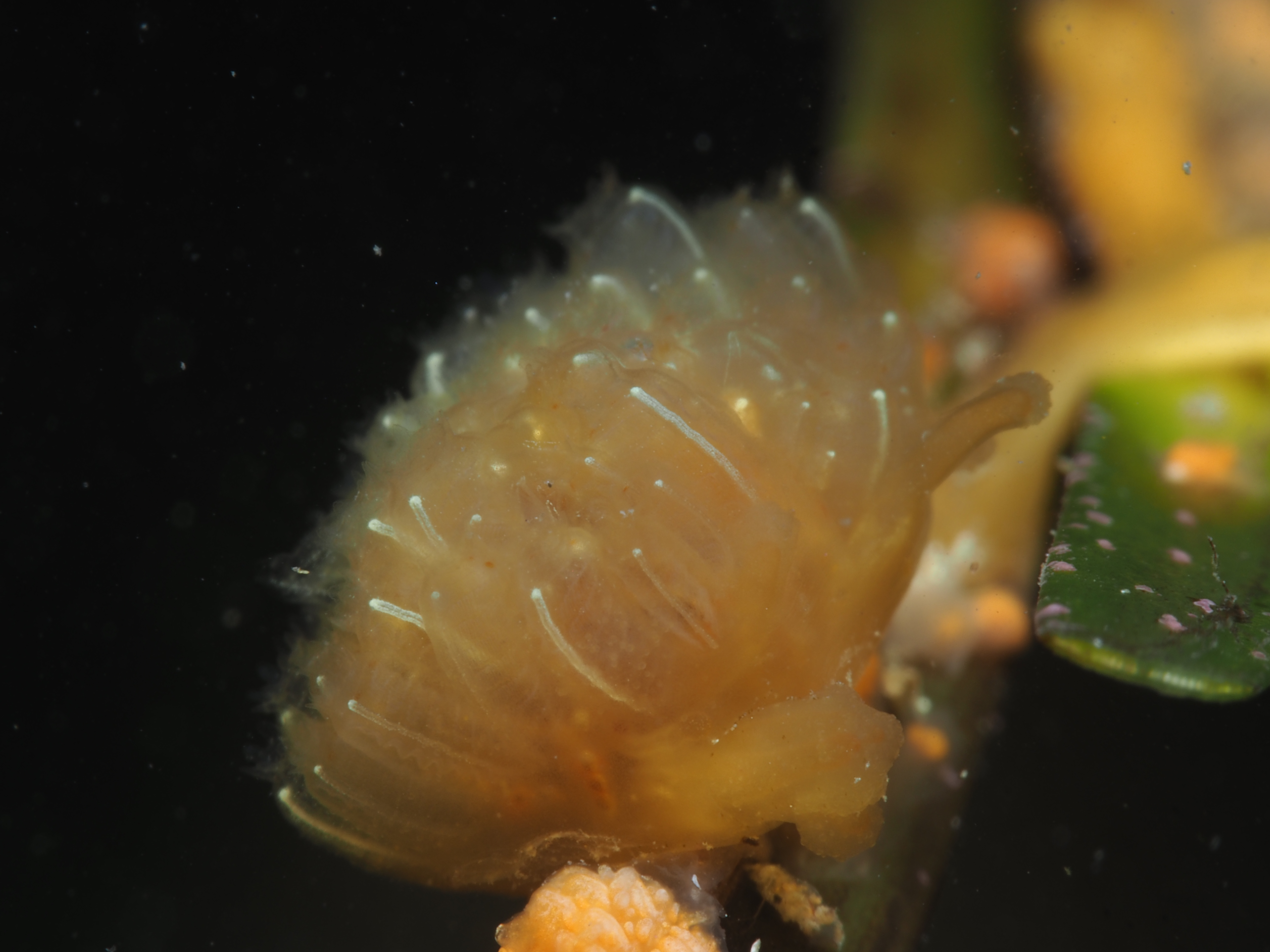
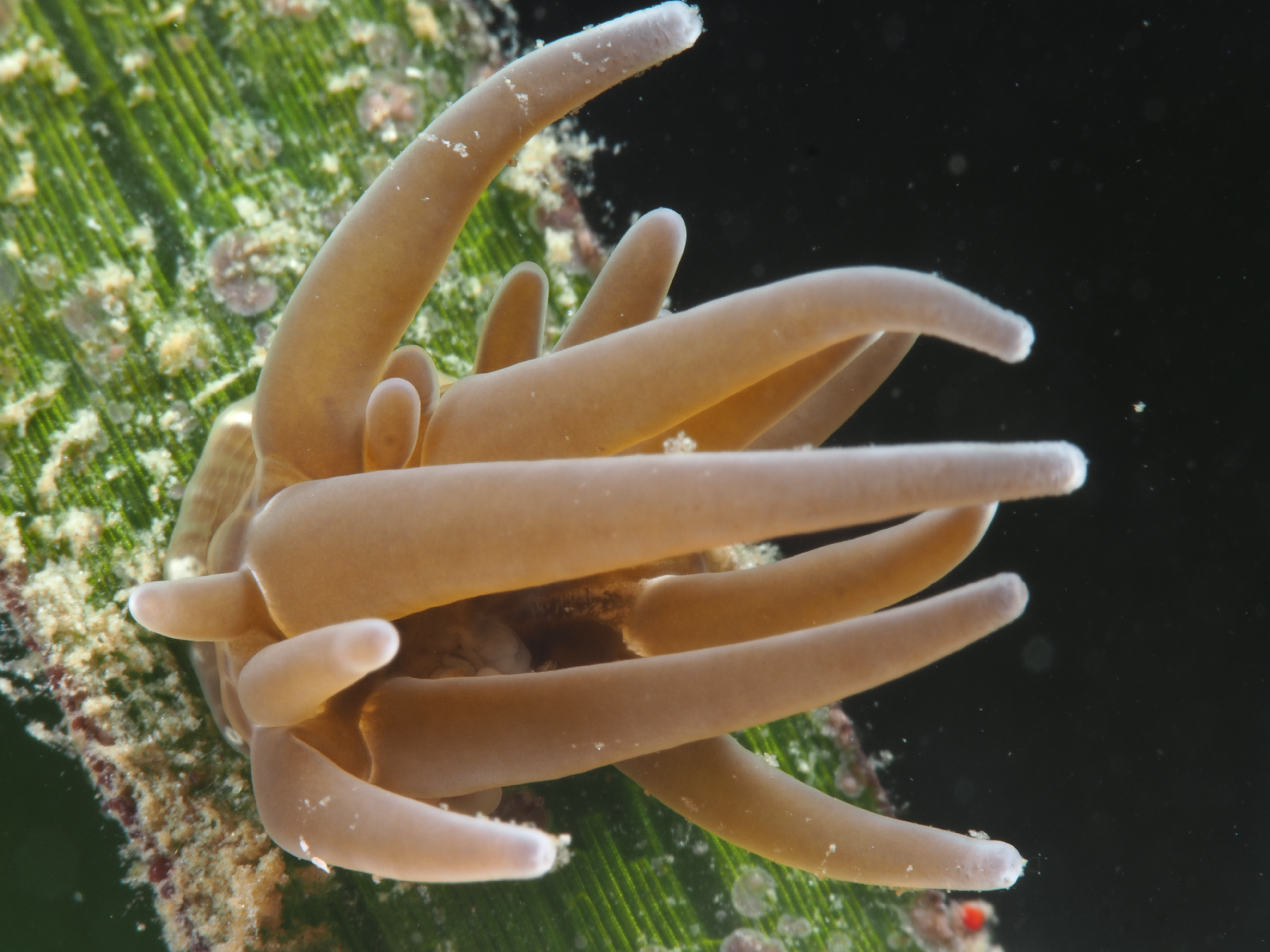
I had a couple of good snorkels at the end of summer in the seagrass beds off my local beach in Flushing. The water at the end of summer is warm enough to go without wetsuit – I just had a weightbelt to let me sink down on the sand at low tide, no fins needed. I managed to do what I normally find very difficult: spot nudibranchs! Mainly one of the more common species, Polycera quadrilineata, but that was fine by me, as they are very beautiful, especially the black colour morph pictured above. I spotted one other species, the egg-eating Favorinus branchialis (with its own eggs also visible). Not great photos, but in my defense they are very small!
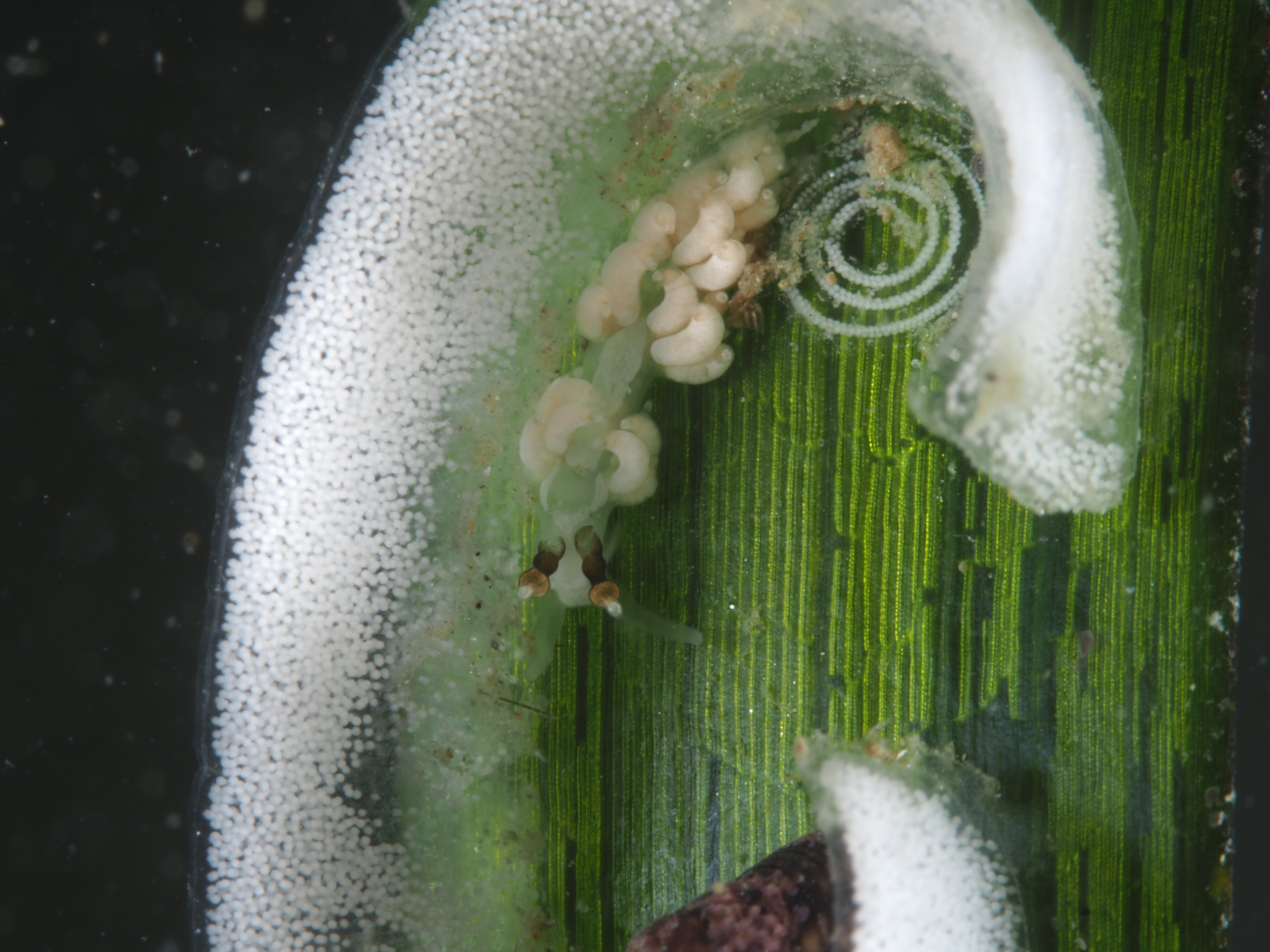
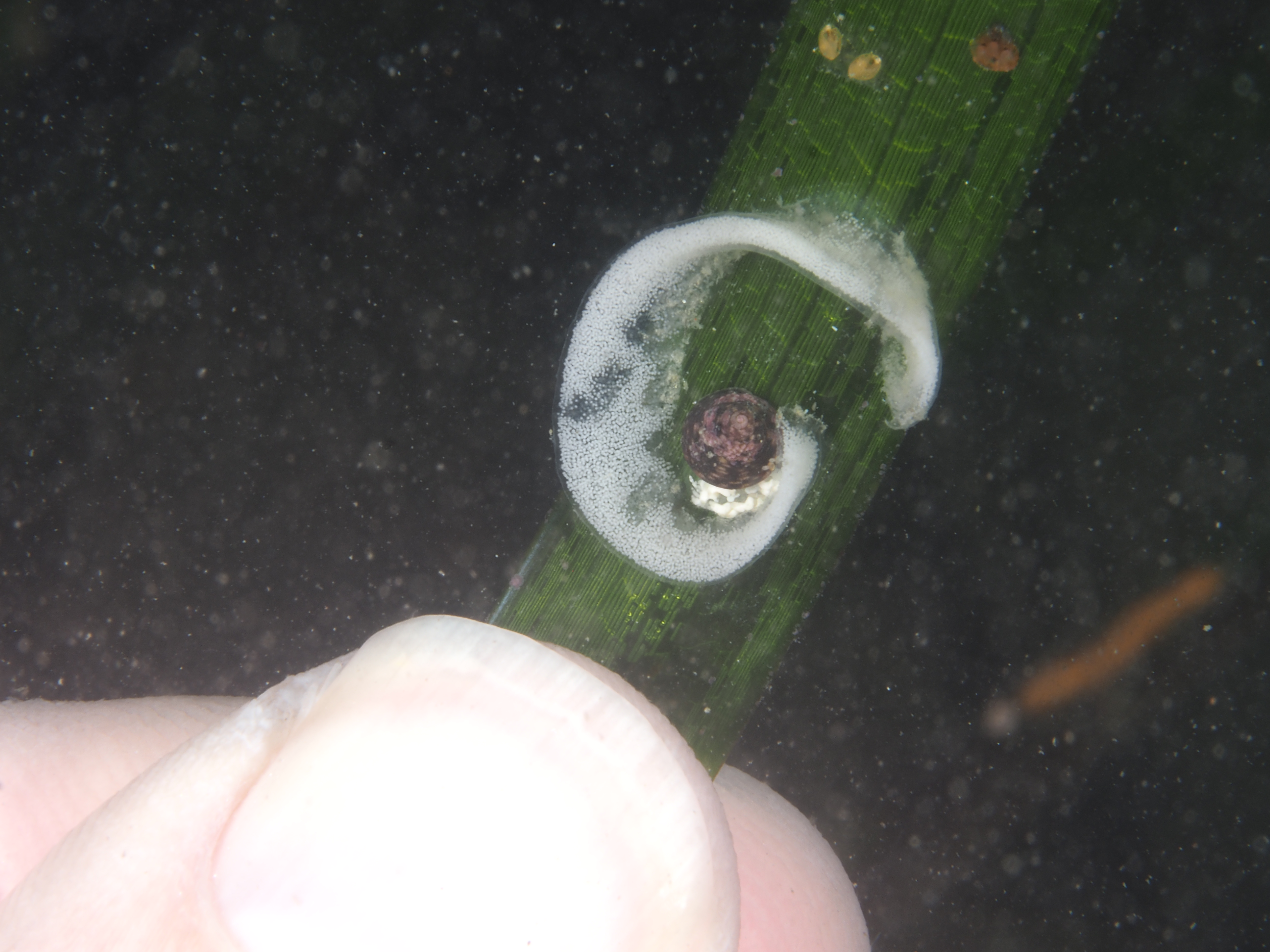
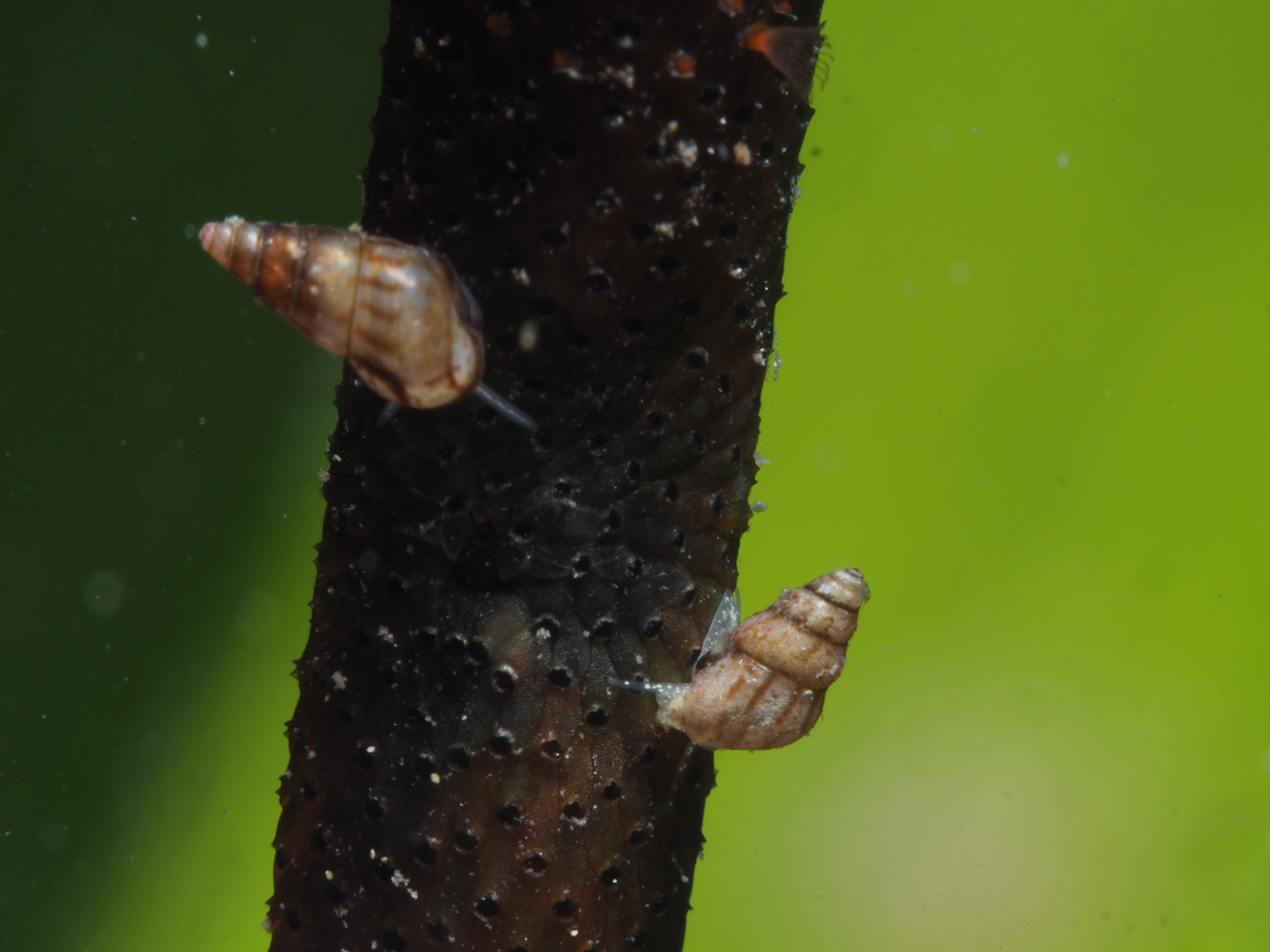
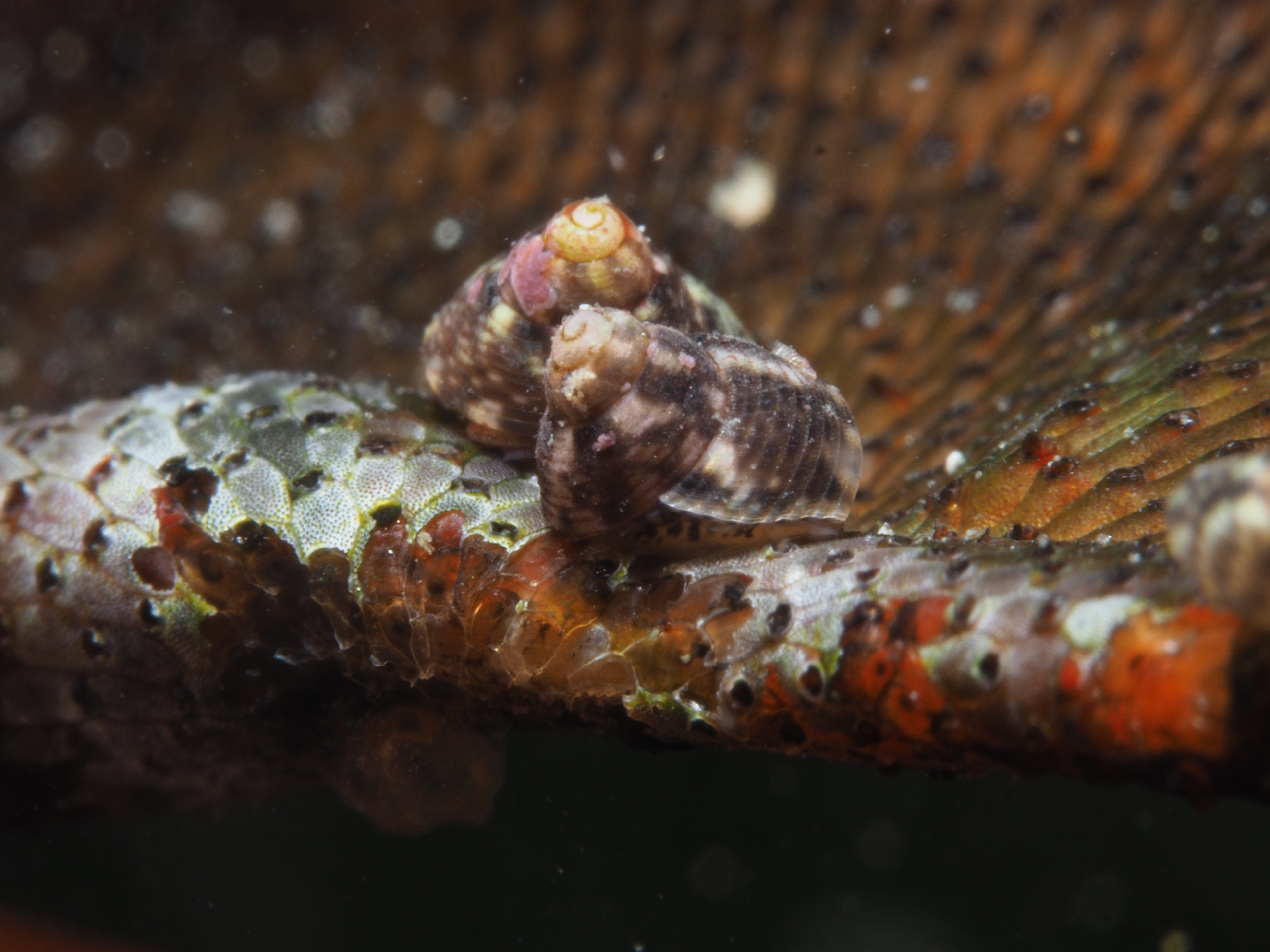
Shelled molluscs are easier to find. Below 1) the ubiquitous Grey Topshell Steromphala cinerarea, 2) the Grooved Topshell Jujubinus striatus and 3) the tiny Rissoa membranacea (faecal pellets on show, even within the shell). The latter two species are strongly associated with seagrass.
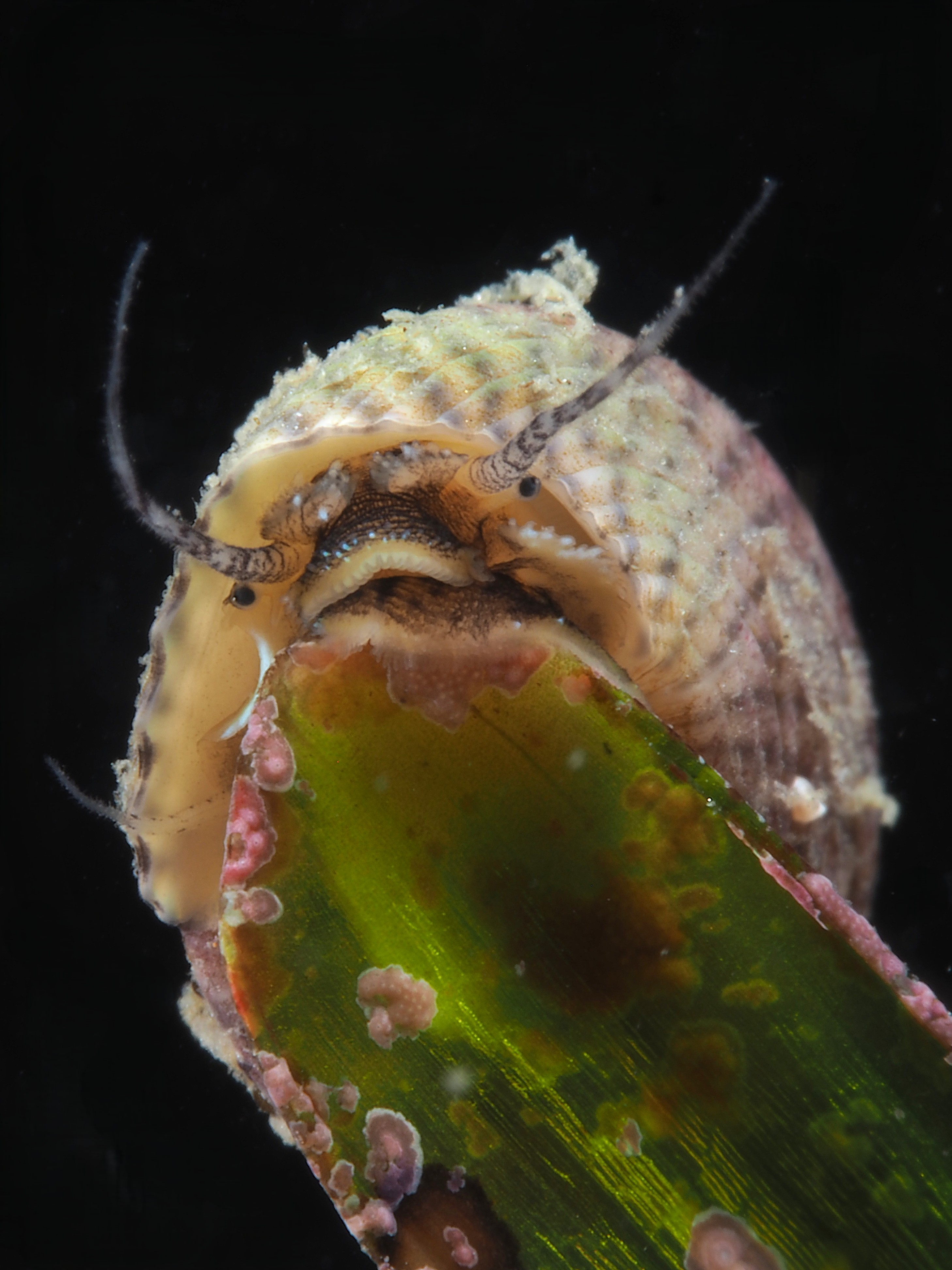
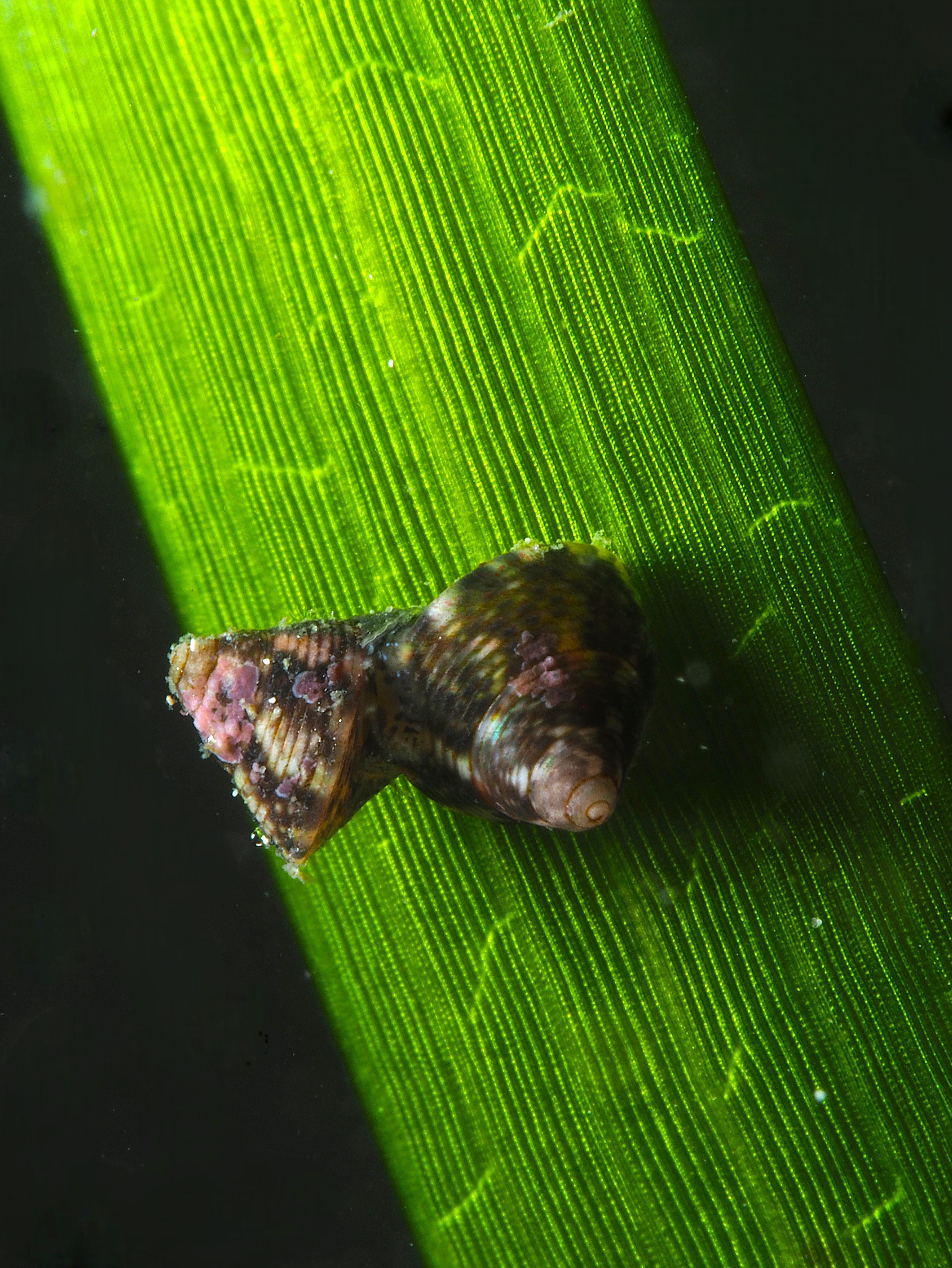
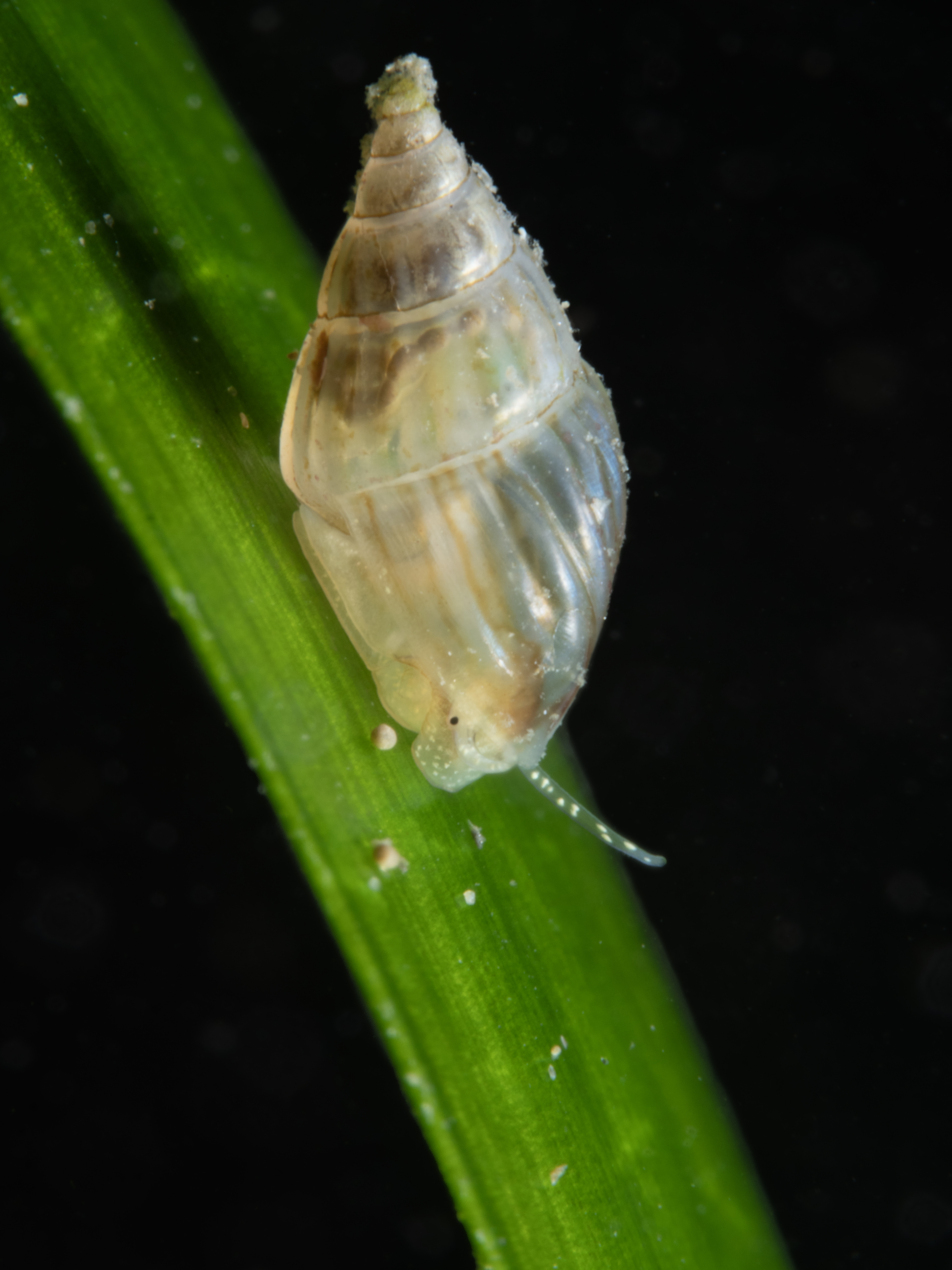
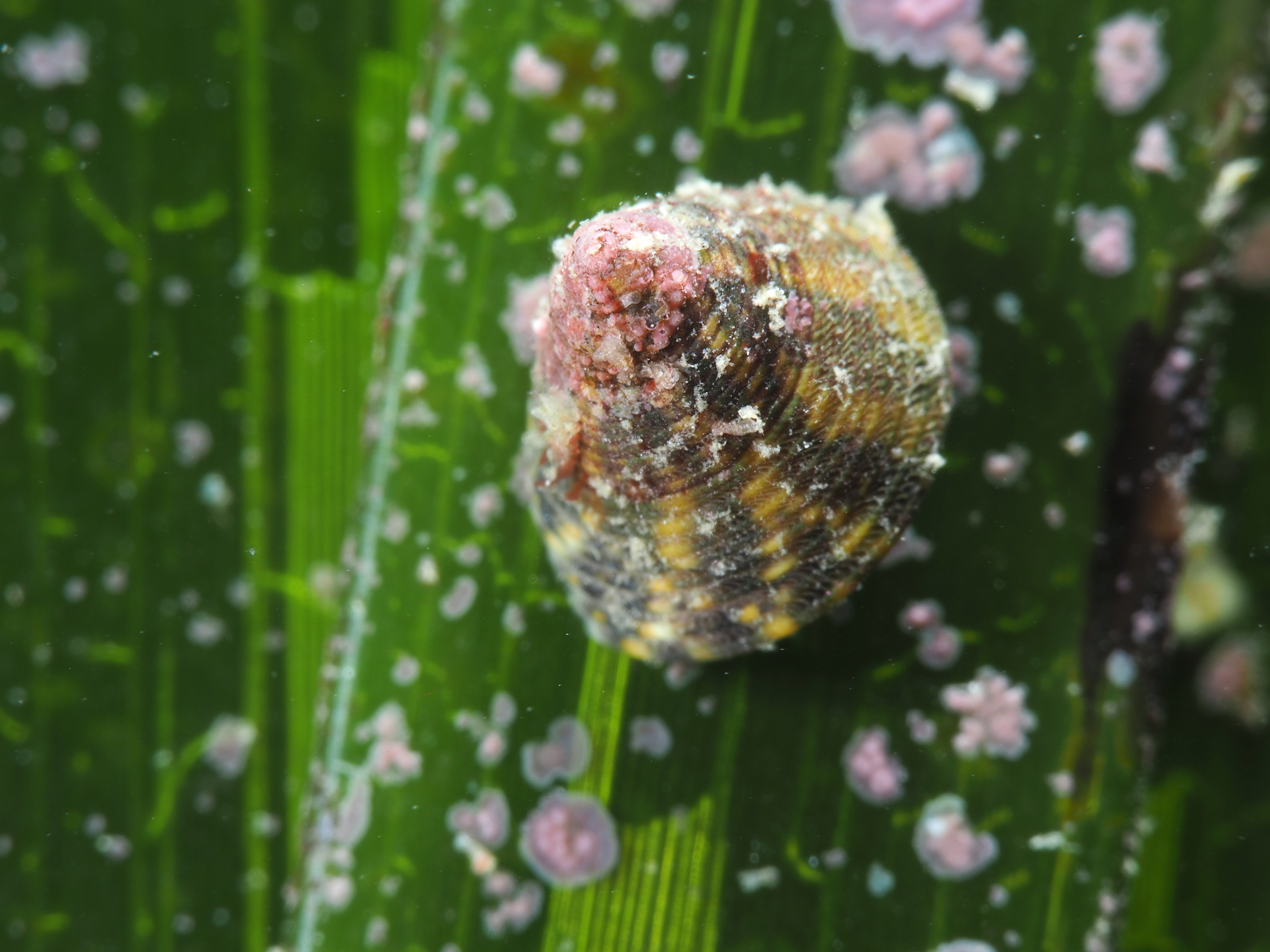
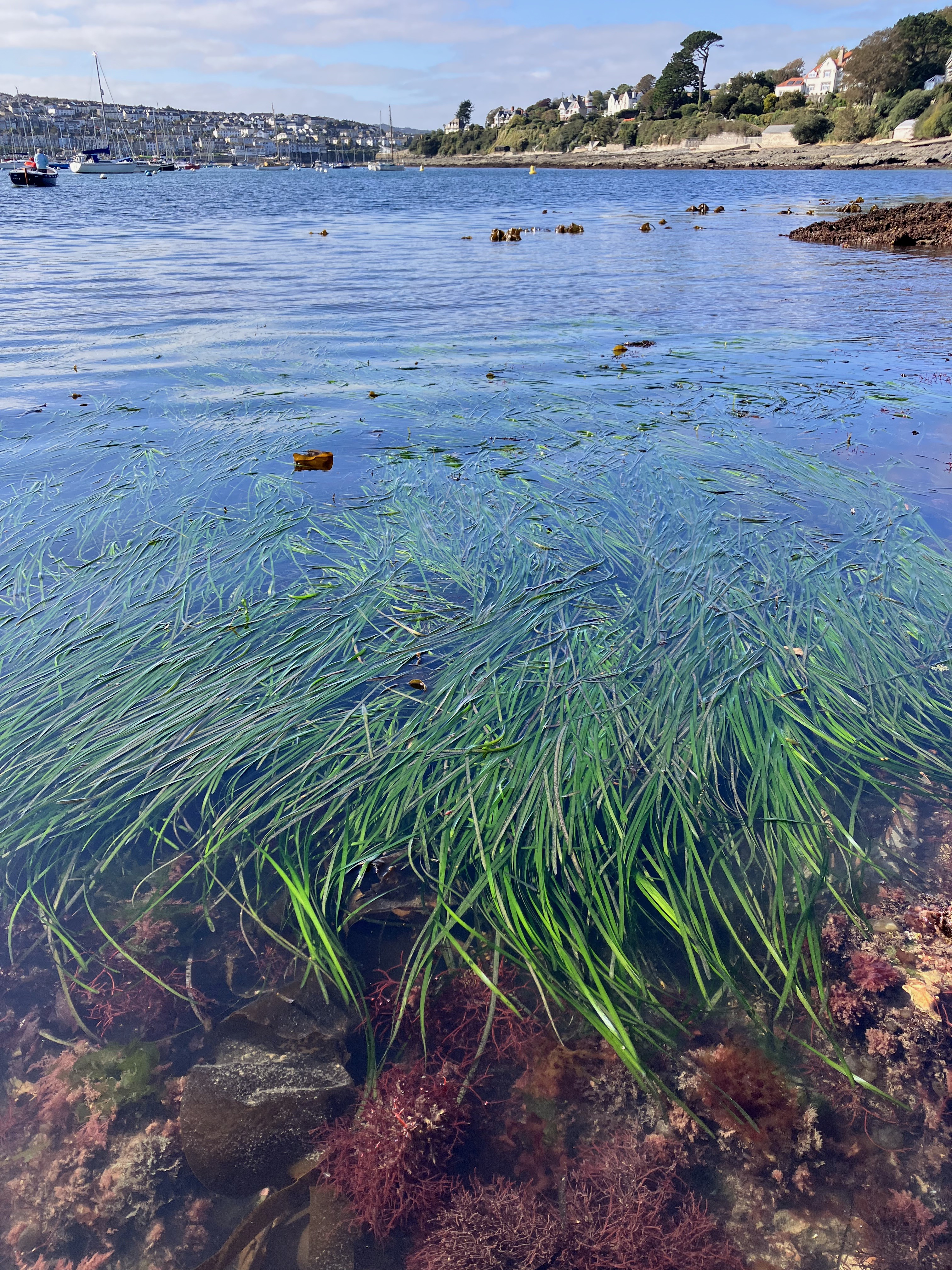
Some assorted macro photos below and at the end a view at a very low tide of the Flushing seagrass site this October.
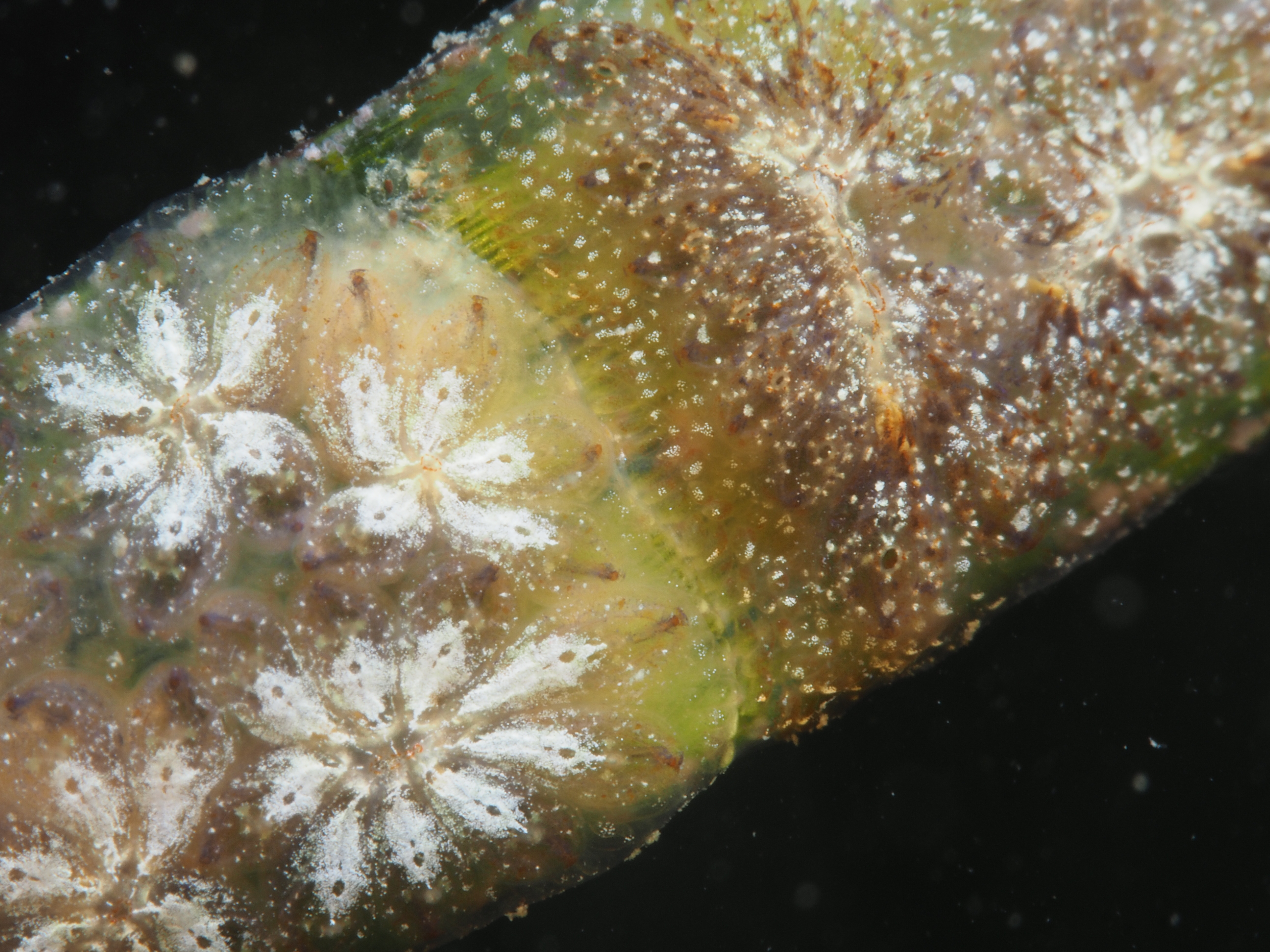
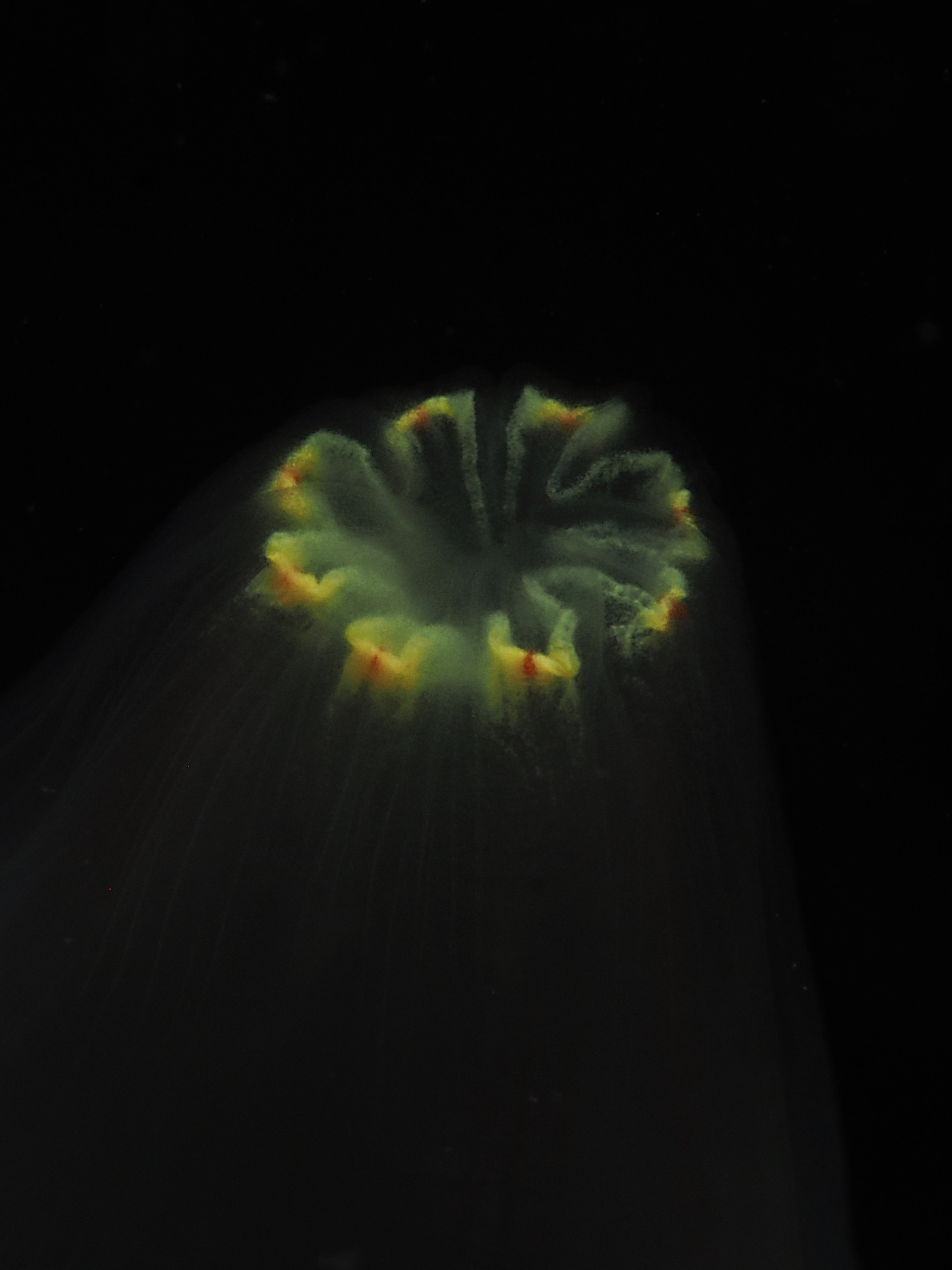
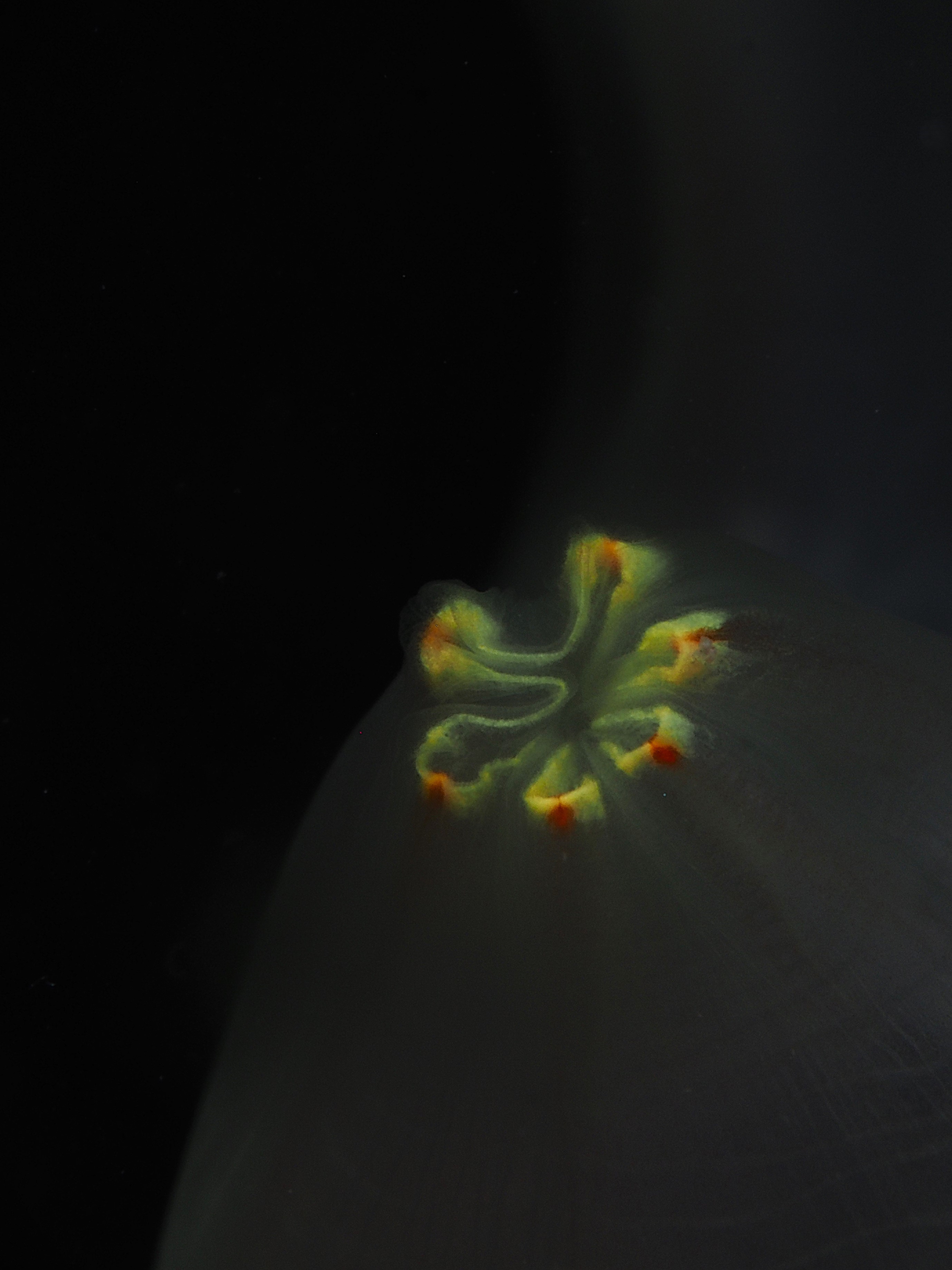
The inhalant (left pic, 8 lobes) and exhalant (right pic, 6 lobes) siphon of the Sea Vase seasquirt (Ciona intestinalis). The pigments are thought to function as photoreceptors. This is a common species, especially in habitats disturbed by humans, and not too pretty (the latin name means ‘pillar of intestines’…) but if you zoom in everything reveals beautiful features! Quite moody shots, to which I have gravitated this year. I like the black backgrounds, which is achieved by letting very little light into the camera, with the strobes only lighting up the subject in the foreground – unable to illuminate anything in the open water (‘negative space’) behind. (A similar effect can be achieved using a ‘snoot’, but I have never managed to get that to work…) I have also tried to get closer and closer up with my macro wetlens, ideally I’d have some sort of microscope underwater! If you are on instagram, check out @an_bollenessor for more pics as ‘posts’ and as ‘stories’.
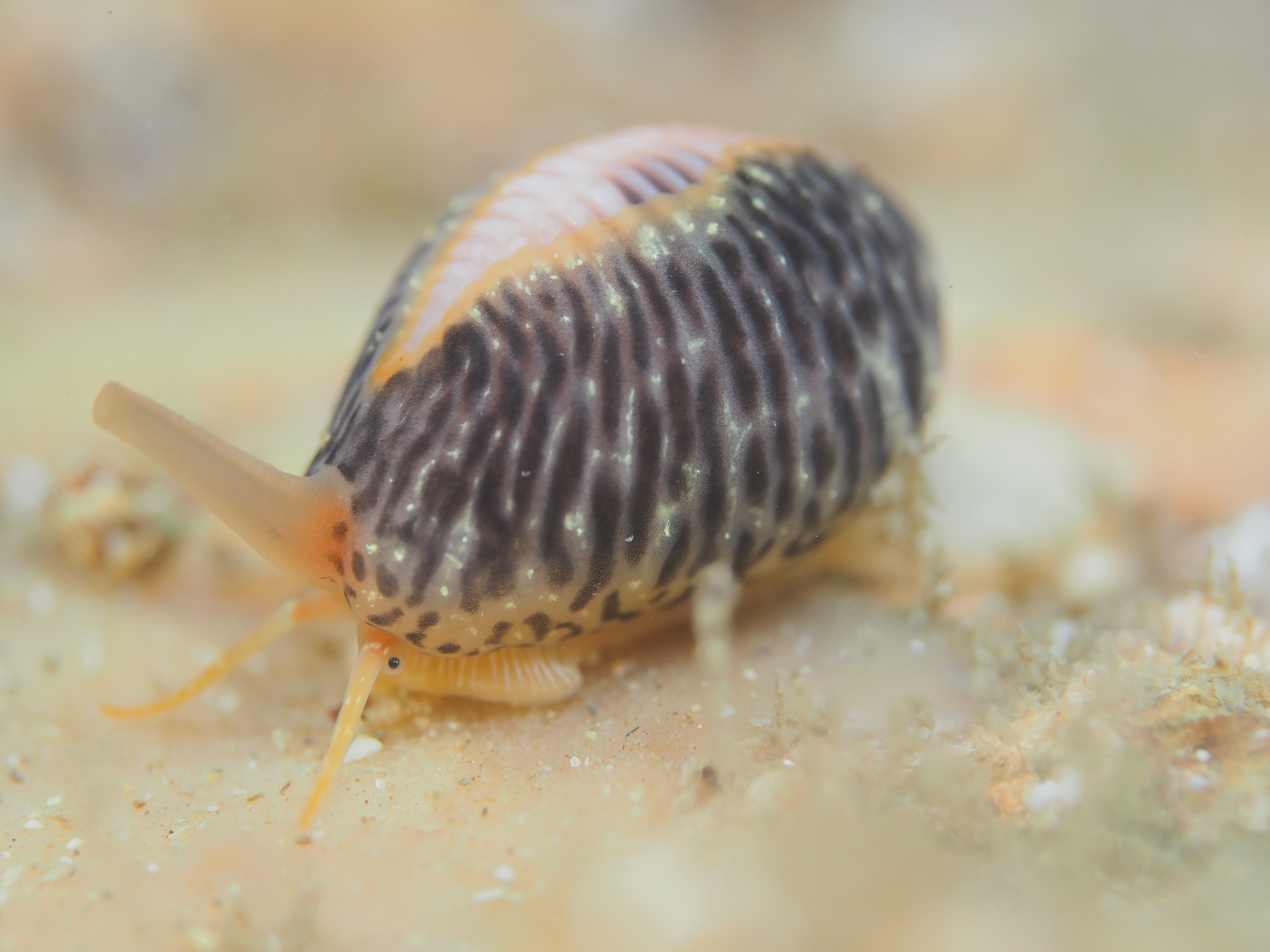
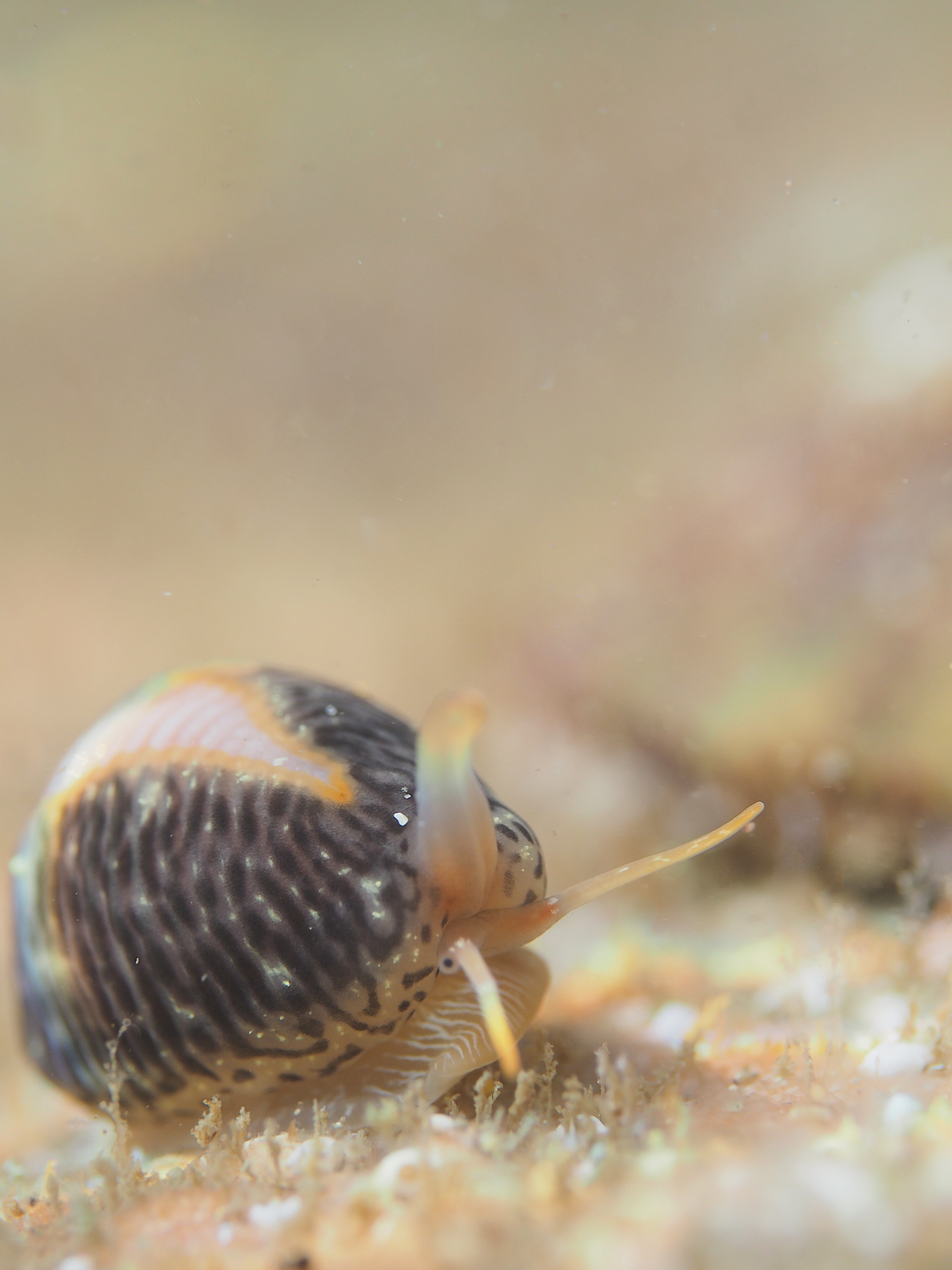
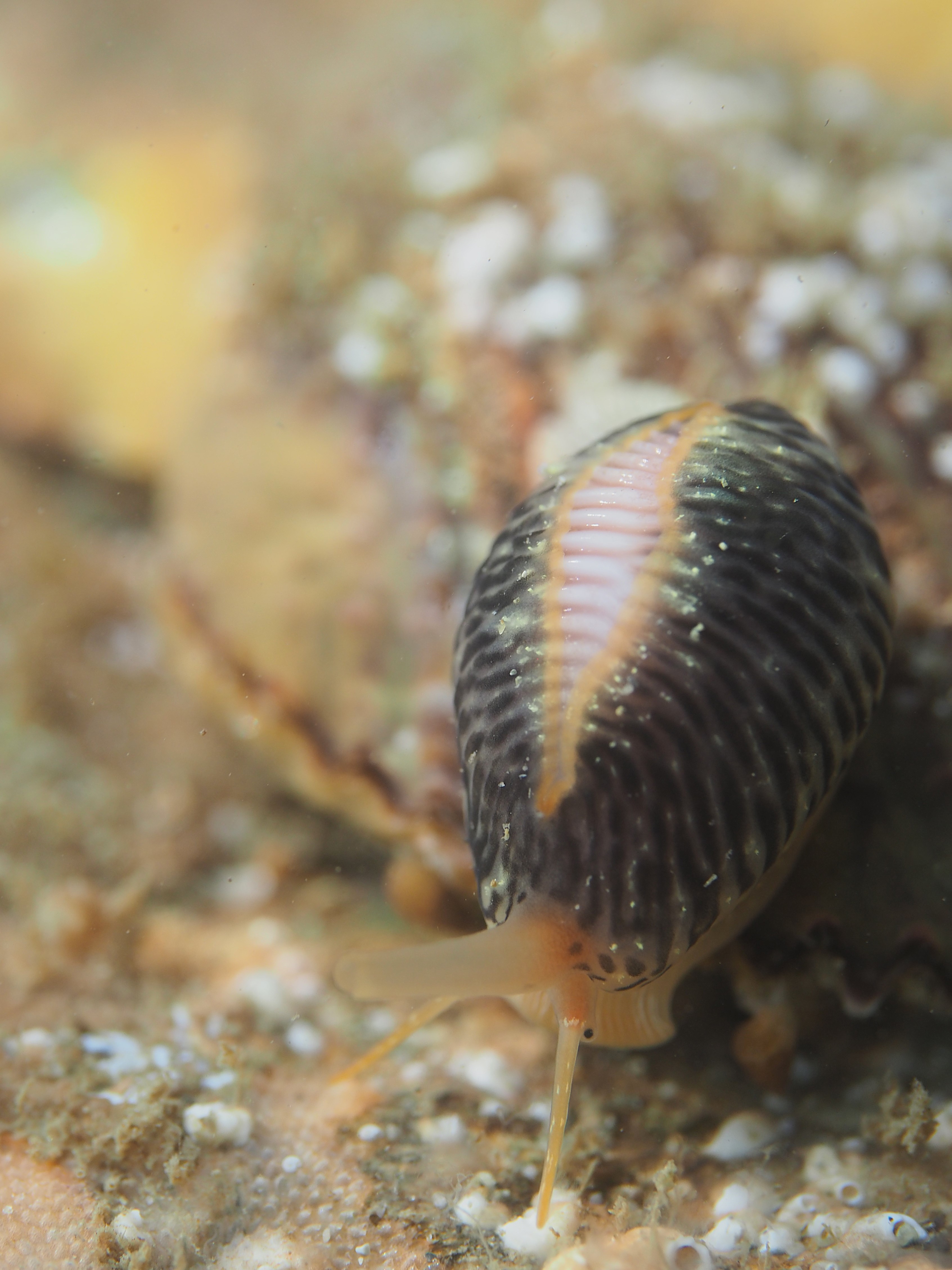
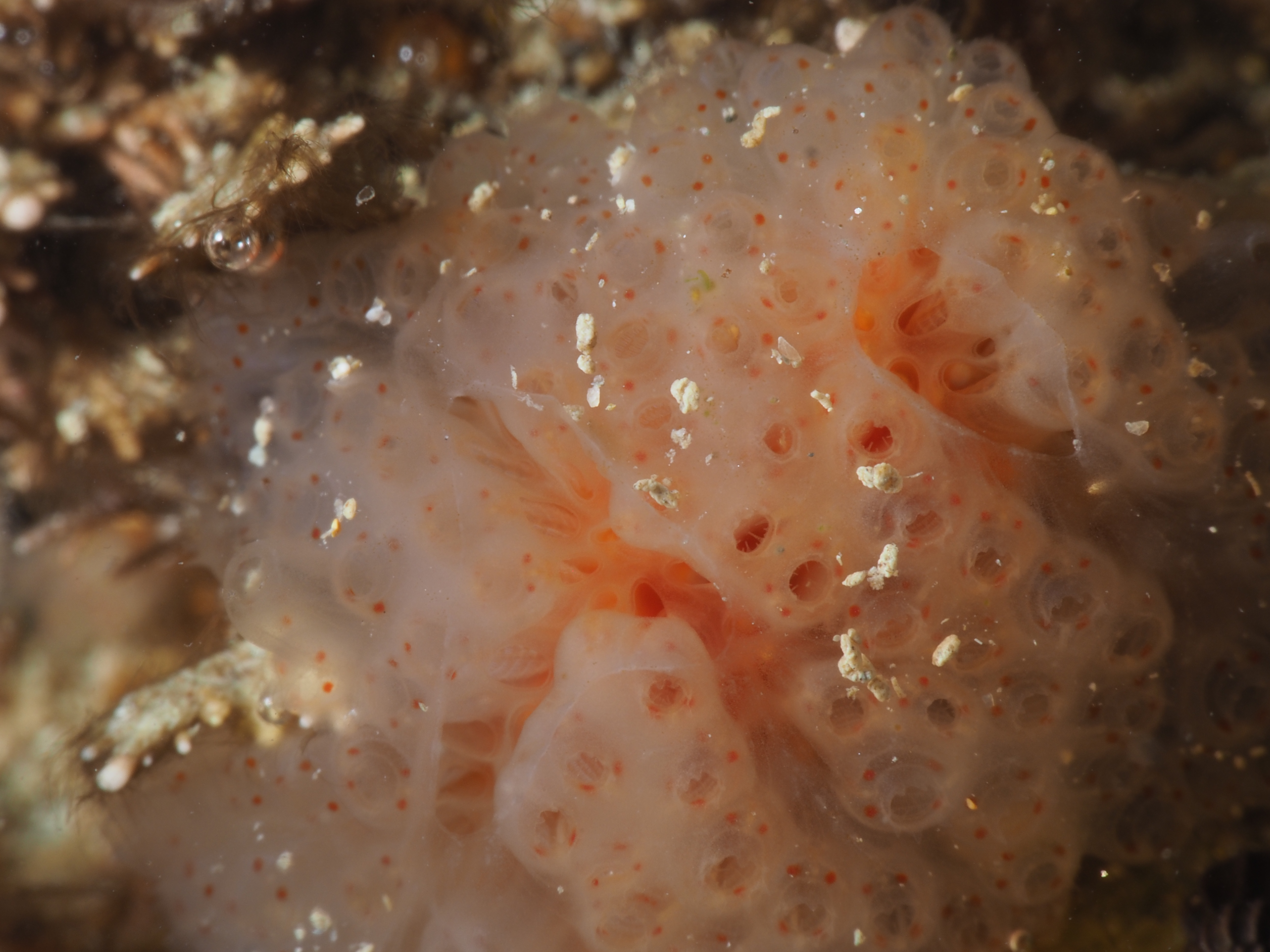
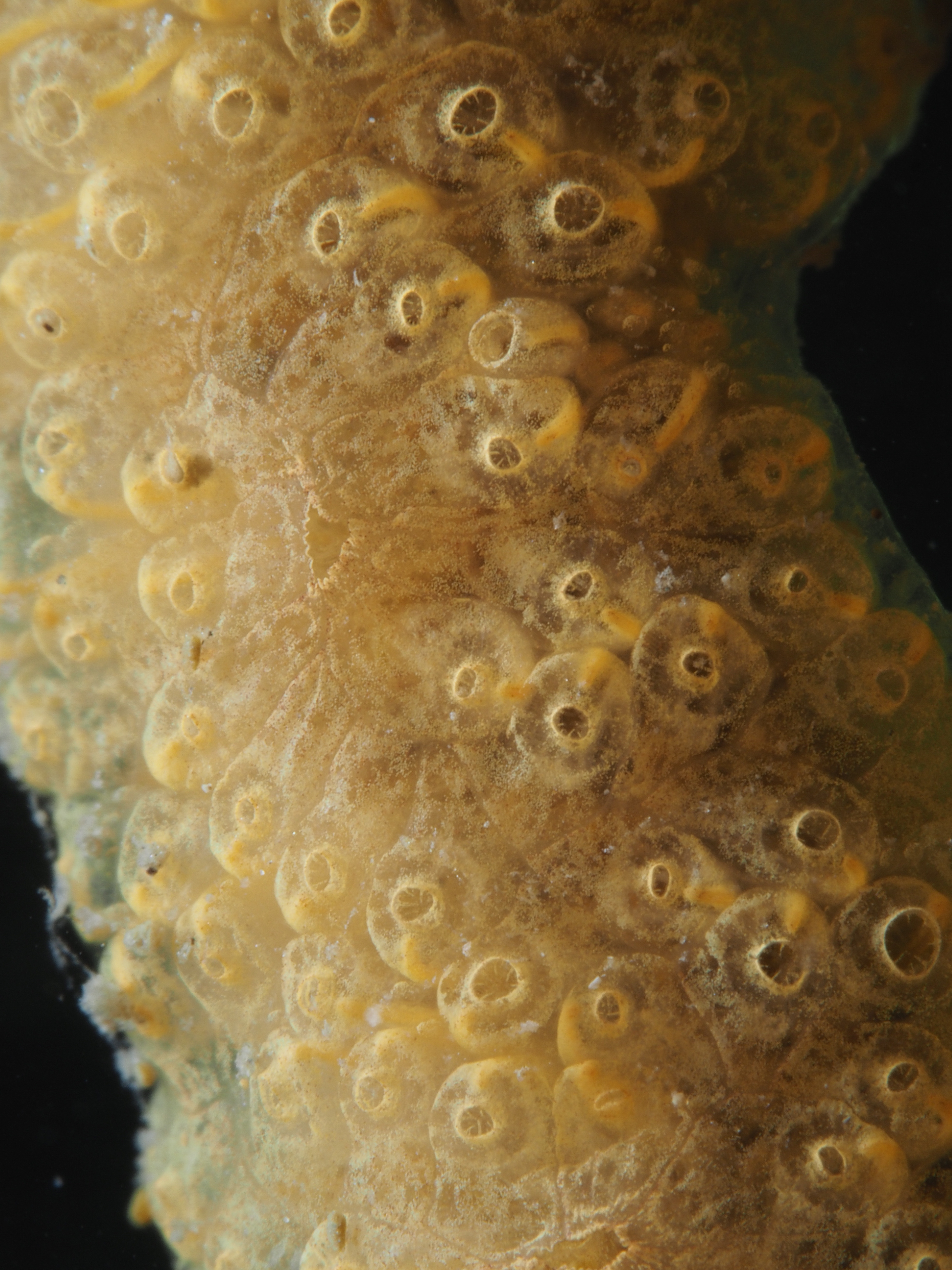
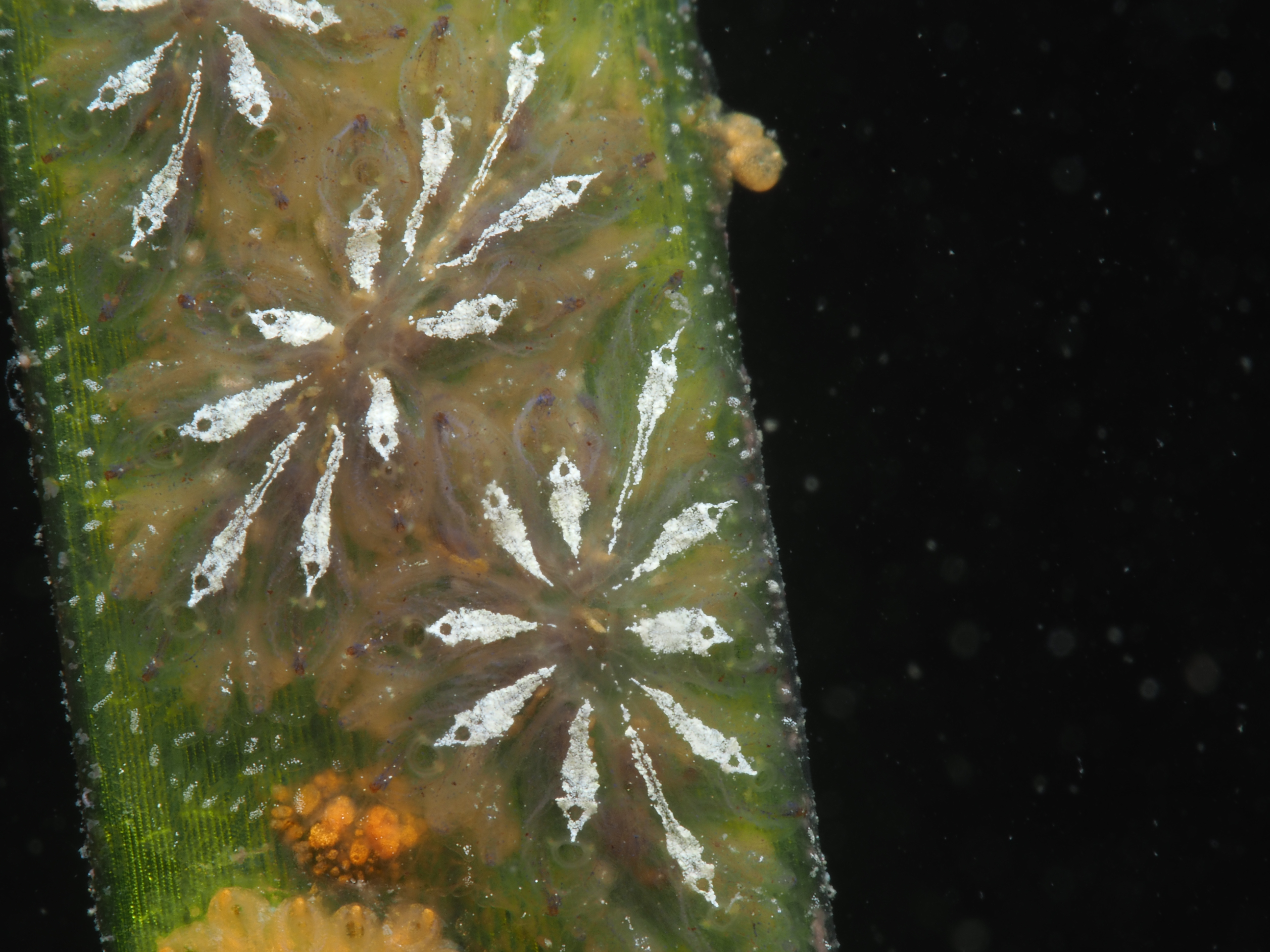
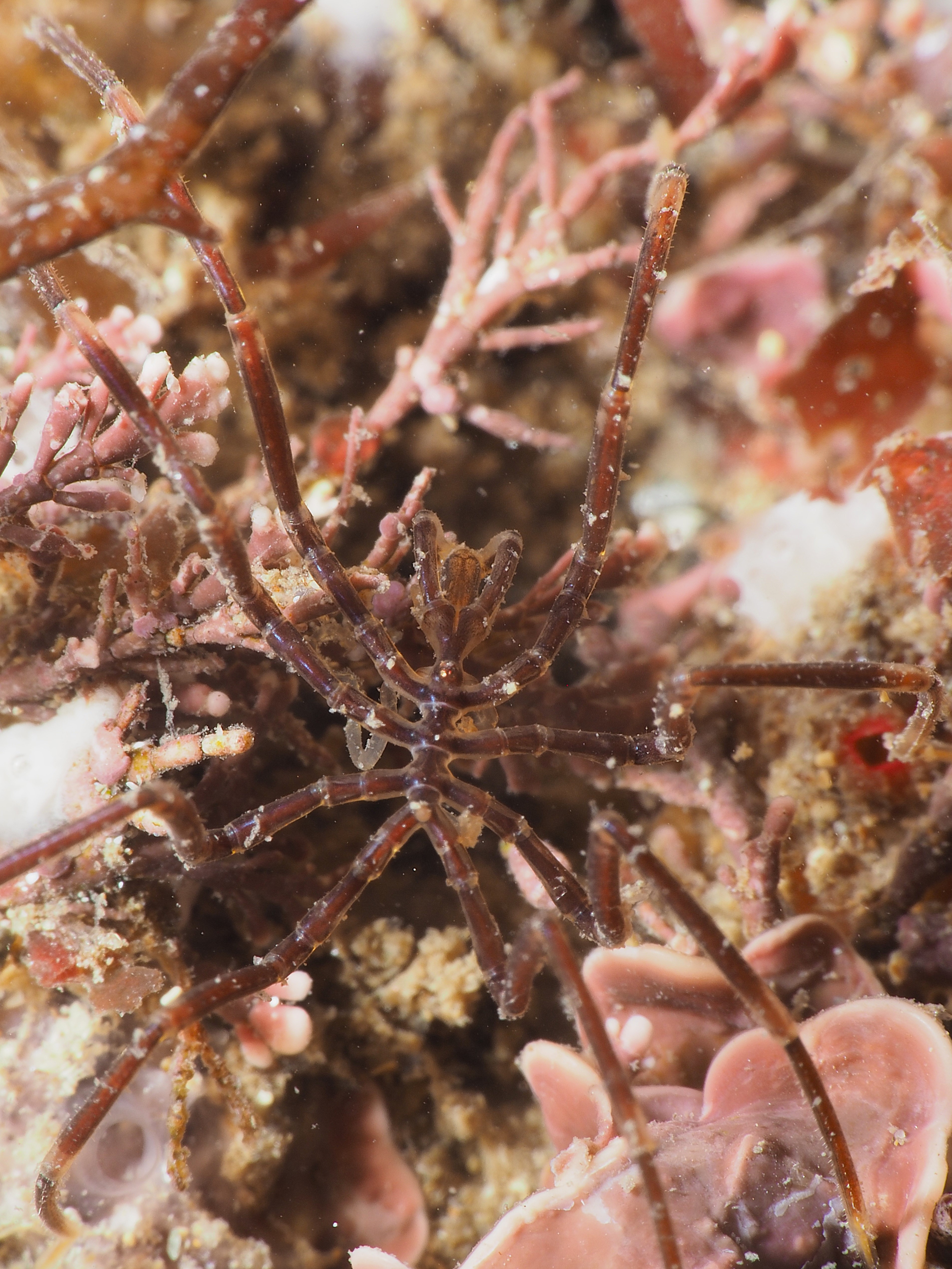
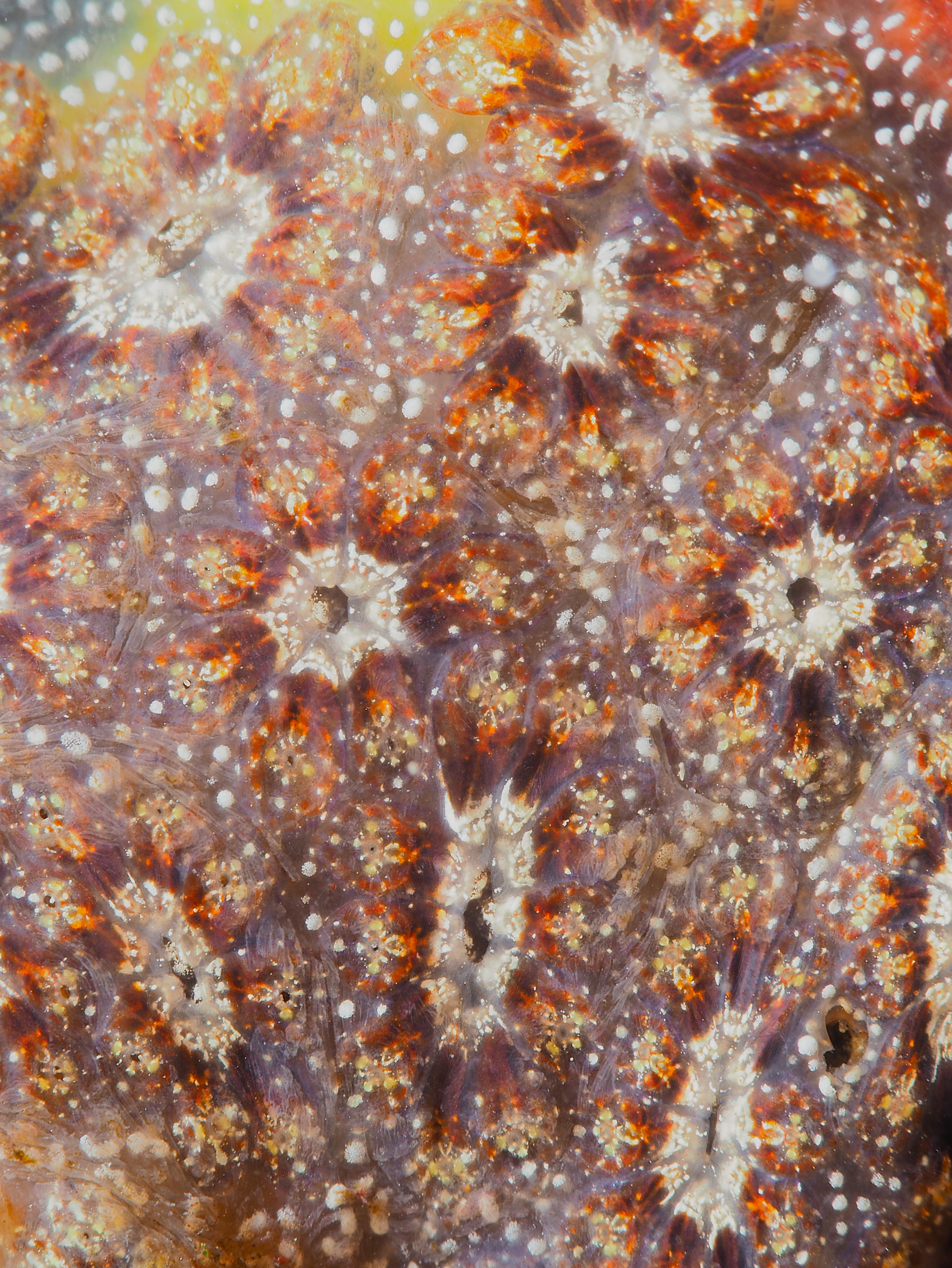
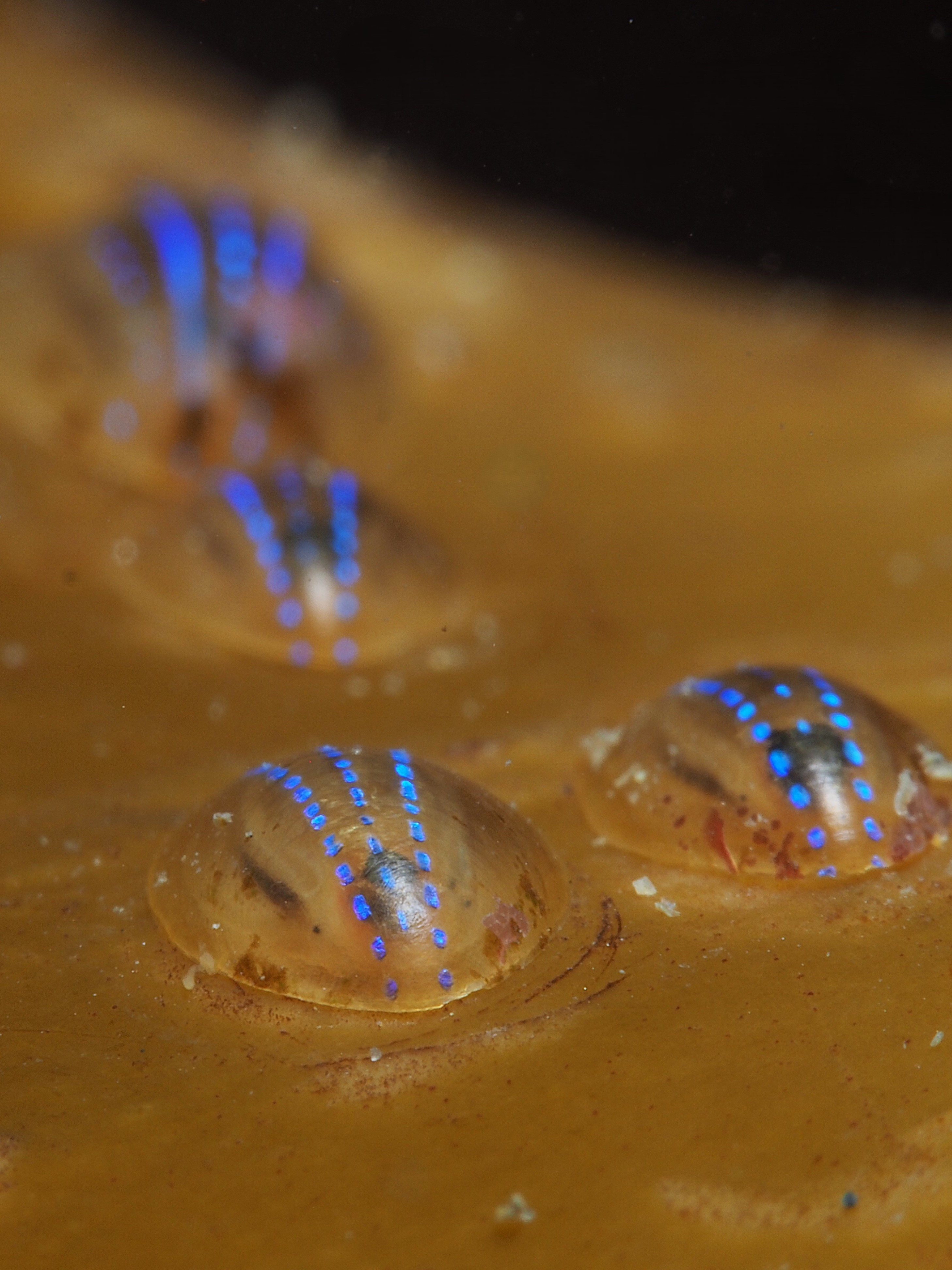
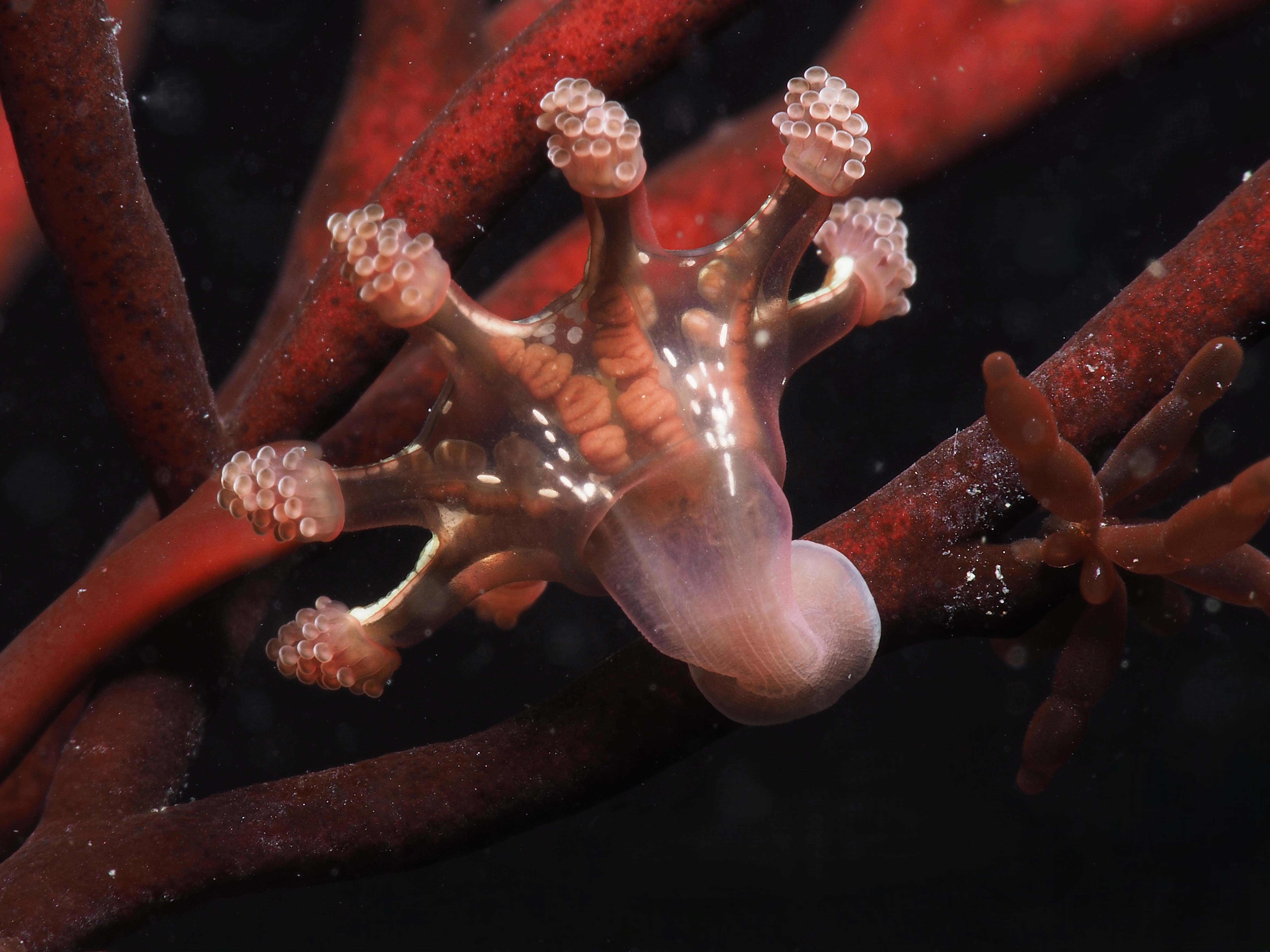
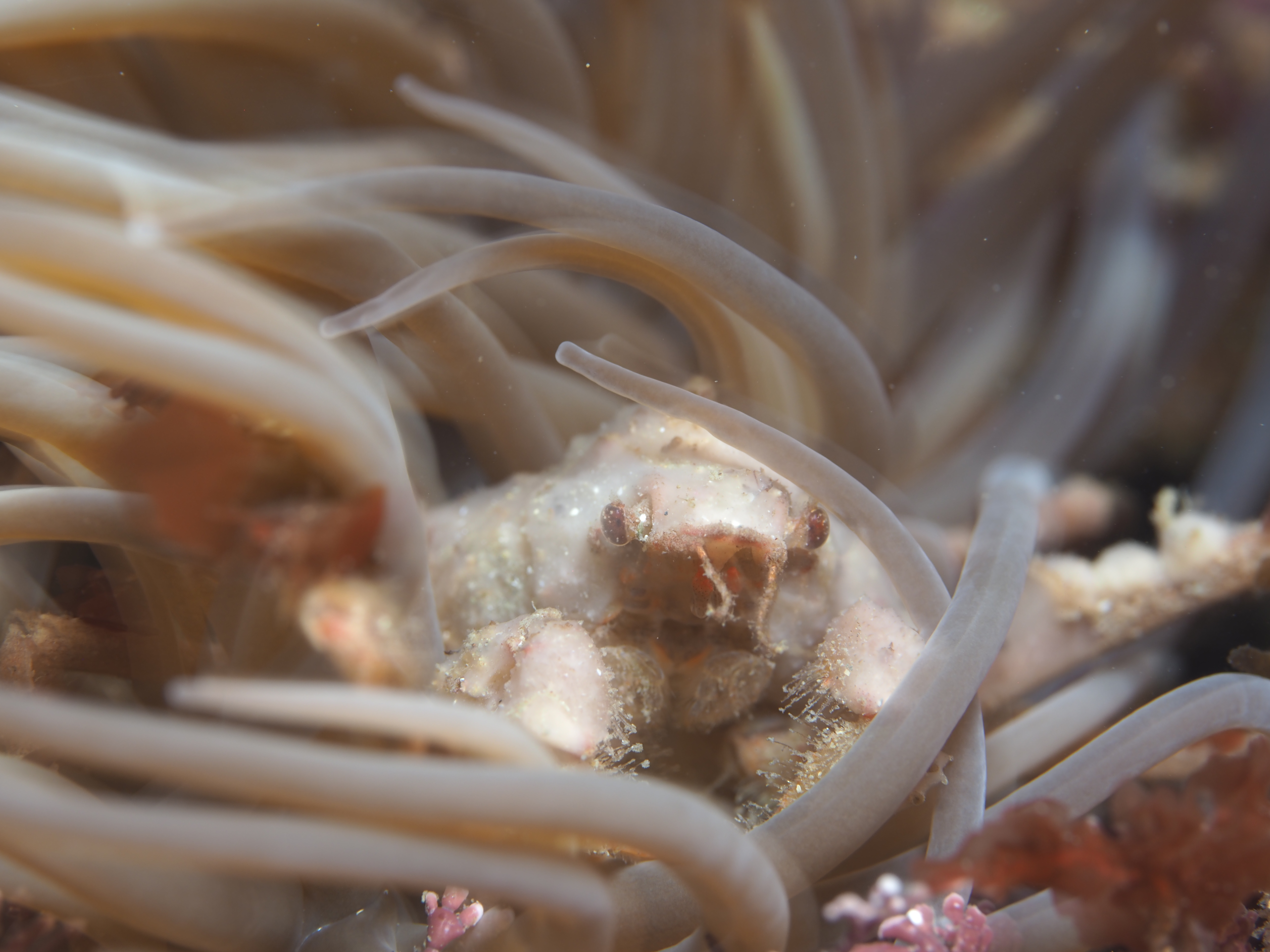
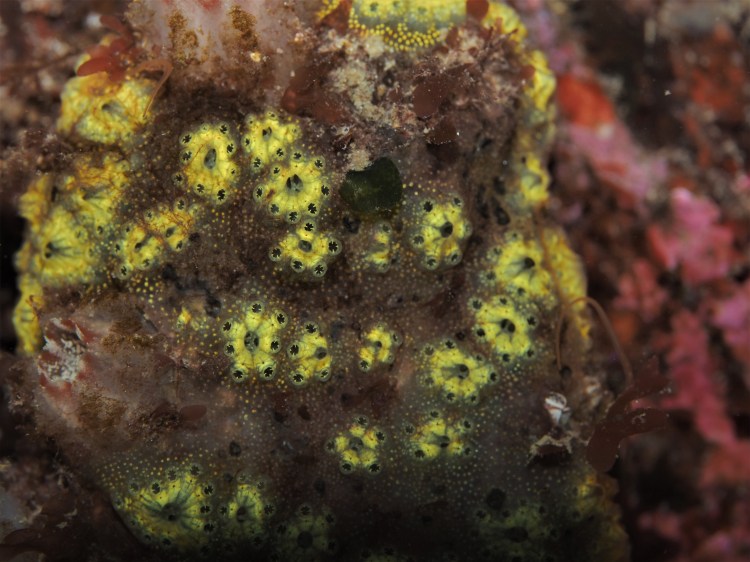
Many other critters were found too and I took shots of a selection. First, a Sea Spider, all legs and crawling away. A tiny mat of colonial tunicate that looked like a persian rug on drugs. A quick shot of the ubiquitous (if you know where to look – on kelp fronds) blue-rayed Limpets and a stalked jellyfish. Finally, I spent a lot of time taking shallow-depth-of-field AND slow shutter-speed photos of a scorpion spider crab in a snakelocks anemone to get some sort of ‘artistic’ shot. It did not really work, but it was fun nonetheless and I will have a go at it again. After almost 2,5 hours in the water I stumbled back to the car to get changed – an afternoon well-spent!
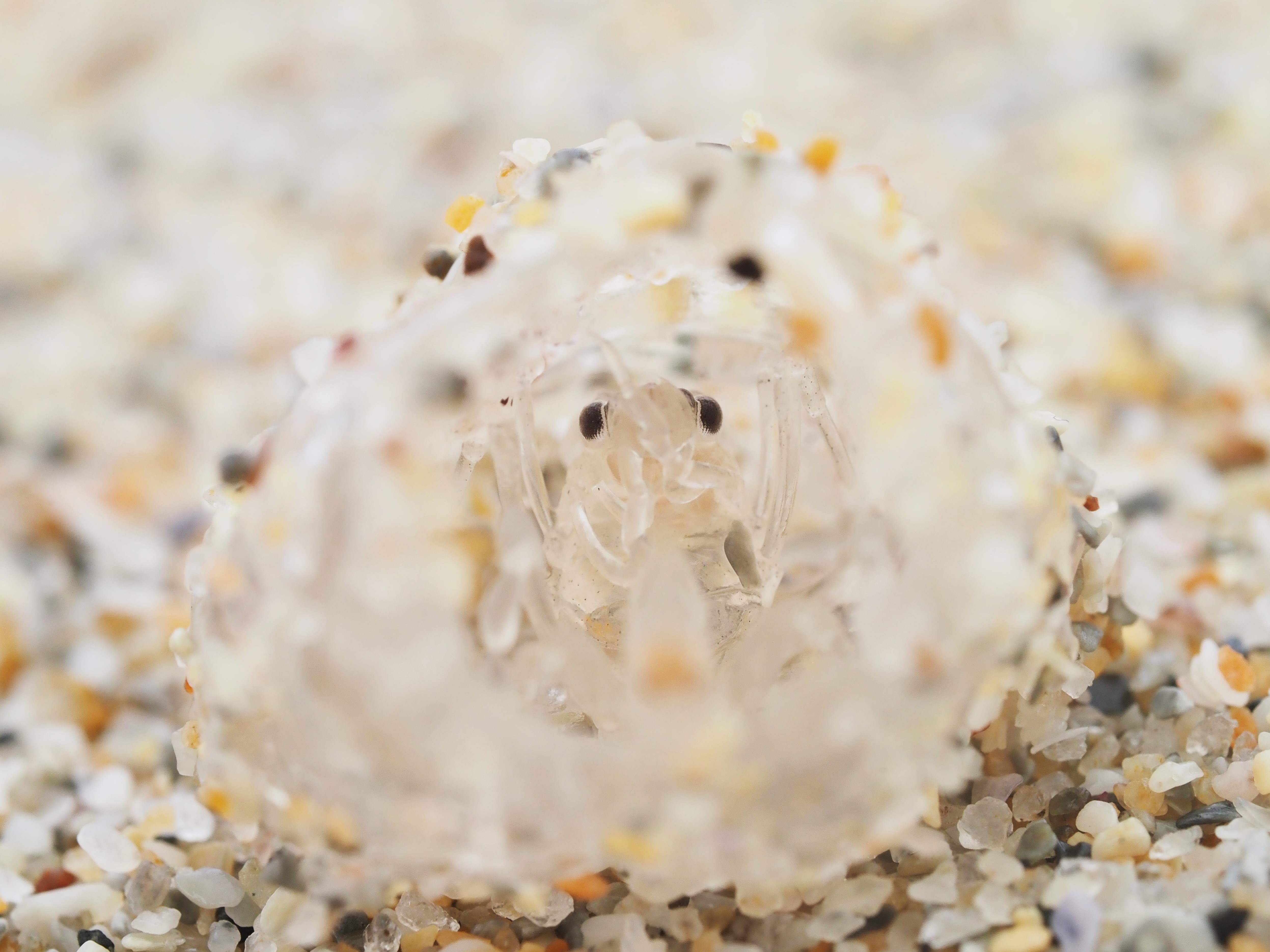


Last Sunday we made the trek to Sennen Cove beach in the far west of Cornwall. I have not been in the water for weeks due to the windy weather (and it might be a few weeks before conditions improve), so the only way to get my fix is by going beach combing… With strong westerlies, this spot jutting out into the Atlantic seemed a safe bet, although when we arrived the strandline appeared quite sparse and I did not have hope of finding much. A single find by my eagle-eyed son however made the trip all worth it!
The photos above show the amphipod Phronima sedentaria inside its home, a hollowed-out salp. These small crustaceans use their claws to carve a home out of their barrel-shaped gelatinous host. This offers protection, and a space to rear their young. They occur worldwide in the open sea and are believed to vertically migrate from depths up to a kilometer to the surface each night. Although it was still actively wriggling about, it was essentially doomed after being washed up, so it was taken back in a margarine container filled with seawater and handed over to David Fenwick (www.aphotomarine.com) for further examination. He made some excellent photos of it, making clear why it provided inspiration for the ‘Alien’ movie! As I suspected from the size, this was a female, and brood was found in the salp tunic as well.
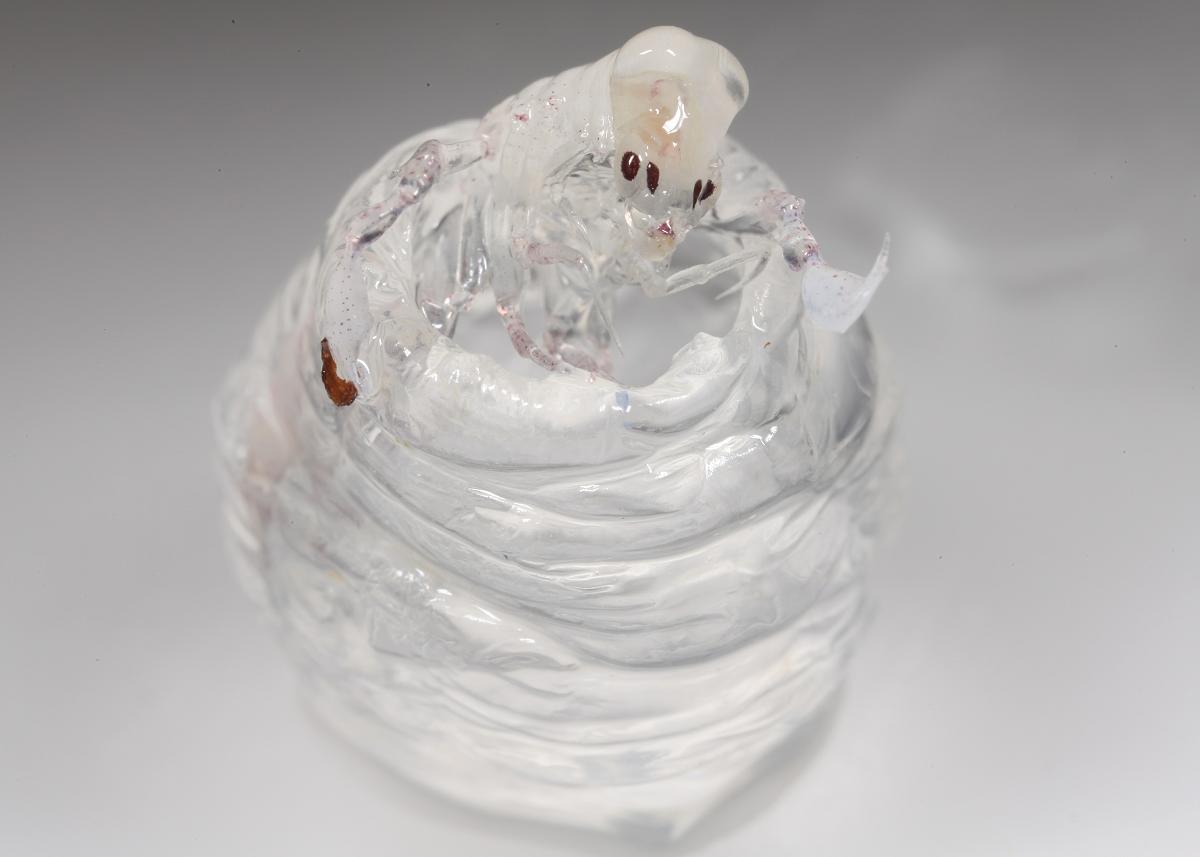
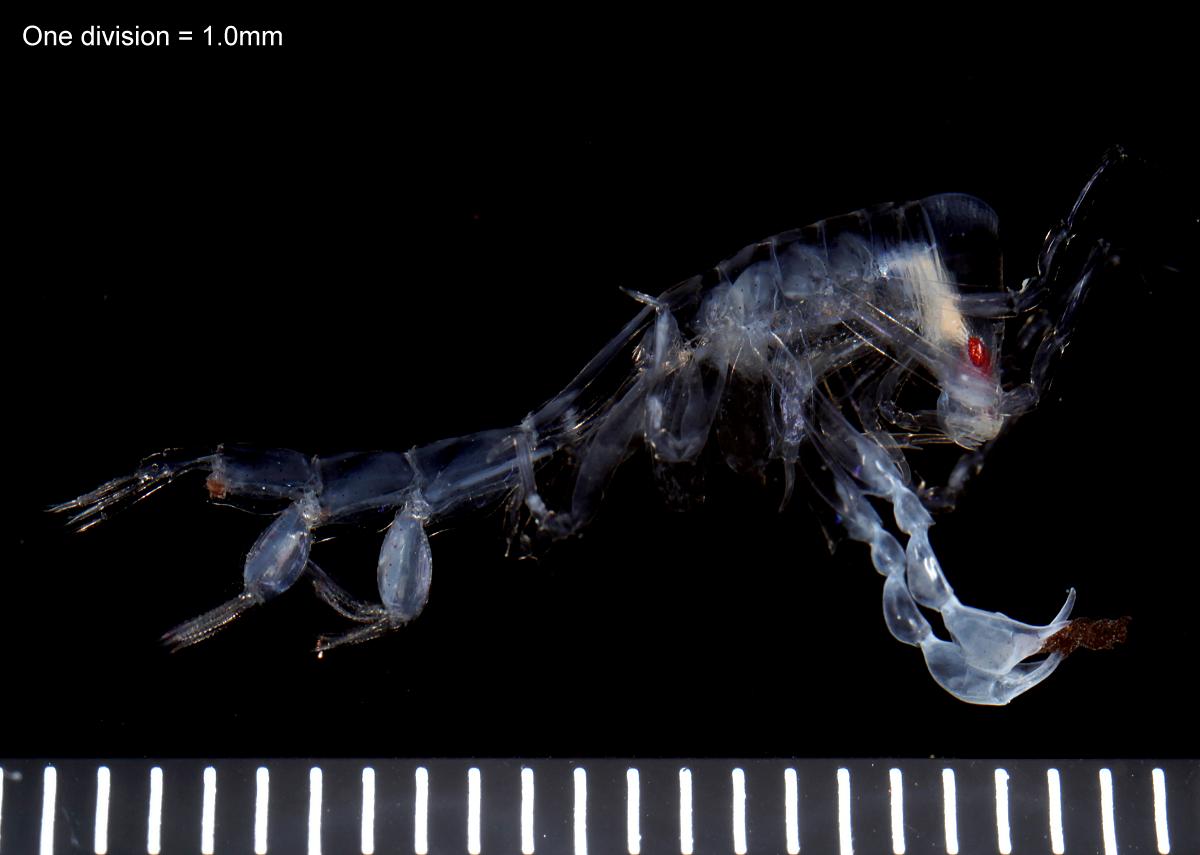
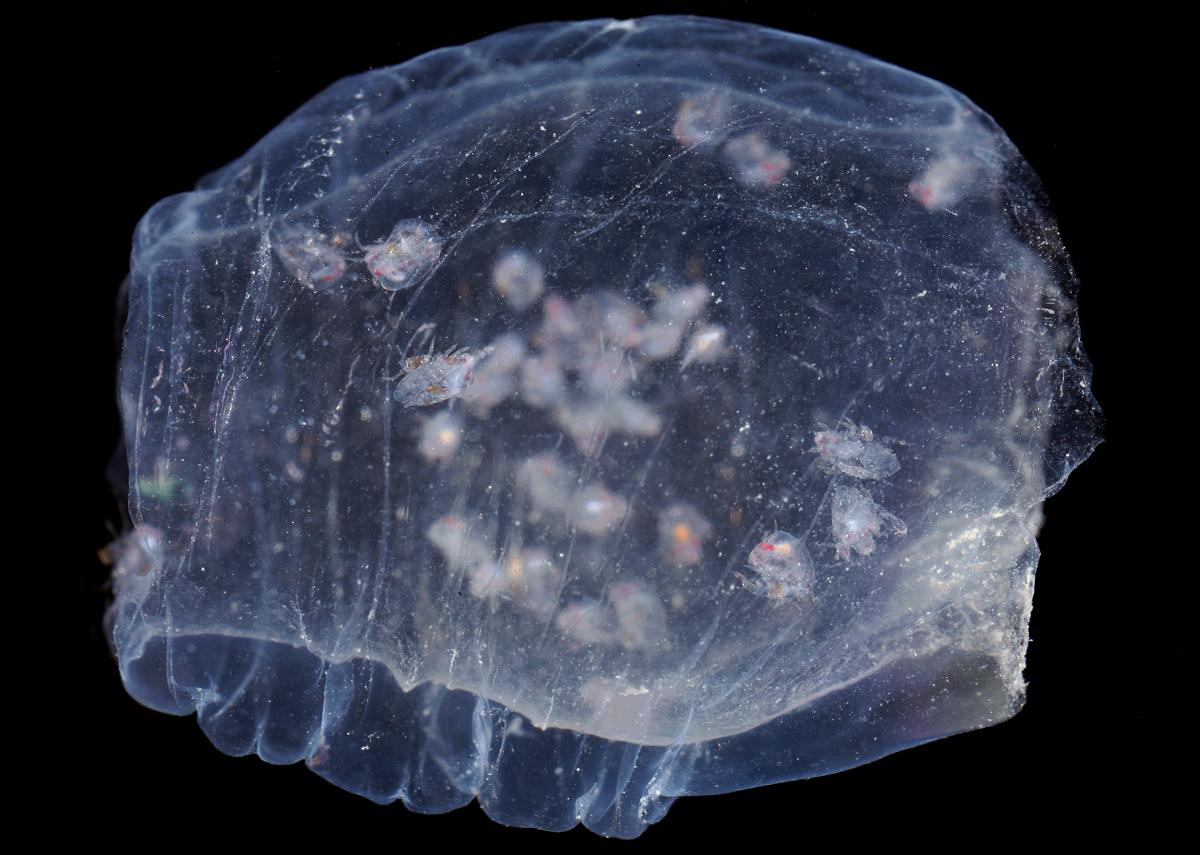
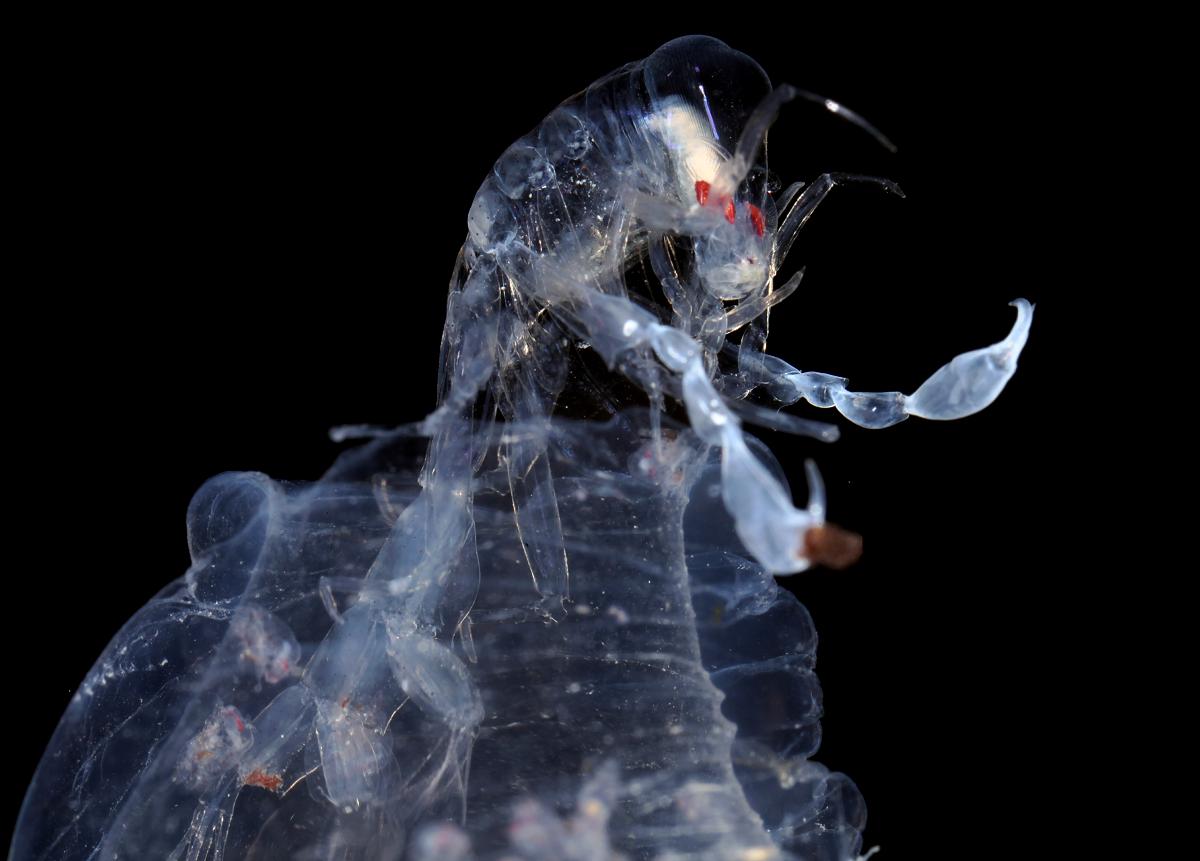
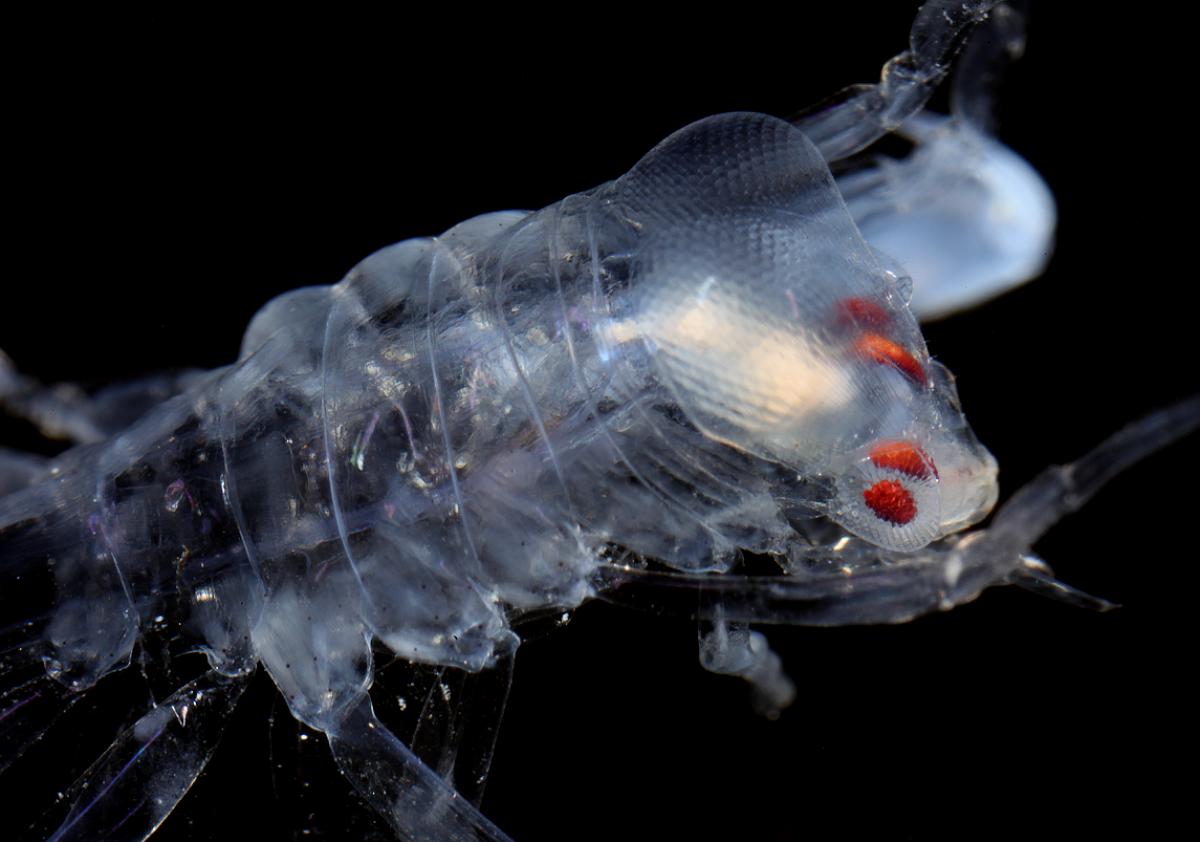
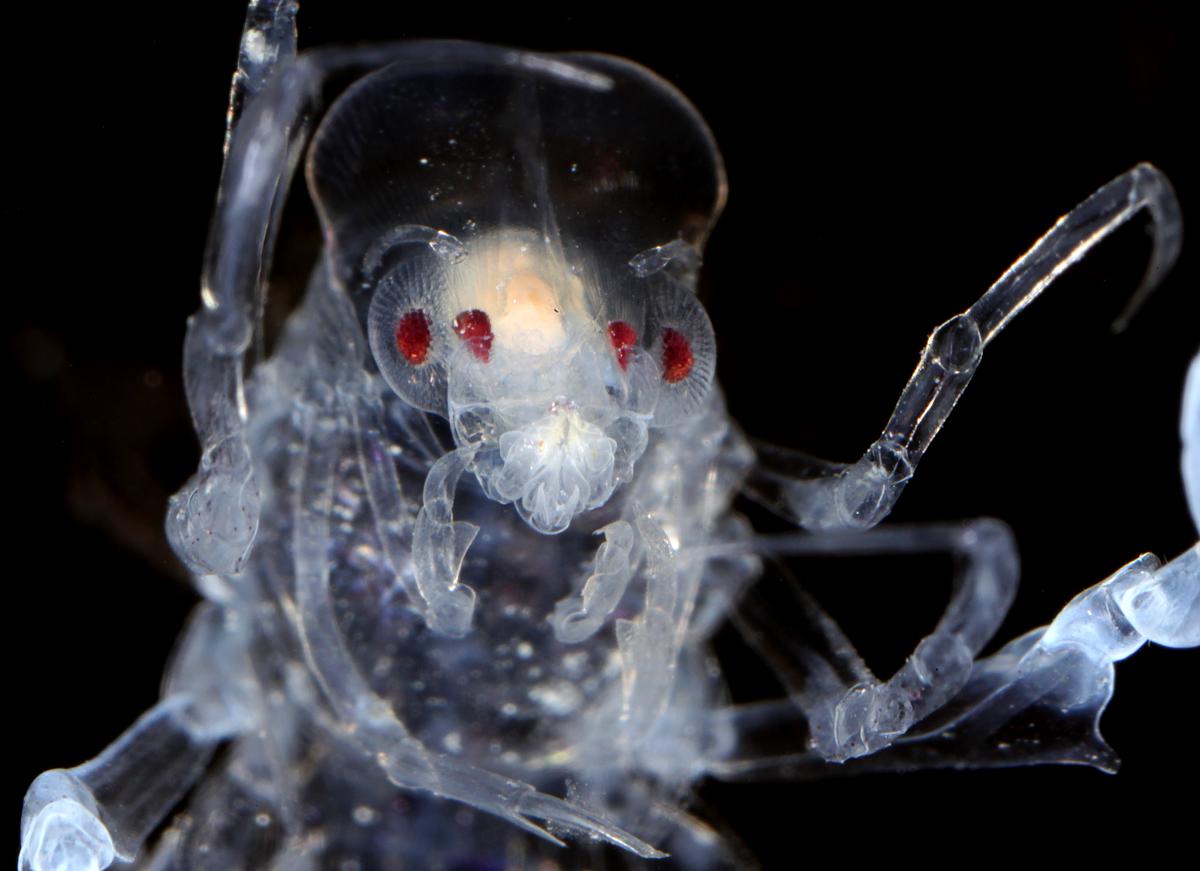
These things have been found before a few times in the UK (in Sennen and in the Scillies) but not commonly (4 records on the NBN Atlas and 0 on iNaturalist). I have recorded mine on the latter database (which means it can make its way to NBN as well). Let’s see what else the sea throws up this winter!
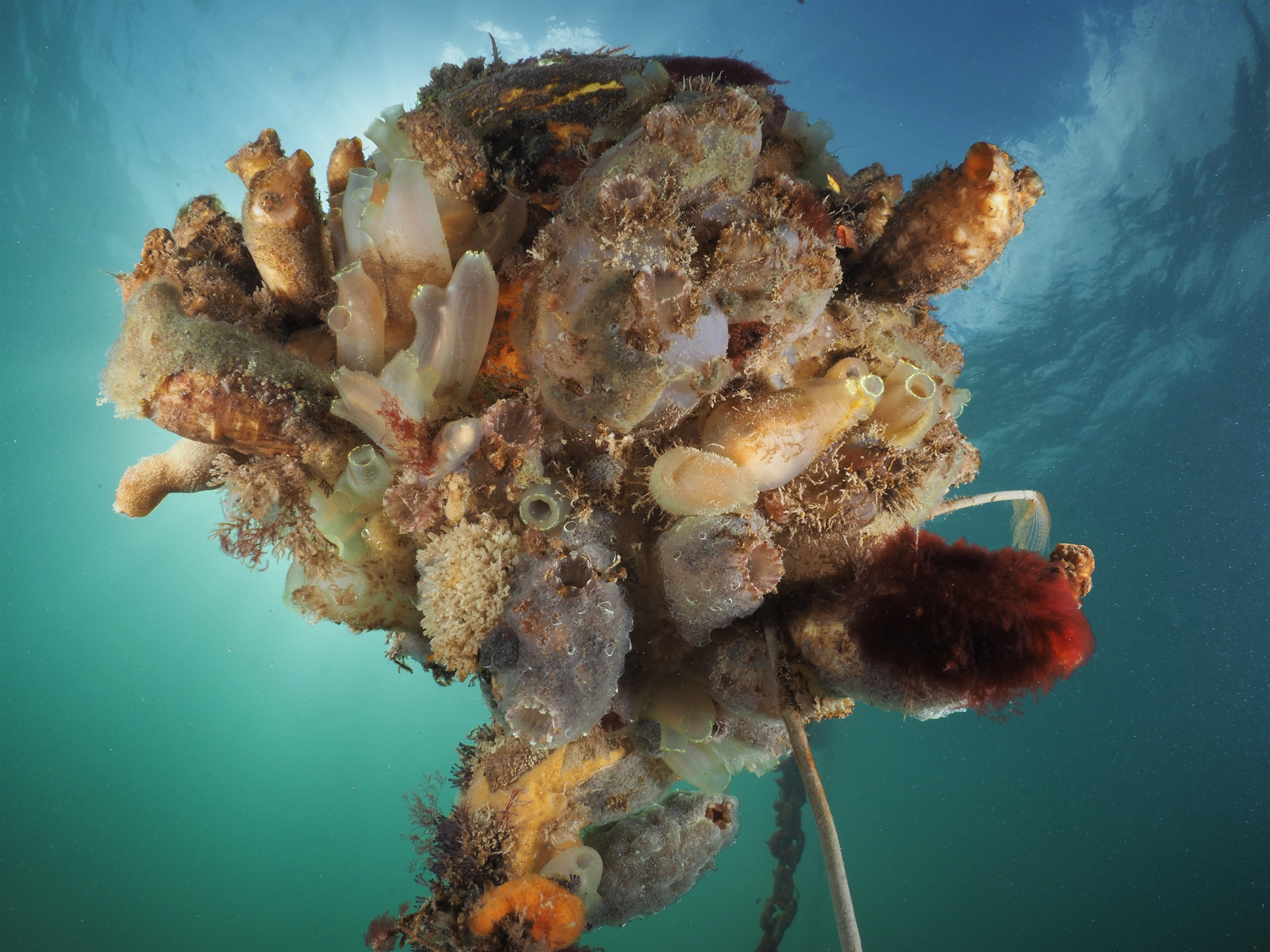

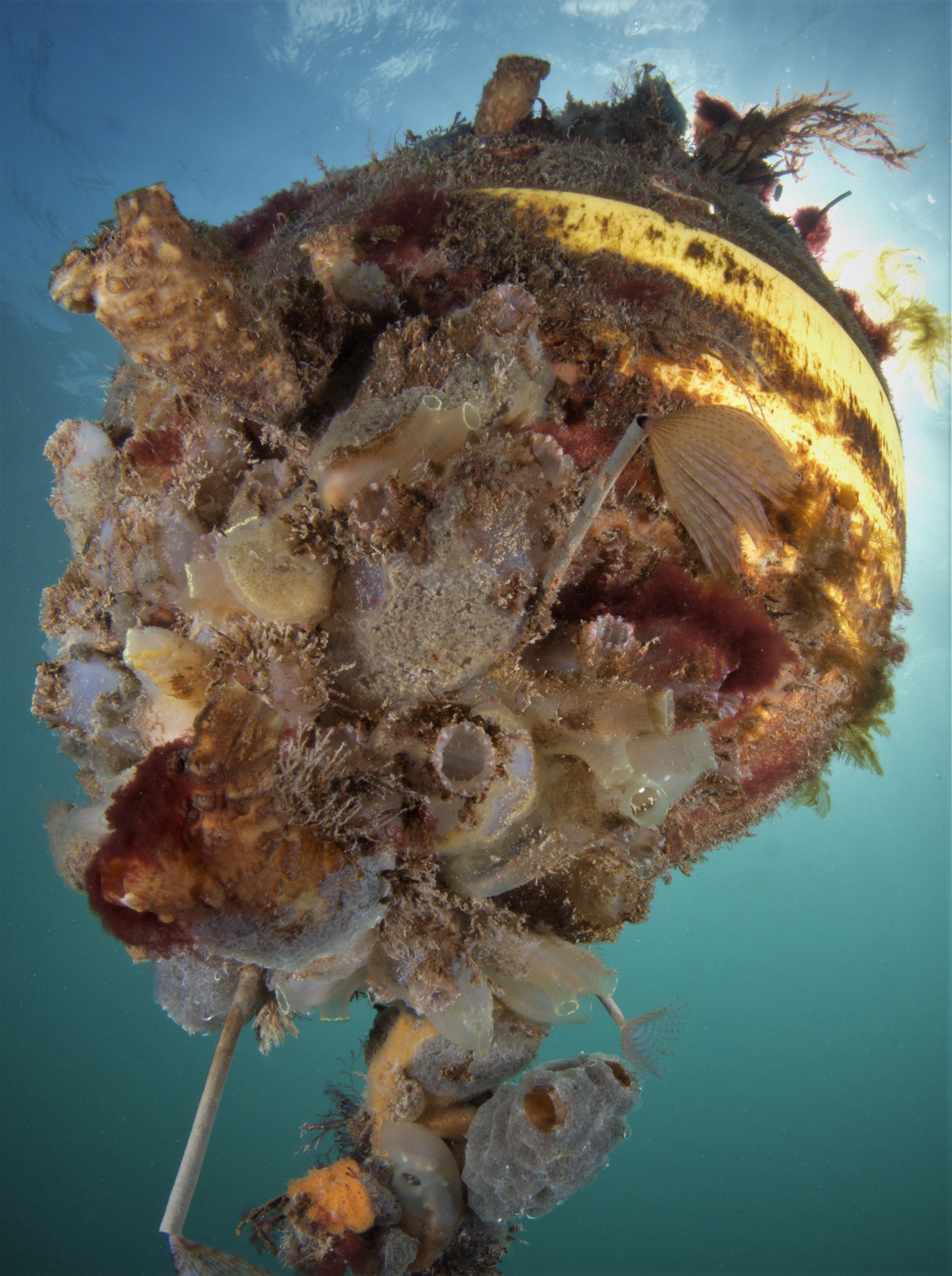
A while ago I played around with taking pics of the underside of a buoy, which was fun, and so i wanted to practice this some more. My mistake the first time (see here) was to use a fast shutterspeed (the buoy was bobbing about after all) which made the water look unnaturally dark. I tried again this weekend and it went a bit better, although I already know I can improve things. This time I thought it would be nice to put some names to the amazing fouling biodiversity (I did this before for some seaweed images, see here). Crustaceans (tube-dwelling Jassa), Sponges, Bryozoans, Seaweeds but especially a lot of Tunicates (seasquirts; both solitary and colonial species). David Fenwick (of AphotoMarine fame) had a quick look to help with some IDs; there is a more there but this was not meant to be exhaustive. I have underlined species that are invasive. Anyway, I am sure I will post more of these types of images: the buoys are always there and these organisms do not swim off when you try to take a photo!
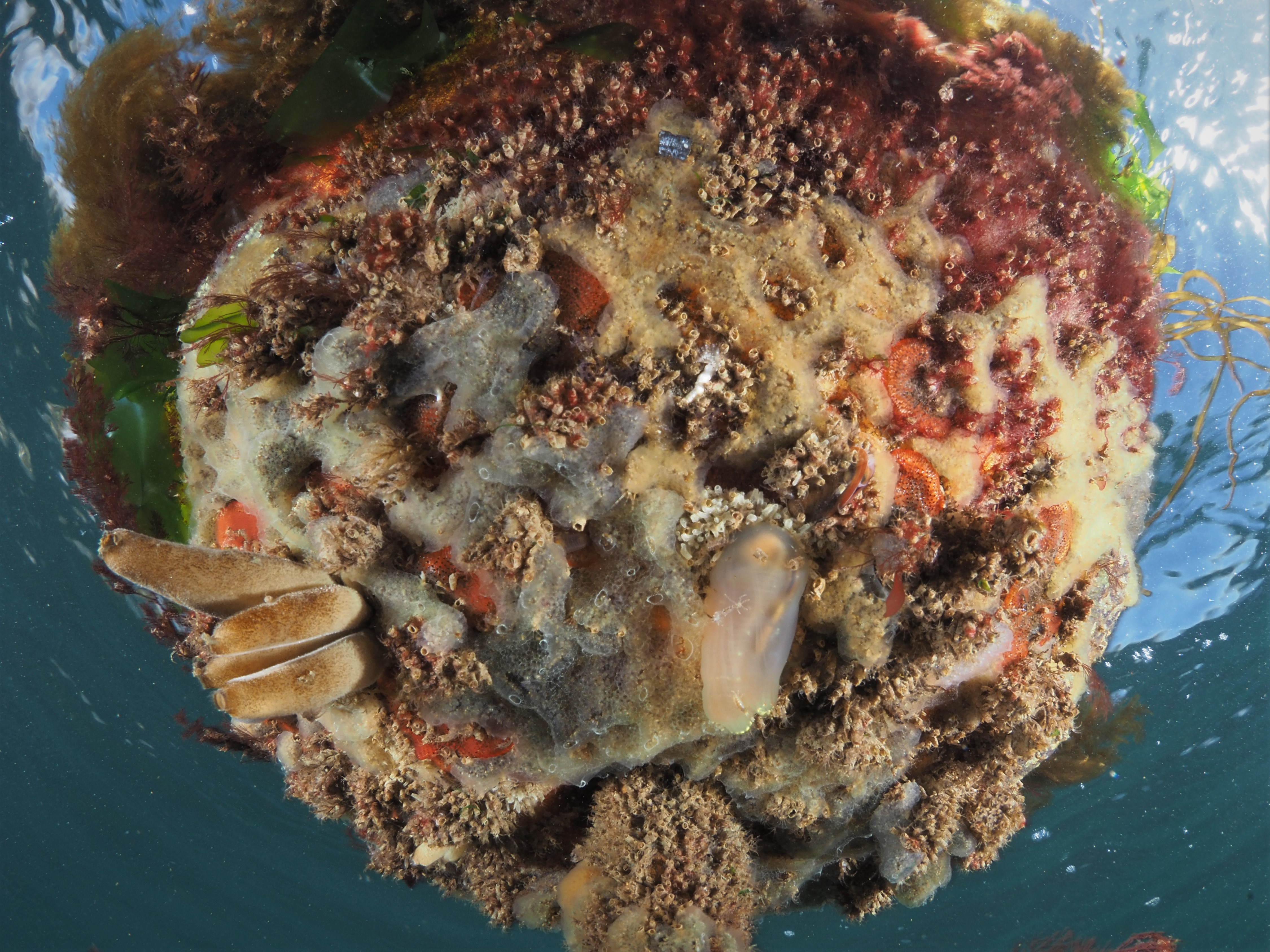
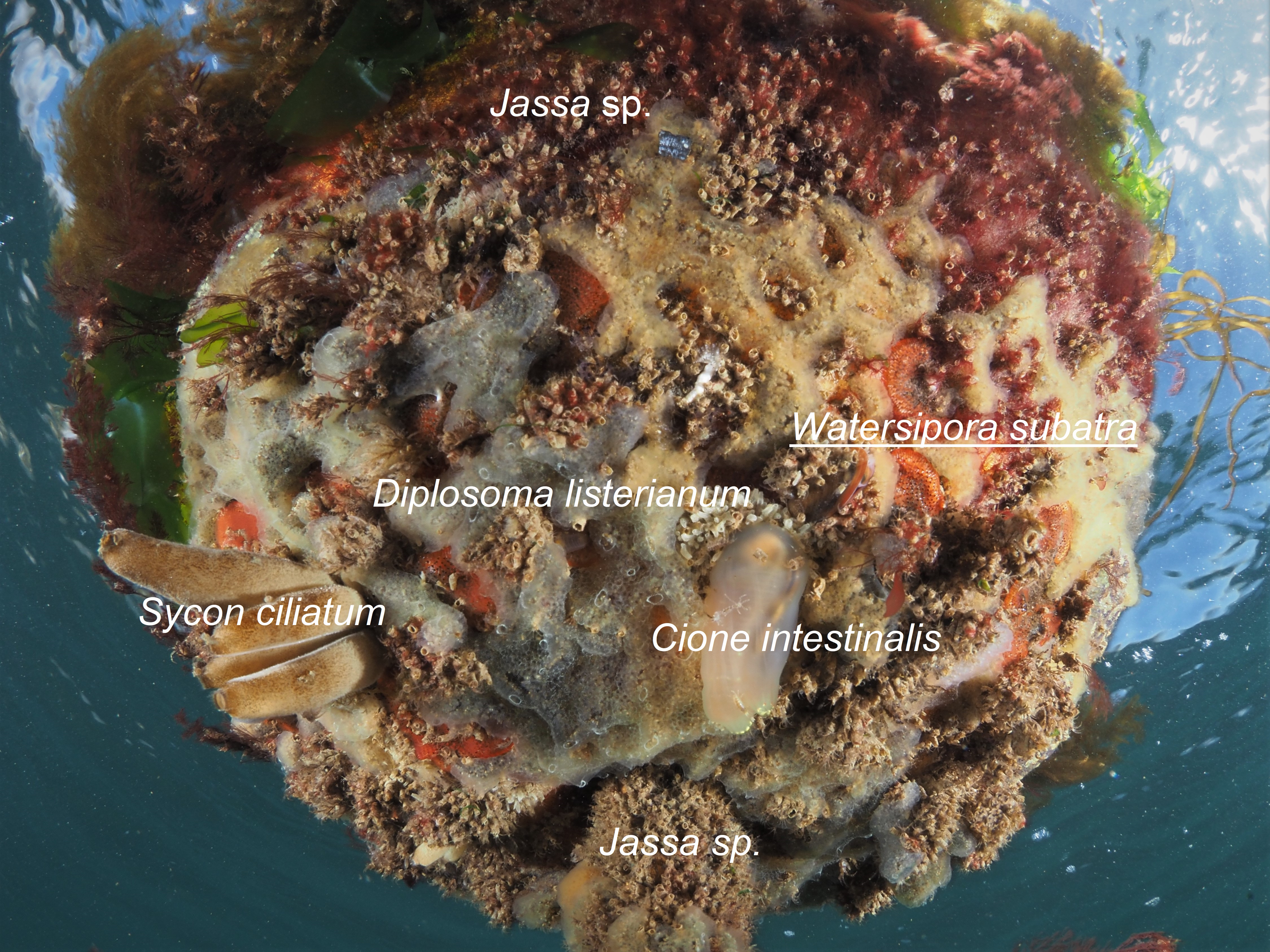

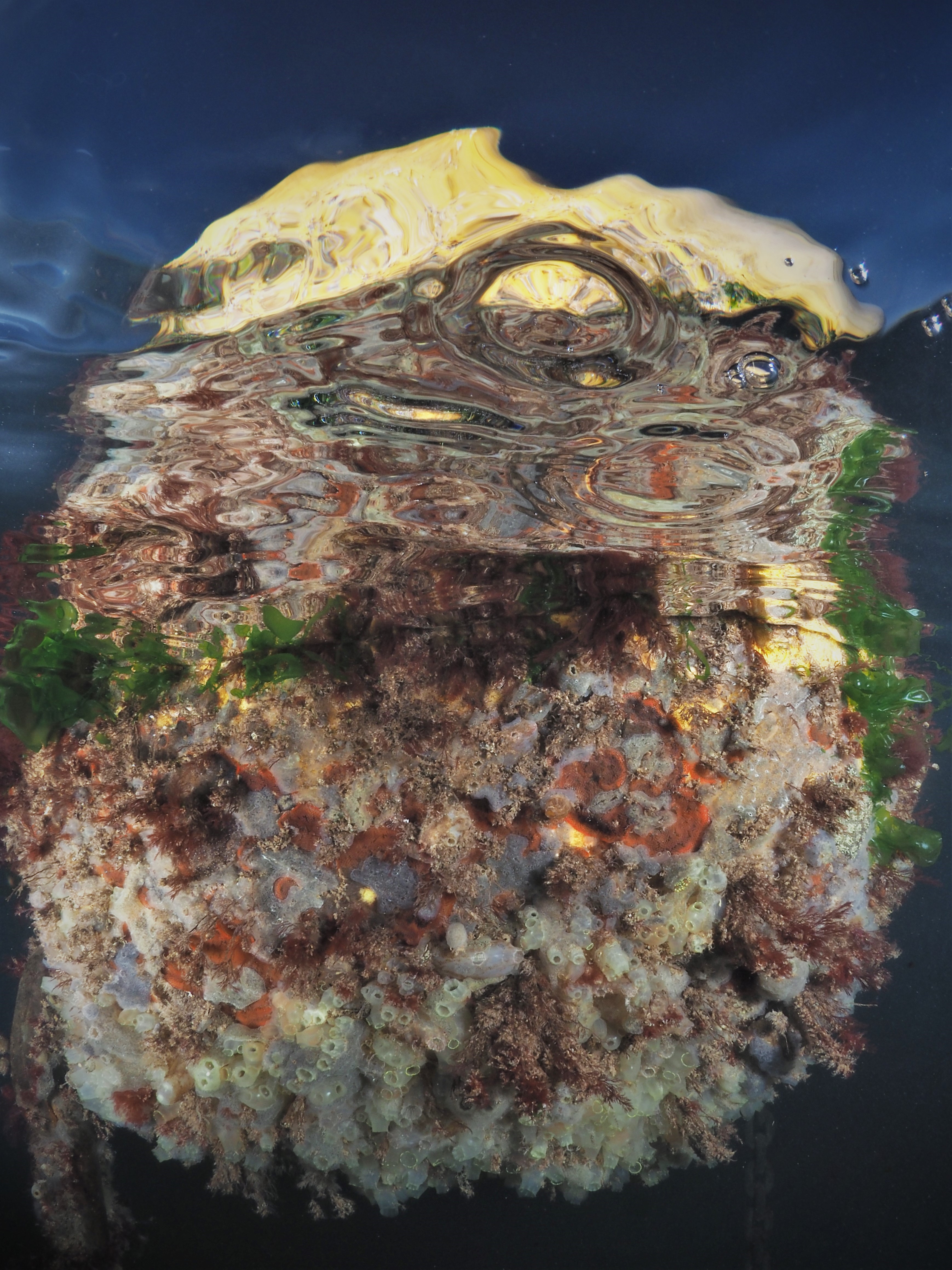
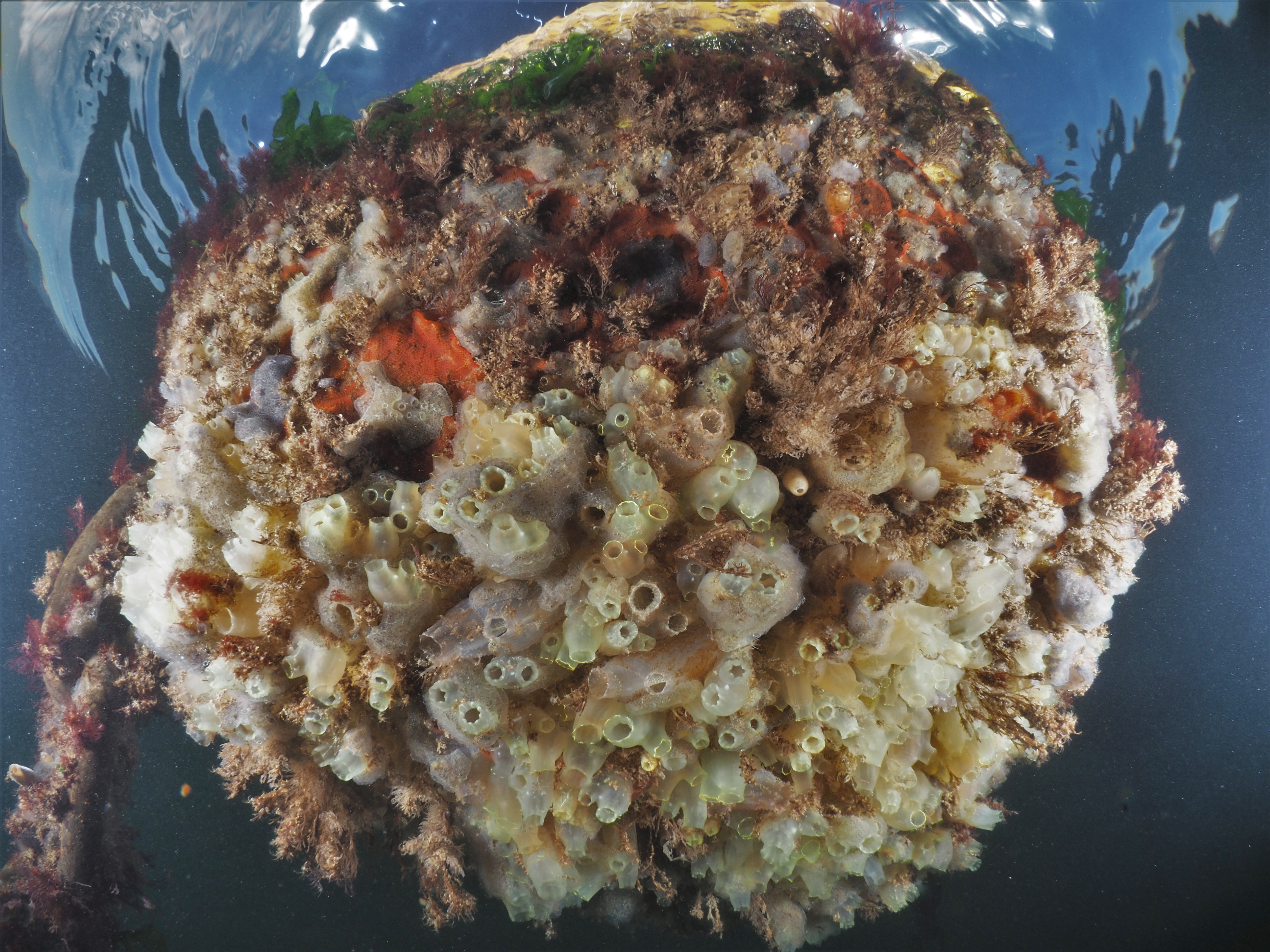
A rare sunny interval on Saturday meant I grabbed my gear for one last snorkel this year before returning to The Netherlands for Christmas. The visibility seemed good the last couple of days (judged by peering down the quay) and there was no wind, but I was quickly disappointed when sticking my head underwater at Flushing beach (also had major brain freeze!). I headed to the nearest buoy to practice some close focus wide able shots with my two strobes (one just arrive back from Japan for repairs). This proved difficult but fun. Lots of adjusting positions; outward when they created back scatter and inwards when the middle of the photo was not lit up. As the buoy was bobbing about I used a fast shutterspeed which resulted in dark water but that too has its charms. Lots of diversity, including the solitary seasquirt Cione intestinalis, colonial seasquirts Botryllus schlosseri, Diplosoma listerianum, Didemnum (maculosum?), bryozoans Watersipora subatra and Bugula and/or Bugulina species, the purse sponge Sycon ciliatum as well as tufts of red seaweeds and green Ulva. There are an enormous amount of tiny critters such as worms and snails hidden between all these species as well. It will be a nice project for next year to take a better wide able pic and complement these with macro pics of individual species.
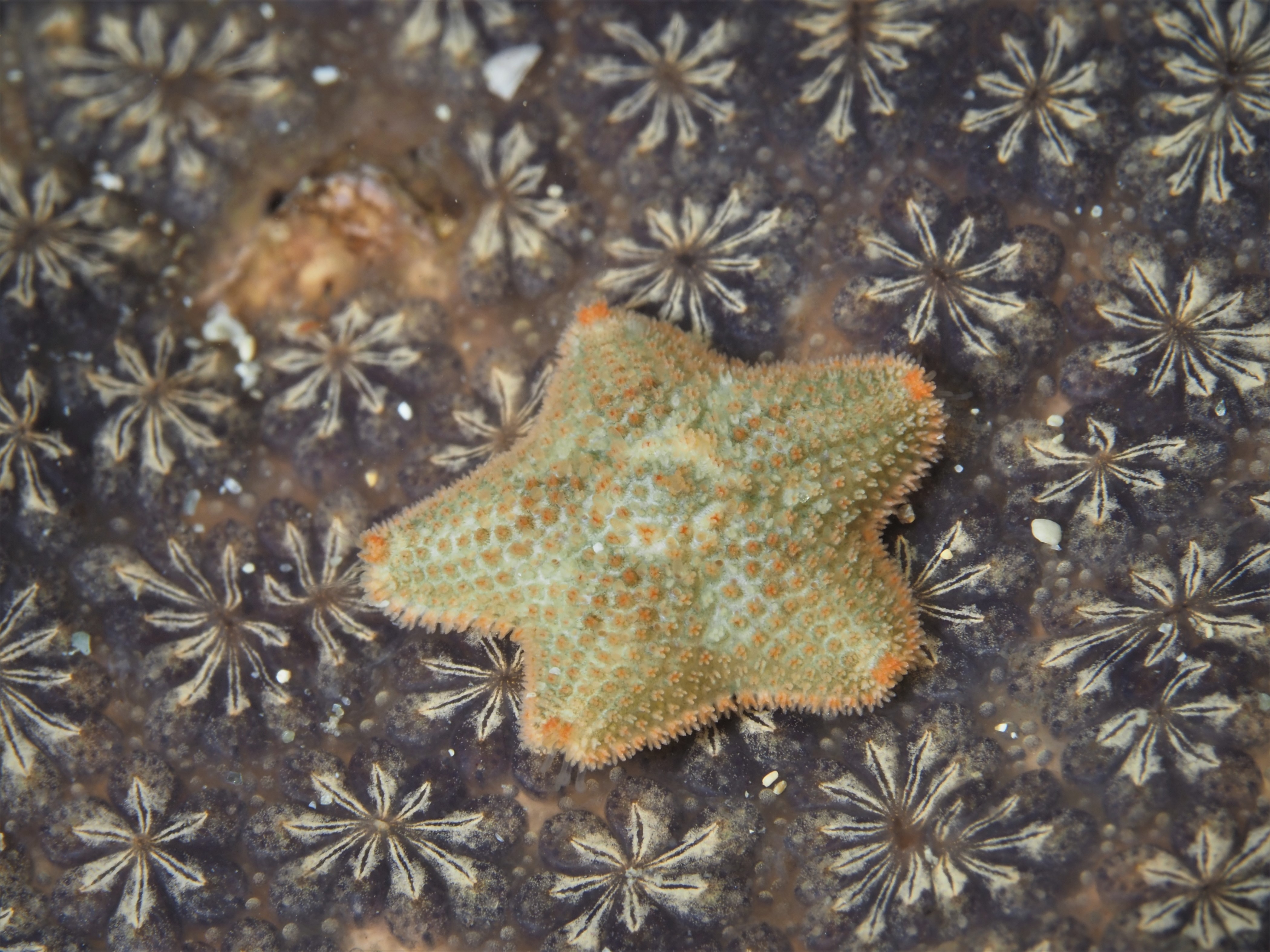
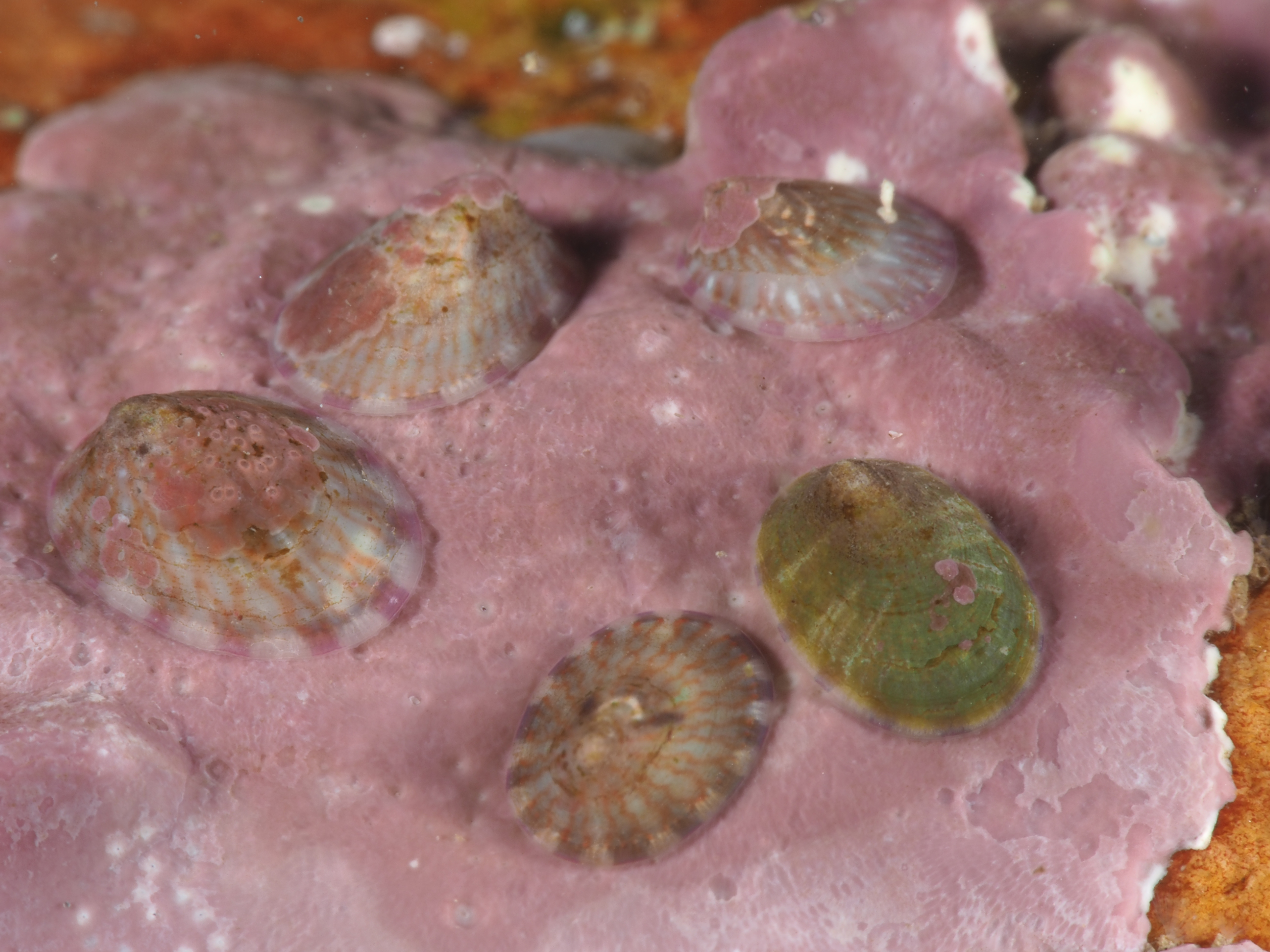
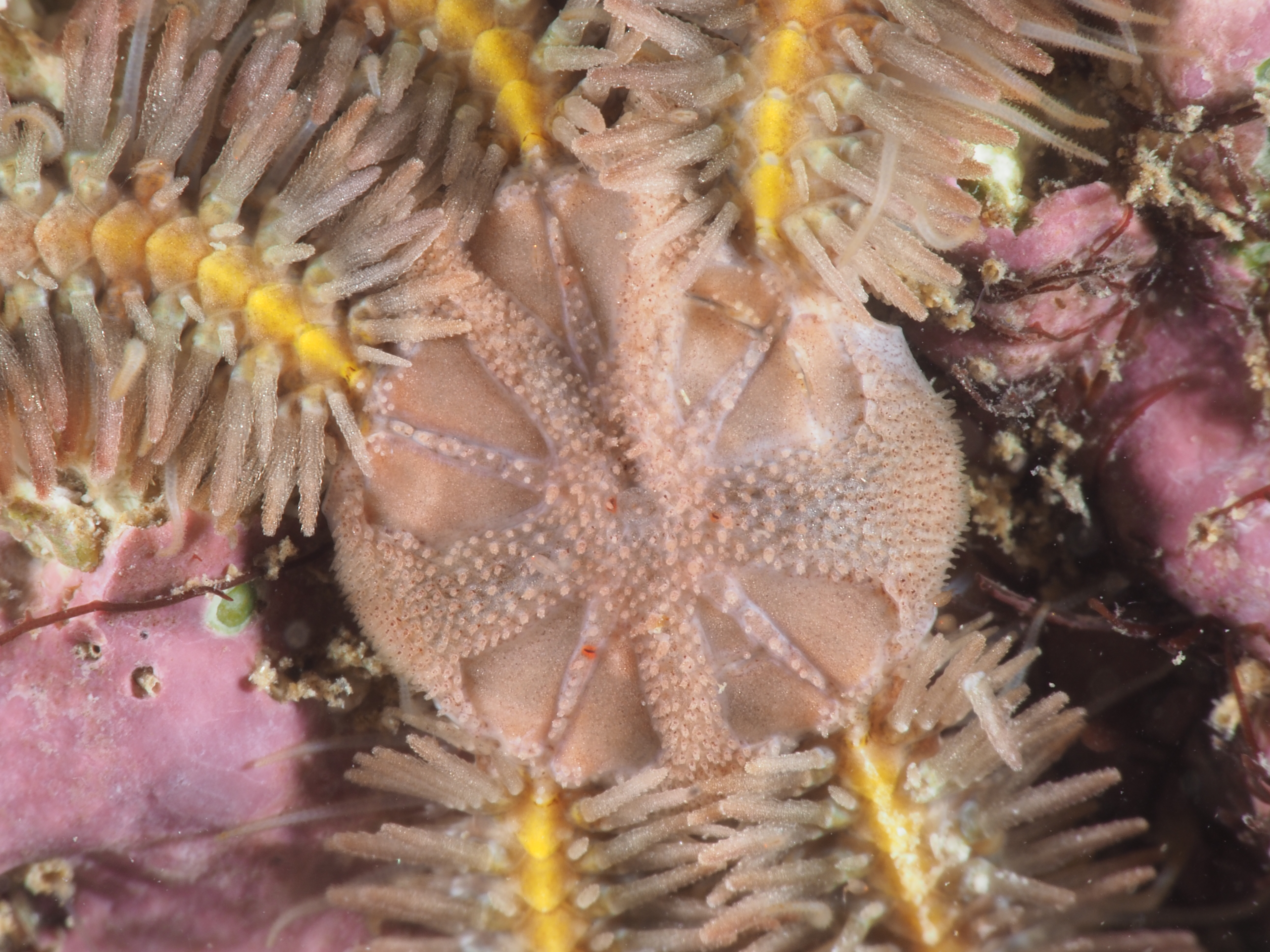
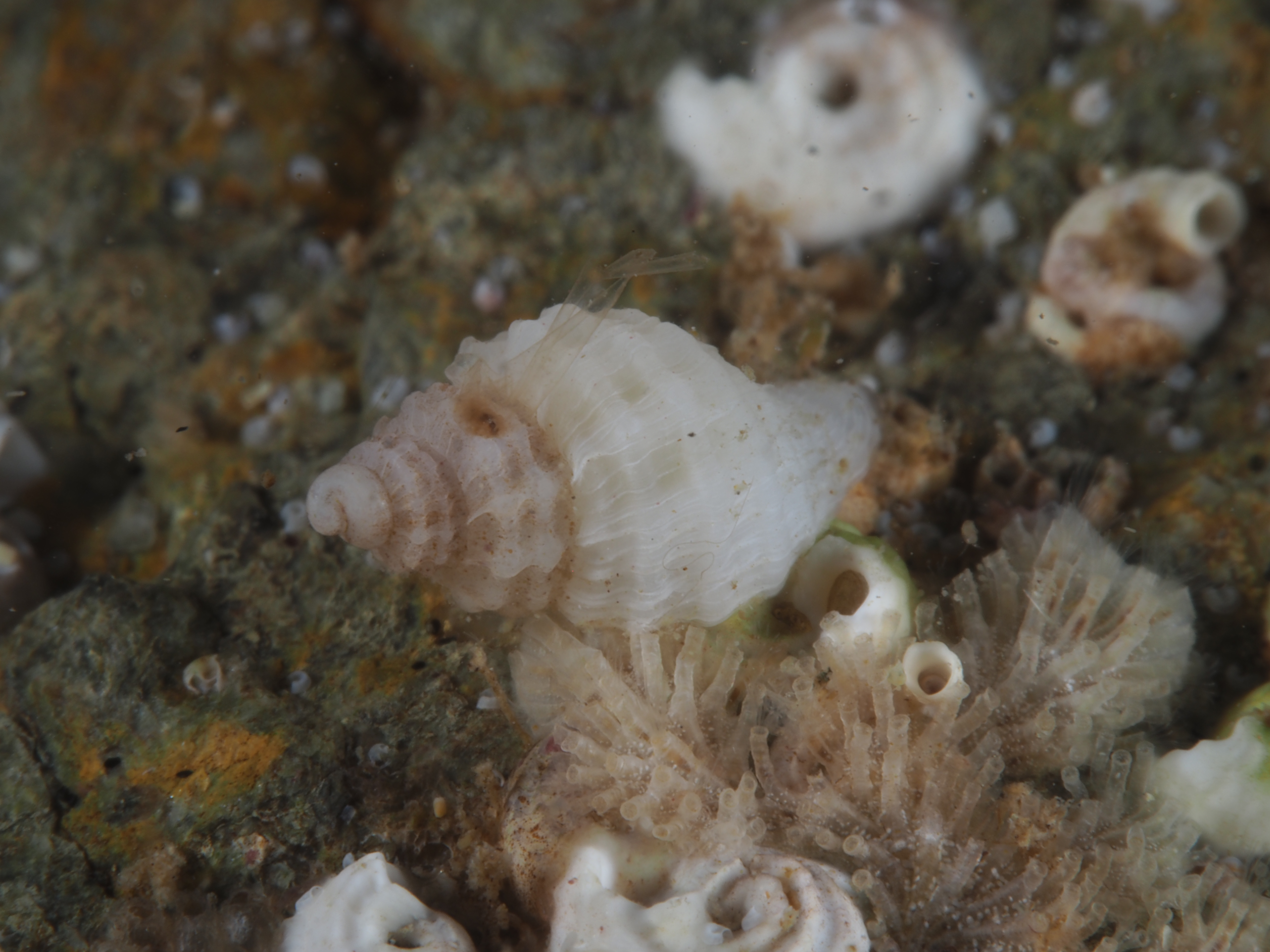
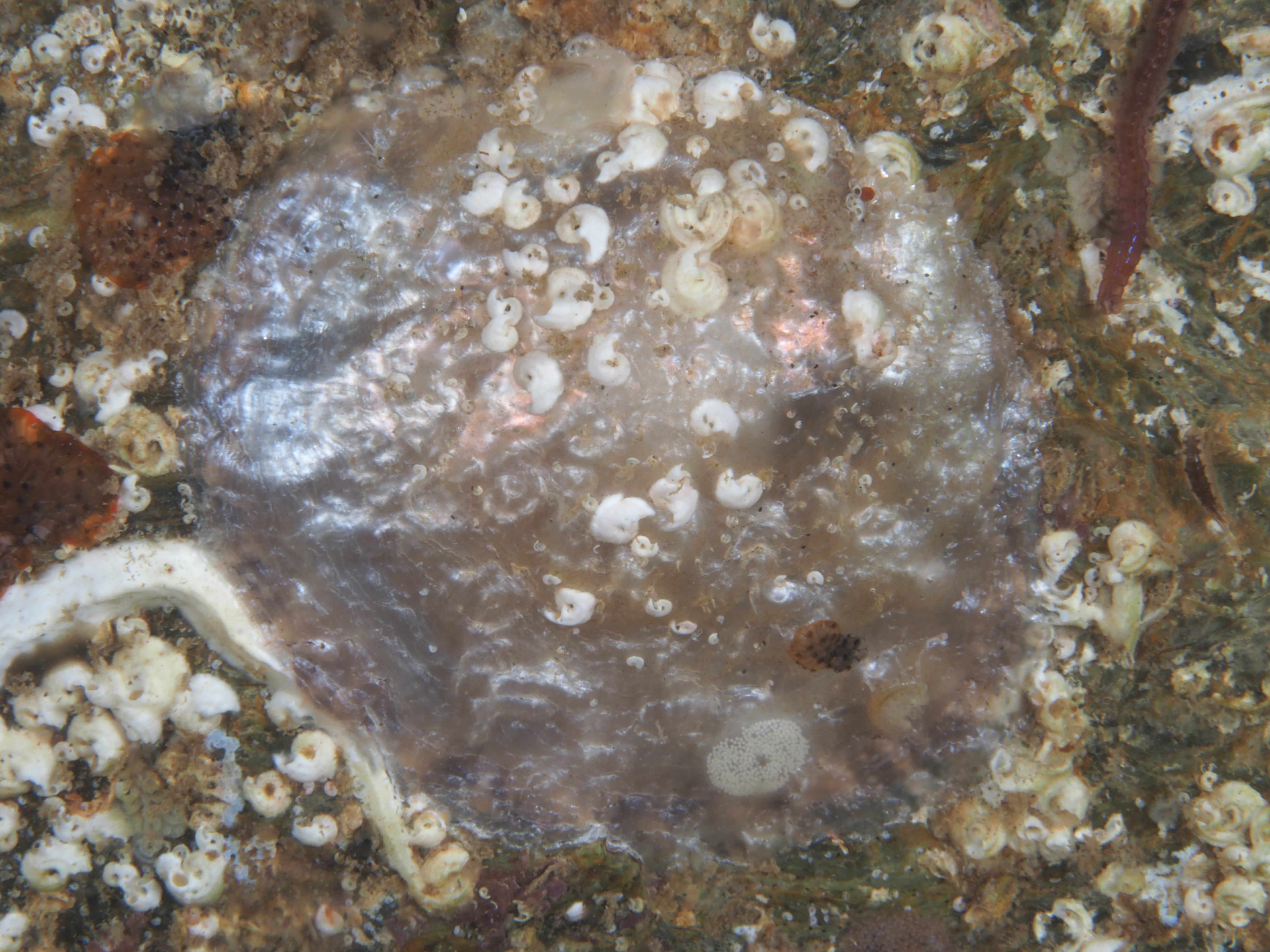
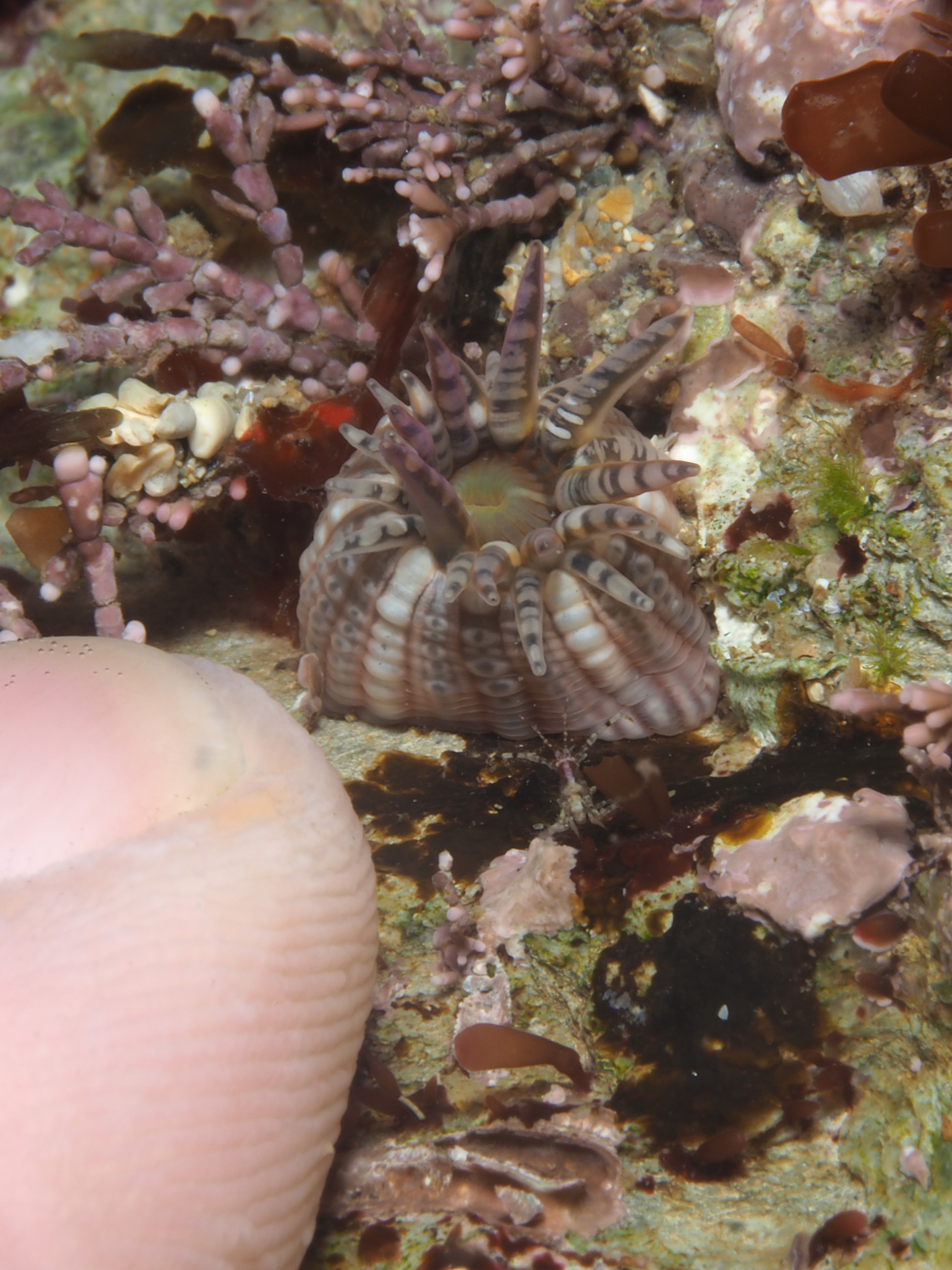
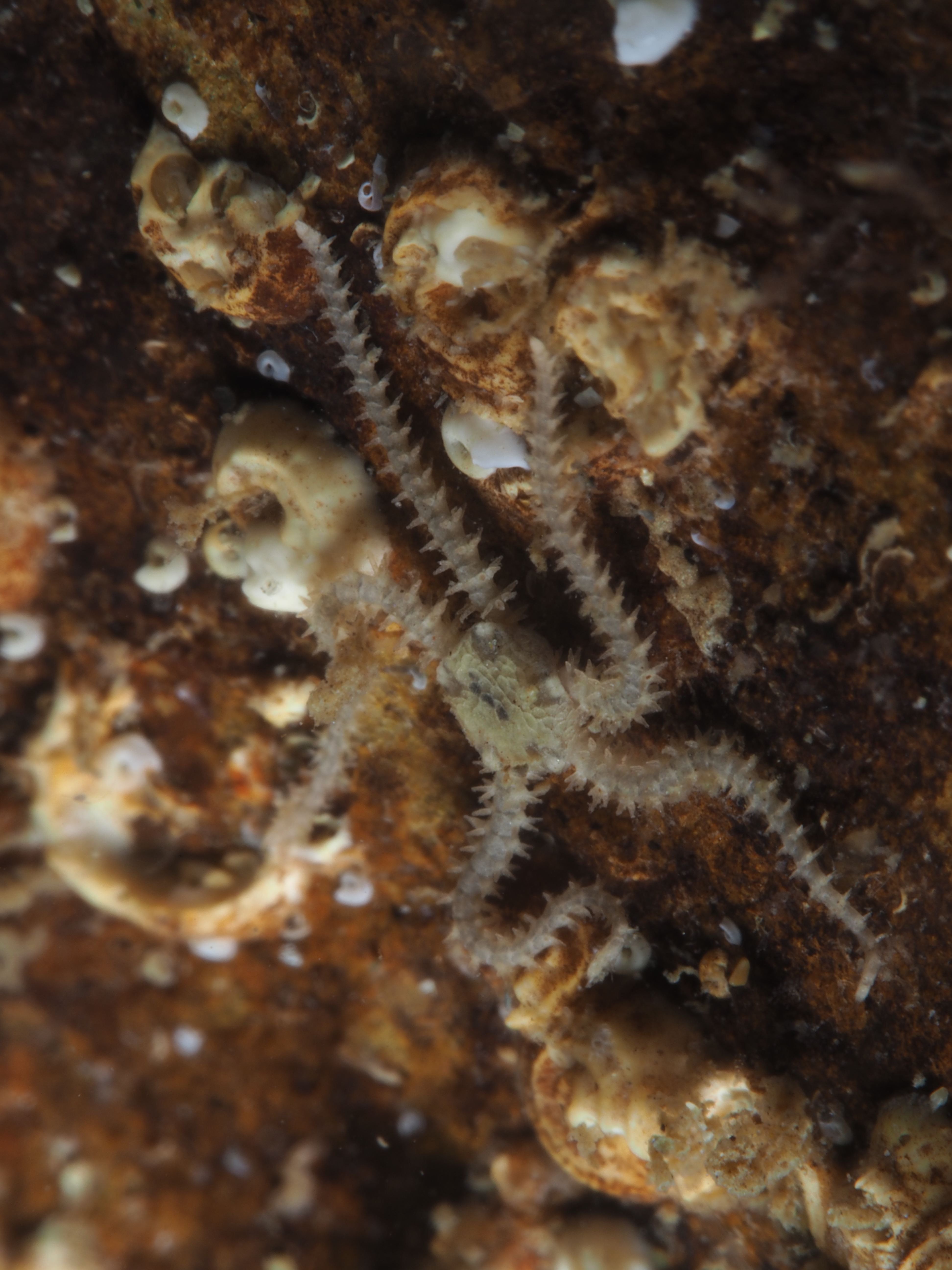
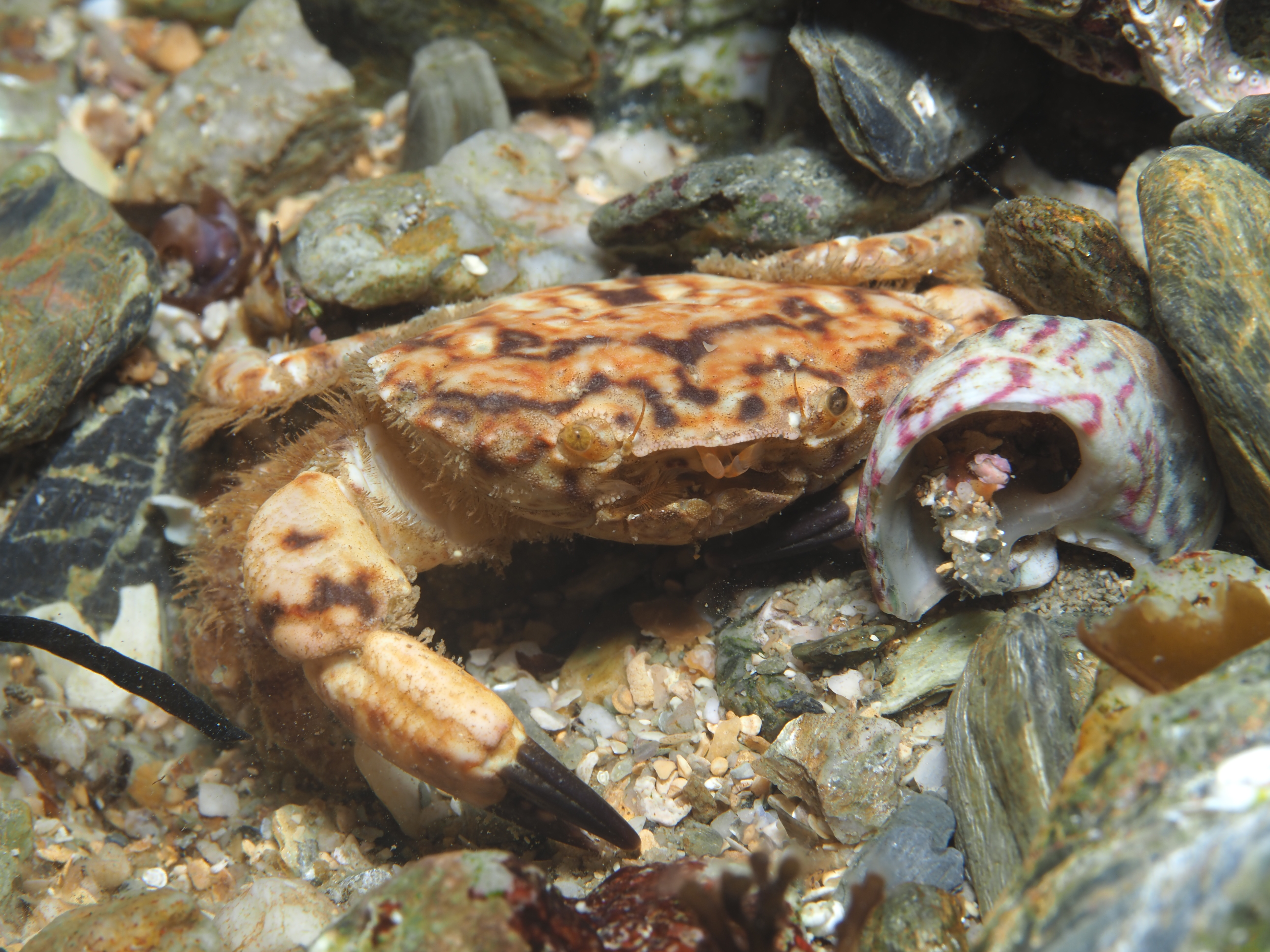
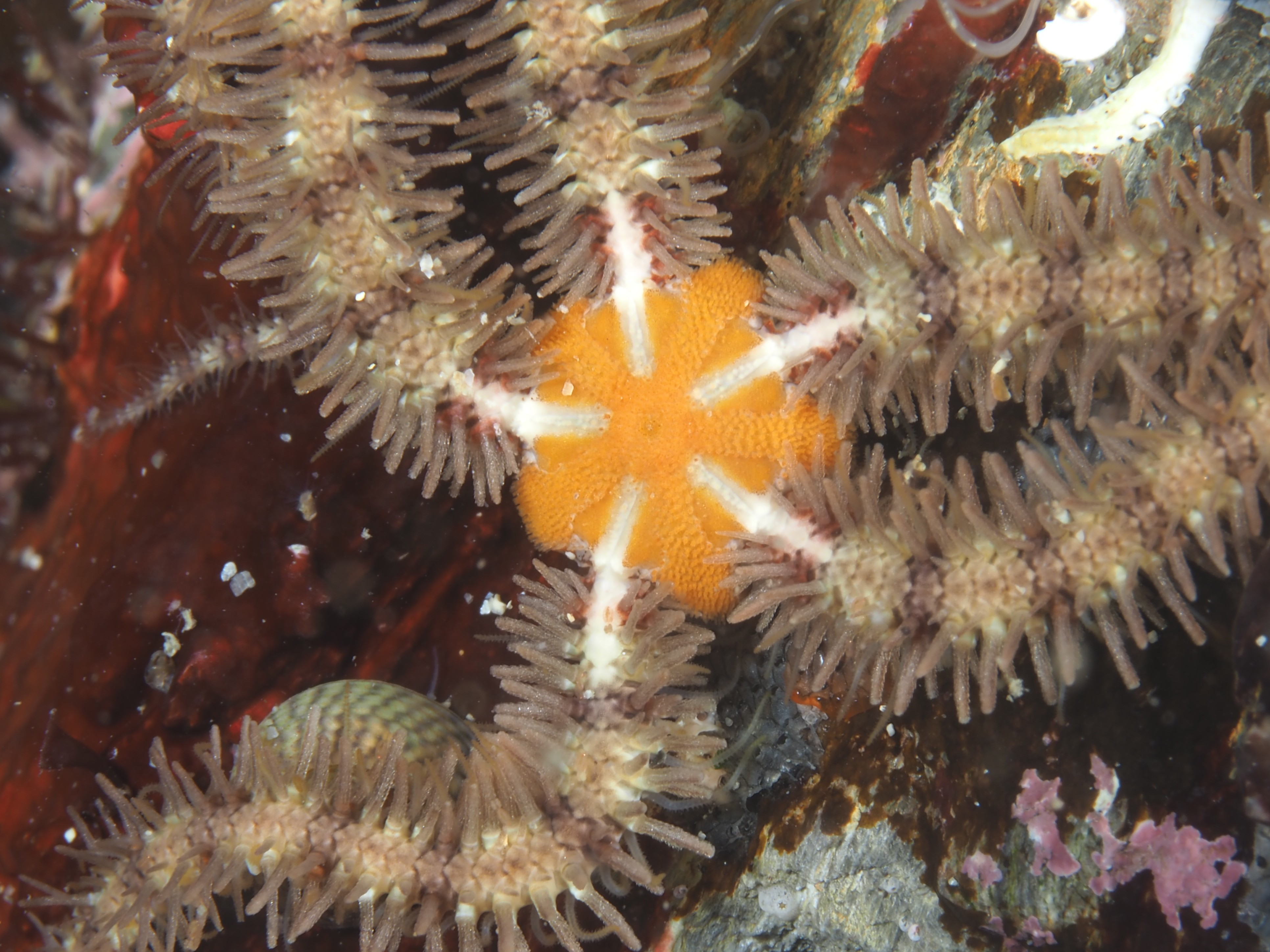
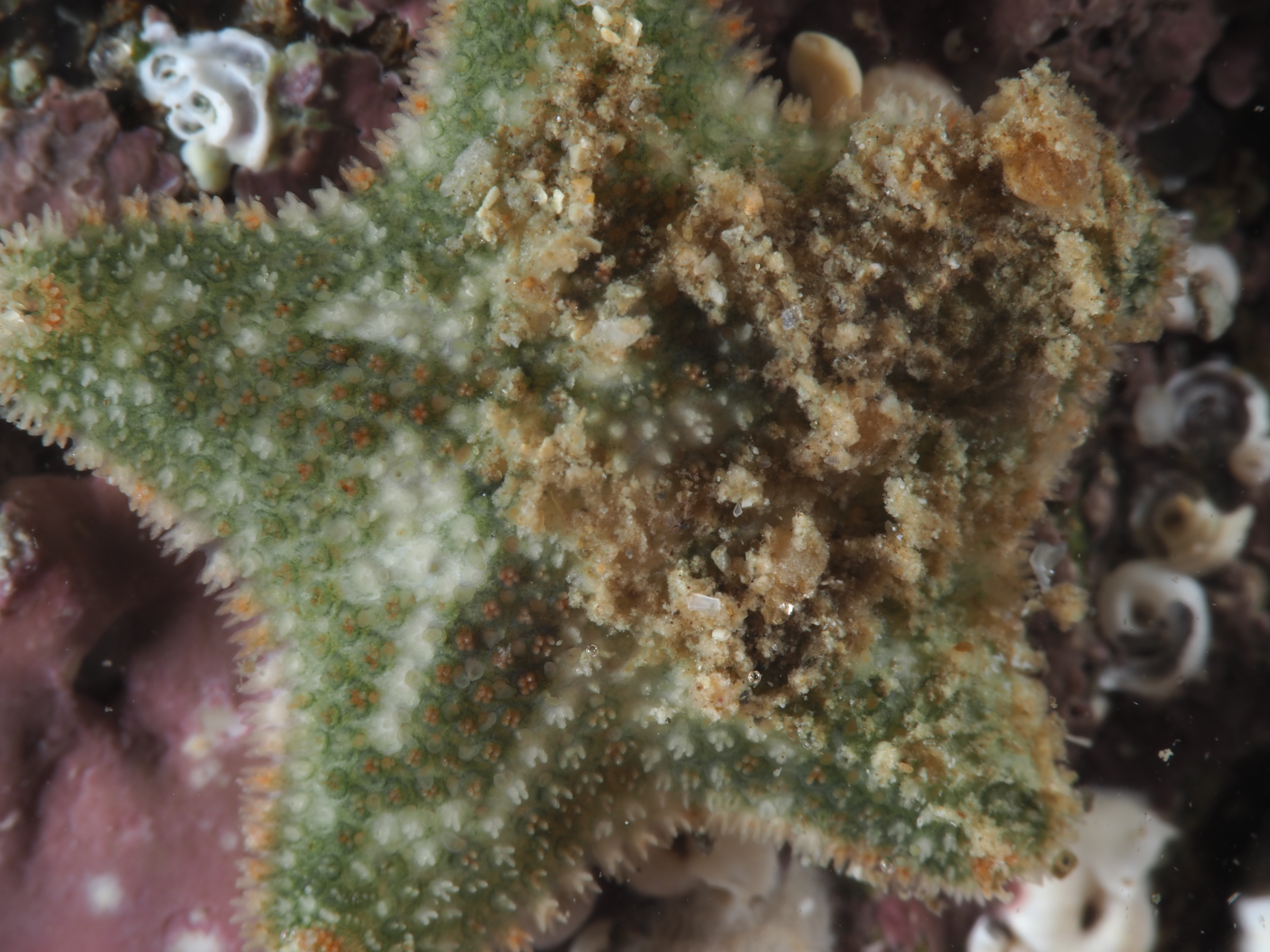
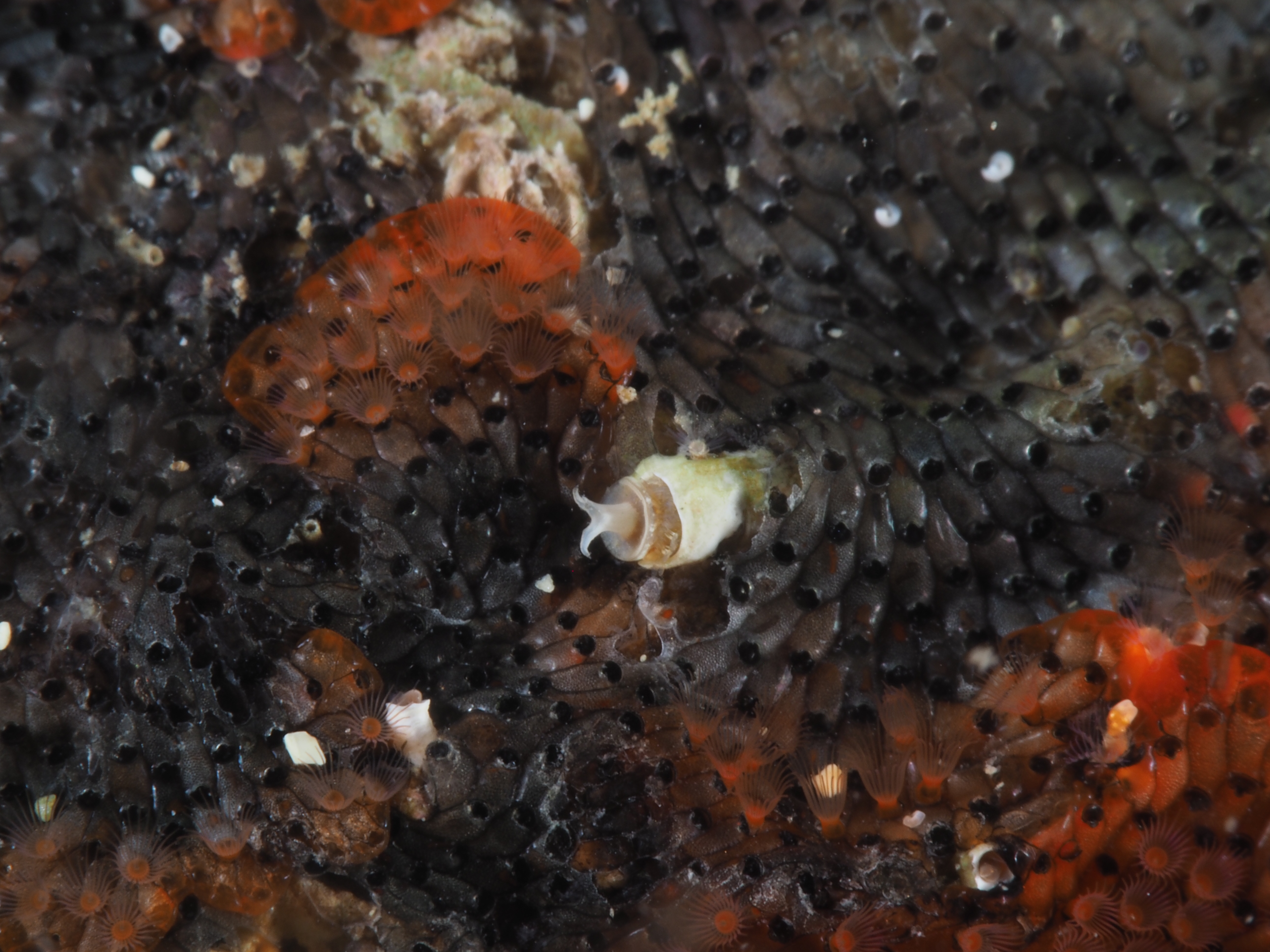
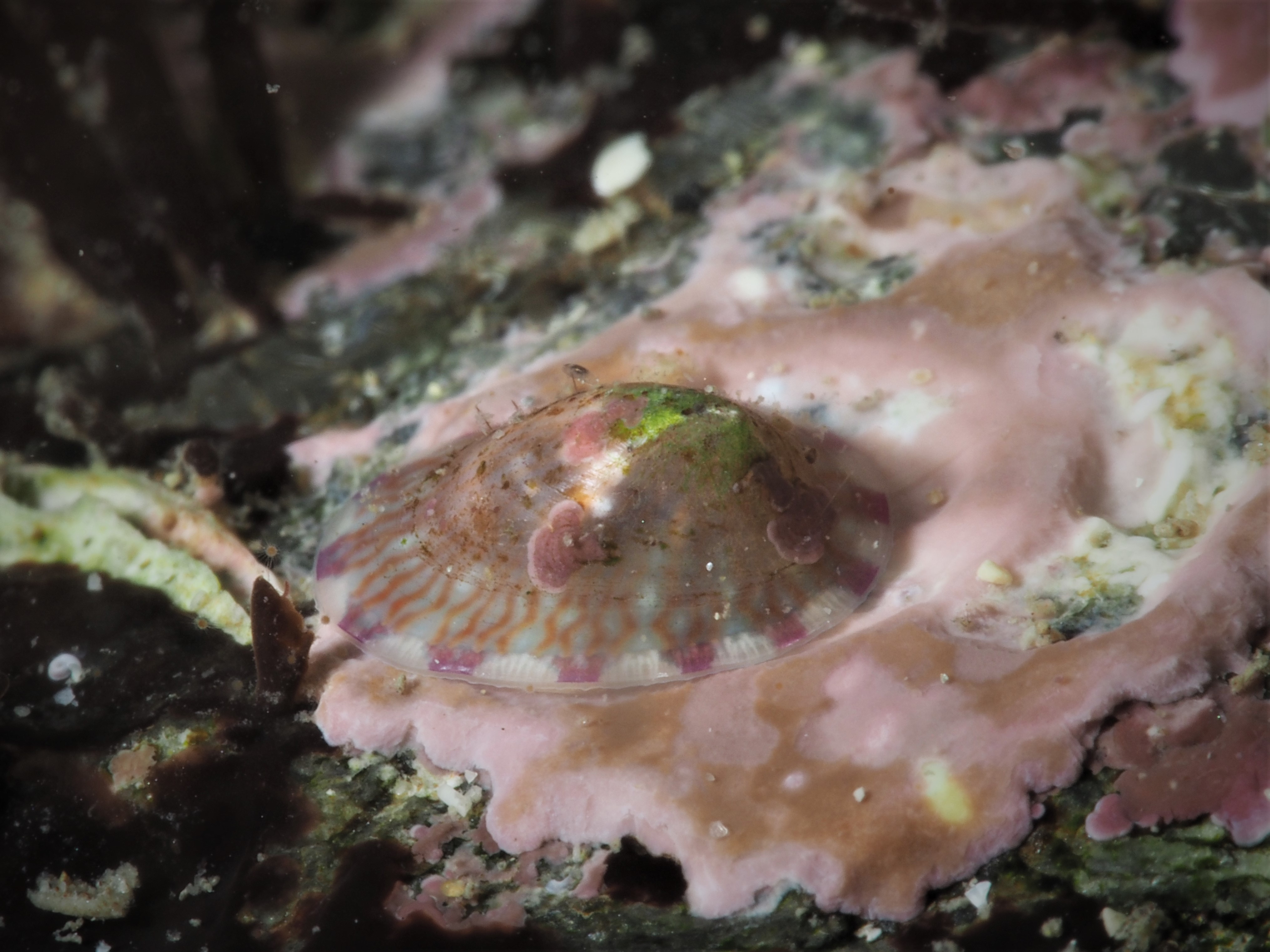
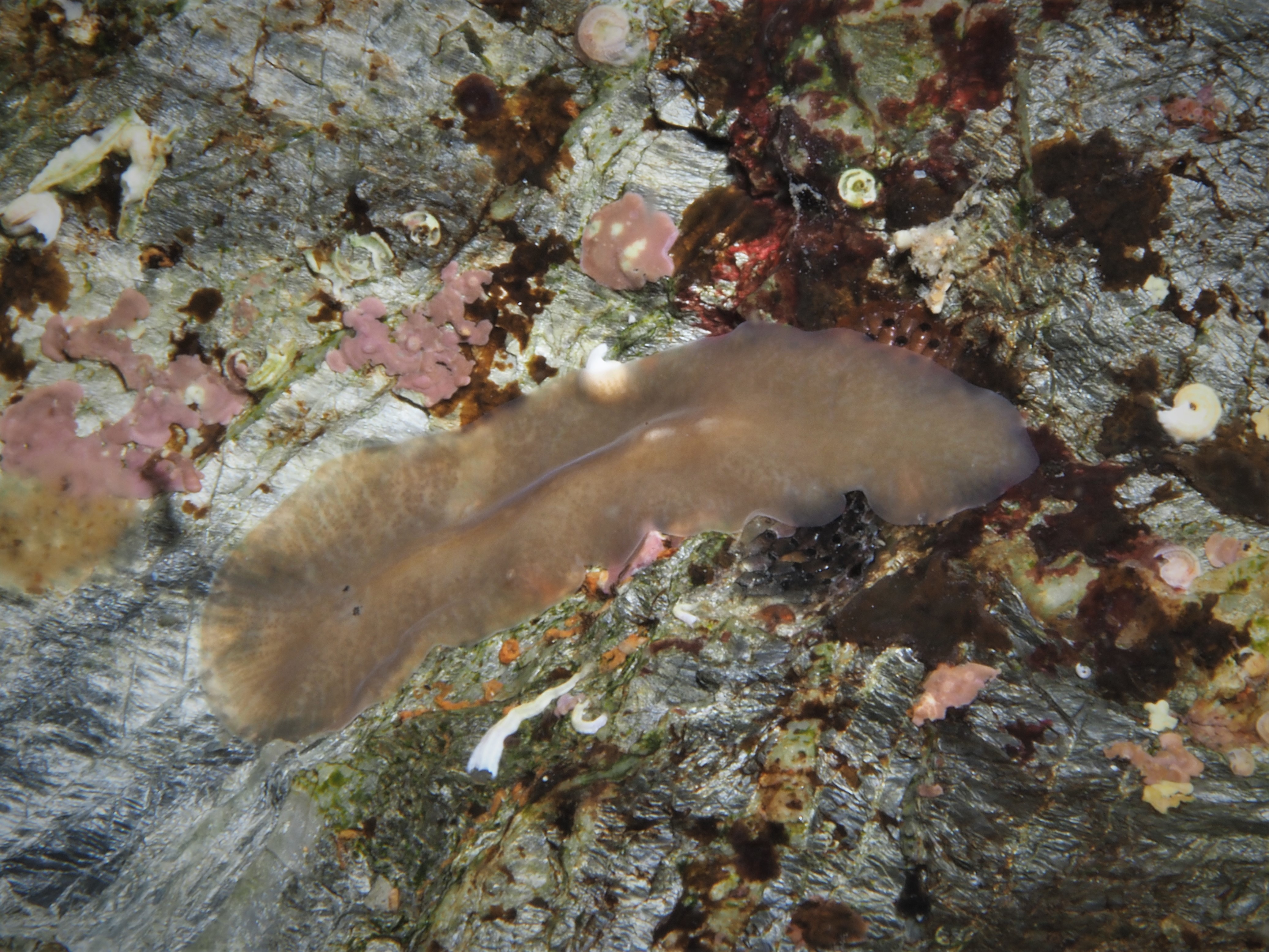
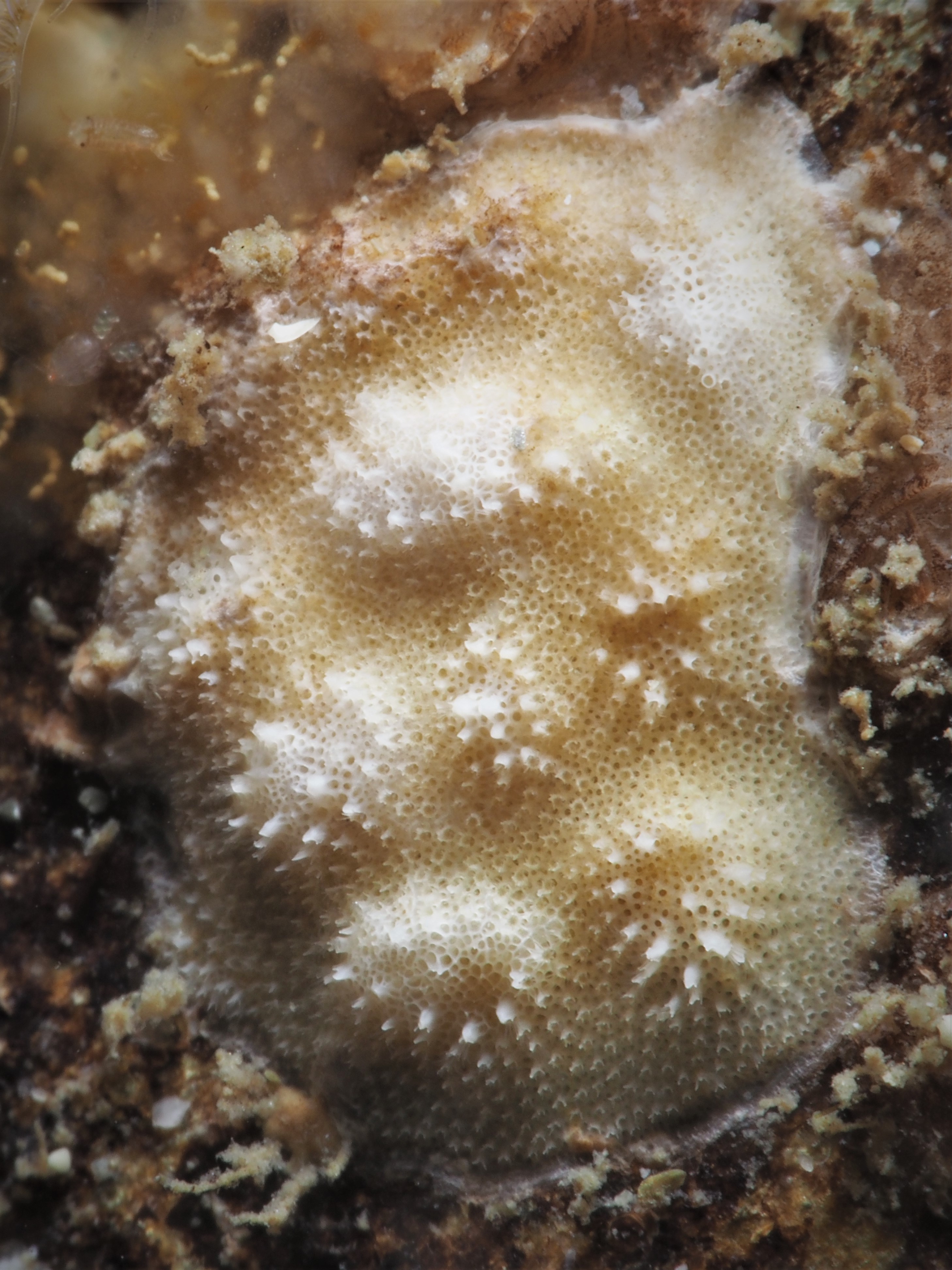
I have not posted a lot this year; in part just because I have not been out as much as I hoped I would, and in part because I had some technical difficulties (I had to sent back a malfunctioning strobe and am also having snoot troubles). As a result I have not gone scuba diving and did not see much of the rock pools either. I managed to take some macro shots over summer though that are worth a quick post. Above a Cushion Star Asterina gibbosa on a colony of the star ascidian Botryllus schlosseri. Below one of my favourite little molluscs, the beautifully patterned White tortoiseshell limpet Tectura virginea. Another tiny mollusc, is the Needle Whelk Bittium reticulatum. The Variegated Scallop Chlamys varia is also common (under rocks) and can be nicely patterned when they are small. Finally some other tiny critters: the Flatworm Leptoplana tremellaris (I like their beady little eyes) and the Bryozoan Disporella hispida.


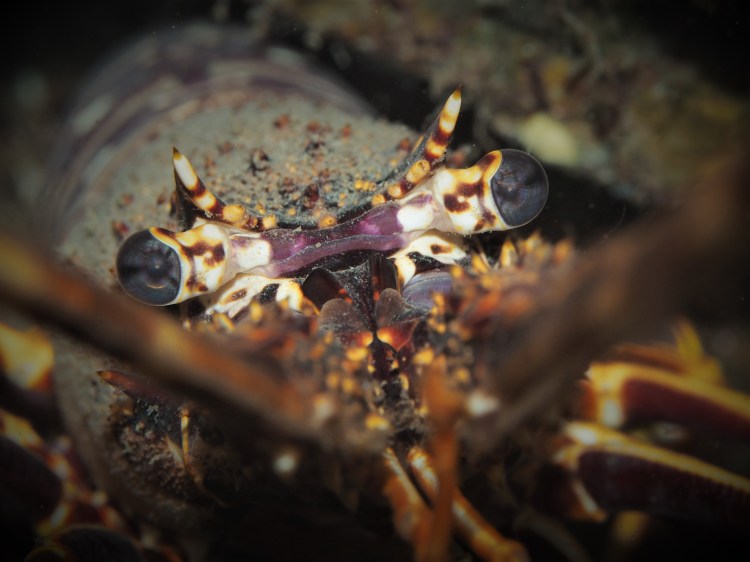
 Yet another solo dive (I know, I know, not ideal) this Thursday morning before the easterlies are kicking in. Actually, the water was already choppier than I expected, but for macro photography the viz is not as important. I did not get ‘the’ shot but it was a nice dive all around. I discovered a little swim-under and saw lobster, rock lobster (craw fish) and a huuuuge conger eel. I was focusing on a little tunicate when I looked up and saw it looking back at me from not very far away at all. Its head was as big as mine. I slowly swam backwards, thinking of this encounter…..overall they do seem to be aggressive towards people though, and with my fisheye lens this could have been a really good shot. This later happened again, this time a smaller individual but still sizable. I did not stick my macro lens up its nose but grabbed a halfhearted shot with a passing by Twospot goby almost in focus to give an idea: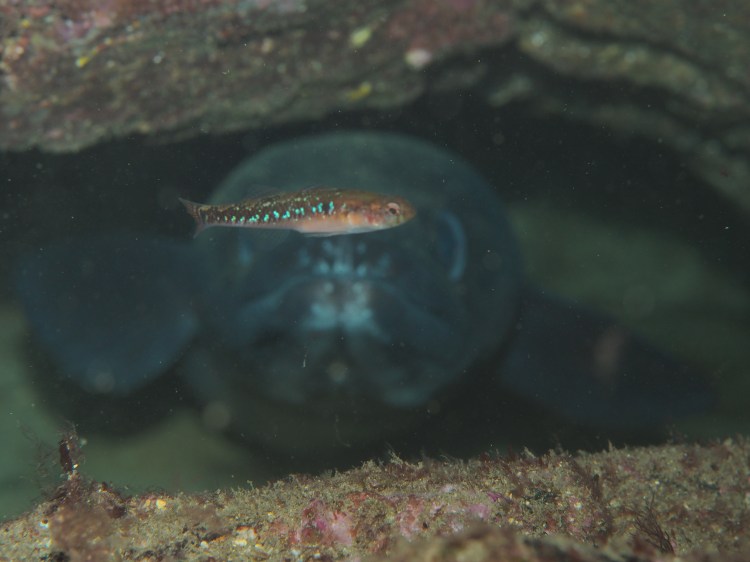
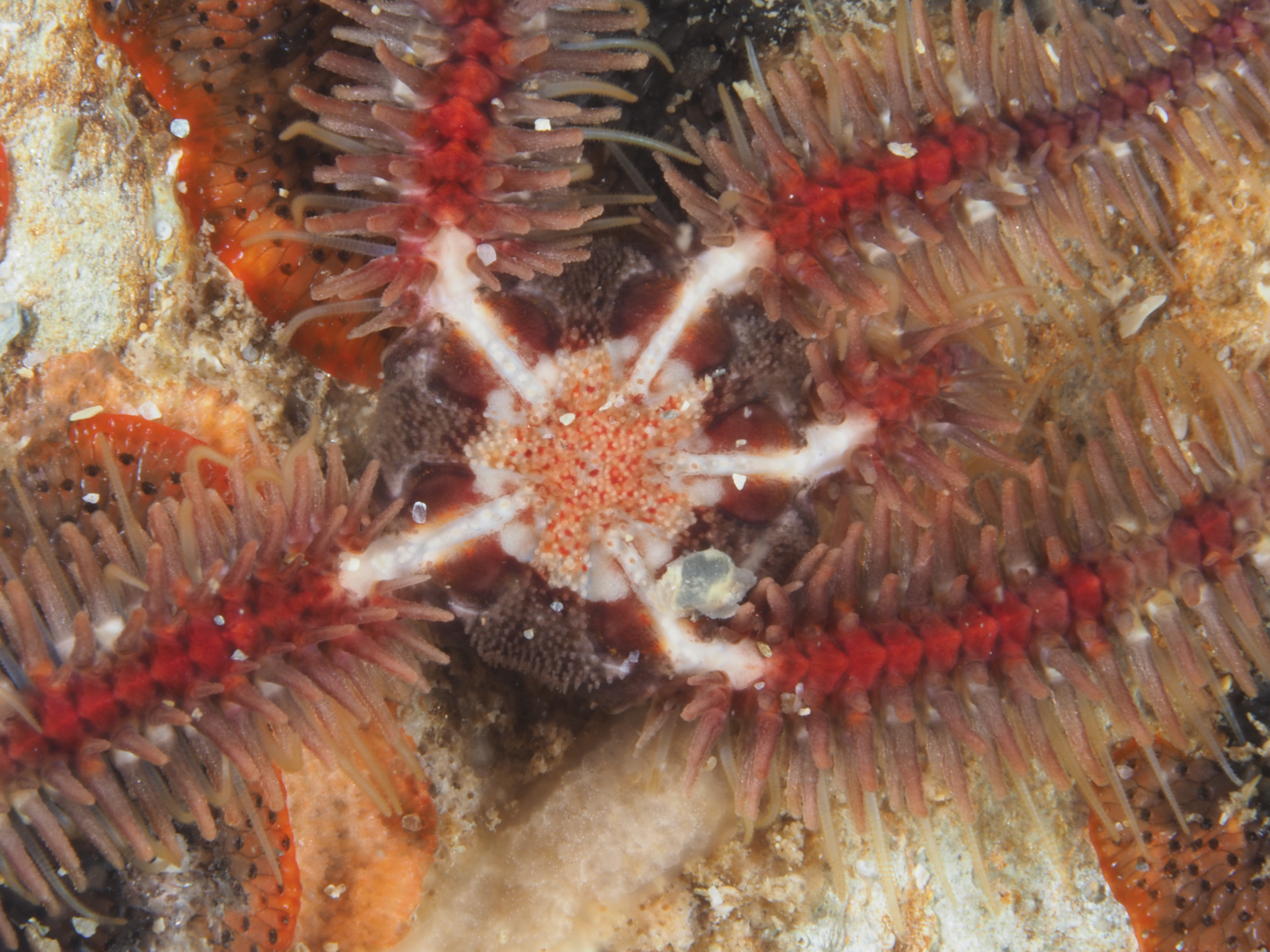
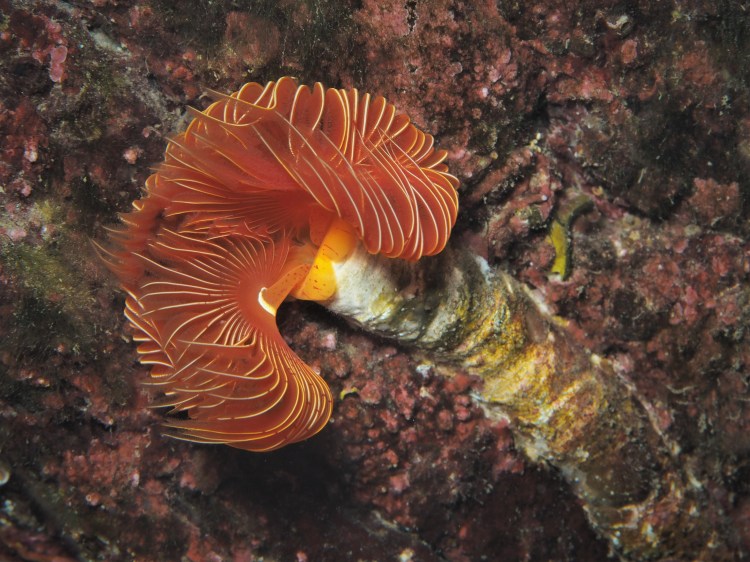
 Some macro shots: again a Twin fan worm Bispira volutacornis and a new one for me, a big bright red Protula tubularia. It would be nice to get some abstract close-ups but these are excellent living motion-detectors so it is difficult. There are some amazing colours under the rock overhangs and I would like to try some more abstract photos such as this Spiny starfish or this Didemnun colonial seasquirt and other encrusting animals (and plants). No diving/snorkelling this weekend because of the wind, but glad I could put a couple of dives in these past weeks, and I will make an effort to go a lot more weather permitting!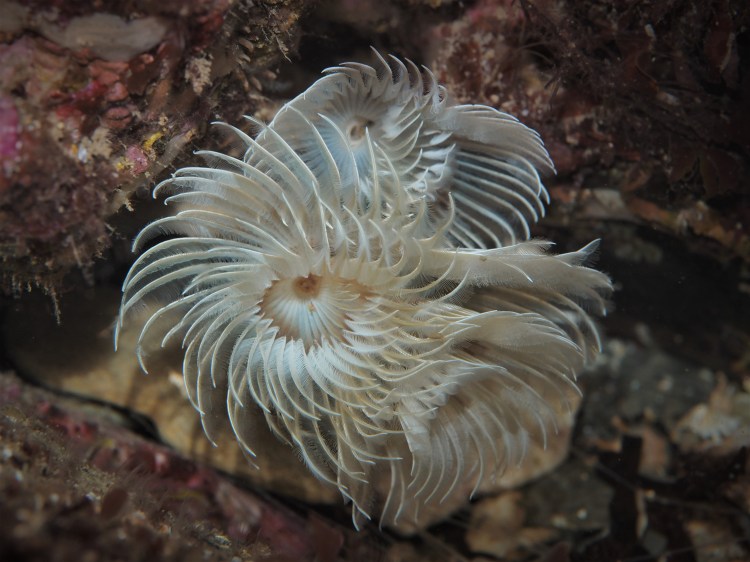
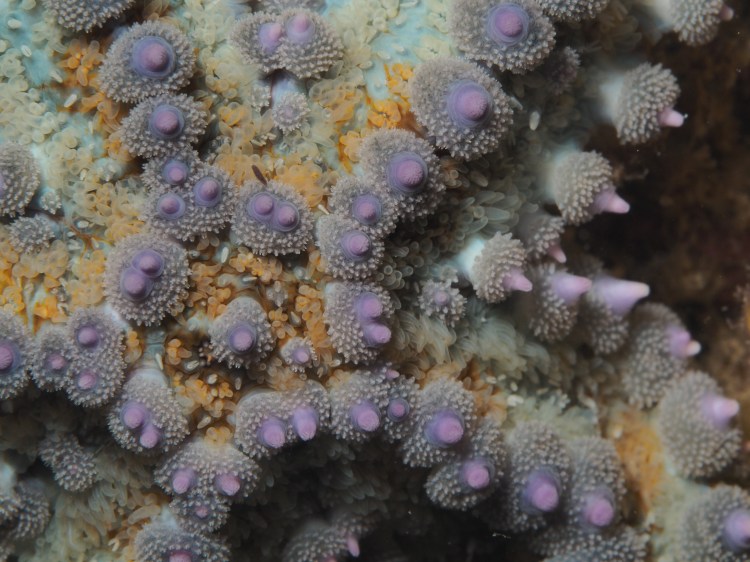
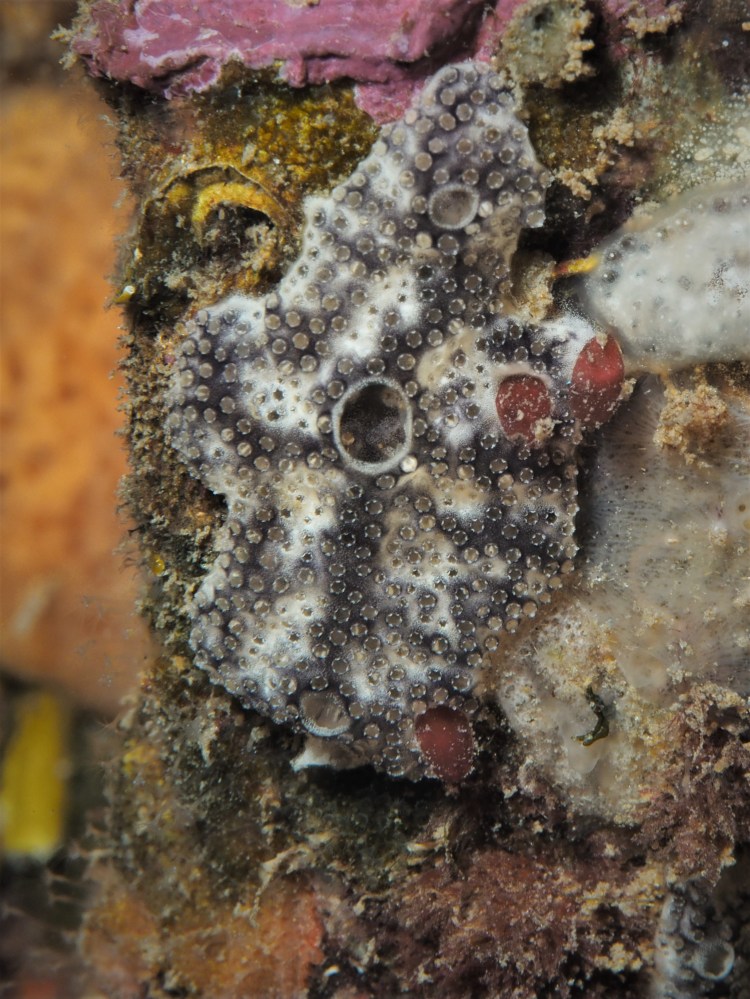
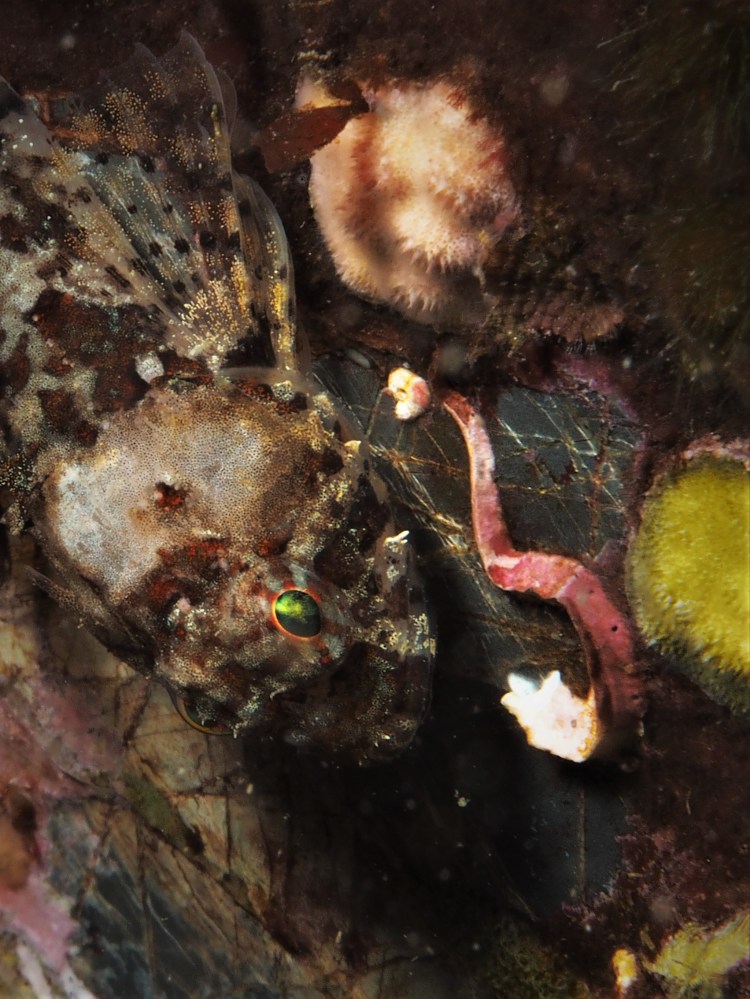
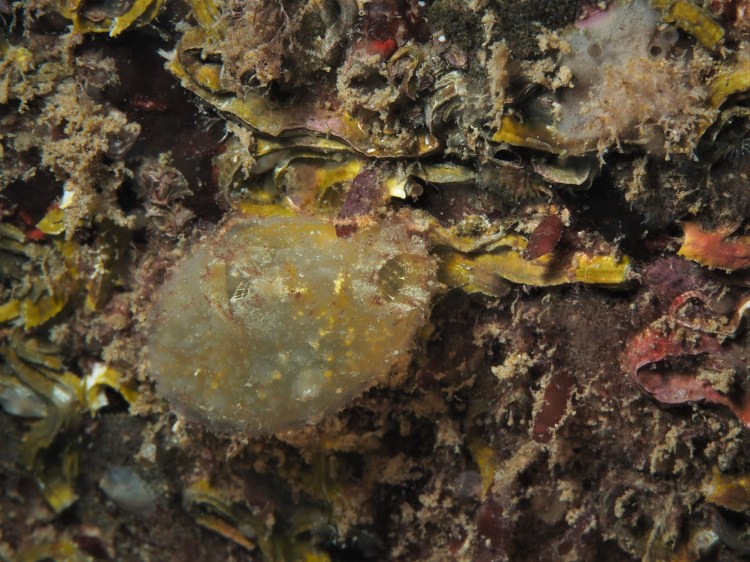
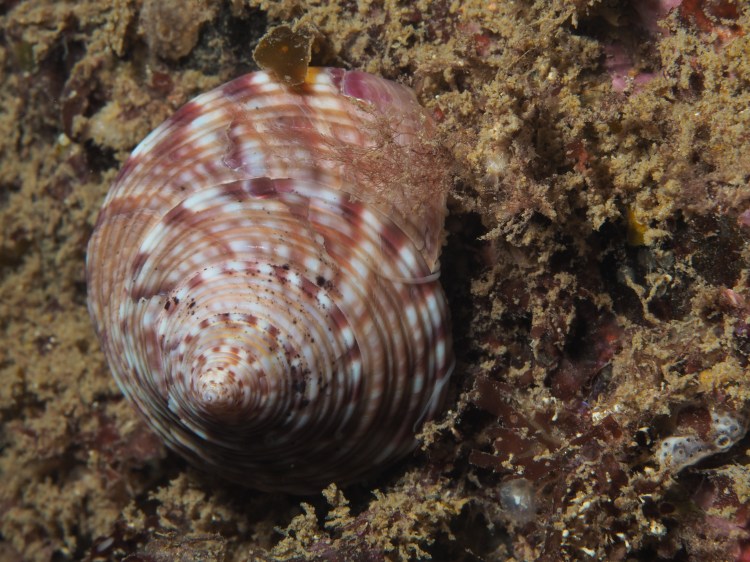
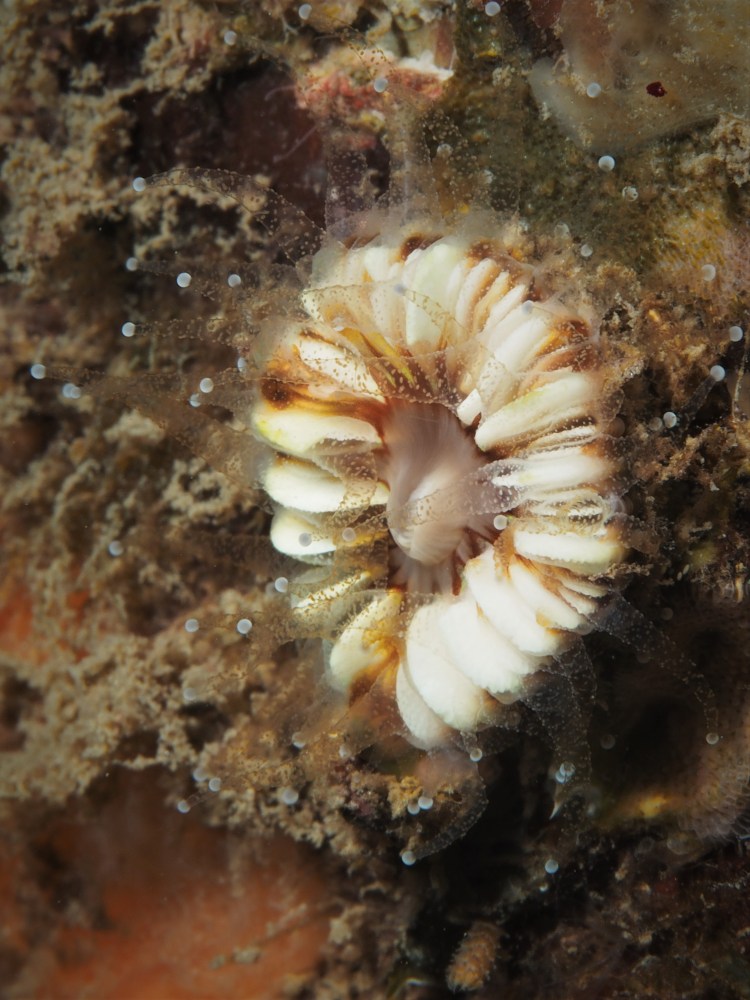
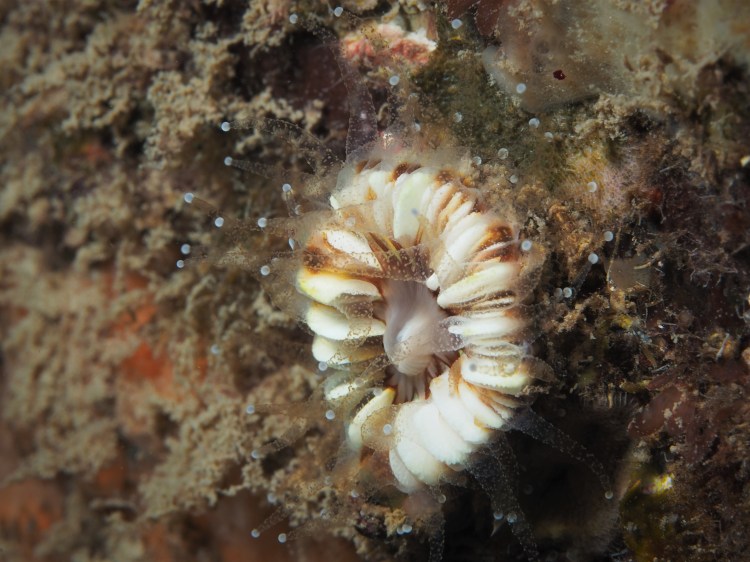
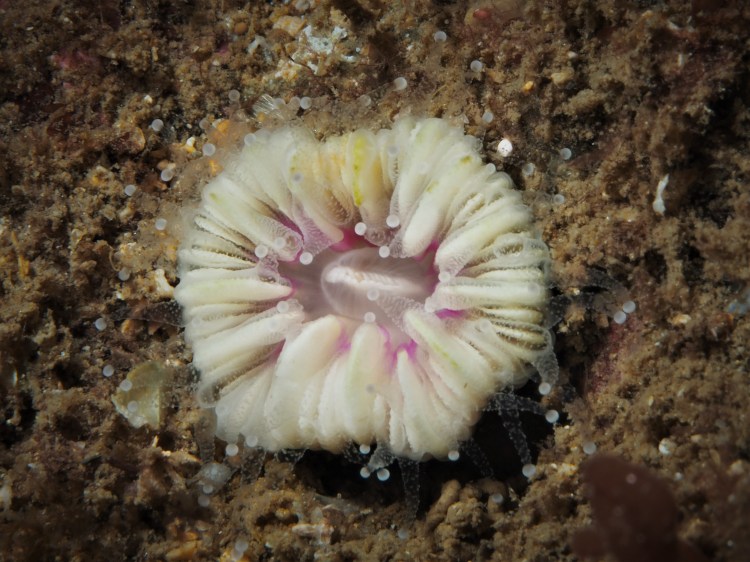
 A solo dive early evening at the Silver Steps site. It was a couple of weeks I last went, and this time it was already dusk when I entered the water. My intention was to find cup corals and other small creatures growing on rock overhangs below the kelp line. The viz was good and sure enough I found what I was looking for: Devonshire cup coral Caryophyllia smithii, a solitary stony coral which is relatively common. They are very beautiful and the right size for the macro lens. I will definitely go after them again. Other finds were a golfball sponge Tethya aurantium, a baby Longspined seascorpion (this shot had potential, but it swam away unfortunately), a tunicate and a Painted topshell (very common). At the end of the dive unfortunately it was getting too dark to find objects or too properly focus; I need to sort out a dive light!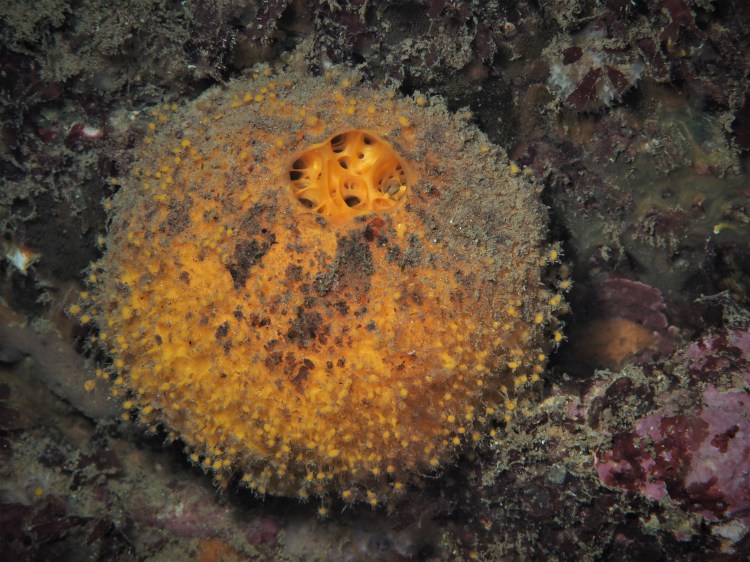
 An Bollenessor