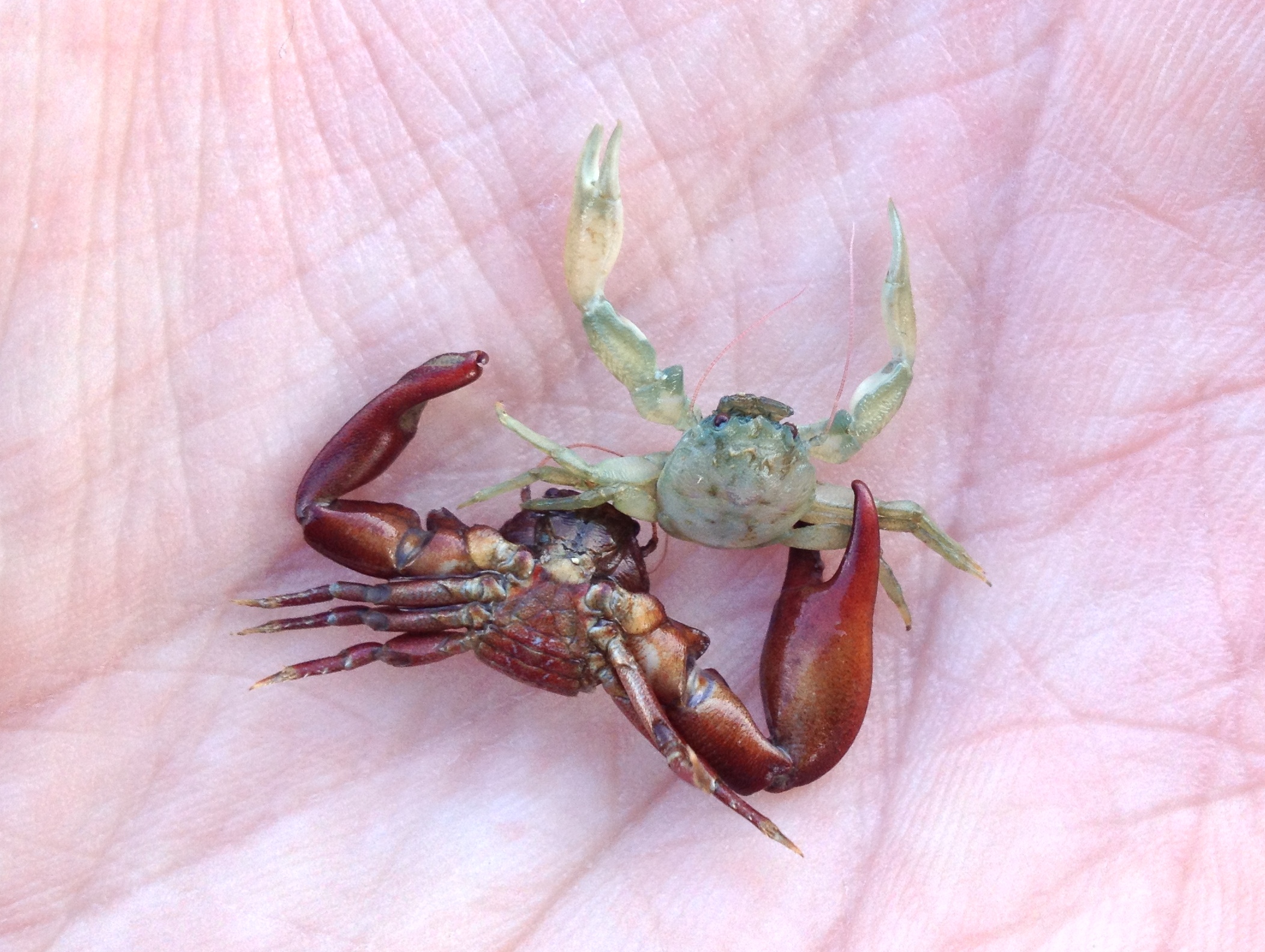
The day after the very low tide excursion in Falmouth, I had a look in Flushing as well. This site is less pretty, more silty and estuarine, and has a slightly different fauna as well, especially on the muddier areas below the rockpools. (I have written a post about ‘mud pooling’ before.) Lots of sponges, Variegated scallops, European cowries, Hooded prawns and Common squat lobsters. This time I noticed that Hairy crabs Pilumnus hirtellus are common here too. Two diffently coloured Long-clawed porcelain crabs Pisidia longicornis:
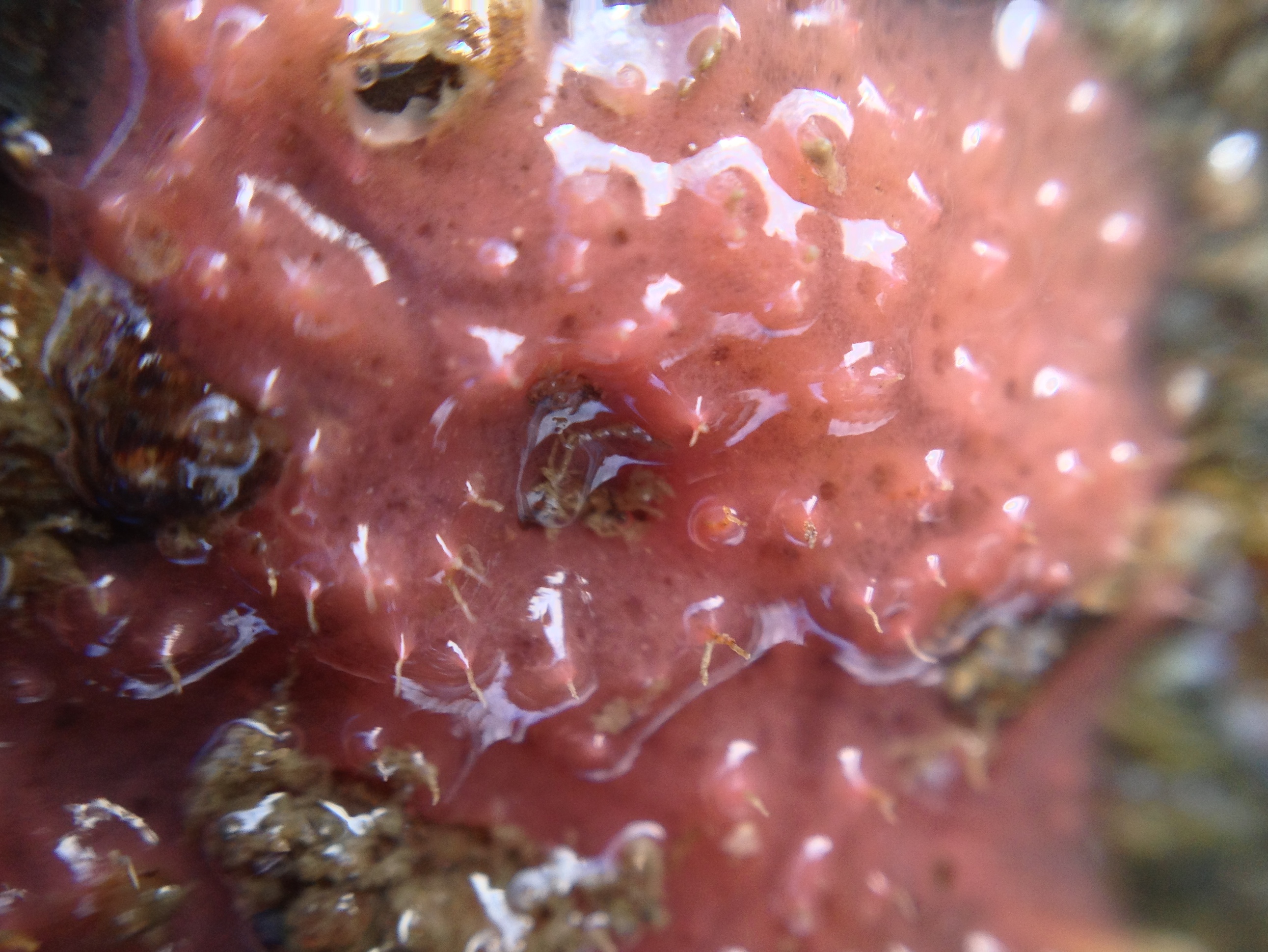
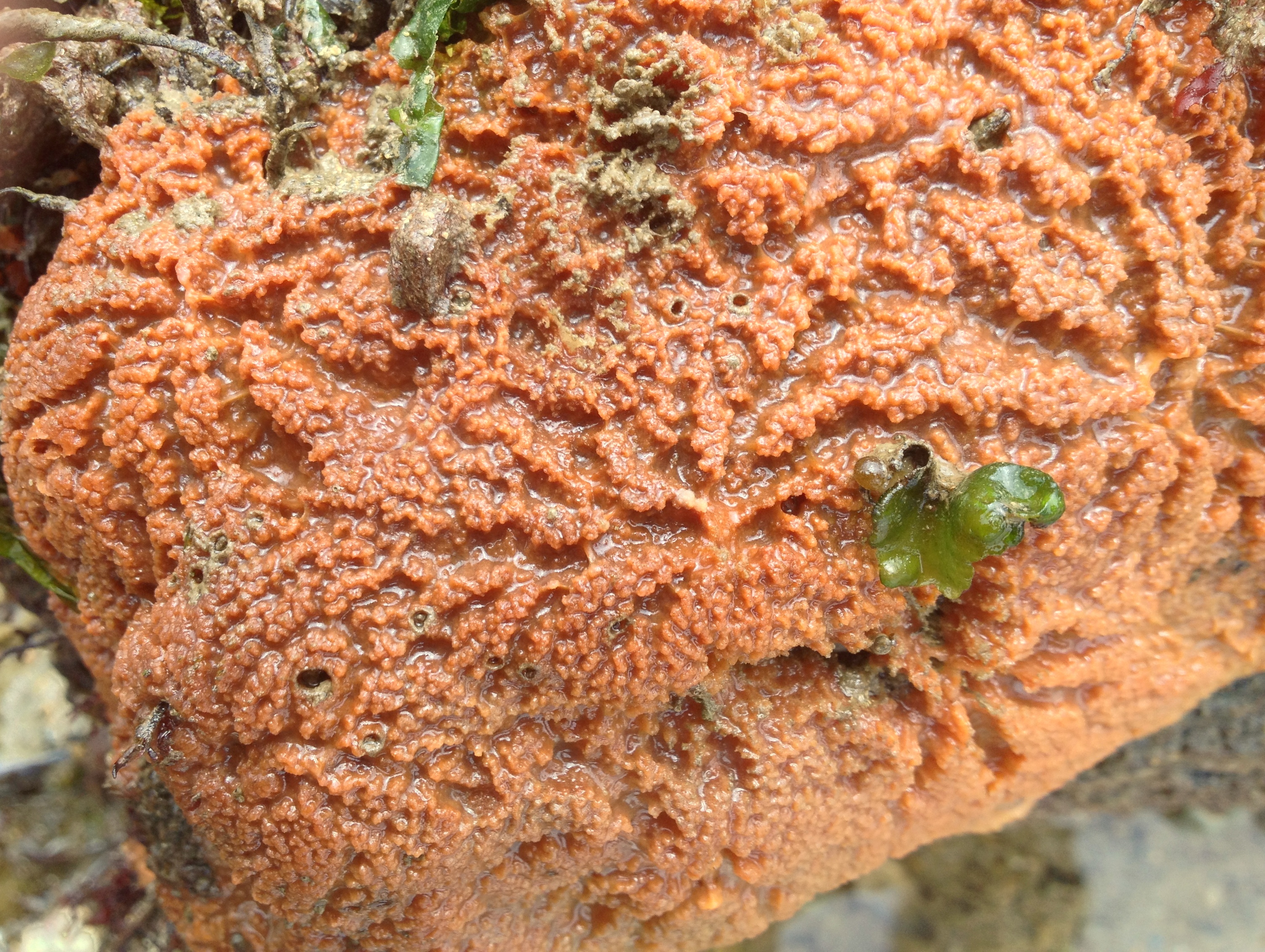
 A pretty sponge Aplysilla rosea (determined using the Aphotomarine page as it was not featured in my otherwise excellent Collins guide):
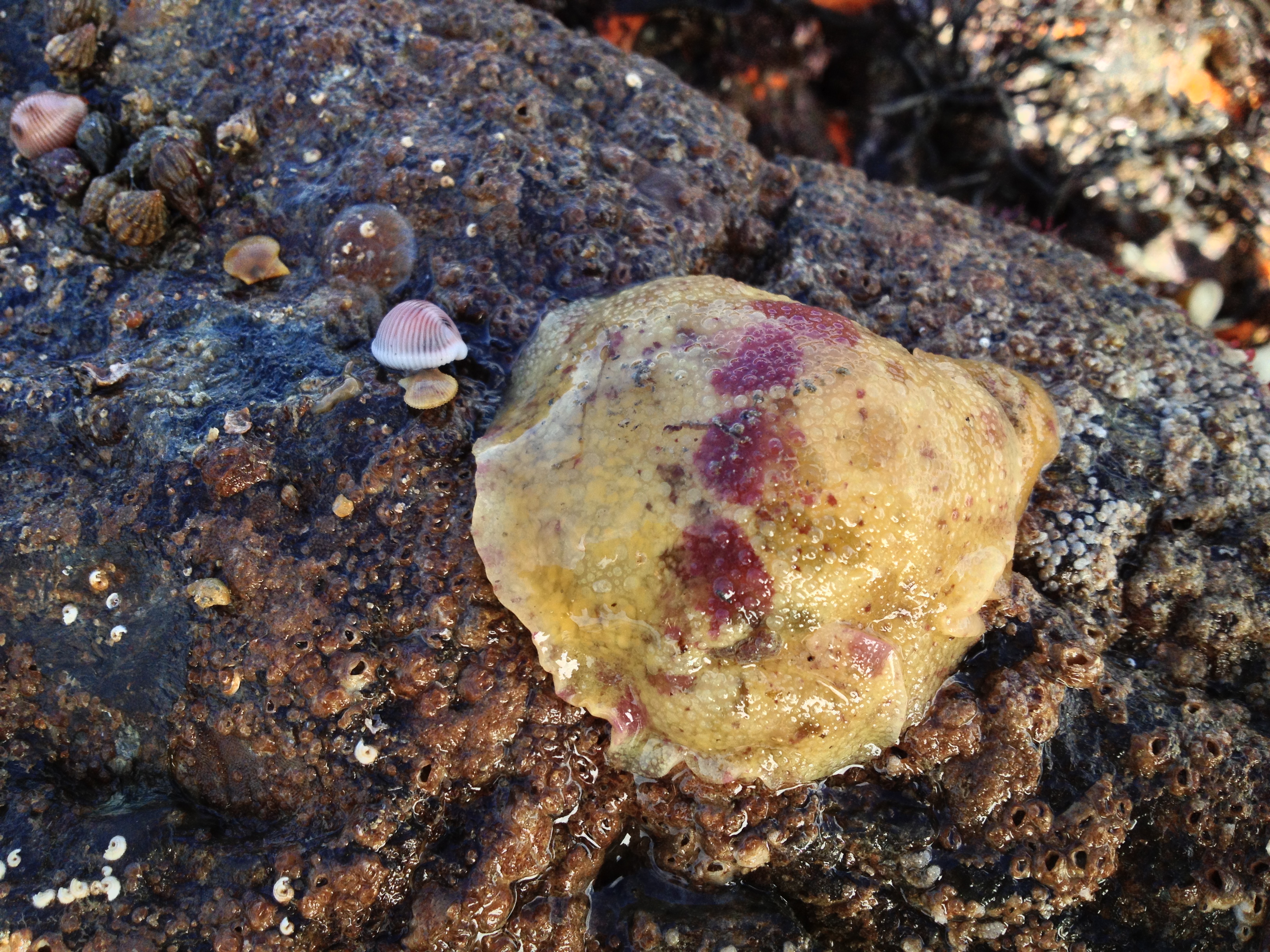
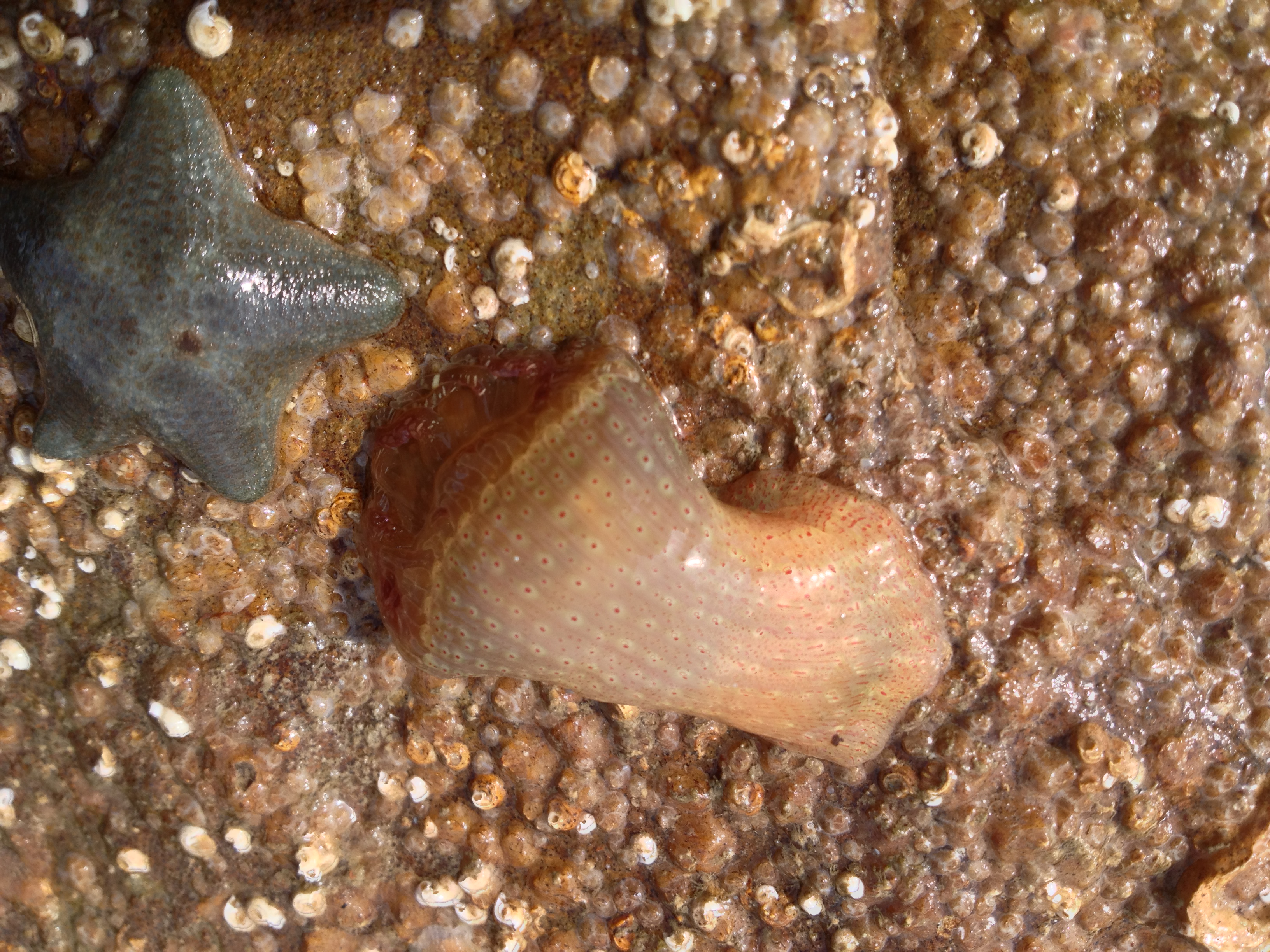
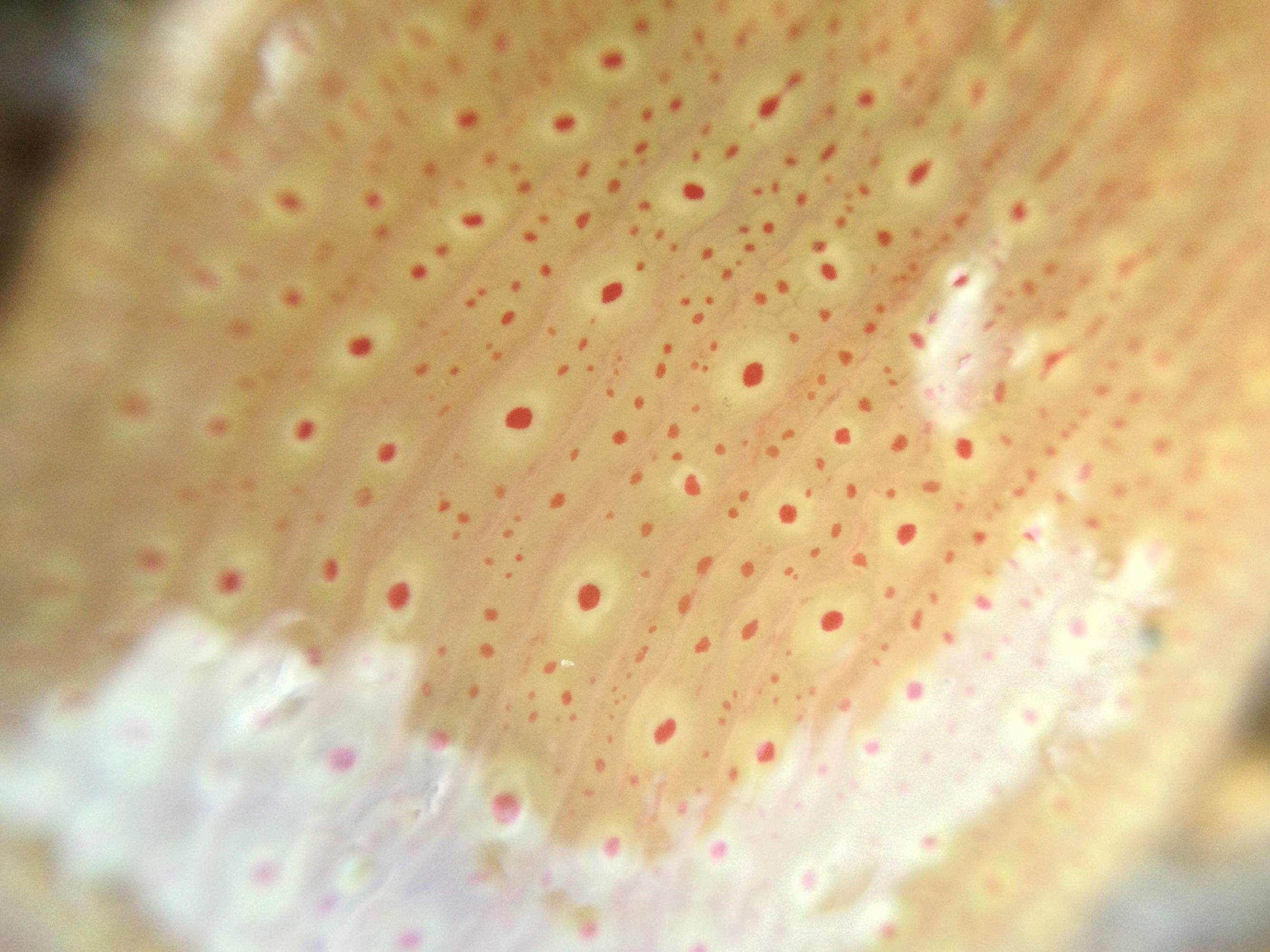
 I had seen one before, but with this low tide I found several Sea lemons Archidorus pseudoargus, large sponge-eating nudibranchs. A large one and a small one together (on the right side of each you can see the ‘naked gills’ which are not extended above water):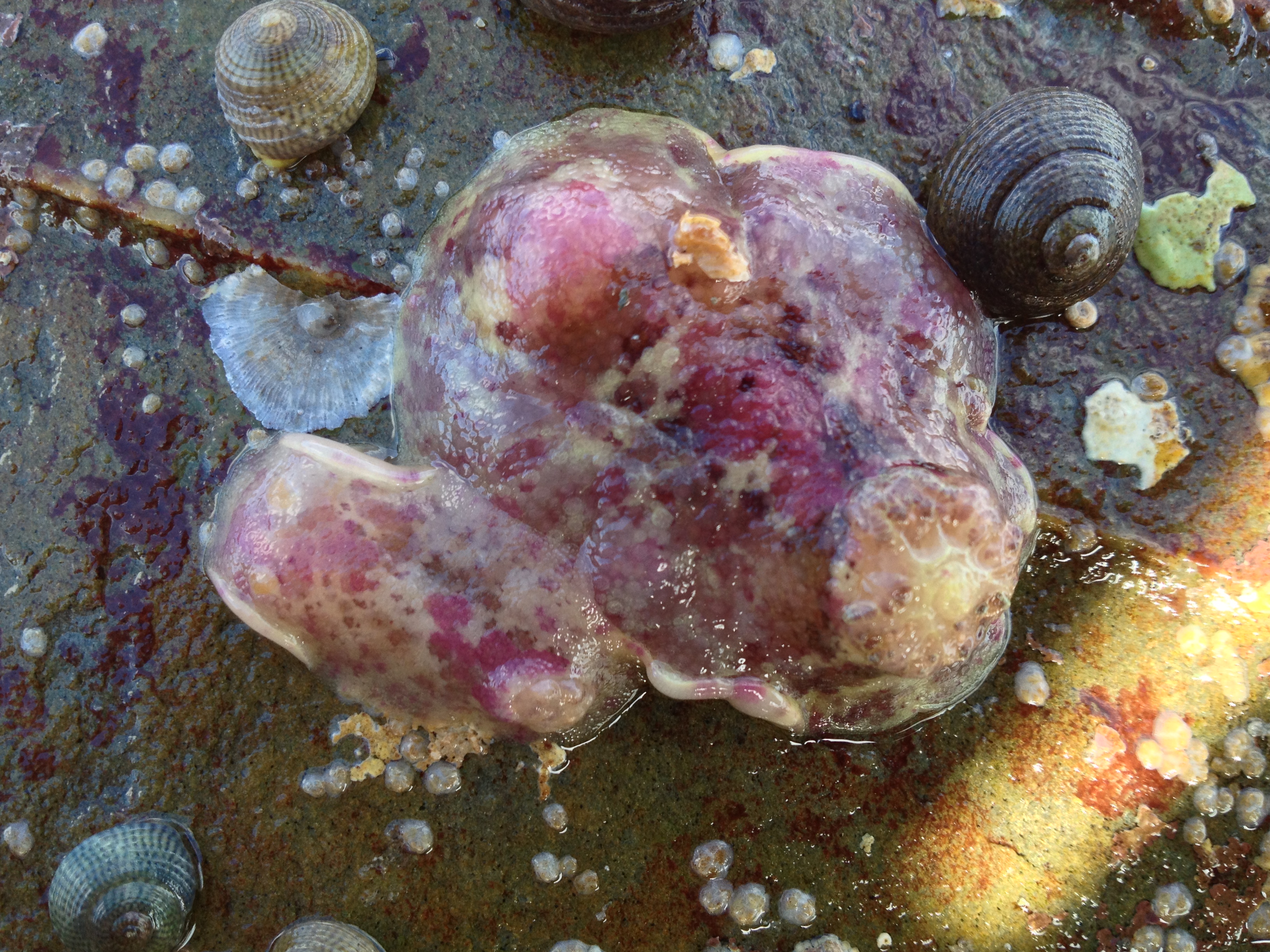
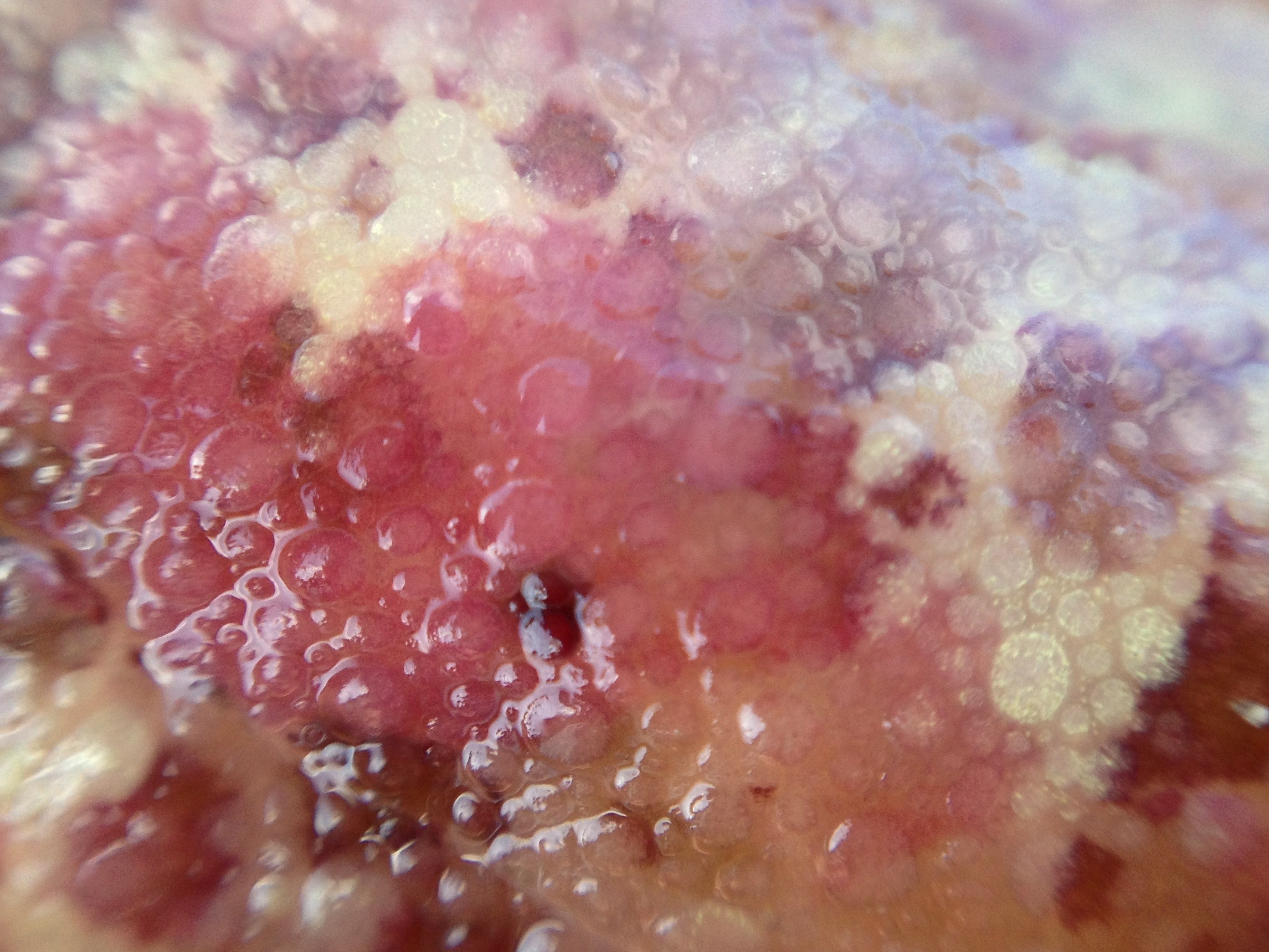
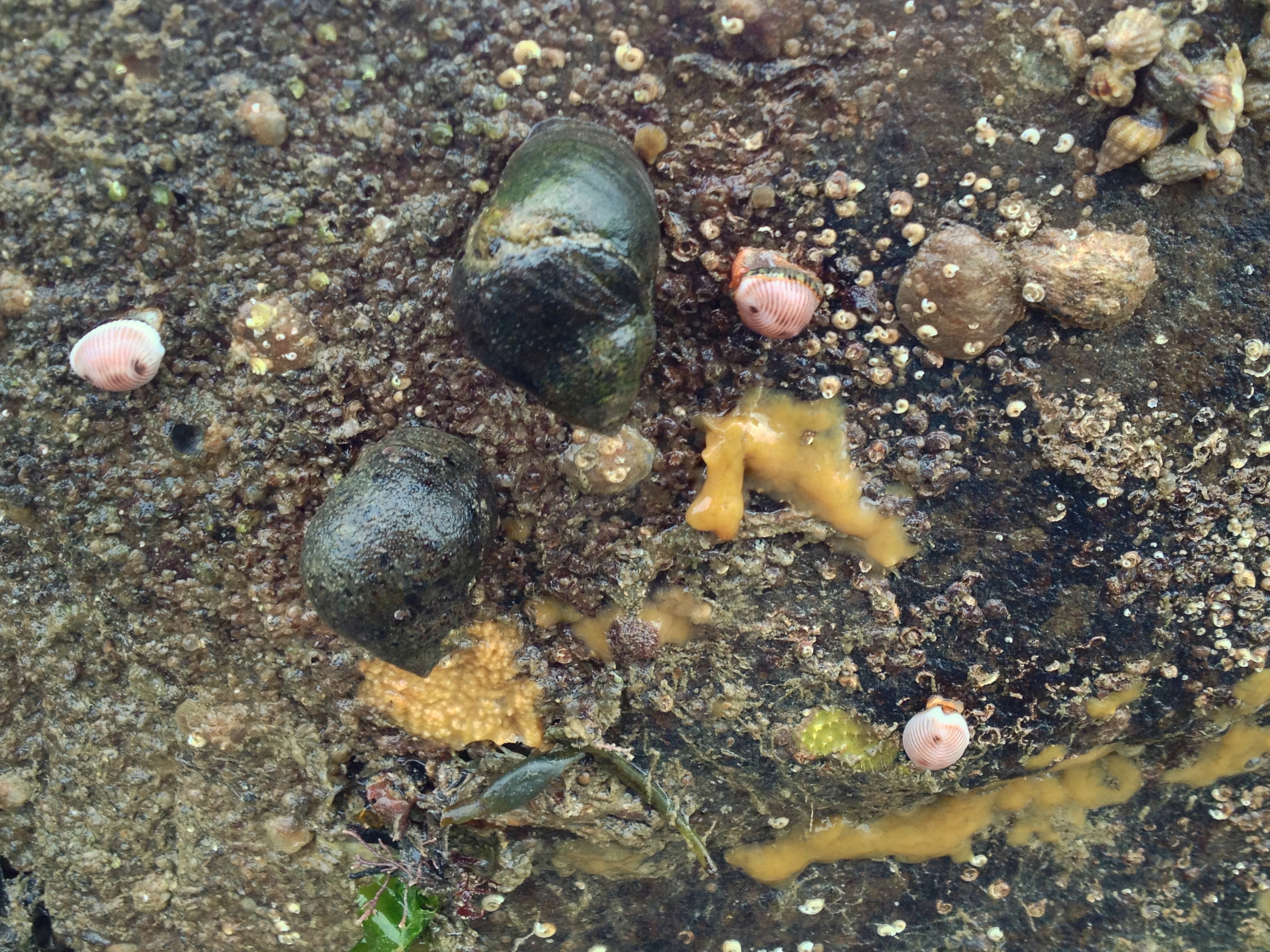
Another, bigger individual (European cowries and Thick-lipped dog whelks for scale) again with a smaller individual half under it:
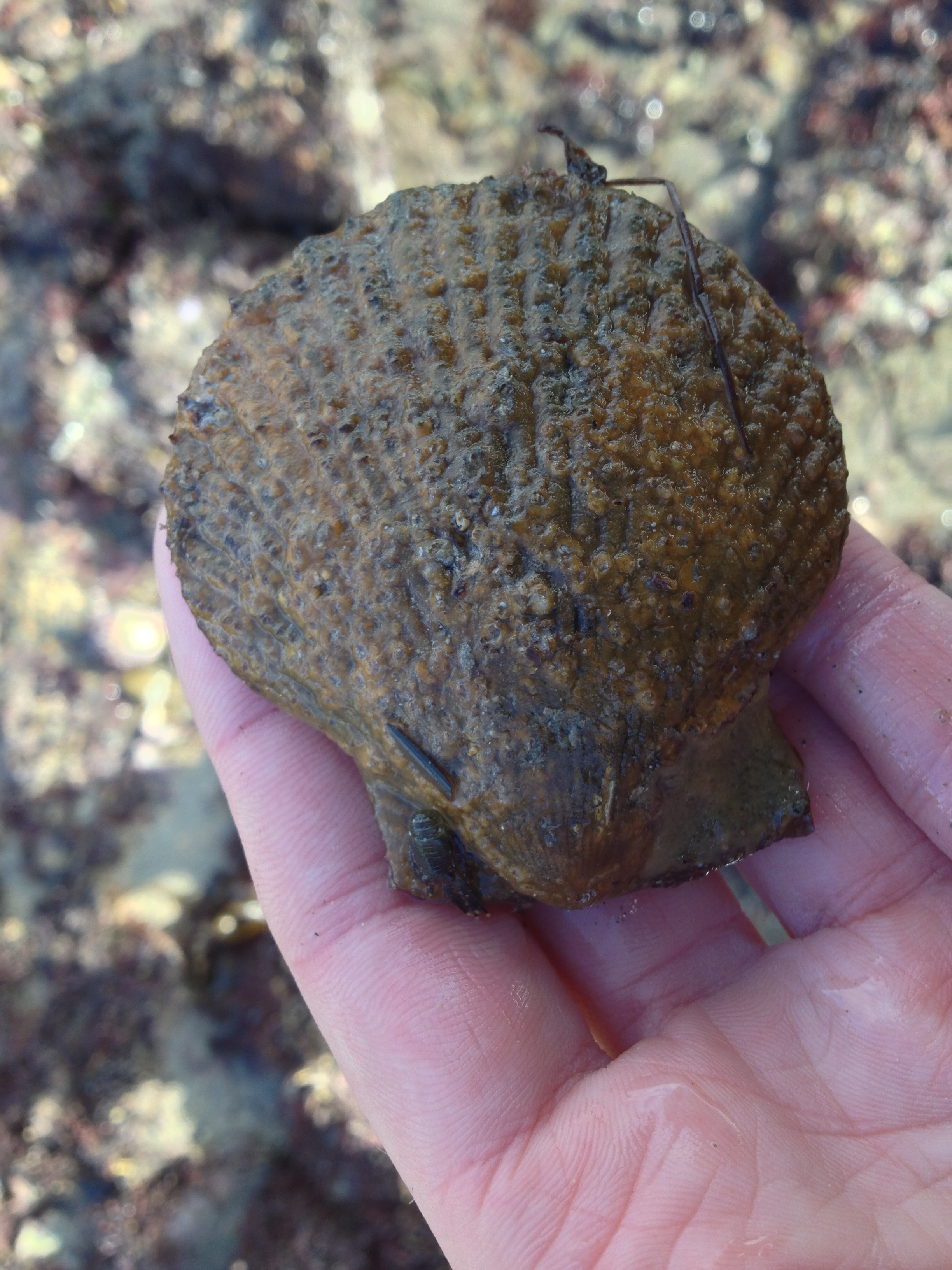
 You can see some tiny juvenile Variegated scallops Chlamys varia too. I found my biggest one to date:
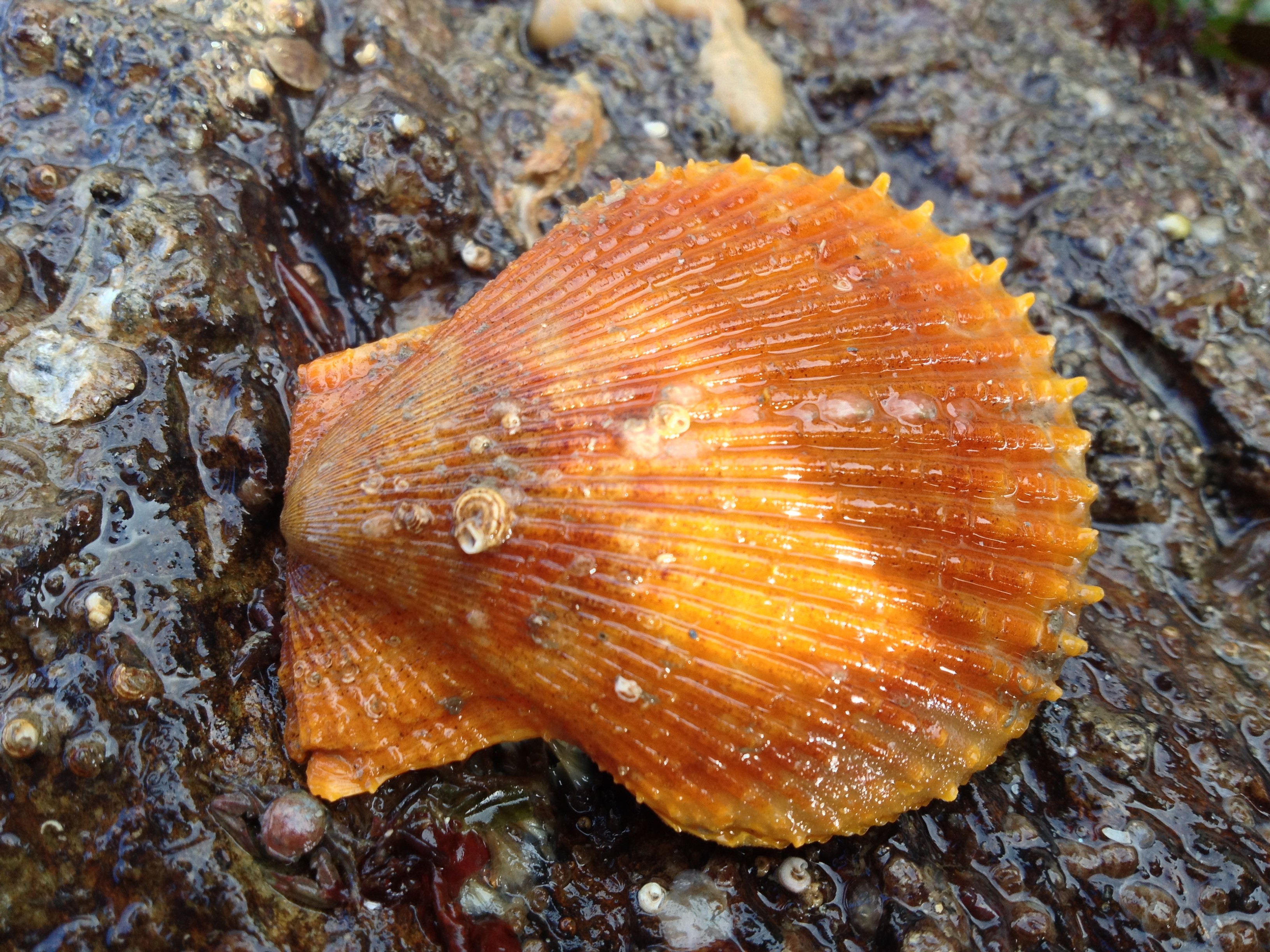
 They can be much prettier than that though!
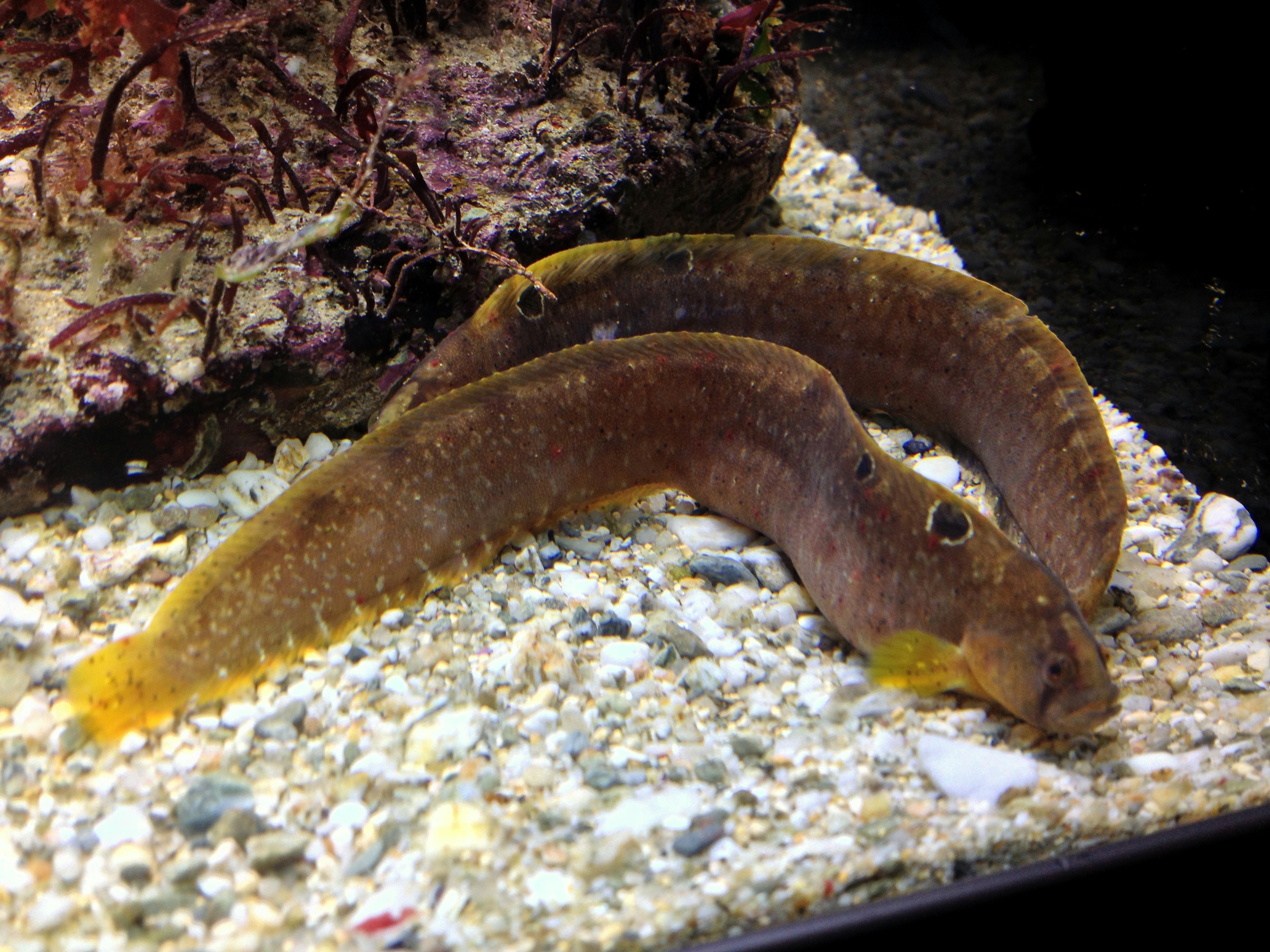
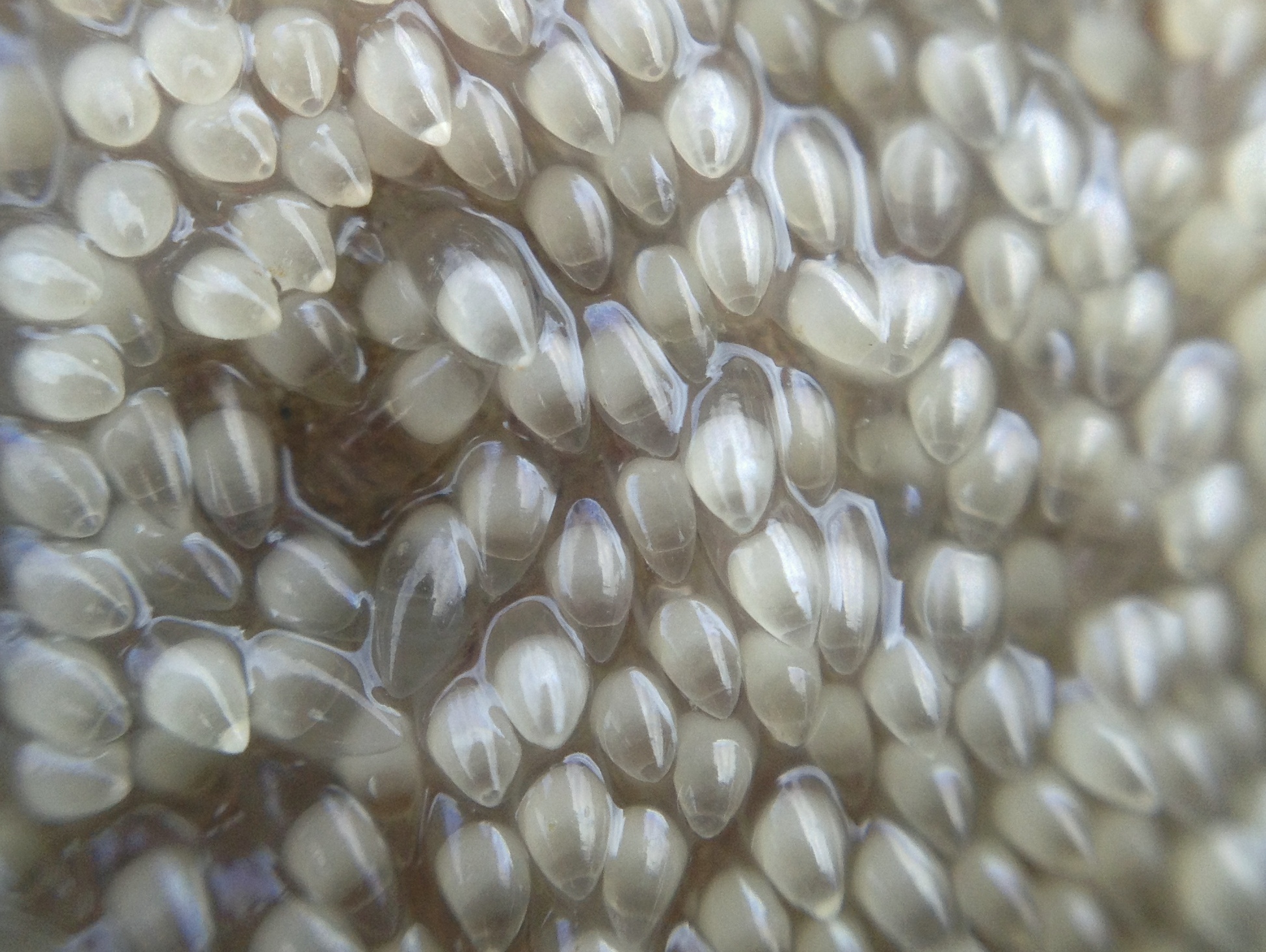
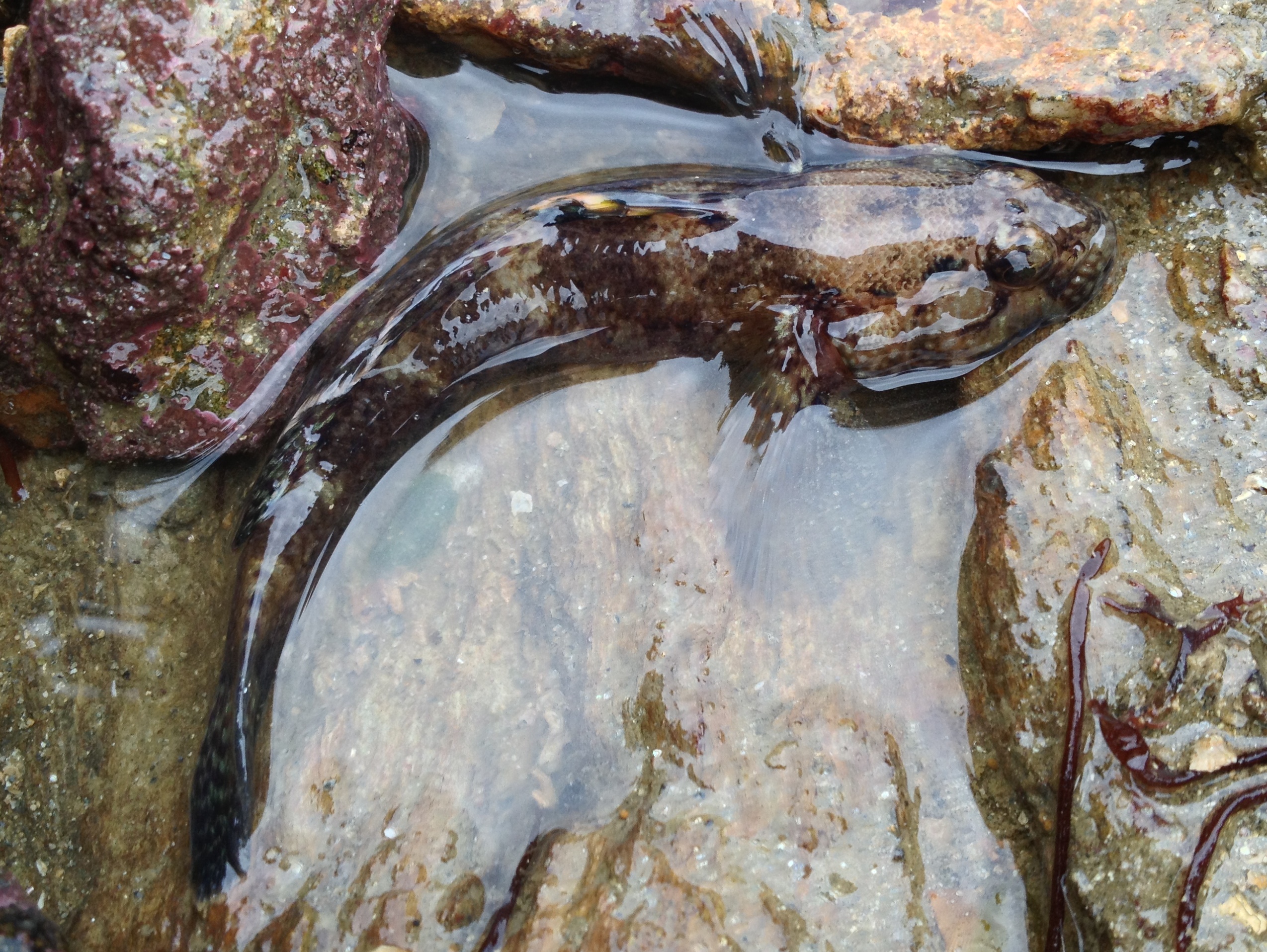
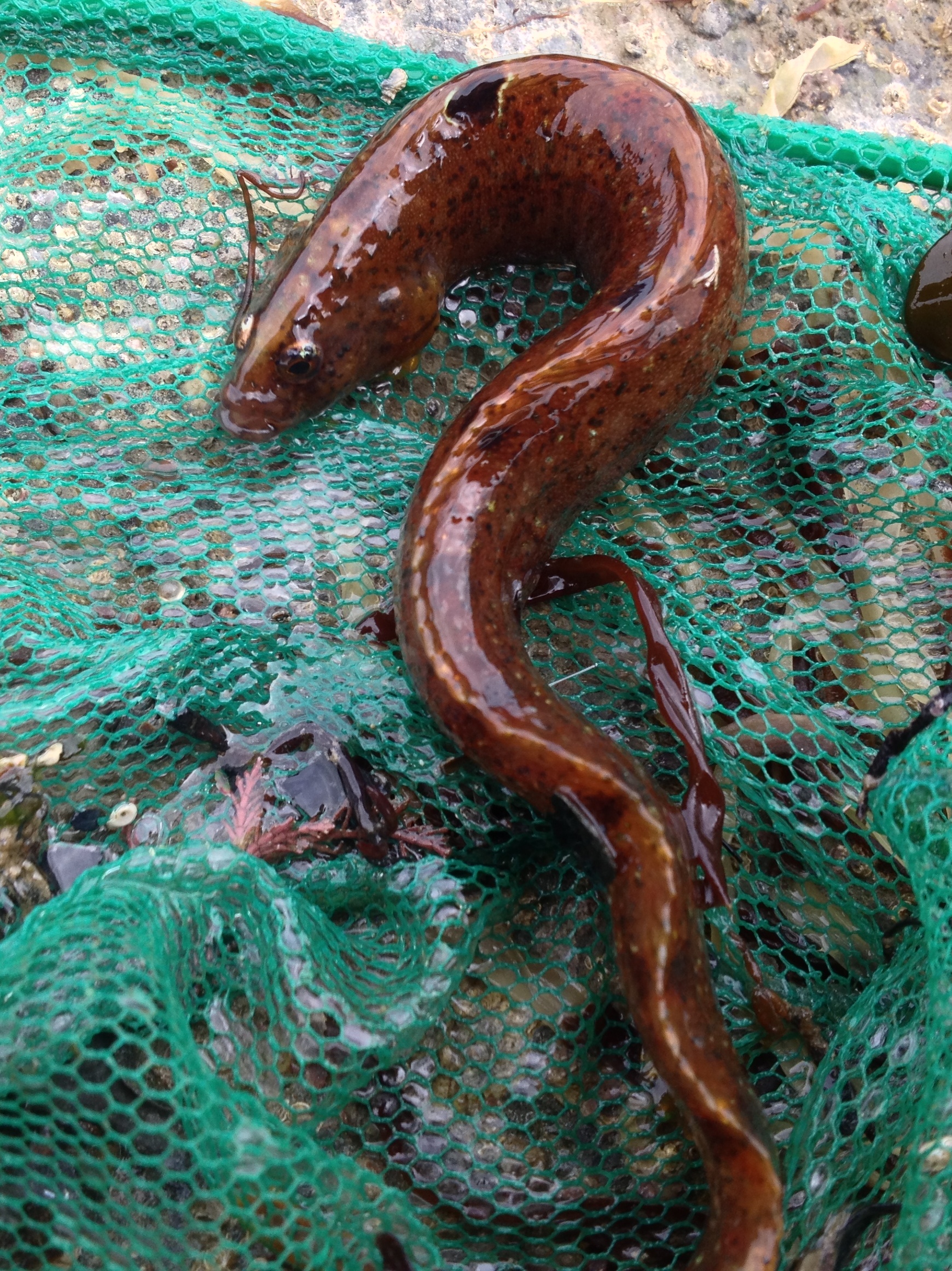
 I could not resist taking some stuff home to my aquarium, even though I was still waiting for the chiller and new lights (they both have since arrived, that’ll be my next post). There were loads of Painted top shells Calliostoma zizyphinum, which are very pretty and moreover do not often emerge above water so they might be better behaved in the aquarium, and I took some of those home. I also took a pair of Butterfish Pholish gunnellus and some Sea lemons, mainly to observe them for a week or so and then release them again before starting fiddling with the tank. This was not a great succes unfortunately: both Butterfish died within a couple of days. I had acclimatized them to room temperature and I don’t know what the reason could have been. Clingfish, mullet, a rockling, gobies and blennies have never died in my aquarium. I felt really bad about it; definitely no more Butterfish in my tank!
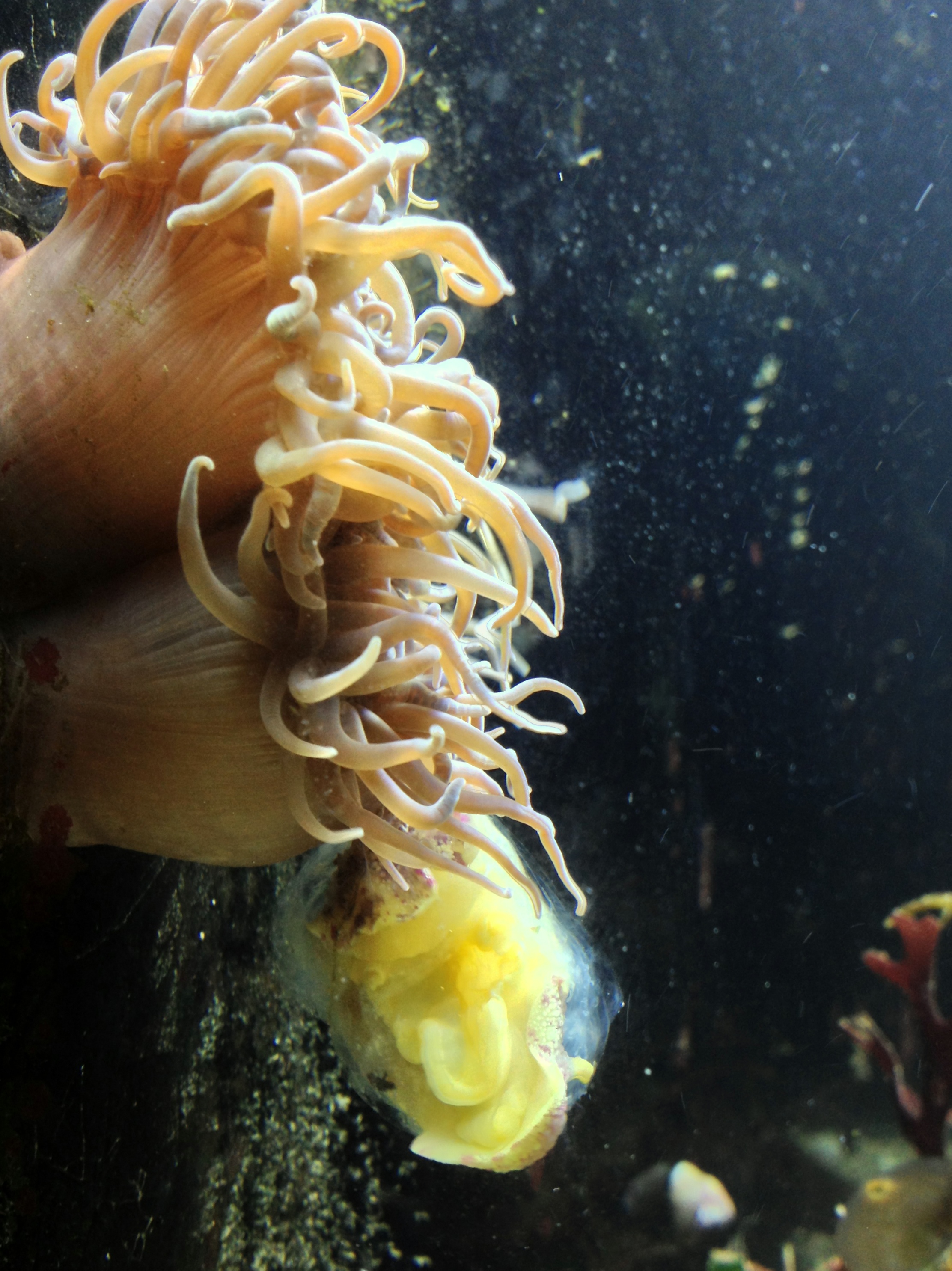
 One of the Sea lemons managed to get caught by a Snakelocks anemone….however, it produced copious amounts of slime and it was eventually spat out!
 An Bollenessor