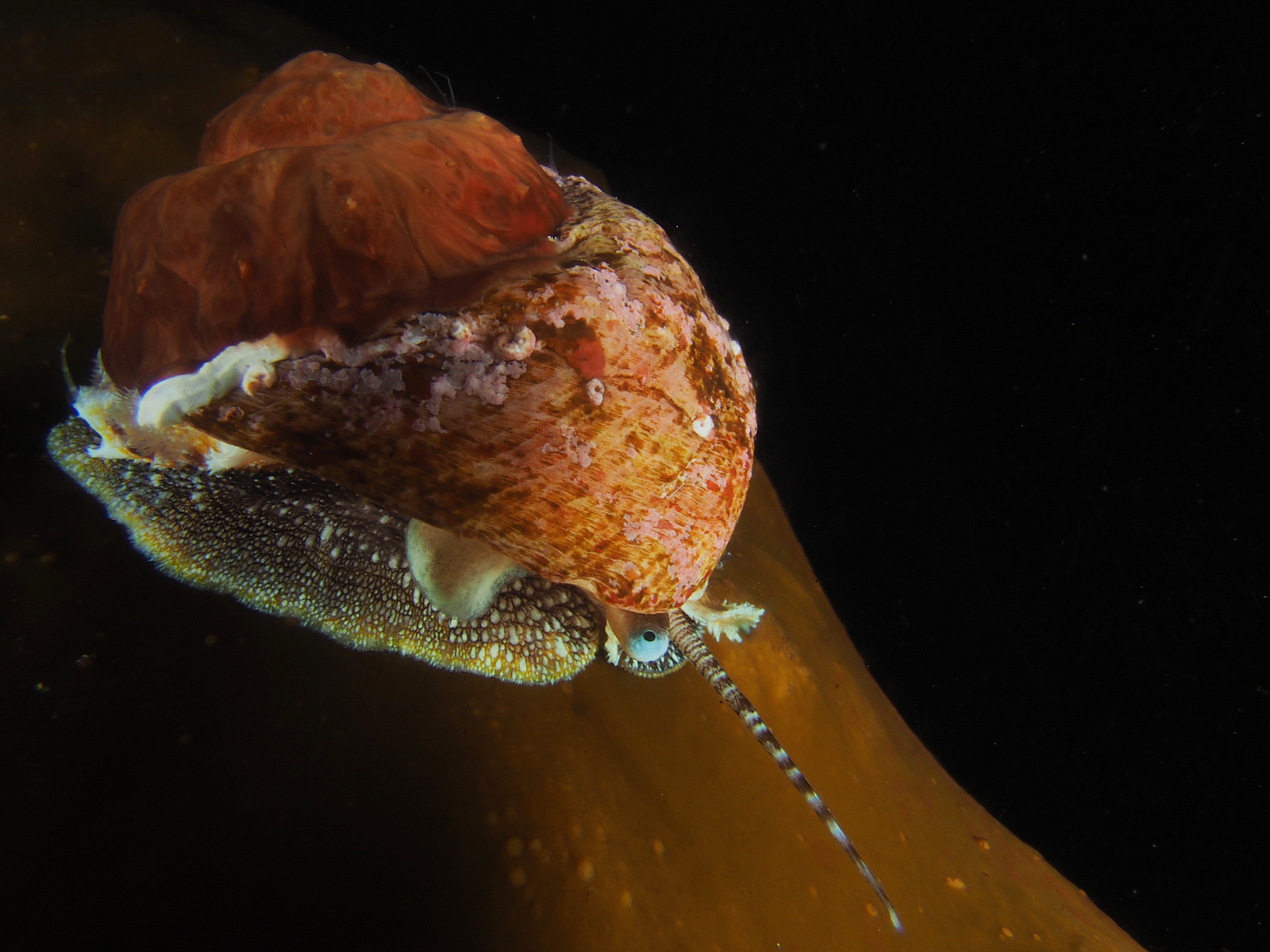
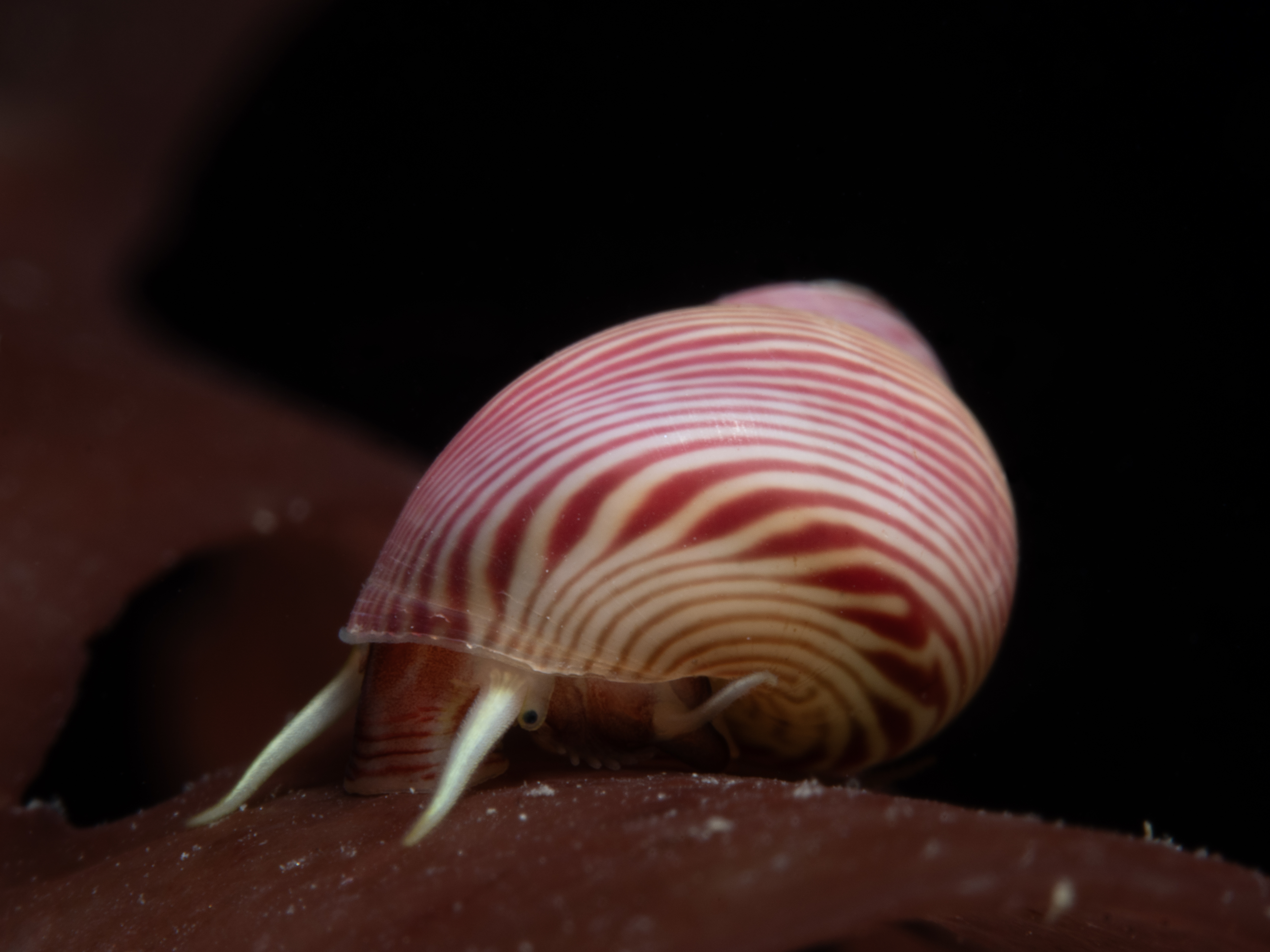
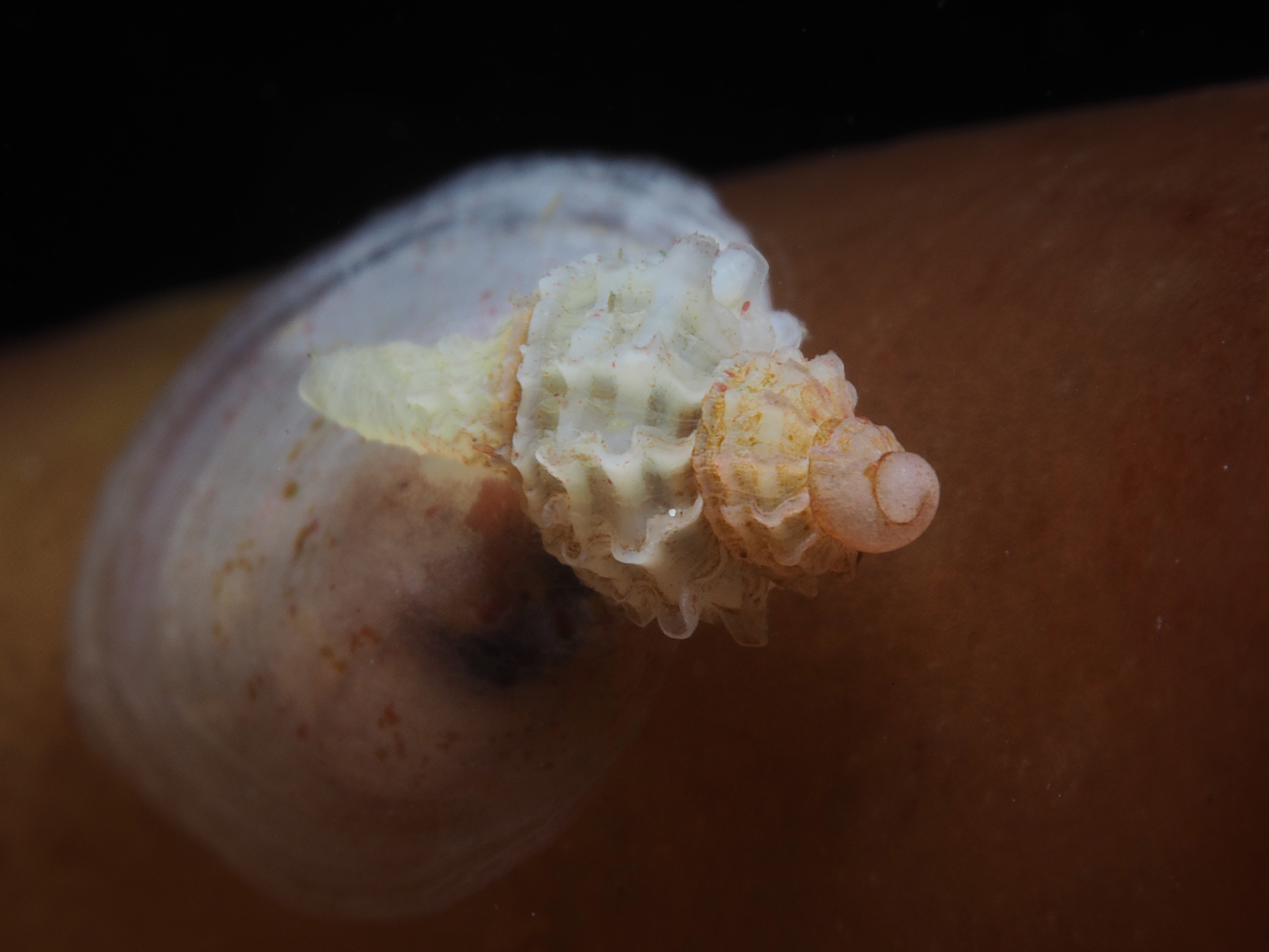
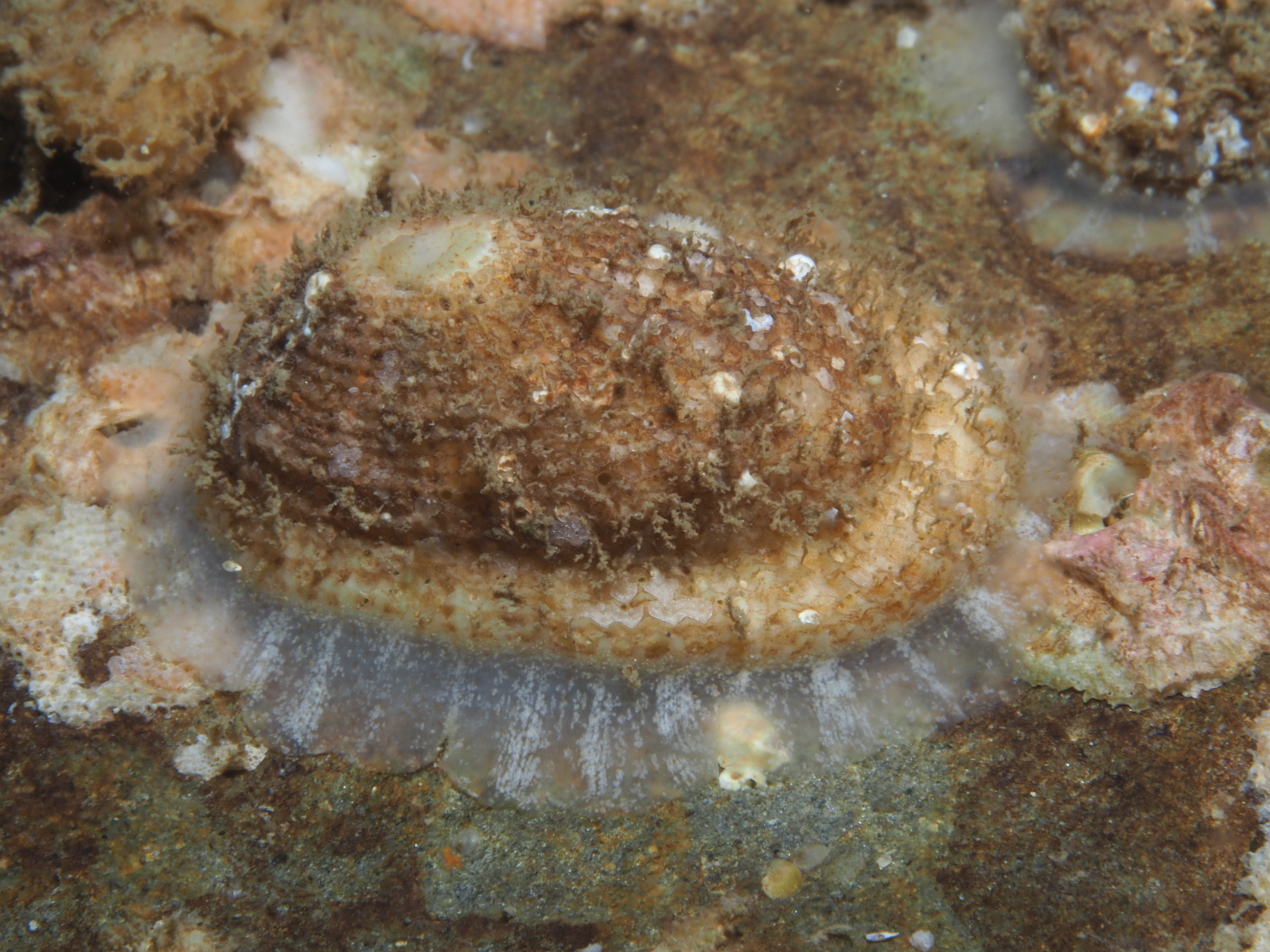
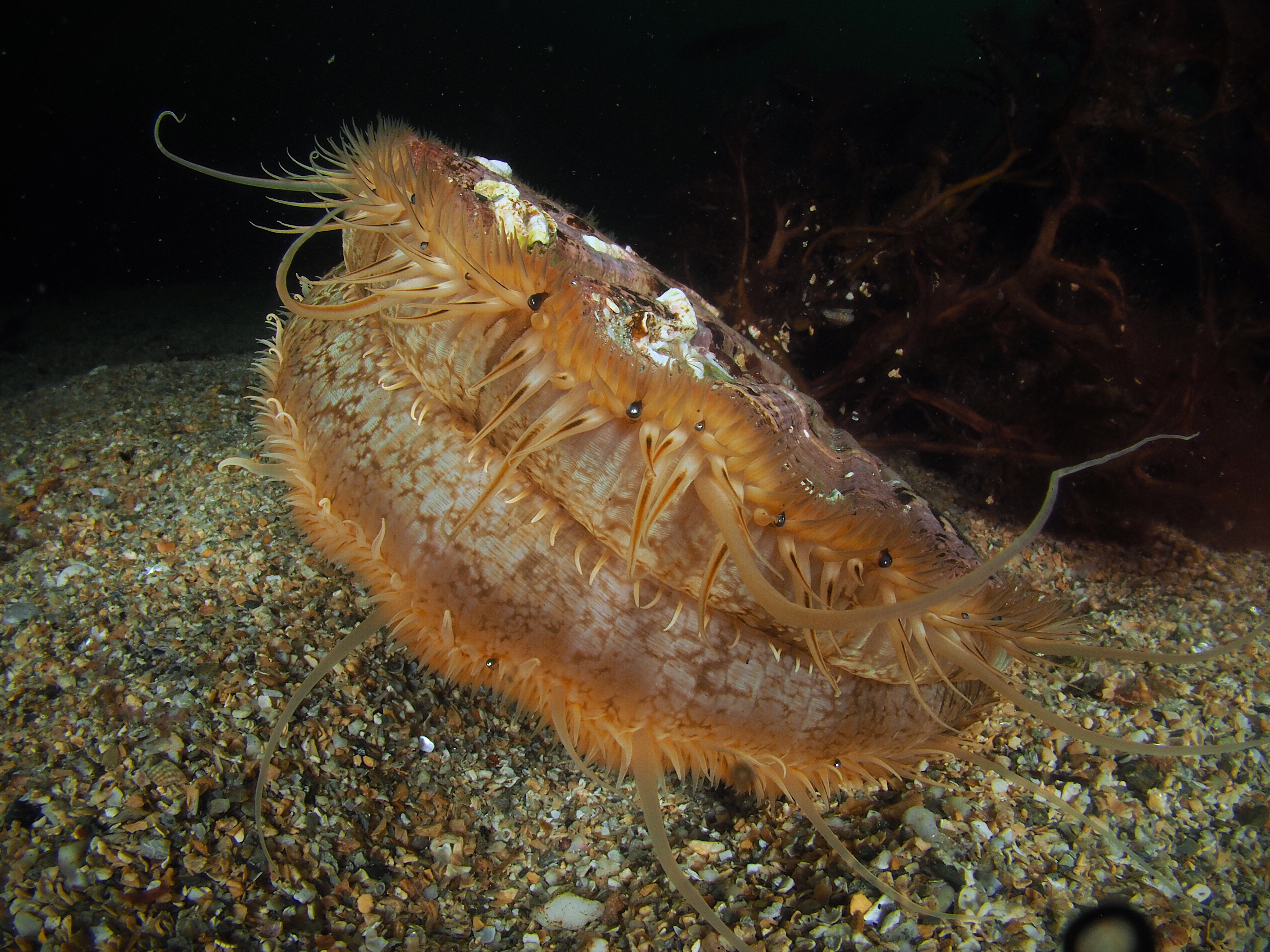
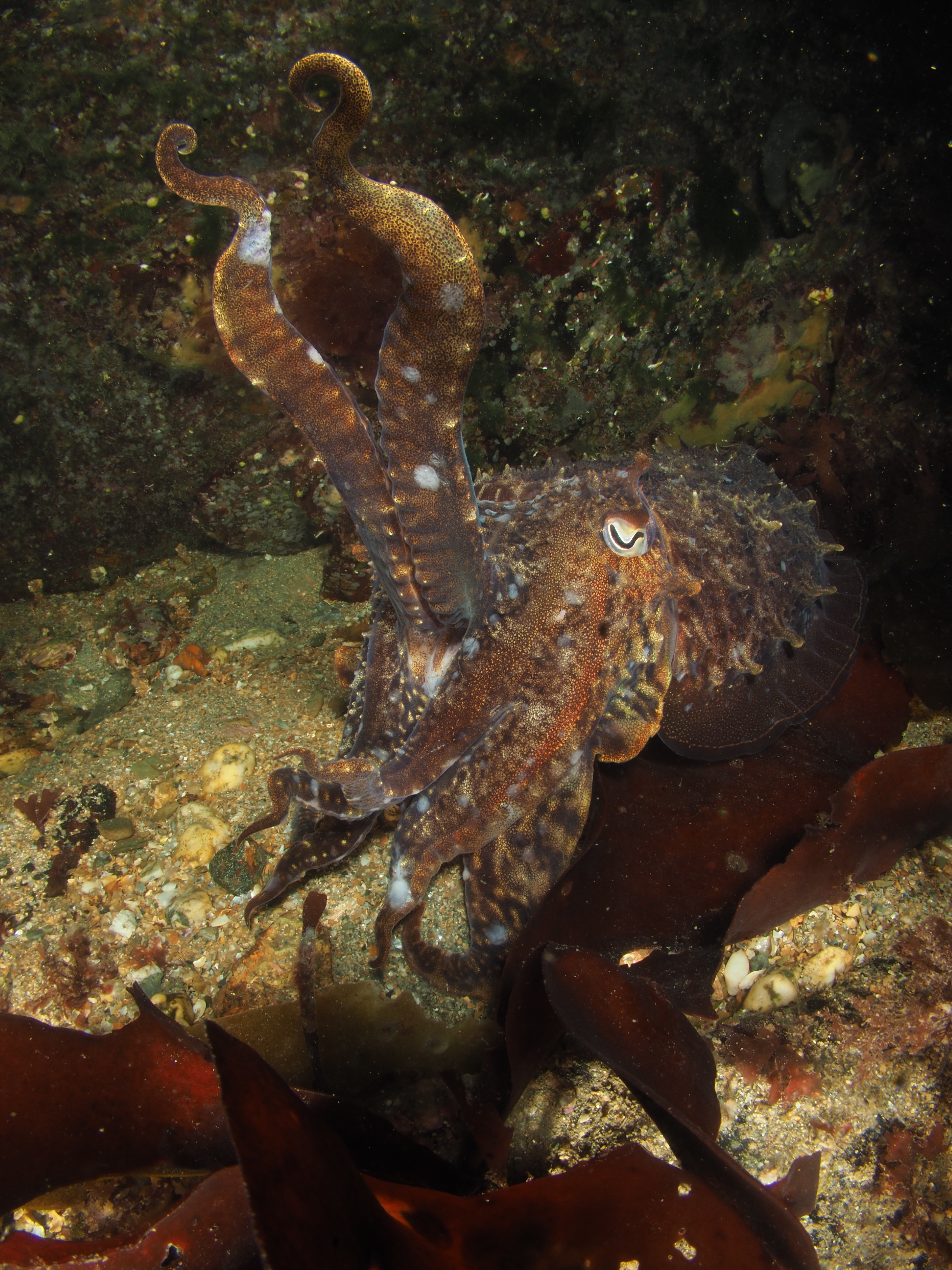
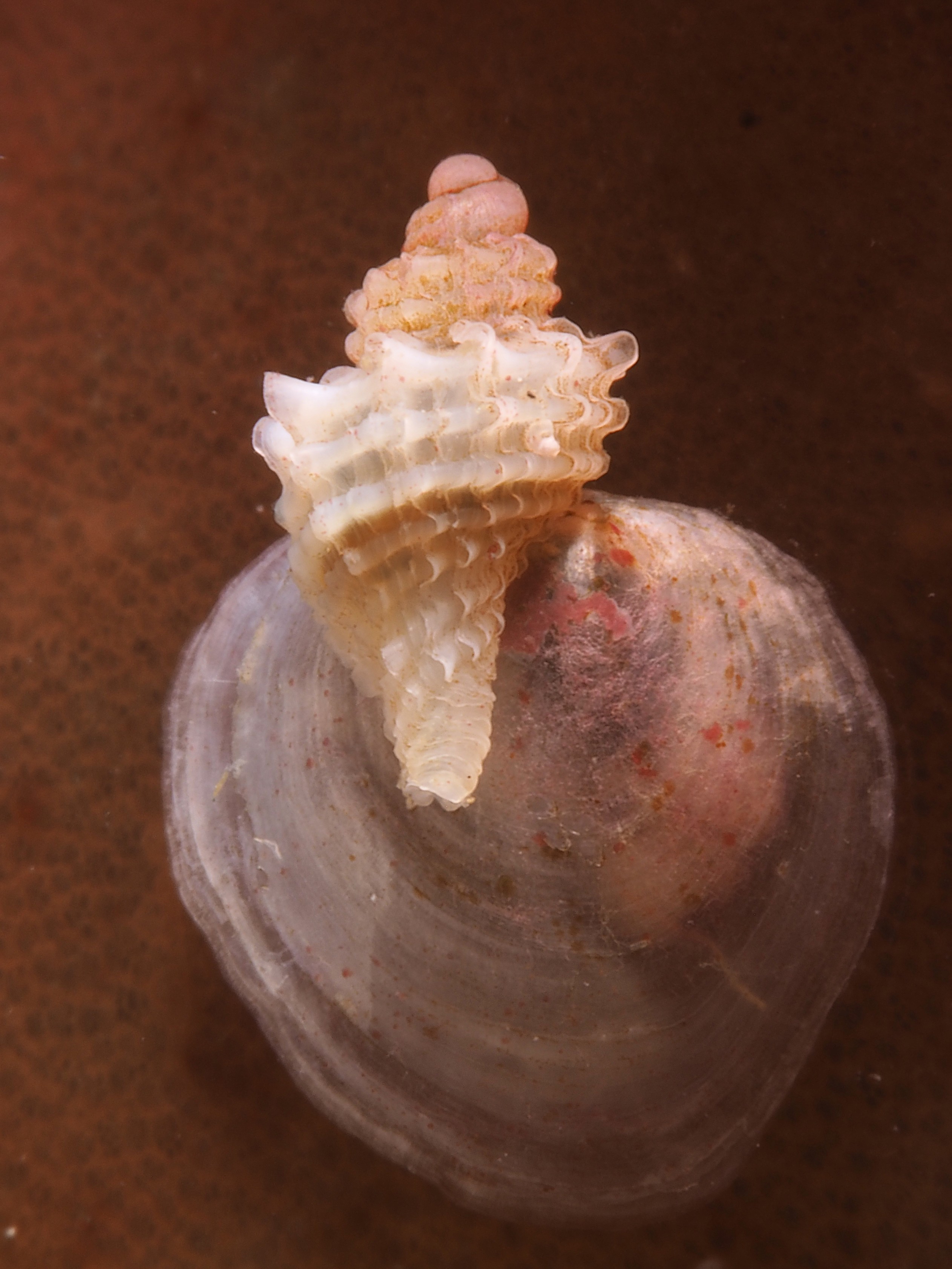
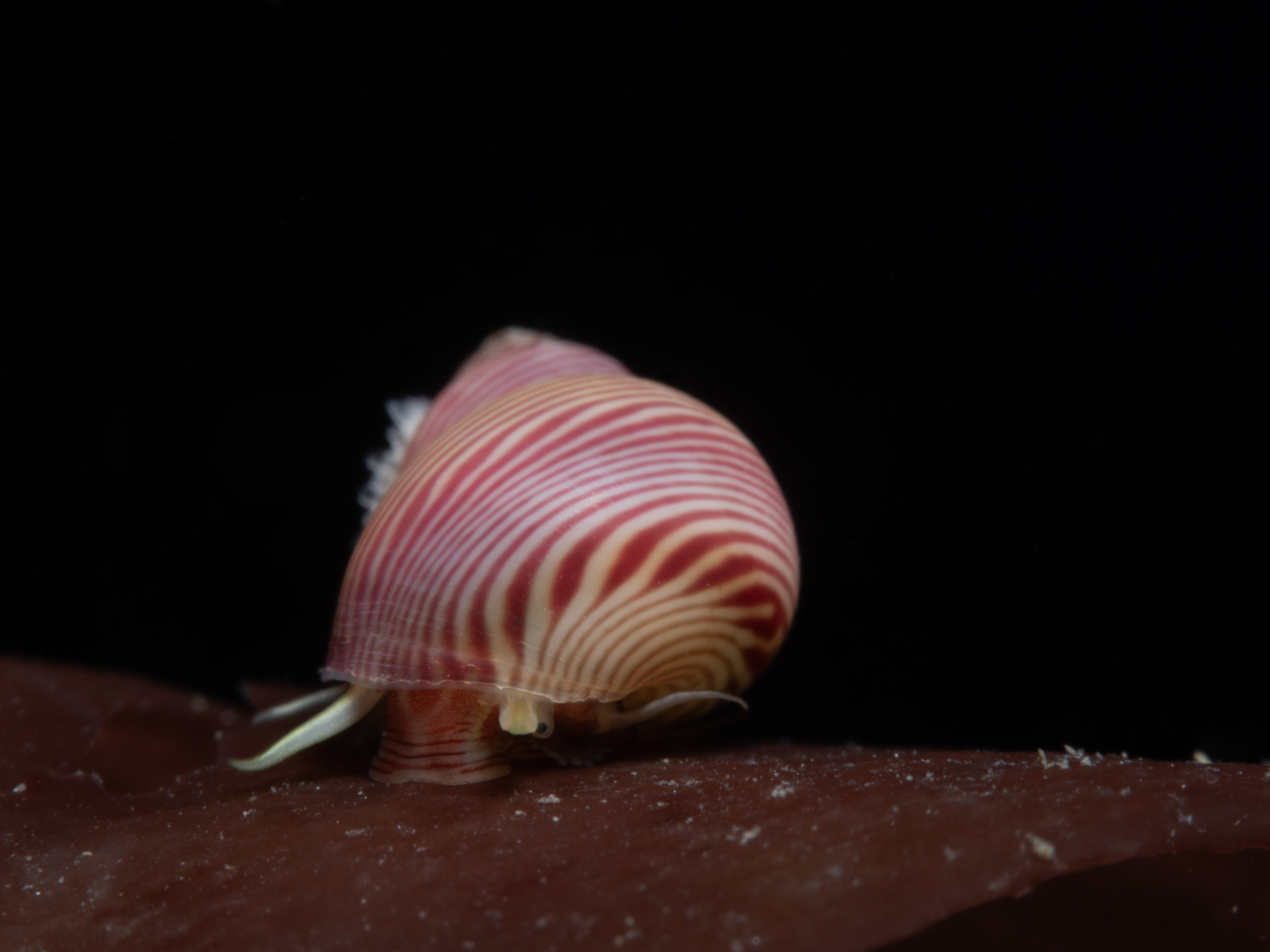
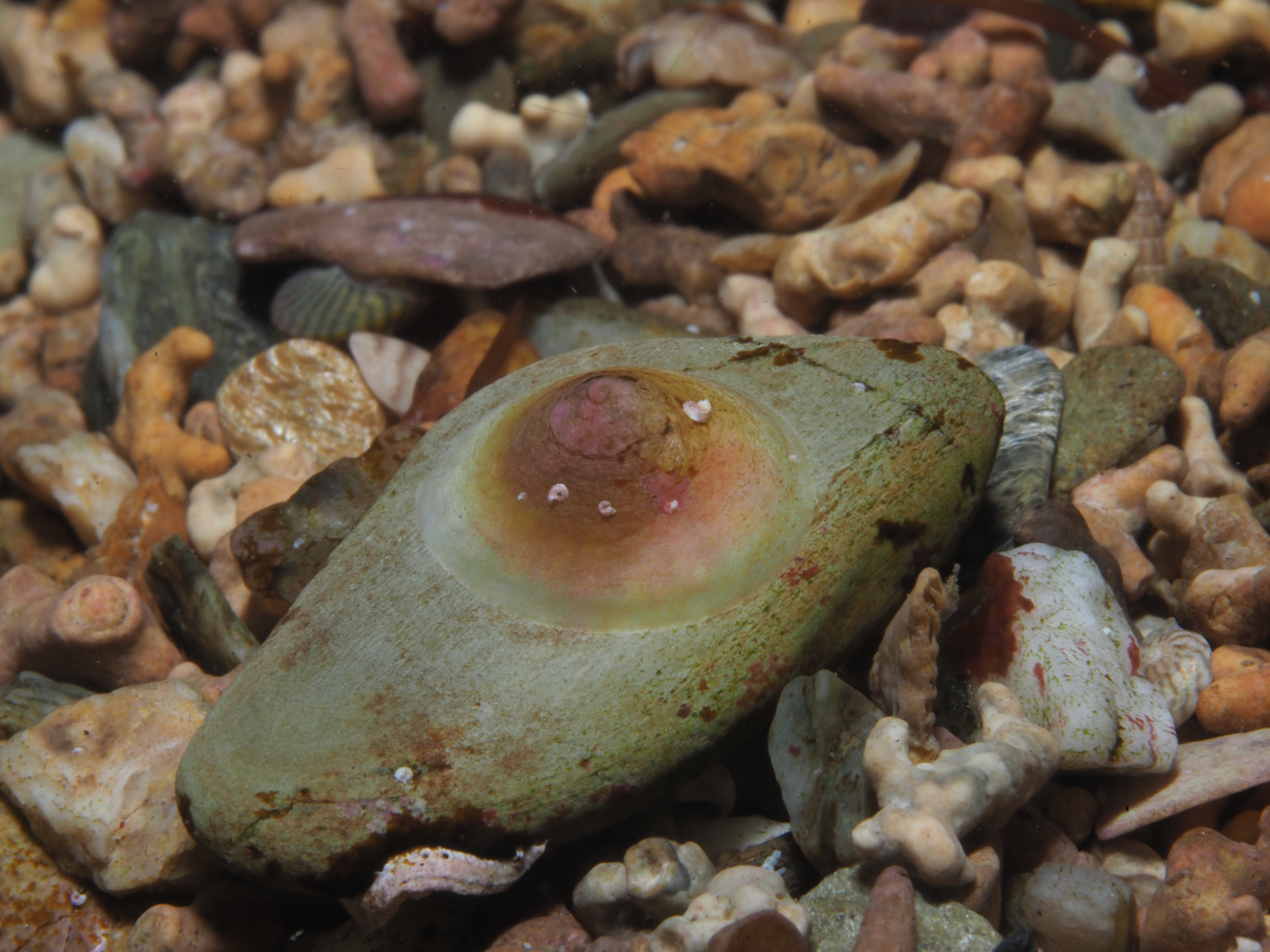
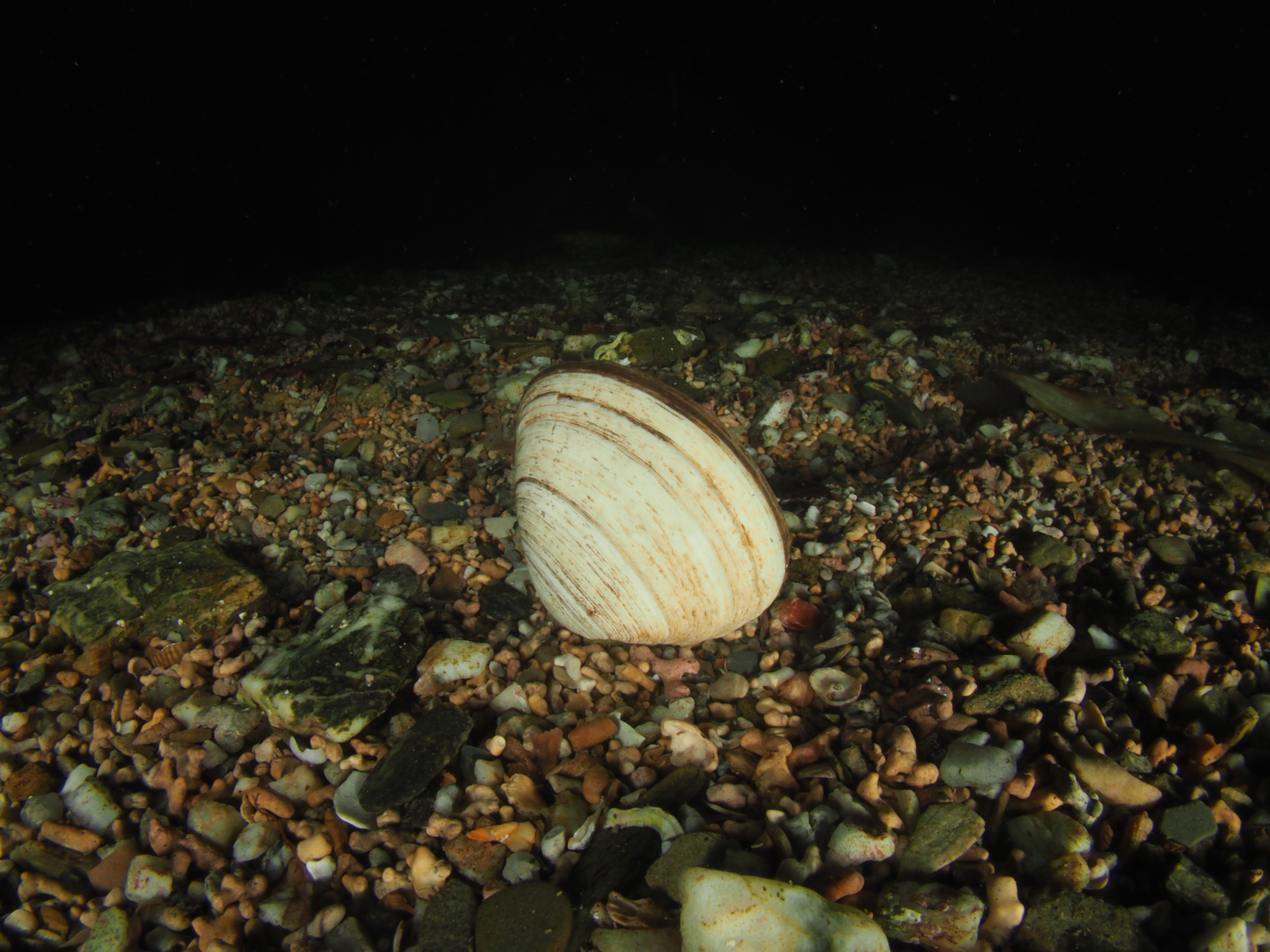
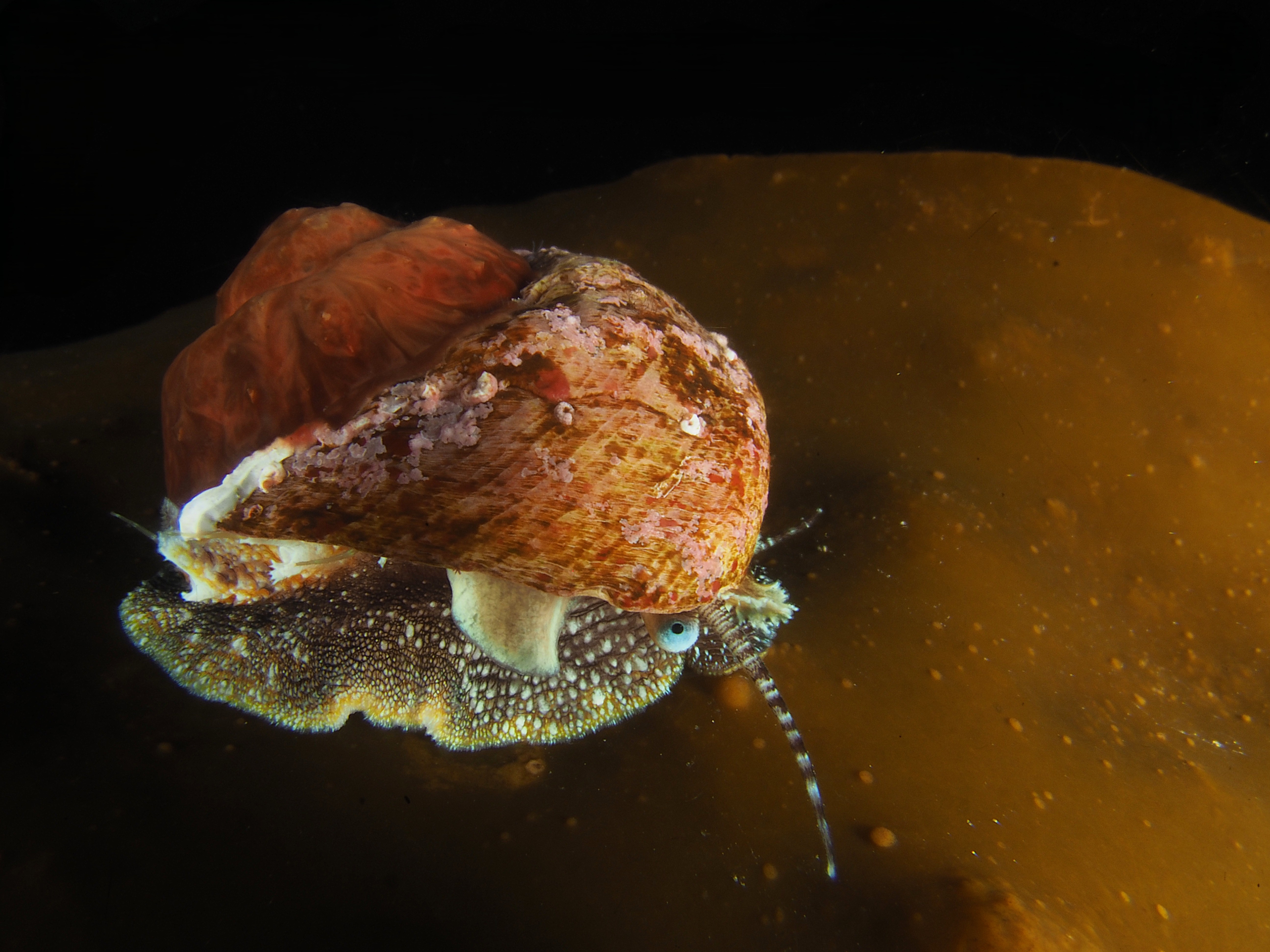
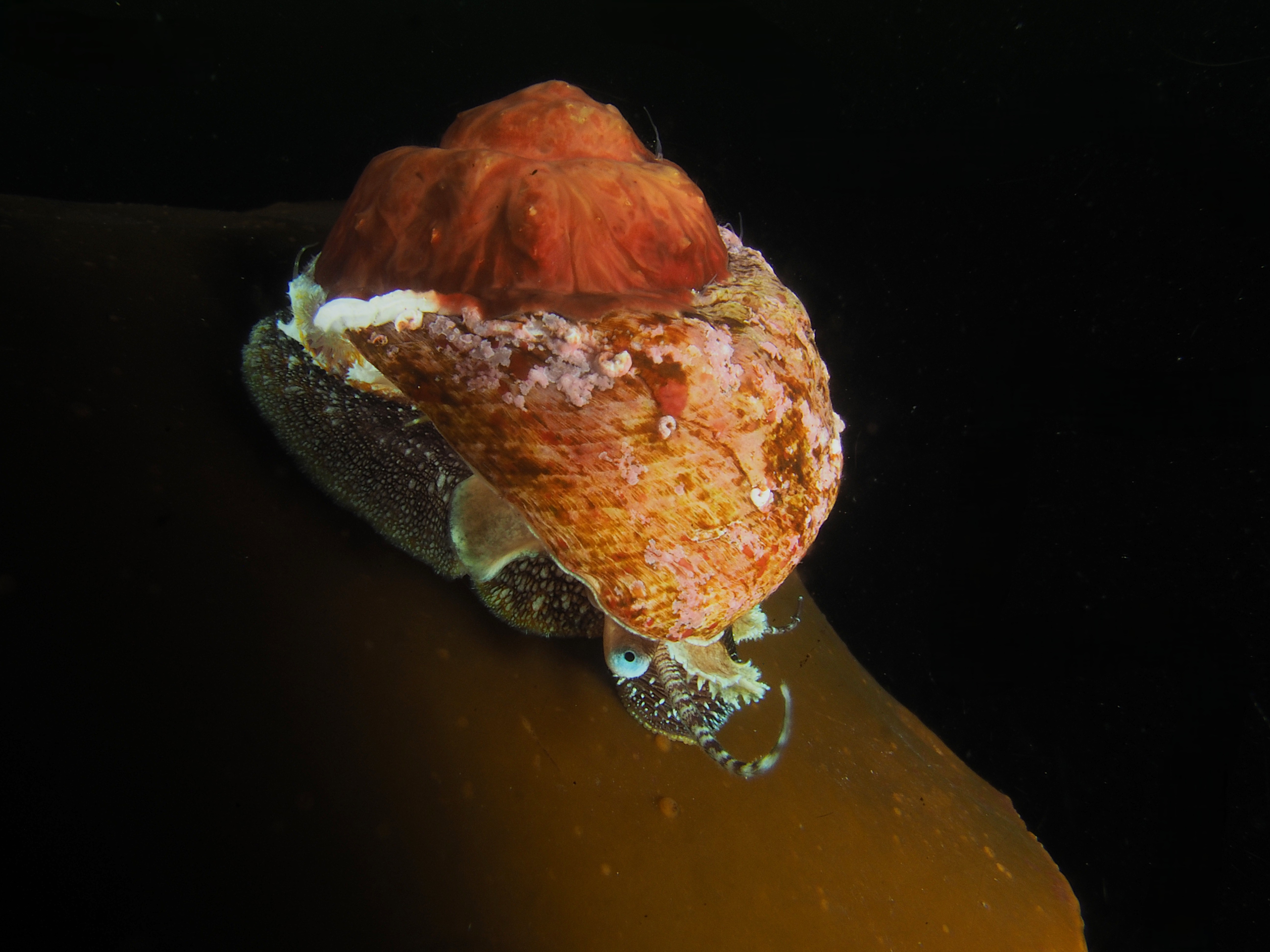
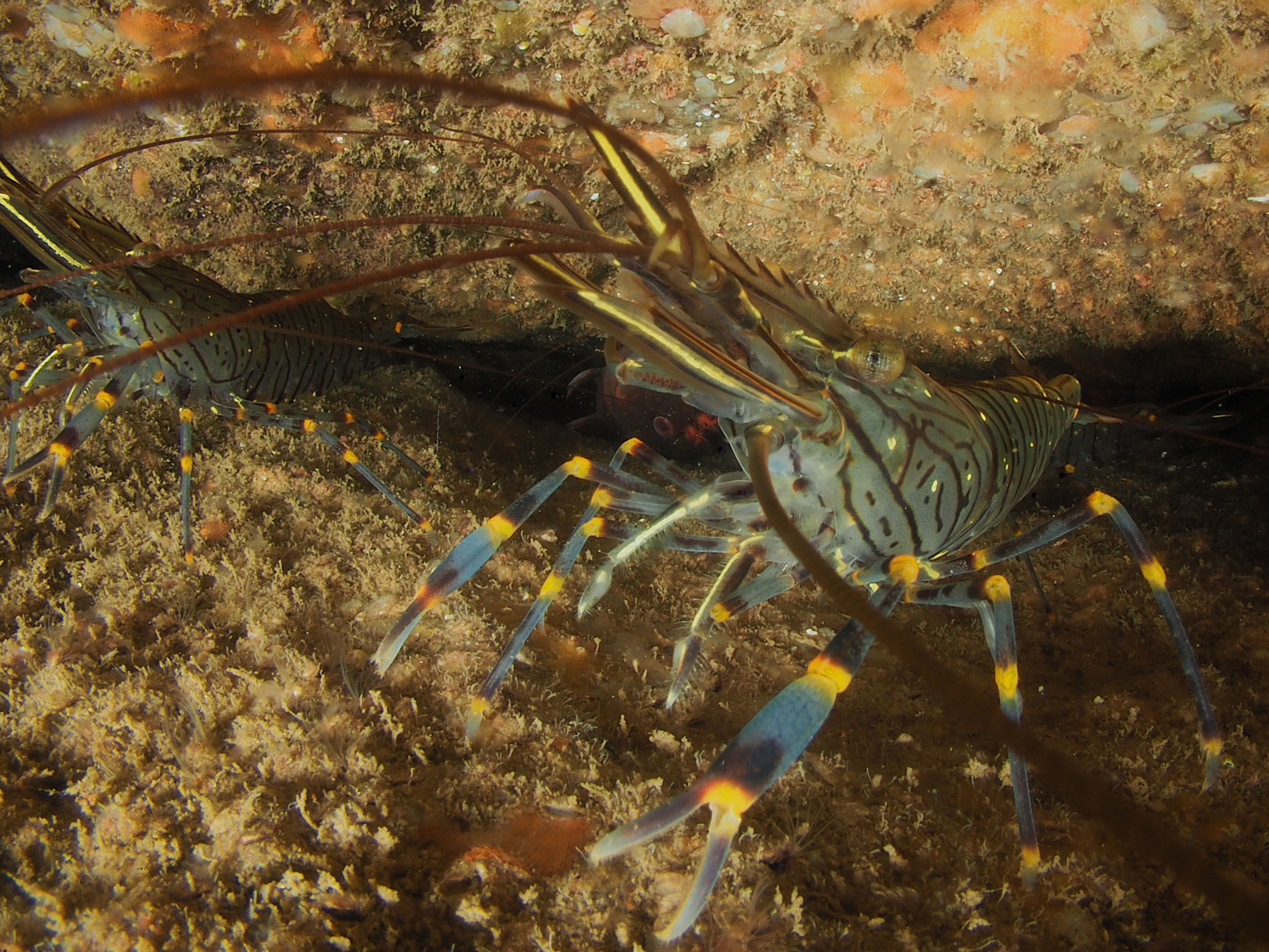
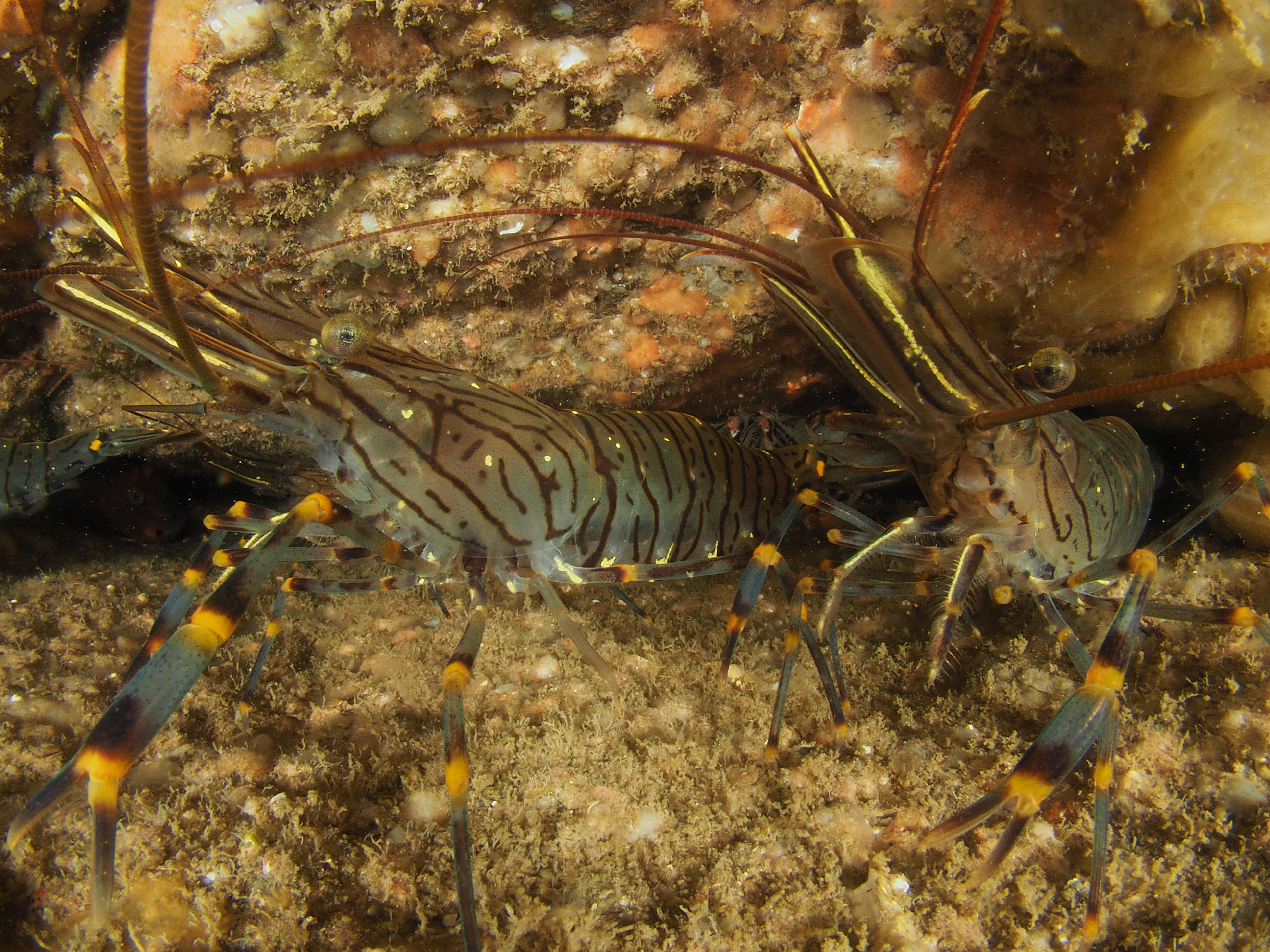
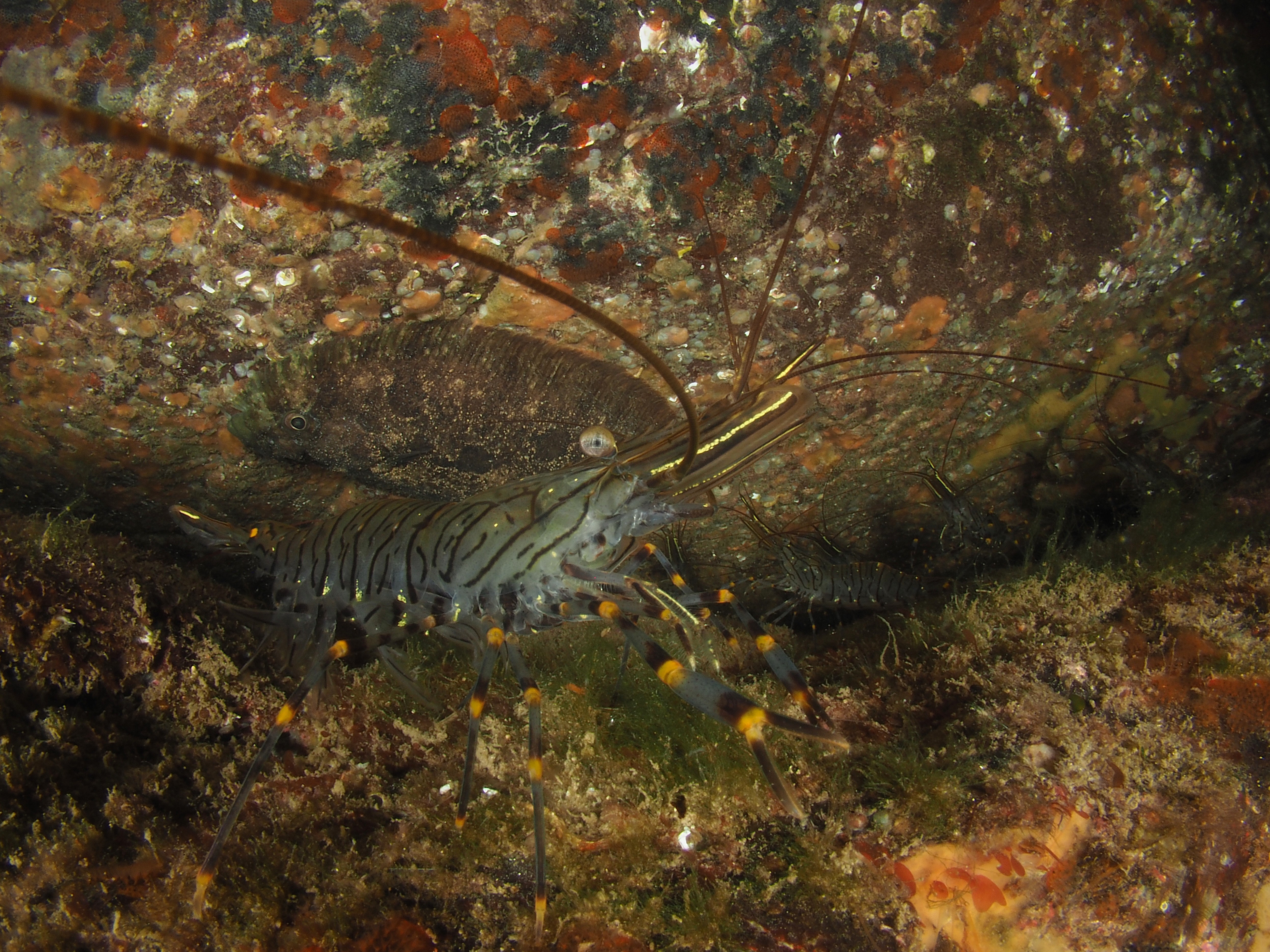
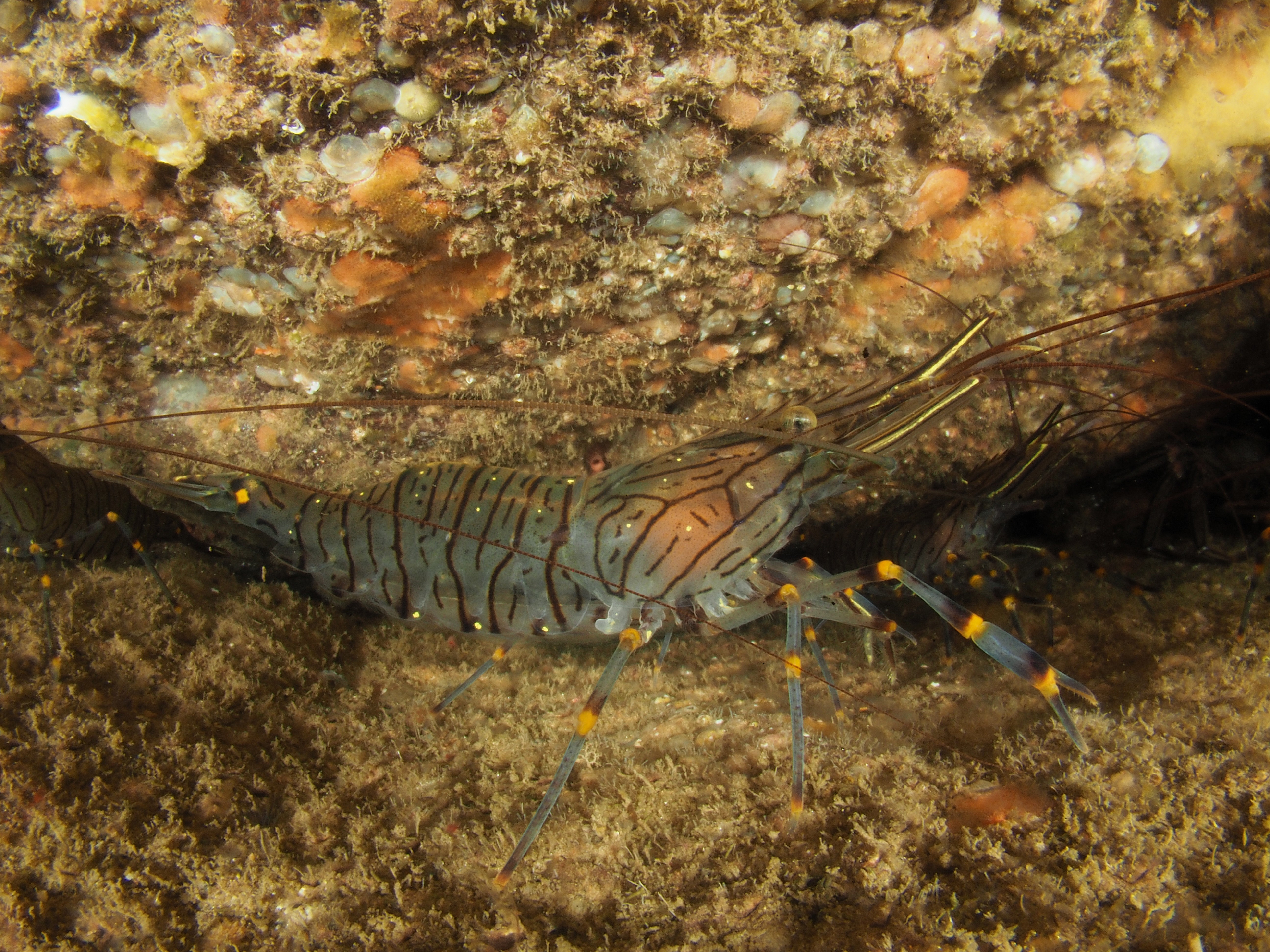
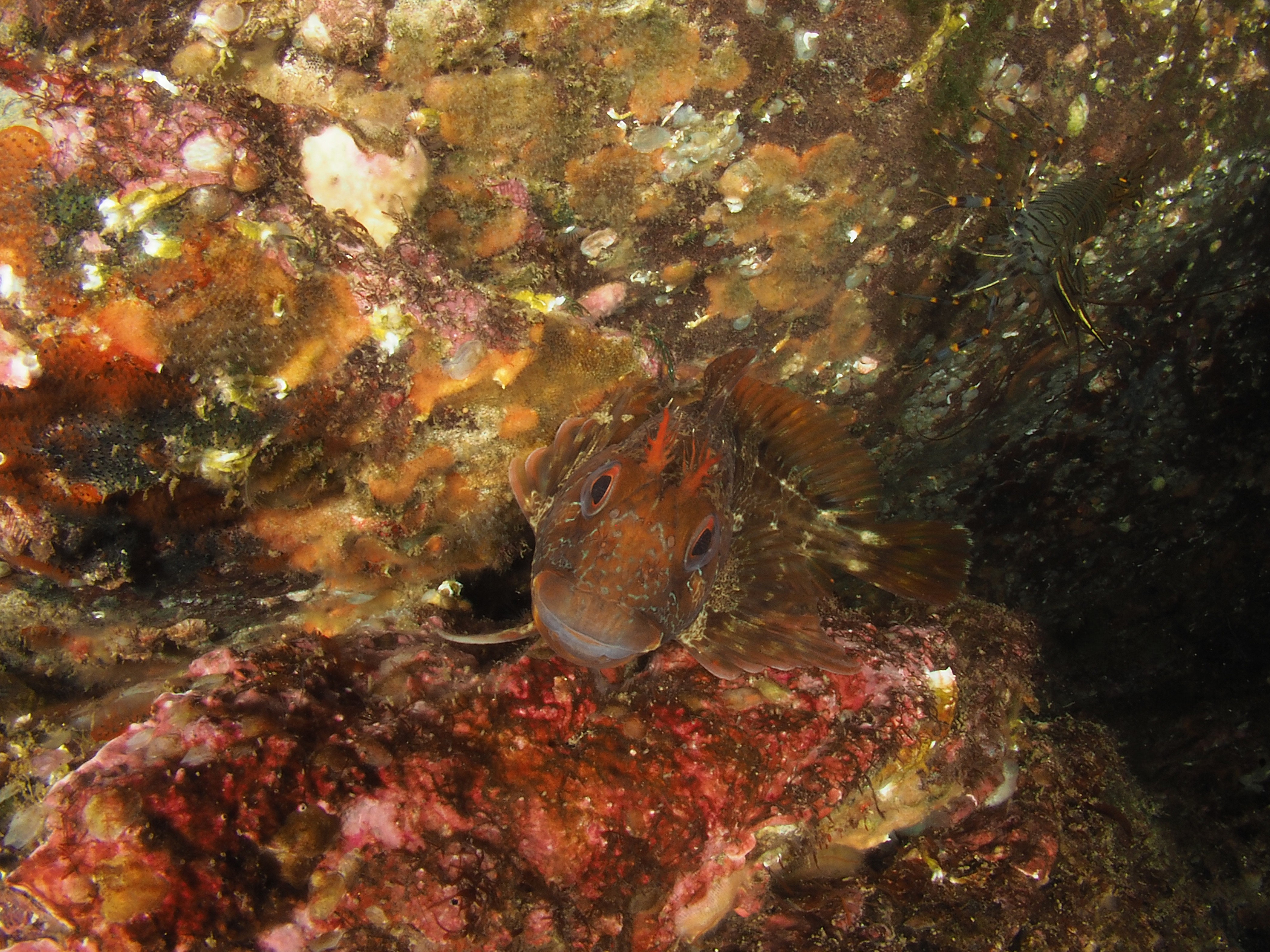
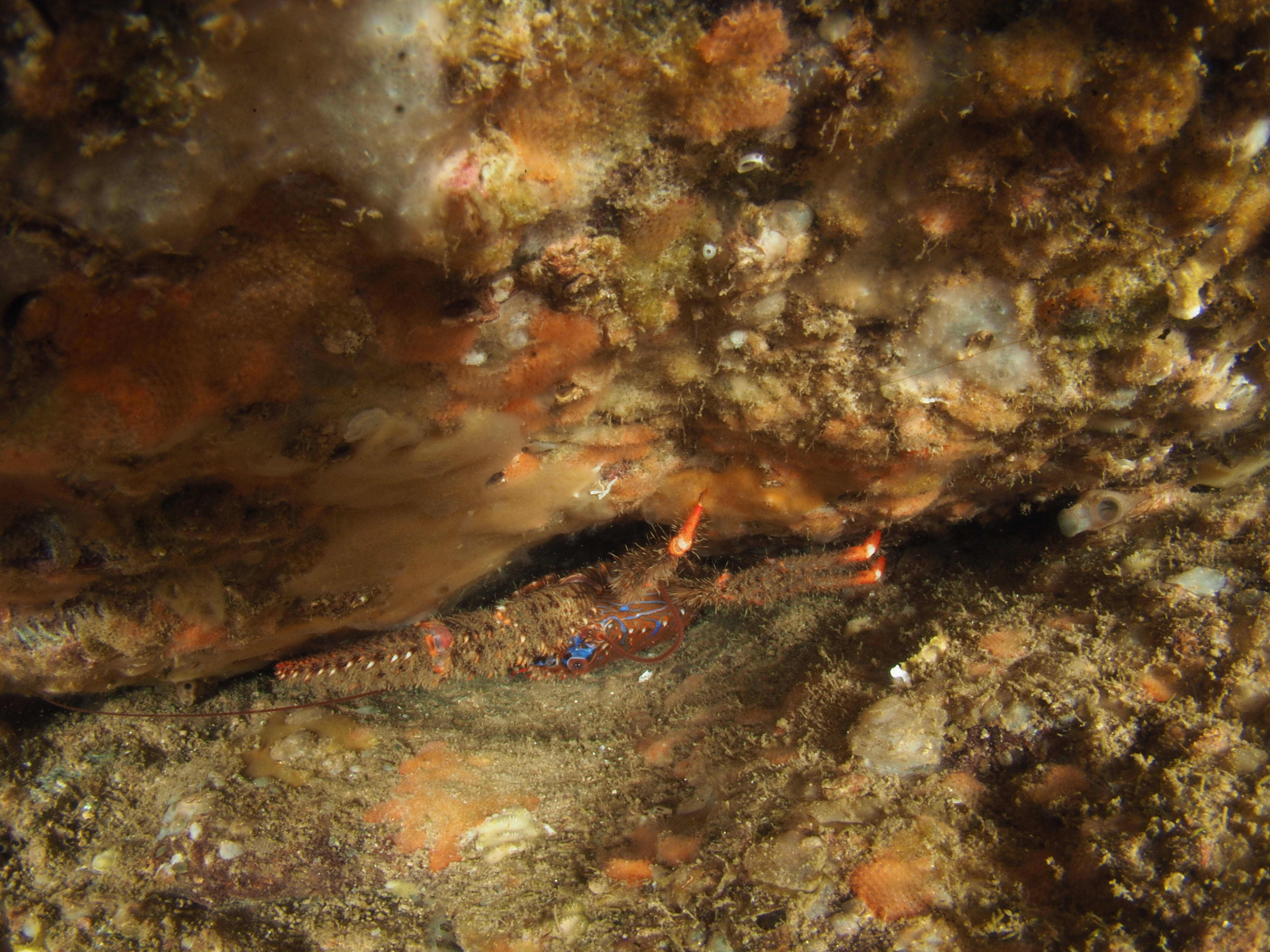
Some more pics below (notice that in some another animal is lurking in the background!). Some species are easier to photograph than others, clingfish are very shy for instance. Anyway, there are some more ideas I have, for instance trying to capture multiple species in one frame and post about them in ‘The Crack pt2.’!
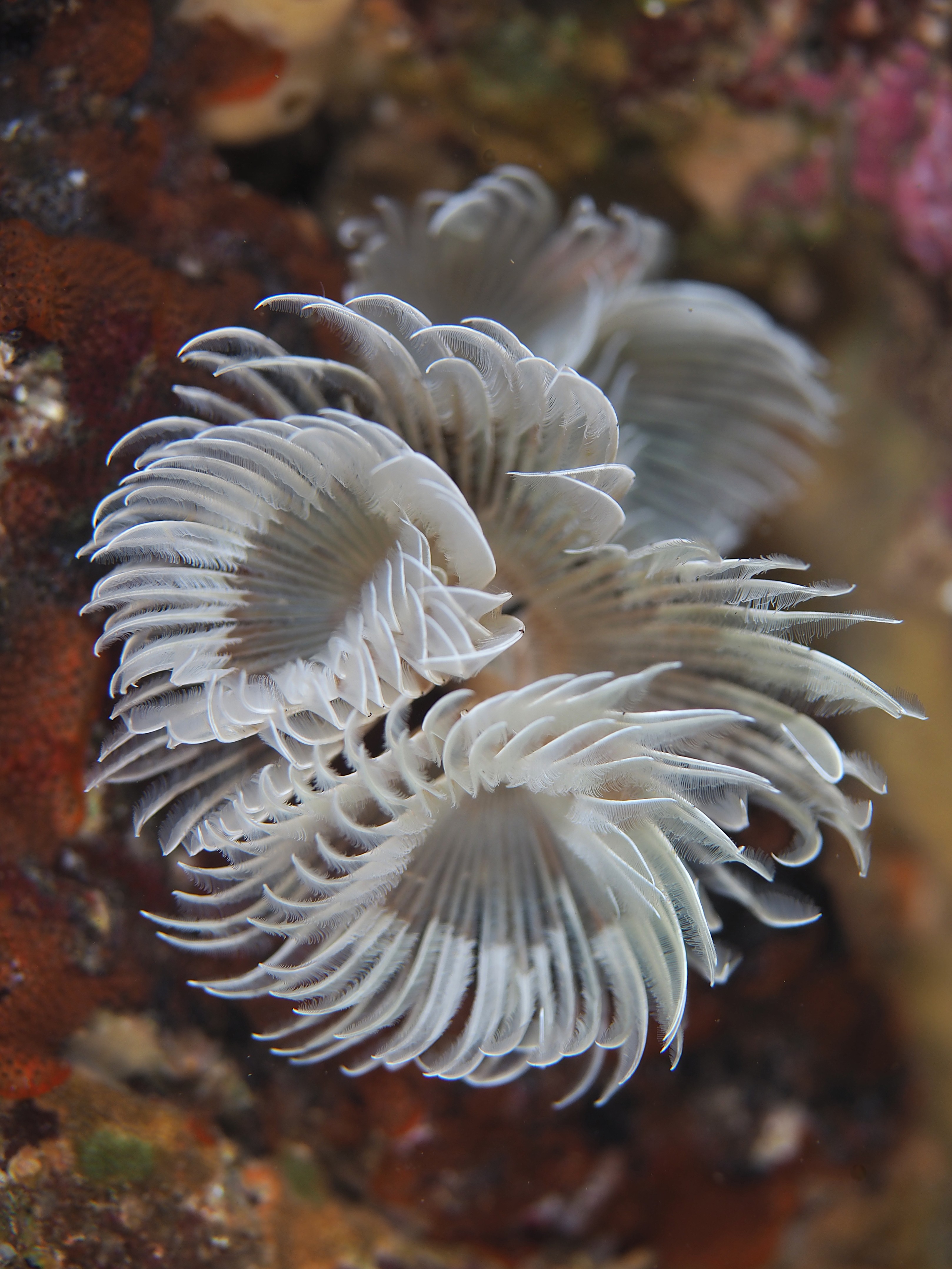
With the camera housing back, I have been in the water again lately, taking quite a few photos. I am lagging behind with posting quite a bit (this will allow me to post when I cannot get in the water later in the year) but should occasionally maintain the blog over summer, so here is! My local haunt Silver Steps provided during two dives with the macro lens. Above a Twin Fan Worm (Bispira volutacornis). These are quite shy (i.e. they retract into their parchment-like tube when their composite eyes detect a curious diver) but also are attached to cluttered rock walls. To blur this unappealing background, I used a very shallow depth of field (f 2.8); this also has the advantage of letting a lot of light in so ISO can be decreased to 100 – sorry non-photographers!). Below a collage of other ‘usual suspects’ (names under the photos) but ALSO I SPOTTED AN OCTOPUS! Crouched in a crevice and with only a macro lens I could not do it justice but it was still a very nice encounter.
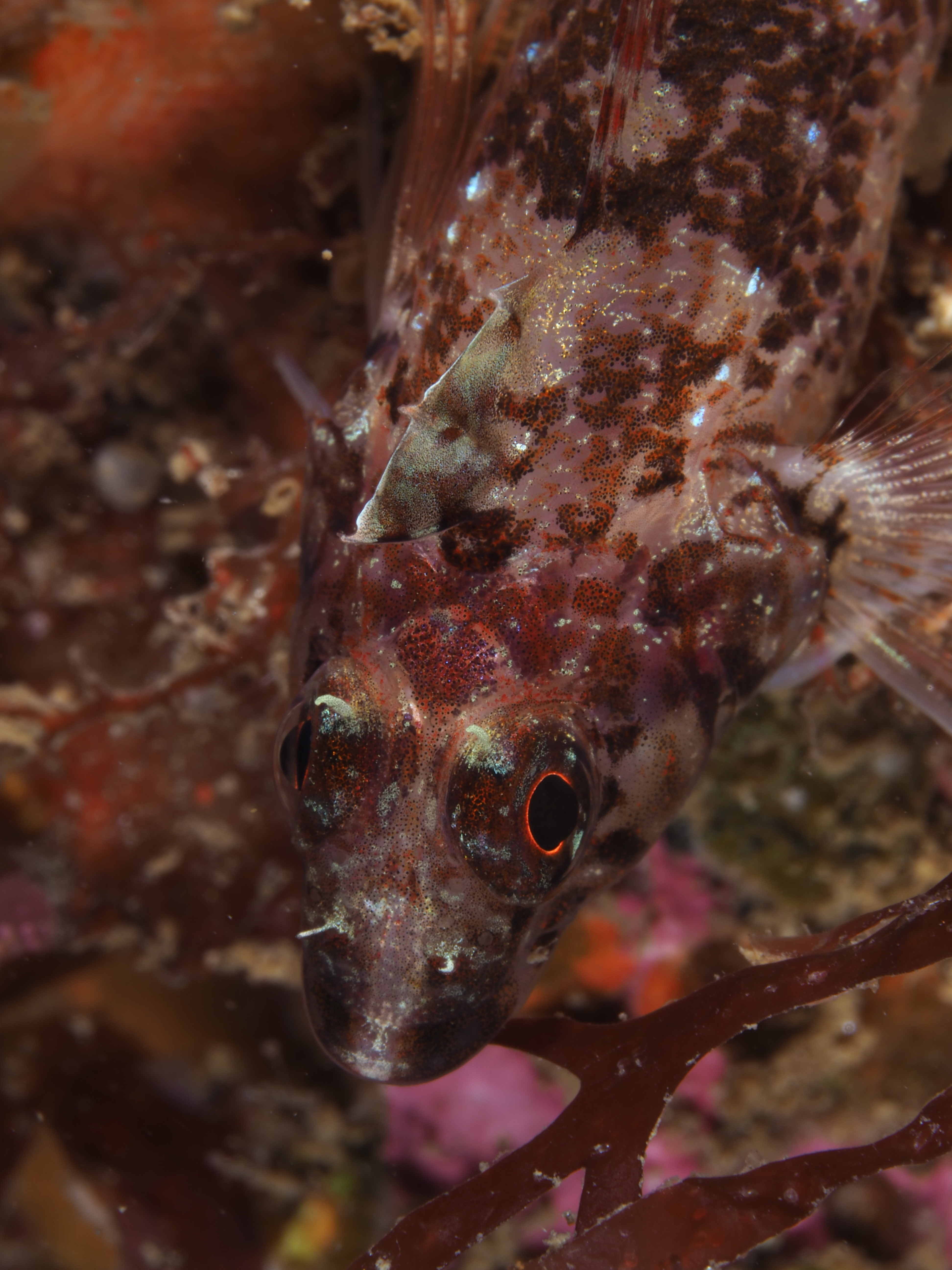
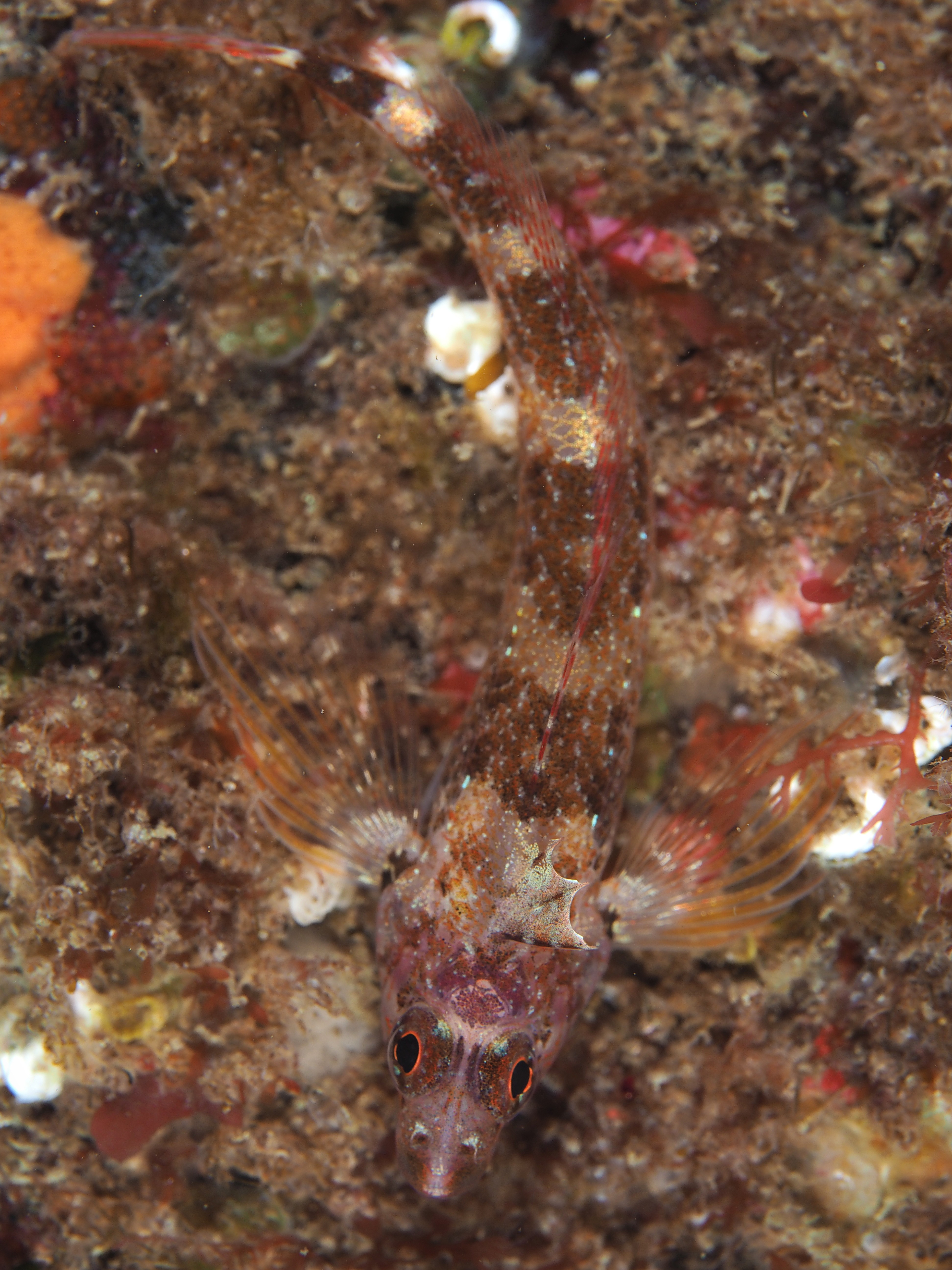
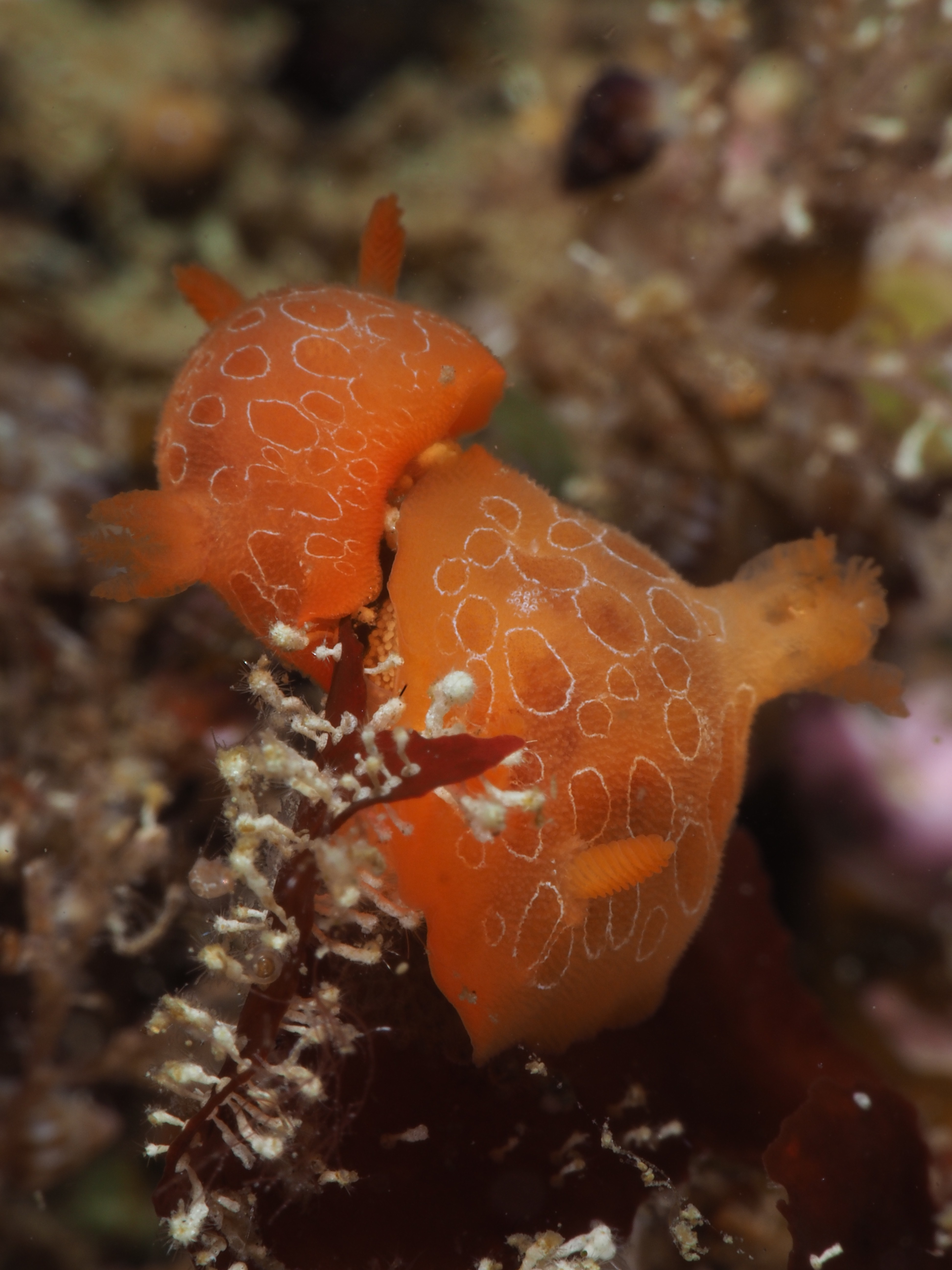
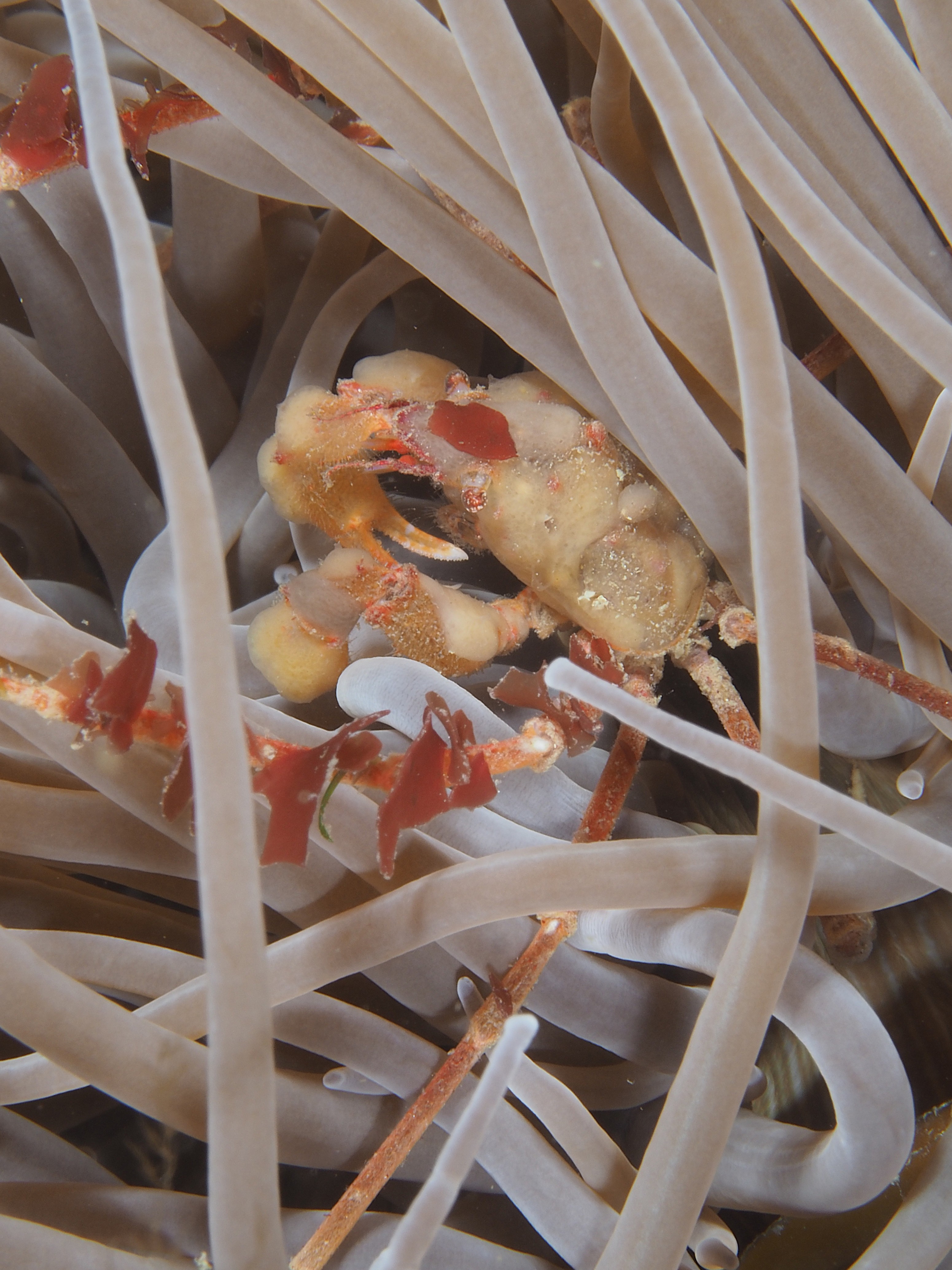
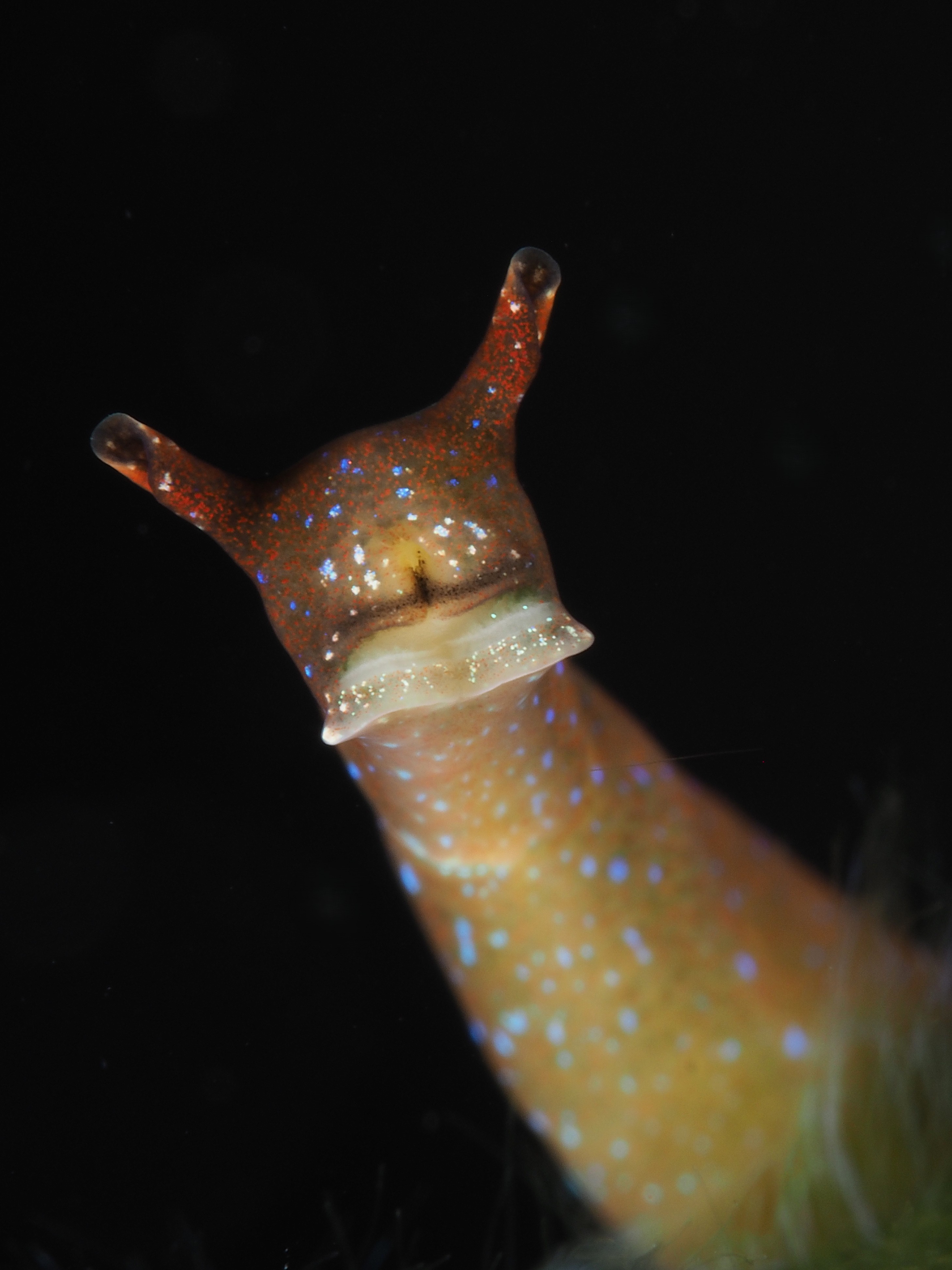
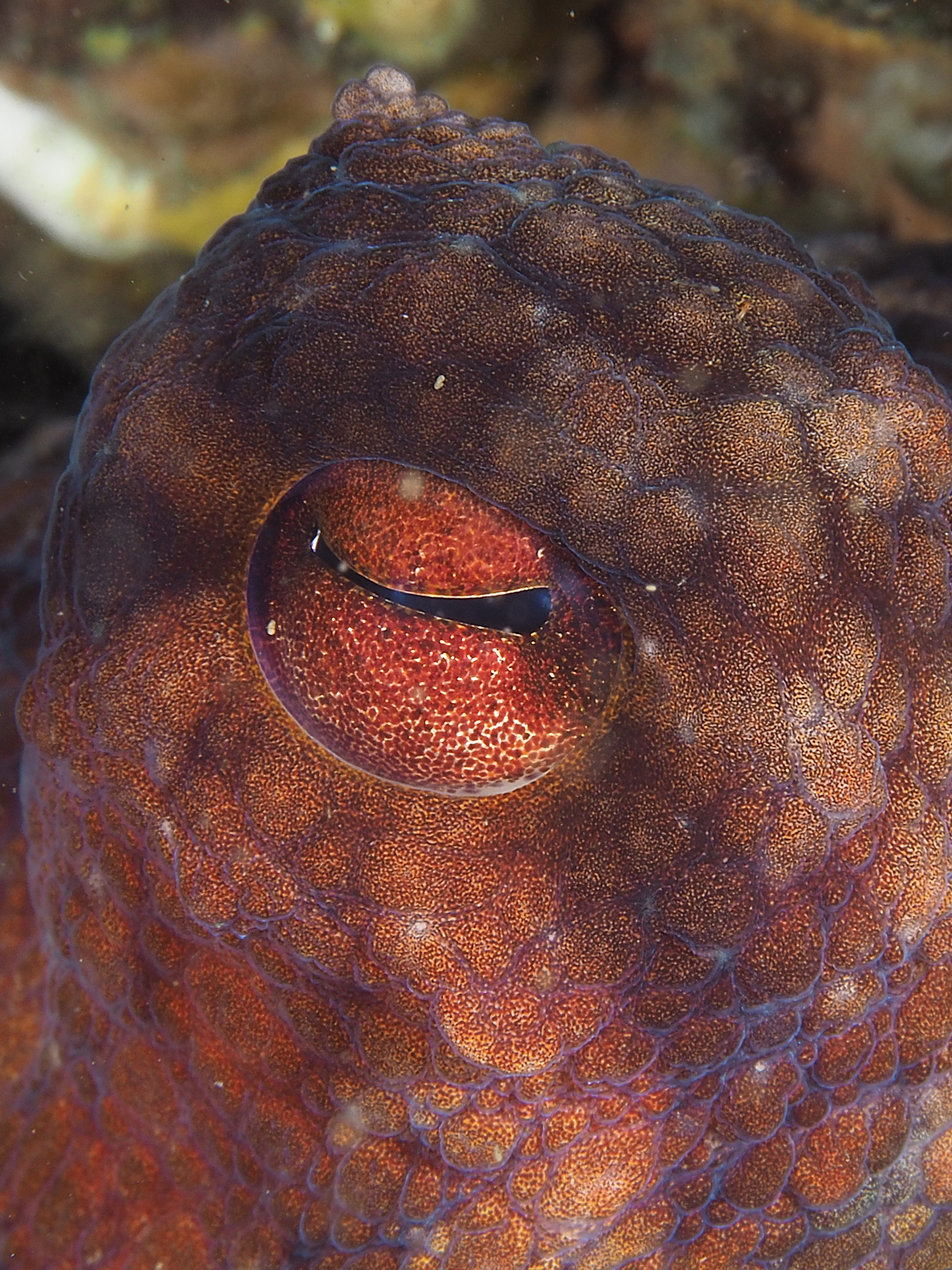
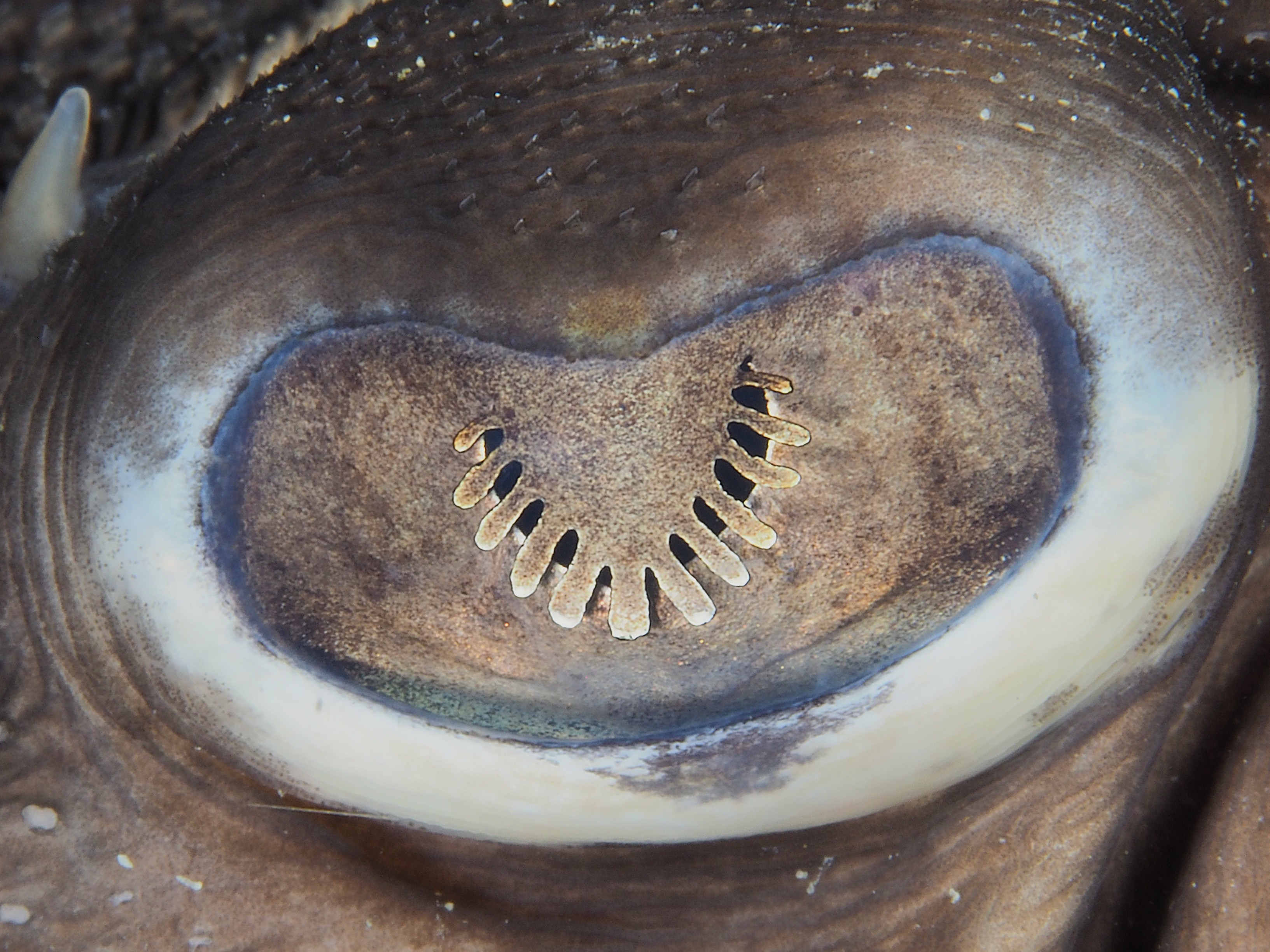
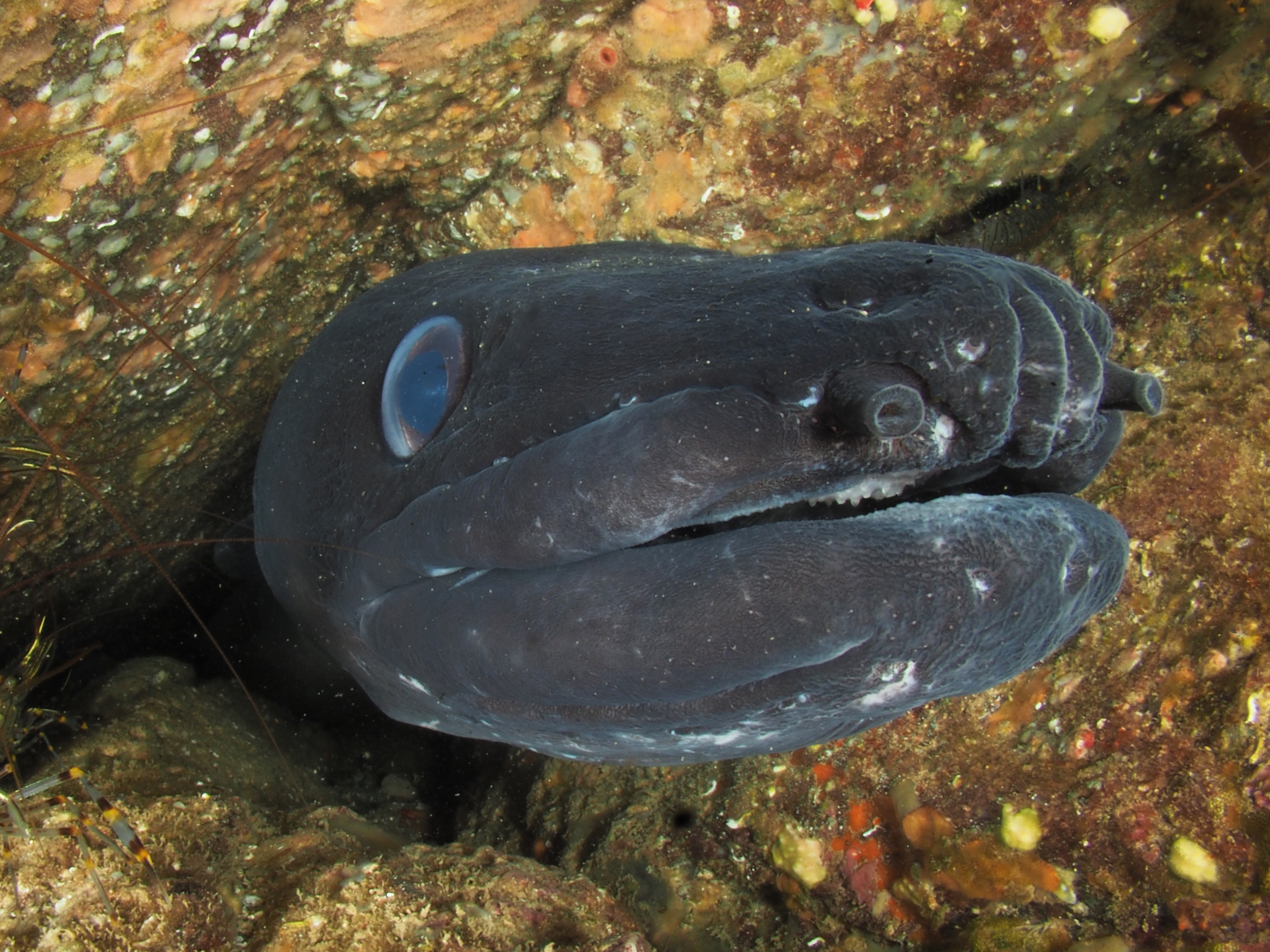
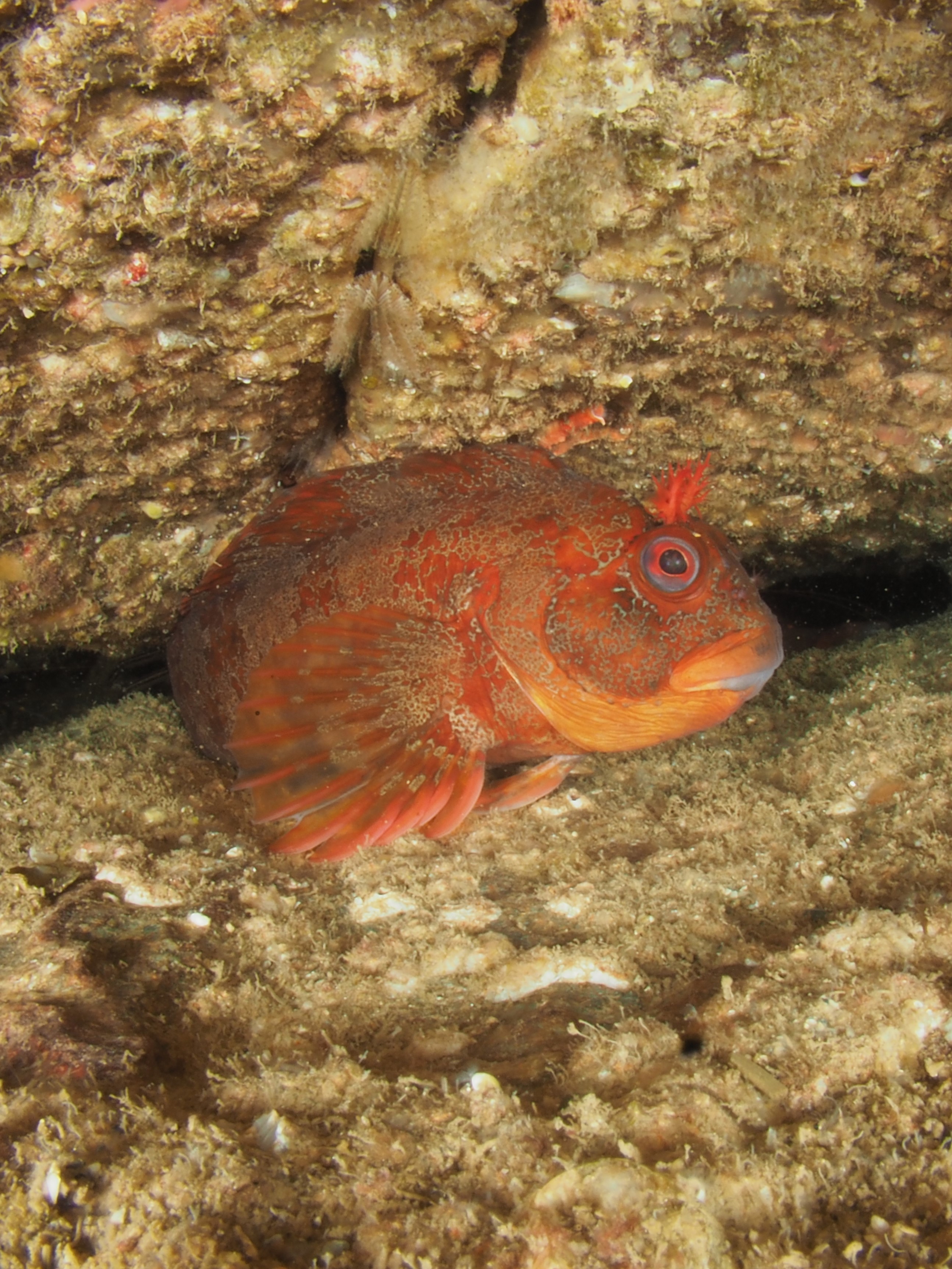
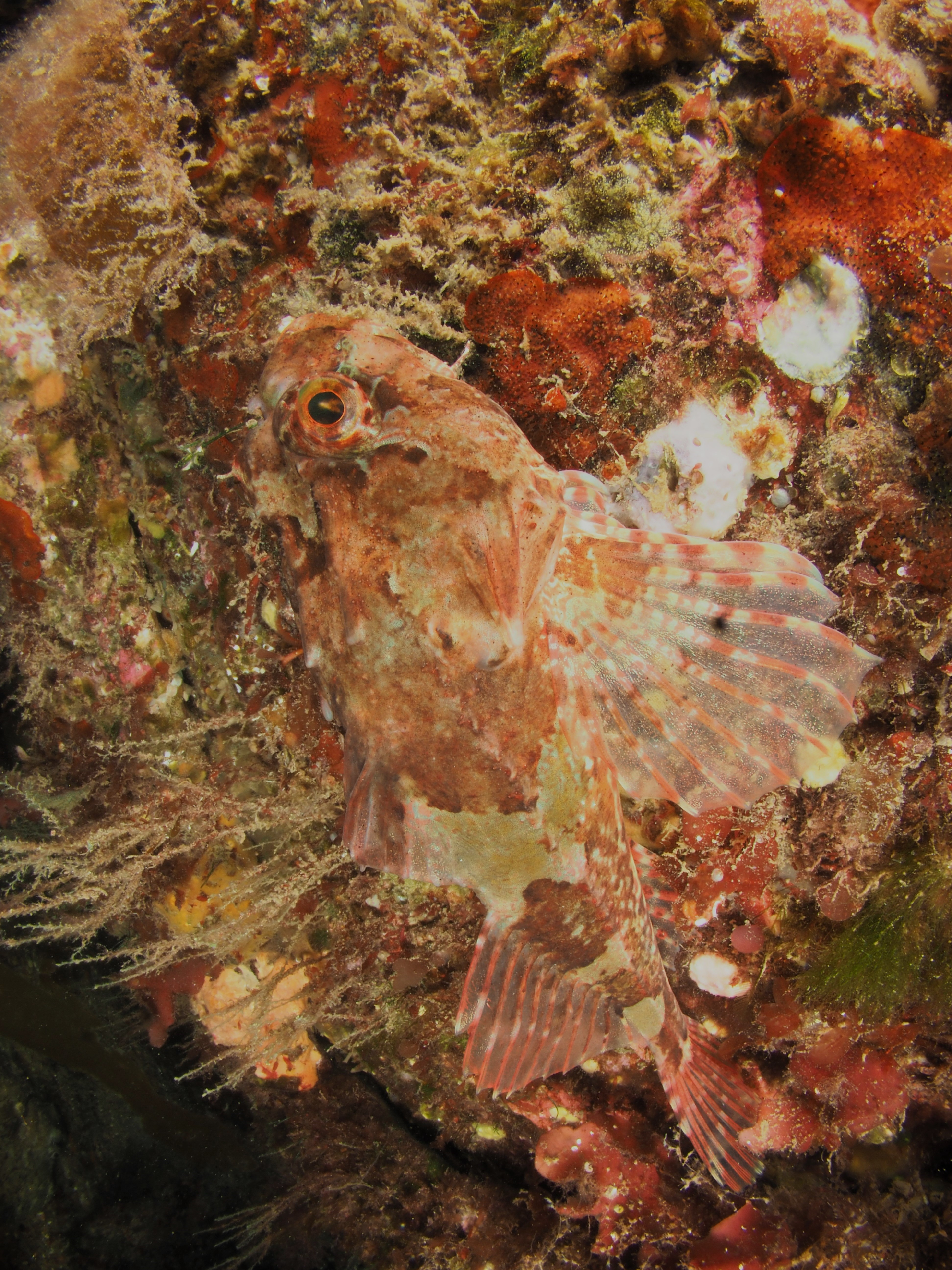
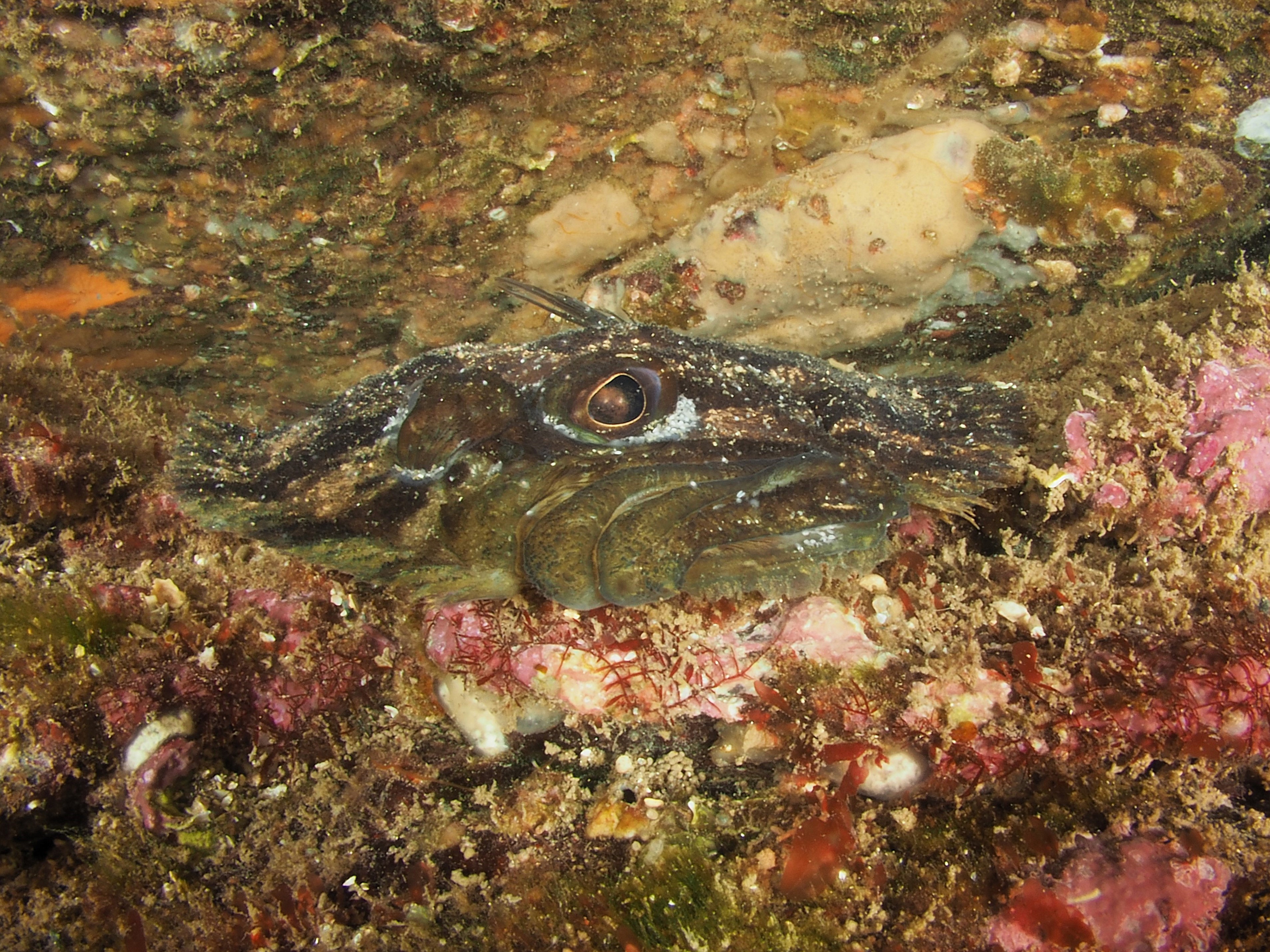
Below photos of various smaller fish hiding in the rock cracks (click for names on the pictures).
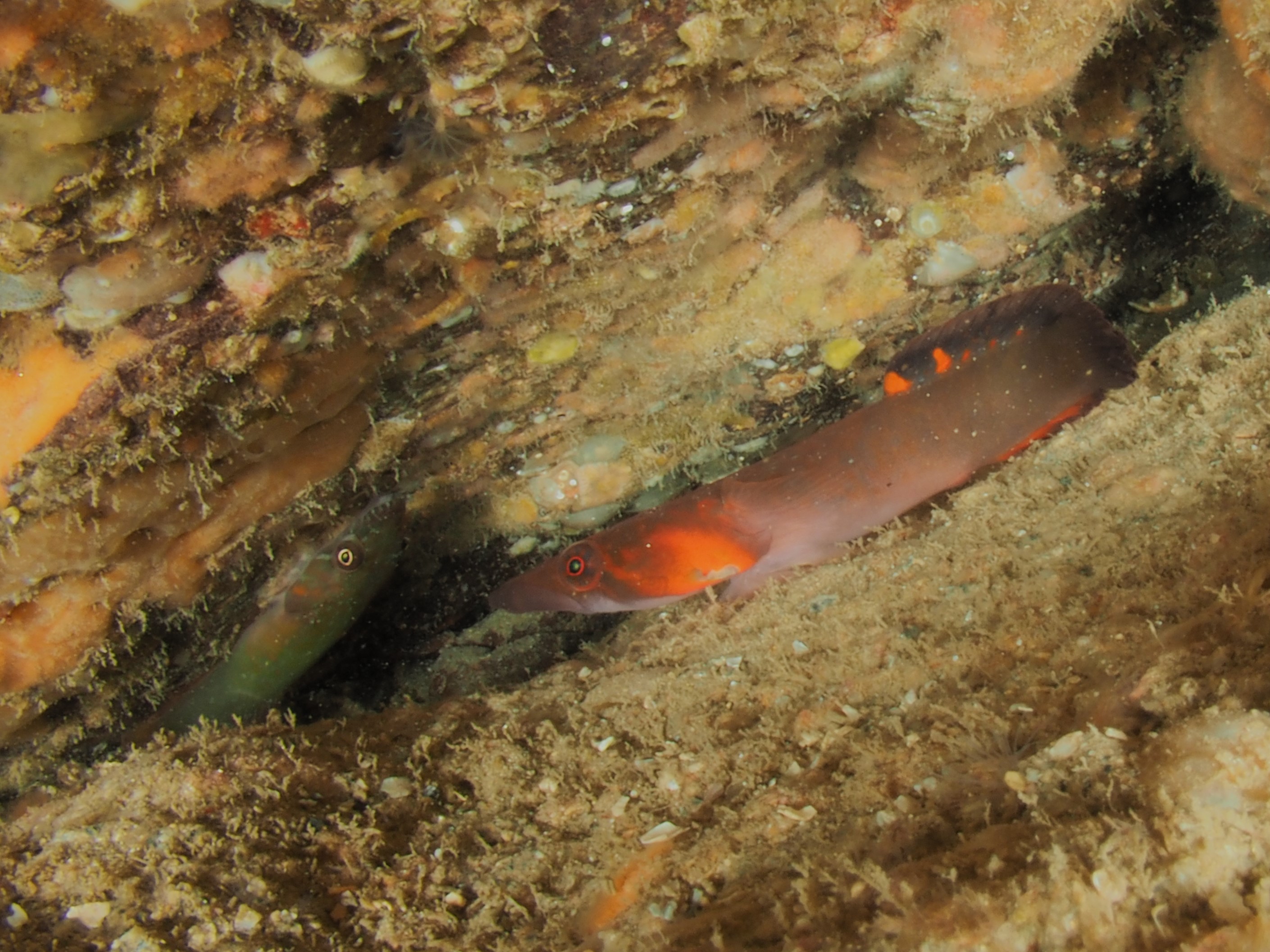
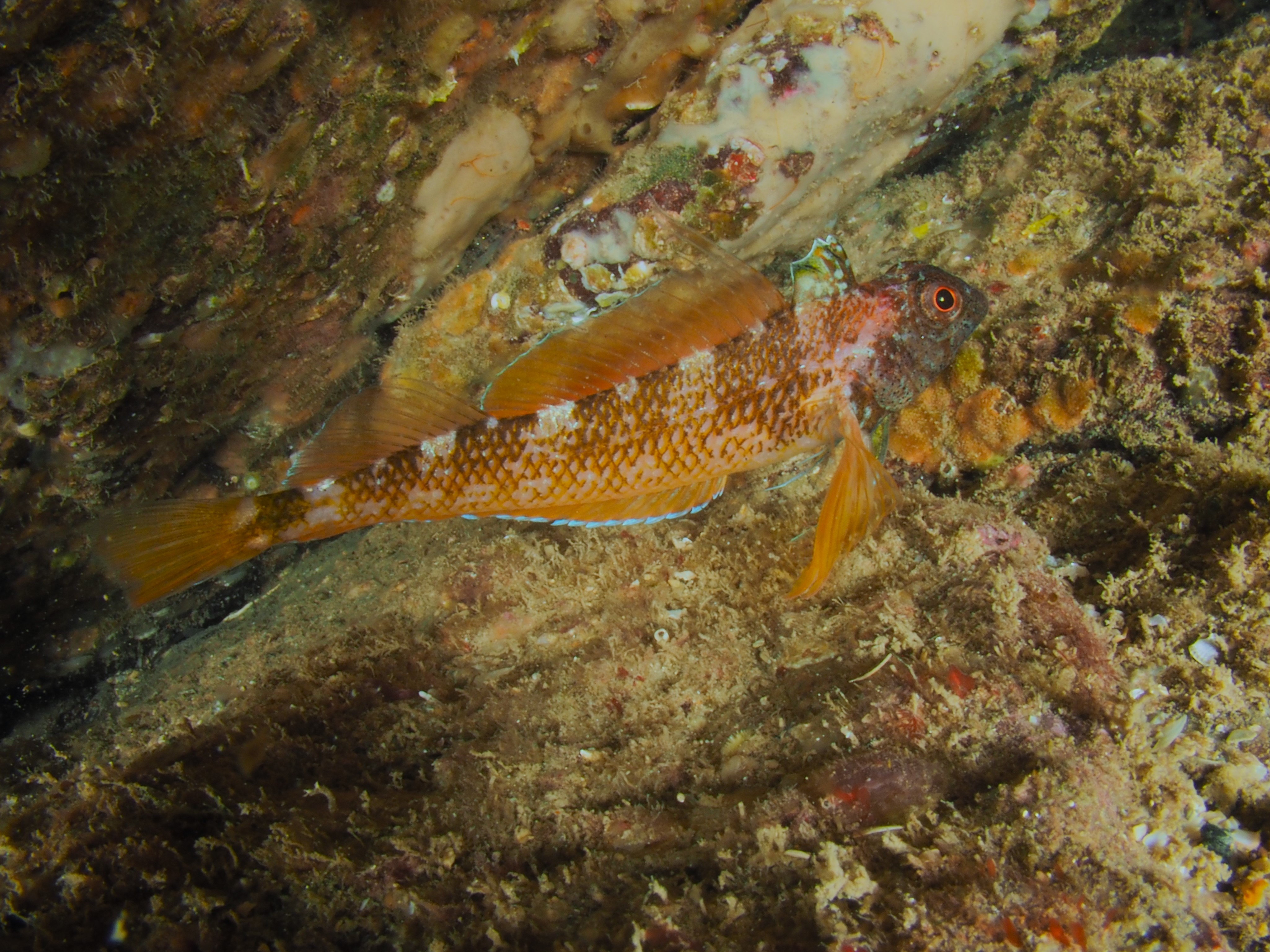
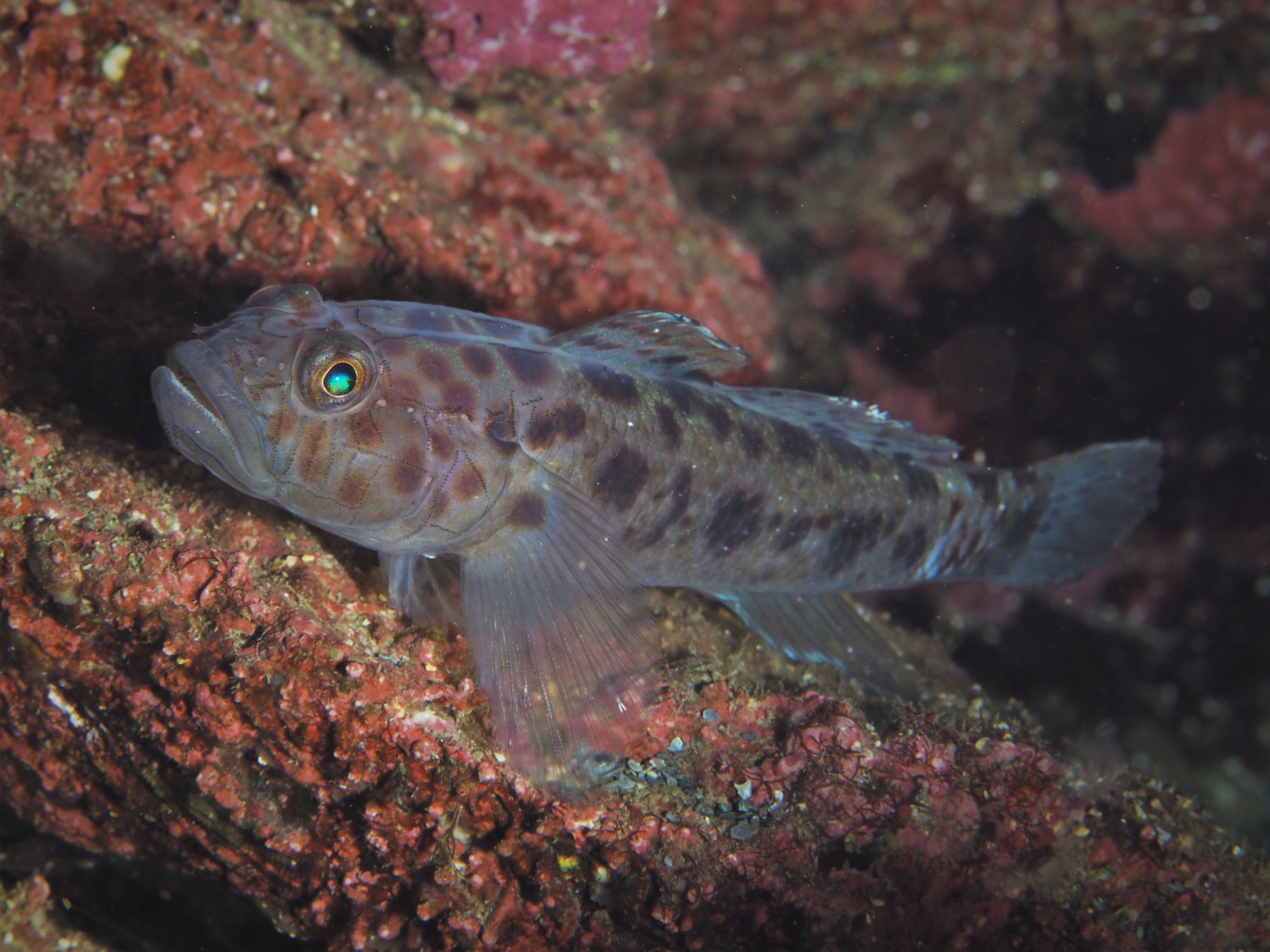
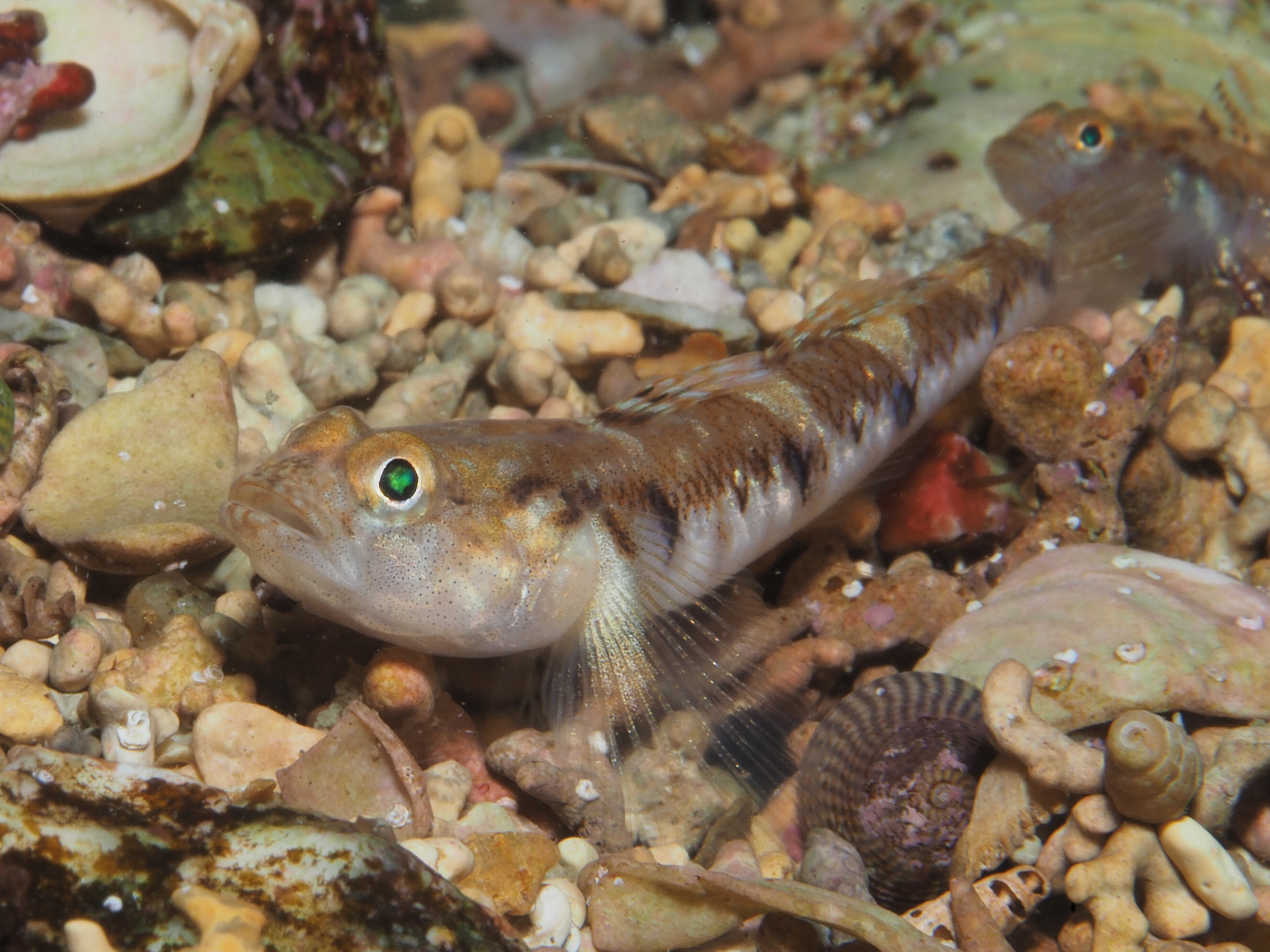
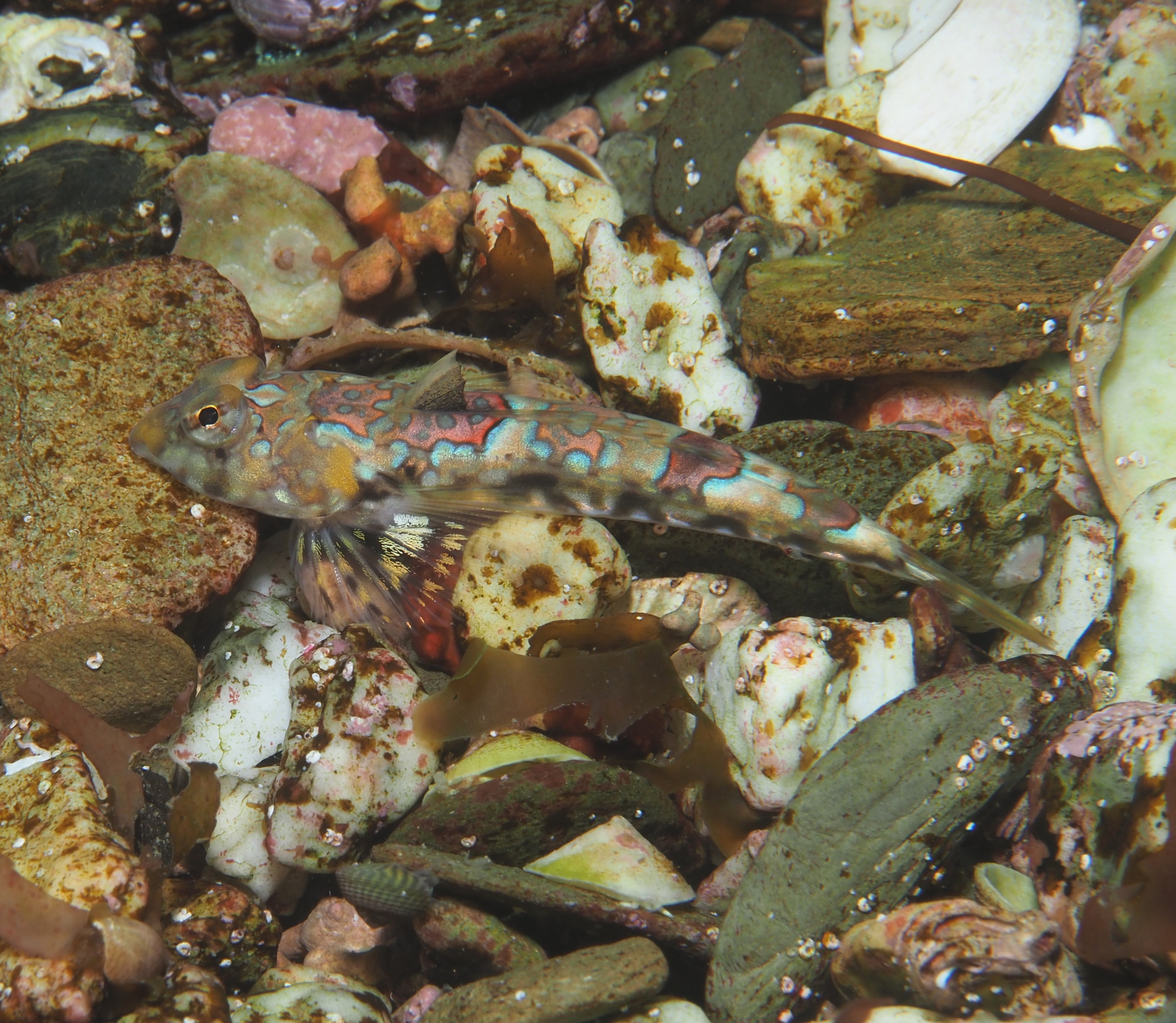
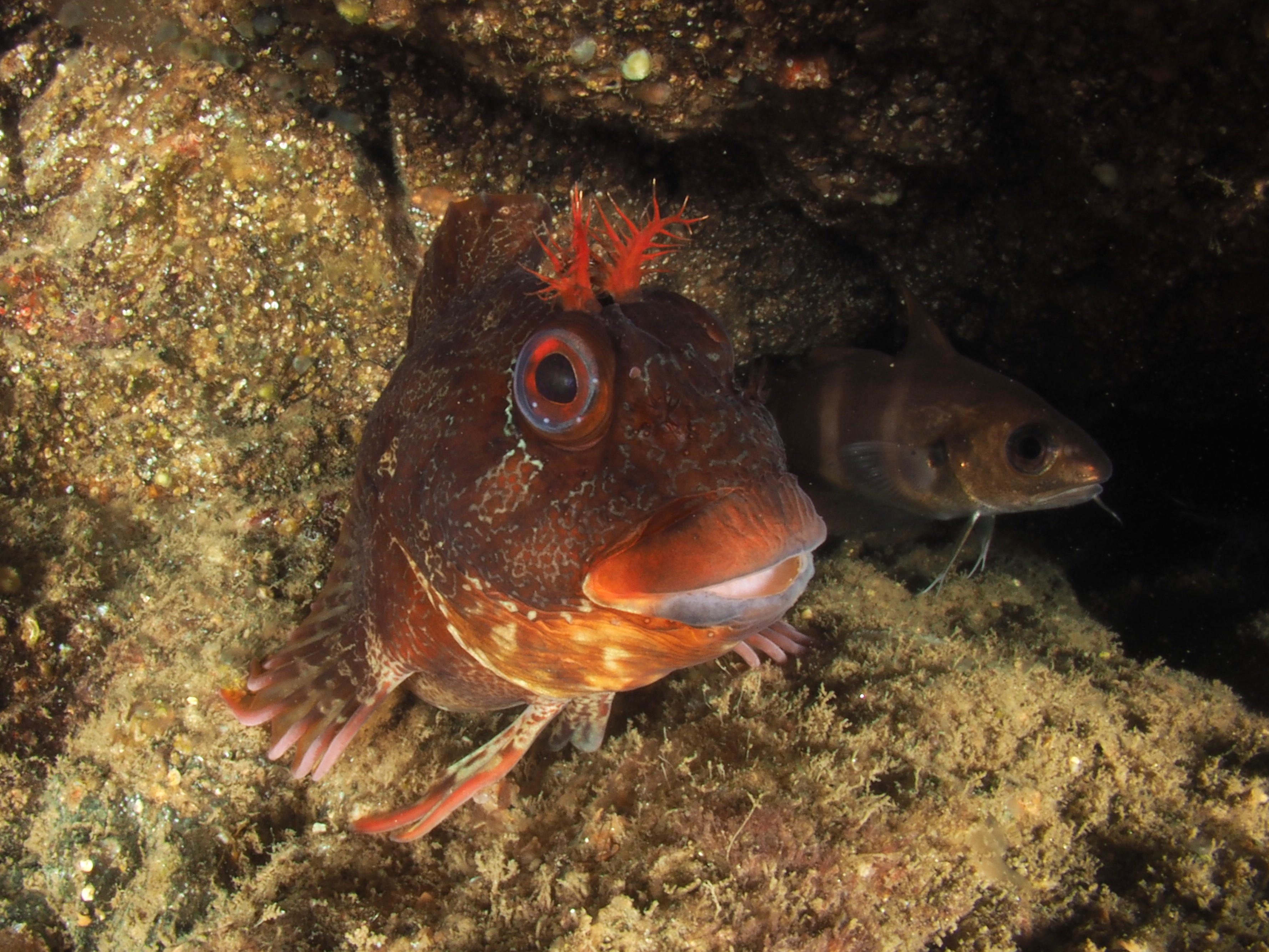
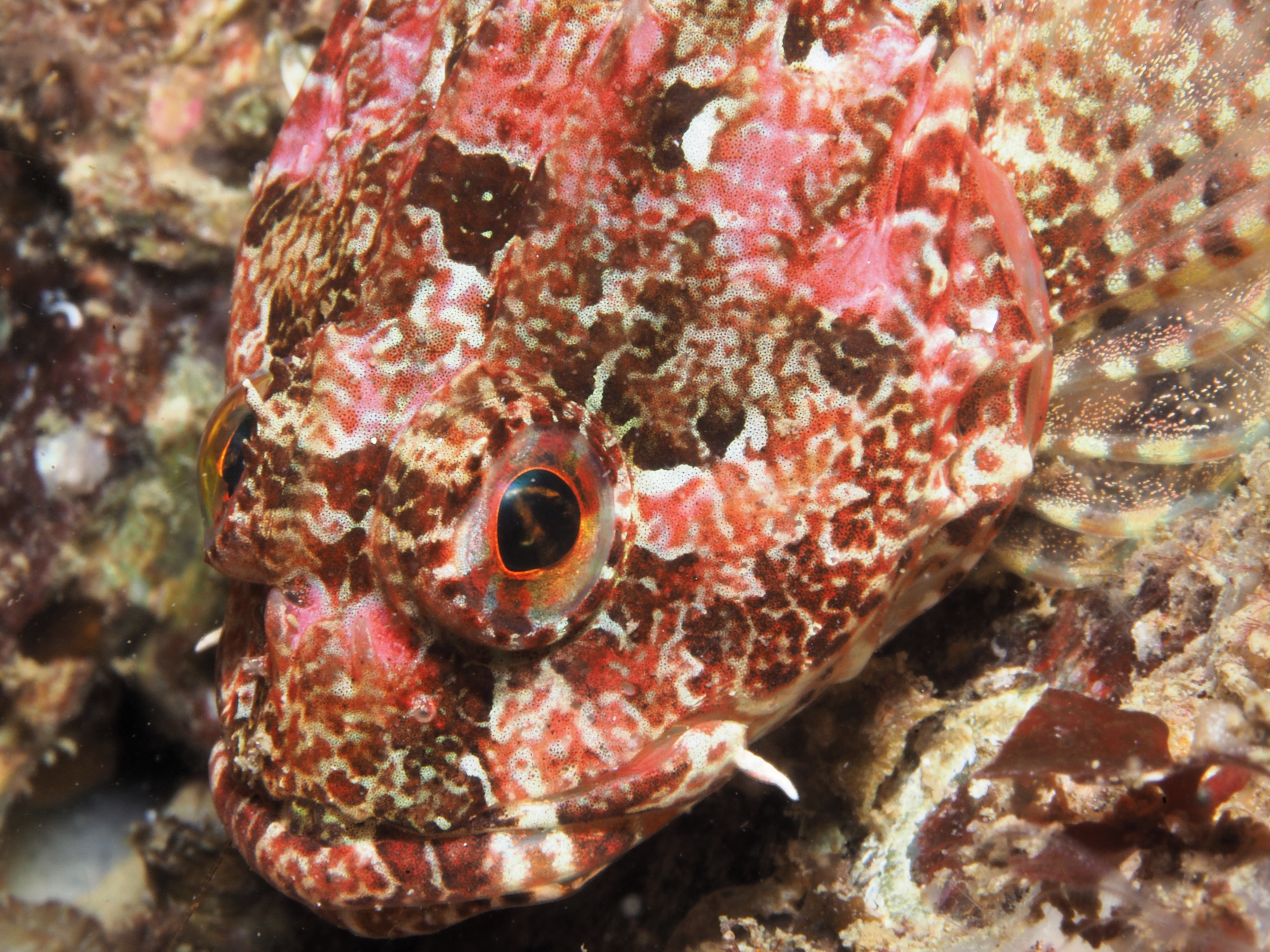
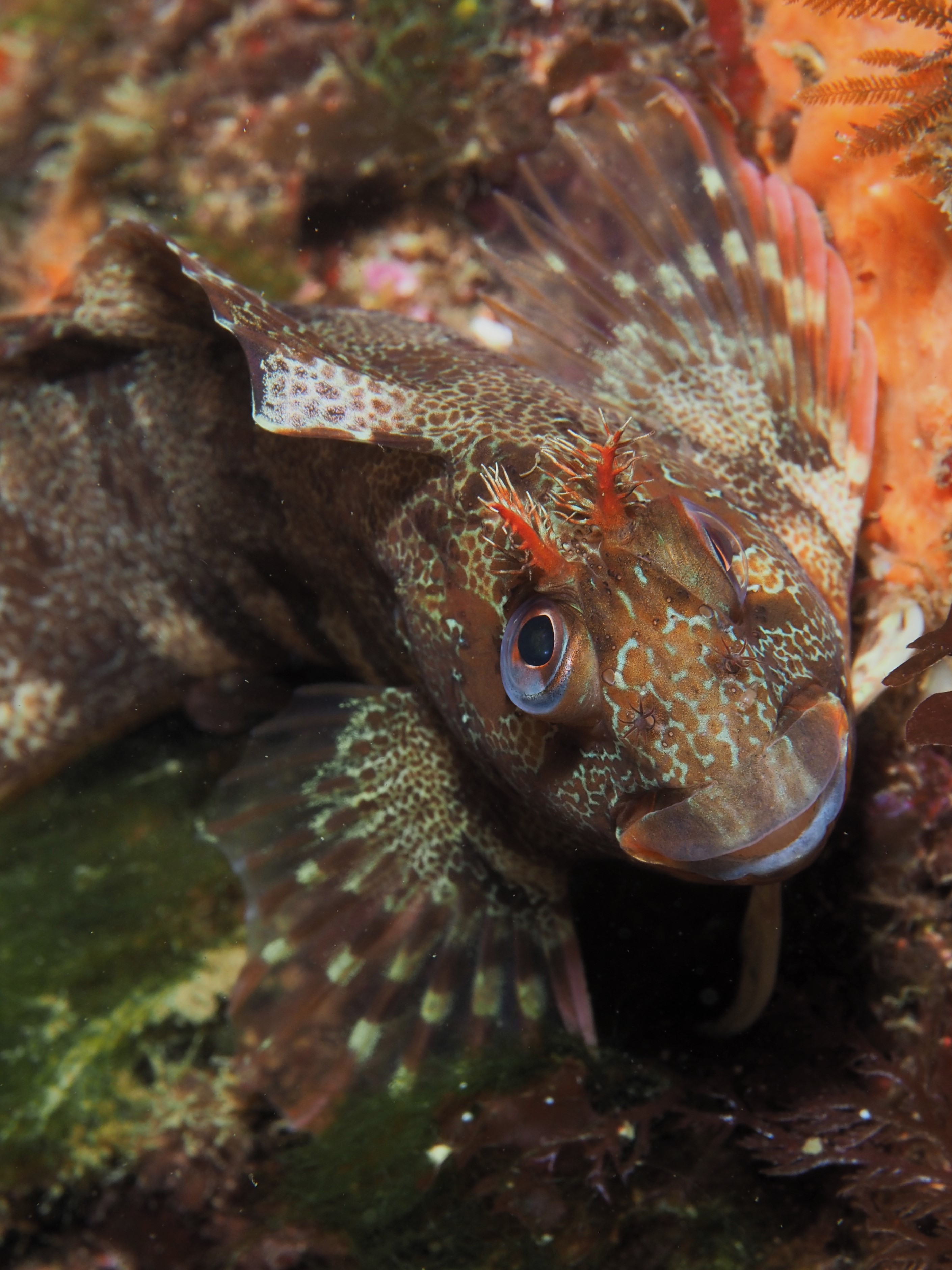
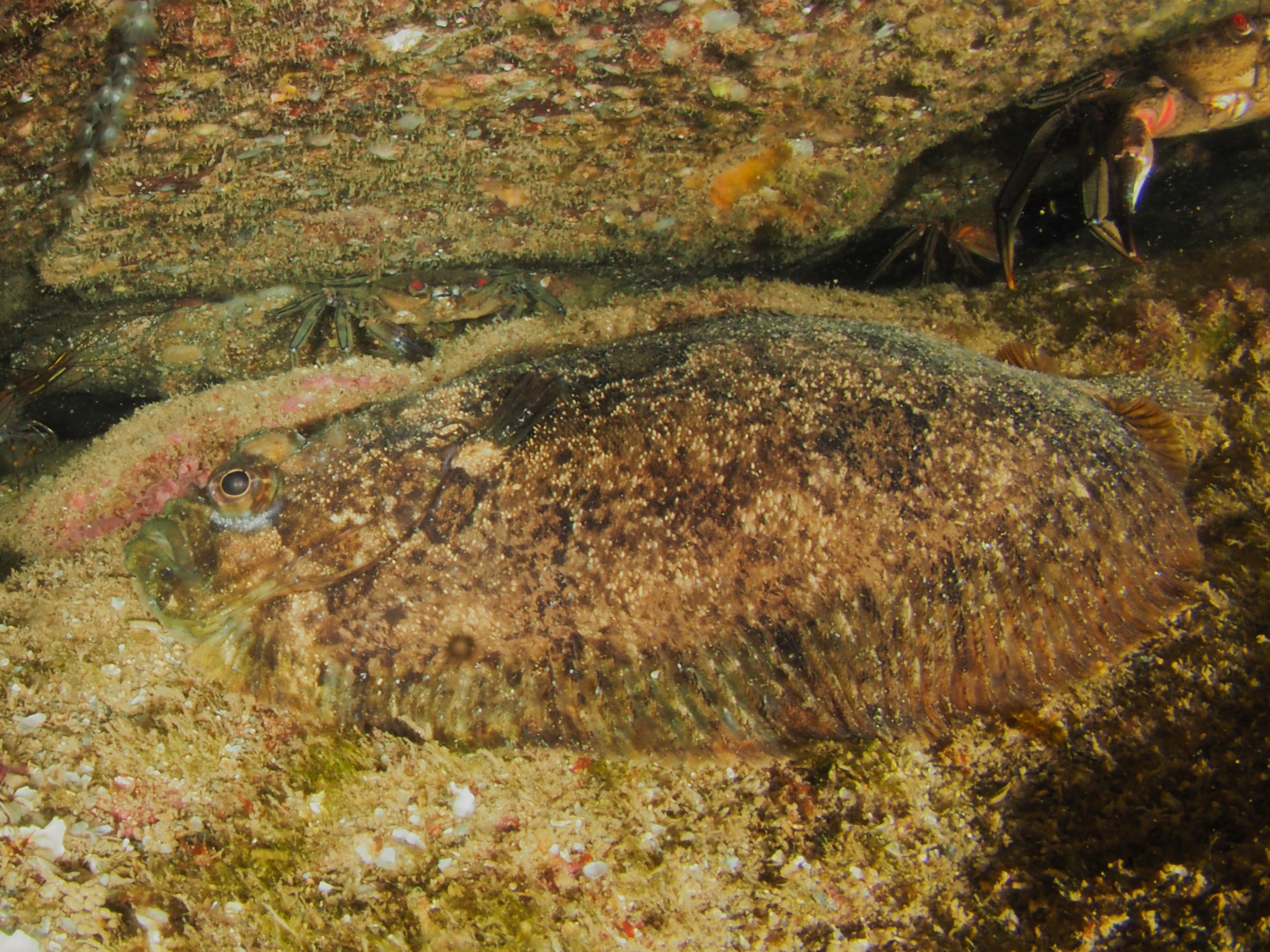
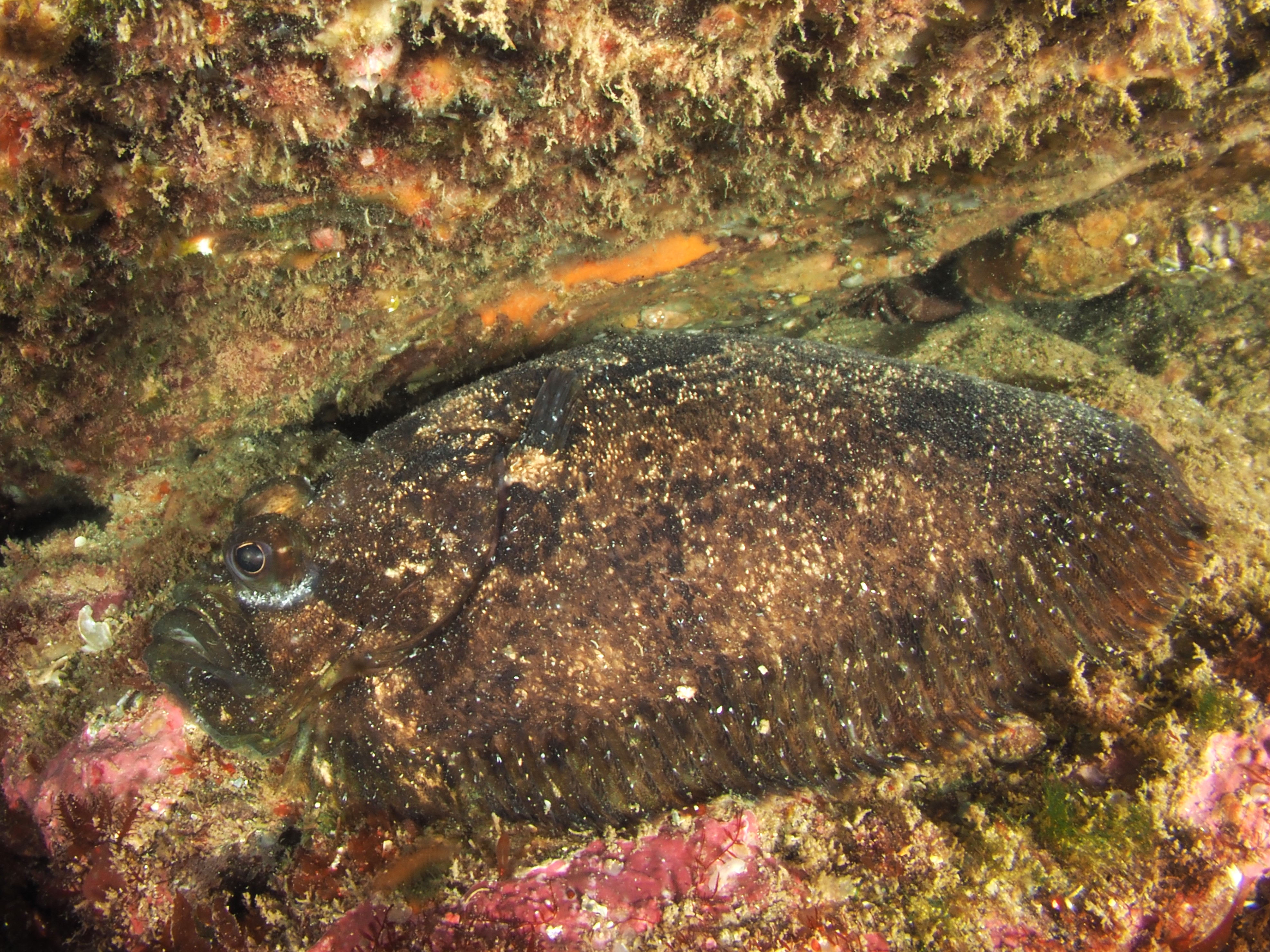
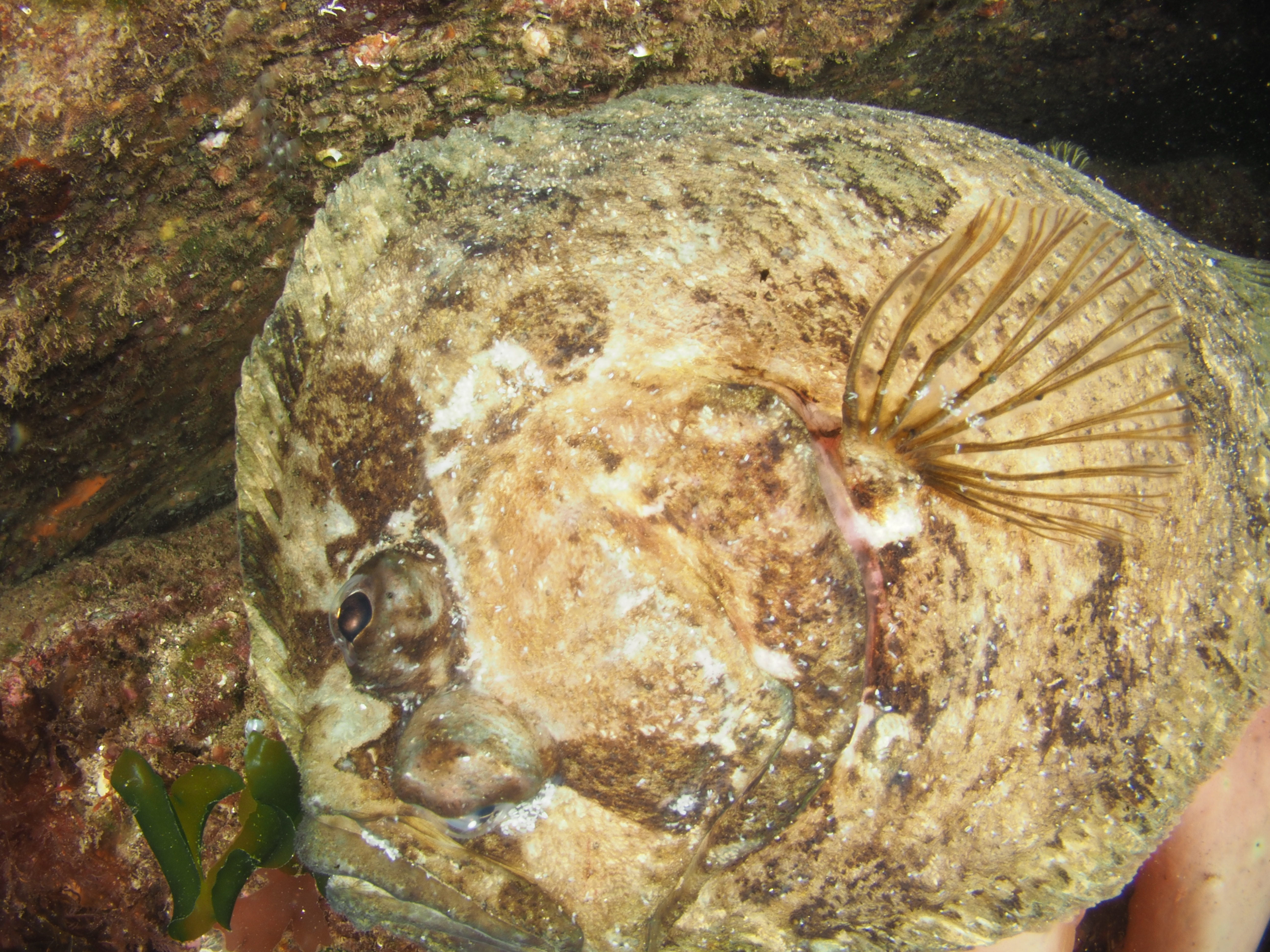
Finally a favourite of mine: the Topknot (Zeugopterus punctatus). Not quite nailed the shot yet – maybe this year!
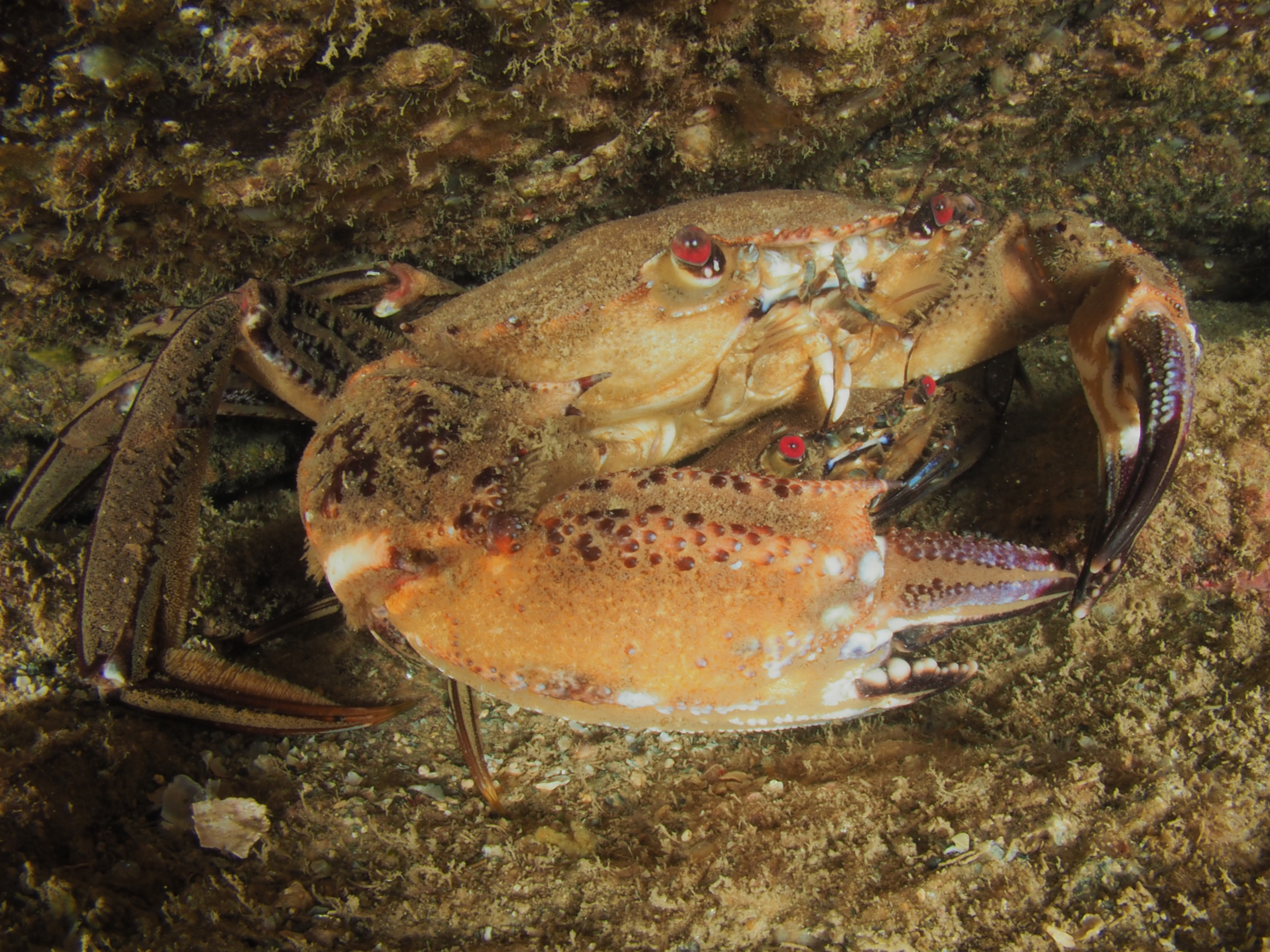
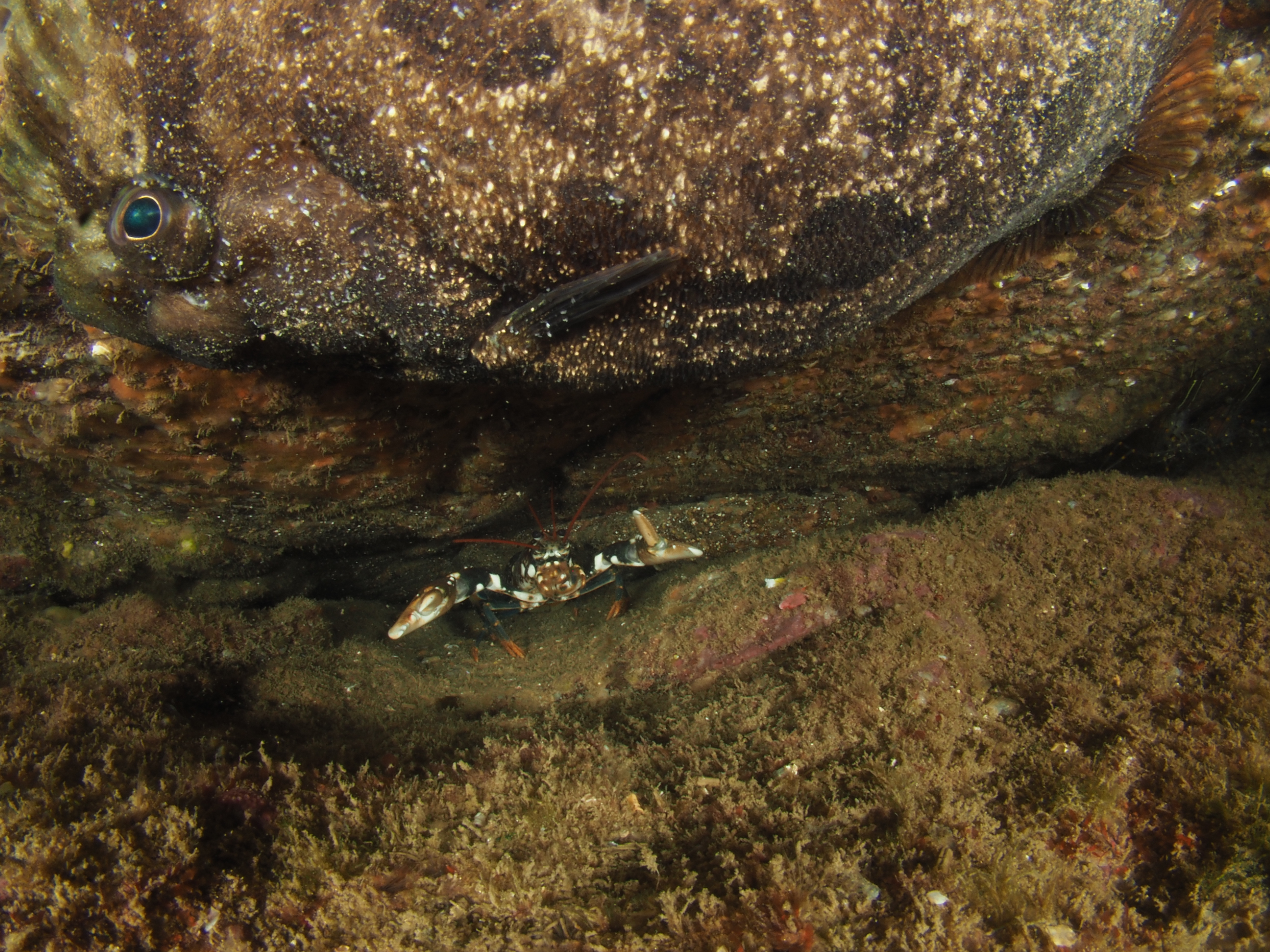
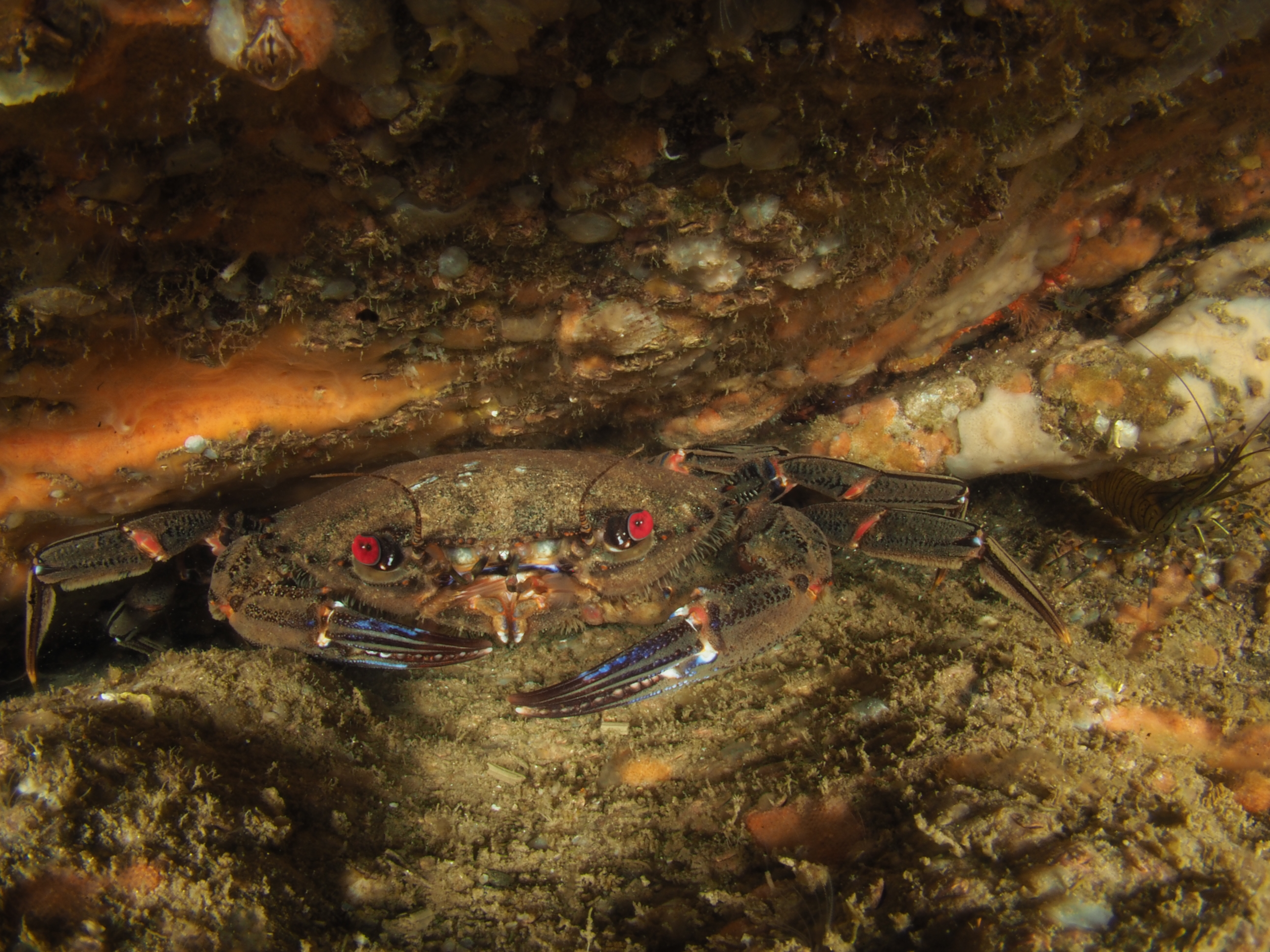
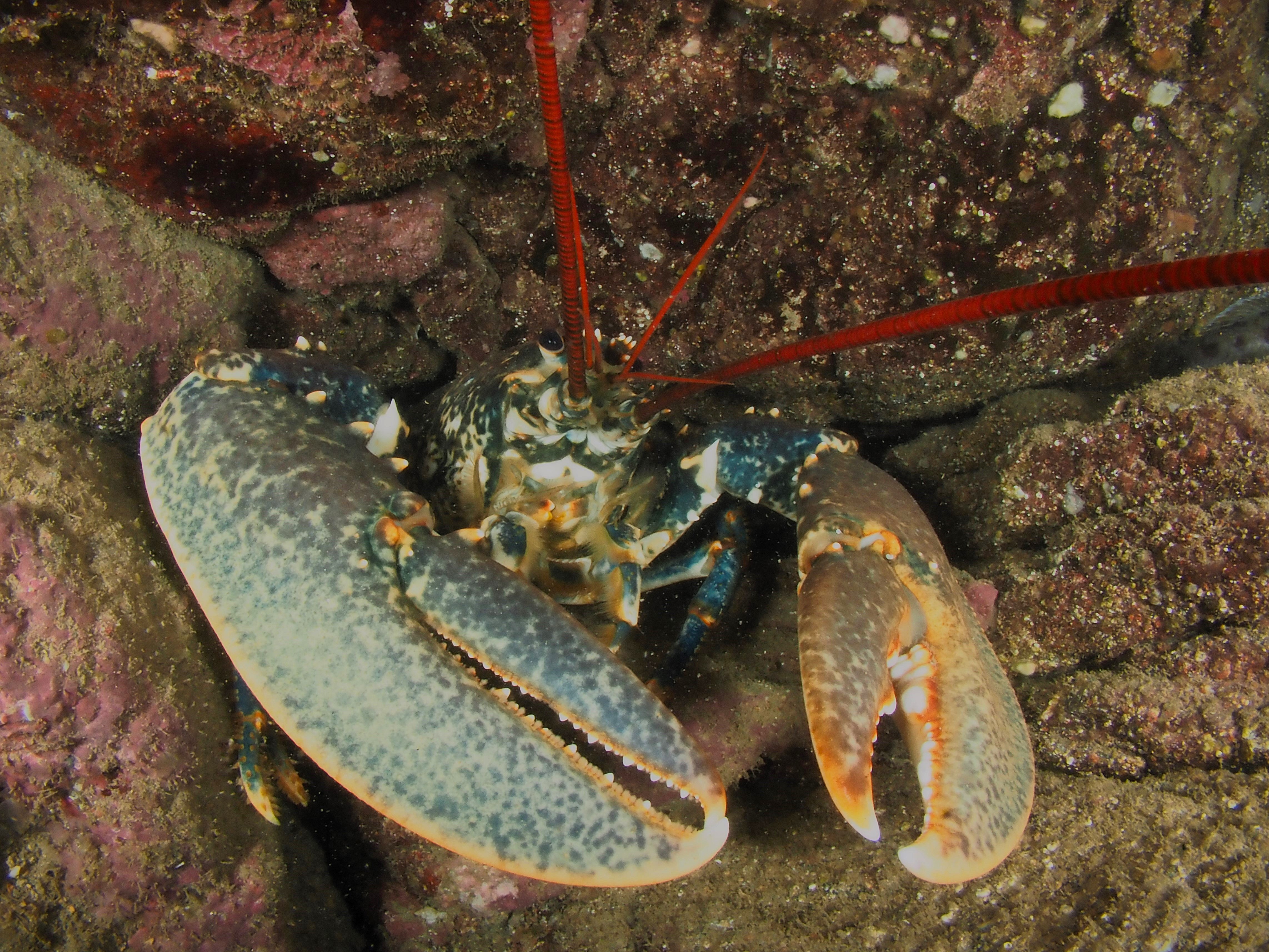
I have done a fair bit of diving at Silver Steps this year and it is high time to publish some of the photos I took there, starting with the Crustaceans that inhabit the cracks in the rocks. Most pics were taken with the macro-wide angle lens, which is not only suited because of its perspective, but also because it is long and thin and so can be poked into the crevices where these creatures lurk. Above, two Velvet Crabs Necora puber, which are abundant and feisty – I only noticed the small female in the photo afterwards! Below a European Lobster Homarus gammarus, also quite common and some of them are quite big. They usually shuffle out of their den quite menacingly only then to retreat again. Although impressive animals, it is hard to get an aesthetically pleasing shot out of them I find.
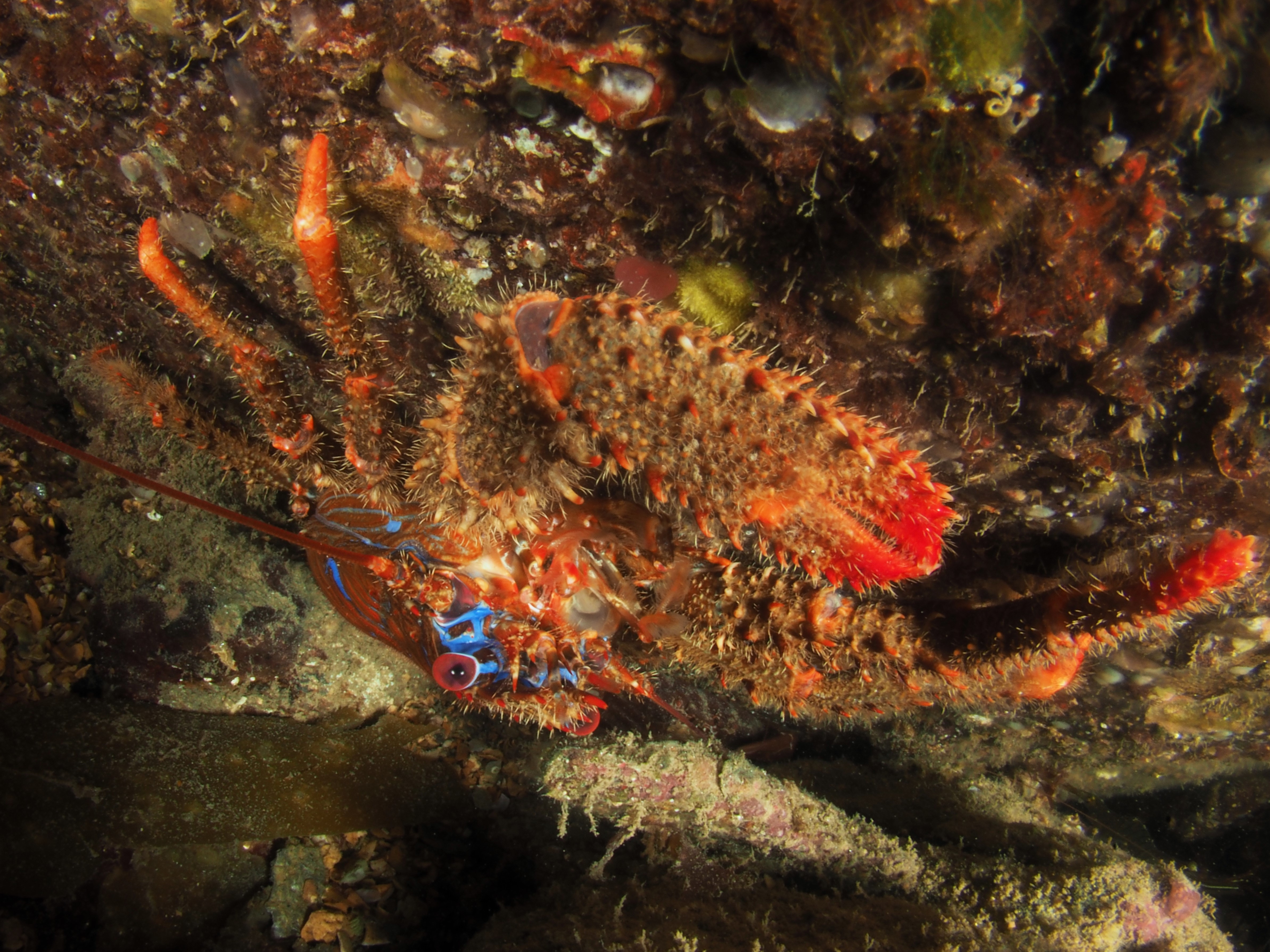
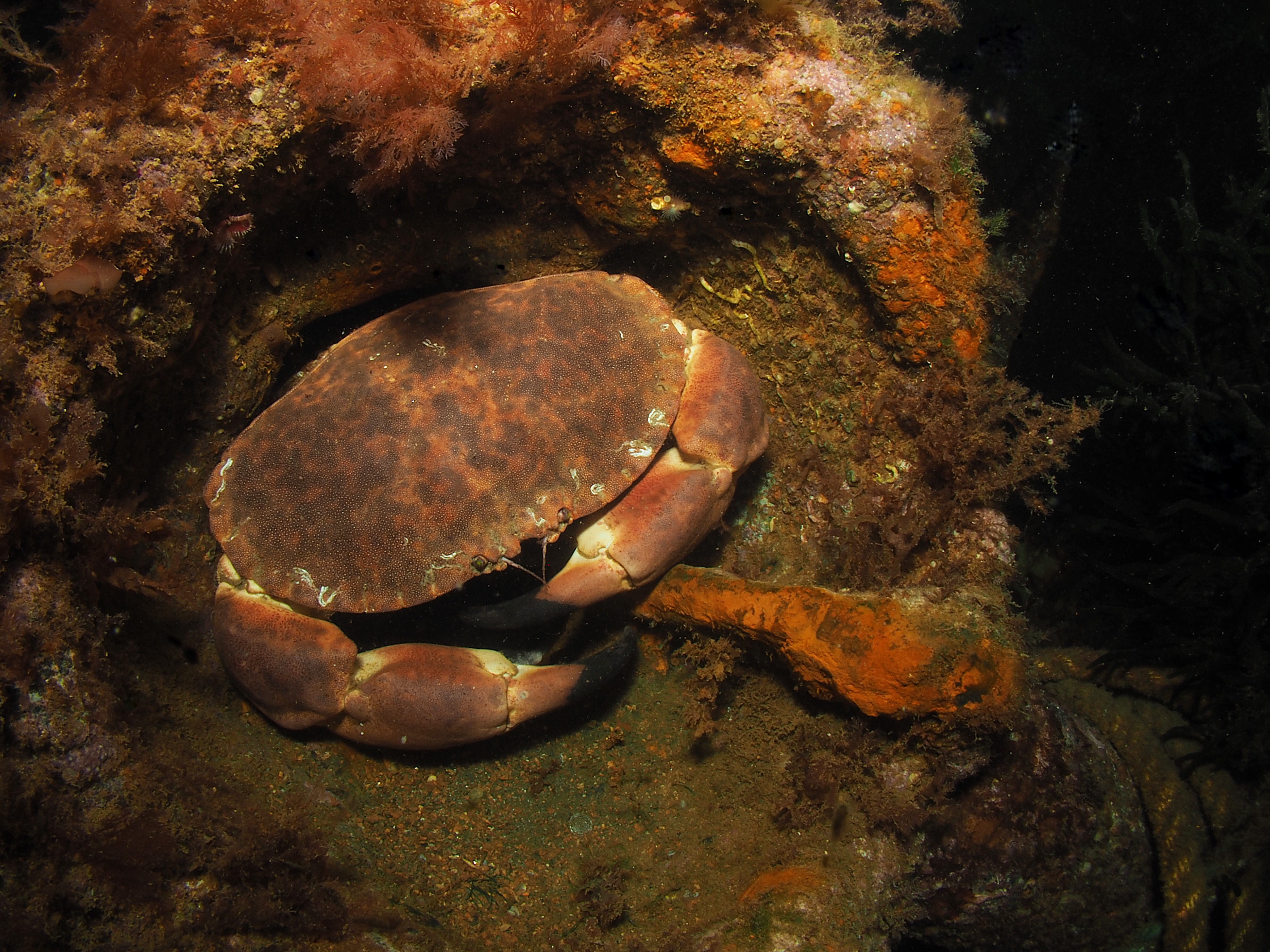
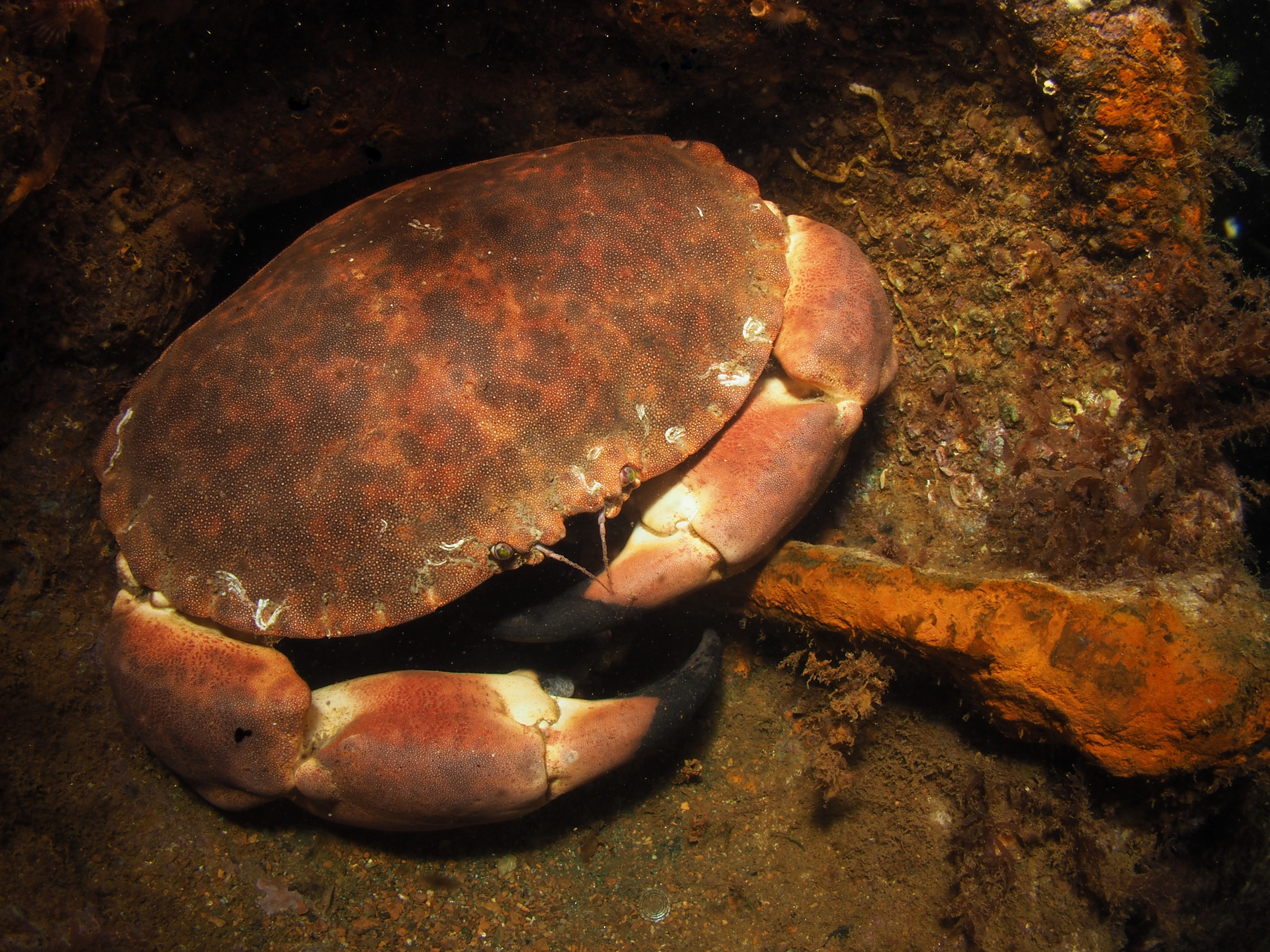
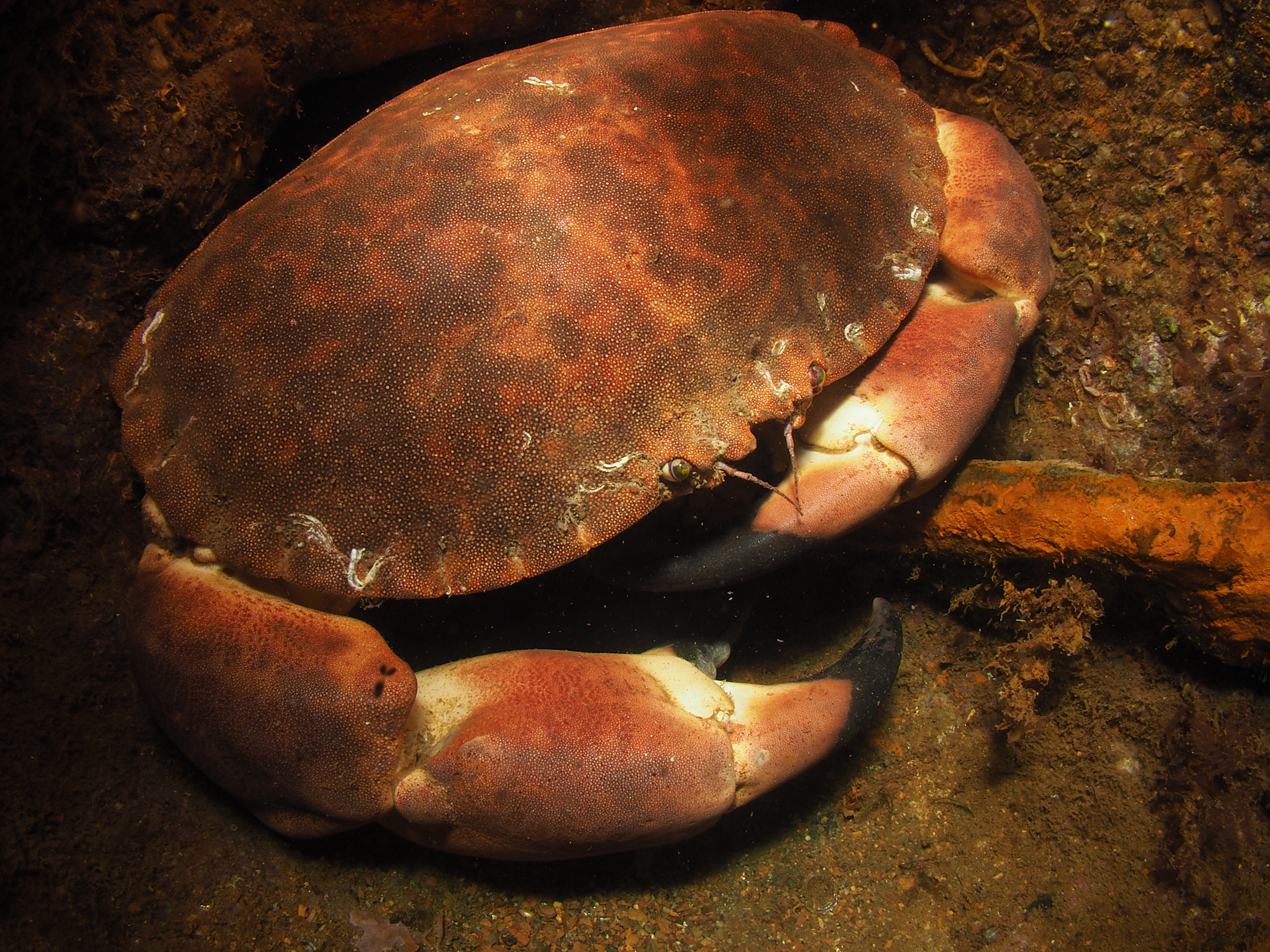
Next, the Squat Lobster Galathea strigosa, also a common, but quite shy species which is just as happy upside down as right side up. Also common are Brown (or Edible) Crabs Cancer pagurus, the individual here not in a crevice but in a piece of steel wreckage.
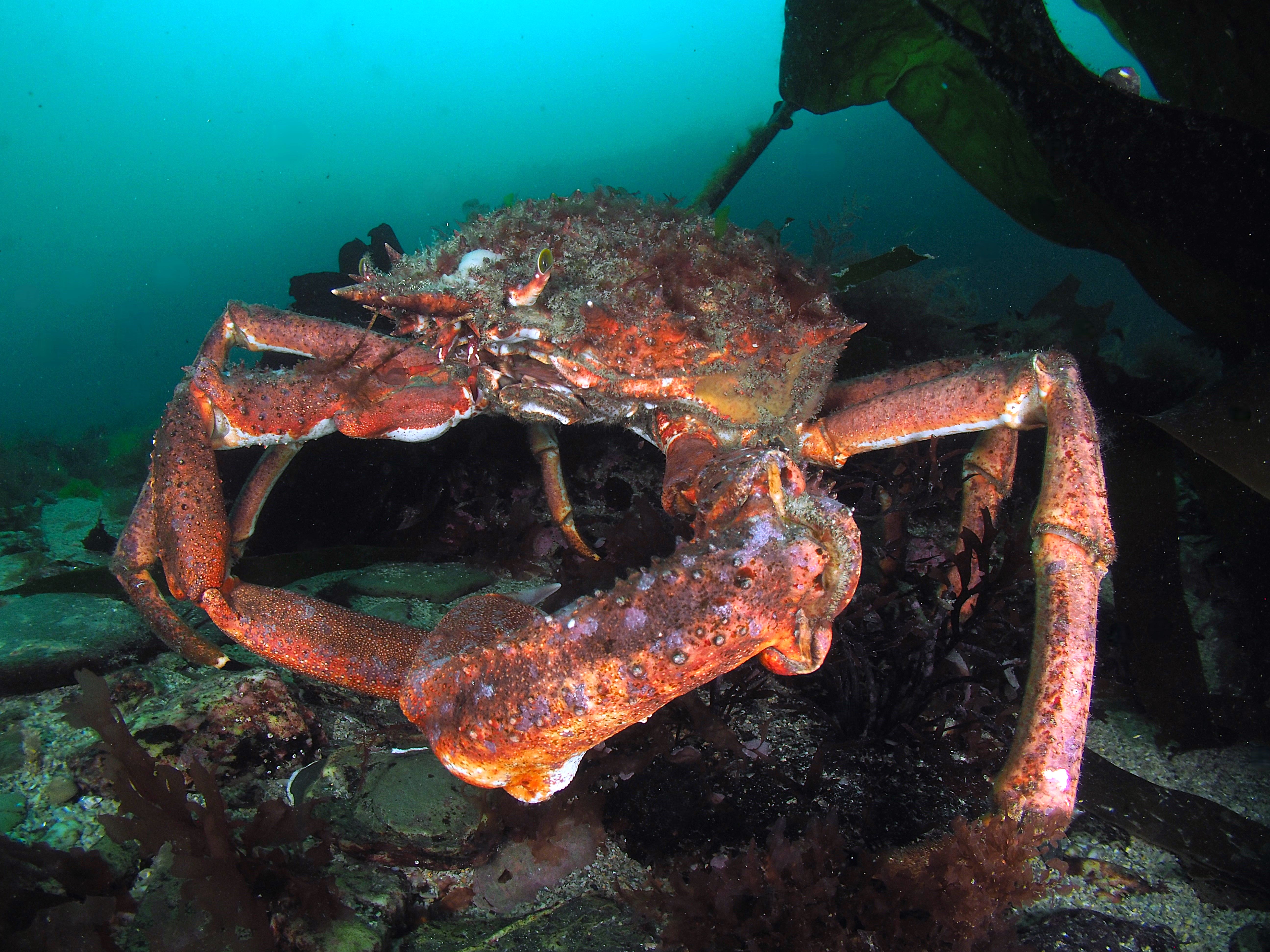
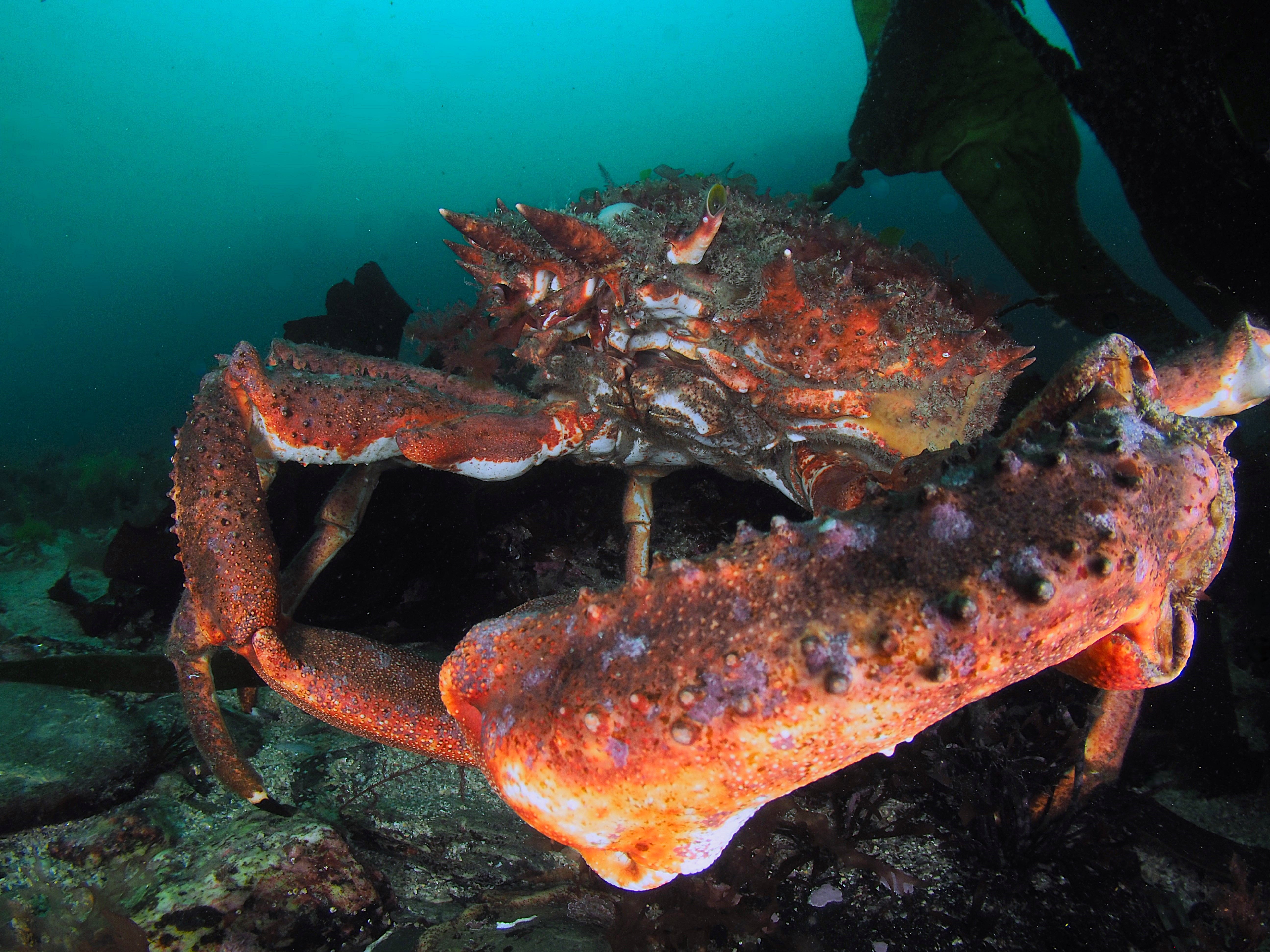
The other big, common Crustacean here occasionally perches on rock walls but usually is found roaming the seabed: the European Spider Crab (rebranded by local fishmongers as ‘Cornish King Crab’ – sounds more appetizing than something spiderlike) Maja squinado brachydactyla. Like the lobster, the behaviour of these guys is a mixture of bravado and fear. The weird lens allows me to get close, but as it lets in very little light, I am forced to use a high ISO and slow shutterspeed, making these images not the crispiest.
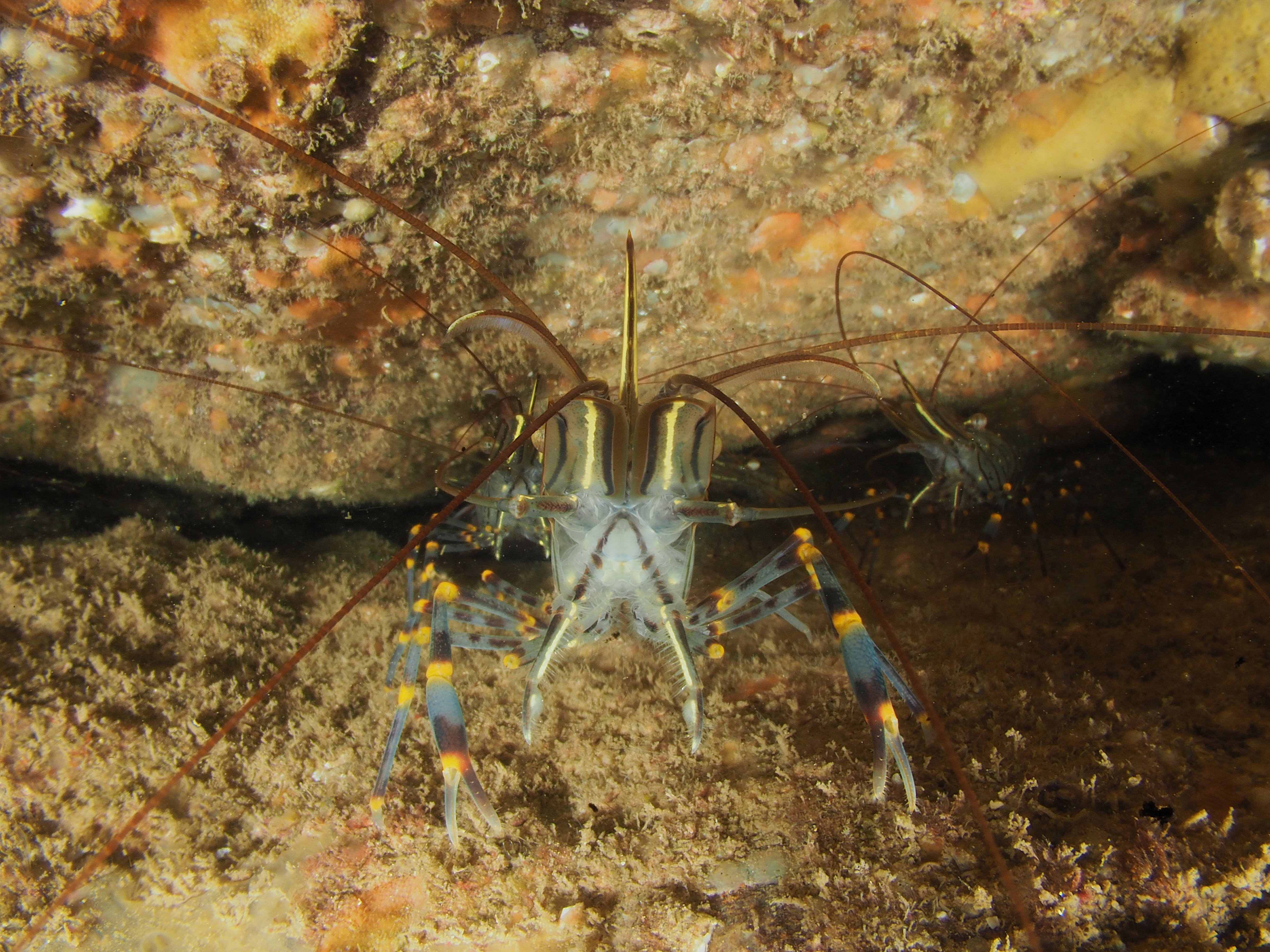
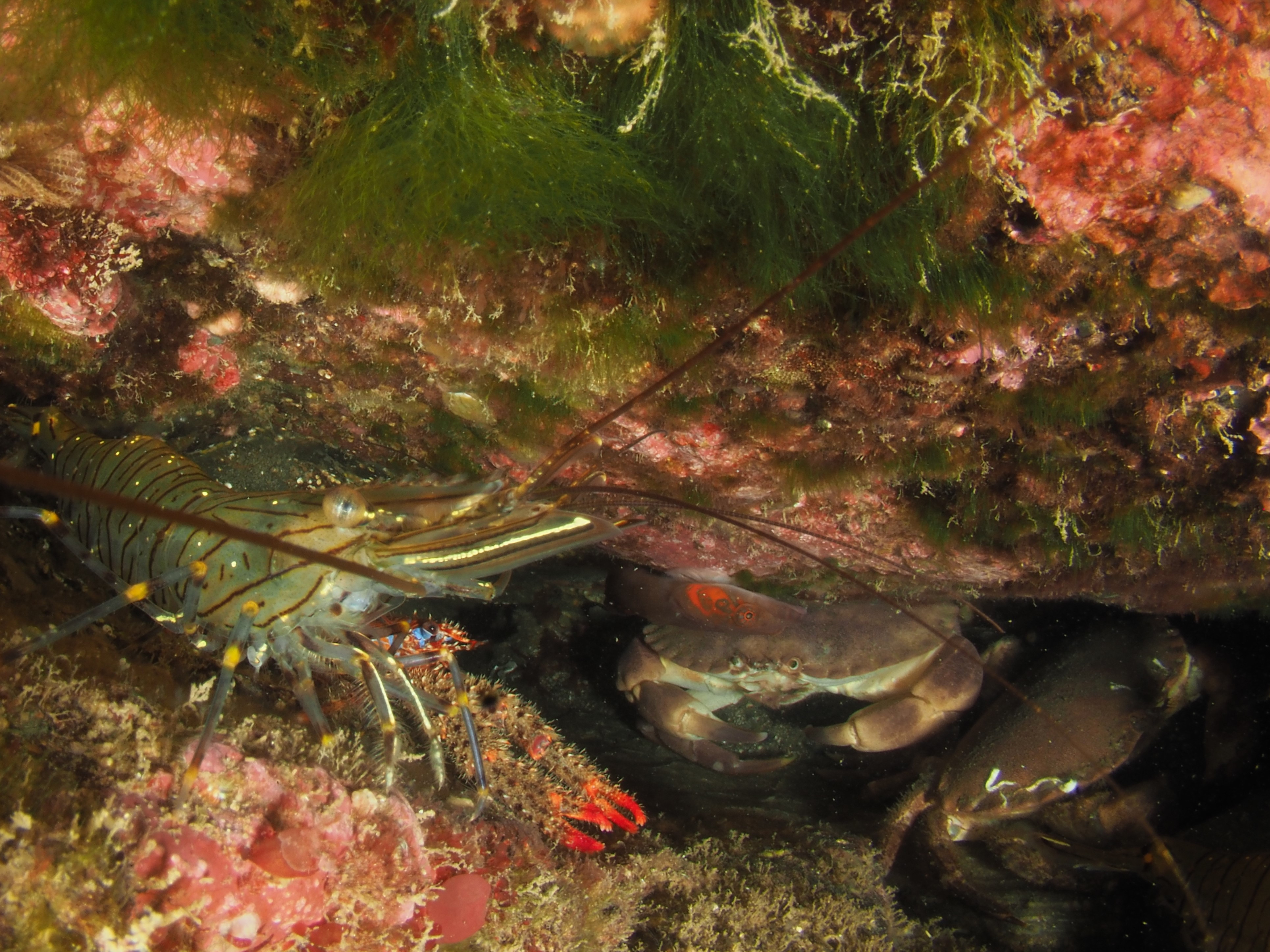
The final photo is technically not great, but I like it because it shows how a range of species apparently gets on quite well at close quarters. On the left, a Common Prawn Palaemon serratus, which can grow quite large and is actually really beautiful with its blue and yellow stripes. Right behind it is a Squat Lobster, with two Edible Crabs lurking in the background and an upside down male Connemara Clingfish Lepadogaster candolii – the next post will be about the fish of Silver Steps!
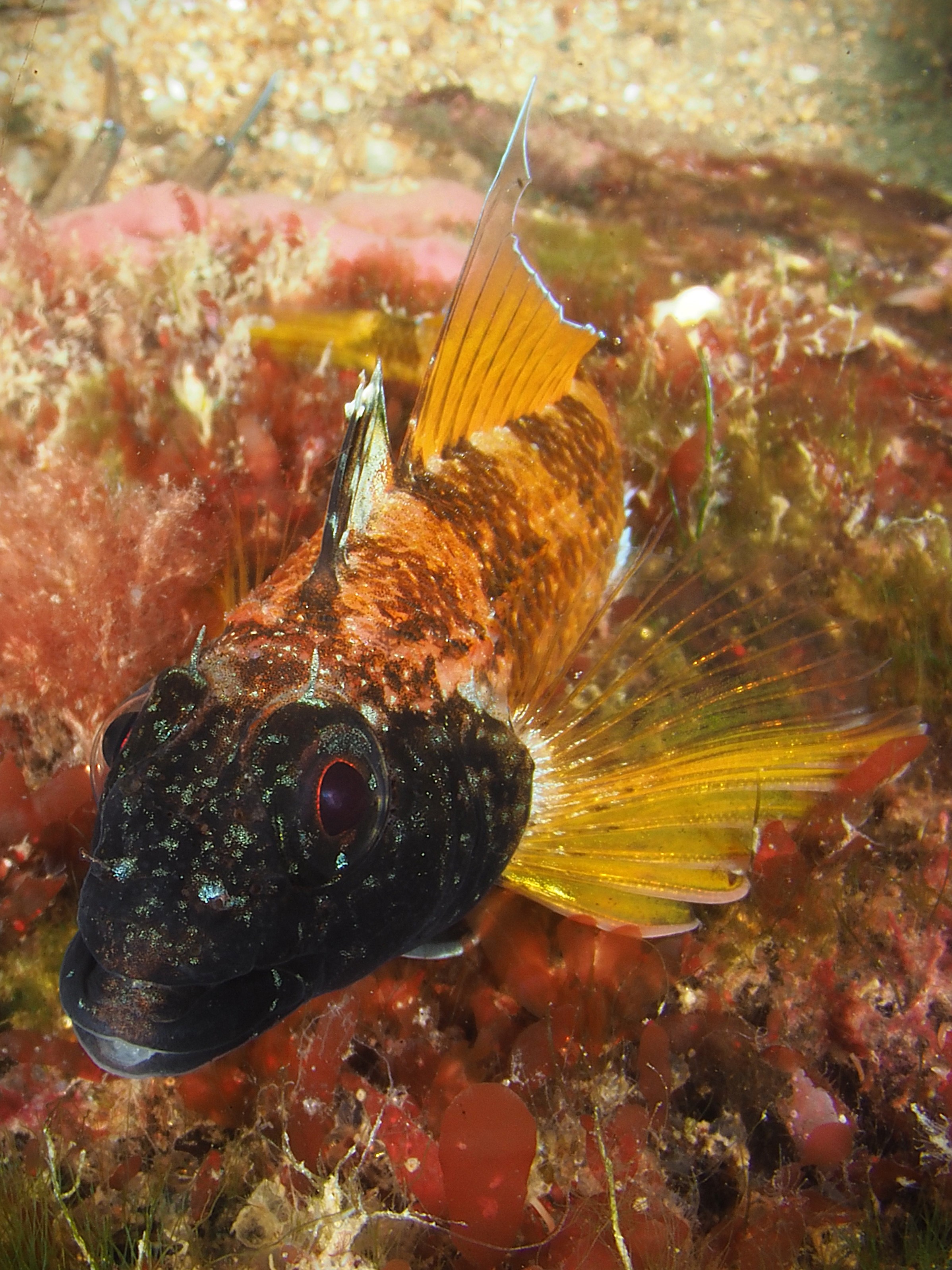
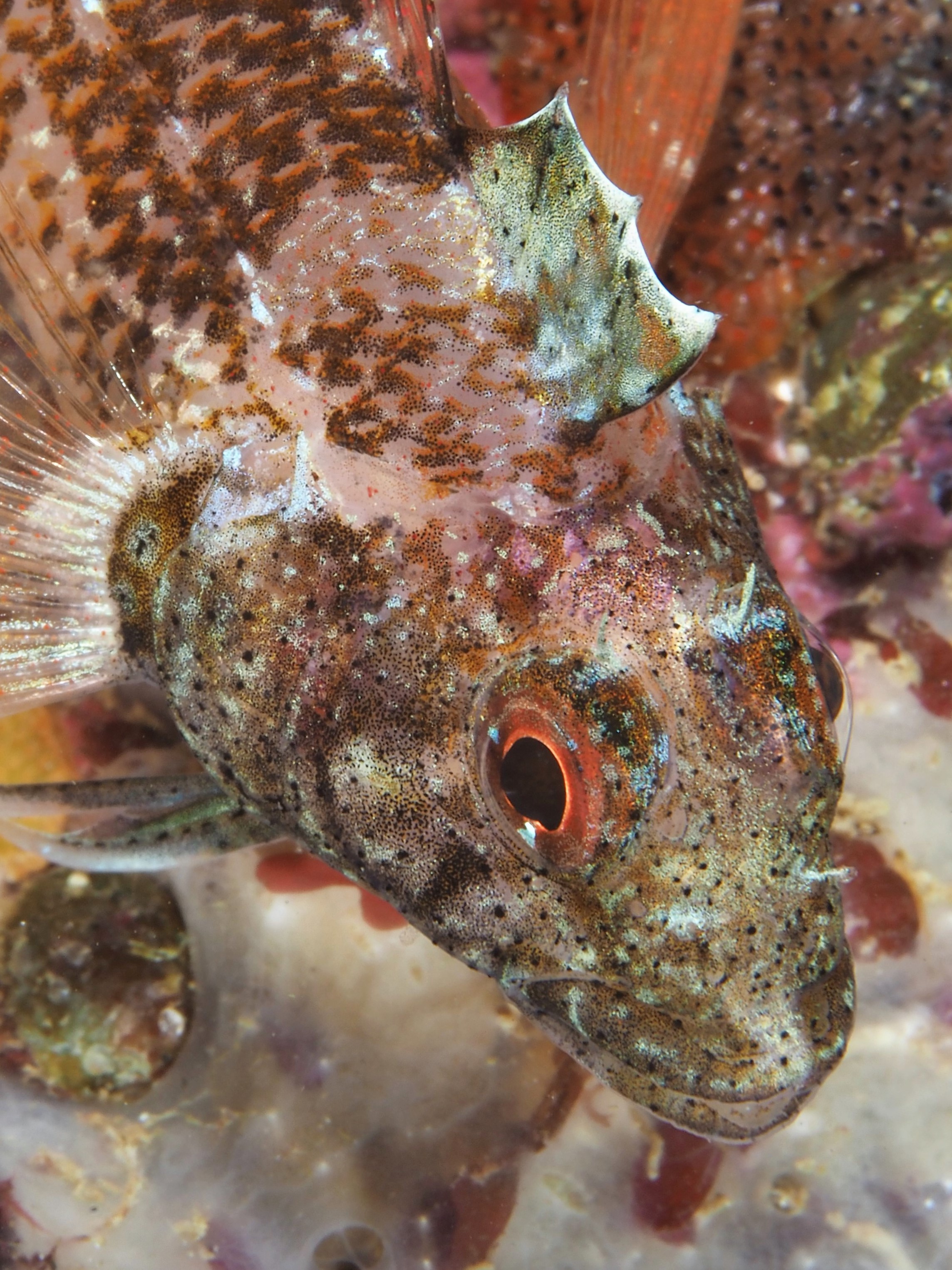
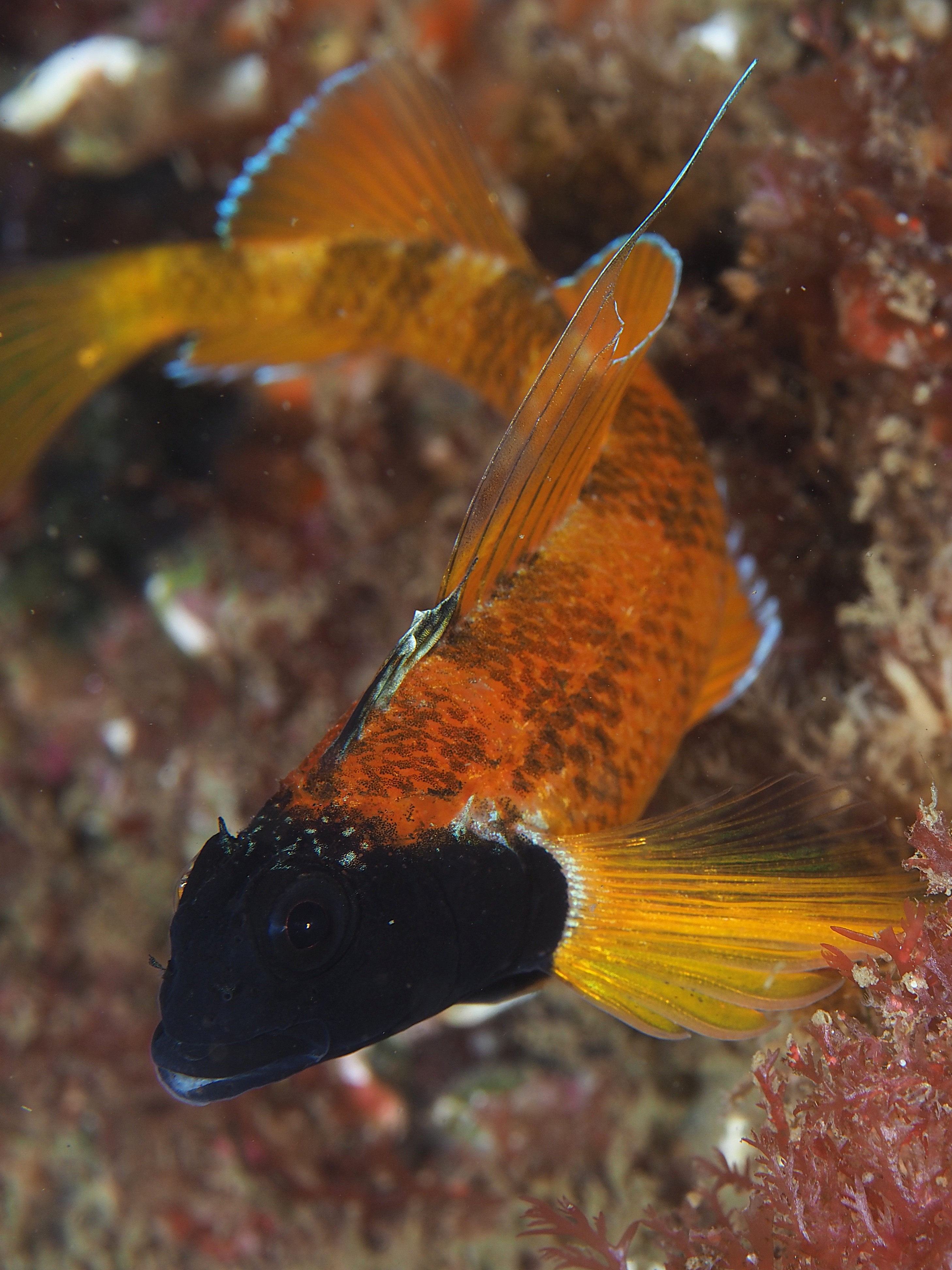
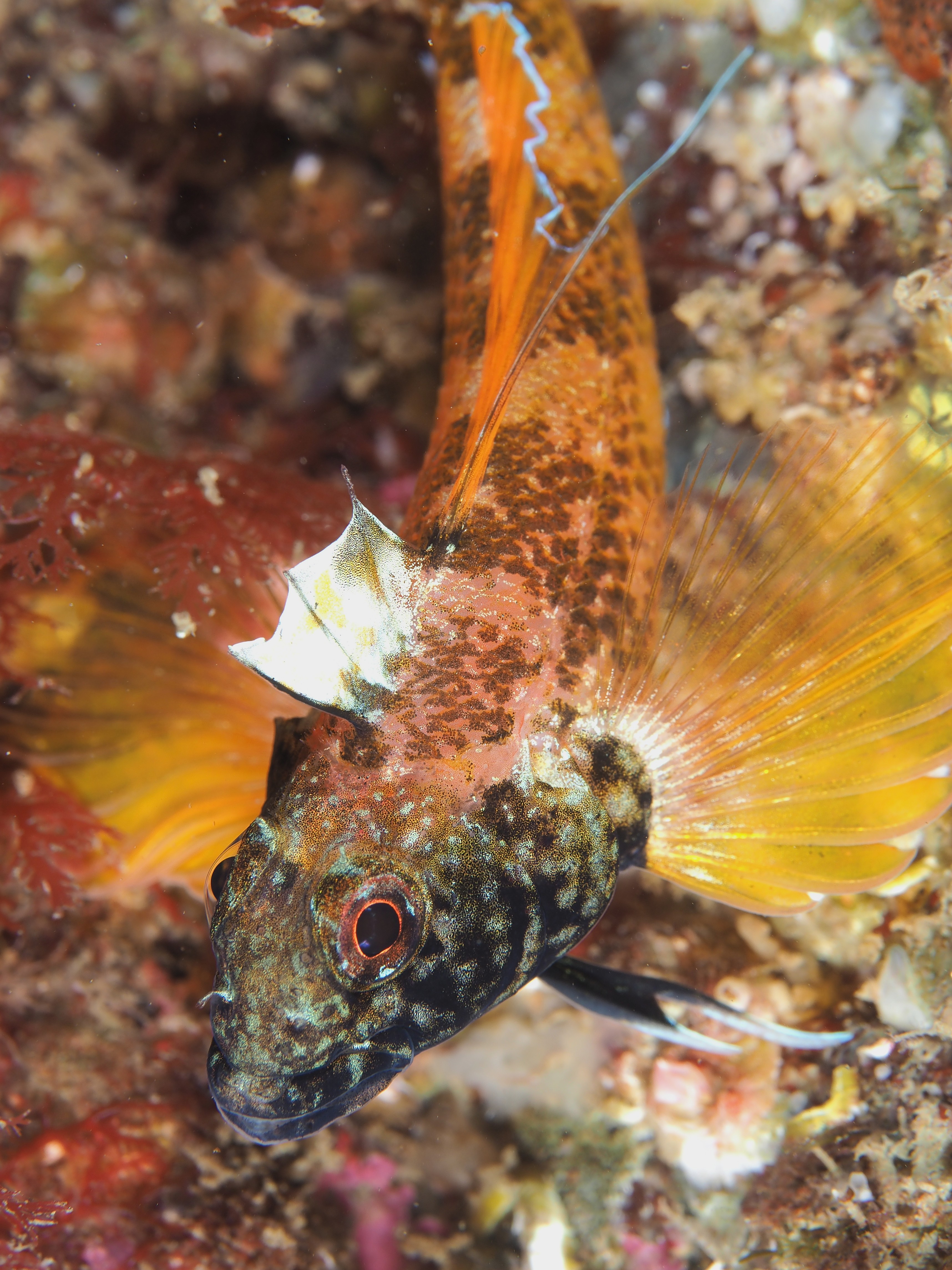
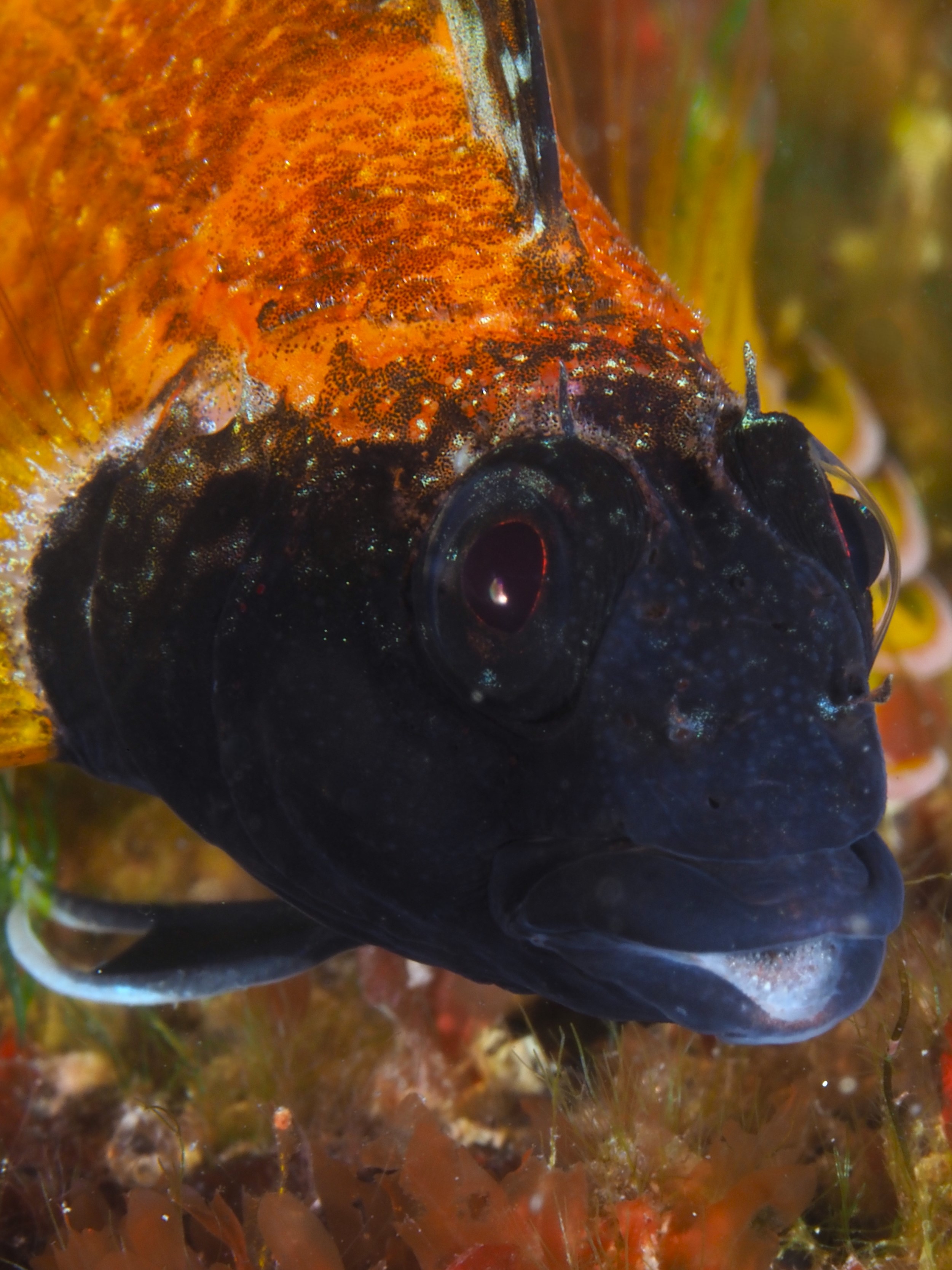
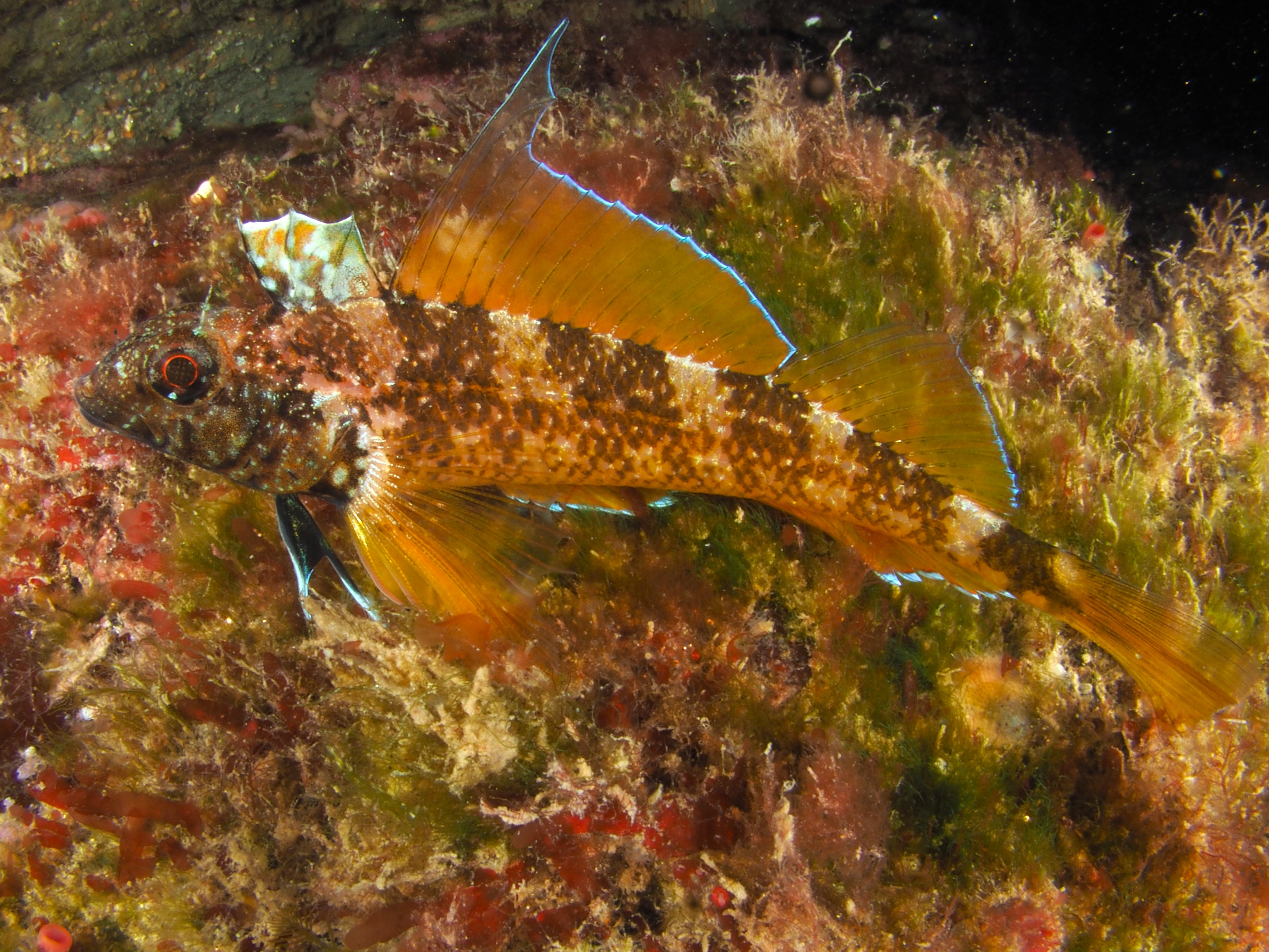
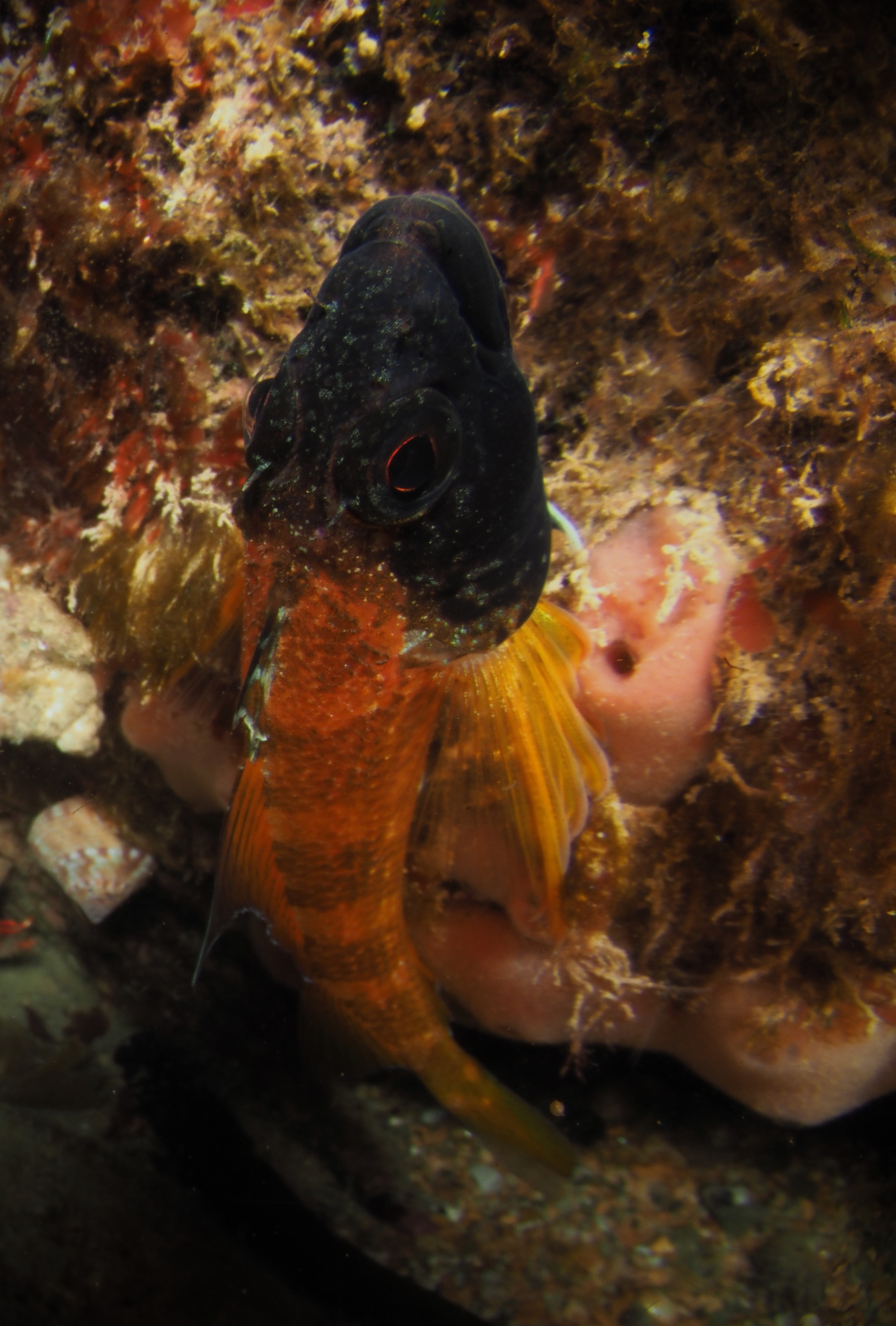
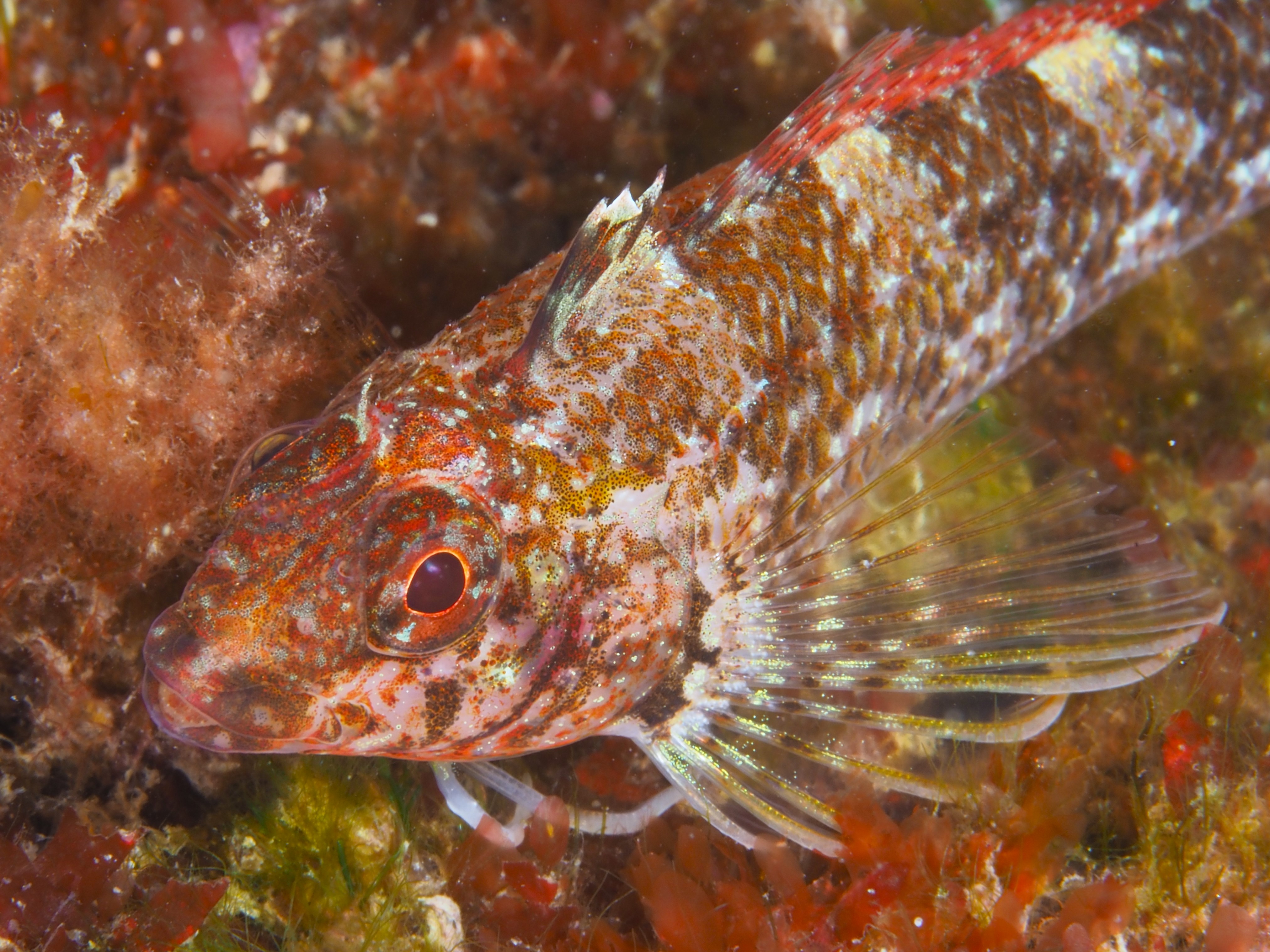
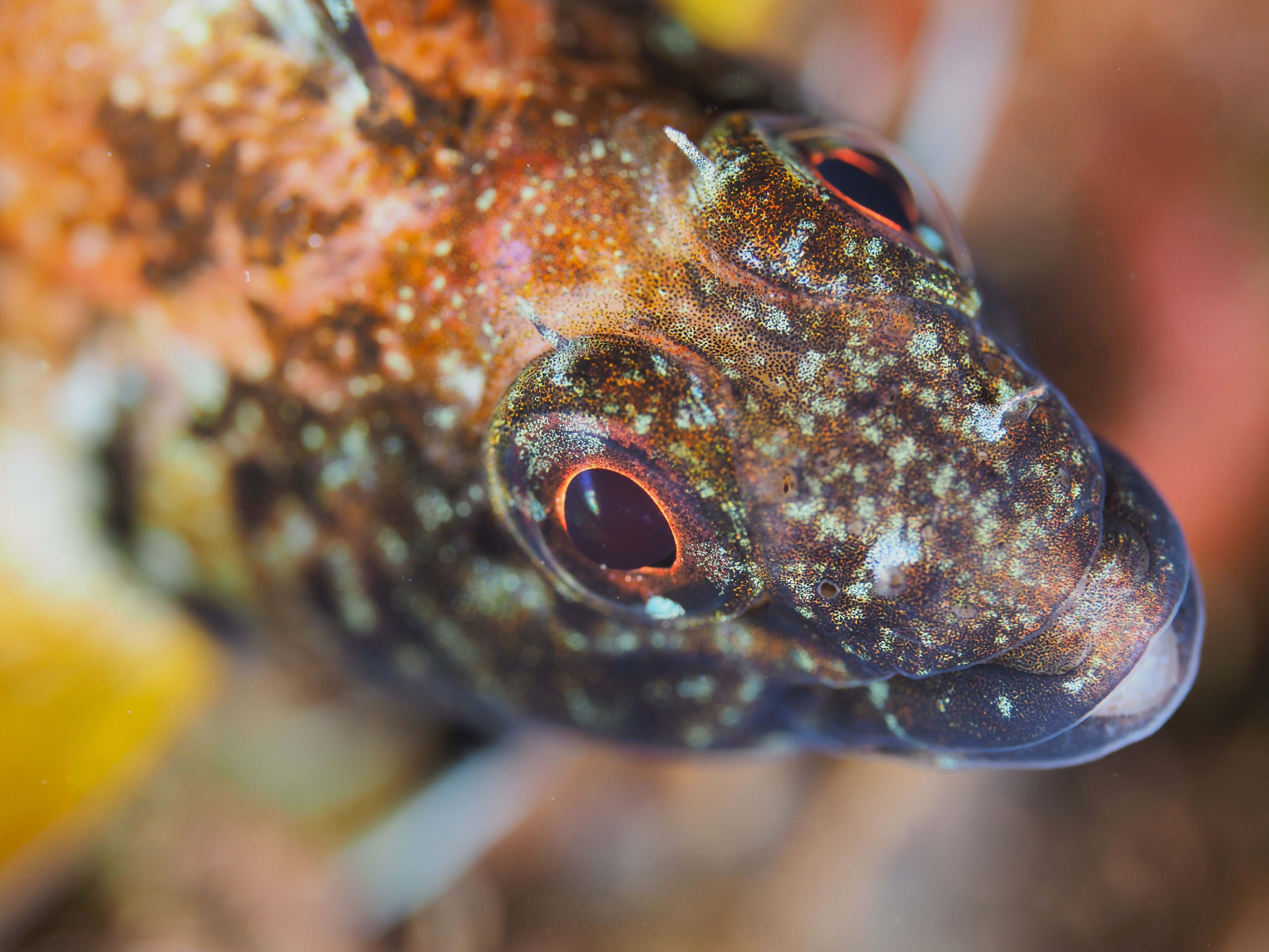
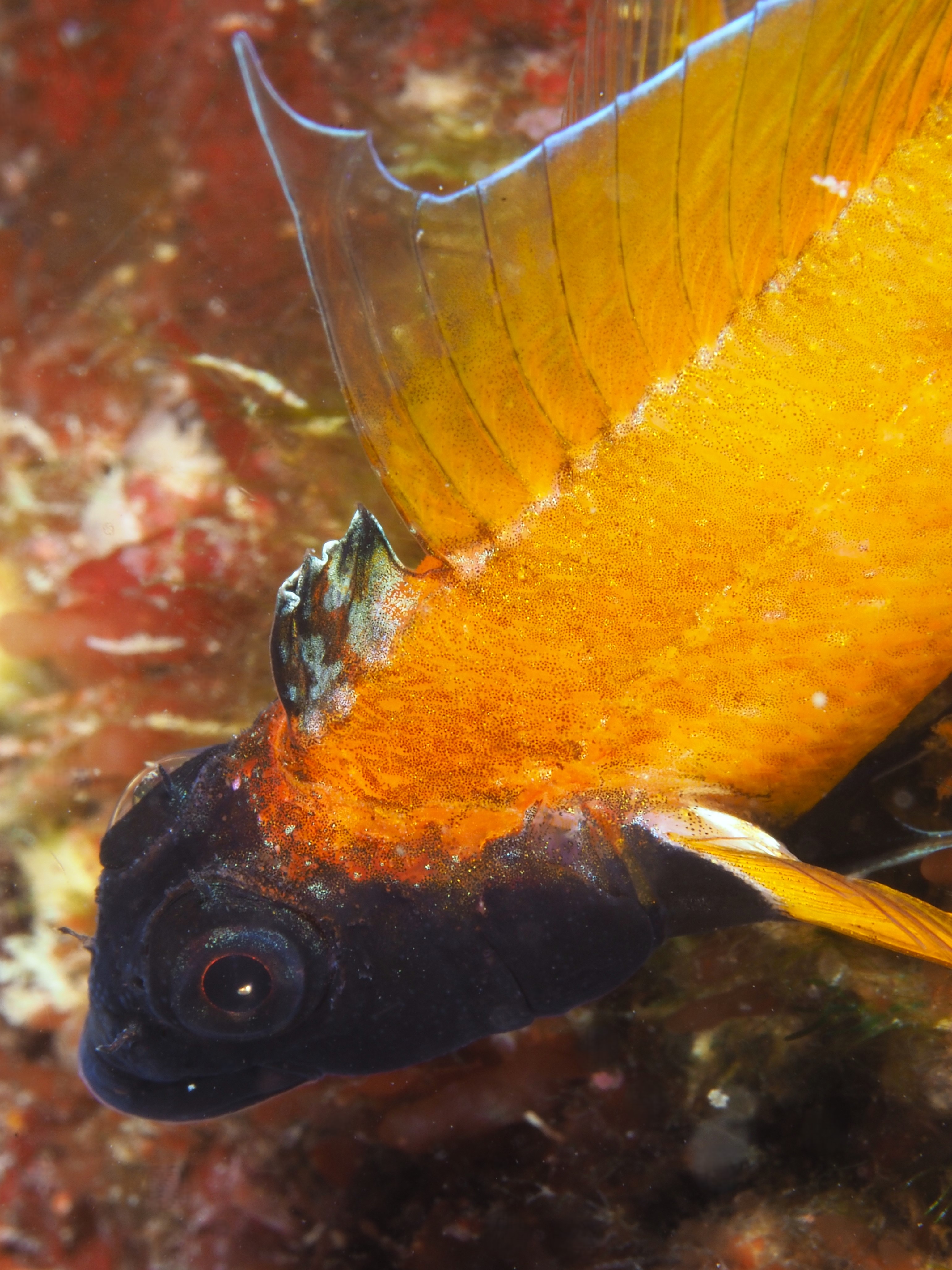
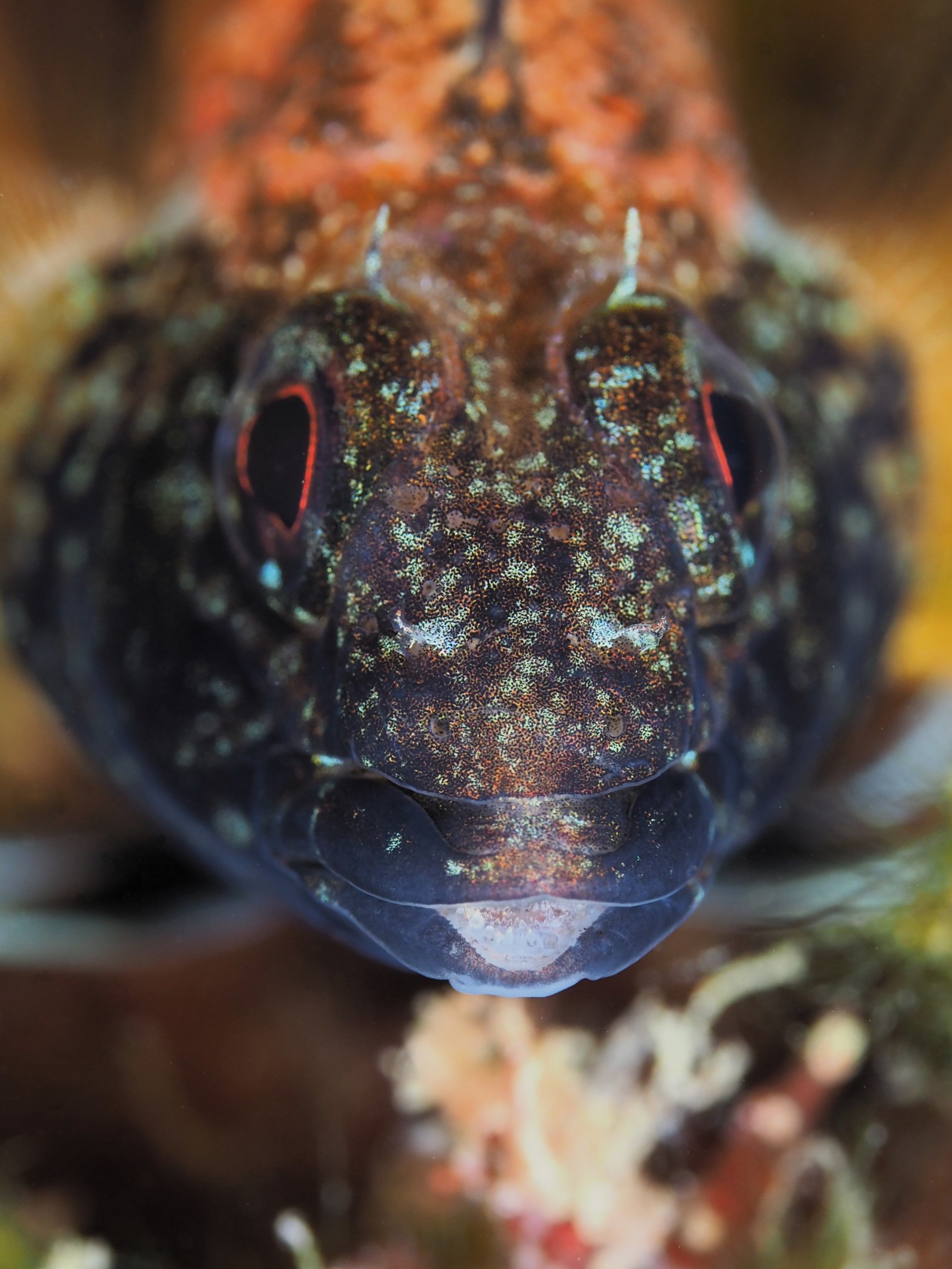
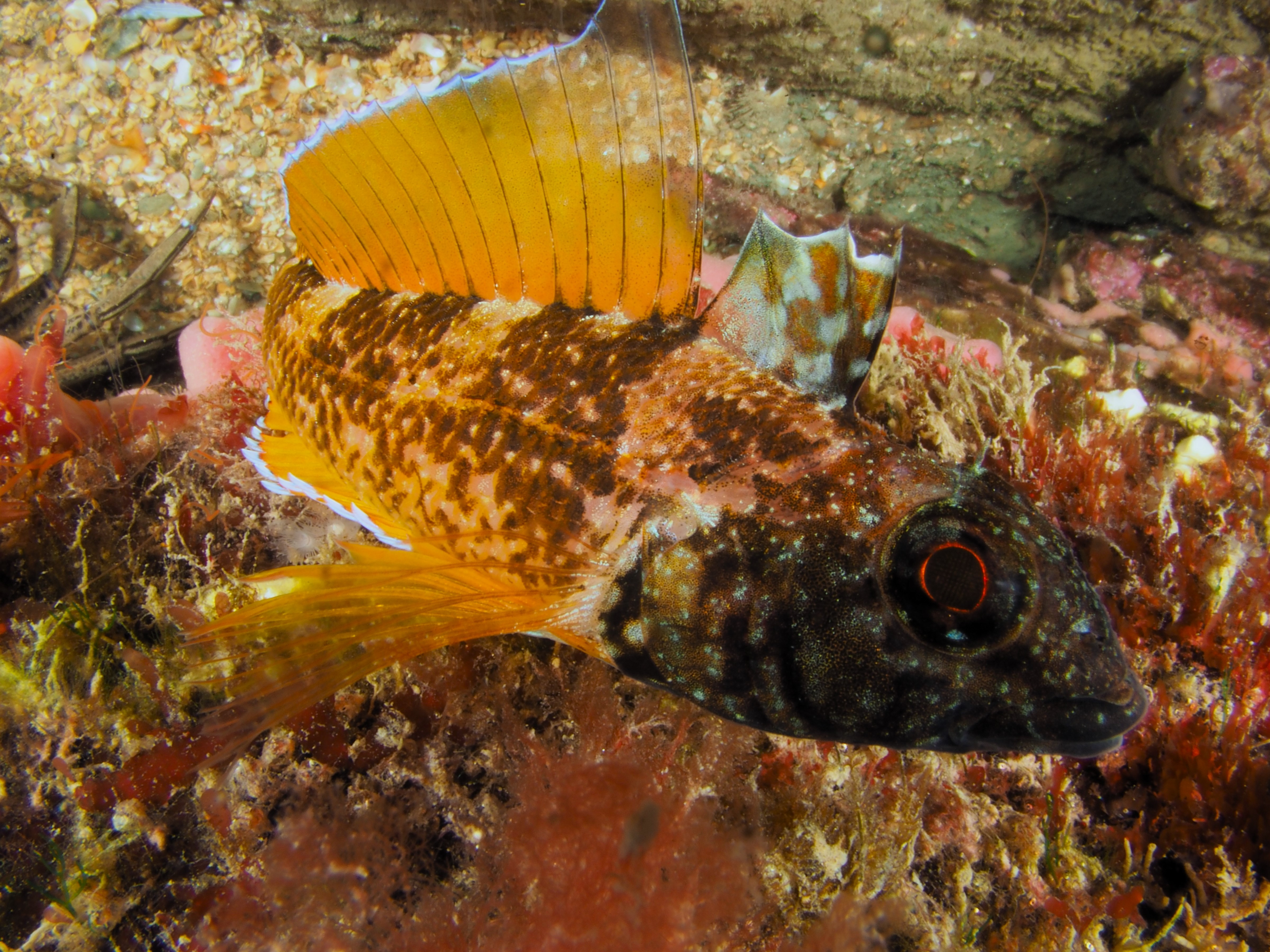
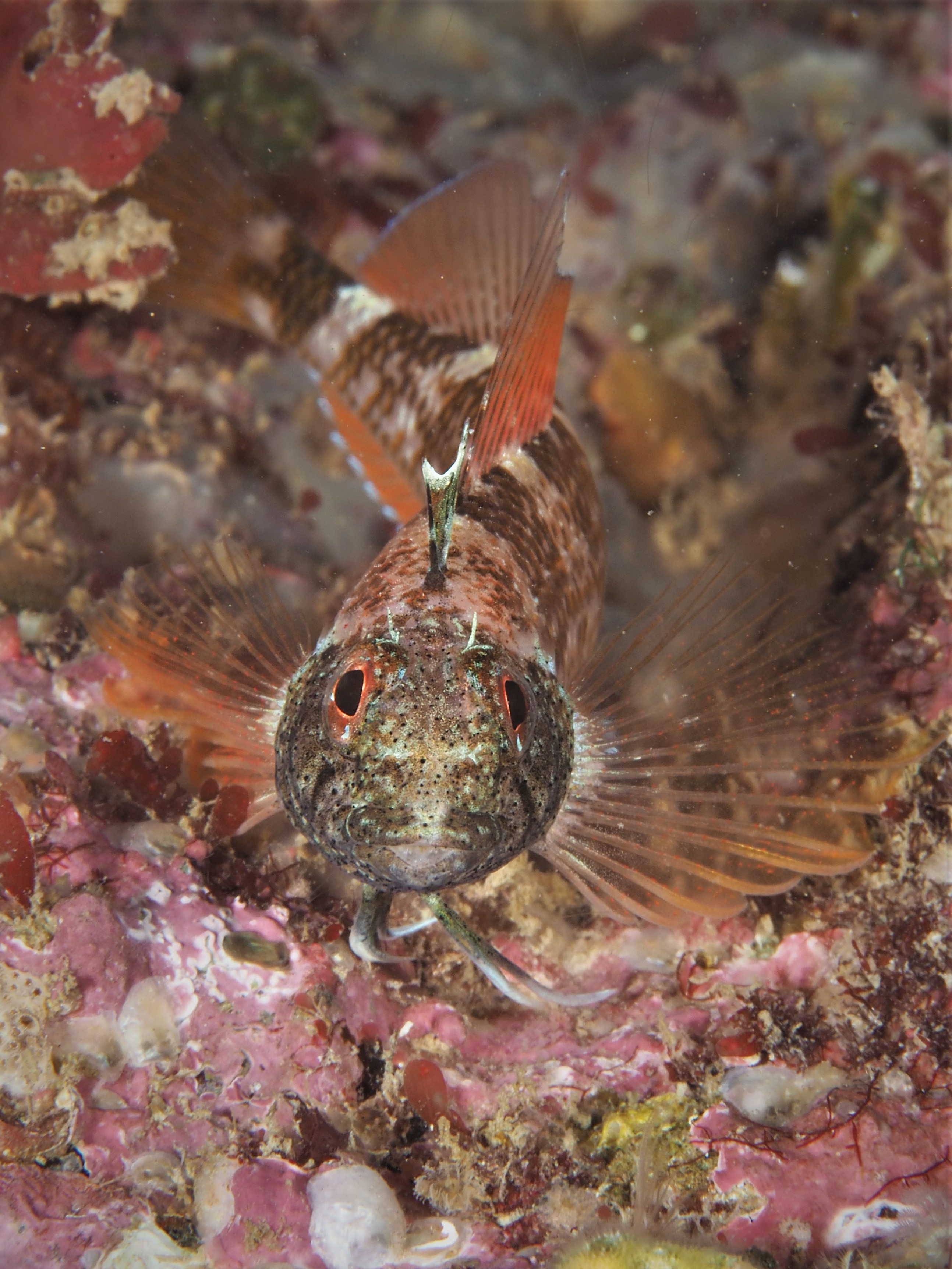
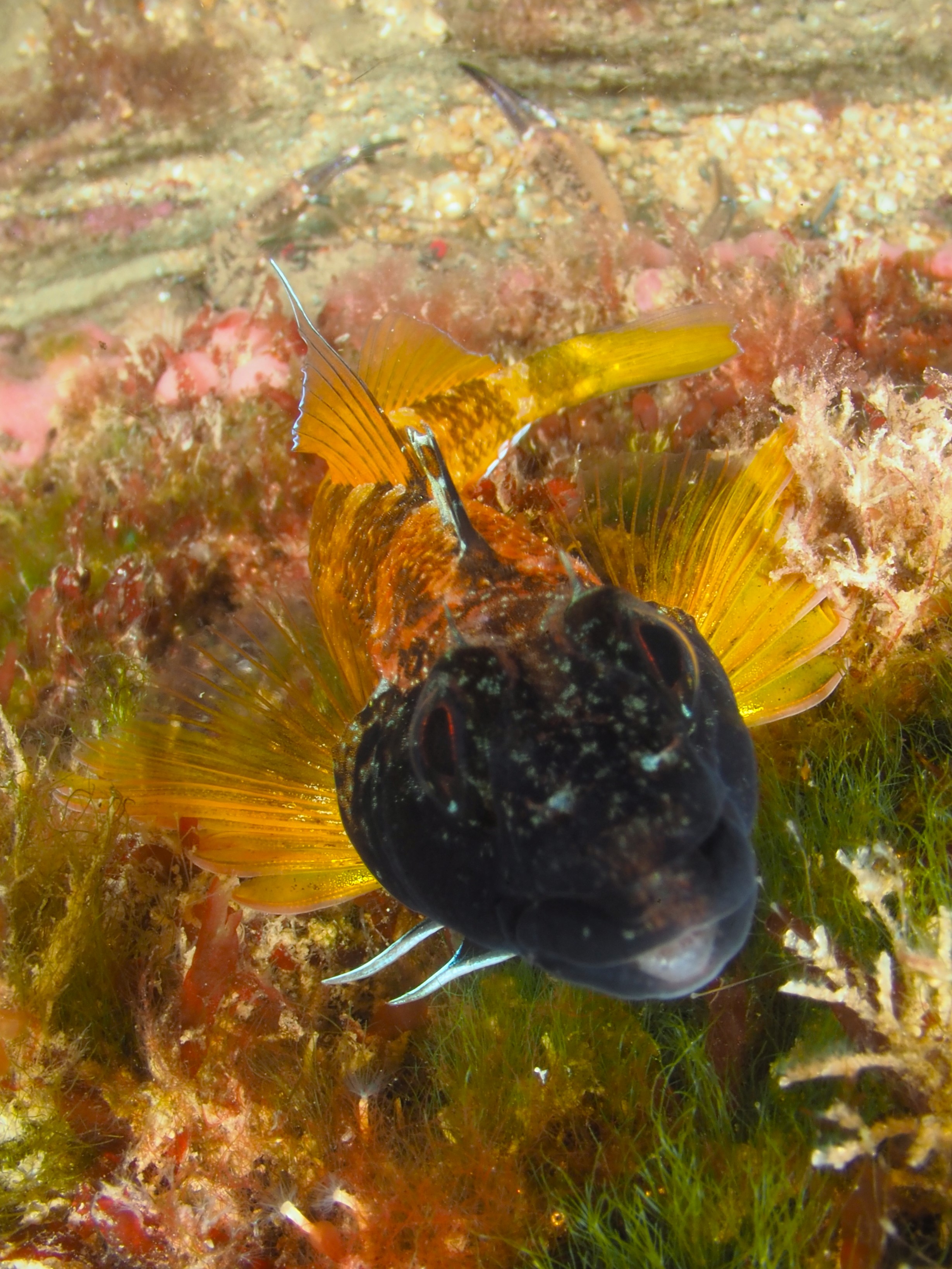
Dear reader, it has been a while! With the weather taking a turn for the worse, I thought it would be high time to start updating the blog again. I have taken more photos this year than ever before, and actually have dived my local shore site “Silver Steps” in Falmouth ‘to death’, so now have plenty of material. I’d thought I start with a post on one of my favourite fish, the Black-faced Blenny (Tripterygion delaisi). This is a beautiful little fish (a triple-fin blenny, not a ‘true’ blenny) that lives under rock overhangs, usually perched upside down. Breeding males are bright yellow with a black head and an electric blue edged dorsal fin, while females and males outside of the breeding season have a mottled brown-white coloration (which is equally beautiful testified by the pic on the top right). These fish (especially the females) are skittish and also require a bit of contortion to photograph under the overhangs but it is more than worth it! Below a photo-dump of fish shots taken with my 60mm macro lens and a combination of that lens and a superduper macro-wide-angle wetlens (details of which I am bound to bore you with in coming posts!).

This seems like a familiar way to start a blog post but here I go again: ‘the weather has been terrible lately and I have not been in the water!’. March used to be my favourite time for snorkeling because the seaweeds look at their best, but the last three years it has been windy and wet, surely because of climate change…
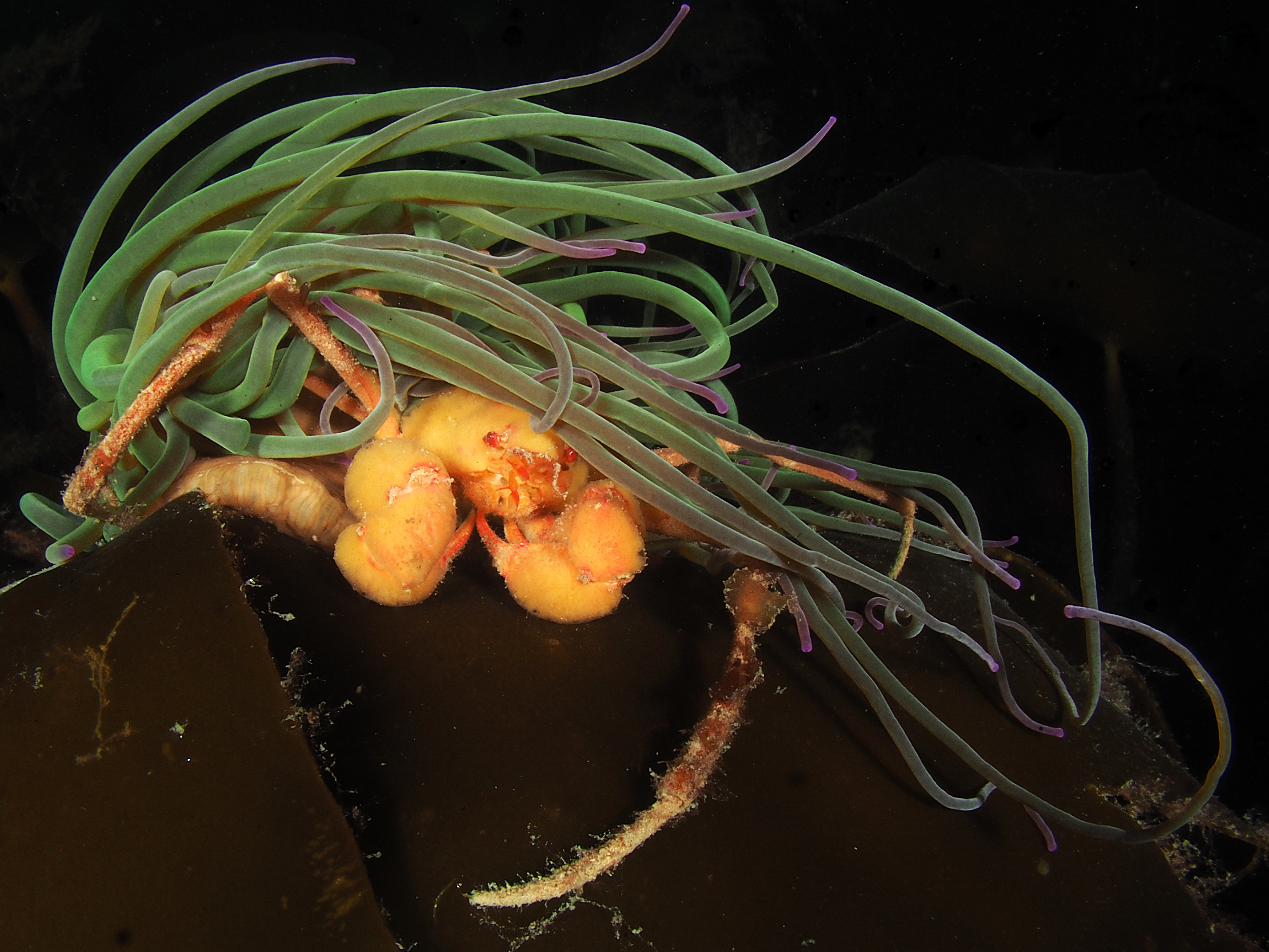
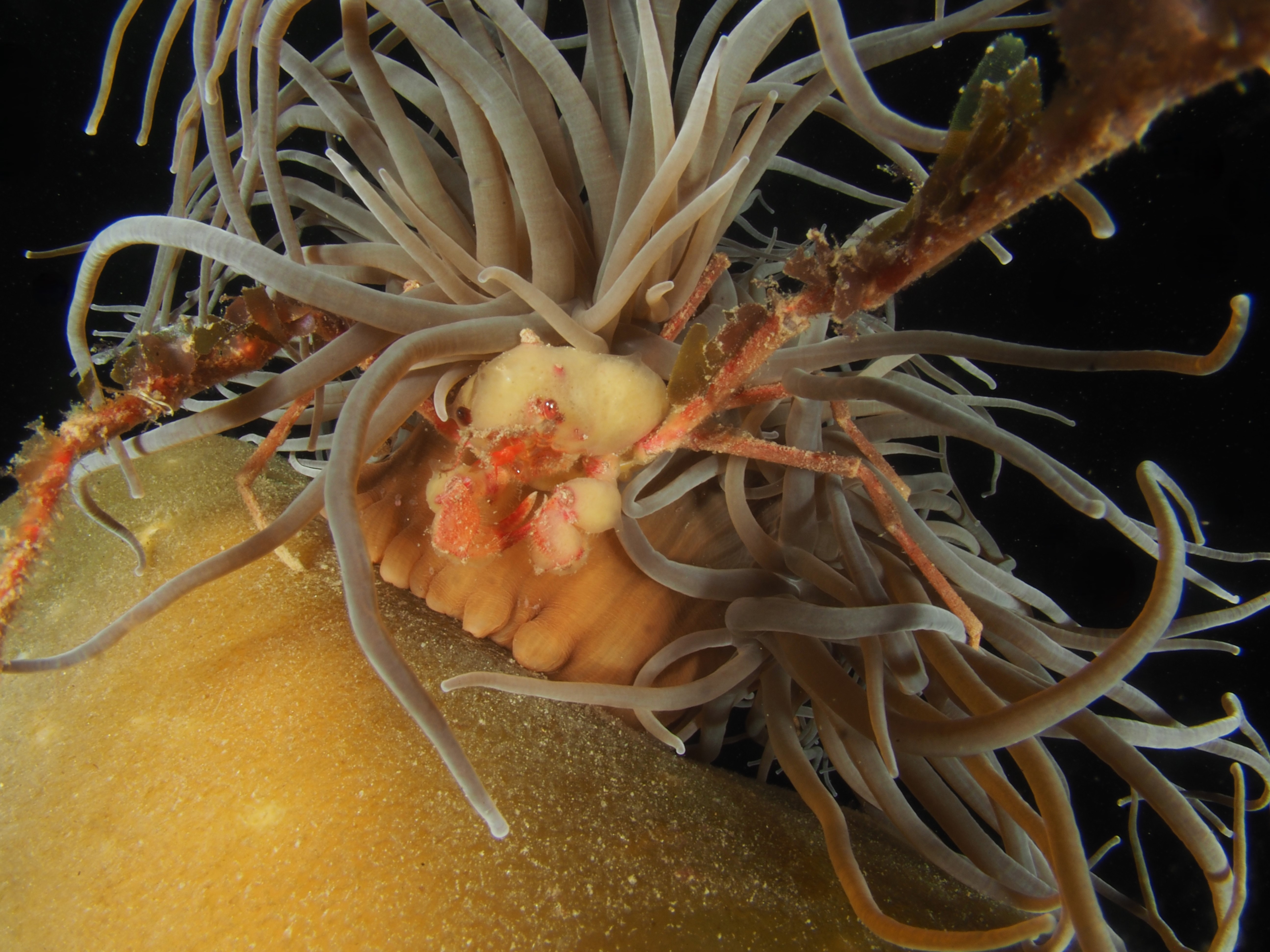
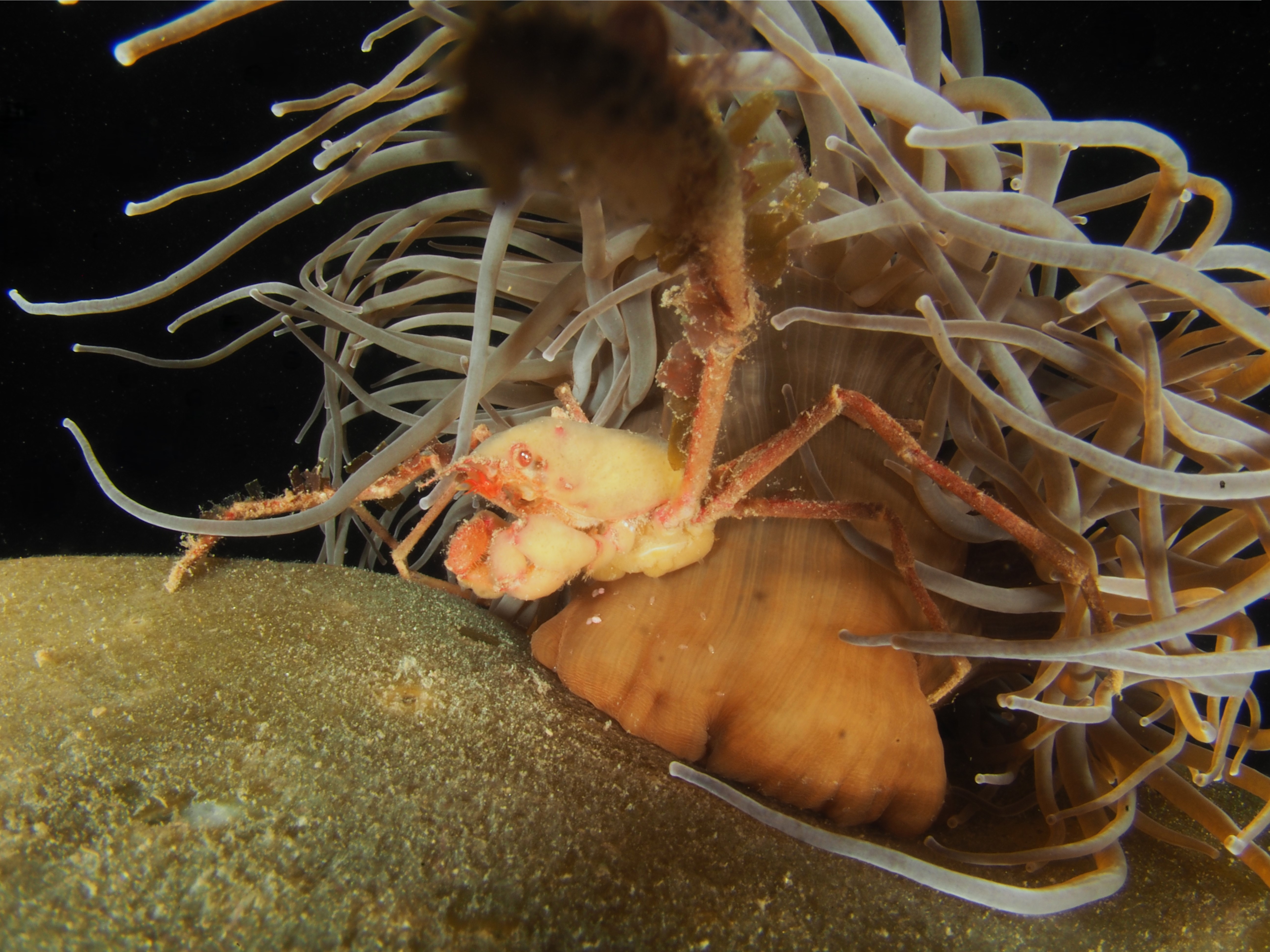
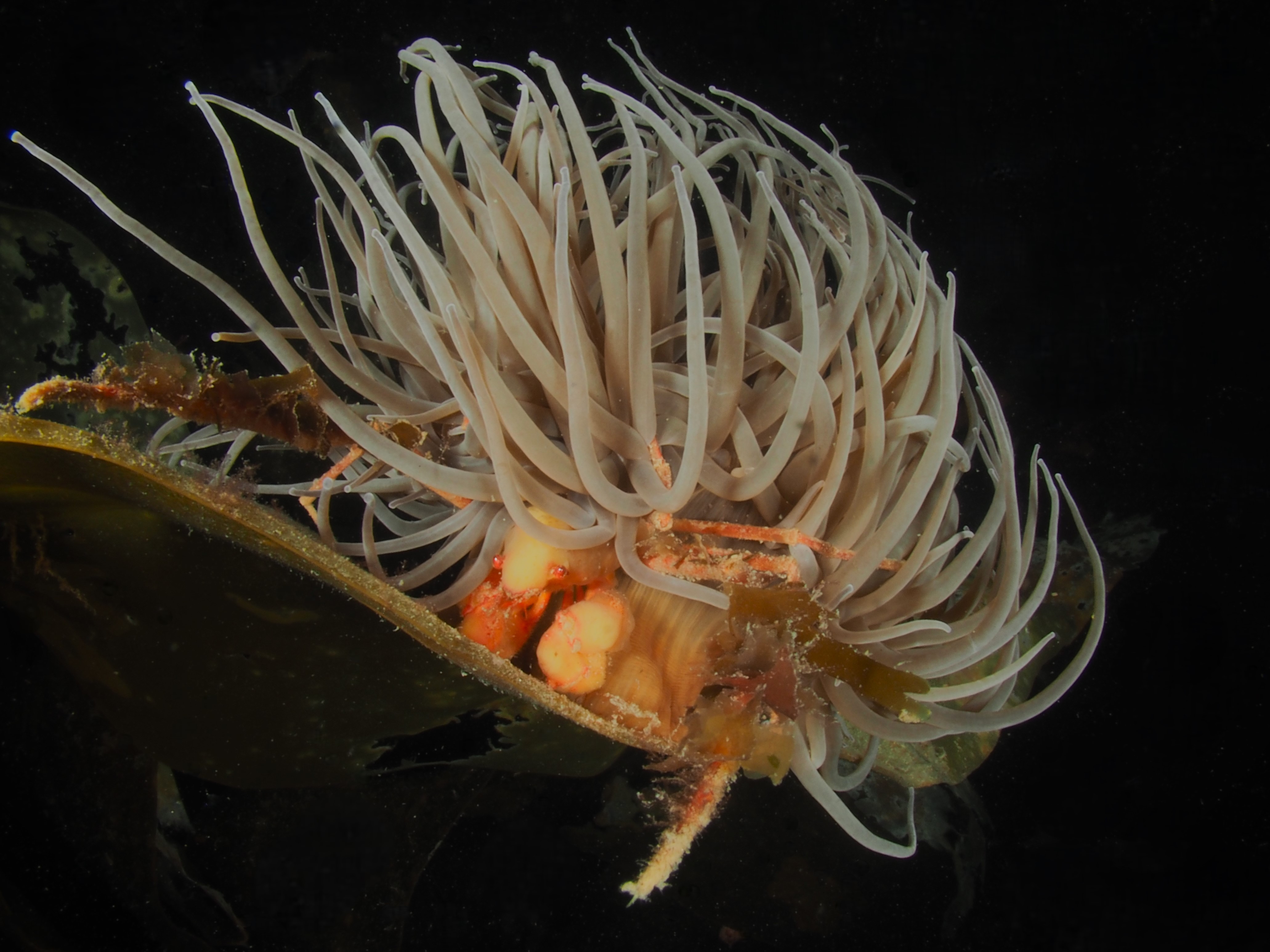
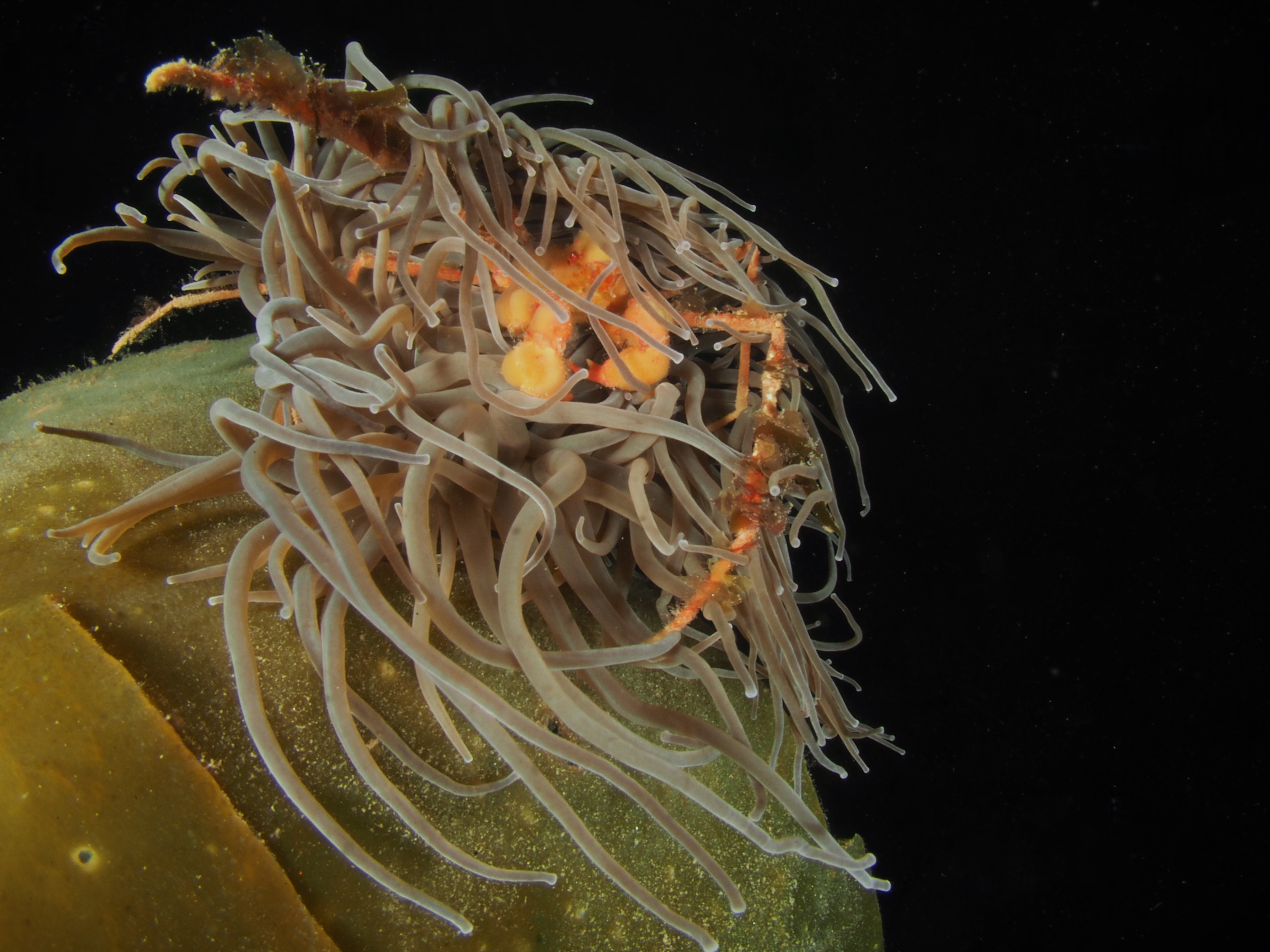
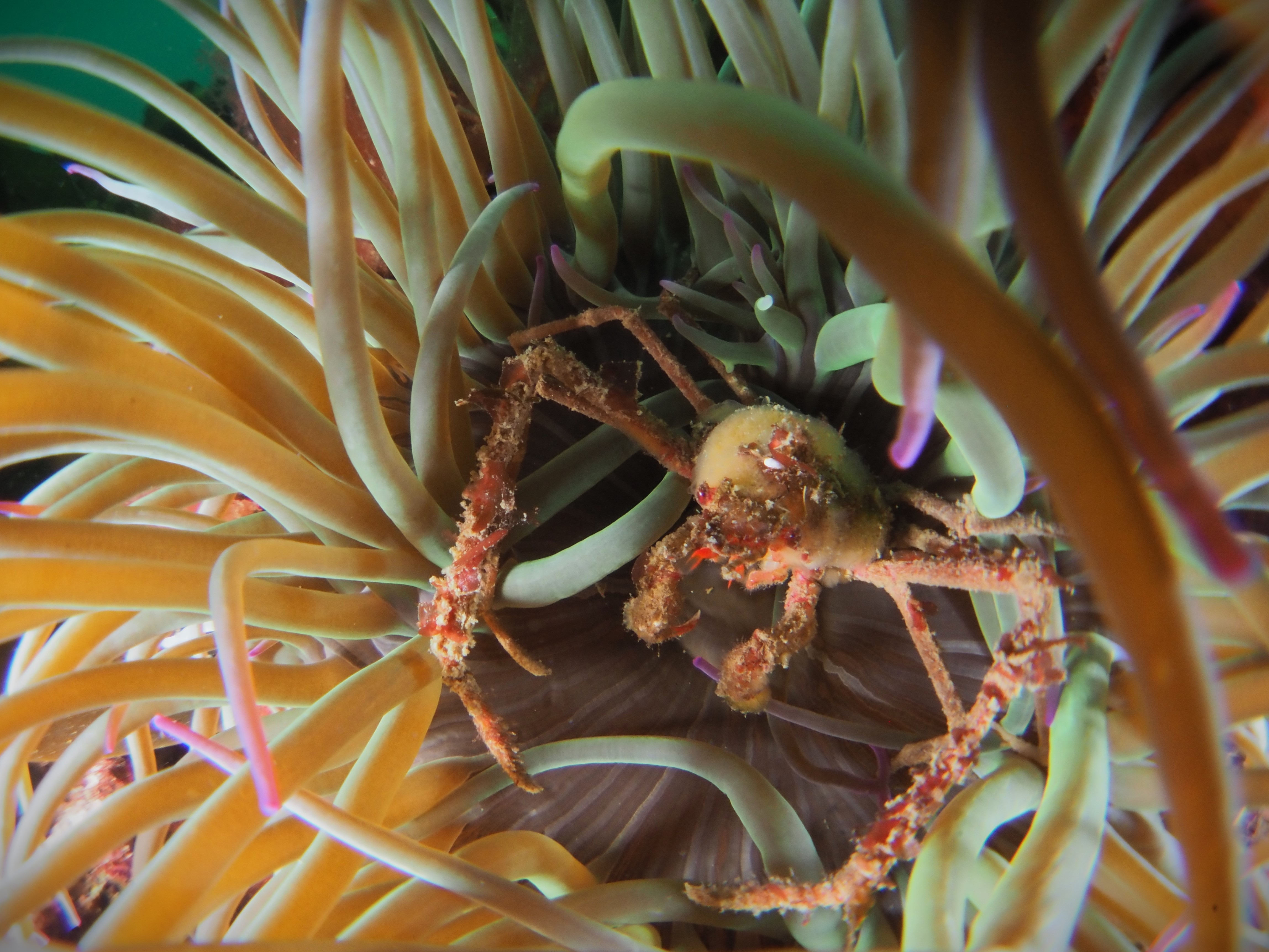
To keep the blog going (a bit), I have dug out some images from a few dives last year featuring Inachus spider crabs. There are three species, I. phalangium, I. dorsettensis and I. leptochirus, which can be told apart by the arrangement of tubercules on their carapace, but these are often obscured by epiphyte growth, and so I am keeping it to Inachus sp. All species are associated with Snakelocks Anemone (Anemonia viridis) hosts. The photo above is taken using a weird ‘wide angle macro’ wetlens (INON UFL-M150 ZM80). This perspective always fascinated me but it is difficult to achieve. This lens does the job, although it is incredibly ‘soft’, especially around the edges. The close focusing also makes it difficult to direct the strobe light on the subject. So there is a tradeoff between getting the surroundings in view and sharpness. Below first some sharper shots using my 60mm macrolens, followed by some macro wide angle shots (they happen to be each of the different Anemonia colour morph):
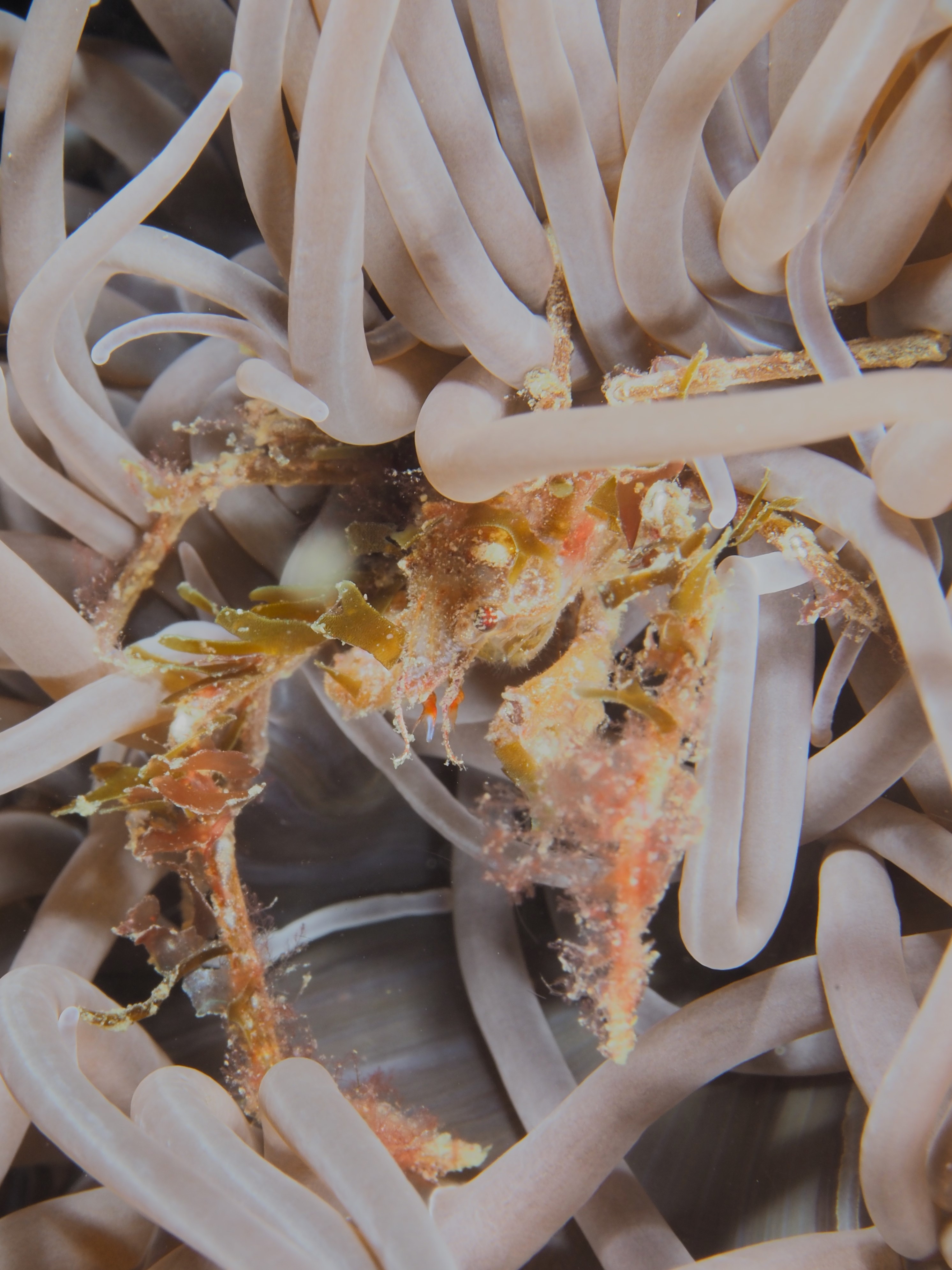

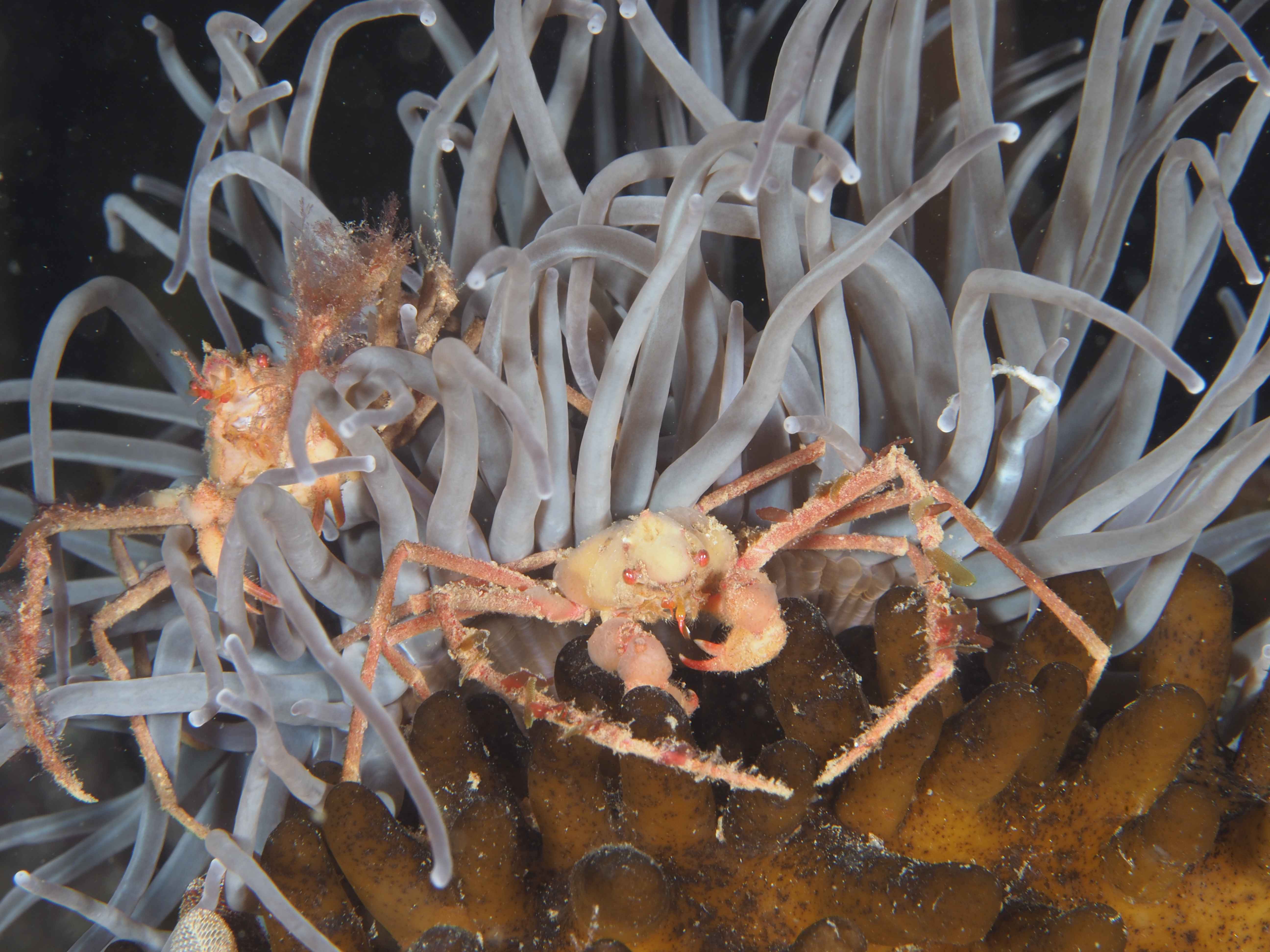
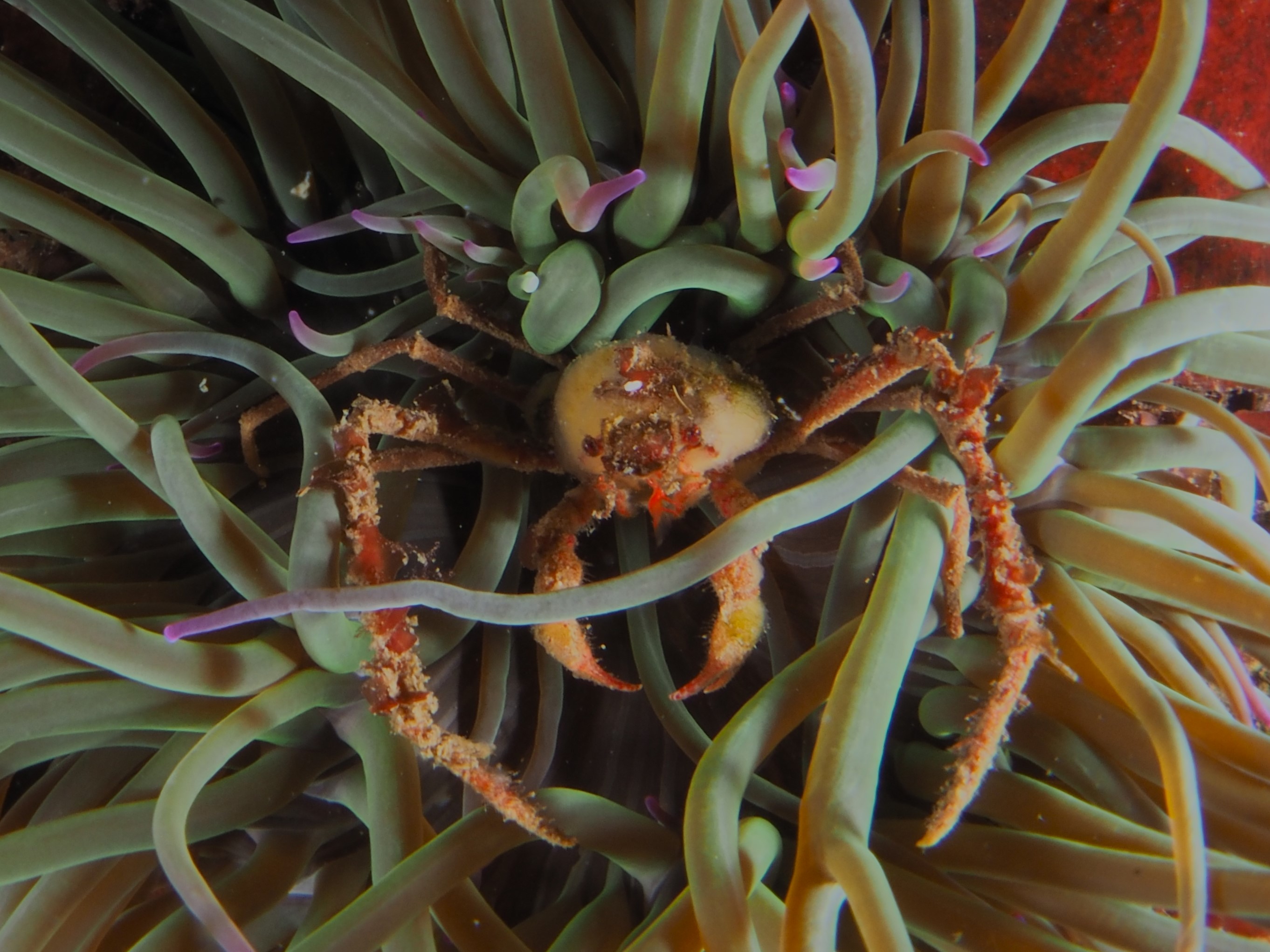

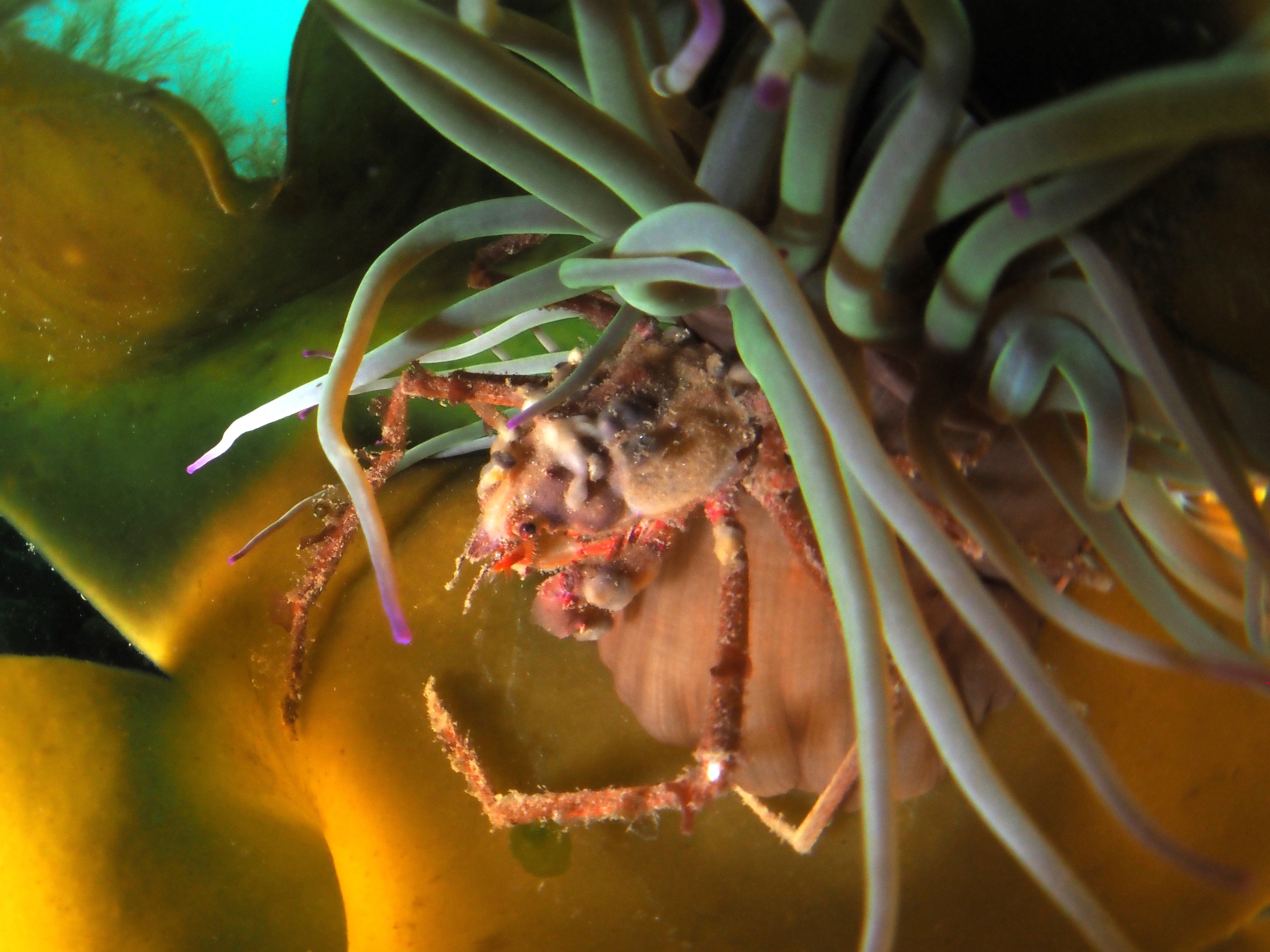
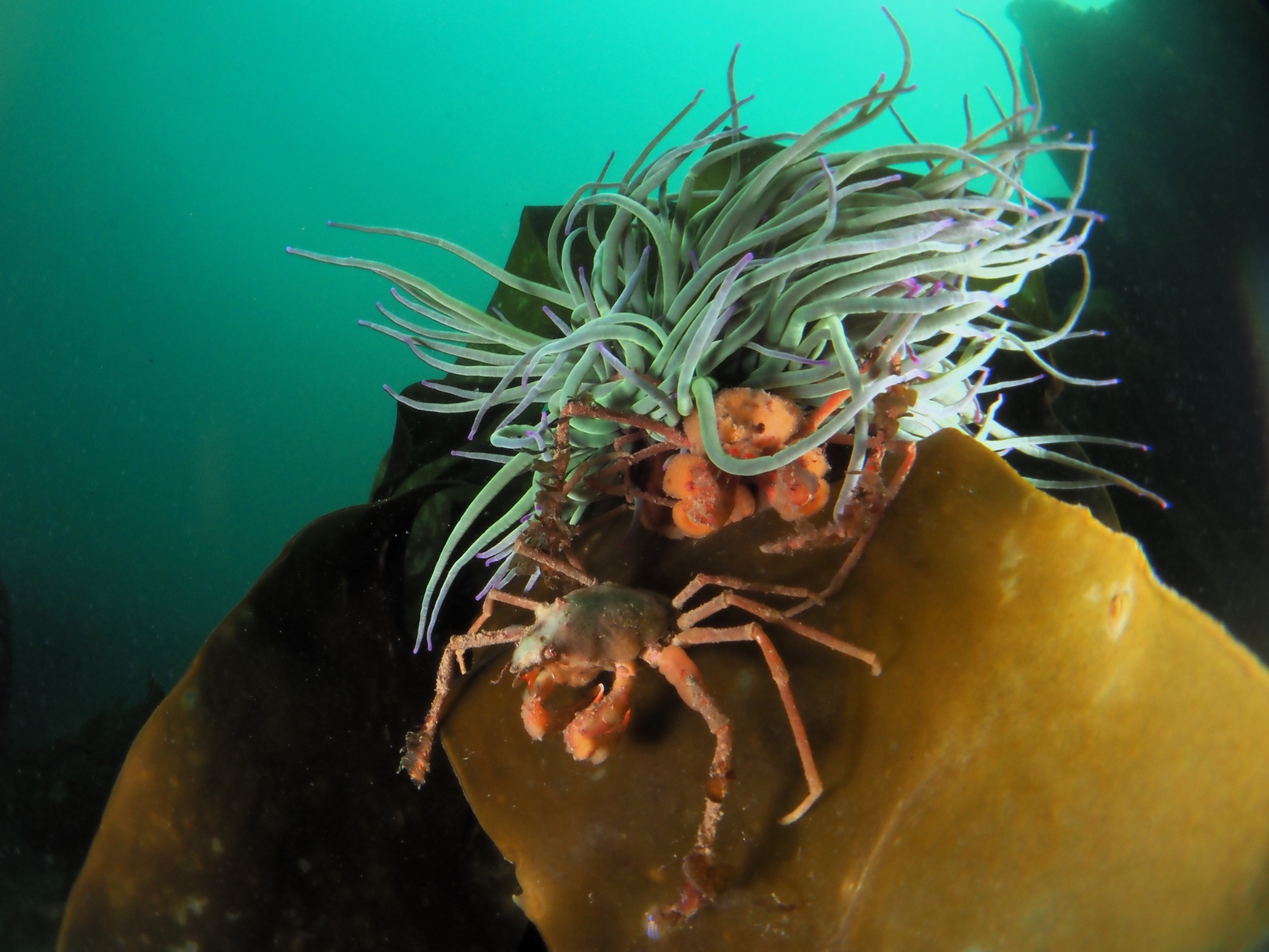
I will leave you with the following interesting bit on the biology of these crabs by Diesel (Ethology, 1986):
I. phalangium females are site-constant, and live in the protection of one anemone or group. Males travel frequently between anemones harbouring females due to spawn; they copulate and guard the females until spawning, after which the male leaves again. A male operates in a patrol area containing 3-8 anemone groups and up to 8 females, visiting each female in turn repeatedly just before it is due to spawn. Patrol areas of different males may overlap, with resulting competition to fertilize a female’s next brood. Large males have higher reproductive success than small ones. Females live up to 8 months after the moult of puberty and hatch up to six broods, and males live up to 7 months as adults. A male could fertilize a calculated 26,000 eggs, whilst a female’s reproductive potential is ca. 4,200 eggs. Mortality risks are higher for males than for females, probably because of increased predation while leaving the protection of anemones in order to visit females. Males learn the positions of anemones harbouring females in their patrol areas, and when these are due to spawn. This allows a male to travel with a target and arrive punctually to fertilize the next brood due in his circuit. I. phalangium is the first marine invertebrate reported to use a “schedule” of localities and times for visiting prespawning females. In this way males minimize searching time and mortality risk, and maximize the number of broods fertilized.
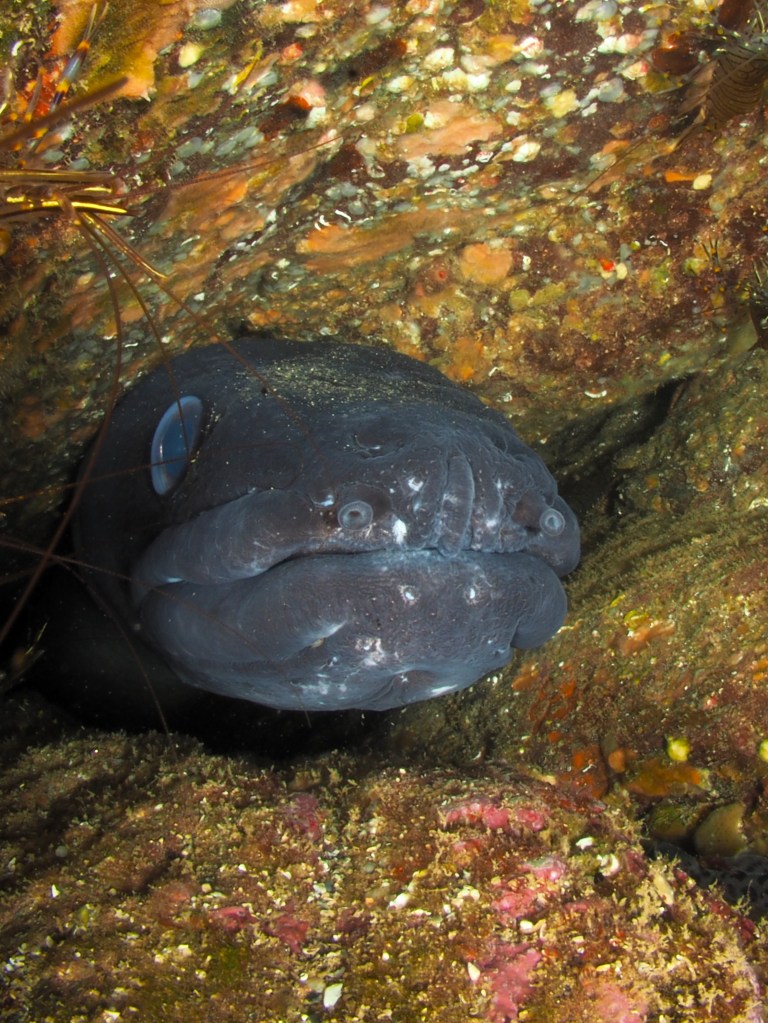
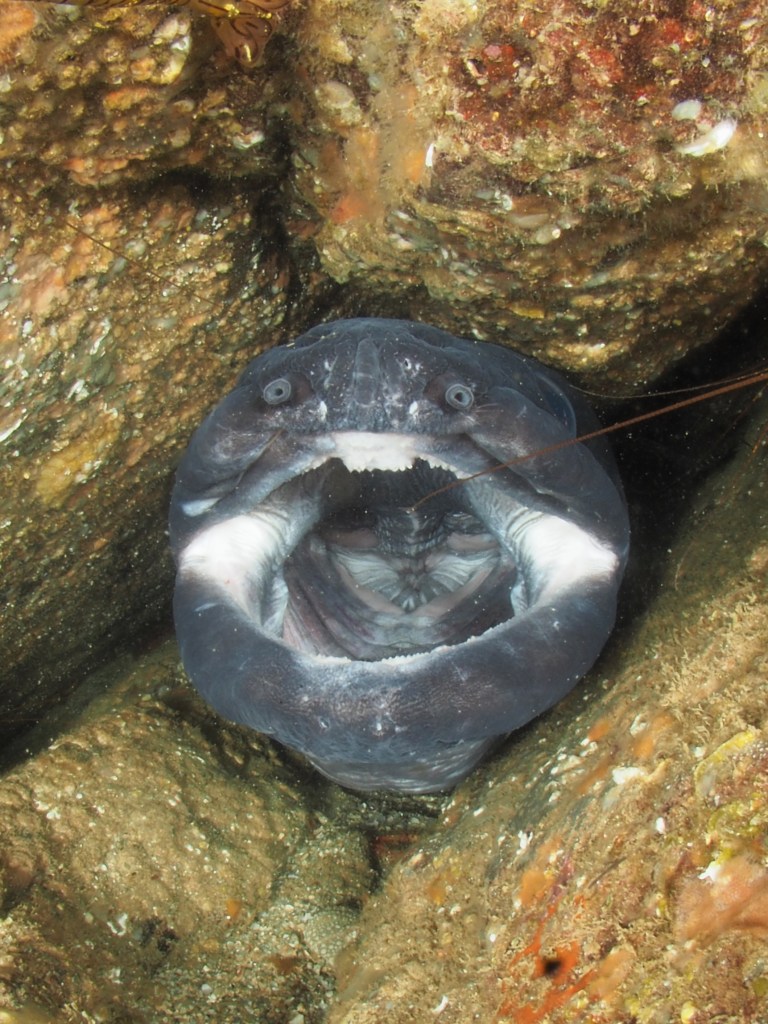
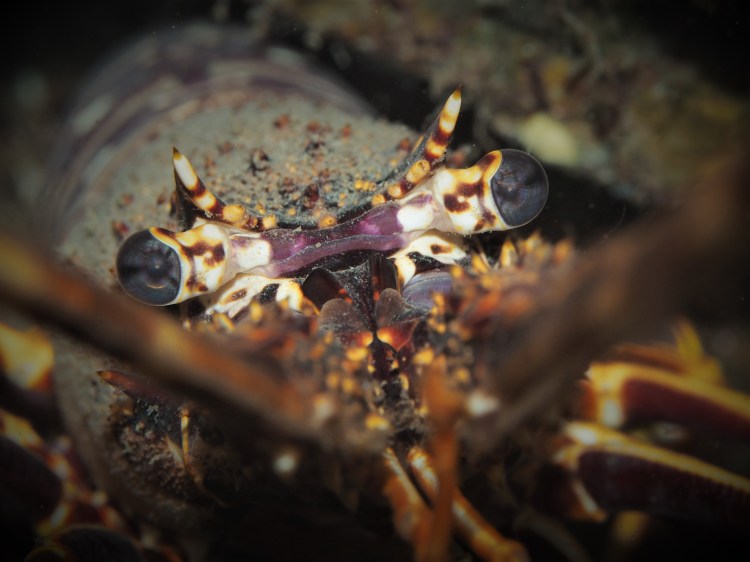
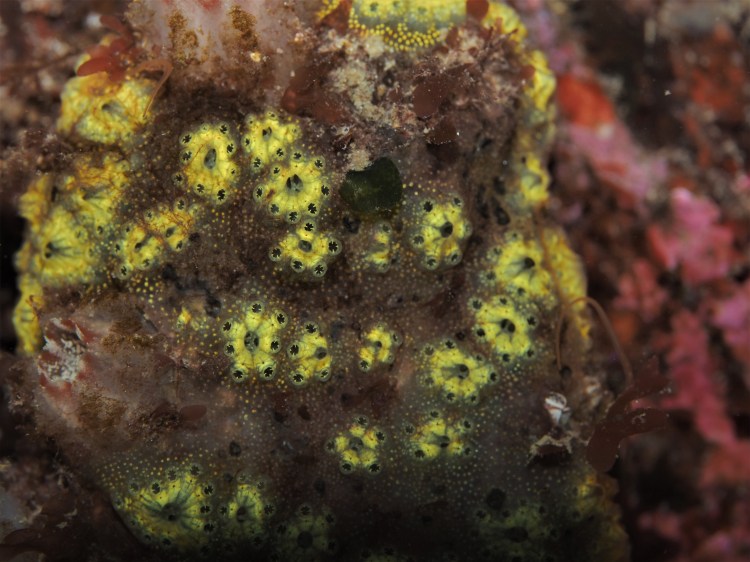 Yet another solo dive (I know, I know, not ideal) this Thursday morning before the easterlies are kicking in. Actually, the water was already choppier than I expected, but for macro photography the viz is not as important. I did not get ‘the’ shot but it was a nice dive all around. I discovered a little swim-under and saw lobster, rock lobster (craw fish) and a huuuuge conger eel. I was focusing on a little tunicate when I looked up and saw it looking back at me from not very far away at all. Its head was as big as mine. I slowly swam backwards, thinking of this encounter…..overall they do seem to be aggressive towards people though, and with my fisheye lens this could have been a really good shot. This later happened again, this time a smaller individual but still sizable. I did not stick my macro lens up its nose but grabbed a halfhearted shot with a passing by Twospot goby almost in focus to give an idea: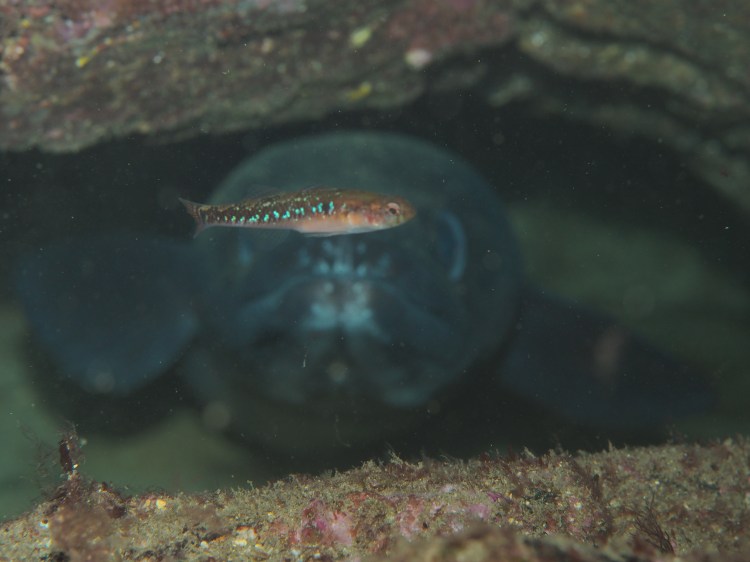
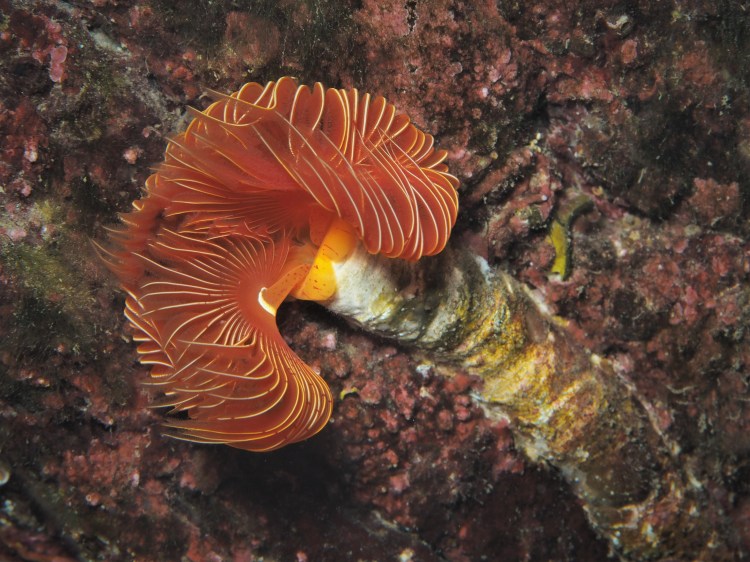
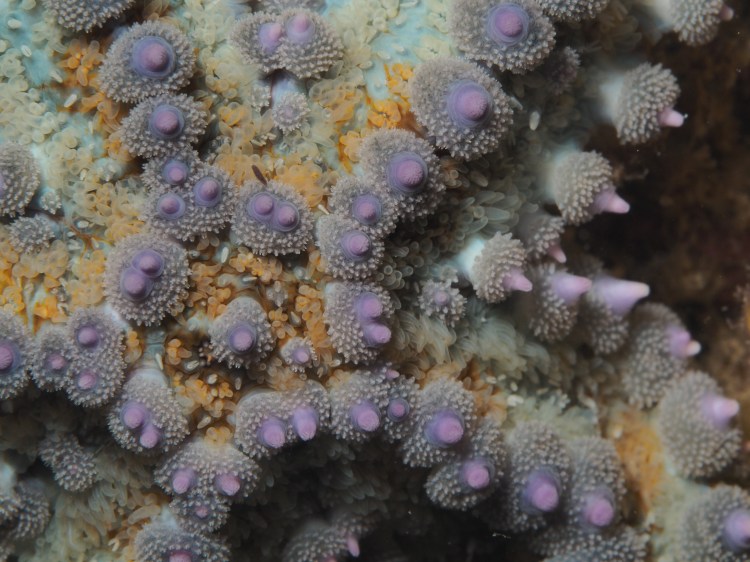
 Some macro shots: again a Twin fan worm Bispira volutacornis and a new one for me, a big bright red Protula tubularia. It would be nice to get some abstract close-ups but these are excellent living motion-detectors so it is difficult. There are some amazing colours under the rock overhangs and I would like to try some more abstract photos such as this Spiny starfish or this Didemnun colonial seasquirt and other encrusting animals (and plants). No diving/snorkelling this weekend because of the wind, but glad I could put a couple of dives in these past weeks, and I will make an effort to go a lot more weather permitting!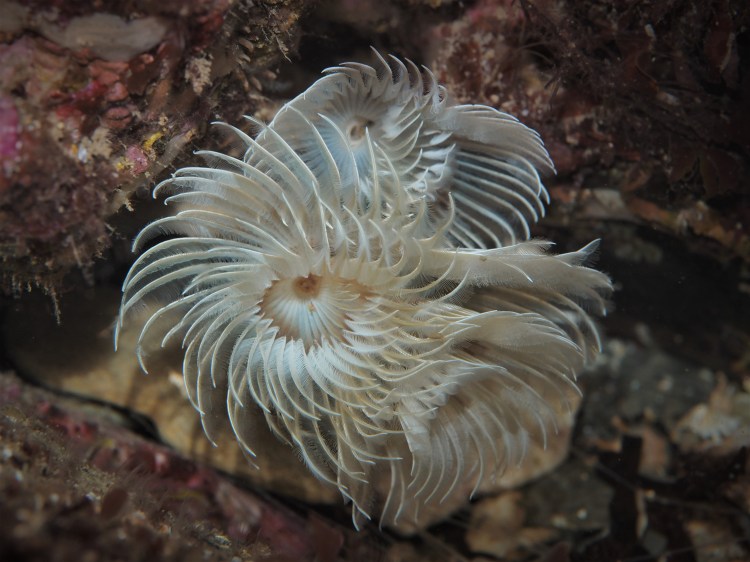
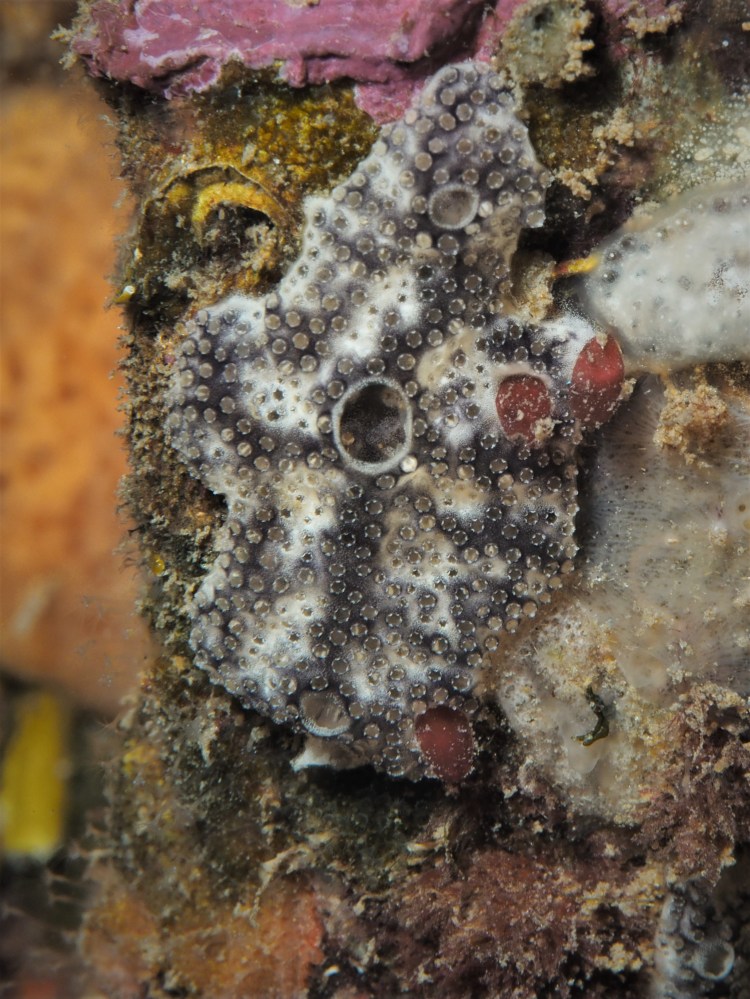
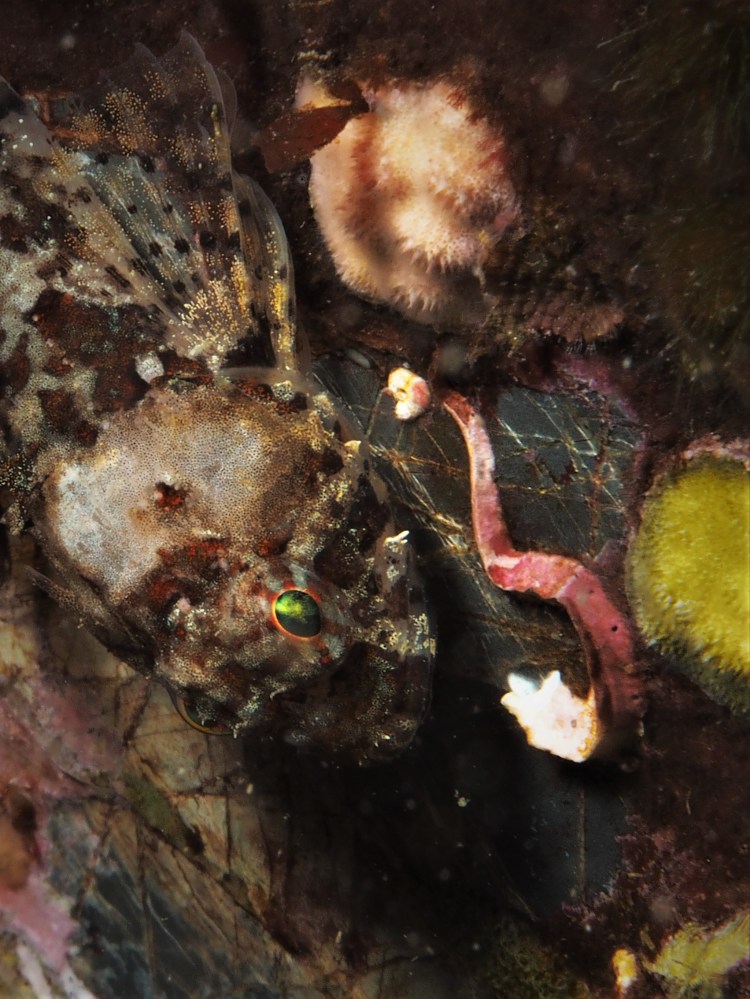
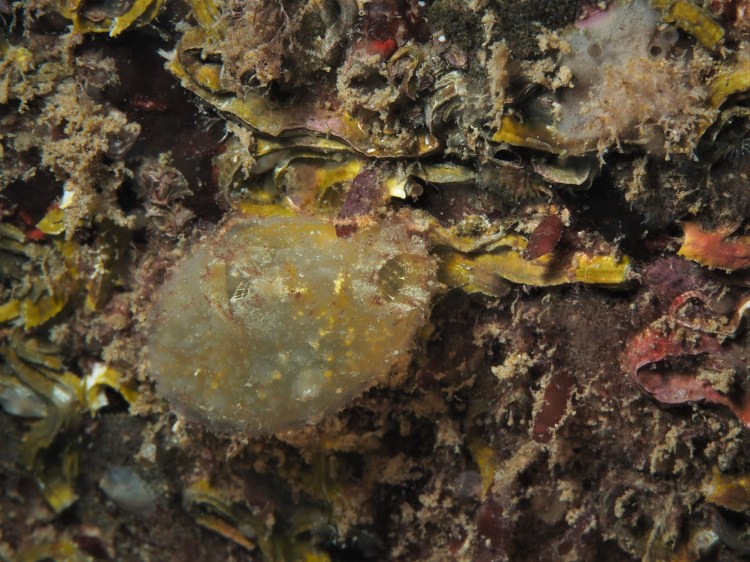
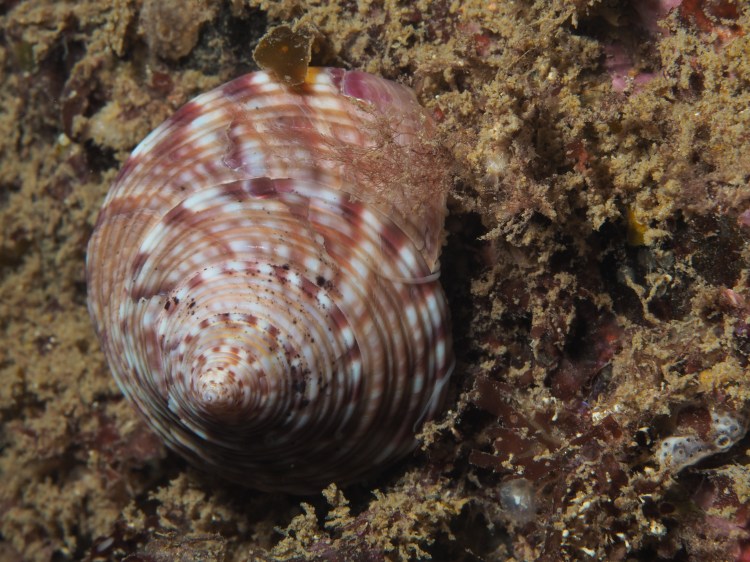
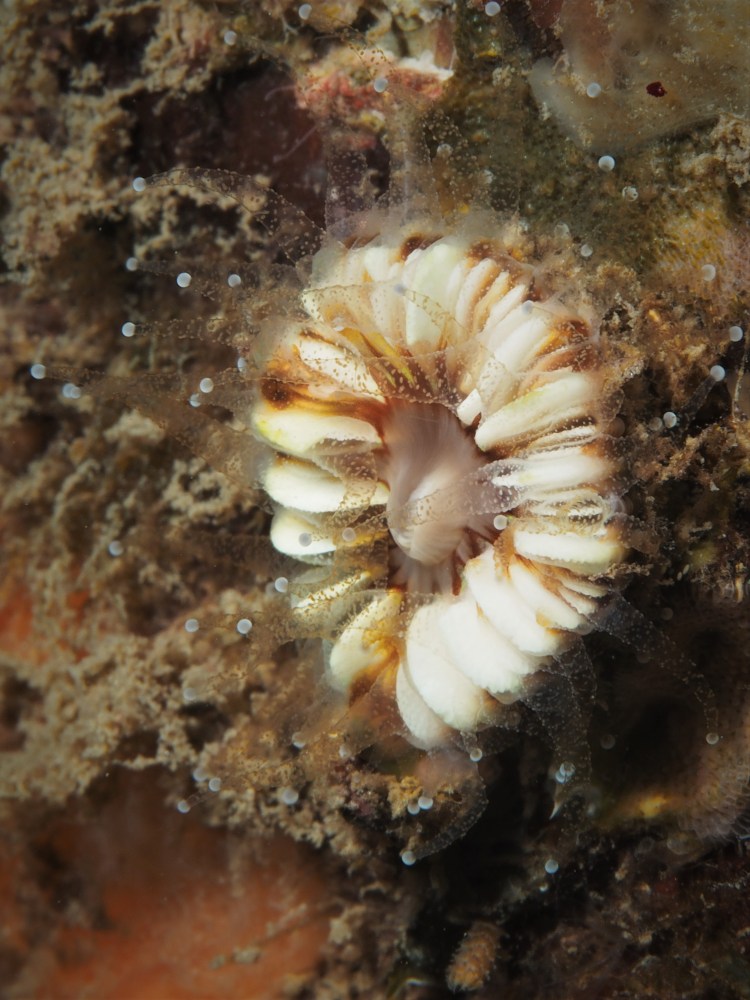
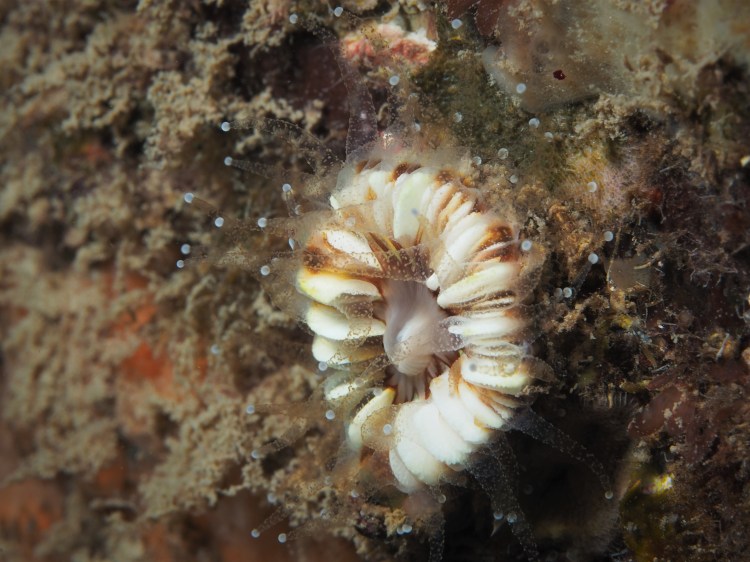
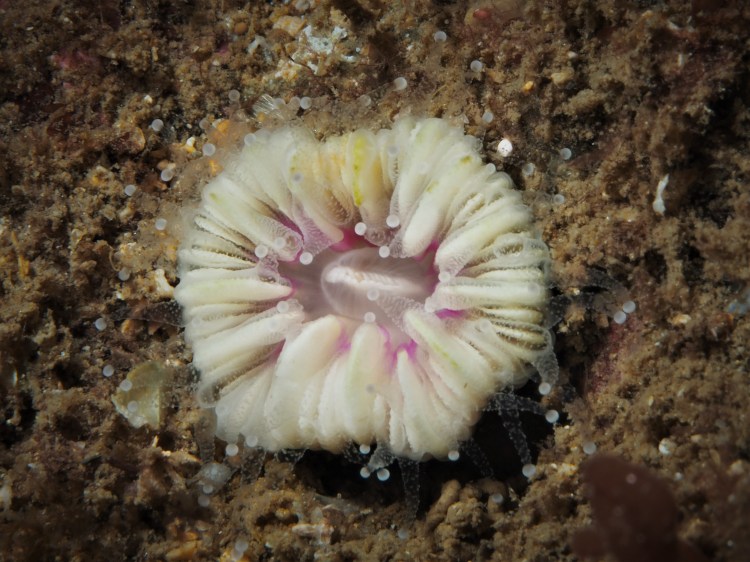
 A solo dive early evening at the Silver Steps site. It was a couple of weeks I last went, and this time it was already dusk when I entered the water. My intention was to find cup corals and other small creatures growing on rock overhangs below the kelp line. The viz was good and sure enough I found what I was looking for: Devonshire cup coral Caryophyllia smithii, a solitary stony coral which is relatively common. They are very beautiful and the right size for the macro lens. I will definitely go after them again. Other finds were a golfball sponge Tethya aurantium, a baby Longspined seascorpion (this shot had potential, but it swam away unfortunately), a tunicate and a Painted topshell (very common). At the end of the dive unfortunately it was getting too dark to find objects or too properly focus; I need to sort out a dive light!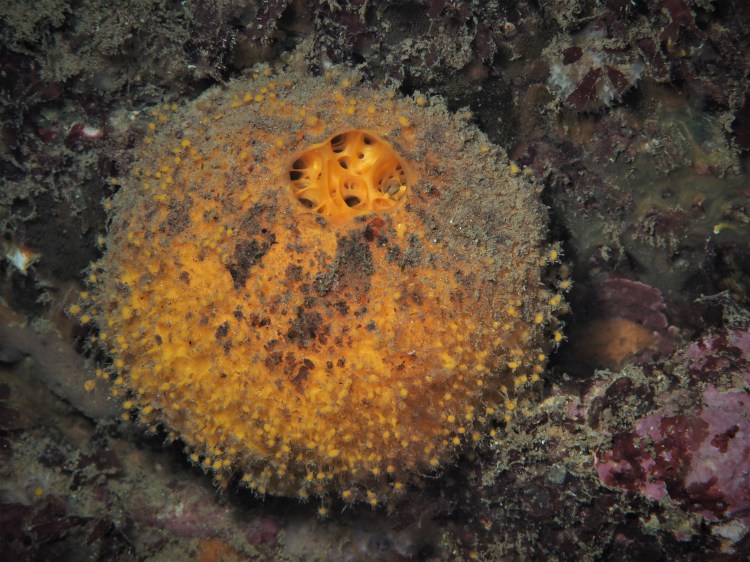
 An Bollenessor