Seagrass Macro

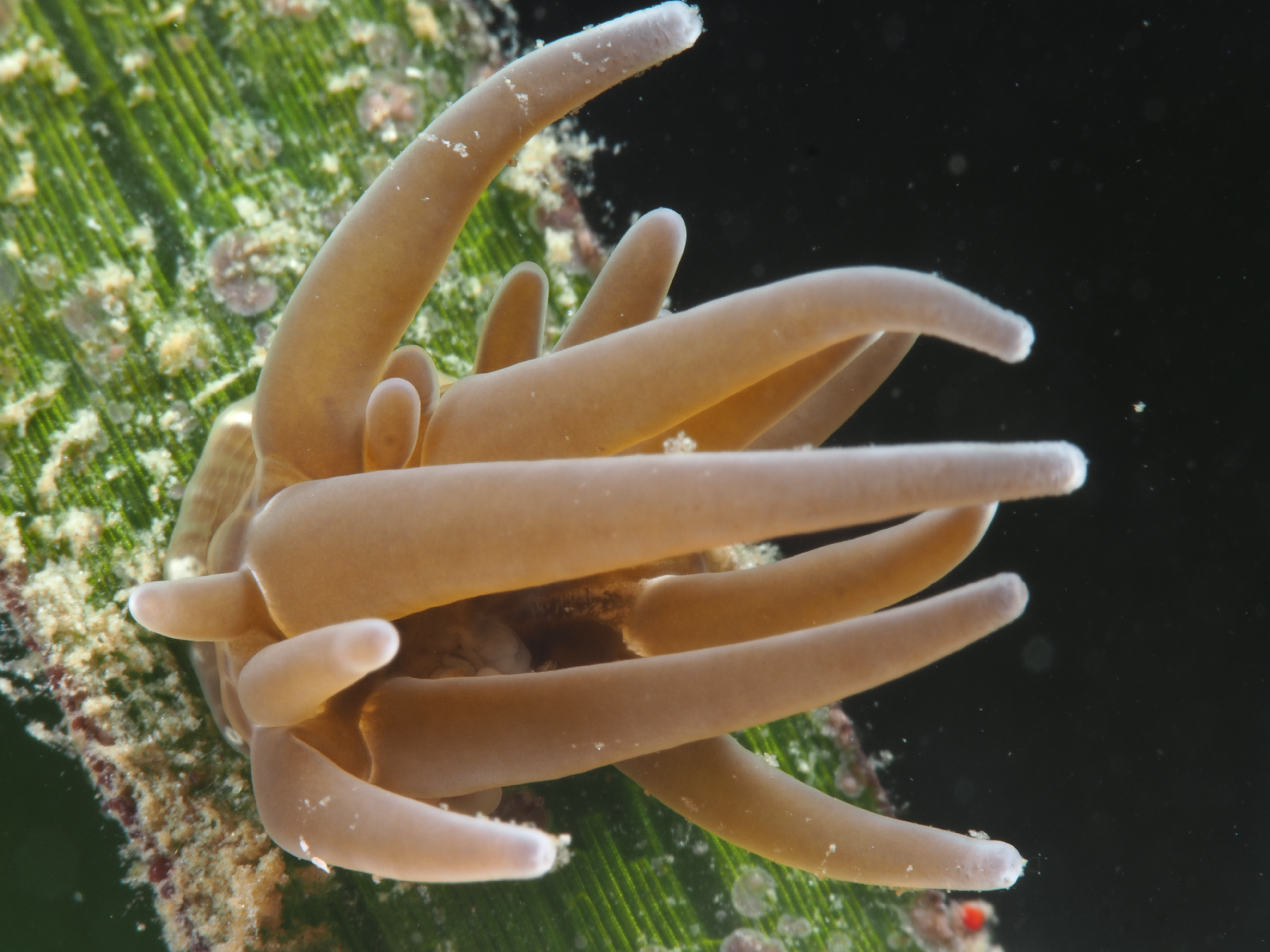
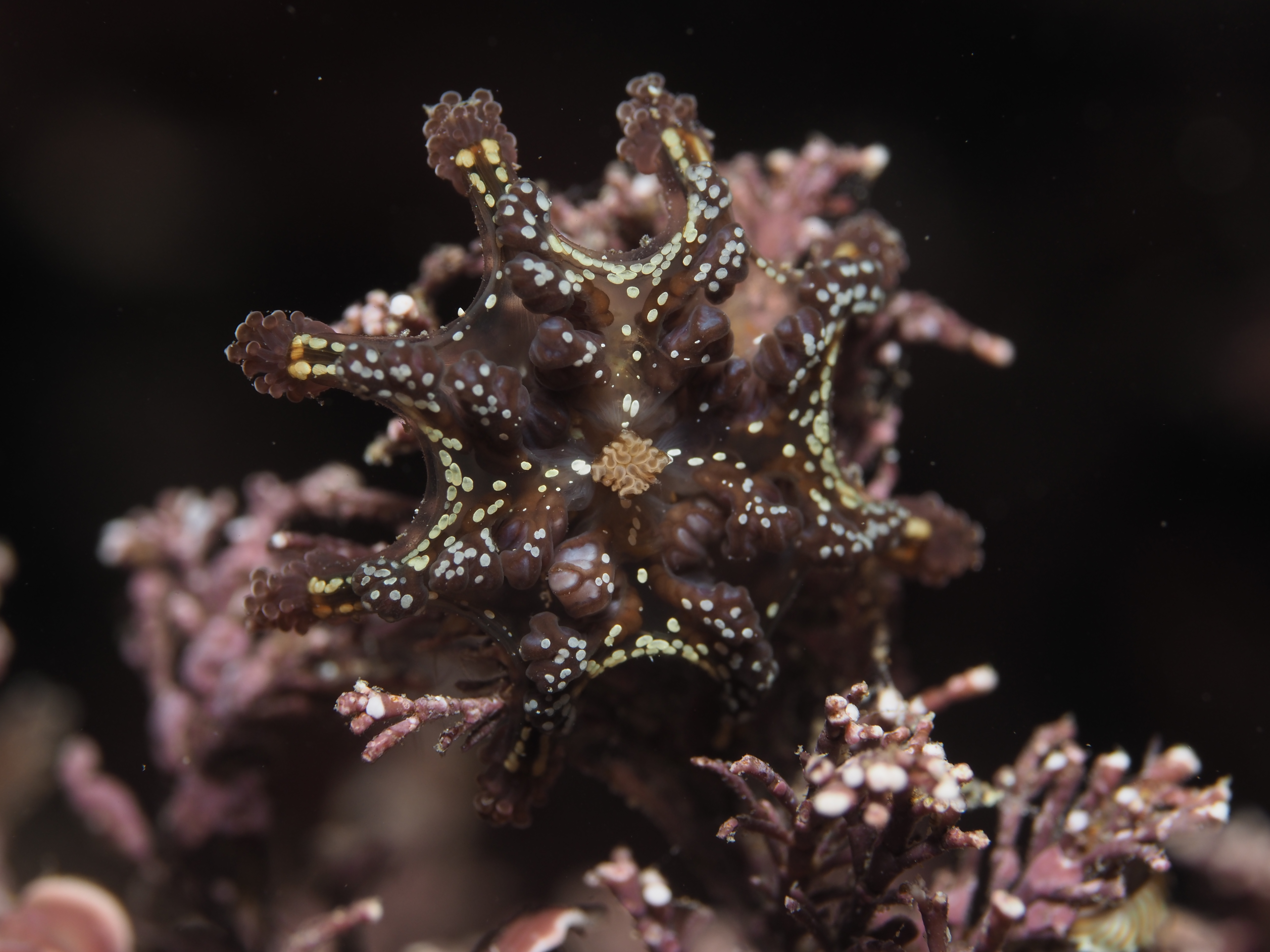
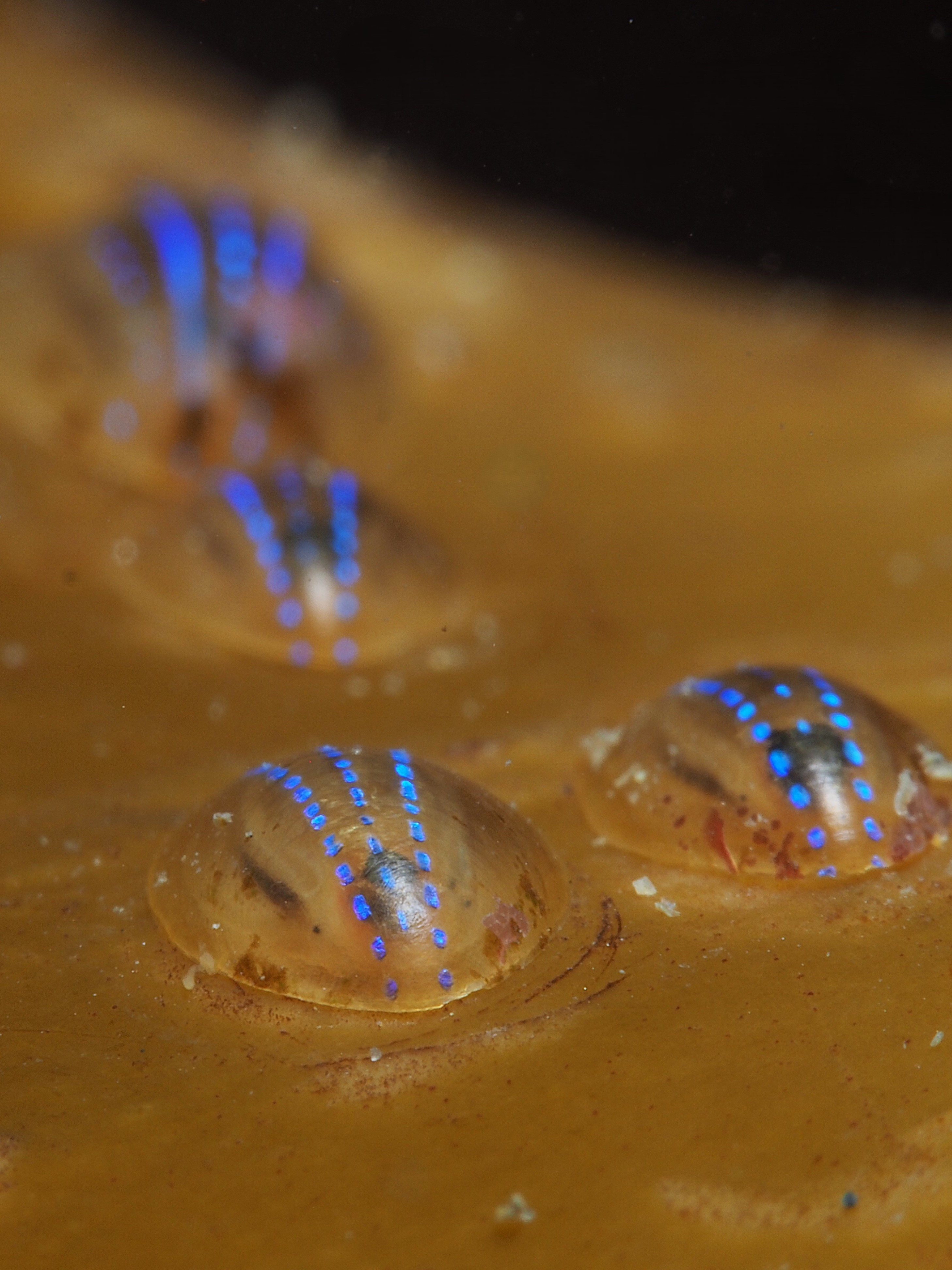
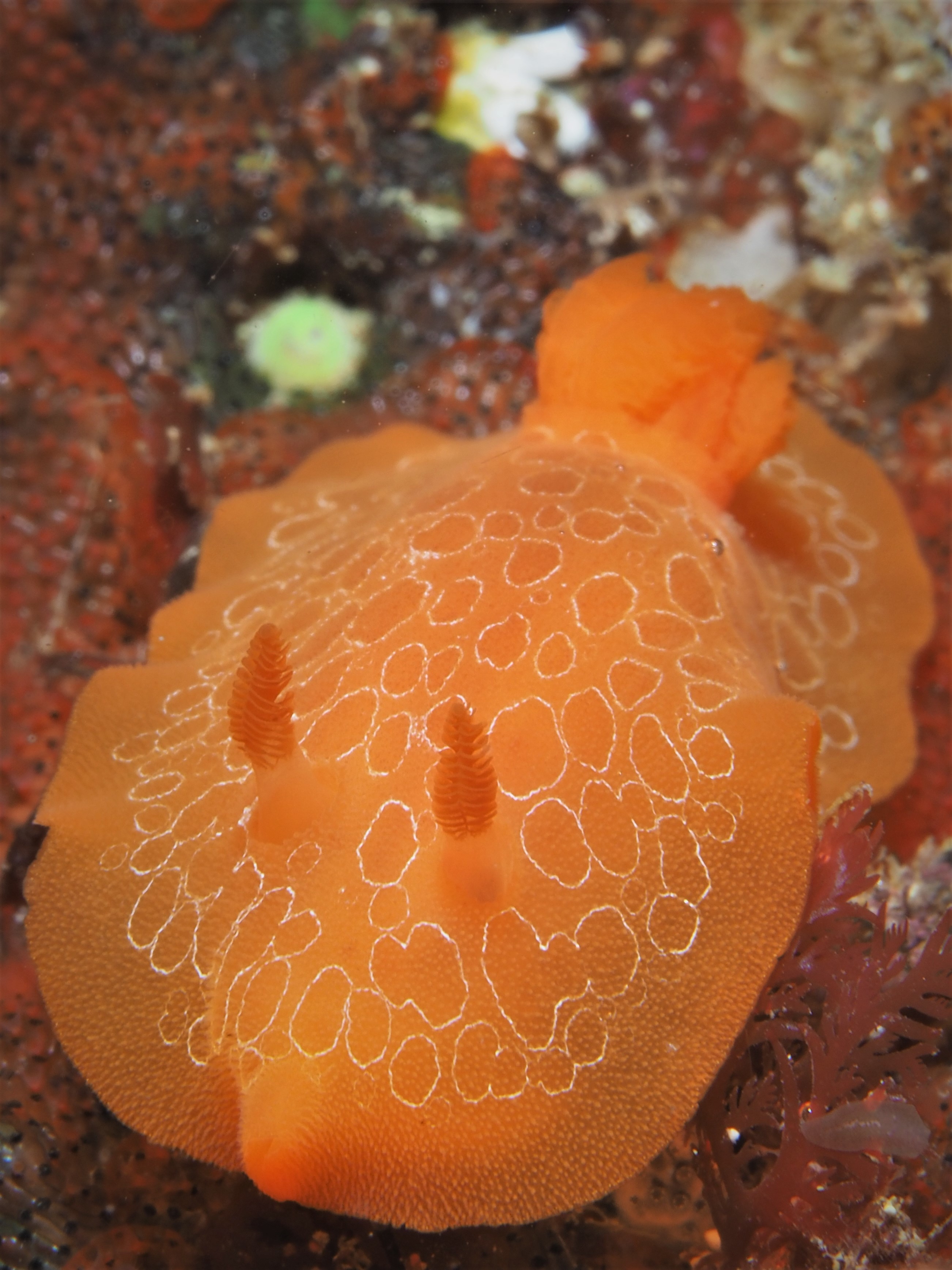
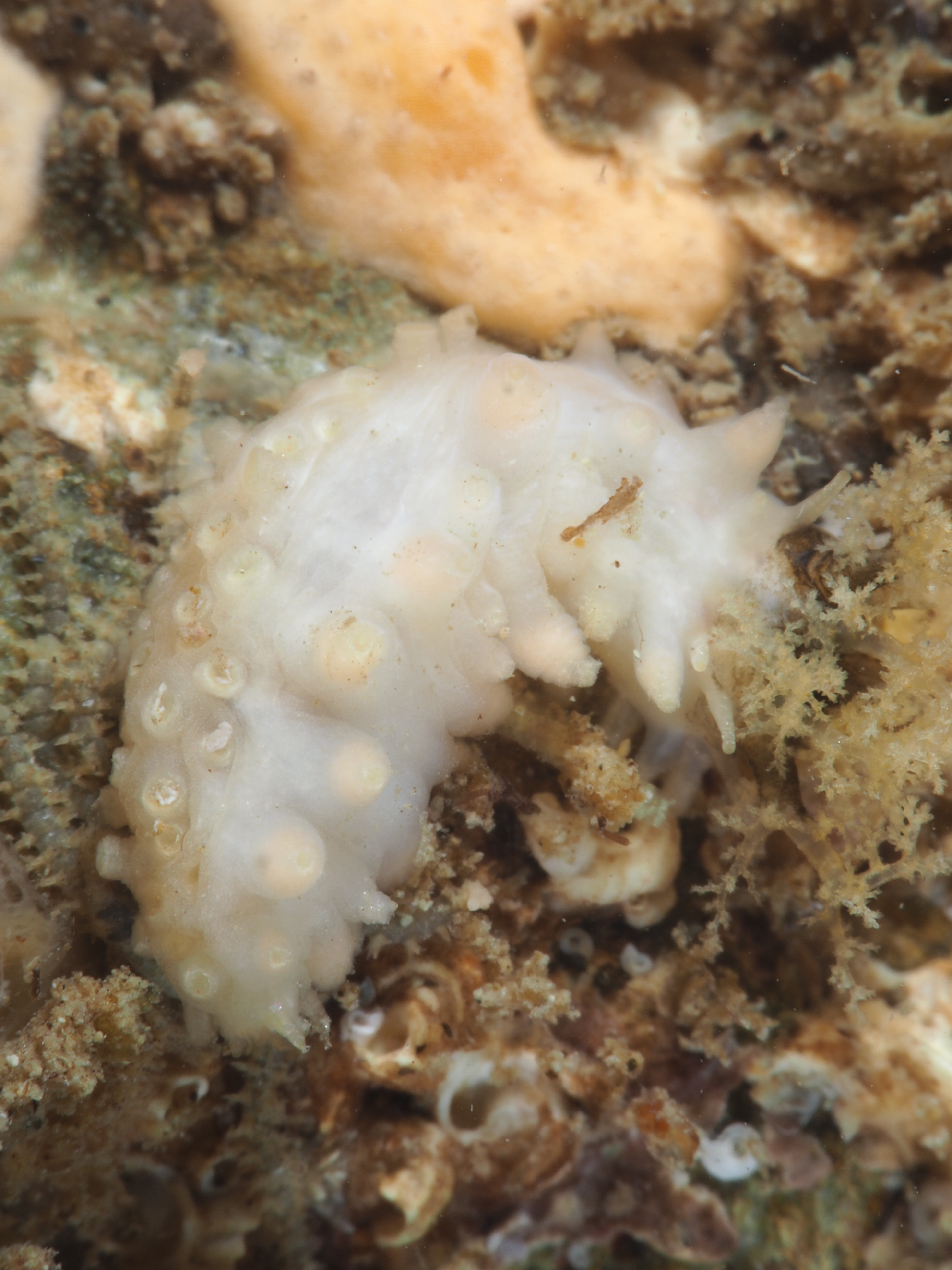
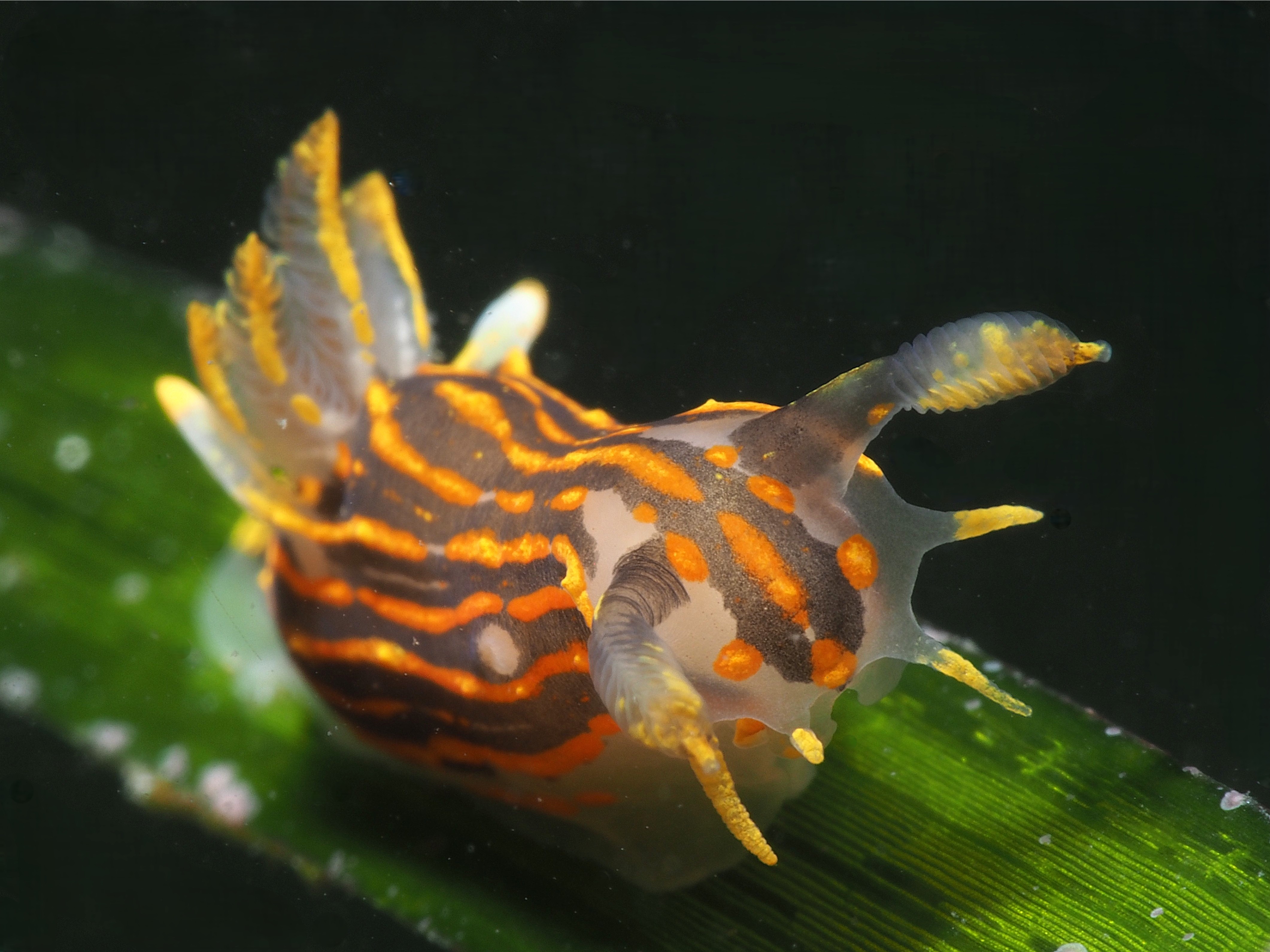
Polycera quadrilineata

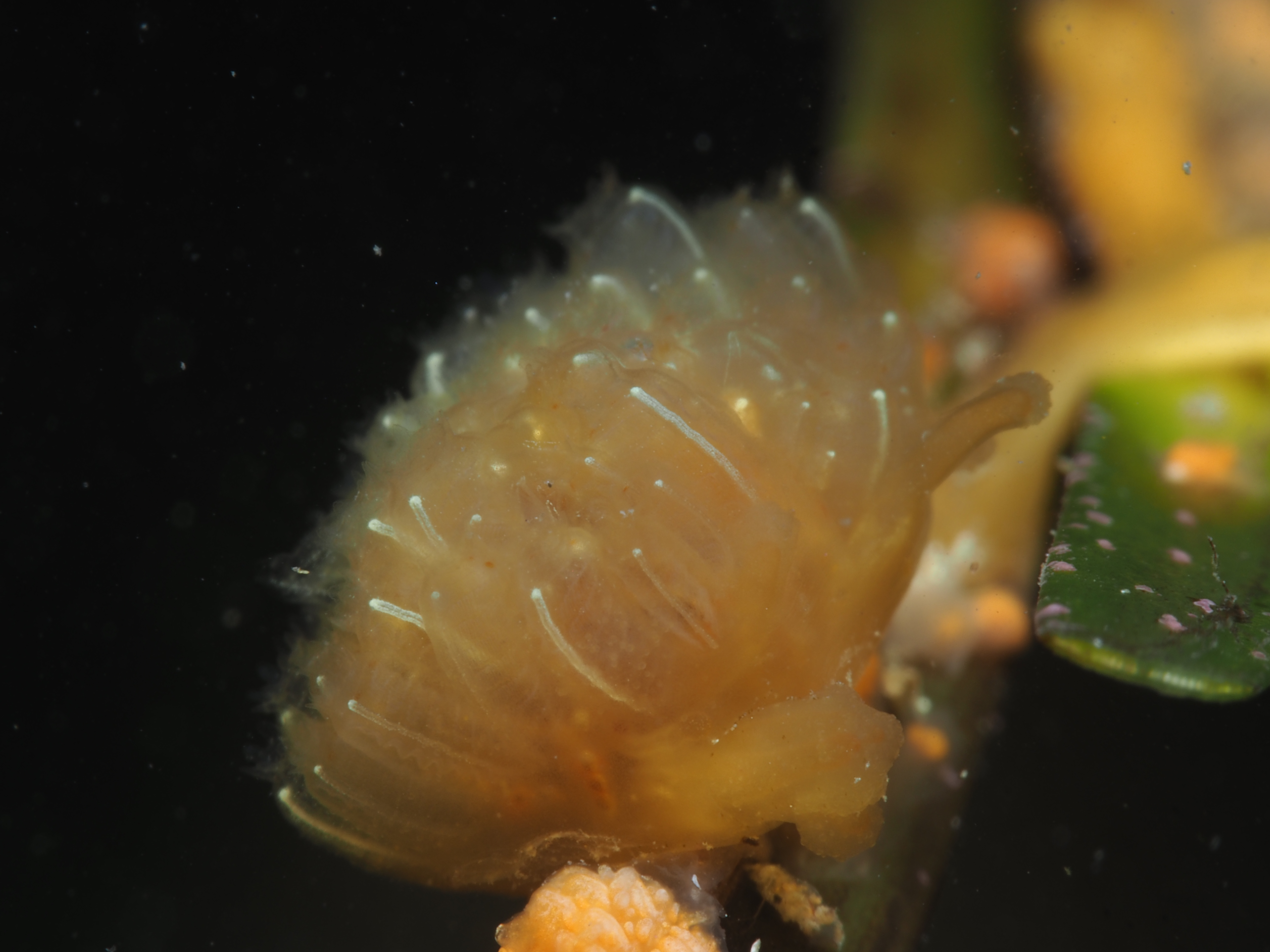
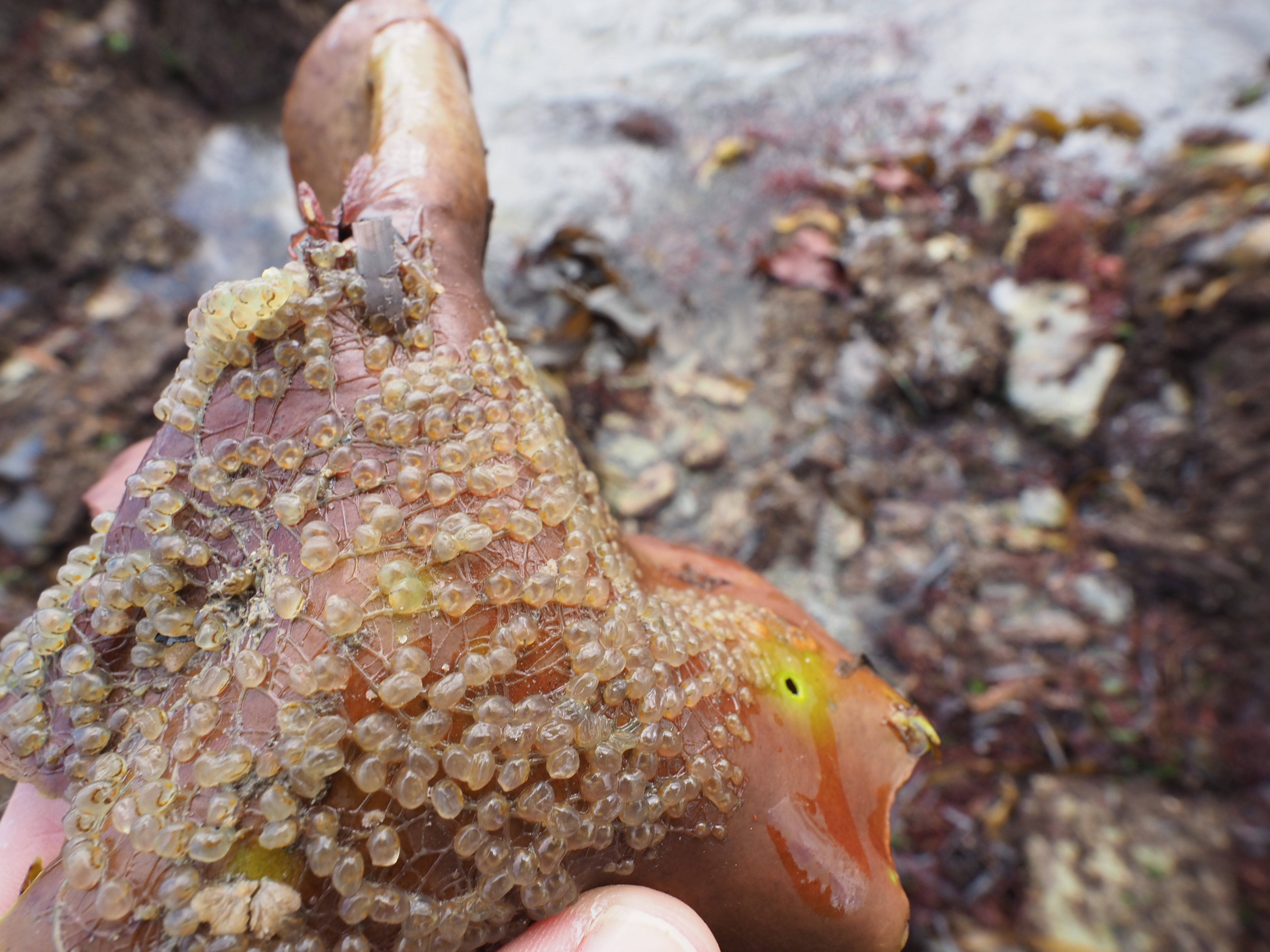
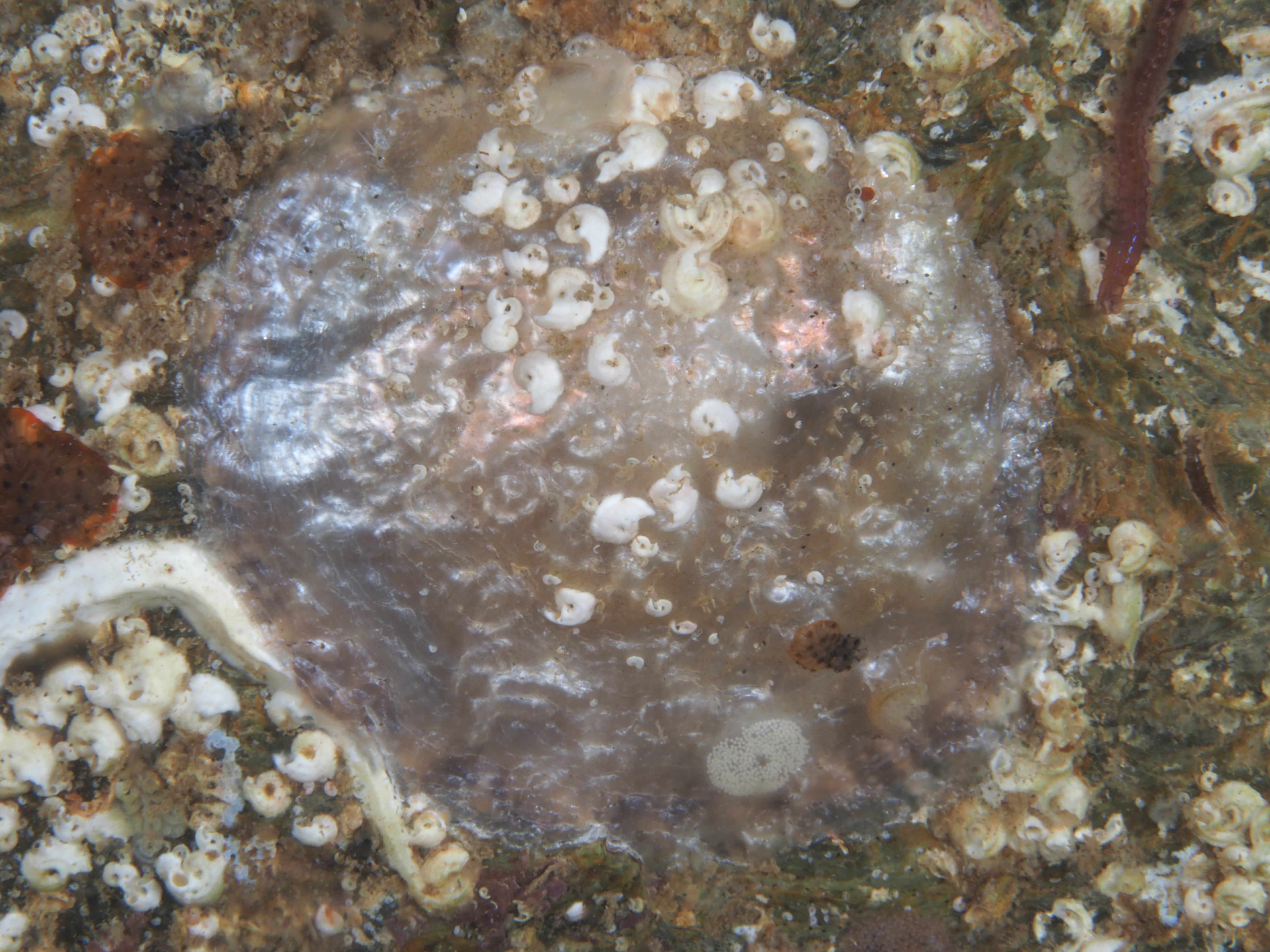
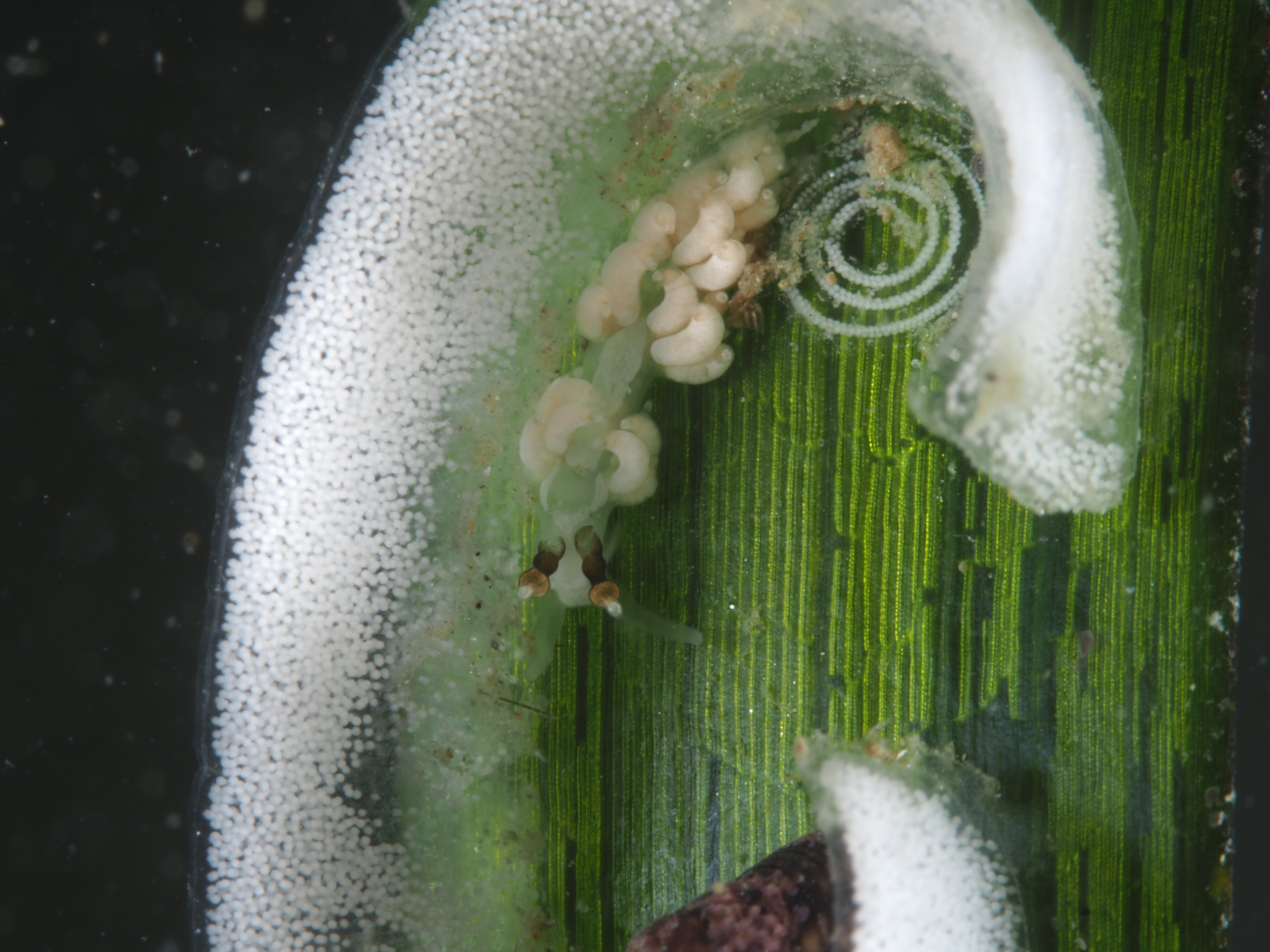
I had a couple of good snorkels at the end of summer in the seagrass beds off my local beach in Flushing. The water at the end of summer is warm enough to go without wetsuit – I just had a weightbelt to let me sink down on the sand at low tide, no fins needed. I managed to do what I normally find very difficult: spot nudibranchs! Mainly one of the more common species, Polycera quadrilineata, but that was fine by me, as they are very beautiful, especially the black colour morph pictured above. I spotted one other species, the egg-eating Favorinus branchialis (with its own eggs also visible). Not great photos, but in my defense they are very small!
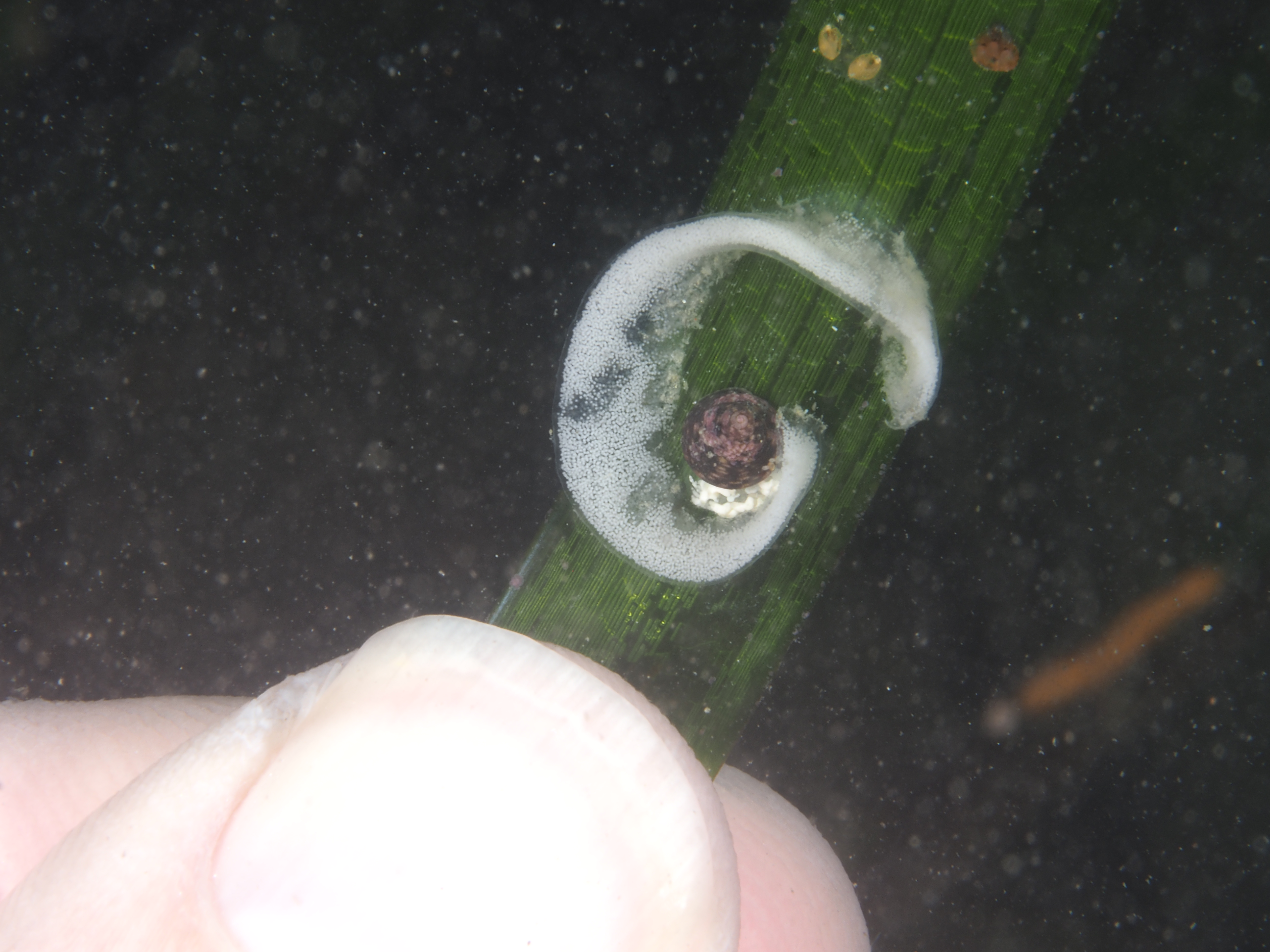
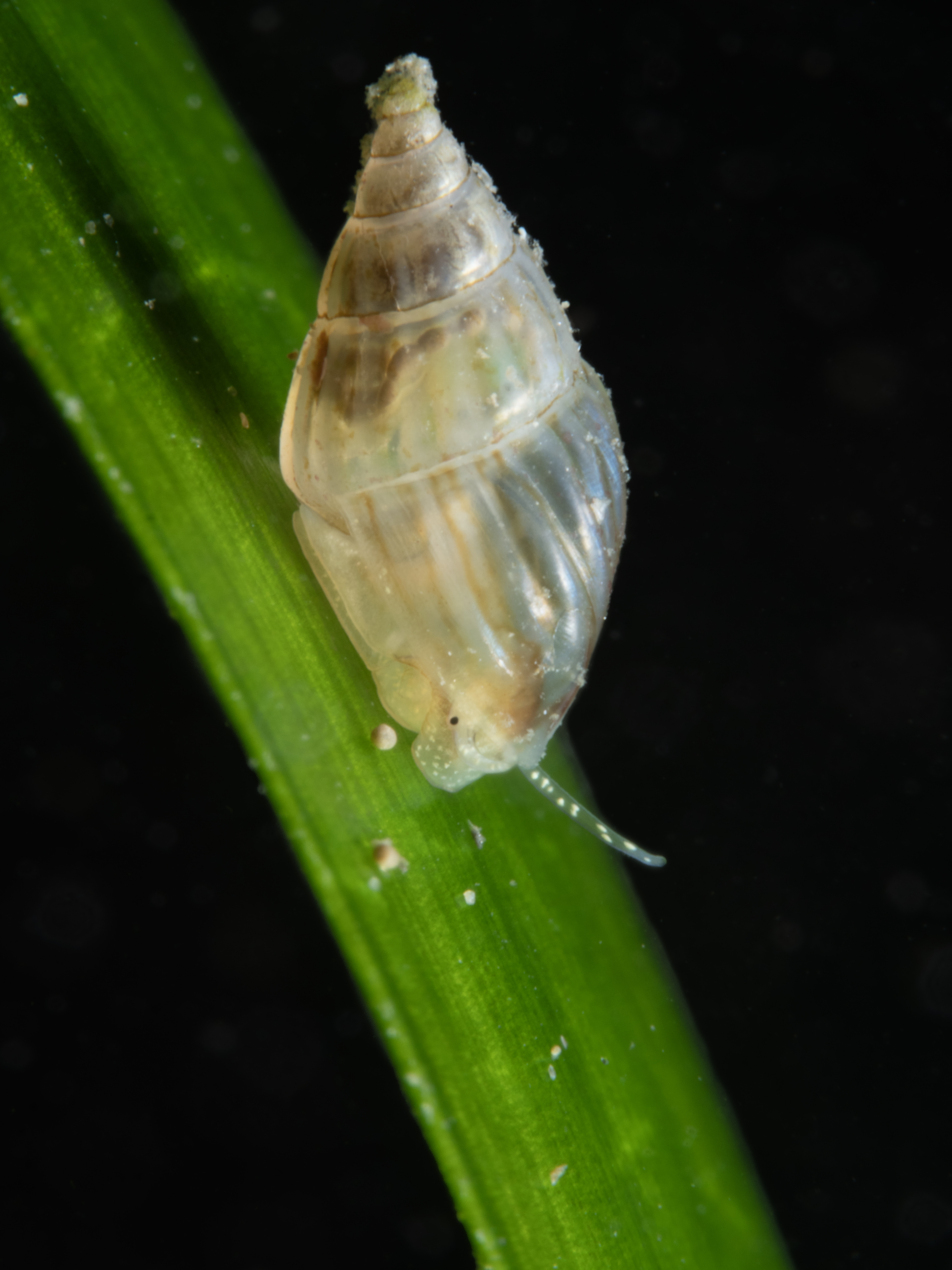
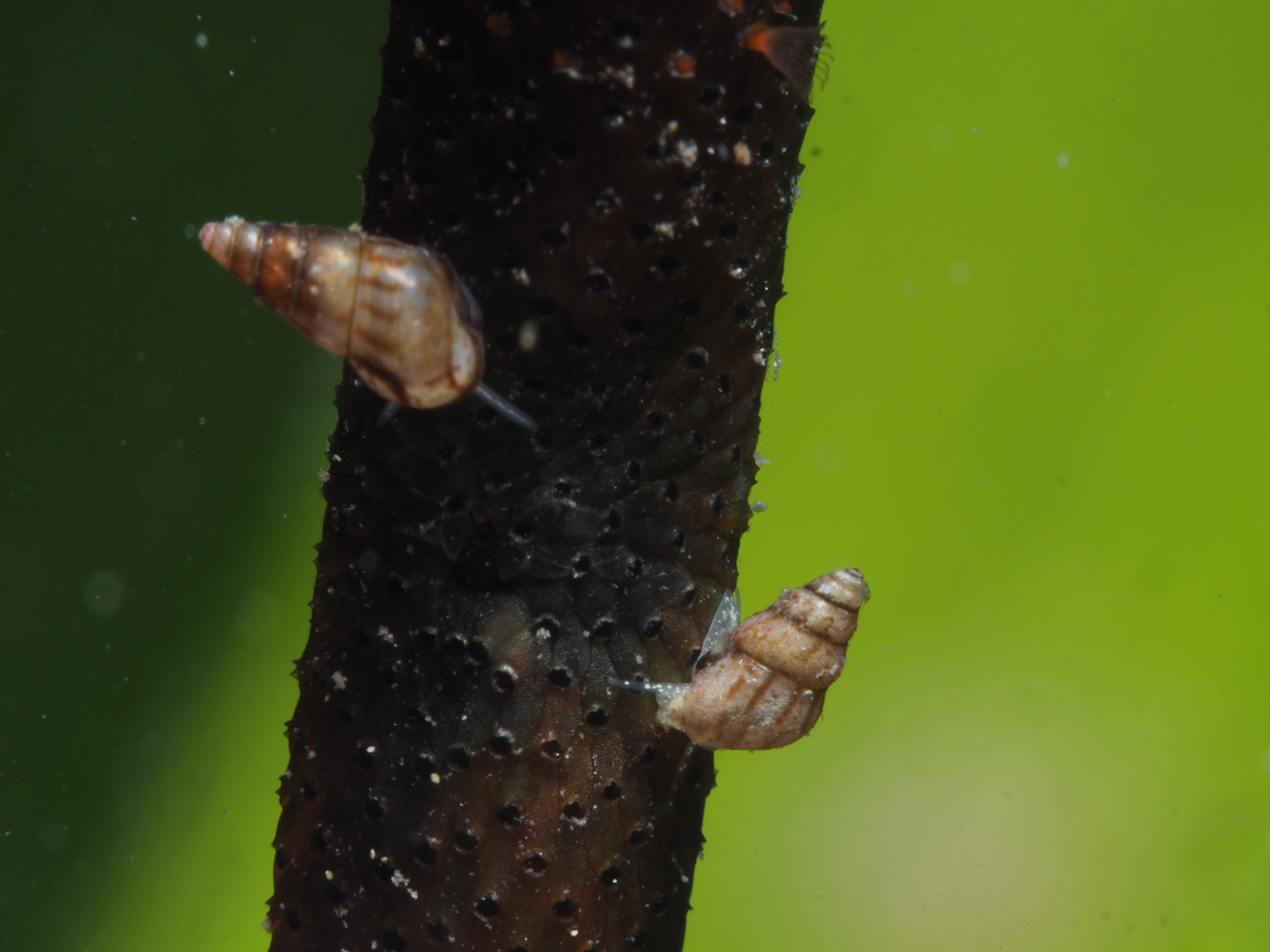
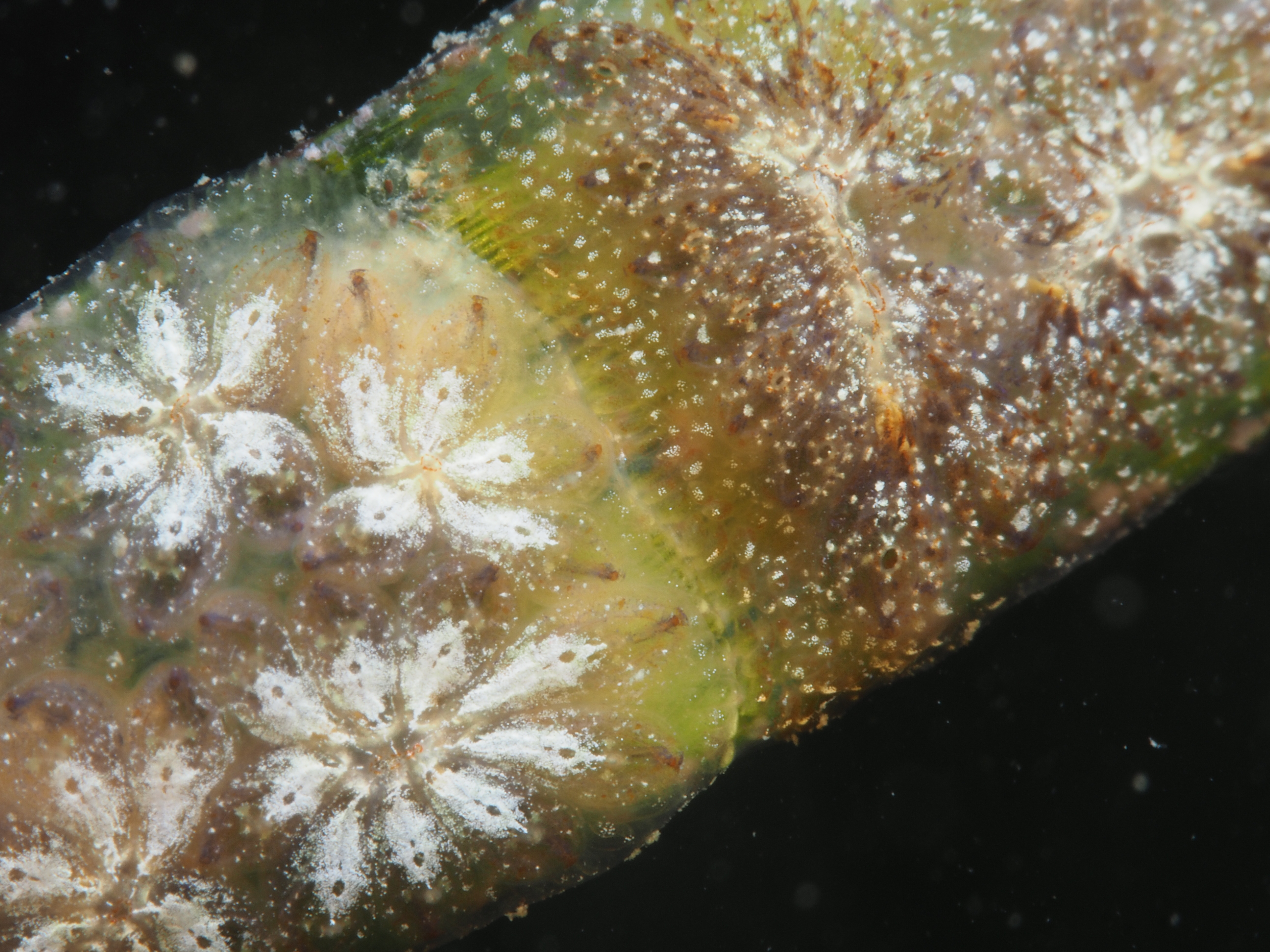
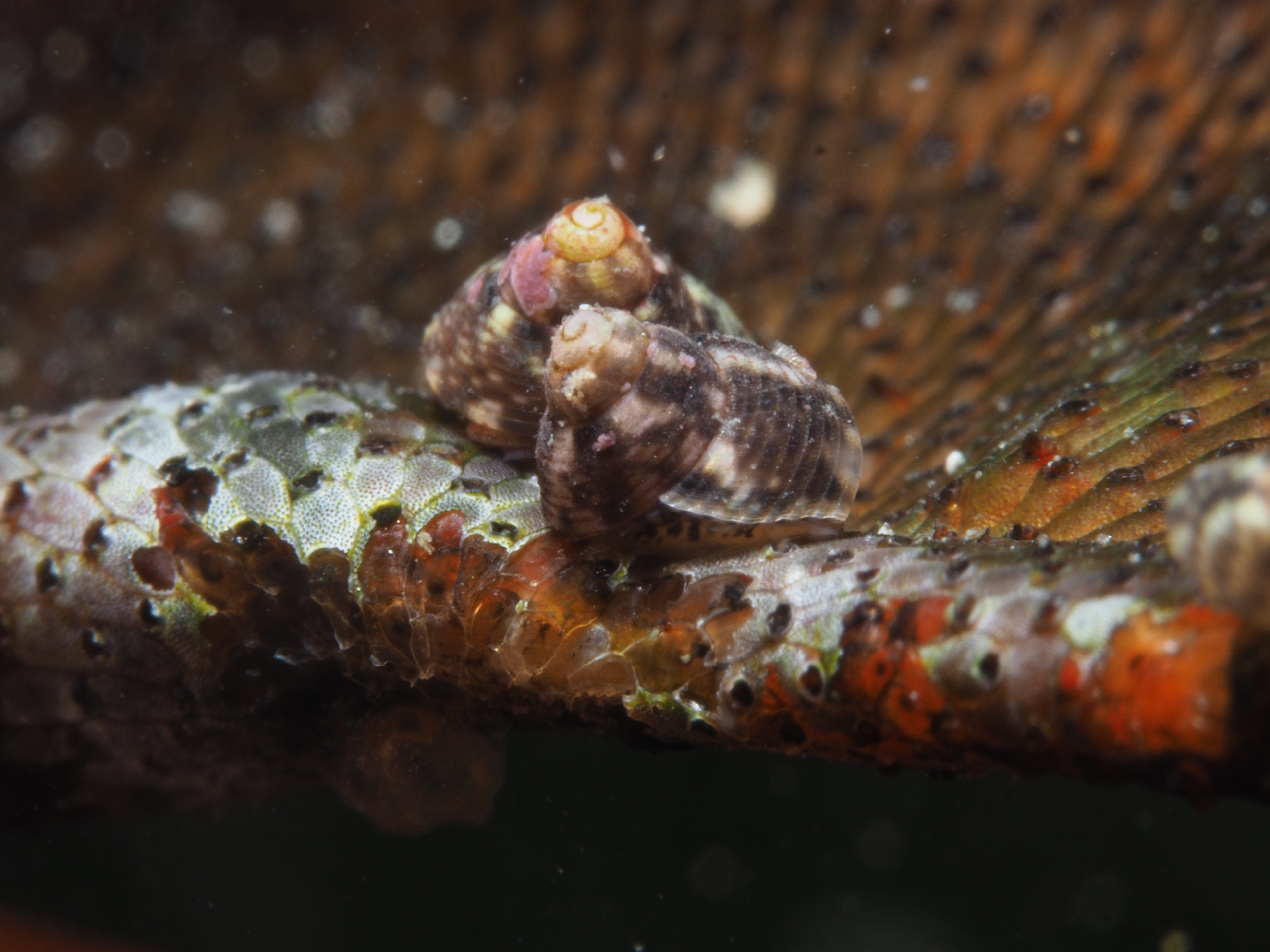
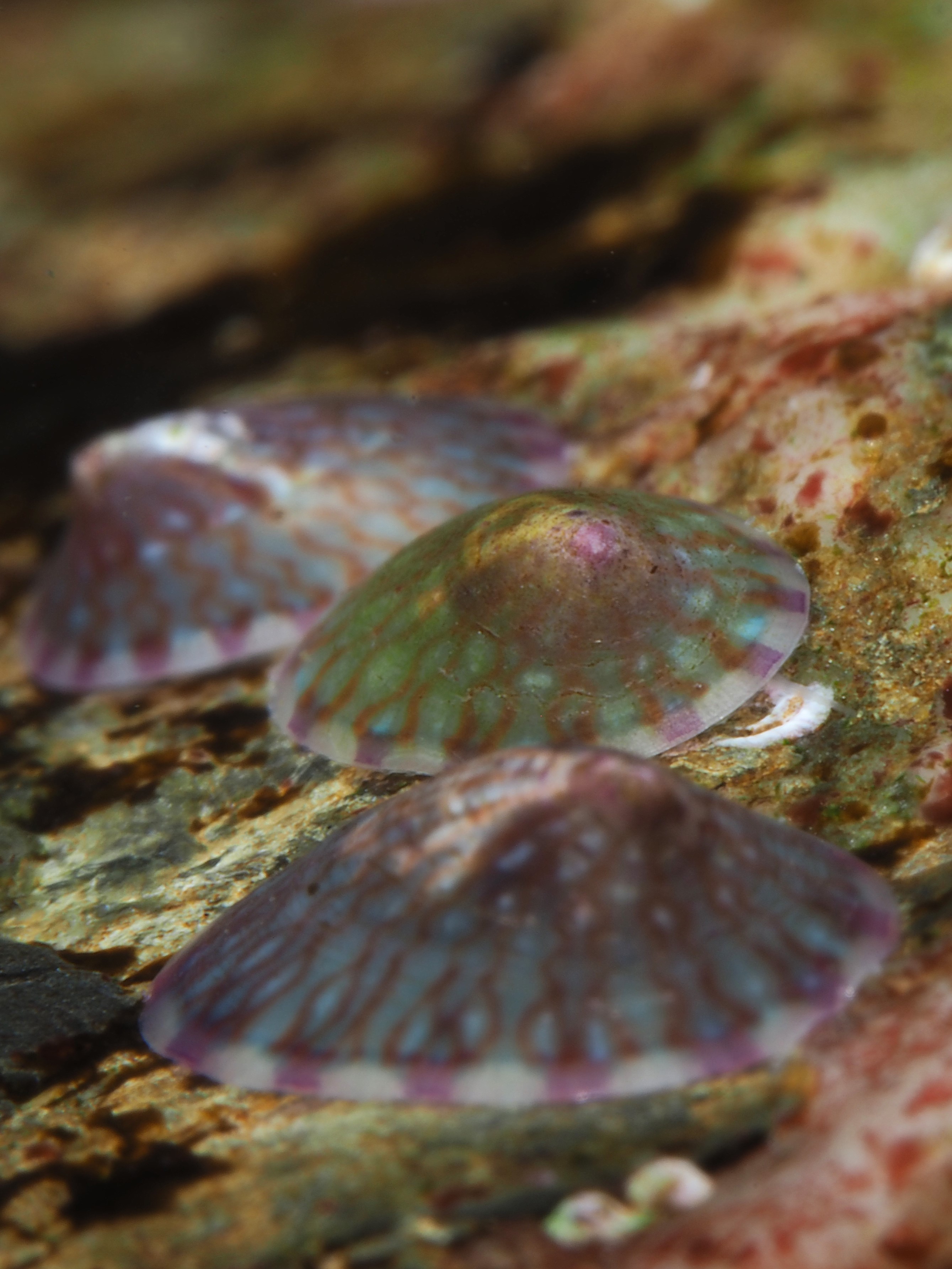
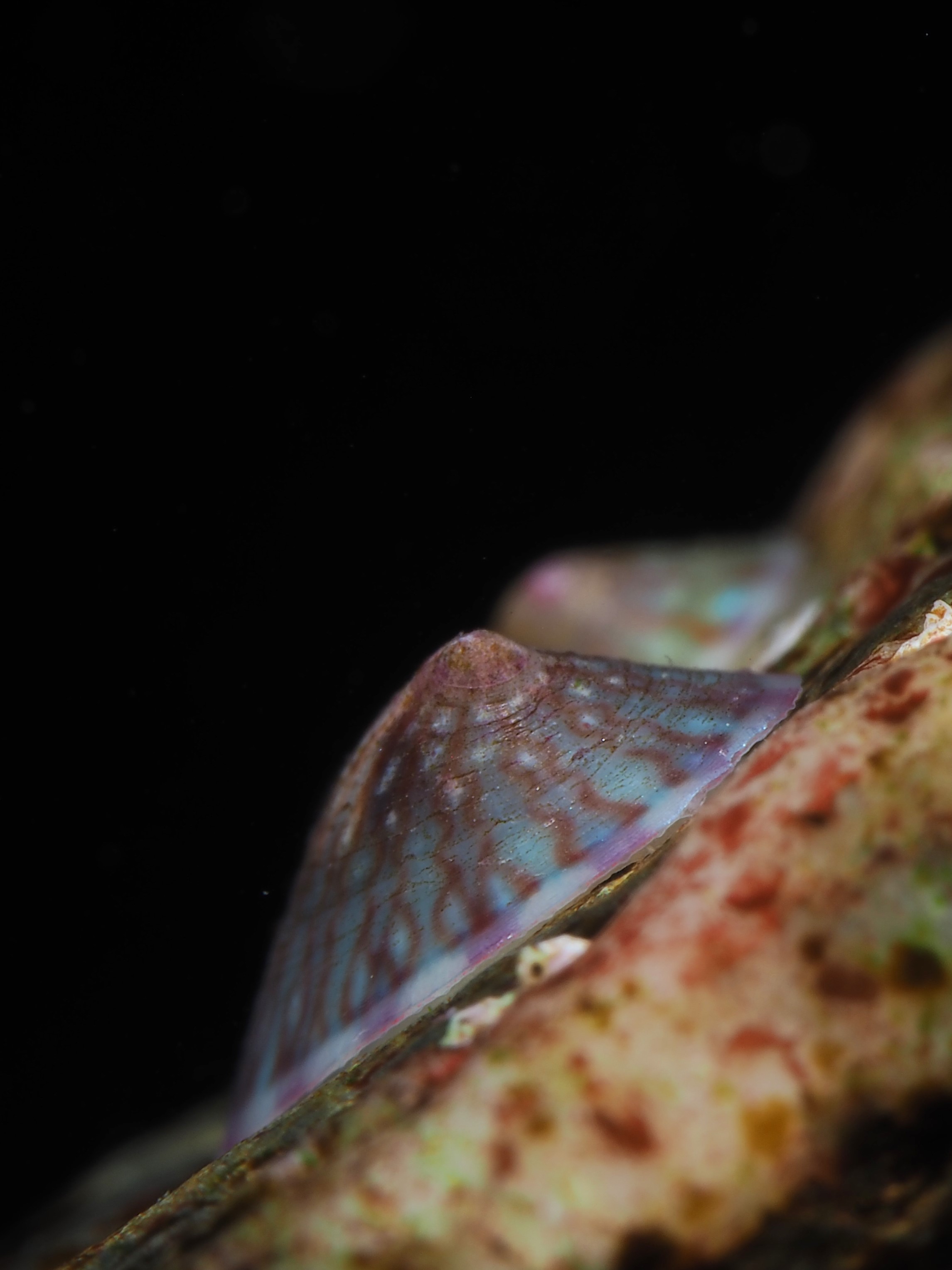
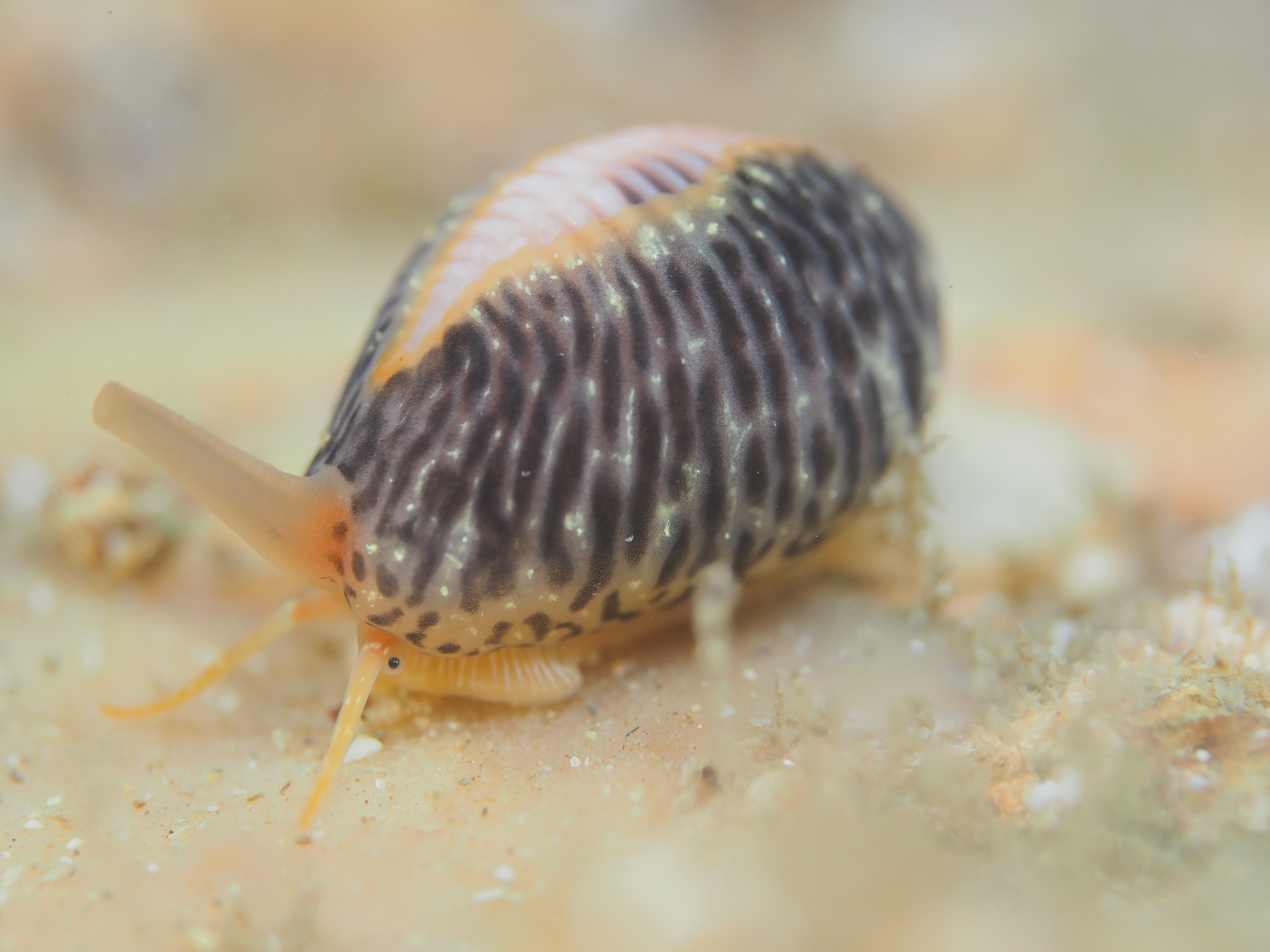
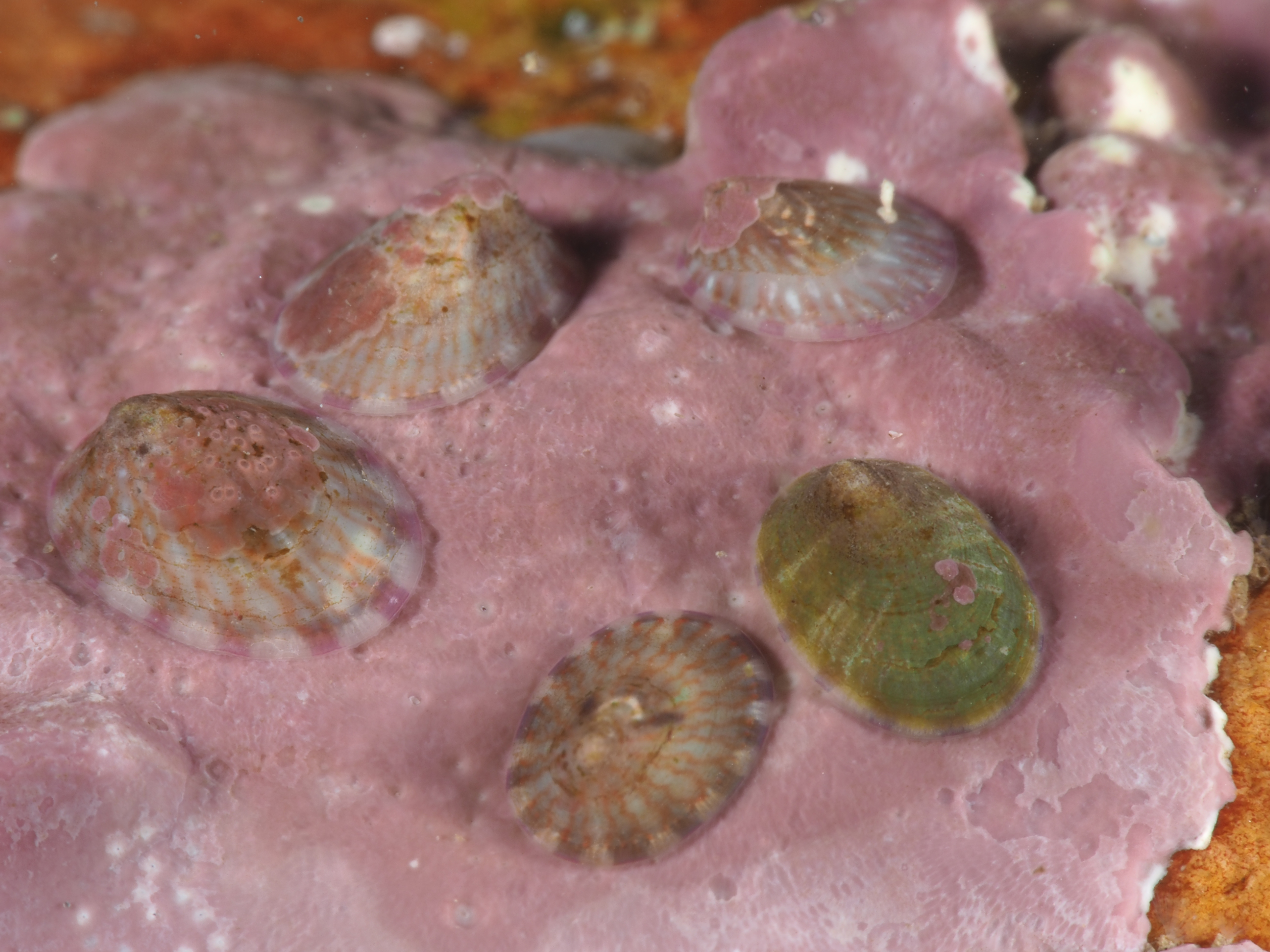
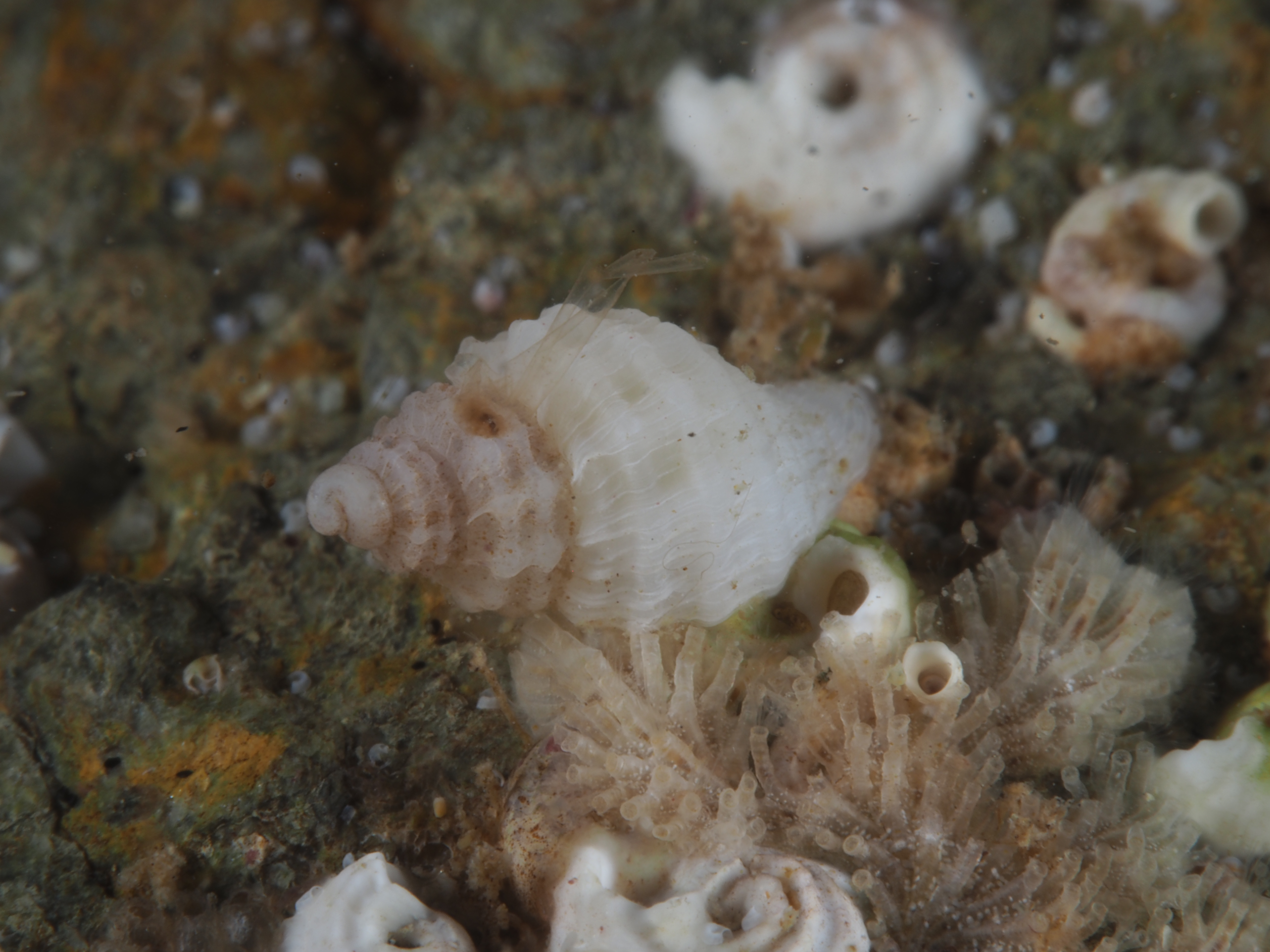
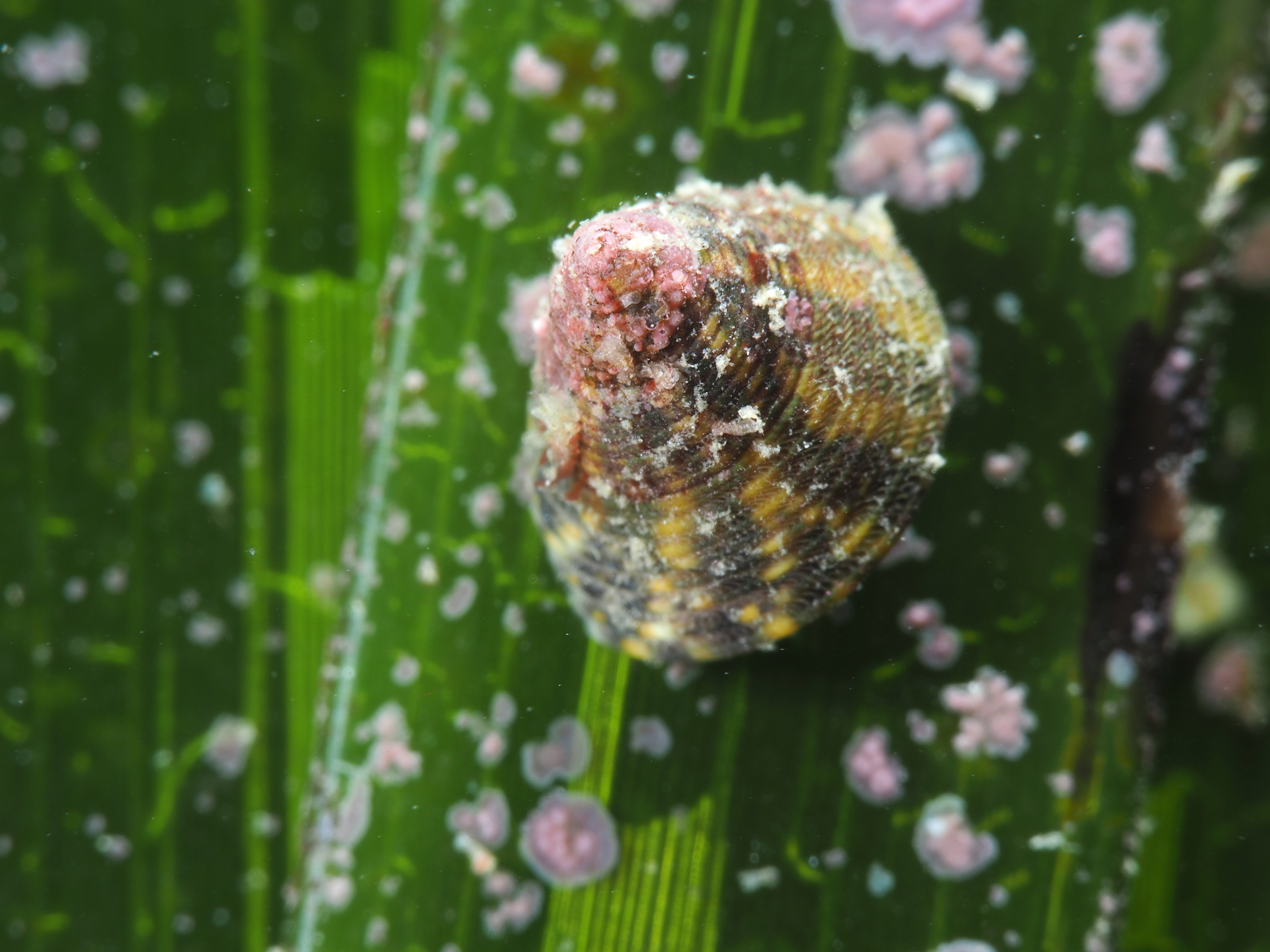
Shelled molluscs are easier to find. Below 1) the ubiquitous Grey Topshell Steromphala cinerarea, 2) the Grooved Topshell Jujubinus striatus and 3) the tiny Rissoa membranacea (faecal pellets on show, even within the shell). The latter two species are strongly associated with seagrass.
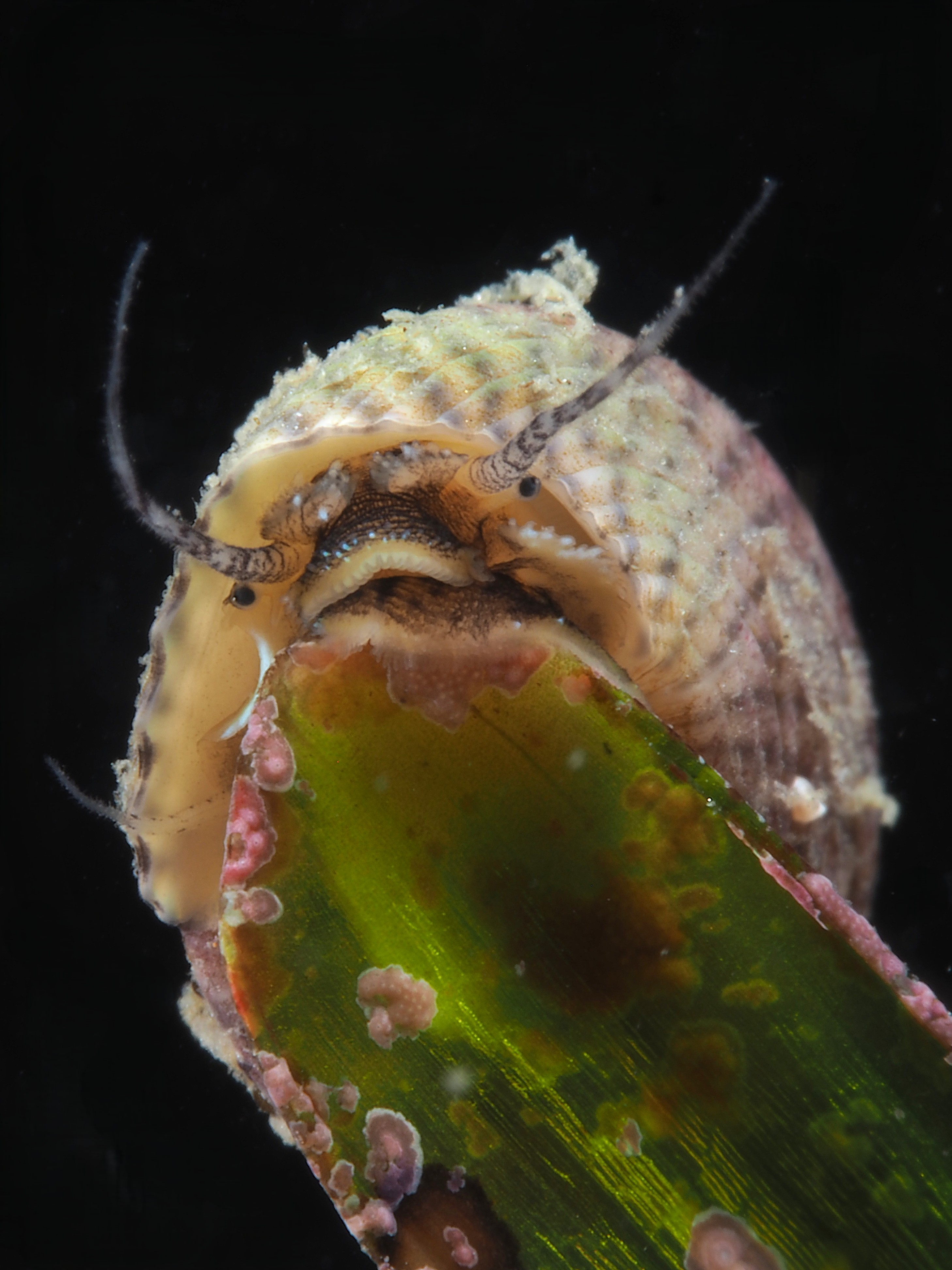
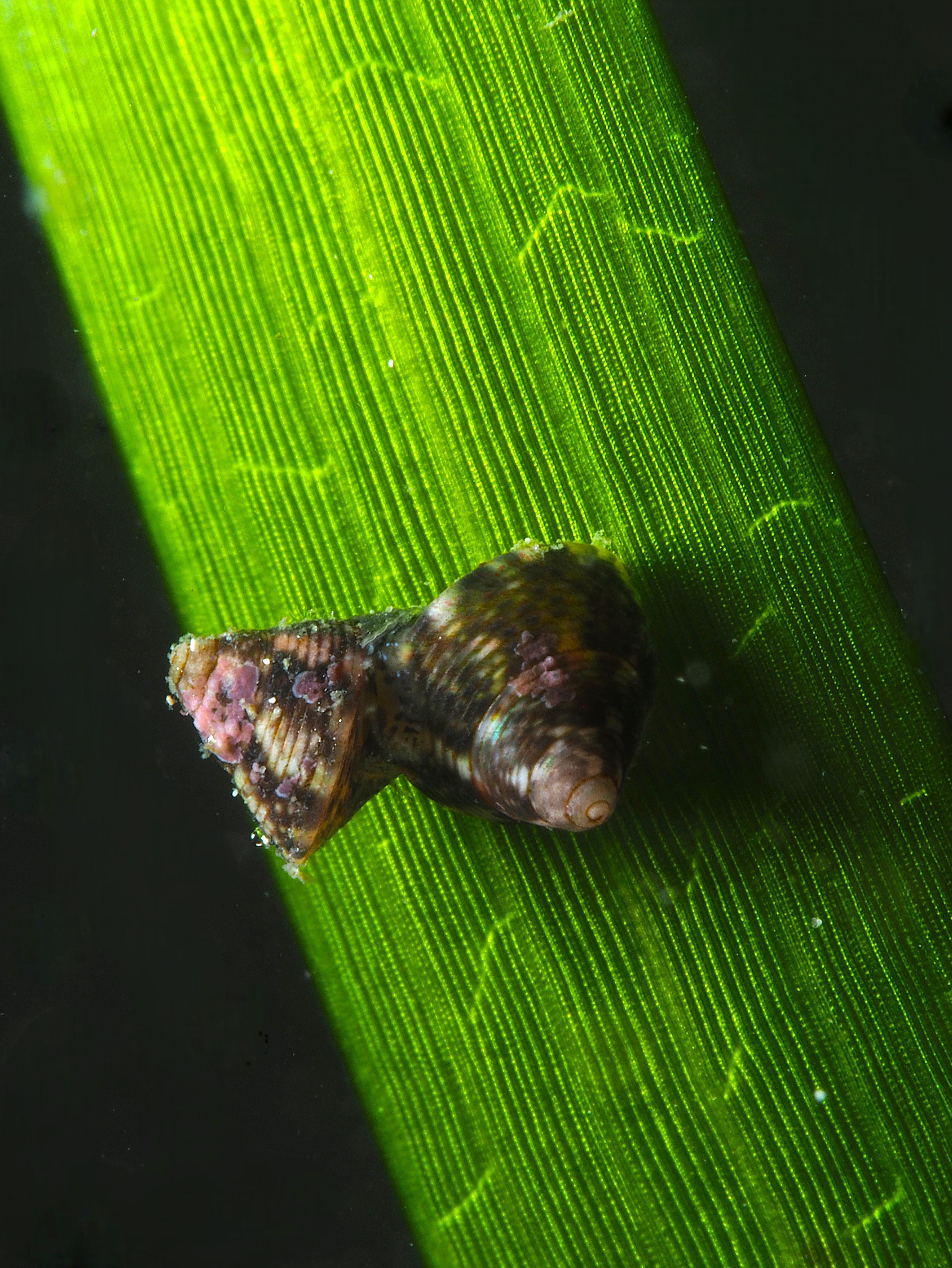
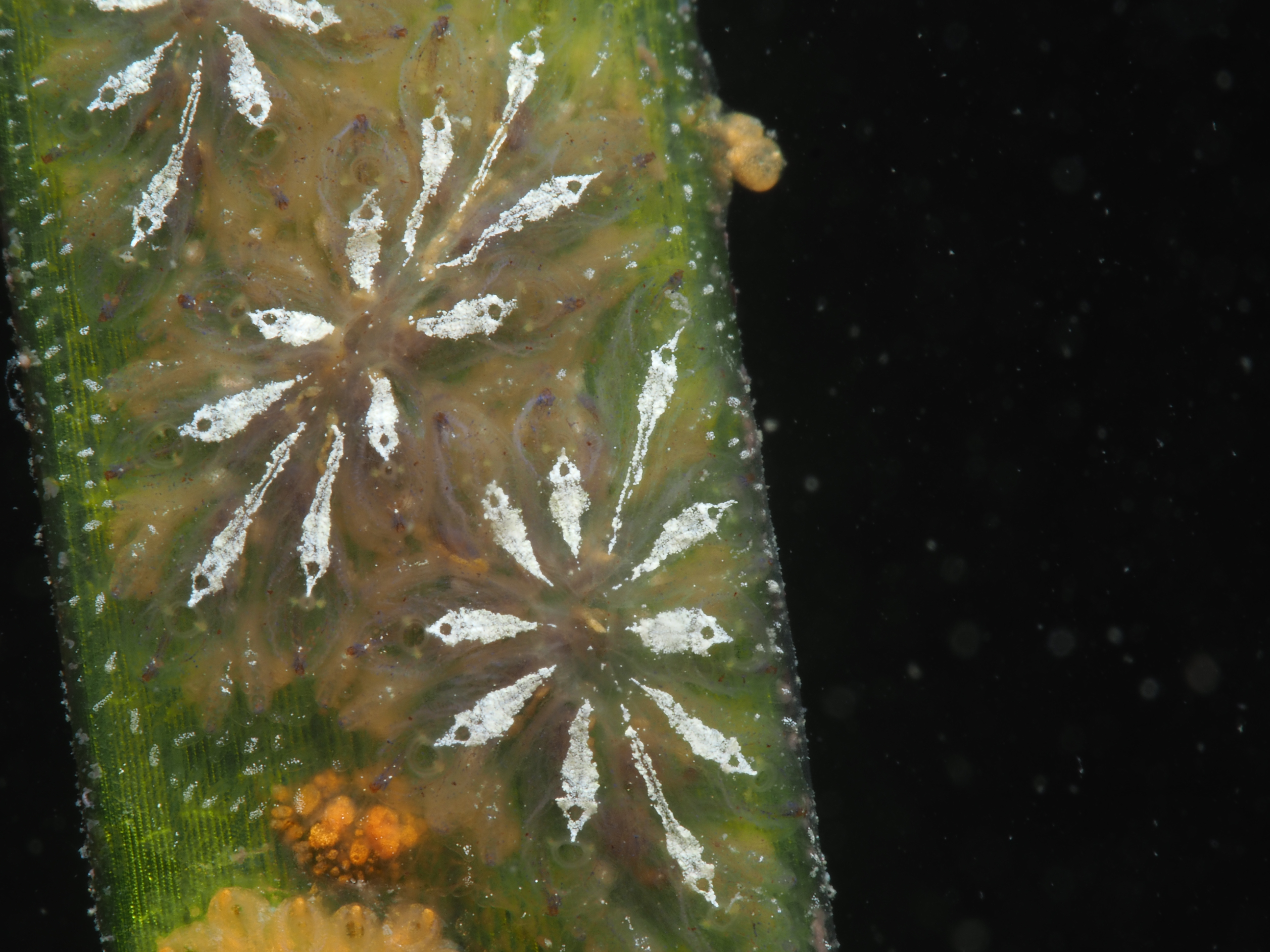
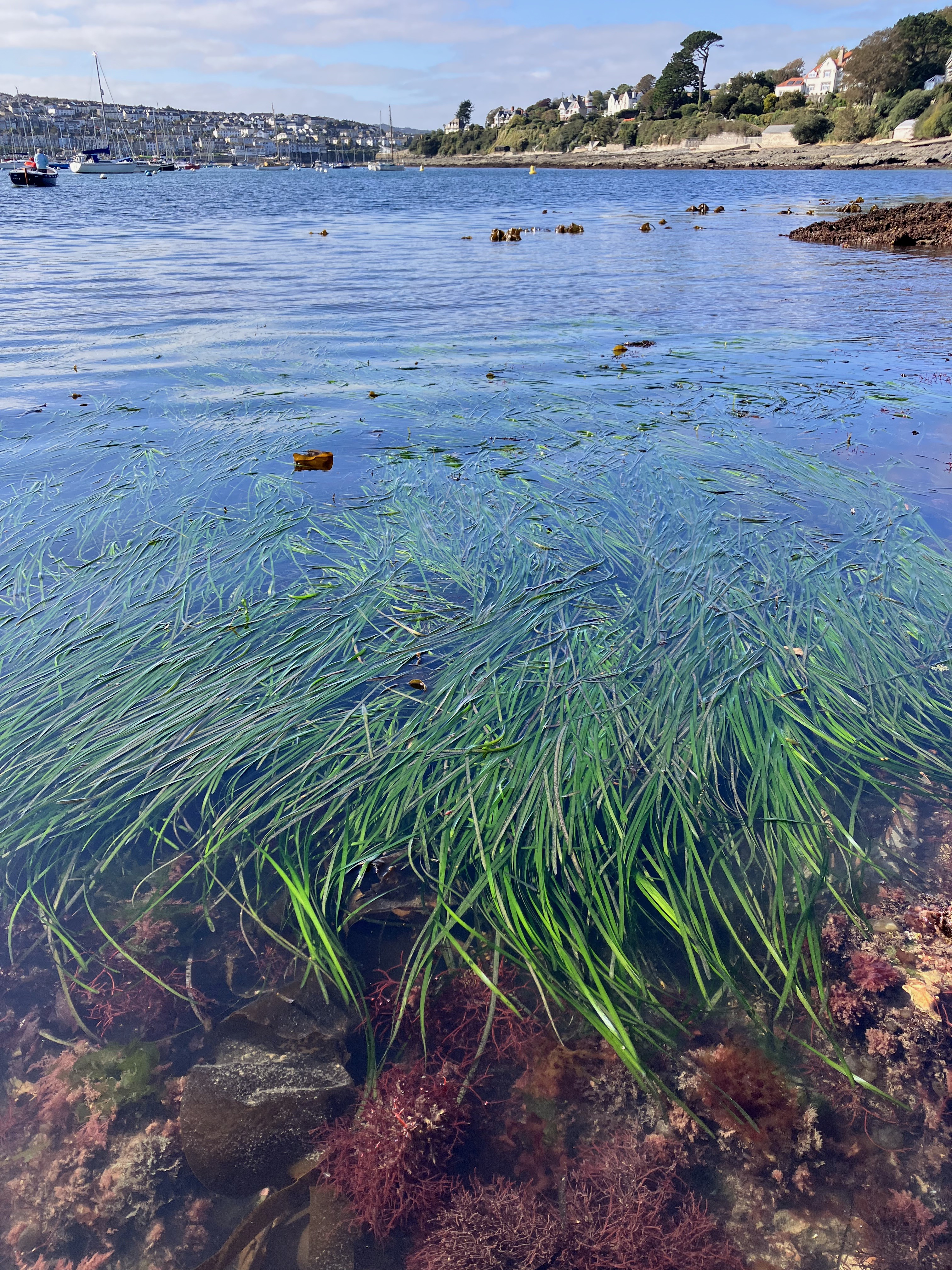
Some assorted macro photos below and at the end a view at a very low tide of the Flushing seagrass site this October.
Moody Macro

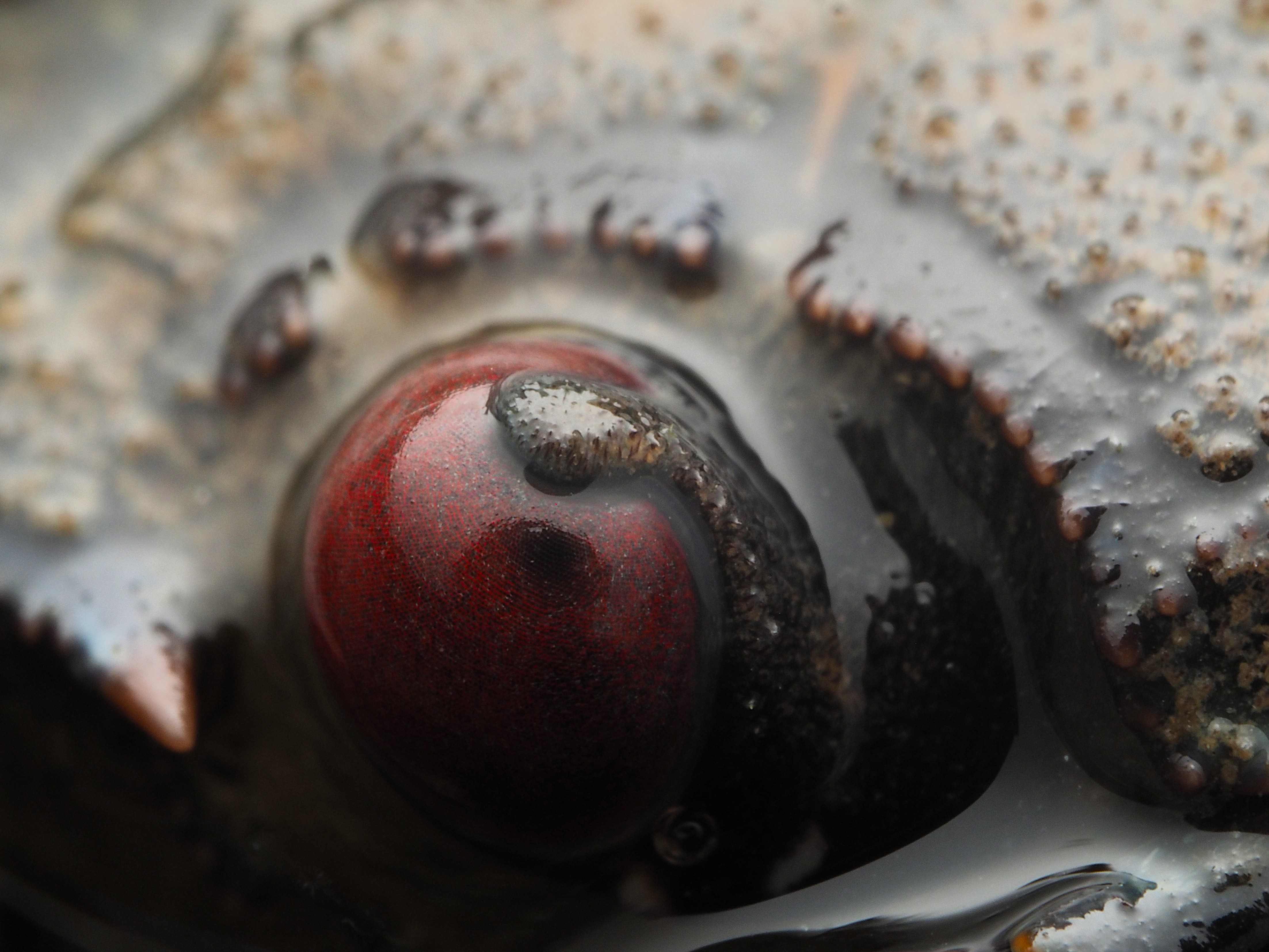
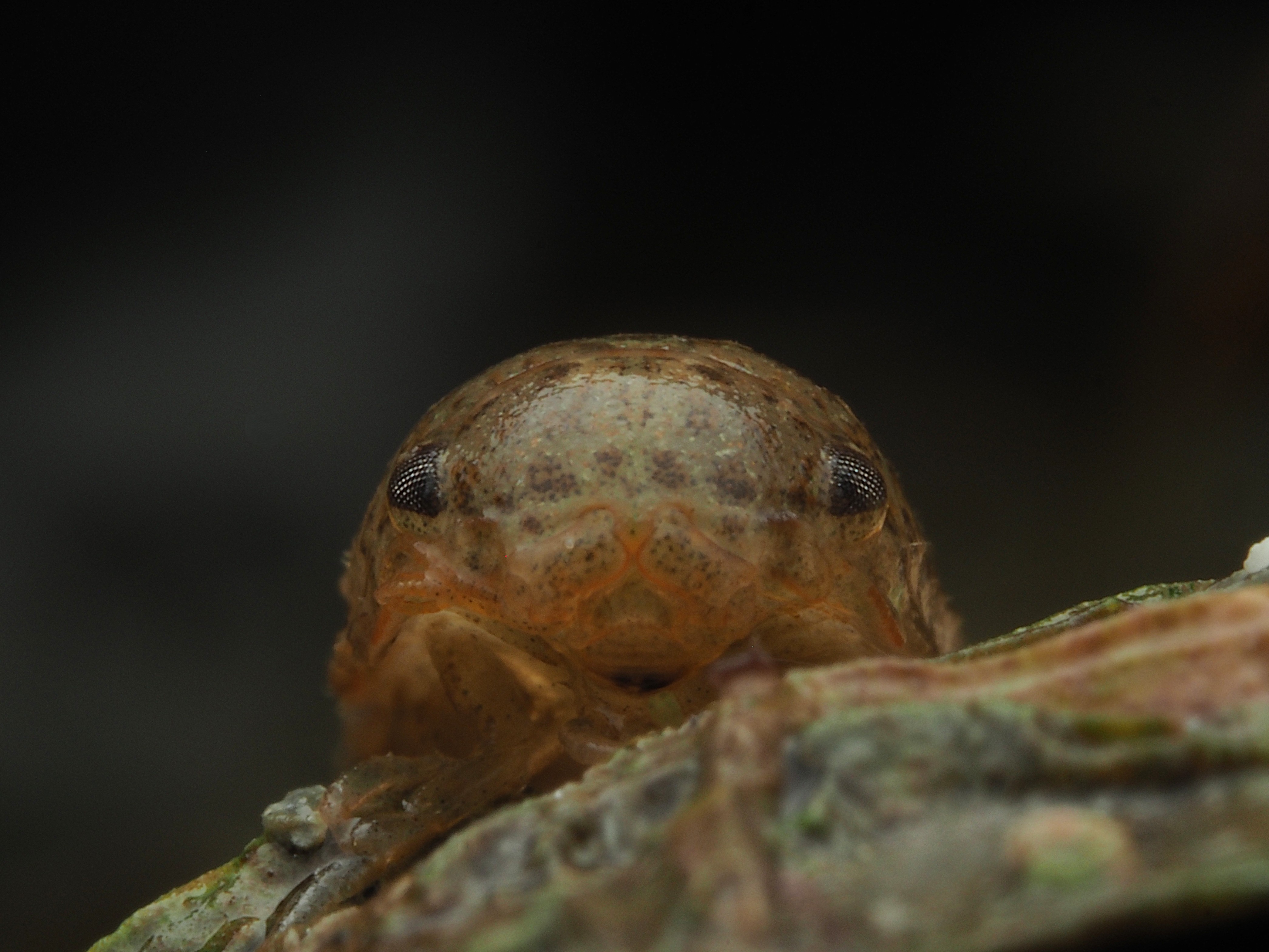
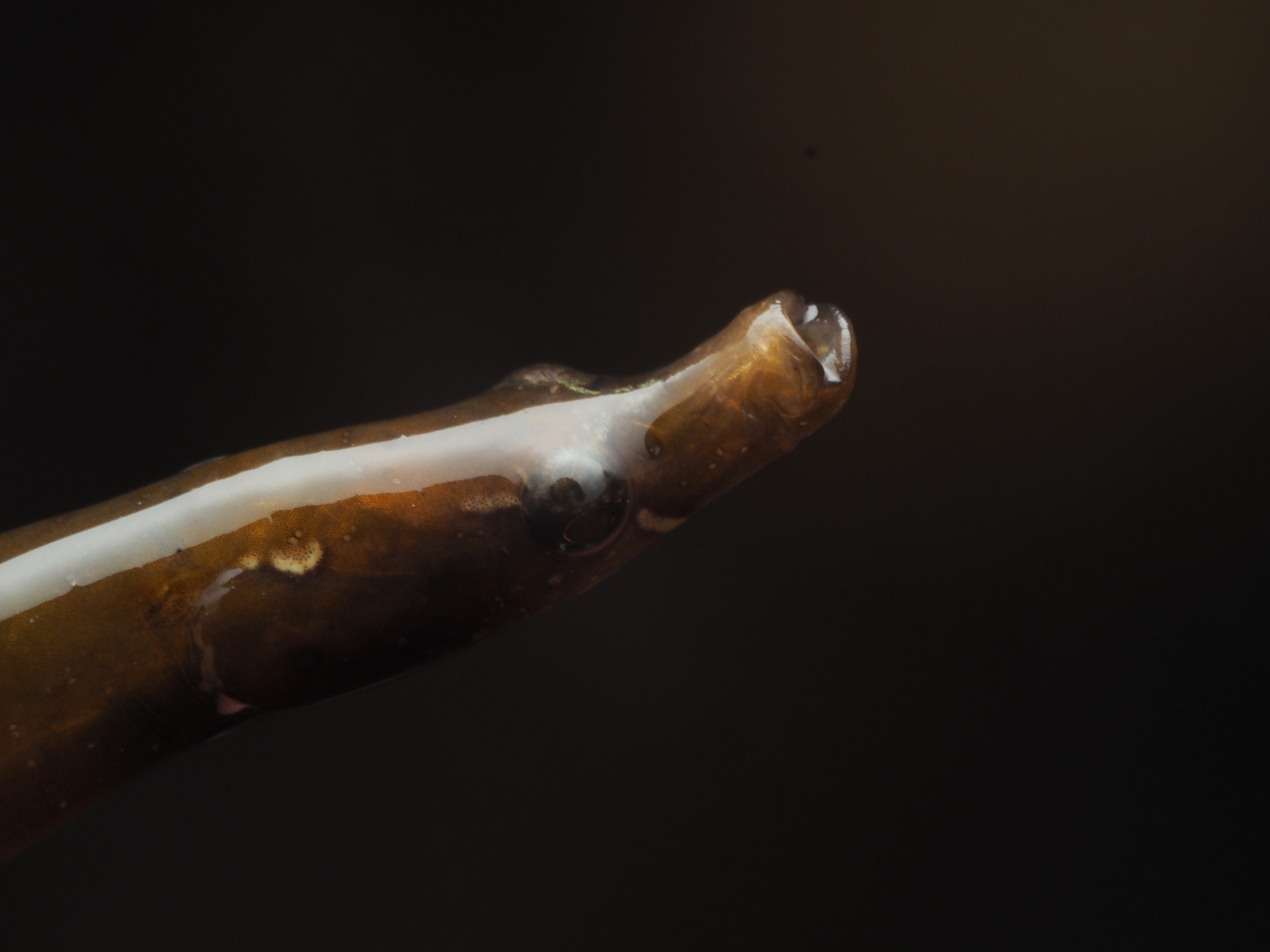
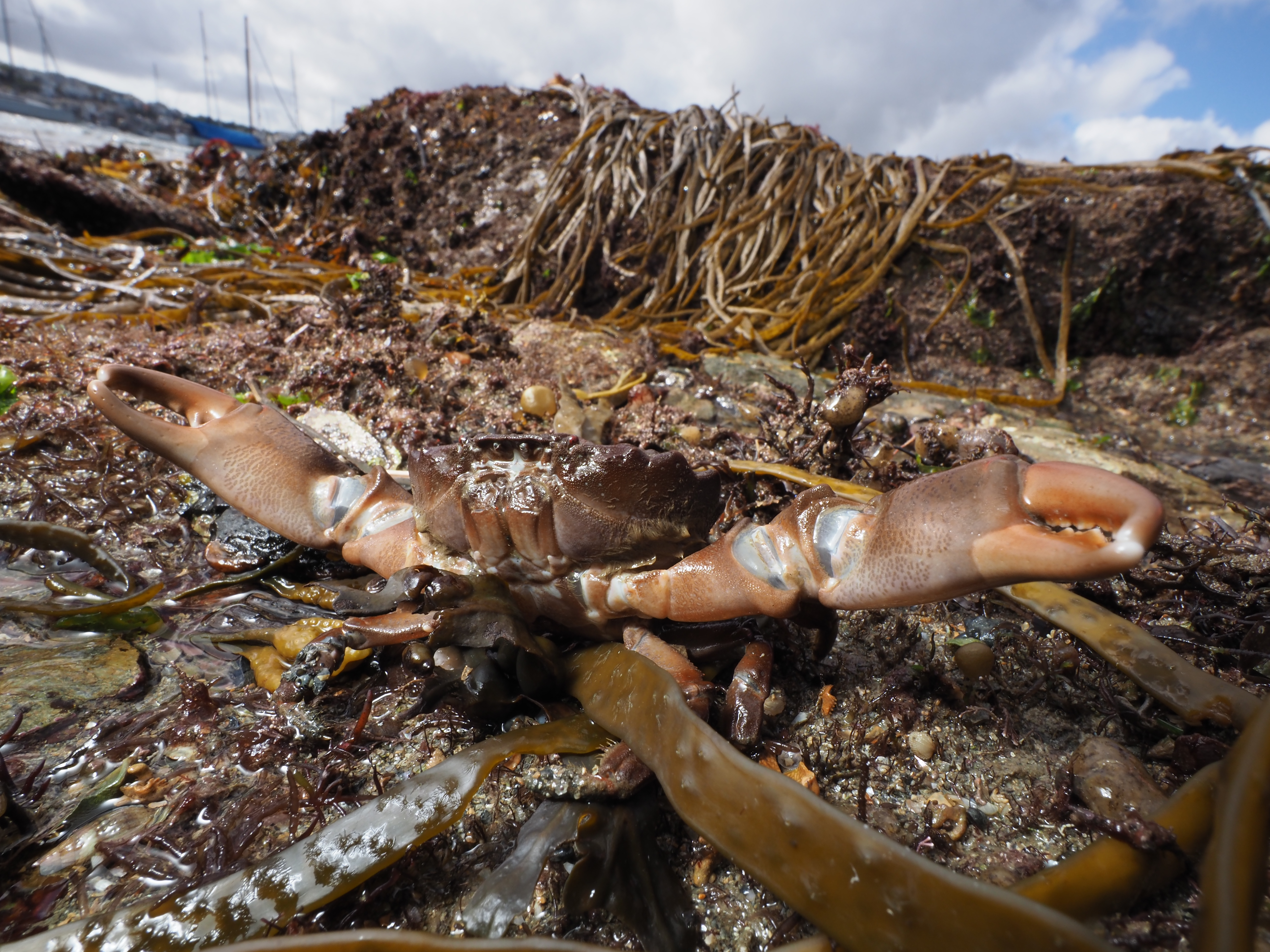
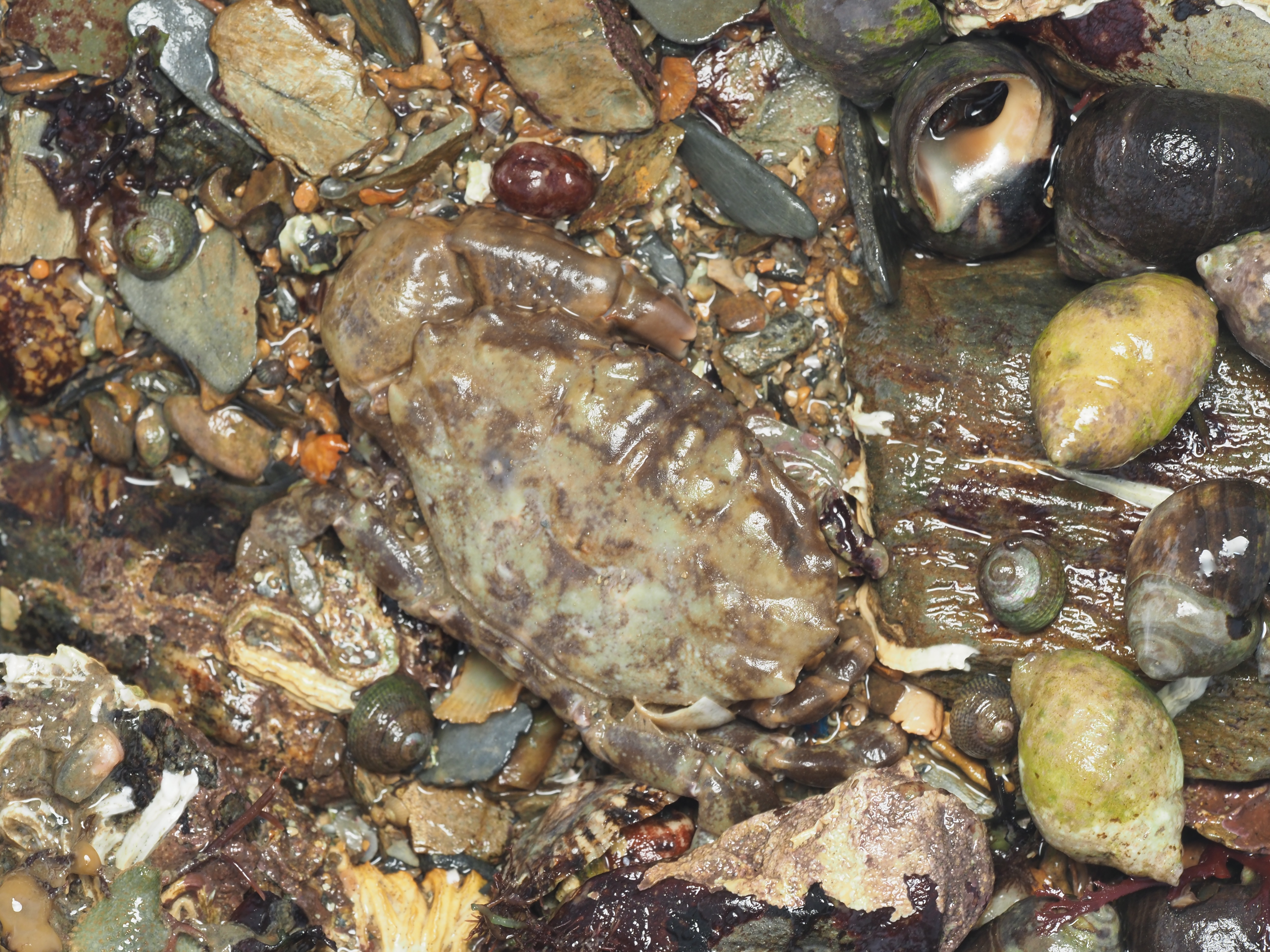
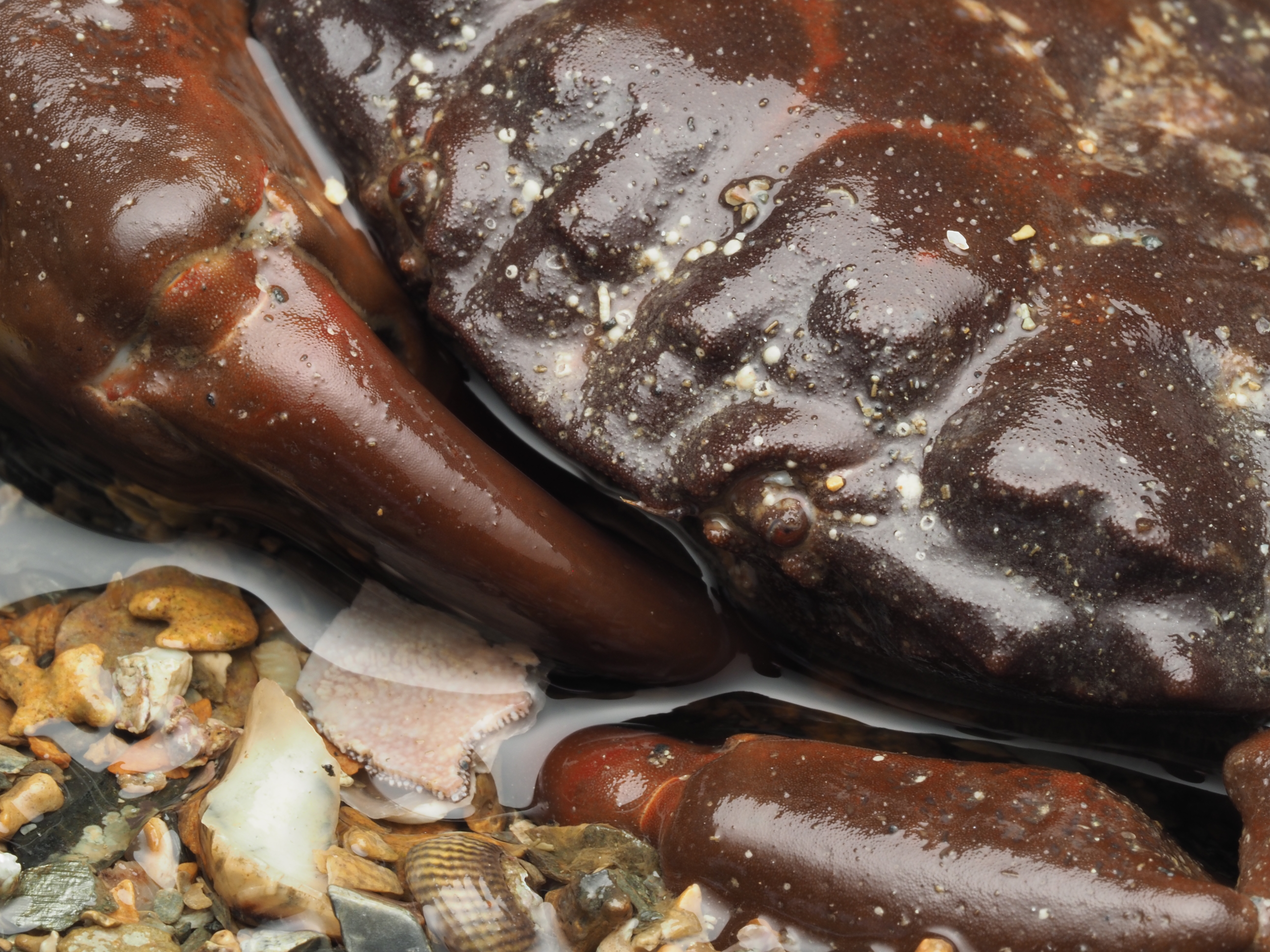
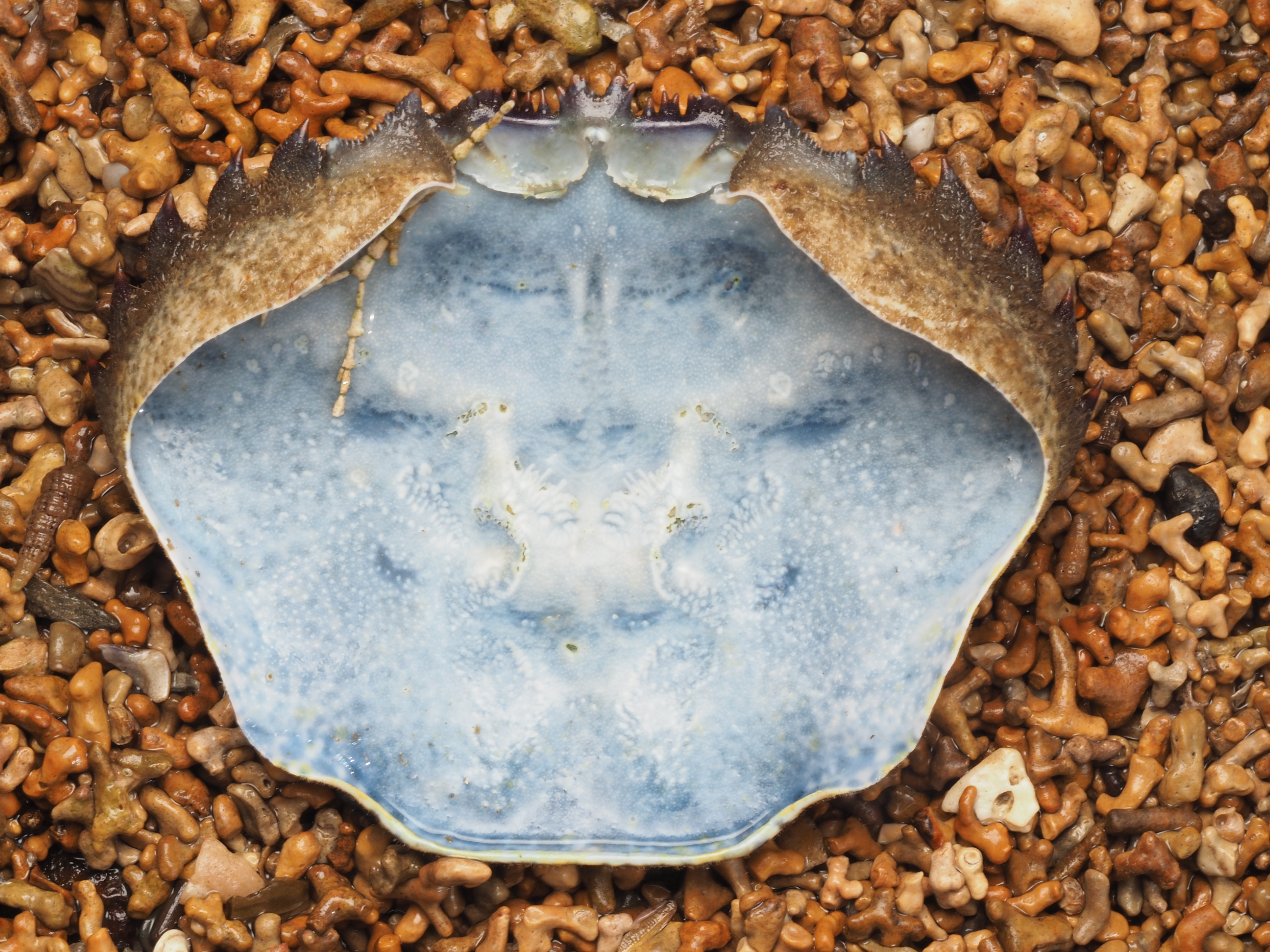
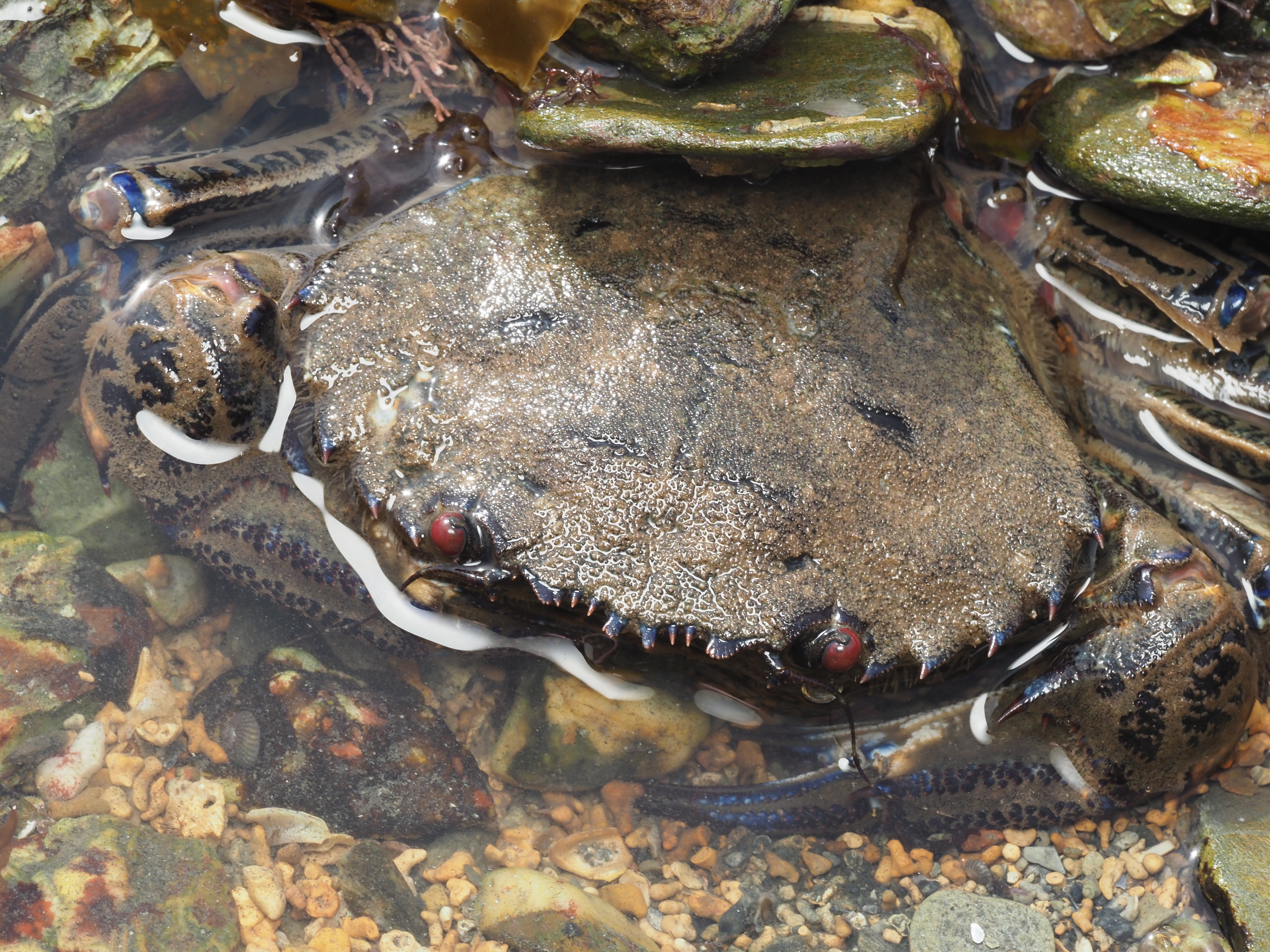
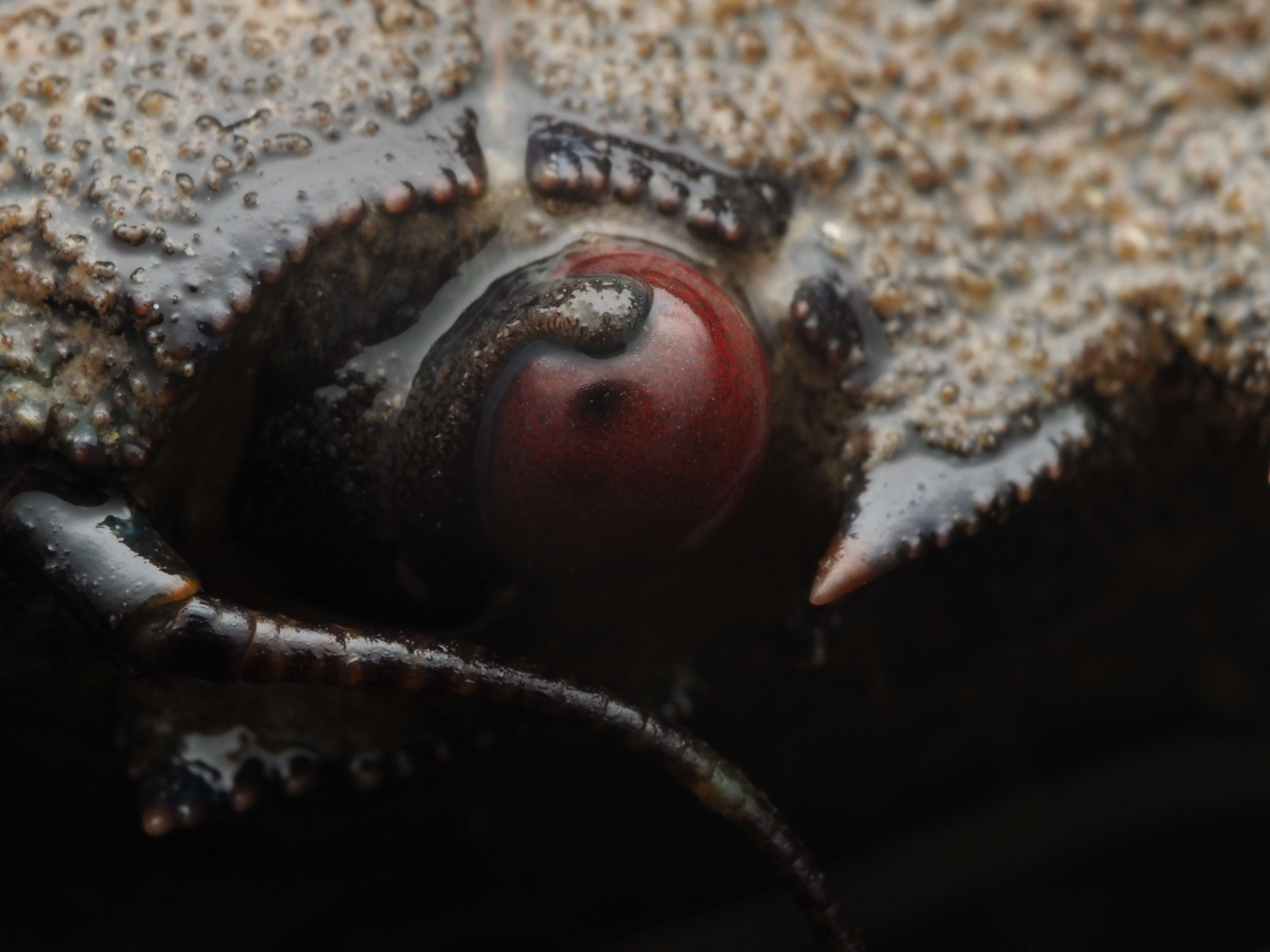
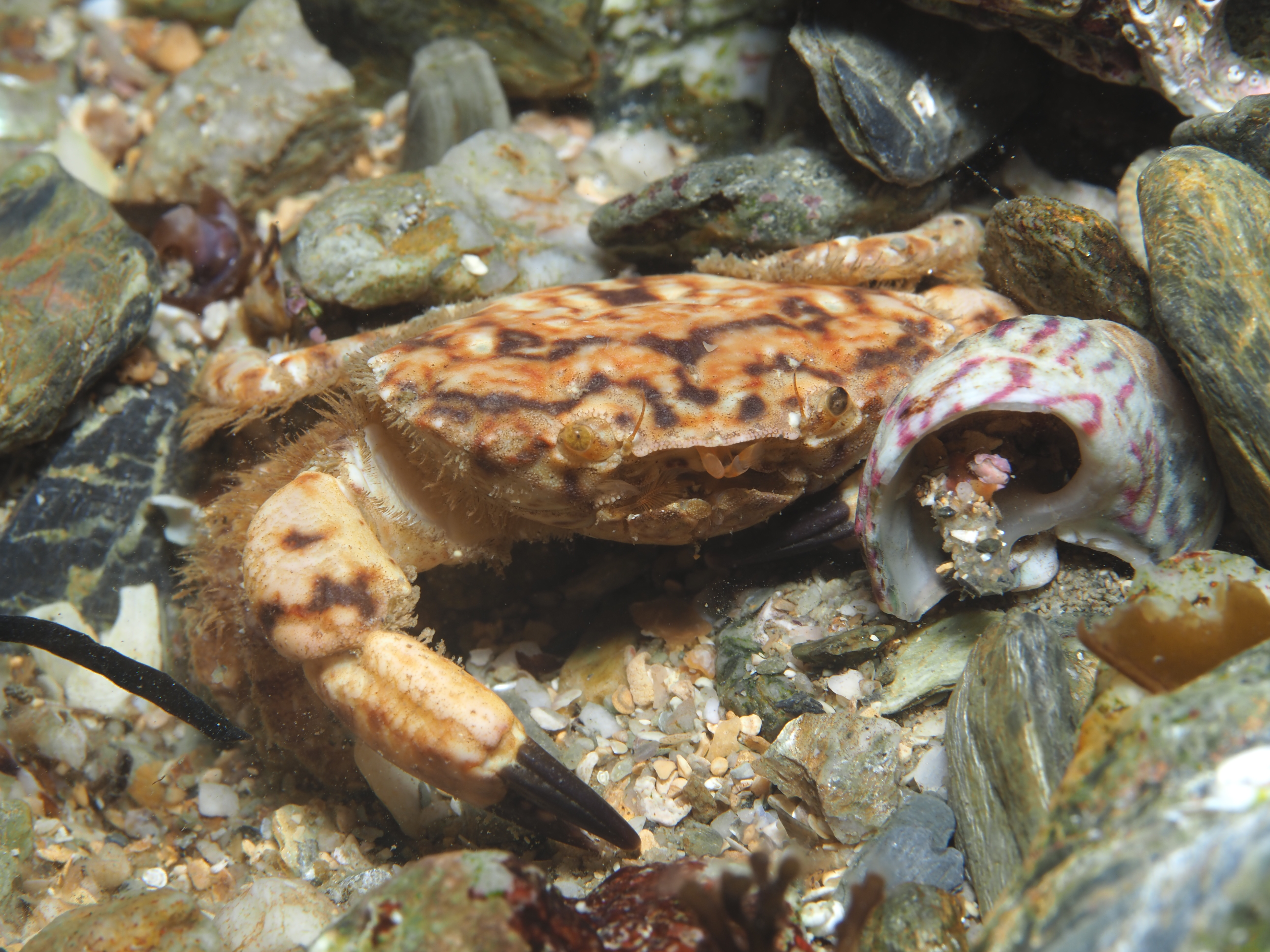
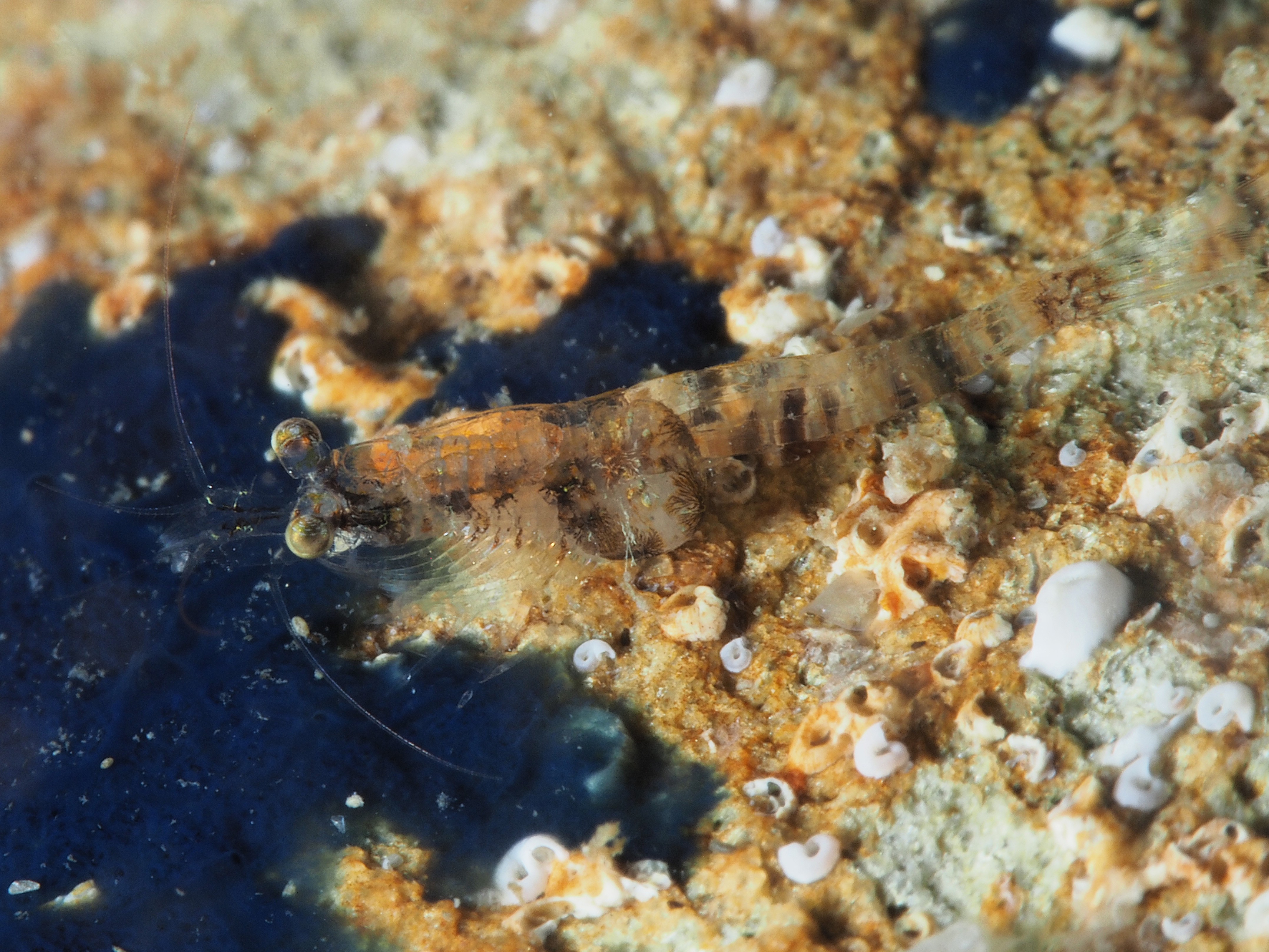
A quick post with some finds from a recent walk on the shores of Flushing, specifically above-water (‘topside’) macro shots with a diffuser. This always leads to my subjects turning out with subdued grey and brown tones, but that is OK. A velvet crab, the amphipod Cymodoce truncata (looks a bit like a trilobite!), a worm pipefish covered in a film of water with some more shots (with descriptions) at the end.

Porthkerris

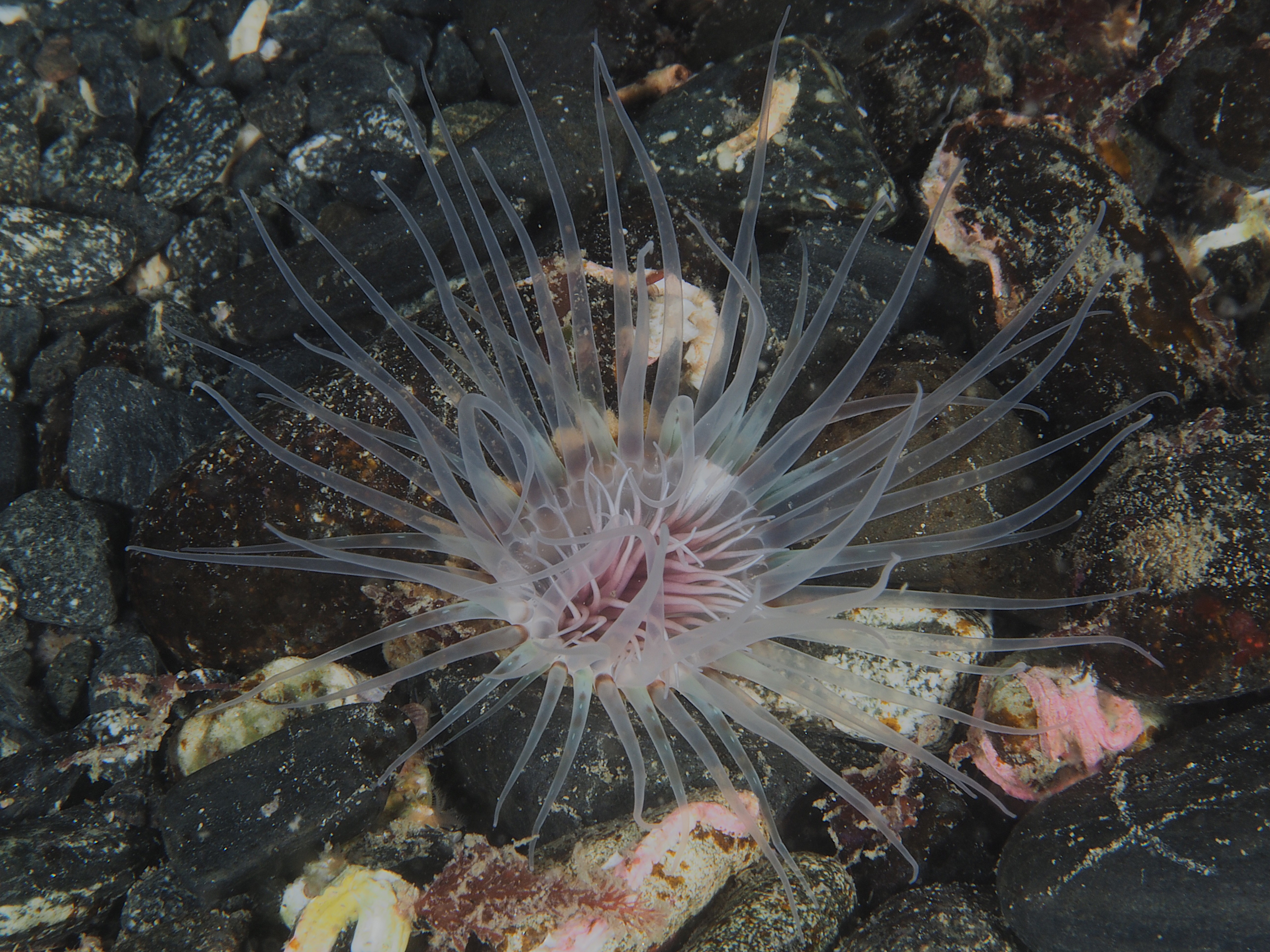
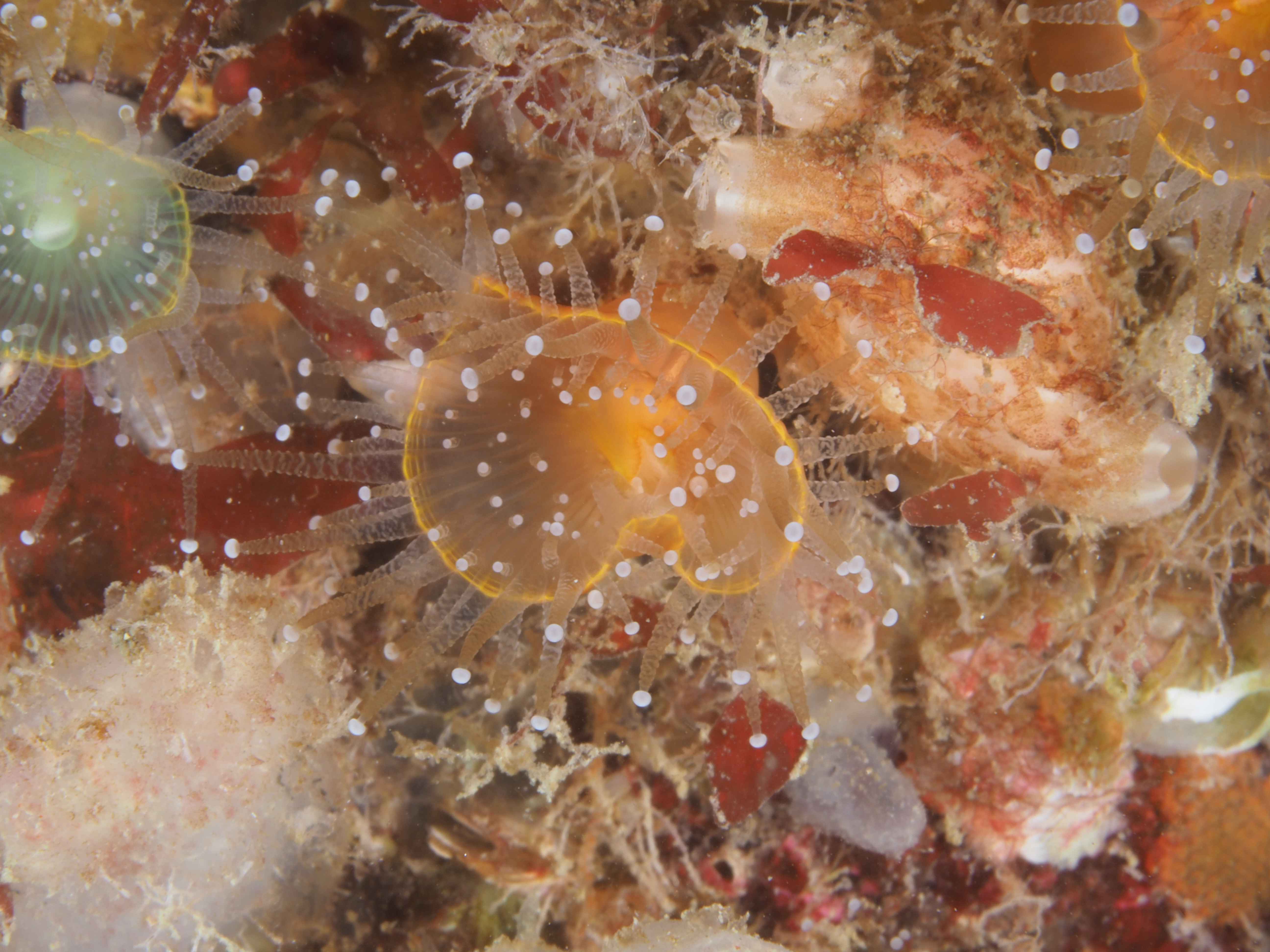
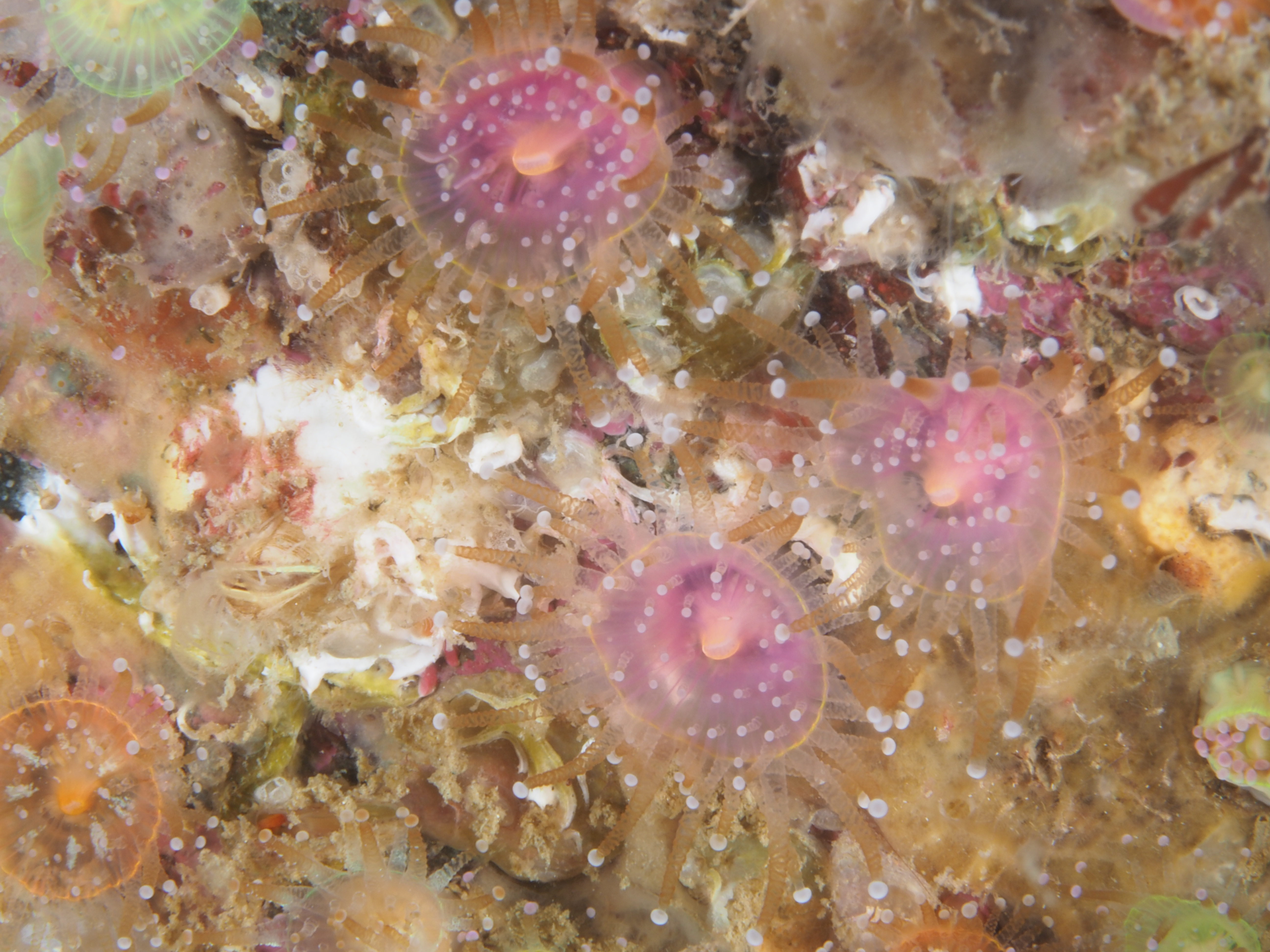
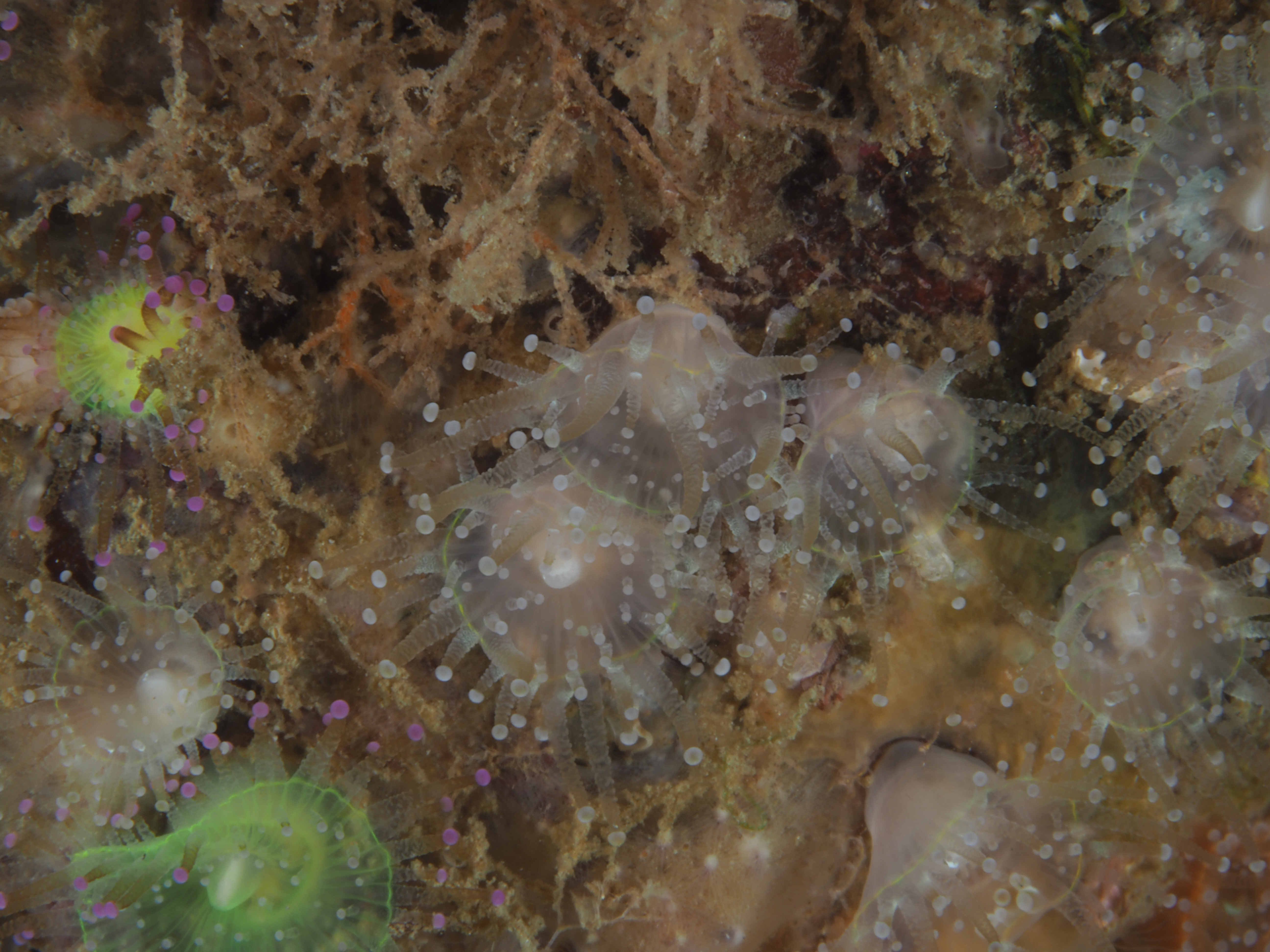
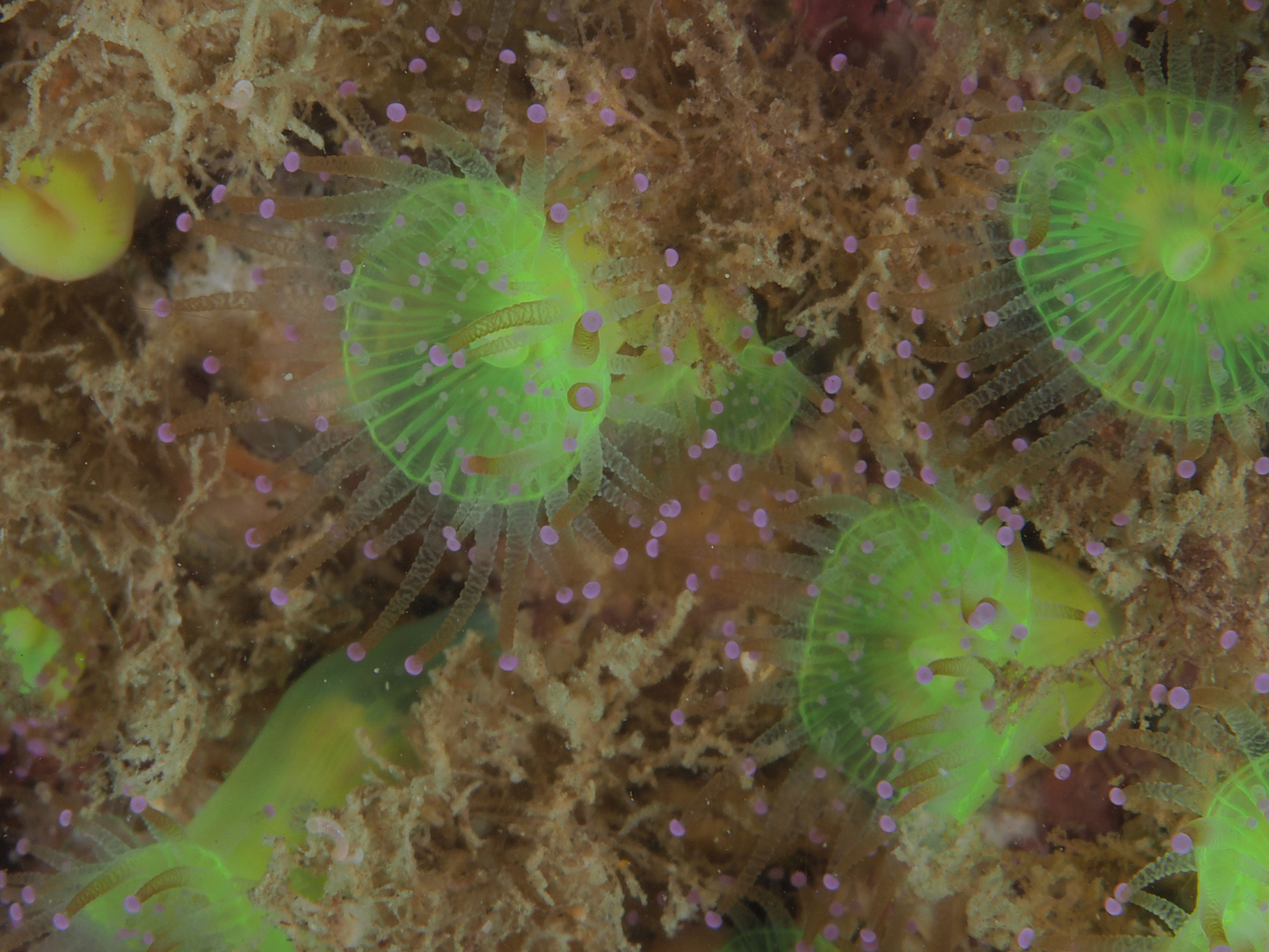
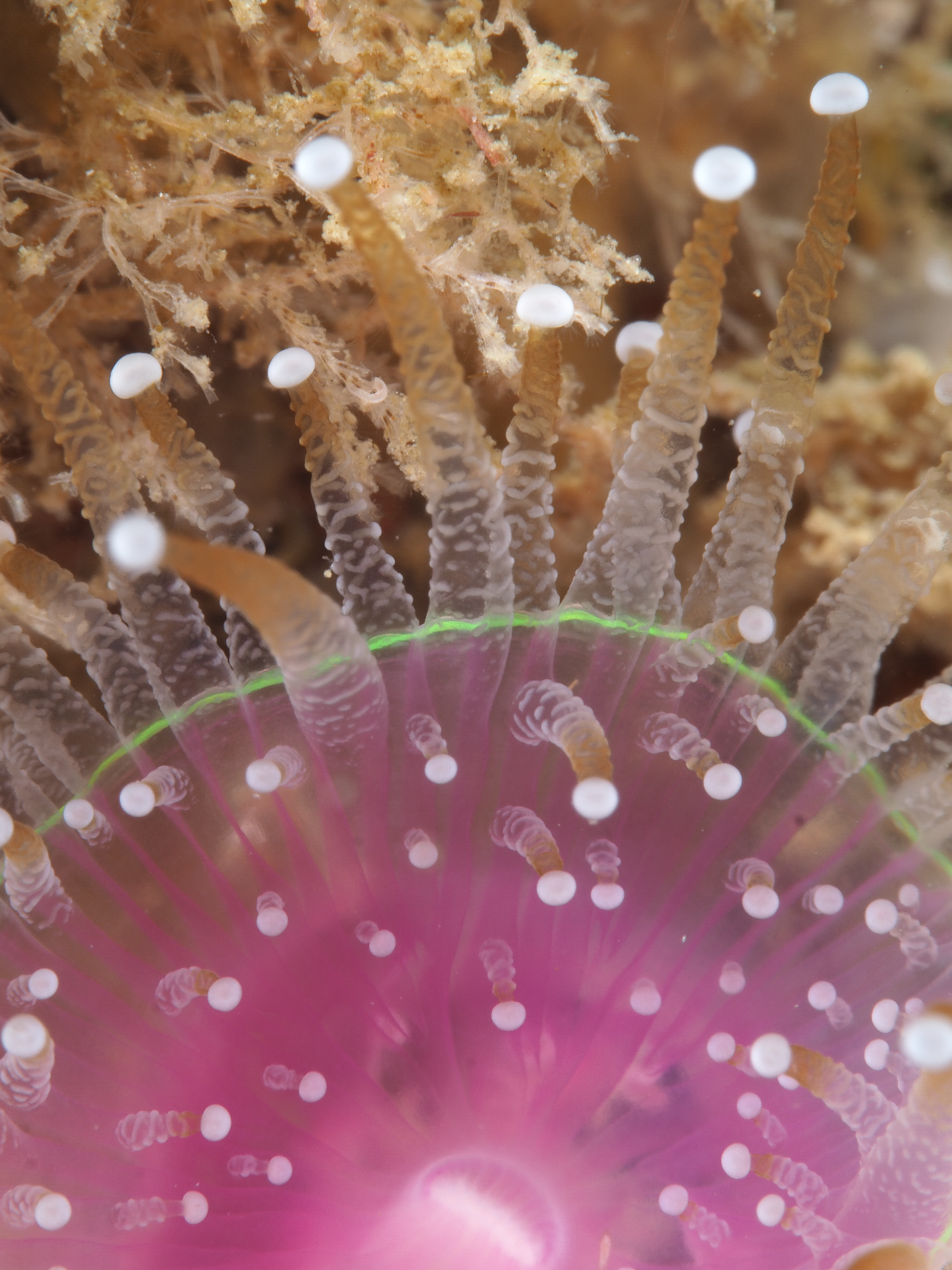
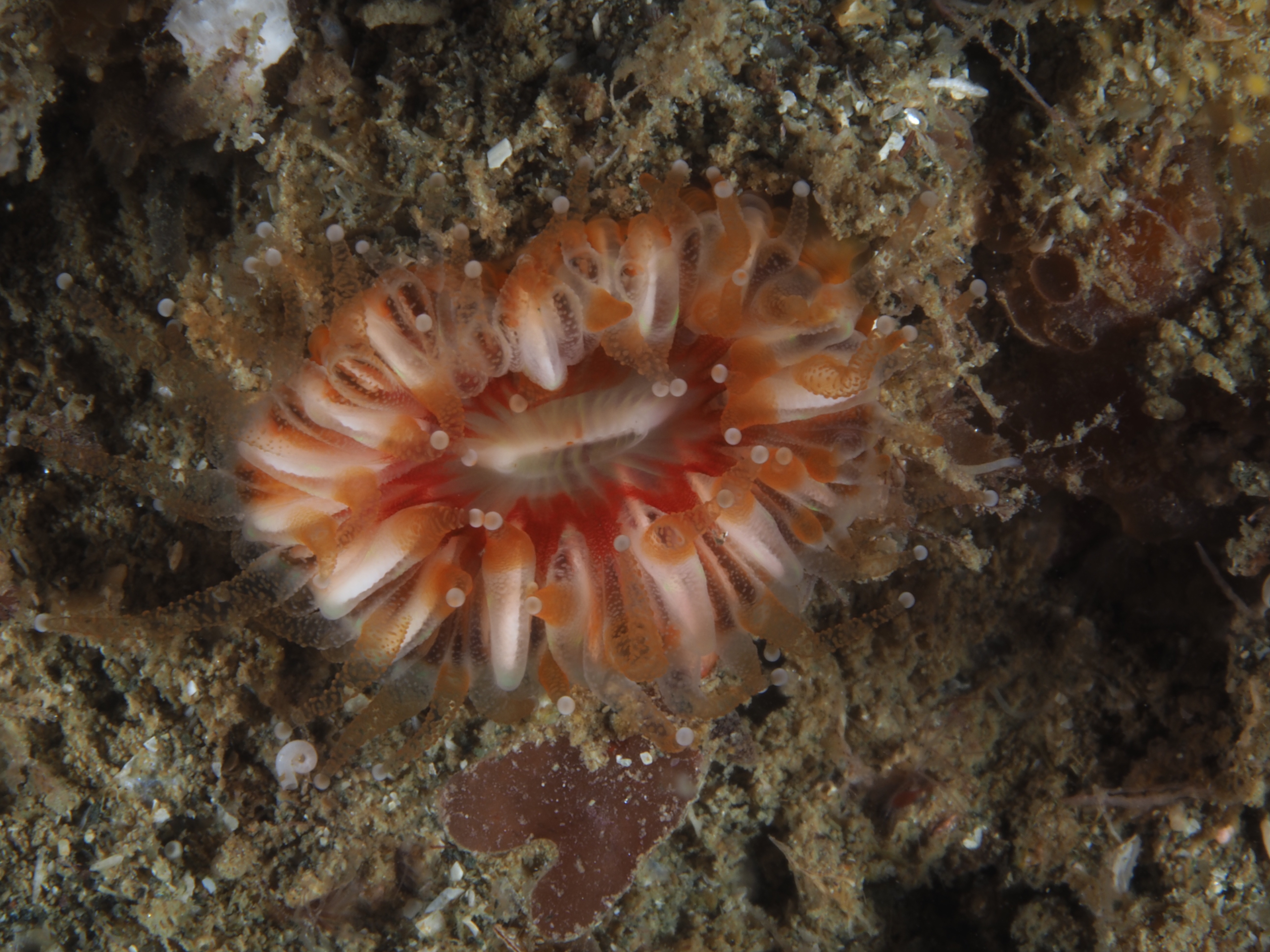
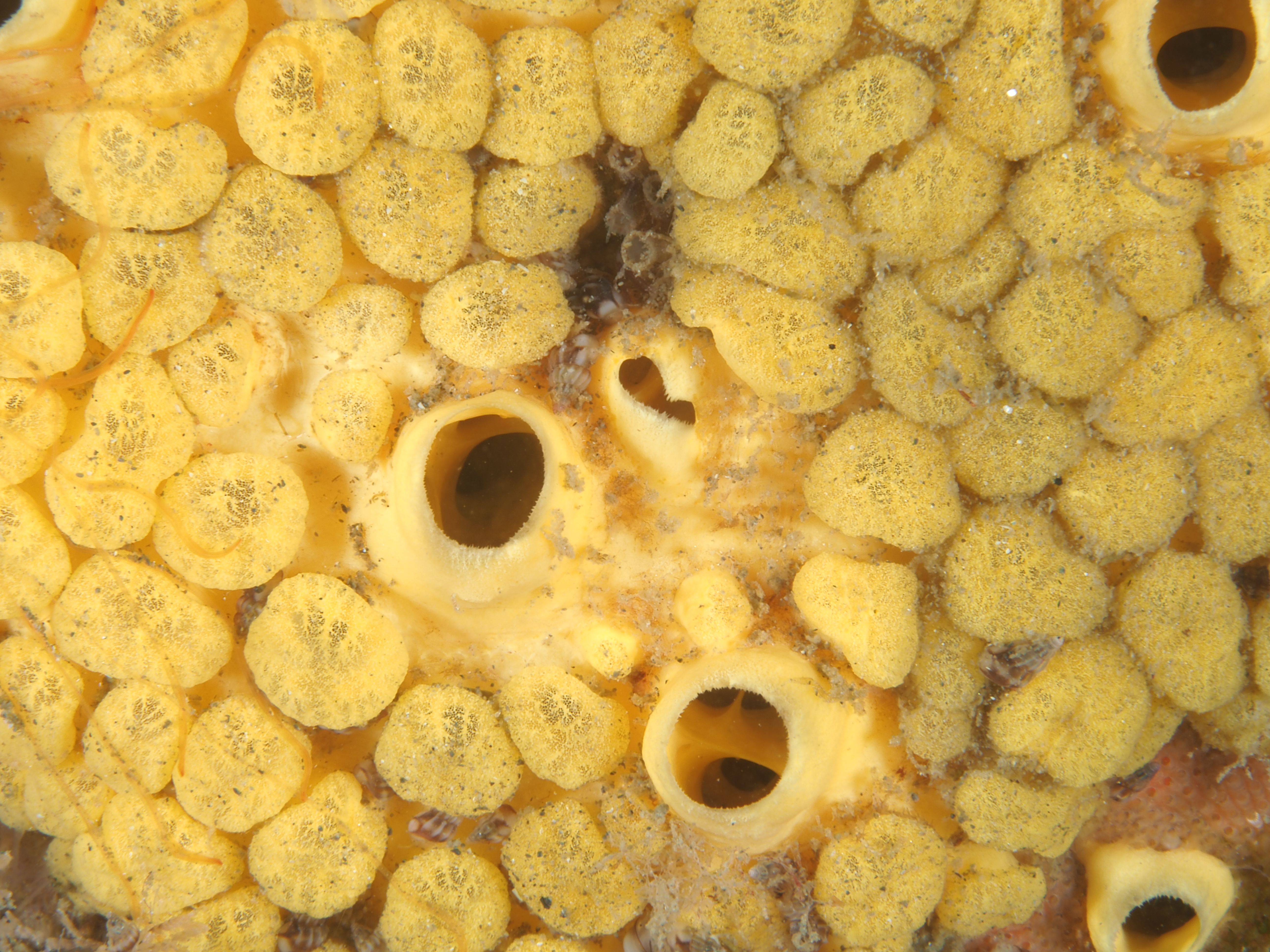
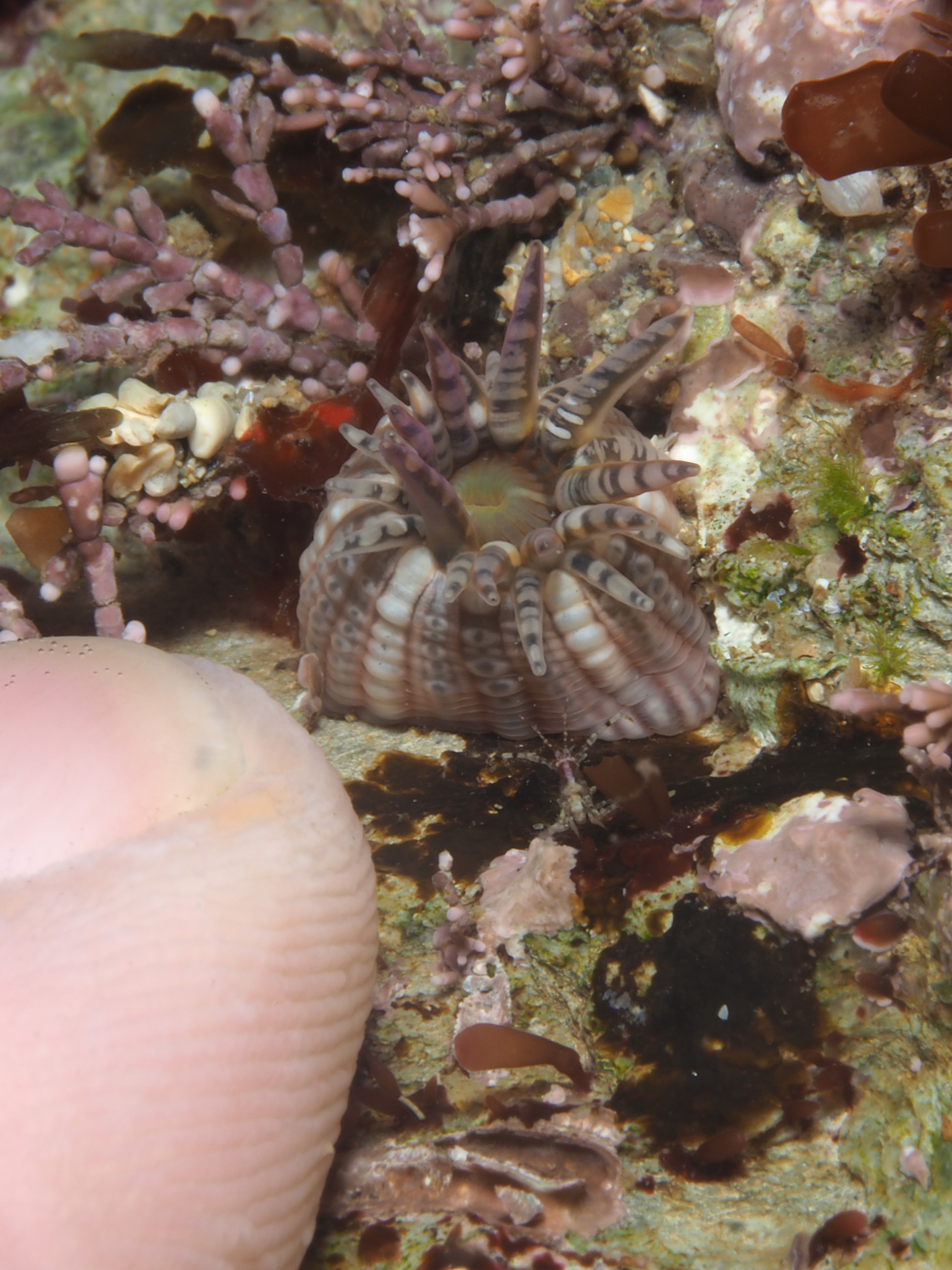
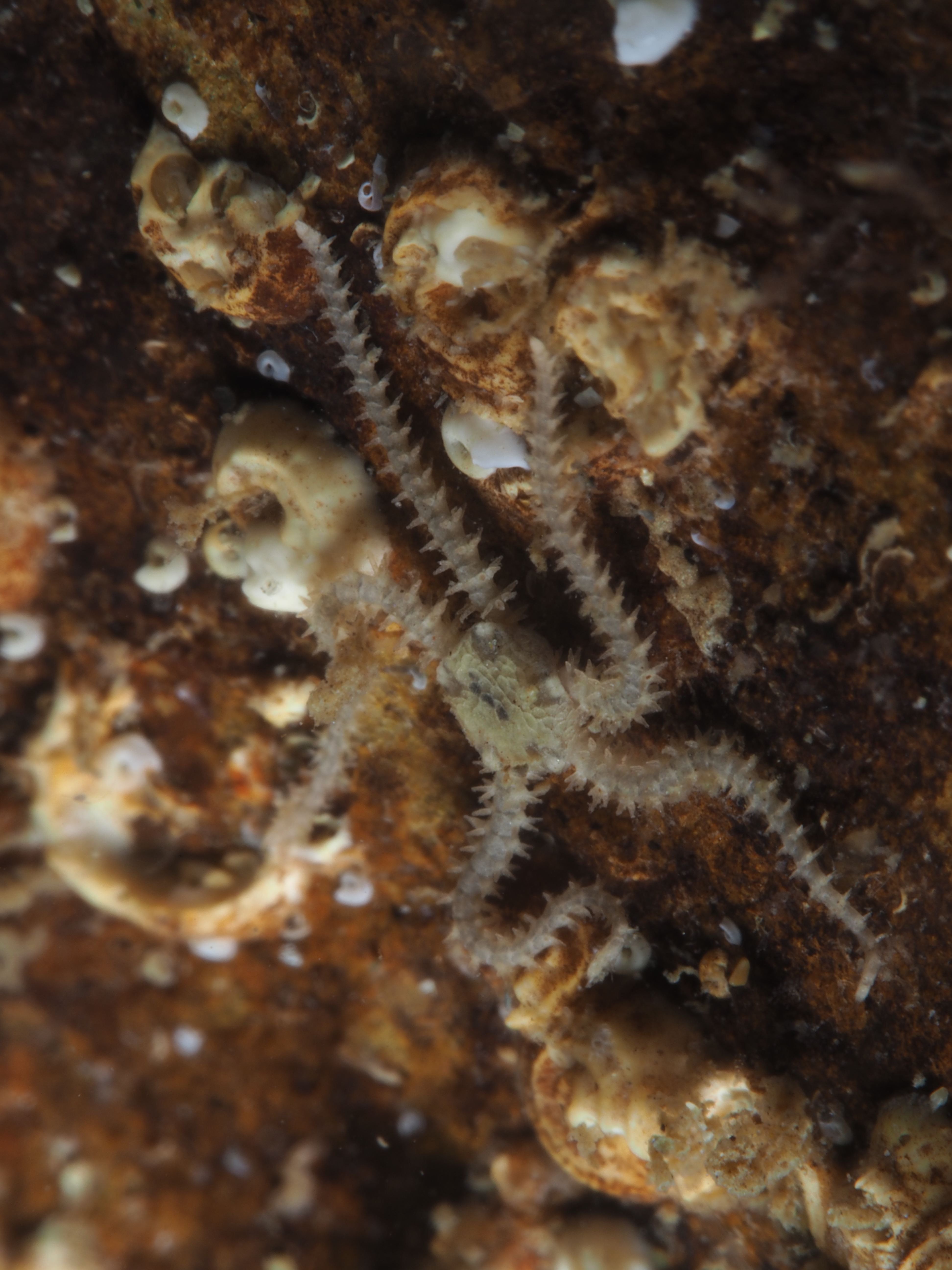
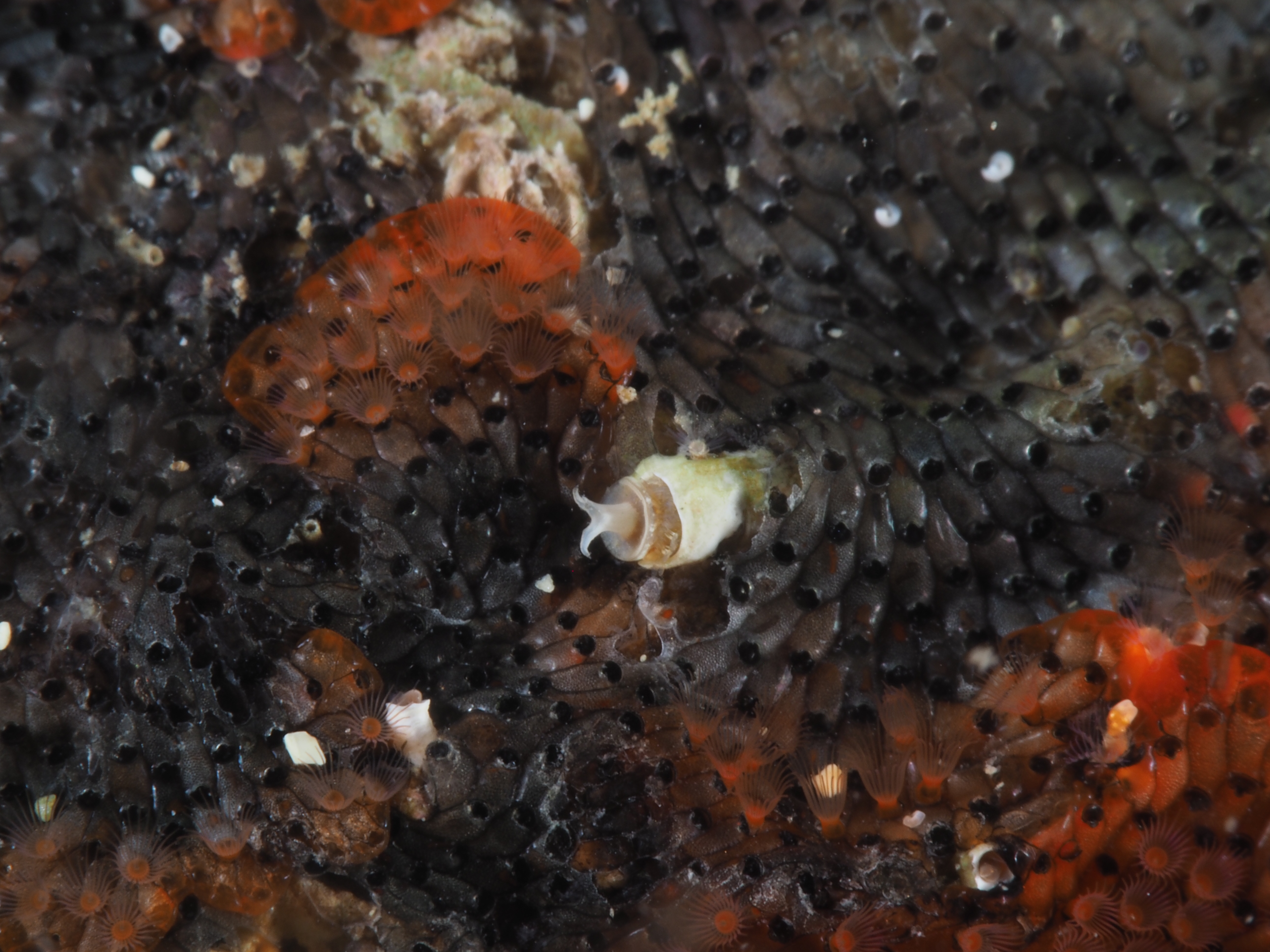
A few weeks back I drove to one of the UKs more well-known divesites, Porthkerris, about 50 minutes away, for two dives. I had only been there once before, also for two dives (not worth going all the way for just the one) when I did my PADI Advanced Open Water (I just realised that I forgot to blog about that at the time…). The pebbly shore here leads to the Drawna Rocks and it is one of the few places in Cornwall that a shoredive can get you a bit deeper than 10 meters (maybe 18 at a high tide). This allows me to see some critters that are not present at my usual haunt Silver Steps in Falmouth. One example is the North Sea Tube Anemone (Synarachnactis lloydii) above. The black pebbles are quite striking, and also a very different background then what I am used to. For the first dive I took my macro lens, as it was quite choppy, and my expectations of the viz were low (which turned out to be correct!). I practiced a bit on the Jewel Anemones (Corynactis viridis) which come in a range of beautiful colours: orange, yellow, pink, white and green. I also took a shot of a Devonshire Cupcoral (Caryophyllia smithii) which is a solitary hard coral and some detail of a boring sponge (Cliona celata), including Rissoa parva snails I later noticed (they are everywhere in the rockpools too).
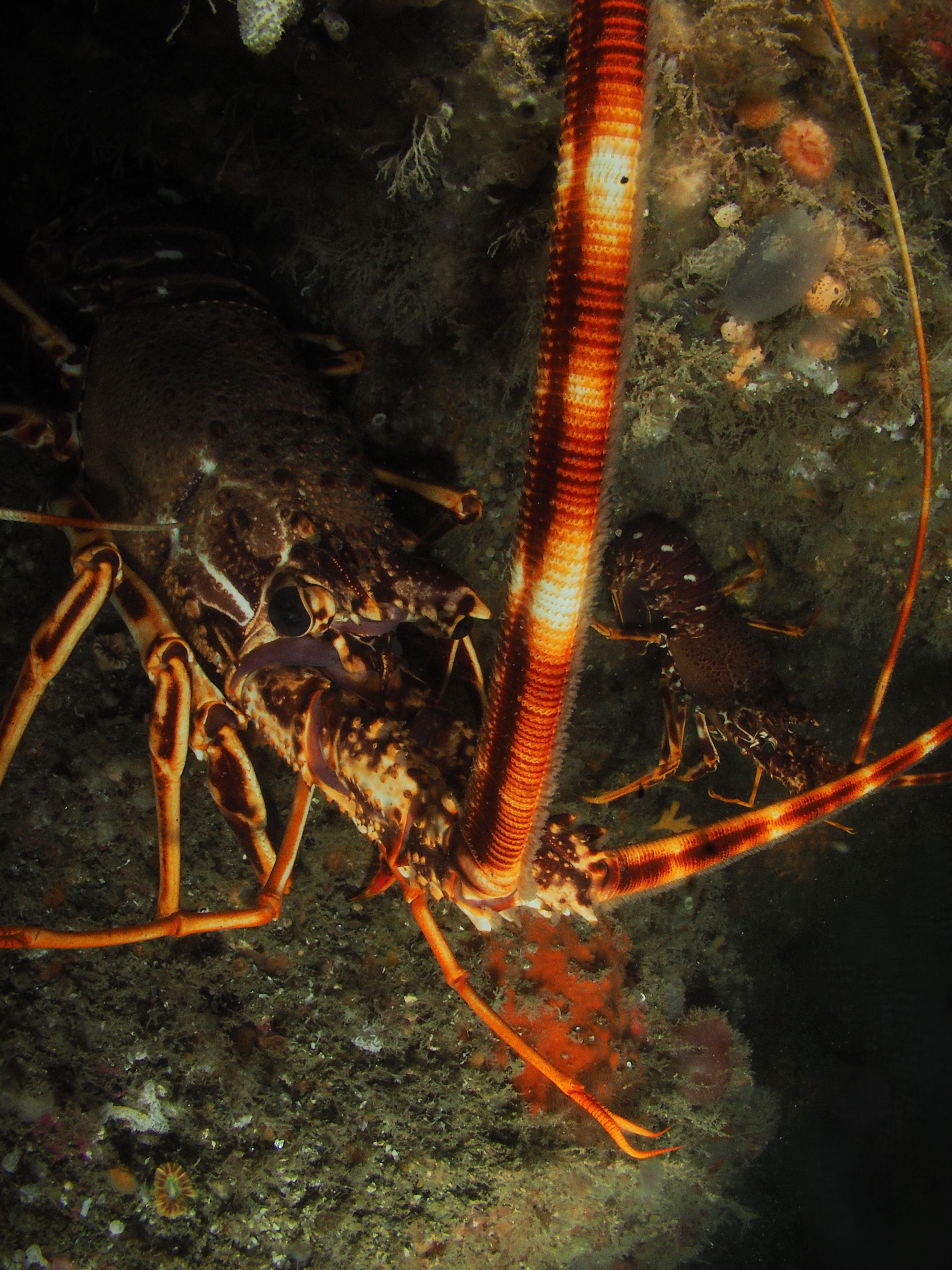
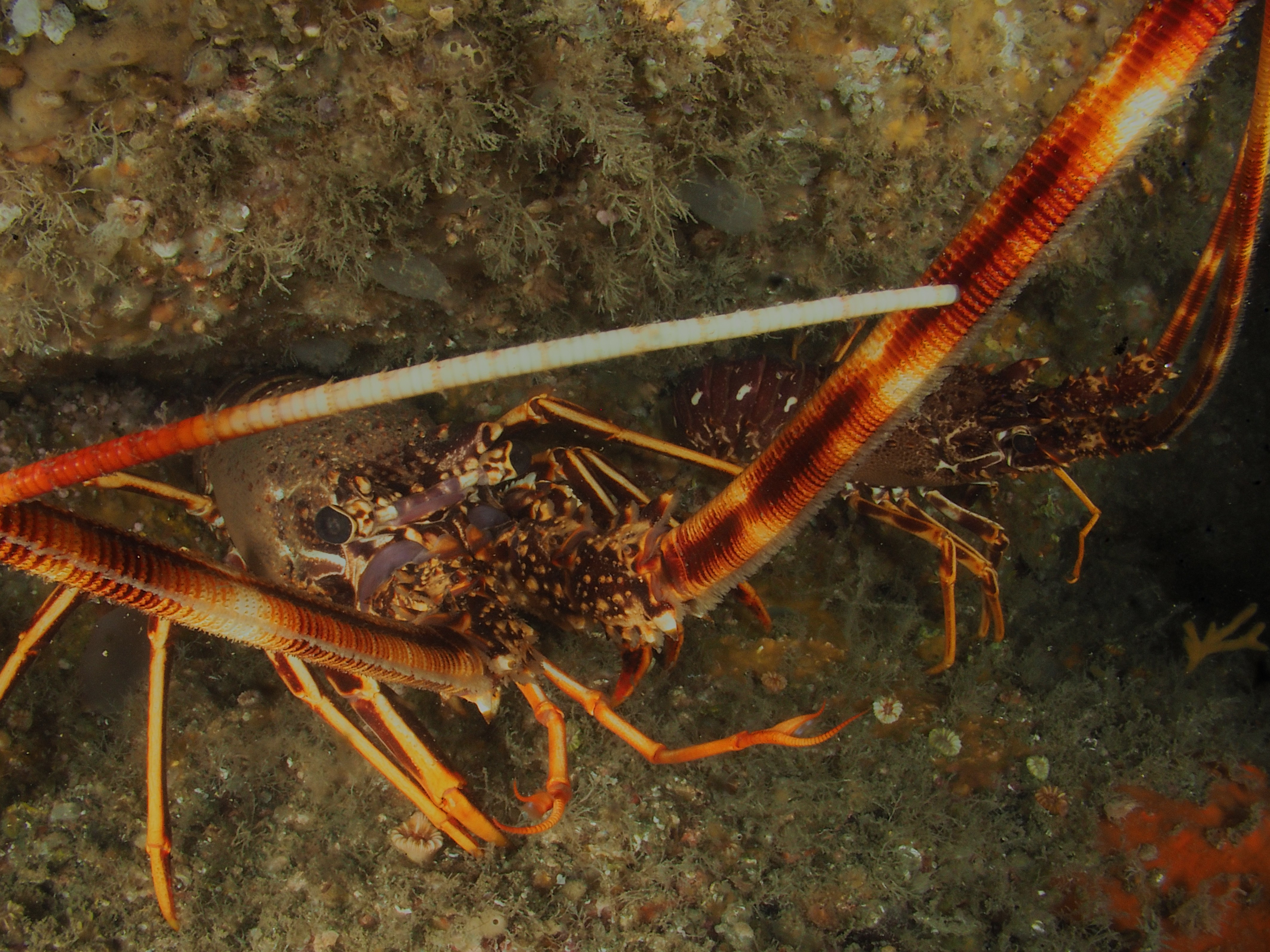
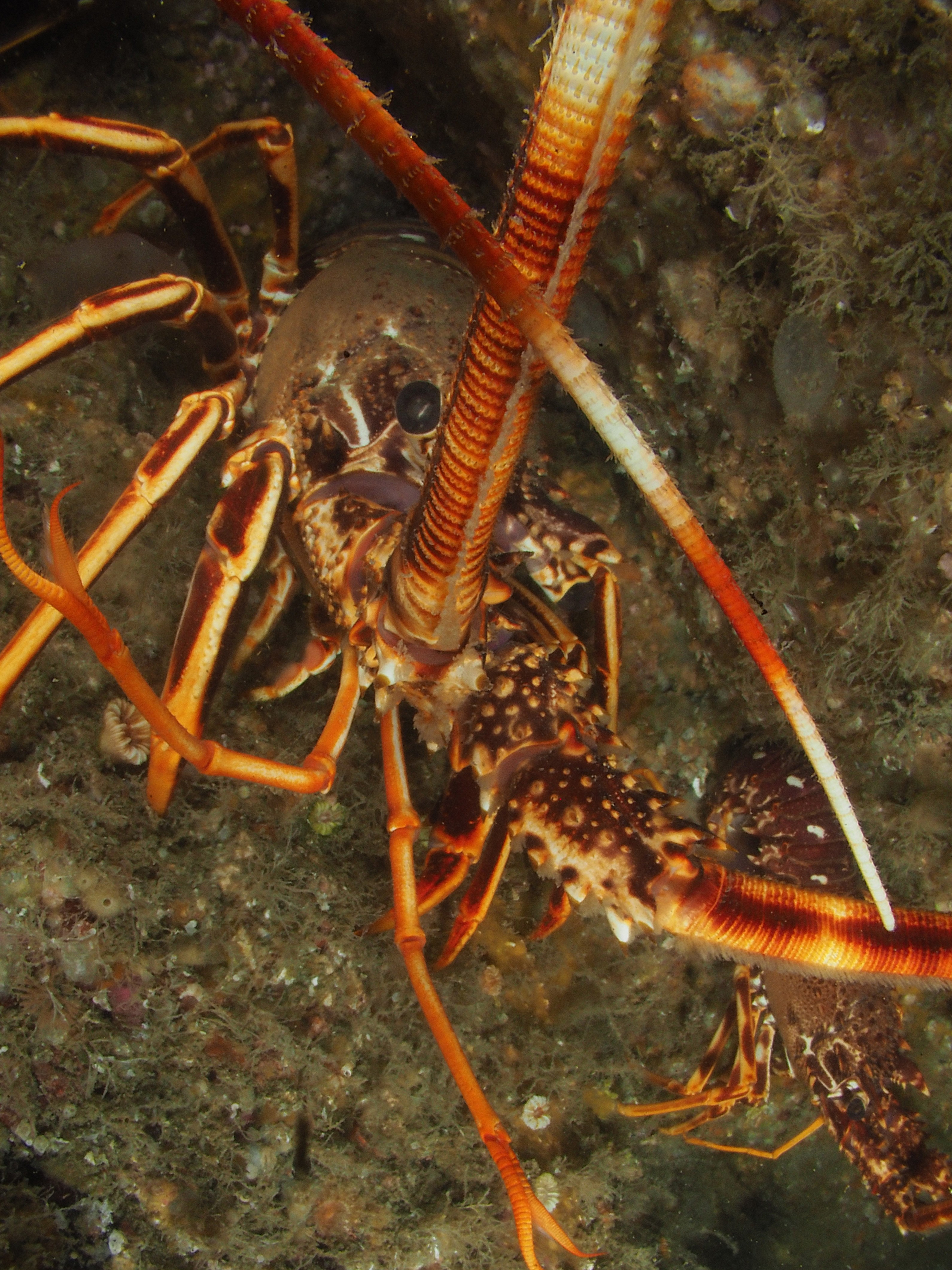
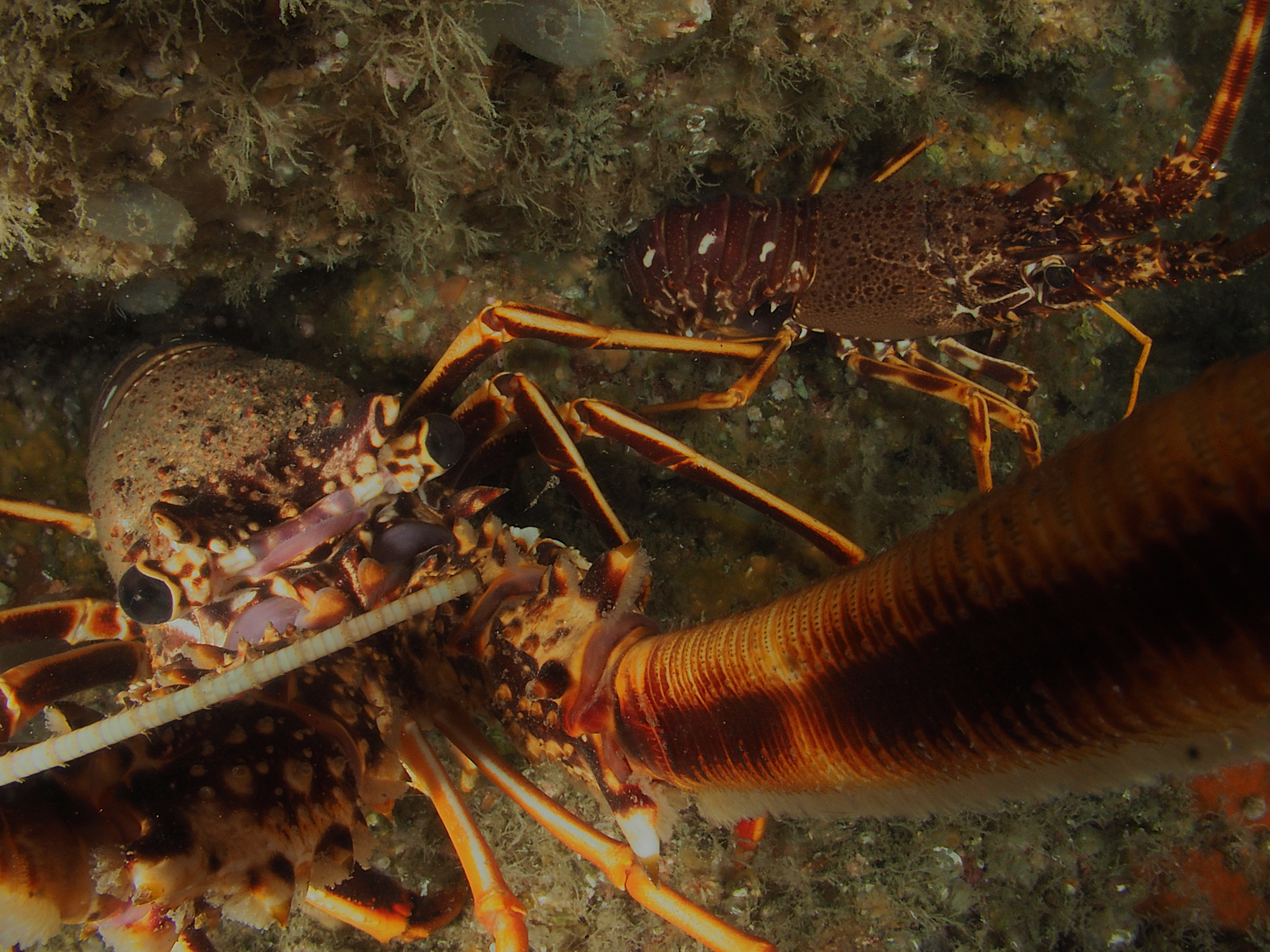
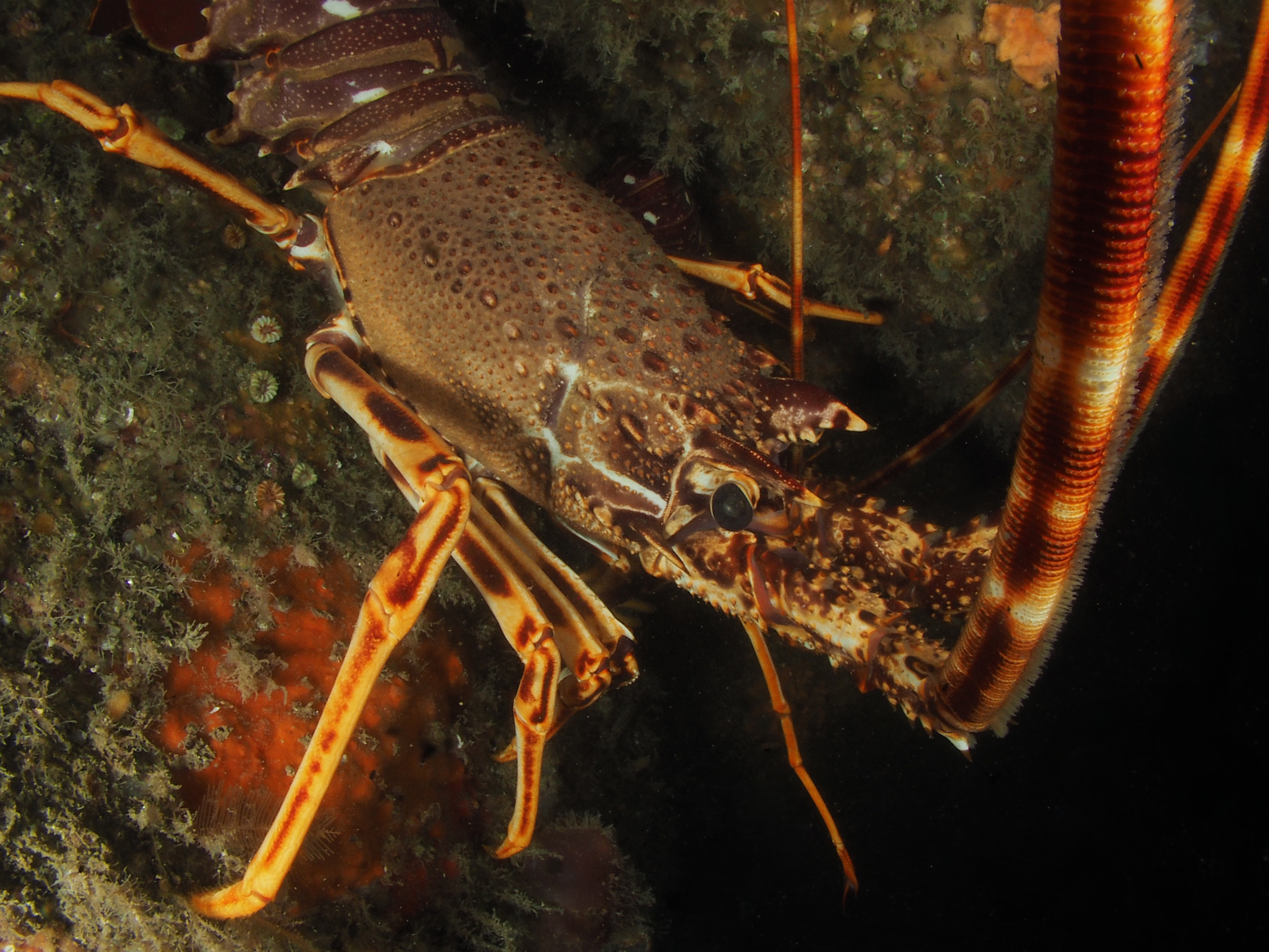
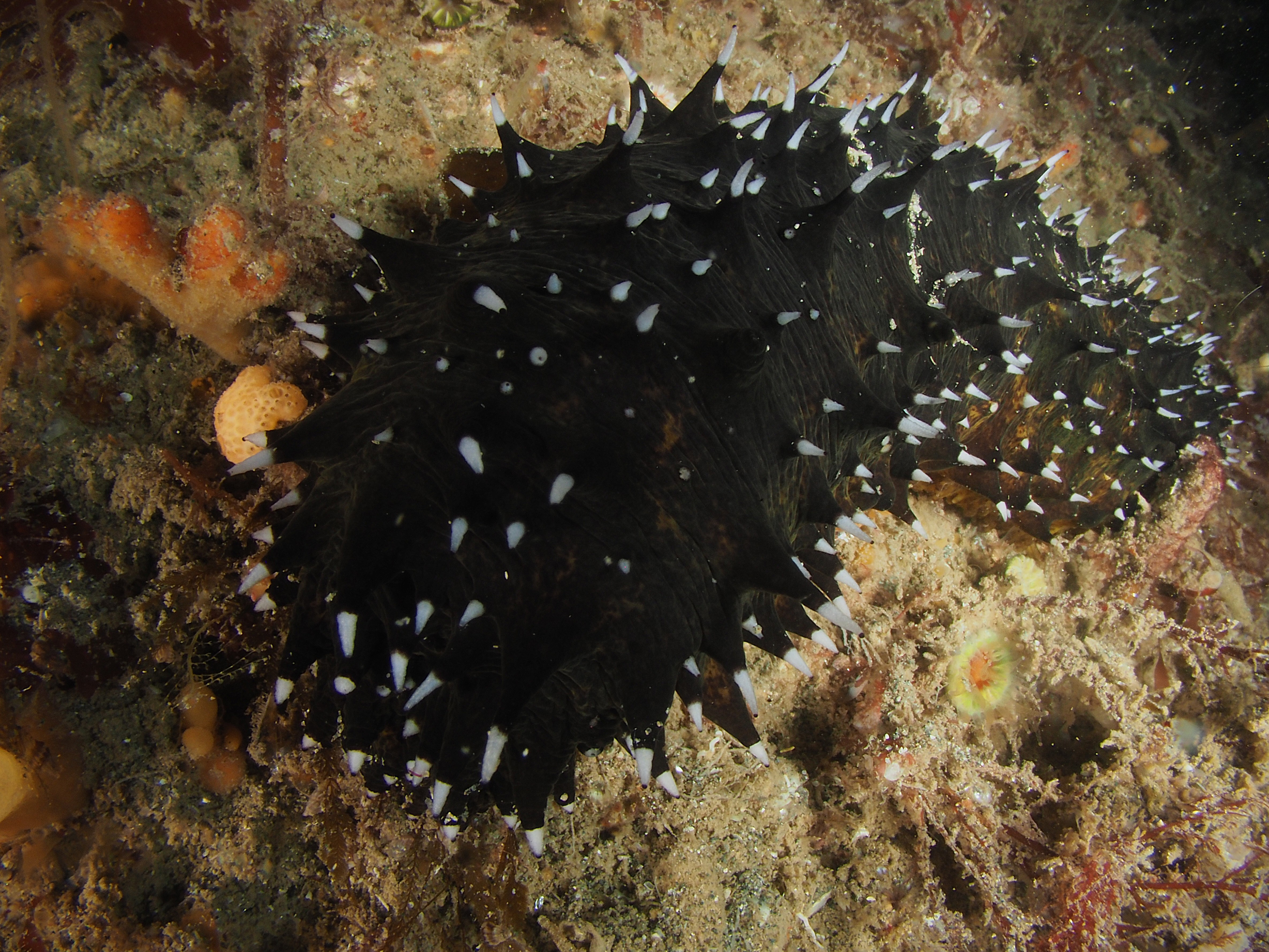
For the second dive I took my weird probe lens to bother some of the Spiny Lobsters (Palinurus elegans). Finally, a Cottonspinner (Holothuria forskali), what a beaut!

Blennies

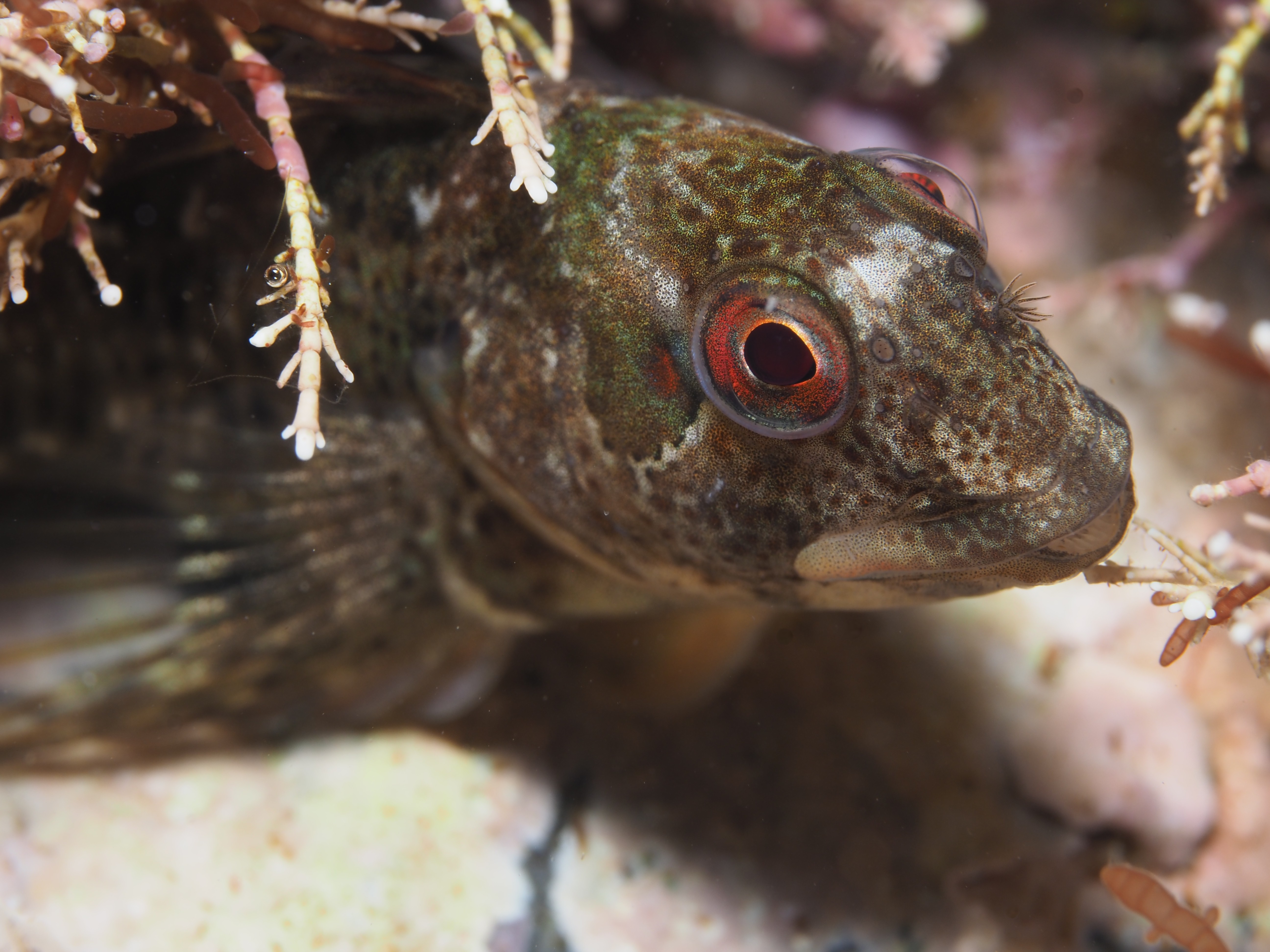
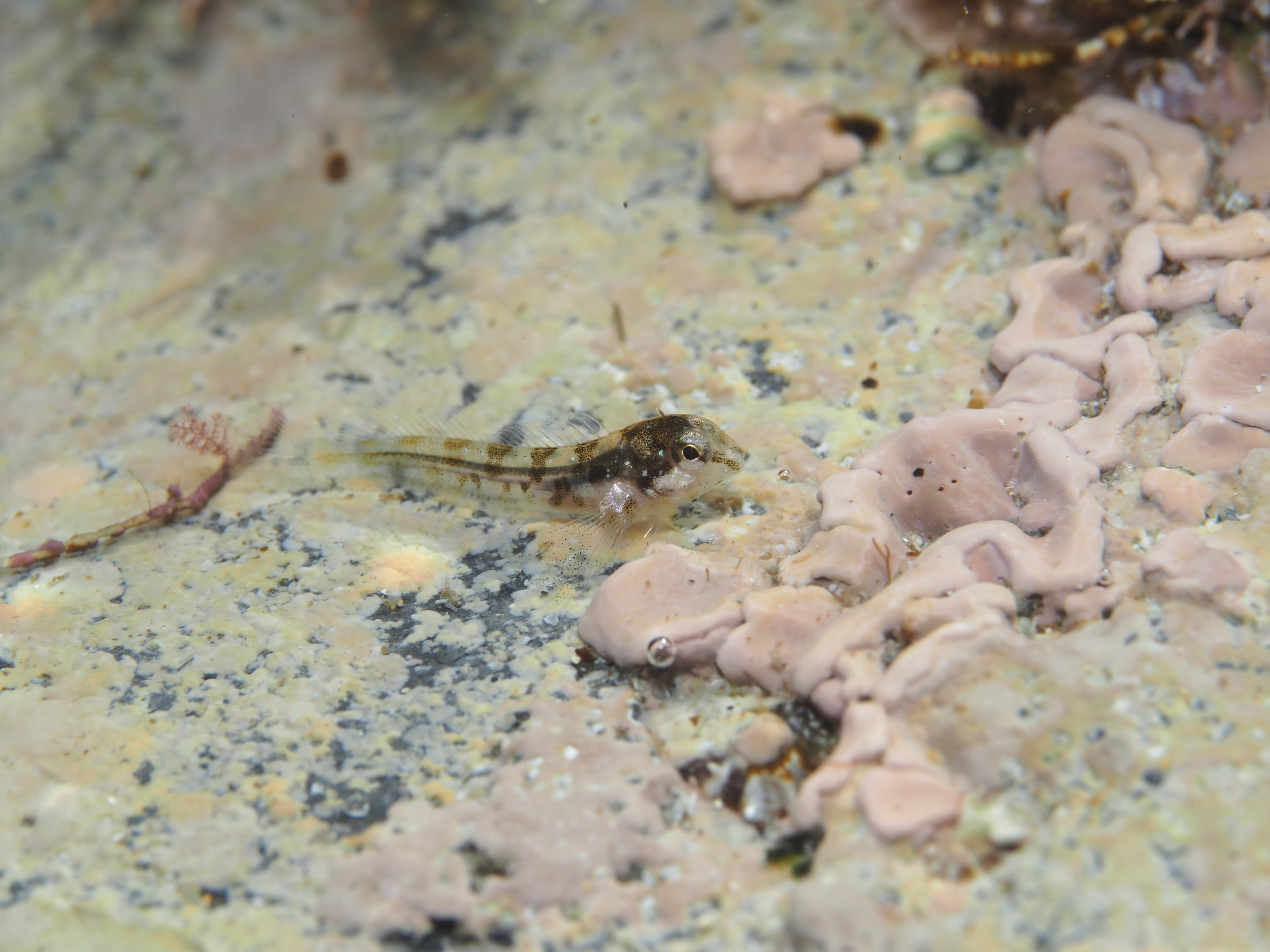
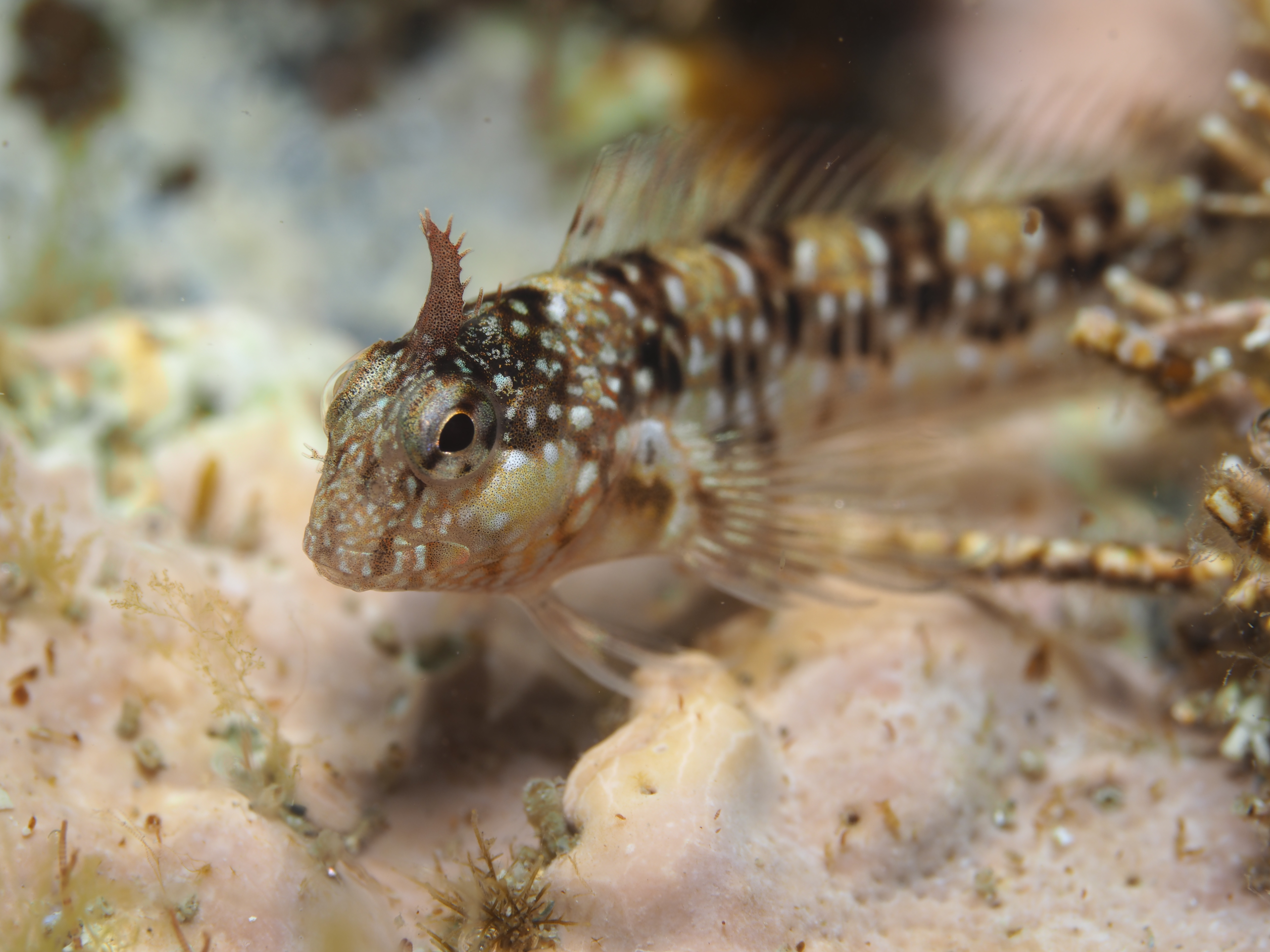
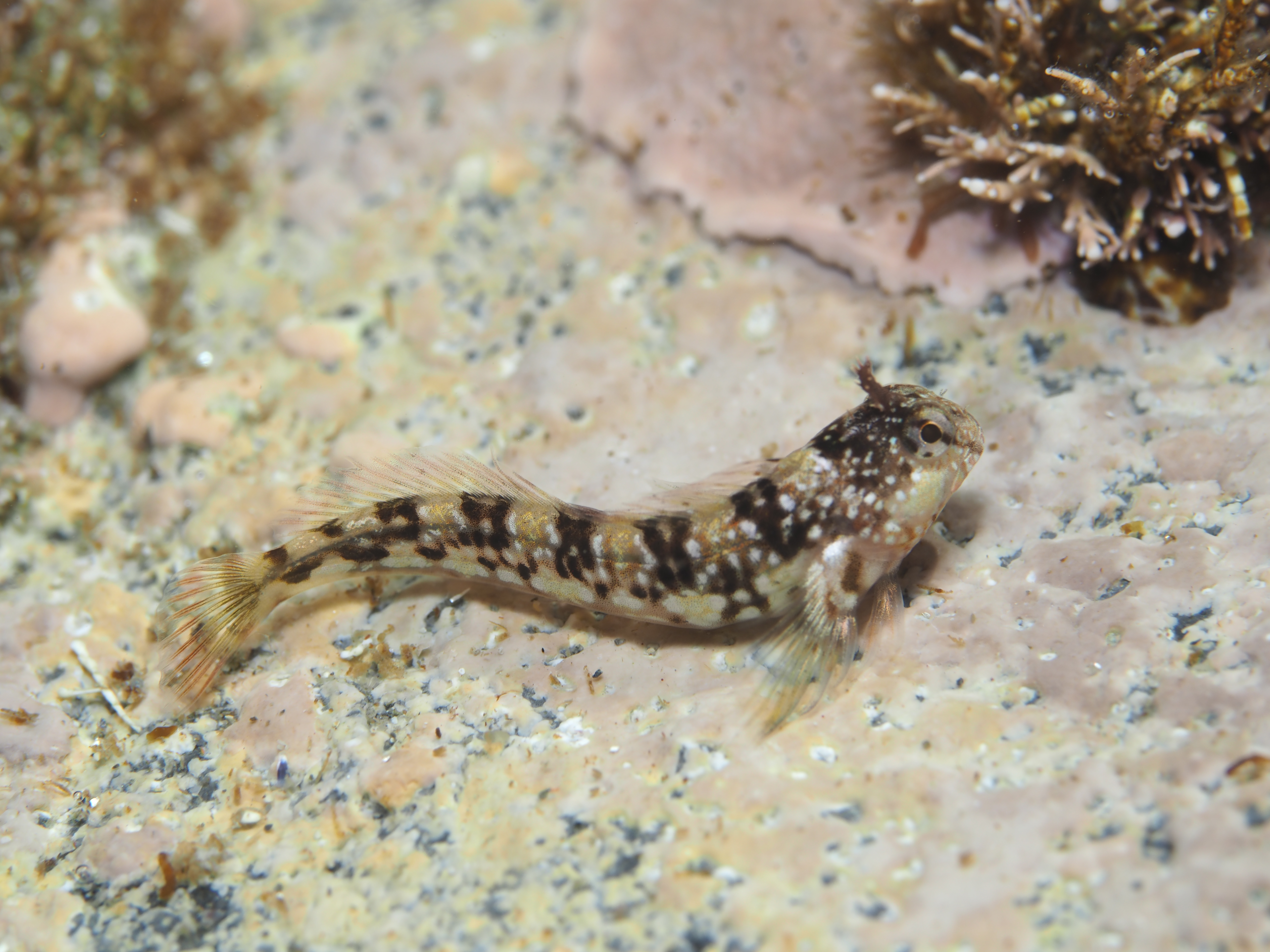
A trip to one of my favourite spots on the North Coast, Booby’s Bay, two weekends back led to a fun rockpool photography sesh. The pools here are quite different than in Falmouth: deeper, more exposed and with fewer seaweeds (see here for impressions). Shannies (Common Blennies) and Montagu’s Blennies are abundant here and I chose not to seach for things ‘more special’ but take pics of these characterful fish. Shannies are greyish and common, but actually very beautiful as you can see above. Their mottled, slimy (scale-less) skin also makes them very well-camouflaged as is clear from the photo below.
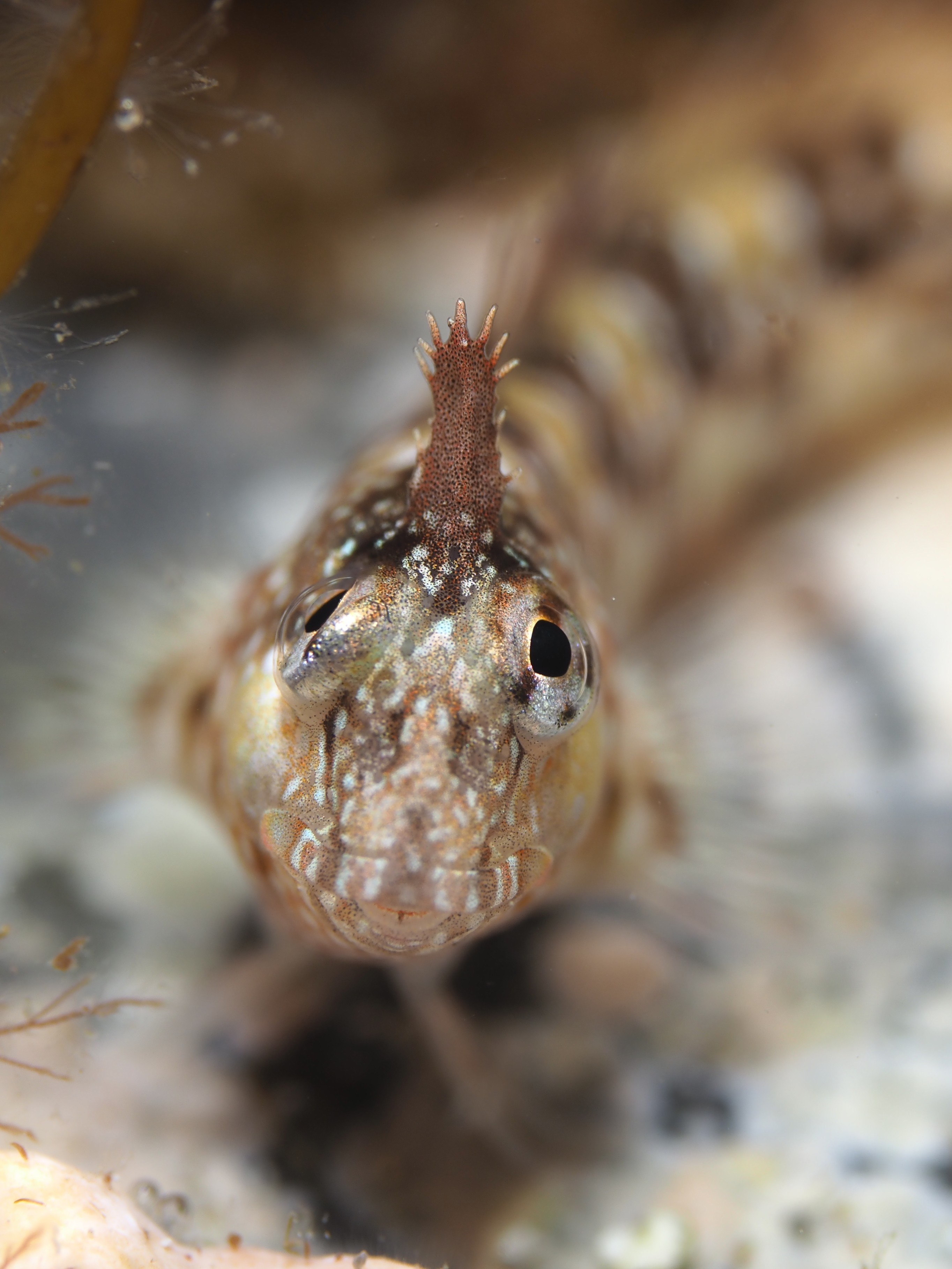
Below a few more pics, including of Montagu’s Blennies, which have a ‘quiff’. Some of these fish have hatched not too long ago and are tiny (<1 cm)! When I took these pics the weather was great (and I ditched the wetsuit) but as I am writing this post it is raining and blowing outside. My snorkel outings will be less frequent from now on unfortunately, but on the plus side my blogging will pick up….

macro macro macro

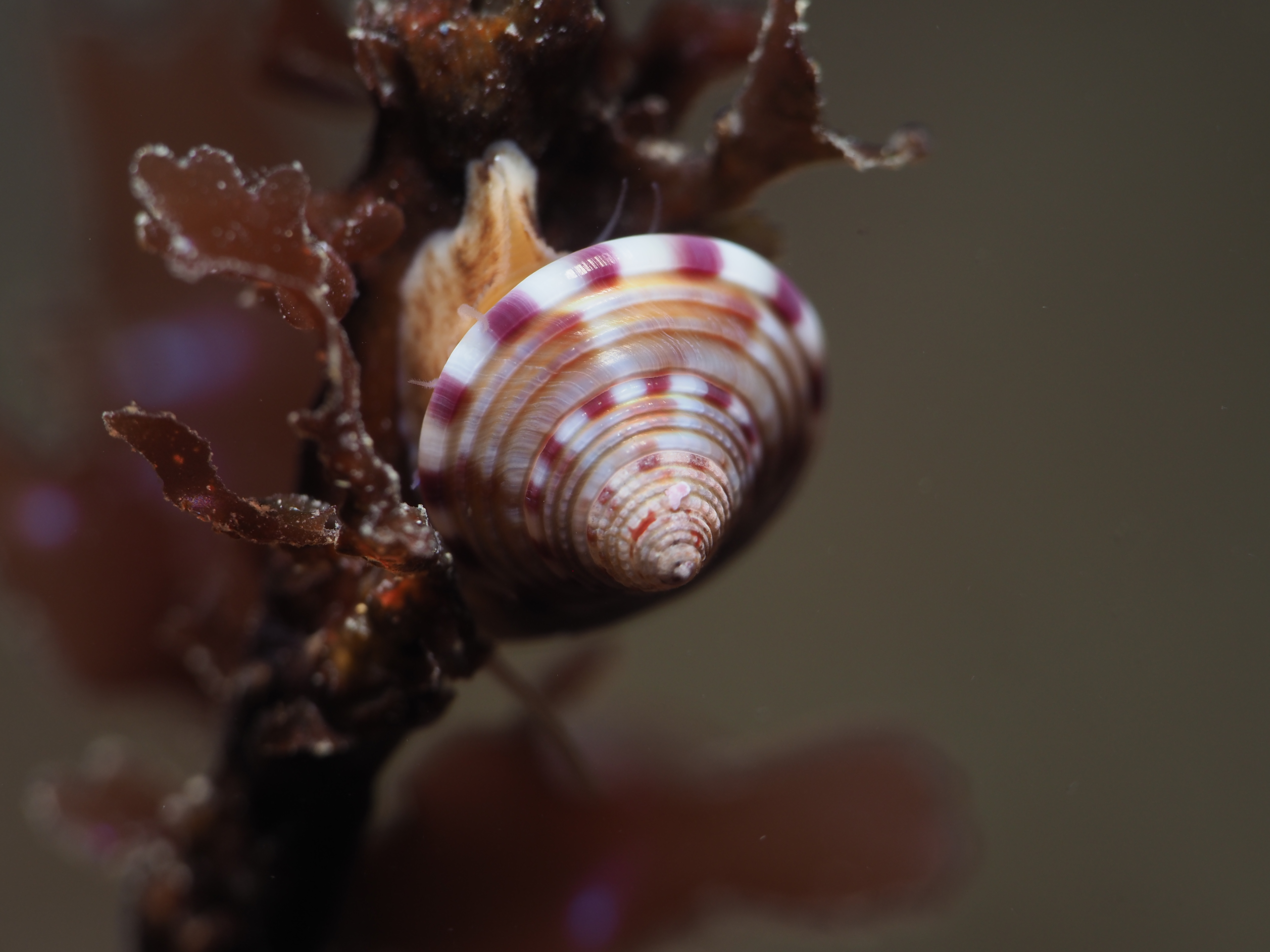
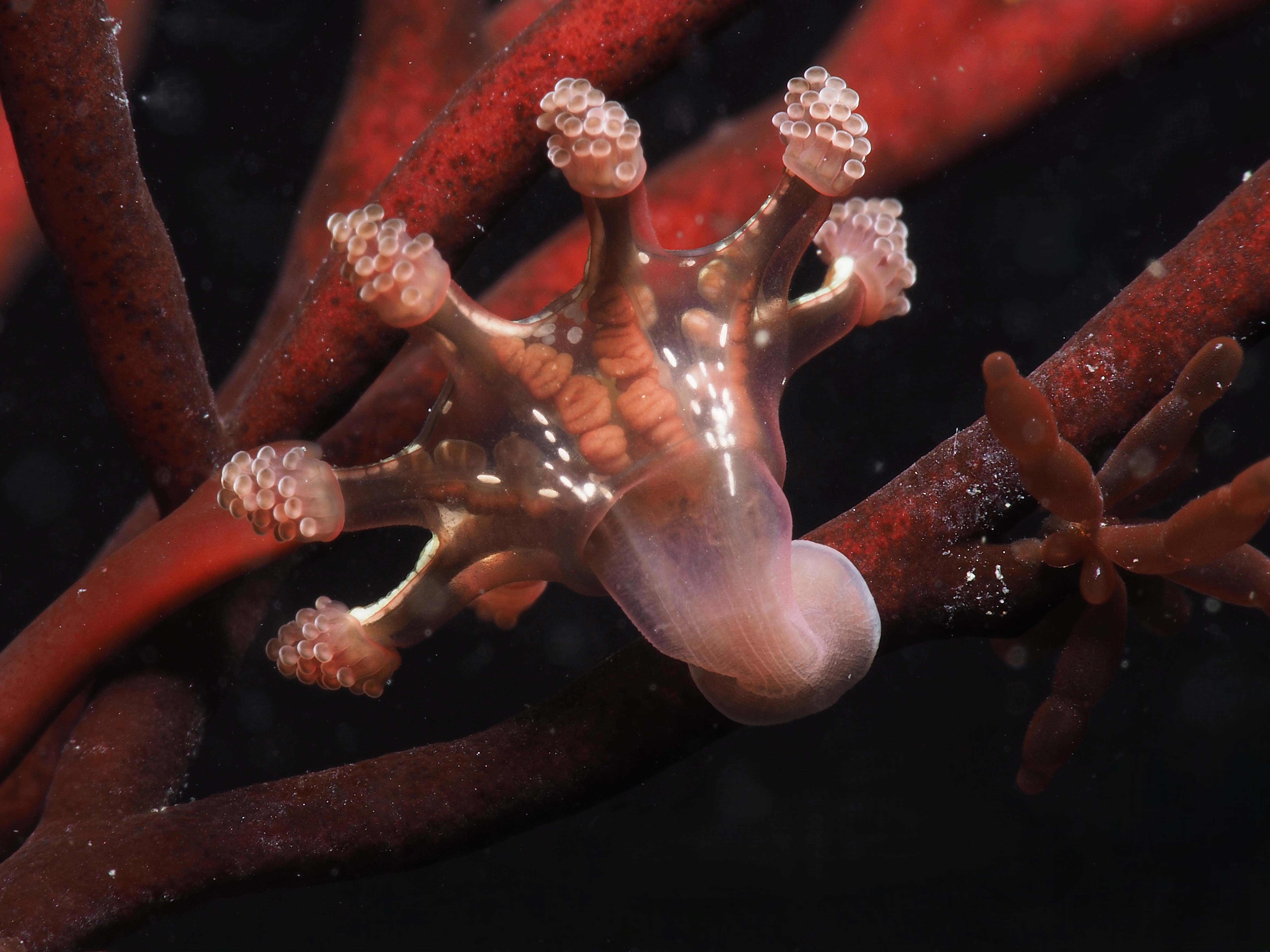
There was little wind last Saturday and a superlow tide so time for some rockpool macro! Above, a Purple Topshell Calliostoma zizyphinum; common but and pretty. I liked the background which was achieved using a relatively shallow depth of field (f/8). I took my time exploring a small patch (core body temperature slowly decreasing) as this is the only way to find creatures that are smaller than topshells. I spotted a St. John’s Stalked Jellyfish Calvadosia cruxmelitensis and took the same shallow depth of field approach (f/5.6).
Lastly a pretty little mollusc: the White Tortoiseshell Limpet Tectura virginea. (It is only about half a centimetre long, so I had to use my CMC-1 wetlens for extra magnification.) This species is found on calcified red seaweeds on which it grazes. Their colouration is amazing (I especially like that the growing edge of the shell looks very different). Similar-sized Blue-rayed Limpets (see this recent post) are much more often photographed than this species – what can I say, Tortoiseshell Limpets are the hipster’s choice!

A Late October Snorkel

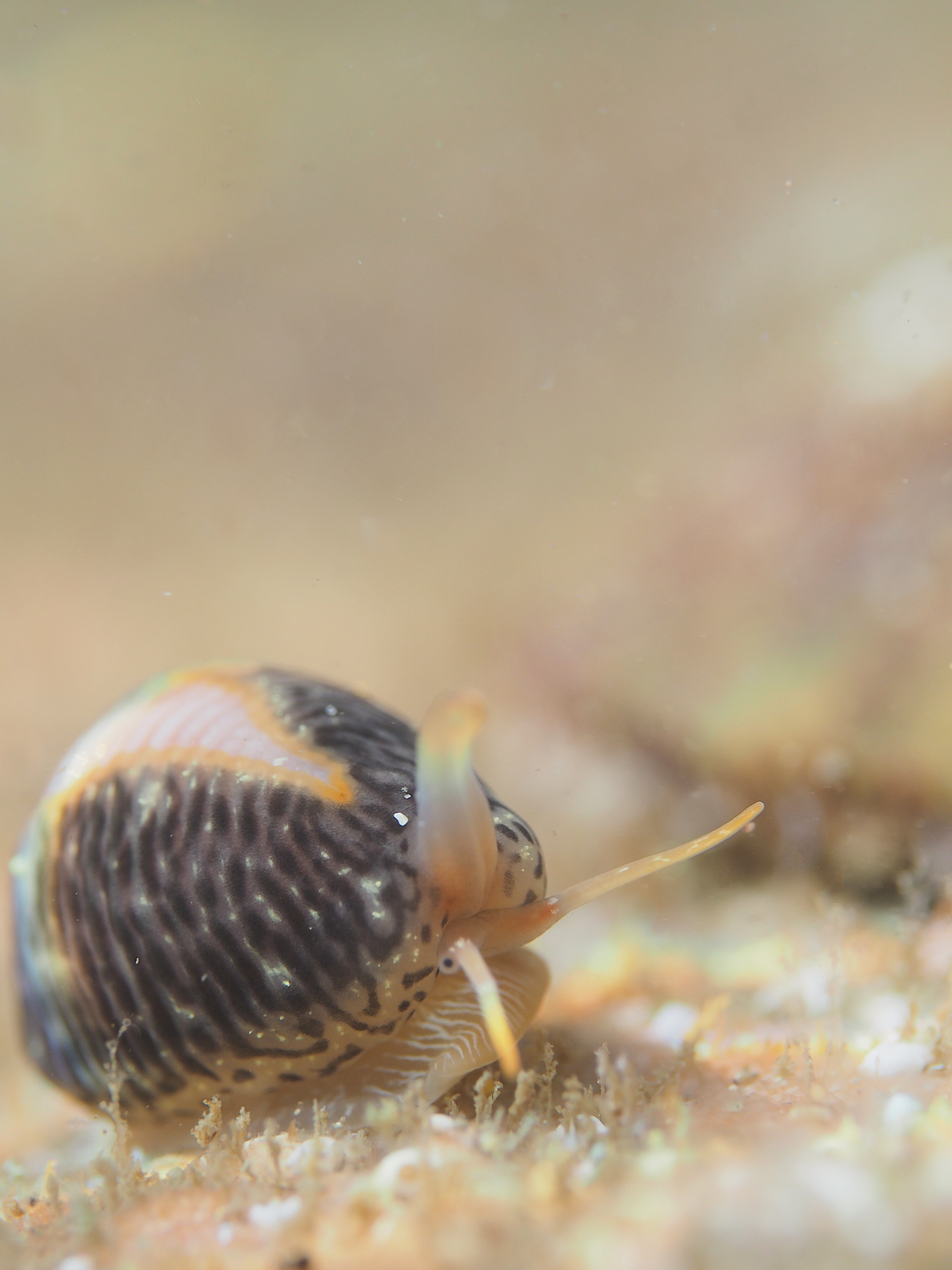
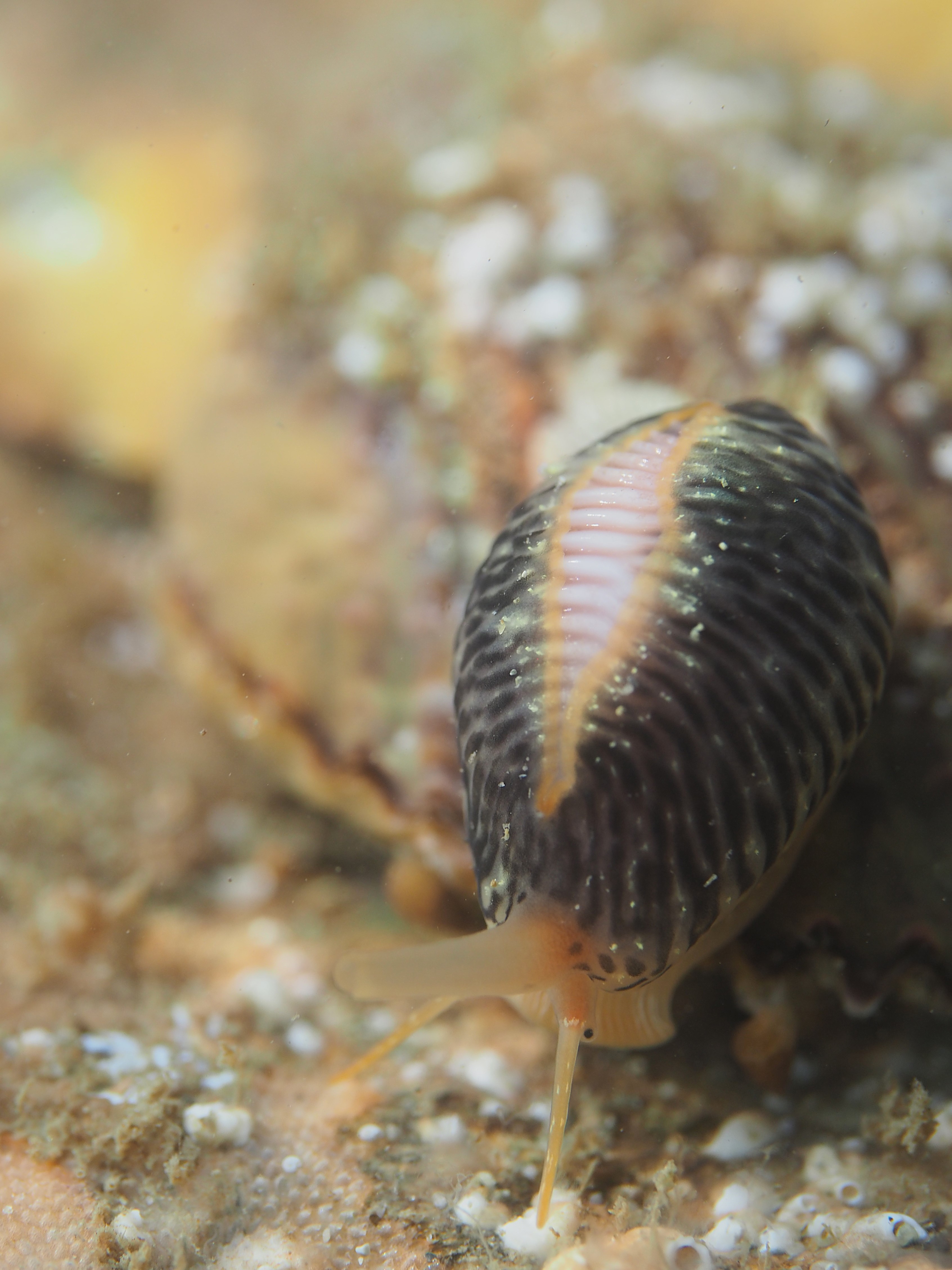
I have a lot more pics from this year to put on the blog but those have to wait, as I want to post some photos from last Saturday first, when there was little wind, a low tide and some sun! The viz was not great as expected, so I brought the macrolens and went in search for some small critters. No special finds, but I was very happy with my shots of a common little mollusc the European Cowrie (Trivia monacha). Most people will be familiar with this species as beach finds of empty shells, but not know how it looks like when it is alive, when its mantle covers most of the shell, it shows its striped tail at the back and a siphon and cute little eyes at the front. I used a shallow depth of field (f/4) to get rid of the ugly cluttered background, which worked well if I may say so myself (I need to try this technique more often!).

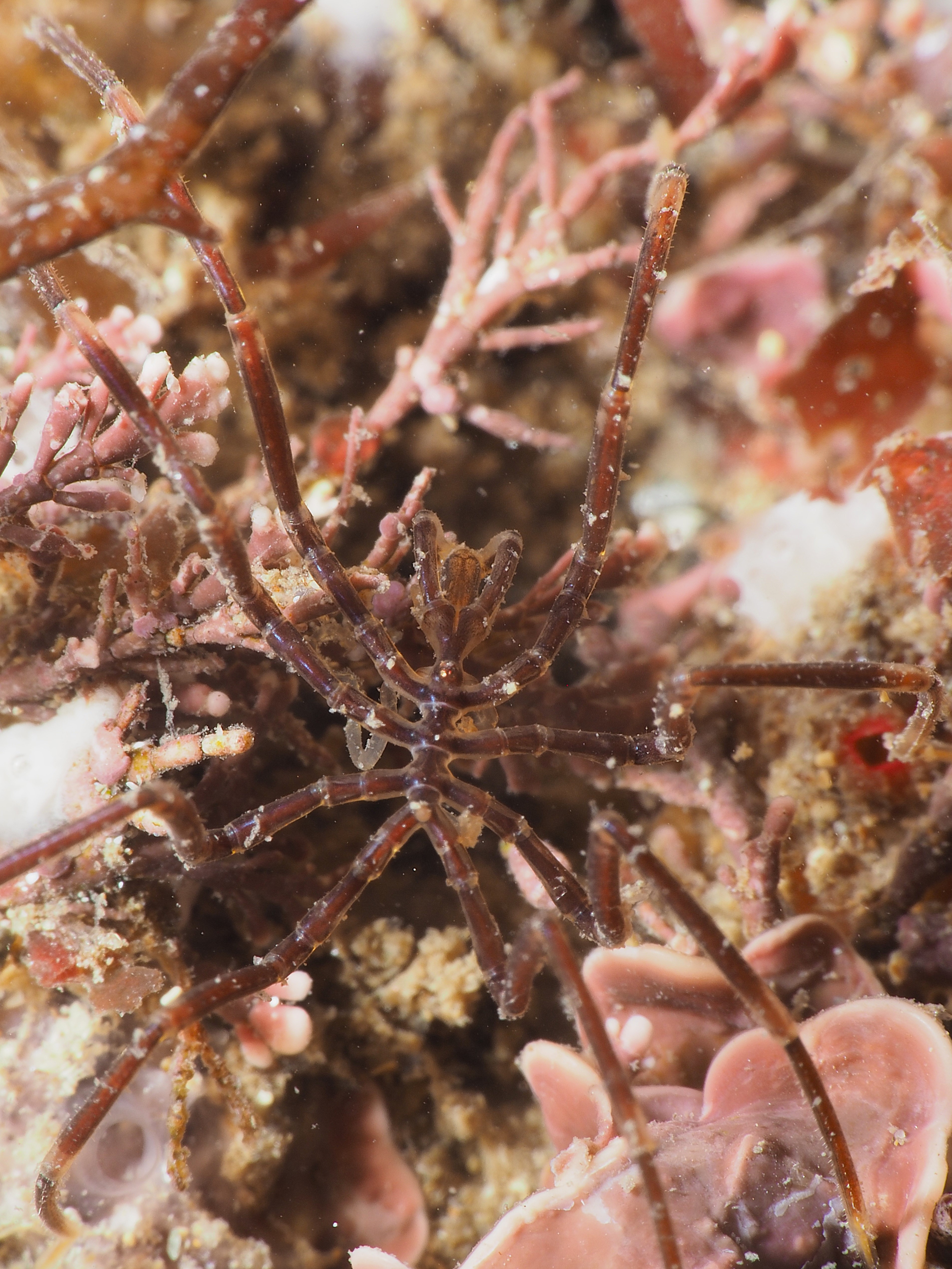
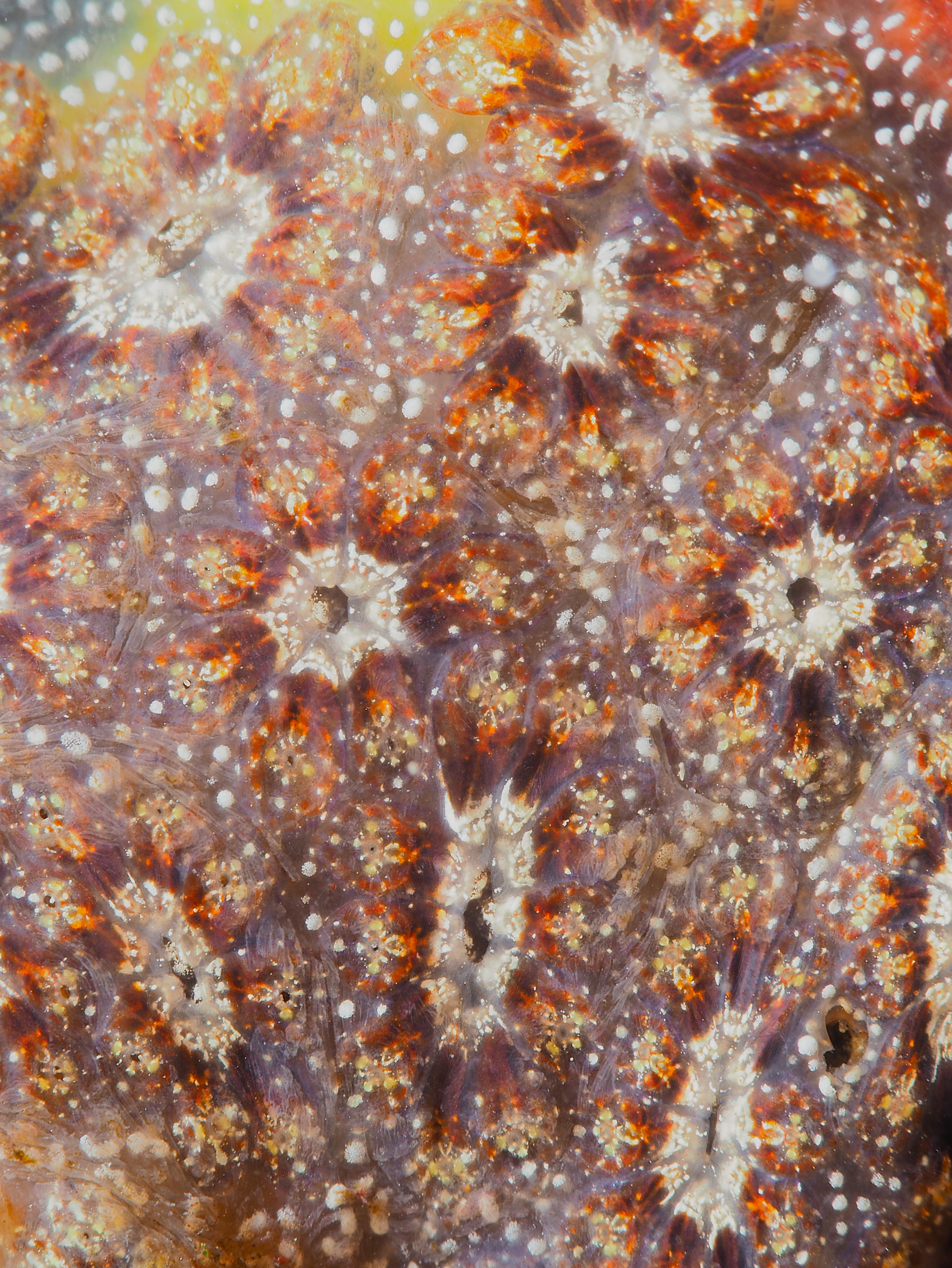
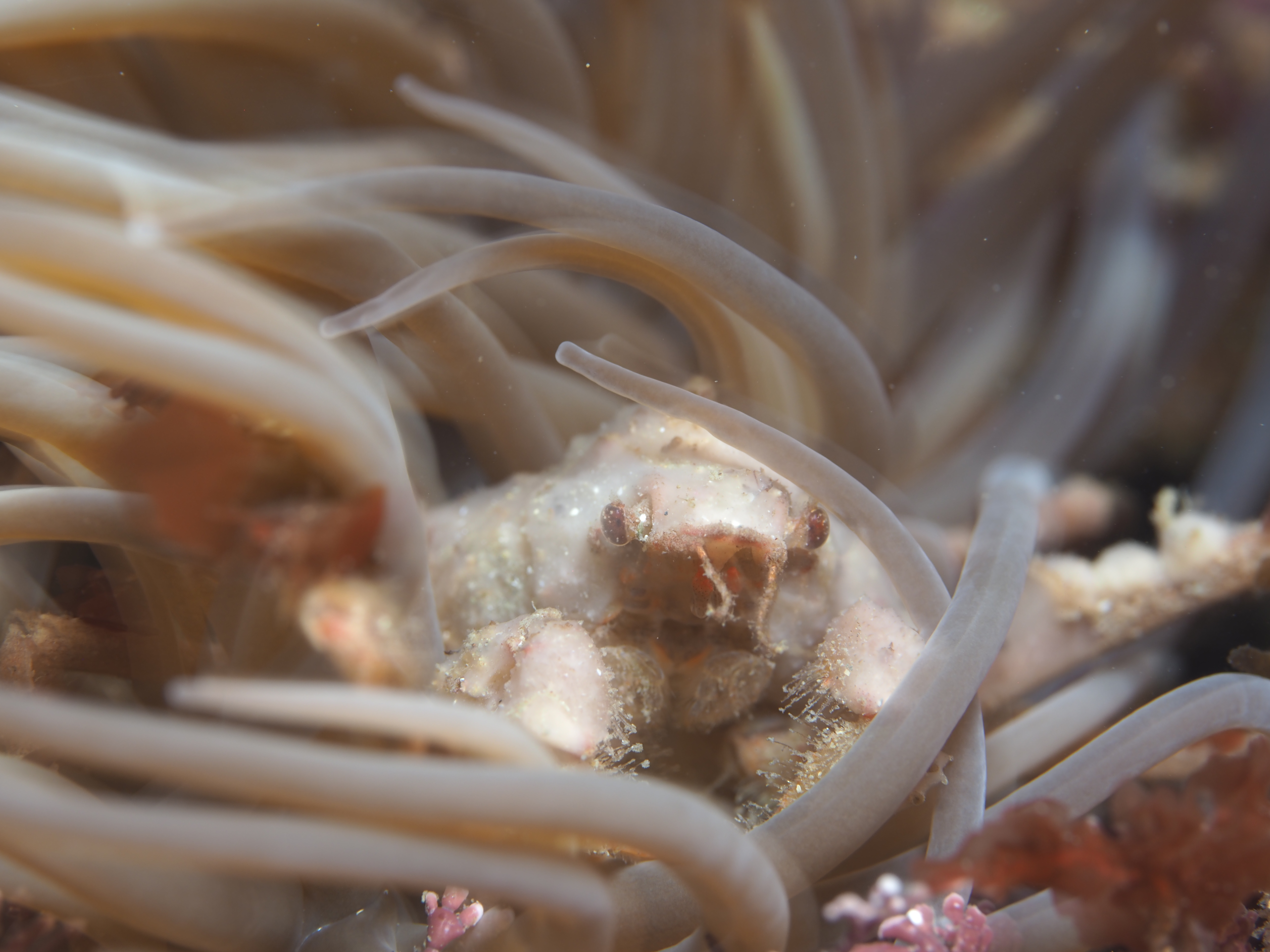
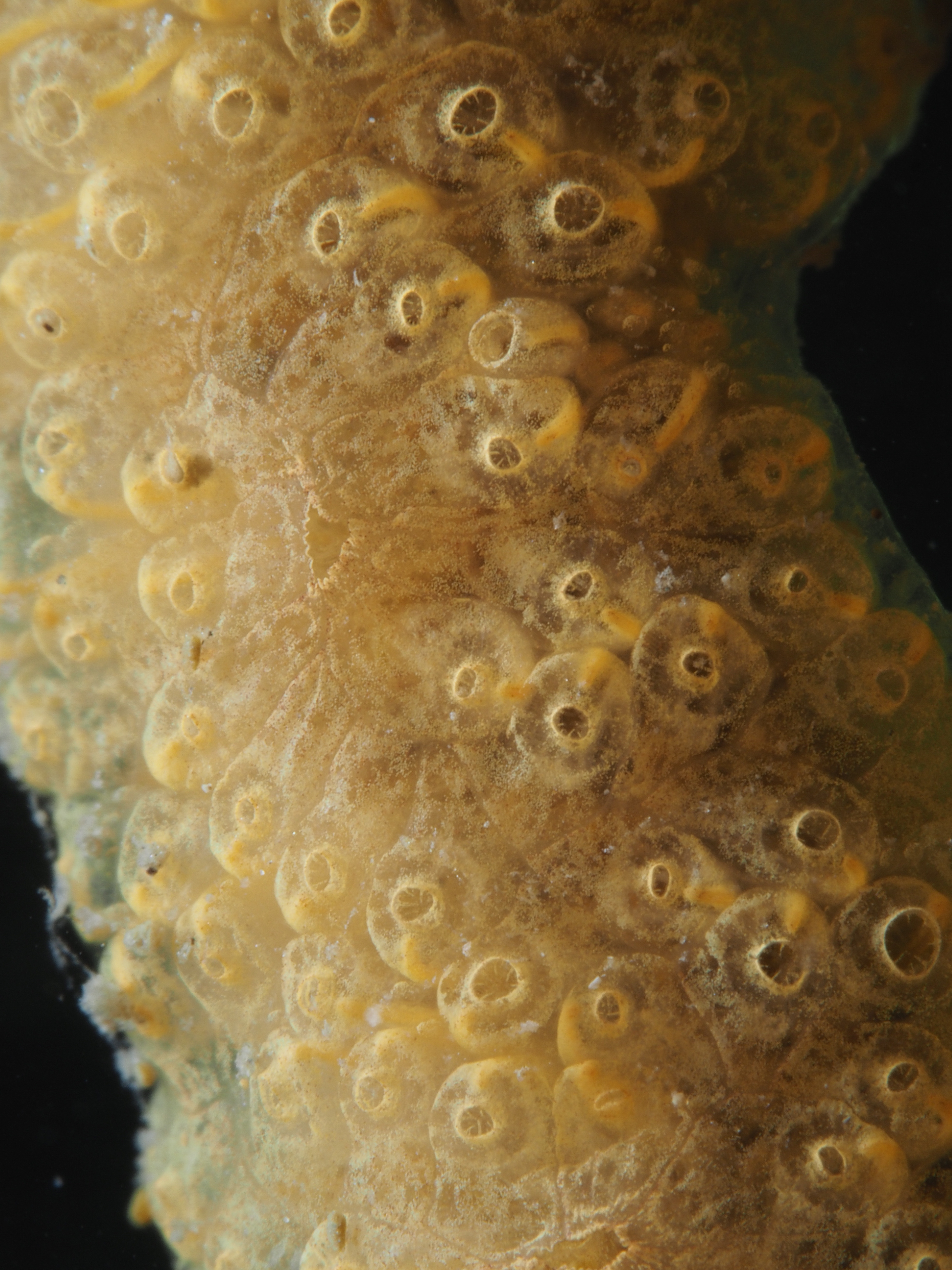
Many other critters were found too and I took shots of a selection. First, a Sea Spider, all legs and crawling away. A tiny mat of colonial tunicate that looked like a persian rug on drugs. A quick shot of the ubiquitous (if you know where to look – on kelp fronds) blue-rayed Limpets and a stalked jellyfish. Finally, I spent a lot of time taking shallow-depth-of-field AND slow shutter-speed photos of a scorpion spider crab in a snakelocks anemone to get some sort of ‘artistic’ shot. It did not really work, but it was fun nonetheless and I will have a go at it again. After almost 2,5 hours in the water I stumbled back to the car to get changed – an afternoon well-spent!

Happy 2024!

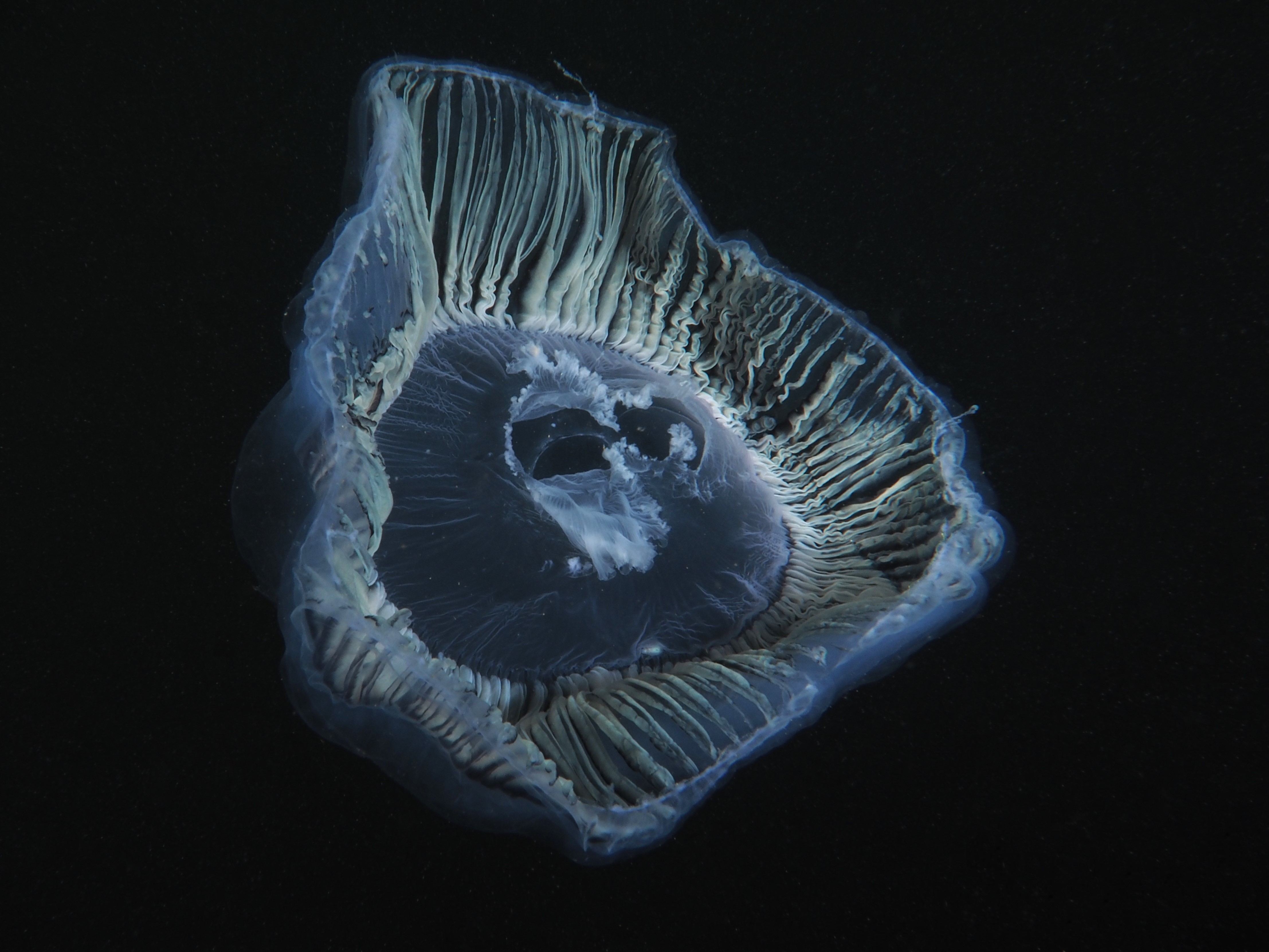
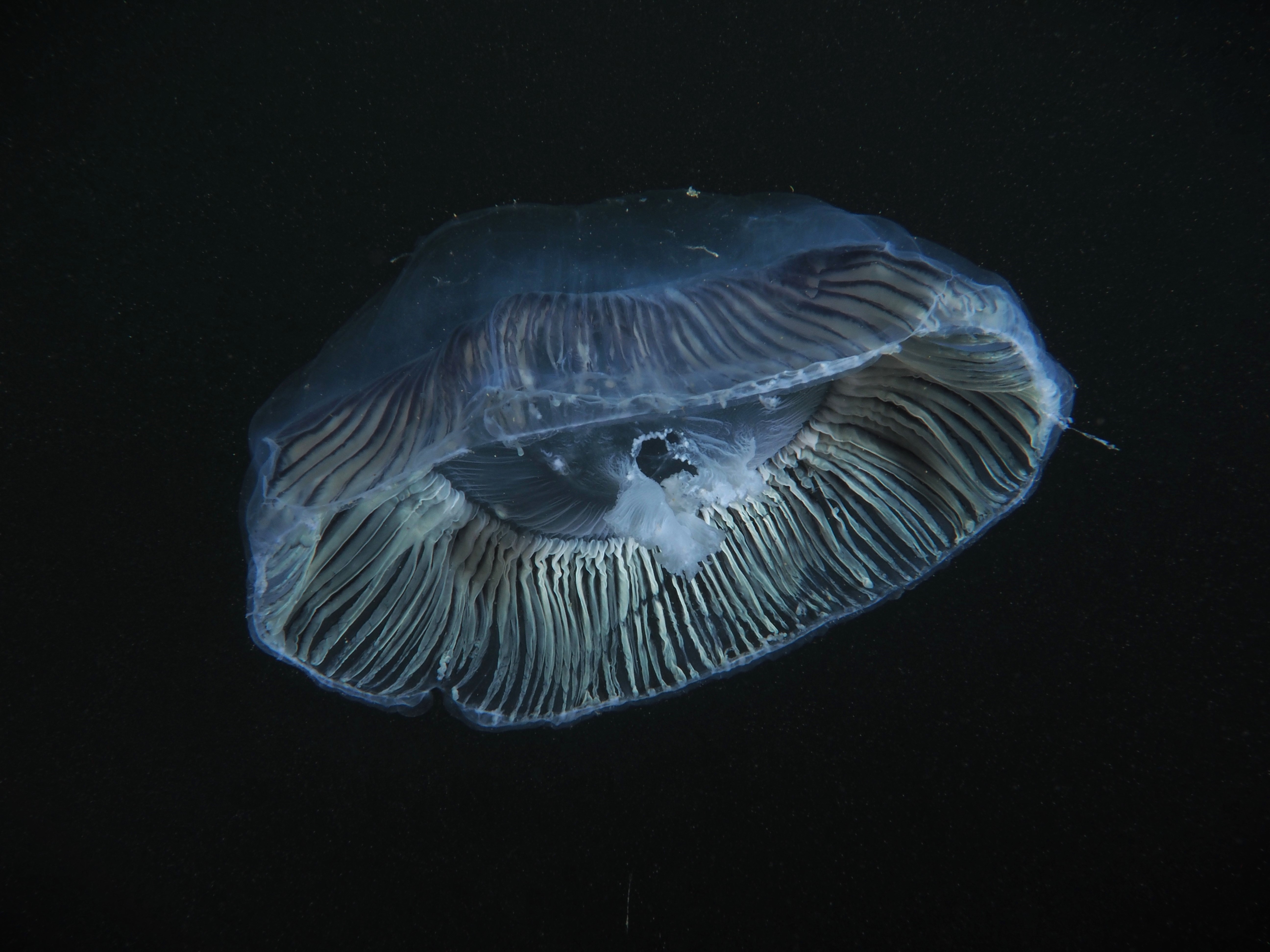
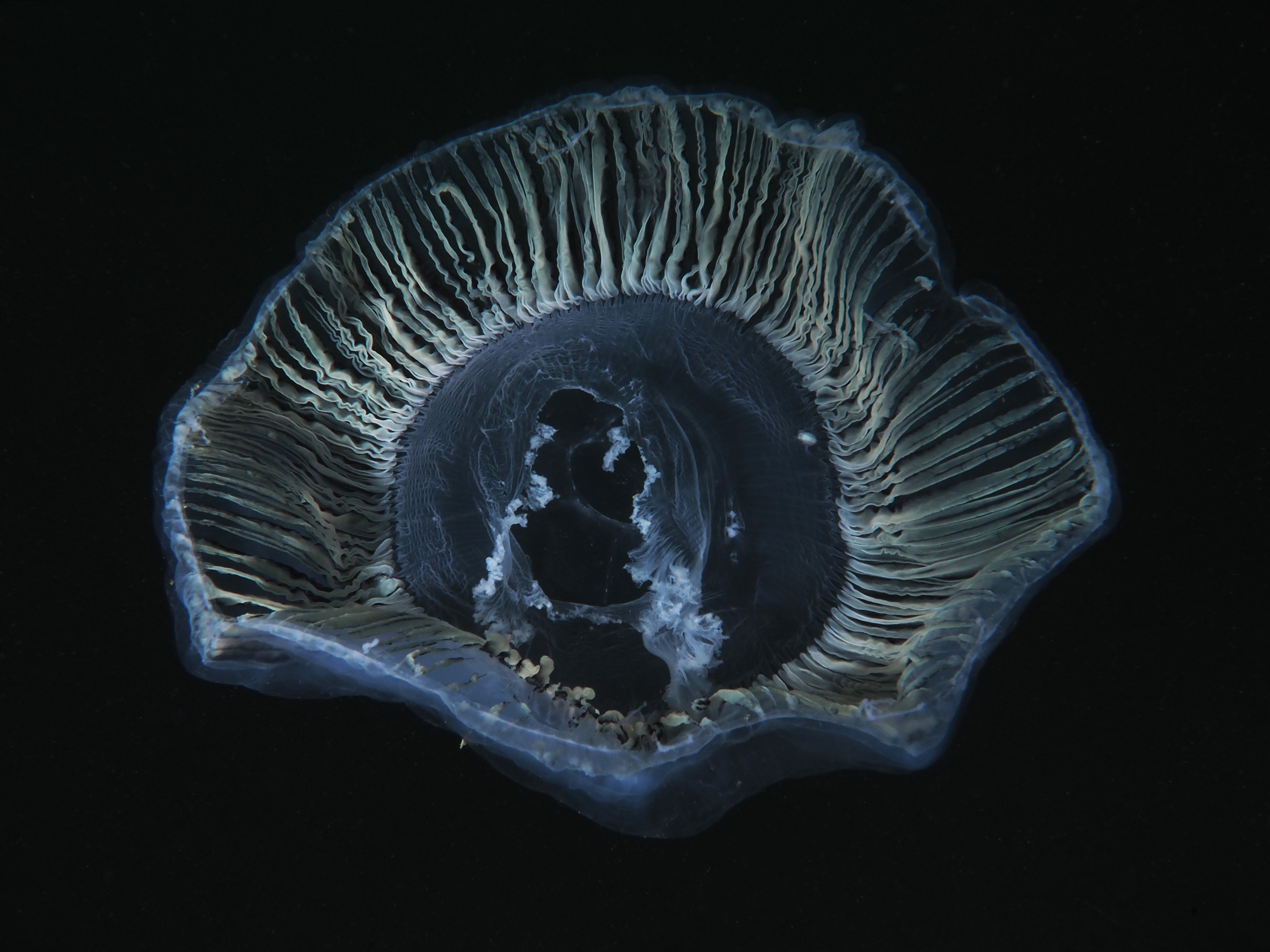
A happy 2024 to all followers and readers, may you enjoy the Ocean the coming year in one form or another! This is just a quick post as I have neglected this blog a bit (I have posted these photos on instagram last year though). It is a completely battered Aequorea forskalia at the end of a bloom in September. The images look a bit like oil paintings to me!
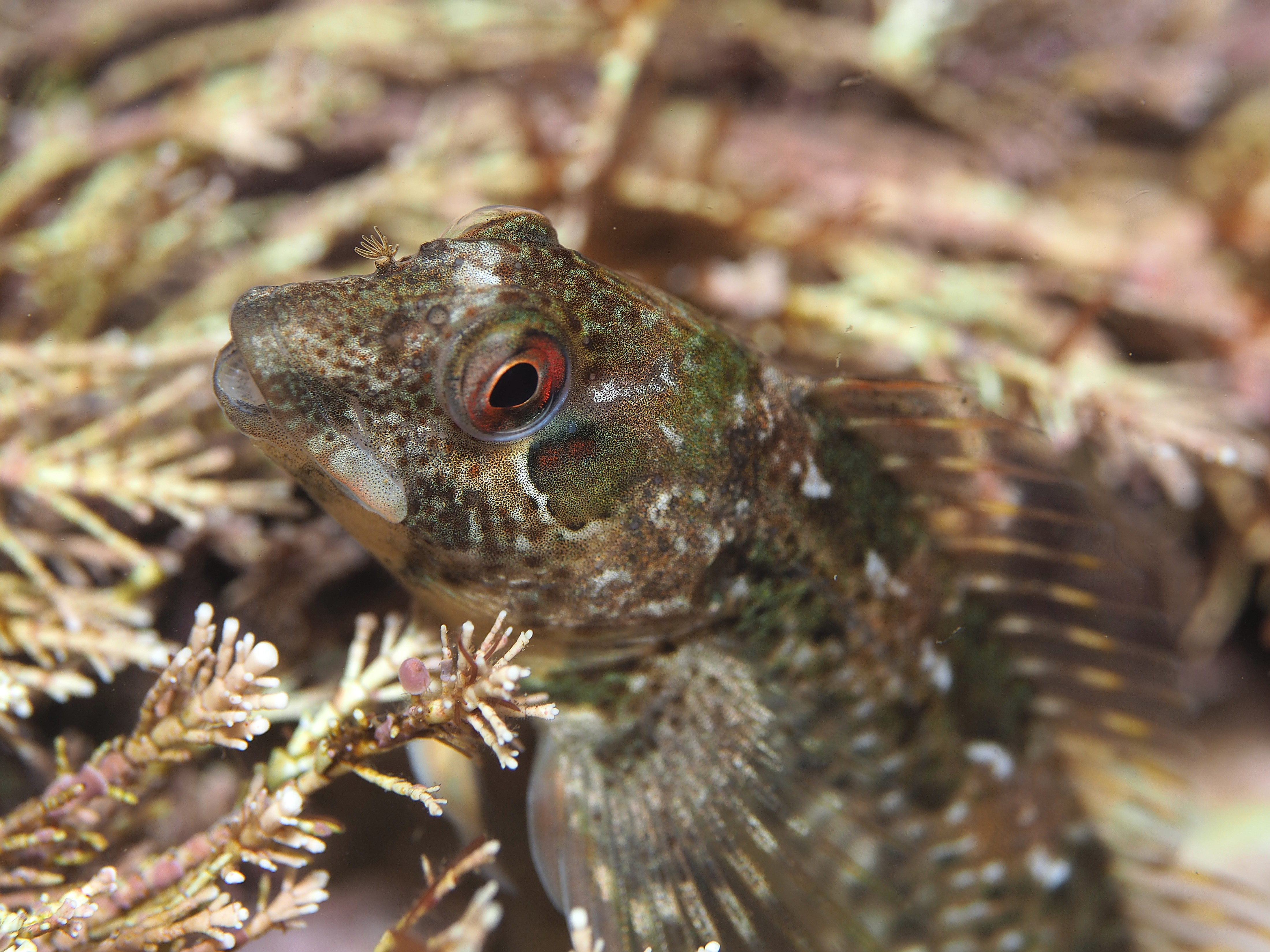
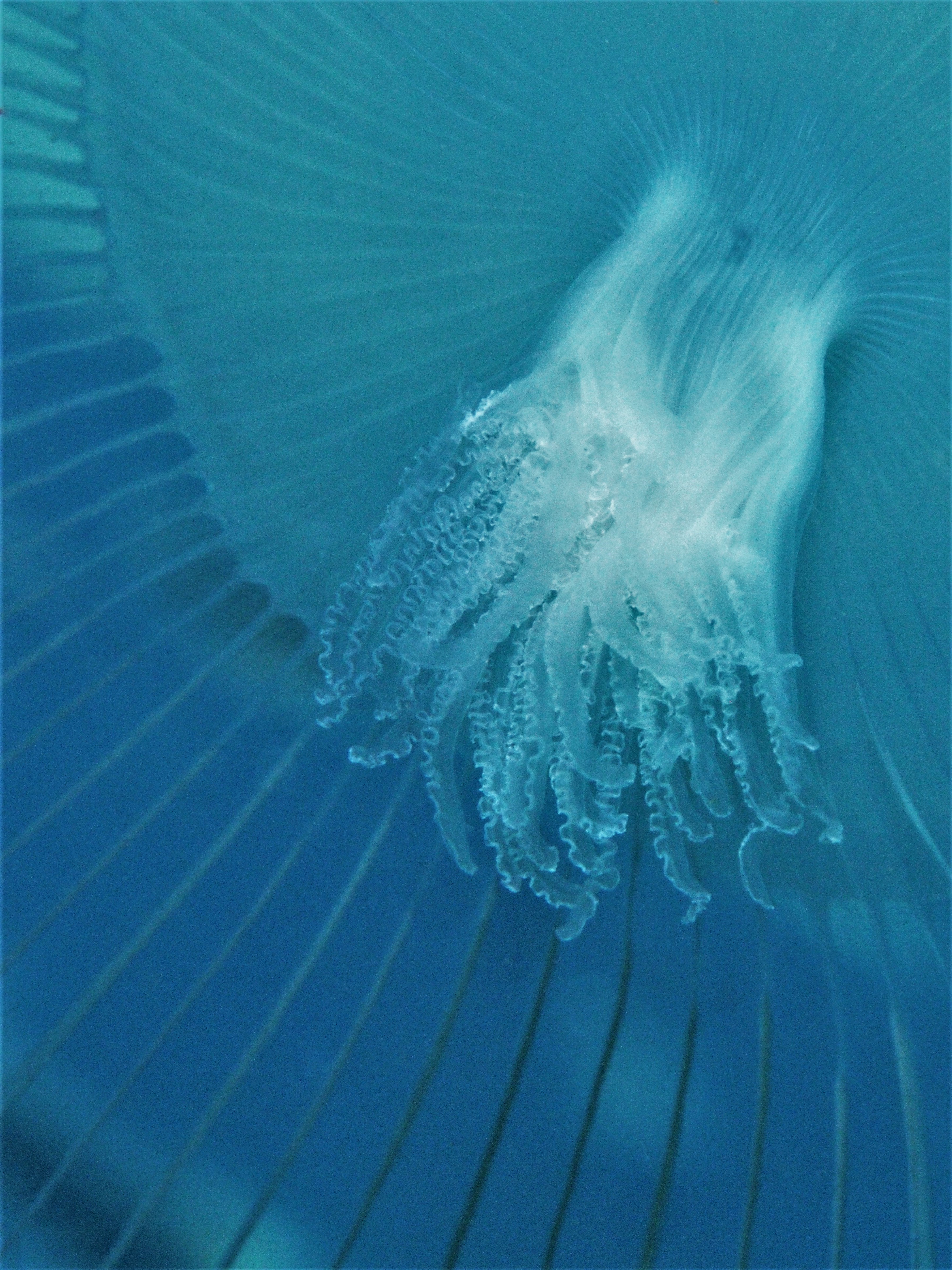
Earlier last year I also took some macro shots of another Aequorea species (perhaps A. victoria but these animals are not easy to identify in the field), below two shots showing the mouth (‘manubrium’).

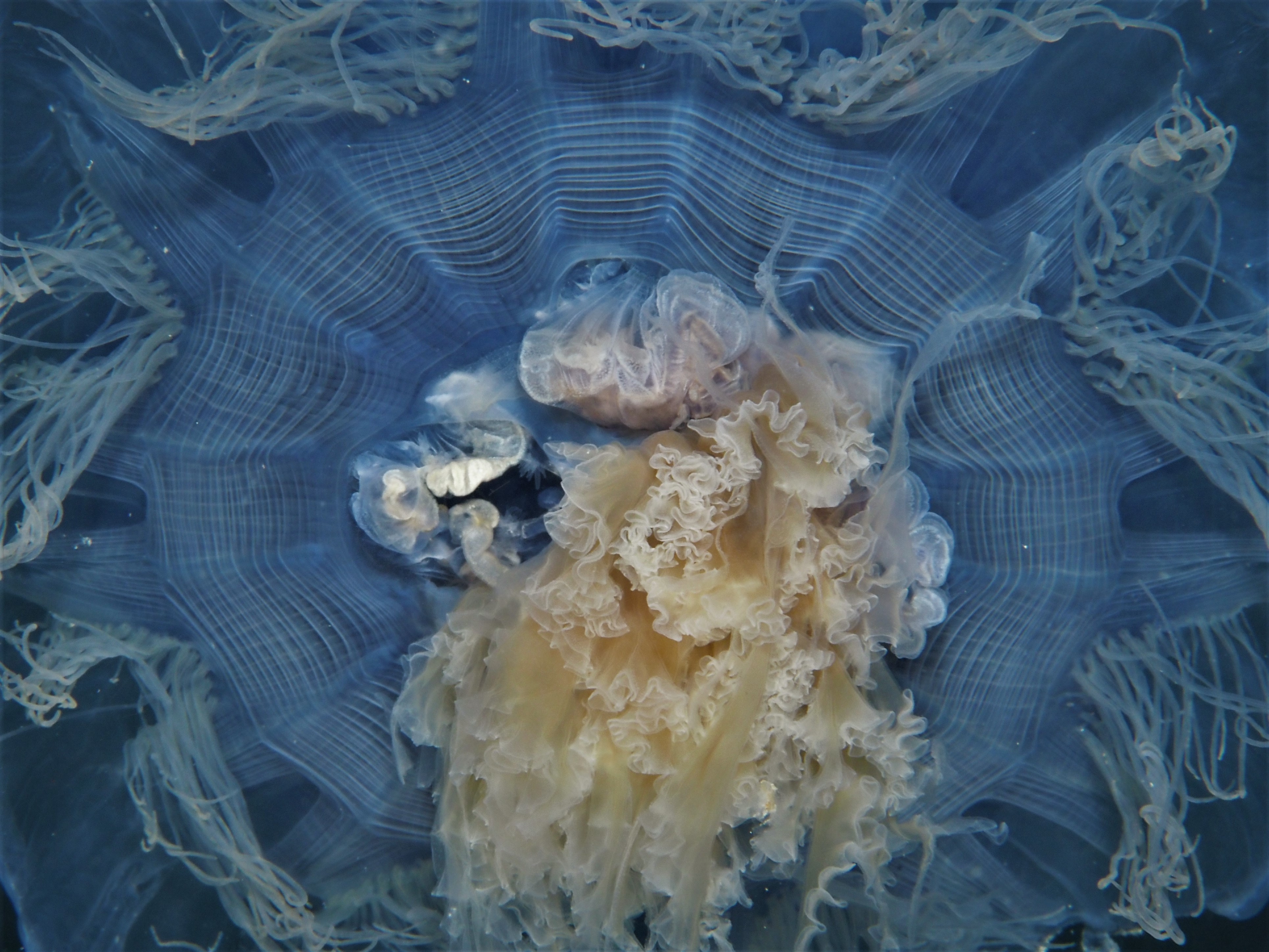
On the same snorkel I also pointed my macrolens at blue jellyfish Cyanea lamarckii; it was fun to capture more detail, although ideally I’d like to capture detail AND the whole animal…. Maybe more luck with a new (or rather secondhand) wide angle lens this year – I cannot wait for the weather to improve and to go back into the water! More posts to follow soon I hope.

Springtails and Mites

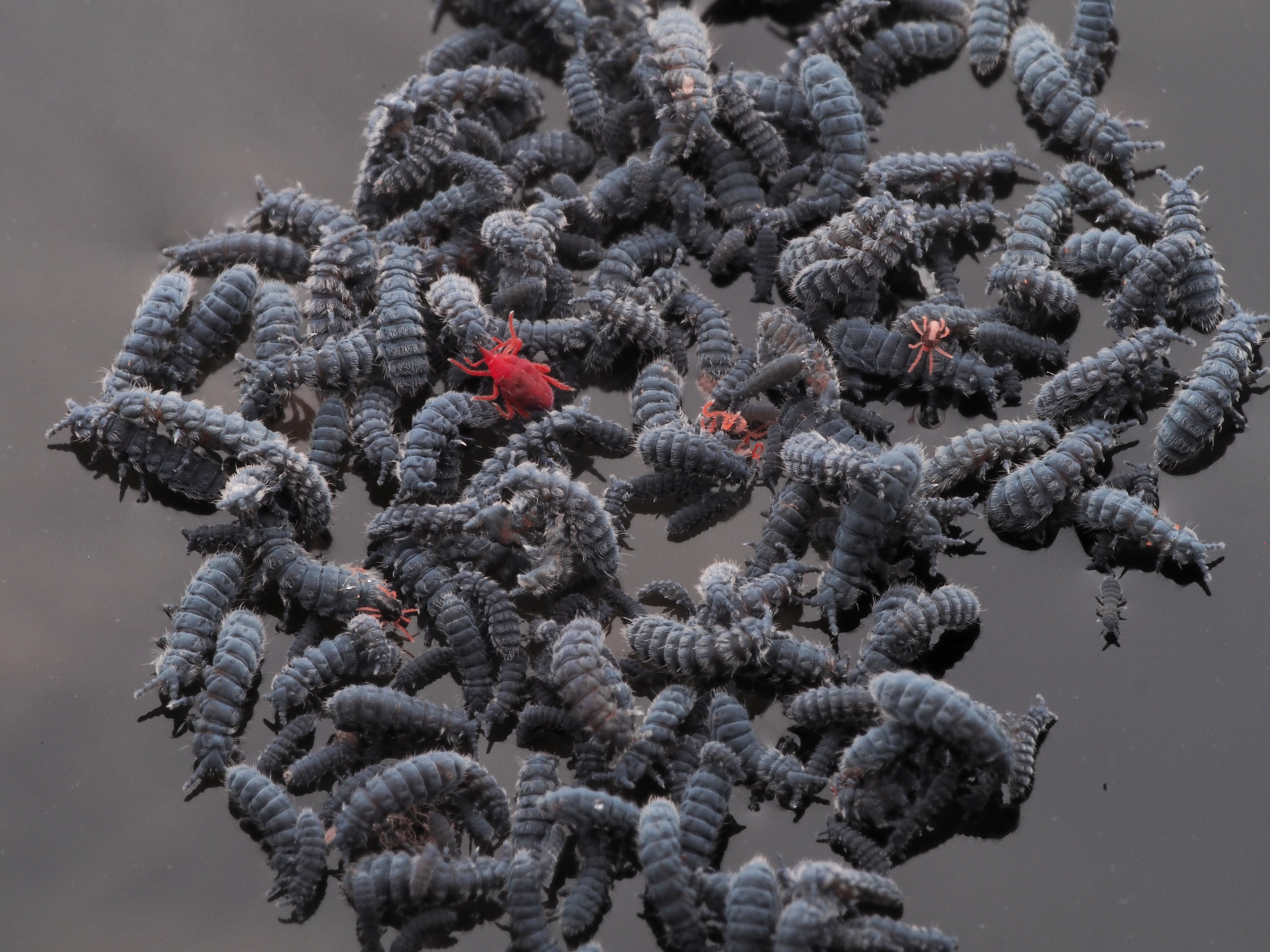
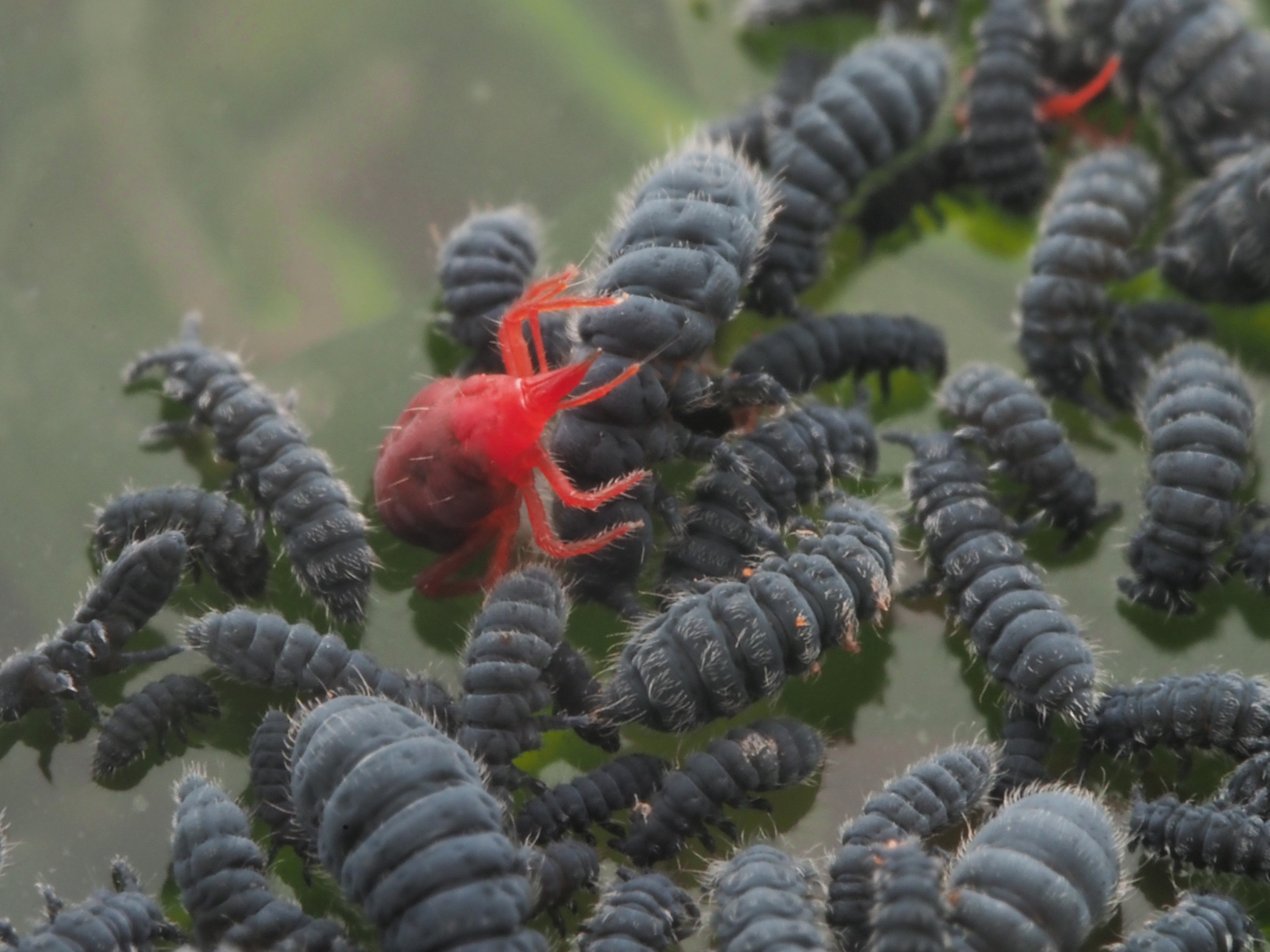
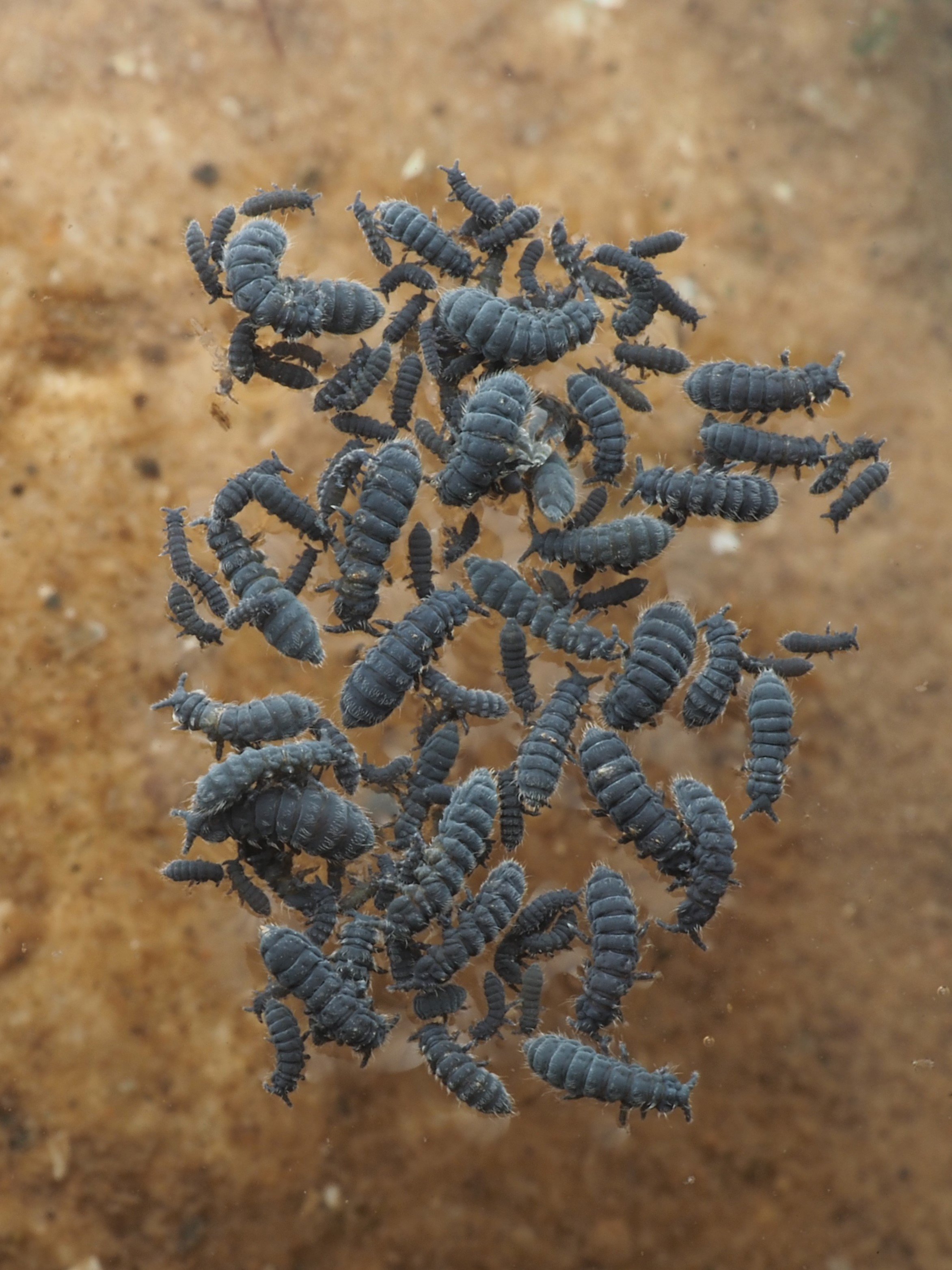
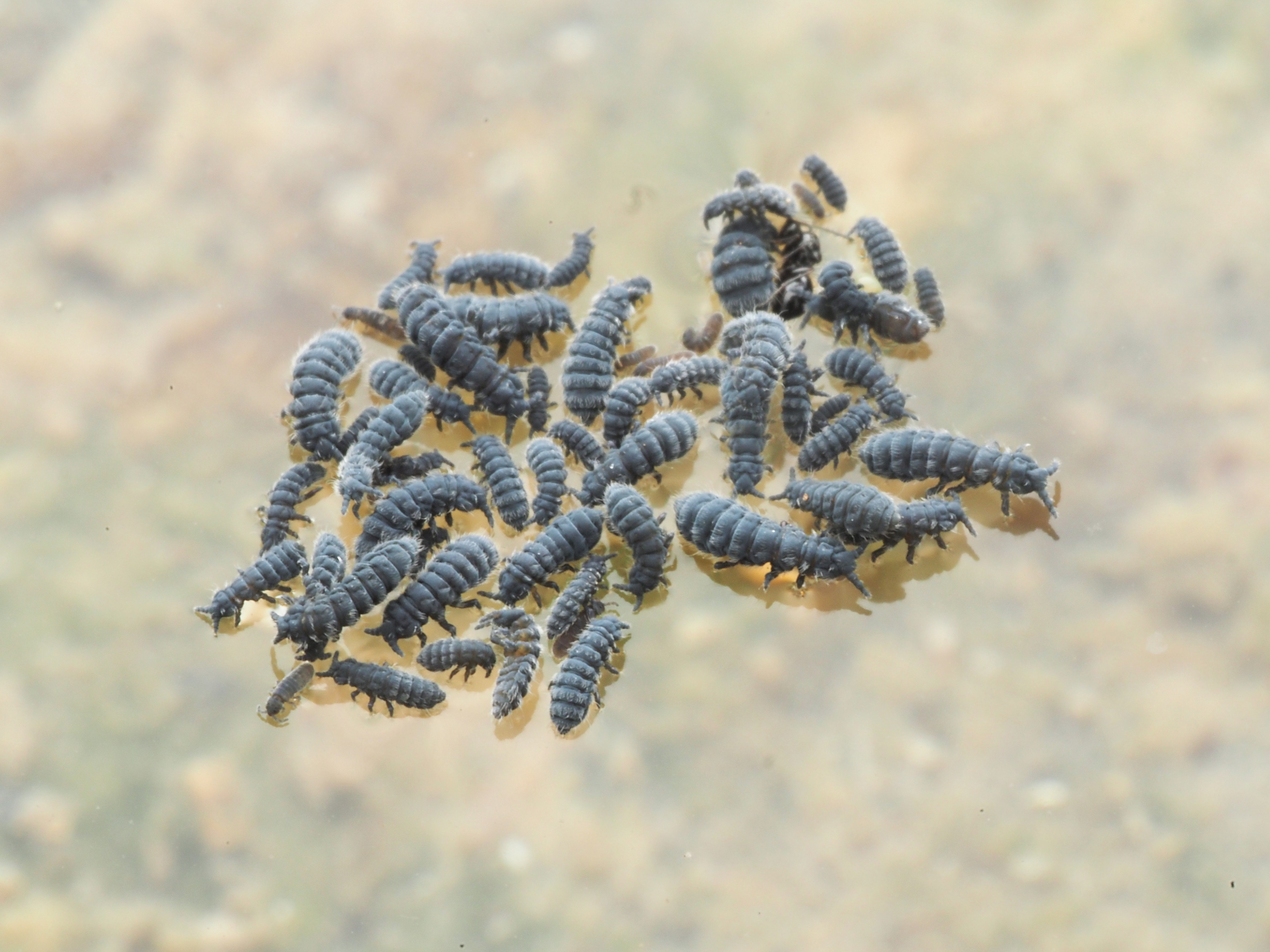
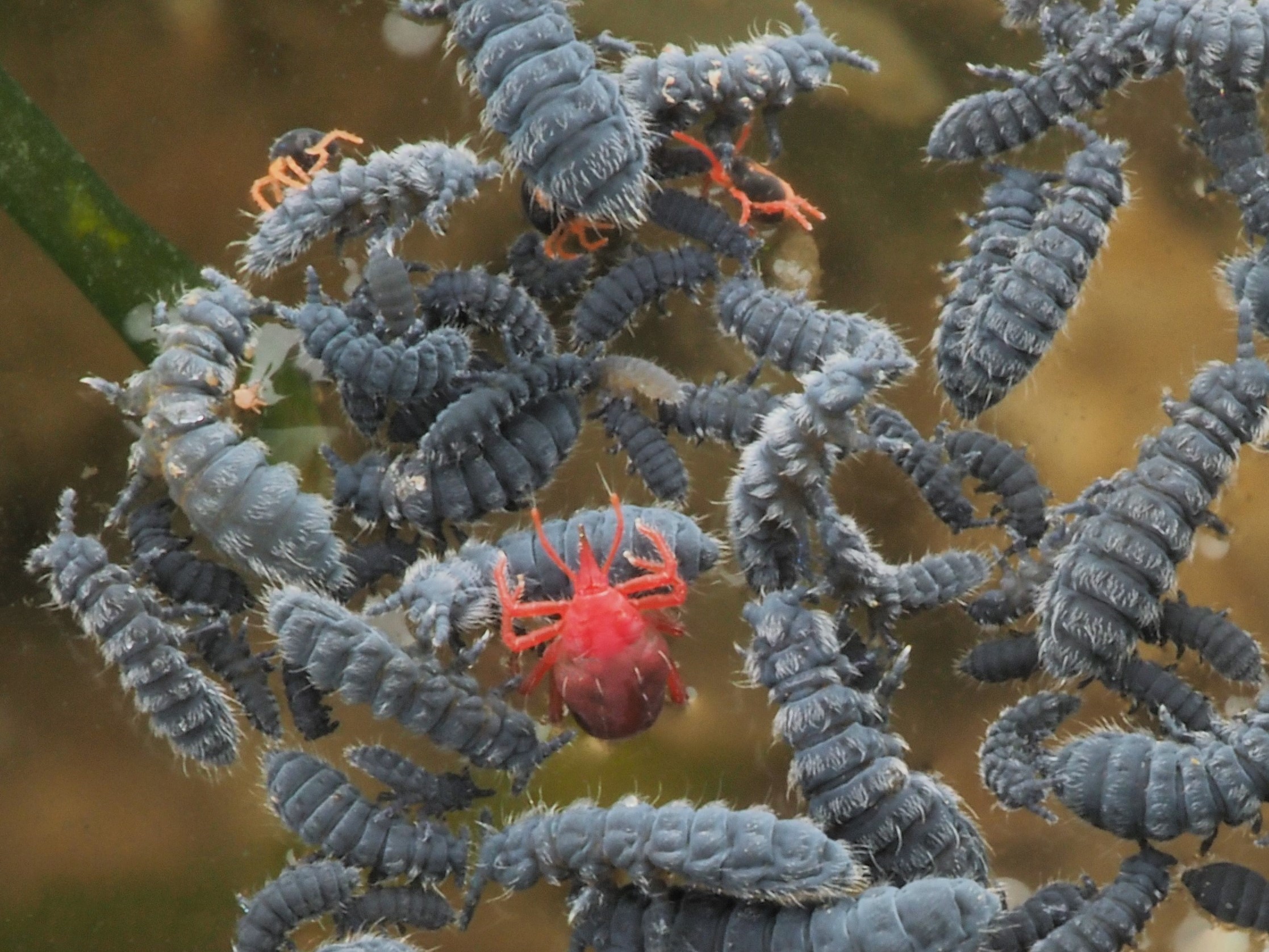
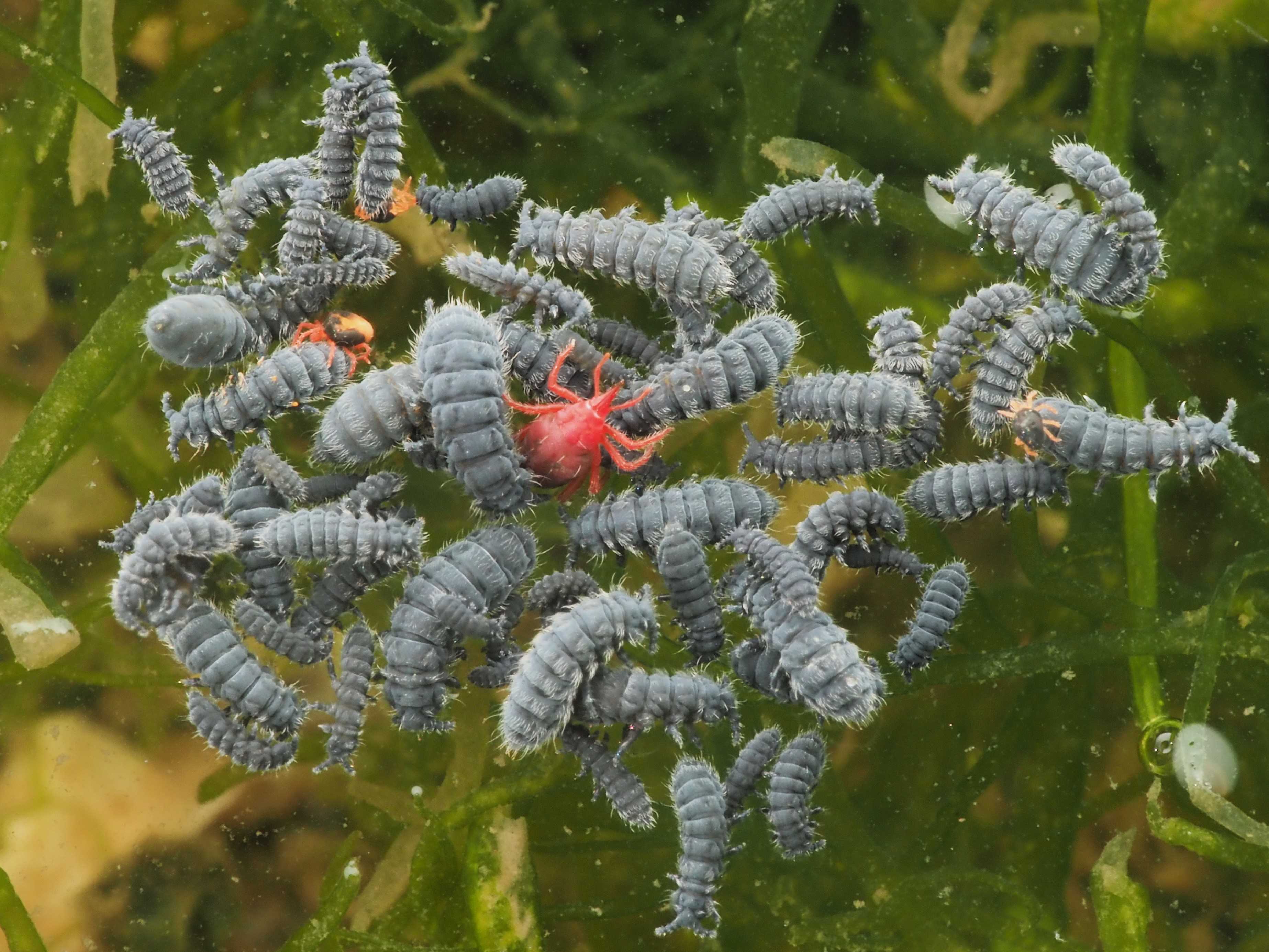
We met up with friends in Anglesey (Cymru/Wales) last week. The weather was beautiful, but the viz was milky and the rock pools quite bare. However, there were some interesting animals to see in the pools on the upper shore: rafts of springtails (Anurida maritima). These are tiny but fascinating animals that hide in crevices or under seaweed at high tide but that live in groups on the water surface when it is still. This is helped by bristles that make them highly hydrophobic, a circatidal rhythm and pheromones that allow them to aggregate. Springtails are extremely abundant and important in terrestrial ecosystems but have made a home in the sea as well (and fun fact: although they have six legs, they are not insects). Anurida scavenge on dead animals but themselves fall prey to mites. This tiny raft (the larger springtails are only 3mm) houses two species: a Red Snout Mite (Neomolgus littoralis) a Bdella species (thanks for ID Matthew Shepherd!) and several smaller Halotydeus hydrodomus. The raft in the photo is about the size of a stamp but there is quite a lot going on!

These photos were taken with the 60mm macro lens and the Raynox 250D macroadapter and a cygnustech diffuser (dipping into the water).

Back to Silver Steps

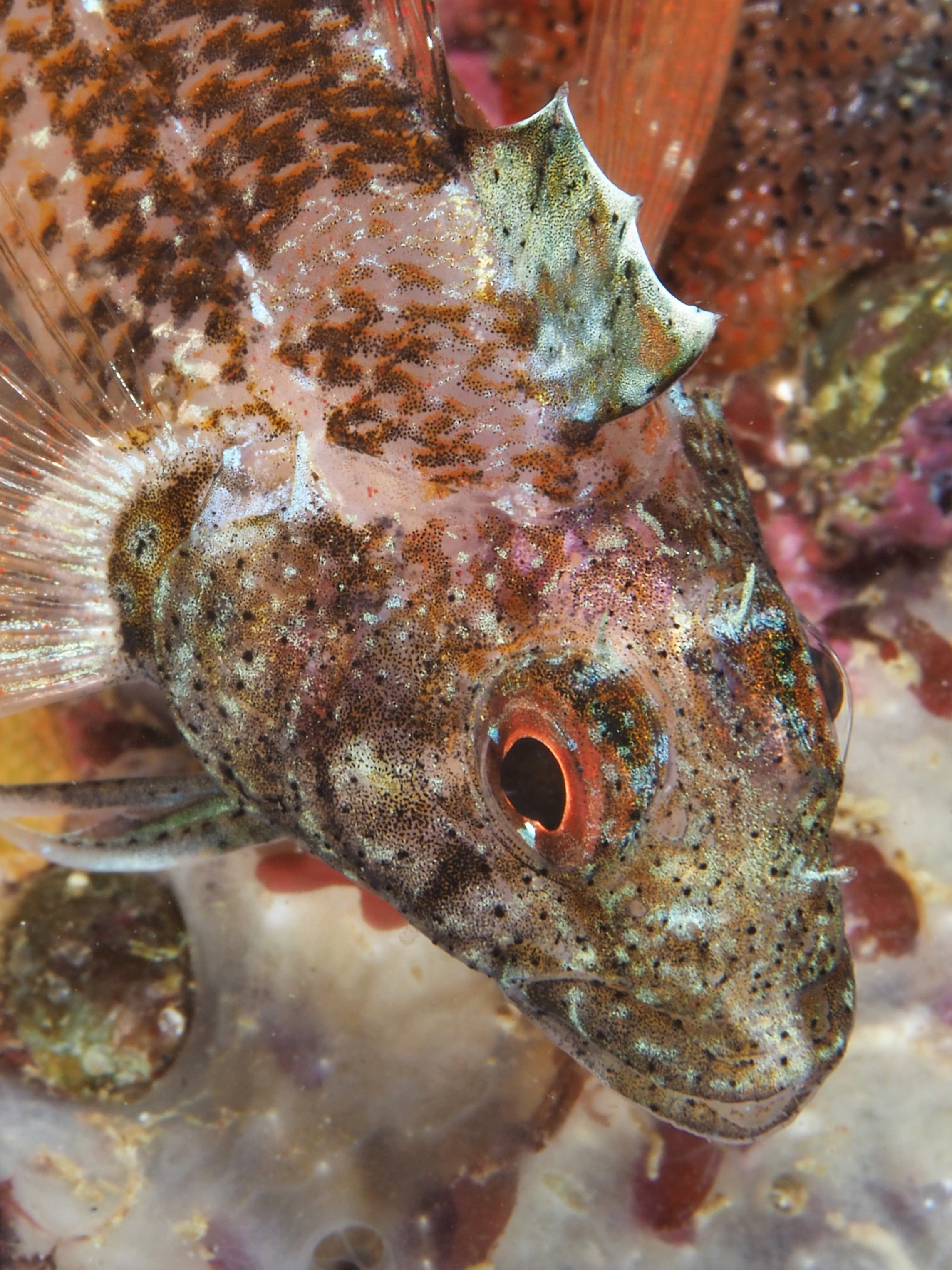
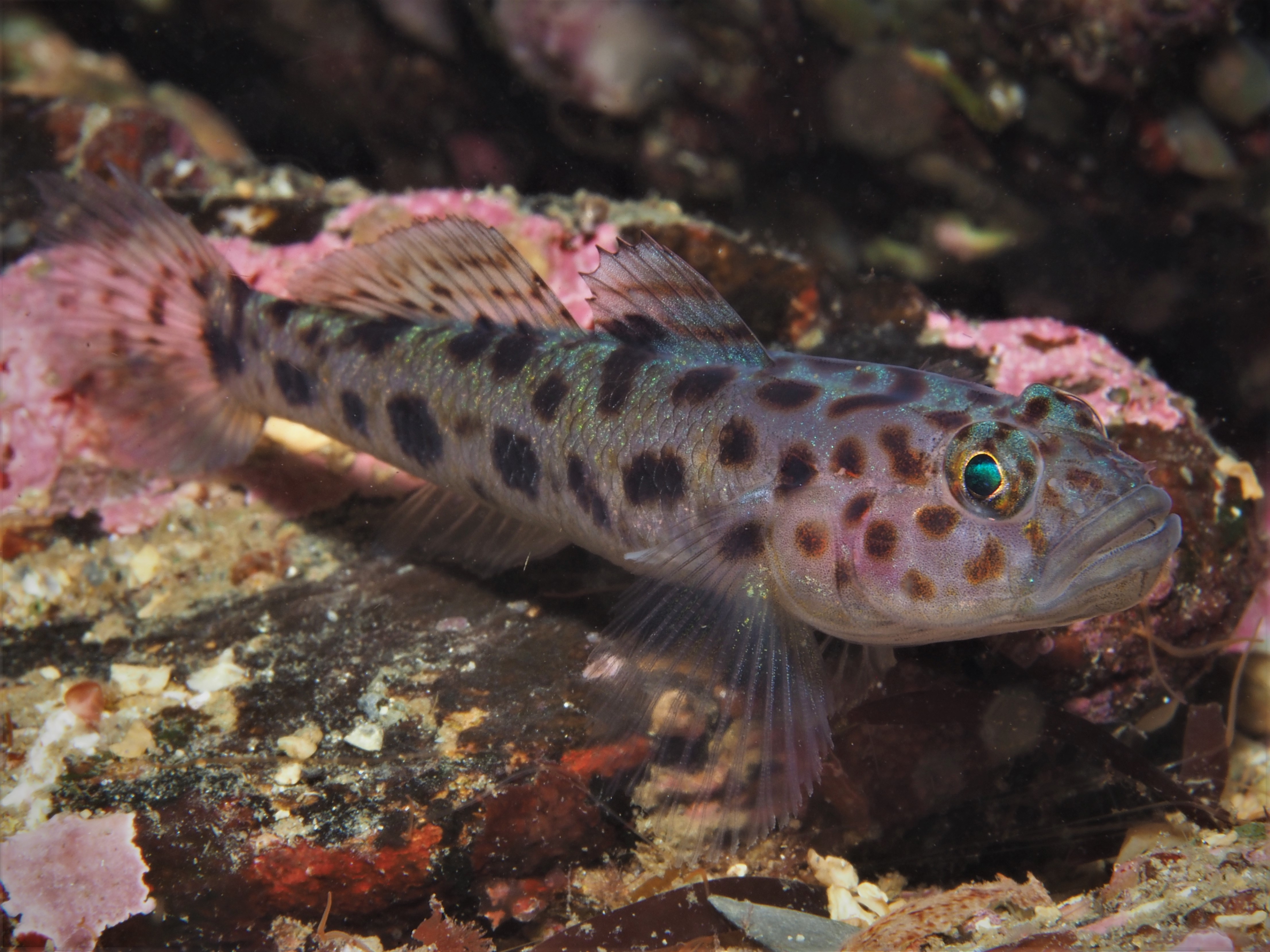
I recently bought (2ndhand) scuba gear and did a refresher dive; with the nice weather this week it was high time to get back under the waves and take some photos! I dived Thu/Fri/Sat at the main local shoredive site ‘Silver Steps‘. I went in by myself, but with a maximum depth of around 10 meters and good conditions this is not risky. The dives did not disappoint, the viz was excellent! Although I spotted cuttlefish every dive, I still opted for the macro lens, as I suspected I could not get great shots of them with my fisheye lens at 1.5 meter distance (I might have been wrong!). Instead of heading out to sea as some divers do, I always stick to the gullies by the rocks, diving below the kelp to see what happens beneath the rocky overhangs. There are three usual suspects hiding there, each with a very different personality. First, Leopard Spotted Gobies (Thorogobius ephippiatus) inhabit cracks in the rocks and are quite shy:

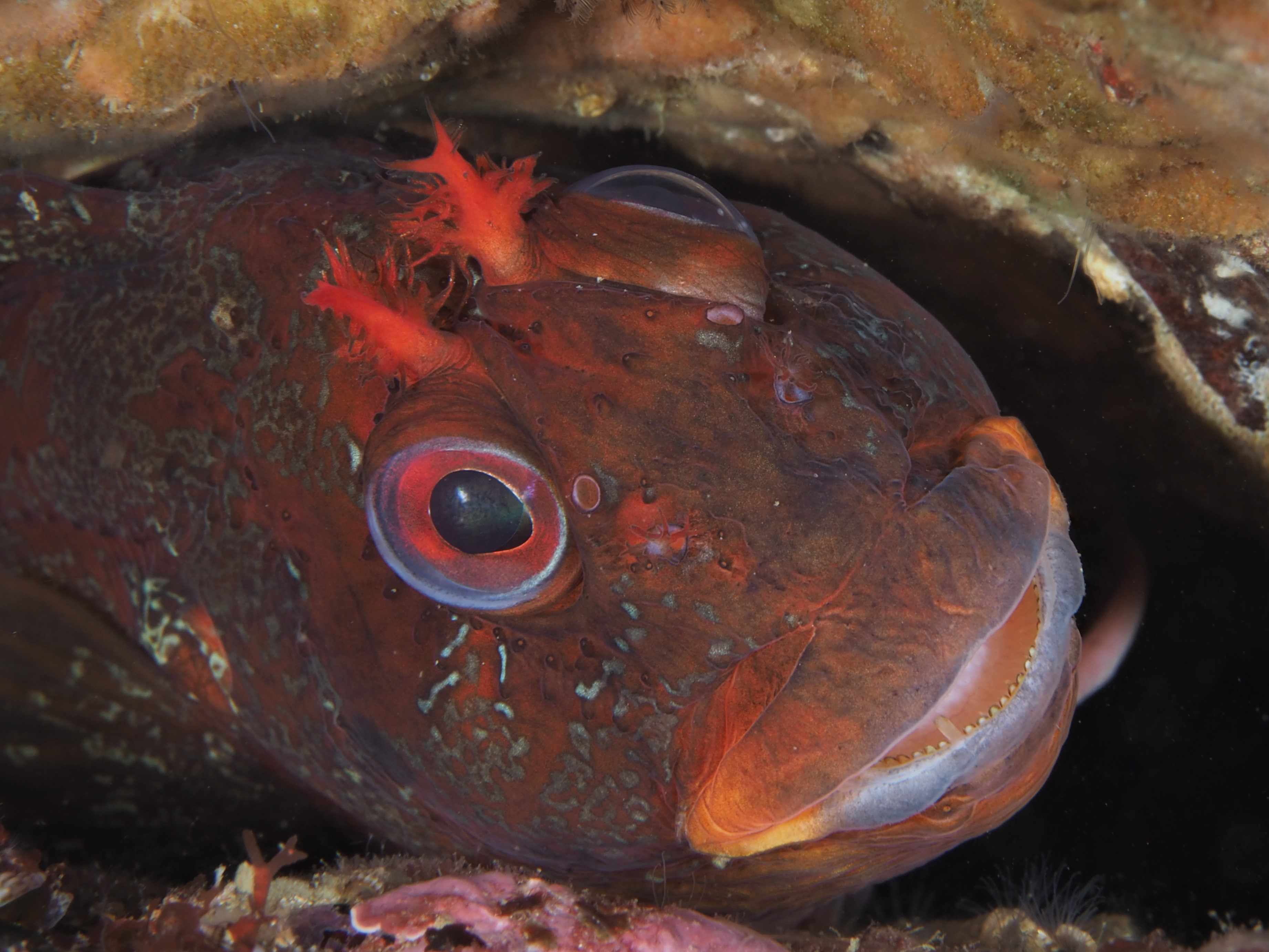
Second, Tompot Blennies (Parablennius gattorugine) are extremely inquisitive, often coming very close to check out what is going on in front of their domain:

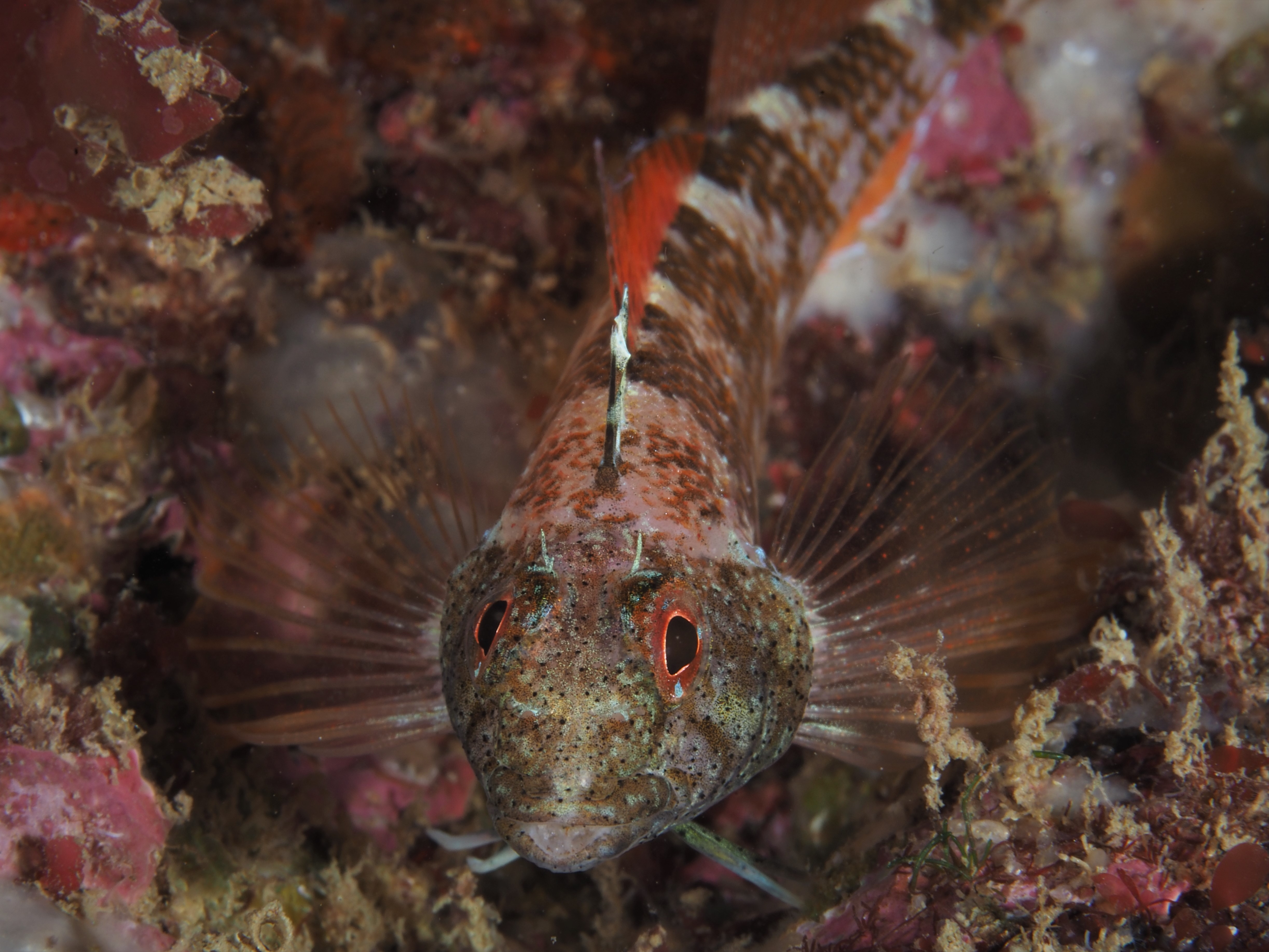
Third, Black-face Blennies (which are not true blennies but triple fins) that only ever live under overhangs, usually head-down. I did not see males in breeding colours (black face, yellow body) but this colour form is even prettier I think:

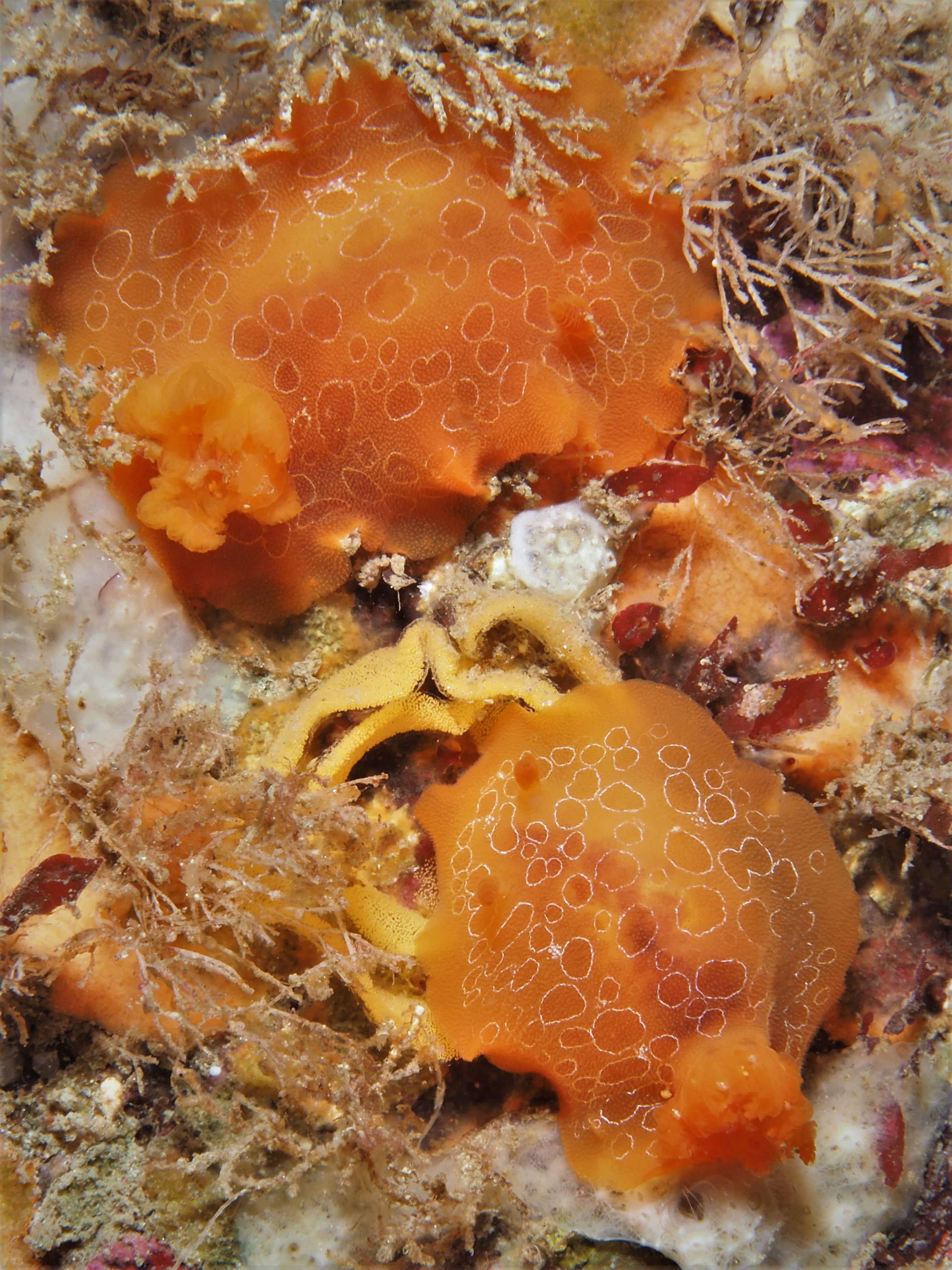
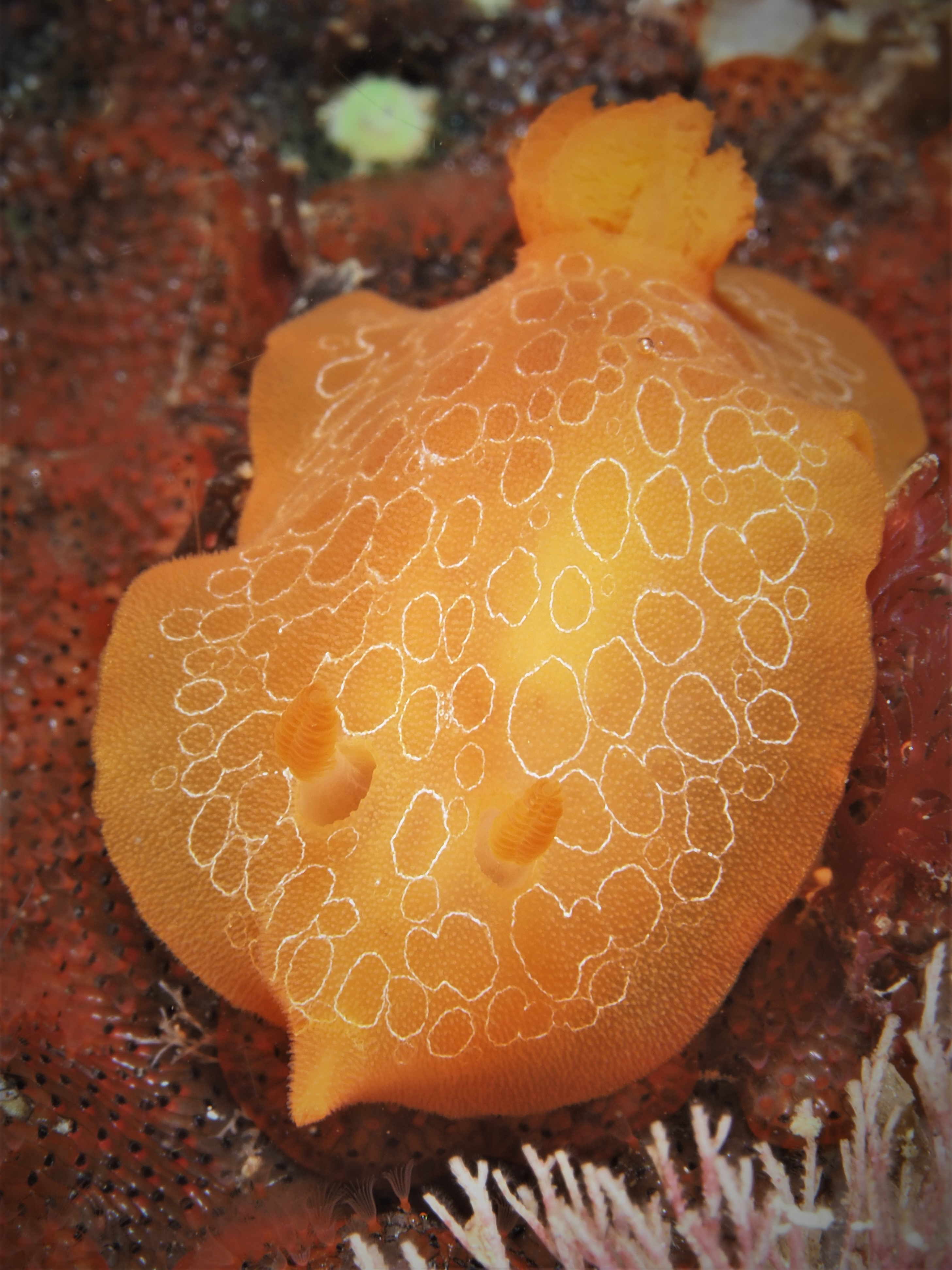
When inspecting the rock walls carpeted in sponges, seasquirts, algae, worms and other things, I kept my eyes out for nudibranchs. Apart from a tiny crested aeolis, I spotted a good number of Discodoris rosi, busy mating and laying eggs. This species has only been observed in the UK for a decade or so but the population now is booming, with many reports coming in from all over Cornwall:

All in all a great enjoyable three dives! Silvery schools of sandeels and sprat/herring, many wrasse, cuttlefish, small and very big lobsters and a greater pipefish were also spotted. Unfortunately the weather has made a turn for the worse this week, however, there are still a few diveable months left this year…

Dog Whelks at Kynance Cove

A trip to one of our favourite places today: Kynance Cove on the Lizard Peninsula. The weather was such that snorkeling was a big no, but after some wind and rain, luckily the sun came out for a bit (which it should, it is July!). I took some macro shots of the rocks at low tide using my new Cygnustech diffuser. This contraption makes the flash light much less harsh, and is pretty much essential when taking (non-natural light) macro shots. This is one of the best diffusers out there and I can highly recommended it (are plenty of reviews are available online). Some of the shots were taken with the Raynox DCR-250 macro attachment in front of the macro lens for a little bit of extra magnification.
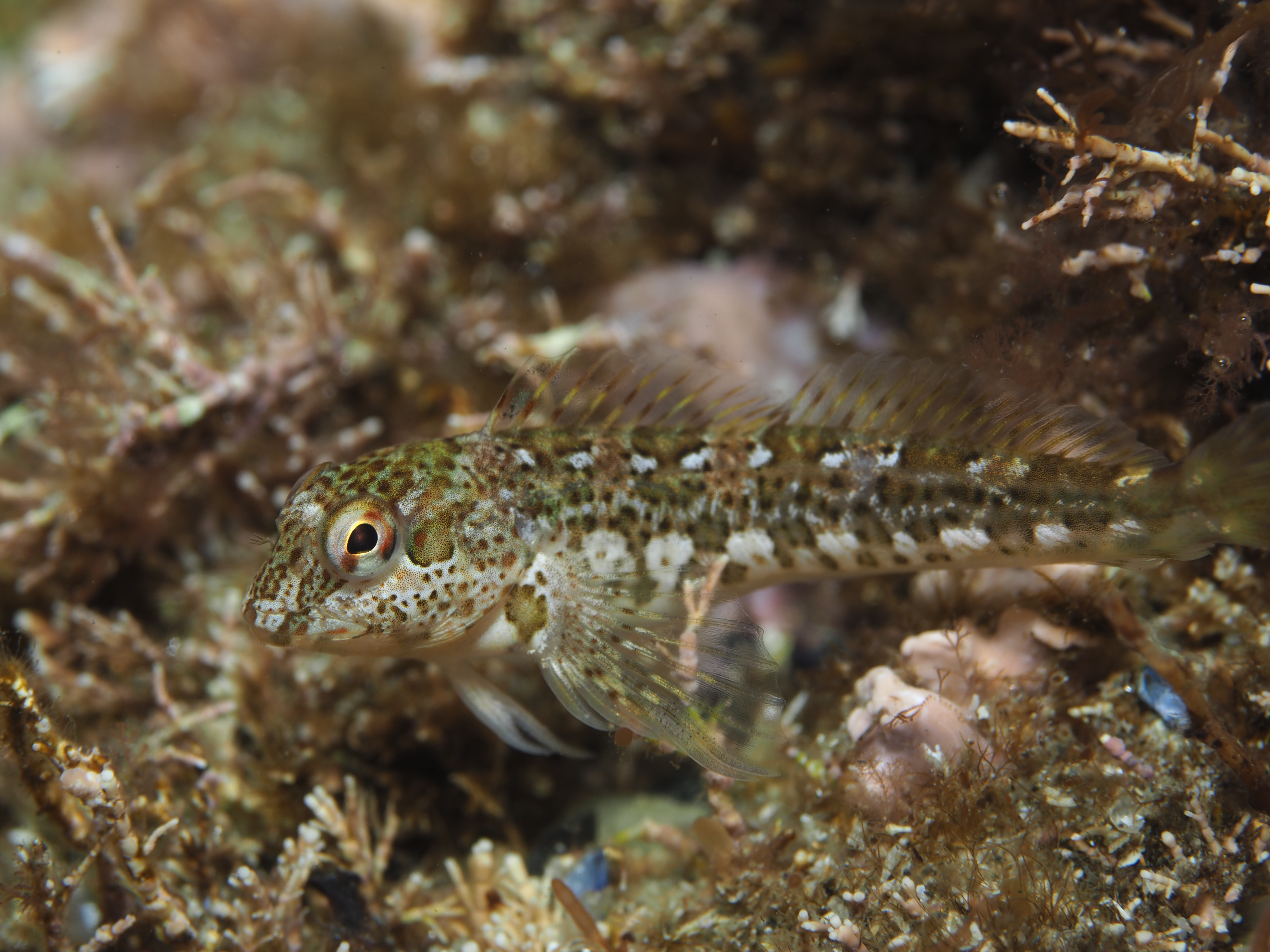
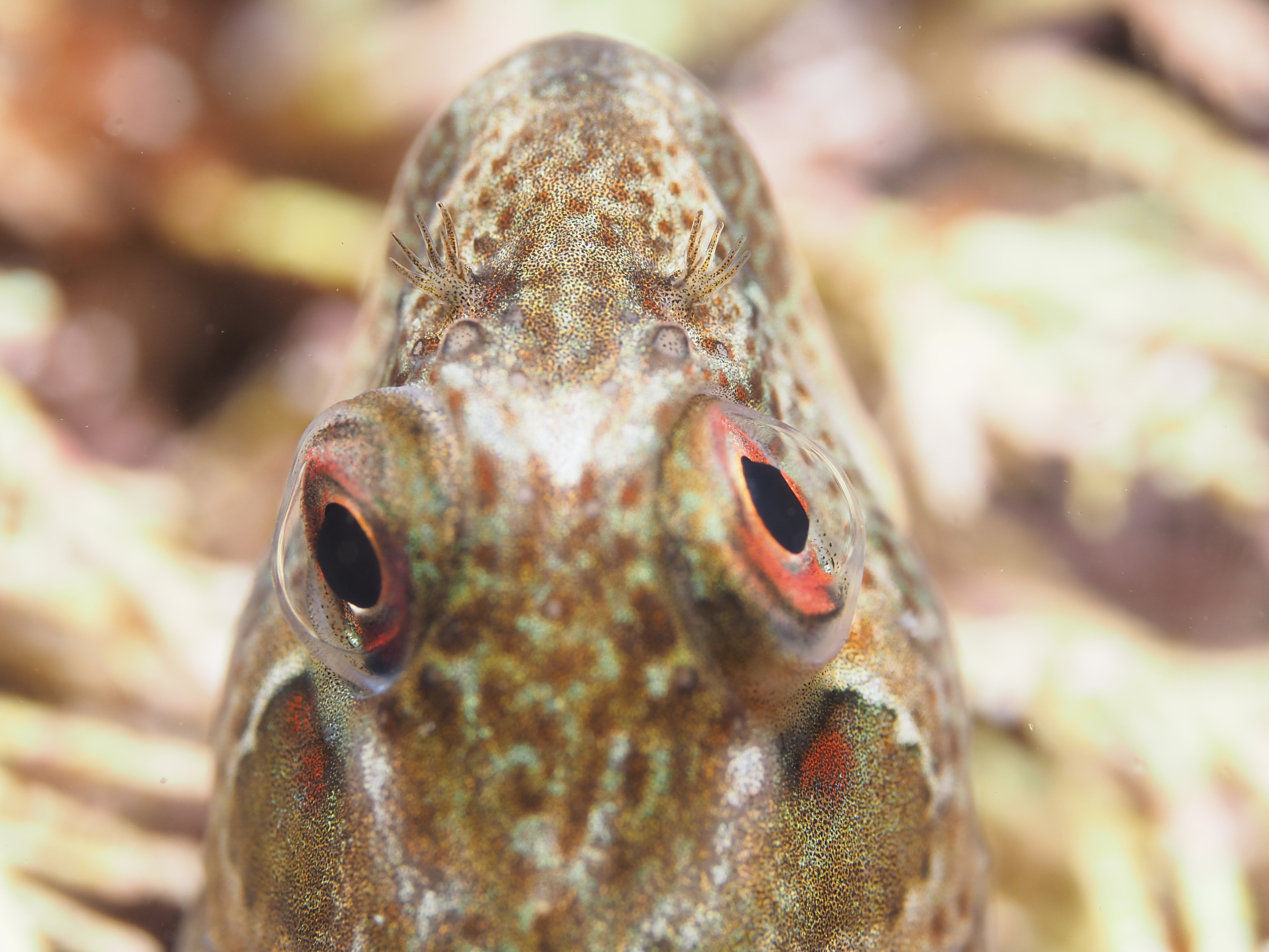
Anyway, there is not a lot of animal diversity on this battered coast of green and red serpentine rock: barnacles, dog whelks, mussels and limpets mainly. Above a selection of photos highlighting some small Dog Whelks (Nucella lapillus). This predatory species can come in many more colour varieties than we found today (see here for example). The limpets are either the Common Limpet (Patella vulgata) or the Blackfooted Limpet (P. depressa); you need to be able to see the animal to be sure. The barnacles are Montagu’s Stellate Barnacles (Chthamalus montagui) (I might have this wrong; I must confess I never really gave barnacles the attention they deserve). Not too spectacular but you gotta try something when you cannot take photos underwater!