

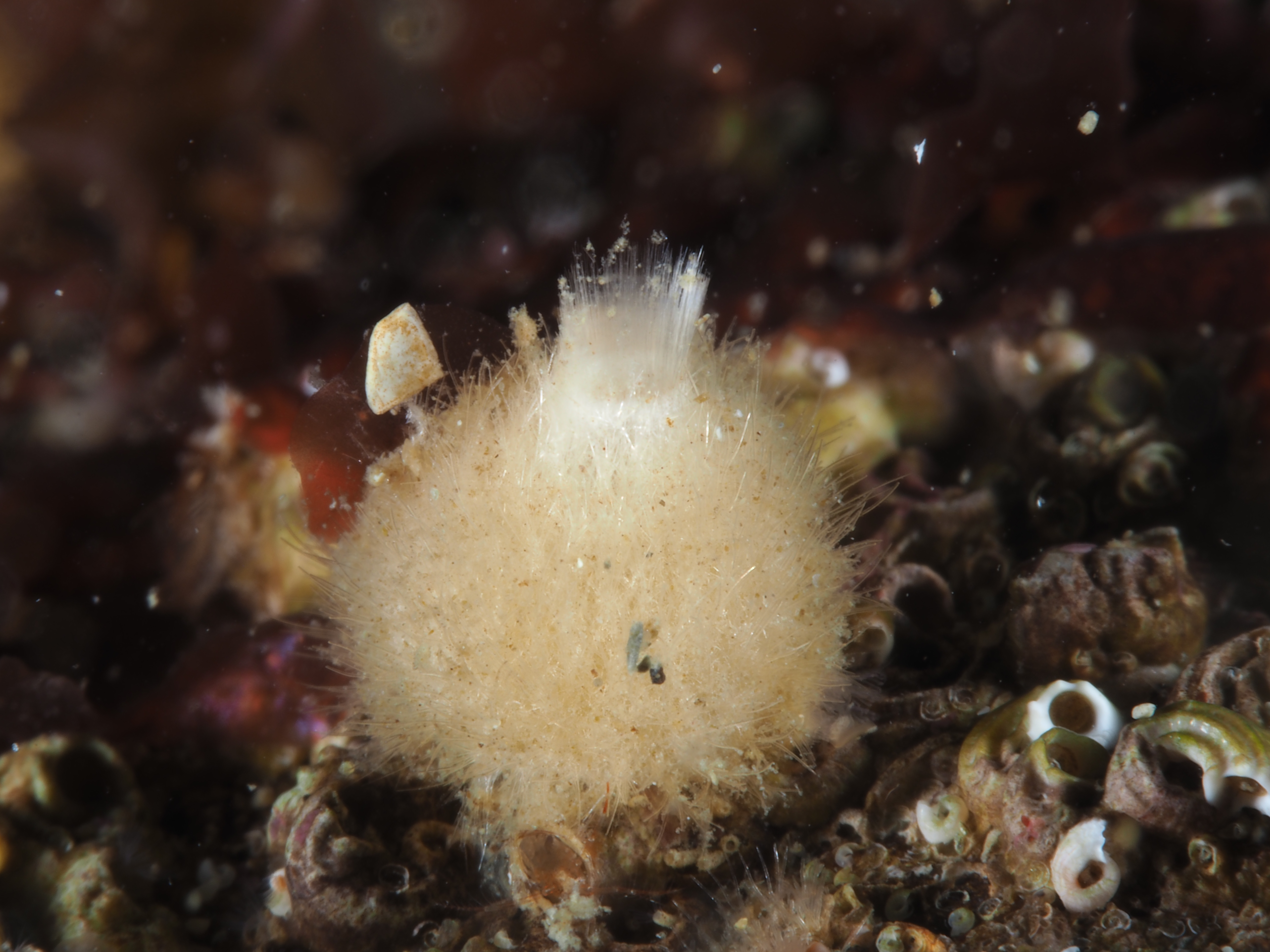


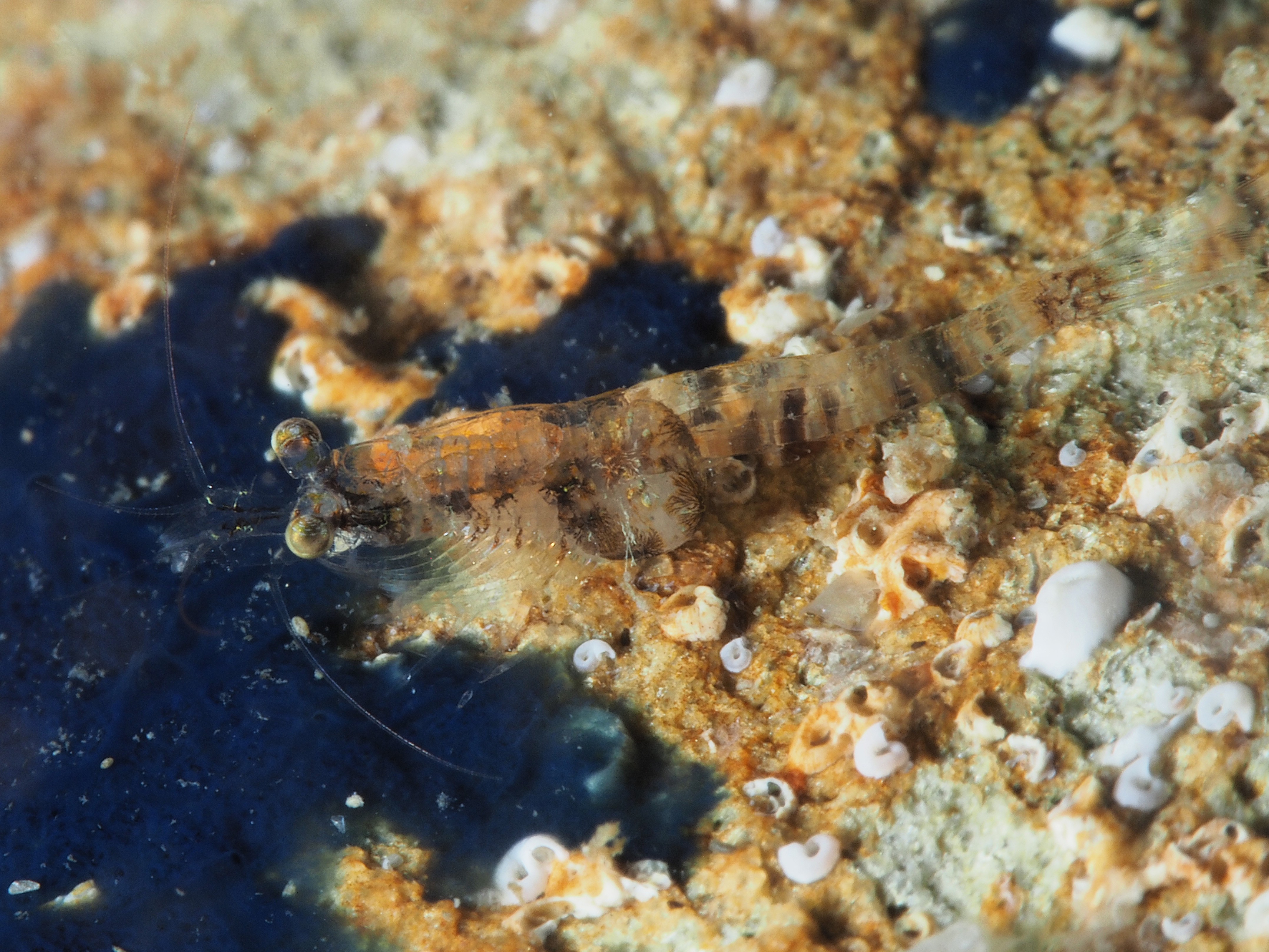
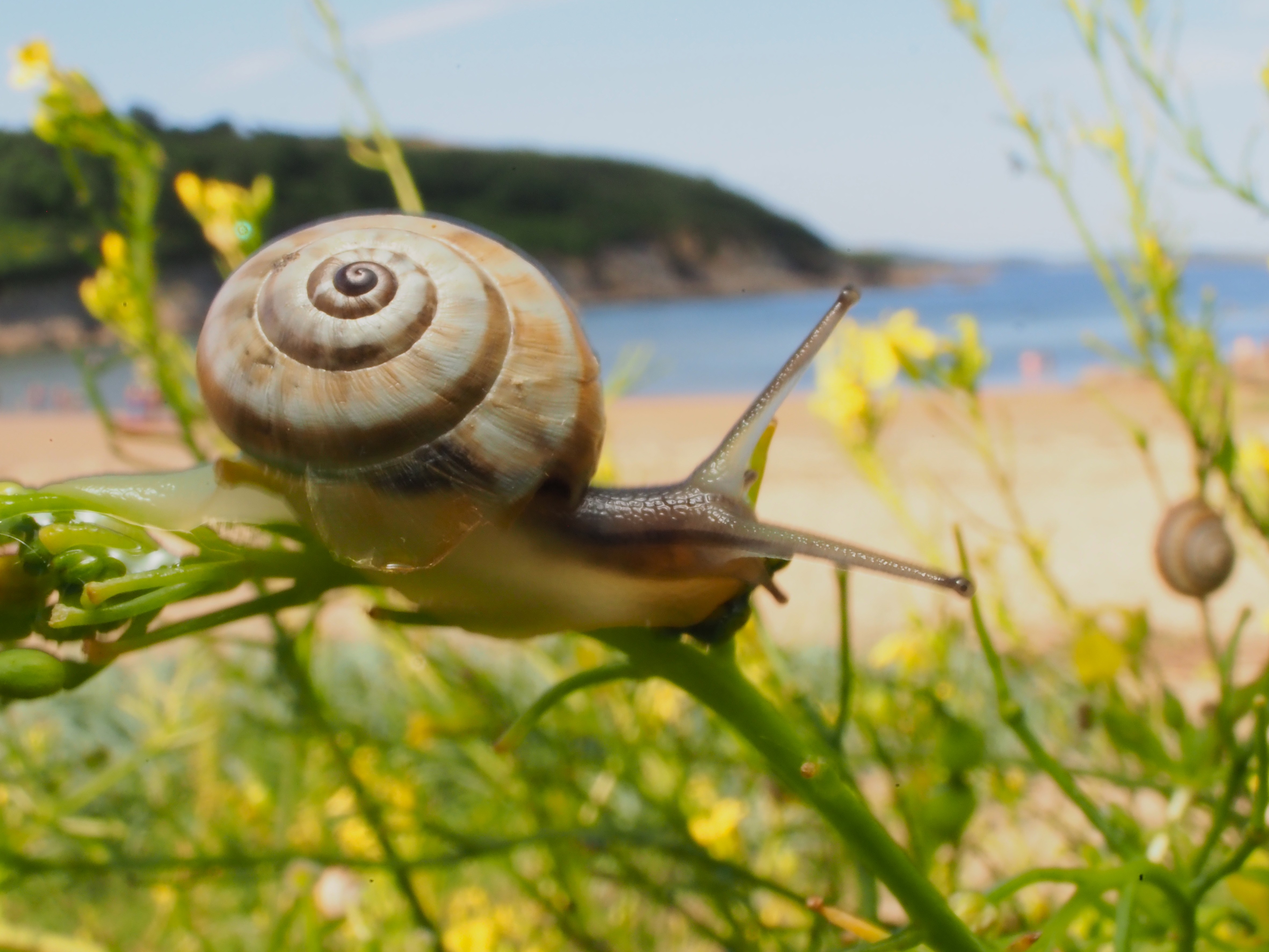
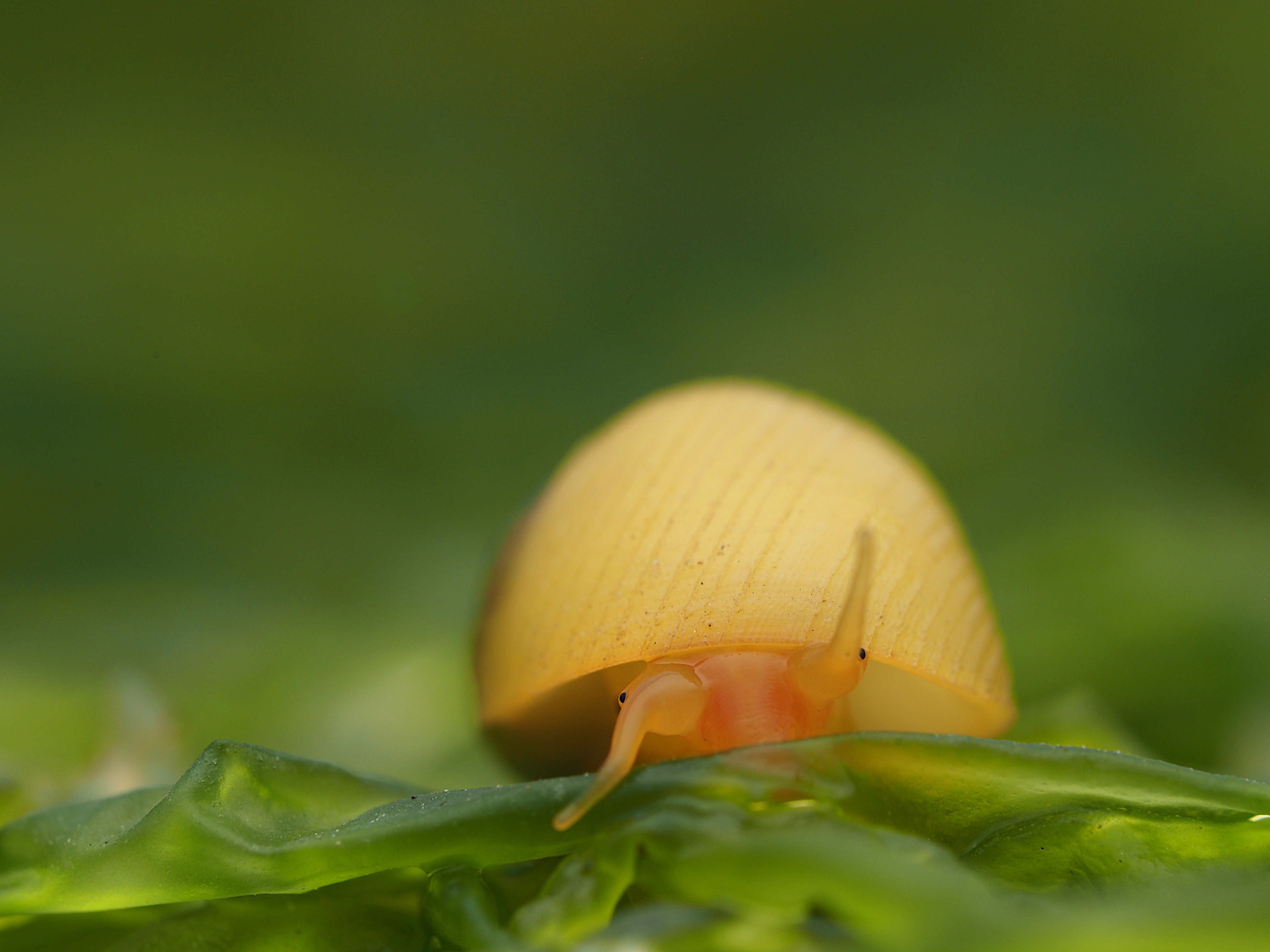
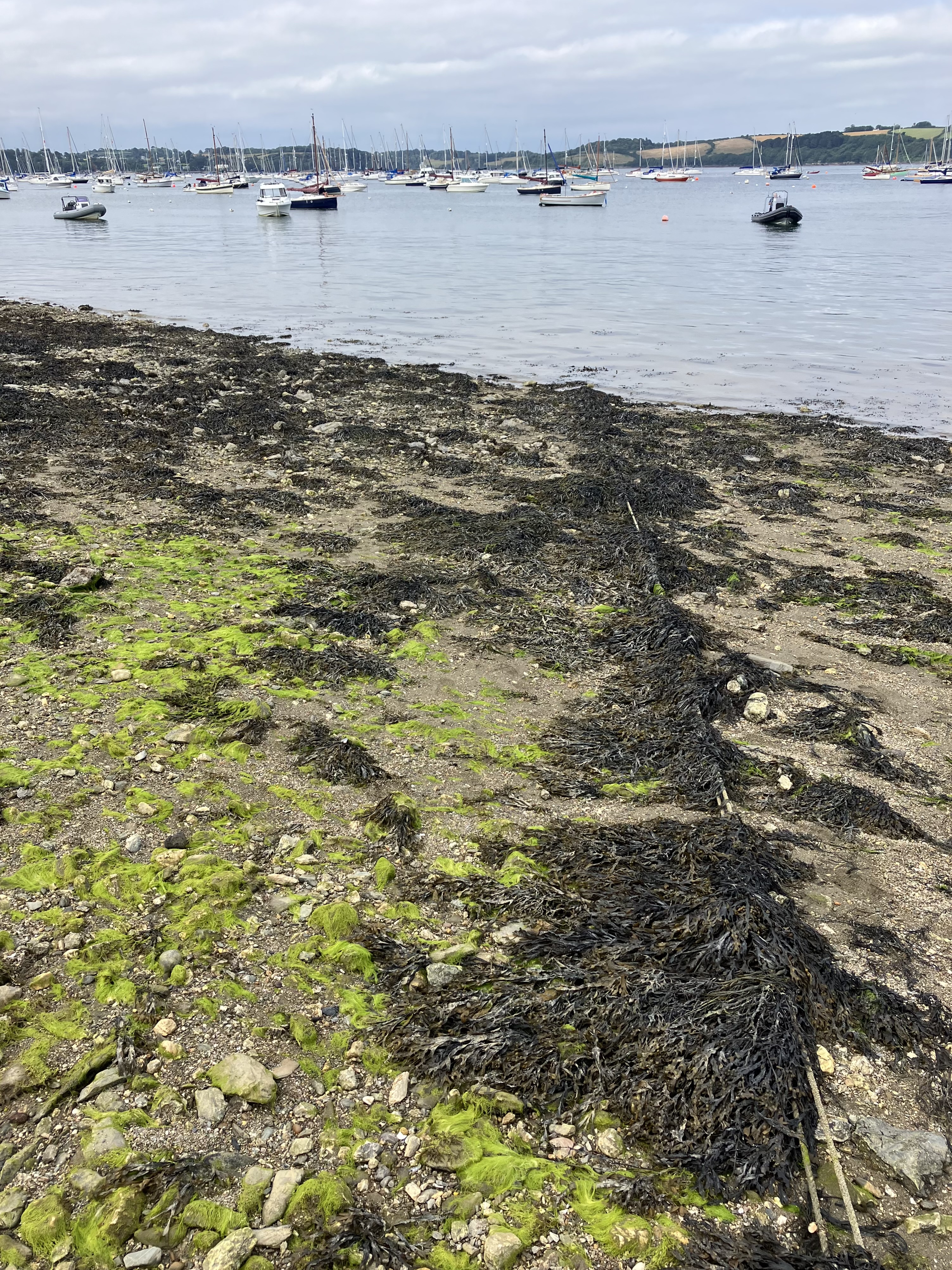
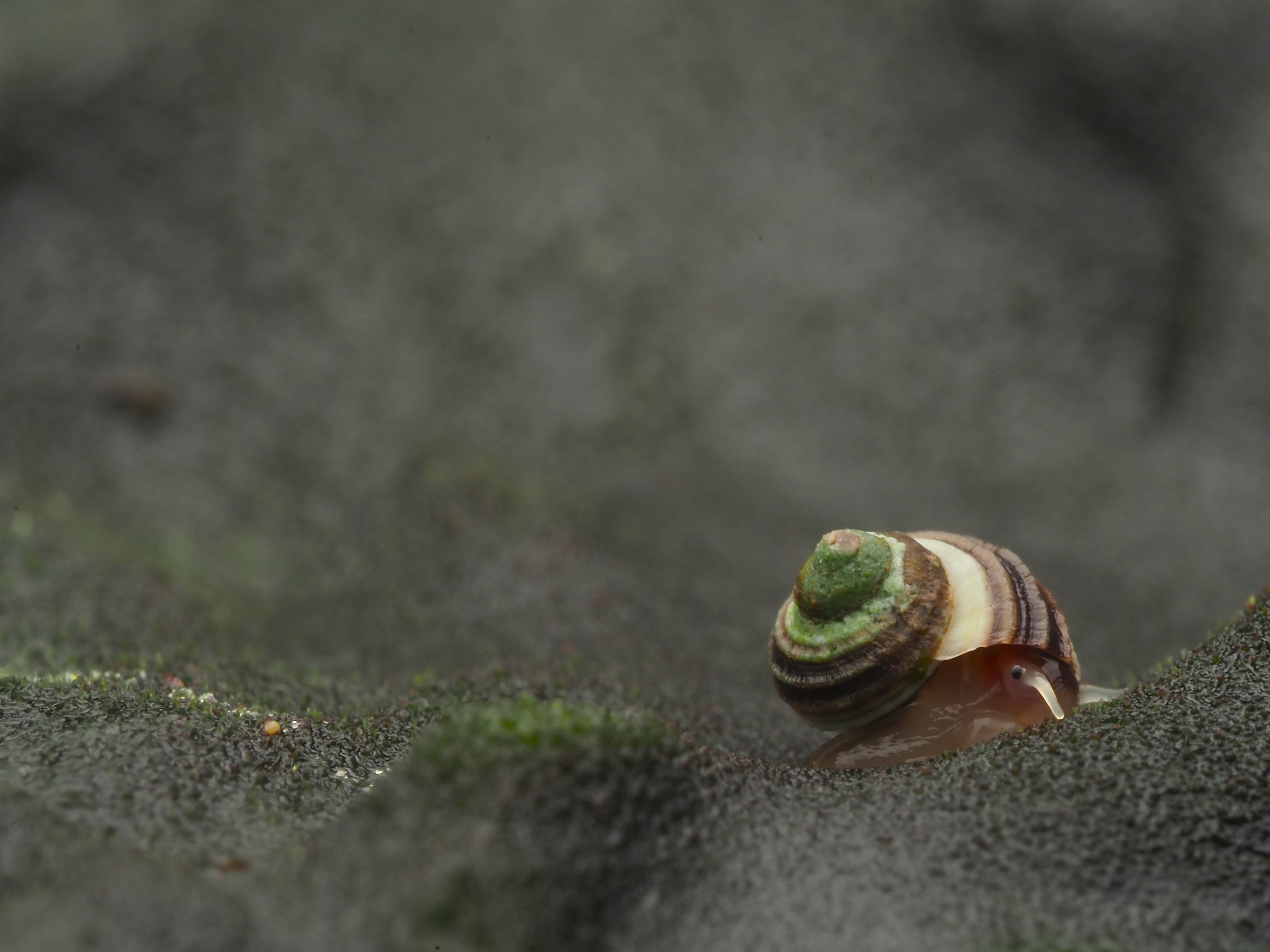
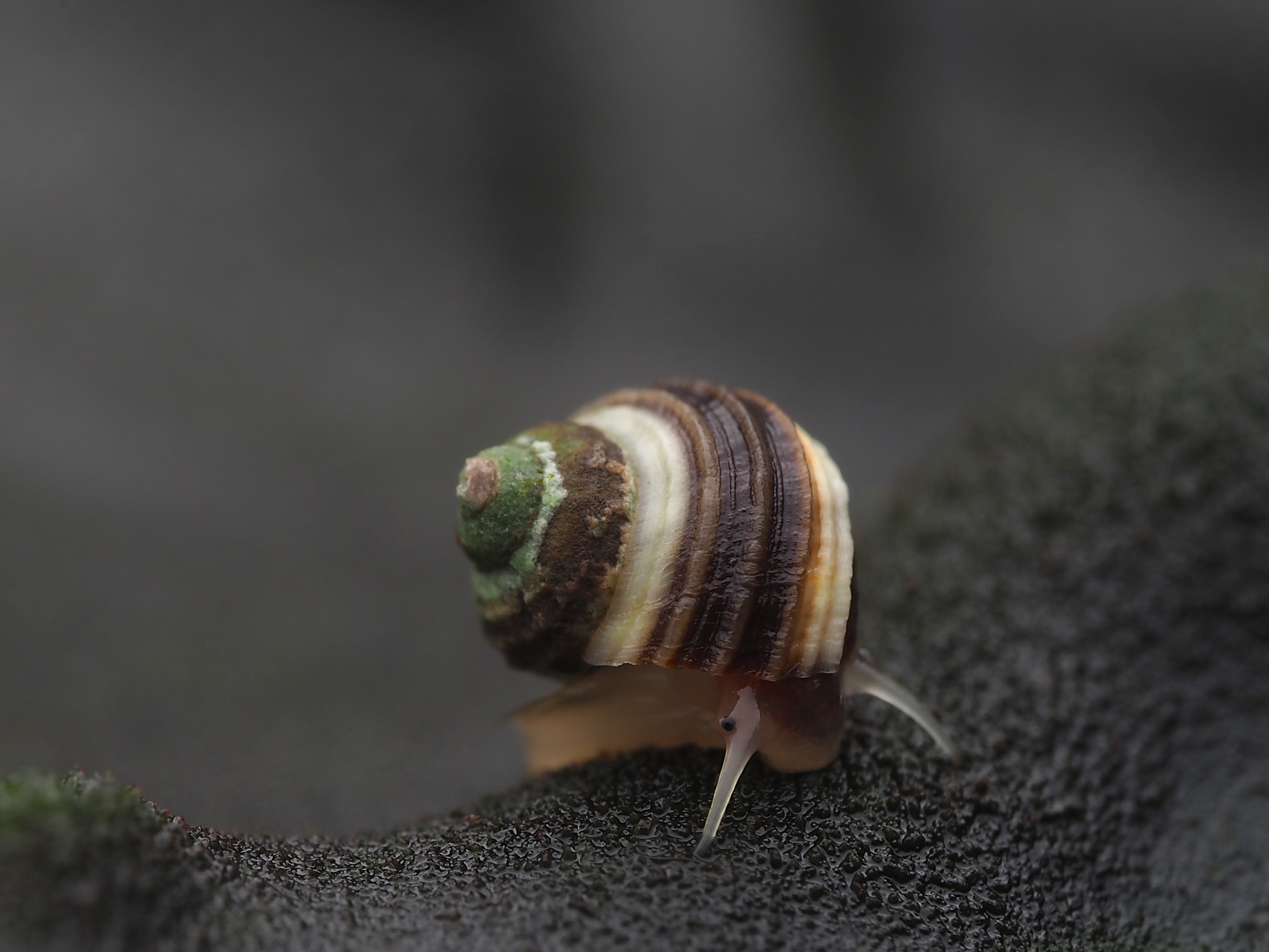
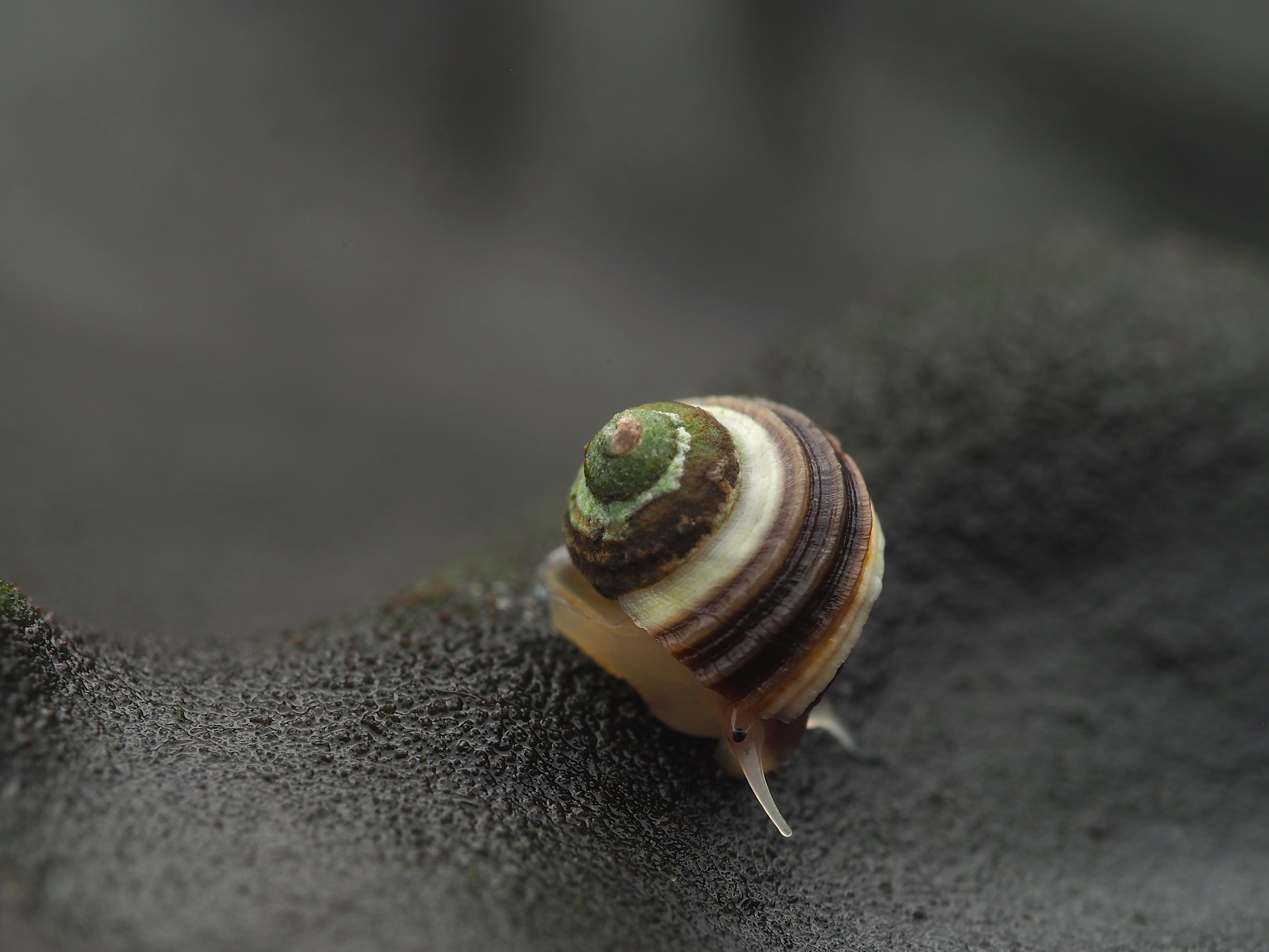
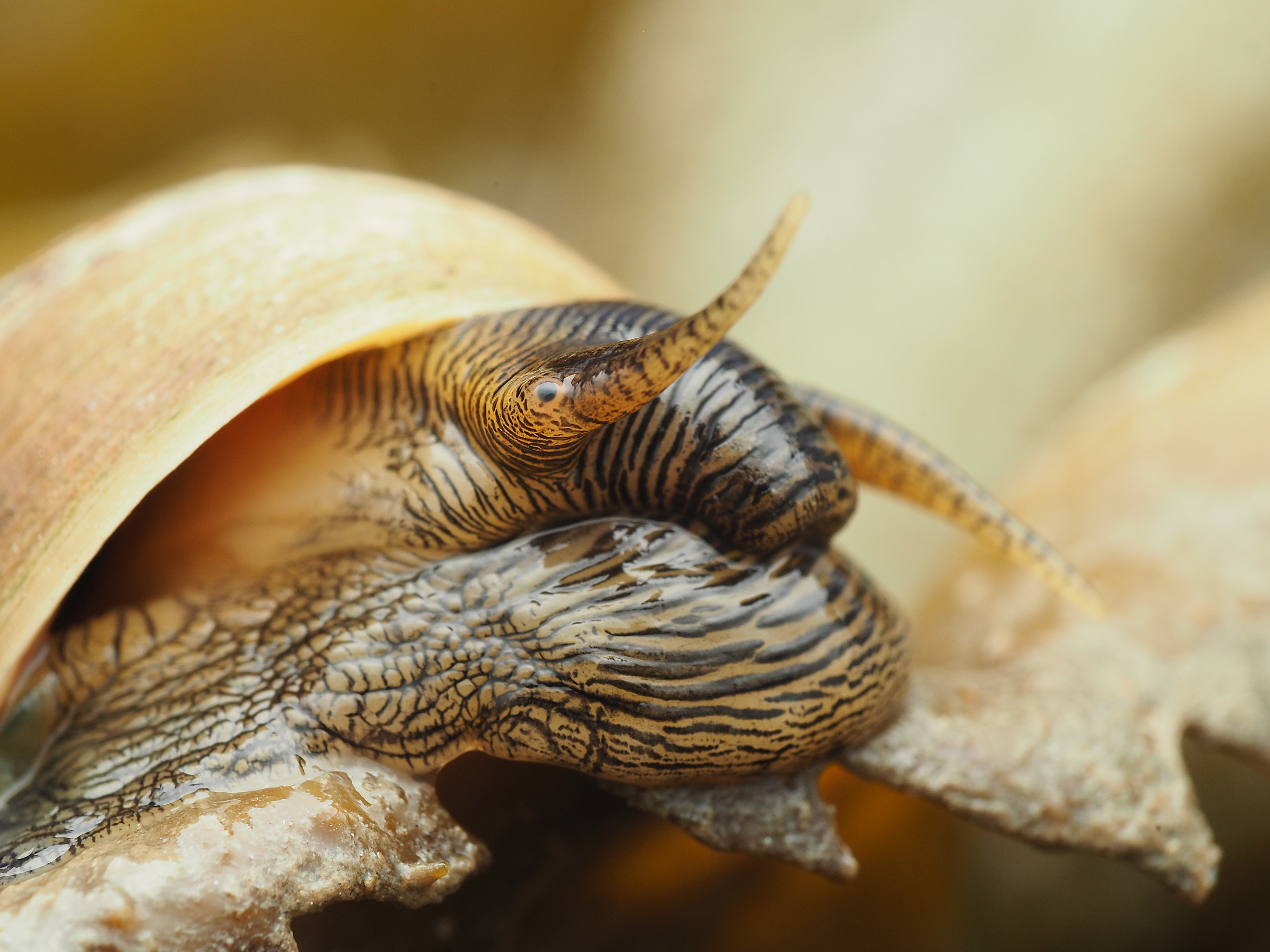
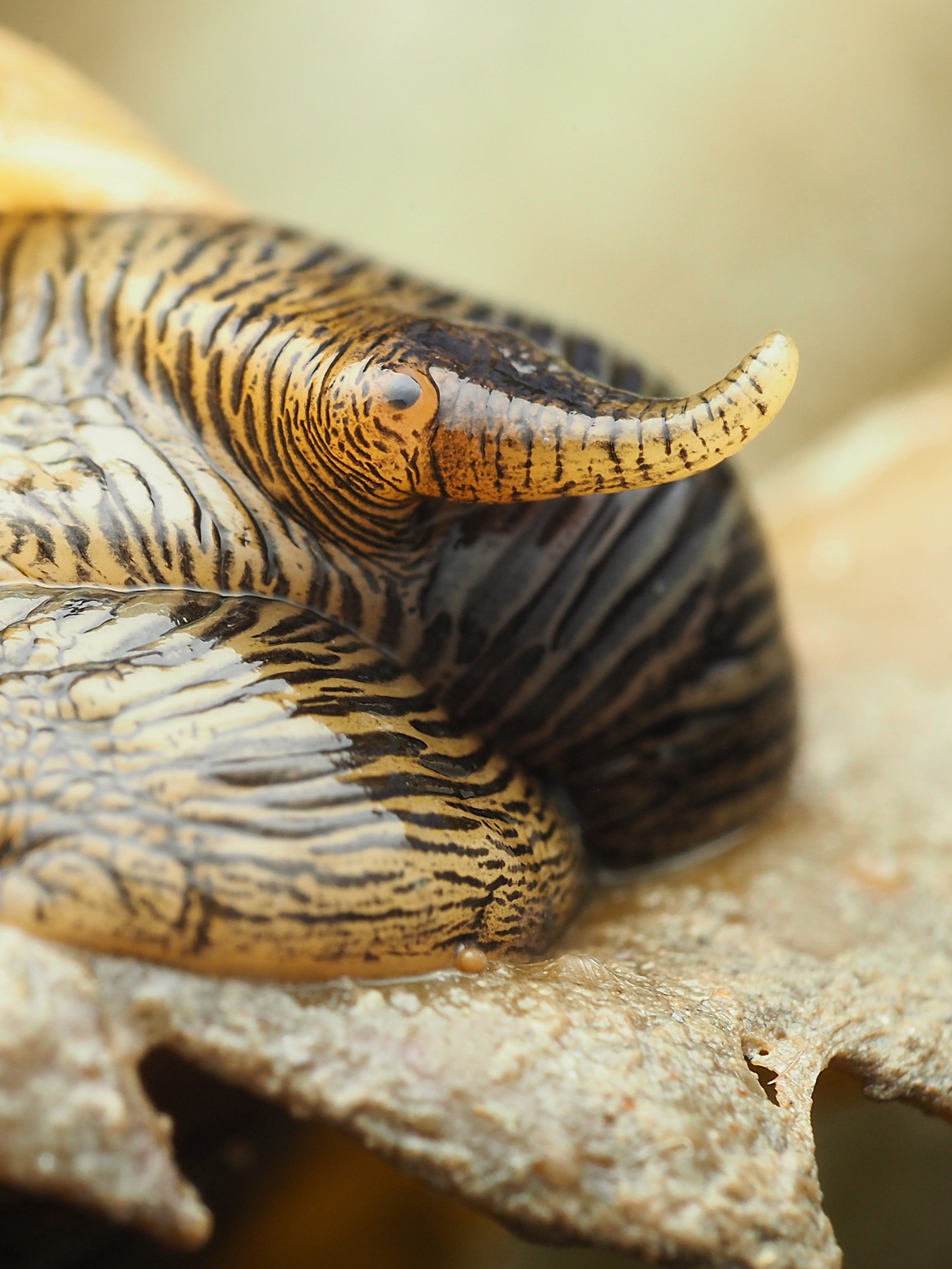
I really like macrophotography and I really like wide angle photography, but what I REALLY like is macro-wide angle photography! Examples of that underwater can be seen in previous posts (e.g. here and here) but this year I also bought a normal ‘topside’ lens for this purpose: the kuangren k42. It is a difficult lens to use: it is manual focus and it is very (VERY) dark. The first few times trying it out I was almost ready to give it up – that is how hard it was to get a usable photo out of it. With a lot of perseverance I narrowed down the combination of camera and lens settings but there is a lot of practice to be done next year. (Ideally I’d also have two flashes on bendy arms instead one mounted on top of the camera to properly light the subject.) Anyway, above a White Italian Snail which has a bunch of other common names so the Latin one is always best: Theba pisana. It is not all in focus (the eyestalks are not a friend of DoF) but the perspective does manage to show both the (small) animal and its habitat which is otherwise impossible to do. I have also tried the lens a bit closer to the water, some examples below. I have since purchased another kuangren lens and hope to also experiment with – and blog about – that next year!



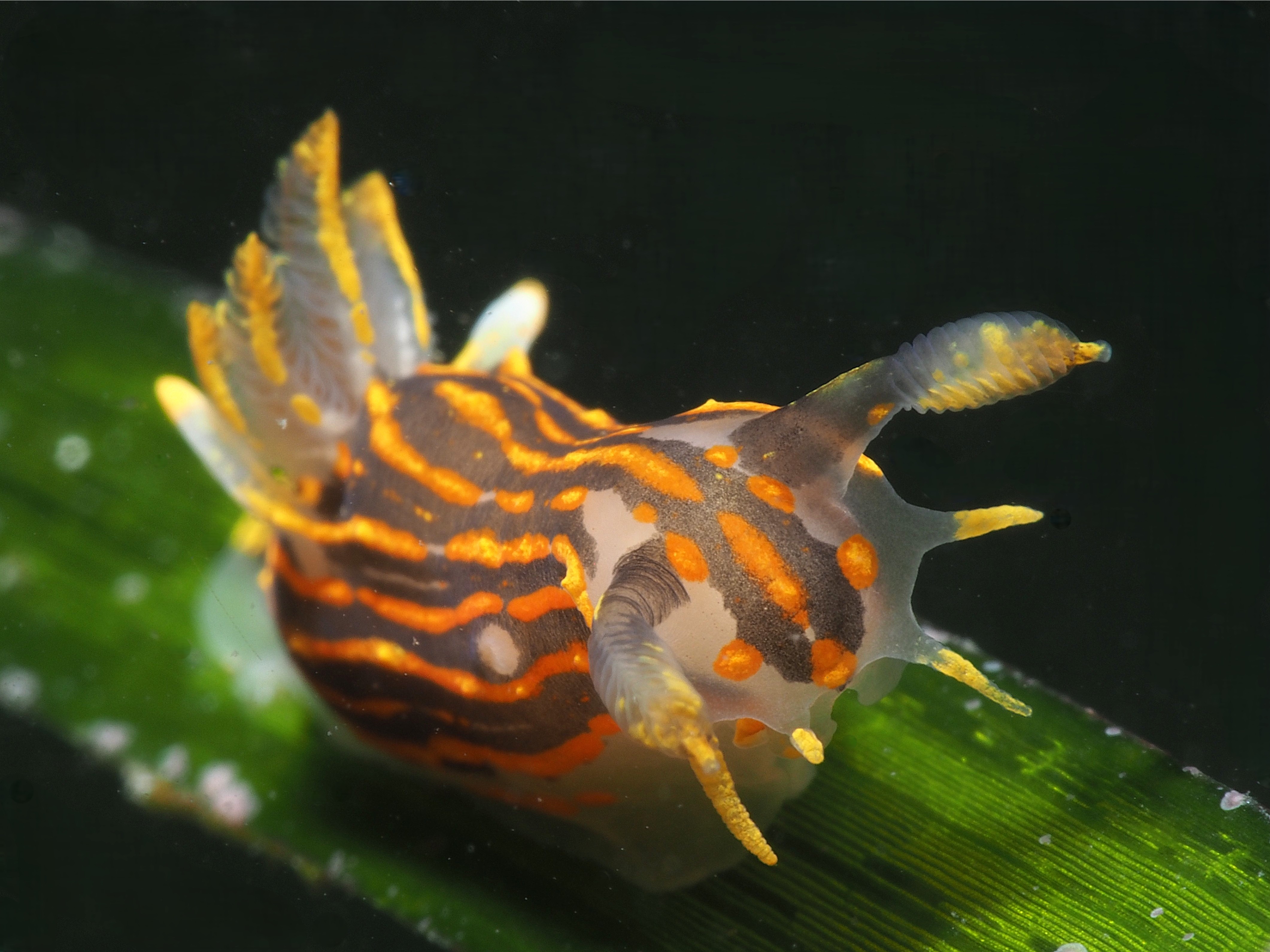
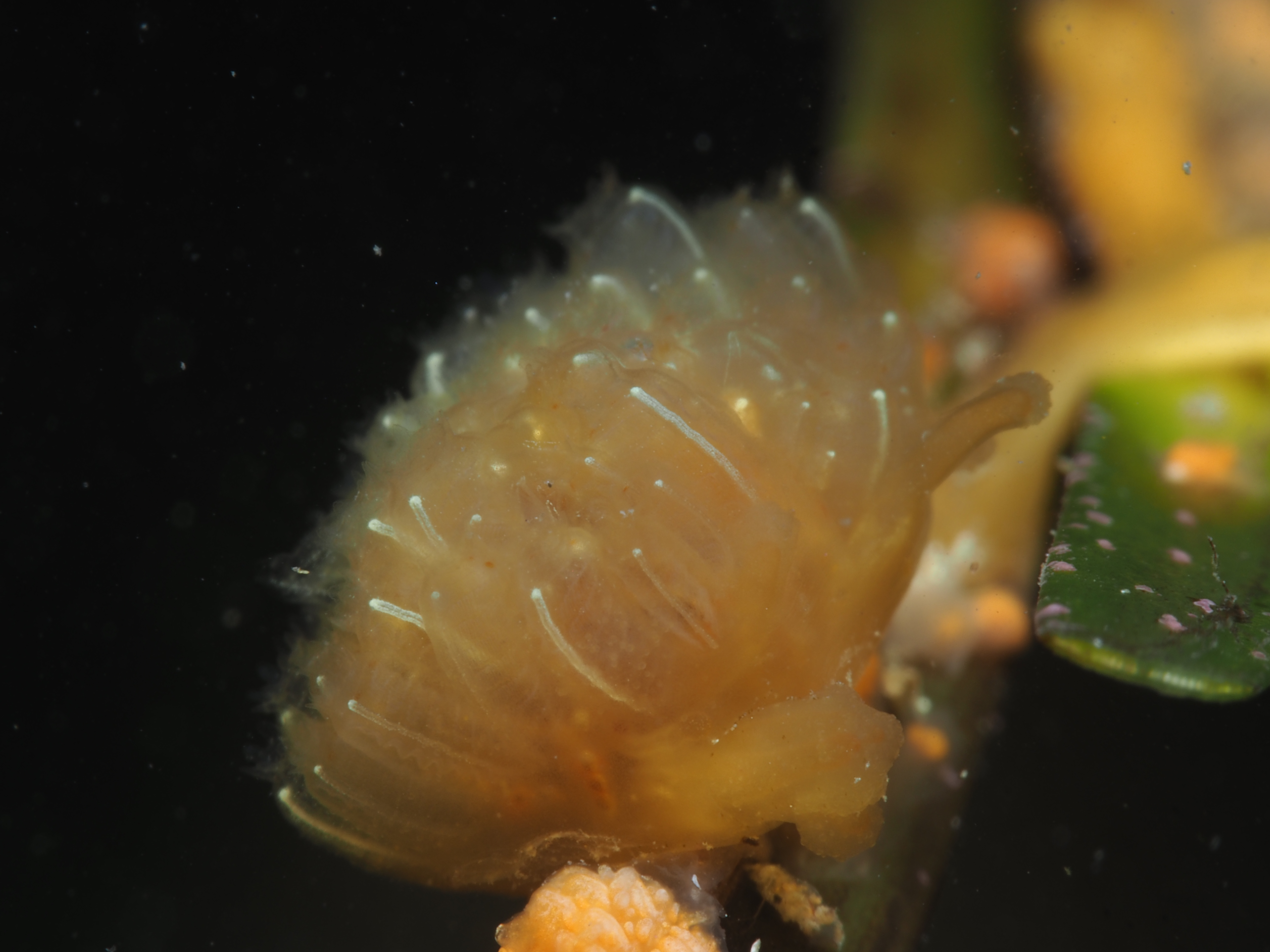
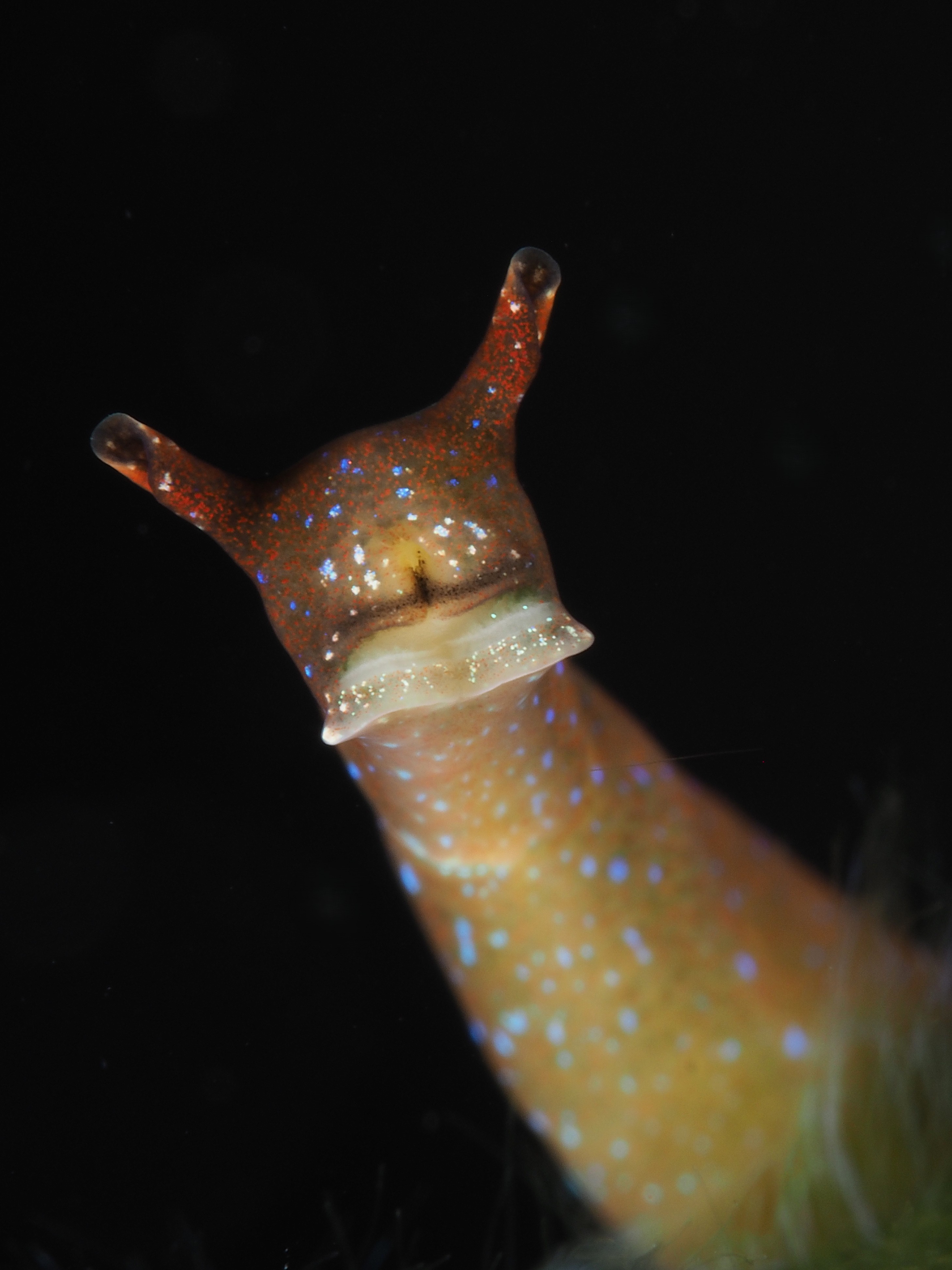
I had a couple of good snorkels at the end of summer in the seagrass beds off my local beach in Flushing. The water at the end of summer is warm enough to go without wetsuit – I just had a weightbelt to let me sink down on the sand at low tide, no fins needed. I managed to do what I normally find very difficult: spot nudibranchs! Mainly one of the more common species, Polycera quadrilineata, but that was fine by me, as they are very beautiful, especially the black colour morph pictured above. I spotted one other species, the egg-eating Favorinus branchialis (with its own eggs also visible). Not great photos, but in my defense they are very small!
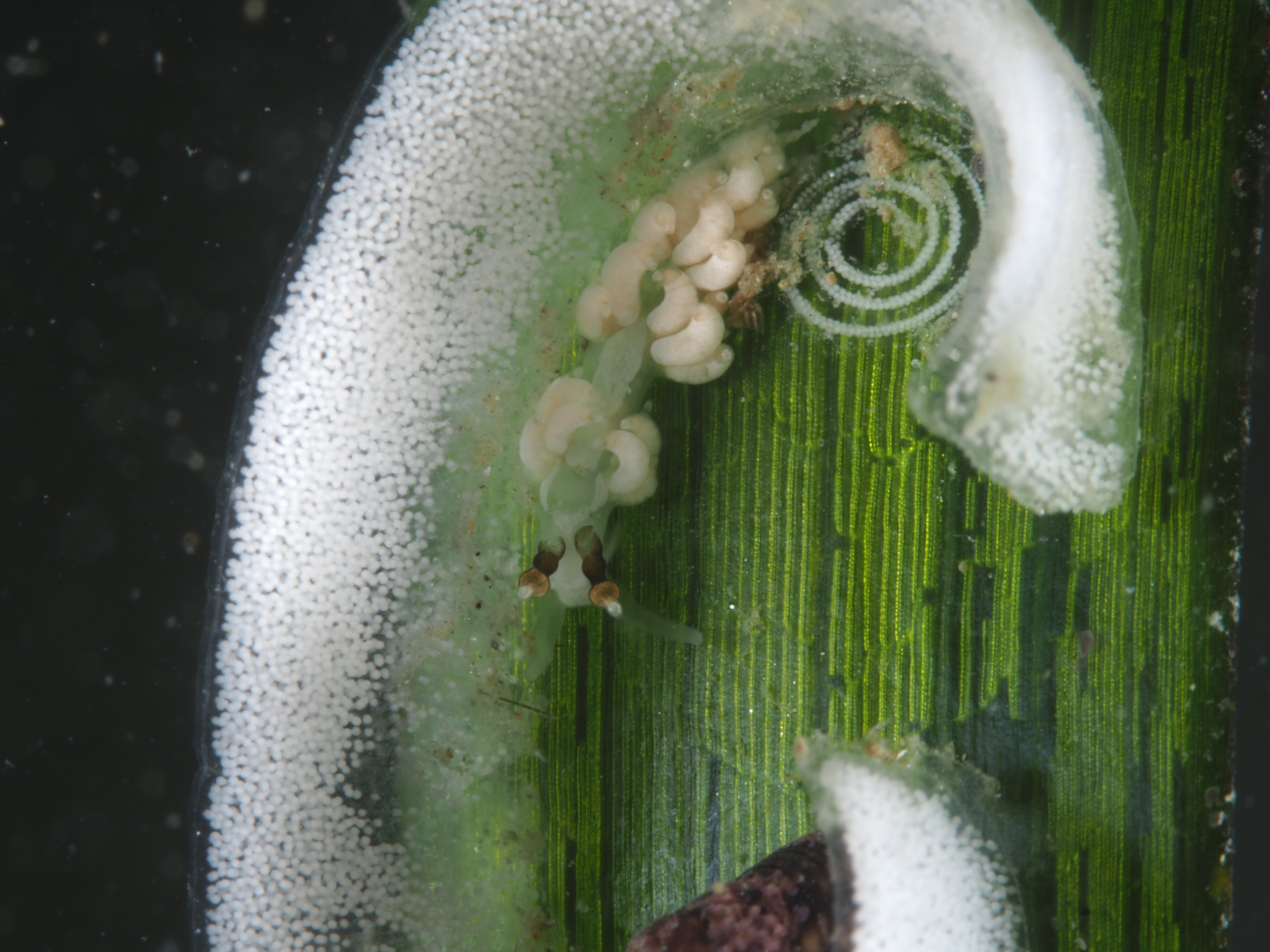
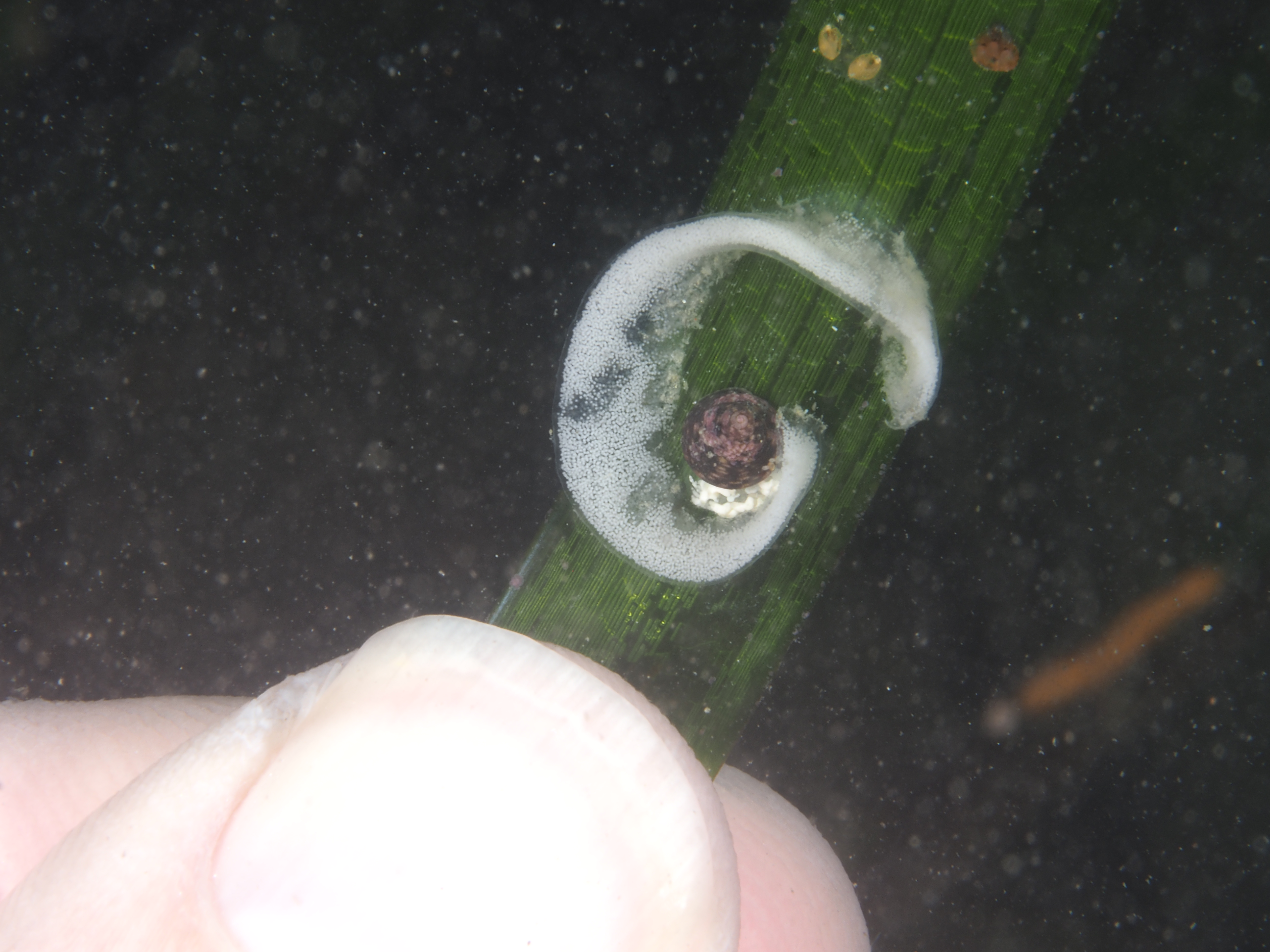
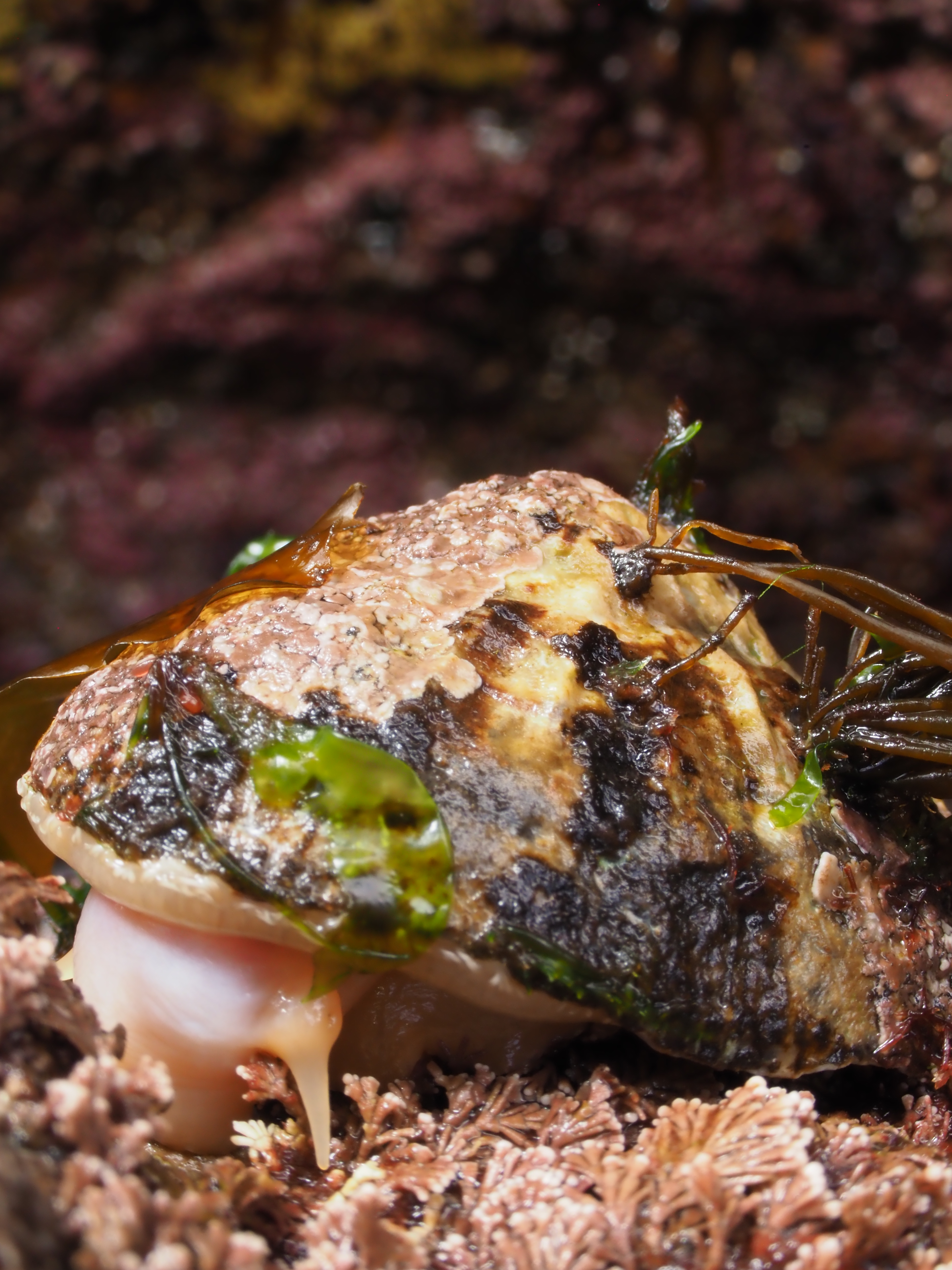
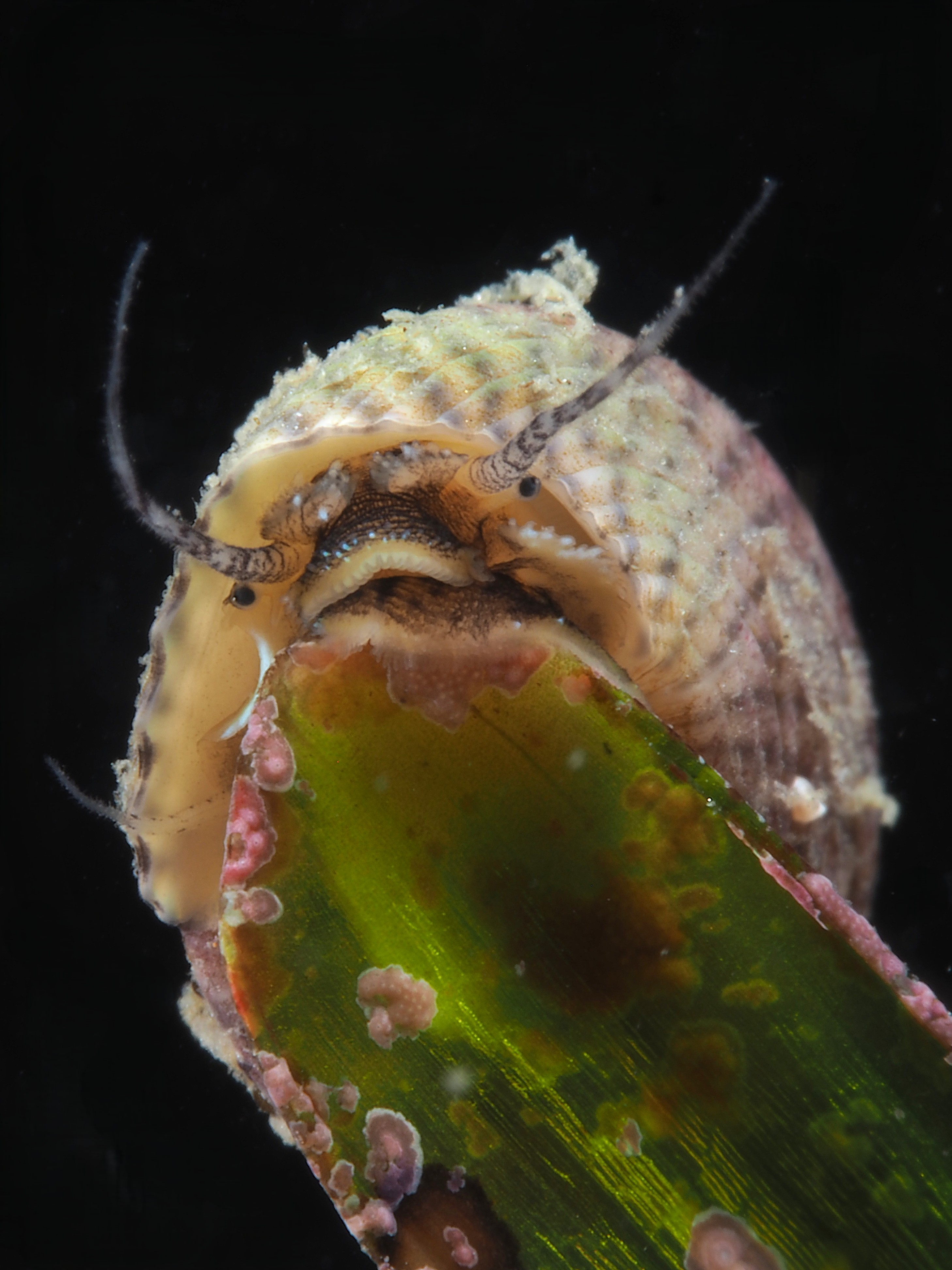
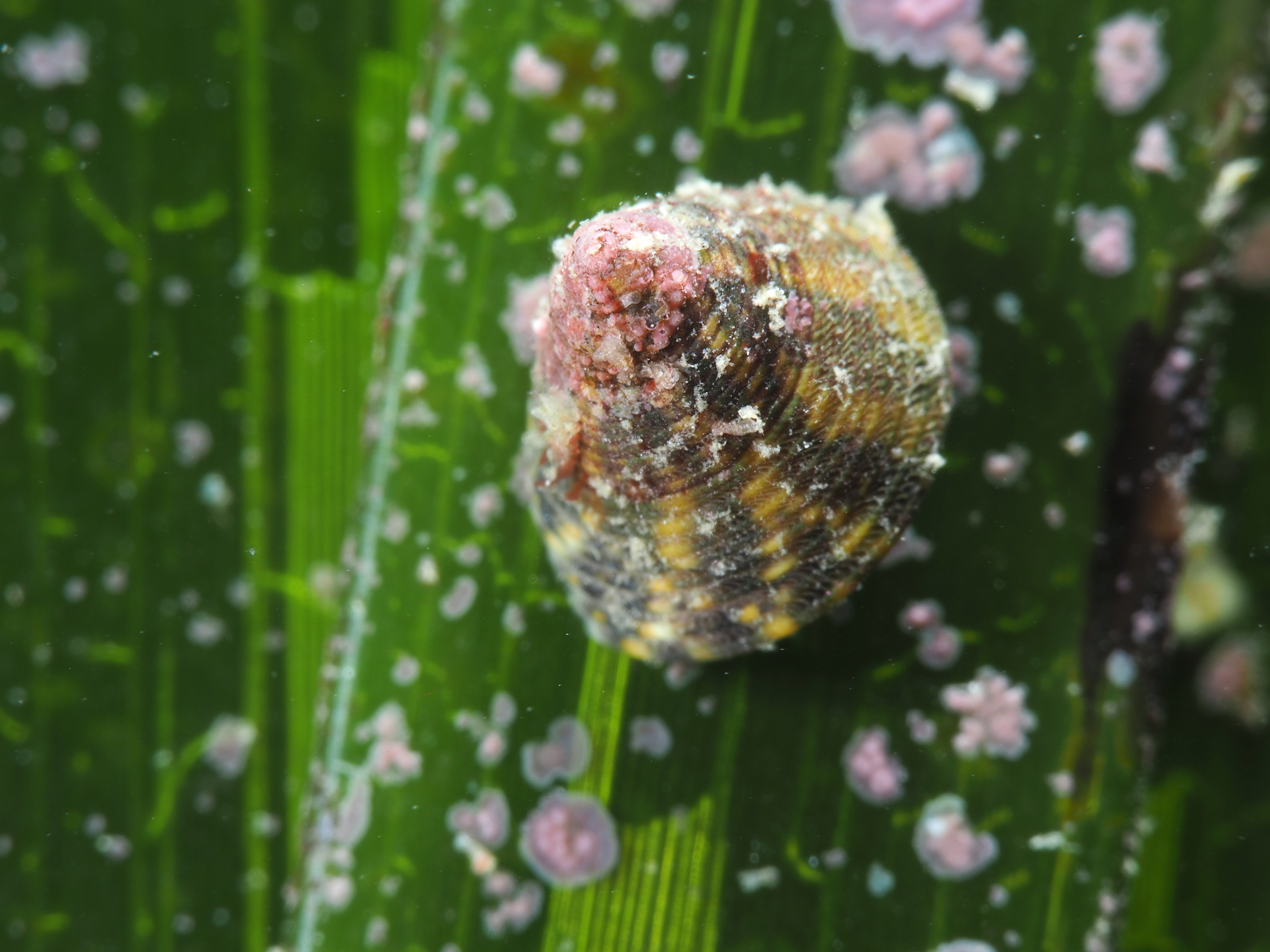
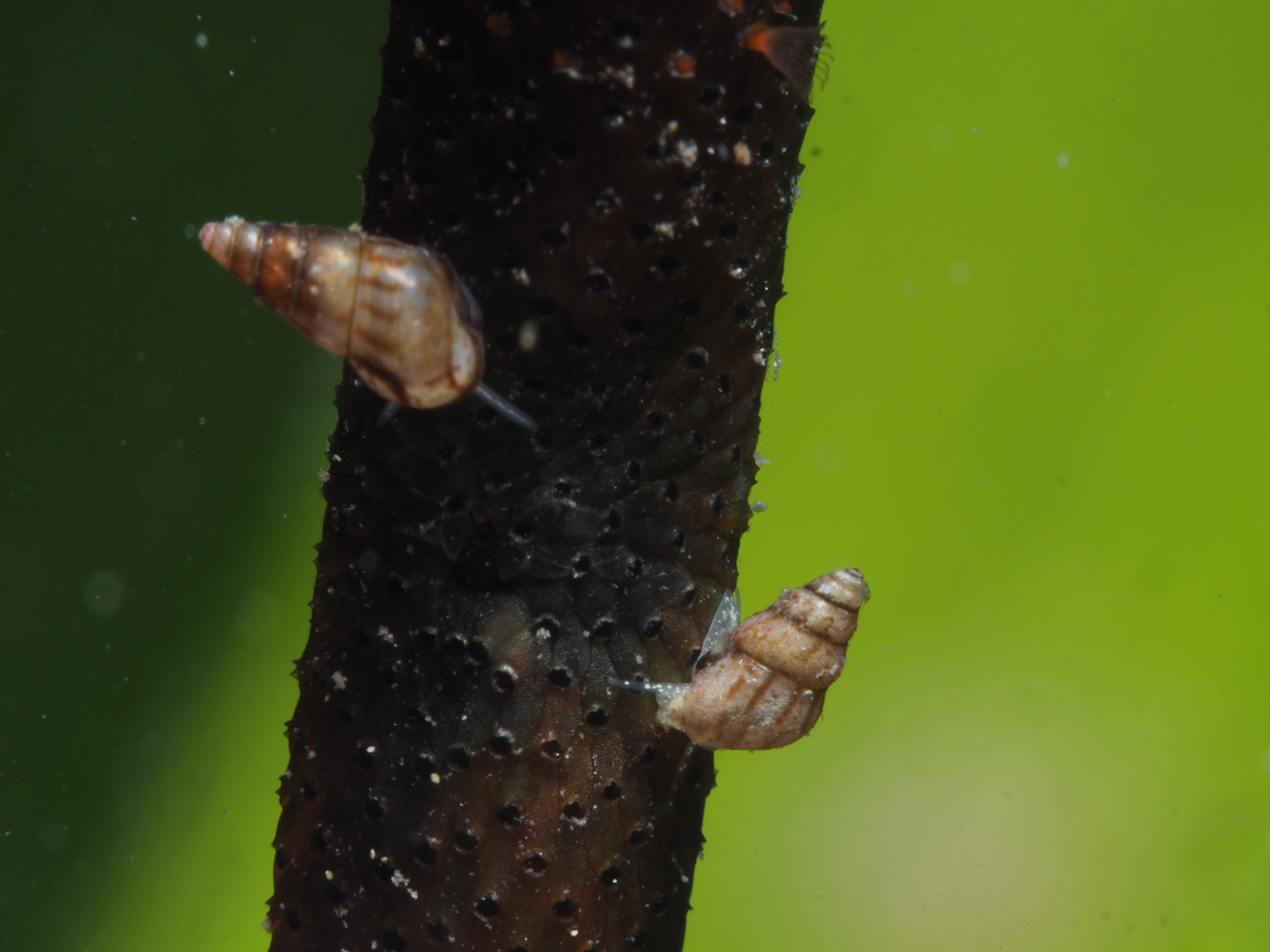
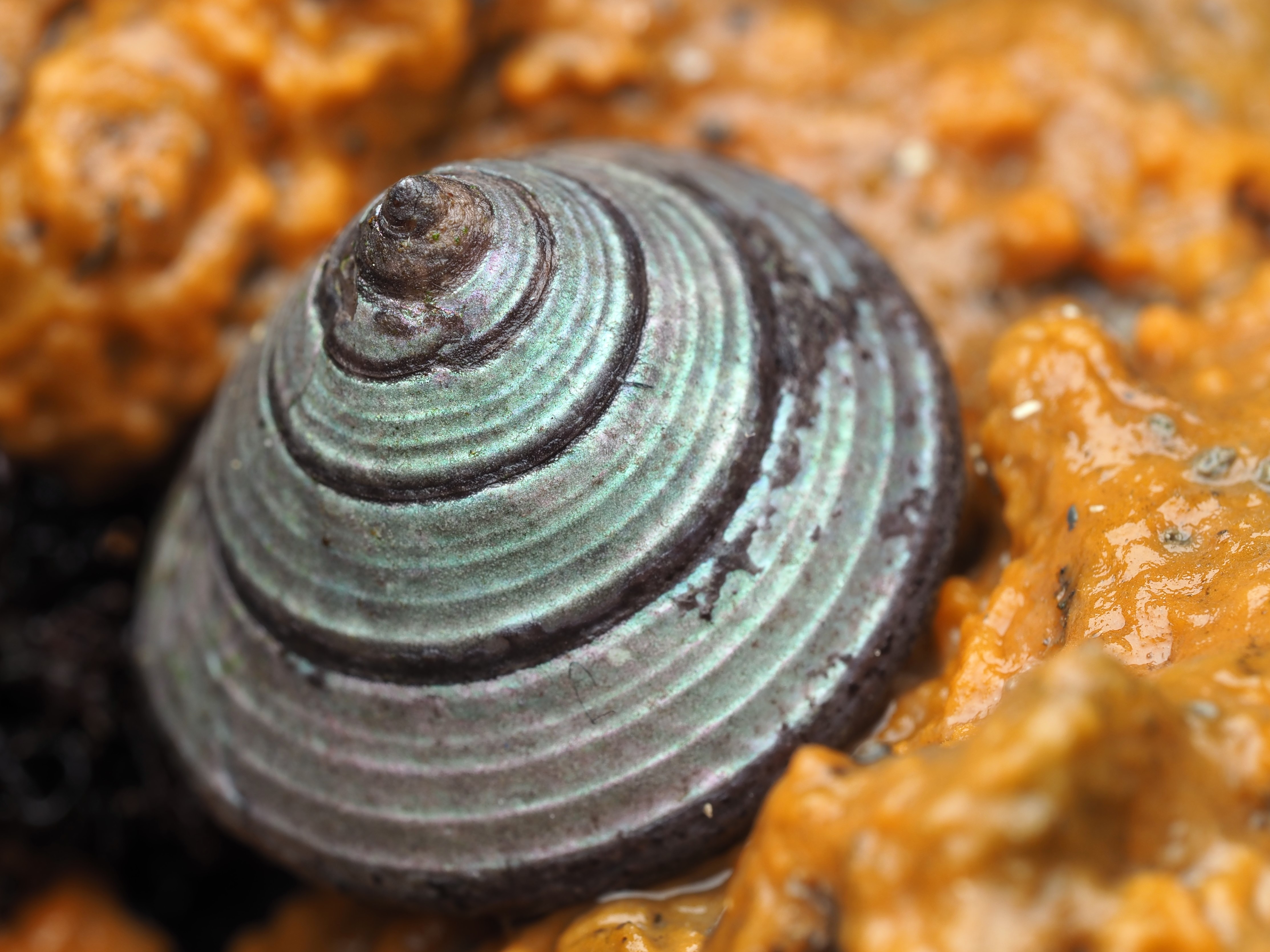
Shelled molluscs are easier to find. Below 1) the ubiquitous Grey Topshell Steromphala cinerarea, 2) the Grooved Topshell Jujubinus striatus and 3) the tiny Rissoa membranacea (faecal pellets on show, even within the shell). The latter two species are strongly associated with seagrass.
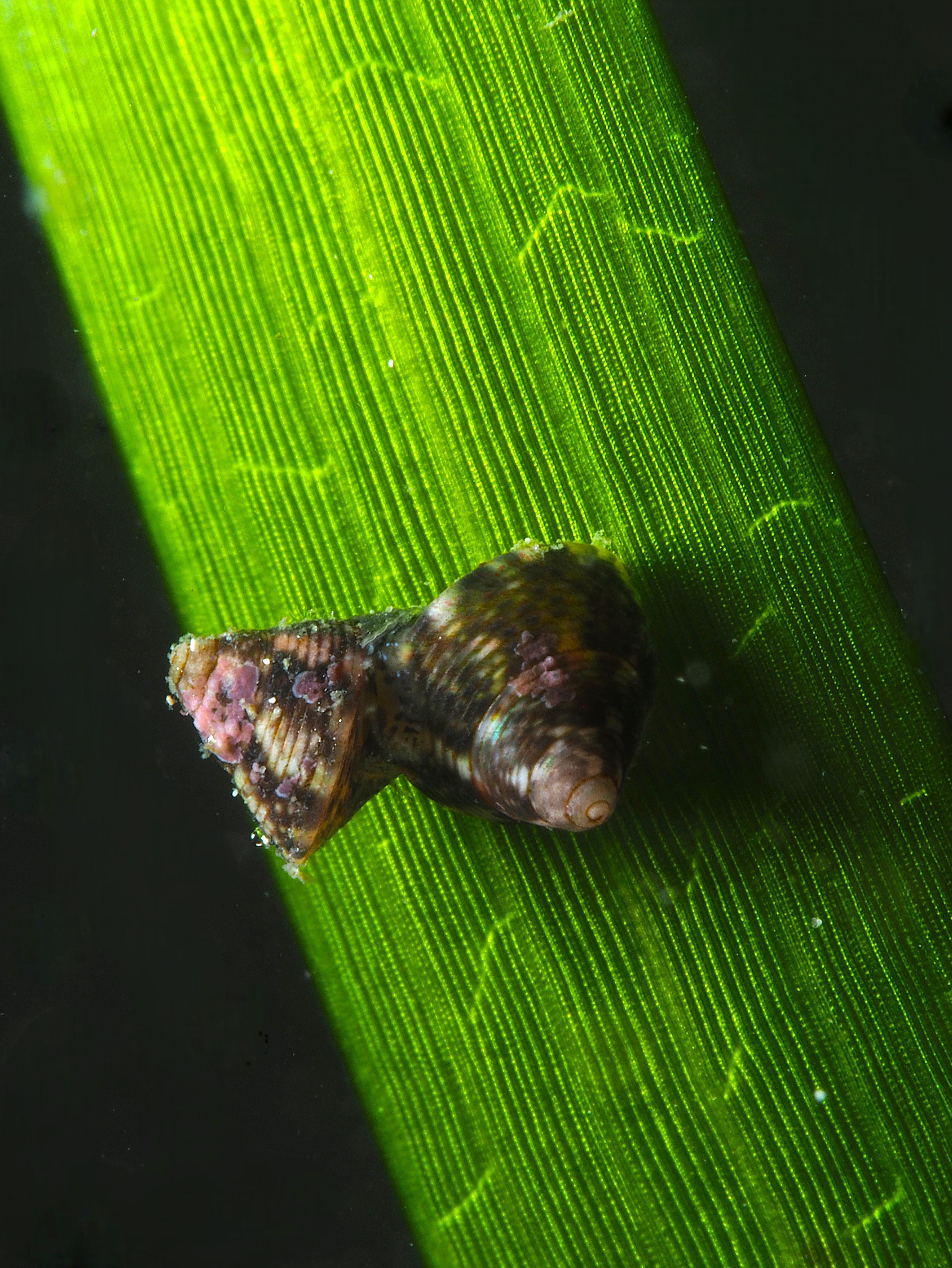
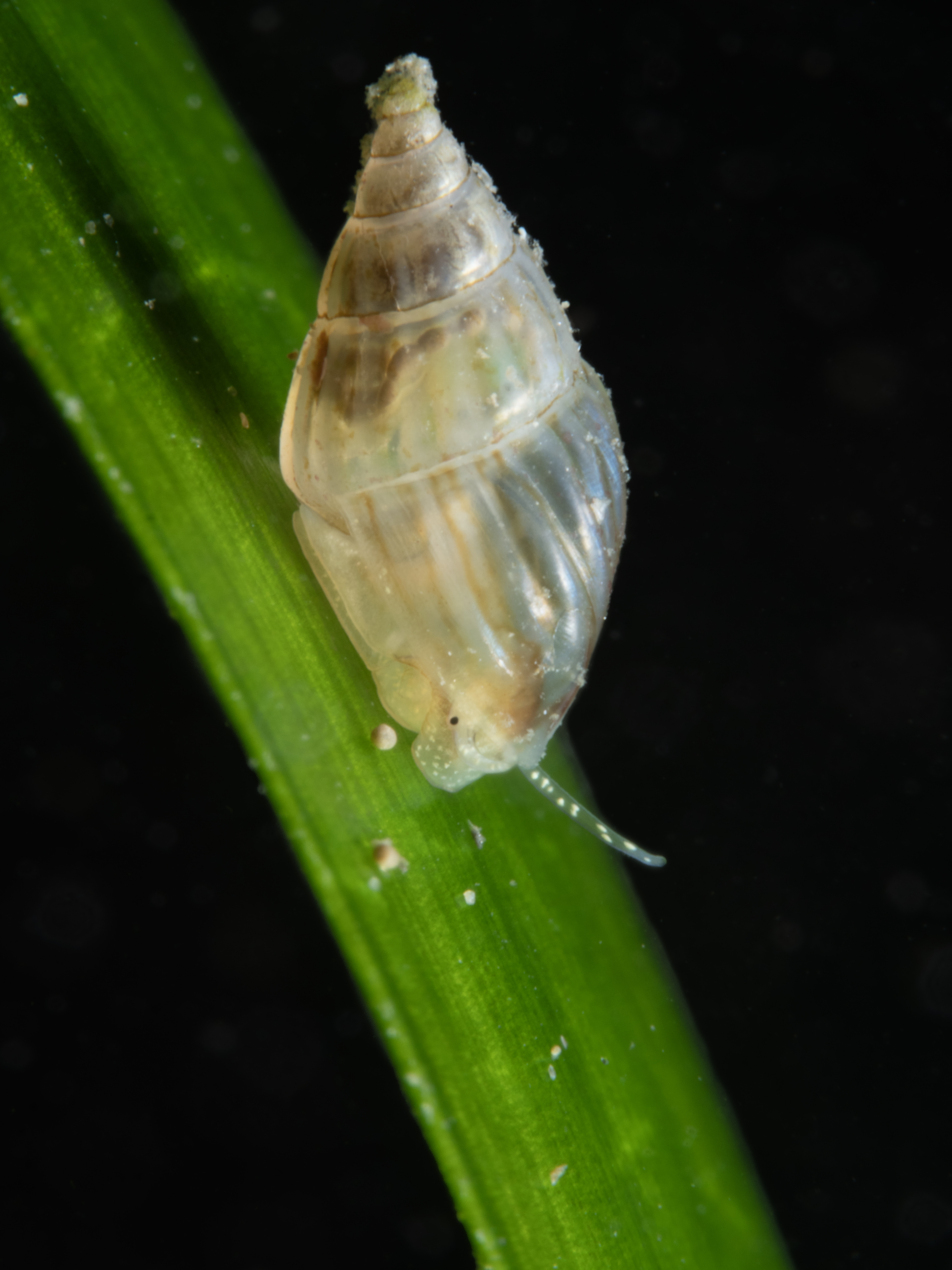
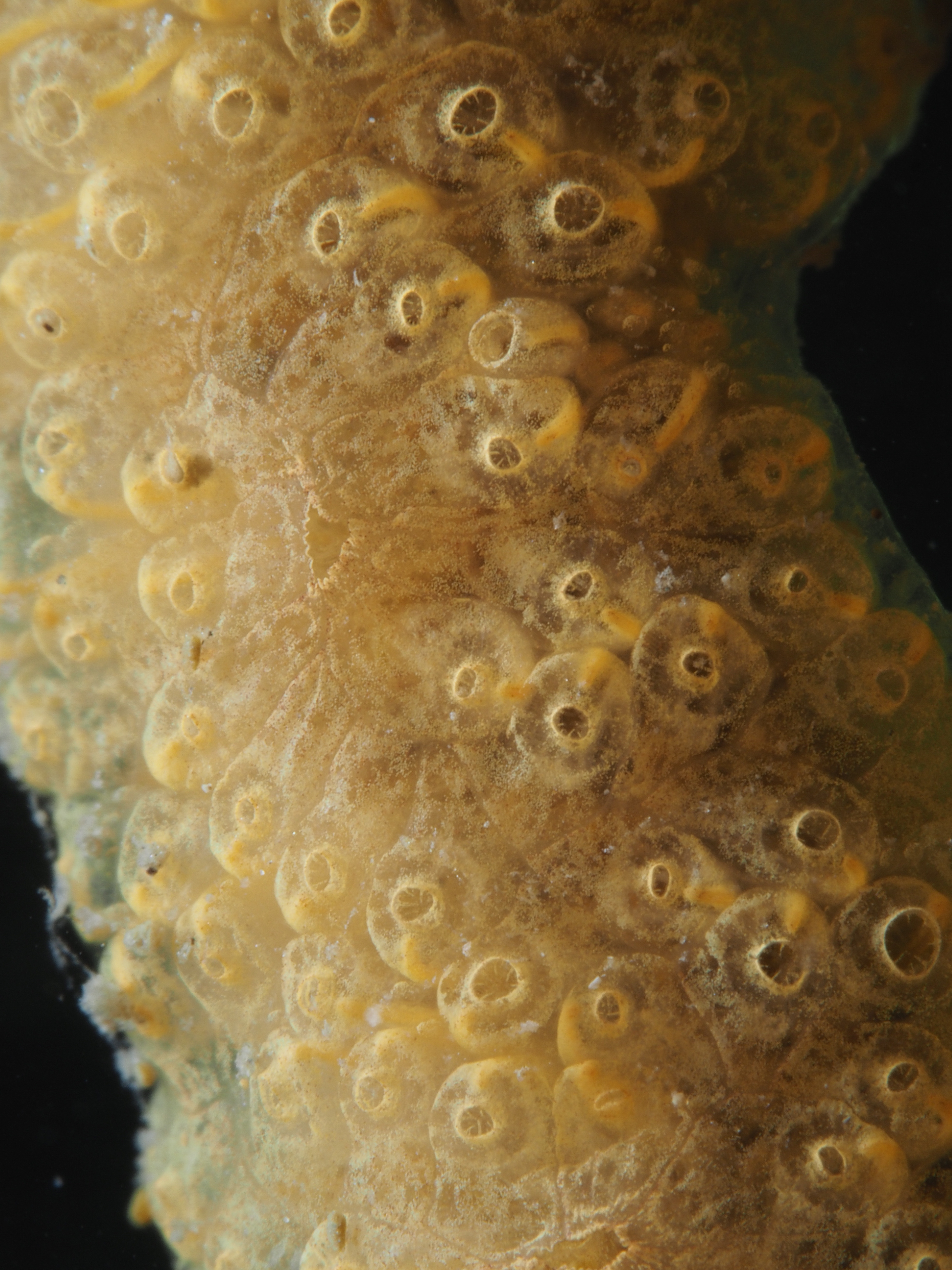
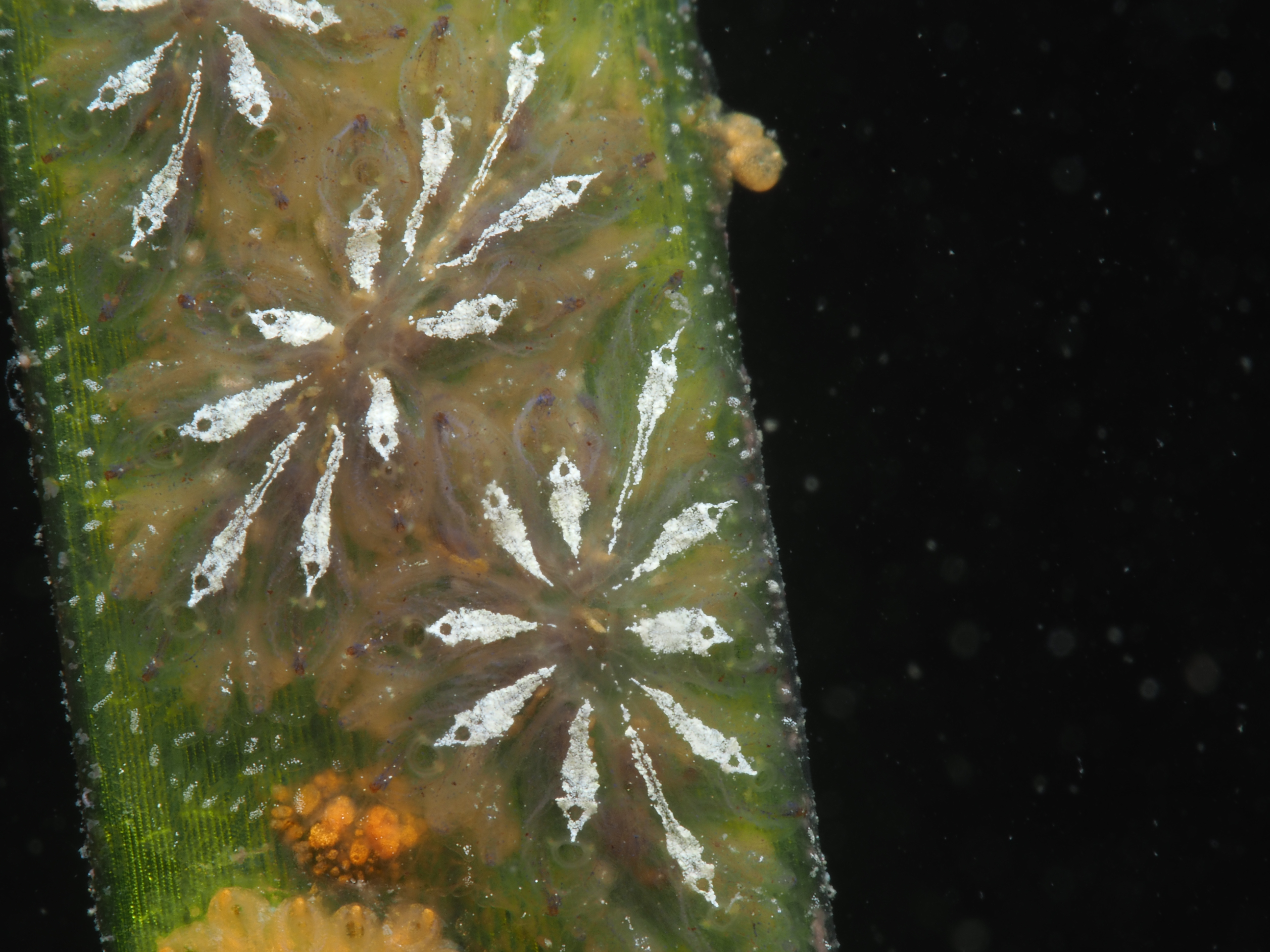
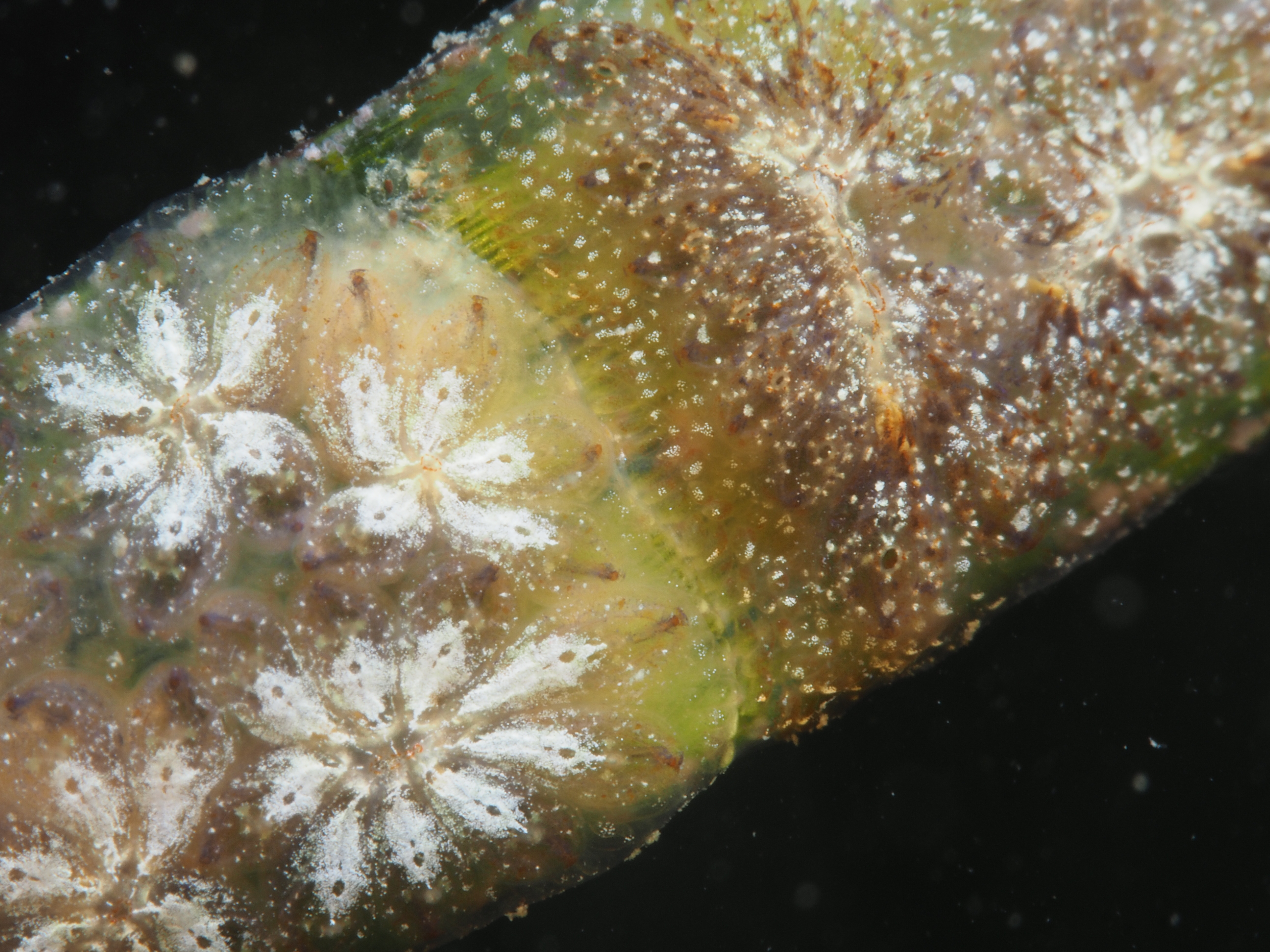
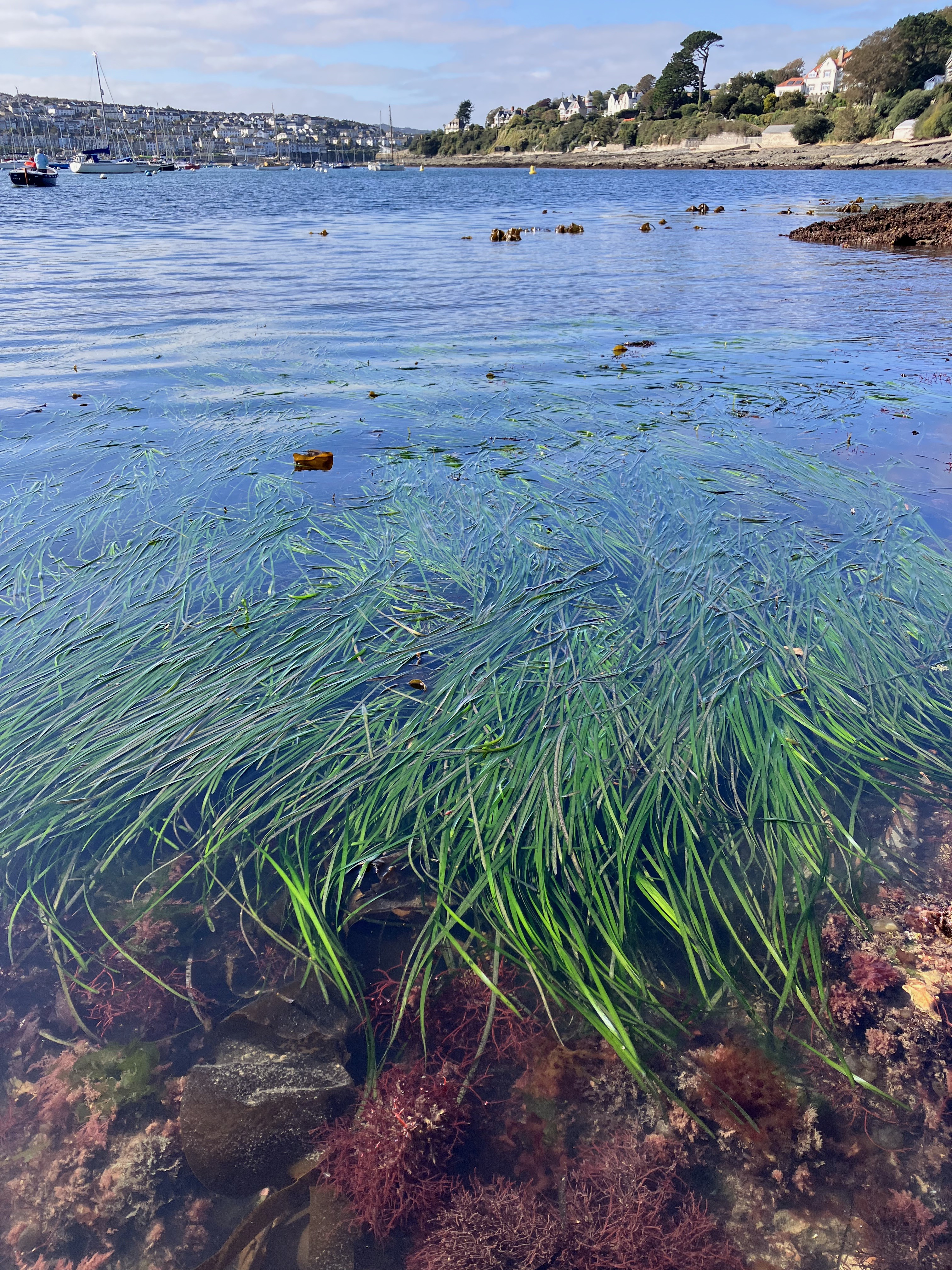
Some assorted macro photos below and at the end a view at a very low tide of the Flushing seagrass site this October.
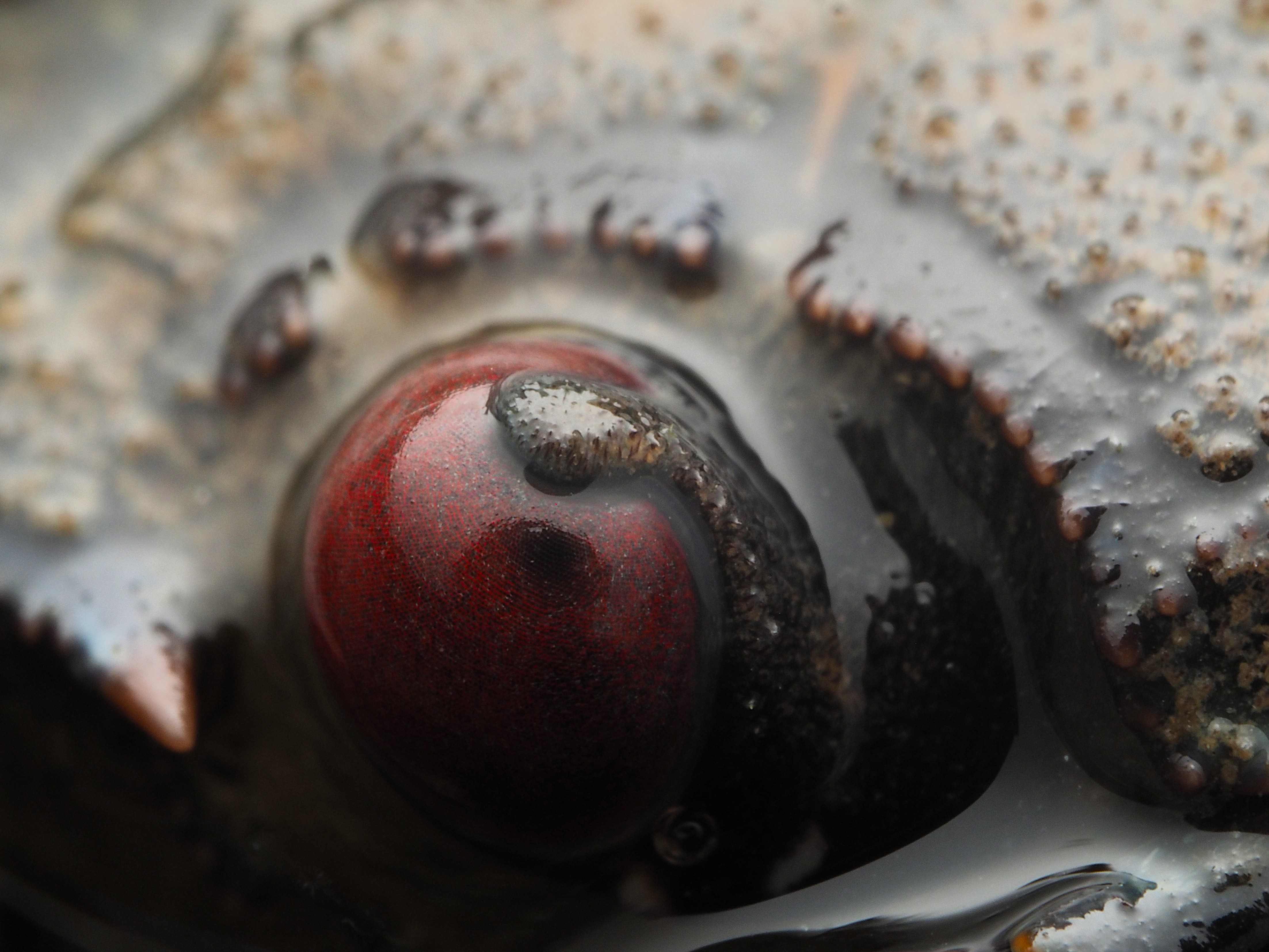
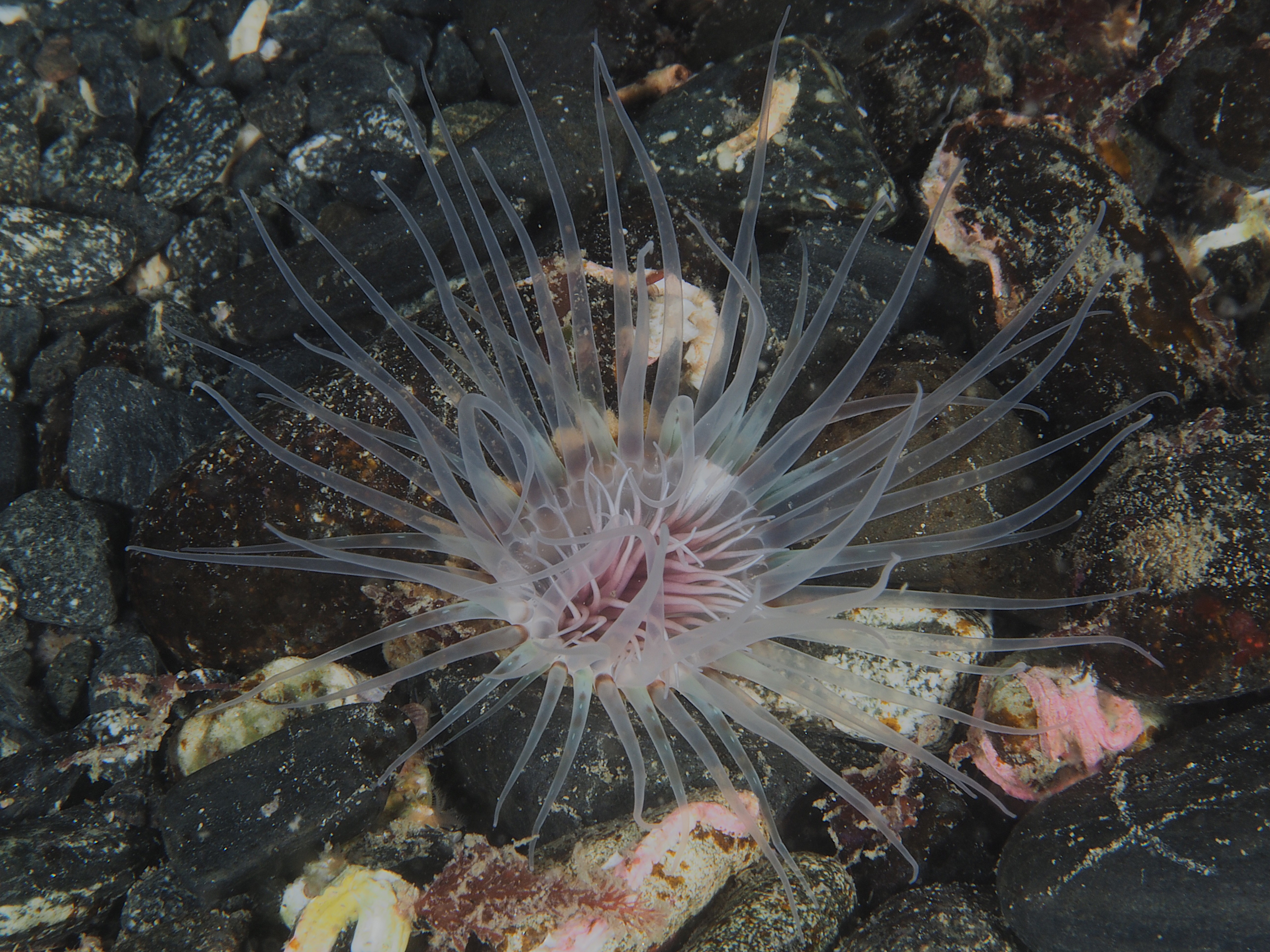
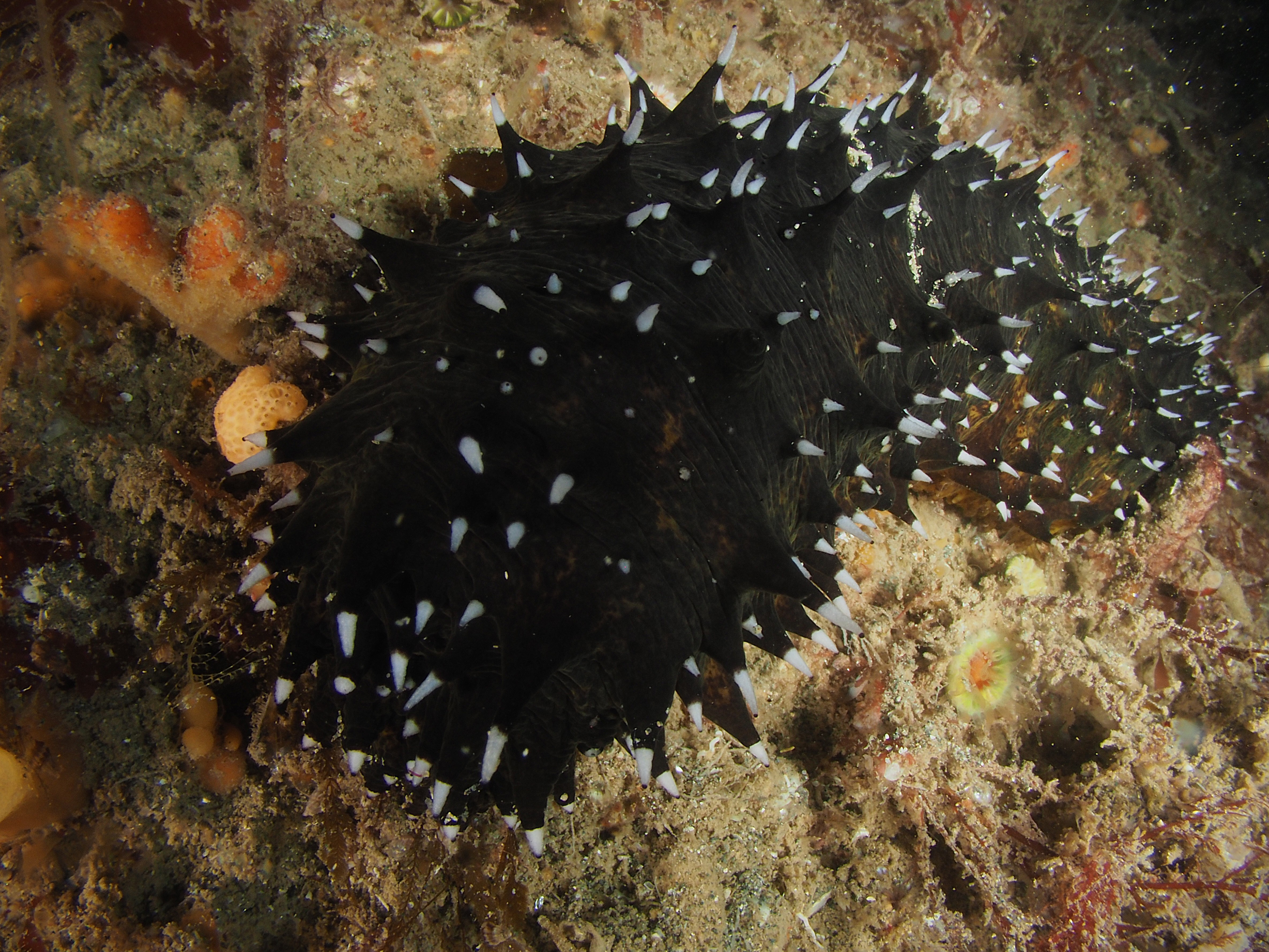
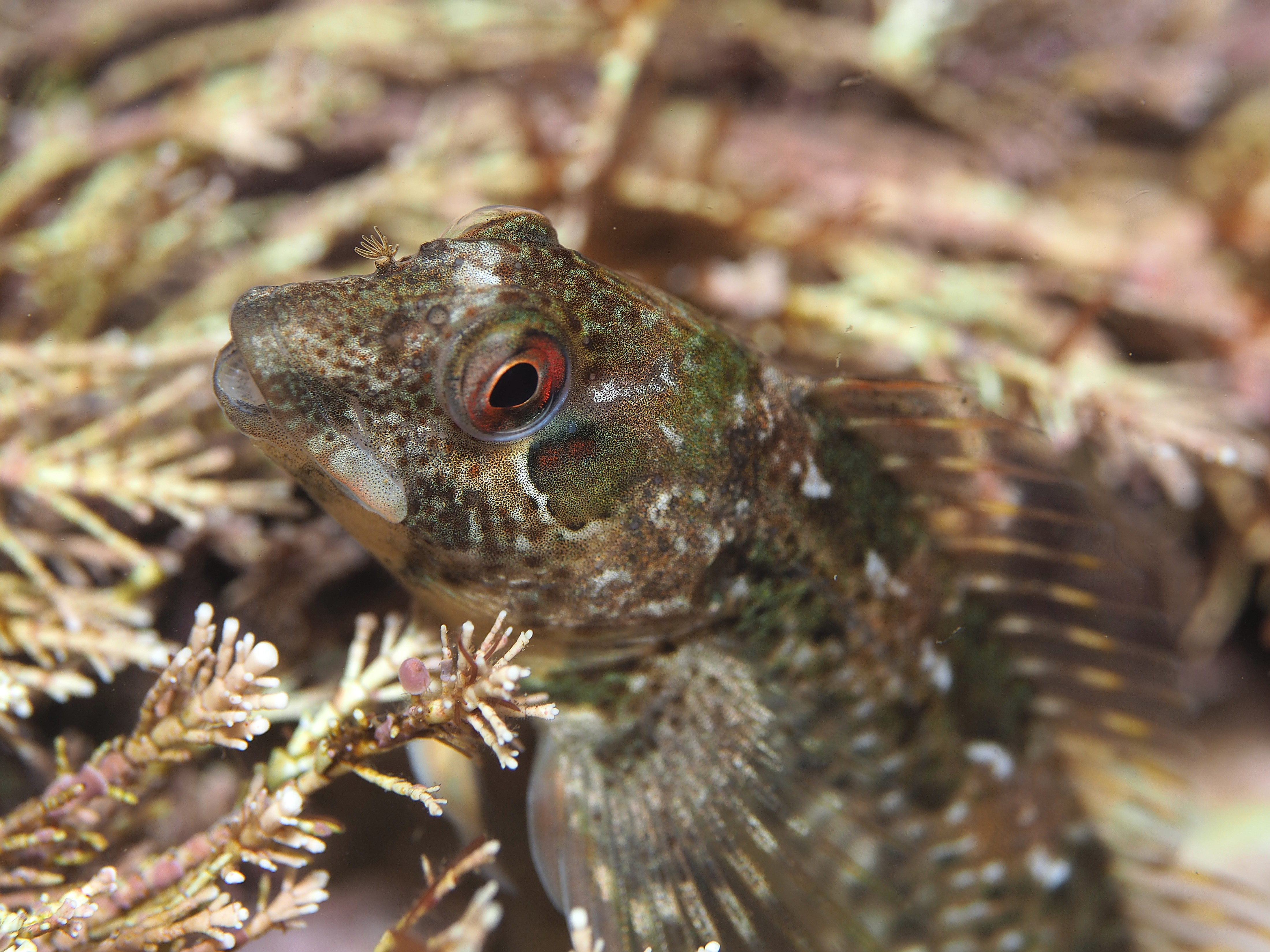
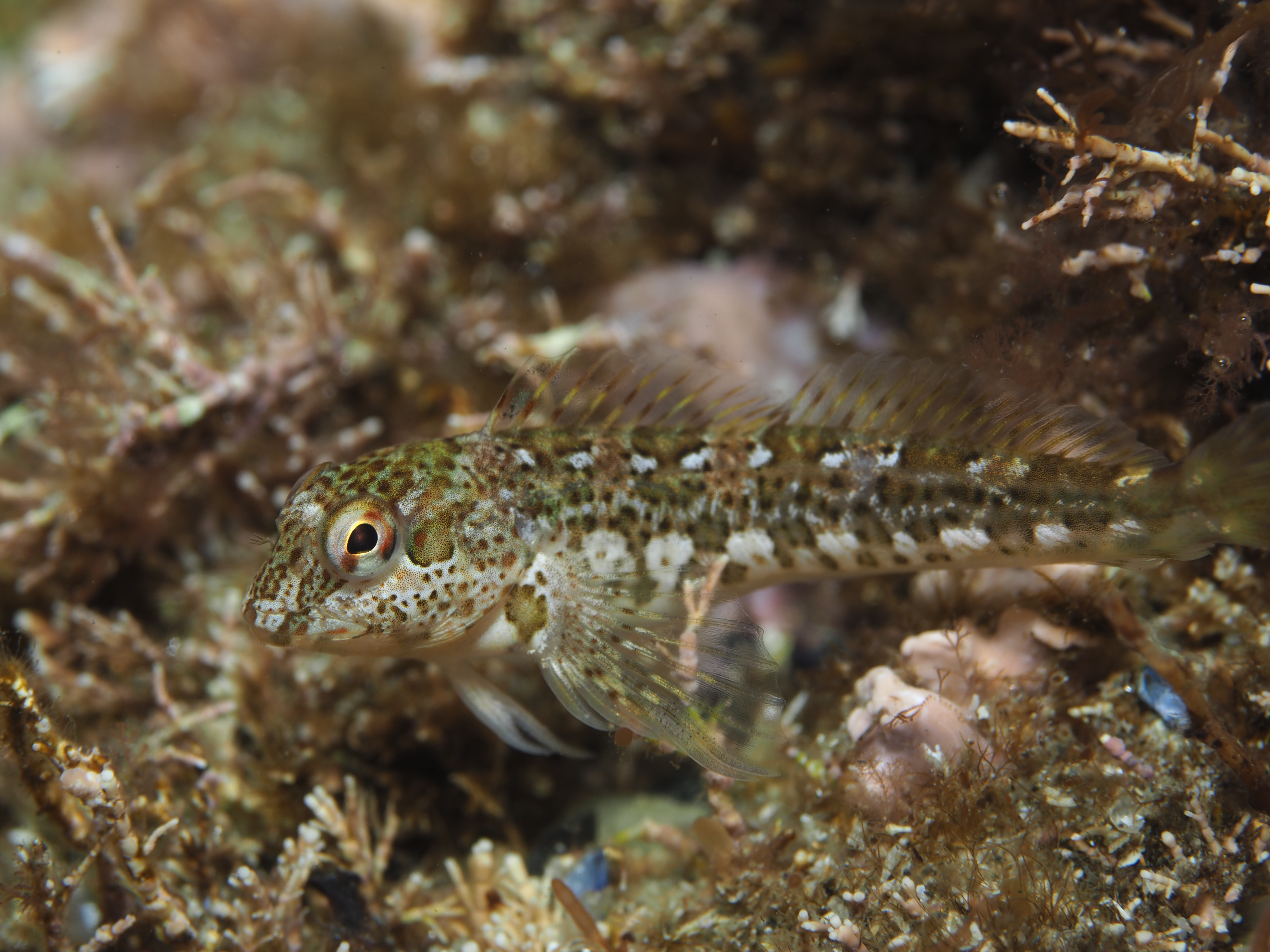
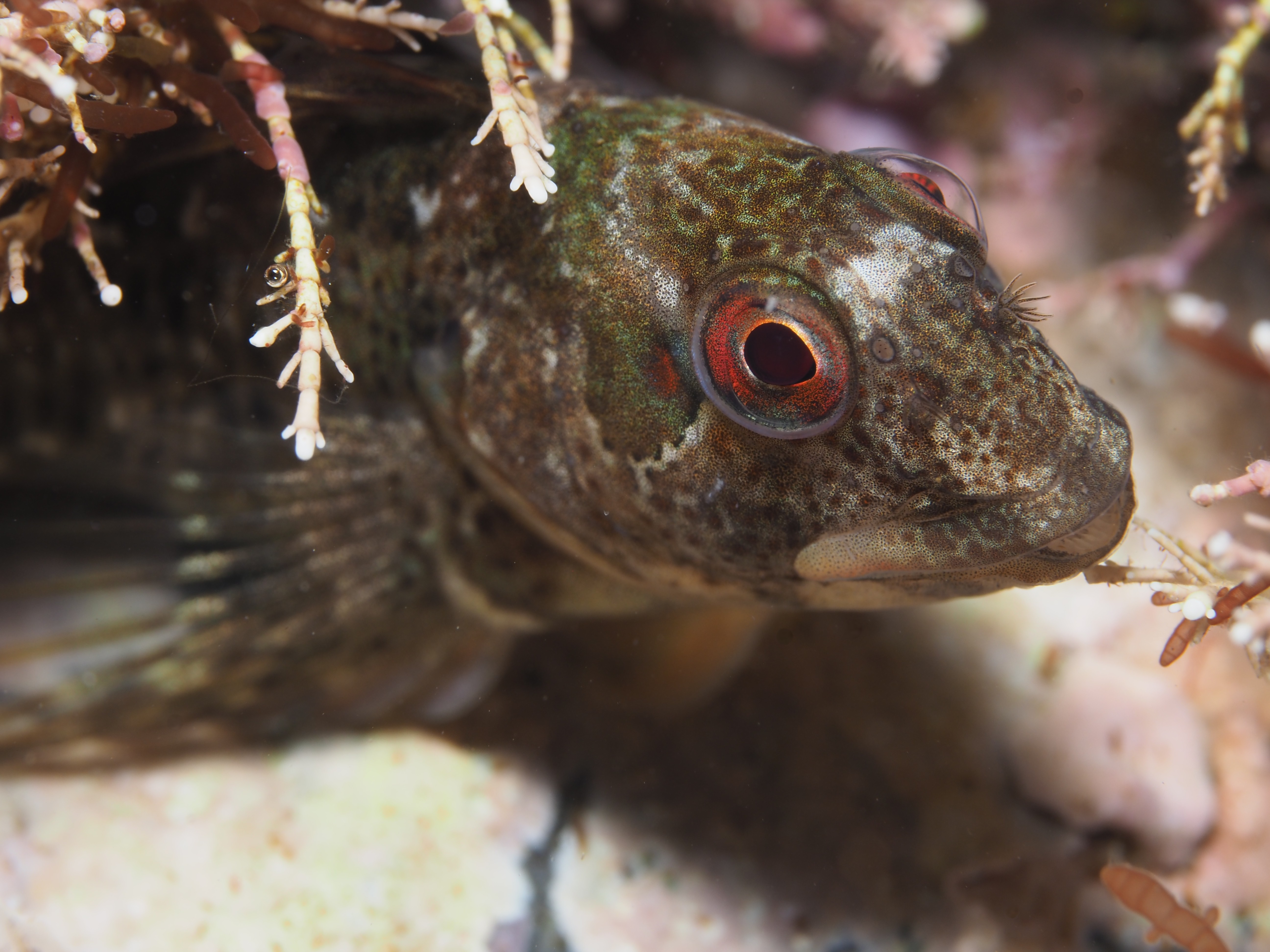
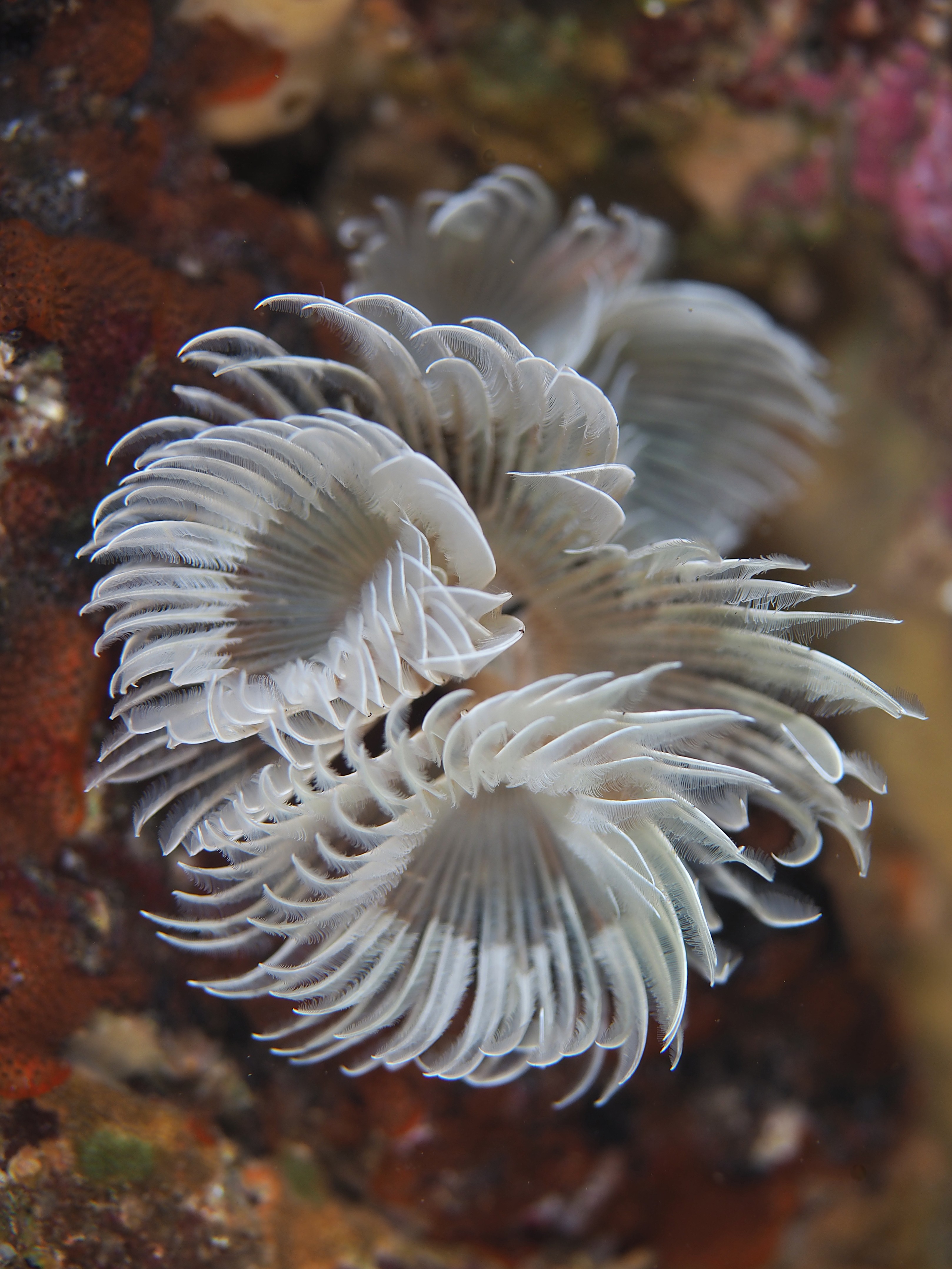
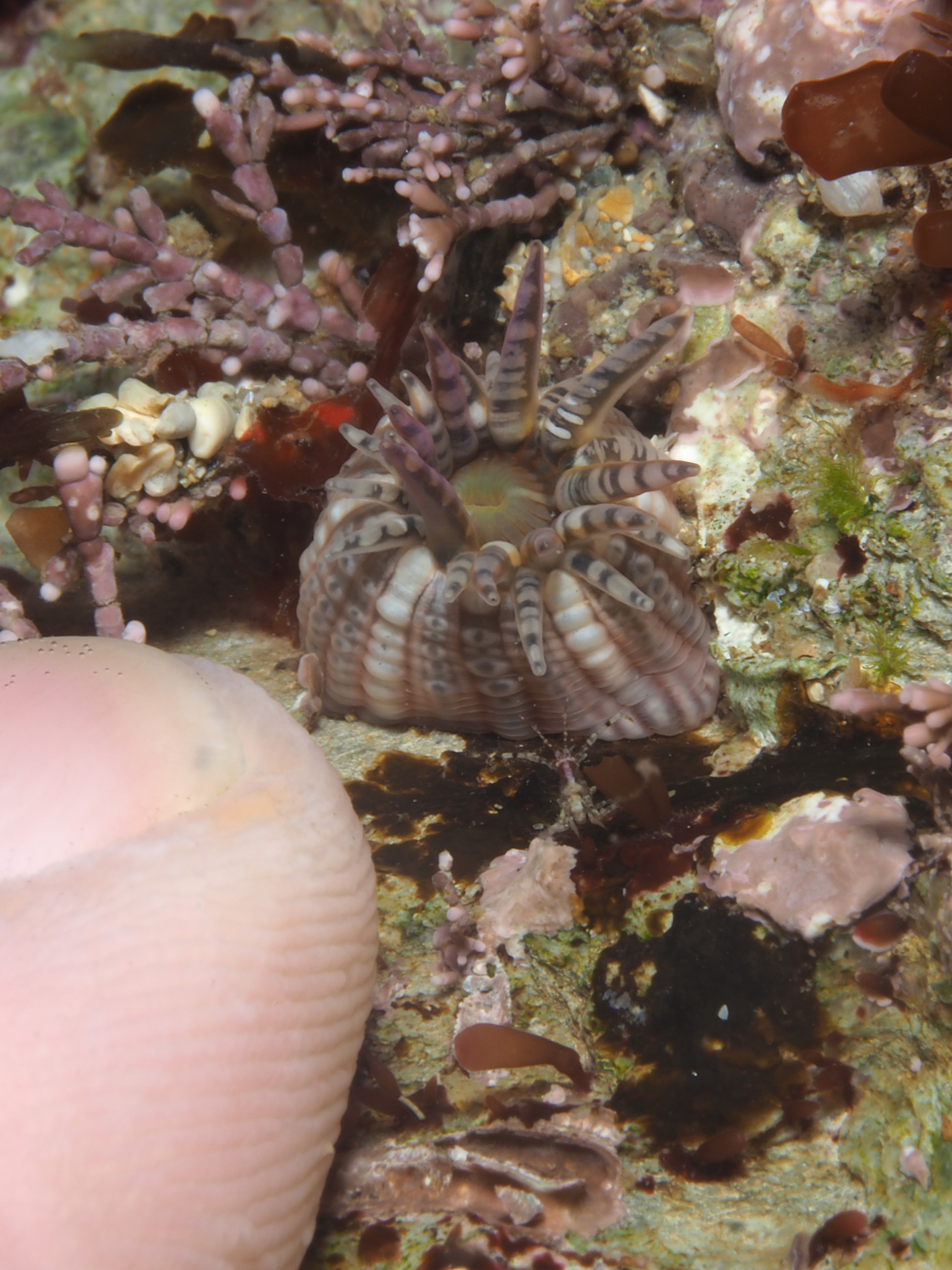
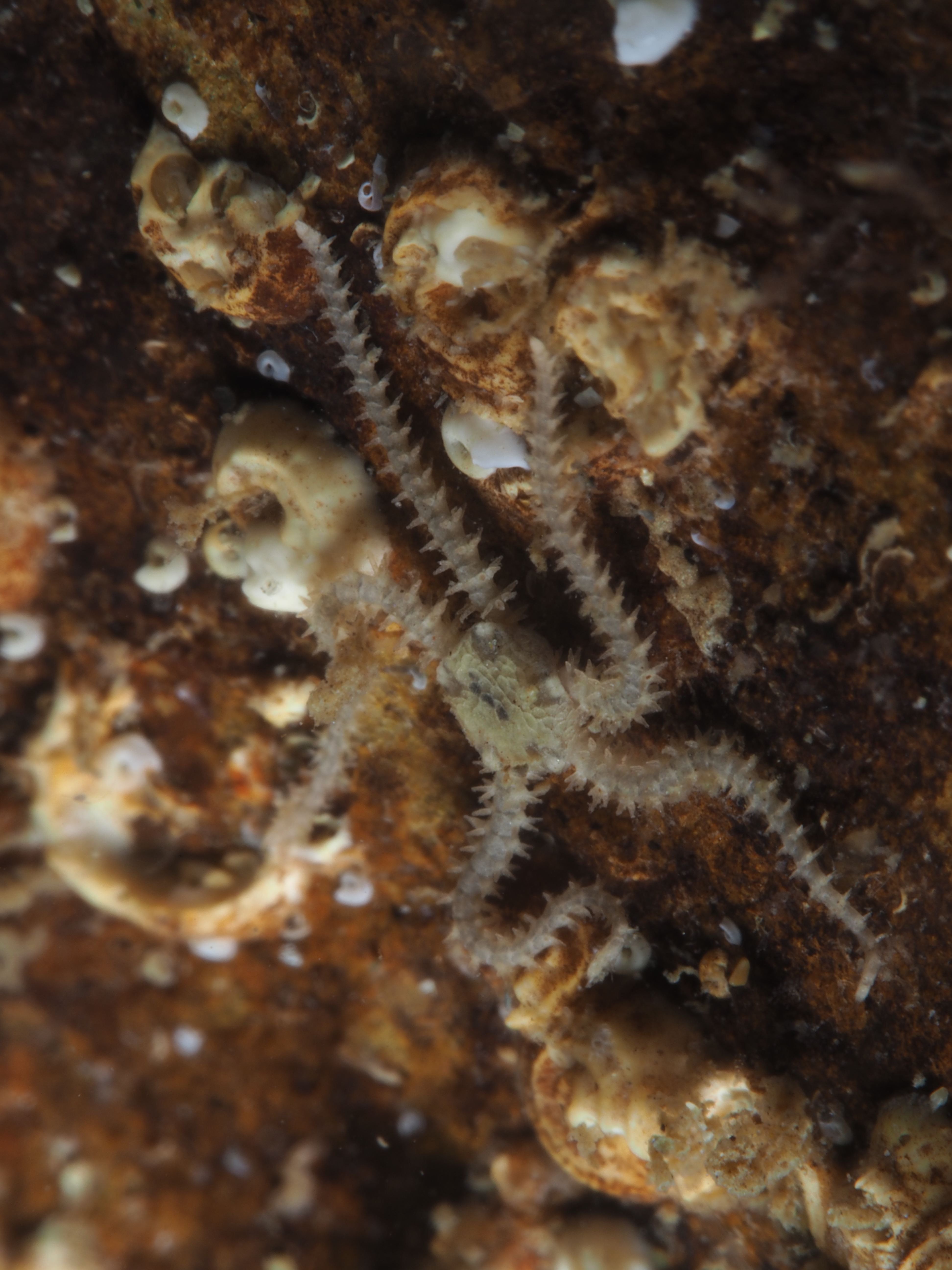
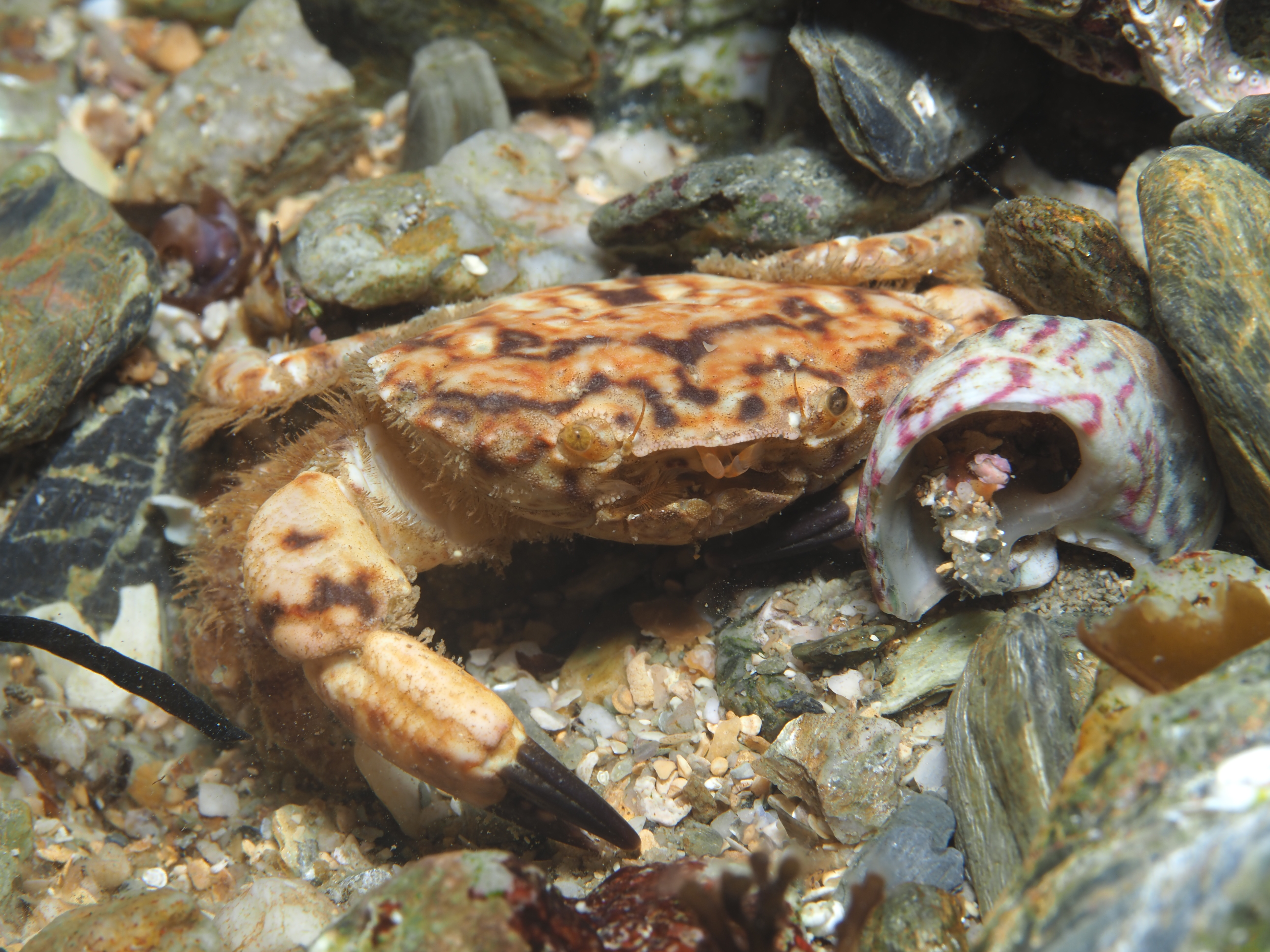
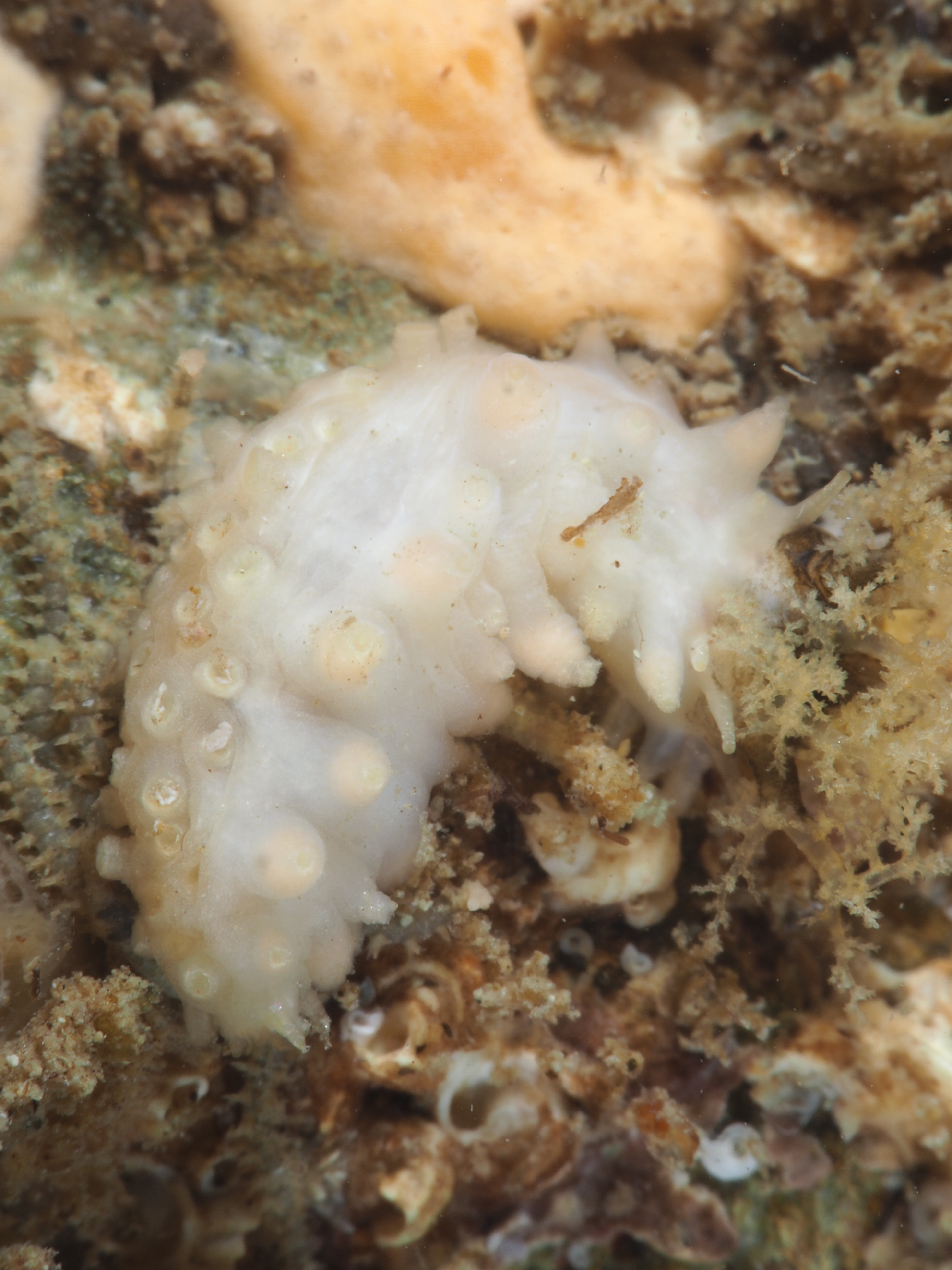
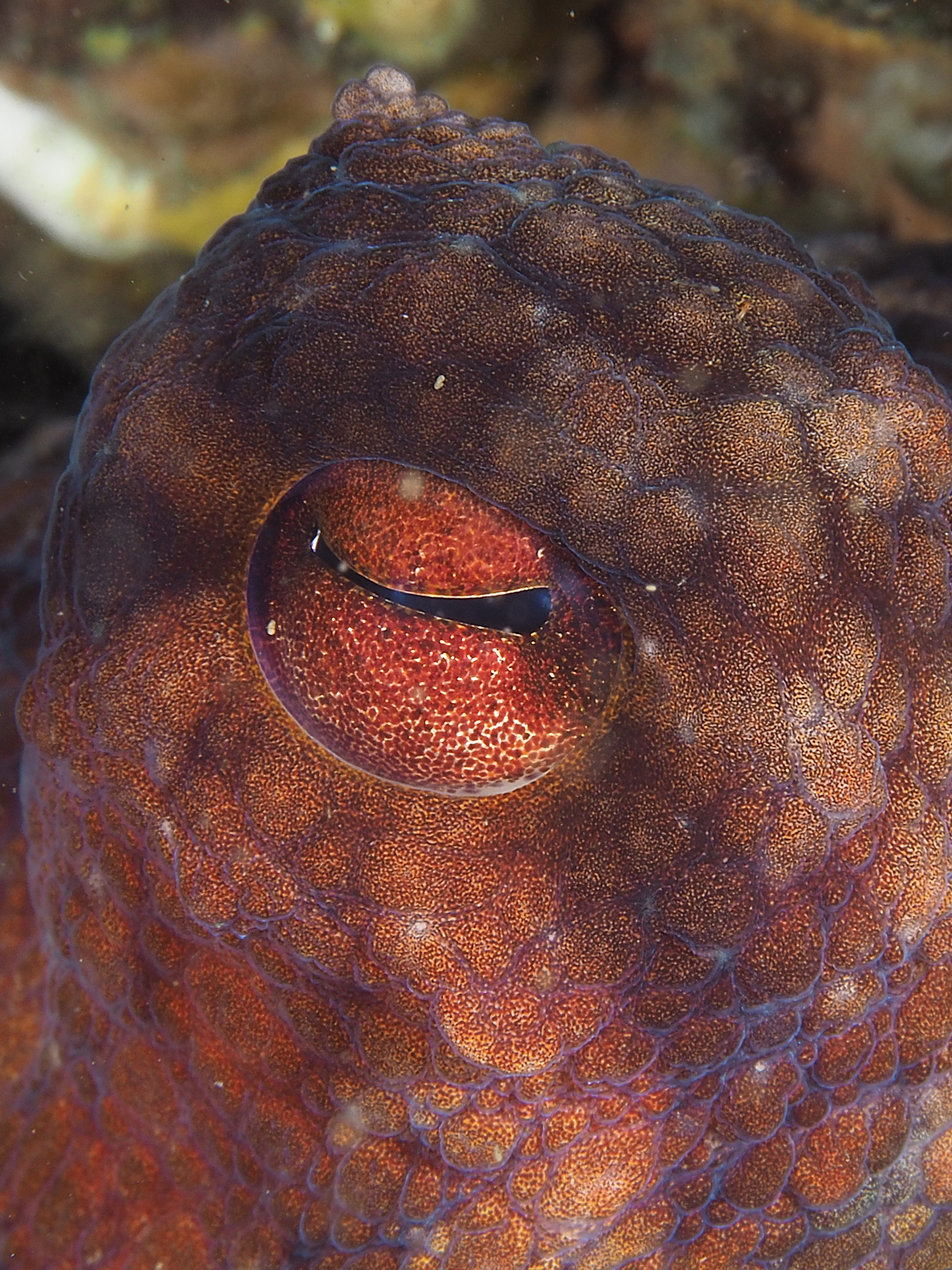
With the camera housing back, I have been in the water again lately, taking quite a few photos. I am lagging behind with posting quite a bit (this will allow me to post when I cannot get in the water later in the year) but should occasionally maintain the blog over summer, so here is! My local haunt Silver Steps provided during two dives with the macro lens. Above a Twin Fan Worm (Bispira volutacornis). These are quite shy (i.e. they retract into their parchment-like tube when their composite eyes detect a curious diver) but also are attached to cluttered rock walls. To blur this unappealing background, I used a very shallow depth of field (f 2.8); this also has the advantage of letting a lot of light in so ISO can be decreased to 100 – sorry non-photographers!). Below a collage of other ‘usual suspects’ (names under the photos) but ALSO I SPOTTED AN OCTOPUS! Crouched in a crevice and with only a macro lens I could not do it justice but it was still a very nice encounter.
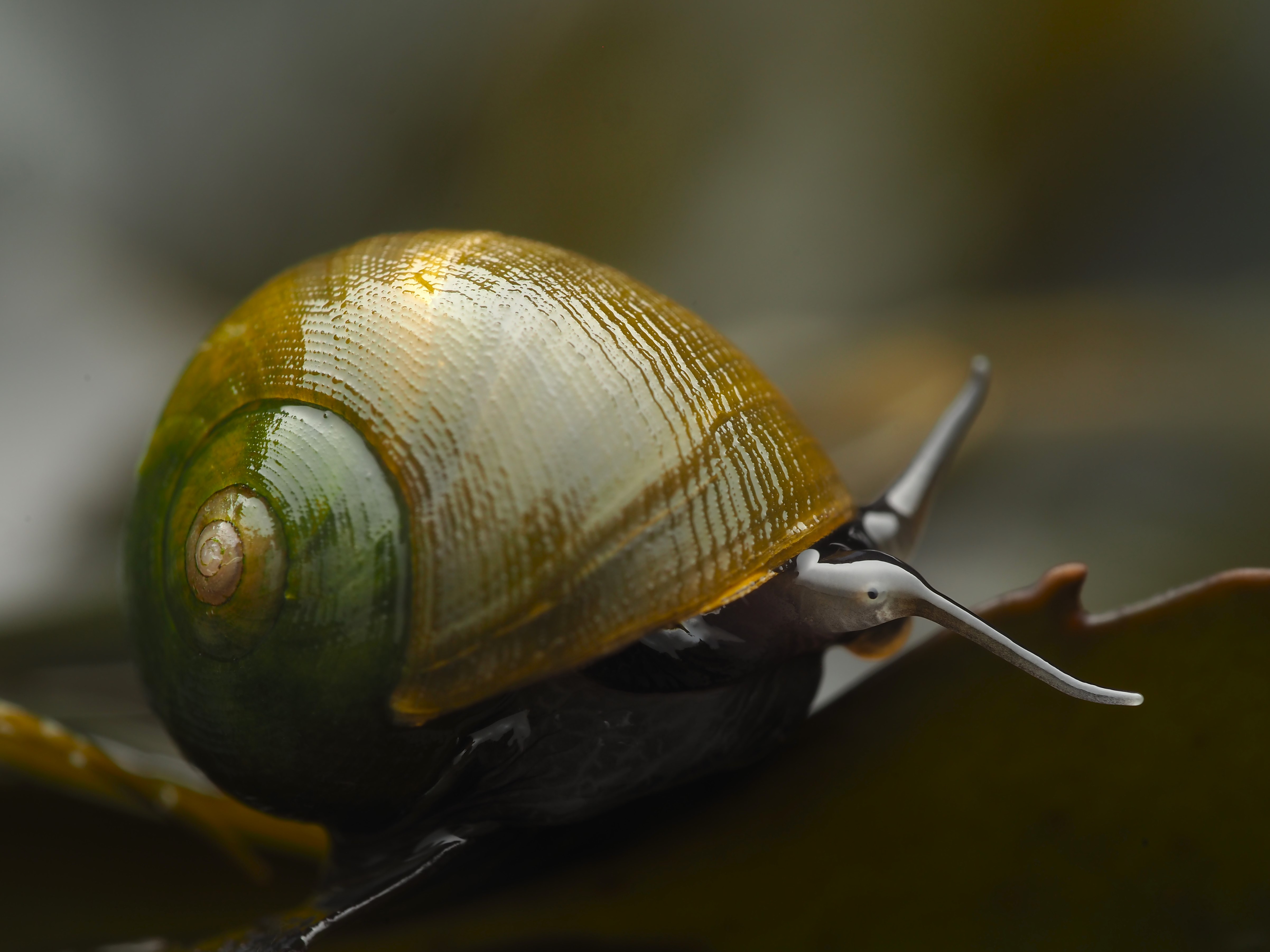
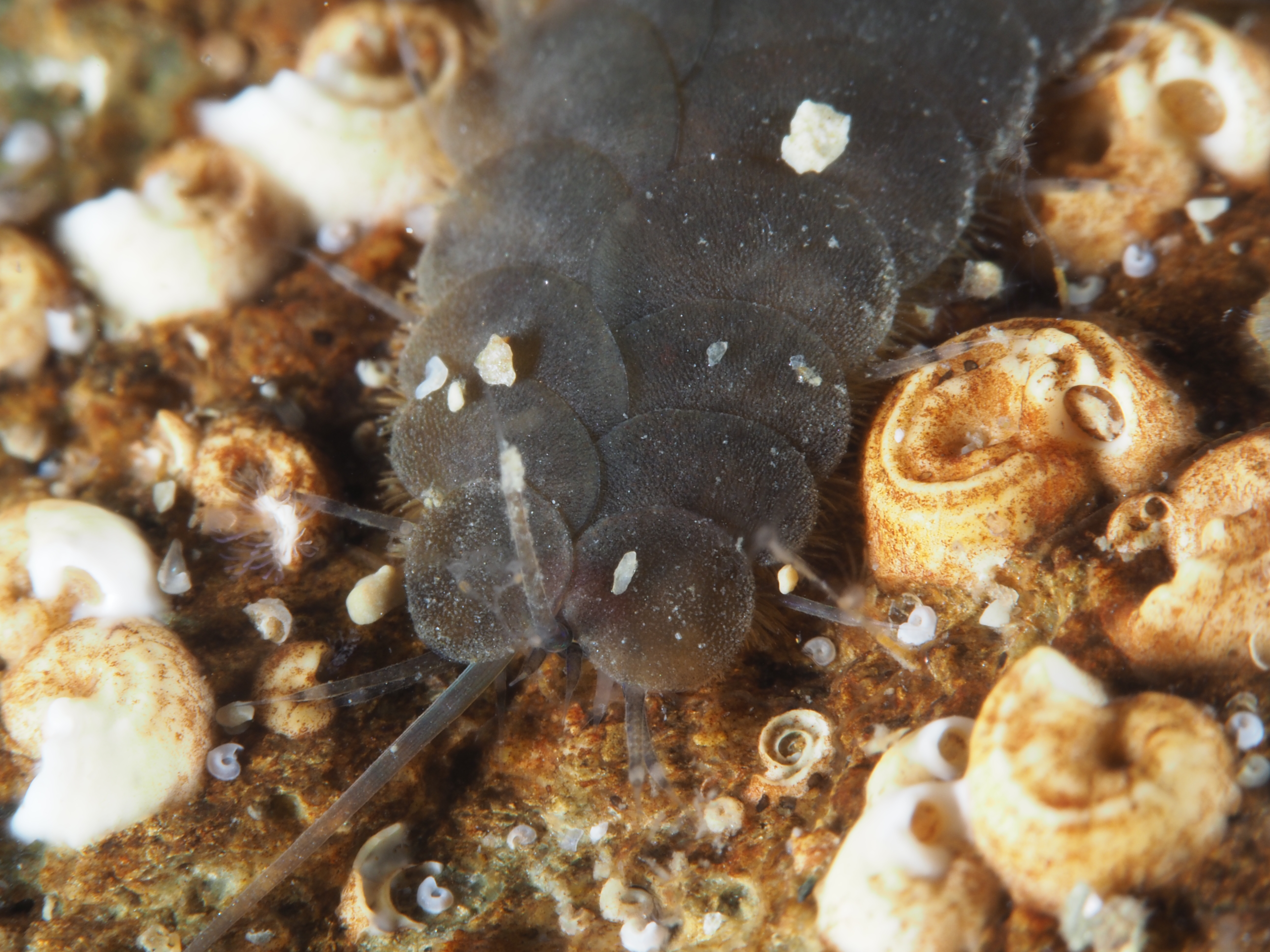
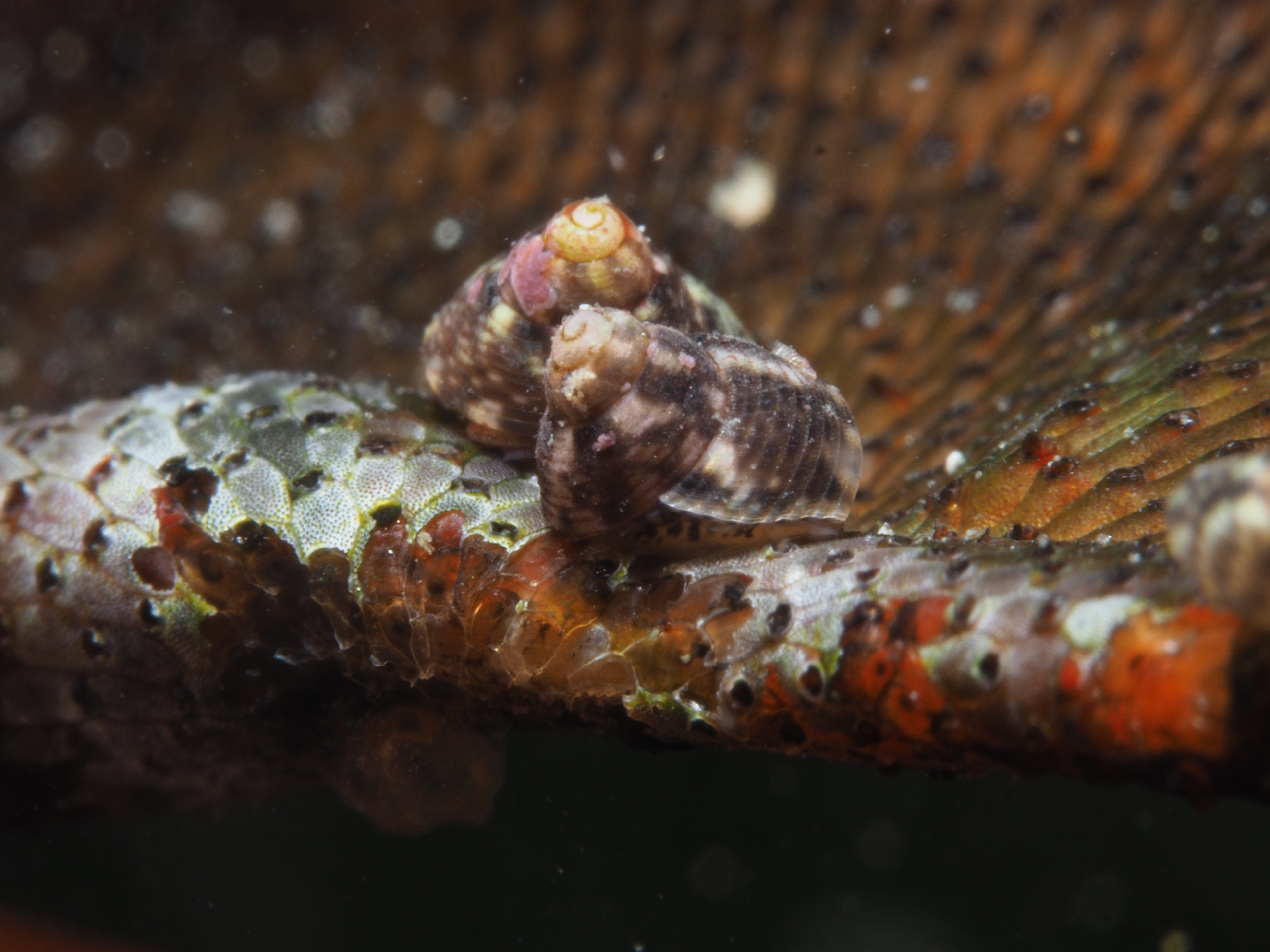
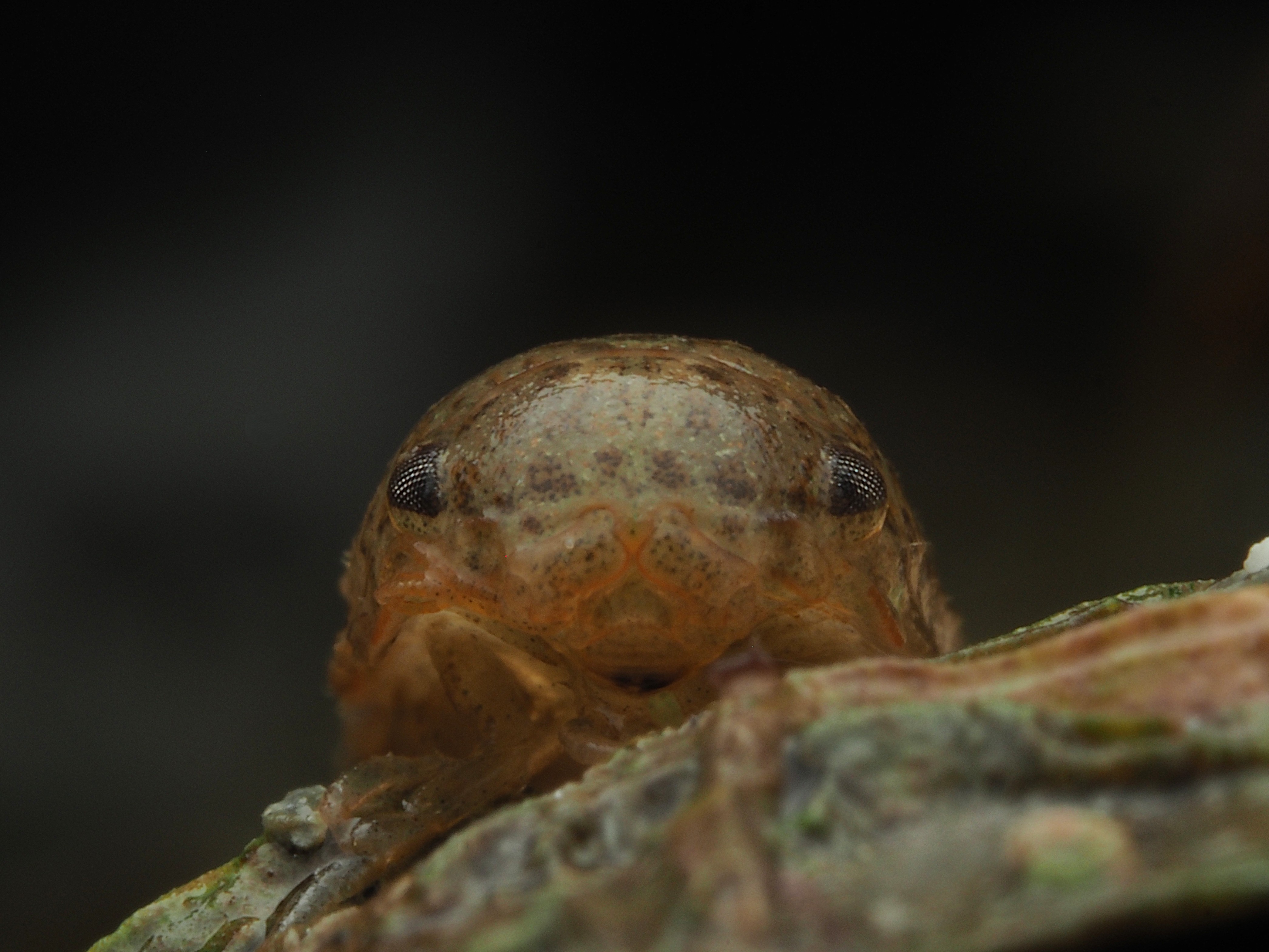
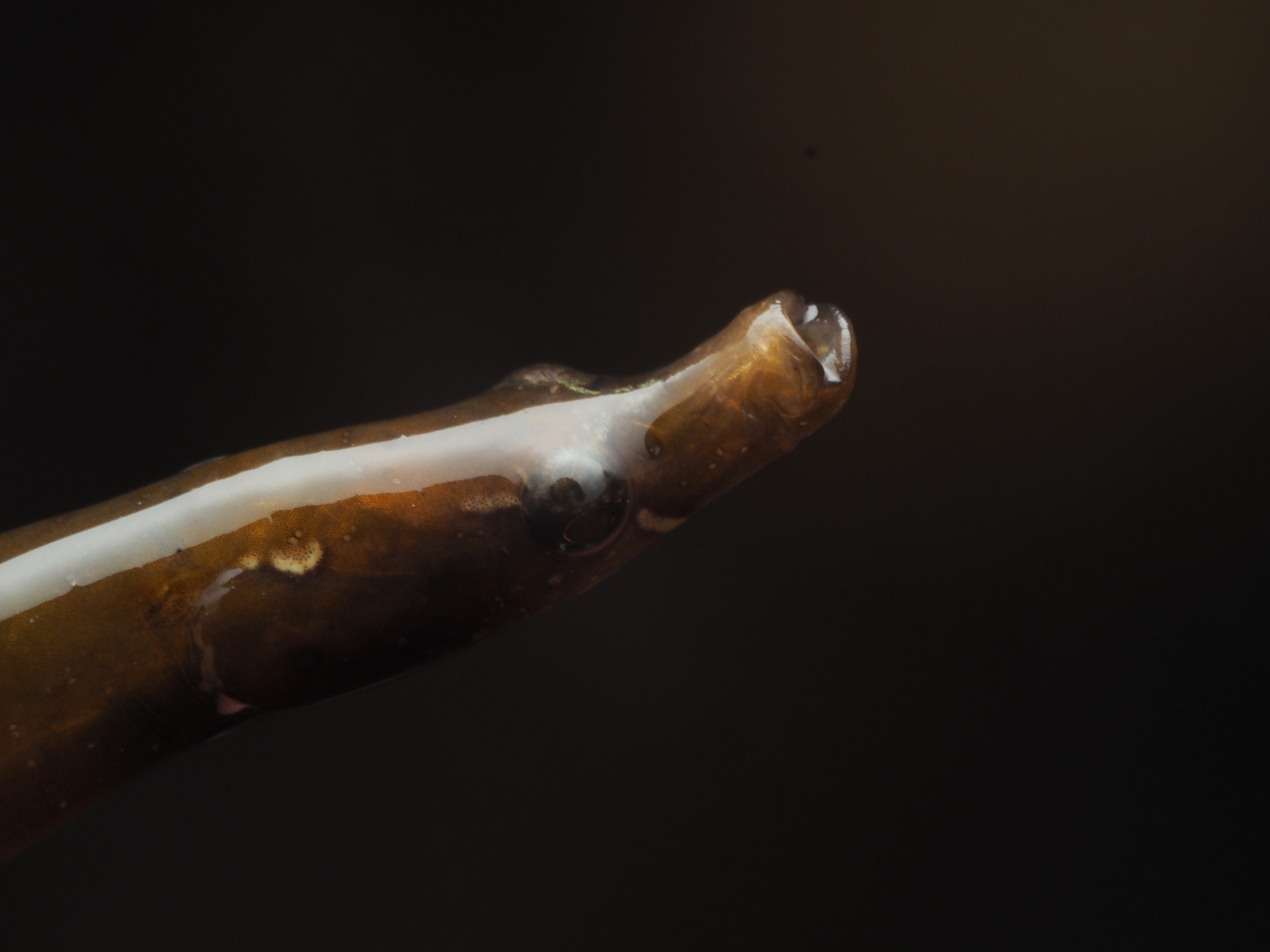
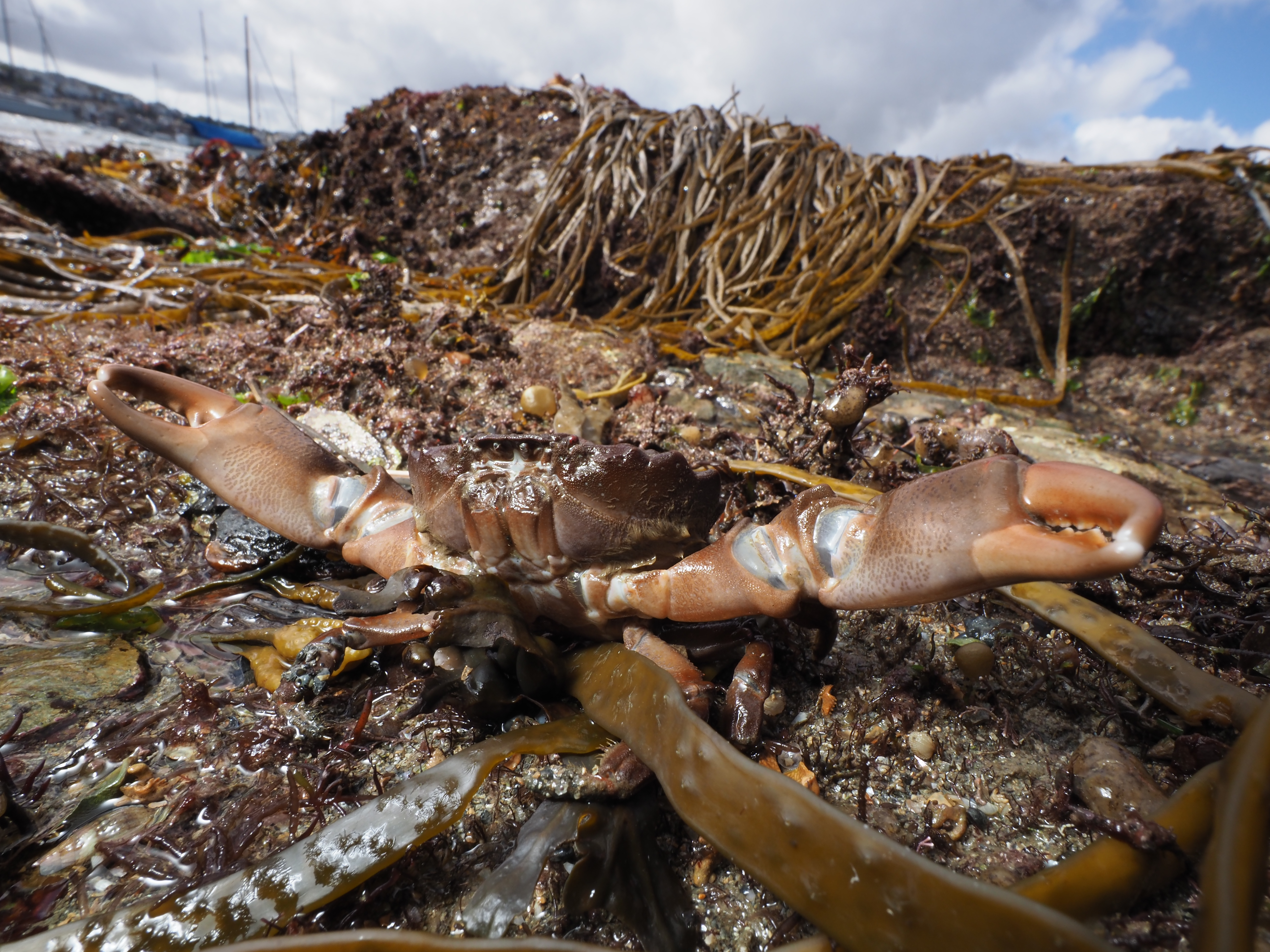
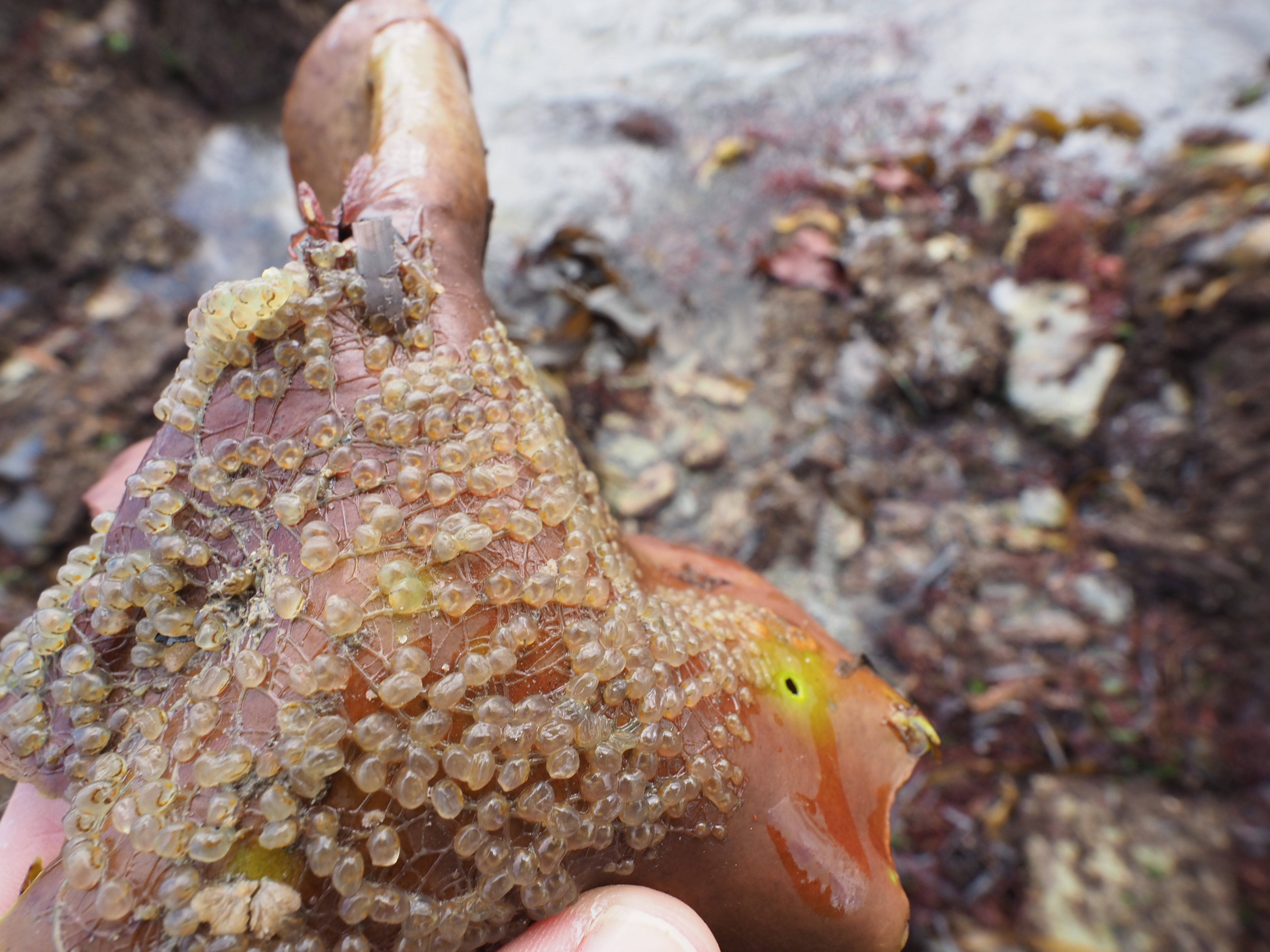
Long time no post – the idea was to spend time taking photos during spring and summer and enjoy the underwater world vicariously by blogging in autumn and winter. However, something terrible happened on my only dive of 2025: my underwater housing sprung a leak! The housing was not flooded to an extent that it damaged my camera but it needed to be repaired before I could get back underwater. Unfortunately there is only one place that can do that, backscatter all the way in California, and even more unfortunately, U.S. customs decided to keep my package on a shelf for over a month. I have never seen an octopus in my decade of diving but of course people reported eight or so per dive last month so I was feeling very sorry for myself!* Anyway, I have been confined to the shoreline so far. To cope with that, I bought a weird chinese macro-wide angle lens to play with which I will post about later. I also used my ‘normal’ 60mm macro lens (sometimes with a Raynox lens attached to the front for extra magnification) and took some time to focus on periwinkles.
At the top and below a Flat Periwinkle (Littorina obtusata or maybe L. fabialis – distinguishing is very hard as it requires investigating differences in penis shape!). As you can see the locations are not always glamorous, but if you zoom in you can still find beauty!
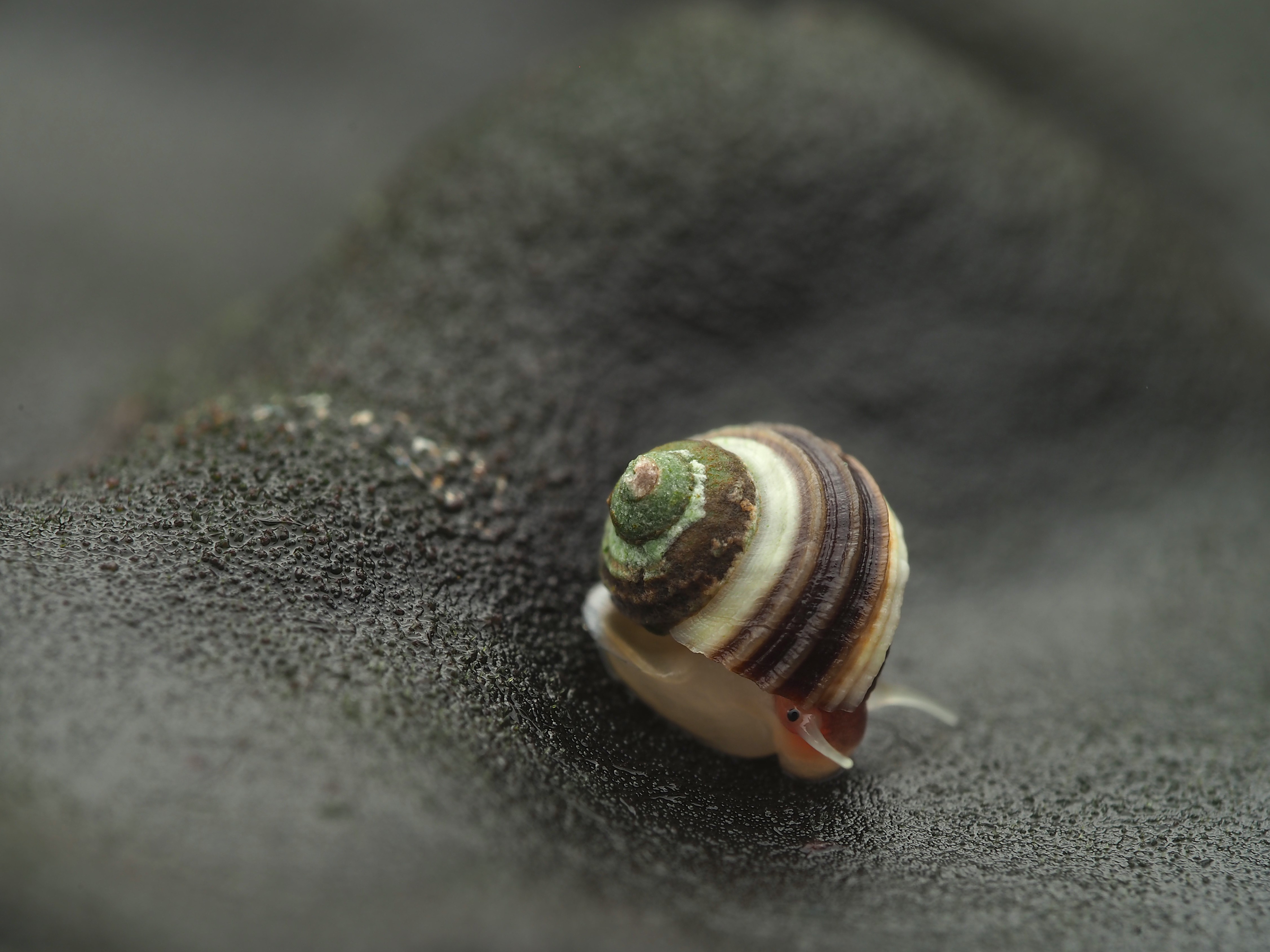
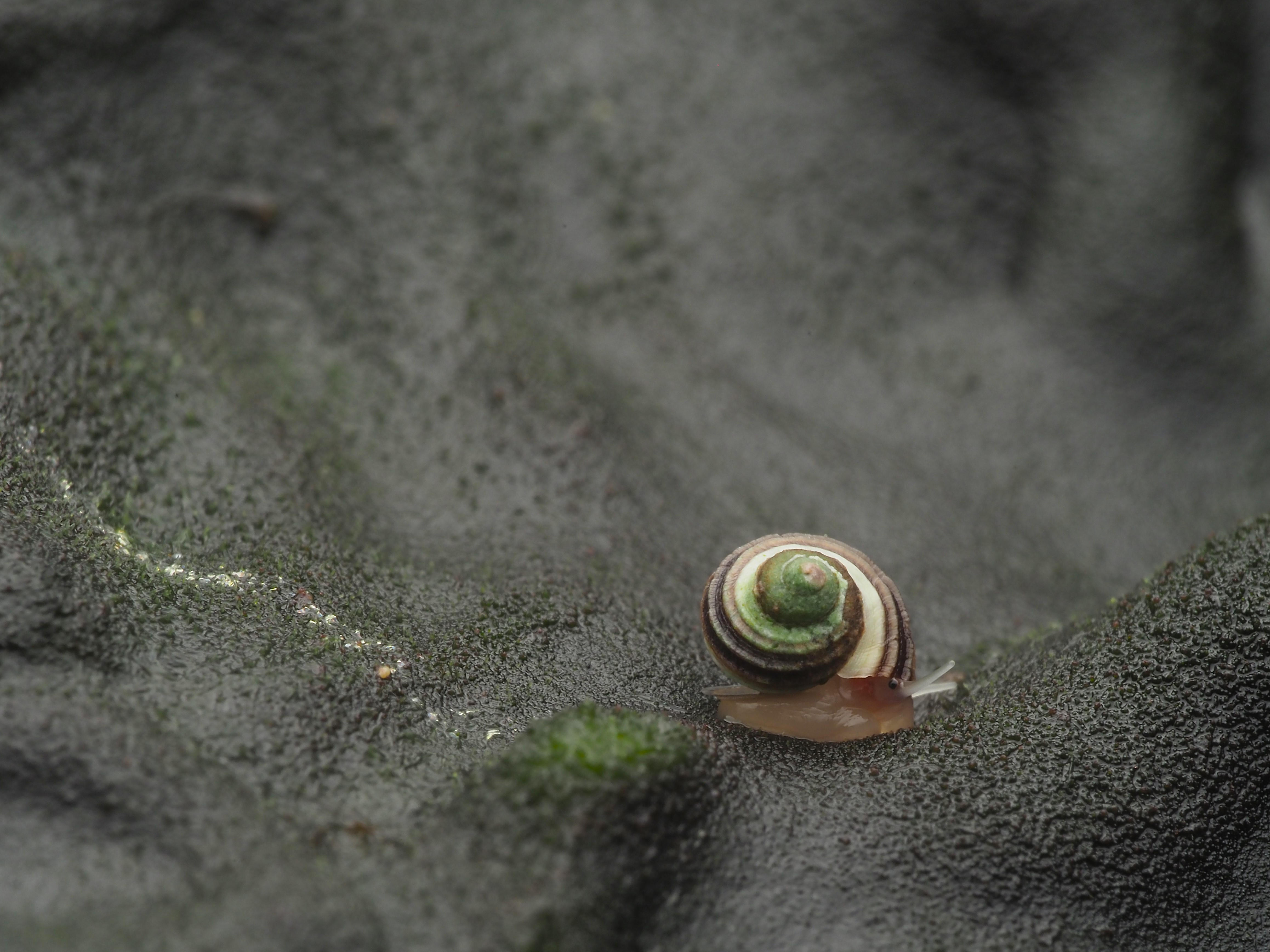
Flat periwinkles tend to be most active above-water, followed by the smaller Rough Periwinkle (Littorina saxatilis – below) with the Common Periwinkle (Littorina littorea – below that) only occasionally moving about.
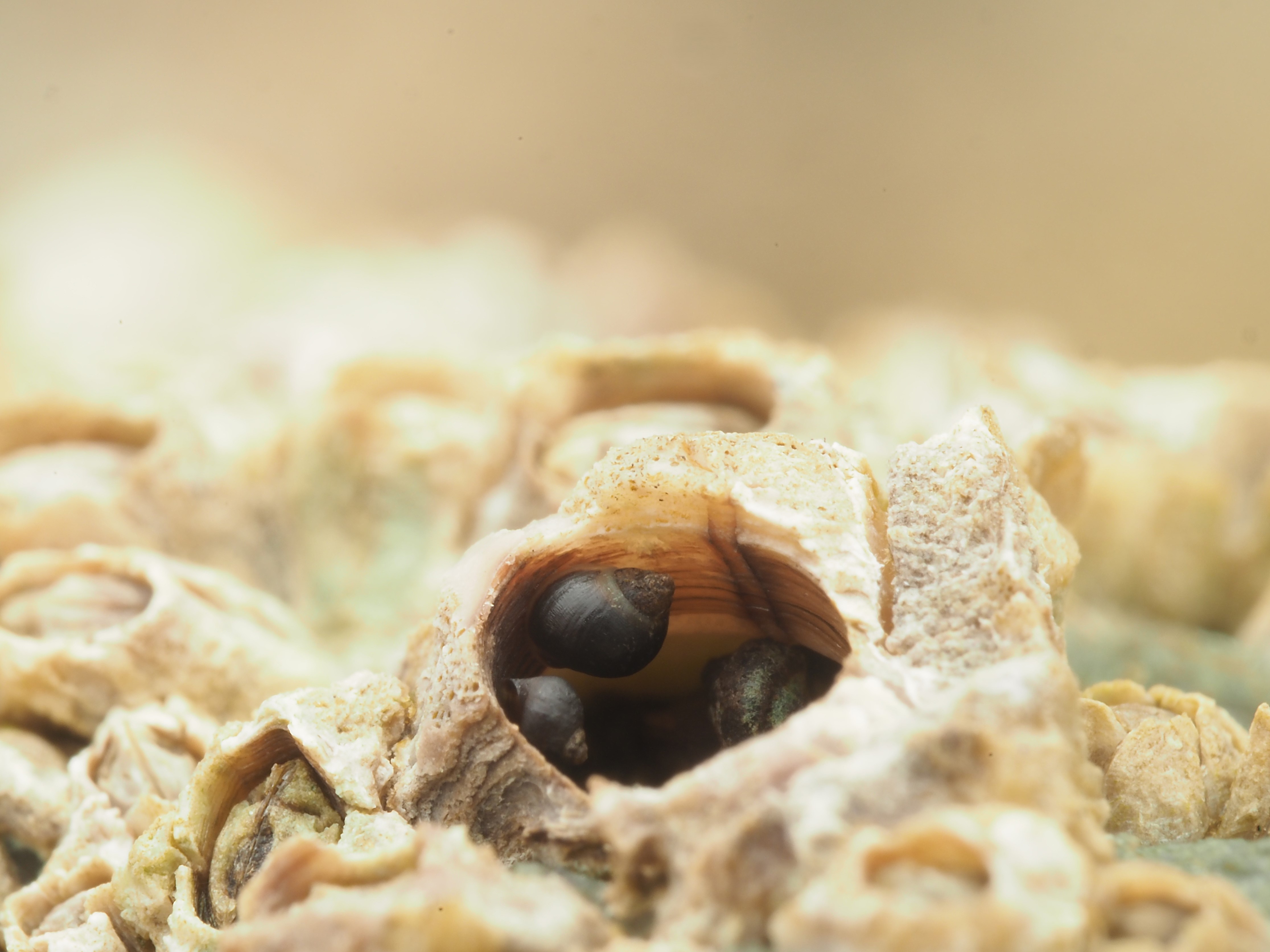
Finally, a tiny species the Small Periwinkle (Littorina Melharaphe neritoides). Probably overlooked by most, as it is tiny (up to 8mm, usually smaller) and hidden between barnacles (or even nestled in empty barnacle cases) high on the shore.
* and no, I could not bring myself to go diving without a camera…
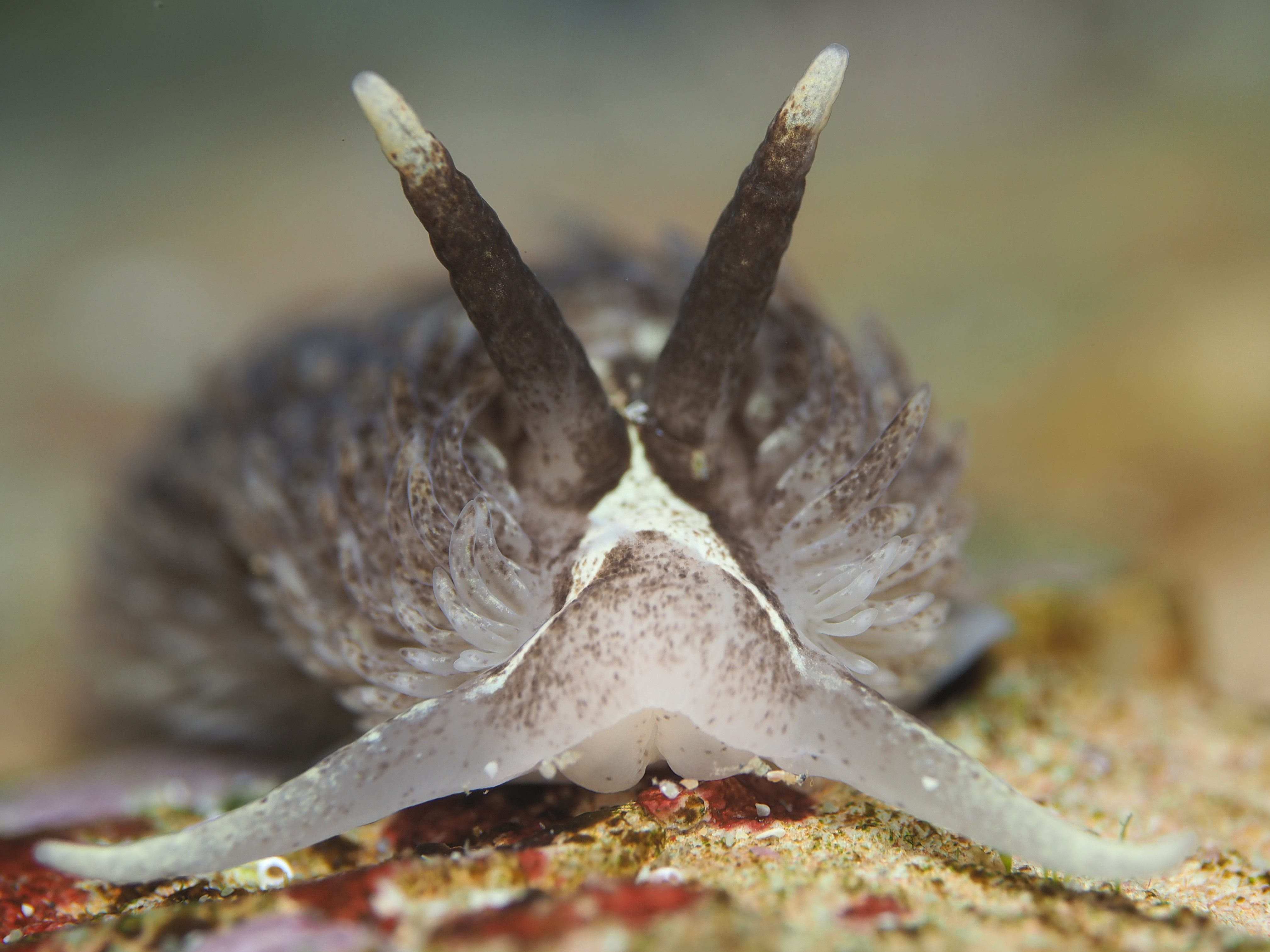
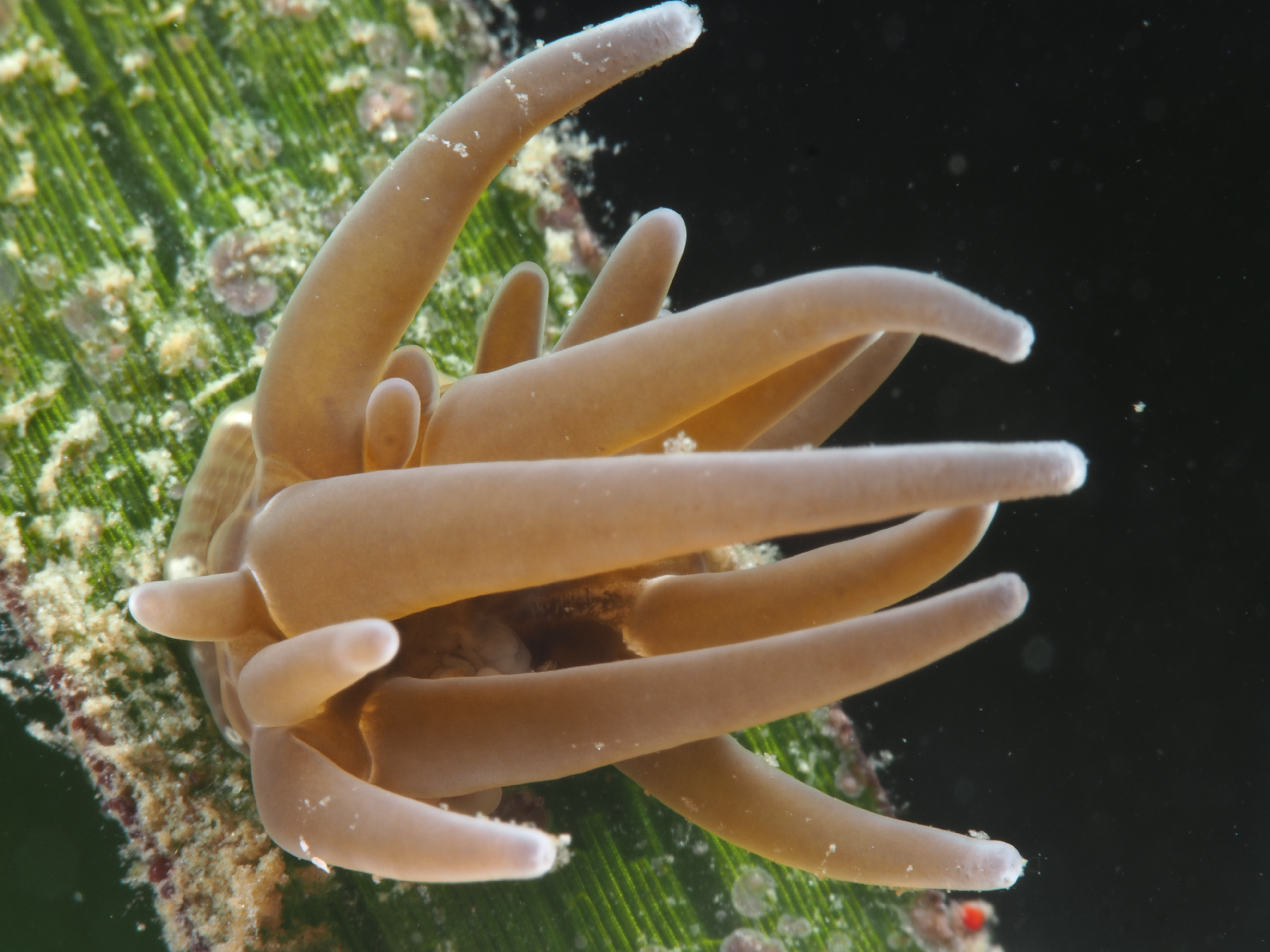
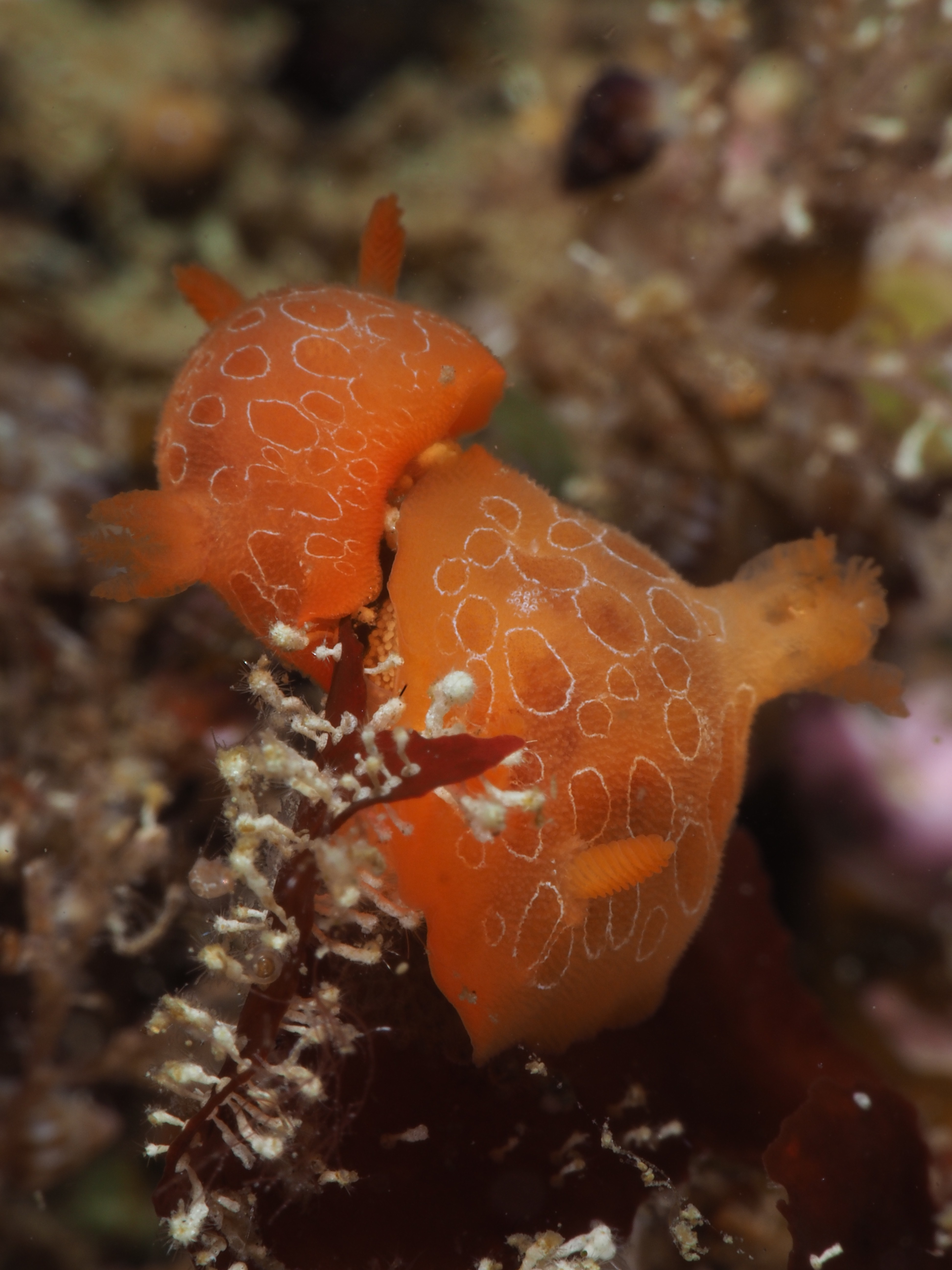
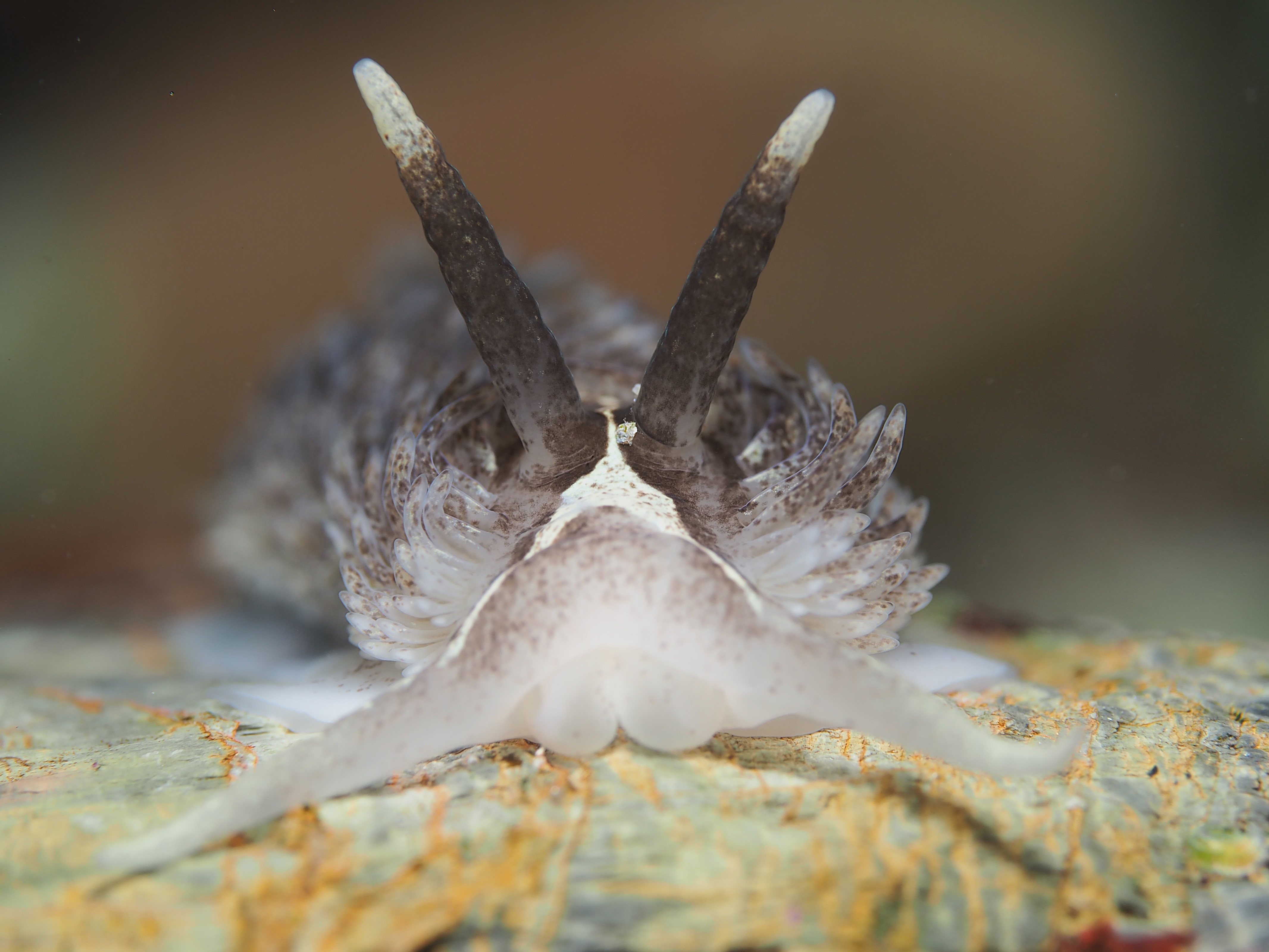
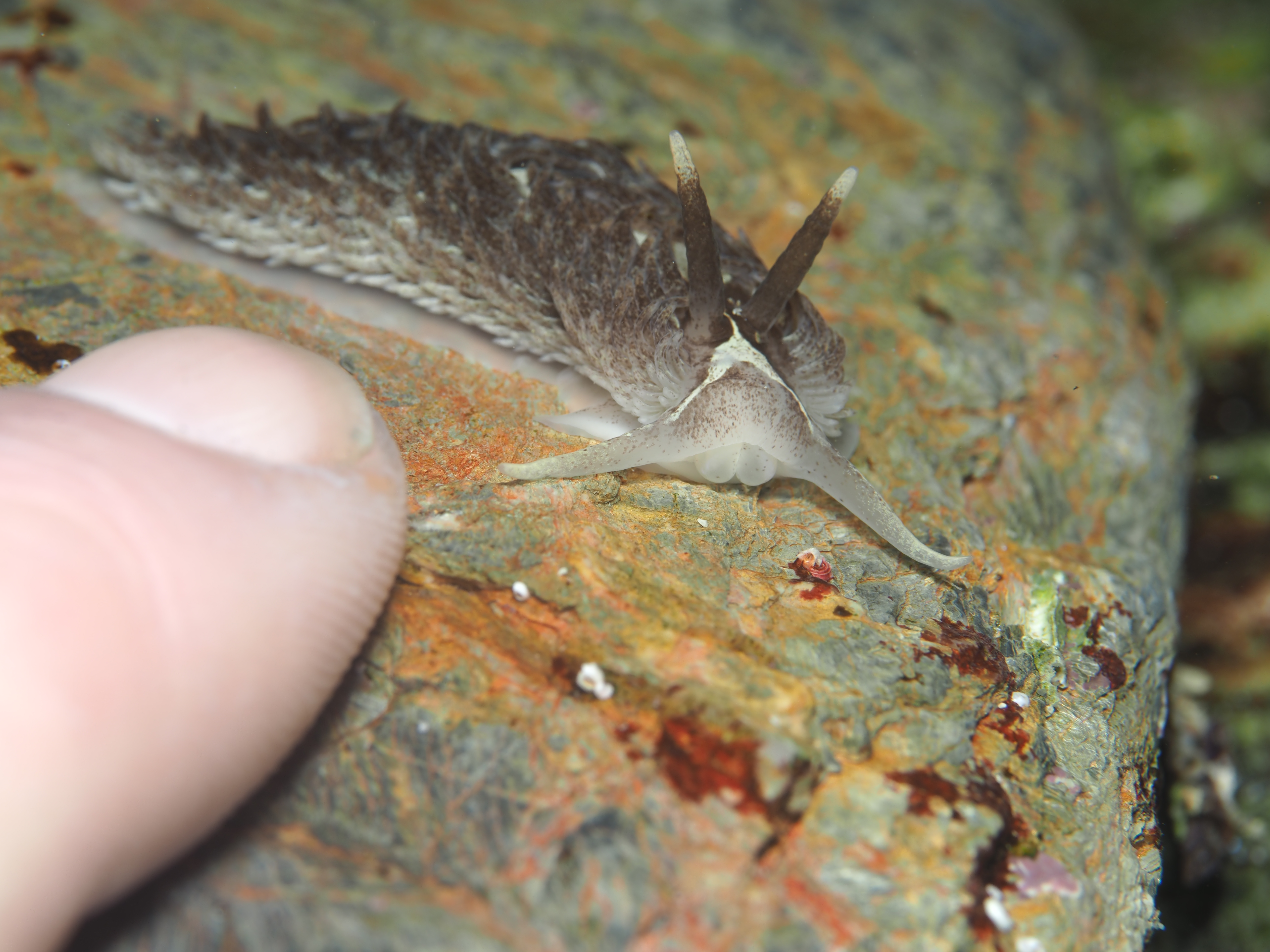
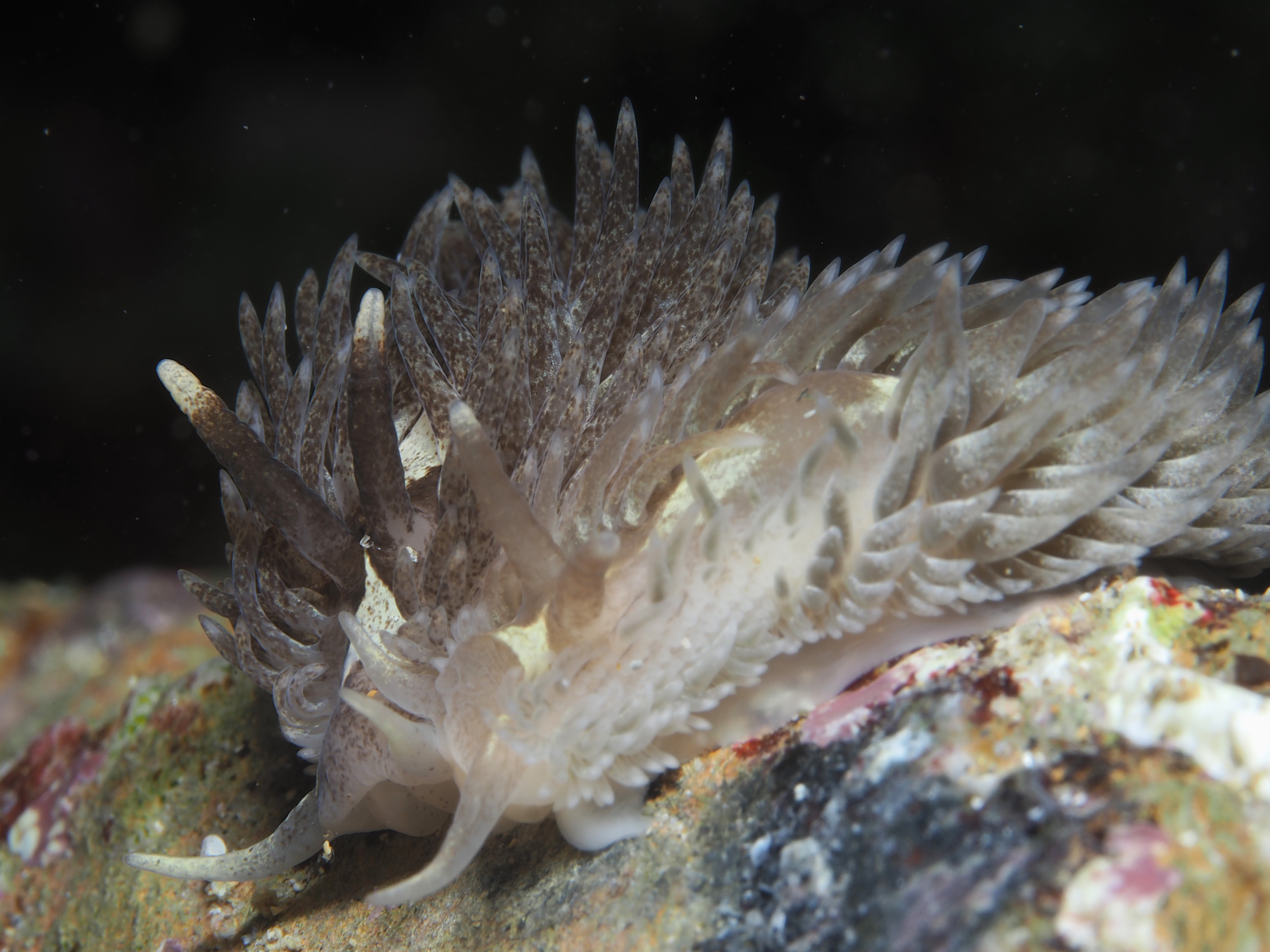
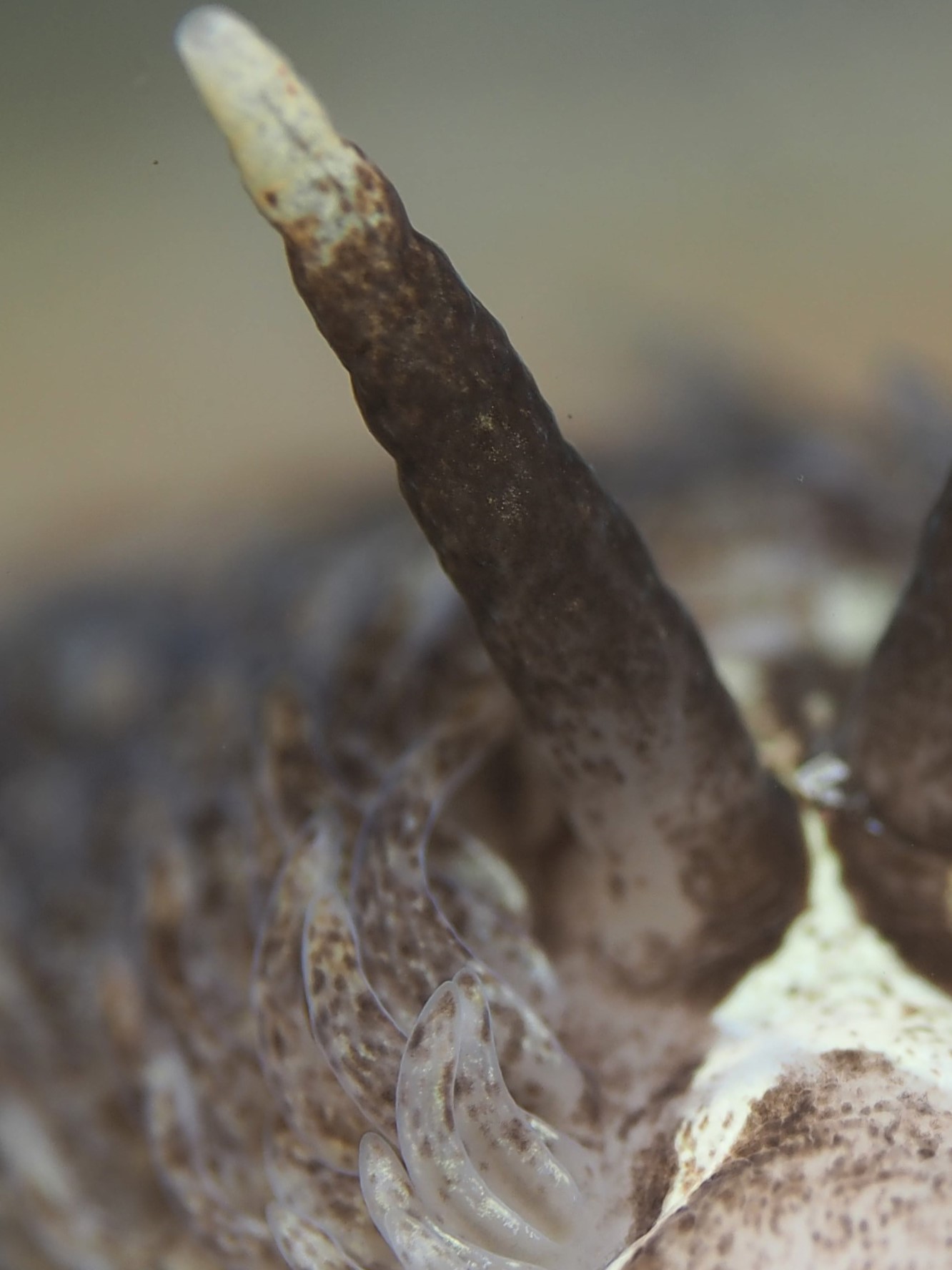
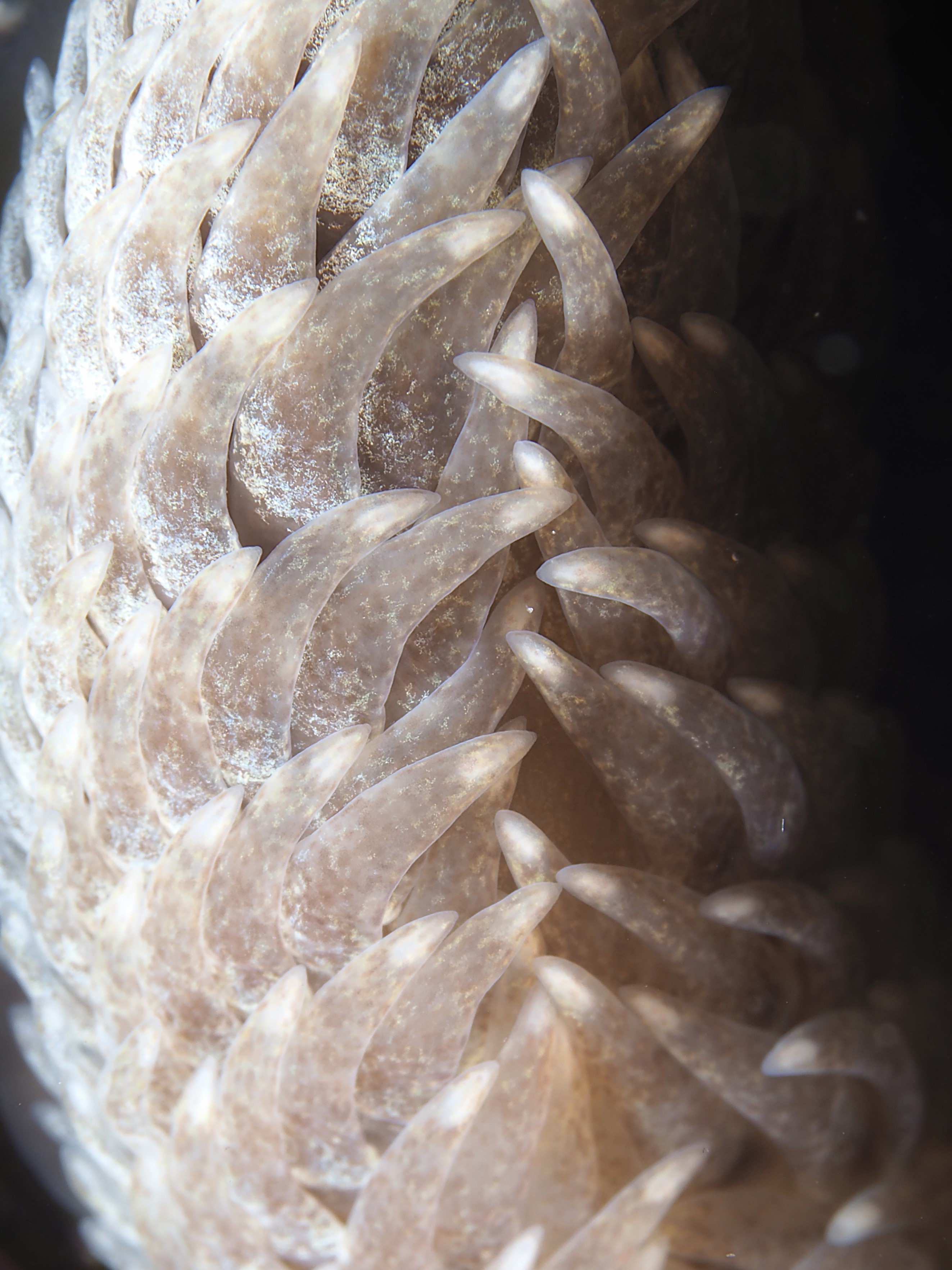
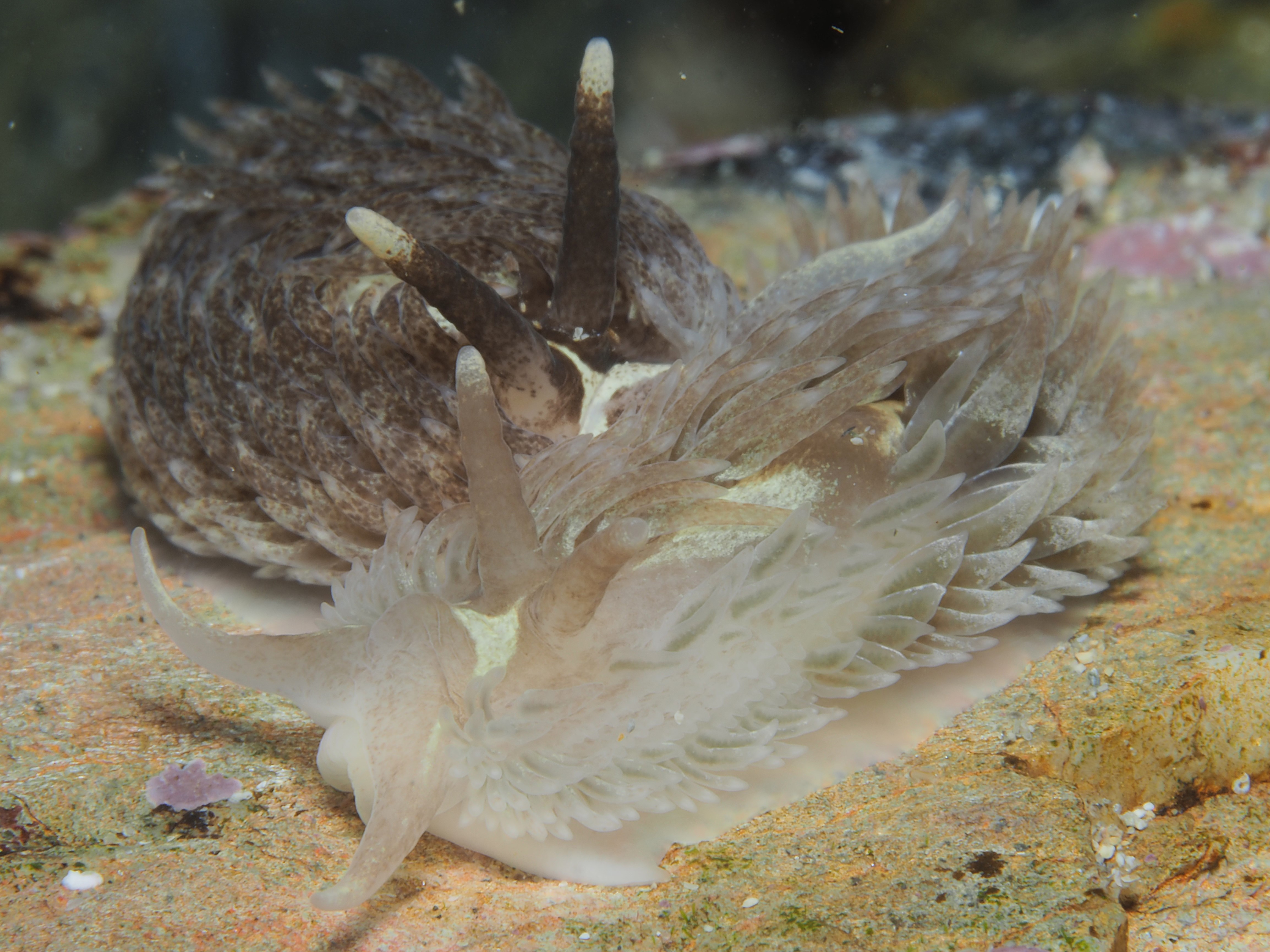
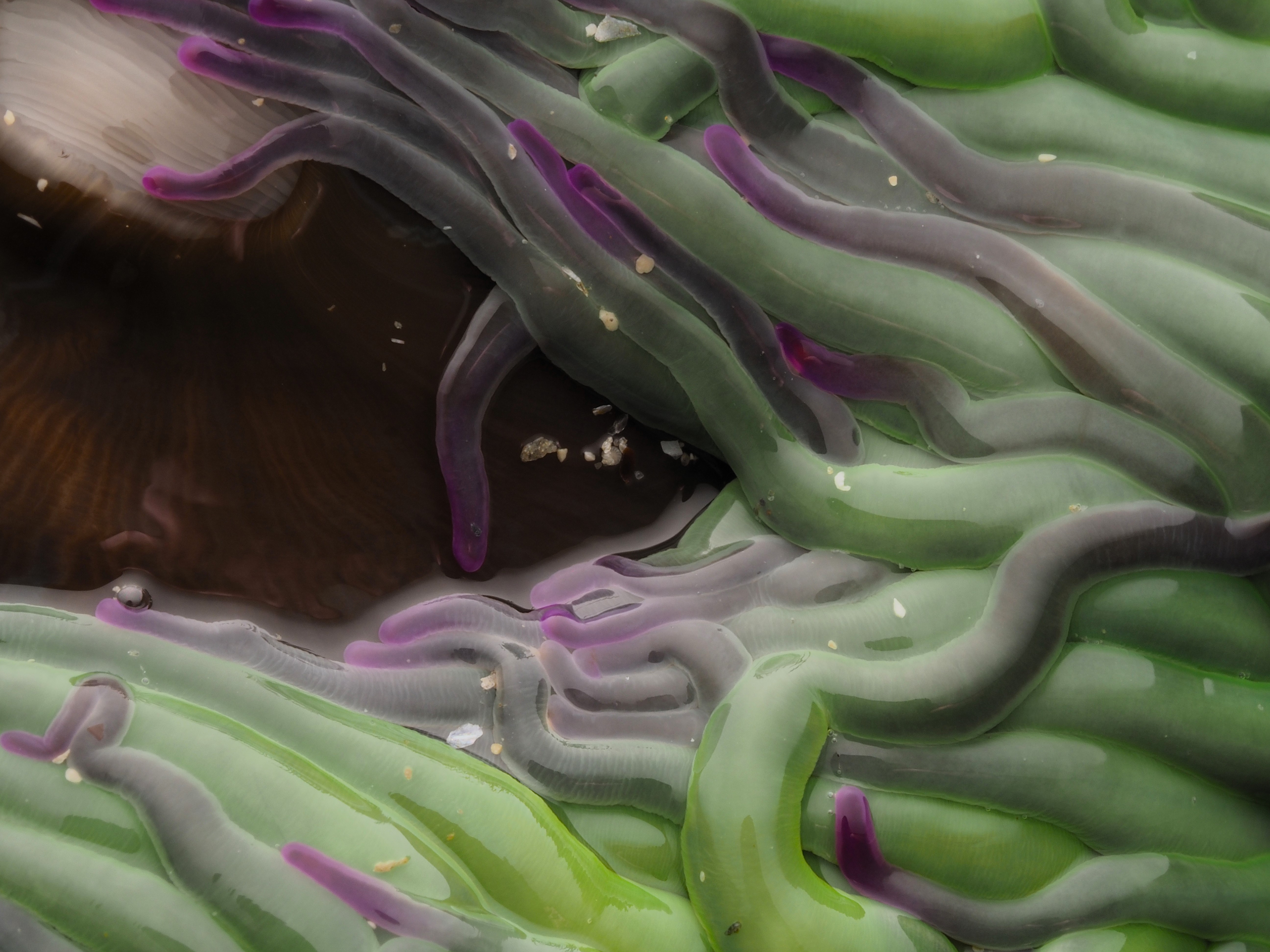
There have been a few finds lately at my local spot in Falmouth (and in other places in Cornwall) of the fantastically coloured Rainbow Slug Babakina anadoni. I have tried in vain so far to find it, but I did manage to find another species of Seaslug last Friday: Aeolidia filomenae. It is the opposite of the Rainbow Slug; large, not small, drab, not extravagant, and common instead of rare. More of an understated beauty I guess, and still a nice find! This species feeds on anemones (mainly Beadlet Anemones but also Snakelocks Anemones) rather than the Candelabrum hydroids the Rainbow Slug prefers. I am not very good at spottting nudibranchs so the plan is to keep looking this spring and find more species!
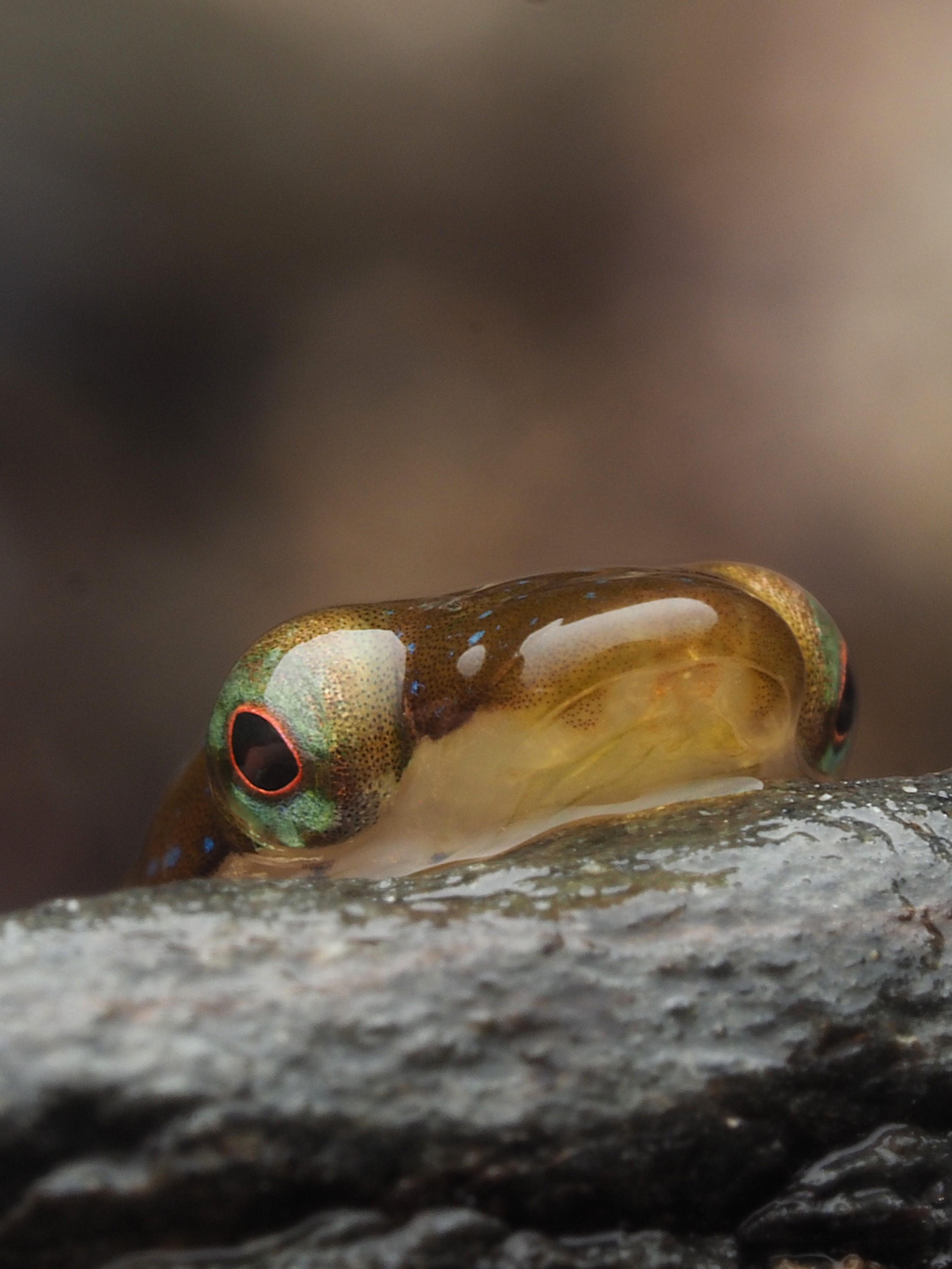
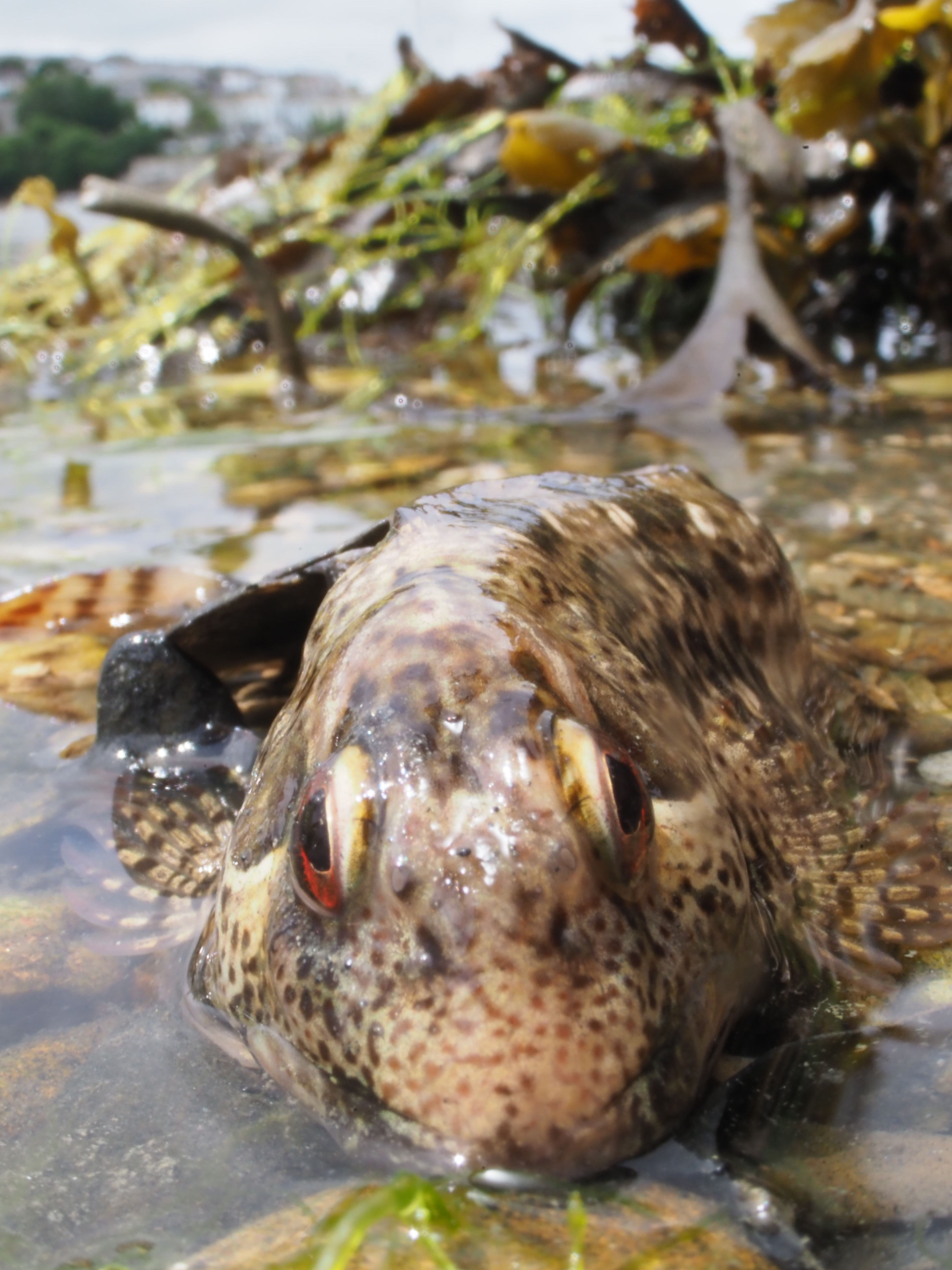
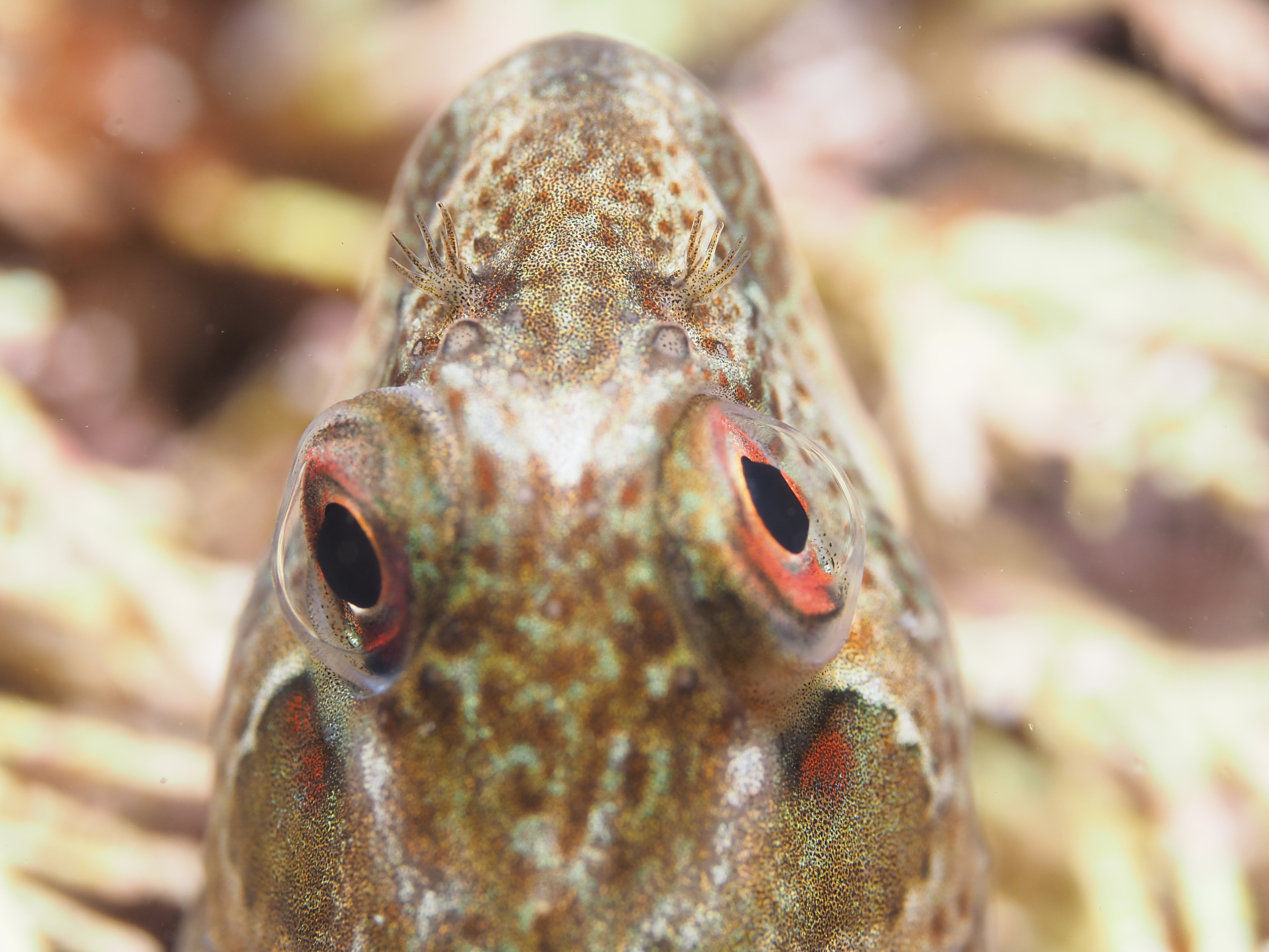
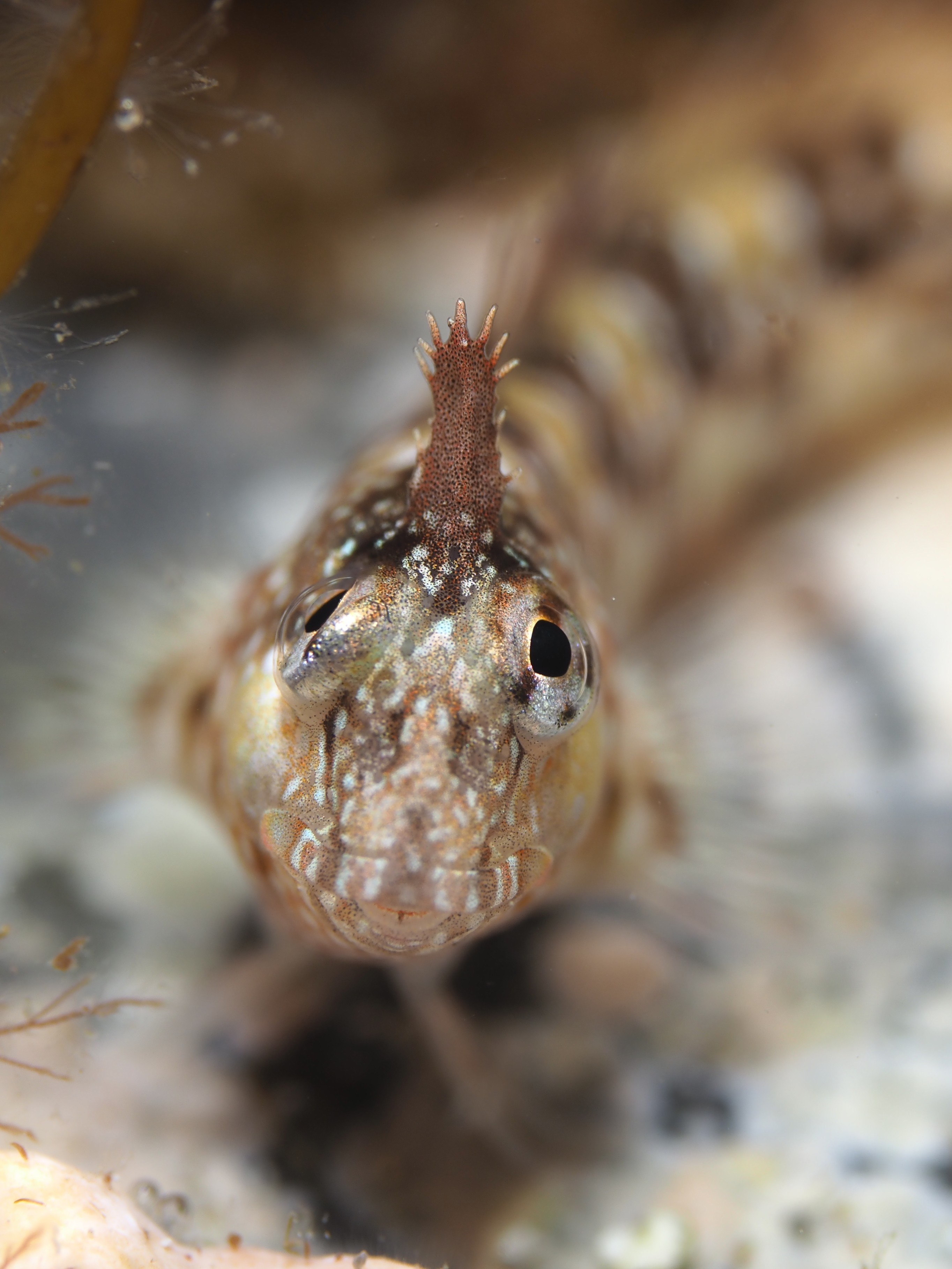
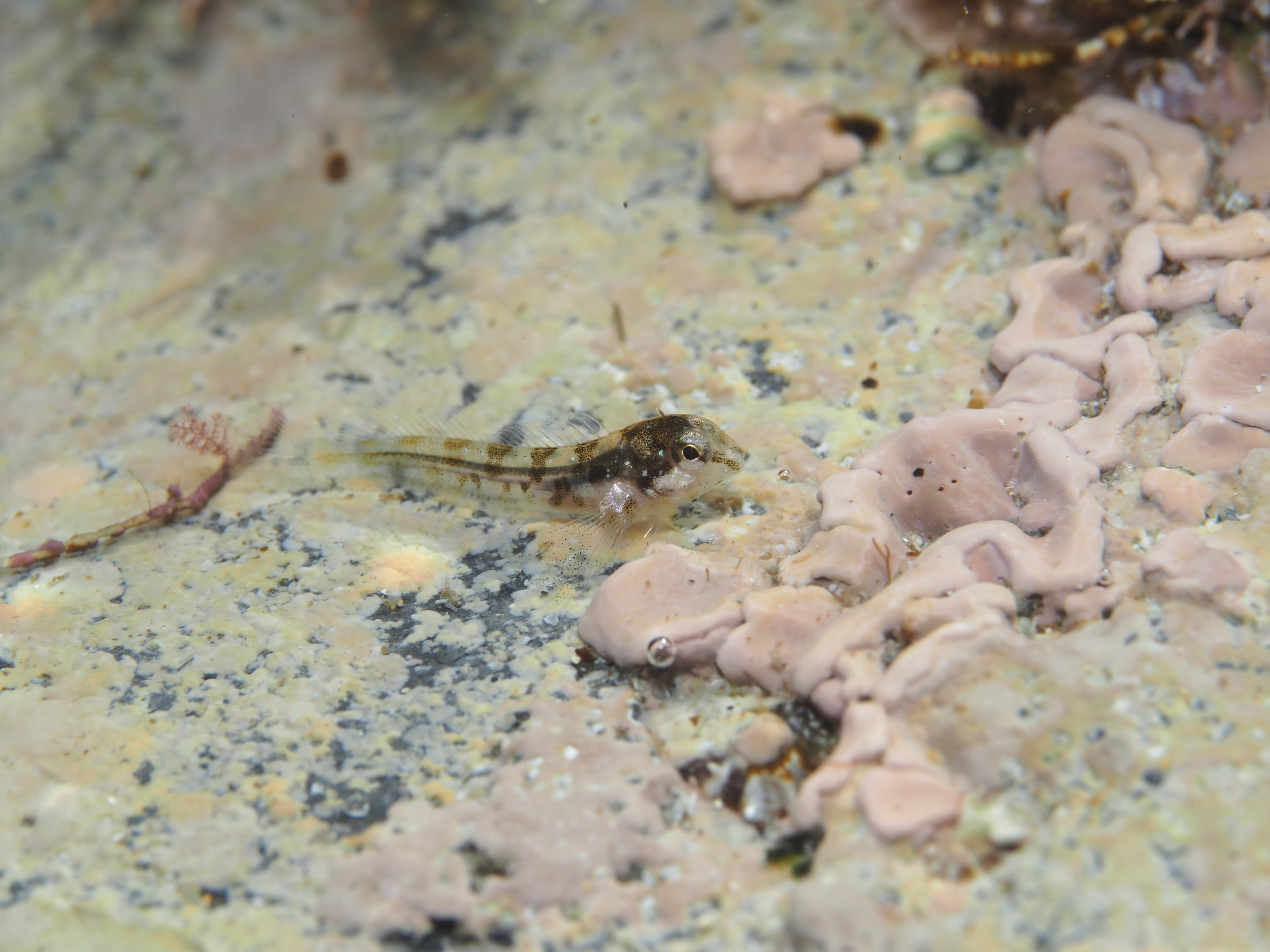
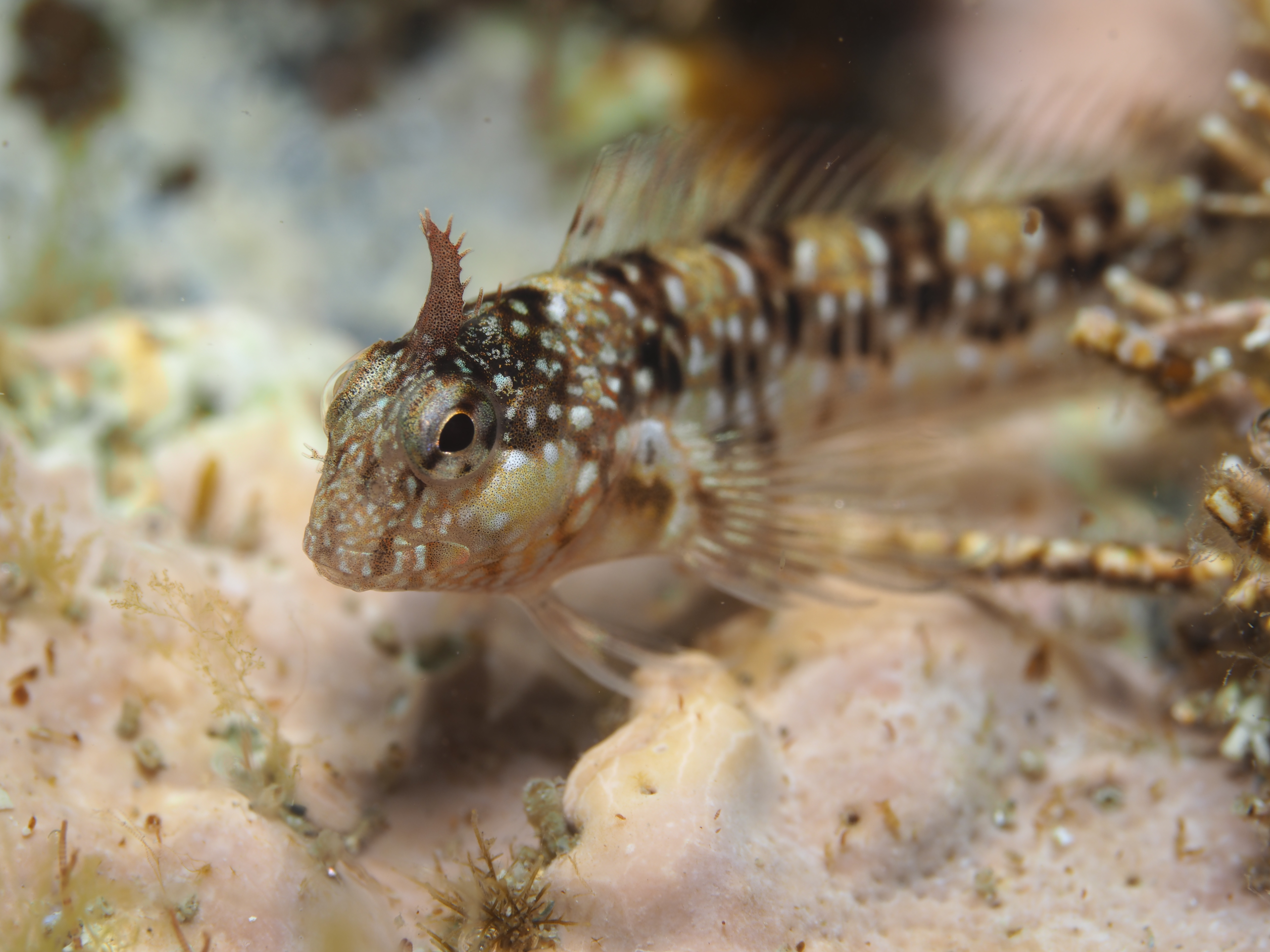
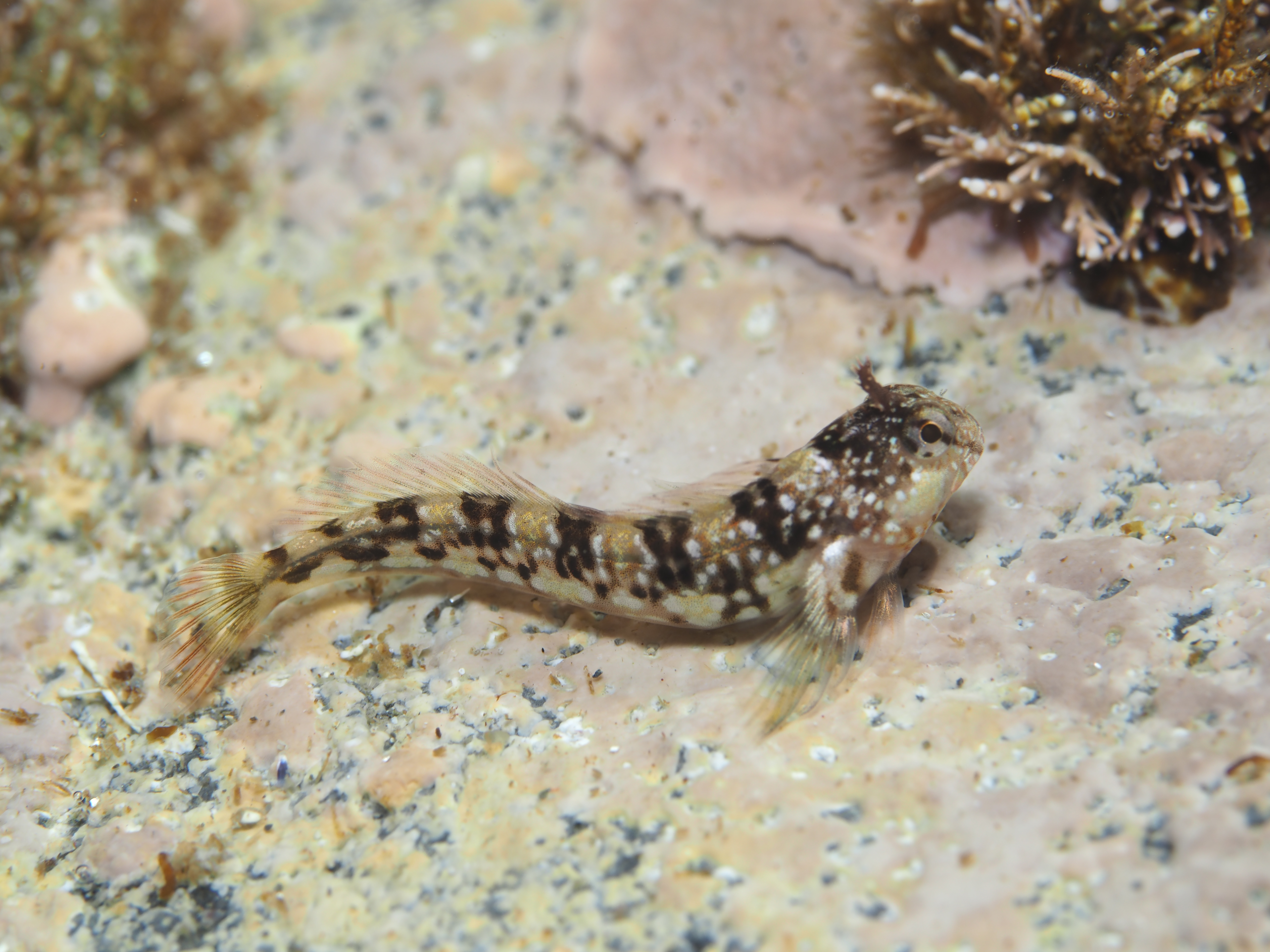
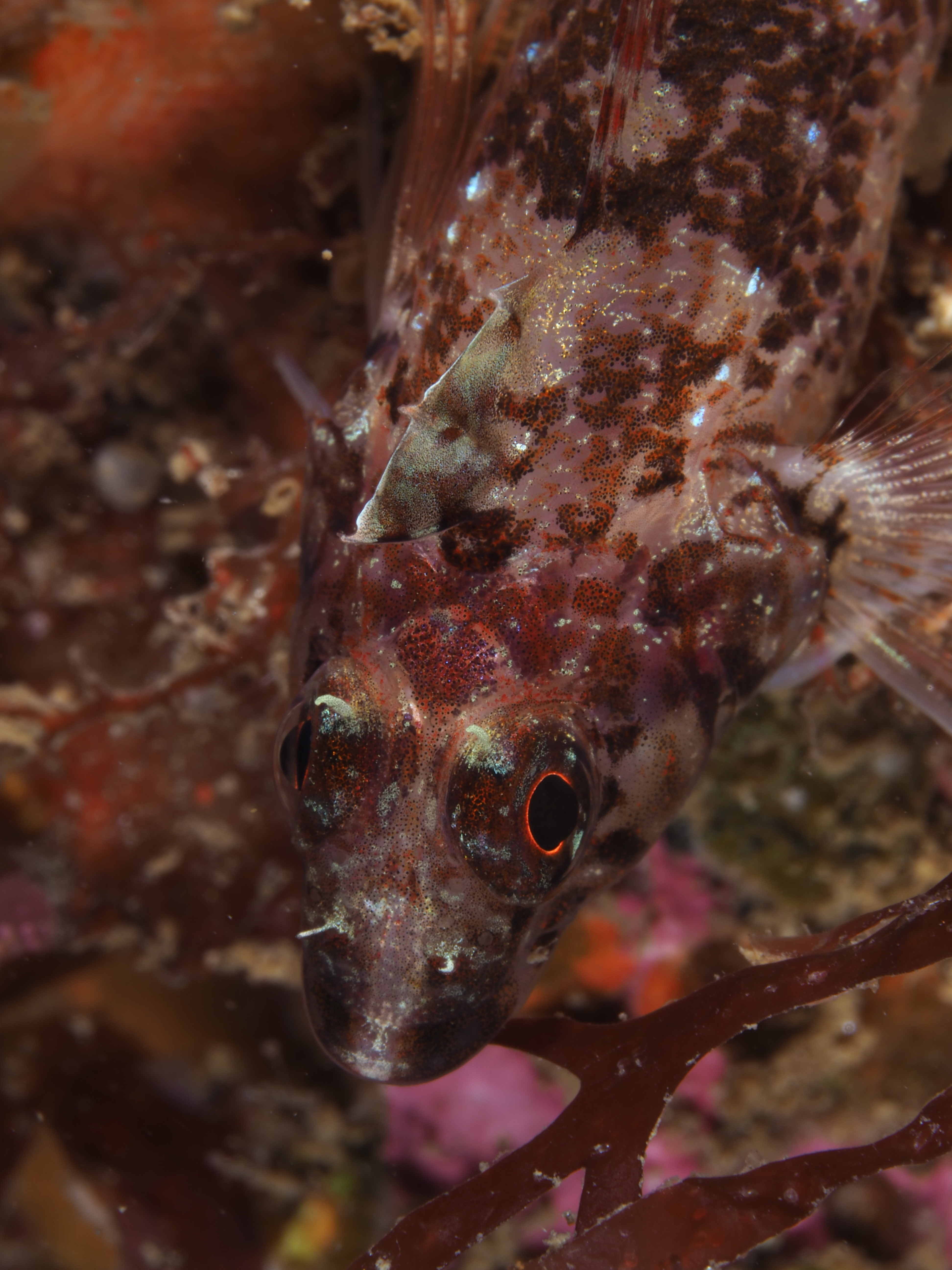
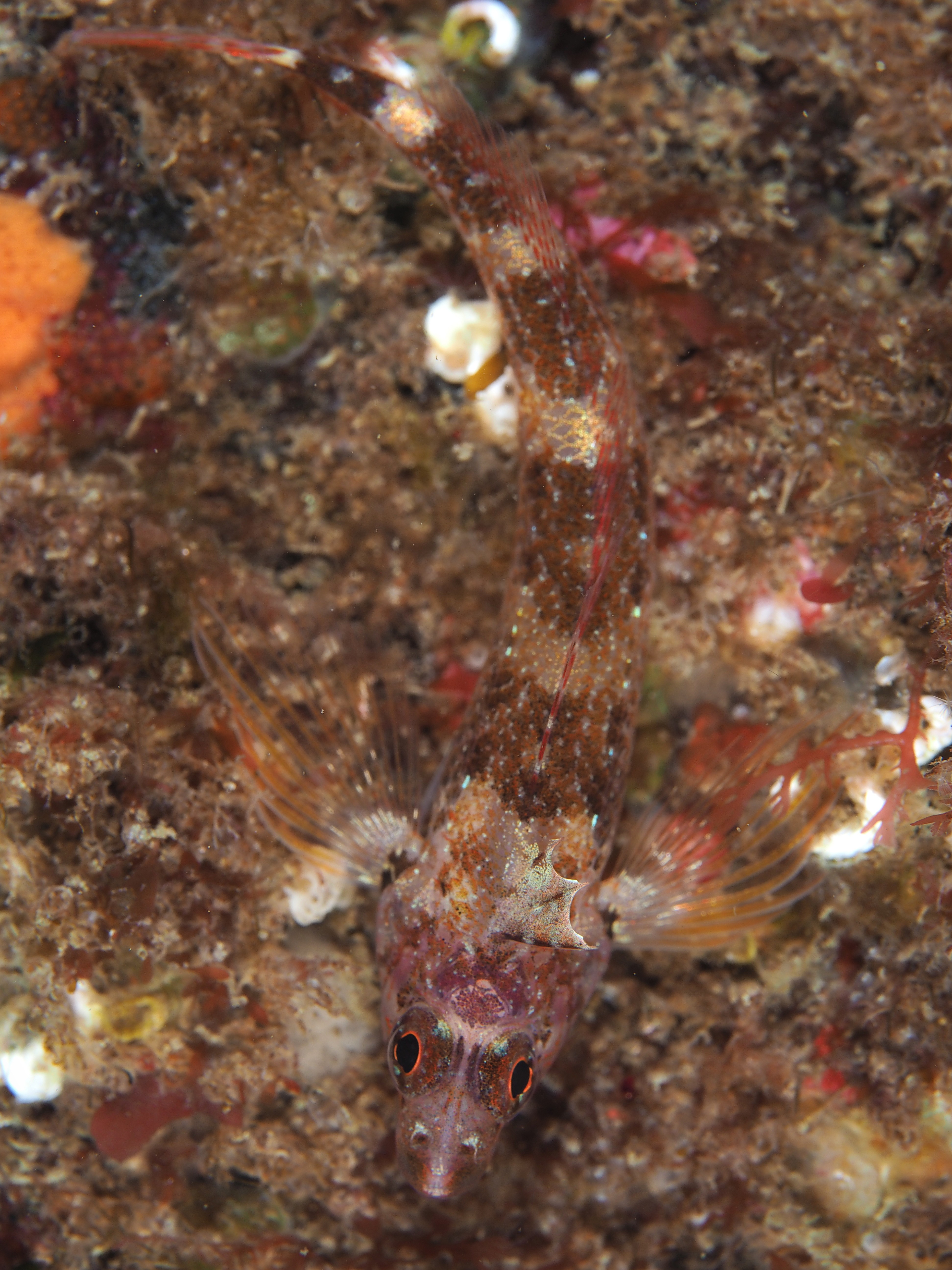
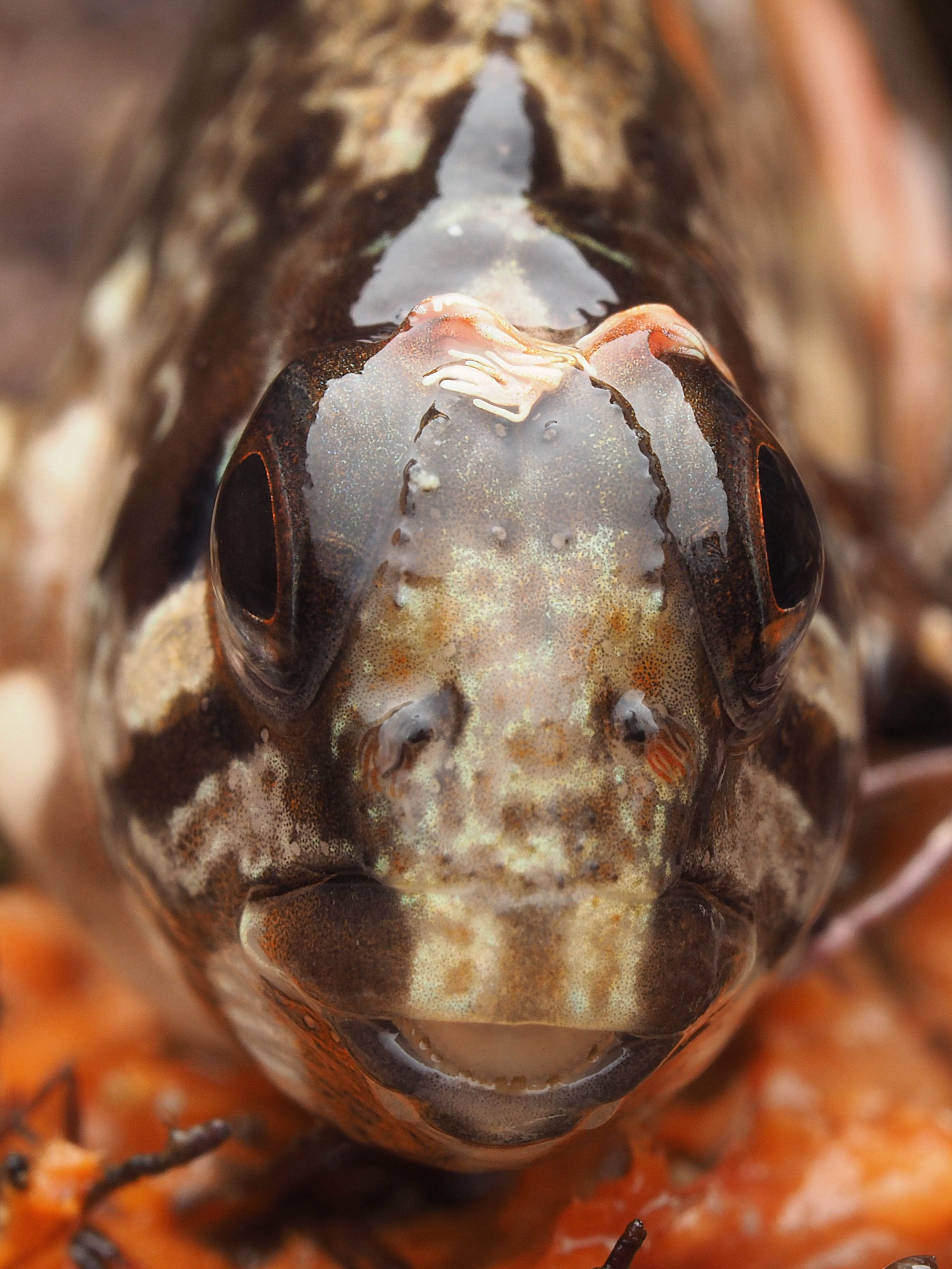
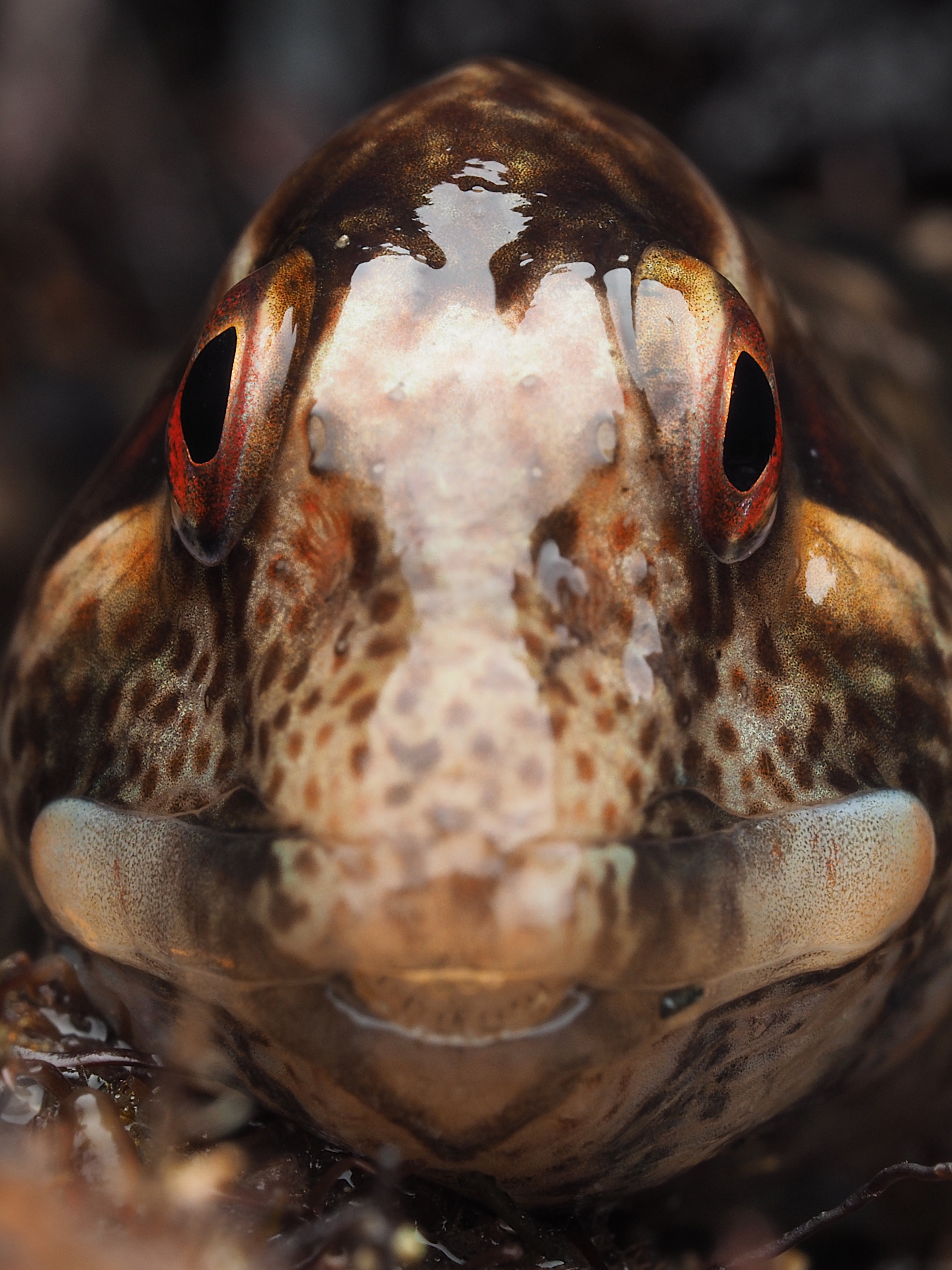
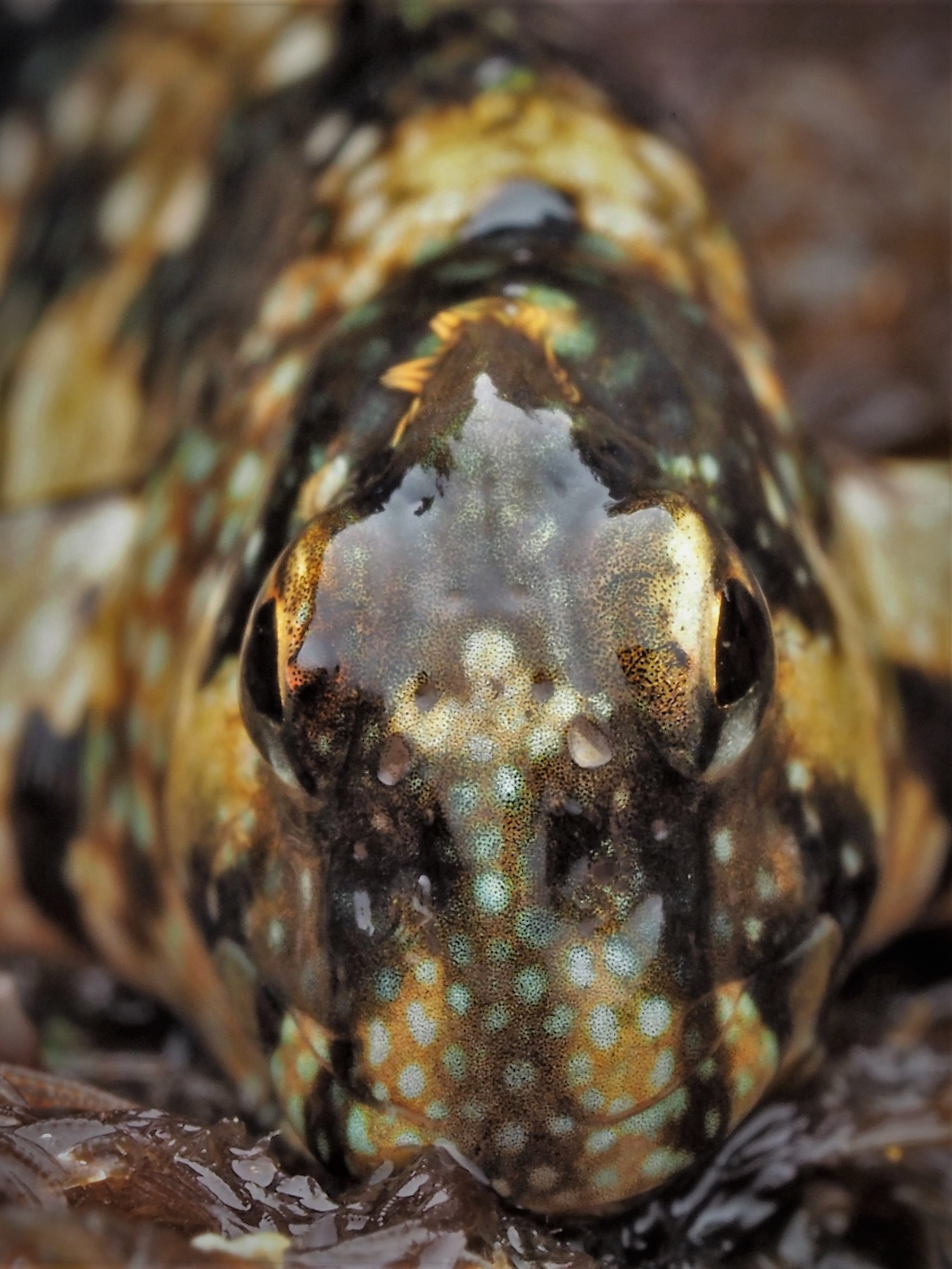
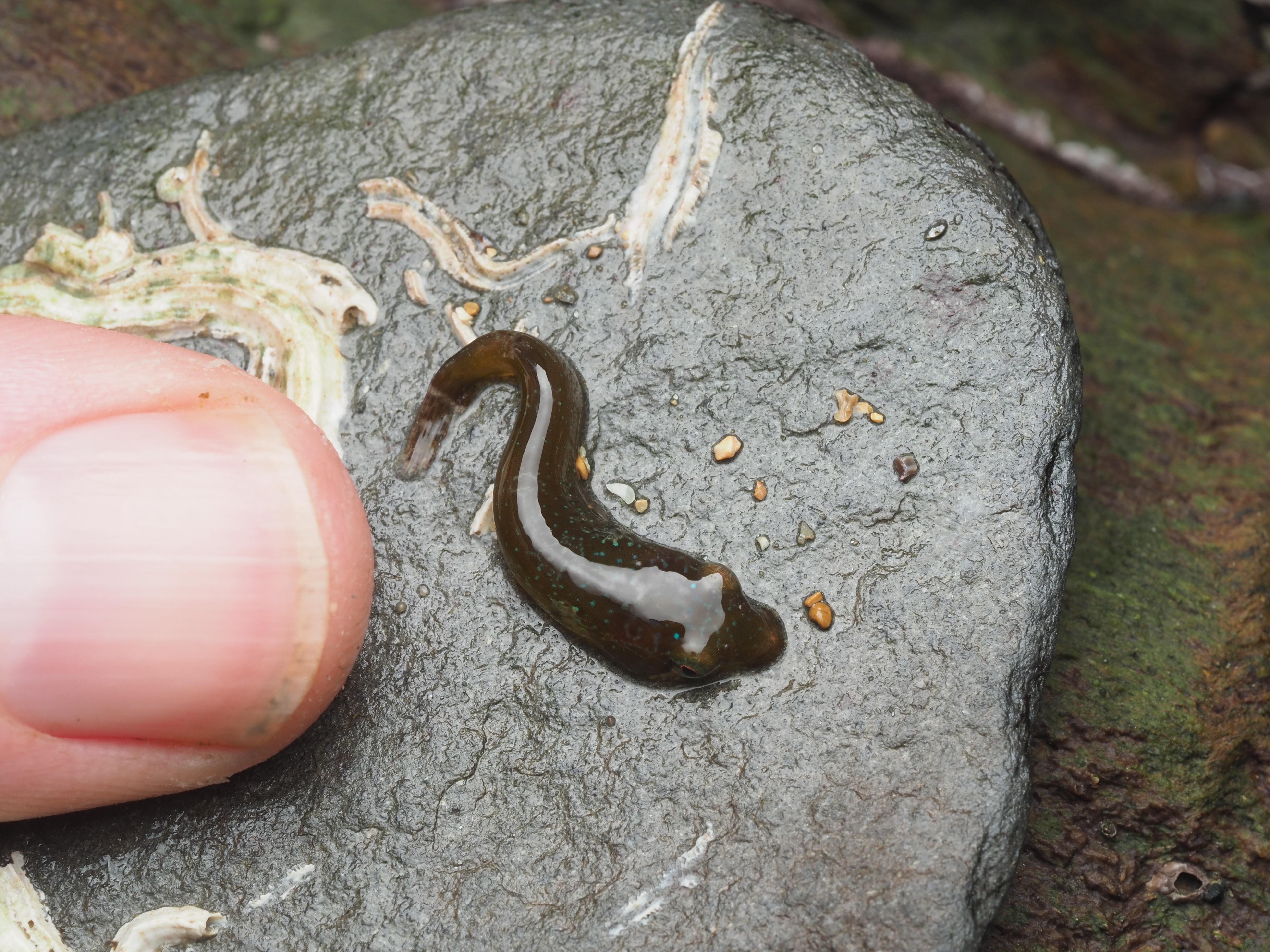
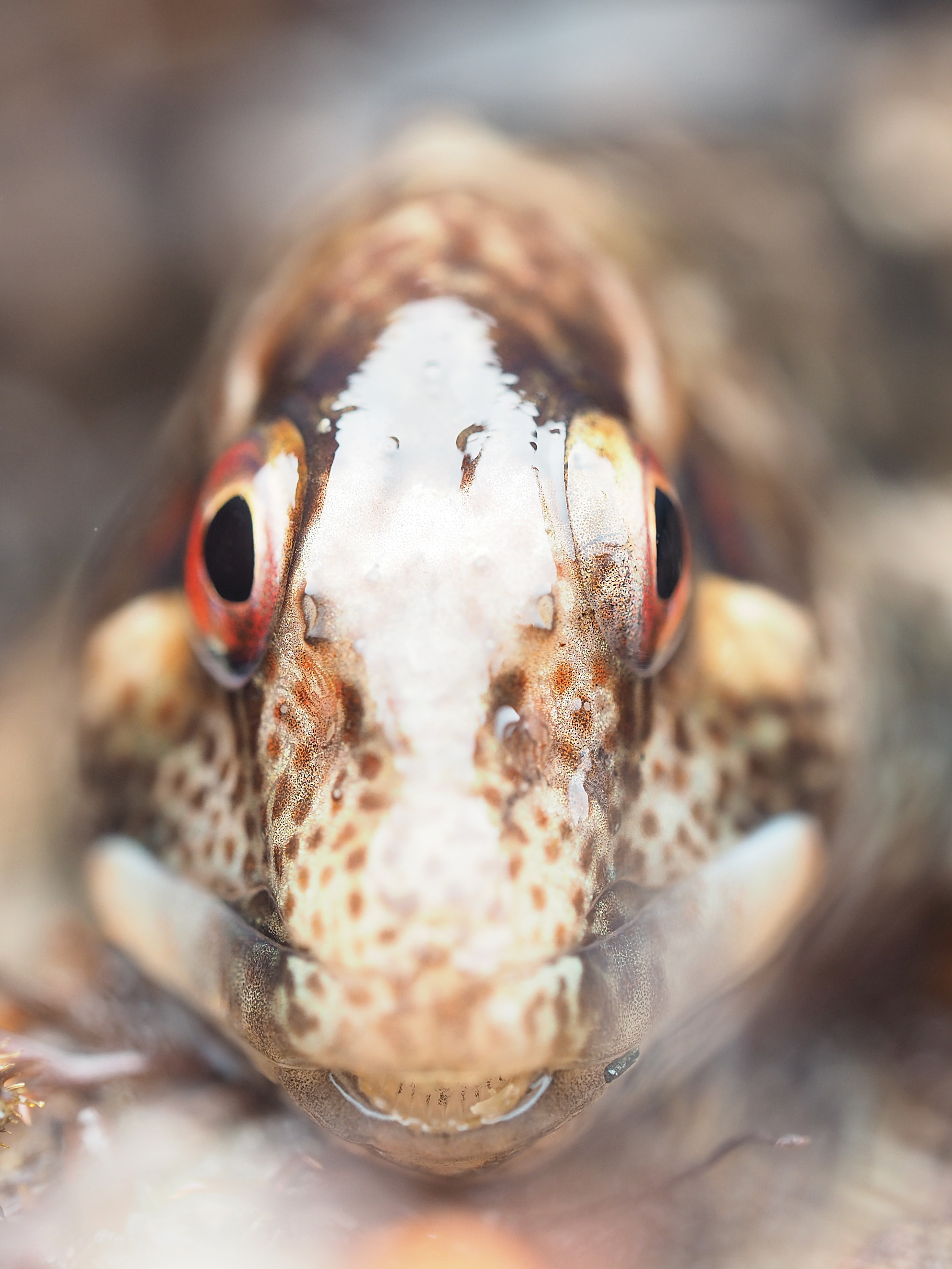
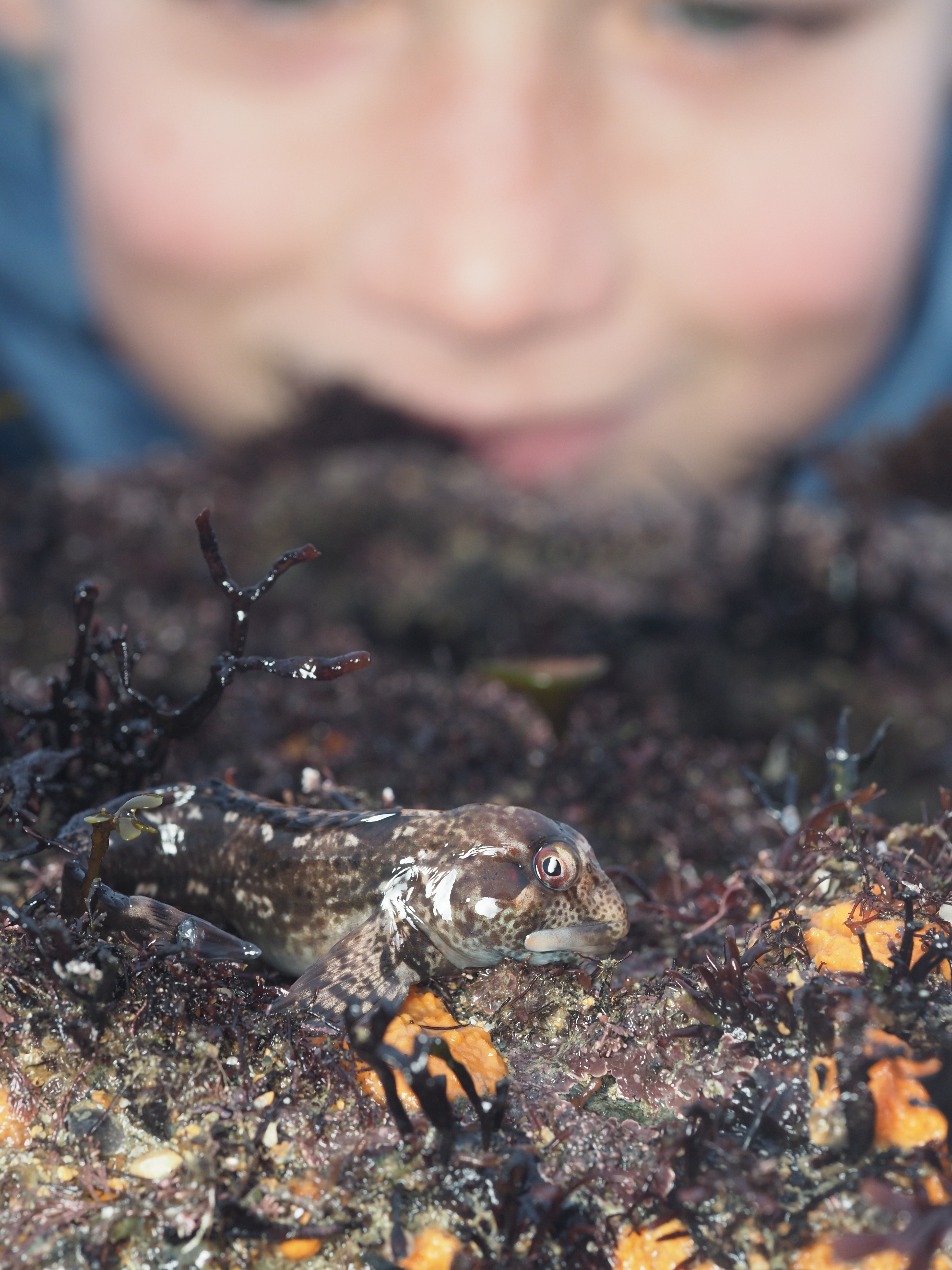
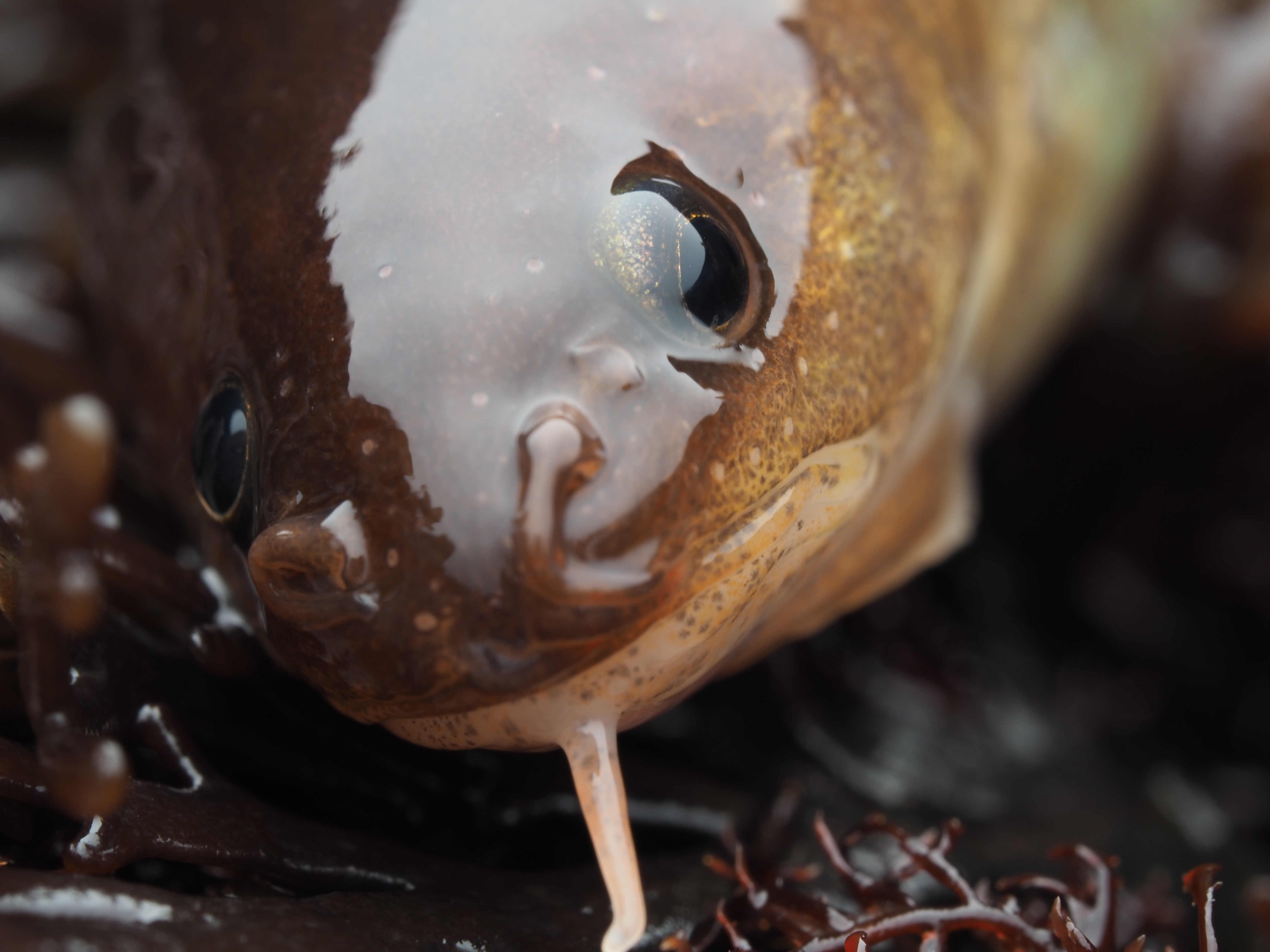
Last weekend the weather was rubbish but the tide was low, and so we went over to our local beach in Flushing for some rock pooling. I did not bring the underwater housing, but just the macro lens and my cygnustech diffuser. Above a little clingfish – this could either be a Two-spotted or a Small-headed Clingfish; they are very hard to tell apart if they are not breeding males (see pic below for scale, I had to use the extra magnification of the Raynox clip-on lens for this one). Below three other fish species: a Tompot Blenny, a Common Blenny (or Shanny) and a Montagu’s Blenny (which is from an earlier post, but I wanted to complete the set here).
 An Bollenessor