Seagrass Macro

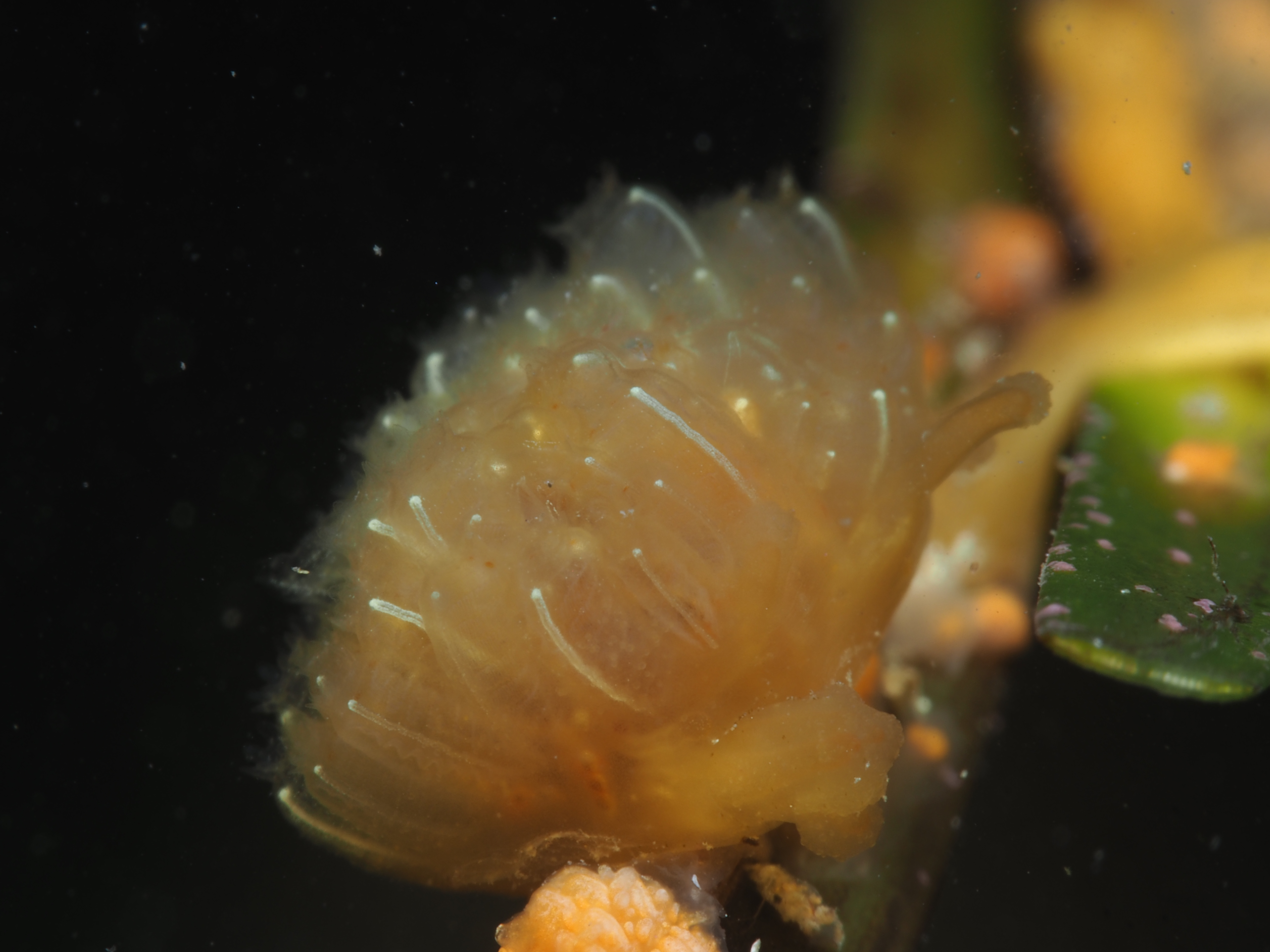
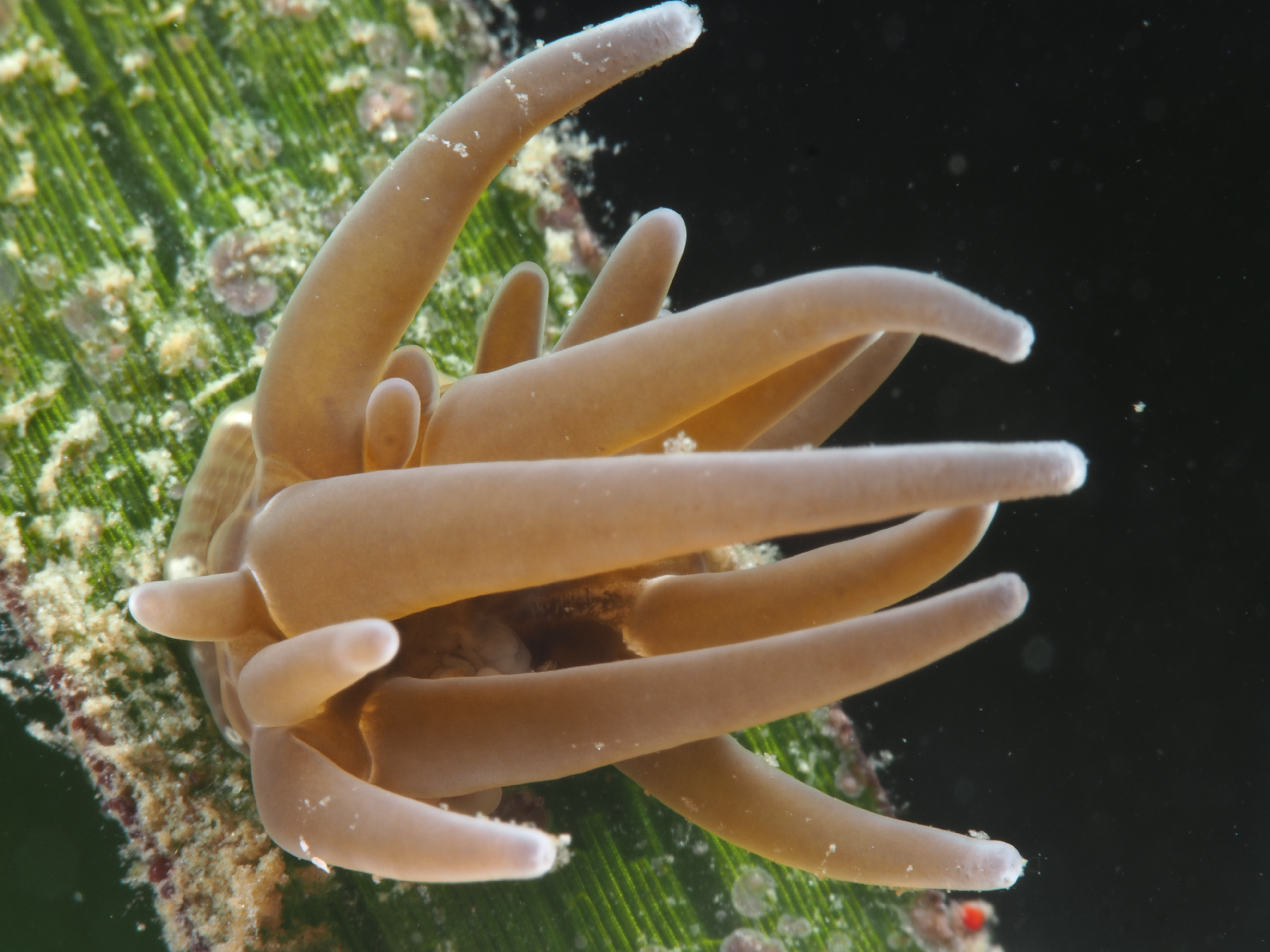
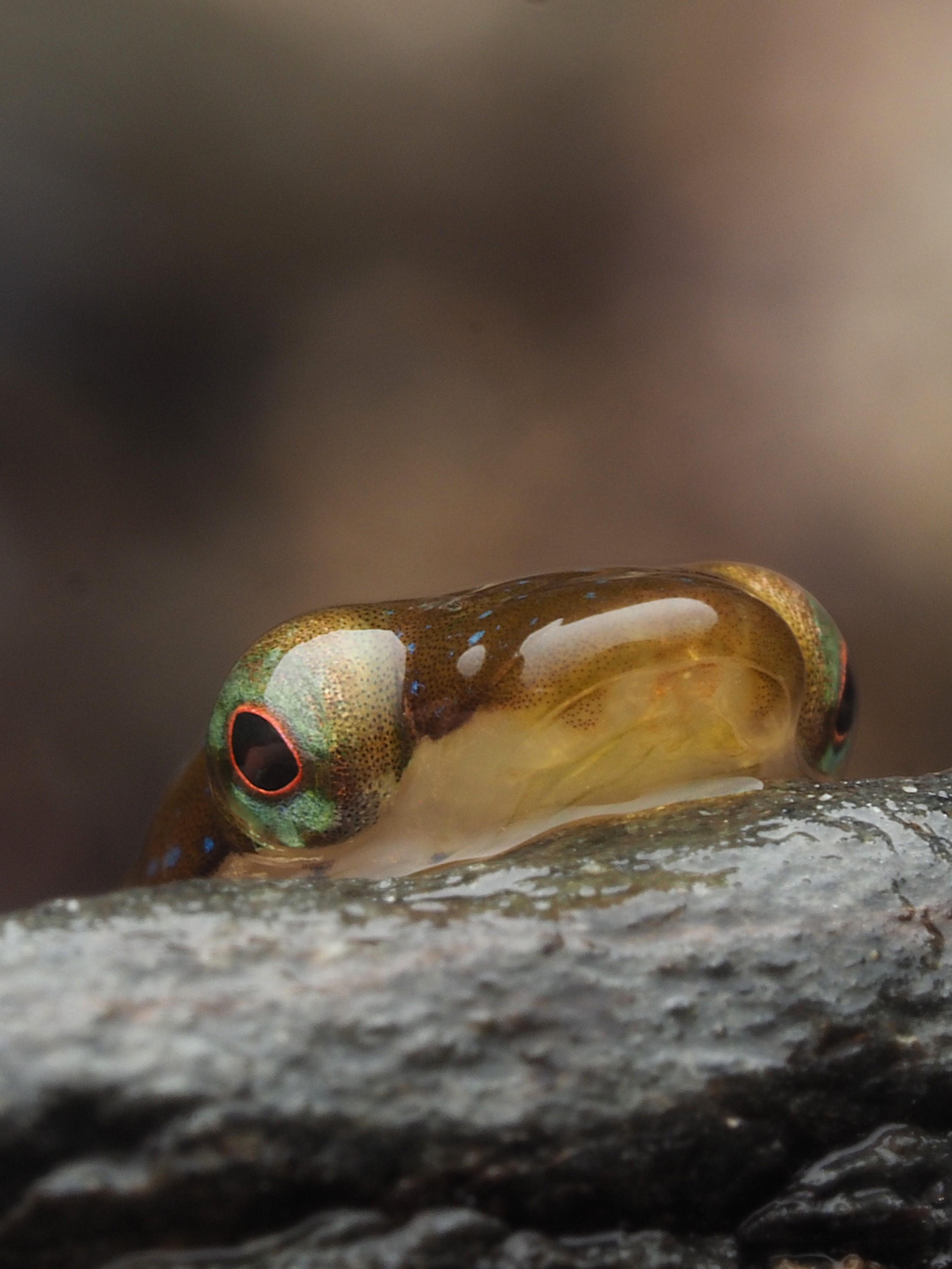
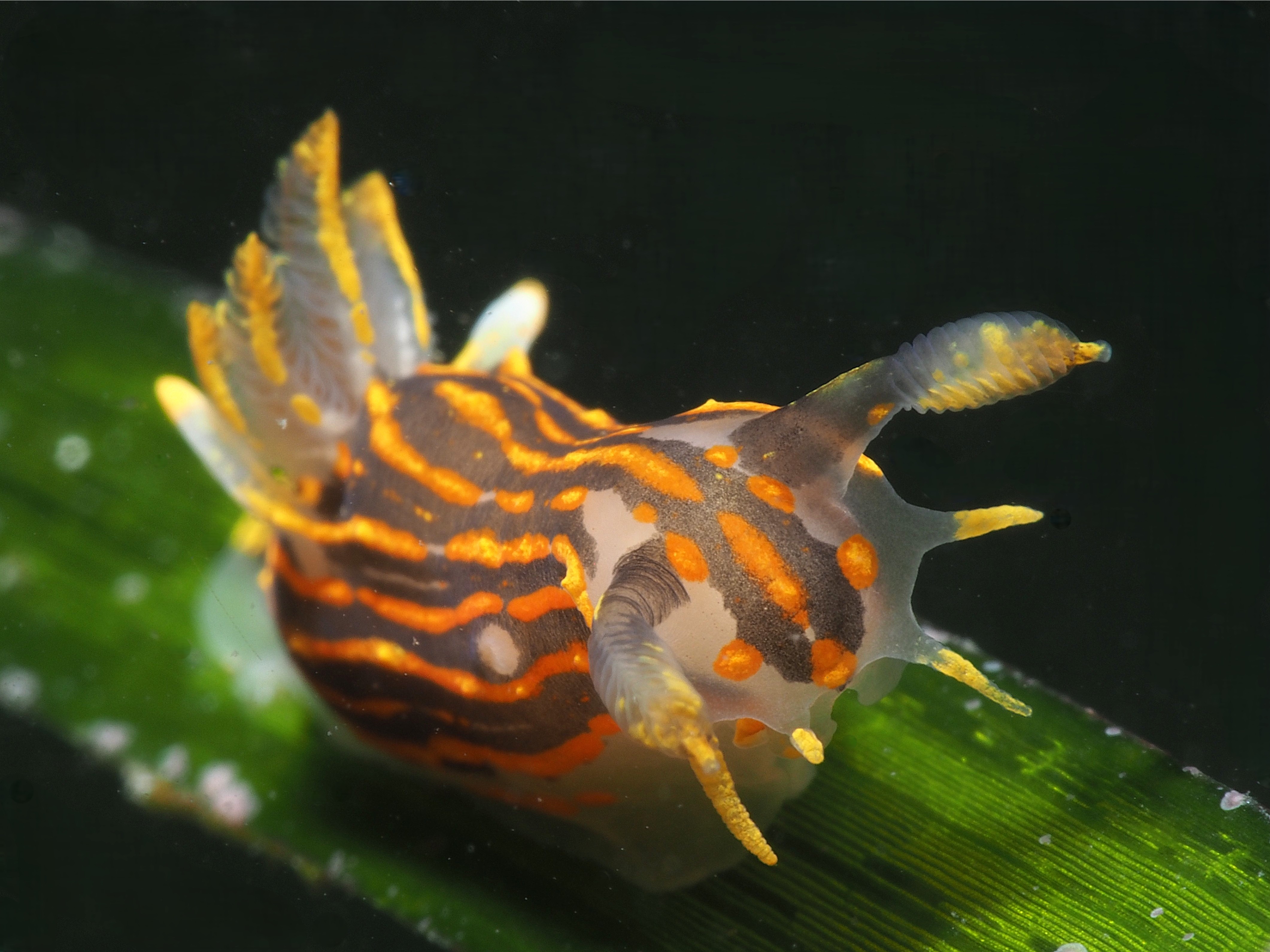
Polycera quadrilineata

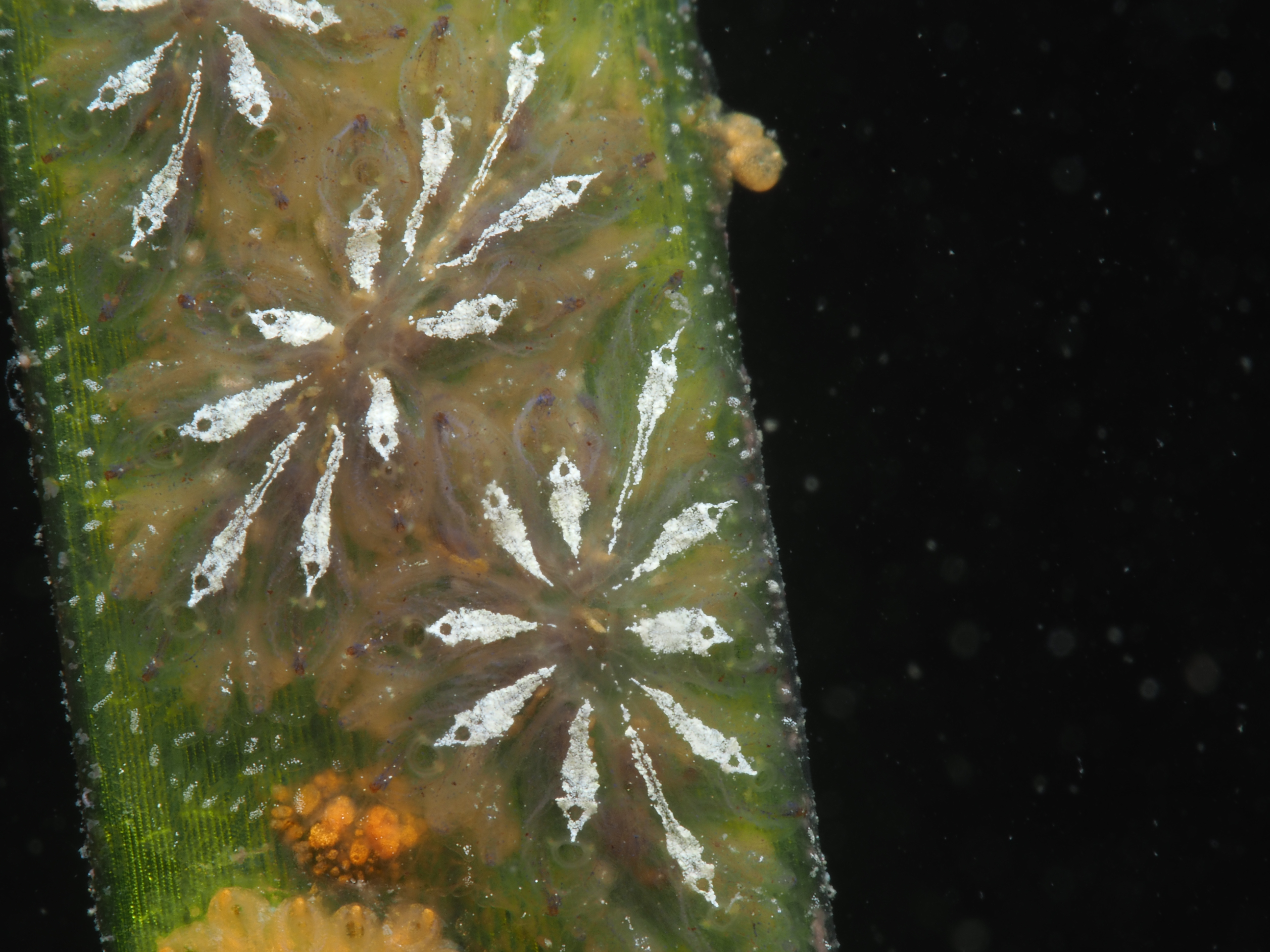
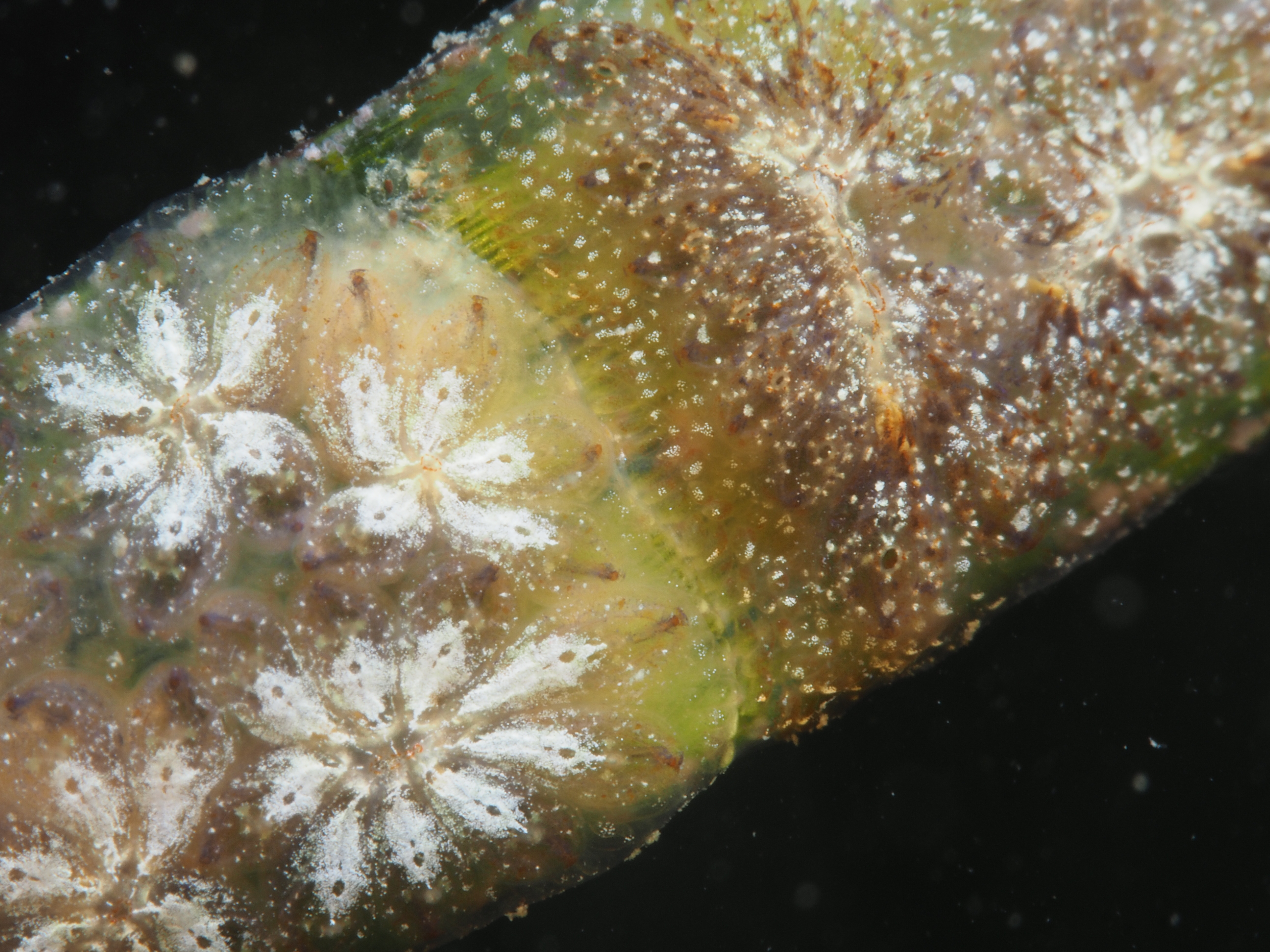
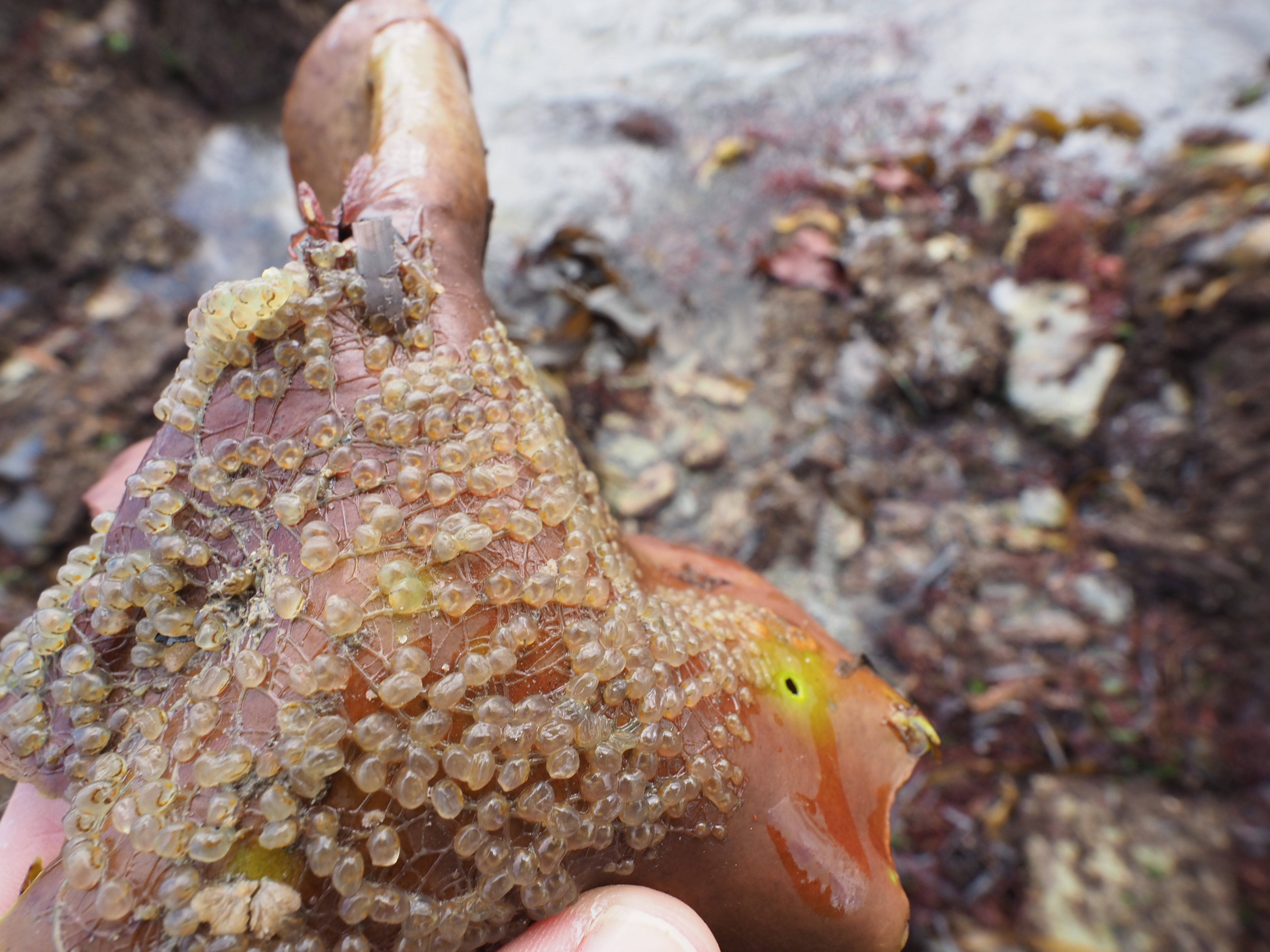
I had a couple of good snorkels at the end of summer in the seagrass beds off my local beach in Flushing. The water at the end of summer is warm enough to go without wetsuit – I just had a weightbelt to let me sink down on the sand at low tide, no fins needed. I managed to do what I normally find very difficult: spot nudibranchs! Mainly one of the more common species, Polycera quadrilineata, but that was fine by me, as they are very beautiful, especially the black colour morph pictured above. I spotted one other species, the egg-eating Favorinus branchialis (with its own eggs also visible). Not great photos, but in my defense they are very small!
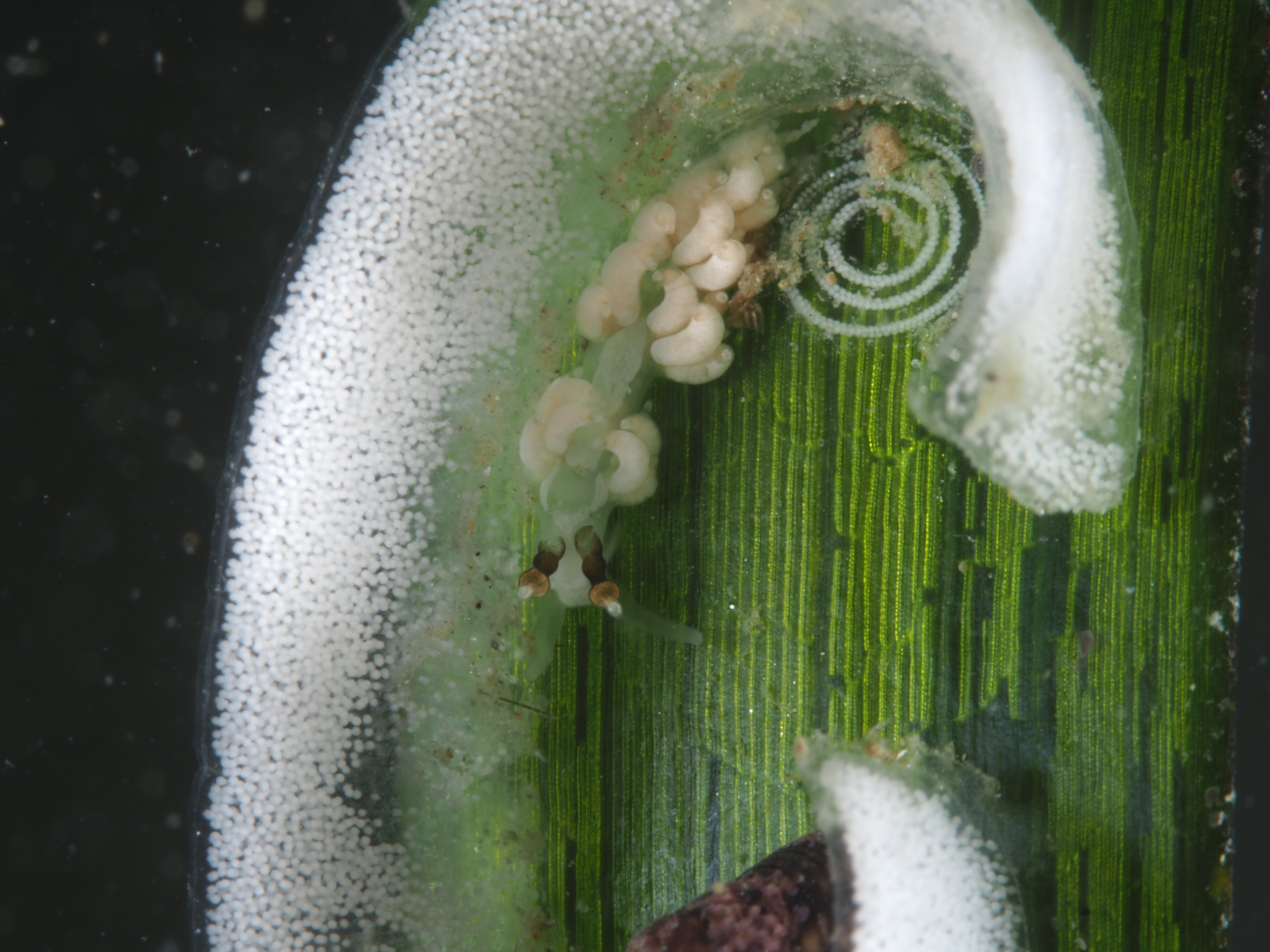
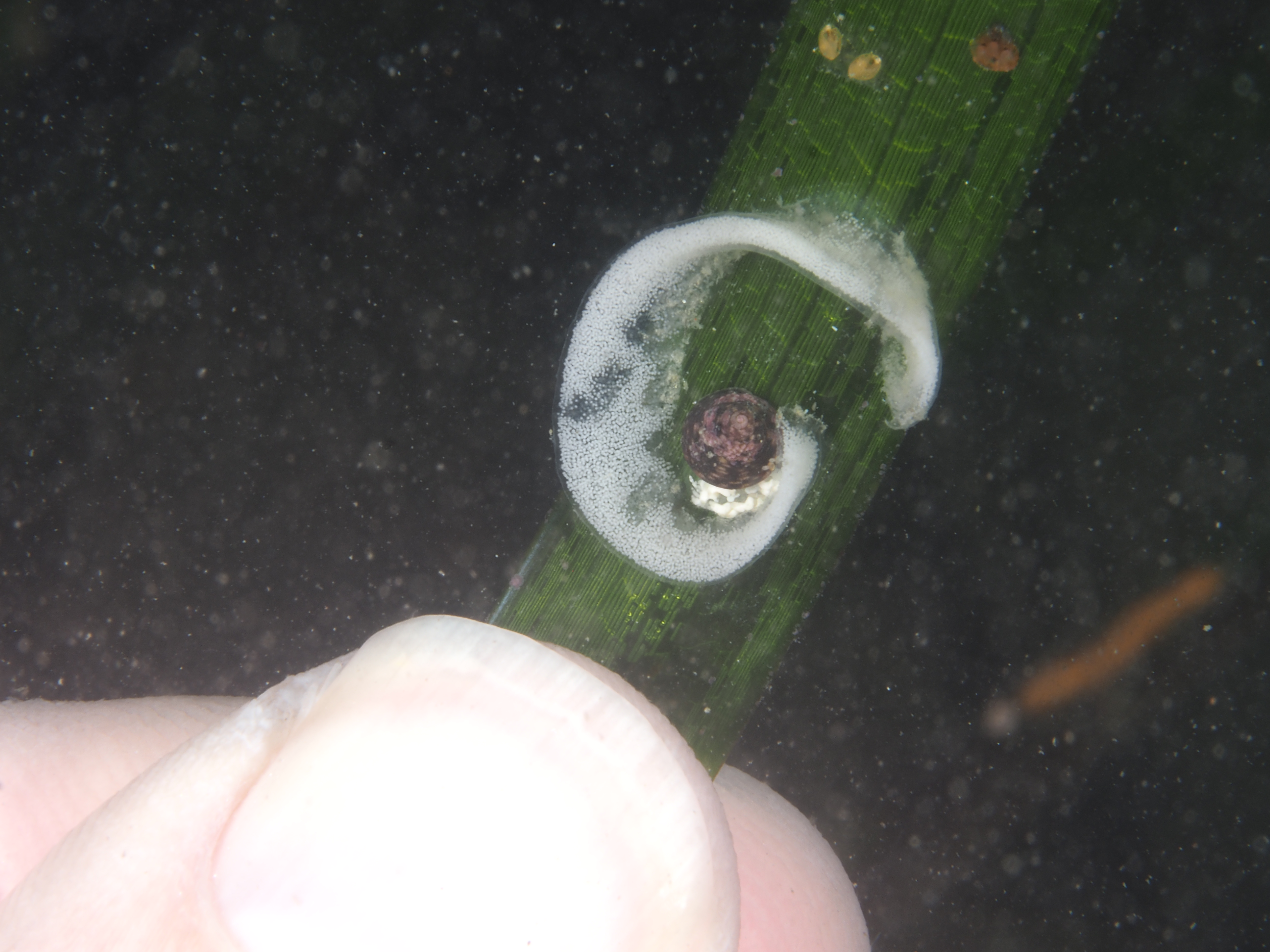
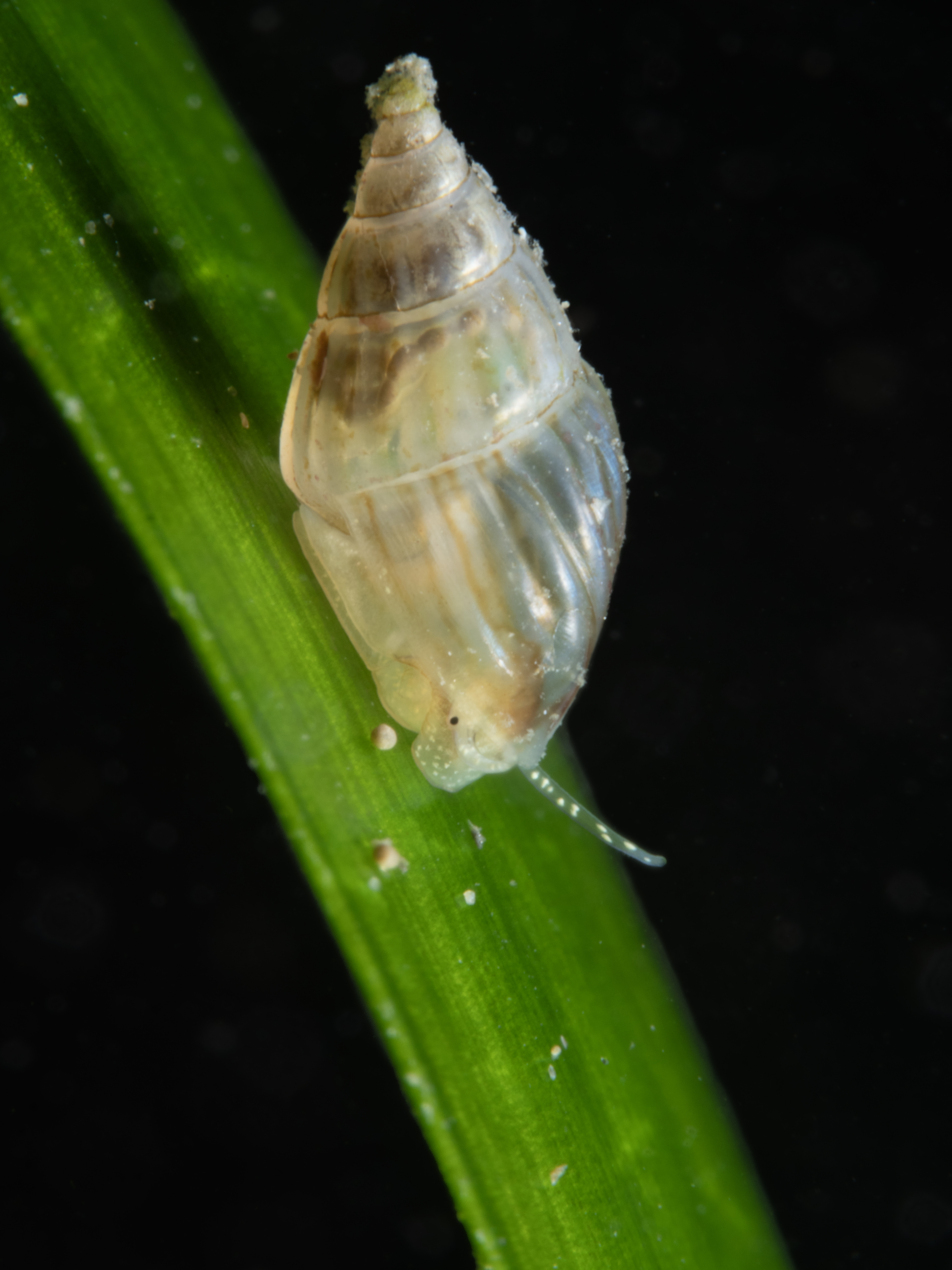
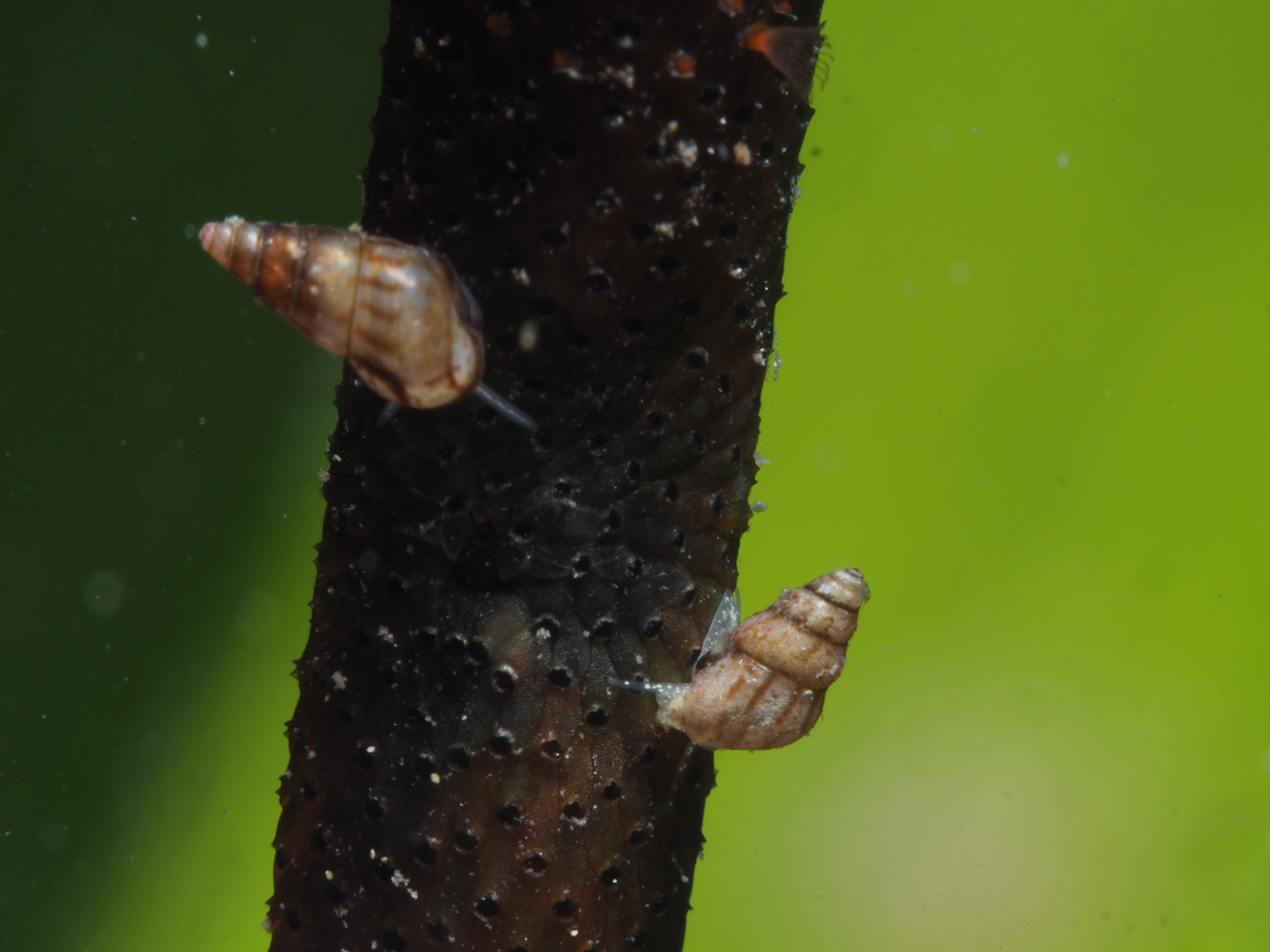
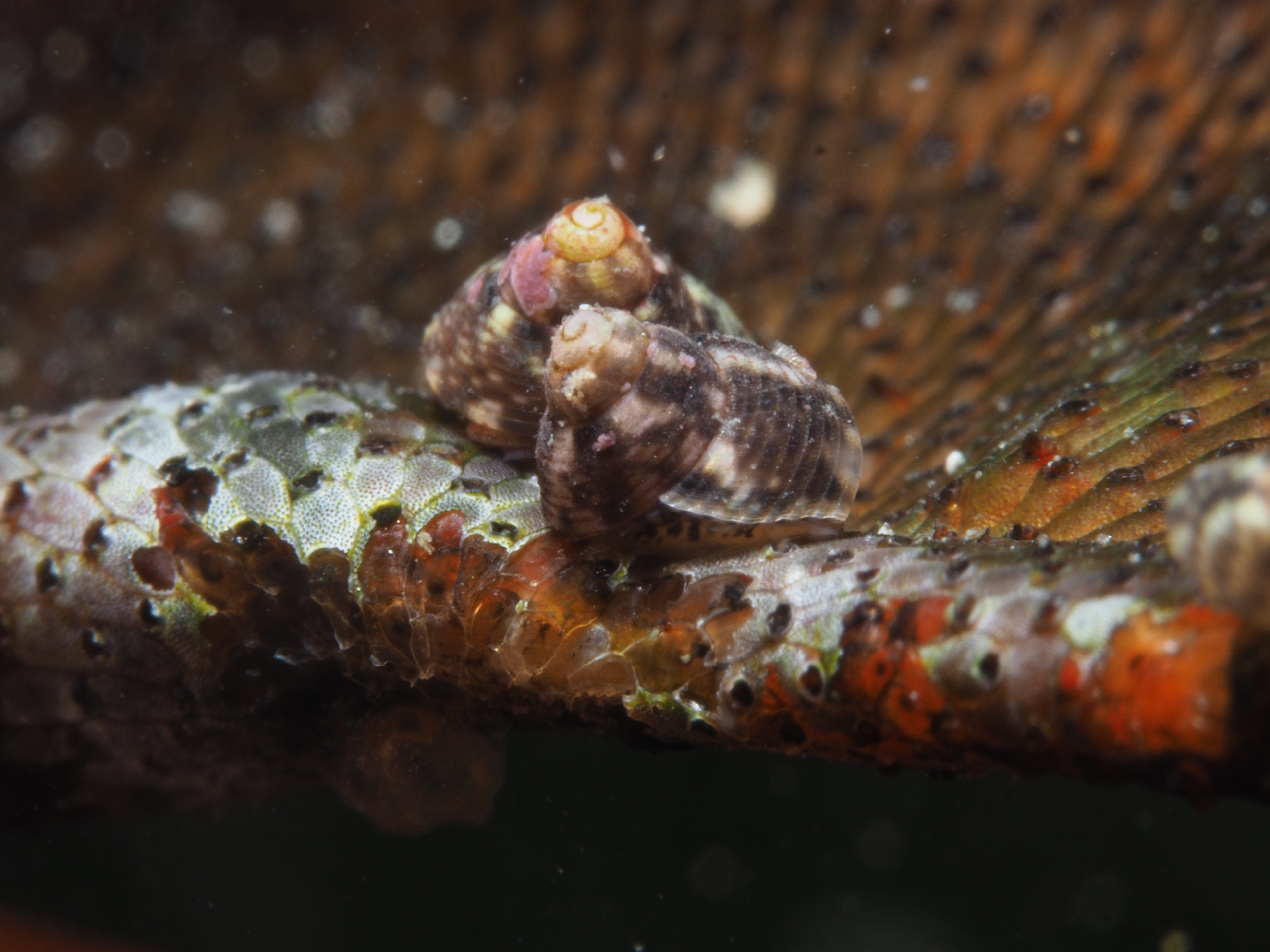
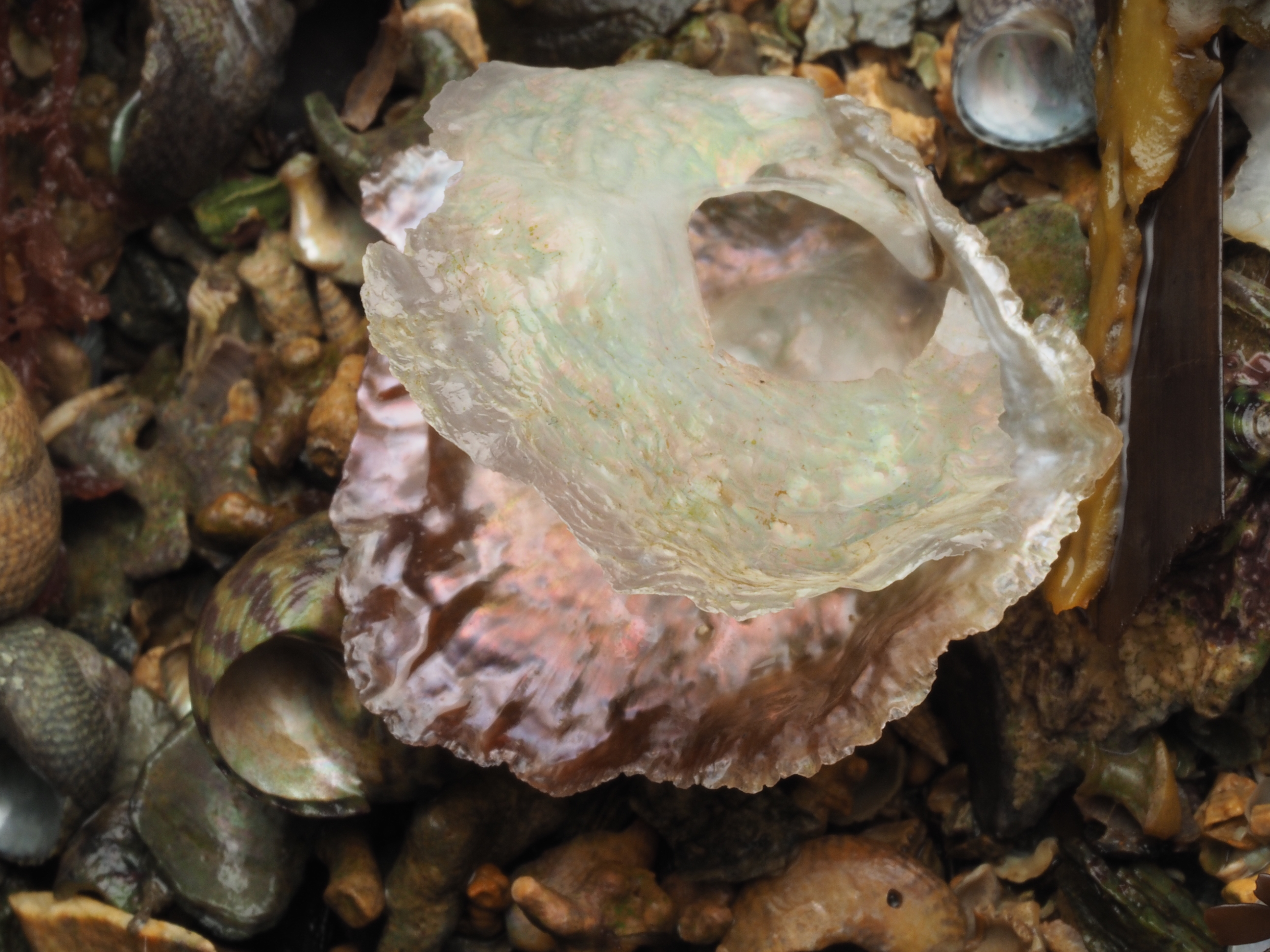
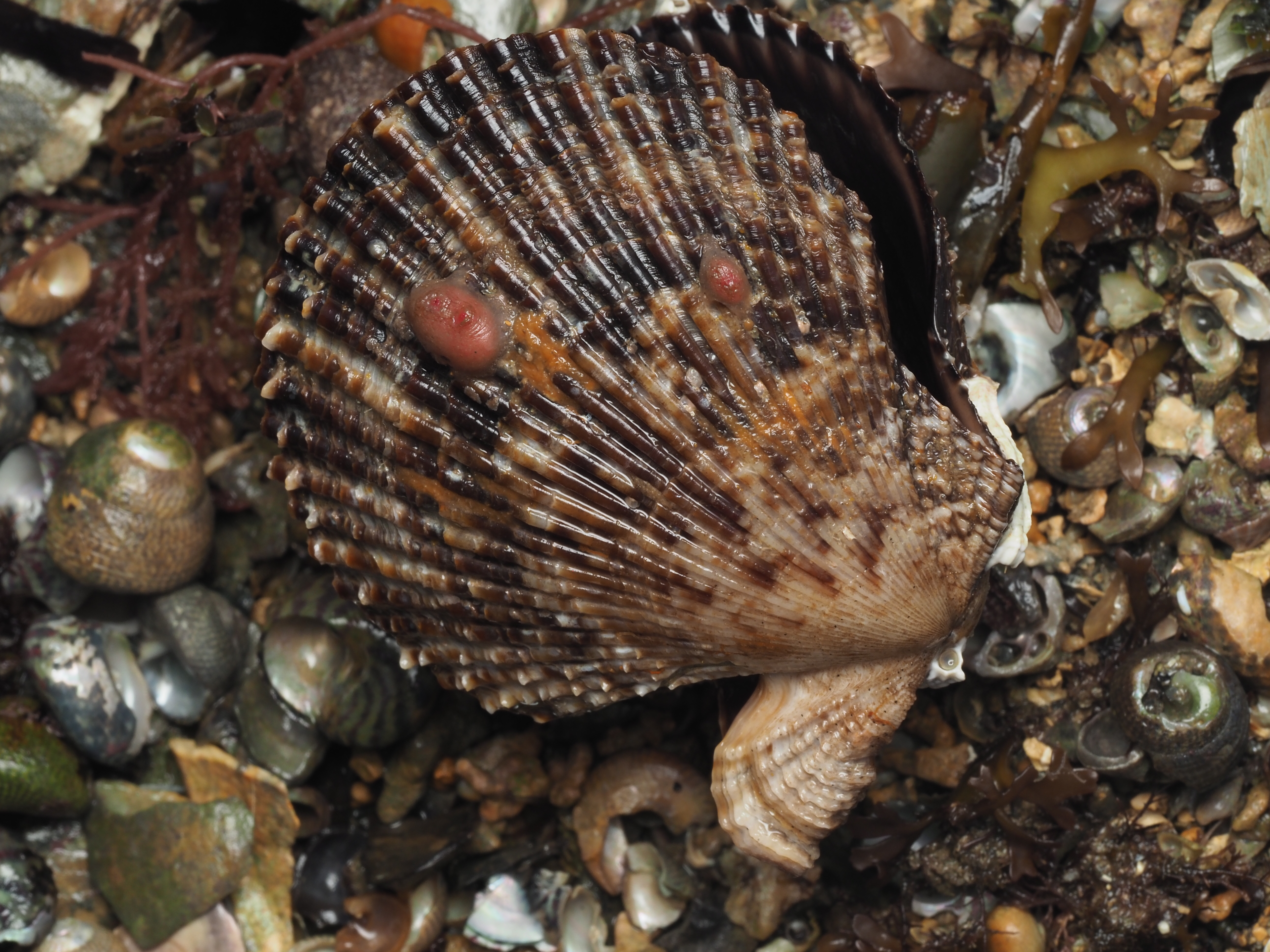
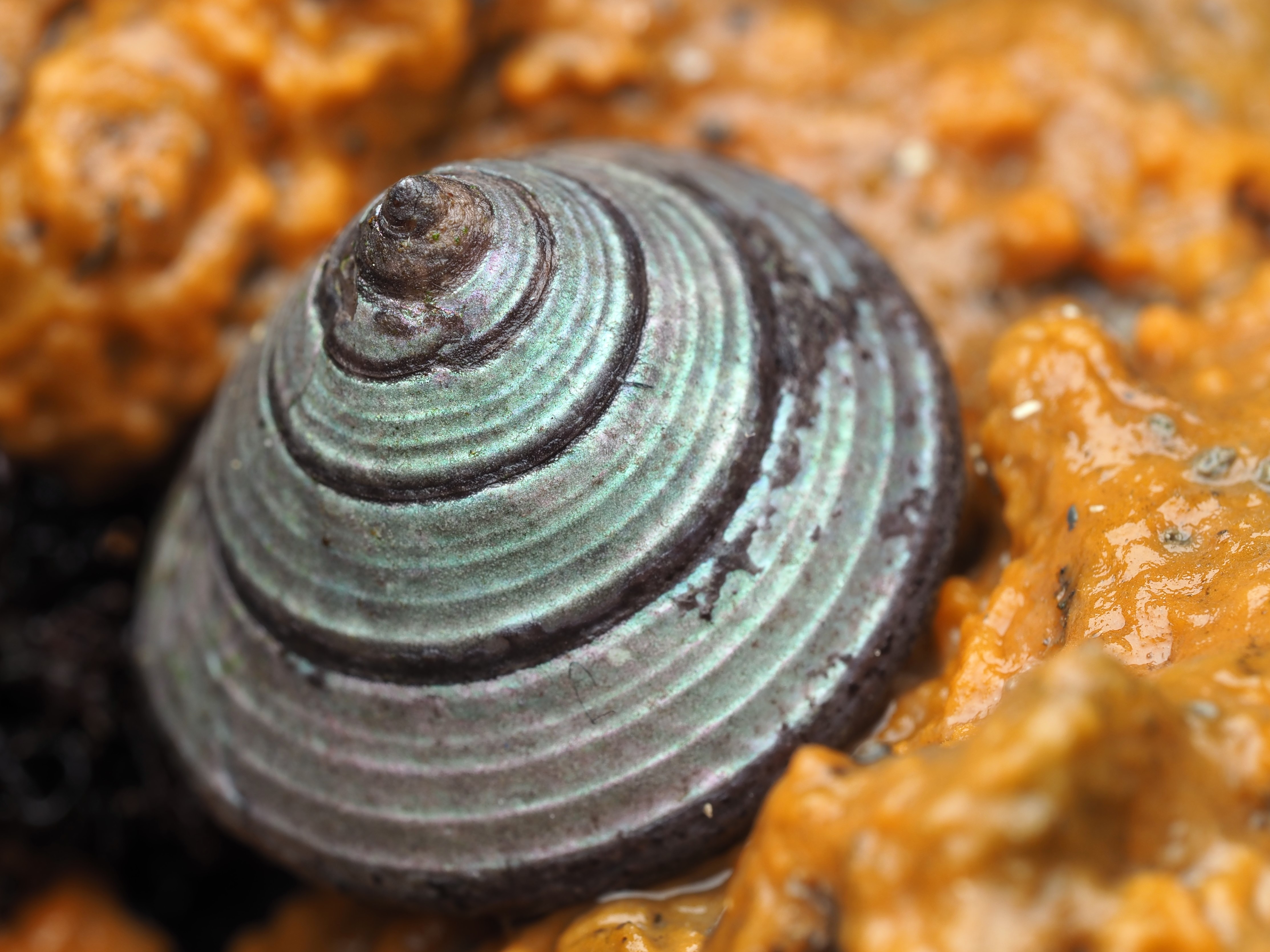
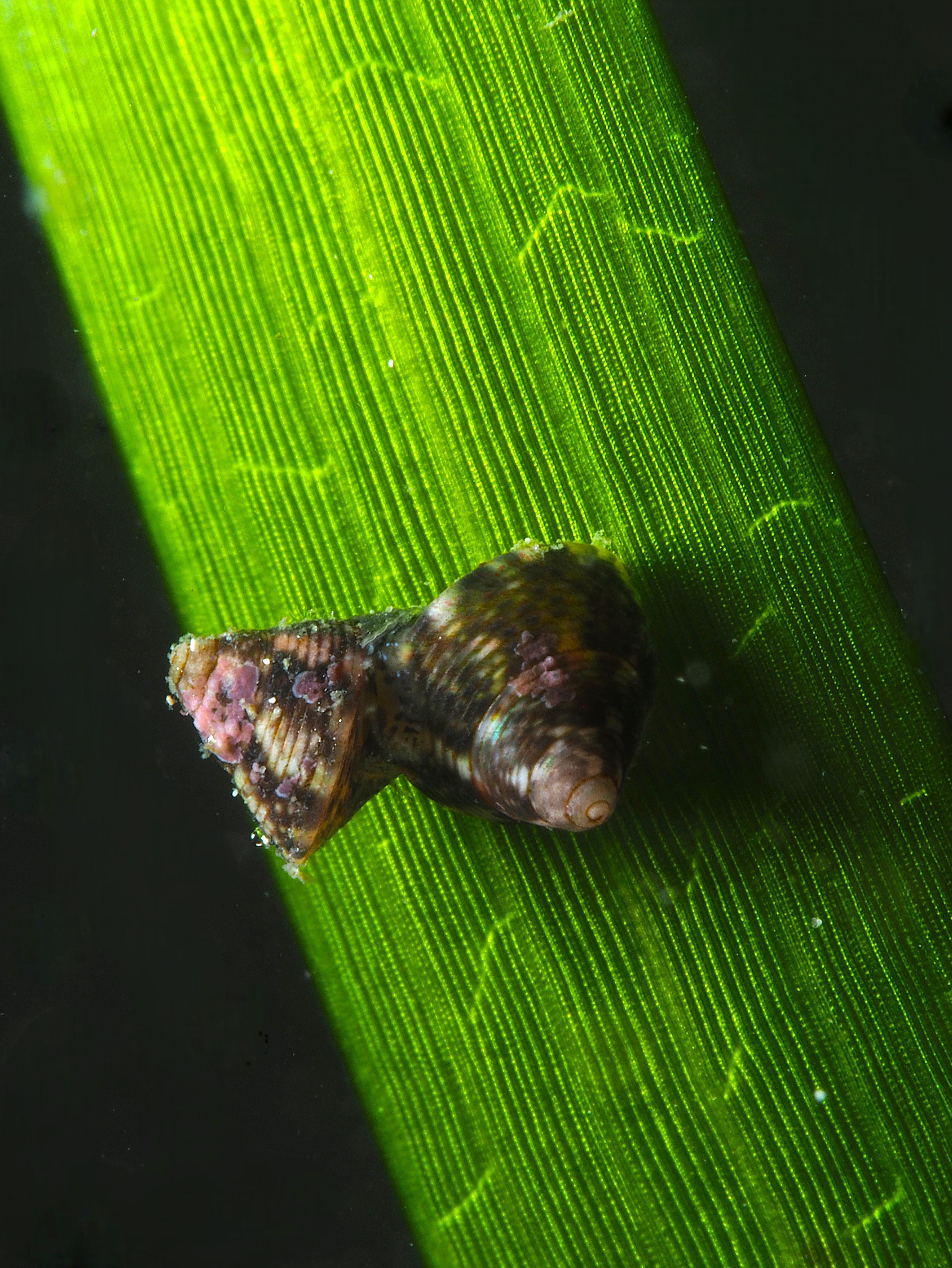
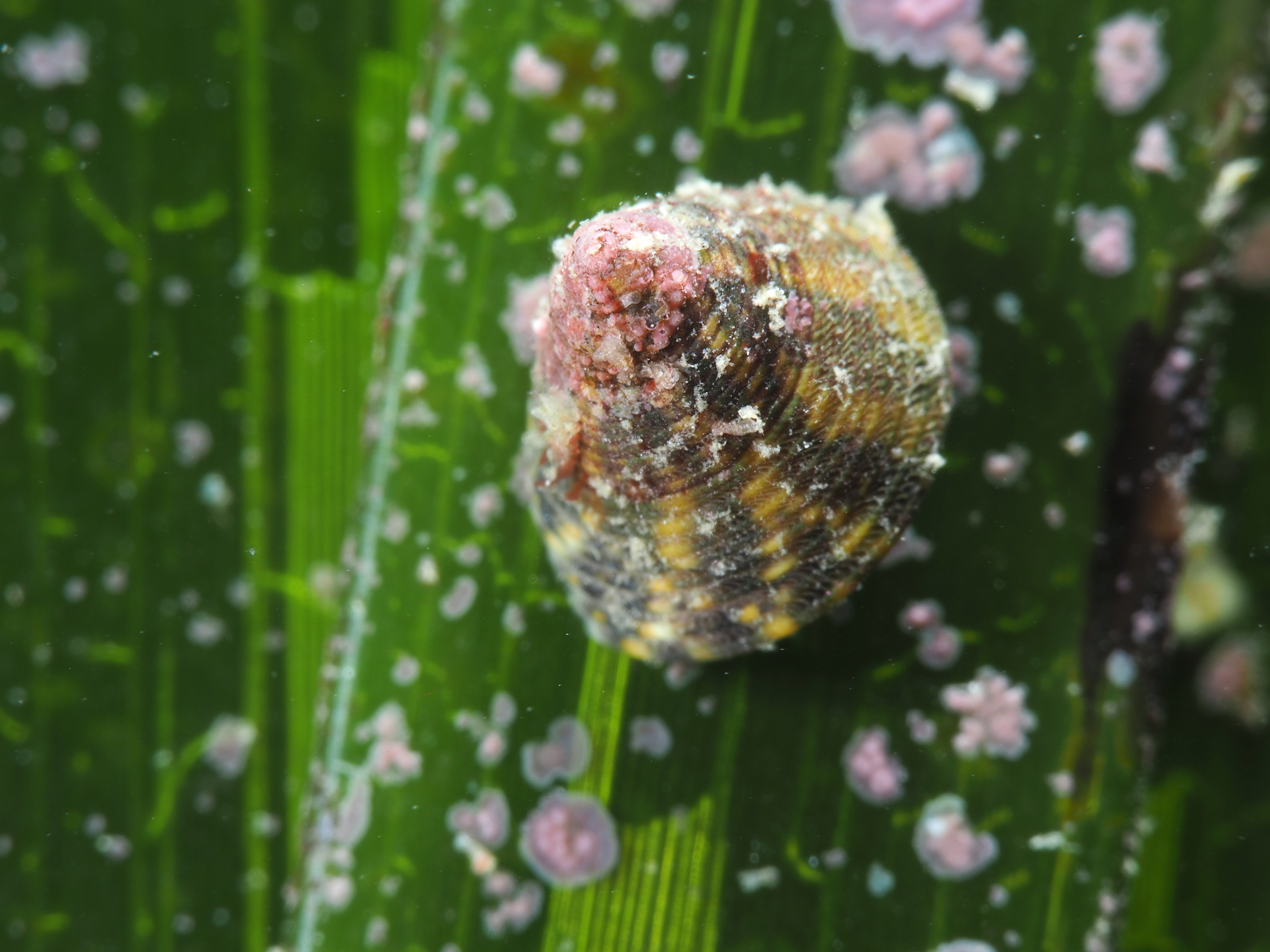
Shelled molluscs are easier to find. Below 1) the ubiquitous Grey Topshell Steromphala cinerarea, 2) the Grooved Topshell Jujubinus striatus and 3) the tiny Rissoa membranacea (faecal pellets on show, even within the shell). The latter two species are strongly associated with seagrass.
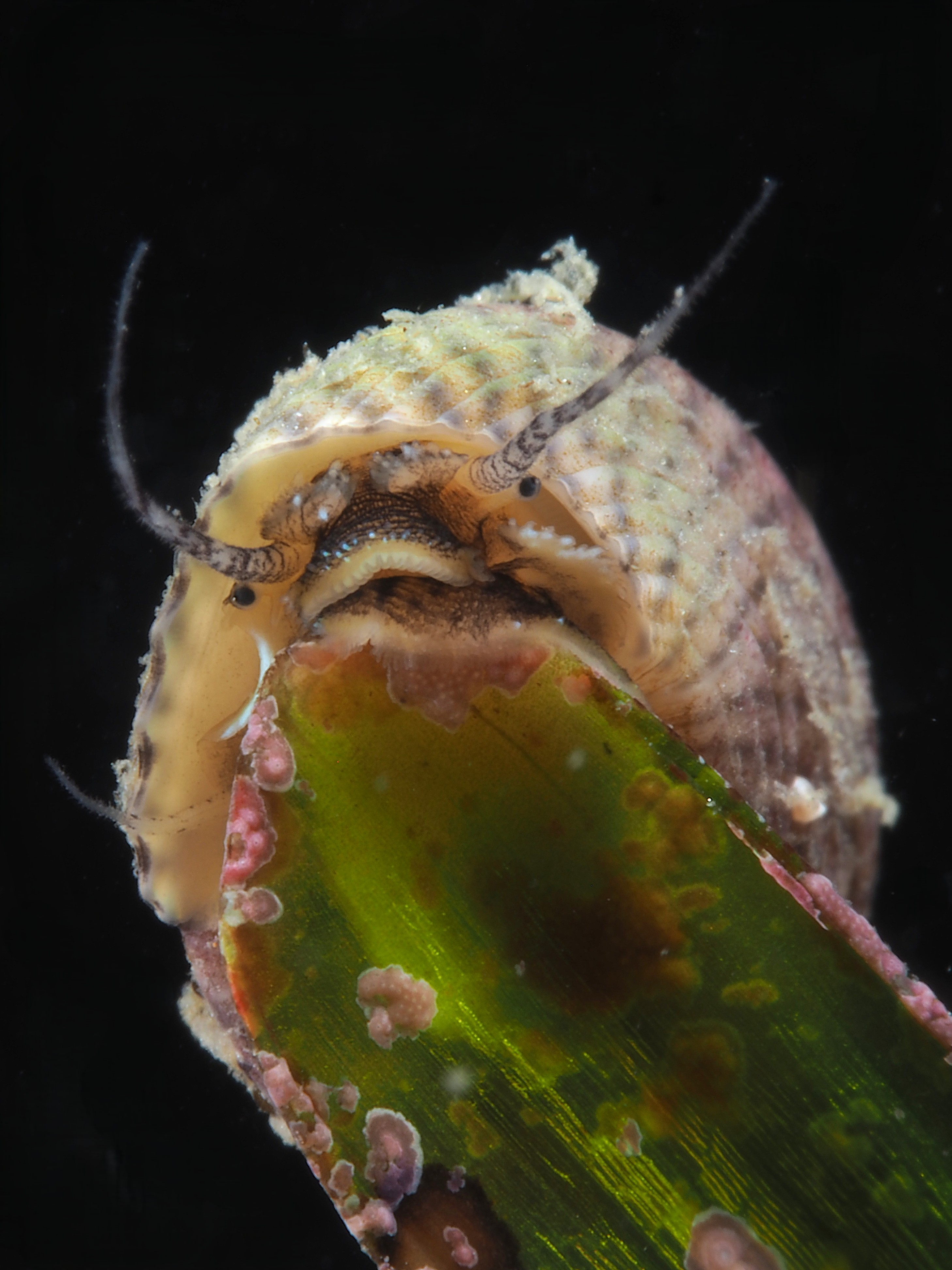
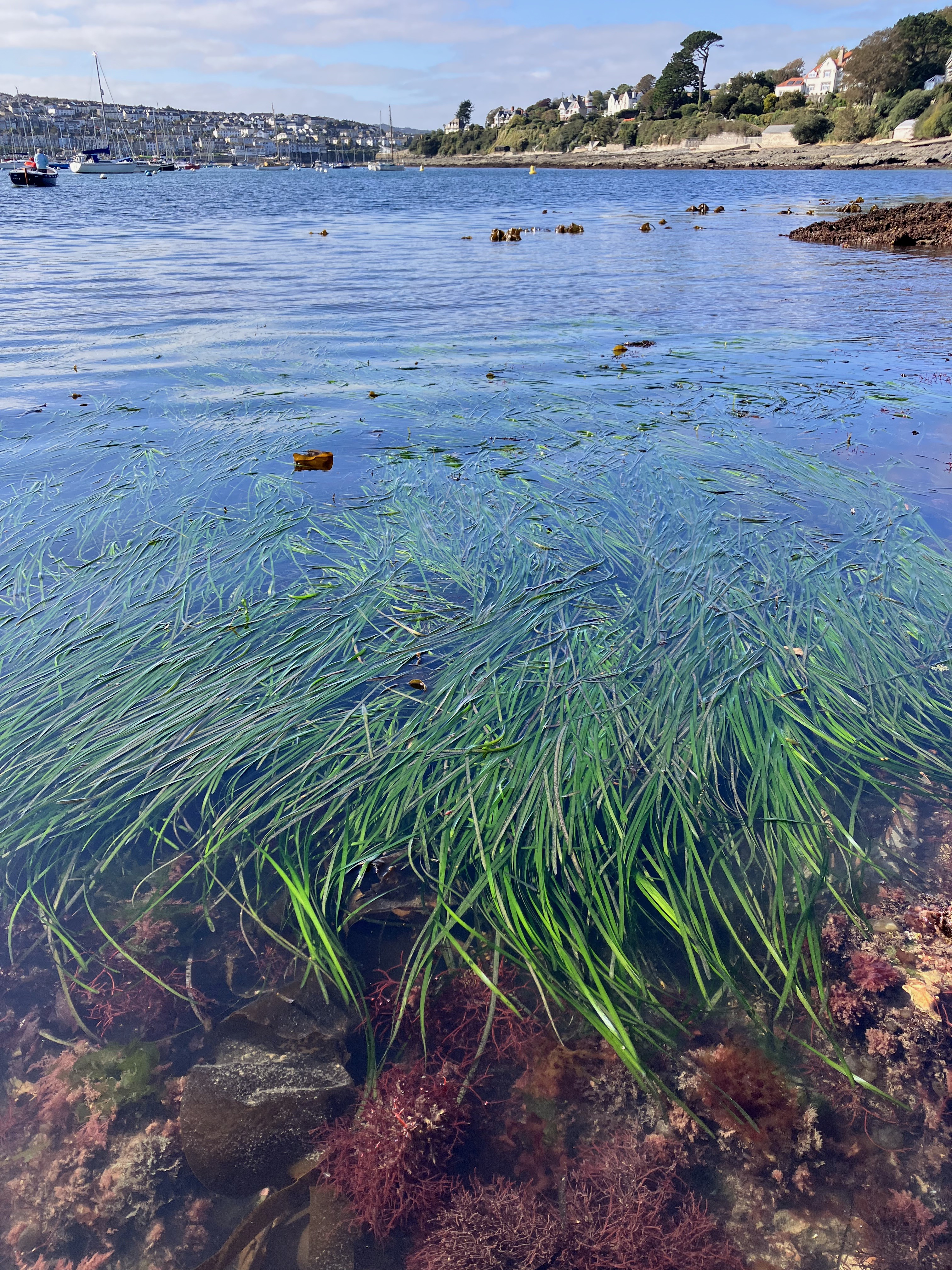
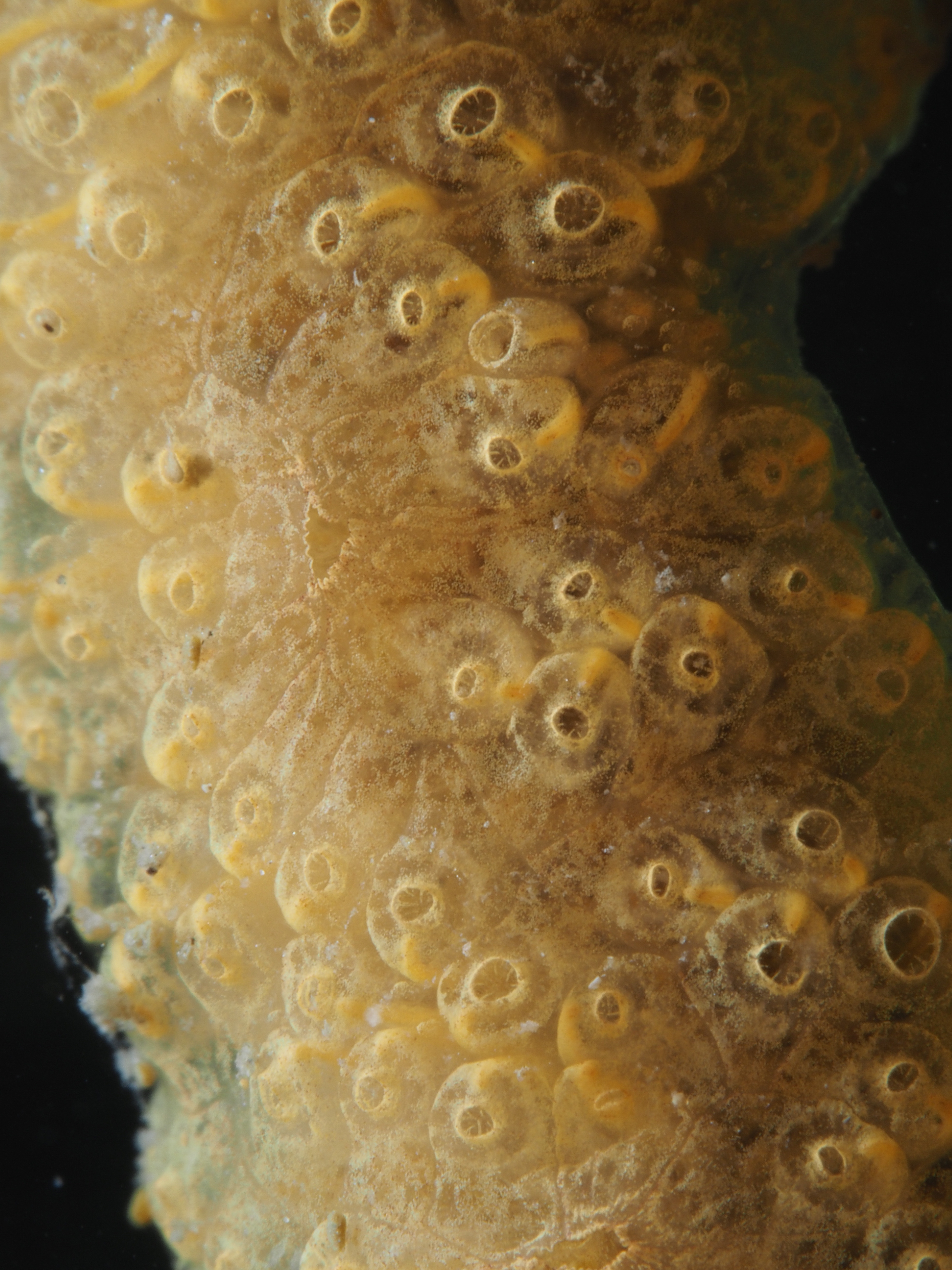
Some assorted macro photos below and at the end a view at a very low tide of the Flushing seagrass site this October.
Moody Macro

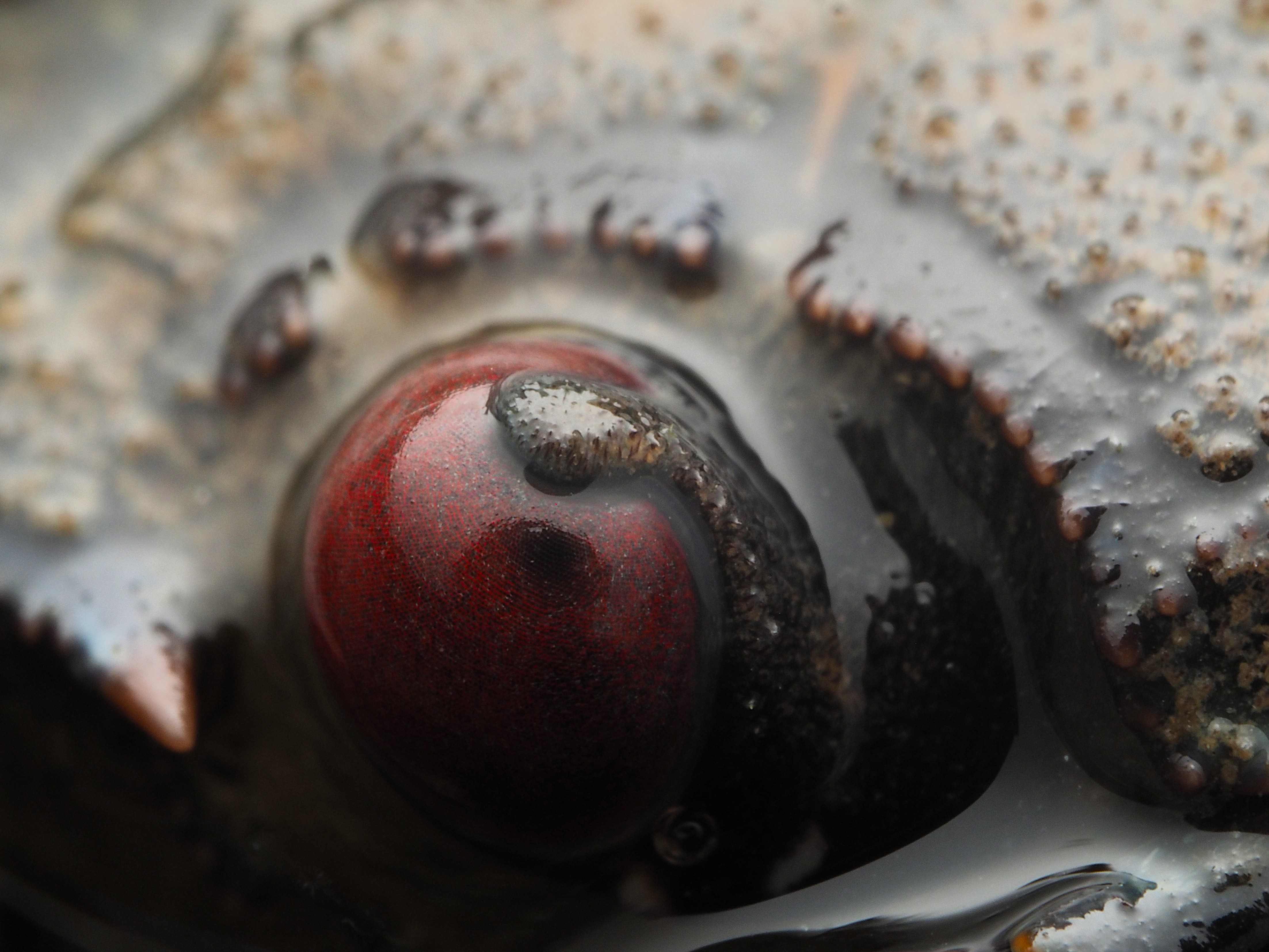
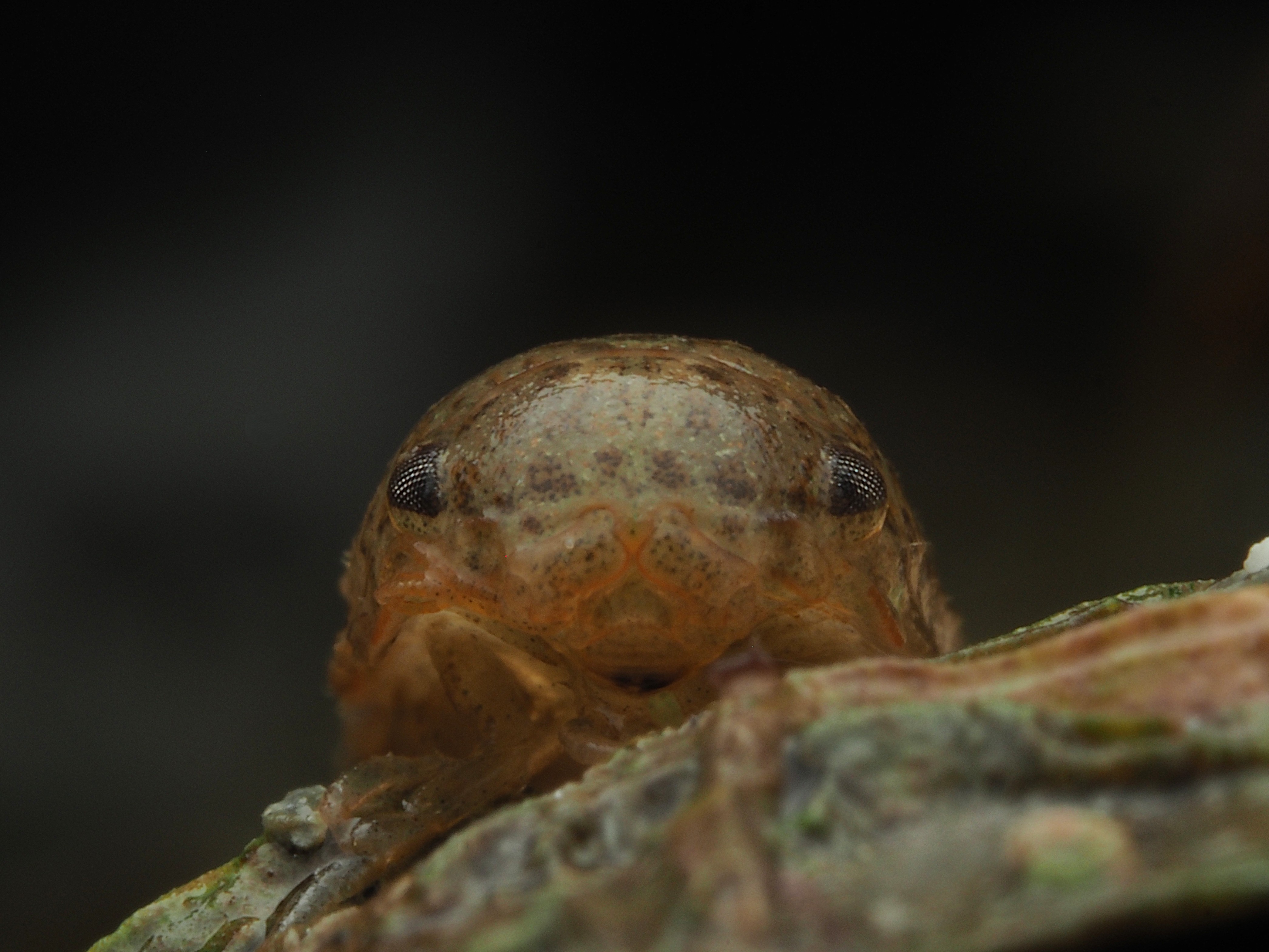
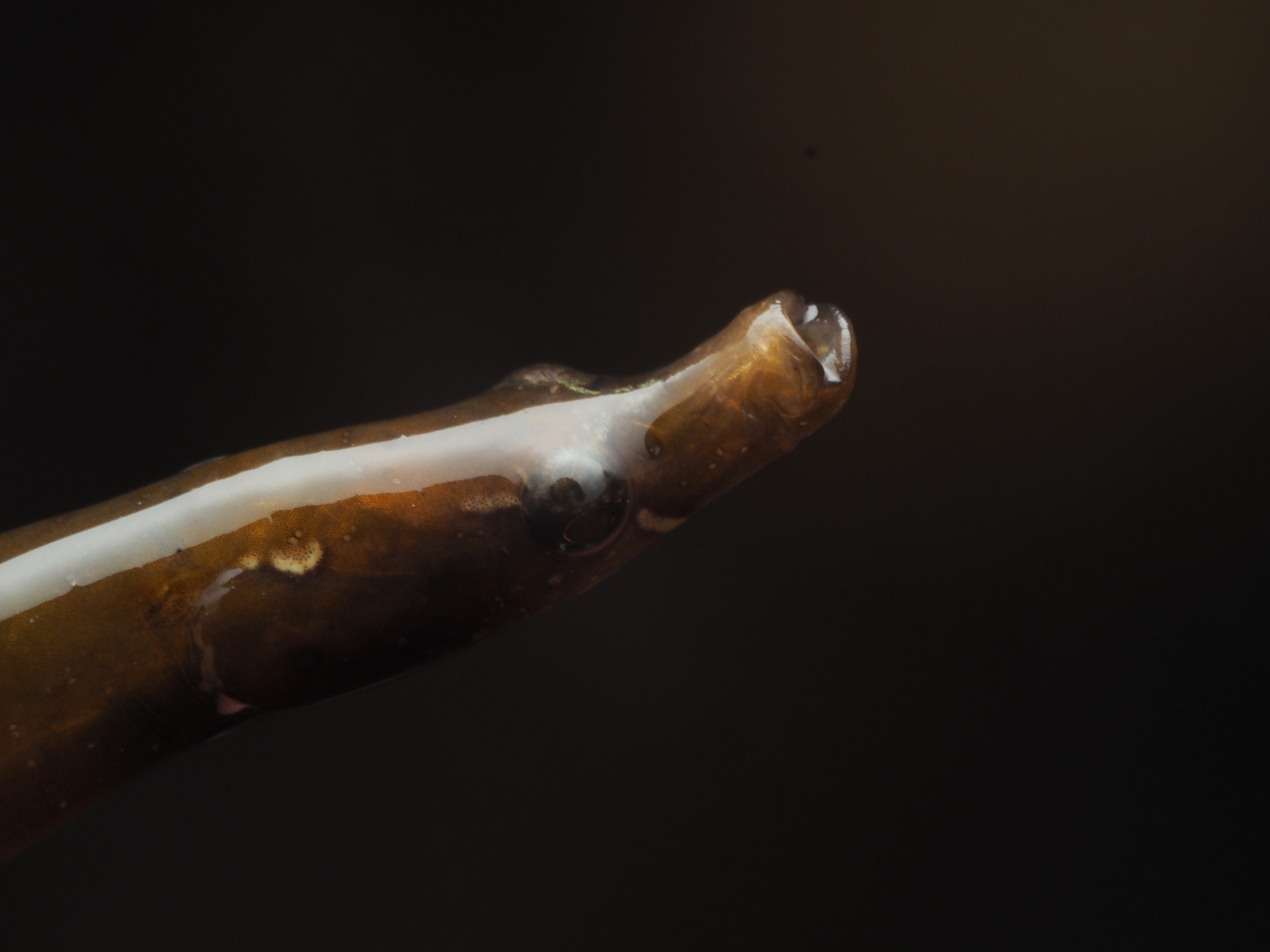
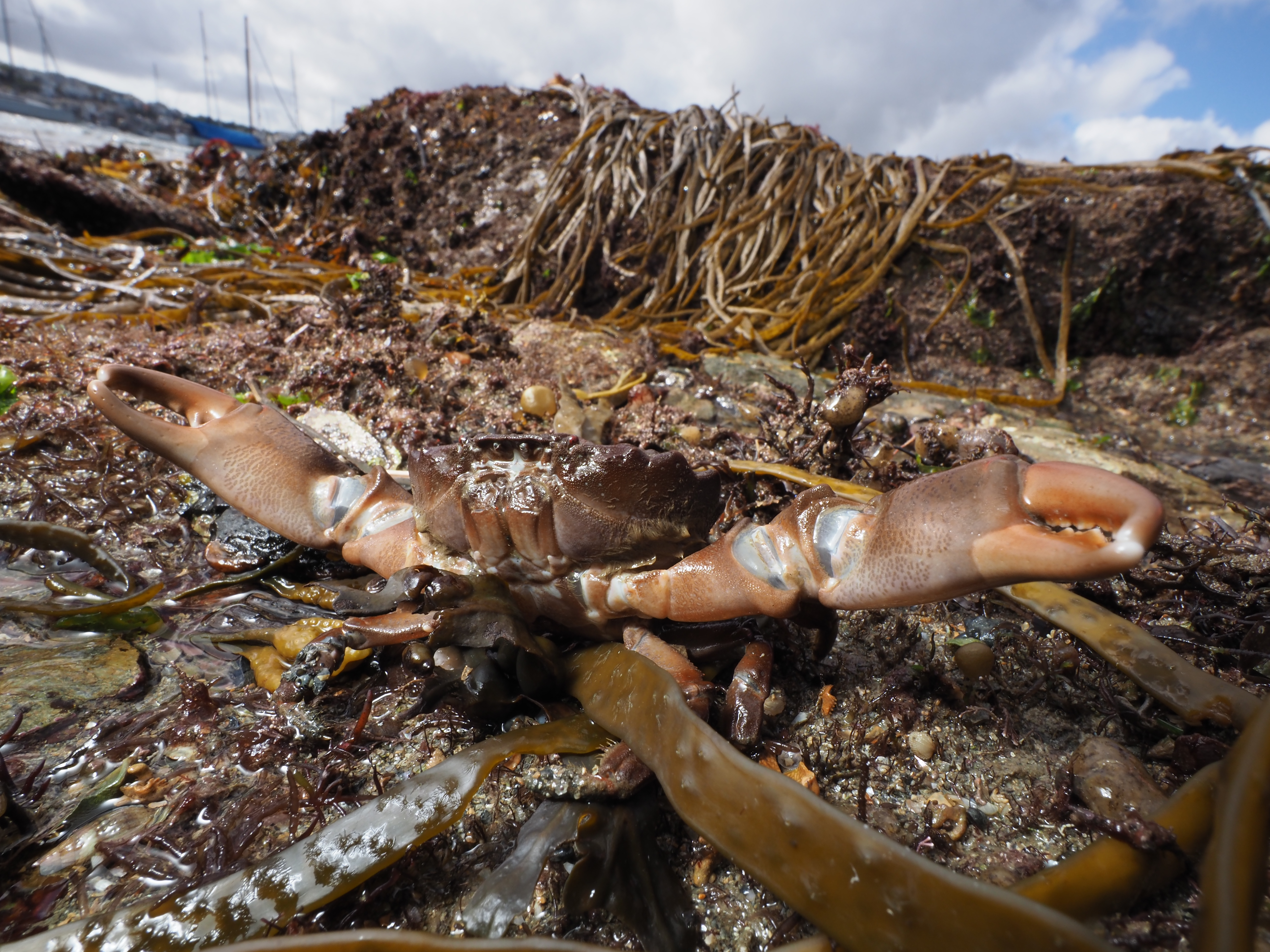
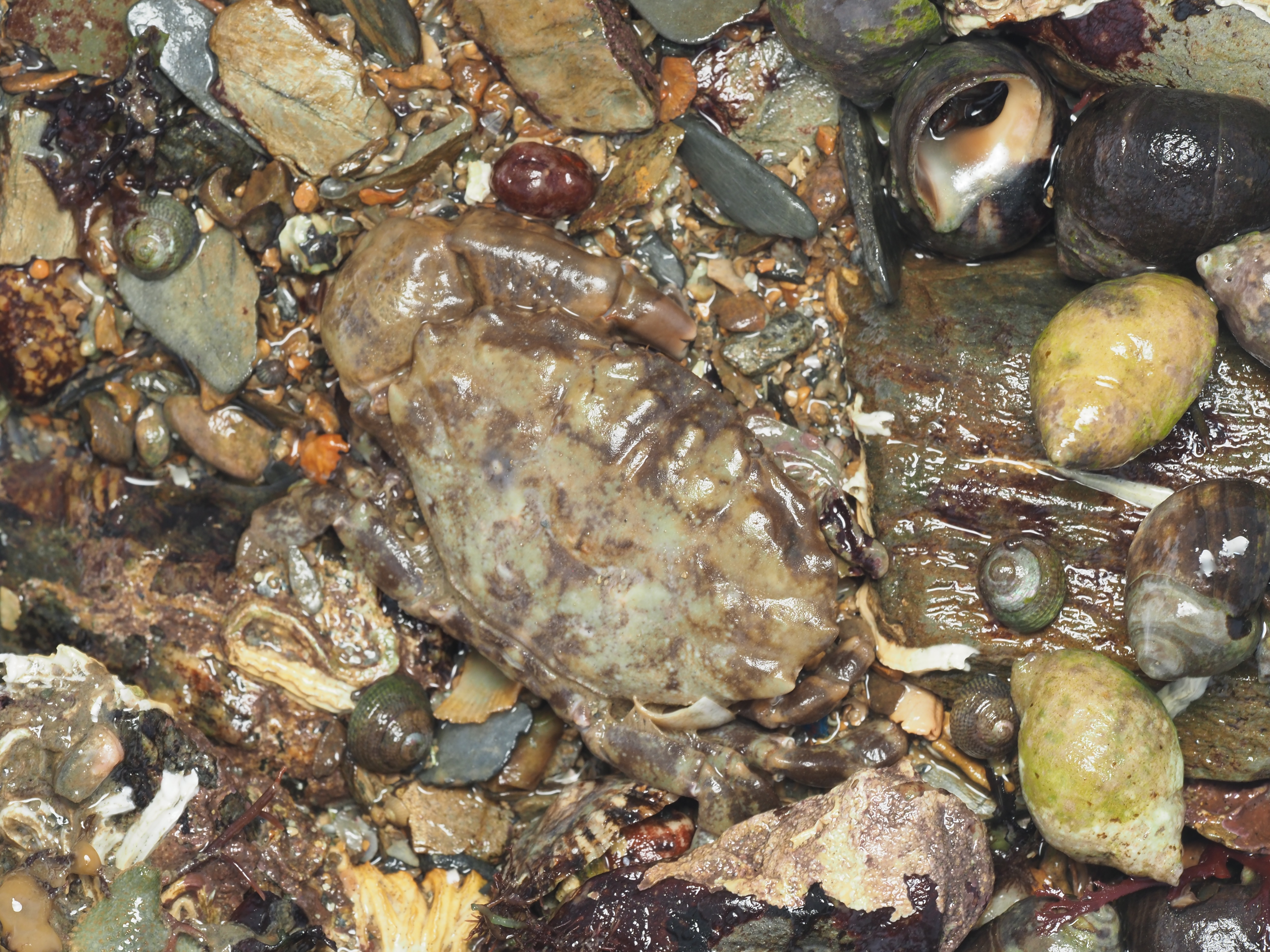
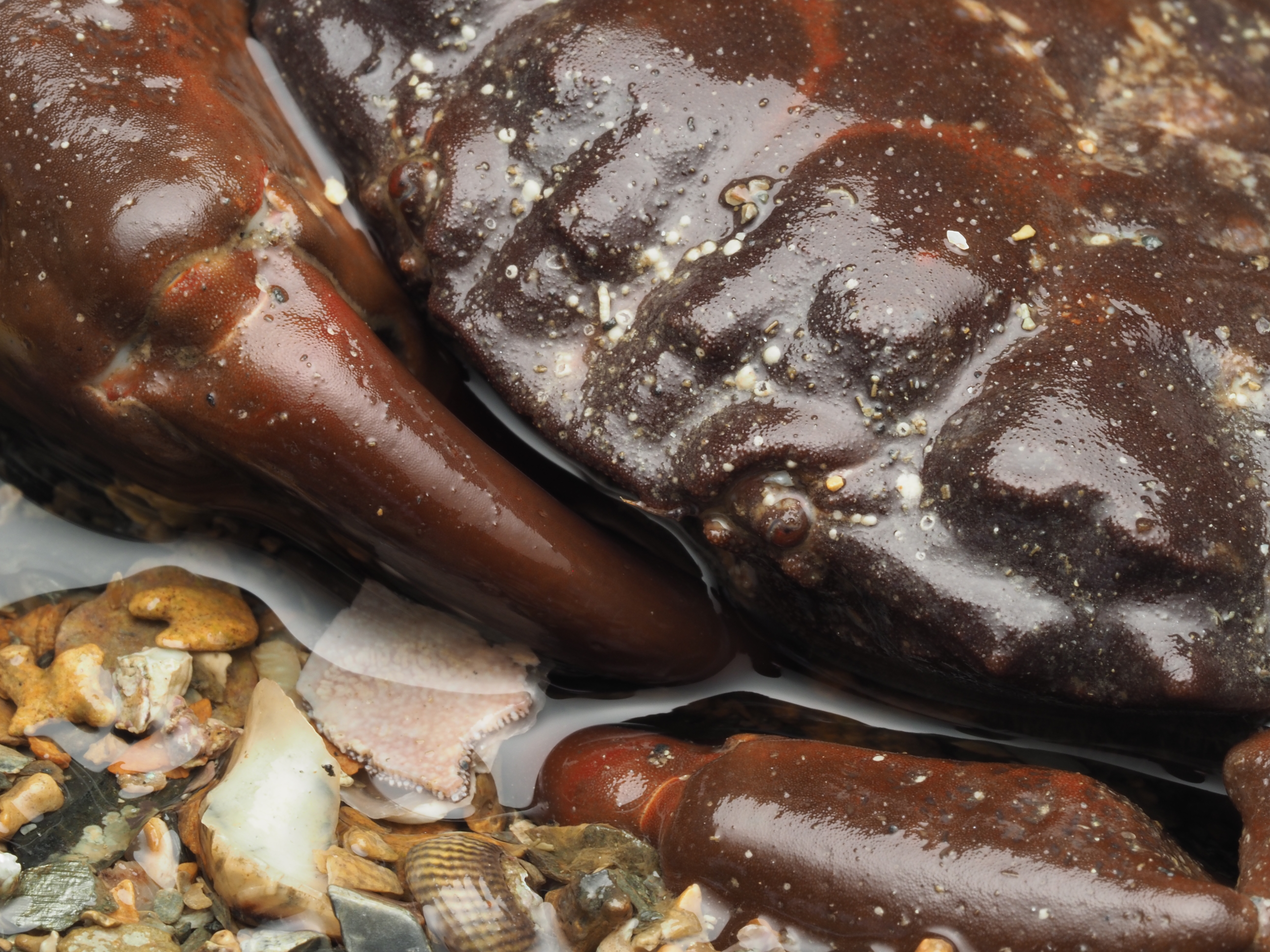
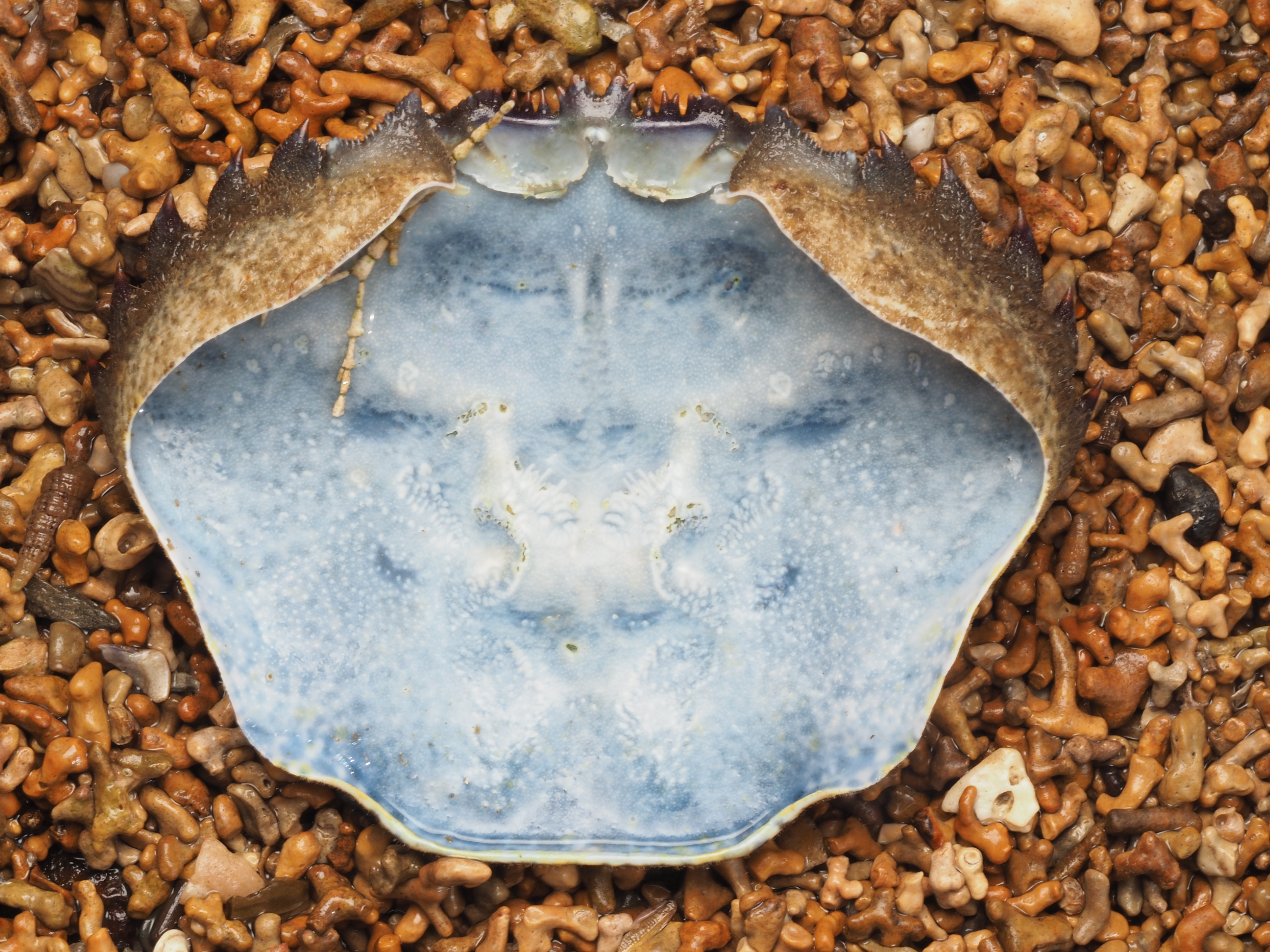
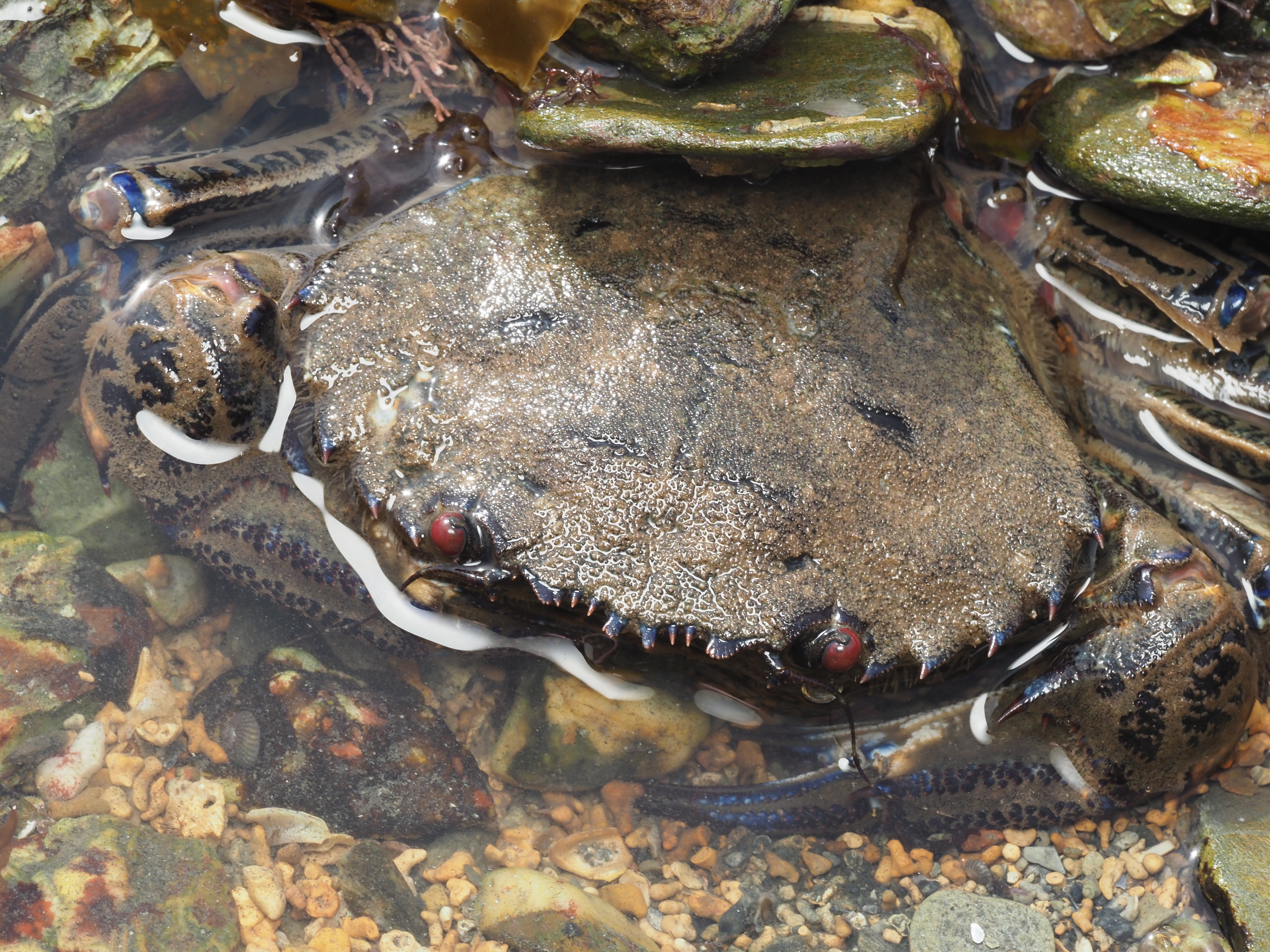
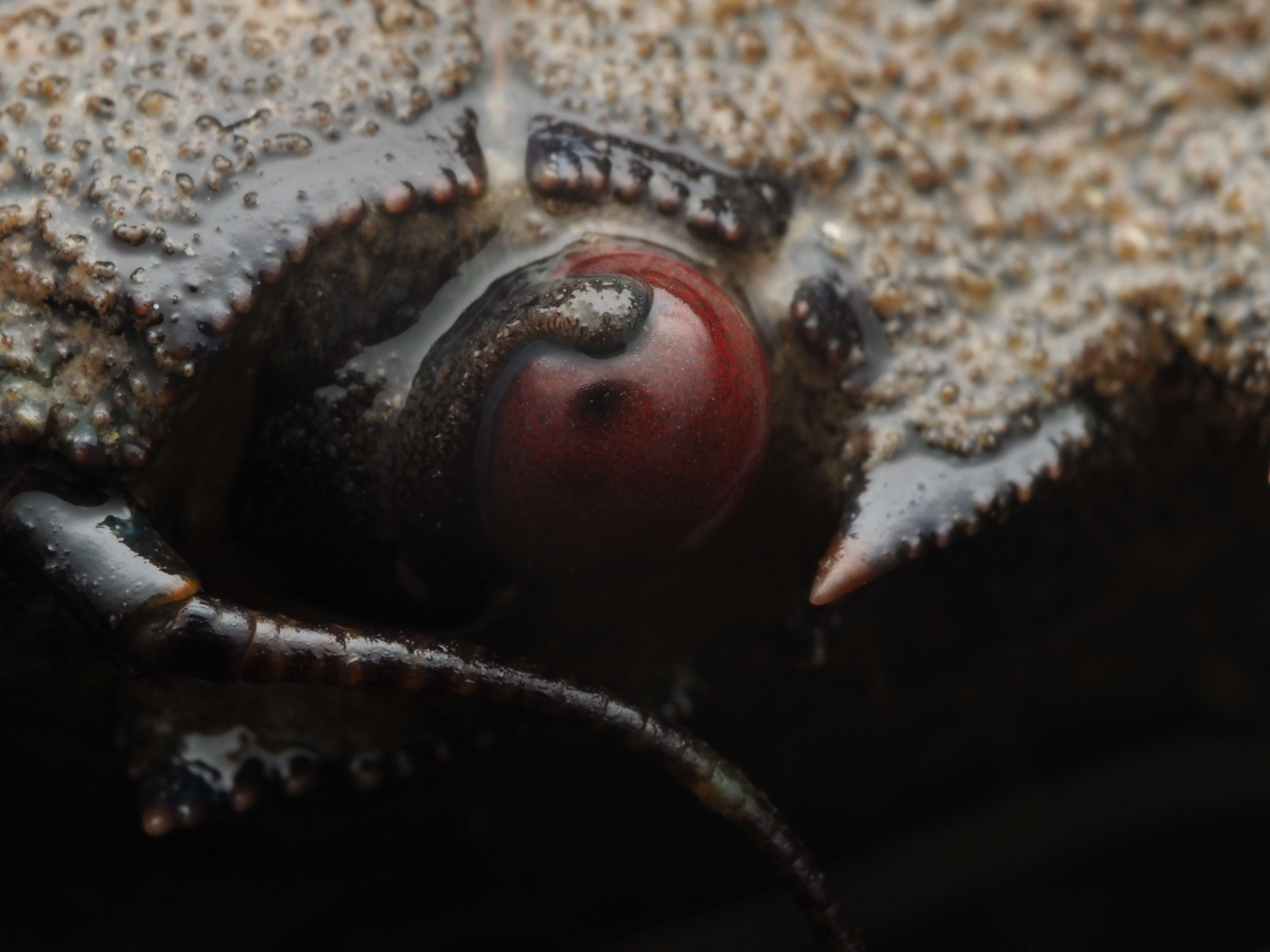
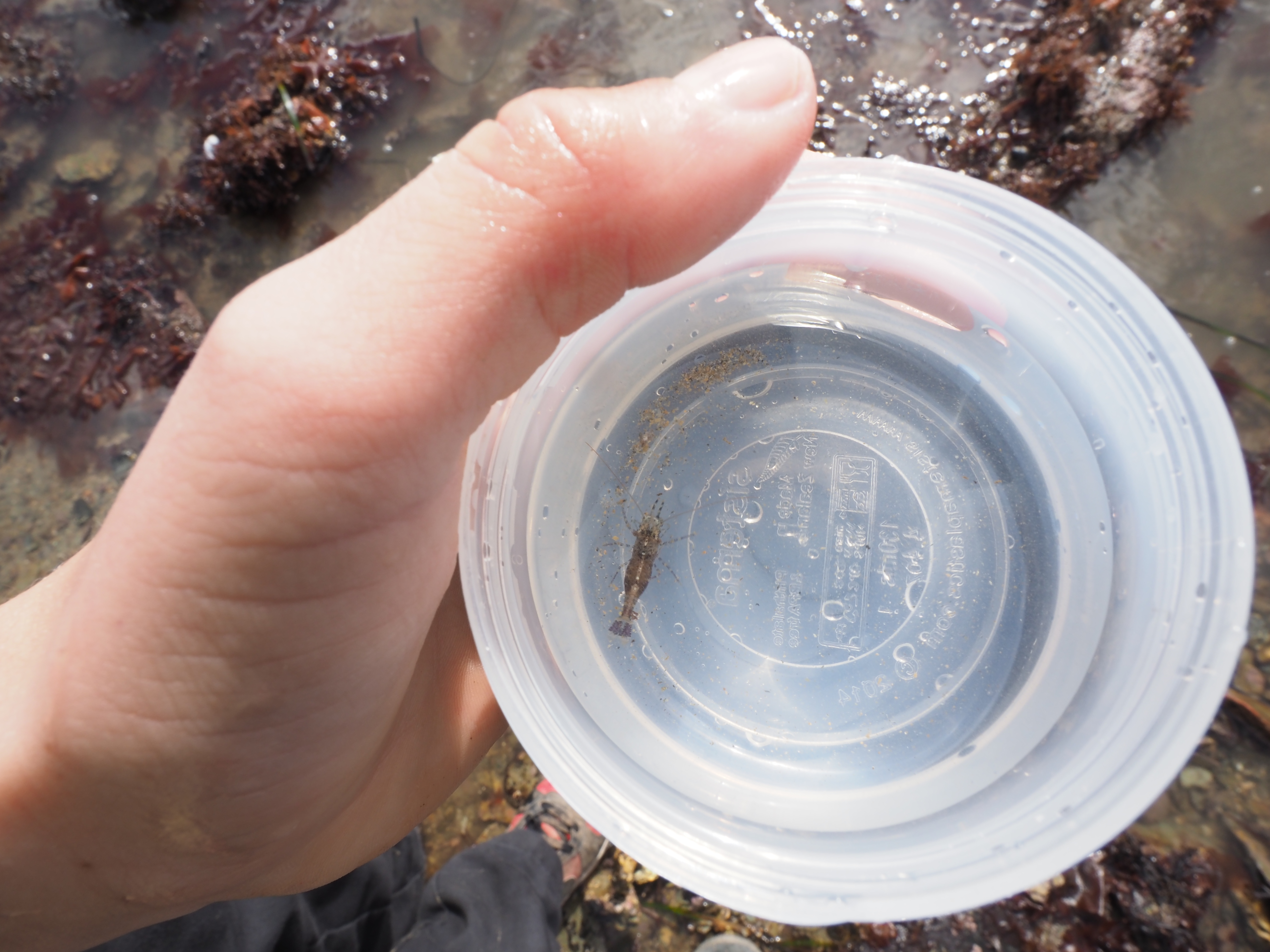
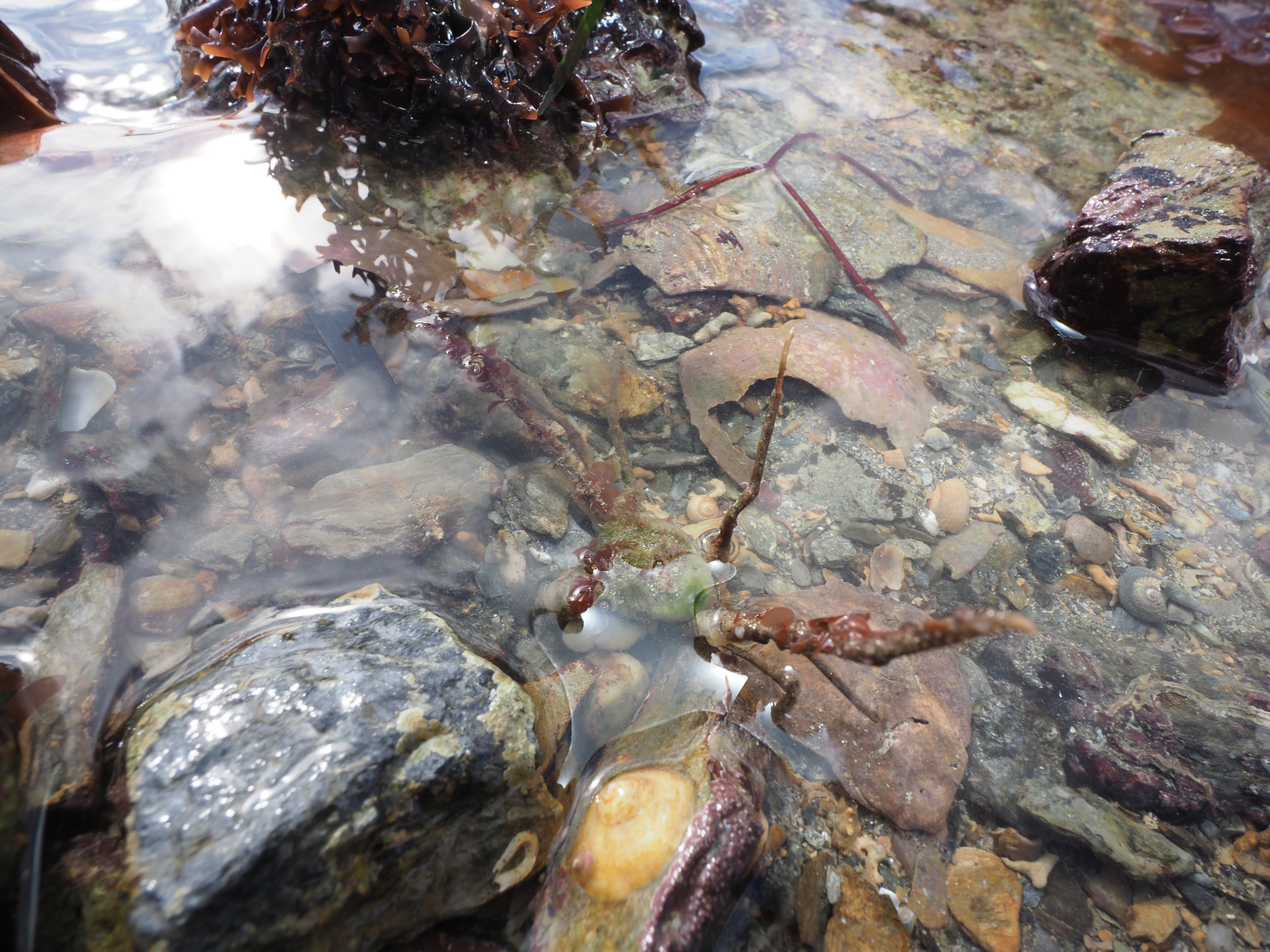
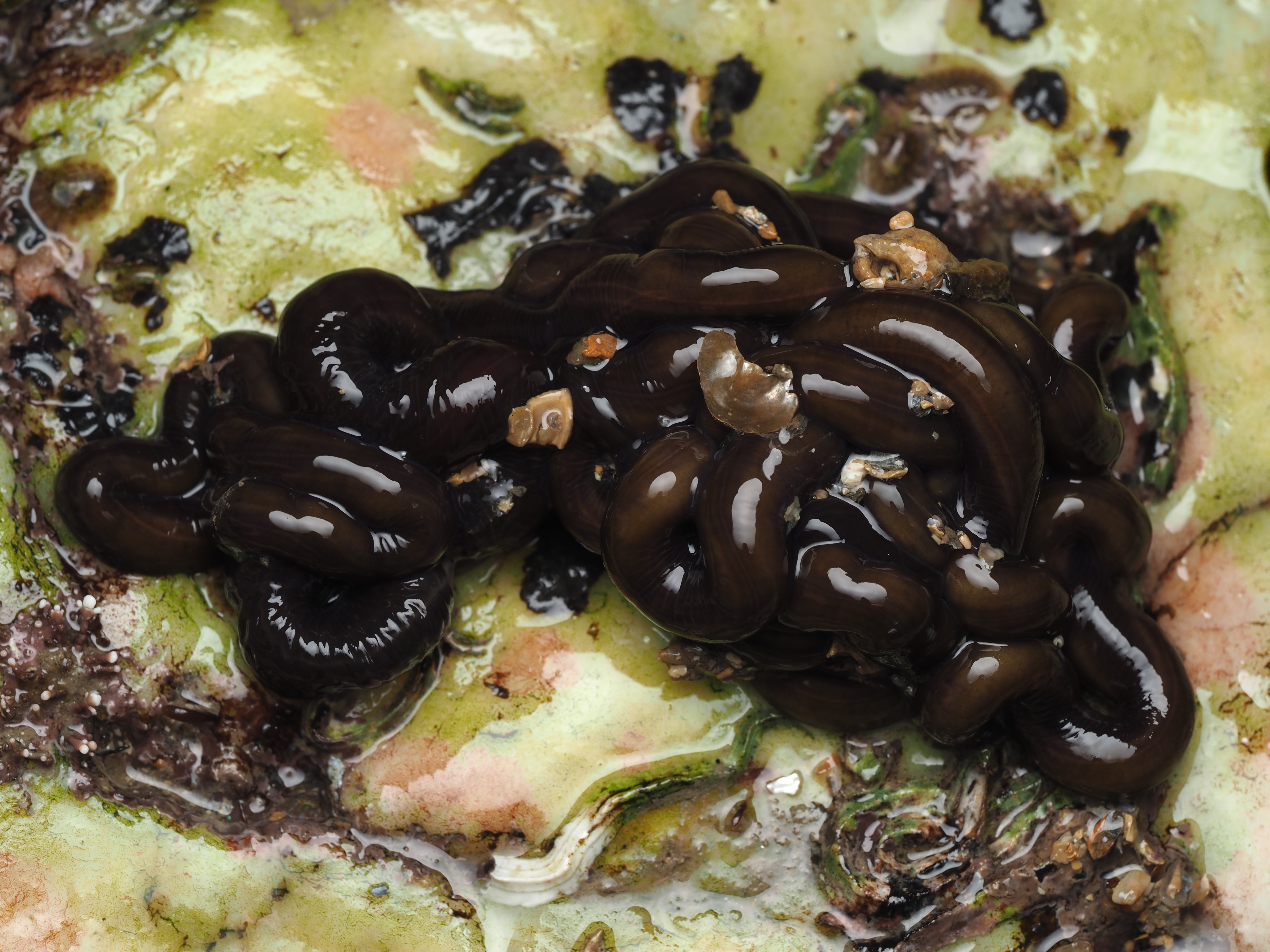
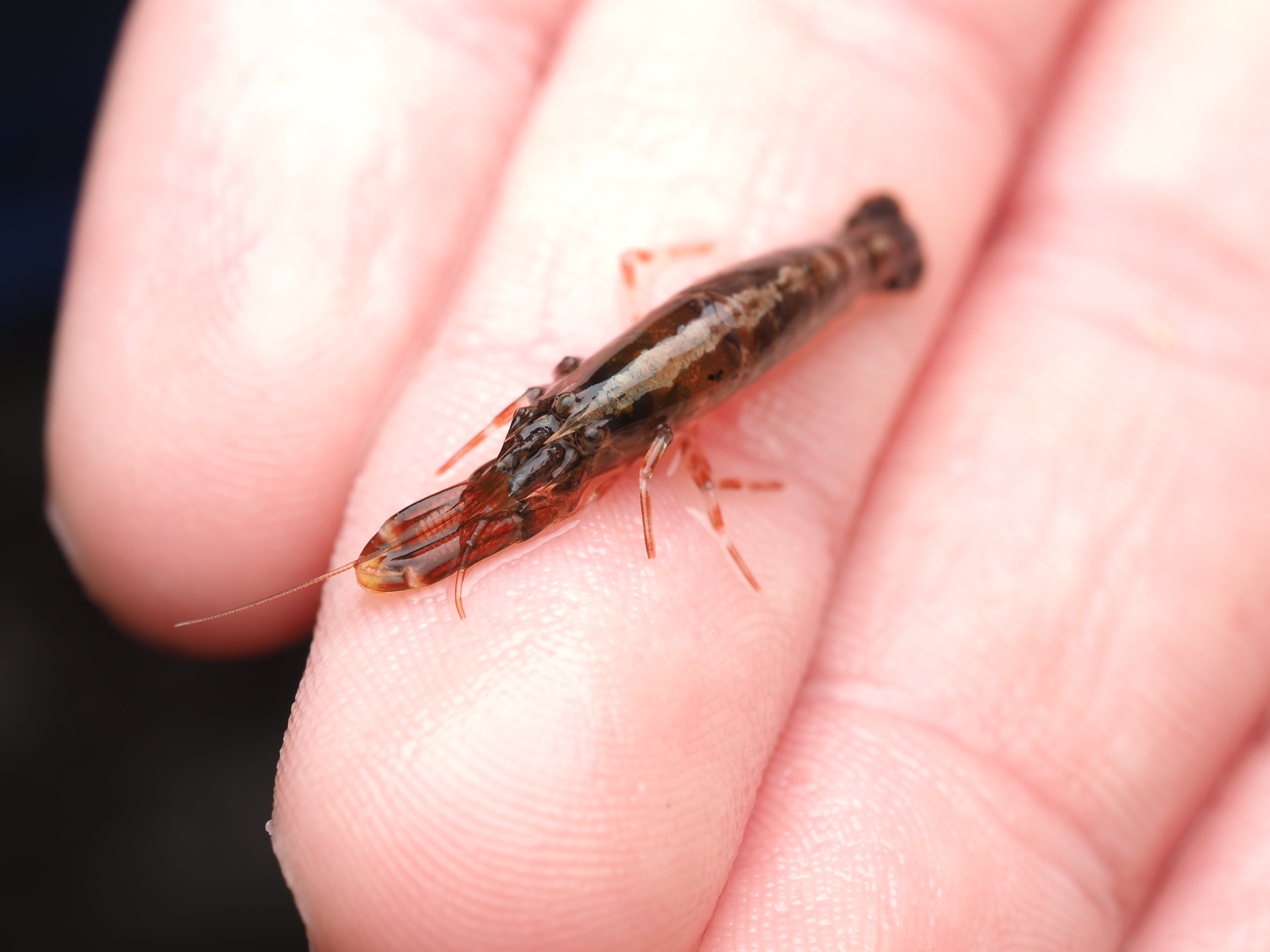
A quick post with some finds from a recent walk on the shores of Flushing, specifically above-water (‘topside’) macro shots with a diffuser. This always leads to my subjects turning out with subdued grey and brown tones, but that is OK. A velvet crab, the amphipod Cymodoce truncata (looks a bit like a trilobite!), a worm pipefish covered in a film of water with some more shots (with descriptions) at the end.
Two Fish in Flushing

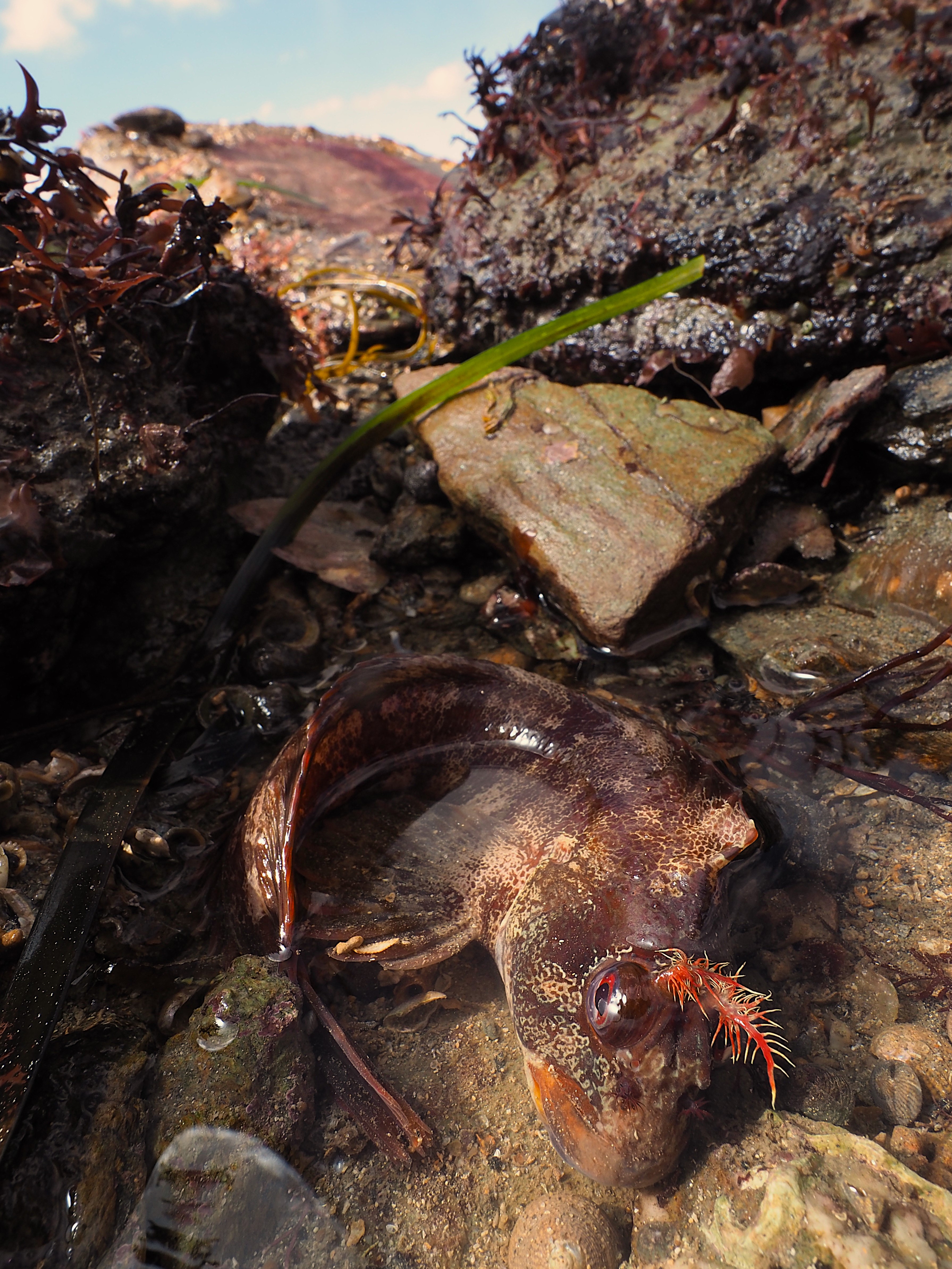
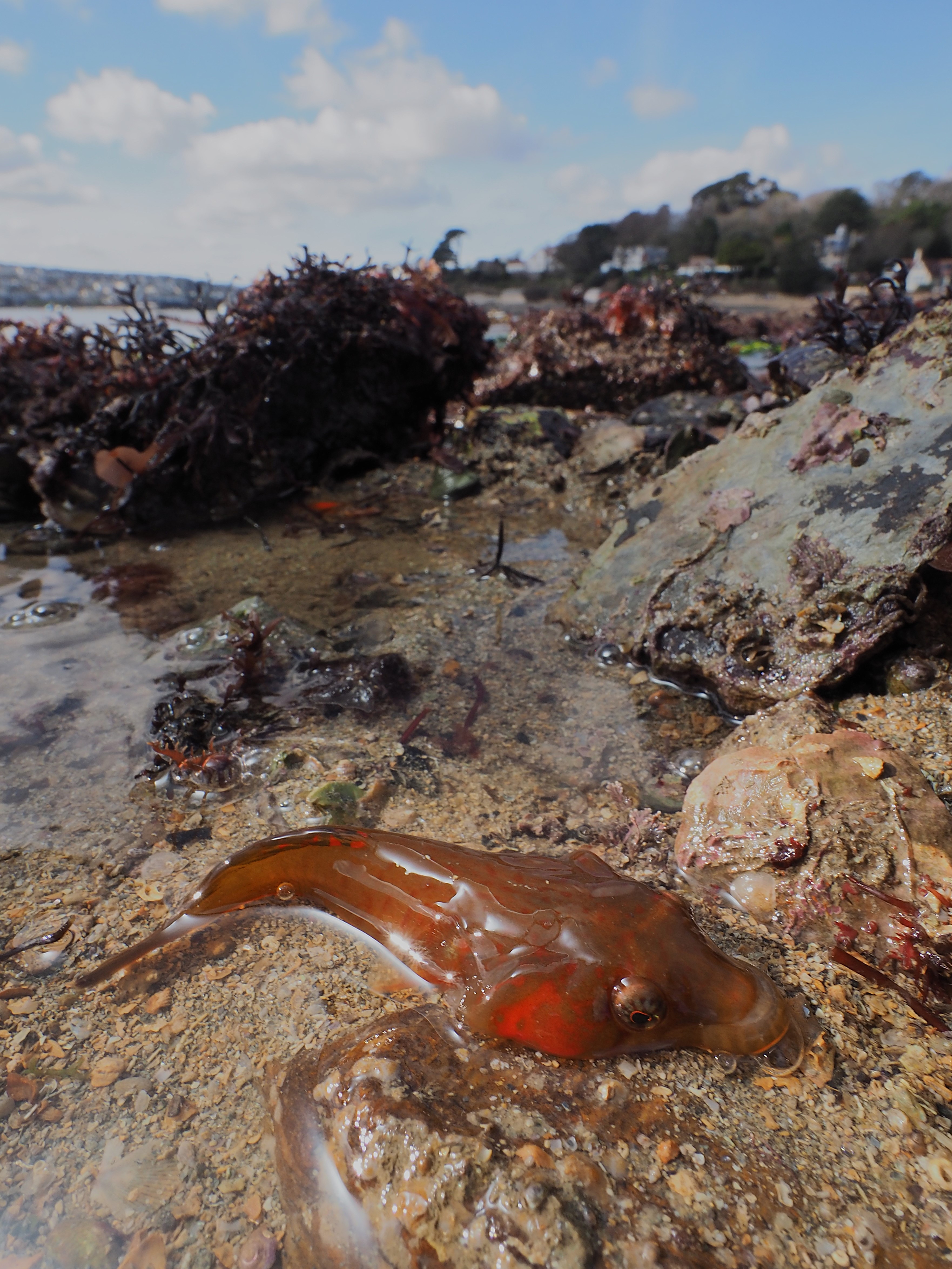
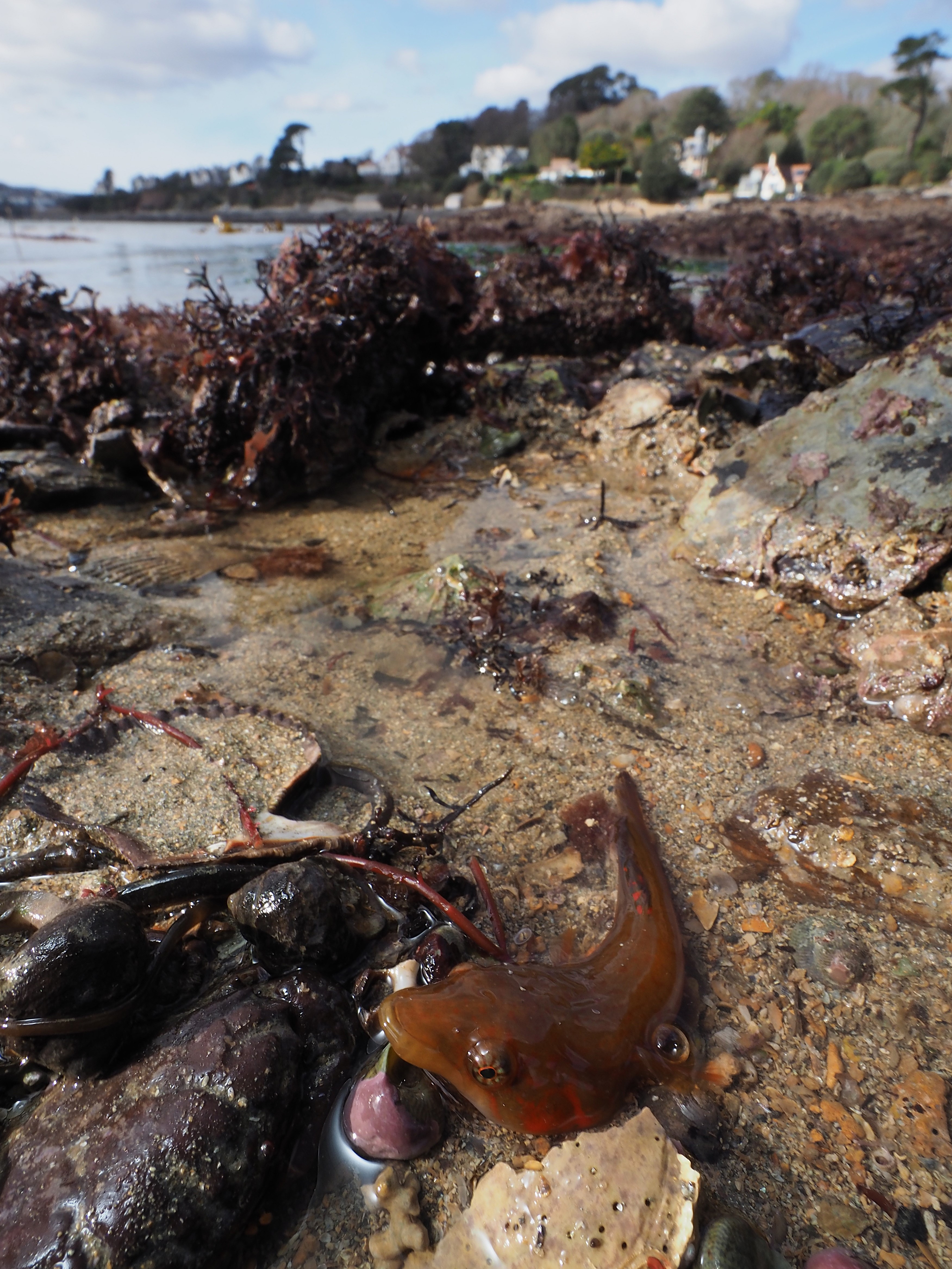
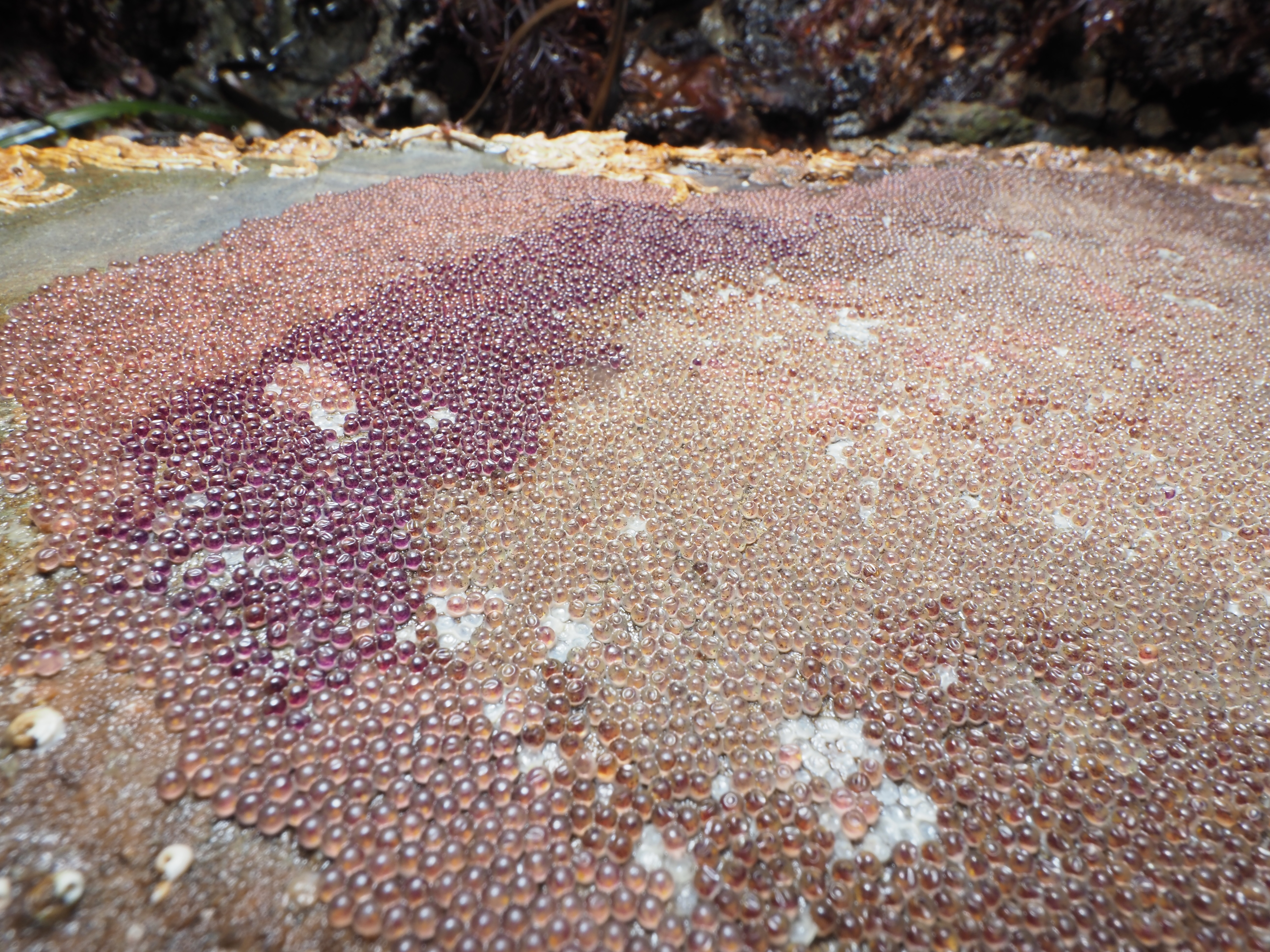
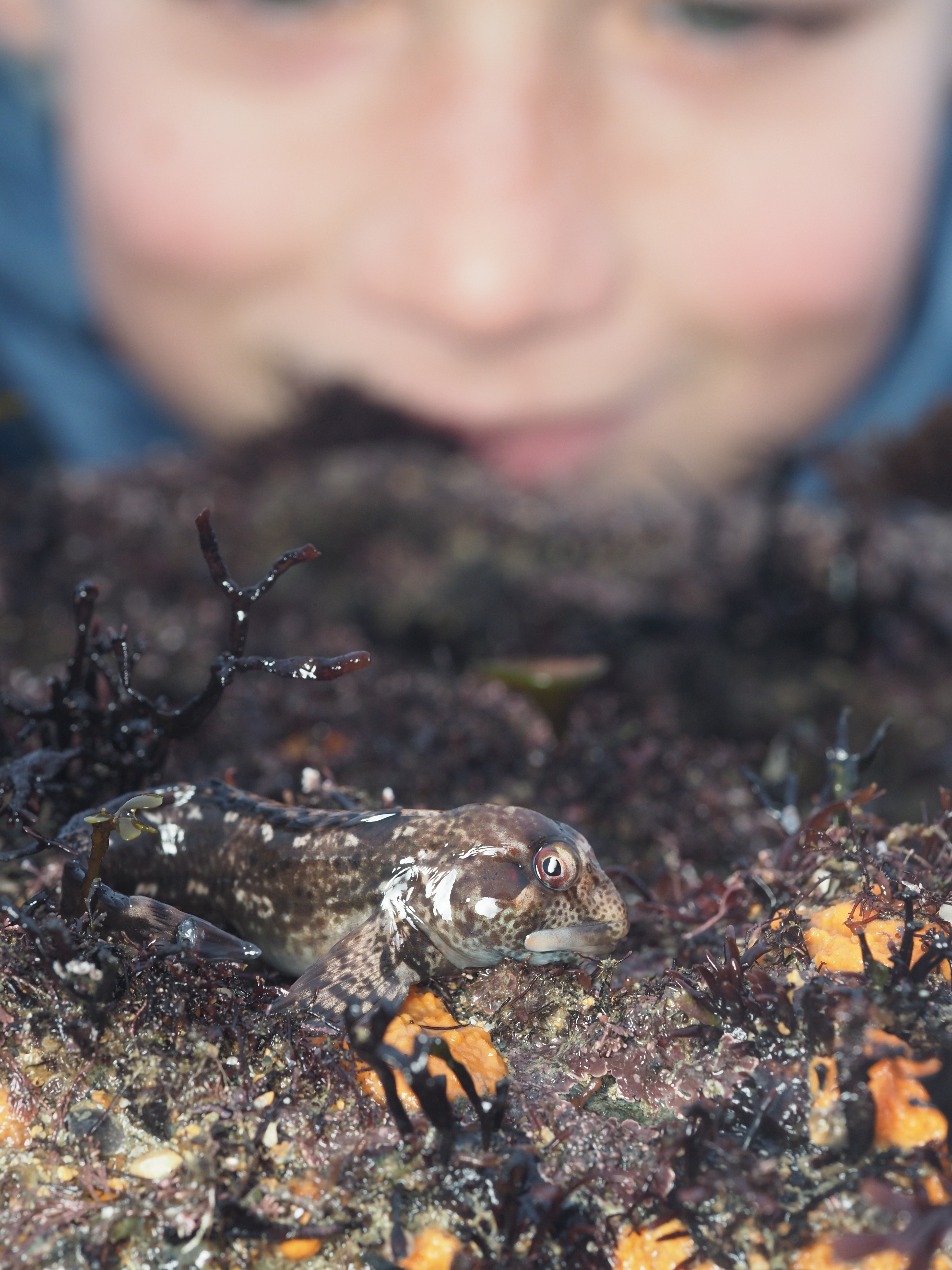
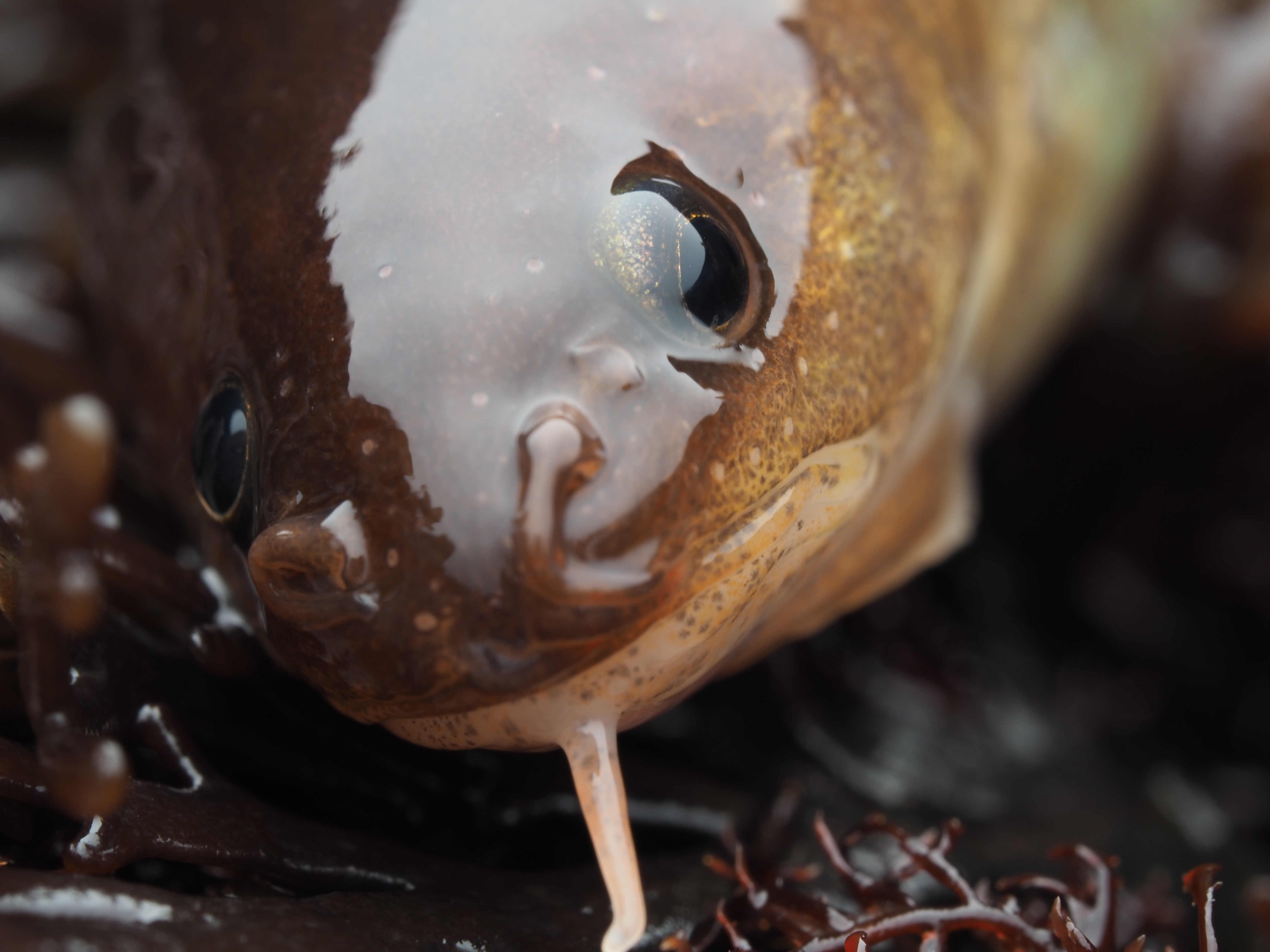
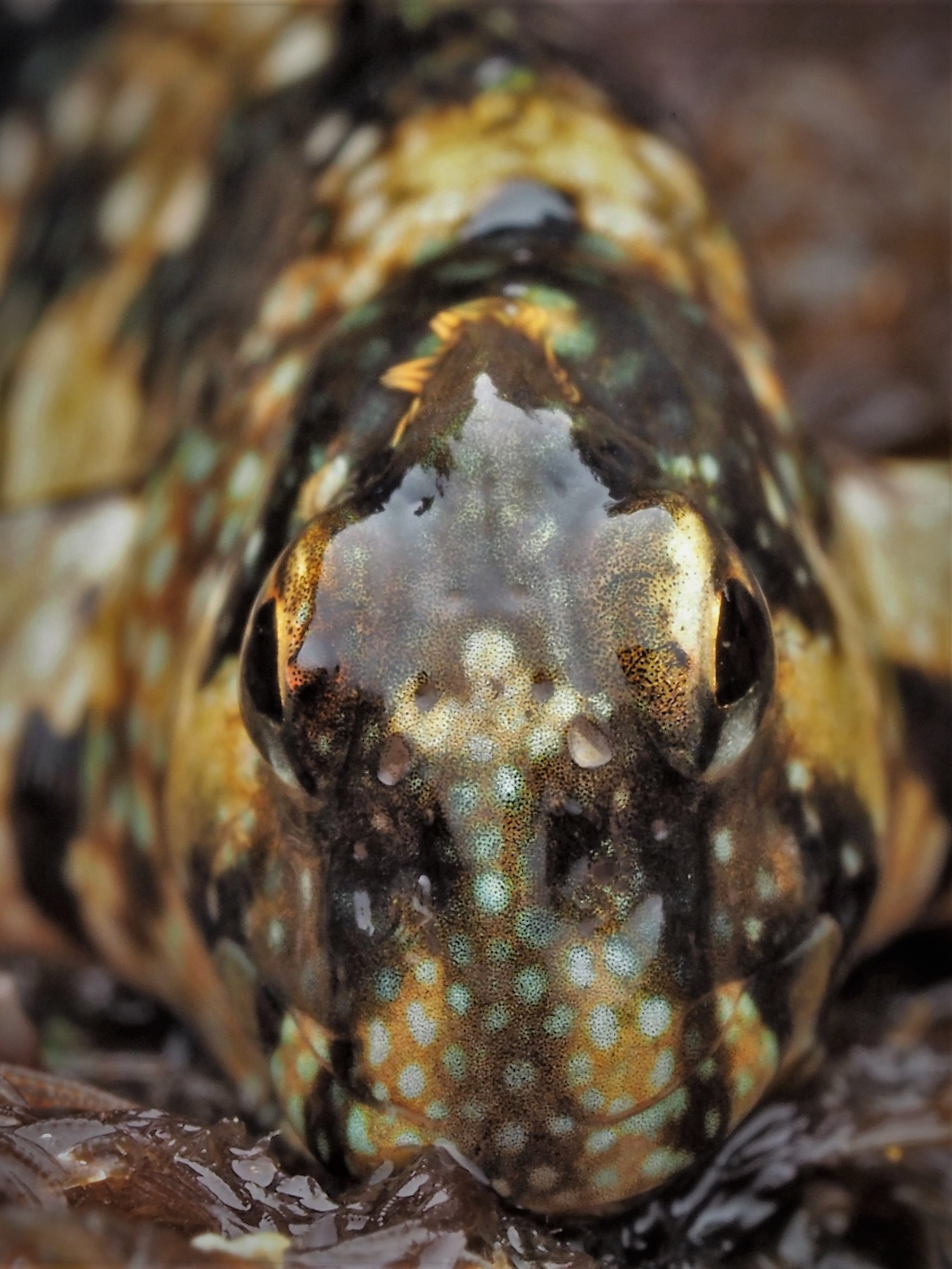
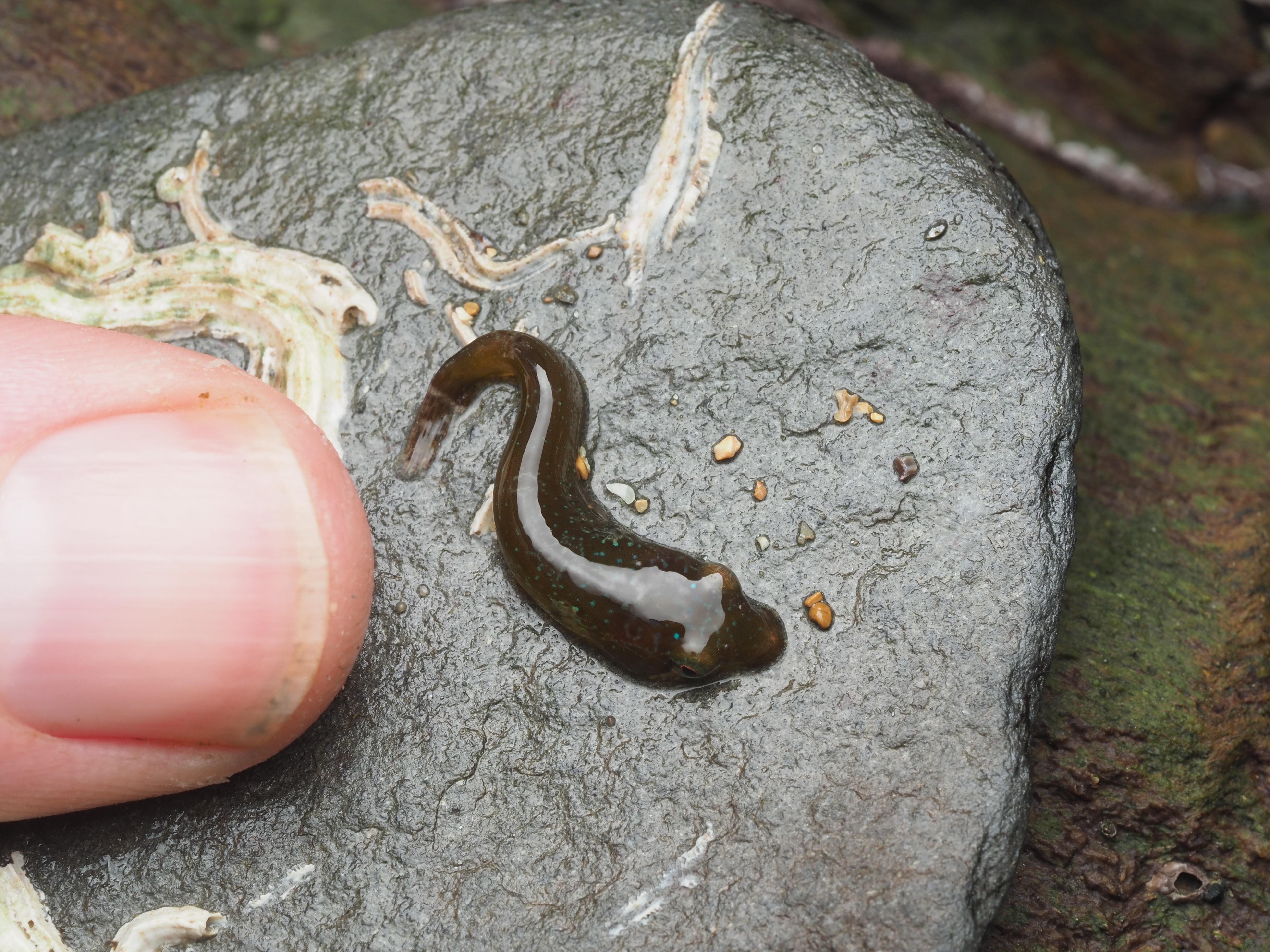
Continuing the theme from the two last posts with some ‘topside’ photos of rockpools. We had a very low tide recently which called for some rockpooling on our local shore here in Flushing. We looked (as always) for anything that we could find, but trying to get some ‘close-focus-wide-angle’ pics of fish with the Panasonic Leica 9mm lens was the main aim. Above a Male Tompot guarding eggs (see pic below) as well as a male Connemara Clingfish (no eggs spotted), recognizable by the bright red cheek markings. I have not been underwater very much, but have a bunch of macro photos of snails and stalked jellyfish that I will put on the blog next. (And remember, I post more frequently on instagram: @an_bollenessor!)

Rockpools from the top

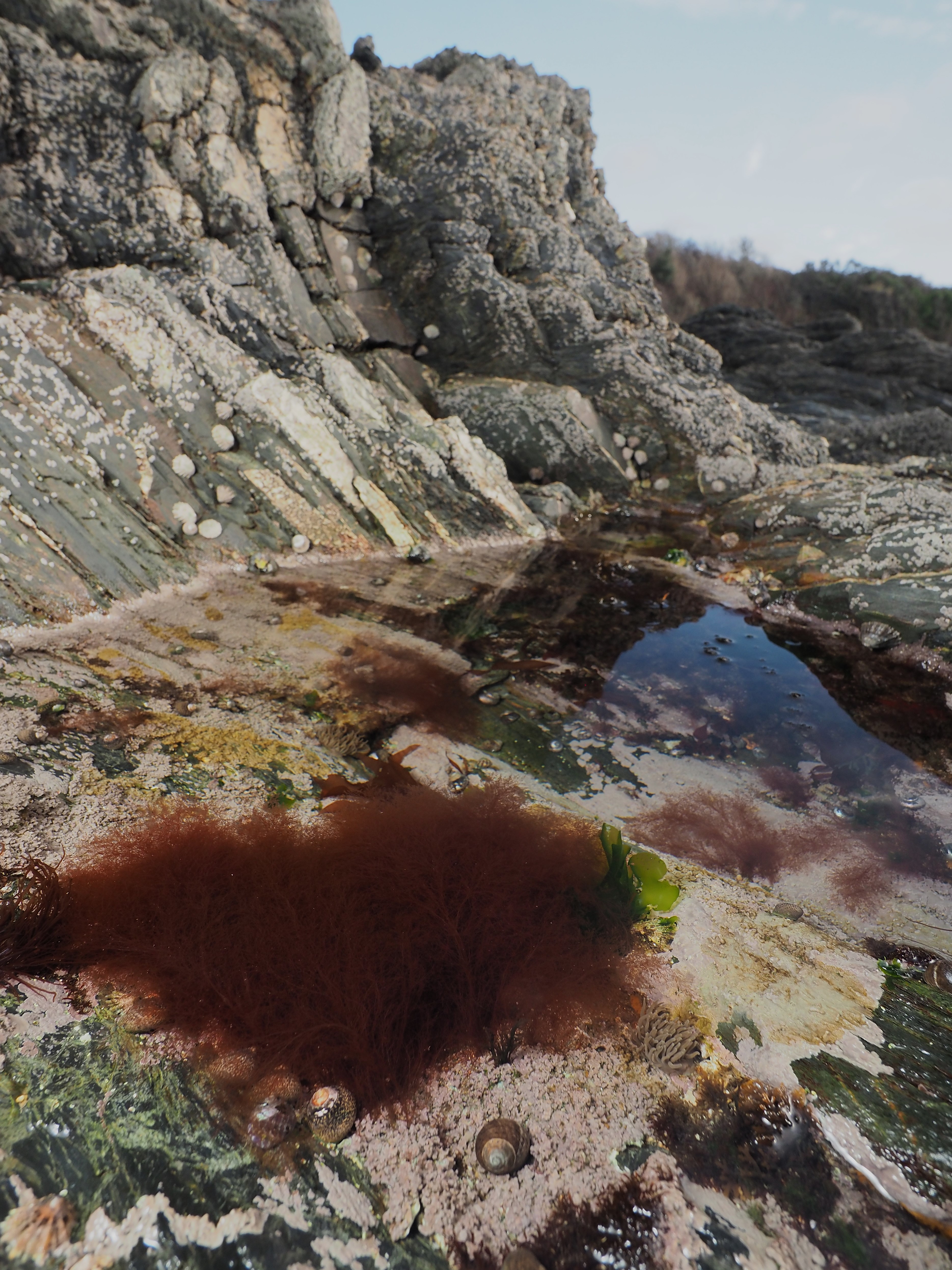
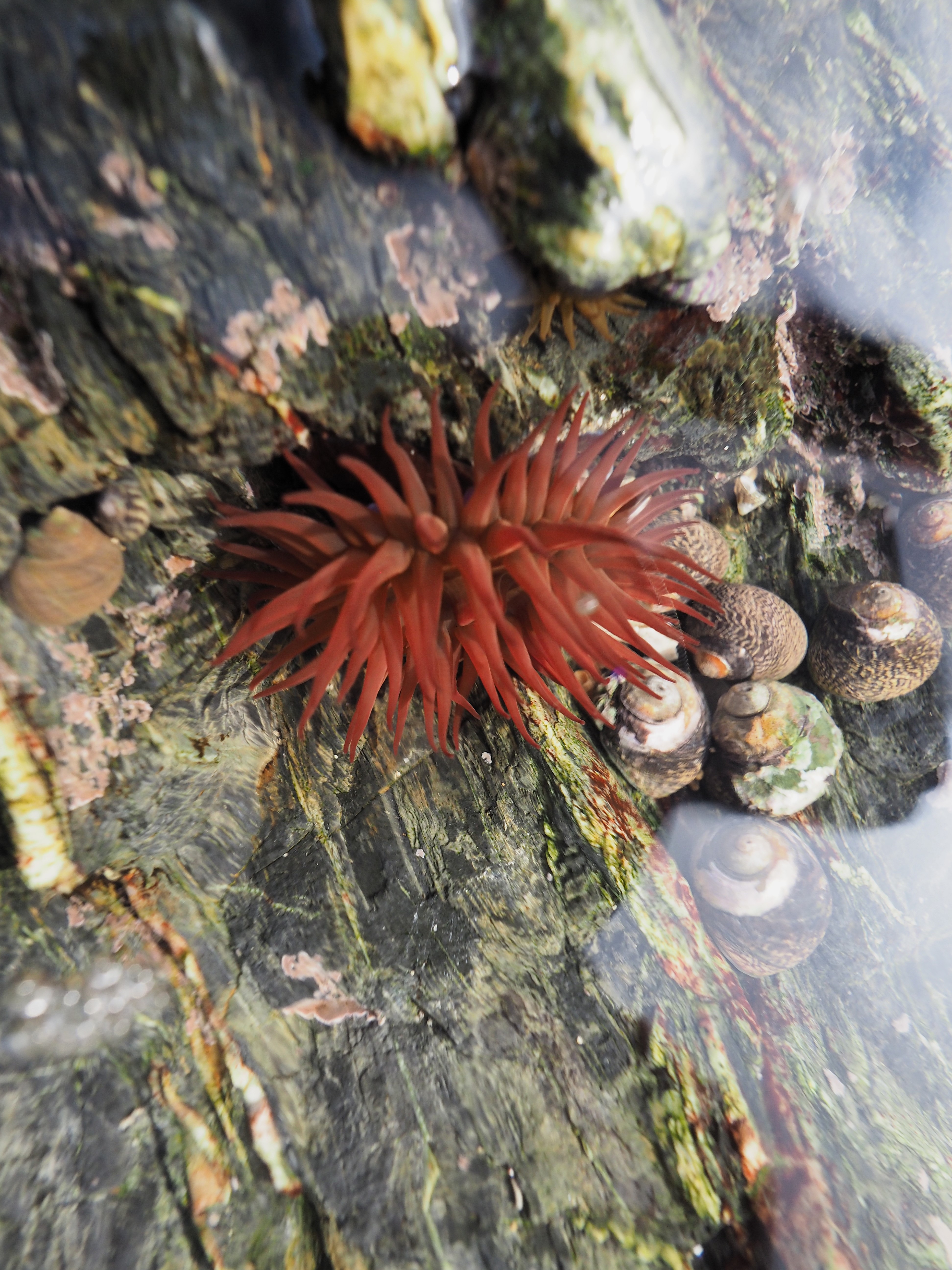
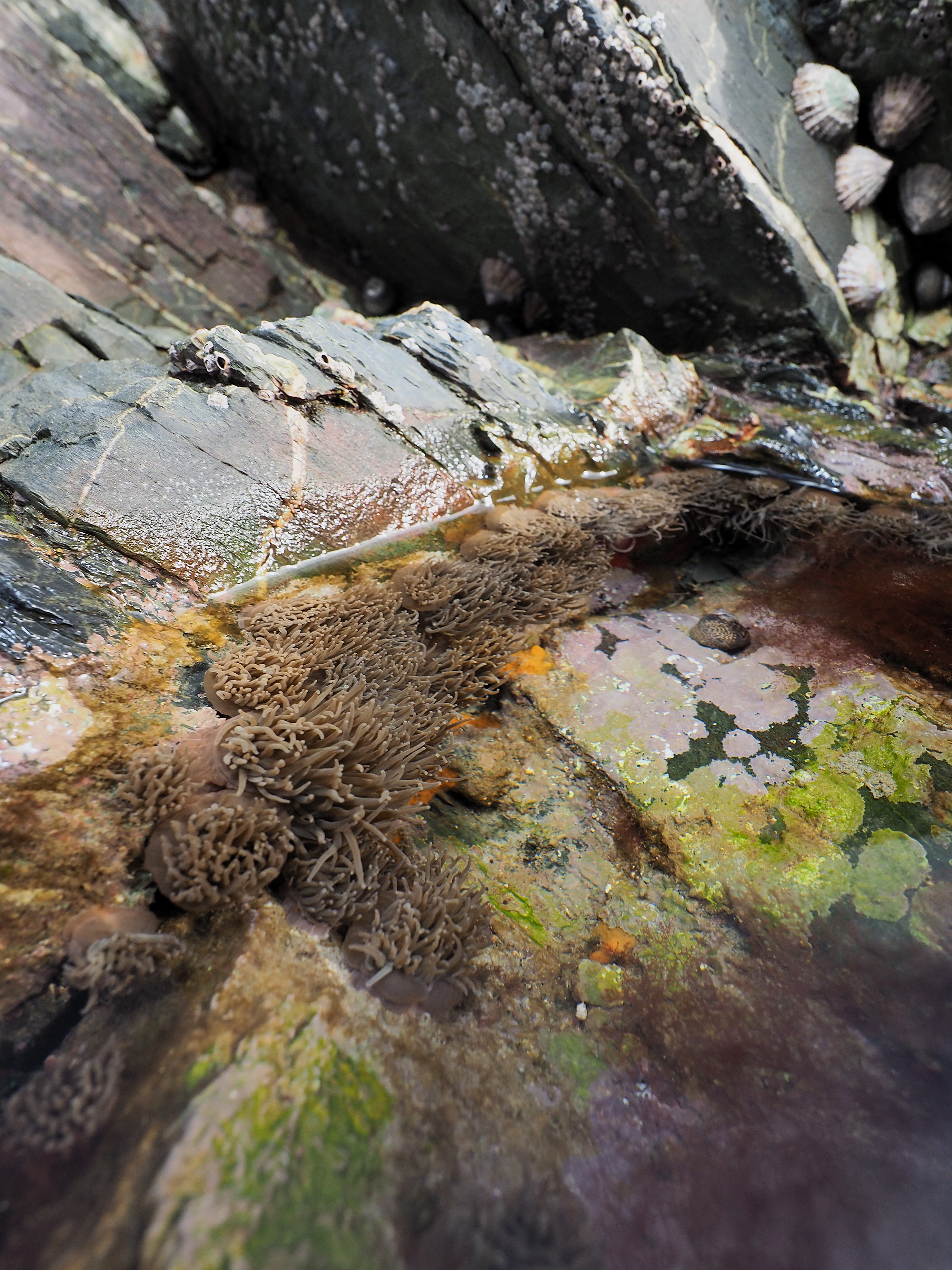
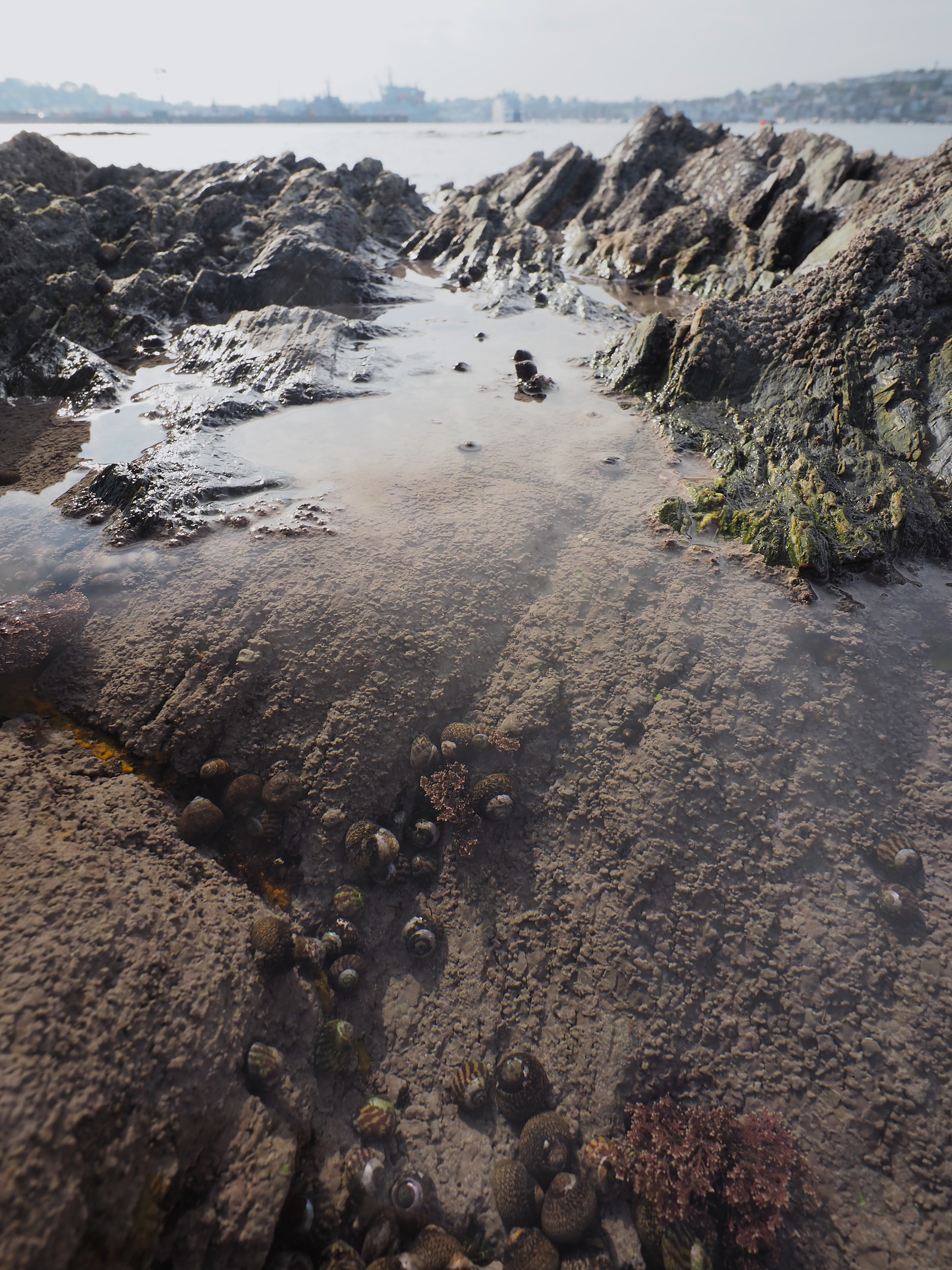
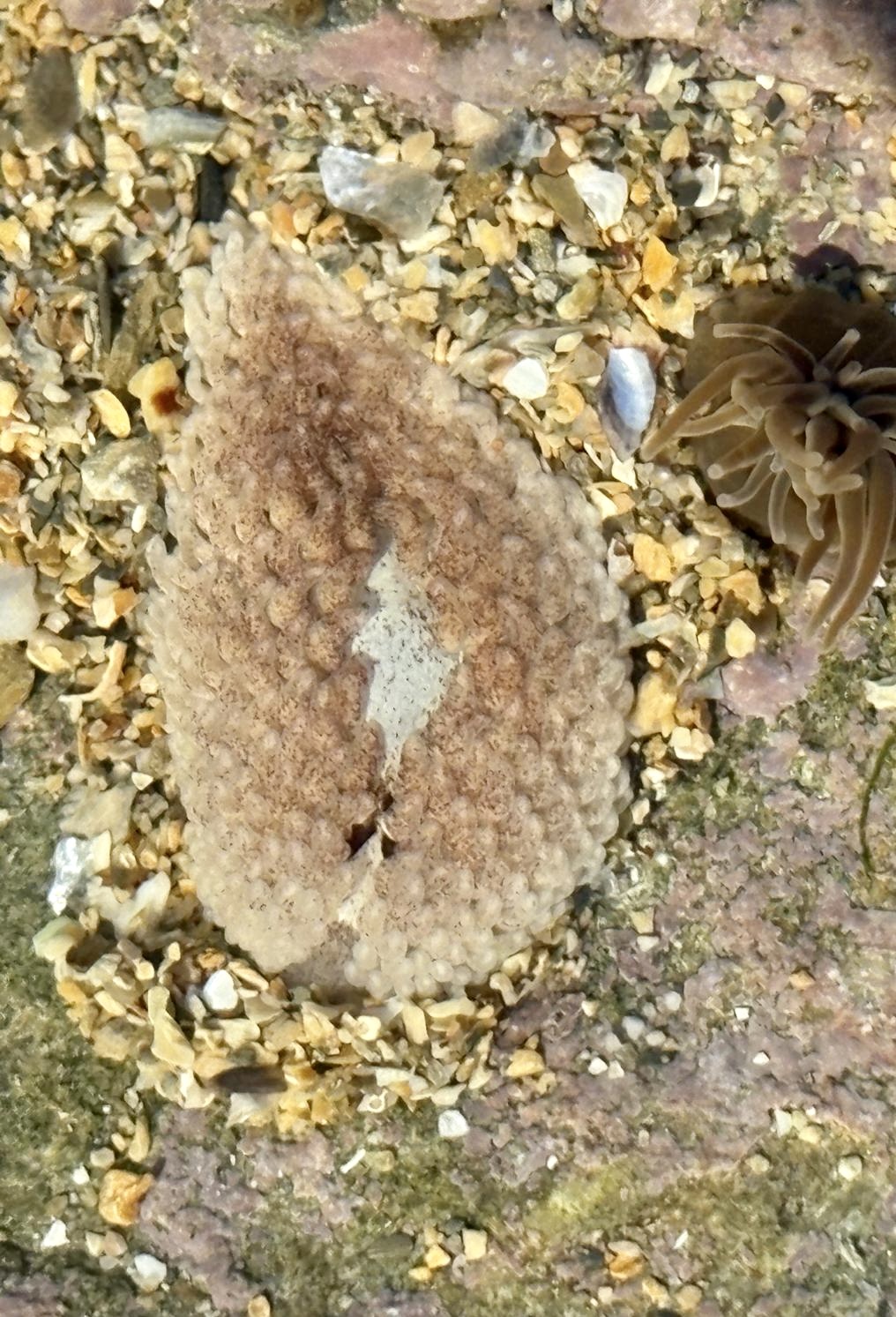
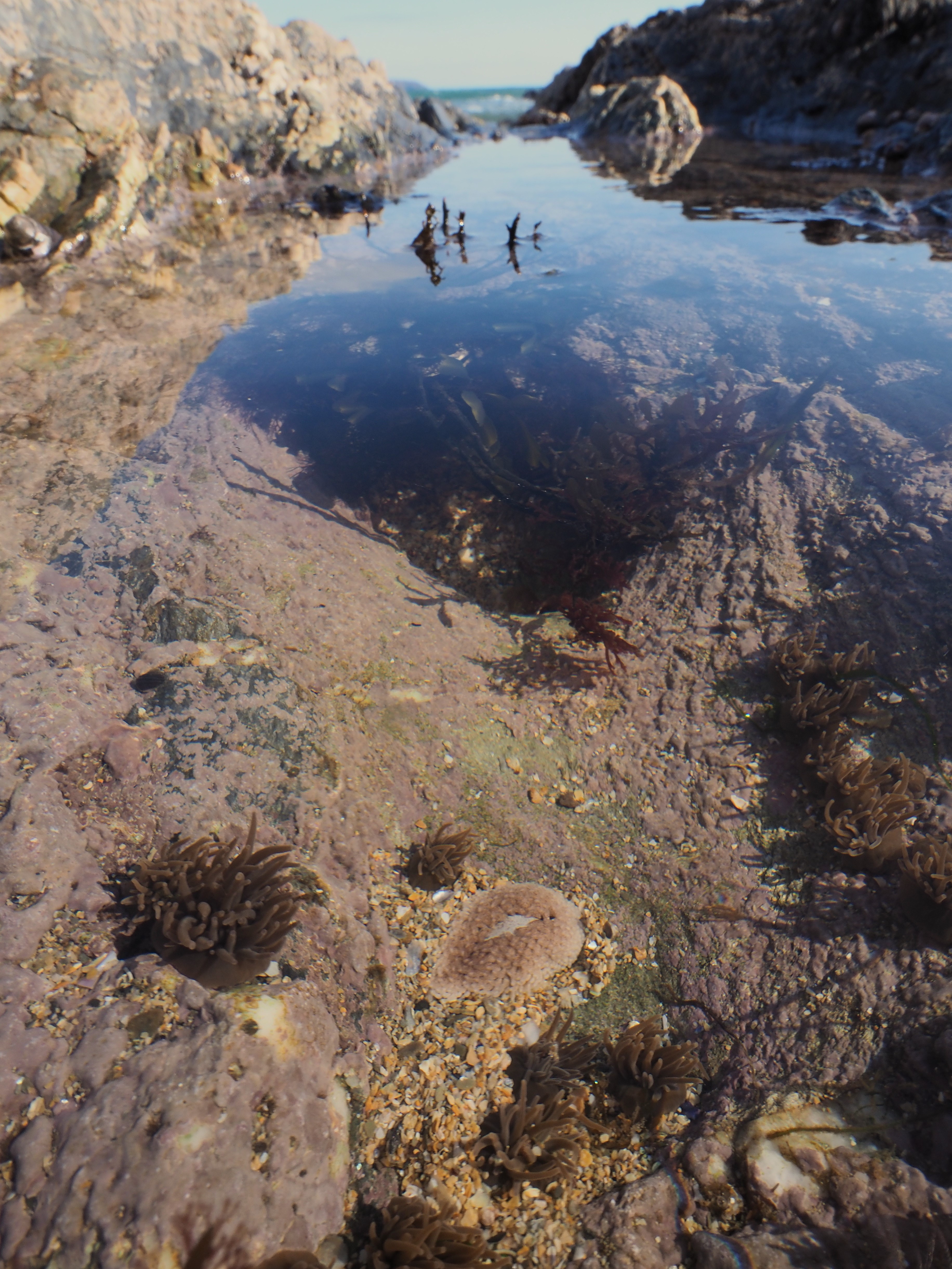
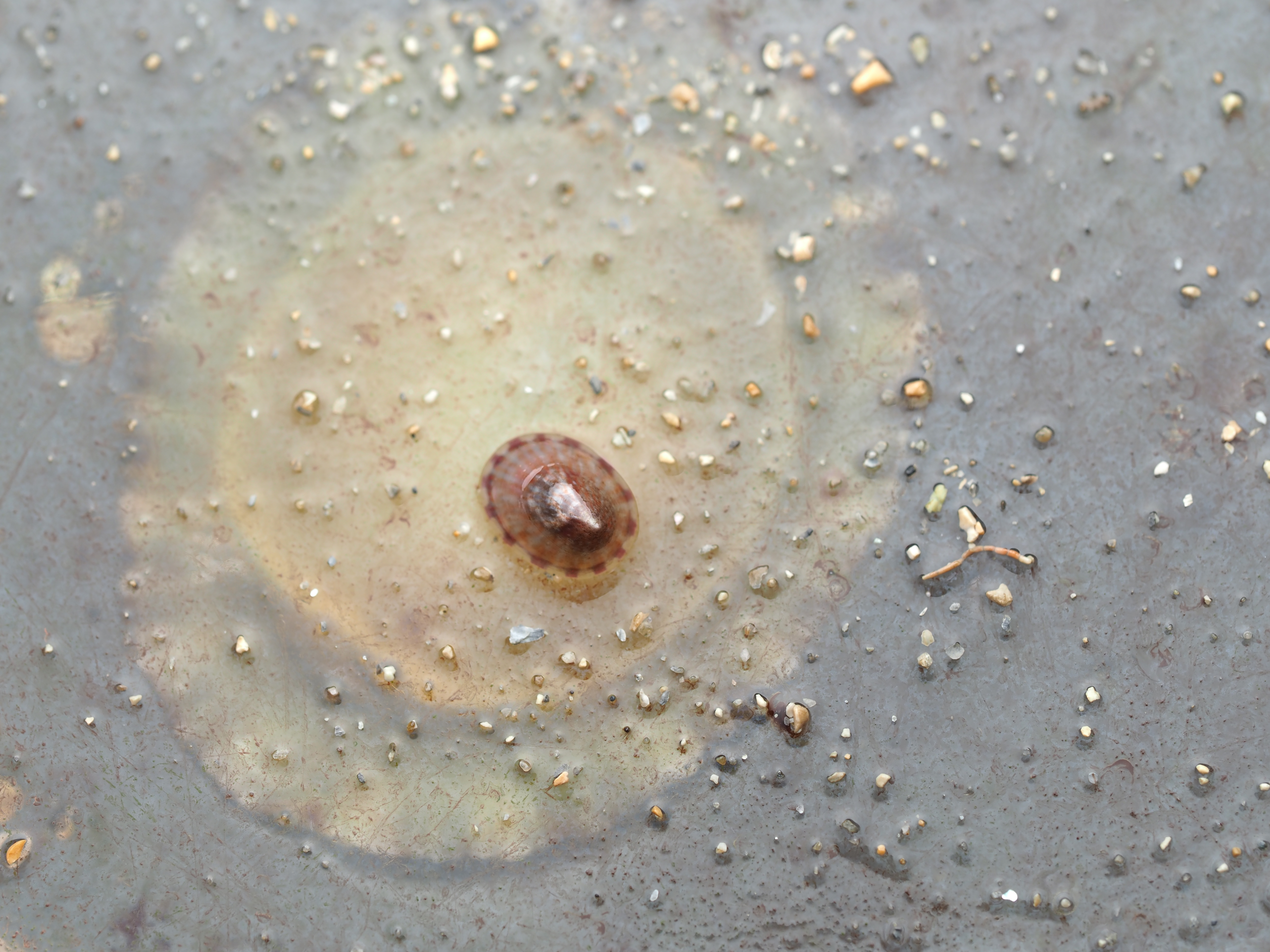
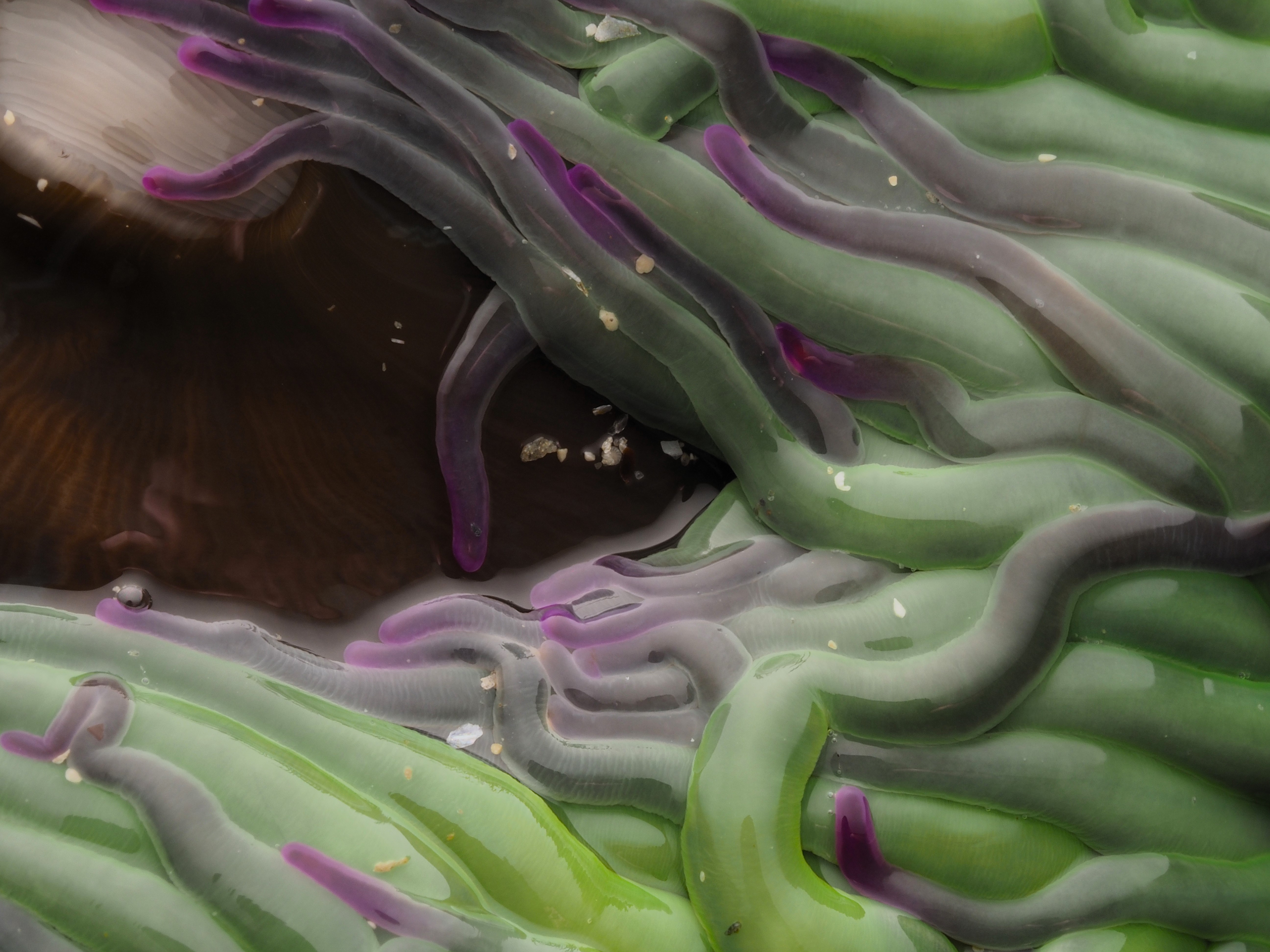
I tried my hand today at taking photos of rock pools above water – tricky! I used my Leica wide angle lens with a polarizing filter and a handheld strobe in a diffuser. It was fun playing around, although felt my back after an hour or so trying! It is difficult to keep the reflection of the flash out of the shot. The tide was not low so these are small, mid-shore pools dominated by coralline algae and some (fine) red seaweeds. Beadlet and snakelocks anemones, limpets, periwinkles, thick- and purple topshells are the most common animals. Some sunshine and blue sky – let’s see when I can try my hand at underwater photos again!
P.S. two extra pics taken a day later (without flash) near Bream Cove featuring an anemone-eating Aeolidia nudibranch.

Fish Portraits

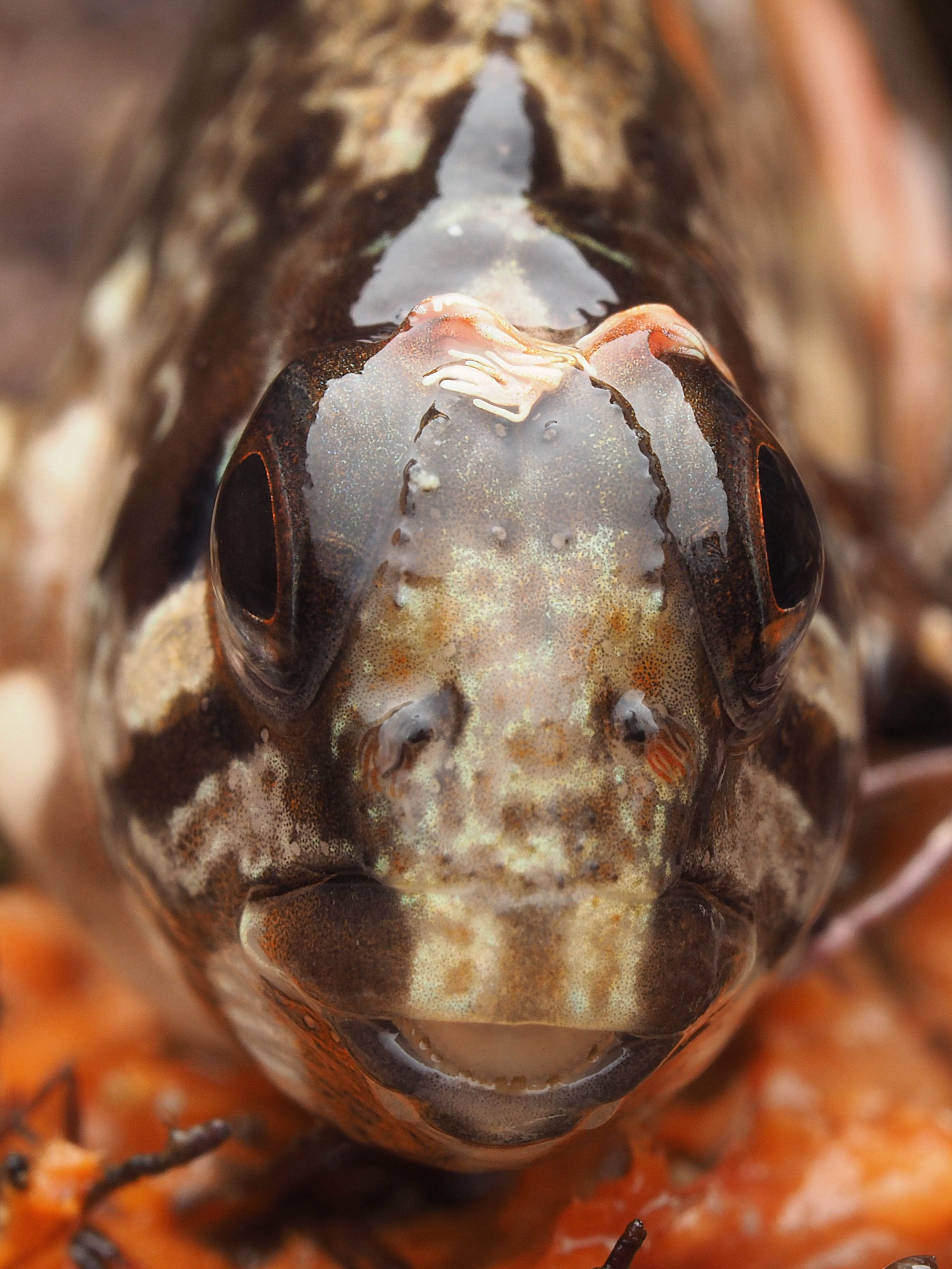
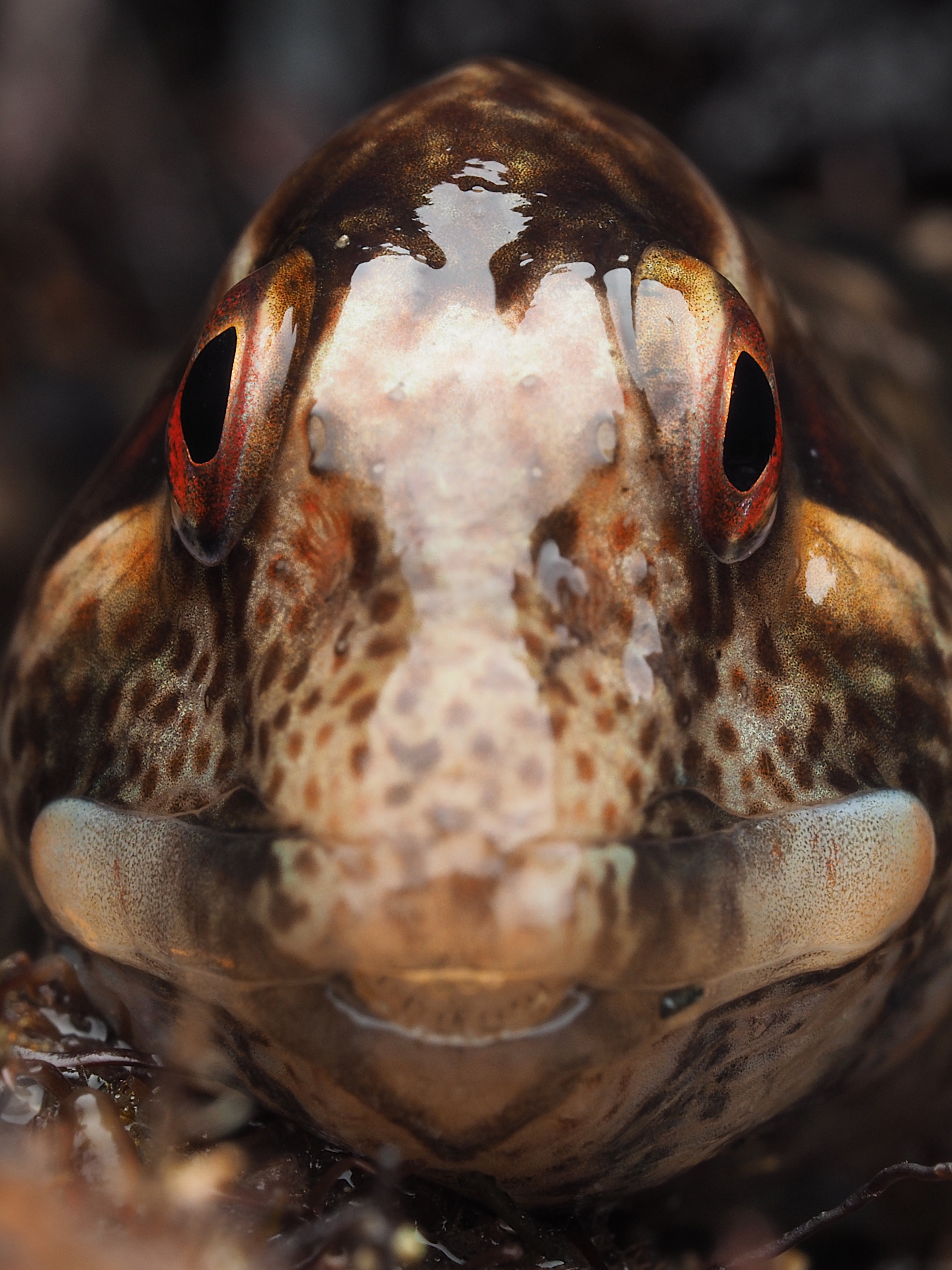
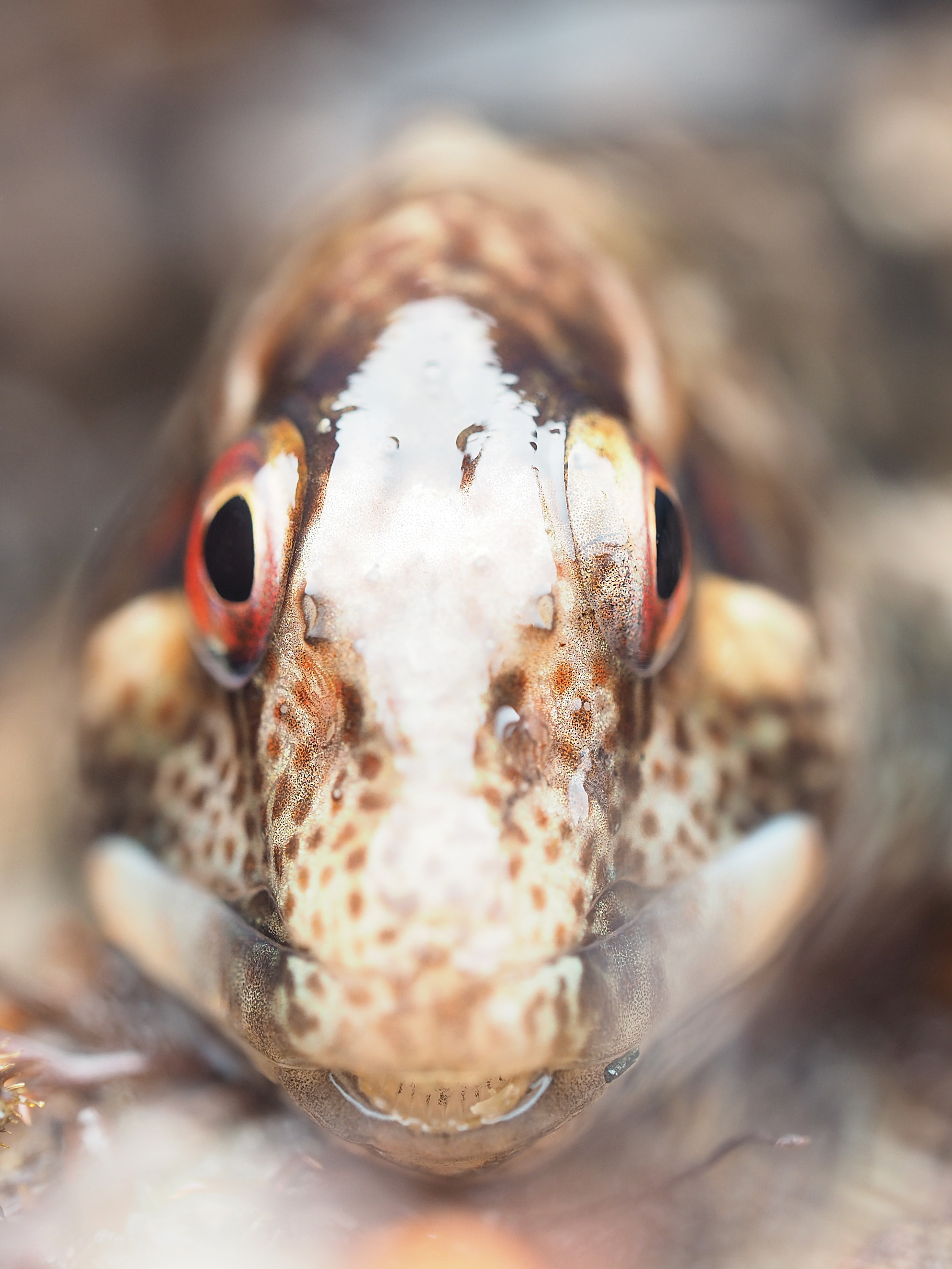
Last weekend the weather was rubbish but the tide was low, and so we went over to our local beach in Flushing for some rock pooling. I did not bring the underwater housing, but just the macro lens and my cygnustech diffuser. Above a little clingfish – this could either be a Two-spotted or a Small-headed Clingfish; they are very hard to tell apart if they are not breeding males (see pic below for scale, I had to use the extra magnification of the Raynox clip-on lens for this one). Below three other fish species: a Tompot Blenny, a Common Blenny (or Shanny) and a Montagu’s Blenny (which is from an earlier post, but I wanted to complete the set here).

Muddy Foreshore

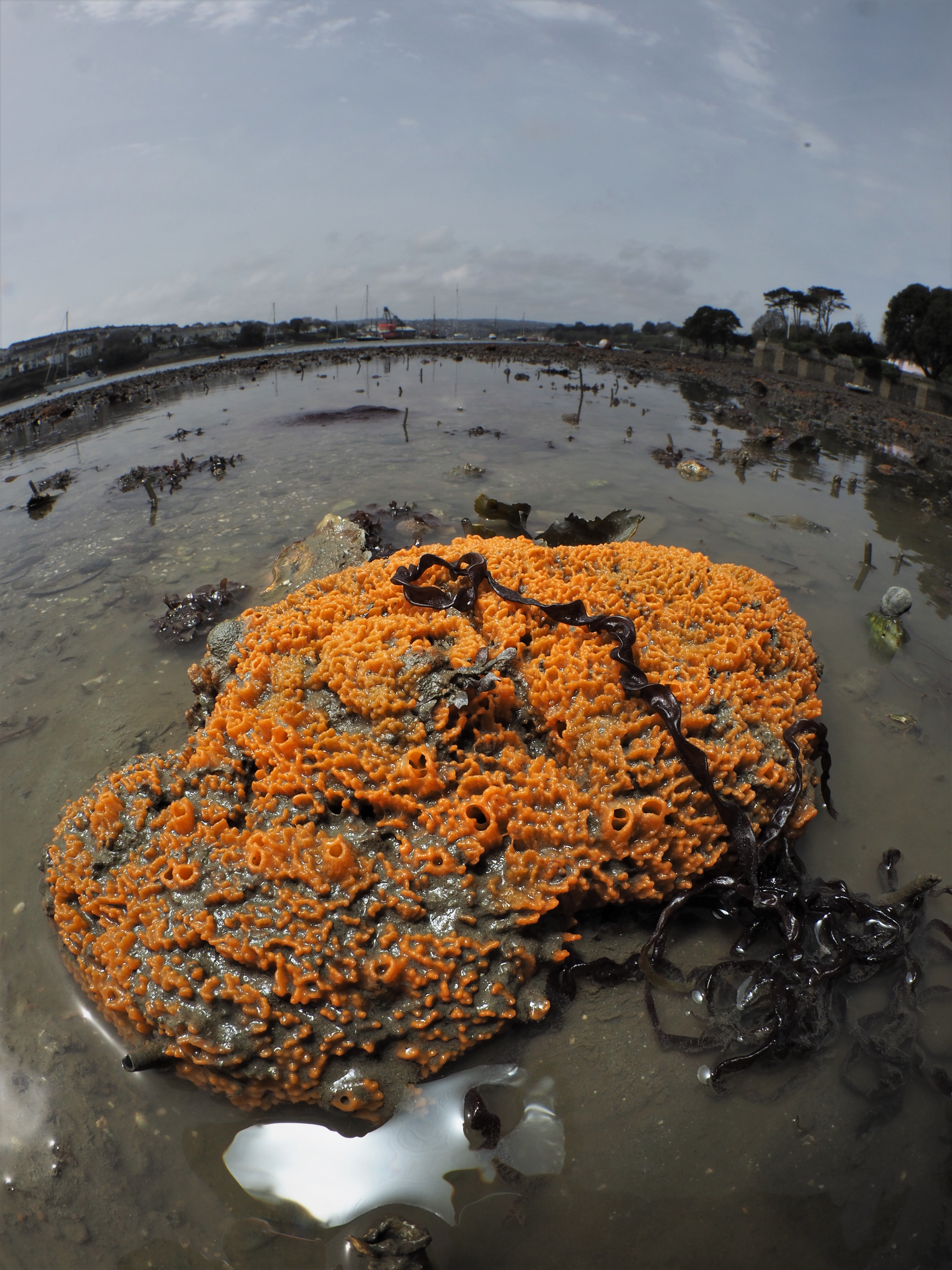
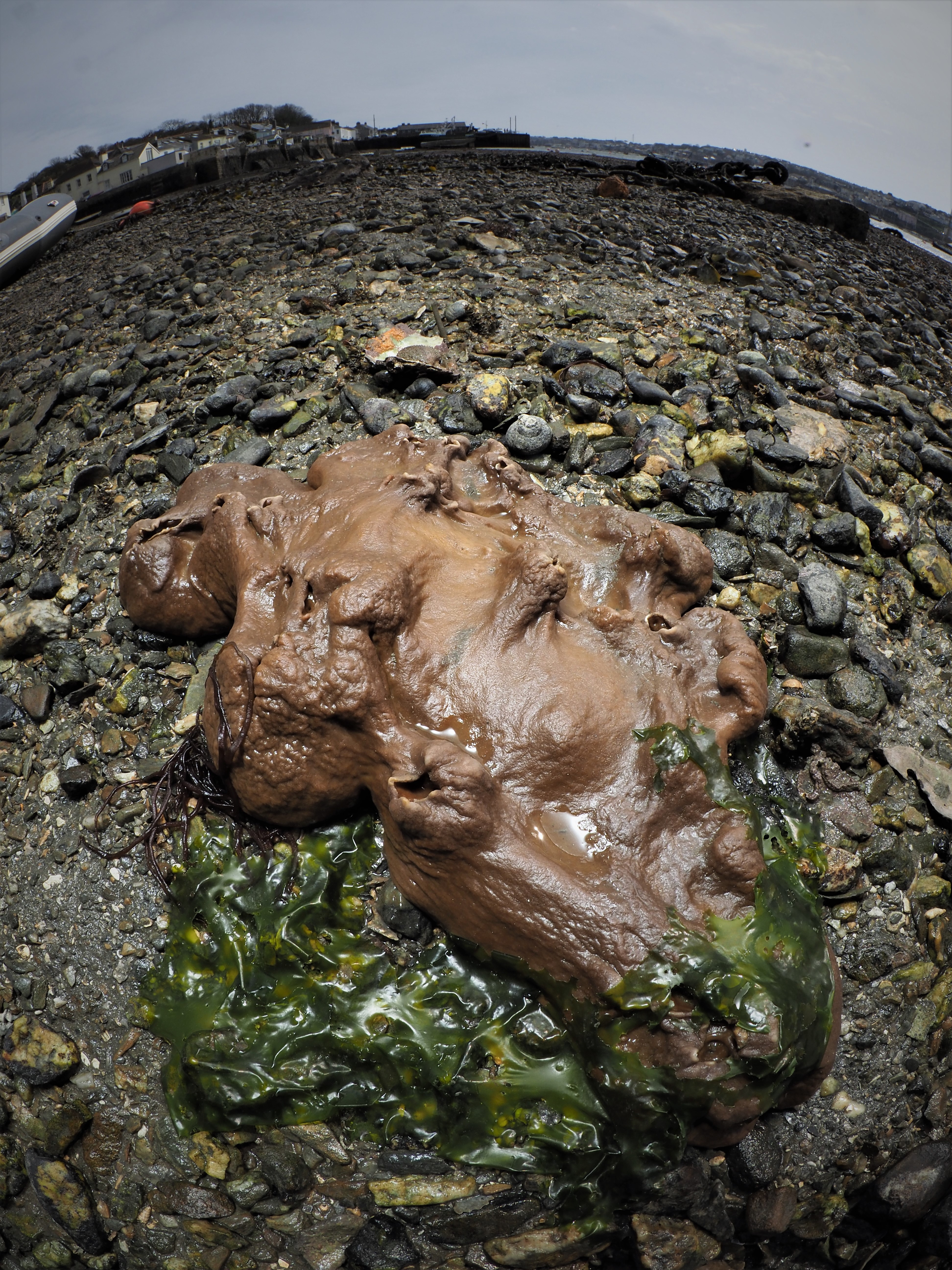
We have had some sunny spells but generally the weather has been disappointing lately, especially with regards to wind and waves. I did some snorkels with the fisheye lens to try to capture the seaweeds but the viz was such that I did not even bother to copy the images from my camera to my laptop….A crying shame as it means I have to wait a whole other year to capture the seaweeds in their full glory! (although even when most seaweed species are in decline, with good viz and some sun the pools can still look fantastic later in the season, see for example HERE or HERE). Anyhow, instead of taking my fisheye lens underwater, I tried it out on land instead, specifically on the muddy foreshore of my village Flushing. (A wide angle lens would have been better for this – no warped horizons etc – but I don’t have one.) I had a go at this a while back, before I really knew about softboxes to disperse flash light….what can I say, I am a slow learner… I recently bought a flash and a trigger so I can hold my flash in a softbox near subjects which is the way forward for these types of shots. Although not home to the most spectacular animals or backgrounds, it was fun playing around a bit. Top left: Montagu’s Breadcrumb Sponge (Hymeniacidon perlevis), top right: something that looks superficially like Elephant Hide Sponge (Pachymatisma johnstonia), although the colour and texture are off. (This specimen will be sampled by David Fenwick for a close look at the spicules (if it is a sponge and not a seasquirt!)

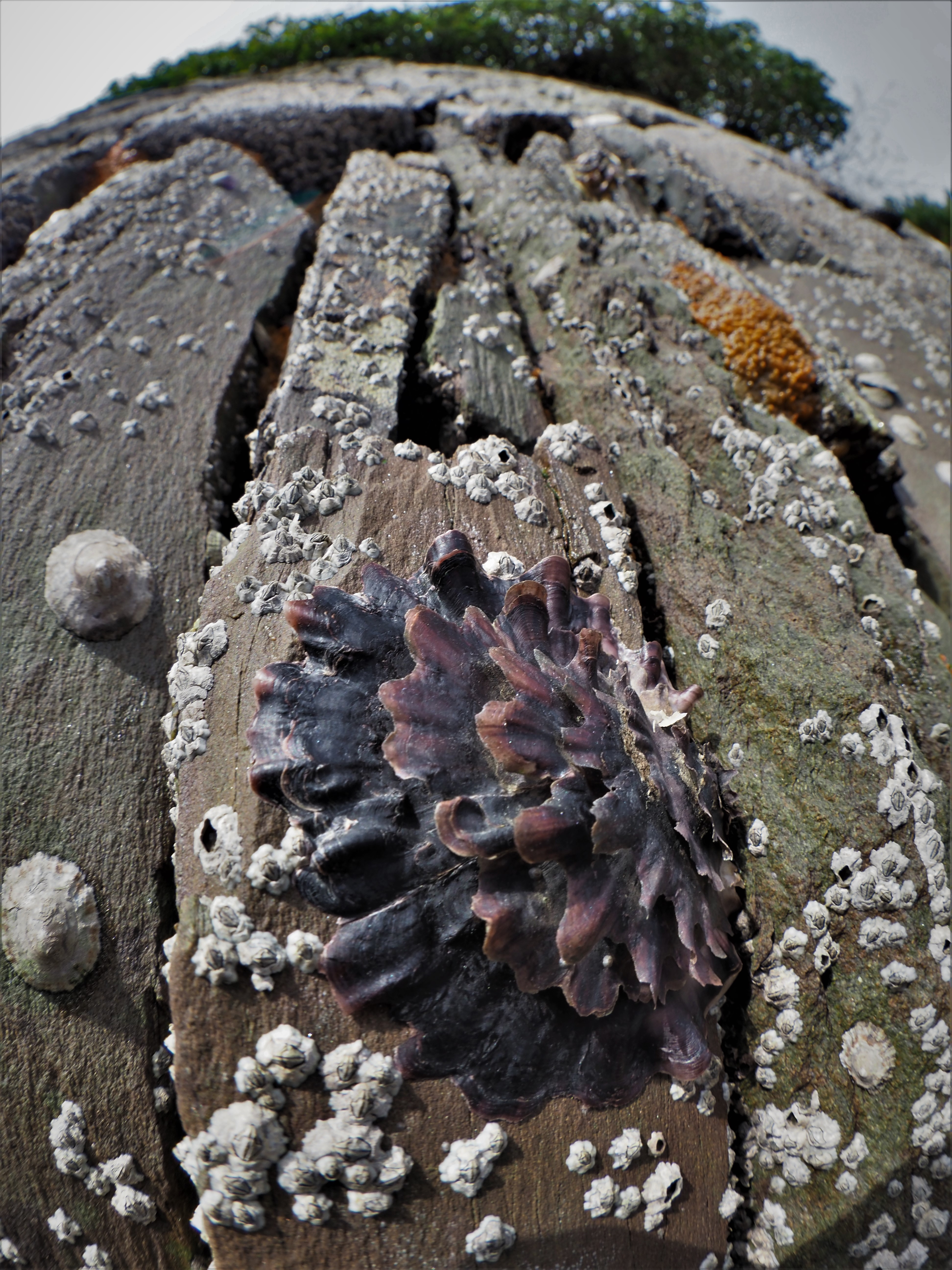
There are many oysters here too, mostly the invasive Pacific oyster (Magallana gigas) (pictured above), but also the native oyster (Ostrea edulis). I hoped to get a shot of an eel, but the ones we caught were small and a bit too active. We also found rocklings, shannies, rock gobies, a sea scorpion and interestingly a dragonet and a painted goby (I had not seen one of these before). Although there are quite a lot of interesting species to be found in the mud, I hope I’m able to go snorkeling in some clear blue water very soon!

Buoy Biodiversity

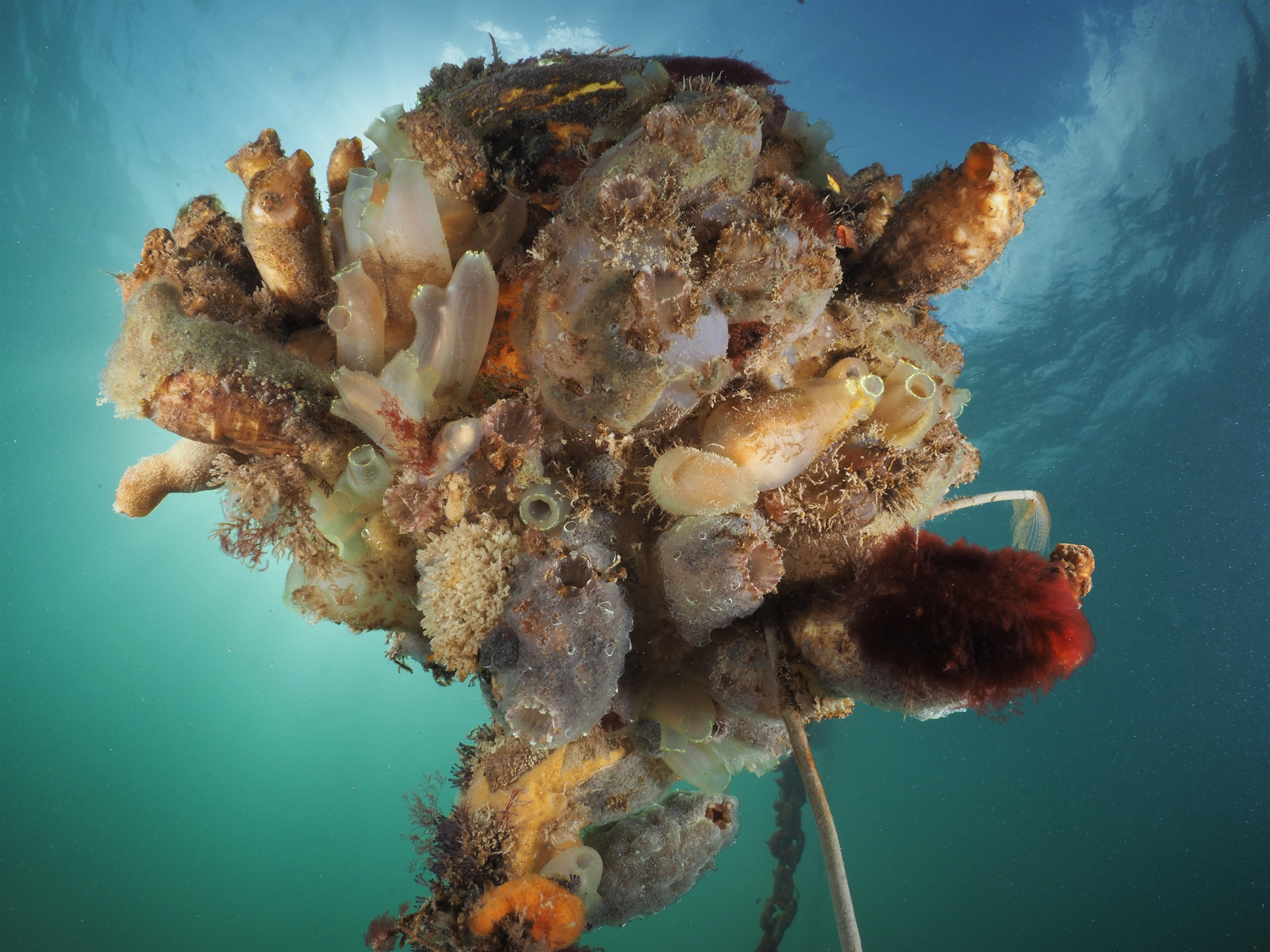
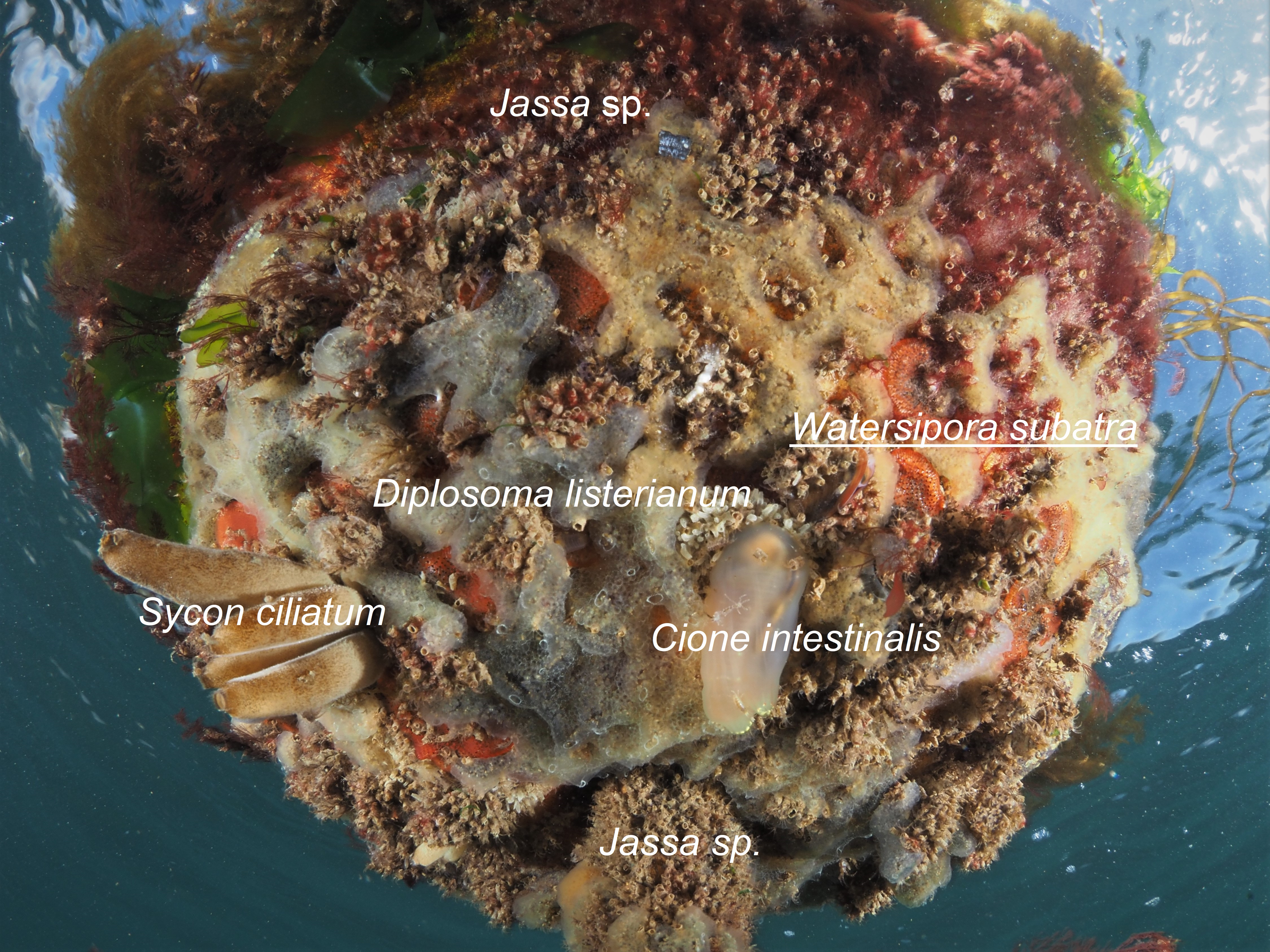
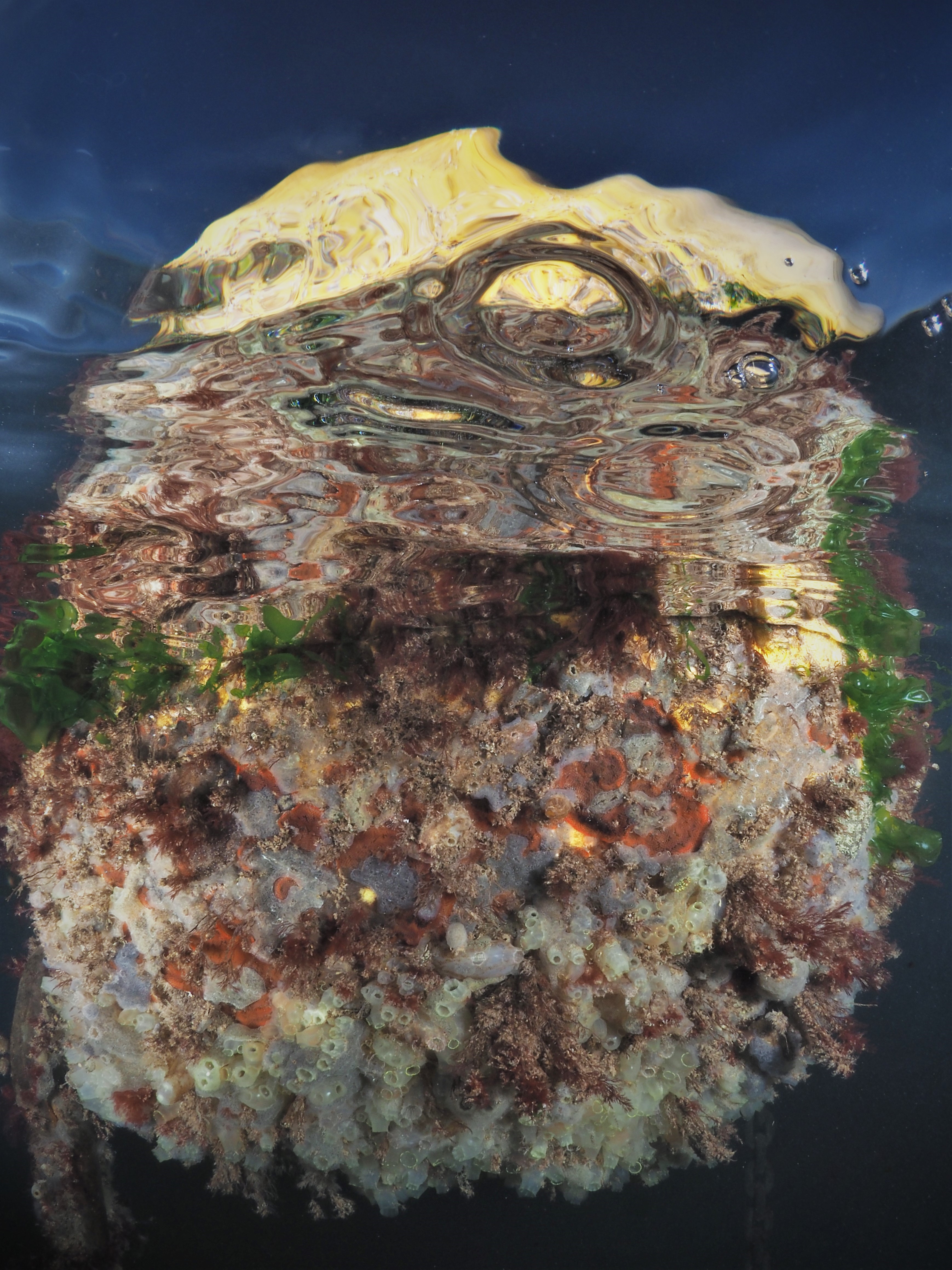
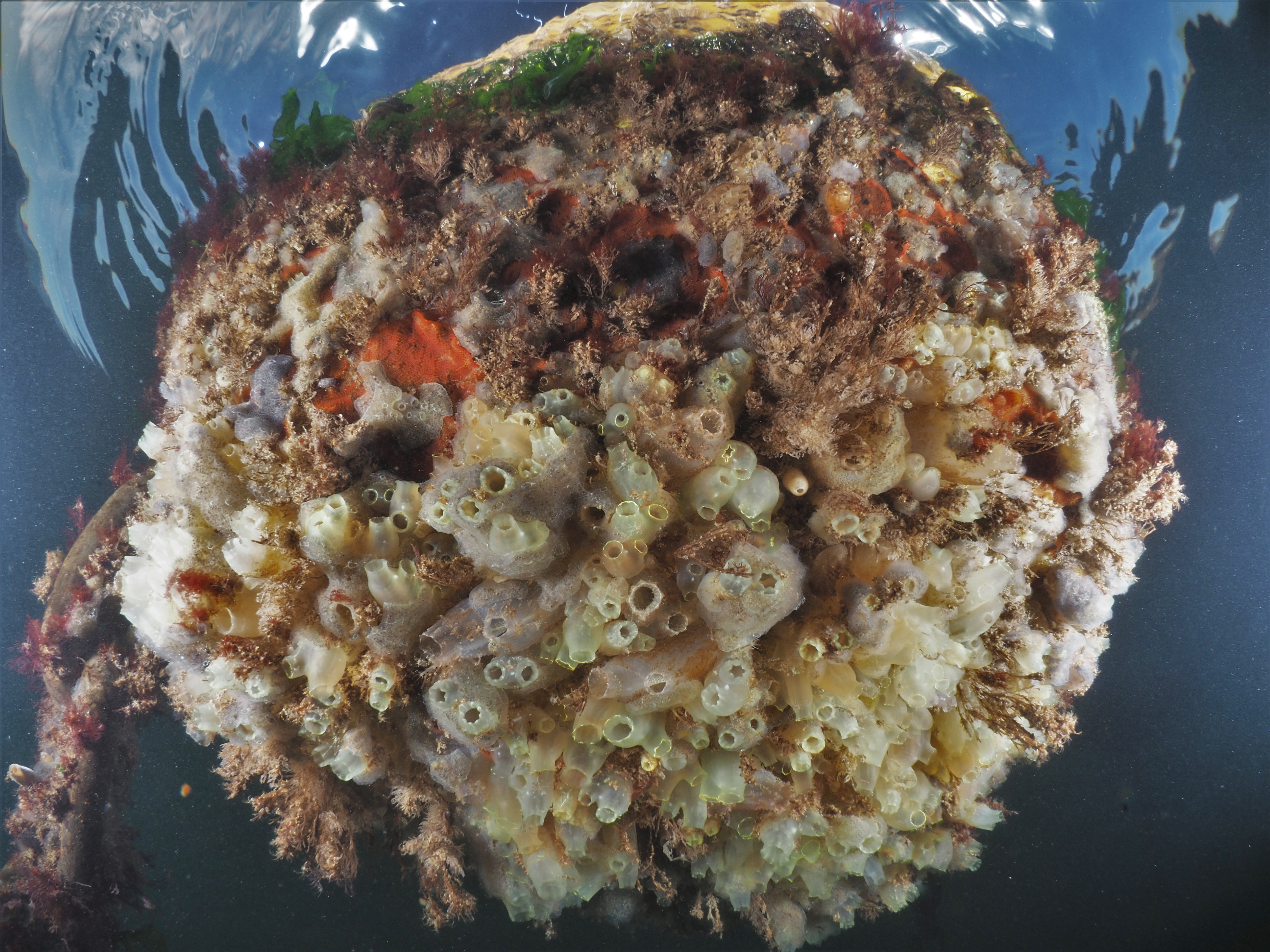
A while ago I played around with taking pics of the underside of a buoy, which was fun, and so i wanted to practice this some more. My mistake the first time (see here) was to use a fast shutterspeed (the buoy was bobbing about after all) which made the water look unnaturally dark. I tried again this weekend and it went a bit better, although I already know I can improve things. This time I thought it would be nice to put some names to the amazing fouling biodiversity (I did this before for some seaweed images, see here). Crustaceans (tube-dwelling Jassa), Sponges, Bryozoans, Seaweeds but especially a lot of Tunicates (seasquirts; both solitary and colonial species). David Fenwick (of AphotoMarine fame) had a quick look to help with some IDs; there is a more there but this was not meant to be exhaustive. I have underlined species that are invasive. Anyway, I am sure I will post more of these types of images: the buoys are always there and these organisms do not swim off when you try to take a photo!

Buoy

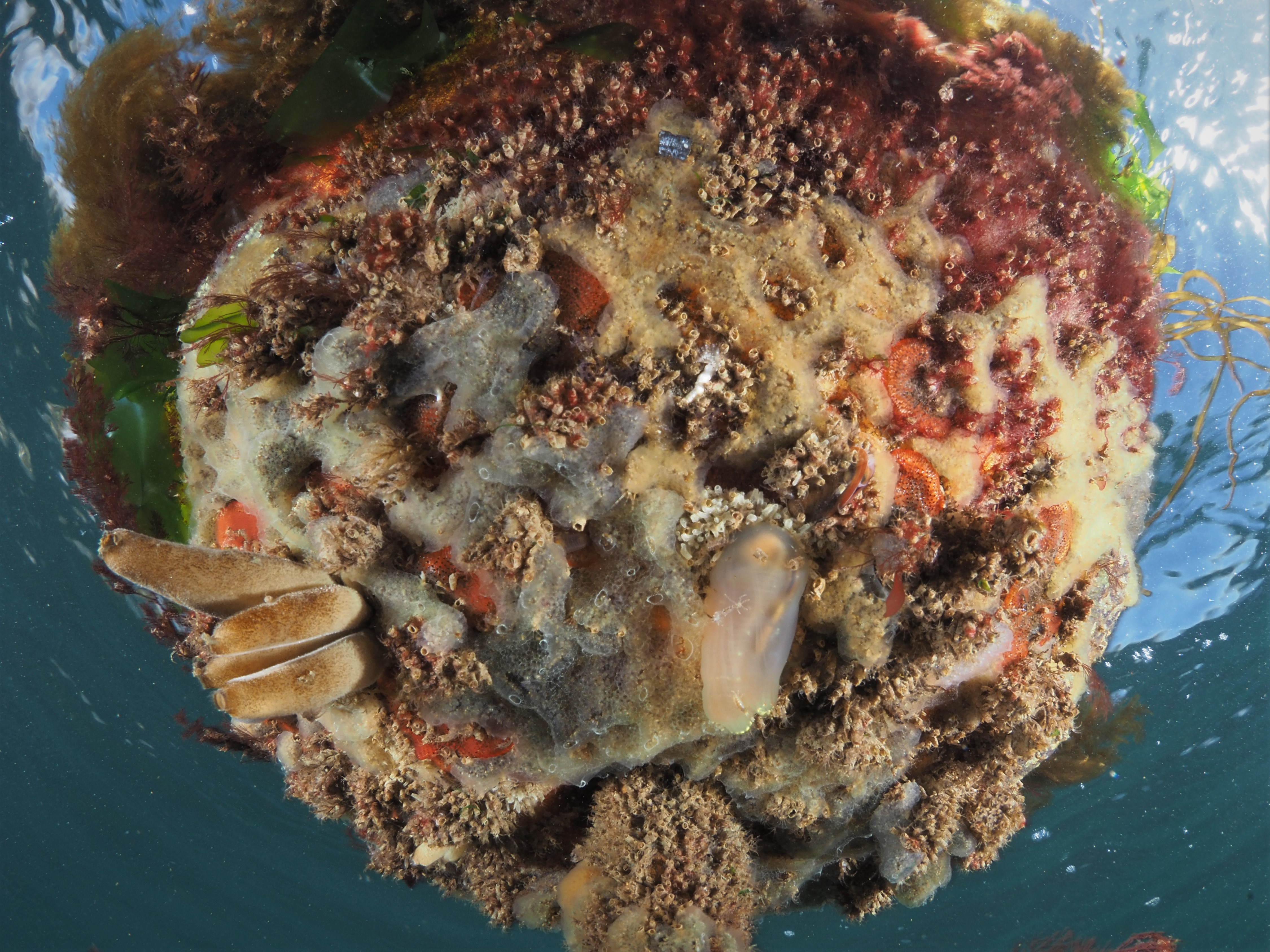
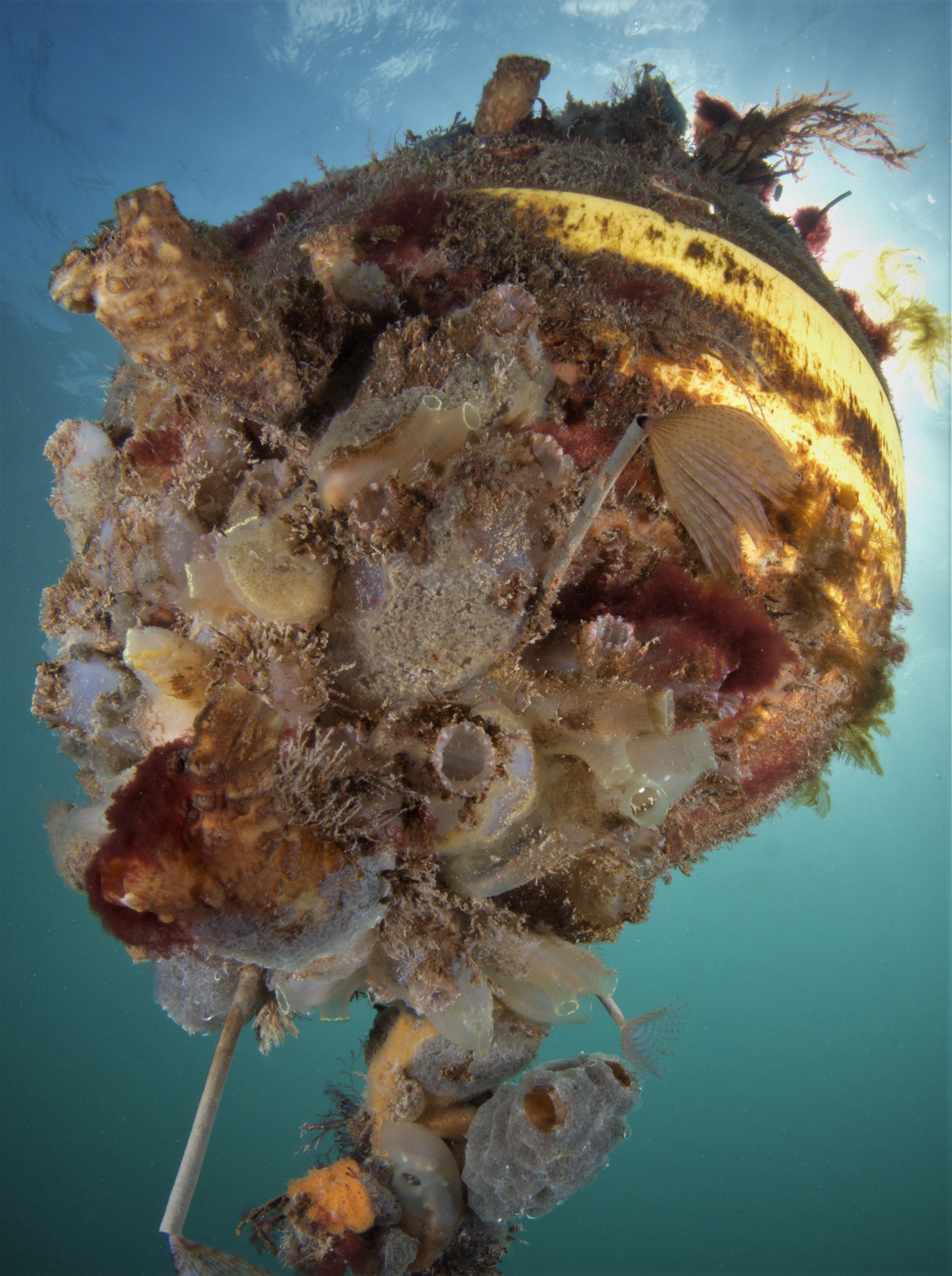
A rare sunny interval on Saturday meant I grabbed my gear for one last snorkel this year before returning to The Netherlands for Christmas. The visibility seemed good the last couple of days (judged by peering down the quay) and there was no wind, but I was quickly disappointed when sticking my head underwater at Flushing beach (also had major brain freeze!). I headed to the nearest buoy to practice some close focus wide able shots with my two strobes (one just arrive back from Japan for repairs). This proved difficult but fun. Lots of adjusting positions; outward when they created back scatter and inwards when the middle of the photo was not lit up. As the buoy was bobbing about I used a fast shutterspeed which resulted in dark water but that too has its charms. Lots of diversity, including the solitary seasquirt Cione intestinalis, colonial seasquirts Botryllus schlosseri, Diplosoma listerianum, Didemnum (maculosum?), bryozoans Watersipora subatra and Bugula and/or Bugulina species, the purse sponge Sycon ciliatum as well as tufts of red seaweeds and green Ulva. There are an enormous amount of tiny critters such as worms and snails hidden between all these species as well. It will be a nice project for next year to take a better wide able pic and complement these with macro pics of individual species.