Another snorkeling post. Last weekend off Gylly Beach and without a wet suit (sea water temperature close to 20C now!). Plenty of fish about, with my first snorkel sightings of Sea bass Dicentrachus labrax and small groups of Red mullet Mullus surmeletus. Much to my surpise I also spotted a Cuttlefish Sepia officinalis half hiding between dead seaweed drifting in the shallows. It was not particularly scared and stayed put while I swam around it but after a while it let out a squirt of ink and moved on. Of course this was just when I did not bring my lumix camera, so the next day I went back and luckily it was in exactly the same spot: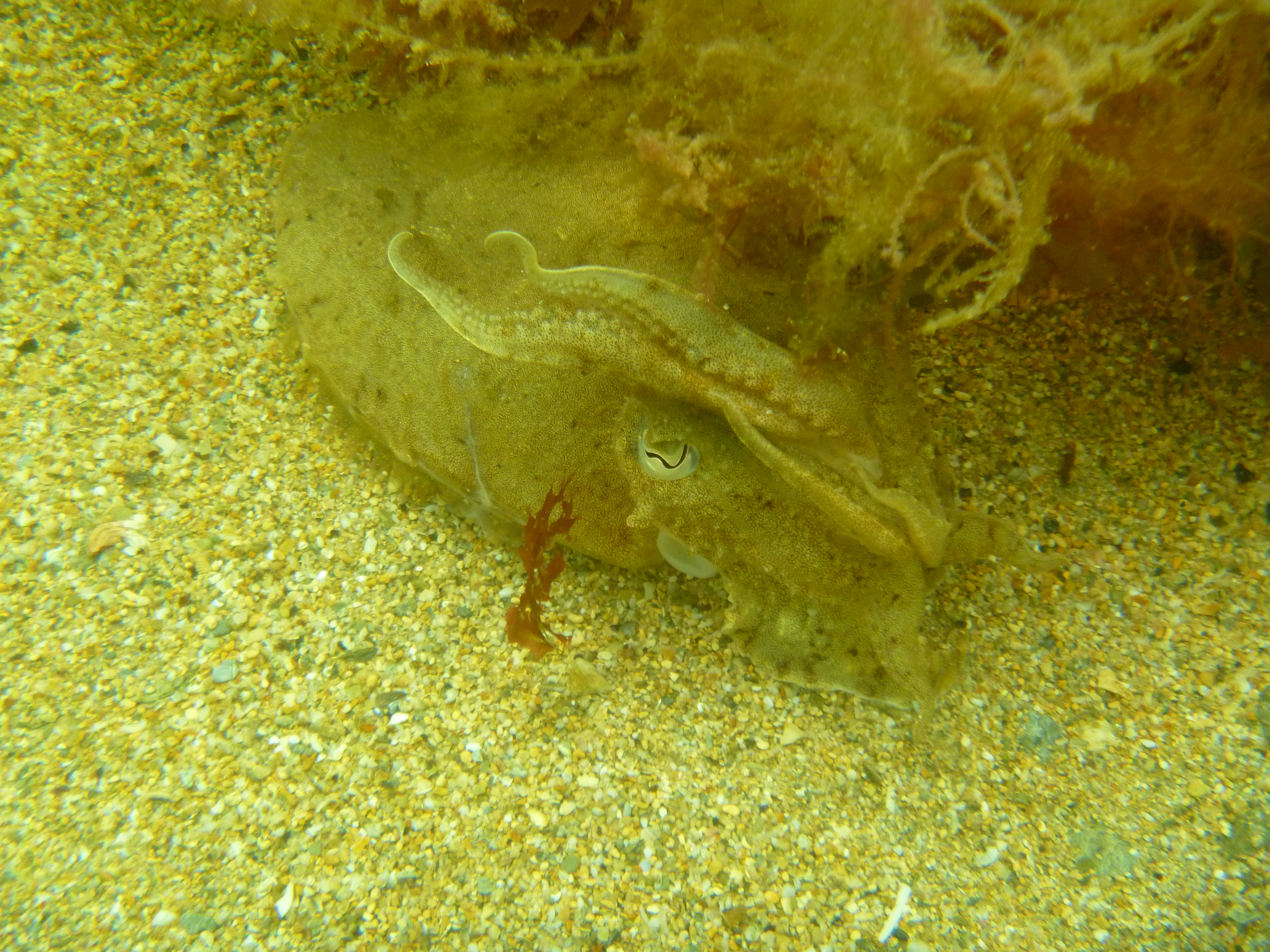 It did not end there. I next spotted a beautiful Blue jellyfish Cyanea lamarckii gently pulsating through the water column. Inbetween the tentacles three tiny fish were hiding, most probably juvenile Horse mackerel Trachurus trachurus: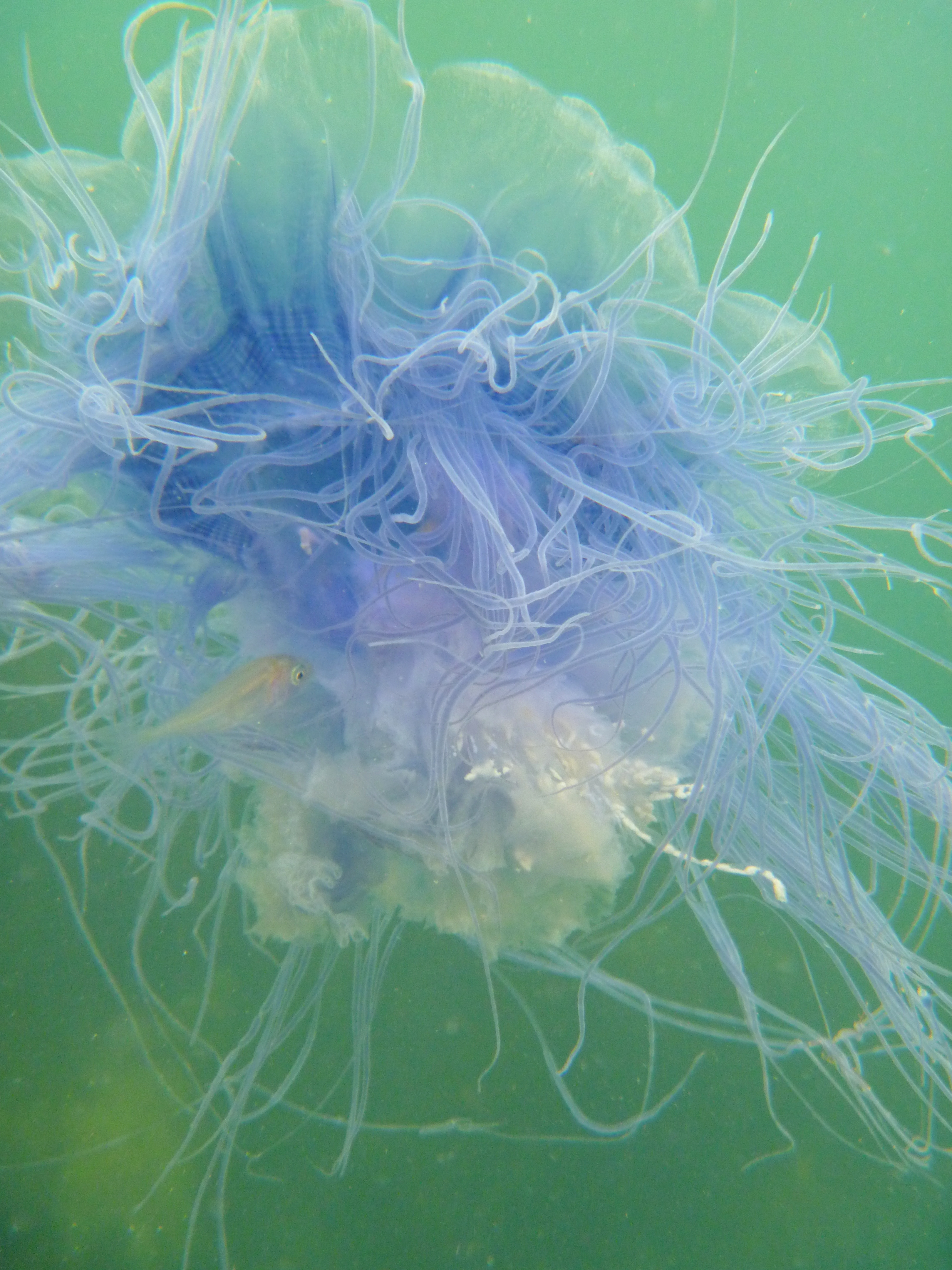
Category Archives: cnidarians
Snorkelling at Silver Steps Part I
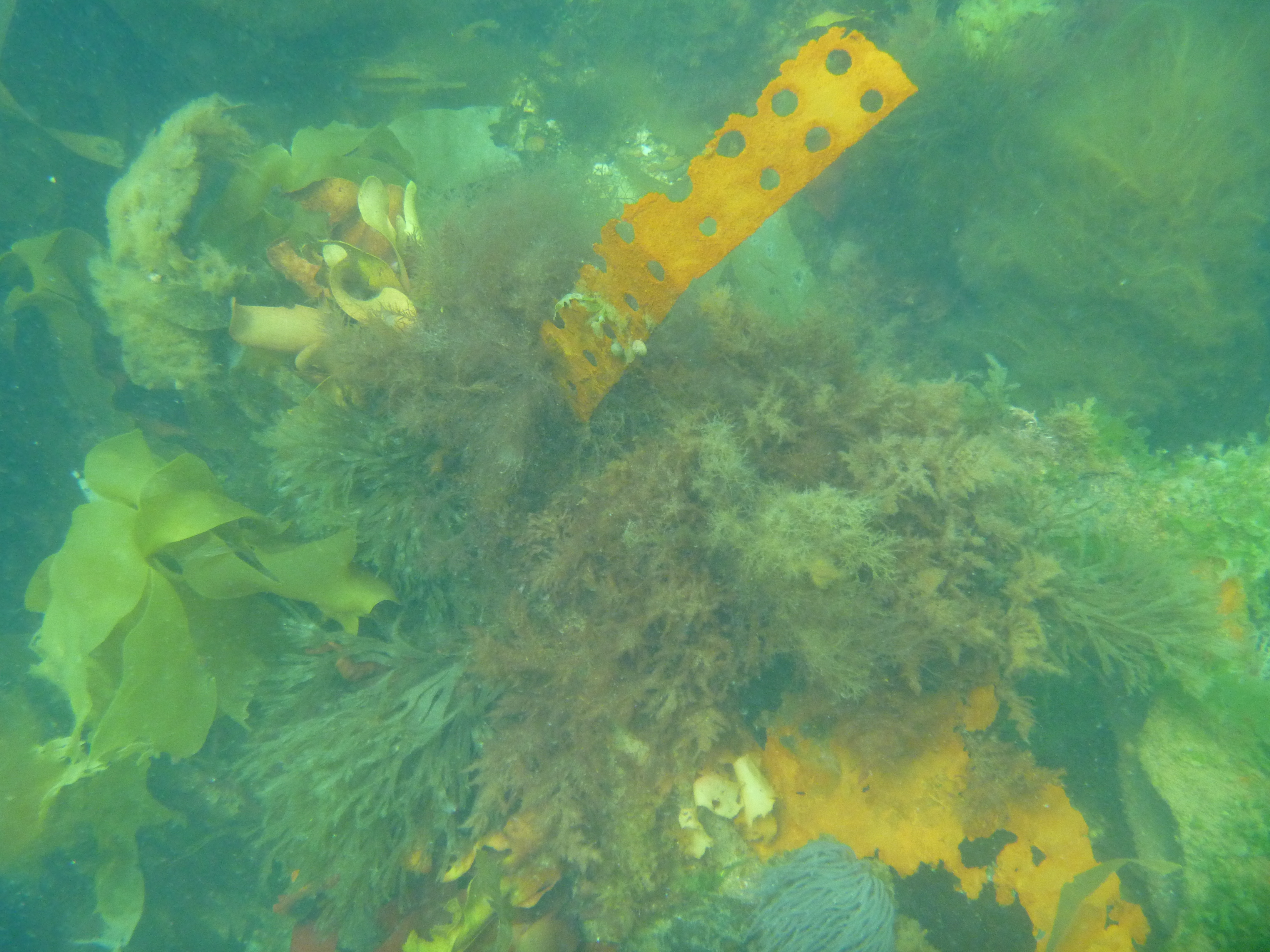
High time for a snorkel, and few better places in the area than ‘Silver Steps’, between Castle Beach and Pendennis Point in Falmouth. I took my little Lumix camera (goes up to 10 meters deep, no optical zoom) with me to take some sub-standard pics (all other photos on the blog are taken with my iPhone). This site is a mix of rocks covered in kelp and gravel and even the remains of two U-Boats (they are no longer recognisable as such though, see here for more specifics on these and other wrecks off Falmouth). There is always something to see: schools of Smelt chased by Sand eels, hovering Two-spotted gobies, Corkwing and Ballan wrasse, Spiny starfish and loads of seaweeds. In fact, there was so much to see that I have divided the pictures over two posts. First a photo of the site and some of the U-Boat wreckage: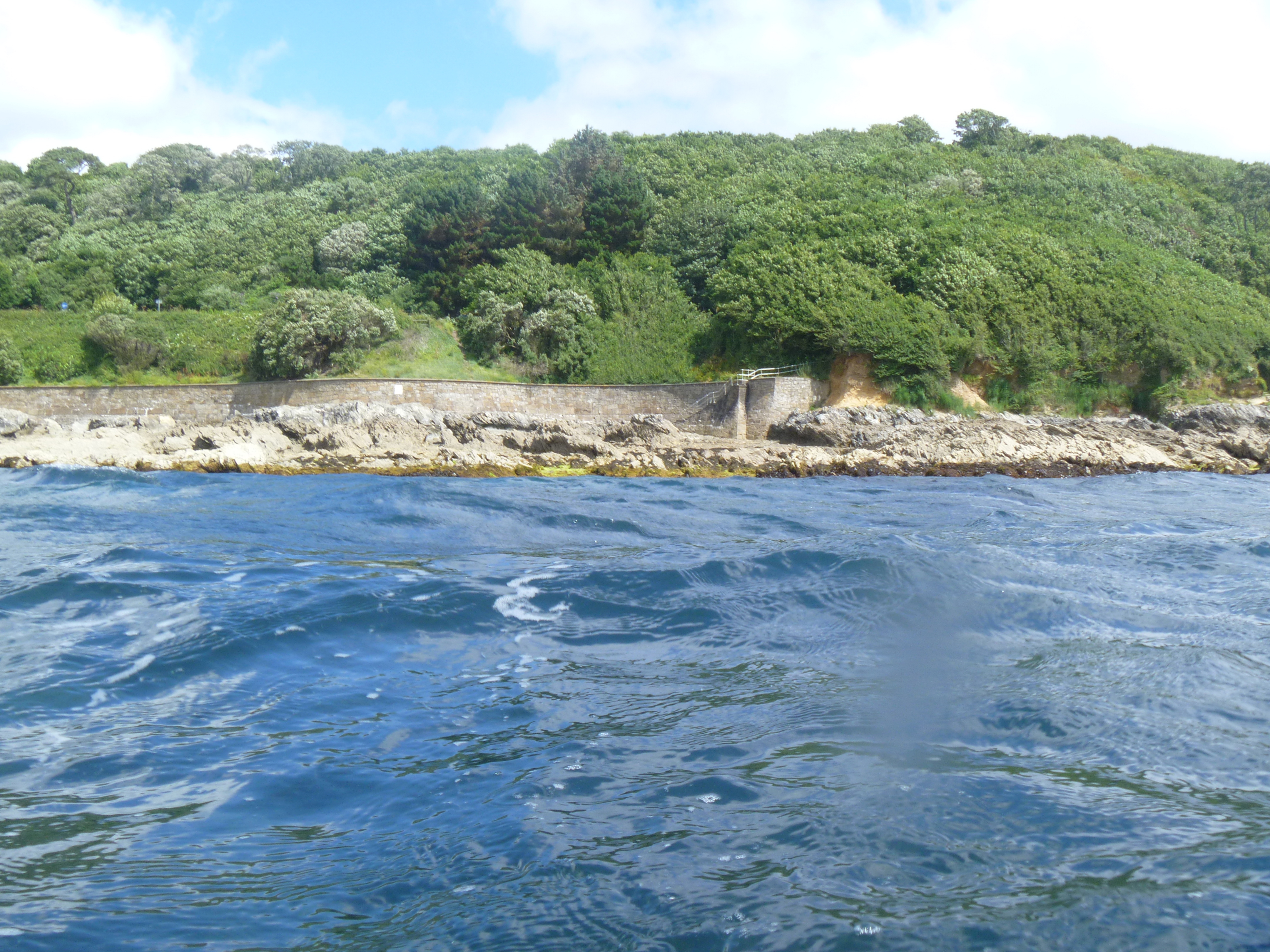
 We were in for a nice surprise: a good-sized John Dory Zeus faber at around seven meters depth. I have posted a very nice picture from my first and only dive in Cornwall courtesy of Charlotte Sams, but here a short, jittery video as well:
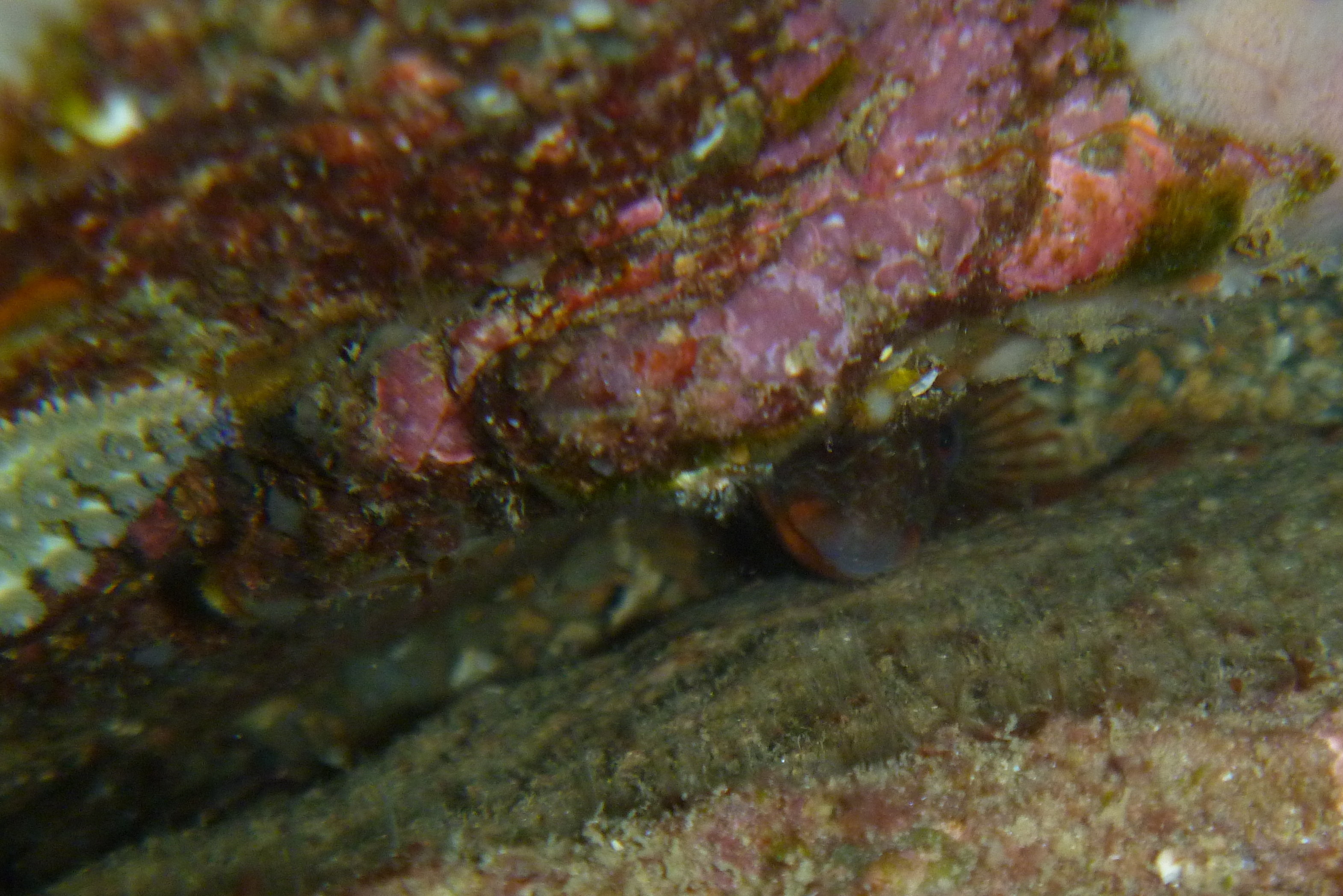
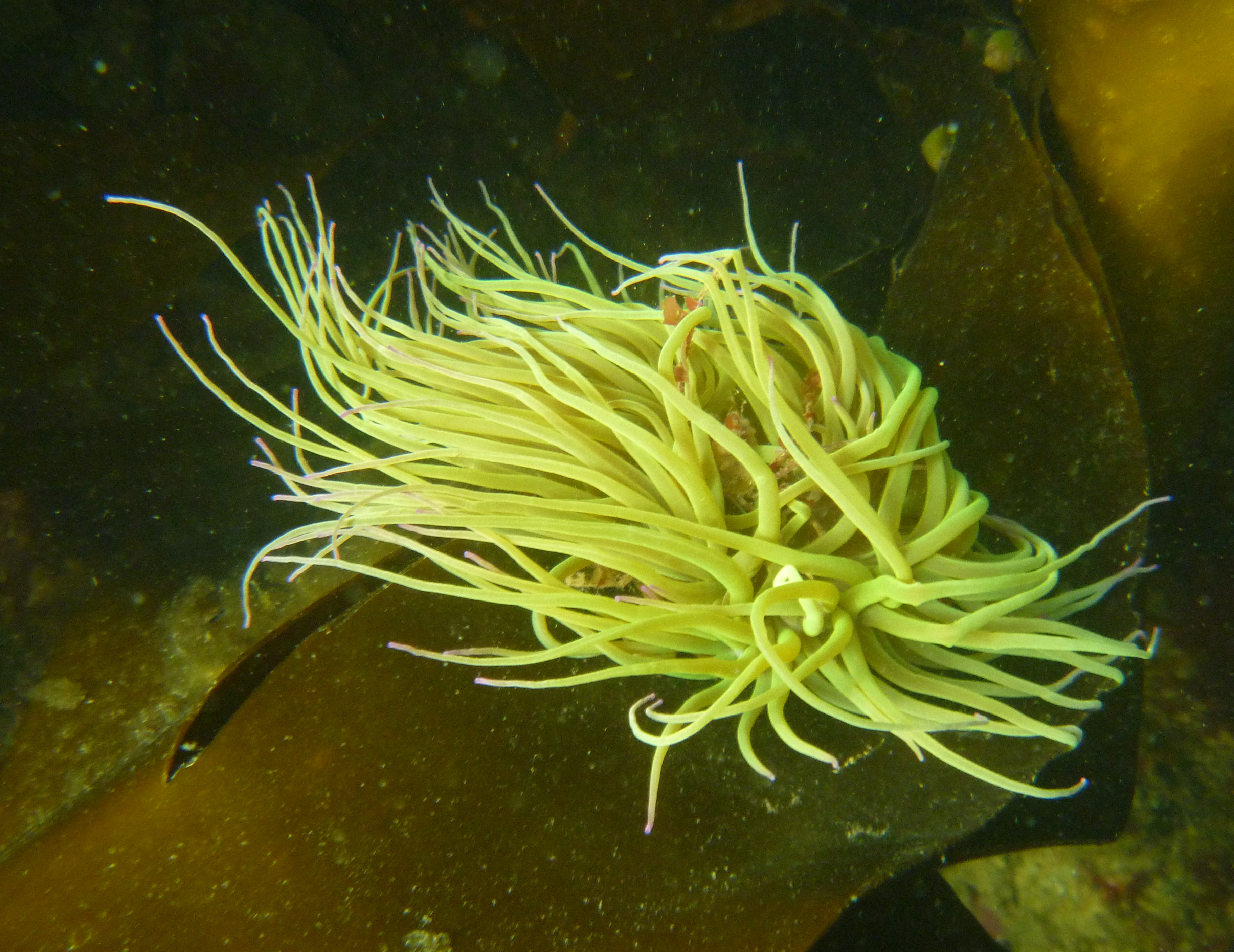
Anyway, a perhaps even nicer find were Leopard-spotted gobies Thorogobius ephippiatus. Some sources make it seem like this is a rare species only ever encountered by divers, but it is actually not uncommon and we saw them at two meters down (the tide was low though). It is a shy species that lives under ledges, burying between the rock and the gravel. The picture is crap but also proof I am not lying. The next picture is of a Tompot blenny Parablennius gattorugine peeking from a crack in the rocks. Large snakelocks anemones are everywhere on the kelp, and although a month ago I saw none, many of them again housed commensal Leach’s spider crabs Inachus phalangium. (These anemones and crabs do well in the aquarium btw, see here.) It would be interesting to know if these crabs arrive from deeper waters or just grow up really fast.
low tide finds at Flushing
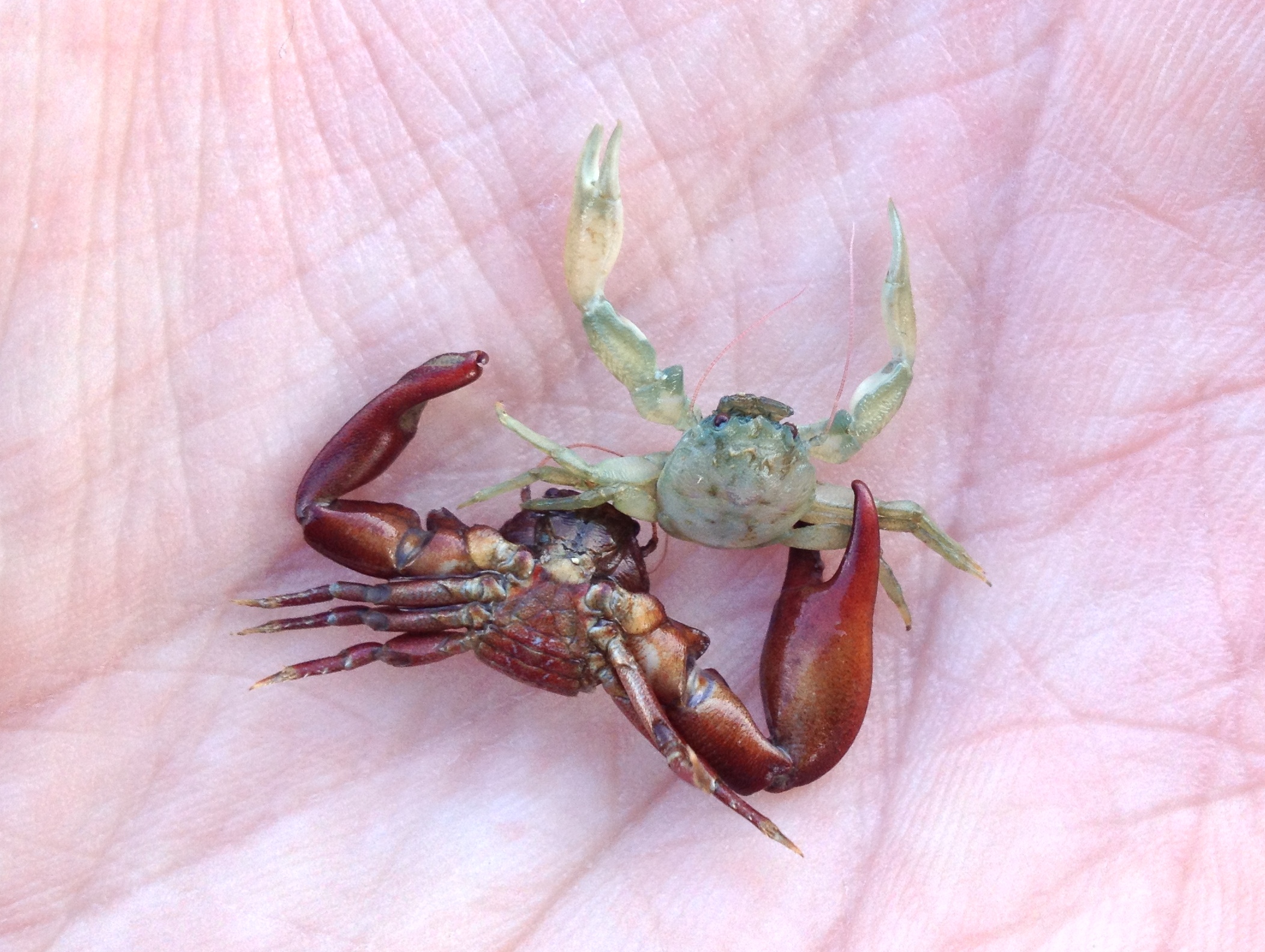
The day after the very low tide excursion in Falmouth, I had a look in Flushing as well. This site is less pretty, more silty and estuarine, and has a slightly different fauna as well, especially on the muddier areas below the rockpools. (I have written a post about ‘mud pooling’ before.) Lots of sponges, Variegated scallops, European cowries, Hooded prawns and Common squat lobsters. This time I noticed that Hairy crabs Pilumnus hirtellus are common here too. Two diffently coloured Long-clawed porcelain crabs Pisidia longicornis:
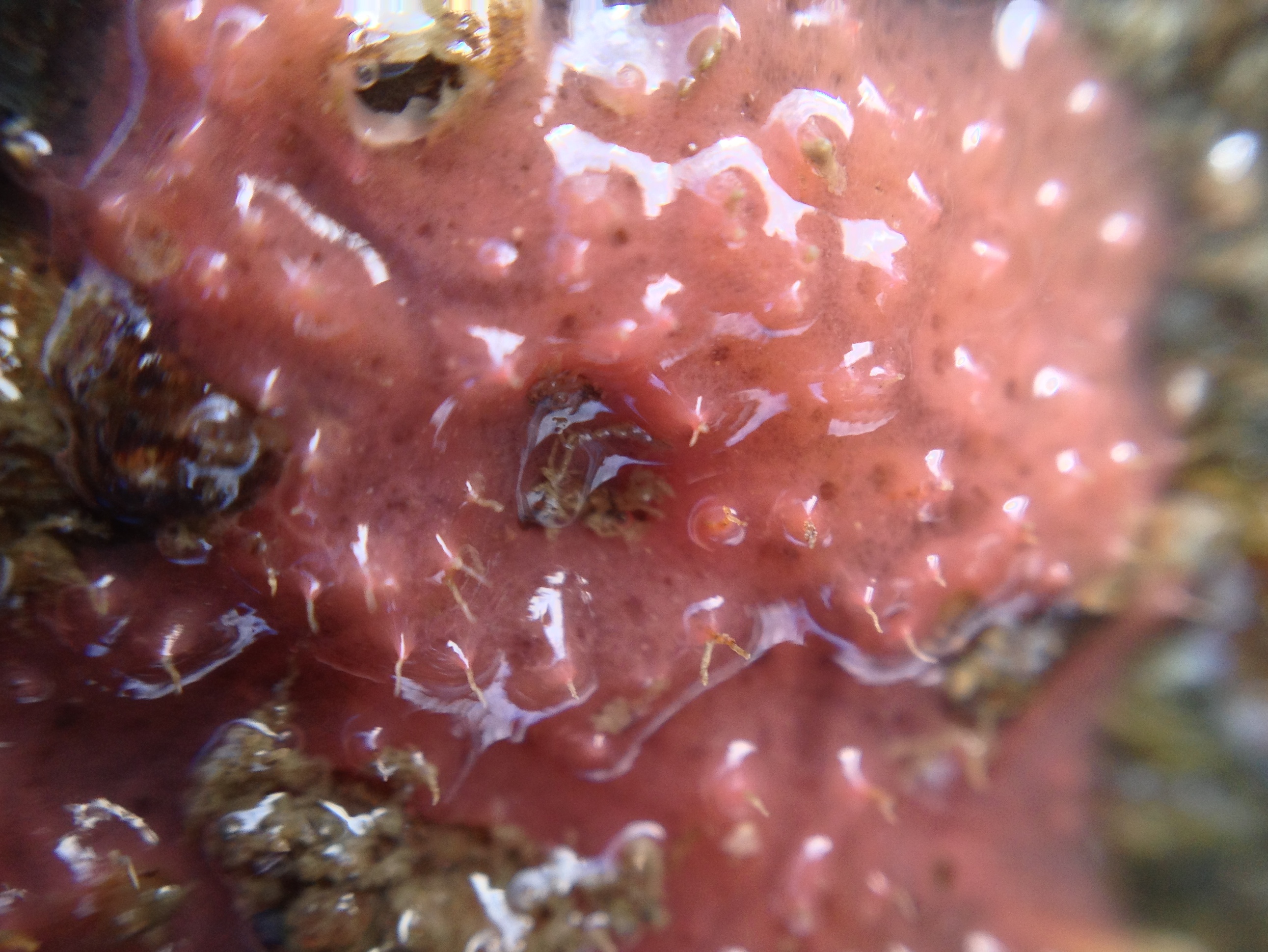
 A pretty sponge Aplysilla rosea (determined using the Aphotomarine page as it was not featured in my otherwise excellent Collins guide):
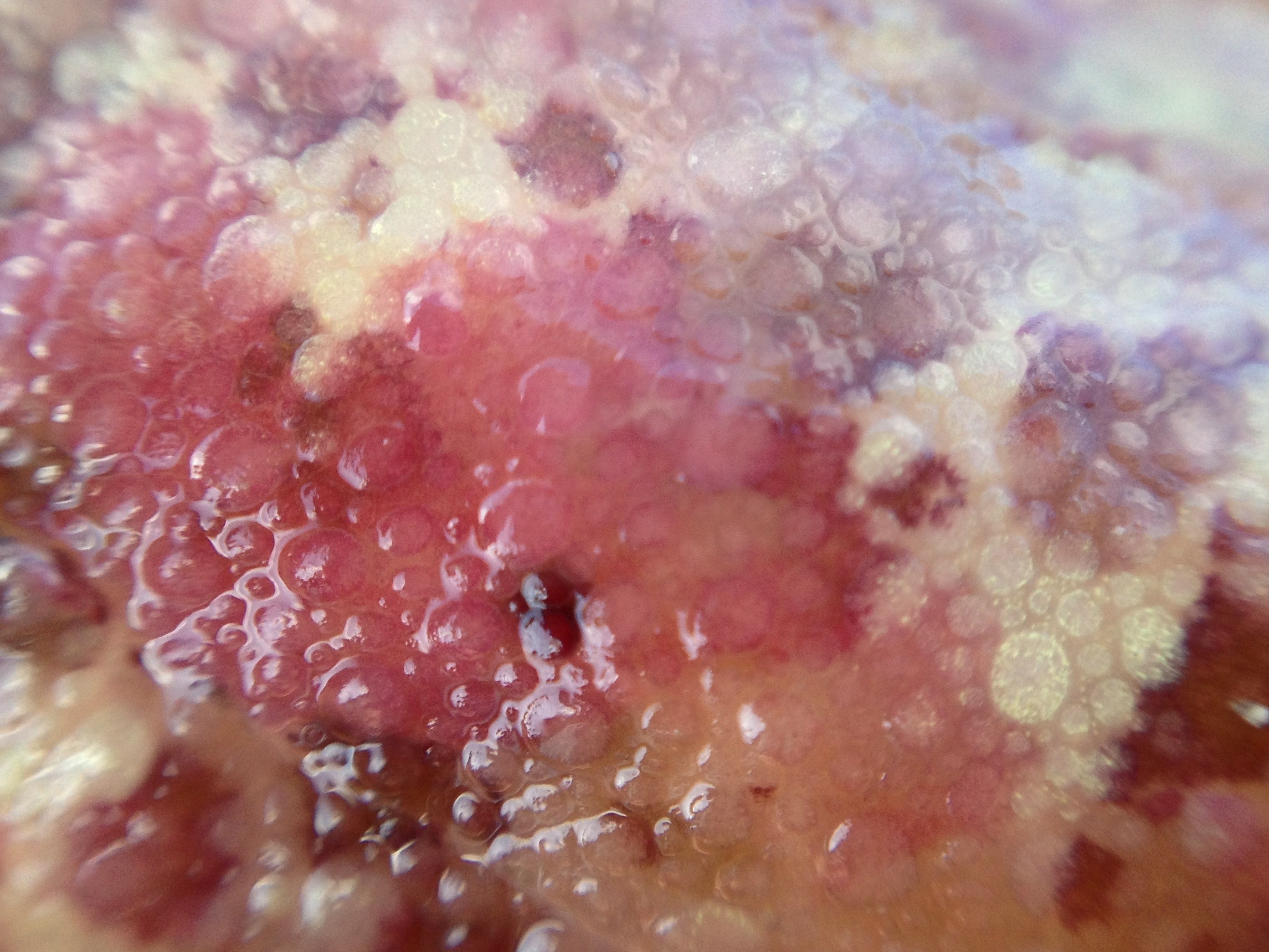
 I had seen one before, but with this low tide I found several Sea lemons Archidorus pseudoargus, large sponge-eating nudibranchs. A large one and a small one together (on the right side of each you can see the ‘naked gills’ which are not extended above water):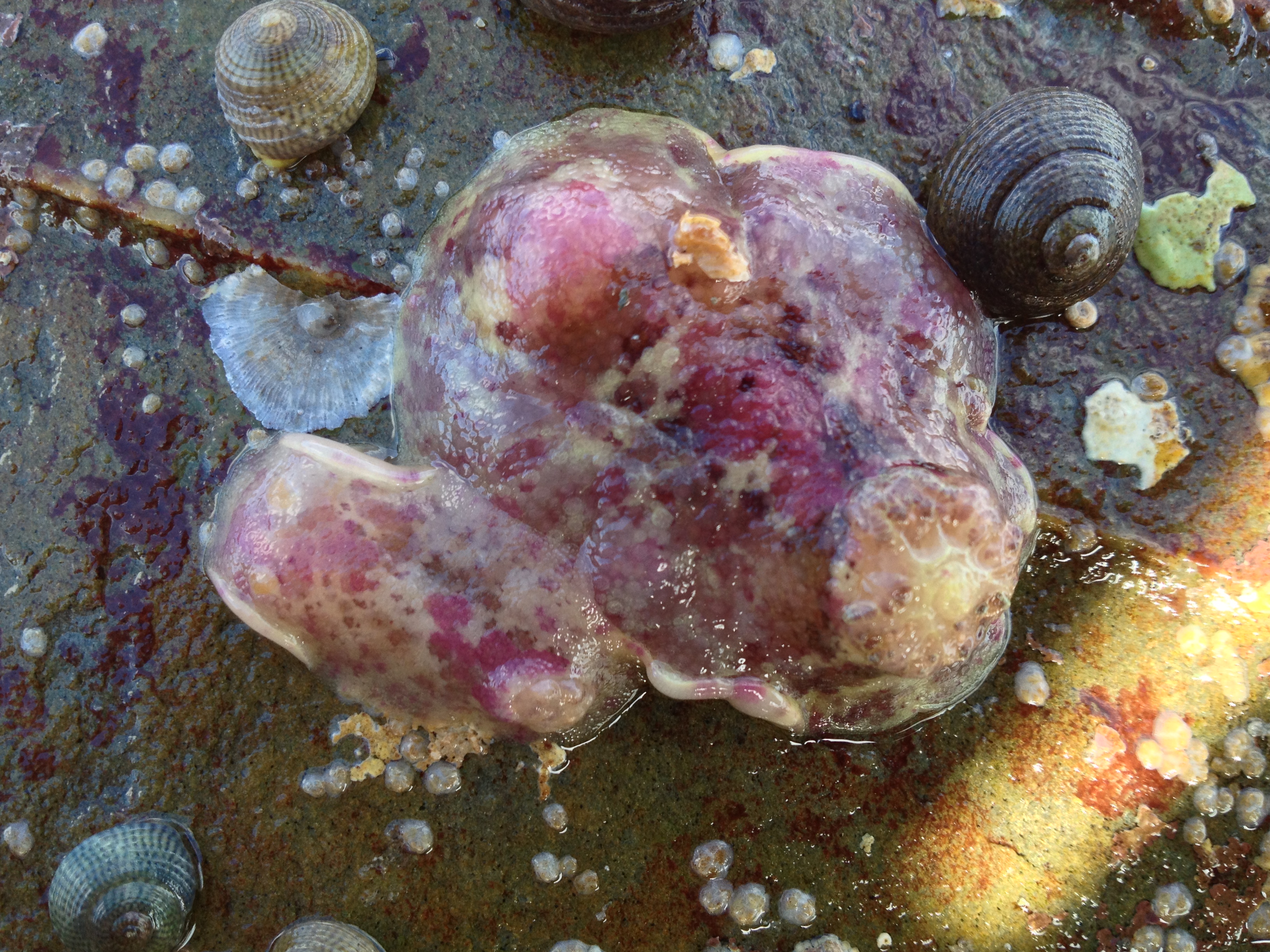
Another, bigger individual (European cowries and Thick-lipped dog whelks for scale) again with a smaller individual half under it:
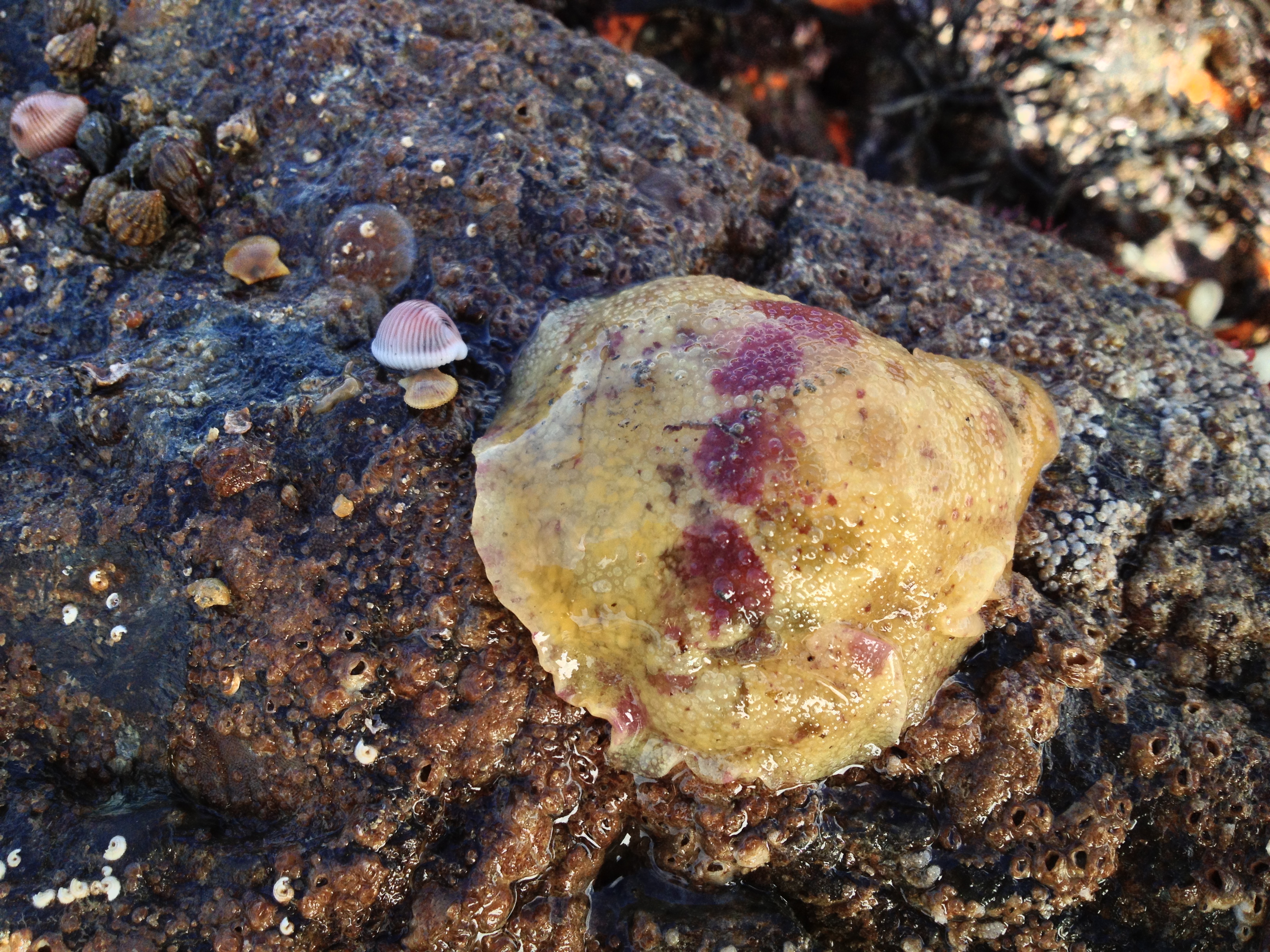 You can see some tiny juvenile Variegated scallops Chlamys varia too. I found my biggest one to date:
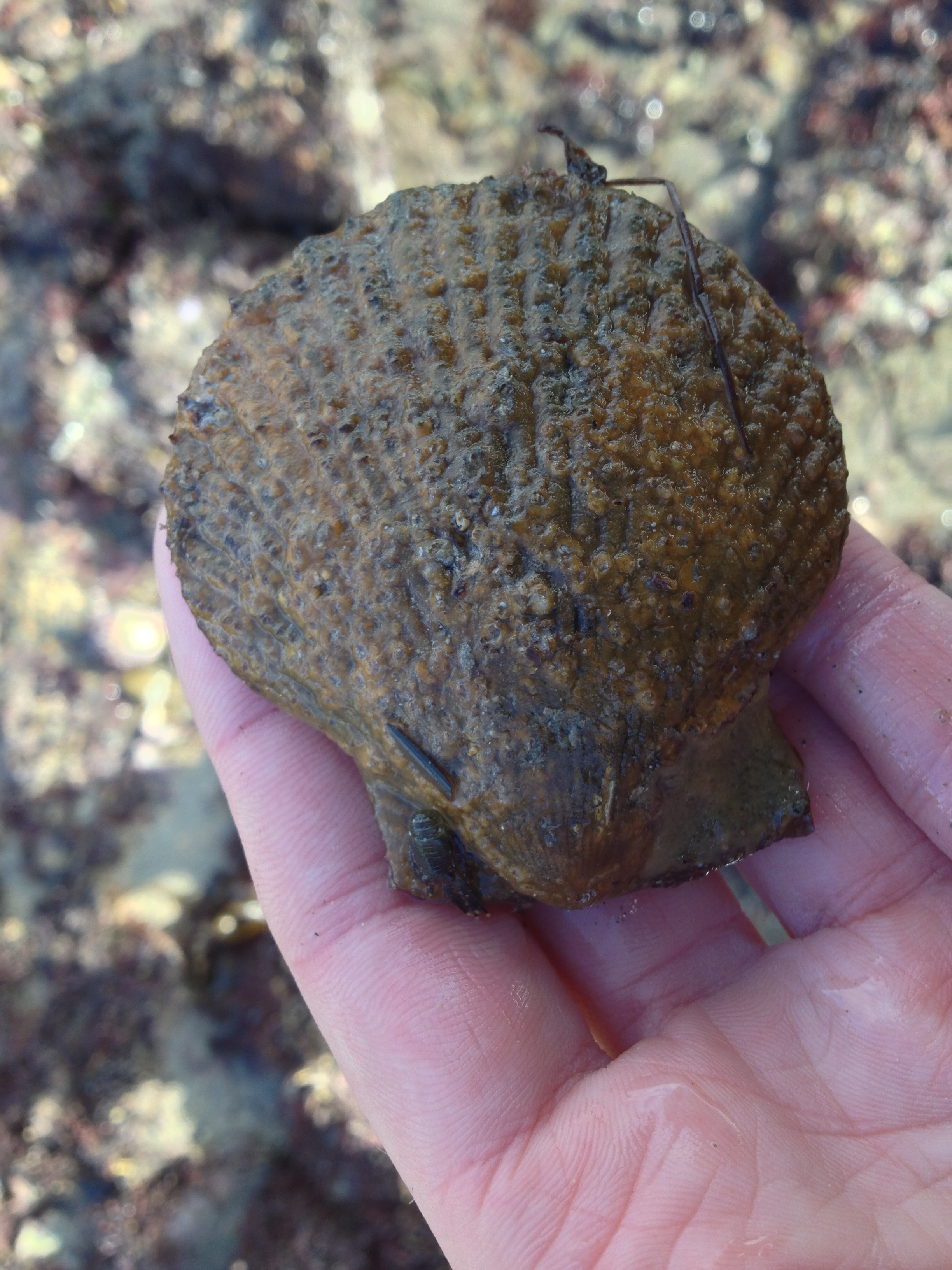 They can be much prettier than that though!
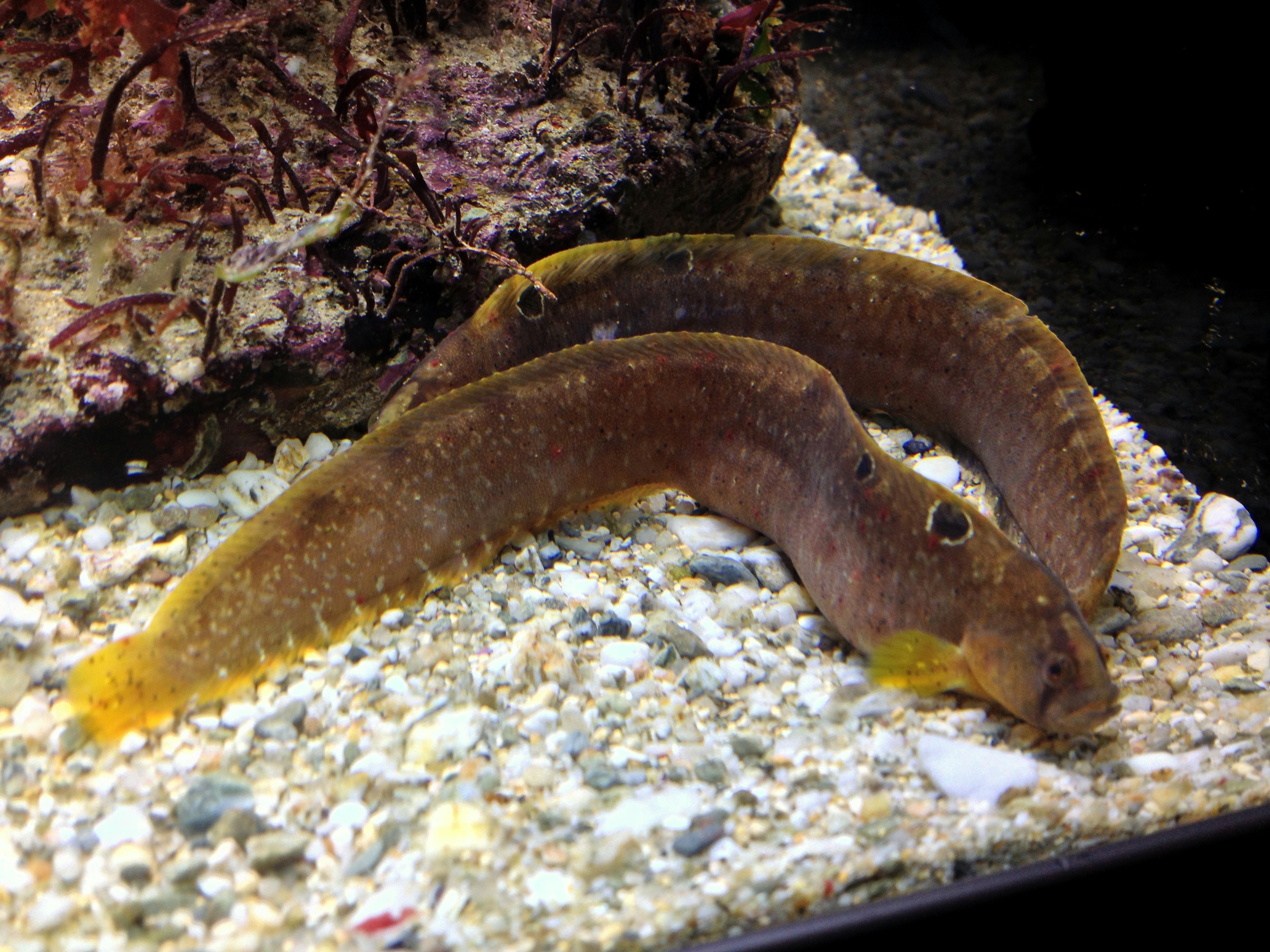
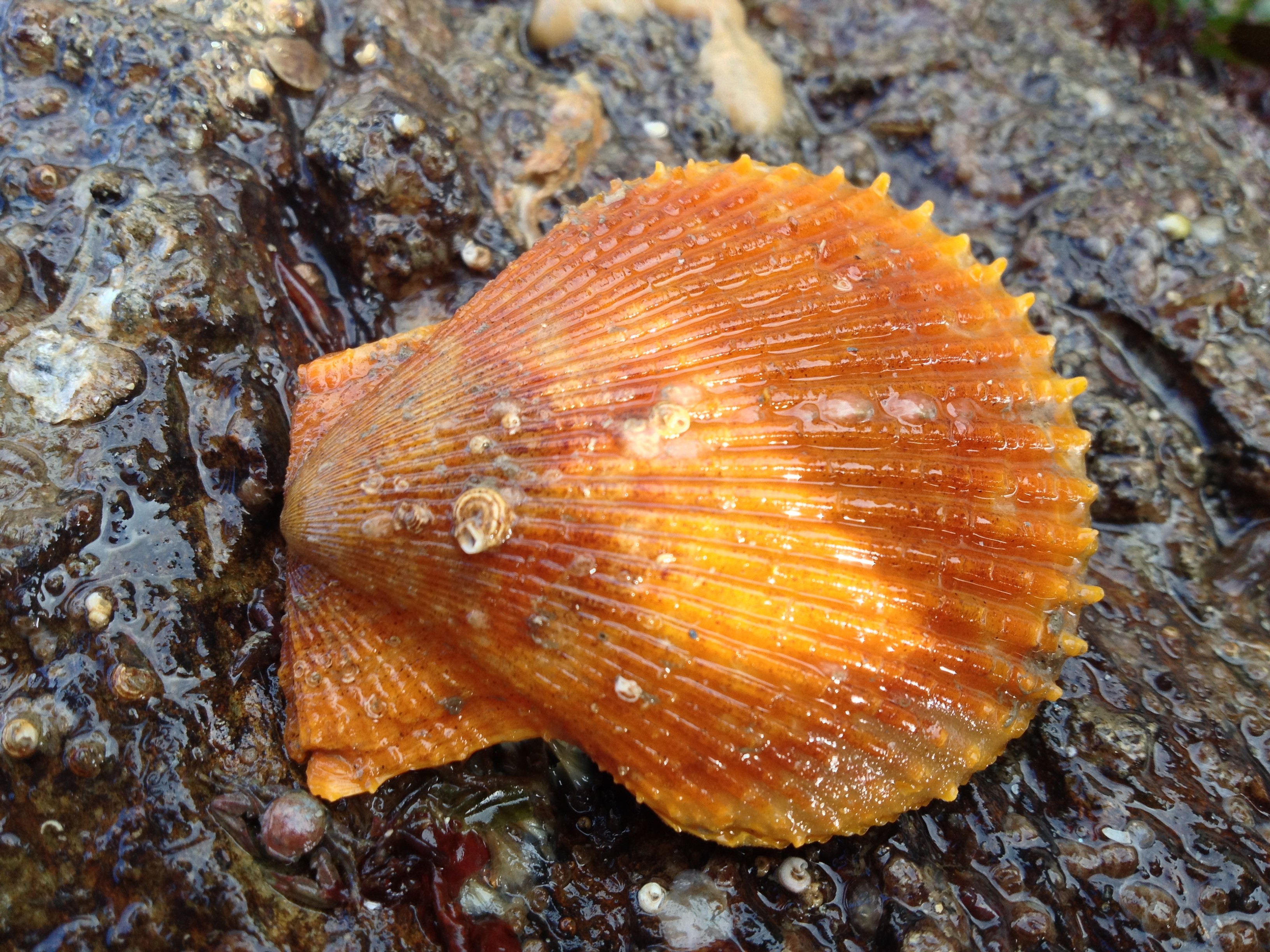 I could not resist taking some stuff home to my aquarium, even though I was still waiting for the chiller and new lights (they both have since arrived, that’ll be my next post). There were loads of Painted top shells Calliostoma zizyphinum, which are very pretty and moreover do not often emerge above water so they might be better behaved in the aquarium, and I took some of those home. I also took a pair of Butterfish Pholish gunnellus and some Sea lemons, mainly to observe them for a week or so and then release them again before starting fiddling with the tank. This was not a great succes unfortunately: both Butterfish died within a couple of days. I had acclimatized them to room temperature and I don’t know what the reason could have been. Clingfish, mullet, a rockling, gobies and blennies have never died in my aquarium. I felt really bad about it; definitely no more Butterfish in my tank!
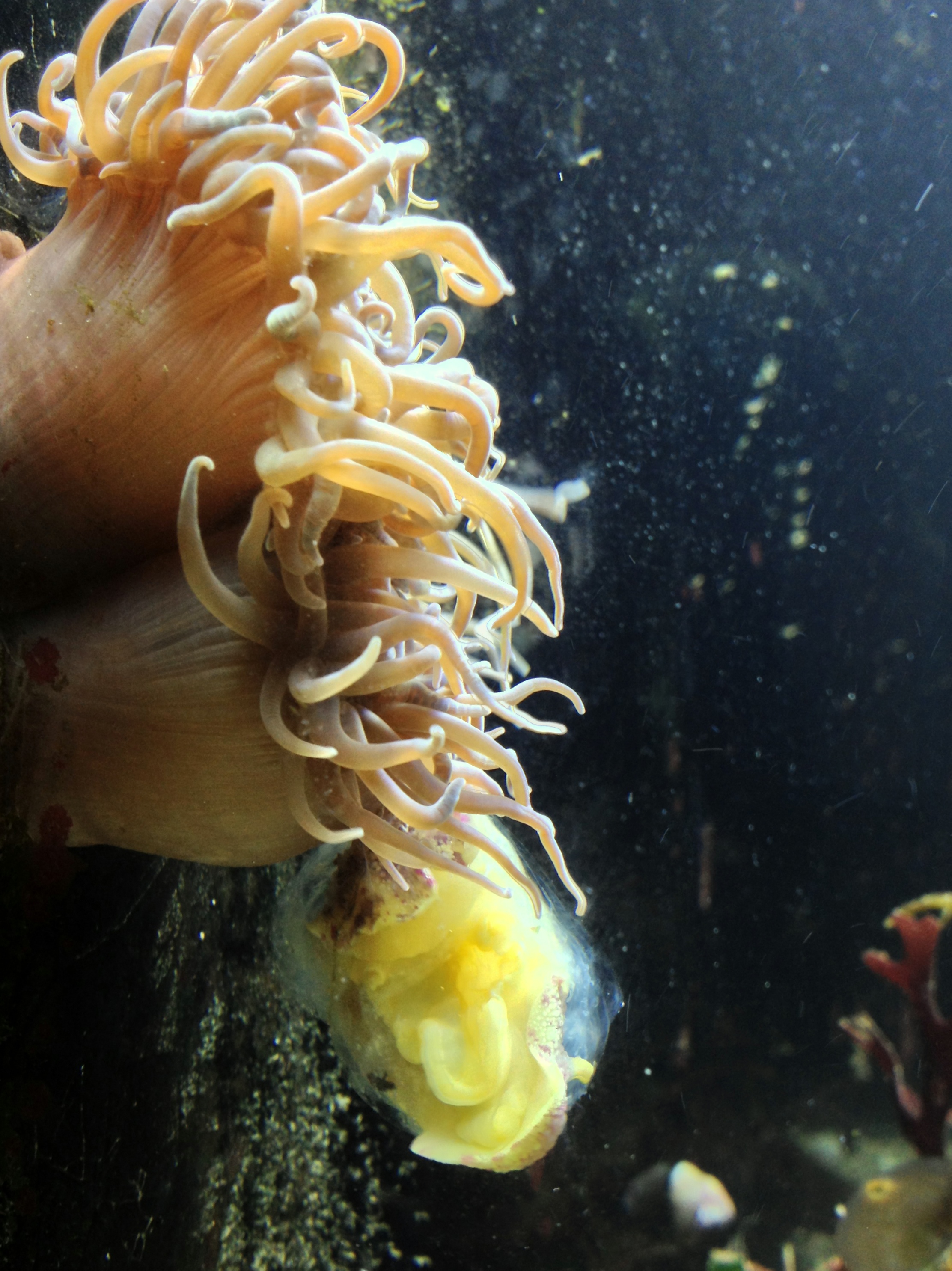
 One of the Sea lemons managed to get caught by a Snakelocks anemone….however, it produced copious amounts of slime and it was eventually spat out!
beachcombing
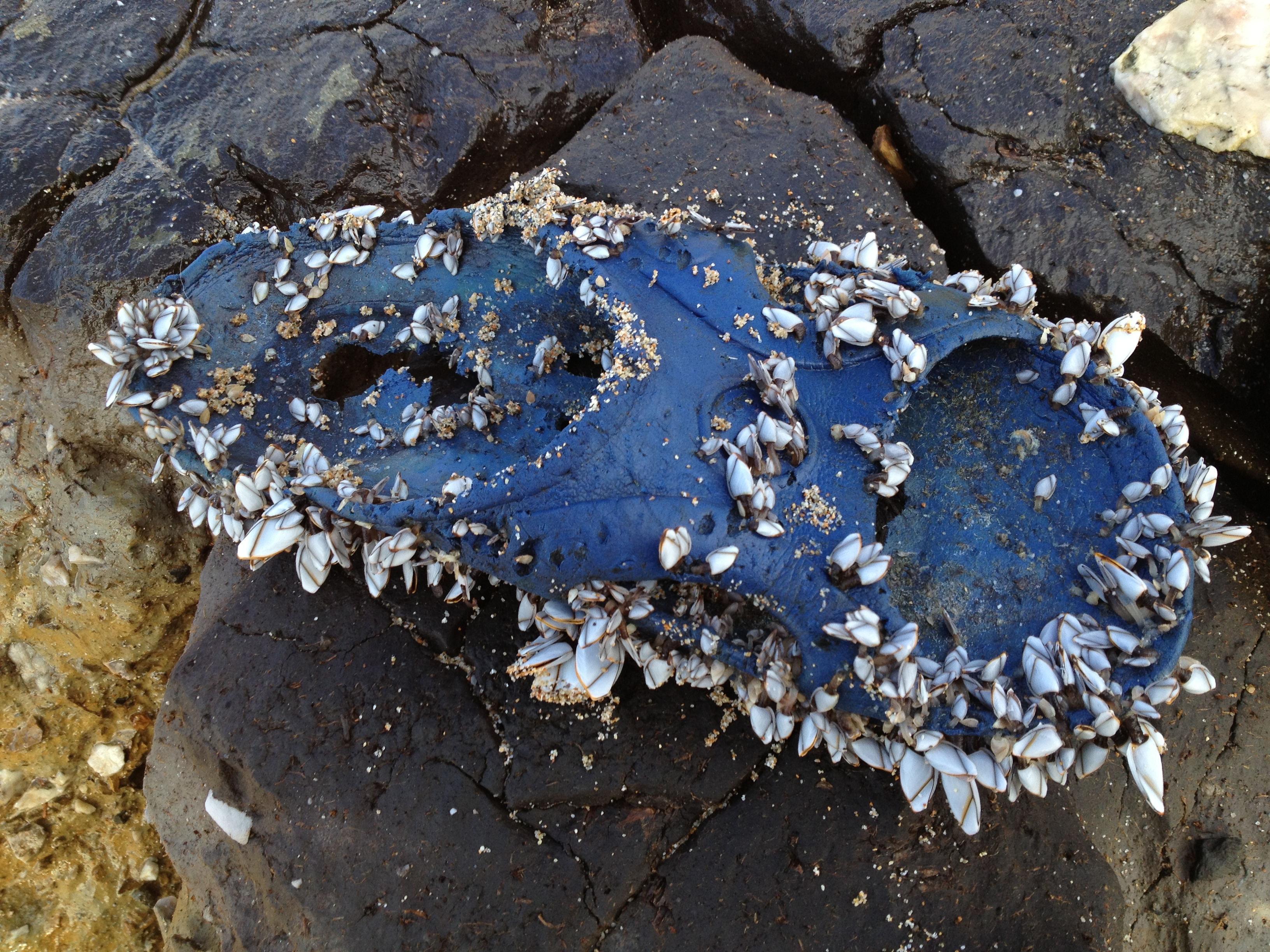
The first weekend after the recent storms and a bright blue sky meant that it was time for some beach combing. The beach at Praa Sands looked glorious in the sun, but we were probably a little late for the serious stuff (if there was any to begin with). So no dead Triggerfish, Columbus crabs or suitcases filled with cocaine. Instead, lots of bits of plastic and rope and some Velella remnants and empty Dogfish (or Small-spotted catshark Scyliorhinus canicula) egg cases. Of course also Common goose barnacles Lepas anatifer:
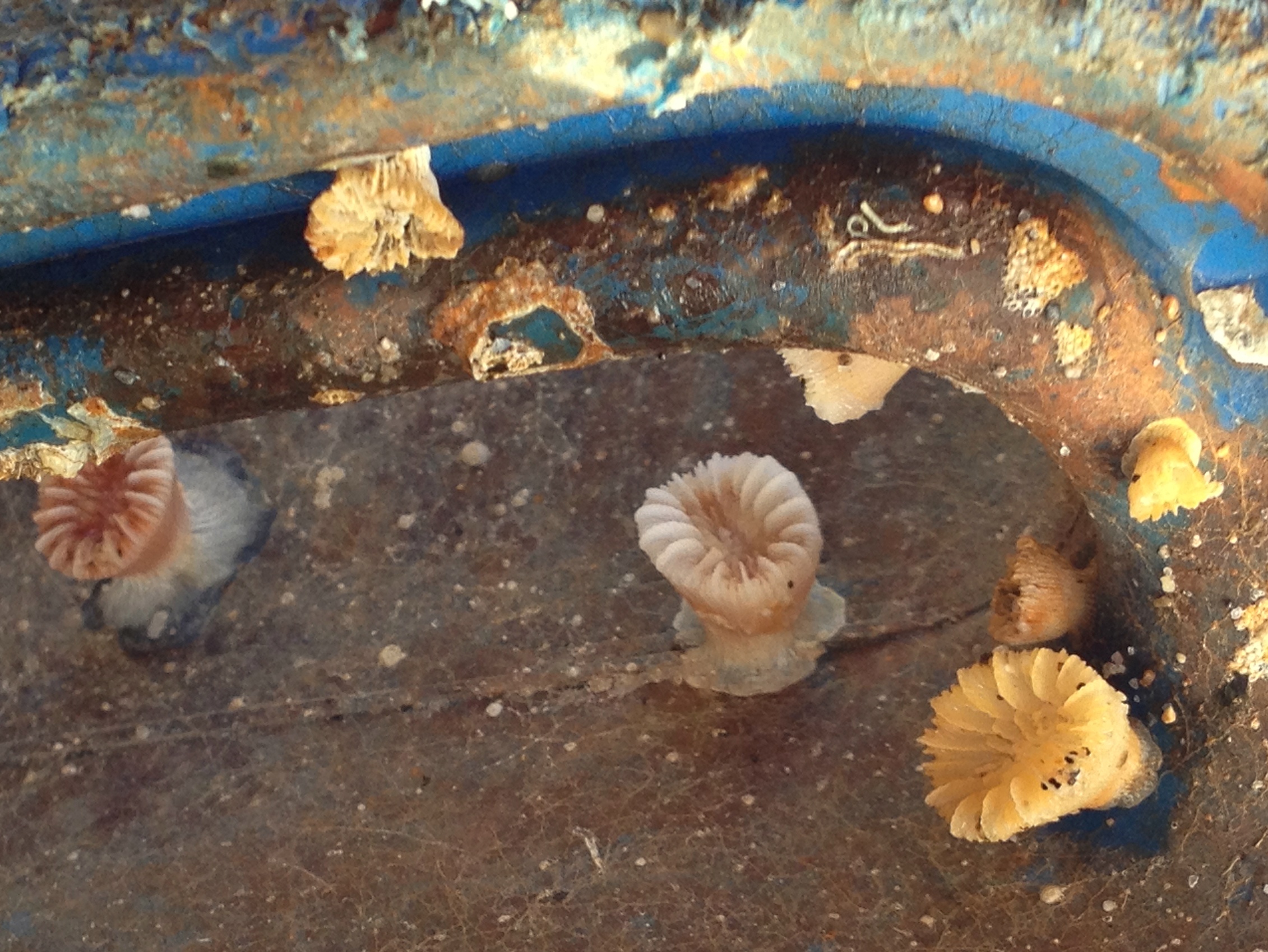
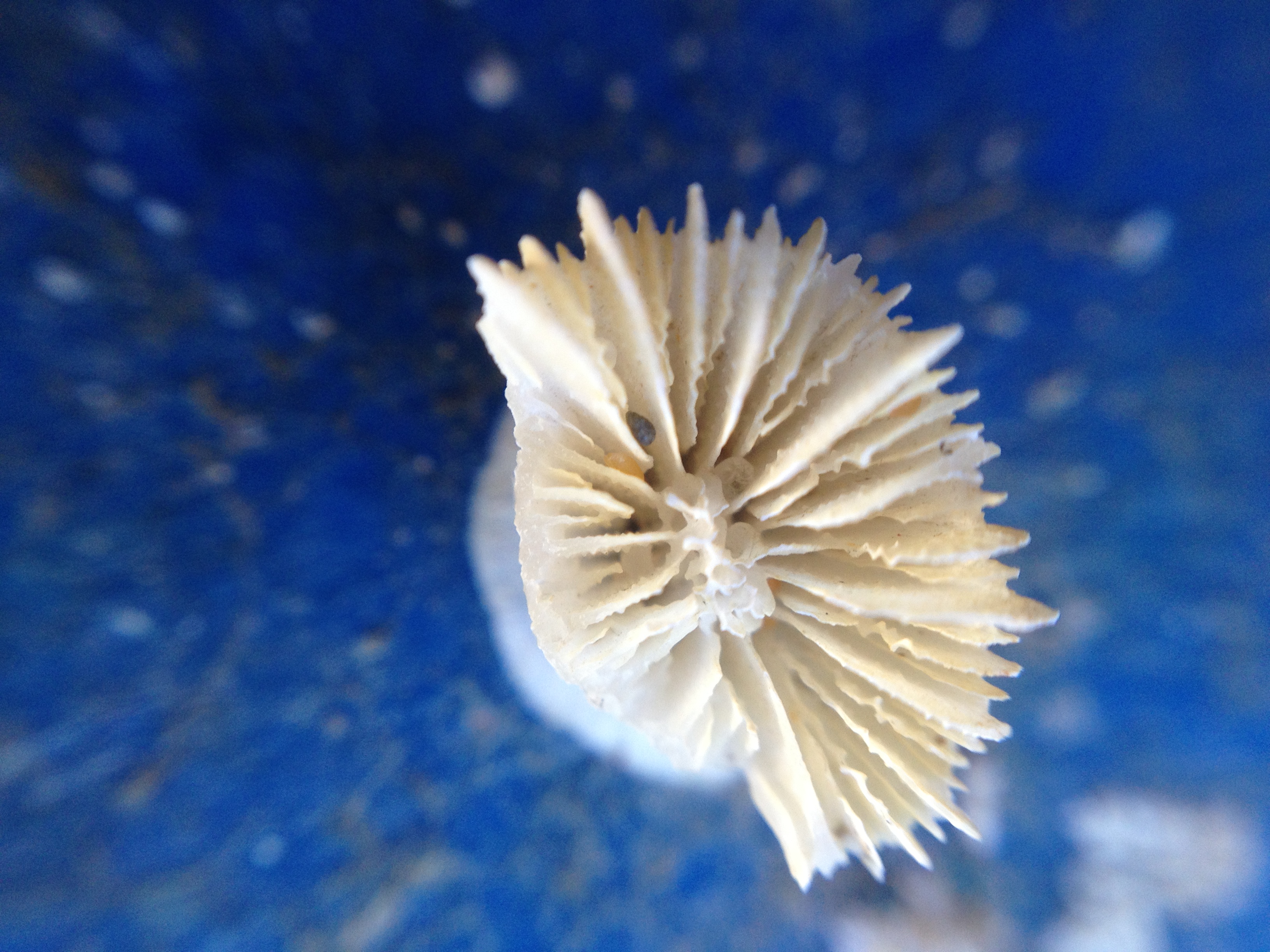
More interesting was a vat with (dead) Devonshire-cup-corals Caryophyllia smithii attached:
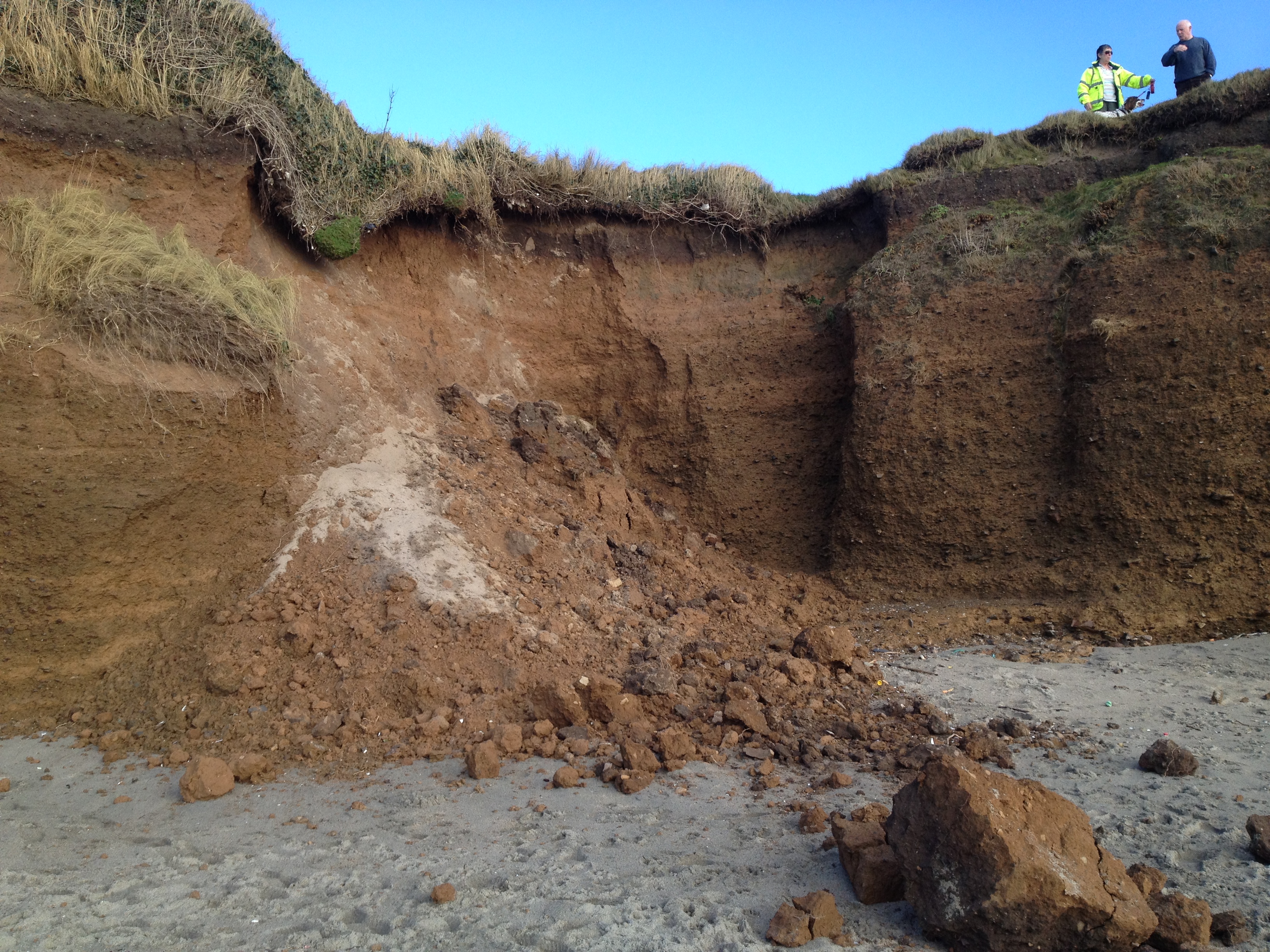
Damage to the coast was evident:
new year’s resolutions
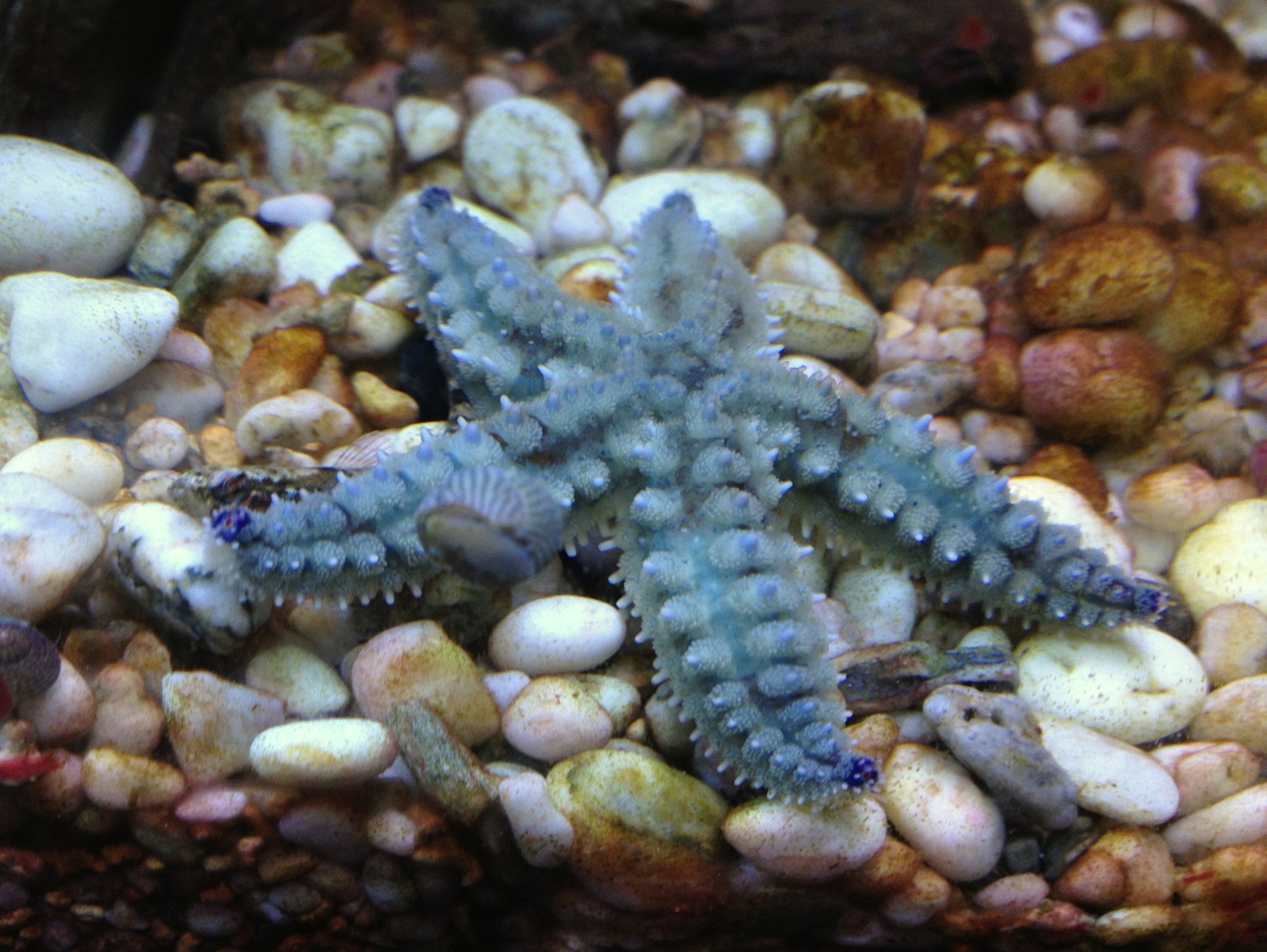
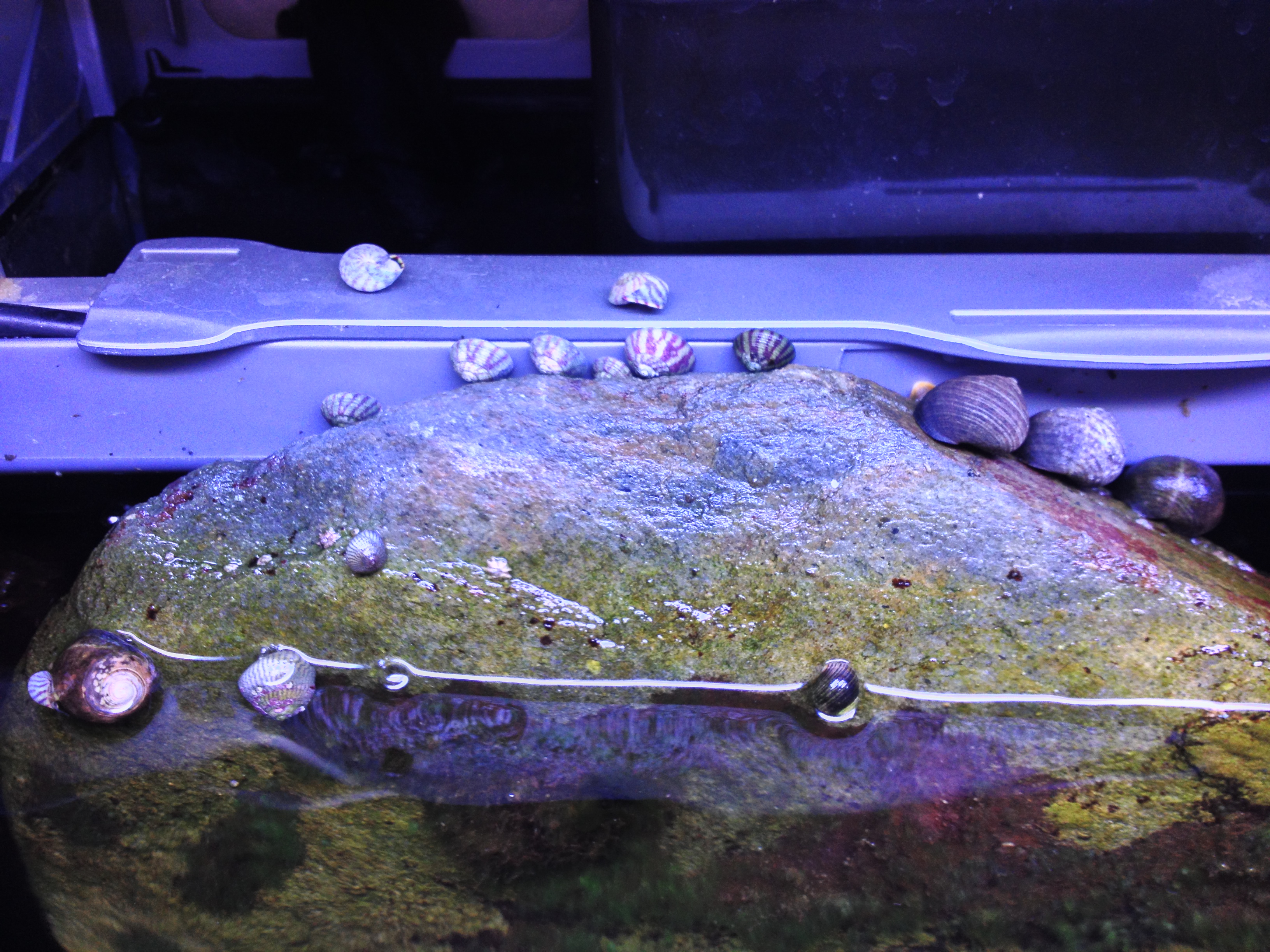
It has been a while since I last posted about the aquarium, mainly because I had a problem with algae and did not like the look of the tank in general. Combined with being away for two weeks over the holiday season, I decided to remove the rocks and most animals from the tank. Only left are some snails, Cushion stars and a Spiny starfish (who seems to do fine except for being less brightly coloured than when I caught it). The snails made a good start and cleaned up a lot of algae but it was too little too late. Also, (non Spiny starfish-related) mortality was quite high. Of all snails, the periwinkles fared least well (as I had noticed on earlier occasions); the Grey top shells seemed to do best. A main problem is that the snails move out of the water and often die there. Grey top shells can be found in the intertidal but are also common in the subtidal and so might be more suitable for the aquarium.
Anyway, time for a fresh start in the new year. I have decided to buy a chiller (and pump), mainly so I can switch off the noisy hood fans, but also because a more natural temperature regime might help keeping some of the more difficult species (see eg here and here). I have trawled the internet to find recommendations for the least noisy chiller but to no avail. I will stick with a more expensive brand and hope for the best. I will also invest in LED lighting. LED lights give a nice shimmer effect, generate less heat, use less electricity, need less replacement and are more easily dimmable. I’ve found this interesting Red Sea Max 130D retrofit kit: I will need to buy a separate dimmer and probably will have to ask my local sparky for help fitting it in the hood but it seems like a good investment. I’d like to supplement white LEDs appropiate for shallow water with some blue ones so I’ll be able to get a deeper water feel as well. This week I saw an inspirational aquarium back in Blijdorp Zoo in Rotterdam: a deep water reef with gorgonians, many brittle stars, Boar fish (or Zulu fish) Capros aper, Snipe fish Macrorhamphosus scolopax and John Dory Zeus faber. A crap photo:
However, I will go for a more brightly lit seaweed aquarium first. I will switch to finer gravel and reduce the amount of rocks to improve water flow. This time I will also focus more on fish. Marius has a great picture of a Two-spotted goby Gobiusculus flavescens in his Irish rock pool aquarium here and I definitely want to have a couple of these (I had a tiny one recently but it was eaten by one of the Snakelocks…). The other fish I definitely want to have is a bright green juvenile Ballan wrasse Labrus bergylta (although the other species are pretty too):
 Small wrasse can be caught using a hand net but I reckoned it would be easier using a cast net. After my first trial run with such a net in the Helford river a while back I am not so sure though: loads of leaves and twigs but no fish. Youtube has hundreds and hundreds of ‘how to throw a cast net’ videos but these all use slightly different techniques which sometimes involve a throw whilst holding the led line between the teeth… Anyway, I’ll have to practice!
By-the-wind-sailor
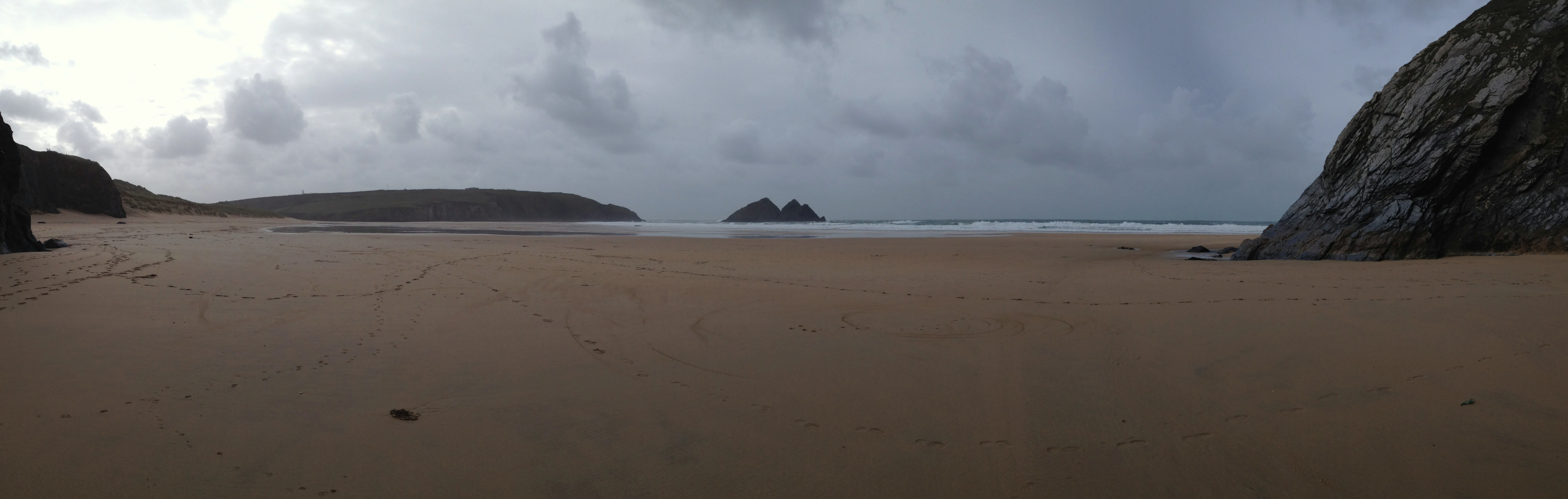 A short walk on a Tuesday afternoon on Holywell Beach west of Newquay: dark, bleak, with a bit of rain and a lot of wind. The upside was that we had the beach pretty much to ourselves. Holywell is named after a well in a cave (see here), and I was quite curious to see it. Unfortunately, although we had a look in some smaller crevices, we seemed to have missed the main cave…Ah well, a good excuse to go back some time.
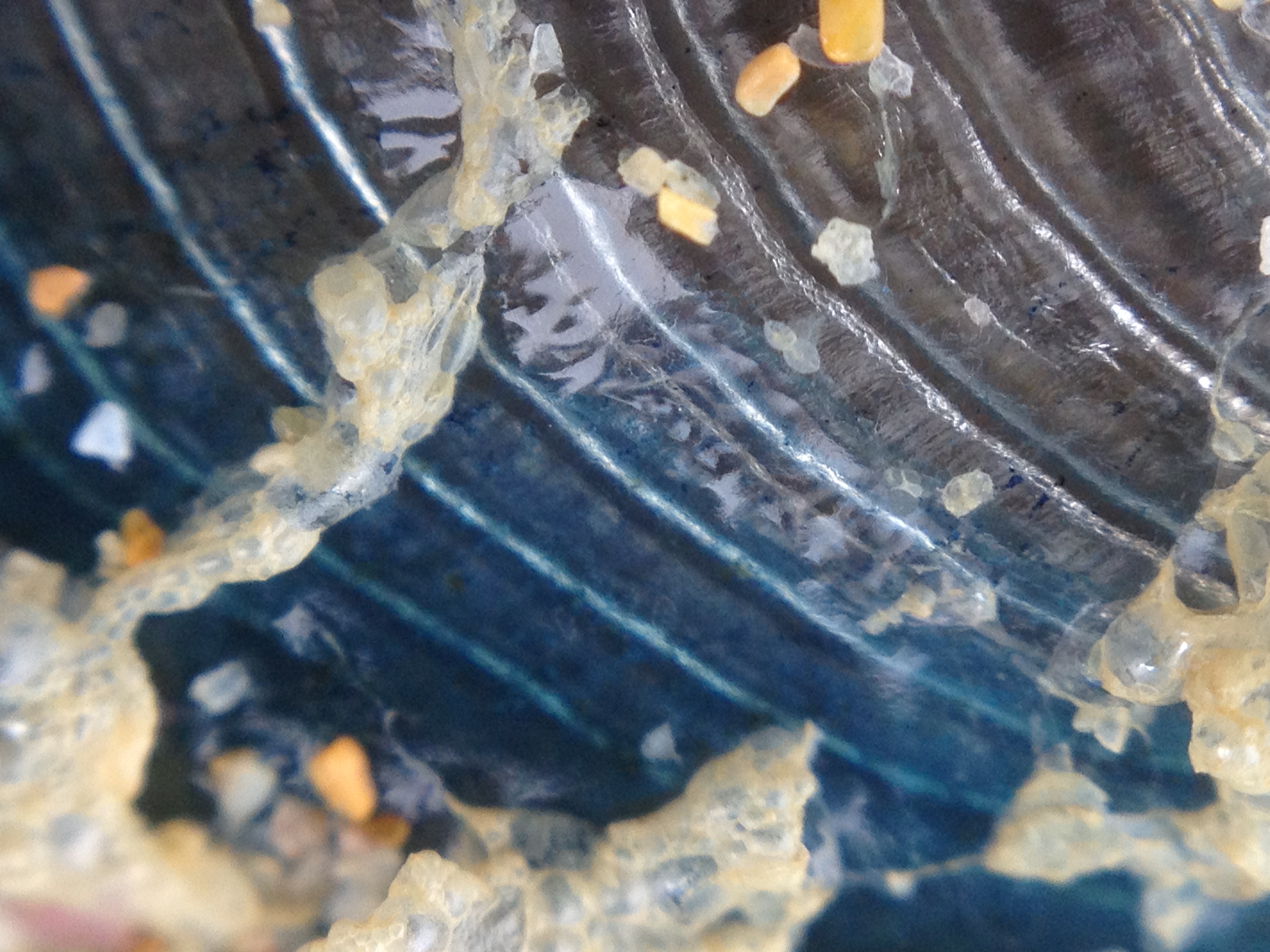
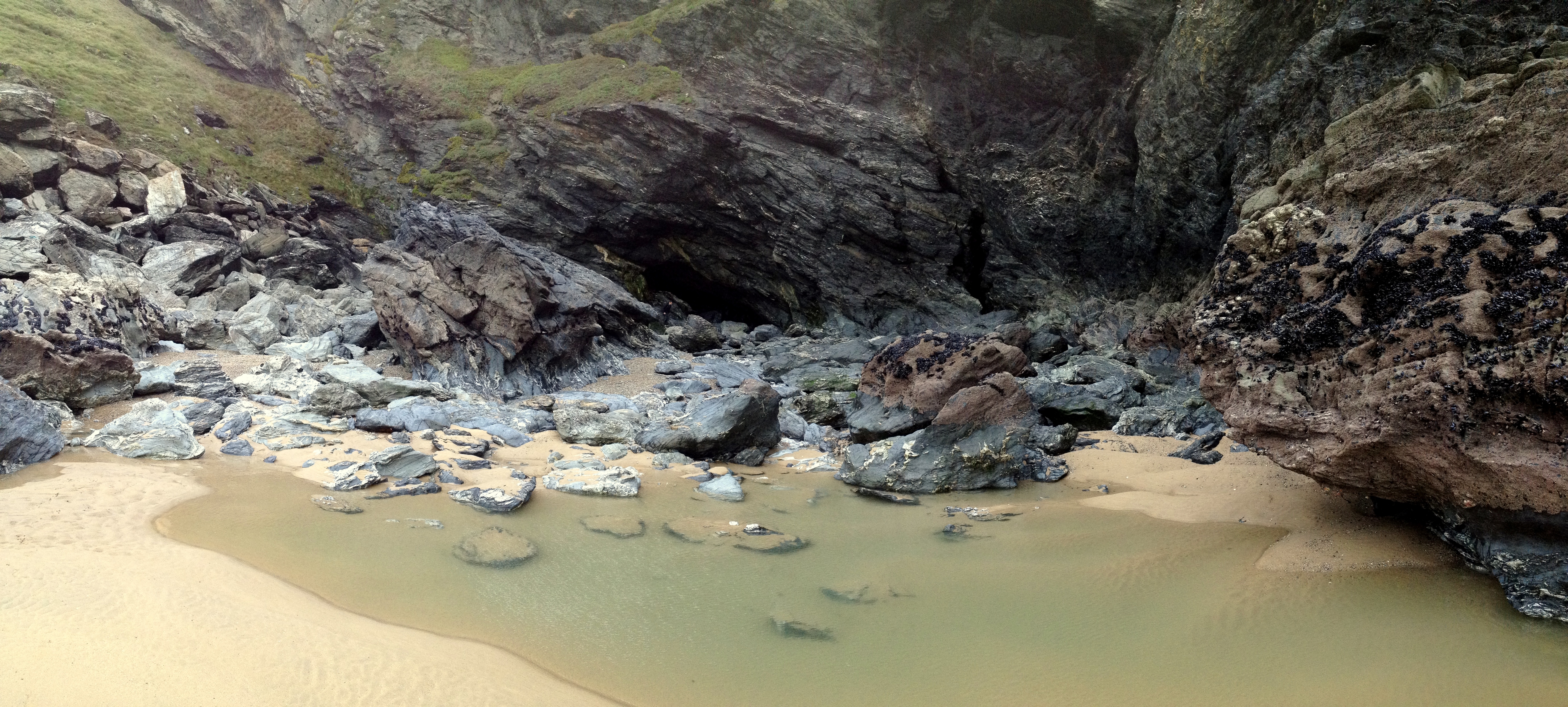 No rock pools here, but there was some good beach combing to do with this stormy sea. For the first time I found the By-the-wind-sailor Velella velella, a Siphonophoran: a colony of specialized polyps, with short tentacles underneath and a little sail on top. They are related to the Portuguese Man-of-War. These organisms live on the open ocean, but can be blown onto shores in storms (mass stranding are common on the West Coast of the USA):
 The pollution of our seas with plastics is a big problem and becomes very apparent when surveying the strandline. Depressing stuff: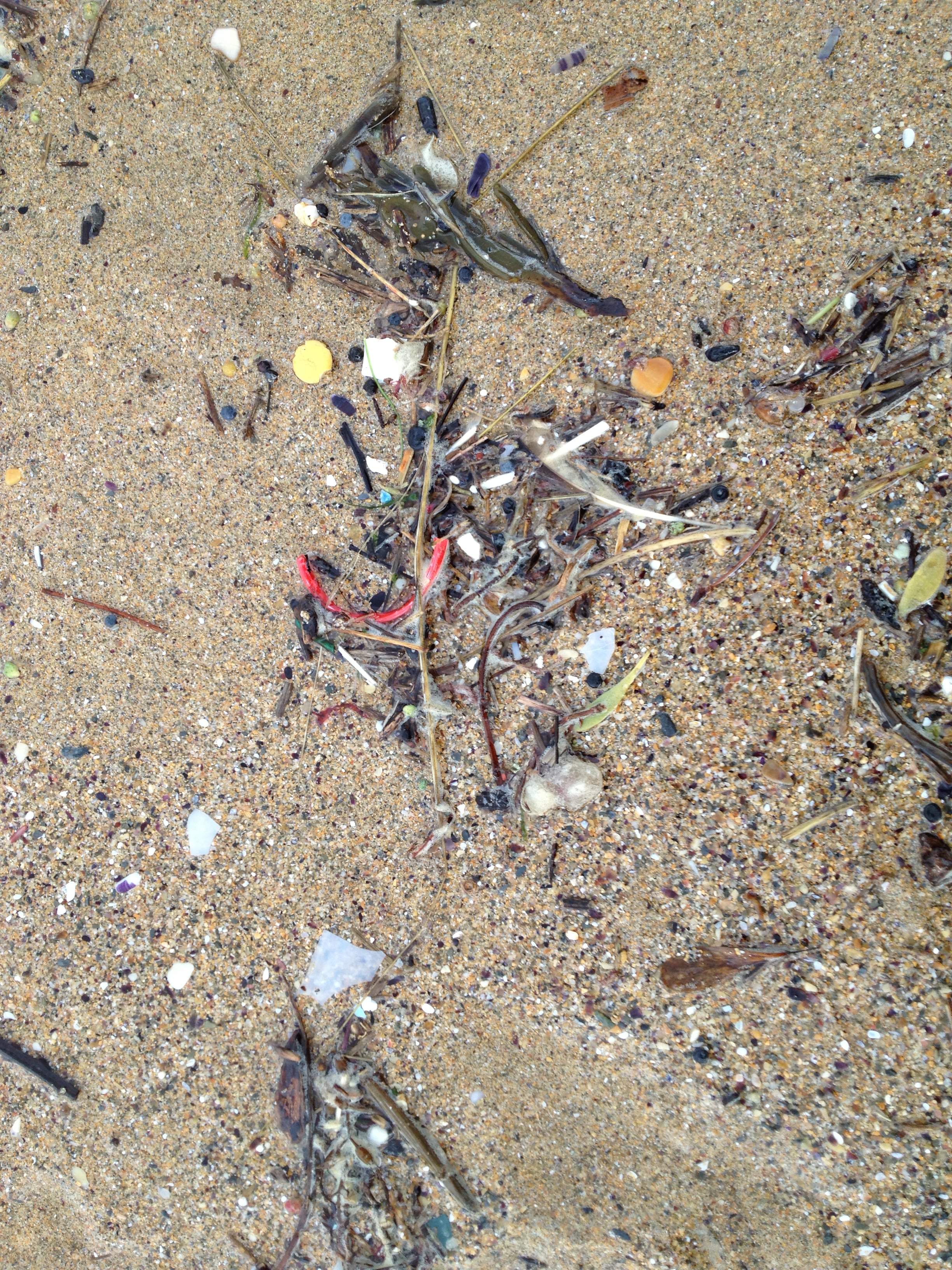
Finally, some washed up crates with a Common goose barnacle Lepas anatifera attached: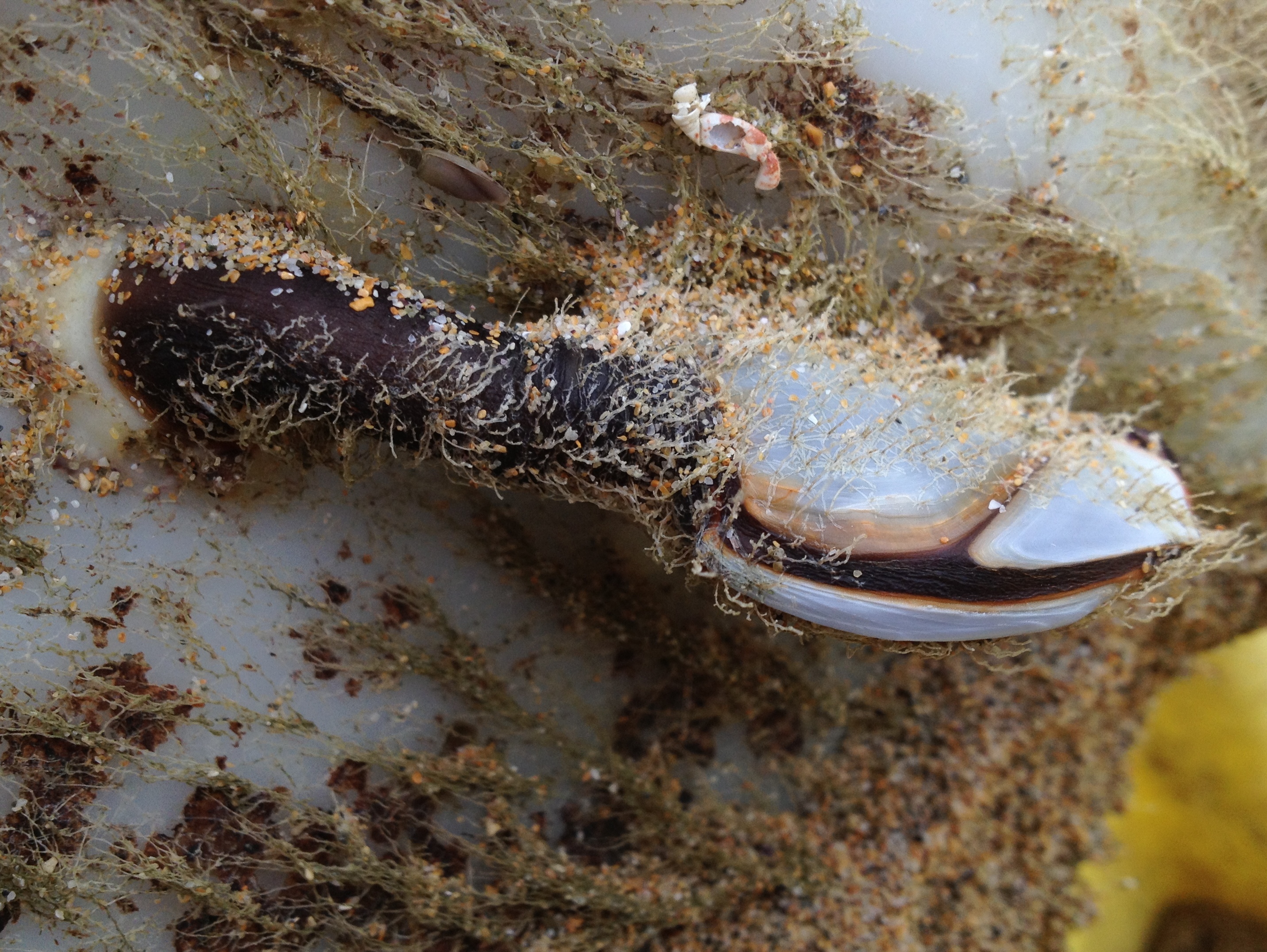
animals that did not do that well in my aquarium…
A while back I wrote two posts on my personal top ten animals for the (unchilled) aquarium (here and here). Of course, there were also organisms that were not such a success. Animals can be unsuited for the aquarium for many reasons, and of course this depends on the size of aquarium, the combination of animals and what you define by ‘unsuited’; so please keep in mind that the following is a personal account!
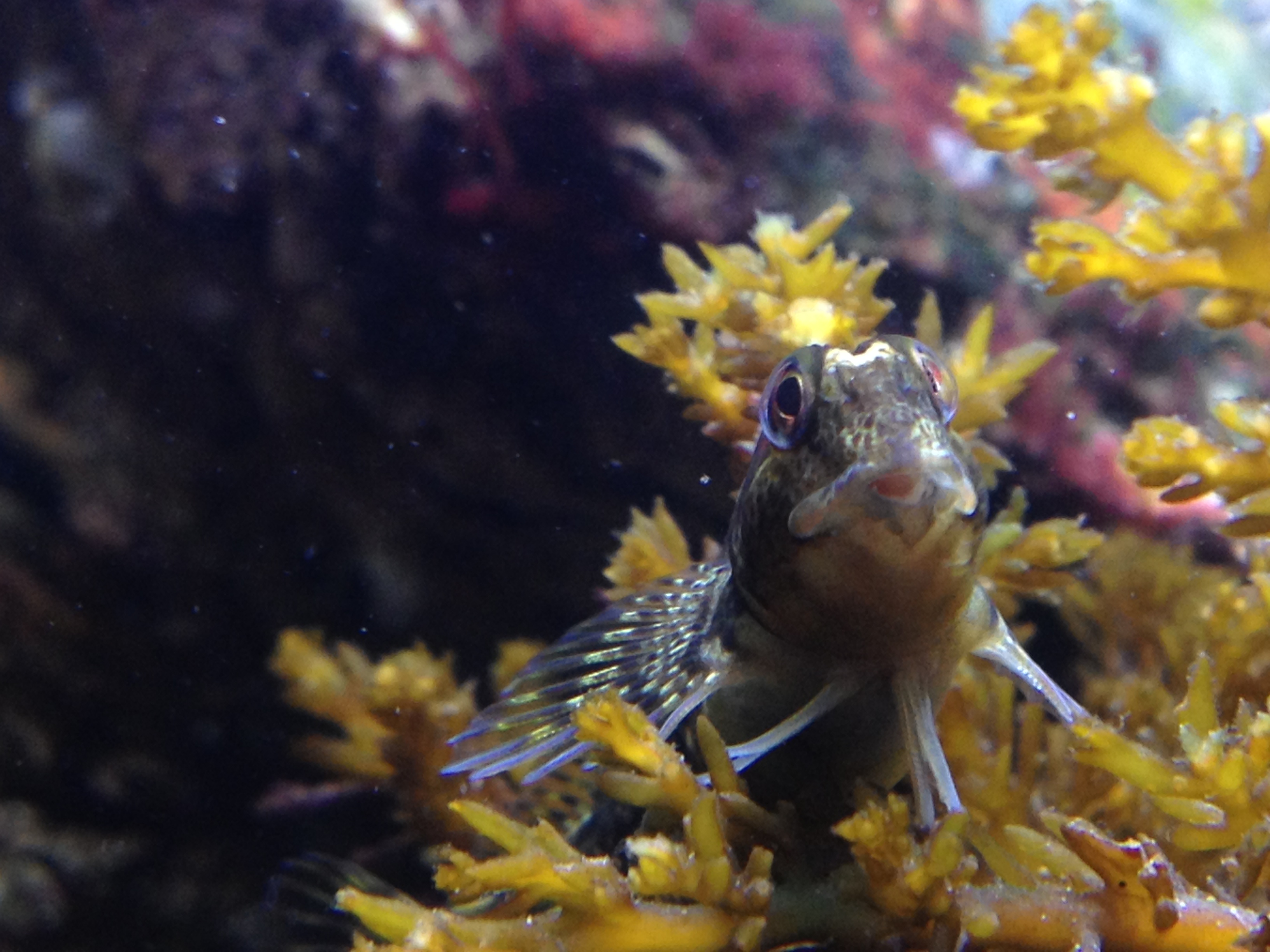
Aggressive species: Another reasons that makes animals unsuitable for a community tank is that they are bullish. (Animals becoming too big is not a real problem for the native aquarium as you can release them again and replace with smaller individuals.) Crabs often get rowdy for instance. I kept a small (5 cm carapace width) Edible crab Cancer pagurus for a little while (his name was Barry). It would bury (Barry!) itself during the day, but as soon as the lights turned off it would go about and rearrange the tank. Rocks weighing over a kilo were knocked against the glass and I found a Cushion star cut in two. It was quite an operation to remove it from the tank using a net (but during all that rummaging I interestingly saw bioluminescence in the tank which was very cool). Shannies like to feed on snails and hermit crabs and so in a relatively small aquarium at least, so sometimes you have to choose between one or the other:
Truly littoral species: I had a couple of limpets Patella vulgata in the aquarium that just sat in the same place on the glass for months. At this time, algal growth was a problem, so I should have known if they had moved during the day or night by the tracks they would have made but they did not move a millimeter. The animals seemed a bit thinner in their shell, but seemingly they can survive for very long periods without food. Not being able to emerge from the water as they do normally seems to be a big problem for these animals.
Secretive species: Other animals simply are too shy or live underneath rocks; no point really in putting them in the aquarium if you cannot see them. This happened with Broad-clawed porcelain crabs, a Shore rockling and also a Shore clingfish (although hidden, all of these animals did survive for a long time). I have seen Brittle stars in a Mediterranean aquarium but the ones found in the intertidal here tend to live under rocks and I never saw one back in the aquarium. A Sand star Astropecten irregularis quickly buried itself in the gravel:

Filter feeders: I quickly realized that filter feeders, mussels or tunicates for example, were very difficult. There simply were not enough algae growing in the water to feed them (unfortunately, at times there were plenty of algae growing on the rocks and on the glass). One way to keep filter feeders is to separately cultivate algae for food. A really nice blog describing such a project can be found here. Another solution might be to feed these animals with artificial plankton, which is available commercially. This requires very good skimming to get rid of excess nutrients though. Both options I find too cumbersome at the moment. Having said all this, one filter feeder managed to survive for many months in my aquarium: the variegated scallop.
Other fussy eaters: Worm pipefish did OK in the aquarium, but that was probably because I regularly brought in new seaweeds housing fresh zooplankton. Unlike Mullet, Gobies or Blennies, I have never seen them take frozen food and therefore I will not keep them again until I can provide them regularly with live brineshrimp or similar. Snakelocks anemones always did well in the aquarium, but Beadlet and Strawberry anemones didn’t (they actually did not die but seem to shrink rather than grow over time). The former are able to grow because of their symbiosis with photosynthesizing algae and so do not rely as much on food. I must say that the latter two species are probably relatively easy to keep when you make the effort to regularly dunk a piece of dead prawn on them. The European cowrie Trivia monacha feeds on tunicates which I had trouble keeping alive and so they are unfortunately not an option yet:

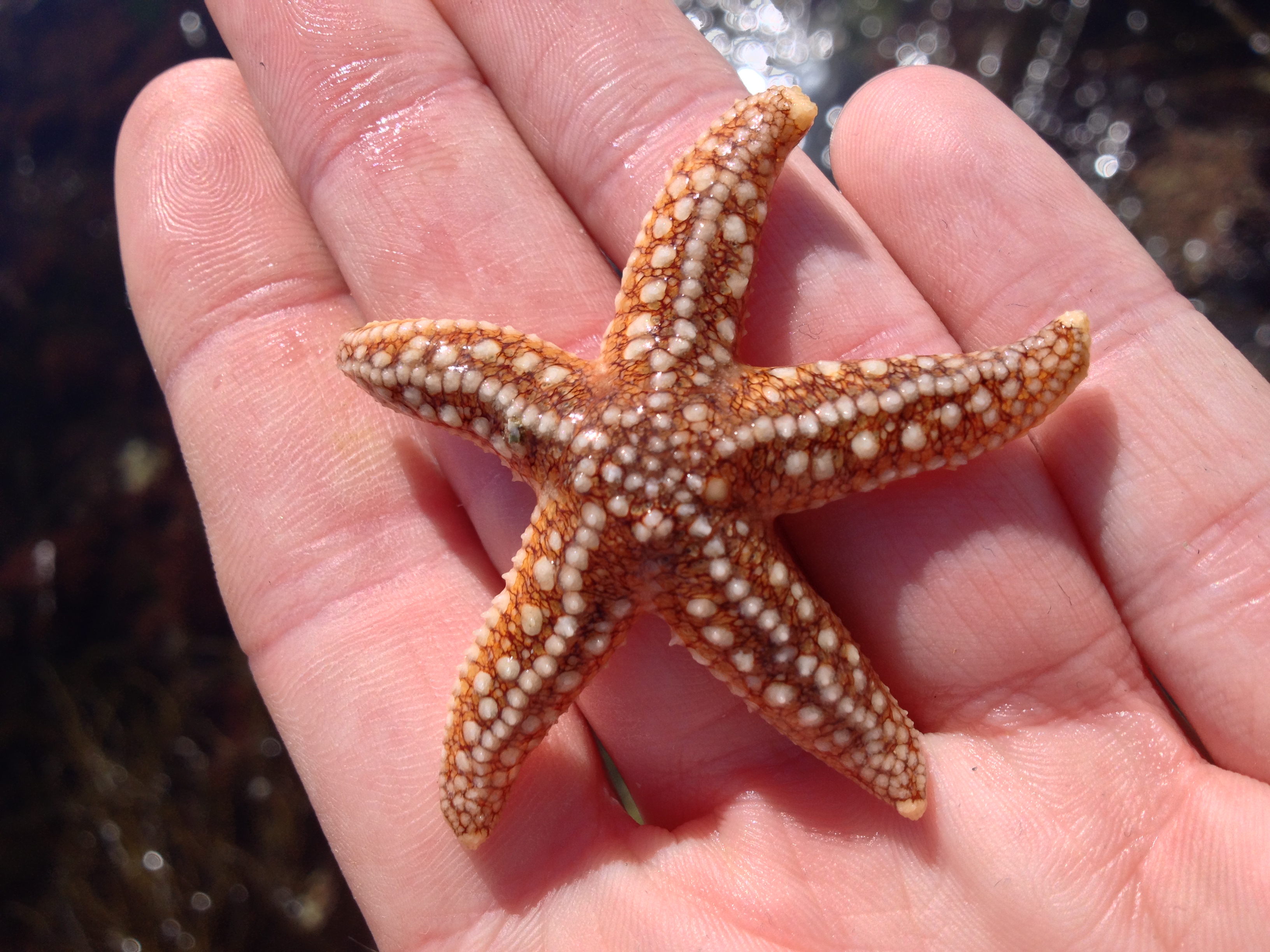
Unknown reasons: On a few occasions a species just died and I had no idea why. The only thing this taught me was to not try that species again. This happened to a Common starfish Asterias rubens:
 An Bollenessor