More Pontooning

Went back today for some more peering from the pontoons in Mylor Bridge marina. Besides the Thicklipped mullet and Two-spotted gobies, small schools of Sand smelt Atherina presbyter were out and about. A short clip of this silvery, pretty fish made using the Canon Powershot 30D and after that a clip made with a GoPro 3+ (not in HD as it was my 2nd, free upload)):

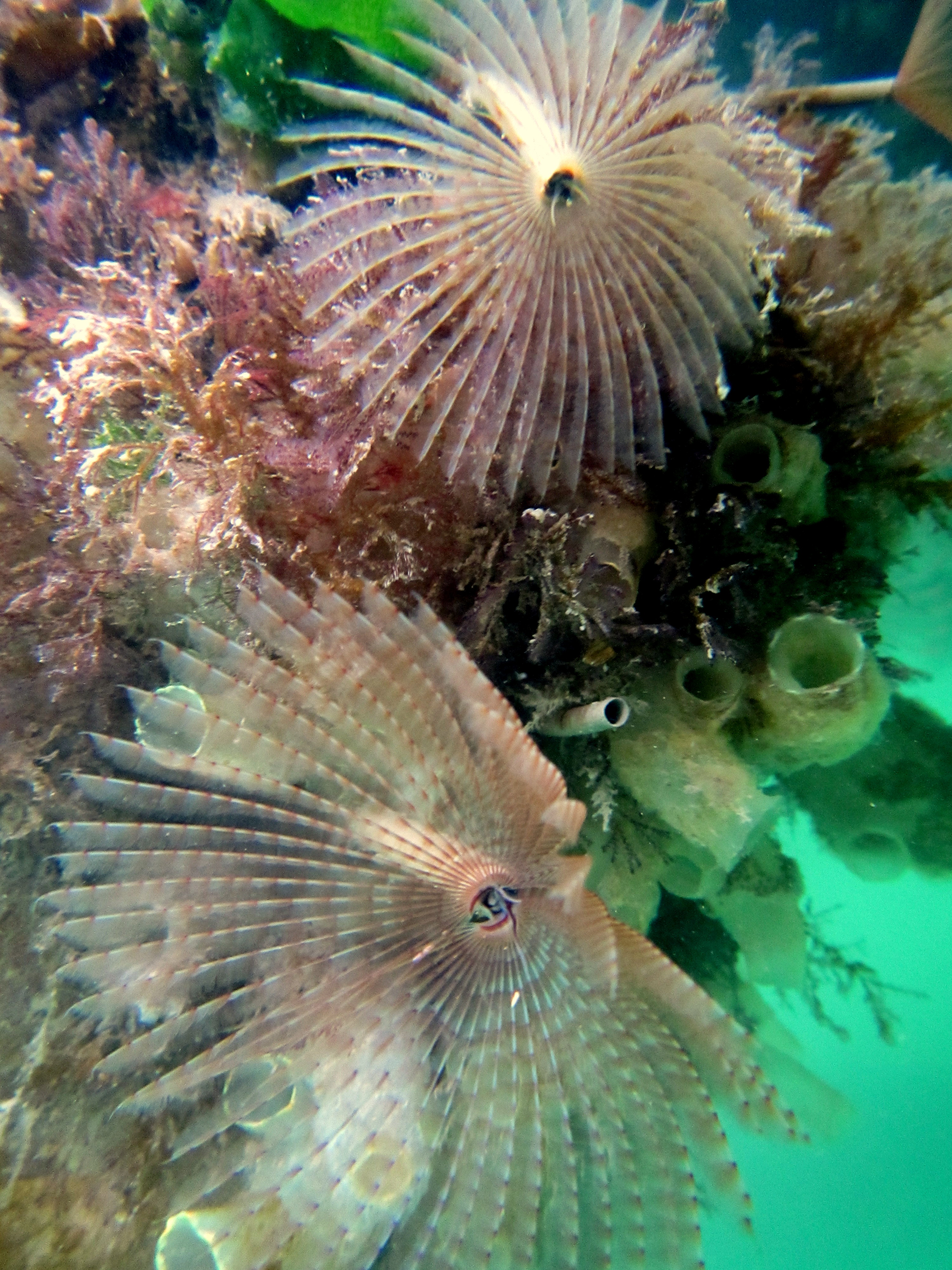
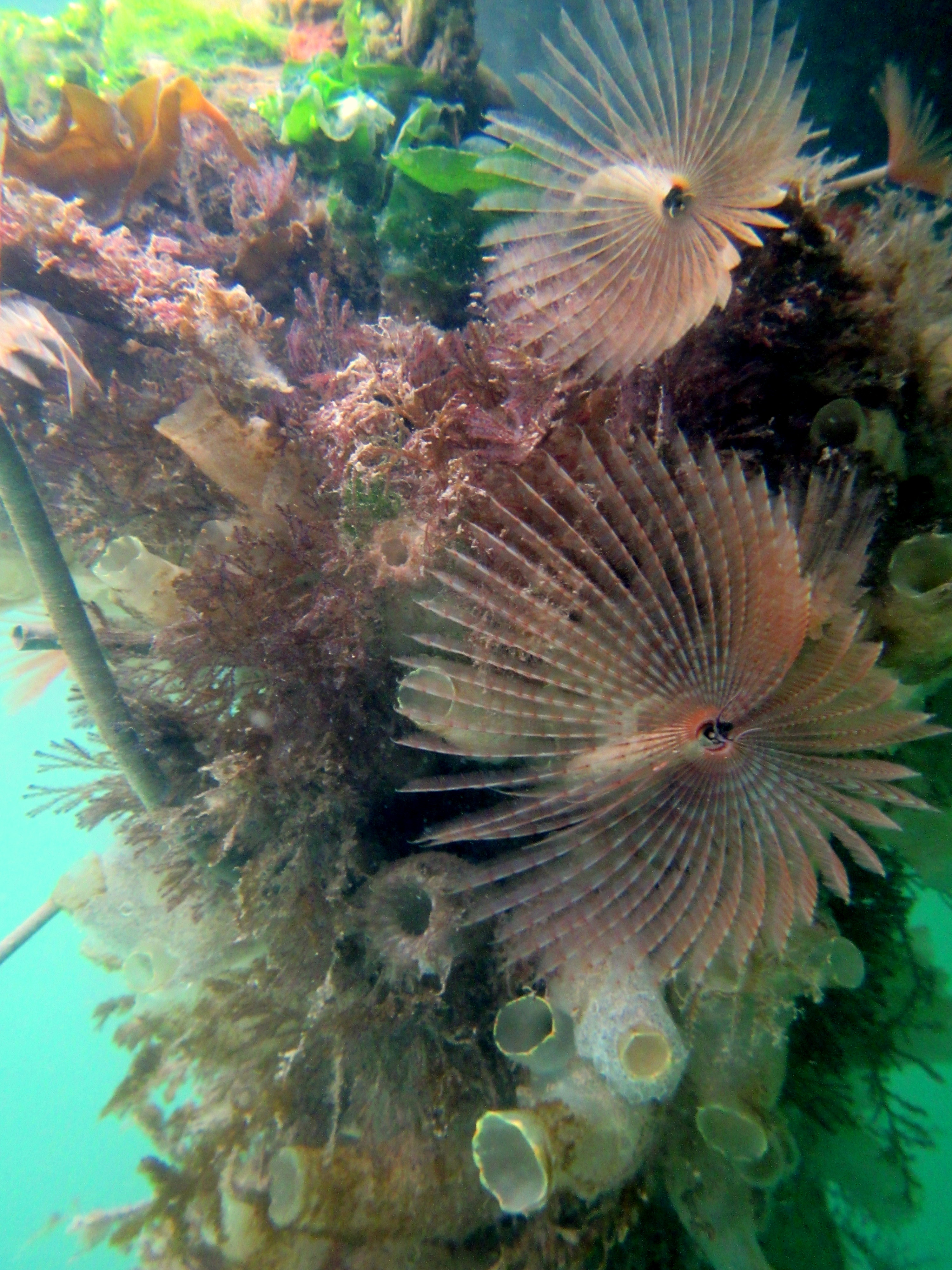
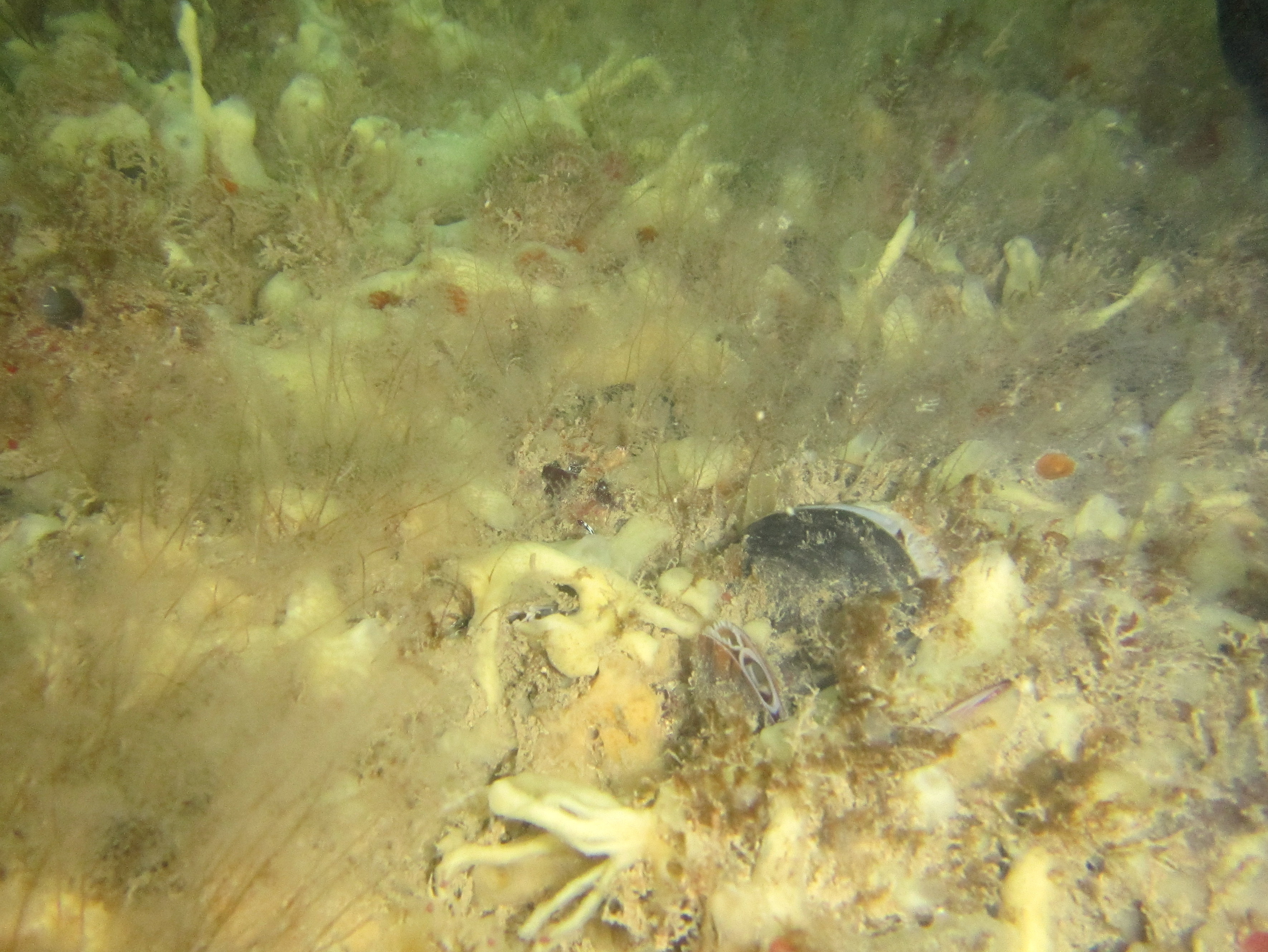
(Annoying that wordpress makes the 2nd clip smaller!) I managed to find back the single 1 cm Elegant anemone Sagartia elegans mentioned in the last post but again was unable to remove it; seems like this species knowns how to attach itself a bit better than do Plumose anemones. I noticed that besides the tunicates, sponges, bivalves (mussels and oysters), seaweeds, anemones and peacock worms, hydroids and bryozoans are also very abundant. I still have to educate myself a bit about these groups. The peacock worms would be beautiful for the aquarium. Although they would be easy to dislodge, it would be problematic to fasten them to something again. Maybe I’ll find a small object with some attached when I’m diving that I could take back some time (frozen artemia might be too big for them to eat, so I would need to look at artifical plankton products for food).IMG_0470
IMG_0427

Pontooning

Unfortunately, the weather turned before I had another opportunity to go diving (or snorkeling). The wind and rain have reduced visibility too much and so I’ll have to wait half a year or so before conditions improve….too bad! I missed the low tides recently as well. However, today there was time for a bit of ‘pontooning’, i.e. lying flat on a pontoon and staring at the creatures attached to it. It is quite convenient as it is not dependent on tides and the communities are very different from that of rock pools. There is a very large marina at nearby Mylor Bridge that I had visited before in summer. There was a bit more life then (schools of mysid shrimp, more seaweeds, more tunicates) but it is still looking nice now. I used my iPhone to take pictures before, but holding it above the water was tricky and did not produce good results so I brought my new Canon Powershot instead (still not easy to take pictures as at the same time I had to prevent my two-year old son falling in the water). The bulk of the biomass hanging from the pontoons consists of tunicates (mainly Ciona intestinalis). Small Plumose anemones Metridium senile are common (more about those in the next aquarium update), as well as the sponge Sycon ciliatum. I even found a small Elegant anemone Sagartia elegans (var. venusta). The invasive Bryozoan Bugula neritina is very common; it looks a bit like seaweed even though it is an animal (see here for a description). Finally, the Peacock worm Sabella pavonina is common (and very striking). Just two pictures below as the rest was subpar; I have to go back on my own sometime soon maybe.IMG_0402IMG_0405

Three Bryozoans on Seaweeds

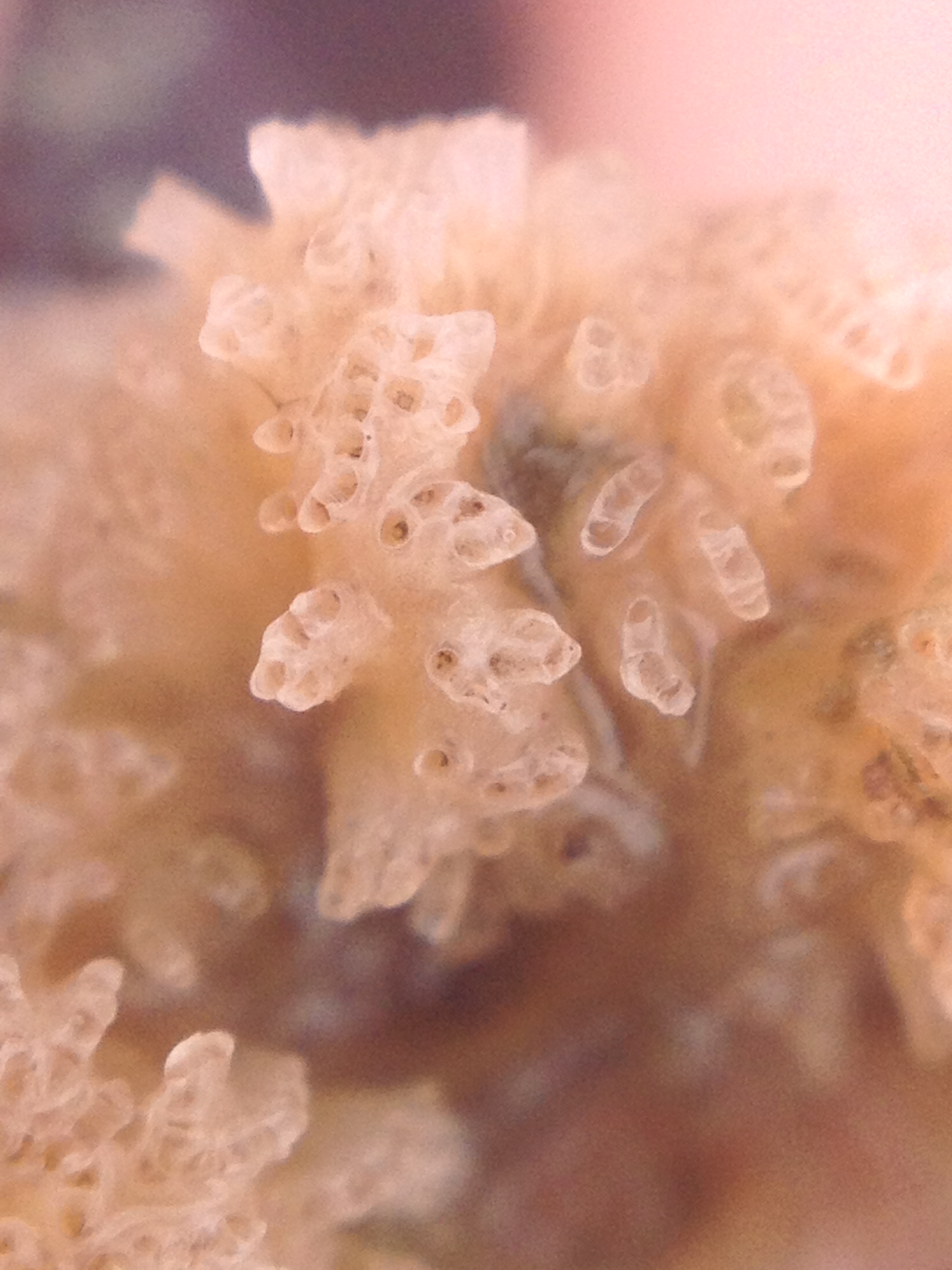
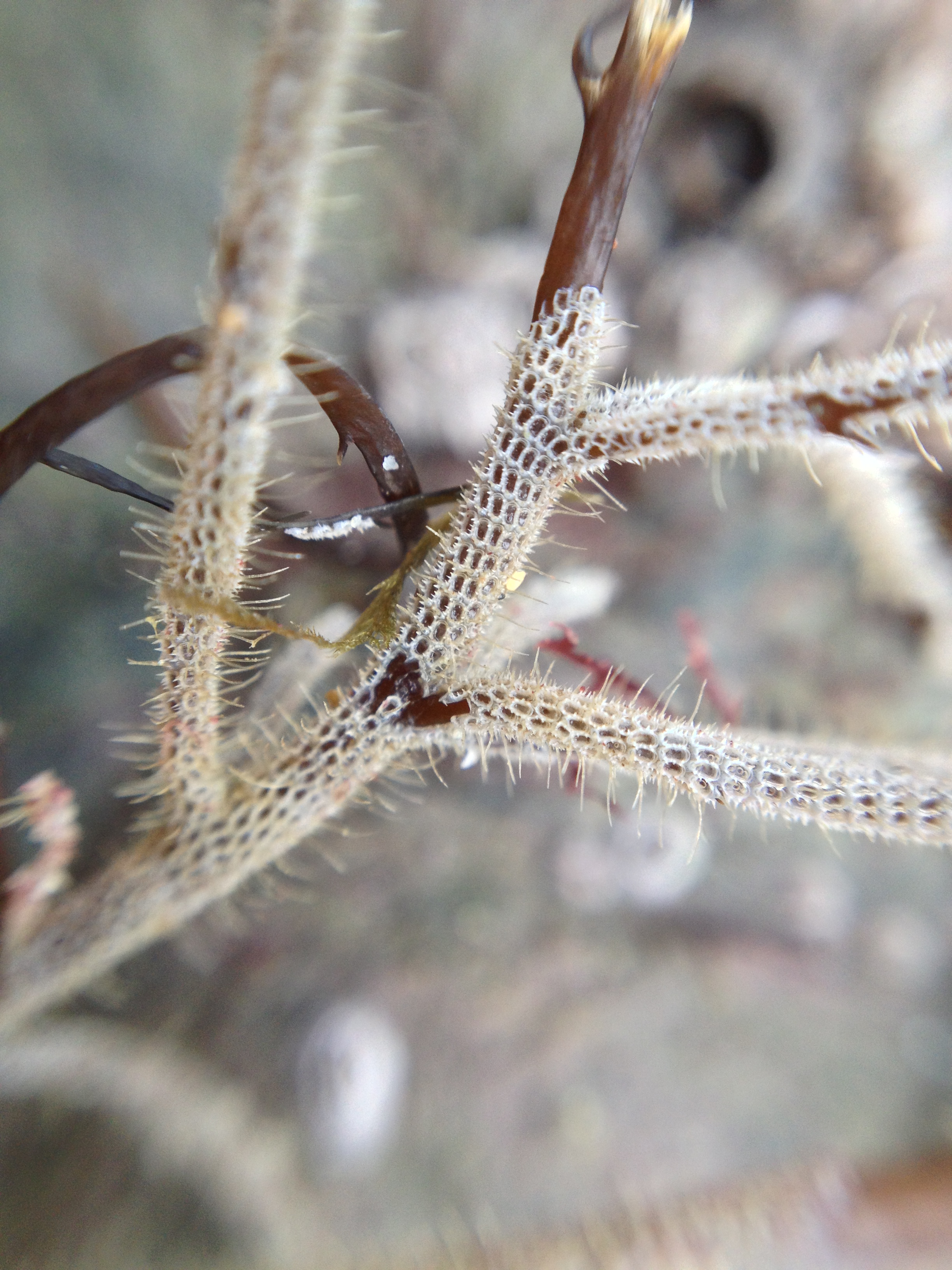
A lot of different creatures live among and on seaweeds. One abundant and species-rich group are the Bryozoans or Moss animals, which are not the easiest of critters to make sense of (then again, which are!?). Here are three species common on seaweeds, identified with the help of David Fenwicks excellent Aphotomarine site. A Sea chervil Alcyonidium diaphanum, Flustrellidra hispida and a close-up of Tubulipora plumosa:IMG_0998

IMG_1375

IMG_0985

More Scummy Pools

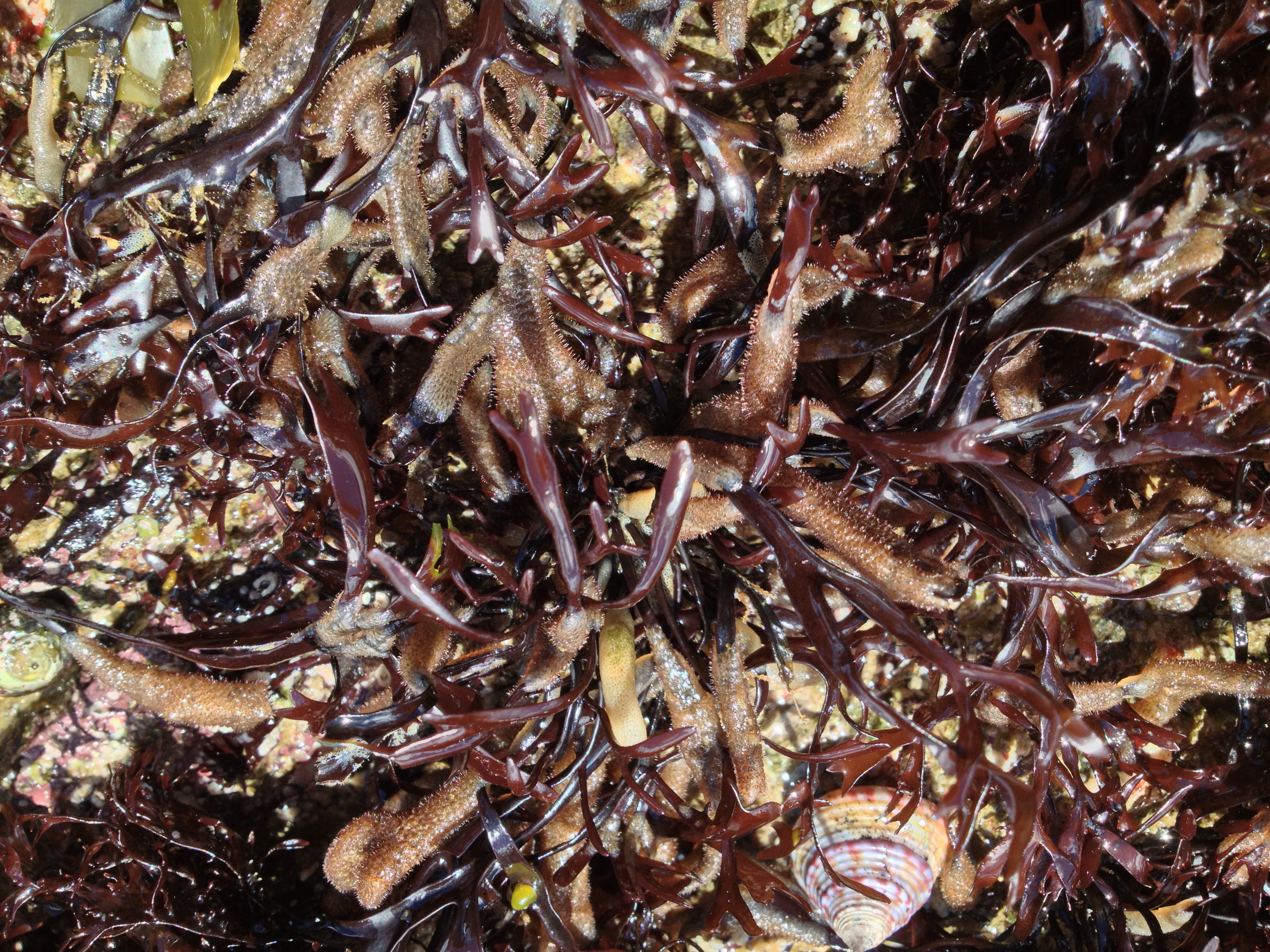
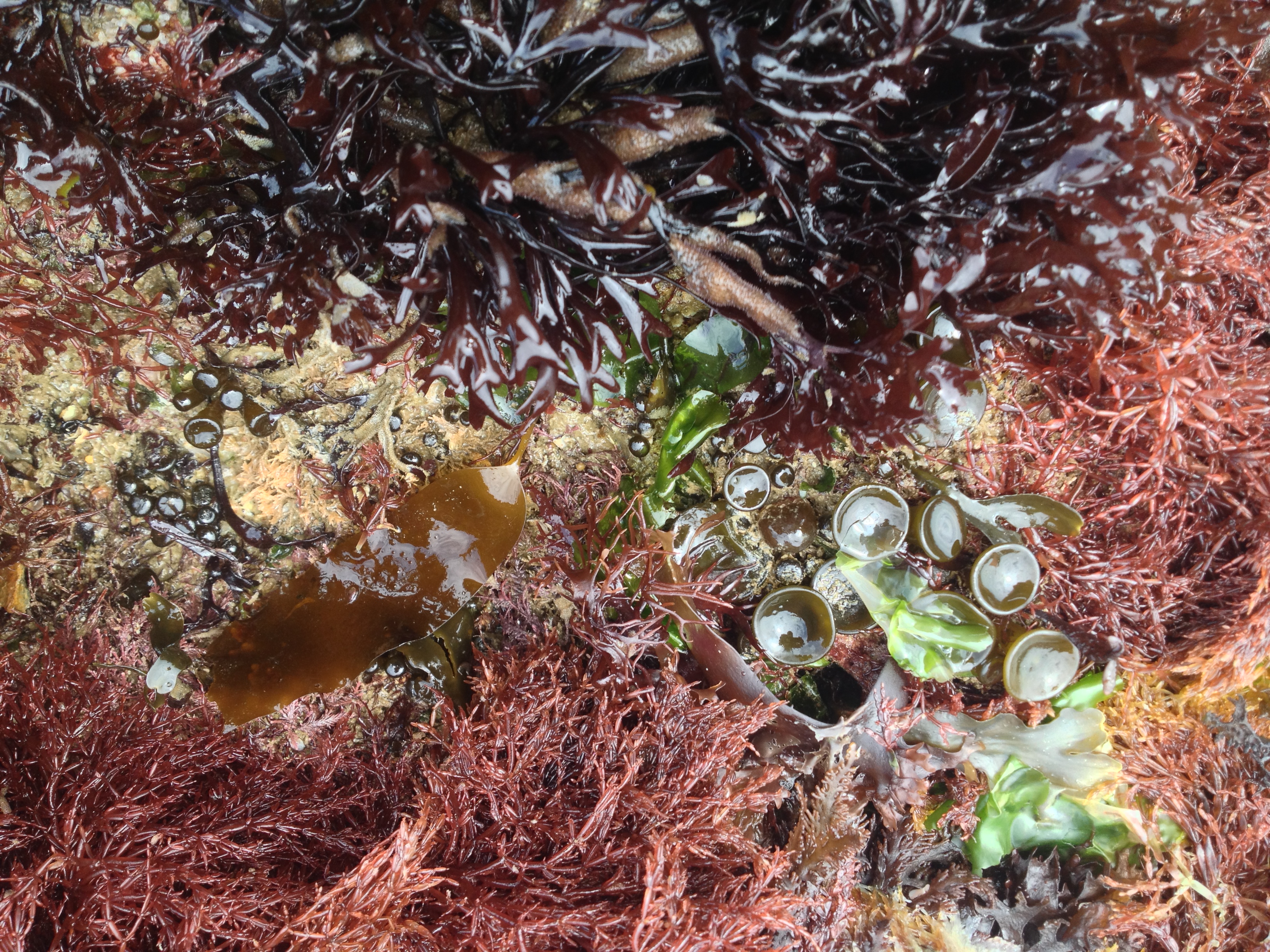
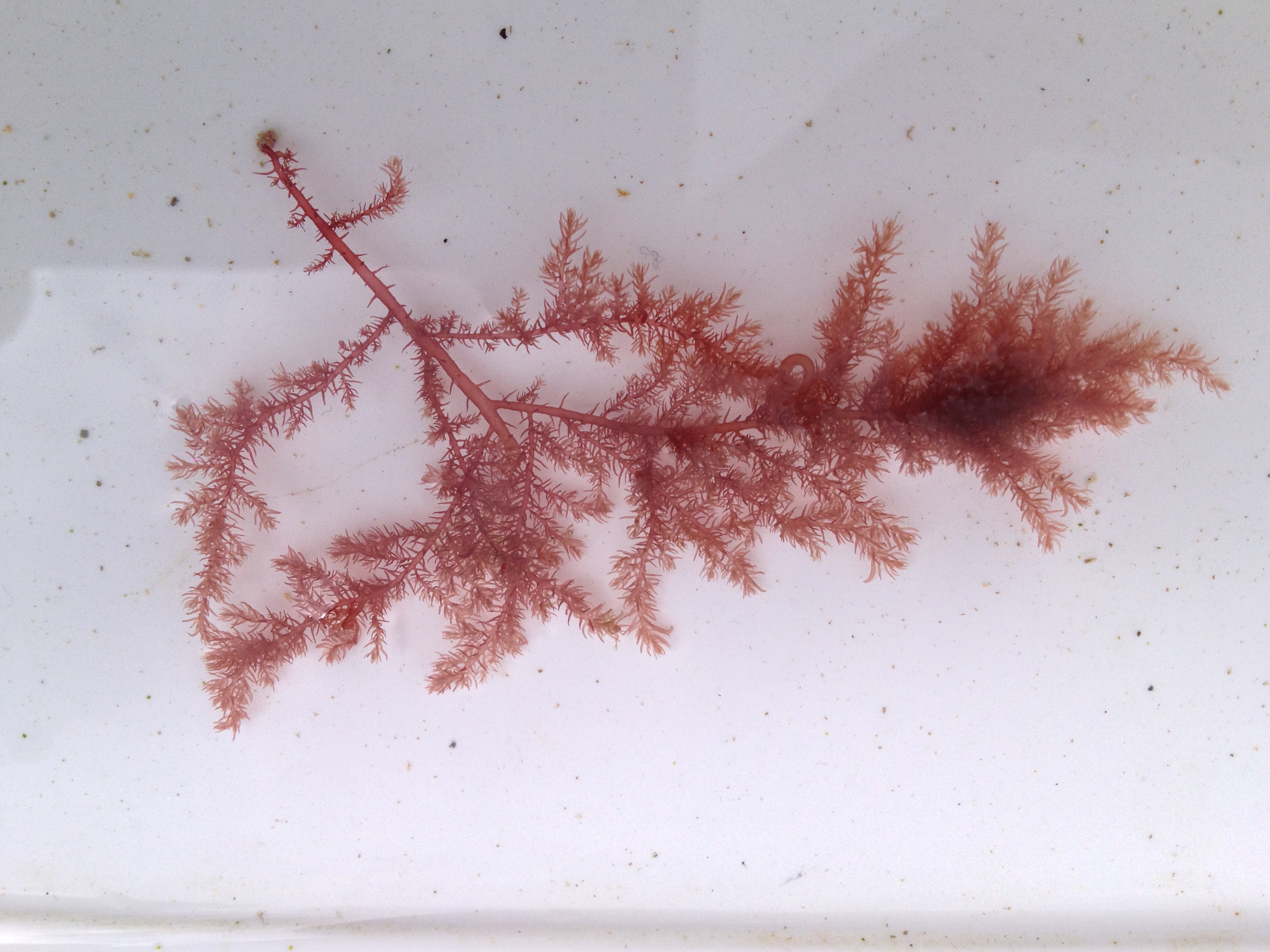
As in Falmouth, the rock pools in Flushing are not looking that great at the moment. Lots of the Corallina has turned white/died (although the clumps in my tank are still their normal purple!). Of course, many species were still thriving, Grape pip weed Mastocarpus stellatus (top), Bunny ears Lomentaria articulata (bottom), new Thong weed Himanthalia elongata ‘buttons’ and a young blade of kelp along with some green Ulva:IMG_0977Among the seaweeds that were thriving was Slimy whip weed Chordaria flagelliformis (I am by no means a seaweed expert and I might be wrong about this, please comment if I am!) and also the beautiful Harpoon weed Asparagospis armata growing as an epiphyte on some darker coloured False eyelash weed. Harpoon weed is invasive and so a good candidate to do well int he aquarium (as most invasive species are quite opportunistic and not too finnicky). It died off in the tank before, but I decided to bring some home to try again now I have a chiller.IMG_0964

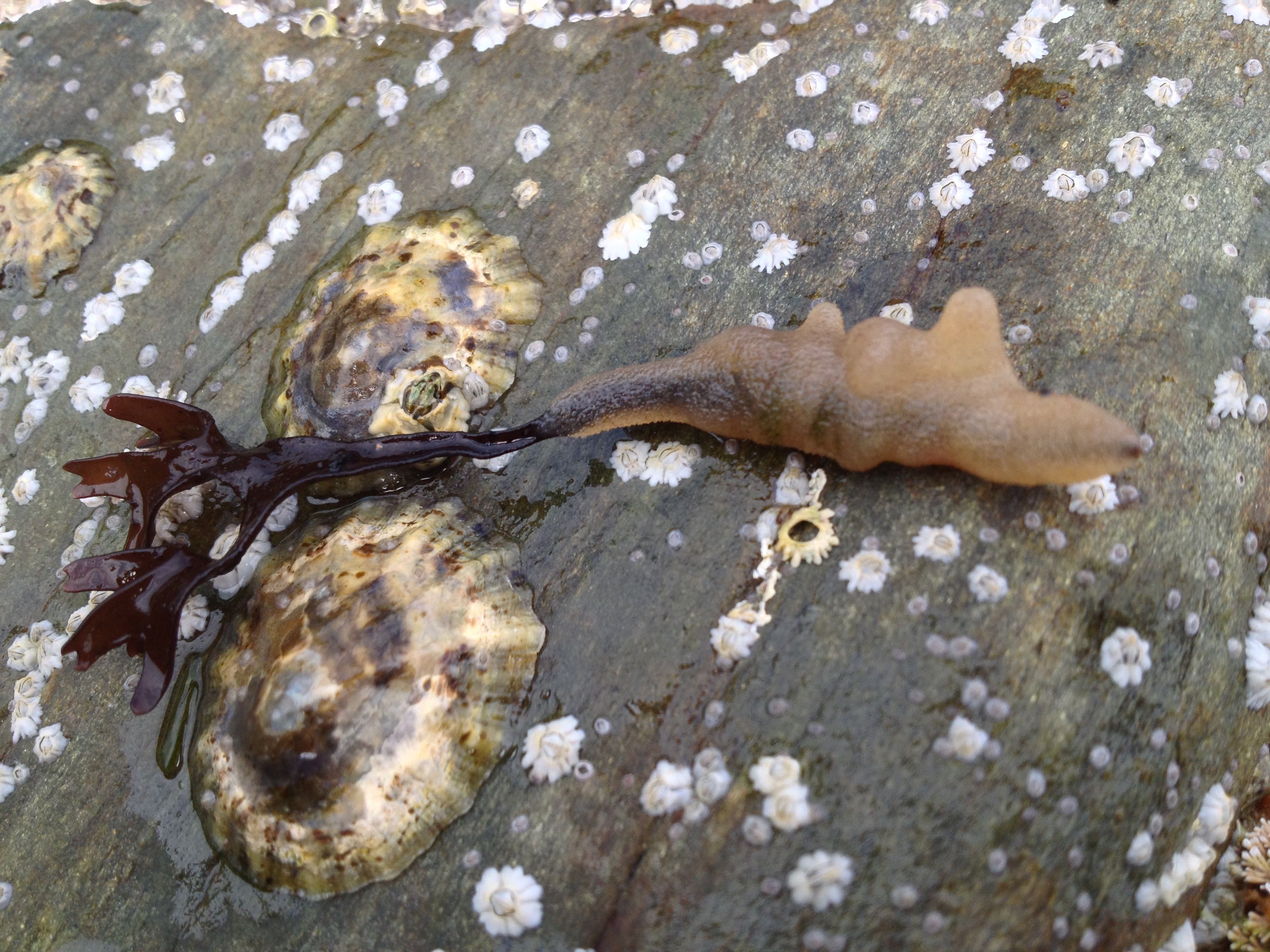
IMG_0970Another tangling invasive species: Bonnemaison’s hook weed Bonnemaisonia hamifera (a characteristic curved hook can be seen in the top-middle):IMG_1020Loads more seaweeds to be found but I will save those for another time. All kinds of tunicates pop up in spring, some of them pretty (see for instance here), some of them less so. For instance the invasive species, the Leathery sea squirt Styela clava and an out-of-focus photo of a second, large (>10 cm) species that did not get a lot of response on the NE Atlantic Tunicata FaceBook group. Aplidium nordmanni was offered, see here for a much smaller version of that species. Not a looker either in any case!IMG_1055

IMG_1030I brought my little aquarium net and found many juvenile (<1 cm) fish as well as Mysis shrimp. The fish look like gobies but it is hard to see. They were completely translucent and so you can see what this one just ate. I should take some bits of seaweed home to see what comes crawling and swimming out under a little USB microscope (quite easy to make little videos). It is hard to come up with decent images squatting and squinting on a slippery rock with a salt-encrusted mobile phone!

IMG_0950

IMG_1013


st. agnes

IMG_6594

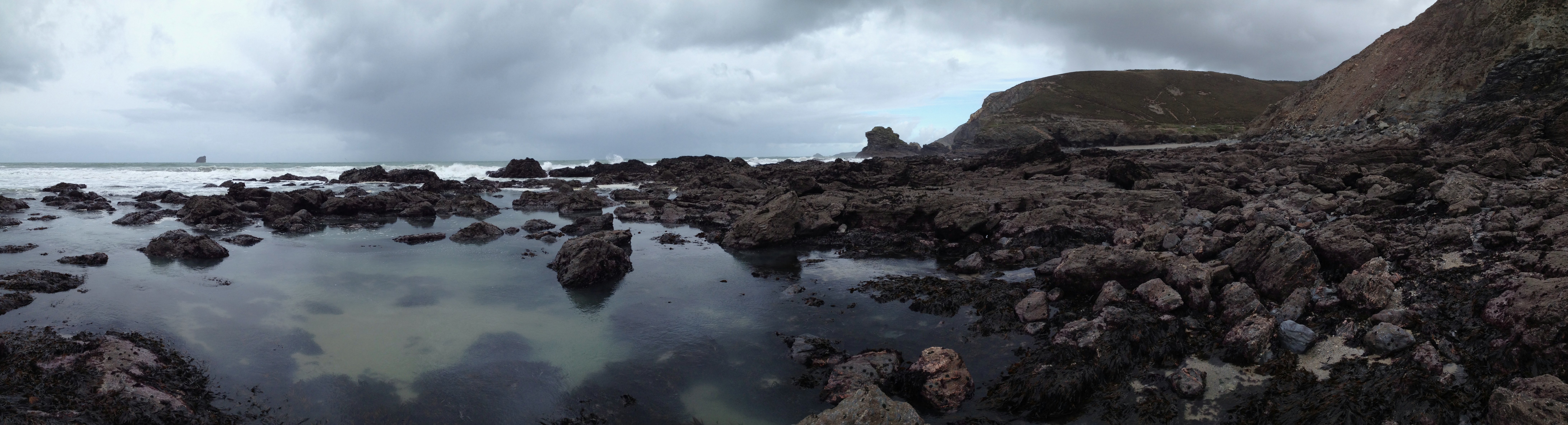
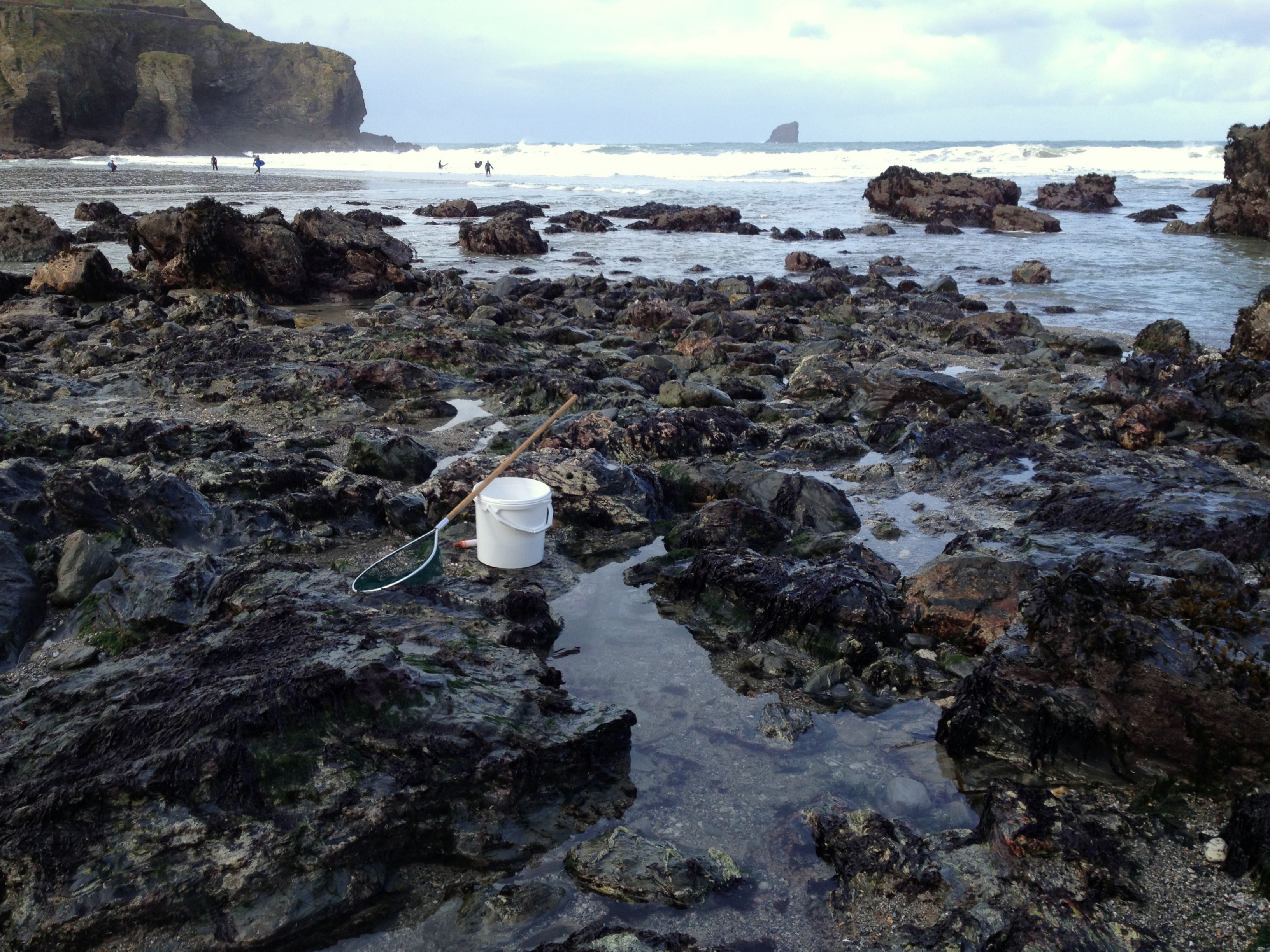
Last Sunday I ventured to the north coast for a rock pool ramble with Matt Slater of the Cornwall Wildlife Trust (see this great blog) and the local marine conservation group (who also have a nice blog). I actually had never rock pooled at the north coast before (shame on me) and so it was nice to see this exposed habitat, quite different from my main haunts at Castle Beach in Falmouth and Trefusis Point in Flushing:

IMG_6533

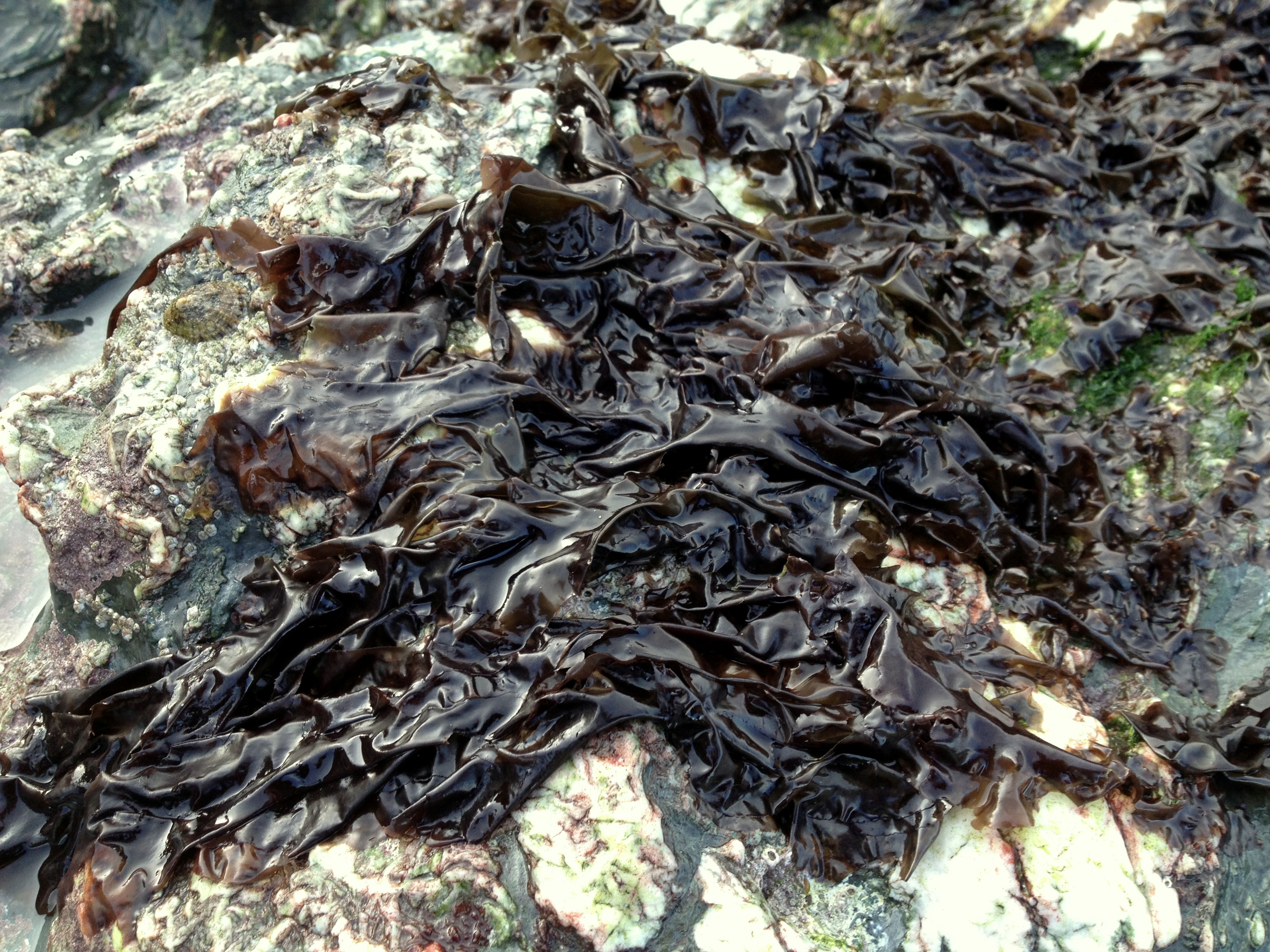
The rocks were much more bare and the number of animals a lot lower. However, there were quite some seaweeds. I finally saw (the edible) Laver Porphyra spp (probably Black laver Porphyra dioica):

IMG_6535

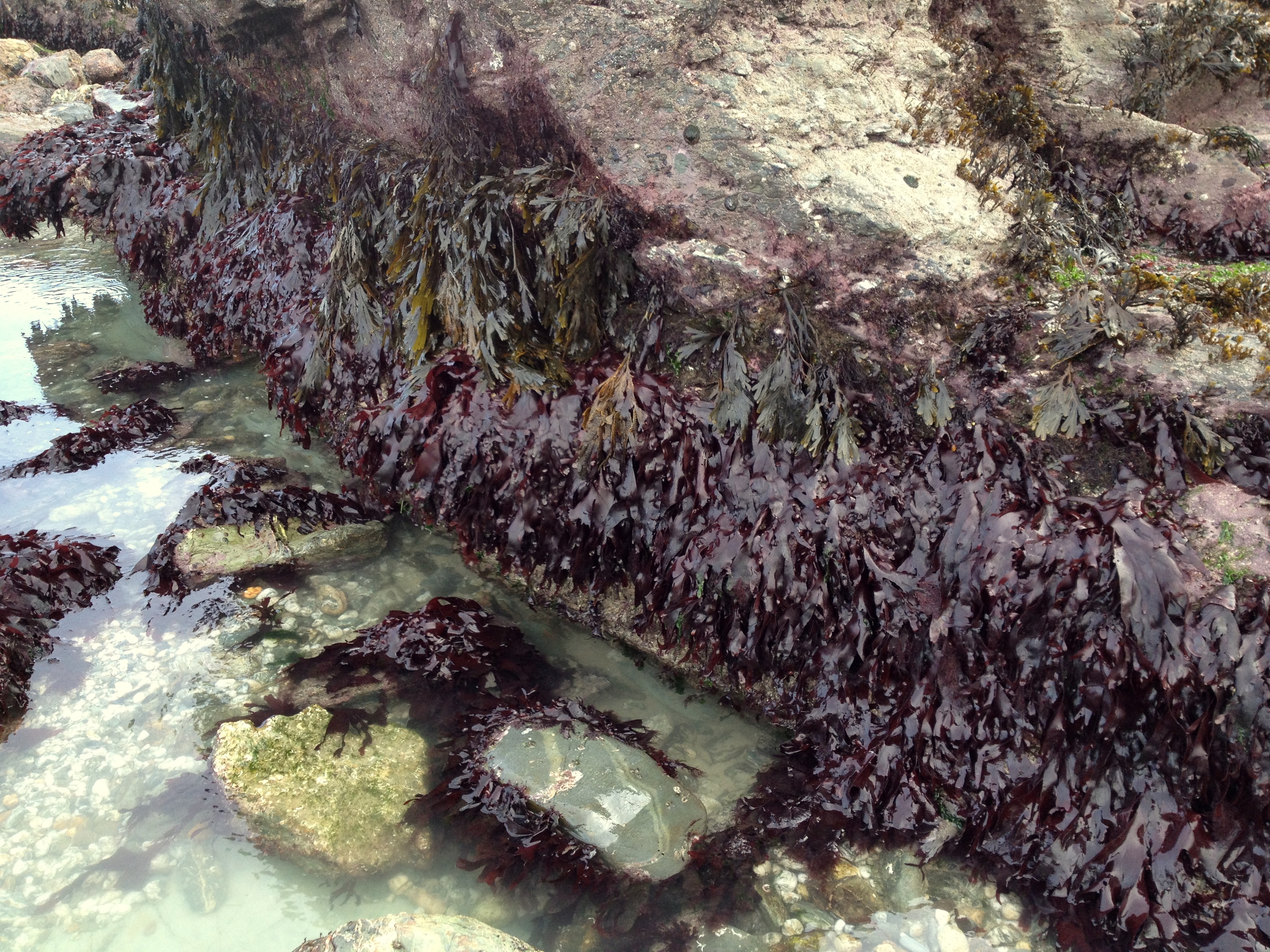
Another edible species, Dulse Palmaria palmata, was incredibly common here:

IMG_6545

I won’t add too many seaweed pics in this post, but I liked this shot of Serrated wrack Fucus serratus:

IMG_6579

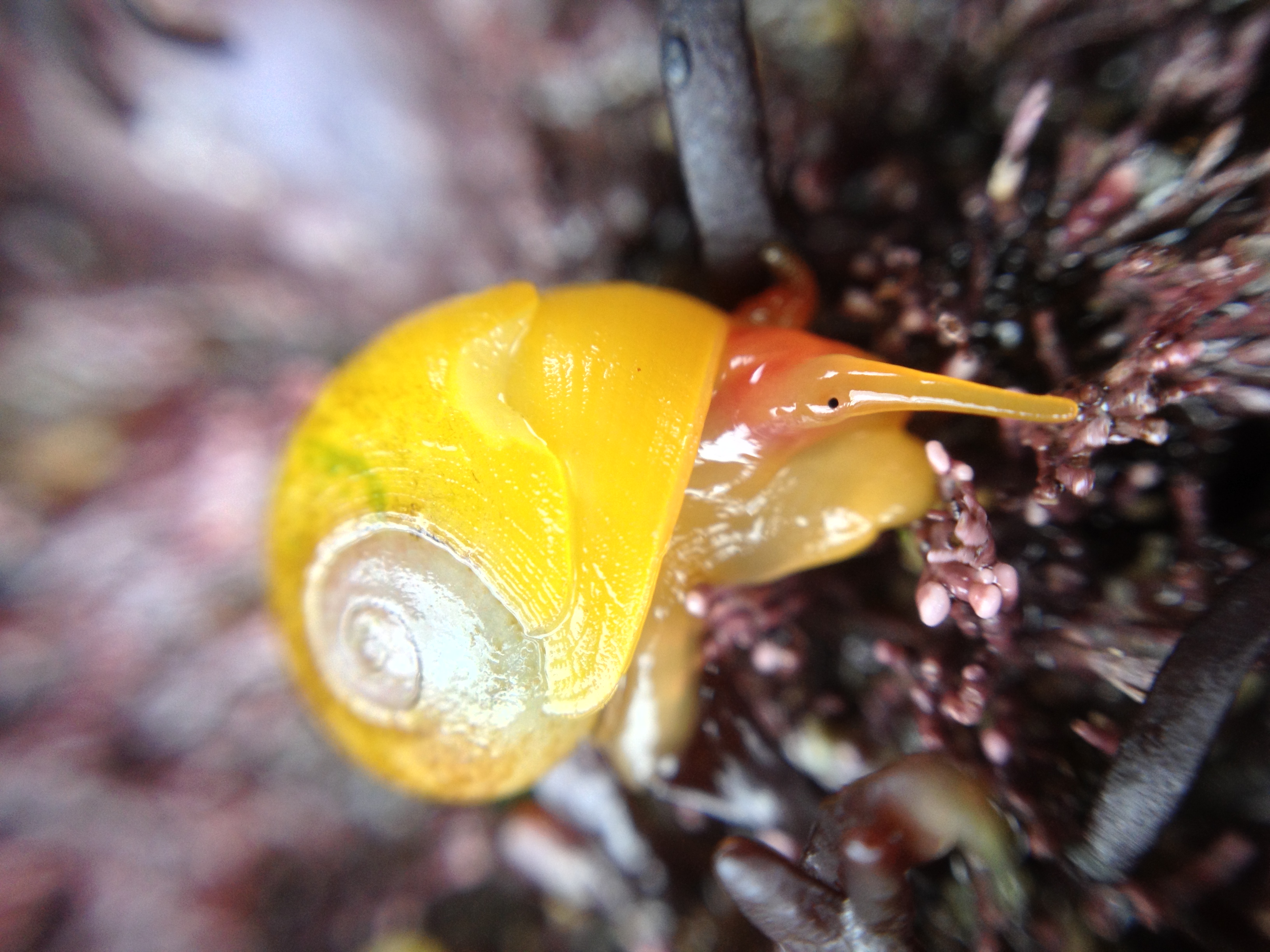
Brown and yellow Flat periwinkles Littorina obtusata (or possibly Littorina mariae, I did not bother to check) where common:

IMG_6607

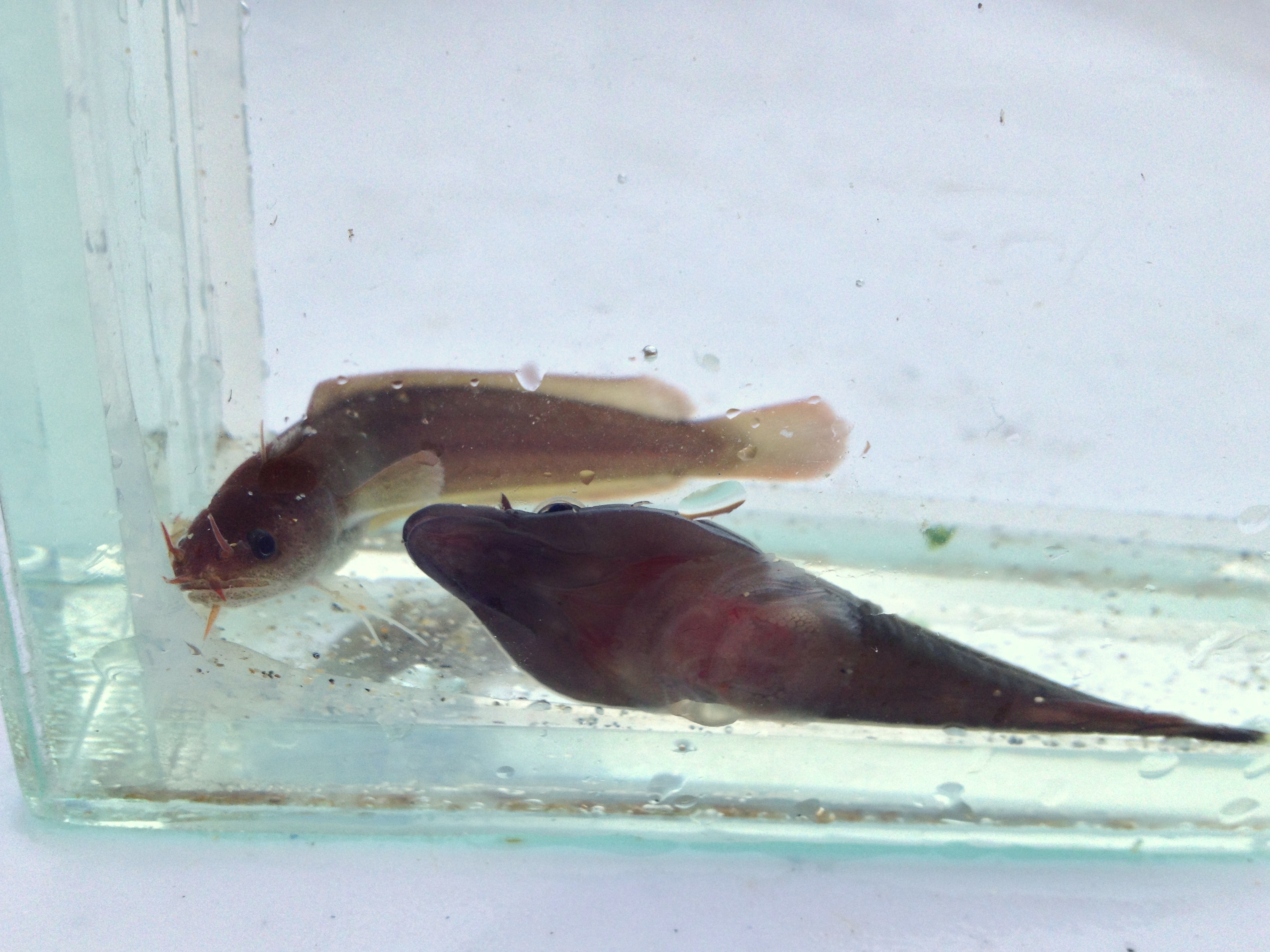
We found a Shore cling fish Lepadogaster lepadogaster and a Five-bearded rockling Ciliata mustela:

IMG_6613

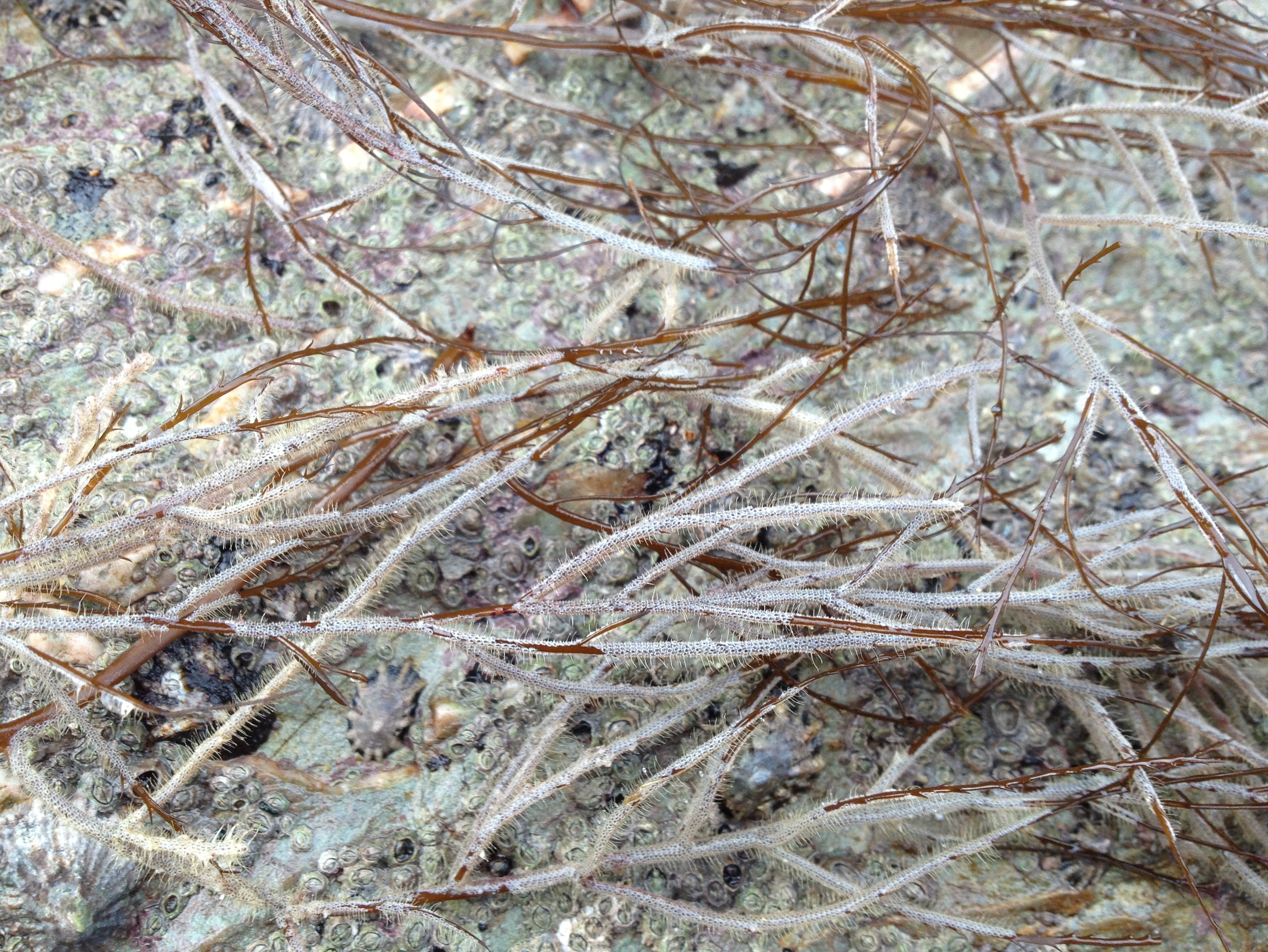
I found a couple of pieces of a branched seaweed covered in the bryozoan Electra pilosa:

IMG_6565

IMG_6592

All in all a good session. I hope to go back soon to take better pictures of the seaweeds!

Sea mats

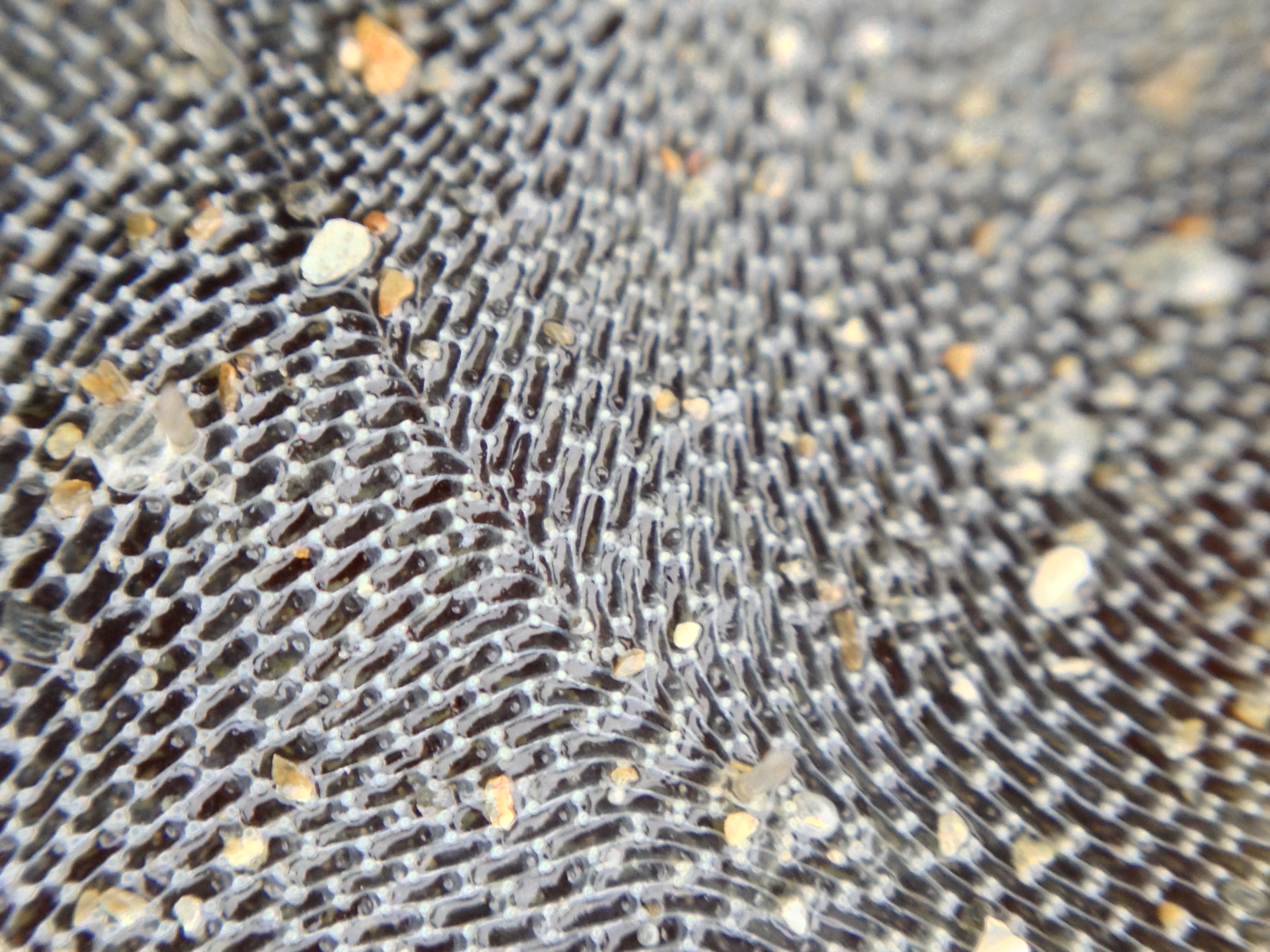
A close-up of the Sea mat Membranipora membranacea taken with my olloclip macrolens for the iPhone. This Bryozoan forms colonies on flat seaweeds. Each rectangular chamber (cuticle) houses an individual zooid. Each zoid feeds on plankton using a lophophore, a group of ciliated tentacles. Zoids differentiate into specialized types, for feeding, cleaning the colony surface or as brood chambers for embryos.

IMG_0313

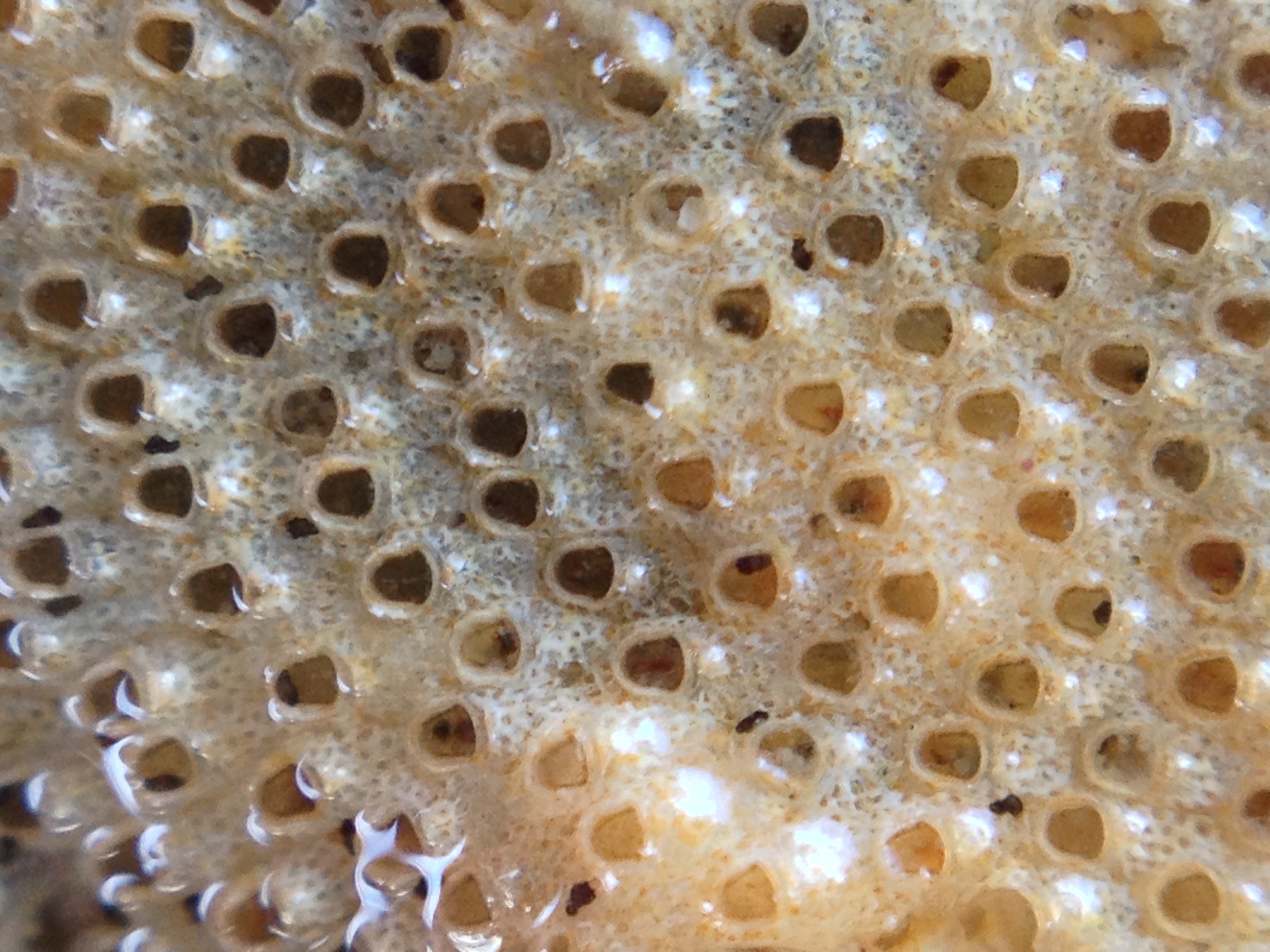
A close-up of the Hairy sea mat Electra pilosa, a species very common under rocks:

IMG_1159

rock pooling from the comfort of my home

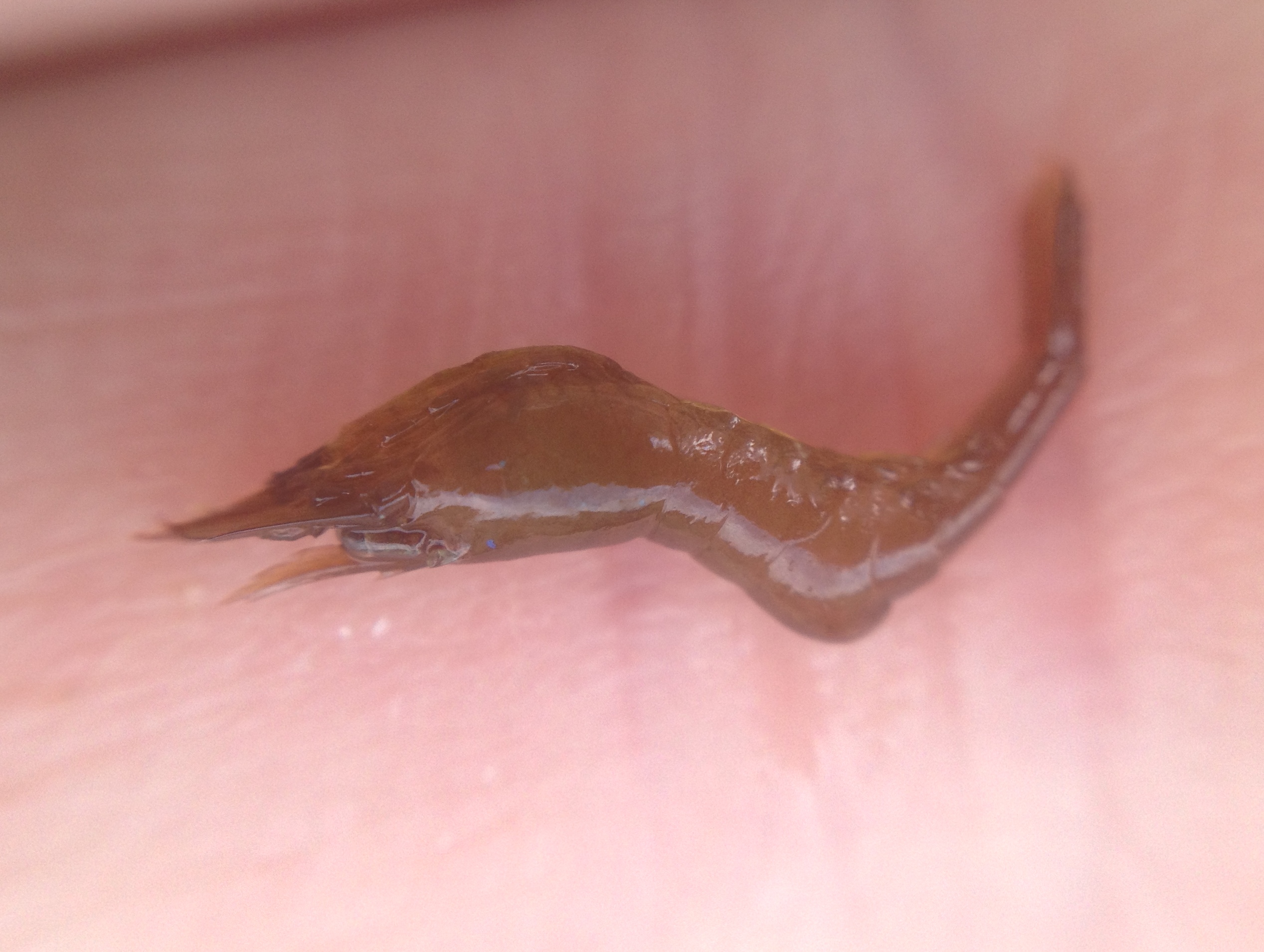
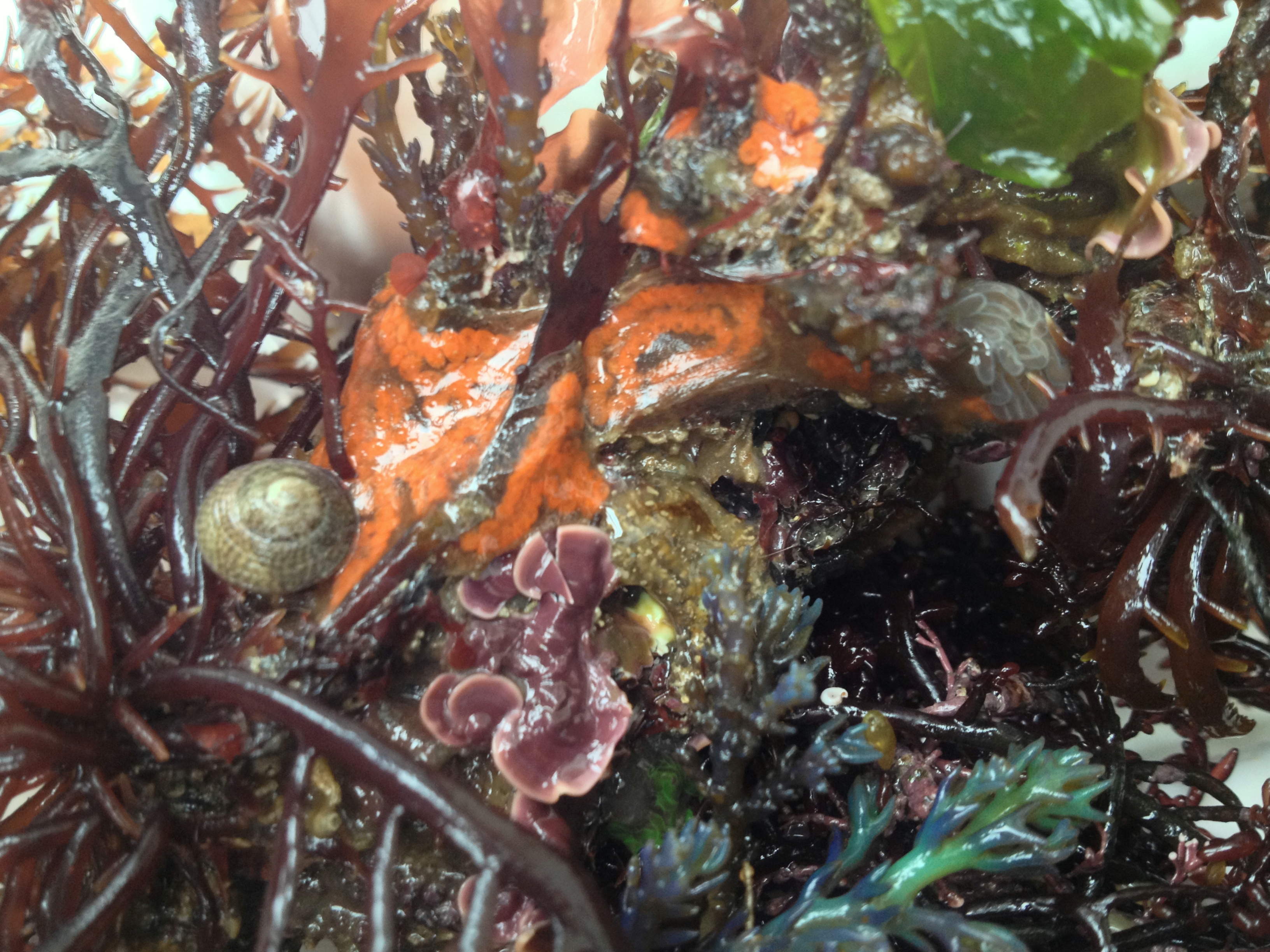
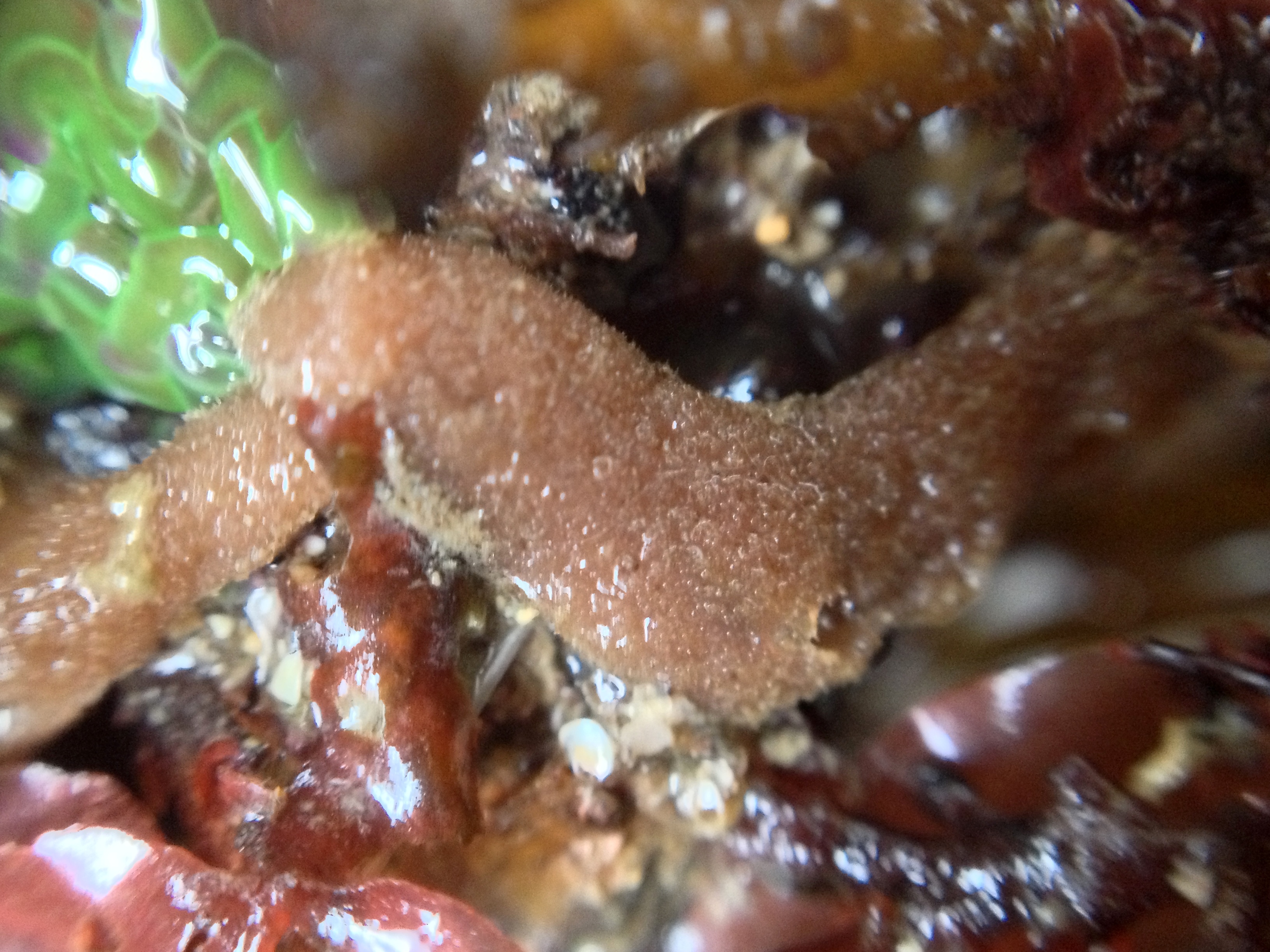
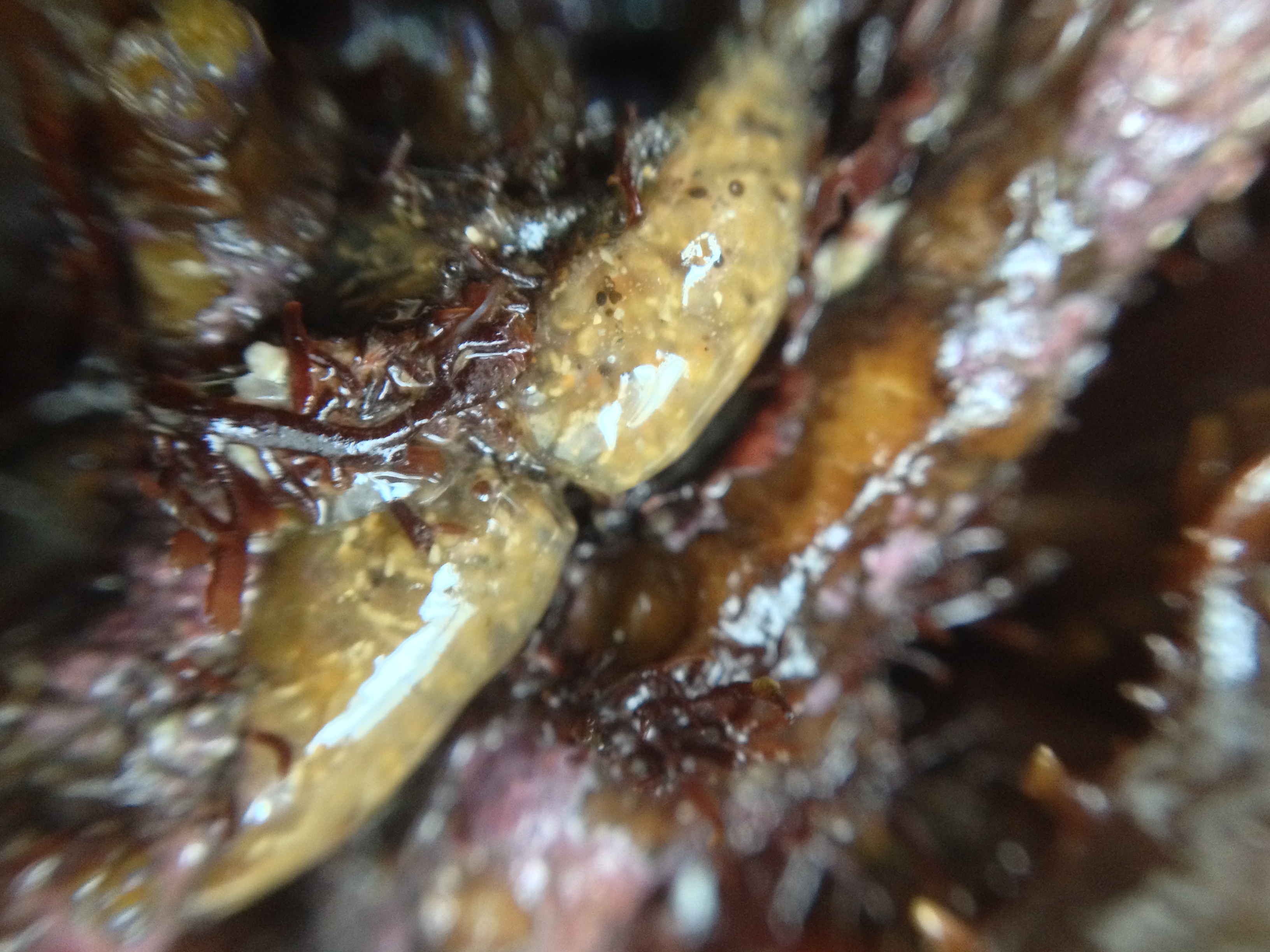
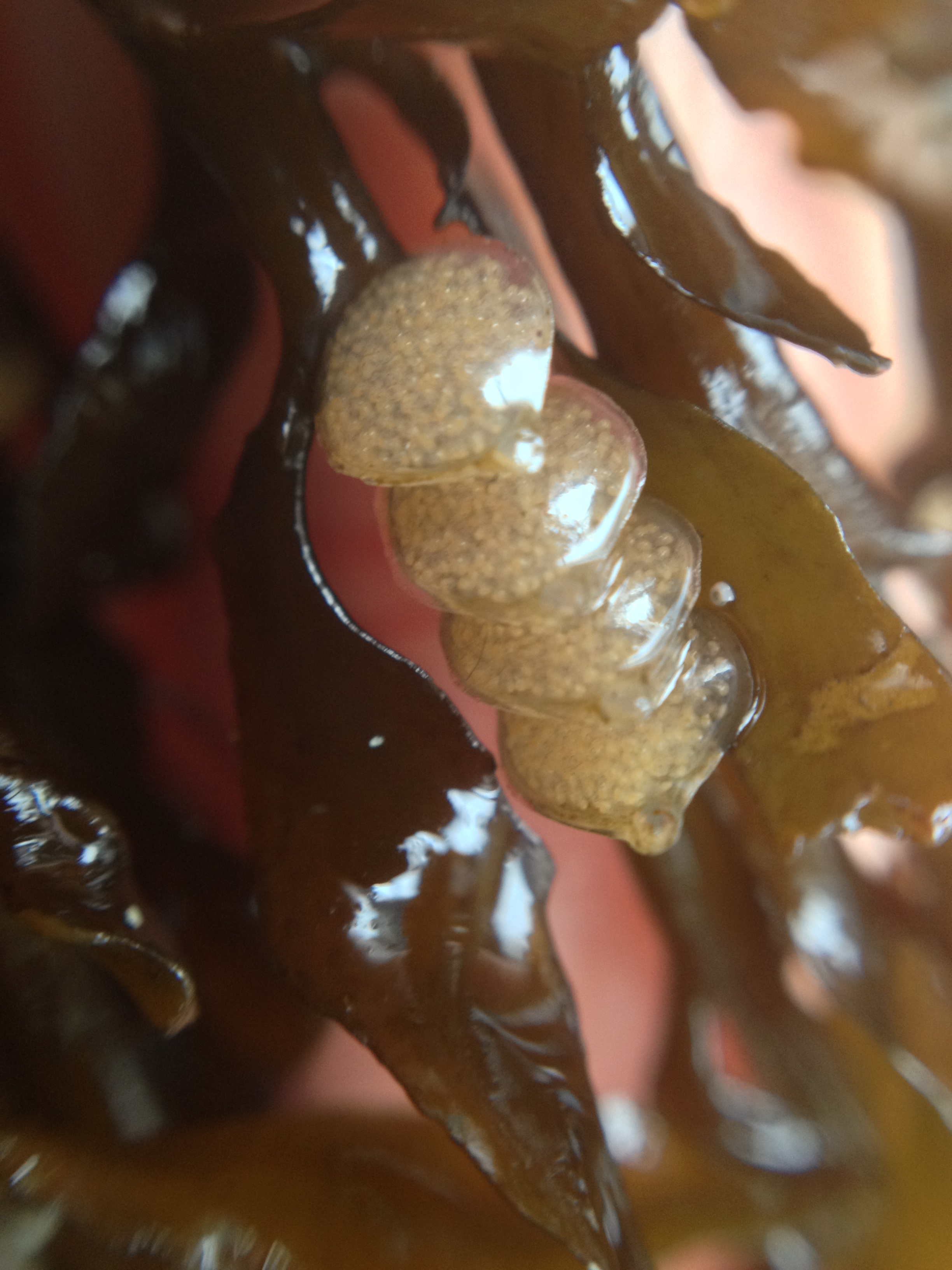
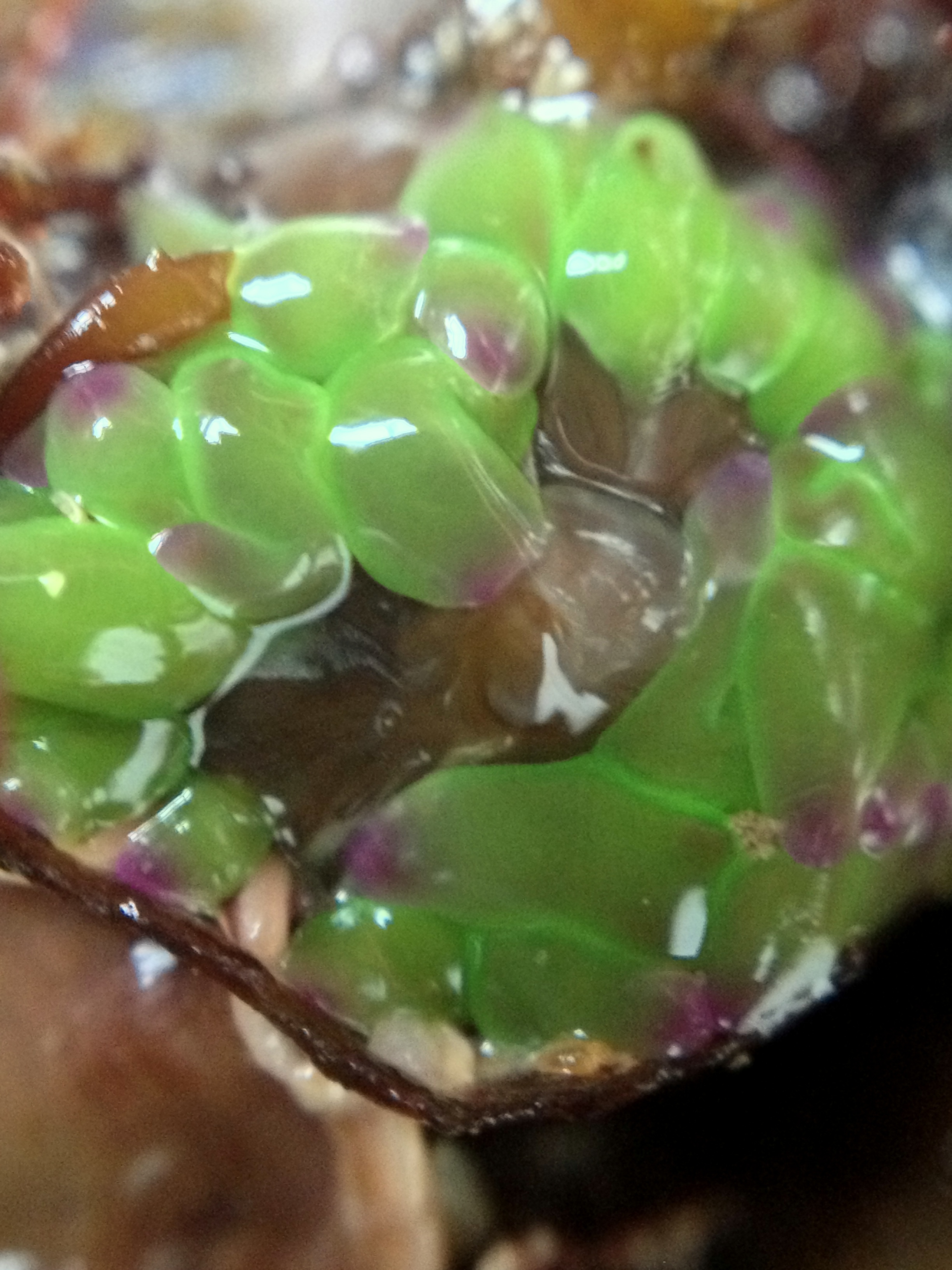
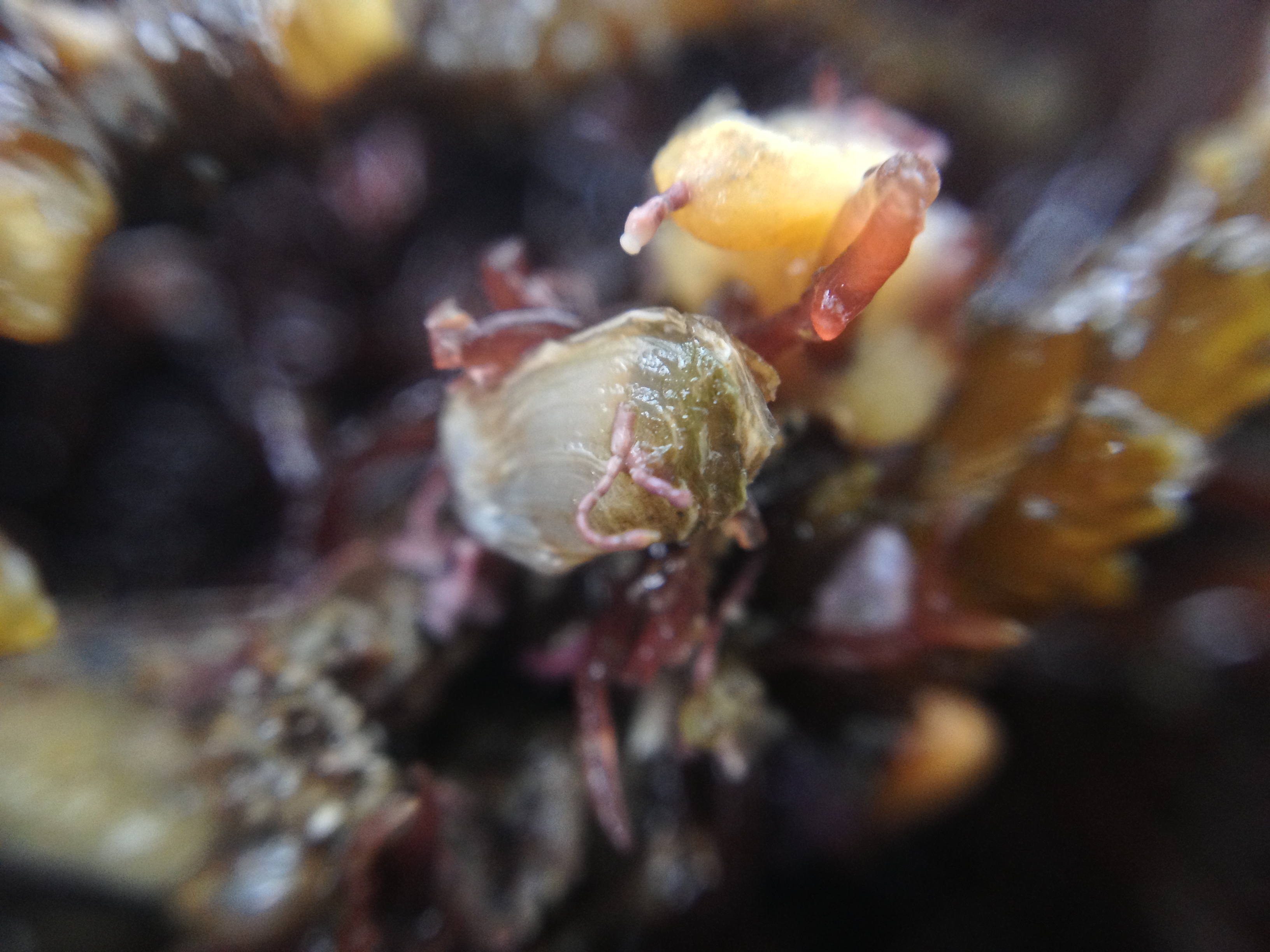
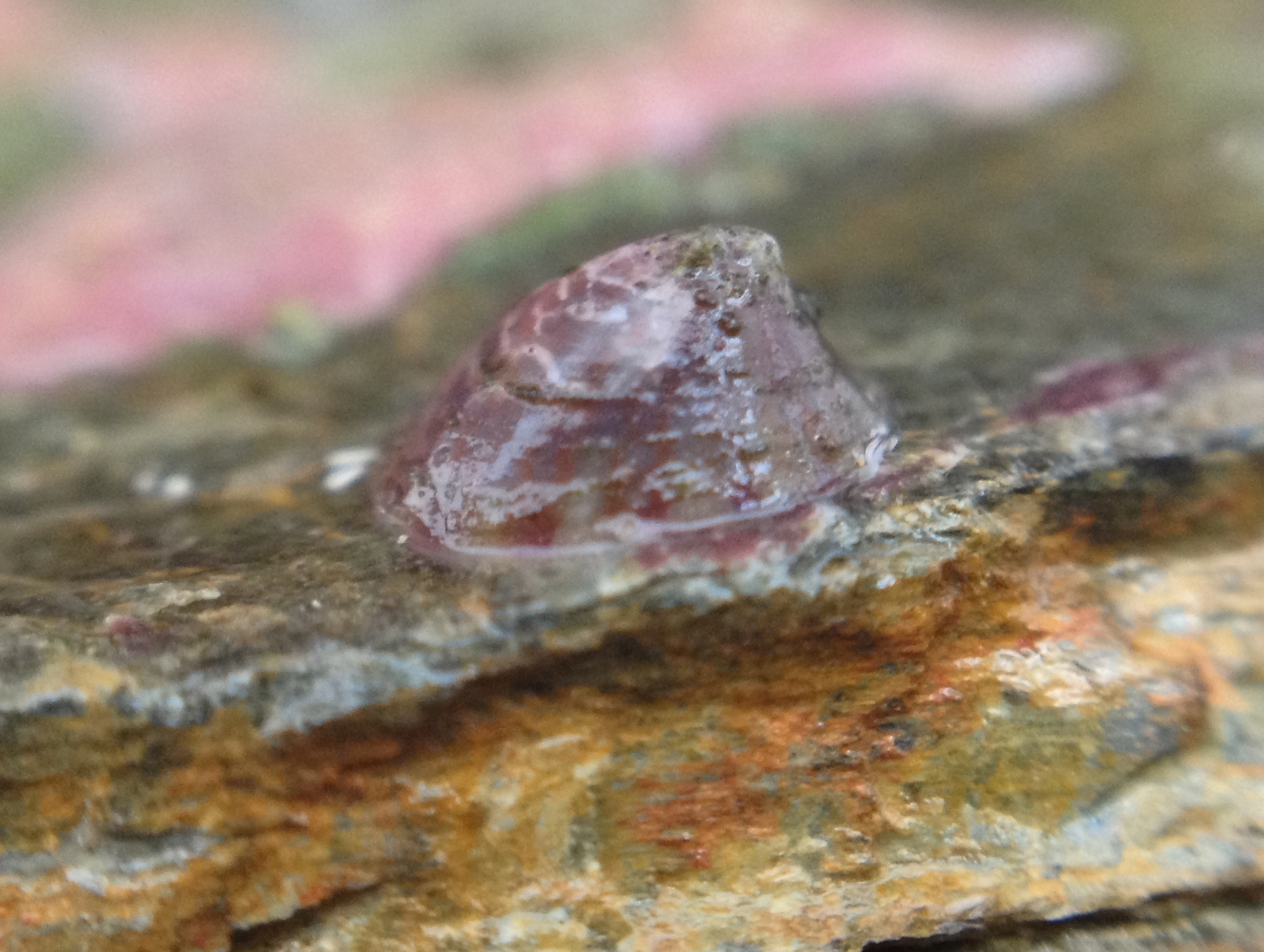
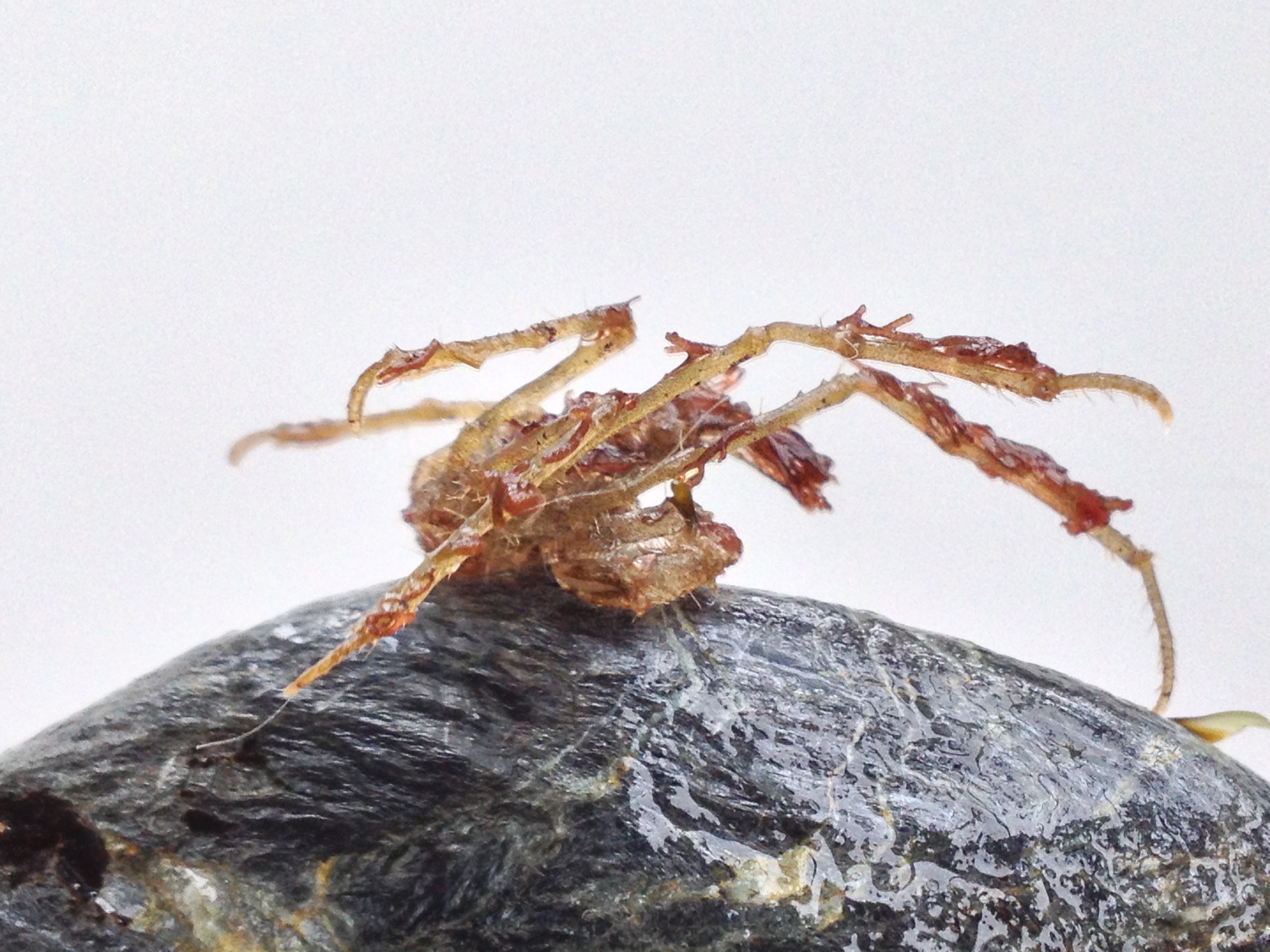
It was too cold and windy to spend a lot of time on the beach, so I took a closer look at my seaweed catch back home. I was amazed at the diversity of organisms growing amidst the weeds. A lot of them are easily overlooked when rock pooling as you need some time (and preferably a comfortable seat) to find them. Below Bushy rainbow wrack with epiphytic False eyelash weed and Pink plates Mesophyllum lichenoides (I will not give the Latin names of species described in preceding posts for brevity). Some bright green sea lettuce Ulva, a grey topshell Gibbula cineraria, a snakelocks anemone Anemonia viridis and in the middle a bright orange colony of the tunicate Botrylloides leachi: IMG_1804I found many large Breadcrumb sponges Halichondria panicea but the picture I took did not turn out to be in focus. I do not know what the organism below is, perhaps a bryozoan (please feel free to comment!). IMG_1816I am not sure what this is either! IMG_1796Dog whelk Nucella lapillus eggs (I now also notice a tiny brittle star in the middle): IMG_1835Egg cases of the thick-lipped dog whelk Hinia incrassata: IMG_1758A small snakelocks anemone; interestingly enough all of these were the green variant (with purple tips) and there were none of the pinkish ones. I have read some interesting notes about aggressive behaviors between the two types, something to look into for a future post. IMG_1807A Marbled Crenella Modiolarca tumida, a tiny bivalve typical of seaweed holdfasts: IMG_1776A tiny White tortoiseshell limpet Tectura virginea: IMG_1782I saw something creeping out of the seaweeds on the floor out of the corner of my eye: a small Long-legged spider crab Macropodia rostrata. This species adorns itself with seaweeds for camouflage: IMG_1870

IMG_1878