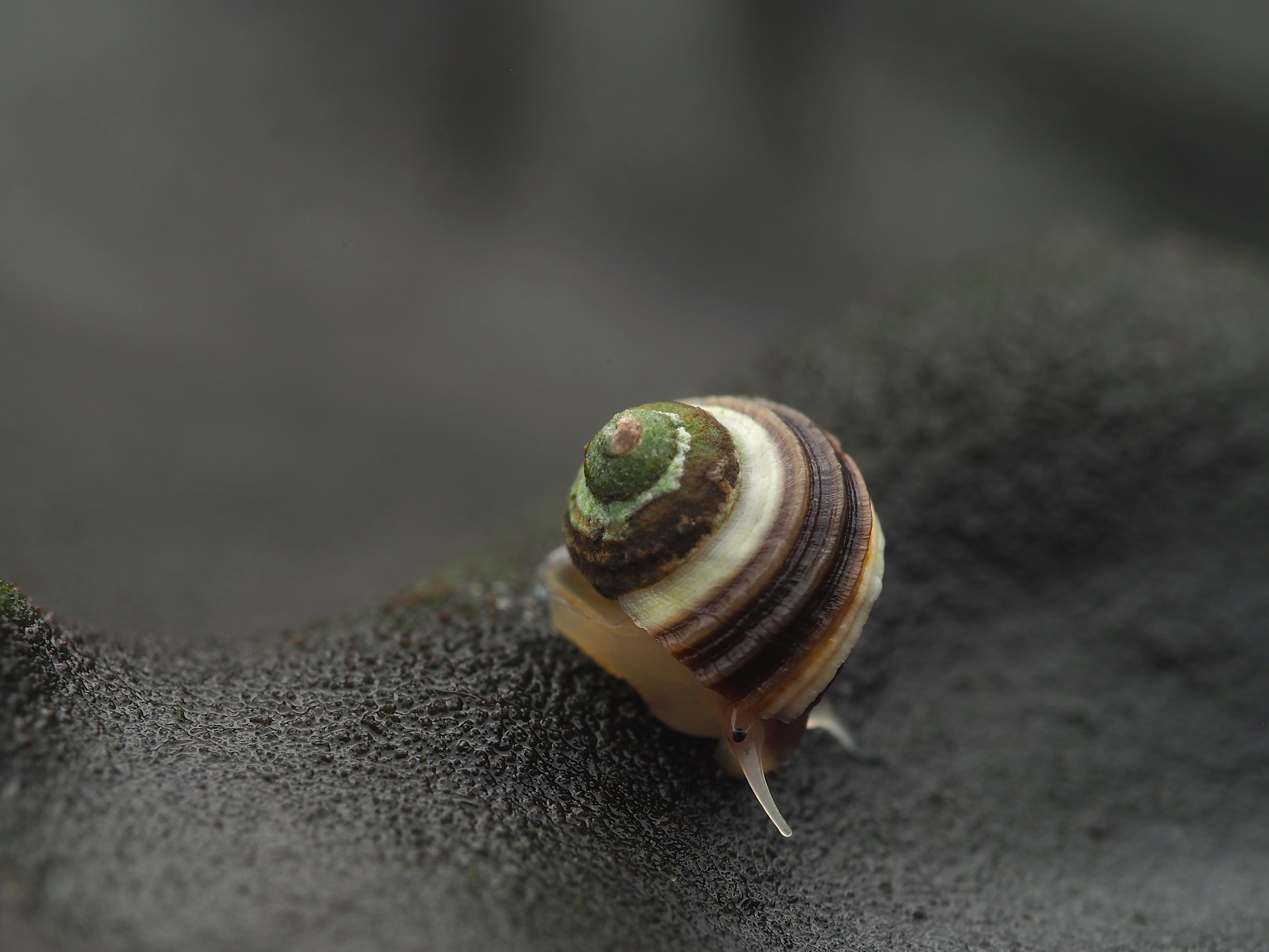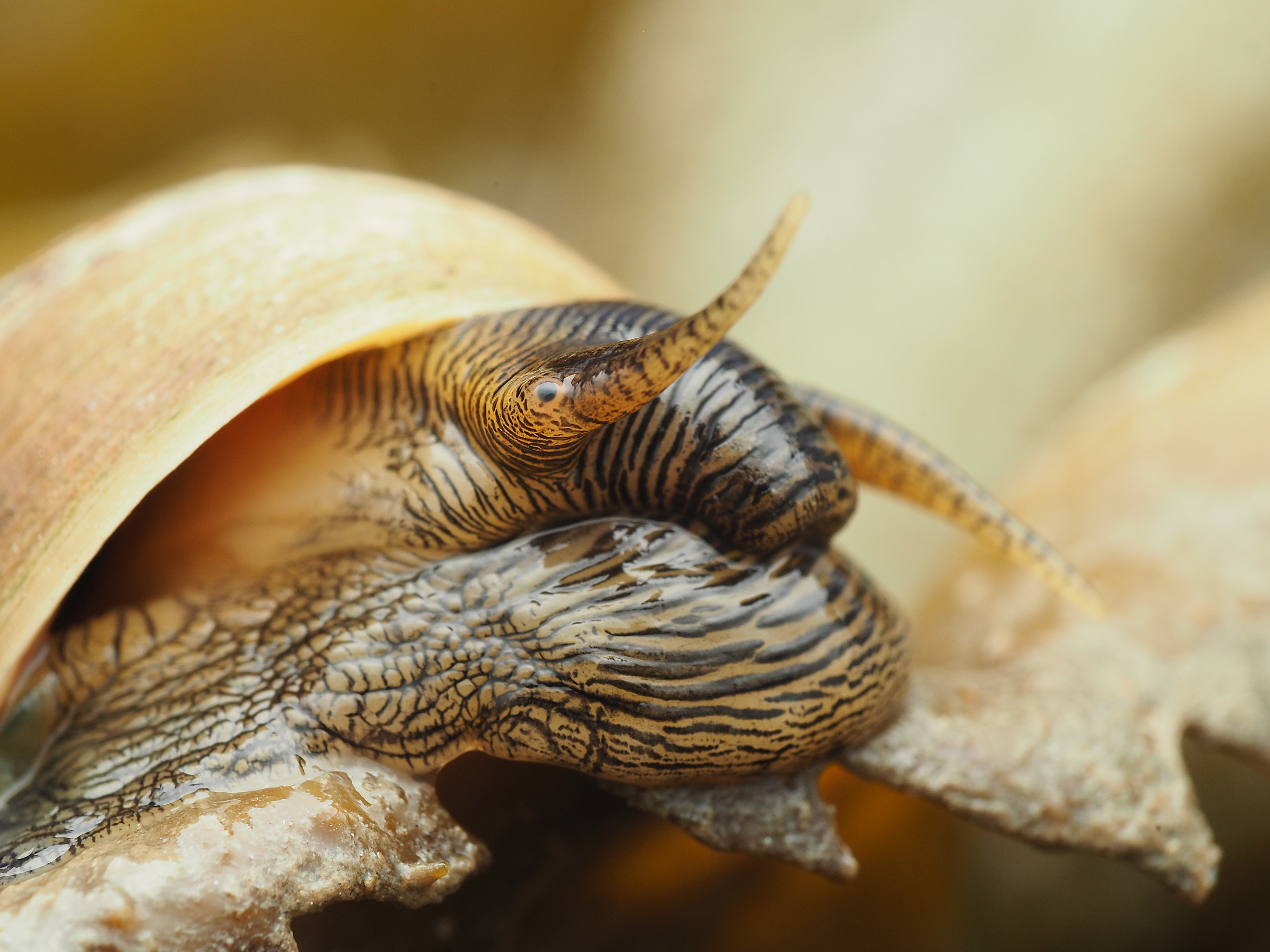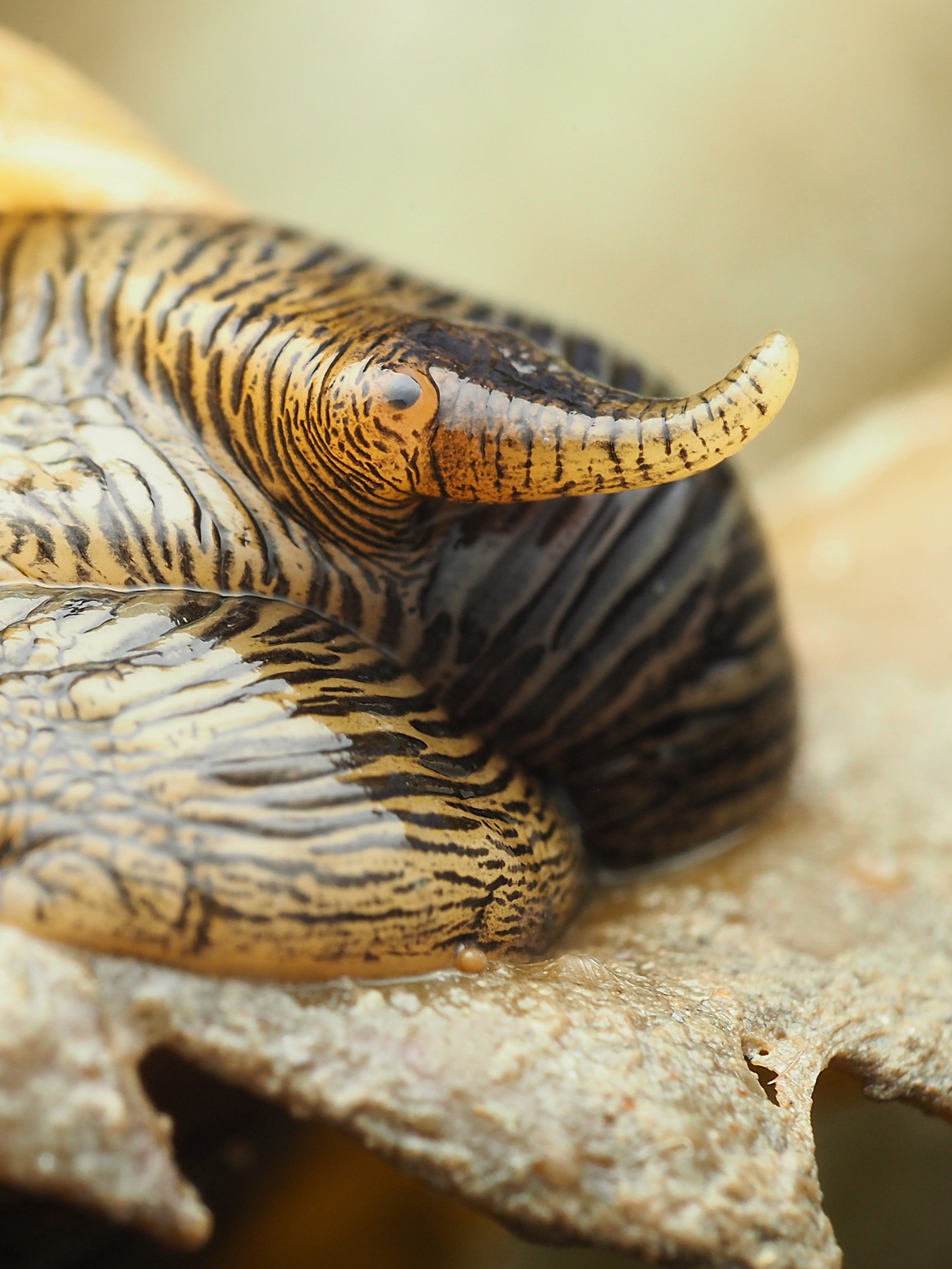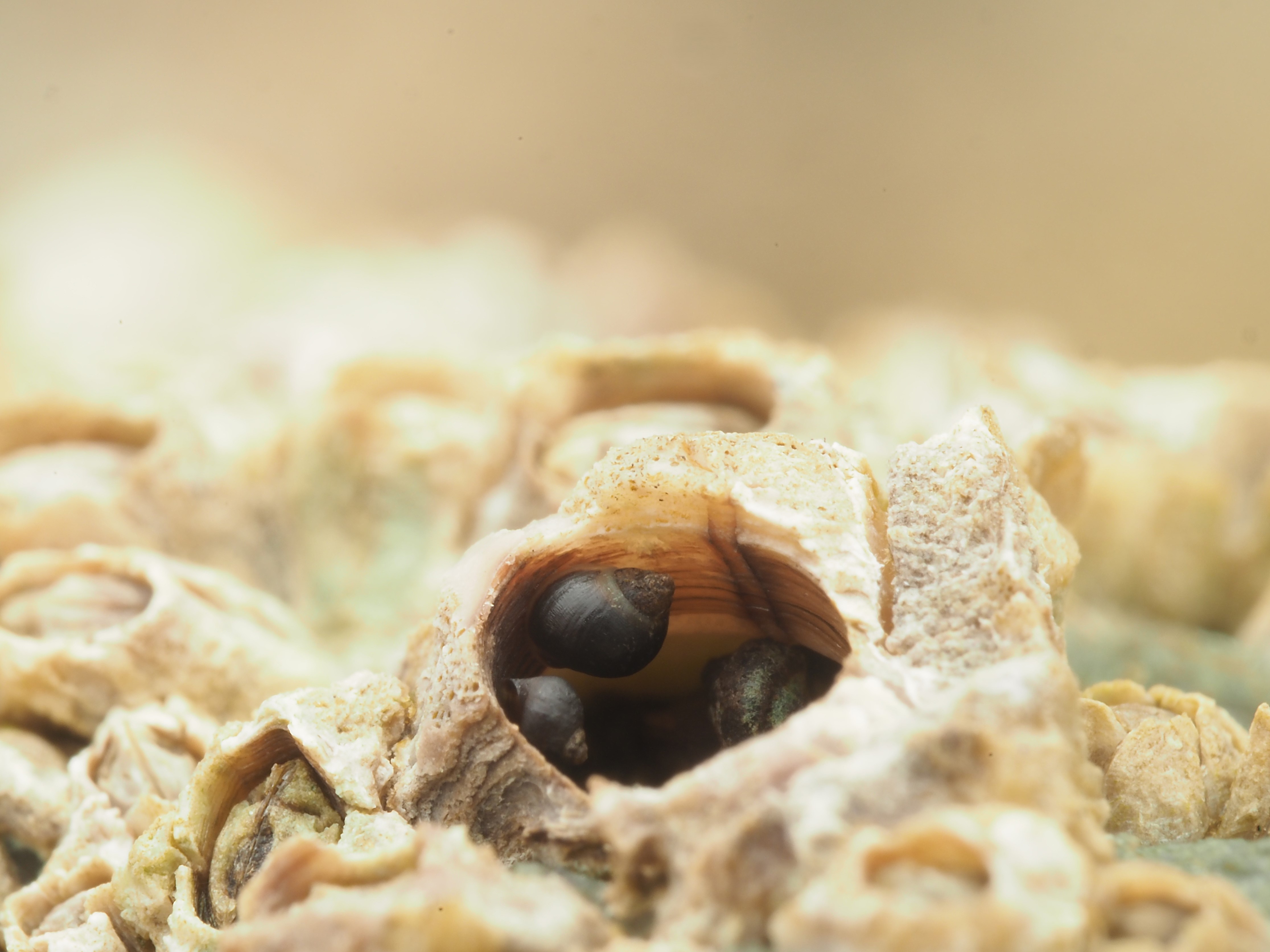
Two Fish in Flushing

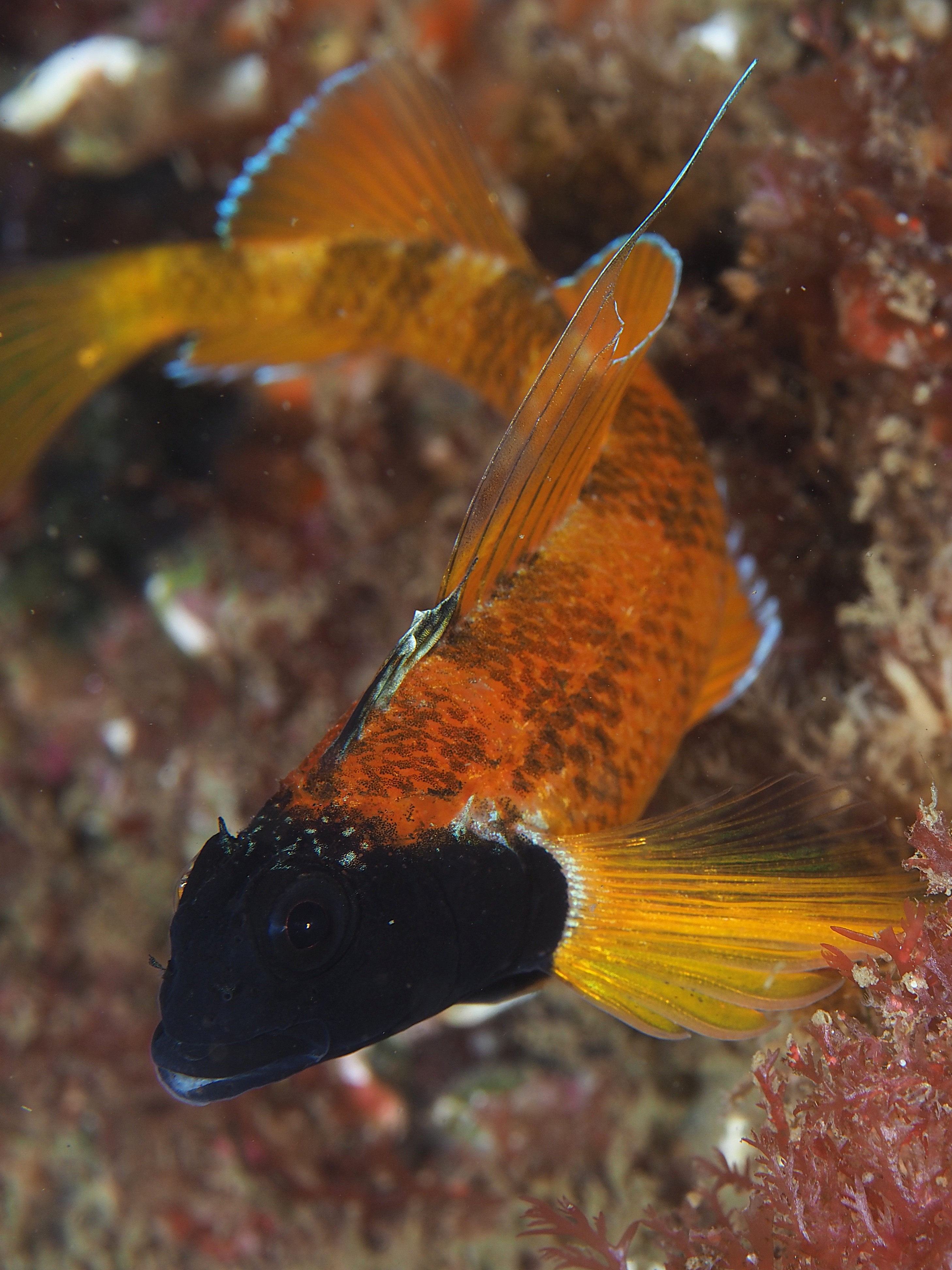
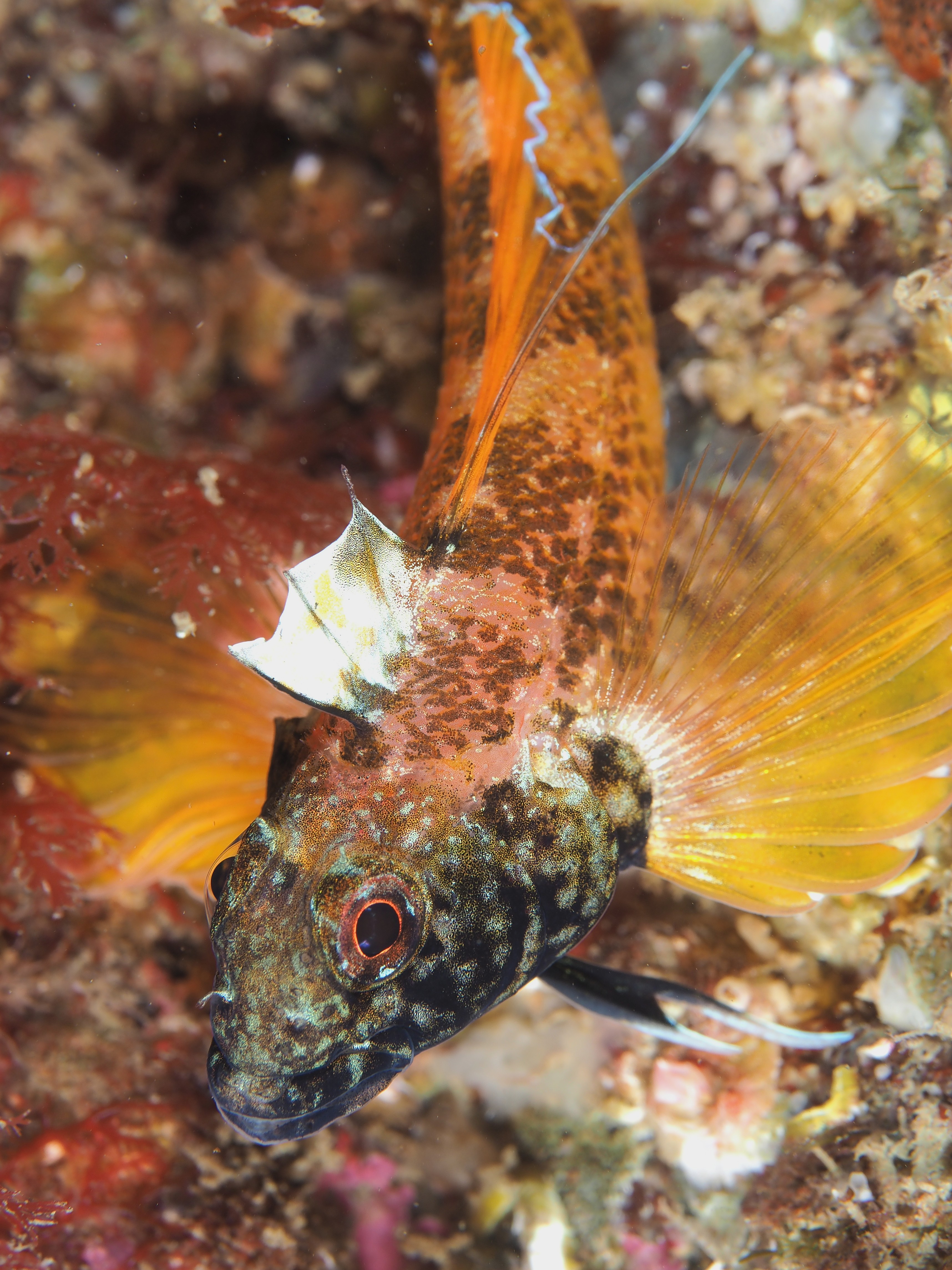
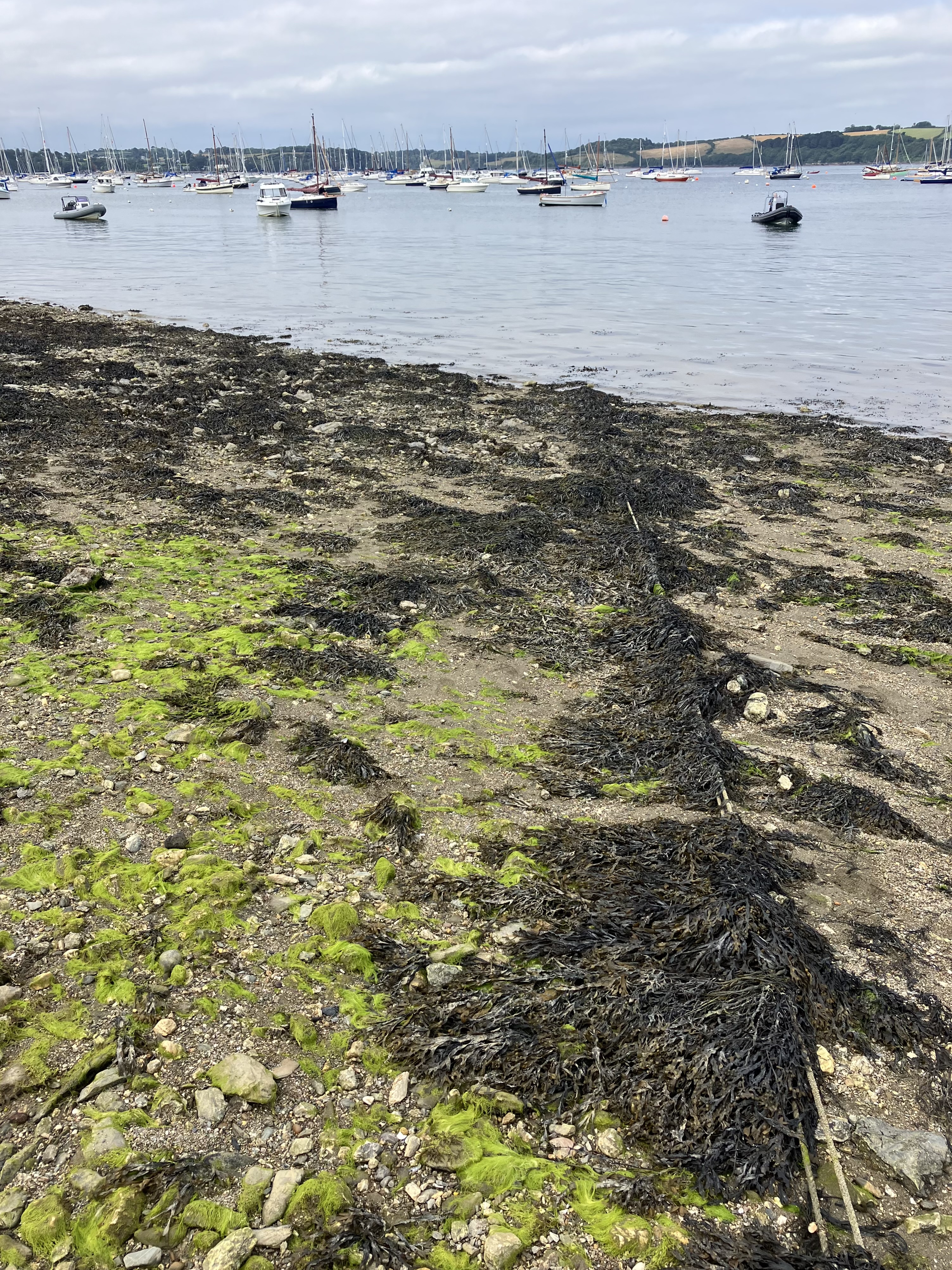
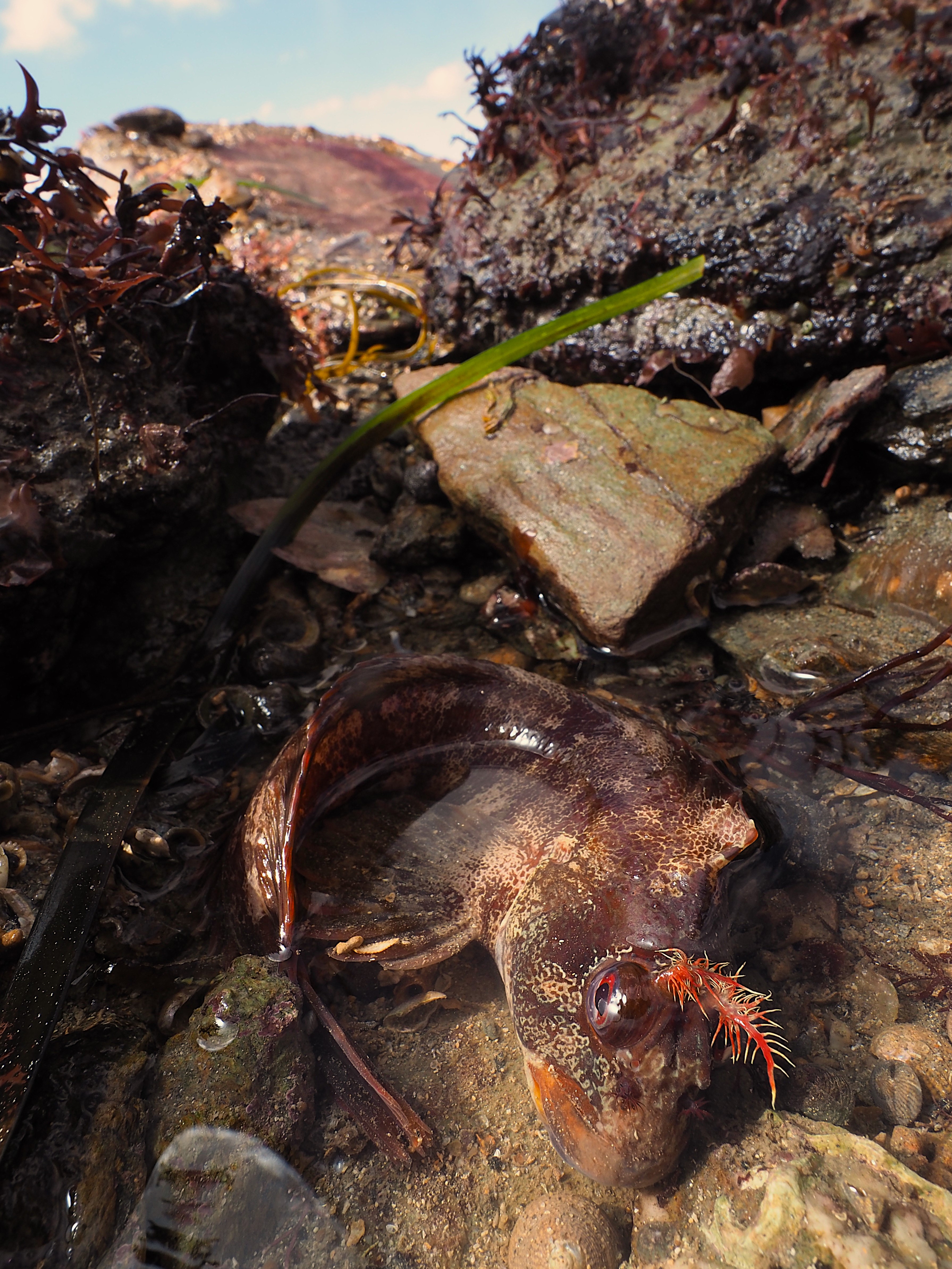
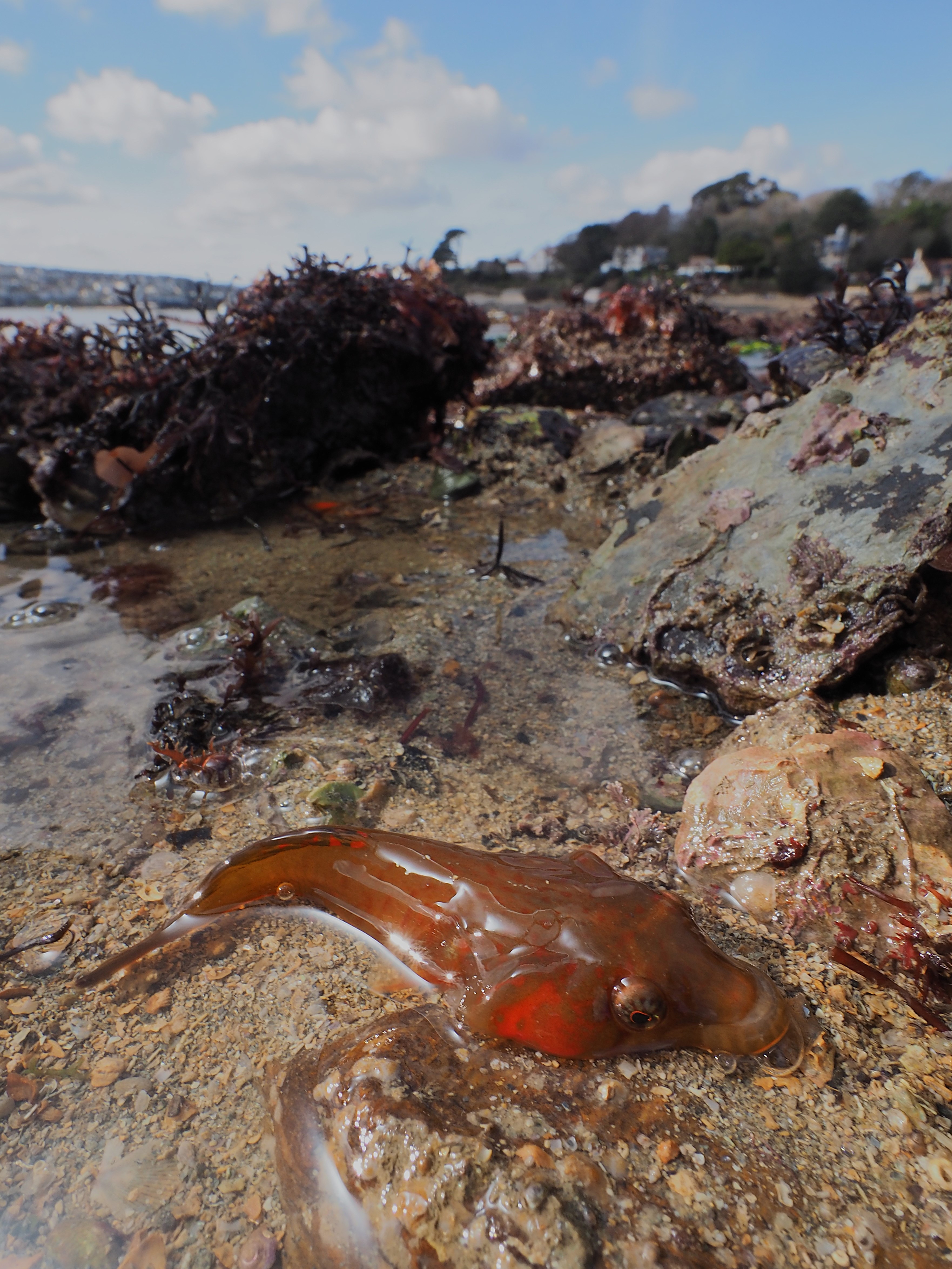
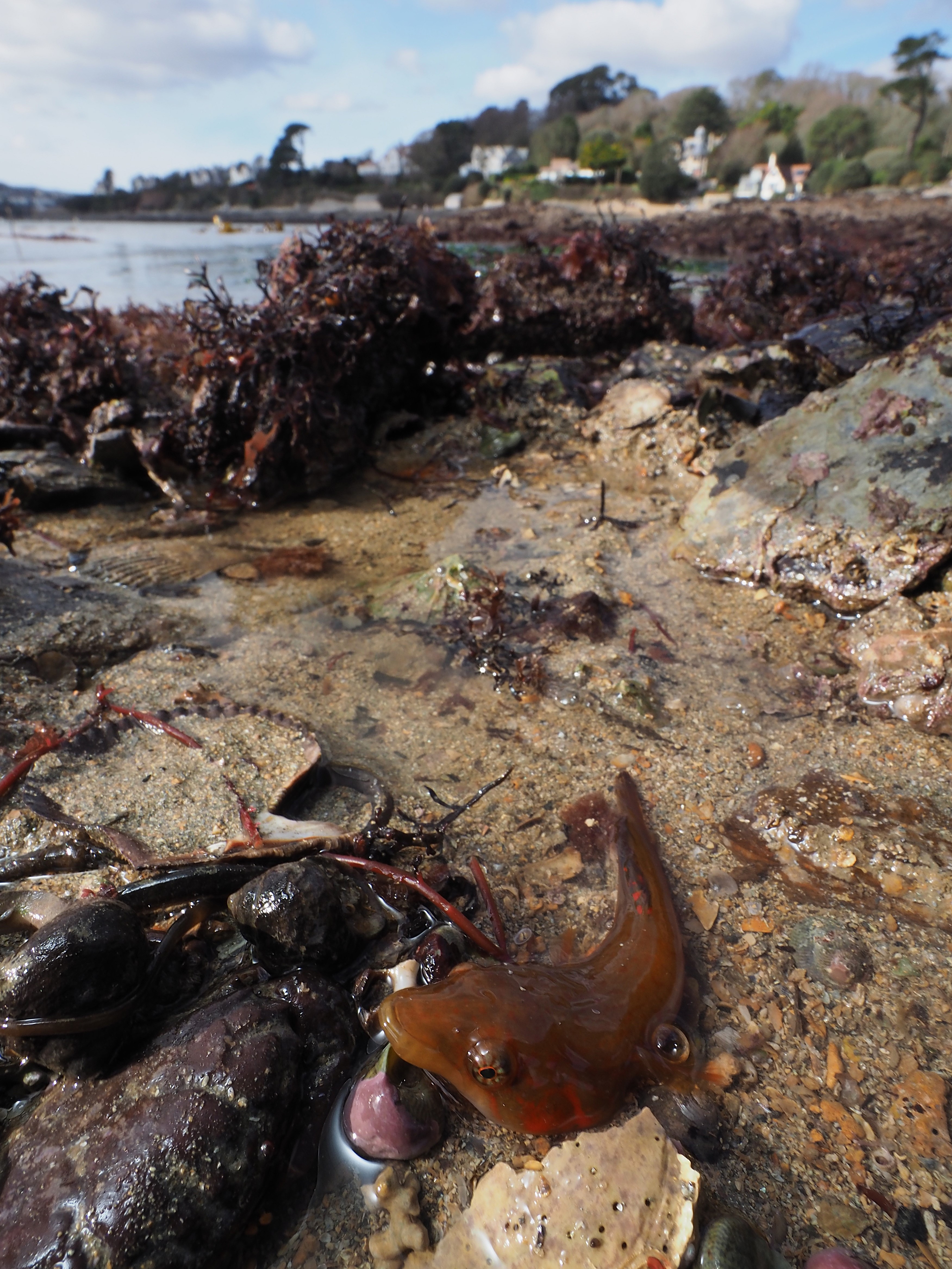
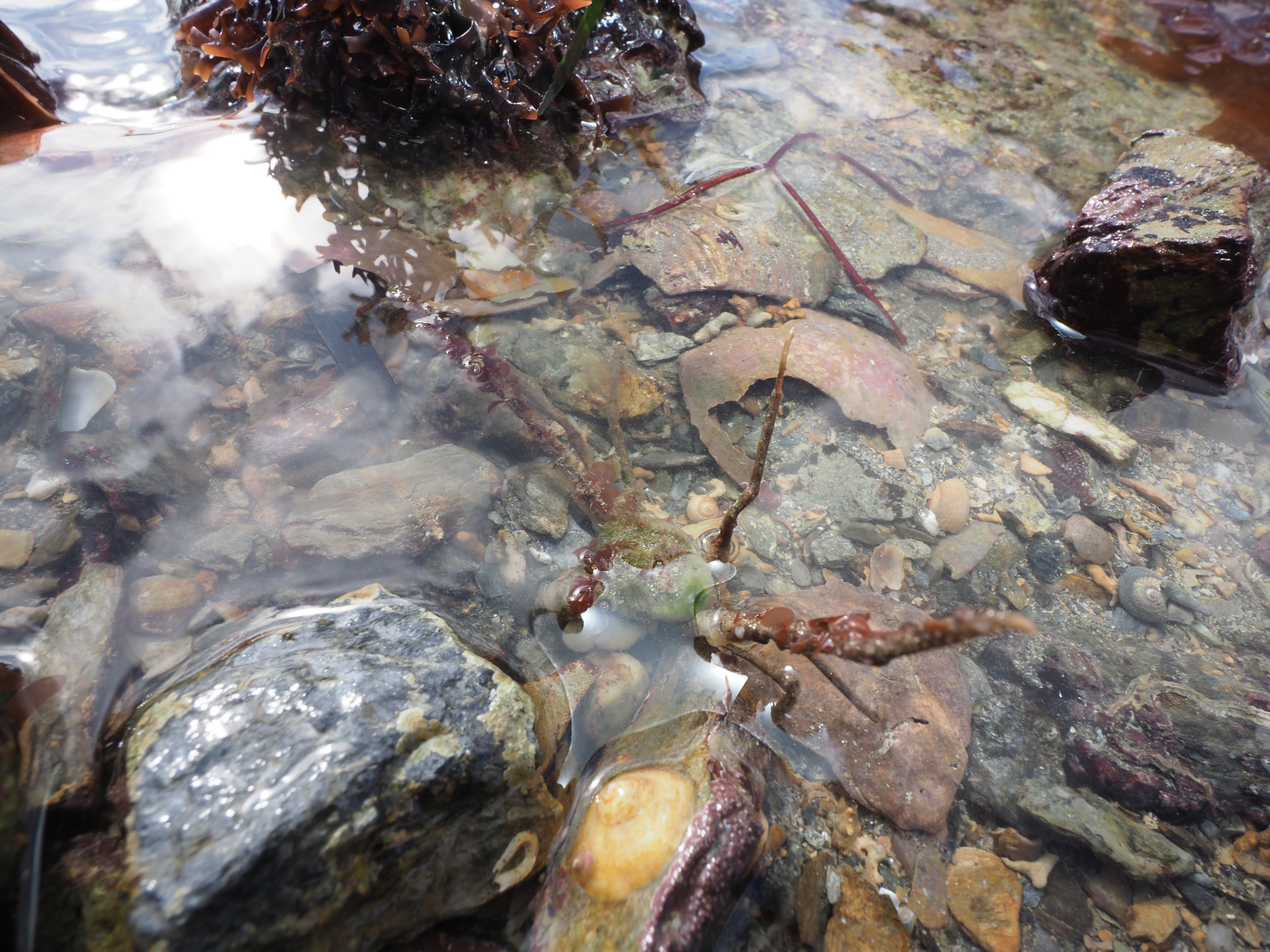
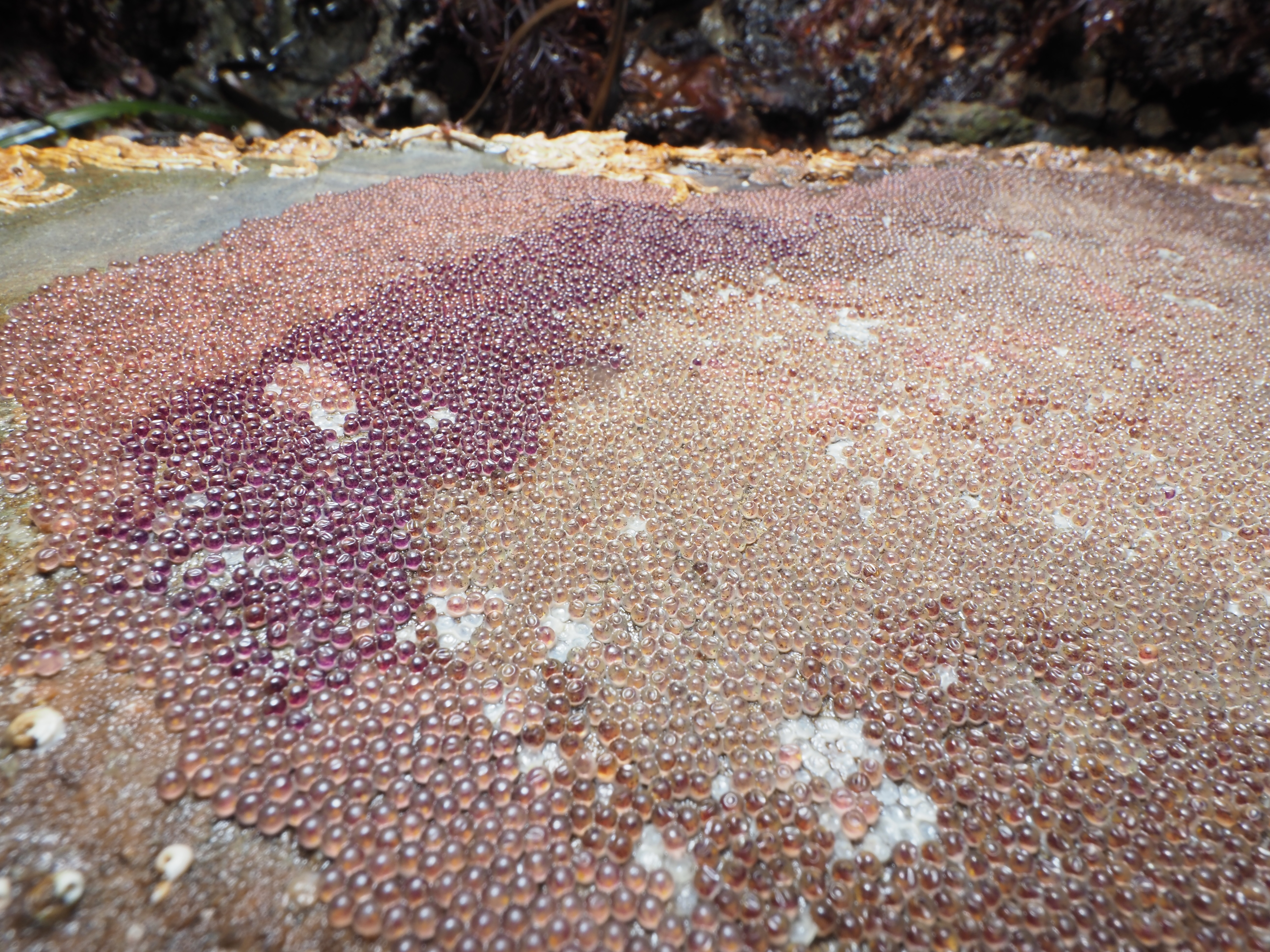
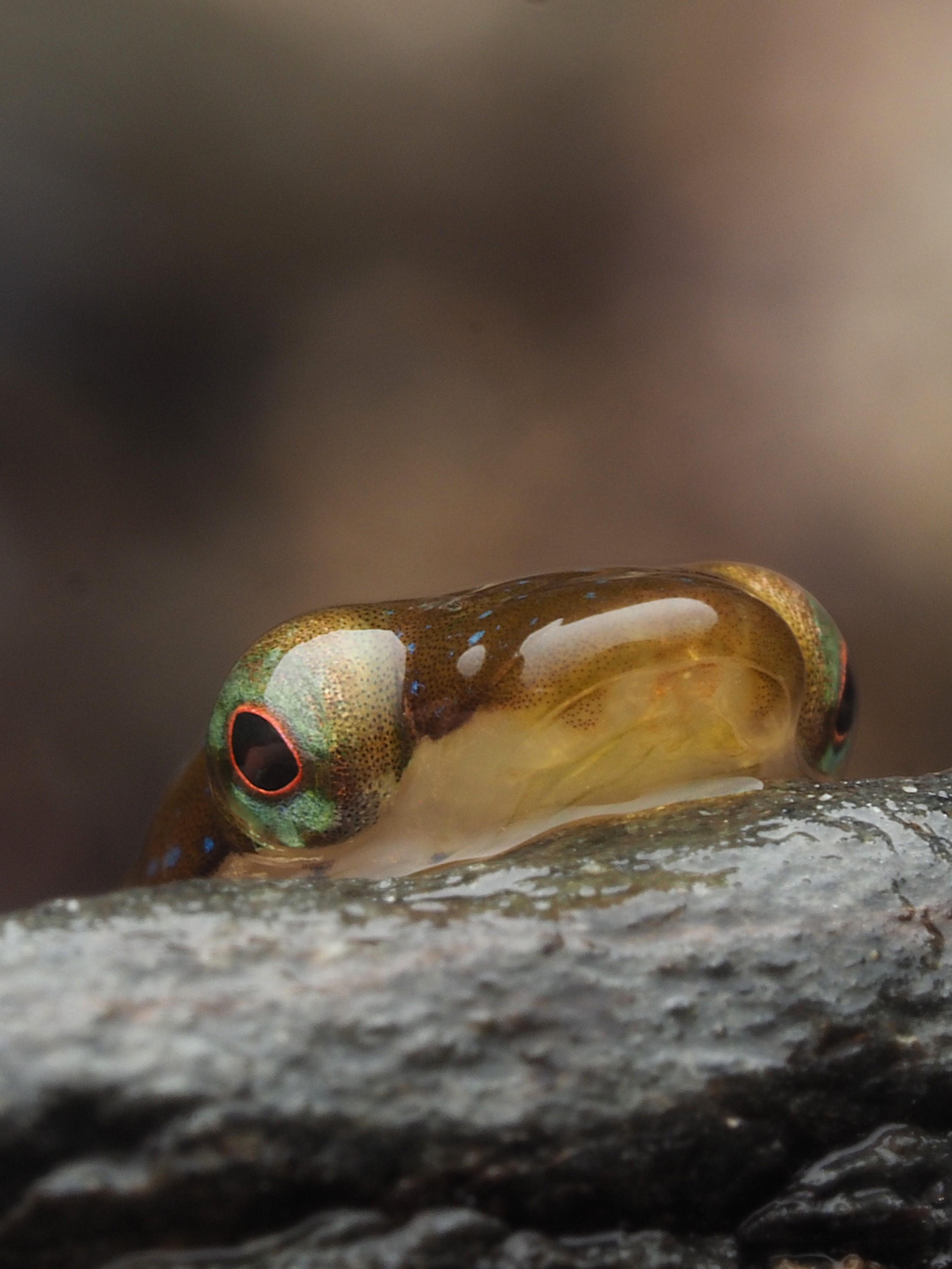
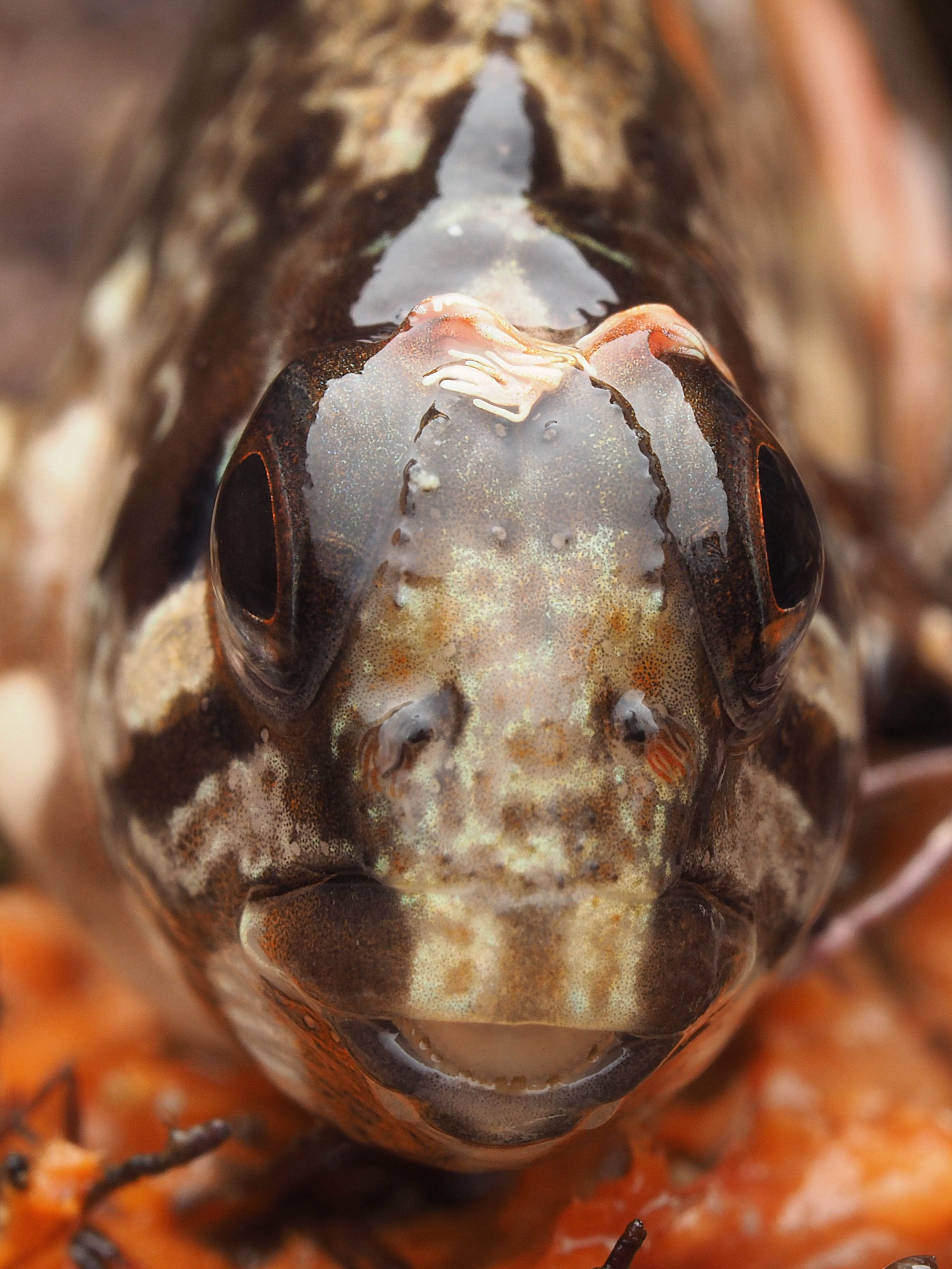
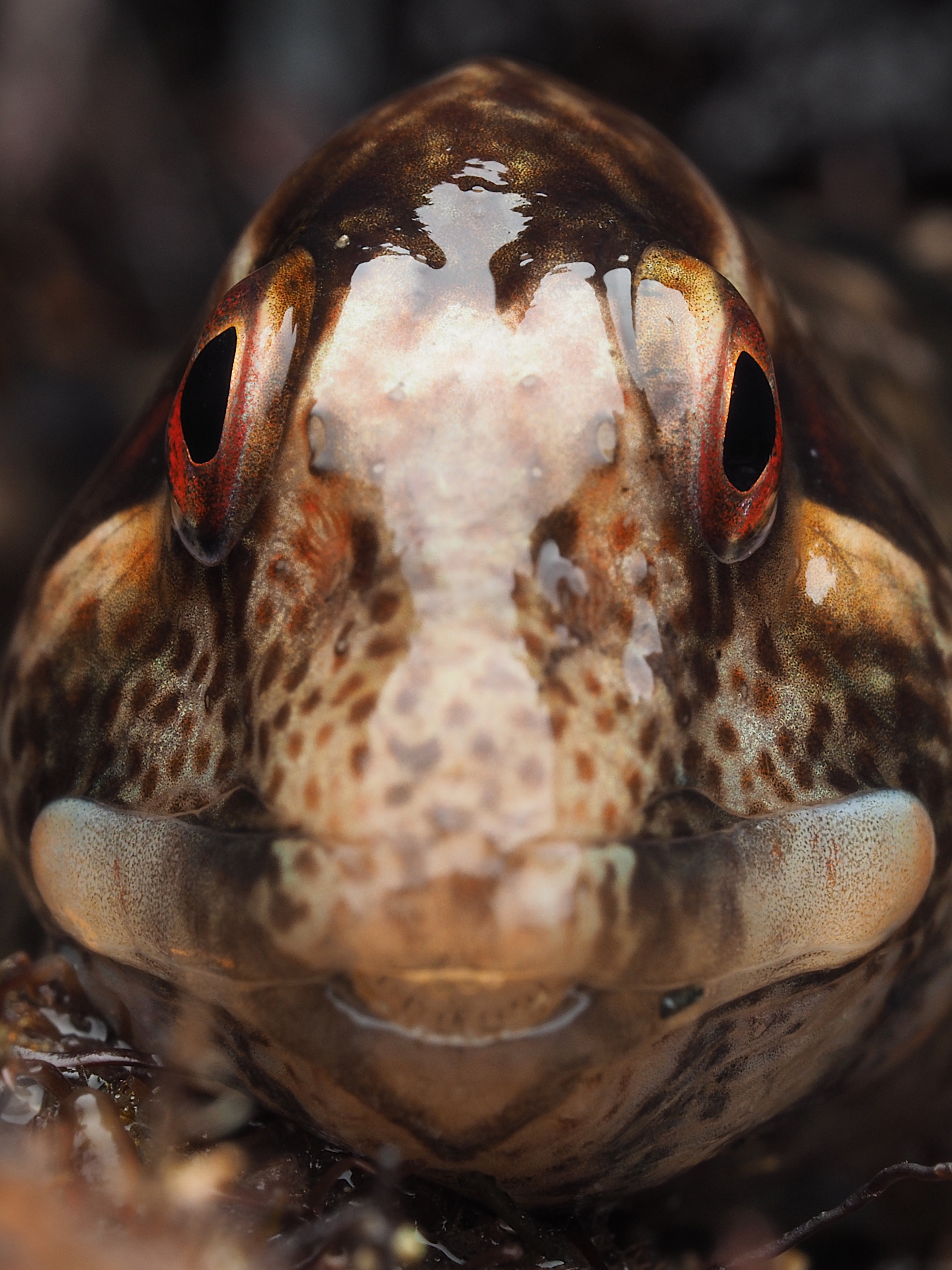
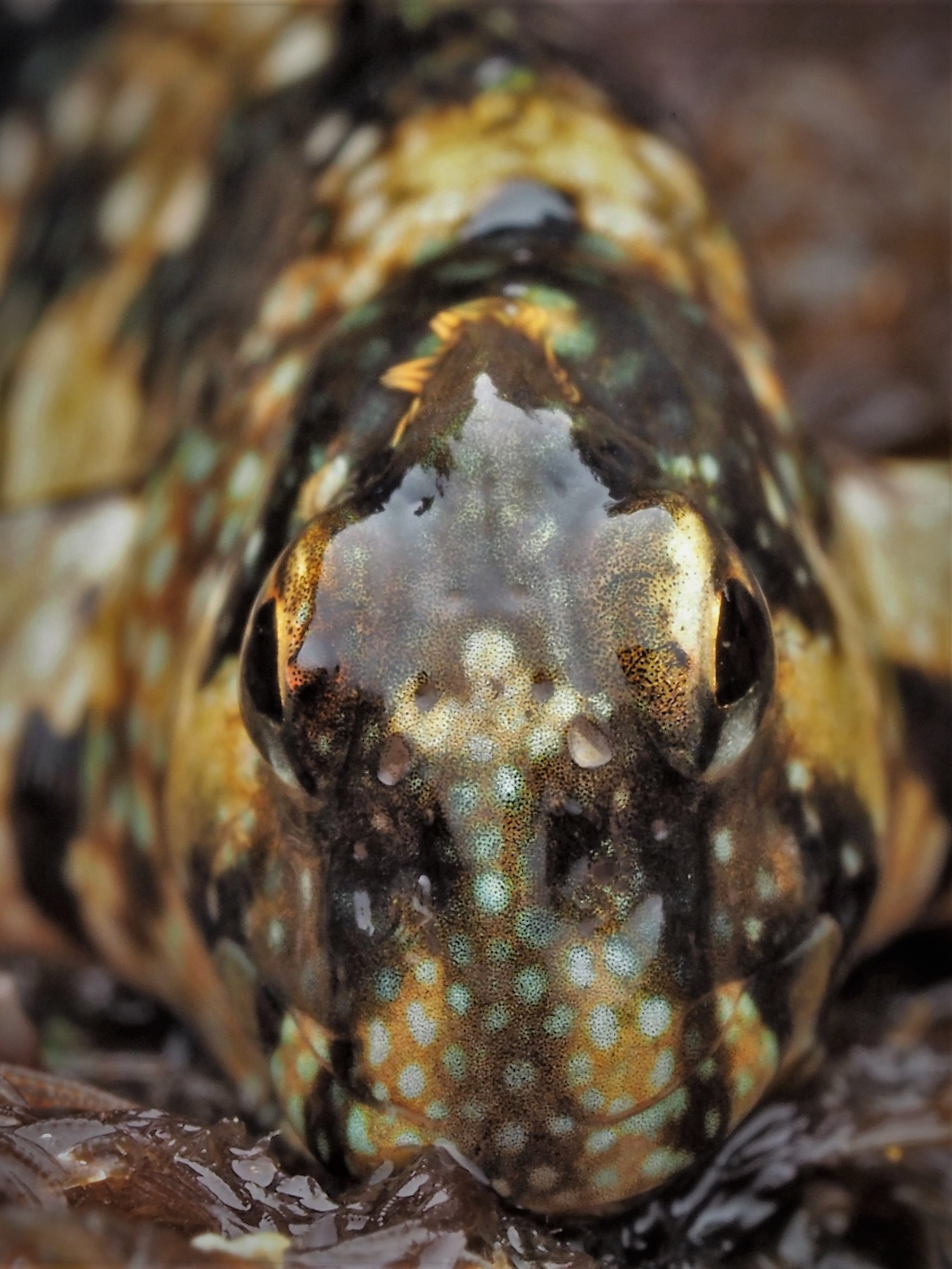
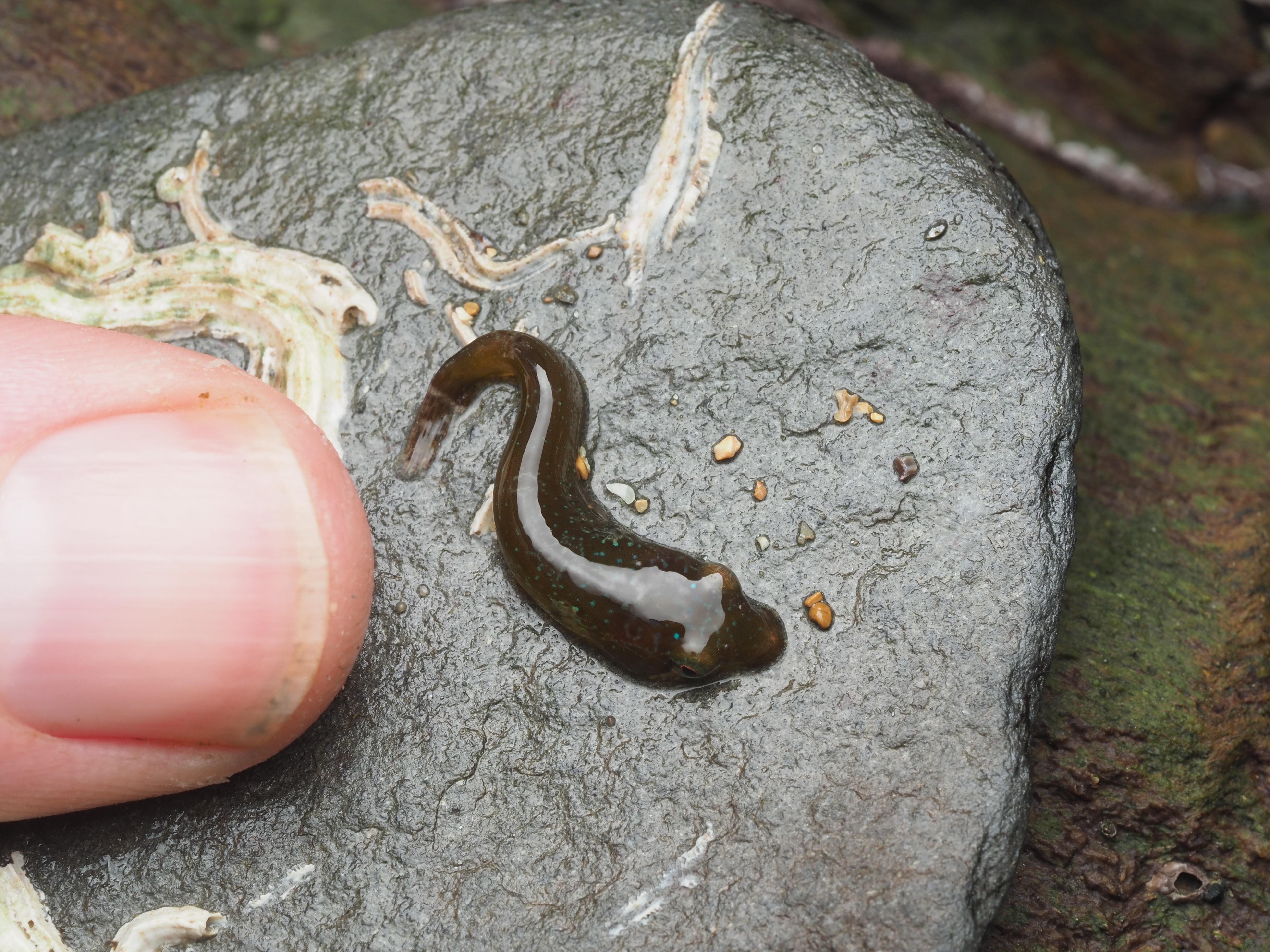
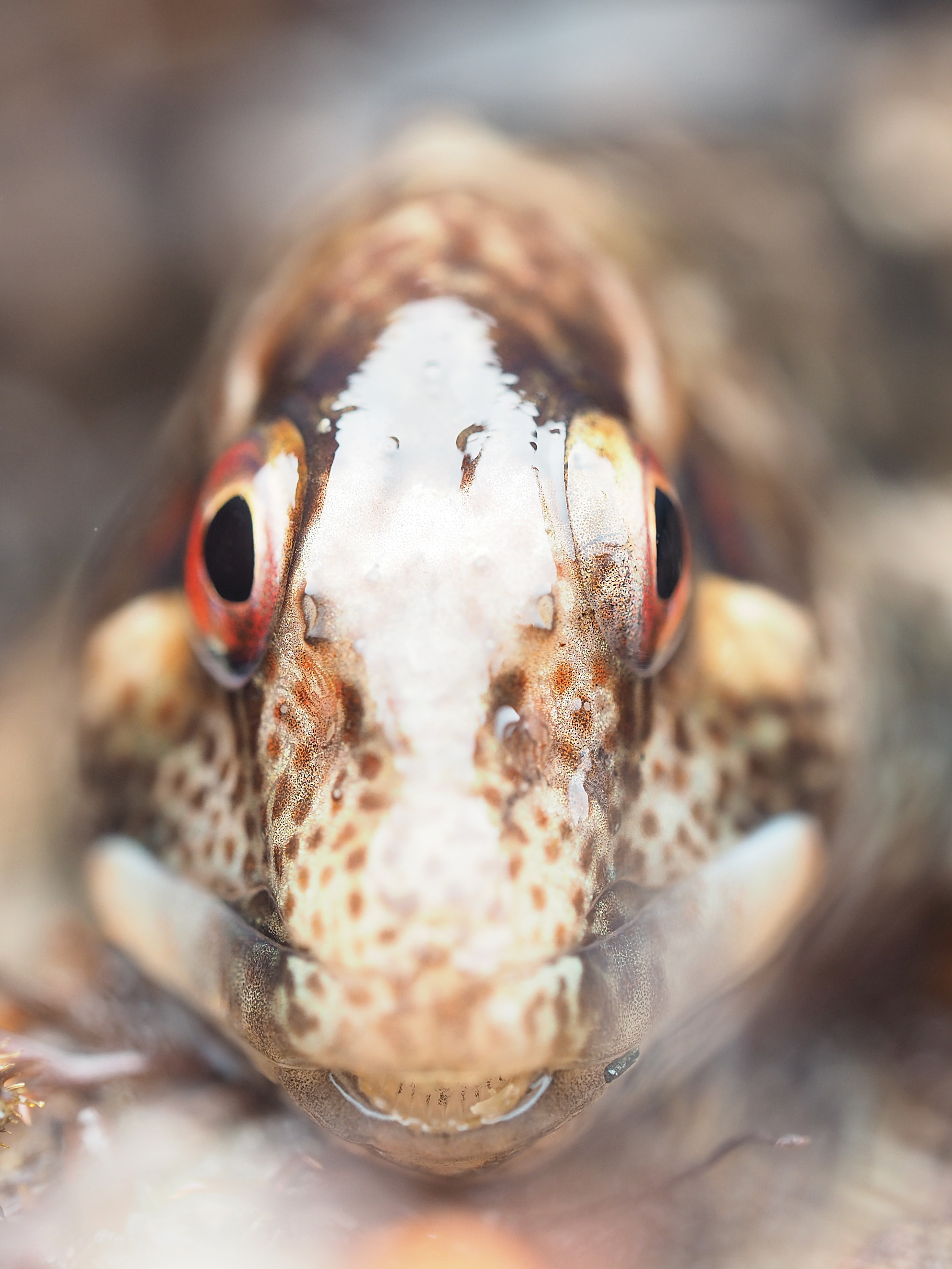
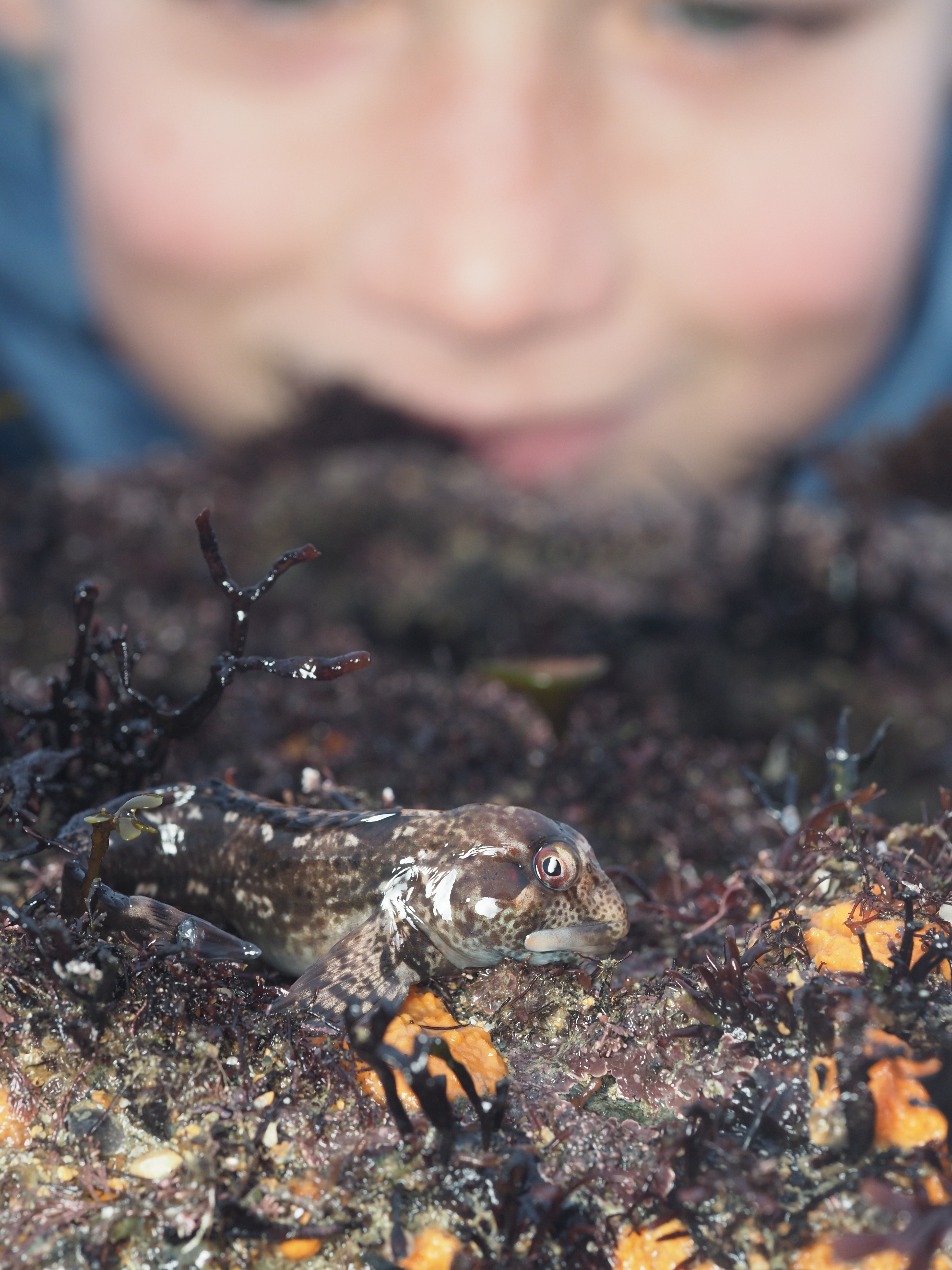
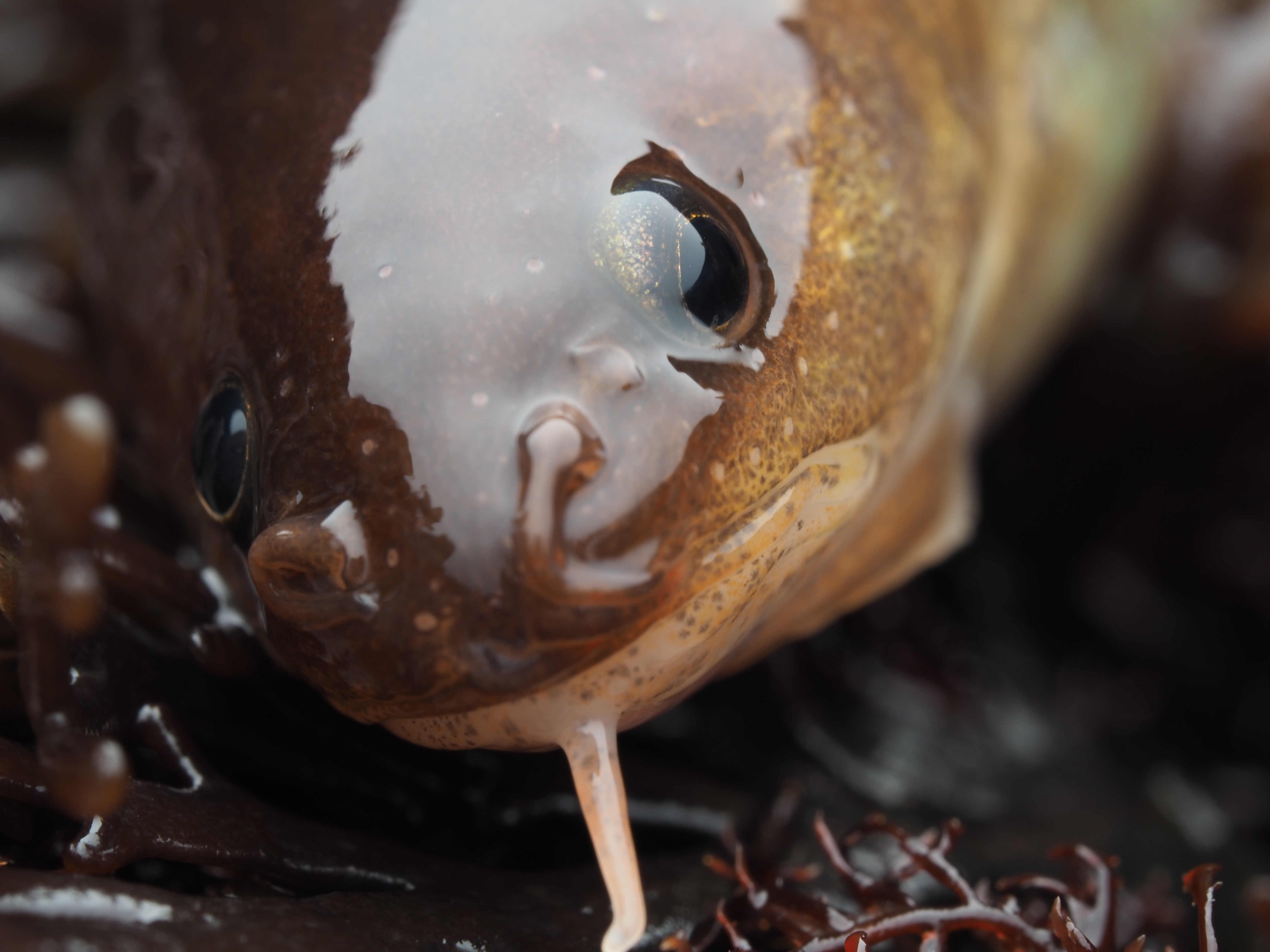
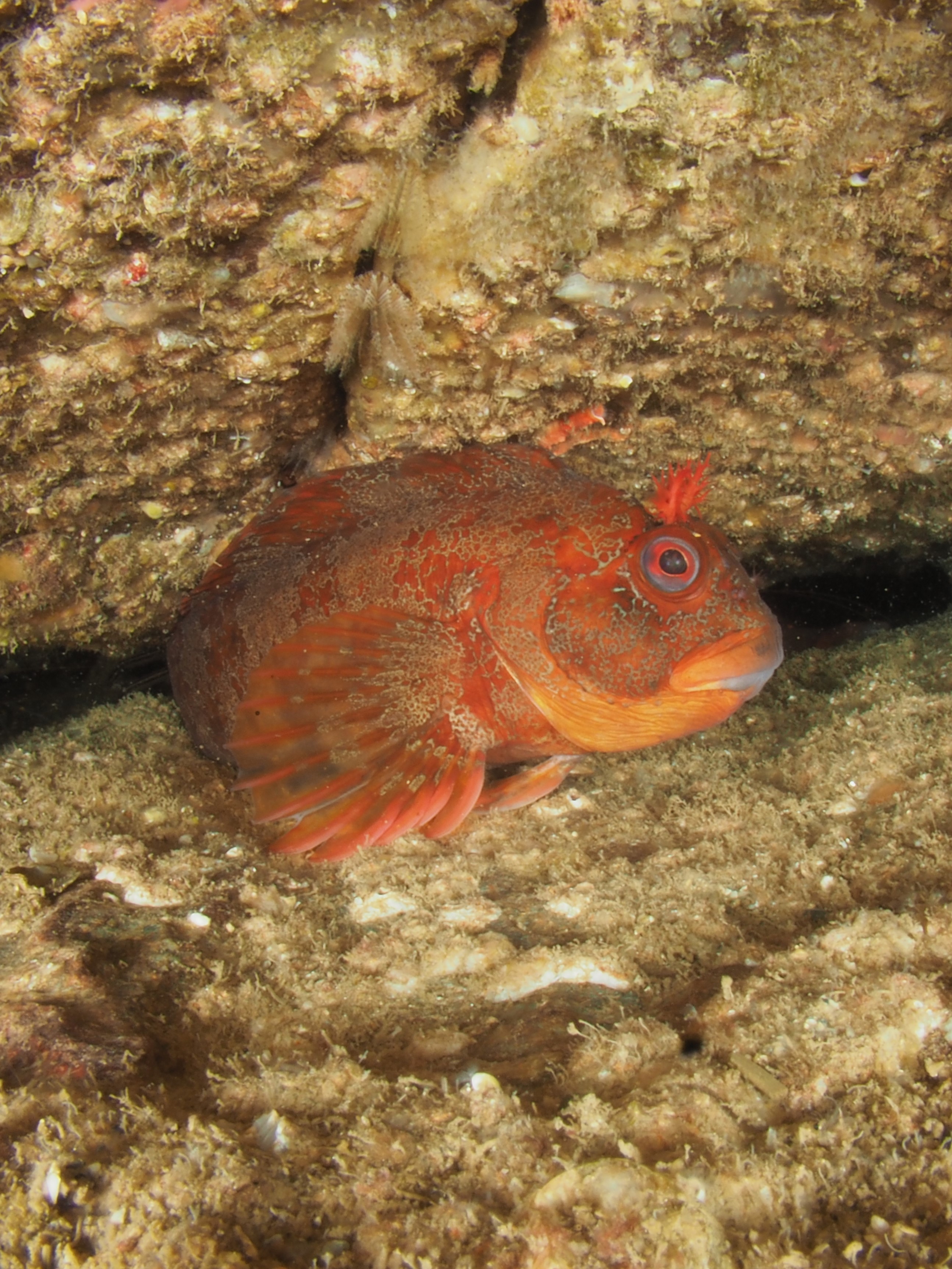
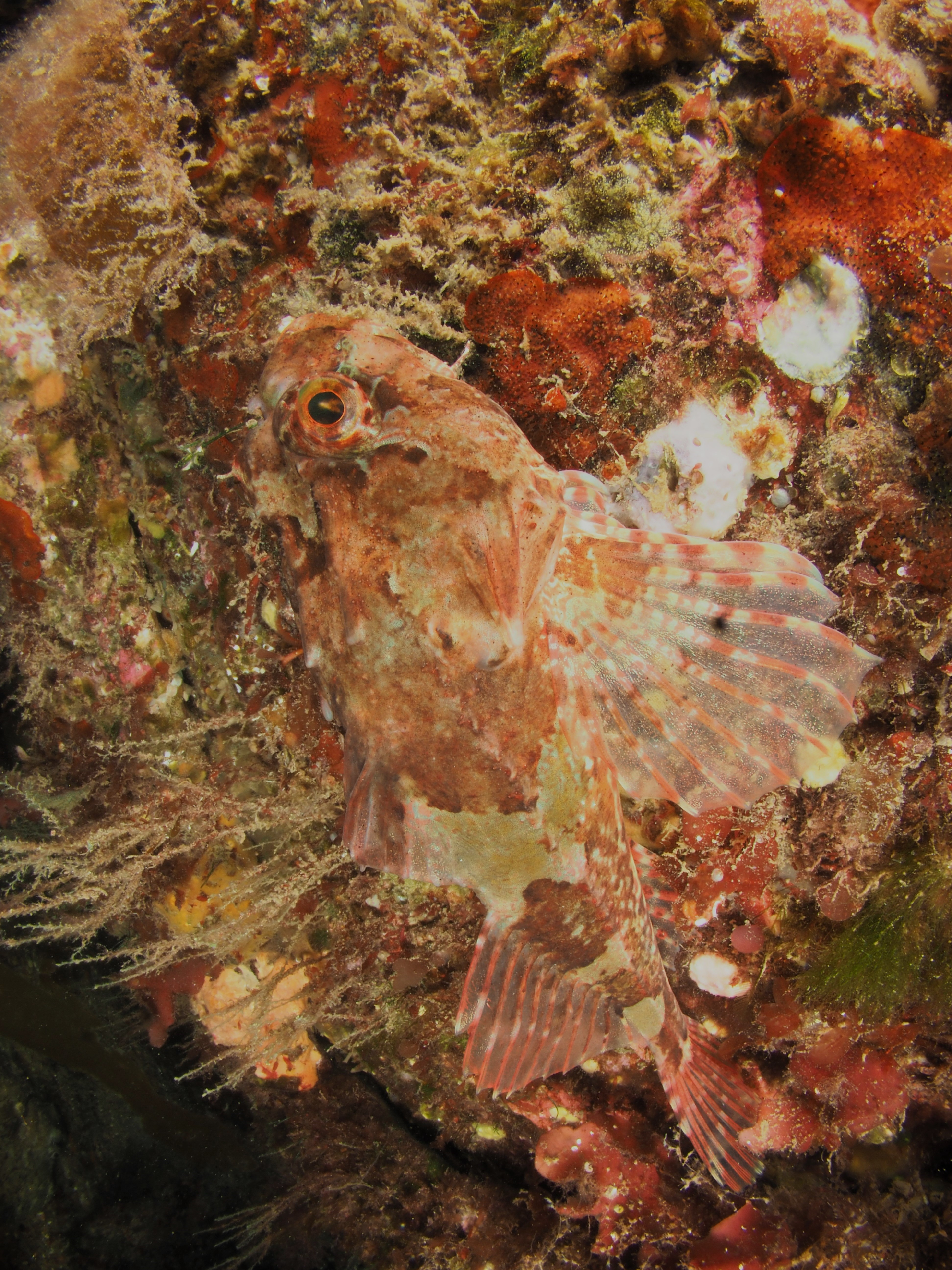
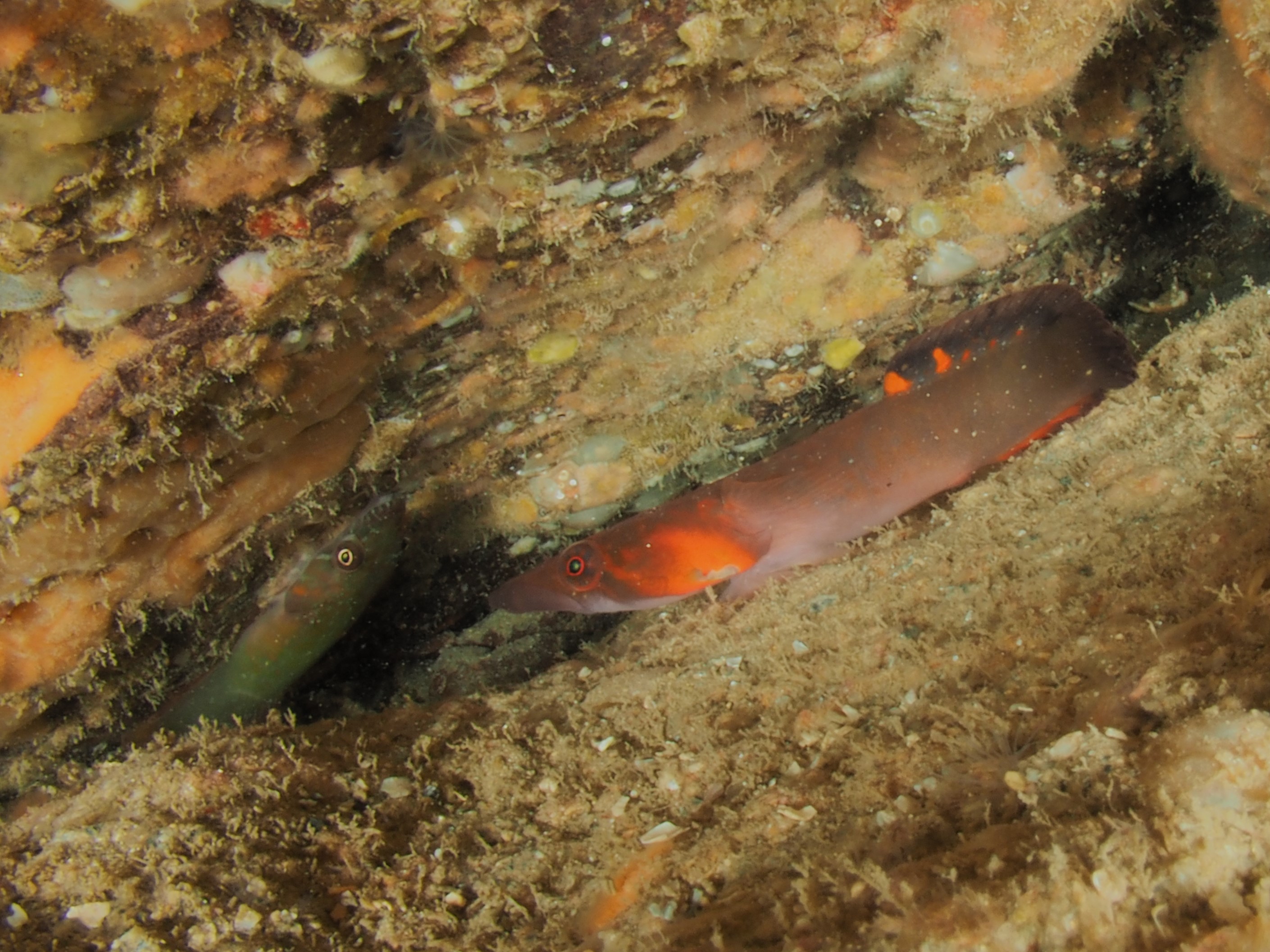
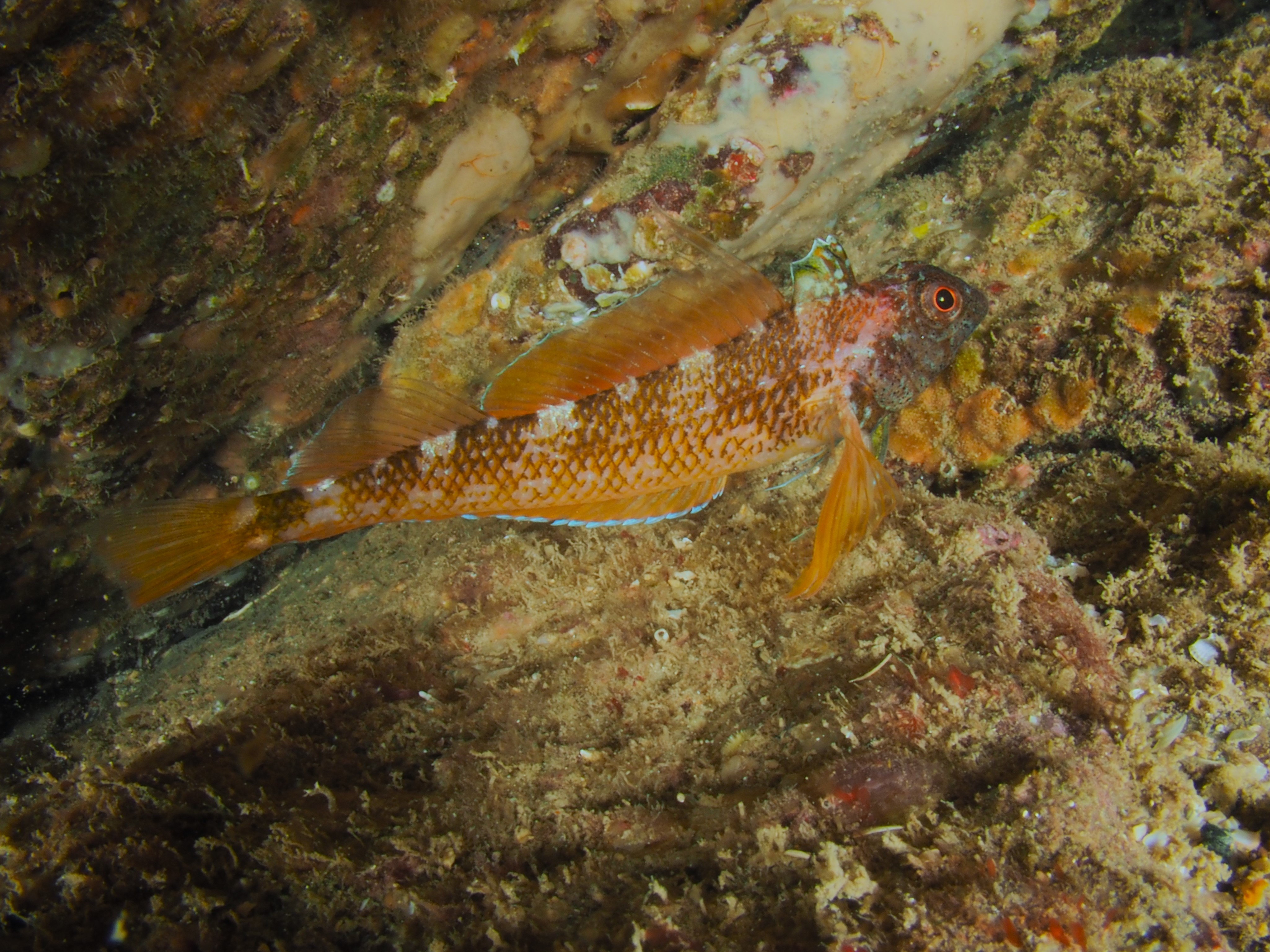
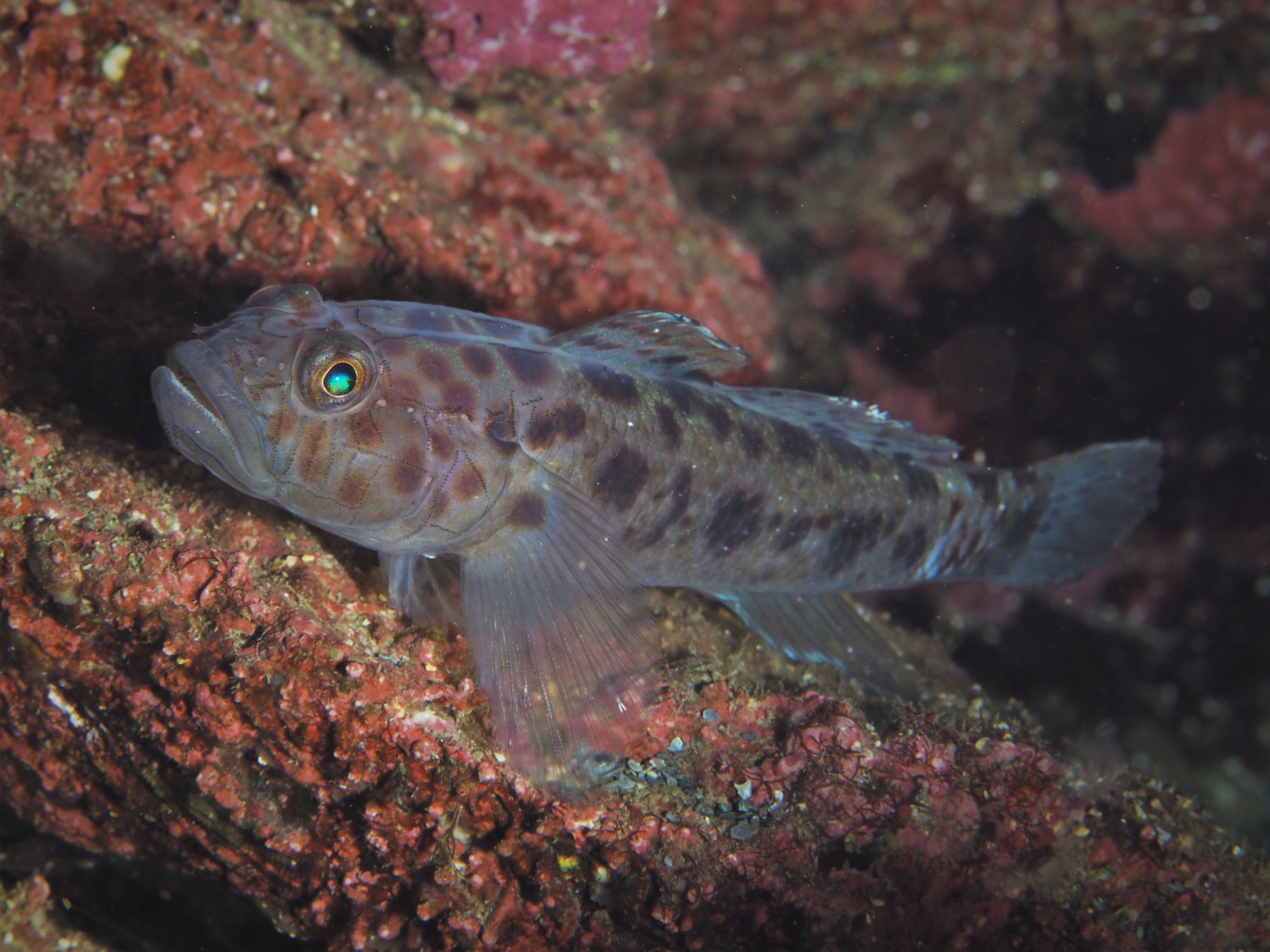
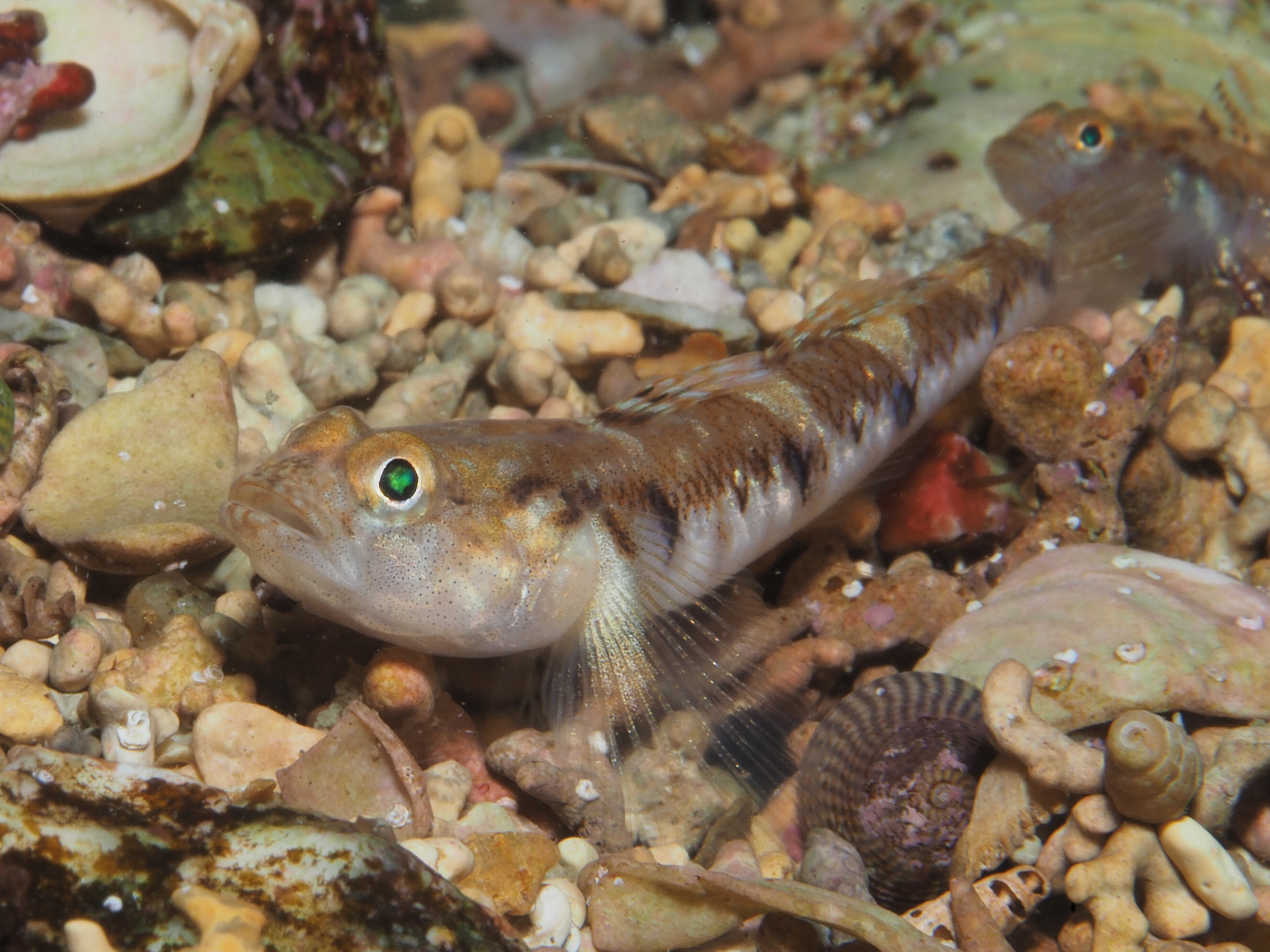
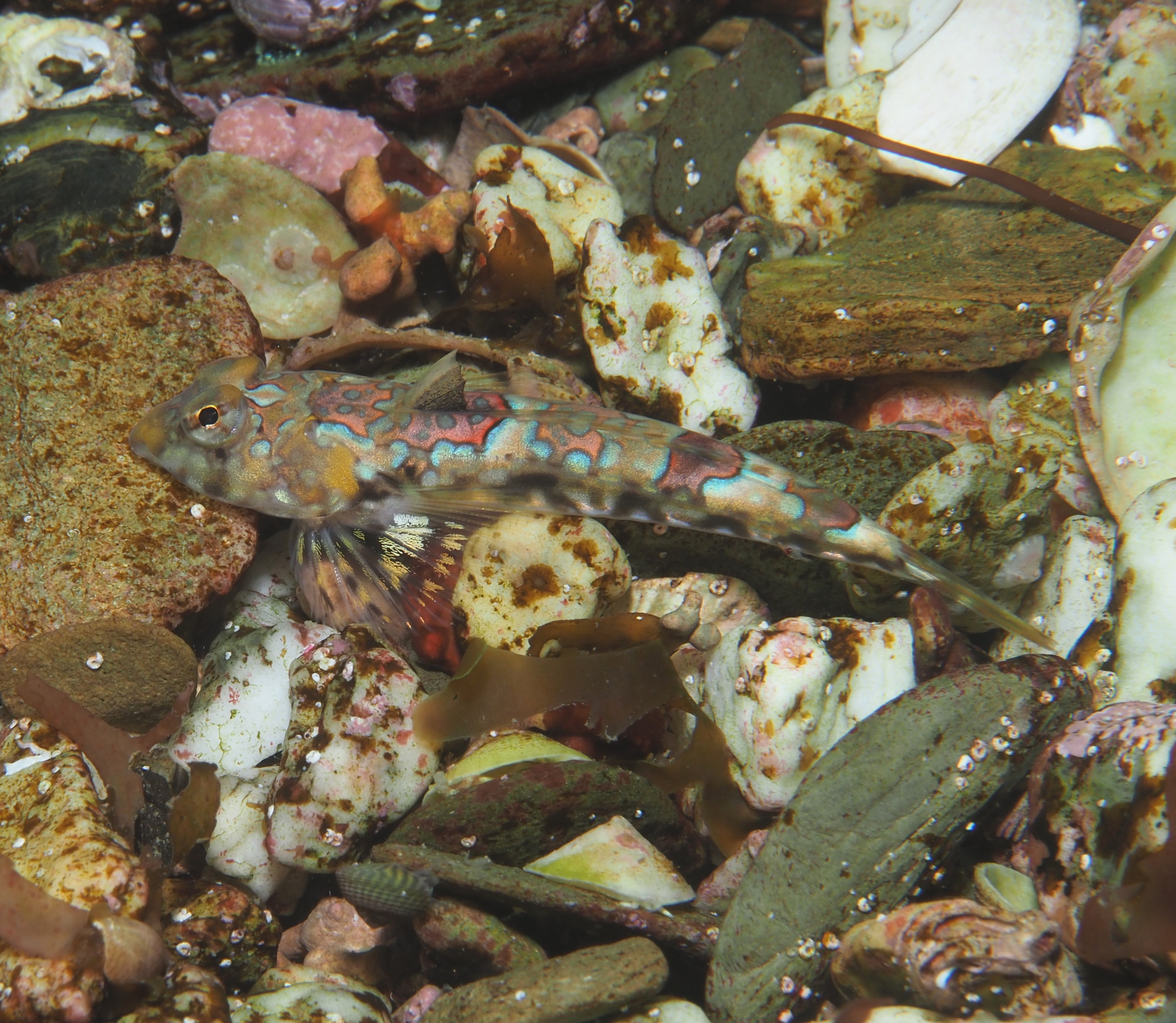
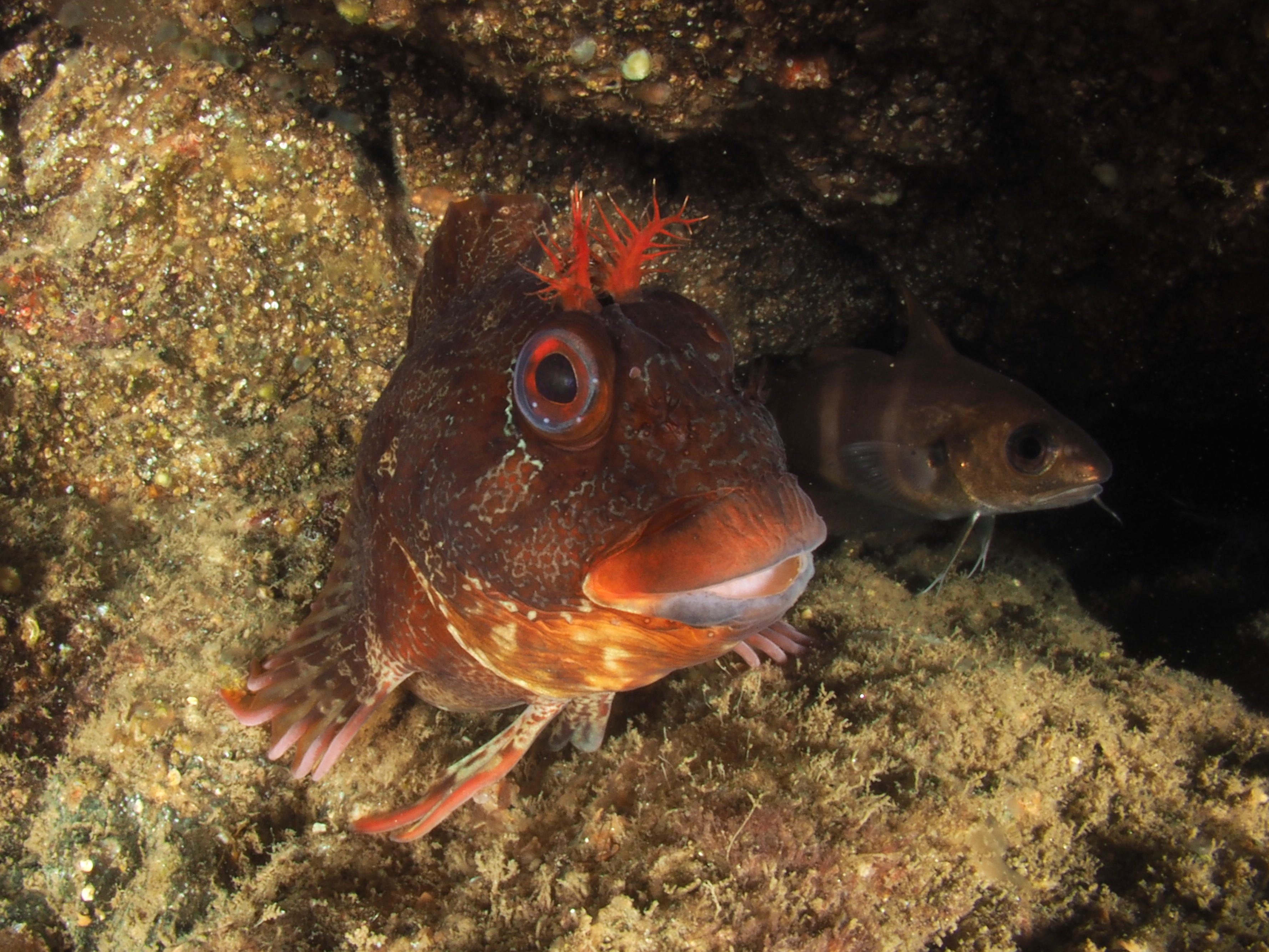
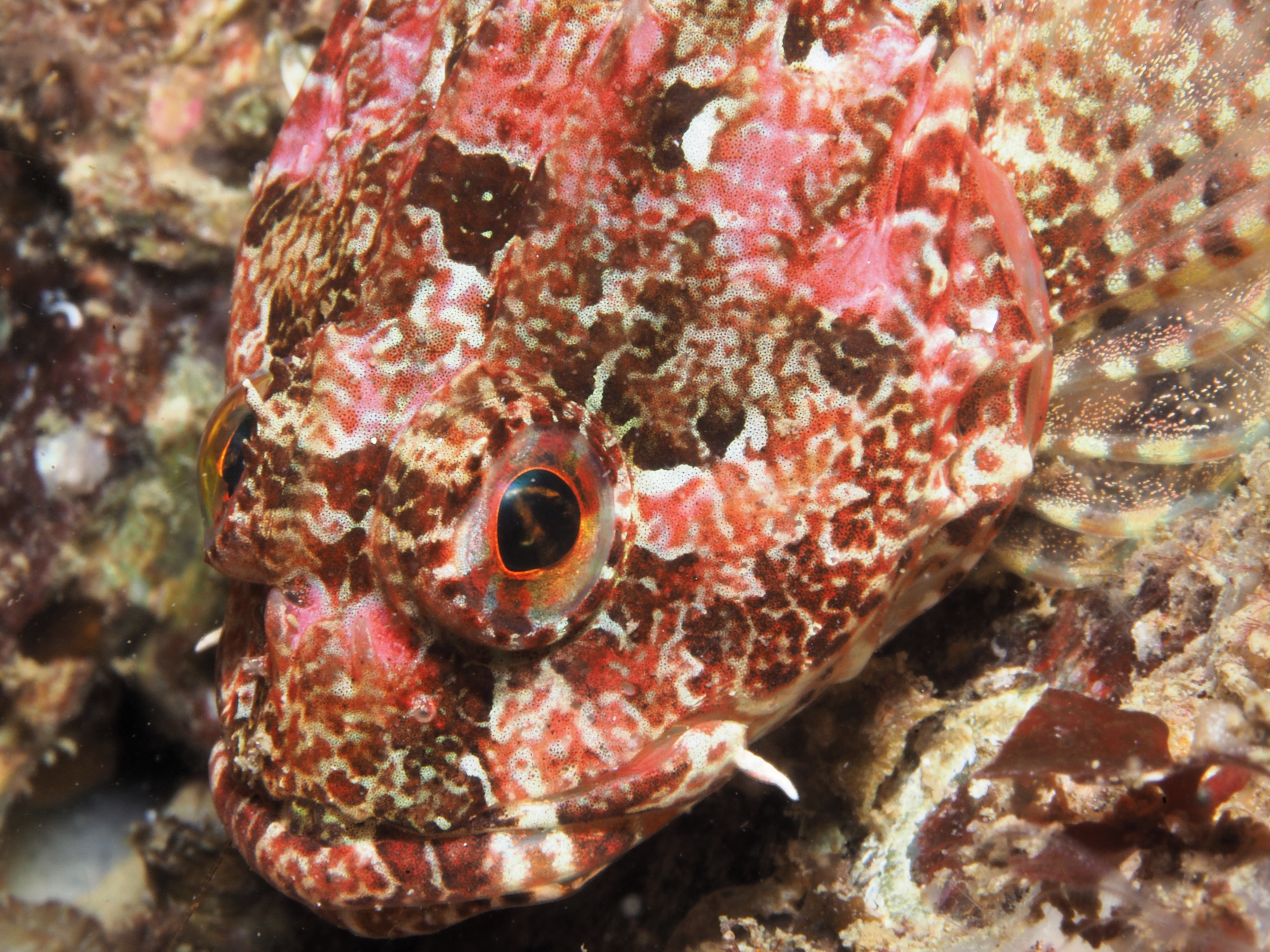
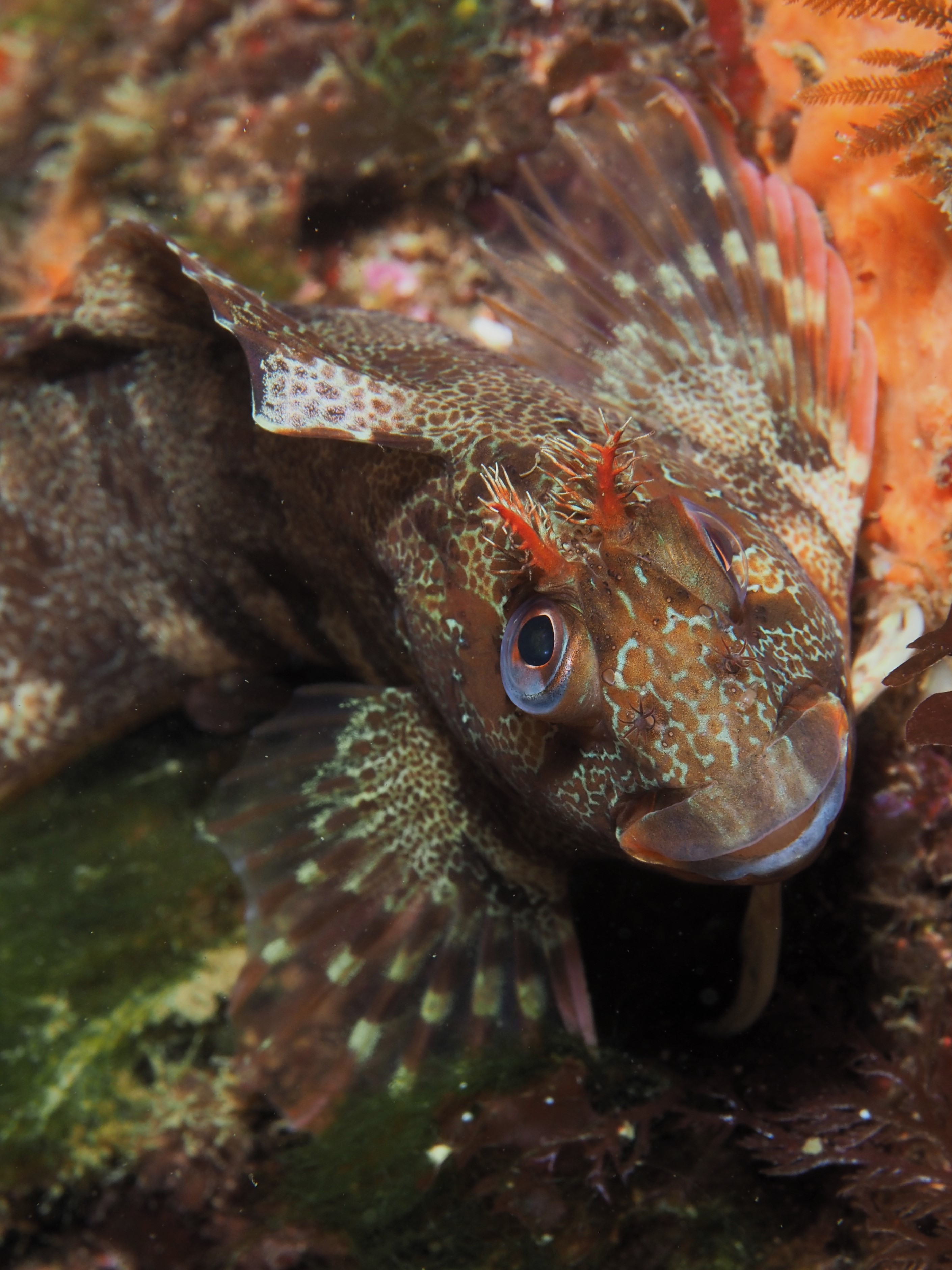
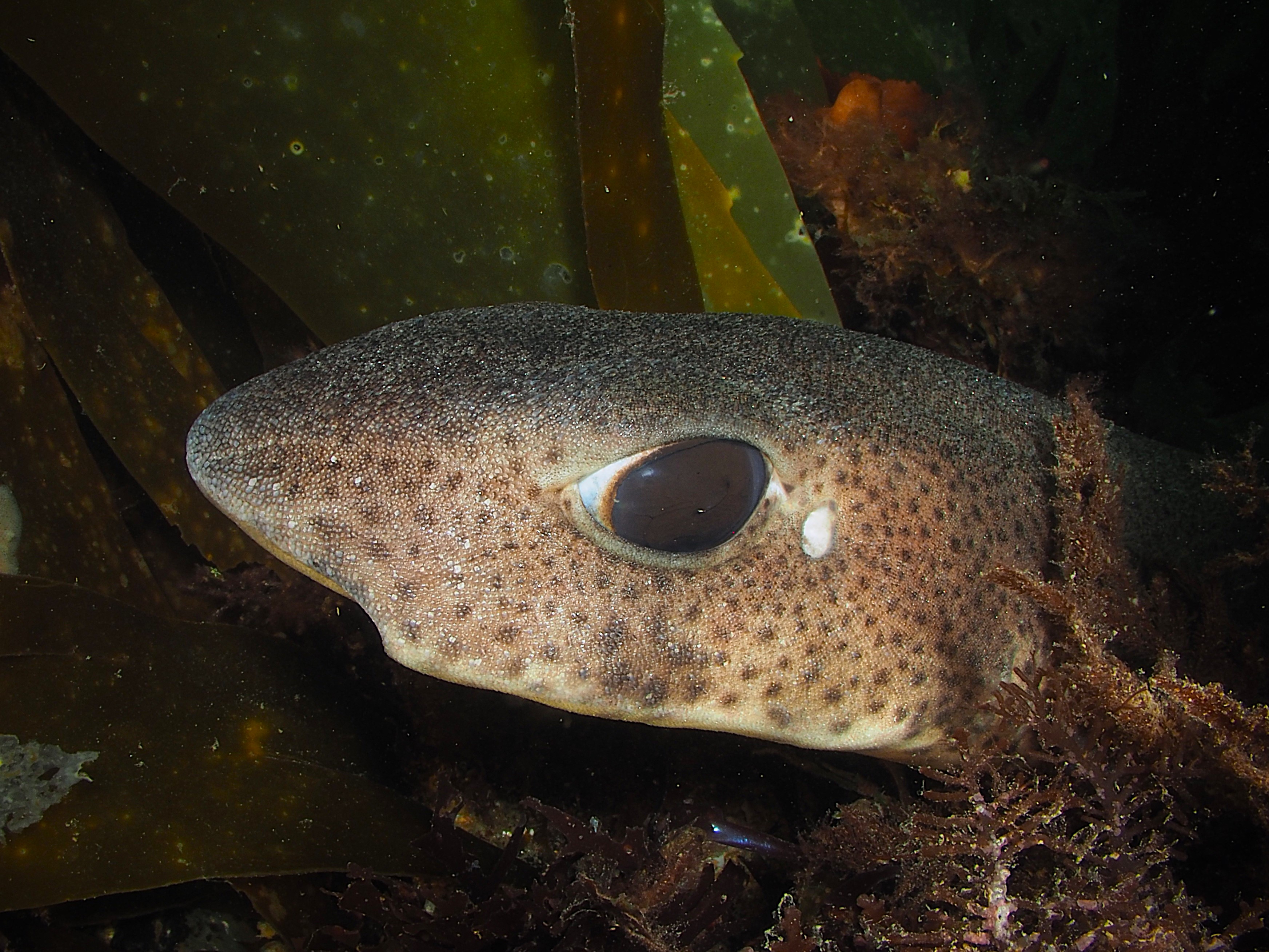
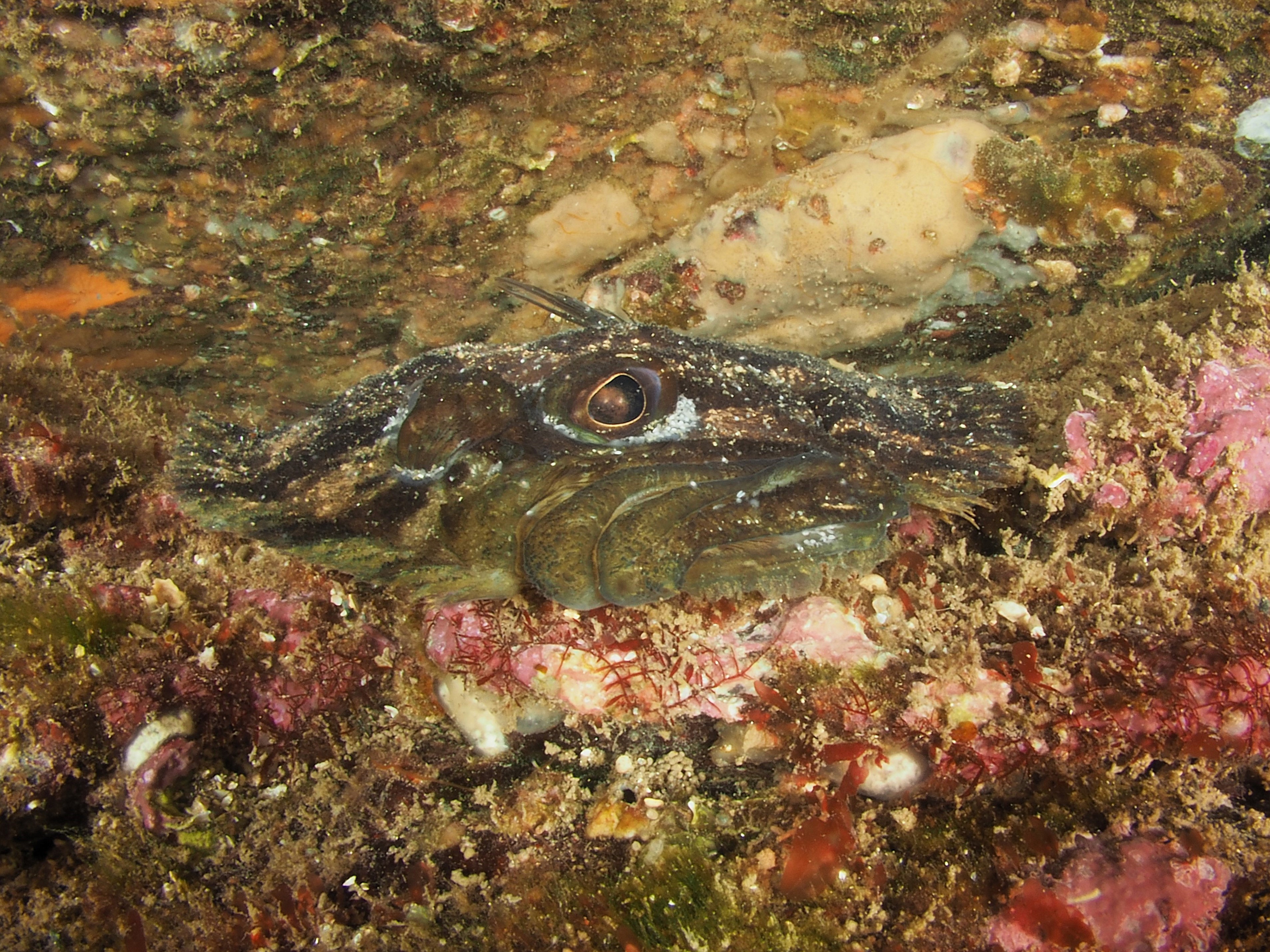
Continuing the theme from the two last posts with some ‘topside’ photos of rockpools. We had a very low tide recently which called for some rockpooling on our local shore here in Flushing. We looked (as always) for anything that we could find, but trying to get some ‘close-focus-wide-angle’ pics of fish with the Panasonic Leica 9mm lens was the main aim. Above a Male Tompot guarding eggs (see pic below) as well as a male Connemara Clingfish (no eggs spotted), recognizable by the bright red cheek markings. I have not been underwater very much, but have a bunch of macro photos of snails and stalked jellyfish that I will put on the blog next. (And remember, I post more frequently on instagram: @an_bollenessor!)

Rockpools from the top

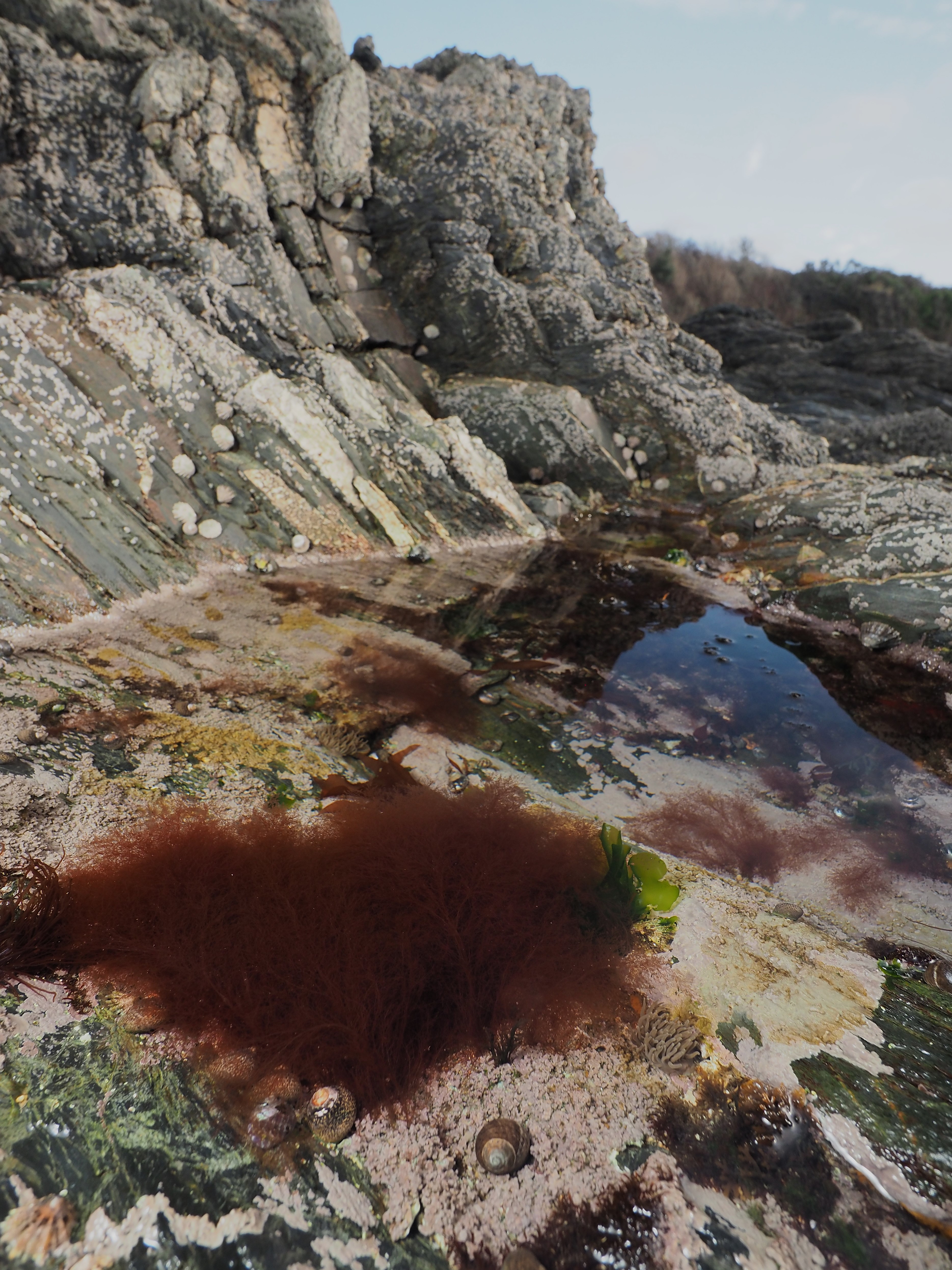
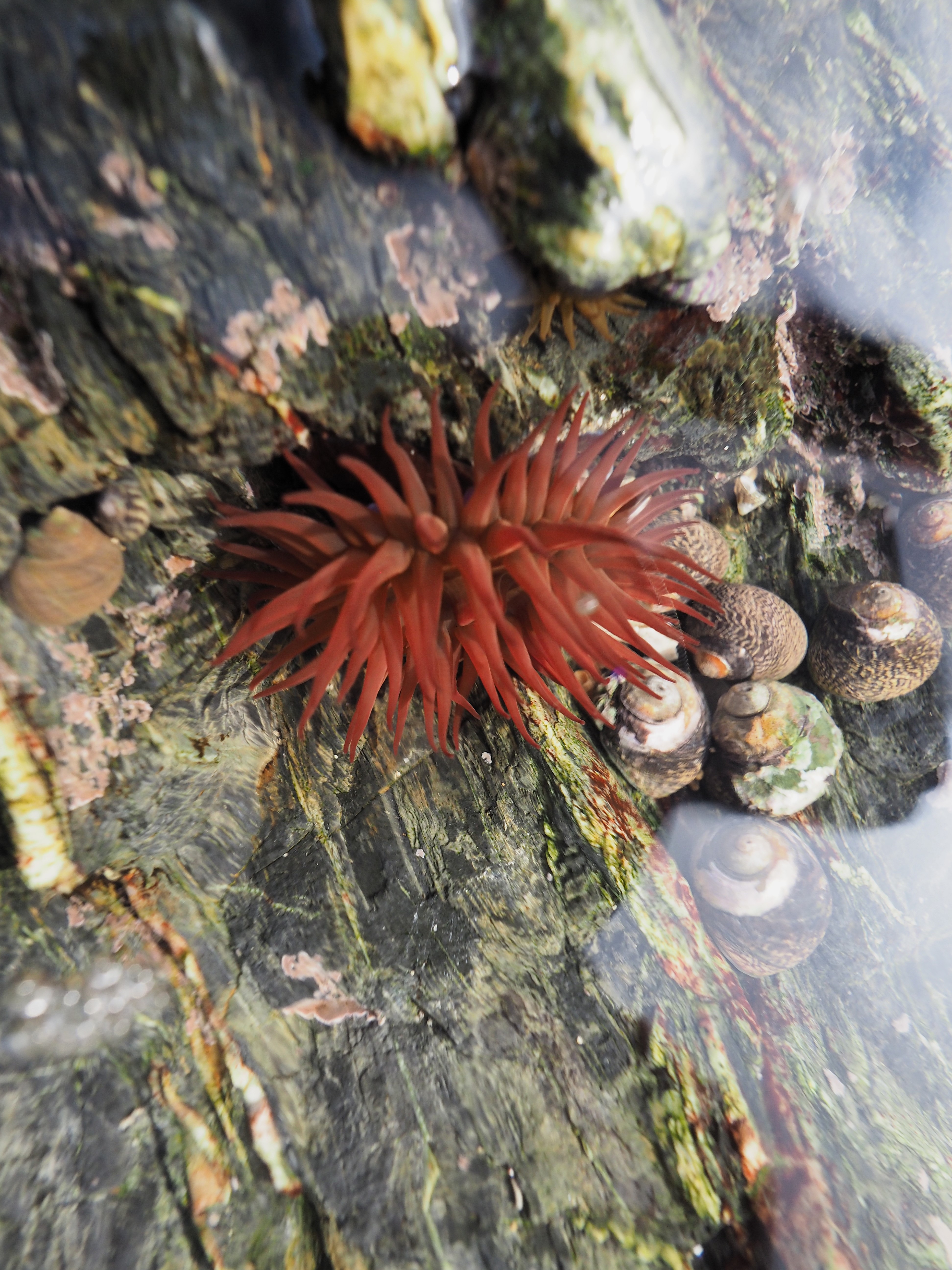
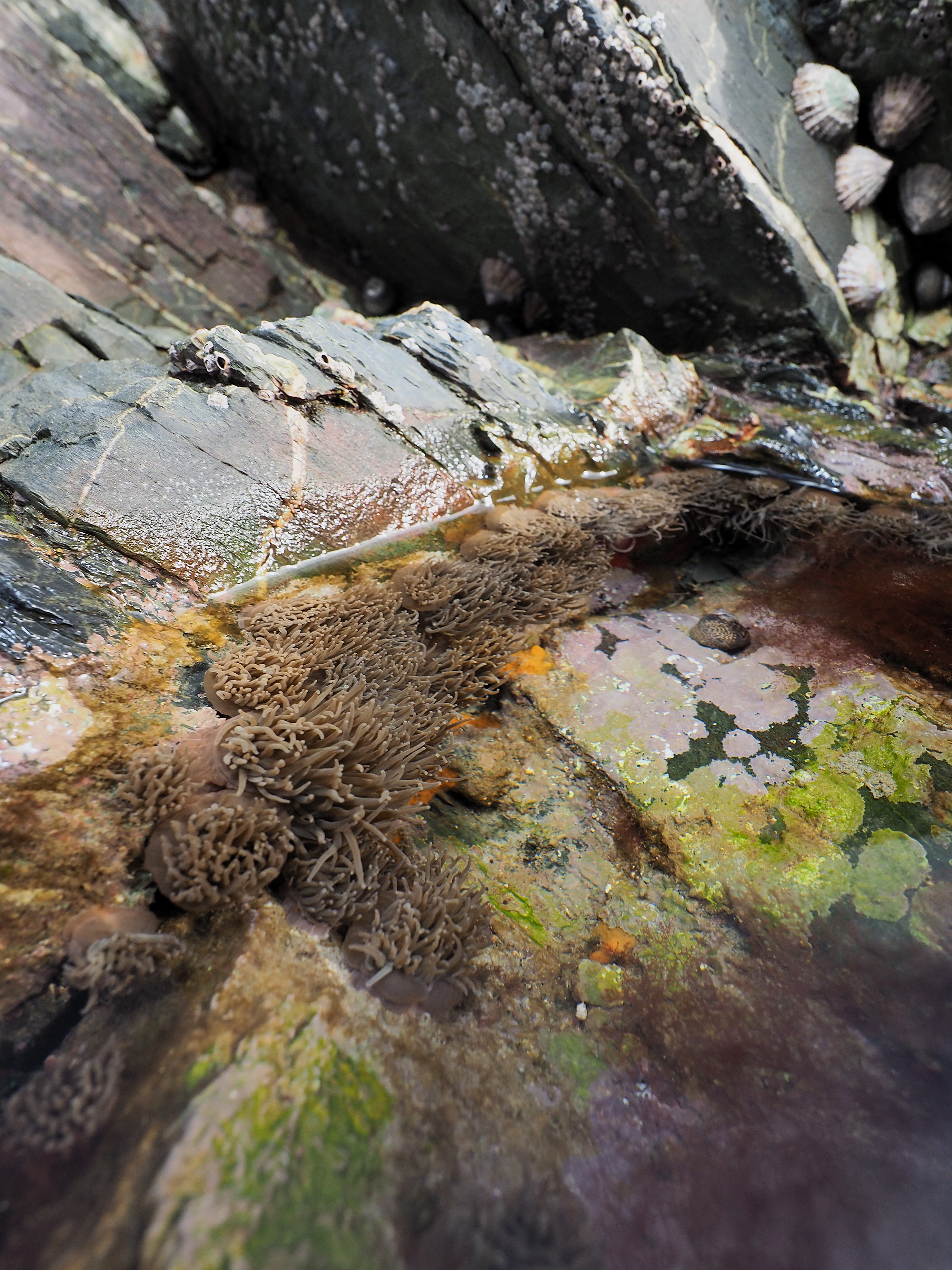
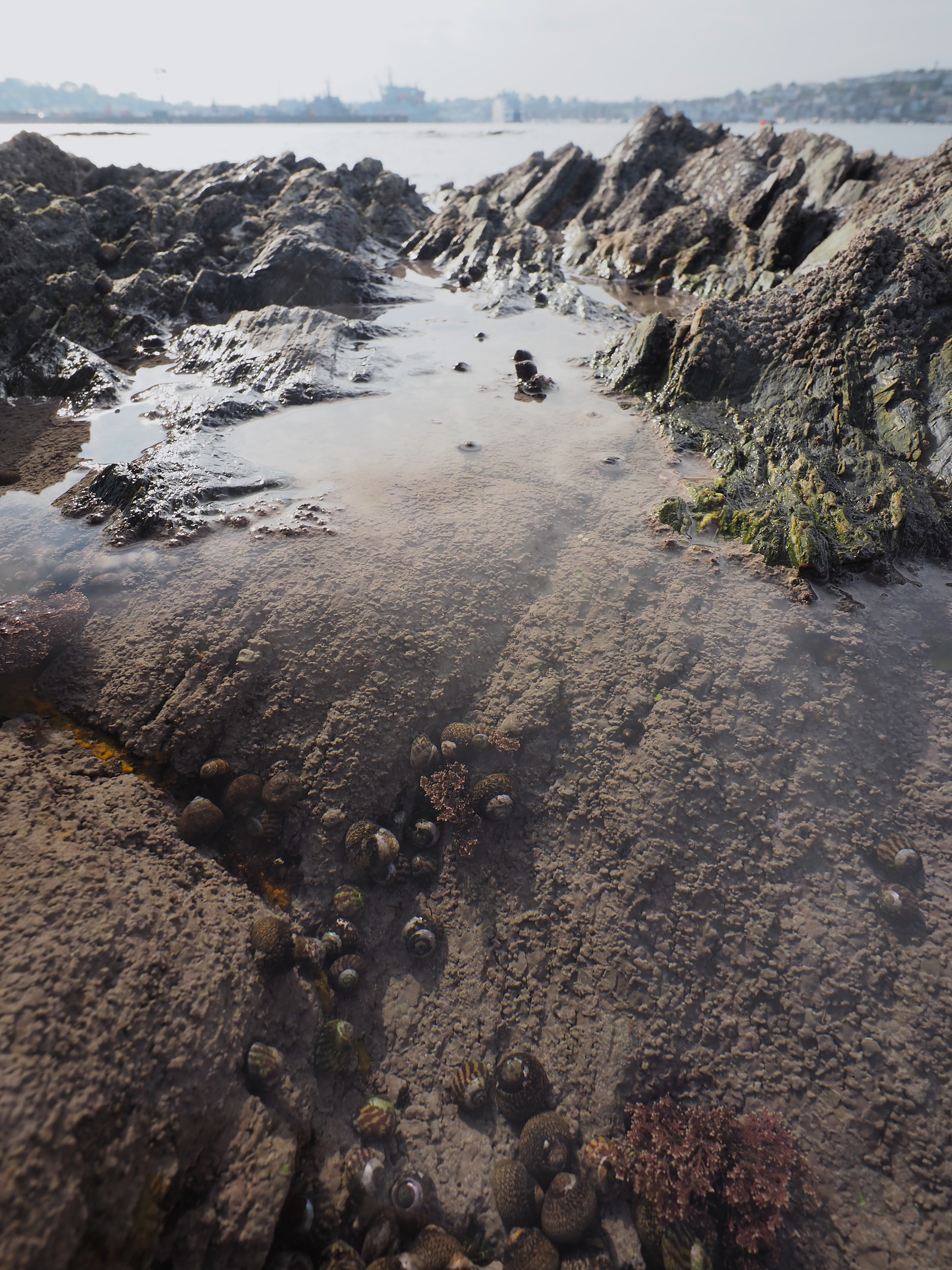
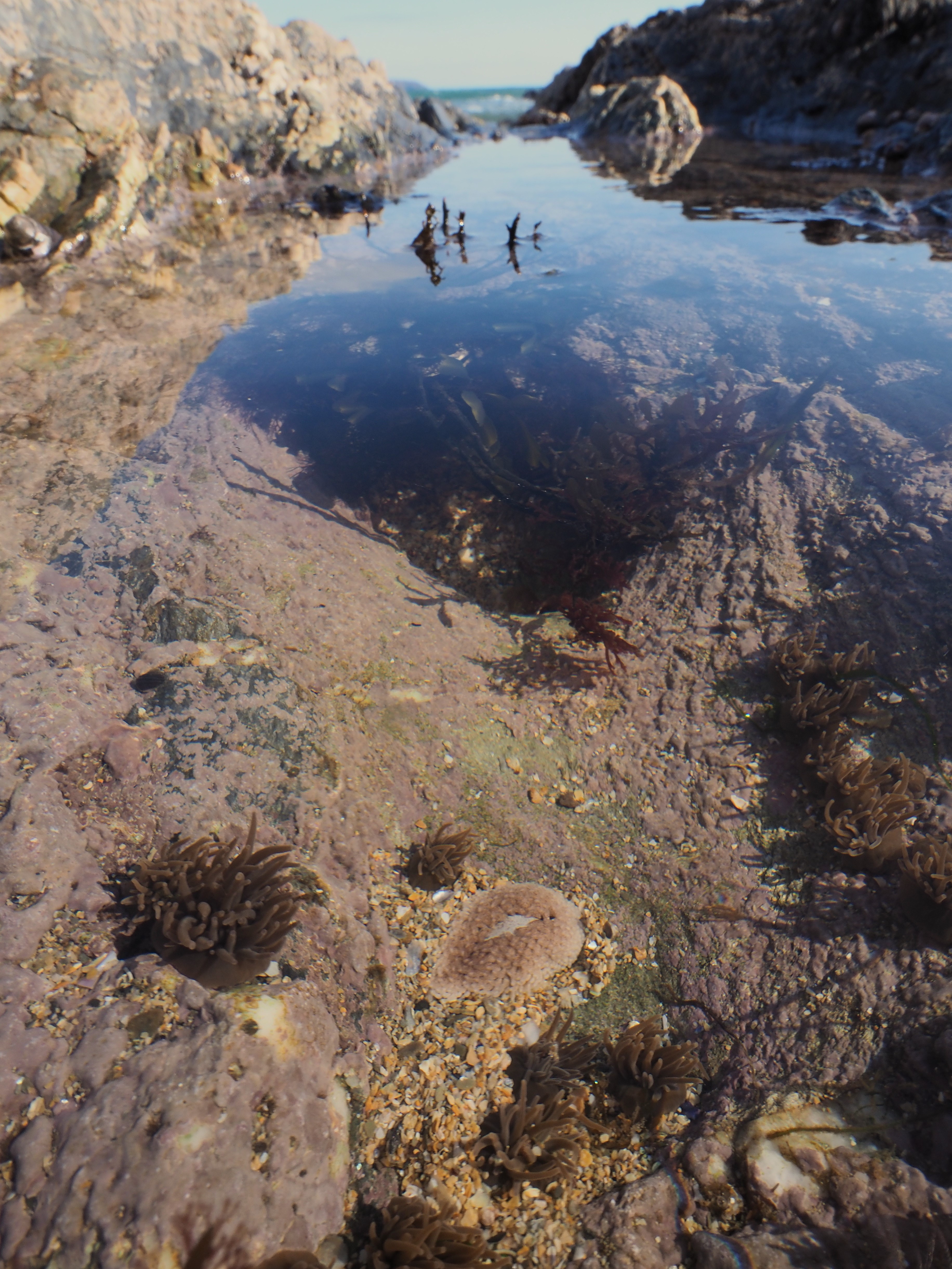
I tried my hand today at taking photos of rock pools above water – tricky! I used my Leica wide angle lens with a polarizing filter and a handheld strobe in a diffuser. It was fun playing around, although felt my back after an hour or so trying! It is difficult to keep the reflection of the flash out of the shot. The tide was not low so these are small, mid-shore pools dominated by coralline algae and some (fine) red seaweeds. Beadlet and snakelocks anemones, limpets, periwinkles, thick- and purple topshells are the most common animals. Some sunshine and blue sky – let’s see when I can try my hand at underwater photos again!
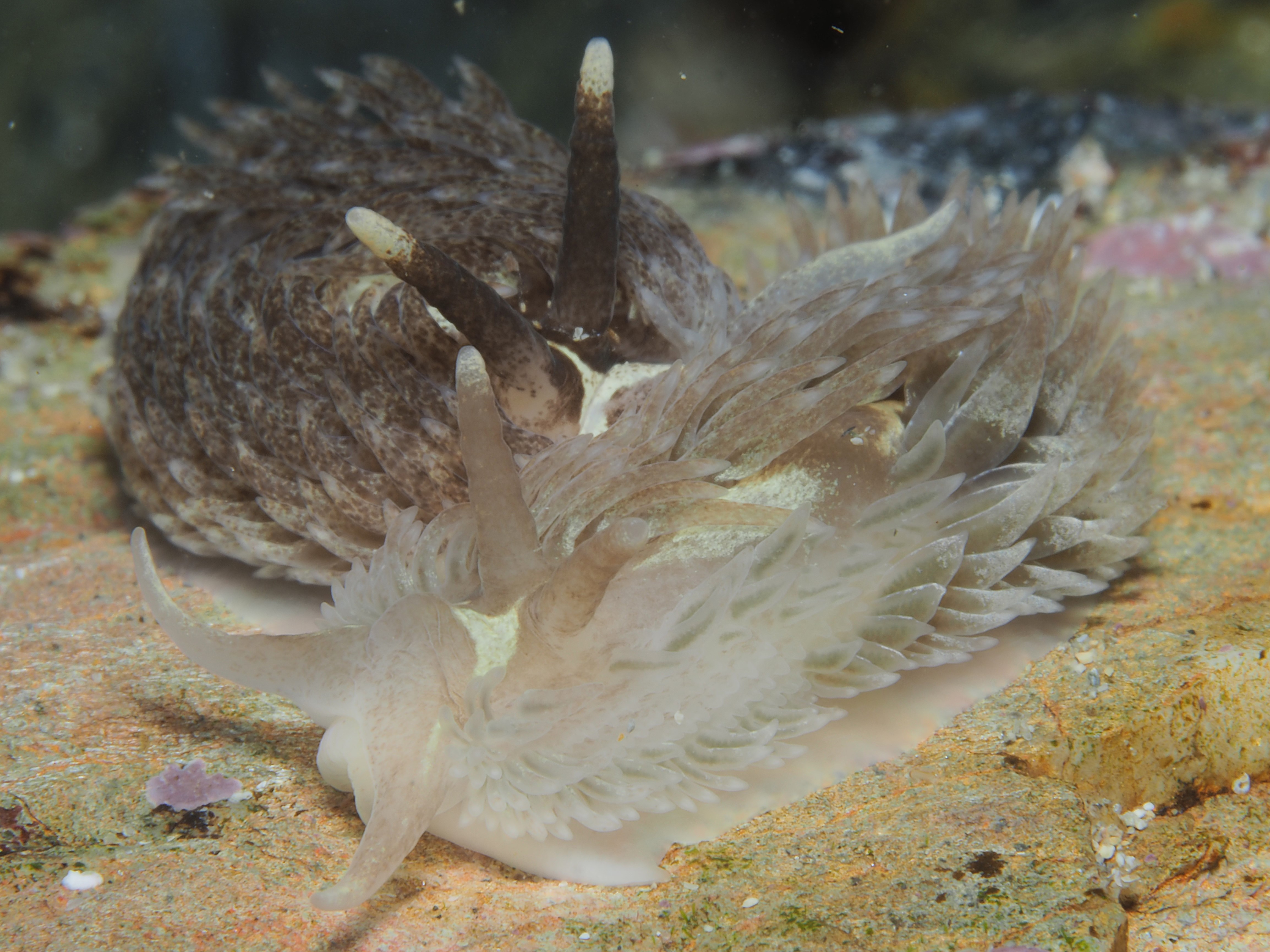
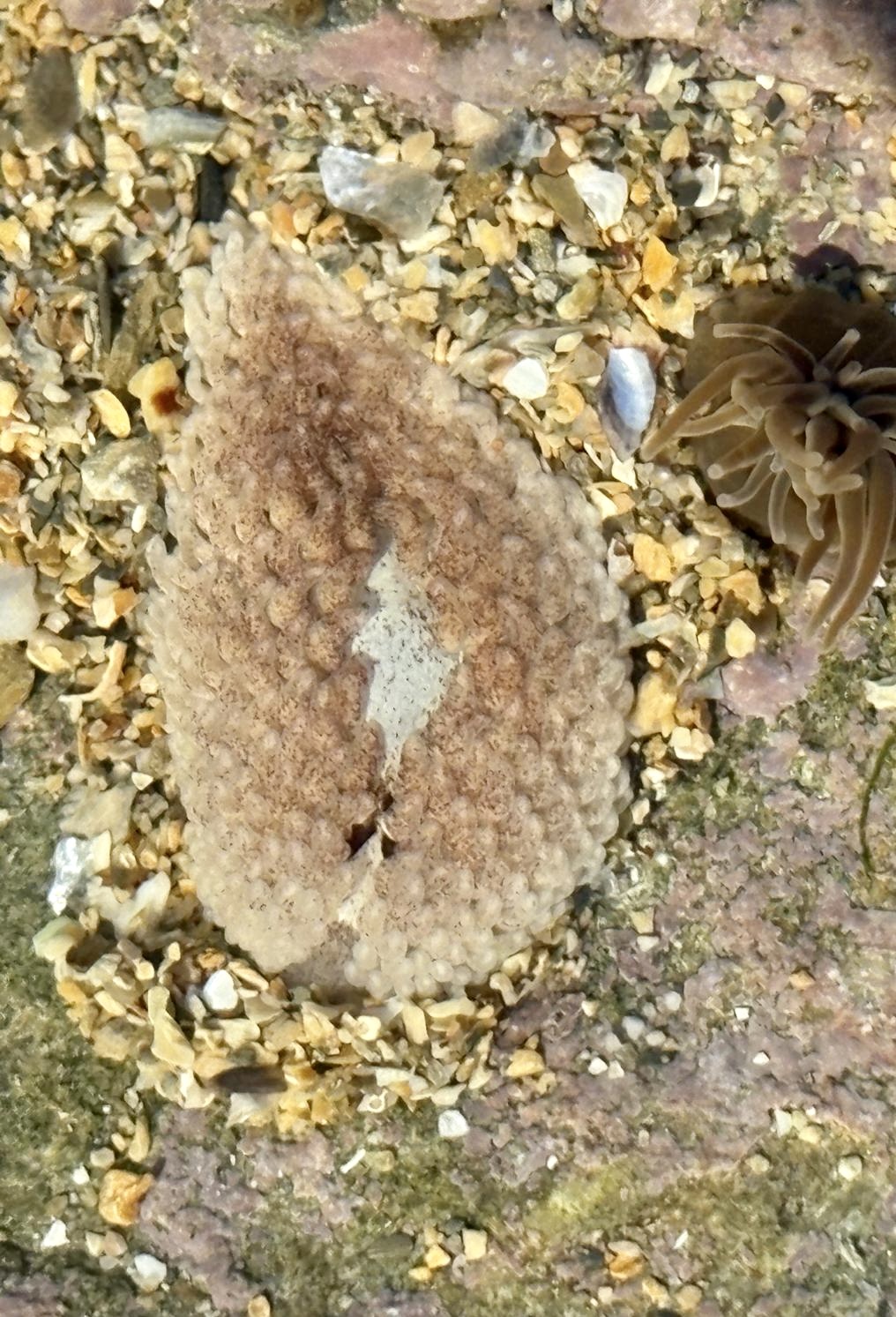
P.S. two extra pics taken a day later (without flash) near Bream Cove featuring an anemone-eating Aeolidia nudibranch.

Fish Portraits

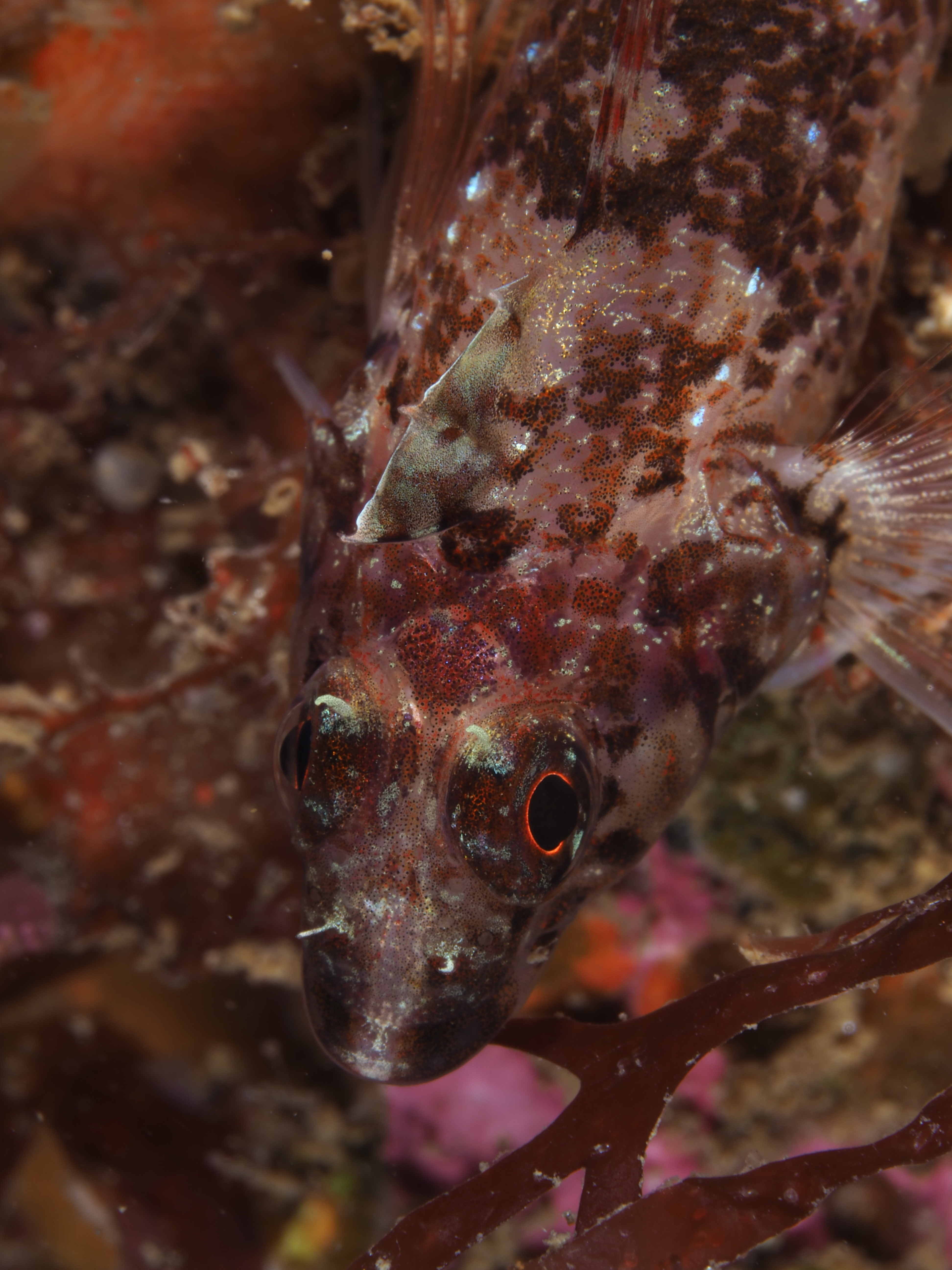
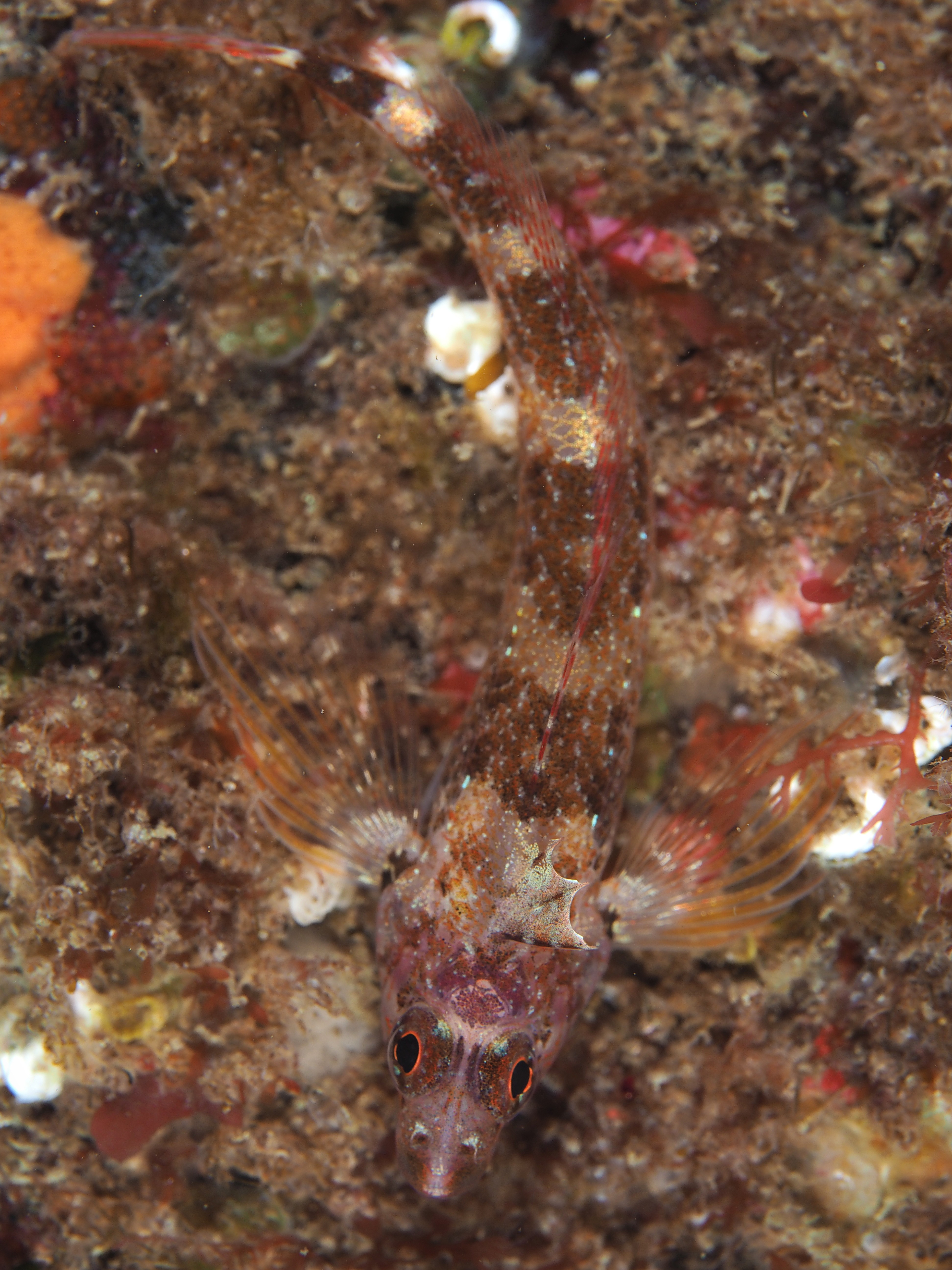
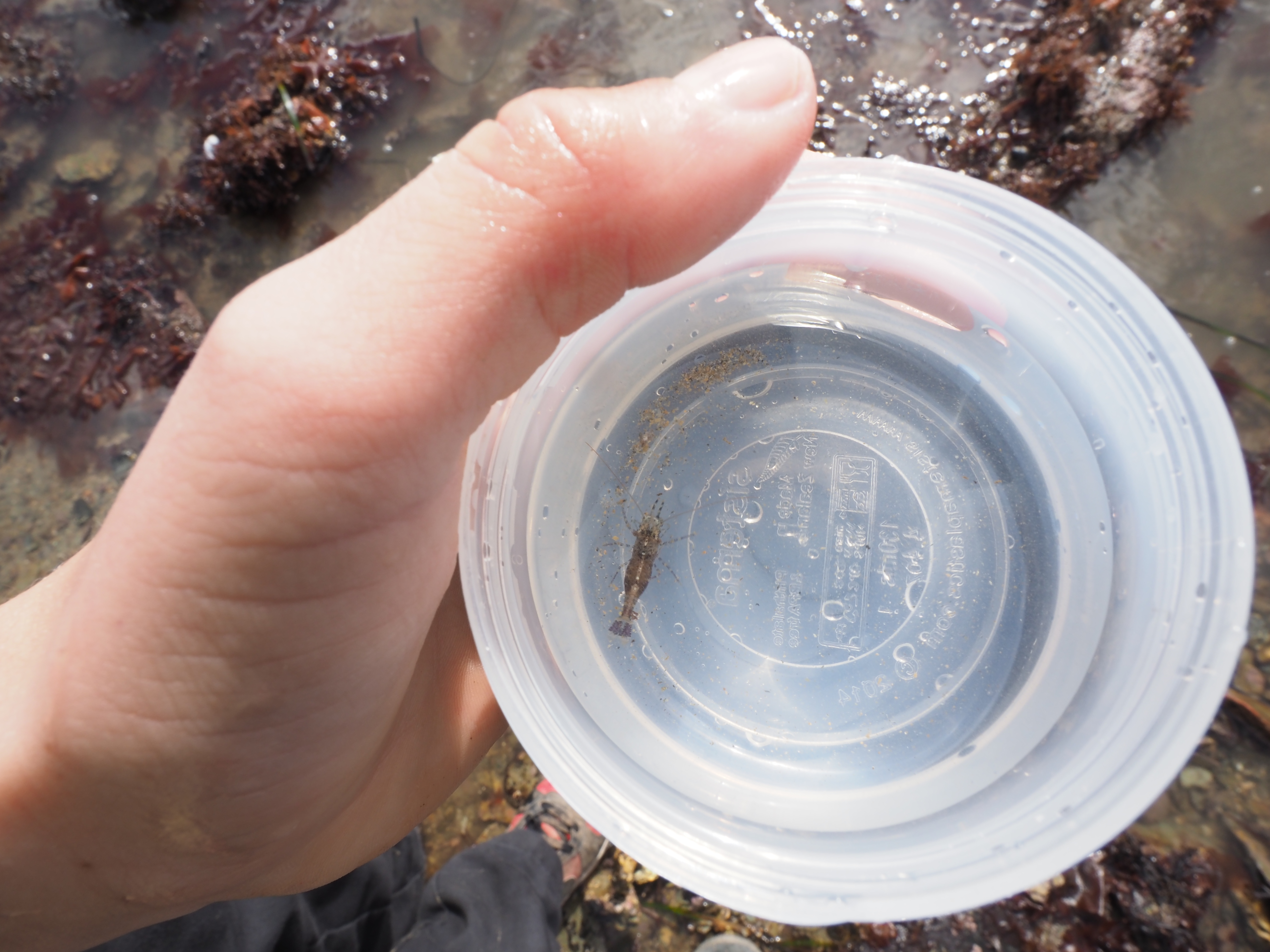
Last weekend the weather was rubbish but the tide was low, and so we went over to our local beach in Flushing for some rock pooling. I did not bring the underwater housing, but just the macro lens and my cygnustech diffuser. Above a little clingfish – this could either be a Two-spotted or a Small-headed Clingfish; they are very hard to tell apart if they are not breeding males (see pic below for scale, I had to use the extra magnification of the Raynox clip-on lens for this one). Below three other fish species: a Tompot Blenny, a Common Blenny (or Shanny) and a Montagu’s Blenny (which is from an earlier post, but I wanted to complete the set here).
Fish of Silver Steps

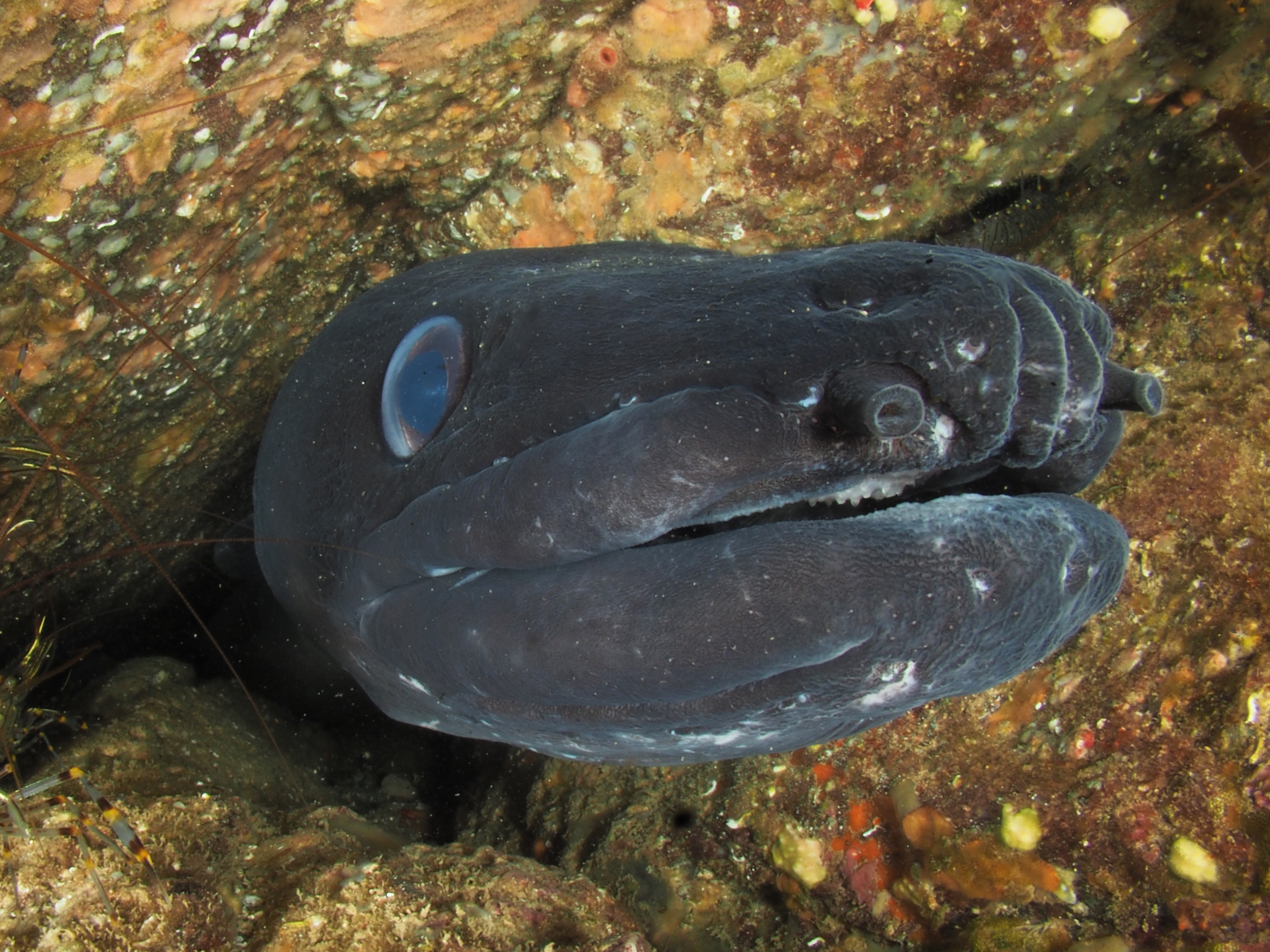
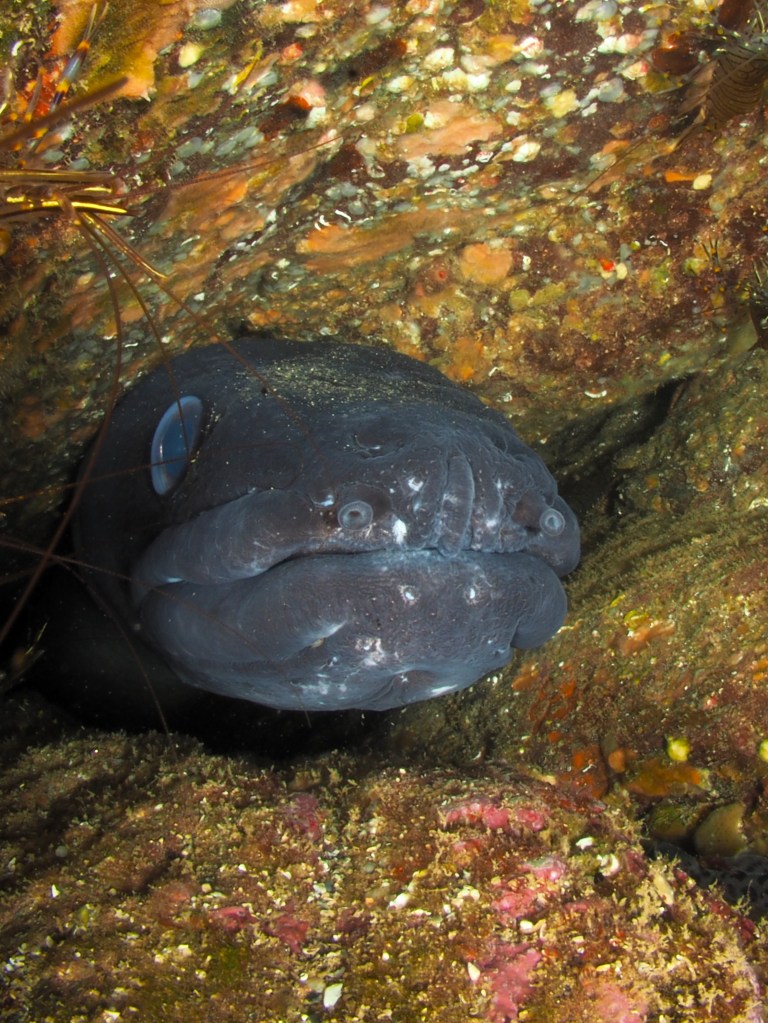
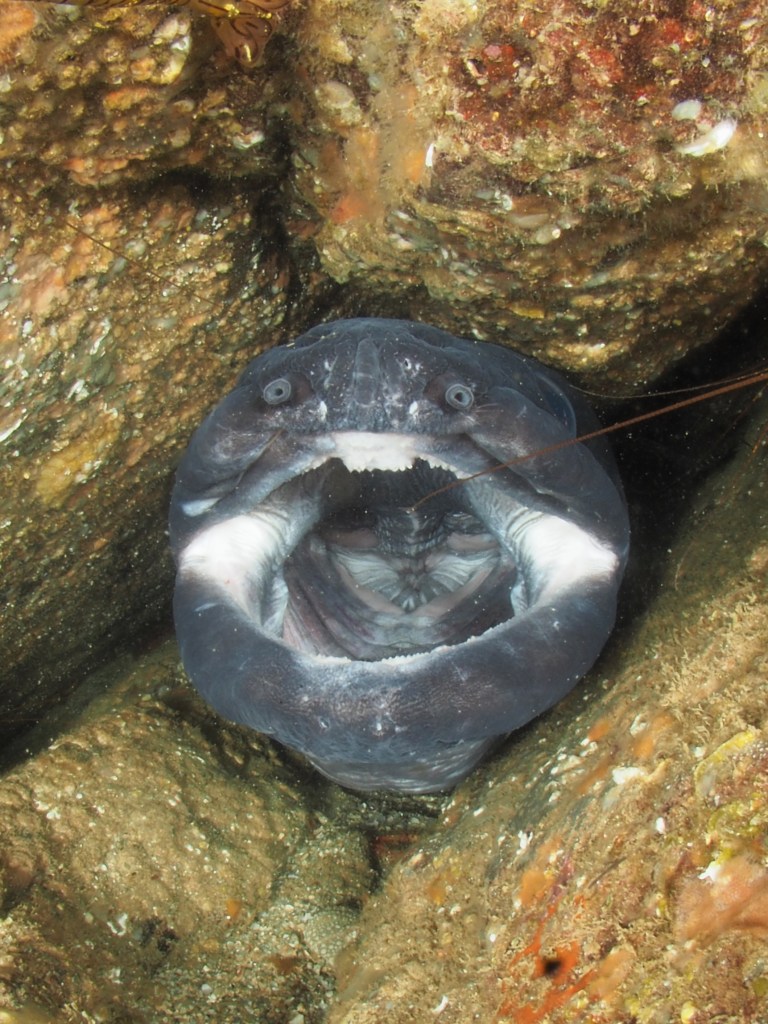
It is almost February so it is high time for the first 2025 post! I have quite some photos left from last year and I thought a fish photo-dump might be a nice idea. My local shoredive site ‘Silver Steps’ has quite a diversity of fish; however, I have only ever seriously tried to photograph benthic species as the pelagic swimmers are just to difficult to capture, even just for ID purposes. A shame, as I have seen some interesting Seabream species last year (Gilthead Seabream, schools of juveniles that might be Axillary, or Red Seabream and even a Common Two-Banded Seabream) and the wrasse species are very characterful (and I have seen others take great photos of them). Anyway, first up is a Conger Eel (Conger conger) I often visit. Quite menacing, although probably not as big as it looks. I always find it in its lair, probably only coming out at night to hunt (having said that occasionally I do see free-swimming congers during the day). It is always surrounded by big prawns who do not seem to be on the menu somehow, but must be protected from other predators this way.

Below photos of various smaller fish hiding in the rock cracks (click for names on the pictures).

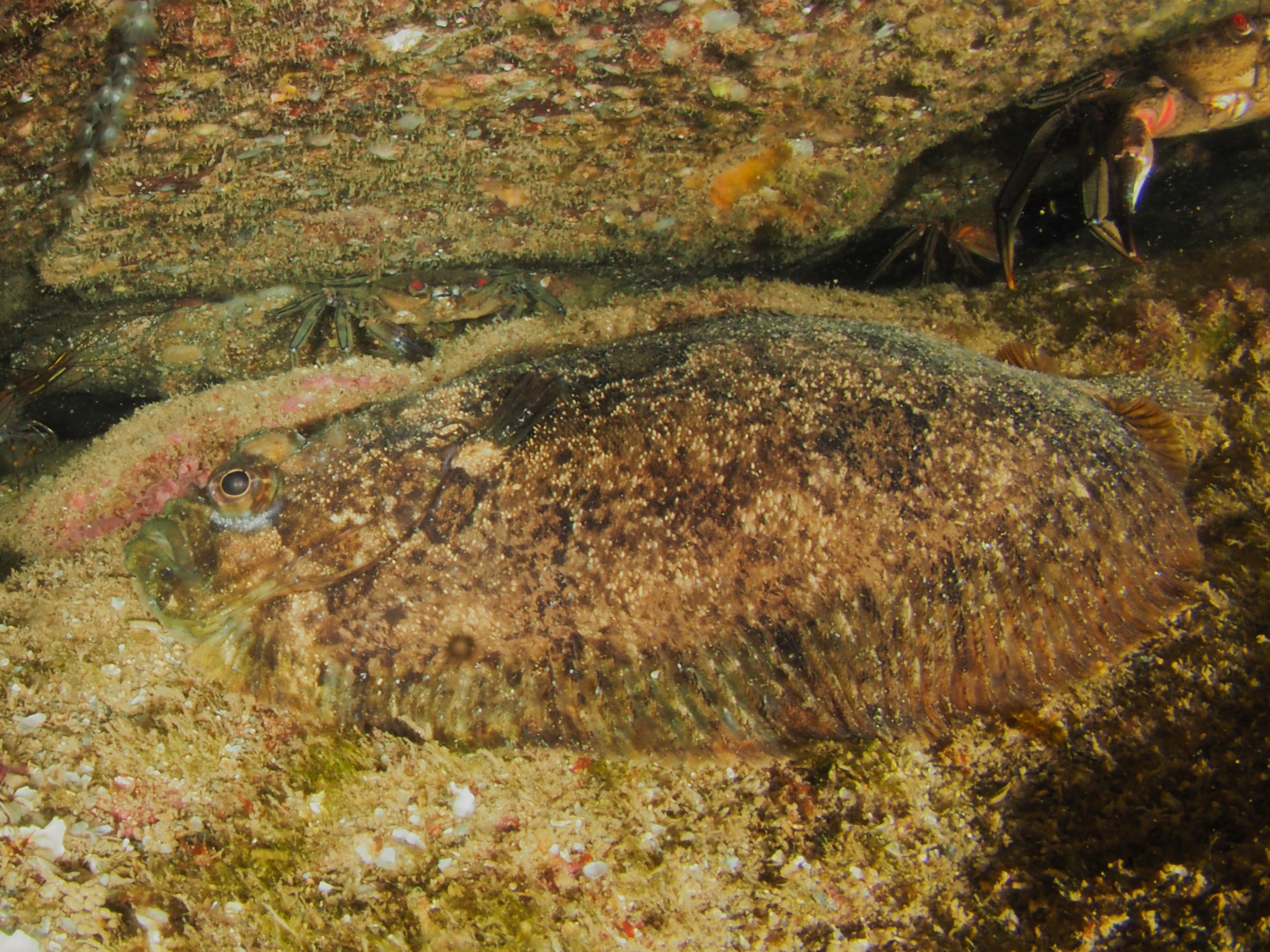
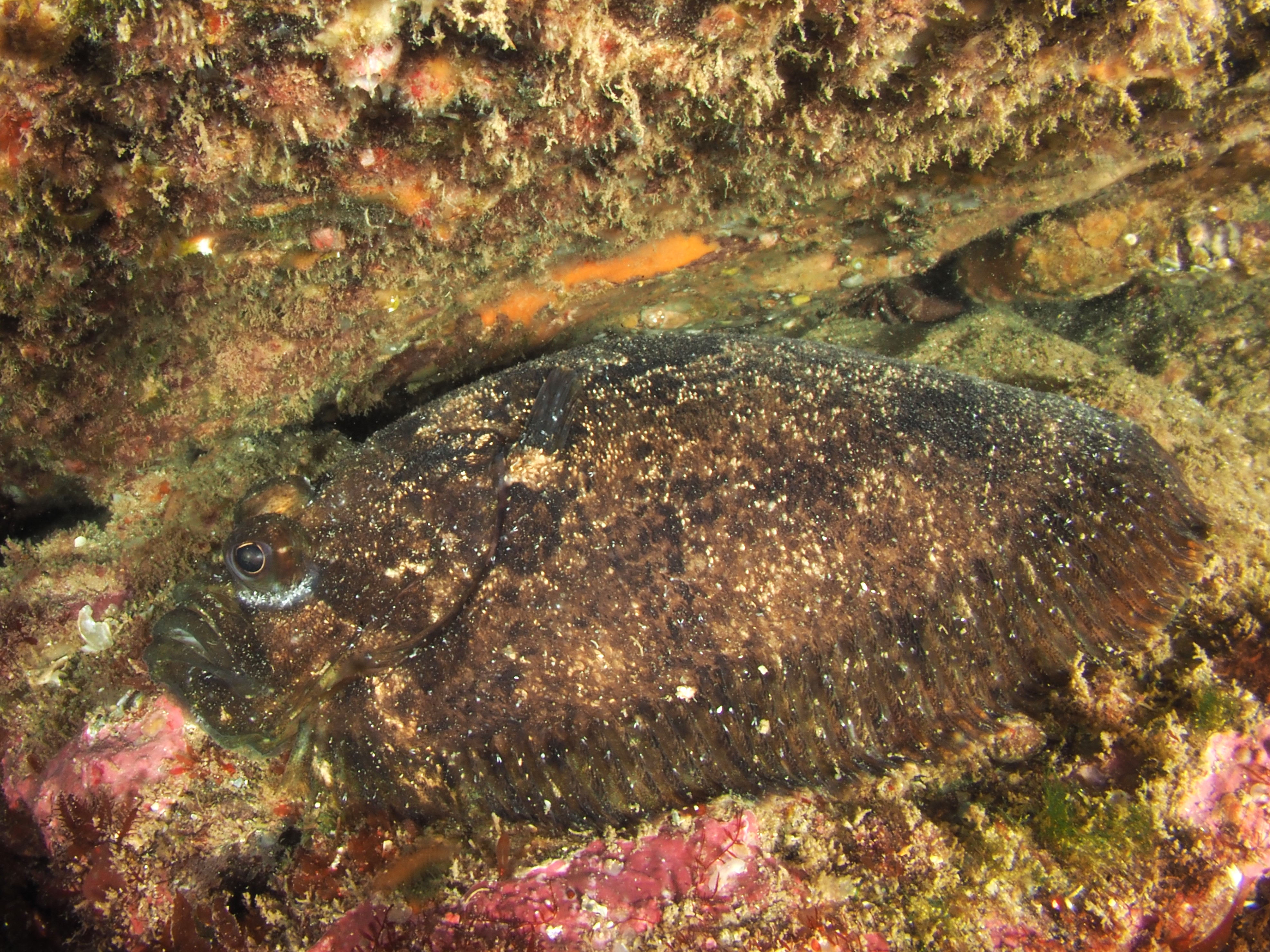
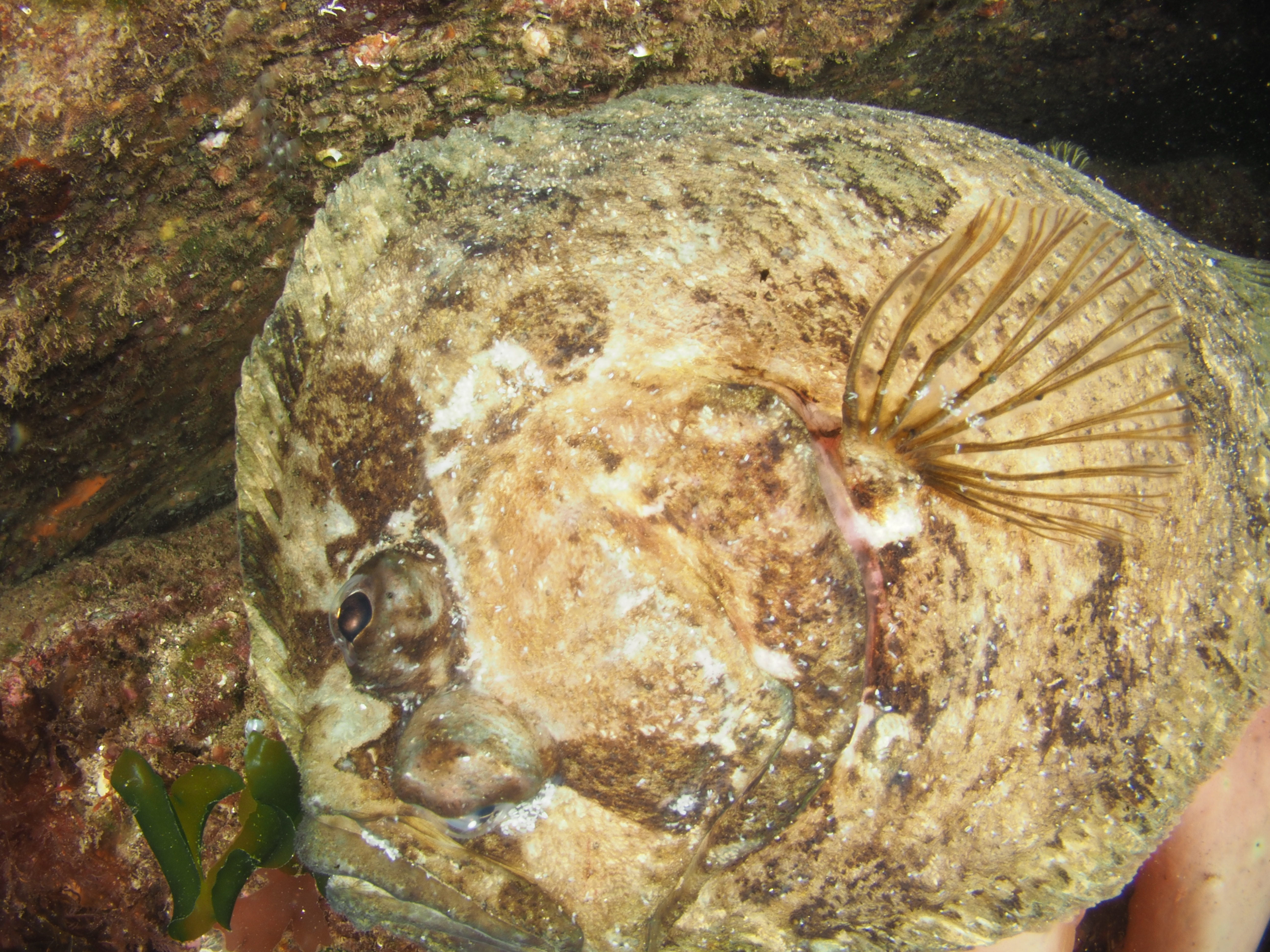
Finally a favourite of mine: the Topknot (Zeugopterus punctatus). Not quite nailed the shot yet – maybe this year!

beachcombing after storm Darragh

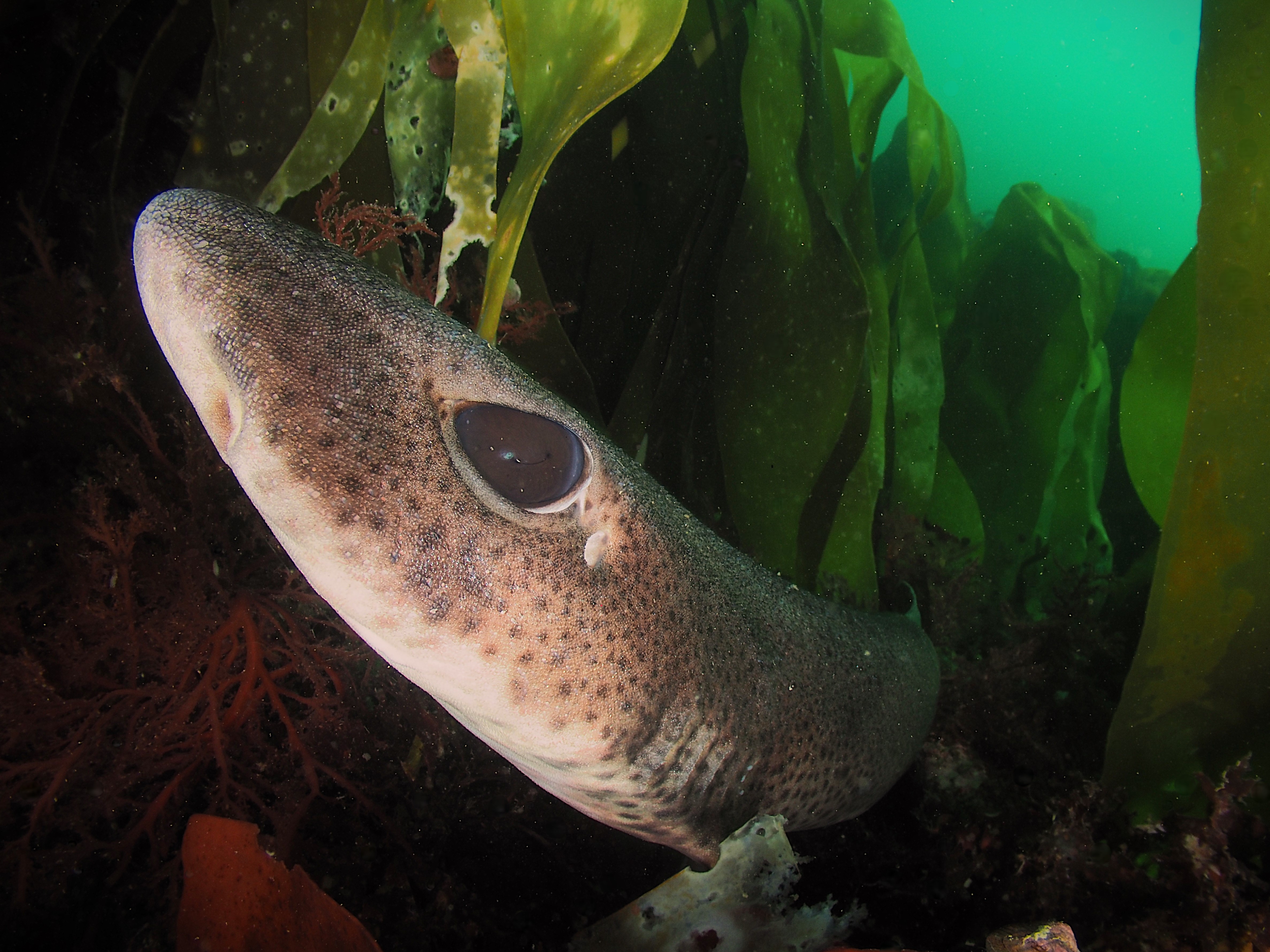
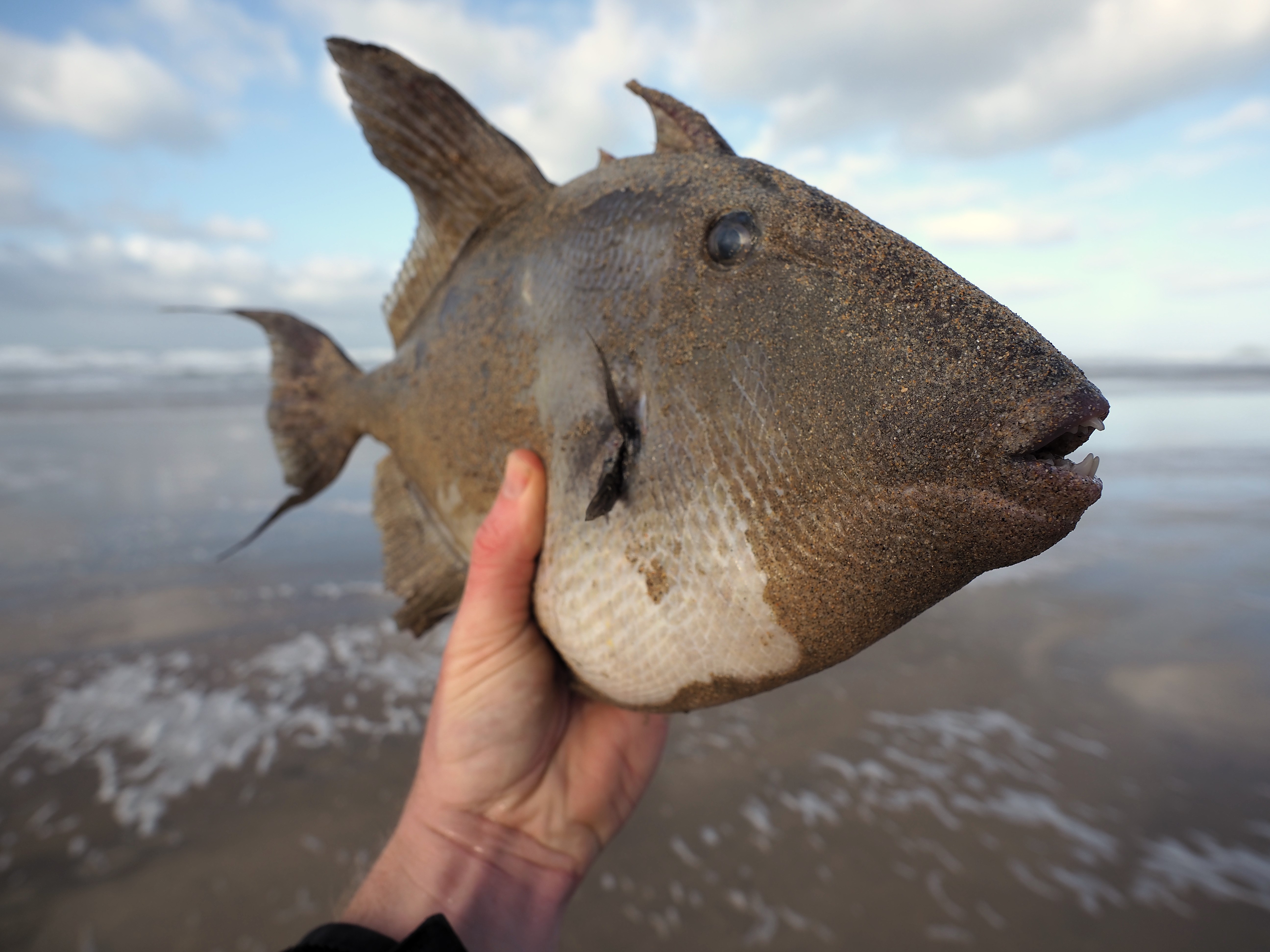
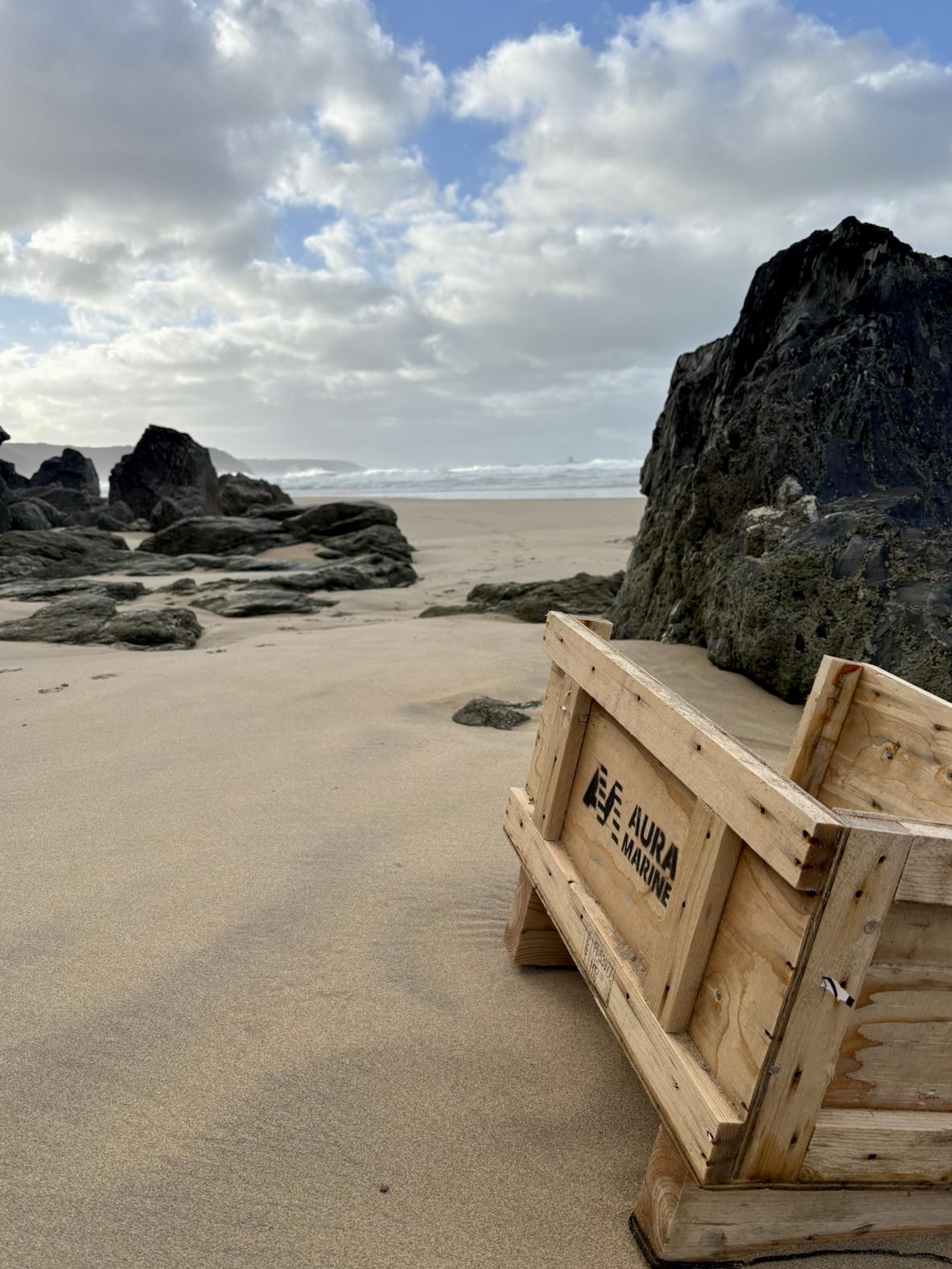
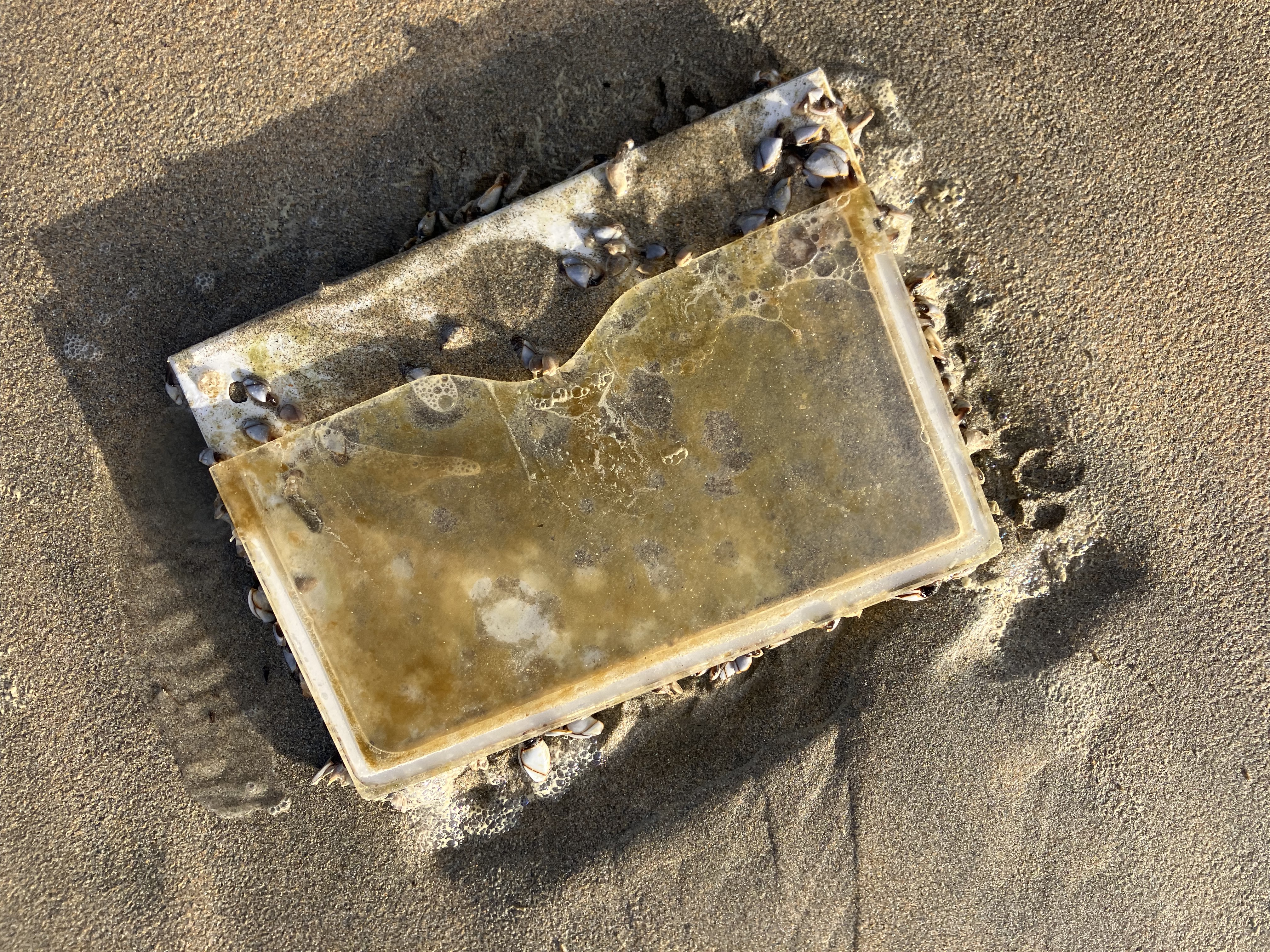
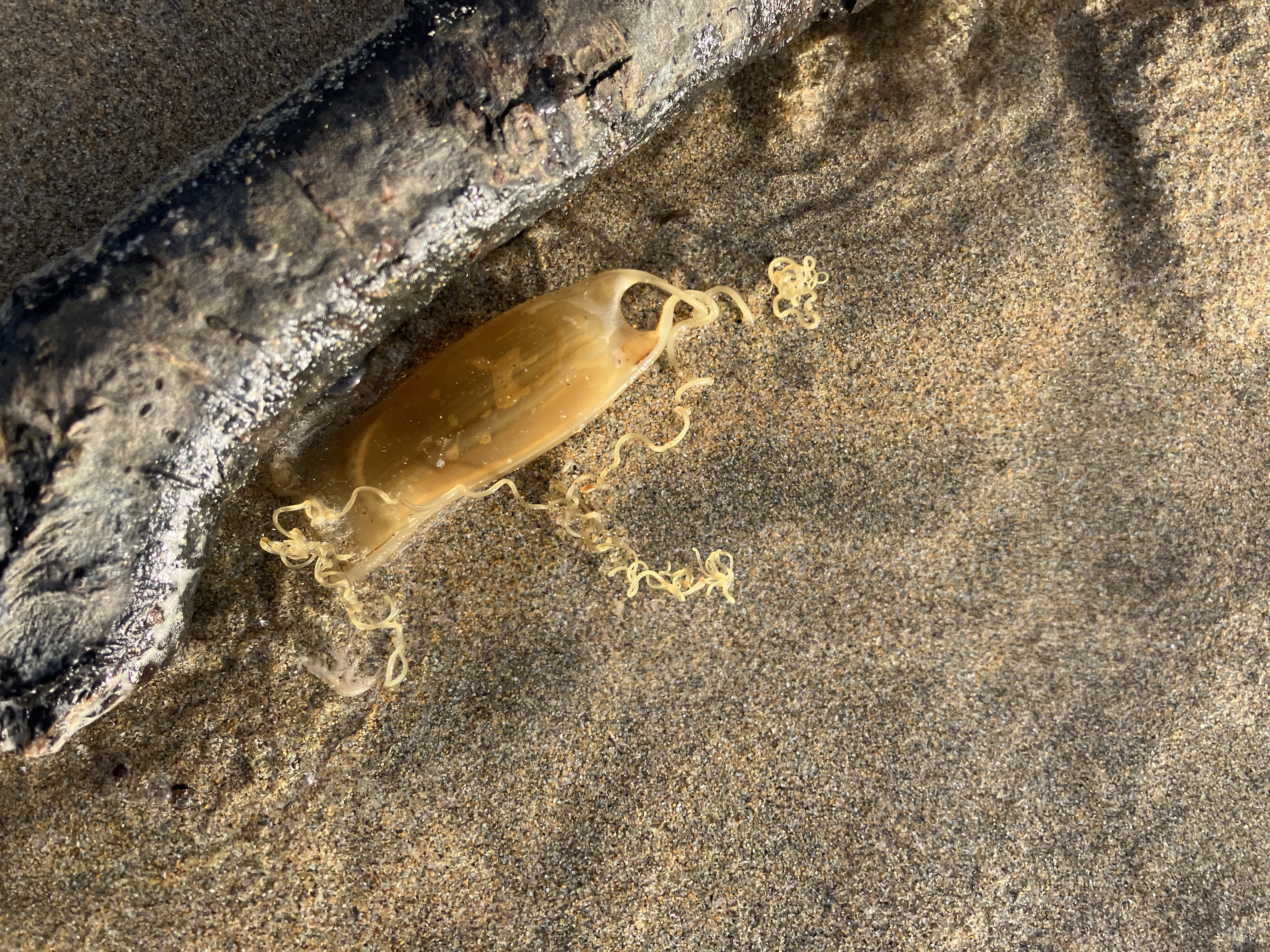
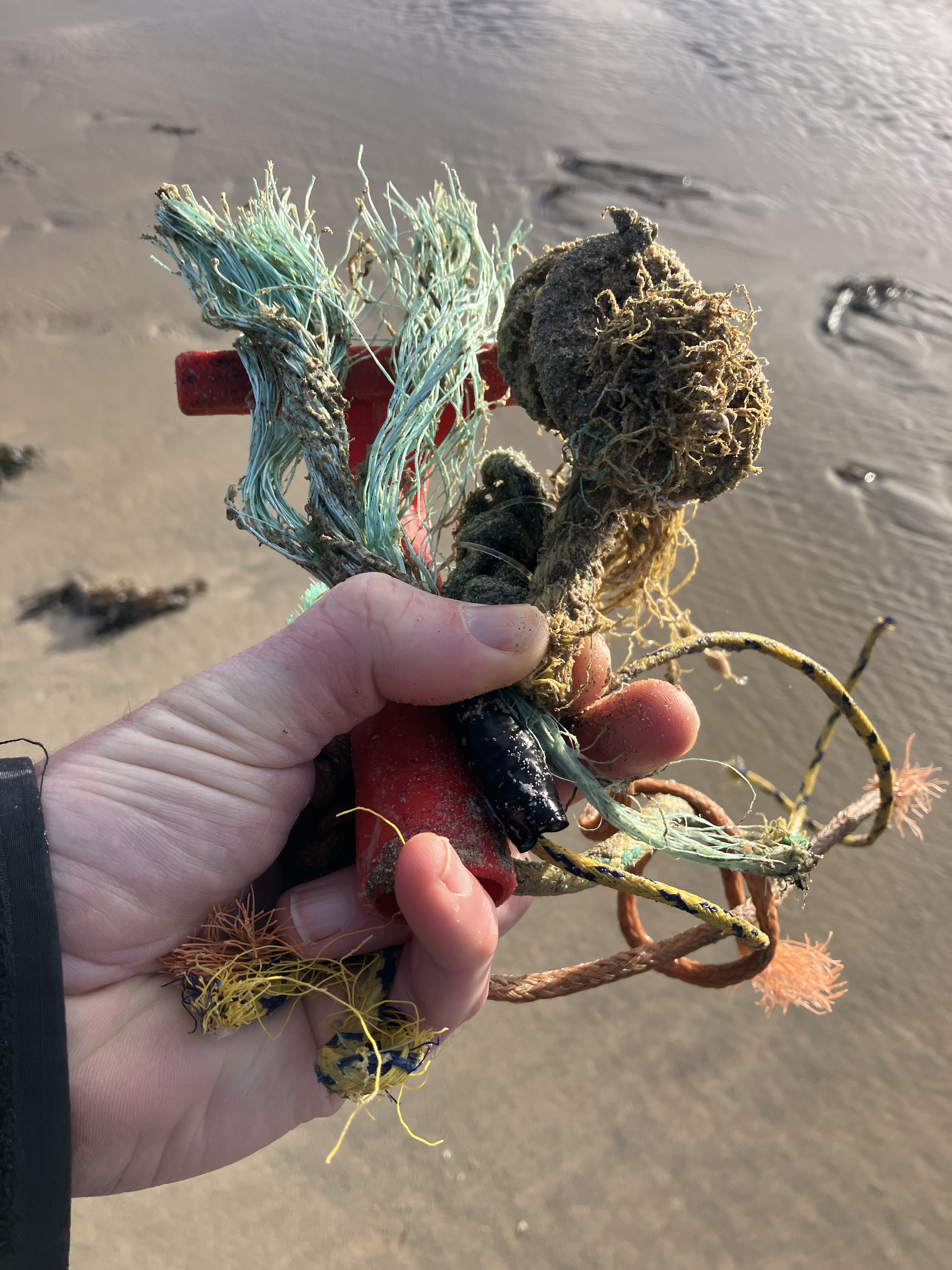
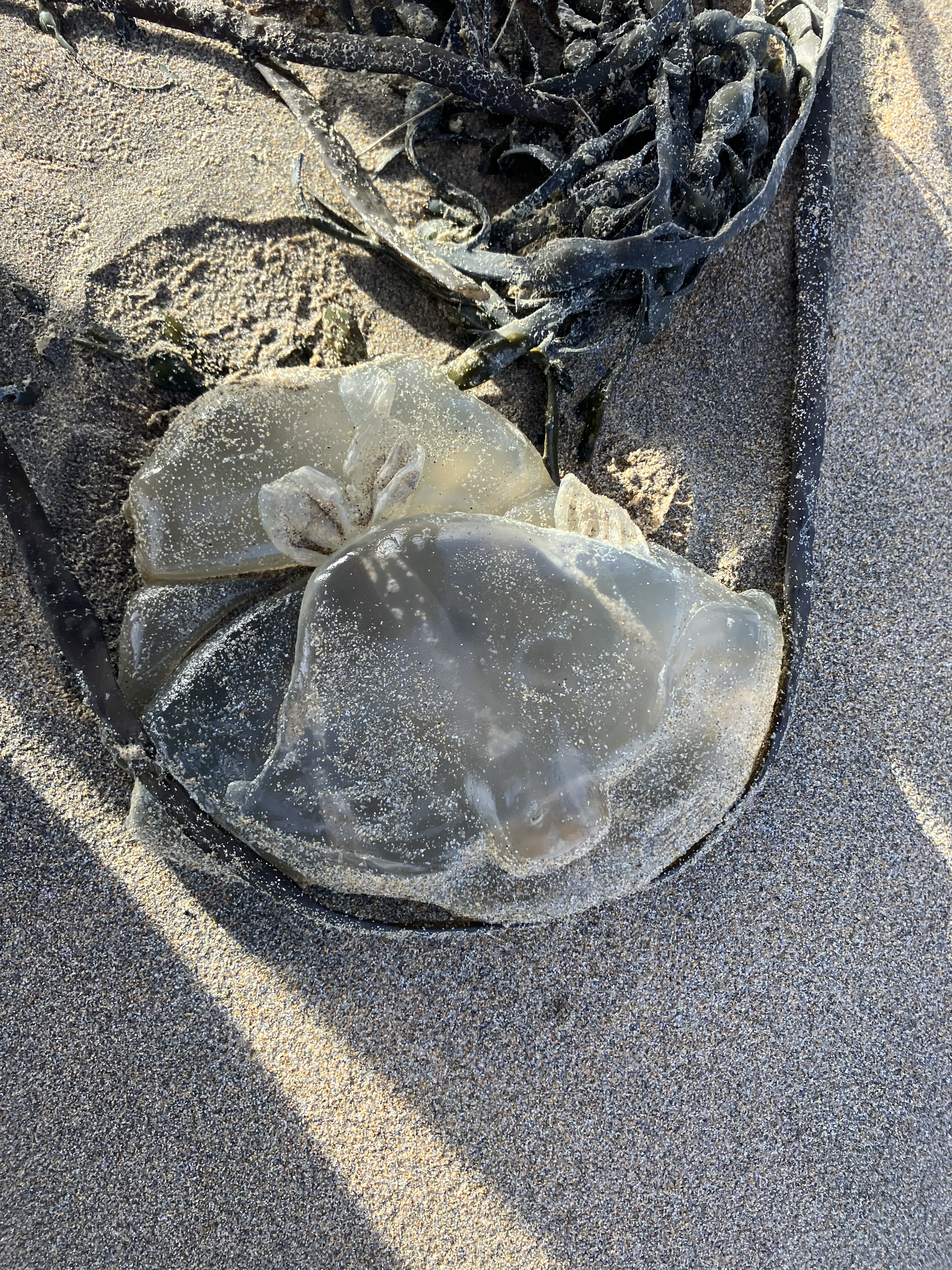
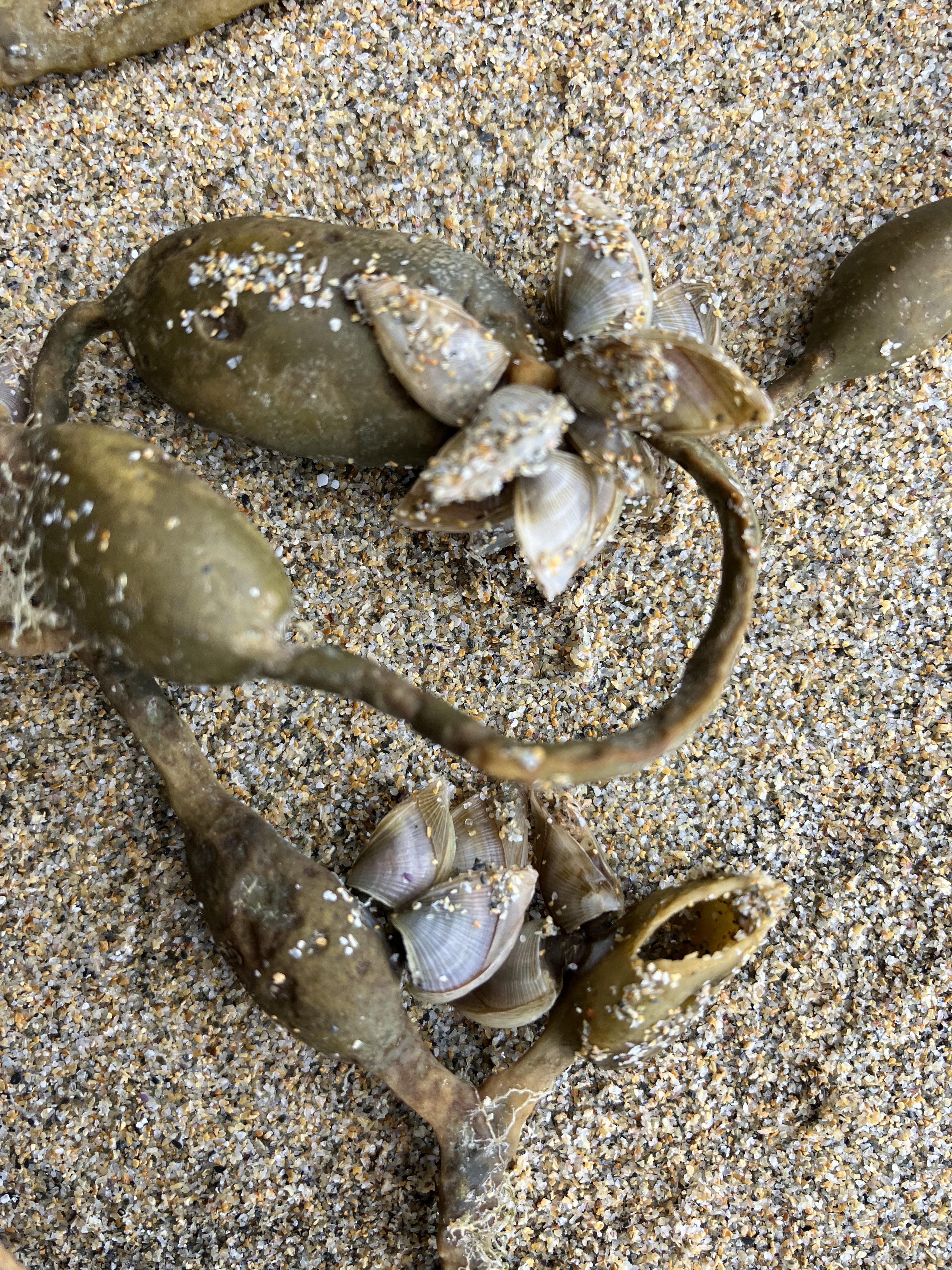
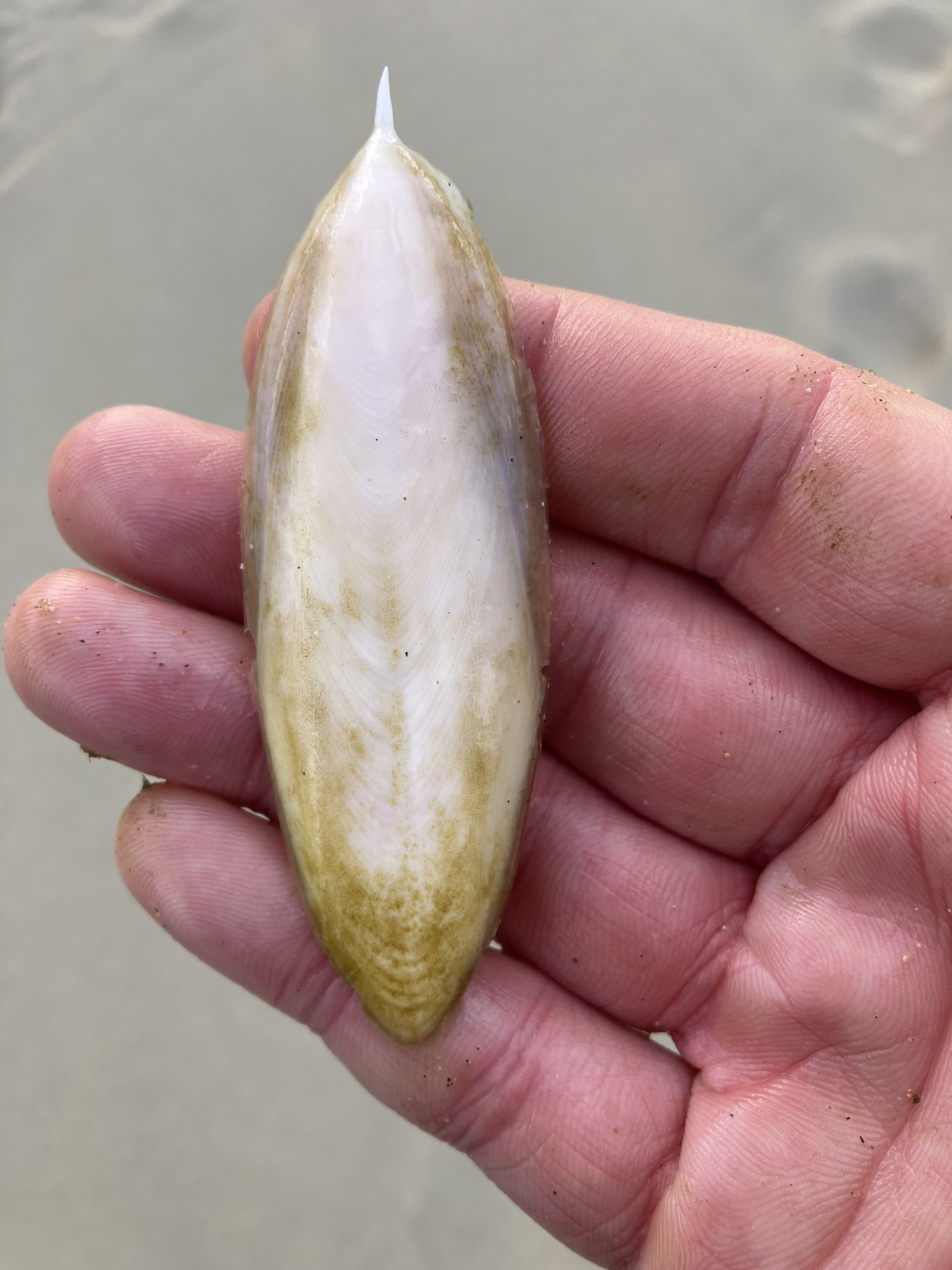
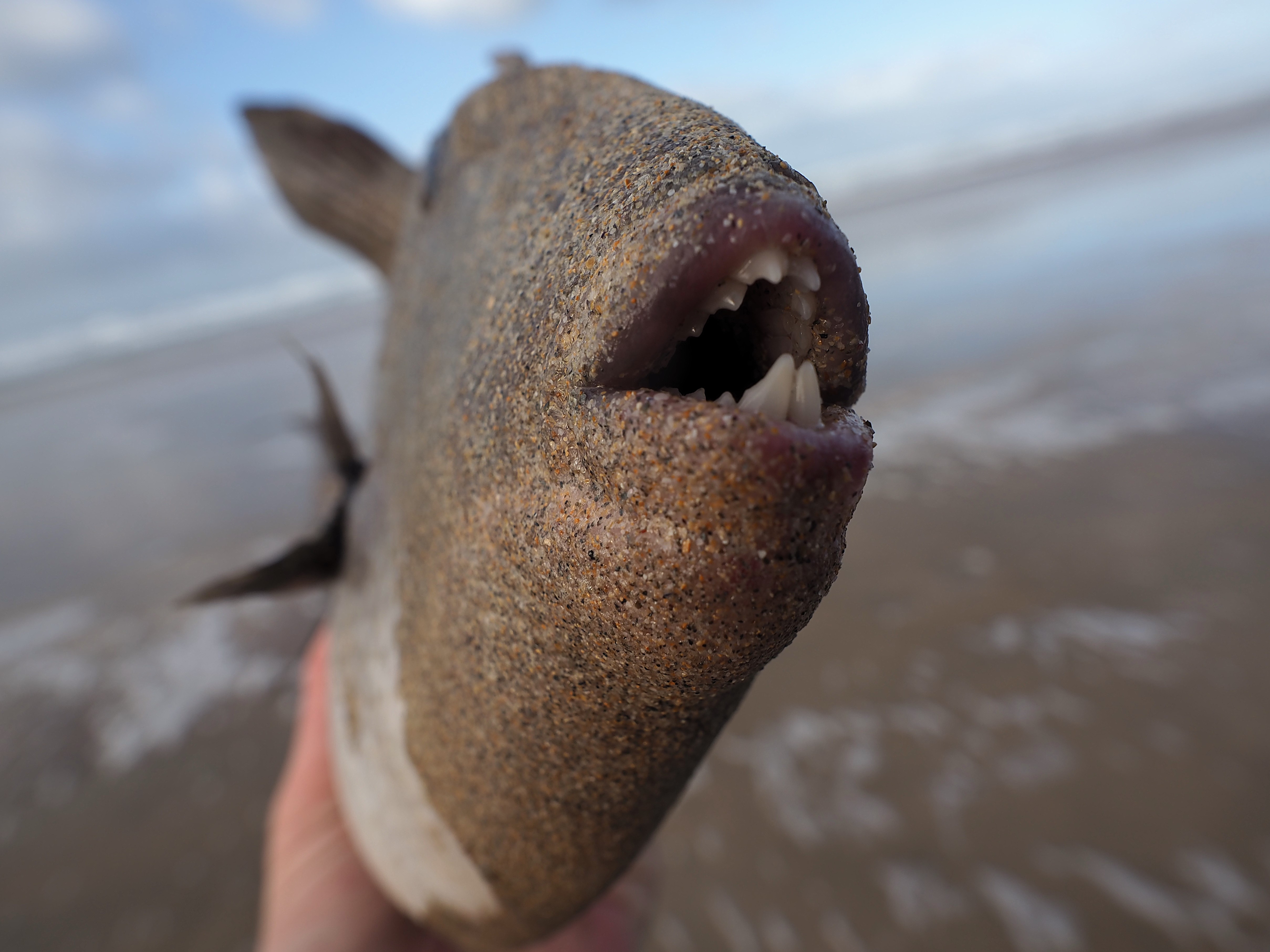
Storm Darragh raged over the UK last weekend – which by itself was not great, apart from the fact that there was a chance interesting stuff had washed up on the beach! As the winds came from the North, we drove to the long beach at Perranporth on the north coast to have a look. It was nice to get sandblasted for a bit and admire the furious crashing waves and icy blue-grey sea. Find of the day was a dead Grey Triggerfish (Balistes capriscus), a generally more southern species that is increasingly observed in the UK. Some other finds in the gallery below (shot with an iPhone; which is actually a lot easier than changing a wide angle for a macro lens on a wet, sandy beach!). Among the finds, Goose Barnacles, a Small-Spotted Catshark eggcase, an unidentified blob and a cuttlefishbone of the Pink Cuttlefish (Rhombosepion orbignyanum).

Green Paddleworms

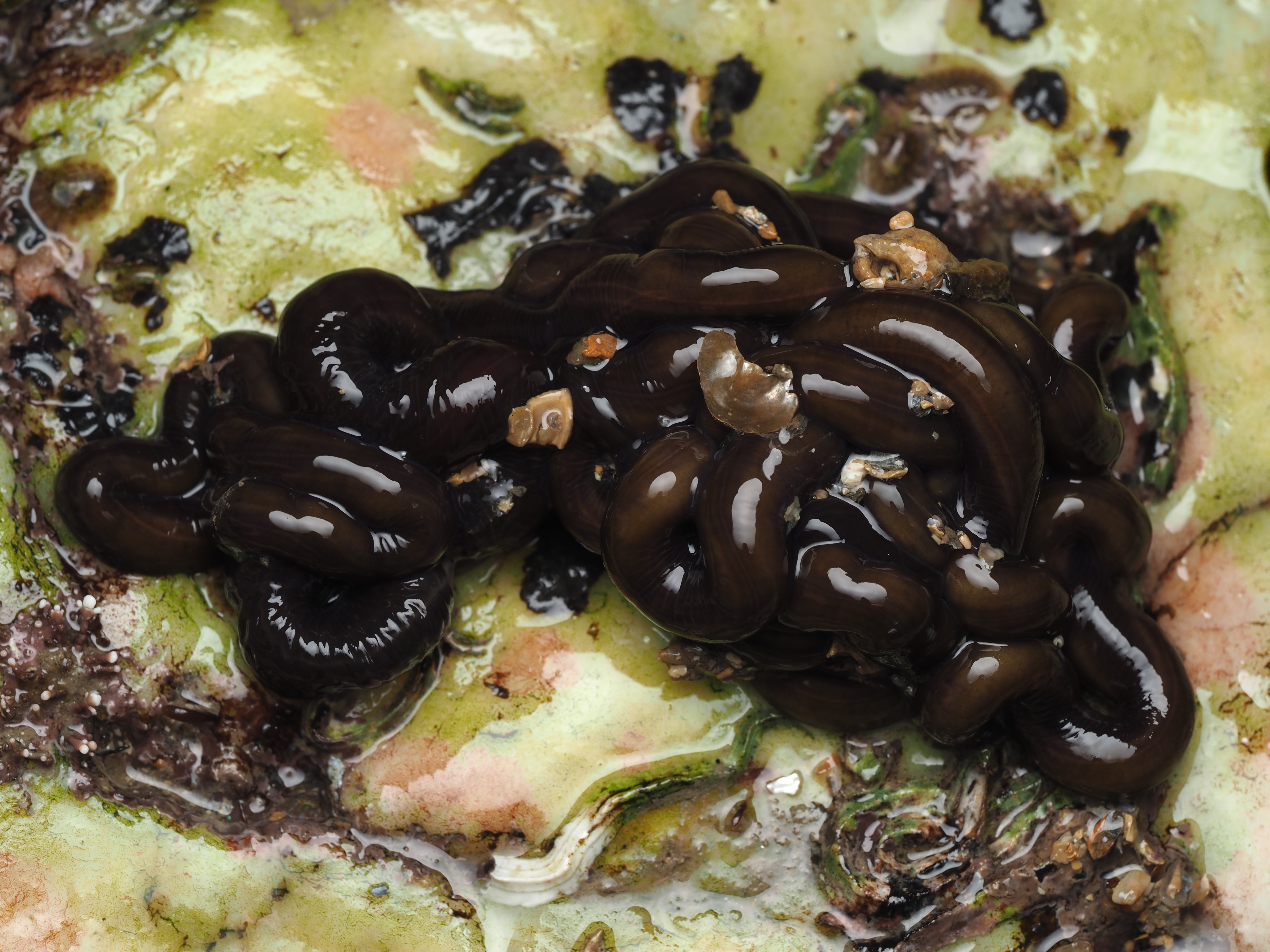
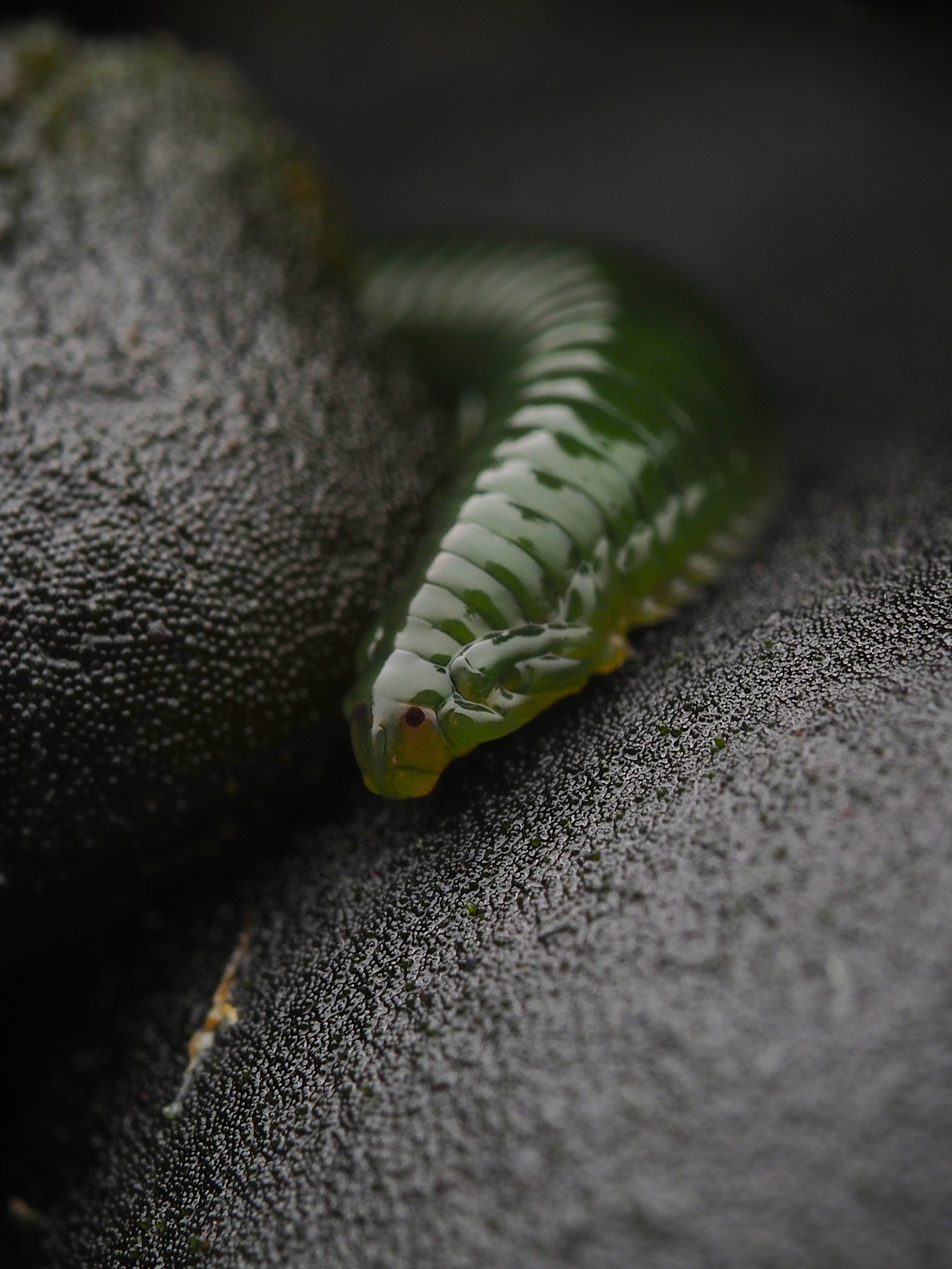
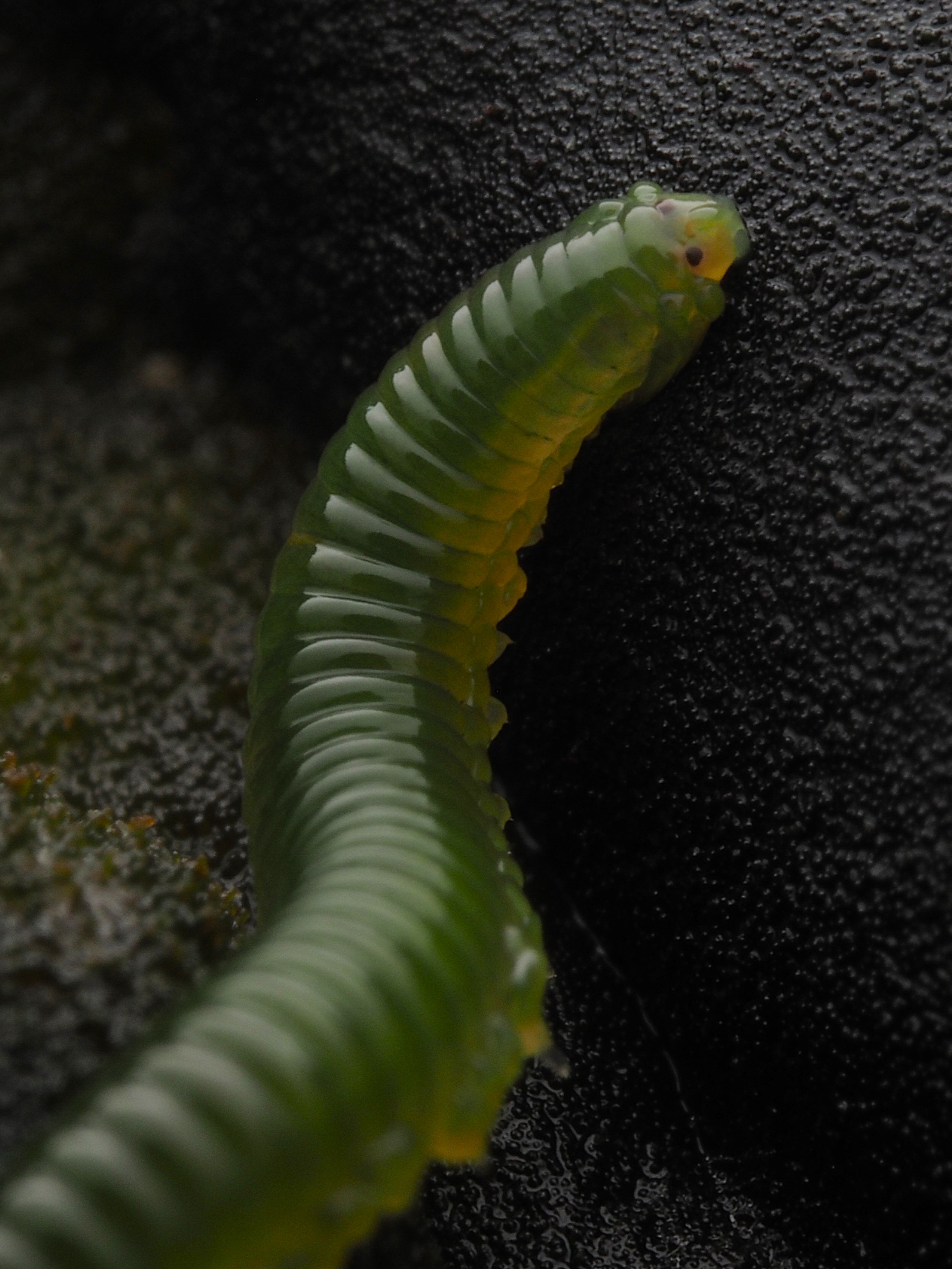
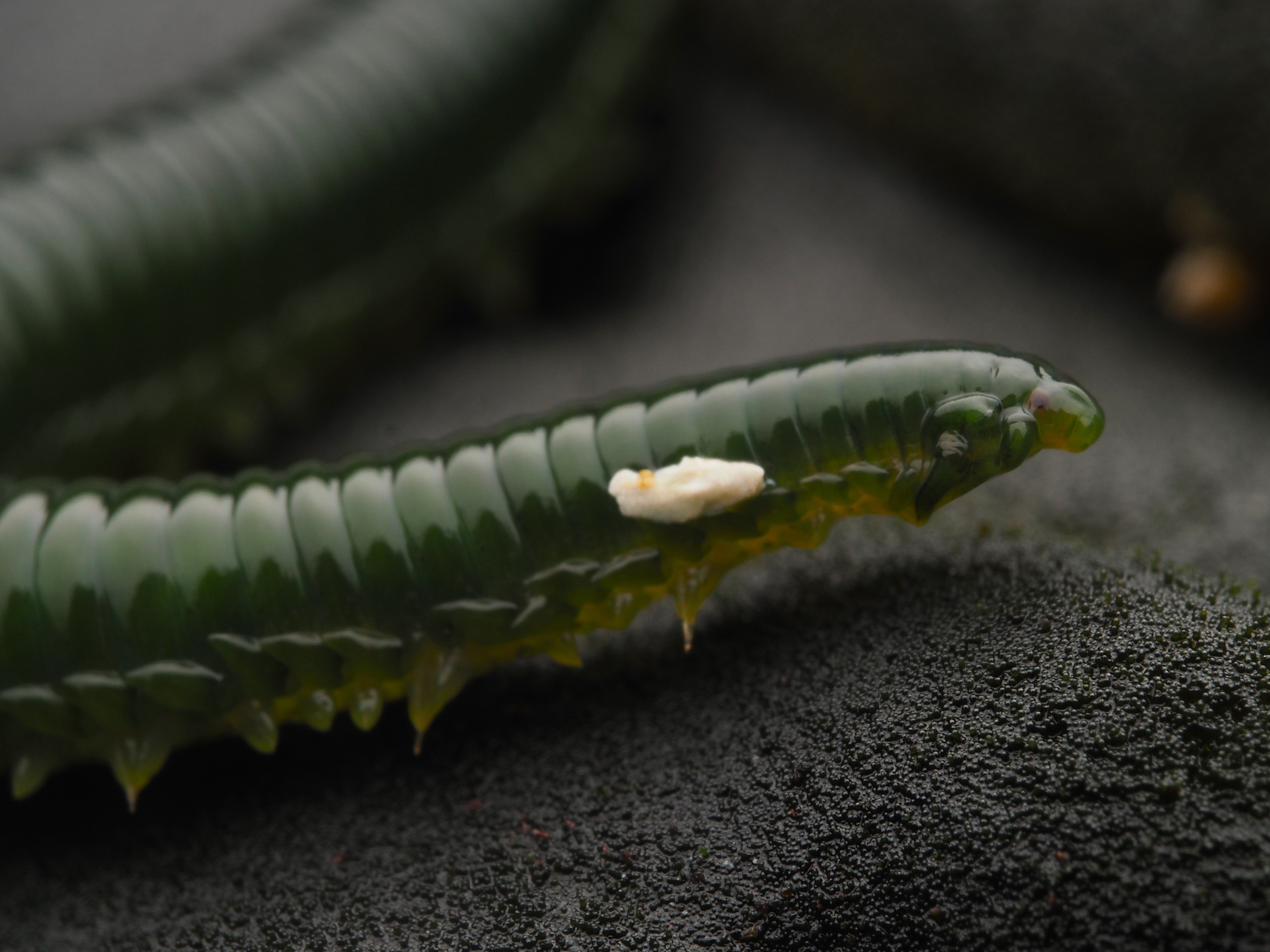
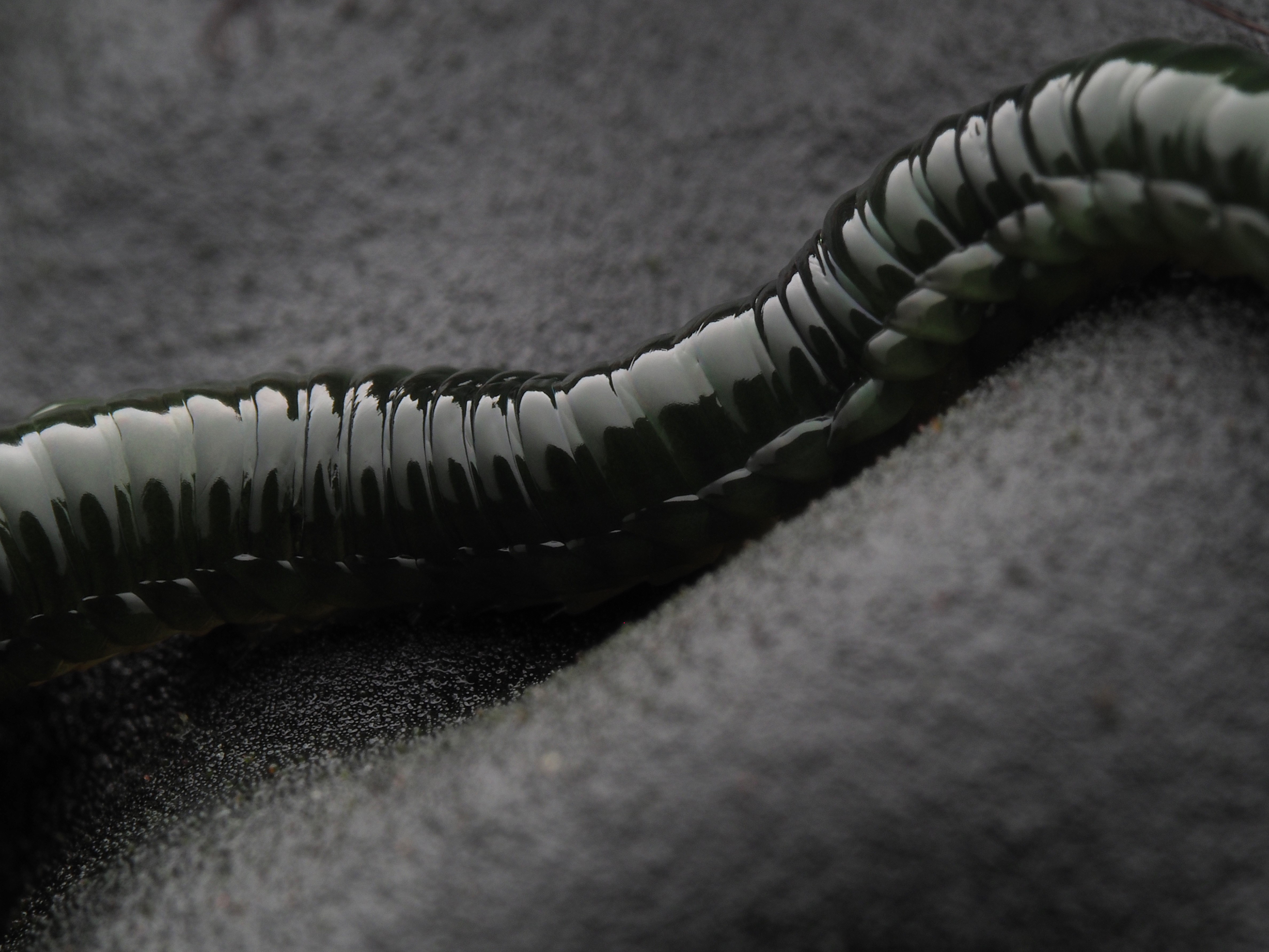
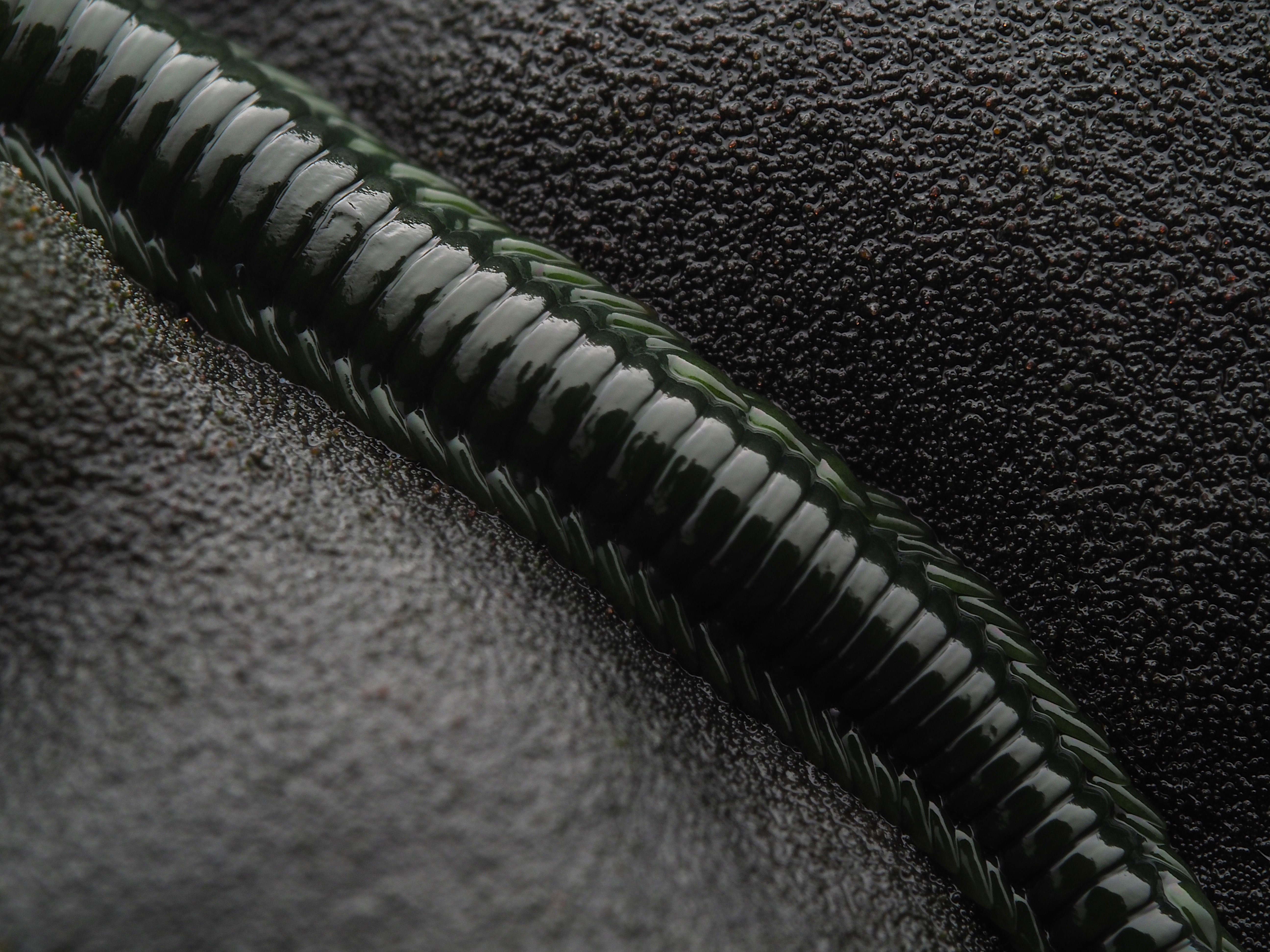
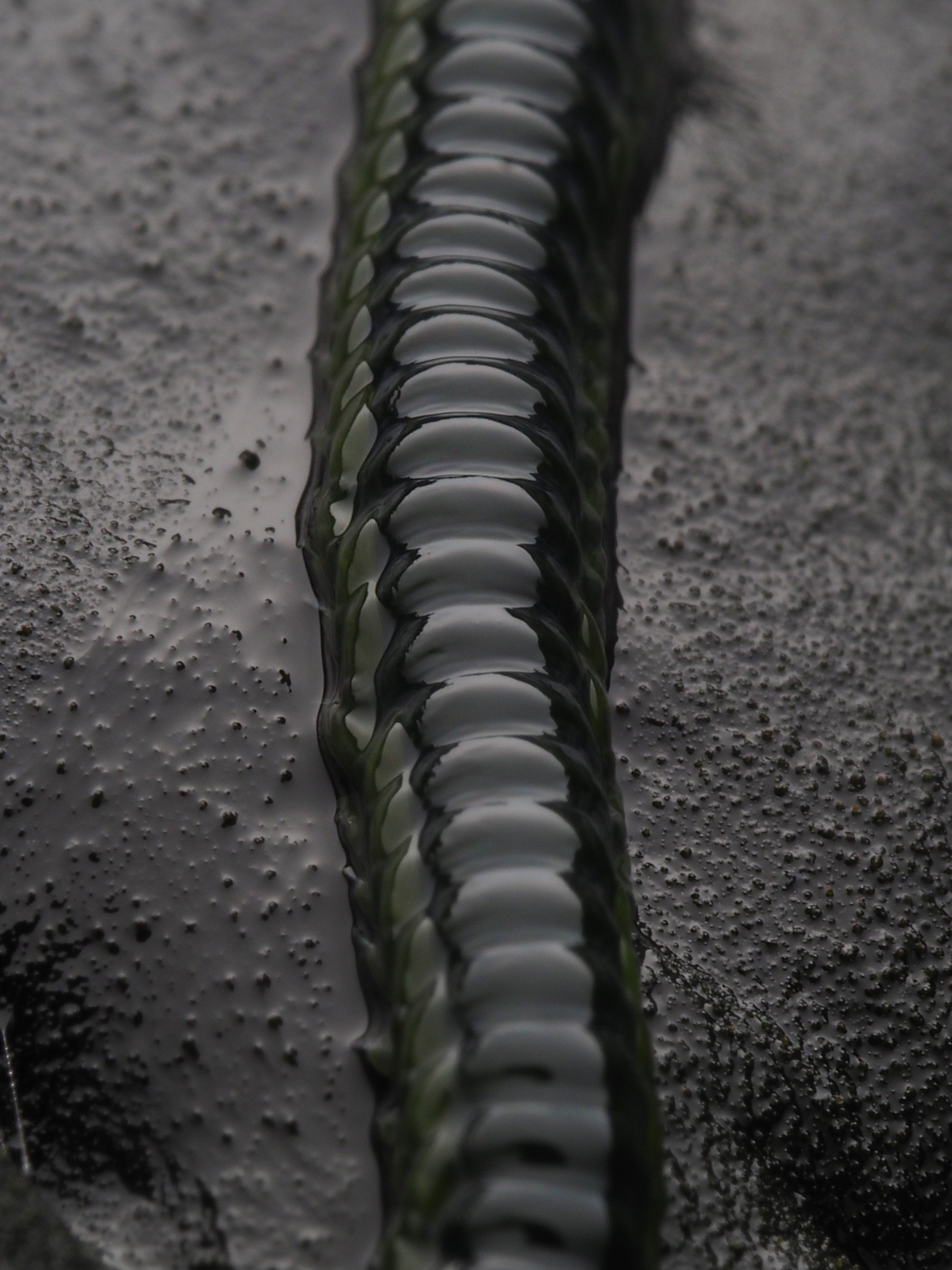
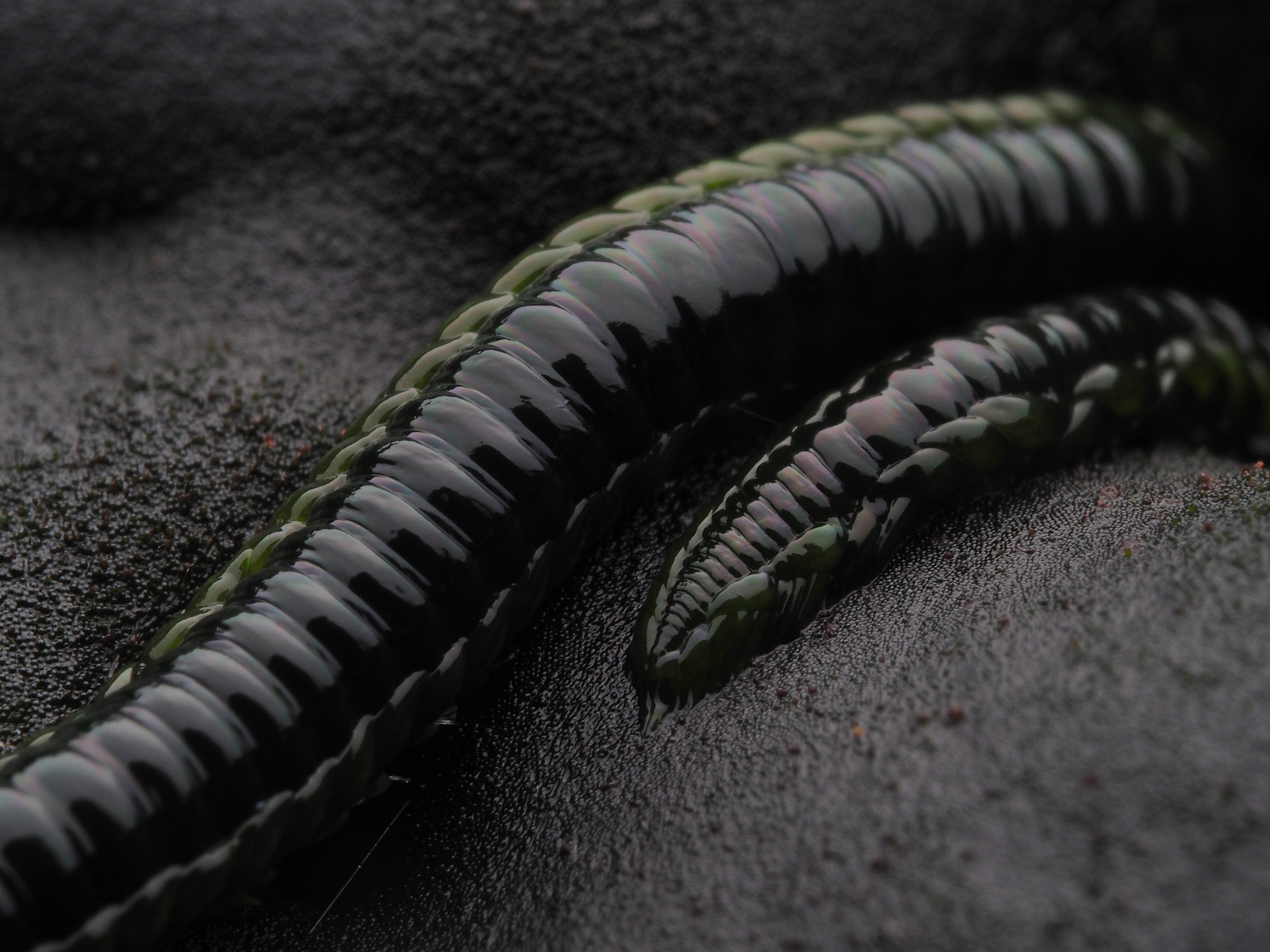
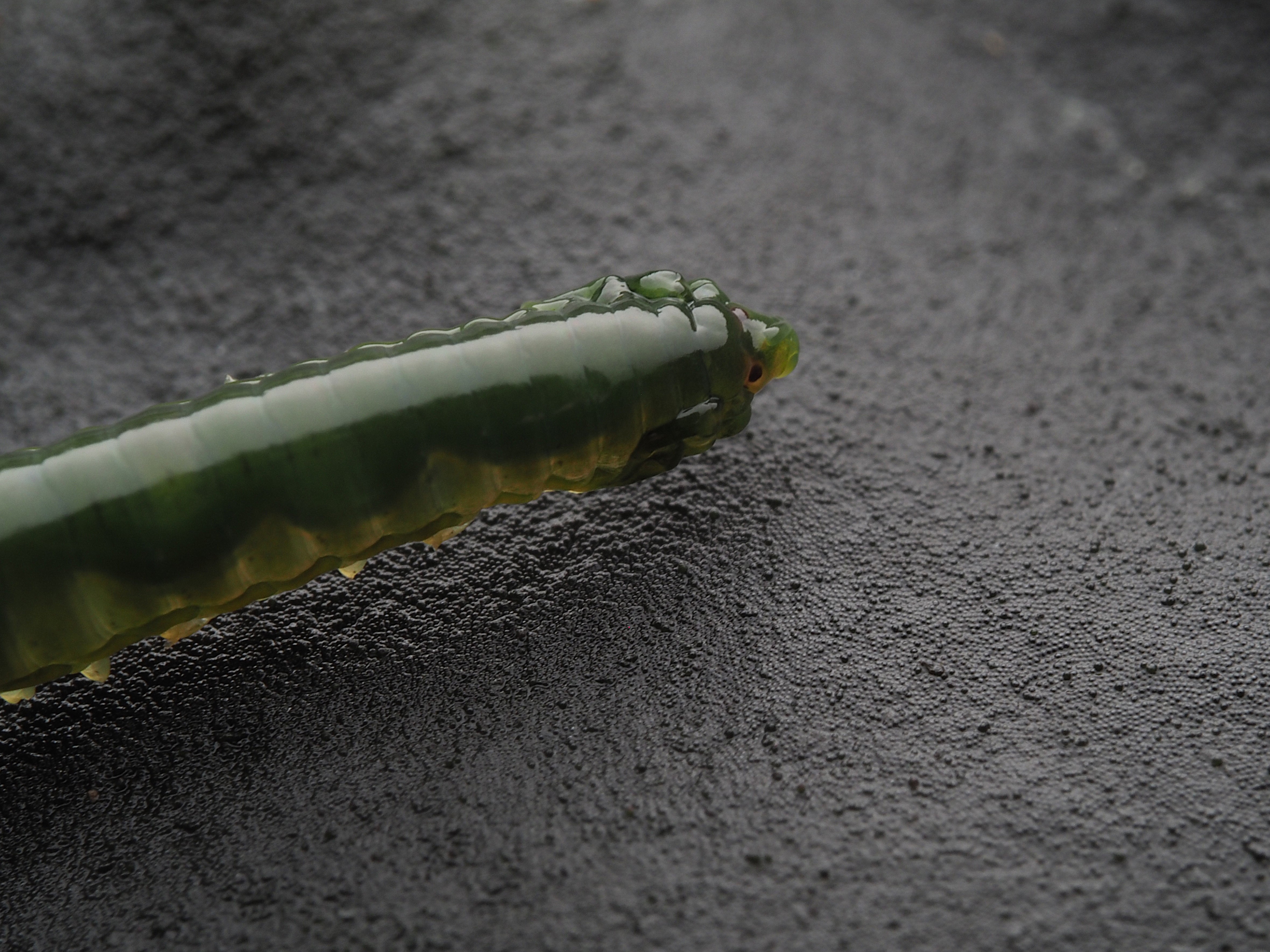
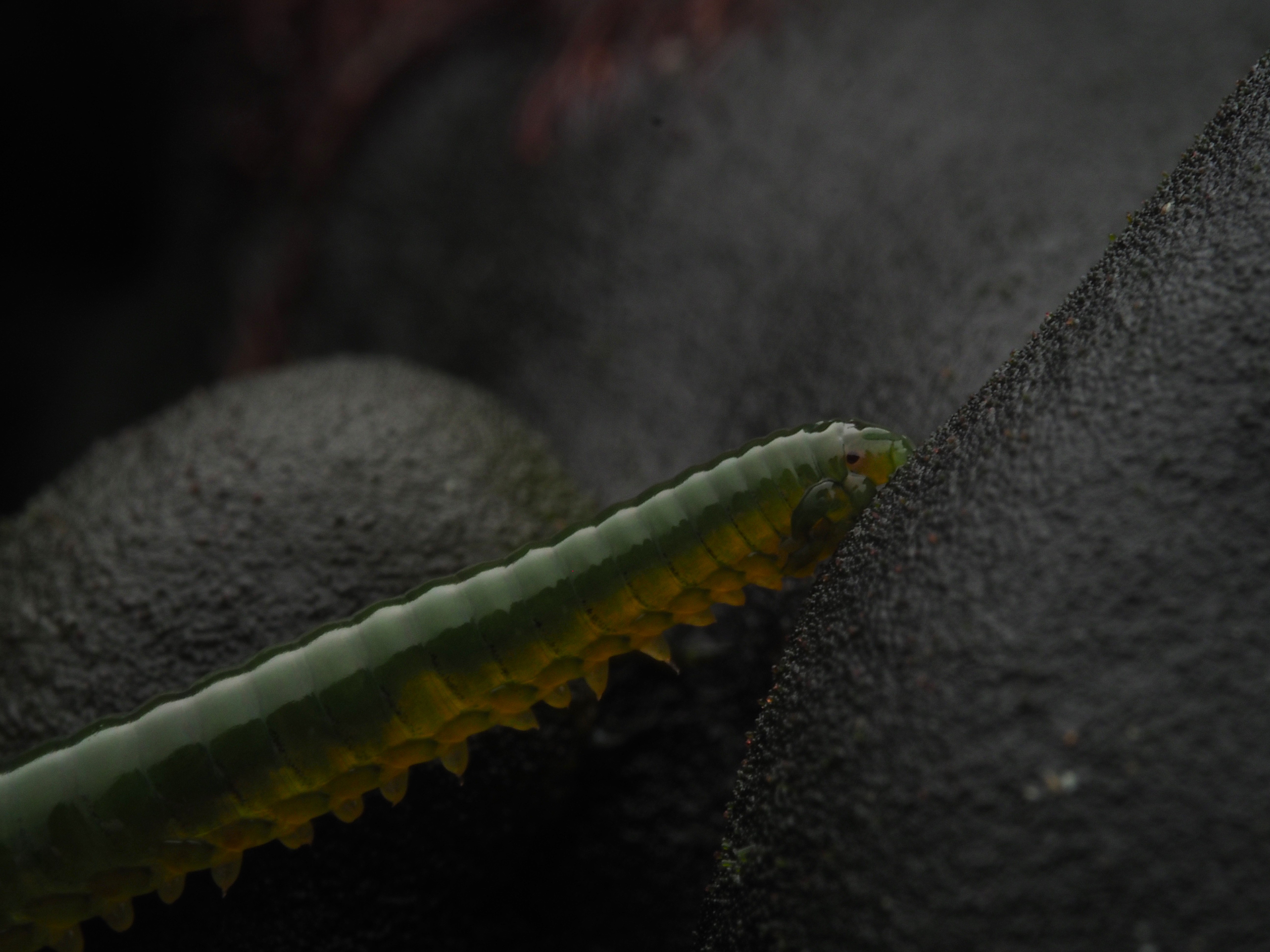
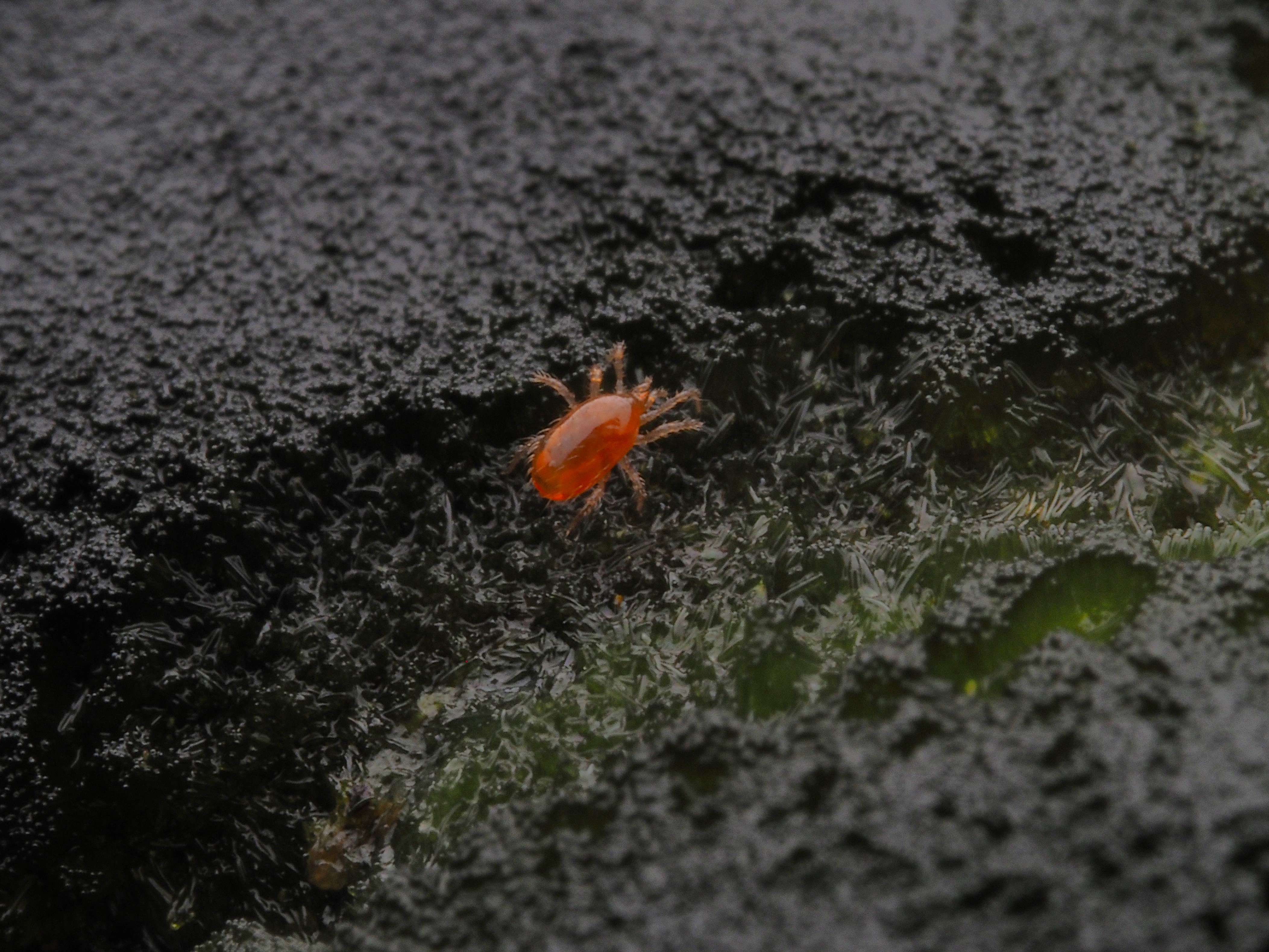
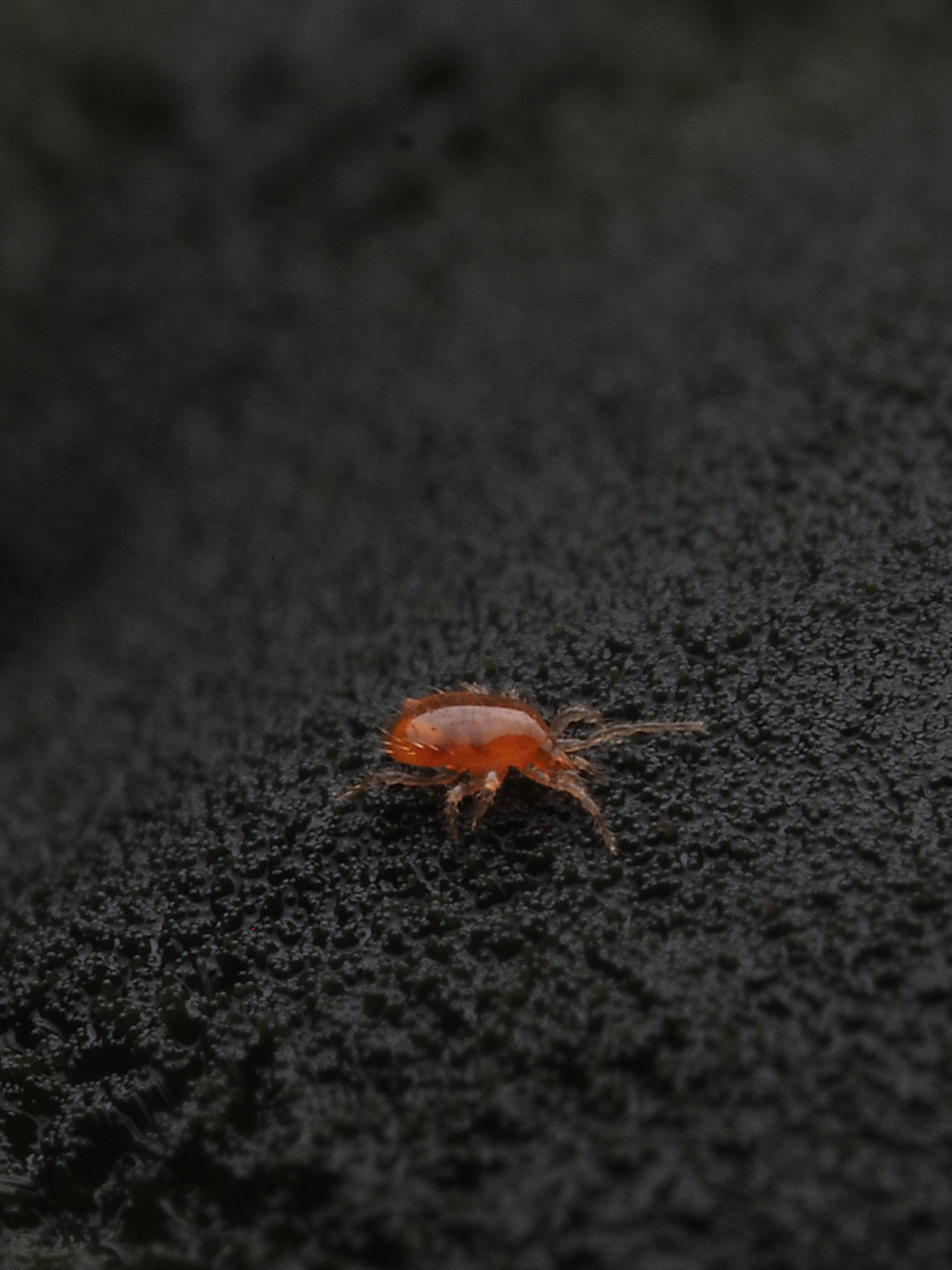
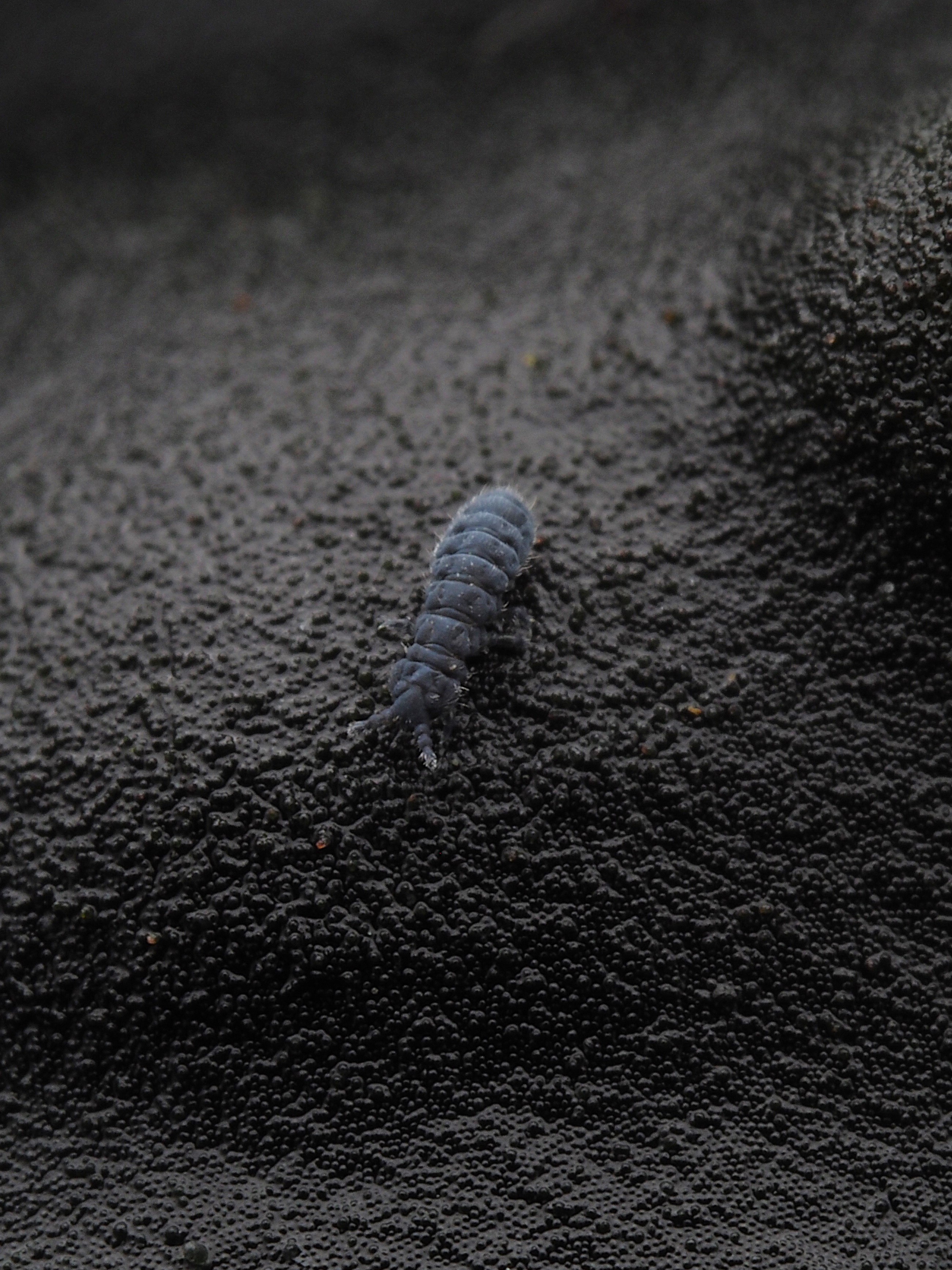
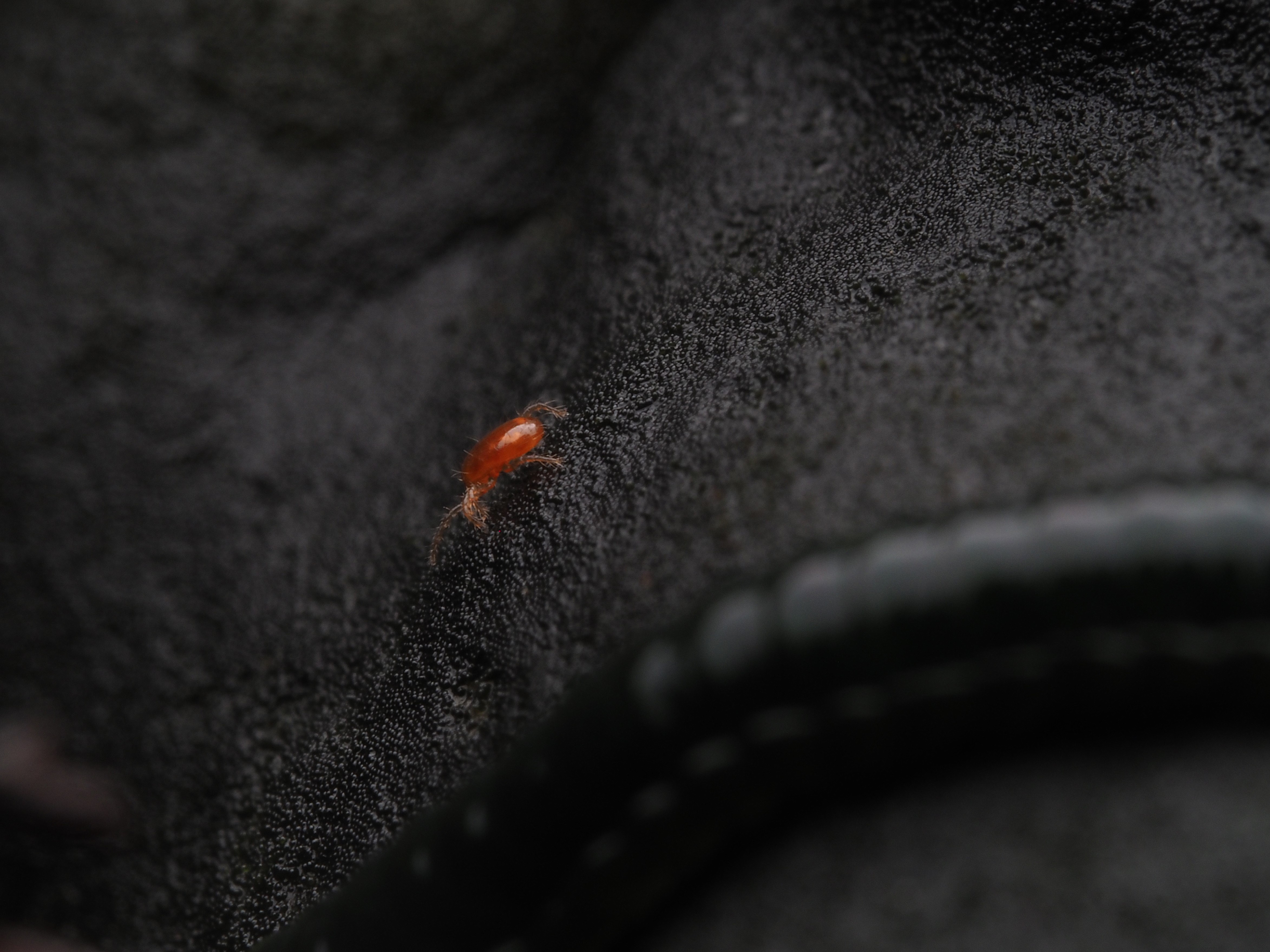
The Emerald Green Paddle Worm (or Green Leaf Worm) Eulalia clavigera ranges from a few to 10 centimetres and is common in rockpools in Britain (although most are probably more familiar with their egg masses, see here). During a recent scramble over the Trefusis Headland I noticed some out of the water on Codium adhaerens seaweed. Using my cygnustech diffuser and a bit of extra magnification courtesy of a Raynox clip-on macrolens I got to work! Taking photos of these worms is difficult as they are continuously on the move. It is also hard to get close to them with the diffuser bumping into the rocks and obscuring the light. However, they are very rewarding subjects; worms are usually overlooked but they are very beautiful! The Codium seaweed proved a perfect background, absorbing all light, a bit like black velvet. When you spend enough time on your knees peering down, you also always notice other things, some tiny springtails Anura maritima as well as some even tinier red mites (see also this old post). One of my new year’s resolutions is to photograph more worms – and the good thing is that there are many other species available, including paddle worm species, one of which is in the process of being described new to science by my friend David Fenwick).

Scorpion Spider Crabs

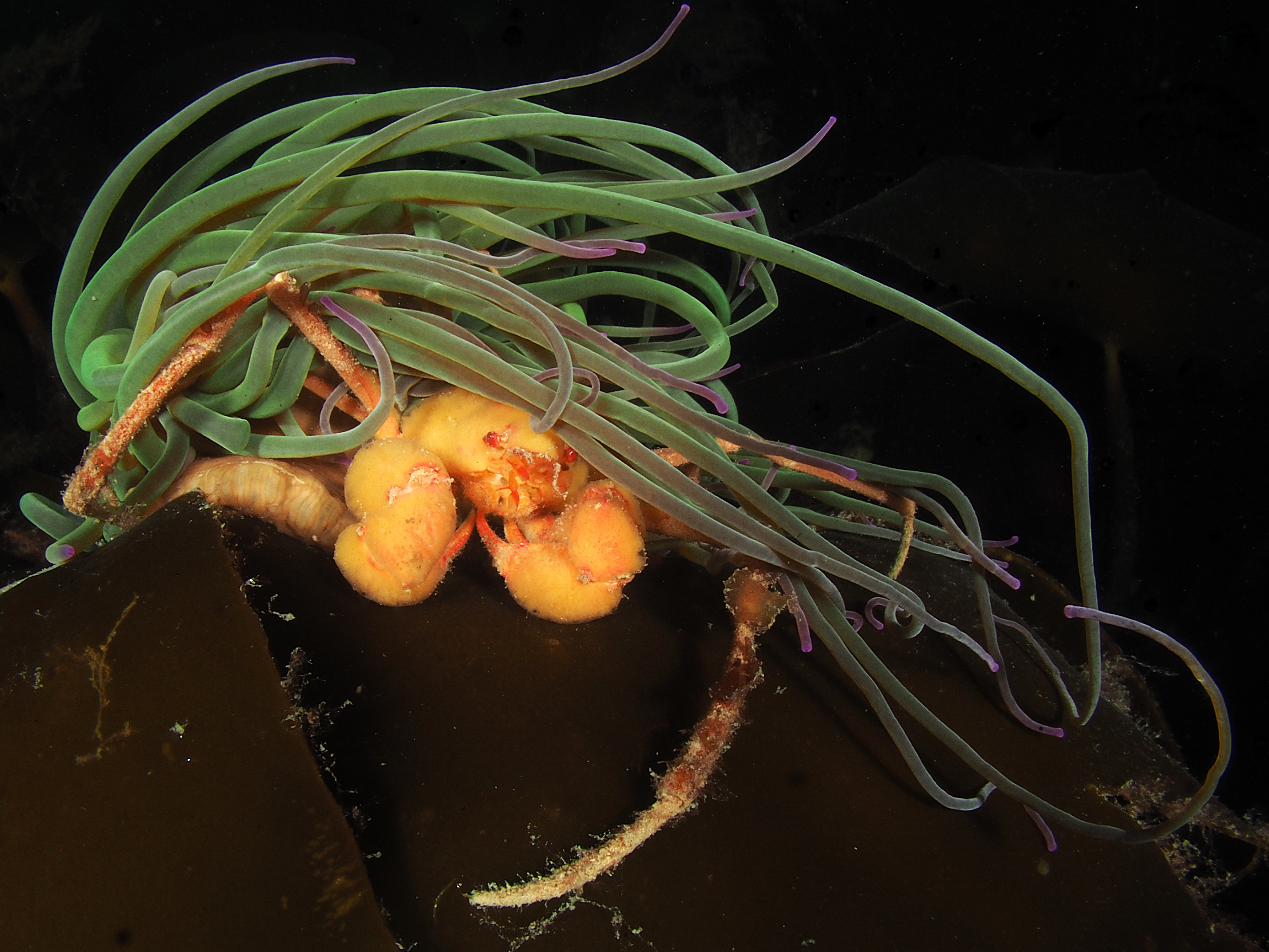
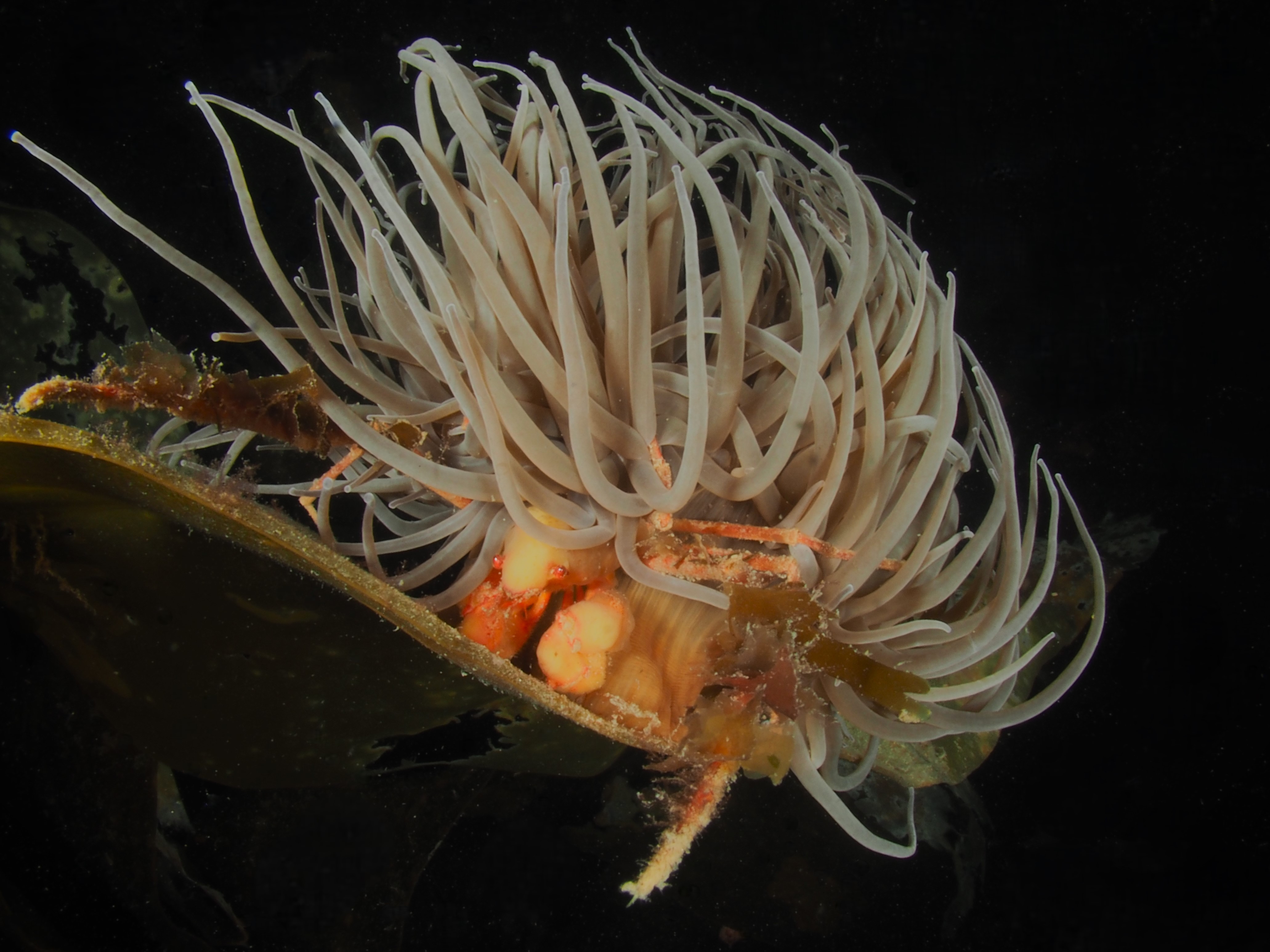
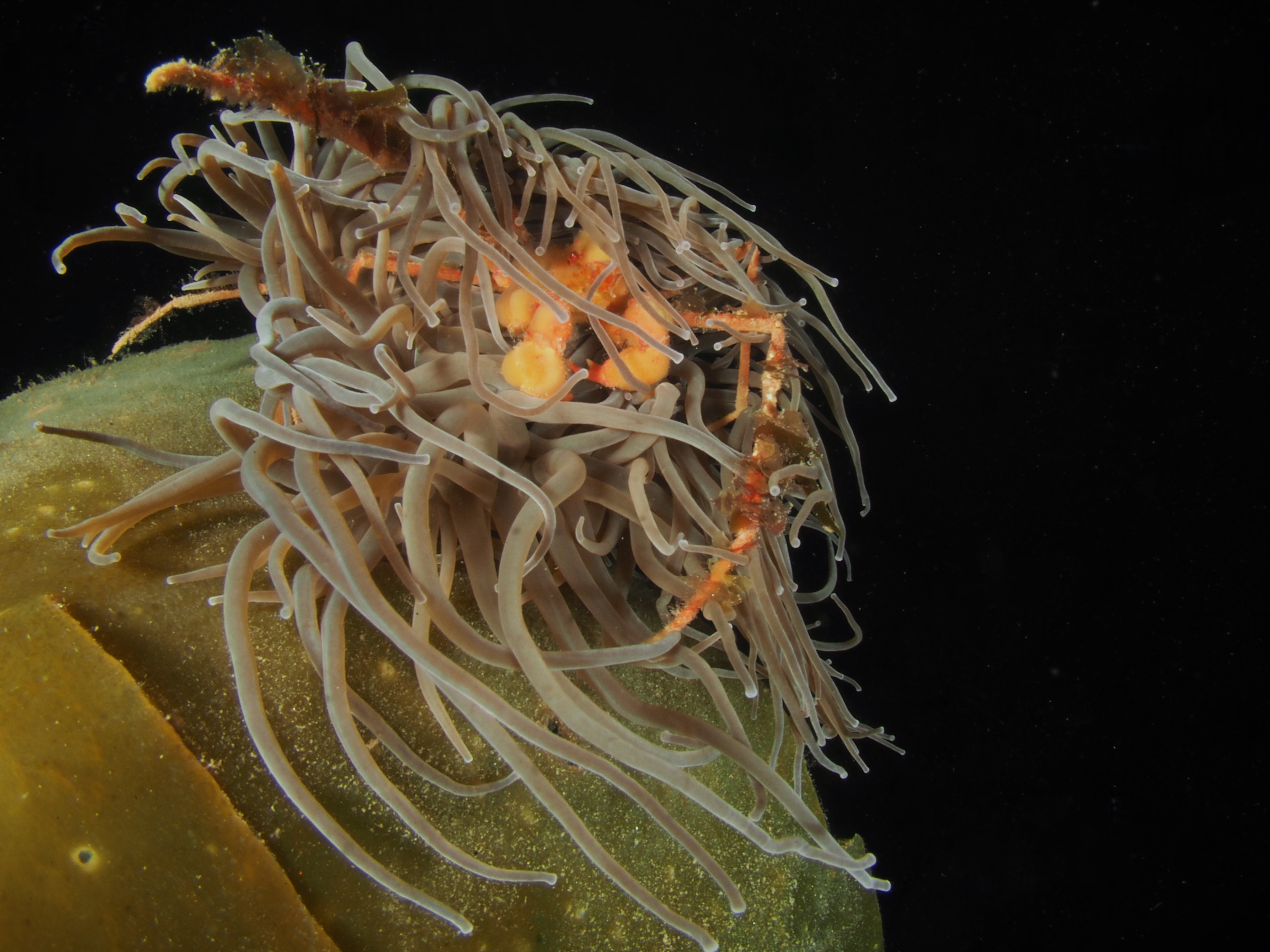
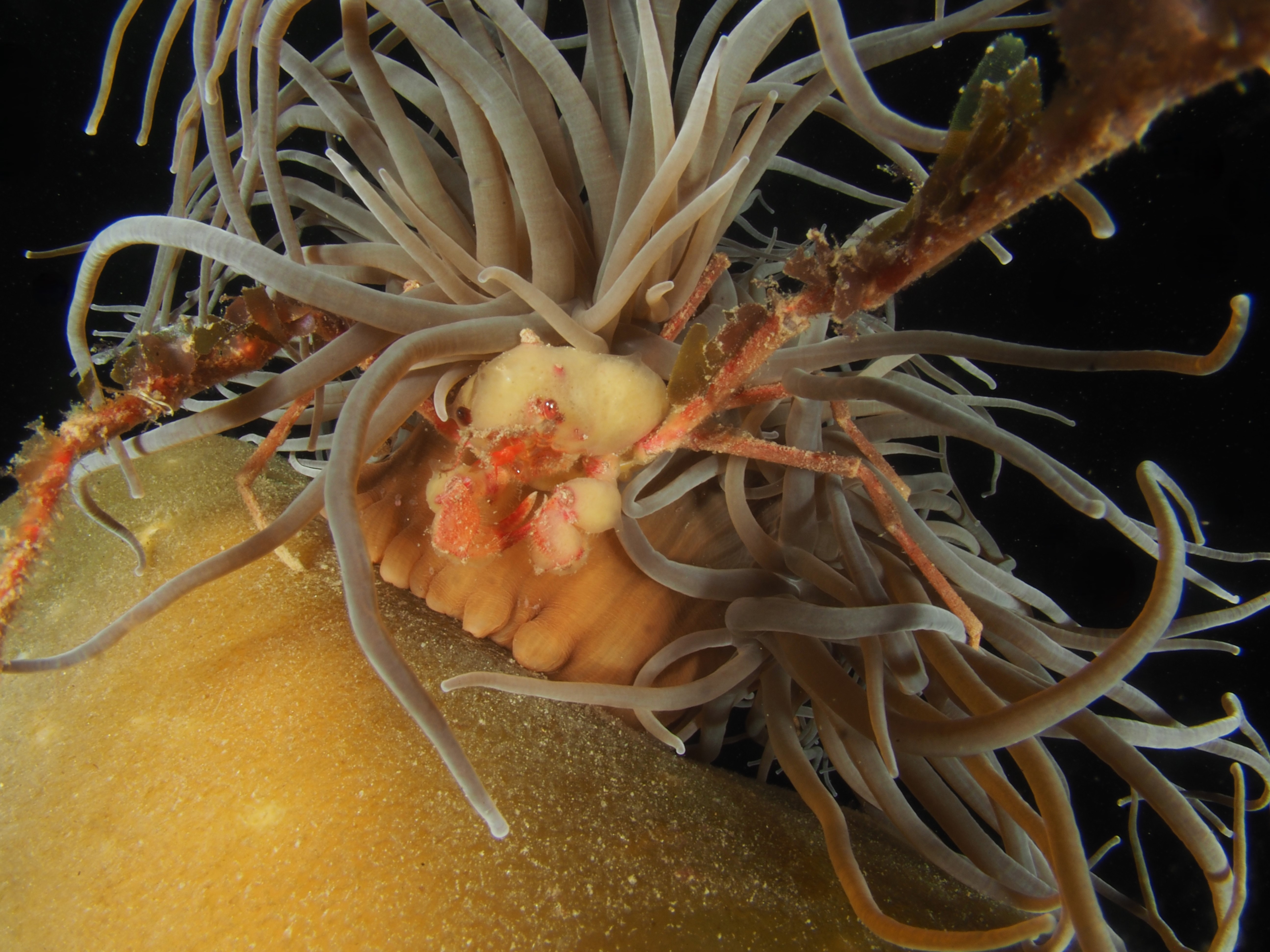
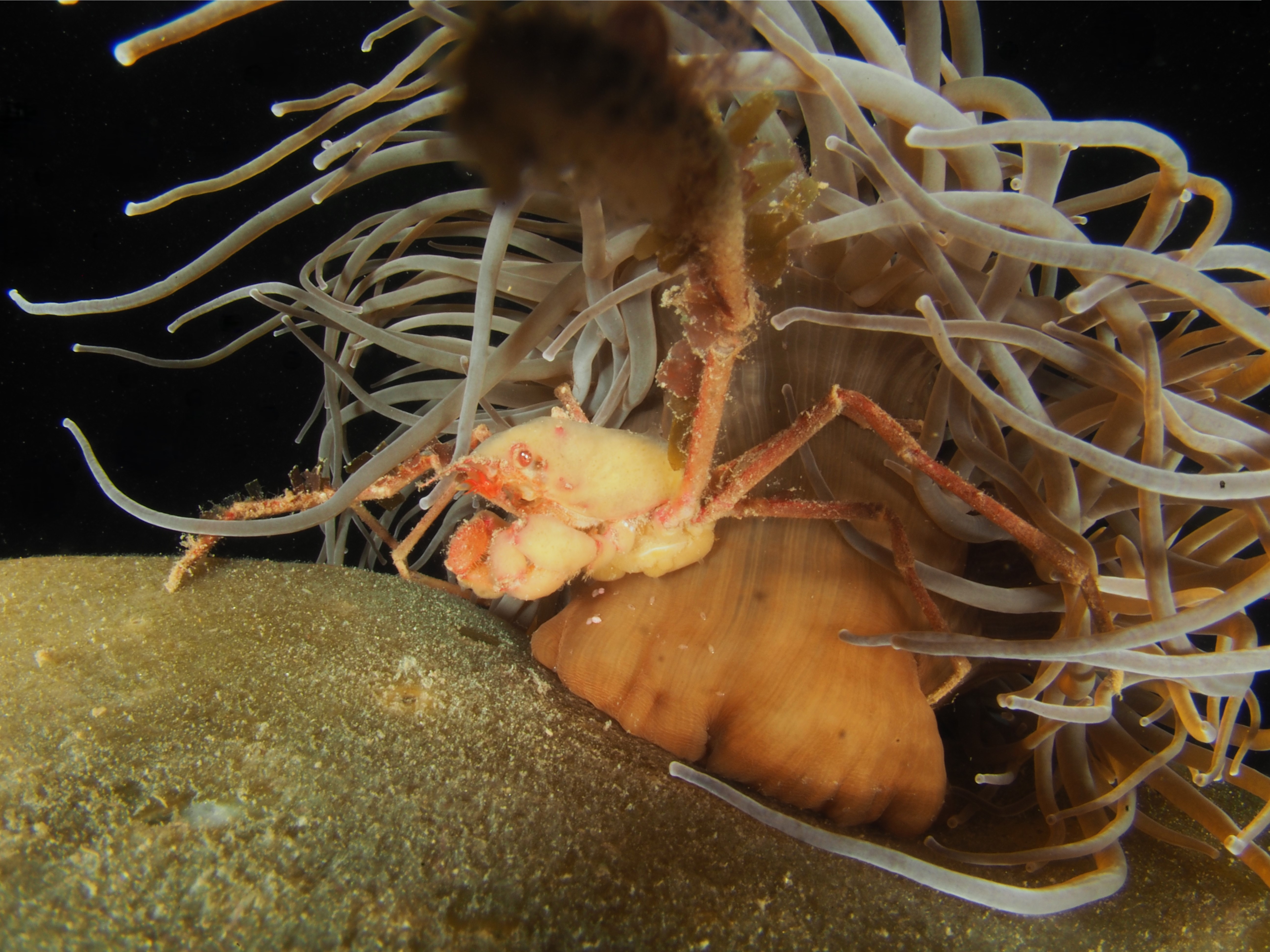
I recently posted on the Crustaceans inhabiting my local shore dive site Silver Steps (see here), but left out one species: the Scorpion Spider Crab (Inachus spp.), which deserves a post on its own. I have blogged about this crab before (see here), specifically in the context of ‘macro-wide angle’ for which this species, perched on- or under a snakelocks anemone, is ideally suited. My previous efforts were based on an affordable inon wetlens, but I have since bought a super-duper nauticam lens. Although very good at macro-wide angle, this lens lets in very little light, which basically gives you three options: 1) lie on some bright white coral sand in the Maldives and shoot upwards to the sun at midday (so actually not really an option), 2) increasingly compromise the exposure triangle to keep a blueish/greenish background (higher ISO>more noise, lower shutterspeed>more camera shake, greater aperture>smaller depth of field), or 3) keep all settings in a ‘normal’ range, resulting in a foreground lit up by strobes on maximum output, but a black background (only if you are shooting critters in rock crevices you can get both fore- and background well-exposed, as strobe light has something to bounce back from – see for some examples the Crustaceans post). I quite like the clean black background and dislike bluer, but grainier images, so have mainly tried option 3. Hopefully, next year in summer I can try going for some blue background shots. Sorry if this blog is occasionally turning into a photography borefest by the way, but I have been really getting into that stuff! ;-). Anyway, these scorpion spider crab pics have turned out quite nicely.

macro macro macro

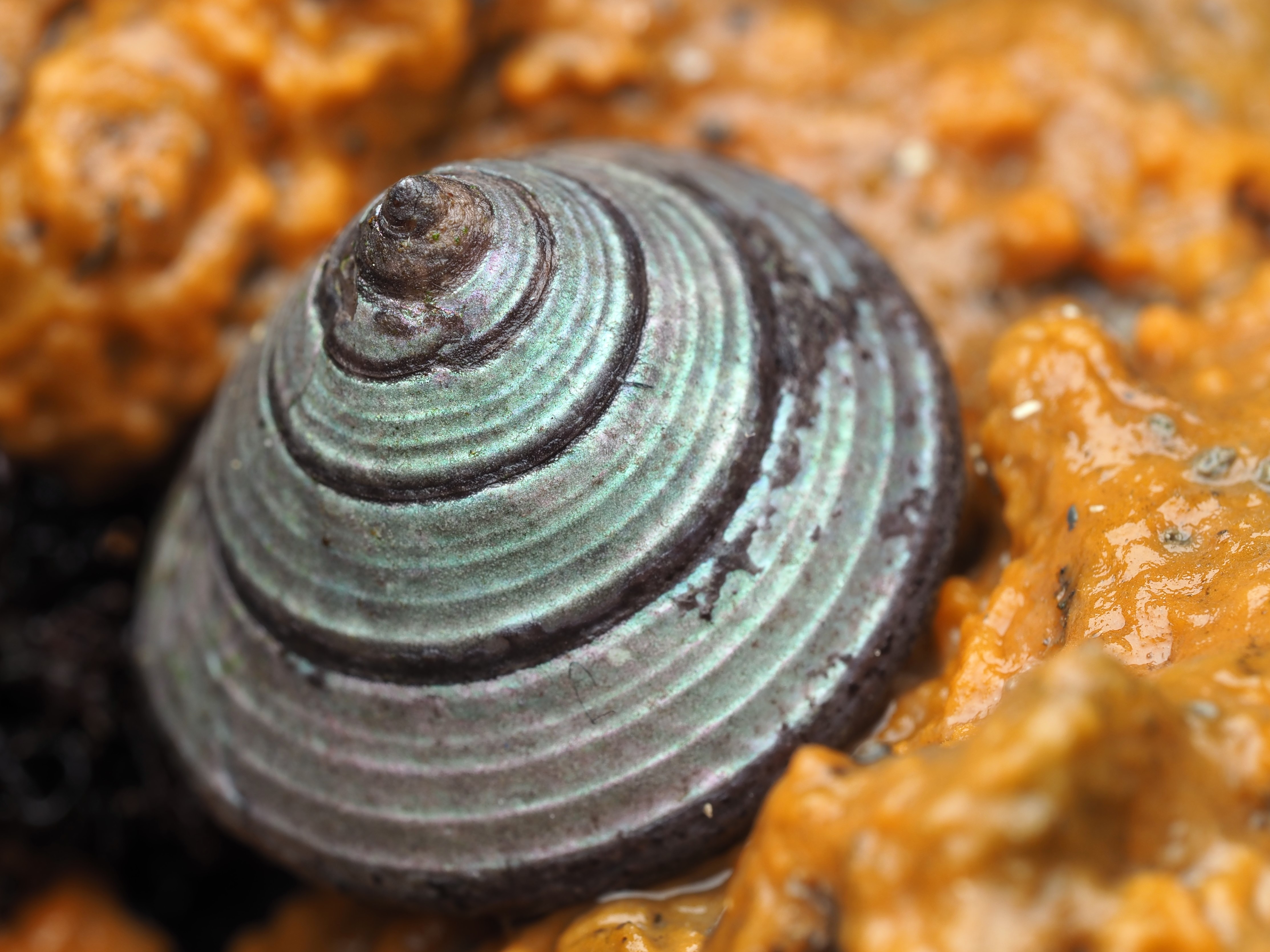
There was little wind last Saturday and a superlow tide so time for some rockpool macro! Above, a Purple Topshell Calliostoma zizyphinum; common but and pretty. I liked the background which was achieved using a relatively shallow depth of field (f/8). I took my time exploring a small patch (core body temperature slowly decreasing) as this is the only way to find creatures that are smaller than topshells. I spotted a St. John’s Stalked Jellyfish Calvadosia cruxmelitensis and took the same shallow depth of field approach (f/5.6).
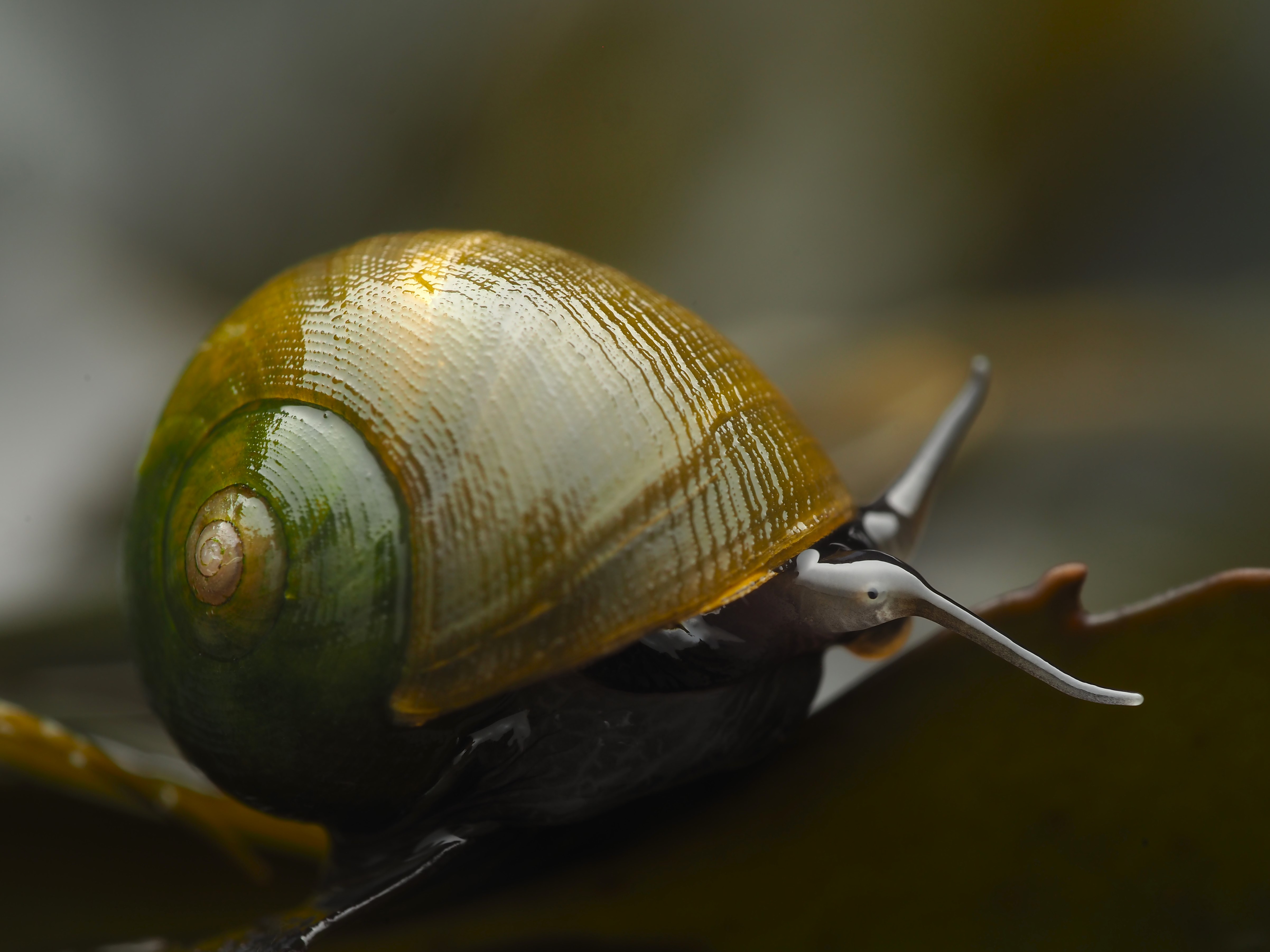
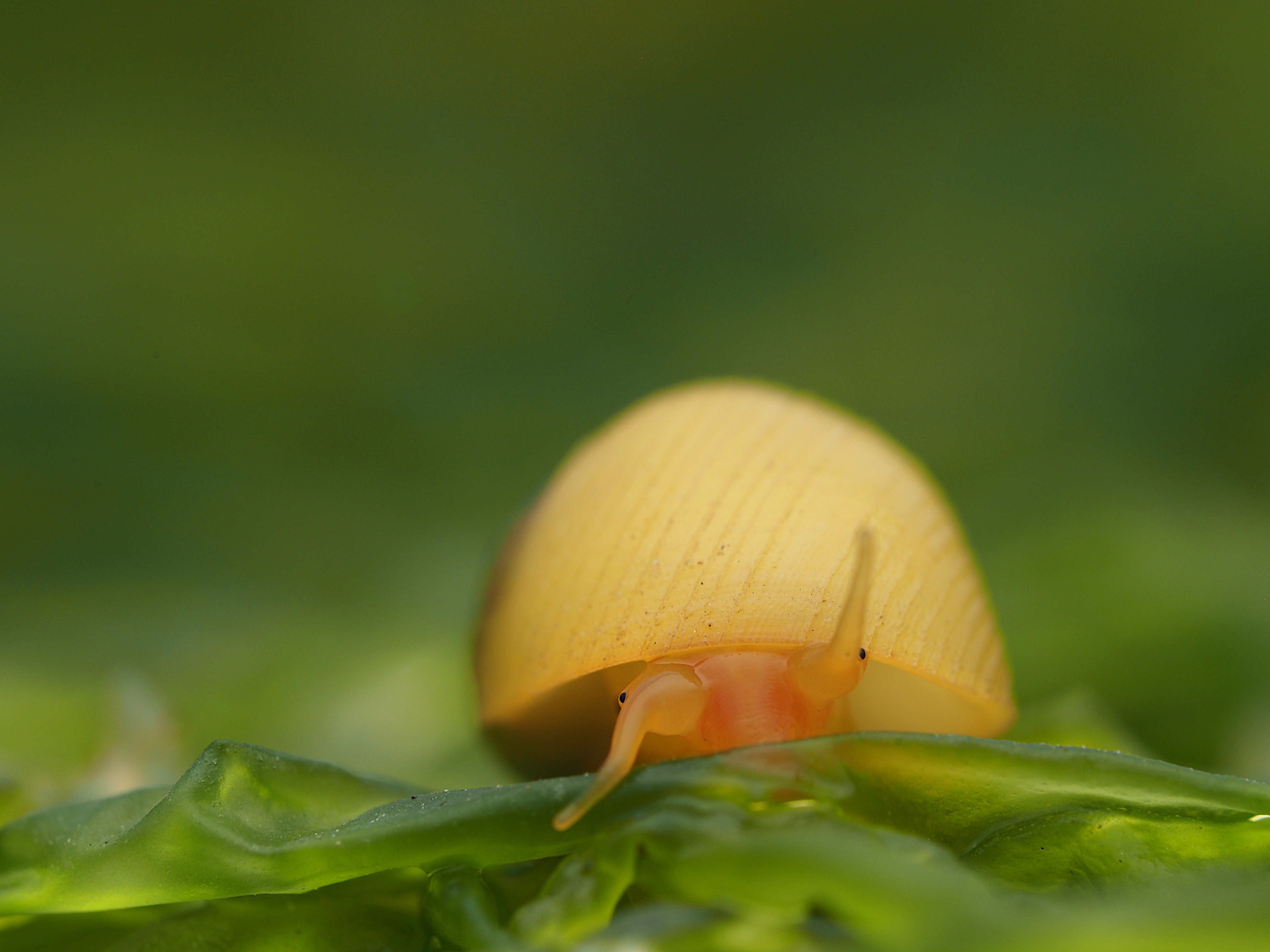
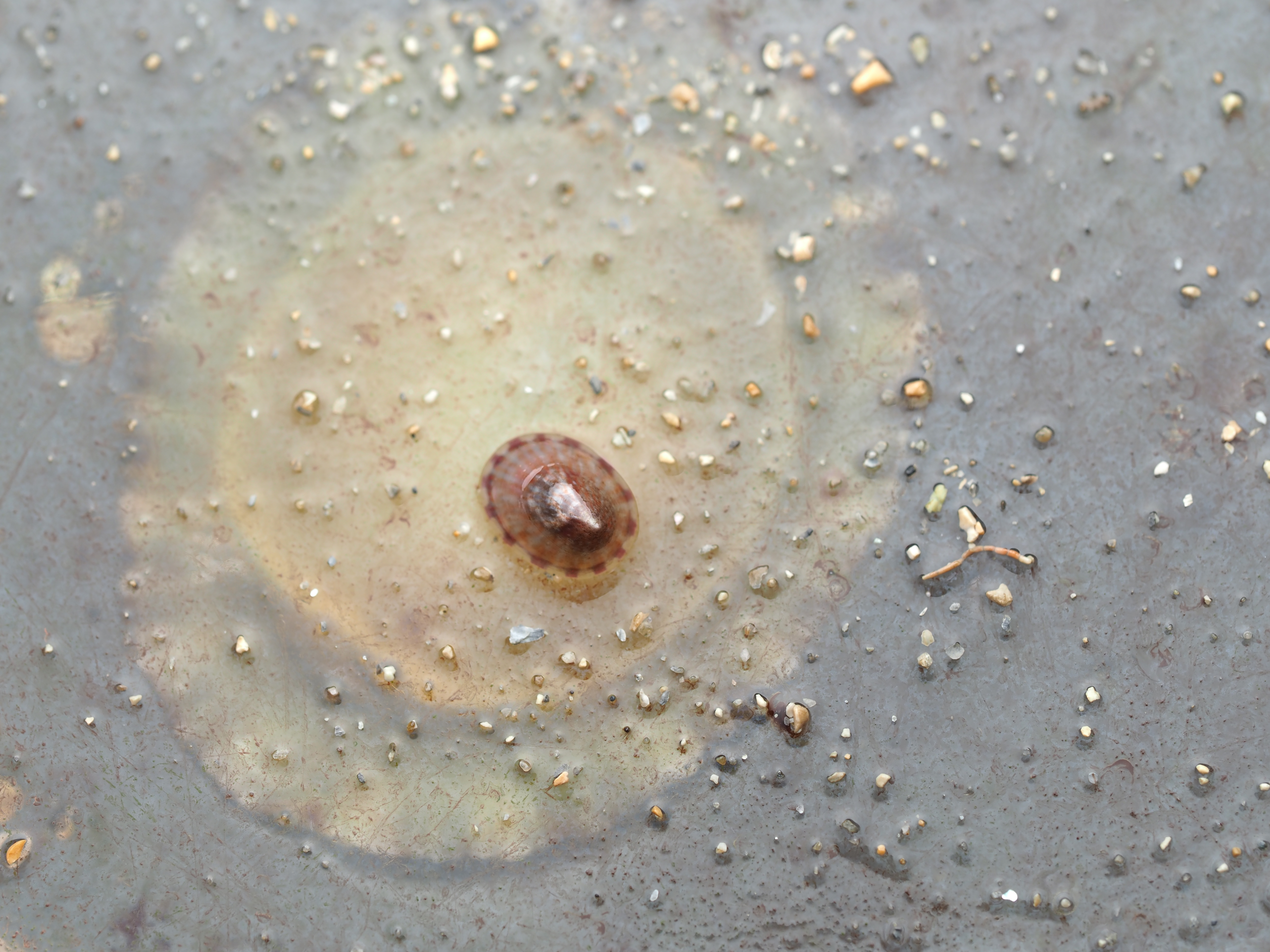
Lastly a pretty little mollusc: the White Tortoiseshell Limpet Tectura virginea. (It is only about half a centimetre long, so I had to use my CMC-1 wetlens for extra magnification.) This species is found on calcified red seaweeds on which it grazes. Their colouration is amazing (I especially like that the growing edge of the shell looks very different). Similar-sized Blue-rayed Limpets (see this recent post) are much more often photographed than this species – what can I say, Tortoiseshell Limpets are the hipster’s choice!

Crustacean Crevice Dwellers

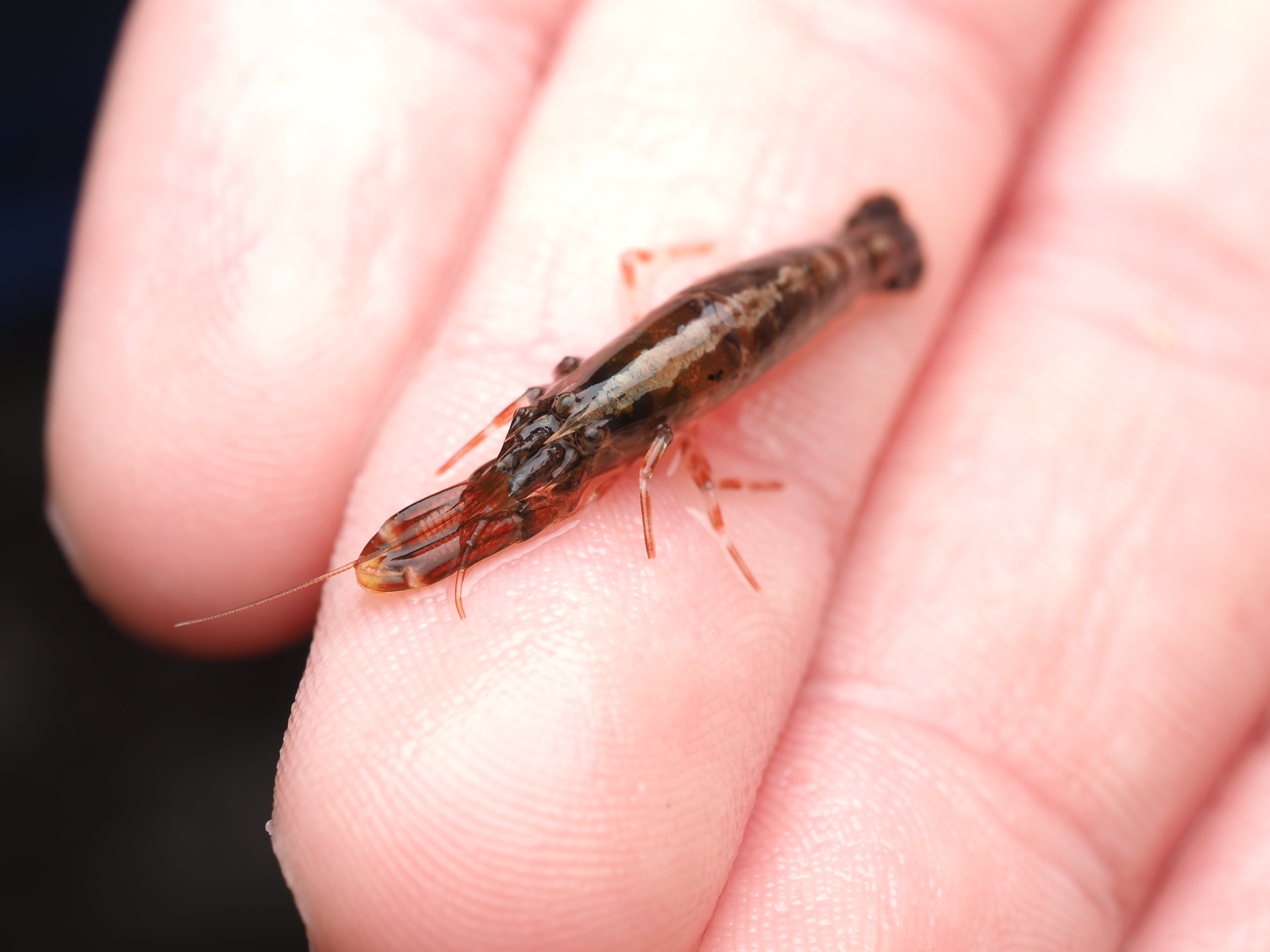
I have done a fair bit of diving at Silver Steps this year and it is high time to publish some of the photos I took there, starting with the Crustaceans that inhabit the cracks in the rocks. Most pics were taken with the macro-wide angle lens, which is not only suited because of its perspective, but also because it is long and thin and so can be poked into the crevices where these creatures lurk. Above, two Velvet Crabs Necora puber, which are abundant and feisty – I only noticed the small female in the photo afterwards! Below a European Lobster Homarus gammarus, also quite common and some of them are quite big. They usually shuffle out of their den quite menacingly only then to retreat again. Although impressive animals, it is hard to get an aesthetically pleasing shot out of them I find.

Next, the Squat Lobster Galathea strigosa, also a common, but quite shy species which is just as happy upside down as right side up. Also common are Brown (or Edible) Crabs Cancer pagurus, the individual here not in a crevice but in a piece of steel wreckage.

The other big, common Crustacean here occasionally perches on rock walls but usually is found roaming the seabed: the European Spider Crab (rebranded by local fishmongers as ‘Cornish King Crab’ – sounds more appetizing than something spiderlike) Maja squinado brachydactyla. Like the lobster, the behaviour of these guys is a mixture of bravado and fear. The weird lens allows me to get close, but as it lets in very little light, I am forced to use a high ISO and slow shutterspeed, making these images not the crispiest.
The final photo is technically not great, but I like it because it shows how a range of species apparently gets on quite well at close quarters. On the left, a Common Prawn Palaemon serratus, which can grow quite large and is actually really beautiful with its blue and yellow stripes. Right behind it is a Squat Lobster, with two Edible Crabs lurking in the background and an upside down male Connemara Clingfish Lepadogaster candolii – the next post will be about the fish of Silver Steps!

Rockpool Macro

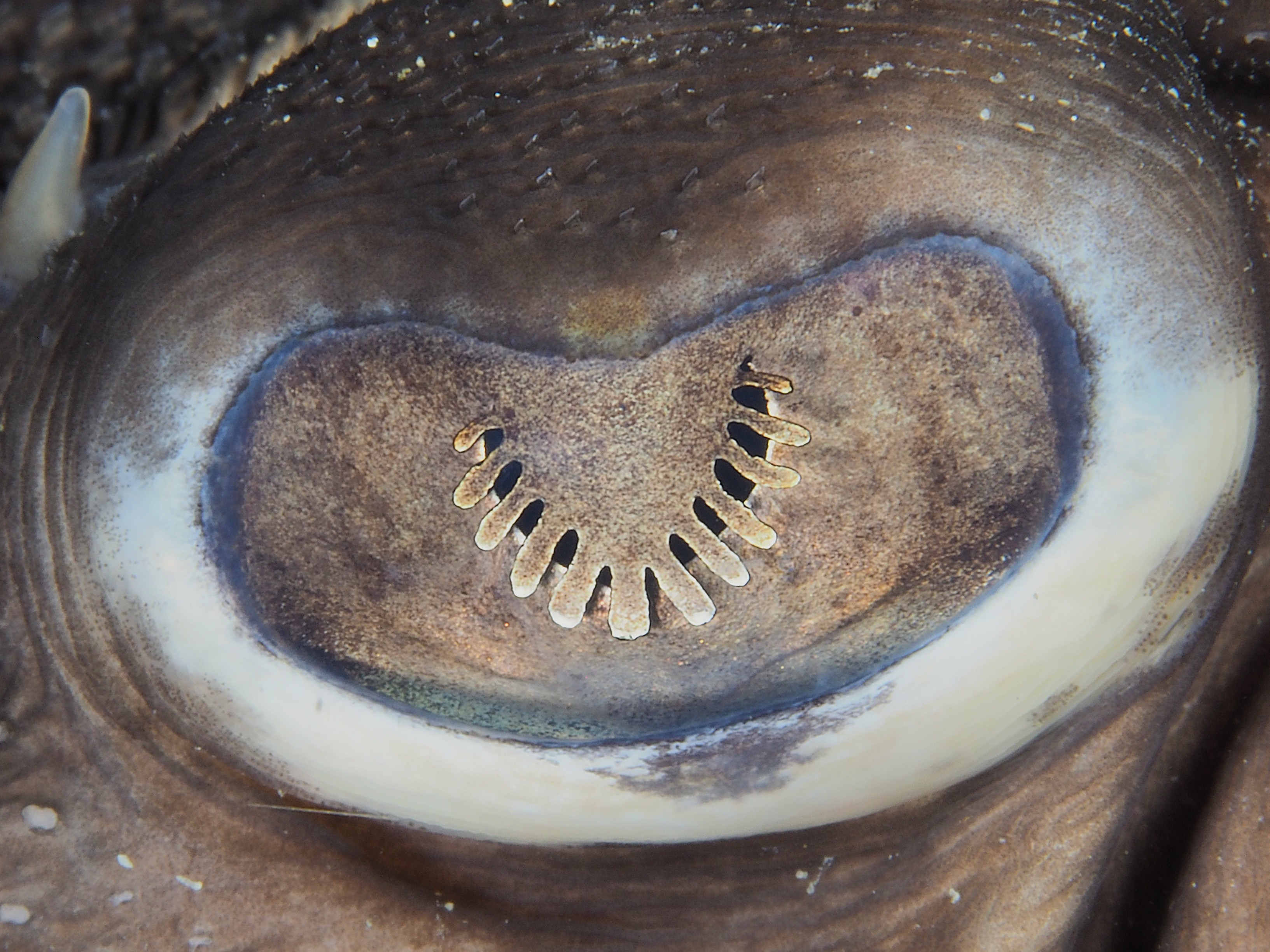
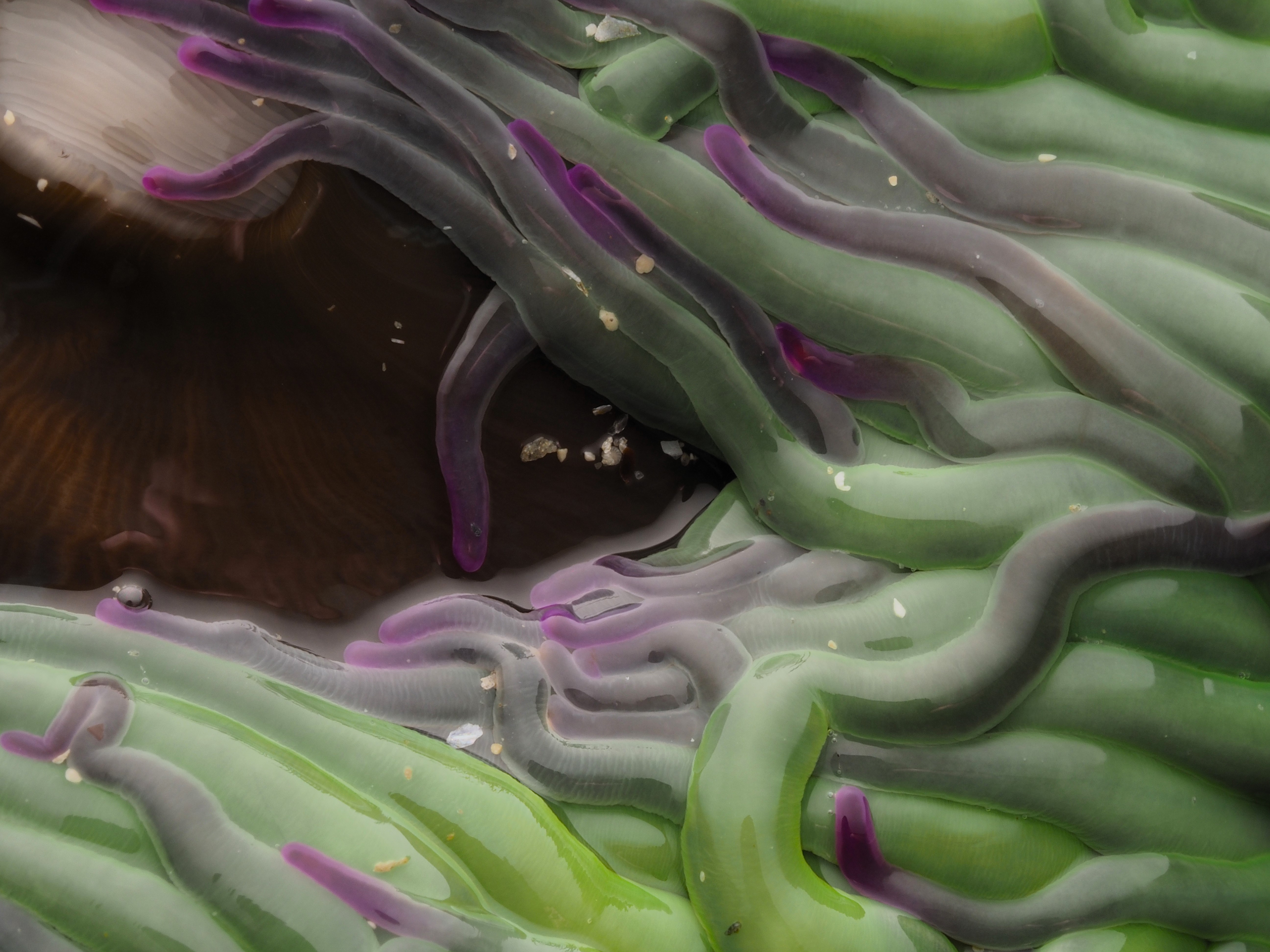
Easterlies (bad viz) and low tides meant some macro photography in the rockpools this Saturday. The water is getting chillier but staying in for two hours is still possible. I returned to a subject I tried my hand at before: the tube feet of a Green Sea Urchin (Psammechinus miliaris). The 60mm macro + cmc-1 wetlens plus some cheeky cropping gets me close, although I always want to get even closer! I was happier with the results than the previous times, so I posted it on instagram (@an_bollenessor). Below a more zoomed out view of the underside of the urchin, yours truly in the water, a common brittlestar, a small brittlestar, a pheasant shell, a tiny nermertean worm which might be this (thanks David Fenwick!) and a detail of a redspeckled anemone.